Showing Posts From
Books
-
 Clara Schmidt
 - 07 Jul, 2026 18:03
Die unendliche Odyssee der Worte: Eine Reise durch die Geschichte des Romans
In den Tiefen der menschlichen Seele, wo Gedanken zu Bildern und Gefühle zu Geschichten reifen, entsteht die universelle Sehnsucht, Erlebtes und Erdachtes zu erzählen. Bevor die Tinte das Pergament berührte und der Druck die Welt veränderte, flüsterten Mythen und Epen von Göttern, Helden und fantastischen Reisen durch die Jahrtausende. Doch es gab einen Moment, einen Wendepunkt in der menschlichen Erzählkunst, als das Individuum, mit all seinen Widersprüchen, seiner inneren Welt und seinem Platz in der Gesellschaft, in den Vordergrund trat. Dieser Moment gebar den Roman – ein literarisches Gefäß, das sich über Kulturen und Epochen hinweg immer wieder neu erfand, um die unendliche Komplexität der menschlichen Existenz einzufangen. Er ist nicht bloß eine Form, sondern ein lebendiger Organismus, der sich anpasst, transformiert und mit jeder Generation von Lesern und Schreibern neue Blüten treibt. Begleiten Sie mich auf eine epische Reise durch die Zeit, um die Entstehung und Entwicklung dieser faszinierendsten aller literarischen Gattungen zu erkunden. Die frühesten Echoes: Antike Ursprünge und Vorformen Bevor der Roman als klar definierte Gattung in Erscheinung trat, existierten bereits zahlreiche Erzählformen, die als seine entfernten Vorläufer betrachtet werden können. In der Antike, lange vor unserer Zeitrechnung, finden wir Texte, die zwar nicht alle Merkmale des modernen Romans aufweisen, aber doch eine ähnliche erzählerische Absicht verfolgten: komplexe Handlungen, charakterliche Entwicklungen und das Eintauchen in fremde Welten. Ein bemerkenswertes Beispiel aus dem alten Ägypten ist die "Geschichte von Sinuhe" aus dem mittleren Reich (ca. 1900 v. Chr.). Diese Prosaerzählung beschreibt die Flucht und die Abenteuer eines Ägypters in Syrien und seine spätere Heimkehr. Sie beinhaltet Elemente der Reise, der Identitätssuche und der Auseinandersetzung mit Schicksal, die spätere Romane prägen sollten. Auch wenn es sich um eine kürzere Erzählung handelt, zeigt sie bereits das Potenzial der Prosa, individuelle Erfahrungen und psychologische Tiefe zu erkunden. In der griechisch-römischen Antike entstanden Werke, die dem Roman schon wesentlich näherkamen. Autoren wie Longos mit "Daphnis und Chloe" oder Heliodor mit den "Aithiopika" schufen umfangreiche Liebes- und Abenteuergeschichten. "Daphnis und Chloe", ein pastorales Werk, erzählt die Geschichte zweier Findelkinder, die sich auf dem Land ineinander verlieben und diverse Prüfungen bestehen müssen, bevor ihre wahre Herkunft offenbart wird. Es ist ein Frühwerk, das sich auf die Entwicklung von Charakteren und romantische Verwicklungen konzentriert. Petronius' "Satyricon" aus dem 1. Jahrhundert n. Chr. ist eine satirische und oft derbe Darstellung des römischen Lebens, die in Prosa und Versen verfasst ist und Episoden aus dem Leben eines Pikareskenhelden erzählt. Apuleius' "Metamorphosen" oder "Der goldene Esel" (2. Jahrhundert n. Chr.) ist eine weitere bedeutende romanähnliche Schrift, die die Abenteuer eines Mannes beschreibt, der in einen Esel verwandelt wird, und dabei Elemente von Magie, Religion und Sozialkritik vereint. Diese Werke legten den Grundstein für die Idee einer ausgedehnten, fiktionalen Prosaerzählung, die nicht den strengen Regeln der Epik folgte. Sie zeigten, dass es ein Publikum für Geschichten gab, die das Alltägliche, das Wunderbare und das Menschliche auf neue Weise miteinander verknüpften.Der epochale Sprung: Mittelalterliche Erzählformen und die Geburt des psychologischen Romans Das Mittelalter, oft als "dunkles Zeitalter" missverstanden, war in Wirklichkeit eine reiche Brutstätte für neue Erzählformen, die den Weg für den modernen Roman ebneten. Während heroische Epen und höfische Romane in Versform dominierten, begannen sich auch Prosatexte zu etablieren, die sich zunehmend komplexeren Themen zuwandten. Die arthurischen Romanzen, insbesondere die von Chrétien de Troyes im 12. Jahrhundert, waren zwar oft noch in Versen gehalten, doch ihre detaillierte Erkundung von Liebe, Ehre und ritterlichen Idealen, die inneren Konflikte der Charaktere und die Entwicklung psychologischer Tiefe waren entscheidend. Später wurden viele dieser Romanzen in Prosa übertragen, was ihre Zugänglichkeit erweiterte und die Entwicklung der Prosa als Erzählmedium förderte. Doch der wahre epochale Sprung in der Geschichte des Romans erfolgte weit entfernt von Europa. Im Japan des 11. Jahrhunderts schuf Murasaki Shikibu mit dem "Genji Monogatari" (Die Geschichte vom Prinzen Genji) ein Werk, das oft als der weltweit erste psychologische Roman gilt. Über 54 Kapitel hinweg entfaltet es das Leben des Prinzen Genji, seine Liebschaften, politischen Intrigen und philosophischen Betrachtungen über die Vergänglichkeit. Der Roman zeichnet sich durch seine bemerkenswerte psychologische Tiefe, seine subtilen Charakterstudien und seine detaillierte Darstellung des Hoflebens der Heian-Zeit aus. Er ist eine tiefgründige Meditation über Schönheit, Liebe, Verlust und die buddhistische Lehre der Vergänglichkeit, verpackt in eine vielschichtige Prosaerzählung. Das "Genji Monogatari" stand in seiner Komplexität und seinem Fokus auf die Innenwelt der Figuren den europäischen Entwicklungen um Jahrhunderte voraus. Parallel dazu entwickelte sich in der arabischen Welt im 12. Jahrhundert der philosophische Roman "Hayy ibn Yaqdhan" von Ibn Tufail. Diese allegorische Erzählung über einen Jungen, der auf einer einsamen Insel aufwächst und durch Beobachtung und Vernunft die Wahrheit und Gott entdeckt, ist ein frühes Beispiel für eine Robinsonade und eine philosophische Auseinandersetzung mit Erkenntnistheorie und Spiritualität in Prosaform. Obwohl "Tausendundeine Nacht" als Sammlung von Erzählungen oft mit dem Roman assoziiert wird, handelt es sich eher um eine Ansammlung von Kurzgeschichten, die durch eine Rahmenhandlung verbunden sind, und nicht um einen kohärenten, durchgehenden Roman im modernen Sinne. Nichtsdestotrotz trugen die reichen Erzähltraditionen dieser Kulturen entscheidend zur globalen Evolution der literarischen Prosa bei. Die Renaissance und der Durchbruch: Pikareske und moderne Ansätze Die Renaissance in Europa markierte eine Zeit des Umbruchs, des wissenschaftlichen Fortschritts und einer neuen Fokussierung auf den Menschen und seine Individualität. Dies spiegelte sich auch in der Literatur wider. Im 16. Jahrhundert entstand in Spanien eine neue Form der Prosaerzählung: der Schelmenroman oder Pikareskenroman. Werke wie "Lazarillo de Tormes" (anonym, 1554) und "Guzmán de Alfarache" von Mateo Alemán (1599) brachen radikal mit den idealisierten Helden der Ritterromanzen. Sie präsentierten einen "Picaro", einen Schurken oder Schelm, der durch die Gesellschaft wandert, verschiedene Herren dient und sich mit List und Witz durchs Leben schlägt. Diese Romane waren oft episodisch, zeigten eine realistische, manchmal zynische Sicht auf die Welt und boten scharfe Sozialkritik. Sie legten den Grundstein für eine Form des Romans, die sich mit den weniger glamourösen Aspekten des menschlichen Daseins auseinandersetzte. Der absolute Meilenstein dieser Periode und oft als der erste moderne Roman bezeichnet, ist "Don Quijote von der Mancha" (Teil 1: 1605, Teil 2: 1615) von Miguel de Cervantes Saavedra. Cervantes nahm die Konventionen der Ritterromane aufs Korn, indem er einen alten Hidalgo erschuf, der nach Lektüre zu vieler Ritterbücher den Verstand verliert und selbst zum fahrenden Ritter wird. "Don Quijote" ist ein bahnbrechendes Werk, das nicht nur die Romantik parodiert, sondern auch tiefe Einblicke in die menschliche Psyche bietet, die Realität und Illusion miteinander verwebt und eine unvergleichliche Komplexität in der Charakterentwicklung zeigt. Die Interaktion zwischen dem idealistischen Don Quijote und seinem pragmatischen Knappen Sancho Panza schuf ein Modell für dynamische Charakterpaare, das bis heute nachwirkt. Cervantes' Roman nutzte die Prosa, um eine Vielzahl von Stimmen und Perspektiven zu integrieren und dabei sowohl ernsthafte als auch komische Elemente zu vereinen. Im Frankreich des 17. Jahrhunderts, einer Zeit des Klassizismus und der höfischen Kultur, entstand mit Madame de La Fayettes "La Princesse de Clèves" (1678) ein weiterer wichtiger Vorläufer des modernen psychologischen Romans. Dieses Werk konzentriert sich auf die inneren Konflikte und moralischen Dilemmata seiner adligen Protagonistin und verzichtet auf weitschweifige Abenteuer zugunsten einer intensiven Erkundung der Emotionen und der inneren Welt. Es markiert einen Trend hin zu mehr Realismus und psychologischer Analyse in der Romanliteratur. Das 18. Jahrhundert: Die Blüte des Romans als Gattung Das 18. Jahrhundert war die entscheidende Periode für die Etablierung des Romans als vorherrschende literarische Gattung, insbesondere in England. Verschiedene Faktoren trugen zu diesem Aufschwung bei: der Aufstieg der Mittelschicht, eine zunehmende Alphabetisierung, die Verbreitung von Druckereien und Leihbibliotheken sowie ein wachsendes Bedürfnis nach Unterhaltung, die das bürgerliche Leben und seine Werte widerspiegelte. Der Roman löste sich endgültig von der Abhängigkeit von Mäzenen und wurde zu einem Produkt des Marktes, das ein breites Publikum ansprach. Daniel Defoe gilt als einer der Pioniere des modernen Romans. Seine Werke wie "Robinson Crusoe" (1719) und "Moll Flanders" (1722) zeichnen sich durch ihren Realismus, ihre detaillierte Darstellung des individuellen Überlebenskampfes und ihre wirtschaftlichen und moralischen Themen aus. "Robinson Crusoe" ist die archetypische Geschichte eines Schiffbrüchigen, der mit Einfallsreichtum und Entschlossenheit eine Zivilisation auf einer einsamen Insel aufbaut, und wurde zu einem Klassiker der Abenteuerliteratur. Samuel Richardson führte den Briefroman ein, eine Form, die es ermöglichte, die innersten Gedanken und Gefühle der Charaktere direkt zu präsentieren. "Pamela oder Die belohnte Tugend" (1740) und das weitaus komplexere und tragischere "Clarissa" (1747-48) waren immense Erfolge. Richardson zeichnete sich durch seine psychologische Tiefe und seine moralischen Studien aus, die oft die Rolle der Frau in der Gesellschaft thematisierten. Ihm gegenüber stand Henry Fielding, der Richardsons sentimentalen Stil parodierte und mit Werken wie "Joseph Andrews" (1742) und "Tom Jones" (1749) den "komischen Epos in Prosa" schuf. Fieldings Romane sind für ihren Humor, ihre Satire, ihre breite soziale Palette und ihre komplexen, oft pikaresken Handlungen bekannt. Er nutzte einen allwissenden Erzähler, der sich direkt an den Leser wandte und philosophische Kommentare abgab. Laurence Sternes "Leben und Ansichten von Tristram Shandy, Gentleman" (1759-1767) brach mit allen Konventionen. Es ist ein experimenteller, selbstreflexiver Roman, der sich nicht um eine lineare Handlung schert, sondern um die Gedanken, Abschweifungen und Assoziationen seines Erzählers. Er spielt mit Typografie, Leerseiten und fehlenden Kapiteln und gilt als ein frühes Meisterwerk der Metafiktion. Auch in Deutschland trug das 18. Jahrhundert entscheidend zur Romanentwicklung bei. Johann Wolfgang von Goethes "Die Leiden des jungen Werthers" (1774) wurde zum Manifest des Sturm und Drang. Dieser Briefroman über einen unglücklich Liebenden, der an der Welt und seinen eigenen Gefühlen zerbricht, hatte einen immensen Einfluss auf die europäische Literatur und trug maßgeblich zur Popularität des sentimentalen Romans bei. In Frankreich veröffentlichte Jean-Jacques Rousseau den einflussreichen Briefroman "Julie oder Die neue Heloise" (1761), der sich mit Themen wie Liebe, Natur und Gesellschaftskritik auseinandersetzte.Das 19. Jahrhundert: Das goldene Zeitalter des Romans Das 19. Jahrhundert kann als das goldene Zeitalter des Romans bezeichnet werden, eine Epoche, in der die Gattung ihre volle Reife erreichte und eine unglaubliche Vielfalt an Stilen und Themen hervorbrachte. Die industriellen Revolution, soziale Umwälzungen und intellektuelle Bewegungen wie die Romantik und der Realismus prägten die literarische Landschaft. Die Romantik brachte eine neue Betonung von Gefühl, Natur, Individualität und dem Übernatürlichen. Mary Shelleys "Frankenstein" (1818) ist ein bahnbrechender Roman, der Elemente der Gothic Literature mit philosophischen Fragen über Wissenschaft, Schöpfung und Verantwortung verbindet. Sir Walter Scott etablierte mit Werken wie "Waverley" (1814) den historischen Roman, indem er historische Ereignisse und Figuren in fiktionale Handlungen einbettete und damit die Vorstellungskraft einer ganzen Generation beflügelte. Doch es war der Realismus, der die zweite Hälfte des 19. Jahrhunderts dominierte. Autoren in ganz Europa versuchten, die soziale Realität ihrer Zeit so genau und objektiv wie möglich abzubilden. Honoré de Balzac schuf mit seiner "Comédie humaine" ein gigantisches Panorama der französischen Gesellschaft, in dem er Hunderte von Charakteren und ihre Verstrickungen in den sozialen, wirtschaftlichen und politischen Gefügen seiner Zeit darstellte. Gustave Flaubert revolutionierte den Roman mit seiner präzisen Sprache und seinem Fokus auf psychologische Nuancen in Werken wie "Madame Bovary" (1856), das das Leben einer unzufriedenen Frau in der Provinz porträtiert und für seinen radikalen Realismus und seine Kritik an bürgerlicher Moral bekannt ist. In England schuf Charles Dickens unvergessliche Charaktere und schilderte die soziale Ungerechtigkeit der viktorianischen Ära mit Pathos und Humor in Romanen wie "Oliver Twist", "Große Erwartungen" und "Eine Weihnachtsgeschichte". Jane Austen zeichnete in ihren Werken wie "Stolz und Vorurteil" (1813) scharfsinnige Porträts der englischen Gentry und ihrer Heiratsrituale, wobei sie sich auf Manieren, Moral und psychologische Einsicht konzentrierte. George Eliot (Mary Ann Evans) schrieb tiefgründige psychologische und moralische Romane wie "Middlemarch" (1871–72), die als Meisterwerke des englischen Realismus gelten. Russland brachte einige der größten Romanciers aller Zeiten hervor. Leo Tolstois "Krieg und Frieden" (1869) ist ein monumentales Epos über die napoleonischen Kriege und das Leben verschiedener russischer Adelsfamilien, das Geschichte, Philosophie und intime menschliche Dramen miteinander verknüpft. Sein "Anna Karenina" (1877) ist eine tiefgründige Studie über Liebe, Ehebruch und die soziale Verurteilung im zaristischen Russland. Fjodor Dostojewski erforschte in Romanen wie "Schuld und Sühne" (1866) und "Die Brüder Karamasow" (1880) die dunklen Abgründe der menschlichen Psyche, philosophische Fragen von Gut und Böse, Schuld und Erlösung. Der Naturalismus, eine extreme Form des Realismus, kam Ende des Jahrhunderts auf, mit Autoren wie Émile Zola, der in seinem Zyklus "Die Rougon-Macquart" die Auswirkungen von Vererbung und sozialem Milieu auf eine Familie über mehrere Generationen hinweg untersuchte, oft mit einem fast wissenschaftlichen Anspruch. Das 20. Jahrhundert und die Moderne: Experimente und Transformationen Das 20. Jahrhundert brachte eine radikale Abkehr von den Konventionen des 19. Jahrhunderts. Kriege, technologische Fortschritte, psychologische Theorien (Freud, Jung) und philosophische Strömungen (Existenzialismus) führten zu einer Neudefinition dessen, was ein Roman sein konnte. Der Modernismus dominierte die erste Hälfte des Jahrhunderts. Autoren wie James Joyce sprengten mit "Ulysses" (1922) die Grenzen der Erzählform. Der Roman, der einen einzigen Tag im Leben eines Leopold Bloom in Dublin schildert, ist ein Meisterwerk des "Stream of Consciousness" (Bewusstseinsstrom), gefüllt mit Anspielungen, Wortspielen und einer unglaublichen sprachlichen Vielfalt. Virginia Woolf untersuchte in Romanen wie "Mrs Dalloway" (1925) und "To the Lighthouse" (1927) die Innenwelten ihrer Figuren, ihre Wahrnehmungen und Erinnerungen, oft in einer lyrischen und fragmentierten Prosa. Marcel Prousts "Auf der Suche nach der verlorenen Zeit" (1913-1927) ist eine monumentale Erkundung von Erinnerung, Zeit und Identität, die ebenfalls den Bewusstseinsstrom und eine präzise psychologische Analyse nutzt. Franz Kafka schuf in Werken wie "Der Prozess" und "Das Schloss" albtraumhafte, absurde Welten, die die existenzielle Angst und die Entfremdung des modernen Menschen thematisieren. Nach dem Zweiten Weltkrieg und den Erfahrungen des Holocaust und der Atombombe entstand der Postmodernismus. Diese Bewegung stellte die großen Erzählungen und die Idee einer objektiven Realität in Frage. Postmoderne Romane spielten oft mit Metafiktion (Geschichten über das Geschichtenerzählen), Intertextualität (Anspielungen auf andere Texte) und unzuverlässigen Erzählern. Autoren wie Vladimir Nabokov ("Lolita", 1955), Thomas Pynchon ("Die Enden der Parabel", 1973), Umberto Eco ("Der Name der Rose", 1980) und Italo Calvino ("Wenn ein Reisender in einer Winternacht", 1979) experimentierten mit Form, Struktur und dem Verhältnis von Fiktion und Realität. Das 20. Jahrhundert sah auch eine enorme Diversifizierung der Genres. Science-Fiction, Fantasy, Krimi, Thriller und Liebesromane etablierten sich als eigenständige und äußerst populäre Kategorien, die oft die Grenzen zwischen "hoher" und "populärer" Literatur verwischten. Die globale Literatur gewann an Bedeutung, mit Autoren aus Afrika, Asien und Lateinamerika, die einzigartige Perspektiven und Erzähltraditionen in die Welt des Romans einbrachten, wie Gabriel García Márquez mit seinem magischen Realismus ("Hundert Jahre Einsamkeit", 1967). Der Roman im 21. Jahrhundert: Eine ewige Metamorphose Im 21. Jahrhundert setzt der Roman seine unermüdliche Metamorphose fort. Während traditionelle Erzählformen weiterhin gedeihen, experimentieren zeitgenössische Autoren mit neuen Medien und Technologien. Die Digitalisierung hat nicht nur die Art und Weise verändert, wie Romane gelesen und verbreitet werden (E-Books, Hörbücher), sondern auch zu neuen Formen des interaktiven oder transmedialen Erzählens geführt. Die globalisierte Welt spiegelt sich in einer noch nie dagewesenen Vielfalt von Stimmen und Themen wider. Migration, Klimawandel, digitale Identität, soziale Ungleichheit und die Komplexität der modernen Beziehungen sind nur einige der Themen, die in den Romanen unserer Zeit verhandelt werden. Der Roman bleibt ein Spiegel und ein Kommentar unserer Gesellschaft, eine Plattform für Empathie und ein Medium, um die Grenzen unserer eigenen Erfahrungen zu erweitören. Trotz aller technologischen Neuerungen und der scheinbaren Fragmentierung unserer Aufmerksamkeitsspanne bleibt der Roman relevant. Er bietet eine einzigartige Möglichkeit, in die Tiefe menschlicher Erfahrungen einzutauchen, komplexe Ideen zu erkunden und sich mit der Welt und sich selbst auseinanderzusetzen. Die Geschichte des Romans ist eine Geschichte der Anpassung und Erneuerung, eine Geschichte der menschlichen Kreativität und des unendlichen Bedürfnisses, sich Geschichten zu erzählen – immer wieder neu, immer wieder anders, aber immer mit dem Kern der menschlichen Erfahrung im Mittelpunkt. Und so wird die Odyssee der Worte weitergehen, solange es Menschen gibt, die lesen und schreiben, die träumen und verstehen wollen.#Romangeschichte #Literaturgeschichte #Erzählkunst #Buchliebe #LiterarischeEvolution Related InsightsIf I Stay Book Review and Summary Non farti prendere dal panico: Odissea intergalattica tra le pagine di Douglas Adams Cheshire Crossing Book Review and Summary{ "@context": "https://schema.org", "@type": "FAQPage", "mainEntity": [ { "@type": "Question", "name": "What is the main focus of Die unendliche Odyssee der Worte: Eine Reise durch die Geschichte des Romans?", "acceptedAnswer": { "@type": "Answer", "text": "Tauchen Sie ein in die faszinierende Evolution des Romans, von antiken Fragmenten bis zur modernen Erzählkunst. Entdecken Sie, wie sich diese literarische Form über Jahrhunderte gewandelt hat." } }, { "@type": "Question", "name": "Who authored the comprehensive guide on Die unendliche Odyssee der Worte: Eine Reise durch die Geschichte des Romans?", "acceptedAnswer": { "@type": "Answer", "text": "This detailed article and its insights were carefully researched and authored by Clara Schmidt." } }, { "@type": "Question", "name": "Where can I find more related content about Books?", "acceptedAnswer": { "@type": "Answer", "text": "You can explore more articles, detailed reviews, and similar insights by browsing the Related Insights section at the bottom of this article or visiting our dedicated Books category page." } } ] }
-
 Sofia Romano
 - 07 Jul, 2026 13:24
Fiamme che Consumano, Idee che Persistono: L'Antica e Incessante Guerra Contro il Libro
C'è un atto, tra i tanti gesti che l'umanità ha compiuto nel corso dei millenni, che porta con sé una risonanza particolare, un'eco di disperazione e tirannia, ma anche di una profonda, quasi mistica, paura del potere delle parole. È l'atto di distruggere i libri, di consegnarli alle fiamme. Non è una semplice eliminazione materiale, bensì un rituale di cancellazione, un'affermazione violenta di potere che mira a estirpare non solo la carta e l'inchiostro, ma l'idea stessa che essi contengono, la voce dell'autore, la memoria di un popolo, la possibilità stessa di un pensiero divergente. È un falò di coscienza, un tentativo di purificare il mondo da ciò che è ritenuto impuro, pericoloso o semplicemente scomodo. Questo deliberato annientamento di opere scritte, spesso eseguito in un contesto pubblico, è il simbolo più crudo della censura, un gesto che nasce da un'opposizione culturale, religiosa o politica ai materiali in questione. Il rogo dei libri può essere un atto di profondo disprezzo per il contenuto di un'opera o per il suo autore, inteso a richiamare l'attenzione pubblica su tale opposizione. Ma può anche celare un intento più subdolo: nascondere informazioni, come diari o registri, dalla pubblica conoscenza. Che si tratti di fuoco, stracciamento o altre forme di eliminazione, la distruzione sistematica dei libri è conosciuta con termini specifici che ne sottolineano la gravità: "biblioclasmo" o "libricidio". Entrambi i termini evocano un omicidio, un assassinio del sapere, un'azione che va ben oltre il mero danno materiale. In alcune delle sue manifestazioni più tragiche, le opere distrutte sono state insostituibili, e la loro perdita ha rappresentato una ferita gravissima al patrimonio culturale dell'umanità. Pensiamo al rogo dei libri e alla sepoltura degli studiosi sotto la dinastia Qin in Cina, un evento del 213-210 a.C. che ha segnato un'epoca. O alla devastazione della Casa della Sapienza durante l'assedio mongolo di Baghdad nel 1258, un colpo devastante alla conoscenza islamica. L'America precolombiana non fu risparmiata: la distruzione dei codici aztechi per mano di Itzcoatl nel 1430, e ancora più tristemente, il rogo dei codici maya per ordine del vescovo Diego de Landa nel 1562, hanno cancellato interi mondi di sapere, astronomia, storia e religione. E in tempi più recenti, il rogo della Biblioteca Pubblica di Jaffna in Sri Lanka nel 1981, un atto che simboleggia un conflitto etnico e la distruzione di un'identità. Questi non sono semplici incidenti; sono cicatrici indelebili nella storia dell'intelletto umano. In altri casi, come i tristemente noti roghi di libri nazisti, le copie delle opere distrutte sono sopravvissute. Eppure, l'atto stesso del rogo diventa un emblema potente di un regime duro e oppressivo, un tentativo palese di censurare o mettere a tacere un aspetto della cultura dominante. Non era la distruzione fisica dell'ultima copia l'obiettivo primario, ma piuttosto l'invio di un messaggio terrificante: il dissenso non sarebbe stato tollerato, le idee "non tedesche" sarebbero state purificate. Oggi, con l'evoluzione dei media, anche altre forme di espressione, come i dischi fonografici, le videocassette e i CD, sono state bruciate, sminuzzate o schiacciate, adattando l'antica pratica del libricidio ai nuovi formati. E in un contesto più ampio, la distruzione dell'arte si lega strettamente al rogo dei libri, sia per le simili connotazioni culturali, religiose o politiche, sia perché in vari casi storici, libri e opere d'arte sono stati distrutti simultaneamente. Quando questa distruzione diventa capillare e sistemica, essa può trasformarsi in un elemento significativo di genocidio culturale, un tentativo di annientare non solo un popolo, ma la sua stessa anima, la sua memoria collettiva, la sua capacità di auto-narrazione. Un Eco Millenario: Le Radici Storiche del Libricidio La pratica di bruciare i libri ha una storia lunga e complessa, radicata nella notte dei tempi. È stata una tattica prediletta dalle autorità, sia laiche che religiose, nei loro sforzi per sopprimere visioni dissenzienti o eretiche, percepite come una minaccia all'ordine costituito. La storia è costellata di questi atti, ognuno con le sue specificità, ma tutti accomunati da un filo rosso: la paura del pensiero libero. È interessante notare che non tutte le distruzioni erano motivate da censura. Nel Medioevo, ad esempio, i libri infestati da tarli o altri parassiti venivano talvolta bruciati come una rudimentale forma di controllo dei parassiti. Un atto pratico, non ideologico, che ci ricorda come anche la sopravvivenza fisica del libro sia stata, in certi contesti, una lotta. Le Fiamme della Devozione e del Dissenso Antico Il racconto biblico ci offre uno dei primi esempi noti di rogo di manoscritti. Nel VII secolo a.C., secondo la Bibbia Ebraica, il Re Ioakim di Giuda bruciò parte di un rotolo che Baruc ben Neria aveva scritto sotto dettatura del profeta Geremia (Geremia 36). Qui, la fiamma non era solo un atto di cancellazione, ma di sfida diretta a una profezia scomoda, un tentativo di negare la parola divina che portava un messaggio di giudizio. Il fuoco del re era una dichiarazione di potere contro la parola del profeta, ma come la storia avrebbe dimostrato, la parola di Geremia sarebbe risorta, testimoniando la resilienza del messaggio anche di fronte alla distruzione. Ma è in Cina che la distruzione dei testi assume proporzioni epocali, con un impatto duraturo sulla filosofia e sulla storia. La pratica del rogo di libri come strumento di controllo governativo risale a Shang Yang, che nel IV secolo a.C. esortò il Duca Xiao di Qin a bruciare i libri. Tuttavia, fu nel 213 a.C. che Qin Shi Huang, il primo imperatore della dinastia Qin, emise un ordine che sarebbe rimasto tristemente famoso: il rogo dei libri e la sepoltura degli studiosi. Si racconta che nel 210 a.C. ordinò la sepoltura prematura di 460 studiosi confuciani per mantenere il suo trono. Sebbene il rogo dei libri sia un fatto ben stabilito storicamente, la sepoltura vivente degli studiosi è stata oggetto di dibattito tra gli storici moderni, che dubitano dei dettagli del racconto, apparso per la prima volta più di un secolo dopo negli Annali dello storico di Sima Qian, funzionario della dinastia Han. L'evento causò la perdita inestimabile di molti trattati filosofici delle Cento Scuole di Pensiero, lasciando sopravvivere solo quelli sull'agricoltura e la medicina, oltre a una collezione di divinazioni. Curiosamente, i trattati che sostenevano la filosofia ufficiale del governo, il "legismo", furono risparmiati, dimostrando come la distruzione fosse selettiva e mirata a eliminare le ideologie concorrenti.Il Fuoco Sacro e Profano delle Fedi La storia del cristianesimo è ugualmente punteggiata da episodi di libricidio, a volte per zelo, a volte per eliminare ciò che era percepito come minaccia alla dottrina. Negli Atti degli Apostoli del Nuovo Testamento, si narra che Paolo compì un esorcismo a Efeso. Dopo che alcuni uomini di Efeso fallirono nel ripetere l'impresa, molti rinunciarono alle loro "arti curiose" e bruciarono i libri perché, a quanto pare, non funzionavano. Questo fu un rogo di conversione, un atto volontario di purificazione da pratiche considerate pagane o inefficaci, un abbandono pubblico di un vecchio modo di vivere per abbracciarne uno nuovo. "E molti di quelli che avevano creduto vennero a confessare e a manifestare le loro opere. Molti di quelli che praticavano arti curiose portarono insieme i loro libri e li bruciarono davanti a tutti; e ne contarono il prezzo e trovarono cinquantamila pezzi d'argento." (Atti 19:18-19) Dopo il Primo Concilio di Nicea (325 d.C.), l'imperatore romano Costantino il Grande emanò un editto contro gli Ariani non-trinitari, che includeva una prescrizione per un sistematico rogo di libri: "Inoltre, se si dovesse trovare qualsiasi scritto composto da Ario, dovrebbe essere consegnato alle fiamme, in modo che non solo la malvagità del suo insegnamento sia obliterata, ma nulla rimanga neanche a ricordarlo a nessuno. E con la presente emetto un ordine pubblico, che se qualcuno dovesse essere scoperto ad aver nascosto uno scritto composto da Ario, e a non averlo immediatamente portato avanti e distrutto col fuoco, la sua pena sarà la morte. Non appena sarà scoperto in questa offesa, sarà sottoposto alla pena capitale..." Questo editto rifletteva una volontà imperiale di uniformare la dottrina e di cancellare ogni traccia di eresia con la massima severità. Tuttavia, l'editto di Costantino sulle opere ariane non fu rigorosamente osservato, poiché gli scritti ariani o la teologia basata su di essi sopravvissero per essere bruciati molto più tardi in Spagna. Secondo la Cronaca di Fredegario, Recaredo, Re dei Visigoti (regnò 586-601) e primo re cattolico di Spagna, dopo la sua conversione al Cattolicesimo nel 587, ordinò che tutti i libri ariani fossero raccolti e bruciati; e tutti i libri di teologia ariana furono ridotti in cenere, insieme alla casa in cui erano stati appositamente raccolti. Un gesto simbolico, un taglio netto con il passato religioso del suo regno. Elaine Pagels suggerisce che "Nel 367 d.C., Atanasio, lo zelante vescovo di Alessandria... emise una lettera pasquale in cui chiedeva ai monaci egiziani di distruggere tutti gli scritti inaccettabili, eccetto quelli che egli specificamente elencava come 'accettabili' o addirittura 'canonici' — una lista che costituisce l'attuale 'Nuovo Testamento'". (Pagels cita la lettera pasquale di Atanasio (lettera 39) per il 367 d.C., che prescrive un canone, ma la sua citazione "purificare la chiesa da ogni contaminazione" (pagina 177) non appare esplicitamente nella lettera festale). Questo ci suggerisce che la formazione del canone biblico non fu solo un processo di inclusione, ma anche di esclusione attiva, con implicazioni per la sopravvivenza di molti testi. I testi eretici non compaiono come palinsesti, raschiati e riscritti, come molti testi dell'antichità classica. Secondo l'autrice Rebecca Knuth, moltitudini di primi testi cristiani sono stati "distrutti" in modo altrettanto completo come se fossero stati bruciati pubblicamente, indicando una forma più silenziosa, ma ugualmente efficace, di libricidio. Ancora in tempi più recenti per la storia della Chiesa, nel 1759 Papa Clemente XIII bandì tutte le pubblicazioni scritte dal biologo svedese Carl Linnaeus dal Vaticano e ordinò che tutte le copie delle sue opere fossero bruciate, un esempio di conflitto tra scienza e dogma che si risolveva, almeno nell'intenzione, con la distruzione del sapere.La Purificazione del Dogma: Nestorio e Uthman Nel V secolo, l'attività di Cirillo di Alessandria (c. 376-444) portò alla distruzione quasi totale degli scritti di Nestorio (386-450) poco dopo il 435. "Gli scritti di Nestorio erano originariamente molto numerosi", tuttavia, non entrarono a far parte del curriculum teologico Nestoriano o Orientale fino alla metà del VI secolo, a differenza di quelli del suo maestro Teodoro di Mopsuestia e di quelli di Diodoro di Tarso; anche allora non erano testi chiave, quindi relativamente pochi sopravvivono intatti. Questo è un esempio di come una controversia teologica, condotta con determinazione da una delle parti, possa portare a una quasi completa eradicazione delle opere dell'opponente, modellando in modo significativo il corpus di testi che giunge fino a noi. Anche nell'Islam, la necessità di stabilire una dottrina unificata ha portato a episodi di libricidio. Uthman ibn 'Affan, il terzo Califfo dell'Islam dopo Maometto, a cui è attribuito il merito di aver supervisionato la raccolta dei versi del Corano, ordinò successivamente, intorno al 650 d.C., la distruzione di qualsiasi altra versione del Corano. Questo atto non mirava a distruggere la parola di Dio, ma a standardizzarla, a eliminare le varianti e a creare un testo unico e autorevole, unificando così la comunità musulmana sotto un'unica interpretazione della rivelazione divina. È un rogo motivato da un desiderio di unità e ortodossia, piuttosto che da una negazione totale del sapere. Il Sacrificio delle Parole: Una Riflessione Finale Dall'antichità ai giorni nostri, la storia del rogo dei libri è un monito costante. Ogni volta che le fiamme hanno lambito la carta, hanno cercato di consumare non solo inchiostro e pergamena, ma anche pensieri, sogni, memorie e visioni del futuro. Hanno tentato di imporre l'uniformità, di soffocare la critica, di cancellare ciò che è scomodo o diverso. Ma la storia ci insegna anche che, sebbene le fiamme possano distruggere il corpo di un libro, raramente riescono a estinguere completamente la sua anima. Le idee, come fenici, spesso rinascono dalle ceneri, trovando nuove voci e nuove forme per manifestarsi. Il libricidio è, in ultima analisi, un atto di profonda sfiducia nella capacità delle persone di discernere, di pensare criticamente, di scegliere. È la paura che una singola idea possa scuotere le fondamenta di un potere precostituito. Per questo, ogni volta che un libro viene minacciato, è l'intera impalcatura della libertà intellettuale e culturale ad essere messa in discussione. La difesa del libro, in tutte le sue forme, non è quindi solo la difesa di un oggetto, ma la difesa di uno spazio vitale per il pensiero umano, un baluardo contro l'oscurantismo e l'oblio. La memoria di questi roghi non è un semplice ricordo di distruzione, ma un appello incessante alla vigilanza, affinché le fiamme del fanatismo non tornino mai più a consumare la luce della conoscenza.#Libricidio #CensuraStorica #PatrimonioCulturale #StoriaDeiLibri #LibertàDiPensiero #rogolibri #censura #storiacultura #patrimonioculturale #libricidio #StoriaDelLibro #Censura #Biblioteche #Libri #Storia Related InsightsThe Lord of Demons (The Burning, #3) Book Review and Summary Mind Games Book Review and Summary Daisy Book Review and Summary{ "@context": "https://schema.org", "@type": "FAQPage", "mainEntity": [ { "@type": "Question", "name": "What is the main focus of Fiamme che Consumano, Idee che Persistono: L'Antica e Incessante Guerra Contro il Libro?", "acceptedAnswer": { "@type": "Answer", "text": "Dall'antichità ad oggi, il rogo dei libri è un atto di sfida alle idee, un tentativo disperato di spegnere la luce della conoscenza e annientare la memoria." } }, { "@type": "Question", "name": "Who authored the comprehensive guide on Fiamme che Consumano, Idee che Persistono: L'Antica e Incessante Guerra Contro il Libro?", "acceptedAnswer": { "@type": "Answer", "text": "This detailed article and its insights were carefully researched and authored by Sofia Romano." } }, { "@type": "Question", "name": "Where can I find more related content about Books?", "acceptedAnswer": { "@type": "Answer", "text": "You can explore more articles, detailed reviews, and similar insights by browsing the Related Insights section at the bottom of this article or visiting our dedicated Books category page." } } ] }

-
 Aylin Okur
 - 07 Jul, 2026 08:22
Echoes in Ink and Image: Unearthing the Bespoke Artistry of Extra-Illustration
In the quiet reverence of a scholarly study, amidst the venerable scent of aged paper and leather, a book lies open. But this is no ordinary volume. Its pages whisper not only the author's original narrative but also a rich, visual counter-story—a symphony of carefully chosen prints, delicate watercolors, and other ephemera, meticulously interwoven with the printed text. This intricate dance between word and image, a profound act of personalization, is known as extra-illustration, or grangerisation, a practice that transcends mere reading to become an art form in itself. It is the exquisite process whereby published texts are transformed into singular, bespoke masterpieces, imbued with the vision and passion of their owner. The Genesis of a Grand Pursuit The late eighteenth and early nineteenth centuries marked a golden age for this unique bibliophilic endeavor, witnessing a vibrant and widespread fashion for extra-illustration across Britain and America. Far from being a niche eccentricity, it became a defining characteristic of refined taste and intellectual curiosity among a particular stratum of society. This was an era when the printed word held immense sway, yet the desire to engage with texts on a deeper, more personal level spurred enthusiasts to bridge the gap between imagination and tangible representation. While no rigid canon dictated which titles were chosen for this elaborate treatment, recurring themes and subjects illuminate the prevailing intellectual currents of the time. From the 1770s to the 1830s, the gravitational pull was towards works patriotic in tone and antiquarian or historical in subject. Biographies offered fertile ground for portraits and scenes from lives past, while county histories and topographical works cried out for landscape prints, architectural engravings, and maps, allowing readers to literally "see" the places described. Travelogues and natural history texts similarly invited visual embellishment, bringing exotic lands and creatures to vivid life within their pages. Even the towering literary achievements of Shakespeare were embraced, their dramatic narratives offering endless scope for theatrical illustrations and character studies. As the pastime gained an inexorable momentum and its allure widened, the genre of selected texts diversified. The scope, however, remained rooted in the celebration of the concrete: places and people. Chronicles of contemporary life, the celebrated lives of artistic and theatrical luminaries, and the burgeoning works of then-modern writers, most notably Byron and Dickens, became fresh canvases for extra-illustrators. By 1892, this dedication to enhancing books through illustration had attained such cultural recognition that Tredwell published a treatise celebrating it as a refined pursuit, a definitive signifier of high culture and intellectual discernment. Granger's Legacy: A Name Undeserved, Yet Enduring Intriguingly, the term most commonly associated with this practice in Britain is "grangerising" or "grangerisation." This nomenclature pays homage, or perhaps ironic tribute, to James Granger and his seminal work, Biographical History of England from Egbert the Great to the Revolution. Published in 1769, Granger's book, notably, was entirely unillustrated. Yet, its meticulously organized biographical entries inadvertently sparked a profound cultural phenomenon: a fervent fashion for collecting portrait prints and, crucially, for incorporating these and other visual materials into printed texts. The irony embedded in the term "grangerise" is palpable. While Granger's systematic approach to biography laid the groundwork for visual categorization and inclusion, the term itself only entered common parlance from the 1880s—more than a century after his death. The ultimate twist in this etymological tale is that James Granger, the very individual whose name has become synonymous with this intricate process of book customization, never actually grangerized a book himself. His legacy, therefore, is one of inspiration rather than direct participation, a testament to the unforeseen impact a scholarly work can have on popular culture and collecting habits. A Tapestry of Themes: What Books Were Chosen? The selection of texts for extra-illustration was a thoughtful process, reflecting not just personal interest but also the availability of suitable prints and the cultural zeitgeist. As the fashion evolved, so did the canvases for this visual artistry. Initially, the focus was firmly rooted in subjects that lent themselves naturally to historical and geographical visualization. Patriotic histories of Britain offered ample opportunity for portraits of monarchs, military leaders, and iconic events, fostering a sense of national pride and visual literacy. Antiquarian texts, delving into ancient customs, ruins, and genealogies, found their abstract descriptions brought to life through detailed etchings of artifacts and historical sites. County histories and topographical works were perhaps the most immediate beneficiaries. Imagine reading a description of an ancestral estate or a picturesque village, only to turn the page and discover a finely engraved vista of that very place, perhaps even a hand-colored watercolor depicting its precise features. This fusion of text and image allowed readers to possess a uniquely immersive and tangible experience of the places discussed.Later, as the scope broadened, the focus shifted to contemporary life and the celebrated figures of the day. Biographies of artists, actors, and writers offered a wealth of potential material: theatrical playbills, caricatures, formal portraits, and depictions of scenes from their works or lives. The burgeoning popularity of authors like Lord Byron and Charles Dickens provided new avenues for visual interpretation, allowing enthusiasts to collect and insert prints of their favorite characters, literary scenes, or even portraits of the authors themselves. This diversification underscored a growing desire not just to commemorate the past but to engage visually with the present, transforming cherished narratives into deeply personal, multi-sensory experiences. The act was both an intellectual pursuit and a creative outlet, reflecting a collector's individual interests, research, and aesthetic sensibilities. Titans of the Trade: Notable Extra-Illustrated Creations The enduring allure and scale of extra-illustration are best understood through the monumental examples that have survived. These works represent not just books, but lifelong projects, testaments to extraordinary dedication and passion. One of the earliest and arguably the most influential examples is the "Bull-Granger," the extra-illustrated copy of Granger's own Biographical History of England assembled by Richard Bull (MP). Bull maintained a regular correspondence with James Granger himself, discussing his print collection and how to organize it according to Granger's typologies. This direct link to the namesake of the practice makes Bull's multi-volume set a foundational artifact in the history of extra-illustration, now a prized possession within the Huntington Library in California. Its existence underscores the immediate and profound impact of Granger's work on print collecting. Another significant collection from the same era was amassed by Anthony Morris Storer, who, in a generous act of patronage and preservation, bequeathed his extra-illustrated books to Eton College in 1799. This gift highlights the perceived academic and cultural value of these personalized volumes, securing their place in a prestigious institutional collection for future generations. Perhaps one of the most impressively scaled and visually opulent early examples resides in the British Museum: John Charles Crowle's extra-illustrated copy of Thomas Pennant's Some Account of London. Crowle's dedication to this project was prodigious. He transformed Pennant's single volume into fourteen majestic folio volumes, each sumptuously bound in gold-tooled red leather. Within these luxurious bindings, Crowle meticulously inserted an astounding collection of over 3,347 prints and drawings, depicting every conceivable aspect of London's topography, its historical events, and its most prominent figures. Bequeathed to the British Museum in 1811, this extraordinary work, registered under number G,1.1, remains a breathtaking testament to the depth of individual scholarly passion and artistic ambition that extra-illustration could inspire. It is not merely a book but a visual encyclopedia, a tactile journey through the history and fabric of one of the world's great cities.However, when considering the sheer scale and sustained effort, Alexander Hendras Sutherland and his wife Charlotte, née Hussey, stand unparalleled. Their collaborative efforts between approximately 1795 and 1839 produced what is perhaps the largest project within the entire genre of extra-illustration. This decades-long endeavor by a husband and wife team speaks volumes about the immersive, often familial, nature of this pursuit. Their vast collection, a lifetime's work, is now divided between the esteemed Ashmolean Museum and the Bodleian Library, serving as a monumental record of their shared passion and an invaluable resource for studying the breadth of the extra-illustration movement. The practice was not confined to earlier periods or historical texts. Later examples demonstrate its enduring appeal and adaptability. An 1868 edition of Aloysius Bertrand's evocative prose-poem collection Gaspard de la Nuit, for instance, was brought to life with original watercolors by Louis Émile Benassit and Lucien Pillot. Commissioned for Henri Breuil, a chocolatier from Dijon, this unique volume now graces the collection of the Bibliothèque patrimoniale et d'étude de Dijon, showcasing the artistic and personal investment in literature. Similarly, a copy of Paul Meurice's 1886 French translation of A Midsummer Night's Dream received its own extraordinary treatment in 1908. Pinckney Marcius-Simons adorned this volume, both inside and out, with a cascade of watercolors. This visually stunning creation is preserved in the Folger Shakespeare Library in Washington, D.C., where all its images have been made available online, allowing contemporary audiences to appreciate the intricate artistry of this unique form of book embellishment. The Art of Personalization: Beyond Mere Collection Extra-illustration was far more than simply sticking pictures into books. It was a deeply personal, intellectual, and often artistic endeavor that elevated book ownership to an act of creation. It allowed the reader to become an active participant in the book's narrative, shaping its visual identity according to their own understanding, aesthetic preferences, and scholarly interests. This process involved extensive research—hunting for the perfect print, cross-referencing historical details, and ensuring thematic coherence. It demanded connoisseurship in print collecting, a discerning eye for quality and relevance, and often, considerable financial investment. The act of "grangerising" transformed a mass-produced item into a unique artifact, a bespoke object that reflected the owner's journey through the text. It blurred the lines between reader, collector, and artist, fostering a profound connection to the material culture of knowledge. As Tredwell noted, it was a "refined pursuit," implying not just leisure but also a cultivated intellect and an appreciation for the intricate details of history and art. In an age before widespread photographic reproduction, these extra-illustrated volumes served as portable visual archives, making abstract historical narratives concrete and bringing distant landscapes and long-dead figures to life on the page. They stand today as magnificent monuments to a bygone era's passion for books, an enduring legacy of creativity and dedication.#BookHistory #ExtraIllustration #Grangerisation #Bibliophilia #RareBooks Related InsightsThe Jungle Books Book Review and Summary Brideshead Revisited Book Review and Summary Catch-22 Book Review and Summary{ "@context": "https://schema.org", "@type": "FAQPage", "mainEntity": [ { "@type": "Question", "name": "What is the main focus of Echoes in Ink and Image: Unearthing the Bespoke Artistry of Extra-Illustration?", "acceptedAnswer": { "@type": "Answer", "text": "Delve into extra-illustration, the captivating 18th-century art of personalizing books with meticulously chosen prints and watercolors, transforming texts into unique visual narratives." } }, { "@type": "Question", "name": "Who authored the comprehensive guide on Echoes in Ink and Image: Unearthing the Bespoke Artistry of Extra-Illustration?", "acceptedAnswer": { "@type": "Answer", "text": "This detailed article and its insights were carefully researched and authored by Aylin Okur." } }, { "@type": "Question", "name": "Where can I find more related content about Books?", "acceptedAnswer": { "@type": "Answer", "text": "You can explore more articles, detailed reviews, and similar insights by browsing the Related Insights section at the bottom of this article or visiting our dedicated Books category page." } } ] }

- Aylin Okur
- 07 Jul, 2026 08:22
The Tethered Tome: Unraveling the Enigmatic Legacy of Medieval Girdle Books
In an era when knowledge was often bound in weighty tomes, chained to lecterns, or secreted away in monastic libraries, a curious and elegant innovation emerged from the diligent hands of medieval artisans: the girdle book. This wasn't merely a vessel for text; it was a companion, a declaration, and a silent testament to an individual's intellectual and spiritual devotion. From the twilight of the 13th century through the vibrant heart of the 15th, and lingering into the dawn of the 16th, these distinctive portable books became an indispensable accessory, seamlessly woven into the fabric of medieval life and costume. They were more than objects; they were extensions of their owners, whispering tales of piety, erudition, and social standing in a world where such symbols held profound weight. The very concept of a book designed to be worn on one's person speaks volumes about the value placed on literacy and the written word. Imagine the medieval landscape: bustling markets, silent cloisters, grand feasting halls. Amidst this vibrant tapestry, monks, clergymen, and aristocratic nobles moved, each carrying a personal library, not in a satchel or a pocket, but as an integral part of their attire. The girdle book was a marvel of practicality and artistry, a testament to ingenious design born from necessity and elevated by fashion. It served as a tangible link between the spiritual realm and the temporal journey, allowing immediate access to sacred texts or philosophical guidance, ready at a moment’s notice to impart its wisdom. The Anatomy of Portable Wisdom: Crafting a Girdle Book At the heart of the girdle book's unique identity lay its distinctive construction, a masterful adaptation of traditional medieval bookbinding. Unlike its more conventional brethren, a girdle book was characterized by its elongated leather binding, which extended far beyond the lower cover of the book itself. This surplus material didn't merely hang; it tapered into a long, supple tail, culminating in a robust, intricately woven knot at its end. This knot, typically fashioned from strips of leather for enduring strength, was the ingenious anchor, designed to be tucked securely into one's girdle or belt. The brilliance of this design lay not only in its secure attachment but also in its ready accessibility. When suspended from the belt, the book hung upside down and backwards. This seemingly inverted orientation was, in fact, a stroke of genius. A simple swing upwards, a practiced flick of the wrist, would reorient the book into the correct reading position, presenting its pages open and legible. This hands-free carrying method not only ensured that the book was always at the ready but also provided a crucial layer of protection, keeping valuable manuscripts safe from the elements and the risk of theft in a bustling world. The foundational design of the girdle book shared commonalities with other medieval binding practices where the leather or cloth extended loosely beyond the hard covers. These extended margins, particularly common in small, personal volumes like Books of Hours, offered practical protection, often wrapping around the book's edges. Buckles or laces frequently accompanied these extensions, allowing the book to be securely fastened when not in use. Beyond mere enclosure, this design offered a sophisticated method of handling. Readers could hold the book by its extended cover, ensuring that the clean, inner surface of the leather, rather than potentially grimy thumbs, made contact with the delicate pages. This ingenious technique helped preserve the pristine condition of the lower margins, a common area for wear and discoloration in many medieval manuscripts. Artistic depictions, while numerous, often reveal readers not fully utilizing this protective grip, perhaps prioritizing comfort or a more casual engagement with the text. The terminal knot, a hallmark of the girdle book, frequently took the form of a "Turk's head knot," a name derived from its visual resemblance to the turbans worn by medieval Muslims of the Ottoman Empire. This robust, ornamental knot was not merely decorative but functional, providing a secure and durable anchor. While many girdle books were designed for simplicity and utility, others showcased remarkable craftsmanship. Some incorporated a metal hook, providing an alternative attachment to the belt. This hook was often connected to the binding's flap by a hinge, allowing for maximal freedom of movement while the book remained securely tethered.Beyond the basic structure, adornment was a frequent characteristic, transforming some girdle books into veritable jewels. While many remained unadorned, others boasted brass corner pieces, intricate carvings, decorative awl punctures, and exquisitely fashioned artisan clasps. It was not uncommon to find a family crest or another distinguishing mark gracing the front cover, further personalizing these cherished objects. The very security afforded by carrying the book on one's person made it a safer canvas for such lavish decoration and gilding, reducing the risk of theft compared to a manuscript left on a shelf. Furthermore, ornate metal clasps and hinges offered a durability that outlasted simpler woven leather or cloth bindings, which tended to wear out more quickly with constant use. Echoes in Eternity: Art, Scarcity, and Geography The ubiquity of the girdle book in artistic representations far outstrips the number of physical examples that have survived to our time, offering a poignant glimpse into their widespread popularity. These visual chronicles span a vast array of mediums, from intricate paintings to detailed sculptures, with hundreds of examples illuminating their presence across medieval Europe. Illustrious works such as Jan van Eyck's iconic Ghent Altarpiece and the atmospheric Mérode Altarpiece both depict the Virgin Mary engrossed in reading a girdle book. Saint Catherine is likewise shown with one alongside Mary Magdalene in a painting by Konrad Witz, and a donor is portrayed reading one in Jan van Eyck's Madonna with Canon van der Paele. Such artistic prominence suggests a far broader distribution and adoption of the girdle book as a binding style than the scant surviving copies might otherwise indicate. Yet, this artistic abundance often portrays books not actively being read, but rather carried loosely by the folds of their covers, rather than secured to a belt. Intriguingly, many of these depicted books also appear too substantial to have functioned practically as wearable accessories. While artistic liberties certainly played a role, these depictions nonetheless underscore the cultural significance and aspirational value attached to the girdle book. A list compiled from 150 examples reveals an almost equal proportion of representations in both painting and sculpture, confirming its deep integration into the visual lexicon of the era. Despite this rich artistic legacy, a mere 23 medieval girdle books have survived to the present day in their original binding. The oldest definitively datable example hails from Kastl, Germany, believed to be crafted around 1453. This striking disparity between artistic prevalence and physical survival can be attributed, at least in part, to a specific geographical concentration. The use of the girdle book appears to have been largely confined to a relatively narrow region stretching from the Netherlands into the Upper Rhine Valley. This limited geographical scope, coupled with the ravages of time and the shift in book production, contributed to the scarcity of extant examples, making each surviving girdle book an extraordinarily rare and precious artifact.A Symbol Adorned: Status, Faith, and Practicality Beyond their ingenious construction, girdle books served a multifaceted role in medieval society, acting as powerful symbols of social position, wealth, and learning. For monks and clergymen, these books were often their daily Office—a vital compendium of prayers, psalms, and liturgical readings essential for their spiritual practice. For laypersons, particularly women, the ubiquitous Book of Hours became a popular choice for a girdle book, allowing them to participate in the daily cycle of prayer and devotion. One notable exception to this religious dominance is Boethius's The Consolation of Philosophy, which stands as the sole surviving philosophical/theological girdle book, offering a glimpse into a broader intellectual application. Wearing a girdle book was, for many, a highly convenient fashion statement. By the 15th century, wearing a girdle belt positioned above the waistline had become a widespread trend, especially among women. The girdle book seamlessly integrated into this existing fashion, offering both utilitarian advantages and a visible declaration of identity. It liberated the hands, a significant practical benefit in a time before pockets were commonplace, allowing individuals to navigate their daily lives without the burden of carrying a book. Simultaneously, it offered crucial protection for what were often valuable, handwritten manuscripts, safeguarding them from both theft and environmental damage. But the significance of the girdle book extended far beyond mere utility. It was a potent visual cue, signaling the wearer's social standing, their affluence, and their commitment to learning – or at the very least, their literacy. To be seen with such an object bespoke a certain cultivated intellectualism and spiritual gravitas. Authoritative figures, revered saints, and apostles such as St. Jerome were frequently depicted holding girdle books, further cementing their association with wisdom, piety, and scholarly pursuit. This artistic convention underscored the high esteem in which these portable libraries were held, cementing their status as fashionable accessories even for laywomen. The hundreds of artistic representations serve as compelling evidence of their widespread cultural popularity as a distinguished personal accouterment. The Fading Whisper: Decline in a Changing World The prominence of girdle books, while enduring for several centuries, began to wane towards the late 16th century, eventually falling out of favor as the cultural and technological landscape of Europe dramatically transformed. The advent and rapid proliferation of printed books marked a pivotal turning point. With texts becoming infinitely more common, accessible, and significantly cheaper to produce, the intricate and labor-intensive process of creating girdle bindings simply became impractical. In an environment where replicating texts through printing was far more straightforward and cost-effective, the need to spend extensive time and resources preserving individual manuscripts with such elaborate bindings diminished considerably. Another contributing factor to their decline may have been the relatively specialized nature of the texts typically protected within girdle bindings. As time progressed, these specific texts might have become outdated or less frequently needed, with little impetus or demand for their replacement in this unique format. The combination of an increasingly obsolete binding method and the revolutionary efficiency of the printing press ultimately rendered the girdle book a relic of a bygone era. Its ingenious design, once a beacon of practicality and prestige, could not withstand the tide of mass production and evolving literary practices. Beyond the Girdle: Other Portable Forms and Historical Context While the girdle book stands as a distinct marvel of medieval ingenuity, it was by no means the only form of portable book in use during its time. The medieval period, driven by a desire for convenience and accessibility, saw several innovative approaches to carrying books. Some larger volumes, for instance, were outfitted with rings attached to their standard bindings. A cord could be threaded through these rings and then wrapped around the waist, allowing the book to be carried in a somewhat similar fashion, albeit less integrated than the dedicated girdle book. Other books, particularly those of exceptionally small dimensions, were designed to be worn around the neck. A simple chain looped through one or two rings positioned at the top of the binding was all that was required to make these diminutive tomes truly portable, keeping them close to the heart and mind. A fourth notable type of portable book was the vade mecum, Latin for "go with me." These often consisted of small booklets or folded sheets, typically containing almanacs, medical information, or other useful practical knowledge. Like the girdle book, they were suspended from a belt. Crucially, the text within a vade mecum was arranged in a specific manner to remain legible as someone unfolded the parchment, eliminating the need to constantly reorient the sheets—a thoughtful design for on-the-go reference. It is important to place these medieval portable books within a broader historical context of safeguarding and transporting written knowledge. The concept of containers and protective enclosures for books predates the Middle Ages by millennia. One might recall the clay pots meticulously housing the Dead Sea Scrolls, or the leather cylinders employed to store scrolls and clay tablets within the famed Library of Alexandria. Closer to the medieval period, Irish monks utilized cumdachs—elaborate, often jewel-encrusted shrines designed to carry their most precious manuscripts and prayer books from place to place. These protective cases facilitated the movement of knowledge across vast distances, potentially even reaching Iceland as early as 700 AD, highlighting a long-standing tradition of valuing and securing portable literary treasures. A Scarcity of Study, A Resurgent Fascination Despite their significant and captivating presence in art depicting medieval clergy and nobility, the girdle book lamentably suffers from a scarcity of comprehensive academic literature. Outside of dedicated small communities passionately committed to their recreation and study, broader scholarly attention remains limited. While a variety of craft books cater to enthusiasts seeking to create modern replicas, and amateur historians have compiled invaluable technical overviews of "historically accurate" girdle books, this specialized technique has yet to garner the widespread focus afforded to more common medieval binding methods within the enthusiast community. Notable exceptions to this general lack of literature include the collaborative efforts between Margit Smith of the University of San Diego and Jim Bloxam of Cambridge University Library, alongside Smith's dedicated monograph on the subject. Their ongoing project endeavors to illuminate the intricacies and significance of the girdle book, striving to bring this unique facet of medieval book history to a wider audience. Through such dedicated research, the tethered tome, once a vibrant part of medieval life, might yet regain its rightful place in our understanding of the historical interplay between fashion, faith, and the enduring power of the written word. The girdle book, with its blend of practicality, symbolism, and aesthetic appeal, remains a compelling artifact—a small window into a forgotten world where knowledge was not just acquired, but worn.#MedievalBooks #GirdleBook #BookHistory #ManuscriptCulture #MedievalFashion #medievalhistory #bookbinding #girdlebook #medievalfashion #manuscripts Related InsightsDlaczego krol elfow nie znosil basni Book Review and Summary Crash Course Book Review and Summary David Copperfield Book Review and Summary{ "@context": "https://schema.org", "@type": "FAQPage", "mainEntity": [ { "@type": "Question", "name": "What is the main focus of The Tethered Tome: Unraveling the Enigmatic Legacy of Medieval Girdle Books?", "acceptedAnswer": { "@type": "Answer", "text": "Discover the forgotten history of girdle books, medieval personal tomes worn on the belt, embodying status, learning, and ingenious portability." } }, { "@type": "Question", "name": "Who authored the comprehensive guide on The Tethered Tome: Unraveling the Enigmatic Legacy of Medieval Girdle Books?", "acceptedAnswer": { "@type": "Answer", "text": "This detailed article and its insights were carefully researched and authored by Aylin Okur." } }, { "@type": "Question", "name": "Where can I find more related content about Books?", "acceptedAnswer": { "@type": "Answer", "text": "You can explore more articles, detailed reviews, and similar insights by browsing the Related Insights section at the bottom of this article or visiting our dedicated Books category page." } } ] }
-
 Lucas Martin
 - 07 Jul, 2026 00:52
Le Livre Oracle : Plongée dans l'Art Oublié de la Bibliomancie et ses Secrets Murmurés
Et si les livres n'étaient pas seulement des réceptacles de récits et de connaissances, mais aussi des portails vers l'inconnu, des oracles silencieux capables de dévoiler des vérités ou de guider nos pas ? Cette question, loin d'être une simple élucubration poétique, se trouve au cœur d'une pratique ancestrale et fascinante : la bibliomancie. Il ne s'agit pas ici de déchiffrer les symboles ésotériques d'un grimoire, ni de se perdre dans les arcanes de la kabbale, mais de comprendre comment, pendant des millénaires, l'homme a cherché à interroger le destin en ouvrant au hasard les pages d'un ouvrage, convaincu d'y trouver une réponse providentielle ou un éclairage divin. Loin des clichés de la voyance de foire ou des superstitions naïves, la bibliomancie est une fenêtre unique sur la relation complexe, souvent mystique, que l'humanité a entretenue avec l'objet-livre. Elle révèle une profondeur inattendue à la matérialité même du texte, transformant l'encre et le papier en des outils potentiels de révélation. Accompagnez-moi dans cette exploration des méandres d'une discipline oubliée, mais dont les échos résonnent encore, parfois sans que nous le sachions, dans notre interaction la plus intime avec les livres. Les Origines Murmurées : Quand les Dieux Parlaient par les Textes La bibliomancie, dans sa forme la plus pure, est l'art de la divination par le livre, en interprétant un passage choisi de manière aléatoire. Ses racines plongent profondément dans l'Antiquité, bien avant l'avènement de l'imprimerie et même du codex tel que nous le connaissons. Les civilisations anciennes, avides de comprendre la volonté divine ou de prédire l'avenir, se tournaient souvent vers des textes sacrés ou vénérés. Dans la Rome antique, les "Sortes Virgilianae" étaient une pratique répandue. Les adeptes ouvraient au hasard un exemplaire des œuvres de Virgile, notamment l'Énéide, et interprétaient le premier verset ou passage sur lequel leurs yeux tombaient comme une réponse à leur question ou un présage pour leur avenir. Ce n'était pas une pratique marginale ; des empereurs comme Hadrien ou Septime Sévère auraient eu recours à cette méthode. La grandeur poétique et prophétique attribuée à Virgile en faisait un médium idéal pour de telles interrogations. De même, les Grecs utilisaient parfois les œuvres d'Homère, donnant naissance aux "Sortes Homericae". La beauté épique des vers d'Homère et leur richesse symbolique en faisaient des outils divinatoires puissants. L'idée que ces poètes, inspirés par les Muses, puissent offrir des aperçus du destin n'était pas seulement une superstition, mais une extension de leur statut de prophètes culturels. Ce qui est frappant dans ces pratiques antiques, c'est le respect profond pour le texte lui-même, perçu comme un objet imprégné d'une sagesse quasi divine. La simple matérialité du rouleau ou du codex n'était pas neutre ; elle conférait une autorité particulière aux mots qu'elle contenait. La démarche était solennelle, empreinte d'une gravité qui témoignait de la foi en la connexion entre le livre et les forces cosmiques ou divines.Le Moyen Âge : Entre Piété et Hérésie, le Destin dans la Bible Avec l'avènement du christianisme, la pratique de la bibliomancie ne disparut pas, mais fut transformée et, paradoxalement, à la fois adoptée et combattue. La Bible, "le Livre" par excellence, devint naturellement le texte de prédilection. Les "Sortes Sanctorum" ou "Sortes Biblicae" virent le jour. Moines, clercs, et parfois même des laïcs, ouvraient la Bible au hasard, interprétant le passage révélé comme une réponse directe de Dieu à leurs prières, leurs doutes ou leurs requêtes. Cette pratique était particulièrement répandue dans les monastères et les communautés religieuses, où la Bible était la source ultime de vérité et de guidance. Des décisions importantes, qu'elles soient personnelles ou ecclésiastiques, pouvaient être influencées par ces "lectures divines". Pourtant, cette proximité avec le sacré rendait la pratique dangereuse. L'Église chrétienne, soucieuse de maintenir son monopole sur l'interprétation divine et de prévenir toute forme de superstition ou de magie, a souvent condamné la bibliomancie comme une pratique païenne ou hérétique. Des conciles dès le IVe siècle interdisaient explicitement l'usage des textes sacrés à des fins divinatoires. La ligne était ténue entre une quête pieuse de guidance divine et une tentative sacrilège de forcer la main de Dieu ou de s'immiscer dans des mystères interdits. La peur de la sorcellerie et des pratiques occultes planait sur de telles démarches. Utiliser un texte sacré "au hasard" pouvait être perçu comme un manque de respect, une profanation des Écritures. Malgré les interdictions, la bibliomancie persista clandestinement, se transformant souvent en une forme de sagesse populaire. Des vies entières, des mariages, des voyages, des entreprises commerciales, pouvaient être influencées par une "révélation" trouvée au hasard d'une page biblique. Le désir humain de certitude et de sens, surtout face à l'incertitude et la souffrance, trouvait un exutoire dans cette pratique, perçue comme un lien direct avec le divin. Le livre, en tant qu'objet sacré, restait un dépositaire de pouvoir et de mystère. L'Âge de l'Imprimerie : Démocratisation et Diversification des Oracles L'invention de l'imprimerie par Gutenberg au XVe siècle fut une révolution qui transforma radicalement la production, la distribution et la perception des livres. Alors que les manuscrits étaient rares et précieux, accessibles principalement aux élites cléricales et aristocratiques, l'imprimerie rendit les livres plus abordables et plus nombreux. Cette démocratisation du livre eut un impact ambivalent sur la bibliomancie. D'un côté, elle rendit la pratique plus accessible. Davantage de foyers possédaient une Bible, un almanach, ou d'autres ouvrages populaires qui pouvaient servir d'oracles improvisés. La bibliomancie se diversifia, ne se limitant plus aux textes sacrés ou aux classiques antiques. Des romans, des recueils de poèmes, voire des manuels de jardinage pouvaient être utilisés, la conviction étant que le hasard lui-même était une manifestation de la volonté divine ou du destin. L'objet-livre, même profane, acquérait une dimension quasi magique, devenant un "objet parlant" au-delà de sa fonction narrative ou informative. D'un autre côté, la prolifération des livres, couplée à la montée de la rationalité scientifique et de la Réforme protestante (qui mettait l'accent sur la lecture directe et l'étude méthodique des Écritures plutôt que sur leur usage superstitieux), contribua à marginaliser la bibliomancie. Elle fut de plus en plus reléguée au rang de superstition populaire ou de pratique occultiste, éloignée des cercles intellectuels et religieux dominants. Les Lumières, avec leur culte de la raison, reléguèrent définitivement la bibliomancie dans les marges de la pensée respectable. Pourtant, elle ne disparut jamais totalement, se perpétuant dans des milieux plus discrets, parfois folkloriques, parfois ésotériques.Le Rituel et l'Interprétation : La Mécanique de l'Oracle Littéraire Au-delà de l'ouvrage choisi, la bibliomancie repose sur un rituel et une méthode d'interprétation. Le processus est souvent simple, mais chargé de sens symbolique :La Question : Le demandeur formule mentalement ou à voix haute une question claire, souvent oui/non, ou concernant une direction à prendre. La Sélection du Livre : Le choix du livre lui-même peut être intuitif, prédéterminé (une Bible de famille), ou aléatoire parmi plusieurs ouvrages. L'Ouverture Aléatoire : Le cœur du processus. Le livre est fermé, puis ouvert au hasard. Certains ferment les yeux, d'autres tournent les pages rapidement et s'arrêtent brusquement. Parfois, un nombre est choisi pour désigner une page, puis un autre pour une ligne spécifique. L'idée est de minimiser l'intervention consciente, de laisser le hasard – ou la Providence – guider la main. La Lecture et l'Interprétation : Le premier verset, la première phrase, ou le premier paragraphe sur lequel le regard tombe est lu et interprété. L'interprétation est souvent la partie la plus subjective et la plus complexe. Le passage est rarement une réponse directe. Il s'agit plutôt d'un symbole, d'une métaphore, d'une idée qui doit être reliée à la question posée. C'est ici que l'intuition du demandeur, ou de l'officiant, entre en jeu. La richesse poétique ou la portée symbolique du texte choisi est essentielle pour offrir une matière interprétative significative.L'interprétation est le point crucial qui distingue la bibliomancie d'une simple lecture aléatoire. Il ne suffit pas de lire, il faut "déchiffrer" le lien, parfois ténu, entre le texte et la question. Cette phase demande souvent une forme de pensée latérale, une capacité à voir des connexions là où elles ne sont pas immédiatement évidentes, transformant le hasard en un message personnalisé. Psychologie et Quête de Sens : Pourquoi la Bibliomancie Persiste Malgré le déclin de la croyance explicite en ses pouvoirs divinatoires, l'attrait sous-jacent de la bibliomancie persiste parce qu'elle touche à des besoins psychologiques profonds et intemporels de l'être humain :La Quête de Guidance : Face à l'incertitude, nous désirons tous des réponses, des directions. La bibliomancie offre une illusion de contrôle ou, du moins, un sentiment de ne pas être seul face aux décisions. La Projection Psychologique : Très souvent, l'interprétation d'un passage aléatoire révèle moins la volonté du destin que nos propres pensées, peurs, désirs ou intuitions cachées. Le texte sert de miroir, de catalyseur pour une réflexion intérieure. Nous projetons notre propre quête de sens sur les mots. Le Plaisir du Hasard et de la Découverte : Il y a un certain enchantement à se laisser surprendre par un passage inattendu, à découvrir une phrase que l'on n'aurait jamais cherchée, et à y trouver une résonance. C'est une forme ludique d'exploration littéraire et personnelle. La Persistance de l'Animisme dans l'Objet : Même dans nos sociétés hyper-rationalisées, nous attribuons inconsciemment une "âme" ou une énergie aux objets qui nous sont chers. Le livre, en particulier, avec sa capacité à nous transporter, à nous éduquer, à nous émouvoir, est un candidat de choix pour être investi de pouvoirs symboliques.Dans un monde où les algorithmes nous dictent nos prochaines lectures, l'acte de choisir un livre au hasard, d'en ouvrir une page à l'aveugle, et d'y chercher un message, est presque un acte de rébellion contre la prévisibilité. C'est un retour à une forme d'intuition, d'émerveillement face à la coïncidence, à ce que Jung appelait la "synchronicité". Échos Modernes : La Bibliomancie à l'Ère Numérique Bien que l'art traditionnel de la bibliomancie se soit estompé, ses principes fondamentaux ont survécu, se manifestant sous des formes contemporaines, souvent dénuées de toute intention divinatoire explicite, mais conservant cette idée de trouver un sens ou une inspiration au hasard des mots. Considérez les nombreux "livres de sagesse" qui proposent une citation ou une pensée par jour, incitant le lecteur à méditer sur le message du moment. Ou encore les applications numériques qui génèrent des citations aléatoires, des "cartes oracles" basées sur des extraits de textes, ou même des versions numériques du Yi King, cet ancien oracle chinois dont la consultation peut être vue comme une forme sophistiquée de bibliomancie.Même dans la littérature contemporaine, on retrouve des clins d'œil à cette pratique. Certains auteurs jouent avec l'idée du hasard et de l'intertextualité, incitant les lecteurs à créer leurs propres significations. La popularité des "Choose Your Own Adventure" books ou de la littérature hypertexte, bien que très différentes dans leur intention, partagent l'idée que le parcours du lecteur à travers le texte n'est pas linéaire ni totalement prédéterminé, mais sujet à des choix ou des hasards qui modifient l'expérience. Le phénomène des "poetry juke-boxes" ou des installations artistiques où l'on peut piocher des vers au hasard, illustre une réappropriation ludique et esthétique de la bibliomancie, sans la charge divinatoire. Le désir de trouver des connexions inattendues, de se laisser surprendre par la juxtaposition de mots, demeure une source d'émerveillement et de créativité. L'Héritage Mystérieux du Livre Oracle La bibliomancie est bien plus qu'une simple curiosité historique ou une superstition d'antan. Elle est le reflet d'une relation fondamentale entre l'homme et le livre, une relation qui dépasse la simple transmission d'informations. C'est une quête éternelle de sens, de guidance, et de connexion à quelque chose de plus grand que soi. Que l'on y croie ou non, la bibliomancie nous rappelle la puissance intrinsèque des mots, leur capacité à résonner avec notre âme, même lorsqu'ils sont rencontrés par le plus pur des hasards. En fin de compte, le livre, qu'il soit un codex antique ou un e-book moderne, reste un objet empreint de mystère. Il nous parle, non seulement à travers les récits et les idées de ses auteurs, mais parfois, de manière plus subtile et inattendue, par la magie du hasard. La bibliomancie est un testament éloquent à cette persistance de l'enchantement dans le monde des lettres, une invitation à regarder au-delà de la page, et à écouter les murmures du livre oracle.#Bibliomancie #LivresAnciens #Divination #HistoireDuLivre #LittératureEsotérique Related InsightsMammoth Adventure Book Review and Summary Ink and Daggers Book Review and Summary Look Closer Book Review and Summary{ "@context": "https://schema.org", "@type": "FAQPage", "mainEntity": [ { "@type": "Question", "name": "What is the main focus of Le Livre Oracle : Plongée dans l'Art Oublié de la Bibliomancie et ses Secrets Murmurés?", "acceptedAnswer": { "@type": "Answer", "text": "Au-delà de la lecture, le livre recèle-t-il des messages cachés ? Explorez la bibliomancie, cet art ancestral de la divination par les livres, ses rituels et son impact fascinant à travers les âges." } }, { "@type": "Question", "name": "Who authored the comprehensive guide on Le Livre Oracle : Plongée dans l'Art Oublié de la Bibliomancie et ses Secrets Murmurés?", "acceptedAnswer": { "@type": "Answer", "text": "This detailed article and its insights were carefully researched and authored by Lucas Martin." } }, { "@type": "Question", "name": "Where can I find more related content about Books?", "acceptedAnswer": { "@type": "Answer", "text": "You can explore more articles, detailed reviews, and similar insights by browsing the Related Insights section at the bottom of this article or visiting our dedicated Books category page." } } ] }
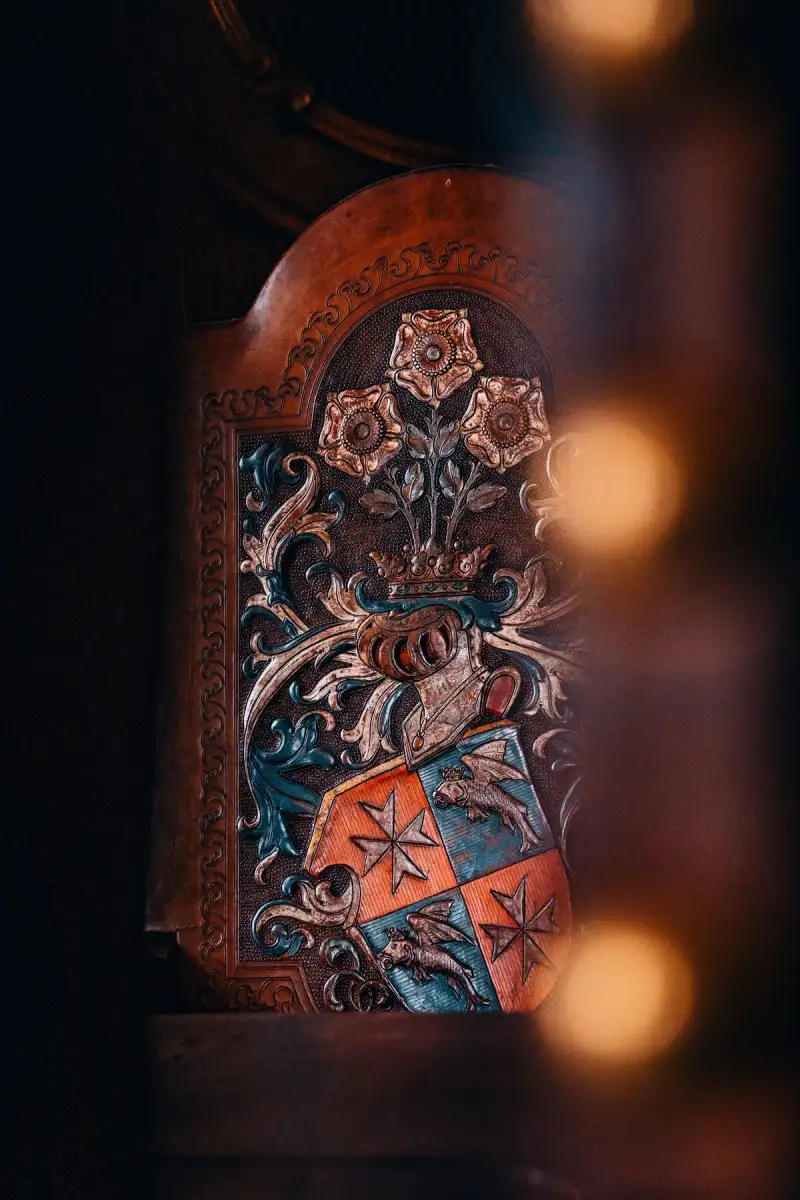
- Aylin Okur
- 06 Jul, 2026 04:09
Beyond the Spine: Unearthing Stories in the Obscure World of Armorial Bookplates
A book, at its core, is a vessel of knowledge, imagination, or indeed, the very soul of its creator. Yet, for centuries, it has also been an intensely personal object, a tangible extension of its owner’s identity, aspirations, and status. While a signed flyleaf offers a glimpse into this connection, there existed a far more elaborate, symbolic, and often breathtakingly beautiful method of ownership declaration: the armorial bookplate. These miniature masterpieces, frequently overlooked by the casual observer, are far more than mere labels; they are intricate tapestries woven from heraldry, art, and the forgotten narratives of their original custodians. Imagine holding a venerable tome, perhaps bound in aged leather, its pages whispering tales of centuries past. As you gently turn the front cover, you discover not a scrawled signature, but a finely engraved, often highly decorative printed label bearing a shield, a crest, perhaps a motto in Latin, and the words "Ex Libris" – "from the library of." This is an armorial bookplate, a silent sentinel connecting the book to a specific family, lineage, or individual, often of noble or distinguished descent. To dismiss it as mere ephemera is to overlook an entire world of historical insight, artistic endeavor, and socio-cultural significance. The Genesis of a Grand Tradition: From Practicality to Prestige The practice of affixing a personal mark of ownership to books emerged in Germany in the mid-15th century, shortly after the advent of movable type printing. Before books became widely accessible, manuscripts were precious commodities, often passed down through generations or housed in monastic libraries. As printed books began to proliferate, albeit still expensive, the need for clear ownership identification grew. Early bookplates were largely functional: simple woodcuts bearing a coat of arms, a symbol, or sometimes just a name. Their primary purpose was to prevent theft and ensure books returned to their rightful owner. However, as printing techniques advanced and literacy spread among the burgeoning gentry and aristocracy, the bookplate quickly transcended its utilitarian origins. By the 17th and 18th centuries, particularly in Britain and continental Europe, owning a significant library became a profound statement of wealth, intellect, and social standing. Consequently, the bookplate evolved into an exquisite art form, a miniature canvas upon which owners could display their lineage, achievements, and sometimes even their personal philosophy. These weren't just for dukes and barons. Scholars, wealthy merchants, and even burgeoning intellectuals adopted the practice, albeit often with simpler designs. The armorial bookplate, specifically, denoted a connection to heraldry – the system of hereditary symbols and devices that identified families, individuals, and institutions. This meant that the bookplate became a potent symbol of inherited status and family pride, transforming a personal possession into a public declaration of identity. Deciphering the Heraldic Language: A Microcosm of Identity To truly appreciate an armorial bookplate is to learn its language – the intricate, often arcane, symbolism of heraldry. Each element on the plate tells a part of the owner's story, their family history, and their aspirations. At the heart of every armorial bookplate lies the shield (or escutcheon), bearing the family’s coat of arms. The symbols, known as "charges," within the shield are incredibly diverse:Animals: A rampant lion might symbolize courage, a soaring eagle strength, or a leaping salmon perseverance. Mythical Beasts: Dragons, griffins, or unicorns could represent power, vigilance, or purity. Everyday Objects: Swords, anchors, stars, or crosses often signified military service, maritime connections, divine faith, or hope. Geometric Shapes: Divisions of the shield into various patterns, known as "ordinaries," also carried specific meanings or indicated alliances.The colors (tinctures) used – though often represented by specific hatchings in monochrome engravings – also had symbolic weight: gold (Or) for generosity, silver (Argent) for sincerity, blue (Azure) for truth, red (Gules) for valor, and so on. Above the shield, typically, rests a helmet, often topped by a crest. The style of the helmet could indicate the owner's rank (e.g., a peer's helmet facing forward, a knight's in profile). The crest, a unique identifying emblem, was originally worn atop the helmet in battle and often echoed or complemented the charges on the shield. Surrounding the helmet and crest is the mantling, stylized drapery that once protected the helmet from the sun, now a decorative flourish. Many armorial bookplates also feature a motto, usually a short phrase in Latin, French, or English, reflecting the family's values, a historical event, or a personal creed (e.g., Pro Deo et Rege – "For God and King"; Je Pense Plus – "I Think More"). Finally, supporters – figures or animals flanking the shield – were often reserved for nobility of higher rank, symbolizing guardianship or allegiance.Reading a bookplate, therefore, becomes an act of historical deduction. The absence of supporters might tell you the owner was gentry, not peerage. A specific symbol might indicate a military campaign they fought in, or an ancestral profession. Even the condition of the plate – whether crisp and new, or worn and slightly damaged from repeated handling – adds to its unique narrative, hinting at the book's journey and its owner's relationship with their library. Beyond the Pedigree: Glimpses into Personal Libraries and Public Lives Armorial bookplates do more than just record lineage; they provide invaluable insights into the intellectual currents, social structures, and personal tastes of their era. A commoner might have a simple name and maybe a symbolic device, while a nobleman would commission an elaborate design reflecting centuries of heritage. This distinction speaks volumes about the stratified societies of the past. Consider the libraries themselves. When we find an armorial bookplate in an old book, we are not just looking at a piece of art; we are connecting with the mind that once curated that collection. Whose books were these? What did they read? Were they interested in classics, theology, science, or politics? The presence of a bookplate within a specific genre can offer clues about the owner's intellectual pursuits and contributions to their society. For example, the bookplates of prominent figures like Samuel Pepys, the famed diarist, or Horace Walpole, the Gothic novelist and art historian, are not merely curiosities. They are direct links to their private worlds, affirming the authenticity of books once held in their celebrated collections. Tracing the provenance of a book through its bookplate can reveal surprising journeys, showing how volumes traveled across continents, passed through different hands, and contributed to the intellectual tapestry of successive generations. Moreover, bookplates played a role in genealogical research long before modern databases. The inclusion of marriage arms (where the arms of a husband and wife are impaled or quartered on the same shield) or quarterings (representing the arms of various ancestral families inherited through marriage) could provide clear visual records of family alliances and descents that might otherwise be lost to time. They acted as miniature family trees, condensed onto a few square inches of paper. The Artisans and Their Craft: A Niche in the Decorative Arts The creation of armorial bookplates involved skilled artisans – engravers, heraldic artists, and printers – whose craft was highly prized. Early bookplates, produced using woodcut techniques, had a robust, often somewhat rustic charm. As copperplate engraving became more sophisticated in the 17th century, bookplates grew increasingly intricate, allowing for finer details, elaborate flourishes, and greater artistic expression. Artists like Albrecht Dürer designed some of the earliest known armorial plates in Germany, showcasing the talent dedicated to this small but significant art form. Later, master engravers across Europe would meticulously render the complex details of heraldic devices, ensuring accuracy and aesthetic appeal. The quality of the engraving often mirrored the status of the patron, with the wealthiest commissioning the most renowned artists. The styles of bookplates also evolved with artistic movements. From the bold lines of early Renaissance designs to the baroque exuberance of the 17th century, the rococo whimsy of the 18th, and the more classical or gothic revival styles of the 19th, bookplates provide a microcosm of decorative art history. Each era left its distinctive mark, making collecting bookplates a journey through various artistic periods.The Twilight and Quiet Resurgence of Ex-Libris By the late 19th and early 20th centuries, the grand tradition of armorial bookplates began to wane. Several factors contributed to this decline:Industrialization of Printing: The mass production of books made them less unique and valuable as individual objects. Changing Social Structures: The rigid class system that emphasized hereditary titles and heraldry began to dissolve, or at least become less overtly displayed. Shifting Aesthetic Tastes: Simpler, more modern designs became popular, often focusing on graphic elements rather than complex heraldry. Cost and Effort: Commissioning and producing intricate engravings was expensive and time-consuming, unsuited to a rapidly modernizing world.While the armorial bookplate’s heyday passed, the broader practice of using personal bookplates, or ex-libris, continued in various forms. Modern bookplates are often simpler, featuring artistic motifs, personalized typography, or graphic designs that reflect the owner’s hobbies or personality rather than their lineage. However, the historical armorial bookplate found a new life among collectors. Today, the collecting of ex-libris is a specialized, passionate hobby. Collectors seek out plates for their artistic merit, historical significance, rarity, or association with famous individuals or families. They are valued as small works of art, historical documents, and fascinating windows into the personal identities of past generations. Each small piece of paper, often carefully removed from a discarded book or found in a specialized collection, represents a fragment of history preserved. The Enduring Whisper of a Forgotten Art In an age of digital libraries and ephemeral content, the physical book retains a powerful allure. And within the pages of these enduring objects, the armorial bookplate stands as a testament to a bygone era when ownership was proclaimed with artistry and heraldic pride. These small, meticulously crafted labels are more than just dusty historical footnotes; they are potent symbols of identity, family, and the profound connection between a reader and their treasured volumes. They remind us that every book has a story, not just within its pages, but often etched onto its very fabric, bearing the silent, ornate mark of a former guardian. The next time you encounter an antique book, take a moment to peer into its front cover. You might just discover a miniature world of history, heraldry, and personal narrative waiting to be unearthed, a subtle whisper from a distant past, inviting you to connect with the ghosts of readers past.#BookHistory #ArmorialBookplates #ExLibris #Heraldry #BookCollecting #BookHistory #Heraldry #BookCollecting #LostArts #IdentityinBooks Related InsightsThose Empty Eyes Book Review and Summary Demon in the Wood Book Review and Summary El planeta inhóspito: La vida después del calentamiento / The Uninhabitable Earth: Life After Warming Book Review and Summary{ "@context": "https://schema.org", "@type": "FAQPage", "mainEntity": [ { "@type": "Question", "name": "What is the main focus of Beyond the Spine: Unearthing Stories in the Obscure World of Armorial Bookplates?", "acceptedAnswer": { "@type": "Answer", "text": "Delve into the fascinating, forgotten art of armorial bookplates, where heraldry, history, and personal identity converged within the pages of cherished volumes." } }, { "@type": "Question", "name": "Who authored the comprehensive guide on Beyond the Spine: Unearthing Stories in the Obscure World of Armorial Bookplates?", "acceptedAnswer": { "@type": "Answer", "text": "This detailed article and its insights were carefully researched and authored by Aylin Okur." } }, { "@type": "Question", "name": "Where can I find more related content about Books?", "acceptedAnswer": { "@type": "Answer", "text": "You can explore more articles, detailed reviews, and similar insights by browsing the Related Insights section at the bottom of this article or visiting our dedicated Books category page." } } ] }
- Aylin Okur
- 05 Jul, 2026 16:17
The Whispering Canvas: Unveiling the Hidden Worlds of Fore-Edge Painting
Imagine holding a book, its leather cover worn smooth by time, its pages gilded with a faint shimmer. It appears, at first glance, to be a distinguished but otherwise ordinary volume from a bygone era. You turn it over in your hands, perhaps admiring the craftsmanship, before a gentle curiosity prompts you to fan its pages. And then, it happens. As the tightly bound leaves unfurl, a world of vibrant color, intricate detail, and breathtaking artistry springs into view, a miniature landscape, a portrait, a narrative scene that was utterly invisible moments before. This is not a magic trick, nor a fleeting illusion. This is the sublime, almost clandestine art of fore-edge painting, a testament to human ingenuity and the enduring desire to embed beauty in the most unexpected places. For centuries, the edges of books have served primarily as practical surfaces – a place for titles, perhaps, or simple decorative gilding. But for a select few artisans and their discerning patrons, the fore-edge represented a canvas, a secret portal to a world of hidden imagery. It is an art form shrouded in layers, quite literally, designed to remain unseen until deliberately revealed, offering a profound sense of discovery that few other mediums can replicate. In an age dominated by instant gratification and overt displays, the subtlety and surprise inherent in fore-edge painting offer a meditative counterpoint, inviting us to slow down, to look closer, and to marvel at the depths of human creativity that lurk just beneath the surface. A Glimpse into History: Origins and Evolution The precise origins of fore-edge painting are, much like the paintings themselves, somewhat elusive, debated among bibliophiles and art historians. While rudimentary forms of decoration on book edges, such as geometric patterns or heraldic motifs, can be traced back to the 10th century, the technique of painting a hidden scene that appears only when the pages are fanned is generally believed to have emerged much later. Early examples from the 17th century point to Italy and England as potential birthplaces, though it was in 18th and 19th century England that the art truly flourished and gained widespread popularity. During the Georgian and Victorian eras, fore-edge painting became a sophisticated embellishment for fine bindings, particularly for sentimental texts, religious works, or collections of poetry. Booksellers and binders, recognizing the allure of this hidden artistry, would commission skilled miniaturist painters to adorn their most prized volumes. Initially, these paintings often depicted religious scenes, portraits of the book's owner, or allegorical figures. As the art evolved, landscapes, architectural views, naval battles, and pastoral scenes became increasingly prevalent, reflecting the romantic and picturesque tastes of the period. Artists often chose scenes relevant to the book's content or the region where it was bound, adding another layer of narrative richness to the already complex object. One of the earliest documented examples of a truly hidden fore-edge painting is found on a book from 1641, bound for Charles I. However, it was the Edwards of Halifax bindery in England, established by James Edwards in the late 18th century, that is often credited with perfecting and popularizing the art form. Their signature technique involved applying paint directly to the fanned edges, often over a base of gilt, creating a seamless integration of protection and art. The craftsmanship of these early masters set a high standard, with their works now considered highly sought-after treasures in the world of rare books.The Art of Concealment: Techniques and Materials Creating a fore-edge painting is an extraordinarily delicate and precise process, demanding not only artistic skill but also an intimate understanding of the book's physical structure. The magic lies in the illusion: the painting must disappear completely when the book is closed, leaving only the gleaming gilt or plain edge visible, and then reappear in full glory when the pages are fanned. The process typically begins with the book's edges being gilded, a protective and decorative layer of gold leaf applied to the block of pages. This gilding serves multiple purposes: it protects the paper from moisture and dust, adds a luxurious finish, and crucially, provides a pristine, uniform surface over which the painting can be concealed when the book is closed. Once the gilding is complete, the book is clamped in a special press, allowing the pages to be fanned out at a shallow, precise angle, exposing a minute sliver of each page's edge. It is on these almost microscopic surfaces that the artist begins their painstaking work. Using very fine brushes and specialized watercolors or gouache, the scene is meticulously painted, stroke by stroke, across the collective edges of hundreds of pages. Each individual stroke must be perfectly aligned across multiple pages to form a continuous image when fanned, yet simultaneously disappear into the gilt when the book is closed. This means the paint must be applied thinly and precisely, adhering only to the fanned edge without bleeding onto the face of the page. The choice of medium is critical. Watercolors and gouache are preferred for their quick drying time and ability to be applied thinly without causing the pages to stick together or warp. Oil paints would be too thick and could damage the paper or prevent the book from closing properly. After the painting is complete and thoroughly dry, a very thin, flexible sizing or varnish is often applied to protect the artwork. This final step is crucial to ensure the longevity of the delicate painting and prevent it from flaking or rubbing off with handling. The book is then released from the clamp, and as the pages settle back into their original position, the painted scene vanishes, hidden once more beneath the gilt, awaiting its next reveal.Masters and Their Brushstrokes: Notable Artists and Collections While many early fore-edge painters remain anonymous, their works are preserved in rare book collections around the world, testament to their skill. The Edwards of Halifax workshop, as mentioned, stands out as pioneers, and their influence is undeniable. Known for their neoclassical designs and pastoral scenes, their books are highly prized by collectors. Beyond specific names, the lineage of fore-edge painting can be traced through the distinct styles and recurring motifs found across centuries. In the 20th century, the tradition was revived and championed by artists like Miss C.B. Currie and Vera W. Lute. Miss Currie, active in the early to mid-20th century, created hundreds of exquisite fore-edge paintings, often signed with her initials. Her work is characterized by vibrant colors and detailed landscapes, often featuring famous landmarks or scenes from British history. Vera W. Lute, another prolific artist, continued the tradition with her delicate brushwork and imaginative compositions, ensuring the art form's survival through difficult times for traditional book arts. Today, contemporary artists continue to explore and expand the boundaries of fore-edge painting, bringing modern sensibilities to this ancient craft. While still a niche art, dedicated practitioners like Martin Frost and others are creating new works, often combining traditional techniques with contemporary themes, ensuring that this hidden art form continues to evolve and captivate new audiences. Their works can be found in private collections, specialist antiquarian bookshops, and occasionally in exhibitions dedicated to the art of the book. Major institutions like the British Library, the Library of Congress, and numerous university rare book libraries house significant collections of books adorned with fore-edge paintings, preserving these miniature masterpieces for future generations to discover. Unveiling the Narrative: Themes and Symbolism The themes chosen for fore-edge paintings are as diverse as the books they adorn, yet they often share a common thread of resonance with the primary text or the owner's interests. Landscapes were, and remain, immensely popular – tranquil rivers, rolling hills, charming village scenes, or bustling cityscapes like London and Paris. These often depicted places that held sentimental value for the book's owner or locations central to the book's narrative. Imagine a copy of Wordsworth's poetry revealing a Lakeland scene, or a history of England unveiling a panorama of Windsor Castle. Beyond landscapes, historical events, naval battles, and architectural marvels were also frequently depicted, especially in books pertaining to history or travel. Portraits, particularly of famous figures or the book's original owner, also made occasional appearances, adding a personal touch to the volume. Allegorical scenes, depicting virtues, mythological figures, or symbolic representations, offered a more intellectual layer of appreciation, requiring careful contemplation to decode their hidden meanings. The symbolism inherent in fore-edge painting is multifaceted. Firstly, there is the obvious symbolism of the hidden itself – the idea that beauty, wisdom, or truth often lies beneath the surface, waiting to be revealed by those who seek it out. It transforms the book into a metaphorical treasure chest, with a secret reward for the curious. Secondly, the choice of specific imagery often served as a personal emblem or a narrative extension. A painting of a ship on a book about voyages not only delighted the owner but also reinforced the book's theme in a unique, intimate way. In an era before mass-produced visual media, a fore-edge painting was a highly personalized and bespoke form of artistic expression, a silent conversation between the artisan, the owner, and the book's content. Beyond the Edge: The Book as a Multisensory Object Fore-edge painting compels us to reconsider the book not merely as a vessel for text, but as a holistic, multisensory object of art and craftsmanship. In an increasingly digital world, where books are often consumed as ephemeral data streams on glowing screens, the physical book’s materiality becomes ever more precious. A fore-edge painting elevates this materiality, emphasizing the tactile experience of turning pages, the visual surprise, and the intellectual delight of discovery. The weight of the cover, the scent of aged paper, the texture of the binding, and the glint of gilt edges all contribute to a rich sensory engagement. When a fore-edge painting is revealed, it adds another dimension, transforming the reading experience into a private exhibition. It reminds us that books are not just about what they contain between their covers, but also about how they are presented, preserved, and interacted with. They are objects that can carry stories not just through words, but through the very art embedded within their physical form. This fusion of literary and visual art makes fore-edge painted books particularly captivating, challenging the notion that a book's value lies solely in its textual content. Preservation and Modern Revival Like all delicate works of art, fore-edge paintings require careful preservation. Exposure to direct sunlight, fluctuations in humidity, and improper handling can cause the colors to fade, the paint to crack, or the pages to stick together. Rare book librarians and conservators employ specialized techniques to protect these treasures, often storing them in climate-controlled environments and ensuring minimal handling. The original varnish applied by the artists, though protective, can also become brittle over time, requiring sensitive conservation efforts. Despite the challenges of preservation and the labor-intensive nature of its creation, fore-edge painting is experiencing a quiet revival. A small but dedicated community of contemporary artists, binders, and collectors are actively working to keep this intricate craft alive. Workshops are offered, techniques are shared, and new commissions are undertaken. Modern interpretations often push the boundaries of traditional themes, incorporating contemporary imagery, abstract designs, or even pop culture references, ensuring the art form remains relevant and continues to surprise. This modern resurgence highlights a growing appreciation for bespoke craftsmanship and the unique charm of handmade objects in a mass-produced world. The Allure of the Unseen: Why it Still Captivates What is it about fore-edge painting that continues to hold such sway over our imagination? Perhaps it is the inherent sense of magic, the secret world that appears from nowhere. In an age of relentless transparency, there is something deeply appealing about an art that demands patience and curiosity to be fully appreciated. It offers a moment of personal revelation, a private wonder shared only with the book and its beholder. Furthermore, fore-edge painting represents the pinnacle of craftsmanship, a testament to an artist's skill, dedication, and meticulous attention to detail. It is a slow art in a fast world, a quiet rebellion against the superficial, inviting us to delve deeper, to truly observe. Each revelation of a fore-edge painting is a brief, enchanting journey into a hidden realm, a reminder that the greatest treasures often lie concealed, waiting patiently for the moment of their exquisite unveiling. It transforms the act of opening a book from a simple mechanical gesture into an act of discovery, imbued with history, artistry, and an enduring sense of wonder.#ForeEdgePainting #RareBooks #HiddenArt #BibliophileTreasures #BookHistory Related InsightsEveryday Angel Book Review and Summary Love on the Brain Book Review and Summary Gravity’s Rainbow Book Review and Summary{ "@context": "https://schema.org", "@type": "FAQPage", "mainEntity": [ { "@type": "Question", "name": "What is the main focus of The Whispering Canvas: Unveiling the Hidden Worlds of Fore-Edge Painting?", "acceptedAnswer": { "@type": "Answer", "text": "Beyond the covers lies a secret realm of art. Discover fore-edge painting, the astonishing technique that transforms book edges into breathtaking, hidden canvases." } }, { "@type": "Question", "name": "Who authored the comprehensive guide on The Whispering Canvas: Unveiling the Hidden Worlds of Fore-Edge Painting?", "acceptedAnswer": { "@type": "Answer", "text": "This detailed article and its insights were carefully researched and authored by Aylin Okur." } }, { "@type": "Question", "name": "Where can I find more related content about Books?", "acceptedAnswer": { "@type": "Answer", "text": "You can explore more articles, detailed reviews, and similar insights by browsing the Related Insights section at the bottom of this article or visiting our dedicated Books category page." } } ] }
- Clara Schmidt
- 04 Jul, 2026 00:35
Der Verborgene Kosmos am Buchschnitt: Eine Reise in die Welt der Fore-edge Paintings
In einer Zeit, in der das Digitale oft das Greifbare überstrahlt, sehnen wir uns doch nach dem Unerwarteten, dem Geheimnisvollen, das sich in den stillen Ecken unserer Welt verbirgt. Stellen Sie sich vor, Sie halten einen ehrwürdigen Folianten in den Händen, dessen Ledereinband von Jahrhunderten der Berührung geschmeidig geworden ist, dessen Seiten rascheln wie Herbstlaub im Wind. Sie bewundern den goldenen Schnitt, der im Licht schimmert – doch erst, wenn Sie das Buch mit einem sanften Druck fächern, offenbart sich ein Wunder. Eine Welt erwacht zum Leben: Eine verborgene Landschaft, ein Detailporträt, eine mythologische Szene, die sich wie durch Zauberhand auf den scheinbar leeren Buchrändern materialisiert. Willkommen in der entrückten Welt der Fore-edge Paintings, einer Kunstform, die so subtil wie bezaubernd ist und die Vorstellungskraft von Bibliophilen und Kunstliebhabern seit Jahrhunderten gleichermaßen fesselt. Dies ist keine übliche Geschichte über Bücher; dies ist eine Expedition in ein mikroskopisches Universum, das sich dem flüchtigen Blick entzieht und nur den aufmerksamen und geduldigen Seelen seine wahre Pracht offenbart. Was ist ein Fore-edge Painting? Die Kunst des Unsichtbaren Ein Fore-edge Painting, im Deutschen oft als „Schnittbild“ oder „Kantenschnittmalerei“ bezeichnet, ist ein einzigartiges Kunstwerk, das auf dem vorderen, seitlichen Schnitt eines Buches angebracht wird. Der Clou: Es ist nur sichtbar, wenn die Buchseiten auf eine bestimmte Weise – meist schräg aufgefächert – gehalten werden. Schließt man das Buch, verschwindet das Bild wie von Geisterhand, überdeckt von der Vergoldung oder dem marmorierten Schnitt, der dann wieder als schmückendes Element die Oberhand gewinnt. Dies macht jede dieser Malereien zu einem privaten Erlebnis, einem geheimen Dialog zwischen dem Buch und seinem Betrachter. Die Herstellung eines solchen Kunstwerks erfordert nicht nur ein hohes Maß an malerischem Können, sondern auch ein tiefes Verständnis für die Physik des Buches. Jede Seite muss als winziger Pinselstrich fungieren, um das Gesamtbild zu formen. Es ist eine faszinierende Mischung aus Illusion und Präzision, die über die Jahrhunderte hinweg eine mystische Aura um diese Bücher geschaffen hat. Ursprünglich oft als Statussymbol oder als persönliche Verzierung für wertvolle Bände in königlichen oder adligen Bibliotheken in Auftrag gegeben, sind Fore-edge Paintings heute extrem selten und gesuchte Sammlerstücke. Sie sind Zeugen einer vergangenen Ära, in der die ästhetische Gestaltung von Büchern weit über ihren Inhalt hinausging und jedes Detail eine Geschichte erzählen konnte. Historische Wurzeln: Von Wappen zu Welten Die genaue Ursprung der Fore-edge Paintings ist ein wenig im Nebel der Geschichte verborgen, doch die frühesten bekannten Beispiele tauchen im Europa des 10. Jahrhunderts auf. Diese frühen Formen waren jedoch weit entfernt von den komplexen Szenen, die wir heute kennen. Es handelte sich meist um einfache heraldische Wappen, Embleme oder Initialen, die mit Tinte oder einfacher Farbe direkt auf den Schnitt gemalt wurden, ohne den „magischen“ Effekt des Verschwindens. Oft dienten sie dazu, das Eigentum an einem Buch zu kennzeichnen oder es in einer Bibliothek leichter identifizierbar zu machen. Man könnte sie als Vorläufer der späteren, ausgefeilteren Technik betrachten, auch wenn der Unterschied in der Komplexität immens ist. Die eigentliche Blütezeit der Fore-edge Paintings begann jedoch im 17. Jahrhundert, insbesondere in England. Hier entwickelte sich die Technik zu der Form, die wir heute bewundern. Die Familie Edwards aus Halifax, allen voran William Edwards, wird oft als Wegbereiter und Meister dieser Kunstform im 18. Jahrhundert genannt. Ihre Werkstatt perfektionierte nicht nur die Technik des Malens, sondern auch die des "Etruscan-Bindings", einer speziellen Art der Ledereinbandgestaltung, die häufig mit Fore-edge Paintings kombiniert wurde. Diese Periode, die bis ins 19. Jahrhundert reichte, sah eine Explosion in der Beliebtheit und der Komplexität der Malereien. Königsfamilien, Adlige und wohlhabende Gelehrte beauftragten Maler, ihre wertvollsten Bücher mit individuellen Kunstwerken zu schmücken. Diese Bücher waren oft Reiseberichte, Gedichtbände, klassische Texte oder religiöse Schriften, deren verborgene Bilder den Inhalt ergänzen oder eine persönliche Referenz für den Besitzer darstellten. Die Edwards'sche Methode beinhaltete auch das Auftragen einer dünnen Schicht Gesso vor dem Malen, was den Farben mehr Leuchtkraft verlieh und die Haltbarkeit erhöhte. Durch diese Innovationen wurden die Fore-edge Paintings zu einem wahren Höhepunkt der Buchkunst. Technik und Handwerkskunst: Ein Tanz der Geduld und Präzision Die Herstellung eines Fore-edge Paintings ist ein Akt äußerster Präzision und Geduld, der die Fähigkeiten eines Miniaturmalers mit dem Wissen eines Buchbinders vereint. Der Prozess beginnt mit dem Buch selbst. Zuerst werden die Buchseiten vorsichtig, aber fest in einem Schraubstock oder einer Presse fixiert, um eine minimale Öffnung des Buches zu gewährleisten. Der Buchbinder oder Restaurator wählt den Winkel, in dem das Buch aufgefächert werden muss, damit die feinen Schnittkanten der Seiten eine durchgängige, leicht gewölbte Fläche bilden. Dies ist der „Leinwand“ des Künstlers. Auf dieser Leinwand trägt der Künstler eine dünne Grundierung auf, oft eine Mischung aus Gesso und Leim, um eine glatte und saugfähige Oberfläche zu schaffen. Anschließend beginnt das eigentliche Malen. Dies erfordert feinstes Werkzeug – oft Pinsel mit nur wenigen Haaren – und eine ruhige Hand. Jeder Strich muss bedacht sein, denn jede einzelne Seite stellt im Grunde einen vertikalen „Pinselstrich“ dar. Die verwendeten Farben sind in der Regel wasserbasiert, meist Aquarelle oder Gouache, da sie schnell trocknen und die Seiten nicht durchweichen oder wellen lassen. Die Künstler müssen nicht nur die Gesamtkomposition im Auge behalten, sondern auch, wie das Bild auf den winzigen, leicht unregelmäßigen Oberflächen jedes Seitenrandes erscheint.Nachdem das Gemälde fertiggestellt und vollständig getrocknet ist, wird das Buch vorsichtig geschlossen. Nun kommt der entscheidende Schritt: der Schnitt wird wieder mit Gold oder einer Marmorierung versehen. Diese Schicht verdeckt das Gemälde vollständig, wenn das Buch geschlossen ist, und lässt es nur im aufgefächerten Zustand zum Vorschein kommen. Es ist diese Kombination aus Sichtbarkeit und Unsichtbarkeit, aus offensichtlicher Verzierung und verborgenem Schatz, die die Fore-edge Paintings so einzigartig und faszinierend macht. Es ist ein wahrer Triumph der Kunst über die Materie, ein subtiler Trick, der die Augen des Betrachters immer wieder aufs Neue verzaubert. Themen und Symbolik: Spiegelbilder vergangener Welten Die Sujets der Fore-edge Paintings sind so vielfältig wie die Bücher, die sie schmücken. Am häufigsten findet man idyllische Landschaften, oft mit lokalen Sehenswürdigkeiten, Burgen oder Flüssen, die einen Bezug zum Inhalt des Buches oder zur Heimat des Besitzers herstellen. Englische Landschaften mit sanften Hügeln, romantischen Ruinen und majestätischen Bäumen waren besonders beliebt und spiegelten den Zeitgeist des Romantizismus wider. Doch die Bandbreite ist weit größer:Porträts und heraldische Embleme: Oft waren es Abbildungen des Buchbesitzers, seiner Familie oder wichtiger Persönlichkeiten sowie Familienwappen oder Monogramme, die das Buch als persönlichen Besitz kennzeichneten. Mythologische und biblische Szenen: Für Bände mit antiken Texten oder religiösen Schriften wurden oft passende Szenen aus der griechischen Mythologie oder der Bibel gewählt, die den Inhalt des Buches auf künstlerische Weise visualisierten. Architektur und Stadtansichten: Berühmte Gebäude, Stadtpanoramen oder auch Karten wurden auf den Buchschnitt gemalt und boten einen zusätzlichen visuellen Reiz, der zum Inhalt des Buches passen konnte, beispielsweise bei Reiseführern oder historischen Werken. Flora und Fauna: Blumenmuster, Tierdarstellungen oder Jagdszenen waren ebenfalls beliebte Motive, die die Schönheit der Natur einfingen.Die Auswahl des Themas war selten zufällig. Sie war oft eng mit dem Inhalt des Buches, dem Geschmack des Auftraggebers oder sogar mit einem speziellen Anlass verbunden, für den das Buch verschenkt wurde. Ein Buch über englische Poesie könnte eine ländliche Szene Englands verbergen, während ein Band mit griechischer Mythologie eine Darstellung von Göttern und Heroen offenbaren könnte. Manchmal jedoch gibt es keine offensichtliche Verbindung, und das Bild dient einfach als eine rein ästhetische Ergänzung, ein stiller Schrei nach Schönheit in einer oft übersehenen Ecke. Diese Freiheit des Ausdrucks macht jedes Fore-edge Painting zu einem einzigartigen Kunstwerk, das die Sehnsüchte und die Ästhetik einer vergangenen Epoche widerspiegelt. Die Symbolik konnte subtil sein, ein versteckter Gruß oder eine private Erinnerung, die nur dem Eingeweihten bekannt war. Die Mystik und Anziehungskraft: Ein Geheimnis für sich Die wahre Magie der Fore-edge Paintings liegt in ihrer Unsichtbarkeit. Sie sind stille Wächter einer verborgenen Schönheit, die sich erst auf Befehl offenbart. Diese Eigenschaft verleiht ihnen eine einzigartige Anziehungskraft, die über die Jahrhunderte hinweg Bestand hatte. Warum wurde eine solche geheime Kunstform überhaupt geschaffen? Ein Teil der Antwort liegt in der Wertschätzung des Handwerks und der Ästhetik in früheren Jahrhunderten. Bücher waren nicht nur Informationsträger, sondern auch Kunstobjekte, Statussymbole und Erbstücke. Die Bereitschaft, erhebliche Mittel und Zeit in ein Detail zu investieren, das die meiste Zeit verborgen bleibt, spricht Bände über den Wert, der Schönheit und Einzigartigkeit beigemessen wurde. Für den Besitzer eines solchen Buches war es ein persönlicher Schatz, ein Geheimnis, das er mit ausgewählten Gästen teilen konnte. Es war ein Gesprächsthema, ein Beweis für seinen erlesenen Geschmack und seine Kultiviertheit. In einer Welt, die weniger von Massenproduktion geprägt war, symbolisierte ein Fore-edge Painting Individualität und Exklusivität. Es war ein Geschenk, das mehr als nur Worte ausdrückte, eine Geste der Verbundenheit, die über das Offensichtliche hinausging. Die Anziehungskraft dieser "geheimen" Bilder ist zeitlos. Auch heute noch löst das Entdecken eines Fore-edge Paintings eine tiefe Faszination aus. Es ist, als würde man ein Portal in die Vergangenheit öffnen, einen flüchtigen Blick auf das werfen, was der ursprüngliche Künstler und Besitzer geschätzt haben. In einer digitalisierten Welt, in der fast alles sofort zugänglich ist, erinnern uns diese verborgenen Meisterwerke an den Wert des Unerwarteten, des Langsamen und des Persönlichen. Sie ermutigen uns, genauer hinzusehen, tiefer zu graben und die subtile Schönheit zu suchen, die sich dem schnellen Blick entzieht. Moderne Wiederbelebung und Konservierung: Das Erbe bewahren Die Kunst der Fore-edge Paintings geriet im 20. Jahrhundert fast in Vergessenheit, da Buchproduktion und -design sich grundlegend änderten. Mit dem Aufkommen von industrieller Massenproduktion und neuen Materialien für Bucheinbände schwand das Interesse an solch aufwendigen und zeitintensiven Verzierungen. Doch wie so oft bei vergessenen Künsten gibt es eine kleine, engagierte Gemeinschaft von Künstlern und Restauratoren, die sich dieser Herausforderung angenommen haben und versuchen, dieses einzigartige Handwerk wiederzubeleben. Heute gibt es nur eine Handvoll Künstler weltweit, die die Technik der Fore-edge Paintings beherrschen und praktizieren. Sie sind oft Buchbinder, Restauratoren oder Miniaturmaler, die sich aus Leidenschaft und historischem Interesse dieser anspruchsvollen Kunst verschrieben haben. Sie fertigen nicht nur neue Fore-edge Paintings an, oft nach historischen Vorbildern oder mit modernen Motiven, sondern widmen sich auch der Konservierung und Restaurierung alter Exemplare. Alte Fore-edge Paintings sind extrem empfindlich. Die dünne Farbschicht kann durch Feuchtigkeit, Temperaturschwankungen oder unsachgemäße Handhabung leicht beschädigt werden. Die Herausforderung besteht darin, die Gemälde zu stabilisieren und zu reinigen, ohne die ursprüngliche Integrität des Werkes zu beeinträchtigen. Dies erfordert nicht nur kunsthistorisches Wissen, sondern auch chemische Kenntnisse und eine äußerst behutsame Arbeitsweise.Seltene Buchsammlungen und Bibliotheken auf der ganzen Welt beherbergen noch immer eine erstaunliche Anzahl dieser versteckten Schätze. Die Bodleian Library in Oxford, die British Library und die Harvard University Library sind nur einige Beispiele für Institutionen, die bedeutende Sammlungen von Büchern mit Fore-edge Paintings besitzen. Durch Ausstellungen, Veröffentlichungen und digitale Katalogisierung tragen diese Institutionen dazu bei, das Bewusstsein für diese faszinierende Kunstform zu schärfen und sie für zukünftige Generationen zu erhalten. Die moderne Wiederbelebung ist ein Zeugnis dafür, dass wahre Schönheit und handwerkliches Können niemals vollständig verloren gehen können, sondern immer wieder neue Bewunderer finden, die bereit sind, das Erbe zu bewahren und fortzuführen. Ein Aufruf zur Wiederentdeckung: Öffnen Sie Ihre Augen für verborgene Wunder Die Geschichte der Fore-edge Paintings ist mehr als nur die Geschichte einer Buchverzierung; sie ist eine Geschichte über Hingabe, Geheimnis und die unendliche Kapazität des menschlichen Geistes, Schönheit zu erschaffen, selbst dort, wo man sie am wenigsten erwartet. In einer Welt, die immer schneller, lauter und sichtbarer wird, sind diese verborgenen Kunstwerke eine sanfte Erinnerung daran, dass die tiefsten Freuden oft in den stillsten und diskretesten Ecken zu finden sind. Ich lade Sie ein, die Welt mit anderen Augen zu betrachten. Das nächste Mal, wenn Sie durch eine antiquarische Buchhandlung streifen, eine alte Bibliothek besuchen oder vielleicht sogar einen alten Band in Ihrem eigenen Regal finden, nehmen Sie sich einen Moment Zeit. Fühlen Sie den Einband, riechen Sie das Papier, und dann, mit Bedacht, fächern Sie die Seiten. Wer weiß, vielleicht halten Sie das nächste Mal einen stillen Zeugen einer längst vergangenen Epoche in Händen, einen Band, der ein ganzes Universum am Rande seiner Seiten verbirgt. Die Fore-edge Paintings sind ein Beweis dafür, dass das Wunderbare oft nur einen Flügelschlag entfernt ist, geduldig darauf wartend, von neugierigen Blicken entdeckt zu werden. Sie sind eine Ode an die Kunst des Verborgenen, an die Magie, die entsteht, wenn das Sichtbare das Unsichtbare umarmt.#Buchkunst #ForeEdgePainting #VergesseneKünste #SelteneBücher #Buchgeschichte Related InsightsThe Magic of Chamomile Cottage Book Review and Summary The Law of Innocence Book Review and Summary Under the Whispering Door Book Review and Summary{ "@context": "https://schema.org", "@type": "FAQPage", "mainEntity": [ { "@type": "Question", "name": "What is the main focus of Der Verborgene Kosmos am Buchschnitt: Eine Reise in die Welt der Fore-edge Paintings?", "acceptedAnswer": { "@type": "Answer", "text": "Entdecken Sie die faszinierende, fast vergessene Kunst der Fore-edge Paintings – geheime Meisterwerke, die sich nur beim Aufblättern eines Buches offenbaren." } }, { "@type": "Question", "name": "Who authored the comprehensive guide on Der Verborgene Kosmos am Buchschnitt: Eine Reise in die Welt der Fore-edge Paintings?", "acceptedAnswer": { "@type": "Answer", "text": "This detailed article and its insights were carefully researched and authored by Clara Schmidt." } }, { "@type": "Question", "name": "Where can I find more related content about Books?", "acceptedAnswer": { "@type": "Answer", "text": "You can explore more articles, detailed reviews, and similar insights by browsing the Related Insights section at the bottom of this article or visiting our dedicated Books category page." } } ] }
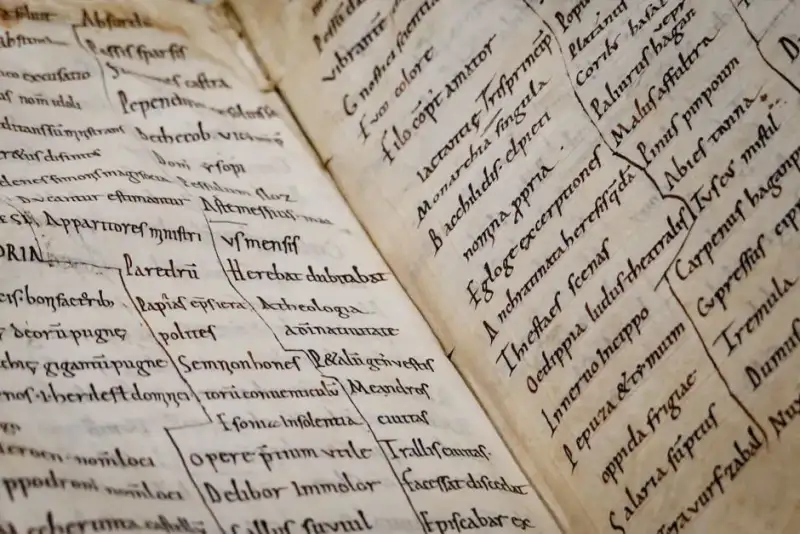
- Sofia Romano
- 03 Jul, 2026 11:14
Il Dialogo Silenzioso: L'Arte della Marginalia e il Mondo Segreto delle Annotazioni Nei Libri Antichi
C'è un'ombra che danza tra le righe stampate, una voce che sussurra dal passato, celata non tra le pagine, ma ai loro margini. Non si tratta di fantasmi letterari, né di codici criptici intessuti dall'autore stesso. Parliamo di quella pratica intima, spesso impulsiva, talvolta erudita, che ha trasformato i libri da semplici veicoli di testo in palinsesti di pensieri e reazioni: la marginalia. Un tempo considerata una profanazione, un'irriverenza, oggi è riconosciuta come un tesoro inestimabile, un filo d'Arianna che ci guida attraverso la mente dei lettori che ci hanno preceduto, rivelando un dialogo silenzioso che attraversa i secoli. Immaginate di tenere tra le mani un incunabolo, non immacolato e silenzioso come un reperto museale, ma vibrante di segni, glosse, disegni e persino improperi scritti da mani ormai polvere. Cosa ci raccontano questi segni? E cosa perdiamo quando, nell'ansia della conservazione o nella ricerca di una purezza illusoria, li cancelliamo o li ignoriamo? Un'Archeologia del Pensiero: Le Origini della Marginalia La pratica di annotare i margini non è un capriccio dell'età moderna, ma affonda le sue radici nell'alba della scrittura e della lettura stessa. Già gli antichi scribi egizi e mesopotamici, nel riprodurre testi sacri o amministrativi, inserivano glosse esplicative o correzioni tra le colonne di papiro e argilla. Ma è con l'avvento del rotolo e, successivamente, del codice nella civiltà greco-romana che la marginalia assume una forma più vicina a quella che conosciamo. Filosofi, retori e studiosi erano soliti annotare i loro testi con commenti, interrogativi, o semplici lemmata per richiamare passaggi specifici durante le lezioni o le discussioni. Non era una questione di disordine, ma di interazione profonda, di appropriazione intellettuale del testo. Pensate alle centinaia di manoscritti di Platone o Aristotele, non sarebbero giunti a noi senza le stratificazioni di commenti, i scholia, che generazioni di intellettuali hanno aggiunto per comprenderli, spiegarli e preservarli. Con il Medioevo, l'arte della marginalia raggiunse vette straordinarie, soprattutto nei monasteri e nelle università nascenti. I codici miniati, veri capolavori d'arte e devozione, non erano esenti da queste incursioni. Anzi, i margini diventavano un vero e proprio "spazio di libertà" per gli scribi e i copisti. Accanto a glosse esplicative in latino o volgare, si potevano trovare miniature fantastiche: creature ibride, "droleries" grottesche, scene di vita quotidiana, o persino autoritratti dello scriba stanco. Questi disegni non erano sempre collegati al testo principale; a volte erano espressioni di umorismo, di tedio, o forse di una ribellione silenziosa contro la severità della vita monastica. Essi rivelano un'umanità sorprendente e una ricchezza culturale che il testo sacro o erudito, da solo, non poteva offrire. Sono testimonianze della vita intellettuale e artistica, ma anche dell'umore e delle condizioni materiali di chi lavorava quei manoscritti.La Rivoluzione della Stampa e la Democratizzazione dell'Annotazione L'invenzione della stampa a caratteri mobili nel XV secolo, pur rivoluzionando la produzione e la diffusione dei libri, non estinse affatto la pratica della marginalia; al contrario, la democratizzò. Se prima solo i colti e i religiosi avevano accesso a libri e la capacità di annotarli, ora una classe media di mercanti, avvocati, medici e studiosi laici poteva permettersi di acquistare libri e interagire con essi. I margini dei primi libri a stampa, gli incunaboli, erano spesso volutamente lasciati ampi proprio per permettere al lettore di aggiungere i propri commenti, note, correzioni o integrazioni. L'età rinascimentale e barocca vide un'esplosione di questa pratica. Grandi pensatori come Erasmo da Rotterdam, Michel de Montaigne, Francis Bacon non solo leggevano, ma conversavano con i libri, riempiendone i margini di riflessioni, critiche, elaborazioni personali. Il libro non era più un oggetto da venerare passivamente, ma un compagno di dialogo, uno strumento attivo per la produzione di nuove idee. Le annotazioni potevano essere di varia natura:Glosse Esplicative: Chiarimenti di termini difficili, riassunti di paragrafi complessi. Critiche e Commenti: Espressione di accordo o disaccordo con l'autore, sviluppo di argomenti paralleli. Riferimenti Crociati: Collegamenti ad altri testi letti o a esperienze personali. Emendazioni Testuali: Correzioni di errori di stampa o proposte di varianti. Segnalibri e Indici Personali: Asterischi, mani indicatrici (maniculae), o brevi riassunti per ritrovare passaggi importanti. Disegni e Doodle: A volte semplici scarabocchi dettati dalla noia, altre volte illustrazioni concettuali o caricature. Note di Vita Quotidiana: Ricette, liste della spesa, appunti di viaggio, poesie, persino sfoghi personali o preghiere.Queste ultime, in particolare, ci offrono uno spaccato incredibilmente intimo della vita di individui comuni. Un ricettario medico del XVII secolo potrebbe ospitare a margine la ricetta per una torta alle mele, o un libro di sermoni contenere la lista degli acquisti per il mercato. Questi dettagli, apparentemente insignificanti, tessono la trama della storia sociale e culturale, spesso ignorata dai grandi eventi. I Famosi Marginalisti e il Valore Inestimabile per la Ricerca Nel corso dei secoli, alcuni lettori sono diventati celebri per la loro marginalia, trasformando i loro libri in veri e propri laboratori di pensiero. Samuel Taylor Coleridge, ad esempio, è noto per le sue annotazioni lunghe e complesse, che spesso superavano in lunghezza il testo originale. Le sue marginalia ai libri di Shakespeare, Milton o Kant non erano semplici note, ma veri e propri saggi critici, riflessioni filosofiche che anticipavano teorie moderne. Molte delle sue opere pubblicate nacquero proprio dalle interazioni con i testi altrui. Un altro esempio eclatante è Voltaire, la cui libreria era un campo di battaglia di idee. I suoi libri sono pieni di commenti sarcastici, critiche pungenti e obiezioni feroci, che rivelano il suo spirito polemico e la sua instancabile ricerca della verità. La marginalia di Voltaire non era un atto privato, ma quasi una preparazione per la sua successiva produzione letteraria e filosofica. Più recentemente, autori come Vladimir Nabokov hanno praticato la marginalia con una precisione quasi scientifica, analizzando la struttura del testo, la scelta delle parole e la musicalità della prosa. I suoi libri annotati sono un'aula di scrittura creativa, un masterclass sulle tecniche narrative. Per gli studiosi di oggi, i libri con marginalia storica rappresentano fonti primarie di inestimabile valore.Per gli storici della lettura: Permettono di ricostruire le abitudini di lettura, le reazioni emotive e intellettuali dei lettori di epoche passate. Ci aiutano a capire non solo cosa si leggeva, ma come si leggeva e perché. Per i filologi e i critici letterari: Le annotazioni possono svelare l'interpretazione contemporanea di un'opera, aiutare a identificare le fonti di un autore o persino suggerire varianti testuali non altrimenti note. Un commento a margine può confermare la paternità di un'opera anonima o rivelare l'identità di un lettore importante. Per gli storici delle idee: Le glosse possono tracciare l'evoluzione di concetti filosofici, scientifici o teologici, mostrando come le idee venivano comprese, dibattute e trasformate nel tempo. Per i bibliografi e i bibliotecari: La marginalia aiuta a ricostruire la provenienza di un libro, la sua storia proprietaria, aggiungendo strati di valore e significato a un esemplare altrimenti comune.La Linea Sottile tra Interazione e Vandalismo: Un Dibattito Moderno La percezione della marginalia è sempre stata ambivalente. Da un lato, è vista come un atto di appropriazione intellettuale, un segno di lettura profonda e attenta. Dall'altro, può essere considerata una violazione dell'integrità del testo, un atto vandalico, specialmente quando le annotazioni sono superficiali, distruttive o dettate da pura pigrizia. Le biblioteche moderne, per ovvie ragioni di conservazione, scoraggiano e proibiscono categoricamente la marginalia sui loro esemplari, specialmente quelli rari e antichi. Tuttavia, è proprio questa ambivalenza che rende la marginalia un campo di studio così affascinante. Chi decide cosa è una "buona" marginalia e cosa è un "atto vandalico"? Il valore di un'annotazione non risiede solo nella sua erudizione o nella fama di chi l'ha scritta, ma anche nella sua capacità di rivelarci qualcosa di nuovo sul rapporto tra il lettore e il testo, sulla cultura di un'epoca. Una semplice X accanto a un passaggio, un punto esclamativo, o persino un cuore, possono essere altrettanto eloquenti di un lungo commento. Essi catturano l'emozione istantanea del lettore, un'impronta fuggevole ma potente. In un'epoca digitale, in cui gli e-reader e le piattaforme online offrono strumenti di annotazione virtuale, la marginalia fisica assume un valore quasi nostalgico. Le evidenziazioni digitali, i commenti condivisi su Goodreads o le note su Kindle sono l'erede moderno di questa antica pratica. Essi permettono una facilità di condivisione e archiviazione impensabile in passato, ma mancano della materialità e della patina storica che solo un'annotazione fatta a mano su carta può offrire. La fisicità della penna, il tipo di inchiostro, la grafia, persino l'odore di un vecchio libro con le sue note, contribuiscono a creare un'esperienza sensoriale e intellettuale unica. Il Futuro del Passato: Preservare e Interpretare il Dialogo Silenzioso La conservazione e lo studio della marginalia rappresentano oggi una sfida e un'opportunità per le biblioteche e gli studiosi. Progetti di digitalizzazione su larga scala stanno rendendo accessibili migliaia di volumi con annotazioni, permettendo di analizzare modelli, identificare mani e ricostruire reti di lettura e influenza intellettuale come mai prima d'ora. Database specializzati e strumenti di analisi del testo possono ora confrontare le annotazioni di diversi esemplari dello stesso libro, rivelando come le idee si diffondevano e venivano recepite in diversi contesti. Comprendere la marginalia non significa solo decifrare parole scritte a margine, ma interpretare un intero ecosistema di interazioni. È ascoltare il dialogo che l'autore, il lettore, il copista, l'editore e la cultura stessa hanno intessuto attraverso il libro. Ogni segno, ogni linea, ogni scarabocchio è una traccia, un indizio, una finestra su una mente che ha vissuto, pensato e interagito con le parole. Pertanto, la prossima volta che vi capiterà di sfogliare un vecchio libro, sia esso un classico della letteratura o un polveroso manuale di botanica, prendetevi un momento per osservare i margini. Potreste scoprire non solo le idee dell'autore, ma anche i segreti, le gioie, le preoccupazioni e le intelligenze di un lettore dimenticato. Potreste imbattervi in un dialogo silenzioso che attende solo di essere riscoperto, un ponte invisibile che collega la vostra esperienza di lettura a quella di un'anima lontana nel tempo. E in questo atto di scoperta, il libro non sarà più solo un insieme di pagine, ma un organismo vivente, un testimone parlante di un'umanità complessa e affascinante.#Marginalia #StoriaDelLibro #LibriAntichi #Filologia #CulturaLetteraria Related InsightsThe Christmas Yes List Book Review and Summary Defy the Dusk (The Sundering Duet, #1) Book Review and Summary Dangerous Impulses (The Naturals, #5) Book Review and Summary{ "@context": "https://schema.org", "@type": "FAQPage", "mainEntity": [ { "@type": "Question", "name": "What is the main focus of Il Dialogo Silenzioso: L'Arte della Marginalia e il Mondo Segreto delle Annotazioni Nei Libri Antichi?", "acceptedAnswer": { "@type": "Answer", "text": "Esplora il mondo nascosto delle annotazioni a margine che trasformano i libri antichi da mere pagine in testimonianze viventi di dialoghi dimenticati." } }, { "@type": "Question", "name": "Who authored the comprehensive guide on Il Dialogo Silenzioso: L'Arte della Marginalia e il Mondo Segreto delle Annotazioni Nei Libri Antichi?", "acceptedAnswer": { "@type": "Answer", "text": "This detailed article and its insights were carefully researched and authored by Sofia Romano." } }, { "@type": "Question", "name": "Where can I find more related content about Books?", "acceptedAnswer": { "@type": "Answer", "text": "You can explore more articles, detailed reviews, and similar insights by browsing the Related Insights section at the bottom of this article or visiting our dedicated Books category page." } } ] }
-
 Emily Page
 - 03 Jul, 2026 10:18
Whispers on Carbon Paper: The Subversive Art of Samizdat Literature in the Shadow of the Iron Curtain
Imagine a world where the act of reading a certain book could mean imprisonment, exile, or worse. A world where the mere possession of a particular poem, essay, or novel was an act of profound rebellion, a whisper against the deafening roar of state propaganda. This was the reality for millions living under the rigid control of the Soviet Union and its satellite states, where intellectual freedom was a dangerous fantasy, and official narratives were enforced with an iron fist. Yet, even in such an oppressive climate, the human spirit, driven by an insatiable hunger for truth and self-expression, found a way. It found its voice not in grand pronouncements or public demonstrations, but in the quiet, clandestine act of self-publishing – a phenomenon known as samizdat. The word "samizdat" itself, a portmanteau of "sam" (self) and "izdatelstvo" (publishing house), offers a wry, poignant commentary on its very #nature. It wasn't a commercial venture, but a desperate necessity, an underground river of ideas flowing beneath the frozen surface of totalitarianism. These weren't mass-produced volumes with crisp pages and glossy covers. Samizdat texts were often crude, smudged, and fragile, testament to their illicit birth and perilous #journey. They were the very antithesis of official literature, a defiant assertion that truth, even when meticulously suppressed, would always find a medium. This is not merely a historical curiosity; it is a profound testament to the enduring power of the written word, a testament that resonates with chilling relevance in any age where freedom of thought is threatened. The Anatomy of a Whisper: How Samizdat Was Born The genesis of a samizdat text was as unassuming as it was audacious. Lacking access to printing presses, which were strictly state-controlled, dissidents turned to the most ubiquitous and unassuming of tools: the typewriter. Imagine the scene: a dimly lit kitchen late at night, the rhythmic clack-clack-clack of keys, carefully muffled, each strike a tiny blow against censorship. Original manuscripts, perhaps a forbidden poem or a dissident essay, would be typed out, usually with four or five carbon copies beneath the original. This created a precious handful of "first-generation" copies, each a tangible act of defiance. But the process didn't end there. These initial copies would then be passed from hand to hand, friend to friend, trusted acquaintance to trusted acquaintance. Each recipient, if they had access to a typewriter and carbon paper, was expected to re-type the text, creating another set of copies. This iterative process, slow and labor-intensive, was the lifeblood of samizdat. The quality of the text often deteriorated with each generation – smudged letters, typos, faint impressions – but these imperfections were also badges of authenticity, proof of its perilous journey. Sometimes, particularly sensitive documents or longer works would be meticulously handwritten, the very act of transcription an intimate form of engagement with the forbidden ideas. Distribution was a dangerous ballet. There were no bookstores, no public libraries for these books. Instead, texts were slipped under doors, passed in briefcases, hidden in coats, or memorized and recited. A single book could traverse vast distances, crossing republics and languages, fueled by a network of brave individuals who risked everything for the sake of an idea. The "readers" of samizdat were not passive consumers; they were active participants in a dangerous intellectual relay race, each one a temporary guardian of a fragile truth.The Voices of Defiance: Authors and Their Forbidden Works The pantheon of samizdat authors includes some of the 20th century's most profound and courageous literary figures. Alexander Solzhenitsyn, arguably the most famous, saw his monumental exposé of the Soviet forced labor camp system, The Gulag Archipelago, first circulate in samizdat form before its explosive publication abroad. Its detailed, unflinching account of state terror ripped open the carefully constructed facade of Soviet propaganda, becoming a touchstone for dissent worldwide. But Solzhenitsyn was far from alone. Andrei Sakharov's essays on human rights and intellectual freedom, critical of the Soviet regime he once served as a nuclear physicist, also found their way into samizdat circles, galvanizing the nascent human rights movement. Poets like Joseph Brodsky, persecuted for his "parasitism" (lack of official employment), had his verses meticulously copied and distributed, ensuring his voice resonated even when he was silenced by the state. Writers like Venedikt Erofeev, whose darkly satirical novel Moscow-Petushki offered a surreal, alcoholic odyssey through Soviet reality, achieved cult status precisely because of its underground circulation. Beyond individual authors, samizdat also served as a conduit for collective manifestos, political critiques, and chronicles of dissent. The Chronicle of Current Events, a typewritten human rights bulletin produced by anonymous activists, meticulously documented political arrests, trials, and abuses from 1968 to 1982. It was a lifeline of information, providing a vital counter-narrative to official Soviet media and connecting dissidents across the vast Soviet #empire. In Czechoslovakia, Václav Havel's philosophical essays and plays, banned by the communist regime, were central to the samizdat movement there, inspiring Charter 77 and ultimately contributing to the Velvet Revolution. These texts were not merely literature; they were weapons in an ideological war, forged from courage and conviction. The Reader's Covenant: Danger, Discovery, and Community To read a samizdat text was to enter into a silent covenant. It was an act fraught with danger. Discovery could lead to immediate consequences: loss of job, expulsion from university, interrogation by the KGB, or even forced psychiatric treatment. Yet, the rewards were immeasurable. For those starved of truth and genuine intellectual discourse, samizdat offered a window into an alternative reality, a validation of their own suppressed thoughts and feelings. It fostered a sense of community, a shared understanding among those who dared to question. Imagine receiving a heavily re-typed, barely legible copy of Anna Akhmatova's Requiem, a searing poetic cycle about the Stalinist purges. You would guard it jealously, perhaps read it in secret, late at night, the words burning with a newfound intensity because of their forbidden nature. Then, you might discreetly pass it on to a trusted friend, a whispered agreement sealing the exchange. Each book became a shared secret, a bond between individuals who, through the simple act of reading, became co-conspirators in the pursuit of truth. These texts were not passive entertainment; they were catalysts for critical thought, fostering intellectual resilience in the face of relentless ideological pressure. Beyond the Iron Curtain: Tamizdat and Global Solidarity While samizdat circulated within the Soviet Bloc, its counterpart, tamizdat (from "tam" meaning "there" or "abroad" and "izdatelstvo"), was crucial for its wider impact. Tamizdat referred to works by Soviet dissidents that were published outside the Soviet Union, often smuggled out as samizdat manuscripts. The Western world, particularly organizations like Radio Free Europe and various publishing houses, played a critical role in bringing these forbidden voices to a global audience. The interplay between samizdat and tamizdat was a complex dance. Publication abroad often gave samizdat authors international recognition and, paradoxically, a degree of protection. While the Soviet authorities could persecute authors for their writings, the international outcry following the imprisonment of a globally recognized figure like Solzhenitsyn or Sakharov was harder to ignore. This international attention helped to sustain the samizdat movement, providing both a potential outlet and a shield for those who risked everything at home. It demonstrated that ideas, once unleashed, knew no borders, no iron curtains. The Enduring Legacy and the Bibliophile's Quest The era of pervasive samizdat largely faded with the collapse of the Soviet Union. The printing presses opened, censorship loosened, and the forbidden became freely available. Yet, the legacy of samizdat endures as a powerful testament to the human desire for freedom of expression and the resilience of the written word. It reminds us that books are not merely objects of entertainment or instruction; they can be acts of courage, vessels of defiance, and catalysts for profound social and political change. For the modern bibliophile, samizdat represents a particularly fascinating and challenging area of collection. These are not pristine first editions with elegant bindings. A genuine samizdat piece is typically fragile, often poorly typed on cheap paper, with faded carbon copies, annotations, and smudges that tell a story far beyond the words themselves. Each surviving copy is a relic of resistance, a tangible link to a time when ideas were dangerous and books were smuggled like contraband. Collecting samizdat is a quest for authenticity, for the faint impressions of a typewriter ribbon that hammered out forbidden truths in the dead of night. It’s about understanding the provenance of a document, the journey it took from a dissident's desk to a clandestine reading circle. These unique artifacts embody the spirit of those who risked everything to ensure that truth, in whatever humble form, would persist. They are not merely rare books; they are historical documents imbued with the very essence of human perseverance and intellectual bravery.The story of samizdat is a powerful reminder that freedom is never truly given; it is perpetually asserted. In an age where information flows freely yet can also be manipulated and controlled, the underground whispers of samizdat literature serve as a stark warning and an enduring inspiration. They demonstrate that the simple act of putting words on paper, and the courageous act of seeking them out and sharing them, can ultimately reshape the world. The paper may be thin, the ink may be faint, but the ideas carried within those forbidden pages were, and remain, unbreakably strong.#SamizdatLiterature #SovietDissent #ForbiddenBooks #LiteraryHistory #FreedomOfSpeech Related InsightsRagpicker King Book Review and Summary You Like It Darker Book Review and Summary Trigger Happy Book Review and Summary{ "@context": "https://schema.org", "@type": "FAQPage", "mainEntity": [ { "@type": "Question", "name": "What is the main focus of Whispers on Carbon Paper: The Subversive Art of Samizdat Literature in the Shadow of the Iron Curtain?", "acceptedAnswer": { "@type": "Answer", "text": "Delve into the clandestine world of samizdat, where typewriters became instruments of defiance and forbidden books carved pathways to freedom in Soviet-era Eastern Europe." } }, { "@type": "Question", "name": "Who authored the comprehensive guide on Whispers on Carbon Paper: The Subversive Art of Samizdat Literature in the Shadow of the Iron Curtain?", "acceptedAnswer": { "@type": "Answer", "text": "This detailed article and its insights were carefully researched and authored by Emily Page." } }, { "@type": "Question", "name": "Where can I find more related content about Books?", "acceptedAnswer": { "@type": "Answer", "text": "You can explore more articles, detailed reviews, and similar insights by browsing the Related Insights section at the bottom of this article or visiting our dedicated Books category page." } } ] }

- Emily Page
- 03 Jul, 2026 08:20
The Whispered Pages: Unearthing the Clandestine World of Samizdat Literature
Imagine a book. Not a book printed on glossy paper, bound professionally, available at your local bookstore. Not a digital file easily downloaded or streamed. Imagine a book that could cost you your freedom, your livelihood, or even your life, merely for possessing it. Now, imagine a vast, invisible library built from such books, meticulously typed, carbon-copied, and passed hand-to-hand under the cloak of night. This is not a dystopian fantasy; this was the tangible, perilous reality of samizdat. The very word, a Russian neologism meaning "self-publishing" (from sam "self" and izdatel'stvo "publishing house"), evokes a quiet rebellion. It signifies more than just a method of dissemination; it represents an entire philosophy, a desperate act of intellectual and moral survival against the suffocating grip of totalitarian censorship. Samizdat was the underground heartbeat of forbidden thought in the Soviet Union and its satellite states, a testament to humanity's unyielding need to create, to document, and to communicate truth, even in the face of overwhelming state power. The Genesis of a Clandestine Press The roots of samizdat are inextricably linked to the iron curtain of censorship that descended across Eastern Europe in the wake of the Bolshevik Revolution and solidified under Stalin. With the state controlling every printing press, every publishing house, and every public library, any deviation from the officially sanctioned narrative was deemed subversive. History was rewritten, inconvenient truths were expunged, and inconvenient voices were silenced—often permanently. Yet, the human spirit, particularly the literary and intellectual spirit, proved remarkably resilient. In the early decades of the Soviet Union, samizdat began modestly, with individuals transcribing banned poems or critical essays by hand, often in notebooks passed secretly among trusted friends. However, it truly blossomed into a formidable, though decentralized, phenomenon from the late 1950s onward, particularly following Khrushchev's "Thaw." While the Thaw offered a brief respite from the most brutal aspects of Stalinism, it also exposed the deep ideological cracks within the system, fueling a hunger for truth and uncensored perspectives. Writers, poets, historians, and thinkers who found their works rejected, suppressed, or outright banned by official channels had a stark choice: self-censorship and silence, or the perilous path of self-publication.The tools were primitive, but the resolve was ironclad. Typewriters, carbon paper, and thin, often low-quality paper became the implements of a silent revolution. A single typed copy could be replicated into four or five carbon copies, depending on the thickness of the paper and the strength of the typist's fingers. These "originals" would then be passed on, and new individuals would re-type the text, creating further generations of copies. It was a painstaking, labor-intensive, and inherently slow process, yet it was surprisingly effective in accumulating a substantial body of alternative literature. The Architecture of Distribution: From Hand to Hand The challenge wasn't just writing or typing; it was distribution. Official channels were, by definition, closed. The state controlled mail, telephone lines, and monitored social interactions. Any organized network for distribution would be swiftly identified and dismantled by the KGB. Consequently, samizdat's distribution was organic, decentralized, and deeply personal. It operated on a principle of trust, often within tight-knit circles of friends, family, and like-minded intellectuals. A common phrase associated with samizdat was "from hand to hand" (iz ruk v ruki). A person would receive a samizdat text, read it, and then pass it to someone they implicitly trusted. This individual, in turn, might make their own copies and disseminate them further. The network grew exponentially, though informally, like an intricate mycelial web beneath the forest floor. There were no central depots, no formal printing presses, just a continuous, whispered flow of forbidden words. This method had its advantages. Its decentralized nature made it difficult for authorities to trace the origin or map the full extent of the network. Catching one "distributor" didn't necessarily compromise the entire system. However, it also came with immense risks. Merely possessing samizdat, let alone distributing it, could lead to arrest, interrogation, imprisonment in a labor camp (Gulag), forced psychiatric treatment, or exile. The fear of surveillance was omnipresent, turning everyday interactions into potential traps. Voices from the Abyss: Who Wrote and What Was Read? The content of samizdat was as diverse as the intellectual life it sought to preserve. It encompassed:Literary Works: Novels, poems, and short stories by authors banned from official publication. Aleksandr Solzhenitsyn's The Gulag Archipelago is perhaps the most famous example, a searing exposé of the Soviet forced labor camp system. Other significant literary figures included Varlam Shalamov, Anna Akhmatova (whose Requiem was long circulated in samizdat), and Osip Mandelstam. Political Dissidence: Critiques of Soviet ideology, analyses of human rights abuses, and calls for political reform. Andrei Sakharov's essays on peace and intellectual freedom were widely circulated. Religious Texts: Bibles, prayer books, and theological treatises that were suppressed by the officially atheist state. Historical Works: Uncensored histories, documents revealing the true scale of purges, famines, and other crimes of the regime. Journalism and Reports: A Chronicle of Current Events (Khronika tekushchikh sobytiy), which began in 1968, was a particularly crucial samizdat publication. It documented human rights abuses, political arrests, and trials, acting as a vital counter-narrative to state propaganda. It was meticulously factual, almost clinically detached, to lend it credibility. Philosophical and Cultural Essays: Works exploring alternative philosophies, Western thought, and non-conformist cultural critiques.Many authors, like Solzhenitsyn, saw samizdat as not just an alternative, but the only authentic form of publication. To be published officially often meant compromising one's integrity, self-censoring, or actively participating in the regime's propaganda. Samizdat, despite its dangers, offered a profound sense of moral freedom and intellectual purity. Tamizdat: The Other Side of the Iron Curtain While samizdat operated within the Soviet bloc, another critical phenomenon known as tamizdat ("there-publishing," from tam "there" and izdatel'stvo "publishing house") worked in tandem. Tamizdat referred to works by Soviet authors that were smuggled out of the country and published abroad, primarily in Western Europe and the United States. Once published in the West, these books would often be translated back into Russian and then smuggled back into the Soviet Union, adding another layer to the clandestine literary ecosystem.Tamizdat provided a crucial external validation for dissident writers and helped to bring their plights to international attention. It also created a powerful feedback loop: Western condemnation of Soviet human rights abuses, often fueled by tamizdat works, put pressure on the Soviet government, even if the internal impact was limited. The works themselves, once returned in samizdat form, further strengthened the domestic dissident movement. The Legacy of the Whispered Pages The era of mass samizdat largely came to an end with glasnost and perestroika under Mikhail Gorbachev in the late 1980s. As censorship eased and eventually dissolved, the need for clandestine publications diminished. Works that had circulated in hushed tones for decades suddenly appeared openly in bookstores. Writers returned from exile or were released from prison. The hidden library emerged into the light. Yet, the legacy of samizdat extends far beyond its historical context. It stands as a powerful testament to:The Indomitable Spirit of Literature: It demonstrates that the human need to create, to express, and to know truth is irrepressible, even under the most extreme pressure. Literature, in its purest form, can be a weapon, a shield, and a sanctuary. The Fragility of Freedom: Samizdat reminds us that intellectual freedom and freedom of the press are not guarantees but hard-won rights that require constant vigilance and defense. When official channels fail, alternative avenues will emerge, driven by necessity. The Power of Decentralization: In an age increasingly concerned with information control and misinformation, samizdat offers a historical precedent for decentralized information dissemination as a counter-strategy against centralized propaganda. While the tools have evolved from typewriters to encrypted digital networks, the spirit of individuals bypassing state control to share vital information remains profoundly relevant. The Courage of the Individual: Behind every whispered page was an individual who took a risk—the writer, the typist, the reader, the passer-on. Their quiet acts of defiance, cumulatively, helped to chip away at the foundations of a repressive system.Today, as societies grapple with new forms of censorship, surveillance, and information manipulation, the story of samizdat offers a sobering lesson and an inspiring example. The physical books may have been crude, the distribution networks rudimentary, but the ideas they carried were potent enough to pierce through ideological walls and foster the seeds of change. The whispered pages of samizdat were not just books; they were acts of courage, threads of truth, and enduring monuments to the unbreakable human spirit.#Samizdat #ClandestineLiterature #SovietDissidence #BookHistory #CensorshipResistance Related InsightsElder Race Book Review and Summary A Feast for Crows Book Review and Summary Friends and Family Book Review and Summary{ "@context": "https://schema.org", "@type": "FAQPage", "mainEntity": [ { "@type": "Question", "name": "What is the main focus of The Whispered Pages: Unearthing the Clandestine World of Samizdat Literature?", "acceptedAnswer": { "@type": "Answer", "text": "Delve into the shadowy realm of samizdat, where forbidden books and dissident voices defied totalitarian regimes, shaping history with whispered pages." } }, { "@type": "Question", "name": "Who authored the comprehensive guide on The Whispered Pages: Unearthing the Clandestine World of Samizdat Literature?", "acceptedAnswer": { "@type": "Answer", "text": "This detailed article and its insights were carefully researched and authored by Emily Page." } }, { "@type": "Question", "name": "Where can I find more related content about Books?", "acceptedAnswer": { "@type": "Answer", "text": "You can explore more articles, detailed reviews, and similar insights by browsing the Related Insights section at the bottom of this article or visiting our dedicated Books category page." } } ] }
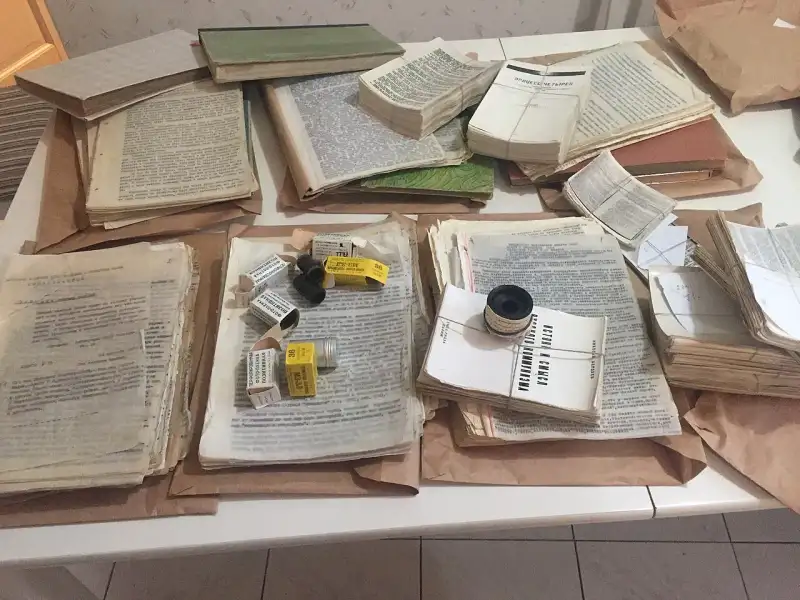
- Clara Schmidt
- 03 Jul, 2026 07:30
Verbotene Märchen, unbeugsame Seelen: Die geheime Welt der Untergrund-Kinderbücher in totalitären Regimen
Die Macht der Erzählung ist unendlich. Sie kann Imperien erbauen und stürzen, Generationen formen und die tiefsten Winkel der menschlichen Seele berühren. Doch was geschieht, wenn diese Macht, die so oft als harmlos und verspielt gilt – die Macht der Kindergeschichte – zu einer Bedrohung für einen allmächtigen Staat wird? Wenn Märchen zu Manifesten werden und Bilderbücher zu Blaupausen des Widerstands? Wir tauchen ein in die faszinierende und oft tragische Welt der Untergrund-Kinderbücher, die in den dunkelsten Kapiteln der Menschheitsgeschichte als leise, aber unerschütterliche Leuchtfeuer der Hoffnung dienten. Totalitäre Regime leben von der vollständigen Kontrolle. Kontrolle über Informationen, Kontrolle über Gedanken, Kontrolle über die Zukunft. Und die Zukunft, das sind immer die Kinder. Jedes Wort, jede Zeichnung, jede Moral, die ein Kind erreicht, ist eine Saat, die entweder gehorsamen Konformismus oder gefährliche Individualität nähren kann. Es ist daher kaum verwunderlich, dass eine der ersten Maßnahmen jeder Diktatur die Gleichschaltung des Bildungssystems und die Zensur der Kinderliteratur war. Bücher wurden verbrannt, Autoren verboten, und nur das, was der Parteilinie entsprach, durfte die unschuldigen Augen eines Kindes erreichen. Doch genau in diesem repressiven Klima blühte eine bemerkenswerte Form des Widerstands auf: das Untergrund-Kinderbuch. Die unsichtbare Frontlinie: Warum Kinderbücher zur Bedrohung wurden Man mag denken, ein Kinderbuch sei zu trivial, um ein Regime zu stürzen. Doch genau hier liegt die fundamentale Fehleinschätzung. Totalitäre Staaten verstanden die tiefgreifende Wirkung von Geschichten auf die kindliche Psyche besser als viele andere. Sie wussten, dass die Prägung in jungen Jahren unwiderruflich ist, dass Werte und Weltbilder, einmal etabliert, schwer zu erschüttern sind. Daher wurden Kinderbücher zu einer entscheidenden Frontlinie im Kampf um die Köpfe und Herzen der nächsten Generation. Die Zensur der Kinderliteratur ging weit über das Offensichtliche hinaus. Es ging nicht nur darum, direkt regimekritische Inhalte zu verbannen. Nein, es ging darum, jede Idee zu eliminieren, die nicht mit der staatlich verordneten Ideologie übereinstimmte. Freundschaft über nationale oder rassische Grenzen hinweg? Gefährlich. Individualismus und freies Denken? Subversiv. Kritik an Autorität? Unvorstellbar. Sogar traditionelle Märchen wurden umgeschrieben oder ganz verboten, wenn ihre ursprünglichen Botschaften von Freiheit, Gerechtigkeit für den kleinen Mann oder dem Triumph des Guten über das Böse nicht in das Schema des Regimes passten. Die Märchen der Gebrüder Grimm beispielsweise, die in vielen Diktaturen als nationales Erbe gefeiert wurden, mussten oft sorgfältig gesiebt und "gereinigt" werden, um keine unerwünschten Interpretationen aufkommen zu lassen. In dieser ideologischen Wüste, wo offizielle Kinderbücher nichts als Propaganda waren, sehnten sich Eltern und Pädagogen nach echten Geschichten – nach Erzählungen, die Menschlichkeit, Mitgefühl, kritisches Denken und die Schönheit der Welt jenseits der staatlichen Dogmen vermittelten. Sie wollten ihren Kindern nicht die Last der Ideologie aufbürden, sondern ihnen Wurzeln und Flügel für eine freie Zukunft geben. Und so entstand eine wagemutige Bewegung, die heimlich Geschichten schuf und verbreitete, die den Kindern die Wahrheit und die Hoffnung flüsterten, die ihnen offiziell verwehrt wurde.Das geheime Netzwerk: Herstellung und Verteilung unter Lebensgefahr Die Entstehung eines Untergrund-Kinderbuches war eine Heldentat der Logistik und des Mutes. Es begann oft mit einzelnen Personen – einer tapferen Mutter, einem engagierten Lehrer, einem verbannten Künstler oder einem enttäuschten Drucker –, die die Notwendigkeit erkannten und das Risiko eingingen. Sie wussten, dass die Entdeckung nicht nur den Verlust ihrer Freiheit, sondern oft auch den ihres Lebens bedeuten konnte. Die Herstellung erfolgte unter primitivsten Bedingungen. Manchmal wurden Bücher von Hand abgeschrieben, Seite für Seite, mit Tinte auf dünnem Papier, das mühsam beschafft wurde. Illustrator:innen, deren Kunst als "entartet" gebrandmarkt worden war, nutzten ihre Fähigkeiten heimlich, um Illustrationen zu schaffen, die oft symbolisch und doppeldeutig waren, um eine sofortige Entdeckung zu vermeiden. In anderen Fällen wurden kleine, versteckte Druckpressen verwendet – oft in Kellern, auf Dachböden oder in abgelegenen Werkstätten. Die Tinten- und Papierbeschaffung war ein ständiger Kampf, und jeder Lärm, jeder ungewöhnliche Geruch konnte die Aufmerksamkeit der Behörden auf sich ziehen. Die Drucker:innen arbeiteten nachts, im Schutz der Dunkelheit, mit einem Ohr auf jedes Geräusch lauschend, während sie die verbotenen Geschichten zeugten. Die Verteilung war ebenso gefährlich und aufwendig. Diese Bücher wurden nicht in Läden verkauft. Sie wanderten von Hand zu Hand, versteckt in Brotkörben, unter Kleidung, in Schultaschen oder in den Taschen von Kurieren, die oft nicht wussten, welche explosive Fracht sie transportierten. Lehrer:innen lasen sie ihren Schüler:innen heimlich vor, unter dem Vorwand, eine "eigene Geschichte" zu erzählen. Eltern versteckten sie unter Matratzen oder in Geheimfächern, um sie ihren Kindern in Momenten der Einsamkeit oder des Zweifels zu zeigen. Jedes Buch war eine kleine Bombe der Wahrheit, die tickte und darauf wartete, ihre Botschaft in den Herzen der Empfänger:innen zu entzünden. In vielen Fällen waren die Geschichten selbst anonym. Die Namen der Autor:innen, Illustrator:innen und Drucker:innen blieben geheim, um sie und ihre Familien zu schützen. Dies verlieh diesen Büchern eine zeitlose, kollektive Qualität; sie waren nicht das Werk eines Einzelnen, sondern der Ausdruck eines gemeinsamen menschlichen Verlangens nach Freiheit und Würde. Inhaltliche Codes und Botschaften: Zwischen Märchen und Manifest Was genau enthielten diese verbotenen Kinderbücher? Selten waren es direkte politische Traktate. Das wäre zu offensichtlich und riskant gewesen. Stattdessen bedienten sie sich der subtilen, mächtigen Sprache der Allegorie und der Metapher. Sie waren Geschichten, die zwischen den Zeilen lasen, Geschichten, die die Fantasie beflügelten und gleichzeitig kritische Gedanken säten. Ein häufiges Motiv war die Betonung von universellen Werten, die im offiziellen Diskurs untergraben wurden: Freundschaft, Solidarität, Gerechtigkeit, Wahrheit, Mitgefühl und die Schönheit der Natur. Während offizielle Bücher die Spaltung und den Hass predigten, feierten Untergrund-Bücher die Einheit und die Menschlichkeit. Tiere, oft in Fabeln, konnten für unterdrückte Bevölkerungsgruppen oder für die mutigen Widerständler stehen. Ein kleiner Vogel, der trotz eines Sturms singt, konnte die Hoffnung auf eine bessere Zukunft symbolisieren. Ein Kind, das eine schwierige Aufgabe löst, indem es seine eigenen Gedanken nutzt, stand für den Wert des kritischen Denkens und der Individualität. Ein Beispiel (fiktiv, aber exemplarisch für solche Werke) könnte die Geschichte eines kleinen Jungen in einer grauen Stadt sein, in der alle Häuser gleich aussehen und alle Menschen die gleichen Dinge tun müssen. Er findet heimlich einen vergessenen Farbkasten und beginnt, seine Welt in bunten Farben zu malen – zunächst nur in seiner Fantasie, dann auf kleinen Papierfetzen, die er mit seinen Freunden teilt. Die Botschaft: Kreativität und Individualität können selbst in der grauesten Welt leuchten und andere inspirieren. Oder die Geschichte eines kleinen Mädchens, das einen verletzten Vogel findet und ihn gesundpflegt, obwohl es verboten ist, sich um "unnütze" Kreaturen zu kümmern. Die Moral: Mitgefühl und Fürsorge sind stärker als Verbote. Diese Geschichten vermittelten Kindern nicht nur moralische Werte, sondern auch eine wichtige Lektion über die Natur der Macht: dass sie nicht absolut ist, dass es immer eine Wahl gibt, dass das Innere eines Menschen nicht kontrolliert werden kann. Sie nährten eine innere Stärke und Resilienz, die den Kindern half, die Widersprüche und Lügen des Regimes zu erkennen, ohne zu verzweifeln. Sie waren Fenster in eine Welt jenseits der Propaganda, ein Versprechen, dass es jenseits der Mauern der Tyrannei noch Freiheit gab. Das bleibende Erbe: Wie diese Bücher Generationen prägten Die Wirkung dieser geheimen Kinderbücher war immens, auch wenn sie zahlenmäßig nie mit der offiziellen Produktion mithalten konnten. Für die Kinder, die sie lasen, waren sie weit mehr als nur Geschichten. Sie waren Rettungsanker. In einer Welt, die ihnen Angst und Konformität lehrte, boten diese Bücher einen sicheren Hafen für ihre Fantasie und ihre Seele. Sie gaben ihnen das Gefühl, nicht allein zu sein, dass es andere gab, die an ähnliche Werte glaubten. Psychologisch gesehen schützten diese Bücher Kinder vor der vollständigen Indoktrination. Sie bewahrten eine Restmenge an unabhängigem Denken und moralischer Integrität. Sie stärkten ihre Fähigkeit zur Empathie und kritischen Reflexion, Eigenschaften, die für das Überleben der menschlichen Seele unter Unterdrückung von entscheidender Bedeutung sind. Viele Überlebende totalitärer Regime berichten, wie eine bestimmte heimlich gelesene Geschichte ihnen Trost spendete, ihnen Mut machte oder ihnen half, die Welt um sie herum besser zu verstehen, ohne die Zensur zu akzeptieren. Diese Bücher spielten auch eine wichtige Rolle bei der Bewahrung kultureller Identität. Wenn Regime versuchten, die Geschichte, Sprache und Traditionen eines Volkes auszulöschen oder umzuschreiben, konnten diese geheimen Erzählungen Fragmente dieser verlorenen Welt bewahren und an die nächste Generation weitergeben. Sie waren kleine Archive der Menschlichkeit und der kulturellen Wurzeln. Das vielleicht wichtigste Erbe dieser Untergrund-Kinderbücher ist ihre Rolle bei der Vorbereitung auf eine freie Gesellschaft. Indem sie Werte wie Freiheit, Gerechtigkeit und individuelle Würde vermittelten, schufen sie in den Herzen der Kinder einen Nährboden für den Wunsch nach Veränderung. Sie legten den Grundstein für eine Generation, die, wenn die Gelegenheit kam, bereit war, für diese Ideale zu kämpfen und eine bessere Welt aufzubauen.Ein Echo in der Gegenwart: Lehren für unsere Zeit Die Geschichten der Untergrund-Kinderbücher sind keine bloßen historischen Fußnoten. Sie sind zeitlose Mahnungen und Inspirationen für die Gegenwart. Sie erinnern uns an die unglaubliche Widerstandsfähigkeit des menschlichen Geistes und an die unverzichtbare Rolle der Literatur für die Freiheit. In einer Welt, in der immer wieder Meinungsfreiheit und der freie Austausch von Ideen bedroht sind – sei es durch staatliche Zensur, algorithmische Filter oder die Dominanz bestimmter Narrative –, lehren uns diese Bücher die Bedeutung von Lese- und Meinungsfreiheit. Jedes Buch, das gelesen wird, ist ein Akt der Freiheit; jede Geschichte, die geteilt wird, ist ein Akt der Verbindung. Sie zeigen uns auch, wie Geschichten heute noch Widerstand leisten können. Nicht unbedingt im physischen Untergrund, aber im kulturellen und intellektuellen Sinne. Das Festhalten an der Wahrheit, das Erzählen von Geschichten, die Empathie und kritisches Denken fördern, die Unterstützung von Autor:innen und Verleger:innen, die mutige und vielfältige Perspektiven bieten – all das ist ein Erbe der Untergrund-Literatur. Eltern und Pädagogen tragen weiterhin eine immense Verantwortung. Es ist ihre Aufgabe, Kindern nicht nur Lesen und Schreiben beizubringen, sondern ihnen auch die Fähigkeit zu vermitteln, zwischen Wahrheit und Lüge zu unterscheiden, kritisch zu denken und ein Herz voller Mitgefühl zu entwickeln. Das Erbe der Untergrund-Kinderbücher ist ein Aufruf, die Macht der Geschichten nicht zu unterschätzen und sie als Werkzeug für eine menschlichere und freiere Welt zu nutzen. Die stillen Stimmen der Hoffnung, geflüstert durch die Seiten verbotener Kinderbücher, hallen bis heute nach. Sie erzählen von mutigen Herzen, von unbeugsamen Geistern und von der unzerstörbaren Kraft der menschlichen Vorstellungskraft. Sie erinnern uns daran, dass selbst in den dunkelsten Zeiten die kleinste Geschichte ein Licht entzünden kann, das eine ganze Generation erhellt und den Weg zur Freiheit weist.#VerboteneBücher #Kinderliteratur #GeschichteDesWiderstands #Buchkultur #GedächtnisDerHoffnung #UntergrundLiteratur #Kinderbcher #Totalitarismus #Kulturgeschichte #Widerstand Related InsightsMestra Book Review and Summary The Munich Affair Book Review and Summary Entities to Lovers Book Review and Summary{ "@context": "https://schema.org", "@type": "FAQPage", "mainEntity": [ { "@type": "Question", "name": "What is the main focus of Verbotene Märchen, unbeugsame Seelen: Die geheime Welt der Untergrund-Kinderbücher in totalitären Regimen?", "acceptedAnswer": { "@type": "Answer", "text": "Entdecken Sie die verborgene Geschichte von Kinderbüchern, die unter totalitären Regimen heimlich gedruckt wurden, um Hoffnung und Widerstand zu säen." } }, { "@type": "Question", "name": "Who authored the comprehensive guide on Verbotene Märchen, unbeugsame Seelen: Die geheime Welt der Untergrund-Kinderbücher in totalitären Regimen?", "acceptedAnswer": { "@type": "Answer", "text": "This detailed article and its insights were carefully researched and authored by Clara Schmidt." } }, { "@type": "Question", "name": "Where can I find more related content about Books?", "acceptedAnswer": { "@type": "Answer", "text": "You can explore more articles, detailed reviews, and similar insights by browsing the Related Insights section at the bottom of this article or visiting our dedicated Books category page." } } ] }
- Clara Schmidt
- 02 Jul, 2026 03:46
Maledictiones Librorum: Die faszinierende und furchterregende Geschichte der Buchflüche
Stellen Sie sich vor, der Besitz eines Buches könnte Sie in die ewige Verdammnis stürzen, Ihre Nachkommen mit Pest belegen oder Sie zu einem Leben voller Leid verdammen. Eine absurde Vorstellung im Zeitalter digitaler Bibliotheken, in dem geistiges Eigentum durch komplexe Algorithmen und internationale Gesetze geschützt wird? Keineswegs. In den tiefsten und dunkelsten Ecken der Geschichte war dies eine ernstzunehmende Drohung, die den Wert und die Heiligkeit des geschriebenen Wortes schützte: der Buchfluch, oder, wie die Gelehrten es nannten, die maledictiones librorum. Wir leben in einer Welt, in der Bücher, ob gedruckt oder digital, allgegenwärtig und oft austauschbar erscheinen. Doch für Jahrhunderte, als die Produktion eines einzelnen Buches ein monumentales Unterfangen darstellte, vergleichbar mit dem Bau einer Kathedrale, war der Schutz dieses intellektuellen und materiellen Gutes von größter Bedeutung. Ein Buch war ein Schatz, eine Investition, ein Erbe und oft eine direkte Verbindung zum Göttlichen. Wie konnte man solch unschätzbares Eigentum vor Diebstahl, Beschädigung oder schlichtem Verlust schützen, lange bevor es moderne Rechtssysteme, Sicherheitsschlösser oder gar Bibliothekskataloge gab? Die Antwort war so simpel wie drastisch: durch spirituelle Abschreckung. Und so entstand eine faszinierende, oft makabre und heute fast vergessene Tradition von Flüchen und Warnungen, die die Seiten unzähliger Manuskripte und früher Drucke zieren. Die Ursprünge der literarischen Abschreckung Die Idee, Texte und die darin enthaltenen Informationen zu schützen, ist keineswegs neu. Schon in der Antike finden sich erste Spuren einer Art literarischer Abschreckung. In Mesopotamien wurden Tontafeln, die wichtige Aufzeichnungen oder Gesetze enthielten, mit Drohungen gegen jene versehen, die sie zerstören oder verändern würden. Ägyptische Papyri trugen manchmal Warnungen, die den Leser auf die Notwendigkeit hinwiesen, den Text zu respektieren. Diese frühen Formen waren jedoch meist weltlicher Natur, oft mit königlichen Edikten oder göttlichen Strafen verbunden, die sich auf das Leben in dieser Welt bezogen. Der wahre Höhepunkt und die schauerlichste Ausprägung des Buchfluches finden wir jedoch im Mittelalter Europas. Es war eine Zeit, in der das Christentum tief in alle Aspekte des Lebens verwurzelt war und die Angst vor Gott und dem Jenseits eine immense Macht besaß. Klöster waren die intellektuellen und kulturellen Zentren, in denen Wissen bewahrt, kopiert und gelehrt wurde. Jedes Manuskript, oft in jahrelanger mühsamer Arbeit von Mönchen im Skriptorium handgeschrieben und aufwendig illustriert, war ein Kunstwerk, ein Zeugnis tiefster Frömmigkeit und eine Quelle unwiederbringlichen Wissens. Der Verlust oder Diebstahl eines solchen Buches war nicht nur ein materieller, sondern auch ein spiritueller und kultureller Katastrophe. Das Mittelalter: Die goldene Ära der Buchflüche In den Klöstern des Mittelalters entwickelten sich die Buchflüche zu einer Kunstform der Abschreckung. Sie waren meist in Latein verfasst und oft am Anfang oder Ende des Buches, auf den Vorsatzblättern oder sogar innerhalb des Textes selbst platziert. Ihre Inhalte variierten stark, aber ihr Ziel war immer dasselbe: potenzielle Diebe, Plagiateure oder Nachlässige abzuschrecken. Die Drohungen reichten von milden Ermahnungen bis zu den schrecklichsten Flüchen, die sich ein menschlicher Geist vorstellen konnte. Manche Fluchformeln waren relativ "sanft". Sie baten lediglich den Leser, das Buch sorgfältig zu behandeln und es an seinen rechtmäßigen Besitzer zurückzugeben. Zum Beispiel: "Wer dieses Buch entwendet oder missbräuchlich behandelt, sei verflucht." Andere wurden schon spezifischer und drohten mit weltlichen Strafen: "Wer dieses Buch stiehlt, der soll am Galgen hängen oder ins Gefängnis geworfen werden." Doch die wirklich furchterregenden Buchflüche spielten mit der tiefsitzenden mittelalterlichen Angst vor ewiger Verdammnis und göttlicher Rache. Die Mönche, die diese Flüche schrieben, nutzten die volle Bandbreite der kirchlichen Macht und des damaligen Aberglaubens. Oft wurden die Flüche mit der Autorität des Klosters, des Abtes oder sogar der heiligen Patrone verbunden. Sie riefen nicht nur Gott selbst an, sondern auch Engel, Heilige und sogar den Teufel, um den Frevler zu bestrafen. Typologie der mittelalterlichen Buchflüche Die maledictiones librorum lassen sich grob in verschiedene Kategorien einteilen, die oft ineinander übergingen:Exkommunikationsflüche: Diese Drohten dem Dieb mit der Exkommunikation aus der Kirche, was im Mittelalter den Ausschluss aus der Gemeinschaft der Gläubigen und die Verwehrung der Sakramente bedeutete – eine Bestrafung, die als direkte Route zur ewigen Verdammnis galt. Körperliche Strafen: Häufig wurden Krankheiten, Verstümmelungen oder unnatürliche Tode herbeigewünscht. "Wer dieses Buch stiehlt, dessen Hand möge abfaulen und dessen Augen blind werden." Solche expliziten Drohungen waren keine Seltenheit. Soziale Ächtung und Ruin: Der Dieb könnte mit sozialer Ausgrenzung, Armut oder dem Verlust seines guten Namens belegt werden. Ewige Verdammnis: Dies war die härteste und wohl wirkungsvollste Form des Fluches. Dem Täter wurde die Hölle, das ewige Feuer und die Gesellschaft von Dämonen versprochen. Oft wurde ein bestimmter Anteil des Fleisches des Diebes den Würmern überlassen, während seine Seele in den Abgrund stürzte.Ein berühmt-berüchtigtes Beispiel, das oft zitiert wird, obwohl es sich hierbei weniger um einen reinen "Buchfluch" im eigentlichen Sinne als um eine Art Besitzervermerk mit scharfer Drohung handelt, ist der Vermerk aus der Bibliothek von St. Albans, der um 1220 datiert wird: "Si quis eum rapiat, rabiantur in eum febres quartanae, et percutiatur manu Dei, et in hac vita non habeat prosperitatem, et in futuro non habeat partem cum Sanctis." (Wenn jemand es raubt, sollen ihn Quartanfieber befallen, und er soll von der Hand Gottes geschlagen werden, und in diesem Leben soll er keinen Wohlstand haben, und in Zukunft soll er keinen Anteil mit den Heiligen haben.) Ein weiteres, noch drastischeres Beispiel, das in vielen mittelalterlichen Bibliotheken auftaucht, ist der "Fluch des Judas": "Für den, der dieses Buch stiehlt oder es aus dem Kloster verkauft oder es in irgendeiner Weise entfremdet, so dass es nicht mehr im Besitz dieses Klosters ist, der sei verflucht und mit dem Fluch des Judas, des Verräters, belegt. Er sei verdammt mit den Dämonen in der Hölle, bis er Reue zeigt und das Buch zurückgibt." Die psychologische Wirkung dieser Flüche muss enorm gewesen sein. In einer zutiefst gläubigen Gesellschaft war die Bedrohung mit ewiger Verdammnis keine leere Phrase, sondern eine reale Angst, die selbst den kühnsten Dieb zweimal überlegen ließ. Die Mönche glaubten fest an die Macht ihrer Worte und an die Gerechtigkeit Gottes. Für sie waren diese Flüche nicht nur leere Drohungen, sondern ernsthafte Appelle an eine höhere Macht zum Schutz ihres heiligen Besitzes. Die Renaissance und frühe Neuzeit: Wandel und Anpassung Mit dem Aufkommen des Buchdrucks im 15. Jahrhundert und der allmählichen Verbreitung von Büchern über die Klostermauern hinaus veränderte sich auch die Natur der Buchflüche. Bücher wurden zwar zugänglicher, blieben aber kostbare Güter. Private Bibliotheken wuchsen, und ihre Besitzer, oft wohlhabende Bürger, Adelige oder Gelehrte, übernahmen die Tradition der Flüche, passten sie aber ihren eigenen Vorstellungen an. Die Drohungen wurden im Vergleich zu den mittelalterlichen Klosterflüchen oft etwas weniger drastisch, manchmal humorvoller, manchmal auch nur pragmatischer. An die Stelle der Exkommunikation traten oft eher weltliche Bestrafungen oder der Wunsch nach gesellschaftlicher Ächtung. Dennoch hielten sich die traditionellen Flüche in kirchlichen und akademischen Bibliotheken weiterhin. Ein populäres Phänomen dieser Zeit waren die sogenannten Ex Libris-Vermerke oder Bucheignerzeichen. Zwar nicht immer Flüche im eigentlichen Sinne, enthielten sie doch oft Ermahnungen oder Drohungen, die auf den Buchfluch zurückgingen. Ein häufiger Spruch war: "Mein Buch hat Beine, damit es zu mir zurückkommt." Oder die lateinische Variante: "Liber meus, te revoca!" (Mein Buch, kehre zurück!). Manchmal wurden auch kleine, humorvolle Reime oder Sprüche verwendet, wie: "Stehle mich nicht, sonst wirst du an der Nase gezogen." Oder: "Wer mich stiehlt, der kriegt ein buckliges Rückgrat." Diese Bucheignerzeichen markierten den Besitz und erinnerten potenzielle Entwender daran, dass das Buch einem bestimmten Individuum gehörte und nicht ohne Weiteres entwendet werden durfte. Das Verschwinden der Flüche und moderne Echos Mit dem Zeitalter der Aufklärung, der Säkularisierung der Gesellschaft und der Entwicklung moderner Rechtssysteme verloren die Buchflüche allmählich ihre Wirksamkeit und ihre Bedeutung. Die Angst vor göttlicher Strafe nahm ab, und der Schutz des Eigentums wurde zunehmend durch weltliche Gesetze und Polizeikräfte geregelt. Bibliotheken entwickelten Ausleihsysteme, Kataloge und Strafen für verspätete Rückgabe oder Beschädigung. Dennoch haben die Buchflüche ihre Spuren in der Kultur hinterlassen. Die moderne Form des Ex Libris, das Buchzeichen oder der Stempel mit dem Namen des Besitzers, ist ein direkter Nachfahre dieser alten Tradition. Es ist eine sanfte, zivilisierte Erinnerung an den Besitzanspruch, frei von höllischen Drohungen, aber mit demselben grundlegenden Ziel: die Identität des Eigentümers zu markieren und das Buch zu schützen. In der Populärkultur tauchen Buchflüche immer wieder auf, oft in Fantasy-Romanen oder Filmen, wo verfluchte Grimoires oder magische Bücher eine zentrale Rolle spielen. Diese Darstellungen zeugen von der anhaltenden Faszination, die diese alte Praxis auf uns ausübt, auch wenn wir sie heute nicht mehr ernst nehmen. Sind Buchflüche also gänzlich verschwunden? Technisch gesehen ja. Ihre Funktion wurde von modernen Gesetzen und Technologien übernommen. Doch die Essenz, der Wunsch, das intellektuelle Eigentum zu schützen, bleibt bestehen. Man könnte argumentieren, dass die heutigen digitalen Rechteverwaltungssysteme (DRM) für E-Books eine Art technologischer Buchfluch sind. Sie sollen verhindern, dass digitale Texte illegal kopiert, verbreitet oder manipuliert werden. Zwar drohen sie nicht mit ewiger Verdammnis, aber sie können den Zugang verwehren, das Leseerlebnis einschränken oder sogar das Gerät unbrauchbar machen – moderne Formen der Abschreckung, die, wenn auch anders, den Zweck der alten Flüche erfüllen. with intricate design, a personal inscription of ownership, and a subtle, almost hidden warning or symbol, on the inside cover of an old leather-bound book) Die anhaltende Faszination der Maledictiones Librorum Die Geschichte der Buchflüche ist mehr als nur eine Kuriosität der Vergangenheit; sie ist ein faszinierendes Fenster in die Werte, Ängste und den Alltag vergangener Epochen. Sie erinnert uns daran, welchen unermesslichen Wert Bücher einst hatten und wie weit Menschen gingen, um dieses Wissen zu bewahren. Sie spricht von einer Zeit, in der das geschriebene Wort eine fast magische Kraft besaß, fähig, Seelen zu retten oder zu verdammen. Für uns moderne Leser, die wir Bücher oft als selbstverständlich ansehen, bieten die maledictiones librorum eine einzigartige Perspektive auf die Geschichte des Buches und die Entwicklung unseres Verständnisses von Eigentum und geistigem Besitz. Sie sind Zeugen einer tiefen Ehrfurcht vor dem Wissen und der unglaublichen Mühe, die in seine Bewahrung investiert wurde. Ob wir sie nun als Aberglaube abtun oder als geniale psychologische Taktik bewundern – die Buchflüche bleiben ein bemerkenswertes Kapitel in der langen und reichen Geschichte des Buches. Sie sind ein Echo aus einer Zeit, in der das Schicksal einer Seele auf dem Spiel stehen konnte, wenn man es wagte, ein Buch zu stehlen. Und vielleicht, nur vielleicht, fühlen wir beim nächsten Blättern in einem alten, ledergebundenen Band einen leichten Schauer, der uns an jene unsichtbaren Wächter erinnert, die einst die Seiten schützten.#Buchgeschichte #Mittelalter #SelteneBücher #Manuskripte #Kulturerbe Related InsightsCity of Lost Souls Book Review and Summary Banker's Holiday: A Novel of Fiscal Irregularity Book Review and Summary Never Too Late Book Review and Summary{ "@context": "https://schema.org", "@type": "FAQPage", "mainEntity": [ { "@type": "Question", "name": "What is the main focus of Maledictiones Librorum: Die faszinierende und furchterregende Geschichte der Buchflüche?", "acceptedAnswer": { "@type": "Answer", "text": "Entdecken Sie die dunkle und mystische Tradition der Buchflüche – von mittelalterlichen Klöstern bis zur modernen Zeit – und wie sie das Schicksal von Manuskripten und Lesern prägten." } }, { "@type": "Question", "name": "Who authored the comprehensive guide on Maledictiones Librorum: Die faszinierende und furchterregende Geschichte der Buchflüche?", "acceptedAnswer": { "@type": "Answer", "text": "This detailed article and its insights were carefully researched and authored by Clara Schmidt." } }, { "@type": "Question", "name": "Where can I find more related content about Books?", "acceptedAnswer": { "@type": "Answer", "text": "You can explore more articles, detailed reviews, and similar insights by browsing the Related Insights section at the bottom of this article or visiting our dedicated Books category page." } } ] }
- Clara Schmidt
- 02 Jul, 2026 03:36
Anthropodermische Bibliopegie: Eine Makabre Reise in die Welt der in Menschenhaut gebundenen Bücher
Stellen Sie sich vor, Sie stehen in einer altehrwürdigen Bibliothek, umgeben vom sanften Duft von Papier und Leder, und Ihre Hand gleitet über einen Buchrücken, dessen Oberfläche eine unheimliche Vertrautheit ausstrahlt, die weit über das Übliche hinausgeht. Dieses Gefühl der Irritation weicht schnell einem Schauer der Erkenntnis, denn die haptische Beschaffenheit ist unverkennbar: Es ist die Haut eines Menschen. Was klingt wie die Eröffnung eines Gothic-Romans, ist eine dunkle, aber faszinierende Realität der Buchgeschichte: die Anthropodermische Bibliopegie – die Kunst oder vielmehr die Praxis, Bücher in Menschenhaut zu binden. In einer Welt, in der Bücher oft als Tore zu Wissen, Fantasie und menschlicher Erfahrung gefeiert werden, existiert ein verborgener Korridor, der zu Exemplaren führt, die die Grenzen des Konventionellen weit überschreiten. Diese Bücher sind keine bloßen Träger von Texten; sie sind Artefakte, die von Tod, morbider Neugier und einer befremdlichen Beziehung zur Sterblichkeit zeugen. Sie fordern unsere Vorstellungen von Ethik, Ästhetik und dem Vermächtnis des menschlichen Körpers heraus. Es ist eine Nische innerhalb der Buchgeschichte, die sowohl Abscheu als auch eine unbestreitbare, beinahe unwiderstehliche Anziehungskraft hervorruft, und sie verdient eine tiefgehende, aber respektvolle Untersuchung. Die Ursprünge eines Makabren Handwerks: Wann und Warum? Die Anthropodermische Bibliopegie ist kein Phänomen, das sich über Jahrtausende erstreckt. Ihre Blütezeit erlebte sie hauptsächlich zwischen dem 17. und dem frühen 20. Jahrhundert, eine Ära, die von wissenschaftlichem Fortschritt, aber auch von einem veränderten Blick auf den menschlichen Körper geprägt war. Die Motivationen, zu solch einem drastischen Material zu greifen, waren vielfältig und oft tief in den jeweiligen gesellschaftlichen Kontexten verwurzelt. Eine der prominentesten Anwendungsbereiche war die Medizin. Im Zeitalter der aufkommenden Anatomie und Chirurgie, als das Studium des menschlichen Körpers noch in den Kinderschuhen steckte und die Materialbeschaffung oft schwierig war, wurden menschliche Überreste für wissenschaftliche Zwecke genutzt. Es gab Fälle, in denen anatomische Lehrbücher oder medizinische Berichte in der Haut von Verstorbenen gebunden wurden, deren Körper zuvor zu Forschungszwecken dienten. Dies mag aus heutiger Sicht barbarisch erscheinen, doch im Kontext der damaligen Zeit, in der Leichensektionen oft öffentlich stattfanden und eine gewisse Enttabuisierung des Körpers zu Lehrzwecken existierte, sahen einige dies als eine Art des "ewigen Dienstes" an der Wissenschaft.Ein weiteres düsteres Kapitel findet sich in der Rechtsgeschichte und Kriminologie. Es gab eine erschreckende Tradition, Bücher über berüchtigte Kriminelle in deren eigener Haut zu binden – oft als eine posthume Bestrafung, ein Mahnmal oder eine makabre Trophäe der Gerechtigkeit. Diese Praxis diente nicht nur dazu, die Verbrechen des Täters für die Nachwelt festzuhalten, sondern auch, um durch die "Belegung" des Buches mit der physischen Essenz des Verbrechers eine zusätzliche Schicht der Abschreckung oder des Spektakels zu schaffen. Es war eine ultimative Form der Entehrung, die selbst über den Tod hinausreichte. Weniger häufig, aber dennoch dokumentiert, sind Fälle, die aus persönlichen Gründen entstanden sind. Dies reichte von testamentarischen Verfügungen, bei denen Menschen wünschten, nach ihrem Tod in die Form eines Buches verwandelt zu werden, um ihren Liebsten nahe zu sein, bis hin zu bizarren Akten der Verehrung oder des Besitzanspruchs. Diese Fälle sind oft die emotional verstörendsten, da sie eine tief persönliche und oft pathologische Beziehung zum Tod und zum Vermächtnis offenbaren. Das Handwerk: Vom Körper zum Buch Die Umwandlung von Menschenhaut in einen Bucheinband war kein einfacher Prozess. Es erforderte die Fähigkeiten eines Gerbers und eines erfahrenen Buchbinders. Zunächst musste die Haut sorgfältig von der Leiche entfernt, gereinigt und dann gegerbt werden, ähnlich wie Tierhäute zu Leder verarbeitet werden. Dieser Gerbungsprozess machte das Material haltbar und flexibel. Die resultierende Haut, oft dünner und geschmeidiger als tierisches Leder, konnte dann zugeschnitten, verziert und um die Buchdeckel gespannt werden. Oftmals weisen diese Einbände eine feinere Maserung auf als herkömmliches Kalbs- oder Ziegenleder. Manchmal finden sich sogar Merkmale wie Poren, Haarfollikel oder Narben, die die menschliche Herkunft unverkennbar machen. Gelegentlich wurden auch Inschriften auf dem Einband angebracht, die die Herkunft des Materials explizit machten – ein Zeugnis einer Zeit, in der makabre Details nicht nur geduldet, sondern oft sogar zur Schau gestellt wurden. Berühmte (und Berüchtigte) Exemplare Die Geschichte der Anthropodermischen Bibliopegie ist gesprenkelt mit einer Reihe von Fällen, die die Jahrhunderte überdauert haben und bis heute für Diskussionen sorgen. Viele Bibliotheken und Museen, die solche Exemplare besitzen, stehen vor der ethischen Frage, wie sie mit diesen sensiblen Artefakten umgehen sollen. Eines der bekanntesten Beispiele ist das Buch Des Destinées de l’Âme (Die Schicksale der Seele) von Arsène Houssaye, das sich in der Houghton Library der Harvard University befindet. Das Buch, eine philosophische Meditation über die Seele und das Leben nach dem Tod, ist in der Haut einer Patientin gebunden, die im 19. Jahrhundert in einem französischen Sanatorium starb. Eine Inschrift im Buch, verfasst von Dr. Ludovic Bouland, der den Einband anfertigte, bestätigt die Herkunft und beschreibt die Haut als die einer "Frau". Nach jahrzehntelanger Spekulation wurde die menschliche Herkunft der Haut 2014 durch wissenschaftliche Analysen bestätigt. Ein weiteres aufsehenerregendes Exemplar, ebenfalls in den USA, befindet sich im Boston Athenæum. Hierbei handelt es sich um eine Sammlung von Gerichtsakten aus dem Fall von George Walton, einem Mann, der im 19. Jahrhundert wegen Mordes hingerichtet wurde. Das Gerichtsdokument wurde, der Legende nach, in Waltons eigener Haut gebunden. Diese Geschichte ist ein Paradebeispiel für die oben erwähnte Tradition der posthumen Bestrafung oder des Warnexponats. In Frankreich, insbesondere während der Französischen Revolution, gab es Berichte, die von der massenhaften Gerbung menschlicher Haut und der Herstellung von Büchern und sogar Kleidung berichteten. Obwohl viele dieser Geschichten im Bereich der Legende anzusiedeln sind und von der Propaganda der damaligen Zeit befeuert wurden, zeugen sie doch von einem kollektiven Grauen und einer Faszination für das Überschreiten von Grenzen in extremen Zeiten. Die Fabrik in Meudon, die angeblich menschliche Haut zu Leder verarbeitete, ist ein solches Beispiel, dessen genaue Wahrheit bis heute Gegenstand historischer Debatten ist.Verifizierung und die Ethik des Besitzes Angesichts der makabren Natur dieser Objekte und der Tendenz zu Hoaxes in der Geschichte der Kuriositäten, ist die wissenschaftliche Verifizierung der menschlichen Herkunft eines Einbands von entscheidender Bedeutung. Moderne Techniken wie die Peptidmassenfingerabdruckanalyse (PMF) oder DNA-Tests ermöglichen es Forschern heute, die Art des Leders mit hoher Genauigkeit zu bestimmen. Viele der "Menschenhautbücher", die über die Jahre in Bibliotheken und Privatsammlungen aufgetaucht sind, haben sich bei näherer Untersuchung als Schaf-, Ziegen- oder Kalbsleder herausgestellt, oft absichtlich mit unheimlichen Inschriften versehen, um den Verkaufswert zu steigern oder eine Geschichte zu untermauern. Sobald die Echtheit eines anthropodermischen Einbands bestätigt ist, stellen sich unweigerlich tiefgreifende ethische Fragen:Respekt vor den Toten: Ist es moralisch vertretbar, die Überreste eines Menschen auf diese Weise zu konservieren und auszustellen? Zustimmung: Wurde die Zustimmung der Person oder ihrer Angehörigen eingeholt? In den meisten historischen Fällen war dies unwahrscheinlich. Ausstellung und Vermittlung: Wie sollen solche Bücher in Museen oder Bibliotheken präsentiert werden? Als bloße Kuriositäten oder als Objekte, die eine tiefere historische und ethische Reflexion anregen sollen? Rückführung oder Beisetzung: Sollten diese Bücher "bestattet" oder zumindest in einer Weise aufbewahrt werden, die der Würde des Menschen gerechter wird?Diese Debatten sind komplex und zeigen, wie sich unsere Wahrnehmung von Sterblichkeit, Körper und dem Erbe der Geschichte im Laufe der Zeit verändert hat. Einige Argumente plädieren für die Bewahrung dieser Bücher als historische Dokumente, die uns viel über die Sitten und die Wissenschaft ihrer Zeit erzählen können, während andere eine sofortige Entfernung aus dem öffentlichen Raum fordern. Mythos und die Faszination des Verbotenen Neben den wissenschaftlich bestätigten Fällen existiert eine weit größere Schattenwelt von Mythen und Gerüchten rund um Bücher, die angeblich in Menschenhaut gebunden sind. Die menschliche Psyche ist seit jeher von dem Makabren und dem Verbotenen fasziniert, und so wurden solche Geschichten oft übertrieben oder gänzlich erfunden. Das Konzept eines Buches, das nicht nur Wissen, sondern auch die physische Essenz eines Menschen enthält, berührt eine Urangst und eine perverse Neugier. Diese Mythen speisen sich oft aus der gleichen Quelle wie die Geschichten von "verfluchten" oder "okkulten" Büchern. Das berühmteste fiktive Beispiel ist das "Necronomicon" von H.P. Lovecraft, dessen gruselige Beschreibung – oft in Menschenhaut gebunden und mit Blut geschrieben – tief in das kollektive Unterbewusstsein eingedrungen ist. Die reale Anthropodermische Bibliopegie verleiht solchen fiktiven Erzählungen eine beunruhigende Glaubwürdigkeit und zeigt, wie die Grenzen zwischen Realität und Horror verschwimmen können, wenn es um die dunklen Seiten der Buchgeschichte geht. Fazit: Mehr als nur Einbände Die anthropodermische Bibliopegie ist weit mehr als nur eine bizarre Randnotiz in der Geschichte des Buchbindens. Sie ist ein Spiegel, der uns auf unbequeme Weise Fragen über die menschliche Natur, die Grenzen der Wissenschaft und Kunst, die Ethik des Todes und die bleibende Macht von Artefakten entgegenhält. Diese Bücher sind Relikte einer vergangenen Ära, in der die Grenzen des Respekts und der Moral anders gezogen wurden. Sie erinnern uns daran, dass jedes Buch, selbst das unscheinbarste, eine Geschichte hat, die über den Inhalt seiner Seiten hinausgeht – eine Geschichte seines Materials, seines Herstellers und seiner Reise durch die Zeit. Die in Menschenhaut gebundenen Bücher mögen schockieren und abstossen, doch sie zwingen uns auch dazu, über die Bedeutung des menschlichen Körpers nach dem Tod nachzudenken und darüber, wie wir unsere Vergangenheit, auch ihre verstörendsten Aspekte, verstehen und ehren wollen. Sie sind eine stumme, aber eindringliche Mahnung an die komplexen und oft dunklen Wege, die die menschliche Kreativität und Neugier beschreiten kann. Ihr Anblick mag uns erschaudern lassen, doch ihr bloßes Vorhandensein ist ein unbestreitbares Zeugnis der Tiefe und Breite der menschlichen Geschichte – in all ihrer Pracht und ihrem Schrecken.#AnthropodermischeBibliopegie #MenschenhautBücher #MakabreBibliotheksgeschichte #SelteneBücher #Buchgeschichte #AnthropodermischeBibliopegie #MenschenhautBcher #MakabreBibliotheksgeschichte #HistorischeBuchbindekunst #SelteneBcher #VerboteneBcher #Kuriosittenkabinett #Buchgeschichte #Medizingeschichte Related InsightsSomething Wilder Book Review and Summary 1Q84 Book Review and Summary Intermezzo Book Review and Summary{ "@context": "https://schema.org", "@type": "FAQPage", "mainEntity": [ { "@type": "Question", "name": "What is the main focus of Anthropodermische Bibliopegie: Eine Makabre Reise in die Welt der in Menschenhaut gebundenen Bücher?", "acceptedAnswer": { "@type": "Answer", "text": "Tauchen Sie ein in die verstörende Geschichte der Anthropodermischen Bibliopegie, die Praxis, Bücher in Menschenhaut zu binden, und entdecken Sie die seltenen und makabren Exemplare, die bis heute existieren." } }, { "@type": "Question", "name": "Who authored the comprehensive guide on Anthropodermische Bibliopegie: Eine Makabre Reise in die Welt der in Menschenhaut gebundenen Bücher?", "acceptedAnswer": { "@type": "Answer", "text": "This detailed article and its insights were carefully researched and authored by Clara Schmidt." } }, { "@type": "Question", "name": "Where can I find more related content about Books?", "acceptedAnswer": { "@type": "Answer", "text": "You can explore more articles, detailed reviews, and similar insights by browsing the Related Insights section at the bottom of this article or visiting our dedicated Books category page." } } ] }
- Emily Page
- 30 Jun, 2026 10:48
The Invisible Canvas: Unearthing the Secret Art of Fore-Edge Painting in Antique Books
Imagine holding an unassuming volume, its leather binding weathered by centuries, its pages whispering forgotten tales. It might be a classic, a historical account, or a forgotten poem. You run your fingers along its gilded edges, a testament to its former glory. But what if, within this very object, a secret world lay concealed, waiting only for a subtle movement, a gentle touch, to reveal itself? This isn't the stuff of fantasy novels, but the extraordinary reality of fore-edge painting – a sublime and often overlooked art form that transforms the humble book into a clandestine gallery, holding intricate scenes visible only when its pages are fanned just so. In an age saturated with digital content, where texts are weightless pixels on a screen, the allure of the physical book endures, primarily because it is an object with a #history, a texture, and a tangible presence. Fore-edge painting elevates this appreciation to an entirely new dimension, treating the book not merely as a vessel for words, but as a three-dimensional canvas for hidden artistry. It’s an art that demands intimacy, a deliberate act of engagement from the reader to unlock its concealed beauty. To truly appreciate it is to participate in a centuries-old tradition of quiet revelation, a secret shared between artist, book, and discoverer. The Whispers of History: Origins and Evolution The history of fore-edge painting is as intricate and layered as the artworks themselves, intertwining with the broader narrative of bookbinding and artistic patronage. While evidence suggests very early forms of decoration on the cut edges of book blocks existed as far back as the 10th century – typically geometric patterns or heraldic devices – the true art of fore-edge painting, where a scene appears only when the pages are splayed, began to flourish in England in the mid-17th century. Early examples were often simple, almost embryonic, compared to the elaborate works that would follow. It is believed that the practice evolved from the technique of painting designs directly onto the flat, closed edge, which would then be covered by gilding. Over time, binders and artists discovered that by fanning the leaves at an angle and applying paint sparingly, a more complex image could be created that would disappear when the book was closed, hidden beneath a shimmering layer of gold. This innovation marked a profound shift: the edges were no longer just decorative; they became an active participant in an optical illusion. The 18th century saw the technique gain considerable traction, particularly in England, becoming a coveted embellishment for luxury editions. The art reached its zenith in the late 18th and early 19th centuries, the Georgian and Victorian eras, primarily attributed to the meticulous work of artisans associated with pioneering London booksellers and binders like Edwards of Halifax. Joseph and James Edwards, in particular, are credited with perfecting the art and popularizing it among the gentry and royalty. Their books, often bound in elegant tree calf or smooth calfskin, housed landscapes, portraits, allegories, and historical scenes that mirrored the tastes and interests of their elite clientele. This period was characterized by a surge in demand for bespoke and unique items. A fore-edge painting was not just an artistic addition; it was a statement of wealth, #culture, and a penchant for the exquisite. It offered a discreet form of personal expression, a private pleasure that could be revealed at will, adding an almost performative element to the act of presenting or reading a book. The Unseen Hand: The Meticulous Craft To speak of fore-edge painting is to marvel at a confluence of precision, patience, and a profound understanding of the book's physical properties. The process is astonishingly delicate and demanding, a testament to the artisan's skill. It begins not with a blank canvas, but with a completed, bound book. The key to the illusion lies in fanning the pages at a specific, acute angle and clamping them firmly in this splayed position. This creates a minute, undulating surface composed of thousands of individual page edges, forming a continuous, albeit textured, canvas. It is on this microscopic landscape that the artist carefully applies watercolours or gouache. The paints must be thin enough to avoid seeping into the individual pages, yet vibrant enough to create a discernible image.The artist must possess an almost uncanny ability to visualize the final image, understanding how the painting will coalesce when viewed from the correct angle and, crucially, how it will utterly vanish when the pages are relaxed. This requires a unique spatial awareness, working on a surface that is both flat and curved, continuous yet composed of discrete elements. Each stroke is a calculated risk, a testament to steady hands and an unwavering gaze. Once the painting is complete and thoroughly dry, the clamps are removed, and the book's pages fall back into their natural, flush position. The final, magical step is often the application of gold leaf or other decorative finishes to the now-closed edge. This gilding serves a dual purpose: it protects the delicate painting beneath from dust and moisture, and, more importantly, it acts as the perfect disguise, creating an opulent, solid surface that betrays no hint of the vibrant scene hidden within. Only by fanning the pages will the gold "break" to reveal the secret. The choice of subjects was wide-ranging, from idyllic landscapes, bustling cityscapes, and portraits of historical figures, to ships at sea, hunting scenes, and even classical mythology. Often, the theme of the fore-edge painting would relate thematically to the content of the book itself, adding another layer of subtle commentary or visual interpretation. The Allure of Secrecy: Why Hide Art? The enduring fascination with fore-edge painting extends beyond its technical brilliance; it delves into the human penchant for discovery, for the secret and the sublime. Why would someone commission such a detailed, painstaking artwork only for it to be largely unseen? The reasons are multifaceted and speak to various aspects of human #nature and cultural values. Firstly, there is the element of surprise and delight. Imagine presenting a guest with a beautifully bound book, only to subtly fan its pages and reveal a breathtaking miniature landscape. It's a moment of shared wonder, an intimate revelation that transforms a mundane object into a magical one. It transforms the act of viewing from passive observation to active engagement. Secondly, fore-edge paintings were often a symbol of personal expression and privacy. In an era where books were highly valued personal possessions, a hidden painting could reflect the owner's inner world, their passions, or even serve as a private memento. It was art enjoyed on one's own terms, not for public display, but for personal contemplation or shared only with a select few. This sense of exclusivity made them particularly appealing to collectors and connoisseurs. Thirdly, they represented an extreme form of craftsmanship and luxury. To create such an artwork required significant time, skill, and therefore expense. Owning a fore-edge painted book was a clear indicator of status and wealth, a subtle flex that spoke volumes without uttering a word. It demonstrated an appreciation for the highest echelons of artistic and artisanal endeavor. Finally, there's a certain poetic irony to the concept itself. The book, a traditional symbol of knowledge and revelation, becomes a repository of secrets. The very act of reading, of opening pages to uncover meaning, is paralleled by the physical act of fanning them to reveal a hidden image. It subtly reinforces the idea that true beauty and depth often lie beneath the surface, waiting to be unearthed by those willing to look closer. Treasures Unveiled: Notable Collections and Modern Continuations Fore-edge paintings are, by their very nature, rare and delicate. Due to their age and the specific conditions required for their preservation, they are most commonly found in institutional collections and the libraries of serious antiquarian book collectors. Esteemed institutions such as the British Library, the Boston Public Library, and the Library of Congress house magnificent examples that span centuries and artistic styles, offering glimpses into this unique tradition. These collections often feature works from the Golden Age of fore-edge painting, showcasing the peak of its artistry and complexity. Viewing these books in person is a privileged experience, often requiring special handling. Conservators and curators meticulously care for these treasures, understanding their fragility and the unique challenges they present. The greatest threat to a fore-edge painting, ironically, is its discovery – repeated fanning and handling can degrade the delicate paint and even the gilded surface that protects it.While the heyday of fore-edge painting passed with the decline of elaborate hand-binding traditions, the art form has never truly died. There are contemporary artists and binders who continue to practice this intricate craft, often using modern materials and techniques while upholding the historical integrity of the art. These modern practitioners face the challenge of both honoring tradition and injecting new life into the form, perhaps with contemporary subjects or new approaches to the illusion. They ensure that the legacy of fore-edge painting continues, fascinating new generations with its quiet magic. The revival of interest in artisanal crafts and the unique qualities of physical books, spurred by a digital world, also contributes to the ongoing appreciation of fore-edge painting. It serves as a reminder that the book is not merely a utilitarian object, but an artifact of culture, history, and art, capable of holding far more than just words between its covers. Beyond the Visible: The Philosophy of Hidden Beauty The allure of fore-edge painting goes beyond mere aesthetics or technical prowess. It taps into a deeper philosophical appreciation for hidden beauty, for the rewards of close inspection and the subtle delight of discovery. In a world that often prizes immediate gratification and overt display, fore-edge painting champions patience, intimacy, and the quiet satisfaction of unlocking a secret. It teaches us to look beyond the obvious, to question what might lie beneath a seemingly uniform surface. It reminds us that books, like people, often hold layers of complexity, untold stories, and hidden depths that only reveal themselves to those who take the time to truly engage. The gilded edge, initially perceived as merely ornamental, becomes a veil, a guardian of a miniature world that challenges our preconceptions about what a book can be. This art form encourages a more mindful interaction with objects. It transforms the act of holding a book from a purely utilitarian function to a moment of quiet contemplation, a tactile #journey into an unexpected dimension. It imbues the book with a sense of wonder, making each volume a potential treasure chest, waiting for its unique key—the gentle fanning of its pages—to unlock its most enchanting secret. In a literary landscape increasingly dominated by fleeting digital experiences, the fore-edge painted book stands as a defiant testament to the enduring power of the physical, the tangible, and the profoundly personal. It is a whispered secret from the past, an invitation to slow down, to observe, and to rediscover the magic that can be found in the most unexpected places—even within the very edges of a book.#ForeEdgePainting #HiddenBookArt #AntiquarianBooks #BookCollecting #EmilyPage Related InsightsWell Versed (Well Met, #5) Book Review and Summary Interview with the Vampire Book Review and Summary False Value Book Review and Summary{ "@context": "https://schema.org", "@type": "FAQPage", "mainEntity": [ { "@type": "Question", "name": "What is the main focus of The Invisible Canvas: Unearthing the Secret Art of Fore-Edge Painting in Antique Books?", "acceptedAnswer": { "@type": "Answer", "text": "Dive into the clandestine world of fore-edge painting, an exquisite art form where detailed scenes are meticulously hidden on the fanned edges of antique books, waiting to be discovered." } }, { "@type": "Question", "name": "Who authored the comprehensive guide on The Invisible Canvas: Unearthing the Secret Art of Fore-Edge Painting in Antique Books?", "acceptedAnswer": { "@type": "Answer", "text": "This detailed article and its insights were carefully researched and authored by Emily Page." } }, { "@type": "Question", "name": "Where can I find more related content about Books?", "acceptedAnswer": { "@type": "Answer", "text": "You can explore more articles, detailed reviews, and similar insights by browsing the Related Insights section at the bottom of this article or visiting our dedicated Books category page." } } ] }

- Emily Page
- 30 Jun, 2026 09:27
The Lost Language of Scented Books: Unearthing a Bibliophile's Olfactory History
Close your eyes. Inhale deeply. What does a book truly smell like to you? Is it the musty embrace of aged paper, the crisp sharpness of fresh ink, or perhaps a faint hint of coffee from a forgotten morning read? While the inherent aroma of books is a familiar comfort to many, imagine a time when the very act of reading was a symphony not just for the eyes and mind, but for the nose as well. A time when books were not merely vessels of text, but intricately crafted sensory objects, intentionally imbued with perfumes, spices, and floral essences. This is the forgotten narrative of scented books, a luxurious, often esoteric, and surprisingly persistent tradition that offers a unique window into the cultural history of reading, craftsmanship, and the very human desire for multi-sensory engagement. For centuries, books were more than just information repositories; they were status symbols, works of art, and intimate companions. Their physical form held as much significance as their content. The journey into the world of perfumed literature is a fascinating dig through history, uncovering practices that range from practical preservation to extravagant display, from spiritual ritual to sensual indulgence. It’s a story whispered through the fading notes of rose, musk, and ambergris, a testament to an era when every element of a cherished volume was designed to captivate and delight. Whispers from Antiquity: The Genesis of Aromatic Texts The impulse to infuse texts with fragrance is far older than the printing press. Before the widespread use of paper and codices, ancient civilizations utilized scrolls made from papyrus or parchment. In ancient Egypt, where elaborate funeral rites and spiritual practices were paramount, scrolls containing religious texts or spells were often treated with aromatic resins and oils, not just for preservation against decay but also to imbue them with a sacred essence. Frankincense, myrrh, and cedarwood oil, revered for their preservative and spiritual properties, would have rendered these texts potent, fragrant artifacts. Reading them was likely an immersive experience, a multisensory communion with the divine. Similarly, in Rome, high-ranking citizens and scholars might commission scrolls that were not only exquisitely penned but also subtly perfumed. The Roman poet Ovid, in his "Ars Amatoria," even mentions the use of saffron as a perfume for scrolls, suggesting that scent was an element of luxury and sophistication associated with literary endeavors. These early instances highlight a fundamental connection: scent elevated the object, transforming it from a mere utility into an esteemed, almost living, entity. The Medieval Miasma and Monastic Perfumes As Europe entered the Middle Ages, books, particularly those produced in monastic scriptoria, continued to be precious commodities. While the primary focus was on their theological or scholarly content, and their physical preservation against the ravages of time, insects, and damp, scent played a subtle yet significant role. Medieval cities and homes were often far from fragrant, and strong, pleasant smells were highly valued. Herbs and spices, renowned for their medicinal and antiseptic qualities, were frequently used in the preparation of parchment and inks. Lavender, rosemary, and other aromatics were sometimes placed between pages, acting as both insect repellents and subtle air fresheners. Monks, meticulously copying manuscripts, might have worked in environments where incense burned during prayers, allowing its ethereal fragrance to subtly impregnate the pages. The very leathers used for binding, when properly cured and oiled, possessed a distinctive, often pleasant aroma. While not explicitly "perfumed" in the modern sense, these books carried an inherent olfactory signature, one tied to their sacred origins and the meticulous labor of their creation. The scent was an accidental byproduct of preservation and devotion, rather than intentional perfumery. The Renaissance and Beyond: The Golden Age of Perfumed Literature The true blossoming of intentionally scented books occurred during the Renaissance and continued through the Enlightenment. This era, marked by a flourishing of art, luxury, and scientific curiosity, saw books become central to intellectual and social life. For the burgeoning aristocracy and wealthy merchant classes, a well-stocked library was a testament to status and refinement. And what better way to enhance this symbol of cultivated taste than to imbue its contents with exquisite fragrances? This was a period when elaborate bookbinding reached its zenith. Skilled artisans would craft bindings from the finest leathers—morocco, calfskin, vellum—which were then often treated with aromatic substances. Musk, civet, ambergris, and rosewater were among the most coveted perfumes, mixed into the leather tanning process or applied directly to the finished binding. These animalic and floral notes were powerful and long-lasting, designed to leave an impression. Imagine a noblewoman retrieving a prayer book from her private chapel, its pages infused with the lingering scent of frankincense and roses, or a scholar perusing a philosophical treatise whose richly decorated leather binding exhaled a subtle aroma of sandalwood and patchouli. These books were not just read; they were experienced. The scent provided an additional layer of aesthetic pleasure, a tactile and olfactory delight that complemented the visual beauty of the illuminated manuscripts and intricate typefaces.The intentional perfuming of individual pages also became a popular practice. Pages could be steeped in fragrant solutions before printing, or scented powders and sachets (potpourri, dried herbs, spices) could be interleaved between the leaves. Some binders even developed methods to incorporate scented oils into the glues used for binding, ensuring a persistent aroma throughout the book's life. These "bouquets de livres" were particularly prevalent in France, where perfumery was an art form in itself, and in England among the gentry. One of the most famous examples of this era is the practice of fore-edge painting, where an image is painted on the fanned edges of a book's leaves, visible only when the book is opened in a specific way. These delicate paintings were sometimes sealed with a layer of scented varnish, adding another hidden sensory delight. The overall effect was one of hidden luxury, a private pleasure for the discerning owner. Beyond Opulence: The Practical and the Esoteric While many perfumed books were simply statements of wealth and refinement, their aromatic qualities sometimes served other purposes. In a pre-modern world lacking robust sanitation, strong pleasant scents could mask less desirable odors. A perfumed book might literally make the act of reading more agreeable in a stuffy salon or a draughty library. Furthermore, certain scents were believed to possess medicinal properties or even ward off disease. During outbreaks of plague or other contagions, books treated with strong aromatics like camphor or cloves might have been seen as offering a protective aura, however symbolic. On a more esoteric level, specific scents held symbolic meanings. In alchemy and mystical traditions, certain herbs and resins were associated with planetary influences, elements, or spiritual states. A text on hermetic philosophy or magical incantations, infused with the scent of myrrh (associated with sorrow and spiritual purification) or frankincense (divine presence), would have added another layer of meaning to its content, engaging the reader on a deeper, almost ritualistic plane. The book itself became a talisman, its fragrance an emanation of its secret knowledge. The Fading Fragrance: Industrialization and the Decline The 19th century brought about significant changes that led to the gradual decline of the scented book. The industrial revolution mechanized printing and papermaking, making books far more accessible and affordable to the masses. This shift towards mass production meant less emphasis on bespoke craftsmanship and luxurious embellishments. The focus moved from the book as a singular, artistic object to the book as a vehicle for information, produced efficiently and economically. While some efforts were made to introduce scented inks or paper in the late 19th and early 20th centuries – often as novelty items or advertising gimmicks – these rarely captured the sophisticated artistry of earlier periods. The aesthetics of reading also changed. A purer, cleaner aesthetic came into vogue, where the "natural" smell of paper and ink was preferred over artificial perfumes. The era of elaborate, multi-sensory book experiences began to wane, giving way to a more purely visual and intellectual engagement with texts. The Modern Echoes: Nostalgia, Art, and Ephemeral Delights Today, the intentionally scented book is a rarity, primarily found in specialist archives, antique collections, or as experimental art projects. Yet, the allure of scent in reading has never entirely vanished. Bibliophiles still cherish the unique "old book smell," a complex bouquet of lignin breakdown, volatile organic compounds from paper, and residual glues. It's a scent deeply tied to nostalgia, history, and the simple pleasure of turning a page. In recent decades, there have been sporadic attempts to revive the concept, albeit often with a modern twist. Some independent publishers and artists have experimented with scented paper or scratch-and-sniff elements in children's books or limited-edition art books. Marketing campaigns occasionally use scented advertisements or book launches. These modern iterations, while charming, often lack the deep integration and cultural significance of their historical predecessors. They are often fleeting, designed for immediate impact rather than lasting sensory immersion. Yet, the very existence of these modern experiments speaks to an enduring human desire: the wish to engage all our senses in the act of storytelling. The scent of a book, whether accidental or intentional, has the power to transport us, to evoke memories, to deepen our connection to the narrative and the object itself. It reminds us that reading is not just an intellectual pursuit but a profoundly embodied experience.The Olfactory Legacy: Reconnecting with a Lost Art To rediscover the history of scented books is to appreciate the sheer ingenuity and sensory richness of past cultures. It compels us to look beyond the printed word and consider the entire ecosystem of a book: its materials, its craftsmanship, and its place within society. It challenges our modern, often visually dominated, understanding of literature. For the modern bibliophile, the faint, lingering scent from an antique volume is a direct, if ephemeral, link to its past. It's a ghost of a forgotten luxury, a whisper of a time when books were not just read, but sniffed, savored, and treasured for their holistic sensory appeal. Perhaps, in an increasingly digital world, there is a quiet renaissance brewing for the multi-sensory book, a yearning to bring back the "lost language" of scent, to once again let our noses guide us through the enchanted landscapes of literature. It serves as a potent reminder that the deepest forms of engagement often transcend the purely visual, inviting us into a richer, more profound dialogue with the stories held within our hands.#ScentedBooks #BookHistory #OlfactoryCulture #RareBooks #Bibliophilia #SensoryHistory #LostArts Related InsightsAtonement Book Review and Summary Crooner / Nocturne Book Review and Summary Holes Book Review and Summary{ "@context": "https://schema.org", "@type": "FAQPage", "mainEntity": [ { "@type": "Question", "name": "What is the main focus of The Lost Language of Scented Books: Unearthing a Bibliophile's Olfactory History?", "acceptedAnswer": { "@type": "Answer", "text": "Delve into the forgotten world of perfumed pages and aromatic bindings, exploring the fascinating history and cultural significance of intentionally scented books." } }, { "@type": "Question", "name": "Who authored the comprehensive guide on The Lost Language of Scented Books: Unearthing a Bibliophile's Olfactory History?", "acceptedAnswer": { "@type": "Answer", "text": "This detailed article and its insights were carefully researched and authored by Emily Page." } }, { "@type": "Question", "name": "Where can I find more related content about Books?", "acceptedAnswer": { "@type": "Answer", "text": "You can explore more articles, detailed reviews, and similar insights by browsing the Related Insights section at the bottom of this article or visiting our dedicated Books category page." } } ] }

Mystery in the Rain Forest (Disney Encanto) Author: Disney Storybook Art TeamPage Count: UnknownPublication Date: 2023-PRH Mystery in the Rain Forest, a Little Golden Book, is a charming addition to the Disney Encanto series. Written by the Disney Storybook Art Team, this beautifully illustrated book tells an original story about Antonio, the youngest Madrigal, and his animal friends as they embark on a journey to save their beloved town. The story takes place in the vibrant town of Encanto, where the Madrigal family resides in a magical house filled with unique gifts and talents. However, when the town's plants stop growing, it's up to Antonio to use his special power to communicate with animals to find the solution. This heartwarming tale of friendship and courage is perfect for kids aged 2 to 5 who loved the Disney movie Encanto. One of the standout features of this book is its stunning illustrations. The Disney Storybook Art Team has done an excellent job in bringing the magical world of Encanto to life with their vibrant and colorful artwork. The characters are beautifully designed, and the attention to detail is impressive. The illustrations will surely captivate young readers and transport them to the enchanting world of Encanto. The story itself is engaging and easy to follow, making it perfect for early readers or for parents to read aloud to their children. The author's use of simple language and short sentences makes the story accessible to young readers, while the plot is exciting and unpredictable enough to keep them engaged. The main theme of the book, which is the power of friendship and courage, is beautifully conveyed through Antonio's journey. The story shows how one person can make a difference when they work together with others and use their unique talents to solve a problem. This is a valuable lesson for young readers, and the story is told in a way that is both entertaining and educational. The author's style is reminiscent of classic children's books, with a focus on storytelling and imagination. The use of descriptive language and vivid imagery helps to create a sense of wonder and magic, drawing the reader into the world of Encanto. The story is also full of action and suspense, making it a thrilling ride for young readers. Overall, Mystery in the Rain Forest is a delightful addition to the Disney Encanto series. With its stunning illustrations, engaging storyline, and valuable lessons, this book is sure to delight young readers and their parents. It's a must-read for fans of the Disney movie and a great introduction to the magical world of Encanto. #DisneyEncanto #LittleGoldenBooks #KidsLit #ChildrensBooks #EncantoInspired #MysteryInTheRainForest Related InsightsThe Italian Job: A Memoir of an American Reporter in Rome Book Review and Summary Harry Potter and the Philosopher's Stone Book Review and Summary American Heroes Book Review and Summary{ "@context": "https://schema.org", "@type": "FAQPage", "mainEntity": [ { "@type": "Question", "name": "What is the main focus of The Arnolfini Art Mysteries Book Review and Summary?", "acceptedAnswer": { "@type": "Answer", "text": "Everything you need to know about The Arnolfini Art Mysteries with our detailed review." } }, { "@type": "Question", "name": "Who authored the comprehensive guide on The Arnolfini Art Mysteries Book Review and Summary?", "acceptedAnswer": { "@type": "Answer", "text": "This detailed article and its insights were carefully researched and authored by Rich DiSilvio." } }, { "@type": "Question", "name": "Where can I find more related content about Books?", "acceptedAnswer": { "@type": "Answer", "text": "You can explore more articles, detailed reviews, and similar insights by browsing the Related Insights section at the bottom of this article or visiting our dedicated Books category page." } } ] }
Reaper at the Gates Author: Sabaa TahirPage Count: UnknownPublication Year: 2018-GB Reaper at the Gates: A Triumph of Myth, Magic, and Unrelenting Fate Sabaa Tahir’s Reaper at the Gates, the final installment in her An Ember in the Ashes quartet, is a masterclass in high-stakes fantasy—where gods meddle, destinies are written in blood, and the line between salvation and annihilation is drawn in the sand. With its explosive conclusion, Tahir cements her place among the greats of modern epic fantasy, delivering a story that is as emotionally devastating as it is narratively satisfying. This is not just a conclusion to a beloved series; it’s a reckoning, a war cry, and a whispered prayer all at once. At its core, Reaper at the Gates is about the cost of freedom. Tahir’s world, inspired by ancient Rome but steeped in original mythology, is one where oppression is institutionalized, where the Scholars are enslaved, and the Masks—elite warriors—enforce brutal order. Yet beneath the empire’s gleaming armor lies rot: corruption, betrayal, and the gnawing question of whether any system deserves to survive. The novel forces its characters—and readers—to confront whether freedom is worth the bloodshed required to take it. Elias, the prodigal son of the empire turned reluctant hero, carries the weight of this dilemma. His journey from soldier to rebel is not one of triumphant idealism but of grim resolve. Tahir doesn’t romanticize revolution; she shows its scars, its moral compromises, and the way power corrupts even the purest intentions. Thematically, the book interrogates fate versus choice. The gods of Tahir’s universe are capricious, their designs often cruel. The title itself—Reaper at the Gates—evokes the figure of Death, a reminder that no matter how hard mortals fight, mortality (and the gods) will have the final say. Yet Tahir’s genius lies in how her characters defy this notion. Laia, the indomitable Scholar girl who becomes a spy and then a leader, embodies this defiance. Her arc is one of quiet revolution—not through swordplay, but through cunning, sacrifice, and an unshakable belief in the possibility of change. Her relationship with Elias, fraught with tension and love, is the emotional heartbeat of the series. Tahir writes their dynamic with such raw intimacy that their every glance, every hesitation, feels like a knife twist. Their love is not a fairy tale; it’s a battlefield where trust is the rarest currency. Tahir’s prose is cinematic, her pacing relentless. She balances large-scale battles—described with visceral detail—with intimate character moments that linger. The world-building is rich but never overwhelming; the magic system, tied to blood and memory, feels both ancient and urgent. There’s a brutal honesty to her storytelling. Characters die. Plans fail. Sacrifices are made that reverberate across the narrative. And yet, in the darkness, there’s light: in Laia’s resilience, in Helene’s unexpected growth, in the quiet defiance of those who refuse to kneel. Tahir doesn’t shy away from the ugliness of war—its collateral damage, its psychological toll—but she also doesn’t let it overshadow hope. The novel’s structure is a masterstroke. Tahir weaves multiple perspectives with precision, each character’s voice distinct and compelling. Helene, the once-fanatical Mask, undergoes a transformation that is both surprising and earned. Her internal conflict—between duty and self-preservation—adds a layer of complexity to the story. Meanwhile, the introduction of new characters, like the enigmatic Fenrys, expands the world without feeling forced. The stakes escalate with every chapter, culminating in a finale that is equal parts heartbreaking and triumphant. What makes Reaper at the Gates truly special, however, is its unflinching exploration of power. Tahir doesn’t just ask who deserves to wield it; she asks what it does to those who seek it, and those who are crushed beneath it. The empire is not just a villain; it’s a reflection of systems we recognize—corrupt, entrenched, and resistant to change. Yet Tahir’s message is not nihilistic. It’s a call to arms, a reminder that even in the face of overwhelming odds, the fight for justice is worth the cost. Sabaa Tahir has crafted not just a conclusion, but a legacy. Reaper at the Gates is a story for the oppressed, the dreamers, and the rebels—the kind of book that lingers long after the last page. It’s a testament to the power of storytelling to inspire, to provoke, and to endure. #ReaperAtTheGates #EmberInTheAshes #FantasyBooks #SabaaTahir #EpicFantasy #BookReview Related InsightsScene Partner Book Review and Summary A Light in the Attic Book Review and Summary Merciful is the Dark (Cruel is the Light, #2) Book Review and Summary{ "@context": "https://schema.org", "@type": "FAQPage", "mainEntity": [ { "@type": "Question", "name": "What is the main focus of Reaper at the Gates Book Review and Summary?", "acceptedAnswer": { "@type": "Answer", "text": "Everything you need to know about Reaper at the Gates with our detailed review." } }, { "@type": "Question", "name": "Who authored the comprehensive guide on Reaper at the Gates Book Review and Summary?", "acceptedAnswer": { "@type": "Answer", "text": "This detailed article and its insights were carefully researched and authored by Tiago Silva." } }, { "@type": "Question", "name": "Where can I find more related content about Books?", "acceptedAnswer": { "@type": "Answer", "text": "You can explore more articles, detailed reviews, and similar insights by browsing the Related Insights section at the bottom of this article or visiting our dedicated Books category page." } } ] }
-
 Thomas Wright
 - 29 Jun, 2026 19:18
Estuche Albert Camus (contiene: El extranjero / Calígula / El mito de Sísifo) / Albert Camus Box Set (includes: The Stranger / Caligula / The Myth of Sisyphus Book Review and Summary
Estuche Albert Camus (contiene: El extranjero / Calígula / El mito de Sísifo) / Albert Camus Box Set (includes: The Stranger / Caligula / The Myth of Sisyphus Author: Albert CamusPage Count: UnknownPublication Date: 2027-PRH Albert Camus’ Estuche Albert Camus is more than a box set—it’s a philosophical grenade wrapped in poetic prose. Published in an era where existential dread and moral ambiguity dominate our collective consciousness, this collection (The Stranger, Caligula, and The Myth of Sisyphus) feels less like a relic and more like a mirror held up to our own fractured times. Camus, the Nobel laureate whose work anticipated the absurdity of modern life, remains a voice that refuses to let us look away. At the heart of these three works lies the same unshakable question: What does it mean to live authentically in a world that offers no inherent meaning? Camus’ answer isn’t one of despair but of defiance. His protagonists—Mersault, the detached outsider of The Stranger; Caligula, the mad emperor who turns philosophy into tyranny in Caligula; and the silent, ever-rolling Sisyphus in The Myth of Sisyphus—are all prisoners of absurdity. Yet their rebellion isn’t in rejecting the absurd but in embracing it, in finding a kind of freedom in the very act of pushing against meaninglessness. The Stranger is the most accessible of the three, a novella so deceptively simple it tricks readers into underestimating its depth. Mersault, the protagonist, attends his mother’s funeral with the same emotional detachment he applies to everything else—smoking, swimming, shooting an Arab man on a beach. His trial isn’t for murder but for his failure to perform grief in the way society expects. Camus exposes the arbitrariness of human judgment, where morality is less about actions and more about conformity. The prose is stark, almost clinical, mirroring Mersault’s emotional flatness. Yet this restraint makes the rare moments of raw emotion—like his outburst in the courtroom—land with devastating force. The Stranger isn’t just a story; it’s a provocation, a challenge to question the rituals and expectations we mistake for truth. Caligula takes the theme of absurd rebellion to its most theatrical extreme. Here, Camus presents the Roman emperor as a philosopher-king gone mad, a man who embraces the void of existence so fully that he seeks to "live by the impossible." His demand that the moon be a ring for his finger, his orchestration of chaos, his ultimate assassination—Caligula is the embodiment of Nietzsche’s Übermensch, unconstrained by morality or consequence. Yet Camus doesn’t glorify him. Instead, he shows how the pursuit of absolute freedom leads to tyranny, not enlightenment. The play is a dark comedy, a satire of power and ideology, where the characters’ desperate attempts to rationalize Caligula’s madness only highlight the absurdity of their own worldviews. Camus’ dialogue crackles with wit and menace, blending the grotesque with the profound. If The Stranger and Caligula are clinical dissections of absurdity, The Myth of Sisyphus is the philosophical manifesto that binds them together. Camus’ essay is both a meditation on suicide and a defense of life. He argues that the absurd isn’t a reason to end things but a reason to live with unflinching clarity. Sisyphus, condemned to roll his boulder uphill for eternity, becomes a symbol of defiance. His fate isn’t tragic—it’s heroic. Camus writes, "The struggle itself toward the heights is enough to fill a man’s heart." This idea—that meaning isn’t found but created in the act of living—is the beating heart of Camus’ philosophy. The essay is dense, dense with ideas that challenge the reader to confront their own relationship with existence. Yet Camus’ prose remains luminous, turning abstract concepts into something almost tangible. What makes Camus’ work timeless isn’t just his themes but his style. He writes with a precision that feels surgical, yet his sentences carry an almost poetic weight. There’s no grandiloquence, no unnecessary ornamentation—just the cold, hard truth of existence given form. His characters are flawed, often unsympathetic, but that’s the point. They’re us, stripped of illusion. Camus doesn’t offer answers; he offers a way of seeing. And in a world where meaning is increasingly commodified, his insistence on embracing the void feels radical. The Estuche Albert Camus isn’t just a collection of books—it’s a confrontation. It asks us to stare into the abyss and, like Sisyphus, find a kind of joy in the struggle. Whether you’re drawn to the existential tension of The Stranger, the dark humor of Caligula, or the philosophical depth of The Myth of Sisyphus, you’ll find in these pages a mirror, a challenge, and perhaps, a lifeline. #Camus #Existentialism #Absurdism #PhilosophyBooks #TheStranger #Caligula Related InsightsTruth and Other Stories Book Review and Summary One Hundred Years of Solitude Book Review and Summary The Four Winds Book Review and Summary{ "@context": "https://schema.org", "@type": "FAQPage", "mainEntity": [ { "@type": "Question", "name": "What is the main focus of Estuche Albert Camus (contiene: El extranjero / Calígula / El mito de Sísifo) / Albert Camus Box Set (includes: The Stranger / Caligula / The Myth of Sisyphus Book Review and Summary?", "acceptedAnswer": { "@type": "Answer", "text": "Everything you need to know about Estuche Albert Camus (contiene: El extranjero / Calígula / El mito de Sísifo) / Albert Camus Box Set (includes: The Stranger / Caligula / The Myth of Sisyphus with our detailed review." } }, { "@type": "Question", "name": "Who authored the comprehensive guide on Estuche Albert Camus (contiene: El extranjero / Calígula / El mito de Sísifo) / Albert Camus Box Set (includes: The Stranger / Caligula / The Myth of Sisyphus Book Review and Summary?", "acceptedAnswer": { "@type": "Answer", "text": "This detailed article and its insights were carefully researched and authored by Thomas Wright." } }, { "@type": "Question", "name": "Where can I find more related content about Books?", "acceptedAnswer": { "@type": "Answer", "text": "You can explore more articles, detailed reviews, and similar insights by browsing the Related Insights section at the bottom of this article or visiting our dedicated Books category page." } } ] }
Cruel Seduction Author: Katee RobertPage Count: UnknownPublication Year: 2023-GB Cruel Seduction: A Dark, Addictive Dance of Power and Obsession Katee Robert’s Cruel Seduction isn’t just another romance—it’s a seductive descent into the twisted heart of desire, where power isn’t just a game but a weapon, and love is a knife that cuts just as deeply as it caresses. Published in 2023, this international bestseller cements Robert’s reputation as a master of dark, twisty romances that blur the line between pleasure and pain, trust and betrayal. If you crave a story where the stakes are high, the chemistry is electric, and the emotional gut-punches come fast and furious, this book will leave you breathless—long after the last page. At its core, Cruel Seduction is a story about control—who wields it, who yearns for it, and who gets destroyed by it. The unnamed heroine, a woman with a past as jagged as her edges, finds herself ensnared in a high-stakes world of wealth, manipulation, and raw, unfiltered obsession. Enter the enigmatic and dangerously charming hero, a man whose very presence commands attention, whose touch is both a promise and a threat. Their relationship isn’t built on sweet nothings and stolen glances; it’s forged in fire, in the kind of chemistry that burns hotter than a match struck in the dark. Robert’s writing style is a force to be reckoned with—sharp, unapologetic, and dripping with tension. She doesn’t just tell a story; she immerses you in it, making you feel every pulse of desire, every flicker of doubt, every moment of vulnerability. The prose is taut, the pacing relentless, and the emotional beats land with the precision of a surgeon’s scalpel. There’s no room for filler here; every word serves a purpose, every scene drives the story forward with a sense of urgency that keeps you turning pages long into the night. One of the most compelling aspects of Cruel Seduction is its refusal to shy away from the darker side of desire. Robert doesn’t just flirt with taboo—she dives headfirst into it, exploring themes of dominance, submission, and the blurred lines between consent and coercion. The power dynamics here aren’t just a backdrop; they’re the beating heart of the narrative, driving the characters toward choices that are as morally ambiguous as they are irresistibly compelling. You’ll find yourself questioning where loyalty ends and manipulation begins, where love becomes possession, and where desire turns into something far more dangerous. The characters, too, are unforgettable. The heroine is a force of nature—fierce, flawed, and utterly human, even in her most extreme moments. She’s not a damsel in distress; she’s a woman who knows her own mind, even when it leads her into trouble. And the hero? He’s the kind of man who could either ruin you or save you—if you’re brave enough to let him. Their chemistry is combustible, the kind that leaves you breathless and aching for more. What makes Cruel Seduction stand out, though, is its emotional depth. Beneath the steamy encounters and high-stakes drama lies a story about redemption, about the cost of power, and about the kind of love that doesn’t just accept flaws but thrives in them. It’s a book that doesn’t just want to entertain you—it wants to challenge you, to make you feel, to make you think. And it does all of that with a skill that’s as rare as it is impressive. If you’re looking for a romance that’s more than just fluff, more than just a pretty love story, then Cruel Seduction is a must-read. It’s a book that lingers, that haunts, that refuses to let you go. It’s not for the faint of heart, but for those who crave a story that’s as morally complex as it is emotionally raw, it’s a revelation. Katee Robert has done it again—crafted a tale that’s as dark as it is dazzling, as twisted as it is transcendent. Cruel Seduction isn’t just a book you read; it’s an experience you survive. And like all great love stories, it leaves you changed. #DarkRomance #ForbiddenLove #Obsession #KateeRobert #RomanceBooks #BookTok Related InsightsThe Dating Game Book Review and Summary Crash Course Book Review and Summary Great Expectations Book Review and Summary{ "@context": "https://schema.org", "@type": "FAQPage", "mainEntity": [ { "@type": "Question", "name": "What is the main focus of Cruel Seduction Book Review and Summary?", "acceptedAnswer": { "@type": "Answer", "text": "Everything you need to know about Cruel Seduction with our detailed review." } }, { "@type": "Question", "name": "Who authored the comprehensive guide on Cruel Seduction Book Review and Summary?", "acceptedAnswer": { "@type": "Answer", "text": "This detailed article and its insights were carefully researched and authored by Sofia Bianchi." } }, { "@type": "Question", "name": "Where can I find more related content about Books?", "acceptedAnswer": { "@type": "Answer", "text": "You can explore more articles, detailed reviews, and similar insights by browsing the Related Insights section at the bottom of this article or visiting our dedicated Books category page." } } ] }
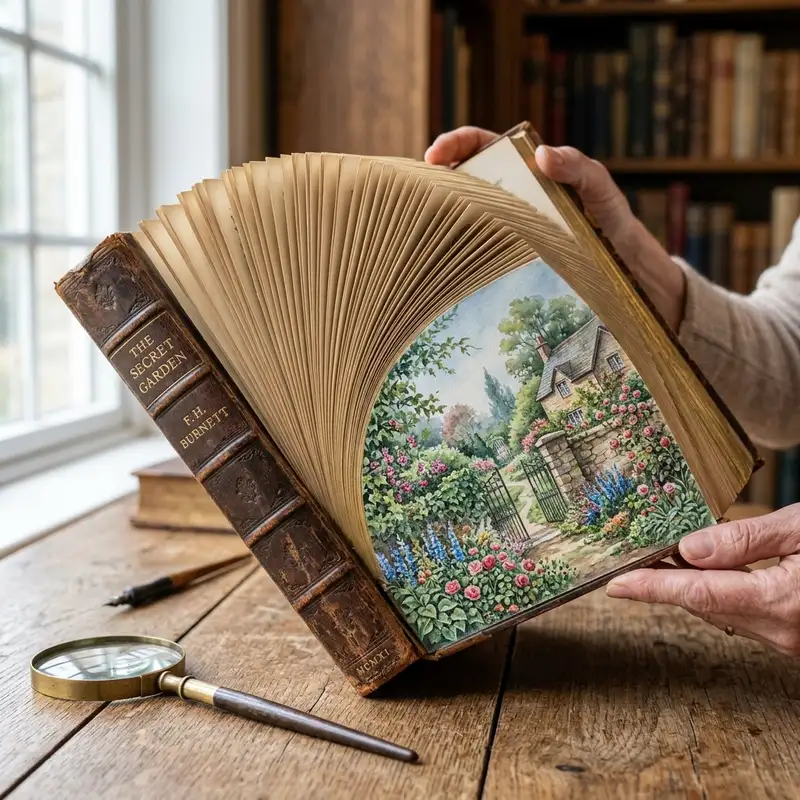
- Emily Page
- 29 Jun, 2026 13:16
The Whispers Within Pages: Unearthing the Secret Art of Fore-Edge Painting
Imagine a book, unassuming in its leather binding, perhaps a classic text or a volume of poetry. Its edges gleam with the subtle luster of gold, a testament to its age and craftsmanship. You pick it up, admiring its weighty presence, its elegant design. But then, you perform a simple, almost instinctive gesture: you fan the pages. And in that precise moment, a secret world unfurls before your eyes. A vibrant landscape, a historical scene, a delicate portrait, or an intricate allegorical tableau materializes as if by magic, shimmering into existence along the very edge that minutes ago seemed merely gilded. This, my dear reader, is the captivating, often clandestine, art of fore-edge painting. In an age saturated with digital content and fleeting trends, there remains an enduring fascination with the tangible, the handcrafted, and the hidden. Fore-edge painting, a craft whose origins whisper through centuries of bibliophilic devotion, stands as a profound testament to this allure. It is not merely a decorative technique but a profound act of concealment and revelation, transforming a humble book into a vessel for both literary narratives and secret visual artistry. This deep dive into its #history, its meticulous execution, and its enduring charm promises to unlock a forgotten chamber in the grand library of human ingenuity. The Genesis of a Gilded Secret The #journey of fore-edge painting begins not with elaborate scenes, but with humble decorative intentions. Early forms of edge decoration date back to the 10th century, primarily involving simple patterns or heraldic devices painted directly onto the closed, squared-off edges of books. These were often protected by layers of gesso and varnish, serving as identifiers of ownership or simply as embellishments. However, the true innovation – the art of painting a scene onto the fanned pages – is generally credited to the 17th century. It was in England, during the reign of Charles I, that the first examples of paintings appearing on the splayed edges of books began to emerge. These early works, though often less refined than their later counterparts, laid the groundwork for the exquisite art form we recognize today. The technique involves clamping the book slightly askew, allowing the pages to fan out subtly, creating a continuous, albeit textured, surface for the artist to work on. Once the painting is complete and dry, the pages are returned to their normal, closed position, and the edges are then gilded with gold leaf, effectively concealing the artwork. This gilding serves not only as a protective layer but also as a magical curtain, ensuring the artwork remains hidden until the book is fanned again. The initial subjects were often crests, mottoes, or floral patterns, reflecting the artistic tastes and heraldic traditions of the period. However, as the technique evolved, so did the ambition of the artists, paving the way for the intricate landscapes, portraits, and genre scenes that would define its golden age. The Golden Age: Edwards of Halifax and Beyond The 18th century witnessed the zenith of fore-edge painting, largely propelled by the innovation and entrepreneurial spirit of James Edwards (1757-1816) and his family firm in Halifax, England. The Edwards family are synonymous with the perfection and popularization of this art form. They developed a distinctive style of bookbinding, characterized by elegant, often vellum bindings, and their signature practice of commissioning exquisite fore-edge paintings. Edwards of Halifax didn't just paint edges; they created entire aesthetic experiences. Their books were coveted by the elite, becoming symbols of wealth, refinement, and a discerning taste for the unique. The subjects chosen for these hidden masterpieces often complemented the book's content. A volume of Shakespeare might reveal a scene from one of his plays; a travelogue might hide a vista from a distant land; a book on natural history might contain a vibrant botanical illustration. The connection between the internal text and the external, hidden art added another layer of intellectual and aesthetic pleasure for the owner.The skill of the artists employed by Edwards was paramount. Using delicate watercolors, they would meticulously apply paint to the minute ridges of the fanned pages, ensuring that the image seamlessly reappeared each time the book was opened correctly. The challenge was immense: each stroke had to be precise, anticipating the distortion caused by the page breaks, yet contributing to a coherent whole. The drying time between layers was critical to prevent colors from bleeding or pages from sticking. Once the painting was complete and perfectly dry, the edges would be burnished and gilded, often with elaborate tooling, rendering the hidden artwork completely invisible. While Edwards of Halifax remains the most prominent name, other binders and artists in England, #France, and later, America, adopted and adapted the technique, each adding their own stylistic nuances. The demand for these secret treasures grew, driven by a fascination with novelty, the beauty of the craft, and the intrinsic value of possessing something so uniquely personal and hidden. The Craft: An Invisible Canvas The creation of a fore-edge painting is a delicate dance between art and precision engineering. It demands not only artistic talent but also an intimate understanding of book structure and materials. The process typically begins with a tightly bound book. The binder or artist first secures the book in a press, fanning the leaves slightly to expose the working surface – the collection of minute steps formed by the individual pages. This fan must be absolutely consistent, providing an even 'canvas'. Any unevenness would result in a distorted or broken image. Using watercolors, which are ideal for their quick drying time and translucent qualities, the artist meticulously paints the chosen scene onto this textured surface. The challenge is multi-faceted:Perspective: The artist must mentally adjust for the concave curve of the fanned pages, ensuring the painting appears flat and cohesive when viewed. Continuity: Each stroke must align perfectly across the miniscule gaps between pages. Precision: The paints must be applied sparingly to avoid soaking through the pages or causing them to swell and stick together. Composition: The chosen scene must be adaptable to the narrow, elongated format provided by the fanned edge. Landscapes, cityscapes, and portraits are common, but allegorical and genre scenes also feature prominently.After the painting is completely dry – a crucial step that can take several days – the book is released from the press, and the pages return to their natural, closed position. The magic happens here: the artwork vanishes. The final step is the application of gold leaf to the closed edges. This gilding is not merely decorative; it acts as a protective shield for the delicate watercolor beneath and, most importantly, as the perfect disguise, maintaining the book's outwardly conventional appearance. Some books even feature a double fore-edge painting, where a different scene appears depending on which way the pages are fanned! Such works are incredibly rare and highly prized.Symbolism and Secrecy: Why Conceal Art? Beyond the sheer aesthetic pleasure and technical mastery, fore-edge painting embodies a profound symbolism of secrecy and personal delight. In an era where books were often ostentatious displays of wealth and knowledge, a hidden artwork added an exclusive layer of intimacy. It was art not for public display, but for the knowing few, for the discerning owner who understood the book's dual #nature. This clandestine quality often lent the books an air of mystery. Was the hidden scene a private joke, a coded message, a beloved memory, or a moral instruction intended only for the owner's contemplation? For a collector, discovering such a painting on an otherwise ordinary-looking volume is akin to finding a hidden treasure map, unlocking a secret passage in history. The choice of subjects often reflects the personal interests of the patron or the prevailing cultural sensibilities. Landscapes served as reminders of grand tours or cherished estates; portraits immortalized loved ones; classical scenes echoed a classical education; and allegories offered subtle moral or philosophical commentary. The very act of concealing these images speaks to a desire for privacy in art consumption, a private communion between the owner, the book, and the hidden image. It transforms the book from a mere object into a personal confidante, holding its secrets close. Decline, Revival, and Enduring Allure The golden age of fore-edge painting waned in the late 19th and early 20th centuries. The advent of industrial printing, mass production of books, and changing aesthetic preferences led to a decline in demand for such labor-intensive and expensive artisanal book decorations. Publishers focused on affordability and broader distribution, making elaborate hand-painted additions an uneconomical luxury. However, true artistry rarely vanishes completely. The latter half of the 20th century and the early 21st century have seen a small but dedicated revival of fore-edge painting. Contemporary artists, often members of bookbinding guilds or societies, continue to practice and innovate within this #ancient tradition. They experiment with modern subjects, vibrant color palettes, and even more intricate designs, ensuring that the legacy of this unique art form endures. These modern practitioners often seek to preserve the historical techniques while infusing the work with contemporary relevance, bridging centuries of craftsmanship. For bibliophiles and collectors today, discovering an original fore-edge painted book is a moment of profound joy. These books are not just historical artifacts; they are windows into a past where beauty was often deliberately understated, where art was meant to be discovered, not just observed. Each book with a hidden painting tells a dual story: the narrative within its pages and the secret visual tale along its edge. The allure of fore-edge painting lies in its capacity for surprise, its tangible connection to a lost art, and its embodiment of meticulous craftsmanship. It reminds us that books are more than just text; they are objects of art, craft, and history, capable of holding profound secrets within their very structure. Next time you encounter an antique book with gilded edges, take a moment. Fan its pages. You might just uncover a whisper from the past, a masterpiece patiently awaiting its moment of revelation, a testament to the enduring magic found within the unassuming realm of books.#HiddenBookArt #ForeEdgePainting #AntiqueBooks #BookCraftsmanship #SecretArt Related InsightsSophie, Standing There Book Review and Summary Bastille vs. the Evil Librarians Book Review and Summary 301 More Ways to Have Fun At Work Book Review and Summary{ "@context": "https://schema.org", "@type": "FAQPage", "mainEntity": [ { "@type": "Question", "name": "What is the main focus of The Whispers Within Pages: Unearthing the Secret Art of Fore-Edge Painting?", "acceptedAnswer": { "@type": "Answer", "text": "Discover the forgotten world of fore-edge painting, where breathtaking artworks are concealed within the gilded edges of antique books, waiting for a fan to reveal them." } }, { "@type": "Question", "name": "Who authored the comprehensive guide on The Whispers Within Pages: Unearthing the Secret Art of Fore-Edge Painting?", "acceptedAnswer": { "@type": "Answer", "text": "This detailed article and its insights were carefully researched and authored by Emily Page." } }, { "@type": "Question", "name": "Where can I find more related content about Books?", "acceptedAnswer": { "@type": "Answer", "text": "You can explore more articles, detailed reviews, and similar insights by browsing the Related Insights section at the bottom of this article or visiting our dedicated Books category page." } } ] }