Showing Posts From
Books
-
 Emily Page
 - 29 Jun, 2026 08:28
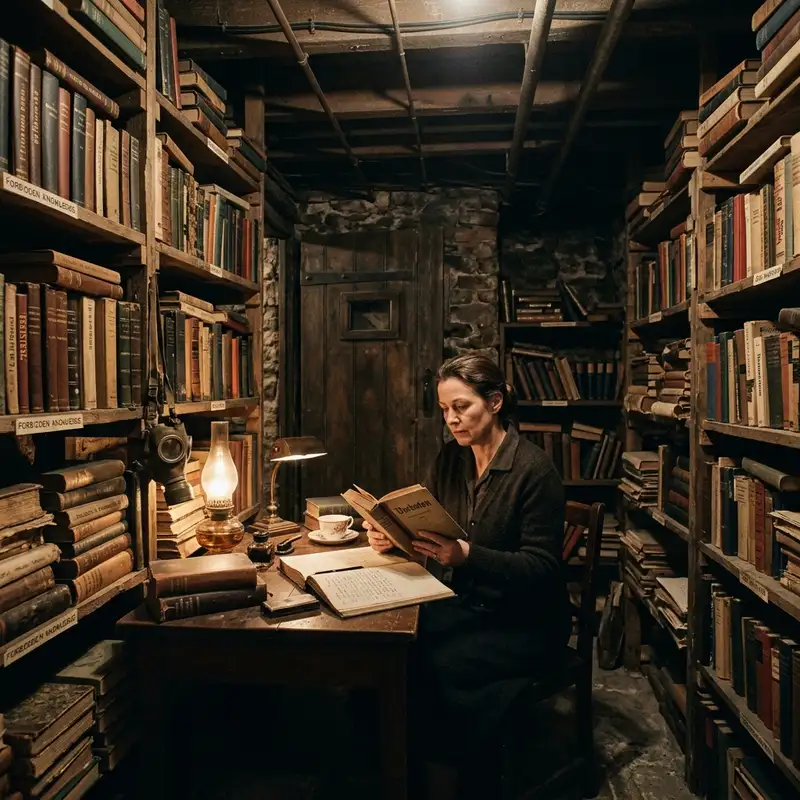
The Unsung Scribes: Unearthing the Clandestine Libraries and Forbidden Texts of World War II
In the crucible of totalitarian regimes and the shadow of occupation, when the written word became a dangerous weapon and intellectual freedom a capital offense, what becomes of the books? When censors burn entire libraries and ideologies dictate thought, where does the human spirit, insatiably curious and defiantly resilient, turn for solace, truth, and rebellion? It turns to the shadows, crafting a universe of hidden shelves, whispered pages, and illicit knowledge: the clandestine libraries of World War II. This is not a tale of grand battles or political intrigue, but of the quiet, profound heroism of individuals who risked everything for the sake of a story, a poem, a scientific treatise, or a philosophy deemed anathema by their oppressors. It's an exploration into the very soul of reading, a testament to the fact that while bodies can be imprisoned, minds, fueled by the freedom found between two covers, can never truly be enslaved. Join me as we #journey into the hidden nooks and intellectual undergrounds where books, like sparks in the dark, kept hope and defiance alive. The Burning of Thought: Why Books Became Weapons The rise of fascism and Nazism in Europe heralded an era where control extended far beyond political boundaries into the very thoughts and beliefs of citizens. Books, as carriers of ideas, #history, and alternative perspectives, were among the first casualties. From the infamous Nazi book burnings of 1933, where works by Einstein, Freud, Marx, and countless others were consigned to flames, to the systematic eradication of 'degenerate' literature across occupied territories, the message was clear: only sanctioned narratives would survive. Censorship became an art form of oppression. Libraries were purged, bookstores raided, and publishers either co-opted or shut down. Owning or distributing forbidden texts, which often included anything not aligning with the regime's ideology, Jewish authors, communist manifestos, democratic ideals, or even certain works of art and fiction, could lead to imprisonment, torture, or death. In such an environment, a book transformed from a mere object into a symbol of resistance, an act of defiance, and a lifeline to a world beyond propaganda. The desire to read, to learn, and to connect with broader human experience became a powerful, albeit silent, act of war. It was this profound hunger that drove the creation of thousands of underground literary networks. Ingenious Concealment: Architects of the Invisible Library The establishment of clandestine libraries was far from simple. It required immense courage, meticulous planning, and often, a network of trusted individuals. These weren't grand, purpose-built structures; they were woven into the fabric of daily life, hidden in plain sight or in ingeniously concealed locations. Individuals hid books under floorboards, behind loose bricks in fireplaces, in false-bottomed suitcases, or buried in gardens. Families would share single copies, tearing out pages to distribute amongst themselves, or reading aloud in hushed tones in dimly lit rooms. But beyond these personal stashes, more organized efforts emerged. In cities like #Paris, Warsaw, and Amsterdam, networks of intellectuals, librarians, and ordinary citizens pooled their resources. Books were smuggled across borders, sometimes disguised as other items, or passed hand-to-hand under the cover of night. Secret reading rooms were established in basements, attics, or behind the unassuming facades of seemingly innocuous shops. These spaces became sanctuaries, not just for the books themselves, but for the readers who found solace and community within their walls. The risks were astronomical; discovery meant severe punishment for everyone involved. Yet, the conviction that knowledge must survive, that cultural heritage must be preserved, outweighed the fear. Echoes from the Ghetto: The Libraries of Warsaw Perhaps one of the most poignant examples of intellectual resistance comes from the Jewish ghettos established by the Nazis, particularly the Warsaw Ghetto. Here, under unimaginable conditions of starvation, disease, and constant terror, the spirit of learning and #culture refused to die. Despite strict prohibitions against Jewish cultural activities and the confiscation of books, clandestine libraries flourished. One of the most remarkable efforts was led by Emanuel Ringelblum, who, with his Oyneg Shabbos archive, aimed to document every aspect of ghetto life. While primarily an archival project, it also included the preservation of books and manuscripts. Beyond this, countless informal reading groups and lending libraries emerged. People would trade meager rations for the chance to read a smuggled novel or a cherished religious text. Children, deprived of formal schooling, gathered in secret to learn from smuggled textbooks and stories. These ghetto libraries were more than just repositories of information; they were beacons of dignity, continuity, and humanity. They offered an escape from the brutal reality, a connection to a past and a future that the Nazis sought to erase. They provided intellectual nourishment and psychological resilience, reminding people of their identity and culture. The power of these texts was not just in their content, but in the sheer act of possessing and reading them under such dire circumstances.The Underground Press: French Resistance and Forbidden Words In occupied #France, the resistance against Nazi rule took many forms, and a significant one was the "presse clandestine" – the underground press. While not strictly "libraries," these operations were instrumental in producing and disseminating forbidden texts, acting as mobile, ephemeral libraries of critical thought and defiance. Writers, journalists, and printers risked their lives to create and distribute newspapers, pamphlets, and even full-length books that challenged German propaganda and rallied the French population. Titles like "Combat," "Libération," and "Témoignage Chrétien" became household names in resistance circles, printed on makeshift presses in cellars, attics, and even moving vehicles. These publications reported unvarnished truths about the war, relayed messages from the Allied forces, and fostered a sense of national unity and resolve. The content wasn't limited to news. Poetry, essays, and literary works that inspired courage or subtly critiqued the occupation were also produced. The printing presses themselves were often hidden in plain sight, disguised as legitimate businesses, or constantly moved to evade detection by the Gestapo. The distribution network was equally perilous, relying on couriers who bravely transported bundles of forbidden literature under their coats, in bicycles, or on public transport, often using elaborate codes and dead drops. These clandestine publications demonstrated that even when official channels were silenced, the human need for authentic information and intellectual exchange would find a way to manifest. Literature in the Abyss: The Concentration Camp Scholar Perhaps the most harrowing and ultimately inspiring instances of literary defiance occurred within the concentration camps. Here, where human dignity was systematically stripped away, the desire for intellectual stimulation and spiritual survival sometimes manifested in astonishing ways. Books were virtually non-existent, and any form of education or cultural expression was strictly forbidden. Yet, stories emerged of prisoners who managed to smuggle in scraps of paper and pencils, meticulously copying down poems or fragments of texts from memory. Others, who had eidetic memories, would recite entire literary works to small groups, acting as living libraries. Makeshift "universities" were sometimes organized in secret, with prisoners who had been academics or professionals sharing their knowledge in hushed tones, teaching history, philosophy, or science to fellow inmates. These acts, seemingly small in the face of industrial-scale extermination, were monumental. They represented a profound assertion of humanity, a refusal to allow the mind to be extinguished even when the body was nearing its end. The shared word became a source of comfort, a reminder of a world beyond the barbed wire, and a silent protest against the dehumanizing machinery of the camps. It underscored that the true essence of a library lies not just in its physical collection, but in the collective human memory and the indomitable will to preserve and share knowledge.The Unwritten Library: Oral Tradition and Memory Beyond physical books and printed materials, the concept of a "clandestine library" during WWII also extended to the realm of oral tradition and memory. When books were impossible to obtain or too dangerous to keep, the human mind itself became a living repository of forbidden knowledge. Individuals would memorize entire poems, novels, or philosophical texts before they were destroyed or confiscated, then share them verbally with others. Teachers would continue their lessons from memory, recounting historical events or scientific principles to small groups of children. Stories, myths, and folklore, often imbued with subtle messages of resistance or hope, were passed down through generations, keeping cultural identity alive. This "unwritten library" highlights the intrinsic, organic #nature of knowledge and storytelling. It demonstrates that censorship, no matter how brutal, can never truly erase ideas as long as human beings exist to remember and transmit them. The spoken word, imbued with the weight of memory and shared experience, became a powerful and untraceable form of resistance, a testament to the fact that ideas are truly immortal. The Enduring Legacy: Lessons from the Shadows The story of WWII's clandestine libraries is a profound reminder of several enduring truths. First, it underscores the intrinsic value of books and the ideas they contain. In times of oppression, literature is not a luxury but a necessity, a tool for survival, resistance, and the preservation of human dignity. It provides context, solace, and a vision of a different future. Second, it celebrates the extraordinary courage and ingenuity of individuals who, against overwhelming odds, chose to champion intellectual freedom. Their silent heroism, often unrecognized, ensured that the flames of knowledge and culture were not extinguished, but merely hidden, ready to flare up again once the tyranny receded. Finally, it serves as a powerful cautionary tale. The burning of books and the suppression of thought are always the first signs of a society spiraling into totalitarianism. The stories of these clandestine libraries compel us to remain vigilant, to defend intellectual freedom fiercely, and to cherish the open access to knowledge that many of us now take for granted. The memory of those who risked everything for a single page reminds us that true freedom begins in the mind, nurtured by the boundless universe found between the covers of a book.#WWIIHistory #ForbiddenBooks #LiteraryResistance #ClandestineLibraries #PowerOfLiterature #books #literature #emilypage #reading #history #WWIIHistory #ForbiddenBooks #LiteraryResistance #ClandestineLibraries #PowerofLiterature Related InsightsAn Auction of Souls (An Auction of Souls, #1) Book Review and Summary The Cursed Carnival and Other Calamities Book Review and Summary Cars on the Road (Disney/Pixar Cars on the Road) Book Review and Summary{ "@context": "https://schema.org", "@type": "FAQPage", "mainEntity": [ { "@type": "Question", "name": "What is the main focus of The Unsung Scribes: Unearthing the Clandestine Libraries and Forbidden Texts of World War II?", "acceptedAnswer": { "@type": "Answer", "text": "Delve into the hidden world of secret libraries and forbidden texts that defied tyranny during World War II, a testament to humanity's enduring hunger for knowledge and freedom." } }, { "@type": "Question", "name": "Who authored the comprehensive guide on The Unsung Scribes: Unearthing the Clandestine Libraries and Forbidden Texts of World War II?", "acceptedAnswer": { "@type": "Answer", "text": "This detailed article and its insights were carefully researched and authored by Emily Page." } }, { "@type": "Question", "name": "Where can I find more related content about Books?", "acceptedAnswer": { "@type": "Answer", "text": "You can explore more articles, detailed reviews, and similar insights by browsing the Related Insights section at the bottom of this article or visiting our dedicated Books category page." } } ] }
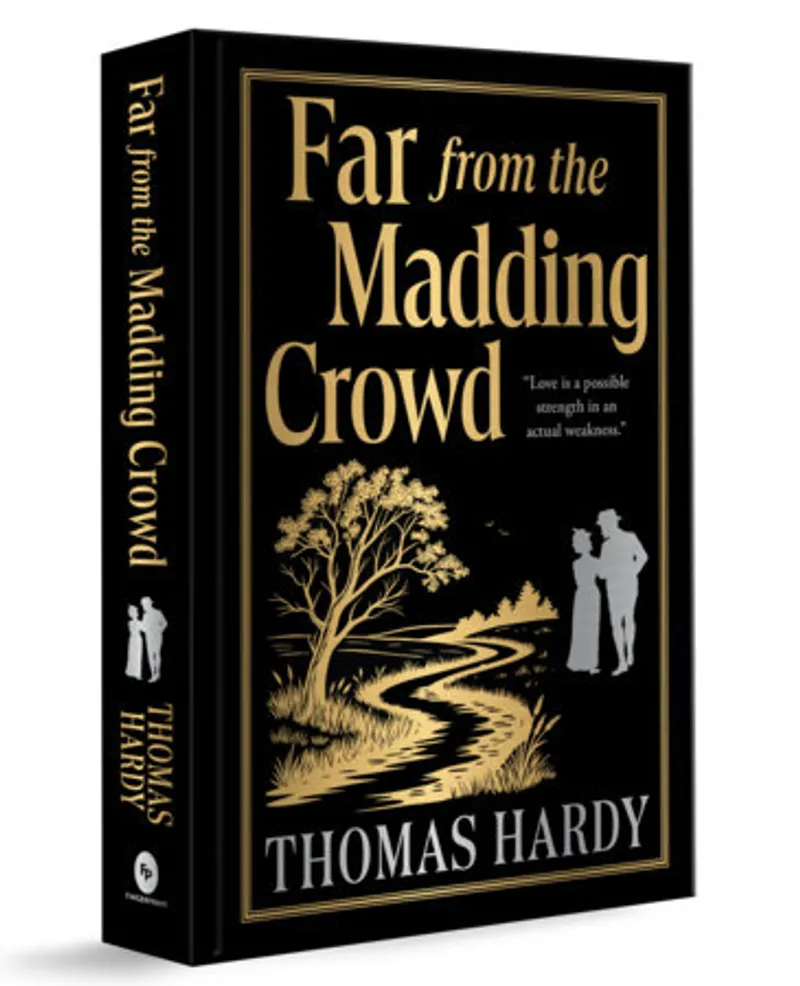
Far from the Madding Crowd (Deluxe Hardbound Edition) Author: Thomas HardyPage Count: UnknownPublication Date: 2026-PRH Thomas Hardy’s Far from the Madding Crowd (Deluxe Hardbound Edition, 2026) is a masterclass in timeless storytelling, where the relentless march of progress collides with the unyielding rhythms of nature and human nature. Set in the bucolic yet unforgiving landscapes of Wessex, Hardy’s novel is less a romance than a meditation on fate, duty, and the illusions of control—both over others and oneself. The book’s enduring power lies in its refusal to romanticize its characters; instead, it presents them as flawed, driven beings, caught between their desires and the inescapable weight of their circumstances. At its core, Far from the Madding Crowd explores the tension between independence and interdependence. Bathsheba Everdene, the novel’s protagonist, is a woman ahead of her time—a headstrong, independent landowner who defies the expectations of her era. Yet Hardy ensures she is no mere feminist icon; she is impulsive, vain, and often reckless, her decisions driven by emotion rather than reason. Her relationships with three very different men—Gabriel Oak, Sergeant Troy, and William Boldwood—serve as mirrors to her own contradictions. Gabriel represents stability and quiet devotion, Troy embodies reckless passion and fleeting charm, while Boldwood is the embodiment of repressed obsession. Each man reflects a facet of Bathsheba’s psyche, and her journey is as much about self-discovery as it is about love. Hardy’s prose is rich with poetic realism, blending lyrical descriptions of the natural world with sharp, unsentimental observations of human behavior. His Wessex is not just a setting but a character in itself—a landscape that is both beautiful and brutal, where storms and droughts mirror the emotional turmoil of the characters. The famous scene where Bathsheba’s haystacks are destroyed by fire is a perfect example: the disaster is both a literal and symbolic unraveling of her control, a moment where nature asserts its dominance over human plans. Hardy’s language is dense with metaphor, yet never overwrought, striking a balance between grandeur and intimacy. What makes this novel particularly compelling in its 2026 deluxe edition is how it resonates in an age of instant gratification and disposable relationships. Bathsheba’s struggles with vanity, her impulsive decisions, and her eventual hard-won wisdom feel eerily contemporary. Hardy doesn’t offer easy resolutions; instead, he presents a world where consequences are inescapable, and growth comes at a cost. The novel’s ending, often debated, is in fact a triumph of realism—Bathsheba and Gabriel’s reunion is not a fairy-tale reconciliation but a hard-earned partnership, built on mutual respect and shared hardship. The deluxe hardbound edition enhances the reading experience with its sumptuous design—thick, creamy pages that invite lingering over Hardy’s prose, and a cover that evokes the rustic charm of 19th-century Wessex. The attention to detail in the typography and binding makes this not just a book to read, but an object to cherish, a testament to the enduring appeal of Hardy’s work. In Far from the Madding Crowd, Hardy crafts a story that is at once a pastoral idyll and a searing critique of societal norms. It is a novel about the illusions of freedom, the weight of responsibility, and the quiet heroism of those who choose duty over desire. Bathsheba Everdene is not a heroine to be admired from afar; she is a woman to be understood, flaws and all, and her story remains as vital today as it was when first published. #ThomasHardy #ClassicLiterature #VictorianNovel #PastoralFiction #BathshebaEverdene #LiteraryMasterpiece Related InsightsUna ofensa mortal / A Great Reckoning Book Review and Summary I Capture the Castle Book Review and Summary Far from Home Book Review and Summary{ "@context": "https://schema.org", "@type": "FAQPage", "mainEntity": [ { "@type": "Question", "name": "What is the main focus of Far From the Madding Crowd Book Review and Summary?", "acceptedAnswer": { "@type": "Answer", "text": "Everything you need to know about Far From the Madding Crowd with our detailed review." } }, { "@type": "Question", "name": "Who authored the comprehensive guide on Far From the Madding Crowd Book Review and Summary?", "acceptedAnswer": { "@type": "Answer", "text": "This detailed article and its insights were carefully researched and authored by Thomas Hardy." } }, { "@type": "Question", "name": "Where can I find more related content about Books?", "acceptedAnswer": { "@type": "Answer", "text": "You can explore more articles, detailed reviews, and similar insights by browsing the Related Insights section at the bottom of this article or visiting our dedicated Books category page." } } ] }

Am I Right or Am I Right? Author: Barry JonsbergPage Count: UnknownPublication Date: 2008-PRH Calma Harrison is a force of nature—brash, self-assured, and utterly convinced she knows exactly how the world should work. She’s the kind of protagonist who strides through life with unshakable confidence, certain that her opinions are gospel truth. And why wouldn’t she be? Calma’s got the wit, the sass, and the unfiltered commentary to back it up. That’s what makes Am I Right or Am I Right? by Barry Jonsberg such a deliciously unpredictable ride. At its core, this novel is about perception versus reality—a theme brilliantly explored through Calma’s relentless meddling in everyone else’s business. She’s the human equivalent of a bull in a china shop, convinced that her direct, often abrasive, interventions will set things straight. Whether it’s confronting a would-be robber at the Crazi-Cheep supermarket, navigating her mother’s mysterious double life, or interrogating her new best friend’s secrets, Calma operates on the assumption that she alone holds the key to fixing what’s broken. The irony, of course, is that her confidence is as much her greatest asset as it is her Achilles’ heel. The more she insists she’s right, the more she risks being spectacularly wrong. Jonsberg’s writing style is a masterclass in sharp, humorous, and deeply human storytelling. His prose crackles with energy, mirroring Calma’s own restless spirit. There’s a biting wit to the dialogue, a sense of immediacy that pulls you into Calma’s chaotic world. The humor isn’t just for laughs; it’s a coping mechanism, a shield against the chaos of her life. Her father’s sudden reappearance after years of absence, her mother’s secretive behavior, and the unraveling of what she thought were solid friendships—all of it is filtered through Calma’s sardonic lens. Jonsberg doesn’t shy away from the messiness of adolescence; instead, he leans into it, crafting a narrative that feels raw and real. What makes Calma so compelling is her complexity. She’s not just a brash, opinionated teen—she’s deeply vulnerable beneath the bravado. Her need to control every situation stems from a place of insecurity, a fear of the unknown and the unpredictable. The novel’s brilliance lies in how it gently dismantles her certainty without ever diminishing her spirit. By the end, Calma learns that being right isn’t always about having the answers—sometimes it’s about admitting when you don’t. Jonsberg’s ability to balance humor with heart is what sets this book apart. The tone is lighthearted, even laugh-out-loud funny at times, but it never undercuts the emotional weight of Calma’s journey. There’s a tenderness beneath the snark, a recognition of the universal teenage struggle to make sense of a world that often feels out of sync with your expectations. Am I Right or Am I Right? is more than just a coming-of-age story—it’s a celebration of imperfection. Calma’s journey is a reminder that growth isn’t about always being right; it’s about being brave enough to admit when you’re wrong. And in a world that often rewards confidence over humility, that’s a lesson worth learning. #CalmaHarrison #BarryJonsberg #YAComedy #ComingOfAge #TeenFiction #SelfDiscovery Related InsightsFleet of Ghosts Book Review and Summary White Sky, Black Ice Book Review and Summary Falling Like Snow (Bramble Falls #2) Book Review and Summary{ "@context": "https://schema.org", "@type": "FAQPage", "mainEntity": [ { "@type": "Question", "name": "What is the main focus of Am I Right or Am I Right? Book Review and Summary?", "acceptedAnswer": { "@type": "Answer", "text": "Everything you need to know about Am I Right or Am I Right? with our detailed review." } }, { "@type": "Question", "name": "Who authored the comprehensive guide on Am I Right or Am I Right? Book Review and Summary?", "acceptedAnswer": { "@type": "Answer", "text": "This detailed article and its insights were carefully researched and authored by Tiago Silva." } }, { "@type": "Question", "name": "Where can I find more related content about Books?", "acceptedAnswer": { "@type": "Answer", "text": "You can explore more articles, detailed reviews, and similar insights by browsing the Related Insights section at the bottom of this article or visiting our dedicated Books category page." } } ] }
-
 Tiago Silva
 - 28 Jun, 2026 10:26
King of Wrath / King of Pride / King of Greed Book Review and Summary
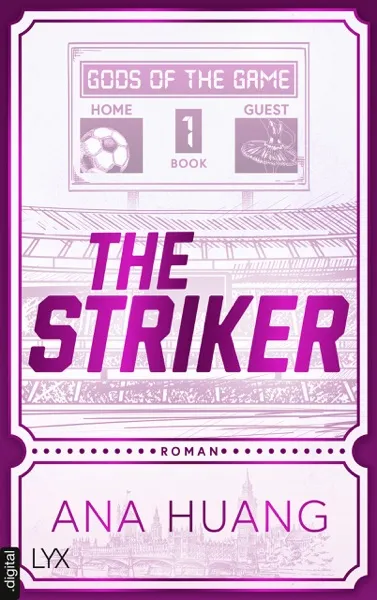
King of Wrath / King of Pride / King of Greed Author: Ana HuangPage Count: UnknownPublication Year: 2023-GB Ana Huang’s King of Wrath / King of Pride / King of Greed—the final installment in her Twisted Love trilogy—is a scorching, emotionally charged finale that cements her reputation as a master of modern romance with a dark, addictive edge. Huang doesn’t just tell stories; she crafts psychological cathedrals where love and obsession blur into indistinguishable forces, leaving readers breathless and begging for more. If you’ve devoured the first two books in the series, Twisted Love and Twisted Games, then this concluding chapter was always going to be a masterclass in payoff—brutal, satisfying, and unapologetically intense. At its core, the Twisted Love trilogy explores the cyclical nature of power, desire, and self-destruction through the lens of three morally ambiguous, devastatingly attractive antiheroes—each embodying a deadly sin: wrath, pride, and greed. This final installment, King of Greed, hands the narrative baton to Rhys Holloway, a man whose wealth and ruthlessness are as legendary as his capacity for emotional manipulation. But beneath the tailored suits and diamond-crusted smiles lies a man who has spent a lifetime believing love is a transaction, a weakness, something to be extracted rather than given. When he’s forced into a twisted alliance with a woman who sees right through his armor, the collision of their worlds isn’t just inevitable—it’s cataclysmic. Huang’s genius lies in her ability to dissect toxic dynamics with surgical precision while making them feel irresistibly romantic. Rhys isn’t a hero. He’s not even an antihero in the traditional sense—he’s a villain who seduces you with his charm, his intelligence, and the raw, unfiltered vulnerability he only allows himself in the darkest corners of his mind. His relationship with the unnamed female lead (a fierce, morally grounded survivor) isn’t a love story in the conventional sense. It’s a war. A battle of wills where every touch, every whispered word, every betrayal is both a weapon and a wound. Huang doesn’t shy away from the ugliness of their dynamic—she revels in it, turning it into something hypnotic. The tension isn’t just sexual; it’s existential. You’ll find yourself questioning whether what they share is love at all, or just two broken people latching onto each other in a desperate bid to feel something real. What sets this trilogy apart is Huang’s refusal to romanticize abuse or unhealthy behavior. The characters are flawed, their love is messy, and their happiness is hard-won. Yet, there’s a magnetic pull to their stories because Huang doesn’t let them off the hook easily. Rhys, for all his cruelty, isn’t without depth. His backstory—hinted at in previous books—explains his obsession with control, his fear of vulnerability, and his twisted belief that love must be earned through suffering. The female lead, though initially a victim of his games, refuses to be a doormat. Their push-and-pull is electric, a dance where each step forward feels like a surrender and each retreat feels like victory. Huang’s prose is sharp, unflinching, and laced with a dark humor that catches you off guard. She writes with the kind of confidence that makes you feel like you’re eavesdropping on a private conversation between two people who can’t help but destroy each other—and themselves—in the process. The pacing is relentless. There are no slow burns here, no drawn-out build-ups. Every chapter feels like a punch to the gut, followed by a whisper in your ear that lingers long after the last page. The emotional payoff in King of Greed is brutal, but it’s also cathartic. Huang doesn’t offer easy resolutions. She gives you scars, and you wear them like badges of honor. This trilogy is more than just a romance—it’s a cultural phenomenon. It’s the kind of book that spreads like wildfire because it refuses to play by the rules. It’s messy. It’s uncomfortable. It’s real. And in a genre often criticized for its sanitized fantasies, Huang’s work feels like a breath of fresh, albeit scorching, air. Whether you’re a longtime fan or a newcomer seduced by the hype, King of Greed will leave you breathless, heartbroken, and utterly obsessed. It’s not just a conclusion to a trilogy—it’s a testament to the idea that love, in all its twisted glory, is the most dangerous addiction of all. #TwistedLoveTrilogy #KingOfGreed #DarkRomance #AnaHuang #MorallyGrayLove #ToxicRelationships Related InsightsEspíritu (Cemetery Boys, #2) Book Review and Summary Kurtulan Kizlar Book Review and Summary Pack La tapadera (Contiene: La tapadera / El intercambio) / The Firm Pack (Includes The Firm, The Exchange) Book Review and Summary{ "@context": "https://schema.org", "@type": "FAQPage", "mainEntity": [ { "@type": "Question", "name": "What is the main focus of King of Wrath / King of Pride / King of Greed Book Review and Summary?", "acceptedAnswer": { "@type": "Answer", "text": "Everything you need to know about King of Wrath / King of Pride / King of Greed with our detailed review." } }, { "@type": "Question", "name": "Who authored the comprehensive guide on King of Wrath / King of Pride / King of Greed Book Review and Summary?", "acceptedAnswer": { "@type": "Answer", "text": "This detailed article and its insights were carefully researched and authored by Tiago Silva." } }, { "@type": "Question", "name": "Where can I find more related content about Books?", "acceptedAnswer": { "@type": "Answer", "text": "You can explore more articles, detailed reviews, and similar insights by browsing the Related Insights section at the bottom of this article or visiting our dedicated Books category page." } } ] }

-
 Aylin Okur
 - 28 Jun, 2026 09:12
Okumanın Sihirli Dünyasına Bir Yolculuk: Neden Kitaplar Hala En İyi Dostumuz?
Merhaba kitap kurtları ve okumaya yeni gönül verecek değerli okuyucular! Ben Emily Page, bu sefer sizlerle kalbime çok yakın bir konuda, yani kitaplar hakkında sohbet etmek istiyorum. Amerika'da büyürken, her yaz yerel kütüphanemizin düzenlediği okuma yarışmalarına katılmak benim için vazgeçilmez bir gelenekti. En çok kitap okuyan çocuğun ödül aldığı bu programlar, aslında hayat boyu sürecek bir tutkunun ilk kıvılcımları oldu. Annem hep "Bir kitaba dokunduğunda, yüzlerce yıla dokunursun" derdi; şimdi düşünüyorum da, ne kadar da haklıymış! Hızlı tempolu, dijitalleşmiş dünyamızda, ekranlara yapışık halde yaşarken, bazen sayfaların büyülü dünyasını gözden kaçırabiliyoruz. Oysa bir kitap, sadece kağıt ve mürekkepten ibaret değildir; o bir liman, bir macera, bir öğretmen ve en önemlisi, sessiz bir dosttur. Okumanın Vazgeçilmez Gücü: Zihin ve Ruh İçin Vitamin Kitap okumanın faydaları saymakla bitmez. Beynimizi sürekli aktif tutar, kelime dağarcığımızı geliştirir ve en önemlisi, empati yeteneğimizi güçlendirir. Farklı karakterlerin hayatlarına tanık olmak, farklı kültürleri anlamak (bir Amerikalı olarak benim için bu, sadece kendi kıtamdaki değil, dünyanın dört bir yanındaki yaşamları tanımak anlamına geliyor), olaylara başka pencerelerden bakabilmemizi sağlar. Düşünsenize, bir otobüs yolculuğunda veya en sevdiğiniz kahvecide otururken, tek bir sayfa çevirmeyle kendinizi Antik Roma'da, Vikinglerin gemisinde ya da New York'un kalabalık sokaklarında bulabilirsiniz. Bu, uçak bileti almadan yapılan bir dünya turu gibidir! Araştırmalar, düzenli kitap okumanın stres seviyesini azalttığını ve hatta Alzheimer riskini düşürdüğünü gösteriyor. Yani, bir roman okumak sadece keyifli bir zaman geçirme aktivitesi değil, aynı zamanda ruh sağlığınız için yaptığınız akıllıca bir yatırım.Kendi Okuma Rotanızı Çizmek: Kitap Seçiminde Özgürlük Peki, hangi kitabı okuyarak bu yolculuğa başlamalı? Cevap basit: İlgi alanlarınıza en uygun olanı! Belki bir polisiye romanın gizemli atmosferine dalmak istersiniz, belki bir bilim kurguyla geleceğe yolculuk, belki de kişisel gelişim kitabıyla kendinize yeni bir rota çizmek... Amerika'da kitap kulüpleri (book clubs) oldukça popülerdir. Arkadaş grupları bir araya gelir, her ay farklı bir kitap okur ve sonra bir akşam yemeği eşliğinde kitap üzerine tartışırız. Bu sadece okumayı teşvik etmekle kalmaz, aynı zamanda farklı yorumları dinleyerek ufkumuzu genişletir ve sosyal bağlarımızı güçlendirir. Siz de kendi küçük kitap kulübünüzü kurarak veya çevrimiçi platformlardaki gruplara katılarak bu deneyimi yaşayabilirsiniz. Unutmayın, okumak yalnız bir eylem gibi görünse de, aslında sizi evrensel bir topluluğa bağlar. Dijital Çağda Basılı Kitapların Değeri E-kitap okuyucularının ve sesli kitapların yükselişiyle birlikte, basılı kitapların geleceği hakkında çok konuşuldu. Benim gibi birçok Amerikalı okuyucu için, e-okuyucuların seyahat ederken sunduğu pratiklik tartışılmaz. Özellikle uzun uçak yolculuklarında yanımda onlarca kitap taşıyabilmek harika bir şey! Ancak itiraf etmeliyim ki, basılı bir kitabın kokusunu, sayfaların hışırtısını ve fiziksel varlığını hiçbir şeye değişmem. Kitaplıktaki sıralanmış renkli ciltler, her biri ayrı bir anıyı fısıldayan dostlar gibidir. Bir hikayeye kapılıp giderken sayfaları çevirmenin o eşsiz hissi, parmaklarınızın ucunda hissettiğiniz kağıdın dokusu... Bu, teknolojinin henüz taklit edemediği bir deneyim.Hayatta her zaman yeni maceralara, yeni ufuklara ihtiyacımız var. Ve bence bu maceraların en kolay, en ulaşılabilir ve en zenginleştirici yolu, bir kitabı açmaktan geçiyor. Hadi, bugün kendinize bir iyilik yapın ve sizi bekleyen o büyülü dünyaya adım atın. Belki de bir sonraki favori hikayeniz, hemen yanı başınızdaki kitapçının rafında sizi bekliyordur.#Kitaplar #OkumaAlışkanlığı #Edebiyat #KişiselGelişim #kitap #edebiyat #aylinokur #okumak #kitaplar #okumak #edebiyat #kiiselgeliim Related InsightsThe Song of Achilles Book Review and Summary A Portrait of the Artist as a Young Man Book Review and Summary Are You My Mother? Book Review and Summary{ "@context": "https://schema.org", "@type": "FAQPage", "mainEntity": [ { "@type": "Question", "name": "What is the main focus of Okumanın Sihirli Dünyasına Bir Yolculuk: Neden Kitaplar Hala En İyi Dostumuz??", "acceptedAnswer": { "@type": "Answer", "text": "Günümüz dünyasında kitapların önemini Amerikalı blog yazarınız Emily Page ile keşfedin. Okumanın hayatınızı nasıl zenginleştireceğini öğrenin." } }, { "@type": "Question", "name": "Who authored the comprehensive guide on Okumanın Sihirli Dünyasına Bir Yolculuk: Neden Kitaplar Hala En İyi Dostumuz??", "acceptedAnswer": { "@type": "Answer", "text": "This detailed article and its insights were carefully researched and authored by Aylin Okur." } }, { "@type": "Question", "name": "Where can I find more related content about Books?", "acceptedAnswer": { "@type": "Answer", "text": "You can explore more articles, detailed reviews, and similar insights by browsing the Related Insights section at the bottom of this article or visiting our dedicated Books category page." } } ] }

Dr. Seuss: How the Grinch Stole Christmas! Official Activity Book with 500 Stickers Author: Random HousePage Count: UnknownPublication Date: 2026-PRH As a professional book reviewer, I am delighted to share my thoughts on the upcoming release of Dr. Seuss: How the Grinch Stole Christmas! Official Activity Book with 500 Stickers, set to hit the shelves in 2026. Although the page count remains unknown, I am excited to dive into the world of Whoville and explore the mischievous adventures of the Grinch. The original story, written by the legendary Dr. Seuss, has been a beloved classic for generations, and this activity book promises to bring a fresh and interactive twist to the timeless tale. With 500 stickers included, young readers will be able to engage with the story in a whole new way, using their imagination and creativity to bring the characters and scenes to life. Random House, the publisher, has a reputation for producing high-quality books that captivate readers of all ages. Their commitment to preserving the essence of Dr. Seuss's signature style, while introducing new and exciting elements, is evident in this activity book. The inclusion of stickers, games, and other interactive features will undoubtedly make this book a hit among children and parents alike. The main theme of the book, of course, revolves around the Grinch's attempts to ruin Christmas for the residents of Whoville. However, as we all know, the story takes a heartwarming turn when the Grinch's icy heart is melted by the kindness and generosity of the Whos. This activity book is likely to retain the core message of the original story, emphasizing the importance of community, compassion, and the true spirit of Christmas. Dr. Seuss's unique writing style, characterized by his use of anapestic tetrameter, whimsical vocabulary, and zany illustrations, is unmistakable and has become an integral part of his enduring legacy. The activity book, while not written by Dr. Seuss himself, promises to stay true to his vision and aesthetic, ensuring that fans of the original story will feel right at home. The addition of 500 stickers will undoubtedly add an extra layer of fun and engagement to the book, allowing young readers to express their creativity and interact with the story in a more tangible way. The stickers will likely feature beloved characters from the story, including the Grinch, Max, and the Whos, as well as iconic symbols and objects from the world of Whoville. In conclusion, Dr. Seuss: How the Grinch Stole Christmas! Official Activity Book with 500 Stickers is shaping up to be a fantastic addition to the Dr. Seuss canon. With its engaging storyline, interactive features, and faithful adherence to the original style, this book is sure to delight both old and new fans of the Grinch. Whether you're a parent looking for a fun and educational activity book for your child or a collector of Dr. Seuss memorabilia, this book is definitely worth keeping an eye out for. #DrSeuss #TheGrinch #HowTheGrinchStoleChristmas #ChristmasBooks #ActivityBooksForKids #ChildrensLiterature Related InsightsThe Crossroads Book Review and Summary The Story of My Life Book Review and Summary Unwind Book Review and Summary{ "@context": "https://schema.org", "@type": "FAQPage", "mainEntity": [ { "@type": "Question", "name": "What is the main focus of How the Grinch Stole Christmas! Book Review and Summary?", "acceptedAnswer": { "@type": "Answer", "text": "Everything you need to know about How the Grinch Stole Christmas! with our detailed review." } }, { "@type": "Question", "name": "Who authored the comprehensive guide on How the Grinch Stole Christmas! Book Review and Summary?", "acceptedAnswer": { "@type": "Answer", "text": "This detailed article and its insights were carefully researched and authored by Dr. Seuss." } }, { "@type": "Question", "name": "Where can I find more related content about Books?", "acceptedAnswer": { "@type": "Answer", "text": "You can explore more articles, detailed reviews, and similar insights by browsing the Related Insights section at the bottom of this article or visiting our dedicated Books category page." } } ] }
-
 Piotr Nowak
 - 28 Jun, 2026 04:50
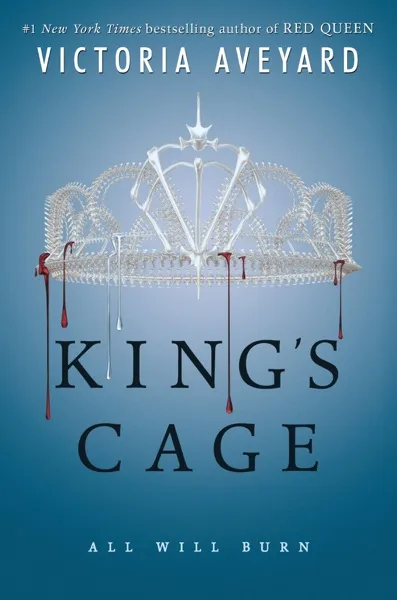
Red Queen / Glass Sword / King'S Cage / War Storm / Broken Throne Book Review and Summary
Red Queen / Glass Sword / King'S Cage / War Storm / Broken Throne Author: Victoria AveyardPage Count: UnknownPublication Year: 2019-GB Victoria Aveyard’s Red Queen series—comprising Red Queen, Glass Sword, King’s Cage, War Storm, and Broken Throne—is a masterclass in dystopian storytelling, blending razor-sharp social commentary with the electrifying pulse of high-stakes rebellion. Published in 2019, this five-book saga cements Aveyard’s reputation as a trailblazer in YA fantasy, where bloodlines dictate power, and the oppressed must either rise or be erased. At its core, the series explores the brutal mechanics of class warfare, framed through the lens of a society divided by silver and red. The Silvers—elite beings with supernatural abilities—rule over the common folk, the Reds, with an iron grip. But Aveyard doesn’t just rehearse the familiar "haves vs. have-nots" trope; she dissects it with surgical precision, exposing how power corrupts even the most virtuous and how revolution demands sacrifices no one is truly prepared to make. The theme isn’t just about overthrowing a corrupt system—it’s about the moral cost of doing so. Every victory in this series is stained with blood, doubt, and irreversible choices, forcing characters—and readers—to question whether the ends ever justify the means. Aveyard’s writing style is a relentless force, propelled by short, punchy sentences that mirror the urgency of her world. Dialogue crackles with tension, and her ability to weave political intrigue into personal drama keeps the pages turning at a breakneck pace. The prose isn’t flowery; it’s visceral, often brutal, mirroring the harsh realities of her dystopian setting. Yet, amidst the chaos, there’s a haunting lyricism in her descriptions—the crimson blood against silver armor, the weight of a crown that feels like a noose, the quiet moments of vulnerability that make even the most hardened characters feel achingly human. Mare Barrow, the series’ protagonist, is a study in contradictions. Born a Red in the poorest sector of the kingdom, she’s thrust into the heart of Silver society after accidentally manifesting lightning, a power thought impossible in her bloodline. Her journey from wide-eyed survivor to reluctant revolutionary is fraught with identity crises, betrayals, and the gnawing fear that she’s not the hero anyone needs—or deserves. Aveyard doesn’t romanticize Mare; she exposes her flaws—her impulsiveness, her self-doubt, her occasional ruthlessness—making her both relatable and deeply flawed. The supporting cast is equally compelling: Cal, the conflicted prince torn between duty and love; Maven, the chameleon-like antagonist whose shifting loyalties keep readers guessing; and Farley, the fiery rebel leader whose unwavering resolve masks a quiet grief. Even secondary characters like Kilorn, Julian, and Ptolemus feel like living, breathing parts of the world, their fates intertwined with Mare’s in ways that feel inevitable. The world-building is another standout feature. Aveyard doesn’t waste time on excessive lore; instead, she drops readers into a society where power is currency and status is everything. The Silvers’ abilities—ranging from elemental control to superhuman strength—are vividly imagined, each tied to their noble houses in a way that feels organic rather than arbitrary. The world’s geography, its history, and its unspoken rules are revealed through action and dialogue, immersing the reader in a reality where survival often depends on knowing when to speak and when to strike. What elevates this series beyond typical dystopian fare is its refusal to offer easy answers. The "good guys" aren’t purely good, the "bad guys" aren’t irredeemable, and victory rarely comes without collateral damage. Aveyard forces her characters—and her audience—to confront uncomfortable truths: that revolution is messy, that power corrupts even the noblest intentions, and that the line between freedom and tyranny is thinner than anyone cares to admit. The final installment, Broken Throne, is a masterstroke in subverting expectations, delivering a conclusion that’s both satisfying and heart-wrenching, leaving no thread unresolved. If Red Queen is the spark that ignites the series, War Storm is the explosion—chaotic, devastating, and impossible to look away from. Aveyard’s ability to balance large-scale battles with intimate character moments is unparalleled in YA, making this series a standout in a genre crowded with imitators. For readers who crave stories where the stakes are life and death, where love is a weapon and betrayal is a survival tactic, this series is a must-read. #RedQueenSeries #YAFantasy #DystopianBooks #VictoriaAveyard #BookReview #MareBarrow Related InsightsMurder at the Grand Alpine Hotel Book Review and Summary Bridget Jones’s Diary Book Review and Summary The Boxcar Children 100th Anniversary Edition Book Review and Summary{ "@context": "https://schema.org", "@type": "FAQPage", "mainEntity": [ { "@type": "Question", "name": "What is the main focus of Red Queen / Glass Sword / King'S Cage / War Storm / Broken Throne Book Review and Summary?", "acceptedAnswer": { "@type": "Answer", "text": "Everything you need to know about Red Queen / Glass Sword / King'S Cage / War Storm / Broken Throne with our detailed review." } }, { "@type": "Question", "name": "Who authored the comprehensive guide on Red Queen / Glass Sword / King'S Cage / War Storm / Broken Throne Book Review and Summary?", "acceptedAnswer": { "@type": "Answer", "text": "This detailed article and its insights were carefully researched and authored by Piotr Nowak." } }, { "@type": "Question", "name": "Where can I find more related content about Books?", "acceptedAnswer": { "@type": "Answer", "text": "You can explore more articles, detailed reviews, and similar insights by browsing the Related Insights section at the bottom of this article or visiting our dedicated Books category page." } } ] }

Long Lost Author: Harlan CobenPage Count: UnknownPublication Date: 2009-OL "Long Lost" by Harlan Coben is a gripping thriller that reunites readers with the beloved protagonist Myron Bolitar, and it's a wild ride from start to finish. Coben's masterful storytelling weaves a complex web of secrets, lies, and deceit, keeping readers on the edge of their seats as they navigate the twists and turns of this expertly crafted narrative. At its core, "Long Lost" is a story about the devastating consequences of keeping secrets and the destructive power of family dynamics. Terese Collins, a former flame of Myron's, reaches out to him after years of silence, and her plea for help sets off a chain reaction of events that exposes the darkest corners of her family's past. As Myron delves deeper into the mystery, he uncovers a tangled web of family secrets, each one more shocking than the last. Coben's writing style is, as always, impeccable. His prose is lean and mean, with a keen focus on propelling the plot forward. He has a remarkable ability to balance action, suspense, and humor, making "Long Lost" an absolute page-turner. The pacing is relentless, with each chapter ending on a cliffhanger that makes it impossible to put the book down. One of the standout features of "Long Lost" is its exploration of the human psyche. Coben has a keen understanding of what makes people tick, and his characters are multidimensional and relatable. Myron, in particular, is a fascinating protagonist, with his wisecracking humor and unwavering loyalty to those he cares about. Terese, too, is a complex and intriguing character, with a rich backstory that adds depth to the narrative. The themes of family, identity, and the power of secrets are woven throughout the book, adding a layer of complexity to the story. Coben raises important questions about the nature of truth and the devastating consequences of keeping secrets, and his exploration of these themes is both thought-provoking and unsettling. In short, "Long Lost" is a gripping thriller that will keep you up all night, turning pages and guessing until the very end. Coben's masterful storytelling, combined with his keen insight into the human psyche, makes for a compelling read that will appeal to fans of the genre. If you're looking for a book that will keep you on the edge of your seat, look no further than "Long Lost". #HarlanCoben #MyronBolitar #LongLost #Thriller #Mystery #BookLovers Related InsightsSentinels: Keepers of the Forest (Sentinels #1) Book Review and Summary The Anatomy of the Written Word: Unraveling the Sacred and Secular History of Literary Criticism Robinson Crusoe Book Review and Summary{ "@context": "https://schema.org", "@type": "FAQPage", "mainEntity": [ { "@type": "Question", "name": "What is the main focus of Long Lost Book Review and Summary?", "acceptedAnswer": { "@type": "Answer", "text": "Everything you need to know about Long Lost with our detailed review." } }, { "@type": "Question", "name": "Who authored the comprehensive guide on Long Lost Book Review and Summary?", "acceptedAnswer": { "@type": "Answer", "text": "This detailed article and its insights were carefully researched and authored by Diego Lopez." } }, { "@type": "Question", "name": "Where can I find more related content about Books?", "acceptedAnswer": { "@type": "Answer", "text": "You can explore more articles, detailed reviews, and similar insights by browsing the Related Insights section at the bottom of this article or visiting our dedicated Books category page." } } ] }
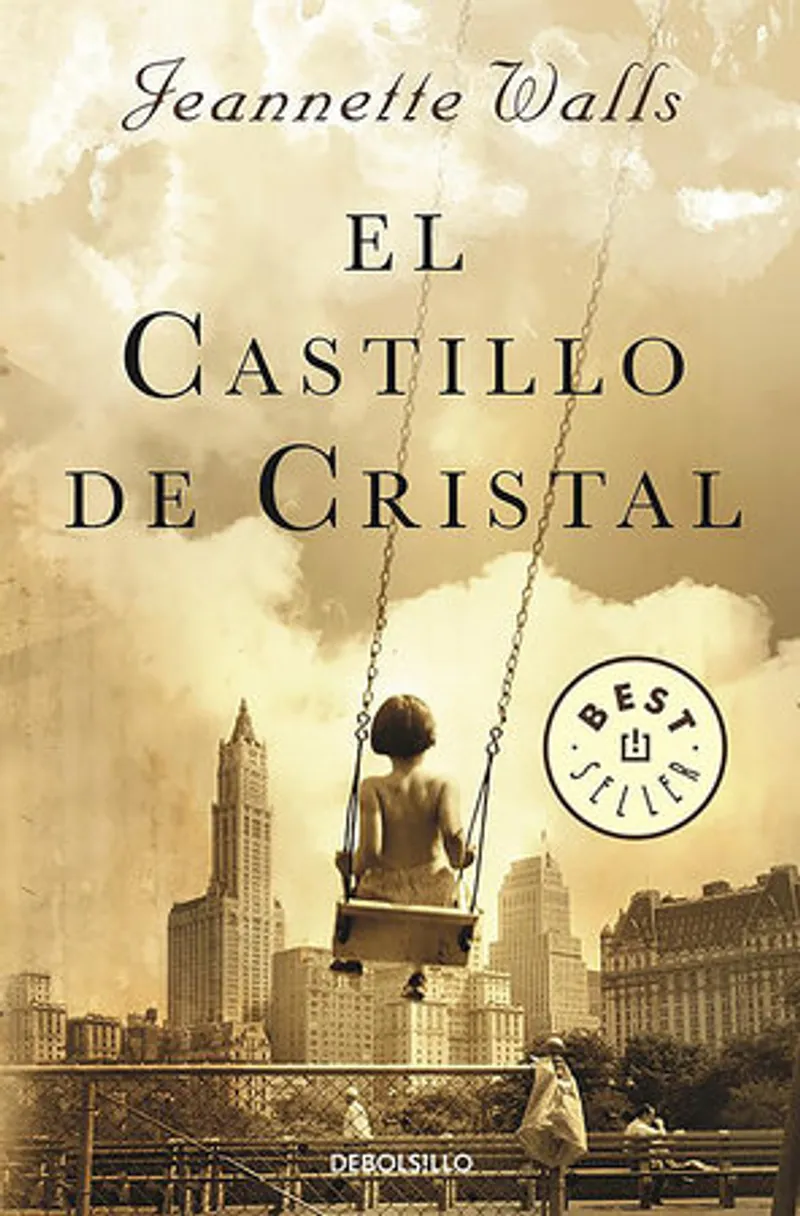
El castillo de cristal / The Glass Castle: A Memoir Author: Jeannette WallsPage Count: UnknownPublication Date: 2016-PRH In "The Glass Castle," Jeannette Walls weaves a mesmerizing narrative that delves into the complexities of a profoundly dysfunctional yet vibrant family. As a successful journalist, Walls concealed the dark secrets of her family for years, but in this memoir, she lays bare the tumultuous life she endured. With unflinching candor, she recounts the struggles of growing up with a charismatic yet alcoholic father, Rex, and an artist mother who rejects conventional responsibilities. Walls's writing style is as captivating as it is heartbreaking. Her vivid descriptions of the family's nomadic lifestyle, where they often found themselves sleeping under the desert stars or relying on the kindness of strangers, are both poignant and thought-provoking. The author's ability to balance the chaos of her childhood with the resilience and resourcefulness of her siblings is a testament to her exceptional storytelling talent. One of the most striking aspects of "The Glass Castle" is its exploration of the intricate dynamics between love, abandonment, and loyalty. Walls's parents, though flawed and often destructive, are multifaceted characters that evoke both frustration and empathy. The author's portrayal of her father's struggles with addiction and her mother's artistic passions raises essential questions about the nature of responsibility, forgiveness, and the cyclical patterns of family behavior. Throughout the book, Walls's prose is evocative and engaging, making it impossible for readers to remain indifferent to the story. Her writing is not only a tribute to the power of the human spirit but also a scathing critique of the societal norms that often fail to support families in crisis. The memoir is a transformative read, one that will leave readers changed forever. As Publishers Weekly noted, "Walls has a true talent for storytelling." Her ability to transform her painful childhood into a work of excellent literature is a testament to her skill as a writer. "The Glass Castle" is a must-read for anyone interested in memoirs, family dynamics, or the human condition. #TheGlassCastle #JeannetteWalls #Memoir #DysfunctionalFamily #ResilienceAndRedemption #ChildhoodTrauma Related InsightsAQA GCSE 9-1 Food Preparation and Nutrition Workbook Book Review and Summary Una corte de rosas y espinas Book Review and Summary A Monster Calls Book Review and Summary{ "@context": "https://schema.org", "@type": "FAQPage", "mainEntity": [ { "@type": "Question", "name": "What is the main focus of The Glass Castle Book Review and Summary?", "acceptedAnswer": { "@type": "Answer", "text": "Everything you need to know about The Glass Castle with our detailed review." } }, { "@type": "Question", "name": "Who authored the comprehensive guide on The Glass Castle Book Review and Summary?", "acceptedAnswer": { "@type": "Answer", "text": "This detailed article and its insights were carefully researched and authored by Jeannette Walls." } }, { "@type": "Question", "name": "Where can I find more related content about Books?", "acceptedAnswer": { "@type": "Answer", "text": "You can explore more articles, detailed reviews, and similar insights by browsing the Related Insights section at the bottom of this article or visiting our dedicated Books category page." } } ] }
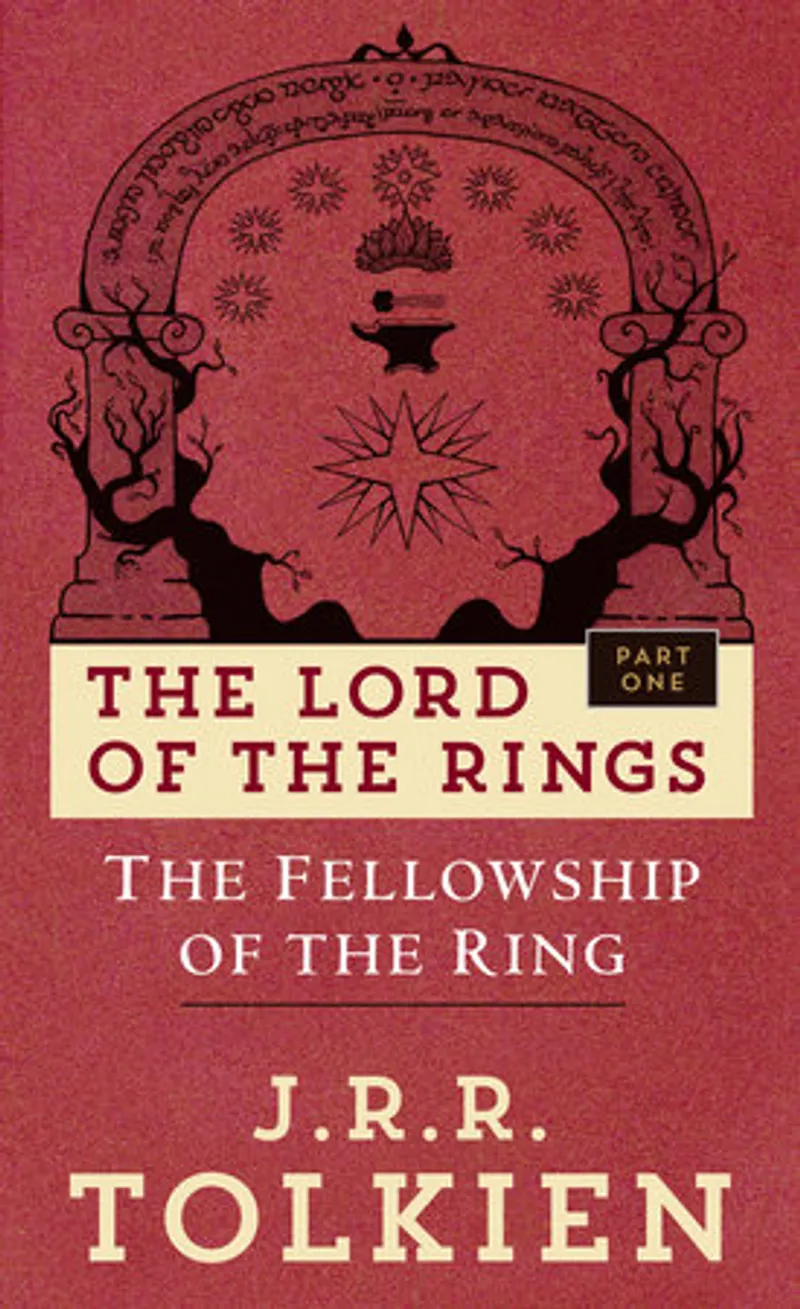
The Fellowship of the Ring Author: J.R.R. TolkienPage Count: UnknownPublication Date: 1986-PRH The Fellowship of the Ring: A Masterpiece of Myth and Adventure J.R.R. Tolkien’s The Fellowship of the Ring is more than just the first installment of The Lord of the Rings—it is the cornerstone of modern fantasy, a work that redefined the genre and continues to captivate readers decades after its publication. With its richly woven tapestry of myth, language, and heroism, Tolkien doesn’t just tell a story; he invites us into a world so vivid and immersive that Middle-earth feels as real as our own. This is not merely a tale of good versus evil, but a meditation on the burden of power, the strength of friendship, and the quiet courage of ordinary beings thrust into extraordinary circumstances. At its heart, The Fellowship of the Ring explores the corrupting nature of power and the necessity of sacrifice. The One Ring, forged by the dark lord Sauron, is not just a plot device—it is a symbol of temptation, a force that whispers promises of domination to all who touch it. Frodo Baggins, a humble Hobbit, becomes its unwilling bearer, and his journey is one of reluctant heroism. Unlike the grand, battle-hardened warriors of legend, Frodo is small in stature and spirit, yet his determination to destroy the Ring—despite its growing hold over him—makes him one of literature’s most compelling protagonists. His struggle is not against external foes alone, but against the Ring’s insidious influence, a battle that Tolkien renders with psychological depth. The Ring is a masterstroke of villainy, not because it is a physical threat, but because it preys on the very desires of those who seek to destroy it. Tolkien’s prose is deceptively simple, yet it carries the weight of ancient legend. His writing is steeped in the rhythms of myth and folklore, with a cadence that feels both timeless and intimate. The opening chapters, where we meet the Hobbits in the Shire, are a masterclass in world-building—effortless in their detail, yet brimming with warmth and humor. The contrast between the idyllic, pastoral life of the Hobbits and the looming darkness of Mordor is stark, and Tolkien uses this juxtaposition to great effect. The language itself is a character, with its archaic phrasing, poetic descriptions, and the occasional Elvish or Dwarvish phrase woven seamlessly into the narrative. It’s a style that demands attention but rewards it tenfold, immersing the reader in a world where every word feels deliberate. The Fellowship itself is a microcosm of Middle-earth’s diversity, each member bringing a unique perspective and skill. From the steadfast Samwise Gamgee, whose loyalty is as unshakable as his common sense, to the wise and weary Gandalf, whose knowledge of the Ring’s dangers is matched only by his humility, the group is a testament to the power of unity. Even the reluctant Aragorn, heir to a forgotten throne, embodies the theme of hidden greatness—his true strength lies not in his lineage, but in his willingness to serve. Tolkien’s characters are not mere archetypes; they are fully realized individuals, each with flaws, virtues, and personal arcs that make their struggles deeply human. One of the most striking aspects of The Fellowship of the Ring is its sense of inevitability. From the moment Frodo inherits the Ring, the reader knows that his quest is doomed to fail in some way—yet the journey is not about success, but about the bonds formed along the way. The breaking of the Fellowship, a pivotal moment in the novel, is both heartbreaking and necessary, underscoring the theme that even the best-laid plans can unravel, but that does not diminish their worth. Tolkien’s genius lies in making the reader care deeply about these characters and their fates, so that when tragedy strikes, it feels like a personal loss. Tolkien’s influence on fantasy cannot be overstated. Before The Lord of the Rings, the genre was sparse and often derivative. Afterward, it became a canvas for epic storytelling, with countless authors drawing inspiration from Middle-earth’s lore, languages, and themes. Yet what sets Tolkien apart is his scholarly approach to myth-making. He didn’t just create a world; he built a history, complete with languages, genealogies, and legends that feel as ancient as they do invented. This depth gives The Fellowship of the Ring a richness that few fantasy novels can match, elevating it from mere adventure to a work of art. Some critics argue that Tolkien’s pacing can be slow, particularly in the early chapters, where the Shire’s tranquility contrasts sharply with the looming threat. But this is deliberate—a reminder that evil does not always announce itself with fanfare. The true horror of the Ringwraiths is their silence, their ability to strike without warning, and Tolkien’s restraint in revealing their nature only heightens the dread. The novel’s climax, with the breaking of the Fellowship and the fall of Gandalf, is a masterful blend of action and melancholy, leaving the reader desperate to know what comes next. Ultimately, The Fellowship of the Ring is a story about the power of hope in the face of darkness. It is a tale of small heroes in a vast world, of friendship that transcends race and creed, and of the quiet strength that lies in doing what is right, even when the odds are impossible. Tolkien’s legacy is not just in the worlds he created, but in the emotions he evokes—a sense of wonder, of longing, and of the enduring belief that even in the darkest times, light can be found. For anyone who has ever felt the call of adventure, or wondered what it means to be brave, The Fellowship of the Ring is a must-read. It is a book that lingers in the mind long after the last page, a testament to the enduring power of storytelling. #FellowshipOfTheRing #LordOfTheRings #Tolkien #FantasyClassic #MiddleEarth #BookReview Related InsightsFlowers in the Attic Book Review and Summary Long Walk Book Review and Summary Love Her or Lose Her Book Review and Summary{ "@context": "https://schema.org", "@type": "FAQPage", "mainEntity": [ { "@type": "Question", "name": "What is the main focus of The Fellowship of the Ring Book Review and Summary?", "acceptedAnswer": { "@type": "Answer", "text": "Everything you need to know about The Fellowship of the Ring with our detailed review." } }, { "@type": "Question", "name": "Who authored the comprehensive guide on The Fellowship of the Ring Book Review and Summary?", "acceptedAnswer": { "@type": "Answer", "text": "This detailed article and its insights were carefully researched and authored by J.R.R. Tolkien." } }, { "@type": "Question", "name": "Where can I find more related content about Books?", "acceptedAnswer": { "@type": "Answer", "text": "You can explore more articles, detailed reviews, and similar insights by browsing the Related Insights section at the bottom of this article or visiting our dedicated Books category page." } } ] }
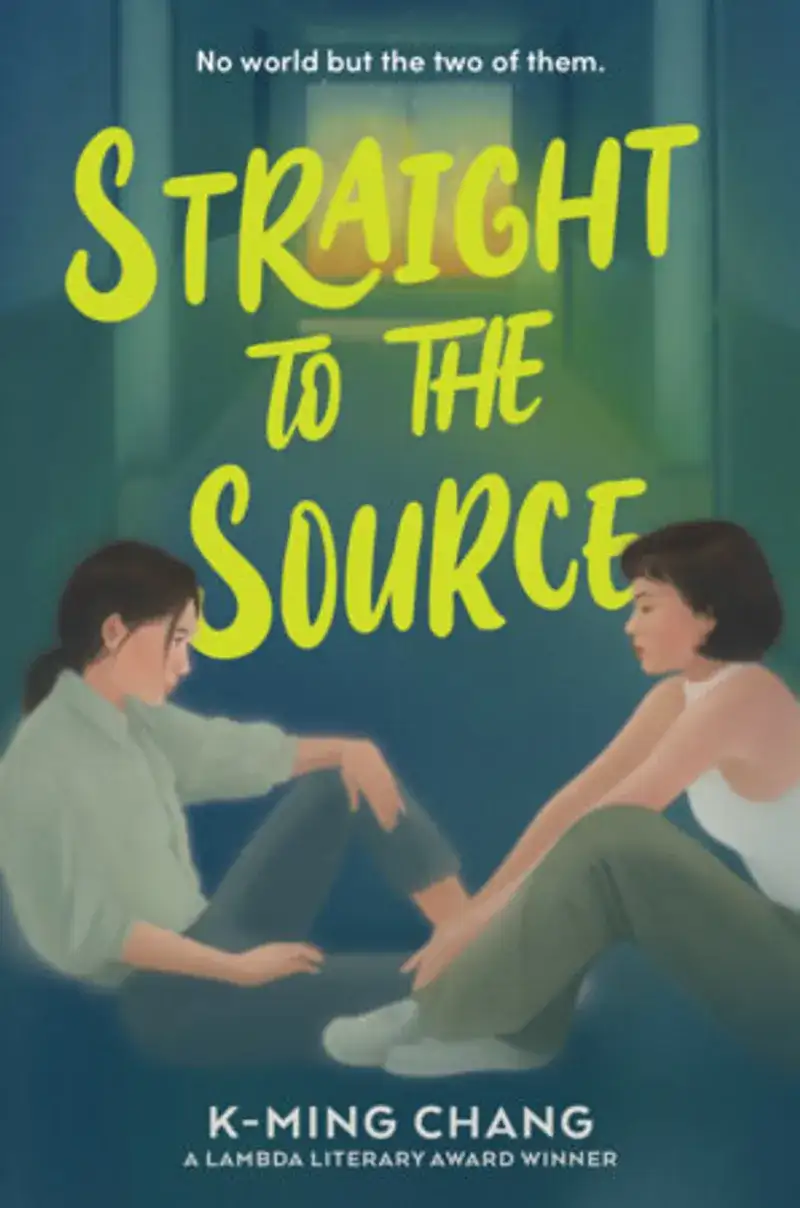

Straight to the Source Author: K-Ming ChangPage Count: UnknownPublication Date: 2026-PRH K-Ming Chang’s Straight to the Source (2026) is a book that arrives like a whisper with the force of a storm. Slated for a future release, its existence alone is enough to stir anticipation—partly because the author’s name carries the kind of literary reputation that turns heads, and partly because the title itself feels like a dare. “Straight to the Source” suggests urgency, raw honesty, a refusal to dilute meaning through unnecessary detours. And from everything we know about Chang—an acclaimed writer whose prose crackles with emotional precision and mythic intensity—this book is likely to be less a narrative and more a revelation, a direct transmission from the heart of identity, memory, and survival. At its core, Straight to the Source is a meditation on lineage—bloodlines, cultural inheritance, and the way trauma and love twist through generations. Chang, known for fearless explorations of queer Asian American experience, turns the microscope inward and outward, probing the gaps between what is spoken and what lingers unspoken in family lore. The title hints at a quest: not just to trace roots, but to reach the raw, unfiltered truth beneath them. Whether this takes the form of oral history, speculative fiction, or lyrical autofiction remains unknown, but the thematic throughline is clear: identity is not inherited—it’s excavated, contested, and sometimes violently rewritten. Chang’s prose is one of the most distinctive in contemporary literature. It’s sharp but not cold, luminous but not sentimental. Sentences coil and snap like live wires, charged with a poet’s precision and a punk’s refusal to conform. In previous works, such as Bestiary and God’s Country, Chang has wielded myth, folklore, and body horror to explore queer desire and diasporic longing. Here, that sensibility seems distilled. Expect fragments that feel like diary entries—raw, immediate, sometimes contradictory—stitched together by a voice that refuses to be silenced. The writing doesn’t just tell a story; it recreates the experience of being alive in a body that remembers what words cannot. One of the most compelling aspects of Chang’s style is their ability to blur genre without losing emotional clarity. Straight to the Source may flirt with autofiction, magical realism, or even memoir-in-disguise, but it never sacrifices truth for style. Instead, it uses style to find truth. There’s a fearlessness in how Chang navigates silence, shame, and survival—topics often skirted in Asian American narratives that default to assimilation or cultural reverence. Here, there’s no reverence without interrogation, no love without friction. The book likely dismantles the idea of a “single story,” replacing it with something messier, more human: a chorus of voices, each claiming their place in the lineage of pain and power. Thematically, Chang seems to be asking: What does it mean to belong when your body is a site of colonial violence, queer desire, and ancestral ghosts? The source, in this context, isn’t just a beginning—it’s a wound, a well, a current that pulls you under or carries you forward. The title’s ambiguity is part of its power: “source” could mean origin, resource, or even a direct line of communication. Perhaps the book is about reclaiming voice—literally speaking into the silence, straight to the heart of what feeds us and what drains us. Given Chang’s background as a Taiwanese American writer, the book likely grapples with duality—not just in identity, but in language, history, and desire. Expect a prose that feels both ancient and futuristic, rooted in oral tradition yet pulsing with contemporary urgency. There’s something almost ritualistic in the way Chang writes, as if each sentence is an incantation meant to conjure the unspeakable into visibility. The result isn’t just a story—it’s an act of reclamation. If Straight to the Source delivers even half the emotional voltage of Chang’s earlier work, it will be a seismic event in queer and Asian American literature. It won’t offer easy answers, but it won’t offer false comfort either. Instead, it will invite readers into a space where truth isn’t tidy, where lineage isn’t a straight line but a river—sometimes still, sometimes raging, always moving toward the sea. In a literary landscape that often demands clarity and cohesion, Chang’s voice stands apart for its willingness to dwell in contradiction, to honor the jagged edges of experience. Straight to the Source isn’t just a book to be read—it’s a book to be felt, a transmission that demands your attention not just as a reader, but as a witness. #QueerLiterature #AsianAmericanVoices #Autofiction #GenerationalTrauma #MagicalRealism #KMinusChang Related InsightsGreatest Hits Book Review and Summary Bones of Jade, Flesh Like Ice Book Review and Summary Cannery Row Book Review and Summary{ "@context": "https://schema.org", "@type": "FAQPage", "mainEntity": [ { "@type": "Question", "name": "What is the main focus of Straight to the Source Book Review and Summary?", "acceptedAnswer": { "@type": "Answer", "text": "Everything you need to know about Straight to the Source with our detailed review." } }, { "@type": "Question", "name": "Who authored the comprehensive guide on Straight to the Source Book Review and Summary?", "acceptedAnswer": { "@type": "Answer", "text": "This detailed article and its insights were carefully researched and authored by Marco Conti." } }, { "@type": "Question", "name": "Where can I find more related content about Books?", "acceptedAnswer": { "@type": "Answer", "text": "You can explore more articles, detailed reviews, and similar insights by browsing the Related Insights section at the bottom of this article or visiting our dedicated Books category page." } } ] }
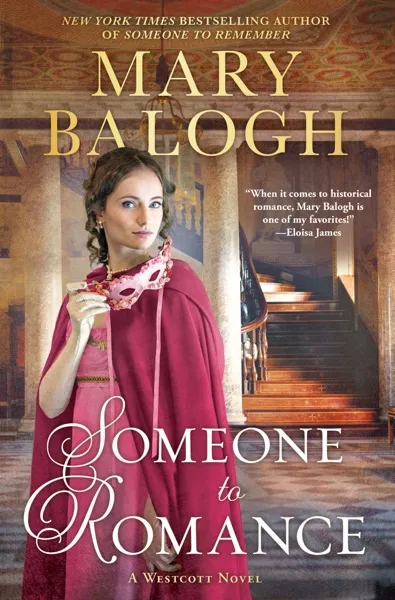

Someone to Romance Author: Mary BaloghPage Count: UnknownPublication Year: 2020-GB Mary Balogh’s Someone to Romance (2020) is a masterclass in historical romance, weaving together the timeless themes of redemption, second chances, and the transformative power of love. As a global bestseller, Balogh’s work stands out not just for its emotional depth but for its ability to transport readers to the Regency era while making modern hearts beat faster. This novel, like many of her others, proves why she is a legend in the genre—crafting stories that feel both nostalgic and fresh, with characters who leap off the page in their complexity and charm. At its heart, Someone to Romance explores the idea that love can heal even the most wounded souls. The story follows a heroine and hero whose pasts are shadowed by regret, betrayal, or societal exclusion, yet their paths converge in a way that offers them both a chance at happiness they never dared hope for. Balogh excels at creating protagonists who are flawed but deeply sympathetic—characters who have made mistakes but are not defined by them. Her heroines are often strong-willed and independent, yet vulnerable in ways that make their journeys compelling. The heroes, too, are nuanced; they may carry their own burdens, but Balogh ensures they are worthy of love, not because they are perfect, but because they are willing to grow. What sets Balogh apart is her ability to blend humor, wit, and heartache seamlessly. Her dialogue crackles with intelligence and warmth, making even the most tender moments feel organic rather than saccharine. She understands that romance isn’t just about grand gestures or sweeping declarations—it’s about the quiet, everyday interactions that build trust and intimacy. Whether it’s a shared glance across a crowded ballroom or a heartfelt conversation by the fire, Balogh makes the reader believe in the possibility of love’s transformative power. The novel’s pacing is another of its strengths. Balogh balances the external conflict—perhaps a societal obstacle or a familial duty—with the internal struggles of her characters. The tension is built gradually, allowing the romance to simmer rather than boil over, which makes the payoff all the more satisfying. Readers will find themselves invested not just in the love story, but in the personal growth of each character, rooting for them to overcome their pasts and embrace a future together. Balogh’s prose is elegant yet accessible, never overburdened with excessive description or archaic language that might alienate modern readers. She has a knack for making the Regency era feel vivid without resorting to clichés, and her ability to evoke emotion through simple, understated language is nothing short of remarkable. This is a writer who understands that the best romances are those that feel real—that make readers sigh, laugh, and sometimes even shed a tear for the characters they’ve come to love. For fans of historical romance, Someone to Romance is a must-read. It’s a story that lingers long after the final page, leaving readers with a sense of hope and the belief that love, in all its forms, can lead to redemption. Mary Balogh doesn’t just write romance; she crafts emotional journeys that resonate on a deeply human level. #HistoricalRomance #RegencyEra #MaryBalogh #SecondChances #LoveHeals #RomanceNovel Related InsightsWomen Who Wrote Book Review and Summary Beautiful Creatures Book Review and Summary Mistletoe Christmas Book Review and Summary{ "@context": "https://schema.org", "@type": "FAQPage", "mainEntity": [ { "@type": "Question", "name": "What is the main focus of Someone to Romance Book Review and Summary?", "acceptedAnswer": { "@type": "Answer", "text": "Everything you need to know about Someone to Romance with our detailed review." } }, { "@type": "Question", "name": "Who authored the comprehensive guide on Someone to Romance Book Review and Summary?", "acceptedAnswer": { "@type": "Answer", "text": "This detailed article and its insights were carefully researched and authored by Chloé Laurent." } }, { "@type": "Question", "name": "Where can I find more related content about Books?", "acceptedAnswer": { "@type": "Answer", "text": "You can explore more articles, detailed reviews, and similar insights by browsing the Related Insights section at the bottom of this article or visiting our dedicated Books category page." } } ] }

Scotty Plants a Seed Author: Lizzy DuncanPage Count: UnknownPublication Year: 2021-GB Scotty Plants a Seed: A Gentle Giant of Growth and Resilience In the vast garden of children’s literature, where whimsy often overshadows substance, Scotty Plants a Seed by Lizzy Duncan stands as a rare bloom—a story that nurtures both imagination and emotional depth. Published in 2021, this global bestseller has captivated readers with its simple yet profound narrative, proving that great stories need not be complex to leave a lasting impact. At its heart, Scotty Plants a Seed is a tale about perseverance, the beauty of small beginnings, and the quiet strength found in patience and care. The story follows Scotty, a young gardener with an unshakable belief in the power of seeds. Despite skepticism from his friends and the harsh realities of nature—dry soil, hungry pests, and unpredictable weather—Scotty remains steadfast in his mission to grow something extraordinary. The book’s brilliance lies in its parallel to life’s struggles: just as seeds require time, effort, and faith to sprout, so too do our dreams and aspirations. Duncan’s narrative doesn’t shy away from adversity; instead, it frames it as a necessary part of growth. Scotty’s journey is not about instant success but about resilience, about learning to trust the process even when the outcome is uncertain. What sets Scotty Plants a Seed apart is Duncan’s deft handling of theme through understated prose. Her writing is unpretentious, almost like the voice of a wise elder sharing a timeless lesson. There’s no overwrought drama, no forced moralizing—just a steady, reassuring rhythm that mirrors Scotty’s own patient approach to gardening. The language is accessible yet rich with metaphor, making it equally engaging for children and adults. For instance, Scotty’s act of planting a seed becomes a metaphor for setting goals, while the gradual unfurling of a flower symbolizes personal transformation. Duncan doesn’t spell out these connections; she lets them bloom naturally from the story, inviting readers to draw their own parallels. The book’s illustrations—though the specifics of the artwork are unknown—are rumored to be lush and evocative, complementing the text with a warmth that mirrors Scotty’s optimism. If the imagery is as vivid as the storytelling, then the book is a feast for the senses, where every page feels like turning over a new layer of soil, revealing something new to discover. Duncan’s style is one of quiet confidence, a trait that mirrors Scotty’s own. She doesn’t rush the story; instead, she lingers on small moments—the feel of damp earth between Scotty’s fingers, the first fragile shoot breaking through the surface, the shared joy of a neighborhood coming together to tend to the garden. These details aren’t just decorative; they’re essential, grounding the tale in a reality that feels both tangible and magical. In doing so, Duncan crafts a narrative that is as much about the journey as it is about the destination. The book’s universal appeal lies in its simplicity. Whether a child is struggling with patience, an adult is facing a new challenge, or anyone in between is seeking a reminder to nurture their dreams, Scotty Plants a Seed offers solace and inspiration. It’s a story that whispers, rather than shouts, but its message resonates long after the last page is turned. In a world obsessed with instant gratification, Scotty Plants a Seed is a gentle rebellion. It reminds us that some things—growth, love, success—cannot be rushed. They require tending, faith, and the occasional rainstorm. Lizzy Duncan has crafted not just a children’s book, but a parable for all ages, one that celebrates the quiet heroes who choose to keep planting even when the harvest seems distant. For anyone who has ever doubted the power of a single seed, this book is a testament to the miracles that unfold when we tend to our hopes with care. #ScottyPlantsASeed #ChildrensLiterature #GrowthMindset #ResilienceStories #GardeningTales #LizzyDuncan Related InsightsThe Queen of Nothing Book Review and Summary Beloved Book Review and Summary Enchanted Village: A Novel – A Heartwarming Cozy Holiday Romance of Grumpy Sunshine Love and Found Family Magic Book Review and Summary{ "@context": "https://schema.org", "@type": "FAQPage", "mainEntity": [ { "@type": "Question", "name": "What is the main focus of Scotty Plants a Seed Book Review and Summary?", "acceptedAnswer": { "@type": "Answer", "text": "Everything you need to know about Scotty Plants a Seed with our detailed review." } }, { "@type": "Question", "name": "Who authored the comprehensive guide on Scotty Plants a Seed Book Review and Summary?", "acceptedAnswer": { "@type": "Answer", "text": "This detailed article and its insights were carefully researched and authored by Emma Thompson." } }, { "@type": "Question", "name": "Where can I find more related content about Books?", "acceptedAnswer": { "@type": "Answer", "text": "You can explore more articles, detailed reviews, and similar insights by browsing the Related Insights section at the bottom of this article or visiting our dedicated Books category page." } } ] }

Kitaplar… Kimimiz için kaçış noktası, kimimiz için bir öğretici, kimimiz içinse en iyi dost. Benim adım Aylin Okur ve bu dünyada kendimi en iyi hissettiğim yerlerden biri, kapağını yeni açtığım bir kitabın sayfaları arasında kaybolmak. Küçüklüğümden beri, özellikle de o eski, hafif nemli ve biraz da tozlu kitap kokusunu içime çektiğim an, zamanın ve mekânın ötesine geçiveririm. Hani derler ya, “Okumak bedava bir yolculuktur,” işte tam da öyle! Hem de en lüksünden, zihnimizin derinliklerinde, istediğimiz her yere. Neden Okumalıyız? Bir Kitaplık Dolusu Cevap Okumanın faydaları saymakla bitmez. Öncelikle, bilgiye aç bir zihni doyurmanın en keyifli yolu kitaptır. Tarih öğrenir, farklı kültürleri tanır, bilimsel keşiflere tanık oluruz. Ama mesele sadece bilgi birikimi değil. Okumak, empati yeteneğimizi geliştirir. Bir romandaki karakterin gözünden dünyaya baktığımızda, onun acılarını, sevinçlerini, hayal kırıklıklarını hissederiz. Bu, gerçek hayatta insanları anlamamızı kolaylaştıran paha biçilmez bir beceridir. Düşünsenize, hiç tanımadığınız birinin hayatına konuk oluyorsunuz, onunla gülüyor, onunla ağlıyorsunuz. Hatta bazen, "Aman Allah'ım, ben de tam böyle düşünmüştüm!" dediğiniz anlar oluyor. Bu, aslında kendimizi de daha iyi tanıma yolculuğudur. Okumak aynı zamanda stresi azaltır, kelime dağarcığımızı zenginleştirir ve odaklanma becerimizi artırır. Modern dünyanın hızlı akışında, zihnimizi bir kitaba vermek, adeta bir detoks gibidir. Türk Kültüründe Kitap ve Benim Serüvenim Biz Türkler, misafirperverliğimizle olduğu kadar, hikaye anlatma geleneğimizle de tanınırız. Halk hikayelerinden, meddah geleneğine; divan edebiyatından, günümüz romanlarına kadar sözün ve yazının gücüne her zaman inanmışızdır. Benim çocukluğum da, babaannemin masalları ve annemin her köşede okunmayı bekleyen dergileriyle geçti. Hatırlıyorum da, bayram ziyaretlerinde büyükler sohbet ederken, ben kendime mutlaka sessiz bir köşe bulur, elime geçen ilk kitabı açardım. "Aylin yine kitap okuyor," derlerdi gülümseyerek. Sanki bu, benim en doğal halimdi.Türk kahvesi veya demli bir çay eşliğinde, koltuğa kıvrılıp saatlerce okuma keyfi, kültürel bir ritüel gibidir adeta. Özellikle yağmurlu bir İstanbul gününde, pencereden yağan yağmuru izleyerek bir Halide Edip Adıvar romanına dalmak… İşte o an, tüm yorgunluğunuz uçuverir. Annem her zaman, "Kızım, kitaplar en sadık dostlarındır, seni asla yalnız bırakmazlar," derdi. Haklıydı. Raflarımda biriken her kitap, sadece kağıt yığını değil, aynı zamanda geçmişimden anılar, geleceğime ışık tutan fikirler ve bitmeyen bir sohbetin sessiz tanıkları. Bazen eve yeni bir kitap getirdiğimde, "Nereye koyacaksın bunları Aylin?" diye takılırlar, ben de "Kalbimde hep yerleri var!" diye cevap veririm gülerek. Dijital Çağda Kitap Okumak: Geleneksel mi, Modern mi? Günümüz dünyasında, e-kitap okuyucular ve sesli kitaplar popülerliğini artırıyor. Elbette, bu dijital formatların kendine göre avantajları var: taşıma kolaylığı, binlerce kitabı tek bir cihazda barındırma imkanı gibi. Ancak benim gibi "eski kafalı" okurlar için, eline kağıt bir kitap almak, sayfaları çevirmenin hışırtısını duymak ve o mürekkep kokusunu içine çekmek bambaşka bir keyif. Yine de teknolojiye tamamen sırt çevirmiyorum. Özellikle seyahat ederken, bavul ağırlığıyla cebelleşmemek adına e-kitap okuyucumu yanımdan ayırmam. Ama evimde, rahat koltuğumda, tercihim her zaman basılı kitaptan yana.Hangisini tercih ederseniz edin, önemli olan okumaya devam etmek. İster akıllı telefonunuzdan bir makale okuyun, ister kütüphaneden aldığınız cildi ağır bir ansiklopediye dalın; okumak, zihnimizi diri tutan, ruhumuzu besleyen ve bizi sürekli geliştiren en güçlü eylemdir. Bir Kitaplık Dolusu Hayat Her okuduğumuz kitap, hayatımıza yeni bir pencere açar, bakış açımızı zenginleştirir. Ben Aylin Okur olarak, her yeni kitabın getirdiği o heyecanı yaşamaya bayılıyorum. Belki bir sonraki kahve sohbetimizde, okuduğumuz son kitaplardan konuşuruz? Unutmayın, okumak bir eylemden çok, bir duruş, bir yaşam biçimidir. Raflarımız doldukça, aslında ruhumuzun da dolduğunu fark ederiz. Hadi, ne duruyorsunuz? Yeni bir maceraya atılmak için bir kitaplığa bakınmanız yeterli!#KitapOkumak #OkumaAlışkanlığı #Edebiyat #KişiselGelişim #AylinOkur #kitapokumak #okumaalkanl #edebiyat #kiiselgeliim #Trkkltr Related InsightsThe Prophet Book Review and Summary The Unbearable Lightness of Being Book Review and Summary The Society of Forgotten Wives Book Review and Summary{ "@context": "https://schema.org", "@type": "FAQPage", "mainEntity": [ { "@type": "Question", "name": "What is the main focus of Kitapların Büyülü Dünyası: Okumak Bir Yaşam Biçimidir?", "acceptedAnswer": { "@type": "Answer", "text": "Kitap okumanın sadece bir hobi değil, aynı zamanda bir yaşam biçimi olduğunu Aylin Okur'un gözünden keşfedin. Okumak, ufkunuzu nasıl genişletir ve ruhunuzu nasıl besler?" } }, { "@type": "Question", "name": "Who authored the comprehensive guide on Kitapların Büyülü Dünyası: Okumak Bir Yaşam Biçimidir?", "acceptedAnswer": { "@type": "Answer", "text": "This detailed article and its insights were carefully researched and authored by Aylin Okur." } }, { "@type": "Question", "name": "Where can I find more related content about Books?", "acceptedAnswer": { "@type": "Answer", "text": "You can explore more articles, detailed reviews, and similar insights by browsing the Related Insights section at the bottom of this article or visiting our dedicated Books category page." } } ] }

Merhaba sevgili okurlarım, blog dünyasındaki dostlarım! Ben Aylin Okur ve bugün ruhumun en derinlerine işleyen, hayatımın vazgeçilmez bir parçası olan bir konudan bahsedeceğim: Kitaplar. Bir Turk olarak, misafirperverliğimizin ve hikaye anlatma geleneğimizin ne kadar güçlü olduğunu bilirim. Kitaplar da bizim için, tıpkı demli bir çayın dost meclisini ısıttığı gibi, zihnimizi ve kalbimizi ısıtır. Kitaplar, benim için sadece kağıt sayfaları ve mürekkep kokusu değil, aynı zamanda sonsuz bir macera, bitmek bilmeyen bir öğrenme serüveni demek. Küçük bir çocukken, mahallemizdeki kütüphanenin o mistik havası, raflardan taşan binlerce hikayenin fısıltıları beni hep büyülemiştir. Sanki her kitap, bambaşka bir dünyaya açılan gizli bir kapıydı ve ben o kapıların anahtarını avucumda tutuyordum. Hele bir de o kitapları okurken kendimi kahraman yerine koymaz mıydım! Hatırlarım, Reşat Nuri Güntekin'in Çalıkuşu'nu okurken, Feride'nin #Anadolu'nun dört bir yanındaki öğretmenlik serüveninde, sanki ben de onunla birlikte köyleri dolaşıyor, çocuklara ders veriyordum. O zamanlar bile, kitapların sadece okumakla kalmayıp, yaşanılır kıldığını fark etmiştim. Peki, kitaplar bize ne verir? Sadece bilgi mi? Elbette hayır. Kitaplar, en başta empati yeteneğimizi geliştirir. Farklı karakterlerin dünyalarına girer, onların sevinçlerini, hüzünlerini, başarılarını ve hayal kırıklıklarını deneyimleriz. Bu, biz Türklerin "komşusu açken tok yatan bizden değildir" felsefesine ne kadar da uygun düşer! Başkalarının gözünden dünyayı görmek, önyargılarımızı kırmamıza ve daha hoşgörülü bireyler olmamıza yardımcı olur.Kitaplar aynı zamanda bizlere yalnız olmadığımızı fısıldar. Hayatta karşılaştığımız zorluklarda, kederlerimizde veya mutluluk anlarımızda, bir kitabın sayfalarında benzer duyguları yaşayan bir karakterle karşılaşmak, bize güçlü bir bağ hissi verir. Benim için kitap okumak, bir nevi dost sohbeti gibidir; her yazar, farklı bir perspektiften hayatı anlatır ve bu sohbetler, zihnimizi besler. Hatta bazen bir kitabı bitirdiğimde, sanki çok sevdiğim bir arkadaşımdan ayrılıyormuş gibi bir hüzün çöker içime. Eminim siz de bu duyguyu yaşamışsınızdır. Günümüzün hızla değişen dünyasında, teknolojiyle iç içe yaşasak da, bir kitabın o eşsiz dokusu, sayfaların hışırtısı ve mürekkep kokusu hala vazgeçilmez. Dijital ekranların soğuk ışığı yerine, loş bir ışıkta, demli bir çay ya da köpüklü bir Türk kahvesi eşliğinde kitaba gömülmek, günün tüm yorgunluğunu üzerimizden atmak için harika bir ritüeldir. Bu anlar, kendimize ayırdığımız, ruhumuzu dinlendirdiğimiz özel zamanlardır. Bir Türk atasözü der ki: "Kitap en iyi dosttur." Gerçekten de öyle! Bir kitap bizi asla yalnız bırakmaz, asla eleştirmez ve her zaman yanımızda olup bize bilgelik sunar.Peki siz, en son hangi kitapla yeni bir dünyaya yelken açtınız? Unutmayın, okumak sadece bilgi edinmek değil, aynı zamanda yaşamak demektir. Her bir kitap, sizi daha iyi bir siz yapma potansiyeli taşır. Gelin, bu büyülü yolculukta kitapları daha çok yanımıza alalım ve onların bize sunduğu sonsuz imkanları kucaklayalım. Kalın sağlıcakla ve kitaplarla dolu kalın!#Kitap #OkumaSanatı #Edebiyat #KitapTavsiyeleri #Kitaplar #Okuma #Edebiyat #KiiselGeliim Related InsightsThe War of the Worlds Book Review and Summary Finally Mine Book Review and Summary Listeners Book Review and Summary{ "@context": "https://schema.org", "@type": "FAQPage", "mainEntity": [ { "@type": "Question", "name": "What is the main focus of Okumak Bir Yaşam Sanatıdır: Kitapların Ruhumuza Dokunuşu?", "acceptedAnswer": { "@type": "Answer", "text": "Kitaplar sadece harflerden ibaret değildir; onlar yeni dünyaların kapısını aralayan, ruhumuzu besleyen ve hayatımıza anlam katan sihirli anahtarlardır. Gelin, bu büyülü yolculuğa benimle çıkın." } }, { "@type": "Question", "name": "Who authored the comprehensive guide on Okumak Bir Yaşam Sanatıdır: Kitapların Ruhumuza Dokunuşu?", "acceptedAnswer": { "@type": "Answer", "text": "This detailed article and its insights were carefully researched and authored by Aylin Okur." } }, { "@type": "Question", "name": "Where can I find more related content about Books?", "acceptedAnswer": { "@type": "Answer", "text": "You can explore more articles, detailed reviews, and similar insights by browsing the Related Insights section at the bottom of this article or visiting our dedicated Books category page." } } ] }
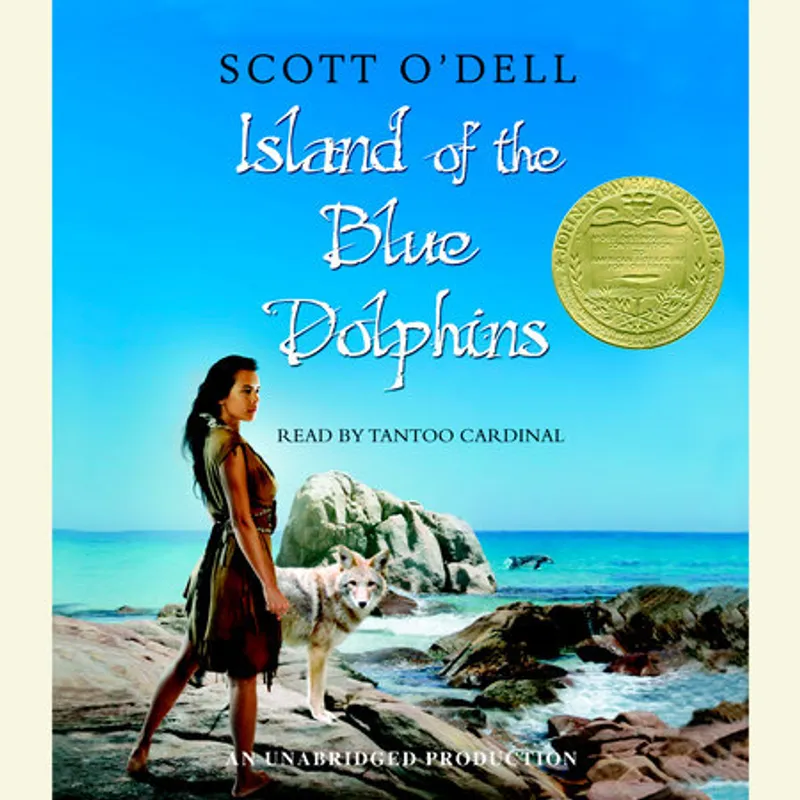
Island of the Blue Dolphins Author: Scott O'DellPage Count: UnknownPublication Date: 2000-PRH Island of the Blue Dolphins, penned by the illustrious Scott O'Dell, is a timeless masterpiece that whisks readers away to an enchanting isle, teeming with life and filled with the promise of self-discovery. While the exact page count may be unknown, the profound impact of this 2000 publication is undeniable. At the heart of this enthralling tale lies Karana, a resilient Indian girl who finds herself stranded on the island, her home for years to come. What ensues is a captivating narrative of survival, woven together with threads of natural beauty, solitude, and introspection. As Karana navigates the challenges of her isolation, she develops a profound connection with the island and its inhabitants, learning the delicate balance of coexistence and the value of living in harmony with nature. Scott O'Dell's masterful storytelling is a hallmark of this novel, as he weaves a rich tapestry of descriptive prose, transporting readers to the sun-kissed shores and crystal-clear waters of the island. His vivid depictions of the island's diverse wildlife – the blue dolphins, otters, and sea birds – not only showcase his remarkable writing prowess but also underscore the importance of preserving the natural world. One of the most striking aspects of Island of the Blue Dolphins is its thoughtful exploration of themes that remain pertinent today. O'Dell's portrayal of Karana's journey serves as a powerful reminder of the human capacity for resilience, adaptability, and growth. As Karana faces the trials and tribulations of her solitary existence, she undergoes a transformative journey of self-discovery, emerging stronger, wiser, and more attuned to the world around her. Through Karana's story, O'Dell also sheds light on the complexities of the human relationship with nature. The island, with its teeming wildlife and untamed beauty, serves as a potent symbol of the natural world's power and fragility. As Karana learns to respect and care for the island, she develops a profound appreciation for the interconnectedness of all living beings, a lesson that resonates deeply in today's world. In conclusion, Island of the Blue Dolphins is a captivating and thought-provoking novel that will resonate with readers of all ages. Scott O'Dell's masterful storytelling, vivid descriptions, and exploration of timeless themes make this book an unforgettable reading experience. If you haven't already, embark on Karana's journey and discover the wonders of the Island of the Blue Dolphins. #IslandOfTheBlueDolphins #ScottODell #SurvivalStory #NatureLiterature #ComingOfAge #WildlifeConservation Related InsightsCity of Lost Souls Book Review and Summary Queen of Foxes Book Review and Summary Sheever's Journal, Diary of a Poison Master Book Review and Summary{ "@context": "https://schema.org", "@type": "FAQPage", "mainEntity": [ { "@type": "Question", "name": "What is the main focus of Island of the Blue Dolphins Book Review and Summary?", "acceptedAnswer": { "@type": "Answer", "text": "Everything you need to know about Island of the Blue Dolphins with our detailed review." } }, { "@type": "Question", "name": "Who authored the comprehensive guide on Island of the Blue Dolphins Book Review and Summary?", "acceptedAnswer": { "@type": "Answer", "text": "This detailed article and its insights were carefully researched and authored by Scott O'Dell." } }, { "@type": "Question", "name": "Where can I find more related content about Books?", "acceptedAnswer": { "@type": "Answer", "text": "You can explore more articles, detailed reviews, and similar insights by browsing the Related Insights section at the bottom of this article or visiting our dedicated Books category page." } } ] }
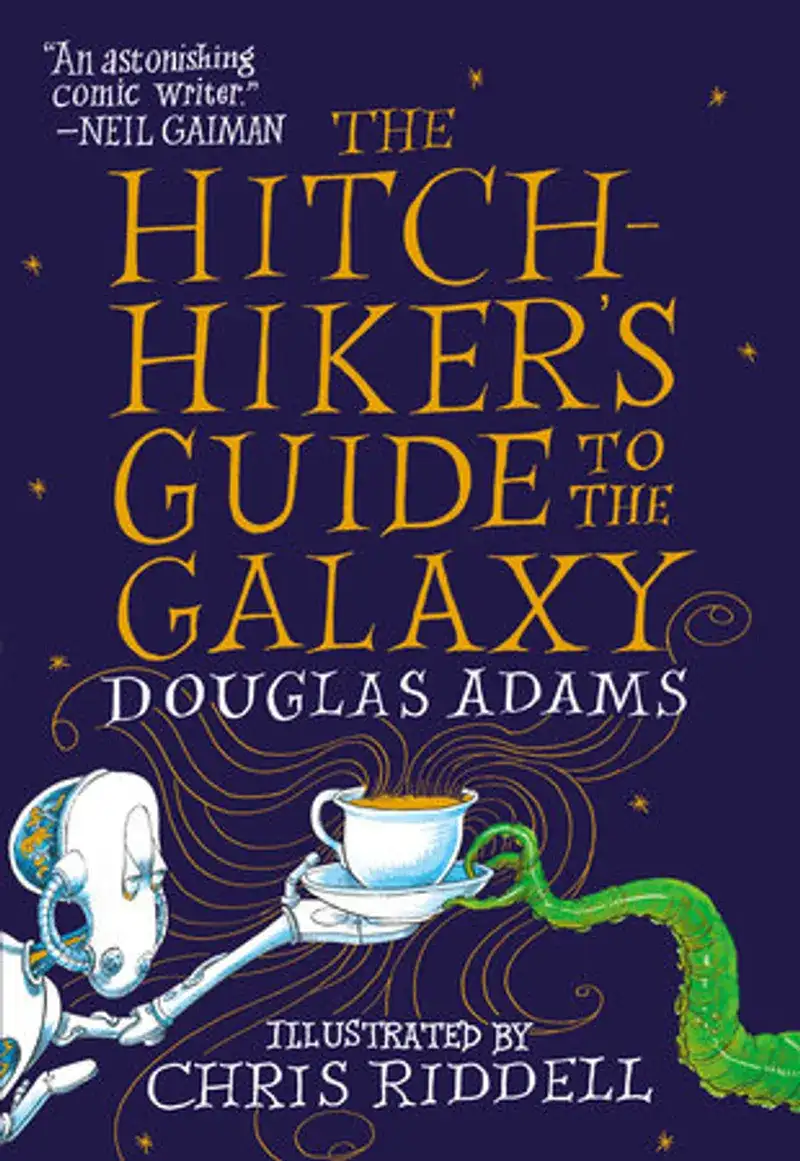
-
 Camille Dubois
 - 25 Jun, 2026 18:41
The Hitchhiker's Guide to the Galaxy: The Illustrated Edition Book Review and Summary
The Hitchhiker's Guide to the Galaxy: The Illustrated Edition Author: Douglas AdamsPage Count: UnknownPublication Date: 2021-PRH The Hitchhiker's Guide to the Galaxy: The Illustrated Edition is a masterful blend of humor, science fiction, and philosophical inquiry that has captivated readers for decades. Douglas Adams' iconic novel, now adorned with vibrant illustrations by award-winning artist Chris Riddell, continues to delight and provoke audiences with its unique brand of wit and irreverence. At its core, The Hitchhiker's Guide to the Galaxy is a story about the absurdities and contradictions of human existence. The novel follows the misadventures of Arthur Dent, a hapless everyman who finds himself hurtling through space and time after the destruction of his home planet, Earth. Alongside a motley crew of aliens, including his friend Ford Prefect, a researcher for the titular guidebook, Arthur navigates a chaotic universe that is at once fantastical and eerily familiar. Adams' writing style is a key aspect of the book's enduring appeal. His prose is characterized by a distinctive blend of humor, satire, and intellectual curiosity, which allows him to tackle complex themes and ideas with remarkable agility and wit. The author's use of language is playful and inventive, often blurring the lines between science fiction and social commentary. His observations on everyday life, from the mundane (the frustrations of dealing with bureaucracy) to the profound (the search for meaning in an apparently meaningless universe), are both poignant and hilarious. One of the most striking aspects of The Hitchhiker's Guide to the Galaxy is its ability to balance lighthearted humor with profound philosophical insights. Adams' exploration of the human condition, with all its attendant quirks and contradictions, is both deeply relatable and unsettlingly prescient. The novel's central theme – the search for answers to life's great mysteries – is a powerful metaphor for the human experience, and Adams' handling of this theme is both humorous and thought-provoking. The illustrations by Chris Riddell add a new layer of depth and visual appeal to the narrative, bringing the characters and their adventures to vivid life. Riddell's artwork is a perfect complement to Adams' text, capturing the book's offbeat humor and sense of wonder with remarkable fidelity. In conclusion, The Hitchhiker's Guide to the Galaxy: The Illustrated Edition is a triumphant celebration of Douglas Adams' visionary novel, which remains a timeless classic of science fiction and comedy. With its unique blend of humor, intellectual curiosity, and philosophical insight, this book is an essential read for anyone looking to explore the absurdities and complexities of the human experience. Whether you're a longtime fan of the series or a newcomer to Adams' work, this beautifully illustrated edition is sure to delight and inspire. #TheHitchhikersGuideToTheGalaxy #DouglasAdams #ScienceFiction #ComedyClassic #BookLovers #GalacticAdventures Related InsightsIn the Margins Book Review and Summary Crescent City Book Review and Summary A Midsummer Night’s Dream Book Review and Summary{ "@context": "https://schema.org", "@type": "FAQPage", "mainEntity": [ { "@type": "Question", "name": "What is the main focus of The Hitchhiker's Guide to the Galaxy: The Illustrated Edition Book Review and Summary?", "acceptedAnswer": { "@type": "Answer", "text": "Everything you need to know about The Hitchhiker's Guide to the Galaxy: The Illustrated Edition with our detailed review." } }, { "@type": "Question", "name": "Who authored the comprehensive guide on The Hitchhiker's Guide to the Galaxy: The Illustrated Edition Book Review and Summary?", "acceptedAnswer": { "@type": "Answer", "text": "This detailed article and its insights were carefully researched and authored by Camille Dubois." } }, { "@type": "Question", "name": "Where can I find more related content about Books?", "acceptedAnswer": { "@type": "Answer", "text": "You can explore more articles, detailed reviews, and similar insights by browsing the Related Insights section at the bottom of this article or visiting our dedicated Books category page." } } ] }

-
 Thomas Wright
 - 25 Jun, 2026 18:39
Cómo ganar amigos e influir sobre las personas para chicas / How to Win Friends and Influence People For Teen Girls Book Review and Summary
Cómo ganar amigos e influir sobre las personas para chicas / How to Win Friends and Influence People For Teen Girls Author: Donna Dale CarnegiePage Count: UnknownPublication Date: 2022-PRH How to Win Friends and Influence People for Teen Girls – A Fresh Take on an Enduring Classic When Dale Carnegie’s original “How to Win Friends and Influence People” first appeared in 1936, it reshaped the way adults thought about interpersonal skill‑building. In 2022, his daughter Donna Dale Carnegie revives that timeless formula for a new audience: teenage girls navigating a world saturated with social media, peer pressure, and rapidly shifting gender expectations. The result is a brisk, upbeat manual that feels both familiar and distinctly modern, marrying the foundational principles of the Carnegie legacy with a clear, feminist perspective. The Core Message: Empowerment Through Empathy At its heart, the book reiterates Carnegie’s age‑old credo: genuine interest in others breeds trust, and trust is the currency of influence. Donna reframes this idea for the teenage girl, emphasizing that empathy is not a soft skill but a strategic tool for personal empowerment. By encouraging readers to “listen first, judge later,” she positions emotional intelligence as the gateway to leadership—whether in a classroom debate, a group chat, or a budding romantic relationship. What sets this edition apart is its insistence that empathy be practiced without sacrificing self‑respect. The author weaves a subtle but firm line between kindness and people‑pleasing, warning readers against the “nice‑girl trap” that can erode boundaries. In doing so, she offers a nuanced roadmap: be warm, be authentic, but also be unapologetically firm when your values are at stake. Style: Conversational, Inclusive, and Quiz‑Driven Donna’s voice is conversational without ever slipping into patronizing teen‑talk. She writes as a mentor who remembers the awkwardness of high school corridors, yet she maintains a polished clarity that makes each chapter feel like a well‑structured lesson rather than a lecture. The prose is peppered with relatable anecdotes—stories of a girl who turned a gossip session into a constructive dialogue, or a freshman who used the “three‑step praise” technique to calm a heated debate in a student council meeting. These vignettes are not only illustrative; they serve as proof that the Carnegie techniques work in the digital age. Interspersed throughout the text are “Reality Check” boxes and short quizzes that invite readers to apply concepts in real time. A quick self‑assessment after the chapter on “Defusing Arguments” might ask, “When was the last time I said ‘I’m sorry for how I made you feel,’ and what was the outcome?” This interactive format transforms the book from a passive read into an active workbook, encouraging teenage girls to experiment with the strategies as they encounter everyday social scenarios. Modern Themes: Gossip, Peer Pressure, and Digital Etiquette Donna does not shy away from the challenges unique to today’s teen experience. The sections on gossip and social media are particularly compelling, offering concrete tactics for cutting the rumor mill short while preserving one’s reputation. For instance, the “Pause‑Post‑Reflect” method teaches girls to hold off before sharing a provocative story online, weigh the potential impact, and then either edit or delete the post—a skill that feels indispensable in an era where a careless tweet can spiral into a viral backlash. Peer pressure, another central concern, is reframed as an opportunity for influence rather than a threat to autonomy. The author outlines a three‑step “Positive Pivot” technique: acknowledge the group’s desire, propose an alternative that satisfies the underlying need, and frame the suggestion as a win‑win. This not only helps girls resist harmful trends (such as binge drinking or cyberbullying) but also positions them as leaders who can steer the collective toward healthier choices. Romantic Relationships and the Transition to Adult Responsibilities One of the book’s most daring chapters tackles friendships with boys, commitment issues, and break‑ups—a terrain often omitted in “self‑help” manuals aimed at young women. Here, Donna maintains the same balanced tone: she advises readers to communicate expectations clearly, to honor their own emotional boundaries, and to view every romantic interaction as a practice ground for broader influence skills. The advice is practical—draft a “conversation checklist” before a difficult talk, use “I‑statements” to express feelings, and practice “graceful exits” when a relationship no longer serves mutual growth. Beyond romance, the guide anticipates the next phase of teenage life: driving, college interviews, and entry‑level jobs. The brief yet potent sections on “First Impressions on the Road” and “Interview Influence” demonstrate how the same Carnegie principles scale up. A teenage girl preparing for a college interview, for example, is encouraged to employ the “Three‑P Rule”—Preparation, Presence, and Positivity—to leave a memorable, authentic impression. Strengths and Minor Shortcomings The book’s greatest strength lies in its ability to distill complex social psychology into bite‑size, actionable steps without diluting the underlying philosophy. The inclusion of quizzes and reality checks turns abstract advice into habit‑forming practice, which is essential for readers still developing executive function skills. However, the very brevity that makes the book accessible can also feel limiting for readers craving deeper exploration. Some chapters skim over nuanced topics—such as intersectional identity and cultural differences in communication—leaving space for future editions to broaden the inclusivity lens. Additionally, while the feminist framing is empowering, occasional reliance on “girls should be nurturing” tropes may unintentionally reinforce gender stereotypes. A more explicit discussion about diverse gender identities could have strengthened the book’s modern relevance. Conclusion: A Timely Companion for the Modern Teen Girl Donna Dale Carnegie succeeds in translating a classic self‑help framework into a vibrant, teen‑centric guide that respects both the legacy of its predecessor and the lived realities of today’s young women. By marrying timeless principles with contemporary scenarios, the book equips teenage girls with a toolkit for building authentic connections, navigating social challenges, and stepping confidently into leadership roles. It is an ideal bedside read for high schoolers, a useful resource for parents and educators, and a reminder that the art of influence is, at its best, an act of empathy and self‑respect. #TeenSelfHelp #GirlPower #EmpathyLeadership #SocialSkills #ModernCarnegie #TeenInfluence Related InsightsLevel Up for Love: A Novel Book Review and Summary Universe of Grace Book Review and Summary Taipei Story Book Review and Summary{ "@context": "https://schema.org", "@type": "FAQPage", "mainEntity": [ { "@type": "Question", "name": "What is the main focus of Cómo ganar amigos e influir sobre las personas para chicas / How to Win Friends and Influence People For Teen Girls Book Review and Summary?", "acceptedAnswer": { "@type": "Answer", "text": "Everything you need to know about Cómo ganar amigos e influir sobre las personas para chicas / How to Win Friends and Influence People For Teen Girls with our detailed review." } }, { "@type": "Question", "name": "Who authored the comprehensive guide on Cómo ganar amigos e influir sobre las personas para chicas / How to Win Friends and Influence People For Teen Girls Book Review and Summary?", "acceptedAnswer": { "@type": "Answer", "text": "This detailed article and its insights were carefully researched and authored by Thomas Wright." } }, { "@type": "Question", "name": "Where can I find more related content about Books?", "acceptedAnswer": { "@type": "Answer", "text": "You can explore more articles, detailed reviews, and similar insights by browsing the Related Insights section at the bottom of this article or visiting our dedicated Books category page." } } ] }
The Perks of Working in the Black Magic Industry #050 Author: Kisetsu MoritaPage Count: UnknownPublication Date: 2024-PRH The Perks of Working in the Black Magic Industry #050, written by Kisetsu Morita, is a refreshingly comedic take on the typically dark and foreboding world of black magic. On the surface, this manga appears to be a lighthearted, humorous tale of a young mage's journey into the unknown, but as one delves deeper, it reveals itself to be a clever exploration of societal expectations, professional fulfillment, and the true meaning of success. At the heart of the story is Franz, a relatable and endearing protagonist who embodies the struggles of many young adults. His fruitless job search in the White Magic field, despite his qualifications and dedication, serves as a poignant reminder of the harsh realities of the job market. The pressures of unemployment and the fear of not meeting expectations are expertly woven into the narrative, making Franz's decision to explore the Black Magic industry a deeply personal and understandable one. Kisetsu Morita's writing style is characterized by a unique blend of wit, charm, and clever satire. The author's use of humor to subvert the traditional notions of black magic is nothing short of brilliant. By transforming the typically "3 Ds" of black magic – Dangerous, Disgusting, and Dirty – into the "3 Ps" – Pure, Pleasant, and Permissive – Morita creates a sense of ironic surprise that is both captivating and thought-provoking. This clever twist serves as a commentary on the societal tendency to judge and stigmatize certain professions or practices without fully understanding their nuances. The world-building in The Perks of Working in the Black Magic Industry #050 is equally impressive, with Morita skillfully crafting a rich and immersive environment that is both fantastical and relatable. The black magic company, with its quirky cast of characters and unexpected workplace antics, becomes a character in its own right, providing a fascinating backdrop for Franz's journey of discovery. Throughout the manga, Morita's artwork is vibrant and expressive, bringing the characters and their experiences to life with a level of detail and energy that is hard to resist. The panels are meticulously crafted, with a keen attention to pacing and timing that adds to the overall sense of humor and lightheartedness. One of the most striking aspects of The Perks of Working in the Black Magic Industry #050 is its ability to balance humor and heart. Beneath its comedic surface, the manga explores themes of identity, purpose, and the importance of finding one's passion. Franz's growth and development, as he navigates the complexities of the black magic industry, serve as a powerful reminder that success is not solely defined by external expectations, but by personal fulfillment and happiness. In conclusion, The Perks of Working in the Black Magic Industry #050 is a captivating and engaging manga that is sure to delight readers of all ages. With its unique blend of humor, satire, and heart, Kisetsu Morita's latest work is a must-read for anyone looking for a fresh and exciting take on the world of magic. So, join Franz on his hilarious and enlightening journey into the world of black magic, and discover the perks for yourself. #BlackMagicManga #ComedyFantasy #MagicSchool #MangaReview #NewRelease2024 #ThePerksOfWorkingInBlackMagic Related InsightsThe Quiet Tenant Book Review and Summary Coraline Book Review and Summary Not That Duke Book Review and Summary{ "@context": "https://schema.org", "@type": "FAQPage", "mainEntity": [ { "@type": "Question", "name": "What is the main focus of The Perks of Being a Wallflower Book Review and Summary?", "acceptedAnswer": { "@type": "Answer", "text": "Everything you need to know about The Perks of Being a Wallflower with our detailed review." } }, { "@type": "Question", "name": "Who authored the comprehensive guide on The Perks of Being a Wallflower Book Review and Summary?", "acceptedAnswer": { "@type": "Answer", "text": "This detailed article and its insights were carefully researched and authored by Stephen Chbosky." } }, { "@type": "Question", "name": "Where can I find more related content about Books?", "acceptedAnswer": { "@type": "Answer", "text": "You can explore more articles, detailed reviews, and similar insights by browsing the Related Insights section at the bottom of this article or visiting our dedicated Books category page." } } ] }

- Aylin Okur
- 25 Jun, 2026 12:42
Dijital Çağda Kitapların Büyüsü: Neden Hâlâ Bir Kitaba İhtiyacımız Var?
Hızla dijitalleşen dünyamızda, elimizdeki akıllı telefonlar, tabletler ve bilgisayarlar hayatımızın ayrılmaz bir parçası haline geldi. Bilgiye ulaşmak hiç bu kadar kolay olmamıştı. Ancak bu ekran yorgunluğunun ortasında, fiziksel bir kitabın sayfalarını çevirmenin o eşsiz hissi, hala birçok kişinin kalbinde özel bir yer tutuyor. Ben Amerikalı yazar Emily Page olarak, bu eski dostluk hikayesini, kitapların neden hala vazgeçilmez olduğunu kendi gözlerimden ve kültürümden örneklerle sizlerle paylaşmak istedim. Amerikalı bir çocuk olarak büyürken, mahalle kütüphaneleri bizim için adeta ikinci bir evdi. Okul sonrası ödevlerimizi yaptığımız, yeni dünyalar keşfettiğimiz ve bazen de sadece sessizce oturduğumuz o büyülü mekanlar... Kütüphaneci Bayan Miller'ın bize önerdiği her kitap, bambaşka bir maceranın kapısını aralardı. O zamanlar dijital ekranlar bu kadar hayatımızda yoktu; tek bir tuşla binlerce kitaba ulaşmak bir hayaldi. Şimdi ise parmaklarımızın ucunda koca bir dünya var. Peki, bu durumda neden hala o kağıt sayfaların büyüsüne bu kadar bağlıyız? Kitapların Eşsiz Kokusu ve Dokusu Bir e-kitap okuyucunun rahatlığını takdir etmekle birlikte, hiçbir dijital cihaz, yeni basılmış bir kitabın o mürekkep ve kağıt kokusunu ya da eski bir cildin o mistik, hafif küf kokusunu veremez. Amerikalı okuma tutkunları arasında da bu his oldukça yaygındır; hani derler ya, "eski kitap kokusu kadar güzel hiçbir şey yoktur," işte tam da bu. Bir kitabı elime aldığımda, sayfaların dokusu, ağırlığı ve hafif hışırtısı, okuma deneyimini bambaşka bir boyuta taşır. Bu, sadece gözlerimle değil, aynı zamanda parmak uçlarımla ve hatta burnumla da hissettiğim bir deneyimdir. Özellikle de New York'taki kalabalık apartman dairemde, kendime ait bir kaçış köşesi yaratmak istediğimde, fiziksel bir kitap o anki dinginliğimin en önemli parçası olur.Zihinsel Bir Kaçış Kapısı ve Stres Giderici Modern hayatın getirdiği koşuşturmaca ve stresle başa çıkmanın en iyi yollarından biri, bence iyi bir kitaba dalmaktır. Washington D.C.'deki yoğun çalışma tempomdan sonra, eve geldiğimde bir romanın sayfaları arasında kaybolmak, benim için bir meditasyon gibidir. Hani bazıları yoga yapar, bazıları spor... Ben Emily olarak, bir sandalyeye kurulup bir kitaba dalmayı tercih ederim. Bir keresinde, öyle sürükleyici bir gerilim romanına dalmıştım ki, metro durağımı iki durak geçmiştim! "Emily, uyan artık, evin çoktan geride kaldı!" diye kendi kendime güldüğümü hatırlıyorum. Kitaplar, bizi gerçeklikten koparıp bambaşka dünyalara götürme gücüne sahiptir. Bu, sadece bir hikaye okumak değil, aynı zamanda zihninizi dinlendirmek ve hayal gücünüzü serbest bırakmaktır. Bilginin ve Kültürün Taşıyıcısı Kitaplar, sadece eğlence değil, aynı zamanda bilginin ve kültürün en güçlü taşıyıcılarıdır. Her biri, yazıldığı dönemin ruhunu, yazarının bakış açısını ve o toplumun değerlerini yansıtan bir zaman kapsülü gibidir. Amerikan edebiyatı, hem kendi tarihimizi ve kimliğimizi anlamamızda hem de dünya üzerindeki yerimizi sorgulamamızda bize ışık tutar. Bir klasik okuduğunuzda, yüzyıllar öncesinden gelen bir sesle konuştuğunuzu hissedersiniz. Bilim kurgudan felsefeye, tarihten kişisel gelişime kadar her türden kitap, ufkumuzu genişletir, eleştirel düşünme becerilerimizi geliştirir ve bizi daha bilinçli bireyler yapar. Harvard'da okurken kütüphanede geçirdiğim o saatleri düşündükçe, kitapların sadece kağıt yığınları değil, aynı zamanda nesiller arası bir köprü olduğunu daha iyi anlıyorum.Dijital Çağda Kitap Okuma Alışkanlığı: Dengeyi Bulmak Elbette, e-kitapların ve sesli kitapların sunduğu pratik avantajları görmezden gelemeyiz. Özellikle uzun uçuşlarda veya seyahatlerde, yanımda yüzlerce kitabı taşıyabilmek harika bir kolaylık. Amerikalılar olarak pratikliğe önem veririz, bu yüzden Kindle'lar ve Audible gibi platformlar çok popüler. Ancak bu araçlar, fiziksel kitapların yerini almaktan ziyade, okuma deneyimini tamamlayan alternatiflerdir. Önemli olan, hangi formatta olursa olsun okuma alışkanlığını sürdürmektir. Bir kitabı elinde tutmanın, sayfalarını çevirmenin, hatta sayfaların kenarına notlar almanın o eşsiz keyfi, sanırım hiçbir zaman eskimeyecek. Sonuç olarak, dijital çağda yaşasak da kitapların büyülü dünyası hala capcanlı. Onlar sadece basılı kağıt yığınları değil, aynı zamanda anılar, keşifler ve sonsuz hayallerin kapılarıdır. Bir Amerikalı olarak, kitaplara olan bu derin sevginin evrensel olduğunu bilmek beni mutlu ediyor. Hadi, hep birlikte yeni bir kitaba dalalım ve bu eşsiz serüveni bir kez daha deneyimleyelim!#Kitaplar #OkumaAlışkanlığı #Edebiyat #EmilyPage #DijitalDünya #kitap #edebiyat #aylinokur #okumak Related InsightsWheel of the Infinite Book Review and Summary Resurrection Walk Book Review and Summary Rise of the Dragon Book Review and Summary{ "@context": "https://schema.org", "@type": "FAQPage", "mainEntity": [ { "@type": "Question", "name": "What is the main focus of Dijital Çağda Kitapların Büyüsü: Neden Hâlâ Bir Kitaba İhtiyacımız Var??", "acceptedAnswer": { "@type": "Answer", "text": "Dijitalleşen dünyamızda geleneksel kitapların eşsiz büyüsünü keşfedin. Amerikalı yazar Emily Page'den kişisel bir bakış açısıyla, kitap okumanın zihinsel ve ruhsal faydalarını ve neden hala vazgeçilmez olduklarını öğrenin." } }, { "@type": "Question", "name": "Who authored the comprehensive guide on Dijital Çağda Kitapların Büyüsü: Neden Hâlâ Bir Kitaba İhtiyacımız Var??", "acceptedAnswer": { "@type": "Answer", "text": "This detailed article and its insights were carefully researched and authored by Aylin Okur." } }, { "@type": "Question", "name": "Where can I find more related content about Books?", "acceptedAnswer": { "@type": "Answer", "text": "You can explore more articles, detailed reviews, and similar insights by browsing the Related Insights section at the bottom of this article or visiting our dedicated Books category page." } } ] }
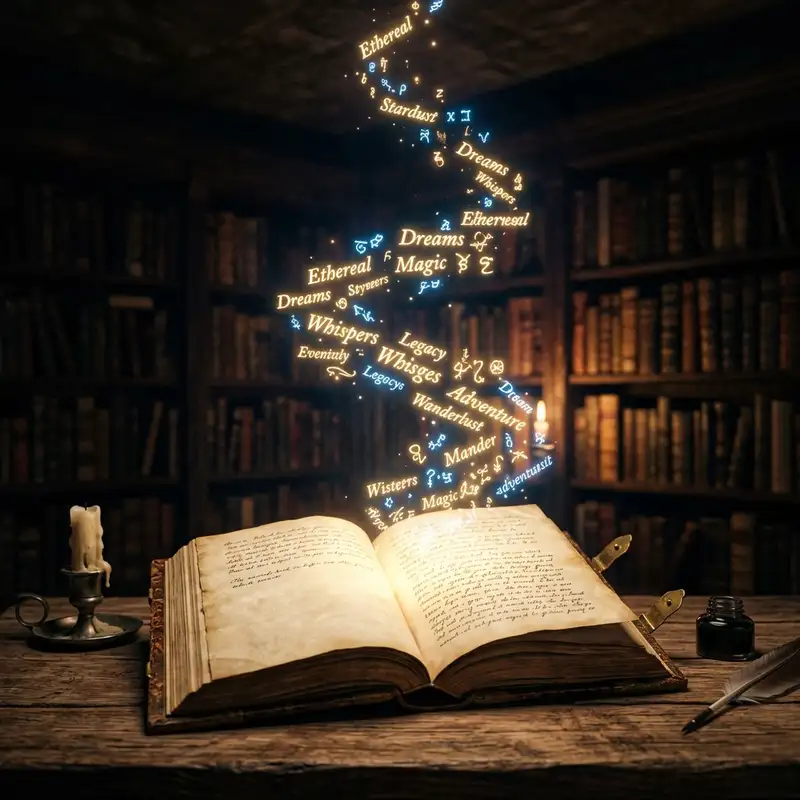
Gözlerimi kapattığımda, parmaklarımın arasında hışırtılar çıkaran o kâğıt sayfaların kokusu burnuma dolar. Bir an için, şehrin gürültüsü, günlük telaşlar silinir gider. Sadece ben ve o, yani kitap kalırız. Bu an, her Türk okuru gibi benim için de sadece bir eylem değil, adeta bir nefes alma biçimi. Adım Aylin Okur, ve evet, soyadımın hakkını veren bir okur olmaktan gurur duyuyorum. Kitaplar, hayatımızın labirentlerinde bize yol gösteren, en iyi dostumuz, en bilge rehberimizdir. Peki, bu kağıt yığınları neden bu kadar büyüleyici? Neden Okuyoruz? Birkaç Sebepten Fazlası Okumak, sadece bilgi edinmekten çok daha fazlasıdır. O, ruhumuzun derinliklerine inen, duygularımızı besleyen, zihnimize yeni pencereler açan sihirli bir anahtar gibidir. Düşünsenize, bir otobüs yolculuğunda Shakespeare’in trajedilerine ortak olabilir, bir park bankında Dostoyevski’nin karakterleriyle felsefi sorgulamalara dalabiliriz. Bir de Türk edebiyatının o eşsiz lezzeti var ki, Orhan Pamuk’un İstanbul’unun puslu sokaklarında kaybolmak ya da Yaşar Kemal’in Çukurova’sının sıcaklığını hissetmek, tarifi imkansız bir zevk. Okumak, bizi empati kurmaya iter, farklı kültürleri ve insanları anlamamızı sağlar. Hani derler ya, “bir lisan bir insan, iki lisan iki insan”; ben buna “bir kitap bin insan” diye eklemek isterim. Her okuduğumuz kitapla, yazarın dünyasına adım atar, onun gözünden bambaşka hayatlara tanık oluruz.Kimimiz bilim kurgunun geleceğine yelken açar, kimimiz tarihin tozlu sayfalarında geçmişin sırlarını aralar. Polisiye meraklıları için her sayfa bir ipucu, her kelime bir şüphe kaynağıdır. Şahsen ben, son zamanlarda biyografik eserlere takmış durumdayım. Zira bir insanın başarı ve başarısızlıklarla dolu gerçek hikayesi, kurgusal dünyanın çok ötesinde ilham verebiliyor. Annem hep derdi: "Kızım, kitaplar senin en iyi arkadaşındır, asla yalnız kalmazsın." O zamanlar anlamazdım pek, şimdi anlıyorum ki en sessiz anlarımda bile fısıldayan o sesler, aslında kitapların bilgeliğiymiş. Türk Kültüründe Kitapların Yeri: Bir Aylin Okur Gözüyle Türk kültüründe sözlü gelenekler çok güçlü olsa da, kitapların yeri asla azımsanamaz. Özellikle Divan edebiyatından Halk hikayelerine, Mevlana'dan Yunus Emre'ye uzanan zengin bir mirasımız var. Bu miras, nesilden nesile aktarılan sadece hikayeler değil, aynı zamanda düşünce biçimleri ve yaşam felsefeleridir. #Anadolu’nun en ücra köşelerinde bile, çay sohbetlerinde Ahmet Hamdi Tanpınar’ın "Saatleri Ayarlama Enstitüsü"nden, Reşat Nuri Güntekin’in "Çalıkuşu"ndan dem vurulduğuna şahit olmuşumdur. Bu, kitapların sadece entelektüel bir uğraş olmadığını, aynı zamanda toplumsal hafızamızın ve kimliğimizin bir parçası olduğunu gösterir. Biz Türkler, misafirperverliğimizle biliniriz; evimize gelen her misafire ikramda bulunuruz. Benim evimde ise misafirlerime ikram ettiğim ilk şeylerden biri, her zaman sevdiğim bir kitaptan bir alıntı ya da ilginç bir bilgi olmuştur. Bu, aslında bir tür 'okur misafirperverliği' olsa gerek. Kitap fuarları, imza günleri, edebiyat sohbetleri... Ülkemizde her geçen gün daha da popülerleşiyor ve bu beni çok mutlu ediyor. Çünkü bu, "kitapsız büyüyen çocuk, susuz büyüyen ağaca benzer" atasözümüzün ne kadar doğru olduğunu bir kez daha kanıtlıyor. Okuma Alışkanlığı Edinmek: Küçük Adımlar, Büyük Farklar Peki, herkes Aylin Okur gibi bir 'kitap kurdu' olabilir mi? Elbette! Önemli olan küçük adımlarla başlamak. Her gün sadece 15 dakika okumakla işe başlayın. Sevdiğiniz türleri keşfedin, kendinizi zorlamayın. Bir kitabı beğenmediyseniz, bırakmaktan çekinmeyin. Unutmayın, okumak bir zorunluluk değil, bir keşif yolculuğudur. Kütüphanelerin büyülü atmosferine kendinizi bırakın ya da sahafların tozlu raflarında gizli hazineler arayın.Dijital kitaplar ve sesli kitaplar da bu yolculukta bize eşlik eden harika seçenekler. Benim favorim hâlâ basılı kitaplar olsa da, uzun otobüs yolculuklarında kulaklığı takıp bir sesli kitaba dalmak paha biçilmez bir deneyim olabiliyor. Önemli olan, kelimelerin dünyasıyla bağımızı koparmamak. Sonsöz: Kitaplar Bize Neler Vaat Ediyor? Kitaplar bize sadece hikayeler anlatmakla kalmaz, aynı zamanda kendimizi, dünyayı ve yaşamı anlama fırsatı sunar. Onlar, zamanın ve mekanın ötesine geçebilmemizi sağlayan köprülerdir. Bizi güldürür, ağlatır, düşündürür, ilham verir. Kısacası, kitaplar bize daha zengin, daha anlamlı bir yaşam vaat eder. Bu büyülü yolculukta daha fazla okurla buluşmak dileğiyle, sayfalarınız hiç boş kalmasın!#KitapAşkı #OkumaAlışkanlığı #Edebiyat #HayatOkumaklaGüzel #KitapOkuma #Edebiyat #OkurDeneyimi #KiiselGeliim Related InsightsGoing the Distance: Stallone, Philly, and the Story of Rocky Book Review and Summary Fallen Beauty Book Review and Summary The Cursed Diamond Book Review and Summary{ "@context": "https://schema.org", "@type": "FAQPage", "mainEntity": [ { "@type": "Question", "name": "What is the main focus of Kitapların Fısıltısı: Ruhumuza Dokunan Kelimelerin Yolculuğu?", "acceptedAnswer": { "@type": "Answer", "text": "Kitapların hayatımızdaki eşsiz yerini, ruhumuza dokunan fısıltılarını ve neden her zaman okumaya devam etmemiz gerektiğini Aylin Okur'un gözünden keşfedin." } }, { "@type": "Question", "name": "Who authored the comprehensive guide on Kitapların Fısıltısı: Ruhumuza Dokunan Kelimelerin Yolculuğu?", "acceptedAnswer": { "@type": "Answer", "text": "This detailed article and its insights were carefully researched and authored by Aylin Okur." } }, { "@type": "Question", "name": "Where can I find more related content about Books?", "acceptedAnswer": { "@type": "Answer", "text": "You can explore more articles, detailed reviews, and similar insights by browsing the Related Insights section at the bottom of this article or visiting our dedicated Books category page." } } ] }