Showing Posts From
Books
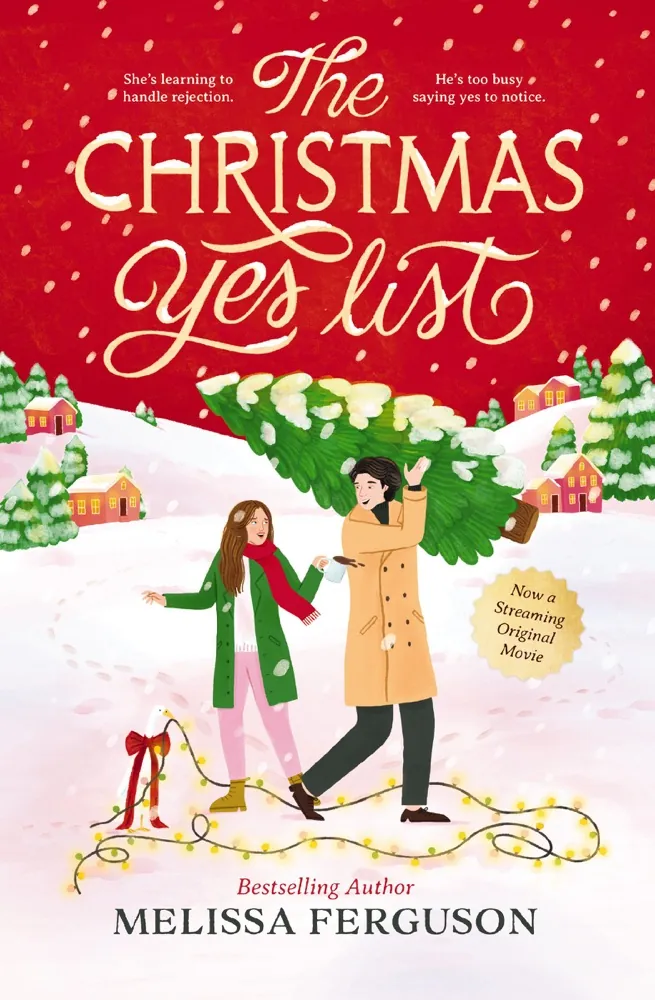
Author: Melissa FergusonPage Count: UnknownPublication Date: Expected publication 2026-10-06 APL The synopsis of The Christmas Yes List is a glittering, if slightly too on-brand, invitation into the kind of rom-com that exists solely to make you question whether you’ve been duped by the algorithm’s endless scroll of "feel-good" promises. Chloe Hollis’s mission—collecting ten rejections before Christmas—is the kind of self-destructive, self-help-adjacent premise that would make a Fleabag character roll her eyes while sipping Earl Grey. But here’s the thing: the real villain isn’t the "ridiculous favors" she’s asking strangers for (which, let’s be honest, is the kind of plot device that would’ve been brutal in a Bridgerton adaptation). No, the villain is the way this story could be written—like a Hallmark movie that forgot to invite the edge. James, the charming out-of-towner who says yes to everything, is the perfect foil for Chloe’s rigid "no" campaign. But his backstory—whatever it is—isn’t just a plot convenience; it’s a temptation. The synopsis hints at a collision of wills, a festive mosh pit of holiday chaos and undeniable chemistry, which is to say: this is The Holiday meets Crazy Rich Asians if Crazy Rich Asians had a side hustle in karaoke. The problem isn’t that the premise is lazy—it’s that it’s too lazy. Where’s the bite? Where’s the subversion? Because right now, this reads like a love letter to the kind of rom-com that exists to make you feel warm and fuzzy while also making you wonder if you’ve been gaslit into thinking "spontaneity" is a virtue. And yet—here’s where the pivot happens. Maybe the genius of this is that it’s supposed to be this way. Maybe the point isn’t to subvert the tropes but to lean into them with such deliberate, almost ironic precision that it becomes a satire of its own genre. Imagine if the "ridiculous favors" weren’t just for laughs but a metaphor for the performative "yes-ness" of modern dating culture—where saying yes is the only way to be seen, and rejection is the ultimate act of rebellion. That’s the kind of depth that could make this more than just another Book of Love knockoff. But the synopsis doesn’t give us that. It gives us The Love Hypothesis meets A Christmas Story if A Christmas Story had a TikTok account. The real question is: will this be the kind of book that makes you laugh, or the kind that makes you uncomfortable? Because right now, it’s just the kind that makes you wait. And that’s the most dangerous kind of anticipation—when you’re not sure if you’re being sold a story or a lifestyle. I’m going to sit in my mahogany-lined study in absolute, expensive silence now. #BookTok #HolidayRomance #YesList #ChloeHollis #JamesProblem Related InsightsHidden Nature Book Review and Summary A Christmas Carol Book Review and Summary Princess Academy Book Review and Summary{ "@context": "https://schema.org", "@type": "FAQPage", "mainEntity": [ { "@type": "Question", "name": "What is the main focus of The Christmas Yes List Book Review and Summary?", "acceptedAnswer": { "@type": "Answer", "text": "Everything you need to know about The Christmas Yes List with our detailed review." } }, { "@type": "Question", "name": "Who authored the comprehensive guide on The Christmas Yes List Book Review and Summary?", "acceptedAnswer": { "@type": "Answer", "text": "This detailed article and its insights were carefully researched and authored by Klaus Weber." } }, { "@type": "Question", "name": "Where can I find more related content about Books?", "acceptedAnswer": { "@type": "Answer", "text": "You can explore more articles, detailed reviews, and similar insights by browsing the Related Insights section at the bottom of this article or visiting our dedicated Books category page." } } ] }
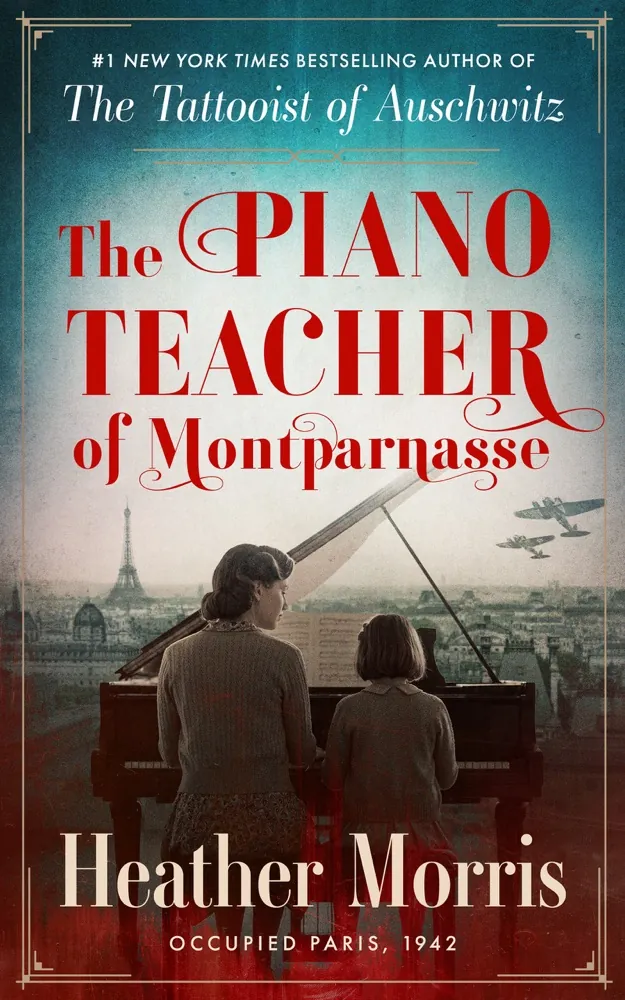

Author: Heather MorrisPage Count: UnknownPublication Date: Expected publication 2026-10-20 APL Paris in 1942. Right. Because the Faubourg Saint-Germain lineage has not suffered enough indignity through cinematic exploitation, we now receive another marketing department's wet dream of occupied France. The Piano Teacher of Montparnasse arrives bearing all the subtlety of the Titanic hitting an iceberg at full tilt, banking heavily on the lucrative trauma-porn demographic that made The Tattooist of Auschwitz an absolute cash cow for airports everywhere. Andrée Levallois hides eleven-year-old Josephine. The Nazis close in. It is all terribly high-stakes, yet entirely predictable—a historical fiction factory product designed to make middle-brow readers weep into their chardonnay while utterly missing the nuanced, crushing weight of actual aristocratic ruin. The Commodification of Aristocratic Anxieties Let us look closely at the architecture of this synopsis. Eleven-year-old runs to the piano teacher. Rations are spread. Authorities close in. It reads less like literature and more like a storyboard for a Netflix limited series starring someone aggressively miscast from The Crown. We are expected to swoon over the sheer resilience of ordinary people, but frankly, the prose-craft here feels like absolute garbage tier writing wrapped in velvet. Notes on the Inevitable Melodrama One shudders to imagine the dialogue. Will the Gestapo officers be depicted as cardboard villains while the brave piano teacher delivers stoic monologues by candlelight? Probably. The emotional beats are telegraphed with the precision of the Hindenburg disaster. We get zero texture, zero stylistic ambition—just a naked, shameless play for the tear ducts. Heather Morris trades in emotional manipulation so blunt it makes a daytime soap opera look like Marcel Proust. Yet the reading public will eat it up. They will post tear-stained selfies on social media with the book balanced precariously on their designer handbags, completely unfazed by the literary equivalent of a jump scare. One expects the inevitable cinematic adaptation to drop by autumn, starring a fading Oscar winner desperately seeking prestige. Excuse me while I go read Marcus Aurelius to cleanse my mind of this plot. Related InsightsNot in Love Book Review and Summary In the Margins Book Review and Summary Into Thin Air: A Personal Account of the Mt. Everest Disaster Book Review and Summary{ "@context": "https://schema.org", "@type": "FAQPage", "mainEntity": [ { "@type": "Question", "name": "What is the main focus of The Piano Teacher of Montparnasse Book Review and Summary?", "acceptedAnswer": { "@type": "Answer", "text": "Everything you need to know about The Piano Teacher of Montparnasse with our detailed review." } }, { "@type": "Question", "name": "Who authored the comprehensive guide on The Piano Teacher of Montparnasse Book Review and Summary?", "acceptedAnswer": { "@type": "Answer", "text": "This detailed article and its insights were carefully researched and authored by James Miller." } }, { "@type": "Question", "name": "Where can I find more related content about Books?", "acceptedAnswer": { "@type": "Answer", "text": "You can explore more articles, detailed reviews, and similar insights by browsing the Related Insights section at the bottom of this article or visiting our dedicated Books category page." } } ] }
-
 Lucia Garcia
 - 09 Oct, 2026 08:43
Miss Wolcott's Ghost (Chief Inspector Armand Gamache, #21) Book Review and Summary
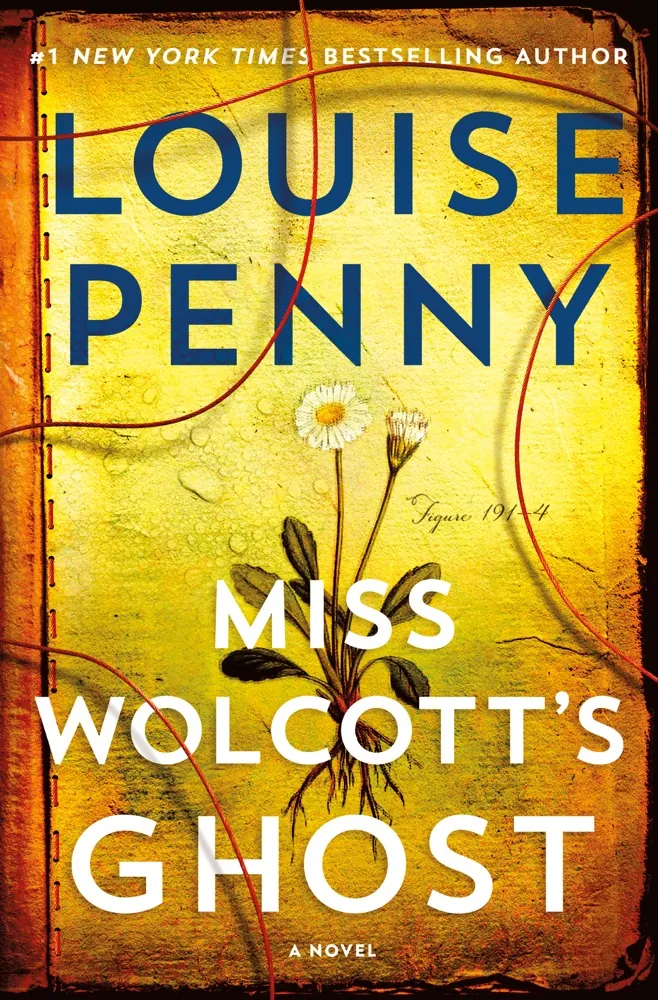
Author: Louise PennyPage Count: UnknownPublication Date: Expected publication 2026-10-20 APL Through the kitchen window, screaming children in neon backpacks dodge a rogue minivan while I contemplate the sheer barbarity of eating soggy breakfast cereal off a chipped melamine plate. Let us speak of murder instead. Louise Penny returns with Miss Wolcott's Ghost, promising another cozy descent into the Canadian woods that will no doubt satisfy readers who prefer their existential dread served with a side of maple-scented artisanal bread. The Cartography of Lost Things A frantic midnight phone call. A mythical settlement swallowed by the map. Anachronistic corpses resting upon nameless graves. The premise drips with a delicious, Gothic absurdity that immediately evokes late-period Wilkie Collins crossed with the frostbitten melancholy of In the Woods by Tana French—or perhaps just a fever dream induced by too much imported brie. Yet the synopsis dances around the actual conflict with an irritating vagueness, relying entirely on the crutch of forgotten botanical specimens and Victorian eccentricity to manufacture stakes. Spectres of the Bureaucracy Gamache is back, dragging his weary moral compass through the underbrush alongside Jean-Guy and Isabelle. But the introduction of a disgraced protégé introduces a deliciously toxic flavor of workplace betrayal that I am totally here for, no cap. Wait, scratch that entirely. The inclusion of a disgraced former subordinate feels like a tired narrative trope, a cheap recycling of past dramatic friction that reeks of narrative laziness. Penny ought to know better than to exhume old ghosts when the woods are already overflowing with century-old botanists and missing maritime vessels. The Botanical MacGuffin Let us consider the thematic weight of this mysterious, century-old plant capable of saving or destroying countless lives. It is a bold, albeit wildly melodramatic, narrative pivot. We are thrust from a localized homicide into an ecological thriller faster than a suburban mother can silence a screaming toddler with an iPad. The juxtaposition of quaint village charm with high-stakes biosecurity adds a bizarre tonal whiplash that either signals a magnificent creative renaissance or an absolute mess of plotting. The villagers of Three Pines are mobilized once more. Clara Morrow is implicated in nocturnal phone calls she denies making. Reine-Marie joins the fray. It is a family affair of sleuthing, where every single neighbor harbors a dark secret and a penchant for brooding over artisanal coffee. Expect lyrical prose buried beneath mountains of cozy crime clichés. Expect the murderer to be unmasked just as the kettle whistles. The piano teacher has just arrived, and the parlor is about to vibrate with the ungodly, cacophonous slaughter of Beethoven’s Fur Elise played entirely in the wrong key. Related InsightsTake My Word for It: A Memoir Book Review and Summary Archangel's Lineage Book Review and Summary Fragile Threads of Power Book Review and Summary{ "@context": "https://schema.org", "@type": "FAQPage", "mainEntity": [ { "@type": "Question", "name": "What is the main focus of Miss Wolcott's Ghost (Chief Inspector Armand Gamache, #21) Book Review and Summary?", "acceptedAnswer": { "@type": "Answer", "text": "Everything you need to know about Miss Wolcott's Ghost (Chief Inspector Armand Gamache, #21) with our detailed review." } }, { "@type": "Question", "name": "Who authored the comprehensive guide on Miss Wolcott's Ghost (Chief Inspector Armand Gamache, #21) Book Review and Summary?", "acceptedAnswer": { "@type": "Answer", "text": "This detailed article and its insights were carefully researched and authored by Lucia Garcia." } }, { "@type": "Question", "name": "Where can I find more related content about Books?", "acceptedAnswer": { "@type": "Answer", "text": "You can explore more articles, detailed reviews, and similar insights by browsing the Related Insights section at the bottom of this article or visiting our dedicated Books category page." } } ] }
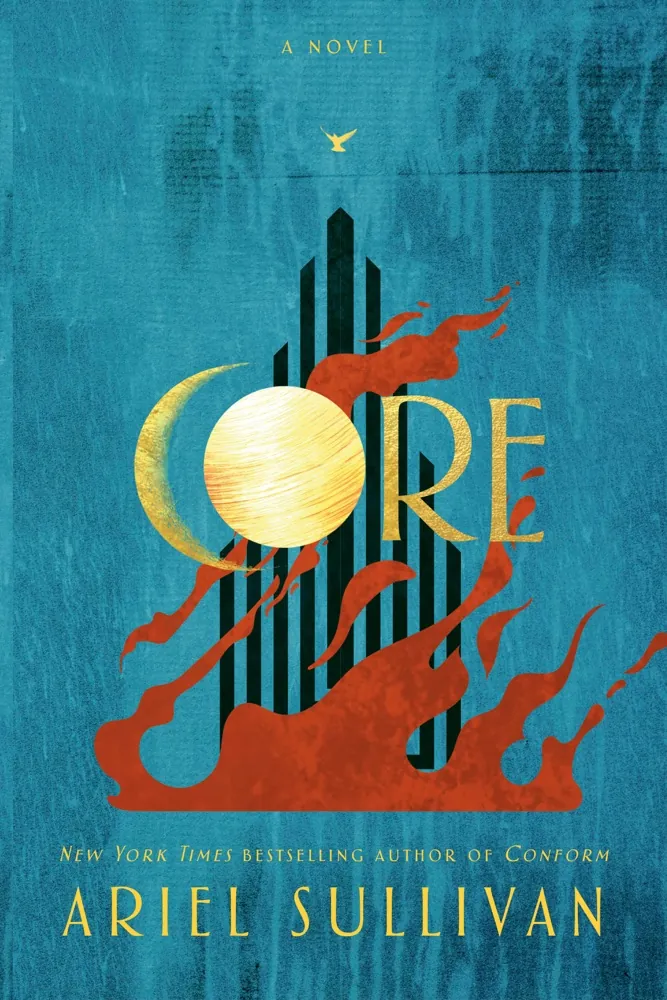
Author: Ariel SullivanPage Count: UnknownPublication Date: Expected publication 2026 APL Look, I am already sweating through my favorite hoodie while staring at this blinking cursor, trying to stretch my thoughts about Core into enough paragraphs just because some algorithm gods demanded a word count before my coffee even kicks in. Suspended Disbelief and Other Athletic Impossibilities Let us talk about the logistical nonsense of waking up in the clouds. Seriously. In combat sports, if your footwork is trash, you get flatlined in thirty seconds; yet, YA dystopias expect me to buy that a rebellion falls and characters get shoved into floating real estate without a single mention of atmospheric pressure, altitude sickness, or basic tactical logistics. Ariel Sullivan is back with the third installment of the Conform series, dropping us right into a high-stakes hostage situation where the stakes are supposedly life-or-death, yet everyone has time to worry about "who loves whom more." What absolute garbage. Give me a clean rear-naked choke over this melodramatic nonsense any day of the week. Lethal Romance Tropes The premise hinges on a procreation contract with a Mate named Collin—because nothing screams forced-proximity trope quite like state-mandated breeding in the stratosphere. It is giving major Hunger Games meets generic dystopian slop, wrapped up with a neat little bow of institutional oppression. Emeline is apparently reeling from major upheaval—shocker—while gathering allies and uncovering secrets that will supposedly shake things to the core. Groundbreaking stuff. We are treading water in a sea of recycled tropes where the revolution always costs everything and the protagonist has to choose between her heart and her tactical survival. Make it make sense. If your rebellion crumbles that fast, your insurgents need to hit the heavy bag and learn how to defend a takedown. The Core Conflict of Cliche Yet, here we are, pretending this synopsis gives us anything substantial to chew on. Vagueness is the currency of modern marketing departments, and this blurb spends three whole paragraphs saying absolutely nothing while leaning hard on buzzwords like "upheaval," "secrets," and "truth." Sullivan wants us to believe the Illum leader's twisted game is some sort of masterclass in psychological warfare. But let us be real. It is just another excuse to drag out a love triangle while the plot takes a nap. If you want a masterclass in tension, watch a five-round championship bout where someone’s orbital bone is actively caving in. That is real stakes. Not floating around in the clouds crying over a guy named Hal. Wait. Stop shouting. I can hear the little gremlins in the next room already fighting over who gets control of the television. I have to go deal with a full-blown civil war over the remote before somebody actually ends up in the hospital. Related InsightsGo Tell the Bees That I Am Gone Book Review and Summary Bonded in Death Book Review and Summary A Brief History of Time Book Review and Summary{ "@context": "https://schema.org", "@type": "FAQPage", "mainEntity": [ { "@type": "Question", "name": "What is the main focus of Core (Conform #3) Book Review and Summary?", "acceptedAnswer": { "@type": "Answer", "text": "Everything you need to know about Core (Conform #3) with our detailed review." } }, { "@type": "Question", "name": "Who authored the comprehensive guide on Core (Conform #3) Book Review and Summary?", "acceptedAnswer": { "@type": "Answer", "text": "This detailed article and its insights were carefully researched and authored by Natalia Sokolova." } }, { "@type": "Question", "name": "Where can I find more related content about Books?", "acceptedAnswer": { "@type": "Answer", "text": "You can explore more articles, detailed reviews, and similar insights by browsing the Related Insights section at the bottom of this article or visiting our dedicated Books category page." } } ] }
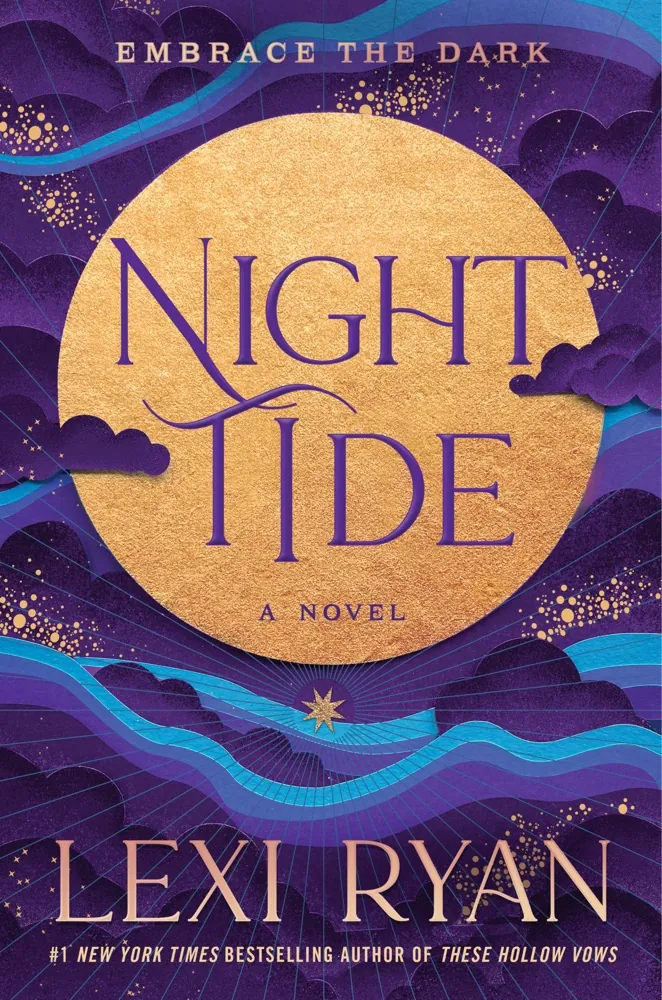

Author: Lexi RyanPage Count: UnknownPublication Date: Expected publication 2026 APL October presses its damp knuckles against the drafty windowpane, and I am staring at a promotional blurb for Lexi Ryan’s Night Tide because rent is due and typing out thoughts about upcoming adult romantasy is apparently how I buy dry firewood. God, I need coffee. Or wine. Or both mixed in a chipped mug while the radiator clanks its usual death rattle. The Architecture of Envy and Bargains The setup drips with familiar gothic machinery. Aurora Evanselier stands at the precipice of her future at the Invictus Mage Academy—because every fictional youth must endure a boarding school structure before entering society—only for her father to immediately collapse. It is a classic narrative inciting incident. Convenient. Utterly dependent on medical emergencies to force opposing factions into close proximity. Then enters Malek Ravenstorm. Yes, Malek Ravenstorm. A name so aggressively brooding it sounds like it was generated by an algorithm fed exclusively on black velvet and poetry anthologies written by nineteenth-century men who died of consumption. He has a dead brother, a bitter grudge against the emperor, and an absolute monopoly on the kind of healing magic Aurora desperately requires. The bargain is struck. Freedom traded for allegiance. A tale as old as time, or at least as old as the commercial success of Carissa Broadbent and Rebecca Yarros. Shadows, Secrets, and Trademark Smut The marketing leans hard into the aesthetic of the cursed kingdom. Witches. Vampires. Forbidden castle wings. The synopsis promises a steamy, high-stakes trilogy where desire is dangerous, though we are left entirely to guess what kind of structural integrity this magic system actually possesses since the blurb relies entirely on vibes rather than world-building mechanics. But who cares about geo-political logic when you have brother rivalry with Vampire Diaries Stefan-Damon vibes? That specific cultural touchstone tells me everything I need to know about the target audience. We are here for the agonizing eye contact. We are here for the moral ambiguity that dissolves the second a bodice gets involved. Yet the most glaring narrative promise sits at the very end of the preview. The ultimate twist isn't Malek’s dark secret—it’s Aurora’s. What does that even mean? Is she secretly a vampire? Is she the source of the curse? The vagueness is either a stroke of brilliant marketing silence or a sign that the third act falls apart under the weight of its own lore. I am leaning toward the latter, mostly because I have edited too many manuscripts written on tight publishing deadlines to trust a twist announced solely in italics. The Burden of the Page Count Why am I even breaking this down? I have typed four hundred words about a book that isn't even out yet, spinning gold out of a publisher's breathless press release just to hit an arbitrary word count before my laptop battery dies entirely. The romantic fantasy industrial complex marches on, unaffected by the cold draft sweeping across my floorboards or the fact that my oil paints are drying up in their tubes. #NightTide #LexiRyan #Romantasy #BookTok #FallReads I have to go finish painting a terribly depressing portrait. Related InsightsNorwegian Wood Book Review and Summary Howl's Moving Castle Book Review and Summary Existential Despair: A Guide to Sad Books Book Review and Summary{ "@context": "https://schema.org", "@type": "FAQPage", "mainEntity": [ { "@type": "Question", "name": "What is the main focus of Night Tide (Night Tide, #1) Book Review and Summary?", "acceptedAnswer": { "@type": "Answer", "text": "Everything you need to know about Night Tide (Night Tide, #1) with our detailed review." } }, { "@type": "Question", "name": "Who authored the comprehensive guide on Night Tide (Night Tide, #1) Book Review and Summary?", "acceptedAnswer": { "@type": "Answer", "text": "This detailed article and its insights were carefully researched and authored by Olya Shevchenko." } }, { "@type": "Question", "name": "Where can I find more related content about Books?", "acceptedAnswer": { "@type": "Answer", "text": "You can explore more articles, detailed reviews, and similar insights by browsing the Related Insights section at the bottom of this article or visiting our dedicated Books category page." } } ] }
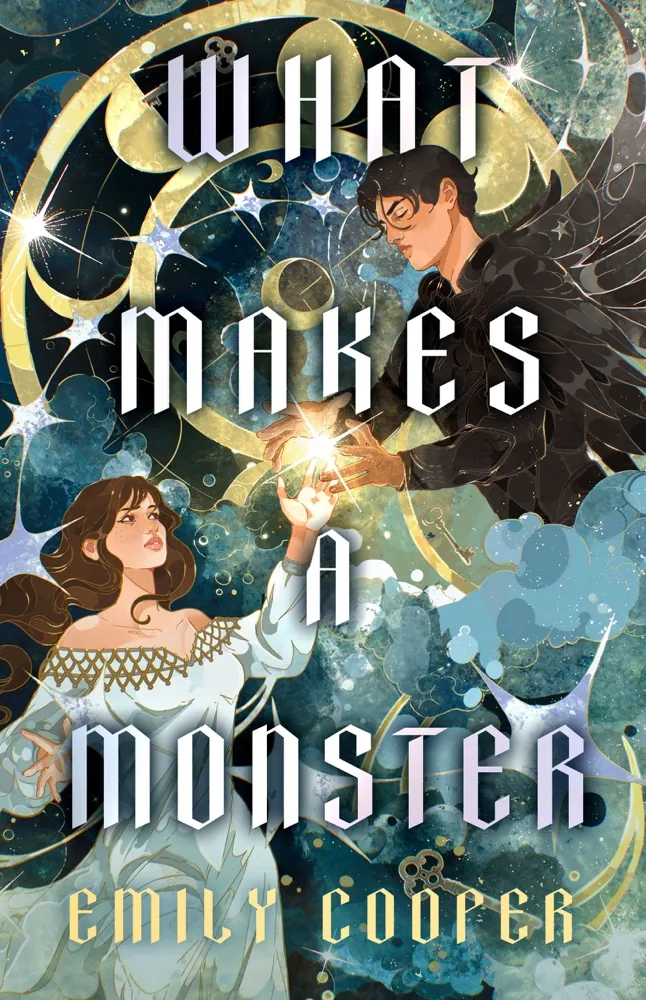
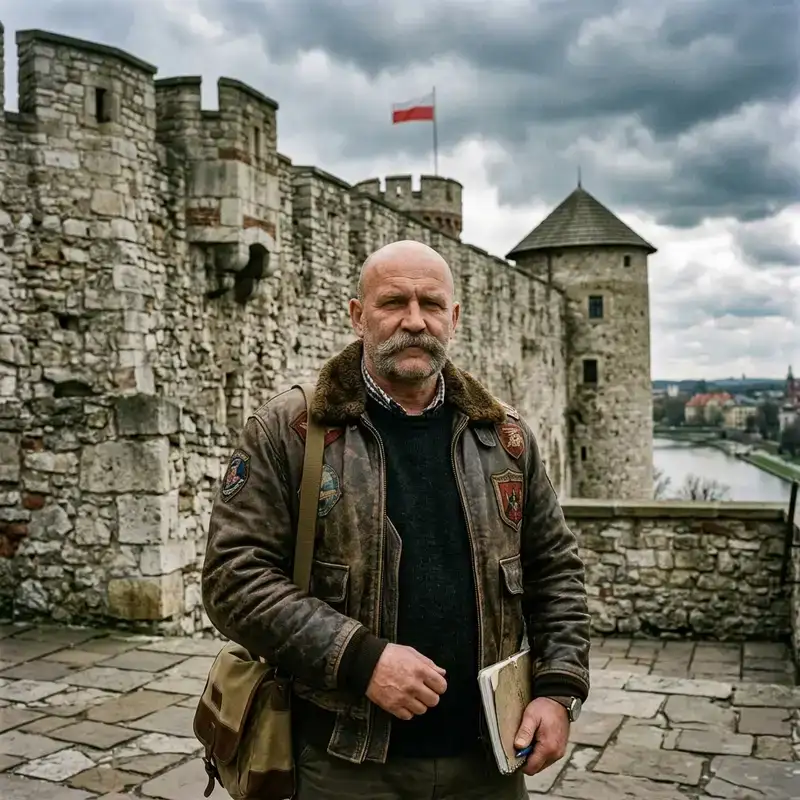
Author: Emily CooperPage Count: UnknownPublication Date: Expected publication 2026 APL Hold onto your metrocard because somebody shoved their backpack directly into my ribcage while I am trying to parse the promotional copy for What Makes a Monster. Emily Cooper is dropping this trainwreck—or masterpiece, who knows, the publishing industrial complex keeps feeding us the exact same cosmic-romance slurry—in 2026. Look. I am literally just writing this godforsaken text to hit a corporate word count so my editor stops emailing me about deadlines while this express train violently rattles my teeth out of my skull. Constellations and Criminals The pitch decks compare it to Heavenly Bodies and Divine Rivals. Classic marketing alchemy. Take two moderately successful YA properties, throw them into a blender with some astral magic, and boom. Instant pre-order spike for the TikTok girlies. Yet, what we actually have here is a protagonist named Celestine Savareau rotting in a cosmic slammer because she—oopsie—tried to commit literal omnicide. Relatable! We have all had bad Tuesdays. But now she has to save the very celestial zip code she attempted to vaporize. And naturally, she is forced to work with the Nightguard. Because nothing screams workplace synergy quite like being handed a clipboard and a sword by the guys whose mothers you indirectly barbecued. Kivessin hates her guts. Obviously. He wants her dead. But wait—there is a mandatory proximity clause! They are training together, which means the academic institution of enemies-to-lovers is operating at maximum velocity. The synopsis leans heavily on the fact that she is plotting to reunite with her ex-lover and co-conspirator, Aire, while simultaneously developing "undeniable tension" with Kivessin. Poly-adjacent treason? A love triangle fueled by impending geopolitical annihilation? The epistemological implications of celestial policing are truly wild here. The Aesthetics of Apocalypse Cooper is playing squarely in the sandbox of high-stakes, star-lit romantasy. But let us be entirely real for a second—the synopsis relies on the laziest trope in the modern speculative fiction canon: the reformed baddie whose villainy was merely a misunderstood vibe. The blurb literally spoils its own narrative arc by telling us, "Celestine might not be the monster they thought." Groundbreaking. Truly avant-garde character development in this economy. Yet, I am morbidly fascinated. The architectural framework of Velandor—magic ruled by constellations—offers plenty of room for purple prose about starlight and lingering gazes. If Cooper leans into the messy, morally bankrupt psychology of someone who genuinely tried to hit the reset button on reality instead of just giving us a sanitized, girlboss anti-heroine who is actually just misunderstood by the patriarchy, this might actually slap. Or it will be five hundred pages of recycled YA tropes wrapped in foil stamping. Honestly, my money is on a mid-tier BookTok obsession that gets optioned for a streaming service before the ink dries. Stop leaning your elbow on my shoulder, sir, we are underground. Also, my upstairs neighbor has decided right now is the optimal hour to practice the cello, and the screeching minor scales are utterly annihilating whatever microscopic shred of cognitive focus I had left.
-
 Clara Schmidt
 - 08 Oct, 2026 22:40
Die stille Architektur des Denkens: Warum Philosophie mehr ist als nur Fragen stellen
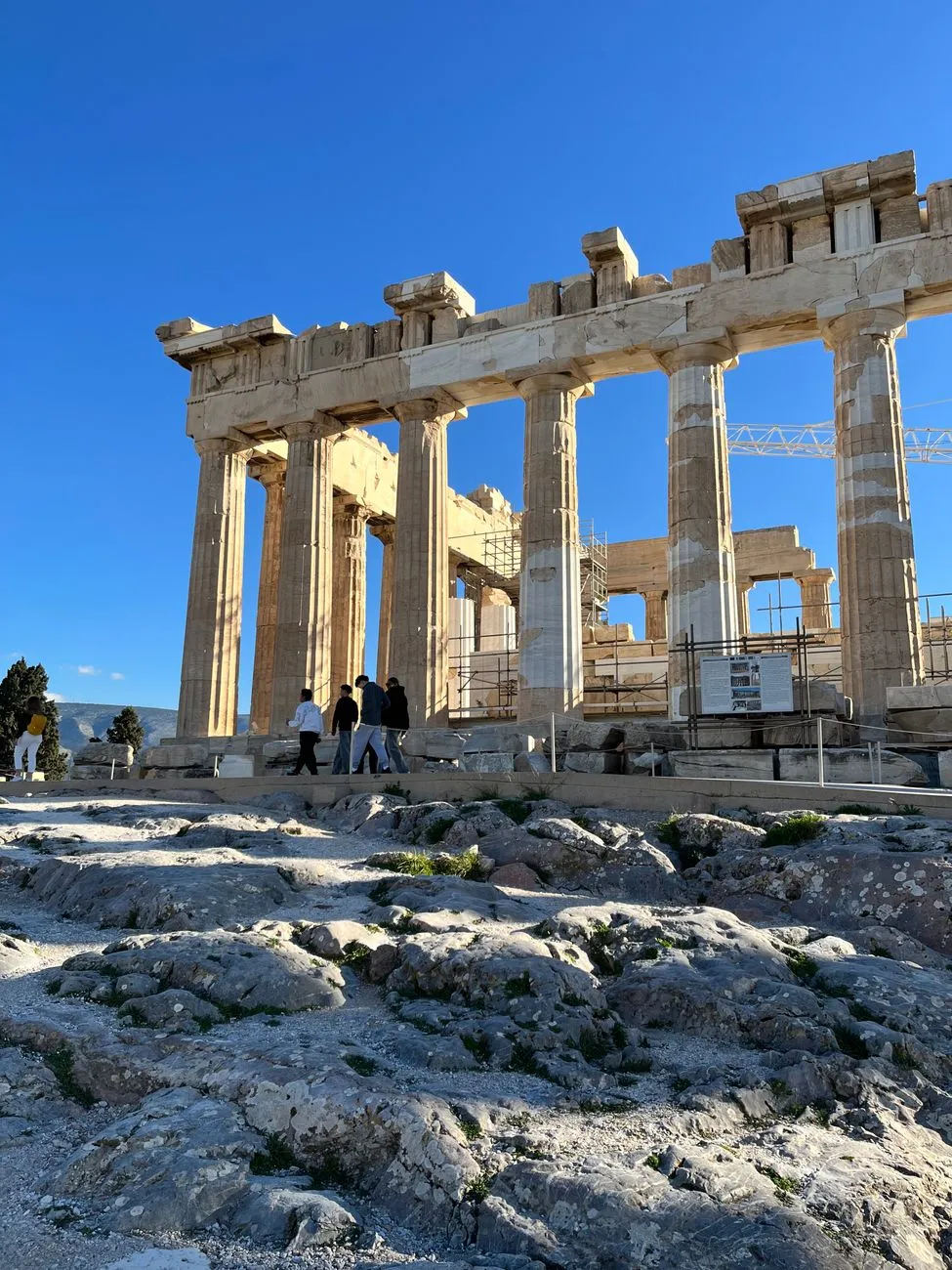
Es beginnt nicht mit einem lauten Knall, sondern mit einem Flüstern in der Stille einer attischen Nacht. Ein Mann blickt zum Sternenhimmel hinauf, nicht um die Konstellationen zu kartografieren, sondern um die Archē zu erspüren – das uranfängliche Prinzip, das alles zusammenhält. Das ist der Moment, in dem die Philosophie geboren wird: nicht als akademische Disziplin, sondern als radikale Liebeserklärung an die Weisheit. Philía und Sophía. Freund der Weisheit. Nicht ihr Besitzer, nicht ihr Meister. Nur ihr Liebender. Und wie bei jeder wahren Liebe geht es nicht um den Besitz, sondern um die unendliche Annäherung. Der griechische Funke und die globale Flamme Wenn wir heute das Wort „Philosophie“ in den Mund nehmen, hallt der Klang des Altgriechischen nach. Philosophía – die „Liebe zur Weisheit“. Die Legende schreibt Pythagoras die Prägung zu, doch der historische Nebel ist dicht. Was bleibt, ist die Radikalität des Begriffs. Er impliziert einen Mangel. Wer liebt, besitzt nicht. Wer Weisheit liebt, weiß, dass er sie nicht hat. Genau hier setzt Sokrates an, der Mann, der nichts schrieb und doch alles veränderte: „Ein ununtersuchtes Leben ist nicht lebenswert.“ Ein Satz wie ein Skalpell, das die Haut des Gewohnten aufschlitzt. Doch der Fehler wäre, diese Flamme nur im Mittelmeerraum zu verorten. Während in Griechenland die Polis und der Logos die Bühne bestimmten, entfalteten sich parallel Ströme von atemberaubender Tiefe. Im indischen Subkontinent verschmolz die Suche nach Erleuchtung (Moksha) mit einer analytischen Schärfe, die die Natur der Realität (Brahman) und die Gültigkeit von Erkenntnis (Pramana) sezierte. In China, fernab metaphysischer Spekulationen über das „Sein“, konzentrierte sich der Blick auf das Dao – den rechten Weg. Konfuzius, Laozi, Mozi: Sie fragten nicht „Was ist die Welt?“, sondern „Wie leben wir richtig in ihr?“. Und im arabisch-persischen Raum rangen Denker wie Avicenna und Averroes jahrhundertelang um die Versöhnung von Vernunft und Offenbarung, ein Spannungsfeld, das bis heute unsere theologischen und säkularen Debatten prägt.Die abendländische Tradition, die unser akademisches System dominiert, ist nur ein Ast an diesem gewaltigen Baum. Sie begann in Milet, wo Thales das Wasser als Urstoff benannte – der erste Versuch, die Welt ohne Mythen zu erklären. Von dort führte der Weg über die Eleaten (Parmenides: „Das Sein ist, das Nichtsein ist nicht“), die Pluralisten (Empedokles, Demokrit) hin zu den Giganten: Platon, der die Ideenwelt über der Höhle errichtete, und Aristoteles, der die Füße wieder auf den Boden der Logik und Biologie stellte. Die große Abspaltung: Wie die Wissenschaften das Nest verließen Ein Missverständnis moderner Leser ist die Annahme, Philosophie sei immer schon das gewesen, was sie heute ist: ein Fach unter Fächern. Nichts liegt ferner der historischen Wahrheit. Jahrtausendelang war Philosophie die Wissenschaft. Die Philosophia naturalis – die Naturphilosophie – war der Mutterleib der Physik, Chemie, Biologie. Als Isaac Newton 1687 sein epochales Werk Philosophiæ Naturalis Principia Mathematica veröffentlichte, schrieb er ein Physikbuch, doch der Titel hieß noch „Mathematische Prinzipien der Naturphilosophie“.Die Geburt der modernen empirischen Wissenschaften war ein schmerzhafter Geburtsprozess. Im 17. und 18. Jahrhundert lösten sich Disziplinen nacheinander: Physik, dann Chemie, später Biologie, im 19. Jahrhundert die Psychologie (Wundt, James), im 20. die Linguistik und Kognitionswissenschaft. Jede Abspaltung war ein Sieg der Methode: Der empirischen Messung, dem Experiment, der Formalisierung. Was übrig blieb – die Fragen, die sich nicht messen lassen, die nach dem Sinn der Messung, nach den Voraussetzungen der Methode, nach dem Wert des Wissens –, das nannten wir fortan Philosophie. Sie wurde zur „Königin der Wissenschaften“ ohne Reich, zur Disziplin der Meta-Fragen. Die vier Säulen: Wo das Denken Fundamente legt Heute gliedert sich das Fach in vier klassische Hauptzweige, die wie tragende Säulen einen Tempel tragen, dessen Dach der offene Himmel ist. Epistemologie – Die Architektur des Wissens Was kann ich wissen? Wie kommt das Wissen in den Kopf? Ist der Geist eine Tabula rasa (Locke) oder bringt er angeborene Kategorien mit (Kant)? Der Skeptizismus lauert an jeder Ecke: Träume ich? Bin ich ein Gehirn im Tank? Die Epistemologie ist die Disziplin, die uns davor bewahrt, Gewissheit dort zu vermuten, wo nur Glaube herrscht – und Glaube dort zu verachten, wo begründetes Wissen wächst. Ethik – Der Kompass im Nebel Was soll ich tun? Diese Frage ist so alt wie die erste menschliche Entscheidung. Doch die Ethik liefert keine Rezepte. Sie liefert Werkzeuge. Utilitarismus (Bentham, Mill): Das Glück der größten Zahl. Deontologie (Kant): Die Pflicht, die aus der reinen Vernunft entspringt, kategorisch, bedingungslos. Tugendethik (Aristoteles, MacIntyre): Der Charakter, die Areté, die Exzellenz des Handelns. Metaethik fragt zudem: Gibt es moralische Wahrheiten überhaupt, oder drücken wir nur Emotionen aus (Emotivismus)? Logik – Die Grammatik des Vernünftigen Sie ist das Handwerkszeug, das Skelett every Arguments. Von Aristoteles’ Syllogismen über die Stoiker bis zur modernen Prädikatenlogik (Frege, Russell, Gödel). Logik lehrt uns, non sequitur von validen Schlüssen zu unterscheiden. Sie ist die Hygiene des Denkens. Wer sie vernachlässigt, baut Häuser auf Sand. Metaphysik – Die Karte des Unsichtbaren Was ist wirklich real? Existieren Universalien (Rotheit, Dreieckheit) unabhängig von den Dingen (Realismus) oder nur in ihnen (Nominalismus)? Was ist Kausalität? Was ist Zeit? Was ist der Mensch – Materie, Geist, Information? Die Metaphysik wagt den Blick hinter den Vorhang der Erscheinungen. Heidegger nannte sie die „Grundfrage nach dem Seienden als solchem und als Ganzem“.Doch das Haus hat viele weitere Räume. Die Ästhetik fragt nach dem Schönen und dem Kunstwerk. Die Sprachphilosophie (Wittgenstein, Austin, Chomsky) untersucht, wie Bedeutung in die Welt kommt. Die Philosophie des Geistes ringt um das „Hard Problem“ des Bewusstseins (Chalmers): Wie entsteht subjektives Erleben aus neuronalem Feuerwerk? Die Politische Philosophie (Hobbes, Locke, Rawls, Arendt) entwirft die Architektur gerechter Gesellschaften. Und die Philosophie der Wissenschaft (Popper, Kuhn, Feyerabend) hinterfragt die Glaubwürdigkeit des wissenschaftlichen Anspruchs selbst. Methoden: Wie Philosophen denken (und warum es keine Rezeptur gibt) Es gibt kein „philosophisches Labor“. Kein Mikroskop, kein Teilchenbeschleuniger. Die Werkzeuge sind immateriell, aber messerscharf. Da ist die Begriffsanalyse: Wir zerlegen „Wissen“, „Freiheit“, „Gerechtigkeit“ in ihre notwendigen und hinreichenden Bedingungen. Was bedeutet das Wort wirklich? G.E. Moore und die „Ordinary Language Philosophy“ (Ryle, Austin) wandten sich dem alltäglichen Sprachgebrauch zu, um philosophische Pseudo-Probleme aufzulösen – oft entsteht Verwirrung nur, weil wir Sprache in den Urlaub schicken, wie Wittgenstein sagte. Dann die Intuitionen und Gedankenexperimente. Mary in ihrem schwarz-weißen Zimmer (Jackson), der chinesische Raum (Searle), der Teleporter (Parfit), das Gehirn im Tank (Putnam). Diese sind keine Fantasien; sie sind Tests. Sie isolieren Variablen wie in einem physikalischen Experiment, nur dass das Labor der Verstand ist. Sie zwingen uns, unsere vorgefassten Konzepte an Grenzfällen zu prüfen. Die Phänomenologie (Husserl, Heidegger, Merleau-Ponty) verlangt die „Epoché“, das Ausschalten aller naturwissenschaftlichen Vorurteile, um die Dinge selbst so zu sehen, wie sie sich im Bewusstsein zeigen. Eine radikale Beschreibungswissenschaft des Erlebens. Und schließlich die kritische Reflexion der eigenen Voraussetzungen. Philosophie denkt nicht nur über die Welt, sie denkt über das Denken nach. Metaphilosophie. Was tun wir eigentlich, wenn wir philosophieren? Suchen wir Wahrheit? Klarheit? Befreiung? Oder nur kohärente Erzählungen?Kant und die vier Fragen: Der Kompass für die Moderne Immanuel Kant, der „Alleszermalmer“ aus Königsberg, fasste den Auftrag der Philosophie in vier Fragen zusammen, die bis heute als Nordstern gelten:Was kann ich wissen? (Erkenntnistheorie / Metaphysik) Was soll ich tun? (Ethik) Was darf ich hoffen? (Religionsphilosophie / Eschatologie) Was ist der Mensch? (Philosophische Anthropologie)Diese Fragen sind keine Prüfungsfragen. Sie sind Lebensfragen. Wer sie stellt, verlässt den Autopiloten. Die „Vorurteile des gesunden Menschenverstandes“, vor denen Bertrand Russell warnte – die gewohnheitsmäßigen Überzeugungen unserer Zeit, unserer Nation, unserer Blase – werden durchsichtig. Russell schrieb: „Der Mensch, der keine Ahnung von Philosophie hat, geht durchs Leben gefangen in den Vorurteilen... die in seinem Geist gewachsen sind, ohne die Mitwirkung oder Zustimmung seiner bewussten Vernunft.“ Genau das ist der pragmatische Nutzen der „nutzlosesten“ Disziplin: Sie macht immun gegen Manipulation. Sie lehrt, Argumente auf ihre Tragfähigkeit zu prüfen, verborgene Prämissen freizulegen, Ambiguitäten zu tolerieren, wo keine Eindeutigkeit möglich ist. Sie ist, um mit Wilfrid Sellars zu sprechen, der Versuch zu verstehen, wie die Dinge im weitesten Sinne des Wortes im weitesten Sinne des Wortes zusammenhängen. Die naturwissenschaftliche Wende: Quine und das Ende der ersten Philosophie Doch die Philosophie ruht nicht. Im 20. Jahrhundert führte Willard Van Orman Quine einen Frontalangriff auf die traditionelle Vorstellung von Philosophie als erste Wissenschaft, als Fundament, das vor der Empirie liegt. Sein Naturalismus: Philosophie ist keine vorgelagerte Instanz, sondern kontinuierlich mit der Wissenschaft. Es gibt kein „erstes Philosophie“, das die Wissenschaft legitimiert. Wir sitzen bereits im Boot (Neuraths Schiff) und reparieren es auf hoher See. Erkenntnistheorie wird so zu einem Kapitel der Psychologie und Kognitionswissenschaft. Die scharfe Grenze zwischen analytisch (wahr aufgrund der Bedeutung) und synthetisch (wahr aufgrund der Welt) löst sich auf.Das ist radikal. Es bedeutet: Philosophie liefert keine unerschütterlichen Gewissheiten mehr. Sie liefert Klarheit, Kohärenz, Kritik. Sie ist die Disziplin, die die konzeptuellen Werkzeuge schärft, mit denen die Wissenschaft die Welt zerlegt – und die Werkzeuge, mit denen wir die Ergebnisse deuten. Philosophie der Physik (Zeit, Quantenmechanik), Philosophie der Biologie (Artbegriff, Evolution, Funktion), Philosophie der KI (Bewusstsein, Intentionalität, Alignment) – die Grenzzonen sind die fruchtbarsten Felder. Warum wir heute philosophieren müssen Wir leben in einer Epoche der Informationsflut und Deutungsnot. Algorithmen kuratieren unsere Realität, Biotechnologie definiert den Menschen neu, Klimawandel stellt die Frage nach intergenerationeller Gerechtigkeit radikal, KI-Systeme treffen Entscheidungen über Kreditwürdigkeit, Strafjustiz, medizinische Diagnosen – oft als „Black Boxes“. Hier versagt der Common Sense. Hier versagt die bloße Datenmenge. Wir brauchen Urteilsfähigkeit. Wir brauchen die Fähigkeit, normative Fragen von deskriptiven zu trennen. Wir brauchen ein Verständnis von Verantwortung, das nicht auf Code reduziert werden kann. Wir brauchen eine Ethik der Algorithmen, eine Ontologie des Digitalen, eine politische Philosophie der Plattformmacht. Philosophie liefert keine fertigen Antworten für die morgige Schlagzeile. Aber sie schult den Geist, der die Schlagzeile hinterfragt. Sie ist das Training für die intellektuelle Selbstverteidigung. Sie ist, um mit Hadot zu sprechen, eine Lebensübung (askesis). Eine Praxis der Freiheit. Die unendliche Aufgabe Am Ende kehren wir zum Anfang zurück. Philía – Sophía. Die Liebe zur Weisheit. Eine Liebe, die nicht erlischt, wenn der Geliebte stirbt, sondern die weil der Geliebte unsterblich ist, unsterblich bleibt. Jede Generation muss die Fragen neu stellen, weil sich die Welt ändert, weil die Sprache sich verschiebt, weil neue Abgründe und neue Gipfel auftauchen. Die Geschichte der Philosophie ist kein Museum. Sie ist ein Arsenal. Ein Arsenal an Unterscheidungen, Einwänden, Modellen, Fehlschlüssen, die wir gemacht und korrigiert haben. Wer sie nicht kennt, ist verurteilt, die Fehler der Vergangenheit als originelle Einsichten neu zu erfinden. Also: Öffnen Sie das Buch. Stellen Sie die Frage. Ertragen Sie die Ungewissheit. Denn wie Sokrates schon wusste: Das einzige wahre Übel ist die Unwissenheit, die sich für Wissen hält. Der Rest ist nur der Weg.#Philosophie #LiebeZurWeisheit #KritischesDenken #Lebenskunst #Geistesgeschichte Related InsightsSchloss Neuschwanstein entdecken Unhoneymooners Book Review and Summary Quantum Machine Learning for Drug Discovery: Accelerating Molecular Simulation
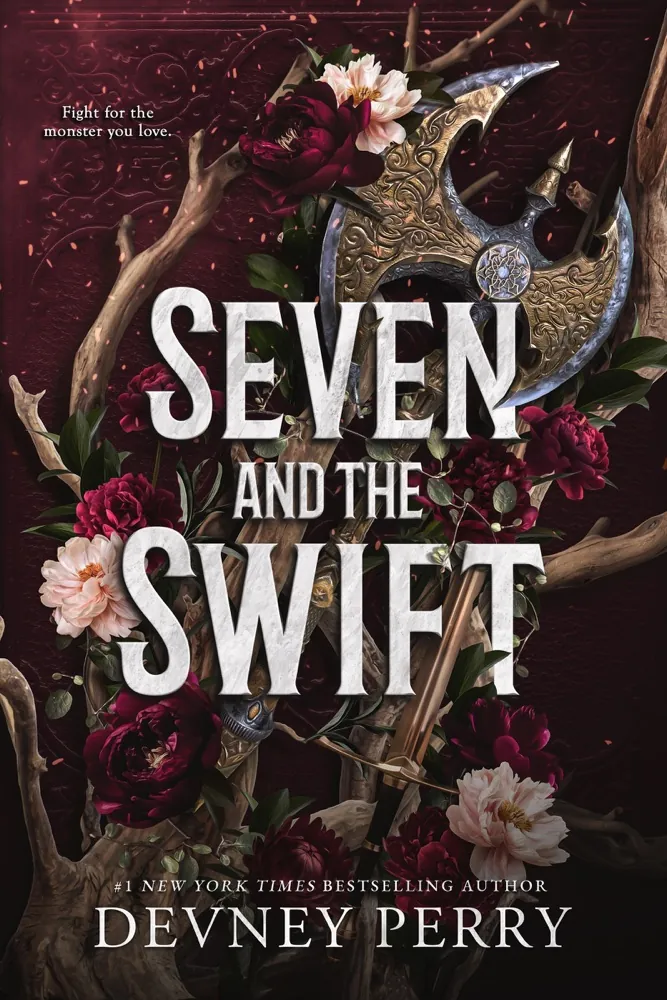

Author: Devney PerryPage Count: UnknownPublication Date: Expected publication 2026 APL Flour is currently dusting the kitchen counter because the toddler insisted on dumping half a bag into the sink while my back was turned for literally three seconds, which is just fantastic timing for trying to parse the microscopic scraps of information Devney Perry has deigned to give us about Seven and the Swift, the supposed final installment of the Shield of Sparrows trilogy. Wait. Actually, let me walk that back entirely—maybe sparse marketing is brilliant for an epic slow-burn romantasy, or maybe it just means the publisher has nothing concrete to show us yet because the manuscript is currently living in a state of quantum uncertainty between three different hard drives. And yet, we are supposed to write an entire anticipatory preview based on a blurb shorter than a grocery list. Trilogy conclusions are notoriously tricky beasts. One second you are enjoying a lovely, slow-burn fantasy romance reminiscent of Jennifer L. Armentrout or Sarah J. Maas, and the next you are drowning in a sea of invented glossary terms and map-page-flipping just to remember who the secondary antagonists are. Perry made her absolute fortune writing small-town contemporary romances filled with bearded men who fix trucks and grumpy heroines who run bakeries—which, ironically, is roughly my actual life minus the brooding alphas—so watching her pivot into high fantasy with Shield of Sparrows and Rites of the Starling has been fascinating to observe from the sidelines of the mixing bowl. Exhausting. The thematic core here clearly hinges on avian motifs, obviously, given the titles, but without a single plot sentence for Seven and the Swift, we are left staring blindly into the void of 2026. Will the slow-burn finally ignite into something resembling pacing, or will the characters spend another four hundred pages staring soulfully across castle courtyards while various birds fly overhead to symbolize their internal emotional trauma? Probably both. Authors love a high-stakes trilogy closer, but romance-heavy fantasy often crumbles under the weight of its own world-building by book three. Fingers crossed the editor brought a heavy red pen. Anyway, I have to go stop the eight-year-old from attempting a Chopin étude at deafening volume on the upright in the parlor. #ShieldOfSparrows #Devney Perry #Romantasy #BookTok Related InsightsAll I Know (Silver Springs, #3) Book Review and Summary Fated Blades Book Review and Summary A Breath of Snow and Ashes Book Review and Summary{ "@context": "https://schema.org", "@type": "FAQPage", "mainEntity": [ { "@type": "Question", "name": "What is the main focus of Seven and the Swift (Shield of Sparrows, #3) Book Review and Summary?", "acceptedAnswer": { "@type": "Answer", "text": "Everything you need to know about Seven and the Swift (Shield of Sparrows, #3) with our detailed review." } }, { "@type": "Question", "name": "Who authored the comprehensive guide on Seven and the Swift (Shield of Sparrows, #3) Book Review and Summary?", "acceptedAnswer": { "@type": "Answer", "text": "This detailed article and its insights were carefully researched and authored by Sarah Davis." } }, { "@type": "Question", "name": "Where can I find more related content about Books?", "acceptedAnswer": { "@type": "Answer", "text": "You can explore more articles, detailed reviews, and similar insights by browsing the Related Insights section at the bottom of this article or visiting our dedicated Books category page." } } ] }
-
 Michael Brown
 - 08 Oct, 2026 20:36
A Court of Splintered Harmony (A Court of Thorns and Roses, #6) Book Review and Summary
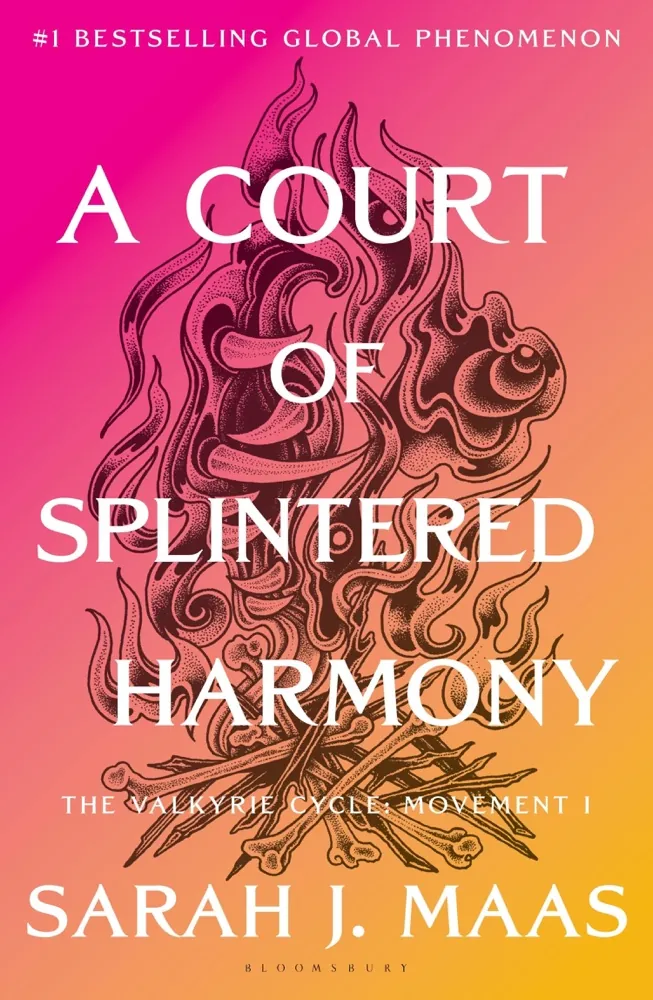
Author: Sarah J. MaasPage Count: UnknownPublication Date: Expected publication 2026-10-27 APL The synopsis for A Court of Splintered Harmony arrives like a whispered threat in a library of half-remembered prophecies—elegant, yes, but so vague it might as well be a love letter to a ghost. "What was broken will be remade." How poetic. How deliberately opaque. Koschei the Deathless, bound to a mountain lake for millennia, is stirring—because of course he is. The Fae territories are under siege, the Night Court is fractured, and the Hybern War’s wreckage still bleeds into the present. It’s all so familiar, like a villain’s monologue from a book you’ve read three times but still can’t quite place. The prose here is the kind that makes you wonder if Maas is playing a game of literary telephone with herself. "The rifts dividing them seem insurmountable"—but which "them"? The Night Court? The Fae? The humans, now that Koschei’s shadow is creeping toward them like a bad metaphor? The vagueness is deliberate, of course. It’s the same strategy she’s used since A Court of Thorns and Roses, where the real tension wasn’t in the plot so much as in the implied plot, the way the reader’s imagination fills in the gaps like a Rorschach test for fantasy fans. And yet—this time, it feels less like a puzzle and more like a half-assembled jigsaw where half the pieces are missing. But then—the title. "Splintered Harmony." That’s rich. It’s the kind of phrasing that makes you suspect Maas is channeling something darker than her usual brand of romantic fatalism. It’s the title of a book that might finally grapple with the cost of unity, the way The Lies of Locke Lamora or The Poppy War forces its characters to confront the violence beneath their alliances. Or is it just another step in the series’ slow, inevitable march toward a grand, inevitable climax? The synopsis doesn’t say. It doesn’t have to. That’s the beauty—and the frustration—of Maas’ worldbuilding. She doesn’t need to spell everything out. She just needs to drop a few breadcrumbs and let the reader’s obsession do the rest. And yet—here’s where I pivot, because I’m a stubborn bastard. I remain entirely unconvinced that this book will be anything more than a glorified bridge. The synopsis reads like a press release for a sequel that’s been written to order, the kind of thing that exists solely to set up the next big payoff. Where’s the risk? Where’s the moment where Maas leans into the psychological unraveling of her characters, the way The Priory of the Orange Tree does with its court politics or The Name of the Wind does with its protagonist’s self-destruction? Instead, we get Koschei stirring, the Night Court fracturing, and the vague promise of "remade" harmony. It’s the kind of setup that makes you wonder if Maas is finally running out of ideas—or if she’s just waiting for the right moment to drop the hammer. But then again, maybe that’s the point. Maybe A Court of Splintered Harmony is the book that finally forces the reader to ask: What have we built, and at what cost? The Hybern War left Prythian in ruins, and now the Night Court is picking through the wreckage like vultures over a feast. The synopsis doesn’t tell us who’s betrayed whom, who’s mourned what, or who’s still holding onto the illusion that they can fix it. It just tells us that they have to. And that’s the kind of emotional blackmail that makes you wonder if Maas is finally ready to write a book that’s as much about the cost of power as it is about the romance of it. I don’t know if she is. But if she isn’t, then she’s not writing fantasy anymore—she’s writing a very expensive fanfic for a series that’s already been overstayed its welcome. The problem with Maas’ world is that it’s become so vast, so full, that it’s hard to see the individual threads anymore. The synopsis for this book reads like a checklist: Koschei, the Night Court, the Hybern War, the promise of unity. It’s the kind of thing that makes you wonder if Maas is more interested in the idea of a story than the story itself. And yet—there’s something to be said for the way she handles her villains. Koschei isn’t just a threat; he’s a symbol. He’s the kind of villain that lingers in the reader’s mind long after the book is over, the way The Dark Tower’s Randall Flagg or The First Law’s Glokta does. He’s not just a monster; he’s a force of nature, something that can’t be reasoned with, only endured. And if Maas can make this book about the way Koschei’s return forces the Night Court to confront their own fractures, then maybe—just maybe—she’ll finally deliver something that feels like more than just another installment in a series. But I’m not holding my breath. The synopsis is too vague, the stakes too broad, the emotional beats too predictable. It’s the kind of thing that makes you wonder if Maas is finally running out of steam—or if she’s just waiting for the right moment to pull the rug out from under her readers. I have to develop photographs in my makeshift darkroom. The light’s fading, and the negatives are starting to bleed. #FantasyBooks #BookSynopsis #ACOTAR #DarkroomMagic #WhatWasBroken Related InsightsThe Unseen Tapestry: Weaving Wonder into the Fabric of Reality with Magical Realism Alanna: The First Adventure Book Review and Summary All I Know (Silver Springs, #3) Book Review and Summary{ "@context": "https://schema.org", "@type": "FAQPage", "mainEntity": [ { "@type": "Question", "name": "What is the main focus of A Court of Splintered Harmony (A Court of Thorns and Roses, #6) Book Review and Summary?", "acceptedAnswer": { "@type": "Answer", "text": "Everything you need to know about A Court of Splintered Harmony (A Court of Thorns and Roses, #6) with our detailed review." } }, { "@type": "Question", "name": "Who authored the comprehensive guide on A Court of Splintered Harmony (A Court of Thorns and Roses, #6) Book Review and Summary?", "acceptedAnswer": { "@type": "Answer", "text": "This detailed article and its insights were carefully researched and authored by Michael Brown." } }, { "@type": "Question", "name": "Where can I find more related content about Books?", "acceptedAnswer": { "@type": "Answer", "text": "You can explore more articles, detailed reviews, and similar insights by browsing the Related Insights section at the bottom of this article or visiting our dedicated Books category page." } } ] }

-
 Emily Page
 - 08 Oct, 2026 12:28
From Goethe to the Silver Screen: The Ever‑Evolving Journey of the Bildungsroman
A Whisper from the Past: The First Echoes of a Growing Soul When the ancient verses of the Iliad first thundered across the Aegean, the world heard more than a war saga. Barbara Whitman suggests that Achilles’s reckless youth and eventual maturity mark the earliest trace of a bildungsroman—a narrative that begins with impetuous vigor and ends in reflective wisdom. This insight reframes the epic not merely as a clash of armies but as the first literary laboratory where a hero’s inner formation is tested against destiny. The term itself, however, would not surface until the early 19th century. In 1819, philologist Johann Karl Simon Morgenstern coined “Bildungsroman” during university lectures, merging Bildung (“formation” or “education”) with Roman (“novel”). The label lingered in scholarly corridors until Wilhelm Dilthey revived it in 1870, cementing its academic legitimacy, and later popularizing it in 1905. From these Germanic roots, the genre spread like a literary contagion, reshaping narratives across continents. The Birth‑Certificate of the Genre: Goethe’s Wilhelm Meister If a genre needs a baptismal font, Johann Wolfgang von Goethe’s Wilhelm Meister’s Apprenticeship (1795‑96) stands as the most widely accepted candidate. Some scholars trace the lineage even further back to Christoph Martin Wieland’s Geschichte des Agathon (1767), but Goethe’s work crystallized the structural blueprint that would define the bildungsroman for generations. Core premise: A naïve youth leaves home after an emotional loss, seeking answers that promise worldly experience. Goal: Gradual, often painful, attainment of maturity and social integration.Thomas Carlyle’s 1824 English translation of Goethe opened the floodgates for British writers. His own Sartor Resartus (1833‑34) is hailed as the first English bildungsroman, inspiring a wave of British novelists who would adopt and adapt the form. The Architecture of Growth: Plot Outline and Core Conflict A bildungsroman unfolds like a map of inner terrain, charting the protagonist’s psychological and moral evolution. Its architecture can be distilled into three interlocking phases:Departure – An inciting loss or discontent pushes the protagonist beyond the familiar. Journey – Encounters with society, mentors, and internal doubts test and shape the character. Return/Integration – The protagonist either reconciles with societal values or redefines them, often emerging as a conduit for helping others.The genre’s hallmark is the tension between the individual and society. As Franco Moretti argues, the narrative pits the modern myth of perpetual youth and progress against a static, teleological vision of happiness—a clash that resolves in the ending of Goethe’s Wilhelm Meister and even in Jane Austen’s Pride and Prejudice. Branches of the Tree: Subgenres and Their Specializations While the umbrella term captures the universal journey from childhood to adulthood, scholars have identified nuanced branches that spotlight particular aspects of development:Subgenre FocusEntwicklungsroman General personal growth, broader than self‑cultivation.Erziehungsroman Formal education, schooling, and structured training.Künstlerroman The artist’s formation, exploring creative identity.Memoir‑like bildungsroman Factual accounts that mirror the coming‑of‑age arc (e.g., The Dharma Bums by Jack Kerouac, The Motorcycle Diaries by Ernesto “Che” Guevara).These variations demonstrate the genre’s flexibility: whether the protagonist is a scholar, a painter, or a wandering traveler, the central quest for self‑definition remains constant.From Page to Screen: The Cinematic Translation The bildungsroman’s narrative spine translates seamlessly to film, giving rise to the “coming‑of‑age” movie. Visual storytelling amplifies the internal monologue, allowing audiences to witness the protagonist’s metamorphosis in real time. Classic examples—The 400 Blows, Stand by Me, and more recent titles like Lady Bird—follow the same trajectory: loss, wandering, confrontation, and eventual reconciliation. Global Ripples: How the Genre Crossed Borders After its German incubation, the bildungsroman migrated first across Europe and later worldwide:Britain: Carlyle’s translations ignited a homegrown tradition, influencing Dickens and Eliot. France: The 20th century saw French authors re‑imagining the form within existential and post‑colonial contexts. Beyond Europe: The template appears in Latin American magical realism, African post‑colonial narratives, and Asian contemporary literature, each infusing local color while preserving the universal quest for identity.Crafting a Modern Bildungsroman: Tips for Writers If you’re tempted to join the lineage of those who chart inner voyages, consider these practical checkpoints derived from the genre’s historic formula:Start with a catalyst: An emotional loss or existential crisis that forces the protagonist out of comfort. Map societal friction: Position the hero against prevailing norms—family expectations, class structures, or cultural taboos. Layer mentors and antagonists: Each character should either illuminate a path or expose a blind spot. Allow incremental growth: Avoid sudden epiphanies; let maturity accrue through a series of setbacks and small victories. Close with contribution: The matured protagonist often gives back—teaching, creating, or protecting others.The Enduring Allure: Why We Keep Returning to the Bildungsroman At its core, the bildungsroman mirrors the human condition: we all begin as strangers to ourselves, wander through a world that both challenges and shapes us, and eventually strive for a sense of belonging or purpose. Its resilience lies in its adaptability—whether rendered in 18th‑century prose, 21st‑century streaming series, or graphic memoirs, the narrative continues to speak to each generation’s search for meaning. A Glimpse Into the Future: Emerging Directions The digital age is birthing new permutations of the genre:Interactive narratives: Choose‑your‑own‑adventure games let players steer the protagonist’s moral decisions, turning the bildungsroman into a participatory experience. Hybrid forms: Memoir‑novels blended with social media excerpts create a real‑time bildungsroman, documenting growth as it happens. Cross‑cultural collaborations: Joint projects between authors from different continents produce multilayered coming‑of‑age stories that juxtapose distinct cultural rites of passage.The trajectory suggests that as long as humanity values self‑discovery, the bildungsroman will evolve, finding fresh avenues to narrate the timeless dance between the self and society.#LiteraryGrowth #ComingOfAge #Bildungsroman #Storytelling #WorldLiterature Related InsightsMastering the Asado: A Deep Dive into Argentina''s Barbecue Culture From Sacred Cacao to Velvet Bars: The Lost Art and Modern Renaissance of Artisanal Chocolate Charlaine Harris Gunnie Rose 4 Book Review and Summary
-
 Aylin Okur
 - 06 Oct, 2026 12:25
Beyond the Map's Edge: Charting the Infinite Archipelago of Speculative Fiction
The map ends here. The vellum frays into white silence, the ink bleeding into the unknown. For centuries, cartographers drew sea monsters at the margins of the known world—hic sunt dracones—warning travelers that reality thins at the borders. But what if the monsters are the point? What if the true geography of the human imagination lies not in the safe harbors of the verified, but in the storm-tossed archipelagos of the what if? This is the domain of speculative fiction: a boundless, shape-shifting continent where the laws of physics are suggestions, history is a choose-your-own-adventure, and the dead refuse to stay buried. It is not merely a genre; it is the operating system of the impossible. The Architecture of the Unreal: Defining the Indefinable To speak of speculative fiction is to wrestle with a hydra. It is an umbrella term of staggering breadth, a catch-all cathedral sheltering fantasy, science fiction, supernatural horror, alternate history, magical realism, slipstream, weird fiction, utopia, dystopia, and the apocalyptic. If realistic fiction—anchored by literary realism and historical fiction—demands a passport stamped by the laws of nature and the consensus timeline, speculative fiction burns the passport. It presents individuals, events, and places that simply cannot exist in our ordinary real world, yet demand to be visited. The distinction is structural. Realistic fiction builds its house on the bedrock of the plausible; its events could happen, its settings are real. Speculative fiction, by contrast, constructs cathedrals on clouds. It may depict an entirely imaginary universe where nature’s laws are optional (the realm of high fantasy). It might hijack a verified historical moment—a battle, a birth, a treaty—and force it down a divergent, imaginary corridor (alternate history). Or it might hand the reader a device that violates current physics, a starship drive or a time loop, and ask us to treat it with the seriousness of a hammer (science fiction). Yet, the borders are porous. The abbreviation spec-fic (or sf, SF, S-F) often collides with the shorthand for science fiction, a semantic friction that reveals the family resemblance. Scholar John Clute coined the term fantastika in 2007 to describe this entire spectrum, borrowing from Slavic literary tradition to name the mode that encompasses the fantastic in all its guises. It is a literature of cognitive estrangement, forcing the reader to view the familiar through a cracked lens, rendering the ordinary alien and the alien intimate. The Rebel’s Label: Heinlein, Ellison, and the Politics of Genre The term "speculative fiction" carries a specific charge of rebellion in the mid-20th century. While earlier citations flicker in the historical record—an 1889 Lippincott's Monthly Magazine reference to Edward Bellamy’s Looking Backward, a 1900 Bookman mention of John Uri Lloyd’s Etidorhpa—the modern usage crystallizes around Robert A. Heinlein. In a February 1947 editorial for The Saturday Evening Post, Heinlein deployed the phrase as a synonym for science fiction, later clarifying he intended it to exclude fantasy. He wanted a label that demanded scientific rigor, a literature of extrapolation rather than enchantment. But the term slipped its leash. Writers like Harlan Ellison seized it as a crowbar to pry open the ghetto of "genre fiction." Ellison, a ferocious modernist, rejected the "science fiction writer" tag because it came with expectations of ray guns and rocket ships—expectations he found limiting. He used "speculative fiction" to signal literary ambition, to claim kinship with Borges and Kafka rather than Buck Rogers. It became a banner for writers who wanted the freedom to mix the supernatural with the scientific, the mythic with the mundane, without asking permission from genre gatekeepers. It defines an "expanded, open, imaginative type of fiction" that refuses to stay in its lane.Ghosts in the Machine: The Ancient DNA of the Impossible We mistake the label for the birth. The category ranges from ancient works to 21st-century neotraditional experiments, but the impulse—the speculative gesture—is as old as storytelling itself. Long before marketing categories existed, humans were doing mythopoeia: the creative design of lore and mythology. J.R.R. Tolkien gave the practice its name, and The Lord of the Rings stands as its towering modern monument, but the DNA is ancient. Consider Euripides (c. 480 – c. 406 BCE). In Medea, he committed an act of radical speculation. The received myth held that Corinthians killed Medea’s children after her flight. Euripides speculated: What if she killed them herself? The Athenian audience was offended. He had violated the canonical "history" of the myth, inserting a psychological horror that felt more true than the tradition. He rewrote the past to expose a darker present. William Shakespeare was a serial offender in this regard. In A Midsummer Night's Dream, he constructed a speculative collision: the Athenian Duke Theseus, the Amazonian Queen Hippolyta, the English fairy Puck, and the Roman god Cupid all converge in the Fairyland of Oberon, a fictional Merovingian sovereign. This is alternate history and portal fantasy centuries before the terms existed—a "historical invention" that mashed up geographies and pantheons to explore the anarchy of desire. Even the historians were speculating. Herodotus of Halicarnassus (5th century BCE), the "Father of History," filled his Histories with hypothetical explanations and ahistorical storytelling. Sima Qian (c. 145/135 – 86 BCE), author of the Shiji, created and edited speculative narratives within his encyclopedic annals. The line between recording the world and inventing one has always been permeable. These works capture the "conscious and unconscious aspects of human psychology in making sense of the world," responding to reality by creating artistic expressions that, paradoxically, drive practical societal progress—scientific research, cultural movements, the philosophy of science. The Bestiary of Subgenres: A Taxonomy of Wonder Because the umbrella is so vast, navigating it requires a field guide. The Wikipedia data provides a staggering list of inhabitants. Let us meet a few of the major clans. High Fantasy & Mythopoeia: The Secondary Worlds Here lie the fully imagined universes—Tolkien’s Middle-earth, Le Guin’s Earthsea, Jemisin’s Stillness. The laws of nature do not apply; magic is a physics. This is the realm of mythopoeia, where the author acts as a demiurge, forging languages, geologies, and theogonies. The themes—supernatural intervention, alternate histories of creation, the sexuality of gods and mortals—echo the oldest oral traditions. Science Fiction: The Extrapolated Future The child of the Enlightenment and the Industrial Revolution. It deals in "impossible technology or technology that defies current scientific understanding." Whether hard SF (rigorous physics) or soft SF (social speculation), it asks: If this goes on... It is the literature of the novum—the scientifically plausible (or plausibly imagined) new thing that changes everything. Alternate History: The Divergent Timeline The "what if" applied to the documentary record. The South wins the Civil War. The Roman Empire never falls. The asteroid misses the dinosaurs. It treats history not as a fixed line but as a branching tree, exploring the contingency of the present. Magical Realism & Slipstream: The Haunted Real The magic here is not a system but a symptom. In magical realism (think Márquez, Allende), the supernatural erupts into the mundane with the casualness of weather. Slipstream—the term suggests a current between genres—refuses to settle, straddling literary fiction and the fantastic, often leaving the reader uncertain if the strangeness is metaphor or metaphysics. The Weird & The Horrific: The Unknowable Lovecraft’s "cosmic indifference," the strange tales of Clark Ashton Smith, the modern New Weird (Miéville, VanderMeer). This is weird fiction: not merely scary, but ontologically destabilizing. It suggests the universe is not only stranger than we imagine, but stranger than we can imagine. Utopia, Dystopia, Apocalypse: The Political Dream/Nightmare From More’s Utopia to 1984, The Handmaid's Tale, Parable of the Sower. These are speculative fictions as social engineering blueprints—or warnings. They extrapolate political, ecological, or technological trends to breaking point, asking what humanity becomes under pressure.Suppositional Fiction: The Engine of Internal Consistency There is a subtle but crucial distinction hiding in the data: suppositional fiction. This subcategory designates works where characters and stories are constrained by an internally consistent world, but not necessarily one defined by a specific genre marker. It is the "if this, then what" rigor applied to any premise. Whether the premise is a generation ship, a portal to Faerie, or a world where sleep is currency, suppositional fiction demands that the consequences be worked out with logical integrity. It is the engineering discipline of the imagination. The Function of the Impossible: Why We Build Worlds That Don't Exist Why do we do it? Why did Euripides rewrite the murder? Why did Shakespeare build a fairy court in Athens? Why does a modern novelist spend years inventing a language for elves that never were? The data offers a profound answer: Such expressions can contribute to practical societal progress through interpersonal influences; social and cultural movements; scientific research and advances; and the philosophy of science. Speculative fiction is the simulation engine of the species. It allows us to stress-test ethics, politics, and identity in environments where the cost of failure is zero (ink on paper, pixels on screen). It is the "philosophy of science" made narrative. When we read The Left Hand of Darkness, we simulate a genderless society. When we read Neuromancer, we simulate the dissolution of the self in data. When we read The Three-Body Problem, we simulate the terror of cosmic sociology. It captures the "conscious and unconscious aspects of human psychology in making sense of the world." We speculate because the given world is insufficient to hold our fears, our hopes, and our questions. We build the impossible to understand the actual. The Living Canon: From Scroll to Screen The medium is indifferent to the mode. The Wikipedia entry explicitly notes the term applies to "works of literature, film, television, drama, video games, radio, and hybrid media." Black Mirror is speculative fiction. The Legend of Zelda is speculative fiction. The Expanse (novels and series) is speculative fiction. Welcome to Night Vale (podcast) is speculative fiction. The "umbrella genre" stretches across every storytelling technology we have invented. The fantastika is platform-agnostic; it colonizes whatever canvas is available.Standing at the Edge: The Perpetual Frontier There is no final map of this territory. As the 21st century unfurls, "neotraditional" works remix the ancient tropes—mythopoeia meets cyberpunk, alternate history kisses climate fiction, weird fiction colonizes the literary mainstream. The genre remains what it has always been: the literature of the adjacent possible and the radically impossible. It refuses the comfort of the verified. It insists that the map is not the territory, and that the territory is far larger, stranger, and more dangerous than the map admits. To read speculative fiction is to practice a radical form of empathy—for aliens, for AIs, for the dead, for versions of ourselves that never were. It is training for the future, whatever shape it takes. So, put away the passport. The border guard is a sphinx. The ticket is a question: What if? The train departs from Platform 9¾, from the Event Horizon, from the steps of the Library of Babel. The destination is unknown. The journey is the only truth.#SpeculativeFiction #Fantastika #LiteraryHistory #GenreStudies #Mythopoeia #ScienceFiction #FantasyLiterature #AlternateHistory #WeirdFiction #BookBlog Related InsightsAnother Life Book Review and Summary Wild Swans: Three Daughters of China Book Review and Summary Mr. Disappear: A Novel Book Review and Summary{ "@context": "https://schema.org", "@type": "FAQPage", "mainEntity": [ { "@type": "Question", "name": "What is the main focus of Beyond the Map's Edge: Charting the Infinite Archipelago of Speculative Fiction?", "acceptedAnswer": { "@type": "Answer", "text": "From Euripides to Heinlein, explore the sprawling umbrella genre that shatters realism—fantasy, sci-fi, alternate history, and the weird—mapping the literature of the impossible." } }, { "@type": "Question", "name": "Who authored the comprehensive guide on Beyond the Map's Edge: Charting the Infinite Archipelago of Speculative Fiction?", "acceptedAnswer": { "@type": "Answer", "text": "This detailed article and its insights were carefully researched and authored by Aylin Okur." } }, { "@type": "Question", "name": "Where can I find more related content about Books?", "acceptedAnswer": { "@type": "Answer", "text": "You can explore more articles, detailed reviews, and similar insights by browsing the Related Insights section at the bottom of this article or visiting our dedicated Books category page." } } ] }
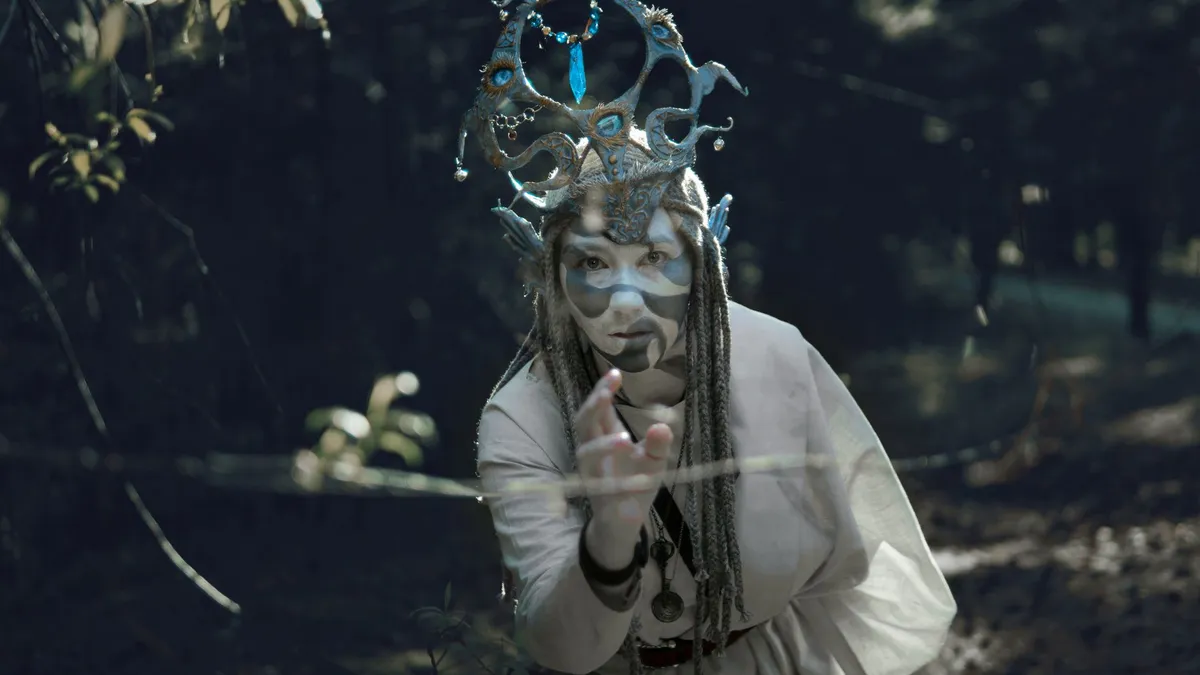
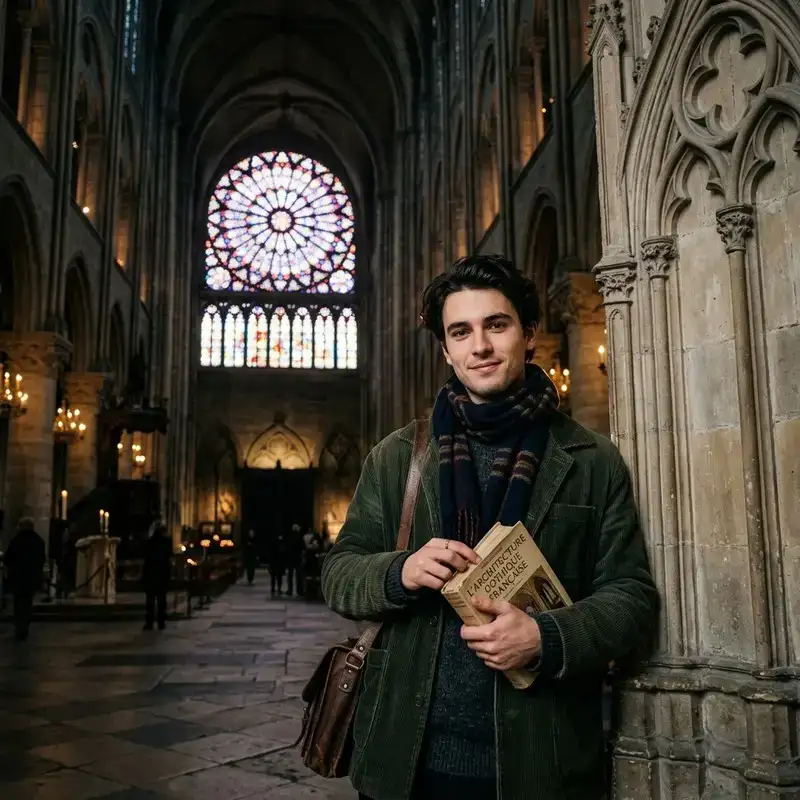
Le souffle d’un monde où le banal s’éveille Dans les ruelles de Macondo, le parfum du café se mêle aux murmures d’un fantôme qui raconte l’histoire d’une famille. Ce n’est pas un rêve, c’est le réalisme magique – un phénomène littéraire qui, sans jamais rompre la toile de la réalité, y insère des éclats d’étrangeté. La tension entre le tangible et le merveilleux crée une atmosphère où le lecteur accepte l’impossible comme une évidence du quotidien.Origines européennes : des romantiques aux avant-gardistes Le réalisme magique trouve ses premières racines dans le romantisme du XIXᵉ siècle. Des auteurs comme E. T. A. Hoffmann et Nikolai Gogol ont tissé des récits où les rêves s’insinuent dans la vie ordinaire. Hoffmann, satiriste perspicace, observait la réalité avec une précision presque clinique, tout en y ajoutant des créatures fantastiques qui reflétaient les angoisses de son époque. Gogol, son élève, a perfectionné cette technique dans des nouvelles telles que Le Nez ou Le Portrait, où l’étrange surgit sans préavis, provoquant à la fois rire et réflexion. Ces premiers pas ont été théorisés par Nikolai Berdyaev et Andrei Bely, qui, en 1907, ont introduit le concept de « mystical realism » pour désigner les œuvres mêlant le réel à une révélation mystique. Leurs analyses de Dostoïevski, notamment Les Frères Karamazov, montrent comment les dialogues avec le diable ou les visions métaphysiques peuvent exister à côté d’une narration ancrée dans la société russe de l’époque. L’éclosion latino‑américaine : un cri postcolonial Si les prémices sont européennes, le réalisme magique prend toute son ampleur en Amérique latine au milieu du XXᵉ siècle. Sous l’ombre des dictatures, des révolutions et des bouleversements culturels, les écrivains latino‑américains trouvent dans le mélange du quotidien et du surnaturel une façon de dénoncer l’injustice tout en célébrant la richesse de leurs traditions.Gabriel García Márquez – Cent ans de solitude : le village de Macondo devient un laboratoire où les générations se succèdent entre miracles et tragédies, chaque événement surnaturel renforçant le poids de l’histoire familiale. Isabel Allende – La Maison aux esprits : la saga d’une famille chilienne se tisse autour de fantômes qui guident les décisions des vivants, symbolisant la mémoire collective. Jorge Luis Borges – Fictions : même si Borges penche davantage vers le fantastique philosophique, ses labyrinthes narratifs ouvrent la porte à la coexistence du réel et du métaphysique.Ces auteurs, comme le note David Lodge, utilisent le réalisme magique pour exprimer des émotions que le réalisme pur ne peut capturer. La violence historique et les traumatismes personnels sont ainsi traduits en phénomènes extraordinaires qui donnent corps à l’indicible.Au‑delà du continent : le réalisme magique dans le monde Le réalisme magique ne s’est pas limité à l’Amérique latine. Des écrivains de diverses langues ont adopté la même alchimie entre le réel et le fantastique :Salman Rushdie – Les Enfants de minuit : la naissance de centaines d’enfants télépathiques au moment même de l’indépendance de l’Inde incarne la naissance d’une nation pleine de contradictions. Haruki Murakami – Kafka sur le rivage : le Japon moderne se voit traversé par des poissons qui tombent du ciel et des portes qui mènent à d’autres dimensions. Mo Yan – Le Sang du sanglier : le lauréat du Nobel 2012 décrit la Chine rurale avec des hallucinations qui soulignent la dureté de la vie paysanne. Olga Tokarczuk – Les Livres de Jacob : la Pologne contemporaine devient le théâtre d’apparitions mythiques qui interrogent le passé et le présent.Dans chaque cas, le réalisme magique sert de miroir à une réalité que les mots ordinaires peinent à rendre. Il révèle les fissures, les rêves et les résistances d’une société en mutation. Mécanismes stylistiques : comment l’étrange se loge dans le quotidien Le succès du réalisme magique repose sur une écriture précise et détaillée. Les éléments surnaturels sont présentés avec la même rigueur que les descriptions de la météo ou de la cuisine. Cette technique crée une dissonance qui pousse le lecteur à accepter l’irrationnel sans le remettre en cause.Description minutieuse – chaque objet, chaque odeur, chaque geste est décrit avec une exactitude quasi scientifique. Insertion soudaine – le phénomène magique apparaît sans avertissement, souvent au milieu d’une scène banale. Réaction neutre des personnages – les protagonistes traitent le surnaturel comme une partie intégrante de leur vie, ce qui renforce le sentiment d’étrangeté acceptée. Symbolisme – le merveilleux n’est jamais gratuit ; il porte un sens profond, souvent politique, social ou psychologique.Ces règles permettent à l’auteur de transformer un événement impossible en un outil d’analyse de la condition humaine. L’impact contemporain : du roman à la scène, du livre à l’écran Aujourd’hui, le réalisme magique s’étend au théâtre, au cinéma et même aux séries télévisées. Des productions comme La Casa de Papel (qui mêle braquage et prophéties) ou la série coréenne Hotel del Luna (un hôtel pour les esprits) démontrent la pertinence du genre dans un univers visuel. Les créateurs utilisent les mêmes principes que les écrivains : un décor réaliste, des personnages crédibles, et une intrusion du surnaturel qui pousse à la réflexion.Lire pour comprendre : recommandations essentielles Voici une petite sélection de titres qui illustrent la diversité du réalisme magique, classés par région :Amérique latine Cent ans de solitude – Gabriel García Márquez La Maison aux esprits – Isabel AllendeEurope Le Maître et Marguerite – Mikhaïl Boulgakov (Russie) Les Années – Olga Tokarczuk (Pologne)Asie Kafka sur le rivage – Haruki Murakami (Japon) Le Pays des fleurs sauvages – Mo Yan (Chine)Afrique Le Pays du feu – Ben Okri (Nigéria) – bien que souvent classé « fantasy », il possède une forte teinte réaliste‑magique.Ces œuvres offrent un panorama complet du genre et montrent comment chaque culture l’adapte à son propre vécu. Pourquoi le réalisme magique continue de fasciner Le réalisme magique répond à un besoin fondamental : celui de réconcilier la rationalité moderne avec les expériences subjectives de mystère et d’émerveillement. Dans un monde où la technologie tente d’expliquer chaque phénomène, le lecteur trouve refuge dans des récits qui laissent place à l’inexplicable. Le genre devient alors une forme de résistance contre la désensibilisation, un rappel que la réalité, même la plus détaillée, recèle toujours des espaces où le merveilleux peut surgir. Le réalisme magique n’est pas seulement une technique littéraire ; c’est une philosophie de l’écriture qui considère le quotidien comme une toile prête à accueillir les couleurs du rêve. En mêlant le réel au surnaturel, les auteurs nous invitent à regarder le monde avec des yeux nouveaux, à écouter le murmure des esprits qui habitent les interstices de nos vies. Ainsi, chaque page devient une porte ouverte sur l’infini, où la frontière entre ce qui est et ce qui pourrait être s’estompe, laissant place à l’émerveillement.#RéalismeMagique #LittératureLatine #MagicalRealism #FictionFantastique #CultureGlobale Related InsightsErotic Seasons: Tuning into the Rhythms of Women's Sexuality and Spirituality Book Review and Summary Historical Collection Book Review and Summary El nombre de la rosa (edición especial en tapa dura) / The Name of the Rose (Special Hardcover Edition) Book Review and Summary{ "@context": "https://schema.org", "@type": "FAQPage", "mainEntity": [ { "@type": "Question", "name": "What is the main focus of Quand le quotidien se métamorphose : le secret du réalisme magique?", "acceptedAnswer": { "@type": "Answer", "text": "Explorez les racines, les maîtres et la portée du réalisme magique, ce pont entre la réalité minutieuse et l’émerveillement surnaturel." } }, { "@type": "Question", "name": "Who authored the comprehensive guide on Quand le quotidien se métamorphose : le secret du réalisme magique?", "acceptedAnswer": { "@type": "Answer", "text": "This detailed article and its insights were carefully researched and authored by Lucas Martin." } }, { "@type": "Question", "name": "Where can I find more related content about Books?", "acceptedAnswer": { "@type": "Answer", "text": "You can explore more articles, detailed reviews, and similar insights by browsing the Related Insights section at the bottom of this article or visiting our dedicated Books category page." } } ] }

- Emily Page
- 01 Oct, 2026 22:07
When Page Turns Meet Pulse: The Untold Journey of Young Adult Literature
The first line of a story can feel like a secret whispered in a hallway—soft, daring, and impossible to ignore. That hush is the heartbeat of young adult literature, a genre that has learned to speak both to the restless teen and the nostalgic adult, stitching generations together with ink‑stained threads. The Library’s Quiet Revolution: Naming Young Adult In the early twentieth century, librarians sensed a gap. Children’s shelves were filled with moral tales, while adult sections housed complex narratives that left adolescents stranded between them. The New York Public Library (NYPL) began to bridge this chasm in 1929, sending its inaugural “Books for Young People” list to schools nationwide. Four years later, NYPL librarian Margaret Scoggin renamed her column from Books for Older Boys and Girls to Books for Young Adults, cementing a label that would survive for decades.The shift was more than semantics; it was a declaration that teenagers deserved literature crafted with their lived realities in mind. By carving out a distinct category, librarians gave teachers, parents, and publishers a common language for curating stories that reflected teenage anxieties, hopes, and rebellions. Defining a Moving Target: What Counts as YA? Even with a name, scholars still debate the exact borders of the genre. Michael Cart, a leading voice in the field, observes that the term “young adult literature” first entered popular usage in the late 1960s to describe realistic fiction set in the contemporary world and aimed at readers aged roughly 12‑18. Yet he stresses that both “young adult” and “literature” are fluid, reshaped by cultural shifts. Victor Malo‑Juvera and Crag Hill echo this uncertainty in their 2019 essay The Young Adult Canon: A Literary Solar System. They compile several working definitions, including:Books chosen independently by readers aged 12‑20. Works marketed by publishers as “young adult.” Stories whose central character is a teenager confronting relatable challenges. Narratives narrated from a teen’s point of view, with the inherent limits of adolescent understanding.These overlapping criteria illustrate why a novel can sit comfortably on both a high‑school shelf and an adult bestseller list. The genre is a hybrid space where teenage protagonists and adult readers meet, each finding something that mirrors their own experience. From the 1800s to the Dawn of a Genre The notion of a distinct teenage audience is relatively new. French historian Philippe Ariès argued in Centuries of Childhood (1962) that modern childhood—let alone teenagehood—did not exist until the mid‑twentieth century, when psychology and sociology began to separate children from adult labor and expectations. Before then, literature rarely distinguished between “young” and “old” readers. Yet early attempts to address adolescent readers can be traced back further. In 1802, Sarah Trimmer introduced the terms “Books for Children” (under fourteen) and “Books for Young Persons” (fourteen to twenty‑one) in her periodical The Guardian of Education. Her classification prefigured the modern YA split. Throughout the eighteenth and nineteenth centuries, authors such as Daniel Defoe, Jane Austen, Charles Dickens, Lewis Carroll, Robert Louis Stevenson, and Mark Twain crafted stories that, while not labeled “young adult,” captivated readers across ages. Carroll’s Alice’s Adventures in Wonderland (1865) broke from the didactic tradition, inviting readers to delight in imagination—a legacy that still informs contemporary fantasy YA. The novel’s origin story—Carroll improvising a tale for the Liddell sisters on a July 4, 1862 boat ride—highlights how spontaneous, child‑centered storytelling can become timeless. Serial publications also nurtured older youth. Stevenson’s adventure classics like Treasure Island and Kidnapped first appeared in Young Folks, a weekly magazine aimed at older children and teens. Similarly, Mark Twain’s The Adventures of Tom Sawyer and its sequel Adventures of Huckleberry Finn portrayed early adolescents navigating moral dilemmas on the Mississippi River, blending humor with social critique. The 1960s Turning Point: Voices Like The Outsiders The 1960s marked a seismic shift. As cultural revolutions erupted, YA novels began to mirror the era’s turbulence. S. E. Hinton’s The Outsiders (1967) introduced gritty realism, teenage gang dynamics, and class conflict—topics previously reserved for adult fiction. Hinton, herself a teenager when she wrote the book, proved that authentic teen voices could resonate powerfully with peers. This period also saw the rise of protagonists who spoke directly from an adolescent perspective, embracing the “limitations of understanding” that Malo‑Juvera and Hill cite. The narrative style grew more intimate, allowing readers to see their own doubts reflected in printed form.Publishers responded by commissioning more stories that tackled family dysfunction, substance abuse, sexuality, and other adult‑adjacent themes—now safely filtered through a teen lens. The genre’s willingness to confront uncomfortable topics helped cement its legitimacy among literary critics and educators. Why Adults Keep Coming Back A 2023 study reveals an unexpected demographic: 55 % of YA literature consumers are over 18. Moreover, 78 % of adult buyers purchase books with the intention of reading them personally, and half of these adults fall between 30 and 44 years old. These numbers underscore a two‑fold reality:Nostalgia meets relevance. Adults revisit YA titles that echo their own adolescent memories while discovering that many of the struggles—identity, belonging, first love—remain universal. Literary quality. Modern YA often blends sophisticated prose with genre‑bending plots, attracting readers who appreciate both depth and pace.The data challenges the stereotype that YA is “just for kids.” Instead, it highlights a thriving cross‑generational market where a mother might read The Hate U Give alongside her teenage daughter, each finding distinct resonance. Enduring Classics That Slip Between Shelves Certain works have transcended the adult‑young adult divide, appearing on both bestseller lists and school curricula. Consider the following timeless titles:Alice’s Adventures in Wonderland – A Victorian fantasy that continues to inspire modern YA world‑building. Treasure Island – Stevenson’s swashbuckling tale, serialized for older youths, now a staple of adventure curricula. The Adventures of Tom Sawyer* and *Huckleberry Finn – Twain’s Mississippi chronicles, exploring moral ambiguity through a boy’s eyes.These books, while originating long before the term “young adult” existed, share core elements: teenage protagonists, journeys of self‑discovery, and themes that speak to both youthful curiosity and adult reflection.What the Future Holds for YA As cultural conversations evolve, so will the contours of YA literature. Emerging voices from diverse backgrounds are expanding the genre’s scope, addressing mental health, climate anxiety, and non‑binary identities with nuance. Digital platforms—e‑books, audiobooks, and interactive storytelling—are also reshaping how teens engage with narratives. Yet the essential promise remains unchanged: to give adolescents a mirror, a window, and occasionally, a portal to worlds they have yet to imagine. Whether a twenty‑seven‑year‑old revisits a beloved teen romance or a teen discovers a classic adventure for the first time, the genre’s ability to connect across ages ensures its place on every bookshelf.#youngadult #literaturehistory #readingtrends #bookculture #teensandadults
- Clara Schmidt
- 27 Sep, 2026 11:01
Wenn das Gewöhnliche zur Kunst wird: Die stille Revolution des Literarischen Realismus
Es ist der Staub auf den Stiefeln eines Handwerkers, das klirrende Porzellan in einer engen Küche, das unerfüllte Sehnen eines Beamten in einer fensterlosen Stube. Es sind nicht die Götter, die hier wandeln, und keine Helden, die Drachen töten. Es ist das Leben selbst, nackt, ungeschminkt, atemberaubend banal – und genau darin liegt die radikale Kraft des Literarischen Realismus. Er begann nicht mit einem Knall, sondern mit dem leisen Drehen eines Mikroskops, gerichtet auf das, was wir alle kennen, aber selten wirklich sehen. Die Geburt der Beobachtung: Frankreich und Russland als Wiegen der Wahrheit Die Wurzeln dieser Bewegung reichen tief in das mittlere neunzehnte Jahrhundert, eine Zeit, in der die Welt sich rasant veränderte. Die Industrielle Revolution riss alte Gewissheiten auf, die Romantik hatte die Sehnsucht nach dem Erhabenen, dem Exotischen, dem Übernatürlichen auf den Gipfel getrieben. Doch in Frankreich und Russland formierte sich ein Gegenentwurf. Stendhal in Frankreich und Alexander Puschkin in Russland gelten als die frühen Architekten dieses neuen Blicks. Sie verstanden Literatur nicht mehr als Flucht, sondern als Inventur. Jules-Français Champfleury, der erste Theoretiker dieser Strömung, definierte sie postum als Phänomen nach 1848. Das Jahr der Revolutionen war der Katalysator. Die realistischen Maler um Gustave Courbet lehnten den romantischen Pinselstrich ab; die Schriftsteller taten es ihnen gleich. Sie wollten die „objektive Realität“ reproduzieren. Nicht das, was sein sollte, sondern das, was ist. Der Fokus verschob sich unwiderruflich auf das Quotidiane, das Alltägliche, primär unter den Mittel- und Unterschichten. Keine romantische Idealisierung, keine dramatische Überhöhung. Nur der nackte Stoff des Daseins, serviert in dritter Person, ohne emotionale Kommentierung des Autors.Die Wissenschaft des Romans: Wenn Balzac das Skalpell ansetzt Honoré de Balzac formulierte es in der Einleitung zu Die menschliche Komödie (1842) mit einer Präzision, die bis heute nachhallt: Poetische Schöpfung und wissenschaftliche Schöpfung seien eng verwandt. Die Realisten übernahmen die Methoden der Naturwissenschaften. Der Positivismus, der Glaube an Fakt, Experiment und Beweis, hielt Einzug in die Narrative. Metaphysik wurde verachtet, der Kult der Tatsache zelebriert. Man studierte die Gesellschaft wie ein Biologe eine Zelle. Man katalogisierte Milieus, Berufe, Sprache, Kleidung, Möbel. Der Roman wurde zum Laboratorium. Der Literaturkritiker Ian Watt fasste es in The Rise of the Novel treffend zusammen: Der moderne Realismus beginne mit der Position, dass Wahrheit vom Individuum durch die Sinne entdeckt werden könne. Eine epistemologische Wende, deren Wurzeln bei Descartes und Locke liegen und die Thomas Reid im 18. Jahrhundert formulierte. Der Autor wird zum Seismografen der Realität, der daran glaubt, dass diese Realität ontologisch unabhängig von unseren Konzepten, unserer Sprache, unserem Glauben existiert – und somit darstellbar ist. Der Bruch mit der Romantik: Vom Gefühl zum Fakt Um die Wucht dieses Bruchs zu verstehen, muss man sich die Romantik vor Augen führen. Sie war Ende des 18. Jahrhunderts eine Revolte gegen die aristokratischen Normen des Zeitalters der Vernunft, eine Reaktion auf die naturwissenschaftliche Rationalisierung der Welt und die beginnende Industrialisierung. Sie floh in das Subjektive, das Mystische, die Natur als Spiegel der Seele. Der Realismus des 19. Jahrhunderts war die direkte Antwort darauf. Er wurde oft abfällig als „bürgerlicher Realismus“ oder „traditioneller Realismus“ bezeichnet – ein Etikett, das die Leistung schmälern sollte. Doch er war mehr als eine bloße Stilrichtung; er war eine ethische Haltung. Er verlangte Mut zur Hässlichkeit, zum Sordiden. Er zeigte die soziale Kälte, die Enge der Verhältnisse, die Erstarrung der Konventionen. In der viktorianischen Literatur produzierten nicht alle Autoren Realismus, doch die rigiden Konventionen dieses „victorian realism“ wurden letztlich zum Sprungbrett für die Moderne. Ab 1900 revoltierte der Modernismus gegen eben jene bürgerliche Weltordnung und Weltsicht, die der Realismus so schonungslos kartografiert hatte – mit einem antirationalen, antirealistischen, antibürgerlichen Programm.Wenn die Küche zur Bühne wird: Social Realism und die Kitchen Sink School Der Realismus zerfiel nie in eine Monokultur. Er spaltete sich, spezialisierte sich, wanderte über Grenzen. Eine der mächtigsten Strömungen ist der Social Realism. International, über Mediengrenzen hinweg – Malerei, Druckgrafik, Fotografie, Film – lenkte er den Blick auf die alltäglichen Bedingungen der Arbeiterklasse und der Armen. Er war kritisch, deckte die sozialen Strukturen auf, die Elend produzierten. Die künstlerischen Stile mochten variieren, doch der Kern blieb: deskriptive oder kritische Realistik. In Großbritannien nahm dies Mitte des 20. Jahrhunderts eine ikonische Form an: Kitchen Sink Realism (Küchenspülen-Realismus). Der Begriff, geprägt für eine kulturelle Bewegung Ende der 1950er und Anfang der 1960er Jahre, beschreibt Theater, Kunst, Romane, Film und Fernsehen. Die Protagonisten: „angry young men“, wütende junge Männer. Die Kulisse: beengte Mietwohnungen im industriellen Norden Englands, schmuddelige Pubs, raue Akzente und Slang. John Osbornes Stück Blick zurück im Zorn (1956) gilt als Geburtsstunde des Genres. Ein dreckiges Liebesdreieck in einem einzigen, beengten Zimmer in den englischen Midlands. Der Film It Always Rains on Sunday (1947) war der Vorläufer. Die Konventionen dieses Genres – die Fokussierung auf das Domestische als politischer Raum – wirken bis heute nach, sichtbar in Langzeit-Serien wie Coronation Street oder EastEnders. In der bildenden Kunst sprach David Sylvester von der „Kitchen Sink School“, Malern, die Szenen des häuslichen Lebens im Stil des Social Realism darstellten. Hier wurde die Spüle zum Altar des Alltags, das schmutzige Geschirr zur Ikone der unerfüllten Versprechen des Wohlfahrtsstaates.Die verhärtete Doktrin: Socialist Realism als Staatskunst Eine ganz andere, ideologisch aufgeladene Abzweigung stellt der Socialist Realism dar. 1934 von Josef Stalin institutionalisiert und später von verbündeten kommunistischen Parteien weltweit adaptiert, wurde er zur offiziellen sowjetischen Kunstform. Das Statut des Verbands Sowjetischer Schriftsteller definierte ihn 1934 als „die grundlegende Methode der sowjetischen Literatur und Literaturkritik“. Doch hier verschiebt sich der Begriff der „Wahrhaftigkeit“. Es ging nicht mehr um die neutrale Abbildung des Gegebenen, sondern um die „wahrheitsgemäße, historisch konkrete Darstellung der Realität in ihrer revolutionären Entwicklung“. Kunst hatte die proletarische Klasse in ihrem Kampf um sozialistischen Fortschritt zu verherrlichen. Die „Wahrhaftigkeit“ und „historische Konkretisierung“ waren an die Parteidoktrin gebunden. Das Individuum trat zurück hinter das Kollektiv, die kritische Distanz wich der affirmativen Parteinahme. Es war Realismus als Instrument, nicht als Erkenntnis. Das Erbe: Warum uns der Realismus heute noch angeht Was bleibt von dieser Bewegung, die das Gewöhnliche heilig sprach? Sie lehrte uns, dass es keine „kleinen“ Themen gibt. Dass das Leben einer Gouvernante, die Qualen eines Studenten in Sankt Petersburg, der Streit in einer Küche in Manchester denselben literarischen Rang haben wie der Trojanische Krieg. Sie zwang die Literatur, ihre Hände schmutzig zu machen, in den Archiven der Armut zu wühlen, die Sprache der Straße in den Salon zu tragen. Heute, in einer Zeit algorithmischer Kuratierung, filterblasenartiger Realitäten und einer Flut an spekulativer Fiktion (Fantasy, Sci-Fi, Alternate History), wirkt der Realismus fast wie ein Gegenmittel. Er erinnert uns an die Würde des Konkreten. An die Tatsache, dass „Wahrheit“ – so schwer fassbar sie auch sein mag – im Sinne der Realisten etwas ist, das entdeckt werden will, nicht erfunden. Dass der Blick auf den Staub auf den Stiefeln oft mehr über die Welt verrät als der Blick auf die Sterne. Die Nachfahren des Realismus sind überall: Im New Journalism, in der Autofiktion, im modernen Gesellschaftsroman, in der dokumentarischen Literatur. Sie alle eint der Glaube Champfleury: Dass die Kunst der Wissenschaft verwandt ist im Streben nach dem Fakt. Und dass das „bourgeoise“ Bemühen, die Welt so zu zeigen, wie sie ist – hässlich, schön, langweilig, grausam – der vielleicht größte Akt der Fantasie ist, den Literatur leisten kann.#LiterarischerRealismus #Literaturgeschichte #SocialRealism #Balzac #KitchenSinkRealism

L’alchimia della lettera: origine e prime sperimentazioni Il romanzo epistolare nasce quando la narrazione si trasforma in una collezione di corrispondenze. Il termine deriva dal greco epistolē (“lettera”) e, sin dal primo utilizzo, ha avuto l’obiettivo di imprimere realismo al racconto, facendo sì che il testo esista “diegeticamente” nelle vite dei personaggi. Le prime teorie sull’origine del genere sono due: Evoluzione da romanzi con lettere inserite – in queste opere la parte narrativa in terza persona veniva progressivamente ridotta fino a lasciare spazio quasi esclusivo a lettere. Nascita da miscellanei di lettere e poesie – qui alcune lettere venivano collegate tra loro per creare una trama, spesso di natura amorosa.Entrambe le ipotesi trovano riscontro nella letteratura del XV secolo. Il primo romanzo realmente epistolare è il Prison of Love (Cárcel de amor) di Diego de San Pedro (c. 1485), un’opera spagnola già dominata da numerose lettere. Altri esempi precoci includono: “Letters to Babet” di Edmé Boursault, nate da una serie di missive a una ragazza chiamata Babet all’interno delle Lettres de respect, d'obligation et d'amour (1669). “Letters of a Portuguese Nun” (1669), tradizionalmente attribuite a Gabriel‑Joseph de La Vergne, comte de Guilleragues, sebbene una minoranza sostenga la mano di Marianna Alcoforado. James Howell con Familiar Letters (1645‑1650), considerato il fondatore del romanzo epistolare in lingua inglese.Una delle prime opere che sfruttò pienamente le potenzialità del genere fu “Love‑Letters Between a Nobleman and His Sister” (1684‑1687), pubblicata anonimamente e attribuita ad Aphra Behn. Qui i punti di vista individuali dei personaggi emergono senza la presenza di un narratore onnisciente, e la trama si arricchisce di intrighi: lettere perse, falsificate o trattenute. Il fiorire dell’epistolario nel XVIII secolo Il XVIII secolo rappresenta l’età d’oro del romanzo epistolare. Autori di diverse nazioni adottarono la forma per sperimentare nuove tecniche narrative, per intensificare il dramma o per esplorare la psicologia dei personaggi. Pionieri inglesi e francesiSamuel Richardson – Pamela (1740) e Clarissa (1749) divennero best-seller internazionali grazie alla loro struttura interamente epistolare. John Cleland – Fanny Hill (1748) è presentato come una serie di lettere della protagonista a un destinatario non specificato.In Francia: Montesquieu – Lettres persanes (1721) utilizza la corrispondenza tra due viaggiatori per criticare la società europea. Jean‑Jacques Rousseau – Julie, ou la nouvelle Héloïse (1761) mescola lettere e riflessioni filosofiche. Choderlos de Laclos – Les Liaisons dangereuses (1782) sfrutta la forma epistolare per rivelare tradimenti e manipolazioni senza narrazioni dirette.L’avvento germanico e transatlanticoJohann Wolfgang von Goethe – Die Leiden des jungen Werther (1774) è uno dei più celebri esempi tedesco, in cui le lettere del giovane Werther narrano la sua disperazione amorosa. Friedrich Hölderlin – Hyperion segue un modello simile. Frances Brooke – The History of Emily Montague (1769) è il primo romanzo canadese, interamente epistolare. William Hill Brown – The Power of Sympathy (1789) segna il primo romanzo americano nel genere.Questa proliferazione fu alimentata dalla capacità dell’epistolario di presentare punti di vista multipli senza ricorrere a un narratore onnisciente, consentendo al lettore di percepire la realtà attraverso gli occhi dei personaggi. Satira, parodia e il declino della forma epistolare A partire dal XVIII secolo il romanzo epistolare divenne anche bersaglio di critiche e parodie. Henry Fielding – Shamela (1741) è una burla di Pamela, che utilizza la voce femminile per svelare ipocrisie sociali. Oliver Goldsmith – The Citizen of the World (1760‑61) adotta la forma epistolare per una satira interculturale, con una “lettera” da un filosofo cinese residente a Londra. Fanny Burney – Evelina (1788) combina comicità e epistolario, inserendo diari e lettere che ironizzano sui costumi dell’epoca.Nonostante il successo, il genere cominciò a perdere popolarità verso la fine del secolo. Jane Austen sperimentò brevemente la forma nei suoi scritti giovanili, come Lady Susan (1794), ma la abbandonò per i romanzi successivi. Alcuni studiosi ipotizzano che il suo celebre Pride and Prejudice sia nato da una bozza epistolare, dato l’alto numero di lettere citate integralmente. Rinascite e testimonianze nel XIX secolo Il XIX secolo non ha cancellato il fascino dell’epistolario, ma lo ha relegato a frammenti o a usi più selettivi. Honoré de Balzac – Letters of Two Brides presenta una corrispondenza di 17 anni tra due donne, rivelando la crescita personale e sociale. Mary Shelley – Frankenstein (1818) utilizza una cornice epistolare: le lettere del capitano Robert Walton introducono il racconto di Victor Frankenstein. Anne Brontë – The Tenant of Wildfell Hall (1848) è strutturato come una lettera retrospettiva accompagnata dal diario della protagonista. Bram Stoker – Dracula (1897) rimane il più noto romanzo epistolare della fine del secolo, composto da lettere, diari, articoli di giornale, telegrammi e registri di nave.Questi esempi dimostrano come l’autore possa inserire documenti “reali” (diari, rapporti medici, articoli) per aumentare la credibilità della narrazione, un trucco noto come “editor fittizio”. L’eredità digitale: epistolario nell’era moderna Con l’avvento della tecnologia, il romanzo epistolare ha ampliato i suoi confini includendo: Registrazioni audio e radio Blog post, post sui social e emailLa definizione moderna di epistolario comprende quindi qualsiasi documento fittizio che sostituisca la tradizionale lettera cartacea. Questo sviluppo mantiene viva la capacità del genere di fornire realismo e multipla soggettività, ora attraverso schermi digitali anziché pergamene. Come scrivere un romanzo epistolare oggiScegli il mezzo – email, messaggi, post di blog o tradizionali lettere. Definisci un editor fittizio – una figura che “raccolga” i documenti, conferendo coerenza. Gestisci i punti di vista – ogni documento deve riflettere la voce unica del suo autore. Integra elementi non testuali – screenshot, registrazioni audio o video per arricchire la narrazione.Queste linee guida rispecchiano le stesse strategie impiegate dai pionieri del genere, dimostrando che l’essenza dell’epistolario è immutata, anche se i supporti evolvono. #LettereCheParlano #RomanzoEpistolare #StoriaLetteratura #NarrativaDigitale #BramStoker Related InsightsThe Knave and the Moon (The Stonewater Kingdom, #2) Book Review and Summary Ghosts of the West Yorkshire Moors: The Savage Soul of Wuthering Heights Meditations Book Review and Summary{ "@context": "https://schema.org", "@type": "FAQPage", "mainEntity": [ { "@type": "Question", "name": "What is the main focus of Lettere che parlano: l’epistolario che ha trasformato la narrativa?", "acceptedAnswer": { "@type": "Answer", "text": "Un viaggio affascinante attraverso la storia del romanzo epistolare, dalle sue radici medievali alle sue forme digitali contemporanee." } }, { "@type": "Question", "name": "Who authored the comprehensive guide on Lettere che parlano: l’epistolario che ha trasformato la narrativa?", "acceptedAnswer": { "@type": "Answer", "text": "This detailed article and its insights were carefully researched and authored by Sofia Romano." } }, { "@type": "Question", "name": "Where can I find more related content about Books?", "acceptedAnswer": { "@type": "Answer", "text": "You can explore more articles, detailed reviews, and similar insights by browsing the Related Insights section at the bottom of this article or visiting our dedicated Books category page." } } ] }
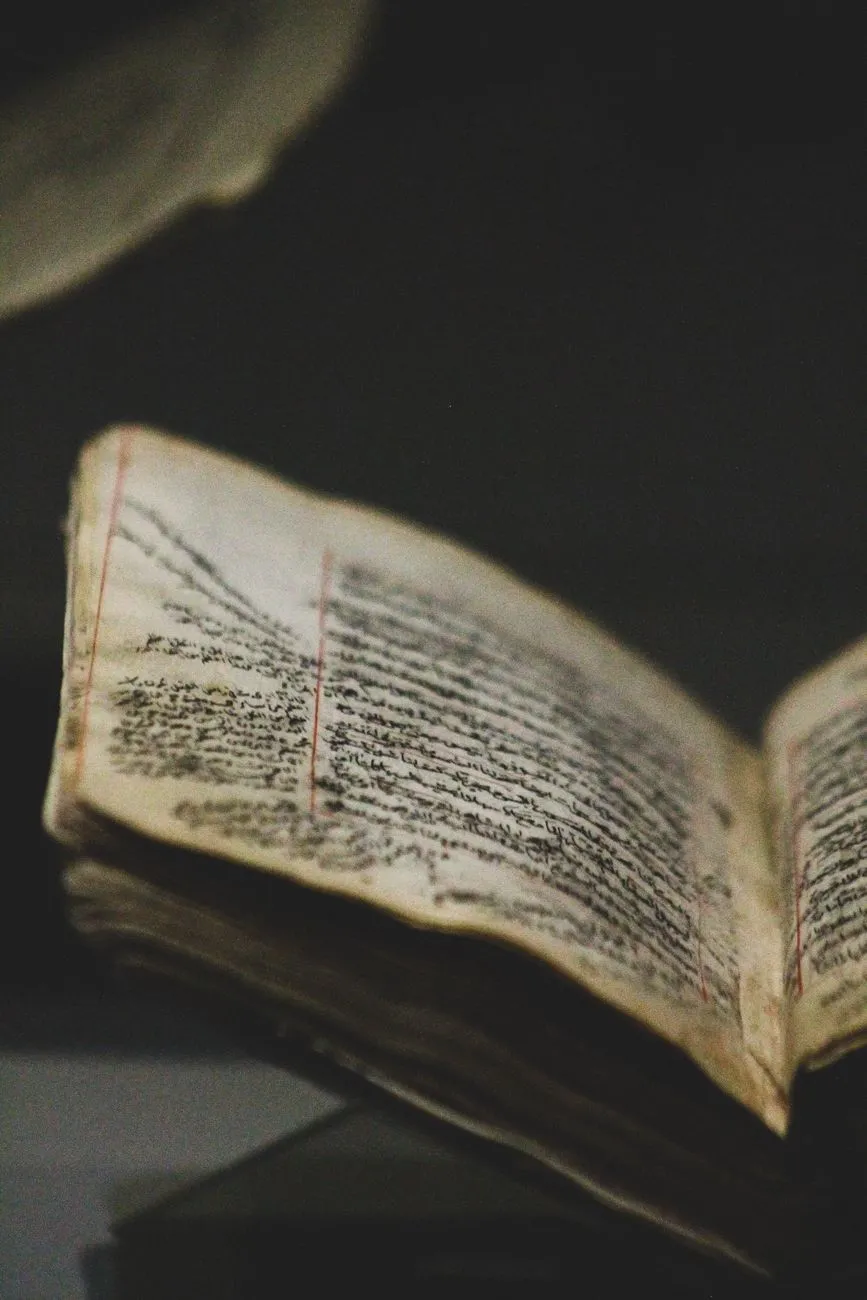
- Aylin Okur
- 24 Sep, 2026 10:44
Echoes of Heroic Verse: Unraveling the Timeless Tapestry of Epic Poetry
When Voices of the Past Echo Across the Ages The wind over a rugged hill can still carry the rhythm of a distant chant—an echo of the first epics that never saw ink, only memory. Epic poetry is not merely a genre; it is the audible architecture of civilization, a lengthy narrative poem that records extraordinary deeds of heroes who wrestle with gods, monsters, and destiny. These stories do more than entertain; they shape the mortal universe for generations that follow, forging cultural identity through the very cadence of their verses.The classic examples—Homer’s Iliad and Odyssey, Virgil’s Aeneid, and the anonymous Beowulf—have become cultural cornerstones, inspiring the modern adjective “epic” and spawning entire film genres that aim to capture that same grandeur. Yet before the ink dried on parchment, epics lived in the throbbing pulse of oral tradition, learned word‑for‑word and performed with a precision that left little room for variation. The Birth of the Epic: From Oral Fires to Clay Tablets Pre‑literacy societies relied on bards who wielded complex rhetorical and metrical schemes to memorize sprawling narratives. Their tools were not quills but repetition, rhythm, and the communal memory of the audience. The oldest recognized epic, the Epic of Gilgamesh (c. 2500–1300 BCE), emerged from Neo‑Sumerian clay tablets, chronicling the semi‑mythical king of Uruk. Though Gilgamesh himself may have existed, the poem transforms him into a figure of timeless legend. The Mahabharata, an Indian masterpiece spanning roughly 1.8 million words, dwarfs most Western epics. Compiled between the 3rd century BC and the 3rd century AD, it contains 100,000 ślokas (couplets) and expansive prose, making it twice the length of the Persian Shahnameh and ten times longer than Homer’s twin epics combined. These massive works illustrate how the epic form adapts to the available literary technology—from oral chant to written scroll, from stone inscription to printed page.Blueprints of Heroic Narrative: Ten Hallmarks of the Epic Scholars such as Aristotle and modern critics Harmon & Holman have distilled the epic into a set of recognizable conventions. While Aristotle contrasted epic with lyric and drama, emphasizing its single, unbounded timeframe and elevated meter, Harmon & Holman offered a contemporary checklist of ten characteristics:In medias res – the story thrusts us into the midst of action. Vast setting – the canvas spans nations, the world, or even the cosmos. Invocation of a muse – a formal plea for divine inspiration. Statement of theme – a clear, often moral, proclamation at the outset. Use of epithets – recurring descriptive phrases (e.g., “swift‑footed Achilles”). Epic catalogue – long, enumerated lists of warriors, ships, or genealogies. Formal speeches – extended, rhetorical monologues that reveal character and fate. Divine intervention – gods or supernatural forces directly affect human affairs. Heroic values – protagonists embody the ideals of their civilization. Descent into the underworld – a symbolic journey through death or the unknown.These traits are not rigid rules but guidelines that help readers recognize the epic’s DNA, whether they encounter a Bronze‑Age saga or a 20th‑century poetic odyssey. From Gilgamesh to Modern Verse: A Global Panorama The epic’s reach is truly global. Below is a snapshot of celebrated works across continents, each adhering to the core definition—a long narrative poem about extraordinary deeds—yet flavored by local mythos:Sumerian: Epic of Gilgamesh – kingly quests and the search for immortality. Indian (Sanskrit): Mahabharata and Rāmāyaṇa – dynastic wars, dharma, and cosmic order. Tamil: Silappatikaram and Manimekalai – love, tragedy, and spiritual awakening. Persian: Shahnameh – the “Book of Kings” chronicling Persia’s mythic past. Greek: Iliad & Odyssey – the Trojan War and Odysseus’s homeward trek. Latin: Aeneid – Rome’s founding hero guided by destiny. Old English: Beowulf – a monster‑slayer whose courage defines a nation. Finnish: Kalevala – mythic songs of creation and heroism. German: Nibelungenlied – dragon‑guarded treasure and tragic love. French: Song of Roland – the ultimate knightly sacrifice. Spanish: Cantar de mio Cid – the exile of a Castilian nobleman. Portuguese: Os Lusíadas – maritime exploration and national pride. Armenian: Daredevils of Sassoun – folk heroes battling oppression. East Slavic: The Tale of Igor’s Campaign – a failed raid turned legend. English (17th c.): Paradise Lost – Milton’s theological epic of fall and redemption. Mongolian: The Secret History of the Mongols – chronicles of Genghis Khan. Kyrgyz: Manas – a heroic cycle spanning generations. Malian: Sundiata – the lion‑king of the Mali Empire.Modern epics push the form into new territories: Derek Walcott’s Omeros reimagines Homer in the Caribbean, Mircea Cărtărescu’s The Levant fuses myth with post‑modern narrative, and Adam Mickiewicz’s Pan Tadeusz captures Polish nationalism through poetic epic. Even William Carlos Williams’s Paterson and Ezra Pound’s The Cantos borrow the epic’s structural ambition to comment on contemporary society.Why Epic Poetry Still Resonates in the Digital Age In an era of streaming video and bite‑size content, one might wonder why a 10,000‑line poem could still capture imagination. The answer lies in the epic’s universal architecture:Scale and immersion: Readers are drawn into a world where stakes are cosmic, offering an escape that short forms cannot match. Moral frameworks: Heroes personify cultural values, providing a mirror for societal ideals and anxieties. Narrative complexity: Interwoven episodes, catalogues, and divine interferences create a rich tapestry that invites repeated analysis. Adaptability: Modern creators translate epic motifs into film, video games, and even graphic novels, preserving the form’s relevance.The oral‑to‑written lineage also mirrors today’s transition from oral podcasts to written blogs, suggesting that the epic’s core—storytelling that binds community—remains unchanged. As long as humanity seeks meaning beyond the ordinary, the epic will continue to rise, whether spoken around a campfire or streamed to millions worldwide.#EpicPoetry #LiteraryHistory #OralTradition #WorldLiterature #AncientEpics Related InsightsThe Cursed Carnival and Other Calamities Book Review and Summary Inkheart Book Review and Summary Bride Book Review and Summary{ "@context": "https://schema.org", "@type": "FAQPage", "mainEntity": [ { "@type": "Question", "name": "What is the main focus of Echoes of Heroic Verse: Unraveling the Timeless Tapestry of Epic Poetry?", "acceptedAnswer": { "@type": "Answer", "text": "Dive into the ancient world of epic poetry, from oral bards to modern masters, and discover the ten defining traits that make a poem truly epic." } }, { "@type": "Question", "name": "Who authored the comprehensive guide on Echoes of Heroic Verse: Unraveling the Timeless Tapestry of Epic Poetry?", "acceptedAnswer": { "@type": "Answer", "text": "This detailed article and its insights were carefully researched and authored by Aylin Okur." } }, { "@type": "Question", "name": "Where can I find more related content about Books?", "acceptedAnswer": { "@type": "Answer", "text": "You can explore more articles, detailed reviews, and similar insights by browsing the Related Insights section at the bottom of this article or visiting our dedicated Books category page." } } ] }
La lumière tombe en poussière sur la table de travail. Devant moi, un manuscrit respire — pas le souffle imaginaire d'un roman, mais celui, plus discret, plus obstiné, d'un texte qui refuse l'invention. La non-fiction n'est pas l'absence de fiction. C'est une autre façon de dire le monde, une architecture où chaque poutre porte le poids du vérifiable. Virginia Woolf l'avait pressenti : « si nous pensons à la vérité comme à quelque chose de la solidité du granit et à la personnalité comme à quelque chose de l'intangibilité de l'arc-en-ciel, et que nous réfléchissions que le but de la biographie est de souder ces deux éléments en un tout sans couture, nous avouerons que le problème est raide. » Cette tension — le granit et l'arc-en-ciel — habite chaque page de non-fiction digne de ce nom. La promesse d'un pacte de lecture Le lecteur de non-fiction ne cherche pas l'évasion. Il cherche l'ancrage. Il ouvre un livre d'histoire, un essai scientifique, un mémoire, et il y dépose une attente précise : que l'auteur ait fait le travail de fouille, de vérification, de mise en ordre. Ce n'est pas un contrat implicite. C'est une promesse explicite. L'auteur de non-fiction « tente, de bonne foi, de transmettre des informations uniquement sur le monde réel, plutôt que de s'appuyer sur l'imagination. » La nuance est capitale. De bonne foi. Pas d'infaillibilité. Une affirmation spécifique dans un ouvrage de non-fiction peut s'avérer inexacte — la science avance, les archives s'ouvrent, les témoins se contredisent. Mais l'intention, au moment de la composition, doit être véridique. C'est cette intention qui trace la frontière, plus que le résultat final.L'art invisible de la structure On croit souvent que la non-fiction s'écrit « toute seule » — qu'il suffit d'aligner les faits. Erreur. Les faits ne parlent pas. Ils bégayent. C'est l'auteur qui leur donne voix, rythme, logique. La non-fiction déploie tout un arsenal structurel : « comparer, contraster, classifier, catégoriser et résumer l'information, mettre les faits dans un ordre logique ou chronologique, inférer et tirer des conclusions sur les faits. » Et ce n'est que le squelette. Viennent ensuite les organes visibles : « images, graphiques ou tableaux, diagrammes, organigrammes, résumés, glossaires, encarts, chronologies, tables des matières, titres, sous-titres, mots en gras ou en italique, notes de bas de page, cartes, index, étiquettes, légendes. » Chaque élément est un outil de navigation. Le lecteur de non-fiction ne lit pas linéairement comme on rêve un roman. Il consulte, il retourne, il cherche, il vérifie. L'architecture du livre doit servir cette lecture fractale. Les genres du vrai : une taxonomie de l'intention La non-fiction n'est pas un bloc monolithique. Elle se déploie selon l'intention de l'auteur — ce « pourquoi » qui dicte le « comment ». Six grandes familles émergent : L'instructionnel : le manuel, le guide de terrain, la recette, le mode d'emploi. Il répond à « comment faire ? ». Sa clarté est vitale. Une ambiguïté dans un manuel de chirurgie ou un guide d'escalade n'est pas un défaut stylistique — c'un danger. L'explicatif : l'essai scientifique, l'article de vulgarisation, le traité. Il répond à « pourquoi ? » ou « comment ça marche ? ». Il doit traduire le complexe en accessible sans le trahir. La simplicité, la clarté, la directivité y sont « les considérations les plus importantes. » Le discussionnel : l'éditorial, l'essai d'opinion, la polémique, l'apologie. Il explore une thèse, la confronte, la nuance. « Malgré la prétention à la vérité de la non-fiction, il est souvent nécessaire de persuader le lecteur d'adhérer aux idées, et donc un argument équilibré, cohérent et informé est vital. » Le rapport : l'article de presse, le compte-rendu scientifique, le procès-verbal. Il livre l'information brute, structurée mais non chronologique. L'objectivité y est l'idéal, jamais parfaitement atteint mais sans cesse visé. L'opinionnel : le manifeste, la lettre ouverte, le blog militant. Il assume sa subjectivité tout en s'appuyant sur le réel. La frontière avec la fiction y est plus poreuse, mais le ancrage factuel reste la condition sine qua non. Le narratif chronologique : l'histoire, la biographie, le mémoire, le journal intime. Il raconte le réel dans le temps. C'est là que Woolf situe le « problème raide » — souder le granit des dates et le arc-en-ciel d'une vie.Les formes du savoir : une bibliothèque infinie Chaque genre se décline en formats, et la liste vertigineuse témoigne de l'appétit humain pour l'ordre et la transmission : Les textes académiques — articles savants, monographies, actes de colloques, revues à comité de lecture — forment le socle épistémique. Ils parlent entre pairs, dans un jargon qui exclut mais qui précise. Les livres d'histoire documentent et discutent les événements. Ils ne sont pas de simples chroniques ; ils interprètent, ils argumentent, ils révisent. Les écrits de vie — autobiographies, biographies, confessions, journaux, mémoires, lettres, épitaphes, nécrologies — sont le territoire le plus trouble, le plus fascinant. « Les frontières entre fiction et non-fiction sont continuellement floues et discutées, surtout dans le domaine de la biographie. » Une lettre peut être les deux. Un journal intime oscille entre témoignage et auto-fiction. La critique — littéraire, artistique, cinématographique — évalue, contextualise, juge. Elle est non-fiction parce qu'elle porte sur des œuvres réelles, mais son matériau est l'expérience subjective. Le journalisme — articles, éditoriaux, lettres au directeur, documentaires, reportages télévisés — est la non-fiction dans l'urgence. Il doit être vrai maintenant, avec les moyens du bord. L'écrit persuasif — apologétiques, polémiques, essais, écriture promotionnelle (brochures, communiqués de presse, publireportages) — assume son parti pris. Il utilise les faits comme armes. Les ouvrages de référence — almanachs, encyclopédies, atlas, bibliographies, chroniques, rapports de consommateurs, dictionnaires, thésaurus, annuaires, manuels, annuaires, livres de citations — sont l'infrastructure invisible du savoir. On ne les lit pas ; on les consulte. Le développement personnel, la vulgarisation scientifique, les blogs, les présentations, les orations, les maximes — la non-fiction entre dans l'intime, le quotidien, l'oral. Les manuels scolaires, guides d'étude, guides de terrain, récits de voyage, recettes, manuels d'utilisateur — la non-fiction comme outil, compagne de route, boussole.Le lecteur au centre : l'empathie cognitive « L'audience est importante dans toute entreprise artistique ou descriptive, mais elle est peut-être la plus importante en non-fiction. » Dans la fiction, l'auteur suppose que le lecteur fera l'effort de suivre une progression thématique indirecte. En non-fiction, l'enjeu est la « fourniture directe d'information. » Comprendre « l'usage potentiel que les lecteurs feront de l'œuvre et leurs connaissances existantes sur un sujet » est « fondamental pour une non-fiction efficace. » Un manuel de programmation pour débutants et une monographie sur le même langage pour chercheurs n'ont rien à voir — pas le même vocabulaire, pas la même densité, pas les mêmes présupposés. L'auteur de non-fiction est un traducteur permanent : il traduit le savoir expert en savoir accessible, sans le trahir. La zone grise : où le vrai rencontre l'imaginé La non-fiction pure n'existe pas. « Certaines techniques narratives utilisées dans la fiction sont généralement considérées comme inappropriées pour la non-fiction. Elles sont néanmoins présentes, particulièrement dans les œuvres plus anciennes, mais souvent atténuées pour ne pas éclipser l'information. » Mais la frontière est poreuse. « Certains ouvrages écrits peuvent légitimement être soit fiction, soit non-fiction, comme les journaux d'expression personnelle, les lettres, les articles de magazine, et d'autres expressions de l'imagination. » Un journal intime est-il non-fiction ? Oui, comme document. Non, comme récit façonné. « Bien qu'ils soient majoritairement l'un ou l'autre, un mélange des deux est aussi possible. » La semi-fiction — « fiction mettant en œuvre une grande partie de non-fiction, (telle qu'une description fictionnelle basée sur une histoire vraie) » — occupe cet entre-deux. Comme la non-fiction créative — terme d'édition pour « distinguer les œuvres à vocation plus littéraire ou intellectuelle, par opposition à la masse des sujets de non-fiction. » Mais une ligne rouge existe : « l'inclusion de faussetés avérées discréditerait l'œuvre comme travail de non-fiction. » On peut lisser un récit par « des éléments de supposition non vérifiée, de déduction, ou d'imagination. » On ne peut pas inventer sciemment.L'honnêteté comme discipline « Inclure une information que l'auteur sait être fausse dans de tels travaux est généralement considéré comme malhonnête. » Cette phrase, simple, est le fondement éthique de tout l'édifice. La non-fiction n'exige pas l'infaillibilité — elle exige la probité. L'erreur de bonne foi se corrige. Le mensonge de mauvaise foi détruit le pacte. C'est pourquoi la non-fiction demande une discipline particulière : celle de l'auto-contrôle permanent. Vérifier. Recouper. Citer. Assumer l'incertitude. Dire « je ne sais pas » quand on ne sait pas. Résister à la tentation du récit trop beau pour être vrai. Pourquoi la non-fiction matters, plus que jamais Nous vivons dans un déluge d'information. Données, opinions, fake news, deepfakes, bulles algorithmiques. La non-fiction rigoureuse — celle qui montre son travail, qui cite ses sources, qui assume sa part d'ombre — est un phare. Pas parce qu'elle détient La Vérité. Mais parce qu'elle modélise une méthode pour l'approcher. Elle nous apprend à distinguer le fait de l'interprétation, la corrélation de la causalité, l'anecdote de la tendance, l'opinion de l'argument. Elle nous donne les outils pour naviguer dans la complexité sans la réduire en slogans. Chaque fois que j'ouvre un bon livre de non-fiction — une histoire des climats, une biographie de physicienne, un essai sur l'économie du care, un guide des champignons comestibles — je ne lis pas seulement un sujet. J'assiste à une démonstration de pensée honnête. Je vois un esprit au travail, qui trie, pèse, hésite, conclude, puis rouvre la question. C'est cela, la non-fiction. Pas l'encyclopédie close. Le laboratoire ouvert.#NonFiction #Literature #Truth #Writing #Knowledge Related InsightsBook of Night Book Review and Summary The Healing Self Book Review and Summary When the Night Comes Knocking Book Review and Summary{ "@context": "https://schema.org", "@type": "FAQPage", "mainEntity": [ { "@type": "Question", "name": "What is the main focus of L'Architecture du Réel : Quand les Mots Dessinent le Monde?", "acceptedAnswer": { "@type": "Answer", "text": "Une exploration profonde de la non-fiction comme architecture de la vérité, entre rigueur scientifique et souffle littéraire, là où le fait devient récit." } }, { "@type": "Question", "name": "Who authored the comprehensive guide on L'Architecture du Réel : Quand les Mots Dessinent le Monde?", "acceptedAnswer": { "@type": "Answer", "text": "This detailed article and its insights were carefully researched and authored by Lucas Martin." } }, { "@type": "Question", "name": "Where can I find more related content about Books?", "acceptedAnswer": { "@type": "Answer", "text": "You can explore more articles, detailed reviews, and similar insights by browsing the Related Insights section at the bottom of this article or visiting our dedicated Books category page." } } ] }

- Emily Page
- 21 Sep, 2026 11:24
Echoes of Tomorrow: Tracing the Cosmic Pulse of Science Fiction Literature
Starlit Beginnings: Myth, Moon, and the First Imagined Worlds Long before telescopes pierced the night, storytellers wove voyages to distant heavens. Lucian’s A True Story (2nd century CE) sketches interplanetary warfare, alien societies, and artificial beings—elements that echo in today’s space operas. Even the enchanted tales of The Arabian Nights and the 10th‑century Tale of the Bamboo Cutter whisper of otherworldly realms, suggesting that the yearning to peer beyond Earth is as ancient as language itself. The Renaissance sharpened this curiosity. Francis Bacon’s New Atlantis (1627) imagined a utopian island guided by scientific inquiry, while Johannes Kepler’s Somnium (1634) described a lunar voyage with astonishing accuracy for its era—so much so that Asimov and Sagan later hailed it as the first true science‑fiction narrative. Kepler’s vision earned him the moniker “father of science fiction,” a testament to the power of speculative astronomy to seed literary invention. Enlightenment Experiments: From Satire to Speculative Science The Age of Enlightenment birthed a parade of speculative works that blended philosophy, satire, and nascent scientific thought. Cyrano de Bergerac’s moon‑and‑sun voyages (1657‑1662) parodied scientific ambition, while Margaret Cavendish’s The Blazing World (1666) conjured a parallel universe ruled by a powerful queen, prefiguring later feminist speculative tales. Voltaire’s Micromégas (1752) sent an interplanetary traveler to Earth, using humor to critique human pretensions. These texts illustrate an early tension in the genre: the balance between imaginative wonder and the rigors of emerging scientific knowledge. The Gothic Spark: Frankenstein and the Birth of Modern Sci‑Fi Mary Shelley’s Frankenstein (1818) stands as the definitive pivot from philosophical speculation to narrative science fiction. By animating assembled body parts through “the spark of life,” Shelley posed a chilling question: what ethical responsibilities accompany scientific mastery? Many scholars, including Brian Aldiss, argue that Frankenstein is the inaugural true sci‑fi novel, laying the groundwork for future explorations of creator‑creation dynamics. Edgar Allan Poe, too, contributed with lunar adventures such as “The Unparalleled Adventure of One Hans Pfaall” (1835), further cementing the 19th century as a crucible for speculative storytelling. This era witnessed the genre’s shift from allegorical cautionary tales to narratives that directly interrogated the human condition against the backdrop of emerging technology.The Golden Age: Engines of Imagination and the Rise of Hard vs. Soft The early 20th century ignited a frenzy of pulp magazines, ushering in the “Golden Age” of science fiction. Visionaries such as H. G. Wells and Jules Verne had already charted pathways to the stars, but the period after World War II saw a bifurcation: Hard science fiction—championed by authors like Arthur C. Clarke—prioritized rigorous scientific plausibility. Soft science fiction—exemplified by Ray Bradbury—delved into sociological and psychological terrains, often using speculative settings as mirrors for contemporary anxieties.This division reflects the dual definition offered by Isaac Asimov (“the reaction of human beings to changes in science and technology”) and Robert Heinlein (“realistic speculation based solidly on adequate knowledge of the real world”). The era also birthed iconic subgenres: space opera (epic interstellar adventure), cyberpunk (the gritty interface of humanity and circuitry), and climate fiction (environmental forewarnings). Subgenre Kaleidoscope: From Space Operas to Climate Futures Science fiction’s elasticity lies in its capacity to absorb new scientific frontiers. Space opera flourished with sweeping sagas like Star Wars, emphasizing adventure over technical detail. Cyberpunk emerged in the 1980s, portraying neon‑lit megacities where corporate power and digital augmentation collide—think William Gibson’s Neuromancer. Climate fiction (cli‑fi) tackles ecological crises, projecting futures where rising seas and altered ecosystems reshape civilization.Each subgenre operates as a lens, focusing on distinct facets of humanity’s possible trajectories. The genre’s evolution mirrors the expansion of scientific inquiry itself—from celestial mechanics to quantum computing, from terraforming to transhumanism. Defining the Indefinable: Critical Voices on What Science Fiction Is Attempts to bottle the genre in a single sentence have historically faltered. As noted in The Encyclopedia of Science Fiction (1993), scholars and writers alike grapple with its fluid boundaries. Lester del Rey confessed that even ardent fans find definition elusive, while Damon Knight famously said, “Science fiction is what we point to when we say it.” Modern critics often treat sci‑fi as an intersection of more concrete genres—historical, philosophical, or technological—rather than a monolith. This approach aligns with David Seed’s observation that the term functions best as a descriptive crossroads rather than a rigid classification. From Page to Screen: Cultural Resonance Beyond the Printed Word The ripple effect of science‑fiction literature extends far beyond the bookshelf. Films, television series, and video games reinterpret classic narratives, translating speculative ideas into visual spectacles. The Star Trek franchise, for instance, draws heavily from early 20th‑century pulp and Verne’s exploratory spirit, while contemporary series like Black Mirror inherit cyberpunk’s skepticism toward unchecked tech. These adaptations amplify sci‑fi’s capacity to critique present societies, envision alternative political structures, and inspire scientific ambition. Engineers cite The Martian (Andy Weir) as a motivational blueprint for real‑world Mars missions, illustrating how speculative storytelling can seed tangible innovation. The Human Core: Why We Keep Looking Forward At its heart, science fiction is a study of human response. Whether confronting a Frankensteinian creation, navigating a post‑apocalyptic wasteland, or negotiating with artificial intelligences, the genre asks: How will we adapt, survive, or transform when the world reshapes around us? Isaac Asimov’s definition—“the reaction of human beings to changes in science and technology”—captures this enduring curiosity. By projecting plausible futures, sci‑fi invites readers to rehearse ethical dilemmas, societal shifts, and personal identities before they manifest. In an era defined by rapid technological turnover, that rehearsal feels more essential than ever. Mapping the Future: Emerging Frontiers in Speculative Storytelling Looking ahead, several trajectories promise to redefine the genre: Posthumanism – narratives exploring consciousness beyond the biological substrate, such as mind uploading or bio‑engineered symbiosis. Quantum storytelling – plots that employ quantum mechanics concepts (superposition, entanglement) as structural devices. Interactive world‑building – immersive experiences blending literature, gaming, and virtual reality, allowing readers to influence story outcomes.These innovations echo the genre’s original mandate: to imagine beyond the possible, to stretch the limits of what we accept as reality, and to examine the consequences of those extensions on the human soul. Curating a Personal Timeline: Must‑Read Milestones For newcomers eager to traverse the genre’s rich landscape, consider this curated reading list: A True Story – Lucian (2nd century CE) – the ancient prototype. Somnium – Johannes Kepler (1634) – lunar odyssey. Frankenstein – Mary Shelley (1818) – ethical science. The Time Machine – H. G. Wells (1895) – temporal speculation. Dune – Frank Herbert (1965) – ecological empire. Neuromancer – William Gibson (1984) – cybernetic noir. The Windup Girl – Paolo Bacigalupi (2009) – climate dystopia.Each work marks a pivotal shift, reflecting the evolving concerns of its era while resonating with timeless human questions. The Ever‑Expanding Cosmos of Science Fiction From the mythic voyages of Lucian to the algorithmic dreamscapes of today, science fiction remains a living, breathing chronicle of humanity’s imagination. Its capacity to morph, absorb, and reinterpret scientific progress ensures that it will continue to serve as both a mirror and a compass—reflecting our present anxieties and pointing toward possible futures.#ScienceFiction #SpeculativeFiction #LiteraryHistory #FutureStories #SciFiEvolution Related InsightsIdaho Murders Book Review and Summary Lords of Uncreation Book Review and Summary King of Pride Book Review and Summary{ "@context": "https://schema.org", "@type": "FAQPage", "mainEntity": [ { "@type": "Question", "name": "What is the main focus of Echoes of Tomorrow: Tracing the Cosmic Pulse of Science Fiction Literature?", "acceptedAnswer": { "@type": "Answer", "text": "Explore the winding journey of science fiction—from ancient myths to cyberpunk—through the lenses of groundbreaking novels and cultural impact." } }, { "@type": "Question", "name": "Who authored the comprehensive guide on Echoes of Tomorrow: Tracing the Cosmic Pulse of Science Fiction Literature?", "acceptedAnswer": { "@type": "Answer", "text": "This detailed article and its insights were carefully researched and authored by Emily Page." } }, { "@type": "Question", "name": "Where can I find more related content about Books?", "acceptedAnswer": { "@type": "Answer", "text": "You can explore more articles, detailed reviews, and similar insights by browsing the Related Insights section at the bottom of this article or visiting our dedicated Books category page." } } ] }

- Clara Schmidt
- 20 Sep, 2026 10:17
Zwischen Panels und Literatur: Die stille Revolution des Graphic Novels
Ein einziger Strich auf Papier kann eine Welt erschaffen, die Worte allein nie erreichen. Wenn sich Zeichnung und Erzählung zu einem geschlossenen Kosmos verbinden, entsteht etwas, das weder reiner Comic noch klassischer Roman ist – es ist ein Graphic Novel. Doch der Weg dorthin war kein gerader Pfad, sondern ein Labyrinth aus vergessenen Pionieren, verbotenen Büchern und einem Begriff, der bis heute die Gemüter spaltet. Der Ursprung: Ein Schweizer Pionier und die ersten Bildgeschichten Alles beginnt 1828 in Genf. Rodolphe Töpffer, ein Schweizer Karikaturist, veröffentlicht Histoire de Mr. Vieux Bois – eine Folge von Bildtafeln mit Untertexten, die er selbst als „literarische Zeichnungen“ bezeichnete. Das Werk wandert über Paris nach London, wo es 1841 als The Adventures of Obadiah Oldbuck erscheint. Ein Jahr später nutzt ein New Yorker Verleger die ursprünglichen Druckplatten für die erste US-Ausgabe. Damit gilt Obadiah Oldbuck als ältestes anerkanntes amerikanisches Beispiel für Comics in Buchform. Kurz darauf, 1894, träumt der französische Karikaturist Caran d’Ache in einem Brief an Le Figaro von einem „gezeichneten Roman“ – einem 360-seitigen, wortlosen Buch, das nie gedruckt wird. Doch die Idee ist in der Welt. In den USA beginnt die Hearst Syndicate 1897, Zeitungsstrips wie The Yellow Kid von Richard Outcault in Buchform zu sammeln. Der Band wird zum Bestseller und beweist: Bildgeschichten verkaufen sich als Bücher.Wenn Bilder Romane werden: Die Geburt eines Begriffs Der Begriff „Graphic Novel“ selbst taucht erst 1964 auf. Fan-Historiker Richard Kyle prägt ihn in einem Essay für das Fanzine Capa-Alpha. Er sucht eine Bezeichnung für eigenständige, buchlange Comics, die sich von periodischen Heften abheben. Doch der Durchbruch zum publikumswirksamen Label gelingt erst Ende der 1970er Jahre. 1978 veröffentlicht Will Eisner A Contract with God – vier thematisch verbundene Kurzgeschichten im Großformat, die er bewusst als „Graphic Novel“ vermarktet. Eisner will das Medium aus der „Comic-Ecke“ herausführen, hin zu ernsthafter Literatur. 1982 startet Marvel die Marvel Graphic Novel-Linie, die großformatige, in sich geschlossene Geschichten wie The Death of Captain Marvel herausbringt. Der Begriff wird zur Marke. Die dunklen Jahre: Holzschnitte, Surrealismus und verbotene Geschichten Zwischen Töpffer und Eisner liegt ein halbes Jahrhundert radikaler Experimente. In den 1920er Jahren erlebt der mittelalterliche Holzschnitt eine Renaissance. Der Belgier Frans Masereel gilt als „unbestreitbarer König“ dieser Bewegung. Sein Passionate Journey (1919) erzählt ohne ein einziges Wort eine menschliche Odyssee in 167 Holzschnitten. Der Amerikaner Lynd Ward folgt mit Gods' Man (1929) und weiteren stummen Romanen in Holzschnitttechnik. Parallel entstehen singuläre Werke, die jede Kategorie sprengen:Milt Gross’ He Done Her Wrong (1930): Ein wortloser Comic als Hardcover-Buch. Max Ernst’s Une semaine de bonté (1934): Ein Surrealisten-Roman aus Collagen, sequenziell angeordnet. Charlotte Salomons Life? or Theater? (1941–43): Ein hybrides Werk aus Bildern, Text und Musik, entstanden im Versteck vor den Nazis.1946 erscheint mit Citizen 13660 eine illustrierte, romanlange Dokumentation der japanisch-amerikanischen Internierung – ein frühes Beispiel für Non-Fiction im Graphic-Novel-Format. 1947 wagt Fawcett Comics mit Comics Novel #1 ein 52-seitiges Heft, das einer einzigen Geschichte gewidmet ist. 1950 folgt It Rhymes with Lust, ein „Picture Novel“ im Digest-Format, das als „original full-length novel“ beworben wird – Noir-Ästhetik, 128 Seiten, erwachsene Themen.Der Durchbruch: Maus, Dark Knight und Watchmen verändern alles Das späte 1980er-Jahrzehnt wird zum Wendepunkt. Drei Werke erreichen ein Massenpublikum und zwingen Buchhandlungen, Regale umzuräumen:Maus (Art Spiegelman, 1986): Die Geschichte seines Vaters, eines Holocaust-Überlebenden, erzählt mit Mäusen und Katzen. Der erste Band gewinnt 1992 den Pulitzer-Preis – ein historischer Moment für das Medium. The Dark Knight Returns (Frank Miller, 1986): Batman als alter, zynischer Mann in einer dystopischen Gotham. Die gesammelte Ausgabe beweist, dass Superhelden-Comics literarische Tiefe und gesellschaftliche Relevanz haben können. Watchmen (Alan Moore & Dave Gibbons, 1987): Eine Dekonstruktion des Superhelden-Genres, dicht verwoben mit Kalter-Krieg-Angst und philosophischen Fragen. Time Magazine zählt es später zu den 100 besten englischsprachigen Romanen seit 1923.Diese kommerziellen Erfolge bewegen die Book Industry Study Group 2001, „Graphic Novel“ als offizielle Kategorie im Buchhandel einzuführen. Plötzlich stehen Bände neben Literaturklassikern – und die Debatte entbrennt neu.Europa und die Alben-Tradition: Tintin, Asterix und die lange Form Während die USA nach einer Definition ringen, praktiziert Kontinentaleuropa seit dem 19. Jahrhundert eine eigene Form. Hugo Pratts The Ballad of the Salty Sea (1967) und Guido Buzzellis La rivolta dei racchi (1967) erscheinen als Original-Graphic-Novels in Hardcover. Noch früher, ab den 1930ern, werden Serien wie The Adventures of Tintin und später Asterix als Alben gesammelt – gebundene Bände mit 48 bis 62 Seiten, die eigenständige Abenteuer erzählen. Diese „Albums“ sind der europäische Vorläufer des Graphic Novels: hochwertig produziert, für Erwachsene wie Kinder, fest im Buchhandel verankert. Ein dunkles Kapitel schreibt 1968 Argentinien: Vida del Che, geschrieben von Héctor Germán Oesterheld, gezeichnet von Alberto Breccia. Die Militärdiktatur konfisziert und vernichtet die Auflage. Erst Jahre später erscheint eine korrigierte Neuauflage – ein Beispiel dafür, wie gefährlich sequenzielle Kunst für Machthaber sein kann.Mehr als ein Marketing-Trick: Warum die Debatte anhält Bis heute streiten Wissenschaftler und Branchenkenner: Ist „Graphic Novel“ eine literarische Gattung, ein Format oder schlicht ein Marketingbegriff? Merriam-Webster definiert es als „a fictional story that is presented in comic-strip format and published as a book“. Doch Bibliotheken und Buchhandlungen stapeln darunter auch Anthologien, Non-Fiction und lose Sammelbände – ähnlich wie Dramen unter „Comedy“ laufen. Die Unterscheidungsschärfe liegt oft im Entstehungswillen: Wurde das Werk als Buch konzipiert (wie Eisners Contract with God oder Pratts Ballad) oder ist es eine nachträgliche Sammlung von Heftserien (wie viele Watchmen-Ausgaben vor der ersten Hardcover-Edition)? In den USA wird der Begriff oft genutzt, um „ernsthafte“ Comics von „trivialen“ Comic Books abzugrenzen – eine Klassendifferenzierung, die viele Zeichner als elitär empfinden. Dennoch: Die Bezeichnung hat Türen geöffnet. Sie ermöglichte Graphic Novels den Zugang zu Literaturpreisen, Universitätslehrplänen und Feuilletons. Sie zwang Verlage, in Papierqualität, Bindung und Übersetzung zu investieren. Und sie gab Lesern ein Vokabular, um Werke wie Persepolis, Fun Home oder The Arrival als das zu benennen, was sie sind: Literatur in Bildern.#GraphicNovel #ComicsLiteratur #SequenzielleKunst #WillEisner #ArtSpiegelman #ComicGeschichte

-
 Sofia Romano
 - 19 Sep, 2026 09:56
Quando la Storia Diventa Romanzo: L'Arte Invisibile del Tempo Narrato
La polvere non si deposita solo sui volumi dimenticati degli archivi; si annida nelle pieghe della memoria collettiva, aspettando che una mano sapiente la sollevi per rivelare l'oro nascosto sotto la patina del tempo. C'è un momento preciso, sospeso tra il tick-tock dell'orologio e il respiro profondo di un'epoca passata, in cui la Storia smette di essere cronaca per diventare carne, sangue, dubbio. È lì che nasce il romanzo storico: non come semplice vetrina di costumi e date, ma come atto di resurrezione empatica, un patto silenzioso tra lo scrittore e i fantasmi che abitano i margini dei grandi eventi. Le Radici Antiche: Quando il Mito Diventa Memoria Narrativa Prima che il termine "genere letterario" esistesse, prima che Sir Walter Scott posasse la penna sui Waverley Novels, l'umanità aveva già intrecciato finzione e memoria storica in una danza ininterrotta. Le radici affondano nel terreno fertile delle tradizioni orali e dei grandi cicli epici, dove il confine tra storia sacra e invenzione poetica era permeabile come una membrana. Nel cuore della Cina classica, tre dei Quattro Romanzi Classici — Water Margin di Shi Nai'an, Romance of the Three Kingdoms di Luo Guanzhong e Journey to the West di Wu Cheng'en — non erano mere storie d'avventura. Erano macchine narrative complesse che rielaboravano secoli di storia (dall'era Han al pellegrinaggio del monaco Xuanzang nel VII secolo) attraverso la lente della leggenda, della strategia militare e della spiritualità. Durante le dinastie Ming e Qing, questa tradizione esplose in una miriade di opere — come le Chronicles of the Eastern Zhou Kingdoms di Feng Menglong o The General Yue Fei di Qian Cai — trasformando la storiografia ufficiale in letteratura popolare, accessibile, viva.Parallelamente, nel bacino del Mediterraneo, i romanzieri greci classici dimostravano una "spiccata predilezione" per ambientare le trame in un passato mitico o storico. L'Iliade stessa, pur essendo poesia epica, è stata letta come historical fiction ante litteram: Omero tratta eventi storici (la guerra di Troia) con gli strumenti della finzione. E non è un caso che Pierre Vidal-Naquet abbia individuato nel mito di Atlantide, narrato da Platone nei dialoghi Timeo e Crizia, le fondamenta stesse del romanzo storico: una cornice storica plausibile (l'Atene antica, l'Egitto dei sacerdoti) che regge un'invenzione speculativa. In Giappone, The Tale of Genji (scritto prima del 1021) opera una magia simile: è un resoconto finzionalizzato della vita di corte di un secolo prima, scritto da una donna, Murasaki Shikibu, che trasforma l'osservazione sociologica in psicologia profonda. È la prova che l'istinto di "romanzo il passato" non è un'invenzione occidentale ottocentesca, ma un'esigenza antropologica universale. Walter Scott e l'Invenzione della Modernità Storica Tuttavia, è nelle nebbie della Scozia di inizio Ottocento che il genere assume la fisionomia che riconosciamo oggi. Sir Walter Scott non si limita a usare il passato come sfondo decorativo; in Waverley (1814) e nei romanzi successivi, egli costruisce un metodo. La sua intuizione geniale sta nel comprendere che la Storia non è fatta solo di battaglie e trattati, ma di "maniere, condizioni sociali e altri dettagli del periodo raffigurato". Scott scrive "almeno cinquant'anni dopo gli eventi descritti" — criterio poi formalizzato dalla Historical Novel Society — e lo fa attingendo alla ricerca documentaria, non all'esperienza diretta. I suoi contemporanei, il francese Honoré de Balzac, l'americano James Fenimore Cooper e, più tardi, il russo Lev Tolstoj, riconoscono e amplificano questa lezione. Guerra e Pace non è un romanzo sulla guerra napoleonica; è la guerra napoleonica vissuta dalla coscienza di Pierre e Natasha.C'è una potenza politica insospettata in questa operazione. I romanzi di Scott risvegliano l'interesse per la storia scozzese, alimentando un romanticismo nazionale che è anche rivendicazione d'identità. Lo stesso accade in Polonia con Józef Ignacy Kraszewski, la cui vasta serie sulla storia polacca mantiene viva la coscienza nazionale durante le spartizioni. Henryk Sienkiewicz, premio Nobel 1905, trasforma le guerre contro Cavalieri Teutonici, Cosacchi e Svedesi in epopee fondative (Quo Vadis porta addirittura la Roma di Nerone e i primi cristiani sullo schermo cinematografico già nel 1913). Sigrid Undset fa altrettanto per la Norvegia medievale con Kristin Lavransdatter, meritandosi il Nobel nel 1928. Victor Hugo, con Notre-Dame de Paris, compie un miracolo civile: la sua finzione letteraria mobilita l'opinione pubblica francese fino a portare alla creazione dei Monuments historiques, l'ente statale per la tutela del patrimonio gotico. Il romanzo storico, qui, esce dalle pagine e salva pietre reali. La Tensione tra Verosimiglianza e Invenzione: Il Cuore Battente del Genere Definire i confini del genere è impresa scivolosa. Sarah Johnson lo delimita ai romanzi "ambientati prima della metà del Novecento... in cui l'autore scrive basandosi sulla ricerca piuttosto che sull'esperienza personale". Lynda Adamson allarga il campo a "almeno 25 anni prima della stesura", notando come persino Jane Austen, letta oggi, funzioni come un romanzo storico per il lettore contemporaneo. Questa ambiguità definitoria è lo specchio di una tensione costitutiva: l'autenticità storica vs. la verità narrativa. I lettori e la critica popolare sorvegliano ossessivamente l'accuratezza dei dettagli — il tipo di bottoni su una giacca napoleonica, il prezzo del pane a Parigi nel 1789, l'etichetta di corte nell'Inghilterra elisabettiana. La critica accademica, invece, scava più a fondo: indaga come il genere negozia il potere, il genere, la classe, la memoria traumatica. Bolesław Prus, nel suo unico romanzo storico Faraone, usa l'Antico Egitto come specchio deformante per analizzare la società polacca del suo tempo, aggirando la censura zarista. La distanza temporale diventa strumento di libertà critica.La struttura narrativa gioca un ruolo chiave. In Kidnapped di Robert Louis Stevenson, la ribellione giacobita fa da sfondo alle avventure private di David Balfour; la Storia è il tempo atmosferico, non il protagonista. In Barnaby Rudge di Dickens, i Gordon Riots esplodono intorno a vite ordinarie; in A Tale of Two Cities, la Rivoluzione Francese è il crogiolo che trasforma i personaggi. Alexandre Dumas, in La regina Margot (1845), sacrifica volentieri l'accuratezza filologica sull'altare della drammaticità romanzesca, attirandosi le critiche degli storici ma conquistando generazioni di lettori. Oltre il Realismo: Il Postmodernismo e la Frattura del Tempo Nella seconda metà del Novecento, il romanzo storico smette di fingere trasparenza. John Barth con The Sot-Weed Factor (1960) e Thomas Pynchon con Mason & Dixon (1997) praticano una "libertà ancora maggiore", mescolando personaggi storici, ambientazioni documentate e storia inventata, meta-narrazione, elementi fantastici. Non cercano l'effetto realtà; cercano l'effetto stranezza, costringendo il lettore a interrogarsi sulla natura stessa della conoscenza storica. Colleen McCullough, nella serie Masters of Rome, percorre una via radicalmente opposta: elimina quasi del tutto i personaggi di pura invenzione per costruire un affresco corale dove i protagonisti sono figure reali (Cesare, Pompeo, Catone, Cicerone) e la trama coincide con la storia documentata. È un'ipertrofia del realismo che sfiora la storiografia romanzata. Oggi, il genere abbraccia sottogeneri ibridi: l'alternate history (la storia controfattuale, "cosa sarebbe successo se..."), l'historical fantasy (dove elementi soprannaturali convivono con il rigore d'epoca), il historical mystery, la historical romance che "cerca di romanticizzare le epoche passate". Il videogioco, il graphic novel, la serie televisiva (The Crown, Vikings, Chernobyl) ereditano e mutano il DNA del romanzo storico, portando la "finzione ambientata in eventi reali" a nuovi pubblici.Il Romanzo Storico come Specchio del Presente Perché, nel 2026, continuiamo a scrivere e leggere storie ambientate nel 1500, nel 1800, nell'antica Roma? Non per nostalgia estetica. Lo facciamo perché il passato è l'unico laboratorio dove possiamo sperimentare le variabili dell'umano senza i vincoli dell'attualità immediata. Quando Hilary Mantel riscrive Thomas Cromwell in Wolf Hall, non sta solo "riabilitando" un personaggio storico; sta dissezionando il potere burocratico, la lealtà, la sopravvivenza — temi che bruciano nelle nostre corporazioni e nei nostri governi. Quando Yaa Gyasi in Homegoing traccia due linee di discendenza dalla Costa d'Oro del Settecento all'America di oggi, usa la struttura del romanzo storico per rendere visibile l'invisibile: il trauma intergenerazionale della schiavitù. Il romanzo storico è, in fondo, una macchina per l'empatia radicale. Ci costringe ad abitare corpi che non abbiamo mai abitato, a parlare lingue che non abbiamo mai parlato, a morire morti che non moriremo. Ci ricorda che i "notabili storici" — quei Napoleone, quelle Cleopatra, quei Genghis Khan — hanno avuto mal di denti, hanno amato voci sbagliate, hanno esitato davanti a porte chiuse. L'Arte di Camminare sul Filo del Tempo Scrivere historical fiction oggi significa camminare su un filo teso tra due abissi: da una parte, la pedanteria archeologica che soffoca la narrazione; dall'altra, l'anacronismo sfacciato che tradisce la fiducia del lettore. I grandi maestri contemporanei — penso a Robert Harris, a Sarah Waters, a Amin Maalouf, a Maggie O'Farrell — sanno che il dettaglio storico non è un ornamento, ma un atto di fiducia. Se descrivi correttamente l'odore del concio nelle concerie di Firenze nel 1450, il lettore ti seguirà quando inventerai il pensiero segreto di un apprendista che non ha lasciato tracce negli archivi. La ricerca non è propedeutica alla scrittura; è scrittura. Ogni scelta lessicale, ogni ritmo di frase, ogni silenzio tra i dialoghi è una decisione storiografica. Il romanzo storico non "usa" la storia: la abita. E nell'abitarla, la rende nostra contemporanea.#HistoricalFiction #Literature #Books #History #Storytelling #WritingCommunity #BookLovers Related InsightsThe French Illusion Book Review and Summary Doctor Zhivago Book Review and Summary La llama en la niebla Book Review and Summary{ "@context": "https://schema.org", "@type": "FAQPage", "mainEntity": [ { "@type": "Question", "name": "What is the main focus of Quando la Storia Diventa Romanzo: L'Arte Invisibile del Tempo Narrato?", "acceptedAnswer": { "@type": "Answer", "text": "Un viaggio nell'anima del historical fiction, dove la polvere degli archivi incontra l'immaginazione per riscrivere il passato con occhi nuovi." } }, { "@type": "Question", "name": "Who authored the comprehensive guide on Quando la Storia Diventa Romanzo: L'Arte Invisibile del Tempo Narrato?", "acceptedAnswer": { "@type": "Answer", "text": "This detailed article and its insights were carefully researched and authored by Sofia Romano." } }, { "@type": "Question", "name": "Where can I find more related content about Books?", "acceptedAnswer": { "@type": "Answer", "text": "You can explore more articles, detailed reviews, and similar insights by browsing the Related Insights section at the bottom of this article or visiting our dedicated Books category page." } } ] }

- Aylin Okur
- 17 Sep, 2026 10:38
When the Pen Becomes a Mirror: The Secret Architecture of Self-Narration
The ink has barely dried on the page before the life it describes begins to dissolve. This is the paradox at the heart of every self-written account: the moment we commit memory to paper, we are no longer the person who lived it. We become the architect of a ruin, reconstructing rooms we can never truly inhabit again. The genre we casually call autobiography—sometimes whispered as autobio in literary corridors—is not merely a record. It is a negotiation between the self that was, the self that writes, and the self that reads.The Birth of a Hybrid Word The term itself arrived late to the party, and it arrived with disdain. In 1797, William Taylor coined "autobiography" in The Monthly Review, dismissing it as a "pedantic" hybrid—Greek roots stitched together like Frankenstein's monster: autos (self), bios (life), graphein (to write). He suggested the word only to condemn it. Yet language has a way of outliving its critics. By 1809, Robert Southey had reclaimed it, using it in its present sense, and the label stuck to a practice far older than the nineteenth century. Roy Pascal, the great scholar of the form, drew a sharp line between the diary and the autobiography. The diary moves through time like a traveler walking a road, marking each milestone as it appears. The autobiography, by contrast, stands on a summit and looks back—a review of a life from a single, fixed moment of composition. It is a retrospective architecture, built from the rubble of yesterday. Apologia: The Ancient Courtroom of the Self Long before the word existed, the impulse thrived. In antiquity, these works wore the mask of apologia—not apology in the modern sense of regret, but defense. The author stood before an invisible tribunal, justifying actions, explaining choices, shaping posterity's verdict. Flavius Josephus, the Jewish historian and rebel commander of Galilee, opened his Josephi Vita (c. 99 CE) with self-praise before pivoting to justification. He needed history to understand why he surrendered, why he survived, why he wrote. The rhetor Libanius framed his Oration I (begun 374 CE) as a literary oration, never meant for public declamation, but for the silent court of posterity. Even John Henry Newman, seventeen centuries later, would reach for this same tradition, titling his 1864 Christian confessional Apologia Pro Vita Sua—a defense of his life.Augustine: The Confessional Blueprint If there is a fountainhead of Western autobiography, it flows from Hippo. Augustine of Hippo (354–430) titled his work Confessions, and in doing so, he invented a grammar of the soul that echoes today. This was arguably the first Western autobiography ever written, and it became the template for Christian writers throughout the Middle Ages. Augustine did not merely recount events; he dissected desire. He wrote of a hedonistic youth, of young men boasting of sexual exploits, of a restless intellect sampling Manichaeism before finding rest in Christianity. He made the inner life a landscape as vivid as any battlefield. When Jean-Jacques Rousseau borrowed the title Confessions in the eighteenth century, he launched the confessional mode into the Romantic era—racy, self-critical, unflinching. The chain remains unbroken: from Augustine's garden in Milan to Rousseau's pages, to the raw memoirs lining modern shelves. The Spiritual Pilgrimage as Literary Form Spiritual autobiography constitutes its own continent within the genre. It traces the author's struggle toward the divine, marked by conversion, regression, and the gradual revelation of divine intention. The author re-reads their own past as a sacred text, each stumble a necessary step toward grace. Augustine's Confessions stands as the earliest example, but the tradition stretches across faiths and centuries. Mohandas Gandhi's An Autobiography: The Story of My Experiments with Truth frames political activism as spiritual laboratory. Black Elk Speaks records the Lakota holy man's visionary journey. Al-Ghazali's Deliverance from Error charts a Muslim philosopher's crisis and return. These works do not merely serve the writer's religion; they argue that a life, rightly read, is a theology.Memoir: The Narrower Lens If autobiography surveys the continent, memoir explores a single valley. Pascal observed that memoir focuses less on the self and more on others during the autobiographer's review of their own life. It trades comprehensiveness for intimacy, the "life and times" for memory, feeling, emotion. Julius Caesar understood this distinction. His Commentarii de Bello Gallico—Commentaries on the Gallic Wars—records nine years of campaigning not as self-portrait but as strategic testimony. His second memoir, Commentarii de Bello Civili, narrows further to the civil war against Pompeius and the Senate. These are not confessions; they are briefs filed in the court of history. The English Civil War (1642–1651) spawned a generation of memoirists: Sir Edmund Ludlow, Sir John Reresby. Across the Channel, Cardinal de Retz and the Duc de Saint-Simon turned the salons and corridors of Versailles into literature. In Spain, Leonor López de Córdoba (1362–1420) penned what scholars consider the first autobiography in Castilian—a woman's voice claiming space in a male canon. The Novel That Pretends to Be a Life Fictional autobiography performs a sleight of hand: a novel masquerading as memoir. The fictional character becomes the first-person narrator, and the novel addresses both internal and external experience as if the life were real. The reader signs a contract of belief, suspending disbelief at the threshold. Daniel Defoe's Moll Flanders (1722) wears the mask so convincingly that early readers mistook it for truth. Charles Dickens' David Copperfield opens with the iconic "Whether I shall turn out to be the hero of my own life, or whether that station will be held by anybody else, these pages must show"—a line that announces the form while inhabiting it. Charlotte Brontë's Jane Eyre presented itself on the original title page as "An Autobiography," edited by Currer Bell. J.D. Salinger's The Catcher in the Rye channels Holden Caulfield's voice so completely that generations of readers have mistaken the character for the author. The form even extends to fictionalized accounts of real figures: Robert Nye's Memoirs of Lord Byron ventriloquizes the poet. The boundary between invention and testimony blurs until the question becomes not "did this happen?" but "does this voice convince?"The Unreliable Architect: Memory as Maker Autobiographical works are, by nature, subjective. The author's inability—or unwillingness—to accurately recall memories has produced misleading, even incorrect information. Some sociologists and psychologists argue that autobiography offers the author the ability to recreate history—to become the editor of their own past, cutting scenes, rewriting dialogue, adjusting lighting. This is not necessarily deceit. Memory itself is reconstructive, not reproductive. Every retrieval rewrites the file. The autobiographer simply makes this process visible, deliberate. They curate the archive, deciding which letters burn and which survive. The result is not a photograph but a portrait—less concerned with likeness than with truth of a different order: emotional, thematic, symbolic. The Mirror and the Mask What draws us to these works across millennia? Perhaps it is the recognition that every life, examined closely, becomes universal. The specificities of Augustine's fourth-century Carthage or Caesar's Gaul or Moll Flanders' London dissolve, leaving the skeleton of choice, regret, ambition, failure. We read to see how others have negotiated the territory we all inhabit: the gap between who we are and who we wish to be. The autobiography, in all its forms—spiritual, military, fictional, fragmented—remains the most ambitious literary act: the attempt to make a life intelligible, to impose narrative on chaos, to say "I was here, and this is what it meant." The pen becomes a mirror. The mask becomes a face. And the reader, peering over the writer's shoulder, catches a glimpse of their own reflection.#Autobiography #LiteraryHistory #Memoir #SelfNarration #BookLovers