Showing Posts From
Books


Le silence des particules élémentaires murmure un langage que nous commençons à peine à déchiffrer. Imaginez un monde où le bit classique, cet interrupteur binaire limité à une existence rigide, s'efface devant une danse infiniment plus complexe : celle du qubit. Dans les entrailles des cryostats les plus sophistiqués de la planète, une bataille se joue, non pas pour la vitesse, mais pour la cohérence. Bienvenue dans l'ère où la réalité elle-même devient le processeur ultime. L’Odyssée de la Cohérence : Dompter le Qubit Le défi fondamental de l'informatique quantique ne réside pas dans la puissance brute, mais dans la fragilité inouïe de ses composants. Contrairement aux transistors de nos ordinateurs portables qui prospèrent dans la stabilité, le qubit est une créature éphémère. Il vit dans un état de superposition, tenant à la fois le 0 et le 1, une dualité maintenue par des lois physiques qui se désagrègent à la moindre interaction avec l'environnement extérieur.La décohérence est le grand ennemi de cette discipline. Le moindre photon vagabond, la moindre vibration thermique, et l'information quantique s'évapore, transformant un calcul complexe en un bruit blanc insaisissable. Les chercheurs travaillent sans relâche pour isoler ces systèmes, plongeant les processeurs à des températures proches du zéro absolu, là où le mouvement atomique ralentit suffisamment pour laisser place à la magie quantique. L'Art de la Correction : Sauver l'Information du Chaos Si le qubit est fragile, comment construire un ordinateur capable de réaliser des opérations durant des milliards de cycles sans erreur ? C’est ici qu’intervient la théorie de la correction d'erreurs quantiques. Contrairement aux systèmes classiques où l'on duplique simplement les bits pour vérifier la parité, le théorème de non-clonage quantique nous interdit de copier un état inconnu. Pour contourner cet obstacle, les physiciens utilisent des codes sophistiqués : le code de surface (surface code). L'idée est brillante : répartir l'information logique d'un seul "qubit logique" sur un vaste réseau de dizaines, voire de centaines de "qubits physiques". # Exemple conceptuel d'un circuit de correction d'erreur # Représentation simplifiée d'une porte de stabilisation def syndrome_measurement(qubit_array): for stabilizer in stabilizer_list: measure(stabilizer) if error_detected(stabilizer): apply_correction_gate(qubit_array)Ce processus permet de détecter si une erreur s'est produite sans jamais mesurer directement l'état quantique lui-même, ce qui entraînerait sa collapse. C'est une danse d'une précision chirurgicale, où l'algorithme "devine" la perturbation environnementale et la corrige en temps réel. Vers le Suprématie de l'Architecture Hybride Le futur immédiat ne réside probablement pas dans des machines isolées, mais dans une architecture hybride. Nous voyons déjà l'émergence de systèmes où le processeur quantique agit comme un accélérateur pour le supercalculateur classique. Les problèmes d'optimisation, la simulation de molécules complexes pour la pharmacie de demain, ou encore la cryptographie post-quantique, trouvent ici un terrain fertile.Le passage à l'échelle, ou "scaling", est le goulot d'étranglement. Augmenter le nombre de qubits physiques tout en maintenant un taux d'erreur extrêmement bas nécessite des percées dans les matériaux supraconducteurs et les technologies de contrôle par micro-ondes. Les ingénieurs ne se contentent plus de construire des prototypes de laboratoire ; ils tentent d'industrialiser le froid et le vide. Les Matériaux sous Pression : Une Révolution dans l'Ingénierie L'un des axes de recherche les plus prometteurs concerne les qubits basés sur les ions piégés et les défauts dans le diamant, comme les centres azote-lacune. Ces approches offrent des durées de cohérence plus longues que les qubits supraconducteurs classiques. Imaginez un ordinateur qui n'a plus besoin d'une salle entière remplie de systèmes de réfrigération à dilution, mais qui pourrait fonctionner avec une stabilité structurelle bien plus grande. Chaque percée dans la science des matériaux nous rapproche d'un point de bascule. Lorsque la correction d'erreurs sera assez robuste pour permettre le calcul tolérant aux fautes, nous ne parlerons plus de "nombres de qubits", mais de "profondeur algorithmique". C'est à ce moment précis que des problèmes autrefois insolubles en dix mille ans sur un supercalculateur classique seront résolus en quelques heures. Une Nouvelle Ère pour la Compréhension Humaine En tant qu'observateurs de cette révolution, il est fascinant de voir à quel point la quête de la stabilité quantique reflète notre propre désir de maîtriser l'incertitude. En apprenant à isoler, protéger et corriger le qubit, nous apprenons à manipuler les fondations mêmes de la matière. Les livres d'histoire des sciences retiendront ces années, non pas comme celles où nous avons enfin "compris" la mécanique quantique, mais comme celles où nous avons appris à l'apprivoiser pour en faire un outil de création. Le monde des qubits est en pleine ébullition. Entre les nouvelles topologies de correction d'erreurs et les progrès dans les matériaux isolants, le "bruit" des débuts laisse place à une symphonie de calcul parfaitement orchestrée. Nous ne sommes plus dans la science-fiction, mais dans une phase d'ingénierie lourde, où chaque qubit stabilisé est une victoire contre le désordre naturel de l'univers. La prochaine décennie sera celle de la démonstration pratique. Les entreprises technologiques et les institutions académiques se livrent une course effrénée, non seulement pour le nombre de qubits, mais pour la qualité de chaque unité. La fiabilité est devenue la monnaie d'échange la plus précieuse dans cet écosystème en plein essor. #InformatiqueQuantique #Technologie #PhysiqueAppliquée #InnovationDigitale #Qubits Related InsightsNorth and South Book Review and Summary Sharpe's Command Book Review and Summary 27 Stars (Women's Murder Club #27) Book Review and Summary{ "@context": "https://schema.org", "@type": "FAQPage", "mainEntity": [ { "@type": "Question", "name": "What is the main focus of Au-delà du Zéro et du Un : La Quête de la Stabilité Quantique?", "acceptedAnswer": { "@type": "Answer", "text": "Plongez au cœur de la révolution quantique où la maîtrise des qubits et la correction d'erreurs redéfinissent les limites du calcul computationnel." } }, { "@type": "Question", "name": "Who authored the comprehensive guide on Au-delà du Zéro et du Un : La Quête de la Stabilité Quantique?", "acceptedAnswer": { "@type": "Answer", "text": "This detailed article and its insights were carefully researched and authored by Lucas Martin." } }, { "@type": "Question", "name": "Where can I find more related content about Books?", "acceptedAnswer": { "@type": "Answer", "text": "You can explore more articles, detailed reviews, and similar insights by browsing the Related Insights section at the bottom of this article or visiting our dedicated Books category page." } } ] }
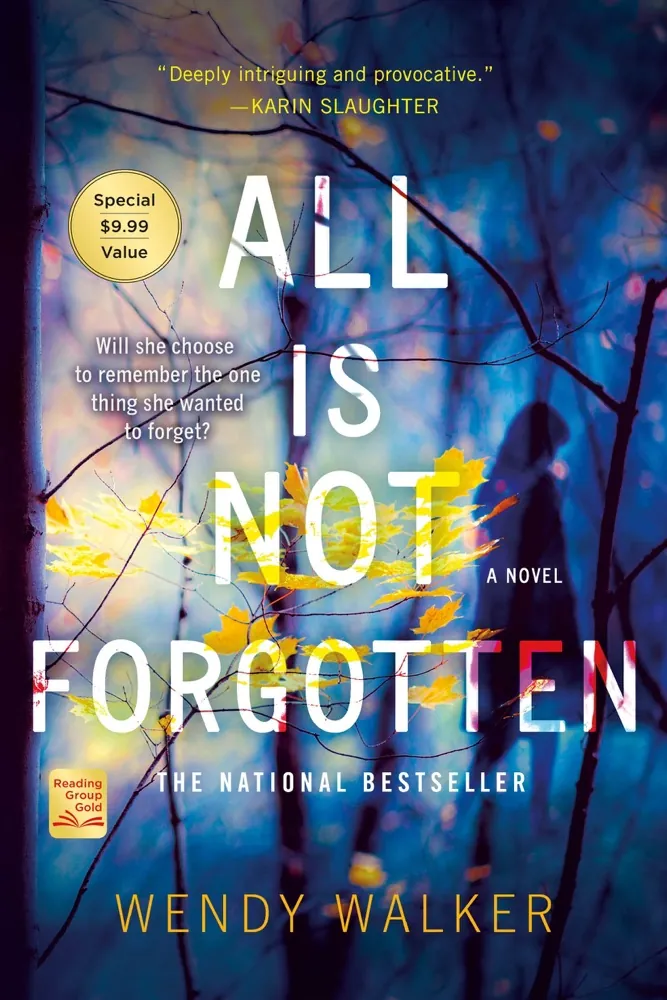

Author: Wendy WalkerPage Count: UnknownPublication Date: Expected publication 2026 APL Fairview, Connecticut. A picturesque cage where the lawns are manicured to a sociopathic degree and the local girl's autonomy is treated like a public utility. Wendy Walker’s All is Not Forgotten drops us squarely into the kind of suburban rot that Gillian Flynn and Paula Hawkins mapped out with such gleeful malice. But wait—actually, let me walk that back entirely, because Walker sidesteps psychological noir cliché by introducing a terrifying bio-ethical question: what happens when science itself conspires to rob a young woman of her own narrative? The Pharmacological Erasure of Female Agency Let us examine the sheer audacity of the premise. Jenny Kramer is brutally assaulted, and the immediate medical response is a controversial pharmacological intervention designed to wipe the slate clean. They call it healing. I call it state-sanctioned gaslighting in a Petri dish. Walker manages to weaponize bodily autonomy, or rather, the systematic dismantling of it. Yet, the emotional memory refuses to stay in its lane. It leaks out like toxic waste through the floorboards of a McMansion. The girl cannot remember her attacker, yet her body keeps the score in a way that makes you want to throw your coffee mug at the wall. Bitch, please. The audacity of assuming a traumatized teenager can just pop a pill and forget a violent violation is peak patriarchal nonsense. Fractured Households and Performative Perfection Tom Kramer is obsessed with justice, which is just a socially acceptable mask for male vengeance and bruised paternal ego. Charlotte, on the other hand, is too busy maintaining the aesthetic integrity of her curated domestic hellscape to notice the structural collapse happening underneath her feet. This is where the book actually transcends cheap procedural thrills. Walker exposes the fault lines of a community built on keeping up appearances—a theme we have seen explored by Liane Moriarty, but executed here with a scalpel rather than a sledgehammer. The narrative thrives on the friction between what is publicly performed and what is privately festering. The synopsis leaves us hanging on whether the prose can sustain the psychological weight of its own premise. Plot-wise, we get the standard thriller beats—the attacker is still lurking in the shadows, the town is harboring secrets—which feels slightly pedestrian for such an otherwise fascinating bio-political setup. I am surprisingly generous today, so I will forgive the trope-heavy trappings because Walker usually knows how to twist the knife in the final act. We are looking at a masterclass in suspense, provided she does not cop out with a neat, tidy resolution that wraps up the patriarchal violence with a neat little bow. I am going to put on a Coltrane vinyl and forget about this book. #WendyWalker #PsychologicalThriller #FeministCritique #BookTwitter Related InsightsThey Both Die at the End Book Review and Summary The Natural Order: A Novel Book Review and Summary 1984 (edición definitiva avalada por The Orwell Estate) (edición especial limitada con cantos pintados) / 1984 (Edition Endorsed by The Orwell Estate) Book Review and Summary{ "@context": "https://schema.org", "@type": "FAQPage", "mainEntity": [ { "@type": "Question", "name": "What is the main focus of Ten Years Gone Book Review and Summary?", "acceptedAnswer": { "@type": "Answer", "text": "Everything you need to know about Ten Years Gone with our detailed review." } }, { "@type": "Question", "name": "Who authored the comprehensive guide on Ten Years Gone Book Review and Summary?", "acceptedAnswer": { "@type": "Answer", "text": "This detailed article and its insights were carefully researched and authored by Marta Wisniewska." } }, { "@type": "Question", "name": "Where can I find more related content about Books?", "acceptedAnswer": { "@type": "Answer", "text": "You can explore more articles, detailed reviews, and similar insights by browsing the Related Insights section at the bottom of this article or visiting our dedicated Books category page." } } ] }

-
 Irina Ivanova
 - 09 Sep, 2026 20:44
How to Let Go: A Memoir of Finding Peace in Endings Book Review and Summary
Author: Hadley Vlahos R.N.Page Count: UnknownPublication Date: Expected publication 2026 APL Staring at a blinking cursor for forty minutes while the last dregs of instant coffee curdle in my chipped mug is honestly a masterclass in psychological torture. And now I am supposed to parse Hadley Vlahos and her impending follow-up, How to Let Go. Right. Because what the literary market desperately needs right now is another palliative memoir wrapped in glossy grief-porn aesthetics. Look. I am drowning in overdue invoices and rent that somehow keeps multiplying like a biological contagion, but sure, let us all sit around the campfire and unpack the bourgeois heartbreak of a nurse whose fairytale marriage went south. The Commodification of Mortality Vlahos clearly struck some unholy vein of cultural zeitgeist with The In-Between. People love crying on airplanes, apparently. They buy books about death because actual mortality is too messy, so they prefer it sanitized and digestible through the lens of a sympathetic medical professional who dispenses folksy wisdom alongside morphine drips. Now, she is pivoting inward. The premise hinges on the ultimate irony — counseling dying people while your own life is quietly combusting into hot garbage. It is the ultimate literary flex of aestheticized suffering. Yet, the synopsis reads like a masterclass in vague corporate hand-waving. Her fairytale marriage turned out to be not what it seemed. Riveting. Groundbreaking. Did he hoard vintage Star Wars memorabilia? Did he refuse to do the dishes? We do not know, because the pitch stays safely locked behind vague generalities designed to appeal to every bored suburbanite scrolling through Goodreads at 2:00 AM. The Transmutation of Trauma into Monetizable Content The thematic scaffolding here is glaringly obvious. We are looking at a classic post-Eat-Pray-Love emancipation narrative, but drenched in hospice metaphors because branding is everything. The synoptic sleight-of-hand equates walking away from a dead-end relationship with the literal dissolution of biological life. Anticipatory grief applied to a divorce settlement. It is deeply parasocial, deeply calculated, and frankly, deeply exhausting. We are supposed to believe that walking out on a mediocre husband mirrors the existential gravity of dying parents and terminal diagnoses. Make it make sense. It gives heavy Glennon Doyle vibes crossed with a TikTok therapist who charges three hundred dollars an hour to tell you your boundaries are valid. And yet—against my better judgment, my staggering debt, and my profound hatred for books with soft-focus floral covers—the cynicism falters slightly. Vlahos writes with a certain unvarnished sincerity that usually bypasses my internal bullshit detector, even when the marketing copy leans entirely into trauma-pimping. Will it revolutionize memoir as a high-art form? Absolutely the fuck not. Will it sell four million copies to people crying in suburban kitchens? Obviously. My cursor is blinking again. The blinking is mocking me. I need to go scrounge through the sofa cushions for twenty-five cents because the laundromat coin machine is broken again and I have exactly one pair of clean underwear left to my name. #memoir #publishing #reading #grief #exhaustion Related InsightsSolo and Together: Charles and Anne Morrow Lindbergh, an Enigmatic Life and Marriage Book Review and Summary The Restaurant at the End of the Universe Book Review and Summary Shadowfever Book Review and Summary{ "@context": "https://schema.org", "@type": "FAQPage", "mainEntity": [ { "@type": "Question", "name": "What is the main focus of How to Let Go: A Memoir of Finding Peace in Endings Book Review and Summary?", "acceptedAnswer": { "@type": "Answer", "text": "Everything you need to know about How to Let Go: A Memoir of Finding Peace in Endings with our detailed review." } }, { "@type": "Question", "name": "Who authored the comprehensive guide on How to Let Go: A Memoir of Finding Peace in Endings Book Review and Summary?", "acceptedAnswer": { "@type": "Answer", "text": "This detailed article and its insights were carefully researched and authored by Irina Ivanova." } }, { "@type": "Question", "name": "Where can I find more related content about Books?", "acceptedAnswer": { "@type": "Answer", "text": "You can explore more articles, detailed reviews, and similar insights by browsing the Related Insights section at the bottom of this article or visiting our dedicated Books category page." } } ] }

-
 Clara Schmidt
 - 09 Sep, 2026 20:11
„Die Alchemie der Ballaststoffe: Wenn das literarische Erbe auf den vollwertigen Shepherd’s Pie trifft“
Wenn der erste Frost des Jahres die Fensterscheiben mit filigranen Eiskristallen überzieht und die Welt draußen in ein gedämpftes Grau getaucht wird, beginnt in meiner Küche eine ganz eigene, archaische Form der Alchemie. Es ist die Zeit, in der Bücher nicht nur gelesen, sondern in Gerüche und Geschmäcker übersetzt werden. Ein Shepherd’s Pie ist für mich weit mehr als ein einfaches Auflaufgericht; er ist eine Erzählung, eine kulinarische Zeitreise in das 18. Jahrhundert, als das Gericht in den ärmlichen Haushalten Nordenglands und Schottlands entstand. Doch heute transformieren wir diesen Klassiker. Wir ersetzen das traditionelle Lammfleisch durch die erdige Kraft der Linsen und heben die Textur durch Vollkornkomponenten auf eine neue Ebene der ballaststoffreichen Perfektion. Die Evolution des Komforts: Vom rauen Hirtenleben zur modernen Vollwertkost Betrachtet man die Geschichte des Shepherd’s Pie, so stößt man unweigerlich auf die wirtschaftlichen Realitäten der damaligen Zeit. Ursprünglich diente dieses Gericht dazu, Fleischreste – häufig Lamm oder Hammel – aufzubrauchen. Es war eine Notwendigkeit, geboren aus Sparsamkeit und dem Wunsch, ein nahrhaftes Mahl zu schaffen, das einen langen Arbeitstag auf den Feldern oder Weiden überdauerte. Heute, in einer Ära, in der wir die gesundheitlichen Auswirkungen unserer Nahrung bewusster denn je hinterfragen, bietet die Linsenfvariante eine faszinierende Alternative. Linsen sind die heimlichen Helden der pflanzlichen Küche. Sie benötigen keine langen Einweichzeiten wie manch andere Hülsenfrüchte, sie sind reich an Eisen, Zink und – das ist entscheidend für unser heutiges Rezept – ein Reservoir an komplexen Kohlenhydraten. Wenn wir diese mit den Schätzen des Vollkorns kombinieren, schaffen wir ein Mahl, das den Blutzuckerspiegel stabilisiert und uns über Stunden hinweg eine wohlige Sättigung schenkt.Warum Ballaststoffe die heimlichen Stars Ihres Speiseplans sind In der modernen Ernährungswissenschaft hat sich die Erkenntnis festgesetzt: Ballaststoffe sind nicht nur Füllstoffe. Sie sind das Fundament für ein florierendes Mikrobiom. Während wir in unserer heutigen, oft hastigen Gesellschaft zu hochverarbeiteten Kohlenhydraten greifen, erinnert uns ein Shepherd’s Pie auf Vollkornbasis an die Kraft der Natur. Die Kombination aus den löslichen Ballaststoffen der Linsen und der groben Struktur der Vollkornzutaten wirkt wie ein sanfter Reinigungsmechanismus für unseren Organismus. Lassen Sie uns den klassischen Shepherd’s Pie dekonstruieren:Die Basis: Statt Fleisch setzen wir auf grüne oder braune Berglinsen, die ihre Form auch nach dem Garen behalten. Das Textur-Upgrade: Wir integrieren gekochten Dinkel oder Grünkern in die Linsenbasis. Dies gibt dem Gericht den nötigen „Biss“. Die Kruste: Das traditionelle Kartoffelpüree wird bei uns durch ein Püree aus Süßkartoffeln und einem Anteil an Vollkorn-Haferflocken oder Hafermehl angereichert, was die Textur cremiger macht und den Glykämischen Index senkt.Die Kunst der Komposition: Zutaten, die Geschichten erzählen Ein wirklich guter Shepherd’s Pie lebt von seiner Tiefe. Hierbei spielt die Wahl der Gewürze eine entscheidende Rolle. Denken Sie an die feuchten Wiesen Schottlands: Salbei, Thymian und ein Hauch von Rosmarin sind essenziell. Sie harmonieren perfekt mit der erdig-nussigen Note der Linsen. Beim Kochen der Linsen sollten wir sie in einer würzigen Brühe ziehen lassen, angereichert mit Wurzelgemüse wie Karotten, Sellerie und einer Prise geräuchertem Paprikapulver – ein kleiner Kniff, der dem Gericht die Tiefe gibt, die man sonst nur durch langes Schmoren von Fleisch erreicht.Eine Hommage an die Einfachheit und die Handwerkskunst Warum sind wir eigentlich so fasziniert von solch rustikalen Gerichten? Vielleicht, weil sie uns mit unserer eigenen Geschichte verbinden. Es ist das Gefühl von „Heimat auf dem Teller“. Wenn das Gericht im Ofen goldbraun bäckt und der Duft von gerösteten Kräutern den Raum erfüllt, ist das eine Form von Achtsamkeit, die wir im digitalen Zeitalter oft vermissen. Hier ist ein technischer Blick auf die Zusammensetzung der Nährstoffe, die wir bei der Zubereitung erreichen: # Berechnung der Ballaststoff-Dichte einer Portion (exemplarisch) portion_linsen = 150 # Gramm portion_vollkorn = 50 # Gramm ballaststoffe_pro_100g_linsen = 8.0 ballaststoffe_pro_100g_vollkorn = 10.0total_ballaststoffe = (portion_linsen * 0.08) + (portion_vollkorn * 0.10) print(f"Ihre Portion enthält ca. {total_ballaststoffe}g Ballaststoffe.")Dieses Gericht ist nicht nur ein Rezept; es ist ein Manifest gegen die Hektik. Es fordert Zeit. Es fordert, dass wir die Linsen sorgfältig waschen, dass wir das Gemüse in gleichmäßige Würfel schneiden und dass wir dem Püree die Aufmerksamkeit schenken, die es verdient. Die Krönung: Das Geheimnis des perfekten Toppings Das Püree ist bei einem Shepherd’s Pie der schützende Mantel für den dampfenden Inhalt. Um die Vollkorn-Variante zu vervollkommnen, empfehle ich, einen Teil des Kartoffelanteils durch Pastinaken zu ersetzen. Diese verleihen eine subtile, süßliche Note, die exzellent mit den kräftigen Linsen harmoniert. Die Zugabe von einer Handvoll Vollkorn-Haferflocken direkt unter das Püree sorgt für eine Struktur, die beim Überbacken eine knusprige Schicht bildet – ein Kontrast zum weichen Kern, der den Genießer bei jedem Bissen aufhorchen lässt. Wenn Sie das nächste Mal in Ihre Küche treten, sehen Sie nicht nur Utensilien und Zutaten. Sehen Sie Werkzeuge für eine Transformation. Sie verwandeln einfache, unscheinbare Hülsenfrüchte und Körner in ein Festmahl, das sowohl Körper als auch Seele nährt. Das ist es, was wir „Nourishing Soulfood“ nennen. Es ist die Verbindung aus historischer Tradition und moderner Wissenschaft, gepaart mit der Liebe zum Detail, die Clara Schmidt so am Herzen liegt. Guten Appetit beim Nachkochen dieses Klassikers der ballaststoffreichen Welt!#GesundeKüche #LinsenRezepte #ShepherdsPie #Ernährungswissenschaft #SlowFood Related InsightsThe Gods Will Sing Our Song Book Review and Summary King of Scars Book Review and Summary Hopeless Book Review and Summary{ "@context": "https://schema.org", "@type": "FAQPage", "mainEntity": [ { "@type": "Question", "name": "What is the main focus of „Die Alchemie der Ballaststoffe: Wenn das literarische Erbe auf den vollwertigen Shepherd’s Pie trifft“?", "acceptedAnswer": { "@type": "Answer", "text": "Erleben Sie die Symbiose aus kulinarischer Geschichte und moderner Gesundheitsküche mit diesem ballaststoffreichen, vegetarischen Shepherd’s Pie." } }, { "@type": "Question", "name": "Who authored the comprehensive guide on „Die Alchemie der Ballaststoffe: Wenn das literarische Erbe auf den vollwertigen Shepherd’s Pie trifft“?", "acceptedAnswer": { "@type": "Answer", "text": "This detailed article and its insights were carefully researched and authored by Clara Schmidt." } }, { "@type": "Question", "name": "Where can I find more related content about Books?", "acceptedAnswer": { "@type": "Answer", "text": "You can explore more articles, detailed reviews, and similar insights by browsing the Related Insights section at the bottom of this article or visiting our dedicated Books category page." } } ] }
-
 Tiago Silva
 - 09 Sep, 2026 19:59
The Book of Magical Living: 8 Secrets to Good Fortune Book Review and Summary
Author: Poppy JamiePage Count: UnknownPublication Date: Expected publication 2026 APL September air smells excessively of expensive eucalyptus and crushed ambition, which is precisely the mood required to evaluate whatever glossy, lifestyle-adjacent curation Poppy Jamie has decided to inflict upon our nightstands for 2026. The publishing world continues its relentless march toward monetized serenity. The Book of Magical Living: 8 Secrets to Good Fortune arrives with the heavy-handed promise of a wellness retreat wrapped in a hardcover. But let us pause—actually, cancel that entire thought, because I just remembered her previous ceramic mug collection chipped if you looked at it too harshly, making any discourse on "fortune" instantly suspect. The Architecture of Unearned Joy Eight secrets. Exactly eight. Because the universe apparently operates like a corporate quarterly report. We are expected to buy into the aestheticized minimalism of manifesting prosperity, as if a well-placed linen throw can cure structural existential dread. And yet, there is a viciously clever marketing engine humming underneath these pages. Think Gwyneth Paltrow collaborating with a Victorian ghost—high-brow porcelain aesthetics meeting absolute zero-effort spiritual hustle. The prose will undoubtedly glide across the page like chilled champagne over marble countertops, utterly devoid of grit, sweat, or actual human messiness. The Commodification of Serendipity Fortune is not an actionable bullet point. But do not tell the lifestyle industrial complex that, because they will simply slap a pastel dust jacket on it and sell it at a concept store for forty-eight dollars. Jamie operates in that peculiar stratosphere where intuition is rebranded as a proprietary methodology. One expects chapters on circadian alignment and crystal-infused hydration, executed with such aggressive cheerfulness that you want to throw a heavy hardcover directly through a pane of leaded glass. Read The House in the Cerulean Sea if you want genuine whimsy, or stick to Joan Didion if you prefer your melancholy unadulterated by gratitude journals. This volume will undoubtedly sit on reclaimed wood coffee tables across Mayfair, perpetually unopened, serving as a silent testament to someone’s desperate desire to curate an effortless aura. I am going to sit in my mahogany-lined study in absolute, expensive silence. Related InsightsNotes on a Nervous Planet Book Review and Summary Until the Last Light Goes Out Book Review and Summary Non farti prendere dal panico: Odissea intergalattica tra le pagine di Douglas Adams{ "@context": "https://schema.org", "@type": "FAQPage", "mainEntity": [ { "@type": "Question", "name": "What is the main focus of The Book of Magical Living: 8 Secrets to Good Fortune Book Review and Summary?", "acceptedAnswer": { "@type": "Answer", "text": "Everything you need to know about The Book of Magical Living: 8 Secrets to Good Fortune with our detailed review." } }, { "@type": "Question", "name": "Who authored the comprehensive guide on The Book of Magical Living: 8 Secrets to Good Fortune Book Review and Summary?", "acceptedAnswer": { "@type": "Answer", "text": "This detailed article and its insights were carefully researched and authored by Tiago Silva." } }, { "@type": "Question", "name": "Where can I find more related content about Books?", "acceptedAnswer": { "@type": "Answer", "text": "You can explore more articles, detailed reviews, and similar insights by browsing the Related Insights section at the bottom of this article or visiting our dedicated Books category page." } } ] }
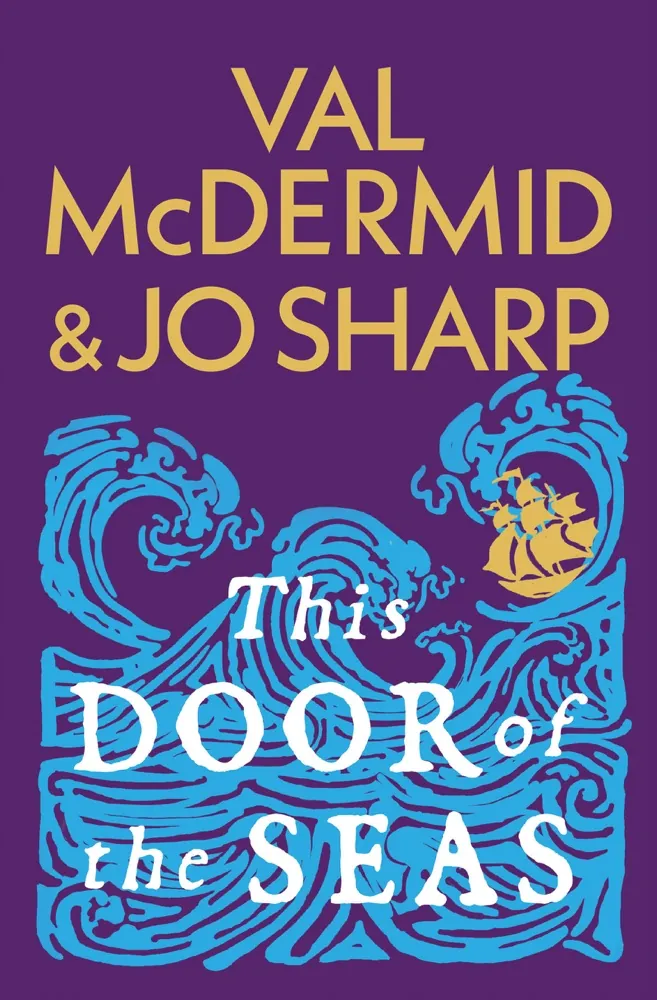

Author: Val McDermidPage Count: UnknownPublication Date: Expected publication 2026 APL The crisp September air smells faintly of decaying oak leaves and the roasted hazelnuts I bought from the cart on the corner. I wrapped my woolen scarf twice around my neck before sitting down at the antique cedar desk to examine the preliminary buzz surrounding Val McDermid and Jo Sharp’s upcoming collaboration, This Door of the Seas. And what a fascinating, albeit thinly outlined, premise we have here. The Weight of Ancient Missteps At the end of the seventeenth century, a hopeful band of Scots dared to dream of empire. They looked toward the jungle-choked coast of Panama, envisioning a bustling trade hub that would rival the ambitions of larger nations. Yet, history tells us how that grand ambition curdled into the catastrophic Darien Scheme—an ill-fated colonial venture that bankrupted an entire populace. McDermid and Sharp frame this tragedy through an epistolary lens, relying on the fictionalized dispatches of expedition scientist Dr. James Wallace. Letters home to a spouse and a Geographer Royal. It is a classic narrative architecture. Epistolary formats require an immense amount of emotional heavy lifting to sustain tension across vast geographical distances. Can a series of written missives truly capture the suffocating humidity of a Central American jungle while maintaining a steady pulse of dramatic irony? I certainly hope so. I am endlessly fascinated by how people communicate their vulnerabilities when they are drowning in circumstances entirely beyond their control. Mutual vulnerability is the bedrock of any enduring bond, after all—whether in a doomed colonial outpost or in a modern partnership where one partner refuses to communicate about their career anxieties. On Structural Fragility Actually, scrap that line of reasoning. The epistolary device is entirely overdone. It feels like a stylistic crutch rather than an organic narrative choice, reminiscent of those insufferable historical dramas where characters constantly narrate their inner turmoils via quill and parchment just so the reader doesn't have to work for their exposition. Wait. Let me rephrase that. The epistolary format is actually brilliant for this specific kind of isolation. Speaking of isolation, my neighbor has been practicing the bass guitar in the apartment above mine for three straight hours, hitting the exact same four-note funk riff with the rhythmic precision of a leaking faucet, and frankly, it is testing my capacity for human grace far more than any seventeenth-century Scottish economic ruin ever could. Why do people insist on inflicting their half-formed artistic projects on the rest of the building? At least McDermid has the decency to collaborate with a literal Geographer Royal, ensuring the historical topography won't read like a badly researched Wikipedia entry. Anticipating the Aftermath Readers should expect something akin to Amitav Ghosh’s sweeping historical critiques or James Robertson’s meticulous explorations of Scottish identity. The synopsis leans heavily on the buzzwords of epic historical fiction—betrayal, anguish, a dream turning into a nightmare. It is a bit generic, I must admit. Publishers love to slap a dramatic quote from Chris Brookmyre on the cover and call it a day, leaving us to guess whether the prose will actually match the grandeur of the historical collapse. But given McDermid’s sharp psychological acuity and Sharp’s geographic expertise, the interpersonal dynamics buried beneath the geopolitical disaster will likely provide the real emotional anchor. Drafting this review with my poorly insulated window rattling against the autumn gusts is making it utterly impossible to type a coherent closing thought.

-
 Maximilian Fischer
 - 09 Sep, 2026 19:32
Bittersweet Empire: Billionaire Sugar Barons and the Ghosts of Slavery Book Review and Summary
Author: Sandy TolanPage Count: UnknownPublication Date: Expected publication 2026 APL There is a particular kind of heartbreak that comes from reading the back of a book about human suffering while holding a ridiculously overpriced latte, wondering if the foam on top was beaten by hands that actually saw a living wage today, or if we are all just complicit cogs in a very shiny, very cruel machine that grinds ordinary people into dust just so someone in Palm Beach can buy another yacht. Sandy Tolan is stepping into the ring with Bittersweet Empire, a sprawling, five-years-in-the-making investigative deep-dive that promises to rip the pristine white wrapper right off the global sugar trade and expose the dynastic rot beneath. And by rot, I mean the kind of multi-generational, heavily lobbied, government-subsidized feudalism that makes Succession look like a heartwarming sitcom about quirky billionaires. We are promised the Fanjul family—a name most people outside the commodities market won't recognize until Tolan drags them blinking into the harsh Florida sun—and their glittering domain of Domino Sugar and Florida Crystals. Wait. Actually, let me walk that back entirely. Maybe the Fanjuls aren't the secretive shadow-masters the synopsis makes them out to be at all. Power usually screams rather than whispers in this country, hiding behind campaign contributions and Palm Beach galas rather than dark alleys, and perhaps Tolan is overstating the secrecy just to sell hardcovers to people who already pat themselves on the back for buying fair-trade chocolate. Brutal. Because beneath the glossy marketing copy about stolen land in Cuba, migrant cane workers trapped in modern debt bondage, and poisoned Everglades ecosystems, lies a familiar journalistic gamble: can a sweeping, multi-century indictment of capitalism actually move the needle, or is it just another devastating doorstop for our coffee tables that we weep over before falling asleep to a true-crime podcast? We have seen this before. Matthew Desmond does it with housing. Patrick Radden Keefe does it with the Sacklers. Tolan is aiming for that exact shelf of righteous, investigative fury, tracing a path from northern Spain to the Caribbean to the White House itself, using five years of relentless on-the-ground reporting that apparently already packs enough punch to successfully block sugar imports from the Dominican Republic. That is not just writing history. That is weaponizing it. Power. And yet, I worry about the balance. Can a book juggle the macro-economics of the U.S. sugar program alongside the micro-tragedies of offshore workers earning four dollars a day without losing its narrative soul in the ledgers? We shall see when the pages finally land. Right now, I need to go argue with a barista about the ethical sourcing of their coffee beans. Related InsightsThe Bride Bet Book Review and Summary House of Hades (Graphic Novel) Book Review and Summary Grimm's Fairy Tales Book Review and Summary{ "@context": "https://schema.org", "@type": "FAQPage", "mainEntity": [ { "@type": "Question", "name": "What is the main focus of Bittersweet Empire: Billionaire Sugar Barons and the Ghosts of Slavery Book Review and Summary?", "acceptedAnswer": { "@type": "Answer", "text": "Everything you need to know about Bittersweet Empire: Billionaire Sugar Barons and the Ghosts of Slavery with our detailed review." } }, { "@type": "Question", "name": "Who authored the comprehensive guide on Bittersweet Empire: Billionaire Sugar Barons and the Ghosts of Slavery Book Review and Summary?", "acceptedAnswer": { "@type": "Answer", "text": "This detailed article and its insights were carefully researched and authored by Maximilian Fischer." } }, { "@type": "Question", "name": "Where can I find more related content about Books?", "acceptedAnswer": { "@type": "Answer", "text": "You can explore more articles, detailed reviews, and similar insights by browsing the Related Insights section at the bottom of this article or visiting our dedicated Books category page." } } ] }
-
 Giulia Ricci
 - 09 Sep, 2026 19:13
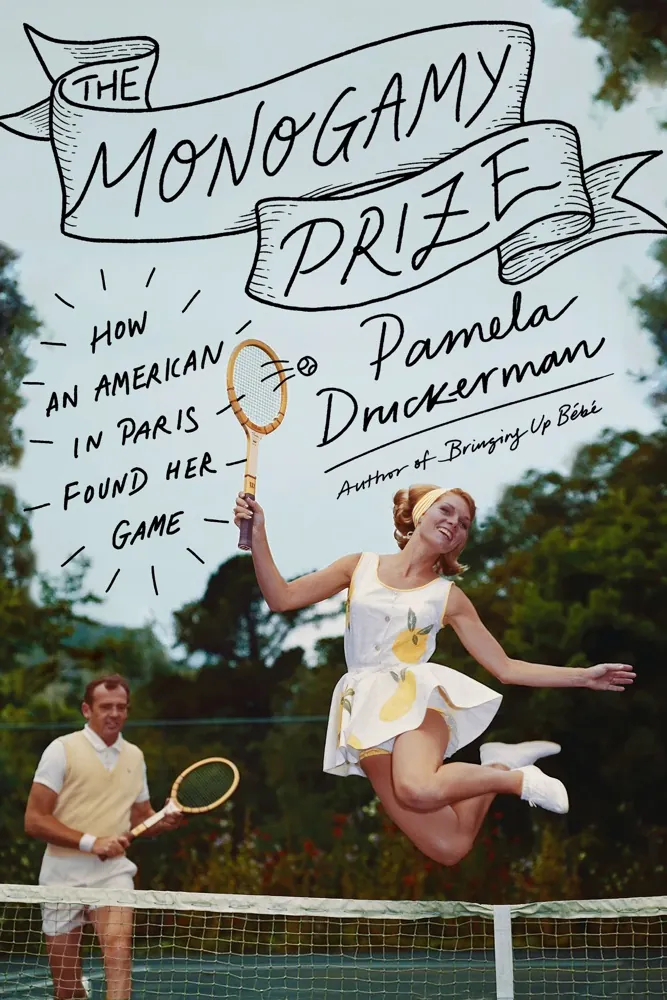
The Monogamy Prize: How an American in Paris Found Her Game Book Review and Summary
Author: Pamela DruckermanPage Count: UnknownPublication Date: Expected publication 2026 APL Paint is currently dripping down my forearm and ruining a perfectly good vintage smock, which feels entirely appropriate for dissecting the middle-aged domestic malaise of Pamela Druckerman. Yet here we are. Staring down the barrel of The Monogamy Prize, a forthcoming memoir that promises to weaponize the Parisian afternoon against the quiet horrors of suburban-adjacent drifting. Midlife Cartography and the Parisian Mythos The premise is dripping with the kind of delicious, high-concept irony that makes you want to throw your brush across the drop cloths. Druckerman—once the architectural surveyor of French child-rearing in Bringing Up Bébé—now turns her ethnographic gaze toward her own decaying marital architecture. She is fifty. Her husband is churning out books and wearing earplugs like a human noise-canceling headphone. Her teenagers are basically foreign nationals who refuse to look at her. And her professional status has plummeted to head of household procurement. Enter “the banker” and an illicit afternoon birthday present. Because nothing says radical self-care quite like committing a low-stakes bourgeois indiscretion to shatter the monotony of quality control. The Aesthetics of Infidelity as Avant-Garde Rebellion Let us be entirely honest about the literary ecosystem here. We are knee-deep in a cultural moment saturated with autofiction that treats female infidelity either as a tedious moral transgression or a sacred feminist awakening. But Druckerman is too sharp for that basic binary. She is asking the hard, messy questions—what is fidelity, really?—while presumably wearing a trench coat in the rain and questioning her life choices. It gives giving very much midlife crisis chic, but make it academic. Compare this to the manic confessionals of someone like Sheila Heti or the dry sociological detachment of Annie Ernaux, though Druckerman lacks their raw structural grit. She relies instead on the observational charm of the perpetual expat. The eternal outsider trying to decode the local social contract by breaking it. Can an American in Paris ever truly become French? Only if you cheat with administrative panache, apparently. The Danger of the Neat Resolution My primary critique—and I reserve the right to throw this manuscript into the recycling bin if it pulls a muscle—lies in the narrative trap of the neatly tied bow. Memoirs of middle-aged marital renegotiation always want to teach us a lesson. They want growth. They want epiphanies under the zinc-topped bars of the Marais. But true art, much like the half-finished abstract canvas currently mocking me from the easel, should refuse to behave. If she spends the final chapters discovering the true magic of her boring husband, I am going to scream. Give us the absolute rot of domestic fatigue or give us nothing at all. Anyway, I have to go scream about the ontological validity of absurdism with a terrifying stranger in a damp dive bar. #pamela druckerman #memoir #paris #contemporary lit #midlifecrisis Related InsightsA Darker Act Book Review and Summary The Lost Souls of Saint Oda's (Ruby Vaughn #4) Book Review and Summary An Immaculate Deception Book Review and Summary{ "@context": "https://schema.org", "@type": "FAQPage", "mainEntity": [ { "@type": "Question", "name": "What is the main focus of The Monogamy Prize: How an American in Paris Found Her Game Book Review and Summary?", "acceptedAnswer": { "@type": "Answer", "text": "Everything you need to know about The Monogamy Prize: How an American in Paris Found Her Game with our detailed review." } }, { "@type": "Question", "name": "Who authored the comprehensive guide on The Monogamy Prize: How an American in Paris Found Her Game Book Review and Summary?", "acceptedAnswer": { "@type": "Answer", "text": "This detailed article and its insights were carefully researched and authored by Giulia Ricci." } }, { "@type": "Question", "name": "Where can I find more related content about Books?", "acceptedAnswer": { "@type": "Answer", "text": "You can explore more articles, detailed reviews, and similar insights by browsing the Related Insights section at the bottom of this article or visiting our dedicated Books category page." } } ] }

-
 Diego Lopez
 - 09 Sep, 2026 18:45
Sleep Intelligence: The High-Performance Blueprint for Sharper Thinking Book Review and Summary
Author: Els van der Helm PhDPage Count: UnknownPublication Date: Expected publication 2026 APL The idea that sleep is a performance hack—like a secret weapon tucked into the back of your closet—isn’t exactly revelatory. But here’s the thing: the way Sleep Intelligence frames it, you’d think we’ve been sleepwalking through our own exhaustion for decades, and only now, with the precision of a Swiss watchmaker, has someone decided to measure the exact seconds we’re wasting. The synopsis leans hard into the "high-performance" angle, which is fine if you’re a CEO who’s already convinced their 4 a.m. coffee is a superpower. But what about the rest of us? The people who aren’t just "ambitious professionals" but also, say, parents, artists, or anyone who’s ever stared at a ceiling fan and wondered why their brain feels like a deflated balloon? The six-principle framework sounds impressive—chronotype alignment, REM sleep protection, strategic napping—but it’s the kind of thing that makes you wonder if the author has ever actually lived in a world where "optimal sleep" isn’t just a luxury but a survival tactic. The mention of "sleep leaders" is particularly rich. Leaders? Like, the kind who can schedule their REM cycles while also dealing with existential crises? Or is this just another corporate buzzword for people who can afford to outsource their sleep to a neuroscientist? And yet—here’s where I pivot—maybe the real genius of this book isn’t in the science (which, let’s be honest, isn’t exactly groundbreaking) but in the way it weaponizes guilt. "You’re not performing at your best because you’re not sleeping like a lab rat!" It’s the kind of thing that makes you feel like a failure just for existing in a world that doesn’t revolve around your circadian rhythm. But then again, if you’re the kind of person who’s already convinced that sleep is a weakness, this might be the book to make you feel like you’re finally getting it right. The synopsis is so vague it’s almost insulting. "Identify your chronotype"—great, so I’m supposed to take a quiz and suddenly become a high-functioning machine? And "protect REM sleep"—because nothing says "adulting" like scheduling your dreams like a spreadsheet. The real question is: who is this for? The people who already know they need to sleep but don’t know how to make it happen? Or the people who think they’re too important to sleep at all? I can’t help but think of The Sleep Revolution by Arianna Huffington—because, let’s face it, this is just the next iteration of the same tired message, repackaged with a PhD and a six-step plan. Huffington at least had the decency to make it sound like a revolution. This feels more like a corporate wellness seminar with a side of self-help. But then again, maybe that’s the point. Maybe the book isn’t about sleep at all—it’s about selling the idea that you’re not doing enough. And in a world where productivity is worshipped, who could resist? I’m supposed to be writing this review, but honestly, I’d rather be anywhere else. The idea of sitting down with a book about sleep when I’ve already spent the last three hours staring at the wall is almost comical. Yet here I am, forced to engage with another self-help manual that’s going to tell me I’m doing it wrong. Not in this lifetime. I’m going to go drink absinthe and pretend I’m in 1920s Paris, where at least the existential dread comes with a side of absinthe. #SleepIsOverrated #CorporateWellnessFail #PhDOrNotPhD Related InsightsEnlightenment Now Book Review and Summary The Couple Next Door Book Review and Summary Bridge of Souls Book Review and Summary{ "@context": "https://schema.org", "@type": "FAQPage", "mainEntity": [ { "@type": "Question", "name": "What is the main focus of Sleep Intelligence: The High-Performance Blueprint for Sharper Thinking Book Review and Summary?", "acceptedAnswer": { "@type": "Answer", "text": "Everything you need to know about Sleep Intelligence: The High-Performance Blueprint for Sharper Thinking with our detailed review." } }, { "@type": "Question", "name": "Who authored the comprehensive guide on Sleep Intelligence: The High-Performance Blueprint for Sharper Thinking Book Review and Summary?", "acceptedAnswer": { "@type": "Answer", "text": "This detailed article and its insights were carefully researched and authored by Diego Lopez." } }, { "@type": "Question", "name": "Where can I find more related content about Books?", "acceptedAnswer": { "@type": "Answer", "text": "You can explore more articles, detailed reviews, and similar insights by browsing the Related Insights section at the bottom of this article or visiting our dedicated Books category page." } } ] }
-
 William Clark
 - 09 Sep, 2026 17:57
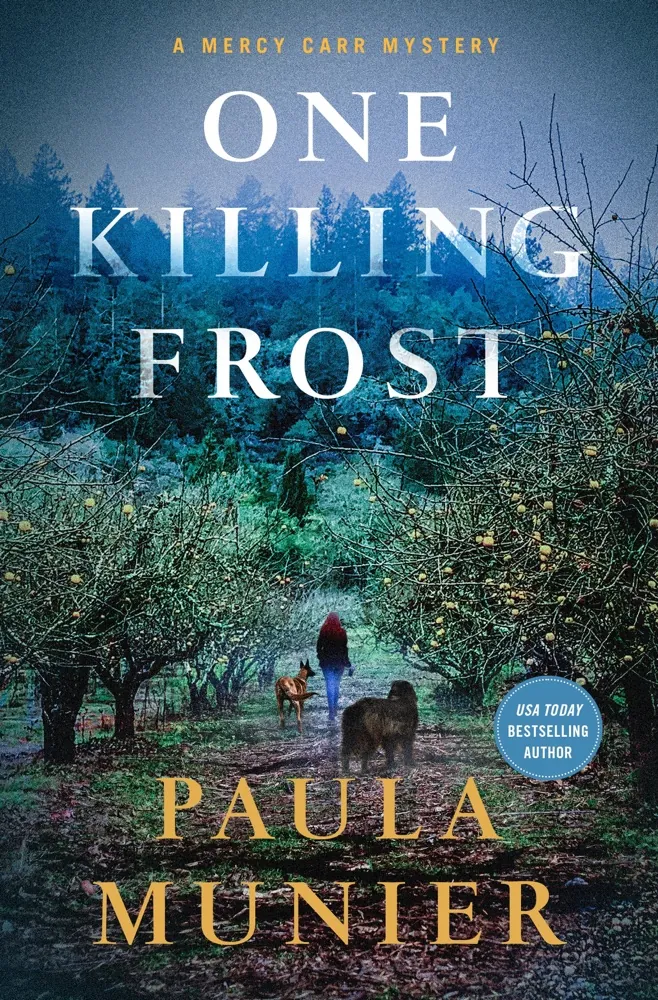
One Killing Frost (Mercy & Elvis Mysteries, #8) Book Review and Summary
Author: Paula MunierPage Count: UnknownPublication Date: Expected publication 2026 APL Mud is drying on the porch steps. The chickens are scratching up the mulch around the newly pruned heirloom grafts, and the wind is carrying the rotten-sweet stench of dropped fruit from the back pasture—yet another year where the late frost got the early blossoms before the bees even woke up. People love to romanticize agrarian life from their air-conditioned apartments in Boston or Brooklyn, painting rural existence as some pastoral idyll where we all just sit around basket-weaving and sipping sweet cider while the leaves turn amber. But dirt gets under your fingernails. The soil demands blood, sweat, and a terrifying amount of fossil fuels just to keep a few rare rootstocks alive against the onslaught of blight and corporate agribusiness. Naturally, Paula Munier's One Killing Frost leans right into this blood-soaked orchard fantasy, dragging poor Mercy Carr and her exceedingly busy household out into the Vermont woods to hunt for rare apples while a body rots in a cider vat. Corporate greed meets botanical hubris. Grafting Corporate Greed Onto Gnarled Wood Apples are big business now. Who knew. The synopsis reads like a cross between a seed-catalog fever dream and a turf war over botanical patents—because God forbid we just let a McIntosh be a McIntosh without someone trying to engineer a rare Black Diamond of Tibet hybrid that requires three pesticides and a patent lawyer just to look at it. We see the commodification of nature pushed to its logical, homicidal extreme here. The author takes the quiet devastation of monoculture and agricultural gentrification and turns it into a literal whodunit where movers and shakers get stabbed under gnarled boughs. It is a tired thriller trope, really—taking something organic and innocent like a heritage orchard and dragging it through the mud of capitalistic murder, echoing the heavy-handed rural noir of C.J. Box or Nevada Barr, where nature is just a scenic backdrop for human malice. Unoriginal. The Dog and Pony Show of Botanical Murder And of course, there are the dogs. Always the dogs. Elvis and Susie Bear are out there sniffing out bad apples while toddlers tag along in the leaf litter because apparently rural crime-solving is now a family-friendly weekend excursion. Give me a break. If I have to dodge one more cozy mystery protagonist who juggles parenthood, canine companions, and a localized homicide epidemic without getting mud on their L.L. Bean boots, I am going to throw my pruning shears right through the window. The synopsis leans heavily on the gimmick of the rare apple, dangling the Black Oxford and Himalayan imports like shiny lures for readers who prefer their ecological anxieties neatly wrapped in a standard police procedural format. Predictable. I am going to collapse in my recliner and attempt to ignore the household chaos. Related InsightsDark Places Book Review and Summary The Light We Carry Book Review and Summary Sweet Obsession Book Review and Summary{ "@context": "https://schema.org", "@type": "FAQPage", "mainEntity": [ { "@type": "Question", "name": "What is the main focus of One Killing Frost (Mercy & Elvis Mysteries, #8) Book Review and Summary?", "acceptedAnswer": { "@type": "Answer", "text": "Everything you need to know about One Killing Frost (Mercy & Elvis Mysteries, #8) with our detailed review." } }, { "@type": "Question", "name": "Who authored the comprehensive guide on One Killing Frost (Mercy & Elvis Mysteries, #8) Book Review and Summary?", "acceptedAnswer": { "@type": "Answer", "text": "This detailed article and its insights were carefully researched and authored by William Clark." } }, { "@type": "Question", "name": "Where can I find more related content about Books?", "acceptedAnswer": { "@type": "Answer", "text": "You can explore more articles, detailed reviews, and similar insights by browsing the Related Insights section at the bottom of this article or visiting our dedicated Books category page." } } ] }


Author: Åsne SeierstadPage Count: UnknownPublication Date: Expected publication 2026 APL Between you and me, the sheer volume of geopolitical nonfiction landing on my oak dining table lately is giving me mild heart palpitations, especially when the youngest is currently midway through murdering a Chopin nocturne two rooms over with the dedication of a medieval torturer. Ah, Never Say War: Life in Russia Today. Åsne Seierstad is stepping back into the ring with what promises to be a deeply human lens on a country currently choking on its own paranoia. Between you and me, I bought extra tea just to brace for the emotional toll of reading about war widows, taxi drivers, and silenced artists. The Kitchen Table Chronicles Think Svetlana Alexievich meets George Packer, but filtered through the crisp, fearless boots of a Scandinavian war reporter who clearly prefers talking to real humans over schmoozing with bureaucrats in Moscow hotel lobbies. The synopsis drops hints about a canvas stretching from the freezing Arctic north down to the metropolitan cultural elites, which instantly makes me wonder if the pacing will feel a bit scattershot. Can one slim volume genuinely hold the agony of a soldier fleeing the Ukrainian front alongside the quiet, desperate defiance of banned writers? Books like this always rely heavily on the invisible thread of human connection, turning strangers into pseudo-friends you worry about long after you close the back cover. Brutal. The Neighborhood Drama Speaking of high-stakes domestic chaos, our neighbor Mrs. Gable has decided to repaint her entire Victorian porch a violent shade of mustard yellow that clashes so aggressively with the hydrangeas it physically hurts my retinas to water the geraniums, yet somehow she expects everyone on the block to admire her bold artistic statement during our morning garbage-can retrievals. But back to Seierstad and her brave dispatching from behind the iron curtain, because watching everyday people navigate totalitarian absurdity feels painfully relevant when half my neighborhood is fighting over property lines. Read it. I have to go supervise a terrifyingly loud piano practice. #BookTok #NonfictionReads #ÅsneSeierstad Related InsightsCourt of the Vampire Queen Book Review and Summary Look What You Did Book Review and Summary A Fine Balance Book Review and Summary{ "@context": "https://schema.org", "@type": "FAQPage", "mainEntity": [ { "@type": "Question", "name": "What is the main focus of Never Say War: Life in Russia Today Book Review and Summary?", "acceptedAnswer": { "@type": "Answer", "text": "Everything you need to know about Never Say War: Life in Russia Today with our detailed review." } }, { "@type": "Question", "name": "Who authored the comprehensive guide on Never Say War: Life in Russia Today Book Review and Summary?", "acceptedAnswer": { "@type": "Answer", "text": "This detailed article and its insights were carefully researched and authored by Camille Dubois." } }, { "@type": "Question", "name": "Where can I find more related content about Books?", "acceptedAnswer": { "@type": "Answer", "text": "You can explore more articles, detailed reviews, and similar insights by browsing the Related Insights section at the bottom of this article or visiting our dedicated Books category page." } } ] }
-
 Carmen Martinez
 - 09 Sep, 2026 16:54
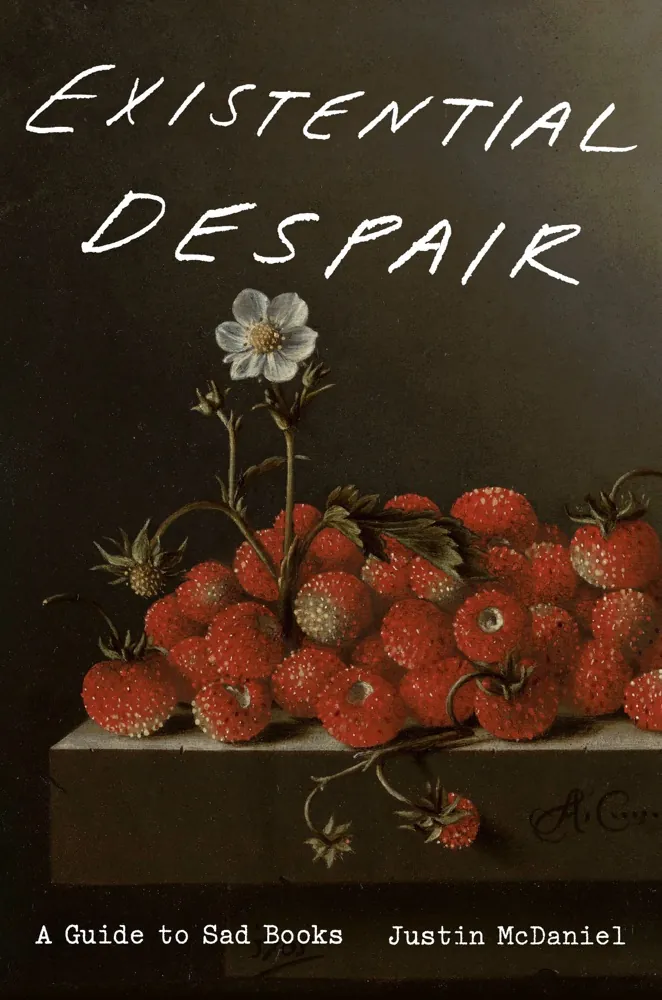
Existential Despair: A Guide to Sad Books Book Review and Summary
Author: Justin McDanielPage Count: UnknownPublication Date: Expected publication 2026 APL The coffee in this styrofoam cup tastes like battery acid filtered through a dirty gym sock, which feels entirely appropriate for previewing a text about existential dread. Justin McDaniel—an ex-monk with a tenure track at Penn, because of course—has packaged his viral syllabus into Existential Despair. It’s a book promising sixteen weeks of radical reading designed to make elite undergrads sweat through their Patagonia fleeces. No phones, no prep, just raw literary suffering. But let us be entirely serious for a second. The man makes students read whole novels in one sitting while staring blankly into space like lobotomized Victorian orphans. Peak performance academia, folks. No notes. The Curriculum of Suffering The premise leans hard on the modern allergy to silence. We are drowning in algorithmic dopamine soup, so tossing James Baldwin, Ottessa Moshfegh, and Yukio Mishima at over-caffeinated kids is frankly a genius psyop. Yet, let us backtrack for a moment—actually, scrap that, McDaniel’s syllabus is totally derivative garbage masquerading as pedagogical bravery. Every depressed sophomore in Brooklyn already reads Moshfegh while chain-smoking American Spirits in their overpriced walk-ups. Do we really need an Ivy League professor to curate our collective panic attacks? Apparently yes, because the culture demands commodified misery packaged with a sleek academic bow. The Gutter-Level Aesthetic of Gloom The promotional copy insists this isn't a self-help manual, which is industry-speak for "buy this so you can look smart reading it on the subway." We are promised a masterclass in living alongside grief, meaning, and survival without cheap resolutions. No silver linings. No toxic positivity. Just pure, unadulterated literary gut-punches. Baldwin and Mishima do not care about your personal growth; they want to drag your psyche behind a rusty pickup truck. McDaniel apparently wants to recreate that exact vibe for the tuition-paying masses. The Anticipated Trainwreck Prediction time. The publishing industrial complex will turn this into the ultimate lifestyle accessory for people who post screenshots of their Kindle progress bars on Instagram. It will sell a metric ton of copies to tech bros pretending they have inner lives. Then again, maybe stripping away the PowerPoint slides and forcing people to sit with actual prose is the exact kind of high-brow asceticism we desperately need right now. Or maybe it is just incredibly pretentious theater for people who peaked in high school AP Lit. I need to close this laptop before the waitress realizes I have been nursing the same lukewarm tap water for three hours, mostly because I have to go debate the merits of absurdism with a sketchy stranger in a dimly lit dive bar across the street. #existentialdespair #reading #literaryfiction #academia Related InsightsCrown of Midnight Book Review and Summary The Hope Effect: The Science of Healing, Achieving, and Breaking Through Book Review and Summary Cars on the Road (Disney/Pixar Cars on the Road) Book Review and Summary{ "@context": "https://schema.org", "@type": "FAQPage", "mainEntity": [ { "@type": "Question", "name": "What is the main focus of Existential Despair: A Guide to Sad Books Book Review and Summary?", "acceptedAnswer": { "@type": "Answer", "text": "Everything you need to know about Existential Despair: A Guide to Sad Books with our detailed review." } }, { "@type": "Question", "name": "Who authored the comprehensive guide on Existential Despair: A Guide to Sad Books Book Review and Summary?", "acceptedAnswer": { "@type": "Answer", "text": "This detailed article and its insights were carefully researched and authored by Carmen Martinez." } }, { "@type": "Question", "name": "Where can I find more related content about Books?", "acceptedAnswer": { "@type": "Answer", "text": "You can explore more articles, detailed reviews, and similar insights by browsing the Related Insights section at the bottom of this article or visiting our dedicated Books category page." } } ] }
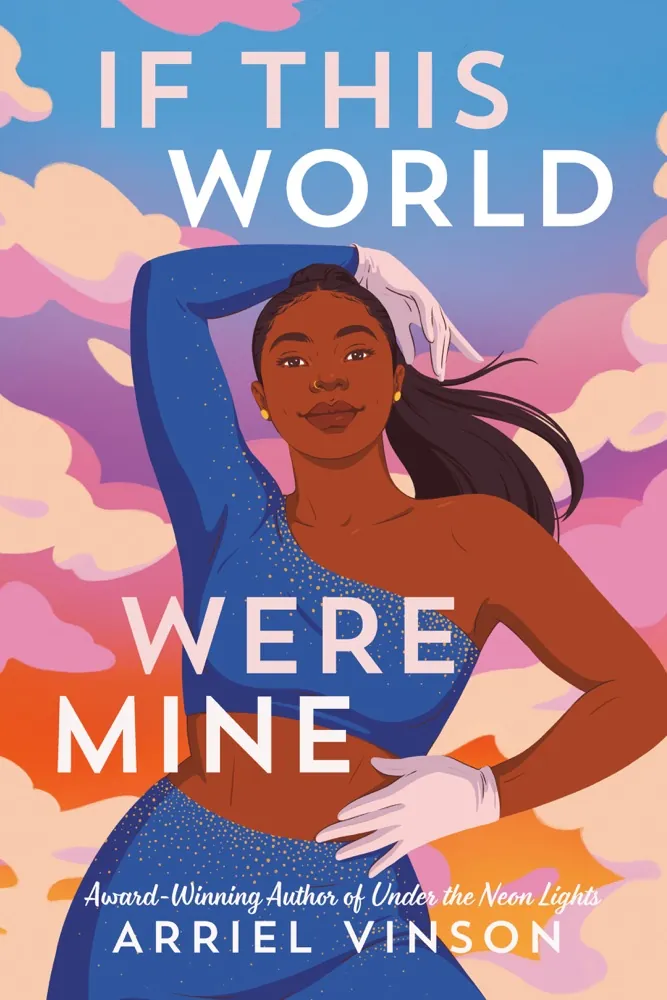

Author: Arriel VinsonPage Count: UnknownPublication Date: Expected publication 2026 APL Seventeen is an age where the human brain is essentially a live grenade wrapped in bad decisions and hormones, yet publishers insist on handing teenagers these impossibly poetic burdens. If This World Were Mine by Arriel Vinson arrives with all the rhythmic markers of a verse novel trying very hard to break my heart before third period. The synopsis gives us Sky Simms, a majorette whose life hits a brutal stumbling block after a family tragedy shatters her collegiate marching band fantasies. Naturally, she is forced into close proximity with the annoying drumline captain named Meech. Cue the slow-burn friction. I am already exhausted by the sheer predictability of the forced-proximity trope. Can two teenagers in YA fiction ever be assigned to work together without discovering they secretly heal each other's generational trauma? It is enough to make a person want to throw a red pen across a linoleum floor. Why must every extracurricular activity double as a grief-processing facility? Give me a protagonist who just wants to twirl a baton because it looks cool, not because she is carrying the weight of a Greek tragedy on her sequined shoulders. Speaking of unnecessary suffering, I spent twenty minutes this morning trying to pry a dried-up glue stick out of a mechanical keyboard while three children argued about whether a hot dog constitutes a taco. That level of daily chaos makes the tidy emotional arcs of modern verse novels feel terribly quaint. At least a rogue glue stick has the decency to ruin your day without offering a poignant metaphor about letting go of the past. Vinson won a Coretta Scott King/John Steptoe award, which means the writing will undoubtedly be sharper than a freshly sharpened No. 2 pencil. Yet I worry the verse format will lean too heavily into the kind of sparse, fragmented styling popularized by Elizabeth Acevedo or Jason Reynolds. Every contemporary author writing in verse right now feels obligated to make their line breaks do heavy lifting for emotions the narrative fails to earn. The synopsis hints that Sky might "fumble her future" if she keeps running from her grief. What a terrifyingly adult anxiety to project onto a senior in high school who probably still forgets to bring her gym uniform on Thursdays. We are asking teenagers to master emotional regulation before they even understand how compounding interest works. My red ink is ready anyway. Now if you will excuse me, I need to stare blankly at a calculus assignment involving limits and derivatives that I do not understand at all. Related InsightsVillains Duology Boxed Set Book Review and Summary Ready Player One Book Review and Summary The Heart of the Deal Book Review and Summary{ "@context": "https://schema.org", "@type": "FAQPage", "mainEntity": [ { "@type": "Question", "name": "What is the main focus of If This World Were Mine Book Review and Summary?", "acceptedAnswer": { "@type": "Answer", "text": "Everything you need to know about If This World Were Mine with our detailed review." } }, { "@type": "Question", "name": "Who authored the comprehensive guide on If This World Were Mine Book Review and Summary?", "acceptedAnswer": { "@type": "Answer", "text": "This detailed article and its insights were carefully researched and authored by Thomas Wright." } }, { "@type": "Question", "name": "Where can I find more related content about Books?", "acceptedAnswer": { "@type": "Answer", "text": "You can explore more articles, detailed reviews, and similar insights by browsing the Related Insights section at the bottom of this article or visiting our dedicated Books category page." } } ] }
-
 Sofia Bianchi
 - 09 Sep, 2026 15:44
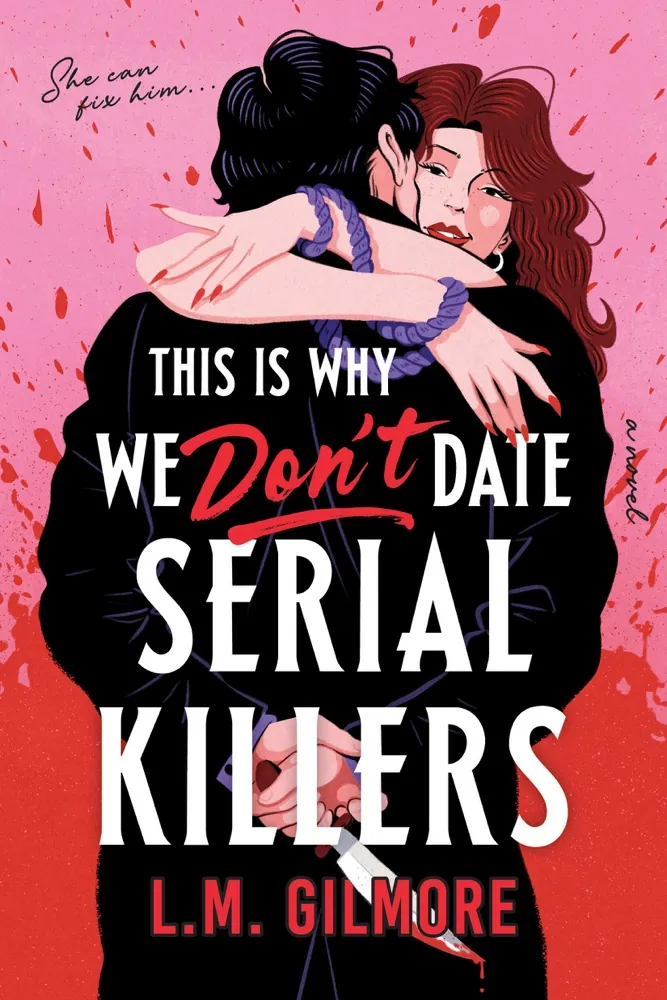
This is Why We Don't Date Serial Killers (A Killer Romcom, #1) Book Review and Summary
Author: L.M. GilmorePage Count: UnknownPublication Date: Expected publication 2026 APL The synopsis of This Is Why We Don’t Date Serial Killers arrives like a particularly well-timed invitation to a masquerade ball where the only rule is that the mask must be bloodstained. It’s the kind of premise that makes you wonder if the author has ever read The Girl on the Train and decided, Why not lean in?—because the real genius of this book, if it lives up to its own audacity, will be in how it treats the serial killer not as a villain but as a character, a man so thoroughly constructed that his monstrosity becomes a kind of tragicomic charm. And Roxie? She’s the kind of woman who would fall for a man who collects knives like others collect vintage whiskey—because, as the synopsis suggests, she’s not looking for a hero. She’s looking for a story. The tension here is delicious, the kind that makes you suspect the author has a secret fondness for True Detective’s first season, where the line between obsession and devotion blurs so thoroughly that it becomes impossible to tell which is the poison and which is the cure. But where True Detective’s killer is a philosophical abyss, This Is Why We Don’t Date Serial Killers seems to be promising something far more romantic—a love story where the only thing standing between the couple is a series of increasingly elaborate kidnappings, each one a step closer to what might pass for intimacy in this twisted world. The synopsis plays with the idea that Roxie’s attraction to Max isn’t just about the thrill of the chase—it’s about the idea of him, the way he embodies everything she’s ever been told to fear. And yet, the way the synopsis frames it, it’s less about psychological depth and more about chemistry—the kind of chemistry that would make Knives Out’s Daniel Craig look like a choirboy by comparison. But here’s the thing: the synopsis doesn’t show us this chemistry. It doesn’t give us the moment where Roxie realizes that Max’s coldness isn’t just a defense mechanism—it’s a performance, one she’s been waiting her whole life to be invited into. It doesn’t tell us whether her love is a kind of madness or if Max’s is just a different kind of madness, equally compelling. Instead, it offers us a series of set pieces: the escape, the kidnapping, the discovery that Roxie might actually enjoy being hunted. And that’s where the real risk lies—not in the premise, which is as bold as it is predictable, but in the execution. Because if this book doesn’t find a way to make Max’s monstrosity feel earned—not just as a plot device but as a psychological truth—then it risks becoming the literary equivalent of a Saw movie where the killer’s backstory is just a way to sell merch. Yet—and this is the pivot—maybe that’s the point. Maybe the book isn’t trying to be deep. Maybe it’s trying to be funny. The synopsis leans into the absurdity of the situation with a wink, as if to say, Yes, this is ridiculous, and we’re all in on it. In that case, it’s worth asking whether This Is Why We Don’t Date Serial Killers will have the wit of Gone Girl’s psychological games or the dark humor of You’s early scenes, where the killer’s charm is so thick you can almost taste it. The synopsis doesn’t give us enough to say, but it does give us enough to imagine—and imagination, after all, is the first step toward a good dark romcom. The real question, then, is whether the book will commit to the tone. Will it be a Bridgerton for serial killers, where the violence is off-screen and the romance is on full display? Or will it be something more like The Night Manager, where the killer’s charm is a razor’s edge between seduction and slaughter? The synopsis doesn’t tell us, but it does promise one thing: a story where the only thing standing between love and murder is a well-timed punchline. And if that’s the case, then This Is Why We Don’t Date Serial Killers might just be the most audacious love story of the year—if it can resist the temptation to turn Max into a villain and Roxie into a heroine, and instead treat them both as something far more interesting: flaws. The caterer just texted to say they’re backing out of the weekend party. I suppose that’s fitting—because if there’s one thing this book seems to promise, it’s that love, like a good meal, is best enjoyed when it’s served with a side of danger. And if the synopsis is any indication, the only thing standing between us and a very strange kind of happily ever after is a phone number and a killer’s sense of humor. #DarkRomance #TwistedLove #BookTok #SerialKillerChic #RomComTrouble
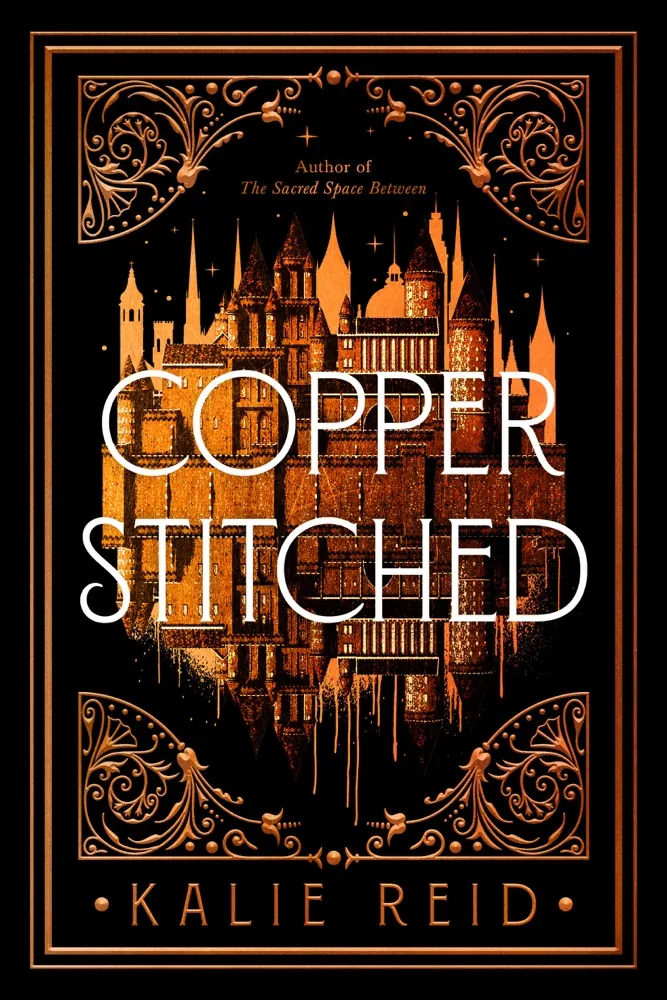

Author: Kalie ReidPage Count: UnknownPublication Date: Expected publication 2026 APL Somebody just dropped their half-eaten pretzel on my boot while the train lurched violently toward Chambers Street, and I am supposed to sit here drafting thoughts about Copperstitched because apparently someone decided my afternoon needed more anxiety. I hate writing these previews. I am literally just typing fast on my notes app to hit the word count so my editor stops emailing me every four minutes. Maps, Metals, and Extortion Kalie Reid is walking straight into the high-stakes corporate espionage trap with this one—except everyone is wearing velvet corsets and arguing over blueprints instead of signing NDAs. We get it. Magic guilds are the new tech startups. And the Cartographer's Guild sounds like a logistical nightmare run by people who probably hoard fountain pens. But the premise here isn't about geography; it's about blackmail. You poison the patriarch, you corner the successor, and suddenly everyone is playing high-stakes poker with rendered copper. What fascinates me—and by fascinates me, I mean I am squinting at this synopsis while holding onto a greasy metal pole for dear life—is the weaponized bureaucracy. Fantasy usually gives us glowing swords and ancient prophecies. Here? We have artisanal metals and deadly HR violations. The Coppersmiths holding an antidote over Saskia's head feels deliciously petty. It reminds me of the corporate ruthlessness in The Atlas Six mixed with the moody atmospheric dread of Holly Black’s adult work. The Chronically Exhausted Childhood Friend Enter Nicholas. The distractingly charming childhood friend. Because of course he is. You cannot have a cozy institutional sabotage plot without a guy who leans against doorframes and makes witty remarks while the building literally burns down around them. Reid is leaning hard into the friends-to-lovers pipeline, and honestly? Good. We need the emotional stakes to ground whatever convoluted copper-magic lore she is about to dump on us in chapter three. If Nicholas doesn't betray her or at least hide a massive, universe-shattering secret in his jacket pocket, I will eat my other boot. Anyway, I digress. The synopsis gives us just enough vagueness to keep us guessing whether this book is actually a slow-burn political thriller or just an excuse for two stressed twenty-somethings to make intense eye contact across map tables. I suspect the pacing is going to breakneck—people do not write books titled Copperstitched expecting quiet tea parties. They want ticking clocks. They want leveraged assets. They want toxic corporate culture translated into sword-and-sorcery stakes. Look out for the forced proximity trope working overtime here. When you give a fictional protagonist a ticking clock—poisoned dad, zero margin for error—and force her to team up with the one boy who knows all her childhood secrets, you are engineering absolute narrative chaos. And honestly? I am here for the disaster. Assuming the prose doesn't drown in exposition about guild taxes, Reid might actually deliver a fun, sharp-edged ride that doesn't take itself too seriously. The train is finally slowing down, my knees are locking up, and I am officially done staring at this screen. I am going to go sit on a park bench and aggressively people-watch. Related InsightsPressure Point (National Parks Thriller #3) Book Review and Summary Lust: Pleasure, Performance, Power Book Review and Summary False Value Book Review and Summary{ "@context": "https://schema.org", "@type": "FAQPage", "mainEntity": [ { "@type": "Question", "name": "What is the main focus of Copperstitched Book Review and Summary?", "acceptedAnswer": { "@type": "Answer", "text": "Everything you need to know about Copperstitched with our detailed review." } }, { "@type": "Question", "name": "Who authored the comprehensive guide on Copperstitched Book Review and Summary?", "acceptedAnswer": { "@type": "Answer", "text": "This detailed article and its insights were carefully researched and authored by Piotr Nowak." } }, { "@type": "Question", "name": "Where can I find more related content about Books?", "acceptedAnswer": { "@type": "Answer", "text": "You can explore more articles, detailed reviews, and similar insights by browsing the Related Insights section at the bottom of this article or visiting our dedicated Books category page." } } ] }

-
 Marco Conti
 - 09 Sep, 2026 13:56
The Woman with One Hundred Faces: The Lives and Legacy of Anaïs Nin Book Review and Summary
Author: Katherine RowlandPage Count: UnknownPublication Date: Expected publication 2026 APL Looking at The Woman with One Hundred Faces by Katherine Rowland makes me want to scream into a textbook on quantum mechanics just to feel something that operates under consistent physical laws. I have exactly forty-five minutes before my seminar on orbital mechanics starts, and instead of reviewing my orbital decay calculations, I am sitting here writing about a French-American diarist who apparently needed a literal box of index cards to keep track of her bigamy. And yes, I am complaining about my life because the word count gods demand sacrifice. The Index Card Theory of Fiction The premise hinges on self-mythologizing as a radical creative act. Fine. People love a messy woman. They adored Anaïs Nin when she was a bohemian saint of free love, and they felt personally betrayed when her estate exposed her elaborate, multi-continental web of double lives. But let us be entirely serious for a second—managing two husbands, multiple households, and distinct social circles without shared Christmas cards is not some profound vanguard deconstruction of the patriarchal construct. It is a logistical nightmare. It requires the kind of meticulous data management usually reserved for aerospace engineering projects. If only she had applied that level of rigorous organization to actual physics, she might have built an actual rocket. Instead, she built a filing system for her own lies. Rowland apparently unearths never-before-seen archives to argue that this splintered existence was a visionary act of self-creation. Critics are going to eat this up. It smells like a prestige biography designed for people who read The Argonauts and nod thoughtfully while ignoring the glaring impracticality of it all. Yet there is a compelling literary lineage here. Think of Joan Didion dissecting her own psychological disarray, or Vivian Gornick mining the wreckage of personal relationships for artistic fuel. The Mechanics of Deceit What fascinates me—and what I sincerely hope this 2026 release addresses with actual intellectual grit rather than hagiographic hand-waving—is the physics of persona maintenance. How does one sustain multiple distinct gravitational pulls simultaneously without collapsing into a singularity? The synopsis frames her as an artist forging a self that could contain all her hungers. But hunger without thermodynamic limits just burns through fuel until nothing is left. Expect the prose to be dripping with words like perilous and devotion. Biographers love framing chaotic personal lives as high art. I just want to know if the archival material actually sheds light on the writing process itself, or if we are getting another three hundred pages of privileged people drama masquerading as female liberation. If I have to read one more sentence about the radical act of lying to your spouses, I am dropping out of grad school and moving into the geology library. I need to rush to a smoky basement to hear a friend's experimental jazz quintet before my brain completely liquefies from reading about literary bohemians.
-
 Victoria Smith
 - 09 Sep, 2026 12:59
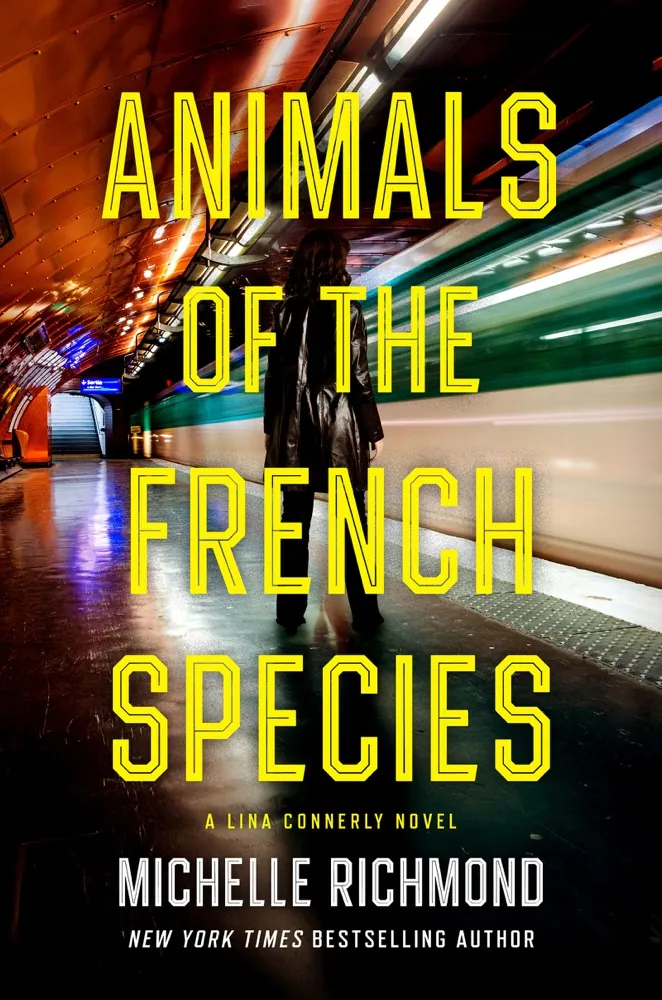
Animals of the French Species (Lina Connerly, #2) Book Review and Summary
Author: Michelle RichmondPage Count: UnknownPublication Date: Expected publication 2026 APL Sometimes you just need to stare at a completely different country for three hundred pages while your own laundry mocks you from the corner of the bedroom. Michelle Richmond is tossing us right back into the fray with Animals of the French Species, and frankly, I am ready to pack my bags. We are following Lina Connerly from the damp, bureaucratic trenches of the FBI straight into the intoxicating, overpriced haze of Paris. Oh, to be an expat dodging international fugitives instead of wondering if my nine-year-old actually ate a vegetable today. My brain is actively melting. Let us talk about the absolute exhaustion of carrying a dead spouse around like an extra piece of heavy luggage. Grief is not a polite little floral arrangement on a mantelpiece; it is an uninvited houseguest who tracks mud on the white rugs. Richmond understands this visceral ache. Or at least, she did in the first book. But honestly, why must every female protagonist in a thriller be mourning someone? Can she not just wake up and choose violence because she is bored of bureaucracy? Give us a spy who is simply irritable. Yet here we are. A dead husband, a teenager in tow, and a rogue intelligence officer named Calvin Cook leaking secrets like a faulty radiator. And what on earth is happening with the children in modern fiction? Every time I open a novel featuring a teenager—whether it is The Silent Patient or whatever overly hyped suburban drama is currently clogging the front table at Barnes & Noble—I am forced to endure pages of brooding dialogue about high school transitions. Rory gets a new school and some crêpes, great. Meanwhile, mother dearest is hunting a traitor and dodging a cold case called the Train Fantôme. Twenty years of dead bodies in a Métro car. Now that is my kind of Tuesday. The Aesthetics of Paranoia Paris is usually sold to us as a pastel dreamscape of macarons and accordions. Not here. Richmond strips away the gloss. She uses the labyrinthine bowels of the embassy and shadowy city tunnels to mirror Lina’s fractured psyche. Every shadow holds a leaked identity. Every pastry chef might be an informant. It is suffocating, brilliant paranoia. The plot mechanics outlined in this synopsis are deliciously convoluted. Assets turning up dead. Headquarters paralyzed by internal politics—because of course the higher-ups are utterly useless when actual stakes are involved, much like the school board committee handling the middle school fundraiser debacle. A looming world leaders' summit. A ticking clock. It borrows heavily from the classic spy playbook of Olen Steinhauer and early le Carré, but filtered through the frantic lens of single motherhood. I demand absolute perfection from this release. Do not squander the Métro mystery, Richmond. If the Train Fantôme turns out to be a boring gas leak, I am throwing the hardcover directly into the recycling bin. The youngest has just discovered the permanent markers. Related InsightsAnna and the French Kiss Book Review and Summary The Hunger Games Trilogy Boxset Book Review and Summary Lonesome Dove Book Review and Summary{ "@context": "https://schema.org", "@type": "FAQPage", "mainEntity": [ { "@type": "Question", "name": "What is the main focus of Animals of the French Species (Lina Connerly, #2) Book Review and Summary?", "acceptedAnswer": { "@type": "Answer", "text": "Everything you need to know about Animals of the French Species (Lina Connerly, #2) with our detailed review." } }, { "@type": "Question", "name": "Who authored the comprehensive guide on Animals of the French Species (Lina Connerly, #2) Book Review and Summary?", "acceptedAnswer": { "@type": "Answer", "text": "This detailed article and its insights were carefully researched and authored by Victoria Smith." } }, { "@type": "Question", "name": "Where can I find more related content about Books?", "acceptedAnswer": { "@type": "Answer", "text": "You can explore more articles, detailed reviews, and similar insights by browsing the Related Insights section at the bottom of this article or visiting our dedicated Books category page." } } ] }
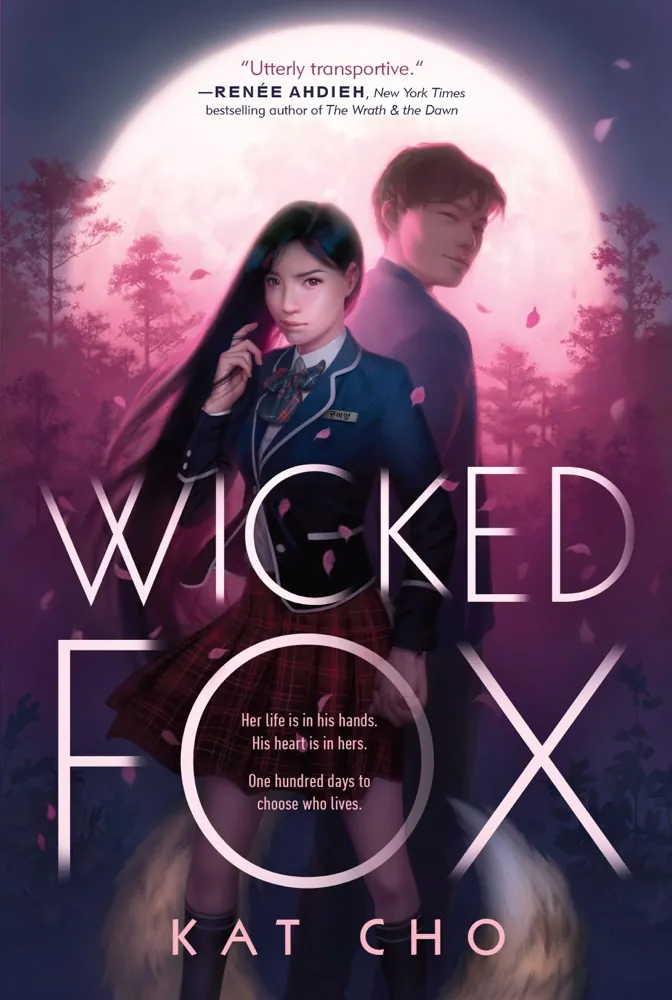

Author: Kat ChoPage Count: UnknownPublication Date: Expected publication 2026 APL Look at the marketing machinery churn out another modernized mythological retread, as if we haven't suffered enough urban fantasy paperbacks with neon-soaked Seoul covers littering the front tables of independent bookstores. House of Forgotten Souls arrives via Kat Cho with all the subtlety of a sledgehammer to a Venetian mosaic. We get the standard supernatural predator hiding in plain sight—a gumiho living off the life force of morally ambiguous men because, naturally, contemporary misandry makes for convenient caloric intake. Groundbreaking stuff. The Currency of Viscera The prose relies heavily on transactional intimacy. You lose a bead, you lose your soul, you hold someone's literal life essence in your palm—it is all terribly literal, robbing the folklore of its actual psychological rot. Cho positions her protagonist in a sprawling concrete labyrinth, hunting the kind of men no one will miss, which is a tired trope that tries desperately to pass for feminist empowerment. But let us be entirely honest: this is pure YA comfort food slathered in K-pop aesthetics and high-concept gloss. Actually, scratch that completely. I take back every ounce of my skepticism regarding the conceptual framework. The interplay between the immortal predator and the collateral-damage human boy who intercepts her fox bead hits a genuinely delicious nerve of high-stakes melodrama. There is something intoxicating about the sheer structural audacity of binding a mythical entity’s survival to an absolute civilian who stumbles into the brush. The Architecture of Ruin Centuries-old feuds crashing headfirst into the awkward fumbling of teenage affection always yields fantastic narrative carnage. The young shaman stepping in to fix a supernatural mess only to blow up the geopolitical landscape of local spirits is peak dramatic irony. We are looking at a kinetic, high-octane narrative engine that begs for immediate consumption over an overpriced espresso. It serves up the same frenetic, low-key unhinged energy that made Wicked Fox a sensation, though dialed up to absolute god-tier melodrama. The aesthetic execution on the page will likely salvage whatever structural predictability lingers in the synopsis. Cho knows how to construct an atmospheric backdrop where neon reflections bleed into ancient shadows, marrying modern apathy with visceral, folkloric terror. One simply cannot deny the kinetic appeal of a universe where domestic tranquility is permanently undermined by a glowing, stolen orb of metaphysical mortality. My private flight to London has been delayed by an exact hour, leaving me stranded here with a surplus of time and zero patience left for mediocre prose. Related InsightsWhat Makes a Monster Book Review and Summary It Book Review and Summary Cold Mountain Book Review and Summary{ "@context": "https://schema.org", "@type": "FAQPage", "mainEntity": [ { "@type": "Question", "name": "What is the main focus of House of Forgotten Souls Book Review and Summary?", "acceptedAnswer": { "@type": "Answer", "text": "Everything you need to know about House of Forgotten Souls with our detailed review." } }, { "@type": "Question", "name": "Who authored the comprehensive guide on House of Forgotten Souls Book Review and Summary?", "acceptedAnswer": { "@type": "Answer", "text": "This detailed article and its insights were carefully researched and authored by Emma Thompson." } }, { "@type": "Question", "name": "Where can I find more related content about Books?", "acceptedAnswer": { "@type": "Answer", "text": "You can explore more articles, detailed reviews, and similar insights by browsing the Related Insights section at the bottom of this article or visiting our dedicated Books category page." } } ] }
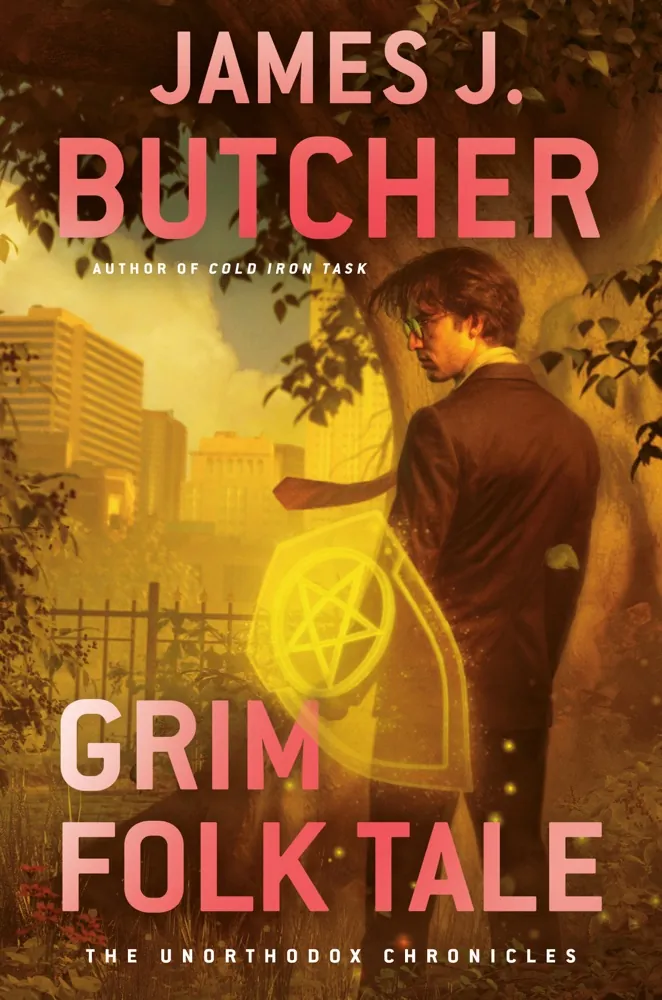
-
 Sarah Davis
 - 09 Sep, 2026 10:25
Grim Folk Tale (The Unorthodox Chronicles, #4) Book Review and Summary
Author: James J. ButcherPage Count: UnknownPublication Date: Expected publication 2026 APL The synopsis for Grimsby—this fourth installment in Butcher’s Unorthodox Chronicles—is a masterclass in how to make a magical bureaucracy feel like a dying institution, its bones creaking under the weight of its own bureaucracy. Grimshaw Griswald Grimsby, a junior Auditor, is thrust into a crisis that smells of something older than the Department itself: a plague among children, the kind of horror that doesn’t just kill but unmakes. The fact that Butcher’s chosen to frame this as a public health crisis—with all the red tape, the slow-moving investigations, the bureaucratic finger-pointing—is either a stroke of genius or a deliberate provocation, depending on whether you’re a fan of The Dresden Files’ more overtly heroic tone or the kind of reader who still seethes at the idea of a government agency failing to act in time. But here’s the thing: the synopsis is deliberately vague. It doesn’t tell you what the illness is, only that it’s magical and that it’s spreading. It doesn’t explain why Boston, of all places, is the epicenter—unless you’ve been following the series closely, you’re left with the same unsettling sense of dread that comes from knowing something terrible is happening, but not knowing why. This is the kind of ambiguity that works best when paired with a writer who trusts the reader to fill in the blanks with their own fears. Think of it like the opening act of a horror movie where the camera lingers on a child’s bedroom, the shadows stretching just a little too long—you don’t need to see the monster to know it’s there. Butcher’s done this before, of course. The Unorthodox Chronicles have always had a knack for making the mundane feel like a pressure cooker about to explode, but this time, the stakes feel personal, which is either a bold shift or a risky one, depending on whether you believe in the character’s growth or not. And then there’s the matter of the "city of monsters beneath Boston." Oh, this is where things get interesting—or at least, where they get troubling. Butcher has a habit of dropping readers into liminal spaces, places where the rules of magic and reality bend in ways that feel both thrilling and deeply unsettling. But the synopsis doesn’t specify what these monsters are, only that they’re "ancient and strange." This is the kind of hand-waving that could either pay off spectacularly or devolve into the kind of generic "undead horde" nonsense that makes you wonder why you bothered reading the series in the first place. Compare this to The Locked Tomb or The Crimson Conspiracy—Butcher’s early works where the monsters were tied to specific, eerie lore, not just vague "evil things that go bump in the night." If this book leans too hard into the "mythic horror" angle without grounding it in something tangible, it risks feeling like a pastiche of The Witcher’s monster catalog rather than a true evolution of the series. But let’s talk about Grimsby for a second. The synopsis positions him as a junior Auditor, which means he’s not the hero of the story—he’s the reluctant hero, the one who’s still learning the ropes, still carrying the weight of his past mistakes. This is a character arc that Butcher has explored before, but the way it’s framed here—with Grimsby burdened by "his own troubles, both past and present"—suggests a deeper psychological layer than we’ve seen in previous books. It’s almost as if Butcher is finally giving us the emotional core of the series, the kind of character study that makes you root for a protagonist not just because of what they do, but because of who they are. And yet—here’s the pivot—if this book leans too hard into the "tragic underdog" trope, it risks feeling like a carbon copy of The Last Jedi’s emotional whiplash, where the character’s struggles become the sole focus at the expense of the plot. Butcher’s strength has always been in balancing action with introspection, so if he pulls this off, it could be his most mature work yet. But then there’s the matter of Mayflower, the grizzled veteran Huntsman. The synopsis pairs them together like a classic cop-and-detective duo, which is either a smart move or a lazy one, depending on whether you believe in their dynamic. Mayflower’s role here feels like it could either elevate Grimsby’s arc or become a crutch, the kind of "wise old mentor" trope that either adds depth or feels like an afterthought. Compare this to The Dresden Files, where Harry’s relationships with his allies were always central to the story—Butcher never made them feel like plot devices. If Mayflower’s presence here is anything less than organic, it could undercut the entire book. And now, because I can’t help myself, a tangent: I just watched an episode of Bluey where the character Chilli gets into a fight with her little sister because she’s "too old for this stuff." It was so painfully on-the-nose that I wanted to scream, "Just let her be a kid, for God’s sake!" But here’s the thing—Grimsby’s struggle with his own past, with the weight of responsibility he didn’t ask for, is the kind of emotional beat that Bluey could never hope to capture. It’s the difference between a cartoon that’s trying too hard to be profound and a series that actually is profound, even if it’s just through omission. Butcher doesn’t need to spell out the stakes; he just needs to let the reader feel them. Back to the book: the mention of "the Elsewhere" is the kind of vague, ominous phrasing that could either be a brilliant setup for a sequel or a lazy way to avoid explaining anything. If Butcher’s going to drop us into another layer of reality, he’d better make it count. The Unorthodox Chronicles have always been about the tension between the mundane and the magical, but if this book leans too hard into the "cosmic horror" angle without giving us something tangible to latch onto, it risks feeling like a pastiche of Annihilation without the same level of intellectual rigor. Butcher’s done this before. He’s written books where the stakes felt personal, where the magic felt real, where the characters felt like they were struggling against forces they couldn’t understand. If Grimsby delivers on even half of what the synopsis promises, it could be his best work yet. But if it’s just another bureaucratic thriller with a side of monster-of-the-week, it’ll feel like a missed opportunity. And now, because my youngest has just discovered the permanent markers are missing again, I’m going to have to go clean up what looks like a very deliberate attempt to turn the living room walls into a Dungeons & Dragons campaign. Related InsightsI Never Knew You at All Book Review and Summary Whiteout Book Review and Summary Killing Sarai Book Review and Summary{ "@context": "https://schema.org", "@type": "FAQPage", "mainEntity": [ { "@type": "Question", "name": "What is the main focus of Grim Folk Tale (The Unorthodox Chronicles, #4) Book Review and Summary?", "acceptedAnswer": { "@type": "Answer", "text": "Everything you need to know about Grim Folk Tale (The Unorthodox Chronicles, #4) with our detailed review." } }, { "@type": "Question", "name": "Who authored the comprehensive guide on Grim Folk Tale (The Unorthodox Chronicles, #4) Book Review and Summary?", "acceptedAnswer": { "@type": "Answer", "text": "This detailed article and its insights were carefully researched and authored by Sarah Davis." } }, { "@type": "Question", "name": "Where can I find more related content about Books?", "acceptedAnswer": { "@type": "Answer", "text": "You can explore more articles, detailed reviews, and similar insights by browsing the Related Insights section at the bottom of this article or visiting our dedicated Books category page." } } ] }

-
 Sofia Romano
 - 09 Sep, 2026 10:22
Non farti prendere dal panico: Odissea intergalattica tra le pagine di Douglas Adams
Lo spazio è vasto. Molto vasto. Non riuscireste mai a credere quanto sia immensamente, enormemente, sbalorditivamente vasto. È proprio con questa consapevolezza, carica di un nichilismo che fa sorridere e di una meraviglia che toglie il fiato, che Douglas Adams ha deciso di ridefinire il concetto stesso di letteratura di fantascienza. "Guida galattica per gli autostoppisti" non è semplicemente un libro; è un’istituzione culturale, un manuale di sopravvivenza per le anime inquiete che si sentono leggermente fuori posto su un pianeta dominato da scimmie antropomorfe, ossessionate dal denaro e dai segnali digitali. La fine del mondo iniziò con una ruspa Tutto ha inizio in una giovedì mattina decisamente sfortunato per Arthur Dent, un uomo inglese qualunque la cui preoccupazione principale dovrebbe essere la demolizione della propria casa per far posto a una circonvallazione. Invece, si ritrova catapultato in un’avventura che trascende le dimensioni conosciute, scoprendo che la Terra non era che un ostacolo burocratico sulla rotta di una superstrada iperspaziale dei Vogon. Adams utilizza questo espediente narrativo non per descrivere l'apocalisse con toni tragici, ma per deridere la banalità dell'esistenza umana. La distruzione del nostro pianeta, avvenuta per far spazio a un progetto infrastrutturale, è il fulcro di un’ironia affilata come un bisturi. Chi di noi, nella frenesia della quotidianità, non si è sentito schiacciato dalle decisioni arbitrarie di entità superiori, burocratiche e prive di senso logico? Il potere salvifico di un asciugamano C'è una lezione fondamentale in questa epopea interstellare, un principio che ogni autostoppista galattico che si rispetti deve tenere a mente: non dimenticare mai il proprio asciugamano. Questo oggetto, all'apparenza umile e quotidiano, diventa nel mondo di Adams il simbolo supremo della dignità umana in un universo che, per la maggior parte del tempo, cerca attivamente di ignorarti o di annientarti. Perché un asciugamano? Perché è utile. Può proteggerti dal freddo, fungere da vela su una zattera, essere inzuppato in sostanze nocive per la difesa personale o, banalmente, servire per asciugarsi. Ma la sua vera importanza è psicologica. L'asciugamano è il legame con la civiltà, un punto di riferimento in un vuoto cosmico dove le leggi della fisica sembrano cambiare a seconda dell'umore di chi le osserva. In un’epoca in cui inseguiamo status symbol e tecnologia effimera, Adams ci ricorda che il vero valore risiede nella praticità e nella capacità di adattarsi al caos. La risposta alla domanda fondamentale (e perché non serve) Uno dei momenti più alti, e al tempo stesso più iconici, dell'opera è la scoperta della risposta alla domanda fondamentale sulla vita, l'universo e tutto quanto. Dopo sette milioni e mezzo di anni di calcoli da parte del supercomputer Pensiero Profondo, la risposta viene rivelata: "42". Il genio di Douglas Adams risiede proprio qui: nell'aver compreso che la domanda, in sé, era mal posta. La ricerca di un senso assoluto, di una verità universale racchiusa in un numero, è la più grande fallacia dell'intelletto umano. Passiamo intere esistenze a cercare risposte complesse, dimenticando che il vero piacere risiede nel viaggio, nell'assurdo dei dialoghi tra Marvin (il droide paranoico e depresso) e i suoi compagni, o nella follia di Zaphod Beeblebrox, il Presidente della Galassia a due teste.La satira come lente per guardare le stelle La fantascienza di Adams è profondamente britannica, debitrice dell'umorismo dei Monty Python e della satira sociale di Swift. I Vogon, con la loro poesia orribile e la loro ossessione per la procedura amministrativa, non sono altro che un riflesso, a tratti deformato ma terribilmente accurato, delle istituzioni in cui ci muoviamo ogni giorno. Ogni incontro in "Guida galattica" è uno specchio. Quando incontriamo il computer che gestisce la nave spaziale "Cuore d'Oro", dotato di una personalità decisamente troppo entusiasta, non possiamo fare a meno di sorridere davanti all'umanizzazione dei sistemi tecnologici che, in futuro, potrebbero davvero controllare ogni aspetto delle nostre vite. Adams non ci mette in guardia contro l'intelligenza artificiale con la paura, ma con la risata. E in questo modo, rende il futuro molto meno spaventoso e decisamente più grottesco. L'impatto culturale di un cult irriverente Cosa rende "The Ultimate Hitchhiker's Guide to the Galaxy" un pilastro imprescindibile? È la sua capacità di rimanere attuale nonostante il tempo passi. La tecnologia descritta, come il pesce Babele che traduce istantaneamente ogni lingua, è oggi un sogno (o un incubo) a cui ci stiamo avvicinando con le moderne intelligenze artificiali. La satira politica di Adams tocca nervi scoperti che sono tuttora infiammati. La sua opera ci invita a non prendere la vita troppo seriamente. Il messaggio, racchiuso nell'imperituro motto "Non farti prendere dal panico" (Don't Panic), scritto in caratteri grandi e amichevoli sulla copertina della Guida, è un mantra di sopravvivenza. È un invito a mantenere la calma di fronte all'irrazionalità, un antidoto allo stress che domina la nostra era digitale.  Perché leggere o rileggere Douglas Adams oggi? In un panorama letterario dove la fantascienza spesso si divide tra distopie cupe e tecnicismi estremi, il lavoro di Adams è una boccata di aria fresca, sebbene quest'aria possa essere satura di idrogeno o vagamente profumata di tè inglese. Leggere Adams significa accettare che l'universo non è fatto su misura per noi, che non esiste un Grande Progetto destinato a farci felici, e che, in ultima analisi, il fatto che esistiamo è di per sé un evento statistico talmente improbabile da essere esilarante. Dovremmo tutti imparare a guardare le stelle con lo spirito di Arthur Dent: un po' confusi, costantemente impreparati, ma armati di asciugamano e pronti a vedere cosa accadrà nel prossimo settore galattico. La vita è un susseguirsi di imprevisti e, come ci suggerisce Douglas Adams, l'unico modo per attraversarla senza perdere il senno è mantenere intatto il proprio senso dell'umorismo. Quindi, se vi sentite persi, se il mondo sembra aver perso la sua bussola logica, aprite le pagine di questa guida. Non vi darà le risposte che cercate, ma vi farà sentire incredibilmente meno soli nel bel mezzo di questo vasto, caotico e meraviglioso universo. Ricordate, la risposta non è 42, la risposta è vivere l'avventura, un errore burocratico alla volta.#DouglasAdams #Fantascienza #LibriCult #GuidaGalattica #LetteraturaClassica Related InsightsDark Matter Book Review and Summary Between You a River Book Review and Summary Cherry: A Novel Book Review and Summary{ "@context": "https://schema.org", "@type": "FAQPage", "mainEntity": [ { "@type": "Question", "name": "What is the main focus of Non farti prendere dal panico: Odissea intergalattica tra le pagine di Douglas Adams?", "acceptedAnswer": { "@type": "Answer", "text": "Un viaggio semiserio tra i paradossi dell'universo e l'ironia britannica di Douglas Adams. Scopriamo insieme il capolavoro della fantascienza umoristica." } }, { "@type": "Question", "name": "Who authored the comprehensive guide on Non farti prendere dal panico: Odissea intergalattica tra le pagine di Douglas Adams?", "acceptedAnswer": { "@type": "Answer", "text": "This detailed article and its insights were carefully researched and authored by Sofia Romano." } }, { "@type": "Question", "name": "Where can I find more related content about Books?", "acceptedAnswer": { "@type": "Answer", "text": "You can explore more articles, detailed reviews, and similar insights by browsing the Related Insights section at the bottom of this article or visiting our dedicated Books category page." } } ] }


Author: K. AncrumPage Count: UnknownPublication Date: Expected publication 2026 APL Luggage left too long in transit hubs begins to smell of stale diesel and damp wool. I am currently staring at a damp passport stamp from a border crossing that no longer exists while trying to make sense of the promotional machinery behind K. Ancrum’s upcoming release, Ellie Ellie. The Currency of Misery Publishers love a bruised adolescent. They package structural neglect and small-town economic decay as sparkling speculative fiction, as if a gas station parking lot can transform into a mythological threshold just because the protagonist is sufficiently miserable. We are promised an ancient shape-shifter stealing petroleum snacks. Groundbreaking. Yet, perhaps I am being too harsh on the folklore angle. Actually, let me retract that mild generosity entirely. Mythological tropes in contemporary young adult literature usually arrive stripped of their ancient terror, reduced to metaphors for teenage angst by authors who refuse to let a monster just be a monster. Transactions at the Pump The premise rests on a transactional exchange of trauma. A captive supernatural entity meets an impoverished girl with abusive stepparents. They share notes on subjugation. They seize peace. And I am supposed to believe that ancient cosmic bondage translates neatly into a blueprint for escaping a depressed zip code. Ancrum’s previous work, such as Compound Fracture, showed an ear for regional grit. But grafting shape-shifters onto domestic abuse feels like an uneasy compromise. It cheapens the socio-economic realities of the small-town poverty described in the text by offering a literal, supernatural deus ex machina. Real exploitation does not hand you the tools for liberation at a fluorescent-lit fuel station. The Marketing Chorus The promotional material leans heavily on comparisons to Kacen Callender and Ari Tison. They want us to expect a visceral, bleeding masterpiece. But what we usually get is a sanitized sheen of emotional intensity designed to look good on curated social media feeds. Readers will devour it. They will weep into their e-readers and demand cinematic adaptations before the ink dries. I must deal with a domestic crisis before the light fades completely. I need to go untangle the garden hose that has tied itself into a Gordian knot across the gravel courtyard. #KAncrum #YATheories #BookTwitter Related InsightsIf the Sun Never Sets Book Review and Summary Game of Gravestones Book Review and Summary Her Kind Book Review and Summary{ "@context": "https://schema.org", "@type": "FAQPage", "mainEntity": [ { "@type": "Question", "name": "What is the main focus of Ellie Ellie Book Review and Summary?", "acceptedAnswer": { "@type": "Answer", "text": "Everything you need to know about Ellie Ellie with our detailed review." } }, { "@type": "Question", "name": "Who authored the comprehensive guide on Ellie Ellie Book Review and Summary?", "acceptedAnswer": { "@type": "Answer", "text": "This detailed article and its insights were carefully researched and authored by Klaus Weber." } }, { "@type": "Question", "name": "Where can I find more related content about Books?", "acceptedAnswer": { "@type": "Answer", "text": "You can explore more articles, detailed reviews, and similar insights by browsing the Related Insights section at the bottom of this article or visiting our dedicated Books category page." } } ] }