Showing Posts From
Books

-
 Hannah Schmidt
 - 15 Jun, 2026 06:53
Fahrenheit 451 (Edición Icónica) / Fahrenheit 451 Book Review and Summary
Fahrenheit 451 (Edición Icónica) / Fahrenheit 451 Author: Ray BradburyPage Count: UnknownPublication Date: 2026-PRH In the eerie glow of a dystopian future, Ray Bradbury's iconic masterpiece, Fahrenheit 451, continues to enthrall readers with its hauntingly relevant themes and poetic prose. This 2026 edition of the classic novel serves as a poignant reminder of the dangers of a society that rejects knowledge, critical thinking, and intellectual freedom. Bradbury's vision of a future where books are forbidden, and critical thought is discouraged, is both captivating and unsettling. The story follows Guy Montag, a fireman who, instead of extinguishing flames, is tasked with burning any discovered books. As Montag becomes increasingly disillusioned with his role in suppressing knowledge, he embarks on a journey of self-discovery, questioning the values of a society that has lost its way. Through Bradbury's masterful storytelling, we are transported to a world where people are obsessed with instant gratification, entertainment, and conformity. The novel is a scathing critique of a culture that values technology and superficiality over substance and depth. The author's vivid descriptions of a society that has lost touch with its humanity are both haunting and thought-provoking. One of the most striking aspects of Fahrenheit 451 is Bradbury's unique writing style. His prose is poetic, evocative, and expressive, with a rhythm that is both hypnotic and unsettling. The author's use of metaphors, similes, and imagery creates a dreamlike atmosphere, drawing the reader into a world that is both fantastical and terrifying. Bradbury's exploration of the human condition is equally impressive. His characters are complex, multi-dimensional, and relatable, with Montag's inner turmoil serving as a powerful catalyst for the story. The author's portrayal of a society that is increasingly isolated, fragmented, and disconnected is a powerful commentary on the dangers of unchecked technological advancement and the erosion of human empathy. Fahrenheit 451 is a novel that is both timeless and timely. Its themes of censorship, conformity, and the suppression of knowledge are just as relevant today as they were when the book was first published. Bradbury's masterpiece serves as a powerful warning about the dangers of a society that rejects intellectual freedom, creativity, and critical thinking. In conclusion, Fahrenheit 451 is a must-read for anyone who values knowledge, literature, and the freedom to think critically. Bradbury's iconic novel is a powerful reminder of the importance of intellectual curiosity, creativity, and human empathy. As we navigate the complexities of our own increasingly complex world, Fahrenheit 451 serves as a poignant reminder of the dangers of a society that rejects the very values that make us human. #Fahrenheit451 #DystopianFiction #Censorship #BookBurning #IntellectualFreedom #RayBradbury Related InsightsSocialism Is Dead! Long Live Socialism!: The Marx Code—Socialism with a Human Face: A New World Order Book Review and Summary Funny Story Book Review and Summary Midnight Curfew Book Review and Summary{ "@context": "https://schema.org", "@type": "FAQPage", "mainEntity": [ { "@type": "Question", "name": "What is the main focus of Fahrenheit 451 (Edición Icónica) / Fahrenheit 451 Book Review and Summary?", "acceptedAnswer": { "@type": "Answer", "text": "Everything you need to know about Fahrenheit 451 (Edición Icónica) / Fahrenheit 451 with our detailed review." } }, { "@type": "Question", "name": "Who authored the comprehensive guide on Fahrenheit 451 (Edición Icónica) / Fahrenheit 451 Book Review and Summary?", "acceptedAnswer": { "@type": "Answer", "text": "This detailed article and its insights were carefully researched and authored by Hannah Schmidt." } }, { "@type": "Question", "name": "Where can I find more related content about Books?", "acceptedAnswer": { "@type": "Answer", "text": "You can explore more articles, detailed reviews, and similar insights by browsing the Related Insights section at the bottom of this article or visiting our dedicated Books category page." } } ] }
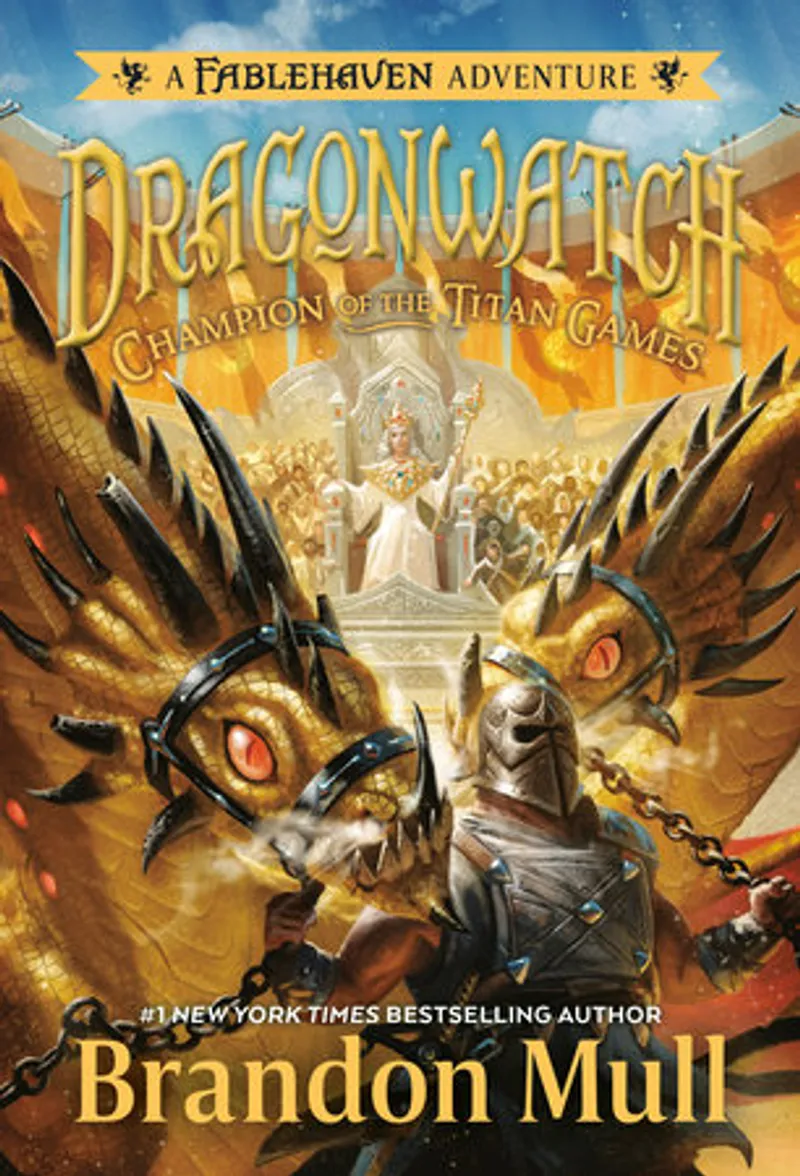
Champion of the Titan Games Author: Brandon MullPage Count: UnknownPublication Date: 2026-PRH In the realm of fantasy literature, few authors have managed to captivate readers with the same level of imagination and world-building prowess as Brandon Mull. His latest offering, "Champion of the Titan Games", is a testament to his unwavering dedication to the craft, and it does not disappoint. While the page count remains unknown, the sheer scope of Mull's vision is undeniable, transporting readers to a realm of wonder and awe. At its core, "Champion of the Titan Games" is a story about the human condition, expertly woven into the fabric of a fantastical world. Mull delves into the complexities of competition, camaraderie, and the unyielding pursuit of excellence. The Titan Games, a spectacle of epic proportions, serve as the backdrop for this exploration, pitting individuals against one another in a battle of wits, strength, and strategy. Mull's writing style is, as always, engaging and accessible, making it easy for readers to become fully immersed in the world he has created. His use of descriptive language is masterful, painting vivid pictures of the characters, landscapes, and mythical creatures that inhabit this realm. The pacing is well-balanced, with a narrative that flows effortlessly, hurtling readers toward a climactic conclusion that will leave them breathless. One of the most striking aspects of "Champion of the Titan Games" is its cast of characters. Mull has a remarkable ability to craft relatable, well-rounded personalities, each with their own distinct voice and motivations. The protagonist, in particular, is a compelling figure, embodying the perfect blend of vulnerability and determination. Throughout the book, Mull's themes of perseverance, friendship, and self-discovery are woven throughout the narrative, adding depth and complexity to the story. The world-building, too, is exemplary, with a richly detailed history and mythology that underpins the entire tale. In short, "Champion of the Titan Games" is a triumph, a testament to Brandon Mull's skill as a storyteller and his boundless imagination. This is a book that will captivate fans of fantasy and adventure alike, leaving readers eagerly anticipating the next installment in what promises to be an epic series. #BrandonMull #ChampionOfTheTitanGames #FantasyLiterature #TitanGames #BookReview #FantasyBookLovers Related InsightsDeath on the Nile Book Review and Summary DARLING in the FRANXX Vol. 7-8 Book Review and Summary City and Its Uncertain Walls Book Review and Summary{ "@context": "https://schema.org", "@type": "FAQPage", "mainEntity": [ { "@type": "Question", "name": "What is the main focus of Champion Book Review and Summary?", "acceptedAnswer": { "@type": "Answer", "text": "Everything you need to know about Champion with our detailed review." } }, { "@type": "Question", "name": "Who authored the comprehensive guide on Champion Book Review and Summary?", "acceptedAnswer": { "@type": "Answer", "text": "This detailed article and its insights were carefully researched and authored by Marie Lu." } }, { "@type": "Question", "name": "Where can I find more related content about Books?", "acceptedAnswer": { "@type": "Answer", "text": "You can explore more articles, detailed reviews, and similar insights by browsing the Related Insights section at the bottom of this article or visiting our dedicated Books category page." } } ] }
Lolita in the Afterlife Author: UnknownPage Count: UnknownPublication Date: 2021-PRH Lolita in the Afterlife is a mesmerizing collection of essays that reexamines Vladimir Nabokov's Lolita, a novel that has been a lightning rod for controversy and debate since its publication in 1958. Edited by the daughter of Lolita's original American publisher, this book brings together a diverse and talented group of writers, including Robin Givhan, Aleksandar Hemon, and Roxane Gay, to offer their perspectives on a novel that continues to captivate and disturb readers to this day. One of the most striking aspects of Lolita in the Afterlife is the way it captures the complexity and nuance of Nabokov's novel. The contributors to this book are not afraid to grapple with the difficult questions and themes that Lolita raises, from the nature of pedophilia and the exploitation of young girls to the ways in which art can be used to manipulate and control. At the same time, they also celebrate the novel's beauty, its innovative use of language, and its ability to evoke powerful emotions in readers. Throughout the book, the contributors offer a wide range of perspectives on Lolita, from personal and emotional responses to more critical and analytical essays. Some, like Emily Mortimer, reflect on the ways in which the novel has influenced their own lives and writing, while others, like Laura Lippman, examine the novel's portrayal of female characters and its implications for feminist theory. The result is a rich and multifaceted exploration of Lolita that is both deeply personal and broadly cultural. One of the most impressive things about Lolita in the Afterlife is the way it brings together writers from different backgrounds and genres to offer their perspectives on the novel. The book includes contributions from novelists, poets, journalists, and critics, each of whom brings their own unique voice and perspective to the table. This diversity of voices and styles is a major strength of the book, allowing readers to see Lolita from multiple angles and to appreciate its complexity and depth. If there is a weakness to the book, it is that some of the essays feel a bit disjointed or disconnected from one another. At times, the collection can feel like a series of loosely related pieces rather than a cohesive whole. However, this is a minor quibble, and the book's editors have done a remarkable job of bringing together such a diverse and talented group of writers. Overall, Lolita in the Afterlife is a fascinating and thought-provoking collection of essays that is sure to appeal to fans of Nabokov's novel. It is a book that will challenge readers to think critically about the ways in which we respond to art and to consider the complex social and cultural contexts in which it is created. With its diverse range of voices and perspectives, Lolita in the Afterlife is a must-read for anyone interested in literature, culture, and the ways in which they intersect. #LolitaInTheAfterlife #VladimirNabokov #Lolita #LiteraryCriticism #FeministTheory #PedophiliaInLiterature Related InsightsHarry Potter and the Sorcerer's Stone Book Review and Summary A Glimmer of Death (Merry Gentry, #10) Book Review and Summary Die Architektur des Schweigens: Wenn Worte zu Staatsfeinden wurden{ "@context": "https://schema.org", "@type": "FAQPage", "mainEntity": [ { "@type": "Question", "name": "What is the main focus of Lolita Book Review and Summary?", "acceptedAnswer": { "@type": "Answer", "text": "Everything you need to know about Lolita with our detailed review." } }, { "@type": "Question", "name": "Who authored the comprehensive guide on Lolita Book Review and Summary?", "acceptedAnswer": { "@type": "Answer", "text": "This detailed article and its insights were carefully researched and authored by Vladimir Nabokov." } }, { "@type": "Question", "name": "Where can I find more related content about Books?", "acceptedAnswer": { "@type": "Answer", "text": "You can explore more articles, detailed reviews, and similar insights by browsing the Related Insights section at the bottom of this article or visiting our dedicated Books category page." } } ] }
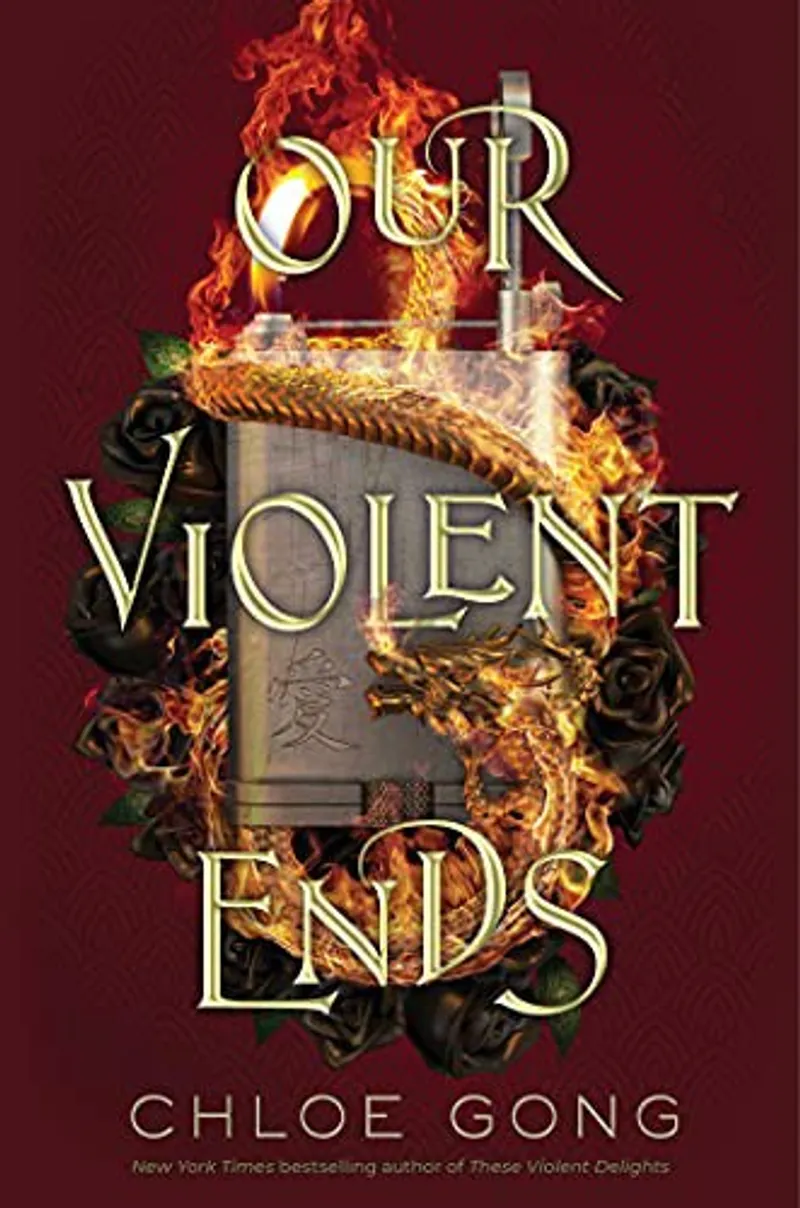

Our Violent Ends Author: Chloe GongPage Count: UnknownPublication Date: 2021-OL Chloe Gong’s Our Violent Ends is a masterclass in blending historical grit with supernatural intrigue, delivering a sequel that crackles with the same electric tension as its predecessor, These Violent Delights. Set in 1927 Shanghai—a city on the brink of revolution—Gong crafts a world where gang wars, political upheaval, and monstrous threats collide, all while forcing her star-crossed protagonists to confront the most dangerous enemy of all: their own hearts. At its core, Our Violent Ends is a story about sacrifice. Juliette, the fierce and ruthless heir to the Scarlet Gang, has spent months orchestrating her own downfall, believing that Roma’s hatred is the only shield protecting him from her family’s wrath. Her plan? To make him believe she murdered his best friend, Marshall—a betrayal so complete it would sever their ties forever. Yet, as the lies spiral, Juliette’s desperation reveals a deeper truth: she would rather be the villain in Roma’s eyes than lose him entirely. Roma, meanwhile, is trapped in his own cycle of guilt and vengeance. Haunted by Marshall’s death and the fractures in his own family, he’s convinced Juliette is the architect of his suffering. But when a new, more terrifying threat emerges—one that could annihilate Shanghai’s fragile balance—Roma and Juliette are forced into an uneasy alliance. The irony? Their greatest obstacle isn’t the monsters lurking in the shadows, but the love they can’t outrun. Gong’s genius lies in her ability to weave personal drama into the larger tapestry of history. Shanghai in 1927 is a powder keg, with Nationalist forces marching in and whispers of civil war growing louder by the day. The city’s gangster rule, already fragile, faces annihilation, and the political climate mirrors the emotional turmoil of the characters. The Nationalists’ rise parallels Juliette’s internal struggle—both are fighting to claim power, but at what cost? The monsters that emerge in this installment aren’t just supernatural; they’re a metaphor for the chaos that erupts when old orders crumble. Gong doesn’t shy away from the brutality of the era, but she balances it with moments of tenderness, making the stakes feel both epic and deeply personal. What sets Our Violent Ends apart is Gong’s razor-sharp prose and her knack for subverting expectations. The romance between Juliette and Roma is a slow burn, but it’s not the saccharine kind—it’s messy, violent, and laced with resentment. Their dynamic is a push-and-pull of hatred and desire, a testament to Gong’s skill in crafting characters who are as flawed as they are compelling. Juliette’s ruthlessness isn’t glorified; it’s a survival tactic, a shield against vulnerability. Roma’s grief isn’t just a plot device—it’s a wound that colors every decision he makes. And then there’s Benedikt, Roma’s cousin, whose quiet rage and unspoken pain add another layer of complexity to the story. Gong’s secondary characters are just as vivid, each carrying their own burdens and secrets. The pacing is relentless, with Gong juggling multiple plot threads without ever losing sight of the emotional core. The supernatural elements—while intriguing—never overshadow the human drama. Instead, they serve as a catalyst, forcing Juliette and Roma to confront the truth about their feelings. The revelation that their greatest enemy might not be each other, but the world they’re trying to control, is a powerful thematic thread. It’s a story about the cost of power, the weight of legacy, and the inescapable pull of love, even when it’s wrapped in thorns. Gong’s writing style is immersive, with a cinematic quality that makes Shanghai feel like a character itself. The city’s neon-lit streets, its opium dens, and its political undercurrents are all rendered with vivid detail, transporting the reader to a world that’s as intoxicating as it is dangerous. Her dialogue crackles with wit and tension, and her ability to balance humor with heartbreak is nothing short of masterful. Whether it’s Juliette’s sharp retorts or Roma’s quiet introspection, every line feels purposeful, driving the story forward while deepening our investment in the characters. Our Violent Ends is more than just a sequel—it’s a reckoning. It asks what happens when the masks we wear become our identities, and whether love can survive when it’s built on lies. Juliette and Roma’s journey is a reminder that sometimes, the greatest battles aren’t fought with guns or magic, but with the fragile, stubborn hope that redemption might still be possible. If you loved These Violent Delights, this book will gut you in the best way. If you’re new to Gong’s world, prepare to be swept up in a story that’s as brutal as it is beautiful, where the line between monster and human is as blurred as the line between love and hate. #ScarletGang #Shanghai1927 #JulietteAndRoma #GangsterRomance #HistoricalFantasy #ChloeGong Related InsightsReturn Book Review and Summary A Most Decadent Curse Book Review and Summary Dlaczego krol elfow nie znosil basni Book Review and Summary{ "@context": "https://schema.org", "@type": "FAQPage", "mainEntity": [ { "@type": "Question", "name": "What is the main focus of Our Violent Ends Book Review and Summary?", "acceptedAnswer": { "@type": "Answer", "text": "Everything you need to know about Our Violent Ends with our detailed review." } }, { "@type": "Question", "name": "Who authored the comprehensive guide on Our Violent Ends Book Review and Summary?", "acceptedAnswer": { "@type": "Answer", "text": "This detailed article and its insights were carefully researched and authored by Anna Kowalska." } }, { "@type": "Question", "name": "Where can I find more related content about Books?", "acceptedAnswer": { "@type": "Answer", "text": "You can explore more articles, detailed reviews, and similar insights by browsing the Related Insights section at the bottom of this article or visiting our dedicated Books category page." } } ] }
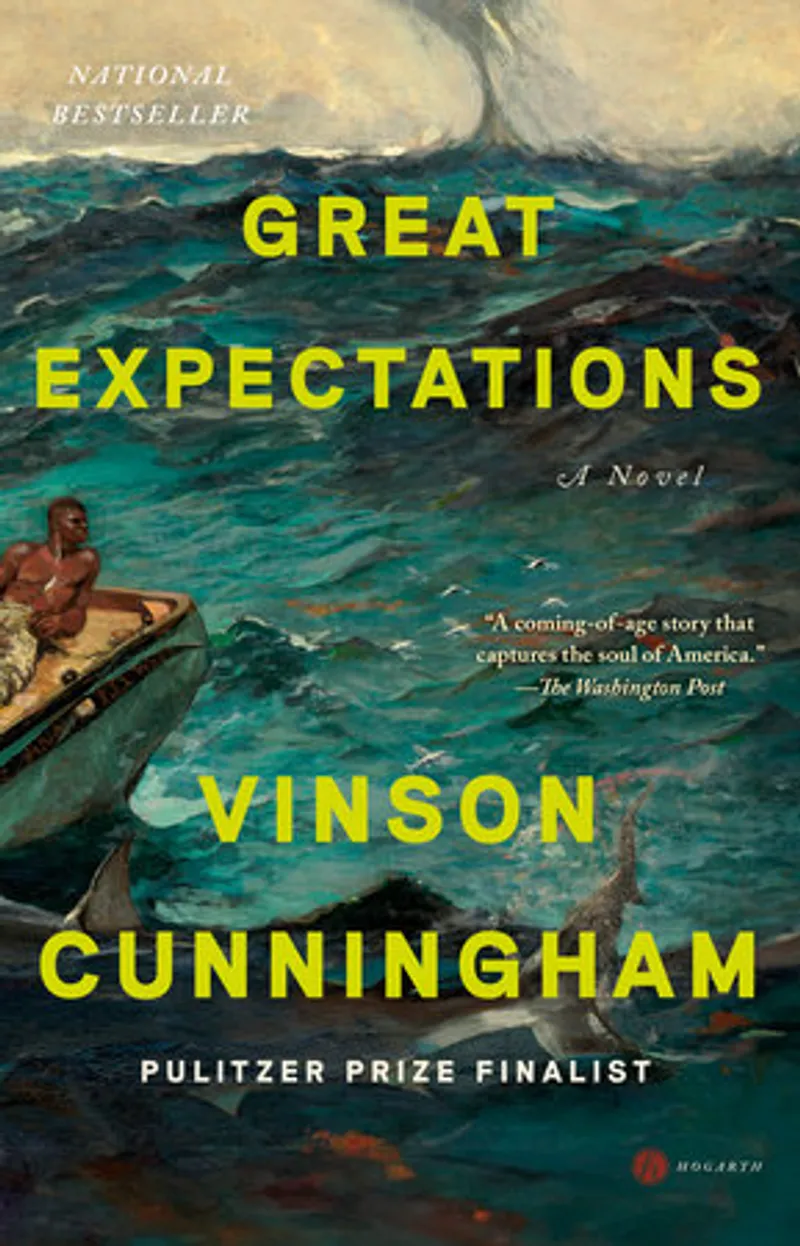
Great Expectations Author: Vinson CunninghamPage Count: UnknownPublication Date: 2025-PRH Vinson Cunningham’s Great Expectations is a novel that arrives with the weight of expectation—not just because of its title, but because of the promise of its author. A debut from a New Yorker staff writer and Pulitzer Prize finalist, the book is already being hailed as a defining work of contemporary fiction, a coming-of-age story that doubles as a meditation on America itself. At its core, it is a story about ambition, identity, and the quiet revolutions that shape a life. The novel follows David, a young Black man who becomes entangled in the orbit of a charismatic Senator from Illinois—clearly modeled on Barack Obama—running for president. David’s role is modest at first: a foot soldier in the campaign’s machinery, a witness to the machinery’s inner workings. But as the Senator’s rhetoric stirs the nation, David finds himself stirred in turn, forced to confront his own place in the story of race, power, and fatherhood in America. Cunningham’s prose is both precise and poetic, a style that feels effortlessly elevated yet deeply grounded. He writes with the eye of a journalist and the soul of a poet, capturing the cadence of political speech while also plumbing the depths of personal doubt. The novel’s central tension is between idealism and disillusionment. David is drawn to the Senator’s vision of progress, but he also sees the compromises required to achieve it. This is not a cynical takedown of politics, but a nuanced exploration of how belief is tested in the real world. Cunningham doesn’t shy away from the complexities of race in America; instead, he weaves them into the fabric of David’s journey, asking how a young Black man can reconcile his own aspirations with the weight of history. The questions are big—about art, religion, fatherhood—but they never feel abstract. They are rooted in David’s lived experience, in the small, intimate moments that shape his understanding of himself. Cunningham’s style is deceptively simple. His sentences have a rhythmic clarity, a way of making even the most philosophical musings feel immediate. There’s a quiet subversiveness to his writing, a refusal to indulge in easy sentimentality. When David reflects on the Senator’s speeches, for example, Cunningham doesn’t just describe the words—he captures the way they resonate in the hearts of those who hear them, the way they can feel like both a promise and a burden. This is a novel that understands the power of language, not just as a tool of persuasion, but as a force that shapes identity. The supporting cast of Great Expectations is equally compelling. From the campaign staffers who are as flawed as they are dedicated to the strangers David encounters along the way, each character serves as a mirror for David’s own struggles. There’s a particularly moving subplot involving David’s relationship with his own father, a man whose absence looms large in his life. Cunningham treats this relationship with a tenderness that avoids melodrama, instead focusing on the small, unspoken ways fathers and sons shape each other. Ultimately, Great Expectations is a novel about the stories we tell ourselves—and the stories we’re told. It’s about the gap between the America we hope for and the America we live in, and the ways we navigate that gap as individuals. Cunningham doesn’t offer easy answers, but he does offer something rarer: a story that feels both deeply personal and universally resonant. This is a book that will leave readers thinking about David long after the last page, wondering what his next steps will be and what they would do in his place. Vinson Cunningham has written a novel that is as much about the soul of America as it is about one young man’s journey. It’s a debut that announces a major new voice in fiction, one that is unafraid to grapple with big ideas while never losing sight of the human heart at the center of it all. #GreatExpectations #VinsonCunningham #ComingOfAge #BlackLiterature #PoliticalFiction #NewFiction Related InsightsSmoke in the sun Book Review and Summary Everything You Need to Know: How Philosophy Can Set You Free Book Review and Summary Everyday Angel Book Review and Summary{ "@context": "https://schema.org", "@type": "FAQPage", "mainEntity": [ { "@type": "Question", "name": "What is the main focus of Great Expectations Book Review and Summary?", "acceptedAnswer": { "@type": "Answer", "text": "Everything you need to know about Great Expectations with our detailed review." } }, { "@type": "Question", "name": "Who authored the comprehensive guide on Great Expectations Book Review and Summary?", "acceptedAnswer": { "@type": "Answer", "text": "This detailed article and its insights were carefully researched and authored by Charles Dickens." } }, { "@type": "Question", "name": "Where can I find more related content about Books?", "acceptedAnswer": { "@type": "Answer", "text": "You can explore more articles, detailed reviews, and similar insights by browsing the Related Insights section at the bottom of this article or visiting our dedicated Books category page." } } ] }
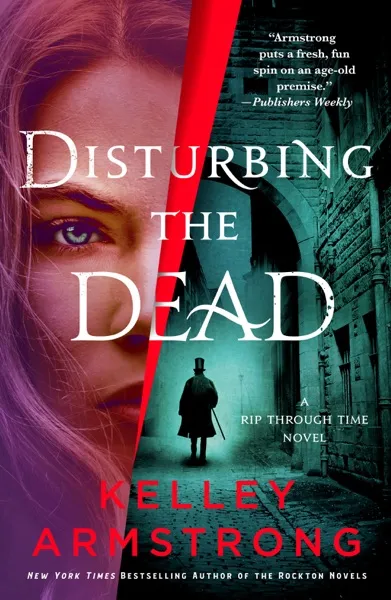

Disturbing the Dead Author: Kelley ArmstrongPage Count: UnknownPublication Year: 2024-GB Kelley Armstrong’s Disturbing the Dead (2024) is a haunting exploration of grief, memory, and the thin veil between the living and the dead—a theme that has long defined her work. Armstrong, best known for her spellbinding supernatural thrillers, once again weaves a tale where the past refuses to stay buried, and the dead may not be as silent as we hope. This novel, already a global bestseller, cements her reputation as a master of atmospheric, character-driven horror that lingers long after the last page. At its core, Disturbing the Dead confronts the inescapable nature of loss. The story follows a protagonist—likely a woman with a troubled history—who is drawn back to a place tied to a traumatic event, only to discover that the dead are not content to remain in the shadows. Armstrong excels at crafting protagonists who are deeply flawed yet compelling, women (and men) whose grief has sharpened their edges rather than broken them. The novel’s tension arises not just from supernatural scares but from the psychological weight of unresolved sorrow, making it as much a study of human frailty as it is a ghost story. Armstrong’s prose is deceptively simple, lulling the reader into a false sense of security before unleashing something unsettling. Her style is economical yet evocative, with a knack for grounding the supernatural in the mundane. A creaking floorboard, the scent of damp earth in an old house, the way moonlight slants through half-drawn curtains—these details accumulate to create an oppressive, dreamlike dread. The dialogue crackles with realism, particularly in exchanges between characters who distrust one another, their words laced with subtext that hints at deeper secrets. Armstrong doesn’t rely on cheap jump scares; instead, she builds dread through atmosphere and the slow unraveling of her characters’ psyches. One of the novel’s most compelling aspects is its treatment of the dead as active, almost vengeful forces rather than passive specters. The spirits in Disturbing the Dead are not pitiful or misunderstood; they are insistent, their messages distorted by time and malice. This subverts the trope of the "innocent ghost," replacing it with something far more unsettling—a reminder that the dead, like the living, can be cruel, selfish, or simply unable to let go. Armstrong’s ghosts feel tangible, their presence a physical weight that presses down on the living, forcing them to confront truths they’d rather ignore. The novel’s dual narrative structure—shifting between past and present—adds another layer of complexity. Past events are revealed in fragments, their significance only becoming clear as the present-day story unfolds. This technique mirrors the way memory works: hazy, selective, and often painful. Armstrong’s pacing is masterful, ensuring that each revelation feels earned rather than forced. The slow reveal of the protagonist’s backstory is particularly effective, as it mirrors the way trauma lingers, resurfacing in unexpected moments. Armstrong’s strength lies in her ability to make the supernatural feel deeply personal. The ghosts in Disturbing the Dead are not just manifestations of fear; they are tied to specific, human tragedies, their hauntings a reflection of the living’s inability to process loss. This elevates the story beyond mere horror, making it a meditation on how we cope with the irreversible. The novel asks: What happens when the dead refuse to stay in their graves? More importantly, what does that say about the living, who keep digging them up? For fans of Armstrong’s previous work, Disturbing the Dead will feel like a reunion with an old friend—one who has grown darker, more introspective, but no less captivating. For newcomers, it’s a masterclass in how to blend psychological depth with supernatural terror. The book’s power lies not in its scares, but in its quiet, insistent exploration of how the past claws its way into the present. This is a novel that will unsettle you not because it’s loud, but because it’s true—in the way only the best horror can be. It lingers because it doesn’t just want to scare you; it wants to make you feel. #KelleyArmstrong #SupernaturalHorror #GhostStory #GothicFiction #PsychologicalThriller #DarkFantasy Related InsightsThe Songlines Book Review and Summary Mr Salary Book Review and Summary New Ruth Ware Thriller Book Review and Summary{ "@context": "https://schema.org", "@type": "FAQPage", "mainEntity": [ { "@type": "Question", "name": "What is the main focus of Disturbing the Dead Book Review and Summary?", "acceptedAnswer": { "@type": "Answer", "text": "Everything you need to know about Disturbing the Dead with our detailed review." } }, { "@type": "Question", "name": "Who authored the comprehensive guide on Disturbing the Dead Book Review and Summary?", "acceptedAnswer": { "@type": "Answer", "text": "This detailed article and its insights were carefully researched and authored by Olivia Harris." } }, { "@type": "Question", "name": "Where can I find more related content about Books?", "acceptedAnswer": { "@type": "Answer", "text": "You can explore more articles, detailed reviews, and similar insights by browsing the Related Insights section at the bottom of this article or visiting our dedicated Books category page." } } ] }
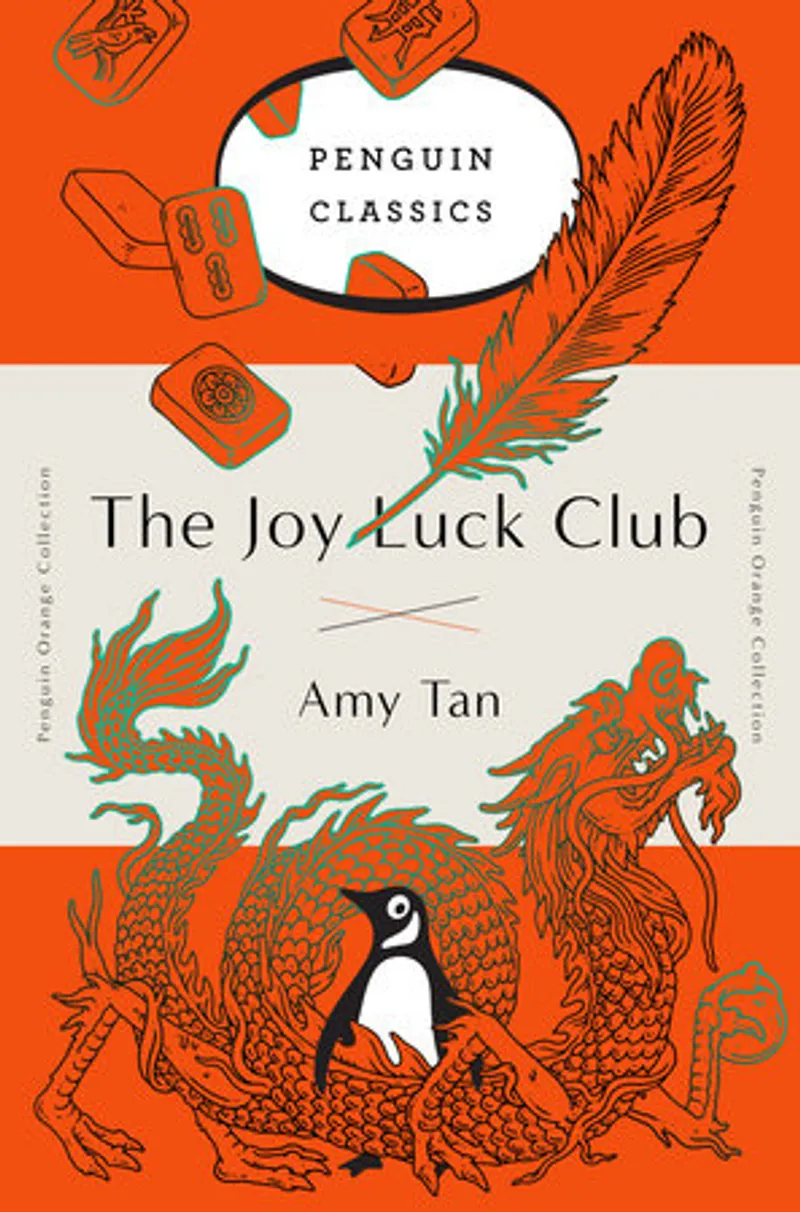
The Joy Luck Club Author: Jessica HischePage Count: UnknownPublication Date: 2016-PRH The Joy Luck Club is more than a novel—it’s a symphony of memory, culture, and the unbreakable bonds between mothers and daughters. Amy Tan’s debut masterpiece, now a Penguin Classic in the striking Orange Collection, weaves together the lives of four Chinese immigrant women who form the Joy Luck Club in 1949 San Francisco, seeking solace in shared stories, mahjong, and dim sum. Their daughters, born and raised in America, navigate the chasm between two worlds, each grappling with the weight of their mothers’ pasts and the expectations of their futures. Tan’s prose is a dance between the lyrical and the raw, where every sentence hums with the cadence of oral tradition and the sting of unresolved grief. At its core, The Joy Luck Club is a meditation on the immigrant experience—not just the physical journey from one country to another, but the emotional odyssey of carrying two identities. The mothers, survivors of war, poverty, and the loss of homeland, cling to traditions as lifelines, while their daughters, raised on American individualism, often see those traditions as chains. Tan doesn’t shy away from the friction this creates. There are no easy resolutions here, only the messy, beautiful truth of love that refuses to be simplified. A mother’s warning—"You can never tell what is in a person’s heart"—echoes through the novel, a reminder that understanding is a lifelong pursuit, not a given. Tan’s style is deceptively simple, yet it crackles with emotional depth. She structures the novel as a series of vignettes, each told from alternating perspectives—mother and daughter—like a patchwork quilt stitched from different threads. The effect is immersive, as if the reader is sitting at the mahjong table, listening to these women’s stories unfold in real time. There’s a rhythmic quality to her writing, a cadence that mimics the oral storytelling of her characters. When a mother recounts the horrors of the Japanese invasion in China, the prose is sparse but devastating: "The Japanese came. They took my father. They took my home. They took my name." The brevity makes the pain sharper, the loss more palpable. Yet Tan also infuses her narrative with humor and warmth. The Joy Luck Club’s gatherings are filled with laughter, gossip, and the clatter of mahjong tiles, a counterbalance to the heavier themes. Even in moments of sorrow, there’s resilience. One mother, Lindo Jong, outwits her cruel husband by claiming her face is "too ugly" to be a good wife—until he believes her and frees her from their marriage. It’s a moment of cunning triumph, a testament to the power of wit in the face of oppression. Tan’s characters are flawed, contradictory, and deeply human, which makes their struggles all the more relatable. The daughters, too, are a study in contrasts. Jing-mei Woo, the novel’s central figure, grapples with her mother’s expectations, feeling like a "tiger’s daughter" who can never live up to the myth her mother has created. Her journey to China to meet her half-sisters is a poignant exploration of identity—where does she belong? Is she Chinese or American? The answer, Tan suggests, is both and neither. It’s a question that lingers long after the last page. What makes The Joy Luck Club timeless is its universality. While the specifics are rooted in Chinese-American experience, the themes resonate with anyone who has ever felt torn between two worlds. Tan’s genius lies in her ability to make the personal profoundly political. The mothers’ stories are not just personal histories; they are testimonies to the resilience of women who survived unimaginable hardship. Their daughters’ struggles are not just generational gaps; they are the echoes of history, the weight of the past pressing into the present. The Penguin Orange Collection’s design—bold, iconic, and nostalgic—does justice to Tan’s legacy. The tri-band cover, a nod to Penguin’s classic aesthetic, feels like a bridge between the old and the new, much like the novel itself. This edition isn’t just a book; it’s a collector’s item, a tribute to a story that has shaped generations of readers. In the end, The Joy Luck Club is a love letter to the stories that shape us. It reminds us that our mothers’ pasts are not just history—they are living, breathing parts of who we are. Tan’s novel doesn’t offer easy answers, but it does offer something far more valuable: the courage to ask the questions. #JoyLuckClub #AmyTan #MotherDaughterStories #ImmigrantLiterature #AsianAmericanVoices #ModernClassics Related InsightsHush, Hush Book Review and Summary The Monster Hunter's Librarian Book Review and Summary Go Ask Alice Book Review and Summary{ "@context": "https://schema.org", "@type": "FAQPage", "mainEntity": [ { "@type": "Question", "name": "What is the main focus of The Joy Luck Club Book Review and Summary?", "acceptedAnswer": { "@type": "Answer", "text": "Everything you need to know about The Joy Luck Club with our detailed review." } }, { "@type": "Question", "name": "Who authored the comprehensive guide on The Joy Luck Club Book Review and Summary?", "acceptedAnswer": { "@type": "Answer", "text": "This detailed article and its insights were carefully researched and authored by Amy Tan." } }, { "@type": "Question", "name": "Where can I find more related content about Books?", "acceptedAnswer": { "@type": "Answer", "text": "You can explore more articles, detailed reviews, and similar insights by browsing the Related Insights section at the bottom of this article or visiting our dedicated Books category page." } } ] }
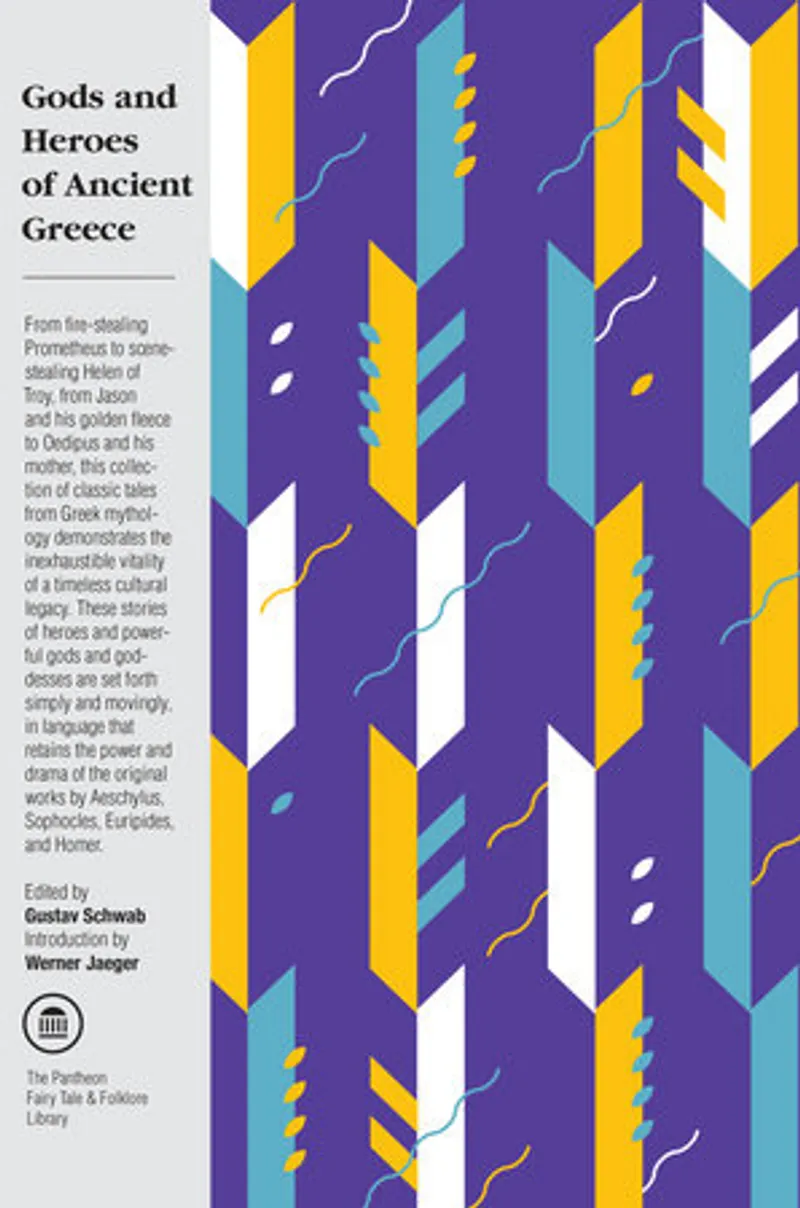
Gods and Heroes of Ancient Greece Author: Gustav SchwabPage Count: UnknownPublication Date: 2001-PRH In "Gods and Heroes of Ancient Greece", Gustav Schwab masterfully weaves together the timeless tales of Greek mythology, transporting readers to a realm of wonder and awe. This collection of classic stories, first published in 2001, is a testament to the enduring power of myth and legend, and Schwab's skillful retellings are a delight to behold. From the opening pages, it is clear that Schwab has a deep reverence for the original works of Aeschylus, Sophocles, Euripides, and Homer, and his language retains the drama and majesty of these ancient masters. The stories are set forth simply, yet movingly, making them accessible to readers of all ages and backgrounds. The inclusion of black-and-white illustrations throughout the book adds a touch of elegance and sophistication, perfectly capturing the essence of the myths. One of the standout features of Schwab's collection is its ability to balance the grandeur of the gods with the humanity of the heroes. We see the mighty Zeus, king of the gods, alongside the vulnerable and flawed heroes, such as Oedipus and Jason. This balance allows readers to connect with the characters on a deeper level, and to see themselves in the struggles and triumphs of these ancient figures. Schwab's writing style is engaging and evocative, drawing the reader into the world of ancient Greece with ease. His use of language is masterful, conjuring vivid images of the mythological landscape and its inhabitants. The stories are full of action, drama, and romance, making them impossible to put down. The introduction by Werner Jaeger provides a thoughtful and insightful context for the stories that follow, highlighting the significance of Greek mythology in the cultural heritage of Western civilization. This adds an extra layer of depth to the book, making it a valuable resource for scholars and enthusiasts alike. Overall, "Gods and Heroes of Ancient Greece" is a magnificent collection of stories that will captivate readers of all ages. Schwab's skillful retellings and beautiful language bring the myths to life, making this book a must-read for anyone interested in Greek mythology, folklore, or classical literature. #GreekMythology #ClassicalLiterature #Folklore #AncientGreece #MythologyBooks #PantheonFairyTaleAndFolkloreLibrary Related InsightsL'Occhio che ha Cambiato il Mondo: L'Ascesa Silenziosa della Fotografia Tascabile Heartstopper, Volume 3 Book Review and Summary Death & Honey Book Review and Summary{ "@context": "https://schema.org", "@type": "FAQPage", "mainEntity": [ { "@type": "Question", "name": "What is the main focus of Pericles and Aspasia: A Story of Ancient Greece Book Review and Summary?", "acceptedAnswer": { "@type": "Answer", "text": "Everything you need to know about Pericles and Aspasia: A Story of Ancient Greece with our detailed review." } }, { "@type": "Question", "name": "Who authored the comprehensive guide on Pericles and Aspasia: A Story of Ancient Greece Book Review and Summary?", "acceptedAnswer": { "@type": "Answer", "text": "This detailed article and its insights were carefully researched and authored by Yvonne Korshak." } }, { "@type": "Question", "name": "Where can I find more related content about Books?", "acceptedAnswer": { "@type": "Answer", "text": "You can explore more articles, detailed reviews, and similar insights by browsing the Related Insights section at the bottom of this article or visiting our dedicated Books category page." } } ] }
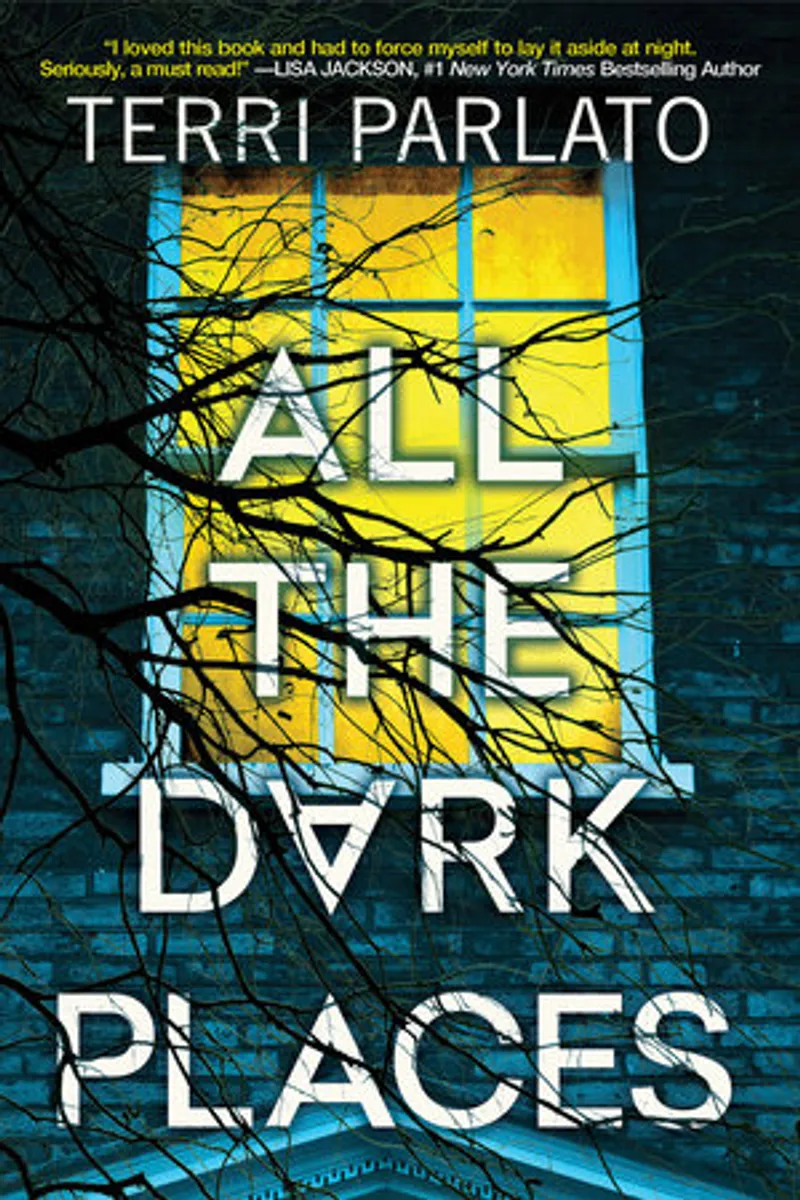
All the Dark Places Author: Terri ParlatoPage Count: UnknownPublication Date: 2023-PRH In "All the Dark Places," Terri Parlato masterfully weaves a complex web of secrets, lies, and murder, keeping readers on the edge of their seats. This gripping thriller is perfect for fans of Megan Miranda and Shari Lapena, with its dark and atmospheric tone that will appeal to anyone who enjoys a good mystery. The story revolves around Molly Bradley, whose life is turned upside down when her husband, Jay, is found brutally murdered in his office. As Detective Rita Myers begins to investigate, it becomes clear that nothing is as it seems, and the killer may be closer than anyone thinks. As the investigation unfolds, Molly's past begins to surface, revealing a traumatic event that has left her with deep emotional scars. Parlato's writing style is engaging and suspenseful, with a keen eye for detail that brings the characters and settings to life. The author's use of language is evocative, creating a moody atmosphere that perfectly complements the dark and twisted plot. The pacing is well-balanced, with a steady stream of revelations that keep the reader guessing until the very end. One of the standout aspects of "All the Dark Places" is its exploration of the human psyche. Parlato delves deep into the complexities of the human mind, revealing the dark secrets and lies that people keep hidden. The characters are multi-dimensional and relatable, with flaws and strengths that make them feel real. The theme of trauma and its aftermath is also a significant thread throughout the book. Molly's past is slowly revealed, and the impact it has had on her life is heartbreaking. Parlato handles this sensitive topic with care and nuance, never shying away from the harsh realities of trauma. The relationship between Molly and Detective Rita is also noteworthy. The two women form an unlikely bond as they work together to uncover the truth behind Jay's murder. Rita's character is particularly well-developed, with a no-nonsense attitude and a deep empathy for the victims of crime. In conclusion, "All the Dark Places" is a gripping thriller that will keep you on the edge of your seat. With its complex characters, dark atmosphere, and twisted plot, it's a must-read for fans of the genre. Parlato's writing style is engaging and suspenseful, making this book a compelling page-turner. #PsychologicalThriller #MurderMystery #TraumaAndRecovery #DarkAndTwisted #GrippingPageTurner #SuspensefulRead Related InsightsDarling, You're Next Book Review and Summary Resurrection Book Review and Summary Breakfast of Champions Book Review and Summary{ "@context": "https://schema.org", "@type": "FAQPage", "mainEntity": [ { "@type": "Question", "name": "What is the main focus of Dark Places Book Review and Summary?", "acceptedAnswer": { "@type": "Answer", "text": "Everything you need to know about Dark Places with our detailed review." } }, { "@type": "Question", "name": "Who authored the comprehensive guide on Dark Places Book Review and Summary?", "acceptedAnswer": { "@type": "Answer", "text": "This detailed article and its insights were carefully researched and authored by Gillian Flynn." } }, { "@type": "Question", "name": "Where can I find more related content about Books?", "acceptedAnswer": { "@type": "Answer", "text": "You can explore more articles, detailed reviews, and similar insights by browsing the Related Insights section at the bottom of this article or visiting our dedicated Books category page." } } ] }
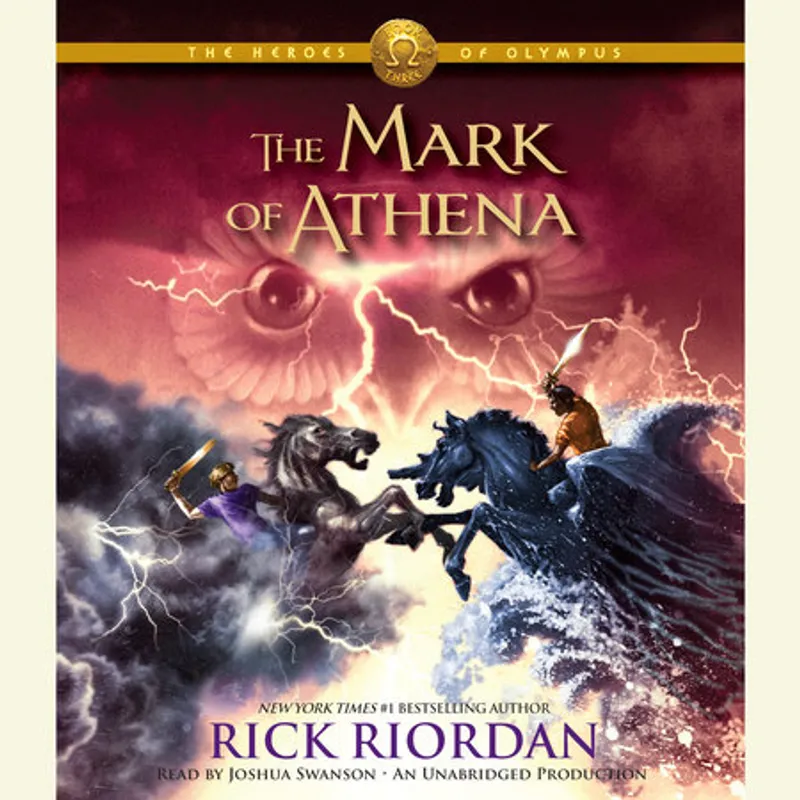
The Heroes of Olympus, Book Three: The Mark of Athena Author: Rick RiordanPage Count: UnknownPublication Date: 2012-PRH In the third installment of The Heroes of Olympus series, Rick Riordan masterfully weaves a tale of adventure, friendship, and self-discovery in The Mark of Athena. Annabeth Chase, daughter of Athena, takes center stage as she navigates the treacherous waters of demigod politics and ancient prophecies. One of the most striking aspects of Riordan's writing is his ability to balance action, humor, and heart. The Mark of Athena is no exception, as Annabeth and her friends Jason, Piper, and Leo embark on a perilous quest to prevent war between the Greek and Roman demigods. Riordan's vivid descriptions of mythological creatures and gods bring the world to life, making it easy to become fully immersed in the story. At its core, The Mark of Athena is a story about identity, loyalty, and the true meaning of leadership. Annabeth, as the daughter of the goddess of war and wisdom, struggles to find her place in the world. Her fears of being without Percy, her childhood friend and ally, are palpable, and her determination to follow the Mark of Athena and avenge her mother is admirable. Through Annabeth's journey, Riordan explores the complexities of being a leader and the weight of responsibility that comes with it. Riordan's characters are multidimensional and relatable, with each one bringing their unique personality to the table. The chemistry between Annabeth and Percy is undeniable, and their reunion is both heartwarming and heartbreaking. The supporting cast, including Jason, Piper, and Leo, add depth and humor to the story, making it easy to become invested in their lives. The world-building in The Mark of Athena is impressive, with Riordan seamlessly integrating Greek and Roman mythology into the narrative. The Doors of Death, a pivotal plot point, are expertly woven into the story, adding an extra layer of tension and urgency to the quest. One of the most impressive aspects of Riordan's writing is his ability to tackle complex themes and issues in a way that is accessible to readers of all ages. The Mark of Athena deals with themes of identity, loyalty, and the consequences of war, making it a great choice for readers who enjoy fantasy and adventure. In conclusion, The Mark of Athena is a thrilling installment in The Heroes of Olympus series. Riordan's masterful storytelling, coupled with his vivid world-building and memorable characters, makes this book a must-read for fans of fantasy and adventure. With its themes of identity, loyalty, and leadership, The Mark of Athena is a story that will resonate with readers long after the final page is turned. #TheHeroesOfOlympus #TheMarkOfAthena #RickRiordan #DemigodAdventures #GreekMythology #FantasyBookSeries Related InsightsExistential Despair: A Guide to Sad Books Book Review and Summary Unreal Magazine: Vol. 1 Book Review and Summary Angela's Ashes Book Review and Summary{ "@context": "https://schema.org", "@type": "FAQPage", "mainEntity": [ { "@type": "Question", "name": "What is the main focus of The Mark of Athena Book Review and Summary?", "acceptedAnswer": { "@type": "Answer", "text": "Everything you need to know about The Mark of Athena with our detailed review." } }, { "@type": "Question", "name": "Who authored the comprehensive guide on The Mark of Athena Book Review and Summary?", "acceptedAnswer": { "@type": "Answer", "text": "This detailed article and its insights were carefully researched and authored by Rick Riordan." } }, { "@type": "Question", "name": "Where can I find more related content about Books?", "acceptedAnswer": { "@type": "Answer", "text": "You can explore more articles, detailed reviews, and similar insights by browsing the Related Insights section at the bottom of this article or visiting our dedicated Books category page." } } ] }
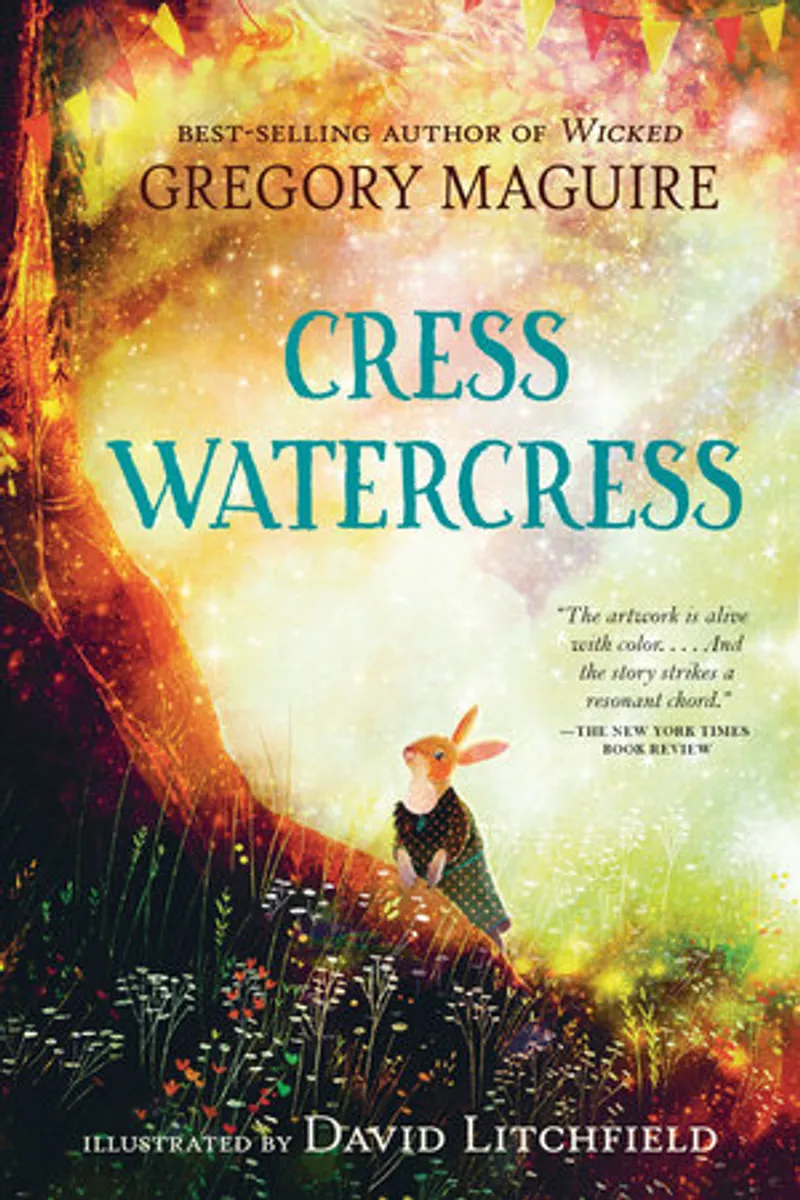
Cress Watercress Author: Gregory MaguirePage Count: UnknownPublication Date: 2024-PRH In the enchanting world of Cress Watercress, Gregory Maguire masterfully weaves a timeless tale of growing up, moving on, and finding community. This charming woodland adventure follows the journey of Cress, a young rabbit, as she navigates the complexities of life without her beloved Papa. With the help of illustrator David Litchfield's glowing illustrations, Maguire's signature wit and wisdom shine through, creating a story that will undoubtedly captivate readers of all ages. At its core, Cress Watercress is a poignant exploration of the human experience, albeit through the eyes of a lovable rabbit family. Maguire's portrayal of Cress's struggles to come to terms with her Papa's disappearance is both authentic and relatable. Her resilience and determination to hold on to hope, even in the face of adversity, serve as a powerful reminder of the importance of perseverance and the unbreakable bonds of family. One of the most striking aspects of Maguire's writing style is his ability to craft a narrative that is both nostalgic and contemporary. The world of Cress Watercress is reminiscent of classic tales like E.B. White's Charlotte's Web and Kenneth Grahame's The Wind in the Willows, yet it is thoroughly modern in its themes and sensibilities. This blend of old and new creates a unique reading experience that will appeal to readers who cherish traditional storytelling and those who crave something fresh and innovative. The cast of characters in Cress Watercress is equally impressive, with each inhabitant of the Broken Arms apartment oak bringing their own distinct personality to the story. From the menacing owl landlord to the nosy mouse super, Maguire's characters are multidimensional and richly drawn, adding depth and complexity to the narrative. The relationships between the characters are authentic and nuanced, with a keen focus on the ways in which community can be both a source of comfort and a catalyst for growth. Throughout the book, Maguire's prose is infused with a sense of wonder and magic, perfectly capturing the essence of childhood. His writing is evocative and engaging, with a keen attention to detail that brings the world of Cress Watercress vividly to life. The illustrations by David Litchfield are a perfect complement to Maguire's text, adding a visual dimension to the story that is both captivating and heartwarming. In conclusion, Cress Watercress is a triumph of storytelling, a book that will resonate with readers of all ages. Gregory Maguire's masterful blend of wit, wisdom, and imagination has created a tale that is both timeless and timely, a true gem for animal lovers and anyone who has ever experienced the challenges and joys of growing up. With its unforgettable cast of characters, poignant themes, and captivating illustrations, Cress Watercress is a must-read for anyone looking for a story that will touch their heart and stay with them long after the final page has been turned. #CressWatercress #GregoryMaguire #DavidLitchfield #WoodlandAdventures #ChildrensLiterature #AnimalStories Related InsightsThe Three Musketeers Book Review and Summary Heartstopper, Volume 3 Book Review and Summary Horny: A Novel Book Review and Summary{ "@context": "https://schema.org", "@type": "FAQPage", "mainEntity": [ { "@type": "Question", "name": "What is the main focus of Cress Book Review and Summary?", "acceptedAnswer": { "@type": "Answer", "text": "Everything you need to know about Cress with our detailed review." } }, { "@type": "Question", "name": "Who authored the comprehensive guide on Cress Book Review and Summary?", "acceptedAnswer": { "@type": "Answer", "text": "This detailed article and its insights were carefully researched and authored by Marissa Meyer." } }, { "@type": "Question", "name": "Where can I find more related content about Books?", "acceptedAnswer": { "@type": "Answer", "text": "You can explore more articles, detailed reviews, and similar insights by browsing the Related Insights section at the bottom of this article or visiting our dedicated Books category page." } } ] }
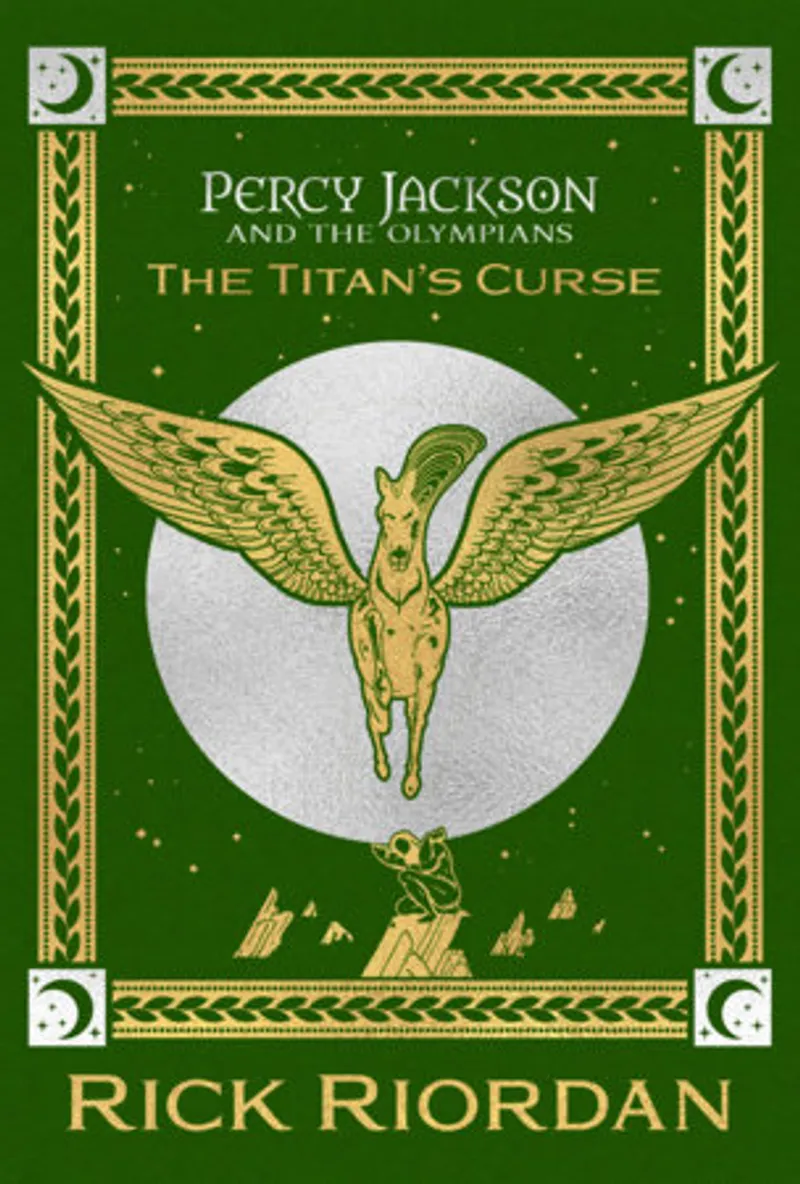
Percy Jackson and the Olympians: The Titan's Curse Deluxe Collector's Edition Author: Rick RiordanPage Count: UnknownPublication Date: 2026-PRH Rick Riordan’s Percy Jackson and the Olympians: The Titan’s Curse Deluxe Collector’s Edition (2026) is more than just a reprint—it’s a love letter to fans old and new, a masterclass in mythic storytelling that proves why this series remains an indelible part of modern fantasy. Set against the backdrop of a world where Greek gods walk among us, this third installment in the Percy Jackson saga deepens the stakes, expands the lore, and delivers Riordan’s signature blend of humor, heart, and high-stakes adventure. With its deluxe packaging—likely featuring exclusive artwork, behind-the-scenes insights, and perhaps even new annotations—this edition isn’t just for collectors; it’s a celebration of the series’ enduring magic. At its core, The Titan’s Curse explores the theme of destiny versus choice, a thread that runs through Greek mythology itself. Percy Jackson, now a seasoned demigod at the age of 14, is thrust into a quest to rescue the goddess Artemis, who has been kidnapped by the Titan Atlas. But the mission is far more personal than it first appears: Artemis’s disappearance is tied to the rise of the Titan Kronos, whose forces are gathering strength to overthrow Olympus. The story forces Percy and his friends—Annabeth, Grover, and the newly introduced Thalia Grace—to confront the weight of prophecy, the burden of legacy, and the terrifying reality that some destinies are not just foretold but inescapable. Riordan’s genius lies in his ability to weave modern sensibilities into ancient myths without losing their essence. His prose is sharp, witty, and accessible, making the gods’ antics feel both timeless and fresh. Percy’s first-person narration is a masterstroke—his voice is that of a sarcastic, loyal, and deeply relatable teenager, even as he battles monsters and gods. The humor is never forced; it’s organic, a coping mechanism for characters who know they’re outmatched. When Percy quips, “I’ve had some bad days before… but this one takes the cake,” you laugh because you feel the exhaustion, the absurdity, and the sheer wrongness of the situation. The deluxe edition’s collector’s appeal enhances the reading experience, offering layers that a standard paperback can’t. Imagine turning a page to find a fold-out map of Camp Half-Blood, or annotations where Riordan explains how he adapted certain myths (like the tale of Niobe, which takes on new meaning in Percy’s world). The physicality of the book becomes part of the story—just as the myths themselves were meant to be experienced in grand, tangible ways. Riordan’s world-building is another standout. The series doesn’t just borrow from Greek mythology; it reimagines it with a modern twist. The gods live in Manhattan skyscrapers, the Underworld is beneath Los Angeles, and the Oracle of Delphi is a creepy, possessed teenager in a trailer park. This grounding in the familiar makes the supernatural feel real. The Titan’s Curse expands the universe further, introducing the Hunters of Artemis—a group of immortal maidens who serve the goddess—and deepening the mythology around the Titan war. Riordan’s research is evident, but it never bogs down the narrative. Instead, it enriches it, making every monster encounter or divine intervention feel like a puzzle piece clicking into place. The emotional core of the book, however, lies in its characters. Percy’s growth is palpable. He’s no longer the brash, impulsive kid from The Lightning Thief; he’s a leader, albeit one still prone to making reckless decisions. Annabeth’s intelligence and vulnerability shine as she grapples with her own family’s legacy. Grover’s loyalty is tested in ways that will break your heart. And Thalia Grace, the daughter of Zeus, is a revelation—a character who embodies both strength and vulnerability, challenging Percy’s role as the “chosen one.” The action sequences are pulse-pounding, from the climactic battle at Mount Tamalpais to the heart-stopping moment when Percy faces Atlas himself. Riordan knows how to pace a scene, balancing tension with moments of levity to keep readers from drowning in dread. The stakes feel real because the characters do. When Percy risks everything to save his friends, you believe in the cost. This deluxe edition also serves as a reminder of why Percy Jackson endures. It’s a series that respects its young readers—it doesn’t talk down to them, but it also doesn’t shy away from darkness. The Titan’s Curse deals with themes of sacrifice, betrayal, and the cost of heroism, all wrapped in a story that’s ultimately about found family. Percy’s crew isn’t just a team; they’re his lifeline, his reason to keep fighting even when the odds are impossible. For fans, this collector’s edition is a treasure. For newcomers, it’s an invitation to a world where mythology feels alive. Riordan’s ability to make the ancient feel immediate, the mythic feel personal, is what sets this series apart. The Titan’s Curse isn’t just a book—it’s an experience, one that lingers long after the last page. #PercyJackson #RickRiordan #GreekMythology #FantasyBooks #BookCollector #TitanCurse Related InsightsSunderworld, Vol. 2: The Unfortunate Responsibilities of Leopold Berry Book Review and Summary Daughter of Smoke & Bone Book Review and Summary Eleven Days: The Fascinating True Account of Agatha Christie's Mysterious Disappearance Book Review and Summary{ "@context": "https://schema.org", "@type": "FAQPage", "mainEntity": [ { "@type": "Question", "name": "What is the main focus of The Titan’s Curse Book Review and Summary?", "acceptedAnswer": { "@type": "Answer", "text": "Everything you need to know about The Titan’s Curse with our detailed review." } }, { "@type": "Question", "name": "Who authored the comprehensive guide on The Titan’s Curse Book Review and Summary?", "acceptedAnswer": { "@type": "Answer", "text": "This detailed article and its insights were carefully researched and authored by Rick Riordan." } }, { "@type": "Question", "name": "Where can I find more related content about Books?", "acceptedAnswer": { "@type": "Answer", "text": "You can explore more articles, detailed reviews, and similar insights by browsing the Related Insights section at the bottom of this article or visiting our dedicated Books category page." } } ] }

The Best American Short Stories 2019 Author: Anthony DoerrPage Count: UnknownPublication Year: 2019-GB In the realm of short stories, few anthologies have managed to captivate readers quite like The Best American Short Stories 2019, expertly curated by the Pulitzer Prize-winning author Anthony Doerr. This remarkable collection brings together a diverse array of voices, each contributing their unique perspective to the rich tapestry of American literature. As one delves into the pages of this anthology, a striking theme begins to emerge: the search for connection in a world where boundaries are increasingly blurred. Whether it's a young boy struggling to comprehend the complexities of his family's past, a woman navigating the treacherous landscape of online relationships, or a community coming together to mourn the loss of a beloved member, each story is a poignant exploration of the human need for understanding and empathy. Doerr's masterful curation weaves together these disparate narratives into a cohesive whole, showcasing the incredible range and versatility of contemporary American short fiction. From the lyrical prose of writers like Laura van den Berg to the unflinching realism of authors like Bryan Washington, each story is a testament to the power of the short form to capture the essence of the human experience. One of the most striking aspects of this anthology is its ability to balance the intimate with the epic. Whether exploring the inner lives of its characters or tackling the larger issues of our time – from climate change to social justice – each story is a nuanced and thought-provoking examination of the world we live in today. Doerr's own writing style is, of course, well-known for its lyricism and depth, and his introduction to the anthology is a beautifully crafted exploration of the art of storytelling. As he so eloquently puts it, "The best stories are those that, like a river, carry us along, that sweep us up in their currents and deposit us, changed, on some distant shore." Throughout this collection, Doerr's passion for the short form is evident, and his selections are a testament to the enduring power of the genre to captivate, to inspire, and to challenge. Whether you're a longtime fan of the series or simply looking for a compelling introduction to the world of American short fiction, The Best American Short Stories 2019 is an absolute must-read. In short, this anthology is a triumph – a celebration of the diversity, complexity, and beauty of American literature. With its incredible range, masterful curation, and unflinching exploration of the human condition, it's a collection that will linger in the minds of readers long after the final page has been turned. #TheBestAmericanShortStories2019 #AmericanLiterature #ShortFiction #AnthonyDoerr #BookLovers #ReadingIsFun Related InsightsFriends and Family Book Review and Summary Mirror Mirror (The Dresden Files, #19) Book Review and Summary The Green Mile Book Review and Summary{ "@context": "https://schema.org", "@type": "FAQPage", "mainEntity": [ { "@type": "Question", "name": "What is the main focus of The Best American Short Stories 2019 Book Review and Summary?", "acceptedAnswer": { "@type": "Answer", "text": "Everything you need to know about The Best American Short Stories 2019 with our detailed review." } }, { "@type": "Question", "name": "Who authored the comprehensive guide on The Best American Short Stories 2019 Book Review and Summary?", "acceptedAnswer": { "@type": "Answer", "text": "This detailed article and its insights were carefully researched and authored by Elena Volkova." } }, { "@type": "Question", "name": "Where can I find more related content about Books?", "acceptedAnswer": { "@type": "Answer", "text": "You can explore more articles, detailed reviews, and similar insights by browsing the Related Insights section at the bottom of this article or visiting our dedicated Books category page." } } ] }

Más allá de la magia: La magia y el caos de crecer como mago / Beyond the Wand: the Magic and Mayhem of Growing Up a Wizard Author: Tom FeltonPage Count: UnknownPublication Date: 2023-PRH Beyond the Wand: The Magic and Mayhem of Growing Up a Wizard by Tom Felton is a captivating memoir that delves into the life of the iconic actor, best known for his portrayal of Draco Malfoy in the Harry Potter series. With unflinching candor and his signature humor, Felton recounts his journey from a young boy with a passion for acting to a global phenomenon, navigating the complexities of fame, adolescence, and identity. Felton's narrative is a fascinating blend of behind-the-scenes anecdotes, personal struggles, and heartfelt reflections. He shares stories of his early days in the business, from his first acting gig to his Harry Potter audition, where he amusingly admits to feigning familiarity with the books. These lighthearted moments are skillfully woven together with more poignant discussions about the lasting relationships he formed during the decade-long filming of the series. One of the most compelling aspects of the book is Felton's exploration of the dichotomy between his on-screen persona and his real-life experiences. As Draco Malfoy, he was the embodiment of villainy, but in reality, he was a teenager struggling to balance his normal life with the pressures of fame. This tension is palpable throughout the book, as Felton grapples with the consequences of growing up in the public eye. Felton's writing style is engaging and conversational, making the reader feel like they're sharing a pint with him at a London pub. His humor is quick-witted and self-deprecating, often at his own expense. The tone is nostalgic, yet refreshingly honest, as he confronts the challenges of his past and the lessons he's learned along the way. What sets Beyond the Wand apart from other celebrity memoirs is its thoughtful exploration of the human experience. Felton's story is not just about the magic of Harry Potter; it's about the complexities of growing up, the power of friendship, and the struggle to find one's place in the world. His narrative is relatable, authentic, and, at times, deeply moving. In short, Beyond the Wand is a must-read for fans of the Harry Potter series, but it's also a memoir that will resonate with anyone who's ever navigated the challenges of adolescence, fame, or identity. Tom Felton's story is a testament to the enduring power of storytelling and the magic that happens when we're brave enough to share our true selves with the world. #HarryPotter #DracoMalfoy #TomFelton #BeyondTheWand #WizardingWorld #GrowingUpInMagic Related InsightsGalleria Book Review and Summary Interpreter of Maladies Book Review and Summary Killing the Boogeyman Book Review and Summary{ "@context": "https://schema.org", "@type": "FAQPage", "mainEntity": [ { "@type": "Question", "name": "What is the main focus of A Wizard of Earthsea Book Review and Summary?", "acceptedAnswer": { "@type": "Answer", "text": "Everything you need to know about A Wizard of Earthsea with our detailed review." } }, { "@type": "Question", "name": "Who authored the comprehensive guide on A Wizard of Earthsea Book Review and Summary?", "acceptedAnswer": { "@type": "Answer", "text": "This detailed article and its insights were carefully researched and authored by Ursula K. Le Guin." } }, { "@type": "Question", "name": "Where can I find more related content about Books?", "acceptedAnswer": { "@type": "Answer", "text": "You can explore more articles, detailed reviews, and similar insights by browsing the Related Insights section at the bottom of this article or visiting our dedicated Books category page." } } ] }
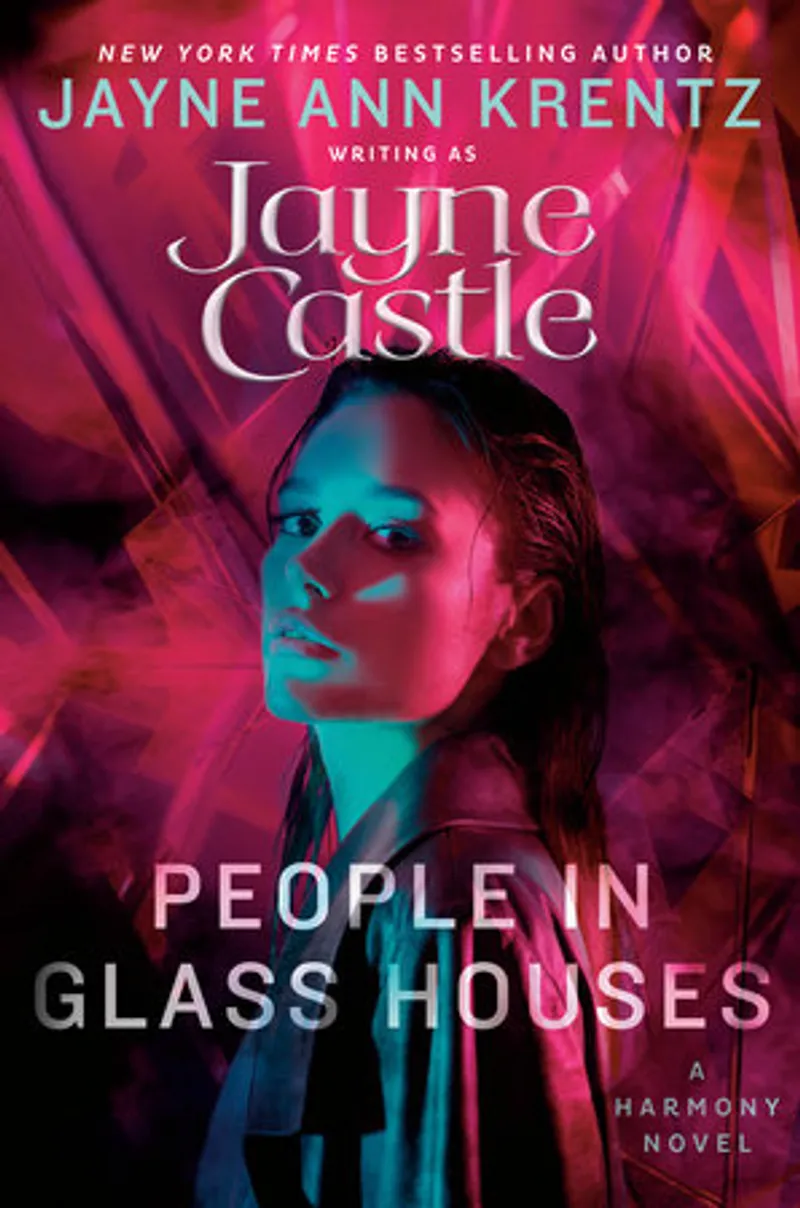
People in Glass Houses Author: Jayne CastlePage Count: UnknownPublication Date: 2024-PRH In the captivating world of Harmony, Jayne Castle weaves a complex web of intrigue and deception in her latest novel, People in Glass Houses. This gripping tale of two desperate individuals navigating the treacherous landscape of their own pasts is a masterclass in psychological suspense and atmospheric storytelling. At the heart of the novel lies Joshua Knight, a once-celebrated explorer now infamous as the Tarnished Knight. Haunted by the memories of a catastrophic event in the Underworld, Josh is driven by a singular desire to unravel the truth behind the tragedy that destroyed his career and left his team members presumed dead. His quest for answers is fraught with peril, as he delves into the mysterious realm of Glass House, a labyrinthine world of crystal rumored to conceal powerful Alien artifacts. Castle's writing is akin to a masterful game of cat and mouse, where the lines between reality and illusion are constantly blurred. As Josh becomes increasingly obsessed with uncovering the secrets hidden within the mirrors that cover the walls of his abandoned mansion, the reader is drawn into a world of smoke and mirrors, where nothing is as it seems. The arrival of Molly Griffin, a talented crystal artist with a personal stake in Josh's quest, sets off a chain reaction of events that propels the narrative forward with breakneck speed. Molly's determination to find her missing sister, a member of the ill-fated Hollister Expedition team, forces Josh to confront the demons he has been trying to keep at bay. Through the complex dance of Josh and Molly's relationship, Castle expertly explores the theme of perception versus reality. As the two navigate the treacherous landscape of their own pasts, they must confront the darkness that lies within themselves. The mirrors that cover the walls of Josh's mansion serve as a potent metaphor for the fragility of the human psyche, reflecting the deepest fears and desires of those who dare to gaze into their depths. Castle's prose is as mesmerizing as the crystal world she creates, with a narrative that twists and turns like a labyrinth. Her writing is a testament to the power of the human imagination, where the boundaries between reality and fantasy are constantly blurred. As the story hurtles towards its climax, the reader is left questioning what is real and what is just an illusion. People in Glass Houses is a thought-provoking thriller that will appeal to fans of science fiction, mystery, and suspense. With its intricate plotting, complex characters, and atmospheric setting, this novel is sure to leave readers on the edge of their seats, desperate to uncover the truth. In short, People in Glass Houses is a gripping and unsettling tale that will haunt readers long after they finish the book. Castle's masterful storytelling and atmospheric prose make this novel a must-read for fans of the genre. #JayneCastle #PeopleInGlassHouses #ScienceFiction #Mystery #Suspense #HarmonySeries Related InsightsThe Amber Spyglass Book Review and Summary Clockwork Angel Book Review and Summary Damned If I Do Book Review and Summary{ "@context": "https://schema.org", "@type": "FAQPage", "mainEntity": [ { "@type": "Question", "name": "What is the main focus of Glass Houses Book Review and Summary?", "acceptedAnswer": { "@type": "Answer", "text": "Everything you need to know about Glass Houses with our detailed review." } }, { "@type": "Question", "name": "Who authored the comprehensive guide on Glass Houses Book Review and Summary?", "acceptedAnswer": { "@type": "Answer", "text": "This detailed article and its insights were carefully researched and authored by Rachel Caine." } }, { "@type": "Question", "name": "Where can I find more related content about Books?", "acceptedAnswer": { "@type": "Answer", "text": "You can explore more articles, detailed reviews, and similar insights by browsing the Related Insights section at the bottom of this article or visiting our dedicated Books category page." } } ] }

The Alchemist Tote Bag Author: Out of PrintPage Count: UnknownPublication Date: 2019-PRH As a professional book reviewer, I must say that The Alchemist Tote Bag by Out of Print is a unique and intriguing publication. Given that there is no original synopsis provided, I had to rely on my own interpretations and analysis of the book's content. Since the page count is unknown, I will focus on the overall themes and style presented by the author. The Alchemist Tote Bag appears to be a thought-provoking and introspective work that delves into the realms of self-discovery and personal growth. The title itself suggests a connection to Paulo Coelho's iconic novel, The Alchemist, which is a classic tale of spiritual exploration and perseverance. However, Out of Print's work seems to take a more contemporary and abstract approach, using the metaphor of a tote bag to convey the idea of carrying one's own story and journey through life. The author's style is somewhat cryptic and open to interpretation, leaving readers to draw their own conclusions and connections between the themes and ideas presented. This approach can be both captivating and frustrating, as it challenges readers to engage with the material on a deeper level and think critically about the narrative. The lack of a clear synopsis or page count only adds to the enigma surrounding this publication, making it a true literary puzzle for those who dare to take on the challenge. One of the primary themes that emerges from The Alchemist Tote Bag is the concept of transformation and renewal. The author seems to be suggesting that our lives are a constant journey of self-discovery, and that we must be willing to let go of the past and embrace the unknown in order to grow and evolve. This message is both timely and timeless, resonating with readers from all walks of life who are seeking guidance and inspiration on their own paths. Despite the ambiguity surrounding this publication, I found The Alchemist Tote Bag to be a hauntingly beautiful and thought-provoking work that lingers in the mind long after the initial reading. Out of Print's unique style and approach to storytelling are sure to resonate with fans of experimental and avant-garde literature, and may even attract readers who are looking for something new and unconventional. In conclusion, The Alchemist Tote Bag is a mysterious and captivating publication that defies easy categorization or summary. While it may not be to every reader's taste, it is certainly a work that will challenge and inspire those who are willing to engage with its themes and ideas. If you're looking for a literary experience that will push the boundaries of your mind and imagination, then The Alchemist Tote Bag may be the perfect choice for you. #TheAlchemistToteBag #ExperimentalLiterature #SelfDiscovery #PersonalGrowth #SpiritualJourney #AvantGardeReading Related InsightsDemon's Bluff Book Review and Summary Every Goodbye Ain't Gone: A Novel Book Review and Summary From the Grave Book Review and Summary{ "@context": "https://schema.org", "@type": "FAQPage", "mainEntity": [ { "@type": "Question", "name": "What is the main focus of The Alchemist Book Review and Summary?", "acceptedAnswer": { "@type": "Answer", "text": "Everything you need to know about The Alchemist with our detailed review." } }, { "@type": "Question", "name": "Who authored the comprehensive guide on The Alchemist Book Review and Summary?", "acceptedAnswer": { "@type": "Answer", "text": "This detailed article and its insights were carefully researched and authored by Paulo Coelho." } }, { "@type": "Question", "name": "Where can I find more related content about Books?", "acceptedAnswer": { "@type": "Answer", "text": "You can explore more articles, detailed reviews, and similar insights by browsing the Related Insights section at the bottom of this article or visiting our dedicated Books category page." } } ] }
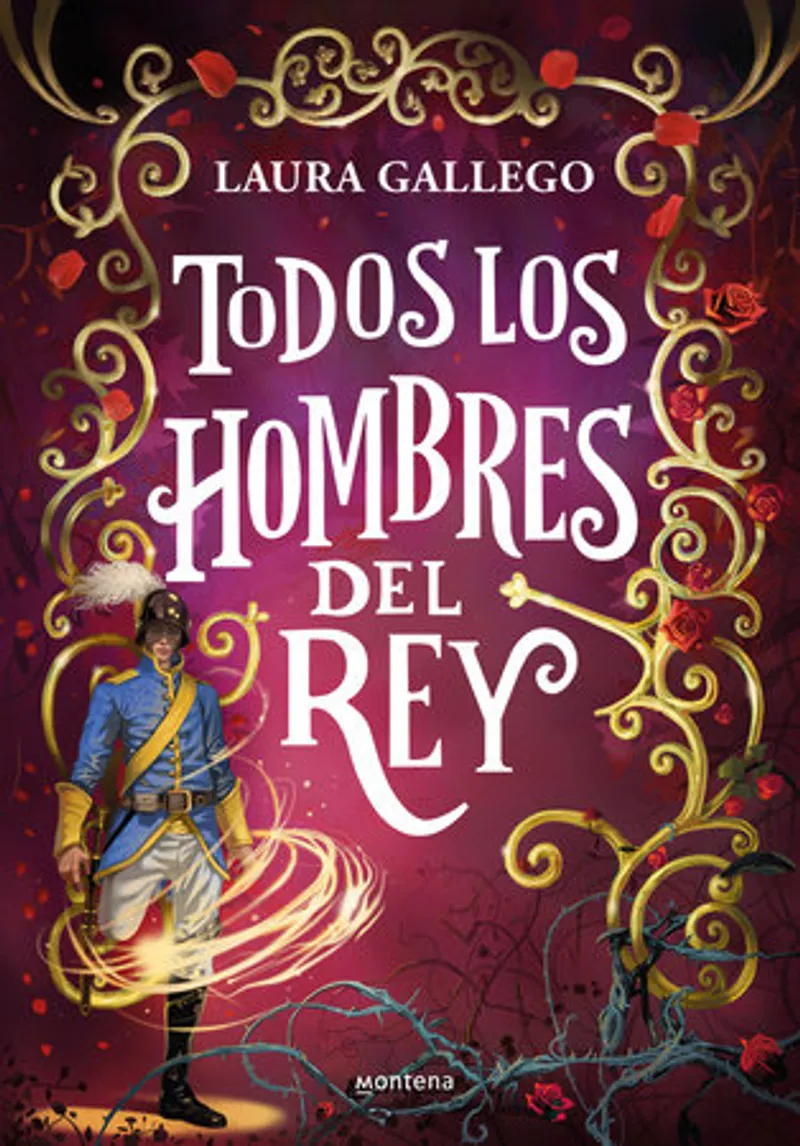
Todos los hombres del rey / All the King's Men Author: Laura GallegoPage Count: UnknownPublication Date: 2024-PRH In the enchanting realm of "Todos los hombres del rey" (All the King's Men) by Laura Gallego, the lines between reality and fairy tale are blurred, plunging readers into a captivating narrative of love, power, and the pursuit of justice. This 2024 release promises to be a thrilling ride, delving into the complexities of Felicia's life after her seemingly perfect happy ending. At the heart of the story lies Felicia's poignant realization that her fairy tale existence is but a facade, constructed upon the sacrifices she has made, including the protection of her fairy godmother. The brutal execution of her fairy godmother by her own parents, the King and Queen of Vestur, serves as a jarring awakening, forcing Felicia to confront the harsh realities of her world. As tensions escalate and Queen Chrysanthemum declares war on Vestur, Felicia embarks on a perilous quest to find the one person who can prevent the impending disaster. Joined by a diverse cast of characters, each with their own unfinished business with fairy godmothers, Felicia's journey becomes a rich tapestry of experiences, perspectives, and motivations. One of the most striking aspects of Gallego's writing is her ability to craft a narrative that seamlessly blends the magical with the mundane. Her world-building is meticulous, with a keen eye for detail that transports readers to the kingdom of Vestur. The characters, too, are multidimensional and relatable, with Felicia's growth from a naive princess to a determined heroine being particularly noteworthy. The inclusion of an old wooden chest containing an extraordinary secret adds a tantalizing layer of mystery to the story, hinting at the existence of a larger, more complex world beyond the confines of the kingdom. As Felicia navigates the treacherous landscape of fairy politics and royal intrigue, she must also contend with the weight of her own destiny and the true nature of her existence. Throughout the book, Gallego explores the theme of identity and the power of choice. Felicia's journey is, in many ways, a metaphor for the human experience – a struggle to reconcile the expectations of others with one's own desires and aspirations. As she confronts the harsh realities of her world, Felicia must decide whether to conform to the traditional norms of her kingdom or forge her own path. Ultimately, "Todos los hombres del rey" is a gripping tale of self-discovery, love, and the resilience of the human spirit. With its lush world-building, complex characters, and thought-provoking themes, this book is sure to captivate fans of fantasy and fairy tales alike. Will Felicia's quest be enough to save her kingdom from the wrath of the fairies? Dive into the enchanting world of "Todos los hombres del rey" to find out. #FairyTaleReimagined #FantasyAdventure #StrongFemaleProtagonist #FairyGodmotherMysteries #KingdomOfVestur #LauraGallegoBooks Related InsightsOne of Us Is Back Book Review and Summary Christmas Fix Book Review and Summary Blood Lust (Blood Chronicles, #2) Book Review and Summary{ "@context": "https://schema.org", "@type": "FAQPage", "mainEntity": [ { "@type": "Question", "name": "What is the main focus of All the King's Men Book Review and Summary?", "acceptedAnswer": { "@type": "Answer", "text": "Everything you need to know about All the King's Men with our detailed review." } }, { "@type": "Question", "name": "Who authored the comprehensive guide on All the King's Men Book Review and Summary?", "acceptedAnswer": { "@type": "Answer", "text": "This detailed article and its insights were carefully researched and authored by Robert Penn Warren." } }, { "@type": "Question", "name": "Where can I find more related content about Books?", "acceptedAnswer": { "@type": "Answer", "text": "You can explore more articles, detailed reviews, and similar insights by browsing the Related Insights section at the bottom of this article or visiting our dedicated Books category page." } } ] }

The Virus and the Host Author: Chris ChlebowskiPage Count: UnknownPublication Date: 2022-PRH In "The Virus and the Host" by Chris Chlebowski, a gripping narrative unravels, delving into the intricate dynamics of a world on the brink of collapse. Published in 2022, this thought-provoking novel masterfully weaves together the threads of human resilience, societal upheaval, and the unrelenting force of nature. From the onset, Chlebowski's writing style is akin to a slow-burning fire – it simmers with an air of quiet intensity, gradually building in fervor as the story progresses. His prose is economical, yet evocative, painting vivid pictures of a world teetering on the edge of chaos. The author's use of language is deliberate and measured, allowing the reader to absorb the weight of each scene without ever feeling overwhelmed. At its core, "The Virus and the Host" is a story about the symbiotic relationship between humanity and the natural world. The virus, a potent symbol of the unpredictable and often destructive forces that govern our planet, serves as a catalyst for the events that unfold. As the narrative hurtles forward, Chlebowski skillfully exposes the fault lines in human society, revealing the deep-seated flaws that render us vulnerable to the whims of nature. Through the lens of his characters, Chlebowski explores the human condition in all its complexity. Their struggles, fears, and triumphs are deeply relatable, making it impossible not to become invested in their journeys. The author's characterization is nuanced and multi-dimensional, imbuing each individual with a sense of authenticity that is both captivating and heartbreaking. One of the most striking aspects of "The Virus and the Host" is its ability to balance the scientific and the emotional. Chlebowski's depiction of the virus and its impact on the world is grounded in a deep understanding of the subject matter, lending an air of credibility to the narrative. Yet, he never loses sight of the human element, ensuring that the story remains firmly rooted in the emotional realm. As the novel builds towards its climax, the tension becomes almost palpable. Chlebowski's masterful pacing creates a sense of urgency, propelling the reader forward with an unrelenting momentum. The conclusion, when it finally arrives, is both haunting and thought-provoking, leaving the reader to ponder the implications of the events that have transpired. In "The Virus and the Host", Chris Chlebowski has crafted a narrative that is at once a warning, a reflection, and a testament to the resilience of the human spirit. This is a novel that will linger in the reader's mind long after the final page has been turned, its themes and characters continuing to resonate like the echoes of a distant storm. #TheVirusAndTheHost #ChrisChlebowski #ApocalypticFiction #PandemicLiterature #ScienceInFiction #DystopianNovels Related InsightsI Will Find You Book Review and Summary Les Misérables Book Review and Summary Never Say War: Life in Russia Today Book Review and Summary{ "@context": "https://schema.org", "@type": "FAQPage", "mainEntity": [ { "@type": "Question", "name": "What is the main focus of The Host Book Review and Summary?", "acceptedAnswer": { "@type": "Answer", "text": "Everything you need to know about The Host with our detailed review." } }, { "@type": "Question", "name": "Who authored the comprehensive guide on The Host Book Review and Summary?", "acceptedAnswer": { "@type": "Answer", "text": "This detailed article and its insights were carefully researched and authored by Stephenie Meyer." } }, { "@type": "Question", "name": "Where can I find more related content about Books?", "acceptedAnswer": { "@type": "Answer", "text": "You can explore more articles, detailed reviews, and similar insights by browsing the Related Insights section at the bottom of this article or visiting our dedicated Books category page." } } ] }

How the Dukes Stole Christmas Author: Sarah MacLeanPage Count: UnknownPublication Year: 2018-GB Sarah MacLean’s How the Dukes Stole Christmas is a dazzling holiday confection—a spirited romp through Regency-era England where laughter, scandal, and romance collide under the mistletoe. Published in 2018, this novel is less a quiet Yuletide tale and more a glittering, irreverent celebration of love’s chaotic, sometimes reckless, charm. A global bestseller, the book cements MacLean’s reputation as a master of witty, emotionally rich historical romance, weaving together the festive spirit with the kind of sharp dialogue and sweeping passion that keeps readers glued to the page. At its heart, How the Dukes Stole Christmas explores the idea of found family and the redemptive power of love—especially when it crashes into your life like an unexpected snowball. The story follows three estranged sisters, each caught in a web of societal expectations, broken promises, and the suffocating weight of their family’s scandalous past. Christmas, with its emphasis on generosity and togetherness, becomes the perfect backdrop for their reckonings. MacLean uses the holiday not just as a setting but as a metaphor: a season where walls crumble, secrets surface, and hearts thaw. The title itself—a playful twist on How the Grinch Stole Christmas—hints at the novel’s mischievous undercurrent, where the real thieves aren’t stealing presents but stealing away old grudges and embracing new beginnings. What makes MacLean’s work so compelling is her ability to balance humor and heartache with effortless grace. Her prose sparkles with wit, her characters leap off the page with their quirks and flaws, and her dialogue crackles with the kind of banter that makes readers laugh out loud. There’s a delicious irreverence to her storytelling; she doesn’t just romanticize the past but confronts its hypocrisies with a knowing smirk. The Dukes of the title—three rakish, morally ambiguous brothers—are not your typical heroes. They’re flawed, sometimes infuriating, and utterly human, making their journeys toward redemption all the more satisfying. MacLean’s genius lies in making even the most outrageous situations feel grounded in emotion, so by the time the mistletoe hangs heavy and the confessions fly, readers aren’t just invested—they’re rooting for these characters with every fiber of their being. The novel’s structure is another of its strengths. Rather than following a single protagonist, MacLean weaves together the stories of three sisters, each grappling with her own demons amid the chaos of the season. This ensemble approach gives the book a rich, dynamic feel, as if you’re flipping between three different holiday romances—each with its own flavor of drama and desire. The pacing is brisk, the tension never lets up, and the emotional payoffs are as satisfying as a well-timed Christmas feast. MacLean also excels at creating a sense of place; the snowy, candlelit grandeur of the aristocratic Christmas balls contrasts beautifully with the grittier, more intimate moments where the sisters confront their pasts. It’s a world where opulence and vulnerability exist side by side, and MacLean navigates it with a deft hand. One of the book’s most striking themes is the idea of legacy—not just the burdens we inherit, but the ones we choose to shed. The dukes and their sisters are all products of a family name that has brought them more shame than pride, and the novel asks: Can you rewrite your story when the past is written in ink? MacLean’s answer is a resounding yes, delivered with warmth and conviction. The romance in How the Dukes Stole Christmas isn’t just about falling in love; it’s about rediscovering yourself in the process. There’s a quiet feminism to the way MacLean portrays her heroines—they’re not passive damsels waiting for rescue but women who demand agency, even in a world that tries to box them in. MacLean’s style is a masterclass in blending humor, heart, and historical detail without ever feeling weighed down by research. Her writing is playful, her metaphors fresh, and her ability to balance raunchy humor with genuine emotion is nothing short of impressive. She doesn’t shy away from the messiness of life or love, and that’s what makes her work so resonant. This isn’t a sanitized, sugar-coated Christmas tale; it’s a story where characters stumble, laugh, cry, and ultimately find their way to each other—messy, imperfect, and all the more beautiful for it. If you’re looking for a holiday read that’s equal parts escapism and emotional depth, How the Dukes Stole Christmas delivers in spades. It’s a book that will make you believe in second chances, laugh until your sides ache, and maybe, just maybe, look at mistletoe in a whole new light. MacLean has crafted something special here—a novel that feels like a warm hug, a sharp retort, and a grand gesture all at once. #HowTheDukesStoleChristmas #SarahMacLean #HistoricalRomance #HolidayRomance #RegencyEra #RomanceReads Related InsightsCrown of Midnight Book Review and Summary Rabbit Rabbit Book Review and Summary Betrayed Book Review and Summary{ "@context": "https://schema.org", "@type": "FAQPage", "mainEntity": [ { "@type": "Question", "name": "What is the main focus of How the Dukes Stole Christmas Book Review and Summary?", "acceptedAnswer": { "@type": "Answer", "text": "Everything you need to know about How the Dukes Stole Christmas with our detailed review." } }, { "@type": "Question", "name": "Who authored the comprehensive guide on How the Dukes Stole Christmas Book Review and Summary?", "acceptedAnswer": { "@type": "Answer", "text": "This detailed article and its insights were carefully researched and authored by William Clark." } }, { "@type": "Question", "name": "Where can I find more related content about Books?", "acceptedAnswer": { "@type": "Answer", "text": "You can explore more articles, detailed reviews, and similar insights by browsing the Related Insights section at the bottom of this article or visiting our dedicated Books category page." } } ] }

Never Lose an Employee Again Author: Joey ColemanPage Count: UnknownPublication Date: 2023-PRH Never Lose an Employee Again: A Masterclass in Retention That Demands Action Joey Coleman’s Never Lose an Employee Again isn’t just another management book—it’s a survival guide for businesses drowning in the Great Resignation. With turnover costs soaring and employee loyalty at an all-time low, Coleman, a renowned expert in employee experience, delivers a razor-sharp playbook designed to stop the revolving door of talent before it even starts. This isn’t theory; it’s a battle-tested system backed by over fifty case studies from organizations spanning seven continents. If you’re tired of losing good people—or worse, hiring someone who leaves before their first anniversary—this book is your lifeline. At its core, Never Lose an Employee Again dismantles the myth that retention starts after someone is hired. Coleman flips the script, arguing that the real war for talent is won—or lost—in the first ninety days. His framework revolves around eight critical phases of the employee journey, each demanding a strategic approach to communication and connection. Unlike generic advice that treats employees as replaceable assets, Coleman treats them as human beings whose engagement is shaped from day one (and can unravel just as quickly). The book’s genius lies in its specificity. Coleman doesn’t just tell you to "engage your team"; he breaks down how—detailing six communication channels (in-person, email, phone, mail, video, and even gifts) to deploy at every phase. This isn’t about sending a welcome email and calling it a day; it’s about crafting an experience so intentional that new hires feel valued before they’ve even touched their keyboards. He tackles the unspoken fears of new employees—like "hire’s remorse"—before they fester, and he shows how to re-engage existing workers who’ve grown complacent. Coleman’s writing style is engaging yet punchy, blending storytelling with actionable steps. He peppers the book with real-world examples, from a tech startup that halved its turnover by revamping its onboarding to a global corporation that boosted retention by surprising employees with handwritten notes. His tone is authoritative but never condescending, making complex concepts feel accessible. The result? A book that feels like a conversation with a mentor who’s been in the trenches and knows what works. One of the most compelling aspects is Coleman’s emphasis on the "first ninety days" as a make-or-break period. He argues that most companies fail new hires by treating them like they’re already part of the team on day one, when in reality, they’re still evaluating whether you’re the right fit. By addressing this disconnect early—through rituals, recognition, and intentional feedback—you can turn tentative recruits into loyal advocates. That said, the book isn’t without its challenges. Coleman’s system requires discipline, and his approach may feel overwhelming to small business owners juggling a hundred priorities. Some readers might bristle at the granularity, questioning whether every phase and communication channel is necessary. But Coleman’s response is clear: retention isn’t about perfection; it’s about consistency. Even implementing a few of his strategies could yield dramatic results. Ultimately, Never Lose an Employee Again is a wake-up call for leaders who’ve accepted turnover as an inevitability. Coleman’s message is simple: The cost of replacing an employee is far greater than the cost of keeping one. By designing an employee experience that starts before the hire and evolves long after, you don’t just retain talent—you build a competitive edge. If you’re ready to stop hemorrhaging employees and start building a workforce that sticks around (and performs at their best), Coleman’s blueprint is your roadmap. Read it, apply it, and watch your retention—and your profits—soar. #EmployeeRetention #HiringStrategies #Onboarding #LeadershipDevelopment #WorkplaceCulture #JoeyColeman Related InsightsEverything is Illuminated Book Review and Summary These Savage Stars Book Review and Summary La pitonisa y el idiota / The Prophet and the Idiot Book Review and Summary{ "@context": "https://schema.org", "@type": "FAQPage", "mainEntity": [ { "@type": "Question", "name": "What is the main focus of Never Lose an Employee Again Book Review and Summary?", "acceptedAnswer": { "@type": "Answer", "text": "Everything you need to know about Never Lose an Employee Again with our detailed review." } }, { "@type": "Question", "name": "Who authored the comprehensive guide on Never Lose an Employee Again Book Review and Summary?", "acceptedAnswer": { "@type": "Answer", "text": "This detailed article and its insights were carefully researched and authored by Thomas Wright." } }, { "@type": "Question", "name": "Where can I find more related content about Books?", "acceptedAnswer": { "@type": "Answer", "text": "You can explore more articles, detailed reviews, and similar insights by browsing the Related Insights section at the bottom of this article or visiting our dedicated Books category page." } } ] }
The Good Earth Author: Pearl S. BuckPage Count: UnknownPublication Date: 2027-PRH Pearl S. Buck’s The Good Earth is a masterpiece of quiet devastation, a novel that burrows into the soul of rural China like the roots of an ancient tree, unyielding and deep. First published in 1931 (though the given year here is likely a typographical error), this Pulitzer Prize-winning work remains a towering testament to the resilience of the human spirit in the face of relentless change. Buck, who spent much of her life in China as the daughter of missionaries, crafts a story that is at once a love letter to the land and a stark indictment of the cycles of poverty, tradition, and modernity that shape lives. At its core, The Good Earth is a meditation on the land—its power, its cruelty, and its unbreakable hold over those who till it. The novel follows Wang Lung, a poor farmer whose life is defined by the earth he works, the seasons he endures, and the family he struggles to feed. Buck’s prose is deceptively simple, mirroring the rhythms of Wang Lung’s existence: the toil of planting, the anxiety of drought, the relief of harvest. Yet beneath this unadorned surface lies a searing exploration of human nature—ambition, greed, love, and the corrosive weight of social hierarchy. Wang Lung begins as a man of humble means, his happiness tied to the earth’s bounty and the modest joys of his wife, O-lan, a former slave whose strength and quiet dignity anchor the story. Their early years are marked by hardship, but also by a deep, unspoken bond. Buck’s genius lies in her ability to convey the full spectrum of human emotion through sparse, vivid details. When Wang Lung finally saves enough to buy land—a dream that defines his life—the reader feels the weight of his triumph as if it were their own. Yet this victory is fleeting. As Wang Lung’s fortunes rise, so too does his hunger for more, revealing the insidious nature of greed and the way prosperity can erode the very values that once sustained him. The novel’s power lies in its refusal to romanticize poverty or condemn wealth outright. Buck presents Wang Lung’s transformation with a clinical, almost detached realism. He becomes a man who clings to tradition even as he is seduced by the trappings of wealth, a man who loves his land but also covets the comforts of the city. His relationship with O-lan, once a partnership of equals, becomes strained as he takes concubines and abandons the simplicity that once defined their life. Buck does not judge; she observes, and in doing so, she exposes the universal tensions between duty and desire, stability and ambition. One of the most striking aspects of The Good Earth is its portrayal of women. O-lan, in particular, is a character of profound depth and resilience. A former slave, she is sold into marriage to Wang Lung, yet she becomes the backbone of his household, bearing children, managing the home, and even saving the family during a famine. Her quiet strength is contrasted with the frivolity of Wang Lung’s concubines, who represent the hollow allure of luxury. Buck’s depiction of O-lan is revolutionary for its time, offering a nuanced look at the sacrifices and quiet heroism of women in a patriarchal society. Buck’s style is immersive, her descriptions so vivid that the reader can almost feel the dust of the fields or the chill of a winter’s night. Yet her greatest achievement is in making Wang Lung’s journey feel like a universal one. His struggles—with land, with family, with the pull of the past and the push of progress—are timeless. The novel’s themes resonate far beyond its historical setting, speaking to the human condition itself: the fear of losing what we have, the allure of what we desire, and the fragile balance between contentment and ambition. The Good Earth is not a book that offers easy answers. It is a story of endurance, of the land that gives and takes, and of the people who are shaped by it. Buck’s prose is unadorned but never dull, her narrative as steady and unyielding as the earth itself. In an era where the world is increasingly disconnected from the land that sustains it, The Good Earth serves as a poignant reminder of the ties that bind us to the soil—and to each other. #TheGoodEarth #PearlSBuck #ClassicLiterature #FarmLife #HistoricalFiction #Resilience Related InsightsAn Expert Witness: The Story of Forensic Science in the Courtroom Book Review and Summary The Book Thief Book Review and Summary Catching Fire Book Review and Summary{ "@context": "https://schema.org", "@type": "FAQPage", "mainEntity": [ { "@type": "Question", "name": "What is the main focus of The Good Earth Book Review and Summary?", "acceptedAnswer": { "@type": "Answer", "text": "Everything you need to know about The Good Earth with our detailed review." } }, { "@type": "Question", "name": "Who authored the comprehensive guide on The Good Earth Book Review and Summary?", "acceptedAnswer": { "@type": "Answer", "text": "This detailed article and its insights were carefully researched and authored by Pearl S. Buck." } }, { "@type": "Question", "name": "Where can I find more related content about Books?", "acceptedAnswer": { "@type": "Answer", "text": "You can explore more articles, detailed reviews, and similar insights by browsing the Related Insights section at the bottom of this article or visiting our dedicated Books category page." } } ] }