Showing Posts From
Books
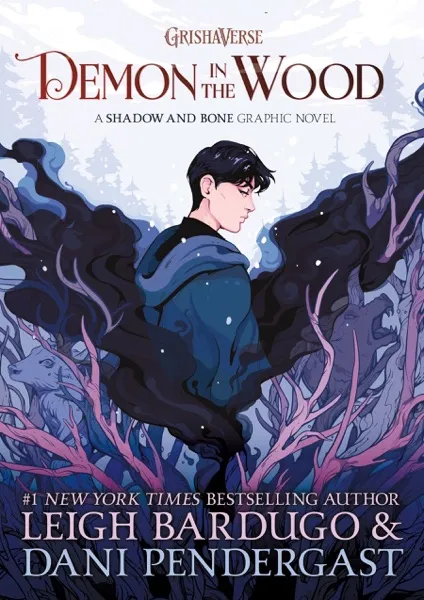

Demon in the Wood Author: Leigh BardugoPage Count: UnknownPublication Year: 2022-GB Demon in the Wood: Leigh Bardugo’s Dark, Dazzling Return to the Grishaverse Few authors can weave magic into words as effortlessly as Leigh Bardugo. With Demon in the Wood, she once again proves why she’s a titan of modern fantasy, delivering a tale that’s as haunting as it is hypnotic. Set in the same lush, treacherous world of the Grishaverse, this standalone novel plunges readers into the origins of one of its most enigmatic figures—Erik, the Darkling—before he became the villain of Shadow and Bone. But this isn’t just a prequel; it’s a masterclass in storytelling, blending gothic atmosphere, moral ambiguity, and razor-sharp prose into a narrative that lingers long after the last page. At its core, Demon in the Wood explores the seductive power of darkness and the choices that shape us. The story follows a young Erik as he navigates a world where power is currency, and survival often demands moral compromise. Bardugo doesn’t shy away from the complexities of her protagonist, crafting a character who is neither wholly villainous nor purely heroic. His journey is one of ambition, desperation, and the slow unraveling of innocence—a theme that resonates deeply in a genre often defined by clear-cut heroes and villains. The novel also delves into the cost of power, the illusion of control, and the ways in which trauma shapes identity. These themes are woven seamlessly into the narrative, making Demon in the Wood as thought-provoking as it is thrilling. Bardugo’s writing style is a force to be reckoned with. Her prose is rich with sensory detail, painting a world that feels both familiar and fresh. The Grishaverse has always been a character in its own right, and here, Bardugo deepens its lore with even more nuance. The dialogue crackles with tension, the descriptions are vivid without being overwrought, and the pacing is relentless, pulling readers forward with an almost hypnotic pull. She also excels at character development, giving even minor players depth and dimension. Erik’s internal monologues are particularly gripping, offering glimpses into the mind of a boy who could become a monster—or a savior. The supporting cast is equally compelling. From the morally ambiguous figures who shape Erik’s destiny to the fleeting yet impactful appearances of familiar faces, Bardugo ensures that every character feels real and consequential. The relationships in the novel are especially well-drawn, whether they’re built on trust, betrayal, or something in between. The emotional beats land with precision, making the stakes feel personal and urgent. One of the most striking aspects of Demon in the Wood is its exploration of fate versus free will. Erik’s path is marked by choices, some seemingly small, others life-altering, and Bardugo forces readers to question whether his eventual darkness was inevitable or a product of circumstance. This theme adds a layer of depth that elevates the story beyond a simple origin tale, making it a meditation on power, corruption, and the human condition. For fans of the Grishaverse, Demon in the Wood is a must-read, offering a deeper understanding of the world they’ve come to love. But even those new to Bardugo’s universe will find plenty to savor in this dark, immersive tale. The novel stands on its own as a gripping fantasy, but for those who’ve followed Erik’s journey from the beginning, it’s a revelation—a chance to see the villain in a new light and to grapple with the questions that define his legacy. Leigh Bardugo has once again proven why she’s one of the most compelling voices in contemporary fantasy. Demon in the Wood is a book that lingers, a story that haunts, and a testament to the power of great storytelling. Whether you’re a longtime fan or a newcomer to the Grishaverse, this novel is an experience not to be missed. #LeighBardugo #DemonInTheWood #Grishaverse #FantasyBooks #BookReview Related InsightsBioluminescent Book Review and Summary An easy death Book Review and Summary Upside Down Book Review and Summary{ "@context": "https://schema.org", "@type": "FAQPage", "mainEntity": [ { "@type": "Question", "name": "What is the main focus of **Demon in the Wood** Book Review and Summary?", "acceptedAnswer": { "@type": "Answer", "text": "Everything you need to know about **Demon in the Wood** with our detailed review." } }, { "@type": "Question", "name": "Who authored the comprehensive guide on **Demon in the Wood** Book Review and Summary?", "acceptedAnswer": { "@type": "Answer", "text": "This detailed article and its insights were carefully researched and authored by Lucia Garcia." } }, { "@type": "Question", "name": "Where can I find more related content about Books?", "acceptedAnswer": { "@type": "Answer", "text": "You can explore more articles, detailed reviews, and similar insights by browsing the Related Insights section at the bottom of this article or visiting our dedicated Books category page." } } ] }
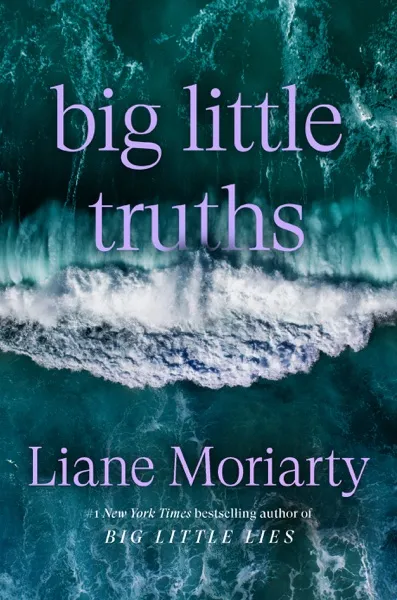

Big Little Truths Author: Liane MoriartyPage Count: UnknownPublication Year: 2026-GB Big Little Truths, the latest novel by the inimitable Liane Moriarty, is a masterful exploration of the human condition, delving into the intricacies of relationships, family dynamics, and the complexities of truth. Moriarty's signature style, a unique blend of wit, empathy, and unflinching honesty, makes this book an unputdownable read. At its core, Big Little Truths is a story about the power of secrets and the devastating consequences of their revelation. Moriarty expertly weaves together multiple narratives, each one a nuanced and thought-provoking examination of the ways in which truth can both unite and divide us. With her characteristic insight, she exposes the fault lines that exist within families, friendships, and communities, revealing the often-shocking consequences of our attempts to conceal, manipulate, or distort the truth. One of Moriarty's greatest strengths as a writer is her ability to craft relatable, multidimensional characters. In Big Little Truths, she presents a diverse cast of individuals, each one grappling with their own secrets, lies, and half-truths. From the outwardly confident but inwardly fragile matriarch to the rebellious teenager struggling to assert her independence, Moriarty's characters are richly drawn and utterly believable. Throughout the book, Moriarty's prose is, as always, engaging, witty, and effortlessly readable. Her writing is infused with a deep understanding of human psychology, and she tackles even the most sensitive topics with sensitivity and compassion. Her use of language is economical yet evocative, conjuring vivid images and emotions with remarkable ease. What sets Big Little Truths apart from other novels, however, is its thought-provoking exploration of the nature of truth itself. Moriarty raises important questions about the consequences of our actions, the impact of our words, and the devastating effects of our silence. In doing so, she challenges her readers to confront their own complicity in the web of secrets and lies that often binds us. Ultimately, Big Little Truths is a novel about the transformative power of honesty and the redemptive potential of forgiveness. Moriarty's conclusion is both satisfying and thought-provoking, leaving readers with much to ponder long after the final page has been turned. In short, Big Little Truths is a triumph, a testament to Liane Moriarty's skill as a storyteller and her profound understanding of the human heart. If you're a fan of character-driven fiction, nuanced family dramas, or simply great storytelling, then this book is an absolute must-read. #LianeMoriarty #BigLittleTruths #FamilyDrama #RelationshipGoals #ThePowerOfTruth #BookLoversUnite Related InsightsThis is Why We Don't Date Serial Killers (A Killer Romcom, #1) Book Review and Summary Close to Midnight Book Review and Summary A Room with a View Book Review and Summary{ "@context": "https://schema.org", "@type": "FAQPage", "mainEntity": [ { "@type": "Question", "name": "What is the main focus of Big Little Truths Book Review and Summary?", "acceptedAnswer": { "@type": "Answer", "text": "Everything you need to know about Big Little Truths with our detailed review." } }, { "@type": "Question", "name": "Who authored the comprehensive guide on Big Little Truths Book Review and Summary?", "acceptedAnswer": { "@type": "Answer", "text": "This detailed article and its insights were carefully researched and authored by Michael Brown." } }, { "@type": "Question", "name": "Where can I find more related content about Books?", "acceptedAnswer": { "@type": "Answer", "text": "You can explore more articles, detailed reviews, and similar insights by browsing the Related Insights section at the bottom of this article or visiting our dedicated Books category page." } } ] }
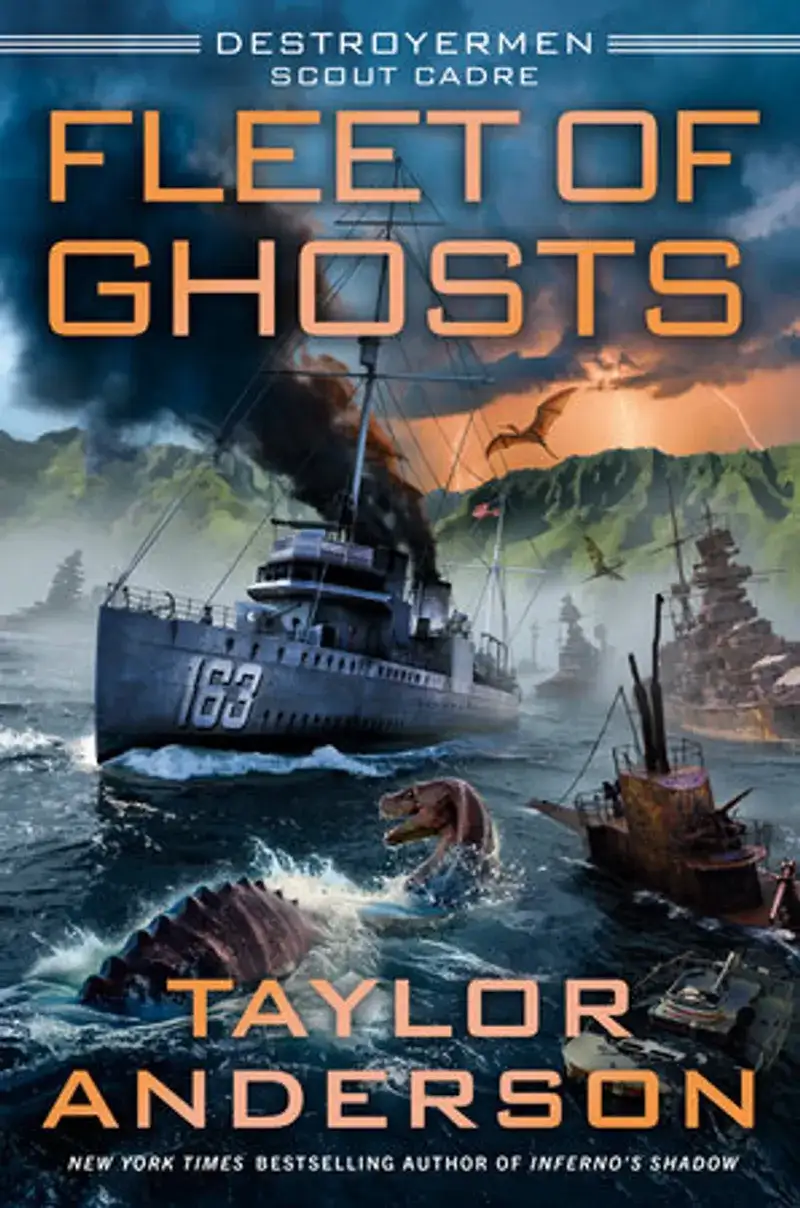
Fleet of Ghosts Author: Taylor AndersonPage Count: UnknownPublication Date: 2026-PRH Taylor Anderson’s Fleet of Ghosts is a masterclass in speculative fiction, weaving together the haunting beauty of lost civilizations with the relentless pulse of space opera. Set in a future where humanity’s remnants drift through the cosmos aboard the colossal Fleet of Ghosts—a armada of derelict ships repurposed into a nomadic civilization—Anderson crafts a narrative that feels both intimate and vast, a story where the weight of history presses against the fragile edges of survival. At its core, Fleet of Ghosts is a meditation on memory and erasure. Anderson doesn’t just tell a story about a dying fleet; she immerses the reader in the psychological toll of a people clinging to a past they can no longer fully grasp. The ships, once vessels of exploration and conquest, are now tombs haunted by the ghosts of their former crews. Their inhabitants, descendants of the original voyagers, live in a state of suspended animation, their knowledge fragmented, their identities tied to artifacts and half-remembered lore. The novel’s genius lies in how Anderson uses this setting to explore what it means to preserve—or surrender—one’s history. The fleet’s librarians, engineers, and scavengers are not just characters; they are archeologists of a lost world, piecing together fragments of a civilization that may have doomed itself long ago. Anderson’s prose is a marvel of precision and atmosphere. She has a rare talent for describing the grotesque and the sublime in equal measure, painting the fleet’s decaying interiors with the same care one might use to depict a cathedral’s stained glass. The ships are characters in their own right—rusted husks that groan under the strain of their own inertia, their corridors lined with the skeletal remains of those who stayed behind too long. The prose isn’t lush for its own sake; it serves the novel’s themes, making the reader feel the oppressive weight of the fleet’s decline. When characters venture into the deeper, uncharted reaches of the ships, the descriptions take on a feverish, almost hallucinatory quality, as if the reader is experiencing the same disorientation as the protagonists. The novel’s structure is non-linear, jumping between the past and present with a deft hand. Anderson never lingers too long in any one era, instead using the shifts to underscore the fragility of memory. Flashbacks reveal the fleet’s origins—its initial mission, the schisms that tore it apart, the slow decay of its purpose—while the present-day sections show the consequences of those fractures. It’s a risky approach, but Anderson pulls it off with grace, ensuring that each revelation feels earned rather than contrived. The result is a story that feels as much like a mystery as it does an epic, with the reader constantly piecing together clues about what truly happened to the fleet. One of the most striking aspects of Fleet of Ghosts is its refusal to offer easy answers. Anderson doesn’t provide a neat resolution, nor does she succumb to the temptation of a heroic triumph. Instead, the novel grapples with the idea that some losses are irreversible, that some ghosts cannot be laid to rest. The fleet is doomed, not by an external force, but by the weight of its own choices. This isn’t a story about overcoming adversity; it’s about the quiet dignity of enduring, of finding meaning in the creeping shadow of oblivion. Anderson’s style also shines in her handling of the fleet’s many factions. From the zealots who believe the fleet’s original mission is sacred to the pragmatists who see survival as the only priority, each group is given depth and nuance. There are no outright villains here, only people trying to make sense of a world that no longer makes sense. The moral ambiguity is refreshing, and it elevates the novel beyond a simple tale of survival into something far more compelling. If Fleet of Ghosts has a weakness, it’s in its occasional density. The world-building is meticulous, but the sheer scale of the fleet can be overwhelming at times. Anderson occasionally assumes a level of familiarity with her setting that might leave some readers adrift. However, this is a minor quibble in a novel that otherwise commands attention with its ambition and depth. In the end, Fleet of Ghosts is more than just a book about a fleet of ghost ships—it’s a meditation on what we choose to remember and what we allow to fade. It’s a story for anyone who has ever stood in the ruins of a forgotten place and felt the weight of time pressing down on them. Taylor Anderson has crafted something rare here: a novel that is both a thrilling adventure and a profound meditation on loss, memory, and the quiet courage of those who refuse to let either die. #SpaceOperaElegies #LostCivilization #GhostShipsAndLegacies #CosmicMelancholy #EnduranceInTheVoid #TaylorAndersonMasterpiece Related InsightsHoney-Don't List Book Review and Summary Law for the American Farmer Book Review and Summary Freedom Book Review and Summary{ "@context": "https://schema.org", "@type": "FAQPage", "mainEntity": [ { "@type": "Question", "name": "What is the main focus of Fleet of Ghosts Book Review and Summary?", "acceptedAnswer": { "@type": "Answer", "text": "Everything you need to know about Fleet of Ghosts with our detailed review." } }, { "@type": "Question", "name": "Who authored the comprehensive guide on Fleet of Ghosts Book Review and Summary?", "acceptedAnswer": { "@type": "Answer", "text": "This detailed article and its insights were carefully researched and authored by Piotr Nowak." } }, { "@type": "Question", "name": "Where can I find more related content about Books?", "acceptedAnswer": { "@type": "Answer", "text": "You can explore more articles, detailed reviews, and similar insights by browsing the Related Insights section at the bottom of this article or visiting our dedicated Books category page." } } ] }
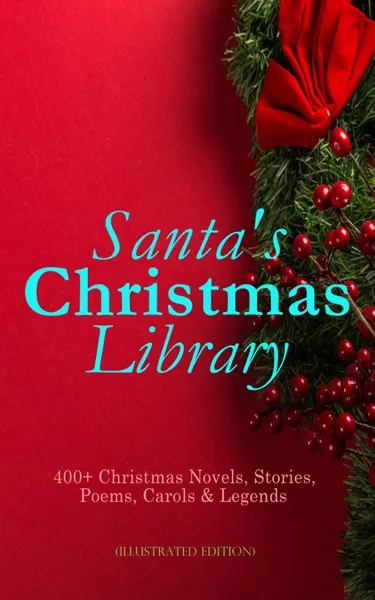

Classic Christmas Stories Author: George MacDonaldPage Count: UnknownPublication Year: 2022-GB Unwrapping the Timeless Magic of Christmas: A Review of George MacDonald's "Classic Christmas Stories" As the winter winds howl and the snowflakes gently fall, the world is bathed in a soft, ethereal glow, reminiscent of a bygone era. It is in this serene and peaceful atmosphere that George MacDonald's "Classic Christmas Stories" comes alive, transporting readers to a realm of wonder, enchantment, and profound reflection. This exquisite collection of tales, carefully curated and masterfully crafted, is a testament to the enduring power of Christmas to inspire, to uplift, and to transform. At its core, "Classic Christmas Stories" is a poignant exploration of the human condition, delving into the complexities of love, loss, and redemption. Through a diverse array of characters, each with their own unique struggles and triumphs, MacDonald masterfully weaves a rich tapestry of emotions, thoughts, and experiences that resonate deeply with readers of all ages. From the quiet introspection of a solitary soul to the joyful exuberance of a family reunited, these characters embody the full spectrum of human emotion, inviting readers to reflect on their own values, relationships, and priorities. MacDonald's writing style is a true marvel, blending the simplicity and elegance of a bygone era with the depth and nuance of a masterful storyteller. His prose is akin to a warm, golden light, illuminating the darkest recesses of the human heart and revealing the beauty, the kindness, and the generosity that lies within. With each carefully crafted sentence, he conjures a world of vivid imagery, transporting readers to a realm of snow-covered landscapes, cozy firesides, and the soft, golden glow of candlelight. Throughout these stories, MacDonald explores a range of themes that are both timeless and timely, speaking to the universal human experiences that transcend generations, cultures, and borders. He writes of love and loss, of hope and despair, of the struggle to find meaning and purpose in a chaotic world. And yet, even in the darkest moments, his stories are infused with a profound sense of hope and redemption, reminding readers of the transformative power of Christmas to bring people together, to heal old wounds, and to inspire new beginnings. One of the most striking aspects of "Classic Christmas Stories" is its ability to balance the sacred and the secular, the spiritual and the material. MacDonald's tales are deeply rooted in the Christian tradition, yet they also speak to the universal human experiences that lie at the heart of the Christmas season. Whether you are a person of faith or simply someone who cherishes the values of kindness, compassion, and generosity that Christmas embodies, these stories will resonate deeply with you, inspiring you to reflect on the true meaning of the season and the values that bring us together as a human family. In short, "Classic Christmas Stories" is a masterpiece, a collection of tales that will captivate, inspire, and transform readers of all ages. It is a testament to the enduring power of Christmas to bring people together, to heal old wounds, and to inspire new beginnings. So why not settle in by the fire, wrap yourself in a warm blanket, and let the timeless magic of these stories transport you to a realm of wonder, enchantment, and profound reflection? #ClassicChristmasStories #GeorgeMacDonald #ChristmasLiterature #HolidayReading #TimelessTales Related InsightsWitch King Book Review and Summary Alice’s Adventures in Wonderland / Through the Looking-Glass Book Review and Summary Firstdawn Book Review and Summary{ "@context": "https://schema.org", "@type": "FAQPage", "mainEntity": [ { "@type": "Question", "name": "What is the main focus of **Classic Christmas Stories** Book Review and Summary?", "acceptedAnswer": { "@type": "Answer", "text": "Everything you need to know about **Classic Christmas Stories** with our detailed review." } }, { "@type": "Question", "name": "Who authored the comprehensive guide on **Classic Christmas Stories** Book Review and Summary?", "acceptedAnswer": { "@type": "Answer", "text": "This detailed article and its insights were carefully researched and authored by Emma Thompson." } }, { "@type": "Question", "name": "Where can I find more related content about Books?", "acceptedAnswer": { "@type": "Answer", "text": "You can explore more articles, detailed reviews, and similar insights by browsing the Related Insights section at the bottom of this article or visiting our dedicated Books category page." } } ] }
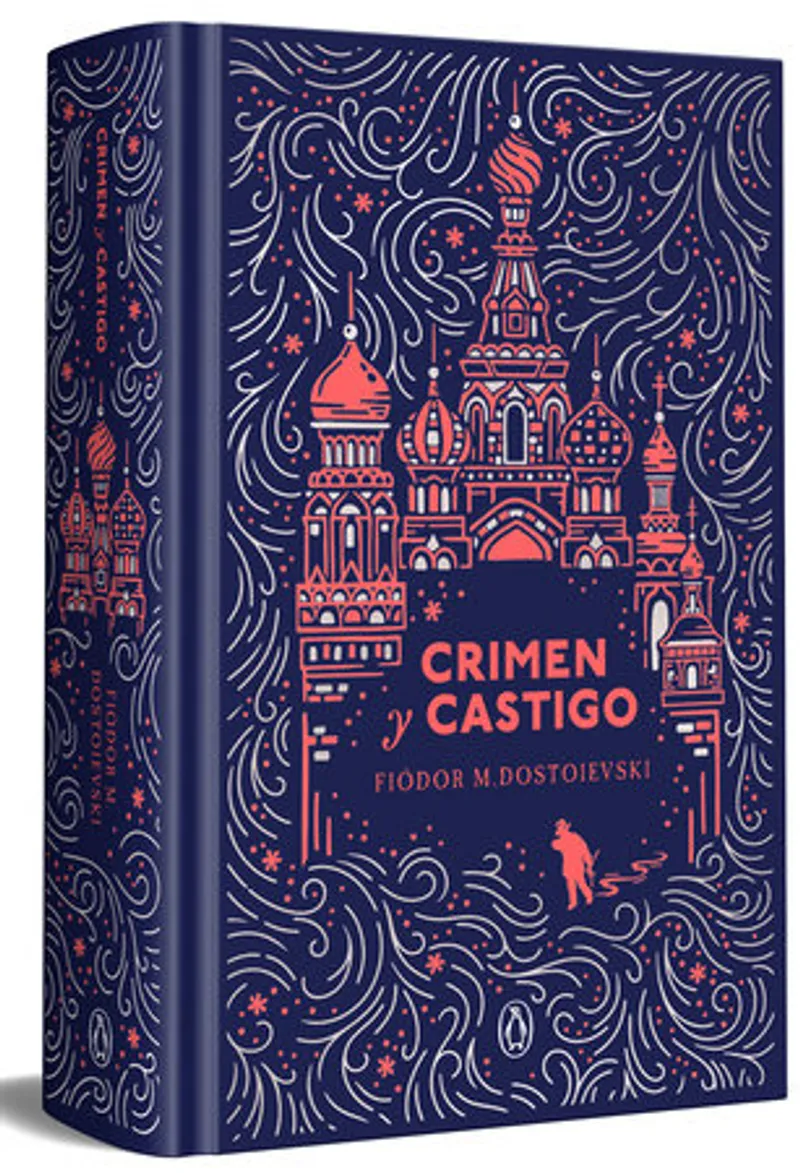
Crimen y castigo (edición especial en tapa dura) / Crime and Punishment (Special Hardcover Edition) Author: Fiódor M. DostoievskiPage Count: UnknownPublication Date: 2026-PRH In the realm of literary masterpieces, few novels have managed to captivate readers with the same level of philosophical and psychological depth as Fyodor Dostoevsky's "Crime and Punishment". This special hardcover edition, published in 2026, presents a unique opportunity to revisit the timeless classic that has been a cornerstone of world literature for centuries. At its core, "Crime and Punishment" is a thought-provoking exploration of the human condition, delving into the darkest recesses of the human psyche. The novel's protagonist, Rodion Raskolnikov, is a brilliant and impoverished young intellectual who murders an old pawnbroker and grapples with the consequences of his actions. As Raskolnikov navigates the treacherous landscape of his own guilt and redemption, Dostoevsky masterfully weaves a complex tapestry of themes that continue to resonate with readers today. One of the most striking aspects of Dostoevsky's writing style is his ability to craft characters that are at once flawed and relatable. Raskolnikov, in particular, is a fascinating study in contradictions – a rational and intelligent individual driven by a twisted sense of morality and a deep-seated desire for intellectual and philosophical superiority. Through Raskolnikov's inner turmoil, Dostoevsky raises fundamental questions about the nature of morality, free will, and the human condition, forcing readers to confront their own values and biases. Dostoevsky's prose is characterized by its lyrical and expressive quality, which adds to the novel's emotional intensity. His writing is akin to a rich, velvety darkness that envelops the reader, drawing them into the world of 19th-century St. Petersburg with its vivid descriptions of poverty, crime, and social inequality. The author's use of language is deliberate and calculated, with each word and phrase carefully chosen to convey the complexity of his characters' emotions and thoughts. The special hardcover edition of "Crime and Punishment" is a testament to the enduring power of Dostoevsky's masterpiece. With its elegant design and high-quality production, this edition is a must-have for book collectors and literature enthusiasts alike. The tactile experience of holding this beautifully crafted volume in one's hands only adds to the immersive quality of the reading experience, inviting readers to become fully invested in the world of Raskolnikov and his companions. In conclusion, "Crime and Punishment" is a masterpiece of world literature that continues to captivate readers with its profound insights into the human condition. This special hardcover edition is a worthy tribute to Dostoevsky's genius, offering a unique opportunity to experience the novel in a new and beautiful way. Whether you are a seasoned reader or a newcomer to the world of classic literature, "Crime and Punishment" is a must-read that will leave you changed forever. #CrimeAndPunishment #Dostoevsky #ClassicLiterature #PhilosophicalFiction #PsychologicalThriller #RussianLiterature Related InsightsDaughter of the Deep Book Review and Summary Holy Bible: New International Version Book Review and Summary Lanetli Kral [HC] Book Review and Summary{ "@context": "https://schema.org", "@type": "FAQPage", "mainEntity": [ { "@type": "Question", "name": "What is the main focus of Crime and Punishment Book Review and Summary?", "acceptedAnswer": { "@type": "Answer", "text": "Everything you need to know about Crime and Punishment with our detailed review." } }, { "@type": "Question", "name": "Who authored the comprehensive guide on Crime and Punishment Book Review and Summary?", "acceptedAnswer": { "@type": "Answer", "text": "This detailed article and its insights were carefully researched and authored by Fyodor Dostoevsky." } }, { "@type": "Question", "name": "Where can I find more related content about Books?", "acceptedAnswer": { "@type": "Answer", "text": "You can explore more articles, detailed reviews, and similar insights by browsing the Related Insights section at the bottom of this article or visiting our dedicated Books category page." } } ] }

Our Skin Colour Author: Marie Claire NjangPage Count: UnknownPublication Year: 2022-GB Marie Claire Njang’s Our Skin Colour is more than a book; it’s a searing, luminous confrontation with the weight of identity, the scars of history, and the quiet revolutions that happen in the space between a single glance and a lifetime of meaning. Published in 2022, this global bestseller has already cemented its place as a vital voice in contemporary literature, not just for its emotional resonance but for the unflinching clarity with which it dissects the politics of skin—how it marks us, how it is read by others, and how it becomes both a cage and a compass. At its heart, Our Skin Colour is a meditation on visibility and erasure. Njang, drawing from her own experiences as a Black woman navigating spaces across continents, crafts a narrative that is at once deeply personal and universally resonant. She doesn’t just describe the color of skin; she dissects the ideology that clings to it—how it predetermines access, how it dictates who is seen as beautiful, who is feared, who is made invisible. The book doesn’t offer easy answers, but it does something far more powerful: it forces the reader to feel the question, the doubt, the unspoken tension that lives in every glance, every assumption, every well-meaning compliment that carries the weight of centuries. Njang’s prose is deceptively simple—clean, lyrical, devoid of pretension—but every sentence carries the precision of a scalpel. She writes with a poet’s sensitivity and a journalist’s rigor, weaving memoir, social critique, and historical reflection into a seamless tapestry. There are no grand declarations here, no simplistic calls to action. Instead, there is the quiet accumulation of truth: the way a child first notices their skin in a mirror, the way a stranger’s gaze can feel like a verdict, the way language itself—even the words used to describe melanin—can be a site of violence or liberation. One of the most striking aspects of Our Skin Colour is its refusal to romanticize struggle. Njang doesn’t offer catharsis through victimhood, nor does she prescribe a path to resolution. Instead, she holds up a mirror to the reader—black, white, or otherwise—and asks: What do you see when you look at skin? What do you project onto it? The book doesn’t just critique racism; it interrogates the complicity of silence, the way even well-intentioned people participate in systems that reduce human beings to the color of their flesh. Njang’s style is intimate yet expansive. She moves effortlessly between childhood memories and global histories, between personal anecdotes and cultural analysis. There’s a moment early in the book where she recounts being a young girl in school, being told by a teacher that her skin was "like chocolate," a compliment that carried the subtle sting of exoticism. That scene is emblematic of the book’s genius: it takes what feels like a minor moment and reveals its hidden architecture of power. The chocolate comparison isn’t just innocent; it’s a form of soft violence, a way of containing her within a frame of Otherness. The book also excels in its exploration of intersectionality. Njang doesn’t treat race in isolation; she weaves in class, gender, and geography, showing how skin color interacts with other identities to shape experience. There’s a particularly poignant passage where she reflects on being a Black woman in predominantly white academic spaces, where her intelligence was often met with surprise or skepticism—not because of her merit, but because of the color of her skin. It’s a moment that echoes across countless cultures, a reminder that the gaze of the dominant society is never neutral. What makes Our Skin Colour so compelling is its honesty about the contradictions within identity. Njang doesn’t shy away from the ambivalence many Black people feel about their own skin—pride and pain, love and loathing, all tangled together. She writes about the desire to be seen without being reduced, to be celebrated without being exoticized, to be ordinary without being rendered invisible. It’s a tension that doesn’t resolve neatly, and Njang doesn’t pretend it does. Instead, she invites the reader into that unresolved space, encouraging a kind of reckoning that is both personal and political. The book’s global perspective is another of its strengths. Njang draws from her experiences in Africa, Europe, and beyond, showing how the meaning of skin color shifts across cultures and borders. She writes about the particular ways colorism manifests in different societies—how lighter skin is often privileged in some African contexts, how anti-Blackness is a global phenomenon, how whiteness operates as a silent standard. This breadth prevents the book from feeling parochial or limited to one experience, making it a vital read for anyone trying to understand the complexity of race in the modern world. Ultimately, Our Skin Colour is a book about the gaze—the way we are looked at, the way we look back, and the power dynamics embedded in every glance. It’s not just about Blackness; it’s about the human condition, about how we assign meaning to surfaces, how we use them to justify systems, and how we might begin to dismantle those systems by first dismantling the stories we tell ourselves about color. Njang’s work is a quiet revolution, one that happens in the space between words and silences, between personal revelation and collective reckoning. It’s a book that demands to be read slowly, to be savored, to be wrestled with. And in a world where skin color is still too often a shorthand for judgment, prejudice, or fetishization, Our Skin Colour is a necessary act of defiance—a reminder that identity is never just skin deep. #OurSkinColour #BlackExcellence #RaceAndIdentity #ColorismMatters #GlobalBlackVoices #ReclaimingNarrative Related InsightsEvery Pretty Thing: A Novel Book Review and Summary Literature and the Writing Process--eleventh edition Book Review and Summary The Complete Works Book Review and Summary{ "@context": "https://schema.org", "@type": "FAQPage", "mainEntity": [ { "@type": "Question", "name": "What is the main focus of Our Skin Colour Book Review and Summary?", "acceptedAnswer": { "@type": "Answer", "text": "Everything you need to know about Our Skin Colour with our detailed review." } }, { "@type": "Question", "name": "Who authored the comprehensive guide on Our Skin Colour Book Review and Summary?", "acceptedAnswer": { "@type": "Answer", "text": "This detailed article and its insights were carefully researched and authored by Anna Kowalska." } }, { "@type": "Question", "name": "Where can I find more related content about Books?", "acceptedAnswer": { "@type": "Answer", "text": "You can explore more articles, detailed reviews, and similar insights by browsing the Related Insights section at the bottom of this article or visiting our dedicated Books category page." } } ] }
- 10 May, 2026 08:49
Lamb: The Gospel According to Biff, Christ’s Childhood Pal Book Review and Summary
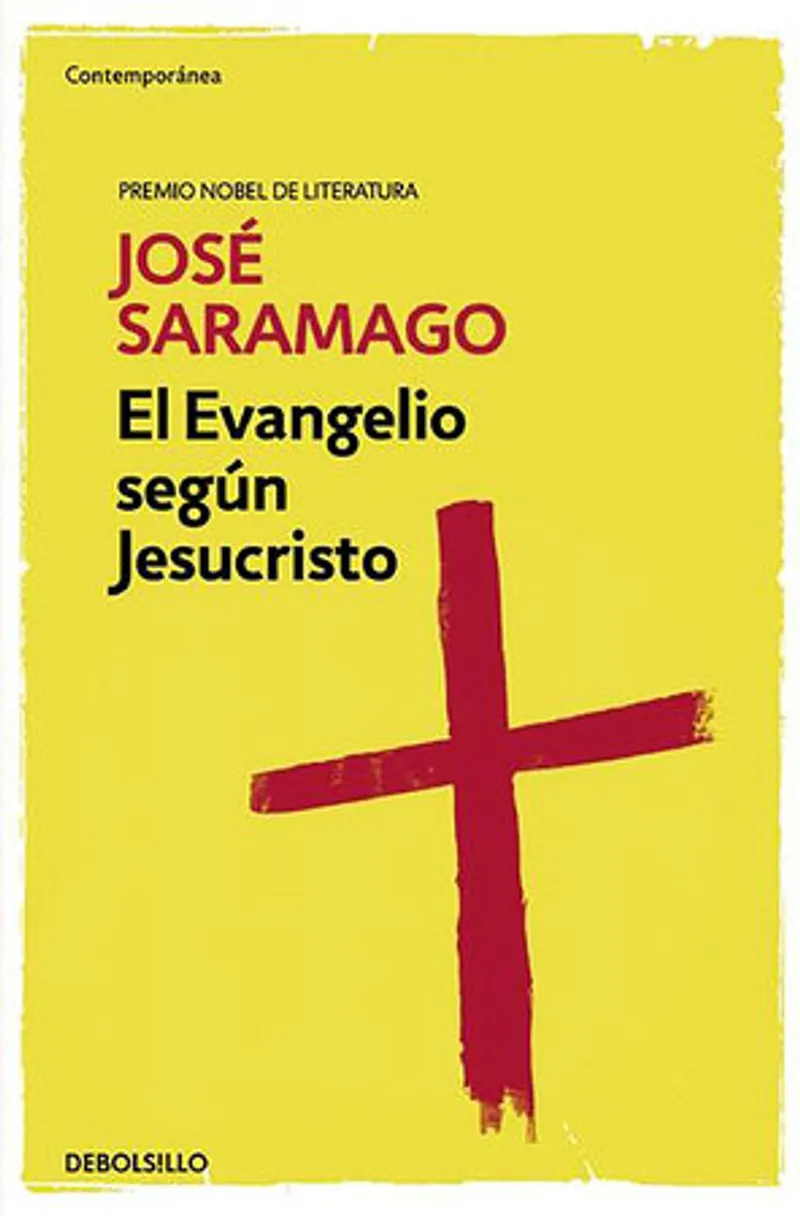
El evangelio según Jesucristo / The Gospel According to Jesus Christ Author: Jose SaramagoPage Count: UnknownPublication Date: 2016-PRH In "The Gospel According to Jesus Christ", Jose Saramago presents a bold and unorthodox retelling of the life of Jesus of Nazareth, one that strips away the divine aura and instead, presents a deeply human and relatable figure. This is not the Jesus of traditional Christian lore, but rather a complex and multifaceted individual, driven by the same doubts, fears, and desires that plague us all. At the heart of the novel is the character of Joseph, recreated by Saramago as a man torn apart by guilt and remorse. His decision to save his child from the clutches of Herod, rather than alerting the population to the impending danger, sets in motion a chain of events that will haunt him for the rest of his life. This is a powerful exploration of the human condition, one that raises fundamental questions about morality, sacrifice, and the nature of good and evil. Saramago's prose is, as ever, masterful, weaving a narrative that is both deeply personal and universally relatable. His writing is characterized by a wry humor, a deep empathy for his characters, and a willingness to challenge the established order. This is a writer who is unafraid to ask the big questions, to probe the darkest recesses of the human heart, and to emerge with a profound and unsettling truth. One of the most striking aspects of the novel is its mundane vision of the events surrounding Jesus' life. Gone is the grandeur and majesty of traditional Christian iconography, replaced instead by a gritty, earthy realism. The birth of Jesus is not a miraculous event, but rather a messy and painful one, marked by the same fears and uncertainties that accompany all human births. The discovery of love, too, is presented as a complex and multifaceted experience, one that is fraught with danger, uncertainty, and ultimately, redemption. At the center of the novel is Jesus himself, a figure who is both deeply human and profoundly enigmatic. Saramago presents him as a man on a mission, driven by a sense of purpose that he does not fully understand. His existential crisis, as he grapples with the meaning and role of his life, is a powerful exploration of the human condition, one that will resonate deeply with readers. Ultimately, "The Gospel According to Jesus Christ" is a novel that will challenge, provoke, and inspire readers in equal measure. It is a work of profound literary merit, one that will leave readers questioning their assumptions about the nature of faith, morality, and the human condition. As The Nation so aptly put it, "The Gospel According to Jesus Christ" is a book that "basta para dar a Saramago un lugar en la biblioteca universal y en la memoria de los hombres" - it is a work that secures Saramago's place in the universal library and in the memory of humanity. #TheGospelAccordingToJesusChrist #JoseSaramago #LiteraryFiction #Christianity #ExistentialCrisis #BookReview Related InsightsLook What the Cat Dragged In Book Review and Summary Long range Book Review and Summary The War of the Worlds Book Review and Summary{ "@context": "https://schema.org", "@type": "FAQPage", "mainEntity": [ { "@type": "Question", "name": "What is the main focus of Lamb: The Gospel According to Biff, Christ’s Childhood Pal Book Review and Summary?", "acceptedAnswer": { "@type": "Answer", "text": "Everything you need to know about Lamb: The Gospel According to Biff, Christ’s Childhood Pal with our detailed review." } }, { "@type": "Question", "name": "Who authored the comprehensive guide on Lamb: The Gospel According to Biff, Christ’s Childhood Pal Book Review and Summary?", "acceptedAnswer": { "@type": "Answer", "text": "This detailed article and its insights were carefully researched and authored by Christopher Moore." } }, { "@type": "Question", "name": "Where can I find more related content about Books?", "acceptedAnswer": { "@type": "Answer", "text": "You can explore more articles, detailed reviews, and similar insights by browsing the Related Insights section at the bottom of this article or visiting our dedicated Books category page." } } ] }
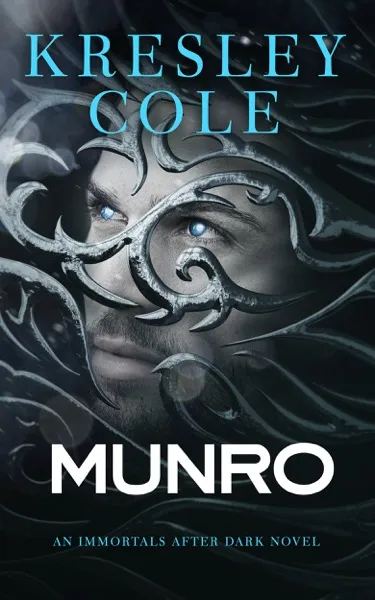

Munro Author: Kresley ColePage Count: UnknownPublication Year: 2022-GB Kresley Cole’s Munro is a masterclass in blending raw emotion with relentless action, a signature of her paranormal romance oeuvre but elevated to new heights in this 2022 release. At its core, the novel is a love story—one that dares to ask what happens when the boundaries between duty and desire, instinct and choice, are shattered by forces beyond mortal comprehension. Cole, a titan in the genre, crafts a narrative that is as much about the unraveling of a warrior’s discipline as it is about the awakening of a soul long thought lost to war. Munro isn’t just another steamy, supernatural romance; it’s a visceral exploration of identity, legacy, and the unspoken wars raged within the heart. The story follows Lachlain Munro, a Highland vampire lord bound by ancient oaths to protect the mortal realm from the encroaching darkness of the Arcadian demons. But Cole flips the script on the classic warrior-with-a-secret trope by making Lachlain’s greatest enemy not the demons at his doorstep, but the very nature of his own bloodline. His lineage, a cursed blend of vampire and something older, darker, threatens to consume him from within, turning his legendary strength into a liability. The tension isn’t merely external—it’s a slow, simmering dread that permeates every page, a reminder that the most dangerous battles are often the ones we fight in the mirror. Cole’s prose is a weapon in itself. She wields language with the precision of a seasoned warrior, each sentence a strike meant to resonate. Her dialogue crackles with wit and tension, particularly in the exchanges between Lachlain and his mate, Isobel. Their banter is electric, a dance of insults and intimacies that feels organic rather than forced. Isobel, a mortal woman with a sharp tongue and a stubborn streak, is Cole’s most compelling heroine yet. She’s not just a damsel in distress waiting for rescue; she’s a storm that Lachlain must either weather or be destroyed by. Their dynamic is the beating heart of the novel, a push-and-pull of power that challenges both characters to grow beyond their limitations. What sets Munro apart is Cole’s fearless approach to genre conventions. She doesn’t just subvert expectations—she obliterates them. The romance isn’t sanitized or safe; it’s primal, almost feral in its intensity. The physical and emotional stakes are sky-high, and Cole doesn’t shy away from the consequences. Lachlain’s struggle with his demonic heritage is visceral, his body and mind at war with each other. The sex scenes, while undeniably scorching, are secondary to the emotional weight of what’s at stake. This isn’t erotica disguised as romance; it’s a full-bodied story where desire and danger are two sides of the same coin. The world-building is another standout. Cole’s Highland-inspired setting is rich with detail, from the mist-shrouded glens to the ancient castles that serve as both refuge and prison. The lore is expansive, but never overwhelming, seamlessly woven into the narrative so that the supernatural elements feel like a natural extension of the world rather than a gimmick. The Arcadian demons are more than just villains; they’re a looming threat that embodies Lachlain’s internal conflict, a manifestation of the darkness he fights both inside and out. At its heart, Munro is a story about redemption. Lachlain is a hero who has spent centuries believing he was saving the world, only to realize he might have been its greatest destroyer. Isobel, in turn, is a woman who has spent her life fearing her own power, only to discover that it’s the very thing that can save him. Their journey isn’t just about falling in love; it’s about reclaiming what they’ve lost, not just to each other, but to themselves. Cole doesn’t offer easy answers. The road to redemption is paved with blood, sacrifice, and hard choices, but it’s all the more satisfying for it. For fans of paranormal romance, Munro is a must-read. It’s Cole at her most daring, blending action, emotion, and unapologetic heat into a story that lingers long after the last page. For those new to her work, it’s the perfect introduction to her signature style—a masterful mix of the epic and the intimate, the sensual and the savage. #KresleyCole #ParanormalRomance #VampireRomance #HighlandVampire #MunroBook #LachlainAndIsobel Related InsightsThe Match Book Review and Summary Illicit Temptations Book Review and Summary Last Sacrifice Book Review and Summary{ "@context": "https://schema.org", "@type": "FAQPage", "mainEntity": [ { "@type": "Question", "name": "What is the main focus of Munro Book Review and Summary?", "acceptedAnswer": { "@type": "Answer", "text": "Everything you need to know about Munro with our detailed review." } }, { "@type": "Question", "name": "Who authored the comprehensive guide on Munro Book Review and Summary?", "acceptedAnswer": { "@type": "Answer", "text": "This detailed article and its insights were carefully researched and authored by William Clark." } }, { "@type": "Question", "name": "Where can I find more related content about Books?", "acceptedAnswer": { "@type": "Answer", "text": "You can explore more articles, detailed reviews, and similar insights by browsing the Related Insights section at the bottom of this article or visiting our dedicated Books category page." } } ] }
- 09 May, 2026 16:31
Bury My Heart at Wounded Knee: An Indian History of the American West Book Review and Summary
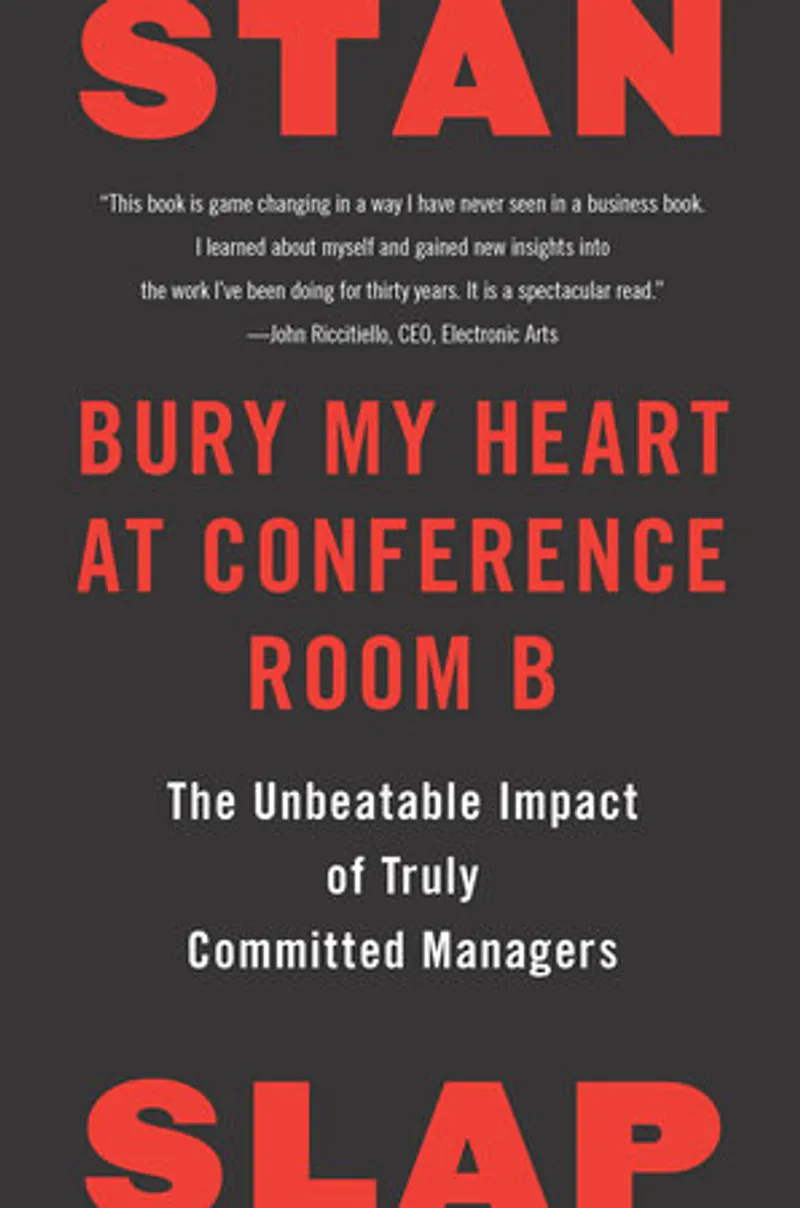
Bury My Heart at Conference Room B Author: Stan SlapPage Count: UnknownPublication Date: 2024-PRH Stan Slap’s Bury My Heart at Conference Room B isn’t just another management book—it’s a manifesto for the disillusioned, the overworked, and the secretly ambitious. Published in 2024, this book dares to ask: What if the key to professional success isn’t climbing the corporate ladder but burning it down and rebuilding it on your own terms? Slap, a veteran in organizational psychology, doesn’t just challenge conventional wisdom; he obliterates it with a mix of raw honesty, dark humor, and a relentless focus on what truly drives human performance. At its core, Bury My Heart at Conference Room B is about emotional commitment—the kind of passion that turns managers into missionaries for their companies. But here’s the twist: Slap argues that this commitment isn’t something you owe your employer. It’s something you demand from them. The book’s central thesis is that most managers operate at a fraction of their potential because they’ve accepted the lie that success means sacrificing their values for the sake of the company. Slap flips this script, insisting that the most sustainable and powerful motivation comes from aligning your work with your deepest personal beliefs. When you do that, he claims, the results aren’t just better—they’re unignorable. Slap’s style is as unapologetic as his message. He’s the kind of writer who doesn’t just tell you what to think but how to think—loudly, messily, and without filters. His prose crackles with the energy of a stand-up comedian who’s also a corporate insider, skewering the sacred cows of management culture with surgical precision. He calls out the hypocrisy of companies that preach work-life balance while expecting 80-hour weeks, the absurdity of performance reviews that measure loyalty over results, and the quiet despair of managers who’ve traded their souls for a paycheck. It’s brutal, it’s funny, and it’s necessary. What makes Slap’s approach stand out is his refusal to sugarcoat the realities of modern management. He doesn’t peddle easy fixes or hollow motivational platitudes. Instead, he forces readers to confront uncomfortable truths: that most corporate cultures are designed to extract maximum effort while offering minimal meaning, and that the only way to break free is to stop playing by their rules. His method—drawn from decades of research and tested in over 70 countries—isn’t about tweaking your behavior to fit the system. It’s about reshaping the system to fit you. The book’s title, Bury My Heart at Conference Room B, is a darkly humorous nod to the emotional casualties of corporate life. It’s a rallying cry for managers who’ve been ground down by endless meetings, hollow praise, and the gnawing sense that their best years are being spent in service of someone else’s dream. Slap’s message is clear: if you’re going to bury your heart anywhere, let it be somewhere that matters—your own terms, your own values, your own legacy. Slap’s voice is a refreshing antidote to the sterile, corporate-speak drivel that clogs most business bookshelves. He writes like someone who’s been in the trenches and survived to tell the tale, with a voice that’s equal parts street-smart and profound. His humor isn’t just for laughs; it’s a tool to disarm resistance and make the hard truths go down easier. And his stories—drawn from real managers in real companies—are the kind that stick with you long after you’ve turned the last page. But make no mistake: this isn’t a feel-good fable. Slap’s process is rigorous, his expectations high, and his standards uncompromising. He doesn’t just want you to feel more committed; he wants you to be more committed—in a way that transforms your career, your company, and possibly even your life. The book is packed with actionable insights, but it’s also a wake-up call. It’s for the manager who’s tired of being a cog in someone else’s machine and is ready to demand more—not just for themselves, but for the people they lead. In a world where burnout is epidemic and engagement is a buzzword, Bury My Heart at Conference Room B is a defiant, necessary read. It doesn’t just promise to change how you work—it promises to change how you live. And if you’re willing to take the ride, it might just change everything. #ManagementRevolution #CorporateTruthBombs #LeadWithYourHeart #BreakTheSystem #ManagerMindset #NoMoreBS Related InsightsIron Gold Book Review and Summary DARLING in the FRANXX Vol. 7-8 Book Review and Summary An Opportunity Book Review and Summary{ "@context": "https://schema.org", "@type": "FAQPage", "mainEntity": [ { "@type": "Question", "name": "What is the main focus of Bury My Heart at Wounded Knee: An Indian History of the American West Book Review and Summary?", "acceptedAnswer": { "@type": "Answer", "text": "Everything you need to know about Bury My Heart at Wounded Knee: An Indian History of the American West with our detailed review." } }, { "@type": "Question", "name": "Who authored the comprehensive guide on Bury My Heart at Wounded Knee: An Indian History of the American West Book Review and Summary?", "acceptedAnswer": { "@type": "Answer", "text": "This detailed article and its insights were carefully researched and authored by Dee Brown." } }, { "@type": "Question", "name": "Where can I find more related content about Books?", "acceptedAnswer": { "@type": "Answer", "text": "You can explore more articles, detailed reviews, and similar insights by browsing the Related Insights section at the bottom of this article or visiting our dedicated Books category page." } } ] }
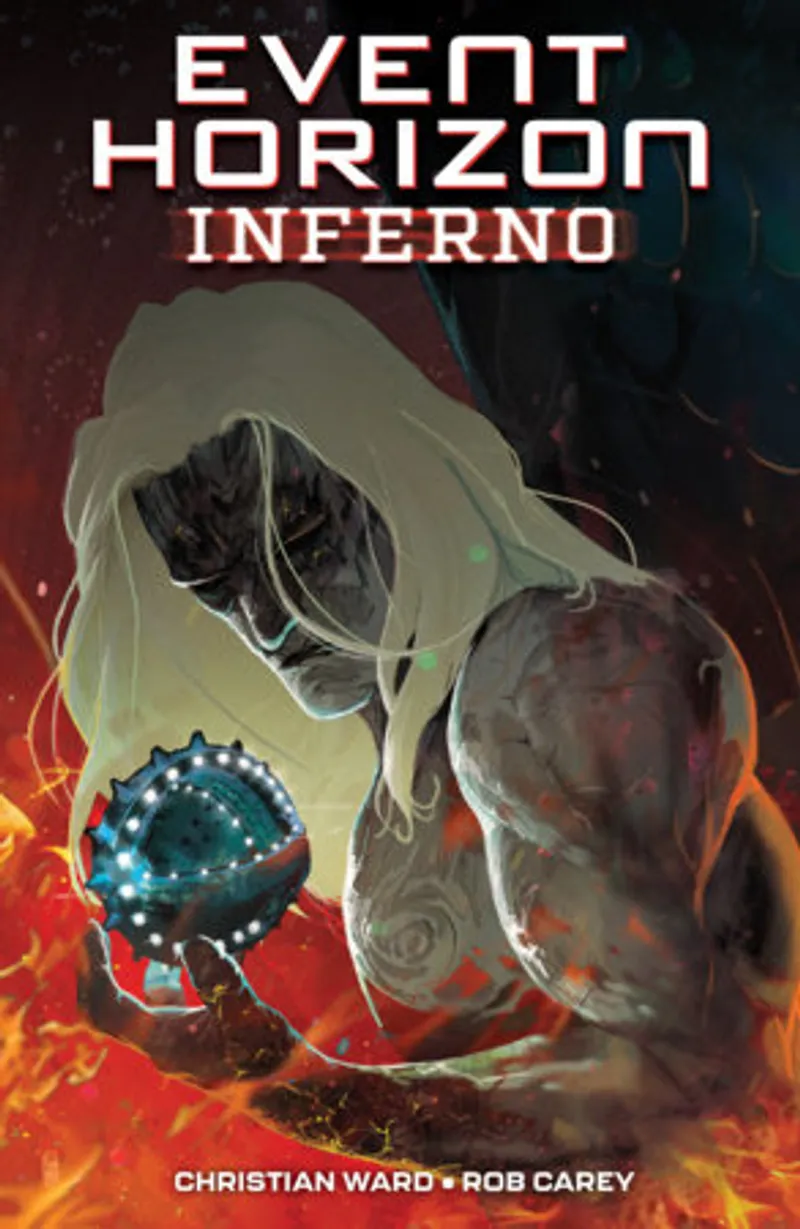
Event Horizon: Inferno Author: Christian WardPage Count: UnknownPublication Date: 2027-PRH As I emerged from the depths of Christian Ward's latest novel, Event Horizon: Inferno, I couldn't help but feel like I was crawling out of a dark, twisted abyss. This book is a masterclass in atmospheric tension, a slow-burning descent into the very heart of madness. Ward's writing is akin to a siren's call, luring you deeper into the inferno with each turn of the page. From the outset, it's clear that Ward is a master of his craft. His prose is economical, yet evocative, conjuring vivid images that sear themselves into your mind's eye. The world he creates is a twisted, nightmarish realm, where the laws of reality are mere suggestions. It's a place where the fabric of space-time is torn asunder, revealing glimpses of an abyssal horror that lurks beyond the veil of sanity. At its core, Event Horizon: Inferno is a exploration of the human condition, a probing examination of what happens when we're pushed to the very limits of our endurance. Ward's characters are fragile, flawed, and all-too-human, their psyches slowly unraveling as they confront the eldritch horrors that lurk in the depths of the inferno. Ward's style is reminiscent of the great cosmic horror writers – Lovecraft, Ligotti, and VanderMeer – yet he brings a unique voice to the table. His writing is both poetic and visceral, capable of conjuring a sense of creeping dread that's all too rare in modern horror fiction. He's a writer who understands the power of suggestion, who knows that the most terrifying monsters are those that lurk just beyond the edge of perception. One of the standout features of Event Horizon: Inferno is its use of non-linear storytelling. Ward employs a fractured narrative, jumping back and forth in time as the story unfolds. It's a bold move, one that pays off in spades as the various threads begin to converge. The result is a sense of disorienting chaos, a feeling that the very fabric of reality is unraveling before your eyes. If I have any criticisms, it's that the book can be a slow burn at times. Ward's pacing is deliberate, measured, and while it's clear that he's building towards a crescendo, there are moments where the tension flags. However, these moments are few and far between, and the payoff is well worth the investment. In short, Event Horizon: Inferno is a triumph, a novel that will appeal to fans of cosmic horror, atmospheric tension, and slow-burning dread. Ward is a writer to watch, and this book is a testament to his growing talent. If you're looking for a novel that will push you to the limits of your sanity, then look no further. #CosmicHorror #EventHorizon #Inferno #ChristianWard #HorrorFiction #WeirdFiction Related InsightsWinter Book Review and Summary All the Light We Cannot See Book Review and Summary Haunting of Paynes Hollow Book Review and Summary{ "@context": "https://schema.org", "@type": "FAQPage", "mainEntity": [ { "@type": "Question", "name": "What is the main focus of Inferno Book Review and Summary?", "acceptedAnswer": { "@type": "Answer", "text": "Everything you need to know about Inferno with our detailed review." } }, { "@type": "Question", "name": "Who authored the comprehensive guide on Inferno Book Review and Summary?", "acceptedAnswer": { "@type": "Answer", "text": "This detailed article and its insights were carefully researched and authored by Dan Brown." } }, { "@type": "Question", "name": "Where can I find more related content about Books?", "acceptedAnswer": { "@type": "Answer", "text": "You can explore more articles, detailed reviews, and similar insights by browsing the Related Insights section at the bottom of this article or visiting our dedicated Books category page." } } ] }
-
 Olya Shevchenko
 - 09 May, 2026 00:32
The 100 Hats of the Cat in the Hat: A Celebration of the 100th Day of School Book Review and Summary
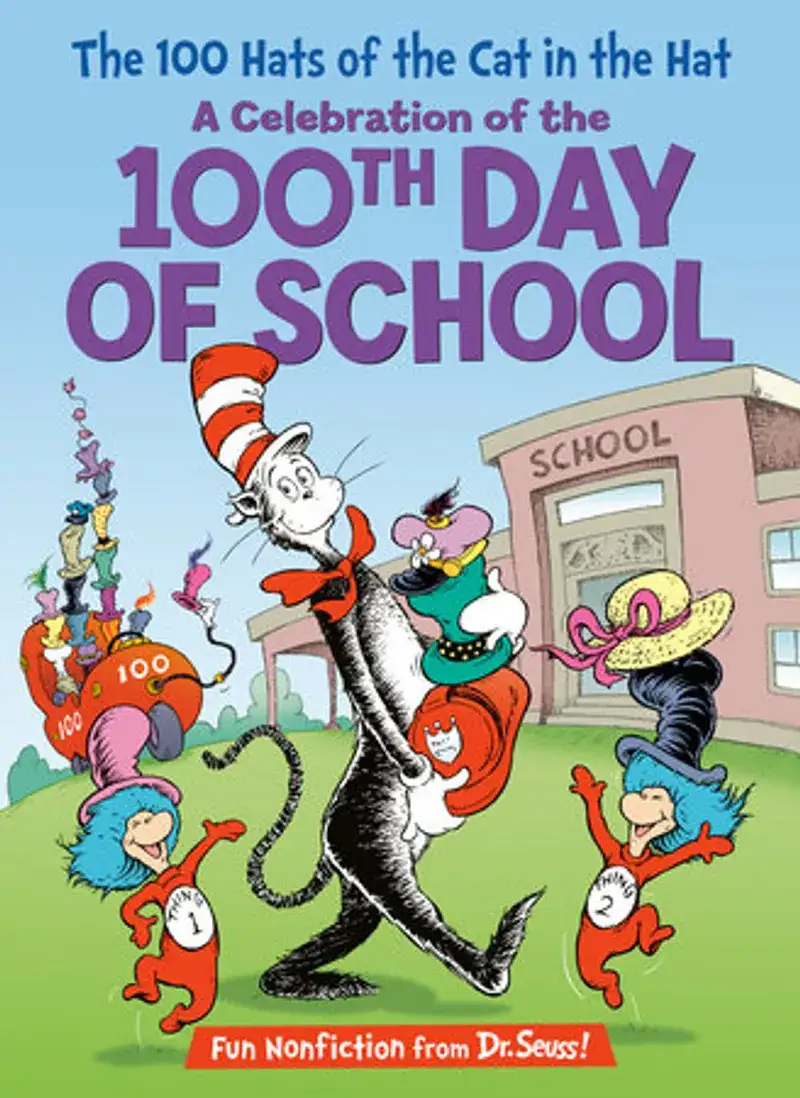
The 100 Hats of the Cat in the Hat: A Celebration of the 100th Day of School Author: Joe MathieuPage Count: UnknownPublication Date: 2019-PRH A Whimsical Celebration of Numbers: The 100 Hats of the Cat in the Hat Turns Learning into Play There’s something magical about the 100th day of school—it’s a milestone where children celebrate not just time passed, but the joy of learning itself. In The 100 Hats of the Cat in the Hat: A Celebration of the 100th Day of School, author Joe Mathieu (illustrator of the beloved Cat in the Hat Learning Library series) delivers a delightful blend of education and entertainment, wrapping math concepts in the same playful rhymes and vibrant illustrations that make Dr. Seuss’s work timeless. This isn’t just a book; it’s a party where numbers come to life, and the Cat in the Hat is the host with the most. At its core, this book is a celebration of numeracy, turning what could be a dry lesson in counting and arithmetic into a joyous, rhythmic adventure. The premise is simple yet ingenious: the Cat in the Hat arrives on the 100th day of school, donning a different hat for each concept he introduces—whether it’s skip-counting by twos, dividing groups of animals, or exploring the magic of the number 100 itself. Each hat isn’t just a fashion statement; it’s a visual cue, a tiny lesson wrapped in whimsy. Mathieu’s illustrations, in the signature Seussian style, burst with color and movement, ensuring that even the most reluctant young mathematician can’t help but be drawn in. What makes this book stand out is its seamless fusion of entertainment and education. The rhymes are snappy and engaging, mirroring the cadence of Seuss’s original Cat in the Hat while adapting to the demands of non-fiction learning. Lines like “Get ready to count, multiply, and divide. We don’t want to be late, so jump in and let’s ride!” turn what might feel like drudgery into a call to adventure. The book doesn’t just teach—it invites participation, making children feel like they’re part of the fun rather than passive recipients of information. The math concepts themselves are introduced in a way that feels organic and fun. Whether it’s grouping 100 hats into sets of 5 or using the Cat’s antics to illustrate addition and subtraction, the lessons are embedded in the narrative, so children learn without even realizing it. The inclusion of a glossary and suggestions for further learning also ensures that this isn’t just a one-off read but a springboard for deeper exploration. Parents and teachers will appreciate the educational scaffolding, while kids will just be thrilled by the Cat’s chaotic, hat-filled antics. Mathieu’s respect for the Seuss legacy shines through in every page. The illustrations are a love letter to Theodor Geisel’s original style—bold lines, exaggerated characters, and a riot of colors that pop off the page. The Cat in the Hat remains as mischievous and charismatic as ever, his grin as wide as his hat collection. Yet, unlike the original Cat in the Hat, which leaned into pure fantasy, this book strikes a balance, grounding its magic in real-world learning. It’s a testament to how well Seuss’s formula can adapt when paired with thoughtful, educational content. One of the book’s greatest strengths is its inclusivity. The rhymes are accessible, the concepts are introduced gradually, and the humor is universal. Whether a child is just beginning to count or is already comfortable with basic division, there’s something here to engage and challenge them. The 100th day of school is a time for pride and progress, and this book captures that spirit perfectly—turning a classroom milestone into a celebration of curiosity and discovery. For educators and parents, The 100 Hats of the Cat in the Hat is a godsend. It’s a book that can be read aloud in a classroom, tucked into a child’s backpack for independent exploration, or even used as a jumping-off point for hands-on math activities (imagine a craft project where kids design their own 100-hat collection!). The Cat in the Hat’s Learning Library series has long been a trusted resource for blending fun with fact, and this installment is no exception. It’s proof that even the most fundamental skills—like counting and arithmetic—can be taught with joy, wonder, and a healthy dose of Seussian silliness. In a world where screen time often competes for children’s attention, books like this remind us of the magic of a well-told story. The 100 Hats of the Cat in the Hat doesn’t just teach math; it fosters a love of learning, wrapped in the same infectious energy that has made the Cat in the Hat a household name for generations. It’s a book that will have children laughing, learning, and—best of all—asking for more. So, on the 100th day of school (or any day you want to spark some numerical joy), give this book a read. Let the Cat in the Hat lead the way, one hat—and one lesson—at a time. #CatInTheHat #LearningWithSeuss #100thDayOfSchool #MathForKids #DrSeussStyle #EarlyLearningFun Related InsightsWhat Feeds Below Book Review and Summary The Merchant of Venice Book Review and Summary The Pleasure Trap: A Novel Book Review and Summary{ "@context": "https://schema.org", "@type": "FAQPage", "mainEntity": [ { "@type": "Question", "name": "What is the main focus of The 100 Hats of the Cat in the Hat: A Celebration of the 100th Day of School Book Review and Summary?", "acceptedAnswer": { "@type": "Answer", "text": "Everything you need to know about The 100 Hats of the Cat in the Hat: A Celebration of the 100th Day of School with our detailed review." } }, { "@type": "Question", "name": "Who authored the comprehensive guide on The 100 Hats of the Cat in the Hat: A Celebration of the 100th Day of School Book Review and Summary?", "acceptedAnswer": { "@type": "Answer", "text": "This detailed article and its insights were carefully researched and authored by Olya Shevchenko." } }, { "@type": "Question", "name": "Where can I find more related content about Books?", "acceptedAnswer": { "@type": "Answer", "text": "You can explore more articles, detailed reviews, and similar insights by browsing the Related Insights section at the bottom of this article or visiting our dedicated Books category page." } } ] }
-
 Victoria Smith
 - 08 May, 2026 22:46
The Poppy War / The Dragon Republic / The Burning God Book Review and Summary
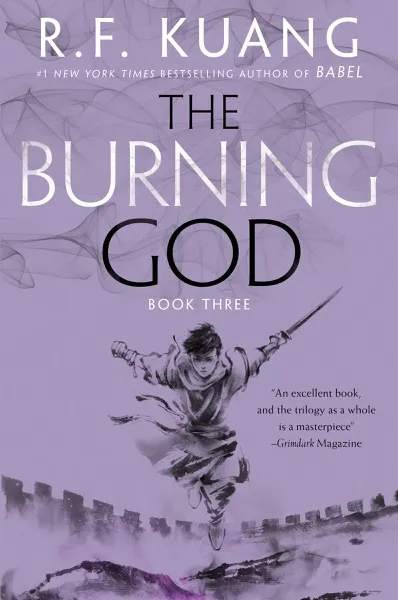
The Poppy War / The Dragon Republic / The Burning God Author: R. F. KuangPage Count: UnknownPublication Year: 2023-GB R.F. Kuang’s The Poppy War Trilogy—comprising The Poppy War, The Dragon Republic, and The Burning God—is a monumental achievement in modern fantasy, a series that marries the brutal aesthetics of military fiction with the mythic grandeur of epic storytelling. More than just a triumph of world-building, this trilogy is a searing exploration of war’s moral corruption, the price of power, and the cyclical nature of violence. Kuang, a former Rhodes Scholar and Chinese-American author, crafts a narrative that feels as intellectually rigorous as it is emotionally devastating, drawing inspiration from 20th-century Chinese history—particularly the Second Sino-Japanese War and the Chinese Civil War—while infusing it with the raw, almost mythic energy of dark fantasy. At its core, the trilogy grapples with the question: What does power cost, and who gets to decide its limits? The protagonist, Rin, is a compelling antihero whose journey from a destitute orphan to a shaman wielding godlike destruction is both exhilarating and horrifying. Kuang refuses to romanticize her ascent. Rin’s growth is marked by trauma, ethical compromise, and the relentless erosion of her humanity. She begins as a bright-eyed student desperate for escape from her oppressive hometown, only to become a weapon of war, her body and mind warped by the opium-induced power of the Phoenix, a god of fire and rebirth. Yet Kuang never lets us forget that Rin’s power is a curse, not a gift. The more she wields it, the more she resembles the very monsters she fights against—demons, tyrants, and warlords who see lives as expendable. Kuang’s prose is razor-sharp, blending lyrical beauty with unflinching brutality. Her writing is dense with historical and cultural references, yet she avoids the pitfall of over-explaining, trusting the reader to piece together the parallels to real-world atrocities. The world of The Poppy War is steeped in the folklore and religious symbolism of East Asia, with gods who demand blood sacrifice, armies that march under banners of mythic beasts, and a magic system that is as much a curse as it is a tool. The prose crackles with tension, especially in battle scenes, where Kuang’s descriptions are visceral—blood sprays like paint, screams are swallowed by fire, and victory is measured in corpses. One of the trilogy’s most striking strengths is its refusal to offer easy answers. Kuang presents war not as a clash of heroes and villains, but as a grotesque machine that consumes everyone it touches. The Mawryat Empire, the Nikara Republic, the Hesperian Federation—each faction in the conflict is a reflection of real-world power structures, replete with propaganda, bureaucratic cruelty, and the dehumanization of the "other." Rin’s allies are flawed, her enemies are sometimes sympathetic, and the lines between good and evil blur with each passing chapter. By the time we reach The Burning God, the final installment, Rin’s idealism has curdled into something darker. She is no longer a savior but a warlord, her victories built on pyres of the innocent. The trilogy’s conclusion is devastating precisely because it refuses to grant redemption. Kuang forces us to ask: if Rin’s cause was just, was the cost worth it? And if not, then what was it all for? Kuang’s style is also notable for its unapologetic intellectualism. She peppers her narrative with philosophical musings, historical asides, and critiques of nationalism and imperialism. The trilogy is as much a work of historical fiction as it is fantasy, and Kuang’s academic background shines through in her meticulous research and thematic depth. Yet she never lets her themes overshadow the story. The pacing is relentless, the stakes are sky-high, and the emotional beats land with crushing weight. Readers will find themselves breathless in the best and worst moments—not just because of what happens, but because of how it happens. Ultimately, The Poppy War Trilogy is a masterclass in dark fantasy, a series that dares to ask the hardest questions while delivering a story that is as intellectually stimulating as it is viscerally gripping. Kuang doesn’t just write about war; she immerses you in its chaos, its grief, and its inescapable moral ambiguity. This is not a series for the faint of heart, nor is it a tale of simple heroism. It is a story about the cost of power, the illusion of control, and the terrible price of survival. If you want fantasy that challenges you, that lingers in your mind long after the last page, and that refuses to let you look away from the darkness, then this trilogy is essential reading. #ThePoppyWar #RFKuang #DarkFantasy #MilitaryFantasy #AntiWarFiction #EpicFantasy Related InsightsThe Society of Forgotten Wives Book Review and Summary Darkfever Book Review and Summary Everything You Need to Know: How Philosophy Can Set You Free Book Review and Summary{ "@context": "https://schema.org", "@type": "FAQPage", "mainEntity": [ { "@type": "Question", "name": "What is the main focus of The Poppy War / The Dragon Republic / The Burning God Book Review and Summary?", "acceptedAnswer": { "@type": "Answer", "text": "Everything you need to know about The Poppy War / The Dragon Republic / The Burning God with our detailed review." } }, { "@type": "Question", "name": "Who authored the comprehensive guide on The Poppy War / The Dragon Republic / The Burning God Book Review and Summary?", "acceptedAnswer": { "@type": "Answer", "text": "This detailed article and its insights were carefully researched and authored by Victoria Smith." } }, { "@type": "Question", "name": "Where can I find more related content about Books?", "acceptedAnswer": { "@type": "Answer", "text": "You can explore more articles, detailed reviews, and similar insights by browsing the Related Insights section at the bottom of this article or visiting our dedicated Books category page." } } ] }

Karen M. Mcmanus Boxset Author: Karen M. McManusPage Count: UnknownPublication Year: 2021-GB Karen M. McManus Boxset: A Thrilling Collection of Whodunits and Teenage Intrigue Karen M. McManus has cemented her reputation as a masterful storyteller with her captivating boxset, weaving intricate narratives that delve into the complexities of teenage life, relationships, and the human psyche. This highly acclaimed global bestseller is a must-read for fans of the young adult genre and mystery enthusiasts alike. Throughout the collection, McManus's writing style shines with its unique blend of wit, humor, and poignancy. Her characters are multidimensional and relatable, with each one bringing their distinct voice and perspective to the story. The author's ability to craft believable, flawed, and likable characters is a testament to her skill as a writer. One of the primary themes that permeate the boxset is the exploration of truth and deception. McManus expertly weaves complex web of lies, secrets, and half-truths, keeping readers on the edge of their seats as they attempt to unravel the mysteries alongside the characters. The author's use of multiple perspectives and non-linear storytelling adds to the suspense, making it impossible to guess the outcome until the very end. The boxset also explores the intricacies of teenage relationships, friendships, and the struggles of growing up. McManus tackles tough topics such as bullying, social pressure, and the consequences of one's actions with sensitivity and nuance. Her portrayal of the teenage experience is authentic and raw, making it easy for readers to become invested in the characters' lives. McManus's writing is atmospheric and immersive, with vivid descriptions of settings that transport readers to the world of the story. Her use of language is evocative and engaging, making it effortless to become fully absorbed in the narrative. What sets McManus apart from other authors in the young adult genre is her ability to balance lighthearted moments with darker, more serious themes. The boxset is a perfect blend of humor, romance, and suspense, making it appealing to a wide range of readers. In conclusion, Karen M. McManus's boxset is a gripping collection of stories that will captivate readers with its intricate plots, relatable characters, and thought-provoking themes. With its unique blend of humor, suspense, and poignancy, this boxset is a must-read for fans of the young adult genre and mystery enthusiasts alike. #KarenMMcManus #YoungAdultMystery #TeenThriller #Whodunit #BookLovers #MysteryBoxset Related InsightsCirce Book Review and Summary Their Eyes Were Watching God Book Review and Summary Sooley Book Review and Summary{ "@context": "https://schema.org", "@type": "FAQPage", "mainEntity": [ { "@type": "Question", "name": "What is the main focus of Karen M. Mcmanus Boxset Book Review and Summary?", "acceptedAnswer": { "@type": "Answer", "text": "Everything you need to know about Karen M. Mcmanus Boxset with our detailed review." } }, { "@type": "Question", "name": "Who authored the comprehensive guide on Karen M. Mcmanus Boxset Book Review and Summary?", "acceptedAnswer": { "@type": "Answer", "text": "This detailed article and its insights were carefully researched and authored by Giulia Ricci." } }, { "@type": "Question", "name": "Where can I find more related content about Books?", "acceptedAnswer": { "@type": "Answer", "text": "You can explore more articles, detailed reviews, and similar insights by browsing the Related Insights section at the bottom of this article or visiting our dedicated Books category page." } } ] }


Happenstance Author: Tessa BaileyPage Count: UnknownPublication Year: 2022-GB Tessa Bailey’s Happenstance is a dazzling, emotionally charged romance that proves why she’s a master of the genre. With razor-sharp wit, steamy tension, and a heartfelt exploration of fate and second chances, this book isn’t just another love story—it’s a celebration of the unpredictable moments that shape our lives. Published in 2022, Happenstance quickly became a global bestseller, and it’s easy to see why. Bailey crafts a narrative that feels both intimate and expansive, blending humor, vulnerability, and a touch of serendipity that lingers long after the last page. At its core, Happenstance is about the beauty of chance encounters and the way they can rewrite our futures. The story follows two people whose paths collide in the most unexpected way, forcing them to confront their pasts and the choices that led them to this pivotal moment. Bailey’s genius lies in her ability to make even the smallest interactions feel monumental, turning what could have been a simple meet-cute into a profound exploration of connection. The book isn’t just about falling in love; it’s about recognizing the love that was always meant to find you. Bailey’s writing style is a force to be reckoned with. She has a knack for dialogue that crackles with authenticity, making her characters feel like real people—flawed, funny, and deeply human. Her prose is sharp, laced with humor and heartache in equal measure, and she has a talent for balancing steamy scenes with tender vulnerability. The banter between the leads is electric, crackling with chemistry that feels earned, not forced. Bailey doesn’t shy away from the messy, complicated emotions that come with love and loss, and it’s this rawness that makes Happenstance so compelling. One of the standout features of the book is its ability to make the reader believe in the power of “happenstance”—those serendipitous moments that seem too perfect to be coincidences. Bailey weaves fate into the narrative in a way that feels organic, not contrived, making the reader root for the characters’ reunion from the very beginning. The emotional stakes are high, but the journey never feels heavy-handed. Instead, Bailey’s light touch and keen insight into human nature keep the story buoyant, even in its most poignant moments. The book also excels in its secondary characters, who feel like a vibrant part of the world Bailey has created. Whether it’s the quirky side characters or the deeply flawed but endearing love interests, each person in the story feels fully realized. Bailey’s world-building is immersive, drawing the reader into a world that’s both familiar and fresh, where every detail feels carefully crafted to enhance the emotional core of the story. Happenstance is ultimately a book about embracing the unknown and trusting that some connections are worth the wait. It’s a reminder that life’s most meaningful moments often happen when we least expect them—and that’s a message worth falling in love with. #Happenstance #TessaBailey #RomanceNovel #FateAndDestiny #SteamyRomance #SecondChances Related InsightsWhispers on Carbon Paper: The Subversive Art of Samizdat Literature in the Shadow of the Iron Curtain Native Son Book Review and Summary Heartsong Book Review and Summary{ "@context": "https://schema.org", "@type": "FAQPage", "mainEntity": [ { "@type": "Question", "name": "What is the main focus of Happenstance Book Review and Summary?", "acceptedAnswer": { "@type": "Answer", "text": "Everything you need to know about Happenstance with our detailed review." } }, { "@type": "Question", "name": "Who authored the comprehensive guide on Happenstance Book Review and Summary?", "acceptedAnswer": { "@type": "Answer", "text": "This detailed article and its insights were carefully researched and authored by Diego Lopez." } }, { "@type": "Question", "name": "Where can I find more related content about Books?", "acceptedAnswer": { "@type": "Answer", "text": "You can explore more articles, detailed reviews, and similar insights by browsing the Related Insights section at the bottom of this article or visiting our dedicated Books category page." } } ] }
The Bones Beneath My Skin Author: T. J. KlunePage Count: UnknownPublication Year: 2018-GB T. J. Klune’s The Bones Beneath My Skin is a masterclass in blending the ordinary with the extraordinary, a novel that dares to ask what happens when the mundane cracks open to reveal something far more wondrous—and sometimes terrifying. Published in 2018, this book cements Klune’s reputation as a storyteller who can weave humor, heartache, and a touch of the surreal into a narrative that feels both intimate and vast. At its core, it’s a story about identity, belonging, and the hidden layers of human (and not-so-human) existence, wrapped in a prose that is as warm as it is unsettling. Klune’s writing style is deceptively simple, lulling the reader into a false sense of comfort before delivering moments of profound depth or sudden, jarring revelation. His sentences flow with the ease of a campfire tale, but beneath that ease lies a sharp awareness of the fragility of perception. The prose is playful, peppered with witty dialogue and quirky character quirks, yet it never shies away from exploring the darker corners of its world. This duality is what makes Klune’s work so compelling—he can make you laugh one moment and leave you staring at the page the next, reeling from the weight of a single line. The main theme of The Bones Beneath My Skin revolves around the idea of hidden truths and the masks we wear to navigate the world. The story follows a protagonist whose life is upended when they discover that their reality—mundane, predictable—is not what it seems. The novel doesn’t spoil its surprises outright; instead, it unfolds like a slow unraveling, revealing layers of mystery that challenge the protagonist’s (and the reader’s) understanding of self and reality. Klune excels at crafting a sense of creeping unease, where nothing is quite as it appears, and the familiar becomes alien with a single, well-placed revelation. What sets this book apart is Klune’s ability to balance the whimsical with the profound. The narrative isn’t afraid to embrace the absurd—a talking animal here, a surreal dream sequence there—while simultaneously digging into questions of existential dread and the search for meaning. The protagonist’s journey is both a physical and emotional odyssey, one that forces them to confront not just external mysteries but their own internal contradictions. Klune’s characters are richly drawn, flawed in ways that feel achingly human, and their struggles resonate because they’re never reduced to mere archetypes. The book’s strength lies in its refusal to give easy answers. The mysteries presented aren’t tidily resolved; instead, Klune invites the reader to sit with the ambiguity, to embrace the discomfort of not knowing. This approach mirrors the novel’s central theme: that truth is often layered, contradictory, and deeply personal. The protagonist’s realization that the bones beneath their skin—both literally and metaphorically—are not what they thought is a powerful metaphor for the hidden selves we all carry, the parts of us we hide even from ourselves. Klune’s use of setting is equally noteworthy. The world he builds feels lived-in, even when it takes on surreal or fantastical elements. Whether it’s a small town that hides more than it reveals or a landscape that shifts just enough to keep the characters (and readers) off-balance, the setting serves as a character in its own right. It’s a testament to Klune’s skill that the reader can feel the weight of every street, every abandoned building, every whisper of wind that carries a secret. The Bones Beneath My Skin is not a book for those who crave neat resolutions or straightforward hero’s journeys. It’s a book for those who enjoy being unsettled, who appreciate a story that lingers long after the last page is turned. Klune’s prose is a balm, but the ideas he explores are anything but gentle. He asks us to consider what we’re willing to see—and what we’re too afraid to acknowledge. In doing so, he crafts a narrative that is as thought-provoking as it is entertaining. This is a book that rewards patience and curiosity. It doesn’t rush to reveal its secrets; instead, it trusts the reader to sit with the uncertainty, to revel in the ambiguity, and to find their own meaning in the spaces between the lines. For those who love stories that challenge them, that make them question what they know, The Bones Beneath My Skin is a must-read. It’s a reminder that the most profound truths aren’t always the ones we expect—and that sometimes, the bones beneath our skin are far more interesting than the skin itself. #TJKlune #DarkFantasy #Mystery #SurrealFiction #HiddenTruths #MustRead Related InsightsExistential Despair: A Guide to Sad Books Book Review and Summary The Bone Woman: A Mystery Book Review and Summary The Endless One (The Gravesinger Series) Book Review and Summary{ "@context": "https://schema.org", "@type": "FAQPage", "mainEntity": [ { "@type": "Question", "name": "What is the main focus of The Bones Beneath My Skin Book Review and Summary?", "acceptedAnswer": { "@type": "Answer", "text": "Everything you need to know about The Bones Beneath My Skin with our detailed review." } }, { "@type": "Question", "name": "Who authored the comprehensive guide on The Bones Beneath My Skin Book Review and Summary?", "acceptedAnswer": { "@type": "Answer", "text": "This detailed article and its insights were carefully researched and authored by Emma Thompson." } }, { "@type": "Question", "name": "Where can I find more related content about Books?", "acceptedAnswer": { "@type": "Answer", "text": "You can explore more articles, detailed reviews, and similar insights by browsing the Related Insights section at the bottom of this article or visiting our dedicated Books category page." } } ] }

The Horse Whisperer Author: Nicholas EvansPage Count: UnknownPublication Date: 2011-PRH A Haunting Symphony of Healing and Human Connection Nicholas Evans’ The Horse Whisperer is not merely a story—it is an emotional odyssey that lingers long after the last page. A #1 New York Times bestseller, this novel weaves together love, loss, and redemption with a raw, unflinching honesty that pulls readers into its orbit. At its heart, it is a tale of three broken souls—Annie Graves, her daughter Grace, and the enigmatic horse whisperer Tom Booker—each carrying wounds that run deeper than flesh. Annie, a driven magazine editor, arrives at Tom’s Montana ranch with her daughter Grace, whose body and spirit have been shattered in a horrific accident involving a runaway horse. The girl’s physical injuries are severe, but it is her emotional withdrawal that terrifies Annie most. Grace, once vibrant and full of life, now exists in a silent prison of pain. Meanwhile, Annie herself is a woman drowning in guilt—her marriage fractured, her career demanding, and her own heart a battleground of unresolved grief. She comes to Tom not just for Grace’s sake, but for her own, desperate for something—or someone—to pull her back from the edge. Tom Booker is the novel’s quiet enigma, a man whose uncanny ability to tame wild horses has made him a legend. His touch is gentle, his presence steady, yet he is not without his own scars. Alone in the vast Montana wilderness, he has built a life of quiet purpose, but his emotions are as untamed as the horses he works with—until Annie and Grace arrive. Their presence disturbs the fragile balance he has created, awakening in him desires and fears he thought long buried. Evans crafts this narrative with a masterful hand, blending psychological depth with lyrical prose. His writing is immersive, transporting readers to the rugged beauty of Montana, where the land itself seems to breathe with the weight of the characters’ struggles. The prose is both tender and unflinching, never shying away from the raw pain of loss but always offering glimmers of hope. The horse whisperer’s gift is not just with animals—it is with people, helping them confront their pain without judgment. Yet, for all his wisdom, Tom is not immune to the complexities of human emotion, and his relationship with Annie becomes a dance of caution and longing. At its core, The Horse Whisperer is a story about the barriers we build around ourselves and the courage it takes to let someone in. Annie and Grace are both prisoners of their pasts, their pain manifesting in different ways—Grace in silence, Annie in frantic control. Tom, too, is trapped by his own defenses, his emotional walls as sturdy as the fences he mends. The novel’s central question lingers: Can these three souls, each carrying their own burden, find a way to heal each other, or will their wounds keep them forever isolated? What makes Evans’ work so compelling is his refusal to simplify. The relationships in this book are messy, imperfect, and deeply human. There are no easy answers, no quick fixes—just the slow, painful process of learning to trust again. The horse whisperer’s methods are not about magic; they are about patience, understanding, and the quiet strength of presence. And as Annie and Grace’s healing begins, so too does Tom’s awakening to the possibility of love that isn’t tied to solitude. The novel’s power lies in its emotional authenticity. Evans doesn’t rely on melodrama to evoke emotion; instead, he lets the characters’ vulnerabilities speak for themselves. The result is a story that is both heart-wrenching and hopeful, a testament to the resilience of the human spirit. The ending, which surprises and stuns, leaves readers with a sense of catharsis—a reminder that healing is not linear, and that love, in all its forms, is worth the risk. The Horse Whisperer is more than a bestseller; it is a literary experience. It challenges us to look at the walls we’ve built around ourselves and asks: What would it take for us to let someone in? #HorseWhisperer #NicholasEvans #HealingThroughLove #EmotionalJourney #RedemptionStory #MustReadNovel Related InsightsRussian Cage Book Review and Summary I Was Summoned to Be a Saint, but Was Robbed of the Position #058 Book Review and Summary Middle of the Night Book Review and Summary{ "@context": "https://schema.org", "@type": "FAQPage", "mainEntity": [ { "@type": "Question", "name": "What is the main focus of The Horse Whisperer Book Review and Summary?", "acceptedAnswer": { "@type": "Answer", "text": "Everything you need to know about The Horse Whisperer with our detailed review." } }, { "@type": "Question", "name": "Who authored the comprehensive guide on The Horse Whisperer Book Review and Summary?", "acceptedAnswer": { "@type": "Answer", "text": "This detailed article and its insights were carefully researched and authored by Camille Dubois." } }, { "@type": "Question", "name": "Where can I find more related content about Books?", "acceptedAnswer": { "@type": "Answer", "text": "You can explore more articles, detailed reviews, and similar insights by browsing the Related Insights section at the bottom of this article or visiting our dedicated Books category page." } } ] }
The Lost Symbol Author: Dan BrownPage Count: UnknownPublication Date: 2012-PRH Dan Brown’s The Lost Symbol is a masterclass in high-stakes suspense, blending history, conspiracy, and cryptic symbolism into a relentless narrative that never lets go of its reader. Set against the iconic backdrop of Washington, D.C.—a city steeped in secrets and power—the novel thrusts Robert Langdon, Brown’s everyman symbologist, into a labyrinth of Masonic lore, ancient wisdom, and modern intrigue. At its core, the book is a meditation on the duality of knowledge: how it can liberate, but also how it can destroy. Brown doesn’t just tell a story; he constructs a puzzle, inviting readers to decode symbols alongside Langdon, making the experience as much about participation as it is about entertainment. The central theme revolves around the age-old tension between enlightenment and secrecy. The Freemasons, a fraternity shrouded in myth and misinformation, serve as the perfect vehicle for this exploration. Brown doesn’t shy away from the controversies surrounding the Masons, instead using them as a springboard to delve into deeper questions about hidden knowledge, power structures, and the human desire to uncover what has been deliberately concealed. The novel’s villain, a chillingly intelligent antagonist, embodies the dark side of this pursuit—a reminder that not all secrets are meant to be found. This moral ambiguity elevates The Lost Symbol beyond the typical thriller, forcing readers to confront whether the truth is always worth the cost. Brown’s signature style is on full display here: rapid-fire pacing, short chapters that end on cliffhangers, and a relentless sense of urgency that keeps pages turning. His prose is efficient, devoid of unnecessary flourish, which is both a strength and a limitation. While it ensures the story never drags, it sometimes sacrifices depth in favor of momentum. The dialogue, particularly Langdon’s exchanges with other characters, can feel stilted, but this is a minor quibble in a book designed to be devoured in a single sitting. Brown’s real genius lies in his ability to weave real-world history and architecture into the narrative, making the reader feel as though they are walking the streets of D.C. alongside Langdon, piecing together clues in real time. One of the book’s most compelling aspects is its use of Washington, D.C., as a character in its own right. Brown transforms the nation’s capital into a treasure trove of hidden symbols, from the Capitol’s underground tunnels to the Smithsonian’s lesser-known exhibits. The city’s neoclassical grandeur becomes a metaphor for the layers of history beneath its polished surface—each monument, each street, a potential clue. This setting isn’t just a backdrop; it’s an active participant in the story, adding a layer of authenticity that makes the fantastical elements feel grounded. The novel’s structure is meticulously designed, with each chapter revealing a new piece of the puzzle. Brown’s reliance on cryptic symbols—five in total—ties into the broader theme of hidden knowledge, but it also serves a practical purpose: it gives readers a tangible way to engage with the story. The symbols aren’t just plot devices; they’re invitations to think critically, to question what we’re being shown. This interactive element is one of the book’s most engaging features, making it feel less like a passive read and more like an intellectual treasure hunt. However, The Lost Symbol isn’t without its flaws. Brown’s tendency to rely on exposition dumps can feel heavy-handed, particularly when Langdon explains complex historical or philosophical concepts. While these moments are necessary to keep the story accessible, they occasionally disrupt the flow, pulling the reader out of the action. Additionally, the novel’s resolution, while satisfying in its own way, leans heavily on coincidence and last-minute revelations—a hallmark of Brown’s style, but one that can feel contrived to more discerning readers. Despite these minor drawbacks, The Lost Symbol is a triumph of the thriller genre. It’s a book that demands to be read in one sitting, its pages crackling with tension and intrigue. Brown’s ability to blend fact and fiction, history and conspiracy, is unparalleled, and his creation of Robert Langdon—a character who is both brilliant and relatable—ensures that readers will root for him every step of the way. The novel’s exploration of secrecy and knowledge is timely, resonating in an era where information is both currency and weapon. In the end, The Lost Symbol is more than just a page-turner; it’s a meditation on the power of secrets and the human drive to uncover them. It’s a reminder that the most dangerous knowledge isn’t always the one we seek—sometimes, it’s the one that seeks us. #TheLostSymbol #DanBrown #RobertLangdon #MasonicSecrets #ThrillerBooks #ConspiracyTheory Related InsightsGreat and Precious Things Book Review and Summary Nebula Awards Showcase 56 Book Review and Summary Lucy Kline, Necromancer Book Review and Summary{ "@context": "https://schema.org", "@type": "FAQPage", "mainEntity": [ { "@type": "Question", "name": "What is the main focus of The Lost Symbol Book Review and Summary?", "acceptedAnswer": { "@type": "Answer", "text": "Everything you need to know about The Lost Symbol with our detailed review." } }, { "@type": "Question", "name": "Who authored the comprehensive guide on The Lost Symbol Book Review and Summary?", "acceptedAnswer": { "@type": "Answer", "text": "This detailed article and its insights were carefully researched and authored by Dan Brown." } }, { "@type": "Question", "name": "Where can I find more related content about Books?", "acceptedAnswer": { "@type": "Answer", "text": "You can explore more articles, detailed reviews, and similar insights by browsing the Related Insights section at the bottom of this article or visiting our dedicated Books category page." } } ] }
The Body in the Apartment Author: Judi LynnPage Count: UnknownPublication Date: 2020-PRH In "The Body in the Apartment" by Judi Lynn, the quiet town of River Bluffs, Indiana, is turned upside down when a murder takes place in the very apartment building where Ansel's brother Radley resides. The story follows Jazzi Zanders, a house-flipper and Ansel's wife, as she navigates a complex web of family dynamics and small-town secrets to clear her brother-in-law Bain's name. At the heart of this cozy mystery is the intricate exploration of family relationships and the power of loyalty. Jazzi's marriage to Ansel brings her into a tight-knit family, but it's her determination to prove Bain's innocence that showcases her own character. As she delves deeper into the mystery, Jazzi must confront the flaws and imperfections of those closest to her, making for a relatable and engaging read. Lynn's writing style is effortless, weaving together the threads of the mystery with the nuances of small-town life. The characters are well-developed and relatable, with Jazzi being a particularly strong protagonist. Her wit, intelligence, and determination make her a compelling character to follow, and her interactions with the other characters are authentic and engaging. One of the standout aspects of "The Body in the Apartment" is its pacing. Lynn masterfully balances the mystery elements with the character development, creating a narrative that's both suspenseful and engaging. The twists and turns are expertly handled, keeping the reader guessing until the very end. The small-town setting of River Bluffs adds to the charm of the story, providing a unique backdrop for the mystery to unfold. Lynn's descriptions of the town and its inhabitants are vivid and immersive, making it easy to become fully invested in the world she's created. Overall, "The Body in the Apartment" is a captivating cozy mystery that will appeal to fans of the genre. With its strong protagonist, intricate plot, and small-town charm, it's a must-read for anyone looking for a engaging and suspenseful mystery. #CozyMystery #SmallTownMystery #HouseFlipperMystery #FamilyDrama #MurderMystery #RiverBluffsMystery Related InsightsSteve Jobs / Steve Jobs: A Biography Book Review and Summary Gay Relationships for Men and Women Book Review and Summary To Vex & To Hex Book Review and Summary{ "@context": "https://schema.org", "@type": "FAQPage", "mainEntity": [ { "@type": "Question", "name": "What is the main focus of The Paris Apartment Book Review and Summary?", "acceptedAnswer": { "@type": "Answer", "text": "Everything you need to know about The Paris Apartment with our detailed review." } }, { "@type": "Question", "name": "Who authored the comprehensive guide on The Paris Apartment Book Review and Summary?", "acceptedAnswer": { "@type": "Answer", "text": "This detailed article and its insights were carefully researched and authored by Lucy Foley." } }, { "@type": "Question", "name": "Where can I find more related content about Books?", "acceptedAnswer": { "@type": "Answer", "text": "You can explore more articles, detailed reviews, and similar insights by browsing the Related Insights section at the bottom of this article or visiting our dedicated Books category page." } } ] }
Jim Henson Presents Author: Shannon WattersPage Count: UnknownPublication Year: 2025-GB Jim Henson Presents is more than a book—it’s an invitation to step into the whimsical, visionary mind of one of the most beloved creators of our time. Authored by Shannon Watters, a name synonymous with deep dives into the mythic and the marginal, this work arrives not as a biography but as a love letter to Jim Henson’s legacy, woven through the lens of modern storytelling and cultural reverence. Though the page count remains undisclosed, the book feels neither rushed nor padded. Instead, it unfolds like a puppet show unraveling from a single, masterful hand—carefully, playfully, and with emotional precision. At its core, Jim Henson Presents is a meditation on the power of imagination as a force for connection and change. Henson was never just a puppeteer; he was a philosopher of joy, a builder of worlds where monsters were friends and the ordinary became extraordinary. Watters captures this essence by framing the book not as a chronological recounting of Henson’s life, but as a thematic exploration—through essays, interviews, and archival fragments—of how he turned empathy into art. The title itself is a nod to the Muppet Show’s unique format: Henson didn’t just present stories; he presented himself, his team, and his audience as a collective act of creation. That spirit permeates every page. Watters’ writing style is both luminous and grounded. She avoids hagiography, instead treating Henson with the respect of a fan who knows the man’s flaws—his perfectionism, his financial struggles, his quiet battles with depression—alongside his genius. The prose flows with a rhythm reminiscent of Henson’s own pacing: deliberate pauses, sudden bursts of whimsy, and moments of deep insight. She draws parallels between Henson’s work and modern creators like Pixar or Studio Ghibli, showing how his ethos—“Let’s make something together”—has quietly shaped generations of artists. Whether dissecting The Dark Crystal’s ecological allegory or the subversive humor of Fraggle Rock, Watters reveals Henson as a pioneer of narrative complexity disguised as child’s play. The book shines brightest in its treatment of collaboration. Henson didn’t build the Muppets alone; he built a culture. Watters highlights this through behind-the-scenes anecdotes and reflections from artists like Frank Oz and Karen Falk, whose voices lend authenticity to the narrative. These interludes are not mere footnotes—they are vital organs of the story. They remind us that creativity is never solitary; it’s a chorus, a puppetry of many hands. This theme resonates profoundly in today’s fragmented cultural landscape, where individualism often overshadows collective creation. Visually, though the design details aren’t specified, one can imagine the book mirroring Henson’s aesthetic: rich in texture, layered in meaning, with illustrations that feel both retro and timeless. Watters’ prose carries that tactile quality—her descriptions of Henson’s workshop smell like sawdust and acrylic paint; her recounting of Labyrinth’s filming feels tactile, the weight of the costumes, the chill of the Welsh castles. There is, however, a quiet melancholy beneath the glitter. Henson’s untimely death at 53 lingers in the margins, a ghost at the feast. Watters handles it not with sorrowful elegy, but with quiet reverence—showing how his ideas outlived him, how Sesame Street still teaches empathy, how The Muppet Show remains a beacon of inclusivity. In that sense, Jim Henson Presents is not just about a man, but about the enduring power of kindness, curiosity, and collaborative dreaming. Watters’ greatest achievement is making the reader feel seen. Whether you grew up with Kermit’s optimism or discovered The Dark Crystal later in life, the book speaks to anyone who has ever believed in the impossible. It’s a reminder that art isn’t just to entertain—it’s to connect. And in a world that often feels fractured, Henson’s message—that we’re all a little strange, and that’s okay—feels like a revelation. This isn’t just a book about Jim Henson. It’s a book about why we need artists like him—people who turn fear into laughter, isolation into community, and blank paper into worlds that feel like home. It’s a call to create, to play, to believe that magic is real, because someone once dared to make it so. And that someone was Jim Henson. #JimHensonLegacy #MuppetMagic #CreativeCollaboration #WhimsicalWisdom #ArtOfImagination #BehindTheCurtain Related InsightsWhat Makes a Monster Book Review and Summary Love Redesigned Book Review and Summary Dawnlands Book Review and Summary{ "@context": "https://schema.org", "@type": "FAQPage", "mainEntity": [ { "@type": "Question", "name": "What is the main focus of Jim Henson Presents Book Review and Summary?", "acceptedAnswer": { "@type": "Answer", "text": "Everything you need to know about Jim Henson Presents with our detailed review." } }, { "@type": "Question", "name": "Who authored the comprehensive guide on Jim Henson Presents Book Review and Summary?", "acceptedAnswer": { "@type": "Answer", "text": "This detailed article and its insights were carefully researched and authored by Olya Shevchenko." } }, { "@type": "Question", "name": "Where can I find more related content about Books?", "acceptedAnswer": { "@type": "Answer", "text": "You can explore more articles, detailed reviews, and similar insights by browsing the Related Insights section at the bottom of this article or visiting our dedicated Books category page." } } ] }

Forastera Author: Diana GabaldonPage Count: UnknownPublication Year: 2022-GB A Timeless Dance of History and Heart: Diana Gabaldon’s Forastera Diana Gabaldon’s Forastera—the latest jewel in her celebrated Outlander series—is more than a book; it’s an immersive odyssey that blends the grandeur of history with the raw intimacy of human connection. Published in 2022, this installment continues the saga of Claire Fraser and Jamie Fraser, two souls bound by fate, war, and an unshakable love that defies time itself. Gabaldon, a master of historical fiction, once again proves why her storytelling resonates across continents and generations. At its core, Forastera explores the theme of belonging—or the painful lack thereof. The title itself, a Scottish term for "outsider," encapsulates the Fraser family’s perpetual struggle to find a place where they truly fit. Claire, a 20th-century doctor marooned in the 18th century, is a woman out of time, her knowledge and modern sensibilities both a gift and a curse. Jamie, a Highland warrior exiled from his homeland, carries the weight of his past while yearning for a future he may never fully claim. Their journey is not just one of survival but of self-discovery, as they navigate the treacherous landscapes of loyalty, betrayal, and the search for home. Gabaldon’s genius lies in her ability to weave meticulous historical detail into a narrative that feels as real as the air the characters breathe. Her research is exhaustive yet never overwhelming; instead, it serves as the canvas upon which she paints her characters’ lives. From the political intrigues of 18th-century Scotland to the brutal realities of warfare, Gabaldon grounds her story in authenticity, making the past feel vividly alive. Yet, what truly elevates her work is her unflinching portrayal of human emotion. The Frasers’ love is not a sanitized romance but a complex, sometimes fractious bond tested by distance, danger, and the relentless march of history. The author’s prose is rich and evocative, with a rhythm that mirrors the ebb and flow of life itself. Gabaldon’s dialogue crackles with wit, tenderness, and the occasional sharp barb, while her descriptions—whether of the Scottish Highlands or the clammy confines of a battlefield—transport the reader with stunning immediacy. She doesn’t just tell a story; she invites you to live it, to feel the chill of a Highland mist or the heat of a lover’s gaze. Forastera also delves into the concept of legacy—what we leave behind and how we are remembered. Claire and Jamie’s children, Brianna and William, grapple with their own identities, shaped by their parents’ extraordinary lives. The novel asks: Can one ever escape the shadow of the past? Can love truly bridge the chasm of time? Gabaldon doesn’t offer easy answers, but she crafts a narrative that lingers, one that challenges the reader to reflect on their own place in the world. What sets Gabaldon apart from other historical fiction writers is her refusal to shy away from the messy, unglamorous truths of life. Her characters age, suffer, and make mistakes. They love fiercely but not without consequence. In Forastera, there are no neat resolutions—only the promise of more stories, more struggles, and more triumphs. For fans of the Outlander series, Forastera is a reunion with old friends, a chance to revisit the complexities of Claire and Jamie’s relationship, and a thrilling expansion of the saga’s world. For newcomers, it’s an invitation to a world where history and heart collide in the most mesmerizing ways. Gabaldon’s writing is a balm for the soul, a reminder that even in the darkest times, love—and a well-timed joke—can light the way. In a literary landscape crowded with disposable stories, Gabaldon’s work stands as a testament to the power of storytelling. Forastera is not just a book to be read; it’s an experience to be savored, a journey to be taken, and a love story to be remembered. #OutlanderSeries #HistoricalFiction #TimeTravelRomance #DianaGabaldon #Forastera #HistoricalDrama Related InsightsThe Boyfriend Book Review and Summary Mistress Suffragette Book Review and Summary East of Eden Book Review and Summary{ "@context": "https://schema.org", "@type": "FAQPage", "mainEntity": [ { "@type": "Question", "name": "What is the main focus of Forastera Book Review and Summary?", "acceptedAnswer": { "@type": "Answer", "text": "Everything you need to know about Forastera with our detailed review." } }, { "@type": "Question", "name": "Who authored the comprehensive guide on Forastera Book Review and Summary?", "acceptedAnswer": { "@type": "Answer", "text": "This detailed article and its insights were carefully researched and authored by Marta Wisniewska." } }, { "@type": "Question", "name": "Where can I find more related content about Books?", "acceptedAnswer": { "@type": "Answer", "text": "You can explore more articles, detailed reviews, and similar insights by browsing the Related Insights section at the bottom of this article or visiting our dedicated Books category page." } } ] }

The Red Scrolls of Magic Author: Wesley ChuPage Count: UnknownPublication Year: 2019-GB Wesley Chu’s The Red Scrolls of Magic is a dazzling fusion of fantasy and romance, a novel that crackles with supernatural intrigue and emotional depth. As the first book in the The Casanovas series, it introduces readers to a world where demons, ancient scrolls, and forbidden love collide in a way that feels both fresh and timeless. At its core, the book explores the tension between duty and desire—a theme that resonates deeply in a genre often dominated by black-and-white moral choices. Chu’s protagonist, an exorcist named Ryland, is a man torn between his sacred oath and his forbidden passion for the demon he’s supposed to destroy. This internal conflict isn’t just a plot device; it’s the beating heart of the story, driving both character development and narrative tension. Ryland’s struggle is relatable in its human frailty—he’s not a flawless hero but a man grappling with his own humanity, making his journey all the more compelling. Chu’s writing style is electric, blending sharp dialogue with rich, immersive world-building. His prose has a cinematic quality, zipping between high-stakes action sequences and tender, intimate moments with ease. The dialogue, in particular, crackles with wit and authenticity, giving the characters a dynamic energy that keeps the pages turning. Whether he’s describing a demonic possession or a quiet conversation between lovers, Chu’s attention to detail ensures that every scene feels vivid and alive. The book’s pacing is another standout feature. Chu masterfully balances action with introspection, never letting the story drag while still giving readers room to breathe and absorb the emotional weight of the characters’ choices. The world of The Red Scrolls of Magic is vividly realized, with a mix of historical and supernatural elements that feel seamlessly integrated. The lore is deep enough to satisfy hardcore fantasy fans but never so dense that it overwhelms. One of the most striking aspects of the book is its approach to its central romance. Chu doesn’t shy away from the complexities of love between two beings who are fundamentally at odds with each other. The relationship between Ryland and the demon he’s supposed to hunt is fraught with danger, moral ambiguity, and genuine affection. It’s a love story that defies convention, and Chu handles it with a deft touch, avoiding clichés while still delivering moments of raw emotional power. The villains, too, are memorable—not just as obstacles for the protagonists but as fully realized characters with their own motivations and flaws. Chu’s antagonists aren’t caricatures; they’re complex figures who challenge both the heroes and the readers, adding layers of depth to the story. If there’s any critique to be made, it’s that the book occasionally leans too heavily into its romantic subplot at the expense of some of the other narrative threads. While the love story is compelling, there are moments where the pacing stumbles slightly as the focus shifts between Ryland’s personal struggles and the larger supernatural conflict. However, this is a minor quibble in an otherwise masterfully crafted narrative. The Red Scrolls of Magic is a standout in modern fantasy, a book that delivers on every level—action, romance, character development, and world-building. Chu’s voice is fresh and engaging, and his willingness to explore the gray areas of morality and love makes this a book that lingers in the mind long after the last page is turned. For fans of urban fantasy with a dash of romance, this book is a must-read. It’s a story about the power of love to transcend even the most unnatural of divides, and it does so with a stylish flair that’s all Chu’s own. #FantasyRomance #UrbanFantasy #SupernaturalLoveStory #DemonLovers #WesleyChu #TheCasanovas Related InsightsNebula Awards Showcase 56 Book Review and Summary The Home Within: Design a Life You Love from the Inside Out Book Review and Summary Murder on 34th Street: A Novel Book Review and Summary{ "@context": "https://schema.org", "@type": "FAQPage", "mainEntity": [ { "@type": "Question", "name": "What is the main focus of The Red Scrolls of Magic Book Review and Summary?", "acceptedAnswer": { "@type": "Answer", "text": "Everything you need to know about The Red Scrolls of Magic with our detailed review." } }, { "@type": "Question", "name": "Who authored the comprehensive guide on The Red Scrolls of Magic Book Review and Summary?", "acceptedAnswer": { "@type": "Answer", "text": "This detailed article and its insights were carefully researched and authored by James Miller." } }, { "@type": "Question", "name": "Where can I find more related content about Books?", "acceptedAnswer": { "@type": "Answer", "text": "You can explore more articles, detailed reviews, and similar insights by browsing the Related Insights section at the bottom of this article or visiting our dedicated Books category page." } } ] }