Showing Posts From
Books
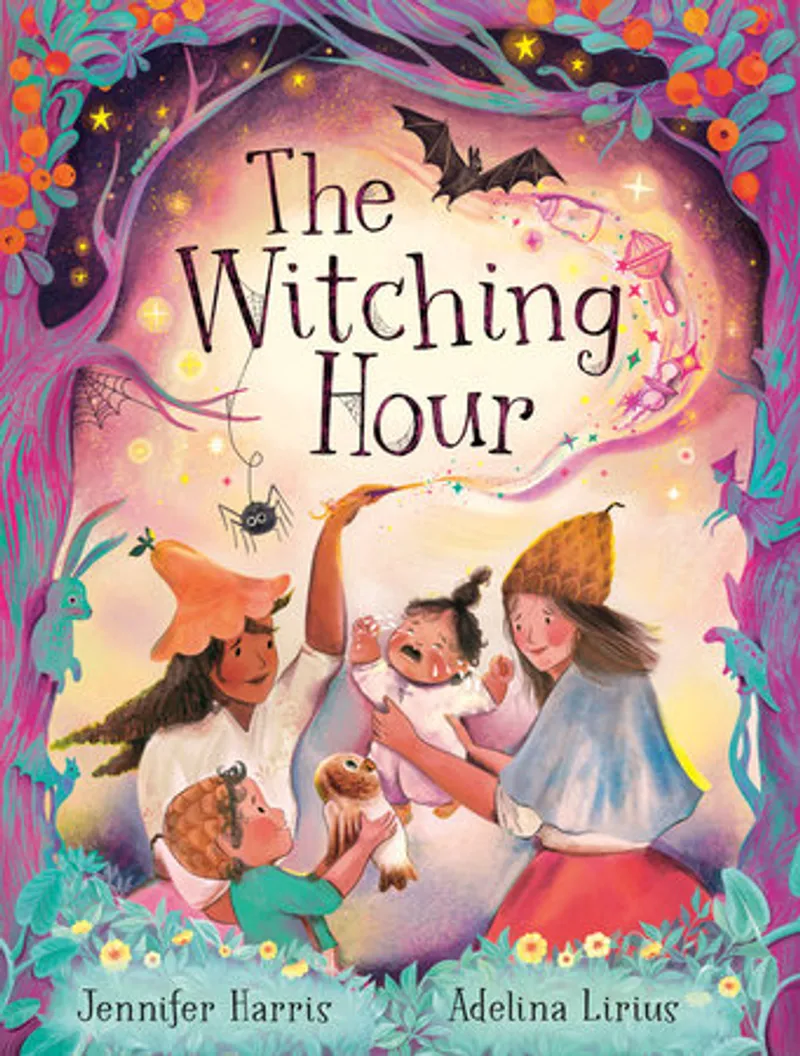
The Witching Hour Author: Adelina LiriusPage Count: UnknownPublication Date: 2025-PRH The Witching Hour, Adelina Lirius's 2025 picture book, offers a captivating and relatable portrayal of the chaos that often ensues in the hours leading up to bedtime. Lirius skillfully weaves a narrative that masterfully blends magic and realism, creating a world that is both fantastical and deeply familiar. At its core, The Witching Hour is a story about the universal struggles of parenting and the creative ways in which families cope with the challenges of soothing a cranky baby. Lirius's portrayal of a family of witches desperate to calm their fussy little one is both humorous and poignant, highlighting the desperation and love that often accompany this tumultuous time of day. One of the standout aspects of Lirius's writing style is her ability to balance wit and humor with a deep understanding of the complexities of family life. Her prose is spare and economical, yet rich in detail and atmosphere, making it easy to become fully immersed in the world of the story. The text is accompanied by clever and imaginative illustrations that perfectly capture the mayhem and magic of the witching hour. What sets The Witching Hour apart from other stories about parenting and family life is its unique blend of magic and realism. Lirius's witches are not the stereotypical broomstick-riding, spell-casting characters often found in children's literature. Instead, they are ordinary people with extraordinary abilities, struggling to navigate the challenges of everyday life. This grounded approach to magic makes the story feel more relatable and accessible, allowing readers to easily imagine themselves in the shoes of the witch family. Lirius's exploration of the witching hour also raises interesting questions about the nature of childhood and the ways in which families shape our experiences and perceptions of the world. The story suggests that even in the most chaotic and overwhelming moments, there is always the potential for magic and wonder. This message is conveyed through the witch family's creative and often hilarious attempts to soothe their baby, which range from levitating toys to singing strange and fantastical lullabies. Overall, The Witching Hour is a delightful and engaging picture book that is sure to resonate with parents, caregivers, and children alike. Lirius's unique blend of magic and realism, combined with her witty and insightful writing style, makes for a story that is both entertaining and thought-provoking. This is a must-read for anyone looking for a fresh and imaginative take on the challenges and joys of family life. #TheWitchingHour #AdelinaLirius #PictureBook #Witches #FamilyLife #BedtimeStories Related InsightsAll the Dead Shall Weep Book Review and Summary Something Is Killing the Children: Hope Is a Knife: A Novel Book Review and Summary Never Too Late Book Review and Summary{ "@context": "https://schema.org", "@type": "FAQPage", "mainEntity": [ { "@type": "Question", "name": "What is the main focus of The Witching Hour Book Review and Summary?", "acceptedAnswer": { "@type": "Answer", "text": "Everything you need to know about The Witching Hour with our detailed review." } }, { "@type": "Question", "name": "Who authored the comprehensive guide on The Witching Hour Book Review and Summary?", "acceptedAnswer": { "@type": "Answer", "text": "This detailed article and its insights were carefully researched and authored by Anne Rice." } }, { "@type": "Question", "name": "Where can I find more related content about Books?", "acceptedAnswer": { "@type": "Answer", "text": "You can explore more articles, detailed reviews, and similar insights by browsing the Related Insights section at the bottom of this article or visiting our dedicated Books category page." } } ] }
C1 And now you're speaking Author: Elisabeth Soltho DouglasPage Count: UnknownPublication Year: 2019-GB In the thought-provoking novel "And now you're speaking" by Elisabeth Soltho Douglas, the author delves into the complexities of human relationships and the power of communication. Published in 2019 to critical acclaim, this global bestseller has captured the hearts of readers worldwide with its poignant and relatable portrayal of love, loss, and self-discovery. At its core, "And now you're speaking" is a book about the intricacies of human connection. Douglas masterfully weaves together a narrative that explores the ways in which people interact with one another, often revealing more about themselves in the silences and misunderstandings than in the actual words they speak. Through her characters, the author shows us that true communication is not just about conveying thoughts and ideas, but also about listening, empathizing, and understanding. One of the standout features of Douglas's writing style is her ability to craft characters that are both deeply flawed and profoundly relatable. Her protagonists are multidimensional and authentic, with all the quirks and contradictions that make us human. As we follow their journeys, we are forced to confront our own vulnerabilities and biases, and to question the ways in which we navigate our relationships with others. Douglas's prose is equally impressive, with a lyrical quality that belies the complexity of her themes. Her writing is evocative and expressive, conjuring vivid images and emotions that linger long after the final page has been turned. Whether she is describing the beauty of a sunset or the pain of a broken heart, Douglas's language is always precise and powerful, capable of conveying the full range of human experience. If there is a criticism to be made, it is that the book's pacing can be somewhat uneven at times. Certain sections feel a bit rushed, while others meander along at a more leisurely pace. However, this is a minor quibble in an otherwise outstanding novel. Overall, "And now you're speaking" is a triumph of contemporary literature. Elisabeth Soltho Douglas has written a book that is both deeply personal and universally relatable, a novel that will resonate with readers long after they finish reading it. If you're looking for a story that will make you think, feel, and reflect on your own relationships, then this is the book for you. #CommunicationIsKey #HumanConnectionMatters #RelationshipGoals #EmotionalIntelligence #EmpathyInAction #UnderstandingTheUnspoken Related InsightsA Wall Is Also a Road Book Review and Summary Anji in Shadow (The Rising Tide, #2) Book Review and Summary The Idiot Book Review and Summary{ "@context": "https://schema.org", "@type": "FAQPage", "mainEntity": [ { "@type": "Question", "name": "What is the main focus of C1 And now you're speaking Book Review and Summary?", "acceptedAnswer": { "@type": "Answer", "text": "Everything you need to know about C1 And now you're speaking with our detailed review." } }, { "@type": "Question", "name": "Who authored the comprehensive guide on C1 And now you're speaking Book Review and Summary?", "acceptedAnswer": { "@type": "Answer", "text": "This detailed article and its insights were carefully researched and authored by Carmen Martinez." } }, { "@type": "Question", "name": "Where can I find more related content about Books?", "acceptedAnswer": { "@type": "Answer", "text": "You can explore more articles, detailed reviews, and similar insights by browsing the Related Insights section at the bottom of this article or visiting our dedicated Books category page." } } ] }
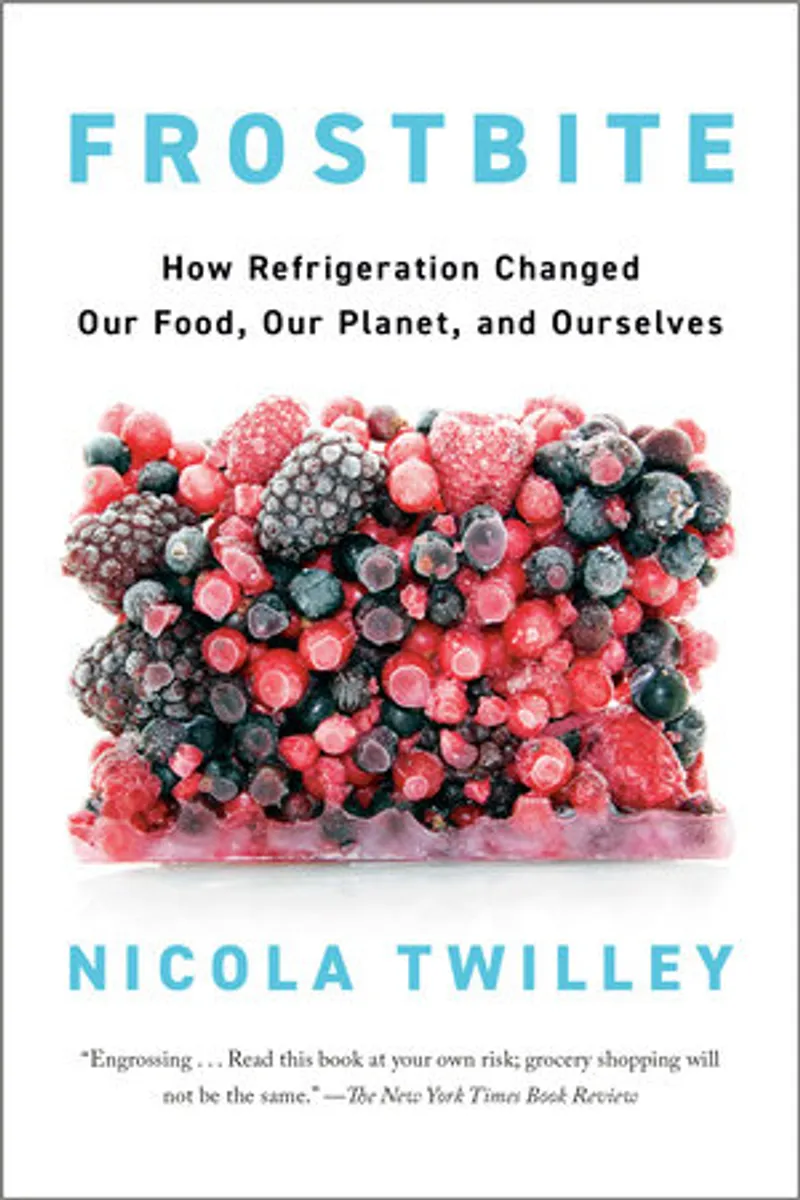
Frostbite Author: Nicola TwilleyPage Count: UnknownPublication Date: 2025-PRH In the mesmerizing pages of Nicola Twilley's "Frostbite," the oft-overlooked realm of refrigeration takes center stage, and the result is nothing short of breathtaking. This meticulously researched and engagingly written exploration delves into the intricate world of cold chain infrastructure, masterfully weaving together threads of science, history, and culinary intrigue. Twilley, a New Yorker contributor and cohost of the acclaimed podcast Gastropod, proves herself a masterful storyteller, guiding readers on an unforgettable journey through the uncharted territories of the refrigeration universe. From the subterranean cheese caves of Missouri to the banana-ripening rooms of New York City, each destination is meticulously crafted to illustrate the profound impact of refrigeration on our daily lives. With "Frostbite," Twilley achieves a remarkable feat: rendering the invisible, visible. By laying bare the all-but-invisible network of thermal control that underpins our food system, she forces us to confront the far-reaching consequences of our reliance on refrigeration. The statistics are staggering – nearly three-quarters of everything on the average American plate is processed, shipped, stored, and sold under refrigeration – and Twilley's meticulous examination of this phenomenon is both eye-opening and unsettling. One of the book's greatest strengths lies in its ability to balance the benefits of refrigeration with its drawbacks. While it is undeniable that refrigeration has revolutionized the way we eat, Twilley astutely observes that this revolution has come at a steep cost. Our connection to our food has been eroded, and our understanding of what constitutes "freshness" has been irrevocably altered. Moreover, refrigeration's contribution to climate change is a stark reminder that our actions have consequences that reverberate far beyond the confines of our kitchens. Throughout "Frostbite," Twilley's prose is engaging, witty, and effortlessly informative. Her passion for the subject matter is palpable, and her dedication to uncovering the intricacies of the cold chain is admirable. The result is a book that is at once a compelling narrative, a meticulously researched treatise, and a clarion call to action. As the developing world continues to adopt the US-style cold chain, Twilley's thought-provoking inquiry into the future of refrigeration is both timely and urgent. Can we reduce our dependence on refrigeration? Should we? These questions, posed with characteristic eloquence by Twilley, linger long after the final page has been turned, leaving readers to ponder the profound implications of our relationship with the fridge. In short, "Frostbite" is a triumph – a deeply researched, original, and entertaining exploration of the most important invention in the history of food and drink. It is a testament to Twilley's skill as a writer that she has managed to craft a book that is at once a compelling page-turner and a searing indictment of our unsustainable practices. #Frostbite #Refrigeration #FoodSystem #ClimateChange #Sustainability #ColdChain Related InsightsThe Complete Poems of Emily Dickinson Book Review and Summary Poesía reunida César Vallejo (Edición conmemorativa de la RAE y la ASALE) / Collected Poems by César Vallejo (Commemorative Edition by the RAE and ASALE) Book Review and Summary One Last Warning (Quinn & Costa, #8) Book Review and Summary{ "@context": "https://schema.org", "@type": "FAQPage", "mainEntity": [ { "@type": "Question", "name": "What is the main focus of Frostbite Book Review and Summary?", "acceptedAnswer": { "@type": "Answer", "text": "Everything you need to know about Frostbite with our detailed review." } }, { "@type": "Question", "name": "Who authored the comprehensive guide on Frostbite Book Review and Summary?", "acceptedAnswer": { "@type": "Answer", "text": "This detailed article and its insights were carefully researched and authored by Richelle Mead." } }, { "@type": "Question", "name": "Where can I find more related content about Books?", "acceptedAnswer": { "@type": "Answer", "text": "You can explore more articles, detailed reviews, and similar insights by browsing the Related Insights section at the bottom of this article or visiting our dedicated Books category page." } } ] }

Paul Bunyan: The Invention of an American Legend Author: Noah Van SciverPage Count: UnknownPublication Date: 2023-PRH Paul Bunyan: The Invention of an American Legend, the latest offering from cartoonist Noah Van Sciver, is a scathing critique of the American Dream and the machinations of corporate marketing. On the surface, the book appears to be a biographical account of the life of Paul Bunyan, the larger-than-life lumberjack who has become an integral part of American folklore. However, as Van Sciver masterfully reveals, the truth behind Bunyan's creation is far more sinister. Through his meticulous research and engaging narrative, Van Sciver exposes the fact that Paul Bunyan was not a product of American folklore, but rather a clever marketing ploy concocted by William B. Laughead, an advertising executive for the Red River Lumber Company. Laughead's ingenious campaign, which included a series of advertisements and promotional materials featuring the giant lumberjack and his trusty blue ox, was designed to promote the company's products and create a sense of nostalgia for a bygone era. Van Sciver's storytelling is both captivating and thought-provoking, as he weaves together the threads of Laughead's marketing strategy with the darker aspects of American history. The book is bracketed by contributions from contemporary Native artists and storytellers, who offer a poignant counterpoint to the Bunyan myth. Their stories and artwork serve as a powerful reminder of the historical injustices perpetrated against Native American communities, including the seizure of their land and the destruction of their cultures. One of the most striking aspects of Van Sciver's narrative is his use of visuals to convey the complexity of the Bunyan myth. His illustrations are both beautiful and haunting, capturing the essence of the American wilderness while also highlighting the devastating impact of industrialization. The artwork is complemented by Van Sciver's concise and engaging prose, which makes the book an accessible and enjoyable read. Throughout the book, Van Sciver raises important questions about the nature of American identity and the ways in which our cultural heritage is shaped by corporate interests. He challenges readers to think critically about the stories we tell ourselves about our past and the ways in which those stories are used to justify the status quo. Ultimately, Paul Bunyan: The Invention of an American Legend is a powerful critique of the American Dream and the ways in which corporate marketing can shape our perceptions of reality. Van Sciver's masterful storytelling and striking visuals make the book a compelling read, while the contributions from Native artists and storytellers add depth and complexity to the narrative. This is a book that will resonate with readers long after they finish reading it. #PaulBunyan #AmericanFolklore #CorporateMarketing #NativeAmericanHistory #Environmentalism #ComicBookCritique Related InsightsRebel Darling (The Darling Devils, #4) Book Review and Summary The Three Musketeers Book Review and Summary Unreal Magazine: Vol. 1 Book Review and Summary{ "@context": "https://schema.org", "@type": "FAQPage", "mainEntity": [ { "@type": "Question", "name": "What is the main focus of Seabiscuit: An American Legend Book Review and Summary?", "acceptedAnswer": { "@type": "Answer", "text": "Everything you need to know about Seabiscuit: An American Legend with our detailed review." } }, { "@type": "Question", "name": "Who authored the comprehensive guide on Seabiscuit: An American Legend Book Review and Summary?", "acceptedAnswer": { "@type": "Answer", "text": "This detailed article and its insights were carefully researched and authored by Laura Hillenbrand." } }, { "@type": "Question", "name": "Where can I find more related content about Books?", "acceptedAnswer": { "@type": "Answer", "text": "You can explore more articles, detailed reviews, and similar insights by browsing the Related Insights section at the bottom of this article or visiting our dedicated Books category page." } } ] }
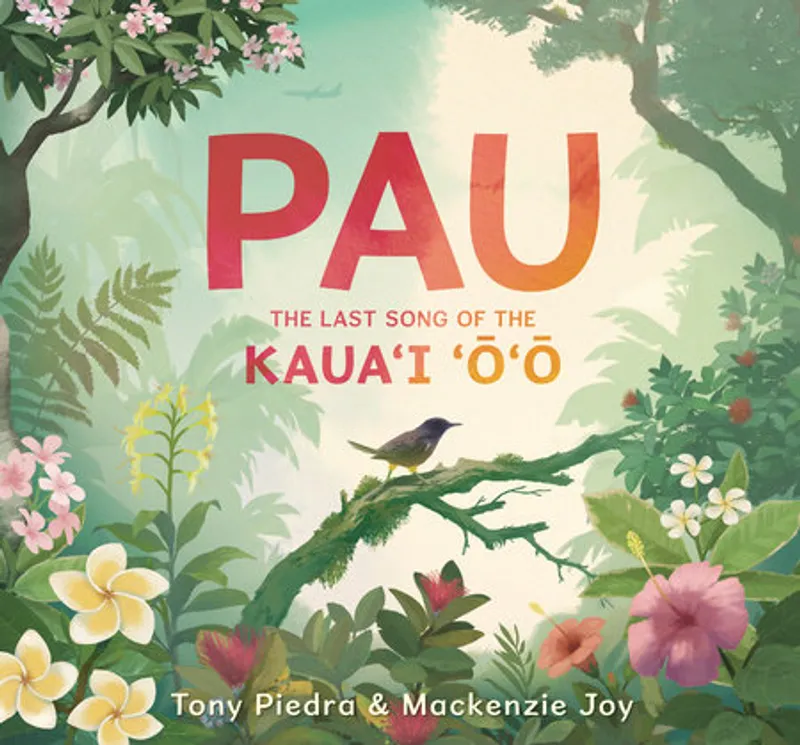
Pau: The Last Song of the Kaua’i ‘o’o Author: Tony PiedraPage Count: UnknownPublication Date: 2024-PRH In the poignant and thought-provoking "Pau: The Last Song of the Kaua'i 'o'o," Tony Piedra crafts a mesmerizing ecological fable that pays tribute to the now-extinct Kaua'i 'o'o bird. This beautifully written and illustrated book is a must-read for young naturalists and environmentally conscious readers of all ages. Piedra's narrative masterfully weaves together the history of the Kaua'i 'o'o, from its emergence on the island millions of years ago to its eventual extinction. The story is told with a poetic simplicity that belies the complexity of the themes explored, making it accessible to a wide range of readers. The author's love for the natural world shines through on every page, and his use of lyrical language is nothing short of enchanting. One of the standout features of "Pau" is its ability to balance scientific accuracy with narrative flair. Piedra seamlessly integrates key conservation topics, such as invasive species and island ecology, into the story without ever feeling didactic or heavy-handed. The result is a book that is both entertaining and educational, making it an invaluable resource for parents, educators, and young readers alike. The illustrations that accompany the text are equally impressive, with vibrant tropical colors that transport the reader to the lush landscapes of Kaua'i. The artwork is not only visually stunning but also carefully researched, accurately depicting the unique flora and fauna of the island. What sets "Pau" apart from other books on extinction and conservation is its nuanced exploration of the complex relationships between humans and the natural world. Piedra avoids simplistic moralizing, instead opting for a more nuanced approach that acknowledges the intricate web of factors that contribute to species decline. This thoughtful and multifaceted perspective makes the book a valuable addition to any library or classroom. Ultimately, "Pau: The Last Song of the Kaua'i 'o'o" is a powerful tribute to a lost species and a timely reminder of the importance of conservation and environmental stewardship. Piedra's moving fable will resonate with readers of all ages, inspiring a new generation of young naturalists and environmentalists to take action in protecting our planet's precious biodiversity. #ExtinctionMatters #ConservationThroughStorytelling #KidsLitForACause #EnvironmentalEducation #BiodiversityMatters #WildlifeConservation Related InsightsAll You Need Is a Pencil: The Stuck in a Car, Plane, or Train Activity Book Book Review and Summary Doctor Zhivago Book Review and Summary Blue Hour Book Review and Summary{ "@context": "https://schema.org", "@type": "FAQPage", "mainEntity": [ { "@type": "Question", "name": "What is the main focus of The Last Song Book Review and Summary?", "acceptedAnswer": { "@type": "Answer", "text": "Everything you need to know about The Last Song with our detailed review." } }, { "@type": "Question", "name": "Who authored the comprehensive guide on The Last Song Book Review and Summary?", "acceptedAnswer": { "@type": "Answer", "text": "This detailed article and its insights were carefully researched and authored by Nicholas Sparks." } }, { "@type": "Question", "name": "Where can I find more related content about Books?", "acceptedAnswer": { "@type": "Answer", "text": "You can explore more articles, detailed reviews, and similar insights by browsing the Related Insights section at the bottom of this article or visiting our dedicated Books category page." } } ] }
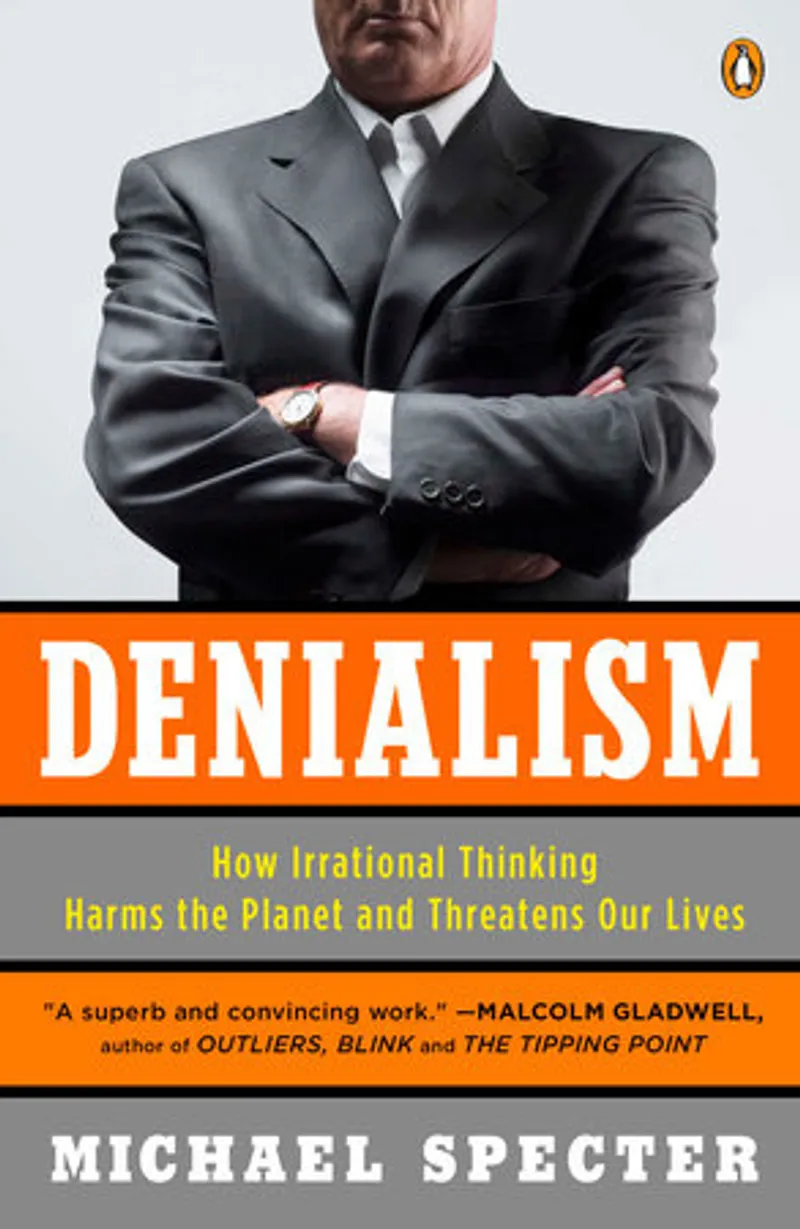

Denialism Author: Michael SpecterPage Count: UnknownPublication Date: 2010-PRH In Denialism, Michael Specter delivers a searing critique of the growing trend of science denial in America, a phenomenon that threatens the very foundations of our civilization. With over two decades of experience reporting on some of the most pressing issues of our time, Specter is uniquely qualified to tackle this topic, and his mastery of the subject matter shines through on every page. The book is a clarion call to action, a passionate plea to reclaim the rational thinking that has driven human progress since the Enlightenment. Specter's central argument is that we are living in a world where ideology and superstition are increasingly supplanting science and evidence-based reasoning, with disastrous consequences. From the anti-vaccination movement to the rejection of genetically modified crops, he catalogues a disturbing array of examples where denialism is causing harm and hindering our ability to address some of the world's most pressing problems. One of the strengths of Denialism is Specter's engaging writing style, which makes the book accessible to a broad audience. He has a gift for storytelling, and his use of vivid anecdotes and compelling case studies helps to illustrate the complex issues he is discussing. Whether he is exploring the motivations of anti-science activists or explaining the science behind genetically modified organisms, Specter's prose is always clear, concise, and engaging. At the same time, Specter is not afraid to take on the tough questions and challenge his readers to think critically about the issues. He is unsparing in his criticism of those who reject science and evidence-based reasoning, but he is also careful to distinguish between legitimate skepticism and denialism. Throughout the book, he emphasizes the importance of nuanced thinking and the need to approach complex issues with a willingness to consider multiple perspectives. One of the most striking aspects of Denialism is its timeliness. As Specter notes, we are living in a world where the stakes have never been higher. Climate change, pandemics, and food insecurity are just a few of the pressing issues that require a science-based response. And yet, at a time when we need science more than ever, we are seeing a growing trend of science denial and mistrust. Specter's book is a powerful reminder of the importance of science and reason in addressing these challenges, and his call to action is both urgent and compelling. In short, Denialism is a superb and thought-provoking book that should be required reading for anyone interested in science, politics, or the future of our planet. Specter's writing is engaging, his arguments are persuasive, and his passion for the subject matter is evident on every page. As Malcolm Gladwell notes, this is a "superb and convincing work" that deserves to be widely read and discussed. #ScienceDenial #Denialism #MichaelSpecter #ScienceMatters #CriticalThinking #SkepticismVsDenialism Related InsightsVine of Hearts (The Evermore Trilogy, #2) Book Review and Summary Is It Too Late to Make a Run for It? Book Review and Summary Engineering a Love Story Book Review and Summary{ "@context": "https://schema.org", "@type": "FAQPage", "mainEntity": [ { "@type": "Question", "name": "What is the main focus of Denialism Book Review and Summary?", "acceptedAnswer": { "@type": "Answer", "text": "Everything you need to know about Denialism with our detailed review." } }, { "@type": "Question", "name": "Who authored the comprehensive guide on Denialism Book Review and Summary?", "acceptedAnswer": { "@type": "Answer", "text": "This detailed article and its insights were carefully researched and authored by Piotr Nowak." } }, { "@type": "Question", "name": "Where can I find more related content about Books?", "acceptedAnswer": { "@type": "Answer", "text": "You can explore more articles, detailed reviews, and similar insights by browsing the Related Insights section at the bottom of this article or visiting our dedicated Books category page." } } ] }
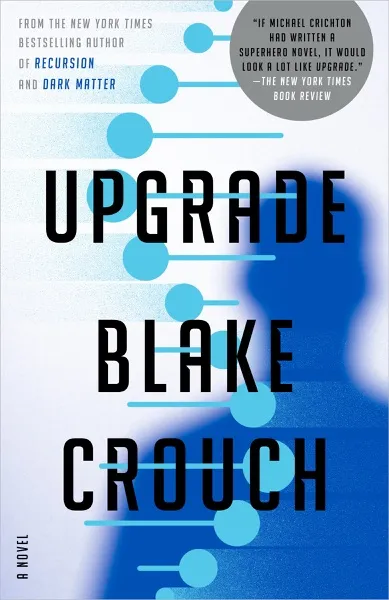
Upgrade Author: Blake CrouchPage Count: UnknownPublication Year: 2022-GB Blake Crouch’s Upgrade is a high-octane, cerebral thriller that hurtles the reader into a near-future where the boundaries between human and machine blur—sometimes literally. Published in 2022, the novel cements Crouch’s reputation as a master of speculative fiction, crafting a story that is as intellectually stimulating as it is viscerally gripping. With his signature blend of rapid pacing, sharp prose, and moral complexity, Crouch doesn’t just entertain; he forces us to confront unsettling questions about identity, evolution, and the price of progress. At its core, Upgrade is a meditation on what it means to be human in an age of artificial enhancement. The premise is deceptively simple: Logan Ramsay, a geneticist working on a cutting-edge project to cure neurodegenerative diseases, stumbles upon a discovery that could accelerate human evolution—or doom the species. When he accidentally upgrades his own DNA, he gains extraordinary cognitive and physical abilities, but at a cost that unfolds in ways both thrilling and terrifying. The novel explores the dual-edged sword of enhancement: the allure of transcending our biological limits versus the potential for creating a new, hierarchical humanity where the "upgraded" become a new elite, leaving the rest behind. Crouch’s genius lies in his ability to weave hard science into a narrative that feels urgent and personal. He doesn’t bog the reader down with excessive jargon; instead, he uses Logan’s perspective to make complex genetic and neurological concepts accessible without dumbing them down. The science serves the story, not the other way around, which is a rare feat in speculative fiction. The pacing is relentless—every chapter ends with a revelation or a cliffhanger, propelling the reader forward with the same breathless urgency as Logan’s own transformation. What makes Upgrade more than just a sci-fi action romp is its deep philosophical undercurrents. Crouch doesn’t shy away from the ethical dilemmas posed by his premise. Is it ethical to alter human DNA, even with the best intentions? What does it mean to be "human" when someone can outthink and outperform others with a simple genetic tweak? The novel forces us to grapple with these questions alongside Logan, whose own moral compass is tested as he realizes the full implications of his discovery. The villain—if there is one—isn’t a mustache-twirling caricature but a system of power, a natural extension of human greed and ambition. Crouch’s prose is taut and efficient, mirroring the precision of his protagonist’s mind. He avoids purple prose, favoring clear, punchy sentences that keep the momentum going. Yet, there are moments of lyrical beauty, particularly in Logan’s introspective passages, where Crouch explores the emotional toll of his transformation. The internal conflict Logan faces—between his newfound power and his lingering humanity—is as compelling as the external threats he encounters. This balance between the cerebral and the visceral is what makes Upgrade so compelling. The novel also excels in its world-building, painting a near-future that feels both familiar and unsettlingly plausible. Crouch doesn’t rely on flashy futuristic tech; instead, he extrapolates from current trends in genetic editing, AI, and social inequality. The result is a world that doesn’t feel like a distant sci-fi fantasy but a possible extension of our own trajectory. The dystopian elements creep in gradually, making the stakes feel more real and immediate. One of the most striking aspects of Upgrade is its exploration of power dynamics. The upgraded humans in the novel aren’t just smarter or stronger—they become a new class, wielding influence that reshapes society. Crouch doesn’t shy away from the darker implications of this, showing how quickly privilege and inequality can calcify into something far more sinister. The novel’s climax is a masterclass in tension, where personal stakes collide with global consequences. Crouch’s ability to blend hard science with high-stakes drama is on full display here. Fans of his Wayward Pines trilogy or Dark Matter will find much to love in Upgrade, but it stands well on its own as a standalone thriller. The novel is a cautionary tale, a thriller, and a philosophical inquiry all rolled into one—a rare achievement in modern fiction. In the end, Upgrade is about more than just the next step in human evolution; it’s about the choices we make when faced with the unknown. Crouch doesn’t offer easy answers, but he does deliver a story that lingers, one that challenges us to think about what we’re willing to sacrifice for progress. It’s a book that entertains, provokes, and haunts—and that’s the mark of truly great speculative fiction. #UpgradeBook #BlakeCrouch #SciFiThriller #NearFutureFiction #GeneticEngineering #HumanEvolution Related InsightsAshes of Austen Book Review and Summary The Long Walk Book Review and Summary Murder of a Merry Gentleman: A Mystery (Lady Petra Inquires, 4) Book Review and Summary{ "@context": "https://schema.org", "@type": "FAQPage", "mainEntity": [ { "@type": "Question", "name": "What is the main focus of Upgrade Book Review and Summary?", "acceptedAnswer": { "@type": "Answer", "text": "Everything you need to know about Upgrade with our detailed review." } }, { "@type": "Question", "name": "Who authored the comprehensive guide on Upgrade Book Review and Summary?", "acceptedAnswer": { "@type": "Answer", "text": "This detailed article and its insights were carefully researched and authored by Tiago Silva." } }, { "@type": "Question", "name": "Where can I find more related content about Books?", "acceptedAnswer": { "@type": "Answer", "text": "You can explore more articles, detailed reviews, and similar insights by browsing the Related Insights section at the bottom of this article or visiting our dedicated Books category page." } } ] }
-
 Tiago Silva
 - 02 May, 2026 04:37
DK Super Readers Level 1 A Day in the Life of a Pilot Book Review and Summary
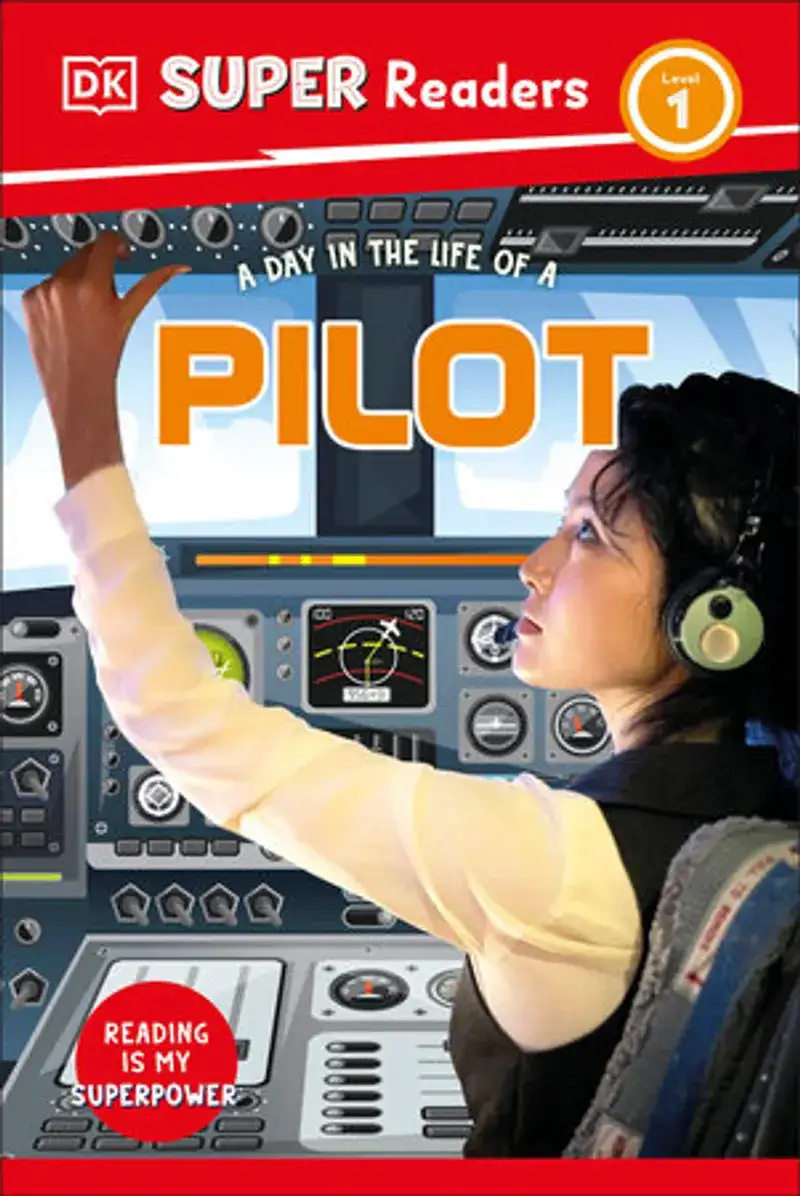
DK Super Readers Level 1 A Day in the Life of a Pilot Author: DKPage Count: UnknownPublication Date: 2025-PRH A Day in the Life of a Pilot, the latest installment in the DK Super Readers series, is an engaging and informative read that is sure to captivate young minds. Published in 2025, this Level 1 reader is specifically designed to help children develop their reading skills while introducing them to the fascinating world of aviation. The author, DK, has done an excellent job in crafting a narrative that is both fun and educational, making it an ideal choice for early readers. The book takes readers on a thrilling journey, showcasing a day in the life of a pilot. From preparation to takeoff, and from navigating through the skies to landing safely back on the ground, the text provides a comprehensive overview of a pilot's responsibilities and experiences. The language is simple and easy to understand, making it perfect for children who are just beginning to develop their reading skills. One of the standout features of this book is its carefully leveled text, which uses Lexiles to ensure that children are set up for success. The engaging narrative is complemented by beautiful illustrations, making the reading experience both enjoyable and interactive. The author's use of descriptive language helps to paint a vivid picture in the reader's mind, allowing children to imagine themselves in the pilot's seat. The book is not only entertaining but also educational, providing children with a unique opportunity to learn about a day in the life of a pilot. The text is filled with interesting facts and tidbits, making it an excellent choice for kids who are curious about the world of aviation. The author's ability to balance fun and learning is impressive, making A Day in the Life of a Pilot an excellent addition to any child's bookshelf. The DK Super Readers series is known for its high-quality content, and A Day in the Life of a Pilot is no exception. The book is well-researched, and the author's passion for the subject matter is evident throughout the narrative. The text is engaging, and the illustrations are visually appealing, making it a great choice for reading aloud or for early readers to tackle on their own. In conclusion, A Day in the Life of a Pilot is an excellent choice for children who are looking to develop their reading skills while learning about a fascinating topic. The book is engaging, informative, and fun, making it an ideal choice for early readers. With its carefully leveled text and beautiful illustrations, this book is sure to delight children and parents alike. #LearnToRead #AviationForKids #DKSuperReaders #PilotLife #KidsLiterature #ReadingIsFun Related InsightsLonesome Dove Book Review and Summary Anna and the French Kiss Book Review and Summary Anthropodermische Bibliopegie: Eine Makabre Reise in die Welt der in Menschenhaut gebundenen Bücher{ "@context": "https://schema.org", "@type": "FAQPage", "mainEntity": [ { "@type": "Question", "name": "What is the main focus of DK Super Readers Level 1 A Day in the Life of a Pilot Book Review and Summary?", "acceptedAnswer": { "@type": "Answer", "text": "Everything you need to know about DK Super Readers Level 1 A Day in the Life of a Pilot with our detailed review." } }, { "@type": "Question", "name": "Who authored the comprehensive guide on DK Super Readers Level 1 A Day in the Life of a Pilot Book Review and Summary?", "acceptedAnswer": { "@type": "Answer", "text": "This detailed article and its insights were carefully researched and authored by Tiago Silva." } }, { "@type": "Question", "name": "Where can I find more related content about Books?", "acceptedAnswer": { "@type": "Answer", "text": "You can explore more articles, detailed reviews, and similar insights by browsing the Related Insights section at the bottom of this article or visiting our dedicated Books category page." } } ] }
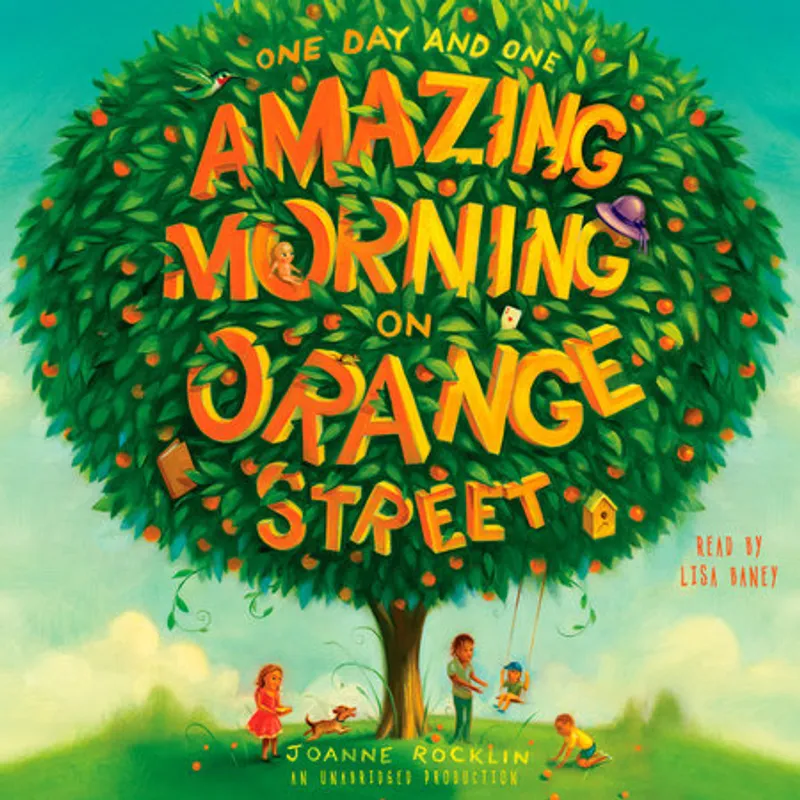
One Day and One Amazing Morning on Orange Street Author: Joanne RocklinPage Count: UnknownPublication Date: 2011-PRH A Day of Discoveries: One Day and One Amazing Morning on Orange Street Joanne Rocklin’s One Day and One Amazing Morning on Orange Street is a quiet marvel—a story that unfolds in the span of a day and a half but lingers like the scent of orange blossoms long after the last page. At its heart, this is a tale about connection, about the invisible threads that bind us to each other and to the places we call home. But it’s also a story about anxiety, about the small, gnawing worries of childhood that feel enormous until we realize we’re not alone in carrying them. The book centers on a single, ancient orange tree that stands on Orange Street, a silent witness to the lives of the children who live nearby. When a mysterious stranger arrives and begins tending to the tree, the kids—each grappling with their own fears—are drawn into a mystery that forces them to confront their insecurities. There’s Allegra, desperate to impress her friends; Lenore, struggling with her younger brother’s illness; and Moss, whose family is expanding in ways that leave him feeling displaced. Each child’s story is a thread in the larger tapestry, and Rocklin weaves them together with a deft hand, revealing how their individual anxieties are not just shared but intertwined. What makes this novel so compelling is Rocklin’s ability to blend the ordinary with the extraordinary. The orange tree is more than just a setting—it’s a symbol of resilience, of history, and of the quiet magic that exists in everyday life. The tree has stood for decades, its roots deep in the soil of Orange Street, just as the children’s fears are rooted in their own experiences. But here’s the beauty of Rocklin’s storytelling: she doesn’t just tell us about the tree’s significance. She makes us feel it. Through the children’s interactions with the tree—watering it, protecting it, even arguing over its fate—we come to understand that some things, like the tree itself, are worth preserving, even when change feels inevitable. Rocklin’s prose is warm and inviting, like a summer afternoon spent under the shade of the orange tree. She has a knack for capturing the voice of childhood—its earnestness, its frustration, its flashes of insight—without ever talking down to her young readers. The dialogue crackles with authenticity, and the pacing is masterful. The story unfolds over a short period, but the emotional depth is anything but shallow. Each chapter peels back another layer of the children’s lives, revealing not just their worries but their hopes, their dreams, and their capacity for empathy. One of the most striking aspects of the book is how Rocklin handles the theme of anxiety. She doesn’t offer easy solutions or pat answers. Instead, she shows how the children’s fears are validated by the stranger’s own story—a story that reveals the tree’s history is tied to loss, to love, and to the passage of time. In doing so, she teaches a subtle but powerful lesson: that our worries don’t have to be faced alone. The tree, the stranger, and even the neighborhood itself become symbols of how connection can transform fear into understanding. The book’s structure is another of its strengths. By focusing on a single day and a half, Rocklin creates a sense of urgency and intimacy. We’re not just observers of the children’s lives; we’re participants, drawn into their world as they grapple with their problems and, in the process, find unexpected solutions. The orange tree serves as the perfect metaphor for this—its branches heavy with fruit, its roots anchoring it to the earth, just as the children are anchored to each other by their shared experiences. In the end, One Day and One Amazing Morning on Orange Street is a celebration of the magic hidden in plain sight. It’s a reminder that the places we love and the people we share them with can help us weather even the heaviest storms. Rocklin’s novel is a love letter to childhood, to curiosity, and to the quiet heroism of growing up. It’s a book that will resonate with readers of all ages, not just because of its heartfelt storytelling but because it captures something universal—the way a single day can change everything. If you’re looking for a story that’s as nourishing as the fruit of an orange tree, this is it. It’s a book to savor, to share, and to return to whenever you need a reminder that even the smallest moments can be amazing. #OrangeStreetMagic #ChildhoodAnxiety #MiddleGradeBooks #ComingOfAge #JoanneRocklin #HiddenHistories Related InsightsWhen Shadows Burn (When Shadows Burn Duology, 1) Book Review and Summary Crossing the Wine-Dark Sea: Journeys Through Ancient Literature Book Review and Summary Frankenstein: The 1818 Text Book Review and Summary{ "@context": "https://schema.org", "@type": "FAQPage", "mainEntity": [ { "@type": "Question", "name": "What is the main focus of One Day Book Review and Summary?", "acceptedAnswer": { "@type": "Answer", "text": "Everything you need to know about One Day with our detailed review." } }, { "@type": "Question", "name": "Who authored the comprehensive guide on One Day Book Review and Summary?", "acceptedAnswer": { "@type": "Answer", "text": "This detailed article and its insights were carefully researched and authored by David Nicholls." } }, { "@type": "Question", "name": "Where can I find more related content about Books?", "acceptedAnswer": { "@type": "Answer", "text": "You can explore more articles, detailed reviews, and similar insights by browsing the Related Insights section at the bottom of this article or visiting our dedicated Books category page." } } ] }
-
 Maximilian Fischer
 - 01 May, 2026 19:39
Rebelión en la granja (edición definitiva avalada por The Orwell Estate) / Animal Farm (Definitive Text Endorsed by The Orwell Foundation Book Review and Summary
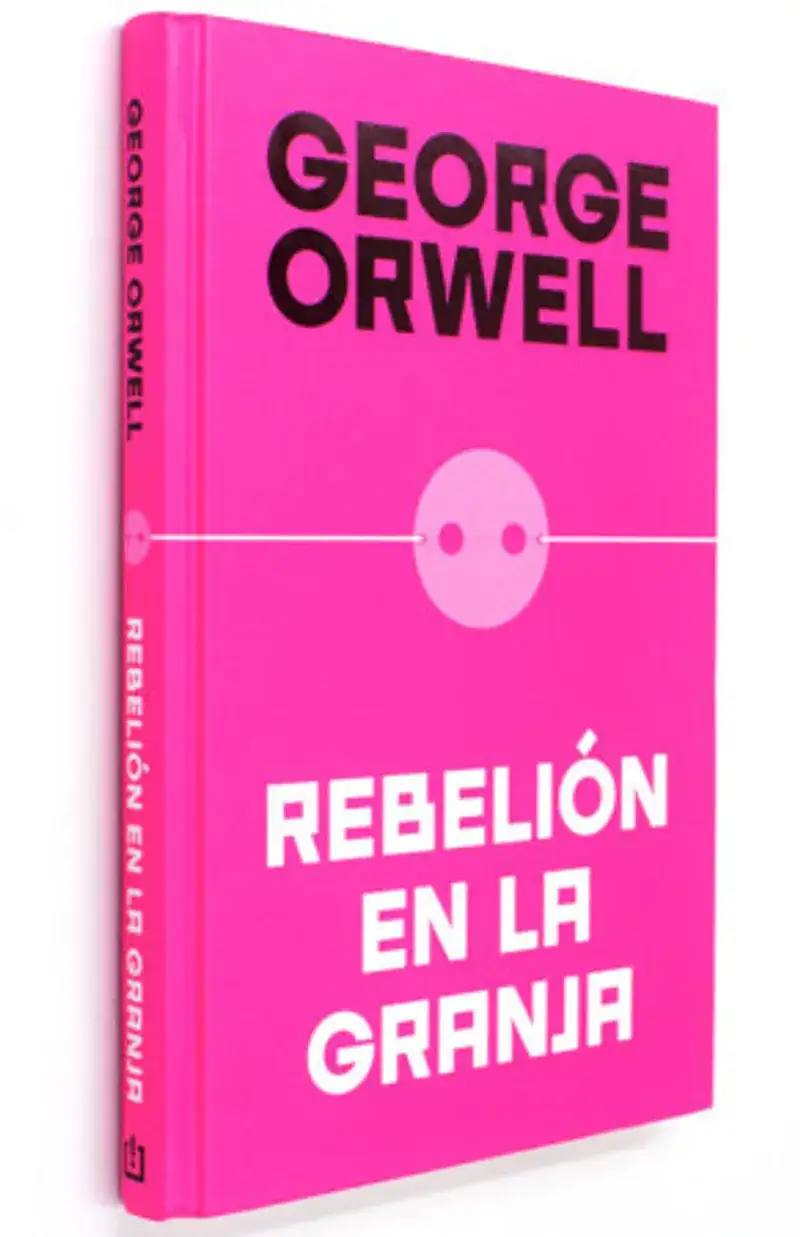
Rebelión en la granja (edición definitiva avalada por The Orwell Estate) / Animal Farm (Definitive Text Endorsed by The Orwell Foundation Author: George OrwellPage Count: UnknownPublication Date: 2022-PRH In the realm of dystopian literature, few works have managed to capture the essence of rebellion and the dangers of totalitarianism as eloquently as George Orwell's 'Animal Farm'. This definitive edition, endorsed by The Orwell Foundation, is a testament to the timelessness of Orwell's masterpiece. Written in 1945, this satirical novella remains a scathing critique of the Russian Revolution and the rise of Stalinism, serving as a warning to generations about the perils of unchecked power and the erosion of individual freedom. Orwell's narrative is deceptively simple, yet masterfully crafted to convey the complexities of human nature and the corrupting influence of power. The story follows the animals of Manor Farm as they rise up against their oppressors, only to see their revolution devolve into a tyranny that mirrors the very system they sought to overthrow. Through the lens of anthropomorphic characters, Orwell exposes the darker aspects of human psychology, revealing how even the noblest of ideals can be subverted by the lust for power and control. One of the most striking aspects of 'Animal Farm' is its ability to balance satire with social commentary. Orwell's writing is both humorous and haunting, making it accessible to a wide range of readers while maintaining its intellectual depth. The novella is a masterclass in subtlety, with Orwell's critique of totalitarianism emerging through the actions and decisions of the characters rather than through didactic lectures or heavy-handed moralizing. The translation by Marcial Souto, first published in 2013, is a wonderful rendering of Orwell's original text. It captures the nuances of the author's style, conveying the complexity and depth of the narrative with remarkable fidelity. The inclusion of an epilogue by Christopher Hitchens adds an additional layer of context, highlighting the relevance of Orwell's work in contemporary times. This edition, endorsed by The Orwell Foundation, is a testament to the enduring power of 'Animal Farm'. It serves as a reminder that the struggle for freedom and individuality is ongoing, and that the dangers of totalitarianism are ever-present. As a work of literature, 'Animal Farm' is a classic that continues to captivate readers with its thought-provoking themes and masterful storytelling. In short, 'Animal Farm' is a must-read for anyone interested in dystopian literature, politics, or social commentary. It is a powerful warning about the dangers of unchecked power and the erosion of individual freedom, and a testament to the enduring power of Orwell's vision. #AnimalFarm #GeorgeOrwell #DystopianLiterature #Totalitarianism #ClassicLiterature #SocialCommentary Related InsightsWinter Song Book Review and Summary The Dark Is Rising Book Review and Summary The Creative Act Book Review and Summary{ "@context": "https://schema.org", "@type": "FAQPage", "mainEntity": [ { "@type": "Question", "name": "What is the main focus of Rebelión en la granja (edición definitiva avalada por The Orwell Estate) / Animal Farm (Definitive Text Endorsed by The Orwell Foundation Book Review and Summary?", "acceptedAnswer": { "@type": "Answer", "text": "Everything you need to know about Rebelión en la granja (edición definitiva avalada por The Orwell Estate) / Animal Farm (Definitive Text Endorsed by The Orwell Foundation with our detailed review." } }, { "@type": "Question", "name": "Who authored the comprehensive guide on Rebelión en la granja (edición definitiva avalada por The Orwell Estate) / Animal Farm (Definitive Text Endorsed by The Orwell Foundation Book Review and Summary?", "acceptedAnswer": { "@type": "Answer", "text": "This detailed article and its insights were carefully researched and authored by Maximilian Fischer." } }, { "@type": "Question", "name": "Where can I find more related content about Books?", "acceptedAnswer": { "@type": "Answer", "text": "You can explore more articles, detailed reviews, and similar insights by browsing the Related Insights section at the bottom of this article or visiting our dedicated Books category page." } } ] }
-
 Marco Conti
 - 01 May, 2026 19:13
The Angel of Darkness: Book 2 of the Alienist Book Review and Summary
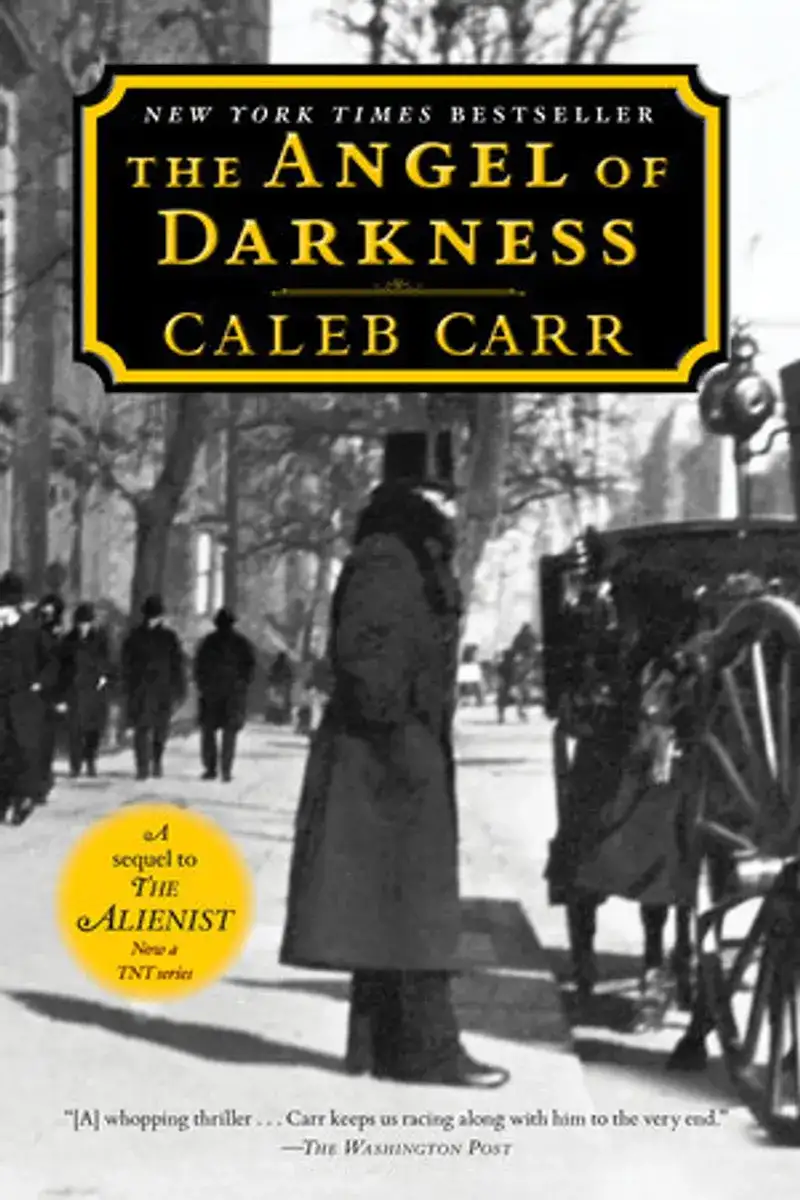
The Angel of Darkness: Book 2 of the Alienist Author: Caleb CarrPage Count: UnknownPublication Date: 2018-PRH The Angel of Darkness: A Chilling Masterpiece of Historical Horror Caleb Carr’s The Angel of Darkness is not just a sequel—it is a descent into the heart of human depravity, wrapped in the gilded yet grotesque world of 1890s New York. Returning to the haunting brilliance of The Alienist, Carr once again immerses us in an era where science, social upheaval, and primal evil collide. This time, the stakes are higher, the villain more insidious, and the stakes not just personal but political, threatening to ignite an international crisis. If the first book terrified us with the specter of a child-murdering monster, The Angel of Darkness forces us to confront something far worse: the banality of evil cloaked in virtue. At the heart of the novel lies a chilling paradox—how a monster can masquerade as an angel. The case begins with the kidnapping of a Spanish diplomat’s infant daughter, a crime that carries the weight of geopolitical tension between the U.S. and Spain. The suspect? A woman whose very public persona as a compassionate nurse and devoted mother makes her crime all the more horrifying. Libby Hatch is not a grotesque figure from the slums; she is a woman of respectability, a pillar of her community, and that is what makes her so terrifying. Carr’s genius lies in his ability to craft a villain who is not just evil but plausible—a woman whose crimes are committed with the same quiet efficiency as her charity work. In Libby Hatch, Carr gives us the antithesis of the Victorian ideal of womanhood, a figure who embodies the era’s hypocrisy: the idea that goodness could coexist with monstrosity, that morality was a performance. What elevates The Angel of Darkness beyond a mere mystery is Carr’s unparalleled evocation of time and place. New York in 1897 is not a backdrop but a character—a city of gaslit streets and soaring ambitions, where wealth and squalor exist in uneasy proximity. Carr’s prose is lush yet precise, painting a world where the opulence of high society masks the rot beneath. The city’s contradictions—its rapid modernization and lingering brutality, its democratic ideals and entrenched prejudices—mirror the duality of Libby Hatch herself. The novel’s tension is not just in the hunt for a killer but in the struggle to reconcile the world as it appears with the world as it truly is. Carr’s writing style is a masterclass in pacing and atmosphere. The novel moves with the relentless momentum of a locomotive, each chapter escalating the stakes without ever resorting to cheap thrills. His dialogue crackles with the wit and tension of a well-oiled machine, and his ability to weave historical detail into the narrative is nothing short of alchemical. The characters, both familiar and new, are rendered with such depth that they feel like living, breathing figures rather than creations of ink and paper. Dr. Laszlo Kreizler, the alienist himself, is a man of contradictions—a genius with a dark past, a healer who understands the depths of human cruelty. Sara Howard, the indomitable detective with a derringer always at hand, is a feminist icon before the term was even coined, her intelligence and courage shining through every page. The novel’s true triumph, however, is its exploration of the nature of evil. Carr does not shy away from the psychological underpinnings of his villain, nor does he reduce her to a caricature of madness. Instead, he presents Libby Hatch as a product of her time—a woman who has internalized the era’s rigid gender roles so completely that she has twisted them into a justification for her crimes. In doing so, Carr forces the reader to confront uncomfortable questions: How well do we truly know the people around us? Can goodness and evil coexist in the same soul? And what happens when the very institutions we trust—family, religion, medicine—become the tools of our destruction? The Angel of Darkness is more than a thriller; it is a meditation on the fragility of morality and the masks we wear to hide our true selves. Carr’s prose is sharp as a scalpel, dissecting not just the crimes but the society that permits them. The novel’s final act is a triumph of suspense, a trial that feels as vital and riveting as the hunt that precedes it. And in Clarence Darrow—cast here as a brilliant defense attorney—Carr gives us a real-life figure who embodies the moral ambiguity of the age, a man whose presence adds another layer of depth to an already rich narrative. If The Alienist introduced us to a world where science and horror intertwined, The Angel of Darkness forces us to stare into the abyss and realize that the abyss is not some monstrous stranger but the reflection of our own complicity. It is a novel that lingers, a story that haunts long after the final page. Carr has done the impossible: he has taken a genre often dismissed as mere entertainment and transformed it into a work of art that is as intellectually rigorous as it is viscerally gripping. This is historical fiction at its finest—where the past is not just recreated but relived, where the ghosts of history walk among us, and where the line between hero and villain is as thin as a knife’s edge. #TheAngelOfDarkness #CalebCarr #HistoricalThriller #PsychologicalHorror #VictorianMystery #CrimeFiction Related InsightsFall into Place Book Review and Summary Heartstopper, Volume 3 Book Review and Summary Tackling Rugby Book Review and Summary{ "@context": "https://schema.org", "@type": "FAQPage", "mainEntity": [ { "@type": "Question", "name": "What is the main focus of The Angel of Darkness: Book 2 of the Alienist Book Review and Summary?", "acceptedAnswer": { "@type": "Answer", "text": "Everything you need to know about The Angel of Darkness: Book 2 of the Alienist with our detailed review." } }, { "@type": "Question", "name": "Who authored the comprehensive guide on The Angel of Darkness: Book 2 of the Alienist Book Review and Summary?", "acceptedAnswer": { "@type": "Answer", "text": "This detailed article and its insights were carefully researched and authored by Marco Conti." } }, { "@type": "Question", "name": "Where can I find more related content about Books?", "acceptedAnswer": { "@type": "Answer", "text": "You can explore more articles, detailed reviews, and similar insights by browsing the Related Insights section at the bottom of this article or visiting our dedicated Books category page." } } ] }
-
 Carmen Martinez
 - 01 May, 2026 17:03
New Avengers Modern Era Epic Collection: The Initiative Book Review and Summary
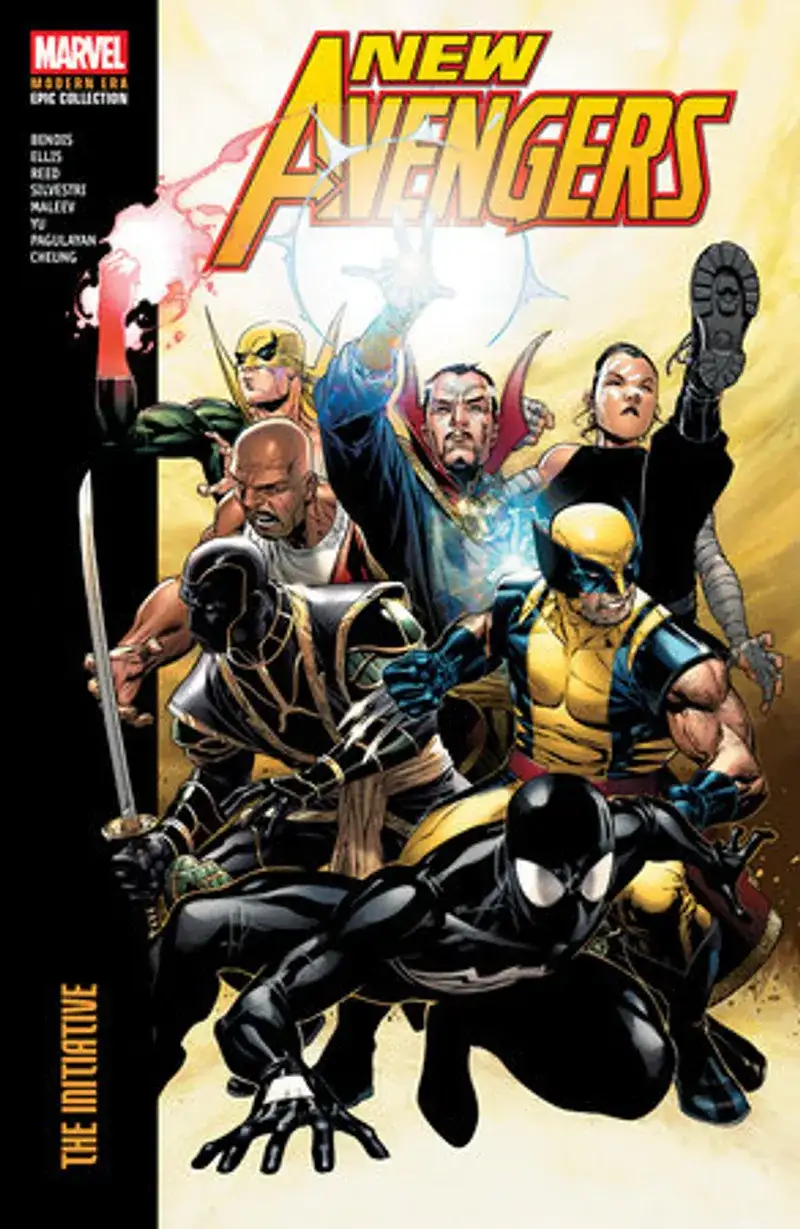
New Avengers Modern Era Epic Collection: The Initiative Author: Alex MaleevPage Count: UnknownPublication Date: 2025-PRH The New Avengers Modern Era Epic Collection: The Initiative is a gripping and intense installment in the Avengers saga, courtesy of the visionary author Alex Maleev. Set in the aftermath of the Civil War, this epic collection delves into the fragmented world of the Avengers, where the team is split in two and on opposite sides of the law. The Mighty Avengers, led by Iron Man, serve as the vanguard of the Initiative, a government-backed program aimed at regulating and controlling the actions of superheroes. On the other hand, a group of underground Avengers, comprising Luke Cage, Spider-Man, Wolverine, Spider-Woman, Doctor Strange, and Iron Fist, must navigate their new lives as outlaws, constantly evading capture and persecution. One of the standout aspects of this collection is its thought-provoking exploration of the themes of power, responsibility, and morality. The author masterfully weaves together a complex narrative that challenges the reader to question the true meaning of heroism and the consequences of playing by the rules. The character development is equally impressive, with each member of the rebel team bringing their unique personality and skills to the table. The dynamic between the characters is authentic and engaging, making it easy to become invested in their struggles and triumphs. The author's style is unmistakable, with a strong focus on character-driven storytelling and intricate plotlines. The pacing is well-balanced, with a mix of action-packed sequences and more introspective moments that add depth to the narrative. The inclusion of the Illuminati, a shadowy group that has shaped the history of the Marvel Universe, adds an extra layer of complexity to the story, raising questions about the nature of power and the responsibility that comes with it. The artwork, courtesy of Alex Maleev, is stunning, with bold lines and vibrant colors that bring the characters and their world to life. The panels are carefully crafted, with a focus on conveying the emotional intensity of each scene. The visual storytelling is seamless, making it easy to follow the action and become immersed in the world of the Avengers. Overall, the New Avengers Modern Era Epic Collection: The Initiative is a must-read for fans of the Avengers and the Marvel Universe. With its gripping storyline, well-developed characters, and stunning artwork, this collection is sure to captivate readers and leave them eager for more. The themes of power, responsibility, and morality are timely and thought-provoking, making this collection a great addition to any comic book library. The New Avengers Modern Era Epic Collection: The Initiative is a testament to the author's skill and craftsmanship, and a reminder of why the Avengers remain one of the most beloved and enduring franchises in the world of comics. With its richly detailed world-building and complex characters, this collection is sure to appeal to both longtime fans and new readers alike. #AvengersAssemble #MarvelComics #NewAvengers #TheInitiative #ComicBookReview #SuperheroFiction Related InsightsCity of Heavenly Fire Book Review and Summary To Die For Book Review and Summary The Fine Print Book Review and Summary{ "@context": "https://schema.org", "@type": "FAQPage", "mainEntity": [ { "@type": "Question", "name": "What is the main focus of New Avengers Modern Era Epic Collection: The Initiative Book Review and Summary?", "acceptedAnswer": { "@type": "Answer", "text": "Everything you need to know about New Avengers Modern Era Epic Collection: The Initiative with our detailed review." } }, { "@type": "Question", "name": "Who authored the comprehensive guide on New Avengers Modern Era Epic Collection: The Initiative Book Review and Summary?", "acceptedAnswer": { "@type": "Answer", "text": "This detailed article and its insights were carefully researched and authored by Carmen Martinez." } }, { "@type": "Question", "name": "Where can I find more related content about Books?", "acceptedAnswer": { "@type": "Answer", "text": "You can explore more articles, detailed reviews, and similar insights by browsing the Related Insights section at the bottom of this article or visiting our dedicated Books category page." } } ] }
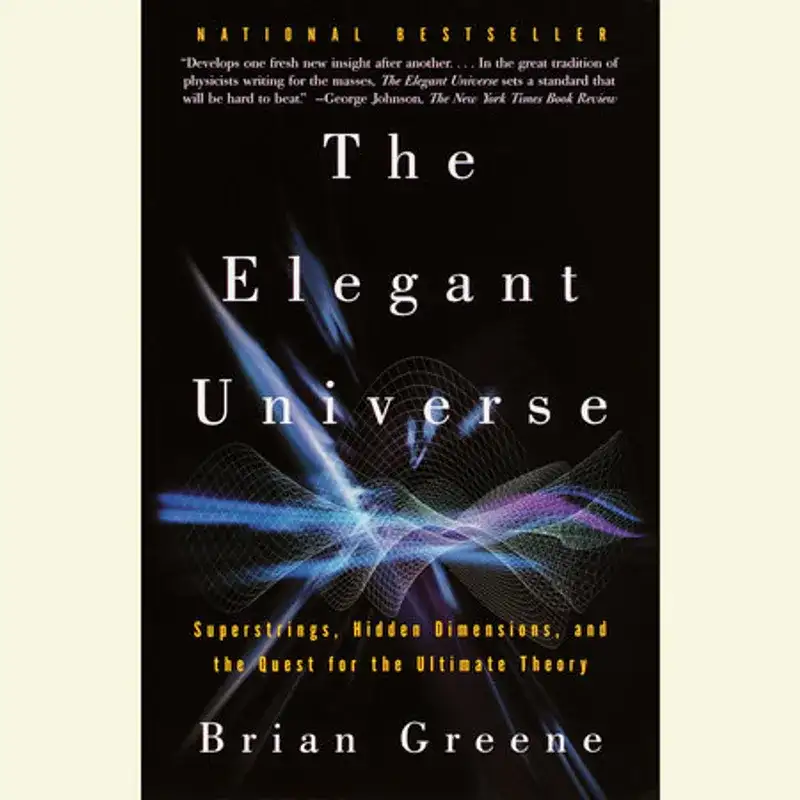

The Elegant Universe Author: Brian GreenePage Count: UnknownPublication Date: 2008-PRH Brian Greene’s The Elegant Universe is a masterclass in making the incomprehensible feel not just accessible, but exhilarating. This isn’t just a book about string theory—it’s a guided tour through the mind-bending landscape of modern physics, where the laws of the universe are rewritten in real time, and the very fabric of reality is up for grabs. Greene, a physicist and gifted storyteller, doesn’t just explain complex theories; he invites readers to experience them, weaving together the raw beauty of scientific discovery with the clarity of a seasoned communicator. At its core, The Elegant Universe is about the quest for a single, unifying theory that could explain all the forces and particles in the cosmos—a "Theory of Everything." For decades, physicists have been stymied by a fundamental conflict: Einstein’s general relativity, which governs the grand scales of planets and galaxies, and quantum mechanics, which rules the subatomic world. These two pillars of physics don’t play well together, like two tectonic plates grinding against each other. String theory, Greene’s chosen hero in this narrative, proposes a radical solution: the universe isn’t built from point-like particles but from tiny, vibrating strings whose harmonics give rise to all matter and forces. These strings exist in 11 dimensions (yes, 11), where space can tear and mend like fabric, and hidden dimensions curl up like forgotten garden hoses. What makes Greene’s approach so compelling is his refusal to dumb down the science. He doesn’t shy away from equations or abstract concepts—instead, he translates them into vivid metaphors. Need to understand why extra dimensions might exist? Imagine an ant crawling on a garden hose: from a distance, the hose looks like a one-dimensional line, but up close, the ant discovers a second dimension wrapped around the tube. Greene’s analogies aren’t just clever; they’re necessary, because the universe he describes is so alien to our everyday experience that without them, we’d be lost in a fog of jargon. His writing style is another triumph. Greene balances rigor with lyricism, shifting seamlessly between technical detail and poetic wonder. He describes the "fabric of spacetime" as something that can stretch, tear, and heal, likening it to a "cosmic trampoline" that bends under the weight of massive objects. When he turns to the concept of branes (short for membranes, the higher-dimensional objects where strings might be anchored), he conjures images of parallel universes floating like sheets in a cosmic laundry, occasionally colliding in cataclysmic events that could explain the Big Bang. It’s hard not to feel a childlike awe as he unfolds these ideas, as if he’s handing you a telescope to peer into the mechanics of creation itself. The book’s structure is equally elegant. Greene begins with a patient primer on the crises in physics—the incompatibility of relativity and quantum mechanics, the stubborn mysteries of black holes, the elusive nature of gravity. He then introduces string theory as the most promising candidate for reconciliation, walking the reader through its evolution: from the first vibrating strings in the late 1960s (initially dismissed as a mathematical curiosity) to the dazzling M-theory of the 1990s, which unified five different string theories under a single framework. Along the way, he tackles objections head-on, acknowledging the theory’s critics and the lack of experimental evidence—yet he does so without undermining his own enthusiasm. This isn’t blind advocacy; it’s a scientist’s love letter to an idea that might be true, written with the hope that future breakthroughs will vindicate it. Greene’s tone is one of infectious curiosity. He compares his work to that of a detective piecing together clues, or an explorer charting unknown territory. When he writes, "The universe is not only stranger than we imagine, it is stranger than we can imagine," he’s not just quoting J.B.S. Haldane—he’s echoing his own awe. This isn’t dry exposition; it’s a conversation with a brilliant mind who’s just as thrilled by the journey as he is by the destination. Of course, The Elegant Universe isn’t without its challenges. The deeper Greene delves into string theory’s mathematical intricacies—supersymmetry, Calabi-Yau manifolds, the holographic principle—the more the reader may feel like they’re swimming against a current. But even here, Greene’s clarity shines. He breaks down concepts into digestible chunks, often revisiting them with fresh examples until they click. The book rewards patience, not just with knowledge, but with a transformed perspective. By the end, the idea of 11 dimensions doesn’t feel like science fiction; it feels like an inevitable conclusion, a hidden layer of reality waiting to be uncovered. What lingers most after reading The Elegant Universe isn’t just the theory itself, but the sense of wonder Greene instills. In a world where science is often reduced to headlines about black holes or multiverses, Greene reminds us that physics is more than data points—it’s a grand narrative of human ingenuity, a story of how we’ve peered into the abyss and found not chaos, but a hidden order. His book is a testament to the power of ideas, and a call to keep asking questions, even when the answers seem beyond reach. If you’ve ever looked up at the night sky and wondered what holds it all together, this book is your guide. If you’ve ever felt the thrill of a puzzle coming together, Greene will make you feel that thrill anew. And if you’ve ever doubted whether the universe could be beautiful—well, by the final page, you’ll be convinced it is. #StringTheory #PhysicsForEveryone #BrianGreene #TheElegantUniverse #ScienceWriting #Multiverse Related InsightsFangirl Book Review and Summary Beneath Waves and Shadows: The Sinking of the Steamship Valencia Book Review and Summary By the Light of the Stars Book Review and Summary{ "@context": "https://schema.org", "@type": "FAQPage", "mainEntity": [ { "@type": "Question", "name": "What is the main focus of The Elegant Universe Book Review and Summary?", "acceptedAnswer": { "@type": "Answer", "text": "Everything you need to know about The Elegant Universe with our detailed review." } }, { "@type": "Question", "name": "Who authored the comprehensive guide on The Elegant Universe Book Review and Summary?", "acceptedAnswer": { "@type": "Answer", "text": "This detailed article and its insights were carefully researched and authored by Antoine Leroy." } }, { "@type": "Question", "name": "Where can I find more related content about Books?", "acceptedAnswer": { "@type": "Answer", "text": "You can explore more articles, detailed reviews, and similar insights by browsing the Related Insights section at the bottom of this article or visiting our dedicated Books category page." } } ] }
-
 Irina Ivanova
 - 01 May, 2026 02:59
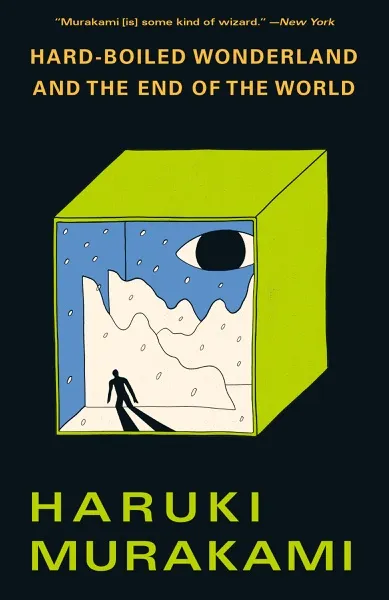
End of the World and Hard-Boiled Wonderland Book Review and Summary
End of the World and Hard-Boiled Wonderland Author: 村上春樹Page Count: UnknownPublication Year: 2024-GB Haruki Murakami's latest masterpiece, End of the World and Hard-Boiled Wonderland, is a mesmerizing and thought-provoking novel that delves into the very fabric of human existence. As a highly acclaimed global bestseller, this book is a testament to Murakami's unique ability to craft stories that are both universally relatable and deeply personal. At its core, End of the World and Hard-Boiled Wonderland is a exploration of the human condition, a journey that takes readers to the very edges of reality and back again. Through a complex web of narratives, Murakami masterfully weaves together themes of identity, morality, and the search for meaning in a seemingly meaningless world. With his signature blend of magical realism, surrealism, and psychological insight, Murakami creates a world that is both fantastical and disturbingly familiar. One of the most striking aspects of Murakami's writing style is his ability to balance the rational and the irrational, the realistic and the surreal. His characters are often adrift in a world that is both recognizable and strange, searching for answers to questions they may not even know how to ask. This sense of disorientation and disconnection is a hallmark of Murakami's work, and it is on full display in End of the World and Hard-Boiled Wonderland. Throughout the book, Murakami's prose is characterized by its lyricism, simplicity, and directness. His writing is like a slow-burning fire, building in intensity and complexity as the narrative unfolds. He has a remarkable ability to evoke the inner lives of his characters, to capture the rhythms and cadences of their thoughts and emotions. This is a book that will appeal to readers who appreciate complex, layered storytelling, and who are willing to immerse themselves in a world that is both dreamlike and unsettling. As with much of Murakami's work, End of the World and Hard-Boiled Wonderland is also a deeply philosophical book, one that grapples with fundamental questions about the nature of reality, the human condition, and the search for meaning in a chaotic world. It is a book that will challenge readers to think critically about their assumptions, to question their own perceptions of reality, and to consider the possibility that the world may be more mysterious and complex than they ever imagined. In short, End of the World and Hard-Boiled Wonderland is a masterpiece of contemporary literature, a book that will appeal to fans of Murakami's work and newcomers alike. With its unique blend of style, substance, and philosophical depth, this book is a must-read for anyone interested in exploring the human condition, and the many mysteries that lie at the heart of our existence. #HarukiMurakami #EndOfTheWorldAndHardBoiledWonderland #MagicalRealism #JapaneseLiterature #PhilosophicalFiction #Surrealism Related InsightsMiddle of the Night Book Review and Summary The Age of Innocence Book Review and Summary DC Finest: Legion of Super-Heroes: Zap Goes the Legion Book Review and Summary{ "@context": "https://schema.org", "@type": "FAQPage", "mainEntity": [ { "@type": "Question", "name": "What is the main focus of End of the World and Hard-Boiled Wonderland Book Review and Summary?", "acceptedAnswer": { "@type": "Answer", "text": "Everything you need to know about End of the World and Hard-Boiled Wonderland with our detailed review." } }, { "@type": "Question", "name": "Who authored the comprehensive guide on End of the World and Hard-Boiled Wonderland Book Review and Summary?", "acceptedAnswer": { "@type": "Answer", "text": "This detailed article and its insights were carefully researched and authored by Irina Ivanova." } }, { "@type": "Question", "name": "Where can I find more related content about Books?", "acceptedAnswer": { "@type": "Answer", "text": "You can explore more articles, detailed reviews, and similar insights by browsing the Related Insights section at the bottom of this article or visiting our dedicated Books category page." } } ] }
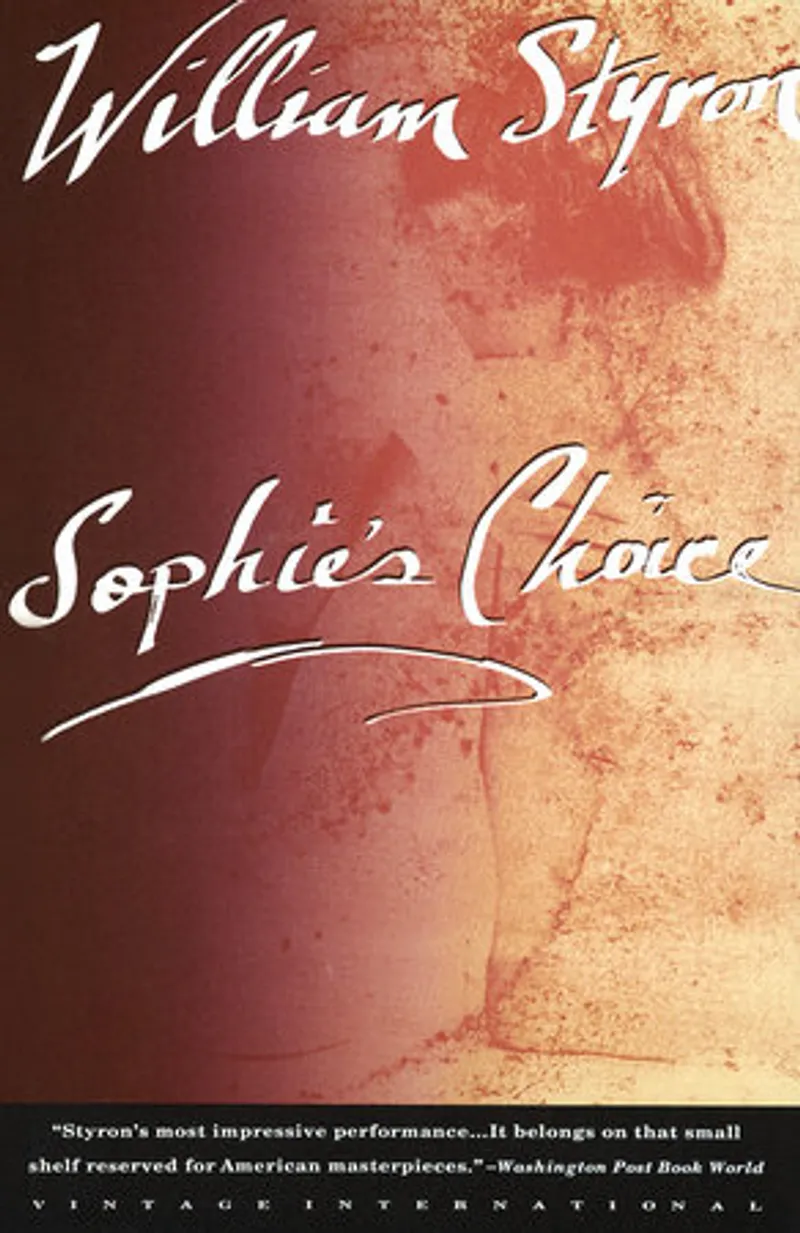
Sophie's Choice (National Book Award Winner) Author: William StyronPage Count: UnknownPublication Date: 1992-PRH Sophie's Choice, William Styron's magnum opus, is a heart-wrenching exploration of the human condition, delving into the darkest recesses of the human experience. This National Book Award-winning novel masterfully weaves together three seemingly disparate narratives, each one a poignant reflection of the destructive power of the past. At its core, Sophie's Choice is a story about the enduring legacy of trauma, and the devastating consequences of unchecked emotions. The novel's eponymous protagonist, Sophie Zawistowska, is a beautiful and enigmatic Polish woman, haunted by the memories of her past. Her tumultuous relationship with Nathan Landau, a brilliant and charismatic Jew, serves as a catalyst for the events that unfold, as they both hurtle toward destruction. Styron's prose is masterful, his writing a perfect blend of poetic lyricism and unflinching realism. He tackles the complexities of the human psyche with unapologetic candor, never shying away from the harsh realities of life. The author's use of language is deliberate and evocative, conjuring vivid images that linger long after the final page has been turned. One of the most striking aspects of Sophie's Choice is its exploration of the Holocaust, a topic that Styron approaches with sensitivity and respect. Sophie's experiences in Auschwitz are a stark reminder of the atrocities that humanity is capable of inflicting upon itself, and the long-lasting impact that such events can have on individuals and communities. Through Sophie's narrative, Styron sheds light on the often-overlooked experiences of non-Jewish victims of the Holocaust, highlighting the complexities of Polish-Jewish relations during World War II. This nuanced portrayal adds depth and complexity to the novel, underscoring the need for empathy and understanding in the face of unimaginable horror. Styron's characters are multidimensional and richly drawn, each one imbued with a sense of authenticity that makes them feel disturbingly real. Nathan, with his mercurial temper and intellectual arrogance, is a fascinating study in contrasts, while Sophie's quiet strength and resilience make her a compelling and deeply human protagonist. The novel's structure, which jumps seamlessly between different narratives and time periods, adds to the sense of complexity and depth. Styron's use of non-linear storytelling creates a sense of tension and suspense, as the reader is slowly drawn into the world of the characters. In the end, Sophie's Choice is a novel about the destructive power of the past, and the enduring legacy of trauma. It is a testament to the human spirit, with all its flaws and weaknesses, and a powerful reminder of the need for empathy and understanding in the face of unimaginable horror. #SophiesChoice #WilliamStyron #NationalBookAward #TheHolocaust #TraumaAndRecovery #LiteraryFiction Related InsightsDark Hours Book Review and Summary Empire (Heir Duology, #2) Book Review and Summary After Midnight Book Review and Summary{ "@context": "https://schema.org", "@type": "FAQPage", "mainEntity": [ { "@type": "Question", "name": "What is the main focus of Sophie’s Choice Book Review and Summary?", "acceptedAnswer": { "@type": "Answer", "text": "Everything you need to know about Sophie’s Choice with our detailed review." } }, { "@type": "Question", "name": "Who authored the comprehensive guide on Sophie’s Choice Book Review and Summary?", "acceptedAnswer": { "@type": "Answer", "text": "This detailed article and its insights were carefully researched and authored by William Styron." } }, { "@type": "Question", "name": "Where can I find more related content about Books?", "acceptedAnswer": { "@type": "Answer", "text": "You can explore more articles, detailed reviews, and similar insights by browsing the Related Insights section at the bottom of this article or visiting our dedicated Books category page." } } ] }
-
 Emma Thompson
 - 30 Apr, 2026 13:31
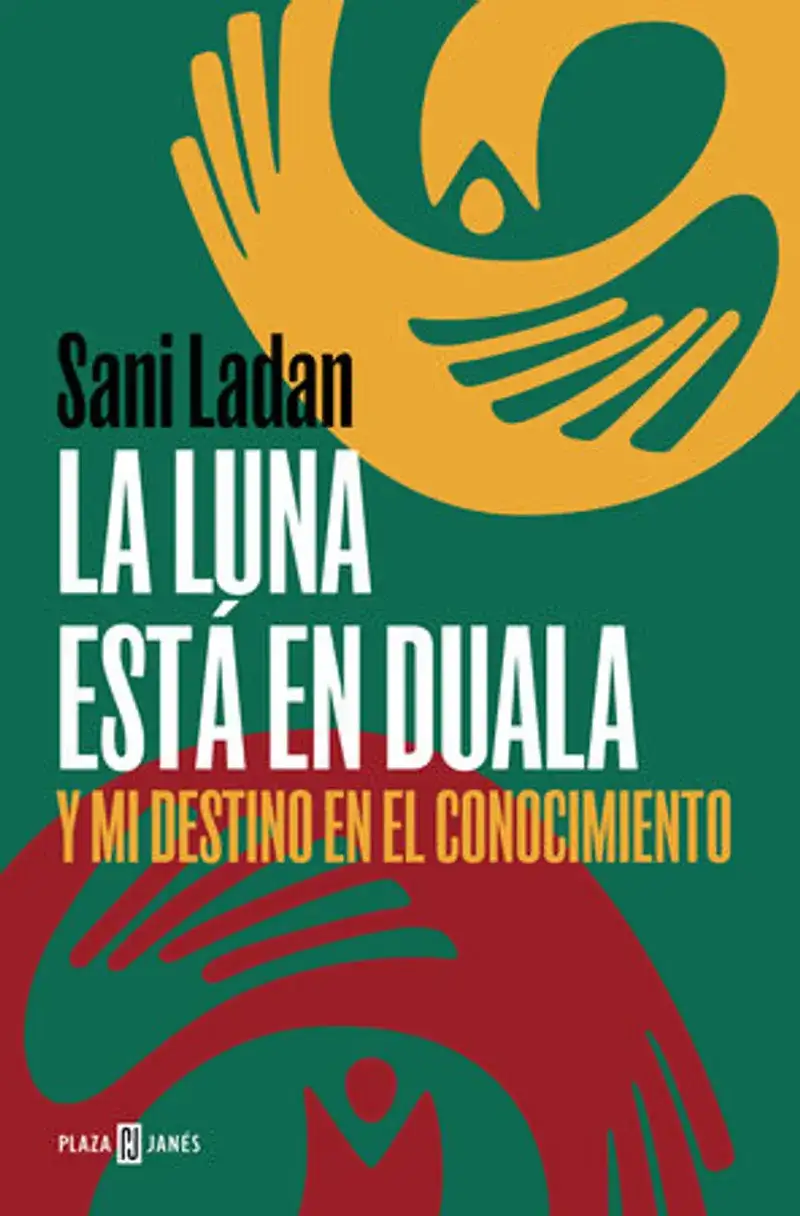
La luna está en Duala: Y mi destino en el conocimiento / The Moon Is in Duala: And My Destiny, in Knowledge Book Review and Summary
La luna está en Duala: Y mi destino en el conocimiento / The Moon Is in Duala: And My Destiny, in Knowledge Author: Sani LadanPage Count: UnknownPublication Date: 2023-PRH In "The Moon Is in Duala: And My Destiny, in Knowledge," Sani Ladan crafts a poignant and thought-provoking narrative that delves into the harsh realities of a world where access to education is a luxury not everyone can afford. The author's autobiographical account is a powerful exploration of the human spirit, as it navigates the complexities of a society that stifles individual growth and potential. Through the eyes of a fifteen-year-old protagonist, Ladan masterfully weaves a tale of resilience and determination, as the young boy embarks on a perilous journey to escape the constraints of his circumstances. With a mind that is both "cold and alert" and a heart that is still innocent and full of wonder, the protagonist's voice is a compelling blend of naivety and wisdom beyond his years. As the story unfolds, Ladan's vivid descriptions of the protagonist's experiences paint a stark picture of a world where injustice and violence are rampant. The author's unflinching portrayal of the harsh realities of life on the road is a testament to the brutal conditions that many young people face when forced to flee their homes in search of a better future. One of the most striking aspects of Ladan's writing style is his ability to balance the brutal honesty of his narrative with a deep sense of empathy and compassion. The author's use of language is both poetic and unflinching, creating a sense of intimacy and immediacy that draws the reader into the world of the story. Throughout the book, Ladan raises important questions about the nature of identity, community, and the human condition. The protagonist's journey is a powerful metaphor for the search for knowledge and understanding that defines us all, and the author's exploration of the tensions between tradition and modernity is both nuanced and thought-provoking. Ultimately, "The Moon Is in Duala" is a testament to the transformative power of education and the human spirit. Ladan's story is a powerful reminder that even in the darkest of times, there is always hope for a better future, and that the pursuit of knowledge and understanding is a fundamental human right that should be available to all. This is a book that will resonate with readers who are looking for a story that is both deeply personal and universally relatable. Ladan's writing is a testament to the power of storytelling to inspire, to educate, and to challenge our assumptions about the world and our place in it. #TheMoonIsInDuala #SaniLadan #EducationIsKey #HumanRights #ComingOfAge #SocialJustice Related InsightsSolo and Together: Charles and Anne Morrow Lindbergh, an Enigmatic Life and Marriage Book Review and Summary The Crucible Book Review and Summary Winterveil Book Review and Summary{ "@context": "https://schema.org", "@type": "FAQPage", "mainEntity": [ { "@type": "Question", "name": "What is the main focus of La luna está en Duala: Y mi destino en el conocimiento / The Moon Is in Duala: And My Destiny, in Knowledge Book Review and Summary?", "acceptedAnswer": { "@type": "Answer", "text": "Everything you need to know about La luna está en Duala: Y mi destino en el conocimiento / The Moon Is in Duala: And My Destiny, in Knowledge with our detailed review." } }, { "@type": "Question", "name": "Who authored the comprehensive guide on La luna está en Duala: Y mi destino en el conocimiento / The Moon Is in Duala: And My Destiny, in Knowledge Book Review and Summary?", "acceptedAnswer": { "@type": "Answer", "text": "This detailed article and its insights were carefully researched and authored by Emma Thompson." } }, { "@type": "Question", "name": "Where can I find more related content about Books?", "acceptedAnswer": { "@type": "Answer", "text": "You can explore more articles, detailed reviews, and similar insights by browsing the Related Insights section at the bottom of this article or visiting our dedicated Books category page." } } ] }
Crash Course Guides: Biology Author: Joan Marie GalatPage Count: UnknownPublication Date: 2027-PRH As a seasoned book reviewer, I am thrilled to dive into the world of biology with Joan Marie Galat's latest offering, "Crash Course Guides: Biology". Although the page count remains a mystery, I can confidently say that this book promises to be an engaging and comprehensive guide to the fascinating realm of biology. Galat's writing style is instantly captivating, weaving a narrative that effortlessly balances scientific rigor with accessibility. Her passion for the subject matter shines through on every page, making even the most complex concepts seem approachable and exciting. Whether you're a seasoned biologist or a curious newcomer, Galat's enthusiasm is contagious, and you'll find yourself drawn into the intricate web of life that biology seeks to understand. One of the standout features of "Crash Course Guides: Biology" is its ability to distill the essence of biology into clear, concise language. Galat masterfully navigates the vast expanse of biological knowledge, expertly selecting the most critical concepts and presenting them in a logical, easy-to-follow manner. Her use of analogies and metaphors adds a touch of creativity to the narrative, making abstract ideas tangible and memorable. Galat's approach to biology is holistic, recognizing the interconnectedness of living systems and the intricate relationships between organisms and their environments. She deftly explores the fundamental principles of biology, from the molecular machinery of cells to the majestic sweep of ecosystems. Along the way, she highlights the latest discoveries and advances in the field, demonstrating the dynamic, ever-evolving nature of biological science. Throughout the book, Galat's commitment to accuracy and clarity is evident. Her explanations are meticulously researched, and she avoids the pitfalls of oversimplification or jargon-heavy prose. Instead, she offers a nuanced, thoughtful exploration of biological concepts, acknowledging the complexity and beauty of the natural world. If I were to offer any criticism, it would be that the book's scope is so broad that some topics may receive less attention than others. However, this is a minor quibble, and Galat's masterful organization ensures that even the most cursory discussions remain informative and engaging. In conclusion, "Crash Course Guides: Biology" is a triumph, offering an engaging, comprehensive, and inspiring introduction to the world of biology. Galat's writing is infectious, her passion for the subject matter palpable, and her expertise undeniable. Whether you're a student, a teacher, or simply a curious reader, this book is an invaluable resource, sure to delight and inform in equal measure. #BiologyForAll #CrashCourseGuides #BiologyMadeEasy #ScienceForEveryone #JoanMarieGalat #BiologyBooks Related InsightsScream City: A Novel Book Review and Summary Galleria Book Review and Summary All We Can Save Book Review and Summary{ "@context": "https://schema.org", "@type": "FAQPage", "mainEntity": [ { "@type": "Question", "name": "What is the main focus of Crash Book Review and Summary?", "acceptedAnswer": { "@type": "Answer", "text": "Everything you need to know about Crash with our detailed review." } }, { "@type": "Question", "name": "Who authored the comprehensive guide on Crash Book Review and Summary?", "acceptedAnswer": { "@type": "Answer", "text": "This detailed article and its insights were carefully researched and authored by J.G. Ballard." } }, { "@type": "Question", "name": "Where can I find more related content about Books?", "acceptedAnswer": { "@type": "Answer", "text": "You can explore more articles, detailed reviews, and similar insights by browsing the Related Insights section at the bottom of this article or visiting our dedicated Books category page." } } ] }

A Little Life Box Set (Four Volumes) Author: Hanya YanagiharaPage Count: UnknownPublication Date: 2025-PRH Hanya Yanagihara’s A Little Life is not a book you read—it’s a book you endure. A four-volume box set that unfolds like a slow, deliberate hemorrhage, it is a work of such emotional ferocity that it leaves the reader gasping, hollowed out, and forever altered. Published in 2025 (though its themes feel timeless), this sprawling epic is less a novel than a psychological dissection of love, trauma, and the fragile architecture of human connection. Yanagihara does not write to comfort; she writes to expose, to wound, to force her audience to confront the unbearable weight of existence alongside her characters. At its core, A Little Life is a story about four friends—Jude, Willem, Malcolm, and JB—whose lives intertwine in New York City over decades. But the novel is not about them equally. It is about Jude St. Francis, a man whose past is a labyrinth of unspeakable horrors, whose body bears the scars of a childhood spent in the clutches of monsters, and whose mind is a battleground between self-loathing and the desperate need to be loved. Yanagihara’s genius lies in her refusal to soften Jude’s suffering. She does not flinch. She does not look away. Instead, she drags the reader into the muck of his pain, forcing us to witness his physical and emotional agony with the same relentless precision with which he experiences it. Yanagihara’s prose is a paradox: it is both lush and austere, extravagant in its detail yet stripped of sentimentality. She writes with the precision of a surgeon, slicing open her characters’ lives with clinical detachment, only to drench the pages in raw, unfiltered emotion. The novel’s structure mirrors its themes—it is episodic, meandering, sometimes maddeningly slow, but always purposeful. Yanagihara does not rush. She lets time pass, lets wounds fester, lets love curdle into something complicated and messy. The result is a narrative that feels less like fiction and more like a life observed in real time, with all its mundanity and its catastrophes. What makes A Little Life so devastating is not just its subject matter but its unflinching honesty about the nature of resilience. Jude is not a hero. He is not a survivor in the traditional sense. He is a man who has been broken so completely that his very existence is a testament to the indomitable, if fragile, will to endure. His relationships—with Willem, his closest friend and eventual lover; with Harold, his surrogate father; with his students—are not just sources of solace but also battlegrounds where love and pain are indistinguishable. Yanagihara forces us to ask: How much suffering can one person absorb before they become unrecognizable to themselves? And how much love can they accept before they believe they deserve it? The novel’s power lies in its refusal to offer easy answers. There are no neat resolutions, no catharsis that feels earned or deserved. Instead, Yanagihara presents life as it is: a series of small, often invisible triumphs and failures, where joy and despair are inextricably linked. The prose, while occasionally indulgent in its descriptive excess, serves a purpose—it mirrors the way trauma lingers, how the past never truly leaves us, how the body and mind remember what the heart tries to forget. Yanagihara’s style is polarizing. Some readers will find her prose overwrought, her characters too passive, her narrative too bleak. But those who surrender to its rhythm will find themselves immersed in a story that is as much about the act of living as it is about the inevitability of suffering. This is not a book for the faint of heart. It is a book for those who have ever loved someone so deeply it hurt, for those who have carried wounds they could not name, for those who have looked into the abyss and wondered if they would ever find their way back. In the end, A Little Life is a testament to the resilience of the human spirit, but it is also a reminder of its fragility. Yanagihara does not offer redemption; she offers truth. And truth, as we know, is often the hardest thing to bear. #ALittleLife #HanyaYanagihara #LiteraryFiction #EmotionalJourney #TraumaAndResilience #MustRead Related InsightsThe Vampire Lestat Book Review and Summary A reaper at the gates Book Review and Summary 1984 Book Review and Summary{ "@context": "https://schema.org", "@type": "FAQPage", "mainEntity": [ { "@type": "Question", "name": "What is the main focus of A Little Life Book Review and Summary?", "acceptedAnswer": { "@type": "Answer", "text": "Everything you need to know about A Little Life with our detailed review." } }, { "@type": "Question", "name": "Who authored the comprehensive guide on A Little Life Book Review and Summary?", "acceptedAnswer": { "@type": "Answer", "text": "This detailed article and its insights were carefully researched and authored by Hanya Yanagihara." } }, { "@type": "Question", "name": "Where can I find more related content about Books?", "acceptedAnswer": { "@type": "Answer", "text": "You can explore more articles, detailed reviews, and similar insights by browsing the Related Insights section at the bottom of this article or visiting our dedicated Books category page." } } ] }
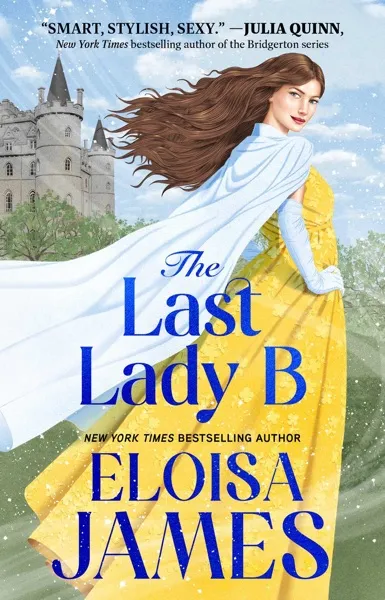
Last Lady B Author: Eloisa JamesPage Count: UnknownPublication Year: 2025-GB Eloquent, witty, and deliciously bold, Eloisa James’s Last Lady B is set to reign as the literary event of 2025. With her signature blend of Regency-era charm and modern feminist verve, James once again proves why she is the undisputed queen of historical romance. The book is not merely a novel; it is a triumphant celebration of female agency, a sly deconstruction of aristocratic expectations, and a love story that crackles with both heat and heart. At its core, Last Lady B explores the audacious transformation of Beatrice “Bea” Blackwood, a woman born into the rigid confines of the British peerage who dares to carve her own destiny. While the ton expects her to marry, bear children, and fade into genteel obscurity, Bea refuses to be anyone’s ornament. Instead, she reinvents herself as “Lady B,” a bold, outspoken advocate for women’s rights—cloaked in the guise of a scandalous society columnist. James deftly explores the tension between duty and desire, tradition and revolution, all while maintaining a razor-sharp wit that keeps the reader laughing out loud even as she challenges their perceptions. What makes James’s work so compelling is her ability to blend historical accuracy with contemporary relevance. She doesn’t just recreate the past; she interrogates it. Bea’s journey is not merely one of personal growth but a searing critique of the systems that seek to control women. Through her sharp, often humorous prose, James exposes the hypocrisies of the aristocracy—where a woman’s virtue is prized above all else, yet her intellect is dismissed as unfeminine. The novel asks a provocative question: What if the last lady standing isn’t the one who conforms, but the one who refuses to be tamed? James’s prose is as lush as it is precise. Her sentences flow like silk, wrapping the reader in the opulence of the Regency era while delivering verbal jabs that feel startlingly modern. There’s a delightful irony in her narration, a tone that reminds us of Jane Austen’s acerbic wit but with the emotional depth of Georgette Heyer and the feminist edge of Sarah Waters. The dialogue crackles with energy, whether it’s Bea’s cutting retorts to pompous lords or the tender, hesitant conversations she shares with the enigmatic but honorable Lord Westbury. James has a rare gift for making even the most mundane social interactions feel charged with meaning—and potential scandal. The romance in Last Lady B is slow-burning but deeply satisfying. Lord Westbury, a man of quiet integrity and hidden passion, serves as the perfect foil to Bea’s fiery defiance. Their dynamic is a masterclass in tension—will they trust each other before it’s too late? James avoids the pitfalls of forced declarations or contrived misunderstandings, instead crafting a relationship that feels earned. The emotional stakes are high, and the payoff is both sweet and stirring. Yet what truly elevates this novel is its unapologetic celebration of female solidarity. Bea is surrounded by a cast of vibrant, complex women—her sharp-tongued sister, her loyal maid, even the formidable Duchess of Devonshire—all of whom play pivotal roles in her journey. James doesn’t just write women who support each other; she writes women who elevate each other. In an era where female friendship is often sidelined for romantic subplots, Last Lady B puts it at the forefront, making it as vital to the story as any love affair. The novel’s pacing is impeccable, balancing high-stakes social maneuvering with tender, intimate moments. James knows when to let the reader catch their breath and when to propel them forward with a revelation or a scandalous twist. The stakes feel real, the humor never forced, and the emotional beats land with precision. In Last Lady B, Eloisa James doesn’t just give us a historical romance—she gives us a manifesto for modern womanhood disguised as a dazzling period piece. It’s a book that will make you laugh, gasp, and occasionally throw the book across the room in frustration (at the injustices Bea endures, naturally). But more than anything, it will leave you cheering for a heroine who refuses to be last in anything, least of all her own story. If Last Lady B is indeed the global bestseller it’s poised to be, it won’t just be because of James’s sterling reputation—it will be because readers, from all walks of life, recognize a kindred spirit in Bea Blackwood. She’s not just a lady; she’s a force. #LastLadyB #EloisaJames #HistoricalRomance #FeministFiction #RegencyRevolution #Bookstagram Related InsightsBridge to Bat City 6c Signed Solid Prepack Book Review and Summary The Best American Mystery Stories 2020 Book Review and Summary Off Balance (The Heights, #2) Book Review and Summary{ "@context": "https://schema.org", "@type": "FAQPage", "mainEntity": [ { "@type": "Question", "name": "What is the main focus of Last Lady B Book Review and Summary?", "acceptedAnswer": { "@type": "Answer", "text": "Everything you need to know about Last Lady B with our detailed review." } }, { "@type": "Question", "name": "Who authored the comprehensive guide on Last Lady B Book Review and Summary?", "acceptedAnswer": { "@type": "Answer", "text": "This detailed article and its insights were carefully researched and authored by Natalia Sokolova." } }, { "@type": "Question", "name": "Where can I find more related content about Books?", "acceptedAnswer": { "@type": "Answer", "text": "You can explore more articles, detailed reviews, and similar insights by browsing the Related Insights section at the bottom of this article or visiting our dedicated Books category page." } } ] }
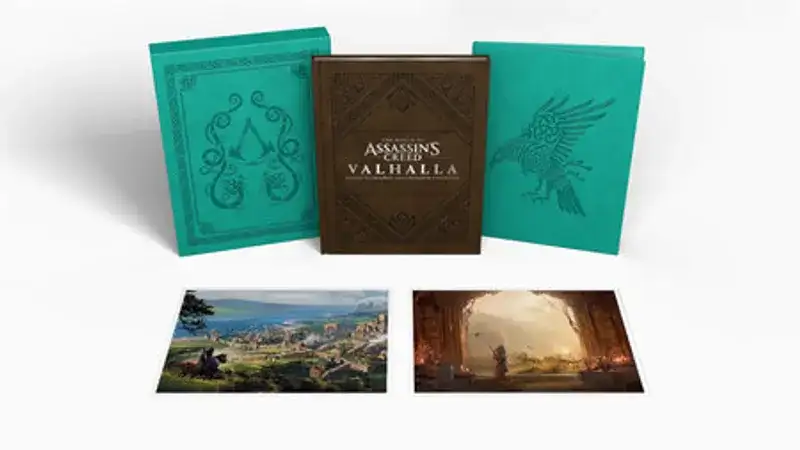
-
 Klaus Weber
 - 30 Apr, 2026 01:49
The World of Assassin's Creed Valhalla: Journey to the North--Logs and Files of a Hidden One (Deluxe Edition) Book Review and Summary
The World of Assassin's Creed Valhalla: Journey to the North--Logs and Files of a Hidden One (Deluxe Edition) Author: Rick BarbaPage Count: UnknownPublication Date: 2023-PRH Rick Barba’s The World of Assassin’s Creed Valhalla: Journey to the North—Logs and Files of a Hidden One is not just another companion book to a video game—it is a meticulously crafted portal into the frozen, blood-soaked soul of Assassin’s Creed Valhalla. This deluxe edition, co-published by Ubisoft and Dark Horse Books, transcends the boundaries of mere art book or lore compendium. It is, in essence, the personal journal of Hytham, the enigmatic Hidden One who guides Eivor through the treacherous political and mythic landscapes of ninth-century Britain. Presented as a recovered archive, the book immerses the reader in the same shadowed corridors of history and legend that the game navigates with such confidence. At its core, this volume is a celebration of Viking culture—its brutal pragmatism, its deep-rooted reverence for fate and familial bonds, and its mythic imagination. Barba doesn’t just describe the world of Valhalla; he reconstructs it from the ground up. The text is structured as Hytham’s observations, blending historical research with Assassin lore, as if the Hidden One himself has transcribed fragments of Viking sagas, Anglo-Saxon chronicles, and whispers from the supernatural realms. This narrative framing is both clever and immersive, lending an air of authenticity to the fantasy. It’s as though the reader has stumbled upon a secret manuscript hidden beneath the floorboards of a London tavern or tucked away in the frostbitten archives of Ravensthorpe. Barba’s writing style is sharp, unadorned, and purposeful—much like the Viking warriors he describes. He avoids excessive romanticism, opting instead for a tone that respects the duality of Viking life: the poetry of the skalds balanced against the stench of blood in the longhouse. There is a scholarly precision here, but it never feels academic. Instead, it reads like the field notes of a Hidden One, someone who must know both the blade and the word to survive. The prose is clean and direct, allowing the rich visuals to speak for themselves. When Barba does indulge in description, it is vivid and tactile—whether describing the weight of a seax in hand or the mist curling over the Thames at dawn. The visual presentation is nothing short of spectacular. Full-color illustrations dominate every page, from detailed character portraits to sweeping landscapes of snowy fjords and mist-laden forests. The deluxe edition elevates this experience further with a protective slipcase and an exclusive cover, making it not only a book to read but a collector’s artifact to cherish. The two gallery-quality prints included in the folio are museum-worthy—feast your eyes on Eivor mid-battle or Hytham’s piercing gaze, and you’ll understand the care that went into every brushstroke. One of the book’s most compelling themes is the tension between myth and history. Valhalla is, after all, a game that places players in a world where gods walk among mortals and where reality bends to the whims of ancient magic. Barba leans into this duality, presenting Viking lore—not as mere superstition, but as living belief. The reader encounters Odin’s whispers, sees the influence of the Wolf and Raven clans, and witnesses the creeping dread of the Order of the Ancients, who lurk like shadows in the halls of power. This isn’t just world-building; it’s world-believing. Barba ensures that the supernatural elements feel as real as the historical ones, and that’s a rare achievement in any media. The book also shines in its portrayal of Eivor’s journey. From the rocky shores of Norway to the mist-laced hills of Ireland, each region is rendered with geographic and cultural fidelity. Barba doesn’t gloss over the brutality of the age—raids, betrayals, and political intrigue are all laid bare—but he also captures the warmth of community, the strength of kinship, and the quiet dignity of a people who carved their names into the earth with both sword and story. This duality is what makes Valhalla resonate, and Barba ensures the book reflects it. If there is a criticism to be made, it’s that the book assumes a certain familiarity with the game. While it’s possible to enjoy it as a standalone work, those who haven’t played Valhalla might find the references to characters and events a bit opaque. However, this is a minor quibble. The strength of the writing and art compensates for any assumed knowledge, and a quick glance at the index or a playthrough of the game’s opening sequences would bridge any gaps. Ultimately, The World of Assassin’s Creed Valhalla is a triumph of transmedia storytelling. Barba doesn’t just document a game—he deepens the player’s connection to its world. By adopting Hytham’s voice, he transforms a static companion book into a living artifact, one that feels as if it was pulled from the cold earth of England itself. This is not a book for casual fans. It’s for those who have stood beside Eivor in the rain, who have felt the weight of a hidden blade in their palm, and who now hunger for more. If you’re a collector, a historian, a gamer, or simply someone who loves great storytelling, this deluxe edition is a must-have. It’s more than a book. It’s a relic from a hidden world. #AssassinsCreedValhalla #RickBarba #VikingHistory #GamingLore #HiddenOneArchives #DarkHorseBooks Related InsightsCoraline Book Review and Summary David Copperfield Book Review and Summary The Giver of Stars Book Review and Summary{ "@context": "https://schema.org", "@type": "FAQPage", "mainEntity": [ { "@type": "Question", "name": "What is the main focus of The World of Assassin's Creed Valhalla: Journey to the North--Logs and Files of a Hidden One (Deluxe Edition) Book Review and Summary?", "acceptedAnswer": { "@type": "Answer", "text": "Everything you need to know about The World of Assassin's Creed Valhalla: Journey to the North--Logs and Files of a Hidden One (Deluxe Edition) with our detailed review." } }, { "@type": "Question", "name": "Who authored the comprehensive guide on The World of Assassin's Creed Valhalla: Journey to the North--Logs and Files of a Hidden One (Deluxe Edition) Book Review and Summary?", "acceptedAnswer": { "@type": "Answer", "text": "This detailed article and its insights were carefully researched and authored by Klaus Weber." } }, { "@type": "Question", "name": "Where can I find more related content about Books?", "acceptedAnswer": { "@type": "Answer", "text": "You can explore more articles, detailed reviews, and similar insights by browsing the Related Insights section at the bottom of this article or visiting our dedicated Books category page." } } ] }
Enlightenment Now Author: Steven PinkerPage Count: UnknownPublication Date: 2019-PRH Steven Pinker’s Enlightenment Now is not just a book—it’s a manifesto, a data-driven plea, and a defiant counter-narrative to the doom-mongering that dominates our cultural moment. In an era where pessimism sells and headlines scream of collapse, Pinker arms readers with irrefutable evidence: the world is not falling apart. It’s getting better. And the force driving that progress isn’t luck or divine intervention—it’s the Enlightenment ideal of reason, science, and humanism. Pinker, a cognitive scientist and Harvard professor, marshals an arsenal of statistics—75 graphs, to be exact—to dismantle the illusion of decline. Life expectancy has never been higher. Global poverty is plummeting. Violence, war, and even child mortality are in steep decline. Democracy is spreading, literacy is rising, and extreme hunger is shrinking. These aren’t anecdotes or hopeful platitudes; they’re measured realities. Yet despite this progress, Pinker notes, we remain stubbornly convinced that things are worse than ever. Why? Because our brains are wired to prioritize bad news—it’s a survival mechanism. But in the modern world, that wiring is a liability. Enlightenment Now is Pinker’s corrective, a passionate argument that progress is not a fluke but the result of deliberate, rational effort. What makes the book so compelling is its blend of rigorous data and accessible prose. Pinker writes with the precision of a scientist but the urgency of a preacher. He doesn’t just present facts; he explains why we ignore them. We’re prone to "negativity bias," he argues, where a single tragedy on the news outweighs a thousand stories of improvement. Social media amplifies outrage, and political rhetoric thrives on fear. The result? A cultural narrative that clings to decline, even as the data screams otherwise. Yet Pinker is no Pollyanna. He acknowledges that progress is uneven and that new crises—climate change, inequality, AI disruption—threaten to unravel hard-won gains. But his response isn’t despair; it’s a call to double down on the Enlightenment values that have delivered these improvements. Reason, skepticism, and evidence-based policy are not just abstract ideals—they’re the tools that have saved millions from disease, tyranny, and destitution. The alternative—tribalism, authoritarianism, and magical thinking—is not just wrong; it’s dangerous. Pinker warns that the backlash against Enlightenment ideals is already underway, fueled by populists, religious dogmatists, and postmodern skeptics who dismiss objective truth. His book is a battle cry for those who believe in the power of human ingenuity to solve problems. Pinker’s style is one of his greatest strengths. He writes with the clarity of a professor who loves his subject and the wit of a debater who knows how to dismantle bad arguments. At times, the book reads like a TED Talk stretched into book form—dense with stats but never dry. He deftly handles complex topics, from the economics of inequality to the psychology of hope, making them digestible without dumbing them down. His tone is neither smug nor preachy; it’s urgent but measured, like a doctor calmly listing symptoms before prescribing a treatment. That said, Enlightenment Now isn’t without its critics. Some argue that Pinker underplays the depth of modern crises, particularly the existential threat of climate change. Others accuse him of cherry-picking data to fit his narrative. But even if you disagree with his optimism, you can’t ignore the book’s central thesis: progress is possible, but it’s not inevitable. It requires constant vigilance, skepticism, and a commitment to reason over dogma. Ultimately, Enlightenment Now is a book for the anxious age—a period when fear sells books, clicks, and votes, but rarely solutions. Pinker’s message is simple: the world is improving, but we can’t take it for granted. We must defend the institutions of liberal democracy, invest in science, and reject the siren song of pessimism. It’s a rallying cry for the 21st century, and one that arrives not a moment too soon. #HopeInData #ProgressMatters #EnlightenmentNow #ReasonOverFear #HumanismWorks #GoodNewsIsNotNews Related InsightsJust Listen Book Review and Summary Walk Two Moons Book Review and Summary It's a Prince Thing (the Princess Rules) Book Review and Summary{ "@context": "https://schema.org", "@type": "FAQPage", "mainEntity": [ { "@type": "Question", "name": "What is the main focus of Enlightenment Now Book Review and Summary?", "acceptedAnswer": { "@type": "Answer", "text": "Everything you need to know about Enlightenment Now with our detailed review." } }, { "@type": "Question", "name": "Who authored the comprehensive guide on Enlightenment Now Book Review and Summary?", "acceptedAnswer": { "@type": "Answer", "text": "This detailed article and its insights were carefully researched and authored by Klaus Weber." } }, { "@type": "Question", "name": "Where can I find more related content about Books?", "acceptedAnswer": { "@type": "Answer", "text": "You can explore more articles, detailed reviews, and similar insights by browsing the Related Insights section at the bottom of this article or visiting our dedicated Books category page." } } ] }