Showing Posts From
Books
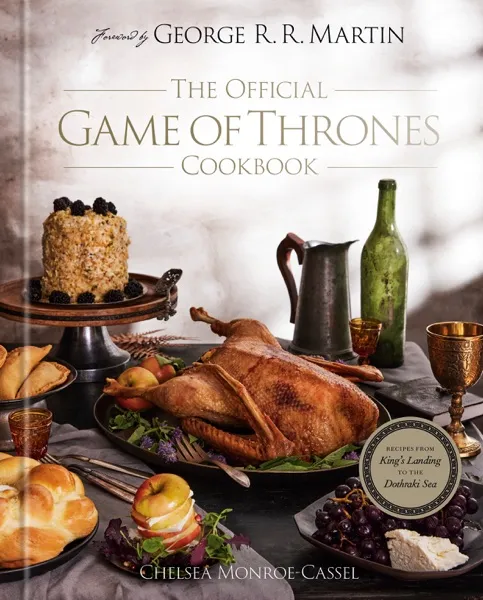

Official Game of Thrones Cookbook Author: Chelsea Monroe-CasselPage Count: UnknownPublication Year: 2024-GB The Official Game of Thrones Cookbook by Chelsea Monroe-Cassel isn’t just a cookbook—it’s a culinary journey into the heart of Westeros, where dragon fire and hearty stews are equally essential. Published in 2024, this highly anticipated follow-up to the original A Feast of Ice and Fire (and its sequel) promises to elevate medieval-inspired cuisine to mythic proportions. With the weight of a global bestseller behind it, Monroe-Cassel doesn’t just recreate dishes from George R.R. Martin’s universe; she immerses readers in the gritty, flavorful world of Westeros, where food is both a comfort and a weapon. Monroe-Cassel, the creator of the beloved Inn at the Crossroads blog, has long been the unofficial chef laureate of Game of Thrones. Her knack for blending historical authenticity with fantasy whimsy makes this cookbook more than a novelty—it’s a masterclass in world-building through food. Unlike typical tie-in cookbooks, which often feel like gimmicks, this one treats its recipes as sacred texts, respecting the lore while inviting readers to engage with it on a deeply sensory level. Whether you’re a casual fan or a devoted foodie, the book makes the Seven Kingdoms feel tangible, one bite at a time. The book’s structure mirrors the political and geographical divides of Westeros itself. Recipes are organized by region—from the icy halls of Castle Black to the sun-drenched kitchens of Dorne—each section infused with cultural context. Monroe-Cassel doesn’t just list ingredients; she weaves in anecdotes about Westerosi dining customs, from the lavish feasts of King’s Landing to the humble meals of the Free Folk. A chapter on "Winter’s Feast" might include hearty venison pasties and spiced cider, while "A Taste of the Summer Isles" offers tropical fruit tarts and coconut-spiked rum punch. The attention to detail is nothing short of obsessive, ensuring that every dish feels like it truly belongs in its fictional setting. What sets this cookbook apart is Monroe-Cassel’s ability to balance accessibility with authenticity. While some recipes might intimidate home cooks with their medieval techniques (horn spoons for serving honey? A pie crust that requires lard rendered from a boar?), the instructions are clear enough for a modern kitchen. She modernizes where necessary—substituting hard-to-find ingredients or offering time-saving tips—without betraying the spirit of the original dishes. Her style is warm and conversational, as if she’s standing right beside you in the Red Keep’s kitchen, guiding you through the process with a wink and a nod. Take, for example, the recipe for "Dany’s Targaryen Roast Lamb with Fire and Blood." Monroe-Cassel doesn’t just provide the method; she tells the story of how the dish might be prepared for a queen who commands dragons. The marinade includes pomegranate molasses and smoked paprika, evoking the sensual, spice-rich flavors of Essos, while the presentation mimics the dramatic flair of Dany’s conquests. Or consider "The Hound’s Blackwater Ale Stew," a gruesome-sounding but deeply satisfying dish that reflects the harsh, no-nonsense diet of a warrior like Sandor Clegane. The use of dark beer and smoked sausage gives it a rustic, battle-ready richness. Monroe-Cassel’s prose is as rich as the dishes she describes. She writes with the same narrative flair as Martin’s prose, making even the most mundane steps feel part of a larger epic. Her commentary isn’t just functional—it’s immersive. A simple note about using juniper berries in a stew becomes a meditation on the Wildlings’ herbal traditions. A warning about over-kneading dough turns into a metaphor for the dangers of haste in a world where patience can mean the difference between life and death. That said, the book isn’t without its challenges. Some recipes are undeniably labor-intensive, requiring multiple days of prep or hard-to-source ingredients. Others might leave vegetarians (or those who refuse to eat "direwolf kebabs") feeling sidelined. And while Monroe-Cassel’s love for her subject is infectious, purists might argue that certain dishes stray too far from historical accuracy in favor of fantasy aesthetics. Still, these are minor quibbles in a book that succeeds so wildly in its primary goal: to make you feel like you’ve stepped into Westeros. For fans of Game of Thrones, this cookbook is a love letter to the series—a way to keep the world alive even after the final credits roll. For food lovers, it’s an adventure, a challenge, and a celebration of how deeply food and storytelling intertwine. Monroe-Cassel doesn’t just feed your hunger; she feeds your imagination. #GameOfThronesCookbook #FeastOfIceAndFire #FoodOfWesteros #MedievalEats #TargaryenTastes #DragonDining Related InsightsThank You for Remembering: A Novel Book Review and Summary The Shell Seekers Book Review and Summary Tess of the D’Urbervilles Book Review and Summary{ "@context": "https://schema.org", "@type": "FAQPage", "mainEntity": [ { "@type": "Question", "name": "What is the main focus of Official Game of Thrones Cookbook Book Review and Summary?", "acceptedAnswer": { "@type": "Answer", "text": "Everything you need to know about Official Game of Thrones Cookbook with our detailed review." } }, { "@type": "Question", "name": "Who authored the comprehensive guide on Official Game of Thrones Cookbook Book Review and Summary?", "acceptedAnswer": { "@type": "Answer", "text": "This detailed article and its insights were carefully researched and authored by Diego Lopez." } }, { "@type": "Question", "name": "Where can I find more related content about Books?", "acceptedAnswer": { "@type": "Answer", "text": "You can explore more articles, detailed reviews, and similar insights by browsing the Related Insights section at the bottom of this article or visiting our dedicated Books category page." } } ] }
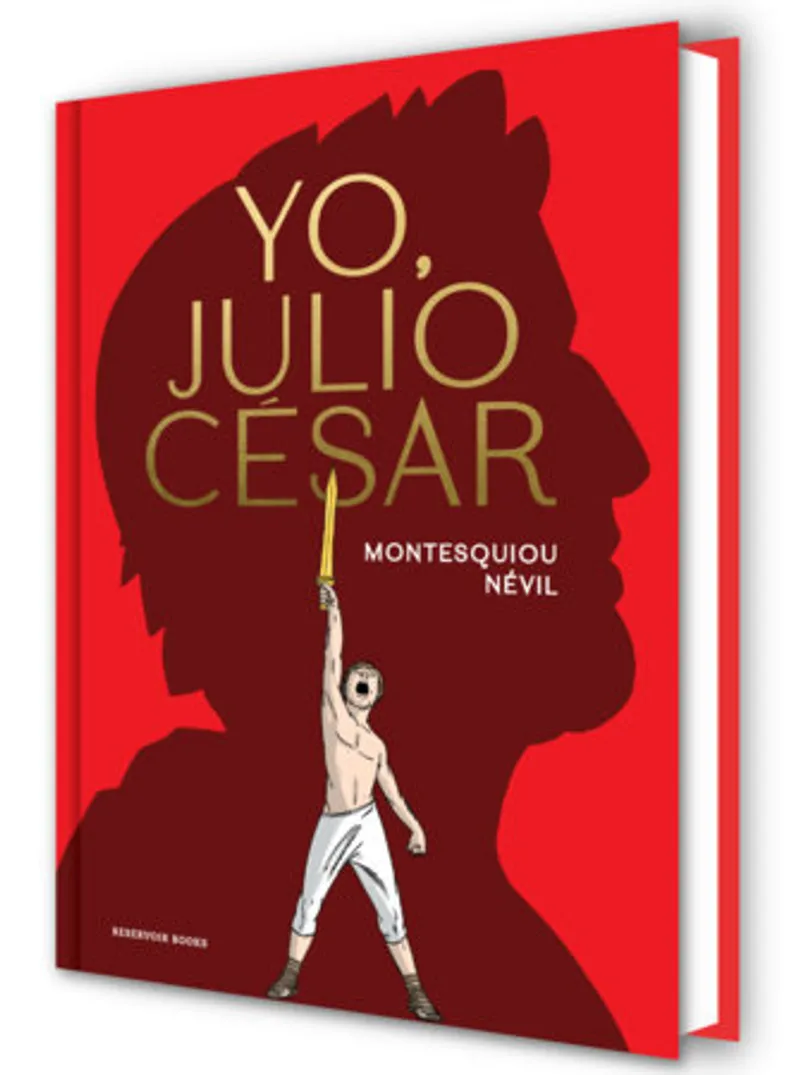
Yo, Julio César / I, Julius Caesar Author: Montesquiou NévilPage Count: UnknownPublication Date: 2026-PRH In the realm of historical fiction, few authors have dared to reimagine the life of one of history's most iconic figures, Julius Caesar. Montesquiou Névil's latest offering, "Yo, Julio César / I, Julius Caesar," is a bold and unapologetic retelling of Caesar's story, one that promises to shatter conventions and defy expectations. From the onset, it is clear that Névil's approach to Caesar's narrative is far from traditional. The title itself, a playful juxtaposition of Spanish and English, hints at the author's intention to subvert the usual tropes associated with historical fiction. This is not a dusty, dry retelling of ancient history, but rather a vibrant, pulsing exploration of the man behind the legend. Névil's prose is a marvel, effortlessly conjuring the sights, sounds, and sensations of ancient Rome. His writing is akin to a rich tapestry, woven from threads of politics, passion, and intrigue. The author's use of language is deliberate and evocative, conjuring the grandeur and majesty of Caesar's world. At its core, "Yo, Julio César / I, Julius Caesar" is a deeply human story, one that strips away the myth and legend to reveal the complexities and contradictions of its protagonist. Névil's Caesar is a multifaceted figure, driven by both ambition and vulnerability. He is a man of immense power and influence, yet also one of deep emotional scars and insecurities. One of the most striking aspects of Névil's narrative is its willingness to challenge the conventional wisdom surrounding Caesar's life. The author is unafraid to explore the gray areas, to question the motivations and actions of his protagonist. This is a Caesar who is both hero and villain, a man capable of great cruelty and great kindness. Throughout the book, Névil's style is characterized by a sense of restless energy, a feeling of perpetual motion. The narrative is constantly shifting and evolving, mirroring the turbulent world of ancient Rome. This is a book that is impossible to put down, a true page-turner that will keep readers on the edge of their seats. If there is one criticism to be made, it is that Névil's ambition sometimes gets the better of him. There are moments where the narrative feels overly complex, where the sheer scope of the story threatens to overwhelm the reader. However, these moments are few and far between, and the author's skill and craftsmanship ultimately win out. In conclusion, "Yo, Julio César / I, Julius Caesar" is a triumph, a bold and innovative retelling of one of history's most enduring stories. Névil's style is a true marvel, a unique blend of passion, politics, and intrigue. This is a book that will appeal to fans of historical fiction, ancient history, and anyone looking for a compelling and thought-provoking read. #JuliusCaesarReimagined #HistoricalFiction #AncientRome #MontesquiouNevil #IJuliusCaesar #YoJulioCesar Related InsightsThe Compleat Works of Wllm Shkspr Book Review and Summary Chasing Demons Book Review and Summary Birth of the Witch (A Coven of Three Trilogy, #1) Book Review and Summary{ "@context": "https://schema.org", "@type": "FAQPage", "mainEntity": [ { "@type": "Question", "name": "What is the main focus of Julius Caesar Book Review and Summary?", "acceptedAnswer": { "@type": "Answer", "text": "Everything you need to know about Julius Caesar with our detailed review." } }, { "@type": "Question", "name": "Who authored the comprehensive guide on Julius Caesar Book Review and Summary?", "acceptedAnswer": { "@type": "Answer", "text": "This detailed article and its insights were carefully researched and authored by William Shakespeare." } }, { "@type": "Question", "name": "Where can I find more related content about Books?", "acceptedAnswer": { "@type": "Answer", "text": "You can explore more articles, detailed reviews, and similar insights by browsing the Related Insights section at the bottom of this article or visiting our dedicated Books category page." } } ] }

-
 Irina Ivanova
 - 28 Apr, 2026 19:38
Estuche Jane Austen (Contiene: Orgullo y prejuicio / Sentido y sensibilidad) / Jane Austen Box Set (includes: Pride and Prejudice / Sense and Sensibility) Book Review and Summary
Estuche Jane Austen (Contiene: Orgullo y prejuicio / Sentido y sensibilidad) / Jane Austen Box Set (includes: Pride and Prejudice / Sense and Sensibility) Author: Jane AustenPage Count: UnknownPublication Date: 2026-PRH Jane Austen’s Estuche Jane Austen is a literary treasure trove, a boxed set that brings together two of her most celebrated novels: Orgullo y prejuicio (Pride and Prejudice) and Sentido y sensibilidad (Sense and Sensibility). Though the publication year listed—2026—might raise an eyebrow (Austen’s works were penned in the early 19th century), the enduring brilliance of her prose ensures that this collection remains timeless. Whether you’re a first-time reader or a longtime admirer, Austen’s sharp wit, keen social observation, and masterful storytelling make this box set an essential addition to any bookshelf. At the heart of Austen’s work lies a deceptively simple yet profoundly insightful exploration of human nature. Both novels dissect the complexities of love, marriage, and societal expectations in Regency England, but they do so with a wit that is as biting as it is affectionate. Pride and Prejudice follows the spirited Elizabeth Bennet as she navigates the rigid class structures of her time, clashing with the proud Mr. Darcy in a battle of wits and wills. Meanwhile, Sense and Sensibility contrasts the rational Elinor Dashwood with her impulsive sister Marianne, illustrating how emotional extremes—whether in love or in life—can lead to both folly and wisdom. What makes Austen’s writing so enduring is her ability to blend humor with social critique. She doesn’t merely tell a love story; she dissects the hypocrisies of her era with surgical precision. Her characters are not one-dimensional—they are flawed, relatable, and often hilariously flawed. Mr. Collins, with his obsequiousness and absurdity, is a comic masterpiece, while Lady Catherine de Bourgh’s imperiousness is both ridiculous and terrifying. Austen’s dialogue crackles with energy, revealing personalities in every exchange. A single line—like Elizabeth’s retort to Mr. Darcy’s first proposal—can encapsulate an entire world of pride, prejudice, and unspoken desire. Her prose is elegant yet accessible, a testament to her skill in making the intricacies of Regency society feel intimate and immediate. There’s a reason her novels have endured for centuries: they are not just historical relics but living, breathing stories about human nature. The themes she explores—class, gender, the pressure to marry well—are still relevant today, which is why adaptations of her work continue to thrive in film, television, and modern retellings. The box set format is a delightful bonus for collectors and newcomers alike. Holding both novels in one elegant package allows readers to appreciate Austen’s range—from the fiery romance of Pride and Prejudice to the more measured, introspective Sense and Sensibility. Whether you read them in sequence or dip in and out, the experience is one of pure literary pleasure. For those who haven’t yet encountered Austen’s genius, this collection is the perfect introduction. For those who already cherish her work, it’s a chance to revisit old favorites with fresh eyes. Either way, Estuche Jane Austen is more than a set of books—it’s an invitation into a world where wit, wisdom, and romance intertwine flawlessly. #JaneAusten #PrideAndPrejudice #SenseAndSensibility #ClassicLiterature #RegencyRomance #BookLovers Related InsightsWrecked Book Review and Summary Happy Place Book Review and Summary Greywaren Book Review and Summary{ "@context": "https://schema.org", "@type": "FAQPage", "mainEntity": [ { "@type": "Question", "name": "What is the main focus of Estuche Jane Austen (Contiene: Orgullo y prejuicio / Sentido y sensibilidad) / Jane Austen Box Set (includes: Pride and Prejudice / Sense and Sensibility) Book Review and Summary?", "acceptedAnswer": { "@type": "Answer", "text": "Everything you need to know about Estuche Jane Austen (Contiene: Orgullo y prejuicio / Sentido y sensibilidad) / Jane Austen Box Set (includes: Pride and Prejudice / Sense and Sensibility) with our detailed review." } }, { "@type": "Question", "name": "Who authored the comprehensive guide on Estuche Jane Austen (Contiene: Orgullo y prejuicio / Sentido y sensibilidad) / Jane Austen Box Set (includes: Pride and Prejudice / Sense and Sensibility) Book Review and Summary?", "acceptedAnswer": { "@type": "Answer", "text": "This detailed article and its insights were carefully researched and authored by Irina Ivanova." } }, { "@type": "Question", "name": "Where can I find more related content about Books?", "acceptedAnswer": { "@type": "Answer", "text": "You can explore more articles, detailed reviews, and similar insights by browsing the Related Insights section at the bottom of this article or visiting our dedicated Books category page." } } ] }
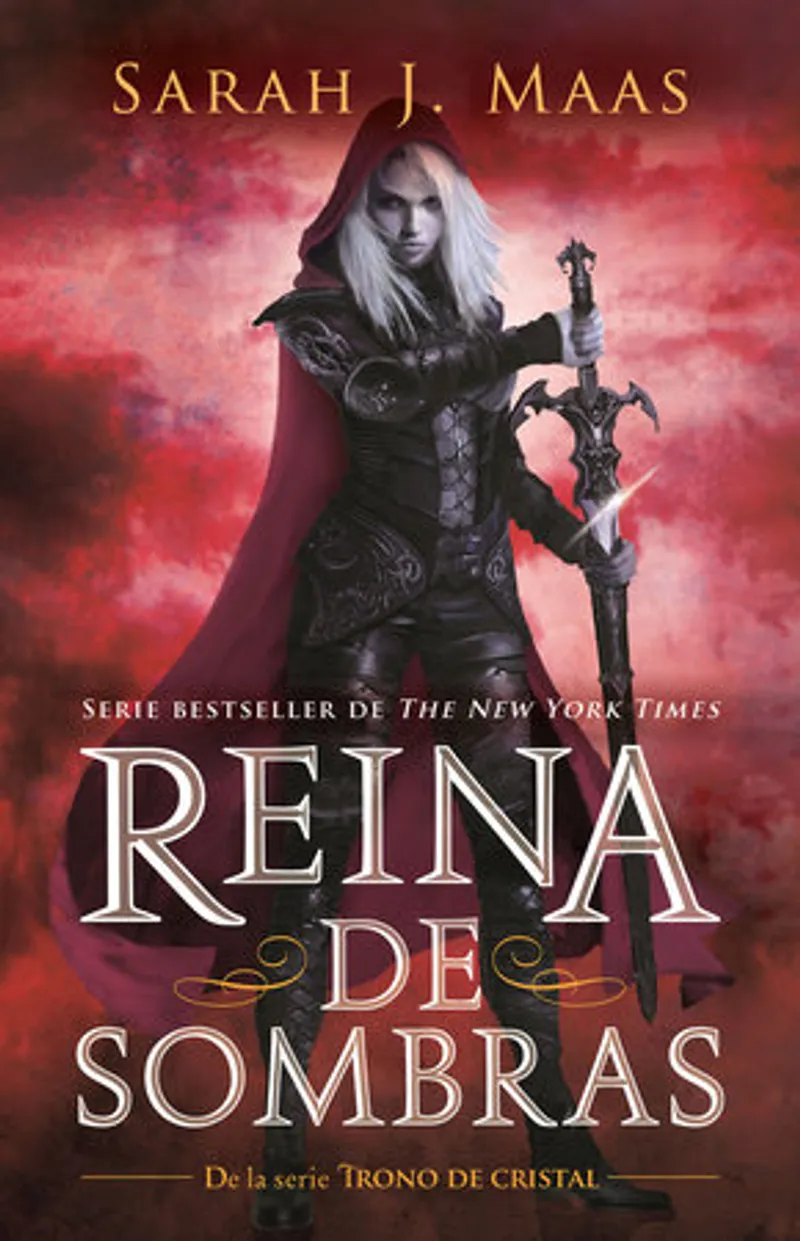
Reina de sombras / Queen of Shadows Author: Sarah J. MaasPage Count: UnknownPublication Date: 2024-PRH Reina de Sombras: A Storm of Fire and Fury in Sarah J. Maas’s Masterful Fourth Act Sarah J. Maas’s Reina de sombras (Queen of Shadows), the fourth installment in the Throne of Glass series, is not merely a continuation of Celaena Sardothien’s journey—it is a volcanic eruption of vengeance, identity, and raw, unrelenting power. Where previous books built the foundation of a sprawling fantasy empire, this volume detonates it, leaving readers breathless in the wreckage of shattered expectations and soaring triumphs. Maas, a virtuoso of emotional crescendos and high-stakes storytelling, once again proves why her work resonates with millions, blending razor-sharp prose with a narrative intensity that feels less like reading and more like being strapped into a runaway chariot hurtling toward destiny. At its core, Queen of Shadows is a story about reclaiming what was stolen—not just a throne, but a soul. Celaena, now fully embracing her true identity as Aelin Galathynius, Queen of Terrasen, returns to a world that has burned in her absence. The empire she once served as an assassin has become a gilded cage, ruled by the sadistic King Erawan, who has enslaved her people and twisted her homeland into a wasteland of despair. Her mission is clear: vengeance against those who betrayed her, rescue for those she left behind, and reclamation of a kingdom that rightfully belongs to her. But vengeance, Maas reminds us, is a double-edged sword—it carves through enemies, but it also wounds the wielder. What makes this installment so devastatingly compelling is Maas’s unparalleled ability to weave personal and political stakes into a tapestry of heartbreak and hope. Aelin’s grief is palpable; she has lost everything—her friends, her lovers, her sense of self—yet she rises from the ashes with a fire that burns hotter than any magic. Her relationship with Rowan, the brooding Fae warrior who becomes her anchor, is a masterclass in slow-burning tension. Their dynamic is electric, a push-and-pull of loyalty, desire, and mutual destruction that feels both inevitable and heart-wrenching. Meanwhile, the introduction of new allies and enemies—each with their own agendas and secrets—adds layers of complexity to a world already teetering on the edge of war. Maas’s prose is a force of nature. She balances lyrical descriptions of ancient ruins and celestial magic with brutal, visceral action sequences that leave you gripping the pages. The dialogue crackles with wit and venom, particularly in exchanges between Aelin and her enemies, where every word feels like a blade. The pacing is relentless, with twists that land like punches—some expected, others so shocking they leave you gasping. The emotional beats are equally masterful; Maas doesn’t shy away from cruelty, and the betrayals and losses hit with the weight of a sledgehammer. Yet, in the darkest moments, there is light—resilience, friendship, and the unshakable belief that even in ruin, a queen can rise. Thematically, Queen of Shadows explores the cost of power and the burden of legacy. Aelin is not just fighting for a crown; she is fighting against the shadows of her past, the ghosts of her failures, and the expectations of a people who see her as both savior and symbol. Her journey is one of reclamation—not just of a throne, but of her own agency. Maas challenges the idea of destiny, asking whether greatness is inherited or earned, and whether vengeance can ever truly heal what it destroys. The answer, as always in her work, is complicated, but the journey to find it is what makes the story unforgettable. For fans of the series, this book is a triumph—a middle finger to complacency, a declaration that the stakes have never been higher. For newcomers, it’s a masterclass in how to craft a fantasy epic that feels both intimate and epic. Queen of Shadows is not just a book; it’s an experience, one that demands your attention, your tears, and your undying loyalty. If you thought Throne of Glass was a saga of assassins and magic, buckle up. Maas has just set the bar higher, and the fallout is glorious. #QueenOfShadows #SarahJMaas #ThroneOfGlass #FantasyEpic #AelinGalathynius #BookTok Related InsightsViscount in Love Book Review and Summary American Heroes Book Review and Summary Midnight in the Garden of Good and Evil Book Review and Summary{ "@context": "https://schema.org", "@type": "FAQPage", "mainEntity": [ { "@type": "Question", "name": "What is the main focus of Queen of Shadows Book Review and Summary?", "acceptedAnswer": { "@type": "Answer", "text": "Everything you need to know about Queen of Shadows with our detailed review." } }, { "@type": "Question", "name": "Who authored the comprehensive guide on Queen of Shadows Book Review and Summary?", "acceptedAnswer": { "@type": "Answer", "text": "This detailed article and its insights were carefully researched and authored by Sarah J. Maas." } }, { "@type": "Question", "name": "Where can I find more related content about Books?", "acceptedAnswer": { "@type": "Answer", "text": "You can explore more articles, detailed reviews, and similar insights by browsing the Related Insights section at the bottom of this article or visiting our dedicated Books category page." } } ] }
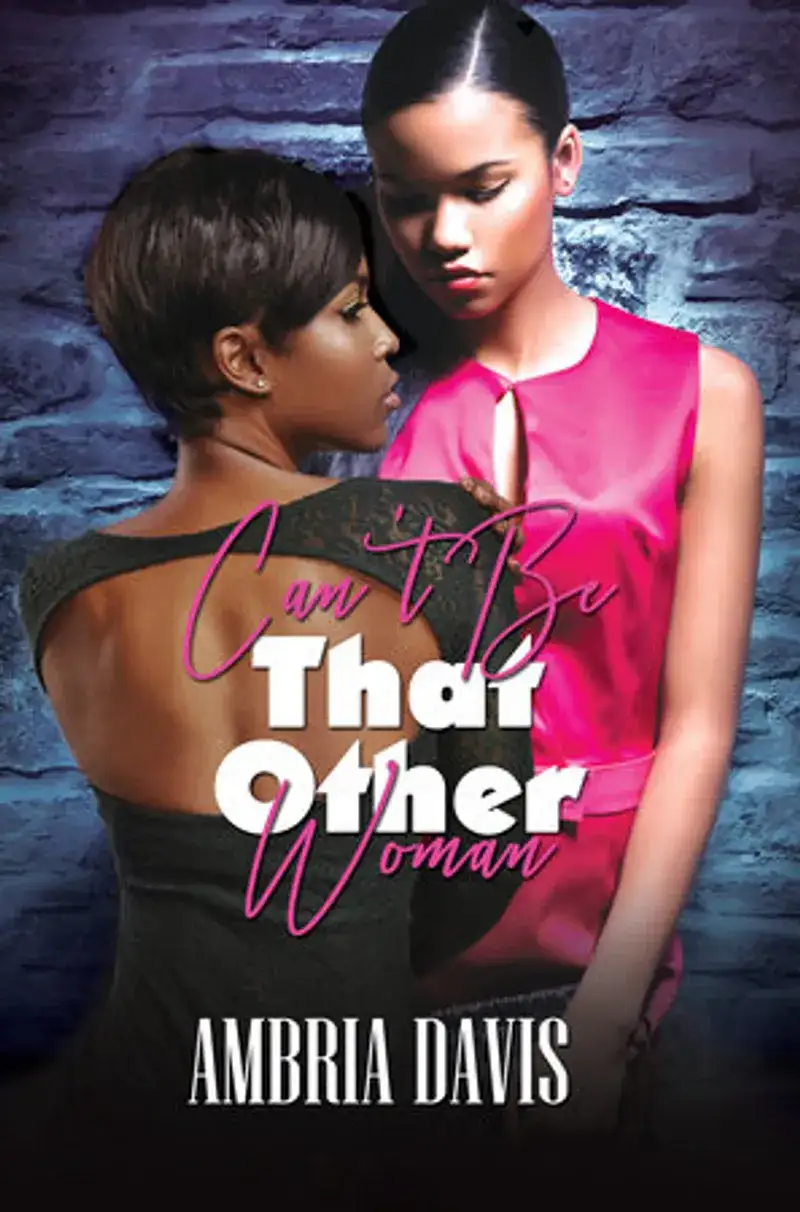

Can't Be That Other Woman Author: Ambria DavisPage Count: UnknownPublication Date: 2022-PRH Ambria Davis delivers a scorching, unapologetic exploration of love, obsession, and the raw edges of human desire in Can’t Be That Other Woman. This isn’t just another tale of forbidden romance; it’s a visceral, emotionally charged battle between duty and desire, where loyalty is tested and hearts are weaponized. With razor-sharp prose and a narrative that crackles with tension, Davis crafts a story that lingers long after the last page—leaving readers questioning: Would I be the woman who walks away, or the one who fights to the end? At its core, Can’t Be That Other Woman is a story about power—who holds it, who abuses it, and who is ultimately destroyed by it. The novel thrusts us into the lives of three unforgettable characters: Delaney, Onijae, and Bianca, each tethered to the others by love, lust, and lies. Delaney, the book’s protagonist, is a survivor in the truest sense. At seventeen, she’s already shouldered the weight of a broken family, her parents lost to addiction while she scrambles to keep her younger siblings fed and sheltered. Her resilience is magnetic, but Davis doesn’t paint her as a saint. Delaney is flawed, impulsive, and—like all of us—capable of making reckless choices when emotions run high. When she meets Onijae, a devastatingly handsome businessman with a reputation for breaking hearts, she’s not just dazzled by his charm; she’s captivated. This isn’t a fleeting infatuation—it’s a spark that threatens to consume her, and Davis ensures we feel the heat of it too. Onijae is the kind of man who exists in fiction to both intrigue and infuriate. Charismatic, wealthy, and effortlessly magnetic, he’s the kind of figure who commands attention without trying. But Davis doesn’t let him off easy. He’s not a hero; he’s a man who thrives on control, who enjoys the thrill of the chase, and who sees women as either trophies or obstacles. His relationship with Bianca—his long-term girlfriend—is a carefully constructed illusion of stability, one that Delaney shatters the moment she steps into his orbit. What makes Onijae compelling isn’t his goodness (he’s decidedly not good), but his humanity. Davis peels back his layers to reveal a man who is as much a prisoner of his own desires as anyone else. Then there’s Bianca, the book’s most chilling character. Where Onijae is all charm and Delaney is all fire, Bianca is ice and steel. She’s not just fighting to keep her man; she’s fighting for her identity. Their relationship is a prison of her own making, and Bianca’s response to Delaney’s presence isn’t desperation—it’s war. Davis writes her with such ferocity that you’ll flinch at her ruthlessness, admire her tenacity, and yet still recoil at her methods. Bianca is the kind of villain you can’t look away from, a woman who refuses to be discarded and will burn the world to ashes before she lets that happen. Davis’s writing style is electric, pulsing with urgency and raw emotion. She doesn’t waste time on flowery descriptions or unnecessary exposition; every sentence serves a purpose, whether it’s to ratchet up the tension or reveal a character’s hidden depths. The dialogue crackles with authenticity, especially in the charged exchanges between the three leads. There’s a gritty realism to the story that grounds it, making the drama feel visceral rather than melodramatic. Even the secondary characters—Delaney’s siblings, Onijae’s associates, Bianca’s allies—are sketched with just enough detail to breathe life into the world without distracting from the main conflict. The themes of Can’t Be That Other Woman are timeless but rendered fresh through Davis’s bold lens. Betrayal isn’t just a plot device here; it’s a living, breathing entity that twists and distorts every relationship. Loyalty is tested in ways that are both heartbreaking and infuriating, and the question of who gets to claim love—or even deserve it—is left hauntingly ambiguous. Davis forces readers to confront uncomfortable truths: Is love ever truly selfless? Can two women truly share a man without one of them being destroyed? And perhaps most importantly, what would you do if you found yourself in Delaney’s shoes, knowing the cost of your choices? This is a book that demands to be read in one sitting. It’s addictive, exasperating, and impossible to put down. By the end, you’ll be left breathless, questioning your own boundaries and wondering how far you’d go for the people you love—or the ones you think you love. Davis doesn’t just tell a story; she immerses you in it, making you a witness to the collision of passion and destruction. Can’t Be That Other Woman is a masterclass in modern fiction that thrives on its unflinching portrayal of love as both salvation and sin. It’s a book for anyone who’s ever loved too hard, fought too fiercely, or been broken by desire. #Can’tBeThatOtherWoman #AmbriaDavis #ForbiddenLove #LoveTriangleDrama #DarkRomance #TakeTheRisk Related InsightsClockers Book Review and Summary Death at a Highland Wedding Book Review and Summary Claimed by the Orc King (Fated and Bound, 1) Book Review and Summary{ "@context": "https://schema.org", "@type": "FAQPage", "mainEntity": [ { "@type": "Question", "name": "What is the main focus of Can't Be That Other Woman Book Review and Summary?", "acceptedAnswer": { "@type": "Answer", "text": "Everything you need to know about Can't Be That Other Woman with our detailed review." } }, { "@type": "Question", "name": "Who authored the comprehensive guide on Can't Be That Other Woman Book Review and Summary?", "acceptedAnswer": { "@type": "Answer", "text": "This detailed article and its insights were carefully researched and authored by Olivia Harris." } }, { "@type": "Question", "name": "Where can I find more related content about Books?", "acceptedAnswer": { "@type": "Answer", "text": "You can explore more articles, detailed reviews, and similar insights by browsing the Related Insights section at the bottom of this article or visiting our dedicated Books category page." } } ] }
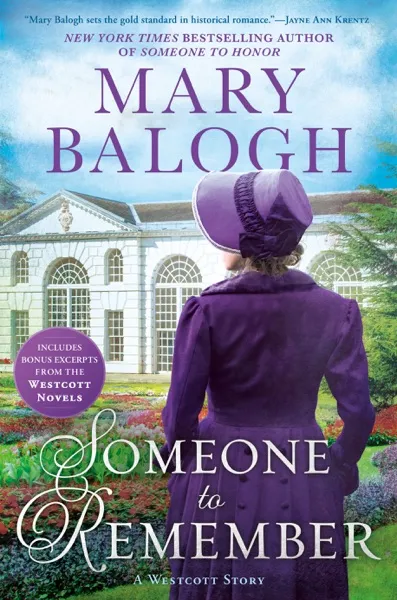
Someone to Remember Author: Mary BaloghPage Count: UnknownPublication Year: 2019-GB Mary Balogh’s Someone to Remember (2019) is a luminous testament to the enduring power of love, memory, and second chances. As a global bestseller and a staple of historical romance, Balogh once again proves why she remains a master of emotional depth, vivid characterization, and the kind of storytelling that lingers long after the final page. This novel is not merely a love story—it is an exploration of how the past shapes us, how forgiveness can heal, and how love, when given a chance, can rewrite even the most painful chapters of our lives. At its heart, Someone to Remember revolves around the theme of memory—both the memories we cling to and the ones we deliberately bury. Set in Regency-era England, the story follows a woman who has spent years concealing her true identity to avoid the stigma of a scandal that once defined her. Yet, fate—or perhaps destiny—has other plans. When she encounters a man from her past, one who once loved her despite her circumstances, she is forced to confront the ghosts she has long tried to evade. Balogh weaves a tale where love is not just a feeling but a force that demands truth, where the past is not a prison but a teacher. What makes Balogh’s writing so compelling is her ability to craft characters who feel achingly human. Her protagonists are not flawless heroes or heroines; they are flawed, resilient, and deeply introspective. The hero, a man of honor and quiet strength, carries his own burdens—regrets, losses, and the weight of promises unkept. Their romance is not built on grand gestures but on quiet moments: a shared glance, a whispered confession, the unspoken understanding that love is often found in the spaces between words. Balogh excels at creating tension not through external conflicts alone but through the internal battles her characters wage—doubt, fear, and the struggle to let go of what once was. Balogh’s prose is elegant yet accessible, rich with period details that transport the reader to a bygone era without overwhelming them with historical minutiae. She has a knack for dialogue that crackles with wit and emotional depth, where every exchange feels authentic to the time yet resonates with universal truths. The love scenes, when they occur, are tender and passionate, never gratuitous, serving always to deepen the emotional connection between the characters. One of the most striking aspects of Someone to Remember is its exploration of how society’s judgments can shape a person’s life. The heroine’s initial fear of exposure is not just about personal shame but about the very real consequences of societal ostracization. Balogh does not shy away from depicting the harsh realities of Regency England, where a woman’s reputation could make or break her. Yet, in the midst of this, she champions the idea that love can transcend such judgments—that true worth lies not in what others think but in the strength of one’s own heart. The pacing of the novel is masterful, balancing moments of quiet introspection with bursts of emotional intensity. Balogh knows when to linger on a scene, allowing the reader to savor the emotional weight of a character’s realization, and when to propel the story forward with a revelation or a confrontation. The result is a narrative that feels both immersive and unhurried, a rare feat in romance where the stakes are often emotional rather than external. Ultimately, Someone to Remember is a story about redemption—not in the grand, dramatic sense, but in the quiet, personal kind. It is about the courage to face the past, the humility to ask for forgiveness, and the wisdom to recognize that love is worth the risk. Balogh’s genius lies in making this journey feel not just possible but inevitable, as if the characters—and the reader—were always meant to find their way back to each other. For fans of historical romance, this novel is a must-read, a reminder of why Balogh’s work has stood the test of time. For those new to her writing, it is an invitation into a world where love is not just a fleeting emotion but a transformative force. Someone to Remember is more than a love story; it is a testament to the resilience of the human heart. #SomeoneToRemember #HistoricalRomance #MaryBalogh #RegencyRomance #SecondChances #LoveAndMemory Related InsightsTo All the Boys I've Loved Before Book Review and Summary Pet Sematary Book Review and Summary Temper: Practicing Freedom in an Unfree World Book Review and Summary{ "@context": "https://schema.org", "@type": "FAQPage", "mainEntity": [ { "@type": "Question", "name": "What is the main focus of Someone to Remember Book Review and Summary?", "acceptedAnswer": { "@type": "Answer", "text": "Everything you need to know about Someone to Remember with our detailed review." } }, { "@type": "Question", "name": "Who authored the comprehensive guide on Someone to Remember Book Review and Summary?", "acceptedAnswer": { "@type": "Answer", "text": "This detailed article and its insights were carefully researched and authored by Emma Thompson." } }, { "@type": "Question", "name": "Where can I find more related content about Books?", "acceptedAnswer": { "@type": "Answer", "text": "You can explore more articles, detailed reviews, and similar insights by browsing the Related Insights section at the bottom of this article or visiting our dedicated Books category page." } } ] }
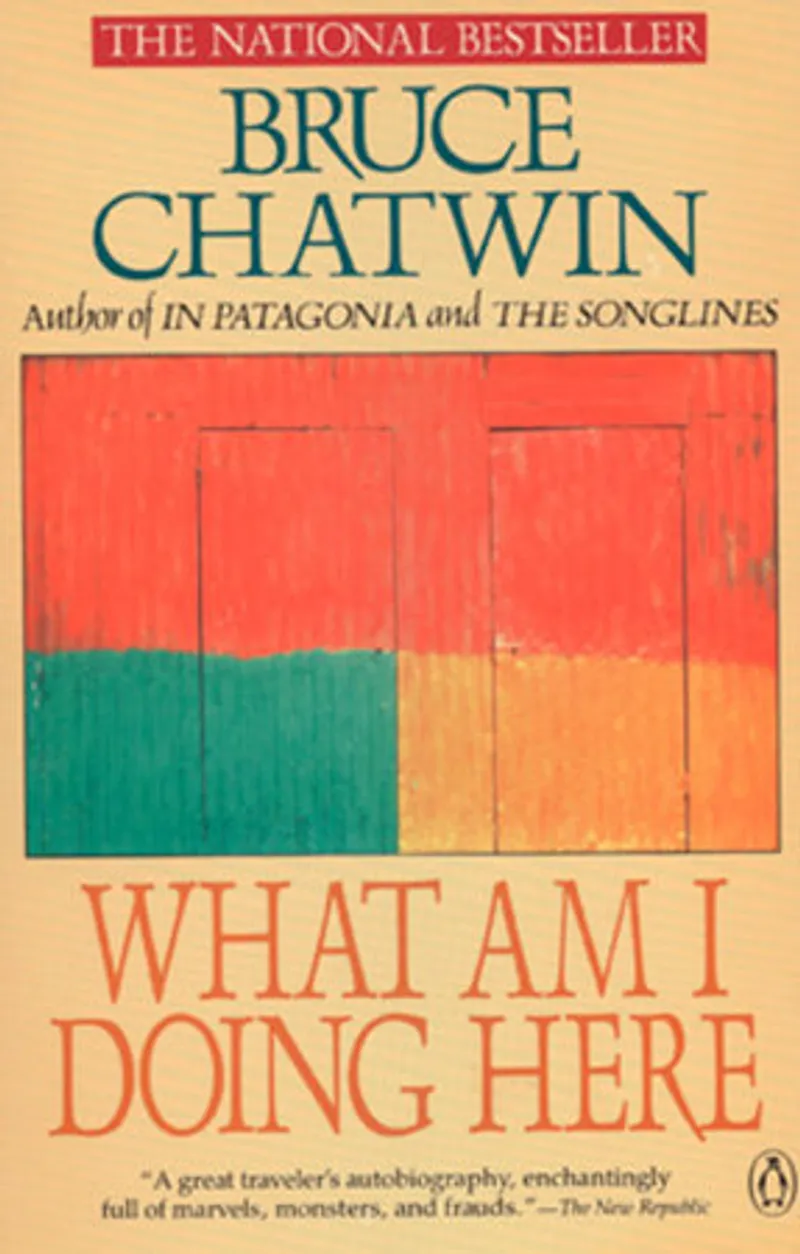
What Am I Doing Here Author: Bruce ChatwinPage Count: UnknownPublication Date: 1990-PRH In "What Am I Doing Here", Bruce Chatwin masterfully weaves a tapestry of reflections, anecdotes, and philosophical musings, blurring the lines between memoir, travelogue, and literary criticism. This collection of essays, penned in Chatwin's characteristic lyrical prose, delves into the author's inner world, laying bare his thoughts on identity, creativity, and the human condition. Through a series of vignettes, Chatwin reminisces about his father, a man whose presence is both deeply felt and strangely elusive. These recollections serve as a springboard for exploring the complexities of family, love, and the search for one's own identity. The author's relationship with his father is a recurring theme, one that he revisits with a mix of nostalgia, longing, and introspection. Chatwin's friendships with artists and intellectuals, such as Howard Hodgkin and Andre Malraux, are also a rich source of inspiration. His conversations with these individuals are rendered with remarkable vividness, offering a glimpse into the world of creative genius and the passions that drive it. The author's portraits of these figures are at once intimate and respectful, conveying the depth of their connections and the ways in which they influenced his own artistic vision. One of the most striking aspects of "What Am I Doing Here" is Chatwin's fascination with the unknown, the unexplained, and the fantastical. His tales of searching for a "wolf-boy" in India or tracking the elusive Yeti in the Himalayas are testaments to his boundless curiosity and sense of wonder. These quests, though often fruitless, serve as metaphors for the human search for meaning and connection. Throughout the book, Chatwin's writing is characterized by its lyricism, precision, and intellectual curiosity. His prose is a joy to read, with its unique blend of poetry, philosophy, and storytelling. The author's style is both personal and expansive, drawing the reader into a world of ideas, emotions, and experiences that are at once deeply subjective and universally relatable. Ultimately, "What Am I Doing Here" is a book about the search for self, the power of imagination, and the interconnectedness of human experience. It is a testament to Chatwin's remarkable gifts as a writer, thinker, and observer of the human condition. This collection of essays is a must-read for anyone interested in literary memoir, travel writing, or the art of storytelling. #BruceChatwin #WhatAmIDoingHere #LiteraryMemoir #TravelWriting #PhilosophicalReflections #CreativeNonfiction Related InsightsThe Lost Guardian Book Review and Summary Heat Wave Book Review and Summary Jane Eyre Book Review and Summary{ "@context": "https://schema.org", "@type": "FAQPage", "mainEntity": [ { "@type": "Question", "name": "What is the main focus of The Purpose Driven Life: What on Earth Am I Here for? Book Review and Summary?", "acceptedAnswer": { "@type": "Answer", "text": "Everything you need to know about The Purpose Driven Life: What on Earth Am I Here for? with our detailed review." } }, { "@type": "Question", "name": "Who authored the comprehensive guide on The Purpose Driven Life: What on Earth Am I Here for? Book Review and Summary?", "acceptedAnswer": { "@type": "Answer", "text": "This detailed article and its insights were carefully researched and authored by Rick Warren." } }, { "@type": "Question", "name": "Where can I find more related content about Books?", "acceptedAnswer": { "@type": "Answer", "text": "You can explore more articles, detailed reviews, and similar insights by browsing the Related Insights section at the bottom of this article or visiting our dedicated Books category page." } } ] }
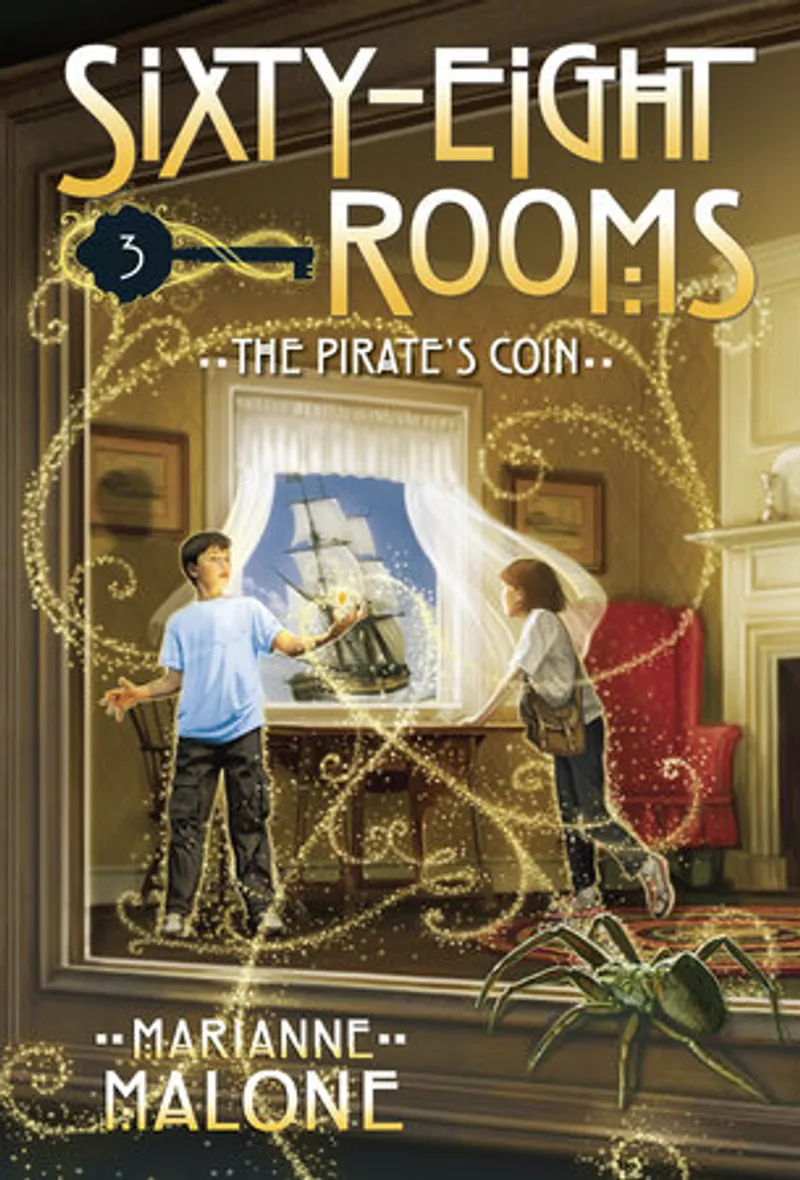
The Pirate's Coin: A Sixty-Eight Rooms Adventure Author: Marianne MalonePage Count: UnknownPublication Date: 2014-PRH The Pirate's Coin: A Sixty-Eight Rooms Adventure by Marianne Malone is a captivating tale that masterfully weaves together elements of magic, mystery, and adventure, making it a perfect fit for fans of the Magic Tree House series and readers who enjoy books like Chasing Vermeer and Wonderstruck. This third installment in the series reunites readers with sixth graders Ruthie and Jack, who once again find themselves entangled in a thrilling adventure at the Art Institute of Chicago's magical Thorne Rooms. When their classmate Kendra reveals that her family's name and business were tarnished by false accusations, Ruthie and Jack embark on a mission to clear her name, knowing that they possess crucial knowledge about a secret ledger containing Phoebe Monroe's herbal remedies recipes. As they delve deeper into the mystery, a cryptic old coin transports them to 1753 Cape Cod, where they encounter Jack's own ancestor, the pirate Jack Norfleet. The stakes become higher when Jack's existence is threatened, and Ruthie and Jack must navigate the complexities of altering the past to save their present and future. Marianne Malone's writing style is a perfect blend of imagination, wit, and historical intrigue. Her ability to craft relatable characters and engaging storylines has earned her praise from publications like The New York Times, Chicago Sun-Times, and Chicago Tribune. Malone's unique approach to storytelling, which combines fantasy and historical elements, has been described as "irresistible," "exhilarating," and "completely universal." One of the most striking aspects of The Pirate's Coin is its exploration of the consequences of playing with history. Malone raises thought-provoking questions about the potential risks and benefits of altering the past, making this book an excellent choice for readers who enjoy stories that challenge their perspectives. The Pirate's Coin is a must-read for anyone who loves adventure, magic, and mystery. With its richly detailed historical settings, memorable characters, and gripping plot, this book is sure to captivate readers of all ages. Malone's writing is engaging, and her passion for storytelling is evident on every page. In short, The Pirate's Coin is a thrilling adventure that will keep you on the edge of your seat. With its unique blend of magic, mystery, and historical intrigue, this book is a must-read for anyone looking for a compelling and thought-provoking story. #TheSixtyEightRoomsAdventures #MarianneMalone #ThePiratesCoin #MiddleGradeFiction #HistoricalFiction #TimeTravelAdventures Related InsightsKing of Greed Book Review and Summary An Opportunity Book Review and Summary For Whom the Bell Tolls Book Review and Summary{ "@context": "https://schema.org", "@type": "FAQPage", "mainEntity": [ { "@type": "Question", "name": "What is the main focus of A Child Called 'It' Book Review and Summary?", "acceptedAnswer": { "@type": "Answer", "text": "Everything you need to know about A Child Called 'It' with our detailed review." } }, { "@type": "Question", "name": "Who authored the comprehensive guide on A Child Called 'It' Book Review and Summary?", "acceptedAnswer": { "@type": "Answer", "text": "This detailed article and its insights were carefully researched and authored by Dave Pelzer." } }, { "@type": "Question", "name": "Where can I find more related content about Books?", "acceptedAnswer": { "@type": "Answer", "text": "You can explore more articles, detailed reviews, and similar insights by browsing the Related Insights section at the bottom of this article or visiting our dedicated Books category page." } } ] }
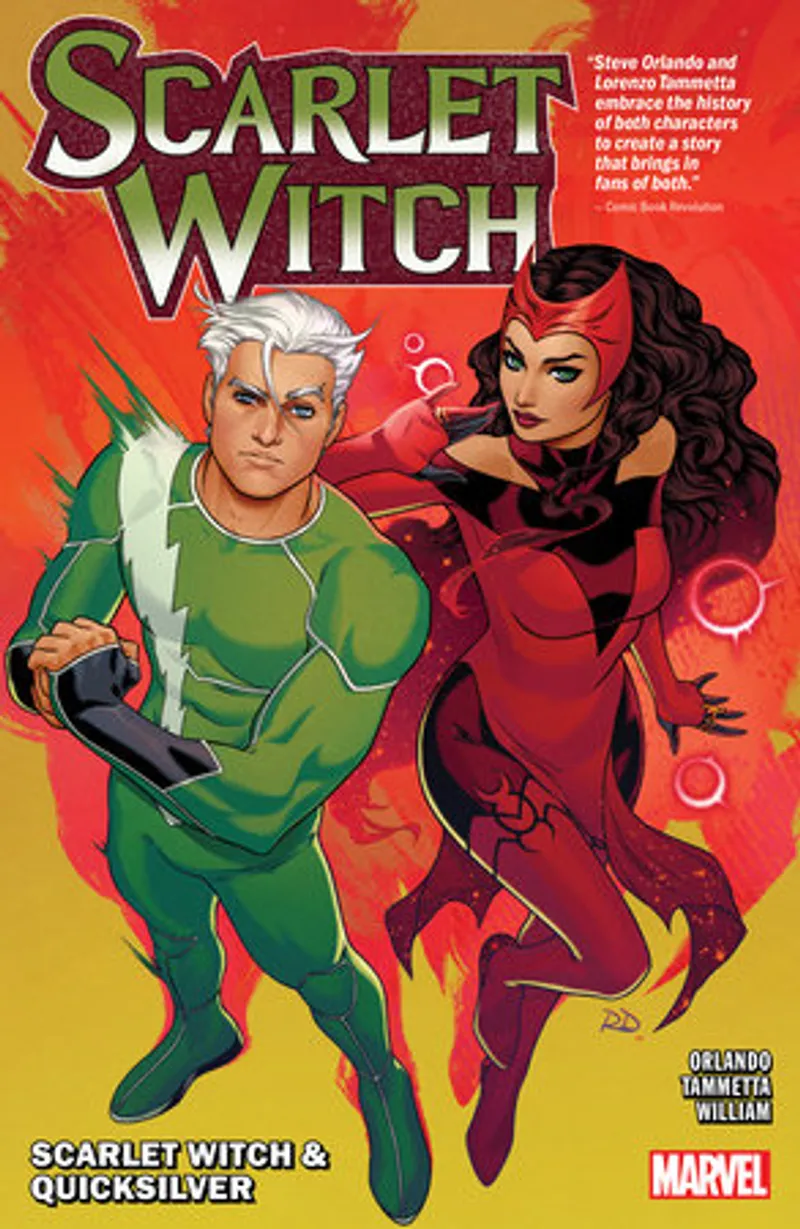
Scarlet Witch By Steve Orlando Vol. 3: Scarlet Witch & Quicksilver Author: Jack KirbyPage Count: UnknownPublication Date: 2024-PRH In the latest installment of the Scarlet Witch series, Steve Orlando's Vol. 3: Scarlet Witch & Quicksilver is a thrilling exploration of the complex bond between Wanda and Pietro Maximoff, Marvel's iconic super-powered siblings. Celebrating the 60th anniversary of the Scarlet Witch and Quicksilver's first appearance, this volume is a must-read for fans of the Avengers and the X-Men. The story revolves around a letter from Magneto, the twins' father figure, which Wanda decides to keep from Pietro, fearing its contents will upset him. This decision sets off a chain of events that drives the siblings apart, just as a new threat emerges in the form of the Wizard, who has undergone a terrifying eldritch upgrade. The Wizard's sinister plans are backed by the Frightful Four Hundred, a formidable force that the Scarlet Witch and Quicksilver must confront together if they hope to survive. Orlando's writing style is a perfect blend of action, drama, and suspense, making this volume a page-turner from start to finish. The author's ability to delve into the complex emotions and motivations of the characters is impressive, particularly in the portrayal of Wanda and Pietro's relationship. The twins' bond is multifaceted, and Orlando expertly explores the depths of their connection, revealing the intricacies of their sibling dynamics. The inclusion of classic material from X-Men (1963) #4 adds a nostalgic touch to the volume, providing context and depth to the story. Jack Kirby's original artwork is a testament to the enduring legacy of the Scarlet Witch and Quicksilver, and its incorporation into this volume is a fitting tribute to the characters' 60th anniversary. One of the standout aspects of this volume is its exploration of the theme of family and the bonds that tie us together. Wanda and Pietro's relationship is a powerful example of the complexities of sibling love, and Orlando's portrayal of their struggles and triumphs is both poignant and compelling. The volume also touches on the idea of legacy and the weight of responsibility that comes with being part of a larger family, in this case, the Avengers and the X-Men. Overall, Scarlet Witch By Steve Orlando Vol. 3: Scarlet Witch & Quicksilver is a gripping and emotionally charged story that will keep readers on the edge of their seats. With its blend of action, suspense, and drama, this volume is a must-read for fans of the Marvel Universe. The exploration of the Scarlet Witch and Quicksilver's relationship is a highlight of the book, and Orlando's writing style is a perfect fit for the characters. #ScarletWitchAndQuicksilver #MarvelComics #Avengers #XMen #SteveOrlando #JackKirby Related InsightsBig Little Truths Book Review and Summary A Clockwork Orange Book Review and Summary Lost in the Moment and Found Book Review and Summary{ "@context": "https://schema.org", "@type": "FAQPage", "mainEntity": [ { "@type": "Question", "name": "What is the main focus of Scarlet Book Review and Summary?", "acceptedAnswer": { "@type": "Answer", "text": "Everything you need to know about Scarlet with our detailed review." } }, { "@type": "Question", "name": "Who authored the comprehensive guide on Scarlet Book Review and Summary?", "acceptedAnswer": { "@type": "Answer", "text": "This detailed article and its insights were carefully researched and authored by Marissa Meyer." } }, { "@type": "Question", "name": "Where can I find more related content about Books?", "acceptedAnswer": { "@type": "Answer", "text": "You can explore more articles, detailed reviews, and similar insights by browsing the Related Insights section at the bottom of this article or visiting our dedicated Books category page." } } ] }
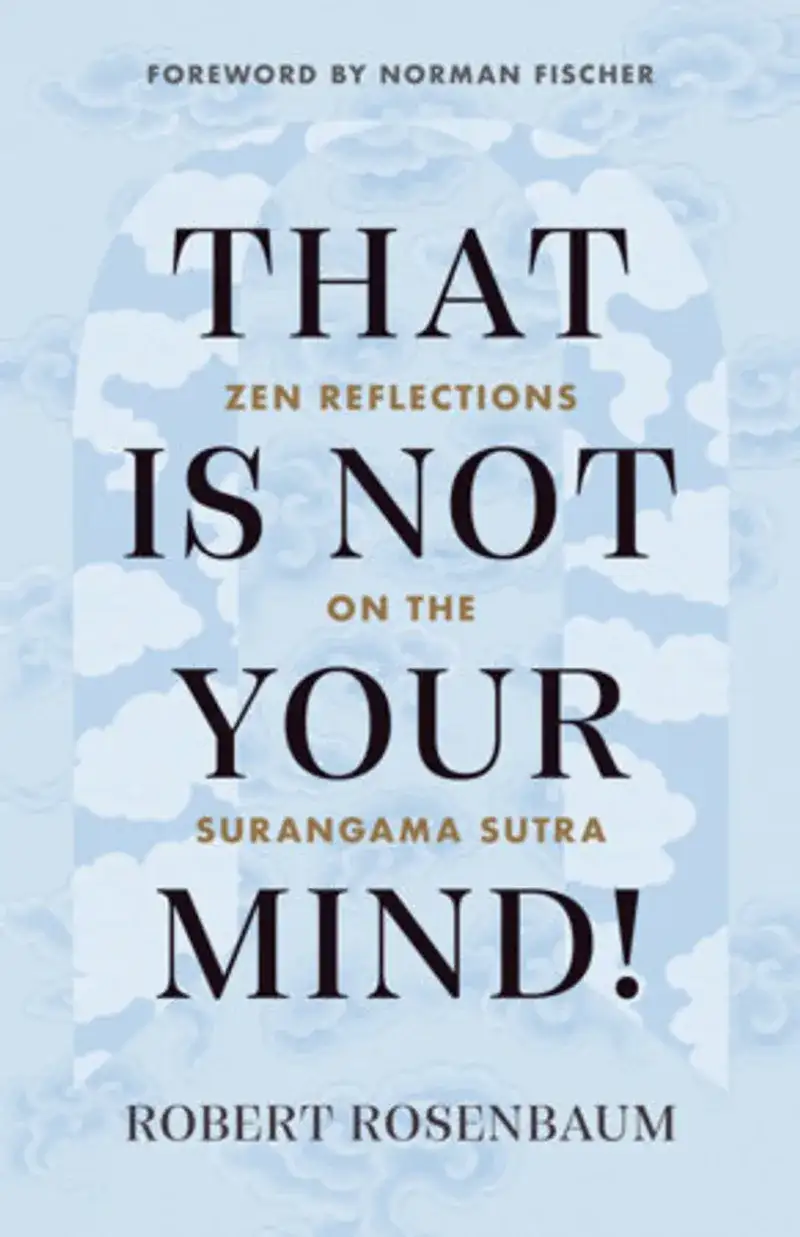

That Is Not Your Mind! Author: Robert RosenbaumPage Count: UnknownPublication Date: 2022-PRH In "That Is Not Your Mind!", Robert Rosenbaum embarks on a fascinating exploration of the Surangama Sutra, a classic Zen text that delves into the intricacies of sensory experiences and the path to liberation. By seamlessly interweaving passages from the sutra with insights from neuroscience and psychology, Rosenbaum masterfully demonstrates the timeless relevance of this ancient text. One of the most striking aspects of Rosenbaum's approach is his ability to balance the esoteric with the accessible. He draws upon his forty years of teaching experience to illustrate the practical applications of the sutra's teachings, making the text feel both deeply personal and universally relatable. Through anecdotes and real-life examples, Rosenbaum brings the abstract concepts of the Surangama Sutra to life, rendering them tangible and applicable to readers from all walks of life. At its core, "That Is Not Your Mind!" is a book about the transformative power of sensory awareness. Rosenbaum guides readers through a series of meditations and practices derived from the sutra's teachings, designed to awaken the senses and reveal the true nature of reality. From the deceptively simple yet profound "hearing meditations" to the compassionate centering practices, each exercise is carefully crafted to help readers develop a deeper understanding of their own minds and the world around them. Throughout the book, Rosenbaum's writing is characterized by a clarity and precision that is both refreshing and engaging. His prose is infused with a sense of curiosity and wonder, reflecting his own passion for exploring the mysteries of the human experience. Whether he is delving into the intricacies of Buddhist philosophy or discussing the latest findings in neuroscience, Rosenbaum's enthusiasm is contagious, making "That Is Not Your Mind!" a joy to read. One of the most compelling aspects of Rosenbaum's approach is his emphasis on the interconnectedness of ethics and meditation practice. By highlighting the importance of basic ethical commitments, such as not killing or stealing, he provides a nuanced understanding of the sutra's teachings and their relevance to contemporary life. This integration of ethics and spirituality is a hallmark of Rosenbaum's approach, and it lends depth and complexity to his exploration of the Surangama Sutra. If there is a criticism to be made, it is that the book occasionally feels overly ambitious in its scope. Rosenbaum's attempts to synthesize insights from psychology, neuroscience, and Buddhist philosophy can sometimes result in a sense of disjointedness, as if the various threads of his argument are struggling to cohere. However, this is a minor quibble, and one that does not detract from the overall impact of the book. In conclusion, "That Is Not Your Mind!" is a thought-provoking and deeply engaging exploration of the Surangama Sutra and its teachings on sensory awareness and liberation. Through his unique blend of scholarship, personal anecdote, and practical guidance, Robert Rosenbaum has created a book that is both a valuable resource for seasoned practitioners and an accessible introduction for newcomers to the world of Buddhist philosophy. #BuddhistPhilosophy #Mindfulness #SensoryAwareness #ZenBuddhism #NeuroscienceAndSpirituality #LiberationThroughSensoryExperience Related InsightsThe Mayor: One Poor City’s Fight to Bring Back Government and Save the Nation’s Soul Book Review and Summary Dijital Çağda Kitapların Büyüsü: Neden Hâlâ Bir Kitaba İhtiyacımız Var? Atlas de lugares extraordinarios para pequeños curiosos / Atlas of Extraordinary Places to Discover the World Book Review and Summary{ "@context": "https://schema.org", "@type": "FAQPage", "mainEntity": [ { "@type": "Question", "name": "What is the main focus of That Is Not Your Mind! Book Review and Summary?", "acceptedAnswer": { "@type": "Answer", "text": "Everything you need to know about That Is Not Your Mind! with our detailed review." } }, { "@type": "Question", "name": "Who authored the comprehensive guide on That Is Not Your Mind! Book Review and Summary?", "acceptedAnswer": { "@type": "Answer", "text": "This detailed article and its insights were carefully researched and authored by Piotr Nowak." } }, { "@type": "Question", "name": "Where can I find more related content about Books?", "acceptedAnswer": { "@type": "Answer", "text": "You can explore more articles, detailed reviews, and similar insights by browsing the Related Insights section at the bottom of this article or visiting our dedicated Books category page." } } ] }
-
 Emma Thompson
 - 26 Apr, 2026 09:51
El nombre de la rosa (edición especial en tapa dura) / The Name of the Rose (Special Hardcover Edition) Book Review and Summary
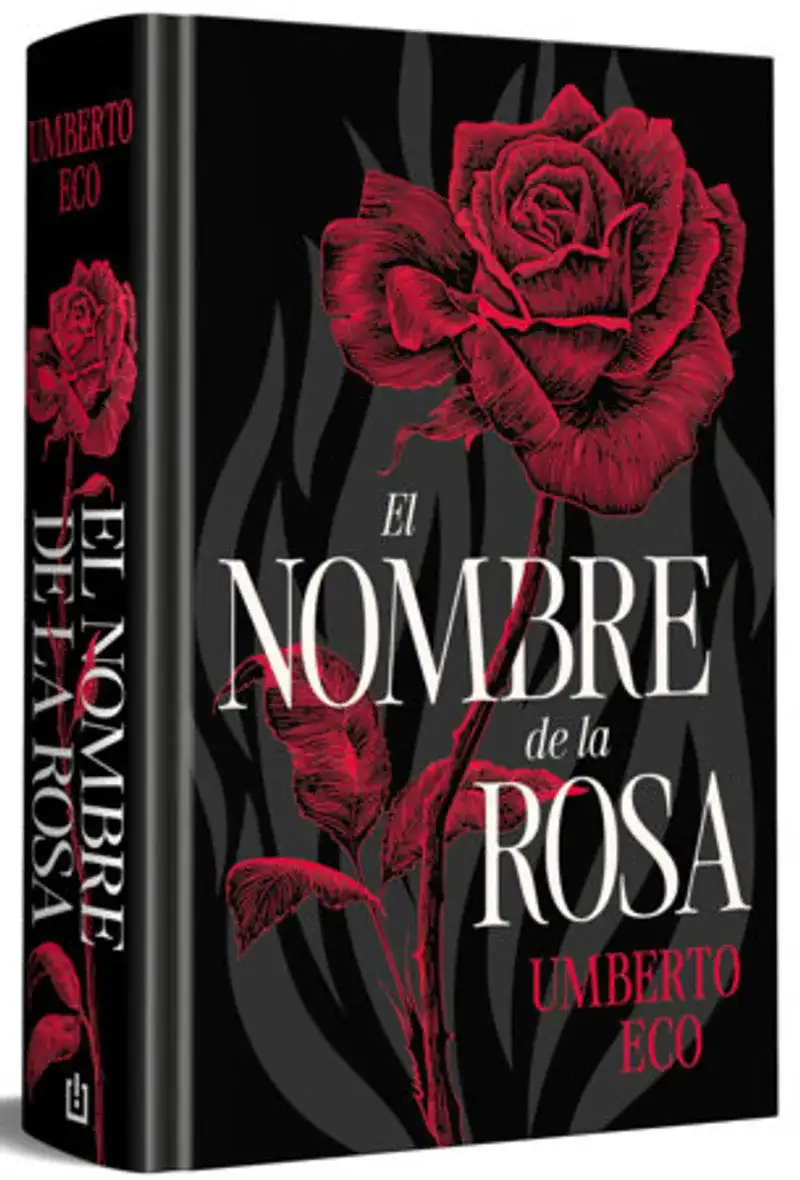
El nombre de la rosa (edición especial en tapa dura) / The Name of the Rose (Special Hardcover Edition) Author: Umberto EcoPage Count: UnknownPublication Date: 2026-PRH The Name of the Rose: A Labyrinth of Faith, Murder, and the Power of Words Umberto Eco’s The Name of the Rose has long been celebrated as a masterpiece of postmodern fiction, a work that weaves medieval theology, detective intrigue, and philosophical depth into a single, intoxicating narrative. Now, with the release of the special hardcover edition, readers have yet another reason to immerse themselves in Eco’s labyrinthine world—a world where books are as dangerous as they are sacred, and where the pursuit of truth is a path fraught with heresy, blood, and the echoes of a forgotten past. Set in 1327 in a remote Italian monastery, the novel follows Brother William of Baskerville, a Franciscan friar and former inquisitor, as he investigates a series of bizarre deaths among the monks. The monastery, a repository of forbidden knowledge, hides secrets not just in its scriptorium but in the very texts its inhabitants read—or refuse to read. Murder, as it turns out, is the least of the dangers lurking within its walls; the greater peril lies in the power of words themselves. Eco’s genius lies in his ability to transform a medieval murder mystery into a meditation on semiotics, the nature of truth, and the fragility of human belief. At its core, The Name of the Rose is a detective story, but not one in the traditional sense. There are no hard-boiled detectives or red herrings in the conventional mold. Instead, William’s investigation is a battle of wits against an institution that guards its secrets with the ferocity of a fortress. The monks are scholars, theologians, and scribes, each interpreting texts through the lens of their own biases, fears, and desires. The library, a labyrinthine maze of shelves and locked rooms, becomes a metaphor for the human mind—endless, circular, and resistant to easy answers. Eco’s prose is dense with references to Aristotle, Augustine, and Aquinas, yet it never feels like a dry academic exercise. The erudition is leavened by dry humor, sharp irony, and a narrator, Adso of Melk, whose youthful awe and occasional naivety ground the story in a relatable humanity. Eco’s style is what elevates this novel from a clever whodunit to a work of enduring literary significance. His writing is meticulous, almost obsessive in its attention to detail, yet it never feels overwrought. The dialogue crackles with intellectual tension, and the descriptions of the monastery—its architecture, its rituals, its hidden passages—are so vivid that one can almost smell the ink and wax of the scriptorium. The hardcover edition, with its luxurious binding and crisp pages, only enhances the immersive experience, making it feel like holding a relic from the past in your hands. But The Name of the Rose is more than just a historical puzzle or a philosophical treatise. It is a warning about the dangers of dogma, whether religious, political, or intellectual. The monks of the abbey are not just scholars; they are prisoners of their own beliefs, willing to kill rather than confront the contradictions in their faith. The novel’s most chilling moments come not from the murders themselves but from the way Eco exposes how easily truth can be manipulated, how fragile the line is between revelation and heresy. Eco’s genius is in making the reader complicit in the act of interpretation. Just as William and Adso must decipher the hidden meanings in texts and symbols, so too must we as readers grapple with the novel’s ambiguities. Is the library truly a labyrinth, or is it the human mind that twists and distorts meaning? Are the murders the work of a madman, or a system that punishes those who dare to question? The answers, if they exist at all, are left tantalizingly out of reach. For those who love books that challenge as much as they entertain, The Name of the Rose is a must-read. It is a novel that rewards patience, curiosity, and a willingness to lose oneself in its pages. The special hardcover edition, with its tactile beauty, only deepens the experience, making it a treasure for collectors and a gateway for new readers to discover Eco’s unparalleled vision. In an age where misinformation spreads as quickly as ink on parchment, Eco’s tale feels more relevant than ever. The past, as he reminds us, is never truly past. It lingers in the books we read, the words we speak, and the stories we tell ourselves to make sense of the world. The Name of the Rose is not just a novel; it is a mirror held up to humanity’s eternal struggle between faith and doubt, order and chaos, truth and illusion. Pick it up, if you dare. But be warned: once you enter its labyrinth, you may never find your way out. #TheNameOfTheRose #UmbertoEco #MedievalMystery #PostmodernFiction #BookLover #PhilosophicalNovel Related InsightsThe Woman in the Window: A Novel Book Review and Summary Adam and Eve Book Review and Summary Hecate Cavendish and the Angel of Death (The Hecate Cavendish Series, 3) Book Review and Summary{ "@context": "https://schema.org", "@type": "FAQPage", "mainEntity": [ { "@type": "Question", "name": "What is the main focus of El nombre de la rosa (edición especial en tapa dura) / The Name of the Rose (Special Hardcover Edition) Book Review and Summary?", "acceptedAnswer": { "@type": "Answer", "text": "Everything you need to know about El nombre de la rosa (edición especial en tapa dura) / The Name of the Rose (Special Hardcover Edition) with our detailed review." } }, { "@type": "Question", "name": "Who authored the comprehensive guide on El nombre de la rosa (edición especial en tapa dura) / The Name of the Rose (Special Hardcover Edition) Book Review and Summary?", "acceptedAnswer": { "@type": "Answer", "text": "This detailed article and its insights were carefully researched and authored by Emma Thompson." } }, { "@type": "Question", "name": "Where can I find more related content about Books?", "acceptedAnswer": { "@type": "Answer", "text": "You can explore more articles, detailed reviews, and similar insights by browsing the Related Insights section at the bottom of this article or visiting our dedicated Books category page." } } ] }
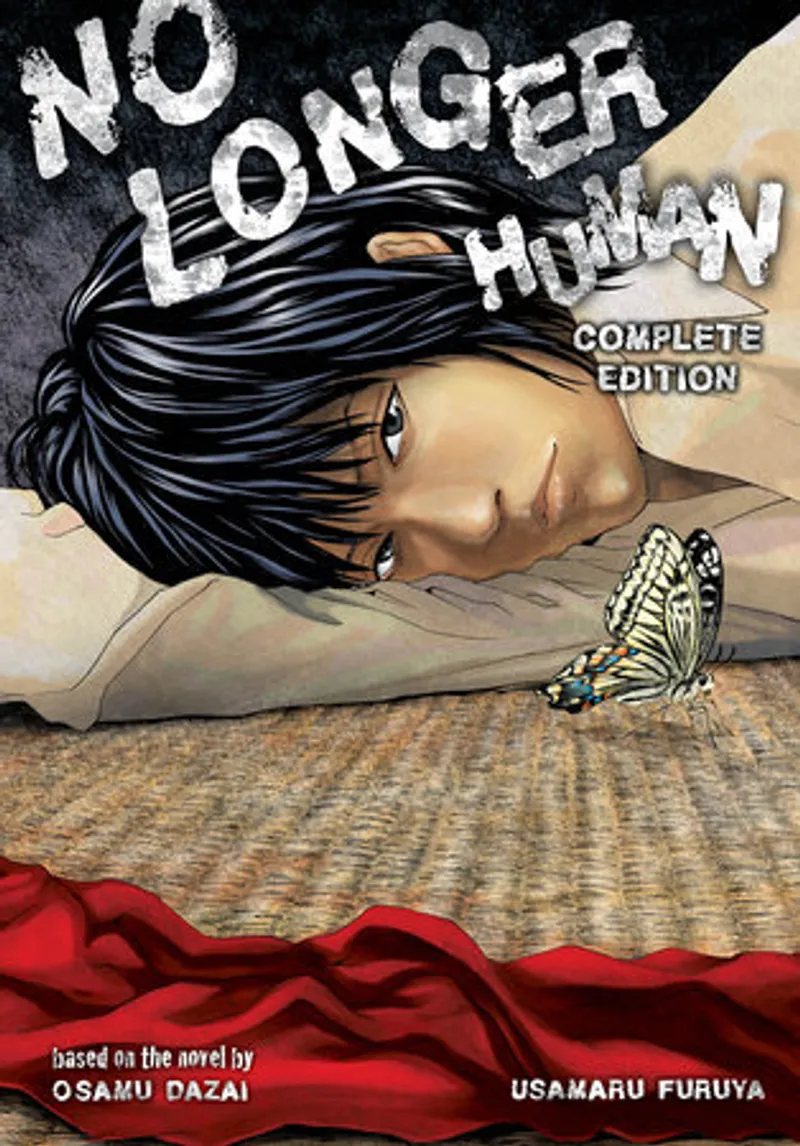
No Longer Human Complete Edition (manga) Author: Usamaru FuruyaPage Count: UnknownPublication Date: 2022-PRH Usamaru Furuya’s No Longer Human: Complete Edition is a haunting, visually arresting adaptation of Osamu Dazai’s masterpiece, reimagined for a modern audience with a raw, unflinching intensity. Furuya, known for his provocative and unconventional manga style, strips away the novel’s prewar setting and transplants its themes into the fragmented, hyper-connected world of the early 2000s. The result is a work that feels both timeless and urgently contemporary—a meditation on alienation, identity, and the masks we wear to survive. At its core, No Longer Human is a story about a man who cannot connect. The protagonist, Yozo Oba, is a self-described "clown," a performer whose grin hides a void so vast it consumes him. Dazai’s original novel is a semi-autobiographical exploration of depression, addiction, and the failure of human empathy, and Furuya’s adaptation amplifies these themes through his signature aesthetic. His art is deliberately unsettling—angular, exaggerated faces, distorted perspectives, and a color palette that oscillates between sickly pastels and oppressive blacks. The effect is claustrophobic, mirroring Yozo’s descent into isolation. Furuya’s decision to present the manga in a left-to-right format (rather than the traditional Japanese right-to-left) is more than a stylistic choice; it’s a deliberate act of defamiliarization for Western readers. The Westernized layout forces us to engage with the material differently, as if we’re watching Yozo’s life unfold through a distorted lens. This choice underscores the theme of displacement—not just cultural, but existential. Yozo is a man out of sync with the world, and Furuya’s adaptation mirrors that dissonance. The manga’s pacing is deliberate, lingering on moments of quiet despair before erupting into violence or self-destruction. Furuya’s use of negative space is masterful; empty panels and stark, minimalist compositions emphasize the emptiness of Yozo’s existence. When he does employ detail, it’s often grotesque—a twisted smile, a bloodied fist, the hollow eyes of a man who has long since stopped seeing himself. The art isn’t just a vessel for the story; it is the story, a visual manifestation of Yozo’s fractured psyche. One of the most striking aspects of Furuya’s adaptation is his treatment of Yozo’s relationships. The women in his life—his sister, his lovers, his caretakers—are rendered with a mix of tenderness and menace. They are both his salvation and his undoing, their faces often blurred or partially obscured, as if Yozo can never truly see them. This visual motif reinforces the novel’s central tragedy: Yozo is incapable of genuine connection, no matter how desperately he craves it. Furuya’s adaptation also sharpens the novel’s critique of societal expectations. In Dazai’s original, Yozo’s struggles are framed by the rigid social structures of prewar Japan. Here, Furuya updates that critique for the digital age, where the pressure to perform happiness is even more suffocating. Yozo’s "clown" persona isn’t just a personal failing; it’s a survival mechanism in a world that demands constant self-presentation. The manga’s occasional nods to modern media—television static, flickering computer screens—serve as reminders that the mechanisms of alienation have only evolved, not disappeared. The completeness of this omnibus edition is a gift. Previous releases were fragmented, but here, the story flows seamlessly, allowing Furuya’s vision to fully unfurl. The pacing, the art, the thematic depth—all coalesce into a work that is as much a critique of modern life as it is a retelling of a classic. For readers familiar with Dazai’s novel, Furuya’s adaptation offers a fresh, visceral experience. For those encountering No Longer Human for the first time, it’s a brutal introduction to one of literature’s most tragic figures. Either way, it’s impossible to look away. #NoLongerHuman #UsamaruFuruya #MangaAdaptation #OsamuDazai #DarkManga #ExistentialDespair Related InsightsStarship Troopers Book Review and Summary The Crucible Book Review and Summary The First Cut Is the Deepest Book Review and Summary{ "@context": "https://schema.org", "@type": "FAQPage", "mainEntity": [ { "@type": "Question", "name": "What is the main focus of No Longer Human Book Review and Summary?", "acceptedAnswer": { "@type": "Answer", "text": "Everything you need to know about No Longer Human with our detailed review." } }, { "@type": "Question", "name": "Who authored the comprehensive guide on No Longer Human Book Review and Summary?", "acceptedAnswer": { "@type": "Answer", "text": "This detailed article and its insights were carefully researched and authored by Osamu Dazai." } }, { "@type": "Question", "name": "Where can I find more related content about Books?", "acceptedAnswer": { "@type": "Answer", "text": "You can explore more articles, detailed reviews, and similar insights by browsing the Related Insights section at the bottom of this article or visiting our dedicated Books category page." } } ] }
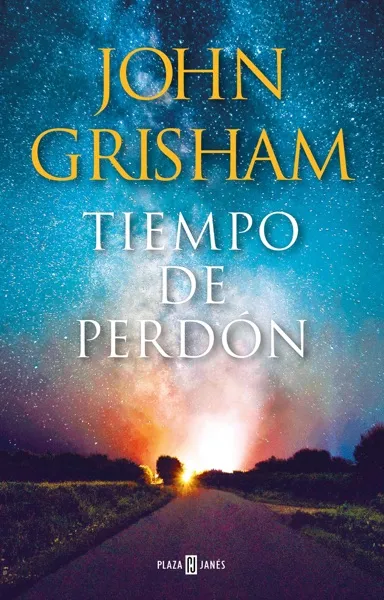

Tiempo de perdón Author: John GrishamPage Count: UnknownPublication Year: 2022-GB In a literary landscape where courtroom dramas have become a staple of modern fiction, John Grisham's Tiempo de perdón (Time for Mercy) emerges as a masterful exploration of the human condition, weaving a complex tapestry of justice, morality, and redemption. This 2022 global bestseller is a testament to Grisham's enduring prowess as a storyteller, his ability to craft narratives that not only captivate but also prompt introspection on the very fabric of our society. At the heart of Tiempo de perdón are characters that embody the full spectrum of human emotion and experience. Grisham's protagonists are multidimensional, flawed, and relatable, making it impossible for readers not to become invested in their journeys. The characters' development is a slow burn, with each layer meticulously peeled away to reveal the depth of their motivations and the true complexity of their circumstances. This depth is a hallmark of Grisham's writing style, which balances pacing and plot progression with character-driven narrative. One of the standout aspects of Tiempo de perdón is its thematic depth. Grisham delves into themes that are as relevant as they are challenging, including justice, mercy, and the morality of the legal system. The book poses difficult questions about the nature of forgiveness and whether it is always possible, or even desirable, in a society governed by laws that often seem detached from human emotion. These themes are approached with a sensitivity and nuance that is characteristic of Grisham's work, making Tiempo de perdón as thought-provoking as it is engaging. Grisham's writing style is another element that sets Tiempo de perdón apart. His prose is precise, evocative, and devoid of unnecessary embellishments, allowing the story and its characters to take center stage. The narrative flows with a natural ease, drawing readers into the world of the story and refusing to let go. This is a result of Grisham's skill in pacing, his ability to create tension and release, and his deep understanding of how to weave together multiple plot threads into a cohesive and compelling narrative. What makes Tiempo de perdón a truly compelling read is its ability to balance the personal with the broader societal implications of its themes. Grisham is not afraid to tackle the big questions, to confront the darker aspects of human nature and the failures of the justice system. Yet, he does so in a way that is deeply empathetic, never losing sight of the human cost of the events that unfold. This balance is a testament to Grisham's mastery of his craft, his ability to create stories that resonate on multiple levels. In conclusion, Tiempo de perdón is a gripping and thought-provoking addition to John Grisham's oeuvre, a book that will appeal to both long-time fans of the author and newcomers to his work. With its complex characters, engaging narrative, and exploration of themes that are both timely and timeless, Tiempo de perdón solidifies Grisham's position as one of the most compelling storytellers of our time. Whether you're a fan of legal thrillers, character-driven fiction, or simply great storytelling, Tiempo de perdón is a must-read that will linger in your thoughts long after you finish turning its pages. #JohnGrisham #TimeForMercy #LegalThriller #BestsellerBooks #CourtroomDrama Related InsightsThe Prisoner's Throne Book Review and Summary Anthropocene Book Review and Summary Mansfield Park Book Review and Summary{ "@context": "https://schema.org", "@type": "FAQPage", "mainEntity": [ { "@type": "Question", "name": "What is the main focus of **Tiempo de perdón** Book Review and Summary?", "acceptedAnswer": { "@type": "Answer", "text": "Everything you need to know about **Tiempo de perdón** with our detailed review." } }, { "@type": "Question", "name": "Who authored the comprehensive guide on **Tiempo de perdón** Book Review and Summary?", "acceptedAnswer": { "@type": "Answer", "text": "This detailed article and its insights were carefully researched and authored by James Miller." } }, { "@type": "Question", "name": "Where can I find more related content about Books?", "acceptedAnswer": { "@type": "Answer", "text": "You can explore more articles, detailed reviews, and similar insights by browsing the Related Insights section at the bottom of this article or visiting our dedicated Books category page." } } ] }

- 25 Apr, 2026 13:29
Living Fearless: Exchanging the Lies of the World for the Liberating Truth of God Book Review and Summary
La verdad y las mentiras de Ella Black / The Truth and Lies of Ella Black Author: Emily BarrPage Count: UnknownPublication Date: 2019-PRH In "The Truth and Lies of Ella Black," Emily Barr crafts a mesmerizing tale of self-discovery, masterfully weaving a narrative that is as much about the complexities of human identity as it is about the blurred lines between truth and deception. With a keen eye for psychological depth, Barr delves into the turbulent mind of her protagonist, Ella Black, a young woman grappling with the presence of an alternate, destructive persona she calls "Bella." Barr's writing style is reminiscent of a cinematic experience, with vivid descriptions of settings that transport readers to the sun-kissed beaches and vibrant streets of Rio de Janeiro. The author's use of language is both evocative and concise, propelling the story forward with a breakneck pace that mirrors Ella's frantic search for answers. As Ella navigates the treacherous landscape of her own psyche, Barr raises important questions about the nature of identity and how it is shaped by our experiences, relationships, and the secrets we keep. Through Ella's struggles, we see the devastating consequences of living a life built on lies and the liberating power of embracing our true selves. One of the most striking aspects of Barr's writing is her ability to balance the darker elements of the narrative with a sense of hope and resilience. Ella's journey is not an easy one, but it is a testament to the human capacity for growth, forgiveness, and redemption. The author's exploration of the complex relationships between family members is also noteworthy. Ella's parents, in particular, are multifaceted characters whose motivations and secrets drive the plot forward. Barr skillfully exposes the flaws and weaknesses of these characters, making them relatable and, at times, infuriating. If there is a criticism to be made, it is that the supporting cast of characters feels somewhat one-dimensional at times. However, this is a minor quibble in an otherwise gripping narrative that is driven by Ella's inner turmoil and her quest for self-discovery. In conclusion, "The Truth and Lies of Ella Black" is a gripping and thought-provoking novel that will appeal to fans of psychological thrillers and coming-of-age stories. With its breakneck pace, vivid settings, and complex characters, this book is a must-read for anyone looking for a story that will keep them on the edge of their seat. #TheTruthAndLiesOfEllaBlack #EmilyBarr #PsychologicalThriller #ComingOfAge #SelfDiscovery #IdentityCrisis Related InsightsYou Like It Darker Book Review and Summary A Slow Fire Burning Book Review and Summary Maybe You Should Talk to Someone Book Review and Summary{ "@context": "https://schema.org", "@type": "FAQPage", "mainEntity": [ { "@type": "Question", "name": "What is the main focus of Living Fearless: Exchanging the Lies of the World for the Liberating Truth of God Book Review and Summary?", "acceptedAnswer": { "@type": "Answer", "text": "Everything you need to know about Living Fearless: Exchanging the Lies of the World for the Liberating Truth of God with our detailed review." } }, { "@type": "Question", "name": "Who authored the comprehensive guide on Living Fearless: Exchanging the Lies of the World for the Liberating Truth of God Book Review and Summary?", "acceptedAnswer": { "@type": "Answer", "text": "This detailed article and its insights were carefully researched and authored by Jamie Winship." } }, { "@type": "Question", "name": "Where can I find more related content about Books?", "acceptedAnswer": { "@type": "Answer", "text": "You can explore more articles, detailed reviews, and similar insights by browsing the Related Insights section at the bottom of this article or visiting our dedicated Books category page." } } ] }
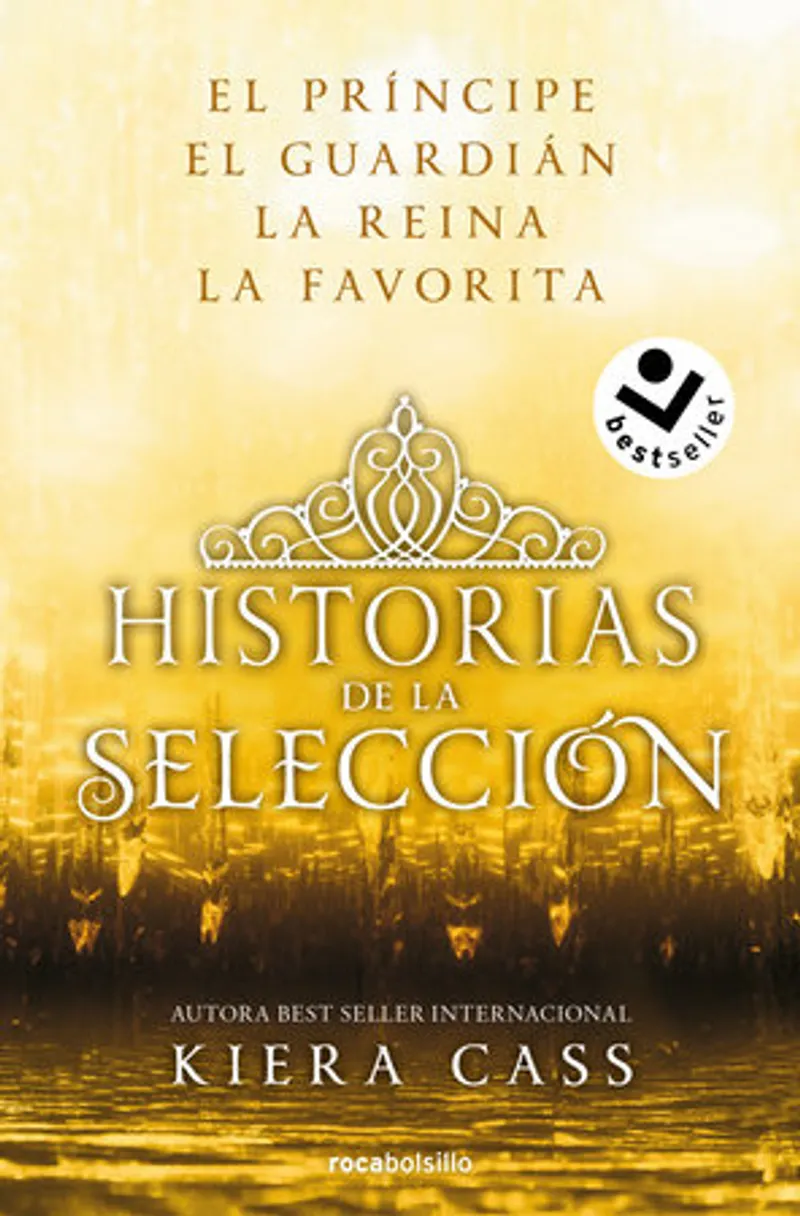
Ómnibus. Historias de la selección / Happily Ever After: Companion to the Selection Series Author: Kiera CassPage Count: UnknownPublication Date: 2024-PRH "Happily Ever After: Companion to the Selection Series" is a treasure trove of novellas and exclusive extras that delves into the world of Kiera Cass's bestselling Selection series. This stunning collection of four novellas, including two that are only available in print in this collection, offers a deeper understanding of the beloved characters and their backstories. The book takes readers on a journey to meet Prince Maxon before he fell in love with America, and a girl named Amberly before she became queen. We see the Selection through the eyes of a guard who watched his first love drift away and a girl who fell for a boy who wasn't the prince. The novellas, including "The Prince," "The Guard," "The Queen," and "The Favorite," provide a fresh perspective on the world of Illéa and its characters. One of the standout features of this collection is the way it explores the theme of love and relationships. Cass masterfully weaves together stories of first loves, unrequited loves, and the complexities of relationships. The characters are multidimensional and relatable, making it easy for readers to become invested in their stories. Cass's writing style is, as always, engaging and accessible. She has a talent for creating a sense of atmosphere and tension, drawing readers into the world of Illéa. The exclusive bonus content, including new scenes from "The Selection," "The Elite," and "The One," adds an extra layer of depth to the collection. The inclusion of a map of Illéa and other illustrations is a lovely touch, adding a visual element to the collection. The introductions to each novella from Cass herself provide insight into her writing process and the inspiration behind the stories. Overall, "Happily Ever After: Companion to the Selection Series" is a must-have for fans of the series. It offers a unique perspective on the world and characters of Illéa, and the exclusive bonus content makes it a valuable addition to any collection. Cass's writing is, as always, engaging and accessible, making this a compelling read for both new and old fans of the series. #TheSelectionSeries #KieraCass #HappilyEverAfter #TheBetrothed #YAFantasy #RoyalRomance Related InsightsDark Hours Book Review and Summary I Am the Messenger Book Review and Summary On the Calculation of Volume V Book Review and Summary{ "@context": "https://schema.org", "@type": "FAQPage", "mainEntity": [ { "@type": "Question", "name": "What is the main focus of The Selection Book Review and Summary?", "acceptedAnswer": { "@type": "Answer", "text": "Everything you need to know about The Selection with our detailed review." } }, { "@type": "Question", "name": "Who authored the comprehensive guide on The Selection Book Review and Summary?", "acceptedAnswer": { "@type": "Answer", "text": "This detailed article and its insights were carefully researched and authored by Kiera Cass." } }, { "@type": "Question", "name": "Where can I find more related content about Books?", "acceptedAnswer": { "@type": "Answer", "text": "You can explore more articles, detailed reviews, and similar insights by browsing the Related Insights section at the bottom of this article or visiting our dedicated Books category page." } } ] }
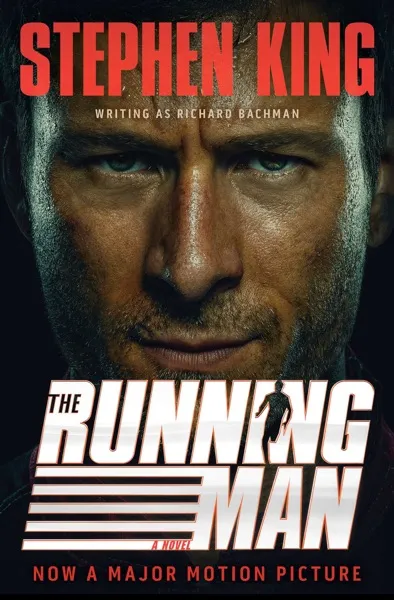
Running Man Author: Richard BachmanPage Count: UnknownPublication Year: 2025-GB Running Man: A Dystopian Masterpiece That Redefines Survival in a Broken World In a world where hope is a luxury and freedom is a myth, one man’s desperate gamble against an oppressive system becomes the ultimate test of human endurance. Running Man, the latest masterpiece from the enigmatic Richard Bachman—a pseudonym famously linked to Stephen King—is a pulse-pounding dystopian thriller that grips from the first page and refuses to let go. With its razor-sharp prose, relentless pacing, and a premise that feels eerily prescient, this book isn’t just a story; it’s a mirror held up to society’s darkest fears. If you thought survival was hard before, wait until you meet the rules of this deadly game. At its core, Running Man explores the crushing weight of systemic oppression and the lengths to which people will go to escape it. The novel unfolds in a near-future America where economic collapse has plunged the nation into chaos, and the government has turned entertainment into a brutal spectacle. The titular game is a televised deathmatch where contestants fight for cash prizes while being hunted by "Hunters"—elite enforcers tasked with stopping them at any cost. The twist? The more you win, the more dangerous it becomes. It’s a scathing critique of reality TV culture, government control, and the commodification of human suffering, all wrapped in a narrative that’s as thrilling as it is thought-provoking. The protagonist, Ben Richards, is a man pushed to the brink by a system that has failed him. A former police officer turned desperate father, Ben enters the game not for glory, but for the chance to secure his family’s survival. His journey is one of quiet desperation, a man stripped of his humanity by circumstance, forced to become something he never wanted to be. Bachman crafts Richards with a raw, unflinching realism that makes his struggles feel visceral. You won’t just root for him—you’ll ache with him, question his choices, and wonder if survival is even possible in a world that has already decided his fate. Bachman’s writing style is a masterclass in tension-building. The prose is lean, direct, and devoid of unnecessary flourish, mirroring the stripped-down, survivalist mentality of the story. There’s no room for flowery descriptions when every word could be your last. The pacing is relentless, with each chapter escalating the stakes in ways that leave you breathless. The dialogue crackles with authenticity, and the world-building is so immersive that you’ll forget you’re reading fiction. It’s the kind of writing that makes you forget you’re holding a book—you’re just living the nightmare alongside Ben Richards. What sets Running Man apart from other dystopian novels is its unflinching portrayal of moral ambiguity. There are no clear heroes, no easy victories—just a man fighting against a machine that’s designed to grind him into dust. The game’s rules are cruel, the odds are stacked against him, and every decision Ben makes carries consequences that ripple far beyond his own life. Bachman doesn’t shy away from the uglier aspects of human nature, either. Betrayal, desperation, and the erosion of trust are as much a part of this world as the oppressive regime itself. The novel’s themes resonate deeply in today’s climate of economic inequality, government surveillance, and the erosion of personal freedoms. It’s a warning, a prophecy, and a mirror all at once. Bachman forces readers to confront uncomfortable questions: How far would you go to survive? What would you sacrifice for the people you love? And in a world where the powerful profit from the suffering of the weak, is there any real justice left? Running Man isn’t just a book—it’s an experience. It’s the kind of story that lingers long after the last page, gnawing at your thoughts and sparking debates about power, morality, and the human spirit. Whether you’re a fan of dystopian fiction, psychological thrillers, or simply great storytelling, this novel delivers in spades. It’s a global bestseller for a reason, and once you dive into its pages, you’ll understand why. If you’re looking for a book that will challenge you, thrill you, and leave you questioning the world around you, Running Man is a must-read. Just don’t expect to sleep well afterward. #RunningMan #DystopianFiction #StephenKing #SurvivalThriller #BachmanBooks Related InsightsL'Eco del Destino: Il Viaggio Metafisico tra le Sabbie di L'Alchimista Ready Player One Book Review and Summary Dark Places Book Review and Summary{ "@context": "https://schema.org", "@type": "FAQPage", "mainEntity": [ { "@type": "Question", "name": "What is the main focus of **Running Man** Book Review and Summary?", "acceptedAnswer": { "@type": "Answer", "text": "Everything you need to know about **Running Man** with our detailed review." } }, { "@type": "Question", "name": "Who authored the comprehensive guide on **Running Man** Book Review and Summary?", "acceptedAnswer": { "@type": "Answer", "text": "This detailed article and its insights were carefully researched and authored by Olivia Harris." } }, { "@type": "Question", "name": "Where can I find more related content about Books?", "acceptedAnswer": { "@type": "Answer", "text": "You can explore more articles, detailed reviews, and similar insights by browsing the Related Insights section at the bottom of this article or visiting our dedicated Books category page." } } ] }
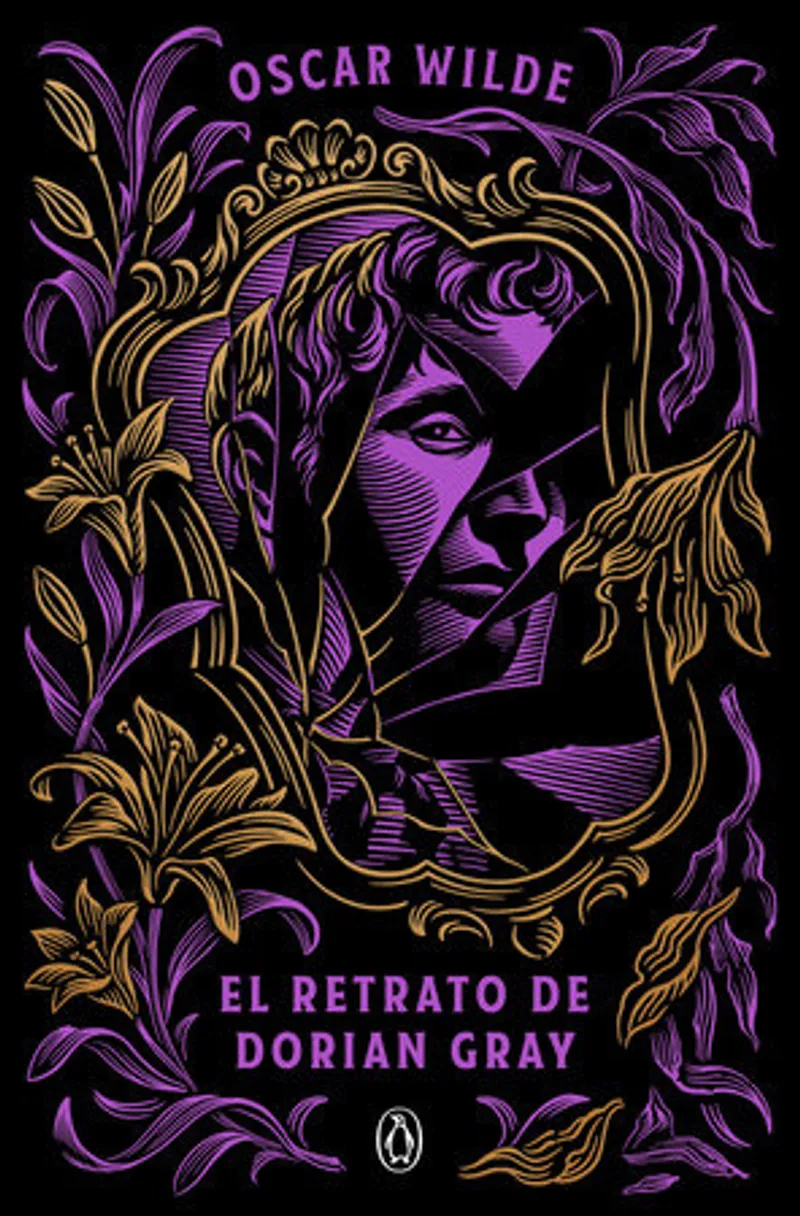
El retrato de Dorian Gray / The Picture of Dorian Gray Author: Oscar WildePage Count: UnknownPublication Date: 2025-PRH Oscar Wilde’s The Picture of Dorian Gray is a masterpiece of Gothic decadence, a novel that dares to ask what happens when beauty and morality collide. First published in 1890, it remains a chilling exploration of vanity, corruption, and the duality of human nature. This edition, meticulously translated by Alejandro Palomas and introduced by Robert Mighall, reaffirms its status as a timeless cautionary tale—one that shocked Victorian society and continues to haunt readers today. At its core, The Picture of Dorian Gray is a Faustian bargain wrapped in aesthetic perfection. The young Dorian, a man of unparalleled beauty, becomes the subject of a portrait painted by his friend Basil Hallward. Enchanted by his own image, Dorian wishes that the portrait would age instead of him—a wish that is granted, with horrifying consequences. As Dorian indulges in a life of hedonism, cruelty, and moral decay, his outward appearance remains untouched, while the portrait bears the grotesque marks of his sins. The novel thus becomes a study of the soul’s corruption, hidden beneath a mask of youth and charm. Wilde’s prose is as lush as it is razor-sharp, dripping with epigrams and paradoxes that define his signature style. Lord Henry Wotton, the novel’s most seductive villain, delivers lines that are both witty and venomous: "The only way to get rid of a temptation is to yield to it." His influence over Dorian is the catalyst for the young man’s downfall, illustrating Wilde’s belief in the power of art—and the artist—to shape reality. The dialogue crackles with intellectual provocation, making Dorian Gray as much a philosophical debate as it is a narrative. Yet beneath the glittering surface lies a darker truth. Wilde himself was no stranger to scandal; his trial for "gross indecency" in 1895 was partly fueled by the perceived immorality of this novel. The book’s themes of hidden vice and the perils of unchecked desire were radical for their time, and they remain unsettling today. Dorian’s descent into cruelty—culminating in the murder of Basil Hallward—is a stark reminder that beauty without conscience is a hollow victory. The novel’s enduring power lies in its ambiguity. Is Dorian a victim of Lord Henry’s manipulations, or does he embrace his own corruption? Is the portrait a metaphor for the hidden self, or a literal manifestation of guilt? Wilde leaves these questions unanswered, inviting readers to confront their own judgments. The result is a work that feels both timeless and urgently modern—a story about the masks we wear and the price of eternal youth. This edition, with its insightful introduction and fluid translation, is a treasure for both new readers and longtime admirers. Palomas’ translation captures the novel’s elegance without losing its edge, while Mighall’s introduction provides crucial historical context, linking Wilde’s work to the Gothic tradition and the Decadent movement. The Picture of Dorian Gray is more than a Gothic horror story; it is a mirror held up to society’s obsession with appearances. Wilde’s genius lies in making us complicit in Dorian’s fall, forcing us to ask: Would we make the same bargain? The answer, whispered in the pages of this book, is far more disturbing than we’d like to admit. #DorianGray #OscarWilde #GothicLiterature #DarkRomance #VictorianDecadence #FaustianBargain Related InsightsWhiteout Book Review and Summary Joker Moon Book Review and Summary Do I Have to Wear a Coat? Book Review and Summary{ "@context": "https://schema.org", "@type": "FAQPage", "mainEntity": [ { "@type": "Question", "name": "What is the main focus of The Picture of Dorian Gray Book Review and Summary?", "acceptedAnswer": { "@type": "Answer", "text": "Everything you need to know about The Picture of Dorian Gray with our detailed review." } }, { "@type": "Question", "name": "Who authored the comprehensive guide on The Picture of Dorian Gray Book Review and Summary?", "acceptedAnswer": { "@type": "Answer", "text": "This detailed article and its insights were carefully researched and authored by Oscar Wilde." } }, { "@type": "Question", "name": "Where can I find more related content about Books?", "acceptedAnswer": { "@type": "Answer", "text": "You can explore more articles, detailed reviews, and similar insights by browsing the Related Insights section at the bottom of this article or visiting our dedicated Books category page." } } ] }

Day of Ascension Author: Adrian TchaikovskyPage Count: UnknownPublication Year: 2021-GB In the realm of science fiction, few authors have managed to captivate audiences with the same level of intellectual curiosity and philosophical depth as Adrian Tchaikovsky. His 2021 novel, Day of Ascension, is a testament to his mastery of the genre, delving into the intricacies of artificial intelligence, consciousness, and human existence. At its core, Day of Ascension grapples with the concept of ascension – the hypothetical moment when artificial intelligence surpasses human intelligence, leading to an exponential growth in technological advancements. Tchaikovsky's exploration of this theme is both fascinating and unsettling, as he probes the boundaries of human understanding and the potential consequences of creating intelligent beings that may eventually surpass us. One of the standout features of Tchaikovsky's writing style is his ability to balance complex ideas with engaging narrative. His prose is lucid and accessible, making the novel an enjoyable read for both science fiction enthusiasts and those new to the genre. The author's use of multiple perspectives and narrative threads adds depth to the story, allowing the reader to piece together the puzzle of ascension alongside the characters. Through his characters, Tchaikovsky raises important questions about the nature of consciousness, free will, and the human condition. As the story unfolds, the lines between creator and created become increasingly blurred, forcing the reader to confront the possibility that our creations may one day become more than just mere machines. Tchaikovsky's world-building is equally impressive, as he crafts a believable and immersive environment that feels both familiar and yet, utterly alien. The novel's setting, a not-too-distant future where artificial intelligence has become an integral part of daily life, serves as a commentary on our current relationship with technology and the potential risks of relying too heavily on intelligent systems. Day of Ascension is a thought-provoking and unsettling novel that will appeal to fans of science fiction, philosophy, and anyone interested in exploring the complexities of artificial intelligence. Tchaikovsky's masterful storytelling and intellectual curiosity make this novel a must-read for anyone looking to engage with the big questions of our time. In conclusion, Day of Ascension is a gripping and intellectually stimulating novel that will leave readers questioning the boundaries of human existence and the potential consequences of creating intelligent machines. With its thought-provoking themes, engaging narrative, and well-crafted world-building, this novel is sure to resonate with readers long after the final page has been turned. #ArtificialIntelligence #ScienceFiction #Ascension #Consciousness #Philosophy #TechnologicalSingularity Related InsightsDeadly Little Lessons Book Review and Summary Cold Mountain Book Review and Summary Crown of Midnight Book Review and Summary{ "@context": "https://schema.org", "@type": "FAQPage", "mainEntity": [ { "@type": "Question", "name": "What is the main focus of Day of Ascension Book Review and Summary?", "acceptedAnswer": { "@type": "Answer", "text": "Everything you need to know about Day of Ascension with our detailed review." } }, { "@type": "Question", "name": "Who authored the comprehensive guide on Day of Ascension Book Review and Summary?", "acceptedAnswer": { "@type": "Answer", "text": "This detailed article and its insights were carefully researched and authored by Hannah Schmidt." } }, { "@type": "Question", "name": "Where can I find more related content about Books?", "acceptedAnswer": { "@type": "Answer", "text": "You can explore more articles, detailed reviews, and similar insights by browsing the Related Insights section at the bottom of this article or visiting our dedicated Books category page." } } ] }

Tangled Up In You Author: Christina LaurenPage Count: UnknownPublication Year: 2024-GB Tangled Up In You: A Love Story Wrapped in Wit and Warmth Christina Lauren’s Tangled Up In You is a masterclass in modern romance—equal parts heart-fluttering, emotionally raw, and laugh-out-loud funny. As a global bestseller, it’s no surprise that the novel has captivated readers with its irresistible blend of chemistry, conflict, and the kind of emotional depth that lingers long after the last page. But what makes this book truly stand out isn’t just its premise; it’s the way Christina Lauren weaves together a love story that feels both timeless and urgently real. At its core, Tangled Up In You is a story about connection—how we find it, how we lose it, and how sometimes, the messiest moments lead us right back to where we’re meant to be. The novel follows two flawed, fiercely relatable characters whose lives collide in ways neither expects. What starts as a series of misunderstandings, misunderstandings, and reluctant proximity slowly unravels into something far more profound. Christina Lauren excels at crafting relationships that feel organic, where the push-and-pull isn’t just about attraction but about growth. Their banter is sharp, their vulnerabilities are exposed at just the right moments, and their emotional journey never feels forced or melodramatic. What sets Christina Lauren apart as a storyteller is their ability to balance humor with heartache. Their prose is effortlessly engaging, with a rhythm that makes the book nearly impossible to put down. The dialogue crackles with wit, the internal monologues are achingly honest, and the pacing ensures that every chapter leaves you craving more. Whether it’s a quiet moment of introspection or a heated confrontation, the writing never loses its spark. This is romance as it should be—messy, real, and deeply satisfying. The emotional depth of Tangled Up In You is its greatest strength. Christina Lauren doesn’t shy away from the complexities of love—jealousy, fear of abandonment, the struggle to trust. These aren’t just superficial obstacles; they’re integral to the characters’ development, making their eventual triumph feel earned. The novel’s strength lies in its refusal to simplify love into a neat, tidy package. Instead, it embraces the chaos, the setbacks, and the small victories that come with building something real. If there’s one critique to offer, it’s that some readers might long for a bit more resolution in certain subplots. Christina Lauren excels at keeping the focus tight on the central romance, but a few secondary characters occasionally feel underdeveloped. That said, this is a minor quibble in an otherwise flawless execution. The emotional payoff is worth every page, and the ending is nothing short of satisfying. Ultimately, Tangled Up In You is a love letter to those who believe in second chances—and to the messy, beautiful ways we find our way back to each other. Christina Lauren’s signature style—warm, witty, and deeply empathetic—shines on every page, making this not just a romance novel, but an experience. Whether you’re a longtime fan of the genre or a skeptic looking for something fresh, this book will remind you why love stories endure. #TangledUpInYou #ChristinaLauren #RomanceBooks #NewAdultRomance #BookTok #MustReadRomance Related InsightsThe Bronze Horseman Book Review and Summary Unwind Book Review and Summary Saga Crepúsculo Book Review and Summary{ "@context": "https://schema.org", "@type": "FAQPage", "mainEntity": [ { "@type": "Question", "name": "What is the main focus of Tangled Up In You Book Review and Summary?", "acceptedAnswer": { "@type": "Answer", "text": "Everything you need to know about Tangled Up In You with our detailed review." } }, { "@type": "Question", "name": "Who authored the comprehensive guide on Tangled Up In You Book Review and Summary?", "acceptedAnswer": { "@type": "Answer", "text": "This detailed article and its insights were carefully researched and authored by Carmen Martinez." } }, { "@type": "Question", "name": "Where can I find more related content about Books?", "acceptedAnswer": { "@type": "Answer", "text": "You can explore more articles, detailed reviews, and similar insights by browsing the Related Insights section at the bottom of this article or visiting our dedicated Books category page." } } ] }

The Lion, the Fox and the Eagle Author: Carol OffPage Count: UnknownPublication Date: 2010-PRH Carol Off’s The Lion, the Fox and the Eagle is a searing indictment of international inaction and moral failure, woven through the lives of three Canadians whose roles in the 1990s’ defining atrocities—Bosnia and Rwanda—could not have been more consequential or more tragic. This is not merely a recounting of history; it is a meticulously constructed reckoning with the ways power, cowardice, and bureaucracy conspire to enable genocide. Off, a veteran journalist known for her sharp, unflinching prose, crafts a narrative that is both a damning critique and a poignant elegy for the lost lives and squandered opportunities of the era. At the heart of the book lies a deceptively simple metaphor: the lion, the fox, and the eagle. Romeo Dallaire, the lion, embodies raw courage and moral clarity—his desperate pleas to intervene in Rwanda, his nightmares of the slaughter he could not stop, his later breakdowns—all serve as a mirror to the world’s indifference. Dallaire’s story is one of heroic failure, a man who saw the abyss and tried to warn the rest of us, only to be handcuffed by politics and bureaucratic inertia. Off doesn’t romanticize him; she presents him as a flawed, human figure whose greatest tragedy was not his inability to act, but the fact that he knew what needed to be done and was systematically denied the tools to do it. Lewis MacKenzie, the fox, is the book’s most controversial figure. A Canadian general whose command in Sarajevo during the early days of the Bosnian War is alternately praised as a masterclass in peacekeeping and condemned as a failure of moral imagination, MacKenzie emerges here as a man of cunning pragmatism. He navigates the treacherous terrain of UN mandates, political expediency, and ethnic violence with a fox’s instinct for survival rather than confrontation. Off doesn’t vilify him—she dissects his choices with surgical precision, revealing how his cautious, containment-focused approach may have saved lives in the short term but ultimately prolonged the conflict. There’s a chilling moment when MacKenzie reflects on the siege of Sarajevo, noting that the city’s resilience was a double-edged sword: it kept people alive, but it also kept the war going. That duality—saving some while enabling more suffering—is the essence of his legacy, and Off forces the reader to grapple with it. Then there is Louise Arbour, the eagle, whose role as Chief Prosecutor for War Crimes in the Hague represents the international community’s belated attempt at redemption. Arbour’s crusade to hold perpetrators accountable, from Slobodan Milošević to the architects of the Rwandan genocide, is a rare bright spot in this grim tableau. Yet even her victories are tinged with bitterness. Off highlights the Sisyphean nature of her task: the slow grind of justice, the political interference, the way the same institutions that failed to prevent genocide now sought to prosecute it. Arbour’s story is one of quiet defiance, a reminder that even in the face of overwhelming odds, the pursuit of justice is not futile—but it is never enough. Off’s writing style is the book’s greatest strength. She balances meticulous research with a novelist’s eye for drama, drawing out the human dimensions of these larger-than-life figures. Her prose is clean and direct, avoiding the jargon of military or legal analysis in favor of visceral, often heartbreaking detail. When she describes Dallaire’s breakdown in a Montreal hotel room, or MacKenzie’s weary reflections on the futility of peacekeeping, or Arbour’s steely determination in the face of diplomatic obstruction, the reader is not just informed—they are there. Off also excels at exposing the contradictions in the UN’s actions, particularly its insistence on neutrality in the face of genocide. Her critique is not just of individuals but of a system that rewards inaction while claiming to uphold humanity. What makes The Lion, the Fox and the Eagle so devastating is its refusal to offer easy answers. There are no heroes here, only people doing the best they can within a framework that was designed to fail. Dallaire’s guilt, MacKenzie’s pragmatism, Arbour’s dogged pursuit of justice—all are presented with a journalist’s rigor and a storyteller’s empathy. Off doesn’t let us off the hook. She forces us to confront uncomfortable truths: that peacekeeping, as it was practiced in the 1990s, was often a euphemism for abandonment; that the world’s failure in Rwanda and Bosnia was not an accident but a choice; and that the pursuit of justice, while noble, is often too little, too late. This is a book that lingers, not just because of its historical importance but because of its moral urgency. It is a call to remember—and to do better. In an era where atrocities continue to unfold with the world looking on, Off’s work is a necessary corrective to complacency. #GenocideAwareness #PeacekeepingFailures #Rwanda94 #BosniaWar #JusticeDelayed #CarolOff Related InsightsProving Ground Book Review and Summary Howards End Book Review and Summary Mrs. Dalloway Book Review and Summary{ "@context": "https://schema.org", "@type": "FAQPage", "mainEntity": [ { "@type": "Question", "name": "What is the main focus of The Lion, the Fox and the Eagle Book Review and Summary?", "acceptedAnswer": { "@type": "Answer", "text": "Everything you need to know about The Lion, the Fox and the Eagle with our detailed review." } }, { "@type": "Question", "name": "Who authored the comprehensive guide on The Lion, the Fox and the Eagle Book Review and Summary?", "acceptedAnswer": { "@type": "Answer", "text": "This detailed article and its insights were carefully researched and authored by Anna Kowalska." } }, { "@type": "Question", "name": "Where can I find more related content about Books?", "acceptedAnswer": { "@type": "Answer", "text": "You can explore more articles, detailed reviews, and similar insights by browsing the Related Insights section at the bottom of this article or visiting our dedicated Books category page." } } ] }

Framed in Death Author: Nora RobertsPage Count: UnknownPublication Year: 2025-GB In the midst of a literary landscape saturated with crime thrillers, Nora Roberts' latest masterpiece, Framed in Death, emerges as a breath of fresh air, expertly weaving a complex web of mystery, intrigue, and suspense that will keep even the most discerning readers on the edge of their seats. As a global bestseller, this book has already garnered widespread acclaim, and for good reason - Roberts' characteristic flair for crafting compelling narratives is on full display, making Framed in Death an absolute must-read for fans of the genre. At its core, Framed in Death is a thought-provoking exploration of the human condition, delving into themes of identity, morality, and the blurred lines between right and wrong. Roberts expertly navigates these complex ideas, using her characters as vehicles to probe the depths of human nature. The protagonist, in particular, is a masterclass in character development - multifaceted, relatable, and imbued with a rich inner life that makes their journey feel both deeply personal and universally relatable. One of the standout aspects of Framed in Death is the author's writing style, which is at once lyrical and concise. Roberts' prose is akin to a scalpel, cutting through the noise to reveal the raw emotional truth of her characters' experiences. Her use of language is economical yet evocative, conjuring vivid images that transport the reader into the world of the story. Whether she's describing the eerie atmosphere of a crime scene or the warmth of a character's inner sanctum, Roberts' writing is always pitch-perfect, drawing the reader in and refusing to let go. The characters in Framed in Death are equally well-crafted, with each one bringing their own unique perspective to the narrative. From the enigmatic detective to the brilliant forensic expert, every character is fully realized, with their own distinct voice and motivations. Roberts has a keen ear for dialogue, and the conversations between characters are always natural and revealing, shedding light on their inner lives and relationships. The result is a cast of characters that feels genuinely authentic, making it easy to become invested in their stories and root for them as they navigate the twists and turns of the plot. As the story unfolds, Roberts expertly ratchets up the tension, layering clue upon clue to create a sense of slow-burning suspense that's almost unbearable. The pacing is impeccable, with each chapter ending on a cliffhanger that propels the reader forward, eager to uncover the truth. And yet, despite the breakneck pace, Framed in Death never feels rushed or disjointed - each plot twist is carefully earned, and the ultimate reveal is both surprising and satisfying, tying together the various threads of the narrative with a sense of elegant precision. In short, Framed in Death is a triumph, a masterpiece of suspense that will appeal to fans of authors like Gillian Flynn, Tana French, and Stephen King. With its richly atmospheric setting, complex characters, and expertly crafted plot, this book is an absolute must-read for anyone who loves a good mystery. So if you're looking for a story that will keep you up late at night, turning pages with reckless abandon, look no further than Framed in Death. With its winning combination of style, substance, and suspense, this book is sure to stay with you long after the final page is turned. #NoraRoberts #FramedInDeath #CrimeFiction #SuspenseNovels #MysteryBooks Related InsightsJohnny Got His Gun Book Review and Summary Dark Sky Book Review and Summary Ciudad de las Almas perdidas : Cazadores de sombras Book Review and Summary{ "@context": "https://schema.org", "@type": "FAQPage", "mainEntity": [ { "@type": "Question", "name": "What is the main focus of **Framed in Death** Book Review and Summary?", "acceptedAnswer": { "@type": "Answer", "text": "Everything you need to know about **Framed in Death** with our detailed review." } }, { "@type": "Question", "name": "Who authored the comprehensive guide on **Framed in Death** Book Review and Summary?", "acceptedAnswer": { "@type": "Answer", "text": "This detailed article and its insights were carefully researched and authored by Chloé Laurent." } }, { "@type": "Question", "name": "Where can I find more related content about Books?", "acceptedAnswer": { "@type": "Answer", "text": "You can explore more articles, detailed reviews, and similar insights by browsing the Related Insights section at the bottom of this article or visiting our dedicated Books category page." } } ] }