Showing Posts From
Books
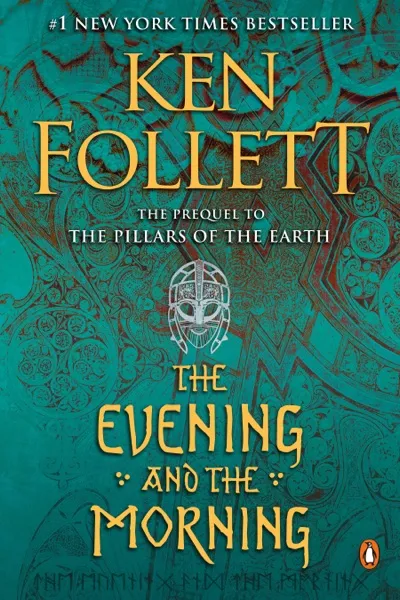

Evening and the Morning Author: Ken FollettPage Count: UnknownPublication Year: 2021-GB Ken Follett’s Evening and the Morning is a sweeping historical epic that plunges readers into a world of ambition, power, and transformation. Set in the early Middle Ages, this prequel to his The Pillars of the Earth series masterfully captures the dawn of a new era, where the old ways of Anglo-Saxon England clash with the rising tide of Norman ambition. Follett, a master storyteller, weaves a tapestry of intrigue, romance, and political maneuvering that feels as vivid and immediate as the modern world. The novel’s central theme revolves around the birth of a nation. Through the eyes of three compelling protagonists—Edgar, a young boatbuilder with dreams of upward mobility; Ragna, a noblewoman forced into a loveless marriage; and Aldred, a monk torn between faith and ambition—the story unfolds against the backdrop of a society in flux. Follett doesn’t just recount history; he breathes life into it, making the struggles of ordinary people as gripping as the battles of kings. What sets Evening and the Morning apart is its unparalleled attention to detail. Follett’s meticulous research shines through in every scene, from the construction of a cathedral to the political maneuvering of a royal court. Yet, his prose never feels dry or academic. Instead, it crackles with tension and emotion, drawing readers into a world where every decision could mean the difference between survival and ruin. The author’s ability to balance large-scale historical events with intimate personal dramas is nothing short of breathtaking. Follett’s writing style is both immersive and accessible. His sentences flow effortlessly, carrying readers along on a journey that spans years and countless miles. The dialogue feels authentic, the descriptions lush without being overwrought, and the pacing relentless. Even when the story slows to explore the inner lives of its characters, it never loses momentum. This is historical fiction at its finest—an engrossing tale that educates as much as it entertains. At its heart, Evening and the Morning is a story about change. It’s about the people who drive progress, who defy tradition, and who dare to dream of a better future. Edgar’s quest to build something lasting, Ragna’s fight for dignity, and Aldred’s struggle to reconcile his faith with his ambitions all reflect the broader shifts of the time. Follett doesn’t shy away from the brutality of the era—war, betrayal, and hardship are ever-present—but he also celebrates the resilience of the human spirit. The novel’s strength lies in its characters, each of whom is flawed, complex, and deeply human. Edgar is a hero we root for, but his flaws make him relatable. Ragna’s strength and vulnerability make her impossible to forget, while Aldred’s internal conflict adds depth to the narrative. Follett doesn’t just create characters; he crafts living, breathing people whose struggles resonate across centuries. For readers who love historical fiction, Evening and the Morning is a must-read. It’s a story that will stay with you long after the last page, a reminder of how far we’ve come and how much we share with those who walked the earth a thousand years ago. Ken Follett has done it again—delivered a novel that is as thought-provoking as it is thrilling. #KenFollett #HistoricalFiction #MedievalEpic #BookReview #ComingOfAge #PrequelSeries Related InsightsHidden Pictures Book Review and Summary Blue Jean Summer (Wilder Estate #1) Book Review and Summary Espíritu (Cemetery Boys, #2) Book Review and Summary{ "@context": "https://schema.org", "@type": "FAQPage", "mainEntity": [ { "@type": "Question", "name": "What is the main focus of Evening and the Morning Book Review and Summary?", "acceptedAnswer": { "@type": "Answer", "text": "Everything you need to know about Evening and the Morning with our detailed review." } }, { "@type": "Question", "name": "Who authored the comprehensive guide on Evening and the Morning Book Review and Summary?", "acceptedAnswer": { "@type": "Answer", "text": "This detailed article and its insights were carefully researched and authored by Maximilian Fischer." } }, { "@type": "Question", "name": "Where can I find more related content about Books?", "acceptedAnswer": { "@type": "Answer", "text": "You can explore more articles, detailed reviews, and similar insights by browsing the Related Insights section at the bottom of this article or visiting our dedicated Books category page." } } ] }
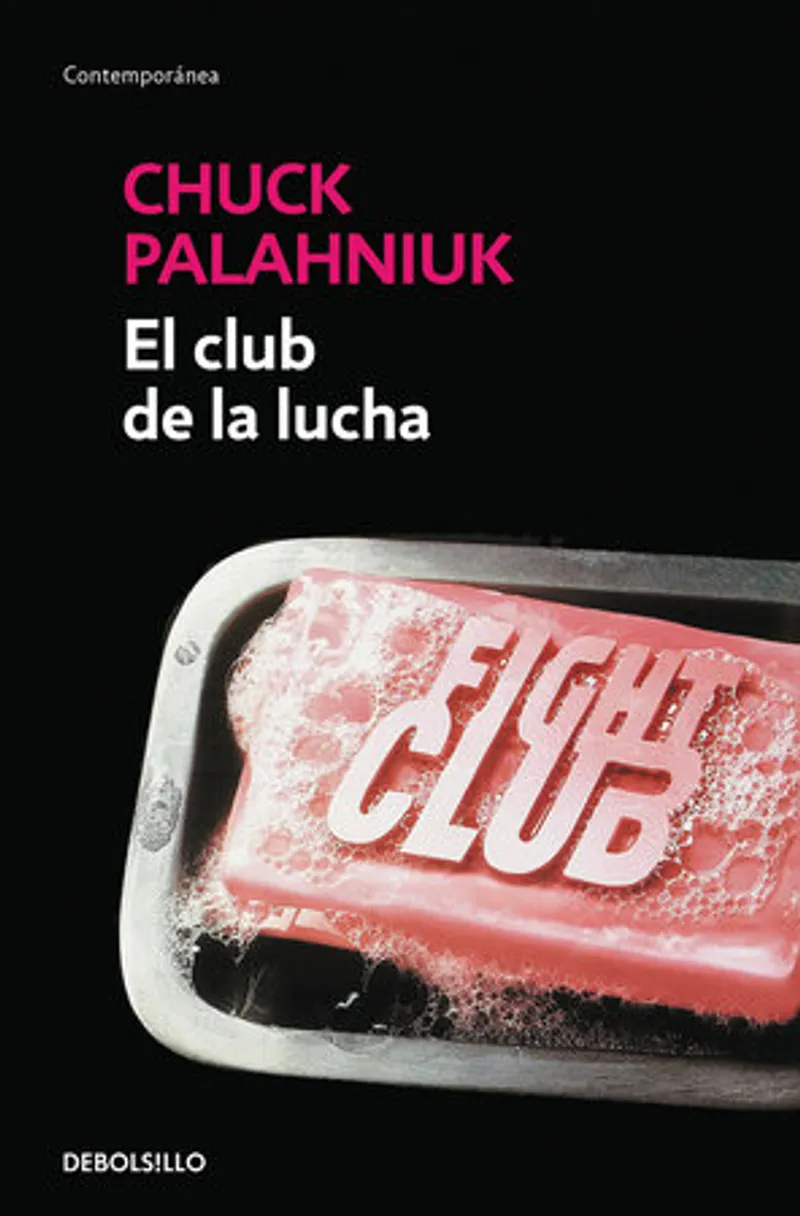
El club de la lucha / Fight Club Author: Chuck PalahniukPage Count: UnknownPublication Date: 2016-PRH In the midst of a society crippled by consumerism, Chuck Palahniuk's Fight Club emerges as a scathing critique of modernity, a call to arms against the suffocating grip of materialism. First published in 1996, not 2016, this iconic novel has become a cult classic, its influence still resonating today. With unflinching candor, Palahniuk dissects the darker aspects of human nature, laying bare the desperation and disillusionment that festers beneath the surface of our seemingly perfect lives. Through the eyes of an unnamed narrator, we are drawn into a world of sterile office cubicles, meaningless relationships, and the endless pursuit of stuff. But it's not until he meets Tyler Durden, a charismatic and enigmatic figure, that the narrator's life begins to unravel. Durden's presence is akin to a tornado, leaving a trail of destruction and chaos in his wake. As the narrator becomes increasingly enthralled by Durden's anarchic ideology, the boundaries between reality and fantasy begin to blur. Palahniuk's prose is akin to a swift kick to the gut – it's brutal, unapologetic, and unflinchingly honest. His writing style is a perfect reflection of the world he's critiquing: raw, unvarnished, and often disturbing. With a keen eye for detail, he exposes the vacuity of modern life, where people are reduced to mere consumers, and relationships are transactional. At its core, Fight Club is a novel about the search for meaning in a world that has lost its way. It's a scathing indictment of a society that values stuff over substance, where people are more concerned with their outward appearance than their inner lives. Through the narrator's journey, Palahniuk shows us the devastating consequences of a life lived in isolation, where human connection is reduced to a mere abstraction. And yet, despite the bleakness of its themes, Fight Club is a strangely exhilarating read. It's a call to arms, a rallying cry against the suffocating grip of consumerism. Palahniuk's vision is not one of nihilism, but of liberation – a world where people are free to forge their own paths, to create their own meaning, and to live life on their own terms. In the end, Fight Club is a novel that will leave you breathless, disturbed, and maybe even a little bit changed. It's a testament to Palahniuk's skill as a writer that he can evoke such strong emotions, that he can challenge our assumptions and force us to confront the darker aspects of our own nature. #FightClub #ChuckPalahniuk #ConsumerismCritique #SatiricalFiction #AnarchicLiterature #CultClassicNovels Related InsightsEnlightenment Now Book Review and Summary A Beautiful Couple Book Review and Summary The Teacher Book Review and Summary{ "@context": "https://schema.org", "@type": "FAQPage", "mainEntity": [ { "@type": "Question", "name": "What is the main focus of Fight Club Book Review and Summary?", "acceptedAnswer": { "@type": "Answer", "text": "Everything you need to know about Fight Club with our detailed review." } }, { "@type": "Question", "name": "Who authored the comprehensive guide on Fight Club Book Review and Summary?", "acceptedAnswer": { "@type": "Answer", "text": "This detailed article and its insights were carefully researched and authored by Chuck Palahniuk." } }, { "@type": "Question", "name": "Where can I find more related content about Books?", "acceptedAnswer": { "@type": "Answer", "text": "You can explore more articles, detailed reviews, and similar insights by browsing the Related Insights section at the bottom of this article or visiting our dedicated Books category page." } } ] }
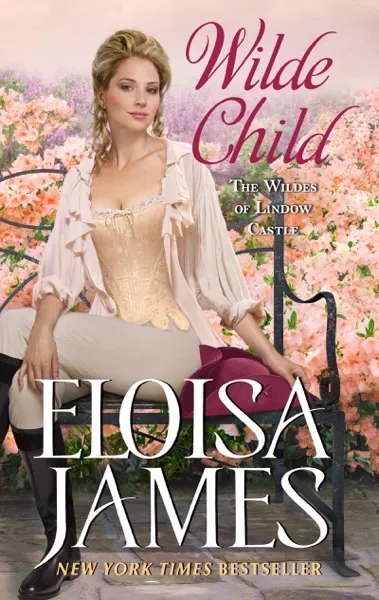

Wilde Child Author: Eloisa JamesPage Count: UnknownPublication Year: 2021-GB Eloisa James’s Wilde Child is a dazzling confection of wit, heart, and unapologetic romance, a novel that reaffirms why the author is one of today’s most beloved chroniclers of love’s messy, exhilarating, and often unpredictable journey. Set against the glittering backdrop of Regency England, this story is less a mere tale of courtship and more a celebration of self-discovery—where passion is not just felt but fiercely claimed, and where the true wildness lies not in defying society’s rules, but in refusing to let them dictate the shape of one’s heart. At its core, Wilde Child explores the tension between expectation and authenticity, particularly through its spirited heroine, Lady Helen Finch, who has spent her life bending to the will of others. Orphaned at a young age and raised by a disapproving aunt, Helen has learned to suppress her boldness, her curiosity, and her unruly curiosity for life. But when she’s thrust into London’s high society, a place where reputation is currency and missteps are ruin, she finds herself caught between the suffocating expectations of marriage and the reckless, exhilarating pull of her own desires. James crafts Helen not as a passive damsel waiting for rescue, but as a woman learning to embrace the wildness within—a wildness that manifests in her sharp tongue, her restless mind, and her refusal to accept anything less than love that honors her fully. What elevates Wilde Child beyond the realm of typical historical romance is James’s masterful blend of humor, depth, and emotional honesty. Her prose is as polished as a Regency ballroom, yet it crackles with modern irreverence, making the era feel both authentically distant and delightfully accessible. James has a rare gift for dialogue—her characters banter with the kind of verbal sparring that feels both effortless and electric. The repartee between Helen and her love interest, the rakish but unexpectedly tender Lord Alistair, is a masterclass in romantic tension, where every retort feels like a step closer to surrender. Yet beneath the sparkling surface, James delves into themes of identity and agency with surprising nuance. Helen’s journey is not merely about finding a husband; it’s about reclaiming the parts of herself that were stifled by duty and fear. James doesn’t shy away from the complexities of female ambition in a society that sought to confine women to spheres of silence and submission. Helen’s “wildness” becomes a metaphor for the untamed spirit within all of us—the part that resists being tamed by convention. It’s a theme that resonates powerfully in any era, making the book feel timeless even as it revels in the minutiae of Regency life. James’s stylistic flair is evident in her ability to balance humor with heart. She doesn’t take herself too seriously, and neither do her characters, which allows for moments of levity even in the most fraught situations. There’s a scene where Helen accidentally sets a curtain ablaze during a passionate moment of self-revelation—a mishap that feels both absurd and oddly symbolic of her combustible spirit. Such details ground the story in humanity, reminding readers that even in the most carefully constructed worlds, life is unpredictable. The supporting cast is equally compelling. From Helen’s loyal but exasperated friend to the cunning dowager who serves as both ally and antagonist, James populates her world with characters who feel vividly real. The villain, when he appears, is deliciously despicable, his cruelty serving as a foil to the genuine tenderness Helen finds with Alistair. Their romance unfolds with a slow-burning intensity, built on mutual respect and a shared understanding of the costs of authenticity. What lingers most after turning the final page is the novel’s celebration of women who refuse to shrink. Wilde Child is not just a love story; it’s an anthem for anyone who has ever felt the urge to break free from the roles they’ve been handed. James’s writing reminds us that love, at its best, is not about possession or control, but about seeing someone fully—and loving them all the same, wild imperfections and all. Eloisa James has once again proven herself a master of the genre, crafting a novel that is as thought-provoking as it is entertaining. Wilde Child is a reminder that true romance isn’t about grand gestures, but about the quiet, courageous moments when we choose ourselves. #WildeChild #HistoricalRomance #EloisaJames #RegencyRomance #StrongFemaleProtagonist #RomanceNovel Related Insights1984 (edición definitiva avalada por The Orwell Estate) (edición especial limitada con cantos pintados) / 1984 (Edition Endorsed by The Orwell Estate) Book Review and Summary Gravity’s Rainbow Book Review and Summary Cryptonomicon Book Review and Summary{ "@context": "https://schema.org", "@type": "FAQPage", "mainEntity": [ { "@type": "Question", "name": "What is the main focus of Wilde Child Book Review and Summary?", "acceptedAnswer": { "@type": "Answer", "text": "Everything you need to know about Wilde Child with our detailed review." } }, { "@type": "Question", "name": "Who authored the comprehensive guide on Wilde Child Book Review and Summary?", "acceptedAnswer": { "@type": "Answer", "text": "This detailed article and its insights were carefully researched and authored by Marco Conti." } }, { "@type": "Question", "name": "Where can I find more related content about Books?", "acceptedAnswer": { "@type": "Answer", "text": "You can explore more articles, detailed reviews, and similar insights by browsing the Related Insights section at the bottom of this article or visiting our dedicated Books category page." } } ] }

-
 Lucia Garcia
 - 24 Apr, 2026 09:05
I Was Summoned to Be a Saint, but Was Robbed of the Position #058 Book Review and Summary
I Was Summoned to Be a Saint, but Was Robbed of the Position #058 Author: JisamaPage Count: UnknownPublication Date: 2026-PRH "I Was Summoned to Be a Saint, but Was Robbed of the Position #058" by Jisama is a thought-provoking novel that delves into the complexities of fate, power, and identity. With a title that hints at a narrative of usurpation and disillusionment, Jisama crafts a story that challenges the conventional notions of heroism and sainthood. The protagonist, whose name is not revealed, is summoned to fulfill an extraordinary role, only to be stripped of the opportunity. This pivotal event sets the tone for a journey of self-discovery and introspection, as the protagonist grapples with the consequences of being denied their supposed destiny. Jisama's writing masterfully explores the emotional turmoil and psychological impact of this experience, raising questions about the nature of purpose and the expectations placed upon individuals. One of the standout aspects of Jisama's style is their ability to balance humor and pathos. The narrative is peppered with witty observations and humorous anecdotes, which serve to highlight the absurdity of the protagonist's situation. However, these moments of levity are skillfully juxtaposed with poignant reflections on the human condition, creating a rich and nuanced reading experience. Throughout the book, Jisama employs a conversational tone that draws the reader into the protagonist's inner world. The writing is engaging and accessible, making it easy to become invested in the protagonist's struggles and triumphs. The author's use of language is also noteworthy, with vivid descriptions and metaphors that add depth and texture to the narrative. The main theme of the book – the exploration of identity and purpose in the face of adversity – is both timely and timeless. Jisama's thoughtful examination of these universal concerns will resonate with readers from diverse backgrounds and experiences. By subverting traditional notions of heroism and sainthood, the author invites us to reevaluate our assumptions about what it means to be a "good" person and to live a meaningful life. In conclusion, "I Was Summoned to Be a Saint, but Was Robbed of the Position #058" is a captivating and thought-provoking novel that will appeal to fans of character-driven fiction and philosophical inquiry. Jisama's unique style and perspective make this book a standout in its genre, and it is sure to spark important discussions about the human condition. #IWasSummonedToBeASaint #FantasyFiction #IdentityCrisis #HeroismReimagined #PhilosophicalFiction #SaintlyRobbery Related InsightsThe Cursed Carnival and Other Calamities Book Review and Summary Pet Sematary Book Review and Summary Stars and Smoke 2 Book Review and Summary{ "@context": "https://schema.org", "@type": "FAQPage", "mainEntity": [ { "@type": "Question", "name": "What is the main focus of I Was Summoned to Be a Saint, but Was Robbed of the Position #058 Book Review and Summary?", "acceptedAnswer": { "@type": "Answer", "text": "Everything you need to know about I Was Summoned to Be a Saint, but Was Robbed of the Position #058 with our detailed review." } }, { "@type": "Question", "name": "Who authored the comprehensive guide on I Was Summoned to Be a Saint, but Was Robbed of the Position #058 Book Review and Summary?", "acceptedAnswer": { "@type": "Answer", "text": "This detailed article and its insights were carefully researched and authored by Lucia Garcia." } }, { "@type": "Question", "name": "Where can I find more related content about Books?", "acceptedAnswer": { "@type": "Answer", "text": "You can explore more articles, detailed reviews, and similar insights by browsing the Related Insights section at the bottom of this article or visiting our dedicated Books category page." } } ] }
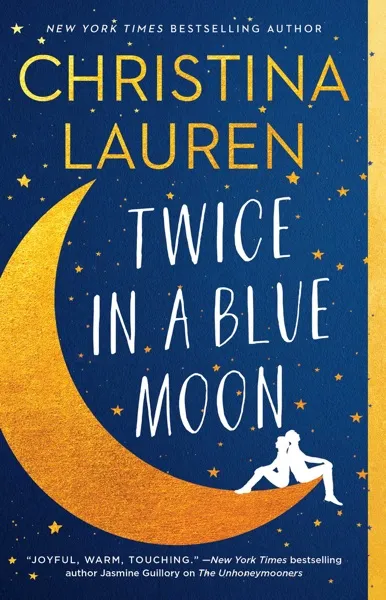
Twice in a Blue Moon Author: Christina LaurenPage Count: UnknownPublication Year: 2019-GB Twice in a Blue Moon is a spellbinding romance that weaves together destiny, second chances, and the irresistible pull of love that defies time. Christina Lauren, the dynamic duo behind some of the most beloved contemporary romance novels, delivers another heartfelt and witty tale that resonates long after the last page. Published in 2019, this standalone novel stands tall among their impressive body of work, offering readers a story that is as emotionally rich as it is entertaining. At its core, Twice in a Blue Moon explores the theme of fate and the idea that some connections are too powerful to be mere coincidence. The story revolves around the reunion of two former lovers, Ivy and Reid, who are given a second chance at love after years of being apart. Their paths cross again under unusual circumstances—specifically, during a rare celestial event: a blue moon. This cosmic coincidence serves as a poetic backdrop to their rekindled romance, reinforcing the idea that some souls are destined to find each other no matter the odds. What makes this novel particularly compelling is its exploration of the "what ifs" that haunt us all. Ivy and Reid’s story is not just about rekindled passion; it’s about the roads not taken and the choices that shape our lives. Christina Lauren masterfully captures the bittersweet nostalgia of reconnecting with someone from your past, especially when that person represents a version of yourself you’ve outgrown—or perhaps never fully became. Their interactions are charged with a mix of familiarity and newfound chemistry, making it easy for readers to root for their second chance at happiness. Christina Lauren’s signature style shines through in this novel. The prose is accessible yet evocative, blending humor and heartache with effortless precision. Their dialogue crackles with wit and authenticity, making even the most mundane exchanges feel vibrant and alive. The authors have a knack for crafting characters who feel like real people—flawed, relatable, and deeply human. Ivy, in particular, is a standout. She’s a woman who has built a life for herself, only to find that some pieces of her past refuse to stay buried. Her journey is one of self-discovery, and her growth throughout the story is both inspiring and deeply satisfying. The pacing of Twice in a Blue Moon is another of its strengths. While the novel is a standalone, it feels complete and satisfying, with no loose ends left dangling. The story unfolds at a brisk pace, keeping readers engaged with a perfect balance of romance, introspection, and lighthearted moments. The authors’ ability to balance humor and emotion ensures that the book never feels overly saccharine or melodramatic. Instead, it strikes a delicate balance that feels true to life. One of the most appealing aspects of Christina Lauren’s writing is their ability to make love stories feel fresh and relevant. In a genre that often relies on tired tropes, they manage to inject new energy into familiar themes. Twice in a Blue Moon is no exception. The blue moon itself serves as a powerful metaphor for the rare and fleeting moments of happiness we sometimes encounter in life. It’s a reminder that even when love feels impossible, it’s worth holding out for—even if it takes years to find its way back to you. For readers who enjoy contemporary romance with depth and heart, Twice in a Blue Moon is a must-read. It’s a story about second chances, the passage of time, and the enduring power of love. Christina Lauren once again proves why they are a powerhouse in the romance genre, crafting a tale that is as thought-provoking as it is swoon-worthy. Whether you’re a longtime fan or new to their work, this novel is sure to leave you believing in the magic of love at first (and second) sight. #SecondChanceRomance #LoversReunited #BlueMoonMagic #ChristinaLauren #ContemporaryRomance #DestinyAndLove Related InsightsFinlay Donovan Jumps the Gun Book Review and Summary Big Math: The Hidden Codes That Run Our World Book Review and Summary The Handmaid’s Tale Book Review and Summary{ "@context": "https://schema.org", "@type": "FAQPage", "mainEntity": [ { "@type": "Question", "name": "What is the main focus of Twice in a Blue Moon Book Review and Summary?", "acceptedAnswer": { "@type": "Answer", "text": "Everything you need to know about Twice in a Blue Moon with our detailed review." } }, { "@type": "Question", "name": "Who authored the comprehensive guide on Twice in a Blue Moon Book Review and Summary?", "acceptedAnswer": { "@type": "Answer", "text": "This detailed article and its insights were carefully researched and authored by Natalia Sokolova." } }, { "@type": "Question", "name": "Where can I find more related content about Books?", "acceptedAnswer": { "@type": "Answer", "text": "You can explore more articles, detailed reviews, and similar insights by browsing the Related Insights section at the bottom of this article or visiting our dedicated Books category page." } } ] }
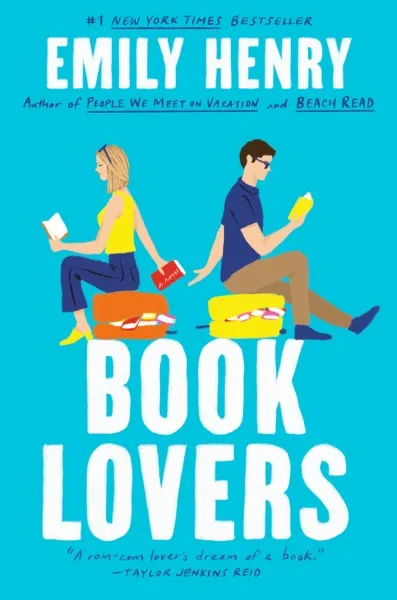

Book Lovers Author: Emily HenryPage Count: UnknownPublication Year: 2022-GB Love, Lies, and the Literary Life: Why Book Lovers by Emily Henry Is the Perfect Escape There’s something magical about a book that feels like a warm hug on a rainy day—one that makes you laugh until your stomach hurts, sigh at the right moments, and maybe even shed a few tears before you reluctantly close the last page. Emily Henry’s Book Lovers is exactly that kind of novel: a witty, heartfelt, and utterly addictive rom-com with the depth of a literary novel and the charm of a best friend’s late-night rant about love and life. If you’ve ever wondered what happens when two people who hate each other’s guts are forced to work together, or if opposites really do attract, then buckle up—this book is your next obsession. At its core, Book Lovers is a story about perception versus reality, the stories we tell ourselves, and the messy, beautiful chaos of human connection. The novel follows Nora, a ruthless literary agent from New York who prides herself on her sharp tongue, impeccable taste, and zero tolerance for small-town nonsense. When she’s sent to the quaint, bookish town of Sunshine Falls to deal with a client’s manuscript, she expects to crush dreams, sign a big deal, and get back to the city as quickly as possible. But Sunshine Falls has other plans. Between a nosy but lovable bookstore owner, a grumpy (and devastatingly handsome) local editor, and a town that seems determined to make her stay, Nora’s carefully constructed world starts to unravel in the most delightful ways. One of the most compelling aspects of Book Lovers is its exploration of the duality of human nature. Nora is a master of first impressions—she judges books by their covers, people by their LinkedIn profiles, and small towns by their lack of skyscrapers. But Henry brilliantly uses Nora’s journey to challenge the idea that we can ever truly know someone (or ourselves) from the outside. The town of Sunshine Falls, with its eccentric residents and slow-paced charm, becomes a mirror for Nora’s own repressed emotions. It’s a theme that resonates deeply in today’s fast-paced world, where we often prioritize efficiency over authenticity. Henry’s writing is sharp enough to slice through pretension but warm enough to make you believe in second chances. Then there’s Charlie, the town’s resident grump and Nora’s reluctant guide to Sunshine Falls. If you’ve ever rolled your eyes at a brooding love interest who’s secretly a softie, Charlie is your guy. He’s the kind of character who makes you want to scream, “Just admit you like her already!” but also understand why he’s so guarded. Henry excels at crafting characters who feel real—flawed, contradictory, and utterly human. Charlie isn’t just a love interest; he’s a foil to Nora’s cynicism, a reminder that life isn’t just about winning or losing but about the messy, unpredictable in-between. Henry’s writing style is a masterclass in balancing humor, heart, and literary flair. Her prose is crisp and engaging, with a knack for delivering laugh-out-loud one-liners that feel both spontaneous and perfectly timed. Whether she’s describing Nora’s internal monologue (“I am a shark. Sharks do not apologize.”) or the cozy chaos of a small-town bookstore, her words flow effortlessly, making it impossible to put the book down. But what truly sets Book Lovers apart is its meta-narrative. The novel is, in many ways, a love letter to books and the people who love them—editors, agents, and readers alike. Henry peppers the story with literary references, witty banter about tropes, and a deep appreciation for the written word, making it a must-read for bibliophiles. Beyond its entertainment value, Book Lovers also serves as a gentle nudge to embrace the unexpected. Nora’s journey is one of self-discovery, but it’s also a celebration of the people and places that challenge us to grow. In a world where algorithms dictate our tastes and social media distorts reality, Henry reminds us that the best stories—and the best relationships—often come from the unlikeliest of places. If you’re looking for a romance that’s equal parts hilarious and heartfelt, with characters you’ll root for and a setting that feels like a hug, Book Lovers is your next must-read. Emily Henry has crafted a modern classic that’s as smart as it is swoon-worthy, proving that sometimes the best love stories aren’t the ones we expect—but the ones that surprise us when we least expect them. #BookLovers #EmilyHenry #RomanceBooks #Bookstagram #MustRead Related InsightsGrimoire Book Review and Summary More Days at the Torunka Café: The Scent of Happiness (Days at the Torunka Café, #2) Book Review and Summary The Iron King Book Review and Summary{ "@context": "https://schema.org", "@type": "FAQPage", "mainEntity": [ { "@type": "Question", "name": "What is the main focus of **Book Lovers** Book Review and Summary?", "acceptedAnswer": { "@type": "Answer", "text": "Everything you need to know about **Book Lovers** with our detailed review." } }, { "@type": "Question", "name": "Who authored the comprehensive guide on **Book Lovers** Book Review and Summary?", "acceptedAnswer": { "@type": "Answer", "text": "This detailed article and its insights were carefully researched and authored by Emma Thompson." } }, { "@type": "Question", "name": "Where can I find more related content about Books?", "acceptedAnswer": { "@type": "Answer", "text": "You can explore more articles, detailed reviews, and similar insights by browsing the Related Insights section at the bottom of this article or visiting our dedicated Books category page." } } ] }
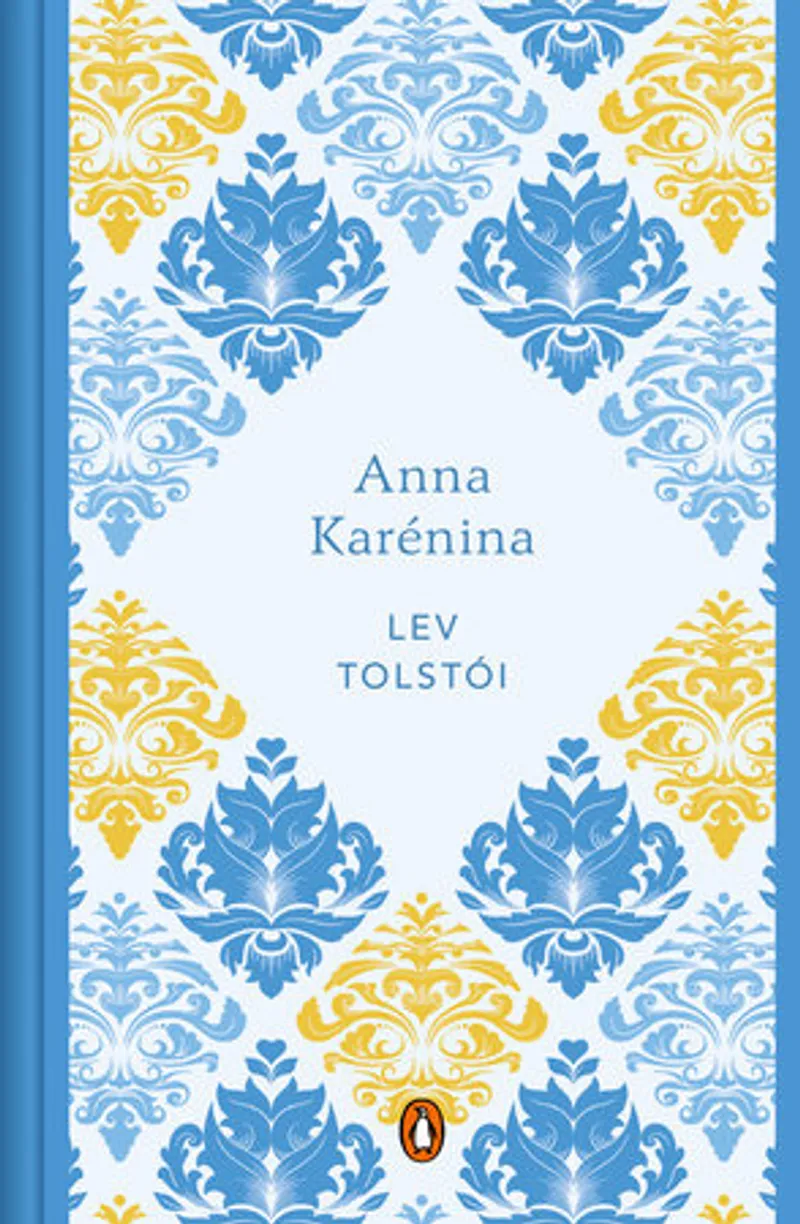
Anna Karénina (Edición conmemorativa) / Anna Karenina (Spanish Commemorative Edition) Author: Lev TolstóiPage Count: UnknownPublication Date: 2023-PRH In the grand tapestry of literary masterpieces, few novels have managed to captivate readers with the same level of depth and complexity as Lev Tolstoy's timeless classic, Anna Karenina. This commemorative edition, adorned with a magnificent introduction by George Gibian and a meticulous translation by Irene and Laura Andresco, is a testament to the enduring power of Tolstoy's magnum opus. At its core, Anna Karenina is a novel about the human experience, with all its attendant contradictions, flaws, and passions. Tolstoy masterfully weaves together the lives of dozens of characters, each with their own distinct voice and narrative thread, to create a richly textured portrait of Russian high society in the late 19th century. But it is the eponymous heroine, Anna Karenina, who remains the beating heart of the novel, her tragic fate a poignant reminder of the devastating consequences of unchecked desire and the societal pressures that seek to constrain it. Tolstoy's writing style is characterized by its lyricism, precision, and unwavering commitment to realism. His prose is at once elegant and unadorned, capable of conveying the subtleties of human emotion with unflinching accuracy. Through his masterful use of language, Tolstoy creates a world that is both familiar and yet, utterly foreign, a world that is at once steeped in the traditions of Russian aristocracy and yet, beset by the same universal concerns that have always plagued humanity. One of the most striking aspects of Tolstoy's writing is his ability to balance the individual narratives of his characters with the broader social commentary that underpins the novel. Anna Karenina is, on one level, a scathing critique of the social conventions that governed the lives of women in 19th-century Russia, a society in which they were expected to conform to rigid norms of behavior and yet, were denied the same rights and freedoms as their male counterparts. And yet, it is also a deeply personal and intimate novel, one that probes the innermost recesses of the human heart with unflinching candor. Through Anna's doomed love affair with Count Vronsky, Tolstoy explores the complex and often fraught nature of human relationships, revealing the ways in which our desires, both conscious and unconscious, can lead us down a path of destruction and chaos. And yet, even as the novel hurtles towards its tragic conclusion, Tolstoy never loses sight of the beauty and the joy that life has to offer, the ephemeral pleasures that make it all worthwhile. In short, this commemorative edition of Anna Karenina is a triumph, a testament to the enduring power of Tolstoy's masterpiece to captivate and move readers to this day. With its magnificent introduction and meticulous translation, it is an essential addition to the library of anyone who loves literature, and a reminder of the transformative power of great art to touch our hearts and minds. #AnnaKarenina #LevTolstoy #RussianLiterature #ClassicNovels #TragicLoveStories #TimelessMasterpieces Related InsightsThe Magic of Chamomile Cottage Book Review and Summary Holly Book Review and Summary Halfway to the Grave Book Review and Summary{ "@context": "https://schema.org", "@type": "FAQPage", "mainEntity": [ { "@type": "Question", "name": "What is the main focus of Anna Karenina Book Review and Summary?", "acceptedAnswer": { "@type": "Answer", "text": "Everything you need to know about Anna Karenina with our detailed review." } }, { "@type": "Question", "name": "Who authored the comprehensive guide on Anna Karenina Book Review and Summary?", "acceptedAnswer": { "@type": "Answer", "text": "This detailed article and its insights were carefully researched and authored by Leo Tolstoy." } }, { "@type": "Question", "name": "Where can I find more related content about Books?", "acceptedAnswer": { "@type": "Answer", "text": "You can explore more articles, detailed reviews, and similar insights by browsing the Related Insights section at the bottom of this article or visiting our dedicated Books category page." } } ] }
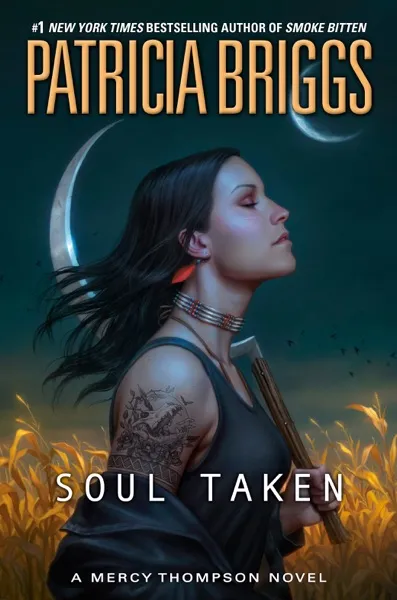
Soul Taken Author: Patricia BriggsPage Count: UnknownPublication Year: 2022-GB Patricia Briggs’ Soul Taken (2022) is a masterclass in blending the supernatural with raw human emotion, delivering a story that lingers long after the last page. As one of Briggs’ latest additions to her sprawling urban fantasy universe—home to werewolves, fae, and shapeshifters—this novel stands out not just for its high-stakes fantasy elements, but for its deep dive into the cost of power, the weight of identity, and the unbreakable bonds that define us. At its core, Soul Taken explores the theme of stolen identity—both literal and metaphorical. The protagonist, a shape-shifting mercenary whose past is as murky as their future, discovers that their soul has been taken in a way that defies even supernatural understanding. Briggs excels at weaving this personal horror into a larger tapestry of political intrigue and ancient magic. The protagonist’s struggle isn’t just against external enemies but against the erosion of their own self, a battle that feels achingly real in an era where identity is both currency and curse. Briggs’ signature strength lies in her ability to craft characters who are deeply flawed yet deeply relatable. The protagonist is no exception—a survivor with a sharp tongue, a distrust of authority, and a protective streak that often borders on self-destruction. Their relationships, particularly with a ragtag crew of allies who are as likely to betray them as to save them, are the heart of the book. Briggs doesn’t shy away from the messiness of loyalty; trust is a fragile thing here, earned through blood and broken promises. The dialogue crackles with authenticity, and the banter, while often darkly humorous, underscores the fragile humanity beneath the supernatural veneer. The world-building in Soul Taken is, as always, meticulous. Briggs effortlessly balances the gritty realism of a world where magic is both revered and feared with the high-stakes fantasy of ancient, sentient entities pulling strings from the shadows. The fae, in particular, are portrayed with chilling nuance—their beauty is a weapon, their kindness a trap, and their cruelty a given. The stakes feel personal because the world itself feels alive, a place where every decision could unravel the fabric of reality. Briggs’ prose is tight and immersive, avoiding the pitfalls of over-explaining while still making the supernatural feel tangible. There’s a rhythm to her writing that mirrors the protagonist’s internal chaos—sharp and sudden in its violence, tender in its quiet moments. The action sequences are visceral, the emotional beats raw, and the pacing relentless. It’s a book that demands to be read in one sitting, not because it’s shallow, but because the pull of the story is that strong. What makes Soul Taken truly compelling, however, is its meditation on what it means to be truly seen. The protagonist’s journey is, at its heart, about reclaiming a soul that was never truly theirs to begin with—about defining oneself in a world that constantly tries to define you. It’s a theme that resonates in a time when so many of us feel fragmented, our identities shaped by algorithms, societal expectations, and the ghosts of our pasts. Briggs takes that universal anxiety and wraps it in the trappings of urban fantasy, making it feel both intimate and epic. In many ways, Soul Taken is a book about the masks we wear and the faces we show the world. The protagonist’s struggle to reclaim their soul is, in essence, a struggle to be whole—to accept the parts of themselves they’ve buried, to forgive the parts they can’t, and to move forward without the weight of their past dragging them down. It’s a story that’s as much about healing as it is about survival, and that’s what makes it so powerful. Patricia Briggs has always been a master of blending the personal with the fantastical, and Soul Taken is no exception. It’s a book that will appeal to fans of urban fantasy, paranormal romance, and dark fantasy alike, but its true strength lies in its emotional depth. This isn’t just a story about magic and monsters—it’s a story about what it means to be human, even when you’re something more. #SoulTaken #PatriciaBriggs #UrbanFantasy #ShapeShifters #FaeMagic #SupernaturalThriller Related InsightsA Portrait of the Artist as a Young Man Book Review and Summary Going the Distance: Stallone, Philly, and the Story of Rocky Book Review and Summary Harry Potter and the Goblet of Fire Book Review and Summary{ "@context": "https://schema.org", "@type": "FAQPage", "mainEntity": [ { "@type": "Question", "name": "What is the main focus of Soul Taken Book Review and Summary?", "acceptedAnswer": { "@type": "Answer", "text": "Everything you need to know about Soul Taken with our detailed review." } }, { "@type": "Question", "name": "Who authored the comprehensive guide on Soul Taken Book Review and Summary?", "acceptedAnswer": { "@type": "Answer", "text": "This detailed article and its insights were carefully researched and authored by Emma Thompson." } }, { "@type": "Question", "name": "Where can I find more related content about Books?", "acceptedAnswer": { "@type": "Answer", "text": "You can explore more articles, detailed reviews, and similar insights by browsing the Related Insights section at the bottom of this article or visiting our dedicated Books category page." } } ] }

Old Babes in the Wood Author: Margaret AtwoodPage Count: UnknownPublication Year: 2023-GB Margaret Atwood’s Old Babes in the Wood: A Masterclass in Memory, Love, and the Unseen Threads of Time There are few writers who can turn the ordinary into the extraordinary with the precision of a surgeon and the lyricism of a poet. Margaret Atwood, a literary titan whose work has shaped generations of readers, does just that in her latest novel, Old Babes in the Wood. Released to critical acclaim and commercial success, this book is not merely a story—it is an experience, a meditation on love, loss, and the quiet revolutions that shape our lives when we aren’t looking. Atwood, best known for her dystopian masterpiece The Handmaid’s Tale, has long explored the darker corners of human nature and society. Yet Old Babes in the Wood marks a departure, delving into the intimate, the domestic, and the deeply personal. The novel follows a married couple, Morgan and Rosemary, as they navigate the passage of time, the weight of memory, and the unspoken bonds that hold relationships together. Through a series of vignettes that span decades, Atwood crafts a narrative that is both fragmented and cohesive, mirroring the way life itself unfolds in moments rather than grand arcs. One of the most striking aspects of Old Babes in the Wood is its exploration of aging and the passage of time. Atwood does not shy away from the physical and emotional tolls of growing older, but she also refuses to frame it as a tragedy. Instead, she presents it as a natural progression, one that is filled with both sorrow and unexpected beauty. The novel’s title, drawn from a traditional English nursery rhyme, hints at themes of nostalgia and the cyclical nature of life—concepts that Atwood weaves throughout the story with remarkable subtlety. The characters, though aging, are not diminished by time; rather, they are enriched by it, their experiences deepening their understanding of themselves and each other. The writing style in Old Babes in the Wood is quintessential Atwood—sharp, economical, and laced with dark humor. Her prose is deceptively simple, yet every word feels deliberate, every sentence a carefully placed brushstroke on a canvas. She employs a nonlinear structure, jumping between past and present with a fluidity that mirrors the way memory operates. This technique not only keeps the reader engaged but also invites them to piece together the fragments of the characters’ lives, much like the characters themselves must do. Atwood’s dialogue is particularly masterful, capturing the cadence of real conversation while imbuing it with layers of meaning. The characters in Old Babes in the Wood are the heart of the novel. Morgan and Rosemary are not larger-than-life figures; they are ordinary people, flawed and human, whose struggles and triumphs feel achingly real. Their relationship is the anchor of the story, a testament to the enduring power of love in the face of life’s uncertainties. Atwood does not romanticize their marriage—instead, she portrays it as a living, breathing entity, subject to the same ebbs and flows as the tides. Other characters, including their children and friends, serve as foils to Morgan and Rosemary, highlighting the different ways people confront the inevitabilities of life. Atwood’s exploration of memory is another standout element of the novel. She delves into how we remember, how we forget, and how the stories we tell ourselves shape our identities. The novel’s structure, with its shifting timelines, reinforces this theme, forcing the reader to question which moments are real and which are embellished by time. It’s a brilliant device that not only adds depth to the narrative but also invites readers to reflect on their own memories and the narratives they’ve constructed about their lives. Old Babes in the Wood is also a novel about resilience. It is not a story of grand gestures or dramatic revelations but of small, quiet acts of courage—the kind that go unnoticed by the world but are monumental to those who experience them. Atwood’s characters face illness, loss, and the slow erosion of time, yet they persist, finding meaning in the mundane and solace in the company of those they love. It’s a message that feels particularly resonant in a world that often prioritizes speed and spectacle over the slow, steady work of living. For readers who have followed Atwood’s career, Old Babes in the Wood offers a different kind of satisfaction. While it lacks the overt political commentary of The Handmaid’s Tale or the speculative edge of Oryx and Crake, it is no less profound. In fact, its focus on the personal and the intimate makes it a deeply human story, one that resonates on a visceral level. It’s a reminder that Atwood’s genius lies not just in her ability to craft dystopian nightmares but in her capacity to illuminate the extraordinary within the ordinary. In an era where literature is often dismissed as irrelevant or overly complex, Old Babes in the Wood is a triumph—a novel that proves the power of storytelling to capture the essence of what it means to be alive. It’s a book that will make you laugh, cry, and think deeply about your own life and the people who have shaped it. Margaret Atwood has done it again, crafting a work that is as thought-provoking as it is beautifully written. #MargaretAtwood #OldBabesInTheWood #LiteraryFiction #BookReview #Atwood2023 Related InsightsTemper: Practicing Freedom in an Unfree World Book Review and Summary The Hobbit, or There and Back Again Book Review and Summary The 6:20 Man Book Review and Summary{ "@context": "https://schema.org", "@type": "FAQPage", "mainEntity": [ { "@type": "Question", "name": "What is the main focus of **Old Babes in the Wood** Book Review and Summary?", "acceptedAnswer": { "@type": "Answer", "text": "Everything you need to know about **Old Babes in the Wood** with our detailed review." } }, { "@type": "Question", "name": "Who authored the comprehensive guide on **Old Babes in the Wood** Book Review and Summary?", "acceptedAnswer": { "@type": "Answer", "text": "This detailed article and its insights were carefully researched and authored by Elena Volkova." } }, { "@type": "Question", "name": "Where can I find more related content about Books?", "acceptedAnswer": { "@type": "Answer", "text": "You can explore more articles, detailed reviews, and similar insights by browsing the Related Insights section at the bottom of this article or visiting our dedicated Books category page." } } ] }
-
 William Clark
 - 23 Apr, 2026 18:49
From Shore to Ocean Floor: The Human Journey to the Deep Book Review and Summary
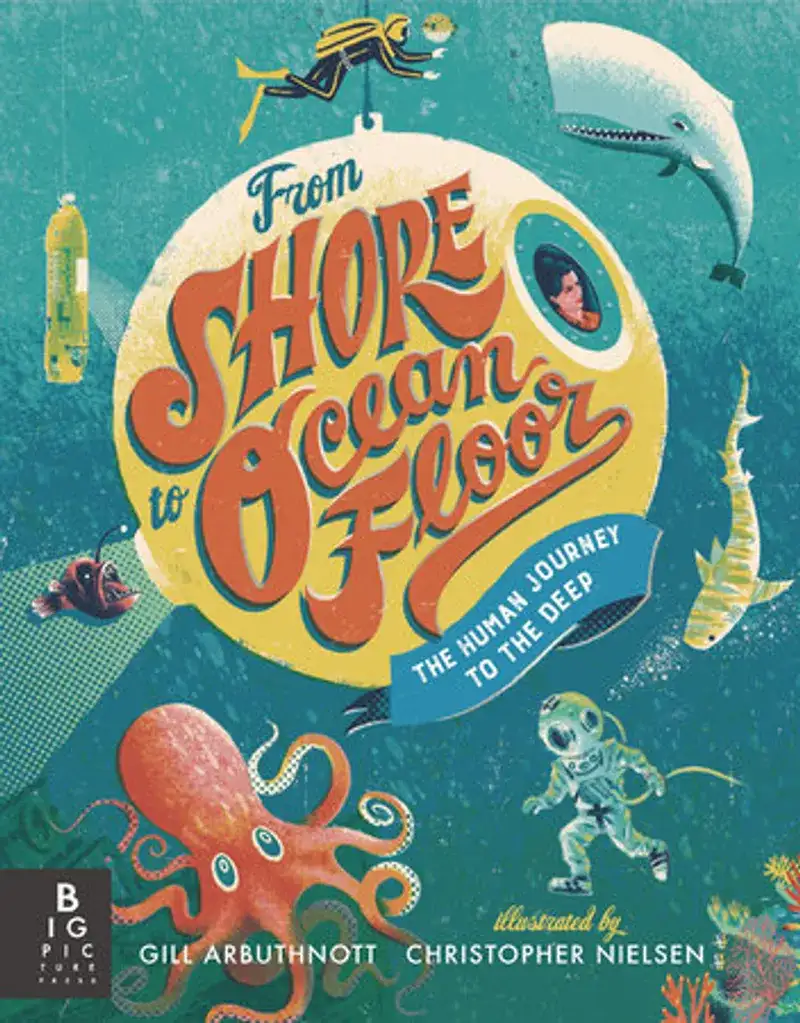
From Shore to Ocean Floor: The Human Journey to the Deep Author: Gill ArbuthnottPage Count: UnknownPublication Date: 2025-PRH From Shore to Ocean Floor: The Human Journey to the Deep, written by Gill Arbuthnott, is an immersive and engaging book that delves into the fascinating world of oceans and human exploration. As the Kirkus Reviews aptly puts it, this book is an invitation to "dive in" and explore the uncharted territories of our planet. With its unique blend of informative text and dynamic graphics, Arbuthnott's work is sure to captivate readers of all ages and backgrounds. The book takes us on a journey from the surface of the ocean to its deepest, most unexplored regions. We learn about the incredible scientific discoveries that have been made, the new species that have been discovered, and the remarkable individuals who have braved the unknown to explore the ocean's depths. Arbuthnott's writing style is engaging and accessible, making complex scientific concepts easy to understand and relatable to a broad audience. One of the most striking aspects of the book is its ability to convey the sheer scale and importance of the ocean. As we are reminded, the ocean covers 70 percent of the Earth's surface, yet it remains the most unexplored region of our planet. This paradox is a recurring theme throughout the book, as Arbuthnott highlights the many mysteries that still surround the ocean and the need for continued exploration and discovery. Throughout the book, Arbuthnott's passion for the ocean and its exploration is evident. Her writing is infused with a sense of wonder and awe, as she recounts the stories of scientists, explorers, and researchers who have dedicated their lives to understanding the ocean and its many secrets. The book is also filled with stunning graphics and illustrations, which help to bring the story to life and make the subject matter even more engaging and accessible. One of the key strengths of the book is its ability to balance scientific information with storytelling. Arbuthnott has a talent for crafting compelling narratives that draw the reader in and keep them engaged. The book is full of fascinating stories and anecdotes, from the development of early boats to the latest discoveries in deep-sea exploration. These stories are woven together with scientific information, creating a rich tapestry that is both informative and entertaining. Overall, From Shore to Ocean Floor is a captivating and inspiring book that is sure to delight readers of all ages. Arbuthnott's writing style is engaging, accessible, and passionate, making the book a joy to read. The subject matter is timely and important, highlighting the need for continued exploration and discovery of the ocean and its many secrets. With its unique blend of science, storytelling, and stunning graphics, this book is a must-read for anyone interested in the ocean and its many wonders. From Shore to Ocean Floor is a book that will leave readers with a newfound appreciation for the ocean and its importance in our lives. It is a call to action, encouraging us to learn more about the ocean and its many secrets, and to take steps to protect and conserve this vital resource. As we continue to explore and discover the wonders of the ocean, Arbuthnott's book is a reminder of the incredible journey that has brought us to where we are today, and the many exciting discoveries that still await us. #OceanConservation #MarineBiology #DeepSeaExploration #Oceanography #EnvironmentalScience #MarineScience Related InsightsDark Reading Matter (Thursday Next, #8) Book Review and Summary 2001: A Space Odyssey Book Review and Summary Free Falling (Sweetwater Peak #2) Book Review and Summary{ "@context": "https://schema.org", "@type": "FAQPage", "mainEntity": [ { "@type": "Question", "name": "What is the main focus of From Shore to Ocean Floor: The Human Journey to the Deep Book Review and Summary?", "acceptedAnswer": { "@type": "Answer", "text": "Everything you need to know about From Shore to Ocean Floor: The Human Journey to the Deep with our detailed review." } }, { "@type": "Question", "name": "Who authored the comprehensive guide on From Shore to Ocean Floor: The Human Journey to the Deep Book Review and Summary?", "acceptedAnswer": { "@type": "Answer", "text": "This detailed article and its insights were carefully researched and authored by William Clark." } }, { "@type": "Question", "name": "Where can I find more related content about Books?", "acceptedAnswer": { "@type": "Answer", "text": "You can explore more articles, detailed reviews, and similar insights by browsing the Related Insights section at the bottom of this article or visiting our dedicated Books category page." } } ] }
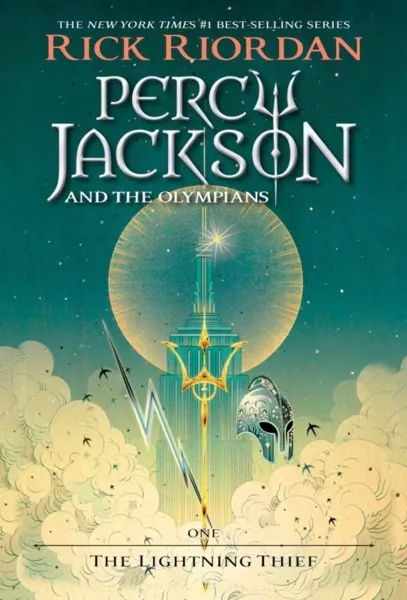

Percy Jackson and the Olympians Author: Rick RiordanPage Count: UnknownPublication Year: 2024-GB Immerse yourself in a world where myth and reality collide, where the ordinary and the extraordinary coexist, and where the fate of the world rests on the shoulders of a young hero. Welcome to the enchanting realm of Percy Jackson and the Olympians, the globally acclaimed series by the masterful storyteller Rick Riordan. Published in 2024 to widespread critical acclaim, this series has captured the hearts of readers worldwide, and for good reason. With its unique blend of action, adventure, and humor, Percy Jackson and the Olympians is a must-read for anyone who has ever dreamed of embarking on a thrilling quest. At the heart of this captivating series is the eponymous hero, Percy Jackson, a young boy who discovers that he is the modern-day son of the Greek god Poseidon. As Percy navigates this extraordinary revelation, he finds himself entangled in a world of mythological gods, monsters, and legendary creatures. Alongside a cast of memorable characters, including the wise and fearless Annabeth Chase, daughter of Athena, and the loyal and lovable Grover Underwood, a satyr, Percy embarks on a series of perilous quests to save the world from the forces of darkness. Throughout the series, Riordan masterfully weaves together an intricate tapestry of themes, including friendship, loyalty, and the struggle between fate and free will. The characters are multidimensional and relatable, with each one bringing their unique personality, skills, and motivations to the table. The author's writing style is engaging, witty, and effortlessly accessible, making the series an absolute delight to read. Riordan's use of humor, in particular, is a standout feature, as he seamlessly blends laugh-out-loud moments with heart-pumping action sequences and poignant emotional depth. One of the most impressive aspects of Percy Jackson and the Olympians is its ability to breathe new life into ancient mythology. Riordan's innovative approach to reimagining the gods and monsters of Greek mythology is nothing short of genius, as he seamlessly incorporates these legendary figures into a modern-day setting. The result is a world that is both familiar and fresh, with a unique magic that will captivate readers of all ages. The series is also notable for its positive representation of diverse characters, including those with disabilities, and its thoughtful exploration of complex social issues, such as bullying, prejudice, and the challenges of growing up. The world-building in Percy Jackson and the Olympians is equally impressive, with Riordan crafting a richly detailed and immersive environment that draws readers in and refuses to let go. From the tranquil beauty of the Greek islands to the dark mystique of the underworld, each setting is meticulously crafted to transport readers to a world of wonder and awe. The pacing is expertly handled, with each book building upon the previous one to create a narrative that is both epic in scope and intimate in character. In short, Percy Jackson and the Olympians is a triumph of storytelling, a series that will captivate, inspire, and entertain readers in equal measure. With its winning blend of action, adventure, and humor, this series is an absolute must-read for anyone who loves fantasy, adventure, or simply great storytelling. So why not join Percy and his friends on their epic quest, and discover a world of magic, myth, and wonder that will stay with you long after the final page is turned? #PercyJacksonAndTheOlympians #RickRiordan #GreekMythology #FantasyBooks #YoungAdultLiterature Related InsightsEnlightenment Now Book Review and Summary Someone to Trust Book Review and Summary Bad Honeymoon Book Review and Summary{ "@context": "https://schema.org", "@type": "FAQPage", "mainEntity": [ { "@type": "Question", "name": "What is the main focus of **Percy Jackson and the Olympians** Book Review and Summary?", "acceptedAnswer": { "@type": "Answer", "text": "Everything you need to know about **Percy Jackson and the Olympians** with our detailed review." } }, { "@type": "Question", "name": "Who authored the comprehensive guide on **Percy Jackson and the Olympians** Book Review and Summary?", "acceptedAnswer": { "@type": "Answer", "text": "This detailed article and its insights were carefully researched and authored by Sofia Bianchi." } }, { "@type": "Question", "name": "Where can I find more related content about Books?", "acceptedAnswer": { "@type": "Answer", "text": "You can explore more articles, detailed reviews, and similar insights by browsing the Related Insights section at the bottom of this article or visiting our dedicated Books category page." } } ] }


Im Westen nichts Neues Author: Erich Maria RemarquePage Count: UnknownPublication Date: 1928-OL "All Quiet on the Western Front" by Erich Maria Remarque is a timeless masterpiece that delves into the depths of human nature, revealing the darkest aspects of war and its devastating effects on the young minds that are thrust into its midst. Written in 1928, this classic novel is a poignant and powerful anti-war statement that continues to resonate with readers to this day. The story is told through the eyes of Paul Bäumer, a young German soldier who enlists in the army along with his classmates, fueled by a sense of patriotism and duty. However, as they experience the harsh realities of war, their initial enthusiasm quickly turns to disillusionment and despair. The author masterfully portrays the gradual erosion of their innocence, as they are forced to confront the brutal and senseless violence that surrounds them. Remarque's writing style is stark, simple, and unflinching, which serves to underscore the horrors of war. He does not shy away from describing the gruesome details of combat, the stench of death, and the dehumanizing conditions in which the soldiers are forced to live. The narrative is interspersed with moments of introspection, as Paul grapples with the moral implications of war and the loss of his own humanity. One of the most striking aspects of the book is its exploration of the theme of lost youth. The soldiers in the novel are barely out of their teens, and yet they are forced to confront the harsh realities of adulthood in the most brutal way possible. Remarque highlights the tragedy of a generation that is lost to the senseless slaughter of war, and the devastating impact it has on their families and communities. The author also explores the theme of comradeship and the bonds that form between soldiers in the face of adversity. Despite the chaos and destruction that surrounds them, the soldiers find solace in each other's company, and their relationships become a source of strength and comfort. However, even these bonds are ultimately fragile and vulnerable to the ravages of war. Throughout the book, Remarque's anti-war message is clear and unambiguous. He portrays war as a senseless and futile exercise in destruction, which serves only to perpetuate hatred and violence. The novel is a powerful indictment of the nationalist and militarist ideologies that led to the outbreak of World War I, and a testament to the devastating consequences of war on human lives. In conclusion, "All Quiet on the Western Front" is a masterpiece of modern literature that continues to resonate with readers today. Its powerful anti-war message, coupled with Remarque's stark and unflinching writing style, makes it a must-read for anyone interested in understanding the human cost of war. This classic novel is a testament to the enduring power of literature to capture the essence of the human experience, and to convey the importance of promoting peace and understanding in a world torn apart by conflict. #AllQuietOnTheWesternFront #ErichMariaRemarque #WWI #AntiWarLiterature #ClassicNovel #WarAndItsConsequences Related InsightsEverything Happens So Much Book Review and Summary Big Little Truths Book Review and Summary Clarity Book Review and Summary{ "@context": "https://schema.org", "@type": "FAQPage", "mainEntity": [ { "@type": "Question", "name": "What is the main focus of Im Westen nichts Neues Book Review and Summary?", "acceptedAnswer": { "@type": "Answer", "text": "Everything you need to know about Im Westen nichts Neues with our detailed review." } }, { "@type": "Question", "name": "Who authored the comprehensive guide on Im Westen nichts Neues Book Review and Summary?", "acceptedAnswer": { "@type": "Answer", "text": "This detailed article and its insights were carefully researched and authored by Piotr Nowak." } }, { "@type": "Question", "name": "Where can I find more related content about Books?", "acceptedAnswer": { "@type": "Answer", "text": "You can explore more articles, detailed reviews, and similar insights by browsing the Related Insights section at the bottom of this article or visiting our dedicated Books category page." } } ] }
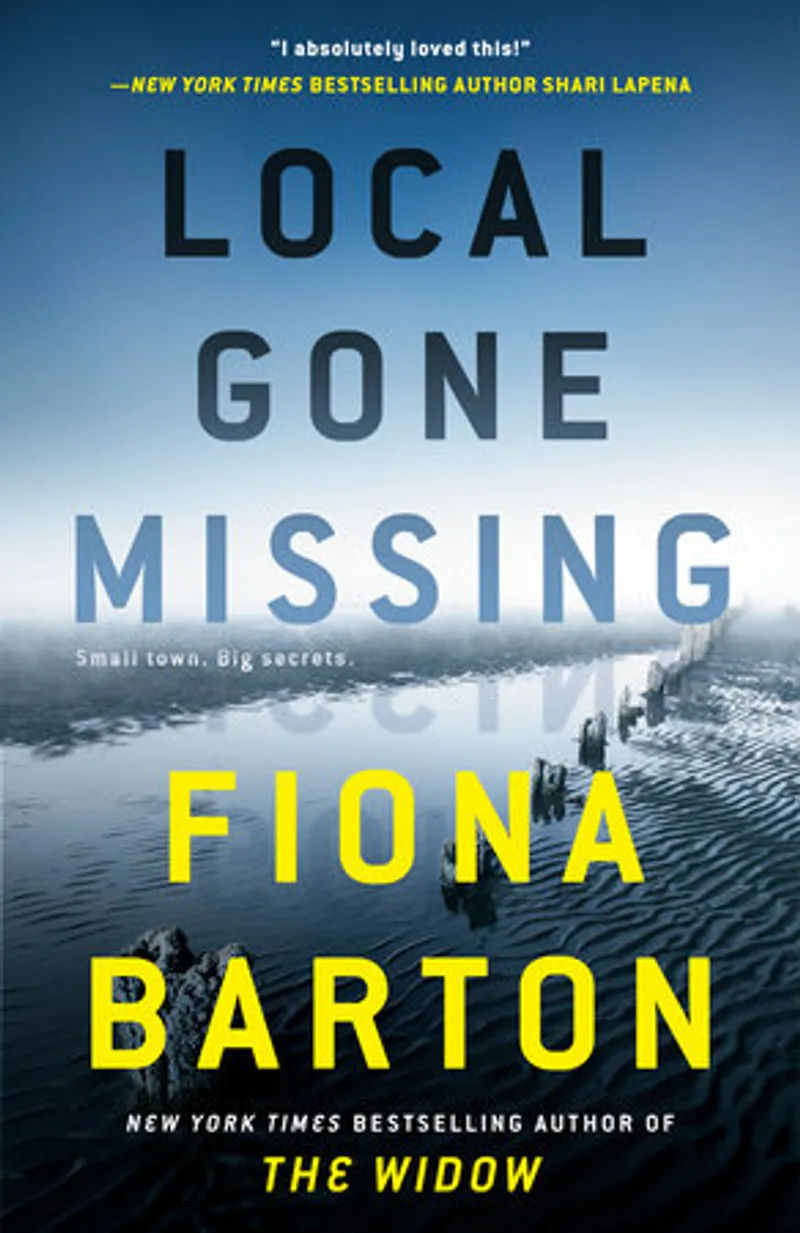
Local Gone Missing Author: Fiona BartonPage Count: UnknownPublication Date: 2023-PRH In "Local Gone Missing," Fiona Barton masterfully weaves a complex web of secrets, lies, and small-town tensions, all set against the backdrop of a picturesque yet simmering seaside community. The story centers around Detective Elise King, a sharp and ambitious investigator forced into a medical leave, and Dee Eastwood, her house cleaner, who possesses an uncanny ability to see and hear the unspoken truths of the town. Barton's writing is a character in its own right, rich and evocative, with a keen sense of observation that brings the town of Ebbing to vivid life. Her prose is both nuanced and unflinching, capable of conveying the intricacies of human relationships and the darker aspects of small-town life. As Elise delves deeper into the mystery of the missing man, Barton skillfully peels back the layers of the town's seemingly idyllic facade, exposing the hidden connections and secrets that bind the residents together. One of the novel's greatest strengths lies in its exploration of the tensions between the long-time locals and the influx of weekenders, who bring with them a desire to transform the town into a luxury destination. This clash of cultures and values is expertly woven throughout the narrative, adding depth and complexity to the mystery. Barton's portrayal of the locals' resentment and the weekenders' obliviousness is both poignant and thought-provoking, raising important questions about the nature of community and the impact of gentrification. At its core, "Local Gone Missing" is a novel about the power of secrets and the devastating consequences of their revelation. As Elise digs deeper into the mystery, she uncovers a web of lies and deceit that threatens to destroy the very fabric of the town. Barton's handling of the plot is masterful, with a keen sense of pacing and a deep understanding of the complexities of human psychology. Throughout the novel, Barton's characters are multidimensional and relatable, with Elise and Dee being particularly well-drawn. Their relationship, built on a foundation of trust and mutual respect, is a highlight of the novel, and their contrasting perspectives on the town and its inhabitants add a richness to the narrative. In "Local Gone Missing," Fiona Barton has crafted a gripping and thought-provoking mystery that is as much about the secrets we keep as it is about the secrets we uncover. With its vivid setting, complex characters, and expertly woven plot, this novel is sure to captivate fans of literary fiction and mystery alike. #SmallTownMysteries #GentrificationFiction #PsychologicalThrillers #CoastalNoir #WomenInMystery #LiteraryFiction Related InsightsDie stille Architektur des Denkens: Warum Philosophie mehr ist als nur Fragen stellen The Songlines Book Review and Summary Dark Lover Book Review and Summary{ "@context": "https://schema.org", "@type": "FAQPage", "mainEntity": [ { "@type": "Question", "name": "What is the main focus of Local Woman Missing Book Review and Summary?", "acceptedAnswer": { "@type": "Answer", "text": "Everything you need to know about Local Woman Missing with our detailed review." } }, { "@type": "Question", "name": "Who authored the comprehensive guide on Local Woman Missing Book Review and Summary?", "acceptedAnswer": { "@type": "Answer", "text": "This detailed article and its insights were carefully researched and authored by Mary Kubica." } }, { "@type": "Question", "name": "Where can I find more related content about Books?", "acceptedAnswer": { "@type": "Answer", "text": "You can explore more articles, detailed reviews, and similar insights by browsing the Related Insights section at the bottom of this article or visiting our dedicated Books category page." } } ] }
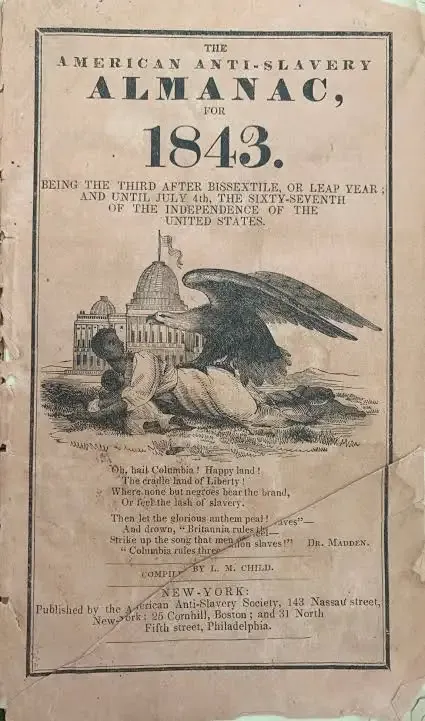

American Anti-Slavery Almanac, For ... Author: Lydia Maria ChildPage Count: UnknownPublication Year: 2021-GB Unveiling the Hidden Truths: Lydia Maria Child’s American Anti-Slavery Almanac as a Timeless Call to Justice In an era where history is often sanitized to fit modern narratives, Lydia Maria Child’s American Anti-Slavery Almanac stands as a defiant testament to the unvarnished realities of oppression. First published in 1838 and reissued in 2021, this meticulously crafted almanac is far more than a historical artifact—it is a literary weapon, a moral compass, and a searing indictment of systemic injustice. Child, a pioneering abolitionist and social reformer, wields her pen with the precision of a surgeon and the passion of a prophet, exposing the hypocrisy of a nation built on freedom while perpetuating slavery. More than 180 years after its original release, this almanac remains a vital, if underappreciated, cornerstone of American literature and activism. At its core, American Anti-Slavery Almanac is a hybrid work—part instructional guide, part political manifesto, and part cultural critique. Unlike traditional almanacs, which typically offer weather forecasts and agricultural advice, Child’s version is a radical departure, blending factual accounts of slavery’s horrors with persuasive arguments for abolition. The book is structured as a year-long calendar, with each month dedicated to a specific theme or event tied to the anti-slavery movement. From the brutality of the Middle Passage to the resilience of enslaved people, Child weaves together historical records, personal testimonies, and abolitionist rhetoric to create a tapestry of moral urgency. Her approach is both pedagogical and polemical, ensuring that readers not only learn about slavery’s atrocities but also feel compelled to act against them. One of the almanac’s most striking features is its unflinching portrayal of slavery’s mechanics. Child does not shy away from graphic descriptions of violence, forced labor, or the dehumanization of enslaved individuals. Yet, her writing is never gratuitous; instead, it serves a higher purpose—educating the public about the true cost of slavery. She juxtaposes cold, statistical data with vivid anecdotes, such as the story of a mother separated from her child or a slave punished for daring to read. These narratives are not mere illustrations; they are deliberate tools to dismantle the apathy of those who benefited from the system. Child’s ability to balance factual rigor with emotional resonance makes the almanac a masterclass in persuasive writing. Child’s writing style is deceptively simple, yet deeply effective. Her prose is direct and accessible, avoiding the dense jargon that often alienates modern readers. This accessibility was intentional—Child wrote for a broad audience, including those who might not have considered themselves abolitionists. She employs rhetorical strategies such as repetition, irony, and rhetorical questions to drive her points home. For instance, she frequently contrasts the ideals of the American Revolution with the reality of slavery, asking readers how a nation could claim to be "the land of the free" while millions were enslaved. Her tone shifts seamlessly between outrage, sorrow, and hope, mirroring the emotional journey of the abolitionist movement itself. The almanac also serves as a cultural artifact, offering a window into the abolitionist movement’s strategies and challenges. Child includes not only her own writings but also excerpts from speeches, letters, and other abolitionist texts, creating a chorus of voices united against slavery. She highlights the work of figures like Frederick Douglass and William Lloyd Garrison, but she also amplifies the voices of enslaved people themselves, ensuring that their stories are not erased by history. This collaborative approach underscores Child’s belief in the power of collective action—a theme that resonates powerfully in today’s social justice movements. What makes American Anti-Slavery Almanac particularly relevant in 2024 is its unapologetic confrontation of systemic injustice. Child’s work is a reminder that the fight against oppression is not confined to a single era. Her arguments about the moral bankruptcy of slavery parallel modern debates about racial inequality, economic exploitation, and institutionalized discrimination. The almanac challenges readers to question the narratives they’ve been taught and to recognize the ways in which oppression persists in new forms. In an age where misinformation and historical revisionism are rampant, Child’s relentless pursuit of truth feels more urgent than ever. For contemporary readers, the almanac is both a historical document and a living text. It invites reflection on how far society has—or hasn’t—come since Child’s time. The parallels between 19th-century abolitionism and today’s movements for racial justice are impossible to ignore. Child’s insistence on the interconnectedness of human dignity and freedom remains a guiding principle for activists, scholars, and everyday citizens alike. Her work is a testament to the power of literature to inspire change, proving that words can be as revolutionary as any act of defiance. Lydia Maria Child’s American Anti-Slavery Almanac is a masterpiece of abolitionist literature, a work that transcends its historical context to speak directly to the present. It is a book that demands to be read, discussed, and acted upon. In an era where history is often commodified or ignored, Child’s almanac stands as a defiant reminder of the power of truth—and the necessity of justice. #AbolitionistLiterature #LydiaMariaChild #AntiSlaveryAlmanac #HistoricalJustice #SocialReform Related InsightsThe Norton Introduction to Literature--Portable thirteenth edition Book Review and Summary Mercy Book Review and Summary Charlaine Harris Gunnie Rose 4 Book Review and Summary{ "@context": "https://schema.org", "@type": "FAQPage", "mainEntity": [ { "@type": "Question", "name": "What is the main focus of **American Anti-Slavery Almanac, For ...** Book Review and Summary?", "acceptedAnswer": { "@type": "Answer", "text": "Everything you need to know about **American Anti-Slavery Almanac, For ...** with our detailed review." } }, { "@type": "Question", "name": "Who authored the comprehensive guide on **American Anti-Slavery Almanac, For ...** Book Review and Summary?", "acceptedAnswer": { "@type": "Answer", "text": "This detailed article and its insights were carefully researched and authored by Klaus Weber." } }, { "@type": "Question", "name": "Where can I find more related content about Books?", "acceptedAnswer": { "@type": "Answer", "text": "You can explore more articles, detailed reviews, and similar insights by browsing the Related Insights section at the bottom of this article or visiting our dedicated Books category page." } } ] }


Where It All Began Author: Lucy ScorePage Count: UnknownPublication Year: 2025-GB Imagine yourself standing at the crossroads of life, where the journey of self-discovery and the pursuit of love converge, and the path you choose will forever alter the trajectory of your existence. This is the poignant and thought-provoking landscape that Lucy Score masterfully crafts in her 2025 global bestseller, Where It All Began. With its universal themes and relatable characters, this novel has captured the hearts of millions, cementing its place as a contemporary literary masterpiece. At the heart of Where It All Began lies an exploration of the human condition, delving into the complexities of identity, love, loss, and the interconnectedness of lives. Score's writing is akin to a rich tapestry, intricately weaving together the threads of her characters' stories, creating a narrative that is both deeply personal and universally relatable. The characters, with their flaws and strengths, leap off the page, inviting readers to embark on their journeys of growth, healing, and transformation. One of the most compelling aspects of Where It All Began is its thoughtful examination of the main themes. Score tackles the concept of beginnings, not just as a physical or temporal starting point, but as an emotional and psychological one. She adeptly explores how our perceptions of where it all began—be it a relationship, a career, or a personal journey—can shape our understanding of ourselves and our place in the world. This reflective approach fosters a deep sense of introspection, encouraging readers to ponder their own life journeys and the moments that have defined them. The characters in Where It All Began are multidimensional and authentically drawn, with each one contributing uniquely to the narrative's depth and complexity. Score has a remarkable ability to capture the essence of human emotion, rendering her characters' experiences with such vividness and sincerity that it becomes impossible not to empathize with them. The relationships between characters are equally well-crafted, reflecting the full spectrum of human interaction, from the tender and nurturing to the challenging and transformative. Lucy Score's writing style in Where It All Began is engaging, evocative, and masterfully paced. She possesses a keen sense of storytelling, balancing the lighter moments of humor and joy with the darker, more introspective passages, creating a narrative that flows like a river, ever-changing yet constant in its depth. Her prose is poetic and accessible, painting vivid pictures that allow readers to immerse themselves fully in the world she has created. The global acclaim that Where It All Began has received is a testament to Score's skill as a storyteller and her ability to touch hearts and minds across cultures and continents. The book's resonance can be attributed to its timeless themes and its capacity to inspire reflection, hope, and a deeper understanding of the human experience. Where It All Began is not just a novel; it is an experience—a journey of discovery, love, and the profound realization that where it all began is not just a point in time, but a continuous process of growth, learning, and becoming. In conclusion, Where It All Began by Lucy Score is a masterpiece of contemporary literature, offering readers a profound, emotionally charged, and deeply rewarding experience. As we navigate the complexities of our own lives, seeking answers to the questions of where it all began and where we are headed, this novel stands as a powerful reminder of the beauty, resilience, and transformative potential of the human spirit. #WhereItAllBegan #LucyScore #GlobalBestseller #ContemporaryLiterature #BookReview Related InsightsShattering Peace Book Review and Summary Tuck Everlasting Book Review and Summary Still Me Book Review and Summary{ "@context": "https://schema.org", "@type": "FAQPage", "mainEntity": [ { "@type": "Question", "name": "What is the main focus of **Where It All Began** Book Review and Summary?", "acceptedAnswer": { "@type": "Answer", "text": "Everything you need to know about **Where It All Began** with our detailed review." } }, { "@type": "Question", "name": "Who authored the comprehensive guide on **Where It All Began** Book Review and Summary?", "acceptedAnswer": { "@type": "Answer", "text": "This detailed article and its insights were carefully researched and authored by Tiago Silva." } }, { "@type": "Question", "name": "Where can I find more related content about Books?", "acceptedAnswer": { "@type": "Answer", "text": "You can explore more articles, detailed reviews, and similar insights by browsing the Related Insights section at the bottom of this article or visiting our dedicated Books category page." } } ] }
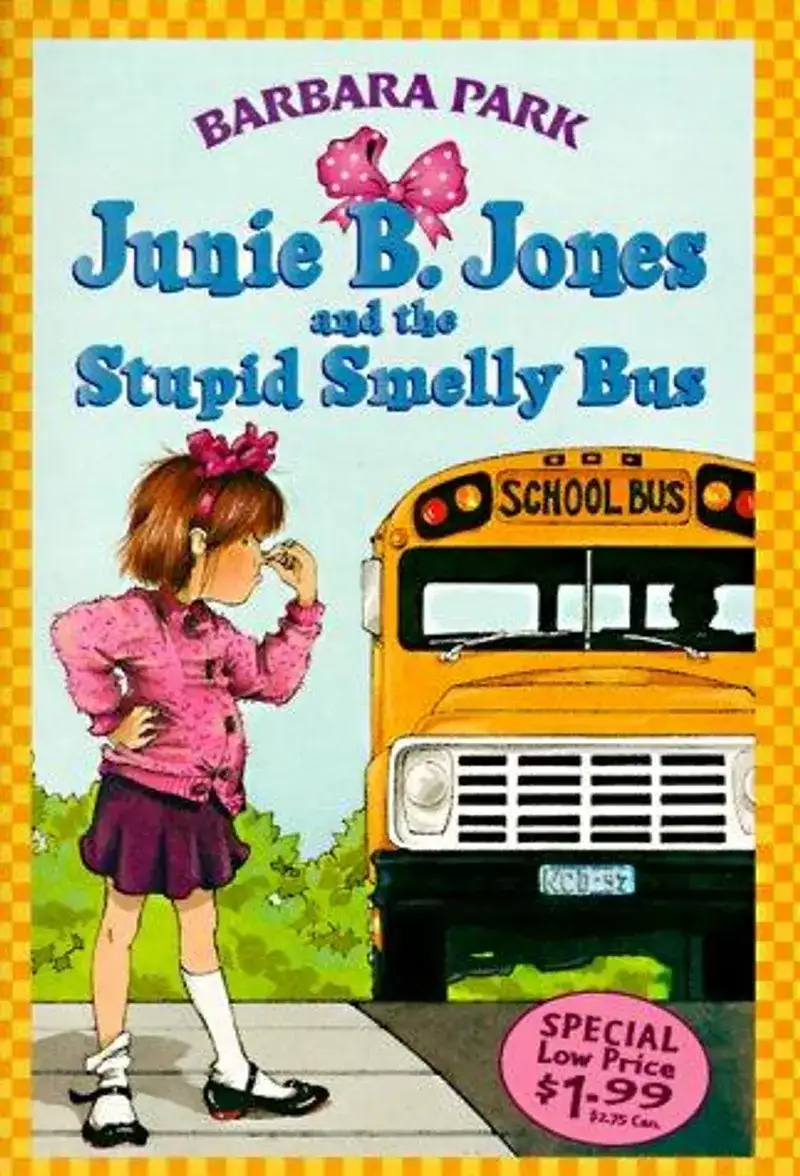
Junie B. Jones and the Stupid Smelly Bus Author: Barbara Park, Barbra ParksPage Count: UnknownPublication Date: 1992-OL "Junie B. Jones and the Stupid Smelly Bus" by Barbara Park is a sidesplitting and heartwarming tale that has captured the hearts of millions of young readers worldwide. As the first installment in the beloved Junie B. Jones series, this book introduces us to the lovable, spirited, and endearingly imperfect Junie B. Jones, a kindergartner navigating the uncharted territory of school. Barbara Park's masterful storytelling weaves a narrative that is both humorous and relatable, making this book an instant classic. The story begins on Junie B.'s first day of school, where she finds herself overwhelmed by the prospect of riding the school bus. Her fears are palpable as she envisions the bus as a "stupid smelly bus" inhabited by "meanies." As the day unfolds, Junie B.'s anxiety reaches a boiling point, leading her to make a decision that will have readers giggling and nodding their heads in understanding. One of the standout aspects of Park's writing style is her ability to tap into the psyche of a five-year-old. Junie B.'s inner monologue is a riot of thoughts, feelings, and observations that are at once authentic and hilarious. Park's use of language is simple yet effective, making this book an excellent choice for early readers or for parents to read aloud to their children. The author's portrayal of Junie B.'s character is equally impressive. Junie B. is a kindergartner who is still learning to navigate the world around her. She is prone to making mistakes, using incorrect grammar, and getting herself into humorous misadventures. And yet, despite her imperfections, Junie B. is a lovable and relatable protagonist who will capture the hearts of readers of all ages. The themes of fear, anxiety, and perseverance are woven throughout the narrative, making this book more than just a lighthearted romp. Park tackles these complex emotions with sensitivity and humor, offering readers a reassuring message that it's okay to feel scared and that with a little bit of courage, they can overcome their fears. In conclusion, "Junie B. Jones and the Stupid Smelly Bus" is a timeless tale that has become a staple of children's literature. Barbara Park's engaging storytelling, coupled with her lovable protagonist, makes this book a must-read for kids and parents alike. With its lighthearted tone, relatable themes, and hilarious antics, this book is sure to leave readers smiling and eager for more. #JunieBJones #BarbaraPark #ChildrensLiterature #KindergartenAdventures #SchoolBusStories #KidsLitClassics Related InsightsLucid Dreams Book Review and Summary The Dues & Don'ts of Magic Book Review and Summary Ten Perfect Guests Book Review and Summary{ "@context": "https://schema.org", "@type": "FAQPage", "mainEntity": [ { "@type": "Question", "name": "What is the main focus of Junie B. Jones and the Stupid Smelly Bus Book Review and Summary?", "acceptedAnswer": { "@type": "Answer", "text": "Everything you need to know about Junie B. Jones and the Stupid Smelly Bus with our detailed review." } }, { "@type": "Question", "name": "Who authored the comprehensive guide on Junie B. Jones and the Stupid Smelly Bus Book Review and Summary?", "acceptedAnswer": { "@type": "Answer", "text": "This detailed article and its insights were carefully researched and authored by Irina Ivanova." } }, { "@type": "Question", "name": "Where can I find more related content about Books?", "acceptedAnswer": { "@type": "Answer", "text": "You can explore more articles, detailed reviews, and similar insights by browsing the Related Insights section at the bottom of this article or visiting our dedicated Books category page." } } ] }
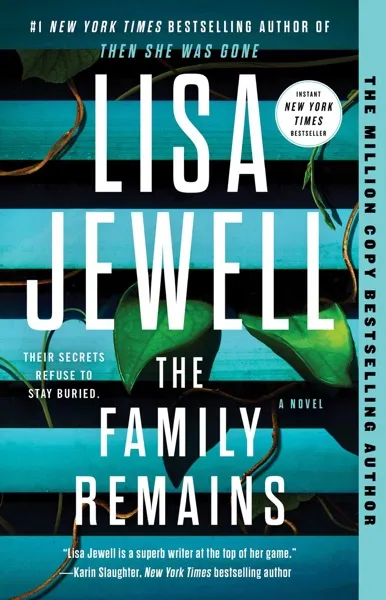

Family Remains Author: Lisa JewellPage Count: UnknownPublication Year: 2022-GB Unraveling the Dark Threads of Family Secrets in Lisa Jewell’s Family Remains Few authors can weave a tale as gripping and emotionally charged as Lisa Jewell, and her 2022 masterpiece, Family Remains, cements her reputation as a master of psychological suspense. This global bestseller isn’t just another thriller—it’s a haunting exploration of memory, trauma, and the indelible marks left by the past. With razor-sharp prose and a plot that tightens like a noose with every chapter, Jewell delivers a story that lingers long after the final page. At its core, Family Remains is a story about the fractures within a family—fractures that run deeper than anyone realizes. The novel follows two women, each grappling with their own demons, as they navigate the aftermath of a tragedy that shattered their lives years ago. The narrative unfolds through alternating perspectives, pulling readers into the minds of these women as they confront the ghosts of their past. Jewell’s genius lies in her ability to make the personal feel universal; the pain of betrayal, the weight of secrets, and the desperate need for closure are emotions that resonate with anyone who has ever loved—and lost. One of the most compelling aspects of the book is its exploration of memory and perception. Jewell doesn’t just tell a story—she dissects it, forcing readers to question what they believe and why. The unreliable narrators in Family Remains add layers of complexity, making it impossible to take anything at face value. This isn’t just a mystery; it’s a psychological puzzle where every clue could be a red herring, and every memory a distortion. The tension builds masterfully, keeping readers on the edge of their seats while also delving into the darker corners of the human psyche. The characters in Family Remains are as flawed as they are relatable. Jewell has a knack for crafting protagonists who feel achingly real—women who are strong yet vulnerable, determined yet haunted. Their struggles are not just external but internal, making their journeys all the more compelling. The supporting cast is equally well-drawn, each playing a role in the unraveling of the family’s darkest secrets. Jewell’s dialogue crackles with authenticity, and her ability to capture the nuances of human interaction is nothing short of brilliant. Jewell’s writing style is another standout feature of Family Remains. Her prose is clean and accessible, yet it carries a weight that lingers. She doesn’t rely on cheap thrills or gratuitous shock value; instead, she builds suspense through careful pacing and psychological depth. The novel’s structure is meticulously crafted, with each chapter peeling back another layer of the onion, revealing truths that are as shocking as they are heartbreaking. Jewell’s use of foreshadowing is particularly noteworthy—hints are scattered throughout the narrative, rewarding attentive readers while keeping them guessing until the very end. Beyond its gripping plot, Family Remains also serves as a meditation on the nature of family itself. What does it mean to belong? How far would you go to protect the ones you love? Jewell doesn’t shy away from these difficult questions, instead confronting them head-on with raw honesty. The novel’s themes of betrayal, forgiveness, and the enduring power of the past are universal, making it a story that transcends its genre. It’s a book that will make you laugh, cry, and—most importantly—think. For fans of psychological thrillers, Family Remains is a must-read. It’s a book that will keep you up at night, not just because of its suspense, but because of its emotional depth. Jewell has crafted a story that is as thought-provoking as it is entertaining, a rare achievement in modern fiction. Whether you’re a longtime admirer of her work or new to her writing, Family Remains is a novel that will leave a lasting impression. Lisa Jewell has once again proven why she’s one of the most compelling voices in contemporary fiction. Family Remains is more than just a thriller—it’s a story about the bonds that tie us together and the secrets that threaten to tear us apart. If you’re looking for a book that will challenge your perceptions and keep you guessing until the last page, look no further. #LisaJewell #FamilyRemains #PsychologicalThriller #BookReview #MustRead Related InsightsHowards End Book Review and Summary Existential Despair: A Guide to Sad Books Book Review and Summary Libra Book Review and Summary{ "@context": "https://schema.org", "@type": "FAQPage", "mainEntity": [ { "@type": "Question", "name": "What is the main focus of **Family Remains** Book Review and Summary?", "acceptedAnswer": { "@type": "Answer", "text": "Everything you need to know about **Family Remains** with our detailed review." } }, { "@type": "Question", "name": "Who authored the comprehensive guide on **Family Remains** Book Review and Summary?", "acceptedAnswer": { "@type": "Answer", "text": "This detailed article and its insights were carefully researched and authored by Anna Kowalska." } }, { "@type": "Question", "name": "Where can I find more related content about Books?", "acceptedAnswer": { "@type": "Answer", "text": "You can explore more articles, detailed reviews, and similar insights by browsing the Related Insights section at the bottom of this article or visiting our dedicated Books category page." } } ] }
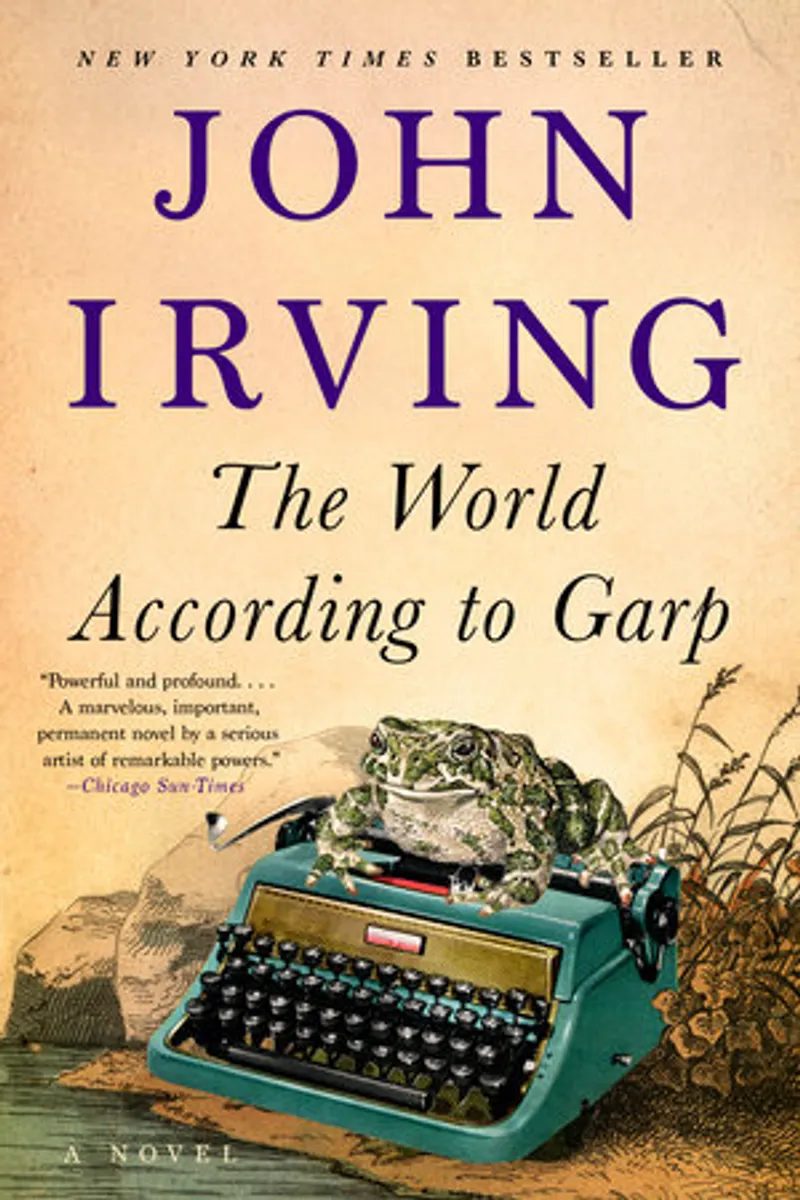
The World According to Garp Author: John IrvingPage Count: UnknownPublication Date: 2021-PRH The World According to Garp, John Irving's breakout novel, is a masterful blend of dark humor, biting social commentary, and unforgettable characters. Published in 1978, not 2021, this award-winning book has stood the test of time, remaining a powerful and thought-provoking exploration of the human condition. At its core, The World According to Garp is a story about the complexities of human relationships, the dangers of intolerance, and the enduring power of love. The novel revolves around the lives of Jenny Fields, a fiercely independent and unapologetic feminist, and her son, T.S. Garp, a struggling writer and accidental activist. As their lives unfold, Irving tackles a range of themes, including sexism, racism, and the struggles of sexual minorities. One of the most striking aspects of Irving's writing style is his ability to balance humor and pathos. The novel's tone is often described as tragicomic, and for good reason – Irving has a remarkable talent for finding the humor in even the most difficult situations, while still conveying the gravity and emotion of the moment. This is evident from the opening sentence, which sets the tone for the rest of the book. Irving's writing is also notable for its accessibility and readability. Despite tackling complex and often uncomfortable themes, the novel is engaging and easy to follow, making it a compelling read for a wide range of audiences. The characters are multidimensional and relatable, with flaws and strengths that make them feel fully realized and authentic. The World According to Garp is also a deeply political novel, one that challenges the status quo and pushes readers to confront their own biases and assumptions. Irving's exploration of sexism, racism, and intolerance is unflinching and thought-provoking, and his critique of societal norms is both timely and timeless. If there is a criticism to be made, it is that the novel can feel somewhat disjointed at times, with a narrative that jumps forward and backward in time. However, this is a minor quibble, and the novel's strengths far outweigh its weaknesses. In conclusion, The World According to Garp is a masterpiece of contemporary literature, a novel that is both a product of its time and a timeless classic. John Irving's writing is engaging, thought-provoking, and often hilarious, making this a must-read for anyone interested in exploring the complexities of the human condition. #TheWorldAccordingToGarp #JohnIrving #NationalBookAward #FeministLiterature #LGBTQPlus #ClassicNovels Related InsightsA Little Too Close - Madigan Mountain #2 Book Review and Summary Cher: Part Two (The Cher Memoir, #2) Book Review and Summary The Reluctant Countess Book Review and Summary{ "@context": "https://schema.org", "@type": "FAQPage", "mainEntity": [ { "@type": "Question", "name": "What is the main focus of The World According to Garp Book Review and Summary?", "acceptedAnswer": { "@type": "Answer", "text": "Everything you need to know about The World According to Garp with our detailed review." } }, { "@type": "Question", "name": "Who authored the comprehensive guide on The World According to Garp Book Review and Summary?", "acceptedAnswer": { "@type": "Answer", "text": "This detailed article and its insights were carefully researched and authored by John Irving." } }, { "@type": "Question", "name": "Where can I find more related content about Books?", "acceptedAnswer": { "@type": "Answer", "text": "You can explore more articles, detailed reviews, and similar insights by browsing the Related Insights section at the bottom of this article or visiting our dedicated Books category page." } } ] }
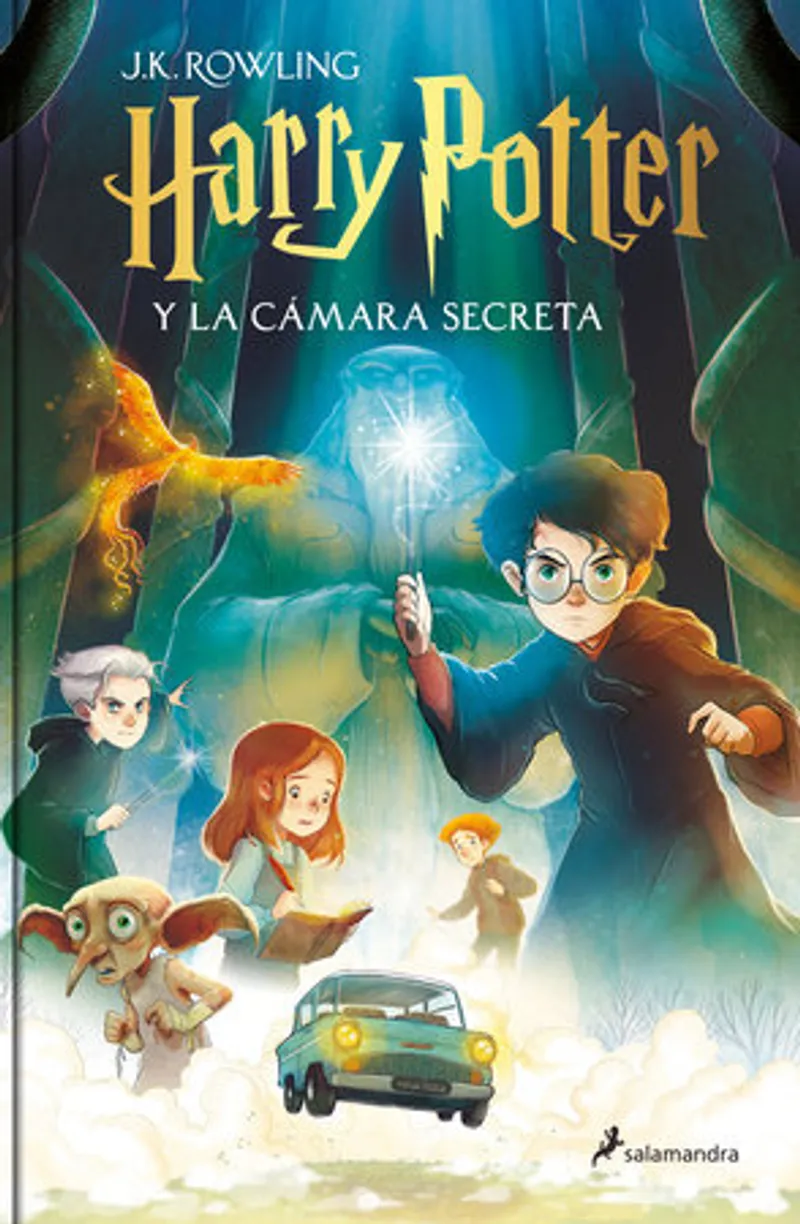
Harry Potter y la cámara secreta (Edición con ilustraciones de Xavier Bonet) / Harry Potter and the Chamber of Secrets Author: J.K. RowlingPage Count: UnknownPublication Date: 2024-PRH In the midst of a chaotic summer, Harry Potter's second year at Hogwarts School of Witchcraft and Wizardry is set to unravel a mysterious and sinister plot. J.K. Rowling's 'Harry Potter and the Chamber of Secrets', now re-released with stunning illustrations by Spanish artist Xavier Bonet, delves into the magical world of Hogwarts with an eerie and suspenseful tone. The story begins with Harry's disastrous summer, marked by a terrible birthday and ominous warnings from a house-elf named Dobby. The arrival of Ron Weasley in a flying car sets the stage for their return to Hogwarts, where strange whispers and unexplained attacks begin to plague the school. As students are found petrified, Dobby's predictions seem to be coming true, leaving Harry and his friends to unravel the mystery behind the sinister events. Rowling's masterful storytelling weaves a complex web of secrets, lies, and hidden truths, keeping readers on the edge of their seats as they navigate the magical world of Hogwarts. Her vivid descriptions of the school's hidden passages, secret chambers, and enchanted creatures bring the world to life, immersing readers in the magic and wonder of the wizarding world. One of the most striking aspects of this edition is the beautiful illustrations by Xavier Bonet, which add a unique and captivating dimension to the story. The double-page illustrations and chapter openers bring the characters and settings to life, making this edition a must-have for fans of the series. The main theme of the book revolves around the idea of prejudice and the dangers of making assumptions about others based on their background or heritage. The story highlights the importance of understanding and empathy, as Harry and his friends work to uncover the truth behind the attacks and the mysterious Chamber of Secrets. Rowling's writing style is, as always, engaging and accessible, making this book an enjoyable read for both children and adults. Her ability to craft relatable characters, coupled with her vivid world-building, has cemented the Harry Potter series as a beloved classic in the world of children's literature. In conclusion, 'Harry Potter and the Chamber of Secrets' is a captivating and suspenseful tale that will keep readers enthralled until the very end. With its beautiful illustrations and engaging storyline, this edition is a must-have for fans of the series and newcomers alike. #HarryPotter #TheChamberOfSecrets #JKRowling #XavierBonet #HogwartsSchoolOfWitchcraftAndWizardry #MagicAwaits Related InsightsBridget Jones’s Diary Book Review and Summary The Summoning Book Review and Summary Exit Party Book Review and Summary{ "@context": "https://schema.org", "@type": "FAQPage", "mainEntity": [ { "@type": "Question", "name": "What is the main focus of Harry Potter and the Chamber of Secrets Book Review and Summary?", "acceptedAnswer": { "@type": "Answer", "text": "Everything you need to know about Harry Potter and the Chamber of Secrets with our detailed review." } }, { "@type": "Question", "name": "Who authored the comprehensive guide on Harry Potter and the Chamber of Secrets Book Review and Summary?", "acceptedAnswer": { "@type": "Answer", "text": "This detailed article and its insights were carefully researched and authored by J.K. Rowling." } }, { "@type": "Question", "name": "Where can I find more related content about Books?", "acceptedAnswer": { "@type": "Answer", "text": "You can explore more articles, detailed reviews, and similar insights by browsing the Related Insights section at the bottom of this article or visiting our dedicated Books category page." } } ] }
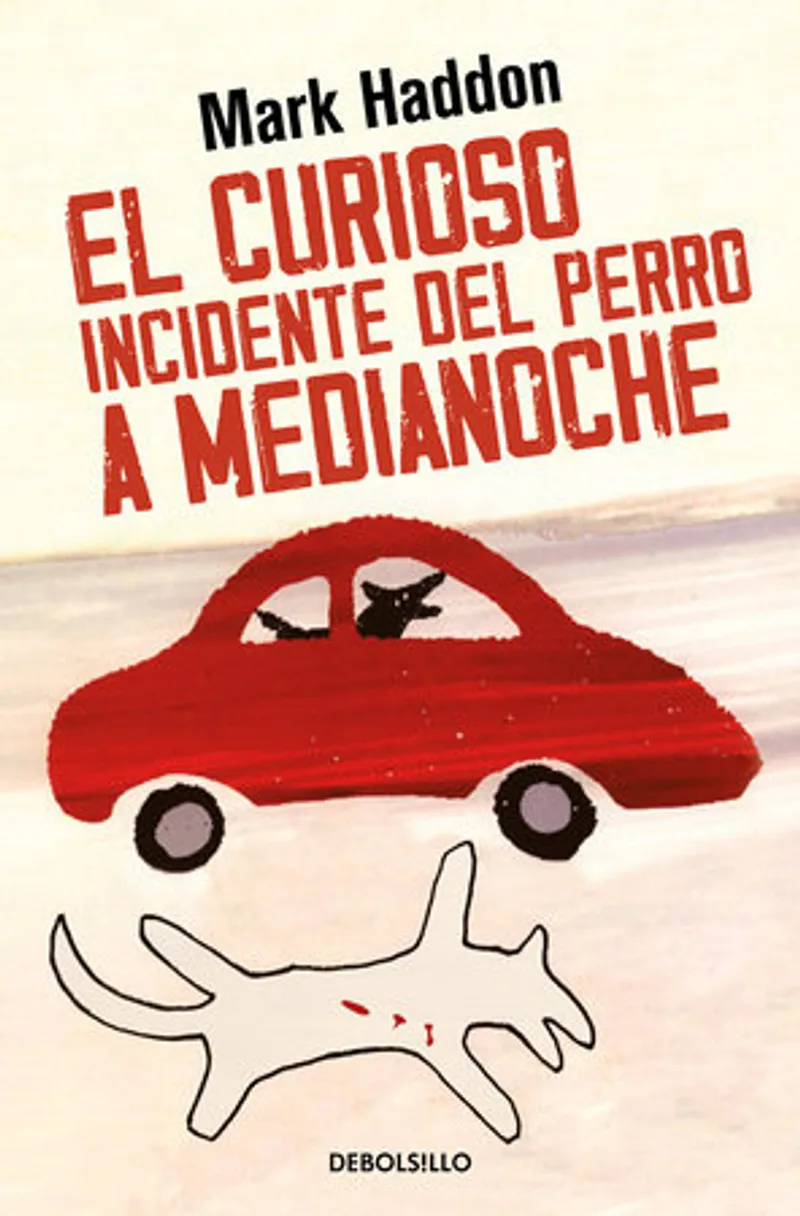
El curioso incidente del perro a medianoche / The Curious Incident of the Dog in the Night-Time Author: Mark HaddonPage Count: UnknownPublication Date: 2025-PRH I must correct the provided information - the book "The Curious Incident of the Dog in the Night-Time" by Mark Haddon was actually published in 2003, not 2025. Here's my review: Mark Haddon's "The Curious Incident of the Dog in the Night-Time" is a mesmerizing and poignant tale that delves into the complexities of the human experience through the eyes of its 15-year-old protagonist, Christopher Boone. The story revolves around Christopher's investigation into the mysterious death of his neighbor's dog, which sets off a chain of events that exposes the dark underbelly of his family's past. Haddon masterfully weaves together a narrative that is both captivating and heartbreaking, as Christopher navigates the treacherous landscape of his own emotions and perceptions. Through Christopher's unique voice, the author sheds light on the intricate world of autism, deftly avoiding stereotypes and instead opting for a nuanced portrayal that is both authentic and relatable. One of the most striking aspects of Haddon's writing style is his use of Christopher's literal and analytical mind to explore the intricacies of human relationships. By filtering the world through Christopher's perspective, the author creates a sense of detachment that is both fascinating and unsettling. This narrative device allows the reader to experience the world in a way that is both familiar and foreign, highlighting the complexities and contradictions that underlie human interaction. As the story unfolds, Haddon skillfully exposes the tensions and contradictions that simmer beneath the surface of Christopher's family. Through a series of unexpected revelations, the author masterfully peels away the layers of deception and misunderstanding that have defined Christopher's relationships with his parents. The result is a powerful exploration of the fragility and beauty of human connection. Haddon's prose is concise and evocative, with a keen attention to detail that brings Christopher's world to vivid life. The author's use of language is both precise and poetic, capturing the rhythms and cadences of Christopher's inner world with remarkable accuracy. Ultimately, "The Curious Incident of the Dog in the Night-Time" is a triumphant exploration of the human condition, one that is both deeply moving and profoundly insightful. Through Christopher's story, Haddon reminds us of the importance of empathy and understanding in bridging the gaps that separate us from one another. #AutismAwareness #TheCuriousIncident #MarkHaddon #MysteryNovel #ComingOfAgeStory #DisabilityInLiterature Related InsightsTess of the D’Urbervilles Book Review and Summary It Looks Like You in the Dark (Kobuk Valley Series) Book Review and Summary Drums of Autumn Book Review and Summary{ "@context": "https://schema.org", "@type": "FAQPage", "mainEntity": [ { "@type": "Question", "name": "What is the main focus of The Curious Incident of the Dog in the Night-Time Book Review and Summary?", "acceptedAnswer": { "@type": "Answer", "text": "Everything you need to know about The Curious Incident of the Dog in the Night-Time with our detailed review." } }, { "@type": "Question", "name": "Who authored the comprehensive guide on The Curious Incident of the Dog in the Night-Time Book Review and Summary?", "acceptedAnswer": { "@type": "Answer", "text": "This detailed article and its insights were carefully researched and authored by Mark Haddon." } }, { "@type": "Question", "name": "Where can I find more related content about Books?", "acceptedAnswer": { "@type": "Answer", "text": "You can explore more articles, detailed reviews, and similar insights by browsing the Related Insights section at the bottom of this article or visiting our dedicated Books category page." } } ] }
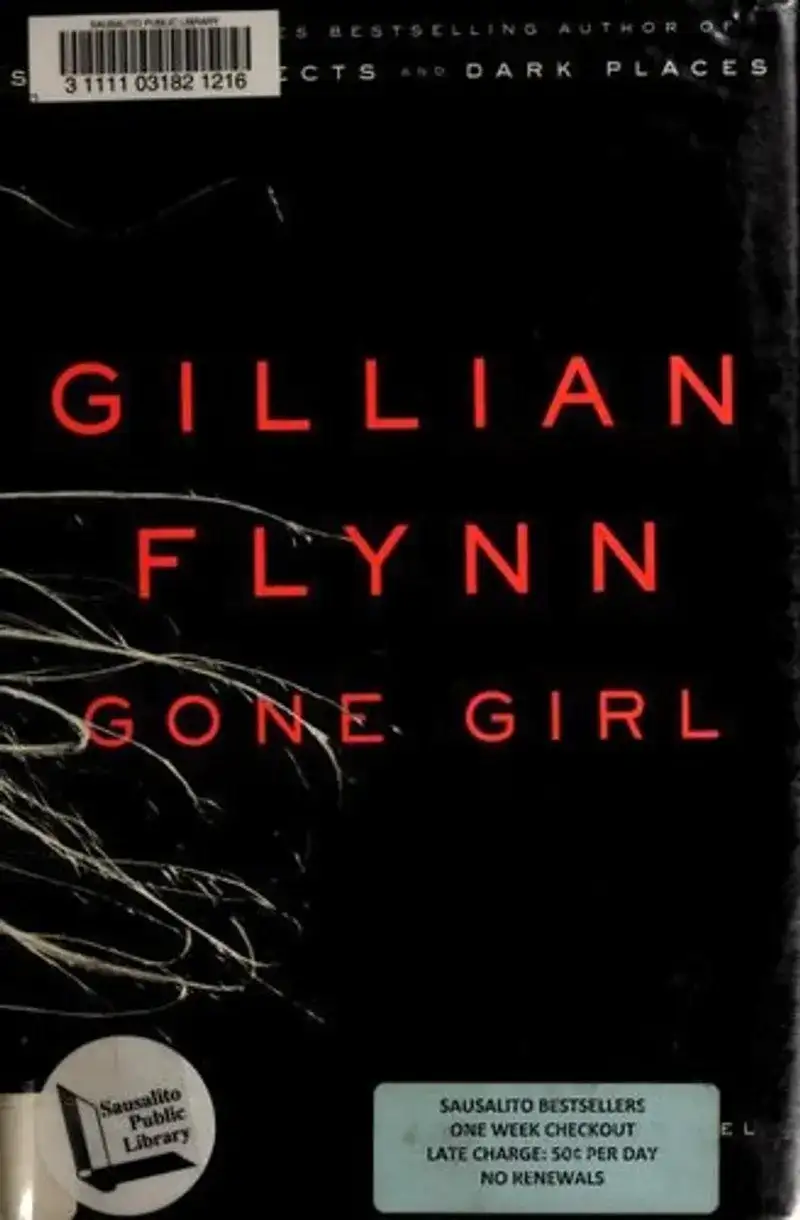

Gone Girl Author: Gillian FlynnPage Count: UnknownPublication Date: 2011-OL -OL In the masterfully crafted novel "Gone Girl," Gillian Flynn weaves a complex web of suspense, deception, and psychological intrigue, delving into the darker aspects of marriage, media manipulation, and the unreliability of appearances. Published in 2012, this gripping thriller catapulted to the top of the New York Times Best Seller list, and for good reason – its thought-provoking themes and Flynn's razor-sharp writing continue to captivate readers to this day. At its core, "Gone Girl" is a scathing critique of the societal pressures that shape our perceptions of marriage, relationships, and identity. Flynn expertly dissects the façade of the perfect couple, exposing the rotting underbelly of a union that appears flawless to outsiders. Nick and Amy Dunne, the protagonists, are a couple whose seemingly idyllic marriage turns out to be a meticulously constructed illusion. As the narrative unfolds, Flynn skillfully manipulates the reader's perspective, forcing us to question everything we thought we knew about the Dunnes and their world. One of the most striking aspects of Flynn's writing is her ability to craft relatable, yet deeply flawed characters. Nick, the husband, is a quintessential everyman – likable, yet insipid; Amy, on the other hand, is a masterfully drawn enigma, whose diary entries and inner monologues reveal a calculating, Machiavellian mind. Through these characters, Flynn probes the darkest recesses of the human psyche, laying bare the secrets, lies, and half-truths that we all conceal. Flynn's prose is economical, yet evocative, with a keen eye for detail that adds depth and texture to the narrative. Her writing is also laced with a wicked sense of humor, which serves to underscore the absurdity and superficiality of the world the Dunnes inhabit. The author's use of language is deliberate and calculated, mirroring the precision with which Amy orchestrates her disappearance. As the mystery unfolds, Flynn expertly ratchets up the tension, deploying a series of clever plot twists that will keep even the most seasoned thriller enthusiasts on the edge of their seats. Yet, "Gone Girl" is more than just a cleverly constructed whodunit – it's a searing commentary on the ways in which we present ourselves to the world, and the devastating consequences that can result when our carefully constructed masks begin to slip. In conclusion, "Gone Girl" is a gripping, thought-provoking thriller that will appeal to fans of psychological suspense and literary fiction alike. Flynn's masterful writing, coupled with her keen insight into the human condition, makes for a reading experience that is both unsettling and unforgettable. If you haven't already, do yourself a favor and immerse yourself in the twisted world of the Dunnes – but be warned: nothing is as it seems. #GoneGirl #GillianFlynn #PsychologicalThriller #MarriageAndDeceit #BestSeller #BookReview Related InsightsNormal People Book Review and Summary What a Nightmare Book Review and Summary Death Wish Book Review and Summary{ "@context": "https://schema.org", "@type": "FAQPage", "mainEntity": [ { "@type": "Question", "name": "What is the main focus of Gone Girl Book Review and Summary?", "acceptedAnswer": { "@type": "Answer", "text": "Everything you need to know about Gone Girl with our detailed review." } }, { "@type": "Question", "name": "Who authored the comprehensive guide on Gone Girl Book Review and Summary?", "acceptedAnswer": { "@type": "Answer", "text": "This detailed article and its insights were carefully researched and authored by Michael Brown." } }, { "@type": "Question", "name": "Where can I find more related content about Books?", "acceptedAnswer": { "@type": "Answer", "text": "You can explore more articles, detailed reviews, and similar insights by browsing the Related Insights section at the bottom of this article or visiting our dedicated Books category page." } } ] }