Showing Posts From
Books
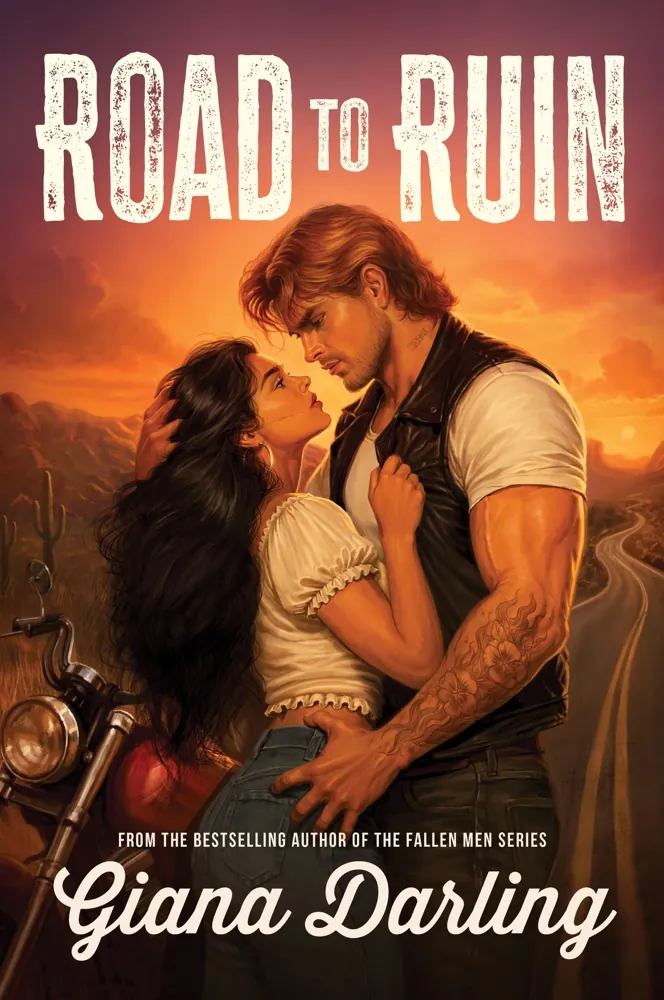

Author: Giana DarlingPage Count: UnknownPublication Date: Expected publication 2026 APL We are once again descending into the literary equivalent of a trailer park brawl, though I suppose pedigree has never been Giana Darling's strong suit. Road to Ruin promises another sweaty excursion into the lives of people who clearly possess zero understanding of estate management or proper vowel pronunciation. Yet, the bibliophiles of the internet—bless their unwashed little hearts—are losing their minds over this upcoming display of low-brow machismo. Bloodlines and Bad Decisions Ashes Crowe. Good grief. Even the moniker sounds like something scrawled in cheap eyeliner on a bathroom stall at a truck stop off Interstate 35. We are expected to believe this weaponized delinquent—spawn of a motorcycle syndicate chieftain—harbors a secret soul beneath his grease-stained kutte. Groundbreaking. Truly, Shakespeare is weeping in his grave, though mostly out of sheer exhaustion. Darling leans hard into the tired lineage of dynastic feuds. It is Romeo and Juliet filtered through a cracked windshield and coated in dried mud. But let us be entirely serious. There is no tragic nobility here. Just a couple of aggressively hot outlaws committing high-value felonies across the arid expanse of Texas while evading men named things like "The Ventura Cartel." The Aesthetic of Anarchy The thematic architecture relies entirely on the tired dichotomy between blood duty and feral obsession. Inés Castillo functions as the requisite high-stakes prop—a cartel bride turned hostage who supposedly outplays powerful men. Sure she does. One assumes her grand strategy involves batting her eyelashes while a tattooed menace shoots up a gas station. We are drowning in this "touch her and die" aesthetic. It is so cringe it makes my teeth itch. Every modern romance novelist currently thinks they are writing Sons of Anarchy meets Cormac McCarthy, when in reality, they are simply producing fan-fiction for people who buy their furniture at rent-to-own outlets. Expect zero literary nuance. The prose will undoubtedly alternate between florid descriptions of collarbones and absolute garbage dialogue about loyalty and old-old-old Texas blood. And the fans will eat it up like feral raccoons at a dumpster buffet. I really must go now, because the antique drainpipe in the master bath has given up the ghost and if I don't go snake the hair out right this second, the entire second floor is going to flood and ruin my Persian rugs. #BookTwitter #RomanceReaders #GianaDarling #TrashyReads Related InsightsNightwalker Book Review and Summary Viper & Lilies (Sisters of Flowers and Flames, #1) Book Review and Summary The Drowning Woman Book Review and Summary{ "@context": "https://schema.org", "@type": "FAQPage", "mainEntity": [ { "@type": "Question", "name": "What is the main focus of Road to Ruin: A Novel Book Review and Summary?", "acceptedAnswer": { "@type": "Answer", "text": "Everything you need to know about Road to Ruin: A Novel with our detailed review." } }, { "@type": "Question", "name": "Who authored the comprehensive guide on Road to Ruin: A Novel Book Review and Summary?", "acceptedAnswer": { "@type": "Answer", "text": "This detailed article and its insights were carefully researched and authored by James Miller." } }, { "@type": "Question", "name": "Where can I find more related content about Books?", "acceptedAnswer": { "@type": "Answer", "text": "You can explore more articles, detailed reviews, and similar insights by browsing the Related Insights section at the bottom of this article or visiting our dedicated Books category page." } } ] }
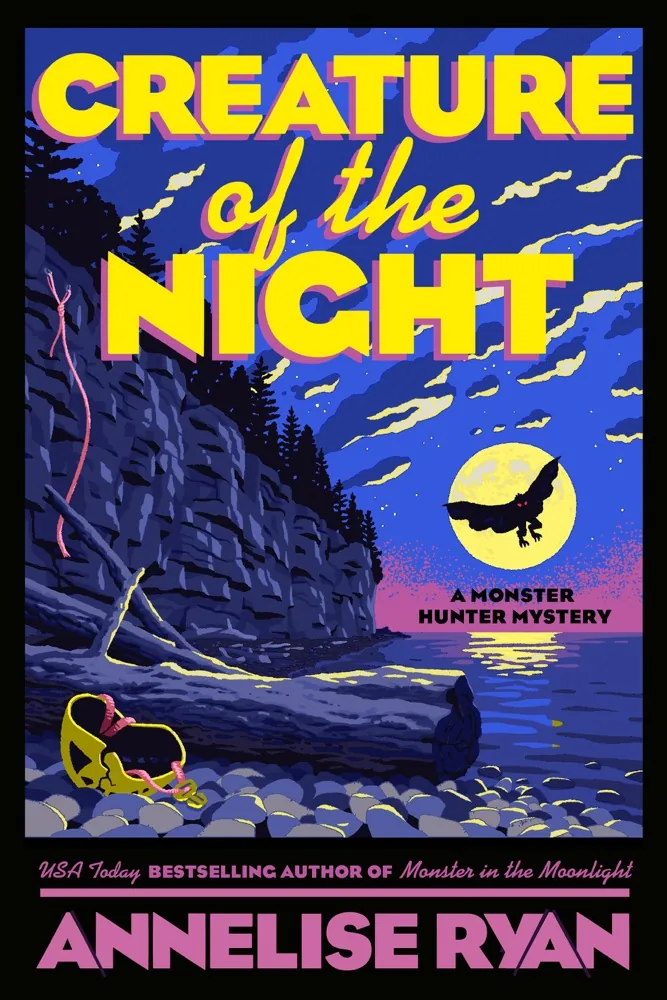

Author: Annelise RyanPage Count: UnknownPublication Date: Expected publication 2026 APL Another Wisconsin cliff, another tragic drop, another fictional universe where professionals willingly chase urban legends instead of admitting that people simply fall when gravity does its job. Creature of the Night arrives soon to pad out an already bloated genre, dragging its cryptozoologist protagonist into the dreary expanse of Door County because some dead guy allegedly heard a screeching oversized chicken with glowing red eyes. Groundbreaking literature. Absolutely bussin, no cap. The Aesthetics of Boredom Annelise Ryan relies on the oldest crutch in the publishing book—dropping a charismatic pseudo-scientist into an isolated geographical pocket with a local myth to decode. We get the usual atmospheric window-dressing. Water. Cliffs. Cold winds. It reads like Joe Abercrombie stripped of all genuine nihilism and replaced with cozy suburban sleuthing. The thematic underpinnings here seem desperately obsessed with the friction between rational empirical data and human folklore. Or perhaps the author just wanted an excuse to write the word Mothman while coking up another generic mystery arc. And yet, watching protagonists pretend to face mortal peril while trapped in a cozy matchmaking dynamic with their new business-partner-slash-boyfriend screams absolute predictability. The stakes are nonexistent. Nobody important ever dies in these mid-list paperbacks because the algorithm demands sequels until the copyright holder keels over. Actually, wait. I take that back completely. Maybe the genre is shifting toward actual tragedy. No, who am I kidding? This will end with a mildly spooky campfire revelation and a lukewarm cup of coffee at a local diner. The Cryptid Industrial Complex We are living through a cultural exhaustion loop where every regional ghost story must be dragged into a multi-book franchise. Give me a protagonist who breaks down from existential dread in a sterile boardroom instead of traipsing through the woods looking for red-eyed mutants. Real monsters wear custom Italian suits and bankrupt pension funds with a single signature. But no, let us pretend a man-sized insectoid is the greatest threat facing modern jurisprudence. My assistant is violently signaling from the mahogany doorway that the quarterly philanthropic foundation statement is due on the wire before the European markets open. #mothman #bookelixir #doorcounty #readingslump Related InsightsThe Raven Boys Book Review and Summary The Exchange Book Review and Summary Roundabout (Detour, #2) Book Review and Summary{ "@context": "https://schema.org", "@type": "FAQPage", "mainEntity": [ { "@type": "Question", "name": "What is the main focus of Creature of the Night (Monster Hunter, #5) Book Review and Summary?", "acceptedAnswer": { "@type": "Answer", "text": "Everything you need to know about Creature of the Night (Monster Hunter, #5) with our detailed review." } }, { "@type": "Question", "name": "Who authored the comprehensive guide on Creature of the Night (Monster Hunter, #5) Book Review and Summary?", "acceptedAnswer": { "@type": "Answer", "text": "This detailed article and its insights were carefully researched and authored by Elena Volkova." } }, { "@type": "Question", "name": "Where can I find more related content about Books?", "acceptedAnswer": { "@type": "Answer", "text": "You can explore more articles, detailed reviews, and similar insights by browsing the Related Insights section at the bottom of this article or visiting our dedicated Books category page." } } ] }
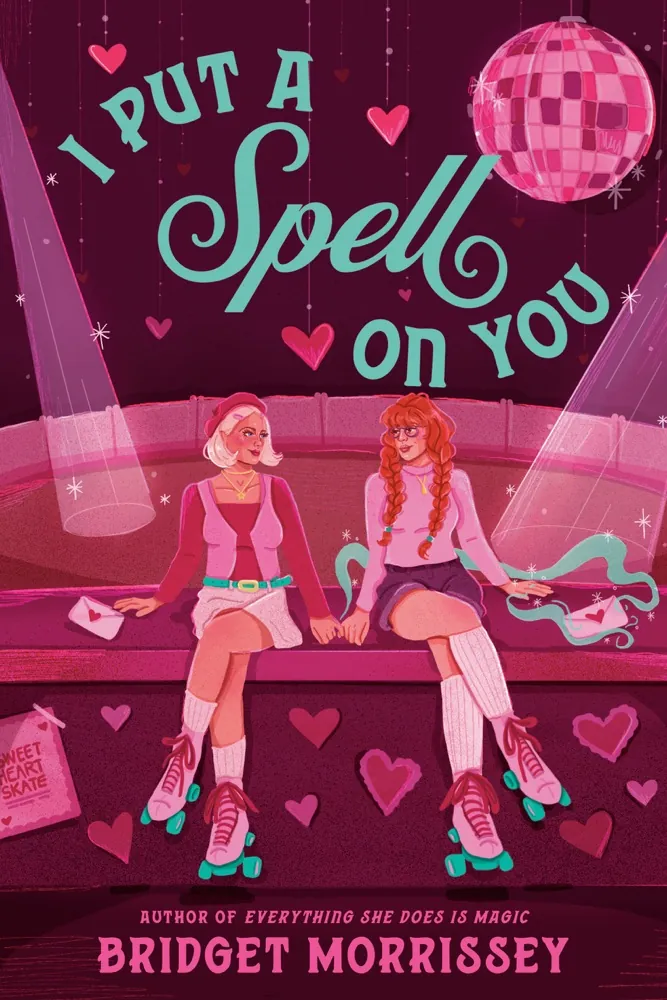

Author: Bridget MorrisseyPage Count: UnknownPublication Date: Expected publication 2026 APL The radiators in this hallway have been clanking since three this morning, emitting a rhythm that feels less like heating and more like a warning. Yet we persist. We drink chicory-laced coffee from mugs with chipped handles and we look at coming attractions like I Put a Spell on You by Bridget Morrissey and wonder if anyone actually believes in magic anymore—or if we just want a good excuse to send spiteful mail to strangers. Sugar, Spite, and Shared Heat Fableview sounds like the kind of town where the air smells perpetually of artificial strawberry and cheap candle wax. A holiday-obsessed micro-climate designed to crush anyone who finds February fourteenth to be an exercise in manufactured panic. Piper Blake refuses to wear the family badge. She is an impostor among true believers. Actually, scratch that—she isn't an impostor at all. She is simply smart enough to realize that charging people for counterfeit romantic forecasts is the only ethical way to survive a childhood built on parental divorce settlements. Ivy Collins arrives carrying the heavy, bitter luggage of a grudge. Someone ruined her mother's equilibrium with a fake reading, and she has tracked the culprit to this candy-coated nightmare. The premise leans heavily into the epistolary tradition—anonymous hate-to-love letters passing back and forth across town lines. It reminds me of the sharper edges of Casey McQuiston or Alexandria Bellefleur, but with a cynical bite that might save it from becoming too saccharine. Or maybe it will drown in its own pink frosting. Who can tell from a blurb alone? The Mechanics of Cynicism Let us interrogate the machinery of the plot for a second. The synopsis relies on a neat little paradox: a girl who sells fake magic gets cornered by a girl seeking real vengeance, only for them to accidentally fall into literary discourse through angry correspondence. It is a classic setup. But the real question is whether Morrissey can sustain the tension without collapsing into the usual YA tropes where every broken family is fixed by a timely kiss under plastic mistletoe. The aesthetic here is aggressively pastel. Pink candy hearts. Small-town pageantry. The suffocating weight of inherited destinies. Yet beneath the sugar lies the darker, far more interesting architecture of resentment. Piper thinks love is a con because she watched her father serial-date his way through a midlife crisis. Ivy thinks love is a weapon because a stranger stole her mother's peace of mind. They are two sides of the same coin, flipping endlessly in the dark. Whether the prose will match this structural ambition remains a complete mystery—the synopsis is frustratingly vague on the actual voice. Will it snap with caustic wit, or will it lean into the exhausted tropes of modern romantic comedy where every insult is just a prelude to a breathless confession? I lean toward the latter on bad days. On better days, I hope for something that bites back. The subway rumble is vibrating right through my noise-canceling headphones today. Related InsightsThe Atomic Habits Workbook Book Review and Summary Night Tide (Night Tide, #1) Book Review and Summary Grave Wars Book Review and Summary{ "@context": "https://schema.org", "@type": "FAQPage", "mainEntity": [ { "@type": "Question", "name": "What is the main focus of I Put a Spell on You (Fableview #2) Book Review and Summary?", "acceptedAnswer": { "@type": "Answer", "text": "Everything you need to know about I Put a Spell on You (Fableview #2) with our detailed review." } }, { "@type": "Question", "name": "Who authored the comprehensive guide on I Put a Spell on You (Fableview #2) Book Review and Summary?", "acceptedAnswer": { "@type": "Answer", "text": "This detailed article and its insights were carefully researched and authored by Olya Shevchenko." } }, { "@type": "Question", "name": "Where can I find more related content about Books?", "acceptedAnswer": { "@type": "Answer", "text": "You can explore more articles, detailed reviews, and similar insights by browsing the Related Insights section at the bottom of this article or visiting our dedicated Books category page." } } ] }
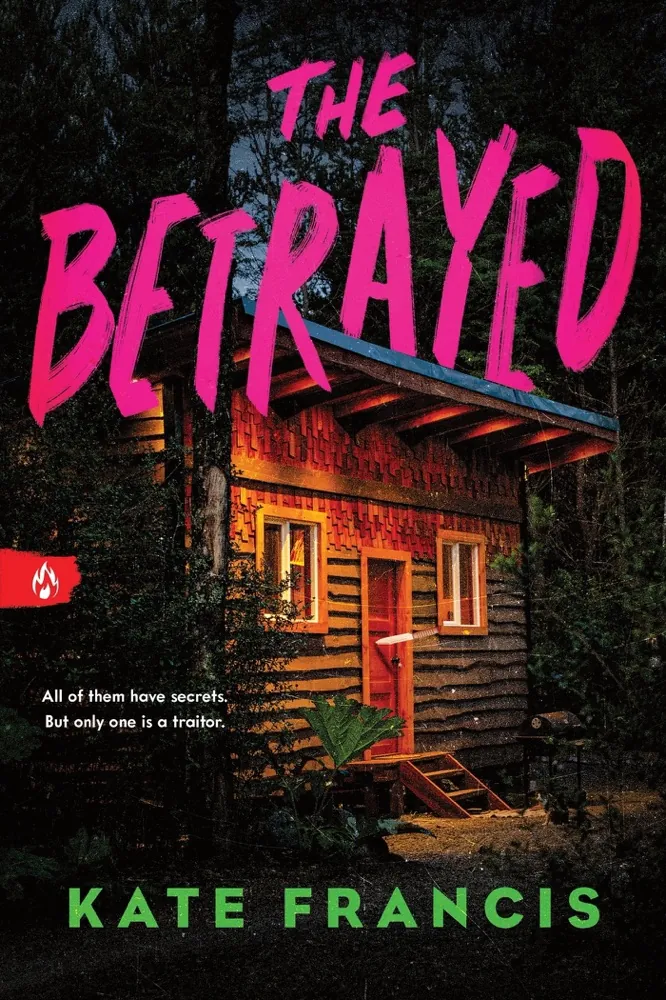

Author: Kate FrancisPage Count: UnknownPublication Date: Expected publication 2026 APL Another glossy brochure arrived in the mail this morning, promising a weekend retreat for "troubled adolescents" who just need a little discipline to straighten out their jagged edges—because nothing screams rehabilitation quite like tearing a kid out of their bed at three in the morning by masked mercenaries and shipping them off to the woods to sleep on a cot. Kate Francis is leaning heavily into this exact brand of institutional paranoia with The Betrayed, a 2026 release that uses the well-worn YA thriller trope of the predatory summer camp and strips it down to pure psychological isolation. And let us be honest, the plot outlined in this synopsis is as predictable as the chilly September wind currently rattling the loose shingles off my porch. We have Liv Walker, the mandatory betrayed protagonist whose own flesh and blood traded her trust for a glossy pamphlet. Yet the real structural annoyance here isn't the kidnapping—it is the absurd reliance on parlor games turning fatal. Remember when books like One of Us Is Lying or Karen McManus's entire bibliography actually grounded their high school tension in social media gossip and genuine teenage malice instead of turning summer camp into a cheap slasher flick where people die because they played Werewolf by the campfire? Honestly, speaking of overhyped media, my youngest has been watching this utterly mindless cartoon about a yellow sponge for three hours straight, and the existential dread I feel listening to those relentless, synthesized chuckles from the living room is somehow still more coherent than the logic of sending a teenager to a brutal survival camp just because she rolled her eyes at dinner. Trust issues. Thematic analysis of this kind of fiction usually tries to dress itself up as a profound commentary on adolescent alienation and the systemic failure of the nuclear family. But when the baseline premise relies on sadistic counselors and a mysterious traitor mimicking a party game, any genuine exploration of adolescent trust evaporates into hollow genre mechanics. Francis clearly wants to invoke the claustrophobia of Lord of the Flies mixed with contemporary boarding school thrillers, but without a page count or any original character beats beyond the synopsis clichés, it reads like an algorithm generated it in a boardroom. Hard pass. I need to go outside and fire up the grill before the neighborhood barbecue descends into absolute anarchy. #BookTwitter #TheBetrayed #KateFrancis #YoungAdultBooks Related InsightsCatching Fire Book Review and Summary Unti Sharpe Book Review and Summary Endless Promises (Harmony Hills, #2) Book Review and Summary{ "@context": "https://schema.org", "@type": "FAQPage", "mainEntity": [ { "@type": "Question", "name": "What is the main focus of The Betrayed Book Review and Summary?", "acceptedAnswer": { "@type": "Answer", "text": "Everything you need to know about The Betrayed with our detailed review." } }, { "@type": "Question", "name": "Who authored the comprehensive guide on The Betrayed Book Review and Summary?", "acceptedAnswer": { "@type": "Answer", "text": "This detailed article and its insights were carefully researched and authored by Michael Brown." } }, { "@type": "Question", "name": "Where can I find more related content about Books?", "acceptedAnswer": { "@type": "Answer", "text": "You can explore more articles, detailed reviews, and similar insights by browsing the Related Insights section at the bottom of this article or visiting our dedicated Books category page." } } ] }
-
 Hannah Schmidt
 - 09 Sep, 2026 07:46
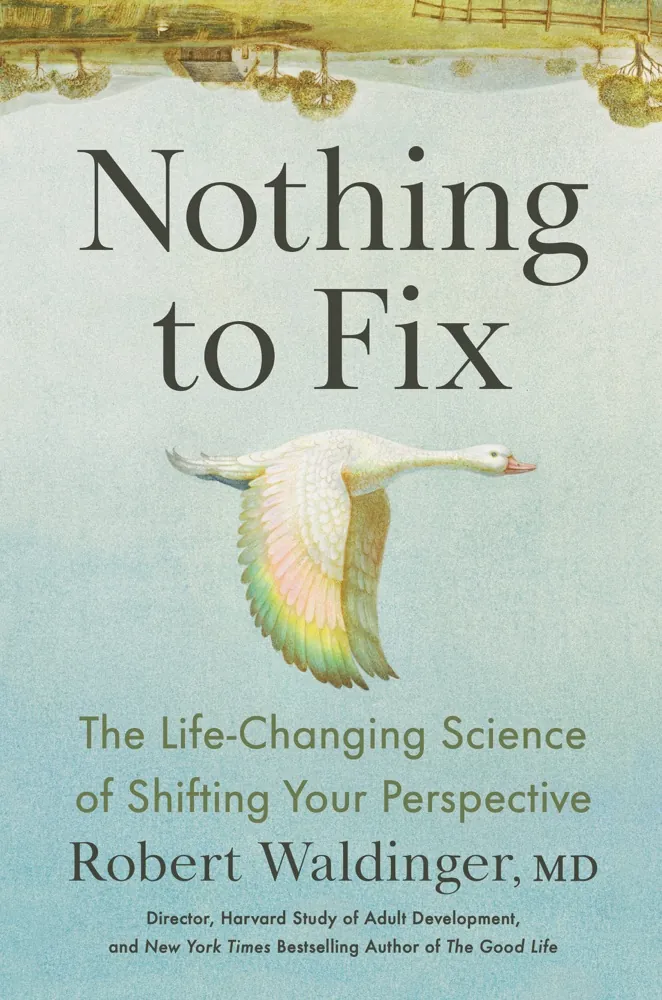
Nothing to Fix: The Life-Changing Science of Shifting Your Perspective Book Review and Summary
Author: Robert Waldinger MDPage Count: UnknownPublication Date: Expected publication 2026 APL Another prescriptive volume promising institutional salvation disguised as personal awakening has landed on the desk, slotted neatly into the exact same ideological shelf occupied by Atomic Habits and every other symptom-treating manual currently flooding the market. Except this one carries the institutional weight of the Harvard Study of Adult Development, weaponizing longitudinal data to tell us what we already discovered while organizing mutual aid block parties in the rain: that human isolation is a systemic failure of connection, not merely a neurochemical deficit to be balanced via mindfulness apps and breathing exercises. Yet the promotional copy for Nothing to Fix leans heavily into the well-worn wellness tropes of individual optimization, suggesting that if we just adjust our internal cognitive dials—perhaps by sweating through enough hours on a Zen meditation cushion—we can somehow transcend the grinding precarity of modern existence without actually changing any of the oppressive socioeconomic conditions that make us want to scream into the void in the first place. Wait. Let me walk that back entirely. Maybe dismissing decades of psychiatric clinical observation and empirical happiness research as mere bootstrap rhetoric is missing the tactical utility of what the author is trying to build here. The Architecture of Internal Truces The core thesis relies on the radical subversion of our cultural obsession with optimization, shifting the metric of a life from hyper-productive outputs to the quiet, unglamorous process of simply meeting whatever catastrophe happens to be unfolding on the street corner today. And honestly? We desperately need structural solidarity, yes, but we also need psychological endurance to keep from burning out before the revolution even gets scheduled. If this text manages to dismantle the toxic fiction that our persistent low-grade panic is a personal moral failing rather than a rational response to late-stage capitalism, then perhaps it transcends the typical self-help noise. Grounding these abstract eastern meditative traditions in actual longitudinal human narratives rather than dry statistical charts gives the project a fighting chance at emotional resonance, rescuing the science from the cold sterility of academic journals. Still. The cynic in the corner—the one who watches housing costs skyrocket while wellness gurus tell tenants to reframe their evictions as opportunities for mindful presence—wonders if we are once again mistaking a bandage for structural reform. Hard pass. Or maybe not. Time will tell if the synthesis of clinical psychiatry and Zen philosophy offers actual tools for frontline organizers or just another sophisticated distraction to keep us quietly meditating while the neighborhood burns. My youngest just painted the family cat blue. Related InsightsThe Winter of Frankie Machine Book Review and Summary The Book of Magical Living: 8 Secrets to Good Fortune Book Review and Summary The Boys from Biloxi Book Review and Summary{ "@context": "https://schema.org", "@type": "FAQPage", "mainEntity": [ { "@type": "Question", "name": "What is the main focus of Nothing to Fix: The Life-Changing Science of Shifting Your Perspective Book Review and Summary?", "acceptedAnswer": { "@type": "Answer", "text": "Everything you need to know about Nothing to Fix: The Life-Changing Science of Shifting Your Perspective with our detailed review." } }, { "@type": "Question", "name": "Who authored the comprehensive guide on Nothing to Fix: The Life-Changing Science of Shifting Your Perspective Book Review and Summary?", "acceptedAnswer": { "@type": "Answer", "text": "This detailed article and its insights were carefully researched and authored by Hannah Schmidt." } }, { "@type": "Question", "name": "Where can I find more related content about Books?", "acceptedAnswer": { "@type": "Answer", "text": "You can explore more articles, detailed reviews, and similar insights by browsing the Related Insights section at the bottom of this article or visiting our dedicated Books category page." } } ] }

Author: Elif ShafakPage Count: UnknownPublication Date: Expected publication 2026 APL Another literary darling is coming to subject us to 19th-century French misery while the global economy teeters on the edge of a third-world war. Elif Shafak is back, and the marketing machine wants us to bow down to In One Brief Moment All Eternity. Oh, joy. Another historical fiction exercise designed to win prizes from committees who haven't touched grass since the fall of the Berlin Wall. Colm Tóibín and Maggie O'Farrell are allegedly shaking in their boots. Or perhaps they are just laughing at the sheer audacity of packaging Gustave Flaubert's nervous ticks as high art. I can't even with this. The Cult of Suffering The premise relies on the stale, exhausting trope that suffering equals authenticity. Flaubert writing Madame Bovary amidst war, famine, and censorship. How utterly derivative. It reads like the plot outline for a prestige drama that gets cancelled after three episodes on a streaming platform nobody pays for. We are expected to swoon over the "drive and need to create." Please. Give me a break. Real creation happens when you have capital, quiet, and zero distractions. Flaubert sitting in his study whining about censorship feels like a billionaire complaining about the estate tax while on a superyacht. Shafak apparently decides to let the female ghosts speak. The nanny, the mistress, the corpse. How delightfully predictable. It is the literary equivalent of the Fyre Festival—all grand architectural promises with nothing substantive delivered on the ground. Everyone wants to subvert the male gaze until the advance check clears. We get the standard post-modern parlor trick of rescuing the silenced. Who gets to speak? Whoever has a publicist with a massive budget, that's who. A Spectrum of Pretension And then we have the color theory. Chapters tinged with hues evoking epileptic episodes. Because nothing says profound insight quite like medicalizing neurological trauma for aesthetic flavor. It is giving me major Theranos board meeting energy—all visionary hype and zero actual utility. The synopses try to blind us with adjectives. Ethereal. Twilight-tinged. Sensuality. Transcendent lightness. It's a word salad designed to distract from the fact that nobody has actually read a cohesive plot here. We are just tumbling through space and time, mostly because the author couldn't be bothered to anchor the narrative in anything resembling a structured reality. The Cross-Cultural Crossover We Never Demanded We are promised a bridge between East and West. Because every contemporary novel must now solve geopolitics through magical realism and oral storytelling traditions. Why just write a book about a neurotic French novelist when you can appropriate the entire history of human narrative exchange to do it? It is literary gentrification at its finest. They take a French corpse, sprinkle some Middle Eastern oral tradition over it, and expect us to call it a masterpiece. I need to review a tedious legal contract for your film adaptation before the market closes in Tokyo. #ElifShafak #LiteraryFiction #BookTwitter #Flaubert #PrestigeTrash Related InsightsBared to You Book Review and Summary Chasing the Devil: The Search for Africa's Fighting Spirit Book Review and Summary Because of Winn-Dixie Book Review and Summary{ "@context": "https://schema.org", "@type": "FAQPage", "mainEntity": [ { "@type": "Question", "name": "What is the main focus of In One Brief Moment All Eternity Book Review and Summary?", "acceptedAnswer": { "@type": "Answer", "text": "Everything you need to know about In One Brief Moment All Eternity with our detailed review." } }, { "@type": "Question", "name": "Who authored the comprehensive guide on In One Brief Moment All Eternity Book Review and Summary?", "acceptedAnswer": { "@type": "Answer", "text": "This detailed article and its insights were carefully researched and authored by Elena Volkova." } }, { "@type": "Question", "name": "Where can I find more related content about Books?", "acceptedAnswer": { "@type": "Answer", "text": "You can explore more articles, detailed reviews, and similar insights by browsing the Related Insights section at the bottom of this article or visiting our dedicated Books category page." } } ] }
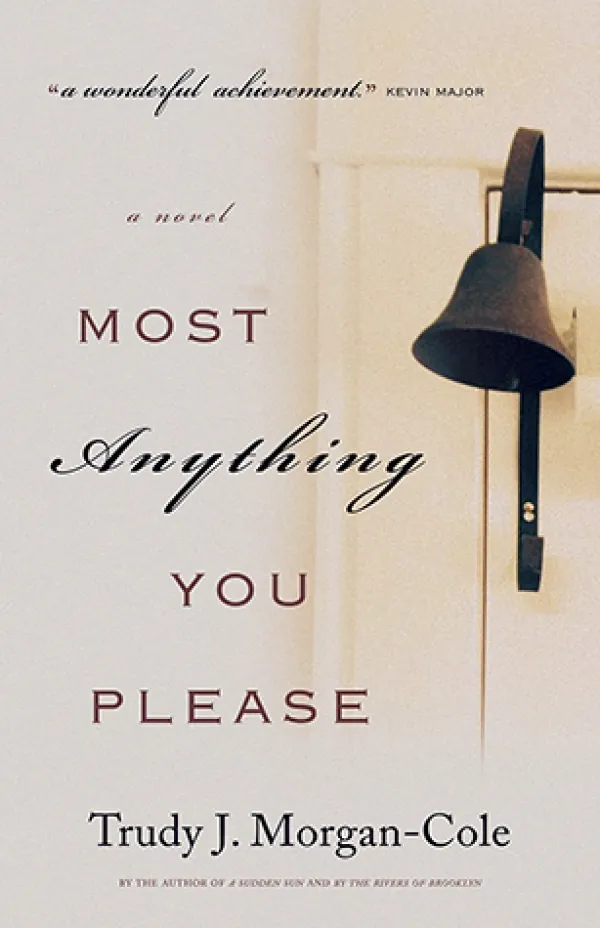
Author: Audrey J. ColePage Count: UnknownPublication Date: Expected publication 2026 APL The synopsis for Echo Ridge reads like a love letter to the kind of family saga that gets buried under the weight of its own nostalgia—unless, of course, it’s handled with the precision of a scalpel. Three generations of Holloway women, a convenience store in Rabbittown, and the quiet violence of change. It’s the kind of setup that could either collapse into sentimentality or soar into something resembling The Sweet Hereafter meets The Loved Ones—but with the grit of a working-class neighborhood that’s been forgotten by the rest of the world. But I’m getting ahead of myself. The problem with this synopsis isn’t that it’s vague—it’s that it’s too specific in its vagueness. We get the convenience store, the neighborhood, the three women. That’s a lot of ground to cover without a single concrete detail to anchor it. Where’s the tension? The synopsis doesn’t say. Is this a story about resilience? A story about decay? A story about the way women hold communities together like fraying thread? The language leans into the communal—"the bonds that break and the ties that bind"—but without a clear emotional or narrative throughline, it risks becoming a catalog of observations rather than a living thing. And yet—there’s something compelling in that ambiguity. It’s the kind of setup that could work if the prose has the weight to carry it. Think The House of the Spirits but with the economic realism of The Goldfinch. The Holloway women aren’t just characters; they’re a pressure point, a family where every decision—every love, every loss—feels like a negotiation with the neighborhood itself. But negotiation implies movement, and the synopsis doesn’t suggest that. It just is. Then again, maybe that’s the point. Maybe Echo Ridge is a book about stagnation, about the way people get stuck in their roles—Trudy Morgan-Cole as the narrator, the Holloways as the store, Rabbittown as the backdrop that never changes. If so, it’s a bold choice. Most family sagas are about progression, about how people escape their pasts. But what if the past is the only thing holding them together? What if the convenience store isn’t just a job but a fortress? I’m not sure. The synopsis doesn’t tell us. It just hints. And that’s where the real work begins. Because if Echo Ridge is going to avoid the trap of being a quaint, nostalgic exercise, it’ll need to dig deeper than surface-level community bonds. It’ll need to ask: What happens when the ties that bind start to rot from the inside? What happens when the women who keep the neighborhood alive realize they’re the ones being worn down? But then—what if the answer is simpler? What if the story is just about the store? The way it’s always been, the way it always will be. The way the Holloways are just another generation of people who show up, do their work, and let the world move on without them. I don’t know. I haven’t read it. But I can’t help but wonder if this is the kind of book that will feel like a punch in the gut when it lands—because it’s not about grand gestures, but about the quiet, relentless work of keeping things together, even when they’re falling apart. My daughter just walked in and said her science fair is tomorrow, not next week. I have to go. #FamilySagas #WorkingClassWriters #BookTok #SynopsisSuspense #RabbittownVibes Related InsightsThe Monster Hunter's Librarian Book Review and Summary Bride Book Review and Summary It's a Prince Thing (the Princess Rules) Book Review and Summary{ "@context": "https://schema.org", "@type": "FAQPage", "mainEntity": [ { "@type": "Question", "name": "What is the main focus of Echo Ridge Book Review and Summary?", "acceptedAnswer": { "@type": "Answer", "text": "Everything you need to know about Echo Ridge with our detailed review." } }, { "@type": "Question", "name": "Who authored the comprehensive guide on Echo Ridge Book Review and Summary?", "acceptedAnswer": { "@type": "Answer", "text": "This detailed article and its insights were carefully researched and authored by Natalia Sokolova." } }, { "@type": "Question", "name": "Where can I find more related content about Books?", "acceptedAnswer": { "@type": "Answer", "text": "You can explore more articles, detailed reviews, and similar insights by browsing the Related Insights section at the bottom of this article or visiting our dedicated Books category page." } } ] }
-
 Anna Kowalska
 - 09 Sep, 2026 04:55
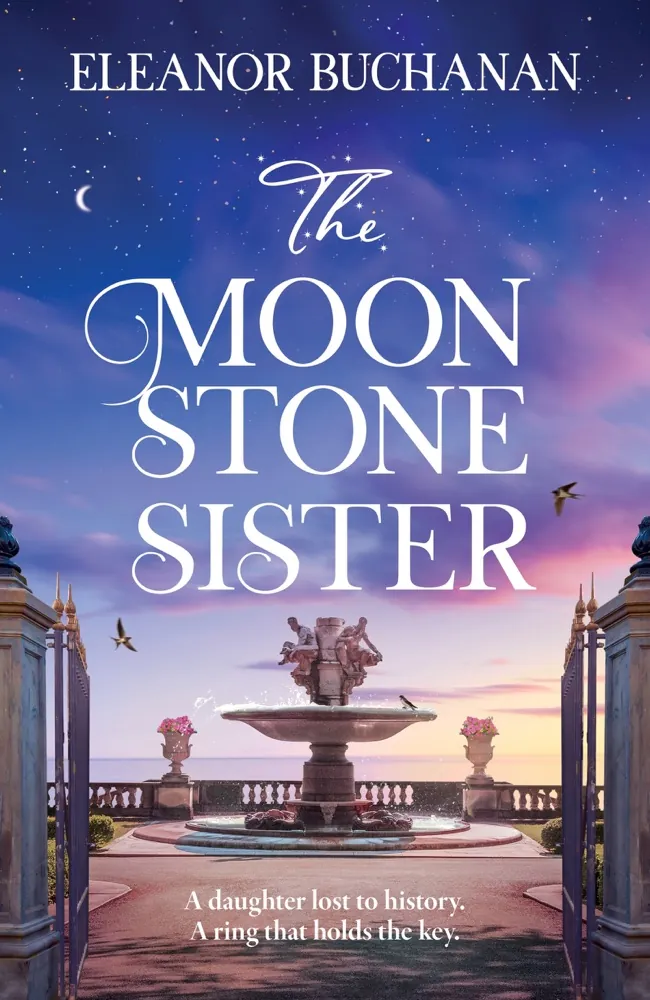
The Moonstone Sister (The Sea Stone Sisters, #2) Book Review and Summary
Author: Eleanor BuchananPage Count: UnknownPublication Date: Expected publication 2026 APL Skara is a nice enough sounding fiction, yet another Scottish estate buckling under the grand tradition of aristocratic downsizing. Eleanor Buchanan brings us back to the well in The Moonstone Sister. A ring. Four lost siblings. Naturally. Because nothing says domestic stability quite like a piece of jewelry acting as a psychological anchor for an entire bloodline. Let us discuss the geography of grief. Or rather, the marketing department's version of it. We are promised the French Riviera in 1931. Cannes, specifically. Before the tax shelters ruined the view and the umbrellas turned uniform. Lily Blackmore gets shipped off on the Blue Train—how terribly Orient Express without the corpses—leaving behind the wind-swept Scottish heather for the sun-drenched hedonism of the Mediterranean. The Chronological Shuffle And then, modern day. Clara Gibson. A woman whose life apparently requires an administrative reboot the moment her grandmother kicks the bucket. An unthinkable betrayal! What is it this time? An unexpected codicil leaving the ancestral portrait to a stray cat? An anonymous Swiss bank account funded by bootlegged claret? I guess we're doing this. The contemporary protagonist always needs a catalyst involving a deceased relative with a shadowy past and a convenient penchant for nineteenth-century photography. The parallel is about as subtle as the Costa Concordia docking in a paddle-boat pond. One looks at these blurbs and sighs. The comparison to Lucinda Riley is thrown around like confetti at a third marriage. People want the Seven Sisters formula replicated until the oceans dry up. They want the generational trauma delivered via heirloom accessories and dual-timeline narrative gymnastics. The Hereditary Hardware Jewelry as a custody arrangement. Imagine telling a border guard that your emotional stability is entirely dependent on an antique gemstone gifted by an aunt you have never met. It has the distinct energy of the Duke of Windsor's auction at Sotheby's—expensive, slightly desperate, and historically dubious. Clara stumbles upon a mysterious photographer from 1932 who haunts her research. Naturally. Because archival work in this genre never involves actual microfilm or eye strain; it always leads directly to a handsome, enigmatic stranger or a long-lost diary bound in morocco leather. The prose will no doubt sweep us away. That is the contractual obligation of the genre. Sweeping. Immersive. Unputdownable. Words deployed with the mechanical precision of a Swiss timepiece to mask the fact that Lily and Clara are essentially the same protagonist wearing different decades. One wears a silk slip on the Croisette while watching the fascist storm clouds gather over Europe with quiet stoicism; the other discovers a digital footprint that upends her engagement to a man named something aggressively beige like Julian. Give me the peace of a quiet backwater instead. Give me memoirs written by retired undersecretaries who spend four hundred pages detailing grain quotas in the Balkans. Instead, we get the blue train, the moonstone, and the inevitable journey home. The washing machine just flooded the laundry room. Related InsightsThe Divine (Coven of Bones, 4) Book Review and Summary In Too Deep Book Review and Summary Mistletoe All the Way Book Review and Summary{ "@context": "https://schema.org", "@type": "FAQPage", "mainEntity": [ { "@type": "Question", "name": "What is the main focus of The Moonstone Sister (The Sea Stone Sisters, #2) Book Review and Summary?", "acceptedAnswer": { "@type": "Answer", "text": "Everything you need to know about The Moonstone Sister (The Sea Stone Sisters, #2) with our detailed review." } }, { "@type": "Question", "name": "Who authored the comprehensive guide on The Moonstone Sister (The Sea Stone Sisters, #2) Book Review and Summary?", "acceptedAnswer": { "@type": "Answer", "text": "This detailed article and its insights were carefully researched and authored by Anna Kowalska." } }, { "@type": "Question", "name": "Where can I find more related content about Books?", "acceptedAnswer": { "@type": "Answer", "text": "You can explore more articles, detailed reviews, and similar insights by browsing the Related Insights section at the bottom of this article or visiting our dedicated Books category page." } } ] }
-
 Beatriz Costa
 - 09 Sep, 2026 02:39
Behind the Movies: Outtakes and Extras from the World of Better Than the Movies Book Review and Summary
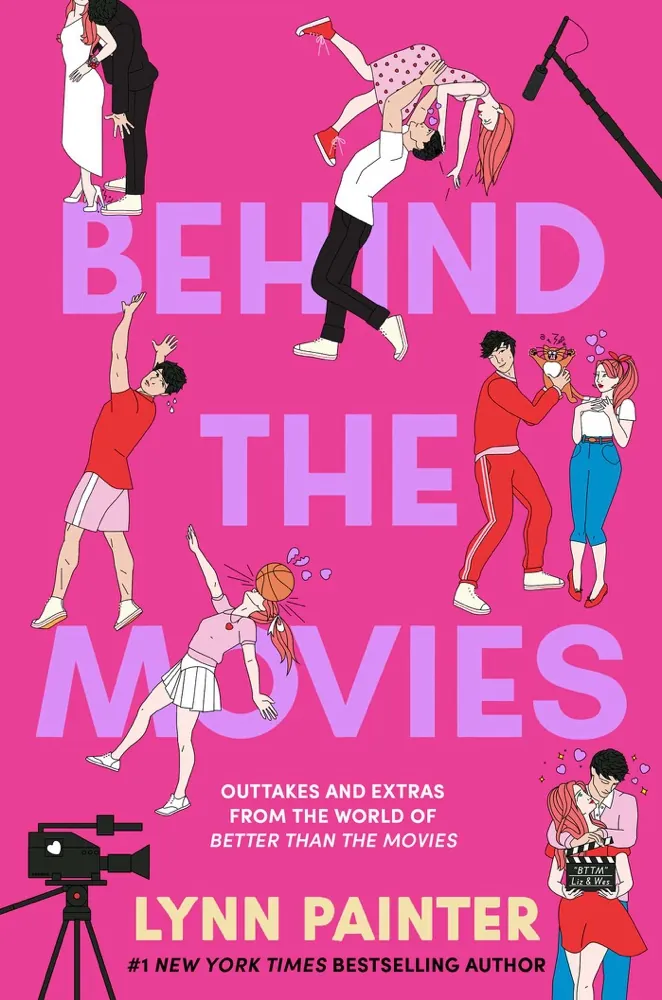
Author: Lynn PainterPage Count: UnknownPublication Date: Expected publication 2026 APL Look at these plastic chairs. They are digging into my lower back at an impossible angle, entirely designed to punish any adult foolish enough to sit in a middle school gymnasium on a rainy Tuesday while a man in a fleece vest drones on about cooperative learning modules. I am supposed to be asleep right now, resting before my body has to drag itself back into the cold hum of the warehouse floor at midnight. Instead, I am staring at a glowing screen, reading about Lynn Painter publishing a collection of deleted scenes called Behind the Movies. Because apparently, the multi-million-copy YA rom-com machine cannot function unless we scrape the absolute bottom of the narrative barrel for alternate POVs and cat shenanigans. The Cutting Room Floor Illusion File this under "What were they thinking?" We are getting the exact same fictional universe recycled back to us under the guise of an extended-cut cinematic experience. Wes and Liz need another book like I need another mandatory professional development seminar on digital literacy. Yet the marketing machine purrs along, banking on the unyielding loyalty of teenagers who consume tropes like oxygen. It is fascinating, really. Or maybe it is just aggressively exhausting. Actually, scratch that. It is neither. It is simply commerce operating at its most transparent. The thematic core here relies entirely on the sacred text of proximity. The illusion that if you just get inside the male protagonist's head during a specific kiss—the capital-K Kiss—you will somehow unlock the secret mechanics of human affection. Painter knows her audience. She serves up the digital table scraps originally posted on random teen literature blogs and slaps a glossy cover on them for 2026. And I will probably watch some exhausted mother buy it at Target while her eighth-grader sighs dramatically over a permission slip. The Rewritten Gaze We are promised flipped POVs. Because God forbid a teenage romance exist without a dual-hemisphere investigation into who liked whom first. The narrative preoccupation with male validation disguised as emotional transparency makes my left eye twitch. No, wait. That is just the fluorescent lighting overhead flickering like a dying strobe. Either way, the emotional stakes of a college road trip and a rescue cat feel terribly low when you are calculating how many hours of sleep you are going to miss before the morning shift hits. Nobody asked for the cat. Or maybe everyone asked for the cat. The internet loves a stray feline subplot to soften the edges of standard-issue enemies-to-lovers angst. It is right out of the Emily Henry playbook, though lacking the actual sentence-level craftsmanship. Math. I need to open the algebra app on this cracked tablet and pretend I know how to find the hypotenuse of a triangle because someone decided fractions are important at seven in the evening. Related InsightsWonder Book Review and Summary Dare Me Collection Book Review and Summary Crescent City Book Review and Summary{ "@context": "https://schema.org", "@type": "FAQPage", "mainEntity": [ { "@type": "Question", "name": "What is the main focus of Behind the Movies: Outtakes and Extras from the World of Better Than the Movies Book Review and Summary?", "acceptedAnswer": { "@type": "Answer", "text": "Everything you need to know about Behind the Movies: Outtakes and Extras from the World of Better Than the Movies with our detailed review." } }, { "@type": "Question", "name": "Who authored the comprehensive guide on Behind the Movies: Outtakes and Extras from the World of Better Than the Movies Book Review and Summary?", "acceptedAnswer": { "@type": "Answer", "text": "This detailed article and its insights were carefully researched and authored by Beatriz Costa." } }, { "@type": "Question", "name": "Where can I find more related content about Books?", "acceptedAnswer": { "@type": "Answer", "text": "You can explore more articles, detailed reviews, and similar insights by browsing the Related Insights section at the bottom of this article or visiting our dedicated Books category page." } } ] }
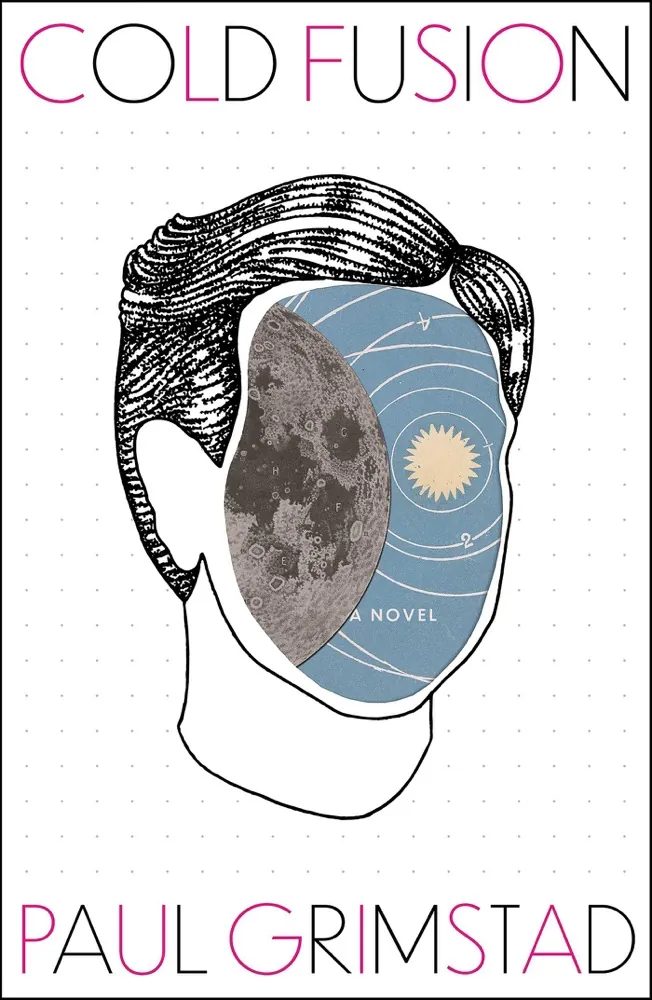

Author: Paul GrimstadPage Count: UnknownPublication Date: Expected publication 2026 APL The unnamed freshman arrives on campus like a ghost in a flannel shirt, his grief so thick it could be the air itself. And yet—and yet—this is the kind of story where the ghost gets to wander through the autumn leaves, muttering about cold fusion while his brain unravels like a cheap sweater left in the rain. Paul Grimstad’s Cold Fusion isn’t just a coming-of-age novel; it’s a fever dream masquerading as one, the kind where the protagonist’s hallucinations feel more real than the world around him, and the world around him is already a mess of dive bars and abandoned churches. The synopsis is deliberately vague, which is either a sign of genius or a cop-out—because if you don’t know what cold fusion actually means here, you’re left wondering if it’s a metaphor, a literal obsession, or just another layer of the protagonist’s unraveling mind. But that’s the point, isn’t it? The 1990s midwestern campus setting is a stage for the absurd, where the only thing more unreliable than the protagonist’s perception is the narrative itself. It’s Wonder Boys if John Williams had been replaced by a guy who’d just lost his father and started hallucinating in a hotel room—less melancholy, more manic, with the kind of dark humor that makes you laugh until you realize you’re laughing at a guy who might be losing his mind. And the mother! Oh, the mother. She’s not just a wealthy enabler; she’s a plot device with a side of existential dread, sending her son on a quest that feels less like a search and more like a punishment. It’s the kind of dynamic that makes you wonder if the real cold fusion is the mother’s own delusion—that she thinks she can control her son’s grief by turning it into a mission. Meanwhile, the elusive student he’s tracking down is just another eccentric in a line of them, because in this world, everyone’s a fringe intellectual or a drug dealer, and the line between the two is thinner than the protagonist’s grip on reality. The synopsis mentions a "mysterious hallucinatory illness with an even stranger home remedy"—which is either a brilliant setup for a psychological thriller or the kind of vague premise that makes you wonder if Grimstad is just too lazy to commit. But then again, maybe that’s the point. Maybe the illness isn’t a plot device at all, but a metaphor for the way we all construct narratives to make sense of chaos. And if so, then Cold Fusion isn’t just a novel; it’s a mirror held up to the reader, asking them to question whether they’re the protagonist or just another hallucination in his story. But let’s talk about the real crime here: the fact that we’re still reading about grieving college students in the 1990s like it’s some kind of fresh take. Where’s the originality? Where’s the twist? Because right now, this feels like The Secret History if it had been written by a guy who’d just watched too many Twin Peaks reruns and decided to channel David Lynch’s paranoia. And don’t even get me started on the fact that every other "darkly funny fever dream" novel seems to be trying to outdo the last one, like we’re all just waiting for the next Idiots or Stoner to come along and save us from the banality of existence. Yet—yet—there’s something undeniably compelling about the idea of a protagonist who can’t tell if he’s losing his mind or just losing the battle against the absurdity of life. It’s the kind of premise that could either be brilliant or pretentious, depending on how it’s executed. And if Grimstad pulls it off, then Cold Fusion might just be the next great absurdist novel, a darkly comic meditation on the fragility of perception in a world that’s already unraveling. But I’m getting ahead of myself. The real question is: can this book live up to the hype, or is it just another overhyped fever dream waiting to collapse under its own weight? Because let’s be honest, the literary world is full of books that promise more than they deliver, and Cold Fusion is no different. It’s either going to be a masterpiece or a mess, and right now, I’m leaning toward the latter. Now, if you’ll excuse me, I need to unclog the shower drain before the entire second floor floods. #BookTok #LiteraryFeverDream #MidwestMysteries #ColdFusionComingSoon #GriefAndHallucinations Related InsightsLo que el viento se llevó / Gone with the Wind Book Review and Summary The Friday Night Club Book Review and Summary A Really Short History of Nearly Everything Book Review and Summary{ "@context": "https://schema.org", "@type": "FAQPage", "mainEntity": [ { "@type": "Question", "name": "What is the main focus of Cold Fusion: A Novel Book Review and Summary?", "acceptedAnswer": { "@type": "Answer", "text": "Everything you need to know about Cold Fusion: A Novel with our detailed review." } }, { "@type": "Question", "name": "Who authored the comprehensive guide on Cold Fusion: A Novel Book Review and Summary?", "acceptedAnswer": { "@type": "Answer", "text": "This detailed article and its insights were carefully researched and authored by Antoine Leroy." } }, { "@type": "Question", "name": "Where can I find more related content about Books?", "acceptedAnswer": { "@type": "Answer", "text": "You can explore more articles, detailed reviews, and similar insights by browsing the Related Insights section at the bottom of this article or visiting our dedicated Books category page." } } ] }

-
 Lucia Garcia
 - 09 Sep, 2026 00:44
Dear Heart: A Sweet and Spicy, London-Set, Friends-to-Lovers Romance Book Review and Summary
Author: Layla CovePage Count: UnknownPublication Date: Expected publication 2026 APL One must wonder who authorized this literary disaster. Or perhaps catastrophe is the more accurate noun. The promotional materials for what is ostensibly marketed as Dear Heart—yet bewilderingly arrives wrapped in the discordant packaging of a Harlequin Special Edition box set featuring three entirely different provincial novellas—offer a masterclass in modern editorial collapse. One glances at the text and immediately recalls the disastrous structural integrity of the Morandi bridge. The Architecture of Despair Country isolation meets city contractor. An arrogant jock turned noble guardian of the hearth. A spoiled culinary heiress rescued by a Wall Streeter turned EMT. It is all terribly pedestrian. Every trope is recycled with the dizzying frequency of a Maria Callas high note delivered by an amateur tenor with a head cold. Structural Deficits and Prose Notice the agonizing predictability. The characters are mere marionettes dangling from threads soaked in saccharine syrup. Yet the publisher expects us to swoon over these cardboard cutouts. Jo McNally, Sabrina York, and Anna James deserve a sturdier vessel for their ink. Or perhaps they deserve a merciful editor with a heavy hand and a red pen. And the prose! Scars hidden behind rustic charm. Jaded producers facing former tormentors. Hostile investors threatening French cuisine. It reads less like art and more like a ransom note penned by a committee of exhausted middle-managers. Where is the lyricism? Where is the sharp, biting wit that elevates romance from grocery store impulse-buy to actual literature? It languishes somewhere near the discount bins, weeping softly. Predicting a cultural reset from this tripe is an exercise in utter delusion. Jane Austen is rolling so violently in her Hampshire grave she could power the entire British rail network for a month. We are subjected to a parade of manufactured domesticity that lacks even a drop of genuine human anguish or aesthetic grace. I must attend to the drawing-room doors and approve the final guest list for my publisher's midwinter soirée, lest another unvetted manuscript slip past the velvet ropes. Related InsightsFirst Sign of Danger Book Review and Summary Nightcurse Book Review and Summary How to Be a Movie Star Book Review and Summary{ "@context": "https://schema.org", "@type": "FAQPage", "mainEntity": [ { "@type": "Question", "name": "What is the main focus of Dear Heart: A Sweet and Spicy, London-Set, Friends-to-Lovers Romance Book Review and Summary?", "acceptedAnswer": { "@type": "Answer", "text": "Everything you need to know about Dear Heart: A Sweet and Spicy, London-Set, Friends-to-Lovers Romance with our detailed review." } }, { "@type": "Question", "name": "Who authored the comprehensive guide on Dear Heart: A Sweet and Spicy, London-Set, Friends-to-Lovers Romance Book Review and Summary?", "acceptedAnswer": { "@type": "Answer", "text": "This detailed article and its insights were carefully researched and authored by Lucia Garcia." } }, { "@type": "Question", "name": "Where can I find more related content about Books?", "acceptedAnswer": { "@type": "Answer", "text": "You can explore more articles, detailed reviews, and similar insights by browsing the Related Insights section at the bottom of this article or visiting our dedicated Books category page." } } ] }

-
 Chloé Laurent
 - 09 Sep, 2026 00:21
Striking Justice, An E.J. Kane Mystery (#3) Book Review and Summary
Author: Micheal E. JimersonPage Count: UnknownPublication Date: Expected publication 2026 APL Someone slid Striking Justice, An E.J. Kane Mystery (#3) across my mahogany desk this morning, and frankly, my coffee isn't strong enough for Micheal E. Jimerson's latest plotting acrobatics. Or wait—is it E.J. Kane doing the striking, or are we dealing with another sluggish procedural that forgets to establish stakes until chapter ten? The metadata tells us to expect this in 2026, which gives the editorial team ample time to fix whatever structural mess is currently lurking in the manuscript. We need pacing tighter than a Manhattan penthouse lease. The Anatomy of a Slow Burn The genre demands blood, rhythm, and a protagonist with enough baggage to trigger airport security alarms. Yet, looking at the structural skeleton provided, I worry we are getting an academic manual on school safety instead of a gritty thriller—wait, no, let me check the logline again. Ah, yes, Jimerson is dropping us back into the third installment of a series where the psychological threat levels should be peaking. But let us be entirely real for a second. If E.J. Kane spends three chapters pondering jurisdiction while a killer roams free, I am pulling the marketing budget faster than you can say Thomas Harris or Michael Connelly. Thematic Weight and Structural Whiplash The thematic architecture here hinges on retribution, institutional rot, and the cyclical nature of violence. Heavy stuff. Or perhaps it is just completely mid, lacking the visceral punch of modern noir. Readers do not want a sociological treatise wrapped in a dust jacket; they want high-stakes velocity and prose that slaps harder than an unhinged Twitter cancellation. Let me pivot—actually, the sociological angle might just save the pacing if Jimerson leans hard into systemic corruption rather than standard whodunnit tropes. It's giving prestige drama, but it's also lowkey giving snooze-fest if the dialogue reads like a police blotter written by an overworked bureaucrat. We need narrative tension that grabs you by the throat from the very first paragraph. No throat-clearing. No tedious exposition dumps. Just pure, unadulterated momentum. If Jimerson fails to balance the internal psychology of the detective with external danger, this book is going to quietly sink into the discount bins beside forgotten airport paperbacks by next autumn. Now excuse me, I have to go deal with a catastrophic PR crisis because some intern misinterpreted a tweet about our Q4 sales projections. Related InsightsObserver: A Novel Book Review and Summary Sparring Partners Book Review and Summary The Art of War Book Review and Summary{ "@context": "https://schema.org", "@type": "FAQPage", "mainEntity": [ { "@type": "Question", "name": "What is the main focus of Striking Justice, An E.J. Kane Mystery (#3) Book Review and Summary?", "acceptedAnswer": { "@type": "Answer", "text": "Everything you need to know about Striking Justice, An E.J. Kane Mystery (#3) with our detailed review." } }, { "@type": "Question", "name": "Who authored the comprehensive guide on Striking Justice, An E.J. Kane Mystery (#3) Book Review and Summary?", "acceptedAnswer": { "@type": "Answer", "text": "This detailed article and its insights were carefully researched and authored by Chloé Laurent." } }, { "@type": "Question", "name": "Where can I find more related content about Books?", "acceptedAnswer": { "@type": "Answer", "text": "You can explore more articles, detailed reviews, and similar insights by browsing the Related Insights section at the bottom of this article or visiting our dedicated Books category page." } } ] }
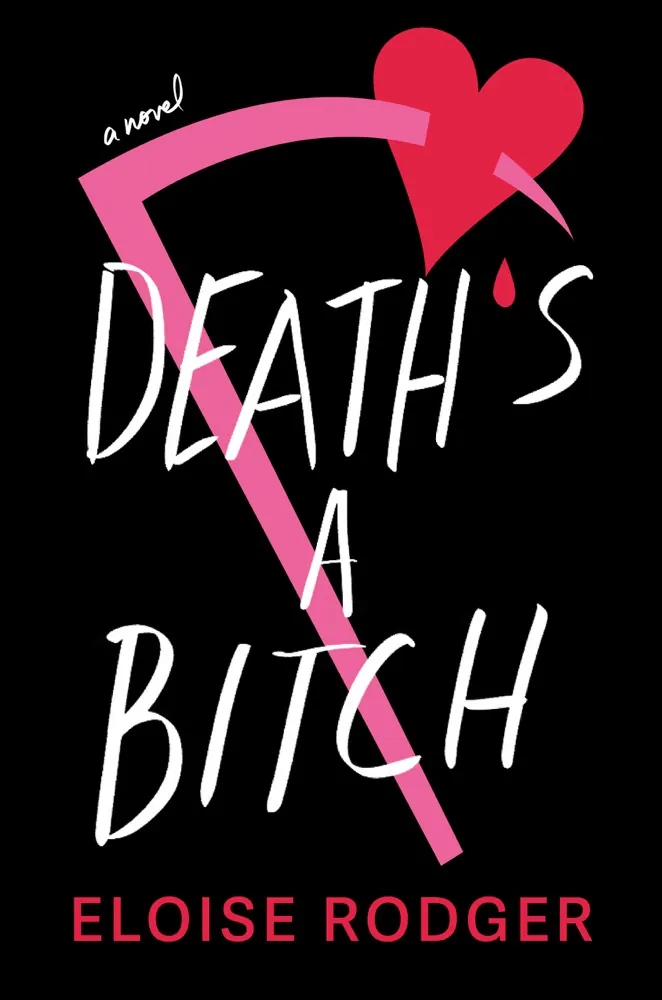

Author: Eloise RodgerPage Count: UnknownPublication Date: Expected publication 2026 APL The autumn air here against the old brick of Quadrangle Three carries the faint, decaying scent of damp beech leaves and expensive espresso, a combination that invariably puts one in the mood to eviscerate a debut novel. The syllabus for the upcoming season groans under the weight of another twenty-something trying to monetize clinical melancholy. Eloise Rodger’s Death’s a Bitch arrives with the heavy marketing machinery of an Oxford Street Christmas window, breathlessly compared to Sally Rooney and Oyinkan Braithwaite in the same press release. The audacity. To yoke Rooney’s agonizingly flat affectless bourgeoisie to Braithwaite’s punchy Lagos noir is like casting Chloë Sevigny in a direct-to-video Uwe Boll adaptation. The Commodification of the Crypt We are supposed to swoon over eighteen-year-old Aggie, counting her sister’s hair-curls like a suburban obsessive-compulsive, only to have the Grim Reaper materialize not as a medieval skeleton, but as an exhausted mother in a bespoke blazer. Groundbreaking. Truly, this is the kind of high-concept magical realism dreamed up by marketing committees who spent their gap years scrolling TikTok in Berlin. The Faustian bargain has always been a fragile literary vessel, but handing it over to a protagonist who treats dying like a neglected laundry pile reduces existential dread to a sitcom premise. Siblinghood as Branding The synopsis leans heavily on the notion of siblinghood as a battleground, yet it wraps the horror of psychiatric facilities and eating disorders in the pastel-hued packaging of Gen Z quips. Stick-on flowers on padded table corners. How quaint. One can already picture the pristine first-edition copies of Death's a Bitch sitting untouched on the marble coffee tables of Brooklyn loft-dwellers who wouldn't know a real psychiatric ward if it bit them on their leather loafers. Rodger has apparently bypassed the messy work of interiority in favor of snappy dialogue and a high-concept premise that peaked the moment it was pitched over oat milk lattes. Literature used to demand silence. Now it demands a viral hook about domesticity with the underworld. The Inevitable Fall Let us be entirely honest about the trajectory here. The book will sweep the literary prizes because publishers are terrified of anyone over thirty who writes a complete sentence. Critics will praise the "raw vulnerability" with the same breathless desperation they brought to every mediocre campus novel since Donna Tartt took her final bow. Yet beneath the shiny jacket design lies the hollow ring of an author who read two contemporary bestsellers and decided she could synthesize them with a single Wikipedia search on Greek mythology. It is the literary equivalent of the Fyre Festival cheese sandwiches—all aesthetic, zero substance, leaving one profoundly resentful of the trees sacrificed to print it. I have a high-stakes negotiation with my publisher in twenty minutes. Related InsightsThe Arnolfini Art Mysteries Book Review and Summary The Lion, the Witch and the Wardrobe Book Review and Summary The Housemaid Book Review and Summary{ "@context": "https://schema.org", "@type": "FAQPage", "mainEntity": [ { "@type": "Question", "name": "What is the main focus of Death's a Bitch Book Review and Summary?", "acceptedAnswer": { "@type": "Answer", "text": "Everything you need to know about Death's a Bitch with our detailed review." } }, { "@type": "Question", "name": "Who authored the comprehensive guide on Death's a Bitch Book Review and Summary?", "acceptedAnswer": { "@type": "Answer", "text": "This detailed article and its insights were carefully researched and authored by Olivia Harris." } }, { "@type": "Question", "name": "Where can I find more related content about Books?", "acceptedAnswer": { "@type": "Answer", "text": "You can explore more articles, detailed reviews, and similar insights by browsing the Related Insights section at the bottom of this article or visiting our dedicated Books category page." } } ] }


The sunrise does not announce itself with the dull chime of an alarm clock; it bleeds through the sheer curtains of a loft in Lisbon or shimmers off the glass-paned skyscrapers of Singapore, marking the start of a life untethered. To be a digital nomad in 2026 is no longer an act of rebellion, but a sophisticated art form—a calculated navigation of global infrastructure, culinary heritage, and the pursuit of professional autonomy. We have moved past the era of the backpacker in a coffee shop; we are now the architects of a distributed workforce, building legacies from the edges of the world’s map. Chasing the Horizon: Where the Modern Professional Finds Anchor When we discuss the geography of 2026, we are looking at a triad of factors: latency, community, and the sanctity of the aesthetic environment. The nomadic life demands a marriage of hyper-modern connectivity and centuries-old culture. Lisbon remains the crown jewel of the European circuit. It is a city that understands the balance between the melancholic weight of Fado music echoing through the Alfama district and the rapid growth of its tech corridors. For the nomad, this means access to high-speed fiber optics tucked into apartments featuring 18th-century azulejo tiles. Moving eastward, Bali has evolved from a spiritual retreat into a refined hub for digital creators. Here, the infrastructure has matured. Coworking spaces like those in Canggu or Ubud now offer ergonomic suites that rival the best offices in Manhattan, yet you are never more than a ten-minute motorbike ride from the volcanic soil of a rice terrace.Gastronomy as a Compass: Sustenance for the Remote Mind A nomad is only as sharp as their fuel. Eating, in the year 2026, is an exercise in cultural anthropology. It is not enough to find "food"; one must find the history embedded in the plate. In the bustling night markets of Bangkok, the nomadic traveler encounters a masterclass in efficiency and sensory overload. The concept of the street food stall is the original agile startup—minimal overhead, high output, and a product that defines the culture of the region. Dining on Pad Thai cooked over a charcoal brazier is a reminder that excellence is found in the details of the craft, not in the luxury of the kitchen. In Tokyo, the dining experience transitions into a form of silent meditation. For those needing deep focus, the shokudo (traditional eateries) offer the quintessential "work-lunch" balance: rapid service, nutritional density, and an environment that demands respectful silence. The disciplined precision of a bowl of ramen or a meticulously curated bento box serves as a metaphor for the nomadic workflow—clean, efficient, and deeply rooted in tradition. The Architecture of Thrive: Designing Your Daily Rhythm Thriving is not a constant state; it is a recurring process. To thrive in 2026, one must cultivate a "Nomadic OS"—a personal operating system that manages energy rather than time. Physical health is the primary pillar of this system. In high-density hubs like Seoul or Berlin, the nomadic professional leverages the proximity of public transit and the abundance of local health markets. The ability to source fresh, organic produce in the Mitte district of Berlin allows the remote worker to maintain a lifestyle that resists the sedentary decay of standard office culture. Intellectual stimulation is the second pillar. I recommend carrying a digital library that bridges the gap between historical context and future trends. Books are the silent mentors of the nomadic life. When the internet flickers or the loneliness of a new time zone creeps in, the right prose provides the necessary architecture for the mind to restructure itself.Curating the Digital Workspace Across Borders Connectivity in 2026 is a utility as vital as water. However, the true professional learns to work around the limitations of geography. Satellite internet has changed the landscape, allowing us to find "productivity pockets" in places like the mountains of Montenegro or the coast of Patagonia. When choosing a base, I prioritize the following criteria:The 3-Hour Buffer: Does the location allow for a three-hour window of overlap with your primary team’s time zone? The Tactile Environment: Can you find a space—a library, a quiet museum cafe, or a dedicated studio—that allows for deep work? The Local Exchange: Does the city facilitate interaction with local creators, or is it merely an echo chamber of other expats?Building the Legacy: Why We Roam We roam not to escape, but to expand. The world of 2026 offers a unique convergence: we are simultaneously more connected and more transient than at any point in human history. To be a digital nomad today is to participate in a global movement of intentional living. When you spend your mornings analyzing data from a desk in Tallinn and your evenings walking the medieval walls of the city, you are bridging the divide between the past and the digital future. You are proving that work is not a location; it is a contribution. The playbook for 2026 is ultimately your own. It is a compilation of the lessons learned when the train is delayed in the Swiss Alps, when the monsoon rains hit in Singapore, and when you finally find the perfect cup of coffee in a hidden alleyway in Buenos Aires. The most successful nomads are those who embrace the "beautiful friction" of travel. They don't seek a permanent residence because they realize that home is a flexible concept. Home is your laptop, your network, your physical health, and your willingness to step into the unknown every single month. As you venture forward, remember that the goal is not to fill your passport with stamps, but to fill your life with perspectives. Whether you are coding in an apartment in Prague or writing poetry on a beach in Tulum, you are part of a lineage of explorers who realized that the walls of a cubicle were never high enough to contain the human potential. The horizon is calling. The infrastructure is ready. Are you prepared to write your own chapter in the book of the global traveler?#DigitalNomad #RemoteWork #GlobalCitizen #TravelTech #NomadicLifestyle Related InsightsRed (The Myth That Burns, #1) Book Review and Summary Embers of Magic Book Review and Summary Jane Eyre Book Review and Summary{ "@context": "https://schema.org", "@type": "FAQPage", "mainEntity": [ { "@type": "Question", "name": "What is the main focus of The Nomad’s Odyssey: Rewriting the Geography of Work in 2026?", "acceptedAnswer": { "@type": "Answer", "text": "Discover the world's premier hubs for the modern remote professional, blending deep historical resonance with high-speed connectivity." } }, { "@type": "Question", "name": "Who authored the comprehensive guide on The Nomad’s Odyssey: Rewriting the Geography of Work in 2026?", "acceptedAnswer": { "@type": "Answer", "text": "This detailed article and its insights were carefully researched and authored by Emily Page." } }, { "@type": "Question", "name": "Where can I find more related content about Books?", "acceptedAnswer": { "@type": "Answer", "text": "You can explore more articles, detailed reviews, and similar insights by browsing the Related Insights section at the bottom of this article or visiting our dedicated Books category page." } } ] }

-
 Aylin Okur
 - 06 Sep, 2026 09:54
Savoring the Soul of Spain: A Culinary Journey Through the Art of Tapas
The sun dips low over the Iberian Peninsula, painting the ancient stone walls of Seville in hues of burnt orange and soft gold. In the narrow, winding alleys, the air begins to thicken with the intoxicating scent of sizzling garlic, briny olives, and the rich, nutty aroma of cured Ibérico ham. Here, dining is not merely a task of nourishment; it is a sacred social ritual, a rhythmic dance of flavors known as el tapeo. To eat tapas is to participate in a centuries-old conversation between the land, the history of the Mediterranean, and the irrepressible Spanish zest for communal life. The Origins of a Bite-Sized Revolution The history of the tapa is as murky and delightful as a glass of aged sherry. While historians often debate the exact etymology, the word tapa—meaning "cover" or "lid"—likely originated from the practical custom of placing a slice of bread or a small saucer of cured meat over a glass of wine to keep the buzzing insects at bay. Over time, these makeshift lids evolved from functional necessity into a sophisticated culinary institution. From the royal decrees that allegedly required innkeepers to serve small plates with wine to curb the effects of public intoxication, to the simple peasant necessity of making a modest pantry stretch across a long day of labor, tapas embody the Spanish genius for improvisation. They reflect a landscape shaped by Phoenicians, Romans, Moors, and Christians, each leaving a distinct fingerprint on the pantry of the peninsula.Northern Treasures: From Basque Pintxos to Cantabrian Delights As we move toward the jagged, emerald coast of the North, the culture of tapas undergoes a transformation. In the Basque Country, we encounter the pintxo. Unlike the varied tapas of the south, a pintxo is traditionally anchored by a toothpick—often used to skewer a complex arrangement of ingredients atop a crisp slice of baguette. These are not merely appetizers; they are edible architecture. In cities like San Sebastián, the counters of the txikito bars groan under the weight of elaborate displays: gilda (a spicy, salty marriage of an olive, an anchovy, and a pickled guindilla pepper), bacalao al pil-pil, and seared scallops drizzled in vibrant verde sauce. The secret here lies in the quality of the raw ingredients. The Cantabrian Sea provides the freshest anchovies in the world, cured in salt until they melt like butter on the tongue. The Heart of Castile: Earthy Flavors and Heartland Classics Moving into the high, sweeping plains of the Castilian interior, the tapas menu shifts to heartier fare suited for a colder climate. This is the land of torreznos—thick strips of pork belly fried until the skin shatters like glass and the fat turns into pure, savory velvet. In the taverns of Madrid and Valladolid, the patatas bravas reign supreme. This dish—cubed potatoes fried until golden and crowned with a fiery, piquant sauce—is the litmus test for any traditional establishment. While the recipe for the "brava" sauce is often a fiercely guarded family secret, the harmony of paprika, vinegar, and a subtle touch of sweetness is non-negotiable. Pair this with a robust glass of Tempranillo from the nearby Ribera del Duero, and you have the quintessential Castilian experience: bold, rustic, and deeply satisfying.The Andalusian Alchemy: Where History Meets the Sea Back in the South, in the whitewashed cities of Andalusia, the tapa is light, bright, and influenced by the legacy of Al-Andalus. Here, the focus turns to the abundance of the Mediterranean. Boquerones en vinagre—fresh anchovies marinated in vinegar, garlic, and parsley—offer a sharp, acidic contrast to the heat of the afternoon sun. One cannot speak of Andalusian tapas without mentioning gazpacho and its richer sibling, salmorejo. While the former is a refreshing liquid soup of tomatoes, peppers, and cucumbers, the latter is a thick, cream-like purée from Córdoba, topped with shavings of hard-boiled egg and crispy, salt-cured serrano ham. The interplay of textures here is masterful, demonstrating how ancient, humble ingredients can be elevated to high art through precision and balance. Crafting Your Own Tapas Table: A Guide to Essential Techniques If you wish to recreate the magic of a Spanish tavern at home, you must first master the art of the pantry. A successful tapas spread requires three pillars: a selection of cured meats and cheeses, a cooked vegetable dish, and at least one seafood preparation. For the aspiring home chef, simplicity is the ultimate sophistication. When working with ingredients as pure as Manchego cheese or Ibérico ham, the role of the cook is to get out of the way. Let the cheese reach room temperature before serving to unlock its sheep's-milk sweetness, and slice the ham paper-thin to allow the marbling to dissolve against the heat of the palate. If you are looking to experiment with traditional preparation, here is the basic structural approach for a classic Gambas al Ajillo (Garlic Shrimp): # The logic of the perfect Gambas al Ajillo ingredients = { "shrimp": "fresh, peeled, tails on", "garlic": "thinly sliced cloves, plenty of them", "oil": "extra virgin olive oil, cold pressed", "chili": "dried guindilla or red pepper flakes", "finish": "fresh parsley and lemon juice" }def cook_tapa(shrimp, oil, garlic, chili): # Heat the oil with garlic and chili until aromatic # Add shrimp and sear briefly to keep them tender # Finish with fresh parsley for a burst of color and bite return "Tapa ready for service"The golden rule when preparing tapas is to ensure that everything is served at the correct temperature—hot items must be searing, and cold items must be crisp. The bread should always be fresh, crusty, and plentiful, serving as the essential tool for soaking up the residual oils and sauces that are the true heart of the dish.The Ritual of the Crawl: Why Tapas Should Be Shared The most important element of any tapas guide is not the food itself, but the tapeo—the movement. In Spain, rarely does one sit in a single establishment for an entire meal. Instead, the night is a journey. You have a glass of manzanilla sherry and a plate of olives at one bar, then move to a second for the house-specialty croquetas, and perhaps a third for a grilled chorizo slider. This nomadic style of eating keeps the conversation fluid and the appetite sharp. It encourages you to sample a wider variety of regional specialties, prevents the palate from becoming fatigued by one flavor profile, and turns the act of dining into a communal adventure. The true professional at tapas dining knows that the goal is not to fill the stomach, but to fuel the spirit. Sustaining the Legacy: The Future of the Tapa As the world continues to globalize, the traditional tapas bar faces both challenges and opportunities. Modern chefs in cities like Barcelona are pushing the boundaries, incorporating global ingredients like ginger, soy, and yuzu into the classical framework. Yet, the core essence of the tapa remains stubbornly anchored to its roots: high-quality seasonal produce, a focus on communal interaction, and a deep respect for regional heritage. Whether you are enjoying a plate of pimientos de Padrón—where the fun lies in the occasional spicy kick—or a bowl of slowly simmered callos (tripe stew), you are tasting the history of a nation that views life as a series of small, intense moments to be savored. The guide to Spanish tapas is ultimately a guide to living well. It teaches us that richness is not found in the grandiosity of a feast, but in the perfection of a single, shared bite. So, the next time you find yourself in the bustling heart of a Spanish plaza, step away from the tourist-heavy squares and follow the local sound of clinking glasses. Find a place with worn wooden counters, a chalkboard menu, and the lingering scent of garlic in the air. Order a small plate, pour a glass of wine, and remember: you are not just eating, you are partaking in a living, breathing tradition that has defined a culture for centuries. #SpanishCuisine #TapasGuide #Gastronomy #FoodHistory #MediterraneanDiet Related InsightsLoving a Demon is a Total Nightmare (Total Chaos, #3) Book Review and Summary Winter Book Review and Summary The Monster at the End of this Book Book Review and Summary{ "@context": "https://schema.org", "@type": "FAQPage", "mainEntity": [ { "@type": "Question", "name": "What is the main focus of Savoring the Soul of Spain: A Culinary Journey Through the Art of Tapas?", "acceptedAnswer": { "@type": "Answer", "text": "Discover the storied history and vibrant regional flavors of Spanish tapas, from iconic bite-sized classics to the cultural rhythm of the traditional tavern crawl." } }, { "@type": "Question", "name": "Who authored the comprehensive guide on Savoring the Soul of Spain: A Culinary Journey Through the Art of Tapas?", "acceptedAnswer": { "@type": "Answer", "text": "This detailed article and its insights were carefully researched and authored by Aylin Okur." } }, { "@type": "Question", "name": "Where can I find more related content about Books?", "acceptedAnswer": { "@type": "Answer", "text": "You can explore more articles, detailed reviews, and similar insights by browsing the Related Insights section at the bottom of this article or visiting our dedicated Books category page." } } ] }
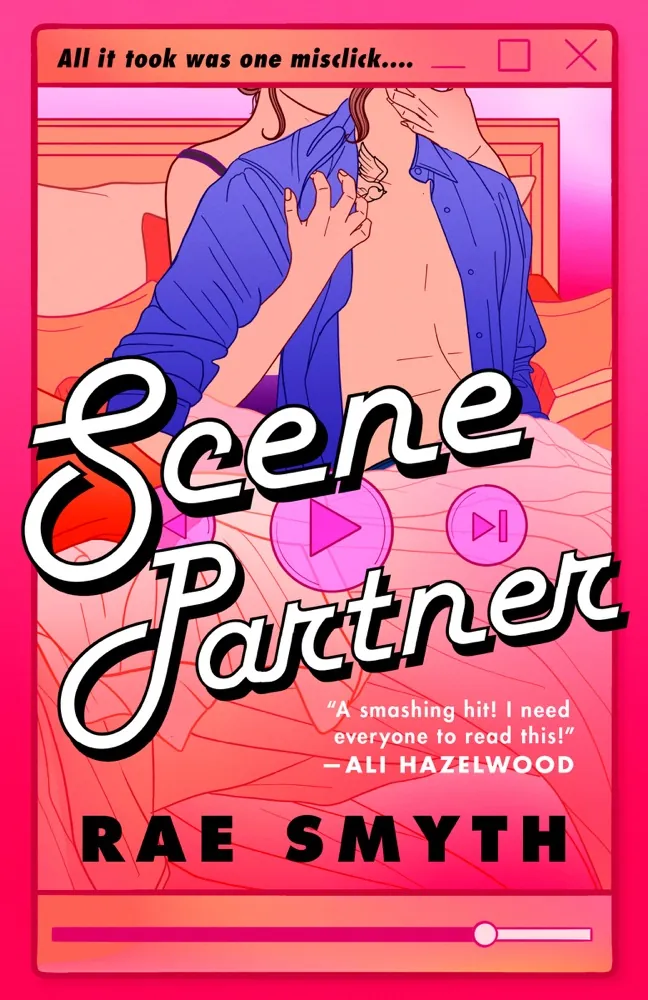
Author: Rae SmythPage Count: UnknownPublication Date: Expected publication 2026 APL One expects a certain standard of breeding from the working classes, or at least a modicum of dignity when descending into the vulgarities of modern entertainment. Rae Smyth’s forthcoming Scene Partner trades entirely upon the sort of transactional intimacy one usually associates with the Duke of Windsor’s memoirs or a particularly desperate evening at Studio 54. A grease-stained mechanic enters a digital lottery fueled by cheap grocery store tannins and sheer, unadulterated desperation, only to find herself performing opposite a professional paramour named Kyle Rose. Naturally. Pedigrees and Pitfalls The premise relies on the quaint notion that a woman beneath a car chassis possesses the same latent psychological complexity as a Habsburg archduke harboring a state secret. Amelia Roarke’s foundational grievances—lifetime sexual frustration and a disastrous afternoon wielding a wrench—sound less like a modern heroine and more like the opening act of the Titanic disaster. Yet Smyth insists on framing this lubricious raffle win as a grand collision of souls. Cal, the studio's premier leading man, prides himself on ethical hedonism. A noble profession, surely. He crafts content by women, for women—as though manufacturing desire on celluloid elevates one to the peerage. I am unwell. Or perhaps I am simply exhausted by the relentless democratization of romance. We are asked to believe that knowing the topography of a man’s physique equates to comprehending the chambers of his heart. A delightfully bourgeois delusion. The aristocracy mastered the separation of flesh and affection centuries ago, yet these contemporary manuscripts insist on conflating the two with the subtlety of a falling guillotine. The Mechanics of Exposure And what of this mysterious secret Amelia brings onto the set? A revelation so catastrophic it sends a hardened professional into a literal spiral—mid-scene, no less. One trembles at the sheer weight of pedestrian drama. Is it an unpaid tax lien? An unfortunate tattoo from a gap-year excursion to Ibiza? Smyth’s synopsis remains tantalizingly, maddeningly vague, leaving the reader to wade through the literary equivalent of a damp basement in South Kensington. Wait. Let us re-examine this premise entirely. Perhaps the vulgarity is precisely the point. To dismiss Smyth outright for lacking the refined pedigree of Edith Wharton is to misunderstand the contemporary appetite for emotional slumming. After all, reading about grease-under-fingernails romance requires a certain morbid curiosity, much like watching the Romanovs pose for postcards. The prose promises an incendiary collision between social strata, though I suspect it will read like a poorly translated pamphlet left behind in a private members' club cloakroom. If Cal truly possesses life-changing chemistry, he should deploy it on the local council, who persist in approving architectural monstrosities that ruin the skyline. Speaking of which, the relentless gentrification of my neighborhood is rapidly driving out all the proper, dimly lit dive bars where a person might escape this dreadful modern literature with a glass of proper port and a sneer. Related InsightsPrivate Dublin Book Review and Summary From the Library of Jurgen Leitner Book Review and Summary Heartstopper Colouring Book Book Review and Summary{ "@context": "https://schema.org", "@type": "FAQPage", "mainEntity": [ { "@type": "Question", "name": "What is the main focus of Scene Partner Book Review and Summary?", "acceptedAnswer": { "@type": "Answer", "text": "Everything you need to know about Scene Partner with our detailed review." } }, { "@type": "Question", "name": "Who authored the comprehensive guide on Scene Partner Book Review and Summary?", "acceptedAnswer": { "@type": "Answer", "text": "This detailed article and its insights were carefully researched and authored by James Miller." } }, { "@type": "Question", "name": "Where can I find more related content about Books?", "acceptedAnswer": { "@type": "Answer", "text": "You can explore more articles, detailed reviews, and similar insights by browsing the Related Insights section at the bottom of this article or visiting our dedicated Books category page." } } ] }
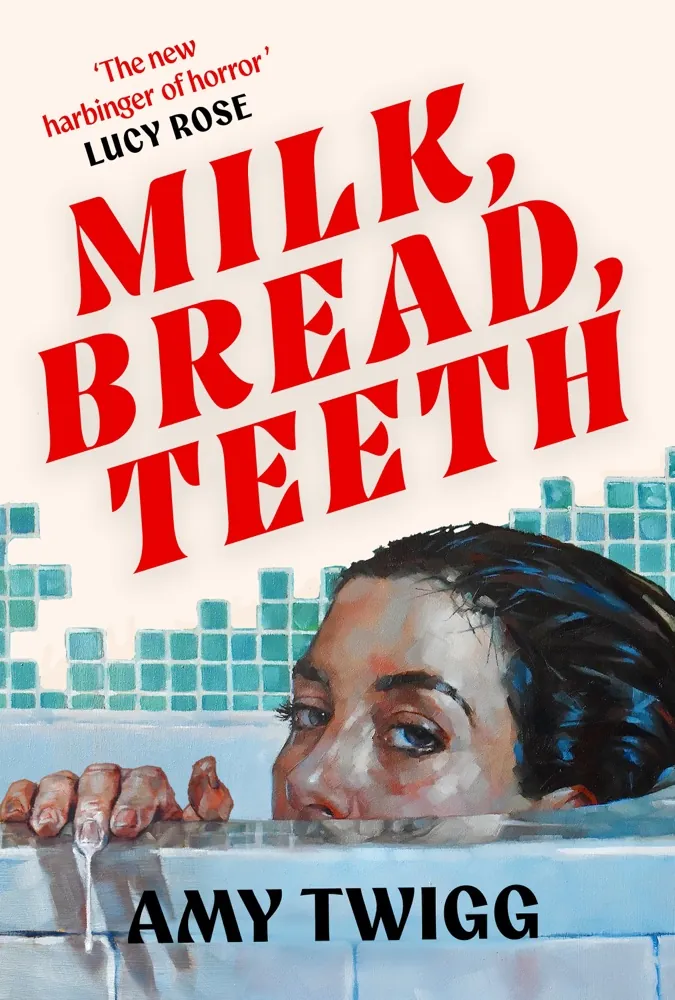
Author: Amy TwiggPage Count: UnknownPublication Date: Expected publication 2026 APL Another invoice sitting on "pending" for forty-five days while I subsist entirely on cold brew and ambient resentment, and yet here I am, wasting precious wattage on an upcoming 2026 release I haven't even been sent a PDF for yet. Let us discuss Amy Twigg’s Milk, Bread, Teeth based exclusively on the publisher's marketing copy because god forbid I get to close my laptop before midnight. The Gastro-Industrial Complex of Despair We are apparently in for yet another round of prestige visceral grotesquerie. Because what else does a girl do when the contemporary economic landscape resembles a dumpster fire wrapped in a corporate memo? She writes about eating cat food in a luxury apartment. The synopsis hits every single post-capitalist horror beat currently keeping the literary industrial complex afloat. It’s giving The Substance meets Rachel Yoder’s Nightbitch, crossed with whatever fever dream you cook up when you are desperately trying to pay London rent on a freelance writer's stipend. And honestly? The premise slaps, ngl. Class Struggle, But Make It Cronenberg Twigg reportedly drew from her own existence as a working-class woman in publishing and dealing with chronic illness. Nothing screams structural critique quite like shoving whole loaves of bread down your gullet while your upstairs neighbor—a literal actress on the verge of stardom—lives out the shiny, bougie fantasy you’re too poor to touch. It is pure, unfiltered envy turned somatic. Except I am already exhausted by the sheer predictability of the trajectory. Lena’s hunger gets worse. Her ego splinters. The boundary between human and feral collapses into a messy heap of metaphor. We get it. Late capitalism is literally eating us alive from the inside out. Capitalism is the monster. We are all just feral beasts gnawing on protein shakes and despair. Groundbreaking. Yet, if Twigg has the stylistic chops to keep the prose sharp enough to draw blood—rather than just leaning on lazy body-horror shock value to mask a thin plot—this might actually cut deep. The comparison to Milk Fed suggests a messy, complex relationship between feminine bodily autonomy, consumption, and social climbing that avoids sanitized neatness. Or it's just another three hundred pages of rich-person adjacent misery porn designed to look good on an aesthetic Instagram grid next to an iced matcha. Time will literally tell, assuming the publisher ever actually mails me a physical ARC instead of expecting me to stare blindingly at a digitized galley on my cracked phone screen. Anyway, I have about three hundred words left to hit my arbitrary threshold before I can legally justify pouring another glass of boxed wine, but I honestly cannot focus because some aggressively misplaced Funko Pops and tiny plastic action figures have somehow completely overrun my entire home office setup, staring judgmentally at my open keyboard like a miniature, plastic jury of my failures. Related InsightsAtonement Sky Book Review and Summary Stranger in a Strange Land Book Review and Summary New John Grisham Legal Thriller Book Review and Summary{ "@context": "https://schema.org", "@type": "FAQPage", "mainEntity": [ { "@type": "Question", "name": "What is the main focus of Milk, Bread, Teeth Book Review and Summary?", "acceptedAnswer": { "@type": "Answer", "text": "Everything you need to know about Milk, Bread, Teeth with our detailed review." } }, { "@type": "Question", "name": "Who authored the comprehensive guide on Milk, Bread, Teeth Book Review and Summary?", "acceptedAnswer": { "@type": "Answer", "text": "This detailed article and its insights were carefully researched and authored by Irina Ivanova." } }, { "@type": "Question", "name": "Where can I find more related content about Books?", "acceptedAnswer": { "@type": "Answer", "text": "You can explore more articles, detailed reviews, and similar insights by browsing the Related Insights section at the bottom of this article or visiting our dedicated Books category page." } } ] }
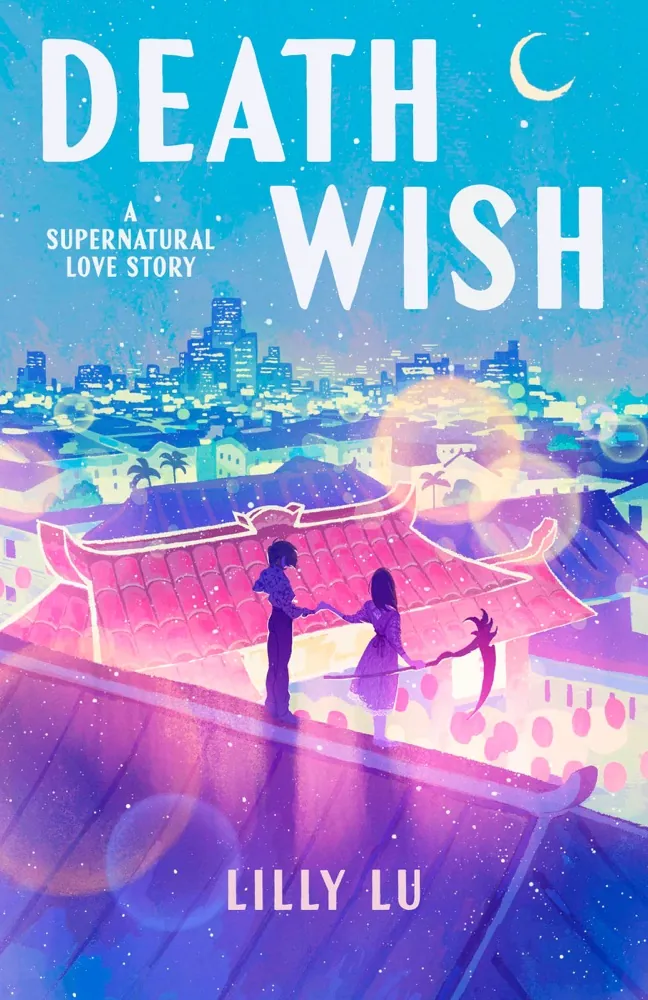
Author: Lilly LuPage Count: UnknownPublication Date: Expected publication 2026 APL Blinking cursor. A merciless white rectangle mocking me on a thirty-two-inch monitor while my next-quarter acquisitions slate sits in a state of terminal, humiliating blankness. Right. Let us dissect Death Wish instead of writing my own damn words. Lilly Lu’s 2026 supernatural sapphic offering arrives riding a wave of high-concept morbidity. We are dealing with an immortal bureaucratic entity—specifically, a century-old Best West Coast Reaper named Amory Ng who moonlights in a pottery class because her lopsided bowls supposedly ground her. Ground her. From what? The sheer, crushing weight of pushing incorporeal consciousnesses into the great unknown? Please. It is a delightfully domestic absurdity to give an existential reaper a hobby straight out of an overpriced Silver Lake artisan collective. The Ceramic Metaphor of Immortality Or maybe the pottery is brilliant. Wait, no. The pottery angle is a completely tired cliché that reduces an eternity of grief into a whimsical DIY afternoon. Actually, let me pivot—clay is genuinely an apt hermeneutic lens for eternity. Shaping mud while ignoring the metaphysical void is peak millennial coping machinery. Lu leans hard into the juxtaposition of dreary supernatural governance and yearning. Centuries of paperwork interrupted by a rogue vampire who desperately wants finality. Clementine Lim dodged her initial reaping and now needs administrative assistance to actually die. Which creates an immediate structural tension: how do you execute a romance where one party's primary objective is permanent cessation? The Pacing Abyss This synopsis reveals a narrative dangerously backloaded with generic action beats. We glide along on the atmospheric friction of longing, pottery dust, and Veil-crossing, only to crash head-first into a standard-issue villain. A murderous vampire maker running rampant. How painfully pedestrian. Why must every atmospheric character study inevitably devolve into a turf war? It screams studio note interference. Give me an entire manuscript of two queer immortals staring across a pottery wheel until someone cries, not a showdown with an absentee sire. Fans of Gideon the Ninth mixed with the moody domesticity of Legends & Lattes will undoubtedly devour this, assuming Lu can sustain the atmospheric tension without leaning on cheap cinematic pyrotechnics. Yet I fear the third act will rush the existential stakes just to clear a contractual word count. The dynamic between a jaded bureaucrat and a tired bloodsucker practically writes itself. It radiates rizz, but hopefully the prose doesn't devolve into mid-tier TikTok-bait dialogue. I need to finalize the floral arrangements for my upcoming book launch before the florist stops answering my emails. #deathwish #booktok #sapphicromance Related InsightsToo Far Book Review and Summary Happy Place Book Review and Summary I'd Tell You I Love You, But Then I'd Have to Kill You Book Review and Summary{ "@context": "https://schema.org", "@type": "FAQPage", "mainEntity": [ { "@type": "Question", "name": "What is the main focus of Death Wish Book Review and Summary?", "acceptedAnswer": { "@type": "Answer", "text": "Everything you need to know about Death Wish with our detailed review." } }, { "@type": "Question", "name": "Who authored the comprehensive guide on Death Wish Book Review and Summary?", "acceptedAnswer": { "@type": "Answer", "text": "This detailed article and its insights were carefully researched and authored by Chloé Laurent." } }, { "@type": "Question", "name": "Where can I find more related content about Books?", "acceptedAnswer": { "@type": "Answer", "text": "You can explore more articles, detailed reviews, and similar insights by browsing the Related Insights section at the bottom of this article or visiting our dedicated Books category page." } } ] }
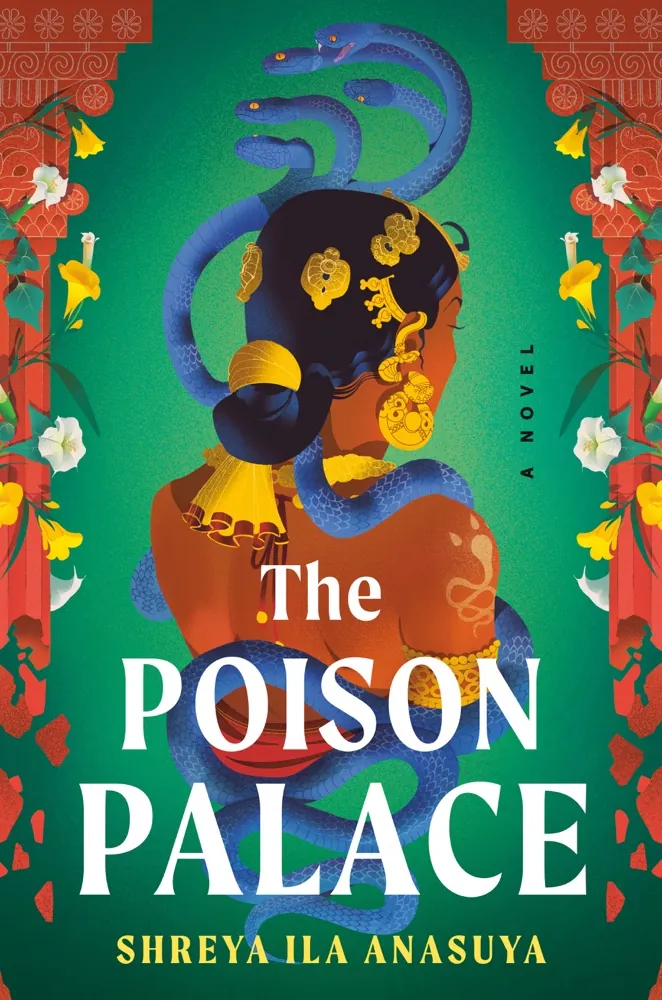
Author: Shreya Ila AnasuyaPage Count: UnknownPublication Date: Expected publication 2026 APL The synopsis of The Poison Palace arrives like a poorly sealed letter from a distant empire—promising intrigue, but already smelling faintly of the same old dust. A courtesan-turned-assassin, a cult of snake-goddesses, and Alexander the Great—oh, how quaint. It’s the kind of premise that makes you wonder if the author has ever read anything beyond the most reductive historical romances, the ones that mistake "exoticism" for depth. The idea of a young woman trained in poison and politics is so tired it’s almost a joke, like if The Song of Achilles had been written by a committee of overcaffeinated undergraduates who thought "Greek mythology" was just a synonym for "dramatic lighting." But let’s not pretend this isn’t a deliberate gambit. The synopsis leans hard into the "forbidden love" trope, which is fine—if you’re writing The Mists of Avalon in 1983. Here, it feels like a lazy shortcut, as if the author is banking on the assumption that any story with two women in a historical setting must inherently be "queer" and therefore "revolutionary." Meanwhile, the political stakes are reduced to a single, vague mission: stop Alexander. No nuance. No exploration of why Magadh would resist him beyond the cliché of "conqueror vs. indigenous culture." It’s all surface, like a painting with no depth—just a few bold strokes of "snake goddess" and "poison" to make it feel spicy. And then there’s the cult of the Vishkanya. Oh, the Vishkanya—how original. A secret society of women who worship snakes and brew potions? It’s the kind of thing that would make The Da Vinci Code look like a masterclass in originality. The synopsis doesn’t even bother to suggest what makes this cult distinct beyond its aesthetic. Is it a matriarchy? A resistance movement? A cult of actual snake-worshippers? Or is it just a convenient plot device to give Eka and Ira something to do while they fawn over each other? The vagueness is almost insulting. It’s like being handed a menu where every dish is labeled "Surprise" and the chef is too lazy to describe the ingredients. Yet—here’s where I pivot, because I can’t help myself. The synopsis does have one thing going for it: it’s unapologetically bad in a way that might actually be interesting. There’s a kind of brutal honesty to it, like a film that knows it’s a B-movie but doesn’t care. It’s not trying to be The Handmaid’s Tale—it’s trying to be The Mummy meets The Craft, and that’s a choice, even if it’s a bad one. The problem isn’t that it’s derivative; the problem is that it’s derivative without the self-awareness to make it fun. Where’s the irony? Where’s the wink to the reader? Instead, it just is, like a poorly executed costume party where everyone’s dressed as a "dark fantasy queen" but no one’s actually playing a role. I am looking respectfully. I’m looking at this synopsis and wondering if the author has ever read The Jewel in the Crown or The Palace of Illusions. Both books took historical settings and wove them into something rich, layered, and alive. Instead, we get a story that feels like it was cobbled together from Wikipedia pages and a Pinterest board of "historical romance aesthetics." The courtesan training, the snake cult, the Alexander subplot—it’s all there, but none of it means anything. It’s like a puzzle where every piece is labeled "mystery" and "intrigue," but the box doesn’t come with instructions. And yet—there’s a perverse thrill in the way it’s written. The synopsis is so confidently mediocre that it almost makes you want to read it, just to see how badly it falls apart. It’s the literary equivalent of a bad Tinder date who’s so sure of themselves that you can’t help but be intrigued. But then again, maybe that’s the point. Maybe The Poison Palace is meant to be a quick, forgettable read, a historical fantasy for people who want to feel clever without actually having to think. And if that’s the case, then I suppose it’s not entirely without merit. It’s just not the kind of merit that lasts. I need to go yell at my gardener about the hydrangeas. They’re overgrown, just like this synopsis. Related InsightsHello Girls Book Review and Summary El problema de los tres cuerpos (Edición ilustrada) / The Three-Body Problem (Illustrated Edition) Book Review and Summary Dark Tracks Book Review and Summary{ "@context": "https://schema.org", "@type": "FAQPage", "mainEntity": [ { "@type": "Question", "name": "What is the main focus of The Poison Palace Book Review and Summary?", "acceptedAnswer": { "@type": "Answer", "text": "Everything you need to know about The Poison Palace with our detailed review." } }, { "@type": "Question", "name": "Who authored the comprehensive guide on The Poison Palace Book Review and Summary?", "acceptedAnswer": { "@type": "Answer", "text": "This detailed article and its insights were carefully researched and authored by Olivia Harris." } }, { "@type": "Question", "name": "Where can I find more related content about Books?", "acceptedAnswer": { "@type": "Answer", "text": "You can explore more articles, detailed reviews, and similar insights by browsing the Related Insights section at the bottom of this article or visiting our dedicated Books category page." } } ] }
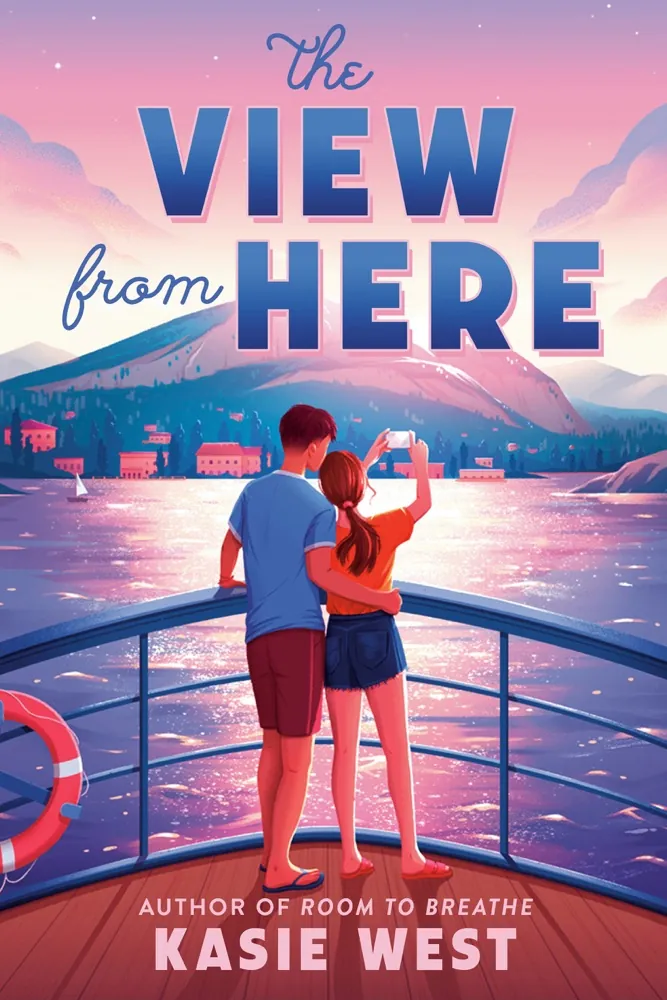
Author: Kasie WestPage Count: UnknownPublication Date: Expected publication 2026 APL The Mediterranean sun bleeds through the porthole of this synopsis like a half-baked impressionist painting—all golden haze and unresolved edges. The View from Here is the kind of book that smells like a cruise ship buffet: overpromised, underdelivered, and with a side of existential dread masquerading as "coming-of-age." Kasie West has here crafted a love story so thin it could be mistaken for a TikTok trend—if TikTok had the patience for a novel about two teens who, by all rights, should never have met. Tate Hall, our adrift protagonist, is the kind of character who exists solely to be a vessel for the reader’s own unexamined longing. She’s a walking cliché: the girl who feels "totally adrift" because she hasn’t yet discovered the right way to feel adrift. Her grandma’s cruise is less a solution and more a last-ditch effort to distract her from the void, which is to say, it’s the literary equivalent of handing a drowning woman a life preserver made of glitter. And then there’s Luca Park, the ex-social media star—oh, the irony!—who’s clearly been written as a walking algorithm, designed to maximize engagement with Tate’s emotional turbulence. Their dynamic is the literary equivalent of a viral challenge: "Can you make this love story last longer than a 15-second reel?" The answer, of course, is no. The real tragedy here is that West has missed the mark on what makes a cruise ship setting interesting. It’s not the ports of call or the senior citizens (who, let’s be honest, would probably find this whole thing painfully awkward) that matter—it’s the microcosm of human behavior under pressure. But no, instead we get a love story so predictable it could be plotted by a high schooler using a flowchart. The "rough waters" of their relationship are less a metaphor for life’s storms and more a punchy tagline for a rom-com that’s been watered down to the consistency of a smoothie. And let’s talk about the synopsis itself—it’s the literary equivalent of a fast-food menu: vague, overhyped, and with a side of existential dread. "Can their electric connection last beyond their eleven-day journey?"—spare me. This isn’t The Notebook; it’s a one-night stand with a cruise ship’s worth of baggage. The real question is whether West can pull off the kind of emotional punch that makes readers forget they’re reading about two teens who, by all rights, should never have met in the first place. But here’s the thing: I’m not entirely convinced this book will even try. The synopsis reads like a script for a Hallmark movie that’s been given a YA makeover, and that’s not a compliment. It’s the kind of story that relies on the reader’s willingness to suspend disbelief, which is to say, it’s the literary equivalent of a cruise ship’s "all-inclusive" policy—promising more than it can deliver. And yet—there’s a sliver of potential here. If West can resist the urge to turn this into a saccharine love letter to fleeting connections, she might just surprise us. But given the current trajectory, I’m betting on the former. The real question is whether readers will be willing to pay for the privilege of watching two characters who should never have met, fall in love, and then—inevitably—fall out of love, all while sailing through the Mediterranean like a pair of tourists in a bad dream. Now, if you’ll excuse me, my SUV’s heated seats are malfunctioning, and I have to go sit in the cold like some kind of metaphor for my own disillusionment with contemporary YA. #CruiseShipDreams #LoveStoriesThatShouldNeverHappen Related InsightsDubliners Book Review and Summary The Hunt for Red October Book Review and Summary Am I Right or Am I Right? Book Review and Summary{ "@context": "https://schema.org", "@type": "FAQPage", "mainEntity": [ { "@type": "Question", "name": "What is the main focus of The View from Here Book Review and Summary?", "acceptedAnswer": { "@type": "Answer", "text": "Everything you need to know about The View from Here with our detailed review." } }, { "@type": "Question", "name": "Who authored the comprehensive guide on The View from Here Book Review and Summary?", "acceptedAnswer": { "@type": "Answer", "text": "This detailed article and its insights were carefully researched and authored by Lucia Garcia." } }, { "@type": "Question", "name": "Where can I find more related content about Books?", "acceptedAnswer": { "@type": "Answer", "text": "You can explore more articles, detailed reviews, and similar insights by browsing the Related Insights section at the bottom of this article or visiting our dedicated Books category page." } } ] }
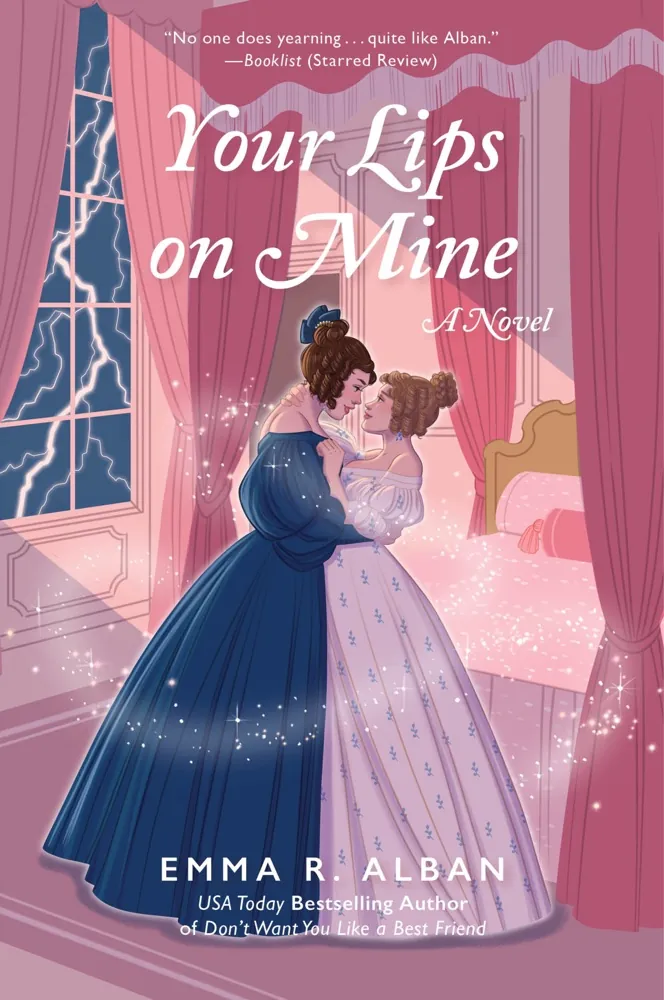
Author: Emma R. AlbanPage Count: UnknownPublication Date: Expected publication 2026 APL Look, I am sitting here staring at a blank document trying to hit a stupid word count because the editors demand copy, and frankly, my mind is entirely elsewhere. I am still trying to figure out why the corner man threw the towel in the third round when our boy clearly had a guillotine choke locked in. But no, instead of analyzing takedown defense and grappling leverage, I am tasked with writing an anticipatory preview for Your Lips on Mine by Emma R. Alban. The Kinetic Physics of Regency Bodily Possession The premise rests on a lightning strike—literal meteorological deus ex machina—causing a bilateral somatic transposition between estranged confidantes. And yet, the synopsis provides zero tactical breakdown of how one adapts to a sudden center-of-gravity shift on the marriage mart. How does muscle memory betray them? Does the footwork translate when you suddenly occupy a different skeletal frame? These are the real questions. Instead, we get the standard romance boilerplate about the London 1835 Season and the ticking clock of a summer deadline. The Hermeneutics of Facial Narcissism Let us discuss the psychological riposte of staring directly into your own face while experiencing intense romantic yearning. It is deeply unhinged behavior, which automatically makes it elite literature. Think Freaky Friday meets Bridgerton, but make it aggressively sapphic and emotionally taxing. Alban previously proved her genre chops with Don’t Want You Like a Best Friend, sliding comfortably into the exact same aesthetic lineage as Casey McQuiston or Alexandria Bellefleur. Yet, this narrative mechanic forces an epistemological crisis. You are catching feelings for your childhood rival while she is literally wearing your visage. That is some top-tier psychological damage. No cap, the cognitive dissonance required to kiss yourself-via-proxy is straight-up wild. The Anticipated Carnage My prediction? This book will either stick the landing with a devastating emotional submission hold or it will tap out prematurely under the weight of its own absurd premise. I give it a solid eight out of ten on the sheer audacity scale alone. Now, if you will excuse me, I need to go break up a full-scale wrestling match in the living room before someone puts the sofa through the drywall.