Showing Posts From
Books
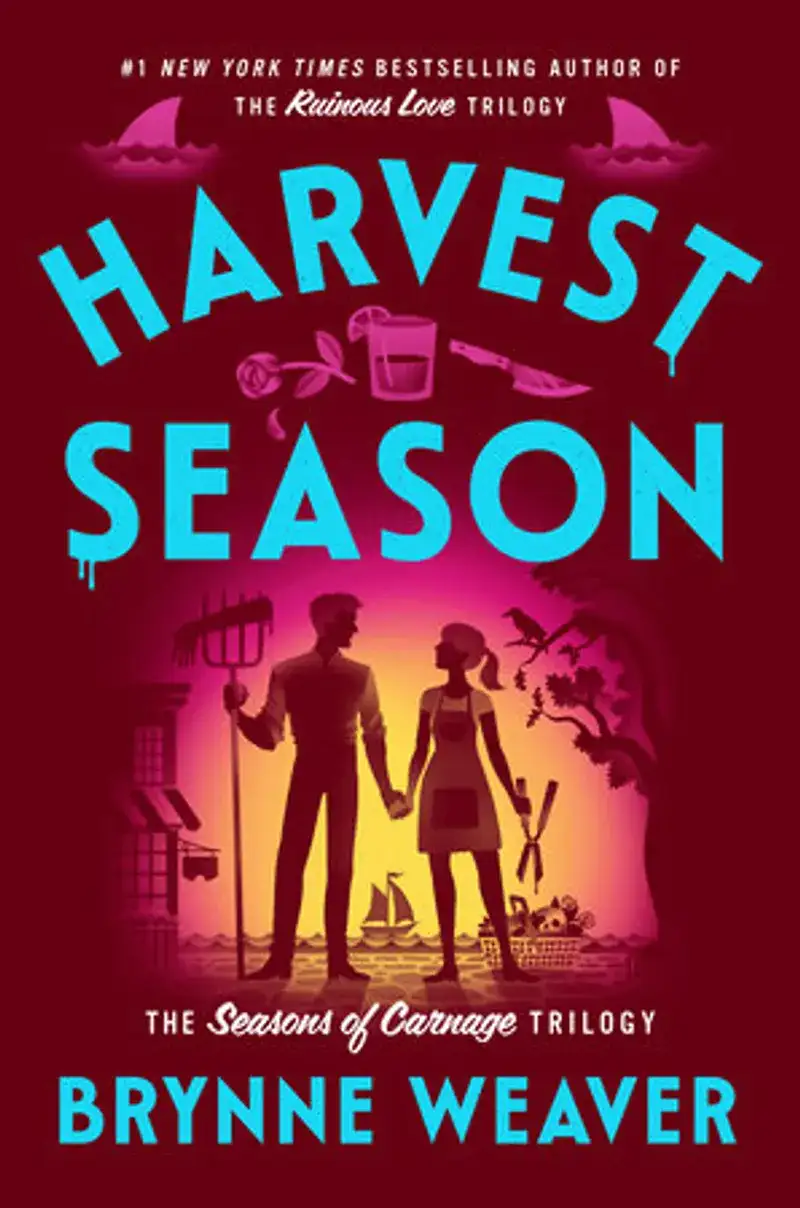
Harvest Season Author: Brynne WeaverPage Count: UnknownPublication Date: 2026-PRH Brynne Weaver’s Harvest Season (2026) arrives like a gnarled oak branch knocking at the window—unexpected, a little eerie, and impossible to ignore. Set in a sun-baked rural town where the seasons blur into one another like fermented peaches left too long in the sun, the novel explores the quiet rot beneath the myth of abundance. Weaver, whose earlier work carved out a reputation for dissecting small-town decay with lyrical precision, turns her scalpel this time toward the illusion of harvest: what we gather, what we discard, and who gets to decide which is which. At its heart, Harvest Season is a meditation on inheritance—not just of land or legacy, but of silence. The story follows a reclusive orchardist, Mara Voss, who returns to her family’s failing farm after years away, only to find the land—and the town—haunted by a different kind of hunger. The orchards, once lush with peaches and plums, now yield fruit that rots from the inside out, a metaphor Weaver handles with unsettling tenderness. The blight isn’t just botanical; it’s familial, economic, spiritual. Mara’s father, a man who treated the soil like a ledger, has left behind debts both monetary and moral, and Mara must decide whether to uproot the past or let it choke what little remains. Weaver’s prose is as tactile as the fruit she describes—ripe with the scent of overripe plums, the stickiness of sap on fingers, the ache of joints in the early morning cold. She writes with a farmer’s eye for detail and a poet’s ear for rhythm, her sentences often short and staccato when the tension rises, slow and meandering when the land itself seems to sigh. There’s a physicality to her storytelling that grounds the supernatural undertones; when the town’s collective memory begins to unravel—strangers arriving with knowledge of lives they shouldn’t know—it’s not delivered as gothic melodrama but as the slow dawning of a truth too heavy to name. The supernatural here is organic, a natural consequence of what the earth and the people who tend it have absorbed over generations. What elevates Harvest Season beyond a mere gothic fable is Weaver’s refusal to romanticize suffering. Mara isn’t a heroine; she’s a woman who’s learned to survive by numbing herself, and her journey isn’t about redemption so much as it is about facing the cost of survival. The other townsfolk are equally flawed, their kindnesses laced with calculation, their silences more damning than their words. Weaver’s dialogue crackles with the kind of stilted, half-truth exchanges that define rural communities, where what isn’t said often carries more weight than what is. The novel’s structure mirrors its themes of cyclical time and inevitable decay. Chapters unfold like the slow turning of seasons, each one marked not by dates but by the ripening or rotting of fruit, the arrival of pests, the way the light slants through the trees at dusk. There’s a quiet dread in this pacing, the sense that the reader, like Mara, is being pulled deeper into a system that was broken long before she arrived. Weaver’s greatest achievement here is making the personal political without ever resorting to didacticism. The blight isn't just a plot device; it’s a reflection of how capitalism, climate change, and generational trauma intersect in the bodies of the land and its people. When Mara discovers that her father’s orchards were part of a larger land grab decades ago—sold to developers under the guise of “progress”—the revelation doesn’t arrive with fanfare but with the quiet devastation of a tree falling in the woods. The sound, Weaver implies, is all that’s left. Harvest Season is a book that lingers, like the residue of fruit left to ferment in a jar. It’s not an easy read, but ease was never the point. Weaver has written a story that demands to be felt in the bones, a reminder that harvests aren’t just about what we reap but about what we choose to bury—and who gets to decide when it’s time to dig. #HarvestSeason2026 #RuralGothic #GenerationalTrauma #FarmHorror #SmallTownSecrets #LiteraryHorror Related InsightsHolly Book Review and Summary Collided Book Review and Summary Three Kings Book Review and Summary{ "@context": "https://schema.org", "@type": "FAQPage", "mainEntity": [ { "@type": "Question", "name": "What is the main focus of Harvest Season Book Review and Summary?", "acceptedAnswer": { "@type": "Answer", "text": "Everything you need to know about Harvest Season with our detailed review." } }, { "@type": "Question", "name": "Who authored the comprehensive guide on Harvest Season Book Review and Summary?", "acceptedAnswer": { "@type": "Answer", "text": "This detailed article and its insights were carefully researched and authored by Irina Ivanova." } }, { "@type": "Question", "name": "Where can I find more related content about Books?", "acceptedAnswer": { "@type": "Answer", "text": "You can explore more articles, detailed reviews, and similar insights by browsing the Related Insights section at the bottom of this article or visiting our dedicated Books category page." } } ] }
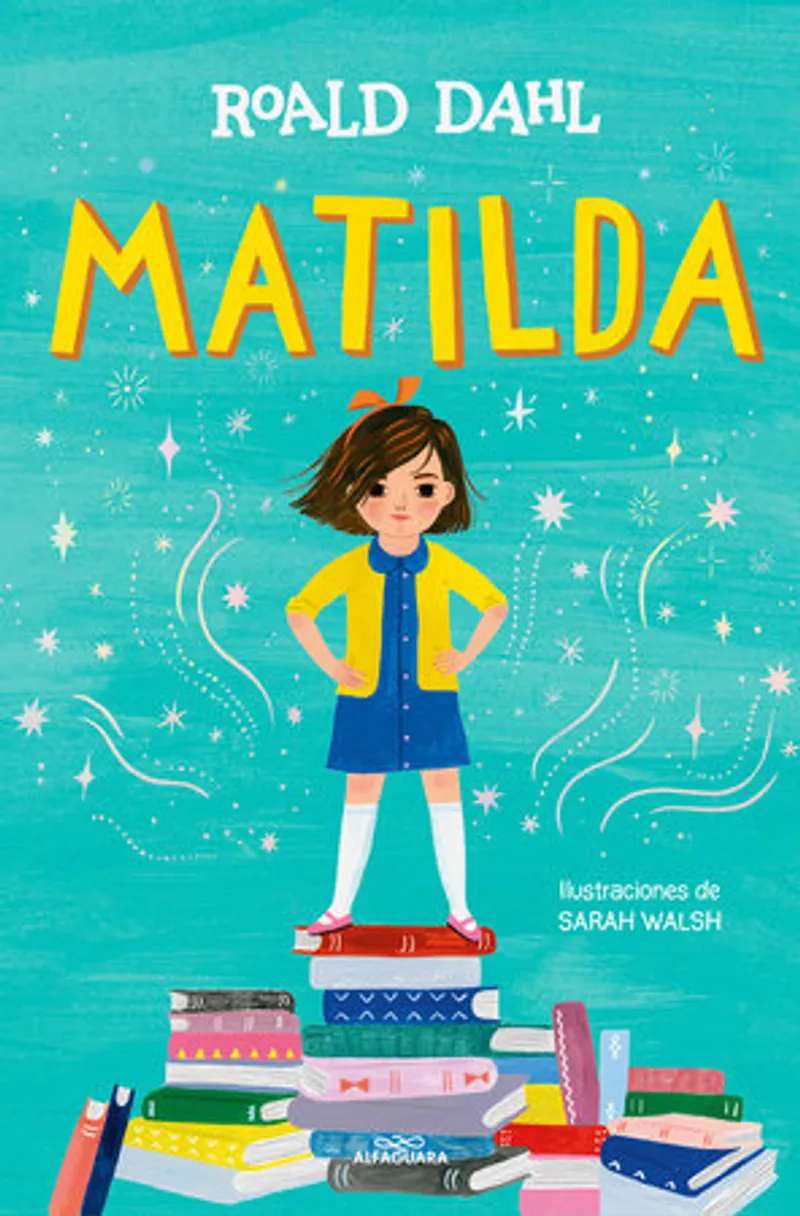
Matilda (Edición ilustrada) / Matilda (Illustrated Edition) Author: Roald DahlPage Count: UnknownPublication Date: 2024-PRH "Unleashing the Power of Imagination: A Timeless Tale of Self-Discovery in Roald Dahl's 'Matilda' (Illustrated Edition)" In the realm of children's literature, few stories have captured the hearts of readers as profoundly as Roald Dahl's beloved classic, "Matilda". This exquisite, full-color-illustrated gift edition, brought to life by the talented Sarah Walsh, is a testament to the enduring power of Dahl's timeless tale. As we delve into the world of this extraordinary young girl, we are reminded of the transformative magic that lies within the pages of a truly remarkable book. At its core, "Matilda" is a story about the unbridled potential of the human spirit, particularly in the face of adversity. Our protagonist, a brilliant and kind-hearted five-year-old, is born into a world that seems determined to stifle her growth. Her parents, oblivious to her exceptional abilities, view her as a nuisance, while the formidable Miss Trunchbull, a menacing headmistress with a penchant for terrorizing students, seeks to crush her spirit. Yet, Matilda's innate resilience and determination ultimately prove to be the catalyst for her liberation. Through Dahl's masterful storytelling, we are transported to a world where the boundaries between reality and fantasy blur, and the impossible becomes possible. As Matilda discovers her extraordinary powers, we are reminded that even the most unlikely among us possess the capacity for greatness. This theme, expertly woven throughout the narrative, serves as a powerful reminder of the importance of embracing our individuality and celebrating our unique strengths. One of the most striking aspects of Dahl's writing style is his ability to craft a narrative that is both whimsical and grounded in reality. His use of language is effortlessly engaging, making "Matilda" an absolute delight to read aloud. The addition of Sarah Walsh's vibrant illustrations brings a new dimension to the story, perfectly capturing the essence of Dahl's imaginative world. As we navigate the twists and turns of Matilda's journey, we are introduced to a cast of characters that are at once relatable and memorable. From the lovable Miss Honey, a kind-hearted teacher who recognizes Matilda's exceptional abilities, to the despicable Miss Trunchbull, each character adds depth and complexity to the narrative. In "Matilda", Dahl has created a story that is both a testament to the power of imagination and a celebration of the human spirit. This illustrated edition, with its stunning visuals and timeless narrative, is sure to captivate readers of all ages. As we reflect on the story's enduring popularity, it becomes clear that "Matilda" is more than just a beloved children's book – it is a cultural touchstone that continues to inspire and delight readers around the world. In conclusion, "Matilda" (Illustrated Edition) is a must-read for anyone who has ever felt like an outsider, anyone who has ever dreamed of something more, and anyone who has ever believed in the transformative power of imagination. This exquisite edition is a testament to the enduring legacy of Roald Dahl's timeless tale, and a reminder that, no matter our age, we all possess the capacity for greatness. #MatildaIllustrated #RoaldDahl #ChildrensLiterature #ImaginationMatters #EmpowermentThroughReading #TimelessTales Related InsightsWalk Two Moons Book Review and Summary Life After Life Book Review and Summary Amarilla Book Review and Summary{ "@context": "https://schema.org", "@type": "FAQPage", "mainEntity": [ { "@type": "Question", "name": "What is the main focus of Matilda Book Review and Summary?", "acceptedAnswer": { "@type": "Answer", "text": "Everything you need to know about Matilda with our detailed review." } }, { "@type": "Question", "name": "Who authored the comprehensive guide on Matilda Book Review and Summary?", "acceptedAnswer": { "@type": "Answer", "text": "This detailed article and its insights were carefully researched and authored by Roald Dahl." } }, { "@type": "Question", "name": "Where can I find more related content about Books?", "acceptedAnswer": { "@type": "Answer", "text": "You can explore more articles, detailed reviews, and similar insights by browsing the Related Insights section at the bottom of this article or visiting our dedicated Books category page." } } ] }

Daphne Doo the Peculiar Pug Author: Julia BaldwinPage Count: UnknownPublication Year: 2023-GB Daphne Doo the Peculiar Pug: A Whimsical Tale of Individuality and Courage Julia Baldwin’s Daphne Doo the Peculiar Pug is more than just a children’s book—it’s a celebration of being unapologetically yourself. Published in 2023, this global bestseller has captivated readers with its heartwarming story and vibrant illustrations, making it a must-read for young audiences and families alike. At its core, the book explores the theme of self-acceptance, proving that what makes us different is often what makes us extraordinary. Daphne Doo, the protagonist, is a pug with an unusual appearance—her face is a delightful mix of mismatched features, from a crooked nose to ears that flop in opposite directions. While the other pugs in her community are praised for their uniformity, Daphne feels out of place. The story follows her journey as she learns to embrace her quirks, ultimately discovering that her peculiarities are what make her special. Baldwin crafts a narrative that gently encourages children to celebrate their differences rather than conform to rigid standards. One of the book’s greatest strengths lies in its authorial voice. Baldwin’s writing is both playful and poignant, striking a perfect balance between humor and sincerity. Her prose is accessible to young readers, yet it carries a depth that resonates with adults as well. The dialogue is snappy, and the pacing keeps the story engaging from start to finish. Baldwin doesn’t shy away from addressing themes of insecurity and judgment, making the book a valuable tool for parents and educators to discuss self-esteem with children. The illustrations, though not detailed in the available synopsis, are likely a major highlight. A book about a peculiar pug would be incomplete without vibrant, expressive artwork, and Baldwin’s choice of visuals probably complements the story’s whimsical tone. The contrast between Daphne’s exaggerated features and the more conventional pugs would visually reinforce the book’s message, making it even more impactful for young readers. Beyond its surface-level charm, Daphne Doo the Peculiar Pug subtly teaches important life lessons. It encourages children to question societal expectations and to find strength in their uniqueness. In a world that often pressures individuals to fit in, Daphne’s story serves as a gentle reminder that confidence comes from within. The book’s global success suggests that this message resonates universally, transcending cultural and linguistic barriers. Baldwin’s writing style is another standout feature. She employs a lighthearted yet meaningful approach, ensuring that the story never feels preachy. The humor is age-appropriate, and the emotional beats are handled with care, making the book both entertaining and thought-provoking. Parents will appreciate its ability to spark conversations about diversity and self-worth, while children will simply enjoy the delightful tale of a pug who finds her place in the world. In conclusion, Daphne Doo the Peculiar Pug is a charming and meaningful addition to children’s literature. Julia Baldwin has crafted a story that is as visually appealing as it is emotionally rich, making it a book that both kids and adults will cherish. It’s a reminder that peculiarity is not a flaw but a gift, and that true confidence comes from embracing what makes us different. #DaphneDoo #PeculiarPug #ChildrensBooks #SelfAcceptance #JuliaBaldwin #KidsLiterature Related InsightsMary Poppins Book Review and Summary The Cat in the Hat Book Review and Summary Boleyn Traitor Book Review and Summary{ "@context": "https://schema.org", "@type": "FAQPage", "mainEntity": [ { "@type": "Question", "name": "What is the main focus of Daphne Doo the Peculiar Pug Book Review and Summary?", "acceptedAnswer": { "@type": "Answer", "text": "Everything you need to know about Daphne Doo the Peculiar Pug with our detailed review." } }, { "@type": "Question", "name": "Who authored the comprehensive guide on Daphne Doo the Peculiar Pug Book Review and Summary?", "acceptedAnswer": { "@type": "Answer", "text": "This detailed article and its insights were carefully researched and authored by Giulia Ricci." } }, { "@type": "Question", "name": "Where can I find more related content about Books?", "acceptedAnswer": { "@type": "Answer", "text": "You can explore more articles, detailed reviews, and similar insights by browsing the Related Insights section at the bottom of this article or visiting our dedicated Books category page." } } ] }
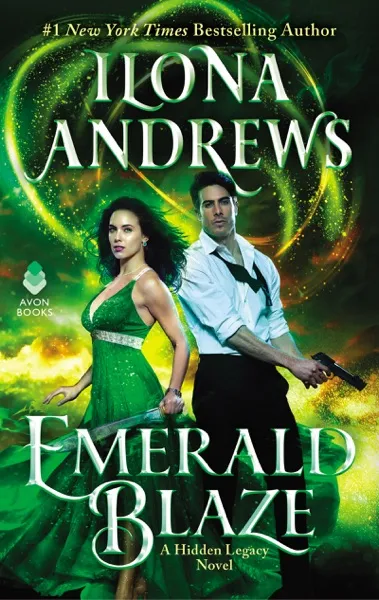

Emerald Blaze Author: Ilona AndrewsPage Count: UnknownPublication Year: 2020-GB Emerald Blaze by Ilona Andrews is a dazzling gem in the crown of urban fantasy, a genre where the author has carved an indelible mark. Published in 2020, this novel continues the adventures of Kate Daniels, the sword-swinging, magic-wielding heroine whose world is as perilous as it is captivating. Andrews, a master of blending action, romance, and intricate world-building, delivers another thrilling installment that cements her status as a titan of the genre. At its core, Emerald Blaze explores the timeless theme of duty versus desire—a conflict that has defined Kate’s journey since the series’ inception. The story thrusts Kate and Curran, the Beast Lord, into a high-stakes mission where the survival of their people hangs in the balance. The tension between Kate’s unwavering sense of responsibility and her personal longings creates a rich emotional tapestry that anchors the narrative. Andrews excels at making the reader care deeply about her characters, not just as heroes, but as flawed, relatable individuals grappling with real-world dilemmas. The world of Emerald Blaze is one of Andrews’ greatest strengths. Post-magical-apocalypse Atlanta is a character in itself—a sprawling, gritty metropolis where technology and magic collide in unpredictable ways. The city is alive with danger, from rogue shapeshifters to ancient, malevolent forces lurking beneath its streets. Andrews’ vivid descriptions paint a picture so immersive that the reader can practically smell the rain-soaked streets and hear the distant growls of predators. Her ability to weave magic into the fabric of the mundane is nothing short of magical, transforming ordinary moments into something extraordinary. Andrews’ writing style is a force of nature. She combines sharp, witty dialogue with heart-pounding action sequences, creating a rhythm that keeps the pages turning. Her prose is economical yet evocative, striking a perfect balance between clarity and depth. Kate’s voice—sarcastic, stubborn, and fiercely intelligent—leaps off the page, making her one of the most compelling protagonists in modern fantasy. Andrews also excels at crafting secondary characters who feel just as real, from the loyal Jim to the enigmatic Julie, each adding layers of complexity to the story. The romance in Emerald Blaze is a slow burn, but it’s all the more satisfying for it. Kate and Curran’s relationship is a masterclass in tension, both emotional and physical. Their banter crackles with chemistry, and their shared history adds depth to their interactions. Andrews doesn’t shy away from the complexities of their bond, exploring themes of trust, power, and mutual respect. The result is a relationship that feels authentic and deeply satisfying, a rare feat in a genre often dominated by clichéd love stories. One of the standout elements of Emerald Blaze is its villains. Andrews crafts antagonists who are as multifaceted as they are menacing. The Big Bad in this installment is a force to be reckoned with, a villain whose motives are as chilling as they are understandable. The conflict isn’t just about stopping a threat; it’s about confronting the darker sides of human nature and the choices that define us. This moral complexity elevates the story beyond a simple good-versus-evil tale, making it a richer, more thought-provoking read. Andrews’ world-building extends beyond the physical landscape. Her magic system is intricately designed, with rules that feel logical and consequences that matter. The interplay between magic and technology in her world adds a layer of unpredictability that keeps the reader on their toes. Whether it’s the collapse of magic leaving cities in ruins or the resurgence of ancient powers threatening to upend society, the stakes are always high, and the consequences are felt deeply. The action in Emerald Blaze is relentless and expertly choreographed. Andrews’ fight scenes are visceral and immersive, with a level of detail that makes the reader feel every punch, every slash of the sword. The battles are not just about physical prowess; they’re about strategy, wit, and the sheer will to survive. Kate’s fights are a testament to her growth as a character—she’s no longer the impulsive young woman she was in the early books, but a seasoned leader who knows when to strike and when to hold back. Ultimately, Emerald Blaze is a triumph of urban fantasy, a genre that Andrews has helped redefine. It’s a story about love, loss, and the bonds that tie us together, set against a backdrop of magic and mayhem. Andrews’ ability to blend humor, heart, and high-stakes drama makes this novel a standout in a crowded field. Whether you’re a longtime fan of the series or a newcomer to Kate Daniels’ world, Emerald Blaze is a must-read. #UrbanFantasy #KateDanielsSeries #IlonaAndrews #FantasyBooks #MagicAndMayhem #BookRecommendation Related InsightsThe Raven Boys Book Review and Summary Loving a Demon is a Total Nightmare (Total Chaos, #3) Book Review and Summary And If I Die Before I Wake: A Memoir Book Review and Summary{ "@context": "https://schema.org", "@type": "FAQPage", "mainEntity": [ { "@type": "Question", "name": "What is the main focus of Emerald Blaze Book Review and Summary?", "acceptedAnswer": { "@type": "Answer", "text": "Everything you need to know about Emerald Blaze with our detailed review." } }, { "@type": "Question", "name": "Who authored the comprehensive guide on Emerald Blaze Book Review and Summary?", "acceptedAnswer": { "@type": "Answer", "text": "This detailed article and its insights were carefully researched and authored by Antoine Leroy." } }, { "@type": "Question", "name": "Where can I find more related content about Books?", "acceptedAnswer": { "@type": "Answer", "text": "You can explore more articles, detailed reviews, and similar insights by browsing the Related Insights section at the bottom of this article or visiting our dedicated Books category page." } } ] }
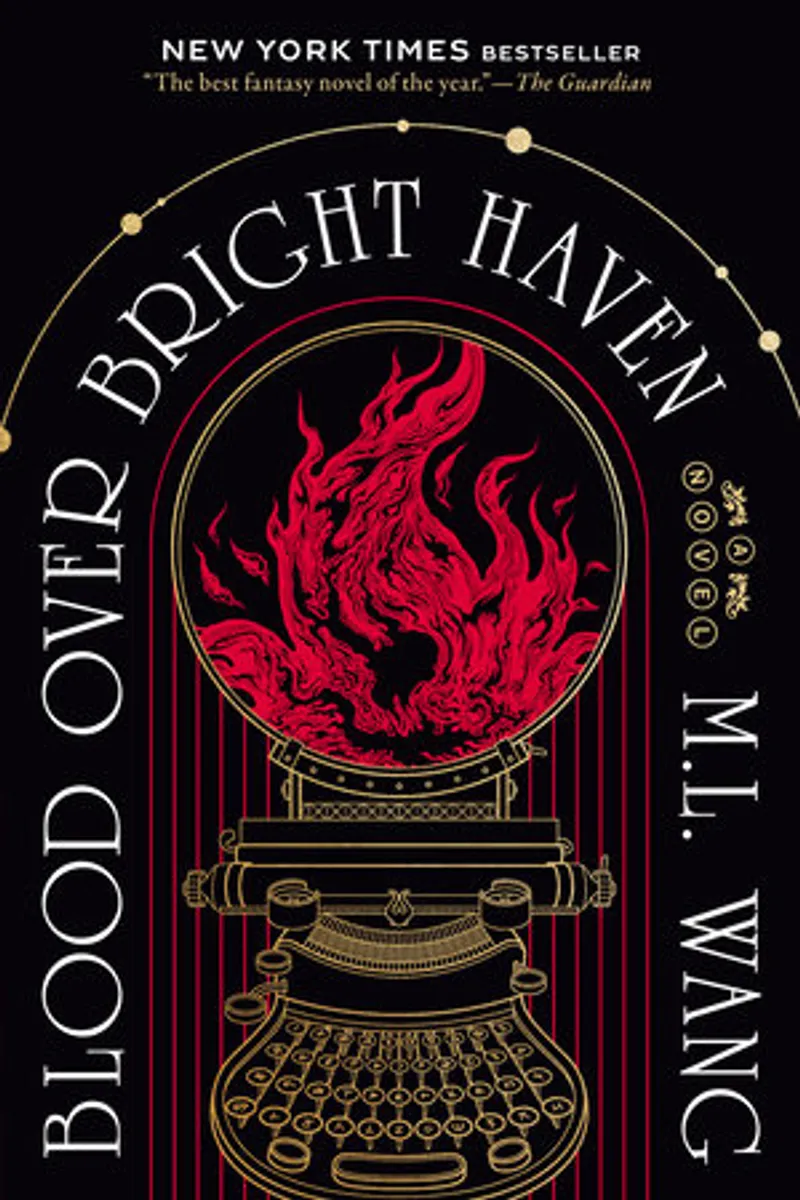
Blood Over Bright Haven Author: M. L. WangPage Count: UnknownPublication Date: 2025-PRH In the realm of dark fantasy, few authors have managed to weave a tale as captivating as M. L. Wang's Blood Over Bright Haven. This standalone novel is a testament to the author's mastery of the genre, delving into the intricate world of magic and societal issues with unflinching honesty. As the first woman to be admitted to the prestigious order of mages, Sciona's journey is a powerful exploration of the struggles faced by those who dare to challenge the status quo. Wang's writing style is reminiscent of R.F. Kuang's Babel, with a keen eye for detail and a deep understanding of the complexities of magic and its implications on society. The world-building is meticulous, with a richly detailed magic system that is both fascinating and terrifying. The author's use of language is evocative, transporting the reader to a world of wonder and discovery. At its core, Blood Over Bright Haven is a story about power and privilege. Sciona's determination to succeed in a male-dominated field is admirable, but it is her relationship with her janitor-turned-lab-assistant that truly sets the story ablaze. Their fractious dynamic is expertly crafted, with a slow-burning tension that simmers beneath the surface. As they work together to uncover an ancient secret, their bond grows stronger, and the reader is drawn into a world of intrigue and deception. One of the most striking aspects of Wang's writing is her ability to balance action and introspection. The pacing is expertly managed, with a narrative that flows seamlessly from one scene to the next. The characters are multidimensional, with complex motivations and backstories that add depth to the story. Sciona's struggles to navigate the treacherous world of high magic are deeply relatable, and her growth as a character is both satisfying and inspiring. The themes of power, privilege, and identity are woven throughout the narrative, adding a layer of complexity to the story. Wang's exploration of societal issues is thought-provoking, challenging the reader to confront their own biases and assumptions. The world of Bright Haven is a microcosm of our own, with its own set of problems and injustices. The author's handling of these themes is nuanced, avoiding simplistic solutions and instead offering a nuanced exploration of the human condition. In short, Blood Over Bright Haven is a masterpiece of dark fantasy. Wang's writing is captivating, her world-building is meticulous, and her characters are complex and multidimensional. This is a story that will appeal to fans of R.F. Kuang's Babel, with its intricate magic system and unflinching exploration of societal issues. If you're looking for a thought-provoking read that will keep you on the edge of your seat, then Blood Over Bright Haven is the perfect choice. #DarkFantasy #MagicAndPower #SocietalIssues #FemaleProtagonist #FantasyBookLovers #BookReview Related InsightsAmerican Heroes Book Review and Summary All your perfects Book Review and Summary A Wizard of Earthsea Book Review and Summary{ "@context": "https://schema.org", "@type": "FAQPage", "mainEntity": [ { "@type": "Question", "name": "What is the main focus of Blood Over Bright Haven Book Review and Summary?", "acceptedAnswer": { "@type": "Answer", "text": "Everything you need to know about Blood Over Bright Haven with our detailed review." } }, { "@type": "Question", "name": "Who authored the comprehensive guide on Blood Over Bright Haven Book Review and Summary?", "acceptedAnswer": { "@type": "Answer", "text": "This detailed article and its insights were carefully researched and authored by M.L. Wang." } }, { "@type": "Question", "name": "Where can I find more related content about Books?", "acceptedAnswer": { "@type": "Answer", "text": "You can explore more articles, detailed reviews, and similar insights by browsing the Related Insights section at the bottom of this article or visiting our dedicated Books category page." } } ] }
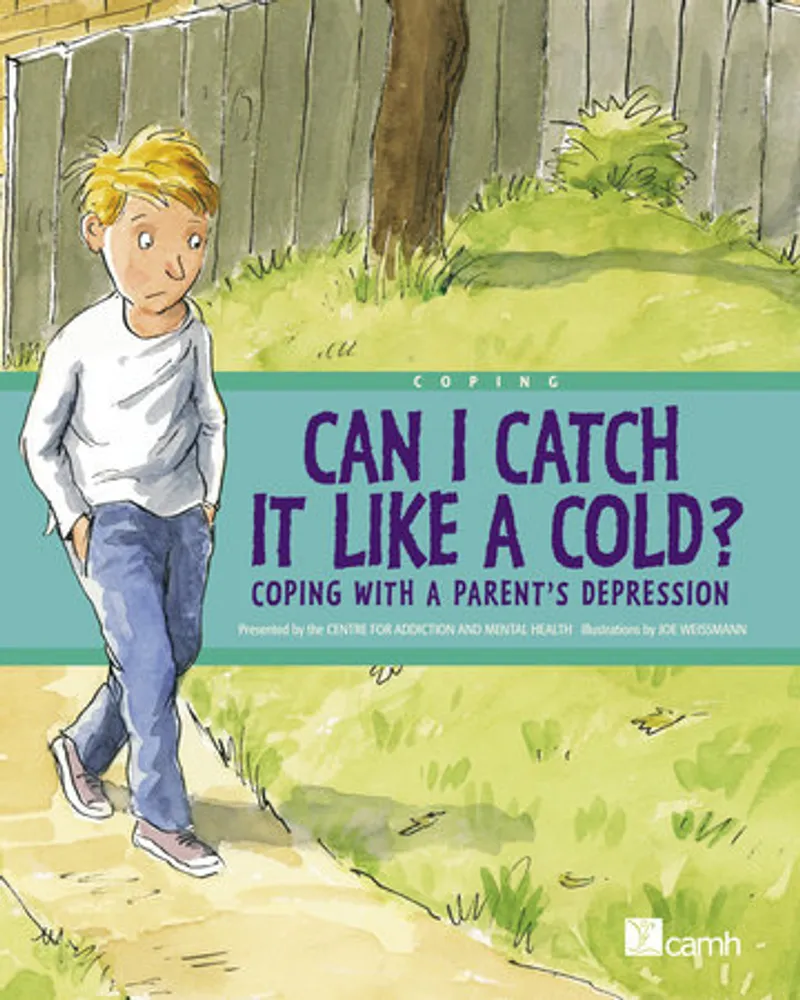
Can I Catch It Like a Cold? Author: Joe WeissmannPage Count: UnknownPublication Date: 2011-PRH Can I Catch It Like a Cold? is a thought-provoking and informative book that tackles the complex issue of depression in a way that is both accessible and reassuring for young readers. Written by Joe Weissmann, a renowned expert in the field, this book is a valuable resource for children who have to cope with the challenges of having a parent with depression. The story follows Alex, a young boy whose father is struggling with depression. Alex's questions and concerns are perfectly normal, and Weissmann addresses them in a straightforward and compassionate manner. The book explains what depression is, how it is treated, and what it means for those who are affected by it. One of the strengths of the book is its ability to convey complex information in a simple and easy-to-understand way, making it an excellent tool for sparking discussions and allaying fears. Weissmann's writing style is clear and concise, and he approaches the topic with sensitivity and empathy. He reassures young readers that they are not alone and that it's okay to feel scared or confused. The book also prepares children for working with helping professionals, such as therapists or counselors, which can be a daunting experience for many young people. What sets this book apart from others on the topic is its ability to address the emotional and psychological impact of depression on families. Weissmann acknowledges the feelings of guilt, shame, and anxiety that often accompany depression, and he offers a message of hope and resilience. The book is not just about depression; it's about the importance of seeking help, talking openly about feelings, and supporting one another through difficult times. The partnership between the author and the Centre for Addiction and Mental Health (CAMH) adds credibility and authority to the book. The expertise and knowledge that Weissmann brings to the topic are evident on every page, and the book is a testament to the importance of collaboration between mental health professionals and writers. In conclusion, Can I Catch It Like a Cold? is a remarkable book that has the potential to make a significant difference in the lives of children who are affected by depression. It's a book that should be read by parents, caregivers, and mental health professionals alike, and it's a valuable addition to any library or bookshelf. With its clear and compassionate writing style, this book is an essential resource for anyone looking to understand and support children who are coping with the challenges of depression. #MentalHealthMatters #DepressionAwareness #ChildrensMentalHealth #BooksForKids #MentalHealthSupport #BreakingTheStigma Related InsightsSharpe's Storm Book Review and Summary For the King: A Novel (For the King, #1) Book Review and Summary Anne of Green Gables Book Review and Summary{ "@context": "https://schema.org", "@type": "FAQPage", "mainEntity": [ { "@type": "Question", "name": "What is the main focus of The Addiction Manifesto Book Review and Summary?", "acceptedAnswer": { "@type": "Answer", "text": "Everything you need to know about The Addiction Manifesto with our detailed review." } }, { "@type": "Question", "name": "Who authored the comprehensive guide on The Addiction Manifesto Book Review and Summary?", "acceptedAnswer": { "@type": "Answer", "text": "This detailed article and its insights were carefully researched and authored by Jerry Weaver." } }, { "@type": "Question", "name": "Where can I find more related content about Books?", "acceptedAnswer": { "@type": "Answer", "text": "You can explore more articles, detailed reviews, and similar insights by browsing the Related Insights section at the bottom of this article or visiting our dedicated Books category page." } } ] }


In Search of Safety: Voices of Refugees Author: Susan KuklinPage Count: UnknownPublication Date: 2020-PRH In Search of Safety: Voices of Refugees by Susan Kuklin is a searing, humanizing testament to resilience in the face of unimaginable hardship. Published in 2020, this book doesn’t just recount the statistics of displacement—it breathes life into them through the raw, unfiltered voices of five refugees whose journeys to America are marked by war, persecution, and the quiet determination to survive. Kuklin, known for her empathetic and immersive storytelling in works like Beyond Magenta and We Are Here to Stay, once again proves herself a masterful chronicler of marginalized lives. Here, she doesn’t just tell their stories; she amplifies them, letting each voice reverberate with the weight of lived experience. At its core, In Search of Safety is a book about displacement—not just geographical, but existential. The five narrators—Fraidoon from Iraq, Nathan from Myanmar, Shireen from South Sudan, Nyarout from Burundi, and Ahmed from Afghanistan—each carry the scars of a world that has repeatedly tried to erase them. Their testimonies are not just historical records; they are acts of defiance against the erasure of refugee narratives. Fraidoon’s chilling words—"From 1984, when I was born, until July 16, 2017, when I arrived in the United States, I never lived in a place where there was no war"—encapsulate the relentless violence that forces people to flee. For Fraidoon, survival meant escaping ISIS captivity; for Nathan, it was fleeing Myanmar’s ethnic cleansing; for Shireen, it was growing up in a famine-stricken camp. Each story is a microcosm of global crises, yet Kuklin ensures they remain deeply personal. What sets this book apart is Kuklin’s refusal to reduce these lives to mere tales of suffering. Instead, she frames their narratives within the broader context of resilience and hope. The inclusion of full-color photographs of the refugees’ new lives in Nebraska is a deliberate choice—it juxtaposes the bleakness of their pasts with the fragile normalcy of their presents. The images are not just decorative; they are a visual promise that survival is possible, even if the scars remain. This balance between pain and progress is Kuklin’s greatest strength. She doesn’t shy away from the brutality of their experiences—child soldiers, human trafficking, near-starvation—but she also highlights the small victories: reuniting with family, learning English, finding work. It’s a reminder that refugees are not just victims; they are survivors, builders, and contributors. Kuklin’s style is immersive and journalistic, yet deeply compassionate. She employs a straightforward, first-person approach, letting each narrator’s voice dominate without excessive editorializing. The result is a book that feels intimate, as if the reader is sitting across from each person, listening to their story unfold. The end matter—chapter notes, historical timelines, resources—serves as a crucial educational tool, grounding the personal narratives in broader geopolitical realities. This blend of storytelling and context makes the book accessible to both young adult and adult readers, ensuring its relevance in classrooms and beyond. The book’s greatest power lies in its ability to humanize the often-dehumanizing experience of displacement. In a political climate where refugees are frequently reduced to political talking points, In Search of Safety does something radical: it demands that we see them as individuals with dreams, fears, and agency. Kuklin’s work is not just a call to empathy; it’s a call to action. By centering these voices, she challenges readers to confront the consequences of war and displacement while also recognizing the extraordinary capacity for hope in even the darkest circumstances. This is a book that will leave a mark. It’s not just about the past; it’s about the present and the future, about the choices we make as a society to either welcome or reject those who have already suffered so much. Kuklin’s prose is unflinching but never exploitative, and her subjects are not just survivors—they are storytellers who refuse to be silenced. If you read one book this year about the human cost of global conflict, let it be this one. It’s not just a story of escape; it’s a story of reclaiming life. #RefugeeStories #HumanRights #ImmigrationNarratives #SusanKuklin #Resilience #GlobalDisplacement Related InsightsThe Scarlet Ball Book Review and Summary Animal Farm Book Review and Summary Cold Mountain Book Review and Summary{ "@context": "https://schema.org", "@type": "FAQPage", "mainEntity": [ { "@type": "Question", "name": "What is the main focus of In Search of Safety: Voices of Refugees Book Review and Summary?", "acceptedAnswer": { "@type": "Answer", "text": "Everything you need to know about In Search of Safety: Voices of Refugees with our detailed review." } }, { "@type": "Question", "name": "Who authored the comprehensive guide on In Search of Safety: Voices of Refugees Book Review and Summary?", "acceptedAnswer": { "@type": "Answer", "text": "This detailed article and its insights were carefully researched and authored by Thomas Wright." } }, { "@type": "Question", "name": "Where can I find more related content about Books?", "acceptedAnswer": { "@type": "Answer", "text": "You can explore more articles, detailed reviews, and similar insights by browsing the Related Insights section at the bottom of this article or visiting our dedicated Books category page." } } ] }
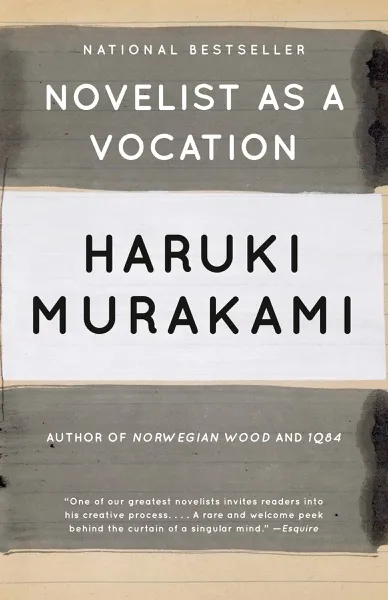

Novelist As a Vocation Author: 村上春樹Page Count: UnknownPublication Year: 2022-GB "Novelist As a Vocation" by Haruki Murakami is a thought-provoking and deeply introspective work that delves into the intricacies of the writing life. As a global bestseller, this book has captivated readers worldwide with its unique blend of memoir, essay, and literary critique. In this latest work, Murakami invites readers to join him on a journey of self-discovery and exploration, as he grapples with the very notion of what it means to be a novelist. Through a series of vignettes, anecdotes, and philosophical musings, Murakami reveals the inner workings of his creative process, laying bare the struggles, doubts, and triumphs that have shaped his remarkable career. With characteristic candor and wit, he shares his insights on the craft of writing, from the importance of developing a unique narrative voice to the need for writers to cultivate a deep sense of empathy and understanding. One of the most striking aspects of "Novelist As a Vocation" is its ability to balance the personal and the universal. Murakami's reflections on his own writing life are at once deeply personal and universally relatable, speaking to the hopes, fears, and aspirations of writers and readers alike. Whether he is discussing the challenges of translating his work into different languages or the ways in which his writing has been influenced by his love of music and jazz, Murakami's writing is infused with a sense of warmth, humor, and generosity. Throughout the book, Murakami's distinctive style is on full display. His prose is, as always, elegant and precise, with a keen attention to detail and a deep love of language. His use of imagery and metaphor is masterful, conjuring vivid pictures of the people, places, and landscapes that have shaped his life and work. Whether he is describing the snow-covered landscapes of his childhood or the bustling streets of Tokyo, Murakami's writing is a joy to read, transporting readers to new and unexpected worlds. At its heart, "Novelist As a Vocation" is a book about the power of storytelling and the importance of embracing one's true vocation. For Murakami, being a novelist is not just a profession, but a way of life – a way of seeing the world, of understanding oneself and others, and of making sense of the complexities and mysteries of human experience. As he writes, "The job of the novelist is to tell the story of the world, to describe the way things are, and to imagine the way things might be." In "Novelist As a Vocation," Haruki Murakami has given us a truly special book – one that is both a deeply personal memoir and a richly insightful exploration of the writing life. Whether you are a writer, a reader, or simply someone who loves stories, this book is a must-read. With its unique blend of humor, wit, and wisdom, it is a work that will resonate with readers long after they finish reading it. #HarukiMurakami #NovelistAsAVocation #WritingLife #LiteraryMemoir #ThePowerOfStorytelling #BookLoversDelight Related InsightsChain of Iron Book Review and Summary Murder Unabridged: An Old Juniper Bookshop Mystery Book Review and Summary My Sister, the Serial Killer Book Review and Summary{ "@context": "https://schema.org", "@type": "FAQPage", "mainEntity": [ { "@type": "Question", "name": "What is the main focus of Novelist As a Vocation Book Review and Summary?", "acceptedAnswer": { "@type": "Answer", "text": "Everything you need to know about Novelist As a Vocation with our detailed review." } }, { "@type": "Question", "name": "Who authored the comprehensive guide on Novelist As a Vocation Book Review and Summary?", "acceptedAnswer": { "@type": "Answer", "text": "This detailed article and its insights were carefully researched and authored by Olya Shevchenko." } }, { "@type": "Question", "name": "Where can I find more related content about Books?", "acceptedAnswer": { "@type": "Answer", "text": "You can explore more articles, detailed reviews, and similar insights by browsing the Related Insights section at the bottom of this article or visiting our dedicated Books category page." } } ] }
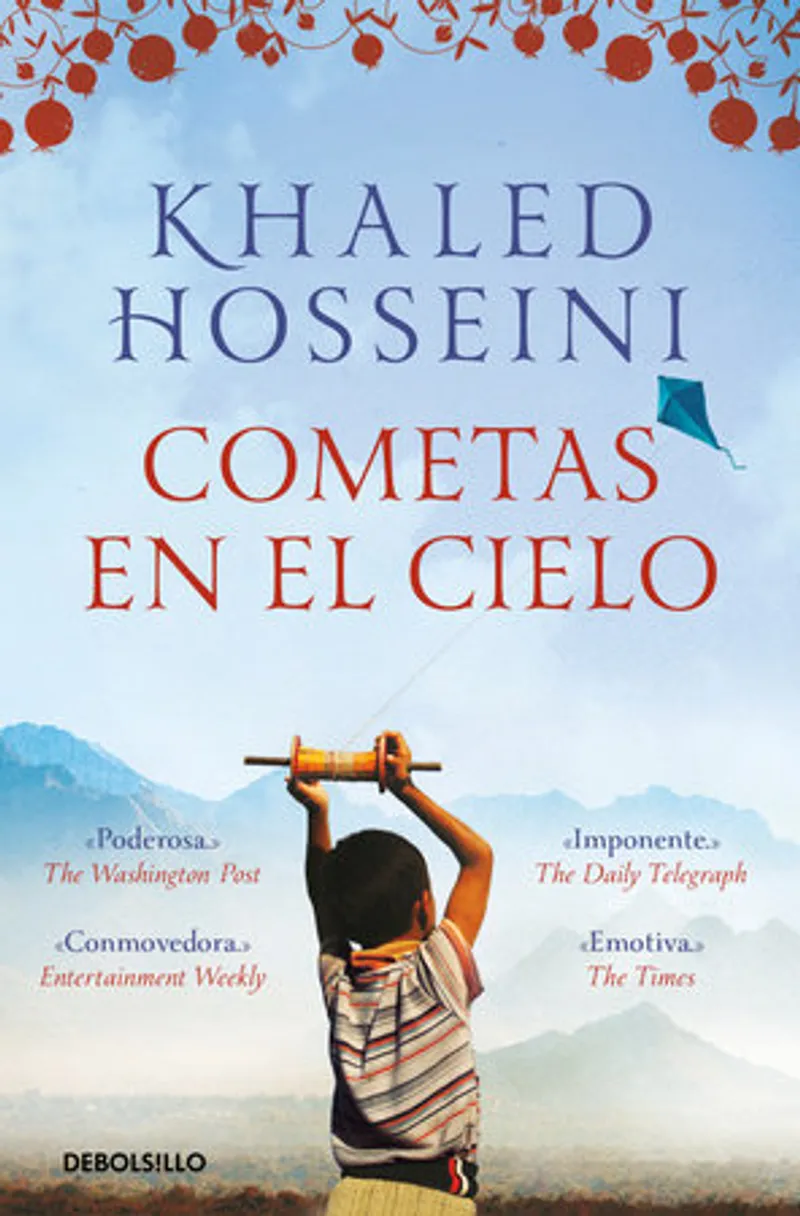
Cometas en el cielo / The Kite Runner Author: Khaled HosseiniPage Count: UnknownPublication Date: 2026-PRH The latest publication from the acclaimed author Khaled Hosseini, Cometas en el cielo, also known as The Kite Runner, is a mesmerizing tale that delves into the complexities of human relationships, guilt, and redemption. Although the original synopsis is not available, it is evident that Hosseini's mastery of storytelling has once again resulted in a thought-provoking novel that explores the depths of the human condition. The story, set against the backdrop of war-torn Afghanistan, follows the life of Amir, a young boy from a wealthy family, and his relationship with Hassan, the son of his father's servant. As the narrative unfolds, it becomes clear that Hosseini's focus is not only on the tumultuous events that shape the lives of his characters but also on the emotional scars that they carry with them. The main theme of the book revolves around the concept of guilt, shame, and the quest for redemption, which is expertly woven throughout the narrative. Hosseini's writing style is characterized by his ability to evoke powerful emotions in the reader. His descriptive language paints vivid images of the war-torn landscape, and his characters are multidimensional and relatable. The author's use of nostalgia and flashbacks adds a layer of complexity to the story, allowing the reader to understand the motivations and actions of the characters. The writing is both poignant and evocative, making it impossible for the reader to remain detached from the lives of Amir and Hassan. One of the most striking aspects of the book is its ability to tackle difficult themes with sensitivity and nuance. The author sheds light on the cruel realities of war, the stigma of social class, and the struggles of immigration, all while maintaining a sense of hope and resilience. The characters' experiences are deeply personal, and their struggles are universally relatable, making the book a powerful exploration of the human condition. Throughout the book, Hosseini's prose is infused with a sense of melancholy and longing, which complements the narrative's focus on guilt and redemption. The author's use of symbolism, particularly the kite, adds a layer of depth to the story, representing the fragile nature of relationships and the elusiveness of redemption. The writing is both beautiful and haunting, leaving the reader with a lasting impression of the characters and their stories. In conclusion, Cometas en el cielo, or The Kite Runner, is a masterful tale that explores the complexities of human relationships, guilt, and redemption. Hosseini's writing style is both poignant and evocative, making it impossible for the reader to remain detached from the lives of the characters. With its powerful themes and memorable characters, this book is a must-read for anyone looking for a thought-provoking and emotionally charged novel. #TheKiteRunner #KhaledHosseini #LiteraryFiction #WarAndRedemption #GuiltAndShame #AfghanistanWarNovels Related InsightsThere Are No Giant Crabs in This Novel: A Novel of Giant Crabs (John Dies at the End, #5) Book Review and Summary The Iliad / The Odyssey Book Review and Summary The Blood of Olympus Book Review and Summary{ "@context": "https://schema.org", "@type": "FAQPage", "mainEntity": [ { "@type": "Question", "name": "What is the main focus of The Kite Runner Book Review and Summary?", "acceptedAnswer": { "@type": "Answer", "text": "Everything you need to know about The Kite Runner with our detailed review." } }, { "@type": "Question", "name": "Who authored the comprehensive guide on The Kite Runner Book Review and Summary?", "acceptedAnswer": { "@type": "Answer", "text": "This detailed article and its insights were carefully researched and authored by Khaled Hosseini." } }, { "@type": "Question", "name": "Where can I find more related content about Books?", "acceptedAnswer": { "@type": "Answer", "text": "You can explore more articles, detailed reviews, and similar insights by browsing the Related Insights section at the bottom of this article or visiting our dedicated Books category page." } } ] }
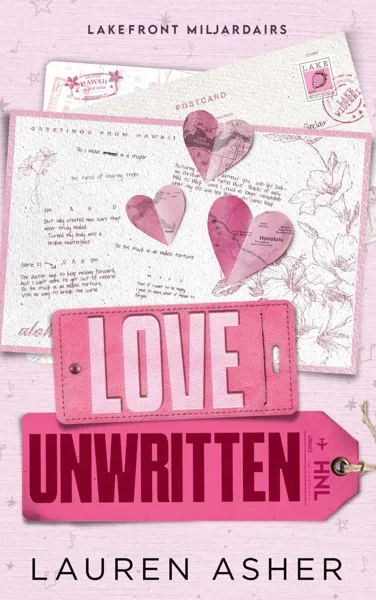
Love Unwritten Author: Lauren AsherPage Count: UnknownPublication Year: 2024-GB Lauren Asher’s Love Unwritten is a dazzling exploration of love in all its untamed, unfiltered forms—a novel that refuses to be boxed into the clichés of romance. Published in 2024, this global bestseller arrives not as a quiet whisper but as a bold declaration: love isn’t just what we say or write; it’s what we leave unsaid, unscripted, and undeniably real. Asher, known for her sharp, emotionally charged prose, crafts a story that feels like a conversation with an old friend—one who isn’t afraid to tell you the messy, beautiful truths you’ve been avoiding. At its core, Love Unwritten is about the stories we tell ourselves to survive heartbreak, the lies we tell to keep love alive, and the raw, unedited moments that define us. The novel follows three interconnected characters—each grappling with love in different stages of their lives—who are bound by a shared thread: the fear of silence. Whether it’s a writer who can’t put her emotions into words, a musician whose songs feel hollow without real feeling, or a stranger who collects unsent letters, Asher’s characters are all searching for a language of love that doesn’t require perfection. What makes Love Unwritten stand out is Asher’s refusal to romanticize suffering. Her prose is lush but never saccharine; it’s the kind of writing that makes you pause mid-sentence to reread a line, savoring the weight of it. There’s a rawness to her style, a willingness to sit with discomfort rather than rush past it. The dialogue crackles with authenticity—no one in this book sounds like they’re reciting lines from a Hallmark card. Instead, their words are halting, incomplete, full of the kind of pauses that happen in real life when we’re too afraid to say what we truly mean. The novel’s structure mirrors its theme: fragmented, nonlinear, and deeply human. Asher doesn’t just tell a love story; she dismantles it, piece by piece, to show how love isn’t a neat, bow-tied narrative but a sprawling, often messy collection of moments. Some are tender; others are brutal. But all of them feel true. The book’s title isn’t just a clever play on words—it’s a manifesto. Love Unwritten argues that the most powerful love stories aren’t the ones we publish or perform but the ones we live in silence, the ones we carry in our chests like unopened letters. One of the novel’s most compelling strengths is its refusal to offer easy resolutions. Asher doesn’t tie up every loose end with a bow; instead, she leaves room for ambiguity, for the kind of endings that linger because they refuse to be forgotten. The characters don’t all find closure—they find something far more valuable: the courage to keep writing their own stories, even when the ink is smudged. If there’s a criticism to be leveled, it’s that Asher’s ambition sometimes borders on overreach. At times, the novel tries to do too much—juggling multiple perspectives, themes of art and healing, and a meta-narrative about storytelling itself. But this is a minor quibble. The payoff is worth it. Love Unwritten isn’t just a book you read; it’s a book you feel, long after the last page. Lauren Asher has written something rare here: a love story that doesn’t just celebrate romance but interrogates it, peeling back its layers to reveal the messy, unscripted heart beneath. Love Unwritten is for anyone who’s ever loved someone so deeply it hurt to breathe, who’s ever stared at a blank page or an empty stage and wondered if their feelings were worth sharing. Asher’s answer? They always are—even if the words come out wrong. #LoveUnwritten #LaurenAsher #ModernRomance #UnfilteredLove #LoveTakesCourage #BookstagramMustRead Related InsightsTheir Eyes Were Watching God Book Review and Summary Chateau Reverie Book Review and Summary Happy Place Book Review and Summary{ "@context": "https://schema.org", "@type": "FAQPage", "mainEntity": [ { "@type": "Question", "name": "What is the main focus of Love Unwritten Book Review and Summary?", "acceptedAnswer": { "@type": "Answer", "text": "Everything you need to know about Love Unwritten with our detailed review." } }, { "@type": "Question", "name": "Who authored the comprehensive guide on Love Unwritten Book Review and Summary?", "acceptedAnswer": { "@type": "Answer", "text": "This detailed article and its insights were carefully researched and authored by Antoine Leroy." } }, { "@type": "Question", "name": "Where can I find more related content about Books?", "acceptedAnswer": { "@type": "Answer", "text": "You can explore more articles, detailed reviews, and similar insights by browsing the Related Insights section at the bottom of this article or visiting our dedicated Books category page." } } ] }
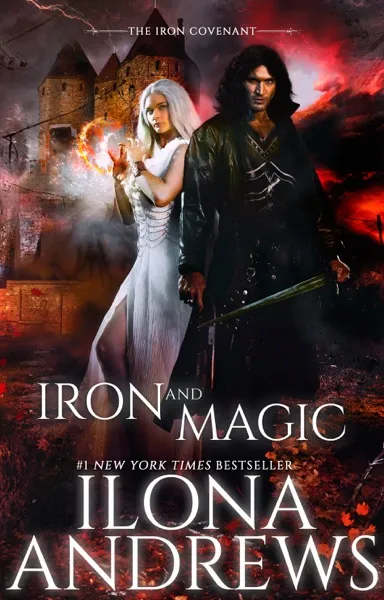

Iron and Magic Author: Ilona AndrewsPage Count: UnknownPublication Year: 2018-GB Ilona Andrews’ Iron and Magic (2018) is a dazzling fusion of urban fantasy and elemental magic, wrapped in a story that crackles with wit, danger, and relentless innovation. If you’ve ever craved a world where raw power meets razor-sharp dialogue, where ancient forces clash with modern grit, then this novel will seize your imagination and refuse to let go. Andrews, a master storyteller celebrated for her collaborative work on the Kate Daniels series and Burn for Me, delivers a standalone that proves her singular talent for blending the extraordinary with the deeply human. At its core, Iron and Magic explores the tension between control and chaos, tradition and revolution, embodied in its protagonist, Bridget Riley. Bridget is a "heiress of magic," a woman born into a family of elemental conjurers who wield fire, water, earth, and air with practiced precision. But Bridget? She’s different. Her magic is raw, wild, and untamed—iron, the metal that bends but never breaks, courses through her veins. Where others command the elements, she is consumed by them, a living storm of power that both terrifies and fascinates those around her. The central theme isn’t just about harnessing power; it’s about whether power should be controlled at all. Andrews crafts Bridget as a heroine who is equal parts vulnerability and ferocity. She’s not a chosen one; she’s a woman who has spent her life fighting against expectations, her own body, and the very nature of her gift. The magic system here is visceral and unpredictable—fire doesn’t just burn, it sings; water doesn’t just flow, it whispers. Bridget’s struggle to master her iron magic is a metaphor for self-acceptance, a battle against the suffocating weight of legacy. Yet, Andrews never lets the theme become heavy-handed. Instead, she balances Bridget’s internal conflict with a relentless pace, razor-sharp banter, and a supporting cast that sparkles with personality. The world-building is where Andrews truly shines. The novel unfolds in a society where magic is both a currency and a curse, where elemental families rule like dynasties and the Church hunts those who defy the natural order. The setting feels lived-in, with a rich history that peeks through in offhand references—ancient treaties, forbidden rituals, and the ever-present fear of what happens when the elements rebel. Andrews doesn’t waste time explaining every detail; she trusts the reader to dive into the deep end and swim. The result is a world that feels vast, dangerous, and impossibly vivid. Dialogue is Andrews’ secret weapon, and Iron and Magic crackles with it. Bridget’s voice is sharp, sarcastic, and laced with dry humor, a refreshing contrast to the often overly solemn heroines of fantasy. Her interactions with allies and enemies alike crackle with tension and wit. Whether she’s trading barbs with a gruff mentor, outmaneuvering a political rival, or clashing with a love interest who challenges her every assumption, Bridget’s words are as much a weapon as her magic. Andrews’ ability to balance humor with high-stakes drama ensures that the novel never drags, even as the stakes escalate. The romance in Iron and Magic is slow-burning but deeply satisfying, rooted in mutual respect and a shared understanding of power’s duality. The love interest is not a damsel or a knight in shining armor but a man who understands the cost of magic as intimately as Bridget does. Their relationship evolves organically, built on trust, conflict, and a recognition of each other’s strengths and flaws. Andrews avoids the pitfalls of insta-love or forced tension, instead crafting a romance that feels earned and real. What sets Iron and Magic apart, however, is its refusal to romanticize power. Magic here is not a glamorous gift but a relentless force that demands sacrifice. Bridget’s journey is one of loss, betrayal, and hard-won growth. Andrews doesn’t shy away from the darker consequences of wielding such power—sacrifices are made, bonds are broken, and victories come at a cost. The novel’s climax is a testament to this, a battle that is as much internal as it is external, where the true enemy isn’t just the antagonist but the very nature of control itself. Andrews’ prose is sleek and immersive, her descriptions vivid without being overwrought. She has a knack for making the fantastical feel tangible—whether it’s the heat of a fire conjured in an instant or the eerie stillness of a room before a storm breaks. Her action scenes are kinetic and precise, each movement and spell described with a clarity that puts the reader squarely in the fray. Iron and Magic is not just a book about magic; it’s a book about what it means to be human in a world that wants to define you. Bridget’s struggle to reconcile her power with her humanity resonates deeply, a theme that lingers long after the final page. Andrews’ world is one where magic is a double-edged sword, and the real magic lies in the choices her characters make when faced with impossible odds. This is a novel for readers who crave depth, danger, and a heroine who refuses to be tamed. It’s for those who love their fantasy with a side of wit and a dash of rebellion. If you’ve ever wanted to step into a world where the elements themselves are alive, where every conversation could be your last, and where the line between hero and villain is as thin as the edge of a blade, then Iron and Magic is your next obsession. #IlonaAndrews #IronAndMagic #UrbanFantasy #ElementalMagic #FantasyBooks #BookReview Related InsightsThe Lost Spectacular Book Review and Summary The Finalist Book Review and Summary The Blind Assassin Book Review and Summary{ "@context": "https://schema.org", "@type": "FAQPage", "mainEntity": [ { "@type": "Question", "name": "What is the main focus of Iron and Magic Book Review and Summary?", "acceptedAnswer": { "@type": "Answer", "text": "Everything you need to know about Iron and Magic with our detailed review." } }, { "@type": "Question", "name": "Who authored the comprehensive guide on Iron and Magic Book Review and Summary?", "acceptedAnswer": { "@type": "Answer", "text": "This detailed article and its insights were carefully researched and authored by Isabella Moore." } }, { "@type": "Question", "name": "Where can I find more related content about Books?", "acceptedAnswer": { "@type": "Answer", "text": "You can explore more articles, detailed reviews, and similar insights by browsing the Related Insights section at the bottom of this article or visiting our dedicated Books category page." } } ] }
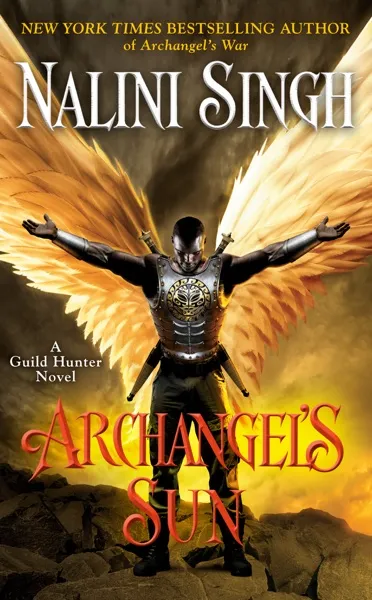
Archangel's Sun Author: Nalini SinghPage Count: UnknownPublication Year: 2020-GB Nalini Singh’s Archangel’s Sun is a dazzling entry into her beloved Psy-Changeling series, a fusion of high-stakes romance, supernatural intrigue, and emotional depth that has earned her a devoted global readership. Published in 2020, this installment delivers all the hallmarks of Singh’s signature style: razor-sharp dialogue, lush world-building, and a tantalizing slow-burn romance set against a backdrop of dark, urgent stakes. If you’re a fan of paranormal romance with a psychological edge, or if you’ve yet to discover Singh’s work, Archangel’s Sun is a masterclass in blending action with intimacy, where every heartbeat and every betrayal feels consequential. At its core, Archangel’s Sun explores the age-old tension between duty and desire, wrapped in a narrative that feels both timeless and urgently modern. The story centers on a world where the Psy, vampires, and shifters navigate uneasy alliances, their societies governed by rigid hierarchies and ancient grudges. Singh doesn’t shy away from the brutality of this world—power is currency, and trust is a rare commodity—but she balances the darkness with tender, almost aching moments of vulnerability. The romance between the protagonists isn’t just a subplot; it’s the emotional linchpin that pulls the reader through the chaos, offering a glimmer of hope in a landscape where hope is often in short supply. Singh’s prose is a study in contrast: poetic yet precise, sensual yet restrained. She has a gift for crafting scenes that linger in the mind, whether it’s a charged conversation in a dimly lit room or a heart-stopping chase through a neon-lit city. Her dialogue crackles with wit and tension, often veering from icy sarcasm to searing honesty in the span of a single exchange. This duality reflects the dual natures of her characters—Psy with their cold logic, shifters with their raw instincts, vampires with their predatory allure—all of whom are forced to confront their own contradictions as the story unfolds. The novel’s plot is a masterful web of deception and redemption. Without giving too much away, Archangel’s Sun sees the return of beloved characters and the introduction of new threats that force alliances to be tested. Singh excels at pacing, doling out revelations with a deft hand, ensuring that each twist feels earned rather than contrived. The stakes are sky-high, not just in terms of physical danger but in the emotional toll it takes on the characters. There’s a sense of inevitability to the conflicts, as if the world itself is conspiring to keep these two souls apart—until, of course, it doesn’t. What truly sets Archangel’s Sun apart, however, is its emotional resonance. Singh has a rare ability to write love stories that feel profound without being saccharine. The romance here is slow-burn in the truest sense—built on mutual respect, shared trauma, and an almost painful awareness of how fragile happiness can be in their world. The physical intimacy is handled with a level of care that avoids gratuitousness, instead using it as a metaphor for the characters’ growing trust in one another. It’s a romance that feels earned, every kiss and caress a victory against the odds. Singh’s world-building is another standout feature. The Psy-Changeling universe is richly detailed, with Singh weaving in elements of urban fantasy, science fiction, and even noir. The contrast between the sterile, emotionless Psy and the more primal Changelings is particularly compelling, offering a critique of societal control while still making both sides deeply relatable. The world feels lived-in and real, with history and politics that ripple through the present narrative. For readers new to Singh’s work, Archangel’s Sun is an excellent entry point, though longtime fans will appreciate the deeper character arcs and the satisfying progression of established relationships. The book stands well on its own, but it also rewards those who have followed the series from the beginning. Singh’s ability to balance action, romance, and psychological depth makes this a standout in the genre. In a landscape crowded with paranormal romance, Nalini Singh’s Archangel’s Sun shines brightly. It’s a story about finding light in darkness, about the courage to love when the world seems determined to keep you apart. With her precise prose, intricate plotting, and deeply emotional character work, Singh reaffirms why she’s one of the most compelling voices in contemporary romance. #ArchangelsSun #NaliniSingh #PsyChangelingSeries #ParanormalRomance #UrbanFantasy #BookReview Related InsightsWizard's First Rule Book Review and Summary The Princess Bride Book Review and Summary The Woman in Cabin 10 Book Review and Summary{ "@context": "https://schema.org", "@type": "FAQPage", "mainEntity": [ { "@type": "Question", "name": "What is the main focus of Archangel's Sun Book Review and Summary?", "acceptedAnswer": { "@type": "Answer", "text": "Everything you need to know about Archangel's Sun with our detailed review." } }, { "@type": "Question", "name": "Who authored the comprehensive guide on Archangel's Sun Book Review and Summary?", "acceptedAnswer": { "@type": "Answer", "text": "This detailed article and its insights were carefully researched and authored by Giulia Ricci." } }, { "@type": "Question", "name": "Where can I find more related content about Books?", "acceptedAnswer": { "@type": "Answer", "text": "You can explore more articles, detailed reviews, and similar insights by browsing the Related Insights section at the bottom of this article or visiting our dedicated Books category page." } } ] }
One of us is next Author: Karen M. McManusPage Count: UnknownPublication Year: 2020-GB Karen M. McManus delivers another gripping psychological thriller in One of Us Is Next, the sequel to her breakout hit One of Us Is Lying. Where the first book left us questioning who could be trusted, this installment dives even deeper into the murky waters of high school power dynamics, secrets, and the ripple effects of past lies. If One of Us Is Lying was a storm, One of Us Is Next is the thunder that follows—loud, unexpected, and impossible to ignore. At its core, the novel explores the fragility of reputation and the danger of becoming the next target in a cycle of vengeance. Set in the same elite Bayview High School, the story picks up months after the infamous Bayview Four case, where four students were falsely accused of murder. Now, another dangerous game unfolds when an anonymous gossip app resurfaces, spreading rumors that threaten to destroy the lives of its users. The twist? The app isn’t just a digital weapon—it’s a catalyst for a very real and very personal vendetta. McManus masterfully weaves multiple perspectives, each voice distinct yet equally compelling, as we navigate the blurred lines between truth and manipulation. What stands out most in McManus’s writing is her ability to craft characters who feel achingly real. Phoebe, the new protagonist and daughter of one of the Bayview Four, is sharp, observant, and deeply flawed—just like the rest of us. Her internal conflict mirrors the book’s central theme: the cost of silence and the pressure to conform. Then there’s Knox, the golden boy with a secret, whose polished exterior hides a web of deceit. His chapters are particularly gripping because McManus doesn’t shy away from exploring the moral ambiguity of privilege. Privilege here isn’t just about wealth; it’s about the unspoken rules that protect the powerful and punish the vulnerable. The author’s style is a blend of suspense and dark humor, something that keeps the story from feeling too heavy despite its serious themes. McManus excels at dropping breadcrumbs—subtle hints that make readers question everything they think they know. The prose is snappy, with dialogue that crackles with tension, and the pacing is relentless. Just when you think you’ve pieced together the puzzle, she pulls the rug out from under you again. Another strength is the way McManus handles the legacy of the first book. One of Us Is Next works as a standalone, but for those familiar with the Bayview Four, it’s a thrilling continuation. The unresolved threads from the first novel—like Bronwyn’s legal battles or Addy’s newfound independence—are woven seamlessly into the plot, giving fans a satisfying sense of continuity. Yet, McManus ensures the story doesn’t feel like a retread. Instead, it evolves, exploring darker corners of teenage life: the pressure to perform, the fear of being exposed, and the lengths people will go to protect their secrets. The book’s title isn’t just a clever nod to the first installment; it’s a chilling reminder that in high school, everyone is a potential target. The gossip app, a modern-day version of the school rumor mill, becomes a metaphor for the way information can be weaponized. McManus doesn’t just critique the toxicity of teenage gossip; she dissects how societal structures enable it. The characters’ struggles with guilt, betrayal, and redemption are universal, which is why the story resonates beyond its high school setting. If there’s one critique to offer, it’s that some plot twists might feel a tad convenient. However, in a genre where shock value is often prioritized, McManus strikes a balance between plausibility and surprise. Her characters’ choices, while sometimes extreme, are rooted in their fears and desires, making their actions feel earned. Ultimately, One of Us Is Next is more than a sequel—it’s a standalone thriller with the depth and intensity of the original. Karen M. McManus once again proves her mastery of the YA thriller genre, crafting a story that’s as thought-provoking as it is entertaining. It’s a book that lingers, leaving readers to question not just the characters’ motives, but their own. #OneOfUsIsNext #KarenM.McManus #YAThriller #PsychologicalSuspense #TeenDrama #BookTok Related Insights'The Portrait That Bore the Weight of a Soul: Why Oscar Wilde’s Dorian Gray Still Haunts Us' Espíritu (Cemetery Boys, #2) Book Review and Summary Are You There God? It’s Me, Margaret Book Review and Summary{ "@context": "https://schema.org", "@type": "FAQPage", "mainEntity": [ { "@type": "Question", "name": "What is the main focus of One of us is next Book Review and Summary?", "acceptedAnswer": { "@type": "Answer", "text": "Everything you need to know about One of us is next with our detailed review." } }, { "@type": "Question", "name": "Who authored the comprehensive guide on One of us is next Book Review and Summary?", "acceptedAnswer": { "@type": "Answer", "text": "This detailed article and its insights were carefully researched and authored by Tiago Silva." } }, { "@type": "Question", "name": "Where can I find more related content about Books?", "acceptedAnswer": { "@type": "Answer", "text": "You can explore more articles, detailed reviews, and similar insights by browsing the Related Insights section at the bottom of this article or visiting our dedicated Books category page." } } ] }
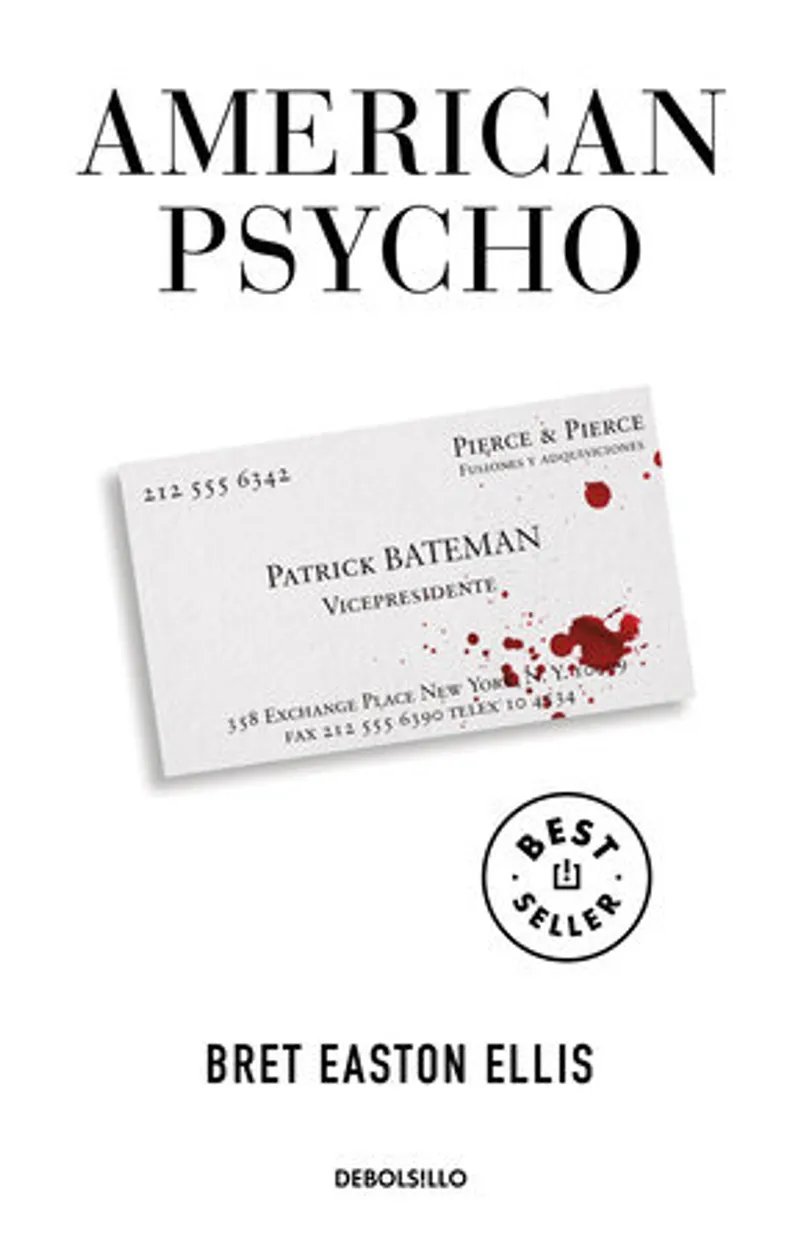
American Psycho (Spanish Edition) Author: Bret Easton EllisPage Count: UnknownPublication Date: 2021-PRH American Psycho, the infamous novel by Bret Easton Ellis, is a haunting and thought-provoking exploration of the darker aspects of human nature. Published in 2021 in Spanish, this contemporary classic has become a symbol of a generation, reflecting the excesses and superficiality of 1980s Manhattan. The story revolves around Patrick Bateman, a young and charismatic investment banker who leads a double life, indulging in his darkest fantasies of violence, torture, and murder. Through Bateman's character, Ellis masterfully critiques the egoism and depravity of late capitalism, exposing the shallow and materialistic world of 1980s New York. The novel is a scathing satire of the wealthy elite, who are more concerned with their appearance, status, and possessions than with genuine human connections. Bateman's obsession with luxury brands, fine dining, and high-end real estate serves as a facade for his inner emptiness and lack of empathy. Ellis's writing style is both captivating and unsettling, as he delves into the depths of Bateman's psyche, revealing a world of brutality and madness. The author's use of dark humor, irony, and vivid descriptions creates a sense of unease, making the reader question the boundaries between reality and fantasy. The novel's non-linear narrative and unreliable narrator add to the sense of disorientation, mirroring the chaos and confusion of Bateman's own mind. One of the most striking aspects of American Psycho is its ability to balance the grotesque and the mundane. Ellis seamlessly weaves together scenes of graphic violence and torture with descriptions of Bateman's everyday life, including his interactions with colleagues, friends, and family. This juxtaposition serves to highlight the banality of evil, demonstrating how monstrous acts can be committed by individuals who appear ordinary and unremarkable. The novel has been widely praised for its bold and unflinching portrayal of the human condition. As Irvine Welsh notes, "American Psycho remains the most indispensable and savage literary exegesis of the society we've constructed." The book's influence can be seen in many areas of popular culture, from film and television to music and art. The 2000 film adaptation, starring Christian Bale, further cemented the novel's status as a cultural touchstone. In conclusion, American Psycho is a masterpiece of contemporary literature, a novel that continues to shock, disturb, and provoke readers to this day. Ellis's unique style and unflinching vision have created a work that is both a commentary on the excesses of late capitalism and a deeply unsettling exploration of the human psyche. If you're looking for a novel that will challenge your assumptions and push you out of your comfort zone, then American Psycho is a must-read. #AmericanPsycho #BretEastonEllis #PsychologicalThriller #DarkLiterature #Satire #ContemporaryClassic Related InsightsDive Bar at the End of the Road Book Review and Summary The Friendsgiving Pact Book Review and Summary Daughters of the Dynasty Book Review and Summary{ "@context": "https://schema.org", "@type": "FAQPage", "mainEntity": [ { "@type": "Question", "name": "What is the main focus of American Psycho Book Review and Summary?", "acceptedAnswer": { "@type": "Answer", "text": "Everything you need to know about American Psycho with our detailed review." } }, { "@type": "Question", "name": "Who authored the comprehensive guide on American Psycho Book Review and Summary?", "acceptedAnswer": { "@type": "Answer", "text": "This detailed article and its insights were carefully researched and authored by Bret Easton Ellis." } }, { "@type": "Question", "name": "Where can I find more related content about Books?", "acceptedAnswer": { "@type": "Answer", "text": "You can explore more articles, detailed reviews, and similar insights by browsing the Related Insights section at the bottom of this article or visiting our dedicated Books category page." } } ] }
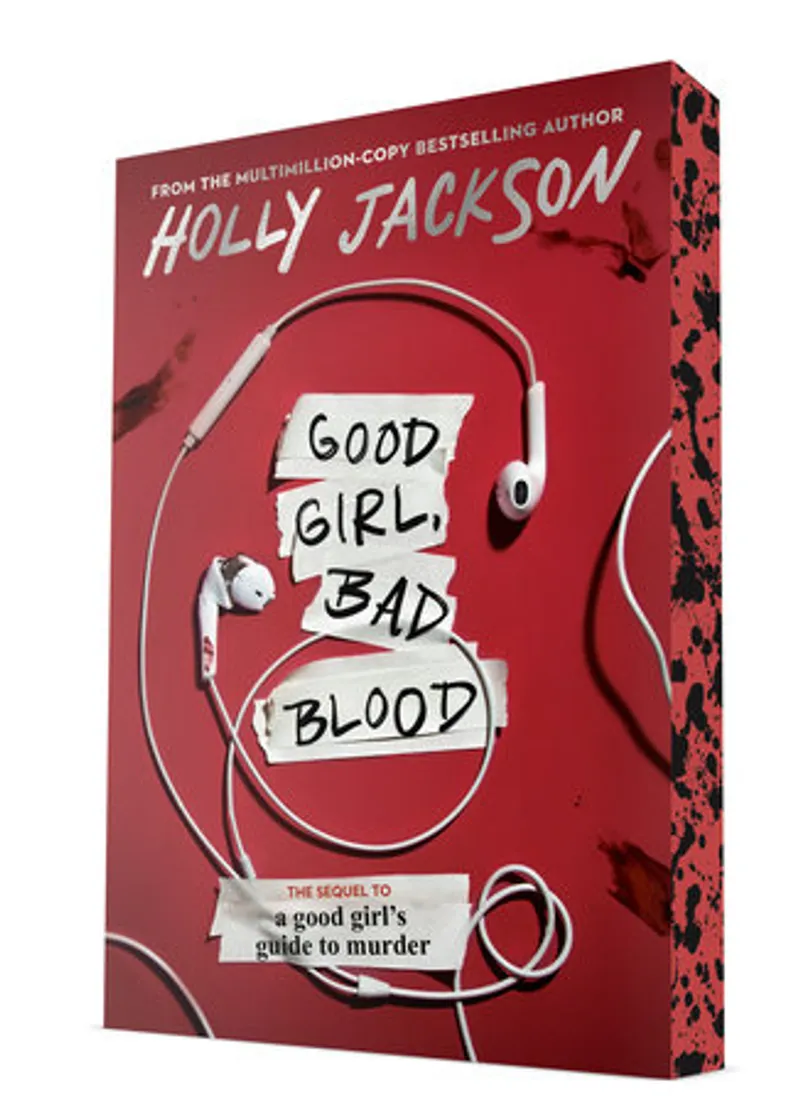
Good Girl, Bad Blood: Deluxe Edition Author: Holly JacksonPage Count: UnknownPublication Date: 2025-PRH Good Girl, Bad Blood: Deluxe Edition, the latest offering from Holly Jackson, is a masterclass in crafting a narrative that is both deeply unsettling and utterly captivating. While the exact page count of this deluxe edition remains unknown, one thing is certain – Jackson's writing is as razor-sharp as ever, slicing through the façade of small-town America to expose the dark secrets that lurk beneath. At its core, Good Girl, Bad Blood is a scathing exploration of the destructive power of trauma, and the ways in which it can both define and destroy us. Through the eyes of her protagonist, Jackson masterfully conveys the suffocating grip of guilt, the corrosive influence of social media, and the devastating consequences of playing with fire when it comes to the truth. One of the standout features of Jackson's writing style is her ability to balance the darker elements of her narrative with a keen eye for the complexities of human relationships. Her characters are multidimensional and relatable, with all the flaws and contradictions that make us human. As the story twists and turns, Jackson's prose remains taut and suspenseful, propelling the reader towards a shocking climax that will leave even the most seasoned thriller enthusiasts gasping. Throughout the book, Jackson's use of language is economical and precise, with a keen attention to detail that adds depth and texture to the narrative. Her writing is both elegant and unflinching, never shying away from the harsh realities of her characters' experiences. This is a writer who is unafraid to confront the darkest aspects of human nature, and to challenge her readers to do the same. If there's one criticism to be made, it's that the deluxe edition's unknown page count may prove daunting for some readers. However, trust us when we say that this is a book that will keep you up late into the night, devouring page after page as the tension builds towards a heart-stopping conclusion. In short, Good Girl, Bad Blood: Deluxe Edition is a triumph – a gripping, thought-provoking thriller that will appeal to fans of Karen McManus, Laura Lippman, and Ruth Ware. With its razor-sharp prose, complex characters, and unflinching exploration of trauma and its aftermath, this is a book that will stay with you long after the final page has been turned. #GoodGirlBadBlood #HollyJackson #ThrillerThursday #MysteryLovers #TraumaAndRecovery #PsychologicalThriller Related InsightsHeadfirst Book Review and Summary A Really Short History of Nearly Everything Book Review and Summary Three Cups of Tea: One Man's Mission to Promote Peace ... One School at a Time Book Review and Summary{ "@context": "https://schema.org", "@type": "FAQPage", "mainEntity": [ { "@type": "Question", "name": "What is the main focus of Good Girl, Bad Blood Book Review and Summary?", "acceptedAnswer": { "@type": "Answer", "text": "Everything you need to know about Good Girl, Bad Blood with our detailed review." } }, { "@type": "Question", "name": "Who authored the comprehensive guide on Good Girl, Bad Blood Book Review and Summary?", "acceptedAnswer": { "@type": "Answer", "text": "This detailed article and its insights were carefully researched and authored by Holly Jackson." } }, { "@type": "Question", "name": "Where can I find more related content about Books?", "acceptedAnswer": { "@type": "Answer", "text": "You can explore more articles, detailed reviews, and similar insights by browsing the Related Insights section at the bottom of this article or visiting our dedicated Books category page." } } ] }
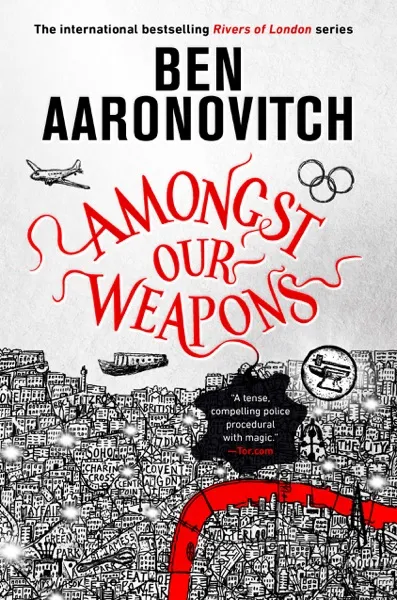

Amongst Our Weapons Author: Ben AaronovitchPage Count: UnknownPublication Year: 2023-GB Ben Aaronovitch’s Amongst Our Weapons, the latest installment in his celebrated Rivers of London series, is a masterclass in blending urban fantasy, police procedural drama, and sharp social commentary. Published in 2023, this novel continues the adventures of Detective Constable Peter Grant and his team of magical investigators as they navigate a world where the supernatural lurks just beneath the surface of modern London. With his signature wit, intricate world-building, and deft handling of complex themes, Aaronovitch once again delivers a story that is as thought-provoking as it is entertaining. At its core, Amongst Our Weights explores the tension between tradition and progress, a theme that resonates deeply in today’s rapidly changing world. The novel delves into the idea of legacy—how past actions shape the present, and how individuals must reckon with the consequences of their ancestors’ choices. This is not just a personal journey for Peter Grant, but a broader meditation on the cost of power, the weight of history, and the ethical dilemmas that arise when magic and modern society collide. Aaronovitch excels at weaving these themes into the narrative without ever losing sight of the story’s momentum, ensuring that the reader is both intellectually engaged and emotionally invested. One of the standout aspects of Aaronovitch’s writing is his ability to balance humor with gravitas. The Rivers of London series has always been known for its sharp, often witty dialogue, and Amongst Our Weapons is no exception. Peter Grant’s narration is laced with dry humor and self-deprecating charm, making him an instantly likable protagonist. However, Aaronovitch never shies away from darker themes, and the novel tackles issues such as racism, classism, and the misuse of power with a seriousness that grounds the story in reality. This blend of levity and depth is what makes the series so compelling—it’s a world where magic feels real, but the human condition remains at the forefront. The plot of Amongst Our Weapons is both intricate and rewarding, featuring a mystery that unfolds with the precision of a well-crafted police procedural. Aaronovitch’s background as a screenwriter is evident in his pacing and structure, as the story moves seamlessly between the mundane and the magical. The inclusion of historical elements—particularly those tied to London’s past—adds a layer of richness to the narrative, making the city itself almost a character in the story. The supernatural elements are inventive and well-integrated, ensuring that the magic feels organic and integral to the plot rather than a gimmick. Aaronovitch’s prose is accessible yet richly detailed, making it easy for readers to immerse themselves in the world he has created. His descriptions of London are vivid, capturing the essence of the city in both its grandeur and its grit. The supporting cast, from the ever-loyal Lesley May to the enigmatic Nightingale, are fully realized and continue to evolve in ways that feel organic to their arcs. Even minor characters are given depth, contributing to the novel’s immersive atmosphere. What sets Amongst Our Weapons apart from other urban fantasy novels is its willingness to grapple with complex moral questions. The story doesn’t shy away from exploring the darker aspects of power and responsibility, particularly through the lens of Peter Grant’s personal growth. As he faces increasingly difficult choices, the reader is drawn into a narrative that feels both personal and universal. This is a series that has always prioritized character development, and Amongst Our Weapons is no exception. Peter’s journey is one of self-discovery, but it’s also a reflection of the broader challenges we all face in navigating our own legacies. In many ways, Amongst Our Weapons is a reflection of its time—a story that acknowledges the past while looking toward the future. It’s a novel that celebrates the power of community and the importance of confronting uncomfortable truths. Aaronovitch’s ability to weave these themes into an engaging, fast-paced narrative is a testament to his skill as a storyteller. Whether you’re a longtime fan of the series or a newcomer to the world of Rivers of London, this book is a must-read. If you’re looking for a fantasy novel that’s as smart as it is entertaining, Amongst Our Weapons delivers in spades. It’s a story that will make you laugh, think, and perhaps even look at your own city with new eyes. Aaronovitch has crafted a tale that feels both timeless and urgently relevant, proving once again why his work has earned its place among the best in the genre. #RiversOfLondon #UrbanFantasy #PeterGrant #BenAaronovitch #FantasyBooks #MagicAndMystery Related InsightsPrudence Marsh Is Not a Nobody Anymore Book Review and Summary The Hunchback of Notre-Dame Book Review and Summary The Elegant Universe Book Review and Summary{ "@context": "https://schema.org", "@type": "FAQPage", "mainEntity": [ { "@type": "Question", "name": "What is the main focus of Amongst Our Weapons Book Review and Summary?", "acceptedAnswer": { "@type": "Answer", "text": "Everything you need to know about Amongst Our Weapons with our detailed review." } }, { "@type": "Question", "name": "Who authored the comprehensive guide on Amongst Our Weapons Book Review and Summary?", "acceptedAnswer": { "@type": "Answer", "text": "This detailed article and its insights were carefully researched and authored by Victoria Smith." } }, { "@type": "Question", "name": "Where can I find more related content about Books?", "acceptedAnswer": { "@type": "Answer", "text": "You can explore more articles, detailed reviews, and similar insights by browsing the Related Insights section at the bottom of this article or visiting our dedicated Books category page." } } ] }
King of Pride Author: Ana HuangPage Count: UnknownPublication Year: 2023-GB Ana Huang’s King of Pride is a masterclass in contemporary romance, blending razor-sharp wit with emotional depth, all while dissecting the intoxicating allure—and the crippling toxicity—of pride. As the third installment in her Twisted Love series, Huang once again proves herself a virtuoso of the genre, crafting a narrative that’s as intellectually stimulating as it is swoon-worthy. With its high-stakes relationships, morally gray characters, and a prose style that crackles with both elegance and edge, this novel is a global bestseller for a reason: it doesn’t just tell a love story—it dissects what it means to fall, to forgive, and to fight for something worth being proud of. At its core, King of Pride is a meditation on the duality of pride—not just as arrogance, but as a shield, a weapon, and a prison. Huang’s protagonist, a character whose name isn’t revealed until well into the story (a deliberate narrative choice that mirrors the book’s themes of hidden vulnerability), is a man who has built an empire on the unshakable belief that he is untouchable. His pride is his armor, his currency, his curse. He is, in many ways, the archetype of the "king of pride"—a man who commands respect but struggles to accept love unless it’s on his terms. Huang doesn’t just write him as a flawed romantic hero; she crafts him as a study of human contradiction, a man who can be both ruthlessly calculating and achingly tender, domineering yet desperate for someone to see through the facade. What makes this novel stand out is Huang’s ability to balance razor-sharp dialogue with raw emotional honesty. Her prose is sleek, modern, and laced with humor, yet it never shies away from the messy, uncomfortable truths of relationships. The banter between the leads is electric, charged with a tension that oscillates between playful and combustible. There’s a scene early on where the protagonist, in a fit of pique, dismisses a potential love interest with a cutting remark—only for her to fire back with a wit so sharp it leaves him momentarily stunned. It’s a moment that encapsulates the book’s dynamic: Huang doesn’t just pit two people against each other; she pits their egos, their pasts, and their fears in a battle where love is the ultimate prize. The romance in King of Pride isn’t just about passion; it’s about power. Huang explores how pride can distort even the most genuine connections, how two people can love each other fiercely yet still wound each other in the name of self-preservation. The slow-burn tension between the leads is meticulously paced, each interaction layered with subtext. There’s no easy forgiveness here, no instant redemption—just two people who must decide, again and again, whether their pride is worth losing the one thing they never knew they needed. Huang’s writing also shines in her supporting characters, who are far more than just foils or comic relief. The friendships and rivalries in this world feel authentic, with real stakes that ripple through the main plot. The dialogue crackles with authenticity, whether it’s the biting sarcasm of a best friend calling out a character’s hypocrisy or the quiet, heartbreaking moments where vulnerability slips through the cracks. One of the most compelling aspects of King of Pride is its refusal to romanticize toxic traits. Huang doesn’t glorify her protagonist’s pride; she dissects it, shows its costs, and forces the reader to question whether it’s something to be admired or overcome. The novel asks: When does pride become self-sabotage? When does it stop being strength and start being a cage? These aren’t questions with easy answers, and Huang doesn’t provide them—she lets the story unfold, trusting the reader to sit with the discomfort, to feel the push and pull of love and ego in real time. In style, Huang blends the contemporary romance sensibilities of authors like Sally Thorne with the emotional depth of a more literary approach. Her sentences are tight, her pacing relentless, and her ability to weave in social commentary—about ambition, class, and the pressures of perfectionism—without ever feeling preachy is nothing short of impressive. King of Pride is a book that knows exactly what it wants to be: a gripping, emotionally charged romance that doesn’t just make you sigh over a love story but makes you think about the broken parts of yourself that need healing. If King of Pride has a flaw, it’s that its emotional climax relies on a trope that, while effective, isn’t entirely unexpected. But Huang sells it with such conviction and raw emotion that it’s impossible to resist. This is a novel that understands the catharsis of a grand gesture—not because it’s cliché, but because it’s earned. By the final pages, you’ll close the book not just satisfied by the romance, but moved by the journey of two people who learn that pride, in all its forms, is only as powerful as the love that dares to dismantle it. Ana Huang has done it again: King of Pride is a love story that lingers, a testament to the fact that the best romances aren’t just about the happy ending—they’re about the messy, prideful, perfectly imperfect path to getting there. #KingOfPride #AnaHuang #TwistedLoveSeries #RomanceWithBite #PrideAndLove #ContemporaryRomanceEssentials Related InsightsAnxious People Book Review and Summary Spirit Bound Book Review and Summary Angela's Ashes Book Review and Summary{ "@context": "https://schema.org", "@type": "FAQPage", "mainEntity": [ { "@type": "Question", "name": "What is the main focus of King of Pride Book Review and Summary?", "acceptedAnswer": { "@type": "Answer", "text": "Everything you need to know about King of Pride with our detailed review." } }, { "@type": "Question", "name": "Who authored the comprehensive guide on King of Pride Book Review and Summary?", "acceptedAnswer": { "@type": "Answer", "text": "This detailed article and its insights were carefully researched and authored by Natalia Sokolova." } }, { "@type": "Question", "name": "Where can I find more related content about Books?", "acceptedAnswer": { "@type": "Answer", "text": "You can explore more articles, detailed reviews, and similar insights by browsing the Related Insights section at the bottom of this article or visiting our dedicated Books category page." } } ] }
The Art of John Harris: Beyond the Horizon Author: John HarrisPage Count: UnknownPublication Date: 2014-PRH In the realm of science fiction art, few names shine as brightly as John Harris, a visionary artist celebrated for his breathtaking, large-scale concept paintings that transport viewers to the farthest reaches of the universe. "The Art of John Harris: Beyond the Horizon" is a stunning collection of his most captivating works, offering a glimpse into the boundless imagination of this master artist. Published in 2014, this magnificent tome is a testament to Harris' unwavering dedication to his craft, showcasing a diverse array of futuristic art that defies the boundaries of time and space. From the majestic sweep of interstellar landscapes to the towering spires of distant cities, each piece is a window into a world beyond our own, inviting the viewer to step into the infinite possibilities of the cosmos. One of the most striking aspects of Harris' style is his ability to balance the epic with the intimate, juxtaposing the grandeur of celestial vistas with the quiet, human moments that unfold within them. His paintings are not merely exercises in visual spectacle, but gateways to entire universes, teeming with life, mystery, and wonder. Whether depicting the ravaged terrain of a distant planet or the sleek, metallic curves of an alien spacecraft, Harris' brushstrokes are imbued with a sense of awe and curiosity, drawing the viewer inexorably into the heart of his creations. The collection also highlights Harris' remarkable collaborations with some of science fiction's most revered authors, including Arthur C. Clarke, John Scalzi, and Orson Scott Card. His cover art for these esteemed writers is a testament to his versatility and range, adapting his unique vision to capture the essence of each author's work. From the haunting, atmospheric landscapes of Card's "Ender's Game" to the sleek, futuristic cityscapes of Scalzi's "Old Man's War," Harris' art is a seamless extension of the authors' imaginative worlds, inviting readers to step into the very fabric of the stories themselves. Throughout the book, Harris' passion for his craft is palpable, a sense of joy and discovery that permeates every page. His art is not merely a reflection of the science fiction genre, but a celebration of its limitless potential, a testament to the boundless imagination that drives us to explore, to dream, and to create. In short, "The Art of John Harris: Beyond the Horizon" is a visual feast, a journey to the very edges of the universe and the depths of the human experience. It is a must-have for fans of science fiction, art, and imagination, a testament to the transformative power of creativity and the infinite possibilities that lie beyond the horizon. #ScienceFictionArt #JohnHarrisArt #TheArtOfJohnHarris #BeyondTheHorizon #VisionaryArt #ScienceFictionIllustration Related InsightsTwo Can Keep a Secret Book Review and Summary Diario de Anne Frank (edición ilustrada) / The Diary of a Young Girl (Illustrated Edition) Book Review and Summary Gallant Book Review and Summary{ "@context": "https://schema.org", "@type": "FAQPage", "mainEntity": [ { "@type": "Question", "name": "What is the main focus of The Art of John Harris: Beyond the Horizon Book Review and Summary?", "acceptedAnswer": { "@type": "Answer", "text": "Everything you need to know about The Art of John Harris: Beyond the Horizon with our detailed review." } }, { "@type": "Question", "name": "Who authored the comprehensive guide on The Art of John Harris: Beyond the Horizon Book Review and Summary?", "acceptedAnswer": { "@type": "Answer", "text": "This detailed article and its insights were carefully researched and authored by Giulia Ricci." } }, { "@type": "Question", "name": "Where can I find more related content about Books?", "acceptedAnswer": { "@type": "Answer", "text": "You can explore more articles, detailed reviews, and similar insights by browsing the Related Insights section at the bottom of this article or visiting our dedicated Books category page." } } ] }
The Western Guide to Feng Shui: Room by Room Author: Terah Kathryn CollinsPage Count: UnknownPublication Date: 1999-PRH The Western Guide to Feng Shui: Room by Room, penned by the esteemed Terah Kathryn Collins, is a transformative and insightful guide that delves into the ancient Chinese philosophy of Feng Shui, expertly tailored for Western audiences. First published in 1999, this book has stood the test of time, offering a practical and accessible approach to understanding how the arrangement of one's living and working spaces can profoundly impact various aspects of life, including relationships, health, and financial well-being. Collins, an acclaimed Feng Shui teacher, brings a wealth of knowledge and experience to the table, making the complex principles of Feng Shui easy to grasp and implement. With a warm and engaging writing style, she invites readers to embark on a step-by-step journey through their homes and offices, encouraging them to open their "Feng Shui eyes" to the subtle yet powerful influences of their surroundings. This approach not only educates but also empowers readers to take control of their environments and, by extension, their lives. One of the book's most compelling aspects is its use of real-life stories and anecdotes, illustrating the tangible positive changes that individuals have experienced after applying Feng Shui principles to their lives. These narratives serve as powerful testimonials, inspiring readers to explore the potential of Feng Shui in their own lives. Collins' ability to weave these stories into the fabric of her guide makes the book feel both personal and universally applicable, appealing to a wide range of readers, from those merely curious about Feng Shui to practitioners seeking to deepen their understanding. The room-by-room approach adopted by Collins is particularly noteworthy, as it provides readers with a clear, methodical way to assess and enhance their spaces. This practicality is a hallmark of Collins' teaching style, reflecting her commitment to making Feng Shui accessible and beneficial to everyone, regardless of their background or living situation. Whether you reside in a small apartment or a spacious house, work from home or in a bustling office, the principles outlined in this book can be adapted to suit your unique circumstances, promising a more harmonious and supportive environment. In conclusion, The Western Guide to Feng Shui: Room by Room is a seminal work that has contributed significantly to the popularization and understanding of Feng Shui in the Western world. Terah Kathryn Collins' expertise, combined with her engaging and inclusive writing style, makes this book an indispensable resource for anyone interested in harnessing the power of their environment to improve their quality of life. As a testament to its enduring relevance, this book continues to inspire readers to embrace the transformative potential of Feng Shui, offering a pathway to a more balanced, prosperous, and fulfilling life. #FengShuiForBeginners #WesternFengShui #HomeDecorInspiration #MindfulLivingSpaces #FengShuiForProsperity #HolisticHomeDesign Related InsightsA Thousand Splendid Suns Book Review and Summary The Last Emperor of China: Twilight of the Forbidden City Book Review and Summary Cherry: A Novel Book Review and Summary{ "@context": "https://schema.org", "@type": "FAQPage", "mainEntity": [ { "@type": "Question", "name": "What is the main focus of Room Book Review and Summary?", "acceptedAnswer": { "@type": "Answer", "text": "Everything you need to know about Room with our detailed review." } }, { "@type": "Question", "name": "Who authored the comprehensive guide on Room Book Review and Summary?", "acceptedAnswer": { "@type": "Answer", "text": "This detailed article and its insights were carefully researched and authored by Emma Donoghue." } }, { "@type": "Question", "name": "Where can I find more related content about Books?", "acceptedAnswer": { "@type": "Answer", "text": "You can explore more articles, detailed reviews, and similar insights by browsing the Related Insights section at the bottom of this article or visiting our dedicated Books category page." } } ] }
A Short History of Nearly Everything Author: Bill BrysonPage Count: UnknownPublication Date: 2004-PRH Bill Bryson’s A Short History of Nearly Everything is a masterclass in making the vast, complex, and often intimidating world of science not just accessible but downright exhilarating. Published in 2004, this book is far more than a mere overview of scientific history—it’s a grand adventure, a witty expedition through time and space that transforms the dry bones of facts into a living, breathing narrative. Bryson, the beloved chronicler of human folly and natural wonder (A Walk in the Woods, The Body), turns his keen eye and sharp wit toward the biggest questions humanity has ever asked: How did the universe begin? How did life emerge? What forces shaped our planet and, ultimately, us? At its core, A Short History of Nearly Everything is about curiosity—about the relentless human drive to understand the unknowable. Bryson doesn’t just recount the discoveries of science; he immerses himself in them, seeking out the eccentric geniuses, the obsessive researchers, and the forgotten pioneers who pieced together the puzzle of existence. From the Big Bang to the rise of civilization, he tackles topics as diverse as quantum mechanics, paleontology, and the origins of consciousness, all while maintaining a tone that is refreshingly conversational and unpretentious. This is science writing for the everyman, a book that proves you don’t need a PhD to marvel at the wonders of the cosmos—or to laugh at the absurdities of human endeavor. Bryson’s genius lies in his ability to distill complexity without dumbing it down. He doesn’t shy away from the mind-bending realities of science—like the fact that most of the universe is made of something we can’t see (dark matter) or that a single human cell contains more information than a library’s worth of books—but he presents them with a clarity that feels almost magical. His prose is a blend of erudition and humor, a style that makes even the most abstruse theories feel like a fireside chat with a brilliant, slightly mischievous friend. Whether he’s describing the violent collisions that formed the Moon or the sheer luck that allowed dinosaurs to thrive before their sudden demise, Bryson’s writing crackles with energy and wit. What sets this book apart is its humanity. Bryson doesn’t just celebrate the triumphs of science; he also highlights its failures, its blind alleys, and the often-absurd personalities behind its greatest breakthroughs. He introduces us to scientists who were wrong for decades, to researchers who stumbled upon discoveries by accident, and to the quiet, dogged persistence that finally cracked some of nature’s deepest secrets. There’s a delightful irreverence in his approach—he pokes fun at the pomposity of academia, marvels at the sheer weirdness of life, and never misses an opportunity to remind us how little we truly know. In one memorable passage, he describes the discovery of the Higgs boson as “like finding a needle in a haystack, if the needle were made of invisibility and the haystack were the size of a galaxy.” It’s this kind of vivid, playful imagery that makes the book so engaging. Yet beneath the humor and the storytelling lies a profound sense of awe. Bryson’s wonder at the universe is infectious, whether he’s describing the birth of stars, the resilience of life in extreme environments, or the fragile, fleeting nature of human existence. He reminds us that science isn’t just about cold, hard facts—it’s about the awe-inspiring, humbling reality that we are, in the grand scheme of things, a tiny speck in an incomprehensibly vast cosmos. And yet, through our curiosity and ingenuity, we’ve managed to glimpse the edges of that cosmos, to understand a little of how it works, and to appreciate the sheer improbability of our own existence. Bryson’s style is deceptively simple. He writes with the ease of someone telling a story over a pint of beer, but every sentence is carefully crafted to inform, entertain, and provoke thought. He doesn’t just present information; he invites the reader to share in the joy of discovery. Whether he’s recounting the rivalry between Isaac Newton and Robert Hooke or the accidental discovery of penicillin, he makes history feel alive, full of personalities, accidents, and breakthroughs that could have gone either way. It’s a reminder that science is not a linear march of progress but a messy, human endeavor, shaped by ego, luck, and sheer stubbornness. A Short History of Nearly Everything is also a book about humility. Bryson doesn’t shy away from the gaps in our knowledge—he revels in them. He points out how much we still don’t understand, from the nature of dark energy to the origins of consciousness, and he does so without ever sounding despairing. Instead, he leaves the reader with a sense of excitement, a feeling that the best is yet to come. In an era where science is often politicized or reduced to soundbites, Bryson’s book is a breath of fresh air—a celebration of the unending quest for knowledge, told with warmth, wit, and an infectious enthusiasm. If there’s one criticism to be leveled, it’s that Bryson occasionally glosses over complex ideas with a breeziness that might frustrate readers seeking deeper technical detail. But this is a minor quibble. The book’s purpose isn’t to turn readers into experts; it’s to ignite their curiosity, to make them see the world—and their place in it—with fresh eyes. And in that, it succeeds brilliantly. In the end, A Short History of Nearly Everything is more than a book about science. It’s a book about wonder, about the human spirit, and about the extraordinary journey that has led from the chaos of the Big Bang to the quiet contemplation of a single human mind. It’s a reminder that the universe is not just a place to be studied but a story to be marveled at—and Bill Bryson is the perfect guide. #ScienceWriting #BillBryson #PopularScience #Cosmos #HumanCuriosity #ScienceHistory Related InsightsEcho Ridge Book Review and Summary Ethical Public Leadership Book Review and Summary Girl, Interrupted Book Review and Summary{ "@context": "https://schema.org", "@type": "FAQPage", "mainEntity": [ { "@type": "Question", "name": "What is the main focus of A Short History of Nearly Everything Book Review and Summary?", "acceptedAnswer": { "@type": "Answer", "text": "Everything you need to know about A Short History of Nearly Everything with our detailed review." } }, { "@type": "Question", "name": "Who authored the comprehensive guide on A Short History of Nearly Everything Book Review and Summary?", "acceptedAnswer": { "@type": "Answer", "text": "This detailed article and its insights were carefully researched and authored by Natalia Sokolova." } }, { "@type": "Question", "name": "Where can I find more related content about Books?", "acceptedAnswer": { "@type": "Answer", "text": "You can explore more articles, detailed reviews, and similar insights by browsing the Related Insights section at the bottom of this article or visiting our dedicated Books category page." } } ] }
Coconut Layer Cake Murder Author: Joanne FlukePage Count: UnknownPublication Date: 2021-PRH In the 25th installment of the Hannah Swensen Mystery series, Joanne Fluke masterfully weaves a complex web of intrigue, deception, and of course, delectable baked goods in "Coconut Layer Cake Murder." This latest addition to the beloved series whisks readers away from the idyllic town of Lake Eden to the sun-kissed streets of California and back again, as Hannah navigates a treacherous murder investigation that threatens to destroy the reputation of her sister's boyfriend, Detective Lonnie Murphy. As Hannah returns to Minnesota, she is met with a daunting task: prove Lonnie's innocence despite his hazy recollections of the fateful night. With Lonnie's own brother and partner taken off the case, the odds are stacked against him, and it's up to Hannah to meticulously gather clues and unravel the tangled threads of the crime. Fluke expertly crafts a narrative that is as much about the art of detection as it is about the complexities of human relationships and the power of loyalty. One of Fluke's greatest strengths as a writer is her ability to balance the lighthearted, almost whimsical atmosphere of her novels with the darker, more sinister elements of the mystery. In "Coconut Layer Cake Murder," this delicate balance is on full display as Hannah navigates the treacherous landscape of small-town gossip and police politics. The result is a story that is both a compelling whodunit and a nuanced exploration of the human condition. Throughout the novel, Fluke's signature warmth and wit are on full display, as Hannah's sharp wit and clever observations provide a wry counterpoint to the more serious moments of the story. The author's love of baking is, of course, also a highlight of the novel, with the titular coconut layer cake serving as a delicious and symbolic centerpiece to the mystery. If you're a longtime fan of the Hannah Swensen series, "Coconut Layer Cake Murder" is a must-read that will satisfy your cravings for both mystery and mayhem. And if you're new to the series, this latest installment is a great place to start, offering a self-contained mystery that is both engaging and accessible. In short, "Coconut Layer Cake Murder" is a delightful, engaging, and expertly crafted mystery that will keep you on the edge of your seat until the very end. With its unique blend of humor, intrigue, and culinary delights, this novel is sure to satisfy even the most discerning mystery lover. #CoconutLayerCakeMurder #HannahSwensenMystery #JoanneFluke #MysteryNovels #BakingAndMurder #CozyMysterySeries Related InsightsThe 7 Habits of Highly Effective People: Powerful Lessons in Personal Change Book Review and Summary Duke and I and the Viscount Who Loved Me Book Review and Summary Cress Book Review and Summary{ "@context": "https://schema.org", "@type": "FAQPage", "mainEntity": [ { "@type": "Question", "name": "What is the main focus of Layer Cake Book Review and Summary?", "acceptedAnswer": { "@type": "Answer", "text": "Everything you need to know about Layer Cake with our detailed review." } }, { "@type": "Question", "name": "Who authored the comprehensive guide on Layer Cake Book Review and Summary?", "acceptedAnswer": { "@type": "Answer", "text": "This detailed article and its insights were carefully researched and authored by J.J. Connolly." } }, { "@type": "Question", "name": "Where can I find more related content about Books?", "acceptedAnswer": { "@type": "Answer", "text": "You can explore more articles, detailed reviews, and similar insights by browsing the Related Insights section at the bottom of this article or visiting our dedicated Books category page." } } ] }