Showing Posts From
Books
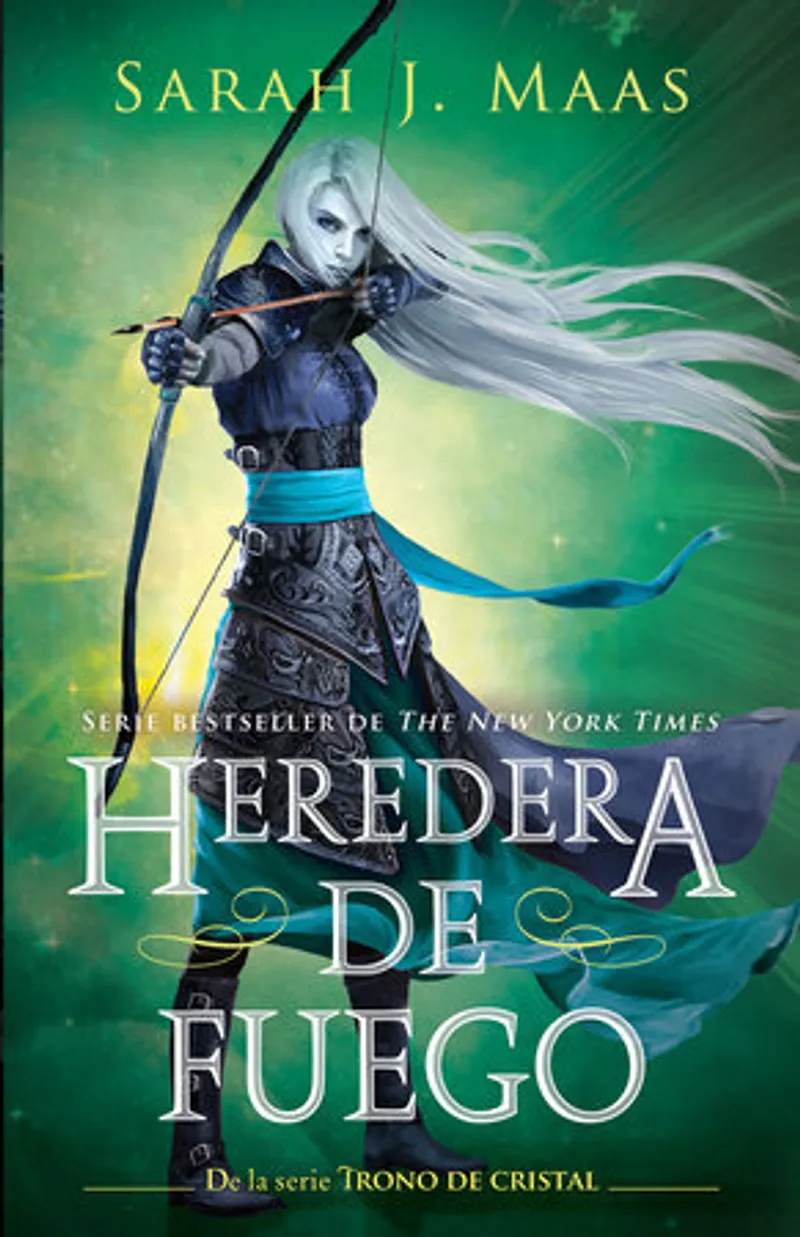
Heredera del fuego / Heir of Fire Author: Sarah J. MaasPage Count: UnknownPublication Date: 2024-PRH Heredera del fuego / Heir of Fire: A Blazing Inferno of Destiny and Desperation Sarah J. Maas’ Heredera del fuego (or Heir of Fire in English) is the third and most transformative installment in the Throne of Glass series—a book that doesn’t just stoke the embers of its predecessor but fans them into an all-consuming blaze. Where Throne of Glass introduced us to Celaena Sardothien, the assassin with a heart of steel and a past buried in shadows, and Corona de sangre (Crown of Midnight) deepened her emotional and political struggles, this third volume is where the fire truly takes hold. It’s a story of reckoning, where destiny is no longer a distant whisper but a roaring inferno, demanding to be faced. At its core, Heir of Fire is about confronting the past to claim the future. Celaena, now stripped of her illusions about love, power, and even her own identity, is forced to journey into the heart of her trauma. The revelation that her lineage is far more complex—and far more dangerous—than she ever imagined isn’t just a plot twist; it’s a gut-punch that redefines everything she thought she knew. Maas doesn’t just drop this bombshell and move on—she lets it burn, forcing Celaena (and the reader) to sit with the weight of it. The theme of inherited destiny is masterfully woven throughout: Celaena isn’t just fighting for her own survival, but for the legacy of a bloodline tied to ancient gods and forgotten wars. The question isn’t just can she win? but what will she become in the process? Maas’ prose remains as lush and immersive as ever, but here, it’s sharper, darker, and more urgent. The world-building expands beyond the familiar walls of Adarlan, introducing us to the brutal landscapes of the southern continent, where Celaena must navigate political intrigue, supernatural threats, and her own unraveling psyche. The pacing is relentless—Maas balances high-stakes action (a brutal training sequence that had me gasping) with moments of raw vulnerability, particularly in Celaena’s internal monologues. Her voice is a mix of sarcasm, self-loathing, and hard-won resilience, making her one of fantasy’s most compelling protagonists. The supporting cast, too, is given room to shine: Rowan, the brooding Fae warrior, is both a torment and a salvation; Dorian’s internal conflict adds emotional depth; and even secondary characters like Aedion and Lysandra feel more fleshed out, their arcs intertwining with Celaena’s in ways that feel organic rather than forced. One of the book’s greatest strengths is its thematic depth. Heir of Fire isn’t just about physical battles—it’s about the war within. Celaena’s struggle isn’t just against external enemies but against the darkness she carries inside her, a darkness that’s tied to her heritage. The idea that power comes with a price, that strength requires sacrifice, and that healing is a form of rebellion against those who sought to break her, is woven into every chapter. Maas doesn’t shy away from the uglier aspects of Celaena’s journey—her self-destructive tendencies, her reluctance to trust, her fear of repeating the sins of her ancestors—but she also doesn’t let her wallow. Instead, the book pushes her (and the reader) toward acceptance and growth, making the eventual payoff all the more satisfying. The villains, too, are more than just cardboard antagonists. The Valg, the ancient forces of corruption, are terrifying not just for their power but for their psychological warfare. Their influence seeps into the narrative, making the threat feel personal. Even human antagonists like the king of Adarlan are given layers, their motivations twisted in ways that force Celaena to question her own morality. This isn’t a story where good and evil are black and white—it’s a story where every choice has a cost, and Maas ensures we feel that weight. If there’s a critique to be made, it’s that the book’s middle section can feel slightly meandering as Celaena’s journey unfolds. The pacing isn’t as tight as in Crown of Midnight, and there are moments where the political intrigue drags. However, this is a minor quibble in a book that otherwise burns with intensity. The payoff—both in action and emotion—is worth the journey. Heir of Fire is more than just a fantasy novel; it’s a catharsis. It’s a story about a woman who was forged in fire, who was broken by love and war, and who must now rise from the ashes to claim her birthright. Sarah J. Maas doesn’t just write epic fantasy—she writes epic transformation, and Heir of Fire is where Celaena’s legend truly begins to ignite. If you’ve followed Celaena’s journey this far, you won’t just want to read this book—you’ll need to. #ThroneOfGlass #SarahJMaas #FantasyBooks #CelaenaSardothien #HeirOfFire #BookReview Related InsightsRescue Book Review and Summary High-Rise Book Review and Summary All the Bright Places Book Review and Summary{ "@context": "https://schema.org", "@type": "FAQPage", "mainEntity": [ { "@type": "Question", "name": "What is the main focus of Heir of Fire Book Review and Summary?", "acceptedAnswer": { "@type": "Answer", "text": "Everything you need to know about Heir of Fire with our detailed review." } }, { "@type": "Question", "name": "Who authored the comprehensive guide on Heir of Fire Book Review and Summary?", "acceptedAnswer": { "@type": "Answer", "text": "This detailed article and its insights were carefully researched and authored by Sarah J. Maas." } }, { "@type": "Question", "name": "Where can I find more related content about Books?", "acceptedAnswer": { "@type": "Answer", "text": "You can explore more articles, detailed reviews, and similar insights by browsing the Related Insights section at the bottom of this article or visiting our dedicated Books category page." } } ] }

The Long March and In the Clap Shack Author: William StyronPage Count: UnknownPublication Date: 1993-PRH In "The Long March and In the Clap Shack," William Styron presents a scathing critique of the military establishment, masterfully interwoven with a poignant defense of individuality and freedom. This 1993 publication is a testament to Styron's remarkable storytelling prowess and his ability to tackle complex themes with unflinching candor. At the heart of both "The Long March" and "In the Clap Shack" lies a searing indictment of the dehumanizing effects of military bureaucracy. In the novella, two Marine reservists find themselves pawns in a sadistic game orchestrated by a self-aggrandizing colonel, who revels in the misery of his subordinates. The narrative unfolds with a sense of inevitability, as the characters' desperate attempts to maintain their dignity are slowly eroded by the crushing machinery of the military. Styron's prose is a marvel of elegance and precision, imbuing the narrative with a sense of urgency and moral outrage. His writing is both beautiful and brutal, capable of conveying the full range of human emotions with unflinching honesty. The characters in both works are multidimensional and richly nuanced, their struggles and triumphs rendered with a depth and complexity that is both captivating and heartbreaking. The play "In the Clap Shack" is a masterclass in comedic writing, with Styron's wit and satire cutting through the hypocrisy and absurdity of the military's approach to venereal disease. The young recruit's journey through the VD ward is a harrowing and hilarious descent into the depths of bureaucratic madness, where the pursuit of medical treatment becomes a surreal and dehumanizing ordeal. Throughout both works, Styron's defense of individuality and freedom is unwavering, his commitment to the human spirit unshakeable. His writing is a powerful rebuke to the dehumanizing effects of institutionalized authority, a testament to the enduring power of the human spirit in the face of overwhelming oppression. In "The Long March and In the Clap Shack," Styron has created a work of profound moral resonance, a searing critique of the military establishment that is both timely and timeless. His writing is a testament to the transformative power of literature, capable of challenging our assumptions and broadening our understanding of the human condition. #MilitaryFiction #AmericanLiterature #WilliamStyron #TheLongMarch #IntheClapShack #AntiWarLiterature Related InsightsLe Rythme Invisible du Progrès : L'Odyssée de la Batterie Lithium-Ion The Throwaways Book Review and Summary Breakfast of Champions Book Review and Summary{ "@context": "https://schema.org", "@type": "FAQPage", "mainEntity": [ { "@type": "Question", "name": "What is the main focus of The Shack: Where Tragedy Confronts Eternity Book Review and Summary?", "acceptedAnswer": { "@type": "Answer", "text": "Everything you need to know about The Shack: Where Tragedy Confronts Eternity with our detailed review." } }, { "@type": "Question", "name": "Who authored the comprehensive guide on The Shack: Where Tragedy Confronts Eternity Book Review and Summary?", "acceptedAnswer": { "@type": "Answer", "text": "This detailed article and its insights were carefully researched and authored by William Paul Young." } }, { "@type": "Question", "name": "Where can I find more related content about Books?", "acceptedAnswer": { "@type": "Answer", "text": "You can explore more articles, detailed reviews, and similar insights by browsing the Related Insights section at the bottom of this article or visiting our dedicated Books category page." } } ] }

-
 Olivia Harris
 - 05 Apr, 2026 19:44
El Club de las 5 de la mañana: Controla tus mañanas, impulsa tu vida / The 5 AM Club: Own Your Morning. Elevate Your Life. Book Review and Summary
El Club de las 5 de la mañana: Controla tus mañanas, impulsa tu vida / The 5 AM Club: Own Your Morning. Elevate Your Life. Author: Robin SharmaPage Count: UnknownPublication Date: 2019-PRH The 5 AM Club: A Wake-Up Call for a Life of Purpose, Power, and Peace Robin Sharma’s The 5 AM Club isn’t just another self-help book—it’s a manifesto for reclaiming control over your life by mastering the most overlooked hours of the day. Published in 2019, this book distills over two decades of Sharma’s work with high achievers into a compelling narrative that blends storytelling with actionable wisdom. If you’ve ever felt like the world is moving too fast and you’re struggling to keep up, this book might just be the nudge you need to transform your mornings—and, by extension, your life. At its core, The 5 AM Club champions the power of waking up at 5 AM, not as a cruel alarm-induced torture, but as a sacred ritual to unlock your highest potential. Sharma argues that the early morning is the "Victory Hour"—a time when the world is still asleep, distractions are minimal, and your mind is primed for creativity, discipline, and growth. The book’s central premise is simple: by dedicating the first hour of your day to strategic activities—movement, reflection, and learning—you set the tone for success, clarity, and resilience. Sharma’s approach isn’t about blindly following a rigid schedule; it’s about crafting a personal morning routine that aligns with your goals and values. He introduces the "20/20/20 Formula," a three-part morning ritual that divides the first hour into three 20-minute segments:20 Minutes of Exercise – Not just any workout, but high-intensity movement to flood your brain with endorphins and oxygen, priming it for peak performance. 20 Minutes of Reflection – Meditation, journaling, or quiet contemplation to cultivate focus, gratitude, and mental clarity. 20 Minutes of Learning – Absorbing knowledge through reading, audiobooks, or podcasts to expand your mind and fuel growth.This formula isn’t arbitrary. It’s rooted in neuroscience, psychology, and Sharma’s own experience coaching CEOs, athletes, and entrepreneurs. The idea is to leverage the "flow state" that occurs in the early hours, when your willpower is fresh and your environment is undisturbed by the chaos of daily life. What makes The 5 AM Club stand out is Sharma’s storytelling. The book unfolds as a parable, following two struggling individuals—an artist and an entrepreneur—who cross paths with a mysterious billionaire mentor. Through their conversations, Sharma weaves in the principles of elite performance in a way that feels organic and engaging. It’s not a dry lecture; it’s a conversation that feels personal, even if the characters are fictional. This narrative technique makes complex ideas—like the "5 AM Mindset" or the "Tight Bubble of Total Focus"—more relatable and easier to internalize. Sharma’s writing is motivational without being preachy. He writes with the passion of a coach and the authority of someone who has helped thousands transform their lives. His prose is punchy, peppered with metaphors ("Your mind is a garden; your thoughts are the seeds") and nuggets of wisdom that stick long after you’ve turned the last page. Yet, he never shies away from hard truths. He acknowledges that discipline is hard, that distractions are everywhere, and that most people will resist change. But he also makes the case that the effort is worth it: "The way you wake up sets the tone for the entire day. How you start your morning determines how you live your life." Critics might argue that Sharma’s advice leans toward the idealistic—waking up at 5 AM is easier said than done, especially for night owls or parents of young children. And while the book doesn’t sugarcoat the challenges, it does provide practical tips to make the habit stick, like the "10-3-2-1-0 Rule" (10 hours of sleep, 3 liters of water, 2 hours without caffeine, 1 hour of screen-free time before bed, and 0 excuses in the morning). It’s not a one-size-fits-all solution, but a framework to adapt to your lifestyle. For those who are skeptical about the "5 AM hype," Sharma’s message isn’t about the time itself but about the habit of owning your mornings. It’s about creating space for what truly matters—whether that’s exercise, creativity, or strategic thinking—before the demands of the day take over. In a world where we’re constantly bombarded by notifications, deadlines, and the expectations of others, The 5 AM Club is a reminder that you don’t have to be a slave to your schedule. You can design it. If you’re looking for a book that will inspire you to take action rather than just nod along, The 5 AM Club delivers. It’s not a quick fix, but a long-term investment in your most valuable asset: your time. Sharma doesn’t just tell you to wake up early; he shows you why it matters and how to make it happen. And in doing so, he might just help you join the elite group of people who control their mornings—and, by extension, their lives. #5AMClub #MorningRoutine #PersonalDevelopment #RobinSharma #ProductivityHacks #SelfImprovement Related InsightsEleanor & Park Book Review and Summary Longitude Book Review and Summary El código de la vida / The Code Breaker: Jennifer Doudna, Gene Editing, and the Future of the Human Book Review and Summary{ "@context": "https://schema.org", "@type": "FAQPage", "mainEntity": [ { "@type": "Question", "name": "What is the main focus of El Club de las 5 de la mañana: Controla tus mañanas, impulsa tu vida / The 5 AM Club: Own Your Morning. Elevate Your Life. Book Review and Summary?", "acceptedAnswer": { "@type": "Answer", "text": "Everything you need to know about El Club de las 5 de la mañana: Controla tus mañanas, impulsa tu vida / The 5 AM Club: Own Your Morning. Elevate Your Life. with our detailed review." } }, { "@type": "Question", "name": "Who authored the comprehensive guide on El Club de las 5 de la mañana: Controla tus mañanas, impulsa tu vida / The 5 AM Club: Own Your Morning. Elevate Your Life. Book Review and Summary?", "acceptedAnswer": { "@type": "Answer", "text": "This detailed article and its insights were carefully researched and authored by Olivia Harris." } }, { "@type": "Question", "name": "Where can I find more related content about Books?", "acceptedAnswer": { "@type": "Answer", "text": "You can explore more articles, detailed reviews, and similar insights by browsing the Related Insights section at the bottom of this article or visiting our dedicated Books category page." } } ] }

-
 Chloé Laurent
 - 05 Apr, 2026 17:07
Me quiero, te quiero. El cuaderno / Love Me Love You. The Notebook Book Review and Summary
Me quiero, te quiero. El cuaderno / Love Me Love You. The Notebook Author: María EsclapezPage Count: UnknownPublication Date: 2024-PRH A Practical Guide to Love—Starting with Yourself María Esclapez’s Me quiero, te quiero. El cuaderno / Love Me Love You. The Notebook is more than just a workbook—it’s a transformative toolkit for anyone seeking to cultivate healthier relationships, starting with the most important one: the one with themselves. Building on the success of her acclaimed Me quiero, te quiero, Esclapez delivers a hands-on, interactive experience designed to turn self-love and compassionate connection into actionable habits. With her signature blend of warmth, psychological insight, and relatable wit, she invites readers to move beyond passive inspiration and into real personal growth. At its core, this notebook embraces the simple yet radical idea: Real love isn’t found—it’s built. Whether we’re talking about self-acceptance or relationships with others, Esclapez dismantles the myth that love is something we passively receive or stumble upon. Instead, she presents it as something we actively create through awareness, effort, and practice. This theme runs deep throughout the book, creating a cohesive, reassuring message: emotional well-being is not a destination, but a daily practice. The structure of The Notebook is both intuitive and effective. Divided into two parts—"Me quiero" (I love myself) and "Te quiero" (I love you)—it guides the reader from internal work to external connection. The first section focuses on self-esteem, self-awareness, and emotional resilience, offering tools like the Rosenberg Self-Esteem Scale and personalized reflection exercises. What sets Esclapez apart is her ability to translate complex psychological concepts into accessible, engaging activities. She doesn’t just tell you to be kinder to yourself—she provides a journaling prompt to help you rewrite your inner dialogue, or a visual exercise to map your emotional triggers. Her tone is never preachy; it’s conversational, almost like a trusted therapist guiding you through a session. The second part shifts toward building and maintaining healthy relationships. Here, Esclapez tackles common challenges: communication breakdowns, conflict resolution, jealousy, and emotional dependency. Each exercise is rooted in real-life scenarios—like navigating a partner’s bad day or setting boundaries with a demanding friend. The notebook encourages not just understanding, but doing. For example, one exercise invites you to rewrite a past argument using non-violent communication techniques, helping you see how small shifts in language can change outcomes. Esclapez’s writing style is one of her greatest strengths. She writes with the clarity of a psychologist and the empathy of a friend. Her sentences are clean and direct, avoiding jargon or unnecessary abstraction. She balances depth with lightness, sprinkling in humor and pop culture references that make heavy topics feel approachable. This balance is particularly important in a workbook, where overwhelm can derail progress—yet Esclapez keeps the tone uplifting and motivational. What truly makes The Notebook stand out is its interactivity. Unlike a traditional self-help book, this is meant to be used. Readers are encouraged to fill in the blanks, tear out pages, or revisit exercises over time. The design is clean and modern, with space for notes and doodles, making it feel personal and alive. It’s not just a book you read once—it’s a companion you return to during different life stages. For those familiar with Esclapez’s earlier works, this notebook serves as a practical extension. For newcomers, it acts as a gentle introduction to her philosophy: that love—whether self-love or love for others—is a skill to be developed, not a feeling to be discovered. It’s especially valuable in a world where emotional literacy is often undervalued, and where many people struggle with self-worth or toxic relationship patterns. One potential limitation is that the effectiveness of the notebook depends on the reader’s willingness to engage deeply. While the exercises are well-crafted, they require honesty and consistency. But that’s also where its power lies—it doesn’t offer quick fixes, but a path toward lasting change. Ultimately, Me quiero, te quiero. El cuaderno is a rare gem: a workbook that feels as intimate as it is empowering. It doesn’t just tell you to love yourself—it shows you how, step by step, with kindness and clarity. In a culture that often confuses self-improvement with self-criticism, Esclapez offers a refreshing alternative: a guide to building love, from the inside out.#SelfLoveJourney #HealthyRelationships #MentalHealthMatters #PersonalGrowth #MariaEsclapez #LoveYourselfFirst Related InsightsHouse of Earth and Blood Book Review and Summary Kızıl İsyan Serisi Book Review and Summary Green Eggs and Ham Book Review and Summary{ "@context": "https://schema.org", "@type": "FAQPage", "mainEntity": [ { "@type": "Question", "name": "What is the main focus of Me quiero, te quiero. El cuaderno / Love Me Love You. The Notebook Book Review and Summary?", "acceptedAnswer": { "@type": "Answer", "text": "Everything you need to know about Me quiero, te quiero. El cuaderno / Love Me Love You. The Notebook with our detailed review." } }, { "@type": "Question", "name": "Who authored the comprehensive guide on Me quiero, te quiero. El cuaderno / Love Me Love You. The Notebook Book Review and Summary?", "acceptedAnswer": { "@type": "Answer", "text": "This detailed article and its insights were carefully researched and authored by Chloé Laurent." } }, { "@type": "Question", "name": "Where can I find more related content about Books?", "acceptedAnswer": { "@type": "Answer", "text": "You can explore more articles, detailed reviews, and similar insights by browsing the Related Insights section at the bottom of this article or visiting our dedicated Books category page." } } ] }
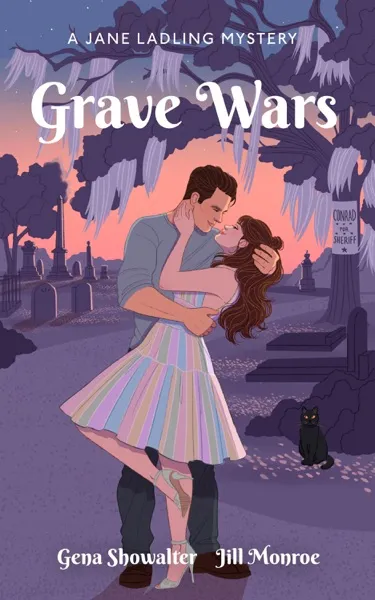

Grave Wars Author: Gena Showalter,Page Count: UnknownPublication Year: 2023-GB Grave Wars by Gena Showalter is a pulse-pounding, myth-driven thriller that plunges readers into a world where the boundaries between life and death blur, and ancient forces collide in a battle for the very soul of humanity. Set against a backdrop of eerie crypts, shadowy underworlds, and apocalyptic stakes, this novel doesn't just entertain—it immerses, enthralls, and leaves the reader breathless. Showalter, a master of blending dark fantasy with high-stakes action, delivers a story that is as emotionally raw as it is visually stunning, making Grave Wars not just a book to read, but an experience to be lived. At its core, Grave Wars explores the timeless battle between good and evil, but it does so with a modern, visceral twist. The story follows a cast of unforgettable characters—warriors, gods, and mortals caught in a cosmic struggle where the dead refuse to stay buried and the living are forced to confront forces beyond their understanding. Showalter taps into mythology, weaving in deities and demons, creating a world that feels both ancient and immediate. The central theme isn’t just about survival; it’s about sacrifice, redemption, and the unbreakable will to fight for what’s right, even when the odds are impossible. The stakes are sky-high, and the tension never lets up, making it impossible to put the book down. What sets Grave Wars apart is Showalter’s razor-sharp writing style. She has a gift for crafting prose that is both lyrical and punchy, balancing emotional depth with lightning-fast action. Her dialogue crackles with wit and tension, and her descriptions are so vivid that readers will feel the chill of a crypt or the heat of a supernatural battle raging around them. Showalter doesn’t shy away from the darker aspects of her world—there’s blood, betrayal, and heartbreak—but she balances it with moments of tenderness and humor, giving her characters depth and making them feel real. The characters in Grave Wars are what truly make the story unforgettable. They are flawed, complex, and deeply human, even when they’re fighting gods or demons. The protagonist, if we can call them that in such a chaotic world, is often an antihero—someone who has seen too much, lost too much, and is fighting not just for victory, but for their own soul. Showalter excels at creating characters who are as broken as they are brave, and their struggles resonate long after the final page. The villains, too, are compelling, not just as obstacles but as reflections of the darkness within all of us. The pacing of Grave Wars is relentless. Showalter doesn’t waste time with excessive exposition; instead, she drops the reader into the action and keeps them there. The story unfolds with a sense of urgency, each chapter ending on a cliffhanger that begs to be read just one more time before bed. The world-building is intricate, but it never feels overwhelming because Showalter trusts her readers to keep up, rewarding them with layers of lore and mythology that deepen the experience with each page. One of the most striking aspects of Grave Wars is its ability to balance spectacle with substance. There are scenes of epic battles, supernatural showdowns, and eerie, otherworldly settings, but beneath it all lies a core of emotional truth. The characters’ relationships—whether romantic, familial, or adversarial—are what drive the story forward. Showalter understands that in the end, it’s not the magic or the monsters that linger in the reader’s mind, but the people who face them. For fans of dark fantasy, paranormal romance, or action-packed thrillers, Grave Wars is a must-read. It’s a book that demands to be devoured in one sitting, only to be picked up again and again for its richness and depth. Showalter’s signature style—part gritty realism, part mythic grandeur—creates a reading experience that is as haunting as it is thrilling. If you love stories where the stakes are life and death, where heroes are flawed and villains are compelling, and where every page feels like a step into the unknown, then Grave Wars is your next obsession. #GraveWars #GenaShowalter #DarkFantasy #SupernaturalThriller #EpicFantasy #BookReview Related InsightsThe disappeared Book Review and Summary American Hagwon Book Review and Summary Head Like a Hole Book Review and Summary{ "@context": "https://schema.org", "@type": "FAQPage", "mainEntity": [ { "@type": "Question", "name": "What is the main focus of Grave Wars Book Review and Summary?", "acceptedAnswer": { "@type": "Answer", "text": "Everything you need to know about Grave Wars with our detailed review." } }, { "@type": "Question", "name": "Who authored the comprehensive guide on Grave Wars Book Review and Summary?", "acceptedAnswer": { "@type": "Answer", "text": "This detailed article and its insights were carefully researched and authored by Sofia Bianchi." } }, { "@type": "Question", "name": "Where can I find more related content about Books?", "acceptedAnswer": { "@type": "Answer", "text": "You can explore more articles, detailed reviews, and similar insights by browsing the Related Insights section at the bottom of this article or visiting our dedicated Books category page." } } ] }
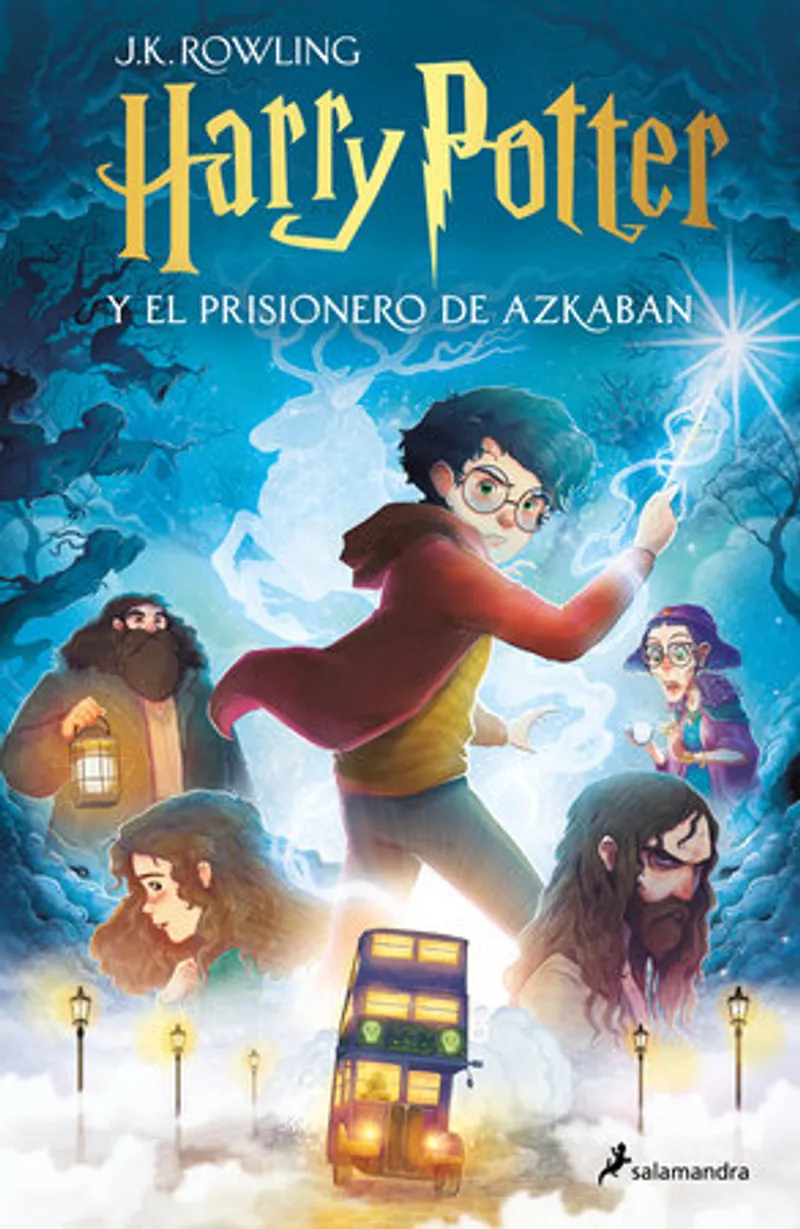
Harry Potter y el prisionero de Azkaban (Edición con ilustraciones de Xavier Bonet) / Harry Potter and the Prisoner of Azkaban Author: J.K. RowlingPage Count: UnknownPublication Date: 2025-PRH In the realm of fantasy literature, few series have captivated the hearts of readers worldwide like J.K. Rowling's Harry Potter. The third installment, "Harry Potter and the Prisoner of Azkaban," is a masterful blend of magic, mystery, and coming-of-age themes that solidify the series' place as a modern classic. This edition, featuring illustrations by Xavier Bonet, adds a visually stunning layer to the narrative, immersing readers in the wizarding world like never before. As the story unfolds, we find Harry Potter facing a new threat: Sirius Black, a notorious wizard believed to have betrayed Harry's parents to Voldemort, has escaped from Azkaban prison. Believing Black is out to kill him, Harry must navigate the challenges of his third year at Hogwarts while also uncovering the truth about Black's past and his connection to Harry's parents. One of the standout aspects of Rowling's writing is her ability to craft relatable, well-rounded characters. Harry, Ron, and Hermione are more than just protagonists; they're flawed, endearing, and authentic, making it easy for readers to become invested in their journeys. The introduction of Sirius Black and Remus Lupin adds depth to the narrative, exploring themes of loyalty, friendship, and the complexities of adulthood. The world-building in "Harry Potter and the Prisoner of Azkaban" is equally impressive. Rowling's vivid descriptions of Hogwarts and its inhabitants transport readers to a richly imagined realm, where magic is woven into the fabric of everyday life. The eerie presence of the dementors, foul creatures that feed on human happiness, adds a sense of foreboding, underscoring the darkness that lurks in the shadows of the wizarding world. Throughout the book, Rowling's writing is both accessible and engaging, making it an effortless read for fans of all ages. Her use of language is masterful, conveying the emotional nuances of her characters through subtle dialogue and introspection. The pacing is well-balanced, with moments of tension and suspense expertly woven throughout the narrative. Ultimately, "Harry Potter and the Prisoner of Azkaban" is a story about the power of love, loyalty, and the unbreakable bonds of friendship. As Harry navigates the complexities of adolescence, he must also confront the darkness of his past and the uncertainty of his future. With its universal themes, memorable characters, and richly imagined world, this book is a must-read for anyone who's ever been enchanted by the magic of Hogwarts. #HarryPotter #ThePrisonerOfAzkaban #JKRowling #FantasyLiterature #Hogwarts #MagicAwaits Related InsightsThe Fine Print Book Review and Summary El peor vecino del mundo Book Review and Summary In Cold Blood Book Review and Summary{ "@context": "https://schema.org", "@type": "FAQPage", "mainEntity": [ { "@type": "Question", "name": "What is the main focus of Harry Potter and the Prisoner of Azkaban Book Review and Summary?", "acceptedAnswer": { "@type": "Answer", "text": "Everything you need to know about Harry Potter and the Prisoner of Azkaban with our detailed review." } }, { "@type": "Question", "name": "Who authored the comprehensive guide on Harry Potter and the Prisoner of Azkaban Book Review and Summary?", "acceptedAnswer": { "@type": "Answer", "text": "This detailed article and its insights were carefully researched and authored by J.K. Rowling." } }, { "@type": "Question", "name": "Where can I find more related content about Books?", "acceptedAnswer": { "@type": "Answer", "text": "You can explore more articles, detailed reviews, and similar insights by browsing the Related Insights section at the bottom of this article or visiting our dedicated Books category page." } } ] }
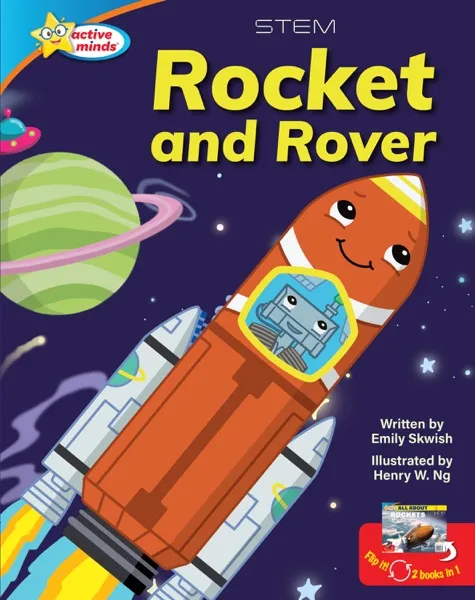

Rocket and Rover / All about Rockets Author: Emily SkwishPage Count: UnknownPublication Year: 2022-GB Blast Off to Adventure: Why Rocket and Rover / All About Rockets Is the Perfect STEM Book for Curious Minds Picture this: a book so engaging that even the most reluctant young readers can’t put it down, yet so informative that parents and educators cheer its arrival. That’s the magic of Rocket and Rover / All About Rockets by Emily Skwish—a 2022 global bestseller that has taken the world of children’s literature by storm. Whether you’re a parent searching for the perfect gift, a teacher looking to inspire young scientists, or simply a lover of beautifully crafted stories, this book delivers an unforgettable journey through space, science, and friendship. At its heart, Rocket and Rover / All About Rockets is a celebration of curiosity and teamwork, wrapped in the thrilling adventure of space exploration. The story follows Rocket, a spirited and inventive young girl, and her loyal dog, Rover, as they embark on a mission to build their very own rocket. But this isn’t just a tale of engineering—it’s a testament to perseverance, problem-solving, and the joy of discovery. Skwish masterfully blends humor, heart, and hard science, making complex concepts like propulsion, gravity, and aerodynamics accessible and exciting for readers as young as five. One of the book’s greatest strengths lies in its characters. Rocket is a relatable protagonist—brimming with enthusiasm but not without her share of challenges. Her determination to overcome obstacles, whether it’s a failed launch or a skeptical friend, makes her instantly endearing. Rover, her faithful canine companion, adds a layer of warmth and humor, serving as both a sounding board and a source of comic relief. Their dynamic feels authentic, making their successes feel earned and their setbacks relatable. Skwish’s ability to create such vivid, lovable characters is a testament to her skill as a storyteller, ensuring that readers aren’t just learning about rockets—they’re rooting for Rocket and Rover every step of the way. Skwish’s writing style is another standout feature. Her prose is crisp, lively, and brimming with energy, mirroring the excitement of space exploration. The text is interspersed with vibrant illustrations that bring the story to life, making it a feast for both the eyes and the mind. What’s particularly impressive is how seamlessly the book integrates educational content without ever feeling like a textbook. Each page is a carefully crafted blend of narrative and fact, ensuring that young readers absorb scientific principles organically. Whether it’s explaining how a rocket engine works or the importance of teamwork in problem-solving, Skwish strikes the perfect balance between entertainment and education. The themes of Rocket and Rover / All About Rockets resonate deeply in today’s world. In an era where STEM (Science, Technology, Engineering, and Mathematics) education is more critical than ever, this book serves as a powerful tool to ignite a passion for learning. It encourages children to ask questions, embrace failure as part of the process, and celebrate the thrill of discovery. Skwish doesn’t just teach kids about rockets—she instills in them a lifelong love for science and innovation. The book also subtly addresses themes of friendship, collaboration, and resilience, making it a well-rounded read that nurtures both the mind and the heart. For educators and parents, Rocket and Rover / All About Rockets is a dream come true. It’s the kind of book that sparks classroom discussions, hands-on activities, and even family projects. Imagine building a model rocket together after reading the book, or conducting simple experiments to understand the principles of flight. Skwish’s work isn’t just a story—it’s an invitation to explore, create, and dream big. The book’s global success speaks volumes about its universal appeal, transcending cultural and linguistic barriers to inspire young minds everywhere. What sets this book apart from other children’s STEM titles is its ability to make learning feel like an adventure. Skwish doesn’t dumb down the science; she elevates the storytelling. The result is a book that feels fresh, dynamic, and utterly captivating. Whether you’re reading it aloud to a group of wide-eyed kids or enjoying it as a bedtime story, Rocket and Rover / All About Rockets is a guaranteed hit. It’s the kind of book that leaves a lasting impression, planting the seeds for future scientists, engineers, and explorers. In a world where screens often compete for children’s attention, Rocket and Rover / All About Rockets is a breath of fresh air. It reminds us that the best way to learn is through curiosity, creativity, and a little bit of fun. Emily Skwish has crafted a modern classic—one that will inspire generations of young readers to reach for the stars, both in their imaginations and in their ambitions. #STEMBooks #ChildrensLiterature #SpaceAdventure #EducationalBooks #EmilySkwish Related InsightsThe Blue Zones Kitchen One Pot Meals Book Review and Summary In Every Future, It's Us Book Review and Summary An Introduction to Real-Time Computing for Mechanical Engineers Book Review and Summary{ "@context": "https://schema.org", "@type": "FAQPage", "mainEntity": [ { "@type": "Question", "name": "What is the main focus of **Rocket and Rover / All about Rockets** Book Review and Summary?", "acceptedAnswer": { "@type": "Answer", "text": "Everything you need to know about **Rocket and Rover / All about Rockets** with our detailed review." } }, { "@type": "Question", "name": "Who authored the comprehensive guide on **Rocket and Rover / All about Rockets** Book Review and Summary?", "acceptedAnswer": { "@type": "Answer", "text": "This detailed article and its insights were carefully researched and authored by Emma Thompson." } }, { "@type": "Question", "name": "Where can I find more related content about Books?", "acceptedAnswer": { "@type": "Answer", "text": "You can explore more articles, detailed reviews, and similar insights by browsing the Related Insights section at the bottom of this article or visiting our dedicated Books category page." } } ] }

Come Rain or Come Shine Author: Kazuo IshiguroPage Count: UnknownPublication Year: 2019-GB In the realm of literary fiction, few authors have mastered the art of subtlety and nuance as exquisitely as Kazuo Ishiguro. His 2019 novella, "Come Rain or Come Shine," is a poignant exploration of the human condition, delving into the intricacies of relationships, memory, and the passage of time. This deceptively simple narrative is, in fact, a masterclass in restraint, inviting readers to fill in the gaps and ponder the complexities of the human experience. At its core, "Come Rain or Come Shine" is a story about the power of friendship and the fragility of human connections. The narrative revolves around Ray, a middle-aged man who, upon receiving a letter from an old acquaintance, Emily, is compelled to reflect on their past encounters. As the story unfolds, Ishiguro skillfully weaves together fragments of Ray's memories, creating a rich tapestry of emotions, thoughts, and experiences that blur the lines between reality and nostalgia. One of Ishiguro's greatest strengths as a writer lies in his ability to craft characters that are both relatable and enigmatic. Ray, the protagonist, is a quintessential everyman, whose ordinariness belies a depth of feeling and perception that is both remarkable and heartbreaking. Emily, on the other hand, is a more elusive figure, whose presence is felt throughout the narrative, yet remains tantalizingly out of reach. Through these characters, Ishiguro raises important questions about the nature of relationships, the fragility of human bonds, and the ways in which our experiences shape us. Ishiguro's writing style is, as ever, a marvel of subtlety and precision. His prose is characterized by a simplicity that belies a profound complexity, inviting readers to engage with the narrative on multiple levels. The author's use of language is deliberate and measured, with each sentence carefully calibrated to convey the nuances of human emotion. The result is a narrative that is both deeply introspective and quietly powerful, drawing the reader into a world of quiet contemplation and reflection. One of the most striking aspects of "Come Rain or Come Shine" is its use of memory as a narrative device. Ishiguro's exploration of the human memory is both poignant and profound, highlighting the ways in which our experiences shape us, even as they slip through our fingers like sand. The author's use of non-linear narrative adds to the sense of complexity, mirroring the fragmented nature of human memory and inviting readers to piece together the narrative in their own way. In "Come Rain or Come Shine," Ishiguro has created a work of quiet beauty, a narrative that is both deeply personal and universally relatable. This is a book that will resonate with readers long after they finish reading it, inviting them to reflect on their own relationships, memories, and experiences. As a literary critic, it is a pleasure to encounter a work of such nuance and complexity, a true masterpiece of contemporary fiction. #KazuoIshiguro #ComeRainOrComeShine #LiteraryFiction #BookReview #ContemporaryFiction Related InsightsMadeline McKnight Signs Off: A Novel Book Review and Summary The Soulmate Equation Book Review and Summary Love in the Time of Cholera Book Review and Summary{ "@context": "https://schema.org", "@type": "FAQPage", "mainEntity": [ { "@type": "Question", "name": "What is the main focus of **Come Rain or Come Shine** Book Review and Summary?", "acceptedAnswer": { "@type": "Answer", "text": "Everything you need to know about **Come Rain or Come Shine** with our detailed review." } }, { "@type": "Question", "name": "Who authored the comprehensive guide on **Come Rain or Come Shine** Book Review and Summary?", "acceptedAnswer": { "@type": "Answer", "text": "This detailed article and its insights were carefully researched and authored by Elena Volkova." } }, { "@type": "Question", "name": "Where can I find more related content about Books?", "acceptedAnswer": { "@type": "Answer", "text": "You can explore more articles, detailed reviews, and similar insights by browsing the Related Insights section at the bottom of this article or visiting our dedicated Books category page." } } ] }
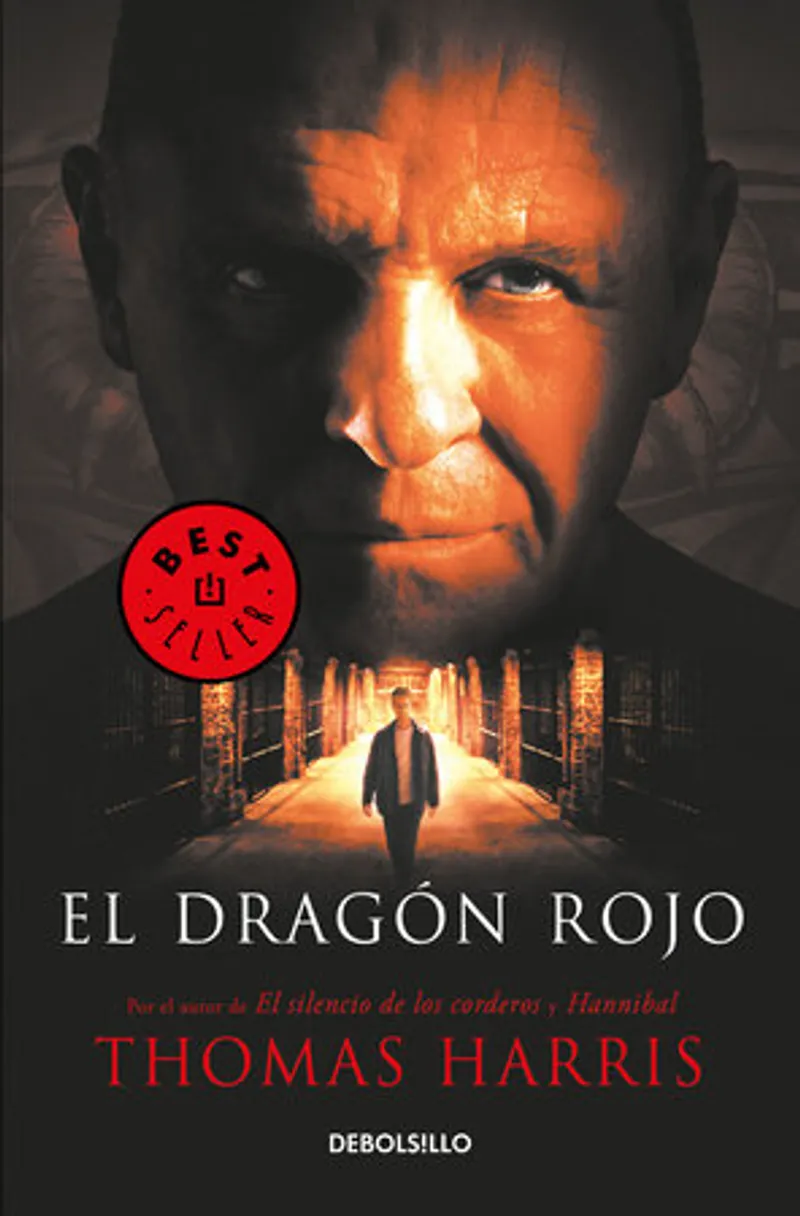
El dragón rojo / Red Dragon Author: Thomas HarrisPage Count: UnknownPublication Date: 2019-PRH Thomas Harris’s Red Dragon is more than just a thriller—it’s a psychological descent into the darkest corners of the human mind, where the line between hunter and prey blurs into something grotesque and mesmerizing. First published in 1981, this novel introduced the world to Hannibal Lecter, the cannibalistic genius who would later become a cultural icon through The Silence of the Lambs. But Red Dragon is where it all begins, a chilling origin story that sets the stage for Harris’s unparalleled exploration of evil, obsession, and the fragility of sanity. At its core, Red Dragon is a cat-and-mouse game between two monsters: Francis Dolarhyde, a tormented man known as the "Tooth Fairy" for his gruesome, ritualistic murders, and Dr. Hannibal Lecter, the imprisoned psychiatrist who becomes an unwilling (or is it willing?) consultant in the case. The novel’s genius lies in its structure—Harris weaves three distinct perspectives into a tapestry of dread, each character trapped in their own psychological prison. Will Graham, the FBI profiler whose empathy for killers borders on the pathological, is called out of retirement to track the Tooth Fairy. His mind, already scarred from his previous encounter with Lecter, becomes the battleground where the killer’s psyche and his own begin to merge. Meanwhile, Lecter, though physically confined, exerts a terrifying influence from his cell, manipulating Graham and the investigation with cold, calculated precision. And then there’s Dolarhyde himself, a man consumed by the "Dragon," a violent alter ego that demands bloodshed as a twisted form of transcendence. Harris’s prose is clinical yet visceral, mirroring the detachment of his characters while immersing the reader in their nightmares. His descriptions of violence are never gratuitous but rather serve to underscore the psychological horror at play. When Dolarhyde attacks his victims, Harris doesn’t shy away from the brutality, but he frames it within the context of the killer’s fractured psyche. The Dragon isn’t just a monster—it’s a force of nature, a manifestation of Dolarhyde’s self-loathing and desperate need for control. This makes him one of the most terrifying villains in literature, not because he’s superhumanly evil, but because he’s painfully human, a man who has been broken and reshaped into something monstrous. What elevates Red Dragon beyond mere suspense is Harris’s exploration of the nature of evil. Is Dolarhyde a product of trauma, or is he inherently depraved? Is Lecter a villain or a dark mirror to Graham’s own mind? Harris refuses to provide easy answers, instead forcing the reader to confront uncomfortable questions about morality and the limits of empathy. Graham’s ability to "see" through the eyes of killers is both his greatest strength and his undoing—it’s a superpower that borders on a curse. His relationship with Lecter is particularly fascinating; their dynamic is less about good versus evil and more about two brilliant minds locked in a deadly dance of intellect and manipulation. Harris’s style is economical, favoring sharp dialogue and sparse yet evocative descriptions. He trusts the reader to fill in the gaps, to sense the dread coiling beneath the surface of even the most mundane interactions. The pacing is relentless, with tension building not just through action but through the slow unraveling of each character’s psyche. The novel’s climax is a masterclass in suspense, where Harris juggles multiple threads with precision, culminating in a confrontation that is as psychologically devastating as it is physically brutal. Red Dragon is a foundational work in the thriller genre, but it’s also a deeply unsettling meditation on the human capacity for violence. Harris doesn’t just want to scare you—he wants to make you question why you’re scared, why these characters fascinate you, and whether the line between monster and man is as clear as you think. In an era where serial killers have become almost a subgenre of their own, Harris’s creation feels timeless because it taps into something primal: the fear of losing control, of being consumed by forces beyond our understanding. If Red Dragon has a flaw, it’s that some readers might find the early sections slow, as Harris takes his time establishing the psychological landscape. But this is also the novel’s strength—it’s not a race to the finish line but a descent into madness, and Harris ensures every step feels deliberate, every revelation earned. By the time you reach the final pages, you’ll understand why Hannibal Lecter endures as one of literature’s most iconic villains. He’s not just a killer; he’s a force of nature, a whisper in the dark that lingers long after the book is closed. In the end, Red Dragon is more than a thriller—it’s a psychological autopsy of evil, a chilling reminder that the most terrifying monsters are the ones we create in our own minds. Harris doesn’t just tell a story; he invites you into a nightmare, and once you’re there, you won’t want to leave. #RedDragon #HannibalLecter #ThomasHarris #PsychologicalThriller #SerialKillerNovel #DarkPsychology Related InsightsLoveless Book Review and Summary Where the Wild Things Are Book Review and Summary Daughters of the Wind: A Mythic Fantasy Book Review and Summary{ "@context": "https://schema.org", "@type": "FAQPage", "mainEntity": [ { "@type": "Question", "name": "What is the main focus of Red Dragon Book Review and Summary?", "acceptedAnswer": { "@type": "Answer", "text": "Everything you need to know about Red Dragon with our detailed review." } }, { "@type": "Question", "name": "Who authored the comprehensive guide on Red Dragon Book Review and Summary?", "acceptedAnswer": { "@type": "Answer", "text": "This detailed article and its insights were carefully researched and authored by Thomas Harris." } }, { "@type": "Question", "name": "Where can I find more related content about Books?", "acceptedAnswer": { "@type": "Answer", "text": "You can explore more articles, detailed reviews, and similar insights by browsing the Related Insights section at the bottom of this article or visiting our dedicated Books category page." } } ] }
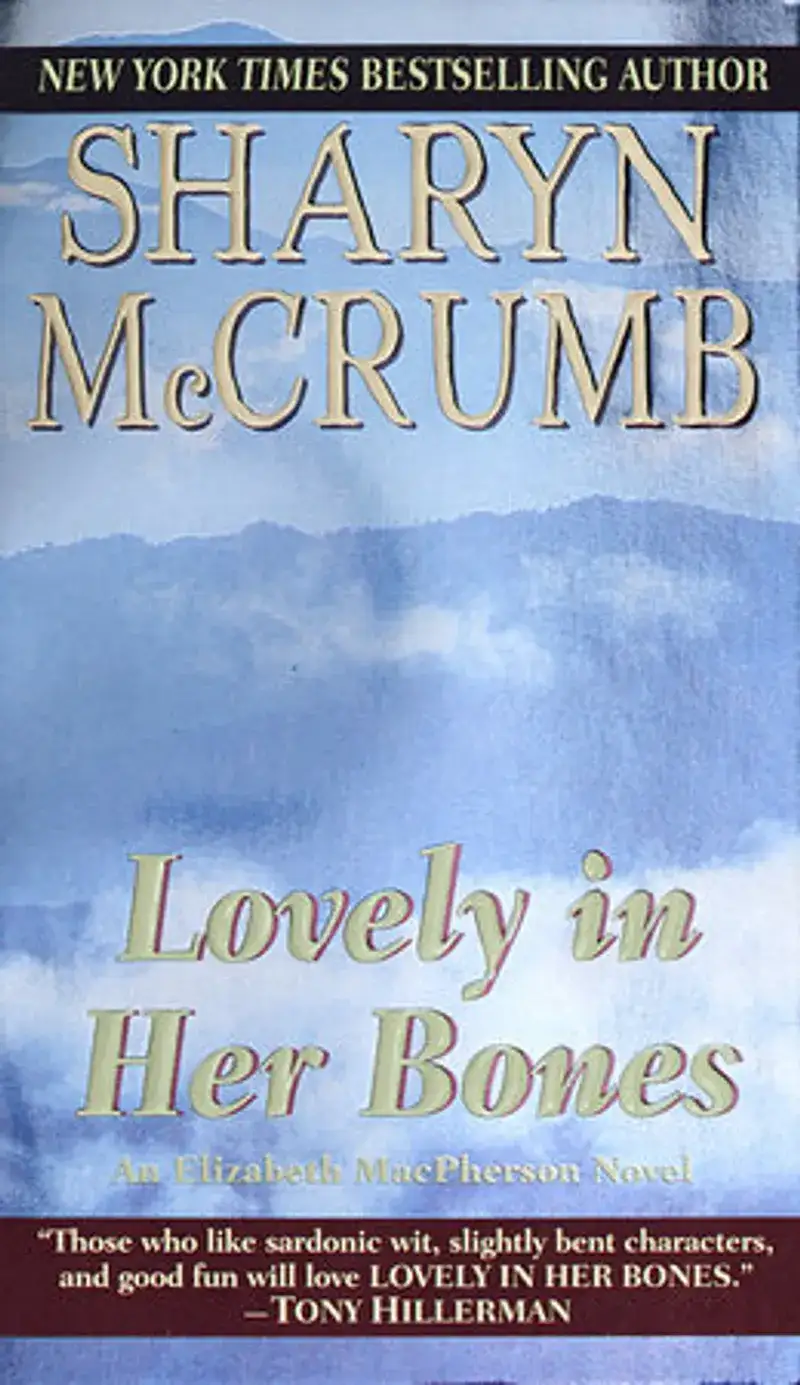
Lovely in Her Bones Author: Sharyn McCrumbPage Count: UnknownPublication Date: 1990-PRH Lovely in Her Bones by Sharyn McCrumb is a masterclass in blending history, mystery, and dark humor, wrapped in the rugged charm of Appalachian folklore. Published in 1990, this novel introduces readers to Elizabeth MacPherson, a sharp-witted anthropologist with a knack for unearthing more than just bones. When a field dig to determine Native American land claims is interrupted by murder, Elizabeth’s modern curiosity collides with old-fashioned suspicions, leading her—and the reader—on a journey that’s as much about the past as it is about justice. At its core, Lovely in Her Bones explores the tension between progress and tradition, modernity and myth. McCrumb uses the excavation site as a microcosm for these larger conflicts, where the discovery of a skull with a bullet hole becomes both a forensic puzzle and a dark joke. The humor here isn’t just a side dish; it’s a survival mechanism, a way for characters to navigate a world where violence and absurdity coexist. Elizabeth’s sardonic wit acts as a shield against the grim realities she uncovers, making her an instantly compelling protagonist. She’s not just solving a murder—she’s grappling with the weight of history, the greed of developers, and the ghosts of those who came before. McCrumb’s writing style is deceptively effortless, weaving together Appalachian dialects, archaeological jargon, and biting commentary with a rhythm that feels both natural and deliberate. Her prose has a folksy cadence, rich with local color and the cadence of mountain speech, yet it’s never sentimental. Instead, it’s grounded in a world where superstition and science often collide. The dialogue crackles with authenticity, whether it’s the dry humor of Elizabeth or the gritty, no-nonsense wisdom of the townspeople. Even the minor characters feel fully realized, each contributing to the novel’s sense of place and its underlying themes. What makes Lovely in Her Bones stand out is its refusal to take itself too seriously. While it tackles heavy subjects like land theft, cultural erasure, and murder, it does so with a wink and a nod, never shying away from the absurdity of human nature. The humor isn’t just there to lighten the mood; it’s a tool to expose hypocrisy and challenge authority. Elizabeth’s blend of academic rigor and street-smart intuition makes her a detective unlike any other, one who approaches her work with both a scholar’s precision and a troublemaker’s irreverence. The novel’s structure mirrors its themes—layered, nonlinear, and rich with digressions that ultimately reveal deeper truths. Just as an archaeologist uncovers artifacts to reconstruct a lost culture, McCrumb peels back layers of a community to reveal its contradictions. The mystery unfolds gradually, with red herrings and genuine surprises, but the real revelation is in how the past and present are inextricably linked. The bullet hole in the skull isn’t just a clue; it’s a metaphor for the violence that’s always lurking beneath the surface of progress. McCrumb’s ability to balance humor with gravitas is what makes Lovely in Her Bones so memorable. It’s a book that respects its setting and its characters without romanticizing them, offering instead a wry, affectionate portrait of a region where folklore and reality blur. Elizabeth MacPherson is the perfect guide through this world—a woman who can appreciate a good joke while also understanding the weight of bones, whether they’re ancient or freshly unearthed. If you’re looking for a mystery that’s as smart as it is entertaining, one that celebrates the quirks of human nature while never losing sight of the darker forces at play, then Lovely in Her Bones is a must-read. Sharyn McCrumb doesn’t just write about the past; she brings it to life with humor, heart, and an unflinching eye for truth. #SharynMcCrumb #ElizabethMacPherson #AppalachianMystery #ArchaeologicalThriller #DarkHumor #HistoricalMystery Related InsightsQueen of Shadows Book Review and Summary The Assassin's Blade Book Review and Summary The Bronze Horseman Book Review and Summary{ "@context": "https://schema.org", "@type": "FAQPage", "mainEntity": [ { "@type": "Question", "name": "What is the main focus of Lovely in Her Bones Book Review and Summary?", "acceptedAnswer": { "@type": "Answer", "text": "Everything you need to know about Lovely in Her Bones with our detailed review." } }, { "@type": "Question", "name": "Who authored the comprehensive guide on Lovely in Her Bones Book Review and Summary?", "acceptedAnswer": { "@type": "Answer", "text": "This detailed article and its insights were carefully researched and authored by Sofia Bianchi." } }, { "@type": "Question", "name": "Where can I find more related content about Books?", "acceptedAnswer": { "@type": "Answer", "text": "You can explore more articles, detailed reviews, and similar insights by browsing the Related Insights section at the bottom of this article or visiting our dedicated Books category page." } } ] }
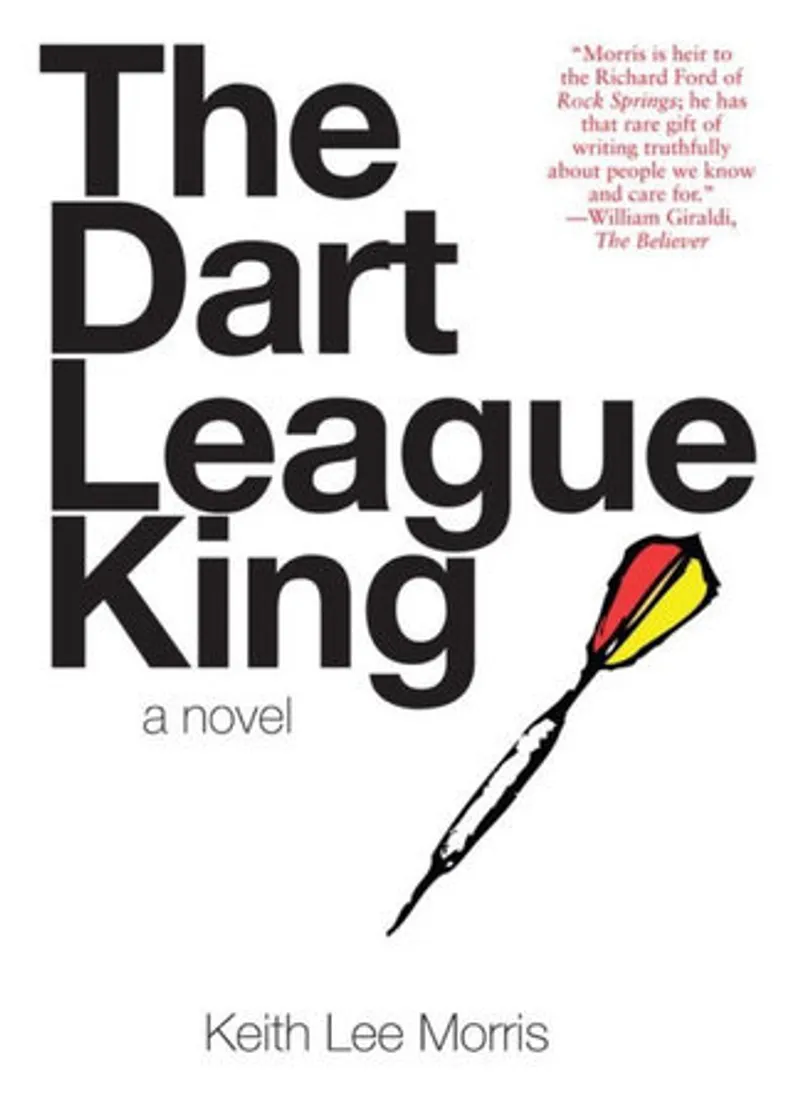
The Dart League King Author: Keith Lee MorrisPage Count: UnknownPublication Date: 2008-PRH In "The Dart League King," Keith Lee Morris masterfully weaves a complex web of stories that converge in a small-town Idaho dart league, where the lines between fate and control are constantly blurred. On the surface, the novel appears to be a quirky exploration of darts, drugs, and death, but as the narrative unfolds, it reveals itself to be a profound examination of the human condition. At the center of the novel is Russell Harmon, the self-proclaimed king of the dart league, whose life is a perfect storm of chaos and desperation. His debt to a local drug dealer has put him in a precarious position, and his involvement in the league championship match is just a small part of the larger drama that is unfolding. As the story progresses, it becomes clear that Russell's fate is inextricably linked to that of his teammates and acquaintances, each of whom is struggling to find their place in the world. Morris's writing style is both lyrical and unflinching, capable of conveying the beauty and ugliness of life with equal precision. His characters are multidimensional and richly drawn, with each one bringing their own unique perspective to the narrative. The author's use of language is economical and evocative, conjuring up the dusty, rundown atmosphere of the 411 club, where the dart league meets to compete and socialize. One of the most striking aspects of "The Dart League King" is its exploration of the tension between fate and control. Morris's characters are constantly struggling to make sense of their lives, to impose order on a chaotic world that seems determined to thwart their plans. As they navigate the complexities of their relationships and the consequences of their actions, they begin to realize that their fates are intertwined in ways they could never have imagined. Through the character of Tristan Mackey, Morris raises important questions about the nature of responsibility and the consequences of our actions. Tristan's involvement in the disappearance of a college student is a dark and troubling thread that runs throughout the narrative, serving as a reminder that our choices have consequences that can reverberate far beyond our immediate circle. The novel's use of the dart league as a backdrop for the action is a stroke of genius, providing a unique and compelling framework for the story to unfold. The game of darts becomes a metaphor for the characters' lives, with each throw representing a moment of truth, a chance to seize control of one's destiny or succumb to the whims of fate. In conclusion, "The Dart League King" is a gripping and thought-provoking novel that explores the complexities of human nature with unflinching honesty. Morris's writing is masterful, his characters are richly drawn, and the story is both haunting and unforgettable. If you're looking for a novel that will challenge your assumptions and leave you thinking long after you finish reading, then "The Dart League King" is an absolute must-read. #DartLeagueKing #KeithLeeMorris #LiteraryFiction #SmallTownIdaho #DartsDrugsAndDeath #FateVsControl Related InsightsMitos nórdicos nº 02/03 Book Review and Summary „Die Alchemie der Ballaststoffe: Wenn das literarische Erbe auf den vollwertigen Shepherd’s Pie trifft“ Dreamland Book Review and Summary{ "@context": "https://schema.org", "@type": "FAQPage", "mainEntity": [ { "@type": "Question", "name": "What is the main focus of Kushiel's Dart Book Review and Summary?", "acceptedAnswer": { "@type": "Answer", "text": "Everything you need to know about Kushiel's Dart with our detailed review." } }, { "@type": "Question", "name": "Who authored the comprehensive guide on Kushiel's Dart Book Review and Summary?", "acceptedAnswer": { "@type": "Answer", "text": "This detailed article and its insights were carefully researched and authored by Jacqueline Carey." } }, { "@type": "Question", "name": "Where can I find more related content about Books?", "acceptedAnswer": { "@type": "Answer", "text": "You can explore more articles, detailed reviews, and similar insights by browsing the Related Insights section at the bottom of this article or visiting our dedicated Books category page." } } ] }
-
 Anna Kowalska
 - 03 Apr, 2026 23:51
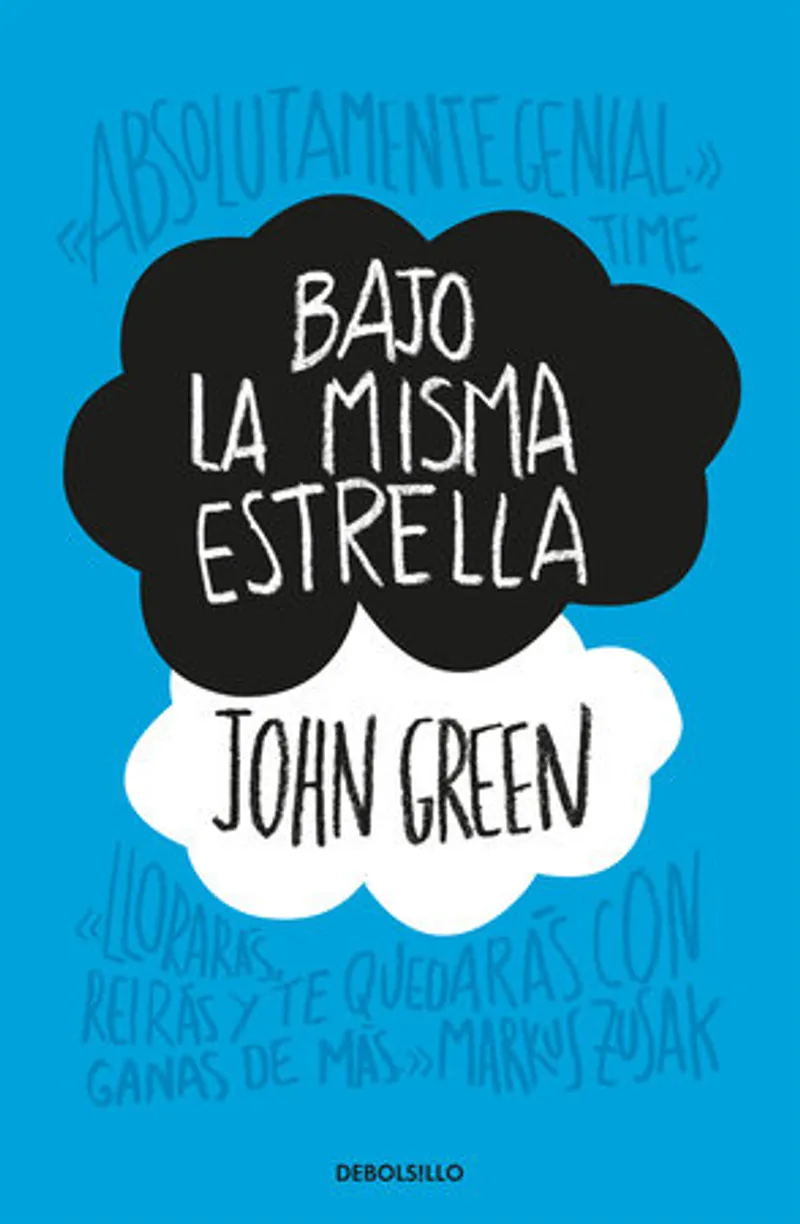
Bajo la misma estrella / The Fault in Our Stars Book Review and Summary
Bajo la misma estrella / The Fault in Our Stars Author: John GreenPage Count: UnknownPublication Date: 2019-PRH In "The Fault in Our Stars," John Green crafts a poignant and thought-provoking tale that delves into the complexities of life, love, and mortality. This bestselling novel has captured the hearts of millions worldwide, and its enduring popularity is a testament to Green's masterful storytelling. At its core, the book is a heart-wrenching love story about two teenagers, Hazel and Augustus, who meet at a cancer support group. Both are struggling to come to terms with their own mortality, and their chance encounter sets off a chain of events that will change their lives forever. As they embark on a journey to Amsterdam to meet Hazel's favorite author, they must confront the harsh realities of their existence and the meaning of life. Green's writing style is characterized by his insightful and often humorous observations on the human condition. He tackles complex themes such as the impermanence of life, the cruelty of fate, and the resilience of the human spirit with remarkable sensitivity and wit. His use of language is both poignant and powerful, making it impossible not to become emotionally invested in the lives of his characters. One of the most striking aspects of the book is its ability to balance humor and pathos. Green's characters are multidimensional and relatable, and their conversations are often laugh-out-loud funny. However, the author never shies away from exploring the darker aspects of life, and the book's emotional impact is both intense and cathartic. The novel's exploration of mortality is both profound and thought-provoking. Green raises important questions about the meaning of life and the impact we have on those around us. Through Hazel and Augustus's story, he shows us that even in the face of adversity, life can be precious, beautiful, and worth living. The characters in the book are well-developed and complex, with Hazel and Augustus being particularly well-crafted. They are both flawed and vulnerable, yet incredibly strong and resilient. Their relationship is authentic and heartfelt, and their love for each other is both tender and passionate. In conclusion, "The Fault in Our Stars" is a masterpiece of contemporary literature that will leave readers laughing, crying, and reflecting on the human experience. John Green's writing is both beautiful and powerful, and his characters are memorable and relatable. This book is a must-read for anyone who has ever loved, lost, or struggled to find their place in the world. #TheFaultInOurStars #JohnGreen #CancerAwareness #LoveStory #MortalityAndMorality #YAFiction Related InsightsThe True Love Experiment Book Review and Summary Atlas de lugares extraordinarios para pequeños curiosos / Atlas of Extraordinary Places to Discover the World Book Review and Summary Black Gold Book Review and Summary{ "@context": "https://schema.org", "@type": "FAQPage", "mainEntity": [ { "@type": "Question", "name": "What is the main focus of Bajo la misma estrella / The Fault in Our Stars Book Review and Summary?", "acceptedAnswer": { "@type": "Answer", "text": "Everything you need to know about Bajo la misma estrella / The Fault in Our Stars with our detailed review." } }, { "@type": "Question", "name": "Who authored the comprehensive guide on Bajo la misma estrella / The Fault in Our Stars Book Review and Summary?", "acceptedAnswer": { "@type": "Answer", "text": "This detailed article and its insights were carefully researched and authored by Anna Kowalska." } }, { "@type": "Question", "name": "Where can I find more related content about Books?", "acceptedAnswer": { "@type": "Answer", "text": "You can explore more articles, detailed reviews, and similar insights by browsing the Related Insights section at the bottom of this article or visiting our dedicated Books category page." } } ] }
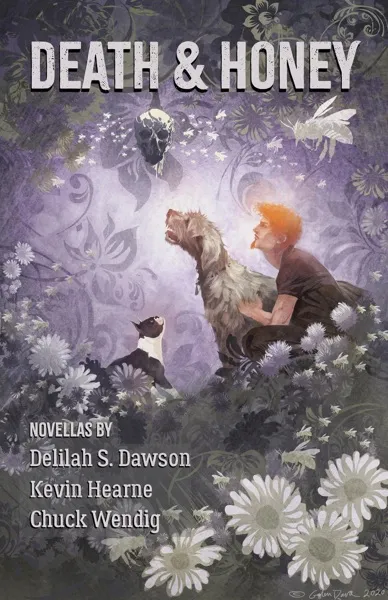
Death & Honey Author: Kevin HearnePage Count: UnknownPublication Year: 2019-GB Kevin Hearne’s Death & Honey isn’t just another urban fantasy—it’s a darkly poetic ode to mortality, myth, and the raw, unfiltered pulse of life that thrums beneath the surface of the mundane. Published in 2019, this novel cements Hearne’s reputation as a master storyteller who blends razor-sharp wit with a brooding, almost mythic gravitas. If you’ve ever wondered what it would be like to stare into the abyss and laugh while doing it, this book is your mirror. At its core, Death & Honey is a meditation on the inevitability of endings—whether they come in the form of death, heartbreak, or the slow decay of time itself. The title itself is a metaphorical whisper: sweetness can only be savored when it’s fleeting, and death, in Hearne’s world, is not just an ending but a companion, a character as vivid as the living. The protagonist, a wise-cracking yet deeply introspective figure navigating a world where gods walk among mortals, serves as our guide through this existential labyrinth. Hearne doesn’t shy away from the weight of his themes; instead, he drapes them in humor, action, and a prose style that’s as lush as it is precise. One of the most striking aspects of Hearne’s writing is his ability to balance levity with profundity. His dialogue crackles with the kind of snarky, pop-culture-infused banter that fans of urban fantasy have come to expect, but beneath the quips lies a deeper current of melancholy. It’s as if Hearne is whispering to the reader: Yes, life is absurd, and yes, it’s beautiful, and yes, it’s ending—so let’s make it count. This tonal duality makes Death & Honey feel like a conversation with a friend who’s both hilarious and hauntingly wise. The world-building in this novel is another standout. Hearne doesn’t just create a setting; he crafts an atmosphere. Whether it’s the neon-lit streets of a modern city where ancient deities lurk in the shadows or the quiet, aching solitude of a character reflecting on their own mortality, every scene feels vividly real. The gods here aren’t distant, omnipotent figures—they’re flawed, capricious, and deeply human, which makes their presence all the more compelling. Hearne’s ability to weave mythology into the fabric of a contemporary urban landscape is nothing short of masterful. But it’s the emotional resonance of Death & Honey that lingers longest. Hearne doesn’t just tell a story; he invites the reader to sit with discomfort, to laugh at the absurdity of existence, and to confront the fragility of life without flinching. There’s a raw honesty in his prose that’s rare in genre fiction, a willingness to embrace the bittersweet without sugarcoating it. The honey in the title isn’t just a sweet treat; it’s a reminder that even in the face of death, there is still flavor, still joy, still meaning to be found. Hearne’s prose is also a study in economy and impact. He doesn’t waste words, yet every sentence feels deliberate, every scene charged with purpose. His descriptions are vivid without being overwrought, and his pacing is relentless, pulling the reader forward with a mix of humor, suspense, and existential dread. It’s a style that rewards close reading but also works beautifully as a page-turner—you’ll find yourself racing to the end, only to pause and savor the echoes of what you’ve just read. For fans of Hearne’s previous works, Death & Honey will feel like a natural evolution of his craft. For newcomers, it’s an introduction to a writer who can make the cosmic feel intimate and the mundane feel epic. This novel isn’t just about facing death; it’s about understanding that life, in all its messy, honey-sweet glory, is worth the pain of its passing. In a literary landscape crowded with forgettable genre fiction, Death & Honey stands out as a work of true depth and heart. It’s a book that will make you laugh, make you think, and maybe even make you shed a tear—all while keeping you on the edge of your seat. Kevin Hearne has crafted something rare here: a story that’s both a thrilling adventure and a poignant meditation on what it means to be alive. #DeathAndHoney #KevinHearne #UrbanFantasy #MythologyRetold #ExistentialFantasy #BookReview Related InsightsThe Awakening Book Review and Summary Katabasis Book Review and Summary Body Shocks Book Review and Summary{ "@context": "https://schema.org", "@type": "FAQPage", "mainEntity": [ { "@type": "Question", "name": "What is the main focus of Death & Honey Book Review and Summary?", "acceptedAnswer": { "@type": "Answer", "text": "Everything you need to know about Death & Honey with our detailed review." } }, { "@type": "Question", "name": "Who authored the comprehensive guide on Death & Honey Book Review and Summary?", "acceptedAnswer": { "@type": "Answer", "text": "This detailed article and its insights were carefully researched and authored by Sofia Bianchi." } }, { "@type": "Question", "name": "Where can I find more related content about Books?", "acceptedAnswer": { "@type": "Answer", "text": "You can explore more articles, detailed reviews, and similar insights by browsing the Related Insights section at the bottom of this article or visiting our dedicated Books category page." } } ] }
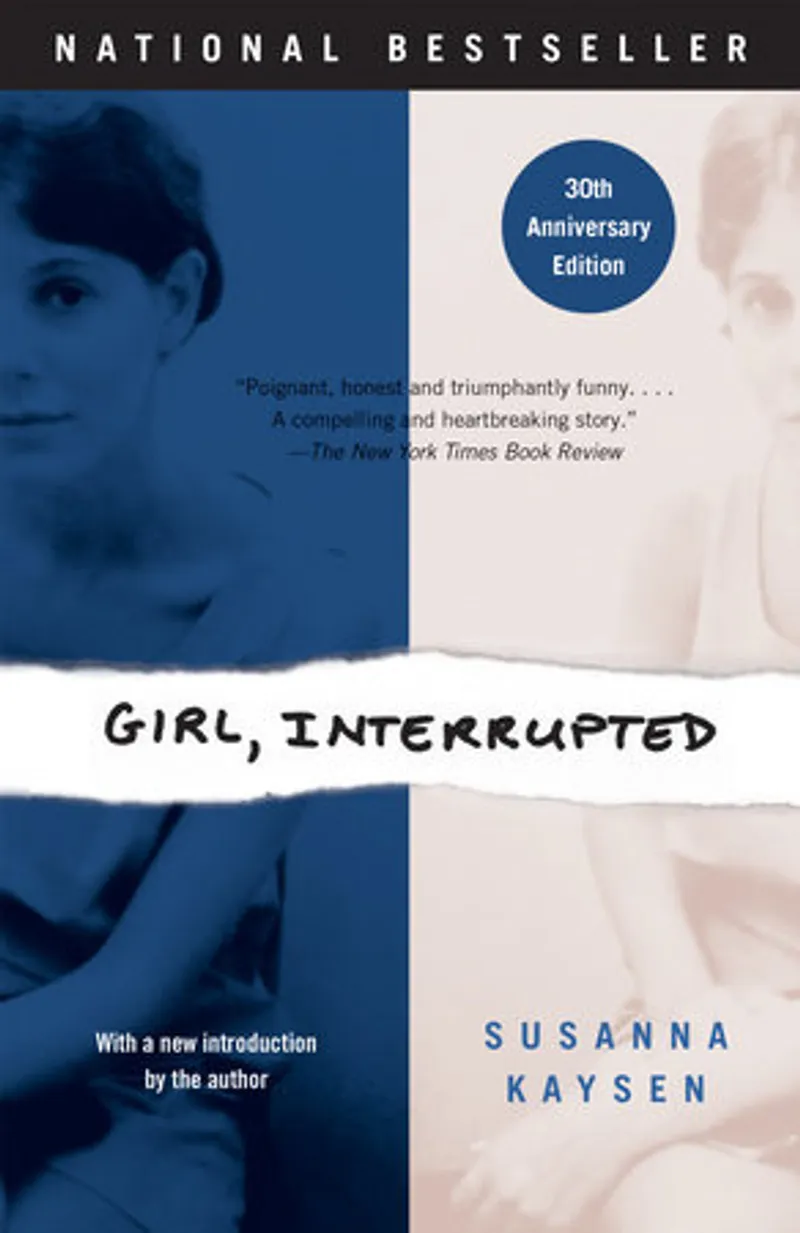
Girl, Interrupted Author: Susanna KaysenPage Count: UnknownPublication Date: 1994-PRH In "Girl, Interrupted," Susanna Kaysen crafts a poignant and unflinchingly honest memoir that delves into the complexities of the human mind, challenging the boundaries between sanity and insanity. This semi-autobiographical account of Kaysen's two-year stay at McLean Hospital's psychiatric ward in the late 1960s is a thought-provoking exploration of mental illness, identity, and the struggles of adolescence. Kaysen's writing style is striking in its simplicity, clarity, and wit, making this memoir a compelling and accessible read. Her narrative voice is both introspective and detached, allowing the reader to witness her experiences with a sense of immediacy and intimacy. The author's use of vivid imagery and sharp observations brings the psychiatric ward to life, creating a "parallel universe" that is both fascinating and unsettling. One of the primary themes of "Girl, Interrupted" is the blurring of lines between sanity and insanity. Kaysen's account challenges the notion that these concepts are fixed or absolute, instead revealing the fluidity and subjectivity of mental health diagnoses. Through her own experiences and those of her fellow patients, Kaysen illustrates the complexities of the human mind, highlighting the difficulties of distinguishing between "normal" and "abnormal" behavior. The author's portrayal of her fellow patients is particularly noteworthy, as she captures their unique personalities, struggles, and quirks with remarkable sensitivity and nuance. From the enigmatic Lisa, who embodies the complexities of sociopathy, to the fragile Polly, who is struggling to come to terms with her own trauma, Kaysen's characterizations are multifaceted and deeply human. Throughout the memoir, Kaysen also critiques the psychiatric establishment, questioning the methods and motivations of the doctors and nurses who treat her and her fellow patients. Her observations on the power dynamics at play in the hospital are astute and unsettling, highlighting the tensions between those who are deemed "sane" and those who are labeled "insane." Ultimately, "Girl, Interrupted" is a triumphant and thought-provoking memoir that challenges readers to reconsider their assumptions about mental illness and the human experience. Kaysen's writing is both poignant and humorous, making this a compelling and unforgettable read. #MentalHealthAwareness #PsychologicalMemoir #GirlInterrupted #SusannaKaysen #PsychiatricWard #ComingOfAgeStory Related InsightsRuby Fever Book Review and Summary Little House on the Prairie Book Review and Summary Crying on the Kitchen Floor: A Memoir Book Review and Summary{ "@context": "https://schema.org", "@type": "FAQPage", "mainEntity": [ { "@type": "Question", "name": "What is the main focus of Girl, Interrupted Book Review and Summary?", "acceptedAnswer": { "@type": "Answer", "text": "Everything you need to know about Girl, Interrupted with our detailed review." } }, { "@type": "Question", "name": "Who authored the comprehensive guide on Girl, Interrupted Book Review and Summary?", "acceptedAnswer": { "@type": "Answer", "text": "This detailed article and its insights were carefully researched and authored by Susanna Kaysen." } }, { "@type": "Question", "name": "Where can I find more related content about Books?", "acceptedAnswer": { "@type": "Answer", "text": "You can explore more articles, detailed reviews, and similar insights by browsing the Related Insights section at the bottom of this article or visiting our dedicated Books category page." } } ] }
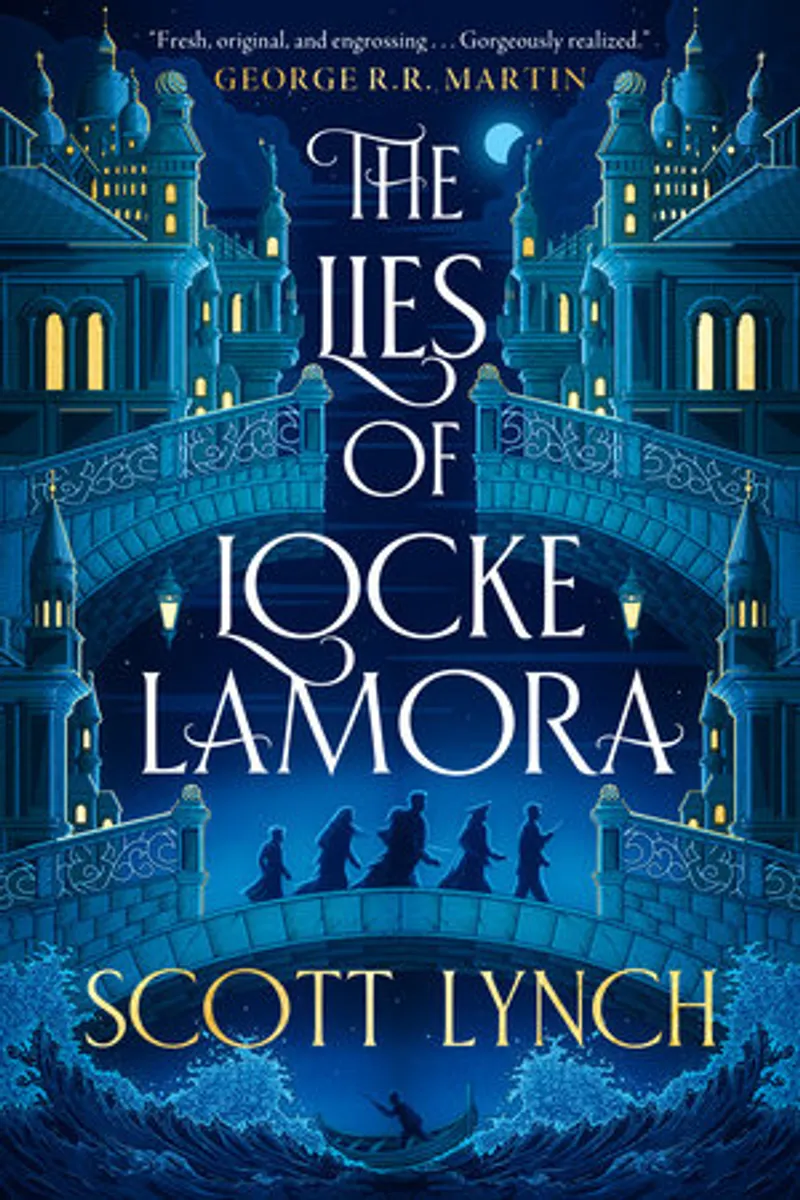
The Lies of Locke Lamora Author: Scott LynchPage Count: UnknownPublication Date: 2024-PRH Scott Lynch’s The Lies of Locke Lamora is a masterclass in blending cunning wit with brutal realism, a book that doesn’t just tell a story but immerses you in a world where every smile hides a knife and every plan is a gamble against the house. Published in 2006 but still feeling as fresh as a dagger pulled from its sheath, this novel is the first in the Gentleman Bastard Sequence, and it announces Scott Lynch as a voice in fantasy who refuses to play by the rules. If you’ve ever wanted a heist story where the thieves are philosophers, the city is a character, and the stakes are life and death—then this is your book. At its core, The Lies of Locke Lamora is about survival through deception. Locke Lamora, the titular protagonist, is a thief, a con artist, and a survivor who leads the Gentlemen Bastards—a tight-knit gang of orphans turned criminals. Their world is Camorr, a Venice-inspired city of canals, noble intrigue, and a shadowy underworld ruled by the mysterious and feared Duke Nicovante. But beneath the opulence lies a ruthless game where trust is currency and betrayal is the only constant. Locke’s genius lies not in brute force but in his ability to manipulate perception, turning even the most dangerous situations into opportunities for profit—or escape. Lynch’s style is what makes this book unforgettable. He writes with a razor-sharp wit that cuts through the fantasy trappings, delivering dialogue that crackles with intelligence and humor. Locke is a narrator who never takes himself too seriously, even as he navigates knife fights, elaborate cons, and the ever-present threat of death. His voice is that of a rogue who knows he’s clever but isn’t arrogant about it—he’s too busy being clever to waste time on ego. The prose is rich but never overwrought, painting Camorr in vivid strokes without drowning the reader in purple prose. Lynch understands that the best fantasy isn’t about describing dragons or magic systems—it’s about the people who live in those worlds, and how they survive them. The book’s structure is another triumph. Lynch doesn’t just drop you into a heist and let it unfold in real time—he builds tension through layered storytelling. We see Locke’s past, his training under the enigmatic Father Chains, and the formation of the Gentlemen Bastards. We witness their early cons, their growing reputation, and the slow burn of their rivalry with the sinister Capa Barsavi. Then, just as the reader is lulled into the rhythm of Locke’s world, Lynch pulls the rug out. The second half of the book is a relentless, blood-soaked escalation where every victory comes at a cost, and every plan risks unraveling. The pacing is masterful, shifting from witty banter to heart-pounding action with the precision of a duelist’s blade. What truly sets The Lies of Locke Lamora apart, however, is its refusal to romanticize its characters. Locke is brilliant, but he’s also selfish, reckless, and prone to underestimating his enemies. His friends are loyal, but they’re also flawed—some are greedy, others naive, and a few are downright dangerous. The villains, too, are complex. The Capa Barsavi isn’t just a mustache-twirling thug; he’s a man who rules through a mix of fear and grudging respect, and his conflict with Locke feels personal, not just professional. Lynch doesn’t give us heroes and villains in the traditional sense. Instead, he gives us people—flawed, desperate, and brilliant—fighting for survival in a world that rewards cunning above all else. The book’s themes resonate just as strongly today as they did nearly two decades ago. In an era where trust in institutions is eroding and survival often depends on one’s ability to navigate deception, Locke Lamora feels like a prophet of the modern age. He’s a trickster, a survivor, a man who knows that the world is rigged against the little guy—but he’s determined to rig it right back. The novel’s exploration of power, loyalty, and the cost of ambition is wrapped in a story that’s as entertaining as it is thought-provoking. Scott Lynch’s writing is a rare blend of intellectual depth and visceral thrills. He doesn’t just tell you about Locke’s schemes—he makes you feel the tension, the exhilaration, the sheer audacity of pulling off a con in a city where one wrong move means a knife in the ribs. The world of Camorr is alive with detail, from the opulent palaces of the nobility to the squalid alleys where the poor and the desperate scrape by. Lynch’s worldbuilding is immersive without being overwhelming, letting the story drive the experience rather than bogging it down with exposition. If there’s a criticism to be leveled, it’s that the book’s second act can feel overwhelming at times. The escalation of violence and the sheer number of twists might leave some readers breathless, but that’s part of the book’s genius. Lynch doesn’t let you get comfortable. Just when you think you’ve got Locke figured out, he throws another curveball. It’s a testament to his skill as a storyteller that even in the most chaotic moments, the narrative never feels out of control. The Lies of Locke Lamora is more than just a fantasy novel—it’s a love letter to the art of the con, a meditation on survival, and a masterclass in storytelling. It’s the kind of book that rewards rereading, where you’ll catch new details in Locke’s schemes, appreciate the subtlety of his dialogue, and marvel at the sheer audacity of his plans. If you’re looking for a fantasy novel that’s as smart as it is exciting, as witty as it is brutal, then this is the book for you. #FantasyHeist #LockeLamora #ScottLynch #GentlemanBastards #EpicFantasy #BookReview Related InsightsFicciones Book Review and Summary American Anti-Slavery Almanac, For ... Book Review and Summary Bride Book Review and Summary{ "@context": "https://schema.org", "@type": "FAQPage", "mainEntity": [ { "@type": "Question", "name": "What is the main focus of The Lies of Locke Lamora Book Review and Summary?", "acceptedAnswer": { "@type": "Answer", "text": "Everything you need to know about The Lies of Locke Lamora with our detailed review." } }, { "@type": "Question", "name": "Who authored the comprehensive guide on The Lies of Locke Lamora Book Review and Summary?", "acceptedAnswer": { "@type": "Answer", "text": "This detailed article and its insights were carefully researched and authored by Scott Lynch." } }, { "@type": "Question", "name": "Where can I find more related content about Books?", "acceptedAnswer": { "@type": "Answer", "text": "You can explore more articles, detailed reviews, and similar insights by browsing the Related Insights section at the bottom of this article or visiting our dedicated Books category page." } } ] }

Iron Flame Author: Rebecca YarrosPage Count: UnknownPublication Year: 2023-GB Iron Flame is more than just a book; it’s a tempest of emotion, ambition, and raw power, wrapped in the searing prose of Rebecca Yarros. A global phenomenon that has captivated millions, this follow-up to Fourth Wing doesn’t just meet expectations—it incinerates them, leaving readers breathless and begging for more. Yarros doesn’t just tell a story; she forges an experience, one that lingers like the aftertaste of smoke after a dragon’s blast. At its core, Iron Flame is a story about legacy—not the kind passed down through bloodlines, but the kind carved through fire, sacrifice, and unrelenting will. The book thrusts Violet Sorrengail, our indomitable protagonist, into a world where the past is a weapon, the present is a battleground, and the future is a prize to be seized at any cost. Yarros explores the duality of power: how it corrupts, how it heals, and how it demands everything in exchange for a single, fleeting moment of control. Violet, already broken and resilient, must now navigate the treacherous waters of leadership, where every decision could ignite a war—or extinguish one. The theme isn’t just about strength; it’s about the cost of strength, the scars it leaves, and whether the fire that shapes you is also the fire that consumes you. Yarros’ style is electric, a whirlwind of sharp dialogue, visceral action, and emotional depth that refuses to let go. Her prose is muscular, stripped of unnecessary flourish, yet rich with the kind of detail that makes the world feel alive. The dragons aren’t just creatures; they’re extensions of the riders’ souls, their bonds forged in blood and fire. The training sequences—brutal, relentless—read like a cross between Ender’s Game and Game of Thrones, where every drill and sparring match is a step closer to either triumph or annihilation. But what truly sets Yarros apart is her ability to weave romance not as a subplot, but as a force of nature. The love story here isn’t soft or saccharine; it’s a wildfire, consuming and transforming both characters in ways that feel as inevitable as they are dangerous. The stakes in Iron Flame are sky-high, not just in terms of world-ending conflicts, but in the intimate, personal battles Violet faces. Betrayal, doubt, and the weight of expectation press down on her at every turn, and Yarros doesn’t shy away from making her suffer—because suffering, in this world, is the price of growth. The political intrigue is equally gripping, with alliances shifting like desert sands and enemies lurking in the most unexpected places. Yarros excels at creating a sense of paranoia, where trust is a luxury few can afford, and every handshake could be a dagger in disguise. What makes this book so compelling is its refusal to romanticize power. Violet isn’t a hero in the traditional sense; she’s flawed, impulsive, and often her own worst enemy. The dragons aren’t noble creatures; they’re wild, dangerous, and sometimes downright terrifying. Even the victories feel pyrrhic, won at a cost that leaves scars both visible and invisible. Yarros understands that power isn’t about glory—it’s about survival, about the choices you make when the world is burning around you. The pacing is relentless, hurtling forward with the momentum of a stampede. There’s no time for languid introspection here; every chapter is a punch to the gut, a revelation, or a heart-stopping moment of near-disaster. The action sequences are cinematic, with Yarros’ vivid descriptions making each battle feel immediate and visceral. You don’t just read about Violet dodging dragonfire—you feel the heat on your skin, the adrenaline in your veins. Yarros’ strength as a writer lies in her ability to balance spectacle with substance. The magic system, if it can even be called a system, is organic and immersive, with the dragons’ abilities tied intrinsically to the riders’ emotions and willpower. The world-building is expansive but never overwhelming, with just enough detail to ground the reader in this brutal, beautiful universe. The supporting cast is equally compelling, each character a mirror or a foil to Violet, their own arcs intersecting and diverging in ways that keep the narrative fresh and unpredictable. If there’s a weakness to be found, it’s in the occasional predictability of certain plot twists. Some conflicts resolve with a neatness that feels a tad too convenient, and a few character motivations can be telegraphed from miles away. But these are minor quibbles in a story that otherwise crackles with energy and heart. Yarros doesn’t waste time; she grabs you by the collar and drags you into Violet’s world, where every page is a battle, every conversation a potential landmine. Iron Flame is a book that demands to be felt. It’s not for the faint of heart—its rawness, its brutality, its unflinching gaze into the cost of power will leave you breathless. But that’s exactly why it’s so unforgettable. Yarros doesn’t just write stories; she crafts experiences that linger, that haunt, that change you. This is a book for anyone who’s ever felt the fire of ambition burning inside them, for anyone who’s looked into the eyes of a dragon and wondered what it would cost to ride it into the storm. In the end, Iron Flame is more than a sequel. It’s a testament to the idea that strength isn’t measured by what you can destroy, but by what you can endure—and what you refuse to become. #IronFlame #FourthWingSeries #DragonRiders #FantasyBooks #RebeccaYarros #BookTok Related InsightsThe Black Dahlia Ellroy, James Aug-01-2006 Paperback Book Review and Summary Reap & Sow Book Review and Summary The Woven Bag Book Review and Summary{ "@context": "https://schema.org", "@type": "FAQPage", "mainEntity": [ { "@type": "Question", "name": "What is the main focus of Iron Flame Book Review and Summary?", "acceptedAnswer": { "@type": "Answer", "text": "Everything you need to know about Iron Flame with our detailed review." } }, { "@type": "Question", "name": "Who authored the comprehensive guide on Iron Flame Book Review and Summary?", "acceptedAnswer": { "@type": "Answer", "text": "This detailed article and its insights were carefully researched and authored by Victoria Smith." } }, { "@type": "Question", "name": "Where can I find more related content about Books?", "acceptedAnswer": { "@type": "Answer", "text": "You can explore more articles, detailed reviews, and similar insights by browsing the Related Insights section at the bottom of this article or visiting our dedicated Books category page." } } ] }
Pack Ready Player (contiene: Ready Player One / Ready Player Two) / Ready Player Two-book bundle (Includes: Ready Player One / Ready Player Author: Ernest ClinePage Count: UnknownPublication Date: 2026-PRH Ernest Cline’s Pack Ready Player is a literary time capsule—an explosive fusion of nostalgia, futuristic escapism, and relentless pop-culture obsession. This two-book bundle, Ready Player One and Ready Player Two, isn’t just a story; it’s a cultural artifact that captures the zeitgeist of the 2010s and 2020s, blending the grit of a dystopian future with the glittering allure of 1980s and 1990s geekdom. Cline, a self-proclaimed "pop-culture archaeologist," doesn’t just write about obsession—he weaponizes it, turning his readers into treasure hunters, arcade warriors, and VR pioneers in a world where the past is the ultimate power-up. At its core, Ready Player One is a love letter to the internet’s golden age—a sprawling, high-stakes treasure hunt set in 2045, where the world is on the brink of collapse due to energy crises and economic despair. Humanity’s last refuge? The OASIS, a sprawling virtual reality universe where people escape into pixelated dreams of adventure, romance, and competition. When its creator, James Halliday, dies, he leaves behind a cryptic challenge: find three hidden keys within the OASIS to inherit his fortune and control over the digital world. The catch? The hunt is a gauntlet of 1980s pop culture trivia, arcade games, and sci-fi references so dense it feels like Cline’s brain dumped its entire contents into the narrative. Cline’s prose is a double-edged sword—part exhilarating rush, part overwhelming deluge. His writing is unapologetically maximalist, packed with references to Dungeons & Dragons, WarGames, The Shining, and Back to the Future. For those fluent in 80s and 90s nerdom, it’s a thrilling Easter egg hunt; for others, it’s a barrage of inside jokes that might leave them scrambling for Wikipedia. But that’s the point. Cline doesn’t just tell a story—he invites you into a club, a secret society of those who grew up with dial-up modems and VHS tapes. The book’s energy is infectious, its pacing relentless, and its world-building so vivid you can almost smell the stale pizza and hear the hum of a CRT monitor. Ready Player Two picks up where the first left off, but with a twist: the OASIS is now a corporate-controlled dystopia, and the stakes are higher than ever. The sequel expands the scope, introducing new virtual worlds, deeper lore, and a villain who’s as much a product of corporate greed as he is a personal antagonist. Cline doubles down on his signature style—more references, more nostalgia, more high-speed action—but this time, the emotional core feels slightly more developed. The characters, particularly protagonist Wade Watts, grow beyond their one-dimensional avatars, grappling with loss, responsibility, and the cost of escapism. Cline’s greatest strength—and occasional weakness—is his unfiltered enthusiasm. His prose can feel like a firehose of information, drowning in acronyms, slang, and obscure references. Yet, this is also what makes his work so magnetic. He writes with the fervor of a fan who’s finally gotten the chance to geek out on a global stage, and that passion is contagious. The books aren’t just about winning a game; they’re about the joy of discovery, the thrill of recognition, and the bittersweet realization that some things—like the magic of a physical arcade cabinet or the crackle of a vinyl record—can’t be perfectly replicated in the digital realm. Thematically, Pack Ready Player is a meditation on escapism versus engagement. The OASIS is both a sanctuary and a prison, a place where people can be anyone but are often too afraid to be themselves. Cline doesn’t shy away from the darker implications of a world that prefers virtual reality to real life, but he also doesn’t judge. Instead, he celebrates the ways people use fiction, games, and shared culture to cope, connect, and create meaning. In an era where screens dominate our lives, the books feel eerily prescient, asking: What happens when the line between the real and the virtual blurs beyond recognition? Cline’s style is a love letter to the internet’s early days—a time when dial-up tones were the soundtrack to adventure, and forums were the closest thing to a global village. His writing is messy, chaotic, and occasionally exhausting, but it’s also exhilarating, like riding a rollercoaster blindfolded. For those who grew up in the shadow of Tron and Neuromancer, these books are a homecoming. For younger readers, they’re a time capsule of a world that feels both alien and nostalgic. Ultimately, Pack Ready Player is more than a book—it’s an experience. It’s a challenge, a celebration, and a warning wrapped in neon-lit prose and 8-bit nostalgia. Ernest Cline doesn’t just write sci-fi; he crafts a cultural artifact that demands to be lived in, debated, and, above all, played. #ReadyPlayerOne #ErnestCline #SciFiNostalgia #VirtualReality #PopCultureObsession #GeekParadise Related InsightsHollow Bones Book Review and Summary They Know If You've Been Bad or Good (Naughty or Nice, 3) Book Review and Summary Bad Honeymoon Book Review and Summary{ "@context": "https://schema.org", "@type": "FAQPage", "mainEntity": [ { "@type": "Question", "name": "What is the main focus of Ready Player One Book Review and Summary?", "acceptedAnswer": { "@type": "Answer", "text": "Everything you need to know about Ready Player One with our detailed review." } }, { "@type": "Question", "name": "Who authored the comprehensive guide on Ready Player One Book Review and Summary?", "acceptedAnswer": { "@type": "Answer", "text": "This detailed article and its insights were carefully researched and authored by Ernest Cline." } }, { "@type": "Question", "name": "Where can I find more related content about Books?", "acceptedAnswer": { "@type": "Answer", "text": "You can explore more articles, detailed reviews, and similar insights by browsing the Related Insights section at the bottom of this article or visiting our dedicated Books category page." } } ] }
The Secrets of the Pied Piper 2: The Magician's Key Author: Matthew CodyPage Count: UnknownPublication Date: 2016-PRH The Magician’s Key: A Dark, Dazzling Descent into the Pied Piper’s Labyrinth Matthew Cody’s The Secrets of the Pied Piper 2: The Magician’s Key is a masterclass in weaving folklore into a modern, high-stakes adventure—one that balances eerie mystery with heart-pounding action. Following the breakneck pace of The Peddler’s Road, Cody doubles down on the series’ signature blend of fairy-tale dread and sibling devotion, crafting a sequel that’s as emotionally resonant as it is thrilling. At its core, The Magician’s Key is a story about separation and reunion, not just of Max and Carter but of the fractured world they inhabit. The Pied Piper’s curse has torn them apart—Max trapped in the real world, desperate to return to the Summer Isle, while Carter is reluctantly guided (or manipulated) by the Piper himself. Their quests mirror each other: Max must outwit the sinister Vodnik to claim the titular key, while Carter navigates a treacherous alliance with the very villain who ensnared them. Cody excels at making their parallel journeys feel urgent and interconnected, even when they’re physically apart. The emotional weight of their separation lingers like a spell, making every victory—and every setback—feel personal. What sets Cody apart is his ability to infuse classic fairy-tale elements with fresh, often unsettling twists. Vodnik, the villain of the hour, is a delightfully grotesque figure—a magician who hoards souls in jars, his lair a grotesque museum of stolen identities. His magic is both whimsical and terrifying, a reminder that in Cody’s world, even the smallest objects (like a key) can carry deadly consequences. The supporting cast is equally memorable: Bandybulb the kobold, whose loyalty is as steadfast as his appetite; a bashful trollson who defies expectations; and an elf who’s equal parts daring and reckless. Cody’s world-building is rich with detail, from the seafaring hobgoblins to the eerie, ever-shifting landscapes of the Summer Isle. It’s a place where fairy tales aren’t just stories—they’re living, breathing threats. Cody’s prose is sharp and immersive, with a knack for pacing that keeps the pages turning. His writing has a cinematic quality, whether he’s describing a chase through a labyrinth of enchanted mirrors or a tense negotiation with a morally ambiguous ally. The dialogue crackles with wit and tension, particularly in Carter’s uneasy interactions with the Pied Piper, whose charm is as dangerous as his malice. Cody doesn’t shy away from darkness—there are moments of genuine peril, betrayal, and loss—but he balances it with warmth, especially in the bonds between the siblings and their found family of misfits. The book’s central theme—sacrifice—weighs heavily on every decision. Max and Carter’s parents are held hostage, their fates tied to the key’s retrieval, and the cost of saving them isn’t just physical but emotional. Cody asks: How much are you willing to give up to reunite with those you love? The answer isn’t simple, and the story’s moral ambiguity adds depth to what could have been a straightforward quest. By the end, readers are left questioning whether some debts can ever truly be repaid. Fans of fractured fairy tales and high-stakes adventure will find The Magician’s Key irresistible. Cody’s trilogy is shaping up to be a modern classic in the vein of A Tale Dark and Grimm, blending humor, horror, and heart in equal measure. It’s a book that demands to be read in one sitting—preferably under a blanket, with the lights on. #PiedPiperTrilogy #DarkFantasy #MiddleGradeAdventure #FairyTaleRetelling #MatthewCody #SiblingQuest Related InsightsInvisible Girl Book Review and Summary Infinite Jest Book Review and Summary Silence Book Review and Summary{ "@context": "https://schema.org", "@type": "FAQPage", "mainEntity": [ { "@type": "Question", "name": "What is the main focus of The Magician’s Nephew Book Review and Summary?", "acceptedAnswer": { "@type": "Answer", "text": "Everything you need to know about The Magician’s Nephew with our detailed review." } }, { "@type": "Question", "name": "Who authored the comprehensive guide on The Magician’s Nephew Book Review and Summary?", "acceptedAnswer": { "@type": "Answer", "text": "This detailed article and its insights were carefully researched and authored by C.S. Lewis." } }, { "@type": "Question", "name": "Where can I find more related content about Books?", "acceptedAnswer": { "@type": "Answer", "text": "You can explore more articles, detailed reviews, and similar insights by browsing the Related Insights section at the bottom of this article or visiting our dedicated Books category page." } } ] }
His Dark Materials Omnibus Author: Philip PullmanPage Count: UnknownPublication Date: 2012-PRH In the realm of modern fantasy, few series have managed to captivate readers with the same level of depth and complexity as Philip Pullman's His Dark Materials. This omnibus edition brings together the trilogy's three installments - The Golden Compass, The Subtle Knife, and The Amber Spyglass - in one breathtaking volume that promises to transport readers to a world of wonder and awe. At its core, His Dark Materials is a story about the power of innocence and the resilience of the human spirit. Lyra, a young girl from a parallel universe, embarks on a perilous journey through a series of haunted otherworlds, accompanied by Will, a boy from our own world. As they navigate treacherous landscapes and encounter a cast of characters that includes witches, armored bears, and fallen angels, they begin to unravel a mystery that threatens the very fabric of their existence. Pullman's masterful storytelling is woven from a rich tapestry of mythology, philosophy, and science, creating a narrative that is both fantastical and grounded in reality. His writing is characterized by a sense of scope and grandeur, with a keen eye for detail that brings the world of His Dark Materials to vivid life. From the majestic cities of Cittàgazze to the desolate landscapes of the frozen north, Pullman's world-building is nothing short of breathtaking. One of the most striking aspects of Pullman's style is his ability to balance action, adventure, and intellectual curiosity. His Dark Materials is a series that is unafraid to tackle big questions about the nature of power, identity, and the human condition. Through Lyra and Will's journey, Pullman explores complex themes such as the consequences of playing god, the dangers of blind obedience, and the importance of empathy and compassion. Throughout the series, Pullman's characters are multidimensional and richly drawn, with a depth and complexity that makes them feel fully realized. Lyra, in particular, is a triumph of characterization - a fierce, determined, and vulnerable heroine who embodies the best qualities of adolescence. Her relationship with Will is beautifully nuanced, and their bond is forged in the fire of adversity as they confront the darkness that threatens to consume their worlds. The His Dark Materials trilogy has been widely acclaimed for its innovative storytelling, richly imagined world-building, and memorable characters. It has won numerous awards and has been recognized as one of the greatest juvenile fantasy novels of the past twenty years. Pullman's writing has been praised for its grandeur, complexity, and emotional depth, with many critics hailing him as a genius of modern fantasy. In short, the His Dark Materials omnibus is a must-read for anyone who loves fantasy, adventure, and intellectual curiosity. It is a series that will challenge your assumptions, ignite your imagination, and leave you questioning everything you thought you knew about the world. With its richly imagined world-building, complex characters, and thought-provoking themes, His Dark Materials is a modern classic that will continue to captivate readers for generations to come. #HisDarkMaterials #PhilipPullman #FantasyClassic #TheGoldenCompass #TheSubtleKnife #TheAmberSpyglass Related InsightsSomeone to Honor Book Review and Summary Iron and Magic Book Review and Summary Meant to Be Series, Collection Set of 4 Books. If the Shoe Fits, by the Book, Kiss the Girl, Tangled up in You by Julie Murphy Book Review and Summary{ "@context": "https://schema.org", "@type": "FAQPage", "mainEntity": [ { "@type": "Question", "name": "What is the main focus of His Dark Materials Book Review and Summary?", "acceptedAnswer": { "@type": "Answer", "text": "Everything you need to know about His Dark Materials with our detailed review." } }, { "@type": "Question", "name": "Who authored the comprehensive guide on His Dark Materials Book Review and Summary?", "acceptedAnswer": { "@type": "Answer", "text": "This detailed article and its insights were carefully researched and authored by Philip Pullman." } }, { "@type": "Question", "name": "Where can I find more related content about Books?", "acceptedAnswer": { "@type": "Answer", "text": "You can explore more articles, detailed reviews, and similar insights by browsing the Related Insights section at the bottom of this article or visiting our dedicated Books category page." } } ] }

-
 Marta Wisniewska
 - 01 Apr, 2026 22:55
Todos los fines del mundo / All the Ends of the World Book Review and Summary
Todos los fines del mundo / All the Ends of the World Author: Andrea ChapelaPage Count: UnknownPublication Date: 2025-PRH In the realm of contemporary literature, few authors have managed to captivate readers with the same level of mystique as Andrea Chapela. Her latest novel, "Todos los fines del mundo" (All the Ends of the World), is a testament to her unique ability to weave together seemingly disparate threads into a rich tapestry of human experience. While the exact page count of this literary masterpiece remains unknown, one thing is certain – Chapela's writing is as evocative as it is concise. From the opening pages, it becomes clear that this novel is not just a story, but an odyssey that hurtles readers towards the very edges of existence. At its core, "Todos los fines del mundo" grapples with the concept of liminality – the threshold between worlds, realities, and identities. Chapela's prose masterfully navigates this liminal space, conjuring an atmosphere that is both disorienting and mesmerizing. As the narrative unfolds, the boundaries between past, present, and future begin to blur, plunging the reader into a world where the notion of a fixed self becomes increasingly tenuous. Through her characters, Chapela explores the human condition in all its complexity, laying bare the fragilities and contradictions that define us. Her writing is akin to a slow-burning fire – it crackles with an intensity that is both captivating and unnerving. Each sentence is a masterclass in subtlety, conveying the weight of emotions and ideas with a precision that is nothing short of remarkable. One of the most striking aspects of Chapela's style is her use of language, which is at once poetic and unflinching. Her prose is a symphony of contradictions – tender and brutal, beautiful and grotesque – reflecting the messy, often inexplicable nature of human experience. This is a writer who is unafraid to confront the darker aspects of existence, yet does so with a level of empathy and compassion that is rare in contemporary literature. In "Todos los fines del mundo", Chapela has created a work that defies easy categorization. This is a novel that resists interpretation, instead inviting the reader to surrender to its rhythms and textures. It is an experience that is both deeply personal and universally relatable – a testament to the power of literature to capture the essence of our shared humanity. As the world around us continues to grapple with the complexities of identity, reality, and our place within the universe, "Todos los fines del mundo" stands as a beacon of literary innovation. It is a reminder that, even in the most uncertain of times, the written word has the power to transcend borders, challenge our assumptions, and connect us on a deeper level. "All the Ends of the World" is a triumph of contemporary literature – a novel that will leave you breathless, bewildered, and ultimately, transformed. #LiminalFiction #ContemporaryLiterature #AndreaChapela #TodosLosFinesDelMundo #ExperimentalFiction #LiteraryInnovation Related InsightsClockwork Princess Book Review and Summary Pressure Point (National Parks Thriller #3) Book Review and Summary Alice’s Adventures in Wonderland / Through the Looking-Glass Book Review and Summary{ "@context": "https://schema.org", "@type": "FAQPage", "mainEntity": [ { "@type": "Question", "name": "What is the main focus of Todos los fines del mundo / All the Ends of the World Book Review and Summary?", "acceptedAnswer": { "@type": "Answer", "text": "Everything you need to know about Todos los fines del mundo / All the Ends of the World with our detailed review." } }, { "@type": "Question", "name": "Who authored the comprehensive guide on Todos los fines del mundo / All the Ends of the World Book Review and Summary?", "acceptedAnswer": { "@type": "Answer", "text": "This detailed article and its insights were carefully researched and authored by Marta Wisniewska." } }, { "@type": "Question", "name": "Where can I find more related content about Books?", "acceptedAnswer": { "@type": "Answer", "text": "You can explore more articles, detailed reviews, and similar insights by browsing the Related Insights section at the bottom of this article or visiting our dedicated Books category page." } } ] }
The Only One Left Author: Riley SagerPage Count: UnknownPublication Date: 2024-PRH "The Only One Left": A Haunting Gothic Mystery Where Silence Speaks Volumes Riley Sager has long been a master of blending psychological suspense with gothic atmosphere, and The Only One Left cements his status as a modern purveyor of chilling, twist-laden tales. This isn’t just another haunted-house story—it’s a meticulously crafted psychological puzzle where the past refuses to stay buried, and the line between victim and villain blurs with every tapped-out sentence. At its core, The Only One Left is a meditation on the power—and peril—of untold stories. The novel unfolds in 1983, when Kit McDeere, a young home-health aide, takes a job at Hope’s End, a decaying mansion perched on a Maine cliff. Her patient is Lenora Hope, the last surviving member of a family slaughtered in 1929 under circumstances that eerily mirror the infamous Lizzie Borden case. Lenora, now in her seventies and mute after strokes, communicates only by typing—until one night, she offers Kit a devastating confession: "I want to tell you everything." What follows is a duel of narratives: Lenora’s fragmented, first-person account of that blood-soaked night, and Kit’s growing suspicion that the truth is far more sinister than a simple confession of innocence. The tension isn’t just in what happened, but in who is allowed to tell it. Lenora’s silence is weaponized, her strokes both a physical and emotional barrier that forces Kit to decode her through the clatter of an old typewriter. Sager exploits this device brilliantly, turning the act of typing into a metronome for dread—each keystroke a potential revelation or lie. Thematically, the book interrogates the nature of memory and complicity. Lenora’s story is framed by the playground rhyme that has dogged her since childhood: "At seventeen, Lenora Hope / Hung her sister with a rope." The chant reduces her trauma to a macabre nursery rhyme, stripping her of agency. Sager forces the reader to confront how easily history is distorted when the only voice left to defend it is the accused’s. Is Lenora a victim of circumstance, a woman silenced by strokes who may be manipulating her caretaker—or is she a predator who has spent decades crafting a lie? Sager’s prose is deliberately sparse, mirroring the barren, claustrophobic setting of Hope’s End. The mansion itself is a character—a looming, decaying relic that seems to breathe with the weight of its own history. Descriptions of peeling wallpaper, drafty halls, and the ever-present sound of the ocean crashing against the cliffs ground the supernatural elements in something achingly real. When Kit finds a journal belonging to Lenora’s predecessor—who fled the night before she arrived—it’s not just a plot device; it’s a narrative lifeline, a way to pierce the fog of Lenora’s carefully curated version of events. The author’s greatest strength here is his ability to balance slow-burn suspense with explosive revelations. The dual timeline (1929 and 1983) isn’t just a structural choice; it’s a thematic one, underscoring how trauma reverberates across generations. Lenora’s typed confessions are interspersed with Kit’s own unraveling, as she begins to question whether her patient is a tragic figure or a calculating manipulator. The ambiguity is delicious, and Sager refuses to hand the reader easy answers. Instead, he invites them to sit with the discomfort of uncertainty—a rare and brave choice in a thriller. By the novel’s climax, the lines between caretaker and prisoner, truth and deception, have dissolved entirely. The final pages deliver a gut-punch twist that reframes everything, proving that the most dangerous secrets aren’t the ones buried in the past, but the ones we willingly excavate. The Only One Left isn’t just a gothic whodunit; it’s a chilling exploration of how easily we can be gaslit by history, by memory, and by the people who wield silence like a scalpel. Riley Sager has done it again—crafted a novel that lingers long after the last page, a story that clings to the ribs like sea mist on a cold Maine morning. If you’re a fan of unreliable narrators, morally complex villains, and settings that feel like characters themselves, this is one you won’t want to miss. #TheOnlyOneLeft #RileySager #GothicThriller #PsychologicalSuspense #MysteryBook #DarkMystery Related InsightsThe Soul Catchers Book Review and Summary A Flicker in the Dark Book Review and Summary Cinder Book Review and Summary{ "@context": "https://schema.org", "@type": "FAQPage", "mainEntity": [ { "@type": "Question", "name": "What is the main focus of The Only One Left Book Review and Summary?", "acceptedAnswer": { "@type": "Answer", "text": "Everything you need to know about The Only One Left with our detailed review." } }, { "@type": "Question", "name": "Who authored the comprehensive guide on The Only One Left Book Review and Summary?", "acceptedAnswer": { "@type": "Answer", "text": "This detailed article and its insights were carefully researched and authored by Sofia Bianchi." } }, { "@type": "Question", "name": "Where can I find more related content about Books?", "acceptedAnswer": { "@type": "Answer", "text": "You can explore more articles, detailed reviews, and similar insights by browsing the Related Insights section at the bottom of this article or visiting our dedicated Books category page." } } ] }