Showing Posts From
Books
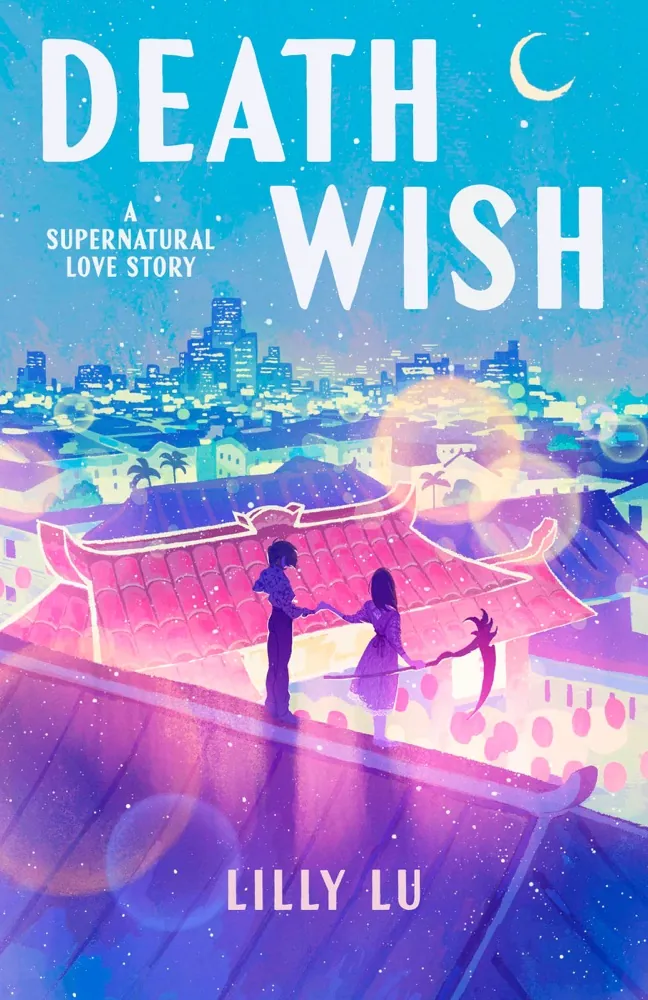

Author: Lilly LuPage Count: UnknownPublication Date: Expected publication 2026 APL Blinking cursor. A merciless white rectangle mocking me on a thirty-two-inch monitor while my next-quarter acquisitions slate sits in a state of terminal, humiliating blankness. Right. Let us dissect Death Wish instead of writing my own damn words. Lilly Lu’s 2026 supernatural sapphic offering arrives riding a wave of high-concept morbidity. We are dealing with an immortal bureaucratic entity—specifically, a century-old Best West Coast Reaper named Amory Ng who moonlights in a pottery class because her lopsided bowls supposedly ground her. Ground her. From what? The sheer, crushing weight of pushing incorporeal consciousnesses into the great unknown? Please. It is a delightfully domestic absurdity to give an existential reaper a hobby straight out of an overpriced Silver Lake artisan collective. The Ceramic Metaphor of Immortality Or maybe the pottery is brilliant. Wait, no. The pottery angle is a completely tired cliché that reduces an eternity of grief into a whimsical DIY afternoon. Actually, let me pivot—clay is genuinely an apt hermeneutic lens for eternity. Shaping mud while ignoring the metaphysical void is peak millennial coping machinery. Lu leans hard into the juxtaposition of dreary supernatural governance and yearning. Centuries of paperwork interrupted by a rogue vampire who desperately wants finality. Clementine Lim dodged her initial reaping and now needs administrative assistance to actually die. Which creates an immediate structural tension: how do you execute a romance where one party's primary objective is permanent cessation? The Pacing Abyss This synopsis reveals a narrative dangerously backloaded with generic action beats. We glide along on the atmospheric friction of longing, pottery dust, and Veil-crossing, only to crash head-first into a standard-issue villain. A murderous vampire maker running rampant. How painfully pedestrian. Why must every atmospheric character study inevitably devolve into a turf war? It screams studio note interference. Give me an entire manuscript of two queer immortals staring across a pottery wheel until someone cries, not a showdown with an absentee sire. Fans of Gideon the Ninth mixed with the moody domesticity of Legends & Lattes will undoubtedly devour this, assuming Lu can sustain the atmospheric tension without leaning on cheap cinematic pyrotechnics. Yet I fear the third act will rush the existential stakes just to clear a contractual word count. The dynamic between a jaded bureaucrat and a tired bloodsucker practically writes itself. It radiates rizz, but hopefully the prose doesn't devolve into mid-tier TikTok-bait dialogue. I need to finalize the floral arrangements for my upcoming book launch before the florist stops answering my emails. #deathwish #booktok #sapphicromance Related InsightsToo Far Book Review and Summary Happy Place Book Review and Summary I'd Tell You I Love You, But Then I'd Have to Kill You Book Review and Summary{ "@context": "https://schema.org", "@type": "FAQPage", "mainEntity": [ { "@type": "Question", "name": "What is the main focus of Death Wish Book Review and Summary?", "acceptedAnswer": { "@type": "Answer", "text": "Everything you need to know about Death Wish with our detailed review." } }, { "@type": "Question", "name": "Who authored the comprehensive guide on Death Wish Book Review and Summary?", "acceptedAnswer": { "@type": "Answer", "text": "This detailed article and its insights were carefully researched and authored by Chloé Laurent." } }, { "@type": "Question", "name": "Where can I find more related content about Books?", "acceptedAnswer": { "@type": "Answer", "text": "You can explore more articles, detailed reviews, and similar insights by browsing the Related Insights section at the bottom of this article or visiting our dedicated Books category page." } } ] }
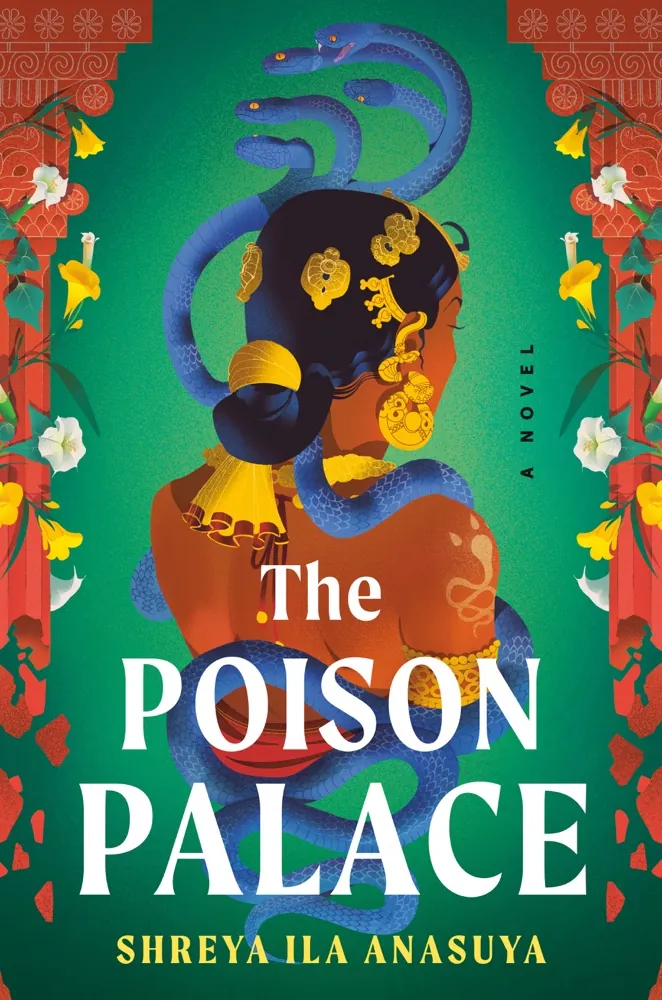

Author: Shreya Ila AnasuyaPage Count: UnknownPublication Date: Expected publication 2026 APL The synopsis of The Poison Palace arrives like a poorly sealed letter from a distant empire—promising intrigue, but already smelling faintly of the same old dust. A courtesan-turned-assassin, a cult of snake-goddesses, and Alexander the Great—oh, how quaint. It’s the kind of premise that makes you wonder if the author has ever read anything beyond the most reductive historical romances, the ones that mistake "exoticism" for depth. The idea of a young woman trained in poison and politics is so tired it’s almost a joke, like if The Song of Achilles had been written by a committee of overcaffeinated undergraduates who thought "Greek mythology" was just a synonym for "dramatic lighting." But let’s not pretend this isn’t a deliberate gambit. The synopsis leans hard into the "forbidden love" trope, which is fine—if you’re writing The Mists of Avalon in 1983. Here, it feels like a lazy shortcut, as if the author is banking on the assumption that any story with two women in a historical setting must inherently be "queer" and therefore "revolutionary." Meanwhile, the political stakes are reduced to a single, vague mission: stop Alexander. No nuance. No exploration of why Magadh would resist him beyond the cliché of "conqueror vs. indigenous culture." It’s all surface, like a painting with no depth—just a few bold strokes of "snake goddess" and "poison" to make it feel spicy. And then there’s the cult of the Vishkanya. Oh, the Vishkanya—how original. A secret society of women who worship snakes and brew potions? It’s the kind of thing that would make The Da Vinci Code look like a masterclass in originality. The synopsis doesn’t even bother to suggest what makes this cult distinct beyond its aesthetic. Is it a matriarchy? A resistance movement? A cult of actual snake-worshippers? Or is it just a convenient plot device to give Eka and Ira something to do while they fawn over each other? The vagueness is almost insulting. It’s like being handed a menu where every dish is labeled "Surprise" and the chef is too lazy to describe the ingredients. Yet—here’s where I pivot, because I can’t help myself. The synopsis does have one thing going for it: it’s unapologetically bad in a way that might actually be interesting. There’s a kind of brutal honesty to it, like a film that knows it’s a B-movie but doesn’t care. It’s not trying to be The Handmaid’s Tale—it’s trying to be The Mummy meets The Craft, and that’s a choice, even if it’s a bad one. The problem isn’t that it’s derivative; the problem is that it’s derivative without the self-awareness to make it fun. Where’s the irony? Where’s the wink to the reader? Instead, it just is, like a poorly executed costume party where everyone’s dressed as a "dark fantasy queen" but no one’s actually playing a role. I am looking respectfully. I’m looking at this synopsis and wondering if the author has ever read The Jewel in the Crown or The Palace of Illusions. Both books took historical settings and wove them into something rich, layered, and alive. Instead, we get a story that feels like it was cobbled together from Wikipedia pages and a Pinterest board of "historical romance aesthetics." The courtesan training, the snake cult, the Alexander subplot—it’s all there, but none of it means anything. It’s like a puzzle where every piece is labeled "mystery" and "intrigue," but the box doesn’t come with instructions. And yet—there’s a perverse thrill in the way it’s written. The synopsis is so confidently mediocre that it almost makes you want to read it, just to see how badly it falls apart. It’s the literary equivalent of a bad Tinder date who’s so sure of themselves that you can’t help but be intrigued. But then again, maybe that’s the point. Maybe The Poison Palace is meant to be a quick, forgettable read, a historical fantasy for people who want to feel clever without actually having to think. And if that’s the case, then I suppose it’s not entirely without merit. It’s just not the kind of merit that lasts. I need to go yell at my gardener about the hydrangeas. They’re overgrown, just like this synopsis. Related InsightsHello Girls Book Review and Summary El problema de los tres cuerpos (Edición ilustrada) / The Three-Body Problem (Illustrated Edition) Book Review and Summary Dark Tracks Book Review and Summary{ "@context": "https://schema.org", "@type": "FAQPage", "mainEntity": [ { "@type": "Question", "name": "What is the main focus of The Poison Palace Book Review and Summary?", "acceptedAnswer": { "@type": "Answer", "text": "Everything you need to know about The Poison Palace with our detailed review." } }, { "@type": "Question", "name": "Who authored the comprehensive guide on The Poison Palace Book Review and Summary?", "acceptedAnswer": { "@type": "Answer", "text": "This detailed article and its insights were carefully researched and authored by Olivia Harris." } }, { "@type": "Question", "name": "Where can I find more related content about Books?", "acceptedAnswer": { "@type": "Answer", "text": "You can explore more articles, detailed reviews, and similar insights by browsing the Related Insights section at the bottom of this article or visiting our dedicated Books category page." } } ] }
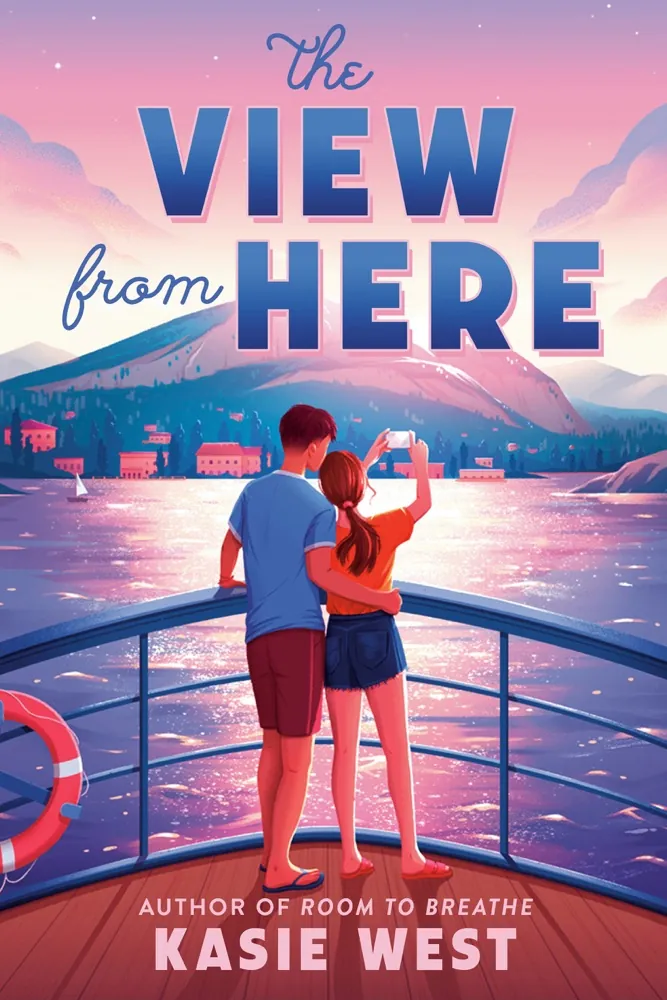

Author: Kasie WestPage Count: UnknownPublication Date: Expected publication 2026 APL The Mediterranean sun bleeds through the porthole of this synopsis like a half-baked impressionist painting—all golden haze and unresolved edges. The View from Here is the kind of book that smells like a cruise ship buffet: overpromised, underdelivered, and with a side of existential dread masquerading as "coming-of-age." Kasie West has here crafted a love story so thin it could be mistaken for a TikTok trend—if TikTok had the patience for a novel about two teens who, by all rights, should never have met. Tate Hall, our adrift protagonist, is the kind of character who exists solely to be a vessel for the reader’s own unexamined longing. She’s a walking cliché: the girl who feels "totally adrift" because she hasn’t yet discovered the right way to feel adrift. Her grandma’s cruise is less a solution and more a last-ditch effort to distract her from the void, which is to say, it’s the literary equivalent of handing a drowning woman a life preserver made of glitter. And then there’s Luca Park, the ex-social media star—oh, the irony!—who’s clearly been written as a walking algorithm, designed to maximize engagement with Tate’s emotional turbulence. Their dynamic is the literary equivalent of a viral challenge: "Can you make this love story last longer than a 15-second reel?" The answer, of course, is no. The real tragedy here is that West has missed the mark on what makes a cruise ship setting interesting. It’s not the ports of call or the senior citizens (who, let’s be honest, would probably find this whole thing painfully awkward) that matter—it’s the microcosm of human behavior under pressure. But no, instead we get a love story so predictable it could be plotted by a high schooler using a flowchart. The "rough waters" of their relationship are less a metaphor for life’s storms and more a punchy tagline for a rom-com that’s been watered down to the consistency of a smoothie. And let’s talk about the synopsis itself—it’s the literary equivalent of a fast-food menu: vague, overhyped, and with a side of existential dread. "Can their electric connection last beyond their eleven-day journey?"—spare me. This isn’t The Notebook; it’s a one-night stand with a cruise ship’s worth of baggage. The real question is whether West can pull off the kind of emotional punch that makes readers forget they’re reading about two teens who, by all rights, should never have met in the first place. But here’s the thing: I’m not entirely convinced this book will even try. The synopsis reads like a script for a Hallmark movie that’s been given a YA makeover, and that’s not a compliment. It’s the kind of story that relies on the reader’s willingness to suspend disbelief, which is to say, it’s the literary equivalent of a cruise ship’s "all-inclusive" policy—promising more than it can deliver. And yet—there’s a sliver of potential here. If West can resist the urge to turn this into a saccharine love letter to fleeting connections, she might just surprise us. But given the current trajectory, I’m betting on the former. The real question is whether readers will be willing to pay for the privilege of watching two characters who should never have met, fall in love, and then—inevitably—fall out of love, all while sailing through the Mediterranean like a pair of tourists in a bad dream. Now, if you’ll excuse me, my SUV’s heated seats are malfunctioning, and I have to go sit in the cold like some kind of metaphor for my own disillusionment with contemporary YA. #CruiseShipDreams #LoveStoriesThatShouldNeverHappen Related InsightsDubliners Book Review and Summary The Hunt for Red October Book Review and Summary Am I Right or Am I Right? Book Review and Summary{ "@context": "https://schema.org", "@type": "FAQPage", "mainEntity": [ { "@type": "Question", "name": "What is the main focus of The View from Here Book Review and Summary?", "acceptedAnswer": { "@type": "Answer", "text": "Everything you need to know about The View from Here with our detailed review." } }, { "@type": "Question", "name": "Who authored the comprehensive guide on The View from Here Book Review and Summary?", "acceptedAnswer": { "@type": "Answer", "text": "This detailed article and its insights were carefully researched and authored by Lucia Garcia." } }, { "@type": "Question", "name": "Where can I find more related content about Books?", "acceptedAnswer": { "@type": "Answer", "text": "You can explore more articles, detailed reviews, and similar insights by browsing the Related Insights section at the bottom of this article or visiting our dedicated Books category page." } } ] }
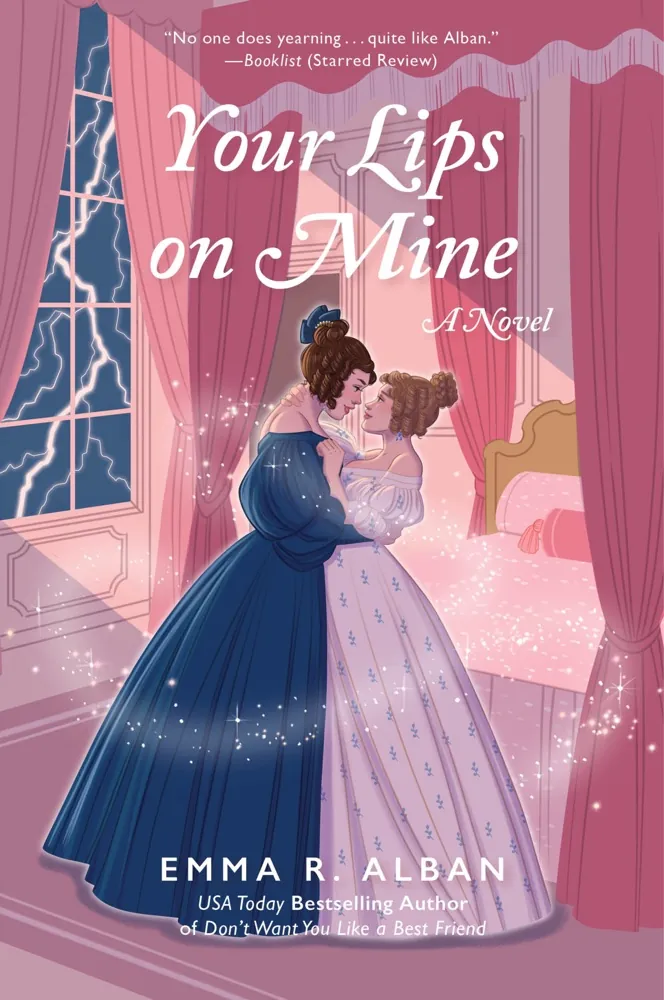
Author: Emma R. AlbanPage Count: UnknownPublication Date: Expected publication 2026 APL Look, I am sitting here staring at a blank document trying to hit a stupid word count because the editors demand copy, and frankly, my mind is entirely elsewhere. I am still trying to figure out why the corner man threw the towel in the third round when our boy clearly had a guillotine choke locked in. But no, instead of analyzing takedown defense and grappling leverage, I am tasked with writing an anticipatory preview for Your Lips on Mine by Emma R. Alban. The Kinetic Physics of Regency Bodily Possession The premise rests on a lightning strike—literal meteorological deus ex machina—causing a bilateral somatic transposition between estranged confidantes. And yet, the synopsis provides zero tactical breakdown of how one adapts to a sudden center-of-gravity shift on the marriage mart. How does muscle memory betray them? Does the footwork translate when you suddenly occupy a different skeletal frame? These are the real questions. Instead, we get the standard romance boilerplate about the London 1835 Season and the ticking clock of a summer deadline. The Hermeneutics of Facial Narcissism Let us discuss the psychological riposte of staring directly into your own face while experiencing intense romantic yearning. It is deeply unhinged behavior, which automatically makes it elite literature. Think Freaky Friday meets Bridgerton, but make it aggressively sapphic and emotionally taxing. Alban previously proved her genre chops with Don’t Want You Like a Best Friend, sliding comfortably into the exact same aesthetic lineage as Casey McQuiston or Alexandria Bellefleur. Yet, this narrative mechanic forces an epistemological crisis. You are catching feelings for your childhood rival while she is literally wearing your visage. That is some top-tier psychological damage. No cap, the cognitive dissonance required to kiss yourself-via-proxy is straight-up wild. The Anticipated Carnage My prediction? This book will either stick the landing with a devastating emotional submission hold or it will tap out prematurely under the weight of its own absurd premise. I give it a solid eight out of ten on the sheer audacity scale alone. Now, if you will excuse me, I need to go break up a full-scale wrestling match in the living room before someone puts the sofa through the drywall.
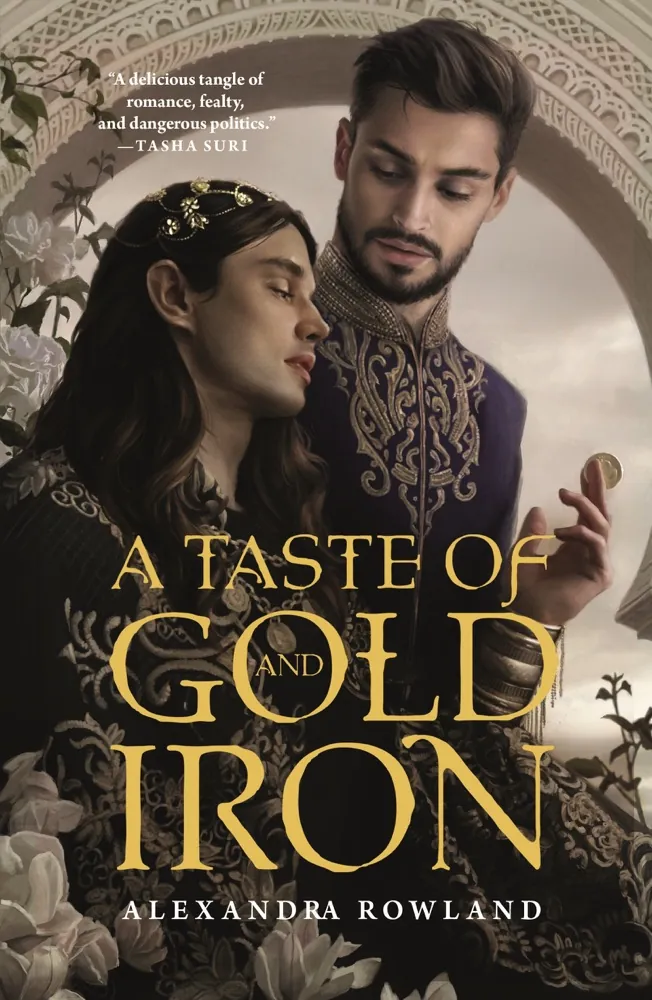

Author: Alexandra RowlandPage Count: UnknownPublication Date: Expected publication 2026 APL Someone just offered me a flute of vintage champagne that looks suspiciously like ginger ale, and honestly, the indignity of this charity gala is almost as exhausting as waiting for Alexandra Rowland to drop the next volume of our shared obsession. We have been starved for prose this decadent since The Goblin Emperor ruined standard court intrigue for everyone else. The Architecture of Slander Look at the premise for The Wisdom of Emperors. Kadou, an absolute snack of a shy prince, gets publicly humiliated by some inflated bureaucrat. A classic cringe-fail moment. But wait—actually, I take it back; calling it a cringe-fail completely undermines the exquisite, slow-burn psychological torture Rowland inflicts on her protagonists. So what does our bruised royal do? He takes on a guild break-in investigation just to prove his worth to his sister, dragging along Evemer, a bodyguard so coldly handsome he probably makes marble statues feel insecure. Touch-tasting precious metals with bare fingers? Incredible worldbuilding flex. Counterfeiting treated as heresy? Based. Financial Ruin and Emotional Damage And the synopsis acts like this is just a standard fantasy romp. Please. I lost brain cells reading that reductive little press blurb. We are looking at a masterclass in geopolitical subversion disguised as a queer romance, giving major Magnificent Century opulence meets high-stakes financial terrorism. Inflation hits different when fake currency threatens to collapse an entire empire inspired by the Ottomans. Expect absolute tonal whiplash between tender touch-tastes of gold and brutal economic collapse. Excuse me, my phone is buzzing. I need to go buy out a failing competitor before the market closes. Related InsightsLoveless Book Review and Summary Northanger Abbey Book Review and Summary King Noir Book Review and Summary{ "@context": "https://schema.org", "@type": "FAQPage", "mainEntity": [ { "@type": "Question", "name": "What is the main focus of The Wisdom of Emperors Book Review and Summary?", "acceptedAnswer": { "@type": "Answer", "text": "Everything you need to know about The Wisdom of Emperors with our detailed review." } }, { "@type": "Question", "name": "Who authored the comprehensive guide on The Wisdom of Emperors Book Review and Summary?", "acceptedAnswer": { "@type": "Answer", "text": "This detailed article and its insights were carefully researched and authored by Tiago Silva." } }, { "@type": "Question", "name": "Where can I find more related content about Books?", "acceptedAnswer": { "@type": "Answer", "text": "You can explore more articles, detailed reviews, and similar insights by browsing the Related Insights section at the bottom of this article or visiting our dedicated Books category page." } } ] }

Author: Kate CochranePage Count: UnknownPublication Date: Expected publication 2026 APL Luxury is rarely found in the quiet moments; it thrives in the pressurized friction between high-altitude ambition and physical collapse. Kate Cochrane’s forthcoming Pulling the Goalie understands this architecture of elite exhaustion. We are presented with Amy Tedesco—a championship-winning netminder whose body has officially betrayed her via a violent playoff collision—and Anne Montclair, an auteur-adjacent Hollywood fixture desperately seeking cinematic absolution. The premise is engineered with the precise, cold calculation of a Visconti tragedy shot on a soundstage in Burbank. Yet, the collision of these two worlds invites a fascinating inquiry into how contemporary romance commodifies high-competency female labor. The Aesthetics of Professional Ruin Consider the underlying power play. Teddy is hiding behind a sling and a mountain of unresolved psychological terror, guarding her turf like a cornered beast. Anne is armed with inherited fame, hungry to devour the grit of authentic athletic suffering for an awards-season vanity project. And the synopsis frames this transactional exchange as a sparkling romance. How quaint. We are sliding rapidly into a cultural moment where every physical injury must double as a metaphor for emotional awakening—a terrible cliché reminiscent of the ill-fated 1993 Milan premiere of La Traviata directed by Graham Vick, where literal garbage rained from the ceiling to signify bourgeois decay. The Subversion of the Ice The collision of ice hockey and Hollywood is an inherently absurd pairing that demands absolute sincerity to survive on the page. Rachel Reid and Ashley Herring Blake paved these highways with distinct swagger. But Cochrane leans heavily into the fish-out-of-water trope, establishing a binary where the rugged authenticity of the Boston Wicked meets the hollow gloss of the California Hills. Does the text possess the sharp teeth required to dismantle this dichotomy? Or will it settle into the cozy, predictable beats of a standard workplace arrangement? The blueprint promises high-competency couples. That means zero patience for manufactured miscommunication or weeping in closets. If these women are truly elite, their emotional combat should mirror their professional prowess—cold, surgical, and terrifyingly fast. The Cost of Perfection Excellence is an uncompromising master. Whether stopping a slap shot at ninety miles per hour or hitting a cinematic emotional peak under blinding studio lights, both protagonists are prisoners of their own rigorous standards. The thematic core here rests not on the romance itself, but on the terrifying vulnerability of losing one's edge. Teddy cannot admit she is broken. Anne cannot admit she is a fraud. When they lock eyes across the rink, the tension should feel less like a meet-cute and more like a hostile corporate takeover. Let us hope the prose matches the chill of the arena rather than retreating into the comforting bathos of mass-market sentimentality. My personal trainer is working me far too hard this week. #hockeyromance #sapphicromance Related InsightsPeck & Peck Book Review and Summary Works of Edgar Allan Poe; Volume 5 Book Review and Summary Someone to Care Book Review and Summary{ "@context": "https://schema.org", "@type": "FAQPage", "mainEntity": [ { "@type": "Question", "name": "What is the main focus of Pulling the Goalie (Puck Struck, #3) Book Review and Summary?", "acceptedAnswer": { "@type": "Answer", "text": "Everything you need to know about Pulling the Goalie (Puck Struck, #3) with our detailed review." } }, { "@type": "Question", "name": "Who authored the comprehensive guide on Pulling the Goalie (Puck Struck, #3) Book Review and Summary?", "acceptedAnswer": { "@type": "Answer", "text": "This detailed article and its insights were carefully researched and authored by Klaus Weber." } }, { "@type": "Question", "name": "Where can I find more related content about Books?", "acceptedAnswer": { "@type": "Answer", "text": "You can explore more articles, detailed reviews, and similar insights by browsing the Related Insights section at the bottom of this article or visiting our dedicated Books category page." } } ] }
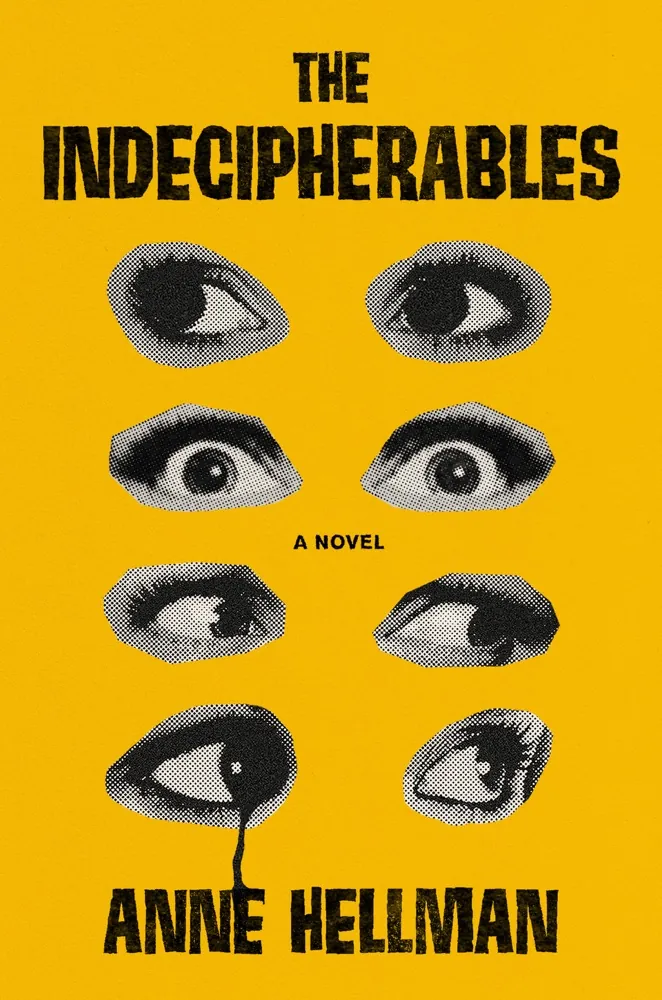

Author: Anne HellmanPage Count: UnknownPublication Date: Expected publication 2026 APL San Francisco concrete gives way to the sun-bleached expanse of Joshua Tree, and suddenly we are supposed to shudder at a fresh coat of old paint. Anne Hellman’s The Indecipherables arrives with heavy baggage—praising blurbs invoking Hitchcock and Paul Tremblay that practically beg for a spot on a dark, mahogany-paneled shelf between rare editions of Shirley Jackson. Yet, how exhausting it is to watch contemporary horror lean so heavily on cinematic nostalgia as a crutch. Do we really need another homage to Vertigo when the original staircase still spins quite well on its own? The Geometry of Vanity Twins on a road trip. A mysterious illness. Doppelgängers snapping polaroids of crimes not yet committed. It carries the distinct aroma of the Fire Island ferry disaster—all frantic motion and expensive styling masking a hollowness at the core. Or perhaps I misjudged the entire enterprise. Maybe the derivative nature of the premise is precisely the point, a deliberate pastiche designed to mock our endless appetite for mirrored reflections and psychological tropes we discarded back when the second season of Twin Peaks went entirely off the rails. And yet. The synopsis promises a fever dream where boundaries dissolve. Ava and Brin drive through an unwavering fog—a magnificent metaphor for the haze that settles over any manuscript relying too heavily on uncanny clichés to do the heavy lifting. But let us be entirely fair to the architecture of the thing. The mechanics of the plot, however familiar, offer a deliciously cruel geometry. Four identical women playing a cat-and-mouse game across a sun-scorched highway. It reads less like a narrative and more like an installation piece at Art Basel that has gone horribly, delightfully wrong. Mirrors Without Glass Consider the thematic weight of the secret. We are told the horror arises from what we conceal from those we love. How utterly quaint. As if the human psyche is a Victorian parlor hiding a scandalous oil painting in the attic. The best literature does not merely hide secrets; it rots beneath them while the tea gets cold. Hellman seems determined to drag us through the psychological mud of estranged siblings, trading subtle dread for prophetic hallucinations and supernatural interference. Actually, scratch that entire line of reasoning. The supernatural element ruins the exquisite claustrophobia of the doppelgänger motif. The moment a shadow twin stops being a manifestation of repressed guilt and starts acting like a paranormal nuisance, the art loses its edge. Real terror is entirely internal. It lives in the brushstrokes we refuse to acknowledge, not in a mechanic holding up a photograph of a car you supposedly drove yesterday. Still, one cannot dismiss a debut that dares to traffic in paranoia this thick. The Pacific Coast Highway is a gorgeous, treacherous spine for a descent into madness. If the prose matches the pitch of the marketing copy—heady, creepy, and relentlessly jagged—we might just have a minor artifact worth displaying behind UV-filtered glass. Or we might have an overly ambitious exercise in mimicry that collapses under the weight of its own mirrors. Time to leave the gallery lights burning and tend to pressing matters. I need to hand-bind a chapbook for a friend's upcoming release. Related InsightsCat’s Cradle Book Review and Summary Maledictiones Librorum: Die faszinierende und furchterregende Geschichte der Buchflüche Find Me Where It Ends Book Review and Summary{ "@context": "https://schema.org", "@type": "FAQPage", "mainEntity": [ { "@type": "Question", "name": "What is the main focus of The Indecipherables Book Review and Summary?", "acceptedAnswer": { "@type": "Answer", "text": "Everything you need to know about The Indecipherables with our detailed review." } }, { "@type": "Question", "name": "Who authored the comprehensive guide on The Indecipherables Book Review and Summary?", "acceptedAnswer": { "@type": "Answer", "text": "This detailed article and its insights were carefully researched and authored by Emma Thompson." } }, { "@type": "Question", "name": "Where can I find more related content about Books?", "acceptedAnswer": { "@type": "Answer", "text": "You can explore more articles, detailed reviews, and similar insights by browsing the Related Insights section at the bottom of this article or visiting our dedicated Books category page." } } ] }


Author: Kendall AnnettePage Count: UnknownPublication Date: Expected publication 2026 APL Valentine, North Carolina is a peculiar geographical construct for a recurring homicide. Kendall Annette’s upcoming Tylor Whitlock Just Won't Die relies entirely on the exhausting conceit of temporal repetition paired with small-town vindictiveness, which honestly feels a bit tired—no, wait, let me rephrase that before the espresso completely leaves my bloodstream, because the juxtaposition of adolescent blog culture with existential finality actually offers a rather piquant study in modern solipsism. The Ontology of Endless Exes We are asked to contemplate a protagonist whose primary ontological anchor is a digital ledger of romantic grievances. Tylor Whitlock exists because she writes about boys who wronged her. Yet, the narrative premise immediately collapses the boundary between virtual cancellation and actual bodily termination. You write an exposé, you get murdered by a masked assailant, you wake up, and you do it all over again. Groundhog Day meets a TikTok-era slasher flick. One expects the socio-semiotic implications of the digital footprint to be thoroughly deconstructed here. The Slasher-Romance Dichotomy The structural ambition of combining genre tropes is admirable, though historically disastrous in lesser hands. Think Grady Hendrix meets a particularly unhinged Wattpad draft, but with slightly more expensive taste. And yet, the addition of the requisite best-friend-to-lovers trope—featuring the brooding Nate, whom Tylor has conveniently ignored until recurring temporal assassination forced her hand—introduces a predictable emotional cadence. The thematic tension should lie in the absurdism of dying on Valentine's Day repeatedly. Instead, the synopsis retreats into the comforting, low-stakes comfort food of romantic awakening. Epistemological Dread in Suburbia Why must every narrative reconciliation require a lethal catalyst? The epistemic crisis of remembering a murder that nobody else recalls is genuinely rich soil for philosophical inquiry. If one dies in a cul-de-sac and no one retains the memory, did the betrayal even occur? But no, we are inevitably herded toward the realization that feelings are scary and vulnerability is the real final boss. The commodification of trauma meets the commodification of pining. It is deliciously unhinged. The draft coming through this wretchedly drafty, poorly insulated French pane is making it entirely impossible to type with any intellectual dignity. Related InsightsThe Lovely Bones Book Review and Summary Wilde Child Book Review and Summary The Mists of Avalon Book Review and Summary{ "@context": "https://schema.org", "@type": "FAQPage", "mainEntity": [ { "@type": "Question", "name": "What is the main focus of Tylor Whitlock Just Won't Die Book Review and Summary?", "acceptedAnswer": { "@type": "Answer", "text": "Everything you need to know about Tylor Whitlock Just Won't Die with our detailed review." } }, { "@type": "Question", "name": "Who authored the comprehensive guide on Tylor Whitlock Just Won't Die Book Review and Summary?", "acceptedAnswer": { "@type": "Answer", "text": "This detailed article and its insights were carefully researched and authored by Sofia Bianchi." } }, { "@type": "Question", "name": "Where can I find more related content about Books?", "acceptedAnswer": { "@type": "Answer", "text": "You can explore more articles, detailed reviews, and similar insights by browsing the Related Insights section at the bottom of this article or visiting our dedicated Books category page." } } ] }
-
 Anna Kowalska
 - 04 Sep, 2026 00:16
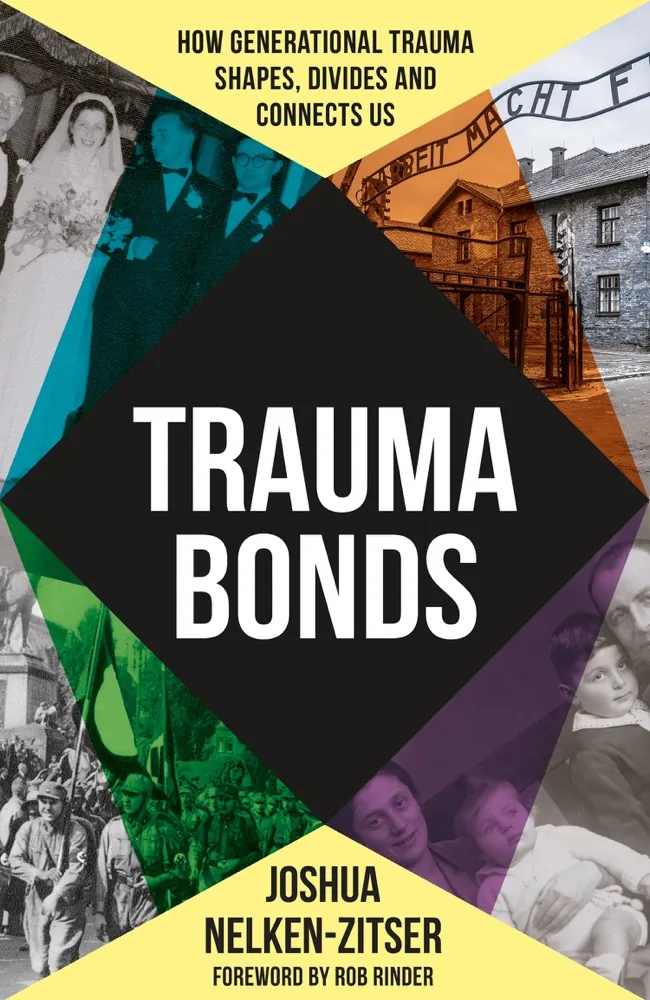
Trauma Bonds: How generational trauma shapes, divides and connects us Book Review and Summary
Author: Joshua Nelken-ZitserPage Count: UnknownPublication Date: Expected publication 2026 APL Flight 412 is delayed again, apparently due to some minor mechanical failure in the starboard engine—or perhaps the airline simply enjoys watching exhausted executives slowly lose their minds over lukewarm macchiato. At least the leather armchair here in the private wing provides a tolerable vantage point to dissect the upcoming literary slaughter that will undoubtedly occupy every broadsheet column next spring. Joshua Nelken-Zitser’s Trauma Bonds arrives with a heavy baggage of personal disclosure, masquerading as a grand geopolitical inquiry into how ancestral misery trickles down from the architects of catastrophe and their victims alike. The Inheritance of Shadows The premise is deceptively straightforward. A journalist sitting in a clinic dealing with panic attacks suddenly decides that his grandfather’s wartime survival must somehow dictate his own modern neurosis. But is it genuinely a societal reckoning, or merely another bourgeois exercise in navel-gazing dressed up in the austere garb of investigative journalism? One must wonder. Nelken-Zitser attempts an ambitious juxtaposition here by interviewing both the descendants of Holocaust survivors and the progeny of Nazi perpetrators. Yet, the synopsis tells us remarkably little about how these two disparate psychological lineages actually collide on the page—leaving us to suspect a rather predictable, touch-feely conclusion about reconciliation that completely misses the brutal, messy reality of historical accountability. Geopolitical Whiplash The entire structural architecture of the manuscript pivots awkwardly on the premise that personal somatic responses can explain massive state-sponsored violence. Actually, scratch that—such a reductionist equation is completely fucking cringe, treating centuries of geopolitical trauma like a mild case of seasonal affective disorder. We are promised a rigorous look at how entire nations grapple with inherited guilt, yet the core catalyst remains an individual seeking treatment for an eating disorder. The friction between global atrocities and private clinical diagnostics feels jarring, to say the least. Compare this to the chilling sociological detachment of Gitta Sereny’s work or the sharp, unsparing prose of Philippe Sands in East West Street. Nelken-Zitser wants to bridge the gap between academic rigor and emotive podcast-style storytelling. He previously cut his teeth with short audio pieces, which worries me. Modern readers deserve prose that cuts like a razor, not transcripts meant to be consumed while half-asleep on a commuter train. If the author leans too heavily into the therapeutic buzzwords currently cluttering bestseller lists—phrases like "generational wounds" and "breaking cycles"—the book will age about as well as a cheap bottle of duty-free champagne left out in the terminal sun. Still, one cannot entirely dismiss the sheer audacity of forcing the grandchildren of the Third Reich into dialogue with those whose families barely escaped the ashes. The sociological stakes are undeniably immense, even if the execution risks devolving into a protracted group therapy session for the literary-industrial complex. I am currently struggling to find a decent dry cleaner in Manhattan. #TraumaBonds #Nonfiction #BookCritics #Geopolitics Related InsightsA Rip Through Time Book Review and Summary Dream Big (Dream On, #2) Book Review and Summary Grand Dark Book Review and Summary{ "@context": "https://schema.org", "@type": "FAQPage", "mainEntity": [ { "@type": "Question", "name": "What is the main focus of Trauma Bonds: How generational trauma shapes, divides and connects us Book Review and Summary?", "acceptedAnswer": { "@type": "Answer", "text": "Everything you need to know about Trauma Bonds: How generational trauma shapes, divides and connects us with our detailed review." } }, { "@type": "Question", "name": "Who authored the comprehensive guide on Trauma Bonds: How generational trauma shapes, divides and connects us Book Review and Summary?", "acceptedAnswer": { "@type": "Answer", "text": "This detailed article and its insights were carefully researched and authored by Anna Kowalska." } }, { "@type": "Question", "name": "Where can I find more related content about Books?", "acceptedAnswer": { "@type": "Answer", "text": "You can explore more articles, detailed reviews, and similar insights by browsing the Related Insights section at the bottom of this article or visiting our dedicated Books category page." } } ] }

-
 Giulia Ricci
 - 03 Sep, 2026 20:47
The Home Within: Design a Life You Love from the Inside Out Book Review and Summary
Author: Sabrina SotoPage Count: UnknownPublication Date: Expected publication 2026 APL The air outside smells like damp leaves and the faintest hint of rain—just enough to make you wonder if autumn’s really here, or if you’re just imagining it because the world’s been feeling like a half-finished sketch lately. Inside, the fluorescent lights buzz like a swarm of angry bees, and the coffee’s gone cold, which is fine, because nothing’s ever really cold in this life. You’re supposed to be reviewing The Home Within by Sabrina Soto, but the synopsis reads like a self-help brochure for people who’ve already figured out their shit, which is why you’re here—because you haven’t, and you’re not sure you ever will. The problem with this book, before you’ve even cracked its spine, is that it’s already talking to the wrong audience. It’s not for the person who’s been sleeping on a couch in a studio apartment while their landlord charges them for a "luxury" kitchenette that’s basically a microwave and a toaster. No, it’s for the woman who’s already bought the neutral-toned throw pillows and the "cozy" rug that costs more than your rent used to, but still feels like a lie because the real work—the emotional, the psychological—hasn’t been done. Soto’s philosophy here is that your home is a mirror, but not just any mirror: it’s the kind that reflects back your potential, your worth, your future self—as if you could ever outdesign your past. And yet, the synopsis keeps circling back to the idea that you don’t need more money or more time, which is either genius or a cop-out, depending on whether you believe in magic or not. There’s a certain vibe to this book, the kind that makes you think of Marie Kondo’s The Life-Changing Magic of Tidying Up, but with more HGTV and less existential dread. Soto’s trajectory—from housing insecurity to HGTV stardom—is the kind of rags-to-riches narrative that’s been mined to death, but here it’s repurposed as proof that your environment can rewrite your narrative. The problem isn’t the premise; the problem is that it’s being sold as a solution for people who’ve already internalized the idea that their worth is tied to their decor. And let’s be real: how many people are actually going to sit down with a notebook and a cup of tea and design their life from the inside out? Or are we just supposed to rearrange the furniture and call it progress? The synopsis drops names like "confidence," "habits," and "stories we tell ourselves" like they’re action figures, but where’s the meat? Where’s the struggle? Soto’s approach seems to hinge on the idea that small changes—decluttering, rearranging, maybe painting a wall a color that "feels like you"—can somehow compensate for the fact that life hasn’t been kind. But what if the problem isn’t the clutter? What if the problem is that you’ve been taught to believe that your home should fix you, rather than just be a place where you can exist without judgment? There’s a difference between designing a space that supports you and designing a space that erases the parts of you that don’t fit the aesthetic. And that’s the tension this book seems to be dancing around—because if your home is supposed to reflect who you’re becoming, what happens when you’re not sure who that is? The worst part? The synopsis doesn’t even try to grapple with the fact that not everyone has the luxury of designing their life from the inside out. It’s all very well to say you don’t need more money or more time, but what about the people who don’t have a choice? What about the people who are one eviction notice away from having to choose between rent and groceries? Soto’s message feels like it’s tailored for the privileged few who’ve already won the game, and that’s not a critique of the book so much as it is a critique of the industry that produces these kinds of books in the first place. You can’t design your life from the inside out if the outside is actively trying to collapse in on you. And yet—there’s something undeniably compelling about the idea that your home could be a tool for transformation. It’s the same logic that powers The Minimalists or Designing Your Life by Bill Burnett and Dave Evans, but with a dash of HGTV glamour. The question is whether it’s enough. Whether the promise of a home that reflects your worth is enough to outweigh the reality of the world outside your door. Because let’s face it: no amount of neutral-toned furniture is going to fix the fact that capitalism is a nightmare, and the housing market is a rigged game. You’re supposed to be writing this review, but all you can think about is how much you’d rather be sitting in your favorite indie café, the one with the scarred wooden tables that still have the initials of a hundred strangers carved into them, instead of this sterile, marble-topped hellscape that’s been installed in its place. The kind of place where people sit with their laptops and pretend they’re productive, but really, they’re just waiting for the moment to leave. And that’s the real irony, isn’t it? The home within is supposed to be a sanctuary, but sometimes the sanctuary is just another place where you’re waiting to escape. #bookstagram #designobsessed #selfhelpbutmakeitpretty #autumnvibes #whyiseverythingsoexpensive Related InsightsColleen Hoover Ebook Boxed Set Maybe Someday Series Book Review and Summary Fair Warning Book Review and Summary Wrath Book Review and Summary{ "@context": "https://schema.org", "@type": "FAQPage", "mainEntity": [ { "@type": "Question", "name": "What is the main focus of The Home Within: Design a Life You Love from the Inside Out Book Review and Summary?", "acceptedAnswer": { "@type": "Answer", "text": "Everything you need to know about The Home Within: Design a Life You Love from the Inside Out with our detailed review." } }, { "@type": "Question", "name": "Who authored the comprehensive guide on The Home Within: Design a Life You Love from the Inside Out Book Review and Summary?", "acceptedAnswer": { "@type": "Answer", "text": "This detailed article and its insights were carefully researched and authored by Giulia Ricci." } }, { "@type": "Question", "name": "Where can I find more related content about Books?", "acceptedAnswer": { "@type": "Answer", "text": "You can explore more articles, detailed reviews, and similar insights by browsing the Related Insights section at the bottom of this article or visiting our dedicated Books category page." } } ] }
-
 Diego Lopez
 - 03 Sep, 2026 20:22
This Season of Life: Stories and Gentle Practices for the Busy, Slow, and In-Between Book Review and Summary
Author: Jules AcreePage Count: UnknownPublication Date: Expected publication 2026 APL September is rotting nicely outside the steamed-up windows of this wretched espresso trap, leaving me knee-deep in almond milk sludge while I stare down Jules Acree’s upcoming manual on existential breathing, This Season of Life. Because nothing screams raw, visceral horror quite like a thirty-letter guide on how to clean out a junk drawer without having an absolute psychotic break on aisle four. Let us be completely honest here. This text is pure, uncut bourgeois comfort-core. It reads like a lifestyle influencer got trapped inside a scented candle and decided to monetize the suffocation. Acree is gunning for that exact sweet spot occupied by every mid-tier Substack philosopher who thinks a bandwidth menu will somehow cure late capitalism. The Aesthetics of Slow-Motion Panic The synopsis leans hard into the messy middle—a literary trope that usually translates to three hundred pages of telling exhausted millennials to drink water and romanticize their morning matcha. Yet, there is a distinct epistemological dread lurking beneath these gentle practices. We are apparently supposed to look at our overstuffed junk drawers and find transcendence. Right. Give me a rusty meat cleaver and an abandoned cabin in the woods any day over the sheer terror of facing an unread email inbox. The thematic architecture here is built on the commodification of inertia. Productivity isn't about output anymore; it is about CURATING YOUR VIBE, or whatever clinical euphemism we are using this quarter to avoid admitting we are all burning out in real-time. Acree wants us to reframe failure as a clue. Spoiler alert: the clue usually points directly to structural collapse, but sure, let us do a fill-in-the-blank pep talk instead of smashing the machine. Marketing the Void We are looking at an exercise manual for people who find Mary Oliver poems too aggressive. It sits somewhere between Glennon Doyle’s emotional gymnastics and the terrifying, relentless optimism of a corporate wellness retreat where nobody is allowed to mention the impending climate apocalypse. Will it sell? Absolutely. People eat this stuff up like expired pumpkin scones when the autumn air turns brisk and they realize they spent another year scrolling through their phones in a dark room. They want permission to be mediocre. They want a low-lift habit to bring them back to center because the actual center is currently imploding. And yet. The cynicism in me—the part that watches teenagers order iced lattes during a thunderstorm just to feel something—wonders if anyone actually finishes these books. Or do they just buy them to display on a coffee table next to a ceramic pumpkin as an aesthetic shield against the void? We are trading our souls for breathable systems. But hey, at least the courage check-in is cringe-free or whatever. The sheer existential dread of staring at a blinking cursor is too much, so I am going to go scream into a sack of coffee beans now. #slowliving #horroradjacent #autumnvibes #existentialdread Related InsightsHeridas abiertas / Sharp Objects Book Review and Summary Happenstance Book Review and Summary Atlas of the Heart Book Review and Summary{ "@context": "https://schema.org", "@type": "FAQPage", "mainEntity": [ { "@type": "Question", "name": "What is the main focus of This Season of Life: Stories and Gentle Practices for the Busy, Slow, and In-Between Book Review and Summary?", "acceptedAnswer": { "@type": "Answer", "text": "Everything you need to know about This Season of Life: Stories and Gentle Practices for the Busy, Slow, and In-Between with our detailed review." } }, { "@type": "Question", "name": "Who authored the comprehensive guide on This Season of Life: Stories and Gentle Practices for the Busy, Slow, and In-Between Book Review and Summary?", "acceptedAnswer": { "@type": "Answer", "text": "This detailed article and its insights were carefully researched and authored by Diego Lopez." } }, { "@type": "Question", "name": "Where can I find more related content about Books?", "acceptedAnswer": { "@type": "Answer", "text": "You can explore more articles, detailed reviews, and similar insights by browsing the Related Insights section at the bottom of this article or visiting our dedicated Books category page." } } ] }
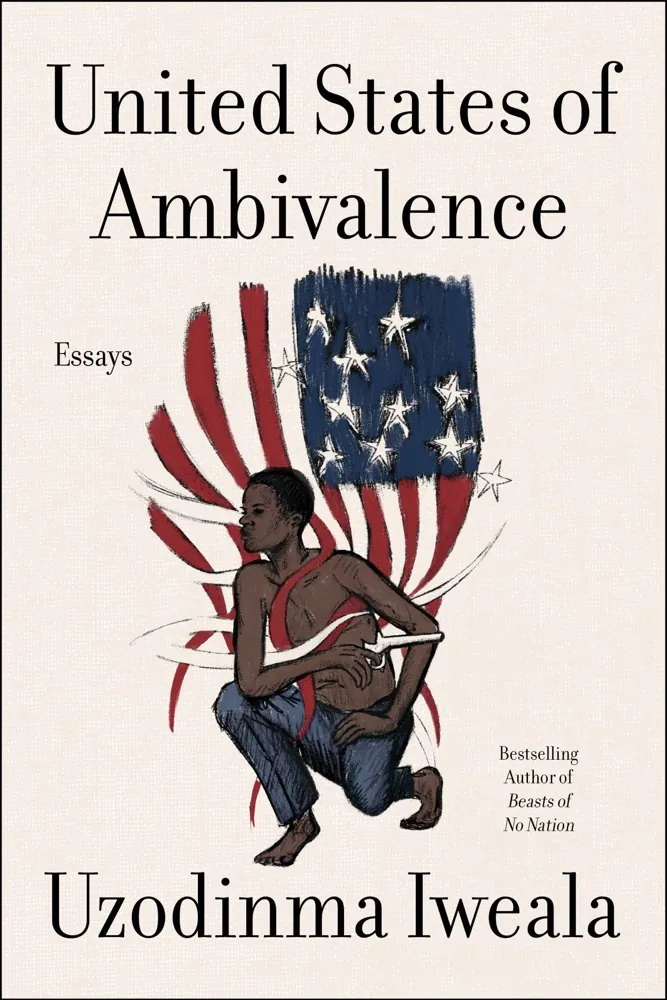

Author: Uzodinma IwealaPage Count: UnknownPublication Date: Expected publication 2026 APL Another publisher email, another frantic mandate to squeeze meaning out of a press release while the floorboards shake from the bass downstairs and someone in 4B vacuums at three in the morning. Let us talk about United States of Ambivalence. Uzodinma Iweala is dropping a collection of essays in 2026 because apparently, we need a novelist-slash-doctor to diagnose the national psyche while we all collectively stare into the glowing rectangles of our doom. The marketing copy leans hard on the heavy-hitting buzzwords — race, civil rights, culture wars, Black Lives Matter, abortion, immigration. Oh joy. Another book telling us that things are complicated. Diagnosing the National Malaise The synopsis promises piercing clarity. A doctor’s touch for a sick country. But let us be entirely real for a second — I am typing this at a desk littered with cold espresso and half-smoked cigarettes just to hit a word count for an editor who thinks culture is something you buy at an airport bookstore. Do I actually believe a trio of essays penned by someone living abroad can untangle the hyper-capitalist mess of modern America? Please. We are beyond essays. We need an exorcist. Yet, Iweala has chops. Beasts of No Nation was not exactly a gentle bedtime story. If he brings that same unflinching cruelty to the American obsession with self-mythology, we might actually get something worth reading instead of another centrist lament about how we just need to listen to each other across the aisle. God, the mere thought of bipartisan dialogue makes my teeth itch. The Expat Gaze and Other Convenient Stances There is always a distinct literary tourism to books written about America by people who currently reside somewhere else. James Baldwin did it with style. Ta-Nehisi Coates circled the globe while interrogating the machinery of citizenship. Iweala positions himself as the insider-outsider — a Black American of Nigerian descent holding the stethoscope to a thrashing patient. Expect the prose to be sharp. The synopsis guarantees maturity. But watch out for the inevitable trap of essayistic hand-wringing. Every literary critic in New York is going to call it essential and timely because those are the only two adjectives allowed in the trades anymore. They will compare it to Joan Didion or Baldwin without pausing to ask if essays can still pierce a culture that has successfully commodified its own collapse. Will it capture the doubt and uncertainty? Absolutely. Doubt is very profitable right now. Confusion is a genre. We package our national neurosis into hardcovers and put them on coffee tables next to artisanal candles that smell like cedar and regret. I just hope the essays have some actual bite rather than floating away on the safe, lofty clouds of transnational academia. We do not need another sophisticated shrug about the state of our union. We need someone to kick the tires. And now the radiator in this pre-war deathtrap is banging like a disgruntled percussionist, meaning I have to spend the next twenty minutes bleeding the valve or freeze to death. Related InsightsThe Twilight Collection Book Review and Summary Engineering a Love Story Book Review and Summary From the Mixed-up Files of Mrs. Basil E. Frankweiler Book Review and Summary{ "@context": "https://schema.org", "@type": "FAQPage", "mainEntity": [ { "@type": "Question", "name": "What is the main focus of United States of Ambivalence: Essays Book Review and Summary?", "acceptedAnswer": { "@type": "Answer", "text": "Everything you need to know about United States of Ambivalence: Essays with our detailed review." } }, { "@type": "Question", "name": "Who authored the comprehensive guide on United States of Ambivalence: Essays Book Review and Summary?", "acceptedAnswer": { "@type": "Answer", "text": "This detailed article and its insights were carefully researched and authored by Carmen Martinez." } }, { "@type": "Question", "name": "Where can I find more related content about Books?", "acceptedAnswer": { "@type": "Answer", "text": "You can explore more articles, detailed reviews, and similar insights by browsing the Related Insights section at the bottom of this article or visiting our dedicated Books category page." } } ] }


Author: Paige SanderPage Count: UnknownPublication Date: Expected publication 2026 APL The fluorescent hum overhead is starting to sound like a dying transformer—or maybe that’s just my brain vibrating after thirty hours awake staring at spreadsheets of municipal water pipe layouts. Let’s pretend for a second that people actually read books about terminal illness with the same reckless abandon they consume ice cream on a park bench. Paige Sander’s upcoming Side Effect tries to fuse the trauma-mining of contemporary memoir with the sweet, cynical architecture of a podcast-era rom-com. Or so the back cover tells us. We are looking at a narrative framework that borrows heavily from Emily Henry’s witty structural scaffolding, yet insists on dragging a heavy sack of medical dread straight through the rom-com turnstile. Microphones and Malignant Cells Podcasting as a narrative device in fiction has become the new coffee-shop career—a tidy excuse for a protagonist to voice internal monologues aloud for the benefit of an invisible audience. Ruby monetizes her romantic disasters. Yet the real disaster is biological. Late-stage brain cancer. A diagnosis dropped into a hooky synopsis like a clove of garlic in a white wine reduction—sharp, pungent, and impossible to ignore. But wait, let me walk that back. Is it actually impossible to ignore, or is it just another slick marketing gimmick designed to make us cry into our Kindles while waiting for the dawn shift to end? The juxtaposition of a dating-horror-story podcast with mortality rates feels jarring. And I mean that in the worst possible way. The Dreamboat Paradox Enter Neal. The mysterious dreamboat. Every single romance novel published after 2022 is legally obligated to feature at least one man who possesses a enigmatic smile and a secret that threatens to unravel the third-act HEA. Sander gives us a slow-burn dynamic where emotional armor meets actual, literal expiration dates. Except, how slow can a burn really be when the protagonist’s clock is ticking down like a cheap kitchen timer? The synopsis implies a chess match of mutual avoidance—she pushes people away because of her podcast persona, he presumably pushes people away because he’s hiding his own flavor of baggage. Actually, scratch that, maybe the cynicism is getting the better of me. Maybe the slow burn hits differently when time is a scarce commodity. Writers like Nicola Yoon have walked this tightrope before, balancing terminal diagnoses with fluttering heartbeats. Sander is clearly gunning for that exact sweet spot between grief porn and serotonin hit. The mechanics of the premise rely entirely on withholding. We know she’s sick. We know he’s mysterious. We know the podcast will somehow capture the collateral damage of their unfolding intimacy. Whether the prose can sustain this tonal tightrope walk without devolving into maudlin sentimentality remains entirely to be seen—especially since we are relying solely on a three-sentence blurb written by a marketing team hopped up on cold brew and desperation. The security guard is pacing past the biography aisle again, flashing his heavy ring of keys like a threat, which means my fifteen minutes of quiet contemplation are officially over and I have to go debate the merits of absurdism with a sketchy stranger in a sticky vinyl booth down at the all-night dive. #bookstagram #romancebooks #slowburn #literarycriticism Related InsightsFull House Book Review and Summary Survive the Night Book Review and Summary A Deal in Death (Immortal Desires, #2) Book Review and Summary{ "@context": "https://schema.org", "@type": "FAQPage", "mainEntity": [ { "@type": "Question", "name": "What is the main focus of Side Effect: An 831 Stories Romance Book Review and Summary?", "acceptedAnswer": { "@type": "Answer", "text": "Everything you need to know about Side Effect: An 831 Stories Romance with our detailed review." } }, { "@type": "Question", "name": "Who authored the comprehensive guide on Side Effect: An 831 Stories Romance Book Review and Summary?", "acceptedAnswer": { "@type": "Answer", "text": "This detailed article and its insights were carefully researched and authored by Beatriz Costa." } }, { "@type": "Question", "name": "Where can I find more related content about Books?", "acceptedAnswer": { "@type": "Answer", "text": "You can explore more articles, detailed reviews, and similar insights by browsing the Related Insights section at the bottom of this article or visiting our dedicated Books category page." } } ] }

Author: Jessica PetersonPage Count: UnknownPublication Date: Expected publication 2026 APL A damp moat collapses against my palm while a sunburned toddler nearby screams about a stolen plastic shovel. Such is the fragile architecture of human anticipation. We build towers out of wet grains, fully aware the tide will erase them. And now I am tasked with dissecting Beck, the second installment in the Double U Ranch series by Jessica Peterson, slated for 2026. Let us be entirely honest before the tide washes away my damp architecture. The provided synopsis tells us nothing. Absolutely nothing. It speaks vaguely of internal warning signals, red flags, stopping before driving forward, and a collection of personal essays from various authors experiencing sudden gut feelings. Except—wait. Beck is a romance novel. At least, the first book in the Double U Ranch universe certainly was. Why does the official publisher summary read like a rejected self-help pamphlet for anxious drivers? Peterson has somehow swapped a premise about rugged cowboys for a traffic safety seminar. The Architecture of Red Flags One must admire the sheer audacity of marketing copy that abandons plot entirely in favor of existential philosophy. Beck apparently asks if you have ever ignored your own internal sirens. A bold question for a genre usually focused on broad-shouldered men rescuing emotionally scarred heroines in rural settings. But perhaps I was wrong about the genre shift—perhaps Peterson is leaning into a gritty psychological thriller disguised as contemporary romance. Emily Henry would never take such a bizarre narrative gamble, yet here we are. Actually, scratch that completely. I might be looking at the wrong metadata entirely. Publishers constantly cross-pollinate blurbs, or perhaps I am simply projecting my current structural engineering crisis onto a romance novel because the damp sand beneath my knees is giving way. The Void of Plot We know the protagonist is named Beck. We know there is a ranch. Beyond that? Pure, unadulterated void. You want a thematic analysis of a book whose synopsis reads like a fortune cookie found in a truck stop. Fine. The central motif will undoubtedly involve hesitation. The agonizing space between pressing the gas pedal and slamming the brakes. Readers crave this manufactured tension—the delicious agony of a protagonist walking blindly toward disaster while we yell at the pages. Peterson will likely deliver the standard slow-burn friction, punctuated by Stetson hats and brooding silences. Yet, I am sitting here staring at a screen while my wet moat washes into the Atlantic, wondering why I must generate three hundred more words about a fictional cowboy whose entire personality is currently defined by a traffic metaphor. Word counts are the modern equivalent of stacking grains of sand against a rising sea. Utterly pointless, highly tedious, and dampening to the spirit. Coltrane's Blue Train is spinning on the turntable back in that stifling room I share with three roommates who refuse to do the dishes. I am going to pack up this plastic bucket, let the ocean reclaim my pathetic little fortress, and completely forget Beck ever existed. Related InsightsThe Grand Dark Book Review and Summary The Tenant Book Review and Summary Untamed Book Review and Summary{ "@context": "https://schema.org", "@type": "FAQPage", "mainEntity": [ { "@type": "Question", "name": "What is the main focus of Beck (Double U Ranch #2) Book Review and Summary?", "acceptedAnswer": { "@type": "Answer", "text": "Everything you need to know about Beck (Double U Ranch #2) with our detailed review." } }, { "@type": "Question", "name": "Who authored the comprehensive guide on Beck (Double U Ranch #2) Book Review and Summary?", "acceptedAnswer": { "@type": "Answer", "text": "This detailed article and its insights were carefully researched and authored by Olya Shevchenko." } }, { "@type": "Question", "name": "Where can I find more related content about Books?", "acceptedAnswer": { "@type": "Answer", "text": "You can explore more articles, detailed reviews, and similar insights by browsing the Related Insights section at the bottom of this article or visiting our dedicated Books category page." } } ] }

-
 Piotr Nowak
 - 03 Sep, 2026 17:35
Beautiful Things Betray (Beautiful Things #2) Book Review and Summary
Author: T.L. SmithPage Count: UnknownPublication Date: Expected publication 2026 APL The desk’s surface is a warzone of half-empty coffee cups—some still warm, others cold enough to make you wonder if you’ve been here since last Tuesday. The synopsis for Beautiful Things Betray is a knife’s edge: sharp enough to cut, but not quite sharp enough to tell you what it’s cutting into. "I am loyal, but I will betray you."—that’s the kind of line that could belong in a Gone Girl afterparty or a You binge session, but the rest of it? It’s the kind of thing that makes you lean in, then immediately regret it because you’re already late for something. The first line is a flex—classic villain monologue, the kind that makes you think you’re in for a full-blown antihero origin story. But then the next lines? "I met her when I was sixteen, she was a breath of fresh air."—suddenly it’s not just a villain, it’s a broken villain, the kind who’s been waiting for a decade to drag someone back into the dark. The imagery here is chef’s kiss—"her smile could light up a room, making my black heart pitter patter"—it’s the kind of poetic violence that makes you wonder if the author’s been reading too much The Raven while chain-smoking in a dimly lit café. And then—then—the punch: "I found her again ten years later, with a syringe in her arm." That’s not just a plot beat. That’s a landmine. But here’s the thing—this synopsis is too vague. It’s like being handed a single playing card from a deck and being told it’s the entire hand. Is this a revenge thriller? A dark romance? A slow-burn psychological horror? The way it’s written, it could be all three, and none of them. The "angel, but the devil" line? That’s the kind of duality that works in The Girl with the Dragon Tattoo or Gone Girl, but it’s also the kind of thing that gets overused in YA and dark academia until it loses its bite. And yet—yet—the way it’s phrased, with that raw, unfiltered voice, makes you think the author knows exactly what they’re doing. But then—then—you realize the synopsis is doing something even more dangerous. It’s not just setting up a story; it’s setting up a feeling. The protagonist isn’t just a villain or a victim; they’re a character who’s been waiting for a decade to see if their past is worth destroying again. That’s the kind of emotional hook that could make this book feel like a True Detective episode written by a poet. But it could also feel like a Twilight knockoff if the execution isn’t tight. And that’s where the real question lies: Is this going to be the kind of book that makes you forget you’re reading, or the kind that makes you forget you’re alive? The synopsis suggests the latter, but without more context, it’s impossible to tell. The way it’s written, it could be the next The Silent Patient—a psychological unraveling disguised as a love story—or it could be the next Red, White & Royal Blue—a dark romance with a killer twist. But given the tone, I’m leaning toward the former. But—but—here’s where I have to pivot. Because the more I think about it, the more I realize this synopsis is too reliant on the "found family" trope. The "she was broken and I was glad she was broken" line? That’s the kind of thing that makes you think of The Last of Us—the kind of emotional manipulation that works in a survival story but feels exploitative in something like this. And yet—yet—the way it’s phrased, with that raw, unfiltered voice, makes you think the author knows exactly how to walk that line. This altered my brain chemistry. The desk’s thermostat is suddenly too hot, and you’re too distracted to care. The synopsis is a tease, a promise, a landmine—but it’s also a distraction. And that’s the problem with books like this. They make you want to read them before you’ve even finished the synopsis. But will it live up to the hype? Or will it be another one of those books that leaves you feeling like you’ve been played? #bookstagram #darkromance #thriller #literarycrime #anticipation Related InsightsUnfortunately Yours Book Review and Summary Proving Ground Book Review and Summary The Hero of Ages Book Review and Summary{ "@context": "https://schema.org", "@type": "FAQPage", "mainEntity": [ { "@type": "Question", "name": "What is the main focus of Beautiful Things Betray (Beautiful Things #2) Book Review and Summary?", "acceptedAnswer": { "@type": "Answer", "text": "Everything you need to know about Beautiful Things Betray (Beautiful Things #2) with our detailed review." } }, { "@type": "Question", "name": "Who authored the comprehensive guide on Beautiful Things Betray (Beautiful Things #2) Book Review and Summary?", "acceptedAnswer": { "@type": "Answer", "text": "This detailed article and its insights were carefully researched and authored by Piotr Nowak." } }, { "@type": "Question", "name": "Where can I find more related content about Books?", "acceptedAnswer": { "@type": "Answer", "text": "You can explore more articles, detailed reviews, and similar insights by browsing the Related Insights section at the bottom of this article or visiting our dedicated Books category page." } } ] }

-
 Maximilian Fischer
 - 03 Sep, 2026 15:18
A Family Across Town: My Father's Double Life, A Memoir Book Review and Summary
Author: Aynah V. AskanasPage Count: UnknownPublication Date: Expected publication 2026 APL Every third memoir published this decade seems contractually obligated to feature a suburban driveway hiding some tedious, suburban betrayal. A Family Across Town arrives in 2026 promising us the moon—or at least a second tract house in the same Los Angeles zip code. Pardon me if I refuse to drop to my knees in gratitude for a premise recycled straight from late-night cable movies. Aynah V. Askanas expects us to gasp at the sheer audacity of a man driving ten minutes east to maintain a parallel household. Groundbreaking. Truly, the cartography of domestic mediocrity has never been mapped with such startling lack of imagination. The Architecture of Banal Deceit We are subjected to the usual rhetorical hand-wringing in the synopsis. Why did he do it? Why did the mother stay? Oh, spare me the existential interrogation. Men cheat because they are selfish cowards, and mothers stay because of property taxes and emotional inertia. There, I just saved you three hundred pages of navel-gazing prose. But no, we must endure another literary excavation of a father’s double life, as if every second-rate secret deserves a hardcover release. Wait. Let me be entirely fair to Askanas for a fraction of a second—actually, no, I take it back completely. The prose is supposedly "darkly funny," which usually translates to privileged millennials making snarky remarks while weeping into their oat milk lattes over parental abandonment. The Cult of Suburban Trauma We are drowning in an ocean of trauma memoirs written by people who treat a fractured family dinner like a war crime. Compare this to the razor-sharp psychological devastation found in The Glass Castle or heavy hitters like Vivian Gornick. Those works earned their cruelty. Here, we get a sanitized suburban domesticity where the most dangerous thing in the pantry is passive-aggression. The synopsis leans heavily on buzzwords—betrayal, dysfunction, psychological cost—without offering a single distinctive narrative hook. It reads like a checklist generated by an algorithm designed to appeal exclusively to book clubs that drink cheap Pinot Grigio and discuss nothing of substance. And yet, I will probably read it. That is the bitter irony of this entire enterprise. We crave the wreckage, even when we can spot the scaffolding from a mile away. Askanas might surprise us with actual stylistic grit, subverting the tired tropes of the secret-family genre instead of merely wallowing in them. Or she might just deliver three hundred pages of righteous whining. My patience has already evaporated. I am going to go stare blankly into the open refrigerator for inspiration. Related InsightsNot in Love Book Review and Summary Beneath Waves and Shadows: The Sinking of the Steamship Valencia Book Review and Summary Sapiens. De animales a dioses (Edición especial 10º aniversario) / Sapiens: A Brief History of Humankind Book Review and Summary{ "@context": "https://schema.org", "@type": "FAQPage", "mainEntity": [ { "@type": "Question", "name": "What is the main focus of A Family Across Town: My Father's Double Life, A Memoir Book Review and Summary?", "acceptedAnswer": { "@type": "Answer", "text": "Everything you need to know about A Family Across Town: My Father's Double Life, A Memoir with our detailed review." } }, { "@type": "Question", "name": "Who authored the comprehensive guide on A Family Across Town: My Father's Double Life, A Memoir Book Review and Summary?", "acceptedAnswer": { "@type": "Answer", "text": "This detailed article and its insights were carefully researched and authored by Maximilian Fischer." } }, { "@type": "Question", "name": "Where can I find more related content about Books?", "acceptedAnswer": { "@type": "Answer", "text": "You can explore more articles, detailed reviews, and similar insights by browsing the Related Insights section at the bottom of this article or visiting our dedicated Books category page." } } ] }

-
 Marco Conti
 - 03 Sep, 2026 13:59
Another Birth: The Life and Legacy of Forugh Farrokhzad Book Review and Summary
Author: Farzaneh MilaniPage Count: UnknownPublication Date: Expected publication 2026 APL Look at the glass of this ridiculous table—imported Italian slate or some other corporate absurdity meant to intimidate people asking for a raise. I am staring out past the downtown skyline at three in the morning because my phone will not stop buzzing with emails about quarterly losses, and yet here I am, supposed to write about a poet who died in a car crash at thirty-two while I try to justify my existence to a spreadsheet. The Weight of a Broken Horizon Farzaneh Milani wrote the book on Another Birth decades ago in Farsi, and now Mariam Rahmani is dragging the English-speaking literary establishment kicking and screaming into the light. We love to label foreign women according to our own domestic pantheons. We call her the Iranian Sylvia Plath because our brains break the moment we have to process a female artist from the Middle East without a Western historical equivalent. It is lazy. It is insulting. And yet the synopsis promises a vital reclamation of a woman who dared to write about female desire without apologizing to the mullahs or the monarchy. Shadows on the Celluloid She made films. She wrote verse. She shocked people. That is literally all the synopsis tells us, because the marketing copy was clearly written by an intern who ran out of Red Bull. We get no structural details about how Milani frames the biography—no mention of whether it relies on personal letters, critical essays, or oral histories. But do not let the lack of textual specifics fool you. The cultural gravity of Forugh Farrokhzad is undeniable. If this translation carries even half the punch of the original scholarship, it will easily outlast every single meaningless corporate memo currently sitting in my inbox. And now I have to hit a word count because the editor threatened to dock my rate if I submit under four hundred words. Think about the sheer audacity required to live freely in 1950s Iran, to shatter poetic traditions that had remained calcified since the days of Rumi, and to do it all while knowing the ceiling was about to cave in. They called her a pariah. They called her a hero. History usually reserves those titles for people who actually matter. We are getting a definitive English window into a life that burned out way too fast, and I suppose I should be grateful I get to read it between dodging hostile takeover attempts from board members who think culture is just a tax write-off. My coffee is completely cold. The glass under my elbows is freezing. I need to finish typing this incoherent ramble so I can close my laptop, leave this glass box of a building, and go argue with a stranger in a dive bar about the merits of absurdism. #ForughFarrokhzad #IranianLiterature #FarzanehMilani #Poetry Related InsightsUngrateful Immigrant Daughter: A Memoir From the Child of a Mail-Order Bride Book Review and Summary Mrs. Frisby and the Rats of NIMH Book Review and Summary Mystic River Book Review and Summary{ "@context": "https://schema.org", "@type": "FAQPage", "mainEntity": [ { "@type": "Question", "name": "What is the main focus of Another Birth: The Life and Legacy of Forugh Farrokhzad Book Review and Summary?", "acceptedAnswer": { "@type": "Answer", "text": "Everything you need to know about Another Birth: The Life and Legacy of Forugh Farrokhzad with our detailed review." } }, { "@type": "Question", "name": "Who authored the comprehensive guide on Another Birth: The Life and Legacy of Forugh Farrokhzad Book Review and Summary?", "acceptedAnswer": { "@type": "Answer", "text": "This detailed article and its insights were carefully researched and authored by Marco Conti." } }, { "@type": "Question", "name": "Where can I find more related content about Books?", "acceptedAnswer": { "@type": "Answer", "text": "You can explore more articles, detailed reviews, and similar insights by browsing the Related Insights section at the bottom of this article or visiting our dedicated Books category page." } } ] }

-
 Lucas Martin
 - 03 Sep, 2026 10:22
L'Éternel Retour des Pixels : Pourquoi le Passé Numérique est Notre Avenir
Le silence d'une vieille console que l'on allume n'est jamais vraiment un silence. C'est un murmure électrique, un bourdonnement de cathode qui nous transporte instantanément à une époque où la complexité n'était pas dans le réalisme du rendu, mais dans la pureté du défi. Le rétro-gaming n'est pas seulement une plongée dans la mélancolie ; c'est un acte de résistance contre l'obsolescence programmée. Lorsque nous revisitons ces mondes de 8 ou 16 bits, nous ne faisons pas que jouer : nous lisons des textes sacrés de l'histoire du divertissement. L'Architecture du Pixel : Une Poétique de la Contrainte Au commencement, le pixel était une prison. Avec des capacités mémoires limitées, les concepteurs devaient inventer des langages visuels capables de suggérer un univers complet là où il n'y avait, techniquement, qu'une poignée de points colorés. C’est précisément cette limitation qui a créé l’art. Comme un haïku, où chaque mot porte un poids immense, le pixel art a dû extraire l’essence du mouvement et de l’émotion.Pensez aux premiers titres de la NES ou de l'Atari. L'absence de textures détaillées forçait l'imagination du joueur à combler les vides. Cette collaboration silencieuse entre le créateur et l’utilisateur est la raison pour laquelle ces jeux restent « lisibles » aujourd'hui. Là où un jeu hyperréaliste de 2010 peut paraître daté par ses textures mal vieillies, un Super Mario Bros ou un Tetris possède une intemporalité formelle. Le pixel ne vieillit pas, il se transforme en icône. La Fragilité des Mémoires de Silicium La préservation de cet héritage est une course contre la montre. Les supports physiques – cartouches, disquettes, CD-ROMs – sont soumis à l’érosion lente des matériaux. L’oxydation des broches de cuivre et la désintégration des couches magnétiques menacent de faire disparaître une partie de la culture du XXe siècle. Nous vivons dans une ère où le « numérique » est paradoxalement plus fragile que le papier. La science de la conservation nous enseigne que sans un effort actif, une génération entière de logiciels risque de s'évaporer. Le rétro-gaming, en tant que mouvement, est devenu le gardien de ce musée invisible. Les émulateurs, souvent décriés, sont en réalité les restaurateurs d'œuvres d'art modernes. Ils permettent de projeter ces œuvres sur nos écrans contemporains, garantissant que la « syntaxe » du jeu original reste intacte, pixel après pixel. La Théorie de la Nostalgie Positive Pourquoi cherchons-nous, avec une telle ferveur, à retrouver ces sensations perdues ? Certains y voient un repli frileux, un refus du présent. Pourtant, il s'agit d'une quête de sens. Dans un monde de jeux-services, de mises à jour constantes et de monétisation agressive, revenir à une cartouche est un geste radical. C'est l'expérience de l'unité : on achète un objet, on le possède, et il nous donne tout ce qu'il a à offrir dès l'instant où on l'insère dans sa console.Cette simplicité, ce "plug-and-play", est une forme de sagesse ancienne. Le rétro-gaming nous rappelle que le design de jeu vidéo n'a pas toujours été une question de données Big Data ou d'algorithmes de rétention. C'était l'art de concevoir un système cohérent, clos, gratifiant. En préservant ces pixels, nous préservons la connaissance de ce qui rend un jeu « amusant » avant d'être « rentable ». Le Manuel de l'Archéologue Numérique Pour ceux qui souhaitent s'initier à cette démarche, il existe un véritable protocole de préservation qui demande autant de rigueur que la restauration de manuscrits anciens. Il ne s'agit pas simplement de jouer, mais de documenter :L'acquisition du support matériel : Rechercher les consoles originales dans leur état de conservation le plus pur. L'analyse du code source : Comprendre comment les limitations matérielles ont dicté les choix artistiques. La création de sauvegardes numériques : Transférer les données des supports physiques vers des formats persistants pour éviter la perte irréversible. La remise en contexte : Étudier les manuels d'époque, les publicités et les magazines de jeux vidéo, véritables archives sociologiques des années 80 et 90.Chaque jeu est une capsule temporelle. En ouvrant une boîte de jeu de 1985, on ne trouve pas seulement un logiciel, on trouve les traces de la culture geek naissante, les codes graphiques d'une ère qui s'inventait, et l'ambition démesurée de développeurs qui travaillaient dans des conditions incroyablement restreintes. L'Éthique de la Préservation La question que pose le rétro-gaming est fondamentale : que devons-nous transmettre aux générations futures ? Si nous laissons la culture du logiciel devenir uniquement accessible via des serveurs cloud qui peuvent être coupés à tout moment, nous perdons la souveraineté sur notre propre histoire.Préserver les pixels, c’est refuser l'effacement. C'est affirmer que le Pac-Man ou le Legend of Zelda original ont autant leur place dans l'histoire de la culture que les grandes fresques cinématographiques ou les chefs-d'œuvre littéraires. Le rétro-gaming est une forme de bibliothèque d'Alexandrie qui tient dans une étagère de salon. Le pixel, loin d'être un vestige du passé, est une brique fondamentale de notre langage visuel moderne. Chaque fois que nous voyons un jeu indépendant contemporain adopter un style « pixel art », nous voyons l'influence de cette période dorée. Nous ne faisons pas que regarder en arrière ; nous intégrons ces leçons dans le présent pour créer des futurs plus riches, plus variés. En protégeant nos consoles, en réparant nos manettes, et en partageant nos connaissances sur les forums et dans les ouvrages spécialisés, nous ne sommes pas seulement des joueurs. Nous sommes les conservateurs d'un pan entier de la créativité humaine. La pérennité des pixels ne dépend pas de la technologie, mais de notre désir de ne pas oublier. La nostalgie est, en ce sens, la plus noble des missions de préservation. Elle nous permet de garder les yeux fixés sur l'horizon tout en sachant exactement d'où nous venons. Le jeu vidéo est une fenêtre ouverte sur l'imaginaire humain. Qu'il soit en 4K ou en 16 couleurs, l'essentiel demeure le même : l'émerveillement face à l'inconnu, le plaisir de la maîtrise et la joie simple de franchir un nouveau niveau. Le pixel est immortel tant qu'il y aura un joueur pour le voir.#Retrogaming #PatrimoineNumerique #PixelArt #HistoireDuJeuVideo #ConservationDigitale Related InsightsHistorical Collection 2018 Book Review and Summary The Prince of Tides Book Review and Summary Head On Book Review and Summary{ "@context": "https://schema.org", "@type": "FAQPage", "mainEntity": [ { "@type": "Question", "name": "What is the main focus of L'Éternel Retour des Pixels : Pourquoi le Passé Numérique est Notre Avenir?", "acceptedAnswer": { "@type": "Answer", "text": "Plongez dans l'archéologie du jeu vidéo où chaque pixel raconte une épopée. Découvrez pourquoi la nostalgie est le moteur de la préservation numérique." } }, { "@type": "Question", "name": "Who authored the comprehensive guide on L'Éternel Retour des Pixels : Pourquoi le Passé Numérique est Notre Avenir?", "acceptedAnswer": { "@type": "Answer", "text": "This detailed article and its insights were carefully researched and authored by Lucas Martin." } }, { "@type": "Question", "name": "Where can I find more related content about Books?", "acceptedAnswer": { "@type": "Answer", "text": "You can explore more articles, detailed reviews, and similar insights by browsing the Related Insights section at the bottom of this article or visiting our dedicated Books category page." } } ] }
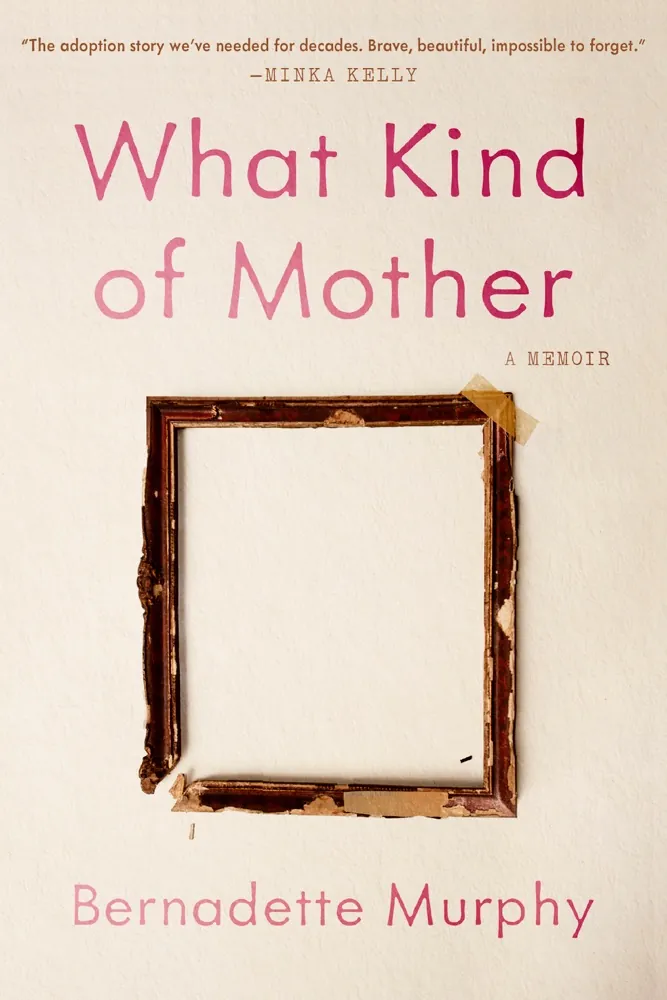

Author: Bernadette MurphyPage Count: UnknownPublication Date: Expected publication 2026 APL We are looking at What Kind of Mother by Bernadette Murphy and honestly, my blood is boiling over the sheer volume of structural gaslighting women have endured for generations under the guise of holy institutions. Look at the setup. A sixteen-year-old kid—shouldering the emotional wreckage of her own mother's untreated depression and a crumbling household—gets handed a life-altering ultimatum by a society that views her bodily autonomy as public property. And then we wonder why she spends forty years carrying the heavy, calcified shame of a closed adoption system built specifically to silence birth mothers. People love to talk about adoption like it's some sanitized Hallmark greeting card moment, completely erasing the jagged systemic violence that forces working-class girls to surrender their children because keeping them would require actual social safety nets instead of hollow moralizing. Speaking of structural failures, I swear to god, if I have to watch one more episode of Bluey where the parents calmly process their toddler's existential dread using artisanal wooden toys while living in a multi-million-dollar Brisbane architectural masterpiece, I am going to throw my entire coffee table through the front window. Why can't a cartoon dad just admit he is hanging on by a thread and screaming into a sofa cushion like the rest of us? Anyway. Murphy's framing of this forty-year epistolary quest hits right at the throat of our collective cultural amnesia. The prose promises to peel back the layers of Irish Catholic guilt—that heavy, suffocating blanket of inherited trauma that tells young girls their worth is measured entirely by their suffering. Expect comparisons to Dani Shapiro's Inheritance or Nicole Chung's All You Can Ever Know, though Murphy's lens focuses sharply on the weaponization of the maternal instinct. Brutal. The baby monitor just illuminated with terrifying, strobe-like green flashes, and if the raccoons have breached the back deck enclosure again, I am going to lose my absolute mind. #memoir #adoptionsystems #literarycritique Related InsightsBrave New World Book Review and Summary Fifty Shades of Grey Book Review and Summary DC Icons Series Book Review and Summary{ "@context": "https://schema.org", "@type": "FAQPage", "mainEntity": [ { "@type": "Question", "name": "What is the main focus of What Kind of Mother: A Memoir Book Review and Summary?", "acceptedAnswer": { "@type": "Answer", "text": "Everything you need to know about What Kind of Mother: A Memoir with our detailed review." } }, { "@type": "Question", "name": "Who authored the comprehensive guide on What Kind of Mother: A Memoir Book Review and Summary?", "acceptedAnswer": { "@type": "Answer", "text": "This detailed article and its insights were carefully researched and authored by Hannah Schmidt." } }, { "@type": "Question", "name": "Where can I find more related content about Books?", "acceptedAnswer": { "@type": "Answer", "text": "You can explore more articles, detailed reviews, and similar insights by browsing the Related Insights section at the bottom of this article or visiting our dedicated Books category page." } } ] }
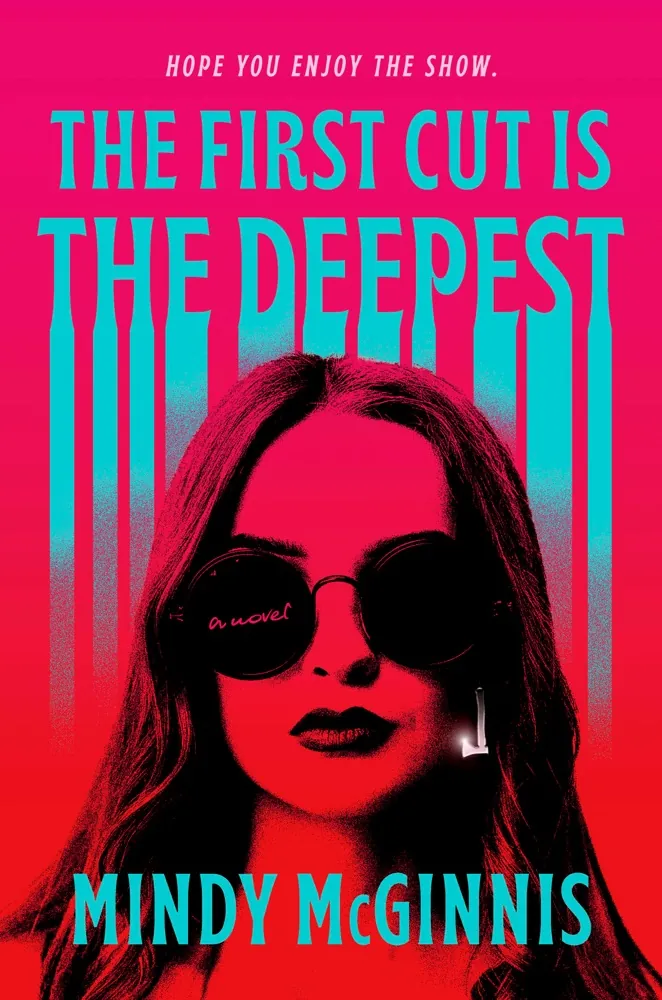

Author: Mindy McGinnisPage Count: UnknownPublication Date: Expected publication 2026 APL Gretchen McMurphy is finally getting her bread up, and honestly? Good for her. Capitalism demands sacrifices, but usually, those sacrifices don't involve an unhinged pop star wielding lethal implements behind a glittering veneer of rhinestone corsets and auto-tune. Mindy McGinnis is dropping The First Cut Is the Deepest into our laps, and we are expected to gasp at the revelation that the music industry chews women up and spits them out. Groundbreaking. Truly, an epistemic shift for the ages. Yet, the synopsis leans hard into the "girlfriends who murder together stay together" trope that we have consumed ad nauseam ever since My Year of Rest and Relaxation spawned a thousand pale, misanthropic imitators. But perhaps—no, actually, let me walk that back entirely. The cynical corporate machinery of pop stardom deserves a much bloodier satirical autopsy than what standard thriller tropes usually allow. The Pathology of the Bridge-and-Chorus Women in the public eye are perpetually expected to perform a grotesque alchemy—turning their private trauma into marketable, radio-friendly hooks. Fae Deeds—what a magnificent, cartoonish moniker for a psychopath—understands this transaction intimately. She isn't just coping; she is weaponizing the systemic misogyny that built her platinum-selling discography. And Gretchen? Sweet, bingo-hall-playing Gretchen who accidentally soundtracked a fitness influencer's glute-gains—she is walking right into the meat grinder. We are looking at a classic bifurcation of female rage. On one side, the commercialized, sanitized pop-anthem grievance designed for TikTok consumption. On the other, the much sharper, feral reality of a woman who has simply had enough. McGinnis is clearly aiming for a neon-drenched pop-noir aesthetic here, drenched in bottled water preferences and glittering delusion. But let us be entirely serious. Will this book actually deconstruct the commodification of female pain, or will it just give us a fun, gory romp where the girlboss gets to commit light homicide between arena tour stops? I am manifesting the former, while realistically preparing for the latter. Think Ottessa Moshfegh writing for a stadium crowd, but messier. The Price of a Stream The commodification of heartbreak is hardly a new literary landscape. But adding a literal bloodbath to the mix? That is just good business. Fame demands a pound of flesh, and Fae Deeds is simply collecting interest. Gretchen has to decide what she is willing to sacrifice—her morals, her safety, or perhaps just her burgeoning streaming revenue. And honestly, looking at the current state of the Billboard charts, murder might actually be the better career move. Actually, I have to run right now. I am late for a fierce philosophical debate about existentialist dramaturgy at a notoriously smoky underground jazz club where no one wears watches. #MindyMcGinnis #PopNoir #BookTwitter #GirlbossHomicide Related InsightsMagic Unicorn Coloring Book Book Review and Summary Amanecer de la Cosecha Book Review and Summary Archangel's Lineage Book Review and Summary{ "@context": "https://schema.org", "@type": "FAQPage", "mainEntity": [ { "@type": "Question", "name": "What is the main focus of The First Cut Is the Deepest Book Review and Summary?", "acceptedAnswer": { "@type": "Answer", "text": "Everything you need to know about The First Cut Is the Deepest with our detailed review." } }, { "@type": "Question", "name": "Who authored the comprehensive guide on The First Cut Is the Deepest Book Review and Summary?", "acceptedAnswer": { "@type": "Answer", "text": "This detailed article and its insights were carefully researched and authored by Marta Wisniewska." } }, { "@type": "Question", "name": "Where can I find more related content about Books?", "acceptedAnswer": { "@type": "Answer", "text": "You can explore more articles, detailed reviews, and similar insights by browsing the Related Insights section at the bottom of this article or visiting our dedicated Books category page." } } ] }
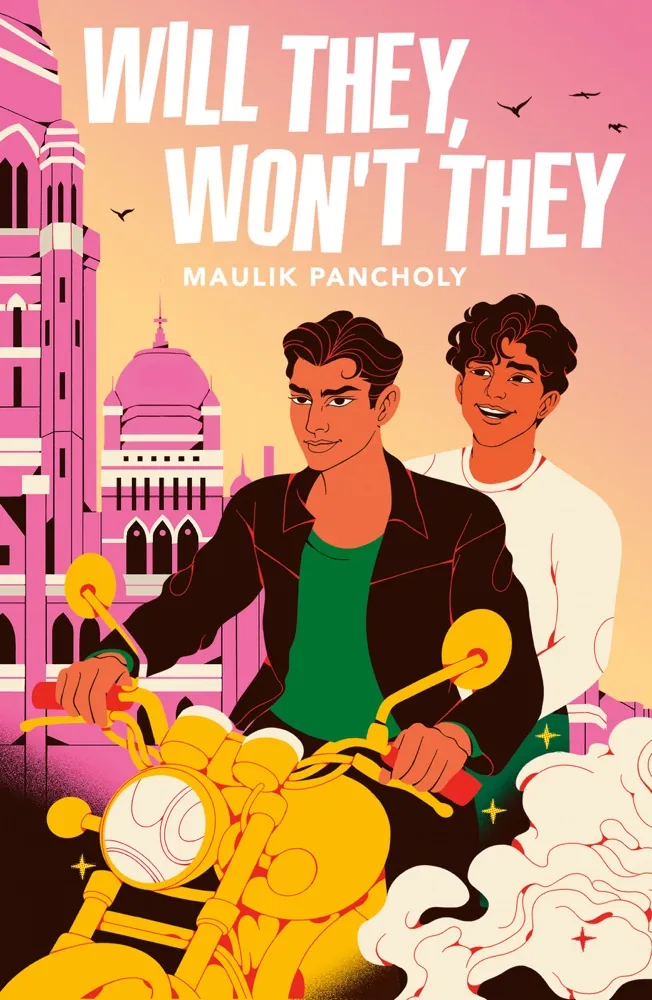
Author: Maulik PancholyPage Count: UnknownPublication Date: Expected publication 2026 APL Maulik Pancholy is returning with Will They, Won't They, and I am already clearing space on my bedside table, hoping against hope that this doesn't crumble under the weight of its own high-concept premise. We are looking at a collision between an earnest documentarian from Queens and a Mumbai nepo baby, which sounds suspiciously like the kind of pitch that gets greenlit in a very expensive Los Angeles boardroom over oat milk lattes. Yet, there is a distinct tender ache underneath the glossy veneer of Bollywood exposure. Ajit Jain wants to dismantle the system with a brutal cinematic exposé. Zain Mansoor just wants to survive the crushing expectations of a generational dynasty. Or at least, that is what the promotional copy would have us believe before the mandatory motorcycle ride changes the trajectory of human history. Let us be entirely honest with one another for a fleeting second. Enemies-to-lovers stories are notoriously difficult to pull off when the antagonists are forced into proximity by a literal camera lens. The synopsis leans heavily on the tired trope of the righteous artist softening at the exact moment his subject flashes a vulnerable smile, which makes me sigh into my lukewarm Earl Grey. Wait. Let me take that back entirely. Perhaps the forced proximity isn't a crutch at all, but a pressure cooker designed to test the fragile boundaries of artistic integrity against the intoxicating allure of dynastic privilege, forcing these boys to reckon with the mirrors they hold up to each other. Predictable. The Machinery of Longing The thematic architecture here relies entirely on the friction between public myth-making and private reality. Pancholy is positioning the glittering chaos of the Mumbai film industry not just as a backdrop, but as a third character in this romance—a monstrous, beautiful entity that demands constant sacrifice from the people feeding its engine. Ajit brings the outsider's sharp, unblinking lens, armed with the protective armor of Queens cynicism and a desperate need for institutional validation. Zain carries the invisible bruises of a bloodline that never allowed him to fail quietly. They are two boys weaponizing cameras and reputations against each other, completely blind to the fact that their mutual antagonism is just another form of intense, terrifying focus. Think Red, White & Royal Blue meets The Sun Is Also a Star, but filtered through the breathless, high-stakes anxiety of a film set where everyone is watching your every move. We have seen this cinematic waltz before in adult romance, but bringing it into the YA space with queer South Asian protagonists feels long overdue. The tension between wanting to destroy someone and wanting to kiss them in the rain is practically Shakespearean, even if it occasionally traffics in the kind of YA shorthand that makes grown readers roll their eyes into the next dimension. Hope. I am going to hide in my study for exactly ten minutes of uninterrupted silence. #bookstagram #yalit #bollywood #enemies-to-lovers #queerlit Related InsightsThe Trial Book Review and Summary Resurrection Book Review and Summary Red, White & Royal Blue Book Review and Summary{ "@context": "https://schema.org", "@type": "FAQPage", "mainEntity": [ { "@type": "Question", "name": "What is the main focus of Will They, Won't They Book Review and Summary?", "acceptedAnswer": { "@type": "Answer", "text": "Everything you need to know about Will They, Won't They with our detailed review." } }, { "@type": "Question", "name": "Who authored the comprehensive guide on Will They, Won't They Book Review and Summary?", "acceptedAnswer": { "@type": "Answer", "text": "This detailed article and its insights were carefully researched and authored by Maximilian Fischer." } }, { "@type": "Question", "name": "Where can I find more related content about Books?", "acceptedAnswer": { "@type": "Answer", "text": "You can explore more articles, detailed reviews, and similar insights by browsing the Related Insights section at the bottom of this article or visiting our dedicated Books category page." } } ] }