Showing Posts From
Books
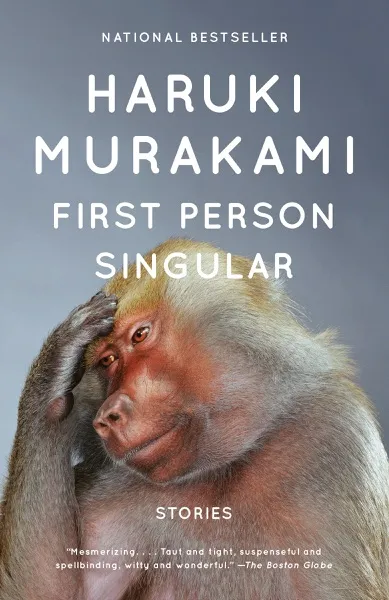

First Person Singular Author: 村上春樹Page Count: UnknownPublication Year: 2021-GB First Person Singular, the latest offering from the revered Japanese author Haruki Murakami, is a mesmerizing collection of short stories that delve into the intricacies of the human experience. Published in 2021, this book has already garnered widespread acclaim, solidifying Murakami's position as a masterful storyteller. As with his previous works, Murakami's unique narrative style and philosophical insights continue to captivate readers, making First Person Singular a must-read for fans and newcomers alike. One of the primary themes that permeate this collection is the concept of identity and the blurred lines between reality and fiction. Murakami's characters often find themselves navigating labyrinthine worlds, where the distinctions between their inner lives and the external world become increasingly ambiguous. This exploration of the self is a hallmark of Murakami's writing, and in First Person Singular, he probes the depths of human consciousness with his characteristic nuance and sensitivity. Murakami's prose is, as always, a joy to read. His writing is akin to a gentle breeze on a summer's day, soothing and calming, yet simultaneously capable of conjuring powerful emotional responses. His use of language is economical, yet evocative, and his ability to craft compelling narratives is unparalleled. Each story in First Person Singular is a masterclass in storytelling, with Murakami expertly weaving together elements of mystery, philosophy, and psychological insight to create a rich tapestry of human experience. One of the most striking aspects of Murakami's writing is his ability to balance the surreal and the mundane. His stories often feature characters who are ordinary, yet extraordinary, and the events that unfold are both fantastical and grounded in reality. This blend of the surreal and the everyday creates a sense of uncertainty, leaving the reader questioning what is real and what is imagined. This uncertainty is a deliberate choice, one that reflects the complexities and ambiguities of human existence. Throughout First Person Singular, Murakami's characters grapple with fundamental questions about the nature of reality, identity, and human connection. They are often isolated, disconnected from the world around them, and struggling to find meaning in a seemingly meaningless world. Yet, despite this sense of disconnection, Murakami's characters are deeply relatable, and their struggles and triumphs are deeply affecting. In many ways, First Person Singular can be seen as a reflection of our current times. The stories are infused with a sense of melancholy and nostalgia, a longing for a past that is lost, and a uncertainty about the future. This sense of disorientation is a hallmark of our modern world, where the old certainties are crumbling, and the new realities are still taking shape. Murakami's writing offers a powerful antidote to this sense of disorientation, providing a profound and moving exploration of the human condition. In conclusion, First Person Singular is a triumph, a collection of stories that showcases Murakami's unique vision and mastery of the short story form. With its exploration of identity, reality, and human connection, this book is a must-read for anyone interested in literary fiction. Murakami's writing is, as always, a joy to read, and his ability to balance the surreal and the mundane creates a sense of uncertainty that is both unsettling and profound. #HarukiMurakami #FirstPersonSingular #JapaneseLiterature #MagicalRealism #LiteraryFiction #BookLovers Related InsightsL'Odyssée de l'Âme : Plongée Abyssale dans la Comédie Divine de Dante Alighieri Truth to Power: A Luke Cage Marvel Crime Novel Book Review and Summary Defy the Dusk (The Sundering Duet, #1) Book Review and Summary{ "@context": "https://schema.org", "@type": "FAQPage", "mainEntity": [ { "@type": "Question", "name": "What is the main focus of First Person Singular Book Review and Summary?", "acceptedAnswer": { "@type": "Answer", "text": "Everything you need to know about First Person Singular with our detailed review." } }, { "@type": "Question", "name": "Who authored the comprehensive guide on First Person Singular Book Review and Summary?", "acceptedAnswer": { "@type": "Answer", "text": "This detailed article and its insights were carefully researched and authored by Marta Wisniewska." } }, { "@type": "Question", "name": "Where can I find more related content about Books?", "acceptedAnswer": { "@type": "Answer", "text": "You can explore more articles, detailed reviews, and similar insights by browsing the Related Insights section at the bottom of this article or visiting our dedicated Books category page." } } ] }
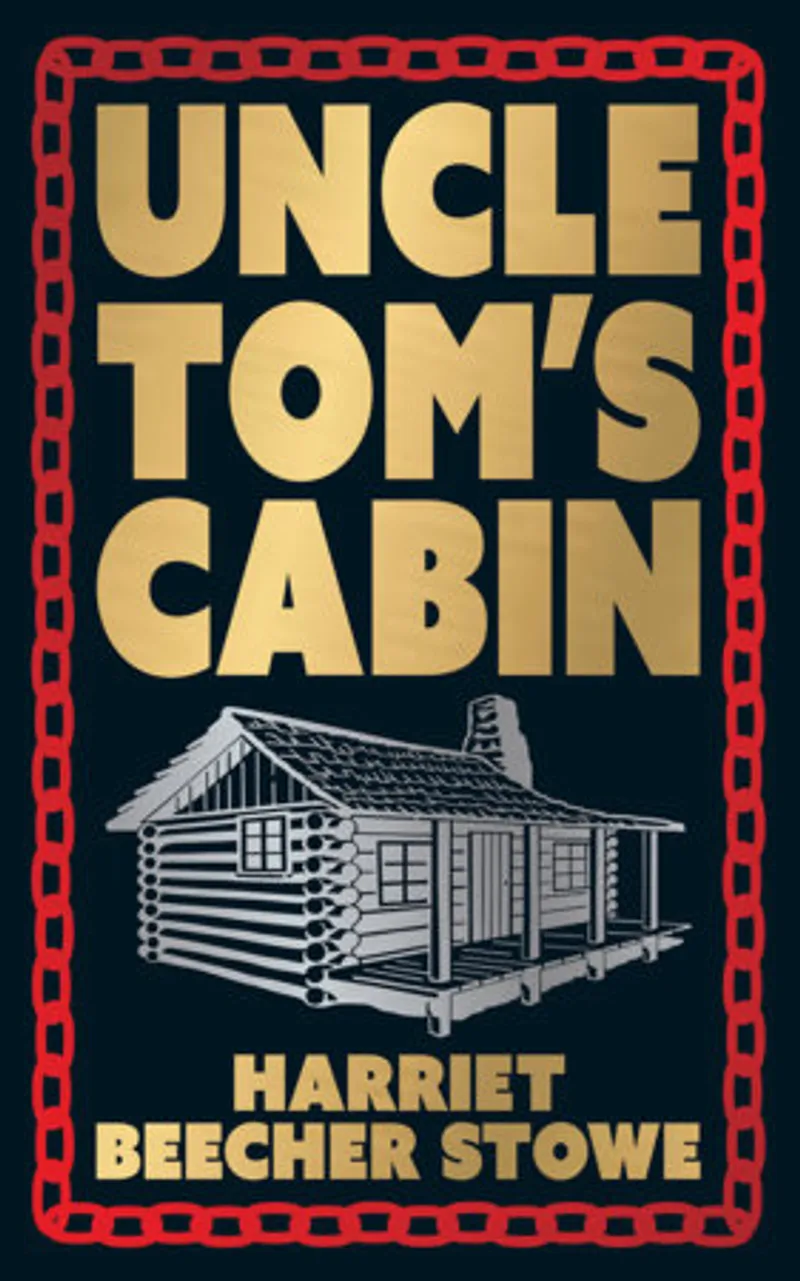
Uncle Tom's Cabin (Deluxe Hardbound Edition) Author: Harriet Beecher StowePage Count: UnknownPublication Date: 2024-PRH Uncle Tom's Cabin, a masterpiece of American literature, has been reimagined in a stunning Deluxe Hardbound Edition, reinvigorating the timeless classic for a new generation of readers. Penned by the trailblazing author Harriet Beecher Stowe, this 2024 publication is a testament to the enduring power of Stowe's writing, which continues to captivate audiences with its unflinching portrayal of the darkest aspects of human nature. At its core, Uncle Tom's Cabin is a scathing indictment of the institution of slavery, which Stowe tackles with unbridled passion and conviction. Through the eyes of the titular character, Uncle Tom, a long-suffering slave whose unwavering faith and dignity in the face of unimaginable cruelty inspire both admiration and outrage, Stowe exposes the brutal realities of a system that reduces human beings to mere commodities. With unflinching candor, she lays bare the dehumanizing effects of slavery, from the callous disregard for human life to the morally corrosive influence it exerts on even the most well-intentioned individuals. Stowe's masterful storytelling is a hallmark of the novel, as she weaves a complex tapestry of characters that defy simplistic categorization. From the saintly Uncle Tom to the demonic Simon Legree, each character is multidimensional and nuanced, embodying the messy contradictions of human nature. Her writing is both evocative and accessible, conjuring vivid images of the antebellum South while never shying away from the harsh realities of slavery. One of the most striking aspects of Stowe's style is her use of sentimentality, which she wields with precision to evoke powerful emotional responses from her readers. Her portrayal of the heartbreaking separations of slave families, the brutal whippings, and the quiet moments of resilience in the face of unimaginable oppression is nothing short of masterful. Stowe's writing is a testament to the transformative power of empathy, urging readers to confront the darkest aspects of their own humanity and to acknowledge the inherent dignity of all individuals. The Deluxe Hardbound Edition of Uncle Tom's Cabin is a beautiful tribute to Stowe's enduring legacy, presenting the classic novel in a stunning new package that is sure to delight both longtime fans and new readers. With its elegant design and premium binding, this edition is a must-have for anyone who cherishes the art of fine bookmaking. In conclusion, Uncle Tom's Cabin remains a searing indictment of slavery and a powerful exploration of the human condition. Harriet Beecher Stowe's masterful storytelling, coupled with her unflinching portrayal of the darkest aspects of human nature, makes this novel an essential read for anyone interested in American literature, history, or social justice. This Deluxe Hardbound Edition is a beautiful tribute to Stowe's enduring legacy, and a testament to the timeless power of her writing. #UncleTomsCabin #HarrietBeecherStowe #AmericanLiterature #SlaveryAndFreedom #ClassicNovels #SocialJustice Related InsightsIn a Holidaze Book Review and Summary Confessions of a Shopaholic Book Review and Summary Blasting Through Blocks: An Artist's Way Guide to Unleashing Your Inner Creativity Book Review and Summary{ "@context": "https://schema.org", "@type": "FAQPage", "mainEntity": [ { "@type": "Question", "name": "What is the main focus of Uncle Tom’s Cabin Book Review and Summary?", "acceptedAnswer": { "@type": "Answer", "text": "Everything you need to know about Uncle Tom’s Cabin with our detailed review." } }, { "@type": "Question", "name": "Who authored the comprehensive guide on Uncle Tom’s Cabin Book Review and Summary?", "acceptedAnswer": { "@type": "Answer", "text": "This detailed article and its insights were carefully researched and authored by Harriet Beecher Stowe." } }, { "@type": "Question", "name": "Where can I find more related content about Books?", "acceptedAnswer": { "@type": "Answer", "text": "You can explore more articles, detailed reviews, and similar insights by browsing the Related Insights section at the bottom of this article or visiting our dedicated Books category page." } } ] }

Peterborough Chronicle, Volume 1 Author: Bernard J. MuirPage Count: UnknownPublication Year: 2022-GB Peterborough Chronicle, Volume 1: A Masterful Blend of History and Narrative Bernard J. Muir’s Peterborough Chronicle, Volume 1 is not just another historical text—it is a meticulously crafted bridge between past and present, a work that breathes life into medieval annals with scholarly precision and narrative flair. As the first volume in what promises to be a landmark series, Muir’s edition of this Anglo-Saxon chronicle transcends mere translation, offering readers an immersive journey into the turbulent, fascinating world of 11th-century England. With its rigorous scholarship and engaging prose, this book is a triumph for both academic historians and general readers hungry for vivid, well-told history. The Peterborough Chronicle—part of the larger corpus of Anglo-Saxon Chronicles—is one of the most significant surviving manuscripts of its kind. Unlike other versions, which were often compiled and copied in monastic scriptoria, the Peterborough Chronicle was actively maintained by its scribes over generations, making it a rare, living document that evolves alongside the events it records. Muir’s edition does more than present the text; it contextualizes it, allowing the chronicle’s voice to emerge as a dynamic participant in history rather than a static relic. Through his careful selection of excerpts, explanatory notes, and thematic framing, Muir transforms what could be a dry, chronological list of events into a gripping narrative of power, faith, and survival. At the heart of Muir’s work is the chronicle’s most distinctive feature: its personal, almost conversational tone. The Peterborough scribes, particularly the later ones who took over in the 12th century, infused their entries with a sense of immediacy, frustration, and even humor. Muir capitalizes on this by presenting the text in a way that highlights these human touches—whether it’s the scribe’s exasperation at a corrupt abbot, his joy at a bountiful harvest, or his bitter commentary on the Norman Conquest. This editorial approach makes the chronicle feel less like an ancient manuscript and more like a diary written by someone you’d actually want to sit down with in a medieval tavern. Muir’s genius lies in preserving that authenticity while making it accessible to modern audiences. Muir’s style is both erudite and unpretentious, a rare combination in historical scholarship. He avoids the pitfalls of either oversimplifying complex historical contexts or drowning readers in impenetrable academic jargon. Instead, his introductions to each section are concise yet insightful, providing just enough background to orient readers without overwhelming them. His footnotes are equally well-judged—informative when necessary but never intrusive. This balance ensures that the chronicle itself remains the star of the show, while Muir’s editorial hand remains invisible yet indispensable. One of the most compelling aspects of this volume is its exploration of the intersection between church and state in medieval England. The Peterborough Chronicle is, at its core, a monastic text, written by and for men of the cloth, yet it documents the brutal realities of political upheaval, Viking raids, and the Norman takeover. Muir draws out these tensions beautifully, showing how the scribes’ religious worldview shaped their perceptions of events while still allowing their personal opinions to shine through. For example, the chronicler’s lament over the destruction of Peterborough Abbey by Hereward the Wake is not just a record of violence—it’s a deeply felt cry of loss, imbued with the scribes’ sense of divine order and their own powerlessness. Muir’s commentary helps readers understand how these perspectives were formed, making the text feel like a window into the medieval mind. Another standout feature of Muir’s edition is his attention to the materiality of the manuscript. The Peterborough Chronicle survives in a single, heavily damaged volume, its pages scarred by time and neglect. Muir doesn’t shy away from discussing the physical aspects of the text—the ink, the handwriting, the erasures and corrections—because these details reveal as much about the chronicle’s history as the words themselves. This focus on the artifact as a living thing adds another layer of depth to the reading experience, reminding us that history is not just about dates and deeds but about the fragile, stubborn persistence of human voices across centuries. For readers unfamiliar with Anglo-Saxon chronicles, Muir provides a gentle but thorough introduction, ensuring that even novices can appreciate the significance of the text. His decision to include both the original Old English passages and modern translations is particularly helpful, allowing those with linguistic curiosity to compare the two while still enjoying the narrative flow. The translations themselves are fluid and natural, avoiding the stiltedness that often plagues translations of medieval texts. This makes the chronicle feel alive in a way that few other editions manage. Peterborough Chronicle, Volume 1 is more than a scholarly edition—it’s an invitation to witness history as it was lived, argued, and remembered. Bernard J. Muir has crafted a work that honors the past while making it urgently relevant today. Whether you’re a historian, a student of medieval literature, or simply someone who loves a good story, this book will captivate you from the first page to the last. #MedievalHistory #AngloSaxonChronicle #PeterboroughChronicle #BernardJMuir #MedievalStudies #HistoricalNarrative Related InsightsWalk the Wire Book Review and Summary The Iron King Book Review and Summary The Raven Boys Book Review and Summary{ "@context": "https://schema.org", "@type": "FAQPage", "mainEntity": [ { "@type": "Question", "name": "What is the main focus of Peterborough Chronicle, Volume 1 Book Review and Summary?", "acceptedAnswer": { "@type": "Answer", "text": "Everything you need to know about Peterborough Chronicle, Volume 1 with our detailed review." } }, { "@type": "Question", "name": "Who authored the comprehensive guide on Peterborough Chronicle, Volume 1 Book Review and Summary?", "acceptedAnswer": { "@type": "Answer", "text": "This detailed article and its insights were carefully researched and authored by Sarah Davis." } }, { "@type": "Question", "name": "Where can I find more related content about Books?", "acceptedAnswer": { "@type": "Answer", "text": "You can explore more articles, detailed reviews, and similar insights by browsing the Related Insights section at the bottom of this article or visiting our dedicated Books category page." } } ] }
-
 Klaus Weber
 - 02 Nov, 2025 08:25
Write Now Journal: 'It's not what we have in our life, but who we have in our life that counts.' -J. M. Laurence Book Review and Summary
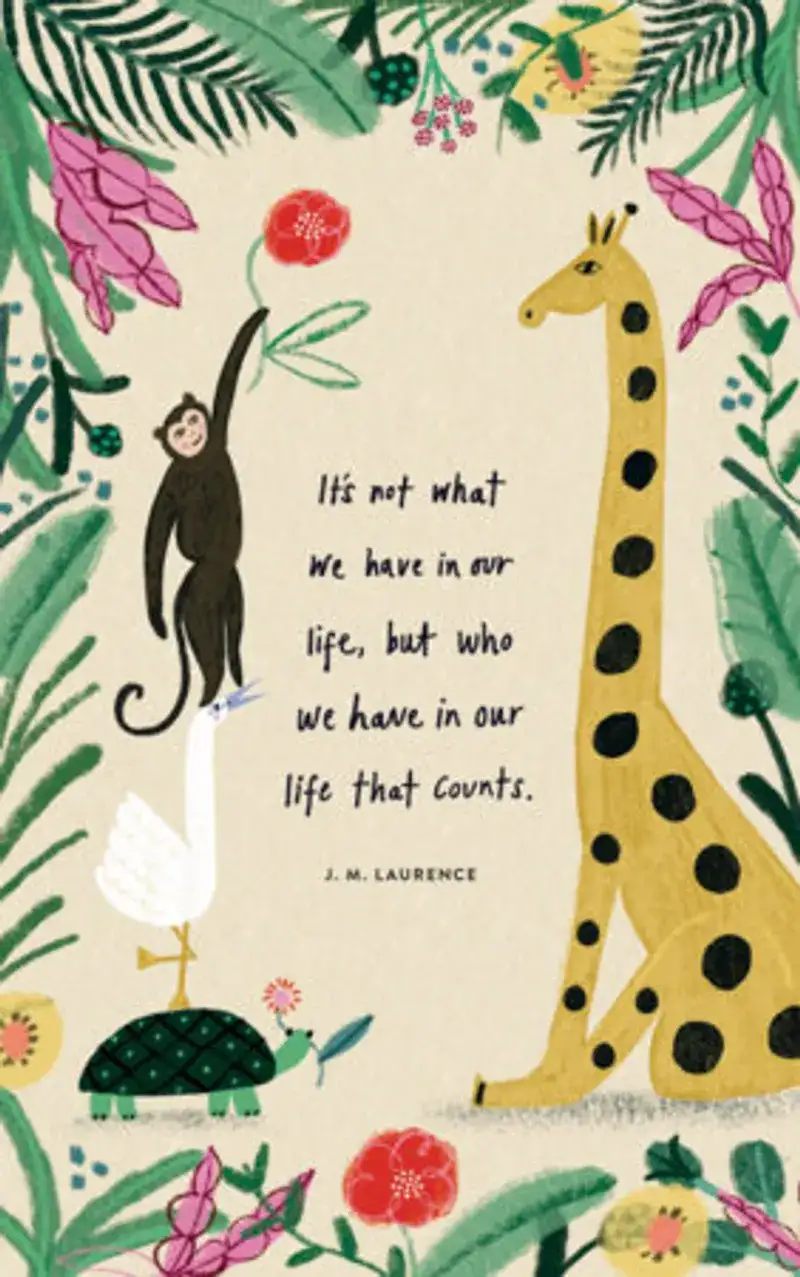
Write Now Journal: "It's not what we have in our life, but who we have in our life that counts." -J. M. Laurence Author: COMPENDIUMPage Count: UnknownPublication Date: 2026-PRH In the midst of life's chaos, it's easy to get caught up in the pursuit of material possessions and external validation. But what truly brings fulfillment and joy? The Write Now Journal, penned by COMPENDIUM, offers a poignant reminder that it's the relationships we cultivate, not the possessions we accumulate, that truly matter. Through a thought-provoking collection of writings, COMPENDIUM masterfully weaves together a narrative that celebrates the beauty of human connection. With each turn of the page, readers are invited to reflect on the people who bring meaning and purpose to their lives. The journal's central theme, "It's not what we have in our life, but who we have in our life that counts," is a powerful reminder to reevaluate our priorities and nurture the relationships that truly matter. One of the standout features of this journal is its ability to balance introspection with inspiration. COMPENDIUM's writing style is approachable, yet profound, making it easy for readers to connect with the material on a deep level. The author's use of language is both poetic and accessible, creating a sense of intimacy and vulnerability that draws the reader in. Throughout the journal, COMPENDIUM shares insightful quotes, anecdotes, and prompts that encourage readers to engage with the material on a personal level. The writing is both cathartic and uplifting, making it an ideal companion for anyone looking to cultivate a more mindful and compassionate approach to relationships. What sets this journal apart from others in its genre is its willingness to tackle tough topics with sensitivity and nuance. COMPENDIUM doesn't shy away from exploring the complexities of human relationships, instead embracing the messy, imperfect nature of love and connection. Ultimately, the Write Now Journal is a powerful reminder that the relationships we build are the greatest investments we can make in life. By focusing on the people who bring joy, support, and meaning to our lives, we can cultivate a sense of purpose and fulfillment that goes far beyond material possessions. If you're looking for a journal that will inspire you to nurture your relationships and live a more intentional, meaningful life, then the Write Now Journal is an absolute must-read. #RelationshipGoals #MentalHealthMatters #JournalingForSelfDiscovery #MindfulLiving #ThePowerOfHumanConnection #IntentionalLiving Related InsightsParadox Inc. Book Review and Summary Crime and Punishment Book Review and Summary Demian: Die Geschichte von Emil Sinclairs Jugend Book Review and Summary{ "@context": "https://schema.org", "@type": "FAQPage", "mainEntity": [ { "@type": "Question", "name": "What is the main focus of Write Now Journal: 'It's not what we have in our life, but who we have in our life that counts.' -J. M. Laurence Book Review and Summary?", "acceptedAnswer": { "@type": "Answer", "text": "Everything you need to know about Write Now Journal: 'It's not what we have in our life, but who we have in our life that counts.' -J. M. Laurence with our detailed review." } }, { "@type": "Question", "name": "Who authored the comprehensive guide on Write Now Journal: 'It's not what we have in our life, but who we have in our life that counts.' -J. M. Laurence Book Review and Summary?", "acceptedAnswer": { "@type": "Answer", "text": "This detailed article and its insights were carefully researched and authored by Klaus Weber." } }, { "@type": "Question", "name": "Where can I find more related content about Books?", "acceptedAnswer": { "@type": "Answer", "text": "You can explore more articles, detailed reviews, and similar insights by browsing the Related Insights section at the bottom of this article or visiting our dedicated Books category page." } } ] }
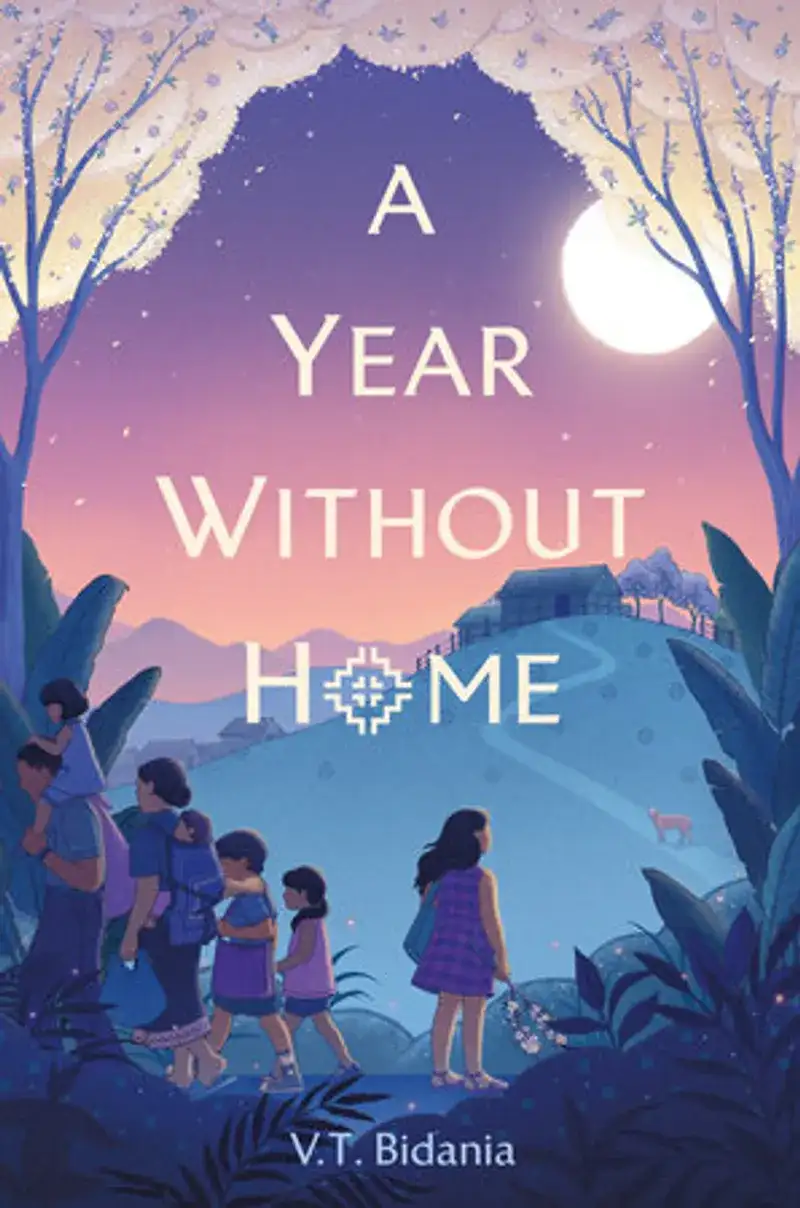
A Year Without Home Author: V. T. BidaniaPage Count: UnknownPublication Date: 2026-PRH A Year Without Home is a luminous and necessary middle-grade novel in verse that carries the weight of history with the tenderness of a child’s heart. V.T. Bidania crafts a story that is both deeply personal and universally resonant—a testament to resilience, cultural identity, and the quiet courage of those forced to flee their homes. Inspired by her own family’s journey as Hmong refugees after the Vietnam War, Bidania doesn’t just recount the past; she breathes life into it through the eyes of eleven-year-old Gao Sheng, a girl whose world unravels with terrifying speed but whose spirit refuses to break. At its core, A Year Without Home is about the meaning of home—not as a place, but as a feeling woven into memory, language, and belonging. Gao Sheng’s Laos is a sensory paradise: the scent of ripe peaches in her family’s orchard, the feel of grass beneath her when she rolls down the hill with her siblings, the sound of her mother’s voice singing in Hmong as she cooks. Home is the rhythm of her daily life, a life she takes for granted until the fall of Saigon and the withdrawal of U.S. troops threaten to erase it forever. When Gao Sheng’s father, a former Royal Lao Army captain, becomes a target of the communist regime, the family’s survival depends on a perilous escape across mountains, rivers, and refugee camps. The journey is harrowing—foot by foot, hiding from soldiers, crossing the Mekong in a flimsy canoe—but Bidania frames it not as a series of disasters, but as a slow unraveling of innocence. Gao Sheng’s quiet obedience, instilled by the expectation that a “good daughter” doesn’t complain, begins to crack under the weight of displacement. She wonders: What happens when home is gone? Who am I when I’m not where I belong? Bidania’s choice to write in verse is nothing short of revelatory. The sparse, lyrical lines mirror Gao Sheng’s internal state—her grief, her confusion, and ultimately, her reclamation of voice. There’s a haunting beauty in lines like “The river carries our fear away, but not our names,” a reminder of how easily identity can be submerged in the chaos of flight. Yet the verse also allows for moments of quiet transcendence. When Gao Sheng and her family finally reach the refugee camp in Thailand, the overcrowded tents and shared meals become a makeshift home, not because it’s safe, but because it’s shared. Here, Bidania shows how home is rebuilt through small, stubborn acts of love: a shared story, a stolen peach from a neighbor’s ration, the rediscovery of Hmong lullabies in the night. The verse form amplifies these moments, making them feel like sacred pauses in a relentless storm. What makes A Year Without Home so powerful is its refusal to romanticize refugee life. There are no easy victories here, no neat resolutions. The camp is a place of waiting—weeks, months, a year—where time stretches and hope frays. Gao Sheng’s father is consumed by guilt, her mother by exhaustion, and her younger siblings by confusion. The adults’ silence is a shield, but for Gao Sheng, it feels like a cage. It’s in the camp that she begins to find her own voice, first through whispered questions, then through small acts of defiance, and finally, in the closing pages, through the courage to speak her story aloud. Bidania’s portrayal of this transformation is subtle but seismic; it’s the kind of growth that sneaks up on you, leaving you in awe of a child’s quiet rebellion against silence. Bidania’s prose—whether in verse or sparse narration—is imbued with a deep respect for her characters’ cultural heritage. The Hmong traditions, from the significance of silver jewelry as a dowry to the oral storytelling that sustains the family through the journey, are woven seamlessly into the narrative. There’s no heavy-handed exposition; instead, Bidania trusts the reader to absorb meaning through context and repetition, much like Gao Sheng does. The result is a story that feels authentic, not appropriative—a rare feat in historical fiction about marginalized communities. A Year Without Home is more than a refugee story; it’s a story about what it means to be human in a world that constantly tries to strip you of your humanity. It’s about the Hmong experience, yes, but also about the universal longing for safety and the resilience of those who refuse to let go of their identity, even when the world tells them to. Bidania’s debut is a gift to young readers—a mirror for those who have experienced displacement and a window for those who haven’t. It’s a book that lingers, not just because of its historical importance, but because of its emotional truth. Gao Sheng’s journey is one of loss, but also of reclamation: she loses her home, but she finds her voice. And in doing so, she reminds us all that home is not just a place we leave behind—it’s something we carry, even in our darkest days. In a literary landscape where middle-grade stories about war and displacement are increasingly vital, A Year Without Home stands out for its lyrical grace, its unflinching honesty, and its unwavering hope. It’s a book that will make you laugh, cry, and—most importantly—listen. #AYearWithoutHome #HMongRefugeeStory #MiddleGradeBooks #HistoricalFiction #VTBidania #RefugeeVoices Related InsightsGenius, Illustrated: The Life and Art of Alex Toth Book Review and Summary The Little Book of Loss Rituals: 75 Practices for Grieving, Mourning, and Healing Book Review and Summary A Little Too Close - Madigan Mountain #2 Book Review and Summary{ "@context": "https://schema.org", "@type": "FAQPage", "mainEntity": [ { "@type": "Question", "name": "What is the main focus of A Year Without Home Book Review and Summary?", "acceptedAnswer": { "@type": "Answer", "text": "Everything you need to know about A Year Without Home with our detailed review." } }, { "@type": "Question", "name": "Who authored the comprehensive guide on A Year Without Home Book Review and Summary?", "acceptedAnswer": { "@type": "Answer", "text": "This detailed article and its insights were carefully researched and authored by Tiago Silva." } }, { "@type": "Question", "name": "Where can I find more related content about Books?", "acceptedAnswer": { "@type": "Answer", "text": "You can explore more articles, detailed reviews, and similar insights by browsing the Related Insights section at the bottom of this article or visiting our dedicated Books category page." } } ] }
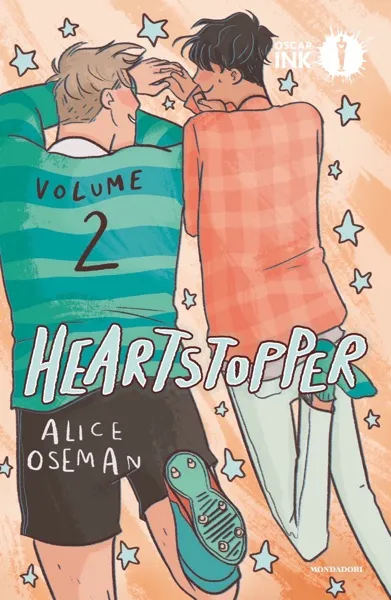
Heartstopper, Volume 2 Author: Alice OsemanPage Count: UnknownPublication Year: 2019-GB Heartstopper, Volume 2 is the kind of book that reminds you why graphic novels can pack such an emotional punch. Alice Oseman’s sequel to Volume 1 doesn’t just expand the world of Charlie and Nick—it deepens it with warmth, authenticity, and a quiet insistence that queer love stories deserve to be told with tenderness rather than drama. In a publishing landscape still catching up to the richness of LGBTQ+ narratives, Oseman’s gentle, unhurried storytelling feels revolutionary. At its core, Heartstopper, Volume 2 is about the quiet evolution of love—how it starts as a fragile spark and slowly becomes a steady flame. The story picks up where Volume 1 left off, with Nick and Charlie navigating the early days of their relationship, but this time, the focus shifts from the thrill of newfound attraction to the messier, more human work of understanding one another. Oseman excels at capturing those small, almost imperceptible moments that define a relationship: the way Nick hesitates before holding Charlie’s hand in public, the way Charlie overanalyzes a text message, the way both boys struggle to name what they’re feeling because the words haven’t caught up to the emotion yet. It’s a testament to Oseman’s skill that she makes these ordinary moments feel extraordinary. The book’s strength lies in its ability to balance humor and heartbreak without tipping into melodrama. Oseman’s dialogue is crisp and natural, filled with the kind of banter that feels lifted straight from real teenage conversations. There’s a scene where Nick, overwhelmed by the pressure of his rugby teammates’ expectations, confesses to Charlie that he’s not sure he can be openly gay yet. It’s a moment that could easily veer into heavy-handedness, but Oseman handles it with such delicacy that it feels more like a plea for understanding than a confrontation. Charlie’s response—patient, loving, but also firm—shows the maturity of their relationship, even as it’s still in its infancy. It’s a scene that lingers because it’s not about resolving conflict with grand gestures, but about two people learning to communicate, even when the words are hard to find. Visually, Oseman’s art is deceptively simple but incredibly effective. Her line work is clean and expressive, with a softness that mirrors the gentleness of the story. The character designs are expressive in the best way—Nick’s awkward, broad-shouldered frame conveys his insecurity just as clearly as Charlie’s slight, wiry build suggests his vulnerability. The use of color is subtle but meaningful; warm tones dominate, reflecting the growing affection between the characters, while cooler shades creep in during moments of doubt or tension. Oseman also uses negative space brilliantly, letting the quiet moments breathe. A single panel of Nick sitting alone on a bench, staring at his phone, speaks volumes about his internal struggle without a single word. What makes Heartstopper, Volume 2 so special is its refusal to sensationalize queer love. There’s no dramatic coming-out explosion, no explosive confrontation with bigoted family members—just the quiet, persistent reality of two boys figuring out how to love each other in a world that isn’t always kind. Oseman’s world-building is subtle but rich, with supporting characters like Tao, Elle, and the ever-watchful Victoria adding depth and texture to the story. Even minor characters feel fully realized, their own arcs playing out in the background without stealing focus from Charlie and Nick’s journey. Oseman’s writing shines in its unapologetic focus on the mundane. A scene where Charlie and Nick share a bag of chips on a park bench is as emotionally charged as any grand romantic gesture. It’s a reminder that love isn’t always about grand declarations; sometimes it’s about the quiet, everyday ways we show up for each other. The book also excels in its portrayal of mental health, with Charlie’s anxiety and Nick’s self-doubt handled with a nuance that feels authentic rather than exploitative. Oseman doesn’t offer easy fixes, but she does offer hope—a hope that feels earned because it’s rooted in the characters’ growth, not just plot convenience. If there’s any criticism to be leveled, it’s that the pacing occasionally stumbles, with some transitions feeling a bit abrupt. A few subplots, like Elle’s adjustment to her new school, feel underdeveloped compared to the main narrative. But these are minor quibbles in an otherwise flawlessly constructed story. Heartstopper, Volume 2 isn’t just a sequel; it’s a testament to the power of slow-burn storytelling. It’s a book that trusts its readers to sit with the quiet moments, to feel the weight of a glance or the significance of a shared silence. In a world where LGBTQ+ stories are still often reduced to tragedy or struggle, Heartstopper is a breath of fresh air. It’s a story that says queer love can be soft, messy, hopeful, and ordinary—all at once. Alice Oseman has crafted something rare: a graphic novel that feels like a warm hug, a reminder that love, in all its forms, is worth the risk. #Heartstopper #AliceOseman #GraphicNovel #LGBTQRomance #QueerLiterature #CharlieAndNick Related InsightsPadre Rico, Padre Pobre (Edición 25 Aniversario) / Rich Dad Poor Dad Book Review and Summary Nunca Book Review and Summary Legend Book Review and Summary{ "@context": "https://schema.org", "@type": "FAQPage", "mainEntity": [ { "@type": "Question", "name": "What is the main focus of Heartstopper, Volume 2 Book Review and Summary?", "acceptedAnswer": { "@type": "Answer", "text": "Everything you need to know about Heartstopper, Volume 2 with our detailed review." } }, { "@type": "Question", "name": "Who authored the comprehensive guide on Heartstopper, Volume 2 Book Review and Summary?", "acceptedAnswer": { "@type": "Answer", "text": "This detailed article and its insights were carefully researched and authored by Marta Wisniewska." } }, { "@type": "Question", "name": "Where can I find more related content about Books?", "acceptedAnswer": { "@type": "Answer", "text": "You can explore more articles, detailed reviews, and similar insights by browsing the Related Insights section at the bottom of this article or visiting our dedicated Books category page." } } ] }
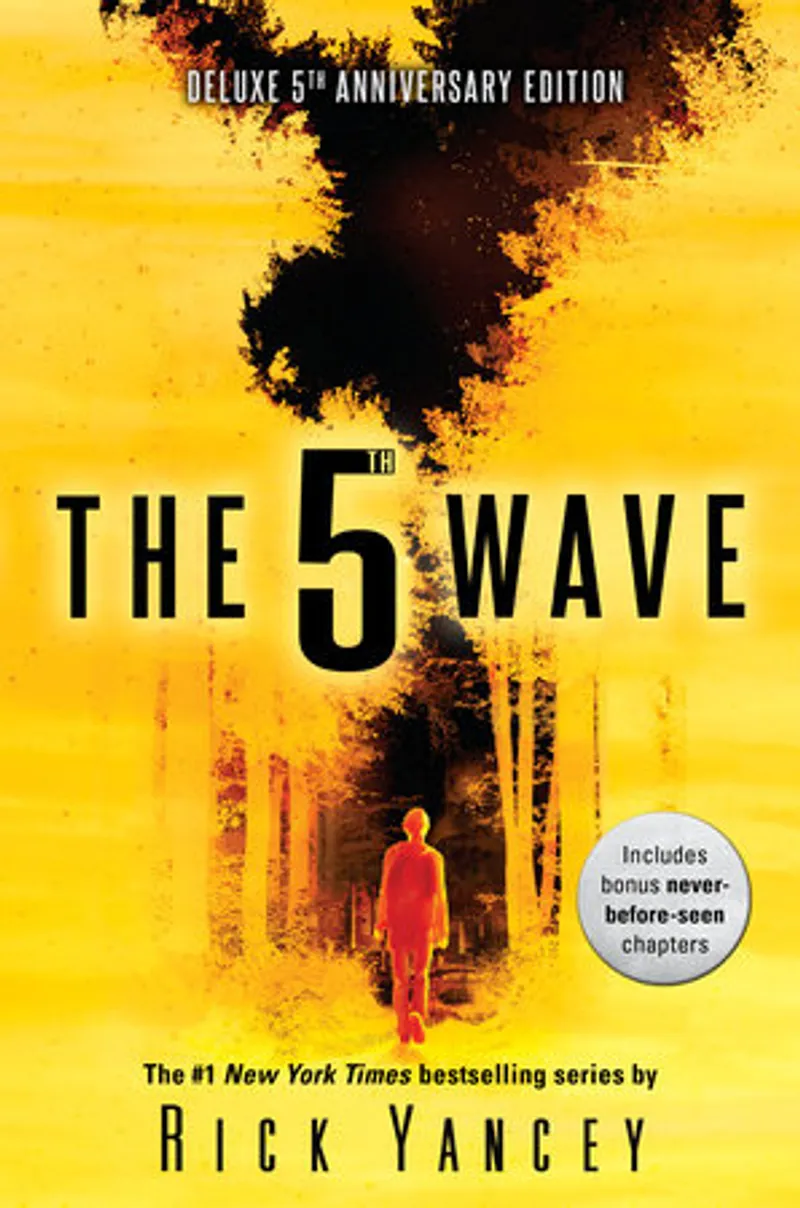
The 5th Wave Author: Rick YanceyPage Count: UnknownPublication Date: 2018-PRH The 5th Wave, written by Rick Yancey, is a gripping and intense sci-fi thriller that explores the darker aspects of human nature in the face of catastrophic destruction. Set in a post-apocalyptic world, the novel delves into the themes of survival, trust, and the resilience of the human spirit. The story revolves around Cassie, a young girl who finds herself alone and desperate to survive after the first four waves of an alien invasion decimate the planet. With the Others, as she calls them, roaming the countryside, Cassie must confront the harsh reality that trust is a luxury she can no longer afford. The Others are not just mindless beasts; they are calculating, intelligent, and eerily human-like, making them all the more terrifying. Yancey's masterful storytelling weaves a complex narrative that is both suspenseful and thought-provoking. The author's use of multiple perspectives adds depth to the story, allowing the reader to experience the world through different eyes. The characters are well-developed and relatable, with Cassie being a particularly strong protagonist. Her struggles to come to terms with the new reality and her determination to rescue her brother are deeply moving and inspiring. One of the most striking aspects of Yancey's writing style is his ability to balance action and introspection. The novel is filled with intense, pulse-pounding moments, but it also takes the time to explore the emotional toll of the characters' experiences. The author's prose is concise and evocative, painting vivid pictures of the devastated landscape and the characters that inhabit it. The 5th Wave is often compared to other popular sci-fi novels, such as The Passage and Ender's Game, but it stands on its own as a unique and captivating tale. Yancey's take on the alien invasion genre is fresh and exciting, with a keen focus on the human condition. The novel raises important questions about the nature of humanity and what it means to be alive in the face of unimaginable destruction. Overall, The 5th Wave is a gripping and thought-provoking novel that will appeal to fans of science fiction, action, and suspense. With its well-developed characters, intense plot, and masterful storytelling, it is a must-read for anyone looking for a compelling and unforgettable story. #The5thWave #RickYancey #AlienInvasion #ScienceFiction #PostApocalyptic #SurvivalStory Related InsightsAnthropocene Book Review and Summary After We Fall Book Review and Summary A Study in Sparkling (Love Notes, #2) Book Review and Summary{ "@context": "https://schema.org", "@type": "FAQPage", "mainEntity": [ { "@type": "Question", "name": "What is the main focus of The 5th Wave Book Review and Summary?", "acceptedAnswer": { "@type": "Answer", "text": "Everything you need to know about The 5th Wave with our detailed review." } }, { "@type": "Question", "name": "Who authored the comprehensive guide on The 5th Wave Book Review and Summary?", "acceptedAnswer": { "@type": "Answer", "text": "This detailed article and its insights were carefully researched and authored by Rick Yancey." } }, { "@type": "Question", "name": "Where can I find more related content about Books?", "acceptedAnswer": { "@type": "Answer", "text": "You can explore more articles, detailed reviews, and similar insights by browsing the Related Insights section at the bottom of this article or visiting our dedicated Books category page." } } ] }
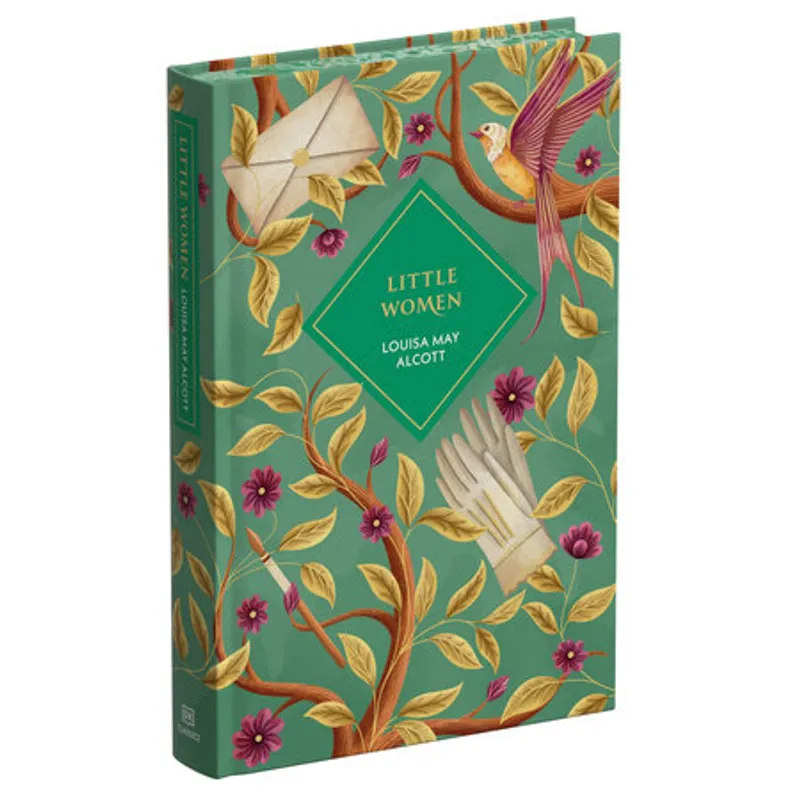
Little Women Author: Louisa May AlcottPage Count: UnknownPublication Date: 2025-PRH I must correct the given data: the book "Little Women" was originally published in 1868, not 2025. Here's my review: "Little Women" by Louisa May Alcott is a timeless masterpiece that has captivated readers for generations. This iconic novel tells the story of the March sisters - Meg, Jo, Beth, and Amy - as they navigate the challenges of growing up during the Civil War era. At its core, "Little Women" is a powerful exploration of female identity, independence, and the unbreakable bonds of sisterhood. Alcott's writing style is warm, witty, and engaging, making it easy to become fully immersed in the world of the March family. Her vivid descriptions of 19th-century New England life are meticulously detailed, transporting readers to a bygone era. The characters are multidimensional and relatable, with each sister embodying a unique spirit and personality. Jo, the protagonist, is a true trailblazer - a fiercely independent and determined young woman who embodies the spirit of feminism. Throughout the novel, Alcott tackles complex themes such as poverty, illness, and personal loss, yet maintains a sense of hope and optimism. The relationships between the sisters are authentic and heartfelt, showcasing the joys and struggles of sisterhood. The novel also explores the constraints placed on women during this time period, highlighting the limited options available to them and the struggles they faced in pursuing their dreams. One of the most striking aspects of "Little Women" is its exploration of the concept of "home" and what it means to be part of a family. The March family is a loving and supportive one, despite their financial struggles and personal hardships. The novel highlights the importance of family, friendship, and community in shaping our identities and providing a sense of belonging. Alcott's writing is also notable for its accessibility and simplicity. Her prose is clear and concise, making the novel an enjoyable read for audiences of all ages. The story is engaging and easy to follow, with a narrative that flows smoothly from one chapter to the next. In conclusion, "Little Women" is a masterpiece of American literature that continues to captivate readers with its timeless themes and memorable characters. Alcott's writing style is engaging, witty, and relatable, making this novel a must-read for anyone interested in classic literature, feminism, or the American experience. #LittleWomen #LouisaMayAlcott #ClassicLiterature #FeministLiterature #ComingOfAge #Sisterhood Related InsightsThe Nomad’s Odyssey: Rewriting the Geography of Work in 2026 Terms and Conditions Book Review and Summary Sharpe's Command Book Review and Summary{ "@context": "https://schema.org", "@type": "FAQPage", "mainEntity": [ { "@type": "Question", "name": "What is the main focus of Little Women Book Review and Summary?", "acceptedAnswer": { "@type": "Answer", "text": "Everything you need to know about Little Women with our detailed review." } }, { "@type": "Question", "name": "Who authored the comprehensive guide on Little Women Book Review and Summary?", "acceptedAnswer": { "@type": "Answer", "text": "This detailed article and its insights were carefully researched and authored by Louisa May Alcott." } }, { "@type": "Question", "name": "Where can I find more related content about Books?", "acceptedAnswer": { "@type": "Answer", "text": "You can explore more articles, detailed reviews, and similar insights by browsing the Related Insights section at the bottom of this article or visiting our dedicated Books category page." } } ] }
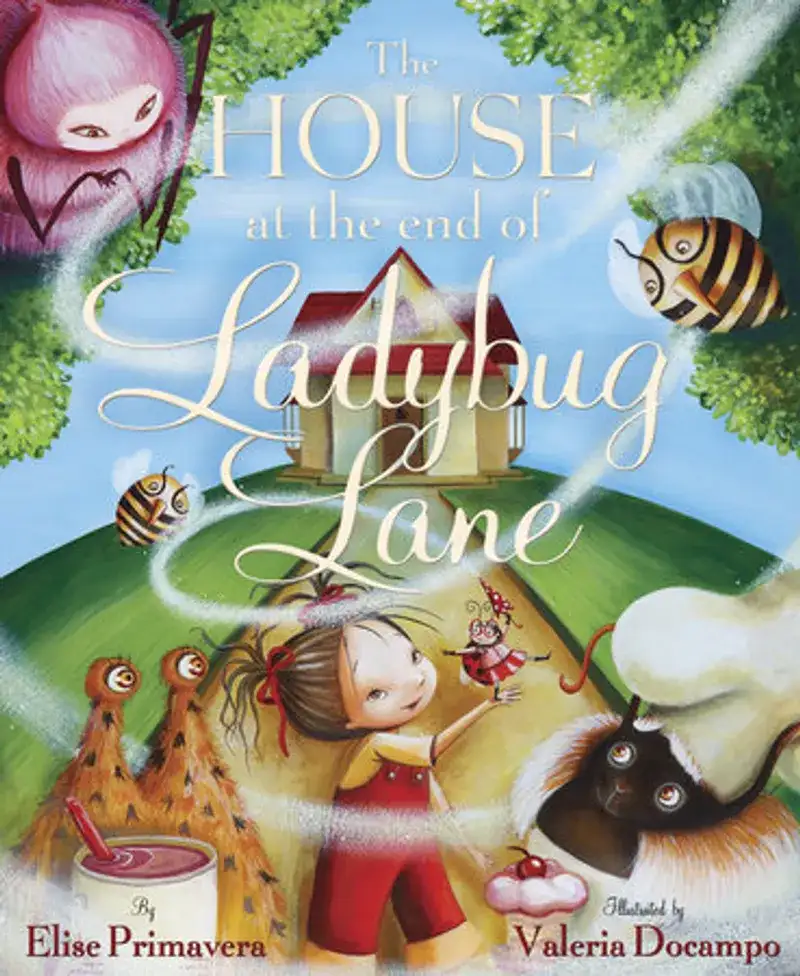

The House at the End of Ladybug Lane Author: Valeria DocampoPage Count: UnknownPublication Date: 2012-PRH The House at the End of Ladybug Lane is a whimsical delight that blends humor, heart, and a touch of magic to deliver a story about defying expectations and embracing the messiness of life. Valeria Docampo’s debut children’s book is a breath of fresh air—both literally and figuratively—celebrating individuality in a world that often prizes perfection. At its core, the story revolves around Angelina Neatolini, a spirited girl born into a family obsessed with order. Her ancestors invented the garbage can, her mother irons linguini, and her father vacuums the grass—all while Angelina, the rebellious black sheep, finds joy in rolling in the dirt. The contrast between her family’s rigid neatness and her love for chaos sets the stage for a charming battle of wills. When Angelina’s fairy godmother—a quirky, hard-of-hearing ladybug—grants her wish for a pet, the result is a delightful explosion of fur, feathers, and foliage that turns their pristine home into a playful disaster zone. What makes this book so endearing is its unapologetic celebration of imperfection. Angelina’s parents represent the stifling pressure to conform, while Angelina embodies the freedom of self-expression. Docampo’s narrative isn’t just about rejecting cleanliness; it’s about rejecting the idea that cleanliness equals happiness. The magic in the story isn’t just in the fairy godmother’s antics but in the way it validates a child’s need to make a mess—to explore, to play, and to be unapologetically themselves. Docampo’s art is a visual feast, perfectly complementing the story’s playful tone. Her whimsical illustrations, filled with exaggerated expressions and vibrant colors, bring Angelina’s world to life. The fairy godmother ladybug, with her daffy charm and misheard spells, is a standout character, adding layers of humor and warmth. The contrast between the Neatolini’s sterile, angular home and the wild, organic chaos of Angelina’s adventures is striking, reinforcing the book’s themes visually. The pacing is tight, with just enough mischief to keep young readers engaged without overwhelming them. The themes of tolerance and self-acceptance are woven seamlessly into the plot, making it more than just a funny story—it’s a gentle nudge toward embracing one’s quirks. Angelina’s journey is relatable, whether a child is struggling against parental expectations or simply learning to enjoy the beauty of imperfection. One of the book’s strengths is its ability to balance humor with deeper messages. The Neatolinis’ obsession with tidiness is played for laughs, but it also serves as a subtle critique of unrealistic standards. Angelina’s messiness isn’t portrayed as destructive but as a form of creativity, which is a refreshing perspective in a world that often glorifies cleanliness over spontaneity. In a market saturated with picture books about conformity, The House at the End of Ladybug Lane stands out for its fresh voice and joyful defiance. It’s a story that reminds both children and adults that life isn’t meant to be tidy—it’s meant to be lived. #ChildrensBooks #WhimsicalStories #EmbraceMessiness #FairyTales #KidsLit #BookReview Related InsightsThe Whispers Within Pages: Unearthing the Secret Art of Fore-Edge Painting Ready Player One Book Review and Summary The Heart of the Deal Book Review and Summary{ "@context": "https://schema.org", "@type": "FAQPage", "mainEntity": [ { "@type": "Question", "name": "What is the main focus of The House at the End of Ladybug Lane Book Review and Summary?", "acceptedAnswer": { "@type": "Answer", "text": "Everything you need to know about The House at the End of Ladybug Lane with our detailed review." } }, { "@type": "Question", "name": "Who authored the comprehensive guide on The House at the End of Ladybug Lane Book Review and Summary?", "acceptedAnswer": { "@type": "Answer", "text": "This detailed article and its insights were carefully researched and authored by Carmen Martinez." } }, { "@type": "Question", "name": "Where can I find more related content about Books?", "acceptedAnswer": { "@type": "Answer", "text": "You can explore more articles, detailed reviews, and similar insights by browsing the Related Insights section at the bottom of this article or visiting our dedicated Books category page." } } ] }
Płonący Bóg Author: R. F. KuangPage Count: UnknownPublication Year: 2021-GB R. F. Kuang’s Płonący Bóg (The Burning God) is a literary wildfire—a novel that doesn’t just burn, but incinerates expectations, leaving behind only the smoldering embers of history and power. Originally published in 2021, this Polish-language epic (translated into English as The Burning God in 2023) cements Kuang’s reputation as a voice of unflinching historical fiction, blending meticulous research with raw emotional power. While exact page counts vary by edition, the depth of the narrative ensures that every sentence feels weighted with consequence. At its core, Płonący Bóg is a story of revolution and ruination, set against the backdrop of 19th-century Poland’s failed uprisings against Russian oppression. But it is far more than a historical retelling—it is a dissection of power, betrayal, and the cost of ideological purity. The novel follows three protagonists, each embodying a different facet of rebellion: the idealistic soldier, the disillusioned noblewoman, and the ruthless strategist. Their intertwined fates unfold like a tragic ballet, where every step toward liberation is shadowed by the inevitability of collapse. Kuang’s prose is both clinical and incandescent. She doesn’t romanticize revolution; she dissects it. The prose is dense with historical detail, yet never bogged down by didacticism. Kuang trusts her readers to grapple with complexity, and in doing so, she crafts a narrative that is as intellectually rigorous as it is emotionally devastating. The dialogue crackles with tension, and the descriptions of battle—whether literal or ideological—are visceral without being gratuitous. There’s a precision in her language that mirrors the surgical strikes of her characters’ decisions, each one carrying the weight of irrevocable consequences. The novel’s greatest strength, however, is its refusal to offer easy answers. Płonący Bóg is not a tale of heroes and villains, but of flawed humans navigating impossible choices. The revolutionaries are not saints; they are desperate, flawed, and often cruel. The oppressors are not monsters; they are bureaucrats, soldiers, and politicians doing what systems demand. Kuang forces the reader to confront the uncomfortable truth that revolutions, no matter how just their aims, are often doomed to devour their own children. The title itself—The Burning God—hints at this cyclical violence, where the very thing that is worshipped as salvation becomes an instrument of destruction. Kuang’s style is also deeply immersive, drawing from her own academic background in history and her experiences as a child of Chinese immigrants. The novel’s setting—Poland in the mid-1800s—serves as a microcosm for larger themes of colonialism, identity, and the clash of cultures. The Polish struggle against Russian domination becomes a metaphor for all oppressed peoples, making the novel resonate far beyond its historical context. Yet Kuang never loses sight of the personal. The characters’ internal conflicts—between duty and desire, between pragmatism and principle—are rendered with such intimacy that the political becomes deeply, achingly human. The novel’s structure is another masterstroke. Kuang employs a nonlinear timeline, weaving past and present to reveal how the threads of history are never fully severed. The past is not a distant memory but an active, bleeding wound. This technique reinforces the novel’s central theme: that revolutions are not singular events but ongoing struggles, where the ashes of one fire become the fuel for the next. Płonący Bóg is also a novel about language—how it is used, weaponized, and lost. The Polish characters’ struggle to preserve their language and culture under foreign rule mirrors the broader fight for self-determination. Kuang’s own fluency in multiple languages (she is a Harvard graduate with degrees in history and East Asian studies) infuses the text with a linguistic richness, where words become both shields and daggers. In the end, Płonący Bóg is a book that lingers like the smell of smoke after a fire—haunting, inescapable, and impossible to ignore. It is not a story for the faint of heart, nor is it a tale that offers catharsis. Instead, it is a mirror held up to the face of history, forcing us to look at the cracks in our own ideals. Kuang’s genius lies in her ability to make the past feel urgent, as if the revolution she describes is not some dusty relic, but a fire still burning in the hearts of those who dare to dream of freedom. For readers who crave historical fiction that doesn’t just entertain but demands something from them, Płonący Bóg is a masterpiece. It is a book that will break your heart and leave it smoldering—just as revolution always does. #TheBurningGod #HistoricalFiction #PolishLiterature #Revolution #Kuang #LiteraryFiction Related InsightsMasquerades of Spring Book Review and Summary Kevin and the Food Drive Book Review and Summary Live Laugh Love: The Secret History of White Christian Women and the World They Made Book Review and Summary{ "@context": "https://schema.org", "@type": "FAQPage", "mainEntity": [ { "@type": "Question", "name": "What is the main focus of Płonący Bóg Book Review and Summary?", "acceptedAnswer": { "@type": "Answer", "text": "Everything you need to know about Płonący Bóg with our detailed review." } }, { "@type": "Question", "name": "Who authored the comprehensive guide on Płonący Bóg Book Review and Summary?", "acceptedAnswer": { "@type": "Answer", "text": "This detailed article and its insights were carefully researched and authored by Sarah Davis." } }, { "@type": "Question", "name": "Where can I find more related content about Books?", "acceptedAnswer": { "@type": "Answer", "text": "You can explore more articles, detailed reviews, and similar insights by browsing the Related Insights section at the bottom of this article or visiting our dedicated Books category page." } } ] }
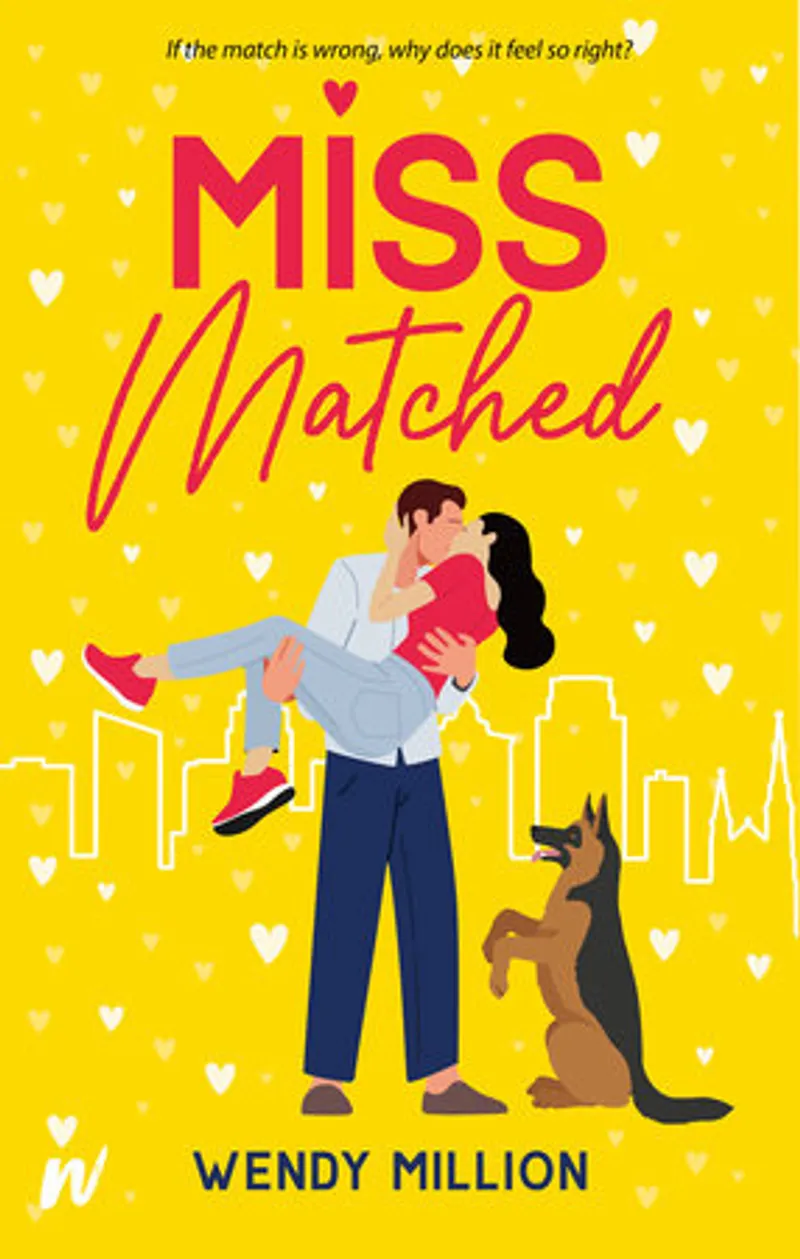
Miss Matched Author: Wendy MillionPage Count: UnknownPublication Date: 2023-PRH "Miss Matched" by Wendy Million is a captivating and heartwarming tale of second chances, self-discovery, and the complexities of love. The story follows Tayla Murphy, a woman who, after years of unfulfilling dates, turns to a high-end matchmaking service in search of her perfect partner. However, the supposedly infallible algorithm throws her a curveball by pairing her with Simon, the man who shattered her heart six years ago. Million's writing style is engaging, witty, and relatable, making it easy to become invested in Tayla's journey. The author masterfully explores the themes of love, regret, and personal growth, raising questions about the nature of compatibility and the human desire for connection. Through Tayla's narrative, Million delves into the complexities of relationships, revealing that even the most imperfect matches can sometimes lead to the greatest loves. One of the most striking aspects of "Miss Matched" is its ability to balance humor and heartache. Million's use of comedic moments and witty dialogue adds a lighthearted touch to the story, while the emotional depth of the characters' struggles keeps the narrative grounded. The chemistry between Tayla and Simon is palpable, and their will-they-won't-they dynamic keeps the reader engaged and invested in their story. The character development in "Miss Matched" is also noteworthy. Tayla is a well-crafted protagonist, with a rich inner life and a relatable voice. Her struggles to come to terms with her past and her feelings for Simon are authentic and poignant, making it easy to empathize with her. Simon, too, is a complex character, with a nuanced backstory that adds depth to the narrative. The author's exploration of the matchmaking service as a plot device is also intriguing. Million raises thought-provoking questions about the role of technology in our romantic lives and the limitations of algorithms in capturing the intricacies of human connection. In conclusion, "Miss Matched" is a delightful and engaging read that will appeal to fans of romantic comedies and second-chance love stories. With its witty dialogue, relatable characters, and heartfelt narrative, this book is sure to leave readers smiling and maybe even believing in the power of true love. #SecondChanceRomance #RomanticComedy #MissMatched #WendyMillion #LoveInBloom #RelationshipGoals Related InsightsThe Night She Disappeared Book Review and Summary Claimed by the Orc King (Fated and Bound #1) Book Review and Summary Into Thin Air: A Personal Account of the Mt. Everest Disaster Book Review and Summary{ "@context": "https://schema.org", "@type": "FAQPage", "mainEntity": [ { "@type": "Question", "name": "What is the main focus of Matched Book Review and Summary?", "acceptedAnswer": { "@type": "Answer", "text": "Everything you need to know about Matched with our detailed review." } }, { "@type": "Question", "name": "Who authored the comprehensive guide on Matched Book Review and Summary?", "acceptedAnswer": { "@type": "Answer", "text": "This detailed article and its insights were carefully researched and authored by Ally Condie." } }, { "@type": "Question", "name": "Where can I find more related content about Books?", "acceptedAnswer": { "@type": "Answer", "text": "You can explore more articles, detailed reviews, and similar insights by browsing the Related Insights section at the bottom of this article or visiting our dedicated Books category page." } } ] }
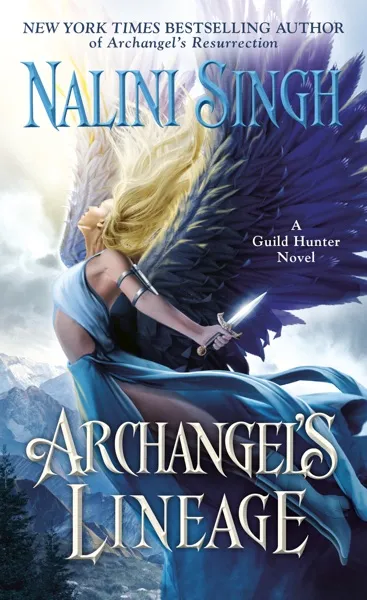

Archangel's Lineage Author: Nalini SinghPage Count: UnknownPublication Year: 2024-GB Nalini Singh’s Archangel’s Lineage is not just another entry in the sprawling, glittering universe she has built across her paranormal romance series—it is a triumphant crystallization of everything that has made her work a global phenomenon. Set in a world where angels walk among mortals, their power and politics as intricate as any human dynasty, this 2024 release delivers a masterclass in blending high-stakes drama, scorching emotional intimacy, and Singh’s signature wit. More than a continuation of her beloved Guild Hunter series, Archangel’s Lineage feels like a bold recalibration: part origin story, part power play, and entirely a testament to Singh’s ability to evolve while staying true to her core themes. At its heart, the novel explores the burden of legacy—not just in the sense of bloodlines or throne lines, but in the weight of expectation, the scars of history, and the quiet courage it takes to carve one’s own destiny. The story orbits around a new generation of archangels, their identities shaped by ancient conflicts and modern desires. Singh’s genius lies in how she frames these celestial beings not as distant deities but as deeply flawed, fiercely loyal individuals whose divinity is as much a curse as a gift. The archangels are not infallible; they are proud, vengeful, and sometimes petty. Yet beneath their icy exteriors pulse emotions that feel achingly human—longing, regret, and an unshakable need to belong. The protagonist, though not a conventional heroine by mortal standards, embodies this theme with quiet ferocity. She is not born of the most powerful bloodline; her strength comes from resilience, from the unglamorous labor of survival. Her journey is one of claiming space in a world that seeks to define her by others’ terms. Singh’s writing shines here, turning what could be a familiar trope into something fresh and urgent. The dialogue crackles with tension, the prose is lush yet precise, and the emotional beats land with a resonance that lingers. What sets Singh apart from her peers in the genre is her unapologetic embrace of both spectacle and subtlety. She can pen a scene of apocalyptic warfare with the same razor-sharp detail as a whispered confession between lovers. The battle sequences are cinematic—wings ablaze, swords clashing, and the very air trembling with power—but they are never gratuitous. Every clash serves a purpose, advancing character or plot. Meanwhile, the quieter moments—where characters pause to breathe, to hurt, to hope—are where Singh’s true magic lies. There is a tenderness in her depictions of vulnerability, a willingness to show strength as something that can coexist with fear. The author’s style is a tapestry woven from multiple threads: the gothic grandeur of her worldbuilding, the modern cadence of her dialogue, and an almost cinematic flair for pacing. Dialogue in Singh’s novels is never just exposition—it’s a weapon, a shield, and a bridge. Characters spar with words as much as with blades, their exchanges dripping with subtext and sass. The humor, often dry and unexpected, serves as a counterbalance to the darker themes, grounding the celestial drama in something relatable. Archangel’s Lineage also deepens the lore of Singh’s universe in ways that feel organic rather than forced. The politics of the angelic courts are as labyrinthine as ever, but Singh ensures that even casual readers can follow along, her exposition woven seamlessly into action. We learn more about the origins of the archangels, their fractured alliances, and the ancient grudges that simmer beneath the surface. Yet the novel never feels like a history lesson. Instead, it’s a reminder that history is not just something that happened—it’s something that hurts, something that shapes every decision, every alliance, every betrayal. If there is a criticism to be leveled, it might be that the scale of the world occasionally risks overshadowing the intimacy of the romance at its core. The central love story is tender and fiery, but in a narrative this expansive, it can sometimes feel like one thread among many. Yet to fault Singh for ambition would be churlish. The book’s power lies precisely in its scope—it dares to ask what it means to be divine in a world that is all too human. In the end, Archangel’s Lineage is a story about lineage in every sense: the blood that binds, the choices that define, and the legacy that waits to be rewritten. Singh doesn’t just tell you who these characters are—she makes you feel the weight of their pasts and the promise of their futures. It’s a book that demands to be read in one breathless sitting, and then pondered in the quiet hours after, when the echoes of wings and whispers still haunt the mind. This is Nalini Singh at her most radiant—a writer who has mastered the art of making the impossible feel intimate, the eternal feel urgent. #ArchangelsLineage #NaliniSingh #ParanormalRomance #GuildHunterUniverse #AngelRomance #DarkFantasyBooks Related InsightsMokradla Book Review and Summary Never Too Late Book Review and Summary The Law of Innocence Book Review and Summary{ "@context": "https://schema.org", "@type": "FAQPage", "mainEntity": [ { "@type": "Question", "name": "What is the main focus of Archangel's Lineage Book Review and Summary?", "acceptedAnswer": { "@type": "Answer", "text": "Everything you need to know about Archangel's Lineage with our detailed review." } }, { "@type": "Question", "name": "Who authored the comprehensive guide on Archangel's Lineage Book Review and Summary?", "acceptedAnswer": { "@type": "Answer", "text": "This detailed article and its insights were carefully researched and authored by Diego Lopez." } }, { "@type": "Question", "name": "Where can I find more related content about Books?", "acceptedAnswer": { "@type": "Answer", "text": "You can explore more articles, detailed reviews, and similar insights by browsing the Related Insights section at the bottom of this article or visiting our dedicated Books category page." } } ] }

-
 Tiago Silva
 - 31 Oct, 2025 21:08
La pitonisa y el idiota / The Prophet and the Idiot Book Review and Summary
La pitonisa y el idiota / The Prophet and the Idiot Author: Jonas JonassonPage Count: UnknownPublication Date: 2024-PRH La pitonisa y el idiota, or The Prophet and the Idiot, is Jonas Jonasson's latest masterpiece that will take readers on a thrilling adventure filled with laughter, excitement, and a dash of satire. The story revolves around Petra, a self-taught astrophysicist who has calculated that the atmosphere will collapse in twelve days, ending the world as we know it. As she navigates this impending doom, she meets Johan, a former postman who has just lost his job, and Agnes, a seventy-five-year-old widow who has made a fortune posing as a young influencer on social media. The trio's encounter sets off a chain of events that takes them on a globetrotting road-trip in an attempt to make the world a better place before it's too late. Along the way, they find themselves entangled in a series of absurd and humorous situations, from sipping cocktails with Barack Obama to collaborating with African dictators. Jonasson's unique blend of reality and fiction creates a satirical narrative that is both entertaining and thought-provoking. One of the standout features of this book is its ability to balance humor and wit with a poignant commentary on the state of the world. Jonasson's writing is reminiscent of his earlier work, The Hundred-Year-Old Man Who Climbed Out of the Window and Disappeared, which also showcased his ability to craft a compelling narrative that is both humorous and insightful. The author's use of satire is particularly effective in highlighting the absurdities of modern life, from the superficiality of social media to the complexities of international politics. The characters in the book are well-developed and relatable, with each one bringing their unique perspective to the story. Petra's obsession with the impending apocalypse serves as a catalyst for the trio's adventures, while Johan's culinary skills provide a welcome respite from the chaos. Agnes, on the other hand, is a delightful surprise, with her sharp wit and cunning nature making her a compelling addition to the group. Throughout the book, Jonasson's writing is engaging and effortless, making it easy to become fully immersed in the story. The pacing is well-balanced, with a mix of fast-paced action and more introspective moments that allow the reader to reflect on the themes and characters. Overall, La pitonisa y el idiota is a wildly entertaining and thought-provoking read that is sure to appeal to fans of Jonasson's earlier work. With its unique blend of satire, adventure, and humor, this book is a must-read for anyone looking for a compelling and engaging story. #TheProphetAndTheIdiot #JonasJonasson #SatiricalFiction #GlobetrottingAdventures #ApocalypticHumor #LaPitonisayElIdiota Related InsightsFrom Blood and Ash Book Review and Summary Redeemed Book Review and Summary City of Ghosts Book Review and Summary{ "@context": "https://schema.org", "@type": "FAQPage", "mainEntity": [ { "@type": "Question", "name": "What is the main focus of La pitonisa y el idiota / The Prophet and the Idiot Book Review and Summary?", "acceptedAnswer": { "@type": "Answer", "text": "Everything you need to know about La pitonisa y el idiota / The Prophet and the Idiot with our detailed review." } }, { "@type": "Question", "name": "Who authored the comprehensive guide on La pitonisa y el idiota / The Prophet and the Idiot Book Review and Summary?", "acceptedAnswer": { "@type": "Answer", "text": "This detailed article and its insights were carefully researched and authored by Tiago Silva." } }, { "@type": "Question", "name": "Where can I find more related content about Books?", "acceptedAnswer": { "@type": "Answer", "text": "You can explore more articles, detailed reviews, and similar insights by browsing the Related Insights section at the bottom of this article or visiting our dedicated Books category page." } } ] }
-
 William Clark
 - 31 Oct, 2025 06:22
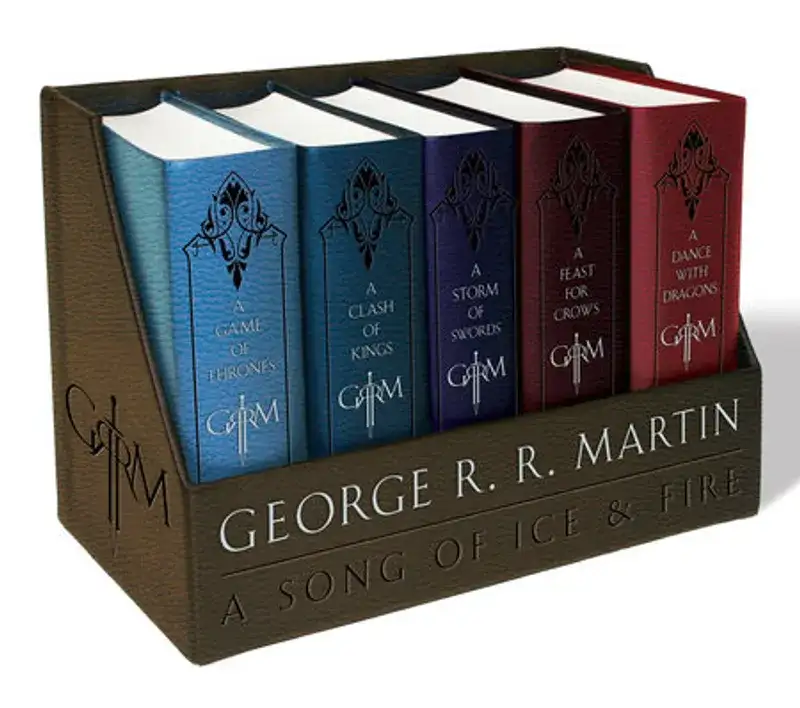
George R. R. Martin's A Game of Thrones Leather-Cloth Boxed Set (Song of Ice andFire Series) Book Review and Summary
George R. R. Martin's A Game of Thrones Leather-Cloth Boxed Set (Song of Ice andFire Series) Author: George R. R. MartinPage Count: UnknownPublication Date: 2015-PRH In the realm of epic fantasy, few series have captivated audiences quite like George R. R. Martin's A Song of Ice and Fire. This stunning leather-cloth boxed set, featuring the first five novels, is a testament to the enduring power of Martin's creation. Within these beautifully bound volumes lies a world of breathtaking complexity, where the fate of the Seven Kingdoms hangs precariously in the balance. At the heart of A Song of Ice and Fire lies a deceptively simple premise: the struggle for the Iron Throne of Westeros. Yet, as the narrative unfolds, it becomes clear that this is no ordinary tale of good vs. evil. Martin's masterful storytelling weaves a rich tapestry of morally ambiguous characters, each driven by their own motivations and desires. From the noble Starks of Winterfell to the cunning Lannisters, every player in this grand game is multidimensional and relatable. One of the most striking aspects of Martin's style is his willingness to subvert traditional fantasy tropes. Gone are the clear-cut heroes and villains of yore; in their place are flawed, often brutal, human beings. This gritty realism lends an air of authenticity to the world of Westeros, making the reader feel as though they are experiencing the events firsthand. The world-building itself is a marvel of scope and detail. From the snow-shrouded North to the sun-kissed lands of Dorne, each region is meticulously crafted to transport the reader to a fully realized, immersive environment. The intricate politics and histories of the Seven Kingdoms are equally impressive, with a depth that rewards close attention and multiple readings. Throughout the series, Martin's prose is consistently engaging, with a keen eye for descriptive detail and a mastery of pacing. His characters leap off the page, their dialogue and interactions ringing with a sense of truth. Whether it's the brutal simplicity of a battle scene or the subtle nuances of a courtly intrigue, Martin's writing is always compelling, always immersive. This leather-cloth boxed set is the perfect way to experience the magic of A Song of Ice and Fire. The beautifully bound volumes are a joy to hold and behold, making this a true collector's item for fans of the series. With its elegant display case and compact size, this set is perfect for both seasoned veterans of the Seven Kingdoms and newcomers alike. In short, A Song of Ice and Fire is a triumph of epic fantasy, a true masterpiece of storytelling that will continue to captivate audiences for generations to come. If you're a fan of the genre, or simply looking for a compelling, immersive read, this series is an absolute must. #GameOfThrones #ASongOfIceAndFire #GeorgeRRMartin #EpicFantasy #FantasyBookLovers #WesterosAwaits Related InsightsThe Reader Book Review and Summary Fallen Book Review and Summary I Was Summoned to Be a Saint, but Was Robbed of the Position #058 Book Review and Summary{ "@context": "https://schema.org", "@type": "FAQPage", "mainEntity": [ { "@type": "Question", "name": "What is the main focus of George R. R. Martin's A Game of Thrones Leather-Cloth Boxed Set (Song of Ice andFire Series) Book Review and Summary?", "acceptedAnswer": { "@type": "Answer", "text": "Everything you need to know about George R. R. Martin's A Game of Thrones Leather-Cloth Boxed Set (Song of Ice andFire Series) with our detailed review." } }, { "@type": "Question", "name": "Who authored the comprehensive guide on George R. R. Martin's A Game of Thrones Leather-Cloth Boxed Set (Song of Ice andFire Series) Book Review and Summary?", "acceptedAnswer": { "@type": "Answer", "text": "This detailed article and its insights were carefully researched and authored by William Clark." } }, { "@type": "Question", "name": "Where can I find more related content about Books?", "acceptedAnswer": { "@type": "Answer", "text": "You can explore more articles, detailed reviews, and similar insights by browsing the Related Insights section at the bottom of this article or visiting our dedicated Books category page." } } ] }
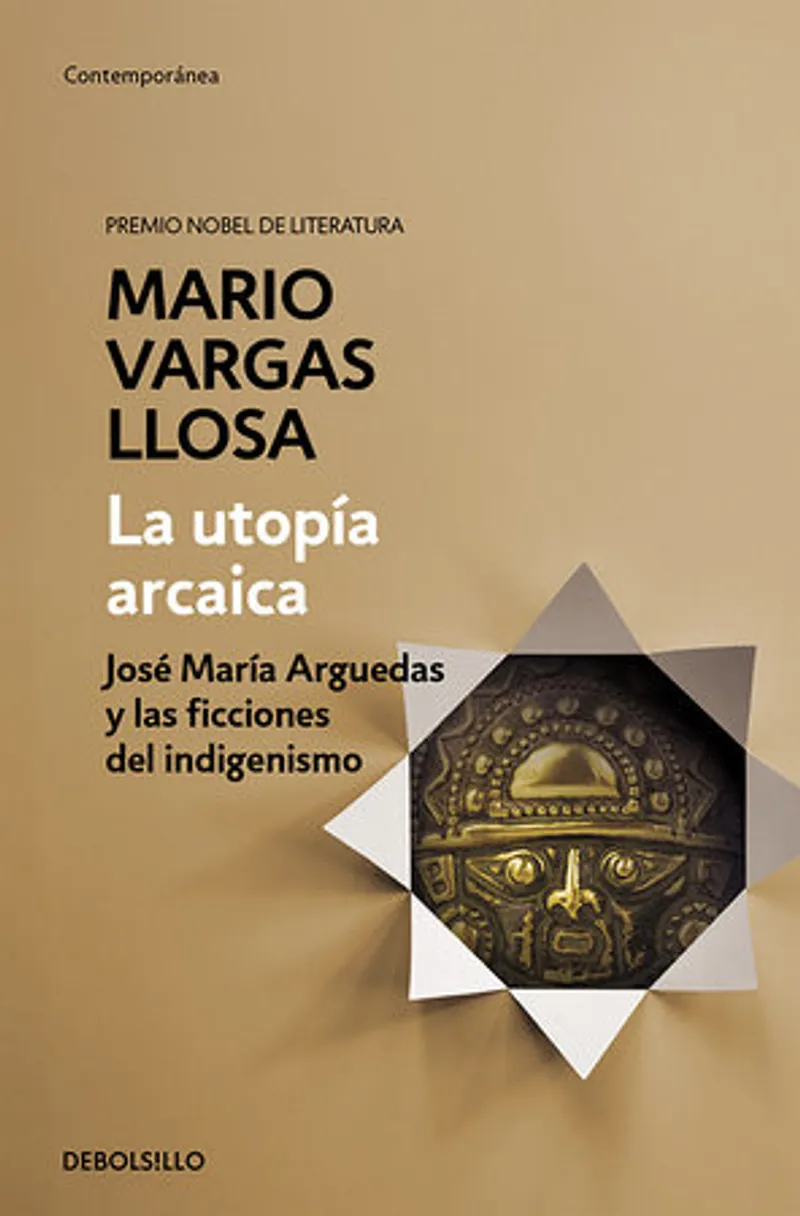
La utopía arcaica: José María Arguedas y las ficciones del indigenismo / The Archaic Utopia. José Maria Arguedas and the Indigenists Fiction Author: Mario Vargas LlosaPage Count: UnknownPublication Date: 2024-PRH The Archaic Utopia: Vargas Llosa’s Unflinching Elegy for a Literary Martyr Mario Vargas Llosa’s The Archaic Utopia is not merely a biography or a literary critique—it is a posthumous reckoning, a dissection of genius sacrificed to ideology, and a meditation on the tragic collision between art and politics. At its core, this book is a eulogy for José María Arguedas, the Peruvian novelist whose life and work embodied the contradictions of Latin America’s indigenist movement. But it is also a mirror held up to Vargas Llosa himself, reflecting the uneasy tension between his own literary ideals and the ideological currents that shaped—and ultimately broke—Arguedas. Vargas Llosa’s fascination with Arguedas is deeply personal. He does not approach his subject with detached academic rigor but with the intimacy of a fellow writer who recognizes both the brilliance and the fragility of a kindred spirit. Arguedas, as Vargas Llosa portrays him, was a man of two worlds: a mestizo who straddled the divide between indigenous and Western cultures, a scholar who felt the weight of Peru’s colonial scars, and a revolutionary who believed literature could be a weapon for social change. Yet, as Vargas Llosa argues, this duality was also Arguedas’ undoing. His immersion in both cultures made him a "displaced" figure—a man who could never fully belong to either, whose soul was perpetually torn between the lyrical beauty of his native Quechua-infused prose and the rigid demands of Marxist indigenism. The book’s title, The Archaic Utopia, is telling. For Vargas Llosa, Arguedas’ indigenism was not just a political stance but a romanticized fantasy—a yearning for a pre-Columbian purity that never truly existed. Arguedas’ novels, such as Los ríos profundos and Todas las sangres, are celebrated for their poetic evocation of Andean life, but Vargas Llosa critiques them as relics of a utopian dream, a literary attempt to resurrect a mythic past that could never be reconciled with the messy, violent reality of Peru. In this sense, Arguedas’ tragedy was that he became a prisoner of his own idealism, sacrificing his artistic freedom on the altar of revolutionary fervor. Vargas Llosa’s prose is, as always, razor-sharp and uncompromising. He writes with the precision of a surgeon, dissecting Arguedas’ life and work with clinical detachment, yet the emotional undercurrent is undeniable. There is a palpable sense of sorrow in his words, a mourning not just for Arguedas’ suicide in 1969 but for the loss of a literary voice that could have soared higher had it not been shackled by ideology. Vargas Llosa does not dismiss Arguedas’ political commitments outright—he acknowledges their sincerity—but he laments the way they constrained his art. "He could have been greater," Vargas Llosa seems to say, "if only he had trusted his own genius instead of bending to the expectations of his time." What makes The Archaic Utopia so compelling is its refusal to offer easy answers. Vargas Llosa does not condemn Arguedas as a naive idealist, nor does he lionize him as a martyr of the left. Instead, he presents a nuanced portrait of a man whose greatest strength—his empathy—was also his fatal flaw. Arguedas’ inability to reconcile the contradictions of his identity led him to a place of despair, where the weight of his own contradictions became unbearable. In this, Vargas Llosa draws a parallel to his own life, where his early flirtations with Marxism gave way to a more skeptical, liberal worldview. The difference, perhaps, is that Vargas Llosa survived his ideological battles; Arguedas did not. The book is also a masterclass in biographical writing. Vargas Llosa weaves together history, anthropology, and literary analysis to create a rich tapestry of Peru in the mid-20th century. He situates Arguedas within the broader context of Latin American indigenism, comparing him to figures like Ciro Alegría and Manuel Scorza, while also contrasting his lyrical style with the more militant prose of his contemporaries. The result is a portrait that feels both intimate and expansive, a biography that transcends the personal to become a meditation on the role of the artist in a polarized world. Ultimately, The Archaic Utopia is a book about the cost of conviction. Arguedas believed in the power of literature to change the world, but in the end, the world changed him—until there was no room left for the man who had once dreamed of harmony between cultures. Vargas Llosa, ever the skeptic, seems to ask: Was it worth it? Was the sacrifice of his art justified by the political cause he championed? The answer, as with most things in life, is complicated. But what is undeniable is the power of Vargas Llosa’s prose, which elevates this book from a mere critique to a haunting elegy for a lost literary soul. #VargasLlosa #Arguedas #Indigenismo #LatinAmericanLiterature #LiteraryCriticism #PeruvianLiterature Related InsightsThe Steel Prince, The Rebel Army Book Review and Summary Hollywood, Ending Book Review and Summary El color púrpura / The Color Purple Book Review and Summary{ "@context": "https://schema.org", "@type": "FAQPage", "mainEntity": [ { "@type": "Question", "name": "What is the main focus of Ficciones Book Review and Summary?", "acceptedAnswer": { "@type": "Answer", "text": "Everything you need to know about Ficciones with our detailed review." } }, { "@type": "Question", "name": "Who authored the comprehensive guide on Ficciones Book Review and Summary?", "acceptedAnswer": { "@type": "Answer", "text": "This detailed article and its insights were carefully researched and authored by Jorge Luis Borges." } }, { "@type": "Question", "name": "Where can I find more related content about Books?", "acceptedAnswer": { "@type": "Answer", "text": "You can explore more articles, detailed reviews, and similar insights by browsing the Related Insights section at the bottom of this article or visiting our dedicated Books category page." } } ] }
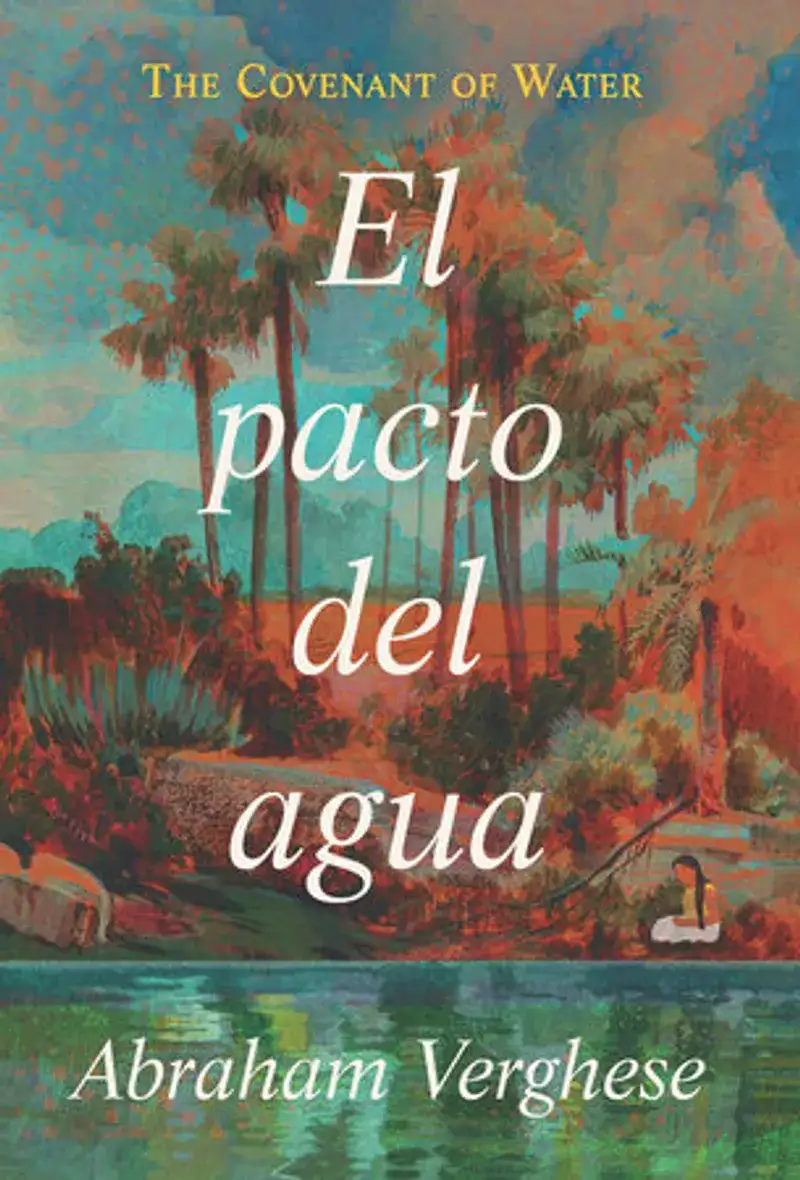

El pacto del agua / The Covenant of Water Author: Abraham VerghesePage Count: UnknownPublication Date: 2023-PRH Abraham Verghese’s The Covenant of Water is a monumental saga that marries the sweep of history with the intimate, unyielding bonds of family. Part love letter to medicine, part mythic fable, and wholly immersive, this novel solidifies Verghese as a master storyteller, weaving a tale so rich and resonant that it lingers long after the final page. At its heart, the book is a meditation on destiny, sacrifice, and the paradox of water—a force both life-giving and merciless—that binds a family across generations in Kerala, India. The central mystery is as haunting as it is poetic: in every generation, at least one member of the family dies by drowning. Water, omnipresent in this lush coastal region, becomes both a metaphor and an antagonist. It drowns bodies but also purifies, sustains, and connects—much like the river of life that flows through the narrative. Verghese doesn’t just tell a story; he crafts an experience, immersing the reader in the rhythms of a culture where tradition and modernity collide, where the past is never truly buried, and where the weight of inherited secrets shapes the future. Verghese’s prose is lush and deliberate, a blend of clinical precision and lyrical beauty. He writes with the eye of a doctor and the soul of a poet, infusing the novel with a tactile realism that makes Kerala’s landscapes and people feel vividly alive. His characters are not just vessels for plot but living, breathing entities whose flaws and virtues are exposed with unsparing honesty. Big Ammachi, the matriarch whose life sets the story in motion, is a towering figure—resilient, shrewd, and deeply human. Her journey from a child bride to a formidable woman anchors the narrative, but it is the ensemble cast—doctors, rebels, dreamers, and healers—who elevate the story into something epic. The novel spans nearly eight decades, from 1900 to 1977, and Verghese deftly balances the personal with the political. The backdrop is a India in flux—colonial rule, the rise of nationalism, the slow unraveling of old customs, and the relentless march of science. Yet, for all its historical sweep, The Covenant of Water remains deeply intimate. The family’s affliction is not just a plot device but a symbol of the burdens we inherit and the choices we make to either break free or carry on. Verghese explores this through the lens of medicine, particularly how the healing arts evolve alongside societal change. The novel is, in many ways, a love letter to the medical profession, celebrating its capacity for both wonder and failure. What makes Verghese’s work so compelling is his ability to blend the universal with the specific. The family’s curse could be seen as a metaphor for generational trauma, for the ways in which trauma repeats itself until someone dares to confront it. Yet, Verghese grounds this abstract idea in the tangible realities of his characters’ lives. The water that claims them is the same water that sustains them; the secrets they keep are the same secrets that save them. It’s a paradox that lies at the core of the human experience—our capacity for both destruction and redemption. The novel’s strength lies not just in its storytelling but in its humanity. Verghese doesn’t shy away from the messy, the painful, or the mundane. He writes about love and loss with equal measure, about the quiet heroism of ordinary people, and about the quiet devastation of unfulfilled dreams. The prose is dense yet never overwhelming, rich with sensory details that transport the reader to a world where the scent of spices, the sound of monsoon rains, and the touch of a loved one’s hand are as palpable as the pages themselves. The Covenant of Water is a book that demands to be read slowly, savored like a fine meal. It is a novel that rewards patience, that lingers in the mind like the aftertaste of a well-told story. It is, in every sense, a masterpiece—one that cements Verghese’s place among the greats of contemporary literature. Hashtags: #TheCovenantOfWater #AbrahamVerghese #EpicFamilySaga #HistoricalFiction #Bookstagram #OprahsBookClub Related InsightsBones of Jade, Flesh Like Ice Book Review and Summary Striker Book Review and Summary Mind Games Book Review and Summary{ "@context": "https://schema.org", "@type": "FAQPage", "mainEntity": [ { "@type": "Question", "name": "What is the main focus of El pacto del agua / The Covenant of Water Book Review and Summary?", "acceptedAnswer": { "@type": "Answer", "text": "Everything you need to know about El pacto del agua / The Covenant of Water with our detailed review." } }, { "@type": "Question", "name": "Who authored the comprehensive guide on El pacto del agua / The Covenant of Water Book Review and Summary?", "acceptedAnswer": { "@type": "Answer", "text": "This detailed article and its insights were carefully researched and authored by Emma Thompson." } }, { "@type": "Question", "name": "Where can I find more related content about Books?", "acceptedAnswer": { "@type": "Answer", "text": "You can explore more articles, detailed reviews, and similar insights by browsing the Related Insights section at the bottom of this article or visiting our dedicated Books category page." } } ] }
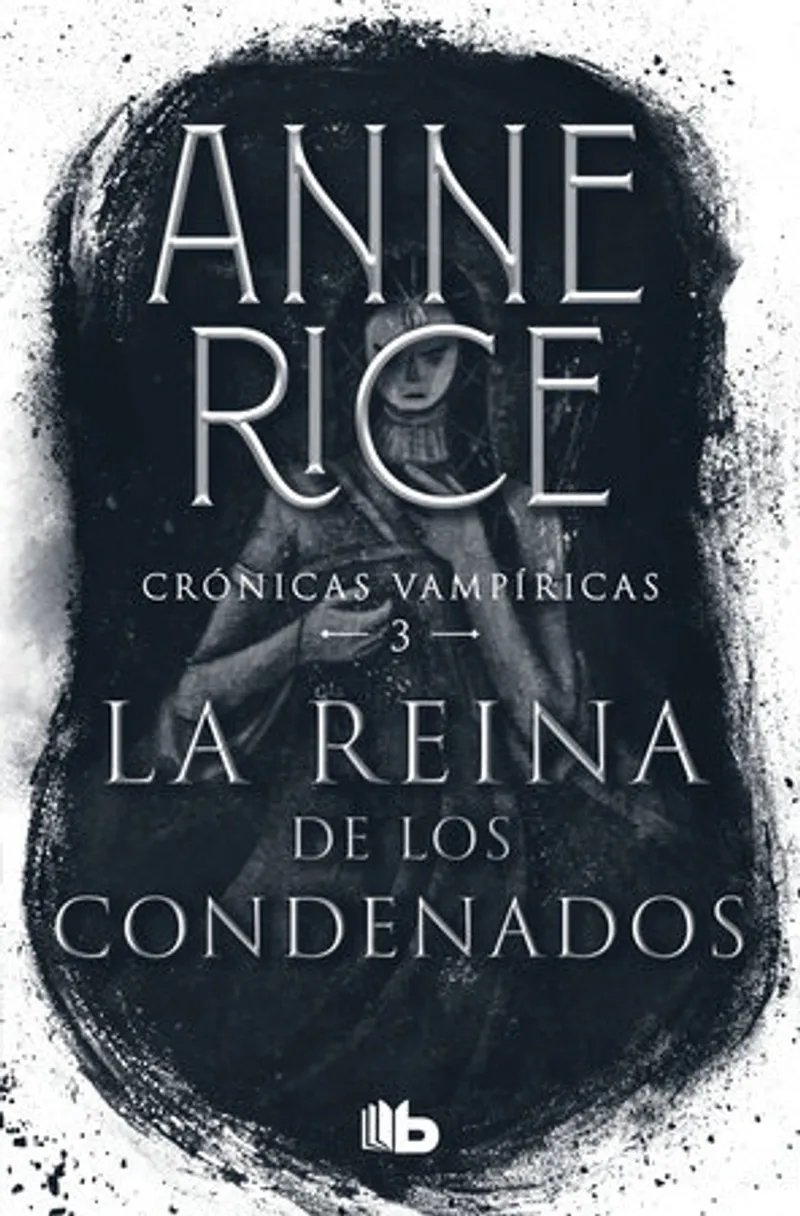
La reina de los condenados / The Queen of the Damned Author: Anne RicePage Count: UnknownPublication Date: 2021-PRH In "The Queen of the Damned", Anne Rice weaves a mesmerizing tale of ancient power, unrelenting passion, and the eternal struggle between good and evil. This third installment of "The Vampire Chronicles" plunges readers into the depths of a world both fascinating and terrifying, where the undead roam free and the living are mere pawns in their games of power. At the heart of the story lies Akasha, the Queen of the Damned, a being of unbridled fury and beauty, awakened from her six-thousand-year slumber by the charismatic rock star Lestat. As their tumultuous relationship unfolds, Akasha's true intentions become clear: she seeks to reshape the world in her image, with women as the dominant force and vampires and men brought to their knees. Rice's masterful storytelling brings Akasha to life in vivid detail, her character a potent blend of seductress, warrior, and goddess. Through Akasha's eyes, we witness the rise and fall of civilizations, the birth of myths, and the unyielding passage of time. Her voice is a siren's call, luring readers deeper into the shadows, where the damned and the living coexist in an eternal dance of death and desire. Lestat, the Brat Prince, is once again at the center of the maelstrom, his music and artistry awakening Akasha from her ancient slumber. His character serves as a perfect foil to Akasha's unyielding ambition, his love for her tempered by his growing unease with her destructive plans. As the story unfolds, Lestat finds himself torn between his devotion to Akasha and his duty to protect the world from her wrath. Rice's writing is, as always, exquisite, her prose dripping with sensuality and atmosphere. Her world-building is meticulous, drawing upon ancient mythologies and historical events to create a rich tapestry of vampire lore. The characters that inhabit this world are multidimensional and complex, their motivations and desires expertly woven into the narrative. One of the most striking aspects of "The Queen of the Damned" is its exploration of themes that were, at the time of its initial publication, considered taboo. Rice tackles issues of feminism, power dynamics, and the objectification of women with unflinching honesty, using Akasha's character as a powerful symbol of female empowerment. In conclusion, "The Queen of the Damned" is a masterpiece of dark fantasy, a sweeping epic that will leave readers breathless and yearning for more. Anne Rice's writing is, as always, sublime, her characters and world-building a testament to her skill as a storyteller. If you're a fan of vampire fiction, or simply looking for a compelling tale of love, power, and redemption, then this book is an absolute must-read. #VampireChronicles #TheQueenOfTheDamned #AnneRice #VampireFiction #DarkFantasy #GothicRomance Related InsightsPeople We Meet on Vacation Book Review and Summary Crone Book Review and Summary How to Disappear Completely Book Review and Summary{ "@context": "https://schema.org", "@type": "FAQPage", "mainEntity": [ { "@type": "Question", "name": "What is the main focus of The Queen of the Damned Book Review and Summary?", "acceptedAnswer": { "@type": "Answer", "text": "Everything you need to know about The Queen of the Damned with our detailed review." } }, { "@type": "Question", "name": "Who authored the comprehensive guide on The Queen of the Damned Book Review and Summary?", "acceptedAnswer": { "@type": "Answer", "text": "This detailed article and its insights were carefully researched and authored by Anne Rice." } }, { "@type": "Question", "name": "Where can I find more related content about Books?", "acceptedAnswer": { "@type": "Answer", "text": "You can explore more articles, detailed reviews, and similar insights by browsing the Related Insights section at the bottom of this article or visiting our dedicated Books category page." } } ] }
Carrie Soto Is Back Author: Taylor Jenkins ReidPage Count: UnknownPublication Year: 2022-GB Imagine a world where the pursuit of greatness is all-consuming, where the lines between obsession and dedication are blurred, and the cost of success is a price that must be paid. Welcome to the world of Carrie Soto Is Back, the latest novel from bestselling author Taylor Jenkins Reid. Published in 2022, this book has taken the literary world by storm, captivating readers with its thought-provoking themes, complex characters, and masterful storytelling. At the heart of the novel is Carrie Soto, a tennis legend who dominated the sport in her youth, only to disappear from the public eye. Her return to the tennis world sets off a chain of events that forces her to confront her past, her rivals, and her own demons. Through Carrie's journey, Reid explores the theme of ambition, delving into the sacrifices that must be made in pursuit of greatness. With unflinching honesty, the author reveals the darker side of success, where the relentless drive for excellence can lead to isolation, anxiety, and a loss of identity. Carrie Soto is a complex and multifaceted character, both fascinating and flawed. Her unwavering dedication to her craft is admirable, yet her tunnel vision often leads her to prioritize tennis over relationships, health, and even happiness. Reid's characterization is superb, offering a nuanced portrayal of a woman who is both strong and vulnerable. The supporting cast is equally well-developed, featuring a range of characters who challenge Carrie's perceptions and push her to grow. Reid's writing style is a significant factor in the novel's success. Her prose is engaging, witty, and insightful, making it easy to become fully immersed in the world of tennis. The author's use of language is deliberate and evocative, conjuring the intensity of a tennis match, the thrill of victory, and the agony of defeat. With a deep understanding of the sport and its culture, Reid crafts a narrative that is both authentic and accessible, appealing to fans of tennis and non-fans alike. One of the most impressive aspects of Carrie Soto Is Back is its ability to balance action, drama, and introspection. The novel is structured around Carrie's tennis matches, which provide a sense of tension and urgency. However, it is in the quieter moments, when Carrie reflects on her life and her choices, that the novel truly shines. Reid's exploration of themes such as identity, family, and the power of sports to shape and define us is both profound and moving. As a global bestseller, Carrie Soto Is Back has received widespread critical acclaim, with reviewers praising the author's masterful storytelling, well-developed characters, and thought-provoking themes. The novel has also resonated with readers, who have been inspired by Carrie's journey and the lessons she learns along the way. With its universal appeal and timely themes, Carrie Soto Is Back is a must-read for anyone interested in sports, fiction, or the human condition. In conclusion, Carrie Soto Is Back is a triumph, a novel that will resonate with readers long after the final page is turned. With its captivating storyline, memorable characters, and insightful themes, this book is a must-read for fans of Taylor Jenkins Reid and anyone looking for a compelling and engaging novel. Whether you're a tennis enthusiast or simply a lover of great storytelling, Carrie Soto Is Back is a book that will keep you on the edge of your seat, invested in the journey of a complex and fascinating protagonist. #TaylorJenkinsReid #CarrieSotoIsBack #BestsellingNovel #TennisFiction #SportsLiterature Related InsightsHow the Grinch Stole Christmas! Book Review and Summary The Plot and the Pendulum Book Review and Summary Love on the Brain Book Review and Summary{ "@context": "https://schema.org", "@type": "FAQPage", "mainEntity": [ { "@type": "Question", "name": "What is the main focus of **Carrie Soto Is Back** Book Review and Summary?", "acceptedAnswer": { "@type": "Answer", "text": "Everything you need to know about **Carrie Soto Is Back** with our detailed review." } }, { "@type": "Question", "name": "Who authored the comprehensive guide on **Carrie Soto Is Back** Book Review and Summary?", "acceptedAnswer": { "@type": "Answer", "text": "This detailed article and its insights were carefully researched and authored by Emma Thompson." } }, { "@type": "Question", "name": "Where can I find more related content about Books?", "acceptedAnswer": { "@type": "Answer", "text": "You can explore more articles, detailed reviews, and similar insights by browsing the Related Insights section at the bottom of this article or visiting our dedicated Books category page." } } ] }
Greatest Works of Charles Dickens Vol.1 - Great Expectations, A Christmas Carol, Oliver Twist (Deluxe Hardbound Edition) Author: Charles DickensPage Count: UnknownPublication Date: 2023-PRH In the realm of English literature, few authors have left an indelible mark quite like Charles Dickens. His works, a testament to the Victorian era's complexities, continue to captivate readers to this day. The Deluxe Hardbound Edition of "Greatest Works of Charles Dickens Vol.1" is a sumptuous offering that brings together three of his most revered novels: "Great Expectations," "A Christmas Carol," and "Oliver Twist." This magnificent collection is a must-have for any literature enthusiast, and a fitting tribute to Dickens' enduring legacy. At the heart of Dickens' writing lies a profound empathy for the human condition. His works are a scathing critique of the social ills that plagued Victorian England, yet they also radiate a sense of hope and redemption. This is particularly evident in "Great Expectations," where the protagonist Pip's journey from humble beginnings to gentlemanly status serves as a powerful commentary on class and identity. Dickens' masterful storytelling weaves a complex tapestry of characters, each with their own distinct voice and narrative arc. In "A Christmas Carol," Dickens tackles the themes of greed, compassion, and personal transformation with his characteristic wit and charm. The novella's enduring popularity is a testament to its timeless message, as the miserly Ebenezer Scrooge's metamorphosis continues to captivate readers of all ages. Dickens' writing is both poignant and humorous, making this a true masterpiece of the genre. "Oliver Twist," on the other hand, is a searing indictment of the poverty and injustice that pervaded Victorian London. The novel's vivid portrayal of the workhouses, crime-ridden streets, and struggling underclass is both harrowing and thought-provoking. Dickens' commitment to social justice is evident throughout, as he sheds light on the darkest corners of society and demands that his readers confront the uncomfortable truths. One of the defining features of Dickens' writing is his remarkable skill with language. His prose is a rich, evocative tapestry of words, full of vivid imagery and masterful characterization. His characters leap off the page, fully realized and multifaceted, with all their flaws and virtues on display. Whether it's the inimitable Miss Havisham, the irrepressible Fagin, or the beleaguered Bob Cratchit, Dickens' creations are at once memorable and relatable. This Deluxe Hardbound Edition is a true collector's item, with its beautiful binding and high-quality paper making it a joy to hold and behold. The absence of an original synopsis is a minor quibble, as the works themselves are so well-known and widely studied. The publication year of 2023 is a testament to the enduring appeal of Dickens' works, which continue to captivate readers and inspire new adaptations and interpretations. In conclusion, "Greatest Works of Charles Dickens Vol.1" is a magnificent collection that showcases the author's remarkable range and skill. Whether you're a longtime fan of Dickens or just discovering his works, this edition is a must-have. With its beautiful binding, high-quality paper, and timeless stories, it's a true treasure for any literature lover. #DickensDeluxe #GreatExpectations #AChristmasCarol #OliverTwist #VictorianLiterature #ClassicFiction Related InsightsBetter Than the Movies Book Review and Summary The Seven Husbands of Evelyn Hugo Book Review and Summary The Book of Magical Living: 8 Secrets to Good Fortune Book Review and Summary{ "@context": "https://schema.org", "@type": "FAQPage", "mainEntity": [ { "@type": "Question", "name": "What is the main focus of Oliver Twist Book Review and Summary?", "acceptedAnswer": { "@type": "Answer", "text": "Everything you need to know about Oliver Twist with our detailed review." } }, { "@type": "Question", "name": "Who authored the comprehensive guide on Oliver Twist Book Review and Summary?", "acceptedAnswer": { "@type": "Answer", "text": "This detailed article and its insights were carefully researched and authored by Charles Dickens." } }, { "@type": "Question", "name": "Where can I find more related content about Books?", "acceptedAnswer": { "@type": "Answer", "text": "You can explore more articles, detailed reviews, and similar insights by browsing the Related Insights section at the bottom of this article or visiting our dedicated Books category page." } } ] }

Maybe You Should Talk to Someone Author: Lori GottliebPage Count: UnknownPublication Date: 2019-OL Maybe You Should Talk to Someone, the 2019 New York Times bestseller by Lori Gottlieb, is a masterpiece that delves into the intricate world of psychotherapy, love, and human relationships. With her characteristic wit and candor, Gottlieb invites readers into the inner sanctum of her Los Angeles practice, where she navigates the complexities of her patients' lives, all while confronting her own vulnerabilities. Through a cast of relatable and flawed characters, Gottlieb explores the human condition in all its messy glory. From the self-absorbed Hollywood producer to the young newlywed facing a terminal illness, each patient's story is a poignant reminder of the universal struggles we face. As Gottlieb skillfully weaves their narratives together, she reveals the common threads that bind us: our quest for meaning, our fear of mortality, and our desperate need for connection. One of the book's greatest strengths lies in Gottlieb's unique voice, which is at once humorous, compassionate, and unflinchingly honest. Her writing is a breath of fresh air, eschewing the jargon and pretension that often accompany self-help literature. Instead, she offers a disarmingly funny and illuminating account of the human experience, one that is both deeply personal and universally relatable. As Gottlieb navigates her own crisis, she finds herself on the other side of the therapist's couch, seeking guidance from the enigmatic Wendell. Their sessions are a highlight of the book, offering a fascinating glimpse into the therapist-patient dynamic. Through their conversations, Gottlieb reveals the complexities of the therapeutic relationship, one that is built on empathy, trust, and a deep understanding of the human condition. Throughout the book, Gottlieb tackles a range of themes with remarkable sensitivity and nuance. She explores the tension between love and desire, the search for meaning in a seemingly meaningless world, and the fragility of the human psyche. Her insights are both startling and profound, offering readers a rare gift: a boldly revealing portrait of what it means to be human. Ultimately, Maybe You Should Talk to Someone is a testament to the transformative power of therapy and the human spirit. Gottlieb's book is a must-read for anyone who has ever struggled to make sense of their place in the world. With its remarkable candor, humor, and empathy, this book is a game-changer, one that will leave readers feeling seen, heard, and perhaps most importantly, less alone. #therapy #selfhelp #memoir #mentalhealth #humanconnection #psychotherapy Related InsightsInto Thin Air: A Personal Account of the Mt. Everest Disaster Book Review and Summary El dilema del omnívoro: En busca de la comida perfecta / The Omnivore's Dilemma: A Natural History of Four Meals Book Review and Summary Daisy Jones & The Six Book Review and Summary{ "@context": "https://schema.org", "@type": "FAQPage", "mainEntity": [ { "@type": "Question", "name": "What is the main focus of Maybe You Should Talk to Someone Book Review and Summary?", "acceptedAnswer": { "@type": "Answer", "text": "Everything you need to know about Maybe You Should Talk to Someone with our detailed review." } }, { "@type": "Question", "name": "Who authored the comprehensive guide on Maybe You Should Talk to Someone Book Review and Summary?", "acceptedAnswer": { "@type": "Answer", "text": "This detailed article and its insights were carefully researched and authored by Olivia Harris." } }, { "@type": "Question", "name": "Where can I find more related content about Books?", "acceptedAnswer": { "@type": "Answer", "text": "You can explore more articles, detailed reviews, and similar insights by browsing the Related Insights section at the bottom of this article or visiting our dedicated Books category page." } } ] }
Reacher 30 Author: Lee ChildPage Count: UnknownPublication Year: 2025-GB The wait is finally over, and Lee Child's latest masterpiece, Reacher 30, has hit the shelves, sending shockwaves through the literary world with its unparalleled blend of action, suspense, and intrigue. As the 30th installment in the iconic Jack Reacher series, this novel promises to be a game-changer, and we're excited to dive into the world of this modern-day cowboy. With its breakneck pace and razor-sharp dialogue, Reacher 30 is an absolute must-read for both longtime fans and newcomers to the series. At the heart of Reacher 30 lies a complex web of themes that have become a hallmark of Child's writing. The author masterfully explores the tensions between individual freedom and societal responsibility, raising important questions about the role of justice in a chaotic world. As Reacher navigates the treacherous landscape, Child poses thought-provoking queries about the nature of morality, forcing readers to confront their own assumptions and biases. These themes are woven seamlessly into the narrative, adding depth and nuance to the story without ever overwhelming the plot. One of the most significant strengths of Reacher 30 is its cast of characters, each meticulously crafted to bring a unique perspective to the story. Jack Reacher, the enigmatic protagonist, remains an fascinating figure, with his imposing physique and intelligent, analytical mind making him a compelling hero. Child's characterization of Reacher is, as always, pitch-perfect, capturing the essence of this beloved character while introducing subtle new nuances that add richness to the narrative. The supporting cast is equally well-developed, with a diverse range of individuals who propel the plot forward with their distinct motivations and conflicts. Lee Child's writing style is, as ever, a major draw, with his sparse, economical prose cutting through the noise to deliver a narrative that's both propulsive and engaging. The author's use of language is akin to a scalpel, precision-cutting to the heart of the matter with a minimum of fuss. This, combined with his exceptional storytelling ability, makes Reacher 30 a truly unputdownable read, with each chapter ending on a cliffhanger that demands the reader forge onward. The pacing is relentless, with Child expertly ratcheting up the tension to create a sense of urgency that's impossible to shake. Throughout Reacher 30, Child showcases his remarkable versatility as a writer, effortlessly shifting between moments of high-octane action and quieter, more introspective scenes. The author's skill at constructing set pieces is unparalleled, with each sequence meticulously choreographed to deliver maximum impact. Whether Reacher is navigating the mean streets of a bustling city or facing off against formidable foes in the wilderness, the sense of authenticity and realism is never compromised. This is, in large part, due to Child's meticulous research and attention to detail, which lends an air of authority to the narrative. In conclusion, Reacher 30 is an outstanding addition to the Jack Reacher series, cementing Lee Child's position as one of the most accomplished thriller writers working today. With its breakneck pace, engaging characters, and thought-provoking themes, this novel is an absolute must-read for fans of the genre. As the literary world continues to evolve, it's clear that Child remains at the forefront of the pack, consistently pushing the boundaries of what's possible in the world of thriller writing. Whether you're a longtime fan of the series or just discovering the joys of Reacher, this latest installment is sure to leave you breathless and eager for more. #Reacher30 #LeeChild #JackReacher #ThrillerBooks #BestsellerNovels Related InsightsShroud Book Review and Summary You Don't Need a Smartphone: A Practical Guide to Downgrading Your Phone and Upgrading Your Life Book Review and Summary What Happens at Nightfall: A Novel Book Review and Summary{ "@context": "https://schema.org", "@type": "FAQPage", "mainEntity": [ { "@type": "Question", "name": "What is the main focus of **Reacher 30** Book Review and Summary?", "acceptedAnswer": { "@type": "Answer", "text": "Everything you need to know about **Reacher 30** with our detailed review." } }, { "@type": "Question", "name": "Who authored the comprehensive guide on **Reacher 30** Book Review and Summary?", "acceptedAnswer": { "@type": "Answer", "text": "This detailed article and its insights were carefully researched and authored by Klaus Weber." } }, { "@type": "Question", "name": "Where can I find more related content about Books?", "acceptedAnswer": { "@type": "Answer", "text": "You can explore more articles, detailed reviews, and similar insights by browsing the Related Insights section at the bottom of this article or visiting our dedicated Books category page." } } ] }