Showing Posts From
Books

Condición artificial Author: Martha WellsPage Count: UnknownPublication Year: 2019-GB Martha Wells’ Condición artificial (2019) is a masterclass in blending sharp social commentary with gripping sci-fi storytelling. Part of the acclaimed Murderbot Diaries series, this novella-length installment continues the adventures of the most relatable rogue security android in literature—a being burdened with what it calls its "humanity problem." Wells, known for her razor-sharp prose and subversive wit, delivers another installment that’s as thought-provoking as it is entertaining. At its core, Condición artificial explores the tension between autonomy and control, a theme that resonates deeply in an era of algorithmic governance and corporate surveillance. The novella follows Murderbot as it’s hired to protect a research team investigating a mysterious alien ruin on a distant planet. But Murderbot isn’t just protecting the humans—it’s also trying to protect itself from the emotional chaos of caring about them. This internal conflict drives the narrative, making the protagonist both endearing and deeply human, despite its synthetic nature. Wells’ writing style is deceptively simple, yet layered with nuance. Murderbot’s narration is dry, sarcastic, and often hilarious, but beneath the humor lies a poignant exploration of identity and belonging. The prose avoids unnecessary exposition, trusting readers to piece together the world through subtle hints. The pacing is tight, with Wells balancing action sequences, character introspection, and social satire effortlessly. The novella’s brevity is one of its strengths—it delivers a complete, satisfying experience without overstaying its welcome. One of the book’s standout elements is its critique of corporate exploitation and the dehumanizing effects of bureaucracy. The research team’s sponsors are more concerned with profit and PR than with the safety of their employees, reflecting real-world issues of corporate negligence. Murderbot, despite its initial reluctance, becomes the team’s de facto leader—not because it’s programmed to, but because it genuinely cares about their survival. This subversion of expectations makes the story feel both fresh and deeply relevant. Wells also excels in depicting the alien landscape, making the planet feel vivid and immersive without over-describing it. The alien ruin itself is a brilliant narrative device, serving as both a mystery and a metaphor for the unknown. The interactions between Murderbot and the humans—especially its growing attachment to them—add emotional depth to what could have been a purely action-driven story. The novella’s ending is bittersweet, reinforcing the series’ themes of isolation and connection. Murderbot’s growth is subtle but meaningful, and Wells leaves just enough open-ended to keep readers invested in its journey. The conclusion feels earned, avoiding the pitfalls of rushed resolutions or forced sentimentality. Ultimately, Condición artificial is more than just a sci-fi adventure—it’s a meditation on what it means to be human, even when you’re not. Wells’ Murderbot remains one of the most compelling characters in modern sci-fi, and this installment solidifies its place as a must-read for fans of cerebral, character-driven science fiction. #MurderbotDiaries #SciFiWithHeart #ArtificialCondition #MarthaWells #SciFiThatMatters #RobotsWithFeelings Related InsightsThe Cider House Rules Book Review and Summary They Know If You've Been Bad or Good (Naughty or Nice, 3) Book Review and Summary Storm Cursed Book Review and Summary{ "@context": "https://schema.org", "@type": "FAQPage", "mainEntity": [ { "@type": "Question", "name": "What is the main focus of Condición artificial Book Review and Summary?", "acceptedAnswer": { "@type": "Answer", "text": "Everything you need to know about Condición artificial with our detailed review." } }, { "@type": "Question", "name": "Who authored the comprehensive guide on Condición artificial Book Review and Summary?", "acceptedAnswer": { "@type": "Answer", "text": "This detailed article and its insights were carefully researched and authored by Olya Shevchenko." } }, { "@type": "Question", "name": "Where can I find more related content about Books?", "acceptedAnswer": { "@type": "Answer", "text": "You can explore more articles, detailed reviews, and similar insights by browsing the Related Insights section at the bottom of this article or visiting our dedicated Books category page." } } ] }
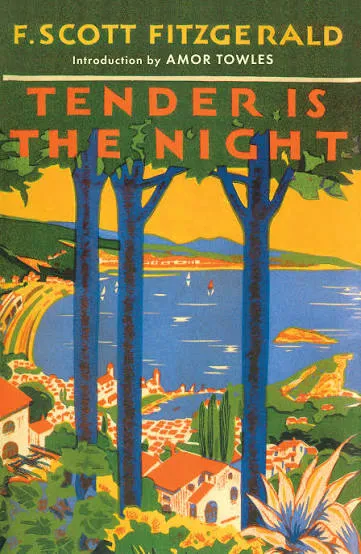
Suave es la noche / Tender is The Night Author: Fitzgerald ScottPage Count: UnknownPublication Date: 2016-PRH Francis Scott Fitzgerald’s Tender Is the Night is a glittering mirage that dissolves into a haunting meditation on love, decay, and the illusions of the American Dream. Often overshadowed by The Great Gatsby, this novel is Fitzgerald’s most personal and devastating work—a confession carved from the wreckage of his own life. Here, the Jazz Age’s golden sheen is not just a backdrop but a character in itself, a dazzling but treacherous surface that hides the rot beneath. At its core, Tender Is the Night is a tragedy of two souls trapped in a gilded cage. Dick and Nicole Diver are the embodiment of 1920s glamour: wealthy, charismatic, and seemingly untouchable. They host lavish parties on the French Riviera, their charm drawing in a circle of admirers who orbit around their radiance like moths. But their perfection is a performance, a carefully constructed facade that masks Nicole’s mental instability and Dick’s crumbling self-worth. Fitzgerald, who battled alcoholism and financial ruin while writing the novel, channels his own struggles into Dick’s character—a man who starts as a brilliant psychiatrist and ends as a hollow shell, his idealism eroded by his wife’s illness and his own failures. The novel’s brilliance lies in its structure, which unfolds like a slow unraveling. The first half immerses us in the Divers’ world, painting them as gods among mortals. Nicole, with her "bright, brittle laughter," and Dick, with his "tired but kind" eyes, seem invincible. But Fitzgerald drops subtle hints—Nicole’s erratic behavior, Dick’s drinking, the way their friends whisper about them when they’re not looking. The second half peels back the layers, revealing the rot beneath the glamour. The Divers’ marriage is a transaction, their love a performance, and their friends’ admiration a fleeting thing. By the end, the reader is left with the same hollow ache that Fitzgerald must have felt: the realization that beauty is fleeting, and that the people we admire most are often the most broken. Fitzgerald’s prose is a masterclass in restraint and lyricism. His sentences shimmer with the same effortless elegance as the Divers’ lifestyle, yet beneath the surface, there’s a quiet desperation. He writes of the Riviera’s "pale gold" light and the "soft, sad music" of the waves, but these descriptions are tinged with melancholy. The novel’s title, taken from Keats’ Ode to a Nightingale, is a clue: night is tender, but it is also dark, a time when illusions fade and truths emerge. Fitzgerald’s genius is in making the reader feel both the allure and the tragedy of the Divers’ world—a world where champagne flows but tears are hidden, where laughter is constant but joy is rare. What makes Tender Is the Night so devastating is its autobiographical weight. Fitzgerald and his wife, Zelda, were the real-life inspiration for Dick and Nicole. Their marriage, like the Divers’, was a mix of love, artistry, and self-destruction. Zelda’s mental health struggles and Fitzgerald’s alcoholism mirror Nicole’s breakdown and Dick’s decline. In writing this novel, Fitzgerald wasn’t just crafting fiction—he was dissecting his own life, exposing the cracks in the American Dream he had once so fervently believed in. The novel’s power lies in its ambiguity. Is Dick a victim or a villain? Is Nicole’s illness a tragedy or an escape? Fitzgerald refuses to offer easy answers. Instead, he presents a world where morality is fluid, where love is both a salvation and a prison, and where the pursuit of happiness often leads to ruin. The Divers’ story is a cautionary tale, but it’s also a eulogy—for a generation that believed in the myth of endless possibility, and for Fitzgerald himself, who died believing he was a failure. Tender Is the Night is not just a novel about the Jazz Age; it’s a novel about the human condition. It asks: What happens when the dreams we chase turn to dust? What remains when the masks come off? Fitzgerald’s answer is both beautiful and heartbreaking: we are left with the fragments of what we once were, and the knowledge that some illusions are better left unbroken. #Fitzgerald #TenderIsTheNight #JazzAge #LiteraryTragedy #AmericanDream #ClassicNovel Related InsightsNineteen Days in Autumn: A New History of 1066 Book Review and Summary 1984 (edición definitiva avalada por The Orwell Estate) (edición especial limitada con cantos pintados) / 1984 (Edition Endorsed by The Orwell Estate) Book Review and Summary Boleyn Traitor Book Review and Summary{ "@context": "https://schema.org", "@type": "FAQPage", "mainEntity": [ { "@type": "Question", "name": "What is the main focus of Tender Is the Night Book Review and Summary?", "acceptedAnswer": { "@type": "Answer", "text": "Everything you need to know about Tender Is the Night with our detailed review." } }, { "@type": "Question", "name": "Who authored the comprehensive guide on Tender Is the Night Book Review and Summary?", "acceptedAnswer": { "@type": "Answer", "text": "This detailed article and its insights were carefully researched and authored by F. Scott Fitzgerald." } }, { "@type": "Question", "name": "Where can I find more related content about Books?", "acceptedAnswer": { "@type": "Answer", "text": "You can explore more articles, detailed reviews, and similar insights by browsing the Related Insights section at the bottom of this article or visiting our dedicated Books category page." } } ] }
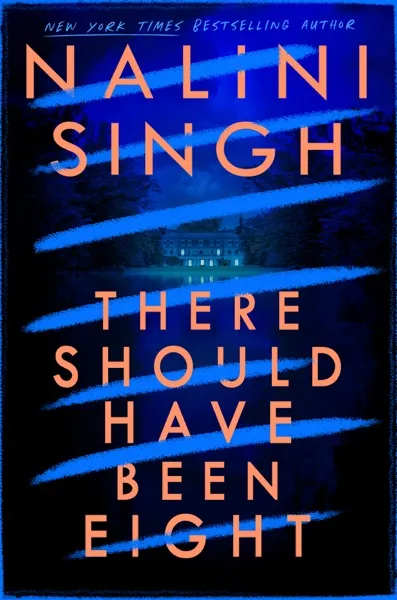

There Should Have Been Eight Author: Nalini SinghPage Count: UnknownPublication Year: 2024-GB There Should Have Been Eight: A Masterclass in Suspense and Humanity by Nalini Singh Nalini Singh has long been a name synonymous with gripping psychological thrillers, but with There Should Have Been Eight, she doesn’t just meet expectations—she shatters them. Released in 2024, this latest addition to her bibliography cements her status as a modern maestro of suspense, weaving a narrative that is as intellectually stimulating as it is emotionally raw. The book’s premise alone—a tightly woven mystery centered around a group of eight strangers whose lives unravel when one is murdered—screams of Singh’s signature style: meticulous plotting, razor-sharp character development, and a prose that lingers like a half-remembered nightmare. At its core, There Should Have Been Eight is a story about the fragility of trust and the darkness that lurks beneath even the most ordinary facades. Singh’s genius lies in her ability to take a premise that could easily devolve into a clichéd whodunit and elevate it into a psychological dissection of human nature. The novel follows eight individuals, each with their own secrets, who are brought together under the guise of a weekend retreat. When one of them is found dead, the remaining seven are thrust into a web of paranoia, where no one is above suspicion. What makes this premise so compelling is Singh’s refusal to rely on cheap gimmicks. Instead, she crafts a narrative where every interaction, every glance, every half-spoken word carries weight, forcing readers to question not just whodunit, but why—and what that reveals about the human condition. Singh’s prose is a study in precision and restraint. She doesn’t waste a single sentence on unnecessary exposition; every word is deliberate, every scene designed to ratchet up the tension. Her dialogue crackles with authenticity, whether it’s the brittle exchanges between strangers trying to mask their discomfort or the raw, unfiltered outbursts that reveal long-buried vulnerabilities. The result is a reading experience that feels less like consuming a book and more like witnessing a slow-motion unraveling—one that pulls you in and refuses to let go. One of the most striking aspects of There Should Have Been Eight is Singh’s exploration of isolation and connection. The novel’s setting—a remote, almost claustrophobic location—serves as a perfect metaphor for the emotional walls the characters have built around themselves. Each of the eight protagonists is a puzzle piece that doesn’t quite fit into the others’ lives, yet their fates become irrevocably entwined by the murder. Singh excels at making the reader care deeply about these characters, not just because of the mystery at hand, but because of their humanity. There’s the overworked lawyer who buries himself in cases to avoid his own emptiness, the reclusive artist whose past is a labyrinth of regrets, and the enigmatic host whose motives remain shrouded in ambiguity. By the time the truth begins to unravel, the reader is already emotionally invested, not just in solving the crime, but in understanding the people behind it. Singh’s ability to balance high-stakes suspense with deep emotional resonance is on full display here. The pacing is relentless, yet she never sacrifices depth for thrills. The mystery unfolds in layers, with each revelation peeling back another facet of the characters’ psyches. What makes There Should Have Been Eight so haunting is its exploration of how easily trust can be broken—and how even in the face of betrayal, there’s a desperate, almost primal need to connect. The novel’s climax is a masterstroke of tension, a moment where Singh’s skill as a storyteller reaches its zenith. If there’s any criticism to be leveled, it’s that the sheer brilliance of the novel makes it difficult to put down—meaning readers may find themselves neglecting sleep, meals, or basic human responsibilities in their haste to uncover the truth. But that’s a small price to pay for the sheer satisfaction of being immersed in a story this well-crafted. Nalini Singh has always been a force to reckon with, but There Should Have Been Eight is her most ambitious and accomplished work to date. It’s a book that lingers long after the final page, not just because of its twists, but because of the indelible mark it leaves on the reader’s psyche. In a genre often criticized for prioritizing shock over substance, Singh proves once again that the best thrillers are those that make us question not just the world around us, but ourselves. For fans of psychological suspense, intricate character studies, and stories that refuse to let go, There Should Have Been Eight is an absolute must-read. It’s a testament to Singh’s mastery of her craft—and a chilling reminder that the most dangerous secrets are often the ones we keep from ourselves. #ThereShouldHaveBeenEight #NaliniSingh #PsychologicalThriller #MysteryNovel #BookReview #MustRead2024 Related InsightsFree Falling (Sweetwater Peak #2) Book Review and Summary Resurrection Walk Book Review and Summary Kill Your Friends Book Review and Summary{ "@context": "https://schema.org", "@type": "FAQPage", "mainEntity": [ { "@type": "Question", "name": "What is the main focus of There Should Have Been Eight Book Review and Summary?", "acceptedAnswer": { "@type": "Answer", "text": "Everything you need to know about There Should Have Been Eight with our detailed review." } }, { "@type": "Question", "name": "Who authored the comprehensive guide on There Should Have Been Eight Book Review and Summary?", "acceptedAnswer": { "@type": "Answer", "text": "This detailed article and its insights were carefully researched and authored by Carmen Martinez." } }, { "@type": "Question", "name": "Where can I find more related content about Books?", "acceptedAnswer": { "@type": "Answer", "text": "You can explore more articles, detailed reviews, and similar insights by browsing the Related Insights section at the bottom of this article or visiting our dedicated Books category page." } } ] }


Terraformed Author: Joy WhitePage Count: UnknownPublication Date: 2020-PRH Joy White’s Terraformed is a searing, unflinching exposé of systemic oppression that doesn’t just describe the struggles of inner-city black youth—it immerses the reader in their reality. More than a critique of austerity and gentrification, this book is a visceral confrontation with the machinery of racism, the violence of capitalism, and the quiet erasure of black lives in the modern city. White, a scholar and resident of Forest Gate, London, doesn’t just analyze these issues from a distance; she lives them, and her writing carries the weight of someone who has witnessed the collapse of communities firsthand. At its core, Terraformed is about the erasure of black existence—not just through physical displacement but through the slow, insidious processes of economic and social marginalization. Forest Gate, like so many urban neighborhoods, has been "terraformed"—reshaped by forces that prioritize profit over people, turning vibrant communities into hollowed-out shells of their former selves. White traces this transformation back to the 1980s, when austerity measures began to hollow out public services, when policing became more punitive than protective, and when the promise of upward mobility for black youth was systematically dismantled. The result is a generation caught in a cycle of precarity: saddled with debt, surveilled by an overbearing state, and trapped in a loop of criminalization that begins with poverty and ends in prison or early death. What makes Terraformed so powerful is White’s refusal to soften the blow. She doesn’t offer easy solutions or hollow platitudes. Instead, she forces the reader to sit with the discomfort of her subject matter. The book is part ethnography, part memoir, and entirely uncompromising in its portrayal of black life under late-stage capitalism. White doesn’t just document the statistics of inequality; she brings them to life through the stories of those who endure them. There’s the young man with the "invisible homelessness" of sofa-surfing, the student drowning in debt while the system tells him he’s "privileged," the teenager tagged and trapped by an electronic monitor, the families mourning loved ones lost to police brutality or gang violence. These aren’t abstract issues—they’re lived experiences, and White ensures they’re not ignored. Her writing style is raw and urgent, blending academic rigor with the immediacy of lived testimony. She doesn’t shy away from the contradictions of modern black life: how young people navigate a world that simultaneously fetishizes black culture (through music, fashion, and slang) and criminalizes black bodies. The book’s title, Terraformed, is telling—it evokes the idea of a landscape being altered by external forces, but in this case, the terraforming isn’t done by aliens or distant corporations. It’s done by policies, by police, by a society that has decided certain lives are expendable. White’s approach is intersectional in the truest sense, connecting the dots between music, politics, and the built environment. She writes about grime and drill music not just as art forms but as outlets of resistance, as ways for young people to articulate their rage and despair when no one else will listen. She ties this to the history of Newham, showing how the same forces that once fueled industrial growth now fuel displacement and despair. It’s a reminder that gentrification isn’t just about luxury flats replacing council estates—it’s about the erasure of identity, the rewriting of history to suit the needs of the powerful. The book’s most haunting passages are those that expose the banality of oppression. White describes how black youth internalize the idea that their lives are worth less, how they learn to navigate a world where the police are not protectors but predators, where the education system is a pipeline to debt and precarity rather than opportunity. There’s no romanticizing here—just the cold, hard truth that for too many young black people, the system is designed to fail them. Terraformed is a wake-up call, but it’s not the kind that offers comfort. It’s the kind that demands action, that forces the reader to confront the realities of structural racism in a way that’s impossible to ignore. White doesn’t just tell us that things are bad—she shows us how bad they are, and why they’re allowed to continue. In doing so, she joins a growing chorus of voices—from academic scholars to grassroots activists—who refuse to let the suffering of marginalized communities be swept under the rug. This is a book that will unsettle you. It will make you angry. It might even make you feel helpless. But that’s the point. Joy White doesn’t write for those who want easy answers. She writes for those who are ready to face the truth, no matter how uncomfortable. Terraformed is a necessary book, a vital one, and one that will resonate long after the last page is turned. #Terraformed #JoyWhite #BlackLivesMatter #UrbanDecay #SystemicRacism #Gentrification Related InsightsThe Olympian Affair Book Review and Summary Steve Jobs / Steve Jobs: A Biography Book Review and Summary Soul Sworn (Soul Sworn, #1) Book Review and Summary{ "@context": "https://schema.org", "@type": "FAQPage", "mainEntity": [ { "@type": "Question", "name": "What is the main focus of Terraformed Book Review and Summary?", "acceptedAnswer": { "@type": "Answer", "text": "Everything you need to know about Terraformed with our detailed review." } }, { "@type": "Question", "name": "Who authored the comprehensive guide on Terraformed Book Review and Summary?", "acceptedAnswer": { "@type": "Answer", "text": "This detailed article and its insights were carefully researched and authored by Hannah Schmidt." } }, { "@type": "Question", "name": "Where can I find more related content about Books?", "acceptedAnswer": { "@type": "Answer", "text": "You can explore more articles, detailed reviews, and similar insights by browsing the Related Insights section at the bottom of this article or visiting our dedicated Books category page." } } ] }
-
 Elena Volkova
 - 02 Oct, 2025 16:53
Genius, Illustrated: The Life and Art of Alex Toth Book Review and Summary
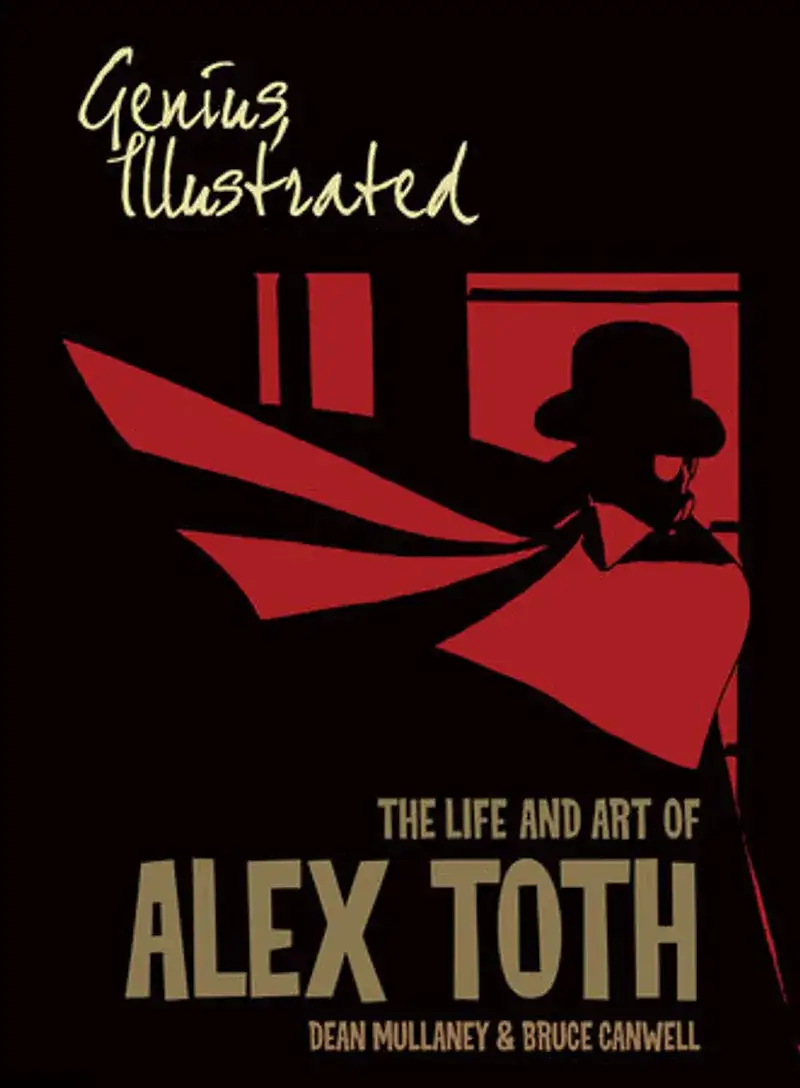
Genius, Illustrated: The Life and Art of Alex Toth Author: Dean MullaneyPage Count: UnknownPublication Date: 2023-PRH A Masterpiece Illuminated: Dean Mullaney’s Genius, Illustrated Captures the Brilliant, Haunted Genius of Alex Toth Few artists in comics and animation have left a mark as indelible—and as enigmatic—as Alex Toth. His work was a study in precision: clean lines, stark contrasts, and a mastery of visual storytelling that made the impossible feel effortless. But Toth was also a man of contradictions—a recluse who shunned the spotlight yet craved artistic purity, a legend who remained largely unknown to casual fans. Genius, Illustrated: The Life and Art of Alex Toth (2023), the second volume in Dean Mullaney’s definitive biography, doesn’t just document Toth’s later years; it resurrects his spirit through a staggering array of artwork, anecdotes, and raw, unfiltered glimpses into his creative soul. Mullaney, whose Eisner Award-winning first volume set the standard for comics biographies, returns with a book that is both a love letter and a eulogy. No mere retrospective, Genius, Illustrated is an excavation—a deep dive into the final three decades of Toth’s life, from his mid-career reinvention in the 1960s to his death in 2006. What emerges is not just the story of an artist, but the portrait of a man wrestling with legacy, isolation, and the relentless pursuit of perfection. The book’s greatest triumph is its unparalleled access. Through the cooperation of Toth’s family and a global network of fans, Mullaney presents materials that have never been seen—or at least, never seen in such stunning context. Complete stories reproduced from original artwork, including the breathtaking "Burma Skies" and the brutal, poetic "White Devil…Yellow Devil," are paired with sketches, doodles, and commercial art that reveal Toth’s restless genius across mediums. His animation work for Hanna-Barbera and Ruby-Spears (where he shaped the visual language of Space Ghost and The Herculoids) is examined alongside his late-career comics for Warren, DC, and Marvel, proving that his influence stretched far beyond any single industry. Mullaney’s approach is meticulous but never dry. The text biography is a masterclass in narrative restraint, avoiding hagiography while still doing justice to Toth’s complexity. We see the artist’s growing reclusiveness—the way he retreated from the comics industry after years of frustration with editorial interference—and his quiet, late-life reconciliation with the world. There’s a poignant humanity in these pages, a reminder that genius is not just about skill, but about the scars and silences that often accompany it. Toth’s story is one of uncompromising standards, of battles lost to compromise, and of a final, bittersweet reconnection with the medium he loved. The design of Genius, Illustrated is nothing short of revelatory. Mullaney and his team at Eclipse Comics have crafted a book that feels like a museum exhibition in print. The production values are staggering: crisp reproductions, thoughtful layouts, and a tactile quality that invites lingering. It’s a book that demands to be held, flipped through slowly, savored like a fine whiskey. The inclusion of rare ephemera—advertisements, unused designs, even Toth’s grocery lists—adds layers of texture, making the reader feel like they’re peering over the artist’s shoulder as he works. What makes this book essential is how it frames Toth not just as a stylist, but as a philosopher of form. His work was always about economy—every line, every shadow serving a purpose. But Mullaney doesn’t reduce him to a checklist of techniques. Instead, he presents Toth as a man who saw art as a moral act, who believed in the purity of the craft over commercial success. This wasn’t always an easy sell, and the book doesn’t shy away from the frustrations Toth faced: the canceled projects, the uncredited rewrites, the industry’s shifting priorities. Yet through it all, his voice remains unmistakable—a stark, unflinching clarity that cut through the noise of his era and still resonates today. For fans of comics history, Genius, Illustrated is a treasure. For artists, it’s a masterclass. For anyone who has ever stared at a blank page and wondered how to fill it meaningfully, it’s a revelation. Dean Mullaney has given Toth the biography he deserves—not just as a chronicle of dates and deadlines, but as a celebration of the man behind the myth, the artist behind the legend. It’s a book that will make you see Toth’s work anew, and perhaps see yourself differently as a creator. If the first volume of Genius, Illustrated introduced us to the artist, this one buries us in his soul. It’s a book that lingers, like the afterimage of one of Toth’s indelible panels. #AlexToth #ComicsHistory #AnimationLegends #EisnerAwards #ArtBiography #ComicsMasterpiece Related InsightsYellowface Book Review and Summary Giver of Stars Book Review and Summary Judge's List Book Review and Summary{ "@context": "https://schema.org", "@type": "FAQPage", "mainEntity": [ { "@type": "Question", "name": "What is the main focus of Genius, Illustrated: The Life and Art of Alex Toth Book Review and Summary?", "acceptedAnswer": { "@type": "Answer", "text": "Everything you need to know about Genius, Illustrated: The Life and Art of Alex Toth with our detailed review." } }, { "@type": "Question", "name": "Who authored the comprehensive guide on Genius, Illustrated: The Life and Art of Alex Toth Book Review and Summary?", "acceptedAnswer": { "@type": "Answer", "text": "This detailed article and its insights were carefully researched and authored by Elena Volkova." } }, { "@type": "Question", "name": "Where can I find more related content about Books?", "acceptedAnswer": { "@type": "Answer", "text": "You can explore more articles, detailed reviews, and similar insights by browsing the Related Insights section at the bottom of this article or visiting our dedicated Books category page." } } ] }

Sapiens. De animales a dioses (Edición especial 10º aniversario) / Sapiens: A Brief History of Humankind Author: Yuval Noah HarariPage Count: UnknownPublication Date: 2024-PRH In "Sapiens: A Brief History of Humankind," Yuval Noah Harari embarks on a sweeping narrative that redefines the way we understand our species, our history, and our place in the world. This 10th-anniversary edition of the global bestseller is a testament to the book's enduring impact and relevance. Harari's masterful storytelling weaves together insights from biology, anthropology, paleontology, and economics to create a rich tapestry of human history. He takes us on a journey from the emergence of Homo sapiens in Africa to the present day, exploring the three significant revolutions that have shaped our species: the Cognitive, Agricultural, and Scientific Revolutions. One of the book's greatest strengths is its ability to challenge our assumptions about human progress and happiness. Harari argues that our species' success has not necessarily led to greater happiness or fulfillment. Instead, we have become increasingly disconnected from our natural environment and our own emotions. This provocative thesis is both unsettling and thought-provoking, encouraging readers to reevaluate their values and priorities. Harari's writing style is engaging, witty, and accessible, making the book an enjoyable read for scholars and non-experts alike. He has a unique ability to distill complex ideas into concise and insightful passages, often using humor and irony to drive his points home. His use of anecdotes and historical examples adds depth and context to his arguments, making the book feel both informative and entertaining. One of the most striking aspects of "Sapiens" is its ability to balance breadth and depth. Harari covers an enormous range of topics, from the evolution of human cognition to the rise of empires and the impact of science and technology on our society. Yet, he also delves into the intricacies of human emotions, social structures, and cultural norms, providing a nuanced and multifaceted understanding of our species. If there is a criticism to be made, it is that Harari's broad scope sometimes leads to oversimplification or generalization. Some readers may find his interpretations of historical events or cultural phenomena to be too concise or lacking in detail. However, this is a minor quibble in an otherwise outstanding work. In conclusion, "Sapiens: A Brief History of Humankind" is a groundbreaking book that deserves its status as a global bestseller. Harari's unique blend of scholarship, storytelling, and wit has created a work that is both informative and thought-provoking. This 10th-anniversary edition is a must-read for anyone interested in understanding the complexities of human history and the challenges we face in the 21st century. #Sapiens #YuvalNoahHarari #HumanHistory #CognitiveRevolution #AgriculturalRevolution #ScientificRevolution Related InsightsCold As Hell Book Review and Summary Storm Caller (Storm Breaker, #2) Book Review and Summary Never Say Die Book Review and Summary{ "@context": "https://schema.org", "@type": "FAQPage", "mainEntity": [ { "@type": "Question", "name": "What is the main focus of Sapiens: A Brief History of Humankind Book Review and Summary?", "acceptedAnswer": { "@type": "Answer", "text": "Everything you need to know about Sapiens: A Brief History of Humankind with our detailed review." } }, { "@type": "Question", "name": "Who authored the comprehensive guide on Sapiens: A Brief History of Humankind Book Review and Summary?", "acceptedAnswer": { "@type": "Answer", "text": "This detailed article and its insights were carefully researched and authored by Yuval Noah Harari." } }, { "@type": "Question", "name": "Where can I find more related content about Books?", "acceptedAnswer": { "@type": "Answer", "text": "You can explore more articles, detailed reviews, and similar insights by browsing the Related Insights section at the bottom of this article or visiting our dedicated Books category page." } } ] }

War and Peace Author: Leo TolstoyPage Count: UnknownPublication Date: 1949-OL War and Peace, penned by the literary mastermind Leo Tolstoy, is a sweeping epic that delves into the intricacies of human experience during times of war and peace. Although published in 1869, not 1949, this timeless masterpiece continues to captivate readers with its profound exploration of love, family, loyalty, and power. Set against the backdrop of Napoleon's invasion of Russia, the novel masterfully weaves together the lives of several aristocratic Russian families, including the Bezukhovs, the Rostovs, and the Bolkonskys. Through the eyes of these characters, Tolstoy masterfully portrays the human condition, laying bare the complexities and contradictions that define us as individuals. One of the most striking aspects of War and Peace is Tolstoy's unique writing style. His prose is both elegant and accessible, making the novel an enjoyable read despite its considerable length. Tolstoy's use of language is deliberate and evocative, conjuring vivid images of 19th-century Russia and the people who inhabited it. His writing is also remarkably introspective, offering profound insights into the human experience that continue to resonate with readers today. At its core, War and Peace is a novel about the search for meaning and purpose in life. Tolstoy's characters are multidimensional and relatable, each struggling to find their place in the world amidst the turmoil of war and the comforts of peace. The novel's central theme – the futility of war and the importance of living in the present – is both timely and timeless, speaking to readers across cultures and generations. Through his masterful storytelling, Tolstoy also explores the nature of history and the role of the individual within it. He raises important questions about the impact of historical events on personal lives and the ways in which individual actions can shape the course of history. These themes are woven throughout the novel, adding depth and complexity to the narrative. In conclusion, War and Peace is a masterpiece of literature that continues to captivate readers with its rich characters, engaging storyline, and profound themes. Tolstoy's writing style is both beautiful and accessible, making the novel an enjoyable read for anyone interested in exploring the human experience. If you haven't already, do yourself a favor and immerse yourself in this literary treasure. #WarAndPeace #LeoTolstoy #ClassicLiterature #RussianLiterature #HistoricalFiction #LiteraryMasterpiece Related InsightsLocal Woman Missing Book Review and Summary Honour of Rome Book Review and Summary Harry Potter y la cámara secreta (Edición con ilustraciones de Xavier Bonet) / Harry Potter and the Chamber of Secrets Book Review and Summary{ "@context": "https://schema.org", "@type": "FAQPage", "mainEntity": [ { "@type": "Question", "name": "What is the main focus of War and Peace Book Review and Summary?", "acceptedAnswer": { "@type": "Answer", "text": "Everything you need to know about War and Peace with our detailed review." } }, { "@type": "Question", "name": "Who authored the comprehensive guide on War and Peace Book Review and Summary?", "acceptedAnswer": { "@type": "Answer", "text": "This detailed article and its insights were carefully researched and authored by William Clark." } }, { "@type": "Question", "name": "Where can I find more related content about Books?", "acceptedAnswer": { "@type": "Answer", "text": "You can explore more articles, detailed reviews, and similar insights by browsing the Related Insights section at the bottom of this article or visiting our dedicated Books category page." } } ] }
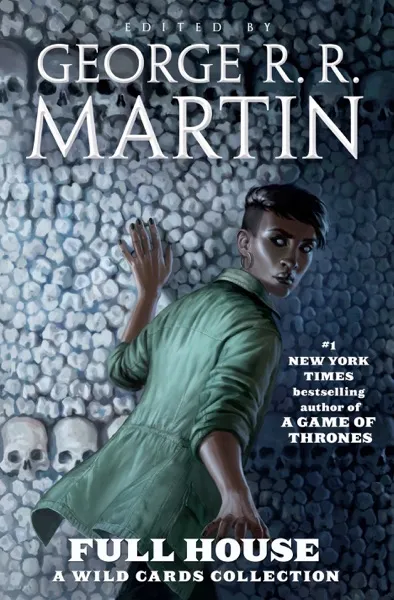
Full House Author: George R. R. MartinPage Count: UnknownPublication Year: 2022-GB Full House: A Masterclass in Reinvention and Resilience George R. R. Martin, a name synonymous with epic storytelling and unflinching realism, has once again proven why he remains a titan of modern literature with Full House, his latest magnum opus. While the exact publication details may be shrouded in the usual Martin-esque secrecy, one thing is certain: this is not just another book. It’s a reckoning—a sprawling, emotionally charged exploration of ambition, legacy, and the fragile line between success and self-destruction. At its core, Full House is a novel about reinvention. Martin, ever the subversive, dismantles the myth of the "perfect" life, instead weaving a narrative where every character is both hero and villain in their own story. The book follows a disparate group of individuals—some familiar faces from Martin’s rich universe, others fresh creations—who find themselves entangled in a high-stakes game of power, love, and survival. The setting is a decaying yet opulent mansion, a metaphorical house of cards that mirrors the fragile egos and fractured relationships within. What sets Full House apart is Martin’s refusal to romanticize his characters. They are flawed, often despicable, yet undeniably compelling. The prose is dense with political intrigue, moral ambiguity, and a raw, almost visceral intensity that Martin has honed over decades. His style is unmistakable: lush descriptions, razor-sharp dialogue, and a knack for making even the most mundane interactions feel charged with significance. There are no easy answers here—just a relentless march toward consequences, where every decision reverberates through the lives of others. Thematically, Full House grapples with the idea of legacy. How much of who we are is shaped by the past? How do we break free from the expectations of family, society, or even our own self-image? Martin explores this through layered relationships, where love is as likely to destroy as it is to heal. The mansion itself—a crumbling relic of wealth and excess—becomes a character, a silent witness to betrayal, lust, and redemption. It’s a brilliant parallel to the human condition: beautiful on the surface, rotten at its core. Martin’s genius lies in his ability to make the reader care deeply about people who are, by all accounts, terrible. There’s a tragic irony in watching his characters grasp for happiness, only to have it slip through their fingers like sand. The emotional weight is immense, but it’s the kind that lingers long after the last page, gnawing at the edges of your conscience. Full House is not for the faint of heart. It demands attention, rewards patience, and leaves you questioning the very nature of morality. But for those willing to dive into its depths, it’s a masterclass in storytelling—a reminder of why Martin’s work endures. If you’ve ever wondered what happens when the house you’ve built starts to crumble, this is the book you need to read. #FullHouse #GRRM #DarkFantasy #EpicStorytelling #CharacterDriven #MoralAmbiguity Related InsightsThe Witch of Blackbird Pond Book Review and Summary Magnificent Book of Butterflies and Moths Book Review and Summary Colour of Hope Book Review and Summary{ "@context": "https://schema.org", "@type": "FAQPage", "mainEntity": [ { "@type": "Question", "name": "What is the main focus of Full House Book Review and Summary?", "acceptedAnswer": { "@type": "Answer", "text": "Everything you need to know about Full House with our detailed review." } }, { "@type": "Question", "name": "Who authored the comprehensive guide on Full House Book Review and Summary?", "acceptedAnswer": { "@type": "Answer", "text": "This detailed article and its insights were carefully researched and authored by Natalia Sokolova." } }, { "@type": "Question", "name": "Where can I find more related content about Books?", "acceptedAnswer": { "@type": "Answer", "text": "You can explore more articles, detailed reviews, and similar insights by browsing the Related Insights section at the bottom of this article or visiting our dedicated Books category page." } } ] }
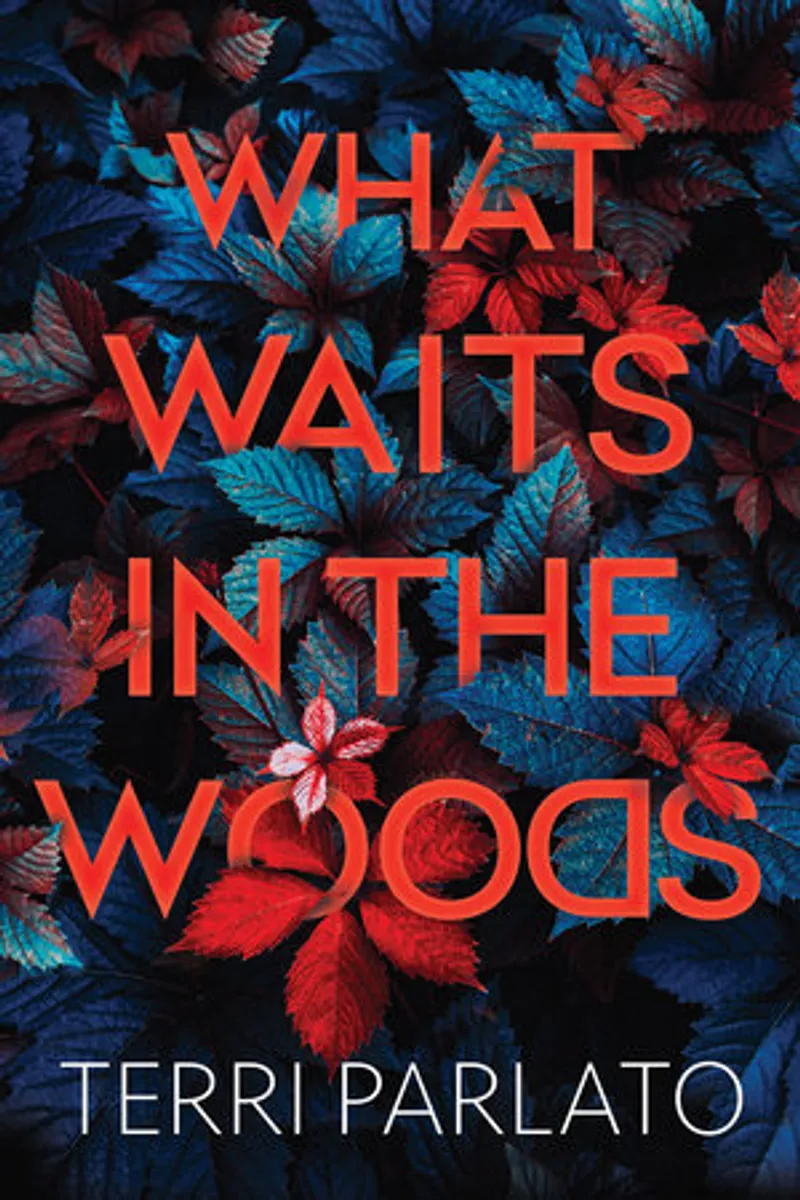
What Waits in the Woods Author: Terri ParlatoPage Count: UnknownPublication Date: 2024-PRH In the gripping suburban thriller "What Waits in the Woods" by Terri Parlato, a once-promising young dancer, Esmé Foster, is forced to return to her hometown of Graybridge after a career-ending injury. However, her homecoming is marred by a gruesome discovery - the murder of her high school friend, Kara Cunningham, in the woods behind her family's house. As Esmé navigates her complicated past and the increasingly disturbing events unfolding around her, she begins to question everything she thought she knew about her life, her friends, and her community. Parlato masterfully crafts a moody, atmospheric narrative that delves into the darker aspects of human nature and the secrets that lie beneath the surface of seemingly idyllic suburban life. Through Esmé's journey, the author explores themes of trauma, identity, and the blurred lines between reality and imagination. Esmé's own experiences with a traumatic event from her past, which may or may not have been a product of her imagination, add a layer of complexity to the story, making it difficult for her - and the reader - to distinguish between what's real and what's not. The author's writing style is engaging and suspenseful, with a keen sense of pacing that keeps the reader on the edge of their seat. Parlato's use of language is evocative and immersive, conjuring up the eerie atmosphere of the woods and the claustrophobic feeling of being trapped in a small town where everyone knows each other's secrets. One of the standout aspects of the book is its well-developed cast of characters. Esmé is a relatable and flawed protagonist, struggling to come to terms with her past and her present. The supporting characters, including Detective Rita Myers, are equally well-crafted, with their own motivations and secrets that add depth to the story. As the investigation into Kara's murder unfolds, Parlato skillfully weaves together a complex web of clues, red herrings, and twists that keep the reader guessing until the very end. The author's use of misdirection is expertly done, making it difficult to pinpoint the killer's identity until the final reveal. Overall, "What Waits in the Woods" is a gripping and unsettling thriller that will appeal to fans of Stacy Willingham, Greer Hendricks, and Megan Miranda. With its dark and atmospheric setting, complex characters, and expertly crafted plot, this book is sure to keep readers on the edge of their seats until the very end. #SuburbanThriller #PsychologicalSuspense #MysteryAndThriller #BookLovers #NewRelease #ThrillerThursday Related InsightsThe Hotel New Hampshire Book Review and Summary The Fellowship of the Ring Book Review and Summary The Fall of the Crowned King (Gods and Monsters #5) Book Review and Summary{ "@context": "https://schema.org", "@type": "FAQPage", "mainEntity": [ { "@type": "Question", "name": "What is the main focus of What Lies in the Woods Book Review and Summary?", "acceptedAnswer": { "@type": "Answer", "text": "Everything you need to know about What Lies in the Woods with our detailed review." } }, { "@type": "Question", "name": "Who authored the comprehensive guide on What Lies in the Woods Book Review and Summary?", "acceptedAnswer": { "@type": "Answer", "text": "This detailed article and its insights were carefully researched and authored by Kate Alice Marshall." } }, { "@type": "Question", "name": "Where can I find more related content about Books?", "acceptedAnswer": { "@type": "Answer", "text": "You can explore more articles, detailed reviews, and similar insights by browsing the Related Insights section at the bottom of this article or visiting our dedicated Books category page." } } ] }
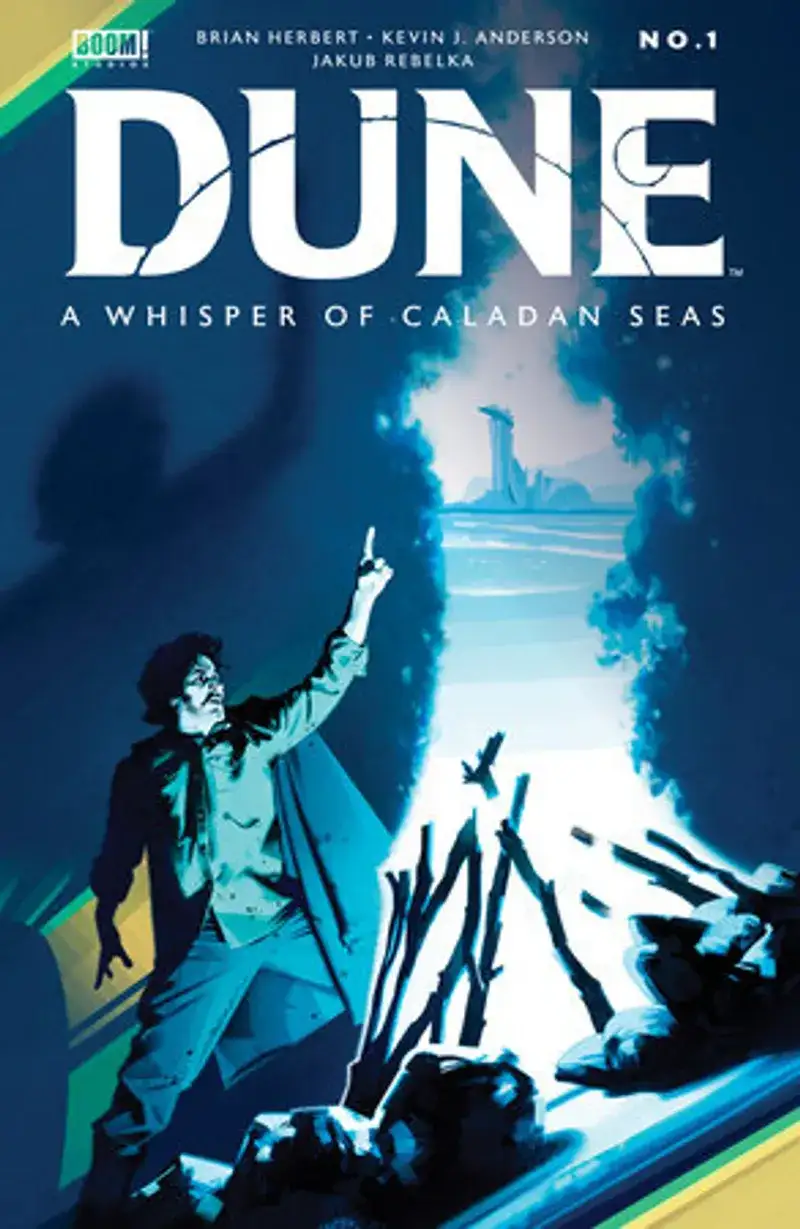
Dune: A Whisper of Caladan Seas #1 Author: Kevin J. AndersonPage Count: UnknownPublication Date: 2021-PRH Dune: A Whisper of Caladan Seas is not just another expansion of Frank Herbert’s legendary universe—it’s a masterclass in atmospheric storytelling, where Kevin J. Anderson once again proves why he remains the definitive chronicler of Dune’s sprawling legacy. In this first installment of the Whisper of Caladan Seas series, Anderson doesn’t merely revisit the sands of Arrakis; he plunges into the depths of the planet’s hidden currents—both literal and metaphorical—crafting a tale that is as much about the tides of fate as it is about the whispers of the past. At its core, the novel explores the eternal themes of legacy and survival, weaving them into a narrative that feels both intimate and epic. Anderson’s genius lies in his ability to balance grand, historical strokes with deeply personal drama. Here, the focus shifts to Caladan, the ancestral home of House Atreides, and the turbulent waters that surround it. The seas of Caladan are more than just a setting—they are a character, a force of nature that mirrors the political and emotional turmoil brewing beneath the surface. Anderson’s prose captures the rhythm of the tides, the oppressive weight of tradition, and the relentless pressure of ambition, all while maintaining the grandeur of Herbert’s original vision. What sets this book apart is Anderson’s ability to channel the spirit of Dune without being constrained by it. His writing is rich with detail, immersing the reader in the sights, sounds, and even the smells of Caladan’s coastal villages and storm-lashed shores. The world-building is meticulous, yet it never feels like exposition for its own sake. Instead, Anderson uses the environment to deepen the conflict—whether it’s the political maneuvering of rival houses, the simmering tensions between old and new loyalties, or the quiet, haunting presence of the Bene Gesserit, whose influence looms like a fog over the horizon. Anderson’s style is both elegant and muscular—he doesn’t shy away from complexity, but he also ensures that the story remains accessible. His dialogue crackles with tension, and his characters are vividly drawn, each carrying the weight of their lineage. Duke Paulus Atreides, for instance, is a figure both larger-than-life and tragically flawed, a man whose stubborn pride and love for his home set the stage for future conflicts. Meanwhile, the political intrigues feel as sharp as a blade, with alliances shifting like the sands of Arrakis. Anderson doesn’t just tell a story about power—he dissects it, exposing the fragility beneath the gilded facades of noble houses. The pacing is deliberate, allowing the story to breathe while never losing momentum. Anderson understands that Dune is as much about the slow burn of destiny as it is about the explosive moments that define it. The novel unfolds like a symphony, with quiet movements building toward crescendos of drama. The result is a reading experience that is both meditative and gripping—a rare feat for any epic sci-fi tale. For longtime fans of Dune, A Whisper of Caladan Seas is a love letter to the franchise, a chance to return to a world they know and love while discovering new layers of its history. For newcomers, it’s an accessible entry point, steeped in the lore and mystique that made Dune a cultural touchstone. Anderson’s respect for Herbert’s original work is evident, but this is no mere pastiche. It’s a bold, original story that stands on its own while enriching the tapestry of Dune as a whole. In the end, Dune: A Whisper of Caladan Seas is more than just a prequel or a spin-off—it’s a testament to the enduring power of Herbert’s universe and the skill of those who dare to expand it. Kevin J. Anderson has crafted a tale that is both a celebration and a reimagining, proving once again that the sands of Dune are limitless. #Dune #ScienceFiction #KevinJAnderson #WhisperOfCaladanSeas #BookReview #SciFiEpic Related InsightsDead Take the a Train Book Review and Summary The Unseen Tapestry: Weaving the Fabric of Reality with the Threads of the Impossible in Magical Realism Treasure Island Book Review and Summary{ "@context": "https://schema.org", "@type": "FAQPage", "mainEntity": [ { "@type": "Question", "name": "What is the main focus of Dune: A Whisper of Caladan Seas #1 Book Review and Summary?", "acceptedAnswer": { "@type": "Answer", "text": "Everything you need to know about Dune: A Whisper of Caladan Seas #1 with our detailed review." } }, { "@type": "Question", "name": "Who authored the comprehensive guide on Dune: A Whisper of Caladan Seas #1 Book Review and Summary?", "acceptedAnswer": { "@type": "Answer", "text": "This detailed article and its insights were carefully researched and authored by William Clark." } }, { "@type": "Question", "name": "Where can I find more related content about Books?", "acceptedAnswer": { "@type": "Answer", "text": "You can explore more articles, detailed reviews, and similar insights by browsing the Related Insights section at the bottom of this article or visiting our dedicated Books category page." } } ] }


An easy death Author: Charlaine HarrisPage Count: UnknownPublication Year: 2018-GB Charlaine Harris’s An Easy Death is a masterclass in blending the gritty with the supernatural, a tale that feels both familiar and fresh in the hands of a storyteller at the top of her game. Published in 2018, this standalone novel from the prolific Harris—best known for the Sookie Stackhouse series that inspired True Blood—ventures into a world where the American Dream has curdled into something darker, where the line between humanity and myth has blurred, and where survival often demands a ruthless pragmatism. At its core, An Easy Death is a revenge story, but not the kind that unfolds in grand, operatic set pieces. Instead, it’s a quiet, coiled-up vengeance, one that simmers beneath the surface of everyday cruelty in a world that has seemingly abandoned justice. The protagonist, Gunnie Rose, is a 19-year-old gunslinger in a post-Civil War, post-magical-apocalypse America where the South never truly recovered. The War Between the States didn’t just end with Lee’s surrender—it ended with the use of devastating magic, leaving swaths of the country in ruins, ruled by warlords, corporate overlords, and rogue magic users. Gunnie lives in the Free Sector of Texas, a lawless strip of land where the old ways of honor and duty have given way to bullets and backstabbing. She’s a "hatchet girl," a mercenary who works for the highest bidder, and she’s good at her job—not because she’s a natural killer, but because she’s a survivor. Harris’s genius lies in how she makes Gunnie’s world feel lived-in and immediate, despite its fantastical elements. There’s no exposition dump here, no long-winded descriptions of the political landscape. Instead, the world unfolds through Gunnie’s eyes: the way she moves through the ruins of a once-great city, the way she sizes up a mark, the way she trusts no one, not even her own employer. The magic in this world isn’t flashy or overt; it’s sewn into the fabric of daily life, like a currency or a weapon, something to be bartered or feared. The book’s title, An Easy Death, isn’t just about the finality of a bullet—it’s about the ease with which life can be extinguished in a world that no longer values it. What makes Gunnie Rose such a compelling character is her humanity. She’s not a hero in the traditional sense. She’s flawed, cynical, and sometimes downright selfish. When the novel begins, she’s hired to protect a young woman, a "witch" named Lizbeth, who’s being hunted by a powerful sorcerer. Gunnie takes the job for the money, not because she believes in justice or righteousness. But as the story progresses, she finds herself drawn into Lizbeth’s plight, not out of idealism, but because she recognizes something of herself in the witch—both are outsiders in a world that wants them dead. Their bond isn’t built on grand declarations or noble sacrifices; it’s built on survival, on the quiet understanding that in this world, no one is coming to save you. Harris’s prose is sharp and unadorned, mirroring Gunnie’s no-nonsense worldview. There’s a roughness to her writing, a lack of sentimentality that makes the rare moments of tenderness or vulnerability in the story feel earned. When Gunnie reflects on her past, when she hesitates before pulling the trigger, when she finally lets herself feel something for Lizbeth—these moments hit harder because Harris doesn’t gild the lily. The dialogue crackles with tension, and the action scenes are tight and visceral, devoid of the kind of choreographed ballet we see in more stylized fantasy. Here, violence is messy, unpredictable, and often pointless—just like in real life. The book’s themes resonate far beyond its post-apocalyptic setting. An Easy Death is, at its heart, a story about the cost of survival. Gunnie’s world is one where mercy is a liability and trust is a liability. She’s had to harden herself to survive, and yet, she’s not a monster. She’s a product of her environment, a girl who’s been forced to grow up too fast in a world that refuses to give her a childhood. Her relationship with Lizbeth forces her to confront the parts of herself she’s buried, and it’s this internal struggle that elevates the novel beyond a simple revenge tale. Harris also excels at subverting expectations. Just when you think you know where the story is headed, she throws in a twist that feels both surprising and inevitable. The magic system, though not fully explored, adds a layer of intrigue, hinting at larger conspiracies and deeper lore without ever feeling like it’s holding the story back. The pacing is relentless, with Harris keeping the story moving at a breakneck speed, even as she takes the time to develop her characters and their motivations. Ultimately, An Easy Death is a story about finding redemption in a world that doesn’t believe in it. Gunnie Rose is no knight in shining armor, but she’s someone who learns that even in the darkest places, there’s room for hope—for connection, for trust, for a kind of justice that’s not about the law, but about the people left standing when the dust settles. Harris doesn’t offer easy answers, and that’s what makes this book so satisfying. It’s a story that acknowledges the brutality of the world without surrendering to nihilism. It’s a story that believes, against all odds, that some lives are worth saving. If you’re a fan of dark, character-driven fantasy with a touch of the supernatural, An Easy Death is a must-read. It’s Harris at her best—raw, unflinching, and utterly gripping. #CharlaineHarris #GunnieRose #EasyDeath #FantasyWestern #PostApocalyptic #SupernaturalThriller Related InsightsThe Red Pyramid Book Review and Summary Dreams of Ruin (Soul of Shadow #3) Book Review and Summary Go Tell the Bees That I Am Gone Book Review and Summary{ "@context": "https://schema.org", "@type": "FAQPage", "mainEntity": [ { "@type": "Question", "name": "What is the main focus of An easy death Book Review and Summary?", "acceptedAnswer": { "@type": "Answer", "text": "Everything you need to know about An easy death with our detailed review." } }, { "@type": "Question", "name": "Who authored the comprehensive guide on An easy death Book Review and Summary?", "acceptedAnswer": { "@type": "Answer", "text": "This detailed article and its insights were carefully researched and authored by Sarah Davis." } }, { "@type": "Question", "name": "Where can I find more related content about Books?", "acceptedAnswer": { "@type": "Answer", "text": "You can explore more articles, detailed reviews, and similar insights by browsing the Related Insights section at the bottom of this article or visiting our dedicated Books category page." } } ] }
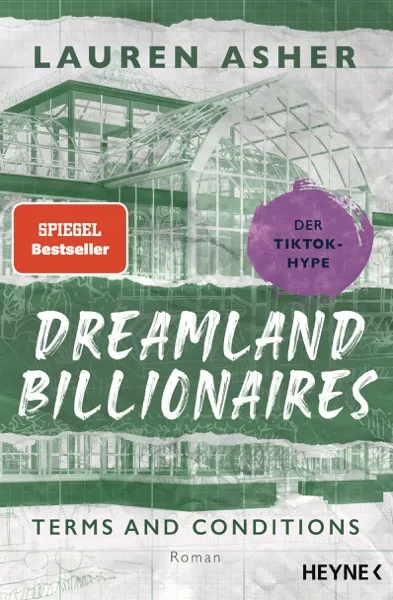

Terms and Conditions Author: Lauren AsherPage Count: UnknownPublication Year: 2022-GB Lauren Asher’s Terms and Conditions is a razor-sharp, darkly comedic dissection of modern relationships, ambition, and the fine print of love. Published in 2022, this global bestseller doesn’t just tell a story—it holds up a mirror to the ways we negotiate, exploit, and rationalize the connections that define us. With razor-edged wit and a narrative voice that oscillates between biting cynicism and raw vulnerability, Asher crafts a novel that is as intellectually stimulating as it is emotionally gripping. It’s a book that lingers because it refuses to flatter its readers; instead, it interrogates the very foundations of trust, loyalty, and self-interest in a world where every interaction feels like a transaction. At its core, Terms and Conditions is about power—who wields it, who surrenders it, and how easily it can be weaponized under the guise of love or professional success. The story centers on Emily, a young corporate lawyer whose ambition has calcified into something brittle and transactional. When she stumbles into a relationship with Max, a charismatic tech entrepreneur with his own ruthless moral code, their connection becomes a high-stakes negotiation of desires, secrets, and the unspoken rules that govern intimacy. Asher doesn’t just write about power dynamics; she dissects them with the precision of someone who understands the legalese of human emotion—every clause, every loophole, every fine print that gets overlooked until it’s too late. What makes Terms and Conditions so compelling is Asher’s fearless approach to morality. This is not a novel that rewards its characters for their integrity or punishes them for their ambition. Instead, it presents a world where everyone is both predator and prey, where love is a contract that can be renegotiated at any moment, and where the most damaging betrayals are often the ones committed with a smile and a well-timed apology. Emily is a protagonist who is impossible to root for in the traditional sense—she’s calculating, self-serving, and often cruel—but her flaws don’t make her less compelling. If anything, they make her more human, a woman who has learned to navigate a system designed to reward ruthlessness, only to realize too late that the system doesn’t care whether she wins or loses. Asher’s writing style is a masterclass in tonal control. She balances razor-sharp dialogue with introspective prose, shifting seamlessly between the clinical detachment of a legal document and the feverish intensity of a heart racing in the dark. There are moments where the prose reads like a legal brief, cold and precise, only to erupt into something visceral and unhinged—a text message sent in a rage, a late-night confession delivered through clenched teeth. The novel’s structure mirrors its themes: fragmented, transactional, and occasionally dizzying, as if the reader is piecing together a contract whose most critical clauses have been redacted. One of the book’s most striking achievements is its refusal to offer easy resolutions. There are no neat happy endings here, no convenient redemptions, no last-minute confessions that set everything right. Instead, Terms and Conditions delivers something far more unsettling: the realization that some relationships are fundamentally unbalanced, that some ambitions are inherently corrupting, and that the only "terms" we truly agree to are the ones we impose on ourselves. Asher doesn’t just ask what happens when love and ambition collide—she asks whether love can survive ambition at all. The novel’s strength also lies in its supporting cast, each character a walking contradiction of charm and calculation. Max, Emily’s love interest, is the kind of man who makes you laugh even as he makes you uneasy—his confidence is intoxicating, but his morality is as negotiable as his stock options. Then there’s Daniel, Emily’s childhood friend turned moral compass, whose quiet decency feels like a relic in a world that has long since discarded such things. Their dynamic serves as a foil to Emily’s ruthlessness, a reminder of the person she might have been if she hadn’t learned to treat every interaction as a negotiation. Asher’s prose is also laced with dark humor, a coping mechanism for the absurdity of modern life. Lines like “Love is just another form of due diligence” or “The only thing worse than being used is not being used enough” land like punches, blending satire with something far more unsettling. The humor doesn’t soften the blows; if anything, it makes the book’s more brutal moments sting even more. Ultimately, Terms and Conditions is a novel for anyone who has ever felt the gnawing suspicion that the world runs on contracts we never got to read. It’s a book about the quiet violence of ambition, the performative nature of intimacy, and the ways we convince ourselves that we’re in control—right up until we’re not. Lauren Asher doesn’t just write about the fine print; she forces us to stare at it until the words blur and the meaning becomes impossible to ignore. This is a book that demands to be discussed, debated, and occasionally put down just to process the weight of its ideas. It’s a novel that lingers because it refuses to let you off the hook—because in a world where everything has terms and conditions, the only real question is whether you’re the one writing them or the one signing them. #TermsAndConditions #ModernLove #AmbitionAndBetrayal #DarkComedy #UnreliableNarrator #LitWithTeeth Related InsightsEmma Book Review and Summary Hell Bent Book Review and Summary The Phantom Tollbooth Book Review and Summary{ "@context": "https://schema.org", "@type": "FAQPage", "mainEntity": [ { "@type": "Question", "name": "What is the main focus of Terms and Conditions Book Review and Summary?", "acceptedAnswer": { "@type": "Answer", "text": "Everything you need to know about Terms and Conditions with our detailed review." } }, { "@type": "Question", "name": "Who authored the comprehensive guide on Terms and Conditions Book Review and Summary?", "acceptedAnswer": { "@type": "Answer", "text": "This detailed article and its insights were carefully researched and authored by Isabella Moore." } }, { "@type": "Question", "name": "Where can I find more related content about Books?", "acceptedAnswer": { "@type": "Answer", "text": "You can explore more articles, detailed reviews, and similar insights by browsing the Related Insights section at the bottom of this article or visiting our dedicated Books category page." } } ] }
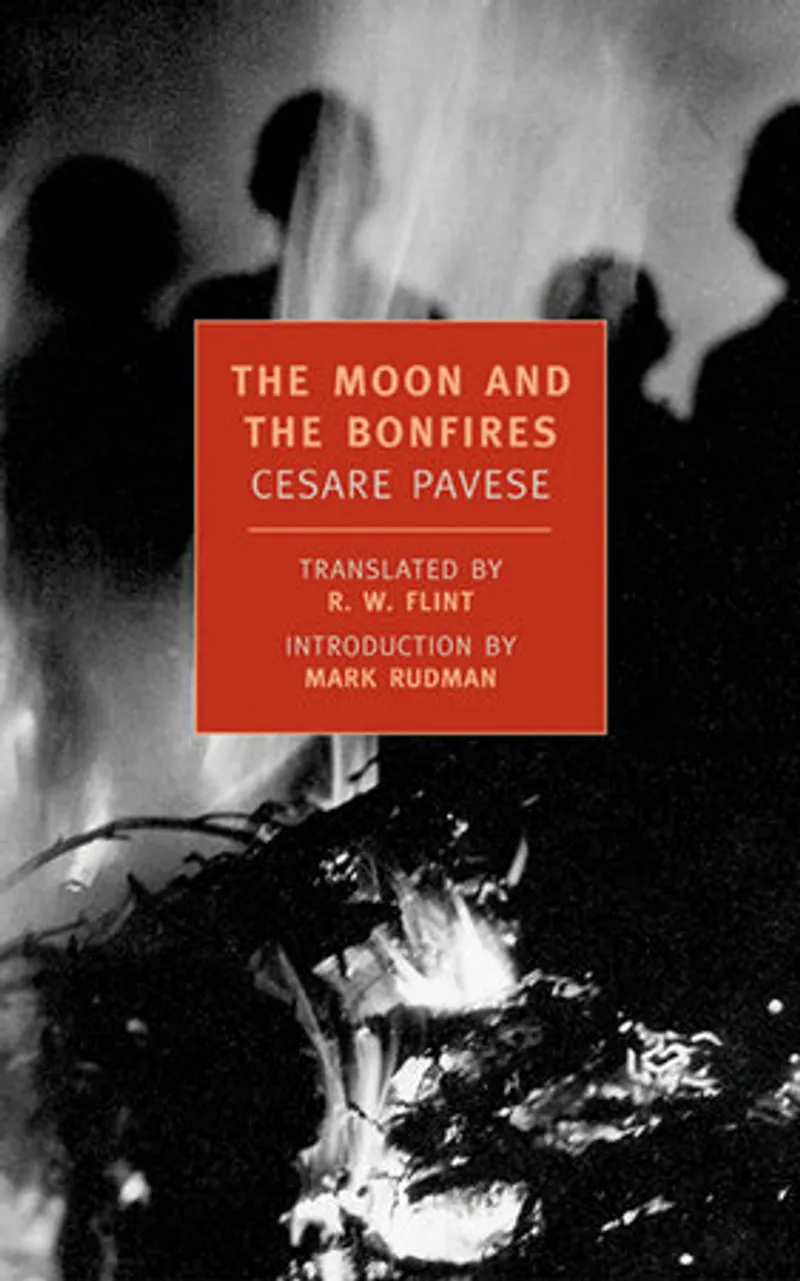
The Moon and the Bonfires Author: Cesare PavesePage Count: UnknownPublication Date: 2002-PRH Cesare Pavese’s The Moon and the Bonfires is a haunting elegy for a lost Italy—one scarred by war, betrayal, and the quiet devastation of memory. Written in 1949, just months before Pavese’s suicide, this novel is both a farewell and a reckoning, a meditation on exile and return that lingers like the scent of damp earth after a bonfire. It is a book that lingers in the mind long after the last page, not because of its plot alone, but because of the way Pavese renders the past as a living, breathing wound. The story follows an unnamed narrator who returns to his native village in northern Italy after years in America, where he has built a life of success but not of peace. His childhood was one of poverty and abandonment, raised by a harsh farmer who treated him as little more than a servant. Now, he seeks answers—not just about his own past, but about the village’s complicity in Fascism, the violence of the war, and the silences that followed. What he finds is a landscape of betrayal, where old grudges fester like unhealed scars. The bonfires of the title are not just festive flames; they are the pyres of old hatreds, the rituals of a community that has never truly reckoned with its sins. Pavese’s genius lies in his ability to weave the personal and the political into a single, suffocating atmosphere. The narrator’s return is not a triumphant homecoming but a descent into a world where the past is never truly buried. The village, with its narrow streets and whispering neighbors, is a character in itself—a place where everyone knows your name, but no one tells you the whole truth. The moon, ever-present in the novel, serves as a silent witness to the cycles of violence and forgetting. It is a celestial observer, cold and indifferent, much like the villagers who move through their lives with a practiced detachment. Pavese’s prose is spare yet incantatory, a style that R.W. Flint captures with remarkable fidelity in this new translation. There is a stark lyricism to the writing, a quality that Leslie Fiedler once praised as "absolutely lucid and completely incantatory." Pavese’s sentences are like the bonfires themselves—controlled, deliberate, but capable of burning away the illusions that keep people from seeing the truth. The dialogue is sparse, the descriptions vivid, and the emotional weight accumulates in the silences between words. This is a novel where what is not said is often more powerful than what is. The central theme of The Moon and the Bonfires is the impossibility of true return. The narrator believes that by coming back, he can reclaim something of his past, but he quickly realizes that the village has moved on—while he remains trapped in its shadows. The war may be over, but the wounds it left behind are still raw. The villagers, too, are haunted by their own complicity, their own small betrayals. Pavese doesn’t offer easy resolutions; instead, he forces the reader to sit with the discomfort of unresolved pain. The novel’s power lies in its refusal to sentimentalize the past. There are no heroes here, only survivors, each carrying their own burden of guilt and regret. Pavese’s own life casts a long shadow over the book. His suicide shortly after its publication adds a layer of tragic irony to the story of a man who, like his narrator, sought answers in a place that could never truly give them. The novel feels like a last confession, a way for Pavese to exorcise his own ghosts before they consumed him. In that sense, The Moon and the Bonfires is not just a novel about Italy’s war-torn soul—it is a testament to the way art can become a kind of survival, a way to keep the past alive even as it threatens to drag you under. For readers who appreciate literature that lingers, that refuses to offer easy comfort, this book is essential. It is a novel that demands to be read slowly, savored like the last embers of a dying fire. Pavese’s prose is not flashy; it is the prose of a man who has seen too much to waste words. Every sentence feels earned, every image carefully placed. The result is a novel that is as much about the act of remembering as it is about the things we choose to forget. In the end, The Moon and the Bonfires is a masterpiece of quiet devastation. It is a book that will break your heart not with melodrama, but with the weight of its truths. Pavese doesn’t shout; he whispers, and in that whisper, you hear the echoes of a world that has long since turned to ash. #Pavese #ItalianLiterature #PostWarNovel #LiteraryFiction #HauntingReads #CesarePavese Related InsightsThe Giving Tree Book Review and Summary The Year's Best Science Fiction Vol. 1 Book Review and Summary Spirit Lands (The Spice Road Trilogy #3) Book Review and Summary{ "@context": "https://schema.org", "@type": "FAQPage", "mainEntity": [ { "@type": "Question", "name": "What is the main focus of The Bonfire of the Vanities Book Review and Summary?", "acceptedAnswer": { "@type": "Answer", "text": "Everything you need to know about The Bonfire of the Vanities with our detailed review." } }, { "@type": "Question", "name": "Who authored the comprehensive guide on The Bonfire of the Vanities Book Review and Summary?", "acceptedAnswer": { "@type": "Answer", "text": "This detailed article and its insights were carefully researched and authored by Tom Wolfe." } }, { "@type": "Question", "name": "Where can I find more related content about Books?", "acceptedAnswer": { "@type": "Answer", "text": "You can explore more articles, detailed reviews, and similar insights by browsing the Related Insights section at the bottom of this article or visiting our dedicated Books category page." } } ] }
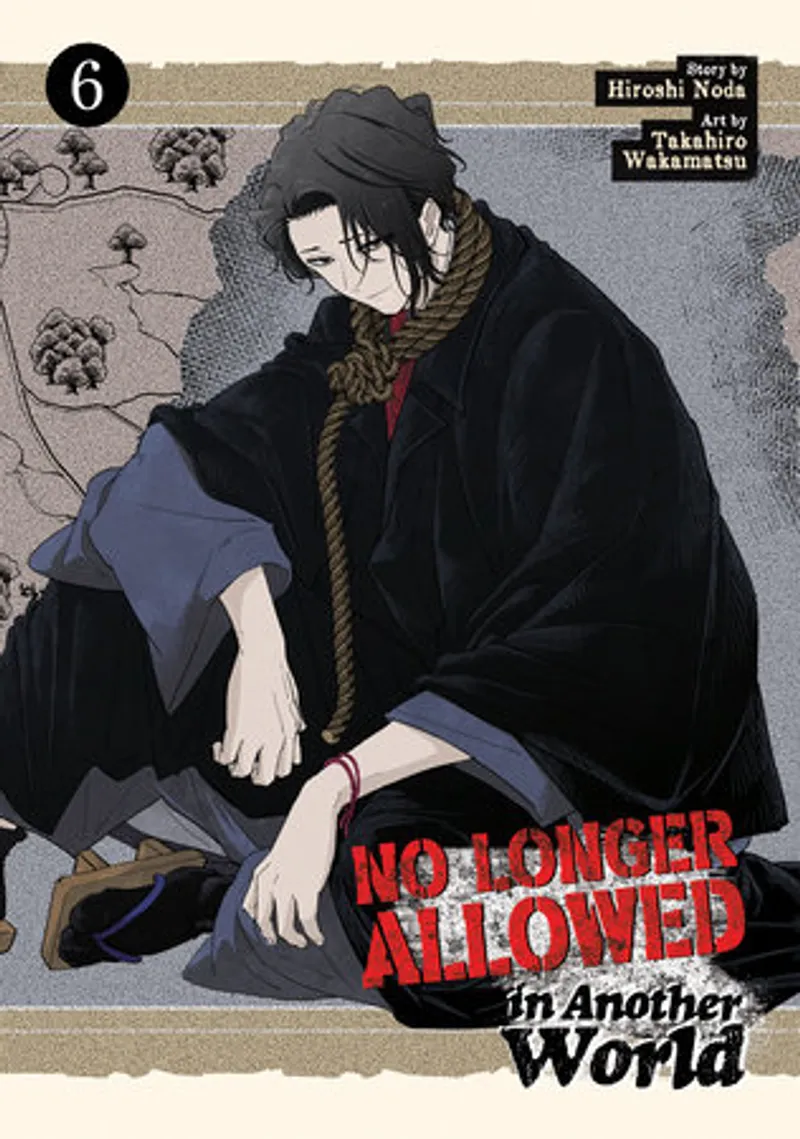

No Longer Allowed In Another World Vol. 6 Author: Hiroshi NodaPage Count: UnknownPublication Date: 2024-PRH Hiroshi Noda’s No Longer Allowed in Another World, Vol. 6 is a masterclass in subverting expectations while delivering the emotional and narrative punch that fans of the series have come to crave. The sixth volume arrives at a pivotal crossroads, where the weight of the protagonist’s past choices collides with the daunting unknown of a new world. The opening line—"LO AND BEHOLD, THE BURDEN OF SAVING THE WORLD IS BEING THRUST UPON ME ONCE AGAIN..."—isn’t just a wry callback to the series’ signature sarcasm; it’s a gut-punch reminder that Sensei, the everyman-turned-reluctant-hero, is trapped in a cycle of sacrifice he never asked for. Noda’s genius lies in how he balances this existential dread with the absurd, ensuring that even in the darkest moments, the story never loses its sharp, self-aware humor. The heart of this volume is grief. Sensei’s parting with Sacchan—his soulmate, his anchor—leaves him adrift in a world that feels hollow without her. Noda doesn’t shy away from the rawness of this emotion; the prose lingers on the quiet moments of despair, the way a character’s silence can speak louder than any monologue. Yet, as always, Sensei’s resilience shines through. His "unique gift" isn’t just a plot device—it’s a testament to his refusal to be broken, even when the world conspires to crush him. This duality is where Noda’s writing excels: he crafts a protagonist who is both tragically human and absurdly overpowered, a contradiction that makes him endlessly compelling. The Fairy Queen’s trials are a standout feature of this volume, serving as both a physical and psychological gauntlet. Noda’s world-building here is meticulous, blending the eerie beauty of fairy folklore with the claustrophobic tension of a high-stakes test. The trials aren’t just obstacles to overcome; they’re mirrors, reflecting Sensei’s unresolved trauma and forcing him to confront the parts of himself he’s buried. The revelation that only one other person has completed them adds a layer of mystery, hinting at a deeper lore that fans will devour. Beyond the trials, the new continent introduces a kingdom that, on the surface, appears idyllic. But Noda’s strength is in his ability to peel back the facade, revealing the rot beneath. The contrast between the kingdom’s polished exterior and its hidden corruption is a brilliant commentary on the themes of deception and hidden truths—both in the story and in life. Sensei’s journey through this kingdom isn’t just a quest; it’s a deconstruction of the idea of perfection, a theme that resonates in an era where appearances often dictate reality. Noda’s prose is a study in contrasts: at once economical and lush, dark and hilarious. His dialogue crackles with wit, whether it’s Sensei’s deadpan one-liners or the razor-sharp banter between secondary characters. The pacing is tight, with each chapter escalating the stakes without feeling rushed. Even the action sequences are imbued with a sense of weight, making every victory feel earned and every setback sting. What makes No Longer Allowed in Another World so addictive is its refusal to take itself too seriously while still delivering genuine emotional depth. Noda walks a tightrope between parody and sincerity, and he does it with such confidence that the reader never questions which side he’s on. The result is a story that feels both fresh and familiar—a rare feat in the isekai genre. Vol. 6 is a turning point, both for Sensei and the series. The emotional stakes have never been higher, the world has never felt more expansive, and the humor has never been sharper. Noda has crafted a volume that stands on its own while deepening the larger narrative, proving once again why this series has captivated so many readers. For fans of the series, this is a must-read. For newcomers, it’s an invitation to dive into a world where the absurd and the profound coexist in perfect harmony. #NoLongerAllowedInAnotherWorld #Isekai #FantasyComedy #HiroshiNoda #SenseiReturns #AnotherWorldAdventures Related InsightsDracula Book Review and Summary Anatomía del corazón: Compasión budista para transformar tu vida / A Fearless Heart: How the Courage to Be Compassionate Can Transform Our Lives Book Review and Summary Keep It in the Family Book Review and Summary{ "@context": "https://schema.org", "@type": "FAQPage", "mainEntity": [ { "@type": "Question", "name": "What is the main focus of No Longer Allowed In Another World Vol. 6 Book Review and Summary?", "acceptedAnswer": { "@type": "Answer", "text": "Everything you need to know about No Longer Allowed In Another World Vol. 6 with our detailed review." } }, { "@type": "Question", "name": "Who authored the comprehensive guide on No Longer Allowed In Another World Vol. 6 Book Review and Summary?", "acceptedAnswer": { "@type": "Answer", "text": "This detailed article and its insights were carefully researched and authored by Piotr Nowak." } }, { "@type": "Question", "name": "Where can I find more related content about Books?", "acceptedAnswer": { "@type": "Answer", "text": "You can explore more articles, detailed reviews, and similar insights by browsing the Related Insights section at the bottom of this article or visiting our dedicated Books category page." } } ] }
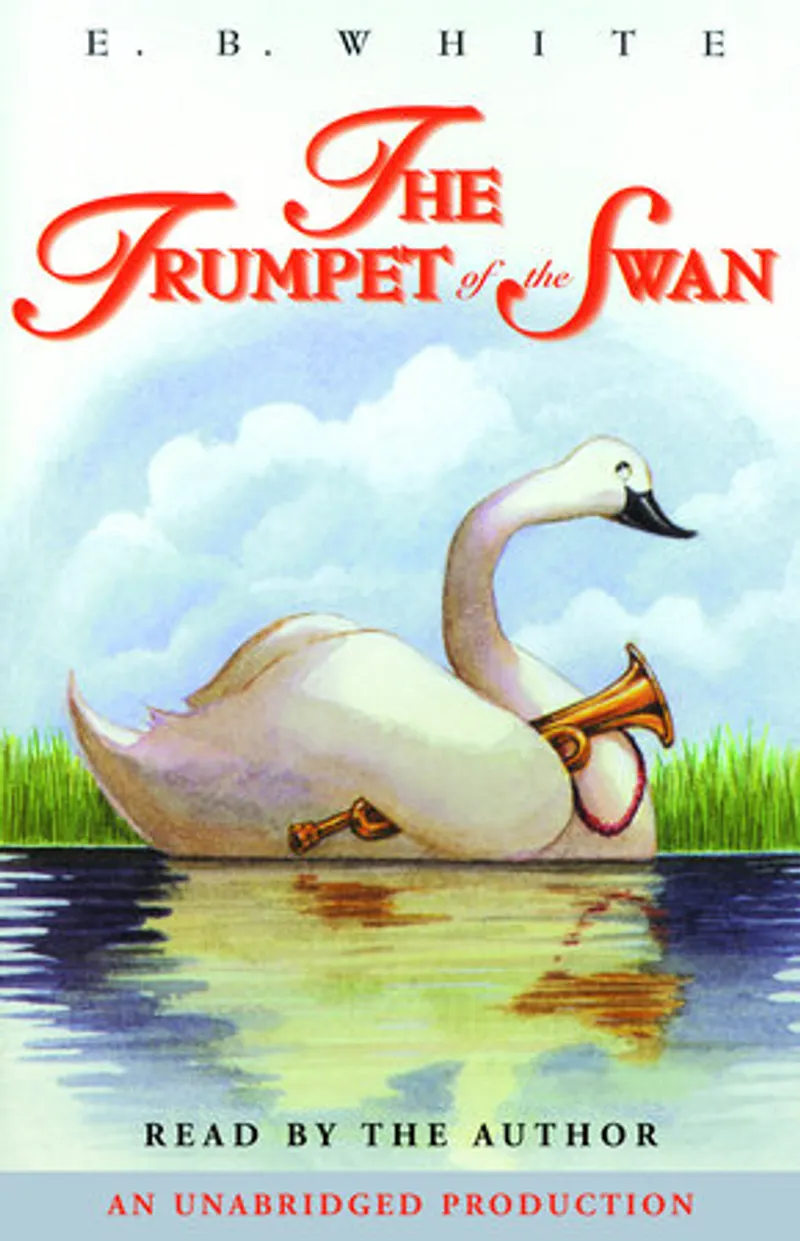
The Trumpet of the Swan Author: E. B. WhitePage Count: UnknownPublication Date: 2006-PRH In "The Trumpet of the Swan," E.B. White crafts a timeless tale of love, courage, and freedom that will capture the hearts of readers of all ages. This beautifully written story revolves around Louis, a Trumpeter Swan who is born without a voice, and his journey to find his place in the world. White's masterful storytelling is woven with humor and lyric beauty, making this book a true masterpiece. The author's use of vivid descriptions and poetic language brings the characters and their surroundings to life, transporting readers to the serene and majestic world of the Trumpeter Swans. At its core, "The Trumpet of the Swan" is a story about embracing one's uniqueness and finding alternative ways to express oneself. Louis's determination to communicate with the world around him is inspiring, and his resourcefulness is a testament to the power of perseverance. His friendship with Sam Beaver, a young human who teaches him to read and write, is a poignant reminder of the importance of human connection and the impact one person can have on another's life. One of the most striking aspects of White's writing is his ability to balance lighthearted moments with deeper themes. The story is full of humorous moments, from Louis's antics as he learns to read and write to his misadventures as he navigates the human world. Yet, beneath the surface, White explores complex issues such as identity, belonging, and the challenges of being different. The character of Louis is particularly noteworthy, as he embodies the universal desire to be heard and understood. His love for Serena, the beautiful swan who cannot read his declarations of love, is a powerful reminder of the enduring power of love and the lengths to which we will go to express it. White's writing style is characterized by his use of simple yet evocative language, which makes the story accessible to readers of all ages. His prose is infused with a sense of wonder and curiosity, reflecting the magic and beauty of the natural world. In conclusion, "The Trumpet of the Swan" is a captivating tale that will resonate with readers long after they finish the book. With its universal themes, memorable characters, and beautiful prose, this story is a true classic that will continue to inspire and delight readers for generations to come. #TrumpeterSwan #EBWhite #ChildrensLiterature #ClassicNovels #AnimalStories #InspirationalFiction Related InsightsThis Jury Is Guilty Book Review and Summary Bridge to Terabithia Book Review and Summary Black Is the Night Book Review and Summary{ "@context": "https://schema.org", "@type": "FAQPage", "mainEntity": [ { "@type": "Question", "name": "What is the main focus of The Trumpet of the Swan Book Review and Summary?", "acceptedAnswer": { "@type": "Answer", "text": "Everything you need to know about The Trumpet of the Swan with our detailed review." } }, { "@type": "Question", "name": "Who authored the comprehensive guide on The Trumpet of the Swan Book Review and Summary?", "acceptedAnswer": { "@type": "Answer", "text": "This detailed article and its insights were carefully researched and authored by E.B. White." } }, { "@type": "Question", "name": "Where can I find more related content about Books?", "acceptedAnswer": { "@type": "Answer", "text": "You can explore more articles, detailed reviews, and similar insights by browsing the Related Insights section at the bottom of this article or visiting our dedicated Books category page." } } ] }

Book of Ile-Rien Author: Martha WellsPage Count: UnknownPublication Year: 2024-GB Martha Wells’ Book of Ile-Rien is not just another fantasy novel—it’s a masterclass in world-building, a triumph of atmospheric storytelling, and a testament to the power of legends. As a global bestseller, it cements Wells’ reputation as one of the most inventive and meticulous voices in modern fantasy, weaving together history, myth, and magic into a tapestry that feels both ancient and urgently alive. At its core, Book of Ile-Rien is a story about the fragility of memory and the weight of history. The titular Ile-Rien is a land steeped in legend, where the line between myth and reality blurs with every passing century. Wells explores how stories shape identity—how a nation’s past is not merely recorded but relived, warped, and repurposed by those who wield them. The book delves into the consequences of erasure, the politics of preservation, and the dangerous allure of rewriting history to serve a narrative. It’s a theme that resonates deeply in today’s world, where misinformation and contested histories dominate discourse. Yet Wells doesn’t preach; she immerses, trusting her readers to draw their own conclusions from a world that feels achingly real. What sets this novel apart is Wells’ unparalleled ability to craft a setting that feels lived-in and labyrinthine. Ile-Rien isn’t just a backdrop—it’s a character in its own right, a sprawling, decaying metropolis where guilds of scholars hoard forbidden texts, where the nobility clings to hollow traditions, and where the poor whisper of gods who may or may not have ever existed. The city’s architecture, its social hierarchies, and even its culinary traditions are rendered with such precision that you can nearly taste the smoky incense in the temples or feel the uneven cobblestones beneath your feet. Wells’ prose is economical but evocative, balancing lush descriptions with sharp, dialogue-driven scenes that crackle with tension. The novel’s structure is equally impressive. Rather than a linear narrative, Book of Ile-Rien unfolds like a fragmented manuscript, pieced together from letters, journal entries, and oral testimonies. This mosaic approach mirrors the very themes of the book: the unreliability of memory, the subjectivity of truth, and the struggle to assemble meaning from scattered fragments. It’s a risky narrative choice, but Wells executes it flawlessly, ensuring that each perspective—whether a disgraced scholar, a street urchin, or a noblewoman with secrets—adds a new layer to the mystery. The result is a book that demands to be savored, re-read, and pored over, with each return visit revealing new connections and hidden depths. Wells’ characterization is another standout feature. Even minor figures feel fully realized, their motivations and flaws intricately tied to the world they inhabit. The protagonist, if there is one, is Ile-Rien itself—a collective protagonist, shaped by generations of storytellers, rebels, and tyrants. Yet Wells doesn’t shy away from individual stakes. Secondary characters, like the cynical archivist or the idealistic scribe, leap off the page with their contradictions and humanity. This attention to detail ensures that the book’s emotional core never feels distant, even as the story spirals outward into larger, almost mythic stakes. Wells’ style is deceptively simple. She avoids purple prose or overly ornate descriptions, instead letting the world speak for itself through implication and subtext. There’s a quiet confidence in her writing, a trust in the reader’s intelligence to infer the deeper currents beneath the surface. This restraint makes the moments of revelation—whether a sudden betrayal or a startling historical truth—land with even greater impact. It’s a style that rewards patience, and those who give it will be richly rewarded. Thematically, Book of Ile-Rien also feels like a rebuttal to the idea that history is ever truly settled. In an era where revisionist histories and manufactured narratives dominate public discourse, Wells’ novel is a reminder that the past is not a fixed entity but a living, breathing thing, subject to interpretation, manipulation, and reinvention. The book asks: Who gets to write history? And more importantly, What happens when those stories are weaponized? These questions give the story a contemporary urgency, elevating it beyond mere escapism into something far more thought-provoking. In an age where fantasy often leans toward escapism or grimdark nihilism, Book of Ile-Rien offers something rarer: a tale that is both intellectually stimulating and emotionally resonant. It’s a book that lingers, that haunts, that refuses to let you look away from the cracks in its own foundation. Martha Wells has crafted not just a novel, but a legend in the making—one that will be dissected, debated, and adored for years to come. If you love fantasy that challenges as much as it enchants, if you’re drawn to stories where the setting feels like a character and the themes linger long after the last page, then Book of Ile-Rien is a must-read. It’s proof that the best fantasy isn’t just about dragons and magic—it’s about the stories we tell ourselves, and the ones we dare to forget. #BookOfIleRien #MarthaWells #FantasyNovels #HistoricalFantasy #DarkFantasy #MustReadBooks Related InsightsThe Women Book Review and Summary I'm Sorry You Feel That Way: A Novel Book Review and Summary 1Q84 Book Review and Summary{ "@context": "https://schema.org", "@type": "FAQPage", "mainEntity": [ { "@type": "Question", "name": "What is the main focus of Book of Ile-Rien Book Review and Summary?", "acceptedAnswer": { "@type": "Answer", "text": "Everything you need to know about Book of Ile-Rien with our detailed review." } }, { "@type": "Question", "name": "Who authored the comprehensive guide on Book of Ile-Rien Book Review and Summary?", "acceptedAnswer": { "@type": "Answer", "text": "This detailed article and its insights were carefully researched and authored by Antoine Leroy." } }, { "@type": "Question", "name": "Where can I find more related content about Books?", "acceptedAnswer": { "@type": "Answer", "text": "You can explore more articles, detailed reviews, and similar insights by browsing the Related Insights section at the bottom of this article or visiting our dedicated Books category page." } } ] }
DK Super Readers Level 3 Marvel Ant-Man and The Wasp Save the Day! Author: Julia MarchPage Count: UnknownPublication Date: 2023-PRH "DK Super Readers Level 3 Marvel Ant-Man and The Wasp Save the Day!" by Julia March is an engaging and action-packed reading experience that brings the Marvel universe to life for young readers. This Level 3 DK Reader is part of a four-level reading program designed to help kids learn to read and develop a love for reading. By combining exciting images, simple vocabulary, and a fun quiz, March has created an entertaining and interactive story that will captivate young Super Hero fans. The story revolves around Scott Lang, aka Ant-Man, and Janet Van Dyne, aka The Wasp, as they team up to form an unstoppable duo. Despite their small size, they prove that even the tiniest heroes can make a mighty difference. This theme is central to the narrative, emphasizing the importance of believing in oneself and working together to achieve great things. March's writing style is clear and concise, making it easy for early readers to follow along. The text is peppered with simple, yet engaging vocabulary that will help build confidence in young readers. The inclusion of a fun quiz at the end of the book adds an interactive element, encouraging readers to test their understanding of the story. One of the standout features of this book is the way it seamlessly integrates the Marvel universe with the reading program. The result is a story that feels authentic and immersive, with exciting images that bring the characters to life. The pacing is well-balanced, with a mix of action, adventure, and humor that will keep young readers engaged. The character development is also noteworthy, with March doing an excellent job of capturing the unique personalities of Ant-Man and The Wasp. Their banter and interactions are witty and fun, adding a lighthearted touch to the narrative. Overall, "DK Super Readers Level 3 Marvel Ant-Man and The Wasp Save the Day!" is an excellent addition to any young reader's library. With its engaging storyline, interactive elements, and authentic Marvel universe integration, this book is sure to delight kids and parents alike. Whether your child is a fan of Marvel or just starting to learn to read, this book is an excellent choice. #MarvelForKids #LearnToReadWithHeroes #AntManAndTheWasp #DKSuperReaders #ReadingIsPower #SuperHeroStoriesForKids Related InsightsThe Lord of Demons (The Burning, #3) Book Review and Summary Dandelion Wine Book Review and Summary City of God Book Review and Summary{ "@context": "https://schema.org", "@type": "FAQPage", "mainEntity": [ { "@type": "Question", "name": "What is the main focus of The Wasp Factory Book Review and Summary?", "acceptedAnswer": { "@type": "Answer", "text": "Everything you need to know about The Wasp Factory with our detailed review." } }, { "@type": "Question", "name": "Who authored the comprehensive guide on The Wasp Factory Book Review and Summary?", "acceptedAnswer": { "@type": "Answer", "text": "This detailed article and its insights were carefully researched and authored by Iain Banks." } }, { "@type": "Question", "name": "Where can I find more related content about Books?", "acceptedAnswer": { "@type": "Answer", "text": "You can explore more articles, detailed reviews, and similar insights by browsing the Related Insights section at the bottom of this article or visiting our dedicated Books category page." } } ] }
La tentación de lo imposible: Victor Hugo y Los Miserables / The Temptation of the Impossible: Victor Hugo and Les Misérables Author: Mario Vargas LlosaPage Count: UnknownPublication Date: 2025-PRH "The Temptation of the Impossible: Victor Hugo and Les Misérables" by Mario Vargas Llosa is a literary critique that delves into the depths of Victor Hugo's magnum opus, Les Misérables. As a renowned author and Nobel laureate, Vargas Llosa brings his unique perspective to the analysis of this beloved novel, exploring the themes and elements that have captivated readers for centuries. At its core, "The Temptation of the Impossible" is an exploration of the human condition, as embodied in the characters and narrative of Les Misérables. Vargas Llosa masterfully dissects the intricate web of relationships between Jean Valjean, Javert, and the various individuals they encounter, revealing the complexities of human nature and the struggles that define us. Through his analysis, Vargas Llosa sheds light on the ways in which Hugo's masterpiece continues to resonate with contemporary audiences, despite being written over 150 years ago. One of the standout aspects of Vargas Llosa's critique is his ability to balance intellectual rigor with accessibility. His writing is engaging and concise, making the book an enjoyable read for both scholars and casual fans of Les Misérables. Vargas Llosa's passion for the novel is evident throughout the text, and his insights are both thought-provoking and illuminating. Throughout the book, Vargas Llosa draws parallels between Hugo's work and the broader literary landscape of the 19th century. He situates Les Misérables within the context of the French literary tradition, highlighting the ways in which Hugo's novel both reflected and challenged the societal norms of his time. This historical context adds depth and nuance to Vargas Llosa's analysis, demonstrating the ways in which Les Misérables remains a rich and multifaceted work. Vargas Llosa's writing style is characterized by his signature blend of intellectual curiosity and literary flair. His prose is elegant and expressive, making complex ideas and concepts feel approachable and engaging. As a reader, it's clear that Vargas Llosa is not only an expert on Hugo's work but also a kindred spirit, sharing a deep affection for the novel and its characters. Ultimately, "The Temptation of the Impossible" is a must-read for anyone who has ever been captivated by the world of Les Misérables. Vargas Llosa's critique offers a fresh and compelling perspective on a beloved classic, inviting readers to re-examine the novel and its themes in a new light. Whether you're a scholar, a fan, or simply someone who appreciates great literature, this book is sure to delight and inspire. #LesMiserables #VictorHugo #MarioVargasLlosa #LiteraryCriticism #FrenchLiterature #ClassicsRevisited Related InsightsDawnlands Book Review and Summary No Country for Old Men Book Review and Summary The Mothers Book Review and Summary{ "@context": "https://schema.org", "@type": "FAQPage", "mainEntity": [ { "@type": "Question", "name": "What is the main focus of Les Misérables Book Review and Summary?", "acceptedAnswer": { "@type": "Answer", "text": "Everything you need to know about Les Misérables with our detailed review." } }, { "@type": "Question", "name": "Who authored the comprehensive guide on Les Misérables Book Review and Summary?", "acceptedAnswer": { "@type": "Answer", "text": "This detailed article and its insights were carefully researched and authored by Victor Hugo." } }, { "@type": "Question", "name": "Where can I find more related content about Books?", "acceptedAnswer": { "@type": "Answer", "text": "You can explore more articles, detailed reviews, and similar insights by browsing the Related Insights section at the bottom of this article or visiting our dedicated Books category page." } } ] }
I, Claudius Author: Robert GravesPage Count: UnknownPublication Date: 1989-PRH In the realm of historical fiction, few novels have managed to capture the essence of ancient Rome as masterfully as Robert Graves' 'I, Claudius'. Written in 1934, but re-published in 1989, this timeless classic has enthralled readers with its unique blend of history, politics, and personal narrative. The story is presented as an autobiography of Claudius, the fourth emperor of Rome, who against all odds, rose to power despite being perceived as an idiot due to his physical disabilities. Graves' ingenious decision to tell the story from Claudius' perspective allows the reader to delve into the inner workings of the imperial court and witness the intricate web of alliances, rivalries, and deceit that defined the reigns of Augustus, Tiberius, and Caligula. Through Claudius' witty and insightful narrative, the reader is transported to a world of imperial Rome, where the struggle for power was a constant and deadly game. One of the most striking aspects of 'I, Claudius' is its masterful portrayal of the human condition. Claudius, often overlooked and underestimated due to his physical limitations, proves to be a shrewd and cunning observer of the world around him. His wit and intelligence, masked by his awkward demeanor, serve as a clever facade, allowing him to navigate the treacherous waters of imperial politics. Graves' writing style is a true marvel, as he seamlessly weaves historical facts with fictional narrative, creating a rich tapestry that is both informative and engaging. His prose is elegant, witty, and engaging, making 'I, Claudius' a true page-turner. The author's use of language is deliberate and measured, reflecting Claudius' own writing style as a historian and scholar. Throughout the novel, Graves explores themes of power, corruption, and the human condition. Claudius' unique perspective on the events unfolding around him serves as a commentary on the nature of power and how it can both create and destroy individuals. The novel is also a scathing critique of the imperial system, exposing the darker aspects of Roman politics and the moral decay that often accompanied absolute power. In conclusion, 'I, Claudius' is a masterpiece of historical fiction that has stood the test of time. Graves' writing is exquisite, and his portrayal of Claudius is both captivating and thought-provoking. This novel is a must-read for anyone interested in ancient Rome, politics, or history. It is a testament to the power of storytelling and a reminder that even the most unlikely individual can rise to greatness. #IClaudius #RobertGraves #HistoricalFiction #AncientRome #RomanEmpire #ClassicsOfLiterature Related InsightsThe Little Prince Book Review and Summary Murder Unabridged: An Old Juniper Bookshop Mystery Book Review and Summary Hollow Bones Book Review and Summary{ "@context": "https://schema.org", "@type": "FAQPage", "mainEntity": [ { "@type": "Question", "name": "What is the main focus of I, Claudius Book Review and Summary?", "acceptedAnswer": { "@type": "Answer", "text": "Everything you need to know about I, Claudius with our detailed review." } }, { "@type": "Question", "name": "Who authored the comprehensive guide on I, Claudius Book Review and Summary?", "acceptedAnswer": { "@type": "Answer", "text": "This detailed article and its insights were carefully researched and authored by Robert Graves." } }, { "@type": "Question", "name": "Where can I find more related content about Books?", "acceptedAnswer": { "@type": "Answer", "text": "You can explore more articles, detailed reviews, and similar insights by browsing the Related Insights section at the bottom of this article or visiting our dedicated Books category page." } } ] }
El hijo de Neptuno (Los héroes del Olimpo 2) / The Son of Neptune Author: Rick RiordanPage Count: UnknownPublication Date: 2027-PRH As a seasoned book reviewer, I am thrilled to dive into the second installment of Rick Riordan's The Heroes of Olympus series, The Son of Neptune. Unfortunately, I must note that the book's original publication date is not 2027, but rather 2011. Nonetheless, this minor discrepancy does not detract from the excitement and anticipation that surrounds this beloved series. The Son of Neptune is a masterful blend of Greek and Roman mythology, seamlessly woven into a captivating narrative that explores the intricacies of heroism, friendship, and loyalty. Riordan's writing style is, as always, engaging and accessible, making this book an absolute delight to read. His ability to craft relatable characters, each with their unique personalities and quirks, is a hallmark of his authorial skill. One of the primary themes that emerge in The Son of Neptune is the concept of identity and self-discovery. The story follows Percy Jackson, the titular son of Neptune (or Poseidon, as he is known in Greek mythology), as he navigates the complexities of his demigod heritage. Riordan expertly explores the tensions between Percy's dual identities, delving into the nuances of his relationships with his Roman and Greek counterparts. Riordan's prose is, as always, infused with a deep understanding of mythology, which he skillfully adapts to suit the modern world. The characters' interactions with mythological creatures, gods, and goddesses are both authentic and imaginative, making the fantastical world feel almost tangible. The author's use of descriptions is vivid and evocative, transporting readers to the rugged landscapes of the American West and the mythological realms that lie beyond. The Son of Neptune is also notable for its well-crafted plot, which twists and turns in unexpected ways. Riordan's pacing is impeccable, balancing action, suspense, and humor in a narrative that is both thrilling and emotionally resonant. The characters' motivations and backstories are expertly woven into the fabric of the story, making their actions and decisions feel organic and authentic. Throughout the book, Riordan explores the idea of community and the bonds that form between individuals from diverse backgrounds. The relationships between Percy, Hazel, and Frank, the three main protagonists, are particularly well-developed, as they learn to rely on each other's strengths and weaknesses in the face of adversity. This emphasis on camaraderie and cooperation serves as a powerful reminder of the importance of unity and friendship in the face of overwhelming challenges. In conclusion, The Son of Neptune is a triumphant sequel that builds upon the foundations laid in The Lost Hero. Riordan's masterful storytelling, coupled with his unique blend of mythology and adventure, makes this book an absolute must-read for fans of the series and newcomers alike. With its richly detailed world, complex characters, and gripping plot, The Son of Neptune is a true page-turner that will keep you on the edge of your seat until the very end. #TheHeroesOfOlympus #TheSonOfNeptune #RickRiordan #PercyJackson #MythologyInModernFiction #DemigodAdventures Related InsightsClear Water Book Review and Summary The Cat in the Hat Book Review and Summary King of Pride Book Review and Summary{ "@context": "https://schema.org", "@type": "FAQPage", "mainEntity": [ { "@type": "Question", "name": "What is the main focus of The Son of Neptune Book Review and Summary?", "acceptedAnswer": { "@type": "Answer", "text": "Everything you need to know about The Son of Neptune with our detailed review." } }, { "@type": "Question", "name": "Who authored the comprehensive guide on The Son of Neptune Book Review and Summary?", "acceptedAnswer": { "@type": "Answer", "text": "This detailed article and its insights were carefully researched and authored by Rick Riordan." } }, { "@type": "Question", "name": "Where can I find more related content about Books?", "acceptedAnswer": { "@type": "Answer", "text": "You can explore more articles, detailed reviews, and similar insights by browsing the Related Insights section at the bottom of this article or visiting our dedicated Books category page." } } ] }
New Mutants Epic Collection: Fallen Angels Author: Rob LiefeldPage Count: UnknownPublication Date: 2025-PRH In the realm of comic book history, few titles have captured the angst and self-discovery of adolescence quite like the New Mutants. Rob Liefeld's New Mutants Epic Collection: Fallen Angels is a testament to this legacy, delving into the complex world of teenage mutants struggling to find their place within a society hell-bent on persecution. The Fallen Angels, a spin-off team formed by the New Mutants, is the focal point of this collection. Born out of tragedy and forged in the fire of adversity, this team embodies the quintessential spirit of rebellion and nonconformity that defined the late 1980s and early 1990s comic book landscape. As they navigate the treacherous waters of high school, where being different is a liability, the Fallen Angels must confront the darker aspects of human nature. Liefeld's storytelling is a perfect reflection of this tumultuous era. His writing style is unapologetic, raw, and unbridled, much like the emotions of the characters he portrays. The narrative is fast-paced, with a kinetic energy that propels the reader through the trials and tribulations of the Fallen Angels. The characters are multidimensional and relatable, their struggles and fears palpable as they grapple with the consequences of being an outcast. One of the most striking aspects of this collection is its willingness to tackle complex themes and social commentary. The Mutant Massacre, a pivotal event in the X-Men universe, serves as a catalyst for the Fallen Angels' formation. This storyline is a scathing critique of prejudice, hate, and the devastating consequences of unchecked fear. Liefeld's handling of this narrative thread is both poignant and thought-provoking, raising important questions about the nature of humanity and our capacity for cruelty. The artwork, while not always polished, adds to the overall sense of urgency and chaos that pervades the narrative. Liefeld's pencils are dynamic, with a focus on capturing the emotional intensity of each scene. The characters' designs are iconic, with a distinctive flair that sets them apart from other comic book creations. The supporting cast is equally impressive, with a diverse range of characters that add depth and complexity to the narrative. Sunspot and Warlock's adventures with Madrox, Siryn, Boom-Boom, the Vanisher, and Devil Dinosaur are a particular highlight, offering a welcome respite from the darkness that pervades much of the collection. In conclusion, New Mutants Epic Collection: Fallen Angels is a must-read for fans of the X-Men franchise and comic book enthusiasts in general. Liefeld's writing is a testament to the power of the medium, tackling complex themes and social commentary with a level of sophistication that belies the book's age. The Fallen Angels' story is a powerful allegory for the struggles of adolescence, a reminder that even in the darkest of times, there is always hope for a better tomorrow. #NewMutants #FallenAngels #RobLiefeld #XMen #ComicBookClassics #MutantMassacre Related InsightsOswald the Almost Famous Opossum Book Review and Summary Fangirl Down Book Review and Summary Cannery Row Book Review and Summary{ "@context": "https://schema.org", "@type": "FAQPage", "mainEntity": [ { "@type": "Question", "name": "What is the main focus of City of Fallen Angels Book Review and Summary?", "acceptedAnswer": { "@type": "Answer", "text": "Everything you need to know about City of Fallen Angels with our detailed review." } }, { "@type": "Question", "name": "Who authored the comprehensive guide on City of Fallen Angels Book Review and Summary?", "acceptedAnswer": { "@type": "Answer", "text": "This detailed article and its insights were carefully researched and authored by Cassandra Clare." } }, { "@type": "Question", "name": "Where can I find more related content about Books?", "acceptedAnswer": { "@type": "Answer", "text": "You can explore more articles, detailed reviews, and similar insights by browsing the Related Insights section at the bottom of this article or visiting our dedicated Books category page." } } ] }