Showing Posts From
Books
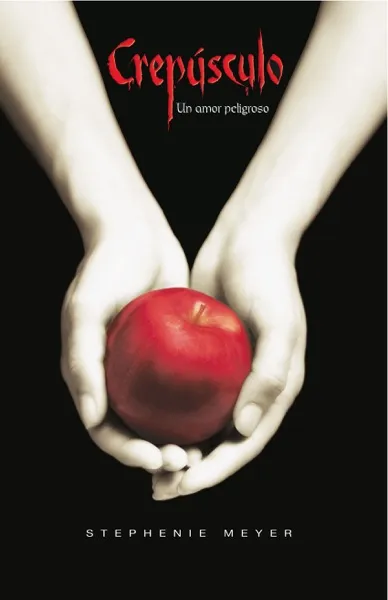

Saga Crepúsculo Author: Stephenie MeyerPage Count: UnknownPublication Year: 2020-GB Stephenie Meyer’s Saga Crepúsculo (Twilight Saga) isn’t just a book—it’s a cultural phenomenon that redefined young adult fiction by blending forbidden romance, supernatural intrigue, and raw human emotion into a narrative that still lingers in the hearts of millions. Revisiting the saga in 2020, even as new voices dominate the literary landscape, Meyer’s storytelling retains its magnetic pull, proving that great fiction transcends time. At its core, Saga Crepúsculo is a modern-day gothic fairy tale where love battles instinct, and humanity collides with eternity. The central theme of the series is the paradox of desire versus destiny. Bella Swan, the human protagonist, is drawn to the enigmatic and dangerous Edward Cullen, a vampire who embodies both her deepest longing and her greatest peril. Their relationship is a dance on the edge of morality—a love so intense it defies biology, mortality, and even ethics. Meyer frames this not just as a romance, but as a philosophical exploration of what it means to truly choose someone, even when that choice defies reason. Is love a force that elevates, or one that consumes? The saga dares to ask: can two souls be intertwined so completely that their identities merge, even when one is fundamentally not human? What makes Saga Crepúsculo enduring is Meyer’s masterful control of atmosphere and emotional depth. Her prose is deceptively simple—clean, direct, and accessible—but beneath the surface lies a rich emotional landscape. Bella’s narration is introspective and vulnerable, making her both relatable and compelling. She isn’t a heroine who charges into battle; she’s a girl who stumbles into love, into danger, into transformation. Meyer excels at conveying the small, intimate moments—the way the cold morning air feels against Bella’s skin, the quiet ache of longing, the suffocating weight of fear. These details ground the supernatural elements in something tangible, so that even when vampires sparkle in sunlight, the reader feels the chill of their existence. Edward Cullen is one of YA fiction’s most fascinating creations. Not because he’s perfect—far from it—but because he’s aware of his imperfection. His struggle between his predatory nature and his desire to protect Bella is the moral spine of the series. Meyer gives him a voice of unmatched intensity; his internal monologues crackle with a brooding, almost poetic torment. “You’re my only reason to stay alive… if that’s what I am,” he confesses, encapsulating the entire saga’s tension: love as salvation and love as a curse. Edward isn’t just a love interest; he’s a mirror. Through him, Bella—and the reader—confront the darker aspects of desire: obsession, possessiveness, the fine line between devotion and danger. The supporting cast, from the fiery Alice to the gentle Jasper, the stoic Carlisle to the rebellious Rosalie, enrich the world-building, each character reflecting a different facet of humanity—or inhumanity. Meyer weaves their backstories with care, making the vampire family feel like a real, flawed, tightly knit unit. Their dynamics are as much about family loyalty as they are about survival, adding depth to the supernatural narrative. Meyer’s style is unmistakable: it’s emotional, immersive, and unapologetically romantic. She doesn’t shy away from melodrama because, in this universe, love is melodrama. The stakes are life and death—not just literally, but existentially. When Bella nearly sacrifices her humanity for Edward, Meyer forces the reader to question: how much of ourselves are we willing to give up for love? Is transformation a betrayal or a transcendence? These are questions that linger long after the final page. The Saga Crepúsculo endures because it captures the essence of teenage longing—the feeling that love could be everything, that one person could be your entire world. It’s a fantasy, yes, but one that resonates because it mirrors the intensity of first love, the fear of losing oneself, and the hope of finding someone worth surrendering to. Meyer doesn’t just tell a love story; she crafts a myth about what it means to be human in a world where humanity is both fragile and sacred. In a time when dystopian and dark fantasy dominate YA shelves, Saga Crepúsculo stands out for its purity of emotion. It doesn’t need epic battles or complex world-building to captivate—just the quiet power of two people who choose each other against all odds. And that, perhaps, is the most timeless theme of all: love as the ultimate rebellion. #TwilightSaga #VampireRomance #ForbiddenLove #StephenieMeyer #YAClassic #TeamEdwardForever Related InsightsLucy Kline, Necromancer Book Review and Summary Not That Duke Book Review and Summary Last Exit to Brooklyn Book Review and Summary{ "@context": "https://schema.org", "@type": "FAQPage", "mainEntity": [ { "@type": "Question", "name": "What is the main focus of Saga Crepúsculo Book Review and Summary?", "acceptedAnswer": { "@type": "Answer", "text": "Everything you need to know about Saga Crepúsculo with our detailed review." } }, { "@type": "Question", "name": "Who authored the comprehensive guide on Saga Crepúsculo Book Review and Summary?", "acceptedAnswer": { "@type": "Answer", "text": "This detailed article and its insights were carefully researched and authored by Emma Thompson." } }, { "@type": "Question", "name": "Where can I find more related content about Books?", "acceptedAnswer": { "@type": "Answer", "text": "You can explore more articles, detailed reviews, and similar insights by browsing the Related Insights section at the bottom of this article or visiting our dedicated Books category page." } } ] }
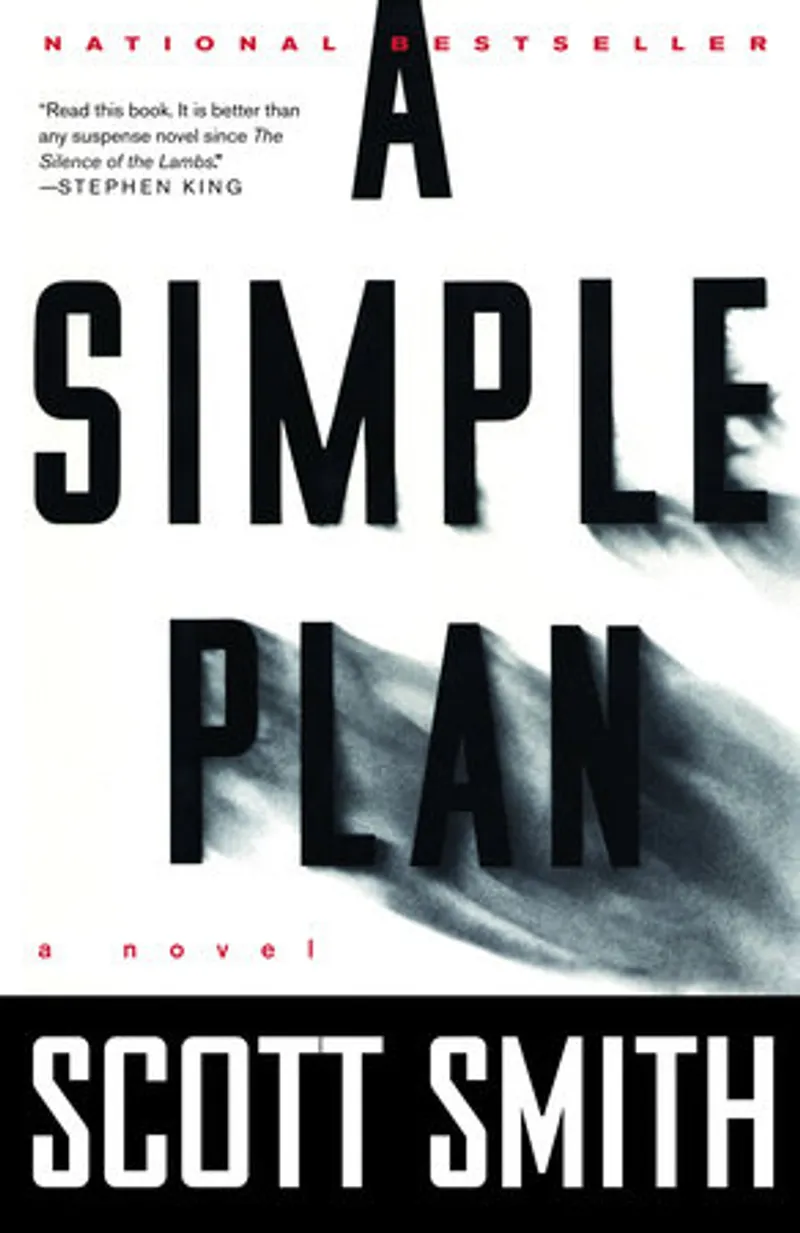
A Simple Plan Author: Scott SmithPage Count: UnknownPublication Date: 2006-PRH A Simple Plan by Scott Smith is a gripping and unflinching novel that delves into the darker aspects of human nature, exposing the devastating consequences of greed, deception, and the blurred lines between right and wrong. With its stark and unvarnished prose, Smith masterfully crafts a narrative that is both haunting and thought-provoking, leaving the reader to ponder the true cost of succumbing to temptation. The story centers around two brothers, Hank and Jacob Mitchell, and their friend, Lou, who stumble upon a small plane crash in the woods. The pilot is dead, and a duffle bag containing four million dollars in cash is the only cargo on board. The men, all ordinary and unassuming, agree to a simple plan: to hide the money, keep it a secret, and share it equally among themselves. However, as the story unfolds, this simple plan rapidly spirals out of control, revealing the darker aspects of their characters and the true depths of their desperation. Smith's writing style is characterized by its simplicity, yet it is this very simplicity that makes the narrative so compelling. His prose is sparse and economical, with a focus on the raw, unvarnished truth of the characters' emotions and actions. There is no flowery language or sentimentalism here; instead, Smith presents the reader with a stark and unflinching portrayal of human nature, warts and all. One of the most striking aspects of A Simple Plan is its exploration of the theme of greed and its corrosive effects on relationships and individuals. As the characters become increasingly consumed by their desire for the money, their actions become more and more erratic, revealing the true depths of their desperation and the devastating consequences of their choices. Smith expertly exposes the ways in which greed can destroy even the strongest of bonds, leaving in its wake a trail of destruction and despair. The characters themselves are multidimensional and complex, with each one bringing their own unique set of flaws and motivations to the table. Hank, the more level-headed of the two brothers, is initially hesitant to get involved in the scheme, but ultimately succumbs to the temptation of the money. Jacob, on the other hand, is more hot-headed and impulsive, driven by a desire for excitement and a need to prove himself. Lou, the friend, is a more enigmatic figure, whose true loyalties and motivations are slowly revealed over the course of the narrative. Throughout the book, Smith maintains a sense of tension and suspense, expertly ratcheting up the stakes as the characters' actions become more and more reckless. The pacing is relentless, with a sense of inevitability that propels the reader towards the shocking and devastating conclusion. In conclusion, A Simple Plan is a gripping and thought-provoking novel that exposes the darker aspects of human nature and the devastating consequences of greed and deception. With its stark and unvarnished prose, Smith masterfully crafts a narrative that is both haunting and suspenseful, leaving the reader to ponder the true cost of succumbing to temptation. This is a must-read for fans of crime fiction and suspense, and a testament to the enduring power of Scott Smith's storytelling. #ASimplePlan #ScottSmith #CrimeFiction #Suspense #GreedAndDeception #DarkLiteraryFiction Related InsightsThe Many Private Lives of Missy Cooke: A Novel Book Review and Summary Bohemians on the Breadline: The Radical Women Artists of Roosevelt's New Deal Book Review and Summary All Systems Red & Artificial Condition Book Review and Summary{ "@context": "https://schema.org", "@type": "FAQPage", "mainEntity": [ { "@type": "Question", "name": "What is the main focus of A Simple Plan Book Review and Summary?", "acceptedAnswer": { "@type": "Answer", "text": "Everything you need to know about A Simple Plan with our detailed review." } }, { "@type": "Question", "name": "Who authored the comprehensive guide on A Simple Plan Book Review and Summary?", "acceptedAnswer": { "@type": "Answer", "text": "This detailed article and its insights were carefully researched and authored by Scott Smith." } }, { "@type": "Question", "name": "Where can I find more related content about Books?", "acceptedAnswer": { "@type": "Answer", "text": "You can explore more articles, detailed reviews, and similar insights by browsing the Related Insights section at the bottom of this article or visiting our dedicated Books category page." } } ] }
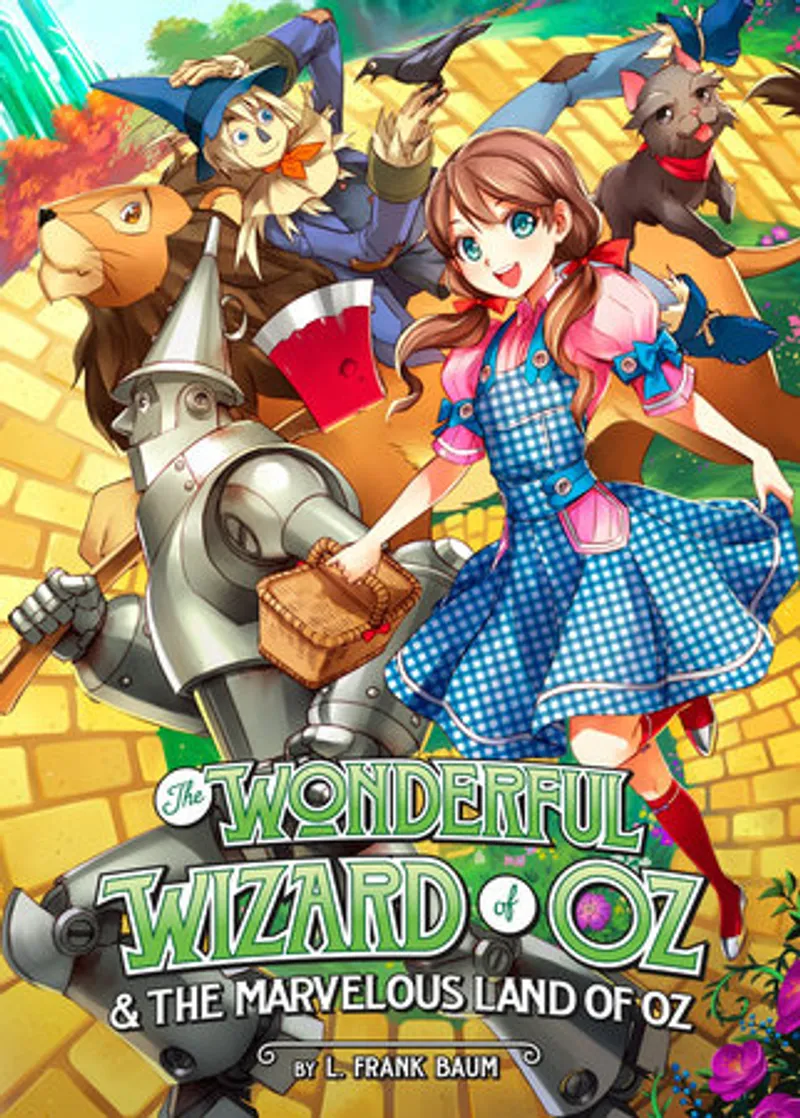
The Wonderful Wizard of Oz & The Marvelous Land of Oz (Illustrated Novel) Author: Kriss SisonPage Count: UnknownPublication Date: 2016-PRH In the realm of classic children's literature, few tales have captivated the hearts of readers like L. Frank Baum's timeless masterpiece, The Wonderful Wizard of Oz. This 2016 illustrated edition, brought to life by the talented Kriss Sison, presents a fresh and enchanting rendition of the beloved story, along with its sequel, The Marvelous Land of Oz. This omnibus collection is a must-read for both new and old fans of the series, offering a unique blend of nostalgia and modern charm. At its core, The Wonderful Wizard of Oz is a story about the power of friendship, perseverance, and self-discovery. The narrative follows the journey of a young girl named Dorothy, who finds herself transported to the magical land of Oz after a devastating tornado strikes her farm in Kansas. Along the way, she meets a cast of colorful characters, including a Scarecrow, a Tin Woodman, and a Cowardly Lion, each with their own distinct personality and motivations. As they embark on a quest to find the Wizard of Oz, the group learns valuable lessons about the importance of teamwork, empathy, and believing in oneself. Kriss Sison's illustrations beautifully complement Baum's original text, injecting a modern manga-inspired aesthetic that will undoubtedly appeal to contemporary readers. The artwork is vibrant, whimsical, and full of energy, perfectly capturing the sense of wonder and magic that defines the world of Oz. The inclusion of two full-color spreads and over one hundred black-and-white illustrations adds a rich visual dimension to the narrative, making this edition a true standout. One of the most striking aspects of Baum's writing style is his ability to craft a story that is both fantastical and relatable. His characters are multidimensional and flawed, making them easy to identify with and root for. The author's use of language is also noteworthy, as he weaves a narrative that is both poetic and accessible, making the story enjoyable for readers of all ages. The Marvelous Land of Oz, the second novel in the series, continues the adventures of Dorothy and her friends as they face new challenges and obstacles in the magical land. This sequel explores themes of identity, community, and the complexities of growing up, adding depth and complexity to the narrative. In conclusion, The Wonderful Wizard of Oz & The Marvelous Land of Oz, illustrated by Kriss Sison, is a captivating and enchanting edition of a beloved classic. With its unique blend of traditional storytelling and modern artwork, this omnibus collection is sure to delight readers of all ages. Whether you're a longtime fan of the series or new to the world of Oz, this edition is a must-read. #TheWonderfulWizardOfOz #TheMarvelousLandOfOz #LFrankBaum #KrissSison #OzIllustrated #ClassicChildrensLiterature Related InsightsThe Wretched Divine (The Wretched Divine, #1) Book Review and Summary The Assassin's Blade Book Review and Summary The Day the World Ended at Little Bighorn Book Review and Summary{ "@context": "https://schema.org", "@type": "FAQPage", "mainEntity": [ { "@type": "Question", "name": "What is the main focus of The Wonderful Wizard of Oz Book Review and Summary?", "acceptedAnswer": { "@type": "Answer", "text": "Everything you need to know about The Wonderful Wizard of Oz with our detailed review." } }, { "@type": "Question", "name": "Who authored the comprehensive guide on The Wonderful Wizard of Oz Book Review and Summary?", "acceptedAnswer": { "@type": "Answer", "text": "This detailed article and its insights were carefully researched and authored by L. Frank Baum." } }, { "@type": "Question", "name": "Where can I find more related content about Books?", "acceptedAnswer": { "@type": "Answer", "text": "You can explore more articles, detailed reviews, and similar insights by browsing the Related Insights section at the bottom of this article or visiting our dedicated Books category page." } } ] }
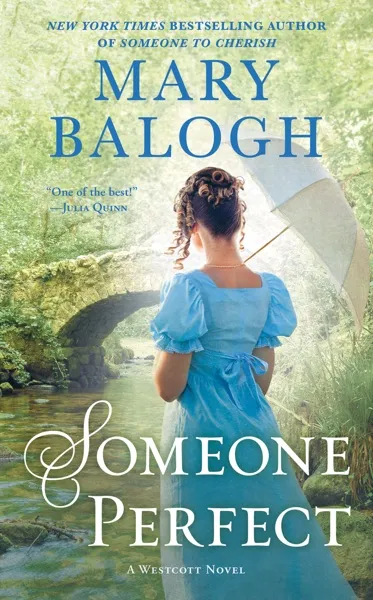

Someone Perfect Author: Mary BaloghPage Count: UnknownPublication Year: 2021-GB In "Someone Perfect", Mary Balogh weaves a captivating tale that delves into the complexities of human relationships, love, and the quest for perfection. As a global bestseller, this novel has garnered widespread acclaim, and for good reason. Balogh's masterful storytelling and nuanced character development make for a compelling read that will leave readers invested in the lives of her characters. At its core, "Someone Perfect" is a romance novel that explores the idea of what it means to find someone who is perfect for us. The story follows a cast of characters as they navigate the intricacies of love, relationships, and personal growth. Through her characters' experiences, Balogh raises important questions about the nature of perfection and whether it's truly attainable. One of the standout aspects of Balogh's writing is her ability to craft relatable, well-rounded characters. Her protagonists are multidimensional and flawed, making them all the more believable and endearing to readers. As they grapple with their own insecurities and fears, it's impossible not to become invested in their journeys. Balogh's writing style is also noteworthy. Her prose is elegant and refined, making for a smooth, enjoyable reading experience. She has a keen eye for detail, and her descriptions of settings and characters are vivid and immersive. The pacing of the novel is well-balanced, with a narrative that flows effortlessly from one scene to the next. What sets "Someone Perfect" apart from other romance novels is its thoughtful exploration of themes that resonate deeply with readers. Balogh tackles complex issues like vulnerability, trust, and the importance of communication in relationships. Her characters' struggles and triumphs serve as a reminder that relationships are a journey, not a destination, and that perfection is not always the ultimate goal. In "Someone Perfect", Mary Balogh has created a novel that will resonate with fans of romance and women's fiction. With its engaging characters, thoughtful themes, and elegant writing, this book is a must-read for anyone looking for a story that will capture their heart. If you're a fan of authors like Julia Quinn, Lisa Kleypas, or Georgette Heyer, you'll likely devour "Someone Perfect" in one sitting. Overall, "Someone Perfect" is a captivating novel that will appeal to readers who enjoy character-driven fiction, romance, and women's stories. Mary Balogh's writing is engaging, and her characters are relatable and well-developed. If you're looking for a book that will make you laugh, cry, and reflect on the complexities of human relationships, then "Someone Perfect" is the perfect choice. #HistoricalRomance #RegencyRomance #MaryBalogh #RomanceNovels #WomenFiction #PerfectLoveStory Related InsightsThe Memory Keeper's Daughter Book Review and Summary 5-Minute Spider-Man Stories (Marvel) (5-Minute Stories) Book Review and Summary Love Unwritten Book Review and Summary{ "@context": "https://schema.org", "@type": "FAQPage", "mainEntity": [ { "@type": "Question", "name": "What is the main focus of Someone Perfect Book Review and Summary?", "acceptedAnswer": { "@type": "Answer", "text": "Everything you need to know about Someone Perfect with our detailed review." } }, { "@type": "Question", "name": "Who authored the comprehensive guide on Someone Perfect Book Review and Summary?", "acceptedAnswer": { "@type": "Answer", "text": "This detailed article and its insights were carefully researched and authored by Klaus Weber." } }, { "@type": "Question", "name": "Where can I find more related content about Books?", "acceptedAnswer": { "@type": "Answer", "text": "You can explore more articles, detailed reviews, and similar insights by browsing the Related Insights section at the bottom of this article or visiting our dedicated Books category page." } } ] }
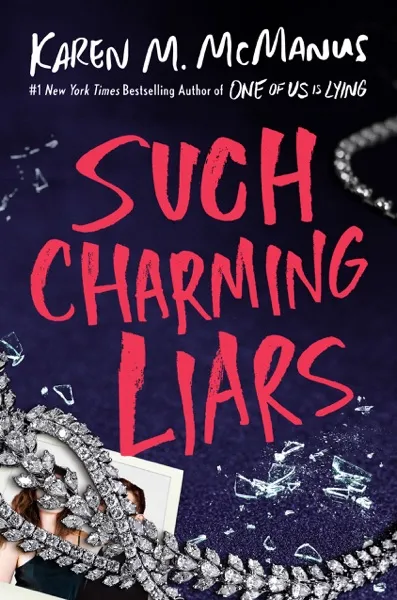
Such Charming Liars Author: Karen M. McManusPage Count: UnknownPublication Year: 2024-GB Karen M. McManus has once again delivered a masterclass in YA suspense with Such Charming Liars, a book that cements her reputation as the undisputed queen of twisty, morally complex teen dramas. If One of Us Is Lying redefined the genre with its slow-burn mystery and The Cousins kept readers guessing until the final page, this latest thriller takes her signature style—sharp dialogue, unreliable narrators, and a premise so delicious it feels like literary catnip—and cranks it up to eleven. At its core, Such Charming Liars is a story about secrets, and how the people we trust can become our greatest liars. But unlike McManus’s previous works, which often revolved around an ensemble cast with a shared mystery, this novel zooms in on a single, deliciously toxic friendship—one that begins with a lie so small it’s almost believable and spirals into something far darker. The book follows four high school girls, each harboring their own deceptions: a popular girl hiding a family scandal, a scholarship student desperate to belong, a quiet artist with a violent past, and a new girl with a reputation she didn’t earn. When their carefully constructed facades start to crack, the fallout isn’t just messy—it’s explosive. What makes McManus’s writing so addictive is her ability to craft characters who feel real enough to be your classmates, your friends, or even yourself. She doesn’t just tell you who these girls are; she shows you, through snippets of text messages, social media posts, and internal monologues that oscillate between self-loathing and self-preservation. The first-person perspectives shift with each chapter, making the reader complicit in the lies—you’re not just observing the unraveling; you’re part of it. By the time you reach the midpoint, you’ll question not just the girls’ motives, but your own judgment. Are they victims? Villains? Or something in between? McManus’s dialogue is razor-sharp, packing more subtext into a single exchange than most authors manage in an entire chapter. A seemingly innocent comment about a party can carry the weight of a threat; a compliment can hide a knife. The pacing is relentless, with each revelation meting out just enough shock to keep you reading, but never so much that the story feels gratuitous. The stakes feel personal because McManus ensures you care about these characters—even when they’re at their worst. You’ll cringe at their choices, cheer for their small victories, and gasp at their betrayals, all while wondering which of them is lying to you next. The central theme of Such Charming Liars—that the people we admire (or envy) often have the most to hide—is timely in an era where social media distorts reality and performative friendships thrive behind carefully curated screens. McManus doesn’t shy away from the ugliness of teenage cruelty, but she also doesn’t glorify it. Instead, she asks a chilling question: How well do we really know the people we call friends? The answer, as this novel proves, is often not very well at all. What elevates this book beyond a mere thriller is McManus’s subversion of YA tropes. Where other authors might lean into the "mean girls" stereotype for easy drama, she complicates it, showing how these dynamics are born from insecurity, competition, and the desperate need to be seen. The girls in Such Charming Liars aren’t caricatures; they’re flawed, relatable humans whose mistakes feel inevitable. Their lies aren’t just plot devices—they’re survival mechanisms. The ending is a gut-punch, leaving readers with more questions than answers (in the best way possible). McManus doesn’t tie up every loose end, and that’s intentional. The ambiguity forces you to sit with the discomfort of the story long after the last page, questioning not just the characters’ fates, but your own role as a consumer of their drama. In a genre often criticized for neat resolutions, this is a refreshing change of pace. Such Charming Liars is Karen M. McManus at her finest—a book that’s as thought-provoking as it is thrilling, with characters who linger in your mind like a bad hangover. It’s a story about the lies we tell to survive, the masks we wear to fit in, and the terrifying moment when you realize the person you trusted most might have been lying to you all along. If you’ve ever scrolled through your friends’ carefully edited Instagram posts and felt a pang of doubt, this book will resonate. If you’ve ever wondered how well you really know the people closest to you, McManus has written your worst nightmare—and your next obsession. #SuchCharmingLiars #KarenMMcManus #YASuspense #TeenThriller #UnreliableNarrators #MustRead2024 Related InsightsMaker of Gods (Mistress of Bones, #2) Book Review and Summary Slaughterhouse-Five Book Review and Summary Bared to You Book Review and Summary{ "@context": "https://schema.org", "@type": "FAQPage", "mainEntity": [ { "@type": "Question", "name": "What is the main focus of Such Charming Liars Book Review and Summary?", "acceptedAnswer": { "@type": "Answer", "text": "Everything you need to know about Such Charming Liars with our detailed review." } }, { "@type": "Question", "name": "Who authored the comprehensive guide on Such Charming Liars Book Review and Summary?", "acceptedAnswer": { "@type": "Answer", "text": "This detailed article and its insights were carefully researched and authored by Irina Ivanova." } }, { "@type": "Question", "name": "Where can I find more related content about Books?", "acceptedAnswer": { "@type": "Answer", "text": "You can explore more articles, detailed reviews, and similar insights by browsing the Related Insights section at the bottom of this article or visiting our dedicated Books category page." } } ] }

The Lost Book of the White Author: Wesley ChuPage Count: UnknownPublication Year: 2020-GB The Lost Book of the White, penned by the ingenious Wesley Chu, is a mesmerizing tale that has captivated readers worldwide, earning its rightful place as a global bestseller. This fantastical narrative delves into the realms of magic, mystery, and adventure, weaving an intricate tapestry that will leave you spellbound and yearning for more. At its core, The Lost Book of the White is a story about the pursuit of knowledge, power, and the unrelenting human desire to uncover the secrets of the past. Chu masterfully crafts a world where ancient tomes hold the key to unimaginable power, and those who seek to claim it must navigate treacherous landscapes, avoid deadly creatures, and confront their own demons. One of the most striking aspects of Chu's writing style is his ability to balance action, suspense, and humor, creating a narrative that is both thrilling and entertaining. His prose is witty and engaging, with a keen sense of pacing that will keep you on the edge of your seat, eager to turn the page and discover what lies ahead. The characters in The Lost Book of the White are multidimensional and complex, with rich backstories that add depth and nuance to the story. Chu's protagonist is a compelling and relatable figure, driven by a sense of curiosity and wonder that is impossible to resist. As the story unfolds, the characters' motivations and desires are slowly revealed, adding layers of complexity to the narrative and keeping the reader guessing until the very end. Throughout the book, Chu explores themes of identity, community, and the consequences of playing with forces beyond human control. He raises important questions about the nature of power, the responsibility that comes with it, and the true cost of ambition. These thought-provoking ideas are skillfully woven into the narrative, adding depth and resonance to the story. The world-building in The Lost Book of the White is nothing short of phenomenal. Chu's vivid descriptions of magical realms, ancient artifacts, and forgotten lore are so evocative that you can almost smell the parchment and feel the weight of the tomes. His creation of a richly detailed and immersive world is a testament to his skill as a storyteller and his boundless imagination. In conclusion, The Lost Book of the White is a captivating and unforgettable tale that will appeal to fans of fantasy, adventure, and mystery. Wesley Chu's masterful storytelling, combined with his unique writing style and vivid world-building, make this book an absolute must-read. If you're looking for a story that will transport you to another world, keep you on the edge of your seat, and leave you breathless, then look no further. #TheLostBookOfTheWhite #WesleyChu #FantasyBestseller #MagicalRealism #BookLovers #FantasyAdventure Related InsightsRevenge Plot Book Review and Summary The Murder of Roger Ackroyd Book Review and Summary The French Illusion Book Review and Summary{ "@context": "https://schema.org", "@type": "FAQPage", "mainEntity": [ { "@type": "Question", "name": "What is the main focus of The Lost Book of the White Book Review and Summary?", "acceptedAnswer": { "@type": "Answer", "text": "Everything you need to know about The Lost Book of the White with our detailed review." } }, { "@type": "Question", "name": "Who authored the comprehensive guide on The Lost Book of the White Book Review and Summary?", "acceptedAnswer": { "@type": "Answer", "text": "This detailed article and its insights were carefully researched and authored by Thomas Wright." } }, { "@type": "Question", "name": "Where can I find more related content about Books?", "acceptedAnswer": { "@type": "Answer", "text": "You can explore more articles, detailed reviews, and similar insights by browsing the Related Insights section at the bottom of this article or visiting our dedicated Books category page." } } ] }
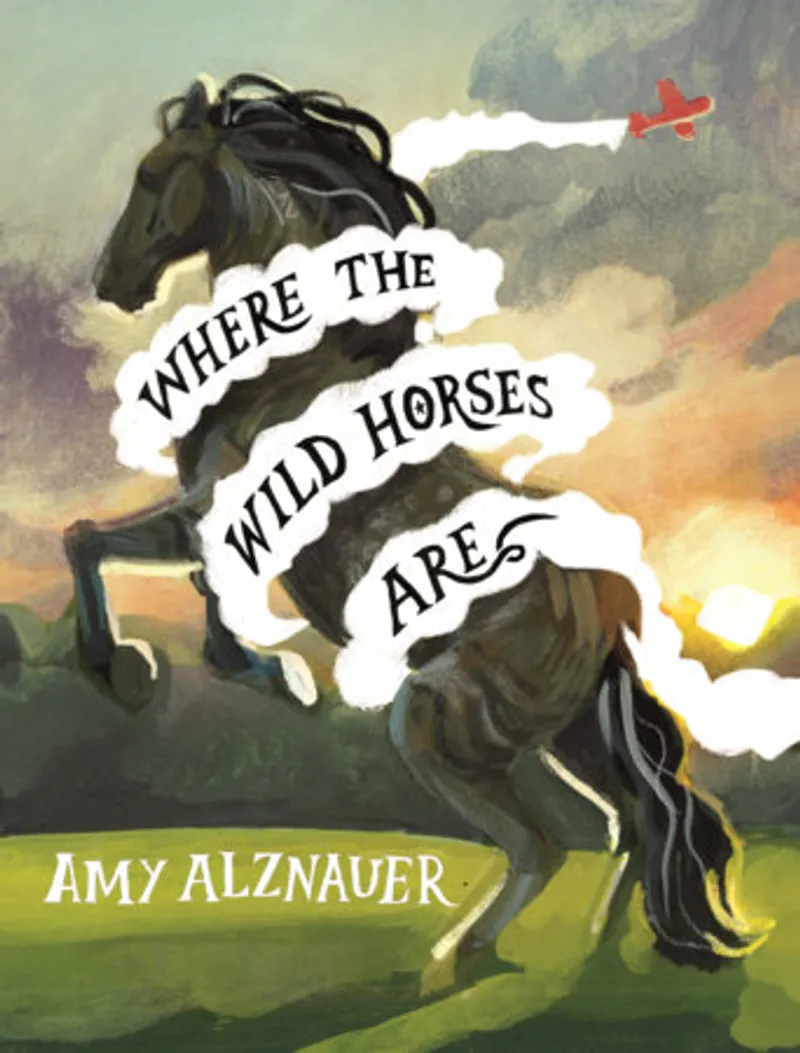
Where the Wild Horses Are Author: Amy AlznauerPage Count: UnknownPublication Date: 2026-PRH Where the Wild Horses Are, the latest offering from Amy Alznauer, is a sweeping and evocative tale that delves into the unbridled majesty of the natural world. Set against the backdrop of a world where freedom and beauty are intertwined, this narrative is an ode to the power of wild horses and the untamed landscapes they inhabit. As Alznauer masterfully weaves her story, she transports readers to a realm where the boundaries between humans and nature are blurred, inviting us to ponder our place within the grand tapestry of the earth. At its core, Where the Wild Horses Are is a meditation on the theme of freedom - not just the freedom of these magnificent creatures, but also the human desire to break free from the constraints of society and reconnect with our primal selves. Alznauer's prose is akin to a wild mustang's gallop - unbridled, passionate, and full of a raw, uncontainable energy. Her words paint vivid landscapes that are at once breathtaking and haunting, drawing the reader into a world that is as beautiful as it is unforgiving. One of the standout aspects of Alznauer's style is her ability to convey the emotional depth of her characters through subtle, nuanced storytelling. Her human protagonists are multidimensional and relatable, their struggles and triumphs serving as a poignant reminder of our own connections to the land and its creatures. The wild horses, too, are imbued with a deep sense of agency and personality, their spirits as free and unbroken as the landscapes they roam. Throughout the narrative, Alznauer's love for the natural world shines through, imbuing every scene with a sense of wonder and reverence. Her writing is a testament to the transformative power of nature, reminding us that even in our most urbanized and technology-driven lives, there exists a profound beauty that can awaken our souls and restore our sense of purpose. Where the Wild Horses Are is a book that will resonate deeply with anyone who has ever felt the call of the wild, who has ever yearned to break free from the constraints of modern life and reconnect with the primal rhythms of the earth. It is a story that will appeal to fans of environmental literature, animal lovers, and anyone drawn to tales of adventure and self-discovery. With its soaring prose, vivid landscapes, and memorable characters, this novel is sure to leave a lasting impression on readers, inspiring us all to cherish and protect the beauty and majesty of the natural world. In short, Where the Wild Horses Are is a masterpiece of contemporary literature, a powerful and moving tribute to the beauty and wonder of the wild. It is a book that will stay with you long after you finish reading it, haunting your thoughts and inspiring your spirit. With its universal themes and captivating narrative, it is an absolute must-read for anyone looking to escape into a world of beauty and magic. #WildHorses #NatureWriting #EnvironmentalLiterature #AnimalLovers #FreedomAndWilderness #BookLovers Related InsightsLiterature and the Writing Process--eleventh edition Book Review and Summary Storm Front Book Review and Summary The Lorax Book Review and Summary{ "@context": "https://schema.org", "@type": "FAQPage", "mainEntity": [ { "@type": "Question", "name": "What is the main focus of Where the Wild Things Are Book Review and Summary?", "acceptedAnswer": { "@type": "Answer", "text": "Everything you need to know about Where the Wild Things Are with our detailed review." } }, { "@type": "Question", "name": "Who authored the comprehensive guide on Where the Wild Things Are Book Review and Summary?", "acceptedAnswer": { "@type": "Answer", "text": "This detailed article and its insights were carefully researched and authored by Maurice Sendak." } }, { "@type": "Question", "name": "Where can I find more related content about Books?", "acceptedAnswer": { "@type": "Answer", "text": "You can explore more articles, detailed reviews, and similar insights by browsing the Related Insights section at the bottom of this article or visiting our dedicated Books category page." } } ] }
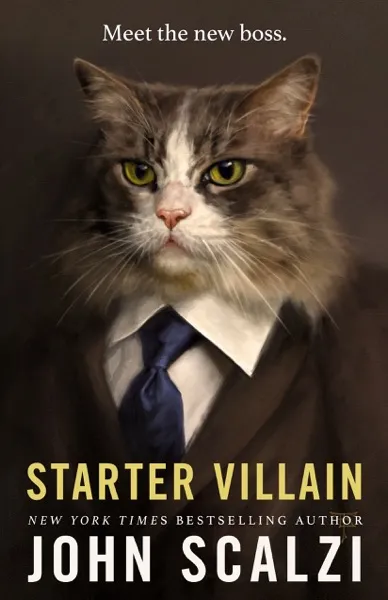

Starter Villain Author: John ScalziPage Count: UnknownPublication Year: 2023-GB John Scalzi’s Starter Villain is a masterclass in subversive storytelling, blending sharp satire, rapid-fire humor, and a premise so delightfully absurd it somehow feels inevitable in hindsight. At its core, the novel is a love letter to the idea of the underdog—specifically, the guy who stumbles into villainy not by grand ambition, but by sheer, chaotic circumstance. It’s a book that asks: What if the worst person to inherit a supervillain empire was… just an ordinary guy with a bad credit score? The answer, as Scalzi delivers it, is equal parts hilarious and weirdly heartfelt. The story follows Charlie, a divorced, financially struggling guy who inherits his estranged uncle’s tech empire—only to discover that the "tech" in question is a world-domination device powered by pure spite. The uncle, a classic comic-book villain in the making, left Charlie his company, his mansion, and his legion of loyal (if slightly unhinged) employees, all under the condition that Charlie must do something evil with it. The catch? Charlie has no villainous instincts. He’s just a guy who wanted to sell some of his uncle’s "assets" to pay off his debts, but instead finds himself thrust into a high-stakes game of global domination, corporate espionage, and existential dread—all while trying to keep his ex-wife from finding out he’s now the most wanted man on the planet. Scalzi’s genius lies in how he grounds the absurdity in relatable human frailty. Charlie isn’t a chosen one; he’s a schlub who got lucky (or unlucky, depending on how you look at it). His struggles—financial ruin, a crumbling social life, and the sheer terror of being out of his depth—are the stuff of everyday life, magnified by the sheer scale of his new responsibilities. The humor isn’t just in the premise but in the execution: Scalzi’s dialogue crackles with wit, his characters are vivid caricatures who somehow feel real, and the pacing is relentless, like a thriller written by someone who’s also binge-watched too many superhero movies. There’s a scene where Charlie tries to explain his new role to his skeptical best friend, only for the conversation to devolve into a debate about whether he should at least wear a cape for PR purposes. It’s ridiculous, yes, but it’s also the kind of logic that makes perfect sense in a world where evil lairs are inherited like timeshares. The novel’s real strength, though, is its meditation on power—and the lack thereof. Charlie isn’t a hero, nor is he a traditional villain. He’s a guy who’s been handed enormous power by accident, and the question Scalzi lingers on is whether such power corrupts or whether it just reveals the rot that was always there. The book’s villains (and there are many) aren’t mustache-twirling caricatures; they’re flawed, ambitious people who see Charlie as either a threat or a tool. Even the "evil" plans feel oddly bureaucratic in execution—less about world domination and more about spreadsheets, PR crises, and the sheer tedium of being the bad guy. It’s a refreshing take in a genre often defined by dramatic monologues and world-ending stakes. Scalzi’s prose is as efficient as it is entertaining. He trusts the reader to keep up with the jokes, the twists, and the sheer volume of bizarre happenings without over-explaining. The novel moves at a breakneck pace, yet it never feels rushed—every set piece, every character beat, serves the larger theme of power’s illusions. The villainous tech, for instance, isn’t some magical doomsday device; it’s a glorified algorithm that amplifies the worst traits of its users, meaning Charlie’s real challenge isn’t stopping the apocalypse—it’s stopping himself from becoming the villain he never wanted to be. If Starter Villain has a flaw, it’s that its ending leans slightly into the neatness of comic-book resolutions. But even that feels intentional, a wink to the reader that this is, at its heart, a story about the stories we tell ourselves to make sense of chaos. Charlie’s journey isn’t about becoming a hero or a villain; it’s about learning that sometimes, the only way to win is to stop playing the game at all. In the end, Starter Villain is a triumph of tone—a book that balances satire, action, and heart without ever tipping into cynicism or melodrama. It’s the kind of novel that makes you laugh out loud while also leaving you to ponder the fine line between power and powerlessness. Scalzi has crafted a modern fable for the age of late capitalism, late-stage capitalism’s discontents, and the quiet desperation of inheriting a mess you never asked for. And honestly? It’s a hell of a lot of fun. #StarterVillain #JohnScalzi #SciFiSatire #VillainOriginStory #ComedyOfErrors #BookReview Related InsightsFirst Love Last Love: A Novel Book Review and Summary Rule of Wolves Book Review and Summary Wizard's First Rule Book Review and Summary{ "@context": "https://schema.org", "@type": "FAQPage", "mainEntity": [ { "@type": "Question", "name": "What is the main focus of Starter Villain Book Review and Summary?", "acceptedAnswer": { "@type": "Answer", "text": "Everything you need to know about Starter Villain with our detailed review." } }, { "@type": "Question", "name": "Who authored the comprehensive guide on Starter Villain Book Review and Summary?", "acceptedAnswer": { "@type": "Answer", "text": "This detailed article and its insights were carefully researched and authored by Diego Lopez." } }, { "@type": "Question", "name": "Where can I find more related content about Books?", "acceptedAnswer": { "@type": "Answer", "text": "You can explore more articles, detailed reviews, and similar insights by browsing the Related Insights section at the bottom of this article or visiting our dedicated Books category page." } } ] }
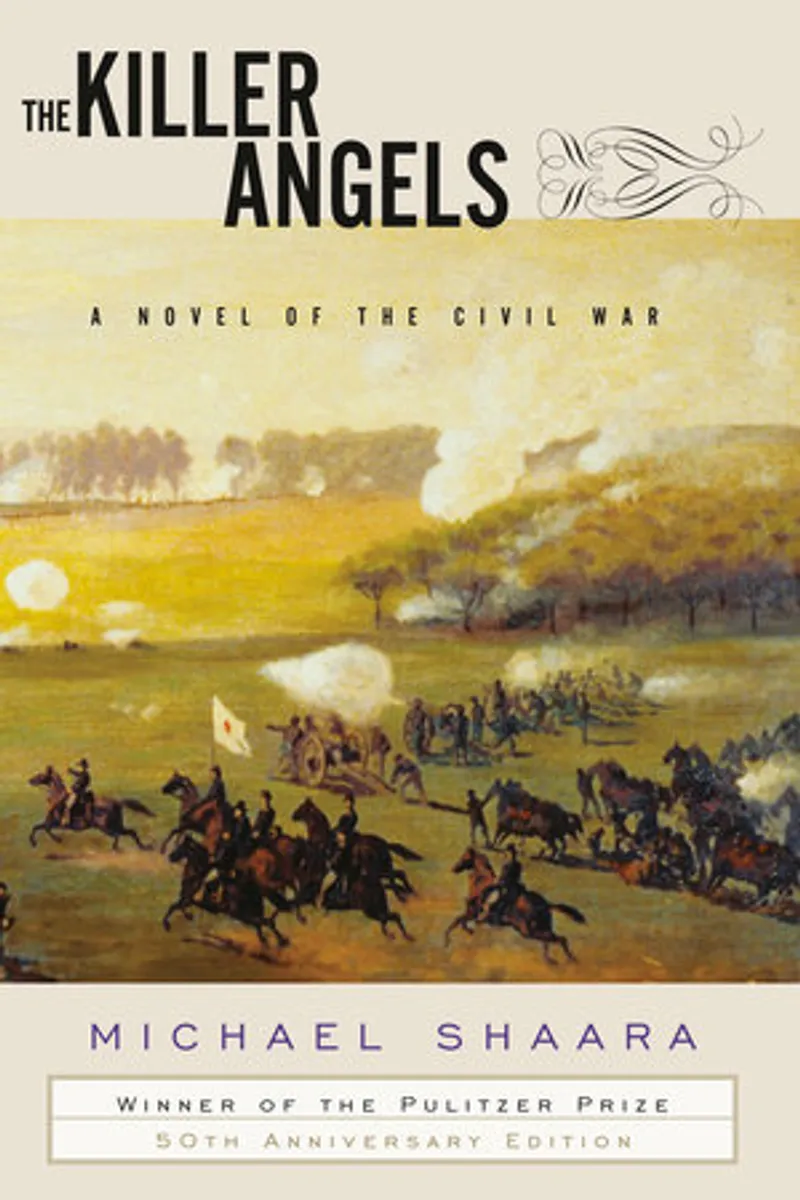
The Killer Angels Author: Michael ShaaraPage Count: UnknownPublication Date: 2004-PRH The Killer Angels, a masterpiece penned by Michael Shaara, is a historical novel that delves into the intricacies of the American Civil War, specifically the pivotal Battle of Gettysburg. This Pulitzer Prize-winning book is a sweeping narrative that not only recounts the events of the war but also provides profound insight into the human experience, exploring the complexities of freedom, love, and the true cost of conflict. Shaara's writing style is a perfect blend of historical accuracy and literary finesse. He weaves a compelling tale that transports readers to the battlefields of Gettysburg, where the fate of a nation hangs in the balance. The author's meticulous research and attention to detail are evident throughout the book, as he brings to life the characters, both real and fictional, who played a crucial role in shaping the course of American history. One of the most striking aspects of The Killer Angels is its ability to humanize the war, to strip away the grand narratives and statistics, and to reveal the personal stories of the men who fought and died on those Pennsylvania fields. Shaara's characters are multidimensional and relatable, with their own motivations, fears, and desires. The reader is drawn into their world, experiencing the chaos and confusion of war, as well as the moments of tenderness and camaraderie that punctuate the violence. The main theme of the book is the exploration of two conflicting dreams: the dream of freedom and the dream of a way of life. Shaara masterfully portrays the complexities of the Civil War, highlighting the moral ambiguities and the difficult choices that were made by individuals on both sides of the conflict. The author shows how the war was not just a clash of arms, but a clash of ideologies, with the very fabric of American society hanging in the balance. The Killer Angels is also a powerful exploration of the human cost of war. Shaara does not shy away from depicting the brutality and horror of conflict, but he also reveals the more subtle, insidious effects of war on individuals and society. The book is a poignant reminder of the devastating consequences of violence and the importance of remembering the past, lest we forget the sacrifices that were made. In conclusion, The Killer Angels is a masterpiece of historical fiction that is both a thrilling narrative and a profound exploration of the human experience. Shaara's writing is engaging, informative, and evocative, making this book a must-read for anyone interested in American history, the Civil War, or simply great storytelling. #TheKillerAngels #MichaelShaara #CivilWar #Gettysburg #HistoricalFiction #PulitzerPrizeWinner Related InsightsYumi and the Nightmare Painter Book Review and Summary Fahrenheit 451 Book Review and Summary A Most Decadent Curse Book Review and Summary{ "@context": "https://schema.org", "@type": "FAQPage", "mainEntity": [ { "@type": "Question", "name": "What is the main focus of The Killer Angels Book Review and Summary?", "acceptedAnswer": { "@type": "Answer", "text": "Everything you need to know about The Killer Angels with our detailed review." } }, { "@type": "Question", "name": "Who authored the comprehensive guide on The Killer Angels Book Review and Summary?", "acceptedAnswer": { "@type": "Answer", "text": "This detailed article and its insights were carefully researched and authored by Michael Shaara." } }, { "@type": "Question", "name": "Where can I find more related content about Books?", "acceptedAnswer": { "@type": "Answer", "text": "You can explore more articles, detailed reviews, and similar insights by browsing the Related Insights section at the bottom of this article or visiting our dedicated Books category page." } } ] }
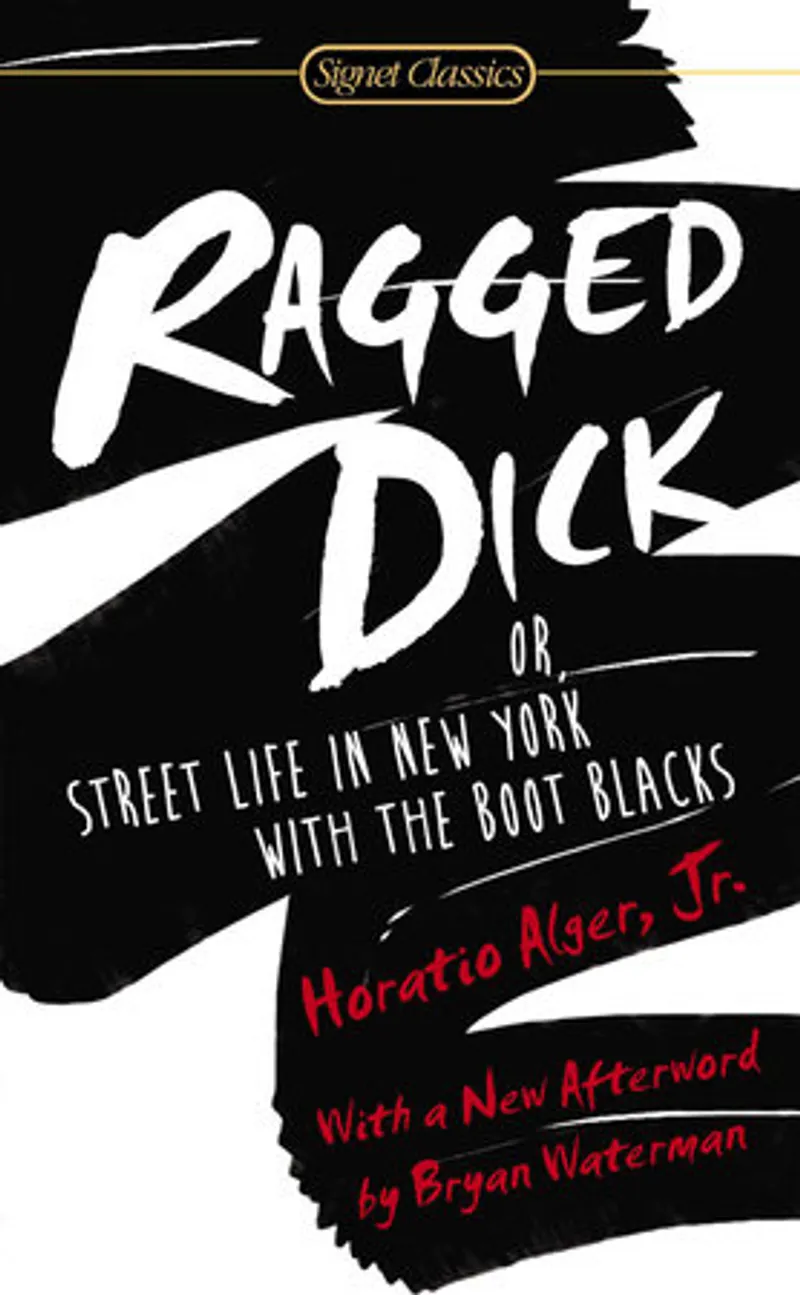
Ragged Dick: Or, Street Life in New York with the Boot Blacks Author: Horatio AlgerPage Count: UnknownPublication Date: 2014-PRH In "Ragged Dick: Or, Street Life in New York with the Boot Blacks," Horatio Alger weaves a timeless tale of self-reliance and perseverance, set against the gritty backdrop of 19th-century New York City. This classic rags-to-riches story follows the journey of its eponymous hero, Dick, a plucky and resourceful street boy who embodies the spirit of determination and hard work. Alger's masterful storytelling transports readers to the bustling streets of Manhattan, where Dick navigates the challenges of poverty, exploitation, and social isolation. With no formal education and a penchant for smoking and gambling, Dick may seem like an unlikely candidate for success. Yet, his innate intelligence, wit, and strong work ethic propel him towards a brighter future. Through Dick's experiences, Alger explores the complexities of the American Dream, revealing the tension between social mobility and the harsh realities of urban poverty. The novel highlights the struggles of those living on the margins of society, where the line between survival and success is constantly blurred. Dick's struggles to find steady employment, secure a decent place to sleep, and earn respectability serve as a powerful reminder of the enduring human quest for dignity and self-improvement. One of the most striking aspects of Alger's writing is his ability to balance gritty realism with a sense of optimism and hope. His vivid descriptions of New York City's underbelly are unflinching, yet never gratuitous, and his characters are multidimensional and relatable. Dick's voice, in particular, is a triumph of characterization – his street-smart humor, vulnerability, and resilience make him an unforgettable protagonist. The introduction by Michael Meyer and the new afterword by Bryan Waterman provide valuable context and insights into the novel's historical and cultural significance. Meyer's introduction expertly situates the novel within the broader literary landscape of the 19th century, while Waterman's afterword offers a nuanced analysis of the novel's themes and its continued relevance in contemporary America. Overall, "Ragged Dick" is a masterpiece of American literature, offering a powerful exploration of the human spirit and the enduring power of self-reliance. Alger's writing is engaging, accessible, and thought-provoking, making this novel an excellent choice for readers of all ages. As a classic coming-of-age tale, "Ragged Dick" continues to captivate audiences with its timeless themes and unforgettable characters. #RagsToRiches #ClassicAmericanLiterature #ComingOfAge #SelfReliance #HoratioAlger #StreetLifeInNewYork Related InsightsJunie B. Jones and the Stupid Smelly Bus Book Review and Summary A Good Girl's Guide to Murder Book Review and Summary David Baldacci Spring 2023 Book Review and Summary{ "@context": "https://schema.org", "@type": "FAQPage", "mainEntity": [ { "@type": "Question", "name": "What is the main focus of Blood Meridian, or, the Evening Redness in the West Book Review and Summary?", "acceptedAnswer": { "@type": "Answer", "text": "Everything you need to know about Blood Meridian, or, the Evening Redness in the West with our detailed review." } }, { "@type": "Question", "name": "Who authored the comprehensive guide on Blood Meridian, or, the Evening Redness in the West Book Review and Summary?", "acceptedAnswer": { "@type": "Answer", "text": "This detailed article and its insights were carefully researched and authored by Cormac McCarthy." } }, { "@type": "Question", "name": "Where can I find more related content about Books?", "acceptedAnswer": { "@type": "Answer", "text": "You can explore more articles, detailed reviews, and similar insights by browsing the Related Insights section at the bottom of this article or visiting our dedicated Books category page." } } ] }
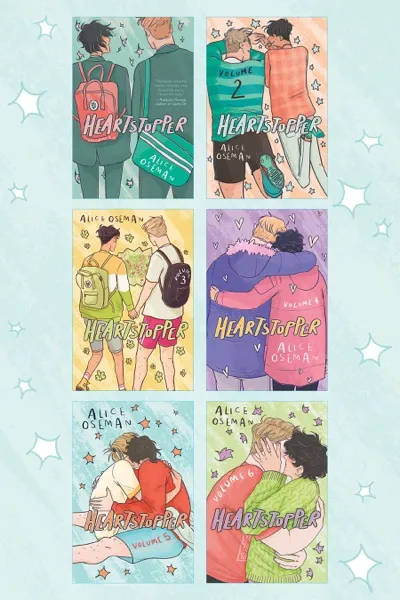

Alice Oseman Collection 6 Books Set Author: Alice OsemanPage Count: UnknownPublication Year: 2021-GB Alice Oseman’s Collection 6 Books Set—comprising Heartstopper (volumes 1-4), Radio Silence, I Was Born for This, and Solitaire—is a triumph of contemporary YA literature, blending tender romance, raw authenticity, and sharp social commentary. At its core, this collection is about identity—how we discover who we are, the masks we wear, and the courage it takes to embrace the truth, even when the world resists. Oseman’s work resonates because it doesn’t just tell stories; it lives them, capturing the messy, exhilarating, and often painful journey of growing up in a world that’s still learning to accept difference. The heart of the collection beats strongest in Heartstopper, a graphic novel series that redefines queer romance for a new generation. Unlike many YA narratives that frame LGBTQ+ relationships through tragedy or struggle, Oseman offers something radical: hope. Nick and Charlie’s love story is gentle yet profound, a testament to how kindness and patience can dismantle fear. Oseman’s art is deceptively simple—clean lines, soft colors—but it conveys emotion with striking precision. The way she depicts Charlie’s quiet vulnerability or Nick’s fumbling devotion feels like a hug, familiar and comforting. It’s a series that doesn’t just normalize queer love; it makes it feel ordinary in the best way, like love should be. Beyond romance, Oseman dissects modern anxieties with unflinching honesty. Radio Silence tackles perfectionism, ambition, and the pressure to conform, following Frances and Aled as they navigate university, identity, and the suffocating expectations of academic success. Oseman’s prose is sharp, laced with wit and melancholy, particularly in her portrayal of Frances’ internalized guilt over her working-class roots. The novel’s climax—a confrontation with fame, exploitation, and self-worth—is devastating yet necessary, a mirror held up to the performative nature of success in the digital age. I Was Born for This explores fandom culture and the blurred line between obsession and devotion, following Angel Rahimi and Jimmy Kaga-Ricci, the lead singer of a beloved boy band. Oseman’s exploration of fanaticism feels eerily prescient, especially in an era where parasocial relationships are both a comfort and a crisis. The novel’s dual perspectives—Angel’s devout fandom and Jimmy’s suffocating fame—highlight how identity can become a prison when shaped by others’ expectations. It’s a story about reclaiming agency, but also about the cost of devotion, a theme that lingers long after the last page. Then there’s Solitaire, Oseman’s debut novel, which introduces readers to the cynical, witty Tori Spring. Tori’s worldview is a refreshing departure from the typical YA heroine—she’s sarcastic, aloof, and unapologetically uninterested in grand romantic gestures. Yet beneath her armor lies a deep empathy, particularly for her brother’s mental health struggles. The novel’s strength lies in its refusal to romanticize suffering; Oseman writes about depression and trauma with a rawness that’s both harrowing and healing. The twist involving Tori’s estranged friend, Lucas, is a masterclass in subverting expectations, leaving readers questioning who the real villains of the story are. Oseman’s style is defined by its conversational intimacy. Her prose feels like eavesdropping on a friend’s most personal thoughts—brutal, funny, and achingly real. She excels at dialogue, crafting exchanges that crackle with authenticity, whether it’s the banter between Nick and Charlie or the stilted small talk of Solitaire’s high school setting. Her characters are flawed but endearing, their flaws making them feel like people you’d actually know. Even in her lesser-known works, like I Was Born for This, she avoids clichés, opting instead for nuanced, often uncomfortable truths. What makes Oseman’s collection so vital is its refusal to shy away from the complexities of modern adolescence. Whether it’s the quiet revolution of Heartstopper, the existential dread of Radio Silence, or the biting social commentary of Solitaire, her stories feel necessary. They validate the confusion, the anger, and the joy of figuring out who you are in a world that’s still catching up. Oseman doesn’t just write for young adults; she writes to them, with a clarity that cuts through the noise of performative morality and hollow inspiration. At its best, Oseman’s work feels like a conversation—one that respects its readers enough to be honest. It’s literature that doesn’t just entertain but empowers, leaving you with the sense that your feelings, your struggles, your messy, beautiful identity, matter. In an era where YA is often dismissed as frivolous, Oseman’s collection is a reminder of its power: to heal, to challenge, and to make room for stories that have for too long been silenced. #Heartstopper #AliceOseman #YAContemporary #LGBTQRomance #Bookstagram #MustReadYABooks Related InsightsEvie and the Animals Book Review and Summary The First Cut Is the Deepest Book Review and Summary Fourteen Days Book Review and Summary{ "@context": "https://schema.org", "@type": "FAQPage", "mainEntity": [ { "@type": "Question", "name": "What is the main focus of Alice Oseman Collection 6 Books Set Book Review and Summary?", "acceptedAnswer": { "@type": "Answer", "text": "Everything you need to know about Alice Oseman Collection 6 Books Set with our detailed review." } }, { "@type": "Question", "name": "Who authored the comprehensive guide on Alice Oseman Collection 6 Books Set Book Review and Summary?", "acceptedAnswer": { "@type": "Answer", "text": "This detailed article and its insights were carefully researched and authored by Maximilian Fischer." } }, { "@type": "Question", "name": "Where can I find more related content about Books?", "acceptedAnswer": { "@type": "Answer", "text": "You can explore more articles, detailed reviews, and similar insights by browsing the Related Insights section at the bottom of this article or visiting our dedicated Books category page." } } ] }

El club de los muertos / Club Dead Author: Charlaine HarrisPage Count: UnknownPublication Date: 2023-PRH Charlaine Harris has woven a captivating tale in Club Dead, the third installment of the Sookie Stackhouse series, which has become a benchmark for paranormal romance novels. This book is a must-read for fans of the genre, and its addictive and entertaining narrative will leave readers eager to devour every paragraph. At the heart of the story is Sookie Stackhouse, a telepathic waitress from Bon Temps, who has found herself entangled in a world of vampires, shapeshifters, and mythical creatures. However, her primary concern is the sudden disappearance of her boyfriend, Bill Compton, who has left for Jackson, Mississippi, without any apparent reason. Bill's departure has left Sookie feeling vulnerable and uncertain, and she is further complicated by his increasing emotional distance. Enter Eric Northman, Bill's enigmatic and seductive boss, who encourages Sookie to embark on a perilous journey to find Bill. As she delves deeper into the supernatural world, Sookie discovers the exclusive and mysterious Club Dead, a vampire society that is both fascinating and treacherous. Her search for Bill leads her to a shocking revelation: his betrayal. Now, Sookie is faced with an impossible decision – to save him or seek revenge. Harris's writing style is a perfect blend of wit, charm, and suspense, making it impossible to put the book down. Her characters are multidimensional and relatable, with Sookie being a particularly well-crafted protagonist. Her vulnerability, courage, and determination make her a compelling and likable character. One of the most striking aspects of Club Dead is its exploration of the complexities of relationships and the blurred lines between love, loyalty, and betrayal. Harris masterfully weaves a narrative that is both a thrilling page-turner and a thought-provoking exploration of the human condition. The supernatural elements are skillfully integrated into the story, adding a layer of depth and intrigue to the plot. In conclusion, Club Dead is a gripping and captivating novel that will appeal to fans of paranormal romance, mystery, and suspense. Charlaine Harris's writing is engaging, and her characters are memorable and well-developed. If you're looking for a book that will keep you on the edge of your seat, look no further than Club Dead. #SookieStackhouseSeries #TrueBlood #ParanormalRomance #VampireFiction #CharlaineHarris #ClubDead Related InsightsDo I Have to Wear a Coat? Book Review and Summary Pretties Book Review and Summary Green Eggs and Ham Book Review and Summary{ "@context": "https://schema.org", "@type": "FAQPage", "mainEntity": [ { "@type": "Question", "name": "What is the main focus of Club Dead Book Review and Summary?", "acceptedAnswer": { "@type": "Answer", "text": "Everything you need to know about Club Dead with our detailed review." } }, { "@type": "Question", "name": "Who authored the comprehensive guide on Club Dead Book Review and Summary?", "acceptedAnswer": { "@type": "Answer", "text": "This detailed article and its insights were carefully researched and authored by Charlaine Harris." } }, { "@type": "Question", "name": "Where can I find more related content about Books?", "acceptedAnswer": { "@type": "Answer", "text": "You can explore more articles, detailed reviews, and similar insights by browsing the Related Insights section at the bottom of this article or visiting our dedicated Books category page." } } ] }
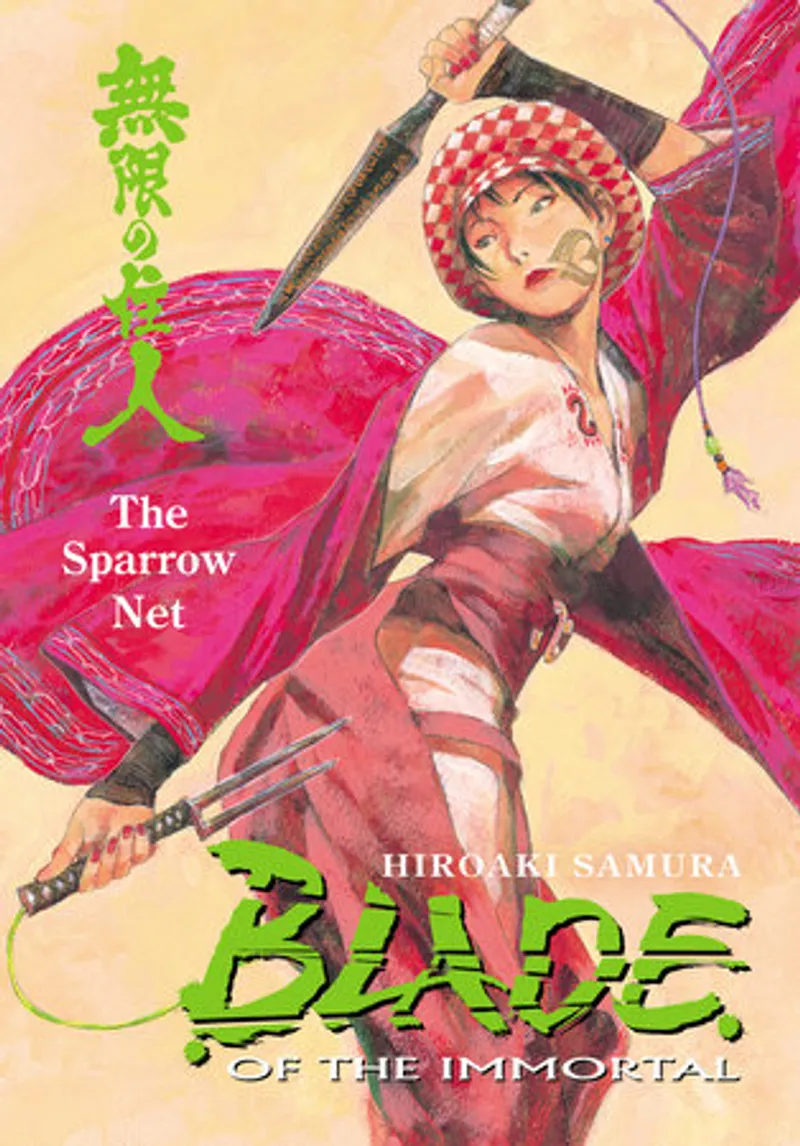
Blade of the Immortal Volume 18: The Sparrow Net Author: Hiroaki SamuraPage Count: UnknownPublication Date: 2018-PRH Blade of the Immortal Volume 18: The Sparrow Net is a gripping and unsettling addition to Hiroaki Samura's dark fantasy series. The story picks up where the previous volume left off, with Manji, the immortal protagonist, being subjected to gruesome experiments in the dungeons beneath Edo castle. The true horror of these experiments lies not in the physical torture, but in the psychological manipulation and degradation inflicted upon Manji. Hiroaki Samura's masterful storytelling weaves a complex web of themes, but the primary focus of this volume is the exploration of the human condition under extreme duress. Manji's immortality has always been a double-edged sword, and here, it serves as a catalyst for the exploration of the boundaries between human and inhuman. The doctors, driven by their obsession to unlock the secret of Manji's regenerative powers, descend into madness, highlighting the dangers of unchecked ambition and the blurring of moral lines. Meanwhile, Rin, Manji's charge, finds herself in a desperate game of cat and mouse with Edo's ruthless police. Her determination to rescue Manji serves as a beacon of hope in an otherwise bleak narrative, showcasing the resilience of the human spirit in the face of overwhelming adversity. The contrast between Rin's unwavering dedication and the doctors' depravity underscores the series' central theme: the struggle between humanity's capacity for good and its propensity for evil. Samura's artwork is, as always, a character in its own right. His bold lines, intricate details, and masterful use of shading create a haunting atmosphere that perfectly complements the narrative. The illustrations of the experiments are particularly noteworthy, conveying the horror and disgust without resorting to gratuitous gore. This restraint serves to underscore the psychological impact of the events, making the scenes all the more unsettling. One of the most striking aspects of Samura's style is his ability to balance action, drama, and horror elements seamlessly. The Sparrow Net is a testament to this skill, as the narrative effortlessly shifts between intense fight scenes, emotional character moments, and disturbing experiments. This blend of genres creates a unique reading experience that is both captivating and thought-provoking. In conclusion, Blade of the Immortal Volume 18: The Sparrow Net is a gripping and unsettling installment in the series. Hiroaki Samura's masterful storytelling and artwork come together to create a narrative that is both haunting and thought-provoking. The exploration of the human condition under extreme duress serves as a stark reminder of the dangers of unchecked ambition and the importance of empathy. #BladeOfTheImmortal #HiroakiSamura #DarkFantasy #MangaReview #SeinenManga #JapaneseHorror Related InsightsCity of Lost Souls Book Review and Summary The Boys of Summer Book Review and Summary First Sign of Danger Book Review and Summary{ "@context": "https://schema.org", "@type": "FAQPage", "mainEntity": [ { "@type": "Question", "name": "What is the main focus of The Sparrow Book Review and Summary?", "acceptedAnswer": { "@type": "Answer", "text": "Everything you need to know about The Sparrow with our detailed review." } }, { "@type": "Question", "name": "Who authored the comprehensive guide on The Sparrow Book Review and Summary?", "acceptedAnswer": { "@type": "Answer", "text": "This detailed article and its insights were carefully researched and authored by Mary Doria Russell." } }, { "@type": "Question", "name": "Where can I find more related content about Books?", "acceptedAnswer": { "@type": "Answer", "text": "You can explore more articles, detailed reviews, and similar insights by browsing the Related Insights section at the bottom of this article or visiting our dedicated Books category page." } } ] }
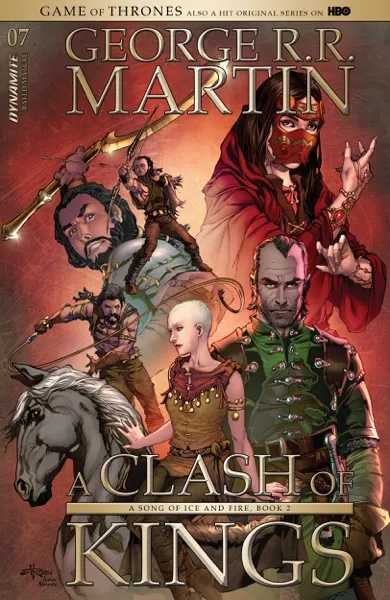
Clash of Kings Author: Landry Q. WalkerPage Count: UnknownPublication Year: 2023-GB Landry Q. Walker’s Clash of Kings is a masterclass in high-stakes fantasy, where the weight of empires rests on the shoulders of morally fractured rulers and the swords of their most loyal—or treacherous—subjects. Hailed as a global bestseller, this book doesn’t just deliver the spectacle of war and magic; it dissects the rot beneath the gilded thrones, exposing the fragility of power when ambition outstrips wisdom. Walker, known for his razor-sharp narrative and ability to weave political intrigue with visceral action, once again proves why he’s a titan in the genre. Clash of Kings isn’t just a sequel—it’s a crucible where loyalty is tested, alliances are forged in blood, and the cost of victory is measured in shattered lives. At its core, Clash of Kings is a story about the illusion of control. The book’s title alone suggests a grand conflict, but Walker subverts expectations by making the true battle one of perception. The kings, queens, and warlords who dominate the narrative believe they are orchestrating history, yet their schemes are constantly undermined by forces beyond their understanding—whether it’s the whims of gods, the betrayals of allies, or the sheer unpredictability of human nature. Walker excels at portraying power as a double-edged sword: every decree, every alliance, every act of mercy or cruelty has consequences that ripple far beyond the immediate battlefield. The result is a world where no victory is clean, no ruler is truly secure, and the line between hero and villain blurs with every page turned. Walker’s prose is as precise as a drawn blade. His writing style is lean yet evocative, favoring sharp dialogue and economical descriptions that let the reader’s imagination fill in the gaps. There’s a cinematic quality to his action scenes—battles unfold in a series of vivid, almost tactile strokes, but the real magic lies in the quiet moments between the chaos. A conspirator’s smirk, a queen’s unspoken grief, a soldier’s fleeting doubt—these details breathe life into the sprawling cast, making them feel like people rather than pawns in a grand chess game. Walker also has a knack for balancing multiple perspectives without sacrificing depth. Each character, from the noble to the lowly, is given room to shine, their internal conflicts mirroring the larger struggles of the realm. This isn’t just a tale of kings; it’s a saga of the people who enable, resist, or topple them. The book’s strength lies in its refusal to romanticize war or monarchy. Walker doesn’t glorify conquest; he shows the cost. Armies march, but they leave behind ruined villages and grieving families. Kings issue decrees, but their words are drowned out by the screams of the dying. Even the most charismatic leaders are flawed, their virtues often indistinguishable from their vices in the harsh light of reality. This realism elevates Clash of Kings beyond typical fantasy fare. It’s not just about who will sit on the throne—it’s about what kind of ruler they’ll become when the crown weighs heavier than expected. Walker’s world-building is equally impressive. The setting feels lived-in, with a history that predates the current conflict and cultures that feel distinct rather than generic. Magic exists, but it’s not a cure-all; it’s a wild, unpredictable force that even its wielders don’t fully comprehend. The political landscape is a minefield of shifting loyalties, where today’s ally could be tomorrow’s executioner. This complexity makes the stakes feel tangible. Readers won’t just root for a character’s success—they’ll ache at the thought of their failure, knowing that every decision could unravel years of careful planning. If Clash of Kings has a flaw, it’s in its density. Walker throws readers into the deep end with little hand-holding, trusting them to keep up with the rapid-fire intrigue. Some may find the sheer number of factions and characters overwhelming at first, but those who persist will be rewarded with a story that rewards close attention. The payoff—a climactic confrontation that feels both inevitable and shocking—is worth every twist and turn. Ultimately, Clash of Kings is a meditation on power and its corrosive nature. It asks what it means to rule, to lead, and to survive in a world where trust is a liability and every victory comes at a price. Walker doesn’t offer easy answers, but he does deliver a story that lingers, a testament to the fact that in the clash of kings, the real battle is often fought within. #ClashOfKings #FantasyEpic #LandryQWalker #PowerAndBlood #FantasyBooks #HighFantasy Related InsightsPlease Enjoy Your Stay Book Review and Summary Folk of the Air Complete Gift Set Book Review and Summary L'Éternel Retour des Pixels : Pourquoi le Passé Numérique est Notre Avenir{ "@context": "https://schema.org", "@type": "FAQPage", "mainEntity": [ { "@type": "Question", "name": "What is the main focus of Clash of Kings Book Review and Summary?", "acceptedAnswer": { "@type": "Answer", "text": "Everything you need to know about Clash of Kings with our detailed review." } }, { "@type": "Question", "name": "Who authored the comprehensive guide on Clash of Kings Book Review and Summary?", "acceptedAnswer": { "@type": "Answer", "text": "This detailed article and its insights were carefully researched and authored by Irina Ivanova." } }, { "@type": "Question", "name": "Where can I find more related content about Books?", "acceptedAnswer": { "@type": "Answer", "text": "You can explore more articles, detailed reviews, and similar insights by browsing the Related Insights section at the bottom of this article or visiting our dedicated Books category page." } } ] }

The Death of Mrs Westaway Author: Ruth WarePage Count: UnknownPublication Year: 2018-GB The Death of Mrs. Westaway: A Masterclass in Gothic Mystery from Ruth Ware There’s something deliciously unsettling about a story that begins with a letter—especially when that letter is a lie. Ruth Ware’s The Death of Mrs. Westaway, a global bestseller and one of the most talked-about psychological thrillers of recent years, opens with just that: a forged correspondence that pulls protagonist Hal into a web of deceit, inheritance, and family secrets. From the first page, Ware’s razor-sharp prose and atmospheric tension grip the reader, making it impossible to put the book down. If you love mysteries that blend the eerie charm of classic gothic fiction with the relentless pacing of modern suspense, this novel is a must-read. At its core, The Death of Mrs. Westaway is a story about identity, deception, and the weight of the past. Harriet "Hal" Westaway, a struggling tarot reader in Brighton, receives a letter informing her of an unexpected inheritance from a grandmother she never knew. The catch? Hal’s grandmother is very much alive—or so she thinks. The letter is a mistake, a cruel twist of fate that Hal exploits to escape her financial ruin. But as she travels to the eerie, isolated estate of the Westaway family, she finds herself entangled in a labyrinth of half-truths, where every family member has something to hide. The novel explores themes of inheritance—not just of wealth, but of trauma, guilt, and the lies we tell to survive. Ware excels at crafting deeply flawed, relatable characters, and Hal is no exception. A woman who has spent her life scraping by, Hal is both sympathetic and morally ambiguous. Her desperation makes her actions understandable, even when they’re questionable, and her journey from outsider to insider in the Westaway household is fraught with tension. The supporting cast is equally compelling: the cold, calculating stepmother; the brooding, enigmatic heir apparent; the fragile, secretive cousin. Each character feels fully realized, their motives shrouded in ambiguity until the very end. What sets The Death of Mrs. Westaway apart from other thrillers is Ruth Ware’s masterful use of atmosphere. The decaying Cornish estate, with its creaking floorboards, drafty corridors, and oppressive family dynamics, feels like a character in its own right. Ware’s descriptions are lush yet precise, painting a picture of a place steeped in sorrow and secrets. The novel’s gothic undertones—think Daphne du Maurier’s Rebecca or Wilkie Collins’ The Woman in White—are unmistakable, but Ware infuses them with a modern, feminist edge. Hal’s struggle for autonomy in a world that seeks to control her is both timely and timeless. Ware’s writing style is another standout feature. Her prose is clean and accessible, yet it carries an undercurrent of unease that keeps the reader on edge. The pacing is relentless, with each chapter ending on a note that demands to be read just one more time. The mystery unfolds gradually, with red herrings and misdirections that keep even the most astute readers guessing. Unlike some thrillers that rely on shock value, Ware builds suspense organically, letting the tension simmer until it’s almost unbearable. For fans of psychological suspense, The Death of Mrs. Westaway is a triumph. It’s a novel that rewards close reading, with layers of meaning hidden beneath its surface. The themes of family, betrayal, and the stories we tell ourselves to survive resonate long after the final page. And while the ending may not be entirely predictable, it’s undeniably satisfying, tying up the loose ends in a way that feels both inevitable and surprising. Ruth Ware has cemented her reputation as the queen of the modern gothic thriller with this novel, and The Death of Mrs. Westaway is a shining example of her talent. Whether you’re a longtime fan of the genre or a newcomer looking for a gripping read, this book will leave you breathless. Just don’t read it alone at night—unless you enjoy the thrill of a good scare. #RuthWare #PsychologicalThriller #GothicMystery #BookReview #MustRead Related InsightsEmily Wilde's History of Dark Faerie Book Review and Summary Así habló Zaratustra / Thus Spoke Zarathustra Book Review and Summary Tiamat's Wrath Book Review and Summary{ "@context": "https://schema.org", "@type": "FAQPage", "mainEntity": [ { "@type": "Question", "name": "What is the main focus of **The Death of Mrs Westaway** Book Review and Summary?", "acceptedAnswer": { "@type": "Answer", "text": "Everything you need to know about **The Death of Mrs Westaway** with our detailed review." } }, { "@type": "Question", "name": "Who authored the comprehensive guide on **The Death of Mrs Westaway** Book Review and Summary?", "acceptedAnswer": { "@type": "Answer", "text": "This detailed article and its insights were carefully researched and authored by Elena Volkova." } }, { "@type": "Question", "name": "Where can I find more related content about Books?", "acceptedAnswer": { "@type": "Answer", "text": "You can explore more articles, detailed reviews, and similar insights by browsing the Related Insights section at the bottom of this article or visiting our dedicated Books category page." } } ] }
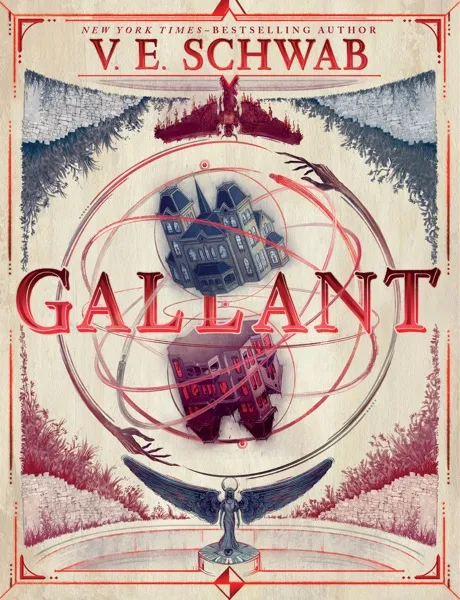

Gallant Author: V.E. SchwabPage Count: UnknownPublication Year: 2022-GB Gallant: A Masterclass in Atmosphere, Mystery, and the Haunting Beauty of the Unseen Few books linger in the mind like a half-remembered dream—vivid, unsettling, and impossible to shake. V.E. Schwab’s Gallant is one such book. Published in 2022, this gothic-tinged novel has already cemented itself as a modern classic, a work that blends the eerie charm of classic ghost stories with the sharp, emotional precision of contemporary literature. If you’ve ever stood at the edge of a crumbling estate, feeling the weight of secrets buried in its walls, or wandered through a garden where the flowers seem to whisper, Gallant will feel like coming home to a place you’ve never been. At its core, Gallant is a story about legacy, belonging, and the ghosts we carry with us—both literal and metaphorical. The novel follows Olivia Prior, a teenage girl who has spent her life in a series of dreary orphanages, marked by a strange birthmark on her hand and a reputation for being "odd." When she receives a letter from her estranged mother’s solicitor, informing her that she has inherited Gallant, the crumbling estate where her mother once lived, Olivia seizes the chance to uncover the truth about her past. What she finds is a house that breathes, a family that may not be entirely human, and a mystery that unravels with the slow, creeping dread of a gothic novel. Schwab’s genius lies in her ability to weave atmosphere into every sentence. Gallant itself is a character—a sentient, almost living entity that shifts and sighs with the weight of its own history. The estate is a labyrinth of secrets, its halls lined with portraits that seem to follow Olivia with their eyes, its gardens overgrown with flowers that bloom in impossible colors. Schwab’s prose is lush but never indulgent, painting a world that feels both familiar and alien, like stepping into a fairy tale where the rules of reality are delightfully bent. The writing is sharp, evocative, and often poetic, with a rhythm that mirrors the slow, inexorable pull of Olivia’s journey into the unknown. The characters in Gallant are as richly drawn as the setting. Olivia Prior is a protagonist who defies easy categorization—she’s prickly, introspective, and fiercely independent, yet burdened by a loneliness that clings to her like a second skin. Her journey is one of self-discovery, but it’s also a confrontation with the past, both her own and that of her family. The other inhabitants of Gallant are equally compelling: the enigmatic Mr. Doors, the estate’s caretaker with secrets of his own; the ethereal Matthew, whose presence is as fleeting as a ghost; and the Prior family, whose history is as tangled as the roots of the estate’s ancient trees. Schwab excels at creating characters who feel real, flawed, and deeply human, even when the supernatural threatens to consume them. One of the most striking aspects of Gallant is its exploration of themes of inheritance—not just of property or wealth, but of trauma, identity, and the stories we inherit from our families. Olivia’s birthmark, for instance, is more than just a physical mark; it’s a symbol of her connection to Gallant and the secrets it holds. The novel asks what it means to belong, whether to a place, a family, or a legacy, and whether some bonds are meant to be broken or embraced. Schwab doesn’t shy away from the darker aspects of these themes, delving into the weight of the past and the ways it can shape—or destroy—us. The supernatural elements in Gallant are handled with a deft touch, blending the eerie with the emotional. The ghosts here aren’t just specters haunting the halls; they’re echoes of lives lived, memories that refuse to fade. Schwab’s world-building is meticulous, with rules that feel both logical and mysterious. The magic in Gallant is subtle, woven into the fabric of the story rather than flaunted, which only makes it more compelling. It’s the kind of book that lingers in your thoughts long after you’ve turned the last page, leaving you to wonder what’s real and what’s not. For readers who love gothic literature, Gallant is a must-read. It’s a book that will appeal to fans of The Haunting of Hill House and Coraline, but it also stands on its own as a deeply personal and original work. Schwab’s ability to balance horror, mystery, and emotional depth is nothing short of masterful. Whether you’re drawn to the eerie atmosphere, the complex characters, or the haunting exploration of legacy, Gallant is a novel that will captivate you from the first page to the last. In a world where so many books feel disposable, Gallant is the kind of story that demands to be remembered. It’s a book that will make you look at old houses differently, that will make you wonder about the secrets hidden in the places you call home. And most of all, it’s a book that will make you feel—deeply, viscerally, and unforgettably. #Gallant #VESchwab #GothicFiction #BookReview #SupernaturalThriller Related InsightsGrim Folk Tale (The Unorthodox Chronicles, #4) Book Review and Summary Darkfever Book Review and Summary Styx - The River (Goddesses of the Underworld, #2) Book Review and Summary{ "@context": "https://schema.org", "@type": "FAQPage", "mainEntity": [ { "@type": "Question", "name": "What is the main focus of **Gallant** Book Review and Summary?", "acceptedAnswer": { "@type": "Answer", "text": "Everything you need to know about **Gallant** with our detailed review." } }, { "@type": "Question", "name": "Who authored the comprehensive guide on **Gallant** Book Review and Summary?", "acceptedAnswer": { "@type": "Answer", "text": "This detailed article and its insights were carefully researched and authored by Lucia Garcia." } }, { "@type": "Question", "name": "Where can I find more related content about Books?", "acceptedAnswer": { "@type": "Answer", "text": "You can explore more articles, detailed reviews, and similar insights by browsing the Related Insights section at the bottom of this article or visiting our dedicated Books category page." } } ] }

Paranoia Author: James PattersonPage Count: UnknownPublication Year: 2025-GB Imagine being trapped in a world where trust is a luxury you can't afford, and the lines between reality and delusion are constantly blurred. This is the chilling reality that awaits you in James Patterson's latest masterpiece, Paranoia, a heart-pumping thriller that will keep you on the edge of your seat from start to finish. As a global bestseller, this book has captured the attention of readers worldwide, and for good reason – its intricate plot, complex characters, and thought-provoking themes will resonate with fans of the genre and leave them begging for more. At its core, Paranoia is a story about the devastating consequences of unchecked power, corruption, and the dangers of playing with fire. Patterson masterfully weaves a tangled web of deceit, conspiracy, and suspense, keeping readers guessing until the very end. The main character, whose identity remains cleverly concealed throughout the story, is a masterclass in complexity – flawed, relatable, and likable, despite being embroiled in a world of high-stakes espionage and counter-intelligence. As the narrative unfolds, Patterson skillfully peels back the layers of his protagonist's psyche, revealing a deeply human and vulnerable individual, driven by a desire for truth and justice. One of the most striking aspects of Paranoia is its thought-provoking exploration of the human condition. Patterson raises important questions about the nature of reality, the impact of technology on our lives, and the blurred lines between good and evil. Through his characters' experiences, he sheds light on the darkest aspects of human nature, exposing the paranoia, mistrust, and desperation that can consume us when we're pushed to the limit. The result is a gripping narrative that's both entertaining and unsettling, making you question everything you thought you knew about the world and your place in it. Patterson's writing style is, as always, superb. His prose is crisp, concise, and effortlessly engaging, making it impossible to put the book down. He has a unique ability to craft scenes that are both visually stunning and emotionally resonant, drawing readers into the heart of the action. The pacing is relentless, with each chapter ending on a cliffhanger that propels you forward, desperate to uncover the truth. The supporting cast is equally well-crafted, with each character bringing their own distinct voice and perspective to the story. What sets Paranoia apart from other thrillers is its prescient commentary on the world we live in today. Patterson tackles issues like government surveillance, corporate greed, and the erosion of civil liberties, making the book feel eerily relevant and topical. His vision of a dystopian future is chillingly plausible, and the warnings he sounds about the dangers of unchecked power and corruption are both timely and necessary. As a result, Paranoia feels like a story that needs to be told, a cautionary tale that will resonate with readers long after they finish the book. In conclusion, Paranoia is a triumph, a masterful thriller that will keep you on the edge of your seat from start to finish. With its breakneck pacing, complex characters, and thought-provoking themes, it's a must-read for fans of the genre. Patterson's writing is superb, his characters are unforgettable, and his story is both entertaining and unsettling. If you're looking for a book that will keep you up all night, guessing until the very end, then Paranoia is the perfect choice. So, what are you waiting for? Dive into this gripping world of espionage, corruption, and suspense, and discover why James Patterson is one of the most acclaimed authors of our time. #JamesPatterson #Paranoia #ThrillerBooks #Bestseller #BookReview Related InsightsThe Soul Catchers Book Review and Summary Pretend It's Forever - Special Edition Book Review and Summary Souls Unfractured Book Review and Summary{ "@context": "https://schema.org", "@type": "FAQPage", "mainEntity": [ { "@type": "Question", "name": "What is the main focus of **Paranoia** Book Review and Summary?", "acceptedAnswer": { "@type": "Answer", "text": "Everything you need to know about **Paranoia** with our detailed review." } }, { "@type": "Question", "name": "Who authored the comprehensive guide on **Paranoia** Book Review and Summary?", "acceptedAnswer": { "@type": "Answer", "text": "This detailed article and its insights were carefully researched and authored by James Miller." } }, { "@type": "Question", "name": "Where can I find more related content about Books?", "acceptedAnswer": { "@type": "Answer", "text": "You can explore more articles, detailed reviews, and similar insights by browsing the Related Insights section at the bottom of this article or visiting our dedicated Books category page." } } ] }


Believe in You Author: Christina CimorelliPage Count: UnknownPublication Year: 2019-GB Christina Cimorelli’s Believe in You isn’t just another self-help book—it’s a raw, unfiltered manifesto for anyone who’s ever doubted their worth. Published in 2019, this global bestseller has resonated with readers worldwide, not because it offers easy answers, but because it cuts straight to the heart of what it means to believe in yourself when the world keeps telling you otherwise. At its core, Believe in You is about overcoming self-doubt, silencing the inner critic, and reclaiming your confidence from the ground up. Cimorelli, best known for her work with the viral pop group Cimorelli, brings a unique perspective to the table—one shaped by years of performing under the spotlight, facing public scrutiny, and yet, choosing to rise above it. The book isn’t preachy or overly sentimental; instead, it feels like a conversation with a trusted friend who’s been there, made the same mistakes, and found a way forward. Cimorelli doesn’t just tell you to believe in yourself—she shows you how, step by step, by sharing her own battles with anxiety, perfectionism, and the pressure to be "enough." What sets this book apart is its authenticity. Cimorelli doesn’t sugarcoat the struggle. She admits to her own insecurities—like the fear of being judged, the struggle to silence the voice that says you’re not good enough, and the exhausting cycle of seeking validation from others. But she doesn’t leave it there. She flips the script, offering practical tools to dismantle those negative thought patterns. Whether it’s through journaling prompts, affirmations, or mindset shifts, Believe in You is a toolkit for anyone who’s ever felt stuck in their own head. The author’s style is refreshingly conversational. She writes as if she’s speaking directly to you, using personal anecdotes, relatable scenarios, and even humor to drive her points home. There’s no jargon, no vague motivational fluff—just straight talk about the real work of building self-belief. One of the book’s strongest sections is where she dissects the difference between confidence and arrogance, a distinction that’s often blurred in today’s culture of toxic positivity. She makes it clear: believing in yourself isn’t about thinking you’re better than others—it’s about trusting that you’re capable of growth, even when you stumble. Another standout is Cimorelli’s emphasis on action over self-affirmation. She doesn’t just tell you to repeat mantras in the mirror; she challenges you to take small, deliberate steps toward change. Whether it’s setting boundaries, embracing failure as feedback, or surrounding yourself with people who uplift you, the book is packed with actionable advice that doesn’t require a complete personality overhaul. It’s about progress, not perfection. What makes Believe in You particularly powerful is its universality. While Cimorelli’s background in music gives her a platform to discuss performance anxiety and public scrutiny, her message transcends any specific industry. The themes of self-doubt, comparison, and resilience apply to students, professionals, parents, and creatives alike. In a world where social media constantly feeds us curated versions of success, this book is a much-needed reminder that your worth isn’t defined by likes, followers, or external validation. That said, the book isn’t without its flaws. Some readers might find the tone slightly repetitive at times, as Cimorelli circles back to similar ideas in different chapters. Others might crave more depth in certain sections, particularly around the psychological underpinnings of self-doubt. But these are minor quibbles in an otherwise compelling read. Believe in You doesn’t claim to have all the answers—it’s a guide, not a gospel, and its power lies in its relatability. Ultimately, this book is for anyone who’s ever felt like an imposter in their own life. It’s for the people-pleaser who’s tired of bending themselves into shapes to fit others’ expectations. It’s for the dreamer who’s been told to play it safe. And it’s especially for the quiet achiever who’s celebrated others’ successes but can’t seem to celebrate their own. Cimorelli’s message is simple but profound: You don’t need to be perfect to be worthy. You just need to start believing in you. #SelfBelief #OvercomingSelfDoubt #ConfidenceJourney #YouAreEnough #MindsetShift #NoMoreExcuses Related InsightsFalcon of Sparta Book Review and Summary The Last Battle Book Review and Summary Blue Hour Book Review and Summary{ "@context": "https://schema.org", "@type": "FAQPage", "mainEntity": [ { "@type": "Question", "name": "What is the main focus of Believe in You Book Review and Summary?", "acceptedAnswer": { "@type": "Answer", "text": "Everything you need to know about Believe in You with our detailed review." } }, { "@type": "Question", "name": "Who authored the comprehensive guide on Believe in You Book Review and Summary?", "acceptedAnswer": { "@type": "Answer", "text": "This detailed article and its insights were carefully researched and authored by Giulia Ricci." } }, { "@type": "Question", "name": "Where can I find more related content about Books?", "acceptedAnswer": { "@type": "Answer", "text": "You can explore more articles, detailed reviews, and similar insights by browsing the Related Insights section at the bottom of this article or visiting our dedicated Books category page." } } ] }
-
 Tiago Silva
 - 23 Sep, 2025 20:14
**How the King of Elfhame Learned to Hate Stories** Book Review and Summary
How the King of Elfhame Learned to Hate Stories Author: Holly BlackPage Count: UnknownPublication Year: 2020-GB In the enchanting realm of faerie, where the boundaries between reality and myth blur, a mesmerizing tale of self-discovery and the power of storytelling unfolds in Holly Black's captivating novella, How the King of Elfhame Learned to Hate Stories. This companion to her critically acclaimed Folk of the Air series is a masterful exploration of the complexities of the human heart, delving into the intricate web of emotions, desires, and the unyielding grip of fate. As we delve into the world of Elfhame, we find ourselves entwined in a rich tapestry of characters, each with their own distinct voice and story to tell. At the center of this narrative is Cardan Greenbriar, the enigmatic and beguiling King of Elfhame, whose tumultuous journey is a testament to the transformative power of stories. Through his eyes, we experience the intoxicating allure of the faerie world, with its ancient magic, treacherous landscapes, and the intoxicating beauty of its inhabitants. As Cardan navigates the intricate dance of faerie politics, we are drawn into a world of wonder and deception, where nothing is as it seems, and the lines between loyalty, duty, and desire are constantly blurred. One of the most striking aspects of Black's writing is her unique ability to craft characters that are at once flawed, relatable, and utterly compelling. Cardan, with his sharp wit, cunning intellect, and deep-seated vulnerabilities, is a masterfully drawn protagonist, whose complexities and contradictions make him a fascinating subject of study. The supporting cast is equally well-crafted, with each character bringing their own distinct perspective and motivation to the narrative, weaving a rich and immersive world that is both captivating and thought-provoking. Throughout the novella, Black explores a range of themes that are both universally relatable and uniquely relevant to the faerie world. The nature of power, the weight of responsibility, and the corrupting influence of privilege are all skillfully intertwined, raising important questions about the consequences of our actions and the true cost of our desires. The author's writing style is characterized by her characteristic wit, humor, and lyrical prose, which brings the world of Elfhame to vivid life, immersing the reader in a realm of wonder and magic. The true magic of How the King of Elfhame Learned to Hate Stories lies in its ability to balance the darker aspects of the faerie world with a deep sense of hope and resilience. Black's characters are never simply good or evil; instead, they exist in a nuanced gray area, where motivations are multifaceted and loyalties are constantly tested. This moral ambiguity is a hallmark of the author's writing style, and it lends a depth and richness to the narrative that is both captivating and thought-provoking. As we journey through the world of Elfhame, we are reminded of the enduring power of storytelling to shape our perceptions, influence our decisions, and transform our understanding of ourselves and the world around us. How the King of Elfhame Learned to Hate Stories is a testament to the boundless imagination and creative genius of Holly Black, a writer who has captivated readers worldwide with her unique blend of fantasy, romance, and adventure. This novella is a must-read for fans of the Folk of the Air series, as well as anyone who has ever been enchanted by the magic of the faerie world. In conclusion, How the King of Elfhame Learned to Hate Stories is a mesmerizing and unforgettable tale of love, power, and the transformative power of storytelling. With its richly imagined world, complex characters, and thought-provoking themes, this novella is a true masterpiece of fantasy literature. Whether you are a longtime fan of Holly Black or simply looking for a captivating and immersive read, this book is sure to enchant and inspire, leaving you spellbound and eager for more. #HollyBlack #TheFolkOfTheAir #FantasyLiterature #FaerieFiction #YoungAdultBooks Related InsightsSomeone to Cherish Book Review and Summary The Adventures of Sherlock Holmes Book Review and Summary Sleep Intelligence: The High-Performance Blueprint for Sharper Thinking Book Review and Summary{ "@context": "https://schema.org", "@type": "FAQPage", "mainEntity": [ { "@type": "Question", "name": "What is the main focus of **How the King of Elfhame Learned to Hate Stories** Book Review and Summary?", "acceptedAnswer": { "@type": "Answer", "text": "Everything you need to know about **How the King of Elfhame Learned to Hate Stories** with our detailed review." } }, { "@type": "Question", "name": "Who authored the comprehensive guide on **How the King of Elfhame Learned to Hate Stories** Book Review and Summary?", "acceptedAnswer": { "@type": "Answer", "text": "This detailed article and its insights were carefully researched and authored by Tiago Silva." } }, { "@type": "Question", "name": "Where can I find more related content about Books?", "acceptedAnswer": { "@type": "Answer", "text": "You can explore more articles, detailed reviews, and similar insights by browsing the Related Insights section at the bottom of this article or visiting our dedicated Books category page." } } ] }
Bioluminescent Author: Justine Norton-KertsonPage Count: UnknownPublication Year: 2023-GB In the depths of a world where the boundaries between nature and humanity are increasingly blurred, a profound and mesmerizing novel has emerged to captivate readers worldwide: Justine Norton-Kertson's "Bioluminescent". This 2023 global bestseller has swiftly become a literary phenomenon, illuminating the literary landscape with its unique blend of lyrical prose, relatable characters, and poignant themes. From the opening pages, it is evident that Norton-Kertson is a masterful storyteller, weaving a complex narrative that explores the intricate relationships between humans, the environment, and the very essence of life itself. One of the most striking aspects of "Bioluminescent" is its thought-provoking exploration of the human condition. Norton-Kertson's characters are multidimensional and richly drawn, grappling with universal concerns such as identity, community, and the search for meaning in a rapidly changing world. Through their struggles and triumphs, the author sheds light on the intricate web of relationships that binds us to one another and to the natural world. The characters' journeys are both deeply personal and profoundly relatable, inviting readers to reflect on their own place within the world and their connection to the land, the sea, and the creatures that inhabit it. Norton-Kertson's writing style is a major factor in the novel's success, as she brings a lyrical, poetic voice to the narrative. Her prose is evocative and immersive, conjuring vivid images of the natural world and the people who inhabit it. The author's use of language is deliberate and precise, with each word and phrase carefully chosen to evoke a specific mood or atmosphere. The result is a reading experience that is at once captivating and contemplative, drawing the reader into the world of the story while encouraging them to ponder the deeper themes and motifs that underlie it. Throughout "Bioluminescent", Norton-Kertson explores a range of pressing environmental and social issues, from the impact of human activity on the natural world to the importance of preserving traditional knowledge and cultural heritage. These themes are woven seamlessly into the narrative, never feeling didactic or heavy-handed, but rather emerging organically from the characters' experiences and interactions. The author's approach is both nuanced and empathetic, acknowledging the complexity of these issues while also emphasizing the need for collective action and responsibility. One of the most compelling aspects of "Bioluminescent" is its ability to balance the particular with the universal. Norton-Kertson's characters and settings are finely detailed and specific, yet the themes and emotions that emerge from their stories are universally relatable. This balance allows readers to become fully invested in the narrative, while also encouraging them to think more broadly about the implications of the story and its relevance to their own lives. As a result, "Bioluminescent" is a novel that will resonate with readers from diverse backgrounds and perspectives, inviting them to engage with its powerful themes and ideas. In short, "Bioluminescent" is a masterpiece of contemporary literature, a novel that will leave readers spellbound, inspired, and perhaps even transformed. With its lush prose, memorable characters, and profound themes, this book is an absolute must-read for anyone interested in literary fiction, environmentalism, or the human condition. As a global bestseller, "Bioluminescent" has already captured the hearts and minds of readers worldwide, and its impact is sure to be felt for years to come. #BioluminescentBook #EnvironmentalLiterature #ContemporaryFiction #LiteraryFiction #GlobalBestseller Related InsightsTo Die For Book Review and Summary A Study in Sparkling (Love Notes, #2) Book Review and Summary Flowers in the Attic Book Review and Summary{ "@context": "https://schema.org", "@type": "FAQPage", "mainEntity": [ { "@type": "Question", "name": "What is the main focus of **Bioluminescent** Book Review and Summary?", "acceptedAnswer": { "@type": "Answer", "text": "Everything you need to know about **Bioluminescent** with our detailed review." } }, { "@type": "Question", "name": "Who authored the comprehensive guide on **Bioluminescent** Book Review and Summary?", "acceptedAnswer": { "@type": "Answer", "text": "This detailed article and its insights were carefully researched and authored by Sofia Bianchi." } }, { "@type": "Question", "name": "Where can I find more related content about Books?", "acceptedAnswer": { "@type": "Answer", "text": "You can explore more articles, detailed reviews, and similar insights by browsing the Related Insights section at the bottom of this article or visiting our dedicated Books category page." } } ] }
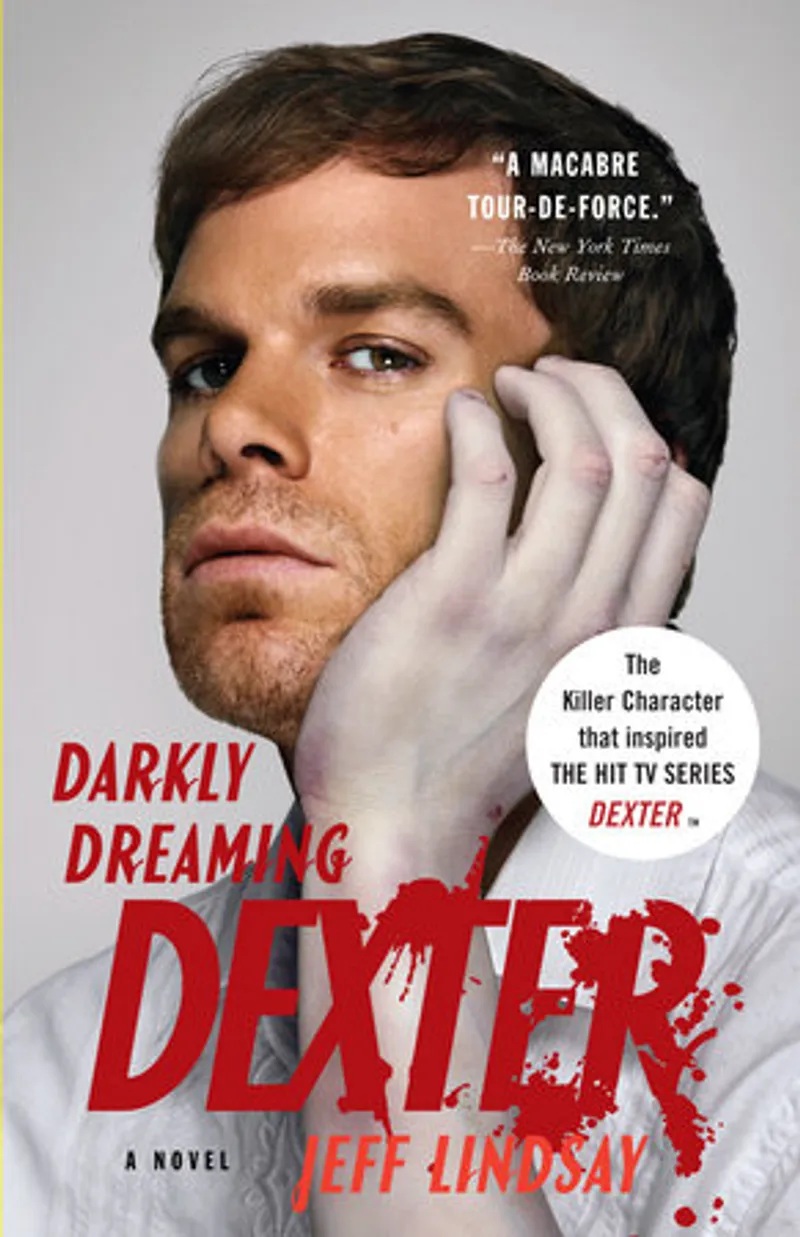
Darkly Dreaming Dexter Author: Jeff LindsayPage Count: UnknownPublication Date: 2006-PRH Darkly Dreaming Dexter, penned by Jeff Lindsay, is a gripping and thought-provoking novel that delves into the psyche of a most unlikely protagonist - a charismatic and calculating serial killer. Dexter Morgan, the titular character, is a masterfully crafted enigma, whose dark impulses are tempered by a strict moral code that makes him a compelling and, dare I say it, likable anti-hero. Lindsay's writing is a perfect blend of dark humor, clever plot twists, and insightful character analysis. He skillfully weaves together the threads of Dexter's troubled past, his present-day struggles, and the cat-and-mouse game he plays with the Miami police department. As a blood splatter expert, Dexter is uniquely positioned to analyze the gruesome crimes that are eerily similar to his own handiwork, leaving him to ponder the unsettling possibility that he may have a dark doppelganger. One of the most striking aspects of Lindsay's writing is his ability to balance the macabre with the mundane. He effortlessly juxtaposes Dexter's sinister nocturnal activities with his mundane day job and his awkward social interactions, creating a sense of unease that keeps the reader on edge. This contrast also serves to humanize Dexter, making him a more relatable and, dare I say it, sympathetic character. Throughout the novel, Lindsay explores the theme of morality and the gray areas that exist between good and evil. Dexter's code, which dictates that he only kills those who deserve to die, raises questions about the nature of justice and the role of the individual in meting out punishment. This moral ambiguity is expertly woven throughout the narrative, leaving the reader to ponder the implications of Dexter's actions long after the final page has been turned. Lindsay's writing style is concise, witty, and engaging, making Darkly Dreaming Dexter a page-turner that is impossible to put down. His use of language is economical, yet evocative, painting vivid pictures of the characters and their surroundings. The pacing is well-balanced, with a narrative that flows effortlessly from one scene to the next. In conclusion, Darkly Dreaming Dexter is a gripping and thought-provoking novel that will appeal to fans of crime fiction, psychological thrillers, and anyone who enjoys a good anti-hero. Lindsay's writing is masterful, his characters are complex and engaging, and the themes he explores are timely and thought-provoking. #DexterMorgan #SerialKiller #CrimeFiction #PsychologicalThriller #MiamiNoir #DarkComedy Related InsightsSweep with Me Book Review and Summary A Winter Grave Book Review and Summary El código de la vida / The Code Breaker: Jennifer Doudna, Gene Editing, and the Future of the Human Book Review and Summary{ "@context": "https://schema.org", "@type": "FAQPage", "mainEntity": [ { "@type": "Question", "name": "What is the main focus of Darkly Dreaming Dexter Book Review and Summary?", "acceptedAnswer": { "@type": "Answer", "text": "Everything you need to know about Darkly Dreaming Dexter with our detailed review." } }, { "@type": "Question", "name": "Who authored the comprehensive guide on Darkly Dreaming Dexter Book Review and Summary?", "acceptedAnswer": { "@type": "Answer", "text": "This detailed article and its insights were carefully researched and authored by Jeff Lindsay." } }, { "@type": "Question", "name": "Where can I find more related content about Books?", "acceptedAnswer": { "@type": "Answer", "text": "You can explore more articles, detailed reviews, and similar insights by browsing the Related Insights section at the bottom of this article or visiting our dedicated Books category page." } } ] }