Showing Posts From
Heritage

Introduction to the City of the Gods As a heritage traveler and documentary filmmaker from Denver, Colorado, I have had the immense privilege of visiting some of the most breathtaking landscapes on our planet. Yet, nothing quite prepares you for the monumental scale and geometric precision of Teotihuacan, located just outside modern-day Mexico City. Known as the "City of the Gods," this ancient Mesoamerican metropolis boasts some of the largest pyramidal structures in the pre-Columbian Americas. #WorldHeritage sites like this are not just beautiful places to visit; they are vital historical sanctuaries that require our utmost respect and protection. When I first set foot on the Avenue of the Dead, the central axis of the city, the sheer scale of the Pyramid of the Sun and the Pyramid of the Moon overwhelmed my senses. At its zenith in the first half of the first millennium CE, Teotihuacan was the largest city in the pre-Columbian Americas, with a population estimated at 125,000 or more. Documenting the architectural majesty and the intricate urban planning of this site was a primary goal for my trip, but as always, my lens quickly turned toward the underlying stories: the mysteries of its original inhabitants, the looming threat of #ClimateChange, and the ongoing efforts for #HeritagePreservation. The Art of Documentary Making in an Ancient Metropolis Filming in a location as expansive and historically layered as Teotihuacan presents a unique set of challenges and opportunities. The glaring high-altitude sun, the vast open spaces, and the sheer volume of visitors demand a flexible, patient, and highly strategic approach. My documentary making process always begins with observation. Before setting up a single camera, I spent days walking the ancient avenues, studying the alignment of the pyramids with the surrounding mountains, and observing how the stark sunlight cast deep, dramatic shadows across the stone facades. #DocumentaryFilmmaking is as much about understanding architectural intention as it is about capturing visuals. I rely heavily on natural light to capture the authentic essence of a place. At Teotihuacan, this meant prioritizing the hours immediately after sunrise and just before sunset. The midday sun here is unforgiving, flattening the textures of the ancient stone. To capture the true scale of the city, I utilized a combination of wide-angle lenses and high-vantage points. Drones are strictly prohibited over the archaeological zone to protect the site and the airspace, so capturing the necessary sweeping shots required climbing the permitted structures and using specialized stabilizing gimbals on the ground. The soundscape of Teotihuacan is a complex mix of the ancient and the modern. The whistling of the wind across the plazas, the calls of the vendors selling jaguar whistles, the distant hum of the nearby highway—all these elements build a rich audio tapestry. Using a specialized array of microphones, I spent hours isolating the natural and cultural sounds while filtering out the noise of mass tourism. #FieldRecording here is a battle of selective listening, but the result is a truly immersive experience for the audience. Climate Change and the Preservation of Ancient Stone One of the most pressing issues I explore in my documentaries is the impact of #ClimateChange on #UNESCOWorldHeritage sites. Teotihuacan is a stark visual indicator of the threat extreme weather poses to ancient structures. The pyramids and murals, constructed from porous volcanic rock and delicate stucco, are highly susceptible to environmental degradation. During my interviews with local archaeologists and conservators at the INAH (National Institute of Anthropology and History), the concern was palpable. Increased intensity of seasonal rains, followed by prolonged droughts, accelerates the cracking and erosion of the stone. Furthermore, fluctuating temperatures and increased air pollution from nearby Mexico City contribute to acid rain, which slowly eats away at the ancient mortar and vibrant frescoes that once covered the city. It's a race against time to document and stabilize these structures. This is a vivid demonstration that global #ClimateAction must be prioritized to protect our shared human history from literal dissolution. The changing climate also threatens the surrounding agricultural lands that once sustained this massive city, offering a grim parallel to the city's ancient collapse, which some scholars believe was partially driven by ecological mismanagement and drought. My documentary aims to highlight these profound connections. Through macro-photography of eroding stone and interviews with experts fighting to protect the site, I want to show my audience that #ClimateChange is not a distant threat; it is happening right here, threatening the very foundations of the City of the Gods. Heritage Preservation: Balancing Tourism and Conservation Teotihuacan is one of the most visited archaeological sites in Mexico, attracting millions of tourists annually. While tourism brings vital economic benefits, it also places immense pressure on the site's structural integrity. #HeritagePreservation in the modern era is often a delicate balancing act between allowing people to experience these wonders and protecting them from physical wear and tear. Navigating the crowded Avenue of the Dead during the spring equinox, the tension between access and conservation is intensely evident. The park management has recently implemented strict rules, including prohibiting the climbing of the Pyramid of the Sun and the Pyramid of the Moon, a controversial but necessary step to halt severe structural damage caused by millions of footsteps. In my film, I feature the dedicated archaeologists and site managers who make these difficult decisions. Their #Conservation efforts are heroic, ensuring that the legacy of this incredible civilization remains intact for future generations, even if it means altering the tourist experience. Education is a cornerstone of effective preservation. By fostering a deeper understanding of the complex, multi-ethnic society that built Teotihuacan, we can encourage visitors to treat the site as a profound historical record rather than an ancient jungle gym. My hope is that through visual storytelling, I can inspire a sense of awe and stewardship among my viewers. Indigenous Cultures and Local Connections While the original builders of Teotihuacan remain a mystery—the city was already in ruins when the Aztecs found it and gave it its current name—the surrounding region has a rich, living cultural history. In my #Documentary travels, I always seek to connect with the local communities, as their lives are intricately woven into the landscape of the ruins. The modern towns surrounding the archaeological zone are inhabited by people whose livelihoods are deeply connected to the site through tourism, crafts, and ongoing excavations. The local artisans possess deep, generational knowledge of working with obsidian and local clays, techniques passed down over centuries. During my time there, I had the privilege of interviewing these craftsmen and local guides. They shared their perspective on living in the shadow of such monumental history and their ongoing efforts to maintain their cultural identity amidst the pressures of globalization and mass tourism. These contemporary voices are invaluable. They provide context that archaeological data alone cannot. By incorporating these voices into my documentary, I aim to provide a holistic view of Teotihuacan. It is not just a dead city of stone; it is surrounded by a living, breathing community whose #CulturalHeritage is inextricably linked to the legacy of the pyramids. The Technical Challenges of Filmmaking in the High Desert From a technical standpoint, filming at Teotihuacan is a battle against the sun and the dust. The high altitude (over 7,500 feet) means the UV radiation is intense, requiring heavy neutral density (ND) filters to achieve proper exposure without sacrificing depth of field. The dry, dusty environment is harsh on electronics and optics. My equipment kit is heavily optimized for these conditions. I use custom dust covers and meticulously clean sensors and lenses in a controlled environment every night. The sheer scale of the site is the greatest logistical challenge. Moving heavy camera gear across miles of ancient plazas under the scorching sun requires intense physical endurance and careful hydration planning. Additionally, coordinating interviews amidst the noise of the crowds and the echoing acoustics of the stone plazas requires specialized audio techniques. Yet, these challenges force you to be adaptable and often lead to striking, high-contrast footage that perfectly captures the austere majesty of the city. Reflecting on the Journey As I packed my gear to leave Teotihuacan, I felt a profound sense of temporal humility. As a #DocumentaryMaker, I am tasked with translating the majesty, the fragility, and the complex realities of this place to an audience thousands of miles away. Teotihuacan is a testament to human ambition and the inevitable rise and fall of civilizations. My journey here has reinforced my belief in the power of visual storytelling. Through my lens, I hope to capture not just the colossal pyramids, but the intricate details of the urban grid and the resilience of the local people. I want to highlight the dedication of the conservators, the skill of the artisans, and the urgent need for global #ClimateAction to protect our architectural heritage. Teotihuacan is a treasure that belongs to the world, and we must heed the silent lessons of its ancient stones. Extended Thoughts on Global Heritage Preservation (A Deep Dive) The following section is part of my ongoing journal series exploring the broader implications of heritage preservation in the 21st century. The concept of #WorldHeritage is relatively modern, formalized by the 1972 UNESCO Convention. The underlying premise is noble: that certain places on Earth are of outstanding universal value to humanity and should be protected for future generations. However, the practical application of this ideal is fraught with complexities. As I travel from site to site, I observe recurring themes and challenges that transcend geographical boundaries. The Paradox of Popularity One of the most significant challenges is the 'paradox of popularity.' When a site receives UNESCO designation, it often experiences a surge in tourism. While this brings economic prosperity to local communities, it also places immense strain on the site itself. In places like Plitvice Lakes, Venice, or Machu Picchu, overtourism threatens the very qualities that made these sites worthy of protection in the first place. The sheer volume of visitors can cause physical degradation, alter local economies, and turn vibrant communities into mere backdrops for tourists. #SustainableTourism is not just a buzzword; it is an urgent necessity. We must rethink how we interact with these spaces, moving away from extractive tourism toward a model of stewardship and respect. Climate Change: The Great Multiplier If overtourism is an acute symptom, #ClimateChange is the chronic underlying disease threatening global heritage. The impacts are diverse and profound. Rising sea levels threaten coastal sites; increasing temperatures exacerbate the decay of ancient structures; shifting weather patterns disrupt fragile ecosystems. As a documentary filmmaker, I see it as my duty to visualize these impacts. Data and statistics can be easily ignored, but the sight of a crumbling monument or a dying coral reef evokes an emotional response. We need to bridge the gap between scientific understanding and public awareness. #ClimateAction is heritage preservation. The two are inextricably linked. If we fail to address the climate crisis, we stand to lose irreplaceable pieces of our shared human history and the natural wonders that define our planet. Amplifying Indigenous Voices Another critical aspect of my work is centering indigenous and local voices in the narrative of heritage preservation. Historically, conservation efforts have often been top-down, driven by Western ideologies that separate 'nature' from 'culture.' This approach frequently marginalizes the very people who have lived in and stewarded these landscapes for millennia. In my documentaries, I strive to challenge this paradigm. True #HeritagePreservation must be inclusive. It must recognize and respect the traditional ecological knowledge of indigenous communities. Their practices, honed over centuries, offer vital lessons in sustainability and resilience. By amplifying their voices, we enrich our understanding of these sites and foster more effective, equitable conservation strategies. The Role of Technology in Preservation While technology has undoubtedly contributed to some of the challenges we face, it also offers powerful tools for preservation. 3D scanning, photogrammetry, and virtual reality allow us to document and reconstruct heritage sites with unprecedented accuracy. This digital archiving is invaluable, providing a record that can survive physical degradation. Furthermore, these technologies offer alternative ways for people to experience these sites, potentially alleviating the pressure of physical tourism. However, we must be cautious. A digital replica can never fully replace the visceral experience of standing in awe before a natural wonder or an ancient ruin. Technology must serve as a tool for preservation, not a substitute for the real thing. The Ethical Filmmaker's Dilemma Finally, I grapple continuously with the ethical implications of my own work. As a #DocumentaryFilmmaker, my very presence alters the dynamic of a place. I am extracting images and stories, shaping them into a narrative for public consumption. Do my films inadvertently contribute to the problem of overtourism? Am I truly capturing the essence of a place, or merely presenting a curated, idealized version? These are difficult questions with no easy answers. I mitigate these concerns through rigorous research, extensive consultation with local stakeholders, and a commitment to authenticity over sensationalism. My goal is not merely to showcase beauty, but to provoke thought, inspire empathy, and catalyze action. A Call to Action The preservation of our world's natural and cultural heritage is not a task for governments and large organizations alone. It requires a collective shift in consciousness. Each of us has a role to play. Whether it's choosing to travel responsibly, supporting conservation organizations, advocating for #ClimateAction, or simply educating ourselves about the diverse cultures and landscapes that make our planet so extraordinary. As I look back on my time at Teotihuacan, the memory of the Avenue of the Dead stretching toward the horizon remains vivid. It is a memory I carry with me, a constant reminder of the fragile, wondrous world we inhabit and the incredible achievements of our ancestors. Through my lens, I hope to share a piece of that wonder with you, and in doing so, invite you to join me in the vital work of protecting our shared heritage. Sarah Mitchell is a documentary filmmaker and heritage traveler based in Denver, Colorado. Her work focuses on the intersection of culture, nature, and climate change. Follow her journeys as she explores the world's most extraordinary places, one frame at a time. Technical Gear List for Teotihuacan Shoot:Primary Camera: Panasonic Lumix S1H for its robust heat dissipation and excellent dynamic range in bright sunlight. Lenses: A set of high-quality zooms (16-35mm, 70-200mm) to minimize lens changes in the dusty environment. Audio: Zoom F6 field recorder paired with wireless lavaliers for interviews, and a highly directional shotgun mic to cut through crowd noise. Support: Lightweight carbon fiber tripod for mobility across the massive site. Protection: High-quality variable ND filters, extensive sun protection for the crew, and specialized dust blowers for equipment maintenance.Travel Logistics and Recommendations: Arrive as early as possible. The site opens at 9:00 AM, and being there right at opening is the only way to experience the scale of the city before the massive tour buses arrive from Mexico City. Wear comfortable shoes, a wide-brimmed hat, and bring plenty of water; there is almost no shade on the Avenue of the Dead. Hire an INAH-certified guide to truly understand the complex history of the site; the informational plaques are sparse. Finally, respect the new regulations—do not attempt to climb restricted structures. #Teotihuacan #Mexico #TravelPhotography #ConservationMatters #ProtectOurPlanet #Pyramids #NatureDocumentary #Storytelling #EcoTourism #SustainableTravel #unesco #documentary #mexico #teotihuacan #archaeology #conservation Related InsightsEchoes in the Clouds: A Pilgrimage Through Meteora’s Forgotten Monasteries El Generalife: Los Jardines del Paraíso Vertical Dreams: Navigating the Dolomitic Majesty of Northern Italy{ "@context": "https://schema.org", "@type": "FAQPage", "mainEntity": [ { "@type": "Question", "name": "What is the main focus of The City of the Gods: Documenting Teotihuacan?", "acceptedAnswer": { "@type": "Answer", "text": "Exploring the colossal pyramids of Teotihuacan, examining urban archaeology, climate change impacts on ancient stone, and the art of documentary filmmaking." } }, { "@type": "Question", "name": "Who authored the comprehensive guide on The City of the Gods: Documenting Teotihuacan?", "acceptedAnswer": { "@type": "Answer", "text": "This detailed article and its insights were carefully researched and authored by Sarah Mitchell." } }, { "@type": "Question", "name": "Where can I find more related content about Travel?", "acceptedAnswer": { "@type": "Answer", "text": "You can explore more articles, detailed reviews, and similar insights by browsing the Related Insights section at the bottom of this article or visiting our dedicated Travel category page." } } ] }

Introduction to the Silent Sentinels As a heritage traveler and documentary filmmaker from Denver, Colorado, I have had the immense privilege of visiting some of the most breathtaking landscapes on our planet. Yet, nothing quite prepares you for the profound sense of isolation and mystery that envelops Rapa Nui, commonly known as Easter Island. Located in the southeastern Pacific Ocean, thousands of miles from the nearest continent, it is a place where ancient stone giants watch over a windswept, volcanic landscape. #WorldHeritage sites like this are not just beautiful places to visit; they are vital cultural sanctuaries that require our utmost respect and protection. When I first set foot on this remote island, the sheer scale and presence of the moai—the monolithic human figures carved by the Rapa Nui people centuries ago—overwhelmed my senses. There are nearly 1,000 of these statues scattered across the island, many clustered on massive stone platforms called ahu. Documenting these iconic figures was a primary goal for my trip, but as always, my lens quickly turned toward the underlying stories: the delicate balance of the island's ecosystem, the looming threat of #ClimateChange, and the ongoing efforts by the indigenous community for #HeritagePreservation. The Art of Documentary Making at the Edge of the World Filming in a location as remote and exposed as Rapa Nui presents a unique set of challenges and opportunities. The constant Pacific winds, the harsh volcanic light, and the immense cultural sensitivity required to work here demand a flexible and deeply respectful approach. My documentary making process always begins with observation. Before setting up a single camera, I spent days walking the ancient trails, listening to the crash of the ocean, and observing how the light interacted with the basalt and tuff stone of the moai. #DocumentaryFilmmaking is as much about cultural immersion as it is about capturing visuals. I rely heavily on natural light to capture the authentic essence of a place. On Rapa Nui, this meant waiting for the golden hours of dawn and dusk when the harsh shadows soften, revealing the intricate carvings on the statues' backs and the solemn expressions on their faces. To capture the true scale of the ahu and the sweeping coastline, I utilized wide-angle lenses. The island has strict regulations regarding filming, requiring indigenous guides and absolute adherence to paths to protect the fragile archaeological context. The soundscape of Rapa Nui is just as important as the visuals. The relentless wind, the pounding surf against the cliffs, the calls of the native seabirds—all these elements build a rich audio tapestry. Using a specialized array of highly directional microphones with heavy wind protection, I spent hours isolating these sounds. #FieldRecording here is a battle against the elements, but the result is a truly immersive experience for the audience. Climate Change and Coastal Heritage One of the most pressing issues I explore in my documentaries is the impact of #ClimateChange on #UNESCOWorldHeritage sites. Rapa Nui is a stark, visual indicator of the threat rising sea levels pose to coastal heritage. Many of the most significant ahu, such as Ahu Tongariki and Ahu Akivi, are located perilously close to the ocean. The island's volcanic rock is porous and highly susceptible to erosion. During my interviews with local archaeologists and conservationists, the concern was palpable. Increased storm intensity and rising sea levels are accelerating the erosion of the cliffs upon which many statues sit. It's a race against time to document and, where possible, stabilize these ancient structures before they are lost to the sea. The threat to Rapa Nui is not just a loss of stone; it is a potential erasure of human history. It's a vivid demonstration that global #ClimateAction must be prioritized to protect vulnerable island communities. The changing climate also threatens the island's already fragile freshwater resources and agricultural viability. My documentary aims to highlight these profound changes. Through dramatic footage of crashing waves near the ahu and interviews with indigenous leaders fighting to protect their ancestral lands, I want to show my audience that #ClimateChange is not a distant threat; it is happening right here, threatening the very foundations of the moai. Heritage Preservation: Balancing Tourism and Conservation Rapa Nui is highly dependent on tourism, attracting thousands of visitors who journey to see the enigmatic statues. While tourism brings vital economic benefits, it also places immense pressure on the island's limited infrastructure and fragile archaeological sites. #HeritagePreservation in the modern era is often a delicate balancing act between allowing people to experience these wonders and protecting them from being loved to death. Navigating the delicate balance between access and conservation is evident across the island. The local Ma'u Henua community, who recently regained administrative control of the national park, has implemented strict rules. Visitors must be accompanied by local guides, and touching or walking on the ahu is strictly forbidden. Yet, issues like waste management and water scarcity on a remote island remain significant challenges. In my film, I feature the dedicated individuals who patrol the sites and educate visitors. Their #Conservation efforts are heroic, ensuring that the legacy of their ancestors remains intact. Education is a cornerstone of effective preservation. By fostering a deeper understanding of the profound cultural significance of the moai, we can encourage visitors to treat the island as an open-air temple rather than an amusement park. My hope is that through visual storytelling, I can inspire a sense of stewardship among my viewers. Indigenous Cultures and Local Connections While Rapa Nui is famous for its statues, the living culture of the indigenous Rapa Nui people is equally compelling. In my #Documentary travels, I always seek to connect with the local communities, as their histories are intricately woven into the landscape. The story of Rapa Nui is often told as an ecological cautionary tale of collapse, but spending time with the community reveals a different narrative: one of incredible resilience and survival. The Rapa Nui possess a deep, generational connection to the land and sea. Their language, traditional music, and the annual Tapati festival are vibrant expressions of a culture that survived near-decimation from disease and slave raids in the 19th century. During my time there, I had the privilege of interviewing elders and young activists. They shared their ongoing struggles for self-determination and their efforts to reclaim their narrative from Western historians. These oral histories are invaluable. They provide context that archaeological data alone cannot. The locals spoke of the moai not as mere statues, but as the living embodiment of their ancestors' mana (spiritual power). By incorporating these voices into my documentary, I aim to provide a holistic view of Rapa Nui. It is not just an archaeological site; it is a living, breathing community whose #CulturalHeritage is the beating heart of the island. The Technical Challenges of Filmmaking on a Remote Island From a technical standpoint, filming on Rapa Nui is a logistical puzzle. The remote location means you must bring everything you need; there are no camera rental houses here. The fine, abrasive volcanic dust gets into every crevice of your gear, and the intense UV radiation can quickly overheat electronics. My equipment kit is heavily optimized for durability. I use custom dust covers for the cameras and meticulously clean lenses every night. The relentless wind is the greatest challenge, both for capturing clean audio and keeping heavy tripods stable on uneven volcanic ground. I relied heavily on heavy-duty sandbags and blimps for my microphones. Additionally, the unpredictable weather patterns mean you must be ready to shoot at a moment's notice. Yet, these challenges force you to be adaptable and often lead to raw, authentic footage that perfectly captures the untamed spirit of the island. Reflecting on the Journey As I boarded the plane to leave Rapa Nui, I felt a profound sense of reverence. As a #DocumentaryMaker, I am tasked with translating the majesty, the fragility, and the complex realities of this place to an audience thousands of miles away. Rapa Nui is a testament to human ingenuity and resilience in the face of extreme isolation. My journey here has reinforced my belief in the power of visual storytelling. Through my lens, I hope to capture not just the silent sentinels of stone, but the vibrant living culture that surrounds them. I want to highlight the dedication of the Ma'u Henua, the wisdom of the elders, and the urgent need for global #ClimateAction to protect this remote outpost of humanity. Rapa Nui is a treasure that belongs to the world, and we must heed its silent warnings. Extended Thoughts on Global Heritage Preservation (A Deep Dive) The following section is part of my ongoing journal series exploring the broader implications of heritage preservation in the 21st century. The concept of #WorldHeritage is relatively modern, formalized by the 1972 UNESCO Convention. The underlying premise is noble: that certain places on Earth are of outstanding universal value to humanity and should be protected for future generations. However, the practical application of this ideal is fraught with complexities. As I travel from site to site, I observe recurring themes and challenges that transcend geographical boundaries. The Paradox of Popularity One of the most significant challenges is the 'paradox of popularity.' When a site receives UNESCO designation, it often experiences a surge in tourism. While this brings economic prosperity to local communities, it also places immense strain on the site itself. In places like Plitvice Lakes, Venice, or Machu Picchu, overtourism threatens the very qualities that made these sites worthy of protection in the first place. The sheer volume of visitors can cause physical degradation, alter local economies, and turn vibrant communities into mere backdrops for tourists. #SustainableTourism is not just a buzzword; it is an urgent necessity. We must rethink how we interact with these spaces, moving away from extractive tourism toward a model of stewardship and respect. Climate Change: The Great Multiplier If overtourism is an acute symptom, #ClimateChange is the chronic underlying disease threatening global heritage. The impacts are diverse and profound. Rising sea levels threaten coastal sites; increasing temperatures exacerbate the decay of ancient structures; shifting weather patterns disrupt fragile ecosystems. As a documentary filmmaker, I see it as my duty to visualize these impacts. Data and statistics can be easily ignored, but the sight of a crumbling monument or a dying coral reef evokes an emotional response. We need to bridge the gap between scientific understanding and public awareness. #ClimateAction is heritage preservation. The two are inextricably linked. If we fail to address the climate crisis, we stand to lose irreplaceable pieces of our shared human history and the natural wonders that define our planet. Amplifying Indigenous Voices Another critical aspect of my work is centering indigenous and local voices in the narrative of heritage preservation. Historically, conservation efforts have often been top-down, driven by Western ideologies that separate 'nature' from 'culture.' This approach frequently marginalizes the very people who have lived in and stewarded these landscapes for millennia. In my documentaries, I strive to challenge this paradigm. True #HeritagePreservation must be inclusive. It must recognize and respect the traditional ecological knowledge of indigenous communities. Their practices, honed over centuries, offer vital lessons in sustainability and resilience. By amplifying their voices, we enrich our understanding of these sites and foster more effective, equitable conservation strategies. The Role of Technology in Preservation While technology has undoubtedly contributed to some of the challenges we face, it also offers powerful tools for preservation. 3D scanning, photogrammetry, and virtual reality allow us to document and reconstruct heritage sites with unprecedented accuracy. This digital archiving is invaluable, providing a record that can survive physical degradation. Furthermore, these technologies offer alternative ways for people to experience these sites, potentially alleviating the pressure of physical tourism. However, we must be cautious. A digital replica can never fully replace the visceral experience of standing in awe before a natural wonder or an ancient ruin. Technology must serve as a tool for preservation, not a substitute for the real thing. The Ethical Filmmaker's Dilemma Finally, I grapple continuously with the ethical implications of my own work. As a #DocumentaryFilmmaker, my very presence alters the dynamic of a place. I am extracting images and stories, shaping them into a narrative for public consumption. Do my films inadvertently contribute to the problem of overtourism? Am I truly capturing the essence of a place, or merely presenting a curated, idealized version? These are difficult questions with no easy answers. I mitigate these concerns through rigorous research, extensive consultation with local stakeholders, and a commitment to authenticity over sensationalism. My goal is not merely to showcase beauty, but to provoke thought, inspire empathy, and catalyze action. A Call to Action The preservation of our world's natural and cultural heritage is not a task for governments and large organizations alone. It requires a collective shift in consciousness. Each of us has a role to play. Whether it's choosing to travel responsibly, supporting conservation organizations, advocating for #ClimateAction, or simply educating ourselves about the diverse cultures and landscapes that make our planet so extraordinary. As I look back on my time at Rapa Nui, the memory of the stone faces staring out to sea remains vivid. It is a memory I carry with me, a constant reminder of the fragile, wondrous world we inhabit. Through my lens, I hope to share a piece of that wonder with you, and in doing so, invite you to join me in the vital work of protecting our shared heritage. Sarah Mitchell is a documentary filmmaker and heritage traveler based in Denver, Colorado. Her work focuses on the intersection of culture, nature, and climate change. Follow her journeys as she explores the world's most extraordinary places, one frame at a time. Technical Gear List for Rapa Nui Shoot:Primary Camera: Canon C300 Mark III for its robust build and internal ND filters, crucial for shifting island light. Lenses: A set of rugged cine primes, specifically utilizing wide focal lengths (14mm, 24mm) to capture the landscape's vastness. Audio: Sound Devices recorder paired with shotgun mics encased in maximum wind protection (Rycote Cyclone). Support: Heavy, sturdy aluminum tripods that won't blow over in the Pacific gales. Protection: Abundant lens cleaning kits, compressed air for dust, and specialized polarized filters to cut through oceanic glare.Travel Logistics and Recommendations: Visiting Rapa Nui is a commitment. Flights are limited and long. Respect the local regulations: you absolutely must hire a local guide to visit the national park sites. This not only protects the archaeology but supports the local economy. Do not touch the moai; the oils from your hands degrade the stone. Try to visit during the Tapati festival in February to witness the incredible living culture, but book well in advance. Remember, you are a guest on someone else's ancestral land. #RapaNui #EasterIsland #Chile #TravelPhotography #ConservationMatters #ProtectOurPlanet #Moai #NatureDocumentary #Storytelling #EcoTourism #SustainableTravel #unesco #documentary #chile #rapanui #archaeology #conservation Related InsightsJapan’s Secret Onsen: 10 Underrated Retreats Where Tradition Meets Serenity The Silk Road's Nomadic Hospitality: Yurt Stays in Kyrgyzstan Roadtrip durch den Schwarzwald{ "@context": "https://schema.org", "@type": "FAQPage", "mainEntity": [ { "@type": "Question", "name": "What is the main focus of The Silent Sentinels: Documenting Rapa Nui?", "acceptedAnswer": { "@type": "Answer", "text": "Exploring the enigmatic moai of Rapa Nui, examining climate change impacts on coastal heritage, indigenous resilience, and the art of documentary filmmaking." } }, { "@type": "Question", "name": "Who authored the comprehensive guide on The Silent Sentinels: Documenting Rapa Nui?", "acceptedAnswer": { "@type": "Answer", "text": "This detailed article and its insights were carefully researched and authored by Sarah Mitchell." } }, { "@type": "Question", "name": "Where can I find more related content about Travel?", "acceptedAnswer": { "@type": "Answer", "text": "You can explore more articles, detailed reviews, and similar insights by browsing the Related Insights section at the bottom of this article or visiting our dedicated Travel category page." } } ] }
The Great Barrier Reef: A Fragile Underwater Wonder As I descended beneath the crystalline surface of the Coral Sea, the world transformed. The muted sounds of the boat engine above were replaced by the rhythmic crackle of marine life—a symphony of the ocean. This is the Great Barrier Reef, a living structure so massive it can be seen from space, yet so fragile it is currently fighting for its very existence. #WorldHeritage #OceanConservation Stretching over 2,300 kilometers along the northeastern coast of Australia, the Great Barrier Reef is not a single entity but a vast, intricate network of nearly 3,000 individual reefs and 900 islands. It is a masterpiece of biodiversity, a sanctuary for countless species of marine life, and a vital barometer for the health of our planet's oceans. #Nature #GreatBarrierReef A Kaleidoscope of Life My first dive took me to the Agincourt Reef, a ribbon reef situated on the very edge of Australia's continental shelf. Here, the water is extraordinarily clear, offering visibility that can exceed 30 meters. As I floated in the weightless embrace of the ocean, a kaleidoscope of colors unfolded before my eyes. Vibrant corals—staghorn, brain, and plate corals—formed an underwater cityscape. Darting among these living structures were schools of tropical fish in every conceivable hue. I spotted a pair of clownfish defending their anemone home, their bright orange bodies standing out against the swaying, neon-tipped tentacles. #MarineLife #ScubaDiving But the Great Barrier Reef is more than just colorful fish. It is home to six of the world's seven species of marine turtles. During my time here, I had the profound privilege of swimming alongside a massive green sea turtle, its ancient, wise eyes seeming to hold the secrets of the ocean depths. #SeaTurtles #WildlifePhotography The Threat of Climate Change However, the beauty of the Great Barrier Reef is increasingly overshadowed by a looming crisis. As a documentary maker, my lens is trained not just on the splendor, but on the fragility of these UNESCO World Heritage sites. And nowhere is that fragility more apparent than here. Climate change is the single greatest threat to the reef. As global temperatures rise, so do ocean temperatures. When the water gets too warm, corals become stressed and expel the symbiotic algae (zooxanthellae) living in their tissues. These algae provide the corals with their vibrant colors and, more importantly, their primary source of food through photosynthesis. Without them, the corals turn stark white—a phenomenon known as coral bleaching. #ClimateChange #CoralBleaching During my dives, I witnessed the devastating impact of this firsthand. Alongside the vibrant, healthy reefs were patches of skeletal, bleached coral, resembling underwater graveyards. It is a heartbreaking sight, a stark reminder of the urgent need for global action to reduce greenhouse gas emissions. #SaveOurOceans #EnvironmentalAwareness Indigenous Connections The story of the Great Barrier Reef is inextricably linked to the Indigenous peoples of Australia. For over 60,000 years, Aboriginal and Torres Strait Islander communities have been the traditional custodians of this vast seascape. Their connection to the reef is profound, woven into their culture, spirituality, and daily lives. I spent time with traditional owners from the Yirrganydji and Kuku Yalanji language groups, learning about their deep understanding of the marine environment. They shared ancient stories of creation, explaining how the reef and its inhabitants came to be. Their traditional ecological knowledge is increasingly recognized as vital to the ongoing management and conservation of the reef. #IndigenousCulture #TraditionalKnowledge They are also at the forefront of efforts to monitor and protect the reef. Many traditional owners are now working as sea rangers, combining their ancestral wisdom with modern scientific techniques to manage marine resources sustainably. It is a powerful example of how Indigenous leadership can guide us towards a more harmonious relationship with the natural world. #ConservationLeadership #CommunityAction A Call to Action Leaving the Great Barrier Reef, I carried with me a profound sense of both awe and urgency. This extraordinary ecosystem is a testament to the resilience and beauty of the natural world, but it is also a fragile treasure that is teetering on the brink. As a traveler and a storyteller, I believe we have a responsibility to not just witness these wonders, but to actively protect them. The fate of the Great Barrier Reef is not sealed. By supporting sustainable tourism, advocating for strong climate action, and elevating the voices of Indigenous custodians, we can help ensure that this underwater wonderland continues to thrive for generations to come. #SustainableTravel #ActionForClimate The Great Barrier Reef is not just an Australian treasure; it is a global heritage. Its survival depends on the choices we make today. Let us choose to protect the fragile beauty of our blue planet. #ProtectOurOceans #DocumentaryFilmmaking (Note: As a dedicated documentary filmmaker, I continue to document these locations to preserve their memory, but nothing compares to saving them in reality.) #unesco #documentary #ocean #australia Related Insights姫路城: 白鷺が舞い降りた名城 The Shimmering Waters: Documenting Plitvice Lakes National Park Jalid ibn al-Walid: La Espada de Dios{ "@context": "https://schema.org", "@type": "FAQPage", "mainEntity": [ { "@type": "Question", "name": "What is the main focus of The Great Barrier Reef: A Fragile Underwater Wonder?", "acceptedAnswer": { "@type": "Answer", "text": "Exploring the fragile beauty and climate challenges facing Australia's Great Barrier Reef." } }, { "@type": "Question", "name": "Who authored the comprehensive guide on The Great Barrier Reef: A Fragile Underwater Wonder?", "acceptedAnswer": { "@type": "Answer", "text": "This detailed article and its insights were carefully researched and authored by Sarah Mitchell." } }, { "@type": "Question", "name": "Where can I find more related content about Travel?", "acceptedAnswer": { "@type": "Answer", "text": "You can explore more articles, detailed reviews, and similar insights by browsing the Related Insights section at the bottom of this article or visiting our dedicated Travel category page." } } ] }
Ha Long Bay: A Mystical Seascape of Legends There are few places on Earth that feel as deeply mythological as Ha Long Bay in northeastern Vietnam. As our traditional junk boat glided silently through the calm, emerald waters, the mist parted to reveal towering limestone karsts rising dramatically from the sea. It was like sailing through a traditional brush painting, a landscape so ethereal it almost defied belief. #WorldHeritage #HaLongBay Designated as a UNESCO World Heritage site in 1994, Ha Long Bay—which translates to "Descending Dragon Bay"—is renowned for its spectacular seascape of approximately 1,600 limestone islands and islets. This geological wonderland has been sculpted over millions of years by the elements, creating a mesmerizing maze of towering pillars, hidden caves, and secluded coves. #Vietnam #LandscapePhotography The Legend of the Descending Dragon According to local legend, when the newly formed country of Vietnam was fighting off invaders, the Jade Emperor sent a family of dragons to assist them. The dragons descended from heaven, spitting out jewels and jade that transformed into the islands and islets of the bay, forming a formidable defensive wall against the enemy ships. After the battle was won, the dragons decided to stay, resting peacefully in the emerald waters. #Mythology #CulturalHeritage This legend permeates the atmosphere of Ha Long Bay. As we wove through the karsts, our guide pointed out rock formations that resembled fighting cocks, a toad, and even a human head. It was easy to see how this dramatic landscape could inspire such fantastical tales. The sheer scale and intricate shapes of the limestone pillars are a testament to the slow, relentless power of nature's artistry. #NaturePhotography #TravelGram Exploring the Hidden Depths Beyond their striking silhouettes, many of the islands harbor magnificent caves and grottoes. We anchored near Bo Hon Island and hiked up to Sung Sot Cave, also known as the Surprise Cave. The name is apt; stepping through the narrow entrance, I was greeted by a cavernous space filled with spectacular stalactites and stalagmites, subtly illuminated to highlight their intricate textures and forms. #Caving #Exploration But perhaps the most magical moments in Ha Long Bay are found on the water itself. Taking a small kayak, I paddled away from the main boat and into the quieter, hidden lagoons accessible only through low water tunnels. Here, surrounded by sheer rock walls dripping with lush vegetation, the silence was profound, broken only by the occasional call of a sea hawk or the gentle lap of water against the limestone. #Kayaking #AdventureTravel The Challenges of Popularity However, the breathtaking beauty of Ha Long Bay has made it one of Vietnam's most popular tourist destinations, and this popularity comes with significant environmental challenges. As a documentary maker, it is crucial to look beyond the pristine veneer and understand the complexities of managing such a delicate ecosystem. #SustainableTourism #EnvironmentalAwareness The sheer volume of boats and visitors puts immense pressure on the bay's marine environment. Issues such as water pollution, plastic waste, and the impact of anchors on the fragile coral reefs are pressing concerns. During my visit, I witnessed ongoing efforts to address these issues, from regular clean-up campaigns to stricter regulations on boat operators. But the threat of climate change also looms large. Rising sea levels and the increasing frequency of severe storms pose significant risks to the delicate limestone structures and the communities that rely on the bay for their livelihoods. #ClimateAction #ProtectOurOceans Floating Villages and Resilient Communities For generations, Ha Long Bay has been home to floating fishing villages, where communities live on traditional wooden houses built on floating platforms. These resilient communities have a deep, symbiotic relationship with the bay, their lives governed by the tides and the seasons. While many residents have recently been relocated to the mainland to reduce environmental impact and improve living conditions, some floating structures remain, serving as aquaculture farms and cultural exhibits. Meeting with local fishermen, I learned about their traditional techniques and the challenges they face in a rapidly changing environment. Their stories added a poignant human dimension to the majestic landscape. #LocalCulture #HumanStories Preserving the Magic Leaving Ha Long Bay, I watched the karsts slowly recede into the mist, holding onto the memory of their mythical beauty. This is a place that inspires awe and contemplation, a powerful reminder of the Earth's geological majesty. Yet, it is also a reminder of our responsibility. The magic of Ha Long Bay is not indestructible. It requires careful stewardship, sustainable practices, and a global commitment to combating climate change. By traveling responsibly and supporting conservation efforts, we can help ensure that the dragons of Ha Long Bay continue to sleep peacefully in their emerald waters for generations to come. #TravelResponsibly #Conservation This documentary journey through Vietnam’s coast proves that our world’s heritage needs us more than ever. #unesco #documentary #vietnam #nature Related InsightsL'Eveil des Cimes : Suspendu dans le Souffle du Tigre Sardegna Profonda: Sulle Tracce Misteriose dei Nuraghi nella Barbagia Nascosta Mahoma: El Profeta del Islam{ "@context": "https://schema.org", "@type": "FAQPage", "mainEntity": [ { "@type": "Question", "name": "What is the main focus of Ha Long Bay: A Mystical Seascape of Legends?", "acceptedAnswer": { "@type": "Answer", "text": "Journey through the emerald waters and towering limestone karsts of Vietnam's Ha Long Bay, a landscape steeped in myth and facing modern environmental challenges." } }, { "@type": "Question", "name": "Who authored the comprehensive guide on Ha Long Bay: A Mystical Seascape of Legends?", "acceptedAnswer": { "@type": "Answer", "text": "This detailed article and its insights were carefully researched and authored by Sarah Mitchell." } }, { "@type": "Question", "name": "Where can I find more related content about Travel?", "acceptedAnswer": { "@type": "Answer", "text": "You can explore more articles, detailed reviews, and similar insights by browsing the Related Insights section at the bottom of this article or visiting our dedicated Travel category page." } } ] }

Introduction to the Roaring Abyss As a heritage traveler and documentary filmmaker from Denver, Colorado, I have had the immense privilege of visiting some of the most breathtaking landscapes on our planet. Yet, nothing quite prepares you for the sheer visceral power of Iguazu Falls, straddling the border of Argentina and Brazil. The thunderous roar of the water, the ever-present mist, and the vibrant, pulsing life of the surrounding Atlantic Forest combine to create an experience that shakes you to your core. #WorldHeritage sites like this are not just beautiful places to visit; they are vital ecological sanctuaries that require our utmost respect and protection. When I first set foot in this #Nature paradise, the sheer scale of the 275 individual cascades overwhelmed my senses. The falls stretch for nearly three kilometers, culminating in the terrifyingly beautiful 'Devil's Throat' (Garganta del Diablo). The surrounding park is one of the last remaining remnants of the Paranaense Forest, a biodiversity hotspot teeming with jaguars, toucans, and thousands of plant species. Documenting this vibrant ecosystem was a primary goal for my trip, but as always, my lens quickly turned toward the underlying stories: the delicate balance of the river system, the looming threat of #ClimateChange, and the ongoing efforts for #HeritagePreservation. The Art of Documentary Making in the Mist Filming in a location as dynamic and wet as Iguazu Falls presents a unique set of challenges and opportunities. The constant spray, the dense jungle canopy blocking the light, and the sheer volume of visitors all demand a flexible and patient approach. My documentary making process always begins with observation. Before setting up a single camera, I spent days walking the extensive catwalks, listening to the deafening roar of the falls, and observing how the light pierced through the mist to create spontaneous rainbows. #DocumentaryFilmmaking is as much about enduring the elements as it is about capturing them. I rely heavily on natural light to capture the authentic essence of a place. In Iguazu, this meant embracing the diffused, soft light created by the perpetual mist, and waiting for those magical moments when the sun broke through the clouds. To capture the true scale of the falls, I utilized wide-angle lenses and drone footage—though flying drones here requires navigating strict airspace regulations between two countries and ensuring the local avian population is undisturbed. The soundscape of Iguazu is just as important as the visuals. The roar of the Devil's Throat is a physical force that you feel in your chest. The calls of howler monkeys, the squawking of parrots, the relentless buzzing of insects—all these elements build a rich audio tapestry. Using a specialized array of highly directional microphones, I spent hours isolating these sounds. #FieldRecording in a rainforest is a battle against moisture and background noise, but the result is a truly immersive experience for the audience. Climate Change and the Atlantic Forest Ecosystem One of the most pressing issues I explore in my documentaries is the impact of #ClimateChange on #UNESCOWorldHeritage sites. Iguazu National Park is a stark reminder of how fragile our river ecosystems truly are. The volume of the falls is entirely dependent on the rainfall patterns in the Paraná River basin, hundreds of kilometers upstream. This hydrological cycle is a delicate system that is increasingly being disrupted. Recent years have seen noticeable shifts in weather patterns. The region has experienced unprecedented droughts that reduced the mighty falls to mere trickles, followed by devastating floods that destroyed tourist infrastructure. During my interviews with local ecologists and park authorities, the concern was palpable. They are constantly monitoring the river levels and the health of the surrounding forest. It's a vivid demonstration of how global #ClimateAction must be coupled with regional water management to protect downstream wonders like Iguazu. Deforestation upstream also exacerbates these issues, altering the landscape's ability to absorb and release water naturally. My documentary aims to highlight these interconnected challenges. Through dramatic before-and-after footage of the river levels and interviews with conservationists fighting to restore the Atlantic Forest, I want to show my audience that #ClimateChange is not a distant threat; it is happening right here, right now, threatening the very lifeblood of the falls. Heritage Preservation: Balancing Tourism and Conservation Iguazu National Park is a major international tourist destination, attracting millions of visitors annually to both the Argentine and Brazilian sides. While tourism brings vital economic benefits, it also places immense pressure on the park's infrastructure and the surrounding jungle. #HeritagePreservation in the modern era is often a delicate balancing act between allowing people to experience these wonders and protecting the wildlife from being displaced. Navigating the crowded catwalks near the Devil's Throat, the tension between access and conservation is evident. The park management has implemented strict zoning, limiting human access to a tiny fraction of the total park area to preserve the core wilderness. Yet, issues like road mortality for wildlife (specifically jaguars) and the impact of low-flying helicopters remain contentious. In my film, I feature the dedicated individuals who run the local wildlife rehabilitation centers and the anti-poaching patrols. Their #Conservation efforts are heroic, often operating in the shadows of the massive tourism industry. Education is a cornerstone of effective preservation. By fostering a deeper understanding of the ecological significance of the Atlantic Forest, we can encourage visitors to look beyond the waterfalls and appreciate the complex web of life around them. This means respecting wildlife, minimizing plastic waste, and supporting eco-friendly local businesses. My hope is that through visual storytelling, I can inspire a sense of stewardship among my viewers. Indigenous Cultures and Local Connections While Iguazu is globally famous for its waterfalls, the surrounding region has a rich cultural history deeply tied to the Guaraní people. In my #Documentary travels, I always seek to connect with the indigenous communities, as their histories and spiritual beliefs provide a profound context for the landscape. The Guaraní have lived in this region for millennia, and their legend of the falls' creation—a tale of a jealous serpent god slicing the river in two—adds a layer of mythological resonance to the natural wonder. The Guaraní possess deep, generational knowledge of the forest's medicinal plants and animal behaviors. Their traditional practices offer a valuable perspective on living in harmony with an environment that modern society often views merely as a resource. During my time there, I had the privilege of interviewing members of local Guaraní communities. They shared their ongoing struggles for land rights and their efforts to preserve their language and traditions in the face of rapid modernization. These oral histories and perspectives are invaluable. They provide a counter-narrative to the standard tourist experience. By incorporating these voices into my documentary, I aim to provide a holistic view of Iguazu. It is not just a spectacular photo backdrop; it is a sacred landscape, a home to communities whose #CulturalHeritage is inextricably linked to the survival of the forest. The Technical Challenges of Filmmaking in a Wet Environment From a technical standpoint, filming in Iguazu is a constant battle against water. The mist near the falls is as pervasive as heavy rain. My equipment kit is heavily weather-sealed. I use custom rain covers for the cameras, underwater housings for wide shots near the base, and keep a seemingly endless supply of microfiber cloths to constantly wipe down lenses. The humidity alone can fog lenses from the inside and short out electronics. I developed a routine of meticulously storing all gear in dry bags with silica gel when not in use. Additionally, navigating the slippery metal catwalks with heavy tripods amidst throngs of tourists demands physical endurance and intense situational awareness. There were moments when the spray was so intense I was filming entirely blind. Yet, these challenges force you to be adaptable and often lead to visceral, immersive shots that make the audience feel the power of the water. Reflecting on the Journey As I packed up my gear to leave Iguazu National Park, I felt a profound sense of awe. As a #DocumentaryMaker, I am tasked with translating the majesty, the fragility, and the complex realities of this place to an audience thousands of miles away. Iguazu is a testament to the raw, untamed energy of nature. The roaring water is a constant reminder of the forces that shape our planet. My journey here has reinforced my belief in the power of visual storytelling. Through my lens, I hope to capture not just the picturesque waterfalls, but the intricate web of life that sustains them. I want to highlight the dedication of the conservationists, the resilience of the Guaraní people, and the urgent need for global #ClimateAction. Iguazu Falls is a treasure that belongs to all of humanity, and it is up to all of us to ensure its roar continues to thunder for generations to come. Extended Thoughts on Global Heritage Preservation (A Deep Dive) The following section is part of my ongoing journal series exploring the broader implications of heritage preservation in the 21st century. The concept of #WorldHeritage is relatively modern, formalized by the 1972 UNESCO Convention. The underlying premise is noble: that certain places on Earth are of outstanding universal value to humanity and should be protected for future generations. However, the practical application of this ideal is fraught with complexities. As I travel from site to site, I observe recurring themes and challenges that transcend geographical boundaries. The Paradox of Popularity One of the most significant challenges is the 'paradox of popularity.' When a site receives UNESCO designation, it often experiences a surge in tourism. While this brings economic prosperity to local communities, it also places immense strain on the site itself. In places like Plitvice Lakes, Venice, or Machu Picchu, overtourism threatens the very qualities that made these sites worthy of protection in the first place. The sheer volume of visitors can cause physical degradation, alter local economies, and turn vibrant communities into mere backdrops for tourists. #SustainableTourism is not just a buzzword; it is an urgent necessity. We must rethink how we interact with these spaces, moving away from extractive tourism toward a model of stewardship and respect. Climate Change: The Great Multiplier If overtourism is an acute symptom, #ClimateChange is the chronic underlying disease threatening global heritage. The impacts are diverse and profound. Rising sea levels threaten coastal sites; increasing temperatures exacerbate the decay of ancient structures; shifting weather patterns disrupt fragile ecosystems. As a documentary filmmaker, I see it as my duty to visualize these impacts. Data and statistics can be easily ignored, but the sight of a crumbling monument or a dying coral reef evokes an emotional response. We need to bridge extreme weather events with global awareness. #ClimateAction is heritage preservation. The two are inextricably linked. If we fail to address the climate crisis, we stand to lose irreplaceable pieces of our shared human history and the natural wonders that define our planet. Amplifying Indigenous Voices Another critical aspect of my work is centering indigenous and local voices in the narrative of heritage preservation. Historically, conservation efforts have often been top-down, driven by Western ideologies that separate 'nature' from 'culture.' This approach frequently marginalizes the very people who have lived in and stewarded these landscapes for millennia. In my documentaries, I strive to challenge this paradigm. True #HeritagePreservation must be inclusive. It must recognize and respect the traditional ecological knowledge of indigenous communities. Their practices, honed over centuries, offer vital lessons in sustainability and resilience. By amplifying their voices, we enrich our understanding of these sites and foster more effective, equitable conservation strategies. The Role of Technology in Preservation While technology has undoubtedly contributed to some of the challenges we face, it also offers powerful tools for preservation. 3D scanning, photogrammetry, and virtual reality allow us to document and reconstruct heritage sites with unprecedented accuracy. This digital archiving is invaluable, providing a record that can survive physical degradation. Furthermore, these technologies offer alternative ways for people to experience these sites, potentially alleviating the pressure of physical tourism. However, we must be cautious. A digital replica can never fully replace the visceral experience of standing in awe before a natural wonder or an ancient ruin. Technology must serve as a tool for preservation, not a substitute for the real thing. The Ethical Filmmaker's Dilemma Finally, I grapple continuously with the ethical implications of my own work. As a #DocumentaryFilmmaker, my very presence alters the dynamic of a place. I am extracting images and stories, shaping them into a narrative for public consumption. Do my films inadvertently contribute to the problem of overtourism? Am I truly capturing the essence of a place, or merely presenting a curated, idealized version? These are difficult questions with no easy answers. I mitigate these concerns through rigorous research, extensive consultation with local stakeholders, and a commitment to authenticity over sensationalism. My goal is not merely to showcase beauty, but to provoke thought, inspire empathy, and catalyze action. A Call to Action The preservation of our world's natural and cultural heritage is not a task for governments and large organizations alone. It requires a collective shift in consciousness. Each of us has a role to play. Whether it's choosing to travel responsibly, supporting conservation organizations, advocating for #ClimateAction, or simply educating ourselves about the diverse cultures and landscapes that make our planet so extraordinary. As I look back on my time at Iguazu National Park, the memory of the roaring abyss remains vivid. It is a memory I carry with me, a constant reminder of the fragile, wondrous world we inhabit. Through my lens, I hope to share a piece of that wonder with you, and in doing so, invite you to join me in the vital work of protecting our shared heritage. Sarah Mitchell is a documentary filmmaker and heritage traveler based in Denver, Colorado. Her work focuses on the intersection of culture, nature, and climate change. Follow her journeys as she explores the world's most extraordinary places, one frame at a time. Technical Gear List for Iguazu Shoot:Primary Camera: RED Komodo for its global shutter and robust build, ideal for high-action water sequences. Lenses: Weather-sealed wide-angle zooms (16-35mm) to capture the expanse of the falls while remaining close. Audio: Sennheiser MKH 416 shotgun mic with extreme wind/water protection (blimp and deadcat). Support: Monopod for mobility on crowded catwalks, stabilizing gimbal for smooth tracking shots. Protection: Full underwater housing for main camera, specialized rain sleeves, and industrial-grade dry boxes.Travel Logistics and Recommendations: To truly experience Iguazu, you must visit both sides. The Brazilian side offers the best panoramic overviews, while the Argentine side allows you to get incredibly close to the falls via an extensive network of trails. Dedicate at least two full days. Be prepared to get wet—very wet. Avoid the temptation to feed the coatis (local racoon-like mammals); they can become aggressive and human food is harmful to them. Support the local Guaraní communities by purchasing authentic crafts directly from them. #IguazuFalls #Argentina #Brazil #TravelPhotography #ConservationMatters #ProtectOurPlanet #Waterfalls #NatureDocumentary #Storytelling #EcoTourism #SustainableTravel #unesco #documentary #argentina #brazil #iguazu #conservation Related InsightsEthiopia's Danakil Depression: The Hottest Place on Earth's Alien Landscapes (Part 2) Jalid ibn al-Walid: La Espada de Dios 明孝陵:大明王朝的开国之陵{ "@context": "https://schema.org", "@type": "FAQPage", "mainEntity": [ { "@type": "Question", "name": "What is the main focus of The Roaring Abyss: Documenting Iguazu National Park?", "acceptedAnswer": { "@type": "Answer", "text": "Exploring the thunderous beauty of Iguazu Falls, examining climate change impacts on rainforest ecosystems, heritage preservation, and the art of documentary filmmaking." } }, { "@type": "Question", "name": "Who authored the comprehensive guide on The Roaring Abyss: Documenting Iguazu National Park?", "acceptedAnswer": { "@type": "Answer", "text": "This detailed article and its insights were carefully researched and authored by Sarah Mitchell." } }, { "@type": "Question", "name": "Where can I find more related content about Travel?", "acceptedAnswer": { "@type": "Answer", "text": "You can explore more articles, detailed reviews, and similar insights by browsing the Related Insights section at the bottom of this article or visiting our dedicated Travel category page." } } ] }
The Galapagos Islands: A Living Laboratory Under Siege Stepping onto the rugged, volcanic shores of the Galapagos Islands feels like arriving on another planet—or perhaps, stepping back in time. Situated nearly 1,000 kilometers off the coast of Ecuador in the vast expanse of the Pacific Ocean, this isolated archipelago is a place where wildlife has evolved in splendid isolation, unafraid of human presence. It is famously the "living laboratory of evolution" that inspired Charles Darwin, and today, it is a UNESCO World Heritage site of unparalleled ecological significance. #WorldHeritage #Galapagos The Galapagos is not just a destination; it is an immersive lesson in natural history. Here, iguanas swim in the ocean, giant tortoises roam the highlands, and birds with bright blue feet dance on the rocky cliffs. #Ecuador #Evolution Encounters with Endemic Wonders What makes the Galapagos truly extraordinary is its high rate of endemism—meaning many of the species found here exist nowhere else on Earth. As I navigated the islands with my camera crew, I was constantly struck by the sheer tameness of the animals. They have evolved without natural land predators, allowing for incredibly close and intimate encounters. #WildlifePhotography #EndemicSpecies On Fernandina Island, I sat quietly on the black lava rocks, surrounded by hundreds of marine iguanas. These prehistoric-looking reptiles are the only lizards in the world that forage in the ocean, diving to feed on underwater algae before returning to the shore to bask in the sun and sneeze out excess salt. Their dark, scaly bodies blended seamlessly with the hardened lava, a perfect adaptation to their stark environment. #MarineIguana #Adaptation On Santa Cruz Island, I trekked into the lush, misty highlands to find the archipelago's most famous residents: the Galapagos giant tortoises. Moving with a slow, deliberate grace, these massive creatures—some weighing over 200 kilograms and living well over a century—seem to embody the deep, unhurried time of the islands themselves. #GiantTortoise #NatureDocumentary A Delicate Balance Threatened However, the very isolation that allowed this unique ecosystem to flourish is also its greatest vulnerability. As a documentary filmmaker, I am acutely aware that the Galapagos is on the frontlines of global environmental change. The delicate balance of life here is under severe threat from a combination of human activity and a rapidly changing climate. #ClimateCrisis #OceanConservation Ocean warming, driven by global climate change, is perhaps the most immediate threat. The Galapagos ecosystem is heavily dependent on cold, nutrient-rich ocean currents that well up from the deep. These currents sustain the food web, from tiny phytoplankton up to sea lions and penguins. When phenomena like El Niño occur, these cold currents are disrupted by warm waters, leading to a catastrophic collapse of the food supply. I witnessed the devastating aftermath of these warming events: marine iguanas starving, seabird colonies abandoning their nests, and the overall vitality of the marine ecosystem significantly diminished. As global temperatures rise, these extreme warming events are becoming more frequent and severe. #ElNino #MarineConservation The Impact of Invasive Species Beyond the climate, the introduction of invasive species poses a persistent and devastating threat to endemic flora and fauna. Historically introduced by pirates, whalers, and early settlers, animals like feral goats, pigs, rats, and even domestic cats have wreaked havoc on the islands. They outcompete native species for food, destroy habitats, and prey on the vulnerable eggs and young of tortoises and ground-nesting birds. The Galapagos National Park and the Charles Darwin Foundation work tirelessly on eradication programs, and while there have been significant successes—such as the removal of feral goats from several islands—the battle against invasive species is ongoing and resource-intensive. #InvasiveSpecies #ConservationEfforts Sustainable Tourism: A Double-Edged Sword Tourism is the lifeblood of the Galapagos economy, providing the vital funds needed for conservation. Yet, it is a double-edged sword. The increasing number of visitors puts pressure on the fragile infrastructure, increases the risk of introducing new invasive species, and contributes to a growing local population that demands more resources. Strict regulations are in place to manage tourist impact, dictating where boats can go, how many people can visit specific sites, and requiring all groups to be accompanied by certified naturalist guides. But the challenge lies in finding the sustainable equilibrium where human visitation supports, rather than degrades, the ecosystem. #SustainableTravel #EcoTourism Protecting Darwin's Legacy Leaving the Galapagos, I felt a profound mix of wonder and anxiety. These islands offer a rare, unfiltered glimpse into the mechanics of nature, a place where the intricate dance of evolution is laid bare. Yet, they are a stark reminder of how deeply human actions impact even the most remote corners of our planet. Protecting the Galapagos Islands requires more than just local management; it demands global responsibility. By addressing the root causes of climate change, supporting stringent biosecurity measures, and choosing responsible, low-impact travel options, we can help safeguard this evolutionary marvel. The Galapagos is a testament to the resilience of life, but it is up to us to ensure that this living laboratory continues to inspire generations to come. #ProtectOurOceans #DocumentaryFilmmaking #unesco #documentary #wildlife #ecuador #ocean Related Insights明孝陵:大明王朝的开国之陵 Historical Mardin Streets Beyond Merv's Veil: Unearthing Turkmenistan's Ghost Oases of the Silk Road{ "@context": "https://schema.org", "@type": "FAQPage", "mainEntity": [ { "@type": "Question", "name": "What is the main focus of The Galapagos Islands: A Living Laboratory Under Siege?", "acceptedAnswer": { "@type": "Answer", "text": "Discovering the unique endemic species of the Galapagos Islands and exploring how climate change and human impact threaten this evolutionary marvel." } }, { "@type": "Question", "name": "Who authored the comprehensive guide on The Galapagos Islands: A Living Laboratory Under Siege?", "acceptedAnswer": { "@type": "Answer", "text": "This detailed article and its insights were carefully researched and authored by Sarah Mitchell." } }, { "@type": "Question", "name": "Where can I find more related content about Travel?", "acceptedAnswer": { "@type": "Answer", "text": "You can explore more articles, detailed reviews, and similar insights by browsing the Related Insights section at the bottom of this article or visiting our dedicated Travel category page." } } ] }

Yellowstone: The Fiery Heart of the American West Stepping into Yellowstone National Park is like walking onto the surface of a beautifully restless, breathing planet. The earth here literally steams, bubbles, and erupts, offering a raw and visceral connection to the geologic forces that shaped our world. Established in 1872 as the world’s first national park and later designated a UNESCO World Heritage site, Yellowstone is a sprawling wilderness of dramatic canyons, alpine rivers, lush forests, and unparalleled geothermal activity. #WorldHeritage #Yellowstone Covering nearly 9,000 square kilometers primarily in Wyoming, but spilling into Montana and Idaho, Yellowstone sits atop a massive, dormant volcano. This fiery heart powers the park's most famous features and creates an ecosystem unlike any other on Earth. #NationalParks #Geology A Geothermal Wonderland Yellowstone contains over half of the world's active geysers, alongside thousands of hot springs, mudpots, and fumaroles. My documentary journey began at the Upper Geyser Basin, home to the iconic Old Faithful. Watching this natural fountain erupt, sending a towering column of scalding water and steam into the crisp mountain air, is a mesmerizing display of subterranean power. #OldFaithful #Geysers Yet, it was the Grand Prismatic Spring that truly captured my imagination. As I hiked up to a vantage point overlooking the Midway Geyser Basin, the sheer scale and vibrancy of the spring came into view. It is the largest hot spring in the United States, framed by striking bands of brilliant orange, yellow, and green. These vivid colors are not chemical dyes, but thermophile bacteria—microorganisms that thrive in extreme heat. Looking into its deep, azure center is like gazing into a massive, psychedelic eye peering out from the Earth's crust. #GrandPrismatic #NaturePhotography The Serengeti of North America Beyond the geothermal features, Yellowstone is often referred to as the "Serengeti of North America" due to its incredible concentration of megafauna. The park is the only place in the United States where bison have lived continuously since prehistoric times. Seeing a herd of these massive, shaggy beasts lumbering through the Lamar Valley, especially during the harsh, snow-swept winters, is a powerful reminder of the resilience of wildlife. #Bison #WildlifeDocumentary The park is also a critical stronghold for grizzly bears, elk, moose, and the famously reintroduced gray wolves. I spent several freezing mornings huddled behind a spotting scope with dedicated wolf watchers, hoping for a glimpse of the Junction Butte pack. When a lone black wolf finally trotted across a distant ridge, the silence of the valley was punctuated by the collective, breathless awe of those watching. The successful reintroduction of wolves in 1995 fundamentally changed the park's ecology, a textbook example of how vital apex predators are to a balanced ecosystem. #Wolves #EcologicalRestoration The Looming Shadow of Climate Change However, this rugged wilderness is not immune to the creeping impacts of global climate change. As a filmmaker focused on environmental heritage, I could not ignore the subtle but profound shifts occurring within the park's boundaries. #ClimateCrisis #EnvironmentalAwareness Temperatures in the Greater Yellowstone Ecosystem are rising significantly faster than the global average. This leads to shorter winters, reduced snowpack, and earlier spring melts. The consequences are far-reaching. Reduced water flow in rivers stresses native trout populations, while hotter, drier summers dramatically increase the frequency and intensity of wildfires. During my visit, the scars of past mega-fires were evident across the landscape—stark, silver ghost forests standing amidst new green growth. While fire is a natural and necessary part of the lodgepole pine ecosystem, the changing climate threatens to alter the fire regime to a point where the forests cannot recover, permanently transforming the landscape. #Wildfires #ClimateAction The Challenge of Coexistence Managing Yellowstone today requires navigating a complex web of ecological, political, and social challenges. The park is an island of protected land surrounded by a growing human footprint. As wildlife migrates outside the park boundaries in search of winter forage, conflicts with ranchers and landowners inevitably arise, particularly concerning bison and wolves. Finding a sustainable path forward requires delicate diplomacy and a commitment to coexistence. It involves creating wildlife corridors, compensating ranchers for livestock losses, and fostering a broader understanding of the ecosystem's value beyond the park's arbitrary borders. #Conservation #HumanWildlifeConflict Preserving the Wild Heart Yellowstone is a place of profound contradictions—it is a serene wilderness powered by violent geological forces, a protected sanctuary struggling against global environmental shifts. It reminds us that nature is not static, but dynamic, resilient, and deeply interconnected. As I packed my camera gear after a final, breathtaking sunset over Yellowstone Lake, I reflected on the legacy of this remarkable place. It was the birthplace of the national park idea, a radical concept that wild places have intrinsic value and are worth preserving for future generations. Today, that idea is more critical than ever. By addressing the root causes of climate change and supporting holistic conservation efforts, we can ensure that the fiery heart of the American West continues to beat strong. #ProtectOurParks #DocumentaryStorytelling #unesco #documentary #nationalpark #wildlife #geothermal Related InsightsWo die Zeit stillsteht: Madagaskars vergessene Pfade zwischen Lemurenrufen und kolonialen Schatten A Morning in Cappadocia 'Australiens verborgene Schätze: Wie der Tourismus das Land neu erfindet'{ "@context": "https://schema.org", "@type": "FAQPage", "mainEntity": [ { "@type": "Question", "name": "What is the main focus of Yellowstone: The Fiery Heart of the American West?", "acceptedAnswer": { "@type": "Answer", "text": "Exploring the geothermal wonders, diverse wildlife, and modern conservation challenges of America's first national park." } }, { "@type": "Question", "name": "Who authored the comprehensive guide on Yellowstone: The Fiery Heart of the American West?", "acceptedAnswer": { "@type": "Answer", "text": "This detailed article and its insights were carefully researched and authored by Sarah Mitchell." } }, { "@type": "Question", "name": "Where can I find more related content about Travel?", "acceptedAnswer": { "@type": "Answer", "text": "You can explore more articles, detailed reviews, and similar insights by browsing the Related Insights section at the bottom of this article or visiting our dedicated Travel category page." } } ] }

Introduction to the Melting Crown As a heritage traveler and documentary filmmaker from Denver, Colorado, I have had the immense privilege of visiting some of the most breathtaking landscapes on our planet. Yet, few places command the horizon—and the imagination—quite like Mount Kilimanjaro in Tanzania. Rising dramatically from the East African plains to a staggering height of 5,895 meters, it is the highest free-standing mountain in the world. #WorldHeritage sites like this are not just beautiful places to visit; they are vital ecological sanctuaries and profound symbols of our natural world that require our utmost respect and protection. When I first set foot in this #Nature paradise, the sheer scale of the mountain overwhelmed my senses. Kilimanjaro is a dormant volcano composed of three distinct volcanic cones: Kibo, Mawenzi, and Shira. What makes this mountain truly extraordinary is its ecological diversity; ascending its slopes is like walking from the equator to the North Pole in a matter of days. You pass through dense rainforests, alpine meadows, surreal moorlands, and finally, the stark, icy summit. Documenting this vertical journey was a primary goal for my trip, but as always, my lens quickly turned toward the underlying stories: the delicate balance of the ecosystem, the looming threat of #ClimateChange, and the ongoing efforts for #HeritagePreservation. The Art of Documentary Making on the Roof of Africa Filming in a location as demanding as Mount Kilimanjaro presents a unique set of challenges and opportunities. The extreme altitude, the unpredictable weather, and the physical toll on both crew and equipment demand a flexible, patient, and highly resilient approach. My documentary making process always begins with observation and pacing. Before setting up a single camera, I spent days acclimatizing, walking the lower trails, listening to the symphony of the forest, and observing how the light interacted with the mountain at different elevations. #DocumentaryFilmmaking in extreme environments is a test of endurance and vision. I rely heavily on natural light to capture the authentic essence of a place. On Kilimanjaro, this meant pre-dawn shoots when the mountain was bathed in cold, blue light, or capturing the fleeting golden hour above the cloud line. To capture the true scale of the landscape, I utilized a combination of lightweight prime lenses and durable cameras. Drones are strictly regulated here, requiring special permits, but even without them, the sweeping vistas from the Barranco Wall or the Saddle offer unparalleled cinematic opportunities. The soundscape of Kilimanjaro is just as important as the visuals. The rustle of the rainforest canopy, the crunch of boots on volcanic scree, the howling wind near the summit—all these elements build a rich audio tapestry. Using a specialized array of portable microphones, I spent hours recording these natural sounds. #FieldRecording at high altitude is a grueling process, often requiring me to fight through exhaustion, but the result is a truly immersive experience for the audience. Climate Change and the Vanishing Glaciers One of the most pressing issues I explore in my documentaries is the impact of #ClimateChange on #UNESCOWorldHeritage sites. Mount Kilimanjaro is a stark, visual indicator of our warming planet. The iconic snow-capped peak, celebrated in literature and lore, is rapidly disappearing. The glaciers that have crowned Kibo for thousands of years have shrunk by over 80% in the last century. This melting is a complex interplay of rising temperatures, shifting precipitation patterns, and increased solar radiation. During my interviews with glaciologists and local guides, the concern was palpable. They are constantly monitoring the ice retreat. It's a race against time to document these ancient ice fields before they vanish entirely, potentially within the next decade or two. The loss of the glaciers is not just a cosmetic tragedy; it impacts the local microclimates and alters the water supply for communities living on the lower slopes. It's a vivid reminder that global #ClimateAction is urgently needed to protect these monumental landscapes. The mountain has experienced periods of intense drought followed by erratic rainfall. These extremes threaten the unique flora, such as the giant groundsels, and the fauna that depend on stable environmental conditions. My documentary aims to highlight these profound changes. Through time-lapse photography and interviews with leading scientists, I want to show my audience that #ClimateChange is not a distant threat; it is happening right here, altering the very roof of Africa. Heritage Preservation: Balancing Tourism and Conservation Mount Kilimanjaro is one of Tanzania's most popular tourist destinations, attracting tens of thousands of trekkers annually. While tourism brings vital economic benefits to the region, it also places immense pressure on the mountain's fragile ecosystem. #HeritagePreservation in the modern era is often a delicate balancing act between allowing people to experience these wonders and protecting them from being degraded. Walking the crowded trails during peak season, the tension between access and conservation is evident. The park management has implemented strict rules regarding waste disposal, trail usage, and porter welfare. Yet, the sheer volume of foot traffic takes a toll on the environment. In my film, I feature the dedicated individuals—from the park rangers to the tireless porters and guides—who work endlessly to maintain the trails and educate trekkers on responsible practices. Their #Conservation efforts are heroic, often going unnoticed by those who are simply focused on reaching the summit. Education is a cornerstone of effective preservation. By fostering a deeper understanding of the ecological significance of the mountain's diverse zones, we can encourage visitors to tread more lightly. This means respecting the Leave No Trace principles, understanding the physical limits of the environment, and supporting ethical trekking companies. My hope is that through visual storytelling, I can inspire a sense of stewardship among my viewers. Indigenous Cultures and Local Connections While Kilimanjaro is primarily celebrated for its towering peak, the surrounding region has a rich cultural history that often goes overlooked. In my #Documentary travels, I always seek to connect with the local communities, as their histories are intricately woven into the landscape. The Chagga people, who inhabit the fertile lower slopes, have lived in harmony with this mountain for centuries. The Chagga possess deep, generational knowledge of the land. Their traditional agricultural practices, particularly the intricate network of irrigation channels (furrows) and the cultivation of coffee and bananas, offer a valuable perspective on sustainability. During my time there, I had the privilege of interviewing elders from nearby villages. They shared stories of how the mountain, which they revere as a sacred entity, has changed over their lifetimes. These oral histories are invaluable. They provide context that scientific data alone cannot. The locals spoke of a time when the snows reached much further down the slopes and the rains were predictable. By incorporating these voices into my documentary, I aim to provide a holistic view of Kilimanjaro. It is not just a geological wonder; it is a lived landscape, a home to communities whose #CulturalHeritage is inextricably linked to the health of the mountain. The Technical Challenges of Filmmaking at High Altitude From a technical standpoint, filming on Kilimanjaro is a logistical nightmare. The extreme cold at higher elevations drains batteries at an alarming rate, and the thin air makes physical exertion exponentially more difficult for the camera operator. My equipment kit is heavily optimized for weight and cold resistance. I use custom thermal covers for the cameras and keep spare batteries close to my body to retain their charge. The altitude alone can wreak havoc on both humans and machines. I developed a routine of meticulous gear checks inside the freezing tents at the end of each day. Additionally, navigating the steep, loose scree of the final ascent with heavy rigs demands intense physical endurance. There were moments of acute altitude sickness where I had to hand the camera over or simply stop filming to focus on survival. Yet, these challenges are part of the process. They force you to be adaptable and often lead to raw, authentic footage that perfectly captures the struggle and triumph of the climb. Reflecting on the Journey As I descended the slopes of Mount Kilimanjaro, I felt a profound sense of responsibility. As a #DocumentaryMaker, I am tasked with translating the majesty, the fragility, and the complex realities of this place to an audience thousands of miles away. Kilimanjaro is a testament to the sheer power of nature, yet its melting crown reveals our profound impact upon it. My journey here has reinforced my belief in the power of visual storytelling. Through my lens, I hope to capture not just the physical challenge of the climb, but the intricate web of life that surrounds it. I want to highlight the dedication of the conservationists, the wisdom of the Chagga people, and the urgent need for global #ClimateAction. Mount Kilimanjaro is a treasure that belongs to all of humanity, and we must bear witness to its changes. Extended Thoughts on Global Heritage Preservation (A Deep Dive) The following section is part of my ongoing journal series exploring the broader implications of heritage preservation in the 21st century. The concept of #WorldHeritage is relatively modern, formalized by the 1972 UNESCO Convention. The underlying premise is noble: that certain places on Earth are of outstanding universal value to humanity and should be protected for future generations. However, the practical application of this ideal is fraught with complexities. As I travel from site to site, I observe recurring themes and challenges that transcend geographical boundaries. The Paradox of Popularity One of the most significant challenges is the 'paradox of popularity.' When a site receives UNESCO designation, it often experiences a surge in tourism. While this brings economic prosperity to local communities, it also places immense strain on the site itself. In places like Plitvice Lakes, Venice, or Machu Picchu, overtourism threatens the very qualities that made these sites worthy of protection in the first place. The sheer volume of visitors can cause physical degradation, alter local economies, and turn vibrant communities into mere backdrops for tourists. #SustainableTourism is not just a buzzword; it is an urgent necessity. We must rethink how we interact with these spaces, moving away from extractive tourism toward a model of stewardship and respect. Climate Change: The Great Multiplier If overtourism is an acute symptom, #ClimateChange is the chronic underlying disease threatening global heritage. The impacts are diverse and profound. Rising sea levels threaten coastal sites; increasing temperatures exacerbate the decay of ancient structures; shifting weather patterns disrupt fragile ecosystems. As a documentary filmmaker, I see it as my duty to visualize these impacts. Data and statistics can be easily ignored, but the sight of a crumbling monument or a dying coral reef evokes an emotional response. We need to bridge the gap between scientific understanding and public awareness. #ClimateAction is heritage preservation. The two are inextricably linked. If we fail to address the climate crisis, we stand to lose irreplaceable pieces of our shared human history and the natural wonders that define our planet. Amplifying Indigenous Voices Another critical aspect of my work is centering indigenous and local voices in the narrative of heritage preservation. Historically, conservation efforts have often been top-down, driven by Western ideologies that separate 'nature' from 'culture.' This approach frequently marginalizes the very people who have lived in and stewarded these landscapes for millennia. In my documentaries, I strive to challenge this paradigm. True #HeritagePreservation must be inclusive. It must recognize and respect the traditional ecological knowledge of indigenous communities. Their practices, honed over centuries, offer vital lessons in sustainability and resilience. By amplifying their voices, we enrich our understanding of these sites and foster more effective, equitable conservation strategies. The Role of Technology in Preservation While technology has undoubtedly contributed to some of the challenges we face, it also offers powerful tools for preservation. 3D scanning, photogrammetry, and virtual reality allow us to document and reconstruct heritage sites with unprecedented accuracy. This digital archiving is invaluable, providing a record that can survive physical degradation. Furthermore, these technologies offer alternative ways for people to experience these sites, potentially alleviating the pressure of physical tourism. However, we must be cautious. A digital replica can never fully replace the visceral experience of standing in awe before a natural wonder or an ancient ruin. Technology must serve as a tool for preservation, not a substitute for the real thing. The Ethical Filmmaker's Dilemma Finally, I grapple continuously with the ethical implications of my own work. As a #DocumentaryFilmmaker, my very presence alters the dynamic of a place. I am extracting images and stories, shaping them into a narrative for public consumption. Do my films inadvertently contribute to the problem of overtourism? Am I truly capturing the essence of a place, or merely presenting a curated, idealized version? These are difficult questions with no easy answers. I mitigate these concerns through rigorous research, extensive consultation with local stakeholders, and a commitment to authenticity over sensationalism. My goal is not merely to showcase beauty, but to provoke thought, inspire empathy, and catalyze action. A Call to Action The preservation of our world's natural and cultural heritage is not a task for governments and large organizations alone. It requires a collective shift in consciousness. Each of us has a role to play. Whether it's choosing to travel responsibly, supporting conservation organizations, advocating for #ClimateAction, or simply educating ourselves about the diverse cultures and landscapes that make our planet so extraordinary. As I look back on my time at Mount Kilimanjaro, the memory of the ice shining against the dark volcanic rock remains vivid. It is a memory I carry with me, a constant reminder of the fragile, wondrous world we inhabit. Through my lens, I hope to share a piece of that wonder with you, and in doing so, invite you to join me in the vital work of protecting our shared heritage. Sarah Mitchell is a documentary filmmaker and heritage traveler based in Denver, Colorado. Her work focuses on the intersection of culture, nature, and climate change. Follow her journeys as she explores the world's most extraordinary places, one frame at a time. Technical Gear List for Kilimanjaro Shoot:Primary Camera: Sony FX3 for its incredible low-light performance and compact, lightweight body. Lenses: A versatile 24-70mm f/2.8 zoom to minimize lens changes in dusty/freezing conditions, and a wide 14mm prime for astrophotography. Audio: Rode VideoMic NTG directly on camera, plus a compact Zoom F2 field recorder for ambient sound. Support: Ultra-lightweight carbon fiber travel tripod. Protection: Neoprene camera jackets, specialized battery warmers, and dry bags for all electronics.Travel Logistics and Recommendations: For those planning an ascent, choose your route carefully. The Lemosho or Machame routes offer better acclimatization profiles than the faster Marangu route. Prioritize ethical trekking operators like those affiliated with the Kilimanjaro Porters Assistance Project (KPAP) to ensure your support staff are treated and paid fairly. Train vigorously, not just physically, but mentally. And most importantly, remember that reaching the summit is optional, but returning safely is mandatory. Respect the mountain. #MountKilimanjaro #Tanzania #TravelPhotography #ConservationMatters #ProtectOurPlanet #Glaciers #NatureDocumentary #Storytelling #EcoTourism #SustainableTravel #RoofOfAfrica #unesco #documentary #tanzania #kilimanjaro #conservation Related InsightsDive Into a Hidden World: The Most Breathtaking Underwater Museums and Sculpture Parks La Signora di Ferro che Sfidò il Cielo: Storie, Segreti e le Ombre Nascoste della Torre Eiffel Floating Above the Clouds: A Definitive Pilgrimage to Bhutan’s Tiger’s Nest{ "@context": "https://schema.org", "@type": "FAQPage", "mainEntity": [ { "@type": "Question", "name": "What is the main focus of The Melting Crown: Documenting Mount Kilimanjaro?", "acceptedAnswer": { "@type": "Answer", "text": "Exploring the iconic slopes of Mount Kilimanjaro, examining climate change impacts on its glaciers, heritage preservation, and the art of documentary filmmaking." } }, { "@type": "Question", "name": "Who authored the comprehensive guide on The Melting Crown: Documenting Mount Kilimanjaro?", "acceptedAnswer": { "@type": "Answer", "text": "This detailed article and its insights were carefully researched and authored by Sarah Mitchell." } }, { "@type": "Question", "name": "Where can I find more related content about Travel?", "acceptedAnswer": { "@type": "Answer", "text": "You can explore more articles, detailed reviews, and similar insights by browsing the Related Insights section at the bottom of this article or visiting our dedicated Travel category page." } } ] }

Introduction to the Shimmering Waters As a heritage traveler and documentary filmmaker from Denver, Colorado, I have had the immense privilege of visiting some of the most breathtaking landscapes on our planet. Yet, nothing quite prepares you for the mesmerizing beauty of Plitvice Lakes National Park in Croatia. The cascading waterfalls, the crystal-clear tufa lakes, and the lush, verdant forests all combine to create a landscape that feels almost otherworldly. #WorldHeritage sites like this are not just beautiful places to visit; they are vital ecological sanctuaries that require our utmost respect and protection. When I first set foot in this #Nature paradise, the sheer scale of the cascading water systems overwhelmed my senses. The park consists of 16 terraced lakes, interconnected by a series of stunning waterfalls. These lakes are renowned for their distinctive colors, ranging from azure to green, grey, or blue. The colors change constantly depending on the quantity of minerals or organisms in the water and the angle of sunlight. Documenting this phenomenon was a primary goal for my trip, but as always, my lens quickly turned toward the underlying stories: the delicate balance of the ecosystem, the looming threat of #ClimateChange, and the ongoing efforts for #HeritagePreservation. The Art of Documentary Making in Plitvice Filming in a location as dynamic as Plitvice Lakes presents a unique set of challenges and opportunities. The constant movement of water, the varying light filtering through the dense canopy, and the sheer volume of visitors all demand a flexible and patient approach. My documentary making process always begins with observation. Before setting up a single camera, I spent days just walking the wooden boardwalks, listening to the symphony of the falls, and observing how the light interacted with the water at different times of the day. #DocumentaryFilmmaking is as much about listening as it is about seeing. I rely heavily on natural light to capture the authentic essence of a place. In Plitvice, this meant early morning shoots when the mist still clung to the water's surface, creating an ethereal atmosphere. The golden hour here is fleeting but spectacular, casting a warm glow over the limestone and tufa formations. To capture the true scale of the falls, I utilized a combination of wide-angle lenses and drone footage—though flying drones here requires strict permits and careful coordination with park authorities to ensure no wildlife is disturbed. The soundscape of Plitvice is just as important as the visuals. The roar of the large falls, the gentle trickling of smaller streams, the calls of the native birds—all these elements build a rich audio tapestry. Using a specialized array of microphones, I spent hours recording these natural sounds. #FieldRecording is a meticulous process, often requiring me to stand perfectly still in the damp forest for long periods, but the result is a truly immersive experience for the audience. Climate Change and the Fragile Tufa Ecosystem One of the most pressing issues I explore in my documentaries is the impact of #ClimateChange on #UNESCOWorldHeritage sites. Plitvice Lakes is a stark reminder of how fragile our ecosystems truly are. The entire lake system is dependent on the continuous formation of tufa, a type of porous limestone rock. This formation process is a delicate interplay of water chemistry, temperature, and biological activity—specifically, the growth of mosses, algae, and bacteria. Recent years have seen noticeable shifts in weather patterns. Warmer temperatures and altered precipitation can significantly disrupt the tufa formation process. If the water becomes too warm, or if the flow rate changes drastically, the delicate biological balance is thrown off. During my interviews with local scientists and park rangers, the concern was palpable. They are constantly monitoring the water quality and tufa growth rates. It's a race against time to understand how global #ClimateAction can be localized to protect specific micro-environments like Plitvice. The park has experienced periods of intense drought followed by heavy, unseasonal rainfall. These extremes not only threaten the physical structure of the tufa barriers but also the diverse flora and fauna that depend on the stable lake levels. My documentary aims to highlight these subtle yet profound changes. Through time-lapse photography and interviews with leading ecologists, I want to show my audience that #ClimateChange is not a distant threat; it is happening right here, right now, altering the very landscapes we hold so dear. Heritage Preservation: Balancing Tourism and Conservation Plitvice Lakes is one of Croatia's most popular tourist destinations, attracting over a million visitors annually. While tourism brings vital economic benefits, it also places immense pressure on the park's infrastructure and ecosystem. #HeritagePreservation in the modern era is often a delicate balancing act between allowing people to experience these wonders and protecting them from being loved to death. Walking the crowded boardwalks during peak season, the tension between access and conservation is evident. The park management has implemented strict quotas on visitor numbers and designated specific pathways to minimize human impact. Yet, the sheer volume of foot traffic takes a toll. In my film, I feature the dedicated individuals who work tirelessly to maintain the trails, manage the crowds, and educate the public on responsible tourism. Their #Conservation efforts are heroic, often going unnoticed by the average tourist who is simply passing through for a photo opportunity. Education is a cornerstone of effective preservation. By fostering a deeper understanding of the ecological significance of the tufa formations, we can encourage visitors to tread more lightly. This means respecting the rules—staying on marked paths, not swimming in the lakes, and taking all trash with them. My hope is that through visual storytelling, I can inspire a sense of stewardship among my viewers. When we understand the profound age and delicate nature of a landscape like Plitvice, we are more likely to advocate for its protection. Indigenous Cultures and Local Connections While Plitvice Lakes is primarily celebrated for its natural beauty, the surrounding region has a rich cultural history that often goes overlooked. In my #Documentary travels, I always seek to connect with the local communities, as their histories are intricately woven into the landscape. The people of the Lika region, where the park is located, have lived in harmony with this rugged environment for centuries. Though not 'indigenous' in the traditional sense often applied to the Americas or Oceania, the local Croatian communities possess deep, generational knowledge of the land. Their traditional agricultural practices, folklore, and connection to the seasons offer a valuable perspective on sustainability. During my time there, I had the privilege of interviewing elders from nearby villages. They shared stories of how the lakes have changed over their lifetimes, noting the subtle shifts in wildlife behavior and the timing of the seasons. These oral histories are invaluable. They provide context that scientific data alone cannot. The locals spoke of a time when the winters were reliably harsh, and the lakes would freeze solid, a phenomenon that is becoming increasingly rare. By incorporating these voices into my documentary, I aim to provide a holistic view of Plitvice Lakes. It is not just a geological wonder; it is a lived landscape, a home to communities whose #CulturalHeritage is inextricably linked to the health of the natural world. The Technical Challenges of Filmmaking in a Wet Environment From a technical standpoint, filming in Plitvice is a logistical puzzle. The constant presence of water—whether in the form of mist, rain, or the ever-present threat of dropping gear into a lake—requires rigorous preparation. My equipment kit is heavily weather-sealed. I use custom rain covers for the cameras and lenses, and all my audio gear is packed in waterproof cases. The humidity alone can wreak havoc on electronics. I developed a routine of meticulously cleaning and drying all equipment at the end of each day. Silica gel packets are my best friends. Additionally, navigating the narrow, often slippery boardwalks with heavy tripods and camera rigs demands physical endurance and constant vigilance. There were moments when a sudden downpour forced me to completely pack up and seek shelter, losing precious filming time. Yet, these challenges are part of the process. They force you to be adaptable and often lead to unexpected, beautiful shots—like the way the forest looks immediately after a rainstorm, vibrant and glistening. Reflecting on the Journey As I packed up my gear to leave Plitvice Lakes, I felt a profound sense of responsibility. As a #DocumentaryMaker, I am tasked with translating the majesty, the fragility, and the complex realities of this place to an audience thousands of miles away. Plitvice is a testament to the slow, patient artistry of nature. The tufa barriers take centuries to form but can be damaged in an instant by careless actions or shifting climates. My journey here has reinforced my belief in the power of visual storytelling. Through my lens, I hope to capture not just the picturesque waterfalls, but the intricate web of life that sustains them. I want to highlight the dedication of the conservationists, the wisdom of the local communities, and the urgent need for global #ClimateAction. Plitvice Lakes is a treasure that belongs to all of humanity, and it is up to all of us to ensure its waters continue to shimmer for generations to come. Extended Thoughts on Global Heritage Preservation (A Deep Dive) The following section is part of my ongoing journal series exploring the broader implications of heritage preservation in the 21st century. The concept of #WorldHeritage is relatively modern, formalized by the 1972 UNESCO Convention. The underlying premise is noble: that certain places on Earth are of outstanding universal value to humanity and should be protected for future generations. However, the practical application of this ideal is fraught with complexities. As I travel from site to site, I observe recurring themes and challenges that transcend geographical boundaries. The Paradox of Popularity One of the most significant challenges is the 'paradox of popularity.' When a site receives UNESCO designation, it often experiences a surge in tourism. While this brings economic prosperity to local communities, it also places immense strain on the site itself. In places like Plitvice Lakes, Venice, or Machu Picchu, overtourism threatens the very qualities that made these sites worthy of protection in the first place. The sheer volume of visitors can cause physical degradation, alter local economies, and turn vibrant communities into mere backdrops for tourists. #SustainableTourism is not just a buzzword; it is an urgent necessity. We must rethink how we interact with these spaces, moving away from extractive tourism toward a model of stewardship and respect. Climate Change: The Great Multiplier If overtourism is an acute symptom, #ClimateChange is the chronic underlying disease threatening global heritage. The impacts are diverse and profound. Rising sea levels threaten coastal sites; increasing temperatures exacerbate the decay of ancient structures; shifting weather patterns disrupt fragile ecosystems like the tufa formations in Plitvice. As a documentary filmmaker, I see it as my duty to visualize these impacts. Data and statistics can be easily ignored, but the sight of a crumbling monument or a dying coral reef evokes an emotional response. We need to bridge the gap between scientific understanding and public awareness. #ClimateAction is heritage preservation. The two are inextricably linked. If we fail to address the climate crisis, we stand to lose irreplaceable pieces of our shared human history and the natural wonders that define our planet. Amplifying Indigenous Voices Another critical aspect of my work is centering indigenous and local voices in the narrative of heritage preservation. Historically, conservation efforts have often been top-down, driven by Western ideologies that separate 'nature' from 'culture.' This approach frequently marginalizes the very people who have lived in and stewarded these landscapes for millennia. In my documentaries, I strive to challenge this paradigm. True #HeritagePreservation must be inclusive. It must recognize and respect the traditional ecological knowledge of indigenous communities. Their practices, honed over centuries, offer vital lessons in sustainability and resilience. By amplifying their voices, we enrich our understanding of these sites and foster more effective, equitable conservation strategies. The Role of Technology in Preservation While technology has undoubtedly contributed to some of the challenges we face, it also offers powerful tools for preservation. 3D scanning, photogrammetry, and virtual reality allow us to document and reconstruct heritage sites with unprecedented accuracy. This digital archiving is invaluable, providing a record that can survive physical degradation. Furthermore, these technologies offer alternative ways for people to experience these sites, potentially alleviating the pressure of physical tourism. However, we must be cautious. A digital replica can never fully replace the visceral experience of standing in awe before a natural wonder or an ancient ruin. Technology must serve as a tool for preservation, not a substitute for the real thing. The Ethical Filmmaker's Dilemma Finally, I grapple continuously with the ethical implications of my own work. As a #DocumentaryFilmmaker, my very presence alters the dynamic of a place. I am extracting images and stories, shaping them into a narrative for public consumption. Do my films inadvertently contribute to the problem of overtourism? Am I truly capturing the essence of a place, or merely presenting a curated, idealized version? These are difficult questions with no easy answers. I mitigate these concerns through rigorous research, extensive consultation with local stakeholders, and a commitment to authenticity over sensationalism. My goal is not merely to showcase beauty, but to provoke thought, inspire empathy, and catalyze action. A Call to Action The preservation of our world's natural and cultural heritage is not a task for governments and large organizations alone. It requires a collective shift in consciousness. Each of us has a role to play. Whether it's choosing to travel responsibly, supporting conservation organizations, advocating for #ClimateAction, or simply educating ourselves about the diverse cultures and landscapes that make our planet so extraordinary. As I look back on my time at Plitvice Lakes National Park, the memory of the shimmering waters remains vivid. It is a memory I carry with me, a constant reminder of the fragile, wondrous world we inhabit. Through my lens, I hope to share a piece of that wonder with you, and in doing so, invite you to join me in the vital work of protecting our shared heritage. Sarah Mitchell is a documentary filmmaker and heritage traveler based in Denver, Colorado. Her work focuses on the intersection of culture, nature, and climate change. Follow her journeys as she explores the world's most extraordinary places, one frame at a time. Technical Gear List for Plitvice Shoot:Primary Camera: ARRI Alexa Mini LF for its incredible dynamic range in high-contrast forest environments. Lenses: A set of prime lenses (24mm, 35mm, 50mm, 85mm) and a 70-200mm zoom for capturing distant wildlife and isolating waterfall details. Audio: Sound Devices MixPre-6 II, coupled with a stereo pair of Schoeps MK4/MK8 microphones for rich ambient sound capture. Shotgun mic for interviews. Support: Heavy-duty carbon fiber tripod to withstand river currents and slippery boardwalks. Protection: Extensive custom rain gear and underwater housings for select shots near the falls.Travel Logistics and Recommendations: For those planning a visit, I strongly advise coming in the shoulder seasons (spring or autumn). The crowds are thinner, and the landscape is either bursting with fresh life or bathed in glorious autumnal colors. Book your entry tickets well in advance, as quotas are strictly enforced. Stay in a local guesthouse rather than a large hotel; it supports the local economy and provides a more authentic experience. And most importantly, bring patience and a deep respect for the environment. Let the park reveal its secrets to you at its own pace. Final Thoughts on the Tufa Process To truly appreciate Plitvice, one must understand the tufa. It is a living rock. The calcium carbonate in the water crystallizes on the mosses and algae, growing at a rate of roughly 1 centimeter per year. It is a process that requires pure, unpolluted water. Any introduction of organic waste, chemicals, or drastic temperature changes disrupts this delicate alchemy. When you look at the towering waterfalls, you are not just seeing water falling over rock; you are witnessing a continuous, millennia-old biological and geological collaboration. It is a masterpiece of nature, requiring our vigilant protection. #PlitviceLakes #Croatia #TravelPhotography #ConservationMatters #ProtectOurPlanet #Waterfalls #NatureDocumentary #Storytelling #EcoTourism #SustainableTravel #unesco #documentary #croatia #plitvice #conservation Related InsightsAltai Mountains Chasing the Rush: Why We Risk It All for the Road Less Traveled Canyoning the Zambezi: Advanced Adventure Tactics for Remote River Explorations{ "@context": "https://schema.org", "@type": "FAQPage", "mainEntity": [ { "@type": "Question", "name": "What is the main focus of The Shimmering Waters: Documenting Plitvice Lakes National Park?", "acceptedAnswer": { "@type": "Answer", "text": "Exploring the fragile beauty of Croatia's Plitvice Lakes National Park, examining climate change impacts, heritage preservation, and the art of documentary filmmaking." } }, { "@type": "Question", "name": "Who authored the comprehensive guide on The Shimmering Waters: Documenting Plitvice Lakes National Park?", "acceptedAnswer": { "@type": "Answer", "text": "This detailed article and its insights were carefully researched and authored by Sarah Mitchell." } }, { "@type": "Question", "name": "Where can I find more related content about Travel?", "acceptedAnswer": { "@type": "Answer", "text": "You can explore more articles, detailed reviews, and similar insights by browsing the Related Insights section at the bottom of this article or visiting our dedicated Travel category page." } } ] }
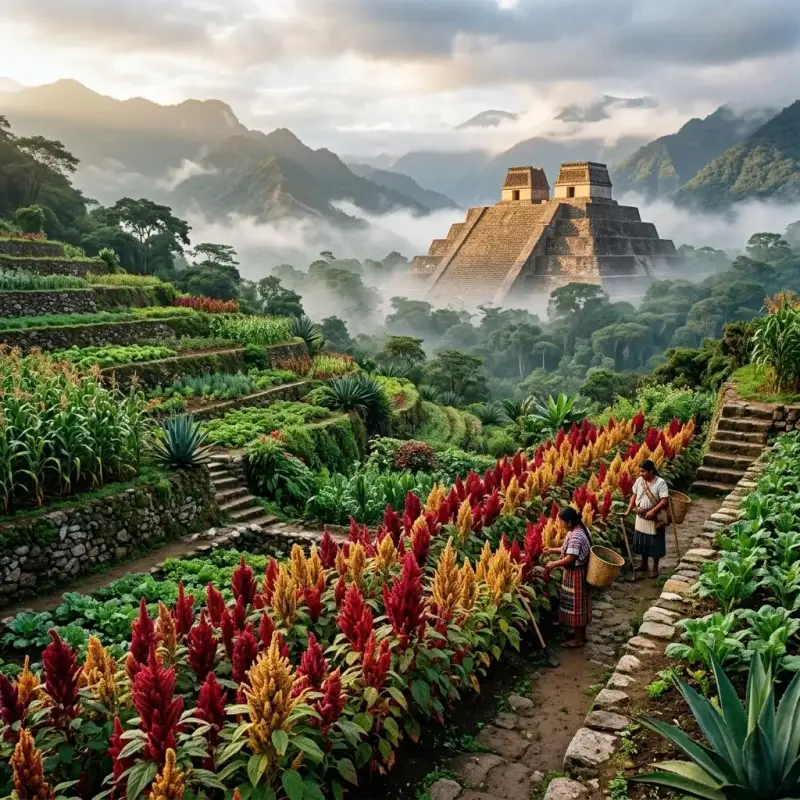
The Serengeti: A Timeless Rhythm of Life and Survival The vast, sun-baked plains of the Serengeti stretched out before me, a sea of golden grass rippling in the warm African breeze. In the Maasai language, Siringet translates to "the place where the land runs on forever." Standing there, with the horizon dissolving into a dusty haze, I understood exactly why. This UNESCO World Heritage site in Tanzania is not just a park; it is the stage for one of the greatest natural spectacles on Earth. #WorldHeritage #Serengeti Covering nearly 15,000 square kilometers, the Serengeti National Park is the beating heart of a much larger ecosystem that spans across the border into Kenya’s Maasai Mara. It is a place of raw, unfiltered nature, where the drama of life and death plays out daily under the immense African sky. #Tanzania #WildlifePhotography The Great Migration: A River of Life I had timed my documentary expedition to witness the Great Migration, the largest overland wildlife migration in the world. Every year, driven by ancient instincts and the search for fresh grazing and water, over two million wildebeest, accompanied by hundreds of thousands of zebras and gazelles, embark on a grueling, circular journey across the Serengeti-Mara ecosystem. #GreatMigration #Wildebeest The sight is staggering. As far as the eye could see, the plains were blanketed by moving animals. The air was thick with the dust kicked up by millions of hooves and the constant, low grunting of the wildebeest. It was a river of life, a relentless, moving force of nature that defies comprehension until you are standing right in the middle of it. We followed the herds as they approached the Grumeti River, a critical and dangerous crossing point. The tension in the air was palpable. The animals hesitated on the banks, instinctively aware of the massive, stealthy crocodiles waiting in the murky waters below. When the first brave—or desperate—wildebeest plunged in, panic ensued. The crossing was a chaotic, heart-stopping struggle for survival, a stark reminder of the harsh realities of the natural world. #NatureDocumentary #Survival Predators on the Prowl Where the herds go, the predators follow. The Serengeti boasts one of the highest concentrations of large predators in the world, and during the migration, it becomes a literal hunting ground. #Predators #AfricanSafari Through the lens of my camera, I spent days observing a pride of lions lounging in the shade of an acacia tree, their golden coats blending perfectly with the dry grass. They were patient, observant, waiting for the perfect moment to launch an ambush. I also had the thrilling privilege of tracking a cheetah, the world's fastest land animal. Watching this sleek, aerodynamic feline accelerate in a blur of motion to take down a Thomson's gazelle was a breathtaking display of evolutionary perfection. Yet, even successful hunts are fraught with danger, as hyenas and lions often swoop in to steal the hard-earned kill. The delicate balance of power in the Serengeti is constantly shifting. #BigCats #LionPride #Cheetah The Climate Threat to the Cycle However, this ancient, rhythmic cycle of life is facing modern, unprecedented threats. As a filmmaker, my focus inevitably shifts from the immediate drama of the hunt to the slower, more insidious danger of climate change. #ClimateCrisis #EnvironmentalProtection The timing and route of the Great Migration are entirely dependent on seasonal rainfall. But climate change is altering these established weather patterns. Droughts are becoming more frequent and severe, while unpredictable, intense rains cause flash flooding. These erratic weather events disrupt the growth of the grasses the herds rely on, leading to starvation and significantly altering their migratory paths. Furthermore, human encroachment and habitat fragmentation around the park's borders put immense pressure on the ecosystem. The proposed construction of roads and infrastructure through the migration routes threatens to sever this vital lifeline, potentially triggering a catastrophic collapse of the entire ecosystem. #ConservationAction #SaveTheSerengeti The Role of Conservation Preserving the Serengeti requires a monumental, coordinated effort. It involves strict anti-poaching patrols to protect endangered species like the black rhino and the African elephant. It also requires working closely with local communities, ensuring they benefit from sustainable tourism and are actively involved in conservation efforts. During my time there, I met with dedicated rangers and conservationists who work tirelessly, often in dangerous conditions, to protect this unparalleled wilderness. Their passion and commitment are the bulwarks defending the Serengeti against the creeping threats of the modern world. #WildlifeRangers #ConservationHeroes A Legacy for the Future As the sun dipped below the horizon, painting the sky in fiery hues of orange and purple, the silhouette of a solitary giraffe ambled across the plains. It was a moment of profound peace, a stark contrast to the frantic energy of the day. The Serengeti is more than just a wildlife park; it is a vital repository of our planet's natural history. It reminds us of a time before human dominance, when the rhythms of nature dictated the flow of life. Protecting the Serengeti is not just about saving animals; it is about preserving the very essence of the wild. We must act decisively to combat climate change and support conservation initiatives, ensuring that the great herds continue to thunder across these timeless plains for generations to come. The world would be infinitely poorer without the wild heart of the Serengeti. #ProtectNature #DocumentaryStorytelling #unesco #documentary #safari #wildlife #africa Related InsightsGeorgia’s Caucasus Mountains: Where Medieval Villages, Ancient Wine, and Epic Hikes Collide Angkor Wat: Il Cuore Cosmico di Pietra, Tra Devozione e Mistero nel Regno Khmer Ethiopia's Danakil Depression: The Hottest Place on Earth's Alien Landscapes (Part 2){ "@context": "https://schema.org", "@type": "FAQPage", "mainEntity": [ { "@type": "Question", "name": "What is the main focus of The Serengeti: A Timeless Rhythm of Life and Survival?", "acceptedAnswer": { "@type": "Answer", "text": "Witnessing the Great Migration and exploring the delicate balance of life, predators, and climate impacts in Tanzania's Serengeti." } }, { "@type": "Question", "name": "Who authored the comprehensive guide on The Serengeti: A Timeless Rhythm of Life and Survival?", "acceptedAnswer": { "@type": "Answer", "text": "This detailed article and its insights were carefully researched and authored by Sarah Mitchell." } }, { "@type": "Question", "name": "Where can I find more related content about Travel?", "acceptedAnswer": { "@type": "Answer", "text": "You can explore more articles, detailed reviews, and similar insights by browsing the Related Insights section at the bottom of this article or visiting our dedicated Travel category page." } } ] }