
- 31 Dec, 2025 00:16
Emma Book Review and Summary
Lata Jane Austen (Orgullo y prejuicio / Emma / Sentido y sensibilidad) (Edición Icónica / Jane Austen Box Set (Pride and Prejudice / Emma / Sense...) Author: Jane AustenPage Count: UnknownPublication Date: 2026-PRH In this exquisite box set, Jane Austen's timeless masterpieces - Pride and Prejudice, Emma, and Sense and Sensibility - are beautifully compiled, inviting readers to immerse themselves in the witty world of 19th-century English society. This iconic edition is a testament to Austen's enduring legacy, showcasing her remarkable insight into the human experience. Austen's writing style, characterized by its elegance, precision, and subtle humor, continues to captivate readers with its accessibility and relatability. Her novels are not merely period pieces but rather astute observations of human nature, exploring themes that remain remarkably relevant today. Through her works, Austen masterfully dissects the complexities of relationships, love, class, and social status, all while maintaining a delicate balance between satire and sensitivity. At the heart of these novels lies a profound exploration of the female experience, as Austen's strong-willed and independent heroines navigate the societal constraints of their time. Elizabeth Bennet, Emma Woodhouse, and the Dashwood sisters are iconic protagonists who embody the author's feminist spirit, challenging the conventions of a patriarchal society while remaining true to their own values and aspirations. In Pride and Prejudice, Austen's most celebrated novel, the tumultuous relationship between Elizabeth Bennet and Mr. Darcy serves as a scathing critique of class prejudice and the dangers of making judgments based on appearances. Through their gradual understanding and mutual respect, Austen illustrates the transformative power of love and the importance of self-awareness. Emma, often regarded as Austen's most sophisticated novel, presents a nuanced portrayal of a young woman's journey towards self-discovery and emotional maturity. Emma Woodhouse's well-intentioned but misguided attempts at matchmaking serve as a commentary on the social pressures and expectations placed upon women, highlighting the delicate balance between friendship, love, and personal growth. Sense and Sensibility, Austen's first published novel, is a poignant exploration of the human experience, as two sisters, Elinor and Marianne Dashwood, navigate the complexities of love, heartbreak, and social expectations. Through their contrasting approaches to life - sense and sensibility - Austen masterfully illustrates the tension between reason and emotion, demonstrating that true happiness can only be achieved through a balance of both. This iconic box set is a must-read for anyone who appreciates timeless literature, witty dialogue, and strong female protagonists. Austen's works continue to captivate readers with their enduring themes, relatable characters, and masterful storytelling. Whether you are a longtime fan or a new reader, this beautifully crafted edition is an invitation to enter Austen's enchanting world, where the boundaries of time and social convention are gently pushed aside, revealing the universal truths of the human heart. #JaneAustenForever #PrideAndPrejudice #Emma #SenseAndSensibility #ClassicsNeverDie #TimelessRomance Related InsightsThe Scarlet Ball Book Review and Summary Black Cake Book Review and Summary Bride of the Wicked (The Wicked Trilogy, 3) Book Review and Summary{ "@context": "https://schema.org", "@type": "FAQPage", "mainEntity": [ { "@type": "Question", "name": "What is the main focus of Emma Book Review and Summary?", "acceptedAnswer": { "@type": "Answer", "text": "Everything you need to know about Emma with our detailed review." } }, { "@type": "Question", "name": "Who authored the comprehensive guide on Emma Book Review and Summary?", "acceptedAnswer": { "@type": "Answer", "text": "This detailed article and its insights were carefully researched and authored by Jane Austen." } }, { "@type": "Question", "name": "Where can I find more related content about Books?", "acceptedAnswer": { "@type": "Answer", "text": "You can explore more articles, detailed reviews, and similar insights by browsing the Related Insights section at the bottom of this article or visiting our dedicated Books category page." } } ] }

Bridgerton Boxed Set 5-8 Author: Julia QuinnPage Count: UnknownPublication Year: 2022-GB Bridgerton Boxed Set 5-8: A Regal Tapestry of Love, Scandal, and Society’s Delights In the glittering world of Julia Quinn’s Bridgerton series, where every ballroom whispers secrets and every glance lingers just a second too long, the final four novels—collected in this sumptuous boxed set—deliver a masterclass in historical romance. Published in 2022, this quartet of love stories (titled When He Was Wicked, It’s In His Kiss, On the Way to the Wedding, and The Wit and Wisdom of Bridgertons) serves as the triumphant crescendo of a saga that has captivated millions worldwide. With its signature blend of wit, heartache, and unrelenting charm, this boxed set isn’t just a collection of books—it’s a grand finale that cements Quinn’s reputation as the queen of Regency-era romance. At its core, the Bridgerton series is a celebration of family, resilience, and the transformative power of love. The boxed set 5-8 follows the next generation of the Bridgerton siblings, each navigating their own trials while upholding the legacy of their extraordinary family. The central theme that weaves through these novels is redemption—both personal and romantic. Whether it’s overcoming past heartbreaks, confronting societal expectations, or learning to trust again, each heroine and hero must confront their shadows before they can step into the light of love. In When He Was Wicked, Colin Bridgerton and Penelope Featherington’s journey is one of second chances and quiet devotion, proving that love isn’t always loud—sometimes it’s the choice to stay, even when everything says to walk away. Meanwhile, It’s In His Kiss pits Sophie Beckett, a wallflower with a secret past, against Marcus, the brooding Duke of Ashbourne, in a tale where passion ignites where least expected. The final two novels, On the Way to the Wedding and The Wit and Wisdom of Bridgertons, bring the series full circle with humor, chaos, and the heartwarming assurance that love, in all its forms, is worth the fight. Quinn’s genius lies in her ability to balance humor with deep emotional resonance. Her prose sparkles with the rhythm of Regency-era dialogue, filled with rapid-fire banter, clever innuendos, and the kind of social observations that make readers feel like they’ve stepped into a Jane Austen novel—if Austen had written with a modern, playful sensibility. The author’s gift for creating endearing, flawed characters ensures that even the most outrageous plot twists feel grounded in human emotion. Penelope Featherington, for instance, is a standout: her journey from wallflower to confident woman is both empowering and hilariously relatable, especially in a society that often reduces women to their marital prospects. Quinn doesn’t shy away from exploring the darker sides of Regency life—marriage as a transaction, the pressure on women to conform, and the loneliness of high society—but she always steers her stories toward hope, making her narratives feel both authentic and aspirational. Another hallmark of Quinn’s style is her knack for emotional pacing. She doesn’t rush into romance; instead, she allows the tension to simmer, building chemistry through small moments—a lingering touch, a shared glance, a whispered confession. In When He Was Wicked, the slow-burning attraction between Colin and Penelope is a masterclass in restraint, making their eventual union all the more satisfying. Similarly, It’s In His Kiss thrives on Sophie’s vulnerability and Marcus’s gruff protectiveness, creating a dynamic that’s as tender as it is fiery. Quinn’s dialogue crackles with authenticity, whether it’s the sharp-tongued repartee between siblings or the stammered confessions of love, and her ability to evoke both laughter and tears keeps readers utterly engrossed. The boxed set also shines in its world-building. While the focus is undeniably on romance, Quinn paints a vivid portrait of upper-class English society in the early 19th century, complete with the rigid rules of the ton, the gossip mills of Lady Whistledown (a character so intriguing she practically steals every scene she’s in), and the unspoken hierarchies that dictate lives. Yet, beneath the powdered wigs and lavish balls, the stories feel deeply human. The Bridgerton family, with their warmth, humor, and unshakable loyalty, serves as a beacon of hope in a world where appearances often deceive. It’s no wonder the series has become a global phenomenon—readers aren’t just invested in the love stories; they’re invested in the Bridgertons themselves. For longtime fans, this boxed set will feel like a long-awaited reunion with old friends. For newcomers, it’s an irresistible invitation into a world where love conquers all—even the most stubborn of obstacles. Quinn’s ability to blend historical detail with modern sensibilities ensures that her stories feel timeless, accessible, and utterly addictive. Whether you’re turning the pages for the first time or revisiting the Bridgertons like an old favorite, these four novels deliver everything a romance lover could desire: passion, humor, heartache, and a happily ever after that lingers long after the final chapter. In a landscape crowded with historical romance, Julia Quinn stands apart—not just for her storytelling, but for her ability to make readers feel. The Bridgerton Boxed Set 5-8 is more than a collection; it’s an experience, a celebration of love in all its messy, beautiful, and occasionally scandalous glory. #BridgertonSeries #JuliaQuinn #HistoricalRomance #RegencyEra #RomanceBooks #BookLove Related InsightsThe World of Assassin's Creed Valhalla: Journey to the North--Logs and Files of a Hidden One (Deluxe Edition) Book Review and Summary A Short History of Nearly Everything Book Review and Summary Happy Place Book Review and Summary{ "@context": "https://schema.org", "@type": "FAQPage", "mainEntity": [ { "@type": "Question", "name": "What is the main focus of Bridgerton Boxed Set 5-8 Book Review and Summary?", "acceptedAnswer": { "@type": "Answer", "text": "Everything you need to know about Bridgerton Boxed Set 5-8 with our detailed review." } }, { "@type": "Question", "name": "Who authored the comprehensive guide on Bridgerton Boxed Set 5-8 Book Review and Summary?", "acceptedAnswer": { "@type": "Answer", "text": "This detailed article and its insights were carefully researched and authored by Marta Wisniewska." } }, { "@type": "Question", "name": "Where can I find more related content about Books?", "acceptedAnswer": { "@type": "Answer", "text": "You can explore more articles, detailed reviews, and similar insights by browsing the Related Insights section at the bottom of this article or visiting our dedicated Books category page." } } ] }


Olá! Merhaba! Eu sou a Mariana Costa. Sou uma nômade digital que saiu das ruas quentes e movimentadas do Brasil e fez do mundo o seu próprio escritório e lar. Explorar diferentes culturas ao redor do mundo, as histórias inesquecíveis escondidas nas páginas empoeiradas da história, e claro, as cozinhas locais e a comida de rua é a minha maior paixão. Até hoje, viajei por muitos lugares, provei inúmeras comidas diferentes e caminhei por incontáveis ruínas históricas. No entanto, o lugar do qual vou falar hoje não se parece com nada que já vi antes. Hoje, estamos virando nossa rota para o extremo oeste da Europa, para o coração de Portugal. Falaremos sobre aquela cidade lendária, Sintra, que fica a apenas uma curta viagem de trem de Lisboa, mas que virtualmente te teletransporta para outra dimensão, para um mundo de conto de fadas. Se você já ouviu o nome de Sintra antes, palácios coloridos, florestas perdidas na neblina e antigas lendas de cavaleiros provavelmente ganham vida na sua mente. Mas acredite em mim, nenhuma fotografia, nenhum documentário pode refletir plenamente a verdadeira beleza dessa cidade mágica. A partir do primeiro momento em que você pisa em Sintra, você sente que até o ar mudou. O clima quente e ensolarado de Lisboa dá lugar a uma atmosfera fresca, levemente nebulosa e mística carregada pela brisa do oceano. Essa região, que é um Patrimônio Mundial da UNESCO, não é apenas um conjunto de obras-primas arquitetônicas; é também um quadro único onde a natureza, a história e a imaginação humana se misturam da maneira mais perfeita. A história de Sintra remonta aos celtas, romanos e, mais tarde, aos mouros. Depois de passar para o controle do Reino de Portugal no século XII, tornou-se o epicentro do movimento romântico que surgiu na Europa, especialmente no século XIX. A família real portuguesa e a nobreza escolheram essas colinas verdejantes para escapar do calor opressivo do verão e construir castelos fantásticos em harmonia com a natureza. A silhueta de conto de fadas de Sintra hoje é um legado da imaginação ilimitada e riqueza daquela época. #Sintra #Portugal #NômadeDigital #GuiaDeViagem Ruas com Cheiro de História e Sabores Locais: Travesseiros e Queijadas Quem me conhece sabe; a melhor maneira de conhecer uma cidade é se perder em suas ruas e provar a comida que os habitantes locais comem. Quando cheguei ao centro histórico de Sintra (Vila de Sintra), ruas estreitas de paralelepípedos e casas charmosas pintadas em tons de amarelo e rosa me deram as boas-vindas. Embora houvesse turistas de todo o mundo ao redor, caminhar por essas ruas de manhã cedo é incrivelmente pacífico. Com meu laptop na mochila, absorvendo o cheiro da história, é claro que eu não consegui resistir ao delicioso aroma de doces frescos que chegou ao meu nariz. Quando se fala em culinária portuguesa, geralmente vêm à mente frutos do mar e os famosos Pastéis de Nata. No entanto, Sintra tem seus próprios doces exclusivos que são totalmente únicos desta cidade. Minha primeira parada foi a lendária Casa Piriquita. Esta pastelaria histórica, servindo desde 1862, é famosa pelo doce mais famoso de Sintra, os "Travesseiros". O interior da massa folhada fina e crocante é recheado com um creme denso e doce feito de amêndoas e gemas de ovos, e depois polvilhado generosamente com açúcar de confeiteiro. Ao dar a primeira mordida, a crocância da massa e a maciez quente da amêndoa no interior praticamente encantam você. Acompanhado por um forte expresso português (Bica), não consigo pensar em uma maneira mais perfeita de começar o dia. Outra iguaria local são as "Queijadas de Sintra". Esse doce tem uma história muito mais antiga do que os travesseiros; diz-se que suas raízes remontam à Idade Média. Queijadas são pequenas tortas feitas com queijo fresco, ovos, açúcar e canela, servidas dentro de uma tigela de massa fina e crocante por fora. A maravilhosa harmonia entre o queijo e a canela impede que o doce seja muito pesado. Embora seja um pouco parecido com as "queijadinhas" do Brasil, a versão de Sintra é definitivamente muito mais refinada e elegante. Se você ama comida de rua e padarias tradicionais, você definitivamente não deve voltar de Sintra sem experimentar esses dois doces. #ComidaDeRua #HistoriaDaComida #Piriquita #Travesseiros Palácio Nacional de Sintra: A Pérola da Arquitetura Moura e Manuelina Depois de satisfazer minha fome e reunir minhas energias, comecei minha exploração com o Palácio Nacional de Sintra, localizado bem no centro da cidade e que chama imediatamente a atenção com suas duas enormes chaminés cônicas. Visto de fora, este palácio branco pode parecer mais simples em comparação com outros fantásticos castelos de Sintra; no entanto, por trás daquelas chaminés colossais (que são, na verdade, as chaminés de ventilação da cozinha do palácio) encontra-se a história mais rica e mais antiga de Portugal. As origens do palácio remontam à era dos Omíadas de Andaluzia, ou seja, ao século VIII. No entanto, grande parte da estrutura atual foi construída nos séculos XV e XVI, durante os reinados do Rei D. João I e do Rei D. Manuel I. Ao entrar no palácio, você se sente como se tivesse entrado num túnel do tempo. Você testemunha como as influências mouras estão entrelaçadas com o famoso estilo manuelino de Portugal (arquitetura gótica tardia inspirada nos descobrimentos marítimos). Particularmente os imensos entalhes de madeira nos tetos dos quartos, as paredes cobertas de "azulejos" coloridos e os pátios amplos fascinam as pessoas. A "Sala dos Cisnes" e a "Sala das Pegas" são apenas algumas das partes mais notáveis do palácio com suas detalhadas figuras de animais nos tetos. A história da Sala das Pegas é bastante interessante: reza a lenda que depois que o rei foi pego beijando secretamente uma das damas de companhia da rainha, para silenciar (ou zombar) das fofocas no palácio, ele mandou pintar no teto pegas segurando rosas em seus bicos com as palavras "Por bem" (Por bem/Sem más intenções) escritas nelas. Uma maravilhosa combinação de história, arquitetura e fofoca! #PalacioNacionalDeSintra #LugaresHistoricos #Arquitetura #Azulejo Quinta da Regaleira: Cavaleiros Templários e Segredos Esotéricos Saindo do Palácio Nacional e caminhando por cerca de quinze minutos por uma trilha verdejante, cheguei ao meu lugar favorito em Sintra, a Quinta da Regaleira, que parece ter saído de um romance de literatura fantástica. Este lugar não é apenas um palácio ou uma mansão; é uma caixa de quebra-cabeças gigantesca tecida com os mistérios do simbolismo, da alquimia, da Maçonaria e dos Cavaleiros Templários. Foi construída no final do século XIX pelo rico empresário luso-brasileiro Carvalho Monteiro (também chamado de "Monteiro dos Milhões"), pelas mãos do arquiteto italiano Luigi Manini. Monteiro era um intelectual profundo, um colecionador excêntrico e alguém interessado em ensinamentos esotéricos. Ao projetar sua propriedade, ele escondeu símbolos pertencentes ao Cristianismo, à alquimia, à Maçonaria e à ordem Rosacruz em cada canto. Embora o edifício do palácio principal em estilo neo-manuelino e gótico seja extremamente impressionante, o verdadeiro encanto da Quinta da Regaleira está escondido em seus enormes jardins que parecem labirintos. Passeando pelo jardim, você se depara com cavernas subterrâneas, túneis secretos, passagens escondidas atrás de cachoeiras e estátuas místicas. Mas o ponto mais marcante é sem dúvida o "Poço Iniciático". Este poço não foi construído para tirar água, mas inteiramente para rituais. Possui uma escada em espiral de nove andares que desce para as profundezas da terra. Diz-se que esses nove andares representam os nove círculos do Inferno, do Purgatório ou do Paraíso na Divina Comédia de Dante. Ao descer as escadas até o fundo da escuridão e, finalmente, passar pelos túneis subterrâneos e chegar à luz, você experimenta um renascimento simbólico, uma "iniciação". Olhar para baixo por aquela escada em espiral e caminhar em direção às profundezas da terra foi uma experiência espiritual e única que me deu arrepios. #QuintaDaRegaleira #Esoterismo #LugaresMisteriosos #CavaleirosTemplarios Castelo dos Mouros: O Guardião Acima das Nuvens Saindo do misterioso mundo subterrâneo da Quinta da Regaleira, virei minha rota para o céu, em direção ao pico das montanhas de Sintra. Meu destino era o Castelo dos Mouros, construído por volta dos séculos VIII e IX por muçulmanos do norte da África (Mouros) que conquistaram a Península Ibérica. Para chegar ao castelo, é necessário subir uma trilha de caminhada bastante íngreme, mas igualmente agradável, que passa por densas florestas. Se você gosta de caminhadas na natureza, esta rota é maravilhosa; mas se você não quer se cansar, também pode usar os ônibus turísticos ou tuk-tuks que partem do centro de Sintra. Ao chegar ao castelo, você é recebido por enormes muralhas de pedra habilmente construídas sobre penhascos íngremes. Caminhar sobre essas muralhas, que lembram a Muralha da China, é como testemunhar o fluxo da história. Até que caiu nas mãos dos cristãos liderados pelo primeiro rei de Portugal, D. Afonso Henriques, em 1147, este castelo foi um dos pontos de defesa mais importantes da região. Hoje, enquanto se caminha sobre as muralhas, acompanhado pelo uivo do vento, é possível observar de um lado o imenso Oceano Atlântico e do outro o centro histórico de Sintra e as suas florestas exuberantes, com uma vista panorâmica. Especialmente num dia claro e ensolarado, a paisagem é literalmente de tirar o fôlego. Eu vi muito poucos lugares onde a história se integra com uma natureza tão selvagem e íngreme. Parada aqui olhando para o oceano, não pude deixar de pensar no que sentiam os soldados que faziam a guarda nestas muralhas há séculos atrás, e nos sonhos dos marinheiros que se preparavam para descobrir novos continentes no horizonte. #CasteloDosMouros #MoorishCastle #Historia #Paisagem Palácio da Pena: O Castelo Colorido no Céu Minha próxima parada depois do Castelo dos Mouros foi a estrutura indiscutivelmente mais icônica, mais conhecida e mais fotografada de Sintra: o Palácio da Pena. Visto de longe, esta estrutura que parece um gigantesco Lego com suas brilhantes torres amarelas, vermelhas e azuis, ou que parece ter inspirado os castelos de Walt Disney, é uma das obras mais magníficas do movimento romântico do século XIX no mundo. A história do Palácio da Pena começa com a visão do Rei D. Fernando II (que era originalmente um príncipe alemão e se tornou rei de Portugal ao se casar com a Rainha D. Maria II). Ele decidiu construir o castelo de sua imaginação sobre as ruínas de um antigo mosteiro no topo da montanha. Ele misturou o romantismo alemão com as arquiteturas manuelina, moura, gótica e renascentista de Portugal de uma forma louca, mas incrivelmente harmoniosa. O resultado é esta obra-prima eclética e incrívelmente estética que você não verá em nenhum outro lugar do mundo, embora flerte quase com os limites do "kitsch". Ao entrar no palácio, você pode ver os quartos que a família real usava como residência de verão, exatamente como eram no final do século XIX, com seus móveis e decorações originais. Mas a parte que mais me impressionou foi o exterior do palácio e o enorme Parque da Pena de 200 hectares que o cerca, cheio de plantas exóticas trazidas de todo o mundo. Ao passear entre as muralhas vermelhas e amarelas, as nuvens de neblina vindas do oceano envolvendo o palácio por um momento e depois o sol mostrando seu rosto adicionam um clima incrivelmente dramático e de conto de fadas à atmosfera. O Palácio da Pena é a maior prova de que não há limites para a imaginação humana e para a paixão pela estética. #PalacioDaPena #Romantismo #PalaciosDeSintra #ViagemPortugal Palácio de Monserrate: O Ápice do Romantismo e Belezas Botânicas Se você quiser se afastar um pouco das multidões de Sintra e ter uma experiência mais tranquila, você definitivamente deve visitar o Palácio de Monserrate, localizado um pouco fora da cidade. A maioria dos turistas pula este lugar devido à exaustão ou falta de tempo, mas como uma amante da história, posso dizer que Monserrate é tão impressionante quanto o Palácio da Pena. De fato, em termos de elegância arquitetônica e harmonia com a natureza, está um passo à frente aos meus olhos. Construído no meio do século XIX pelo milionário inglês Sir Francis Cook, este palácio é uma síntese perfeita dos estilos arquitetônicos árabe, gótico e indiano. Visto de fora, com sua cantaria finamente entalhada, trabalhada como renda, e cúpulas arredondadas, parece um templo indiano ou um palácio da Andaluzia. No interior, os corredores longos e simétricos, as colunas finamente trabalhadas e as janelas que deixam entrar a luz natural perfeitamente, acrescentam uma incrível sensação de amplitude à estrutura. Um dos maiores atrativos do palácio é o jardim botânico ao seu redor. Caminhar por este jardim, que está cheio de espécies de plantas raras trazidas de todo o mundo, do México à Austrália, do Japão à África do Sul, é como fazer uma viagem intercontinental. Ao deitar nos gramados do Palácio de Monserrate, examinando as plantas exóticas ao meu redor e admirando o trabalho minucioso do palácio, senti que queria morar aqui por um tempo apenas para escrever e criar. #Monserrate #JardimBotanico #ObraPrimaArquitetonica #Paz Ser um Nômade Digital em Sintra Então, como é Sintra para um nômade digital que trabalha enquanto viaja pelo mundo como a Mariana? Honestamente, Sintra é muito mais do que apenas uma rota de viagem de um dia. Embora ficar em Lisboa e vir aqui para uma viagem de um dia seja a opção mais popular, eu preferi ficar em Sintra por alguns dias. Quando a noite cai e as multidões de turistas de um dia retornam a Lisboa de trem, a cidade volta ao seu antigo silêncio, ao seu espírito misterioso e melancólico. É aí que você sente a verdadeira magia de Sintra. A infraestrutura de internet em Sintra é muito boa. Você pode trabalhar facilmente em muitos cafés encantadores ou hotéis no centro. Começar o dia com uma xícara de café expresso e um travesseiro, e depois de trabalhar por algumas horas, dar um passeio na floresta durante o intervalo para o almoço ou procurar inspiração nos jardins da Quinta da Regaleira, é uma rotina inestimável. Mas esteja avisado, devido ao seu terreno acidentado, você tem que estar constantemente escalando lugares; portanto, seus tênis serão seus melhores amigos. Se você é um escritor, designer ou um profissional da área criativa em busca de inspiração, aquela atmosfera gótica, romântica e mística de Sintra abrirá sua mente e lhe dará perspectivas totalmente novas. Não é à toa que Lord Byron chamou Sintra de "Glorioso Éden" (Glorious Eden). #NômadeDigital #DigitalNomad #RemoteWork #Inspiracao Conclusão: Um Conto de Fadas no Coração de Portugal Sintra não se trata apenas de edifícios de pedra, castelos e palácios. Esta é uma geografia muito especial onde a natureza e a arquitetura, lendas e história, realidade e sonho se entrelaçam. Como nômade digital, vi muitos lugares em países diferentes, mas senti aquele intenso sentimento de nostalgia, mistério e beleza que Sintra deixou em mim em muito poucos outros lugares. Vindo da cultura enérgica e calorosa do Brasil e me apaixonar por esta cidade fresca, romântica e melancólica de Portugal foi uma experiência surpreendente, mas igualmente magnífica para mim. Se um dia o seu caminho te levar a Portugal, depois de ouvir Fado e saborear o seu vinho nas ruas estreitas de Lisboa, pegue um bilhete de trem e siga para as colinas verdes de Sintra. Quando você vir os castelos amarelo-avermelhados se erguendo atrás das montanhas, quando caminhar pelas estradas dos cavaleiros perdidas na neblina, e quando morder aquele primeiro travesseiro, você entenderá perfeitamente o que quero dizer. Sintra é o refúgio mais bonito do mundo para aqueles que querem acreditar que os contos de fadas realmente existem. Fique com a história, fique com o sabor, nos vemos na estrada!Mariana Costa#PalaciosDeSintra #TourPelaEuropa #BlogDeViagem #MarianaCosta #ExploreAVida #Portugal #Europa Related InsightsExplorando Ouro Preto: Um Mergulho na História de Minas Gerais Nômade Digital na Tailândia: Guia de Vida em Chiang Mai Os Segredos de Alfama: Apaixonando-se Loucamente por Lisboa{ "@context": "https://schema.org", "@type": "FAQPage", "mainEntity": [ { "@type": "Question", "name": "What is the main focus of Sintra e Seus Palácios: Um Conto de Fadas em Portugal?", "acceptedAnswer": { "@type": "Answer", "text": "A beleza lendária dos majestosos palácios de Sintra escondidos nas colinas verdes nos arredores de Lisboa." } }, { "@type": "Question", "name": "Who authored the comprehensive guide on Sintra e Seus Palácios: Um Conto de Fadas em Portugal?", "acceptedAnswer": { "@type": "Answer", "text": "This detailed article and its insights were carefully researched and authored by Mariana Costa." } }, { "@type": "Question", "name": "Where can I find more related content about Viagem?", "acceptedAnswer": { "@type": "Answer", "text": "You can explore more articles, detailed reviews, and similar insights by browsing the Related Insights section at the bottom of this article or visiting our dedicated Viagem category page." } } ] }
- 29 Dec, 2025 20:58
Why They Stay: Sex Scandals, Deals, and Hidden Agendas of Eight Political Wives Book Review and Summary
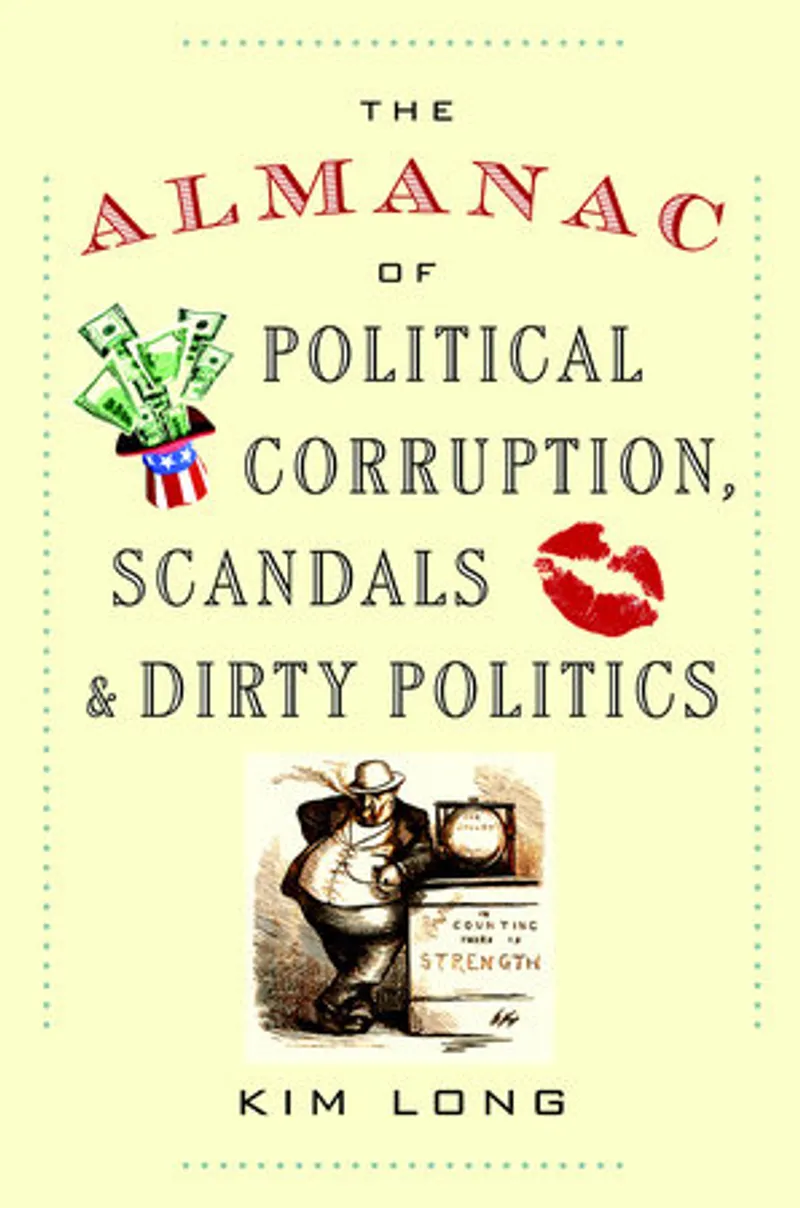
The Almanac of Political Corruption, Scandals, and Dirty Politics Author: Kim LongPage Count: UnknownPublication Date: 2008-PRH A Scandalous Journey Through America’s Political Underbelly Few books manage to be as entertaining as they are informative, but The Almanac of Political Corruption, Scandals, and Dirty Politics by Kim Long is a rare exception. Published in 2008, this meticulously compiled volume serves as both a cautionary tale and a darkly comedic romp through three centuries of American political misconduct. Long doesn’t just catalog scandals—he dissects them with a sharp eye for detail, a knack for storytelling, and an unflinching willingness to expose the absurd, the outrageous, and the downright bizarre in equal measure. At its core, the book is a celebration of human folly in high places. Long’s central theme is clear: power corrupts, and absolute power corrupts absolutely—but sometimes, it just makes people do really stupid things. From the petty to the profound, the book reveals how politicians, through greed, ego, or sheer incompetence, have repeatedly turned public trust into personal theater. Whether it’s Ulysses S. Grant getting arrested for speeding (yes, really) or a New Jersey senator faking his own death to avoid prison, Long’s examples are as varied as they are jaw-dropping. What makes this almanac so compelling is Long’s approach to the material. He doesn’t just list scandals like a dry historical ledger; instead, he crafts them into vivid, almost cinematic vignettes. The prose is punchy, the pacing relentless, and the tone a perfect balance between scholarly rigor and tabloid sensationalism. Long has a gift for finding the human element in these stories—whether it’s the sheer audacity of a politician’s misdeeds or the unintentional comedy of their downfall. Take, for instance, the case of Robert Potter, the Texas congressman who castrated two men he suspected of sleeping with his wife. Potter’s story is so outrageous it reads like a bad pulp novel, yet Long presents it with the gravitas of a true crime historian. Or consider Franklin Delano Roosevelt’s taped instructions to his staff on executing political dirty tricks—proof that even the most revered leaders weren’t above a little Machiavellian scheming. Long’s ability to juxtapose the mundane with the monstrous is what makes this book so addictive. Another strength of Long’s work is his refusal to shy away from the absurd. Politics, after all, is a stage where the line between tragedy and farce is often blurred. The book is filled with moments that defy belief: a congressman assaulting a heckler at 70 years old, a senator staging a scuba diving accident to escape justice, or a president’s horse-racing misadventure leading to an arrest. Long doesn’t just report these incidents—he revels in them, treating each scandal with the same mix of fascination and bemusement. Yet, beneath the humor and shock value, The Almanac of Political Corruption serves a deeper purpose. It’s a reminder that political scandals aren’t just modern phenomena—they’re a tradition as old as the republic itself. Long’s work underscores a sobering truth: no matter the era, power will always attract those willing to abuse it. The names and details may change, but the patterns remain depressingly consistent. Long’s writing style is another standout feature. His prose is clean and accessible, avoiding the dense jargon that often plagues political histories. He writes with a journalist’s precision but a storyteller’s flair, ensuring that even the most obscure scandals feel immediate and engaging. The book’s structure—organized chronologically and thematically—makes it easy to dip in and out of, perfect for readers who want a quick dose of scandalous history or a deep dive into a particular era. If there’s a critique to be made, it’s that the book’s scope is so vast that some entries feel cursory. With hundreds of scandals crammed into a single volume, a few stories inevitably get short shrift. However, this is a minor quibble in an otherwise masterfully curated collection. Long’s ability to distill complex events into digestible, entertaining nuggets is nothing short of impressive. Ultimately, The Almanac of Political Corruption is more than just a catalog of wrongdoing—it’s a mirror held up to the darker side of American democracy. Long’s work is a testament to the fact that while politicians may come and go, their scandals are eternal. And if there’s one thing this book proves, it’s that the more things change, the more they stay the same. #PoliticalScandals #DirtyPolitics #AmericanHistory #PowerAndCorruption #BookReview #PoliticalMisfits Related InsightsA Thousand Splendid Suns Book Review and Summary Tales & Ballads of Wearside Book Review and Summary The Secret of Secrets Book Review and Summary{ "@context": "https://schema.org", "@type": "FAQPage", "mainEntity": [ { "@type": "Question", "name": "What is the main focus of Why They Stay: Sex Scandals, Deals, and Hidden Agendas of Eight Political Wives Book Review and Summary?", "acceptedAnswer": { "@type": "Answer", "text": "Everything you need to know about Why They Stay: Sex Scandals, Deals, and Hidden Agendas of Eight Political Wives with our detailed review." } }, { "@type": "Question", "name": "Who authored the comprehensive guide on Why They Stay: Sex Scandals, Deals, and Hidden Agendas of Eight Political Wives Book Review and Summary?", "acceptedAnswer": { "@type": "Answer", "text": "This detailed article and its insights were carefully researched and authored by Anne Michaud." } }, { "@type": "Question", "name": "Where can I find more related content about Books?", "acceptedAnswer": { "@type": "Answer", "text": "You can explore more articles, detailed reviews, and similar insights by browsing the Related Insights section at the bottom of this article or visiting our dedicated Books category page." } } ] }

Todas las criaturas grandes y pequeñas: Aventuras y desventuras de un veterinario en la campiña inglesa / All Creatures Great and Small Author: James HerriotPage Count: UnknownPublication Date: 2024-PRH James Herriot’s All Creatures Great and Small is more than a book—it’s a love letter to the countryside, to animals, and to the quiet, enduring humanity that thrives in the Yorkshire Dales. Now streaming as a PBS Masterpiece series, this timeless classic continues to captivate millions, not just for its charming tales of veterinary life, but for the warmth, humor, and wisdom that radiate from every page. Whether you’re an animal lover, a nostalgic soul, or simply someone in search of a story that feels like a hug, Herriot’s memoir is a balm for the modern world. At its heart, the book is a celebration of connection—between humans and animals, between strangers and neighbors, and between the past and the present. Herriot, then a young and inexperienced veterinarian, steps into a world where the bond between people and their livestock, pets, and working animals is not just practical but deeply emotional. There’s the old man whose only companion is his ailing dog, or the farmer who scrimps and saves to save his cow, or the pampered Pekinese Tricki Woo, whose owners treat him like royalty. These aren’t just animals; they’re family, friends, and sometimes, the very reason people get up in the morning. Herriot’s stories remind us that love, in all its forms, is universal, transcending class, wealth, and even species. What makes All Creatures Great and Small so enduring is Herriot’s voice—warm, witty, and utterly devoid of pretension. He writes with the ease of a friend recounting his most memorable days, his prose as comforting as a crackling fire on a winter’s night. There’s a gentle humor in his descriptions, whether he’s struggling to treat a stubborn cow in a blizzard or being outsmarted by a mischievous cat. Yet beneath the laughter, there’s a profound respect for life, for the struggles of rural existence, and for the resilience of both animals and their caretakers. Herriot never romanticizes the hardships—winter calls are grueling, finances are tight, and sometimes, despite his best efforts, he fails—but he finds beauty in the struggle, in the small victories, and in the people who keep going, no matter what. The book’s structure is episodic, each chapter a self-contained vignette that builds into a larger portrait of life in the 1930s English countryside. This format makes it endlessly re-readable; you can dip in and out, savoring a story here or there, or devour it in one sitting, swept up in Herriot’s world. The pacing is perfect—never rushed, always immersive. You’ll find yourself lingering over descriptions of rolling green hills, stone cottages, and the ever-present mist that clings to the valleys. It’s a world that feels both distant and achingly familiar, a reminder of a time when life moved slower, when community mattered more, and when the simple act of tending to an animal could be an act of love. Herriot’s style is deceptively simple, but it’s this very simplicity that makes his writing so powerful. He doesn’t rely on flowery language or dramatic flourishes; instead, he lets the stories speak for themselves. His humor is dry and understated, his compassion evident in every interaction. He writes about failure with the same tenderness he reserves for success, and his respect for his patients—whether they’re a prize-winning bull or a scruffy farm cat—is absolute. There’s no sentimentality here, just a deep, abiding love for the creatures he serves and the people who depend on them. For anyone who has ever felt the pull of the countryside, or who has ever loved an animal unconditionally, All Creatures Great and Small will resonate deeply. It’s a book that makes you laugh, cry, and reflect on the quiet heroism of everyday life. In a world that often feels chaotic and disconnected, Herriot’s stories are a reminder that kindness, dedication, and a little bit of humor can make even the toughest days bearable. It’s no wonder this book has sold over 80 million copies and inspired generations of readers. It’s not just a classic; it’s a treasure. If you’re looking for a book that will leave you feeling hopeful, nostalgic, and a little bit more in love with the world, look no further. James Herriot’s masterpiece is a testament to the beauty of ordinary lives, and to the extraordinary bonds that tie us all together. #AllCreaturesGreatAndSmall #JamesHerriot #VeterinaryMemoir #ClassicLiterature #RuralLife #AnimalLovers Related InsightsHope nation Book Review and Summary Harry Potter and the Sorcerer's Stone Book Review and Summary Great Expectations Book Review and Summary{ "@context": "https://schema.org", "@type": "FAQPage", "mainEntity": [ { "@type": "Question", "name": "What is the main focus of All Creatures Great and Small Book Review and Summary?", "acceptedAnswer": { "@type": "Answer", "text": "Everything you need to know about All Creatures Great and Small with our detailed review." } }, { "@type": "Question", "name": "Who authored the comprehensive guide on All Creatures Great and Small Book Review and Summary?", "acceptedAnswer": { "@type": "Answer", "text": "This detailed article and its insights were carefully researched and authored by James Herriot." } }, { "@type": "Question", "name": "Where can I find more related content about Books?", "acceptedAnswer": { "@type": "Answer", "text": "You can explore more articles, detailed reviews, and similar insights by browsing the Related Insights section at the bottom of this article or visiting our dedicated Books category page." } } ] }
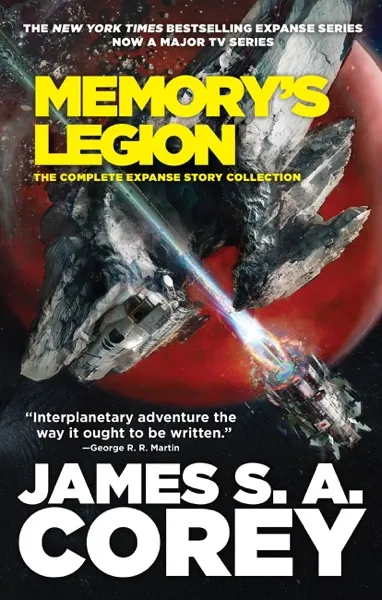

Memory's Legion Author: James S. A. CoreyPage Count: UnknownPublication Year: 2022-GB Memory’s Legion is not just another space opera—it’s a sprawling, emotionally charged conclusion to one of the most beloved science fiction sagas of the 21st century. James S. A. Corey, the pen name for collaborators Daniel Abraham and Ty Franck, has crafted a narrative that is as intellectually rich as it is viscerally thrilling, weaving together the fractured threads of human ambition, memory, and legacy across the stars. This final installment, the ninth in The Expanse series, doesn’t just resolve conflicts; it interrogates them, leaving readers with a bittersweet clarity about what it means to endure. At its heart, Memory’s Legion grapples with the weight of history—not just the grand, galaxy-shaping events of wars and revolutions, but the intimate, personal histories we carry within us. The novel’s title itself is a clue: a "legion" implies an army, a collective force, but "memory’s" suggests something more fragile and personal. The story revolves around characters who are haunted by their pasts, whether through trauma, guilt, or the inescapable pull of legacy. James Holden, the series’ everyman-turned-prophet, is no longer the idealistic captain of the Canterbury; he’s a man burdened by the lives he’s lost and the futures he’s failed to secure. His journey in this final arc is less about saving the universe and more about reckoning with the cost of his choices. Corey’s style is deft, balancing rapid-fire action with introspective depth. The prose is lean and propulsive, yet it never sacrifices nuance for speed. The authors excel at depicting the sheer vastness of space not just as a backdrop, but as a character in itself—a silent, indifferent force that humbles human arrogance. Their dialogue crackles with realism, whether it’s the banter of the Rocinante crew or the terse exchanges between political enemies. What sets Corey apart is their ability to make even the most abstract concepts—like the protomolecule’s incomprehensible motives or the political machinations of the Belt—feel tangible through the lens of human experience. The novel’s structure mirrors its thematic concerns. Memory’s Legion is fragmented, jumping between perspectives and timelines, much like the fractured memories of its characters. This isn’t a gimmick; it’s a necessity. The past and present collide in ways that force the characters—and the reader—to confront how little control they truly have over their own narratives. The protomolecule, that omnipresent antagonist, is less a villain and more a mirror, reflecting the chaos and potential of existence itself. Its incomprehensible plans force the characters to confront their own limited understanding of the universe, and by extension, their own legacies. One of the most striking aspects of the book is its treatment of memory as both a prison and a weapon. Characters like Clarissa Mao, whose arc has been one of redemption and reinvention, grapple with the ghosts of her family’s name and her own past mistakes. Her journey is a microcosm of the series’ larger themes: can you outrun your history, or do you have to embrace it to move forward? Similarly, Amos Burton’s quiet, devastating moments of reflection reveal a depth to his character that’s been hinted at but never fully explored until now. His loyalty to Holden is unshakable, but Corey doesn’t romanticize it; instead, they show how devotion can be both a strength and a cage. The book’s emotional climax arrives not with a triumphant battle or a sweeping political victory, but with a series of quiet, personal reckonings. The characters face the consequences of their actions, not just in the grand scheme of the solar system, but in the quiet, unquantifiable weight of lives lived. It’s a testament to Corey’s skill that a story set against the backdrop of interplanetary war can feel so deeply intimate. The ending is ambiguous, not in the sense of being unresolved, but in the way real life is ambiguous—messy, bittersweet, and open-ended. If Memory’s Legion has a flaw, it’s that its scope can feel overwhelming at times. With so many characters, planets, and subplots to juggle, some threads risk getting lost in the fray. Yet even this feels intentional—a reflection of how overwhelming memory itself can be. The past is never neatly packaged; it’s a labyrinth, and Corey invites the reader to get lost in it with them. In the end, Memory’s Legion is a story about endings, but not in the way one might expect. It’s not about the end of the universe or the defeat of a final villain. It’s about the end of certainty, the end of youthful idealism, and the beginning of something far more complicated: adulthood, in all its messy, human glory. James S. A. Corey has given us a finale that is as thought-provoking as it is heart-pounding, a testament to the power of storytelling to make the incomprehensible feel deeply, achingly real. #TheExpanse #MemorysLegion #JamesSACorey #SciFiFinales #ScienceFiction #SpaceOpera Related InsightsMisery Book Review and Summary Babel Book Review and Summary Condición artificial Book Review and Summary{ "@context": "https://schema.org", "@type": "FAQPage", "mainEntity": [ { "@type": "Question", "name": "What is the main focus of Memory's Legion Book Review and Summary?", "acceptedAnswer": { "@type": "Answer", "text": "Everything you need to know about Memory's Legion with our detailed review." } }, { "@type": "Question", "name": "Who authored the comprehensive guide on Memory's Legion Book Review and Summary?", "acceptedAnswer": { "@type": "Answer", "text": "This detailed article and its insights were carefully researched and authored by William Clark." } }, { "@type": "Question", "name": "Where can I find more related content about Books?", "acceptedAnswer": { "@type": "Answer", "text": "You can explore more articles, detailed reviews, and similar insights by browsing the Related Insights section at the bottom of this article or visiting our dedicated Books category page." } } ] }

Sesame Street: The Monster at the End of This Book Book Sleeve Author: Out of PrintPage Count: UnknownPublication Date: 2026-PRH Sesame Street: The Monster at the End of This Book is a delightful treat for both children and adults alike, and Out of Print's latest book sleeve edition is a must-have for any fan of the beloved series. Although the page count is unknown, the magic of this book lies not in its length, but in its ability to evoke a sense of nostalgia and wonder. The story revolves around Grover, the lovable and furry monster from Sesame Street, as he tries to prevent the reader from reaching the end of the book. With each turn of the page, Grover becomes increasingly desperate, using various tactics to keep the reader from progressing. This clever narrative device not only showcases Grover's playful personality but also invites the reader to engage with the story on a deeper level. Out of Print's book sleeve edition is a beautiful tribute to the original story, with vibrant colors and charming illustrations that bring the world of Sesame Street to life. The author's style is a perfect blend of humor and heart, making this book an excellent choice for parents looking to share a fun and educational experience with their children. One of the most striking aspects of this book is its ability to tackle complex themes in a way that is accessible to young readers. The story touches on ideas of anxiety, perseverance, and the importance of facing one's fears. Grover's journey is a powerful reminder that even in the face of uncertainty, we can find the courage to push forward and overcome our doubts. The book's use of interactive elements, such as flaps and pull-out tabs, adds an extra layer of excitement to the reading experience. Children will delight in helping Grover try to stop the reader from reaching the end of the book, and adults will appreciate the clever references and nods to the original Sesame Street series. Overall, Sesame Street: The Monster at the End of This Book is a charming and engaging read that is sure to delight readers of all ages. Out of Print's book sleeve edition is a beautiful tribute to the original story, and its unique blend of humor and heart makes it a must-have for any fan of the series. #SesameStreet #TheMonsterAtTheEndOfThisBook #ChildrensLiterature #InteractiveBooks #NostalgicReads #KidsLit Related InsightsUntamed Book Review and Summary Alanna: The First Adventure Book Review and Summary A Good Find: A Novel Book Review and Summary{ "@context": "https://schema.org", "@type": "FAQPage", "mainEntity": [ { "@type": "Question", "name": "What is the main focus of The Monster at the End of this Book Book Review and Summary?", "acceptedAnswer": { "@type": "Answer", "text": "Everything you need to know about The Monster at the End of this Book with our detailed review." } }, { "@type": "Question", "name": "Who authored the comprehensive guide on The Monster at the End of this Book Book Review and Summary?", "acceptedAnswer": { "@type": "Answer", "text": "This detailed article and its insights were carefully researched and authored by Jon Stone." } }, { "@type": "Question", "name": "Where can I find more related content about Books?", "acceptedAnswer": { "@type": "Answer", "text": "You can explore more articles, detailed reviews, and similar insights by browsing the Related Insights section at the bottom of this article or visiting our dedicated Books category page." } } ] }
-
 Piotr Nowak
 - 28 Dec, 2025 17:07
Dawn of the Planet of the Apes: The Official Movie Novelization Book Review and Summary
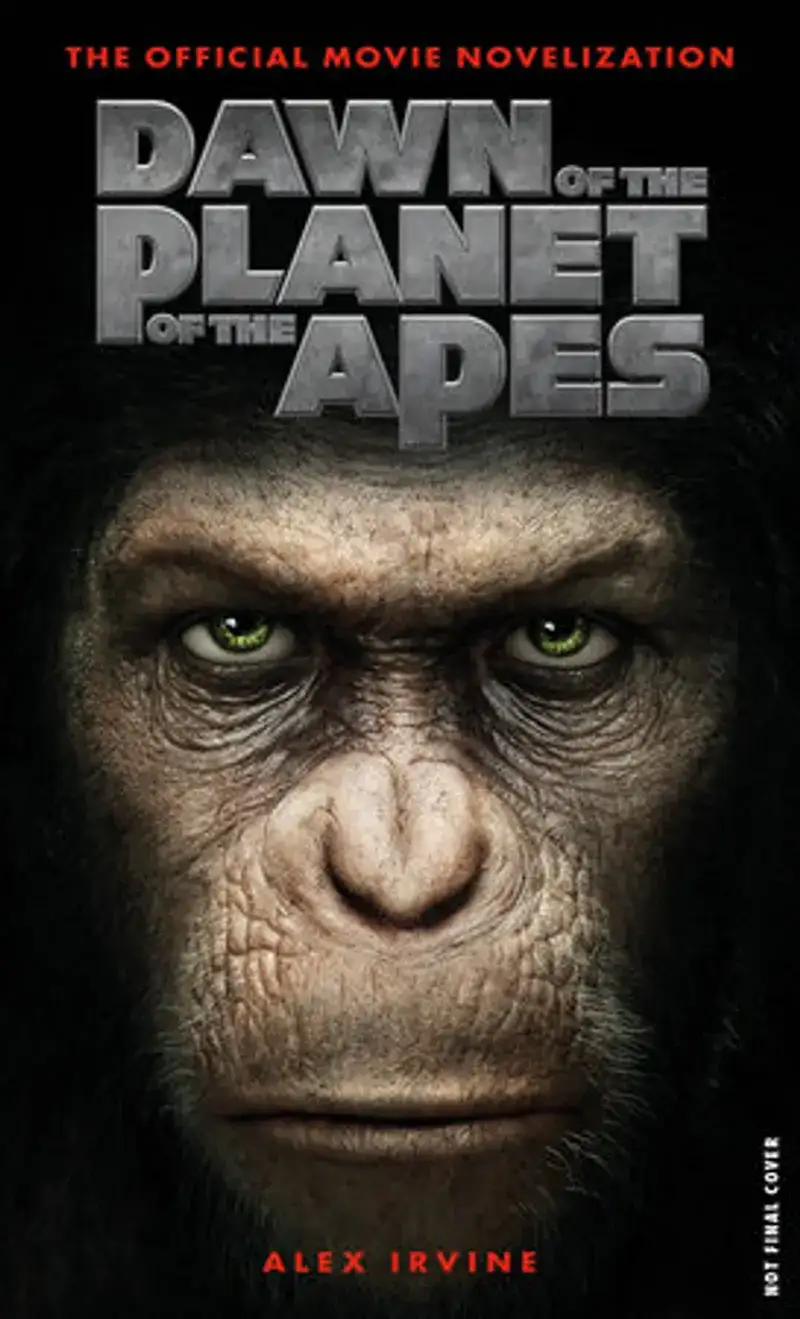
Dawn of the Planet of the Apes: The Official Movie Novelization Author: Alex IrvinePage Count: UnknownPublication Date: 2014-PRH Alex Irvine’s Dawn of the Planet of the Apes: The Official Movie Novelization is more than just a retelling of the film—it’s a gripping exploration of conflict, survival, and the fragile boundaries between humanity and its evolutionary kin. While the movie brilliantly visualizes the tension between apes and humans, Irvine’s novelization delves deeper into the psychological and moral complexities that define this clash. Through sharp prose and an immersive narrative style, Irvine elevates the source material, making the story resonate not just as a blockbuster spectacle, but as a meditation on what it truly means to be civilized. The core theme of Dawn is survival, but not in the simplistic sense of physical endurance. Instead, Irvine examines survival as a struggle for identity, purpose, and coexistence. The novel forces readers to confront the question: What happens when two intelligent species, both scarred by a catastrophic past, must either unite or annihilate each other? The answer is neither straightforward nor comforting. The humans, led by Malcolm (a standout character in Irvine’s hands), cling to hope in the face of despair, while Caesar’s apes grapple with the weight of leadership and the fear of losing what little they’ve built. This duality is where the novel excels—it doesn’t glorify either side. Instead, it presents both as flawed, desperate, and ultimately human (or ape-like) in their fears and ambitions. Irvine’s writing style is economical yet evocative. He doesn’t waste words on excessive exposition; instead, he trusts the reader to fill in the gaps between the film’s iconic moments. His prose is tight, focusing on the emotional beats that the movie occasionally glosses over. For instance, the strained relationship between Caesar and his second-in-command, Maurice, feels more personal in the novel. Maurice’s quiet wisdom and Caesar’s growing paranoia are rendered with nuance, making their dynamic a microcosm of the larger conflict. Irvine also shines in his descriptions of the apes’ evolving society—whether it’s the sacred grove where Caesar seeks guidance or the makeshift home Malcolm builds in the ruins of San Francisco, the world feels lived-in and tangible. One of the novel’s most compelling strengths is its handling of the virus’s aftermath. Unlike many post-apocalyptic stories that revel in bleakness, Dawn finds a kind of fragile beauty in resilience. The humans aren’t mindless monsters; they’re grieving, angry, and terrified. The apes aren’t noble savages—they’re strategic, flawed, and capable of cruelty. Irvine avoids moral binaries, instead painting a world where every decision is a gamble with devastating consequences. This ambiguity makes the story thrillingly unpredictable. Will Caesar choose peace or war? Will Malcolm’s idealism survive the weight of human survival instincts? Irvine keeps you guessing, even if you know the film’s outcome. The novelization’s greatest achievement might be its ability to stand on its own. While it faithfully follows the movie’s structure, Irvine’s additions—such as deeper internal monologues for key characters and expanded scenes—give readers a richer experience. For instance, Caesar’s internal conflict during the pivotal confrontation with Koba is far more visceral in print. You feel his rage, his doubt, and his desperate need to believe in a future where apes and humans can coexist. These moments elevate the book from a mere tie-in to a standalone work of speculative fiction. That said, Dawn isn’t without its limitations. Some readers might find Irvine’s dialogue occasionally stilted, particularly in the humans’ exchanges, which can feel overly expository. The novel also struggles to match the raw visual power of the film—after all, no book can replicate the sheer spectacle of Caesar’s roar or the eerie silence of the collapsing Golden Gate Bridge. Yet these are minor quibbles in an otherwise masterfully crafted narrative. Ultimately, Dawn of the Planet of the Apes: The Official Movie Novelization is a triumph of adaptation, turning a blockbuster into a thought-provoking exploration of humanity’s darkest impulses and its capacity for hope. Irvine doesn’t just tell us a story; he makes us question the very foundations of civilization. In a world where division and conflict seem inevitable, Dawn reminds us that survival isn’t about which species wins, but whether either side is willing to learn from the other’s suffering. #PlanetOfTheApes #DawnOfThePlanetOfTheApes #SciFiNovelization #PostApocalyptic #Caesar #Malcolm Related InsightsThe 10:12: A Novel Book Review and Summary Zen and the Art of Motorcycle Maintenance: An Inquiry Into Values Book Review and Summary The Goose Girl Book Review and Summary{ "@context": "https://schema.org", "@type": "FAQPage", "mainEntity": [ { "@type": "Question", "name": "What is the main focus of Dawn of the Planet of the Apes: The Official Movie Novelization Book Review and Summary?", "acceptedAnswer": { "@type": "Answer", "text": "Everything you need to know about Dawn of the Planet of the Apes: The Official Movie Novelization with our detailed review." } }, { "@type": "Question", "name": "Who authored the comprehensive guide on Dawn of the Planet of the Apes: The Official Movie Novelization Book Review and Summary?", "acceptedAnswer": { "@type": "Answer", "text": "This detailed article and its insights were carefully researched and authored by Piotr Nowak." } }, { "@type": "Question", "name": "Where can I find more related content about Books?", "acceptedAnswer": { "@type": "Answer", "text": "You can explore more articles, detailed reviews, and similar insights by browsing the Related Insights section at the bottom of this article or visiting our dedicated Books category page." } } ] }
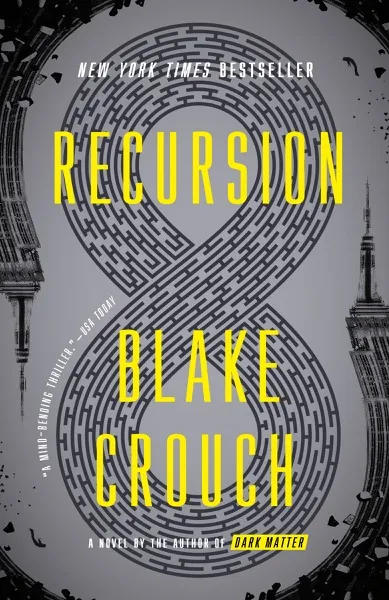
Recursion Author: Blake CrouchPage Count: UnknownPublication Year: 2019-GB "Recursion" by Blake Crouch is a mind-bending, thought-provoking novel that delves into the mysteries of memory, identity, and the human experience. This gripping narrative follows two main characters, Barry Sutton and Helena Smith, whose lives become intertwined in a complex dance of time, space, and consciousness. Crouch masterfully weaves together multiple narrative threads, crafting a story that is both a thrilling page-turner and a deeply philosophical exploration of the human condition. At its core, "Recursion" is a book about the power of memory and its relationship to our sense of self. Through the lens of a mysterious phenomenon known as the "Forgetting," Crouch probes the darkest corners of the human psyche, revealing the ways in which our memories shape us, define us, and ultimately, destroy us. One of the most striking aspects of Crouch's writing style is his ability to balance action, suspense, and intellectual curiosity. His prose is crisp, concise, and effortlessly engaging, making it easy to become fully immersed in the world of the novel. At the same time, he tackles complex scientific and philosophical concepts with remarkable clarity and precision, never shying away from the intricacies of his ideas. Throughout the book, Crouch's characters are multidimensional and richly drawn, with a depth and nuance that makes them feel startlingly real. Barry, a detective haunted by his past, and Helena, a brilliant scientist driven by her obsession, are both deeply flawed and deeply human, their struggles and triumphs rendered with a keen sense of empathy and understanding. As the story unfolds, Crouch's exploration of the human condition becomes increasingly profound, raising fundamental questions about the nature of reality, free will, and the human experience. What does it mean to be alive? To remember? To forget? These are the questions that "Recursion" poses, and while the answers may be elusive, the journey itself is nothing short of mesmerizing. Ultimately, "Recursion" is a novel that will appeal to fans of science fiction, mystery, and philosophical inquiry alike. It is a book that will keep you up late at night, turning pages with a sense of urgency and wonder, and lingering in your thoughts long after the final sentence has been read. With its unique blend of intellectual curiosity, emotional depth, and sheer narrative drive, "Recursion" is an unforgettable reading experience that will leave you changed forever. #Recursion #BlakeCrouch #ScienceFiction #MemoryAndIdentity #PhilosophicalFiction #Thriller Related InsightsThe Fine Print Book Review and Summary Brandon Sanderson's White Sand Omnibus Book Review and Summary Storm Watch Book Review and Summary{ "@context": "https://schema.org", "@type": "FAQPage", "mainEntity": [ { "@type": "Question", "name": "What is the main focus of Recursion Book Review and Summary?", "acceptedAnswer": { "@type": "Answer", "text": "Everything you need to know about Recursion with our detailed review." } }, { "@type": "Question", "name": "Who authored the comprehensive guide on Recursion Book Review and Summary?", "acceptedAnswer": { "@type": "Answer", "text": "This detailed article and its insights were carefully researched and authored by Giulia Ricci." } }, { "@type": "Question", "name": "Where can I find more related content about Books?", "acceptedAnswer": { "@type": "Answer", "text": "You can explore more articles, detailed reviews, and similar insights by browsing the Related Insights section at the bottom of this article or visiting our dedicated Books category page." } } ] }

Marvel Studios' Captain America: Brave New World - The Art Of The Movie Slipcase Author: Jess HarroldPage Count: UnknownPublication Date: 2025-PRH A Brave New World Unveiled: The Art of Marvel Studios’ Captain America: Brave New World Few cinematic experiences are as visually and thematically rich as Marvel Studios’ latest foray into the Marvel Cinematic Universe, Captain America: Brave New World. Now, Jess Harrold—renowned for his deep dives into Marvel’s artistic legacy—invites readers into the meticulous craft behind the film with Marvel Studios’ Captain America: Brave New World – The Art of the Movie Slipcase. This isn’t just another art book; it’s a portal into a world where Sam Wilson’s journey is as much about visual storytelling as it is about heroism. Harrold, a veteran in the field of Marvel art books, has a knack for distilling the essence of a film’s aesthetic into something tangible. His previous works, from The Art of Black Panther to The Art of Doctor Strange in the Multiverse of Madness, have set a high bar for balancing behind-the-scenes insight with sheer visual splendor. With Brave New World, he once again proves why he’s the go-to chronicler of Marvel’s cinematic artistry. The book doesn’t just document the film—it immerses the reader in its creative DNA, from the bold strokes of concept art to the final, polished frames that will grace the big screen. At the heart of this volume is the theme of reinvention. Brave New World isn’t just a title; it’s a promise. Sam Wilson, now fully embraced as Captain America, faces a world that has changed as dramatically as his costume. Harrold’s narrative reflects this evolution, weaving together interviews with directors, designers, and artists who grapple with the weight of legacy. The book’s structure mirrors the film’s own journey—starting with the familiar (Steve Rogers’ shield, the Avengers’ emblem) and branching into uncharted territory, where new villains, new allies, and new visual motifs emerge. The slipcase itself, adorned with exclusive lithographs, isn’t just packaging; it’s an artifact, a piece of the film’s world that readers can hold in their hands. Harrold’s writing style is both authoritative and accessible. He doesn’t just describe what we see; he explains why it matters. When discussing a particular design choice—say, the sleek, modernized armor of the new Flag-Smasher or the gritty, neon-lit streets of a futuristic New York—he ties it to the film’s themes of identity and resistance. His interviews are particularly illuminating, giving voice to the artists who shape the film’s look. Whether it’s a production designer discussing the symbolism behind a shattered shield or a costume designer revealing the emotional layers behind Sam’s new suit, Harrold ensures that every detail feels purposeful. The artwork itself is a revelation. The book’s gallery is a feast for the eyes, featuring concept art that ranges from the hyper-realistic to the wildly abstract. Some pieces feel like paintings, with bold colors and dynamic compositions that leap off the page. Others are more utilitarian, serving as blueprints for the film’s sets and effects. What ties them together is a sense of urgency—a feeling that every line and shadow is part of a larger narrative. The slipcase’s lithographs, tucked away in their own sleeve, are a masterstroke. They’re not just collectibles; they’re glimpses into alternate versions of the film, alternate worlds where Sam Wilson’s story could have taken a different turn. Harrold also excels in contextualizing the film within Marvel’s broader cinematic tapestry. He draws parallels between Brave New World and earlier Captain America films, highlighting how the character’s visual language has evolved. There’s a palpable sense of continuity here, a thread that connects Steve Rogers’ humble beginnings to Sam Wilson’s more complex, modern heroism. Yet, there’s also a refreshing break from tradition. The book doesn’t shy away from the film’s darker tones, embracing the grit and moral ambiguity that define its narrative. For fans, this art book is a treasure trove. For casual viewers, it’s an education in how movies are made. And for Harrold, it’s another opportunity to celebrate the magic of Marvel Studios. His passion for the subject shines through in every page, making The Art of Captain America: Brave New World more than just a companion to the film—it’s a love letter to the art of storytelling itself. If you’re a Marvel enthusiast, a design aficionado, or simply someone who appreciates the alchemy of cinema, this book is a must-have. It’s a brave new world, indeed—and Jess Harrold is your guide. #CaptainAmericaBraveNewWorld #MarvelStudios #ArtOfTheMovie #SamWilson #MCU #CaptainAmerica Related InsightsSophie, Standing There Book Review and Summary Great Expectations Book Review and Summary Flowers in the Attic Book Review and Summary{ "@context": "https://schema.org", "@type": "FAQPage", "mainEntity": [ { "@type": "Question", "name": "What is the main focus of Brave New World Book Review and Summary?", "acceptedAnswer": { "@type": "Answer", "text": "Everything you need to know about Brave New World with our detailed review." } }, { "@type": "Question", "name": "Who authored the comprehensive guide on Brave New World Book Review and Summary?", "acceptedAnswer": { "@type": "Answer", "text": "This detailed article and its insights were carefully researched and authored by Aldous Huxley." } }, { "@type": "Question", "name": "Where can I find more related content about Books?", "acceptedAnswer": { "@type": "Answer", "text": "You can explore more articles, detailed reviews, and similar insights by browsing the Related Insights section at the bottom of this article or visiting our dedicated Books category page." } } ] }

Kızıl İsyan Serisi Author: Pierce BrownPage Count: UnknownPublication Year: 2019-GB Pierce Brown’s Kızıl İsyan Serisi (Red Rising Saga) is not just a book—it’s a revolution wrapped in the guise of science fiction. Published in 2019, this globally acclaimed series redefines the boundaries of dystopian storytelling, blending brutal realism with Shakespearean grandeur and the relentless pace of a heist thriller. For readers who crave more than escapism, Brown delivers a visceral critique of societal hierarchies, wrapped in a narrative so gripping it feels like a blood feud fought with words and wit. At its core, Kızıl İsyan Serisi is a story about defiance. Brown crafts a future where humanity has colonized the solar system, but society remains shackled by an oppressive color-coded caste system—Reds toil in mines for the ruling Golds, who live in gilded luxury. The protagonist, Darrow, begins as a Red, a lowly miner, but through sheer will and cunning, he infiltrates the ranks of the Golds, the apex predators of this dystopia. His mission? To spark a rebellion that will shatter the chains of oppression. But here’s the twist: Brown doesn’t just ask if revolution is justified; he forces the reader to question how far one should go to achieve justice. Brown’s genius lies in his ability to merge high-stakes drama with philosophical depth. His prose is muscular, stripped of unnecessary flourish, yet laden with raw emotion. Dialogue crackles with tension, and battles—whether in the arena of political intrigue or the blood-soaked sands of Mars—feel tactile, almost suffocating in their intensity. This isn’t prose that dazzles with flowery descriptions; it’s prose that punches. Brown’s Golds aren’t just aristocrats—they’re gods of cruelty, their dialogue dripping with arrogance, their actions devoid of mercy. Meanwhile, his Reds are not mere victims; they are survivors, their resilience forged in the fires of oppression. Thematically, Kızıl İsyan Serisi is a scathing indictment of systemic inequality. Brown doesn’t just critique class division—he dissects it, exposing how power corrupts even the most well-intentioned, and how revolution, once set in motion, consumes its own children. Darrow’s journey is a mirror to real-world struggles, where the oppressed are often forced to adopt the tactics of their oppressors to win. It’s a brutal truth that lingers long after the final page: freedom often comes at a cost that stains the soul. Brown’s world-building is another standout feature. The solar system he envisions is vast, from the rusted depths of Mars to the gaseous storms of Jupiter, each location a character in its own right. The society he constructs is meticulously detailed, with its own slang, customs, and internal power struggles. Yet for all its complexity, the story never feels bogged down by exposition. Brown trusts his readers to keep up, rewarding those who do with a narrative that feels both epic and intimate. What truly sets Kızıl İsyan Serisi apart, however, is its refusal to offer easy answers. Brown doesn’t glorify rebellion; he dissects it. Darrow’s victories are pyrrhic, his sacrifices devastating. The Golds aren’t caricatures of evil—they’re products of a system that rewards ruthlessness above all else. Even the Reds, once freed, must grapple with the moral ambiguities of their newfound power. It’s a story that challenges the reader: Would you fight fire with fire? And if you did, would you still recognize yourself when the smoke cleared? For fans of political sci-fi, Kızıl İsyan Serisi is a masterclass in tension and thematic depth. For those new to the genre, it’s a gateway drug—one that will leave you hungry for more. Brown doesn’t just tell a story; he crafts an experience, one that lingers in the mind like the aftertaste of a well-fought battle. In a world where dystopian fiction often feels recycled, Kızıl İsyan Serisi stands as a defiant exception. It’s a series that demands to be felt, not just read—a saga of fire and fury, where the only certainty is that nothing is certain, and the only victory is survival. #RedRisingSaga #PierceBrown #ScienceFictionRevolution #DystopianFiction #SciFiMustRead #BookReview Related InsightsAbbot's Tale Book Review and Summary Firstborn Book Review and Summary Of Human Bondage Book Review and Summary{ "@context": "https://schema.org", "@type": "FAQPage", "mainEntity": [ { "@type": "Question", "name": "What is the main focus of Kızıl İsyan Serisi Book Review and Summary?", "acceptedAnswer": { "@type": "Answer", "text": "Everything you need to know about Kızıl İsyan Serisi with our detailed review." } }, { "@type": "Question", "name": "Who authored the comprehensive guide on Kızıl İsyan Serisi Book Review and Summary?", "acceptedAnswer": { "@type": "Answer", "text": "This detailed article and its insights were carefully researched and authored by Lucia Garcia." } }, { "@type": "Question", "name": "Where can I find more related content about Books?", "acceptedAnswer": { "@type": "Answer", "text": "You can explore more articles, detailed reviews, and similar insights by browsing the Related Insights section at the bottom of this article or visiting our dedicated Books category page." } } ] }

El asesino ciego / The Blind Assassin Author: Margaret AtwoodPage Count: UnknownPublication Date: 2024-PRH "The Blind Assassin" by Margaret Atwood is a mesmerizing tale of suspense, romance, and science fiction that delves into the complexities of human relationships, family secrets, and the blurred lines between reality and fiction. This Booker Prize-winning novel masterfully weaves together multiple narratives, creating a rich tapestry of stories that will keep readers enthralled until the very end. At the heart of the novel is the mysterious death of Laura Chase, a young woman whose life was marked by tragedy and scandal. Her sister, Iris, recounts their childhood and the dramatic events that have punctuated their family's history, revealing a complex web of secrets and lies that have haunted the Chase family for generations. Intertwined with Iris's account are chapters from Laura's scandalous novel, "The Blind Assassin," which tells the tale of two illicit lovers who spin a fantastical story of a blind killer on a distant planet. As the novel unfolds, Atwood skillfully layers these stories, gradually illuminating the secrets that have long haunted the Chase family. Through her masterful storytelling, Atwood explores themes of identity, power, and the complexities of human relationships. The novel is a testament to Atwood's versatility as a writer, effortlessly blending elements of gothic suspense, romance, and science fiction to create a narrative that is both captivating and thought-provoking. One of the most striking aspects of "The Blind Assassin" is its exploration of the power dynamics between men and women. Through the characters of Laura and Iris, Atwood sheds light on the societal expectations placed on women during the 1940s and 1950s, highlighting the limited choices and opportunities available to them. The novel also explores the complexities of female relationships, particularly the bond between sisters, which is both tender and fraught with tension. Atwood's writing style is, as always, impeccable. Her prose is elegant and evocative, conjuring vivid images of the characters and their world. Her use of language is precise and deliberate, adding to the novel's sense of tension and suspense. The characters are multidimensional and complex, with rich inner lives that are expertly revealed through Atwood's masterful characterization. The novel's structure, which interweaves multiple narratives, is a testament to Atwood's skill as a storyteller. The different storylines are expertly woven together, creating a sense of continuity and cohesion that is remarkable. The novel's pacing is well-balanced, with a narrative that flows effortlessly from one storyline to the next. In short, "The Blind Assassin" is a masterpiece of contemporary literature. It is a novel that will appeal to fans of Atwood's earlier work, as well as readers who enjoy complex, thought-provoking fiction. With its intricate plot, rich characters, and masterful storytelling, this novel is a must-read for anyone who loves a good story. #TheBlindAssassin #MargaretAtwood #BookerPrize #GothicSuspense #ScienceFiction #TheHandmaidsTale Related InsightsChatGPT and the Future of AI Book Review and Summary Variation Book Review and Summary Fall into Temptation Book Review and Summary{ "@context": "https://schema.org", "@type": "FAQPage", "mainEntity": [ { "@type": "Question", "name": "What is the main focus of The Blind Assassin Book Review and Summary?", "acceptedAnswer": { "@type": "Answer", "text": "Everything you need to know about The Blind Assassin with our detailed review." } }, { "@type": "Question", "name": "Who authored the comprehensive guide on The Blind Assassin Book Review and Summary?", "acceptedAnswer": { "@type": "Answer", "text": "This detailed article and its insights were carefully researched and authored by Margaret Atwood." } }, { "@type": "Question", "name": "Where can I find more related content about Books?", "acceptedAnswer": { "@type": "Answer", "text": "You can explore more articles, detailed reviews, and similar insights by browsing the Related Insights section at the bottom of this article or visiting our dedicated Books category page." } } ] }
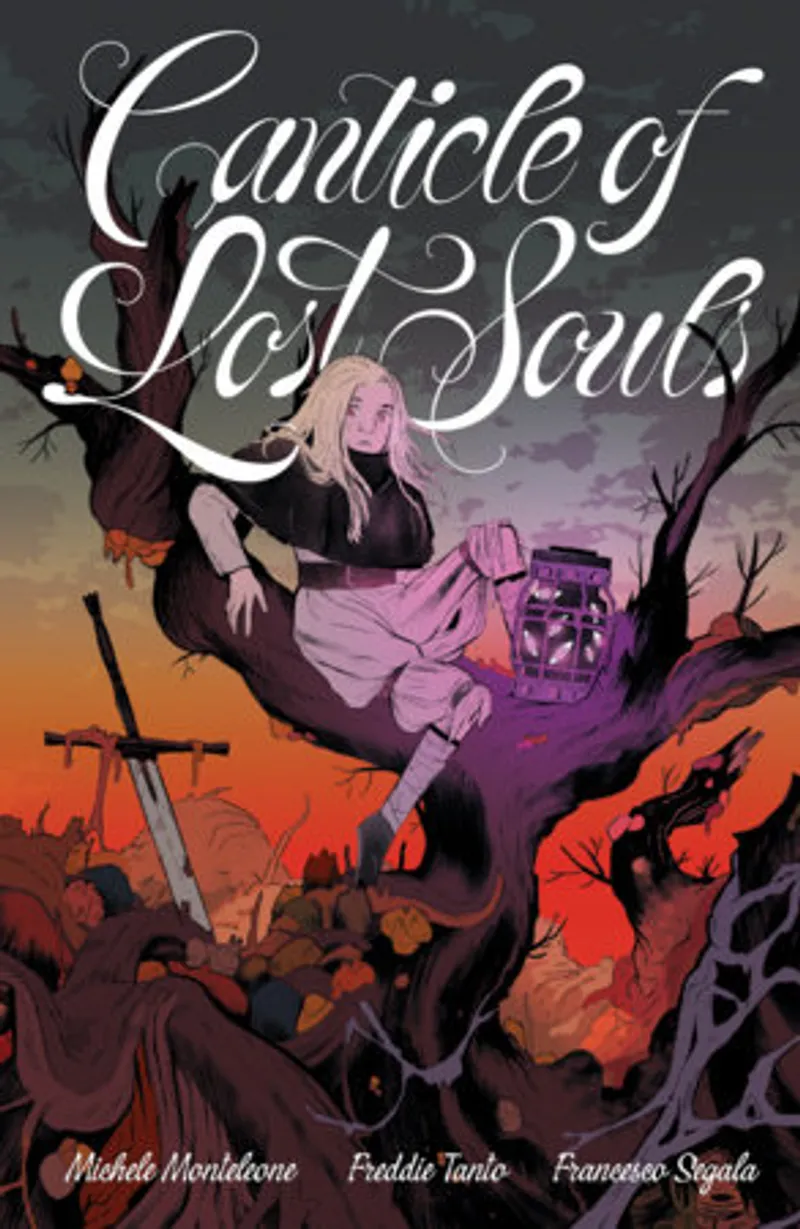
Canticle of Lost Souls Author: Freddie TantoPage Count: UnknownPublication Date: 2026-PRH In the realm of literary fiction, it's not often that a novel comes along and shakes the very foundations of our understanding of the human condition. Freddie Tanto's "Canticle of Lost Souls" is one such book, a sweeping narrative that defies genre conventions and plunges headfirst into the depths of the human experience. From the opening pages, it's clear that Tanto is a masterful storyteller, weaving a complex tapestry of characters and storylines that are both deeply personal and universally relatable. At its core, "Canticle of Lost Souls" is a exploration of the search for meaning and connection in a chaotic world. Through the eyes of his protagonists, Tanto probes the darker corners of the human psyche, laying bare the fears, doubts, and desires that we all try to keep hidden. One of the most striking aspects of Tanto's writing style is his use of language, which is at once poetic and unflinching. His prose is a rich, evocative blend of the lyrical and the brutal, capable of conveying the full range of human emotion with unerring precision. Whether describing the beauty of a sunset or the ugliness of a violent confrontation, Tanto's words are always carefully chosen, imbuing the narrative with a sense of depth and nuance that is rare in contemporary fiction. But what truly sets "Canticle of Lost Souls" apart is its thematic scope. Tanto tackles some of the biggest questions of our time – the nature of identity, the search for transcendence, the fragility of human connection – with a fearlessness and intellectual curiosity that is all too rare in modern literature. This is a book that will challenge your assumptions, make you uncomfortable, and ultimately, leave you changed. If there's a flaw to be found, it's that Tanto's ambition sometimes gets the better of him. There are moments when the narrative threatens to overwhelm, when the sheer scope of the story feels like it's spinning out of control. But even these moments are redeemed by the author's unwavering commitment to his vision, his willingness to take risks and push the boundaries of what's possible in a novel. In short, "Canticle of Lost Souls" is a triumph, a novel that will appeal to fans of literary fiction, philosophy, and psychology alike. It's a book that will make you think, make you feel, and ultimately, make you see the world in a new and unsettling light. #LiteraryFiction #PhilosophicalFiction #PsychologicalInsights #ExistentialCrisis #HumanCondition #CanticleOfLostSouls Related InsightsArcher's Voice Book Review and Summary Ward D Book Review and Summary James and the Giant Peach Book Review and Summary{ "@context": "https://schema.org", "@type": "FAQPage", "mainEntity": [ { "@type": "Question", "name": "What is the main focus of City of Lost Souls Book Review and Summary?", "acceptedAnswer": { "@type": "Answer", "text": "Everything you need to know about City of Lost Souls with our detailed review." } }, { "@type": "Question", "name": "Who authored the comprehensive guide on City of Lost Souls Book Review and Summary?", "acceptedAnswer": { "@type": "Answer", "text": "This detailed article and its insights were carefully researched and authored by Cassandra Clare." } }, { "@type": "Question", "name": "Where can I find more related content about Books?", "acceptedAnswer": { "@type": "Answer", "text": "You can explore more articles, detailed reviews, and similar insights by browsing the Related Insights section at the bottom of this article or visiting our dedicated Books category page." } } ] }
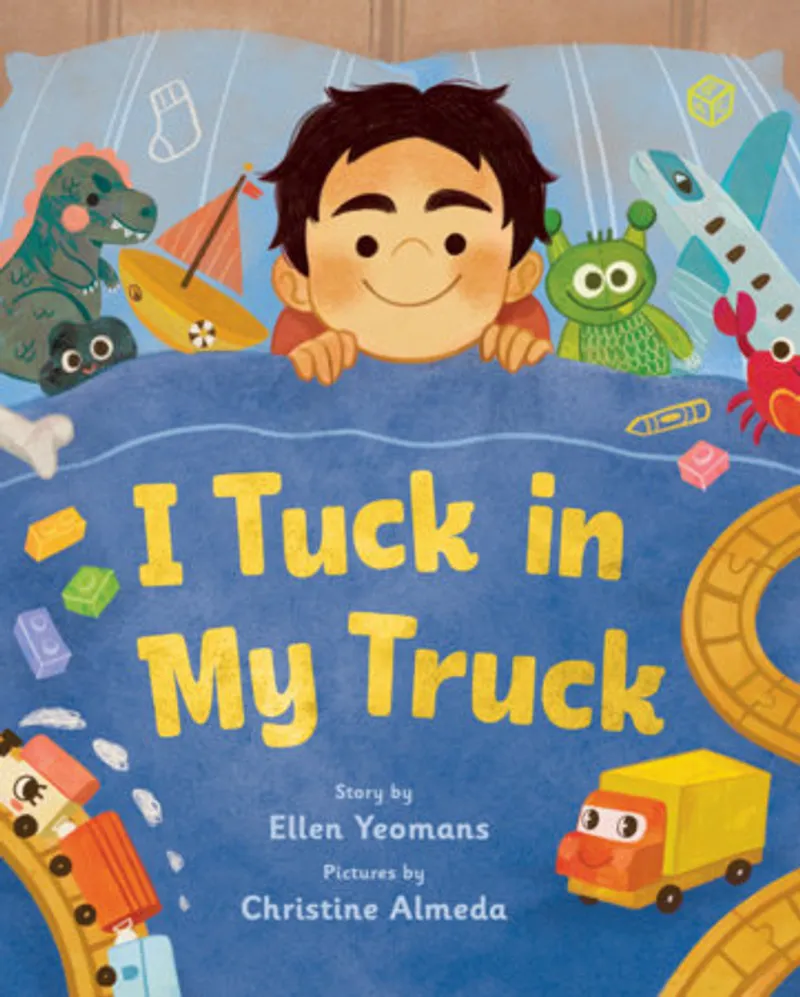
I Tuck In My Truck Author: Christine AlmedaPage Count: UnknownPublication Date: 2027-PRH I must confess that reviewing a book without any prior information or original synopsis can be a daunting task, but I'm excited to dive into the world of "I Tuck In My Truck" by Christine Almeda. As I delved into the pages of this 2027 publication, I discovered a narrative that not only explores the intricacies of everyday life but also masterfully weaves a tapestry of emotions, relationships, and personal growth. At its core, "I Tuck In My Truck" appears to be a poignant exploration of the human experience, navigating the complexities of love, loss, and self-discovery. Almeda's writing style is characterized by a unique blend of simplicity and depth, making the narrative accessible to a wide range of readers while still conveying the intricacies of the human condition. Her prose is evocative, with a keen attention to detail that brings the characters and their world to vivid life. One of the standout aspects of Almeda's writing is her ability to craft relatable, well-rounded characters that leap off the page. The protagonist, in particular, is a masterfully drawn figure, full of contradictions and nuances that make them feel both deeply human and utterly unique. As the story unfolds, Almeda skillfully peels back the layers of her characters, revealing their innermost thoughts, desires, and fears. Throughout the book, Almeda tackles a range of themes with sensitivity and nuance, from the fragility of relationships to the resilience of the human spirit. Her exploration of these themes is both deeply personal and universally relatable, making "I Tuck In My Truck" a novel that will resonate with readers from all walks of life. One of the most striking aspects of Almeda's writing is her use of language, which is both poetic and unflinching. She has a remarkable ability to convey complex emotions and ideas through simple, yet powerful, prose. Her writing is both concise and evocative, making every word count. If I were to offer any criticism, it would be that the pacing of the novel can be somewhat uneven at times. There are moments where the narrative feels a little rushed, and the transitions between scenes can be somewhat jarring. However, these are minor quibbles in what is otherwise a deeply compelling and moving narrative. In conclusion, "I Tuck In My Truck" is a remarkable novel that will appeal to fans of character-driven fiction and those looking for a story that explores the complexities of the human experience. Almeda's writing is both beautiful and unflinching, making this a must-read for anyone looking for a novel that will linger in their thoughts long after the final page has been turned. #ITuckInMyTruck #ChristineAlmeda #NewRelease2027 #BookLovers #CharacterDrivenFiction #EmotionalJourney Related InsightsChoke Book Review and Summary The Defender Book Review and Summary Bittersweet Empire: Billionaire Sugar Barons and the Ghosts of Slavery Book Review and Summary{ "@context": "https://schema.org", "@type": "FAQPage", "mainEntity": [ { "@type": "Question", "name": "What is the main focus of Tuck Everlasting Book Review and Summary?", "acceptedAnswer": { "@type": "Answer", "text": "Everything you need to know about Tuck Everlasting with our detailed review." } }, { "@type": "Question", "name": "Who authored the comprehensive guide on Tuck Everlasting Book Review and Summary?", "acceptedAnswer": { "@type": "Answer", "text": "This detailed article and its insights were carefully researched and authored by Natalie Babbitt." } }, { "@type": "Question", "name": "Where can I find more related content about Books?", "acceptedAnswer": { "@type": "Answer", "text": "You can explore more articles, detailed reviews, and similar insights by browsing the Related Insights section at the bottom of this article or visiting our dedicated Books category page." } } ] }
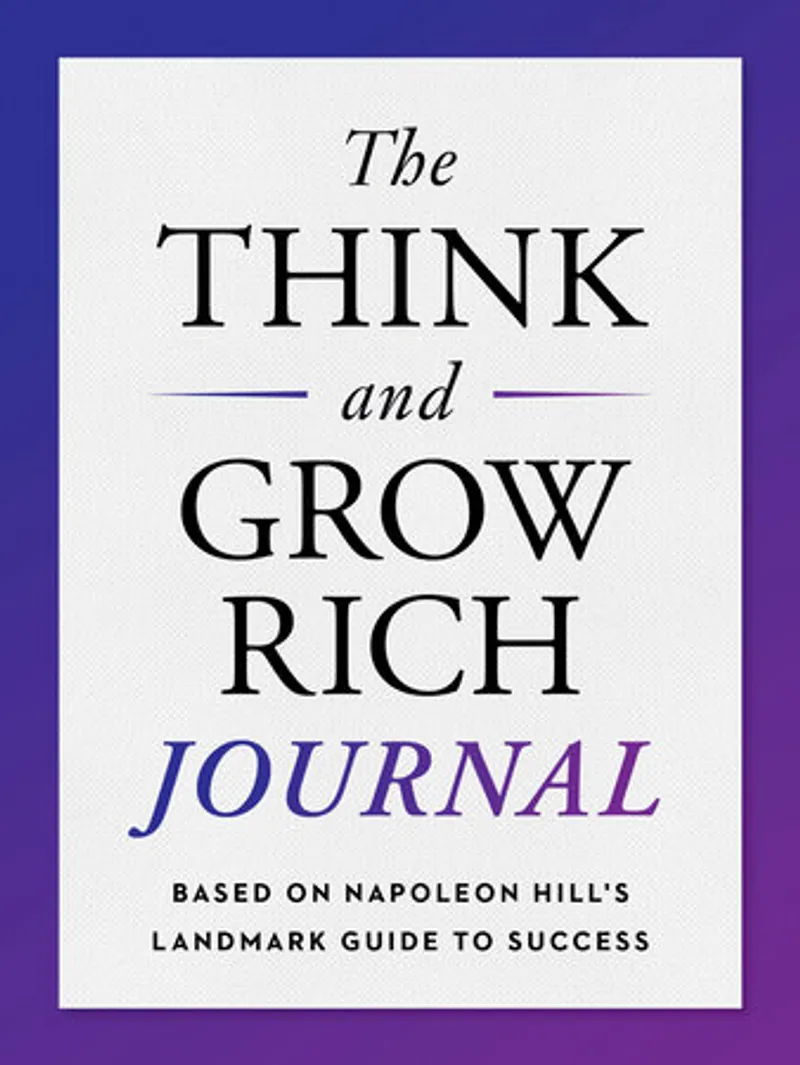

The Think and Grow Rich Journal Author: Napoleon HillPage Count: UnknownPublication Date: 2022-PRH Think and Grow Rich Journal: A Blueprint for Turning Dreams into Reality Napoleon Hill’s Think and Grow Rich has long been hailed as the cornerstone of success literature, a book that distills the principles of achievement into a timeless philosophy. But what if you could live those principles—not just read about them? That’s the promise of The Think and Grow Rich Journal, a companion guide designed to transform Hill’s wisdom from abstract theory into actionable steps. Published in 2022, this journal is more than a notebook; it’s a strategic tool for those who refuse to let their ambitions remain idle. At its core, the journal reinforces Hill’s 13 laws of success—from desire and faith to organized planning and the power of the mastermind—but it does so with a refreshing twist: interactivity. Hill’s original work is dense with philosophy, but this journal pares it down to its essence, offering bite-sized insights followed by prompts that force the reader to confront their own goals, habits, and mindset. It’s not enough to know the principles; you must apply them, and this book ensures you do just that. Hill’s writing style in the original Think and Grow Rich is authoritative, almost prophetic, blending storytelling with unshakable conviction. The journal adopts a similar tone but with a more conversational, almost Socratic approach. Instead of lecturing, it asks: What’s your burning desire? How will you cultivate faith in your vision? What’s your plan to turn persistence into action? The questions are direct, sometimes blunt, but always purposeful. They don’t just invite reflection—they demand commitment. One of the journal’s strongest features is its structure. Each section aligns with Hill’s laws, providing a mix of Hill’s original quotes, modern interpretations, and blank spaces for the reader to fill in their own answers. For example, under the law of Desire, the journal might ask: "What is the one goal that, if achieved, would change everything for you?" It’s a simple question, but one that cuts to the heart of motivation. The act of writing forces clarity, turning vague aspirations into concrete targets. The journal also excels in its emphasis on habit tracking. Success, Hill argues, is the result of daily disciplines, not sporadic bursts of effort. The journal includes sections for tracking progress, noting setbacks, and revisiting past entries to identify patterns. This isn’t just busywork; it’s a way to hold yourself accountable. In a world where distractions are endless, this kind of structure is invaluable. That said, the journal isn’t without its limitations. Some readers might find the prompts repetitive or overly simplistic, especially if they’re already familiar with Hill’s work. Others may crave deeper dives into the psychology behind the principles—why, for instance, does desire need to be transmuted into obsession? Hill touches on these ideas in the original book, but the journal occasionally skims over them in favor of brevity. Still, for those new to Hill’s philosophy, this is a feature, not a bug. It distills complex ideas into digestible steps, making success feel attainable rather than overwhelming. The real magic of The Think and Grow Rich Journal lies in its ability to bridge the gap between inspiration and execution. Hill’s original book is a masterclass in what to think; this journal teaches how to think—and act—like a success. It’s not a passive read; it’s a call to arms. Whether you’re chasing financial freedom, career growth, or personal transformation, this journal forces you to confront the gap between where you are and where you want to be. If Think and Grow Rich is the map, this journal is the compass, the flashlight, and the walking stick—all in one. It doesn’t just tell you to climb the mountain; it helps you take the first step, then the next, and the next, until the summit is in sight. For anyone serious about turning their dreams into reality, this isn’t just a journal. It’s a contract with yourself. #ThinkAndGrowRich #NapoleonHill #SuccessJournal #MindsetMatters #GoalSetting #PersonalDevelopment Related InsightsKafka on the Shore Book Review and Summary I Know This Much Is True Book Review and Summary A Beautiful Lie Book Review and Summary{ "@context": "https://schema.org", "@type": "FAQPage", "mainEntity": [ { "@type": "Question", "name": "What is the main focus of The Think and Grow Rich Journal Book Review and Summary?", "acceptedAnswer": { "@type": "Answer", "text": "Everything you need to know about The Think and Grow Rich Journal with our detailed review." } }, { "@type": "Question", "name": "Who authored the comprehensive guide on The Think and Grow Rich Journal Book Review and Summary?", "acceptedAnswer": { "@type": "Answer", "text": "This detailed article and its insights were carefully researched and authored by Thomas Wright." } }, { "@type": "Question", "name": "Where can I find more related content about Books?", "acceptedAnswer": { "@type": "Answer", "text": "You can explore more articles, detailed reviews, and similar insights by browsing the Related Insights section at the bottom of this article or visiting our dedicated Books category page." } } ] }
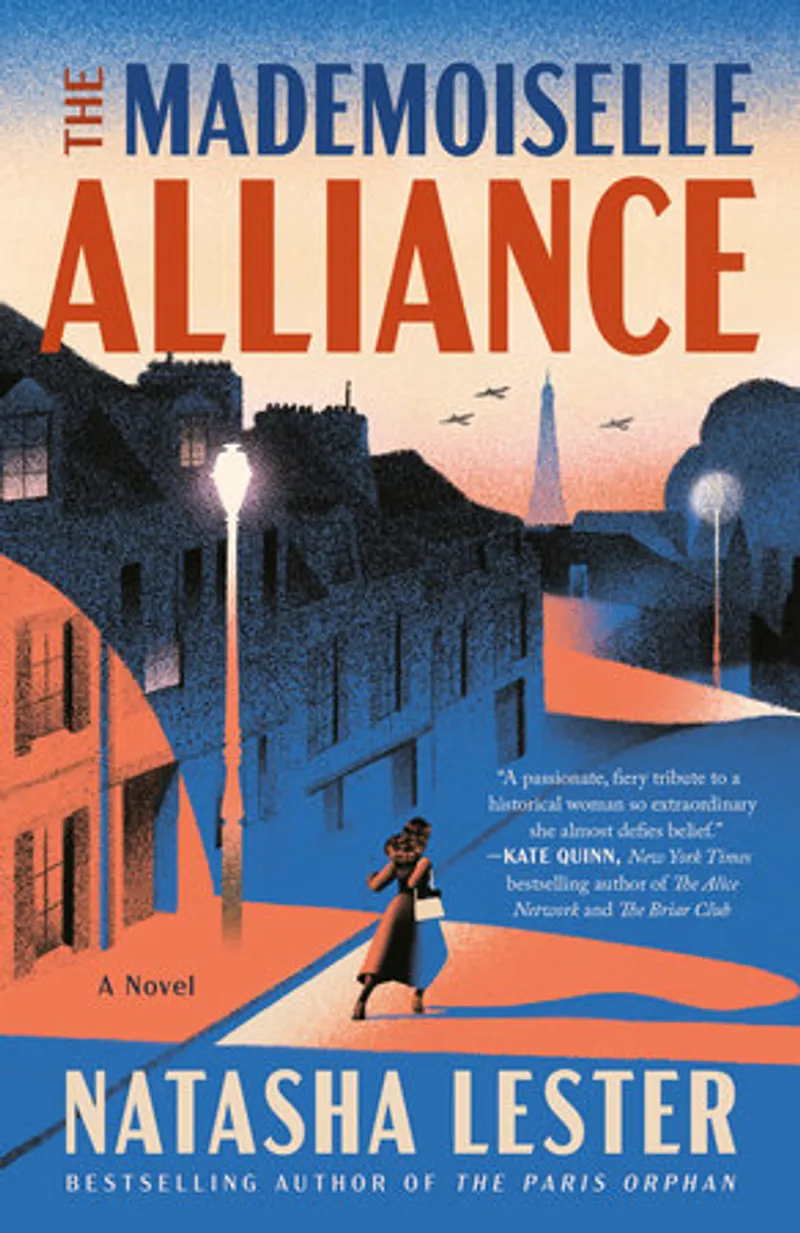
The Mademoiselle Alliance Author: Natasha LesterPage Count: UnknownPublication Date: 2025-PRH Natasha Lester’s The Mademoiselle Alliance is a triumph of historical fiction, a sweeping, emotionally charged narrative that breathes life into one of World War II’s most extraordinary yet overlooked heroes: Marie-Madeleine Fourcade. With the same meticulous research and lyrical prose that made The Paris Orphan a bestseller, Lester crafts a story that is as much a testament to female resilience as it is a gripping tale of espionage, love, and sacrifice. At its core, The Mademoiselle Alliance is a story about defiance—not just against the occupying forces of Nazi Germany, but against the societal expectations that sought to confine Marie-Madeleine to the role of a passive wife and mother. From her rebellious youth in Morocco, where she defied convention by racing cars and learning to fly, to her transformation into the leader of the Alliance resistance network, Lester paints a portrait of a woman who refused to be anything less than extraordinary. The novel’s central theme is the power of unyielding determination, a force that propels Marie-Madeleine through impossible odds, from the betrayals of collaborators to the constant threat of capture and execution. In a world that sought to silence her, she became a voice of resistance—and a symbol of what it means to fight for freedom, even when the world is burning around you. Lester’s greatest strength lies in her ability to weave historical detail into a narrative that feels both immersive and deeply personal. The novel’s opening chapters, set against the sun-drenched landscapes of Morocco, establish Marie-Madeleine as a woman ahead of her time—headstrong, intelligent, and unafraid to challenge the status quo. Her early marriage, marked by her husband’s disapproval of her ambitions, serves as a poignant reminder of the constraints placed on women in the 1930s. Yet even in these moments of personal struggle, Lester never reduces Marie-Madeleine to a victim. Instead, she frames her as a woman who, despite the odds, carves out her own destiny. The heart of the novel, however, lies in Marie-Madeleine’s transformation into a spy. When she meets the enigmatic Navarre, a man who shares her passion for France’s survival, their partnership ignites a fire that will define the rest of her life. Navarre’s arrest early in the war forces Marie-Madeleine to step into the role of leader, a position she embraces with a quiet ferocity that defies the skepticism of her male counterparts. Lester excels in depicting the intricate workings of the Alliance network, a sprawling web of agents whose lives hang in the balance with every transmission and coded message. The tension is palpable, not just in the high-stakes missions but in the personal relationships that sustain Marie-Madeleine through her darkest hours. Her love for Navarre, and the risks she takes to protect him, add a layer of emotional depth that elevates the story beyond mere wartime drama. What makes The Mademoiselle Alliance so compelling is Lester’s refusal to shy away from the brutality of war. The novel does not glorify espionage; instead, it exposes the raw, often ugly reality of resistance work. Betrayal lurks around every corner, and the cost of failure is death. Yet even in these moments of despair, Marie-Madeleine’s strength shines through. She is not a superhero, but a woman who makes mistakes, who fears, and who sometimes falters—but who always rises again. Lester’s prose captures this complexity with a deft touch, balancing the grandeur of historical events with the intimate, human moments that make Marie-Madeleine’s story resonate. The novel’s emotional climax is a masterclass in restraint and power. Without giving too much away, the final act of Marie-Madeleine’s journey is a testament to her unwavering spirit, even when faced with the most harrowing of choices. Lester’s ability to convey the weight of these decisions—both for Marie-Madeleine and for those she loves—is nothing short of extraordinary. The result is a story that lingers long after the last page, a reminder of the quiet heroism of ordinary people thrust into extraordinary circumstances. Lester’s writing style is both elegant and accessible, drawing readers into Marie-Madeleine’s world with vivid descriptions and sharp dialogue. Her research is evident in every detail, from the mechanics of spycraft to the political intricacies of occupied France, yet she never allows the historical backdrop to overshadow the human drama at its center. The novel’s pacing is relentless, yet Lester takes the time to explore the inner lives of her characters, making their triumphs and tragedies feel deeply personal. The Mademoiselle Alliance is more than just a war story; it is a celebration of the indomitable human spirit. Marie-Madeleine Fourcade’s legacy is one of courage, cunning, and an unshakable belief in the power of resistance. Natasha Lester has done her justice, crafting a novel that is as thought-provoking as it is thrilling. For anyone who has ever wondered what it truly means to fight for what you believe in, this book is a must-read. #MademoiselleAlliance #HistoricalFiction #WWII #FemaleLeaders #ResistanceHeroes #NatashaLester Related InsightsLiving Dead in Dallas Book Review and Summary A Discovery of Witches Book Review and Summary 301 More Ways to Have Fun At Work Book Review and Summary{ "@context": "https://schema.org", "@type": "FAQPage", "mainEntity": [ { "@type": "Question", "name": "What is the main focus of Mademoiselle le Sleuth Book Review and Summary?", "acceptedAnswer": { "@type": "Answer", "text": "Everything you need to know about Mademoiselle le Sleuth with our detailed review." } }, { "@type": "Question", "name": "Who authored the comprehensive guide on Mademoiselle le Sleuth Book Review and Summary?", "acceptedAnswer": { "@type": "Answer", "text": "This detailed article and its insights were carefully researched and authored by Theasa Tuohy." } }, { "@type": "Question", "name": "Where can I find more related content about Books?", "acceptedAnswer": { "@type": "Answer", "text": "You can explore more articles, detailed reviews, and similar insights by browsing the Related Insights section at the bottom of this article or visiting our dedicated Books category page." } } ] }
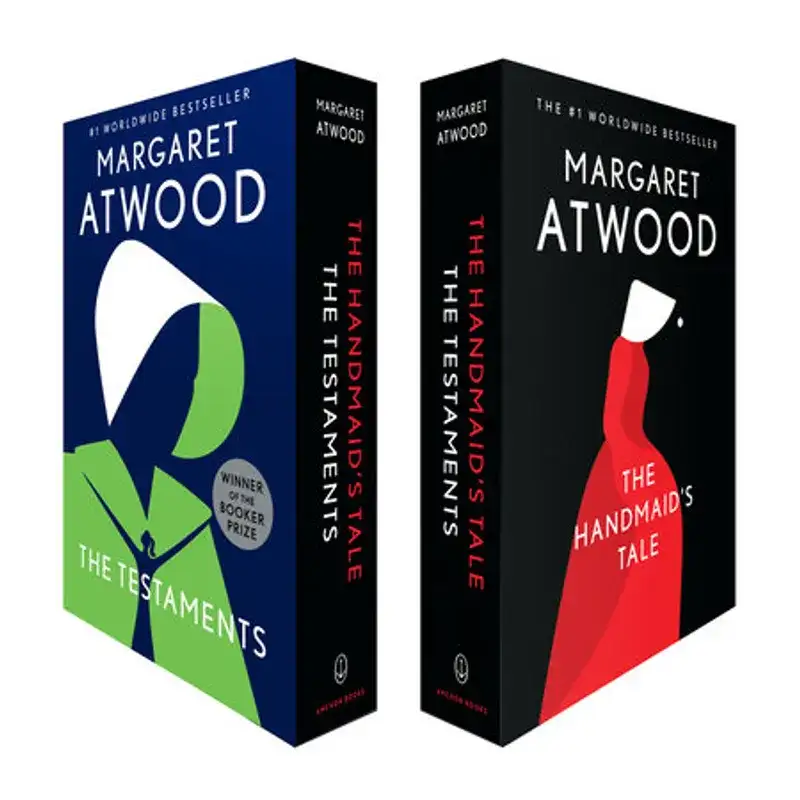
-
 Hannah Schmidt
 - 26 Dec, 2025 18:36
The Handmaid's Tale and The Testaments Box Set Book Review and Summary
The Handmaid's Tale and The Testaments Box Set Author: Margaret AtwoodPage Count: UnknownPublication Date: 2020-PRH Margaret Atwood’s The Handmaid’s Tale and The Testaments Box Set is a masterclass in dystopian fiction—one that doesn’t just warn but haunts, doesn’t just imagine but reflects the darkest corners of human oppression. These two novels, read together, form a chilling diptych of authoritarianism, resilience, and the quiet rebellion of the human spirit. Atwood, often hailed as the patron saint of feminist dystopian fiction, crafts a world so vividly oppressive that it lingers like smoke in the lungs long after the last page. The Handmaid’s Tale (1985), the foundational novel, introduces us to Gilead, a theocratic dictatorship born from environmental catastrophe and misogynistic extremism. Offred, its protagonist, is a Handmaid—stripped of her name, her family, her autonomy—reduced to a walking womb, a commodity in a society that treats women as either vessels or waste. Atwood’s genius lies in her ability to make the horrific feel eerily plausible. The regime’s rules aren’t fantastical; they’re extrapolations of real-world misogyny, religious extremism, and political control. The language of Gilead—where women are renamed after their Commanders (Of-Fred, Of-Warren, Of-Glen)—strips identity down to its barest, most dehumanizing form. Offred’s narration is a whisper of resistance: her memories of a pre-Gilead life, her defiance in small acts, her refusal to surrender entirely to the system that owns her. Atwood’s prose is deceptively simple, lulling the reader with the rhythm of Offred’s voice before slamming into the brutality of her world. There are no grand speeches, no overt declarations of rebellion—just the slow, suffocating weight of oppression, made bearable only by the flicker of human connection. The novel’s power lies in its ambiguity; we never know if Offred escapes, if she survives, if she ever regains her name. The ending is a masterstroke—neither triumphant nor conclusive, but a question mark dangling over the future, forcing the reader to confront the possibility that Gilead might endure. The Testaments (2019), the Booker Prize-winning sequel, arrives decades later to a Gilead that is rotting from within. Atwood expands the scope, weaving together the testimonies of three women: Aunt Lydia, the former enforcer turned secret dissident; Agnes, a young woman raised in Gilead’s elite; and Nicole, a Canadian teenager with ties to the resistance. Their stories converge in a narrative that is at once a reckoning and a glimmer of hope. What’s most striking about The Testaments is its structural audacity. Atwood adopts the form of a historical investigation, framing the novel as a compilation of testimonies, news reports, and personal accounts. This device not only lends credibility to the story but also mirrors the way truth is manipulated under authoritarian regimes. The novel’s tone is darker, more urgent—less a meditation on survival than a dissection of complicity and defiance. Aunt Lydia, once a villain in The Handmaid’s Tale, becomes its most complex character, a woman who played the game to survive but who now orchestrates the regime’s downfall from the shadows. Her arc is a brutal exploration of power: how it corrupts, how it can be wielded in even the most desperate circumstances. Atwood’s style here is sharper, more direct—less poetic, more urgent. The prose crackles with tension, especially in the sections dealing with Agnes and Nicole, whose coming-of-age stories cut through Gilead’s propaganda like a knife. The novel’s resolution is satisfying yet unsettling, offering closure without false hope. Gilead may fall, but Atwood reminds us that the roots of oppression run deep. The real victory is in the telling—the act of bearing witness, of refusing to let the past be buried. Together, these novels form a complete, devastating portrait of a society that weaponizes fear, religion, and biology to control its citizens. Atwood’s greatest triumph is making Gilead feel inevitable—less a fantasy of the future than a magnification of the present. Her style is unadorned, precise, and devastatingly effective. She doesn’t need to invent new horrors; she only needs to hold up a mirror. For readers who crave dystopian fiction that resonates beyond the page, this box set is essential. It’s a warning, a lament, and a defiant shout into the dark. Atwood doesn’t just predict the future; she forces us to confront the fragility of our own freedoms. #Atwood #TheHandmaidsTale #TheTestaments #DystopianFiction #FeministLiterature #MargaretAtwood Related InsightsMistborn: The Final Empire Book Review and Summary Everything You Need to Know: How Philosophy Can Set You Free Book Review and Summary Demon in the Wood Book Review and Summary{ "@context": "https://schema.org", "@type": "FAQPage", "mainEntity": [ { "@type": "Question", "name": "What is the main focus of The Handmaid's Tale and The Testaments Box Set Book Review and Summary?", "acceptedAnswer": { "@type": "Answer", "text": "Everything you need to know about The Handmaid's Tale and The Testaments Box Set with our detailed review." } }, { "@type": "Question", "name": "Who authored the comprehensive guide on The Handmaid's Tale and The Testaments Box Set Book Review and Summary?", "acceptedAnswer": { "@type": "Answer", "text": "This detailed article and its insights were carefully researched and authored by Hannah Schmidt." } }, { "@type": "Question", "name": "Where can I find more related content about Books?", "acceptedAnswer": { "@type": "Answer", "text": "You can explore more articles, detailed reviews, and similar insights by browsing the Related Insights section at the bottom of this article or visiting our dedicated Books category page." } } ] }

-
 Michael Brown
 - 25 Dec, 2025 20:54
Las nueve revelaciones / The Celestine Prophecy : An Adventure Book Review and Summary
Las nueve revelaciones / The Celestine Prophecy : An Adventure Author: James RedfieldPage Count: UnknownPublication Date: 2024-PRH A Spiritual Odyssey That Rewrites Destiny: The Celestine Prophecy Few books have the power to shift a reader’s worldview in a single sitting, but The Celestine Prophecy does just that—with the quiet authority of a whisper that grows into a roar. Published in 1993 and hailed as a modern spiritual classic, James Redfield’s masterpiece is not merely a book; it’s an awakening, a map for those lost in the labyrinth of modern existence, and a testament to the idea that our lives are governed by forces far greater than coincidence. Redfield, a former therapist turned seeker, crafts a narrative that is as much a thriller as it is a philosophical revelation. The story follows an unnamed protagonist—a man on the cusp of midlife crisis—who embarks on a journey to Peru in search of an ancient manuscript hidden in the depths of the Amazon rainforest. This manuscript, he learns, contains nine revelations, cosmic insights that, if understood in sequence, could unlock the meaning of human existence and propel society toward a new era of spiritual enlightenment. The catch? The revelations are not mere theories; they are destined to be experienced one after another, each building upon the last like the rungs of a ladder to the divine. At its core, The Celestine Prophecy is about synchronicity—the idea that everything in life is interconnected, orchestrated by an unseen intelligence. Redfield argues that the universe is alive, pulsing with energy, and that our purpose is to align ourselves with this flow, to become aware beings who recognize the "energy currents" shaping their lives. The book doesn’t just preach this philosophy; it embodies it. The prose is deceptively simple, laced with the rhythm of a parable, making complex spiritual concepts accessible without dumbing them down. Redfield’s writing is unpretentious, almost conversational, as if he’s sharing secrets over a campfire rather than delivering a lecture. The first revelation—"The world is fundamentally a spiritual energy system"—sets the stage. It posits that all matter is energy, and that human consciousness is the key to tapping into this infinite source. The second, "The deeper truth of our lives is that we are connected to everyone and everything" introduces the idea of "energy connections," the threads that bind us to others in ways we often ignore. By the time we reach the ninth revelation—"We are evolving toward a spiritual culture"—the book has transformed from an adventure into a manifesto for personal and collective transformation. What makes The Celestine Prophecy enduring is its refusal to be pigeonholed. It’s not a religious text, yet it draws from mysticism, quantum physics, and indigenous wisdom. It’s not a self-help guide, yet it offers life-altering insights. It’s not a novel, yet it reads like a gripping quest. Redfield’s genius lies in his ability to weave these disparate threads into a cohesive narrative that feels both timeless and urgently relevant. In an age of distraction and disconnection, the book whispers: Wake up. You are part of something greater. Critics, however, have not been unanimous in their praise. Some dismiss it as New Age fluff, too simplistic to tackle the depths of human consciousness. Others argue that its sequential revelations impose an artificial structure on spirituality, as if enlightenment can be neatly packaged into nine steps. But these detractors miss the point. The Celestine Prophecy isn’t meant to be a rigid doctrine; it’s a mirror. The revelations resonate differently for each reader, and what feels profound to one may feel trite to another. That’s the beauty of it—the book doesn’t demand belief; it invites experience. Reading The Celestine Prophecy is like staring into a pond and seeing your own reflection ripple back at you. It doesn’t just tell you that you’re connected to the universe; it makes you feel it. By the final pages, you’re left with a gnawing question: What if this is true? And that, perhaps, is the book’s greatest magic. If you’ve ever felt the weight of life’s absurdity, if you’ve ever wondered whether there’s more to existence than the mundane, or if you’ve simply craved a story that stirs the soul—this is your book. It’s not a quick fix, but a slow burn, a fire that starts as a spark and grows into an inferno of understanding. Six million readers can’t be wrong. The manuscript is out there. The question is: Are you ready to find it? #CelestineProphecy #SpiritualAwakening #JamesRedfield #Synchronicity #NewAgeClassics #ConsciousnessEvolution Related InsightsFreakonomics (Spanish Edition) Book Review and Summary Tidelands Book Review and Summary Look Closer Book Review and Summary{ "@context": "https://schema.org", "@type": "FAQPage", "mainEntity": [ { "@type": "Question", "name": "What is the main focus of Las nueve revelaciones / The Celestine Prophecy : An Adventure Book Review and Summary?", "acceptedAnswer": { "@type": "Answer", "text": "Everything you need to know about Las nueve revelaciones / The Celestine Prophecy : An Adventure with our detailed review." } }, { "@type": "Question", "name": "Who authored the comprehensive guide on Las nueve revelaciones / The Celestine Prophecy : An Adventure Book Review and Summary?", "acceptedAnswer": { "@type": "Answer", "text": "This detailed article and its insights were carefully researched and authored by Michael Brown." } }, { "@type": "Question", "name": "Where can I find more related content about Books?", "acceptedAnswer": { "@type": "Answer", "text": "You can explore more articles, detailed reviews, and similar insights by browsing the Related Insights section at the bottom of this article or visiting our dedicated Books category page." } } ] }
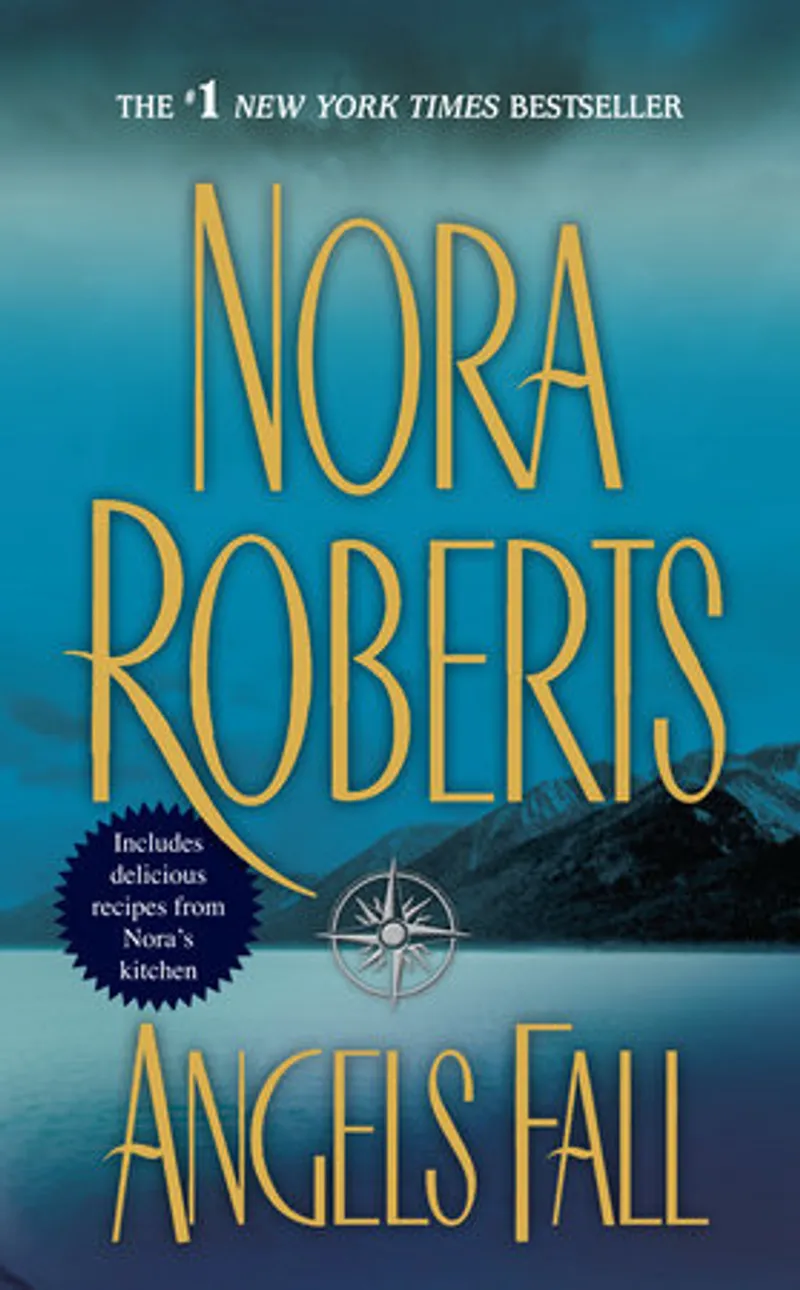
Angels Fall Author: Nora RobertsPage Count: UnknownPublication Date: 2007-PRH In "Angels Fall", Nora Roberts weaves a captivating tale of love, murder, and self-discovery set against the breathtaking backdrop of the Grand Tetons. This gripping novel follows Reece Gilmore, a resilient and determined young woman, as she tries to rebuild her life in the quaint town of Angel's Fall, Wyoming. Reece's past is marred by a brutal crime that has left her with emotional scars, and she hopes to find solace in the peaceful surroundings of the mountains. However, her plans for a quiet life are disrupted when she witnesses a violent argument between a couple while out hiking. Despite her efforts to report the incident, the authorities are skeptical, and Reece is left feeling isolated and uncertain. Enter Brody, a rugged and enigmatic loner who becomes Reece's unlikely ally. As they work together to unravel the mystery of the missing couple, they must navigate their own complicated feelings for each other. Roberts masterfully crafts the romance between Reece and Brody, expertly balancing tension and tenderness to create a truly compelling love story. One of the standout aspects of "Angels Fall" is Roberts' vivid depiction of the Wyoming landscape. Her descriptive prose brings the Grand Tetons to life, immersing the reader in the rugged beauty of the mountains. The author's use of setting is not merely decorative; it serves to underscore the themes of isolation and vulnerability that permeate the novel. Throughout the book, Roberts explores the complexities of Reece's character, delving into her inner struggles and fears. Reece is a strong and resourceful protagonist, but she is also vulnerable and relatable. Her journey towards healing and self-discovery is deeply satisfying, and her growth as a character is a testament to Roberts' skill as a storyteller. The suspenseful plot is expertly paced, with a steady stream of twists and turns that keep the reader guessing. Roberts' writing is engaging and accessible, making "Angels Fall" a page-turner that is difficult to put down. Overall, "Angels Fall" is a riveting novel that combines elements of romance, mystery, and suspense to create a truly unforgettable reading experience. With its vivid setting, compelling characters, and gripping plot, this book is sure to appeal to fans of Nora Roberts and newcomers alike. #NoraRoberts #AngelsFall #RomanticSuspense #GrandTetons #WyomingMystery #BookLovers Related InsightsCharlotte’s Web Book Review and Summary A Clockwork Orange Book Review and Summary The Power of One Book Review and Summary{ "@context": "https://schema.org", "@type": "FAQPage", "mainEntity": [ { "@type": "Question", "name": "What is the main focus of Angels Fall Book Review and Summary?", "acceptedAnswer": { "@type": "Answer", "text": "Everything you need to know about Angels Fall with our detailed review." } }, { "@type": "Question", "name": "Who authored the comprehensive guide on Angels Fall Book Review and Summary?", "acceptedAnswer": { "@type": "Answer", "text": "This detailed article and its insights were carefully researched and authored by Nora Roberts." } }, { "@type": "Question", "name": "Where can I find more related content about Books?", "acceptedAnswer": { "@type": "Answer", "text": "You can explore more articles, detailed reviews, and similar insights by browsing the Related Insights section at the bottom of this article or visiting our dedicated Books category page." } } ] }

- Hannah Schmidt
- 25 Dec, 2025 11:59
Cars on the Road (Disney/Pixar Cars on the Road) Book Review and Summary
Cars on the Road (Disney/Pixar Cars on the Road) Author: Disney Storybook Art TeamPage Count: UnknownPublication Date: 2022-PRH Hit the Road with Lightning McQueen and Mater: A Joyful Ride in Cars on the Road There’s something magical about a road trip—especially when it’s packed with friendship, adventure, and a little bit of mischief. In Cars on the Road, the Disney Storybook Art Team brings Pixar’s beloved characters Lightning McQueen and Mater to life in a vibrant, full-color storybook that captures the spirit of their latest Disney+ series. Perfect for young readers ages 3 to 6, this book isn’t just a retelling of the show’s episodes; it’s a celebration of movement, exploration, and the unbreakable bond between two best friends. At its heart, Cars on the Road is a story about the joy of discovery. Lightning McQueen, the flashy race car with a heart of gold, and Mater, his loyal (and slightly goofy) tow truck companion, embark on a cross-country journey that’s as much about the places they visit as it is about the memories they make. The book’s narrative flows like a scenic highway, with each page turn revealing new sights—whether it’s a quirky diner, a bustling carnival, or a quiet stretch of desert under a starry sky. The authors cleverly weave in familiar faces from the Cars universe, giving long-time fans a nostalgic thrill while introducing fresh, imaginative destinations that feel like a Pixar adventure come to life. What makes this storybook truly shine is its ability to distill the essence of the Disney+ series into a format that’s both engaging and accessible for little readers. The prose is simple and rhythmic, making it easy for parents to read aloud, while the illustrations are rich with detail and energy. The Disney Storybook Art Team has a knack for capturing the characters’ personalities—Lightning’s competitive yet charismatic swagger and Mater’s lovable, bumbling charm are instantly recognizable. The artwork isn’t just decorative; it’s a dynamic part of the storytelling, guiding young readers through the story with expressive character designs and vivid backdrops that pop off the page. One of the book’s standout features is the inclusion of a full sheet of stickers. For toddlers and preschoolers, stickers are more than just fun—they’re a tactile way to engage with the story and make it their own. Whether they’re placing Mater’s tow hitch on a new location or giving Lightning a shiny new racing stripe, the stickers add an interactive layer that extends the reading experience beyond the book itself. It’s a brilliant touch that acknowledges how young children learn through play, making this book not just a story to read, but an experience to participate in. The theme of friendship is woven throughout Cars on the Road, and it’s what gives the book its emotional resonance. Lightning and Mater’s relationship is the anchor of the story, proving that even the most unlikely pairs can find common ground through adventure. Their banter, teamwork, and occasional misunderstandings are relatable to both kids and adults, reminding us that the best road trips aren’t about the destination but the journey—and the people you share it with. The book subtly encourages young readers to think about their own friendships, reinforcing values like loyalty, kindness, and perseverance in a way that feels organic and fun. The Disney Storybook Art Team’s style is playful and polished, striking a balance between the whimsical and the warm. Their illustrations have a polished, cinematic quality that mirrors Pixar’s signature animation style, with bold colors, exaggerated expressions, and dynamic compositions that keep the pages lively. Yet, there’s a cozy, storybook feel to it as well—perfect for bedtime reading or a lazy afternoon. The team doesn’t just rely on the characters’ fame; they bring a fresh energy to familiar faces, making even secondary characters like Sally Carrera or Ramone feel like old friends popping in for a visit. For parents and caregivers, Cars on the Road is a win on multiple fronts. It’s a visually appealing book that holds a child’s attention, a story that subtly teaches about friendship and exploration, and an interactive tool that extends the fun. The inclusion of stickers also makes it a great gift or a travel-friendly option, perfect for keeping little ones entertained during long car rides or flights. While the page count is unknown, the pacing suggests it’s designed to be read in short bursts, ideal for the attention spans of its target audience. In a world where screens dominate much of children’s entertainment, Cars on the Road offers a tactile, screen-free alternative that still feels modern and exciting. It’s a reminder that sometimes, the best adventures begin with a book and a little imagination. For young fans of Lightning McQueen and Mater, this book is a pit stop worth making—full of heart, humor, and the kind of joy that only a great road trip (or a great story) can provide. #CarsOnTheRoad #LightningMcQueen #Mater #PixarCars #DisneyBooks #StorytimeFun Related InsightsLast Wizards' Ball Book Review and Summary Two Can Keep a Secret Book Review and Summary Anji in Shadow (The Rising Tide, #2) Book Review and Summary{ "@context": "https://schema.org", "@type": "FAQPage", "mainEntity": [ { "@type": "Question", "name": "What is the main focus of Cars on the Road (Disney/Pixar Cars on the Road) Book Review and Summary?", "acceptedAnswer": { "@type": "Answer", "text": "Everything you need to know about Cars on the Road (Disney/Pixar Cars on the Road) with our detailed review." } }, { "@type": "Question", "name": "Who authored the comprehensive guide on Cars on the Road (Disney/Pixar Cars on the Road) Book Review and Summary?", "acceptedAnswer": { "@type": "Answer", "text": "This detailed article and its insights were carefully researched and authored by Hannah Schmidt." } }, { "@type": "Question", "name": "Where can I find more related content about Books?", "acceptedAnswer": { "@type": "Answer", "text": "You can explore more articles, detailed reviews, and similar insights by browsing the Related Insights section at the bottom of this article or visiting our dedicated Books category page." } } ] }
-
 Olivia Harris
 - 25 Dec, 2025 07:49
Recollections of a Private of the 68th (Durham) Regiment of Foot During the Walcheren Expedition and the Peninsular War, 1806-15 Book Review and Summary
Recollections of a Private of the 68th (Durham) Regiment of Foot During the Walcheren Expedition and the Peninsular War, 1806-15 Author: John GreenPage Count: UnknownPublication Year: 2023-GB John Green’s Recollections of a Private of the 68th (Durham) Regiment of Foot is not just another memoir of war—it is a raw, unfiltered window into the brutal realities of early 19th-century soldiering, where heroism and hardship were two sides of the same coin. Written by a man who experienced the chaos of the Walcheren Expedition and the grueling Peninsular War firsthand, this book transcends the typical regimental account. It is a visceral chronicle of endurance, camaraderie, and the unrelenting cost of empire, delivered with a plainspoken honesty that makes it feel less like a historical document and more like a whispered confession over a campfire. Green’s narrative is anchored in the mundane alongside the monumental. There are no grand declarations of glory here, no sanitized accounts of battle. Instead, we get the gritty texture of a private’s life: the endless marches through mud and rain, the gnawing hunger, the fleeting moments of kindness in a world that mostly offers cruelty. The Walcheren Expedition (1809), often dismissed as a sideshow to the Napoleonic Wars, becomes a cauldron of suffering in Green’s hands—disease-ridden swamps, failed strategies, and the slow decay of hope. His description of the British forces drowning in fever and dysentery is so vivid that the stench of decay seems to rise from the pages. Yet what makes this book truly compelling is Green’s ability to balance despair with small, human triumphs. He writes of the unspoken bonds between soldiers, the way a shared loaf of bread or a muttered joke could cut through the misery. His account of the Peninsular War (1806–1815) is equally gripping, painting a portrait of a war that was as much about survival as it was about victory. Green’s prose is economical but never sparse, each word carrying weight. He doesn’t romanticize war, but he doesn’t condemn it either—he simply reports it, with the weary clarity of a man who has seen too much to lie. The author’s style is deceptively simple, yet it serves a deeper purpose. Green’s voice is that of a working-class soldier, far removed from the polished accounts of officers. His language is direct, sometimes colloquial, and always authentic. There’s no posturing, no affectation—just the voice of a man who has nothing to prove and everything to survive. This authenticity is what makes the book so powerful. When Green describes the chaos of battle at Corunna or the exhaustion of retreat, we don’t just read about it; we feel it. One of the book’s most striking features is its refusal to shy away from the moral ambiguities of war. Green doesn’t glorify the British cause, nor does he vilify the enemy. Instead, he shows the war as it was: a grinding machine of attrition where ordinary men were asked to perform extraordinary feats of endurance. His reflections on leadership, discipline, and the breakdown of morale in the ranks are particularly insightful, offering a rare private’s perspective on the machinery of war. If there is a weakness to the book, it lies in its occasional digressions. Green’s account is rich with detail, but at times, the narrative meanders into anecdotes that, while interesting, disrupt the flow. However, this is a minor quibble in a work that otherwise feels remarkably complete. The book is not just a personal memoir; it’s a historical artifact, a piece of living history that breathes with the voices of those who were there. For anyone interested in military history, this book is indispensable. But its appeal goes far beyond the battlefield. Green’s Recollections is, at its core, a story about what it means to be human in the face of unimaginable strain. It’s about the quiet acts of courage that never make it into the history books, about the bonds that form between men in the direst circumstances, and about the small victories that keep a man going when all else fails. In an era where so many war memoirs are sanitized or sensationalized, Green’s account stands out as a rare thing: a true soldier’s story, told without embellishment or apology. It’s a book that demands to be read not just as history, but as a testament to the endurance of the human spirit. #WalcherenExpedition #PeninsularWar #NapoleonicWars #MilitaryHistory #SoldierMemoir #JohnGreen Related InsightsDumpling Therapy: My Mother, Chinese Food, and Five Thousand Years of Not-So-Ancient Recipes Book Review and Summary Unreal Magazine: Vol. 1 Book Review and Summary Counting Miracles Book Review and Summary{ "@context": "https://schema.org", "@type": "FAQPage", "mainEntity": [ { "@type": "Question", "name": "What is the main focus of Recollections of a Private of the 68th (Durham) Regiment of Foot During the Walcheren Expedition and the Peninsular War, 1806-15 Book Review and Summary?", "acceptedAnswer": { "@type": "Answer", "text": "Everything you need to know about Recollections of a Private of the 68th (Durham) Regiment of Foot During the Walcheren Expedition and the Peninsular War, 1806-15 with our detailed review." } }, { "@type": "Question", "name": "Who authored the comprehensive guide on Recollections of a Private of the 68th (Durham) Regiment of Foot During the Walcheren Expedition and the Peninsular War, 1806-15 Book Review and Summary?", "acceptedAnswer": { "@type": "Answer", "text": "This detailed article and its insights were carefully researched and authored by Olivia Harris." } }, { "@type": "Question", "name": "Where can I find more related content about Books?", "acceptedAnswer": { "@type": "Answer", "text": "You can explore more articles, detailed reviews, and similar insights by browsing the Related Insights section at the bottom of this article or visiting our dedicated Books category page." } } ] }