-
 Marta Wisniewska
 - 23 Aug, 2026 14:46
Bloom Town: Genesis: A Novel Book Review and Summary
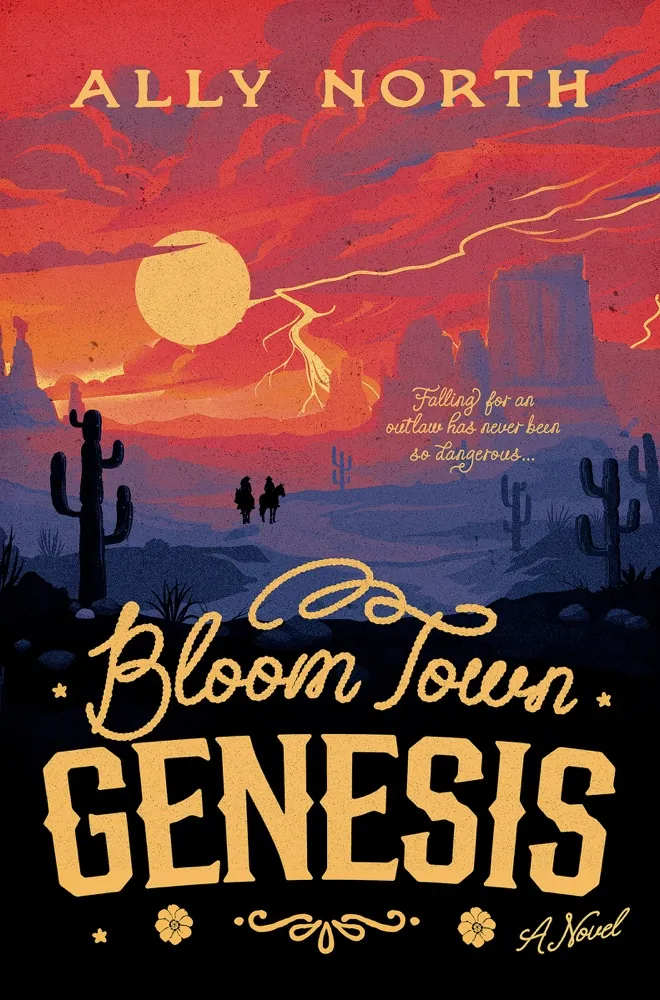
Author: Ally NorthPage Count: UnknownPublication Date: Expected publication 2026 APL We are expected to collectively swoon over a preacher's daughter being hauled out of a railway car like a sack of turnips by a so-called brooding outlaw. Groundbreaking. Bloom Town: Genesis wants us to buy into the tired-ass trope that a woman needs a literal armed abduction across the scorched 1852 desert to realize her domestic setup in Iowa was aggressively mid. But let us look past the BookTok algorithm for a hot second and examine the bones of this premise. Ally North is giving us the classic forced-proximity dynamic, wrapped in petticoats and coated in frontier dust. Frontier Rebellions And Other Capitalist Psyops What fascinates me—and by fascinates, I mean induces a heavy sigh that rattles my coffee mug—is how female autonomy in historical fiction is so rarely granted without a man, or in this case a female outlaw playing the masculine archetype, dragging the protagonist into it. Abby Proctor cannot simply pack a bag and leave her oppressive husband because she possesses a spine. No. She requires a catalyst named Joey “JT London” Taylor to intercept her transit. Men—and fictional tough-girl proxies who perform traditional outlaw machismo—love nothing more than a damsel who needs to be unmoored by force. Yet, I see the glimmer of something sharper hiding beneath the sand dunes. The synopsis hints at a systemic conspiracy stretching all the way back to the secrets Abby left behind in Iowa. Good. Let us hope North uses this geography not just as a picturesque backdrop for sapphic longing, but as an indictment of mid-nineteenth-century patriarchal confinement. If this book pivots entirely into yearning while ignoring the structural violence that put Abby on that train in the first place, I am throwing my reading glasses across the room. We have read this exact brand of sapphic outlaw pulp before. Think Casey McQuiston meets a gritty, unwashed version of True Grit, engineered specifically to go viral on a Tuesday afternoon. The Gallow’s Shadow And Compulsory Obedience The ideological tension here hinges on a choice between a suffocating marriage and a literal hanging offense. Iconic. Nothing screams feminist liberation quite like choosing between domestic subjugation and an outlaw headed for the gallows. But let us be real for a second—North is playing the hits. The brooding captor with a heart of gold is a literary ancestor to every billionaire romance lead, just wearing a Stetson and smelling faintly of horse manure. And yet. The prose in the synopsis promises a rejection of the religious patriarchy that feels genuinely cathartic, assuming North does not cop out in the final chapters and force a tragic martyrdom. Give me messy women making feral choices in the desert. Do not give me sanitized historical revisionism where queer survival looks like a glossy photoshoot. If Abby chooses the gallows-bound outlaw, she better be doing it because she burns the whole corrupt system down with her. I am exhausted by stories where female freedom is just a smaller cage shared with a hotter warden. Let us see if North delivers a subversion of the frontier narrative or just another aestheticized romp for the algorithms. I have to go hand-bind a chapbook for a friend's upcoming release. Related InsightsCrooner / Nocturne Book Review and Summary James and the Giant Peach Book Review and Summary The Nomad’s Odyssey: Rewriting the Geography of Work in 2026{ "@context": "https://schema.org", "@type": "FAQPage", "mainEntity": [ { "@type": "Question", "name": "What is the main focus of Bloom Town: Genesis: A Novel Book Review and Summary?", "acceptedAnswer": { "@type": "Answer", "text": "Everything you need to know about Bloom Town: Genesis: A Novel with our detailed review." } }, { "@type": "Question", "name": "Who authored the comprehensive guide on Bloom Town: Genesis: A Novel Book Review and Summary?", "acceptedAnswer": { "@type": "Answer", "text": "This detailed article and its insights were carefully researched and authored by Marta Wisniewska." } }, { "@type": "Question", "name": "Where can I find more related content about Books?", "acceptedAnswer": { "@type": "Answer", "text": "You can explore more articles, detailed reviews, and similar insights by browsing the Related Insights section at the bottom of this article or visiting our dedicated Books category page." } } ] }
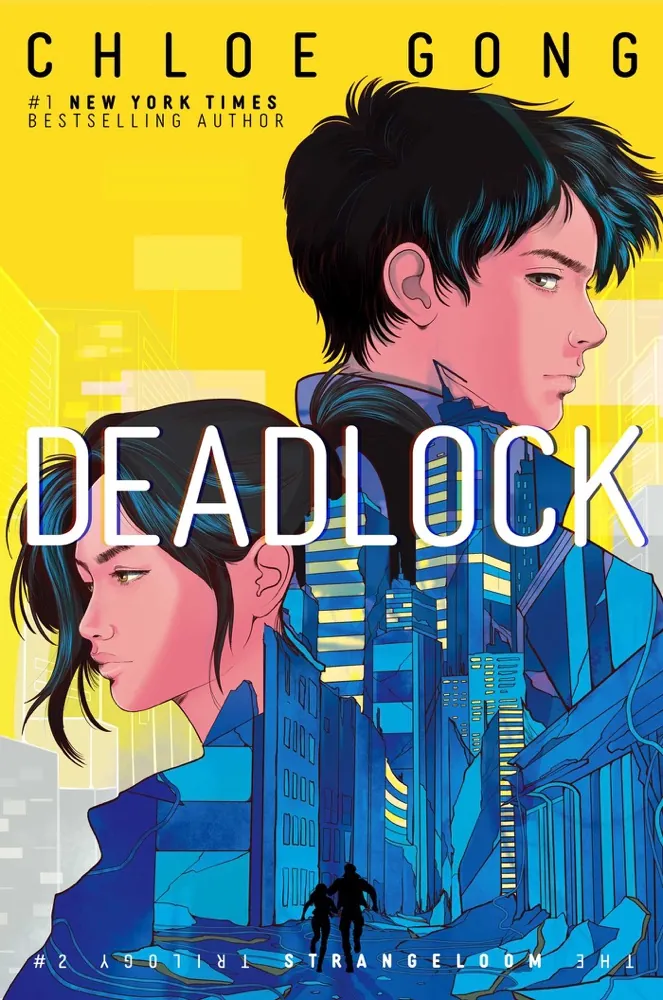

Author: Chloe GongPage Count: UnknownPublication Date: Expected publication 2026-11-17 APL The synopsis for Deadlock reads like a corporate memo written by someone who’s been drinking too much synth-whiskey at a NileCorp black-tie gala—all polished edges and no real substance beneath. The tension is there, sure, but it’s the kind of tension you feel when you’re stuck in an elevator with a man who’s just told you he’s a "visionary leader" and you’re not sure if he’s talking about art or a new kind of neural interface. The problem isn’t that the stakes feel low—it’s that the stakes feel too familiar, like someone took the DNA of Snow Crash and The Matrix and then crossbred it with a corporate thriller from the early 2000s, the kind where the villain monologues about "synergy" while his underlings nod like trained seals. Eirale Ward, the former traitor-turned-spy, is the kind of character who would make a Mad Men executive weep with envy—she’s got that rare blend of ruthlessness and self-loathing that makes her feel like a woman who’s been too well-designed. The synopsis doesn’t tell us what she’s actually doing in this book, but the implication is that she’s being forced to confront the fact that her entire identity as a soldier was a lie, and now she’s got to burn it all down or become something worse. That’s the kind of existential crisis that would make Annihilation’s Lovecraftian horror feel like a Sunday picnic, but the way it’s framed here—like a corporate espionage thriller where the real enemy is the boardroom—makes me wonder if Gong is trying to do for dystopian fiction what Devs did for existential dread: make it feel like a glitch in the system, not a revolution. Then there’s Nik Grant, who seems to be the emotional punching bag for the entire trilogy. The synopsis drops him into the mix like a plot device in a John Wick sequel—"Oh, and here’s the guy who’s got a target on his back, and also he’s not happy about the Coalition’s restraint, so he’s gonna go full Mad Max on NileCorp’s HQ." But the real question is: what does he want? Is he just a man with a grudge, or is he the kind of character who could, in a better world, have been a poet? The way the synopsis treats him—like a variable in an equation rather than a human being—makes me think Gong might be playing with the same tropes as Altered Carbon, where the body is just a shell and the real conflict is between the soul and the system. But where Altered Carbon at least gave us a protagonist who was interesting in his desperation, Nik feels like he’s been drafted into this fight against his will, like a background character who got a sudden promotion to "main plot device." And then there’s Kieren, the vice president of Atahua, who’s introduced like a Greek chorus member who’s just realized he’s been cast in a tragedy. The synopsis doesn’t say much about him, but the implication is that he’s the kind of leader who believes in Lia’s potential—like a mentor who’s also a gambler, betting everything on one hand. That’s the kind of dynamic that could either be The Social Network’s Zuckerberg and his idealistic roommate, or it could be The Hunger Games’ President Snow, if Snow had ever had a moment of doubt. The problem is, the synopsis doesn’t give us enough to tell which one it is. Is Kieren a visionary, or is he just another puppet in NileCorp’s shadow play? The real question, though, is whether Deadlock is going to be the kind of book that makes you feel like you’re living inside a video game, or the kind that makes you feel like you’re living inside a corporate nightmare. The synopsis leans hard into the latter—it’s all about power plays and betrayals and the kind of high-stakes tension that would make a Succession writer jealous. But the danger is that it might feel like The Circle meets Black Mirror, which is to say, a world where the technology is advanced but the people are still just people, and the real horror isn’t the machines but the fact that we’d let them get this far. But then—and this is where I have to pivot—maybe that’s the point. Maybe Gong isn’t trying to give us a fresh dystopia, but instead a reflection of the one we’re already living in, where the lines between work and play, reality and simulation, are so blurred that we don’t even notice when we’ve crossed them. That would make Deadlock something closer to Ready Player One’s satire of capitalism than Snow Crash’s cyberpunk revolution. The synopsis doesn’t say enough to confirm that, but it’s the kind of ambiguity that makes me want to read it anyway, like a puzzle box that’s been left open just long enough to make you curious about what’s inside. I need to repair the ribbon on my vintage Underwood typewriter. #dystopianfiction #chloegong #nilecorp #virtualreality #trilogyalert Related InsightsThe Woman in White Book Review and Summary Im Westen nichts Neues Book Review and Summary Night of the Mallrats: A Novel Book Review and Summary{ "@context": "https://schema.org", "@type": "FAQPage", "mainEntity": [ { "@type": "Question", "name": "What is the main focus of Deadlock Book Review and Summary?", "acceptedAnswer": { "@type": "Answer", "text": "Everything you need to know about Deadlock with our detailed review." } }, { "@type": "Question", "name": "Who authored the comprehensive guide on Deadlock Book Review and Summary?", "acceptedAnswer": { "@type": "Answer", "text": "This detailed article and its insights were carefully researched and authored by Giulia Ricci." } }, { "@type": "Question", "name": "Where can I find more related content about Books?", "acceptedAnswer": { "@type": "Answer", "text": "You can explore more articles, detailed reviews, and similar insights by browsing the Related Insights section at the bottom of this article or visiting our dedicated Books category page." } } ] }
-
 Elena Volkova
 - 23 Aug, 2026 12:12
The First Flame (The Aerimander Chronicles #2) Book Review and Summary
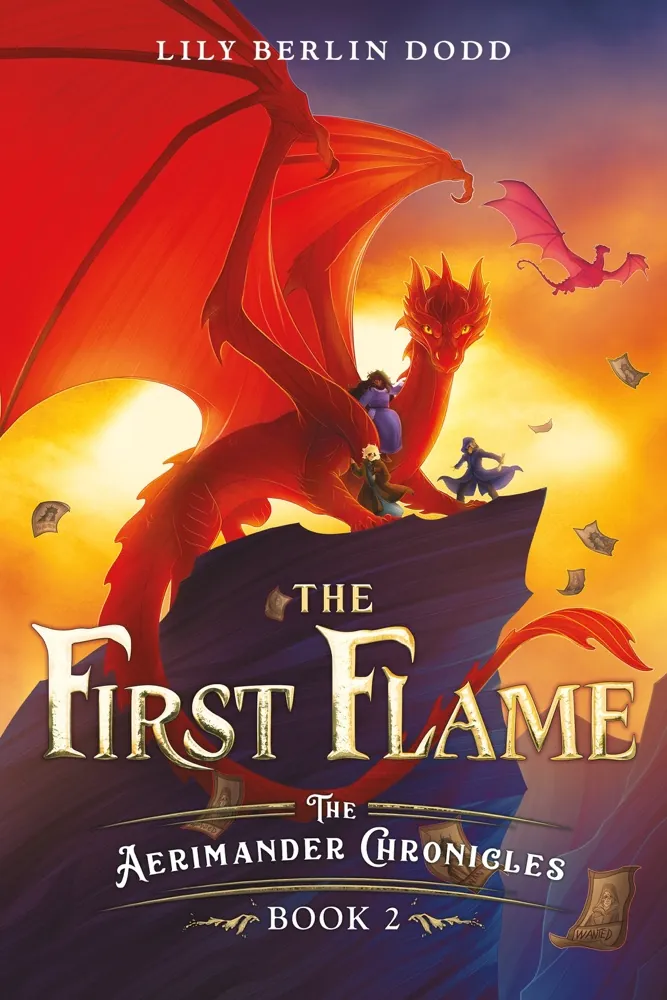
Author: Lily Berlin DoddPage Count: UnknownPublication Date: Expected publication 2026-11-17 APL The cacophony of an absolute zero-consequence Sunday morning brunch surrounds me—fine china clinking against marble while my domestic staff argues quietly over the precise artisanal temperature of a grapefruit brûlée. I am staring at a plot summary for The First Flame that reads like someone fed a young adult fantasy generator a double-shot espresso and a fistful of valium. The Logistics of Absurdity We are supposed to take seriously a fugitive named Dusty St. Ichabod. One immediately pictures a Victorian chimney sweep who moonlights as an indie-pop bass guitarist, dodging an "evil clown" while smuggling a creature called an aerimander. Grimdark this is certainly not. This is the literary equivalent of the Theranos boardroom meeting—all flashing lights, aggressive branding, and a distinct lack of foundational physics. Lily Berlin Dodd gives us the classic band-of-misfits trope—isolated kids, a missing magical beast, and a shadowy corporate bureaucrat named Eoin Parnassus who sounds suspiciously like a mid-tier tax attorney with an empire-building complex. The Aesthetic of Desperation Yet, there is something depressingly comforting about this level of utter nonsense when the sun is blazing down on the patio at eighty-five degrees and my portfolio managers are blowing up my encrypted phone about some hostile acquisition in Zurich. We have a prison break, a secret mountain society called the Unruled—because of course they are—and the inevitable betrayal arc that telegraphs itself from three counties away. It's giving major Fyre Festival logistics, mixed with an after-school special penned by someone who unironically reads Brandon Sanderson for the prose style. The synopsis leans heavily on "flame and friendship," which is marketing speak for a midlist cash grab designed to keep the paper mills running until Christmas. Structural Pathology Character psychology here is strictly decorative. Eva, Myrnie, and Dusty are archetypes shoved into a blender of high-stakes mediocrity. They possess the emotional depth of a puddle in a drought. But will the target demographic care? Absolutely not. They want the dopamine hit of the chase, the cozy camaraderie of revolutionaries dodging strict nuns—a detail that genuinely feels like a fever dream pitched during a late-night writers' room bender. Dodd is playing the hits, though the hits were slightly out of tune back in two thousand twelve. My assistant is glaring at me from the doorway, waving the red folder that means the heritage foundation board is waiting on a Zoom link to discuss our philanthropic tax shelters for the third quarter. I have to go pretend I care about endowment yields while the kids upstairs smear avocado across the imported wool rugs. Related InsightsTaming Flame Book Review and Summary Exotic Amphibians and Reptiles of the United States Book Review and Summary Grim Tidings (Ghosted, #2) Book Review and Summary{ "@context": "https://schema.org", "@type": "FAQPage", "mainEntity": [ { "@type": "Question", "name": "What is the main focus of The First Flame (The Aerimander Chronicles #2) Book Review and Summary?", "acceptedAnswer": { "@type": "Answer", "text": "Everything you need to know about The First Flame (The Aerimander Chronicles #2) with our detailed review." } }, { "@type": "Question", "name": "Who authored the comprehensive guide on The First Flame (The Aerimander Chronicles #2) Book Review and Summary?", "acceptedAnswer": { "@type": "Answer", "text": "This detailed article and its insights were carefully researched and authored by Elena Volkova." } }, { "@type": "Question", "name": "Where can I find more related content about Books?", "acceptedAnswer": { "@type": "Answer", "text": "You can explore more articles, detailed reviews, and similar insights by browsing the Related Insights section at the bottom of this article or visiting our dedicated Books category page." } } ] }
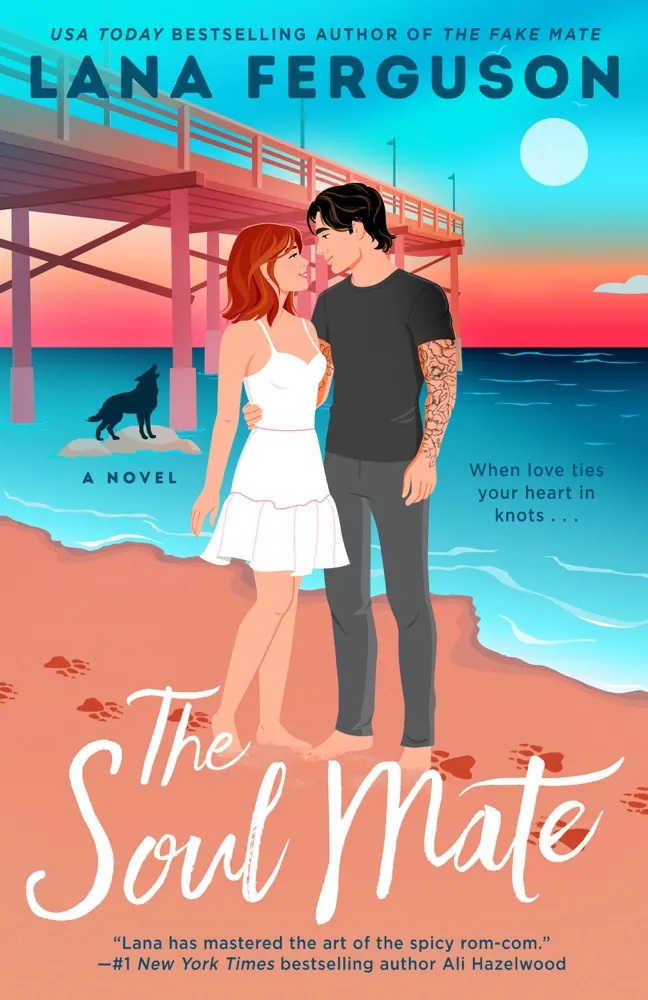

Author: Lana FergusonPage Count: UnknownPublication Date: Expected publication 2026-12-01 APL And so, another omegaverse romance is upon us – The Soul Mate, by Lana Ferguson, a USA Today bestselling author. This time, we're treated to the reunion of two wolf shifters, Ada Langley and Levi Madden, six months after their steamy night together. The setup is tantalizing: Ada, an omega and single mom, has been trying to move on from her past heartbreak, while Levi, an alpha, has just opened a tattoo shop in his hometown. The synopsis teases a chance encounter between the two at the tattoo shop, where Ada's past and present collide. As they work together to save Levi's aunt's gallery, their feelings for each other begin to resurface. It's a classic "second chance" romance, with the added twist of the omegaverse dynamic. But will it be enough to set The Soul Mate apart from the likes of other paranormal romance novels? The character dynamics are, of course, the heart of the story. Ada's fear of risking her feelings on an alpha again is a palpable concern, given her past heartbreak. Levi, on the other hand, seems to be the perfect gentleman – but can we trust that he'll be able to overcome his own demons and truly win Ada over? The power play between omegas and alphas is always a delicate one, and I'm curious to see how Ferguson will navigate this complex web of emotions and desires. Yet, I must admit that the synopsis feels a tad... vague. We're given a sense of the characters' motivations and the central conflict, but the stakes feel somewhat low. What's at risk for Ada and Levi if they don't make their relationship work? What are the consequences of their failure? These questions linger, and I worry that the story might suffer from a lack of tension or urgency. But then again, perhaps that's the point. Maybe Ferguson is aiming for a more introspective, character-driven narrative, one that explores the intricacies of Ada and Levi's relationship without the need for high-stakes drama. If so, I applaud her for taking a risk on a more nuanced approach. The omegaverse genre has been gaining traction in recent years, with authors like Aiden Bates and Tanya Chris pushing the boundaries of what's possible within this unique world. The Soul Mate has the potential to join their ranks, but only if Ferguson can deliver a compelling, emotionally resonant story that justifies the hype. And now, if you'll excuse me, my sommelier has arrived with the new vintage – a 2015 Château Margaux, if you must know. The wine is calling, and I have a sudden urge to indulge in its rich, full-bodied flavors. Perhaps, like Ada and Levi, I'll discover a new passion in the process. #OmegaverseRomance #ParanormalFiction #NewRelease Related InsightsNext Goal Wins! Book Review and Summary Watching you Book Review and Summary Number the Stars Book Review and Summary{ "@context": "https://schema.org", "@type": "FAQPage", "mainEntity": [ { "@type": "Question", "name": "What is the main focus of The Soul Mate Book Review and Summary?", "acceptedAnswer": { "@type": "Answer", "text": "Everything you need to know about The Soul Mate with our detailed review." } }, { "@type": "Question", "name": "Who authored the comprehensive guide on The Soul Mate Book Review and Summary?", "acceptedAnswer": { "@type": "Answer", "text": "This detailed article and its insights were carefully researched and authored by Sofia Bianchi." } }, { "@type": "Question", "name": "Where can I find more related content about Books?", "acceptedAnswer": { "@type": "Answer", "text": "You can explore more articles, detailed reviews, and similar insights by browsing the Related Insights section at the bottom of this article or visiting our dedicated Books category page." } } ] }
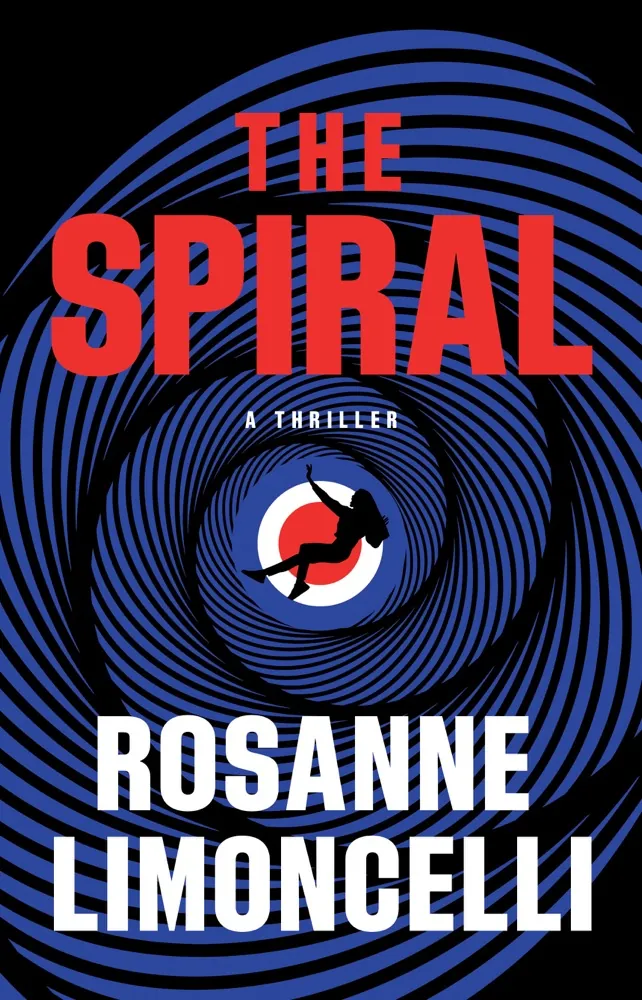
Author: Rosanne LimoncelliPage Count: UnknownPublication Date: Expected publication 2026-10-27 APL The perpetual masquerade of trust – who to confide in, who to shun – a dance as old as humanity itself, and one that The Spiral promises to masterfully exploit. Set in the crime-ridden, graffiti-scarred New York City of 1979, this psychological thriller by Rosanne Limoncelli weaves a dark murder mystery that threatens to ensnare its protagonist, Nina Esposito, at every turn. In this world of leering strangers and suspect intentions, Nina's struggle to discern predator from protector will doubtless be a potent metaphor for the universal struggle to find trust in a society that often seems hell-bent on devouring its most vulnerable members. And yet – can we truly trust Limoncelli to deliver a narrative that rises above the familiar tropes of the noir-thriller genre? The fact that The Spiral is being touted as perfect for fans of Tana French and Stieg Larsson only serves to heighten my skepticism – will this be a bold, innovative take on the genre, or merely a rehashing of the same old themes and plot devices? One can't help but feel that the success of The Spiral will hinge on its ability to convincingly portray the inner workings of Nina's psyche – her motivations, her fears, her demons. Will Limoncelli prove equal to the task of crafting a protagonist whose psychological complexity and emotional depth can sustain the reader through the twists and turns of the narrative? Only time will tell, but for now, I remain decidedly... unimpressed. Literally. But what's truly got me scratching my head is the utter lack of specificity in the synopsis – we're told that The Spiral is a 'dark murder mystery', but what does that even mean in this context? Is it a police procedural? A serial killer thriller? A character-driven exploration of the human psyche? The vagueness is maddening, and I find myself wondering if the publishers are deliberately withholding information in order to pique our interest, or if they simply don't know how to market this thing. And speaking of marketing, have you seen the latest attempts to rebrand the Sweet Valley High series as 'edgy' and 'subversive'? It's like they're trying to sell us a nostalgia-tinged dream of '90s teenage angst, minus the actual angst. I mean, who needs genuine emotional depth when you can just slap a trendy new cover on an old favorite and call it a day? Not me, that's for sure. But I digress – back to The Spiral. Assuming that Limoncelli can deliver on her promises, I predict that this book will be a major player in the thriller genre come awards season. The setting, the premise, the protagonist – it all sounds like a recipe for success. But will it live up to the hype? Only time will tell. And now, if you'll excuse me, I have to go deal with the washing machine, which has just flooded the laundry room. Because of course it has. #TheSpiral #NoirThriller #BookLovers #ThrillerThursday Related InsightsJonathan Strange & Mr Norrell Book Review and Summary Armor of Light Book Review and Summary Cold Sunset: A Gabriel Dax Novel Book Review and Summary{ "@context": "https://schema.org", "@type": "FAQPage", "mainEntity": [ { "@type": "Question", "name": "What is the main focus of The Spiral (A Nina Esposito Mystery #1) Book Review and Summary?", "acceptedAnswer": { "@type": "Answer", "text": "Everything you need to know about The Spiral (A Nina Esposito Mystery #1) with our detailed review." } }, { "@type": "Question", "name": "Who authored the comprehensive guide on The Spiral (A Nina Esposito Mystery #1) Book Review and Summary?", "acceptedAnswer": { "@type": "Answer", "text": "This detailed article and its insights were carefully researched and authored by Hannah Schmidt." } }, { "@type": "Question", "name": "Where can I find more related content about Books?", "acceptedAnswer": { "@type": "Answer", "text": "You can explore more articles, detailed reviews, and similar insights by browsing the Related Insights section at the bottom of this article or visiting our dedicated Books category page." } } ] }

-
 Hannah Weber
 - 23 Aug, 2026 07:13
From Street Food to Fine Dining: The Ultimate Food Lover’s Guide to Bangkok’s Culinary Wonderland
Where the Aroma of Adventure Meets the Spice of Life Bangkok isn’t just a city—it’s a living, breathing culinary masterpiece where every alleyway hums with the sizzle of woks, the aroma of lemongrass, and the laughter of locals sharing a meal. From the neon-lit night markets to the Michelin-starred rooftop restaurants, Bangkok’s food scene is a symphony of flavors, textures, and cultures. But navigating this gastronomic paradise can be overwhelming. How much will a meal cost? Where do the locals eat? And what dishes should you absolutely not miss? This guide dives deep into Bangkok’s food landscape, blending expert insights with real-time data from Numbeo to help you eat like a king—or at least like someone who knows exactly where to find the best pad thai in town.The Hidden Gems: Where Bangkok’s Locals Swear by Their Favorite Eats Forget the tourist traps near Khao San Road. Bangkok’s true culinary magic happens in the unassuming corners of the city, where the air is thick with the scent of grilled meat and the hum of conversation. One such spot is Thip Samai, a legendary pad thai stall tucked away on Phra Sumen Road. Known for its perfect balance of sweet, sour, and savory flavors, this place has been serving up crispy, egg-enriched noodles since 1953. Locals queue for hours, and for good reason—the dish costs just 50-70 THB ($1.40-$2), a steal compared to the $10+ you’d pay in a Westernized restaurant. Then there’s Jay Fai, a Michelin-starred street food legend where crab omelets and drunken noodles are crafted with the precision of a fine dining chef. The catch? You’ll need to arrive early (or be prepared to wait) and shell out around 1,000-1,500 THB ($28-$42) for a meal. But for many, it’s worth every baht. Numbeo’s data confirms that Bangkok’s food costs vary wildly—from 50 THB for a street-side som tam (green papaya salad) to 500 THB ($14) for a high-end seafood dinner. The key to eating well in Bangkok? Know where to look. For a taste of history, head to Raan Jay Fai, a more accessible version of the Michelin-starred gem, or Nai Ek Roll Noodle, a tiny shop famous for its hand-rolled noodles. These spots aren’t just about the food; they’re about the experience of eating where generations of Bangkokians have gathered. And with Numbeo’s cost-of-living data showing that Bangkok ranks as one of the most affordable food destinations in Asia (with a minimum daily food budget of just $10-$15), it’s no wonder the city is a digital nomad’s paradise.From Pad Thai to Michelin Stars: A Food Lover’s Map of Bangkok Bangkok’s culinary landscape is as diverse as it is delicious. To truly understand it, you need a map—not just of the city, but of its flavors. Start with the street food stalls scattered across the city, where you’ll find everything from moo ping (grilled pork skewers) to khao man gai (chicken and rice). These dishes typically cost between 30-100 THB ($0.85-$2.80), making them the ultimate budget-friendly option. Numbeo’s data shows that Bangkok’s street food prices are among the lowest in the world, with a single meal often costing less than a cup of coffee in Western cities. For a more upscale experience, Bangkok’s fine dining scene is thriving. Restaurants like Sühring (two Michelin stars) and Le Du (one Michelin star) offer tasting menus that push the boundaries of Thai cuisine. Expect to pay 3,000-6,000 THB ($85-$170) per person, but the experience is unparalleled. Numbeo’s cost-of-living index ranks Bangkok as 30% cheaper than New York City for dining out, making it a top destination for foodies on a budget. But Bangkok’s food isn’t just about Thai cuisine. The city’s international food scene is equally impressive, with everything from Japanese ramen shops to Italian trattorias. Tep Bar offers a modern twist on traditional Thai dishes, while Err Urban Rustic Thai serves up elevated street food in a chic setting. Numbeo’s data shows that international restaurants in Bangkok are about 20% more expensive than local eateries, but still far cheaper than their Western counterparts. To navigate this culinary maze, use Numbeo’s food price comparison tool, which breaks down costs by neighborhood. For example, dining in Sukhumvit tends to be pricier than in Chinatown, but the variety is unmatched. Whether you’re craving a $1 bowl of boat noodles or a $50 tasting menu, Bangkok has something for every palate—and every budget.The Cost of Cravings: How Much Does Food Really Cost in Bangkok? One of the biggest questions travelers ask is: How much will I spend on food in Bangkok? The answer depends on where you eat, but Numbeo’s data provides a clear breakdown. Here’s a snapshot of average food costs in Bangkok (as of 2026):Food Item Price (THB) Price (USD) Where to Find ItStreet-side som tam 50-80 $1.40-$2.25 Local marketsPad thai at Thip Samai 50-70 $1.40-$2.00 Phra Sumen RoadGrilled pork skewers (moo ping) 30-50 $0.85-$1.40 Night marketsMichelin-starred crab omelet (Jay Fai) 1,000-1,500 $28-$42 Michelin Guide-listed stallsFine dining tasting menu (Sühring) 3,000-6,000 $85-$170 SukhumvitWestern-style burger meal 150-300 $4.20-$8.50 International chainsLocal beer (6-pack) 80-120 $2.25-$3.40 Convenience storesNumbeo’s data also shows that Bangkok’s minimum daily food budget is around $10-$15 for a budget traveler, $25-$40 for a mid-range diner, and $50+ for those indulging in fine dining. Compared to other global cities, Bangkok ranks as one of the most affordable for food. For example, a meal in Bangkok costs about 60% less than in London and 70% less than in New York City. But affordability isn’t just about price—it’s about value. In Bangkok, you’re not just paying for food; you’re paying for an experience. Whether it’s the communal tables at a street food stall or the impeccable service at a Michelin-starred restaurant, every meal comes with a story. And with Numbeo’s tools, you can plan your budget down to the last baht.Cook Like a Local: Step-by-Step Recipes for Bangkok’s Most Iconic Dishes Want to bring a taste of Bangkok into your own kitchen? Here are three iconic recipes you can make at home, complete with tips from local chefs and Numbeo’s ingredient cost breakdowns. 1. Pad Thai (Thai Stir-Fried Noodles) Ingredients (Serves 2):200g rice noodles ($0.50) 2 tbsp tamarind paste ($0.30) 2 tbsp fish sauce ($0.20) 1 tbsp palm sugar ($0.10) 2 eggs ($0.40) 100g shrimp ($1.50) 50g tofu ($0.30) 2 cloves garlic ($0.10) 1 lime ($0.20) Crushed peanuts ($0.20) Chili flakes ($0.10)Total Cost: ~$3.90 (or $1.95 per serving) Instructions:Soak rice noodles in warm water for 15 minutes until pliable. Heat oil in a wok, then sauté garlic, shrimp, and tofu until cooked. Push ingredients to the side, scramble eggs, then mix everything together. Add tamarind paste, fish sauce, and sugar, stirring until noodles are coated. Serve with lime wedges, crushed peanuts, and chili flakes.Pro Tip: For an authentic taste, use Numbuan brand tamarind paste (available at Asian grocery stores) and Thai fish sauce (like Tiparos). 2. Som Tam (Green Papaya Salad) Ingredients (Serves 2):1 green papaya, shredded ($1.50) 2 tbsp fish sauce ($0.20) 2 tbsp lime juice ($0.30) 1 tbsp palm sugar ($0.10) 2 cloves garlic ($0.10) 1 chili ($0.10) 50g dried shrimp ($0.50) 1 tomato, diced ($0.30) 1 carrot, julienned ($0.20)Total Cost: ~$3.30 (or $1.65 per serving) Instructions:Pound garlic, chili, and dried shrimp in a mortar until coarse. Add papaya, tomato, and carrot, pounding gently to release juices. Mix in fish sauce, lime juice, and sugar. Toss well and serve with sticky rice.Pro Tip: The key to som tam is balance—sweet, sour, salty, and spicy. Adjust to taste! 3. Moo Ping (Grilled Pork Skewers) Ingredients (Serves 4):500g pork shoulder ($3.50) 2 tbsp coconut milk ($0.20) 1 tbsp fish sauce ($0.10) 1 tbsp palm sugar ($0.10) 2 cloves garlic ($0.10) 1 tsp white pepper ($0.05)Total Cost: ~$4.05 (or $1.01 per serving) Instructions:Blend coconut milk, fish sauce, sugar, garlic, and pepper into a marinade. Coat pork in marinade and refrigerate for at least 2 hours. Skewer pork and grill over medium heat for 8-10 minutes, turning often. Serve with sticky rice and chili sauce.Pro Tip: For extra flavor, marinate overnight and grill over charcoal for a smoky taste.Beyond the Plate: How Bangkok’s Food Scene Reflects Its Culture Bangkok’s food isn’t just about taste—it’s about tradition, community, and resilience. Many of the city’s most beloved dishes have roots in Chinese, Indian, and Malay cuisines, a testament to Thailand’s historical trade routes. For example, khao man gai (chicken and rice) is believed to have originated from Hainanese immigrants, while massaman curry reflects Persian and Indian influences. Food in Bangkok is also a social glue. Meals are rarely eaten alone; instead, they’re shared among friends and family, often at long communal tables. This culture of sharing is evident in places like Chinatown’s Yaowarat Road, where entire families gather around steaming bowls of kuay teow kua gai (fried noodles with chicken). But Bangkok’s food scene is also evolving. With the rise of digital nomads and expat communities, new fusion restaurants and health-conscious cafes are popping up across the city. Numbeo’s data shows that Bangkok’s quality of life index is high, thanks in part to its affordable healthcare, low crime rates, and vibrant food culture. For digital nomads, this means you can enjoy world-class meals without breaking the bank. Yet, challenges remain. Street food vendors face increasing regulations, and rising rents are pushing some iconic stalls out of business. Organizations like Thai Street Food are working to preserve these culinary traditions, offering tours and cooking classes to keep the culture alive. So, the next time you bite into a steaming bowl of tom yum or a crispy crab omelet, remember: you’re not just tasting food. You’re tasting history, community, and the soul of Bangkok.Your Next Bite Awaits: Why Bangkok Should Be Your Next Food Destination Bangkok isn’t just a stop on your travel itinerary—it’s a destination that demands to be savored, explored, and remembered. Whether you’re a budget traveler hunting for the best street food deals, a foodie chasing Michelin stars, or a home cook looking to recreate Thai flavors, this city has something for you. And with tools like Numbeo to guide your budget, you can dive in without worrying about the cost. So, what are you waiting for? Grab a pair of chopsticks, a sense of adventure, and a hearty appetite. Bangkok’s culinary wonders are calling.#BangkokEats #StreetFoodRevolution #ThaiCuisineGuide #DigitalNomadFoodie #NumbeoTravel Related InsightsThe Ultimate Digital Nomad’s Playbook: Where to Live, Eat, and Thrive in 2026 From Ancient Ruins to Modern Feasts: A Deep Dive into Italy’s Timeless Travel and Culinary Secrets From Ancient Markets to Modern Tables: A Journey Through the World’s Most Treasured Culinary Landscapes{ "@context": "https://schema.org", "@type": "FAQPage", "mainEntity": [ { "@type": "Question", "name": "What is the main focus of From Street Food to Fine Dining: The Ultimate Food Lover’s Guide to Bangkok’s Culinary Wonderland?", "acceptedAnswer": { "@type": "Answer", "text": "Dive into Bangkok’s vibrant food scene with this expert guide covering street food, fine dining, and real-time cost comparisons using Numbeo data." } }, { "@type": "Question", "name": "Who authored the comprehensive guide on From Street Food to Fine Dining: The Ultimate Food Lover’s Guide to Bangkok’s Culinary Wonderland?", "acceptedAnswer": { "@type": "Answer", "text": "This detailed article and its insights were carefully researched and authored by Hannah Weber." } }, { "@type": "Question", "name": "Where can I find more related content about Travel/Food?", "acceptedAnswer": { "@type": "Answer", "text": "You can explore more articles, detailed reviews, and similar insights by browsing the Related Insights section at the bottom of this article or visiting our dedicated Travel/Food category page." } } ] }

-
 Julian Thorne
 - 23 Aug, 2026 07:03
Edge AI vs. Cloud AI: Latency, Privacy, and Cost Tradeoffs Explored
"The AI Deployment Dilemma" Artificial intelligence (AI) has revolutionized numerous industries and aspects of our lives, from virtual assistants to self-driving cars. However, the increasing adoption of AI raises critical questions about the deployment of AI models. The two primary deployment options are Edge AI and Cloud AI. Edge AI involves deploying AI models on edge devices, such as smartphones, smart home devices, or autonomous vehicles, whereas Cloud AI relies on cloud-based services to process and analyze data. In this article, we will delve into the tradeoffs between Edge AI and Cloud AI, focusing on latency, privacy, and cost considerations. Secure Design Principles When designing AI systems, security is a top priority. Edge AI and Cloud AI have different security requirements due to their distinct deployment environments. Edge AI devices often have limited computational resources and memory, making them more vulnerable to attacks. On the other hand, Cloud AI services typically have robust security measures in place, but they may be more susceptible to data breaches. To address these concerns, developers can employ secure design principles, such as:Data encryption: Encrypting data both in transit and at rest to prevent unauthorized access. Access control: Implementing strict access controls to ensure that only authorized personnel can access and modify AI models. Regular updates: Regularly updating AI models and edge devices to patch vulnerabilities and prevent exploitation.# Example of data encryption using Python import hashlib import osdef encrypt_data(data): # Generate a random key key = os.urandom(32) # Create a new SHA-256 hash object hash_object = hashlib.sha256() # Update the hash object with the key hash_object.update(key) # Get the hexadecimal representation of the hash hashed_key = hash_object.hexdigest() # Encrypt the data using the hashed key encrypted_data = hashlib.sha256(data.encode()).hexdigest() return encrypted_data, hashed_key# Example usage data = "This is some sensitive data" encrypted_data, hashed_key = encrypt_data(data) print(f"Encrypted Data: {encrypted_data}") print(f"Hashed Key: {hashed_key}")Latency Considerations Latency is a critical factor in AI deployment, as it can significantly impact the performance and user experience of AI-powered applications. Edge AI devices can process data in real-time, reducing latency and enabling faster decision-making. In contrast, Cloud AI services may introduce latency due to the time it takes to transmit data to the cloud and receive responses. To mitigate latency in Cloud AI, developers can use techniques such as:Caching: Caching frequently accessed data to reduce the need for cloud-based queries. Content delivery networks (CDNs): Using CDNs to distribute data across multiple servers, reducing the distance between users and data. Edge caching: Implementing edge caching to store frequently accessed data on edge devices.# Example of edge caching using YAML --- edge_cache: enabled: true cache_size: 100MB cache_policy: LRU cache_ttl: 3600Privacy Concerns Privacy is a growing concern in AI deployment, as AI models often rely on sensitive user data. Edge AI devices can process data locally, reducing the risk of data breaches and unauthorized access. Cloud AI services, however, may require transmitting sensitive data to the cloud, increasing the risk of data breaches. To address privacy concerns, developers can employ techniques such as:Differential privacy: Implementing differential privacy techniques to protect sensitive user data. Federated learning: Using federated learning to train AI models on decentralized data, reducing the need for data transmission. Homomorphic encryption: Encrypting data using homomorphic encryption, enabling computations on encrypted data.# Example of differential privacy using Python import numpy as npdef differential_privacy(data, epsilon): # Generate a random noise vector noise = np.random.laplace(0, 1 / epsilon, size=len(data)) # Add noise to the data noisy_data = data + noise return noisy_data# Example usage data = np.array([1, 2, 3, 4, 5]) epsilon = 0.1 noisy_data = differential_privacy(data, epsilon) print(f"Noisy Data: {noisy_data}")Cost Considerations Cost is a significant factor in AI deployment, as AI models can require substantial computational resources and data storage. Edge AI devices often have limited resources, making them more cost-effective for simple AI tasks. Cloud AI services, however, can provide scalable resources, reducing costs for complex AI tasks. To optimize costs, developers can use techniques such as:Resource allocation: Allocating resources efficiently to minimize waste and reduce costs. Cost estimation: Estimating costs accurately to plan and budget for AI deployment. Pricing models: Using pricing models to optimize costs, such as pay-per-use or subscription-based models.# Example of cost estimation using YAML --- cost_estimation: resource_type: GPU resource_count: 10 resource_price: 0.05 total_cost: 0.50"The Future of AI Deployment" In conclusion, Edge AI and Cloud AI have different tradeoffs in terms of latency, privacy, and cost considerations. By understanding these tradeoffs, developers can design and deploy AI systems that meet the specific needs of their applications. As AI continues to evolve, we can expect to see new innovations and techniques that address these tradeoffs, enabling the widespread adoption of AI in various industries.#AI #EdgeComputing #CloudComputing #MachineLearning #ArtificialIntelligence Related InsightsBeyond the Horizon of 5G: Unlocking the Secrets of 6G Wireless Standards Decentralized Autonomous Organizations (DAOs): The Future of Collaborative Governance Beyond the Electron: Harnessing the Power of Photons for Optical Computing{ "@context": "https://schema.org", "@type": "FAQPage", "mainEntity": [ { "@type": "Question", "name": "What is the main focus of Edge AI vs. Cloud AI: Latency, Privacy, and Cost Tradeoffs Explored?", "acceptedAnswer": { "@type": "Answer", "text": "Uncover the tradeoffs in Edge AI and Cloud AI deployment, including latency, privacy, and cost considerations." } }, { "@type": "Question", "name": "Who authored the comprehensive guide on Edge AI vs. Cloud AI: Latency, Privacy, and Cost Tradeoffs Explored?", "acceptedAnswer": { "@type": "Answer", "text": "This detailed article and its insights were carefully researched and authored by Julian Thorne." } }, { "@type": "Question", "name": "Where can I find more related content about Technology?", "acceptedAnswer": { "@type": "Answer", "text": "You can explore more articles, detailed reviews, and similar insights by browsing the Related Insights section at the bottom of this article or visiting our dedicated Technology category page." } } ] }
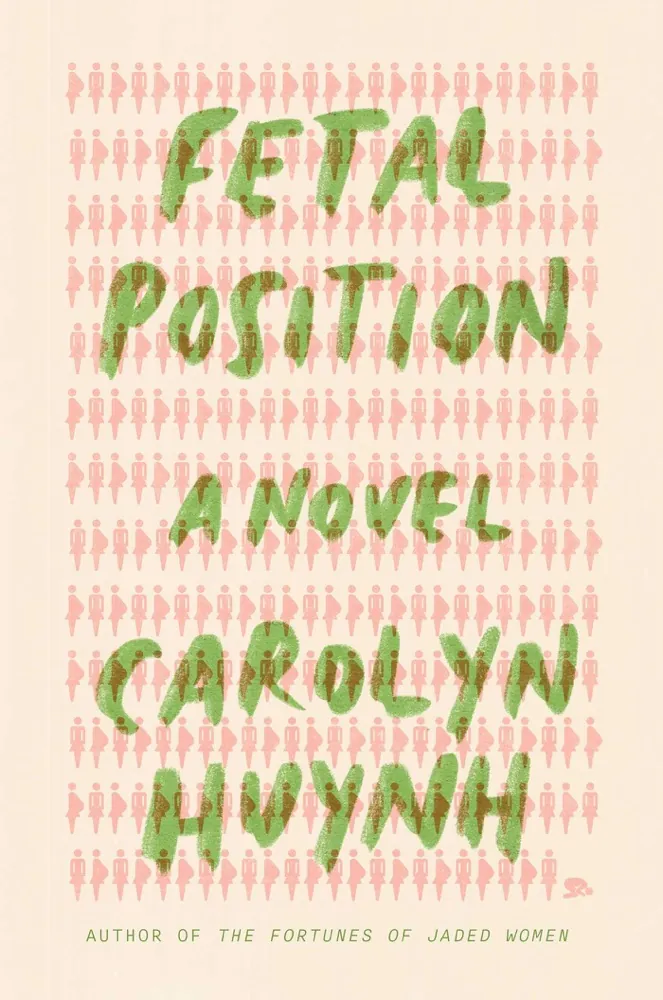

Author: Carolyn HuynhPage Count: UnknownPublication Date: Expected publication 2026-12-01 APL The radiator has been knocking since three o'clock this morning like a trapped locksmith trying to pick the lock of this miserable radiator valve—god, I hate winter in these divided rooms. Staring at the glow of the monitor while the neighbor’s bass vibrates through the lath and plaster, I am already exhausted by the discourse awaiting Carolyn Huynh’s Fetal Position. Speculative fiction loves a good technological panic. And why shouldn’t it? When the real world feels like a poorly coded simulation running out of RAM, writers naturally turn to dystopian blueprints. Huynh trades the multi-generational diasporic family dynamics of The Fortunes of Jaded Women for something much colder—a near future where the state collapses into a fertility cult run by venture capitalists. The Price of a Mechanical Lullaby We are promised a biting social critique of corporate complicity, artificial life, and data-driven optimization—themes that sound remarkably like what happens when you let a silicon valley incubator design a uterus. But let us be entirely honest for a second. Or maybe let us not be honest at all, because honesty pays even worse than freelance editing—does anyone actually need another cautionary tale about start-ups exploiting desperate people? Actually, scratch that. We need it precisely because the corporate machine keeps grinding everyone down into grey paste. Lena Do enters a world of subsidized security and robotic butlers. A classic bargain with the devil. Except the devil wears Patagonia fleece and has a seed round backed by venture capital. The synopsis leans heavily into the Black Mirror comparison, which is industry shorthand for: expect a clever premise that twists itself into a moral pretzel by page two hundred. Huynh is dealing with heavy machinery here. Bodily autonomy. The male loneliness epidemic. The terrifying transactional nature of love when love is evaluated by an algorithm. And yet—wait, no, I take that back. The premise relies almost entirely on women vanishing while the protagonist plays amateur detective with a robotic butler. That feels dangerously close to a genre trope we have ingested a thousand times over in airport paperbacks. The Algorithm of Despair The real meat of the book will not be the missing women. It will be the quiet, corrosive horror of Lena realizing she preferred her soul-crushing corporate job to the gilded cage of a tech-bro utopia. Because loneliness is a massive, echoing canyon. Huynh understands this ache intimately. People will sign away their reproductive freedom simply to feel perceived by something—even if that something is a cold-eyed corporation offering a beautiful home and a machine that folds laundry. Or maybe the robot butler is the most human character in the book. That would be the cynical twist we deserve. Reading about near-futures where birthrates plummet and loneliness is commodified hits a little too close to home when you are sitting in a kitchen that smells perpetually of boiled cabbage, typing frantic critiques to pay for next month’s rent hike. The toddler has hidden my favorite fountain pen again. Related InsightsThe Goldfinch Book Review and Summary Female Life on Planet Earth Book Review and Summary King of Greed Book Review and Summary{ "@context": "https://schema.org", "@type": "FAQPage", "mainEntity": [ { "@type": "Question", "name": "What is the main focus of Fetal Position Book Review and Summary?", "acceptedAnswer": { "@type": "Answer", "text": "Everything you need to know about Fetal Position with our detailed review." } }, { "@type": "Question", "name": "Who authored the comprehensive guide on Fetal Position Book Review and Summary?", "acceptedAnswer": { "@type": "Answer", "text": "This detailed article and its insights were carefully researched and authored by Olya Shevchenko." } }, { "@type": "Question", "name": "Where can I find more related content about Books?", "acceptedAnswer": { "@type": "Answer", "text": "You can explore more articles, detailed reviews, and similar insights by browsing the Related Insights section at the bottom of this article or visiting our dedicated Books category page." } } ] }
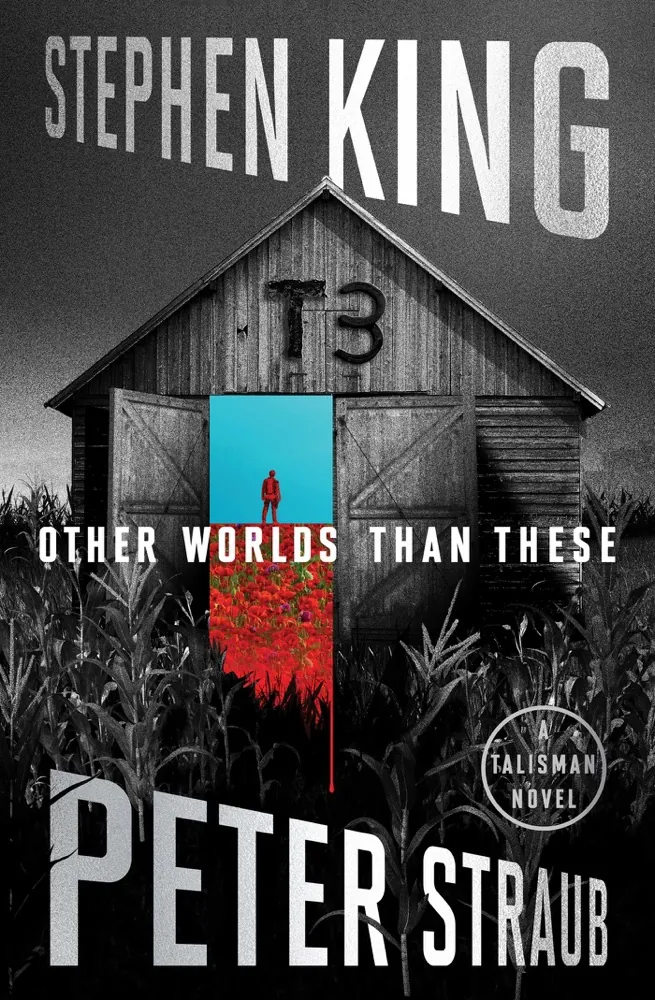

Author: Stephen KingPage Count: UnknownPublication Date: Expected publication 2026-10-06 APL The fluorescent humming overhead is driving me insane, cutting through the stagnant August heat while I stare blindly at another corporate promo brief. Stephen King and the late Peter Straub are somehow pulling off a literary resurrection from beyond the grave, dragging Jack Sawyer back into the spotlight for Other Worlds Than These. Expectations are astronomical for this 2026 release, mainly because tying up The Talisman trilogy directly to the Dark Tower mythos feels like an inevitable collision of literary universes. But wait, let me walk that back entirely—franchise crossovers usually rot under their own weight, collapsing into self-indulgent fan service that alienates anyone who hasn't memorized every obscure map King ever scribbled on a napkin. Maybe keeping it tied to Mid-World is a terrible mistake. Yet the marketing machine promises thirty-six illustrations by Gabriel Rodriguez, which almost excuses the cynical cash-grab nature of resurrecting a forty-year-old narrative arc during a brutal late-summer slump. Let's be honest about the synopsis itself; it tells us practically nothing concrete. We get the usual buzzwords about a fraying ka-tet, infected teenagers, and some cosmic threat called the Gullet. Groundbreaking stuff. Honestly, I’m just trying to hit my mandated word count tonight so I can clock out before the dawn shift rolls in. King has always leaned heavily into the loss of innocence, aging his protagonists alongside his audience until youth feels like a foreign country. Jack Sawyer started as a twelve-year-old kid hoofing it across America, and now he is an exhausted veteran of ontological warfare. This is cinema. Or it would be, if publishers stopped treating trilogies like immortal cash cows that refuse to stay buried. Fans of Justin Cronin or Robert McCammon will probably eat this up anyway, looking for that specific brand of folksy cosmic horror. My daughter just came downstairs to inform me that her science fair project is actually tomorrow, not next week. Related InsightsI, Claudius Book Review and Summary Colleen Hoover Ebook Boxed Set Hopeless Series Book Review and Summary A Brief History of Time Book Review and Summary{ "@context": "https://schema.org", "@type": "FAQPage", "mainEntity": [ { "@type": "Question", "name": "What is the main focus of Other Worlds Than These (The Talisman #3) Book Review and Summary?", "acceptedAnswer": { "@type": "Answer", "text": "Everything you need to know about Other Worlds Than These (The Talisman #3) with our detailed review." } }, { "@type": "Question", "name": "Who authored the comprehensive guide on Other Worlds Than These (The Talisman #3) Book Review and Summary?", "acceptedAnswer": { "@type": "Answer", "text": "This detailed article and its insights were carefully researched and authored by Beatriz Costa." } }, { "@type": "Question", "name": "Where can I find more related content about Books?", "acceptedAnswer": { "@type": "Answer", "text": "You can explore more articles, detailed reviews, and similar insights by browsing the Related Insights section at the bottom of this article or visiting our dedicated Books category page." } } ] }
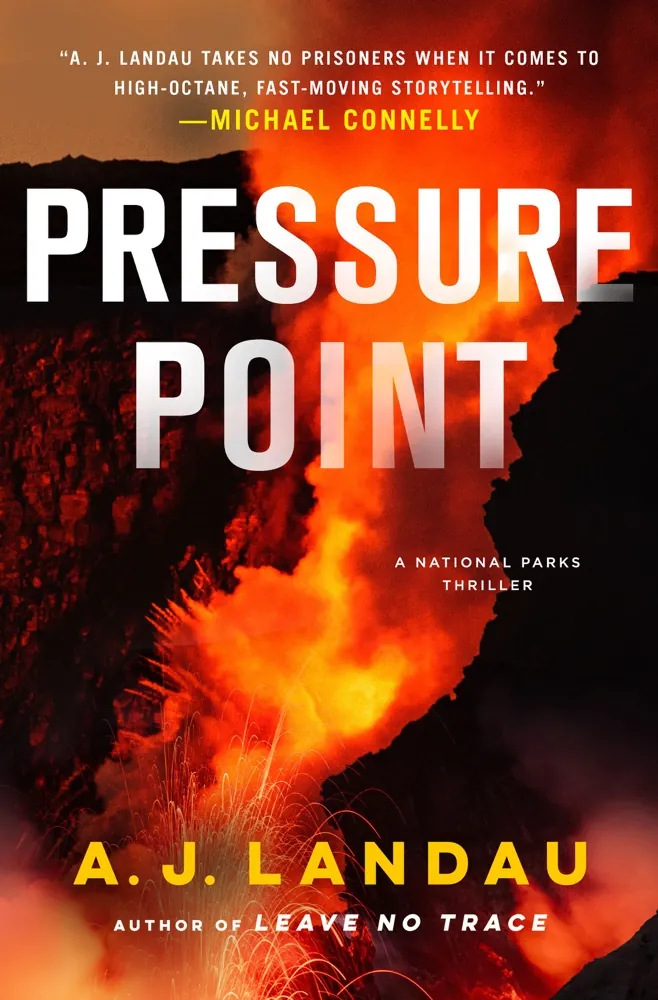

Author: A.J. LandauPage Count: UnknownPublication Date: Expected publication 2026-12-08 APL Must we endure another cinematic exercise in pedestrian catastrophe disguised as literature? The pedigree of Pressure Point rests upon an awfully shaky foundation, relying on the sort of preposterous logistical gymnastics that would give even the most lenient genealogical registrar a migraine. A rogue munitions peddler takes a fatal tumble featuring tactical C4 into a caldera, and suddenly we are expected to swallow a century-old homicide involving John Muir. Please. The absurdity is staggering. It is giving absolute trash-tier aesthetic. Geologic Absurdity Meets Antiquated Paranoia The thematic architecture here attempts a grand synthesis of man-versus-nature motifs, but it stumbles flatly over its own shoelaces. By tethering contemporary international arms smuggling to historical preservationist lore, A.J. Landau attempts a narrative alchemy that feels profoundly cooked. Think Michael Crichton on a severe downward trajectory after a three-day bender in a Boise motel. Special Agent Michael Walker supposedly confronts this geological and homicidal mess because the premise demands a federal patsy to run frantically between collapsing national parks. Yet, what is the actual point? The synopsis relies entirely on convenience—volcanoes erupting right on cue, historic skeletons popping out of the dirt like bad flora. It lacks the disciplined pacing of top-tier espionage. The Aristocracy of Natural Disasters One detects a severe lack of actual stakes in this high-altitude nonsense. When institutional oversight fails to prevent munitions dealers from casually wandering around Hawaii's volcanic peaks with high explosives, the entire apparatus of the state becomes a punchline. This isn't high-stakes geopolitical intrigue; it is fanfiction written for people who think a weekend camping trip constitutes roughing it. Give me the refined psychological claustrophobia of Donna Tartt or the biting social critique of a proper Victorian estate drama any day over this pyrotechnic sludge. The narrative assumes the reader is profoundly dim, serving up tectonic melodrama as a cheap substitute for genuine character development. I refuse to countenance another paragraph of this bureaucratic gibberish today. My patience has officially evaporated into thin air, much like the illicit C4 vaporizing over the Pacific. Excuse me while I log into the private banking portal because I must urgently authorize a multi-million dollar wire transfer to keep my ancestral cousin from squandering our remaining vineyard acreage on a terribly tacky contemporary art commune in Ibiza. Related InsightsBittersweet Empire: Billionaire Sugar Barons and the Ghosts of Slavery Book Review and Summary The Lion, the Witch and the Wardrobe Book Review and Summary The Four Wives and Five Deaths of Richard Milford Book Review and Summary{ "@context": "https://schema.org", "@type": "FAQPage", "mainEntity": [ { "@type": "Question", "name": "What is the main focus of Pressure Point (National Parks Thriller #3) Book Review and Summary?", "acceptedAnswer": { "@type": "Answer", "text": "Everything you need to know about Pressure Point (National Parks Thriller #3) with our detailed review." } }, { "@type": "Question", "name": "Who authored the comprehensive guide on Pressure Point (National Parks Thriller #3) Book Review and Summary?", "acceptedAnswer": { "@type": "Answer", "text": "This detailed article and its insights were carefully researched and authored by James Miller." } }, { "@type": "Question", "name": "Where can I find more related content about Books?", "acceptedAnswer": { "@type": "Answer", "text": "You can explore more articles, detailed reviews, and similar insights by browsing the Related Insights section at the bottom of this article or visiting our dedicated Books category page." } } ] }
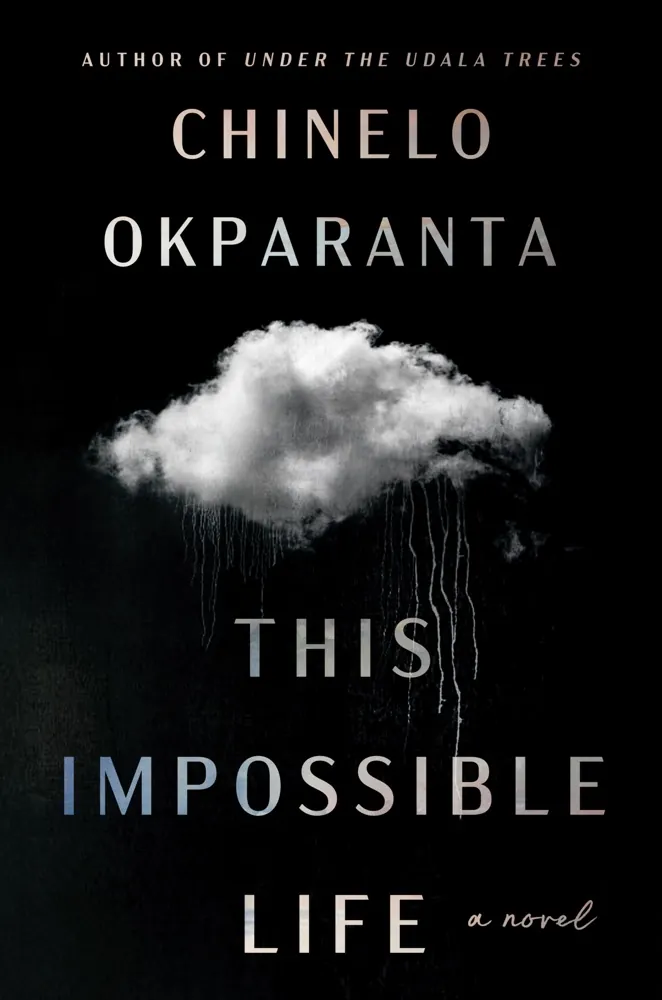

Author: Chinelo OkparantaPage Count: UnknownPublication Date: Expected publication 2026-11-10 APL What lies at the heart of a narrative that promises to traverse continents and decades, only to succumb to the most unforgiving of fates? The answer, much like the plot of This Impossible Life, remains elusive – a will-o'-the-wisp that beckons us deeper into the labyrinthine world of two siblings, Alohan and Ivie. Their story, as told by Chinelo Okparanta, begins with a catastrophic moment: the rainmaker's luck runs out, and with it, the lives of the two children are forever altered. Orphaned and alone, Alohan is thrust into an early adulthood, forced to provide for and protect his younger sister. The bond between them is forged in the crucible of loss and loyalty – a bond that will be tested by the vicissitudes of fate. As they navigate the treacherous landscape of their new reality, the siblings find themselves entangled in a wealthy couple's nefarious scheme. The power dynamics at play are a stark reminder of the ruthlessness that pervades the lives of those who hold power and privilege. The desperation that drives those who are underfoot – who must, and will, do anything merely to survive – is a potent commentary on the human condition. But what of the love that binds Alohan and Ivie? Is it enough to overcome the most unforgiving of fates? The answer, much like the plot of This Impossible Life, remains shrouded in mystery. One cannot help but think of the works of Arundhati Roy, whose The God of Small Things similarly explores the complex web of relationships and the devastating consequences of fate. And yet, the synopsis raises more questions than it answers. What of the rainmaker's past? What secrets lie hidden in the rituals he performs to bring or hold back the rain? The vagueness is almost palpable, leaving one to wonder if the book will ultimately succumb to the pitfalls of melodrama or rise above the fray. But, I suppose, that is the hallmark of a masterful storyteller – to leave the reader wanting more. Chinelo Okparanta's prose is said to be "captivating" and "insightful," with a "compassion" that is both "gripping" and "saga-like." One cannot help but think of the works of Jhumpa Lahiri, whose The Namesake similarly explores the complexities of cultural identity and the immigrant experience. As I sit here, sipping my overpriced coffee and waiting for my delayed flight, I am reminded of the infamous Fyre Festival – a catastrophic event that promised the world and delivered nothing but ashes. Will This Impossible Life suffer the same fate, or will it rise above the hype? Only time will tell. But, for now, I must return to my portrait – a terribly depressing rendering of a world that seems to be spinning out of control. The colors are muted, the lines blurred, and the overall effect is one of despair. Ah, well, such is the state of the world, n'est-ce pas? #LiteraryFiction #NewRelease #BookLovers #FictionalNarratives Related InsightsThe Guilty Party Book Review and Summary Random in Death Book Review and Summary Private Dublin Book Review and Summary{ "@context": "https://schema.org", "@type": "FAQPage", "mainEntity": [ { "@type": "Question", "name": "What is the main focus of This Impossible Life: A Novel Book Review and Summary?", "acceptedAnswer": { "@type": "Answer", "text": "Everything you need to know about This Impossible Life: A Novel with our detailed review." } }, { "@type": "Question", "name": "Who authored the comprehensive guide on This Impossible Life: A Novel Book Review and Summary?", "acceptedAnswer": { "@type": "Answer", "text": "This detailed article and its insights were carefully researched and authored by Klaus Weber." } }, { "@type": "Question", "name": "Where can I find more related content about Books?", "acceptedAnswer": { "@type": "Answer", "text": "You can explore more articles, detailed reviews, and similar insights by browsing the Related Insights section at the bottom of this article or visiting our dedicated Books category page." } } ] }
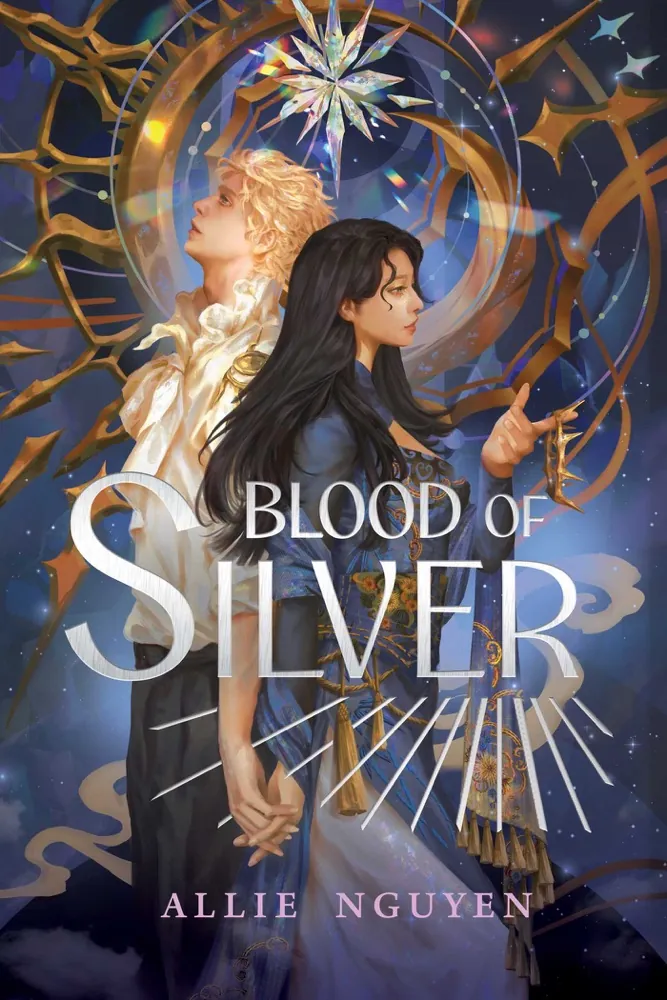

Author: Allie NguyenPage Count: UnknownPublication Date: Expected publication 2026-11-10 APL The agony of another "whimsically imagined" young adult romantasy—Blood of Silver, the latest from Allie Nguyen, promises to transport us to a magical realm where a teenage girl must wield rare magic to save the day. How quaint. How utterly...familiar. A Legacy of Magic and Grief The story begins with Linh, a teenager reeling from her mother's funeral, only to be visited by a mysterious boy who claims to know secrets about her mother's past. Because, of course, the most convenient way to deal with grief is to be thrust into a fantastical world where you must master magical powers you never knew you had. I mean, who needs therapy when you have ancient magics and talking flowers, right? Nguyen's world-building seems to follow the standard YA fantasy playbook: a realm governed by six ancient magics, a powerful mage or two, and a dash of court intrigue. It's all very...been there, done that. But hey, maybe the execution will surprise me. After all, Nguyen is touted as perfect for fans of Tahereh Mafi and A. B. Poranek—two authors known for their lush world-building and complex characters. The Weight of Legacy Linh's journey is, ostensibly, about self-discovery and empowerment. She must come to terms with her mother's past and her own newfound powers in order to save the realm from those pesky demons. But what's really at stake here? Is it the fate of Ebrirene, or Linh's own sense of identity? I'd wager it's the latter, given the YA genre's propensity for navel-gazing. The character of Elior, the crown prince, seems like a classic love interest trope. I can already imagine the angsty romance that will blossom between him and Linh, replete with forbidden love and ancient prophecies. Sigh. But, I suppose, for fans of the genre, this might be a welcome development. A Tournament of Shadows The annual tournament at the mages' academy sounds like a thrilling plot twist, full of danger and intrigue. Yet, I'm left wondering: what's the real purpose of this tournament? Is it a genuine test of magical prowess, or a mere plot device to raise the stakes? And what of the enemies that lurk in the shadows? Are they truly monstrous, or merely misunderstood? As I scribble these thoughts, I'm reminded of the countless other YA fantasies that have trod this same ground. Blood of Silver might be a perfectly serviceable addition to the genre, but it's hard to shake the feeling that we've seen it all before. Ugh, this review is already at 500 words, and I still have to hit my word count. Can I just be done with it already? Alas, I'll trudge on. In the end, Blood of Silver will likely appeal to fans of the genre, with its familiar blend of magic, romance, and self-discovery. But for those of us who crave something more...substantial, it might be a harder sell. Still, I'll reserve judgment until I've actually read the thing. Ugh, now my garage door is making this annoying squeaking noise. Can someone please just fix it? #YAFantasy #Romantasy #BookLovers #FantasyFiction Related InsightsCan't Be That Other Woman Book Review and Summary Just Listen Book Review and Summary Primera persona del singular Book Review and Summary{ "@context": "https://schema.org", "@type": "FAQPage", "mainEntity": [ { "@type": "Question", "name": "What is the main focus of Blood of Silver Book Review and Summary?", "acceptedAnswer": { "@type": "Answer", "text": "Everything you need to know about Blood of Silver with our detailed review." } }, { "@type": "Question", "name": "Who authored the comprehensive guide on Blood of Silver Book Review and Summary?", "acceptedAnswer": { "@type": "Answer", "text": "This detailed article and its insights were carefully researched and authored by Diego Lopez." } }, { "@type": "Question", "name": "Where can I find more related content about Books?", "acceptedAnswer": { "@type": "Answer", "text": "You can explore more articles, detailed reviews, and similar insights by browsing the Related Insights section at the bottom of this article or visiting our dedicated Books category page." } } ] }
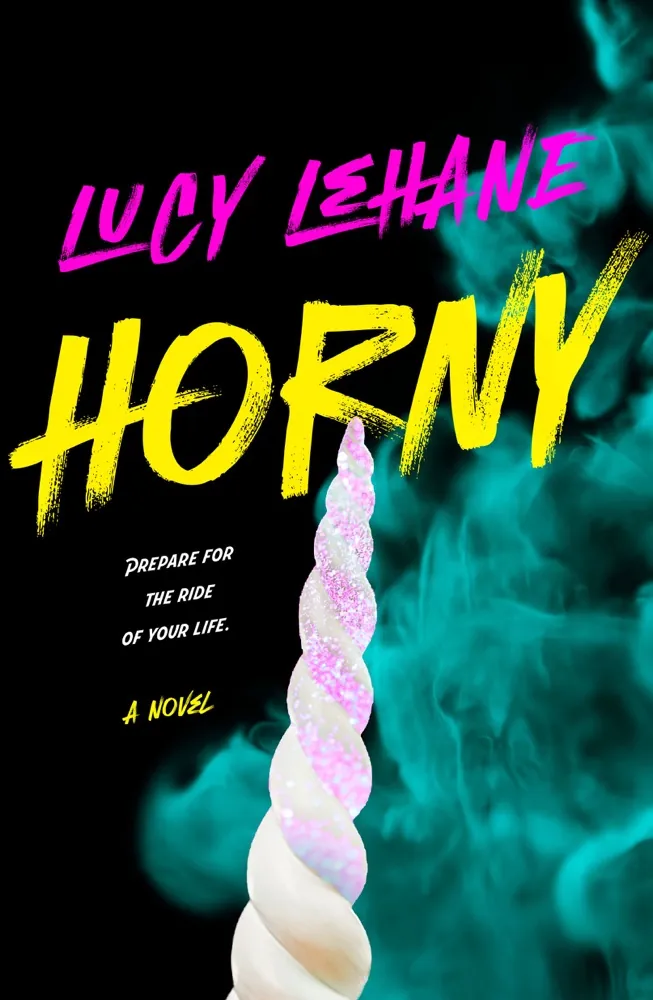

Author: Lucy LehanePage Count: UnknownPublication Date: Expected publication 2026-12-01 APL Look at this August heat beating against the windowpane while the cicadas outside create a ceaseless, maddening drone that makes coherent thought feel like wading through wet cement. Yet here I am, staring down Lucy Lehane’s upcoming Horny: A Novel, a title so aggressively juvenile it makes me want to launch my coffee mug across the living room rug. December 2026 cannot come fast enough simply so we can stop talking about whatever this is. The Architecture of the Absurd We have a deceased protagonist sharing a physical vessel with a squatter poltergeist, now forced to room with a dimension-hopping, soul-reading unicorn who apparently looks like a supermodel. And people wonder why kids today have trouble grounding themselves in reality when this is the literary pabulum being pumped out for consumption. It feels like someone took a blender to a Terry Pratchett manuscript and a midnight romance paperback found behind a dumpster. Speaking of which, why did the third-grade science fair board have to be made out of foam core that warps the second you slap school glue on it? We spent forty dollars on baking soda and vinegar volcanoes last year, only for the dog to chew the papier-mâché base to pieces while I was downstairs trying to get five minutes of quiet, and now we are doing a friction-coefficient ramp using Hot Wheels tracks that keep sliding off the linoleum because nothing in this house ever stays put. Lehane leans entirely into the high-concept chaos. The synopsis reads like a mad-libs session engineered by a marketing algorithm chasing the exact demographic that made Gail Carriger and TJ Klune rich. The Mechanics of Friction Opposites-attract tropes usually rely on stubbornness and wit. Here, we get interdimensional virginity mixed with post-mortem career anxiety. A Predictable Collision The friction between a cynical dead girl and a pristine mythical creature lacks subtlety. Lehane will undoubtedly give us three hundred pages of slamming doors, accidental eye contact, and heavy-handed metaphors about learning to love your inner darkness. It smells like every mediocre urban fantasy published since 2010. My editor is breathing down my neck about word counts and deadlines, but the science fair project takes precedence and I still need to find where the hot glue gun went. #bookstagram #romcom #paranormalromance #booklaunch Related InsightsBlue Hour Book Review and Summary Dangerous Impulses (The Naturals, #5) Book Review and Summary You Are Special Book Review and Summary{ "@context": "https://schema.org", "@type": "FAQPage", "mainEntity": [ { "@type": "Question", "name": "What is the main focus of Horny: A Novel Book Review and Summary?", "acceptedAnswer": { "@type": "Answer", "text": "Everything you need to know about Horny: A Novel with our detailed review." } }, { "@type": "Question", "name": "Who authored the comprehensive guide on Horny: A Novel Book Review and Summary?", "acceptedAnswer": { "@type": "Answer", "text": "This detailed article and its insights were carefully researched and authored by Michael Brown." } }, { "@type": "Question", "name": "Where can I find more related content about Books?", "acceptedAnswer": { "@type": "Answer", "text": "You can explore more articles, detailed reviews, and similar insights by browsing the Related Insights section at the bottom of this article or visiting our dedicated Books category page." } } ] }
-
 Emma Thompson
 - 23 Aug, 2026 02:47
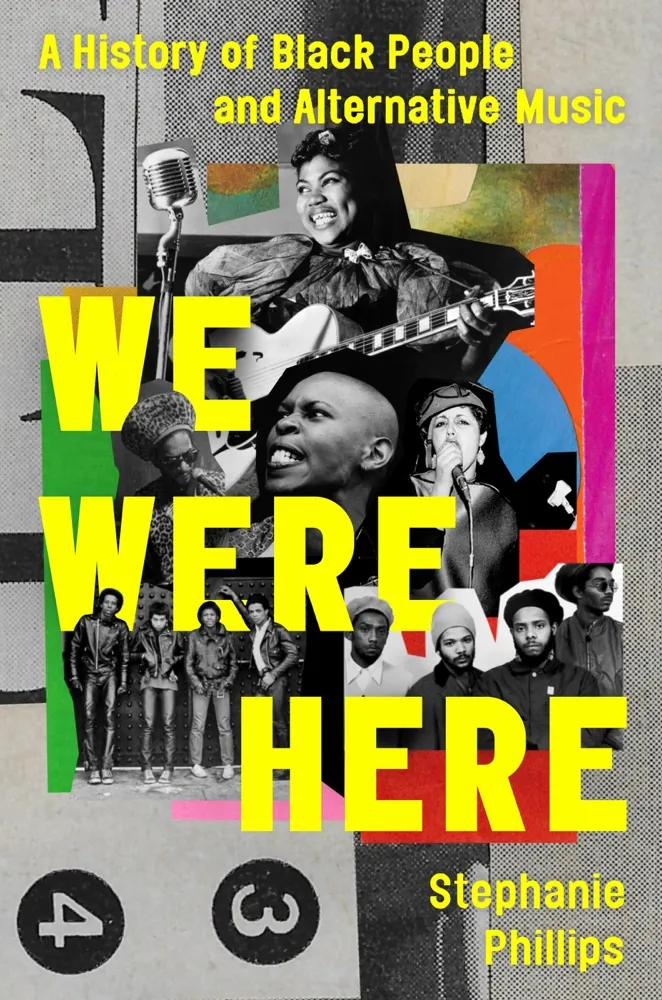
We Were Here: A History of Black People and Alternative Music Book Review and Summary
Author: Stephanie PhillipsPage Count: UnknownPublication Date: Expected publication 2026-11-17 APL The synopsis of We Were Here arrives like a well-timed but slightly belated invitation to a party you’ve been waiting to crash—only to realize the host forgot to mention the guest list was rigged. The book’s premise is a necessary corrective, a long-overdue audit of rock’s ledger where Black artists have been systematically undercharged for their labor. But here’s the rub: the synopsis itself reads like a press release drafted by a committee of earnest historians who’ve never actually been in the room where it happened. It’s the difference between a firsthand account of the Montreux Fire and a Wikipedia page on it—same facts, but one still smells like smoke. Phillips, a musician herself, is clearly positioned to bring something vital to the table: her own lived experience as a Black woman in punk. Yet the synopsis leans so hard into the "we’ve been erased" narrative that it risks becoming a self-fulfilling prophecy. Where’s the texture? The mess? The way history isn’t just a series of names and dates but a series of moments—like Chuck Berry’s guitar licks being stolen by white rockers while Berry himself was still fighting for basic respect, or Jimi Hendrix’s genius being reduced to a few iconic riffs while his political and spiritual depth was buried under layers of whitewashed myth. The synopsis doesn’t show this; it just lists it, like a grocery list of owed debts. And then there’s the problem of alternative music. The term itself is a slippery, ever-shifting concept, one that’s been co-opted, diluted, and repackaged so many times it’s almost meaningless. But the synopsis treats it like a fixed genre, a monolith, when in reality, it’s a patchwork of scenes, subcultures, and countercultures that often hated each other. The Bad Brains and Living Colour? Sure, they’re icons. But what about the Black punk bands that got lost in the shuffle—like the Slits’ influence on early hardcore, or how Minor Threat’s DIY ethos was built on the backs of Black musicians who couldn’t afford to play by the same rules? The synopsis doesn’t even acknowledge the fractures in the narrative, let alone explore them. Phillips’ own story is the most compelling part of this project—her coming-of-age in punk, her front-woman role in Big Joanie. That’s the kind of firsthand detail that could make this book sing. But the synopsis treats it like an afterthought, a footnote to the larger historical argument. It’s as if she’s saying, "Here’s my story, but really, the real story is the one we’ve been missing." But the real story isn’t just about what’s missing—it’s about how those absences shaped the music, how they created the very spaces that later became "alternative." The synopsis doesn’t grapple with that tension; it just states it. And then there’s the question of who this book is for. Is it for the casual listener who’s heard of Hendrix but never considered why his legacy was so carefully curated? Or is it for the hardcore fans who’ve been waiting decades for this kind of reckoning? The synopsis doesn’t narrow its focus enough. It’s too broad, too general, like a museum exhibit that tries to cover too much ground and ends up covering nothing deeply. But perhaps the biggest flaw is the synopsis’s refusal to complicate. It’s all about the "key players" and the "obscured figures," but history isn’t just about the heroes and the villains—it’s about the systems. The way Black musicians were forced into specific roles, how their innovations were repackaged as "white" innovations, how the very idea of "alternative" was often a code for "not too Black." The synopsis doesn’t dig into that. It just lists the names. Still, if Phillips can deliver on the promise of her own voice—the way a musician’s perspective can cut through the noise of historical revisionism—then this could be something special. But right now, it feels like a book that’s been written by committee, by people who’ve never actually played in the scene they’re describing. It’s the difference between a live performance and a studio recording: the synopsis is sterile, polished, and missing the raw energy that would make it live. And now, because I’ve been staring at this too long, I’m distracted by the thought of finding a dry cleaner in Manhattan that doesn’t charge $20 for a pair of trousers. The irony is not lost on me. Related InsightsThe Atlas Paradox Book Review and Summary A Reunion to Die For: A Novel Book Review and Summary El canto del cuco / The Cuckoo’s Calling Book Review and Summary{ "@context": "https://schema.org", "@type": "FAQPage", "mainEntity": [ { "@type": "Question", "name": "What is the main focus of We Were Here: A History of Black People and Alternative Music Book Review and Summary?", "acceptedAnswer": { "@type": "Answer", "text": "Everything you need to know about We Were Here: A History of Black People and Alternative Music with our detailed review." } }, { "@type": "Question", "name": "Who authored the comprehensive guide on We Were Here: A History of Black People and Alternative Music Book Review and Summary?", "acceptedAnswer": { "@type": "Answer", "text": "This detailed article and its insights were carefully researched and authored by Emma Thompson." } }, { "@type": "Question", "name": "Where can I find more related content about Books?", "acceptedAnswer": { "@type": "Answer", "text": "You can explore more articles, detailed reviews, and similar insights by browsing the Related Insights section at the bottom of this article or visiting our dedicated Books category page." } } ] }

Author: Jillian DoddPage Count: UnknownPublication Date: Expected publication 2026-05-13 APL Someday seems to be a saccharine exploration of the complexities of young love, with a dash of drama courtesy of a surprise pregnancy. Ainsley, the protagonist, chooses to conceal her pregnancy from her football-star boyfriend, Damon, allegedly out of love. One can't help but wonder – is this a genuine attempt to protect Damon's career, or a contrived plot device to manufacture tension? As I sit here, surrounded by the faded grandeur of my family's estate, I find myself pondering the themes of love, sacrifice, and the blurred lines between them. The synopsis hints at a narrative that will meander through the challenges of long-distance relationships, the pressures of impending parenthood, and the fragility of adulthood. It's a tale that promises to be as sentimental as it is predictable. But, and this is a crucial 'but', the vagueness of the synopsis is almost palpable. We're given snippets of character motivation, but the emotional depth of the protagonists remains shrouded in mystery. Will Ainsley's decision to conceal her pregnancy be portrayed as a selfless act, or a desperate attempt to cling to a relationship? How will Damon's character evolve as he grapples with the realities of fatherhood? These are the questions that will make or break Someday, and yet, they remain frustratingly unanswered. The writing style, judging by the synopsis, appears to be a blend of syrupy romance and melodrama – think The Notebook meets Friday Night Lights. It's a tried-and-tested formula, to be sure, but one that risks veering into cliche territory if not executed with finesse. I'm reminded of the works of Colleen Hoover, whose ability to craft relatable characters and poignant storylines has earned her a devoted following. Someday will need to bring its A-game if it hopes to leave a lasting impression on readers. And yet, as I read through the synopsis, I find myself drawn to the quiet intimacy of the narrative. There's a sense of vulnerability that permeates the story, a sense that these characters are stumbling through the darkness, searching for a glimmer of hope. It's a feeling that resonates deeply, one that speaks to the universal human experience of uncertainty and self-discovery. The Weight of Forever As I ponder the themes of Someday, I'm struck by the weight of forever. It's a concept that's both exhilarating and terrifying, a promise of endless possibility that's tempered by the crushing responsibility of commitment. Will Damon and Ainsley find their forever, or will the pressures of adulthood tear them asunder? Only time will tell. But I must confess, I'm not entirely convinced by the synopsis. There's a sense of emotional manipulation at play, a feeling that the narrative is relying too heavily on contrived plot twists to drive the story forward. Still, I suppose that's the mark of a good storyteller – the ability to craft a narrative that's both predictable and surprising, a delicate balancing act that will keep readers on the edge of their seats. I've digressed, however. The guest list for my holiday party won't finalize itself, and I have a few last-minute invitations to send out. I do hope Someday will prove to be a worthy addition to the literary landscape, but for now, I have more pressing concerns. #NewRelease #RomanceNovel #BookLovers Related InsightsUnti Sharpe Book Review and Summary Always Remember Book Review and Summary Novelist As a Vocation Book Review and Summary{ "@context": "https://schema.org", "@type": "FAQPage", "mainEntity": [ { "@type": "Question", "name": "What is the main focus of That Someday Book Review and Summary?", "acceptedAnswer": { "@type": "Answer", "text": "Everything you need to know about That Someday with our detailed review." } }, { "@type": "Question", "name": "Who authored the comprehensive guide on That Someday Book Review and Summary?", "acceptedAnswer": { "@type": "Answer", "text": "This detailed article and its insights were carefully researched and authored by James Miller." } }, { "@type": "Question", "name": "Where can I find more related content about Books?", "acceptedAnswer": { "@type": "Answer", "text": "You can explore more articles, detailed reviews, and similar insights by browsing the Related Insights section at the bottom of this article or visiting our dedicated Books category page." } } ] }

Author: Elaine Vilar MadrugaPage Count: UnknownPublication Date: Expected publication 2026-10-20 APL Another press release, another desperate plea to care about a book that claims to swallow literary worlds whole. Right. Because every translated horror novel from Latin America is apparently a monolithic masterpiece destined to completely alter my entire worldview before I even finish pulling a double shot of espresso for some tech bro who doesn't know the difference between a macchiato and a flat white. Mariana Enriquez slaps her blurb on the cover of What the Forest Devours, and suddenly I am supposed to pretend this marketing copy isn't just a rehash of every eco-gothic fever dream we have been subjected to since the mid-nineteenth century. Motherhood As A Meat Grinder The premise operates on a level of visceral absurdity that either completely slaps or completely faceplants into pretentious metaphor. Mothers raising their children as literal livestock to appease a sentient, ravenous Cuban rainforest. Groundbreaking. Let's see if Elaine Vilar Madruga actually has the guts to push this cannibalistic patriarchy past standard-issue folklore tropes, or if we are just getting another sluggish exercise in atmospheric misery porn designed to look good on an Instagram grid. And look, I only agreed to type out this ridiculous word-count-padding diatribe because my rent went up by three hundred bucks and I need the freelance scratch, but if this novel relies on vague allegories about systemic oppression without earning the psychological dread, I am throwing the review straight into the grease trap. The Cringe Cast of the Hacienda We have Benedicta, the prolific whelp producer who is somehow past her prime. What does that even mean in a society where reproduction is mandatory currency? The synopsis refuses to elaborate, hiding behind moody buzzwords like "borrowed time" and "feral she-dog." Classic. Give me complicated character interiority or get out of the kitchen. Lazaro is the token man trembling in the corner, which honestly feels like the most realistic detail in the entire blurb, because men are generally useless when the ecosystem decides to eat its own young. Yet the real test of Madruga's prose will be whether she can anchor this baroque, high-concept body horror in something resembling emotional truth instead of leaning solely on shock value. My editor is breathing down my neck about the quarterly metrics, but the science fair project takes precedence and I honestly have to go glue pipe cleaners to a papier-mâché volcano before my shift starts. Related InsightsThe Assassin's Blade / Throne of Glass / Crown of Midnight / Heir of Fire / Queen of Shadows / Empire of Storms / Tower of Dawn / Kingdom of Ash Book Review and Summary In the Margins Book Review and Summary Heartstopper Yearbook Book Review and Summary{ "@context": "https://schema.org", "@type": "FAQPage", "mainEntity": [ { "@type": "Question", "name": "What is the main focus of What the Forest Devours: A Novel Book Review and Summary?", "acceptedAnswer": { "@type": "Answer", "text": "Everything you need to know about What the Forest Devours: A Novel with our detailed review." } }, { "@type": "Question", "name": "Who authored the comprehensive guide on What the Forest Devours: A Novel Book Review and Summary?", "acceptedAnswer": { "@type": "Answer", "text": "This detailed article and its insights were carefully researched and authored by Diego Lopez." } }, { "@type": "Question", "name": "Where can I find more related content about Books?", "acceptedAnswer": { "@type": "Answer", "text": "You can explore more articles, detailed reviews, and similar insights by browsing the Related Insights section at the bottom of this article or visiting our dedicated Books category page." } } ] }
-
 Natalia Sokolova
 - 22 Aug, 2026 22:25
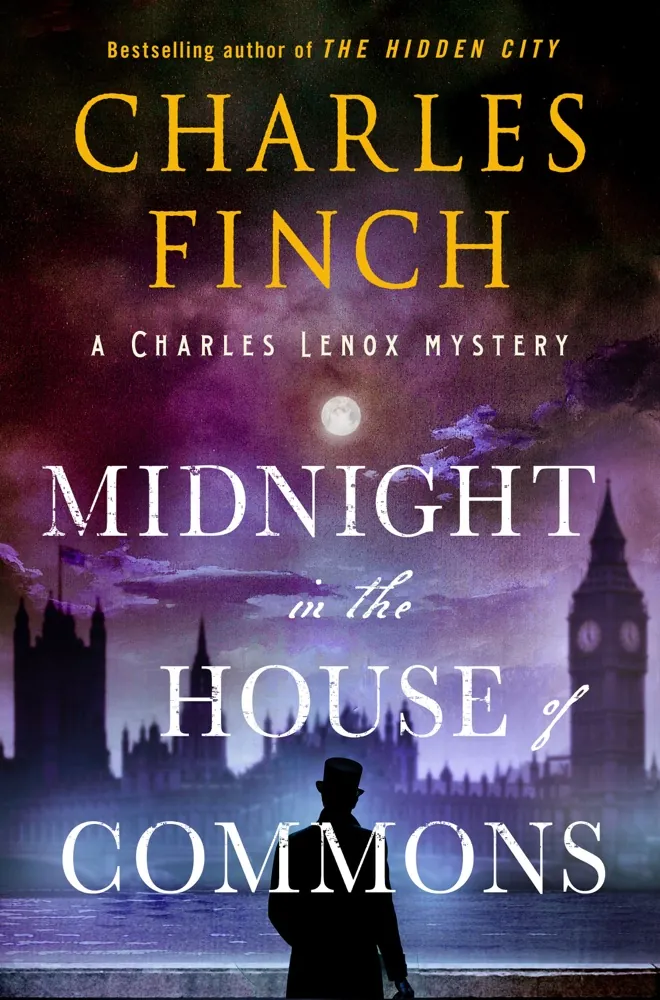
Midnight in the House of Commons: A Charles Lenox Mystery (Charles Lenox Mysteries, 16) Book Review and Summary
Author: Charles FinchPage Count: UnknownPublication Date: Expected publication 2026-11-03 APL Wipe the sweat out of your eyes and look at this setup. We are staring down the barrel of a Victorian murder mystery set in the spring of 1881—specifically inside the House of Commons—and honestly, the vibe is giving me major Anthony Horowitz meets gaslit prestige television, no cap, strictly high-brow literary realness. Charles Finch is back with Midnight in the House of Commons, the sixteenth installment in his Charles Lenox series. And look, if this thing doesn't feature at least one brutal, bare-knuckle brawl or a high-stakes chokehold in the parliamentary cloakroom, I am going to throw my desk chair through this window because this humidity in here is already making me feel like I am cutting weight for a championship bout in a Finnish sauna. Legislative Poison and Domestic Dread The setup is peak drawing-room-meets-crime-scene melodrama. Robert Baddeley—what a delightfully trashy name for a charismatic, womanizing Member of Parliament—gets himself permanently checked out of the earthly realm via poison right inside the hallowed legislative chamber. Classic. We are talking about high-society Victorian London where everybody is sipping gin, wearing velvet waistcoats, and plotting each other's demise between bites of scone. Naturally, the synopsis tries to hype up the stakes by throwing in a bunch of domestic side-quests—Sari's teenage angst, an odd visitor, and a missing fiancé—which honestly feels like narrative filler when what we really want is a clean, technical breakdown of the poisoner's methodology. Give me the autopsy report, Finch. Stop hiding the ball. The Footwork of an Aristocratic Sleuth Charles Lenox is operating in that elite tier of gentleman detectives, but let us be real for a second about his tactical awareness. If a guy gets popped inside a secure government building, you do not just wander around ballrooms and supper parties sipping champagne—you secure the perimeter, check the blind spots, and look for the heel-hook. Yet, Lenox is out here juggling family drama while someone frames a person close to him. Typical amateur hour. He is getting out-grappled by the narrative structure. If you are comparing this to Anne Perry or even Caleb Carr’s The Alienist, the pacing better be sharper than a jab in the third round or the whole procedural framework is going to gas out by chapter ten. And yet, I am strangely here for it. There is something deeply comforting about a well-tailored period mystery that relies on psychological pressure rather than sheer brutality, even if the premise smells slightly generic—oh look, a womanizing politician died and everyone hated him, color me shocked. The synopsis relies heavily on vague narrative threats about losing everything, which is industry shorthand for "we haven't finished writing the third act yet." But Finch usually delivers a structurally sound puzzle, so I am willing to let him cook. Just keep the pacing tight. Wait. Did I just hear thunder? Holy hell, the sky just opened up into a torrential August downpour. My vintage steel-frame Raleigh bicycle is currently chained to the rusty pole out back with no fenders and a completely exposed leather saddle, and if I don't sprint down three flights of stairs right this second, my Brooks saddle is going to be completely waterlogged. #bookstagram #historicalfiction #charlesfinch Related InsightsThe Outsiders Book Review and Summary Installment Immortality Book Review and Summary Gone Girl Book Review and Summary{ "@context": "https://schema.org", "@type": "FAQPage", "mainEntity": [ { "@type": "Question", "name": "What is the main focus of Midnight in the House of Commons: A Charles Lenox Mystery (Charles Lenox Mysteries, 16) Book Review and Summary?", "acceptedAnswer": { "@type": "Answer", "text": "Everything you need to know about Midnight in the House of Commons: A Charles Lenox Mystery (Charles Lenox Mysteries, 16) with our detailed review." } }, { "@type": "Question", "name": "Who authored the comprehensive guide on Midnight in the House of Commons: A Charles Lenox Mystery (Charles Lenox Mysteries, 16) Book Review and Summary?", "acceptedAnswer": { "@type": "Answer", "text": "This detailed article and its insights were carefully researched and authored by Natalia Sokolova." } }, { "@type": "Question", "name": "Where can I find more related content about Books?", "acceptedAnswer": { "@type": "Answer", "text": "You can explore more articles, detailed reviews, and similar insights by browsing the Related Insights section at the bottom of this article or visiting our dedicated Books category page." } } ] }
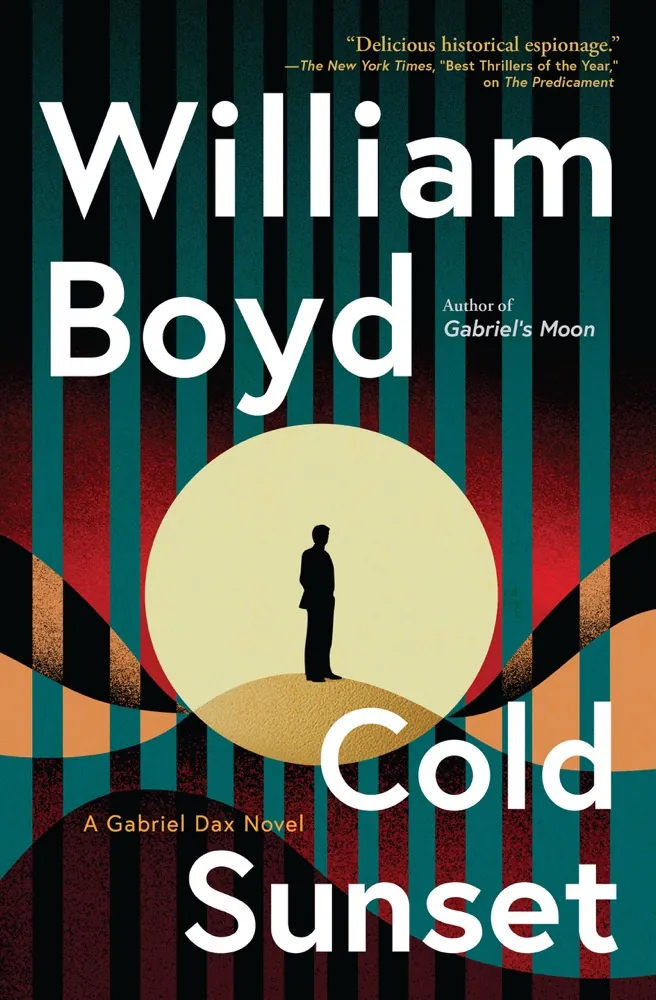
Author: William BoydPage Count: UnknownPublication Date: Expected publication 2026-11-03 APL A spy novel that promises to deliver the 'brilliant fun' of a genre expert like William Boyd - I should be thrilled, right? Yet, something about this official synopsis for Cold Sunset: A Gabriel Dax Novel leaves me underwhelmed. Perhaps it's the overly familiar setup - a reluctant spy, a mysterious drawing, a triple agent with a Hero of the Soviet Union facade - all set against the smoldering backdrop of Cold War Moscow. I've seen this before, and I'm not convinced that Boyd's 'particular storytelling genius' can elevate this narrative beyond the realm of predictability. And what's with the vagueness of the plot? We're told that Gabriel Dax is tasked with delivering a mysterious drawing to Kit Caldwell, but what's the significance of this drawing? Is it a MacGuffin, a mere plot device to propel the story forward, or does it hold some deeper meaning? The synopsis doesn't say, and that lack of clarity is frustrating. I'm reminded of John le Carré's The Spy Who Came in from the Cold, where the plot twists and turns like a snake through the shadows of Cold War Berlin. Now, that's a spy novel that knows how to keep you on the edge of your seat. But I digress. Cold Sunset seems to be more focused on the character dynamics between Gabriel and Kit, as well as Gabriel's enigmatic handler, Faith Green. The synopsis hints at a web of shifting loyalties and trust fractures, which could be interesting if executed well. I'm thinking of Robert Harris's Fatherland, where the protagonist's loyalty is tested to the limit in a dystopian Nazi regime. Now, that's a novel that knows how to create tension and moral complexity. Yet, I remain skeptical about Cold Sunset. The synopsis feels like a checklist of spy novel tropes, rather than a genuine attempt to subvert or innovate the genre. And what's with the title? Cold Sunset sounds like a cliché, a phrase that's been used countless times in literature and poetry. Where's the originality? The flair? I suppose only time will tell if Cold Sunset lives up to its promise. Perhaps Boyd's prose will be so masterful, so evocative of the era, that I'll be swept up in the story despite my reservations. But for now, I remain unconvinced. Literally. The thing that really gets my goat, though, is that this synopsis is so focused on the plot and characters that it forgets to tell us what the novel is really about. What themes will it explore? What commentary will it offer on the human condition? I'm reminded of Don DeLillo's Underworld, which uses the Cold War as a backdrop to explore the fragmentation of American society. Now, that's a novel that knows how to tackle the big questions. But I suppose I'll just have to wait and see if Cold Sunset can deliver on its promise. Until then, I'll remain skeptical, my mind wandering back to the toddler who's hidden my favorite fountain pen again. Where did she put it this time? #ColdWarFiction #SpyNovels #WilliamBoyd Related InsightsThe Traveler's Atlas of the World Book Review and Summary Greywaren Book Review and Summary Crime and Punishment Book Review and Summary{ "@context": "https://schema.org", "@type": "FAQPage", "mainEntity": [ { "@type": "Question", "name": "What is the main focus of Cold Sunset: A Gabriel Dax Novel Book Review and Summary?", "acceptedAnswer": { "@type": "Answer", "text": "Everything you need to know about Cold Sunset: A Gabriel Dax Novel with our detailed review." } }, { "@type": "Question", "name": "Who authored the comprehensive guide on Cold Sunset: A Gabriel Dax Novel Book Review and Summary?", "acceptedAnswer": { "@type": "Answer", "text": "This detailed article and its insights were carefully researched and authored by Victoria Smith." } }, { "@type": "Question", "name": "Where can I find more related content about Books?", "acceptedAnswer": { "@type": "Answer", "text": "You can explore more articles, detailed reviews, and similar insights by browsing the Related Insights section at the bottom of this article or visiting our dedicated Books category page." } } ] }


Author: Cynthia W. GentryPage Count: UnknownPublication Date: Expected publication 2026 APL The synopsis for Her Life in Ruins is the kind of thing that makes you want to both cheer and groan in unison—like watching a friend attempt a backflip off a trampoline. It’s the kind of premise that could either be a razor-sharp satire of academic ambition and Silicon Valley excess or a glorified rom-com with a side of cultural appropriation anxiety, depending on how much the author trusts her readers to laugh at themselves. The fact that it’s being marketed to fans of The Love Hypothesis and Really Good, Actually is either a bold move or a desperate attempt to ride the coattails of books that, while charming, often feel like they were written by people who’ve never actually had to pay rent. The Yucatán setting is a nice touch—it’s not just a backdrop but a character in itself, dripping with the kind of exoticism that could either be handled with the precision of a trained archaeologist or reduced to a series of clichés about "spicy" locals and "mysterious" ruins. The synopsis leans heavily into the "reckless, overly ambitious, desperately horny glory of womanhood" angle, which is fine if you’re going for a Bridesmaids-level of cringe comedy, but it risks feeling like a gimmick if the execution isn’t sharp. The idea of a grad student turning to theft to save her career is a trope as old as Ocean’s Eleven, but the twist here is that she’s not a master thief—she’s a woman who’s spent the last six years either digging in the rain or trying to hook up with her professors. The question isn’t whether this will work, but whether it will feel fresh or just another iteration of the "smart but messy woman" narrative that’s been mined for all it’s worth. And let’s be real—if this is just another book where the love interest is the only person who actually believes in her, then it’s not just a heist gone wrong, it’s a narrative choice that’s been made a thousand times before. The synopsis also does a great job of selling the vibe—laugh-out-loud, wry, propulsive—but it’s frustratingly vague on the actual stakes beyond "her academic career." Is this about the ethics of looting? The absurdity of academic gatekeeping? The way Silicon Valley types treat ancient artifacts like NFTs? Or is it just a rom-com where the heist is a metaphor for dating? The synopsis doesn’t say, and that’s the problem. It’s like being handed a menu where every dish is described as "delicious" but you have no idea what’s in it. You can guess it’s going to be messy, but will it be good messy or just sloppy? Nailed it. The real test will be whether Gentry can balance the humor with something more substantial—because right now, this reads like a book that’s afraid to take itself too seriously, which is fine if you’re going for a Legally Blonde vibe, but it also risks feeling like it’s not taking its own themes seriously enough. The Yucatán setting is a goldmine for cultural critique, but if it’s just a place where the characters drink tequila and get lost, then it’s not just a missed opportunity—it’s a betrayal of the real history and people who live there. And the fact that the synopsis mentions "pampered tourists and greedy collectors" is both a nod to the real issues at play and a warning that this could easily devolve into a caricature. But here’s the thing—if this is as sharp as the marketing suggests, it could be a lot of fun. The synopsis has the energy of a book that knows it’s playing with fire, and if Gentry can keep the tone consistent—equal parts irreverent and incisive—it might just work. The problem isn’t the premise; the problem is whether the execution will live up to the hype. And right now, I’m not sure it will. I need to go fix the leaky faucet in the guest bathroom. Related InsightsTears of Tess Book Review and Summary Seven and the Swift (Shield of Sparrows, #3) Book Review and Summary The Inmate Book Review and Summary{ "@context": "https://schema.org", "@type": "FAQPage", "mainEntity": [ { "@type": "Question", "name": "What is the main focus of Her Life in Ruins Book Review and Summary?", "acceptedAnswer": { "@type": "Answer", "text": "Everything you need to know about Her Life in Ruins with our detailed review." } }, { "@type": "Question", "name": "Who authored the comprehensive guide on Her Life in Ruins Book Review and Summary?", "acceptedAnswer": { "@type": "Answer", "text": "This detailed article and its insights were carefully researched and authored by William Clark." } }, { "@type": "Question", "name": "Where can I find more related content about Books?", "acceptedAnswer": { "@type": "Answer", "text": "You can explore more articles, detailed reviews, and similar insights by browsing the Related Insights section at the bottom of this article or visiting our dedicated Books category page." } } ] }

-
 Isabella Moore
 - 22 Aug, 2026 21:14
A Christmas Inn, Maine: A Feel-Good, Queer Holiday Rom-Com Book Review and Summary
Author: Aaron KytePage Count: UnknownPublication Date: Expected publication 2026-10-13 APL The house is finally, mercifully quiet—save for the muffled hum of the baby monitor down the hall and the floorboard that always groans if you so much as breathe near it—which means it is prime time to aggressively project all my unspoken anxieties onto Aaron Kyte’s upcoming October release, A Christmas Inn, Maine, a book that I am already prepared to defend with my life against any cynical literary snob who dares dismiss it as mere seasonal fluff. Consider the sheer structural brilliance of the setup found in the synopsis. We have Adam Wheatley, a freshly unemployed book editor who has retreated to his sleepy hometown with a list of personal failures longer than his arm, colliding forcefully with Graham—a maddeningly competent, ridiculously attractive contractor who trades labor for lodging. It is the classic forced-proximity trope wrapped in flannel and smelling faintly of pine needles, but what excites me here isn't just the cozy aesthetic or the high-stakes ticking clock of an aunt's failing business; it is the delicious, slow-burn psychological torture of an emotionally guarded professional being systematically dismantled by a man who knows how to wield a hammer and basic emotional intelligence with equal precision. If Kyte leans into the structural parallel between fixing a broken-down historic building and repairing a fractured adult ego—if he allows the sawdust and the late-night contractor banter to truly sting before the inevitable third-act emotional reckoning—then this book is going to scratch the exact same itch that made Alexis Hall's Boyfriend Material or Casey McQuiston's work an absolute masterclass in romantic tension, entirely because I demand characters who communicate like functioning adults rather than moody teenagers trapped in thirty-year-old bodies, and if Adam tries to pull the tired "I'm pushing you away for your own good" nonsense after Graham has already stayed up until two in the morning sanding pine wainscoting, I am going to throw this hardcover directly across the room while whispering vicious threats to the drywall. Boundaries. The thematic architecture of this novel relies entirely on the deconstruction of the urban-exile trope, contrasting the sterile, unforgiving corridors of corporate publishing with the rustic, unvarnished reality of a failing small-business rescue mission, forcing our protagonist to realize that his self-worth was never actually tied to a corner office or a sleek metropolitan zip code, but rather to the terrifying, messy vulnerability of planting roots where people actually know his middle name and remember when he fell off his first bicycle. Yet I remain deeply suspicious of publishers who rely too heavily on the "sworn off romance permanently" crutch, because nobody ever stays permanently sworn off romance in a holiday rom-com, and frankly, I expect Kyte to subvert that tired chestnut by showing us that Adam’s aversion isn't a personality trait to be cured by a pretty face and a flannel shirt, but a legitimate defense mechanism forged from professional burnout that requires actual, unglamorous labor to unpack, much like the black mold lurking behind the inn's Victorian drywall. And right as I typed that sentence, the family golden retriever somehow managed to slip past the baby gate, sneak into the home office, and completely consume my handwritten chapter outline for the quarterly budget review. Related InsightsBeyond the Baths of Stars Book Review and Summary From the Mixed-up Files of Mrs. Basil E. Frankweiler Book Review and Summary Wheel of the Infinite Book Review and Summary{ "@context": "https://schema.org", "@type": "FAQPage", "mainEntity": [ { "@type": "Question", "name": "What is the main focus of A Christmas Inn, Maine: A Feel-Good, Queer Holiday Rom-Com Book Review and Summary?", "acceptedAnswer": { "@type": "Answer", "text": "Everything you need to know about A Christmas Inn, Maine: A Feel-Good, Queer Holiday Rom-Com with our detailed review." } }, { "@type": "Question", "name": "Who authored the comprehensive guide on A Christmas Inn, Maine: A Feel-Good, Queer Holiday Rom-Com Book Review and Summary?", "acceptedAnswer": { "@type": "Answer", "text": "This detailed article and its insights were carefully researched and authored by Isabella Moore." } }, { "@type": "Question", "name": "Where can I find more related content about Books?", "acceptedAnswer": { "@type": "Answer", "text": "You can explore more articles, detailed reviews, and similar insights by browsing the Related Insights section at the bottom of this article or visiting our dedicated Books category page." } } ] }
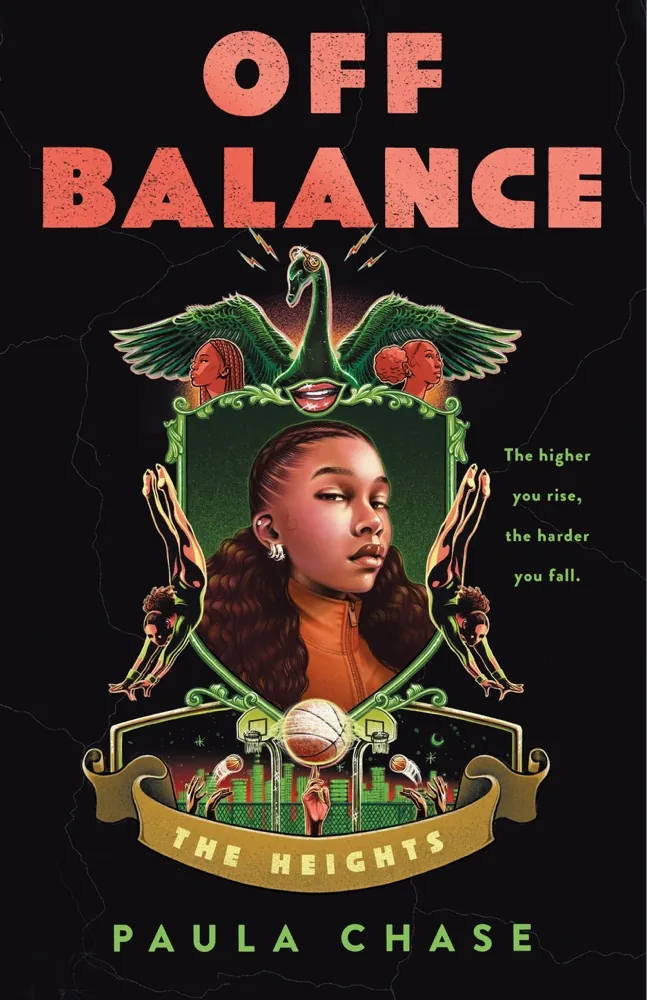

Author: Paula ChasePage Count: UnknownPublication Date: Expected publication 2026-10-20 APL Blinking under these flickering fluorescent bulbs that hum with the exact frequency of my own fraying sanity while this 3-inch-thick stack of paperwork mocks me from the corner of the breakroom table. My fingers are stiff from holding a pen for six straight hours. Yet here I am, staring down Paula Chase dropping Off Balance this coming October because true escapism is watching fictional teenagers implode while your own life quietly circles the drain. Gossip as Asymmetric Warfare Anonymous digital hit-jobs are the premier weapon of contemporary YA fiction—think One of Us Is Lying meets the razor-sharp social stratification of Gossip Girl—and Hot Lipz is back to terrorize Da Icy City. But let us be real for a second. The synopsis plays it safe, leaning heavily on the "someone has a secret" trope without giving us the intellectual meat we actually crave. Selena is hunting the troll while terrified her own skeleton is going to tumble out of the closet. Groundbreaking. And yet, the commodification of privacy in high school ecosystems remains a deliciously grim thematic vein to mine. Because information is currency. Chase understands the transactional nature of teenage alliances; she knows that a single text can obliterate a social hierarchy faster than an SEC audit. The Gymnastics Industrial Complex And then we have the athletic theater. Leesh is dealing with a catastrophic family revelation—her biggest rival is secretly her sister, which is pure daytime soap opera energy delivered straight to the balance beam—while simultaneously being blackmailed by someone from her past. The psychological whiplash here is staggering. Power Panthers are prepping for the Diamond Cup, and everyone is harboring enough suppressed trauma to fund a psychoanalyst’s early retirement. We are looking at a masterclass in performative perfectionism. The apparatus does not care about your family tree. The chalk dust gets in your eyes whether your half-sister is trying to stick a Yurchenko or steal your boyfriend. The Anticipatory Post-Mortem Will Chase actually subvert these tropes, or are we destined for a boilerplate narrative arc where everyone learns a very special lesson about honesty and teamwork? Give me the mess. Give me the collateral damage. If the new student at the Heights doesn't completely blow up the status quo, I am going to throw this entire lukewarm cup of sludge across the room. The stakes need to feel less like a school board meeting and more like a high-stakes psychological cage match. But who am I kidding? I am pre-ordering the damn thing anyway. Anything to drown out the sound of the next shift's alarms. I am going to go pound three fingers of lukewarm tap water and pretend I know how to play a melancholic tune on my out-of-tune upright piano. #OffBalance #PaulaChase #YAReads #BookTwitter Related InsightsThe Invisible Canvas of the Digital Age: A Deep Dive into Silicon Wafers No Plan B Book Review and Summary Kingdom of Ash Book Review and Summary{ "@context": "https://schema.org", "@type": "FAQPage", "mainEntity": [ { "@type": "Question", "name": "What is the main focus of Off Balance (The Heights, #2) Book Review and Summary?", "acceptedAnswer": { "@type": "Answer", "text": "Everything you need to know about Off Balance (The Heights, #2) with our detailed review." } }, { "@type": "Question", "name": "Who authored the comprehensive guide on Off Balance (The Heights, #2) Book Review and Summary?", "acceptedAnswer": { "@type": "Answer", "text": "This detailed article and its insights were carefully researched and authored by Piotr Nowak." } }, { "@type": "Question", "name": "Where can I find more related content about Books?", "acceptedAnswer": { "@type": "Answer", "text": "You can explore more articles, detailed reviews, and similar insights by browsing the Related Insights section at the bottom of this article or visiting our dedicated Books category page." } } ] }