-
 William Clark
 - 14 Aug, 2026 16:59
Dodge City Book Review and Summary
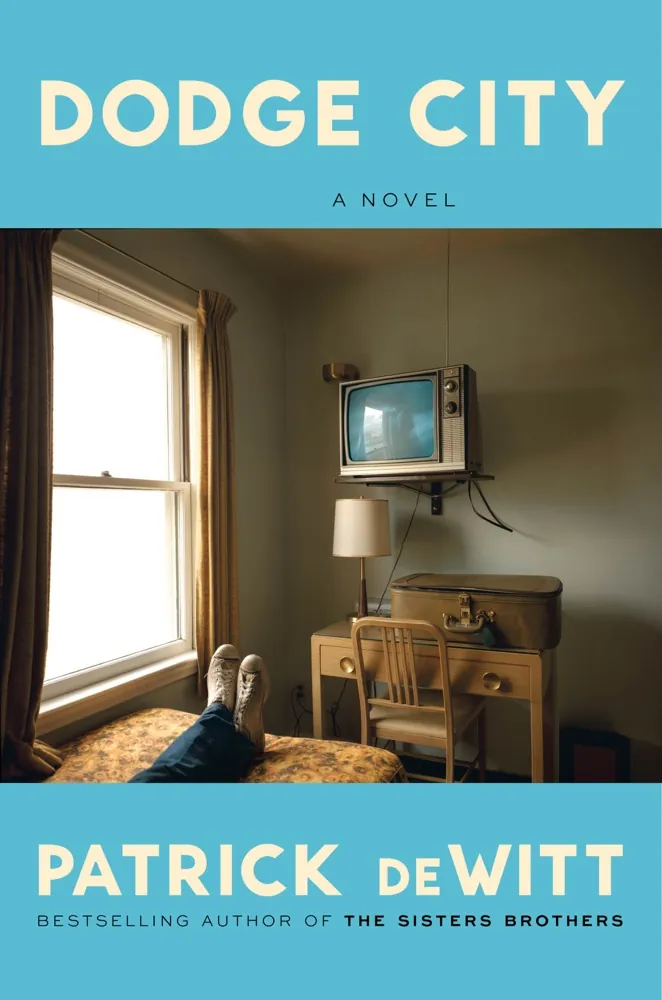
Author: Patrick deWittPage Count: UnknownPublication Date: Expected publication 2026-09-29 APL The soil out by the south pasture is holding onto too much water this spring, smelling wonderfully of damp clay and decaying root systems as the earth finally warms up under my old boots. Speaking of things stuck in the mud, Patrick deWitt is back with Dodge City, a novel that sounds suspiciously like every single movie plot forced upon us during the nineteen-nineties indie cinema boom where young men drove fast cars and made poor life choices while avoiding responsibility. Does the world truly need another pill-popping protagonist fleeing the Vietnam draft in a showroom-new Jaguar? Probably not. We already endured hundreds of pages of tedious masculine angst back when Denis Johnson published Jesus' Son, and quite frankly, the amphetamine-fueled road trip trope smells about as fresh as three-week-old compost sitting in a bucket by the kitchen sink. The Geography of Avoidance Our apolitical hero Lee Clarke decides to dodge the draft by driving eastward away from Canada—wait, the synopsis says he is heading for the border, yet he picks up a car bound for the East Coast. Geography clearly abandoned this boy before his UCLA expulsion did. He stops along the northern United States to visit a gallery of grotesque relatives, including a degraded veteran father and a manic mother. It is a portrait of a country in flux, or so the jacket copy desperately insists. Why must every novel about the sixties rely on the exact same checklist of familial dysfunction? Give me a good, hardy perennial weed over this tired literary landscape any day of the week. Dandelions have more backbone than these paper-thin relatives strung out across the northern states. DeWitt writes with a certain comic crispness, sure, but this premise feels recycled from a cynical screenwriter's discarded pitch book. My goats have managed to escape their pen yet again and are currently headbutting the compost bins with alarming enthusiasm. That behavior makes infinitely more sense than driving a stolen Jaguar across a continent with a bag of speed just because you got into a fistfight over a library book or whatever happened at UCLA. At least the goats understand the basic concept of boundaries, unlike Lee Clarke. I predict this book will win awards simply because literary critics possess the attention spans of distracted hummingbirds and adore anything involving vintage cars and historical trauma. It will sit on the bestseller lists alongside endless memoirs about growing vegetables in gravel. Wait. The teenager just handed me a loose-leaf paper covered in trigonometric identities and limits, demanding immediate assistance with a calculus homework problem involving logarithmic decay. I have no earthly idea what a derivative is supposed to represent when the only thing decaying around here is last autumn's leaf mulch. #DodgeCity #PatrickDeWitt #LiteraryGrumpiness Related InsightsThe Color of Magic Book Review and Summary Foundation Book Review and Summary Domain Adaptation for Visual Understanding Book Review and Summary{ "@context": "https://schema.org", "@type": "FAQPage", "mainEntity": [ { "@type": "Question", "name": "What is the main focus of Dodge City Book Review and Summary?", "acceptedAnswer": { "@type": "Answer", "text": "Everything you need to know about Dodge City with our detailed review." } }, { "@type": "Question", "name": "Who authored the comprehensive guide on Dodge City Book Review and Summary?", "acceptedAnswer": { "@type": "Answer", "text": "This detailed article and its insights were carefully researched and authored by William Clark." } }, { "@type": "Question", "name": "Where can I find more related content about Books?", "acceptedAnswer": { "@type": "Answer", "text": "You can explore more articles, detailed reviews, and similar insights by browsing the Related Insights section at the bottom of this article or visiting our dedicated Books category page." } } ] }
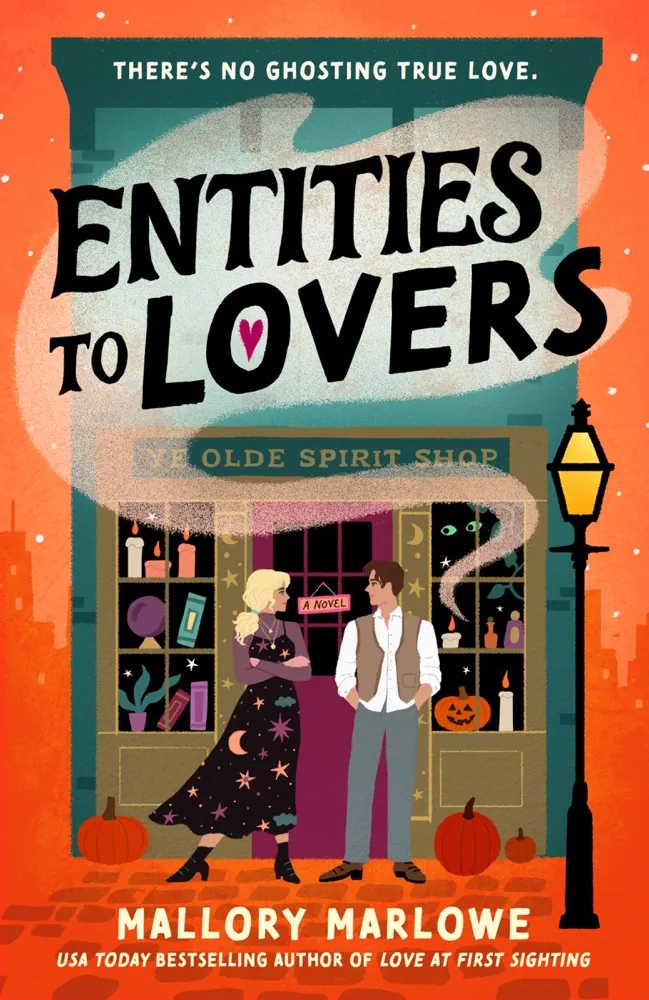

Author: Mallory MarlowePage Count: UnknownPublication Date: Expected publication 2026-10-13 APL Entities to Lovers - a title that hints at a potentially fascinating exploration of the human condition, yet simultaneously risks being trite and overly reliant on genre tropes. Can Mallory Marlowe's latest offering transcend the pitfalls of romantic comedy and deliver a truly compelling narrative? The setup, at least, shows promise: a paranormal medium and a charismatic adjunct history professor are forced to host a tour together, only to find themselves hexed by a matchmaking ghost. The premise is ripe for a witty, fast-paced exploration of the tensions between reason and superstition, as embodied by the two leads. But will Marlowe be able to balance the tone effectively, or will the book devolve into a messy, clichéd romp? One thing that does stand out is the character dynamic between Rory and Ezra. Their initial animosity and eventual forced proximity could provide a rich backdrop for exploring the complexities of relationships and the blurred lines between love and hate. The fact that they're both intelligent, strong-willed individuals with a deep understanding of the paranormal and historical contexts, respectively, adds a layer of depth to their interactions. It's almost reminiscent of the intellectual sparring matches found in the works of authors like Helen Hoang or Tessa Dare. And yet, despite this promising foundation, the synopsis remains frustratingly vague. What exactly does the "hex" entail, and how do Rory and Ezra's attempts to lift it drive the plot forward? How does their relationship evolve over the course of the book, and what themes does Marlowe aim to explore through their story? These are the questions that will ultimately make or break Entities to Lovers, and unfortunately, the synopsis doesn't provide enough insight to make a confident prediction. I completely forgot what I was going to say next. Ah yes, the potential for a nuanced exploration of the human condition. It's a tantalizing prospect, to be sure, and one that could elevate Entities to Lovers above the typical romantic comedy fare. But until the book is released, we can only speculate about Marlowe's intentions and the ultimate success of her vision. But I suppose that's the beauty of it - the uncertainty, the anticipation, the possibility that Entities to Lovers might just surprise us all. After all, the best books often do. Oh, and I just found out that someone at the gallery bought the Monet replica I had my eye on. #RomCom #ParanormalRomance #BookLovers Related InsightsDaughter of the Deep Book Review and Summary The Wrath Gods Reap (The Crucible, #3) Book Review and Summary The Diary of a Young Girl Book Review and Summary{ "@context": "https://schema.org", "@type": "FAQPage", "mainEntity": [ { "@type": "Question", "name": "What is the main focus of Entities to Lovers Book Review and Summary?", "acceptedAnswer": { "@type": "Answer", "text": "Everything you need to know about Entities to Lovers with our detailed review." } }, { "@type": "Question", "name": "Who authored the comprehensive guide on Entities to Lovers Book Review and Summary?", "acceptedAnswer": { "@type": "Answer", "text": "This detailed article and its insights were carefully researched and authored by Sofia Bianchi." } }, { "@type": "Question", "name": "Where can I find more related content about Books?", "acceptedAnswer": { "@type": "Answer", "text": "You can explore more articles, detailed reviews, and similar insights by browsing the Related Insights section at the bottom of this article or visiting our dedicated Books category page." } } ] }
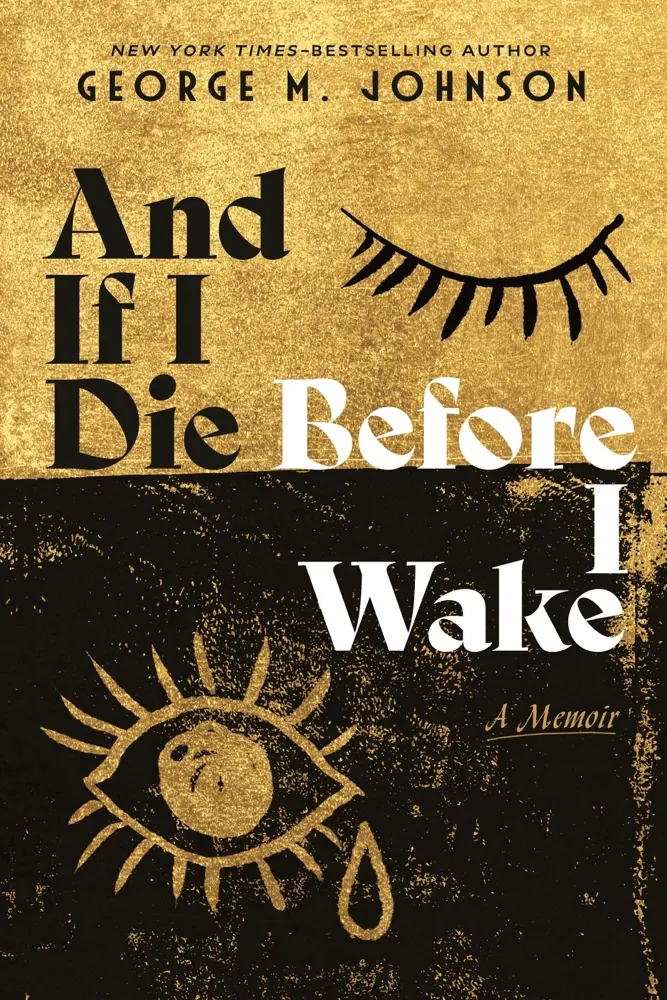

Author: George M. JohnsonPage Count: UnknownPublication Date: Expected publication 2026-11-10 APL George M. Johnson's And If I Die Before I Wake is shaping up to be the literary equivalent of a tabloid headlines. 'HIV diagnosis, alcoholism, tremendous loss, and nationwide book bans' – you had me at 'HIV diagnosis', actually, but it's this laundry list of suffering that makes me wonder: can this memoir possibly be anything more than a litany of grievances? Yet, the author promises a 'testament' – and if that means what I think it does, we're about to get a searing, unvarnished account of what it's like to be human in a world designed to silence you. The problem is, the language around it is curiously, almost aggressively vague. 'Transformation, healing, and hope' is all very inspiring, but what, exactly, does that look like in the context of Johnson's life? The parallels with authors like Toni Morrison and Ta-Nehisi Coates are obvious, and it's telling that Johnson cites these writers – Morrison's mastery of the painful and the beautiful, Coates's unwavering commitment to the Black experience. But is And If I Die Before I Wake more than just a well-made imitation? I'm skeptical, given the way the synopsis feels designed to elicit a Pavlovian response from potential readers. This isn't exactly subtle – and that's precisely what makes it so effective as a marketing tool. Still, for all my reservations, there's something undeniably compelling about witnessing an author grapple with the darkness that's been thrust upon them. The question, of course, is whether Johnson will use this platform to explore the genuinely profound and the merely dramatic. It's a tightrope we've seen many authors walk before, but one that requires an unflinching commitment to honesty – and a willingness to confront the abyss head-on. 'Disintegrating Under the Weight of Its Own Significance' Johnson mentions the 'Black family' as a recurring theme, but what does that even mean anymore? Hasn't this concept been endlessly dissected and reinterpreted by every author who's followed the Coates-Morrison-Ward triumvirate? It's becoming clear that what's needed is some fresh blood, some bold experiments in storytelling – not just another memoir about the author's unending struggles, however well-written it may be. Speaking of fresh blood, have you seen that notorious 1979 opera, Ragtime? That was a bold experiment in fusion, bringing together disparate elements from different worlds to create something entirely new. Not that I see Johnson following in Harrison Birtwistle's footsteps just yet... 'A Memoir Without Metaphor' I should mention that the author's use of metaphor in this synopsis feels curiously underdeveloped – there's no grand overarching narrative or even a particularly strong thread of symbolism tying the various elements together. It's all very grounded, very concrete, but in a way that feels oddly, almost willfully, bare-bones. Now, I'm about to make a truly outrageous prediction: Johnson's book will be compared to Jesmyn Ward's The Song of Achilles at some point in the near future. Not because the two books have any obvious thematic connections, but because they both deal with trauma in a way that feels almost shockingly, almost disturbingly, honest. And if that's the case – if Johnson's memoir is more about the brutal, unvarnished truth of suffering than about making some grand point about the human condition – then I might just have to revise my opinion of this book entirely. At any rate, I need to get back to the stacks – I've got to reorganize these towering chaos of reference books before I lose my mind entirely. All this talk of And If I Die Before I Wake has given me an existential crisis about my own writing process... Related InsightsAtlas Shrugged Book Review and Summary Mammoth Adventure (the Princess Rules) Book Review and Summary I Hope This Email Finds You in Hell Book Review and Summary{ "@context": "https://schema.org", "@type": "FAQPage", "mainEntity": [ { "@type": "Question", "name": "What is the main focus of And If I Die Before I Wake: A Memoir Book Review and Summary?", "acceptedAnswer": { "@type": "Answer", "text": "Everything you need to know about And If I Die Before I Wake: A Memoir with our detailed review." } }, { "@type": "Question", "name": "Who authored the comprehensive guide on And If I Die Before I Wake: A Memoir Book Review and Summary?", "acceptedAnswer": { "@type": "Answer", "text": "This detailed article and its insights were carefully researched and authored by Anna Kowalska." } }, { "@type": "Question", "name": "Where can I find more related content about Books?", "acceptedAnswer": { "@type": "Answer", "text": "You can explore more articles, detailed reviews, and similar insights by browsing the Related Insights section at the bottom of this article or visiting our dedicated Books category page." } } ] }
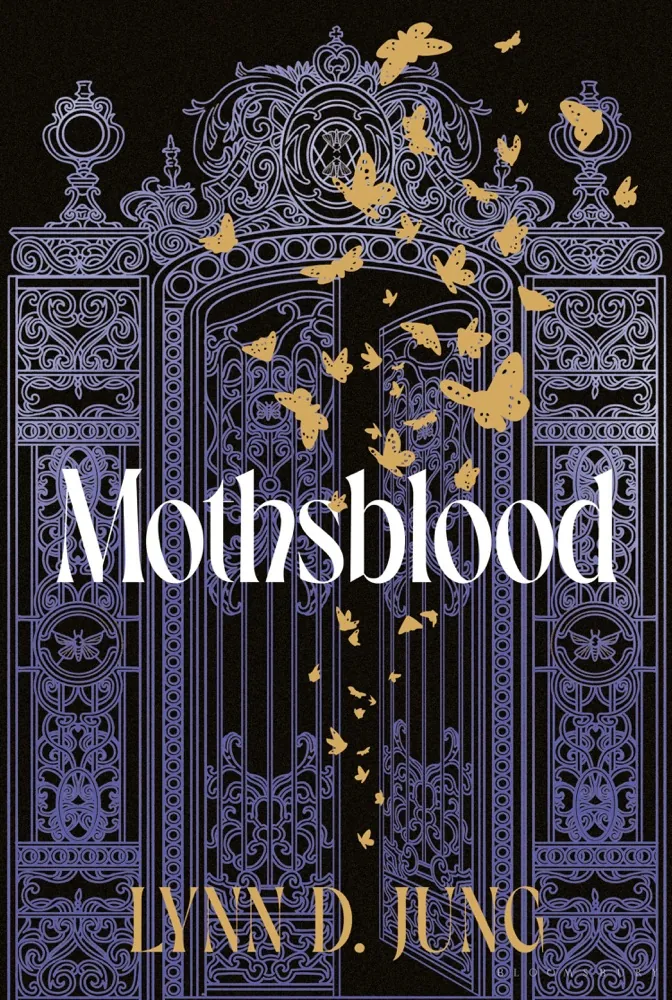

Author: Lynn D. JungPage Count: UnknownPublication Date: Expected publication 2026-10-13 APL The rain in Paris never falls like it should—too heavy for a city that prides itself on elegance, too slow for the kind of urgency that might actually wash away the sins of its streets. And yet, here we are, staring at this Mothsblood synopsis like a particularly stubborn stain on a priceless tapestry, wondering if Lynn D. Jung has the audacity to believe this mess of alchemists, cults, and immortal headmistresses will hold a candle to the kind of prose that doesn’t make you wince at its own pretensions. The premise is, of course, deliciously familiar—another young woman fleeing her past, another university steeped in secrets, another murder that smells suspiciously like a plot device waiting to be unspooled. But where is the originality? Where is the bite? The synopsis reads like a fever dream stitched together from the leftovers of The Night Circus and The Shadow of the Wind, with a dash of The Alchemist thrown in for good measure—because nothing says "literary depth" like a protagonist who must choose between power and morality, as if that’s not the entire foundation of every YA novel since Twilight decided vampires were the new gothic romance. Larkspur Lee, then. A name that sounds like it belongs on a label of absinthe, not a protagonist’s shoulders. She’s an alchemist, which is either a brilliant detail or a lazy way to imply she’s "special" without actually having to explain why. And her past? Oh, it’s mysterious, of course—because nothing says "character development" like a void that’s been carefully left unfilled for the reader to fill with their own existential dread. The fact that her mentor is back in her life, playing some kind of game with her, is either a clever twist or the kind of contrivance that makes you wonder if Jung has ever actually read a book where a mentor isn’t a walking red flag. But then—the Promethean Genesis. A cult. Because nothing says "high stakes" like a group of people who worship fire and chaos. The synopsis doesn’t even bother to name-drop what they actually do, leaving us to assume it’s something horrifying, something that will make Lark’s past look like a Sunday picnic. And yet, the real question is: does Jung have the chops to make this more than just another "dark academia" pastiche? Because if she doesn’t, we’re left with a story that feels like it was written by someone who’s read too many synopses and not enough books. And then there’s the university itself—a place where the headmistress is immortal, where the walls might whisper, where the very air is thick with secrets. It’s the kind of setting that should scream Gaiman or Le Guin, but instead, it’s reduced to a backdrop for Lark’s internal monologue, which, based on this synopsis, is going to be about as compelling as a love letter to a stranger. But—the pivot—perhaps that’s the point. Maybe Jung is playing with the very idea of "dark academia," twisting it into something sharper, more jagged. Maybe the alchemy isn’t just about turning lead into gold, but about turning words into something that burns. If so, then this could be the kind of book that makes you forget you’ve read a thousand others before it. But if it’s just another exercise in atmospheric dread with no real substance, then we’re all just waiting for the next trend to come along and bury it under a pile of overhyped YA. The real crime here isn’t the murder of Petronelle Flamel—it’s the murder of originality. And if Jung can’t deliver something more than a synopsis that reads like a Wikipedia page in progress, then she’s already lost. Now, if you’ll excuse me, I need to retrieve my favorite fountain pen from my grandson’s sticky hands before he turns it into another masterpiece of scribbled-on homework. #BookTok #DarkAcademia #Alchemy #ParisianMystery #SynopsisSkepticism Related InsightsThe Birthing Tree Book Review and Summary What Lies in the Woods Book Review and Summary Those Empty Eyes Book Review and Summary{ "@context": "https://schema.org", "@type": "FAQPage", "mainEntity": [ { "@type": "Question", "name": "What is the main focus of Mothsblood Book Review and Summary?", "acceptedAnswer": { "@type": "Answer", "text": "Everything you need to know about Mothsblood with our detailed review." } }, { "@type": "Question", "name": "Who authored the comprehensive guide on Mothsblood Book Review and Summary?", "acceptedAnswer": { "@type": "Answer", "text": "This detailed article and its insights were carefully researched and authored by James Miller." } }, { "@type": "Question", "name": "Where can I find more related content about Books?", "acceptedAnswer": { "@type": "Answer", "text": "You can explore more articles, detailed reviews, and similar insights by browsing the Related Insights section at the bottom of this article or visiting our dedicated Books category page." } } ] }
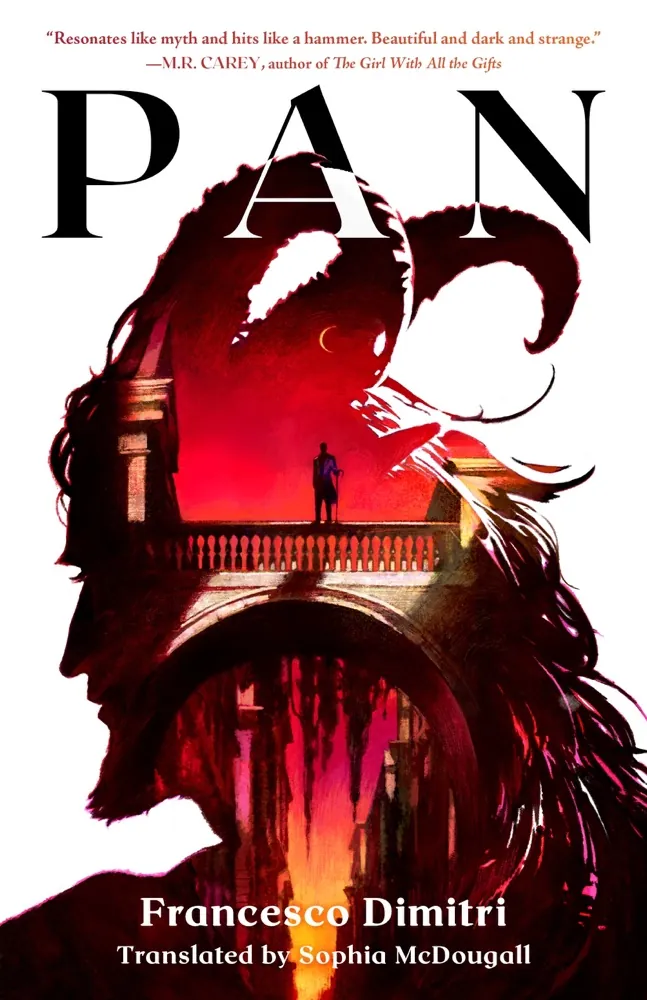

Author: Francesco DimitriPage Count: UnknownPublication Date: Expected publication 2026-10-13 APL The rent check cleared this morning, leaving precisely twelve euros in my pocket and a cold radiator humming against the baseboard of the hallway. So I sit here under three layers of thrift-store wool, staring at a publisher's press release for Francesco Dimitri’s Pan, tasked with extracting some grand literary prophecy from a marketing blurb that reads like a heavy metal band's manifesto. The Architecture of Brutal Myths Rome has always been a city weighed down by marble and ghost stories. Yet this upcoming translation promises something jagged—a modern Italian updating of J.M. Barrie’s eternal boy, stripped of fairy dust and soaked in asphalt. An old god fueled by anarchy. A new god demanding order. They are battling above the piazzas while the espresso machines hiss and tourists drop their gelato. Or at least, that is what the promotional copy insists we imagine. The synopsis relies heavily on capitalized abstraction—gods, anarchy, subjugation, blood—without giving us a single concrete image of human consequence. Actually, scratch that critique. Vague blurbs are often mercy in disguise. They leave the grease paint unsmudged, allowing us to project our own midnight anxieties onto the page before the publishing machine over-explains the magic system to death. Wait. Why am I wasting mental bandwidth decoding ad copy when I have thirty pages of untranslated poetry waiting for my editorial pen, and three empty coffee mugs accusing me from the sink? The internet demands fresh content, and I demand enough coin to buy a proper loaf of bread tonight. Concrete Jungles and Eternal Youths If Dimitri pulls this off, we might finally escape the suffocating grip of cozy fantasy that currently clogs every independent bookstore window from Trastevere to Soho. Think Neil Gaiman filtered through the gritty realism of Roberto Saviano. Or perhaps Clive Barker crashing a rooftop party in Testaccio. The core conceit—children waging war in the skies while the populace remains blissfully oblivious—touches on a tired trope about the secret world hiding just beneath our mundane routine. But setting it against the eternal, stratified weight of Rome changes the geometry. Rome is a city that eats its own history for breakfast. Adding a feral, blood-soaked Peter Pan to the mix feels less like a whimsical children's adventure and more like a municipal hazard. The tension between old chaos and new order is hardly revolutionary philosophy. Every sophomore dropout with a laptop has written that exact essay. But execution is everything. If Dimitri keeps his prose as sharp as a switchblade and avoids the bloated, five-hundred-page world-building bloat typical of modern speculative fiction, Pan might just bite hard. Or it might collapse under the sheer weight of its own mythological pretensions. Either way, the blood will sell copies. The light through the high transom window is turning that sickly, bruised shade of gray that means rain is coming, and I suddenly remember I need to pick up a fresh roll of black-and-white film by five o'clock. Except the local photography shop increased their prices again yesterday, and at this rate, my analog camera is going to become an expensive paperweight on my desk. Related InsightsChasing Demons: A Novel Book Review and Summary The Battle of the Labyrinth Book Review and Summary El dilema del omnívoro: En busca de la comida perfecta / The Omnivore's Dilemma: A Natural History of Four Meals Book Review and Summary{ "@context": "https://schema.org", "@type": "FAQPage", "mainEntity": [ { "@type": "Question", "name": "What is the main focus of Pan Book Review and Summary?", "acceptedAnswer": { "@type": "Answer", "text": "Everything you need to know about Pan with our detailed review." } }, { "@type": "Question", "name": "Who authored the comprehensive guide on Pan Book Review and Summary?", "acceptedAnswer": { "@type": "Answer", "text": "This detailed article and its insights were carefully researched and authored by Olya Shevchenko." } }, { "@type": "Question", "name": "Where can I find more related content about Books?", "acceptedAnswer": { "@type": "Answer", "text": "You can explore more articles, detailed reviews, and similar insights by browsing the Related Insights section at the bottom of this article or visiting our dedicated Books category page." } } ] }
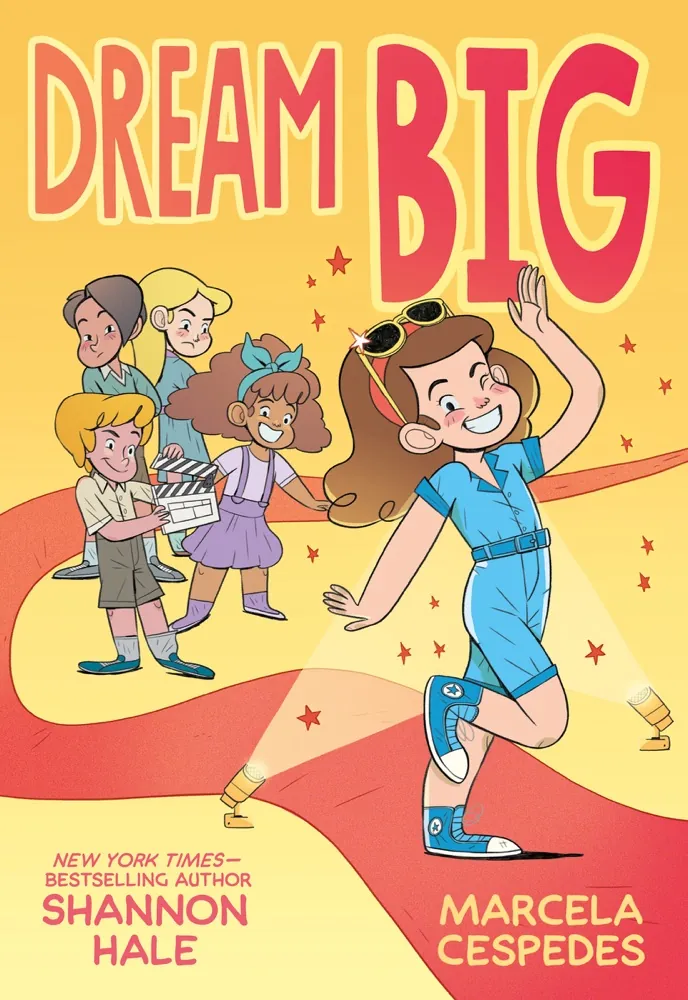

Author: Shannon HalePage Count: UnknownPublication Date: Expected publication 2026-09-01 APL Dream On series fans, don't expect another saccharine treatise on overcoming "fears" and "doubts" from Shannon Hale. Dream Big appears to be more formulaic than innovative, rehashing tried, yet tired tropes of "following your dreams" and "perseverance." And please, a graphic novel set in a neighborhood where a horror movie is being filmed – it reeks of contrived nostalgia for the 80s and 90s. And what's this? Another coming-of-age tale about a timid protagonist? Dream Big reads like a mashup of uninspired teen comedies with a few obligatory lessons thrown in. When did "courage to face fears" become a trope worthy of repetition? In our world of instant gratification, where's the real substance? Compare this to the deft hand of Raina Telgemeier in Smile, now that's a coming-of-age story. The synopsis promises bright and charming illustrations from Marcela Cespedes, which only further highlights Hale's uninspired writing style. Will Dream Big be the graphic novel equivalent of a bland, overpriced cappuccino – visually appealing but utterly forgettable? A movie is being filmed in Cassie's neighborhood: how trite. The idea that she and her best friend would get hired as extras and Cassie would end up in a horror movie? Predictable. —The notion of a mean kid actor, however, is mildly intriguing. Perhaps Dream Big will surprise us with genuine character depth. I highly doubt it. I must admit, the SEL themes mentioned in the synopsis have a faint, hollow ring to them. Empathy, kindness, compassion, forgiveness – Dream Big will have to do a lot more than just mention these words for them to feel genuine. When was the last time a children's book genuinely explored complex issues without resorting to simplistic moralizing? Give me a Children of Men-esque gritty exploration of adolescence, not some Pollyanna-esque fable about chasing your dreams. But let's talk about the real elephant in the room: what kind of message are we sending to children when we romanticize the film industry as a "dream come true"? Do we forget the countless hours spent on set, the crushing disappointment, and the constant rejection? Dream Big seems to gloss over the darker aspects of fame, reducing it to a feel-good story about following one's passion. Compare this to the raw, unfiltered portrayal of fame in Go Ask Alice – now that's an unsettling tale about the darker side of chasing your dreams. Related InsightsOnly the Brave Book Review and Summary Invisible Girl Book Review and Summary Ellie Ellie Book Review and Summary{ "@context": "https://schema.org", "@type": "FAQPage", "mainEntity": [ { "@type": "Question", "name": "What is the main focus of Dream Big (Dream On, #2) Book Review and Summary?", "acceptedAnswer": { "@type": "Answer", "text": "Everything you need to know about Dream Big (Dream On, #2) with our detailed review." } }, { "@type": "Question", "name": "Who authored the comprehensive guide on Dream Big (Dream On, #2) Book Review and Summary?", "acceptedAnswer": { "@type": "Answer", "text": "This detailed article and its insights were carefully researched and authored by Emma Thompson." } }, { "@type": "Question", "name": "Where can I find more related content about Books?", "acceptedAnswer": { "@type": "Answer", "text": "You can explore more articles, detailed reviews, and similar insights by browsing the Related Insights section at the bottom of this article or visiting our dedicated Books category page." } } ] }
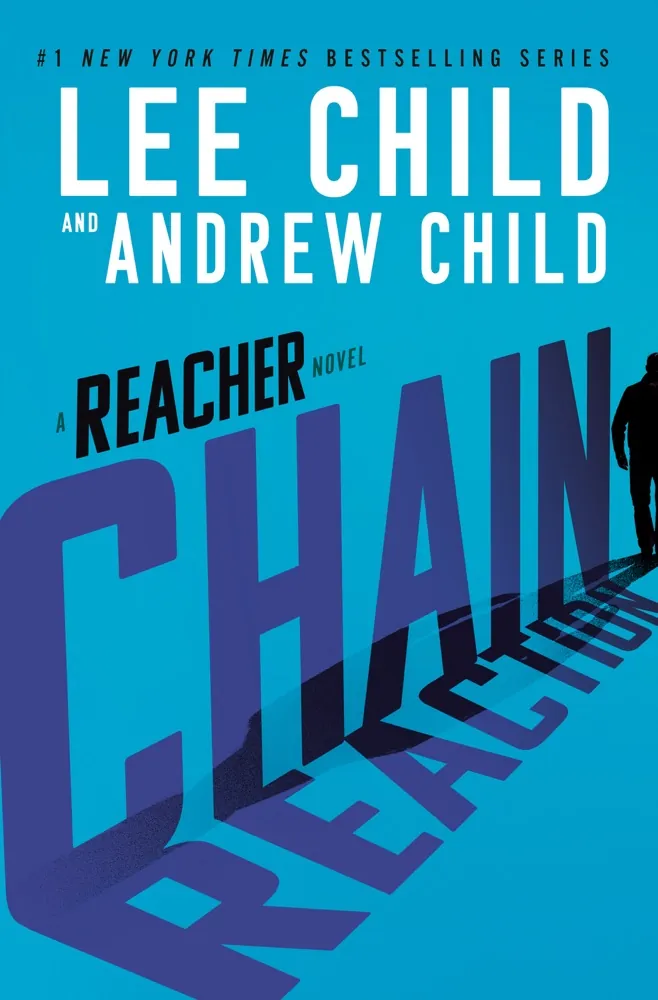

Author: Lee ChildPage Count: UnknownPublication Date: Expected publication 2026-10-20 APL Staring at a pristine, uncut first-edition of The Waste Land while my lower back screams in protest after eight straight hours of spreadsheet purgatory tends to sharpen one's cynicism. Yet here we are, bracing for the latest literary extrusion stamped with the Child brothers' moniker: Chain Reaction. Summer humidity is baking the asphalt outside into a sticky paste, and the prospect of reading about a drifter punching tech oligarchs in the desert feels remarkably exhausting. Still, independence demands stubbornness. I refuse to let the corporate machine dictate my evening reading list, even if I am currently running on iced espresso and pure spite. The Bureaucracy of Brutality General Susan Turner crawling back to the vagabond’s orbit feels awfully tired. It gives off major Prince Andrew sweating it out at Woking Pizza Express energy. Lee and Andrew Child are leaning hard into the paranoid-military-apparatus trope, dragging the eternal hobo out of his blessed obscurity into some convoluted Pentagon mess. And why? Because a subordinate caught a bullet in the dark. Summertown, Colorado sounds like a fever dream cooked up by bored venture capitalists. Five data centers. Two solar farms. Four breathing souls. A ghost town engineered for algorithms rather than humans. Yet Reacher walks right into the panopticon because he is fundamentally allergic to peace. This is the core thematic tension of the entire bibliography—a perpetual motion machine of casual violence disguised as wandering libertarianism. Silicon Valley Meets the Bull-Nonsense The synopsis leans heavily into technological paranoia, trading rural roadside diners for server racks and algorithmic surveillance. Big tech is the new cartel. Reacher is the analog wrecking ball sent to smash the digital panopticon. Yet the premise reeks of the same old tired formula dressed up in server-farm aesthetic. They throw around buzzwords like covert duty and data centers to mask the structural repetition. Reacher arrives. Reacher notices things. Reacher kills the bad guys while eating cherry pie. It is the literary equivalent of a McDonald’s franchise in Zurich—familiar, aggressively processed, and ultimately devoid of true calories. One expects the thematic exploration of isolation to feel genuinely claustrophobic, especially with a population count hovering at four. But let us be entirely real here. The Childs will likely treat these massive data repositories as mere punching bags for six-foot-five vigilantes rather than examining the terrifying erosion of digital privacy. They want the aesthetic of modern espionage without the intellectual rigor of a John le Carré novel. Call me when someone writes a thriller where Reacher has to sit through a three-hour compliance seminar on cloud infrastructure security. That would require actual imagination. Instead, we get the usual chest-thumping bravado and dangling plot hooks about going all the way to the top of the chain. Riveting stuff for commuters and airport loungers. My focus is shot. My patience is entirely depleted by day jobs and marketing jargon. My bespoke Italian leather sectional is supposed to arrive in the foyer any minute now, and frankly, contemplating algorithmic murder in Colorado is vastly less appealing than waiting for the delivery truck. Related InsightsJude the Obscure Book Review and Summary Only the Brave Book Review and Summary Julius Caesar Book Review and Summary{ "@context": "https://schema.org", "@type": "FAQPage", "mainEntity": [ { "@type": "Question", "name": "What is the main focus of Chain Reaction (Jack Reacher, #31) Book Review and Summary?", "acceptedAnswer": { "@type": "Answer", "text": "Everything you need to know about Chain Reaction (Jack Reacher, #31) with our detailed review." } }, { "@type": "Question", "name": "Who authored the comprehensive guide on Chain Reaction (Jack Reacher, #31) Book Review and Summary?", "acceptedAnswer": { "@type": "Answer", "text": "This detailed article and its insights were carefully researched and authored by Olivia Harris." } }, { "@type": "Question", "name": "Where can I find more related content about Books?", "acceptedAnswer": { "@type": "Answer", "text": "You can explore more articles, detailed reviews, and similar insights by browsing the Related Insights section at the bottom of this article or visiting our dedicated Books category page." } } ] }
-
 Aylin Okur
 - 14 Aug, 2026 10:57
The Silent Ink: Unmasking the Forbidden Libraries of the Soviet Empire
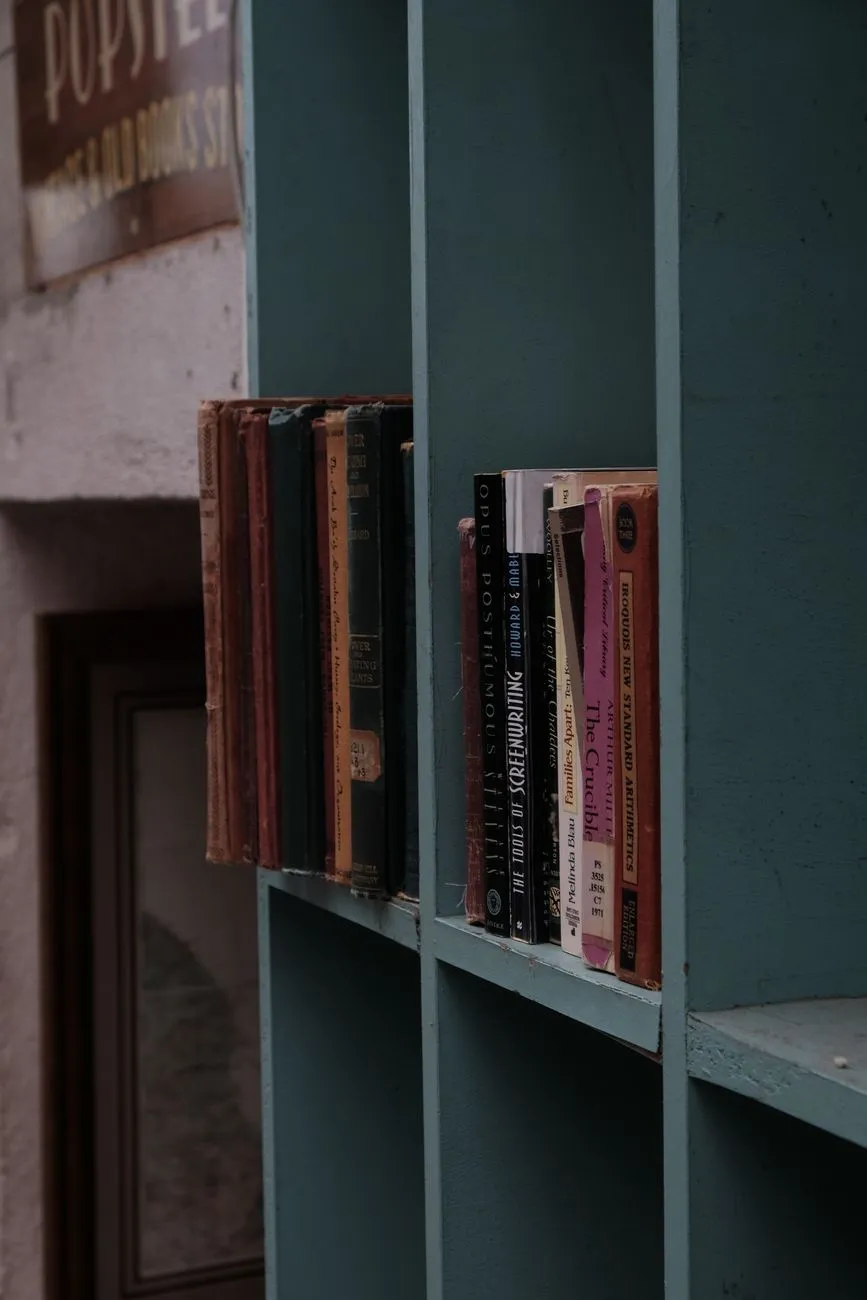
Ideas are more dangerous than armies because an army can only conquer a territory, but a book can conquer a mind. In the heart of the 20th century, across the vast, frozen expanses of the Soviet Union, there existed a war not of bullets, but of ink. It was a war fought in the shadows of clandestine basements, through the frantic clicking of manual typewriters, and within the silent corridors of the Spetskhran—the special storage vaults where "dangerous" literature was locked away, far from the eyes of the proletariat. To own the wrong page was not merely a social faux pas; it was an act of treason against the state. The Iron Curtain of the Mind Censorship in the Soviet Union was not a sporadic occurrence but a systemic architecture designed to carve a specific version of reality. The state recognized that literature is the primary vehicle for empathy and critical thought. By controlling what people read, the regime sought to engineer the "New Soviet Man"—a citizen devoid of "bourgeois" distractions and fully aligned with the party line of Socialist Realism. Socialist Realism was the only approved artistic method. It required that art be "proletarian" in content and "national" in form, depicting the struggle toward communism in an optimistic, idealized light. Anything that deviated from this—anything that explored the depths of human despair, the complexity of individualism, or the failures of the state—was branded as "formalism" or "counter-revolutionary." The result was a massive blacklist of authors and titles that spanned from the classics of Western philosophy to the daring whispers of internal dissidents.The Architects of Dissent: Forbidden Voices from Within The most perilous books were those written by the people living under the regime, for the regime feared its own thinkers more than any foreign spy. Aleksandr Solzhenitsyn stands as perhaps the most towering figure of this struggle. His seminal work, The Gulag Archipelago, served as a brutal map of the Soviet system of forced labor camps. It was not merely a book; it was an indictment of the entire Soviet project. Because it exposed the systemic cruelty of the NKVD and the KGB, the manuscript had to be smuggled out of the country and published in the West before it could filter back into the USSR. To be caught with a copy of The Gulag Archipelago was to invite an immediate visit from the secret police. Then there was Boris Pasternak. His novel Doctor Zhivago captured the tragedy of an individual caught in the gears of historical upheaval. The Soviet authorities hated the book because it prioritized the internal emotional life of a man over the collective goals of the revolution. When the manuscript was smuggled to Italy and published there in 1957, Pasternak became a global symbol of intellectual resistance, though he was forced to refuse the Nobel Prize in Literature under immense state pressure. Other critical voices included:Mikhail Bulgakov: His masterpiece The Master and Margarita was a surrealist critique of Soviet bureaucracy and human nature. It remained unpublished in its entirety within the USSR for decades, circulating only in fragile, handwritten copies. Osip Mandelstam: A poet whose verses against Stalin were so potent that they were whispered from person to person, as printing them was a death sentence.The Western Ghosts: Banning the Global Canon The Soviet blockade didn't just stop at its borders; it extended to the global literary heritage. Any work that promoted capitalism, religious mysticism, or "decadent" individualism was strictly prohibited. Many works of Western philosophy, such as those by Friedrich Nietzsche or Jean-Paul Sartre, were treated with extreme suspicion. Their focus on the "Übermensch" or existentialist absurdity clashed violently with the deterministic certainty of Marxist-Leninist ideology. Similarly, religious texts—most notably the Bible—were heavily restricted or banned entirely during the peak of the state's atheistic campaigns. The "decadent" literature of the West, including many modernist poets and novelists, was viewed as a contagion. The regime feared that the individualism found in English or French literature would seep into the Soviet youth, encouraging them to question the collective identity imposed upon them by the Party.Samizdat: The Underground Printing Press of Courage When the official publishing houses became tools of the state, the people created their own. This gave birth to Samizdat (self-publishing). Samizdat was not a professional industry; it was a desperate, grassroots network of trust. The process was painstakingly slow and incredibly dangerous. A person would obtain a forbidden manuscript—perhaps a poem by Akhmatova or a chapter of Solzhenitsyn—and type it out using a manual typewriter. They would use carbon paper to create three to five copies. Each person who received a copy was then tasked with typing further copies and passing them along to trusted friends. This organic, viral spread of information meant that a book could travel across thousands of miles of Siberian tundra and urban apartment blocks without a single official printing press ever being used. The physical quality of these books was poor—thin paper, smudged ink, and handwritten corrections—but their intellectual value was priceless. They were the only windows of truth in a landscape of state-sponsored lies. Tamizdat: The Bridge to the Outside World While Samizdat was internal, Tamizdat (publishing "over there") involved smuggling manuscripts across the border to be printed in the West. Once printed in Paris, London, or New York, these books would be smuggled back into the Soviet Union, often hidden in the linings of suitcases or disguised as mundane travel guides. The cycle of Tamizdat was a psychological blow to the Soviet regime. It proved that while the state could control the presses within its borders, it could not control the global conversation. The exiled voices of authors like Vladimir Nabokov continued to haunt the Soviet consciousness, reminding the citizens that there was a world beyond the Iron Curtain where the mind was free to wander. The Spetskhran: The Cemetery of Living Books For those who were allowed to access "dangerous" literature, there was only one place: the Spetskhran. This was a specialized, restricted section of the libraries where banned books were kept. These were not destroyed—the Soviets were meticulous archivists—but they were locked away in vaults. To enter the Spetskhran, a researcher needed a special permit, often requiring the approval of the KGB. Even then, the reader was supervised. The books were treated like hazardous materials, kept under lock and key to ensure that the "poison" of forbidden thought did not leak into the general population. The irony of the Spetskhran was that it preserved the very books the state wished to erase, turning the library into a museum of forbidden ideas.The Legacy of the Forbidden Page When the Soviet Union finally collapsed in 1991, the floodgates opened. The books that had been whispered in basements and locked in vaults suddenly appeared on street corners and in official bookstores. However, the experience of reading a banned book is fundamentally different from reading a legal one. The history of banned Soviet literature teaches us that censorship rarely achieves its goal of eradication. Instead, it grants the forbidden text a supernatural power. A book that the government fears is a book that the people crave. The danger associated with the text becomes part of its allure, transforming the act of reading into an act of rebellion. The struggle of authors like Solzhenitsyn and Pasternak serves as a timeless reminder that the written word is the ultimate weapon against tyranny. Even in the face of the most oppressive regimes, the human drive for truth cannot be fully silenced. The ink may be hidden, and the pages may be fragile, but the ideas they carry are indestructible. The Echoes of the Forbidden List If we look back at the list of banned works—ranging from the spiritual depths of Dostoevsky (who faced his own censorship in his time) to the piercing political critiques of the 20th century—we see a pattern. The state always bans that which forces the individual to look inward. By banning books that explored the human soul, the Soviet Union attempted to replace the soul with a cog in a machine. Today, these books are no longer illegal, but they remain essential. They are not just historical artifacts; they are warnings. They remind us that whenever a government begins to decide which books are "appropriate" or "dangerous," the first casualty is always the truth. #SovietHistory #BannedBooks #LiteraryResistance #Samizdat #FreedomOfSpeechRelated InsightsMidnight Curfew Book Review and Summary King of Greed Book Review and Summary What Lies in the Woods Book Review and Summary{ "@context": "https://schema.org", "@type": "FAQPage", "mainEntity": [ { "@type": "Question", "name": "What is the main focus of The Silent Ink: Unmasking the Forbidden Libraries of the Soviet Empire?", "acceptedAnswer": { "@type": "Answer", "text": "Explore the dangerous world of Samizdat and the literary ghosts the Soviet Union tried to erase from history." } }, { "@type": "Question", "name": "Who authored the comprehensive guide on The Silent Ink: Unmasking the Forbidden Libraries of the Soviet Empire?", "acceptedAnswer": { "@type": "Answer", "text": "This detailed article and its insights were carefully researched and authored by Aylin Okur." } }, { "@type": "Question", "name": "Where can I find more related content about Books?", "acceptedAnswer": { "@type": "Answer", "text": "You can explore more articles, detailed reviews, and similar insights by browsing the Related Insights section at the bottom of this article or visiting our dedicated Books category page." } } ] }
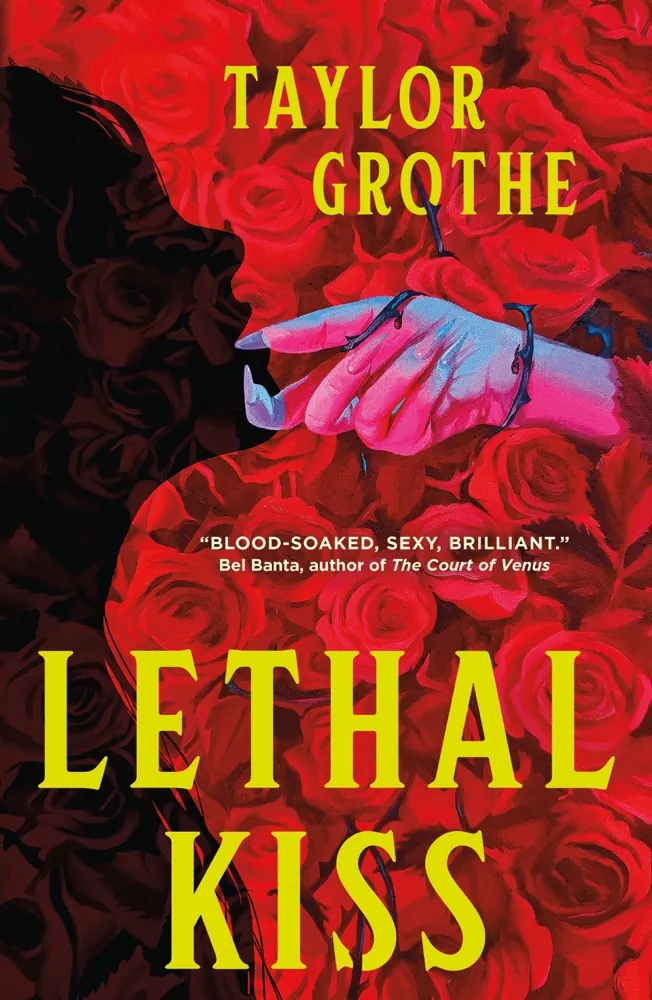

Author: Taylor GrothePage Count: UnknownPublication Date: Expected publication 2026-10-20 APL Staring at a blank document while wondering if instant ramen broth can double as a conductive gel for a makeshift oscilloscope is no way to spend a Tuesday evening. But here we are, expected to produce literary intelligence out of thin air while the landlord ignores emails about the structural integrity of the ceiling fan. Let us examine the promotional text for Taylor Grothe’s upcoming Lethal Kiss. The Pathology of Academic Ambition We are promised a blood-soaked exploration of rage, revenge, and belonging beneath the marble floors of Preston University. A sapphic horror-romance featuring a careful monster and a tenure-obsessed academic. Wait, let me rephrase that entirely because I just remembered my lab partner accidentally calibrated the spectrometer with tap water last semester and we are all doomed. Tenure is a myth invented to keep sleep-deprived adjuncts docile while they grade undergraduate lab reports on thermodynamic entropy at three in the morning. Actually, scratch that. Tenure is a very real, cutthroat cage. The synopsis leans heavily into the institutional rat race, positioning career desperation alongside literal predation. And yet, bodies start dropping. Naturally. Because what is higher education without a high body count? Predators in the Faculty Lounge Marcella is careful. Lacie wants job security. A mysterious, ancient entity is butchering the staff. Grothe’s premise trades on the friction between professional exhaustion and visceral hunger. Desire having teeth of its own is a striking tagline, even if it borders on the aggressively gothic. One expects the prose to swing somewhere between the structural claustrophobia of Monstrilio and the razor-sharp sapphic bite of The Salt Grows Heavy. Or maybe it will just be another generic monster-mash set in a seminar room. The synopsis refuses to commit to the actual mechanics of the horror, leaving us to guess whether the dread stems from the terror of the supernatural or the sheer terror of publishing-or-perishing. Yet, I am supposed to write five hundred words about a book that does not exist yet based entirely on three paragraphs of publisher-mandated marketing copy. This is absurd. I am literally just trying to hit an arbitrary word count so I can afford another box of generic cereal and maybe some electrical tape. The lack of DRM is a nice touch for anyone who wants to share digital files without corporate oversight, though it tells us nothing about the actual sentence-level craftsmanship. Will the pacing hold up under the weight of academic satire, or will it devolve into predictable genre tropes? Only October 2026 will tell. Now, if you will excuse me, I need to figure out the best way to patch a gaping hole in the drywall before the indoor football tournament downstairs resumes and the whole living room collapses onto the floor below. #sapphichorror #academicburnout Related InsightsHidden Pictures Book Review and Summary Lovely in Her Bones Book Review and Summary Milk, Bread, Teeth Book Review and Summary{ "@context": "https://schema.org", "@type": "FAQPage", "mainEntity": [ { "@type": "Question", "name": "What is the main focus of Lethal Kiss Book Review and Summary?", "acceptedAnswer": { "@type": "Answer", "text": "Everything you need to know about Lethal Kiss with our detailed review." } }, { "@type": "Question", "name": "Who authored the comprehensive guide on Lethal Kiss Book Review and Summary?", "acceptedAnswer": { "@type": "Answer", "text": "This detailed article and its insights were carefully researched and authored by Marco Conti." } }, { "@type": "Question", "name": "Where can I find more related content about Books?", "acceptedAnswer": { "@type": "Answer", "text": "You can explore more articles, detailed reviews, and similar insights by browsing the Related Insights section at the bottom of this article or visiting our dedicated Books category page." } } ] }
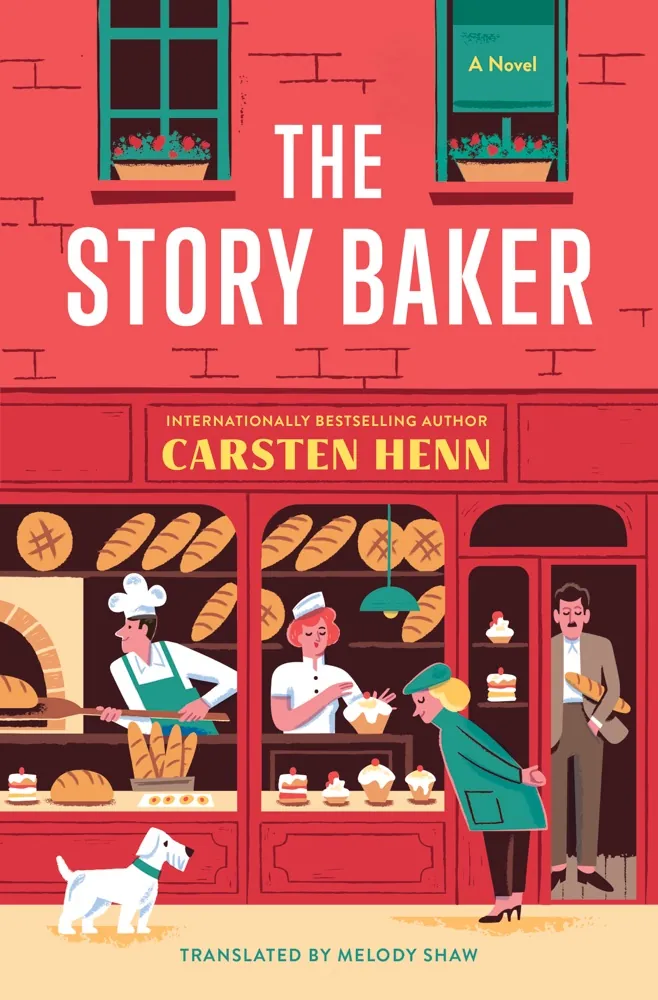

Author: Carsten HennPage Count: UnknownPublication Date: Expected publication 2026-10-13 APL Another day, another manuscript about a bruised ego finding salvation in the smell of yeast and suburban mediocrity. Carsten Henn wants us to swallow The Story Baker whole, expecting my black heart to suddenly flutter because a ballerina traded her pointe shoes for a wooden paddle. Give me a break. I read about flayed emperors and post-apocalyptic cannibals just to feel my pulse spike above forty beats per minute, yet the publishing houses keep shoveling this saccharine wellness-porn down our throats like industrial-grade Valium. The Choreography of Carbs The premise reeks of the exact brand of cozy escapism currently clogging the bestseller lists. Fredrik Backman walked so these aggressively whimsical European imports could jog at a sluggish, emotionally manipulative pace. Sofie breaks her body, loses her identity, and instantly finds her metaphysical redemption baked into a sourdough boule. And honestly? The conceptual bridge between ballet and bread-kneading is actually rather brilliant. I appreciate the kinetic metaphor of dough rising on beat. But let us not kid ourselves—this is pure bourgeois comfort food disguised as art. Wait. Scratch that. The kinetic metaphor is actually completely trite, recycled garbage that insults anyone who has ever spent a decade at the barre. The Commodification of Solace What truly fascinates me is the relentless societal demand for broken people to monetize their healing through manual labor. God forbid a ruined ballerina just sits in a dark room and drinks scotch like a rational adult. No, she must learn the "wisdom of a simple man"—because naturally, the old Italian baker is practically a Zen master hiding behind a flour sack—and discover the "joy of small things." Touch grass? Please. The protagonist is literally just coping through carbs while the author manufactures an artificial sanctuary to shield delicate readers from the bleak, indifferent void of late capitalism. It is peak aestheticized coping. Yet I will probably buy the hardcover just to throw it against the limestone wall of my east wing when the third act inevitably delivers its predictable, life-affirming epiphany. Literature should gut you, leave you bleeding on the cold stone, and demand an existential audit. This book will merely give you a warm hug and a croissant. Whatever. The market demands dopamine, and Henn is manufacturing it by the metric ton. I need to dye a vintage dress in the bathtub. Related InsightsClockwork Angel Book Review and Summary Taming Flame Book Review and Summary If I Stay Book Review and Summary{ "@context": "https://schema.org", "@type": "FAQPage", "mainEntity": [ { "@type": "Question", "name": "What is the main focus of The Story Baker: A Novel Book Review and Summary?", "acceptedAnswer": { "@type": "Answer", "text": "Everything you need to know about The Story Baker: A Novel with our detailed review." } }, { "@type": "Question", "name": "Who authored the comprehensive guide on The Story Baker: A Novel Book Review and Summary?", "acceptedAnswer": { "@type": "Answer", "text": "This detailed article and its insights were carefully researched and authored by Elena Volkova." } }, { "@type": "Question", "name": "Where can I find more related content about Books?", "acceptedAnswer": { "@type": "Answer", "text": "You can explore more articles, detailed reviews, and similar insights by browsing the Related Insights section at the bottom of this article or visiting our dedicated Books category page." } } ] }
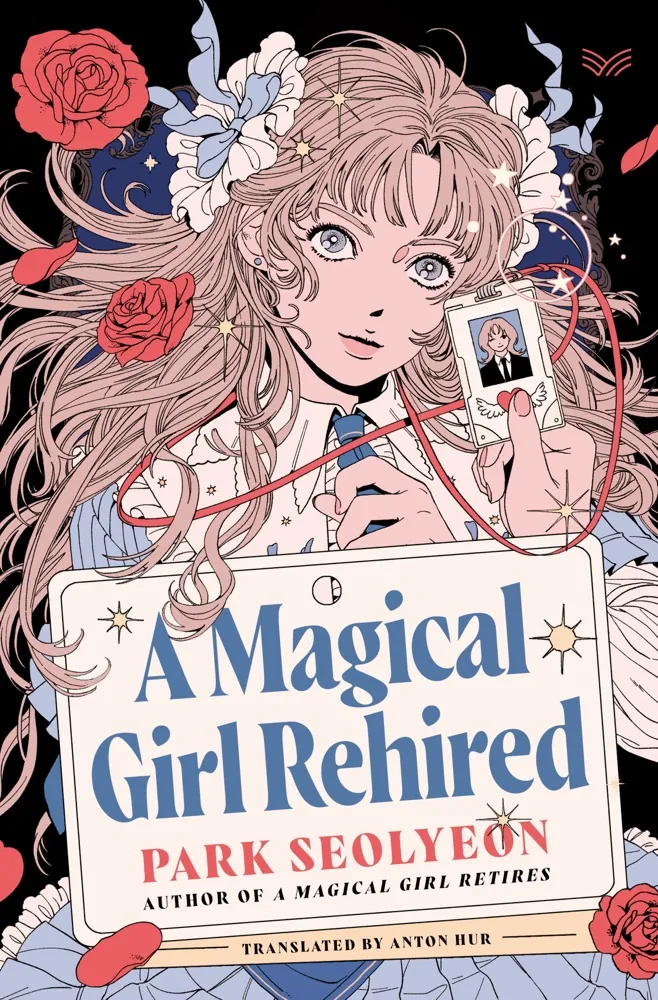

Author: Park SeolyeonPage Count: UnknownPublication Date: Expected publication 2026-12-08 APL The air conditioner hums like a dying insect against the August heat, but the condensation dripping from the ceiling fan blades is the only thing keeping me from sweating through my blouse. There’s a half-empty bottle of cheap wine on the desk—someone left it here last night, probably after a particularly bad date where the conversation derailed into existential dread and the other person kept calling them "a magical girl" in a way that suggested they’d read one too many Sailor Moon fanfictions. The synopsis for A Magical Girl Rehired arrived in my inbox this morning, and now I’m here, staring at it like it’s a particularly stubborn stain on a white shirt. The premise is so delightfully vague it’s almost a crime. A magical girl, presumably the same one from A Magical Girl Retires—though the synopsis doesn’t bother to confirm—gets dragged back into the workforce after a union rejects her retirement request. The stakes are low, the tone is breezy, and the setup feels like a middle finger to the kind of magical girl narratives that insist on grand, apocalyptic battles. Instead, we get a toxic leak, a business trip to some Far Eastern headquarters, and a "mysterious Magical Girl of Everything" who sounds like she’s either a cult leader or the protagonist’s long-lost aunt. It’s the kind of plot that thrives on ambiguity, the kind that makes you wonder if the author is playing with you or just too busy to flesh things out. But then—here’s the pivot—what if the vagueness is intentional? What if the charm lies in the gaps, the way The Magicians thrived on its own self-aware messiness? The synopsis doesn’t even bother to name the protagonist, which is either a sign of lazy writing or a deliberate nod to the way magical girl protagonists are often reduced to their outfits and catchphrases. Either way, it’s a risk. The book could collapse under its own weight, or it could become the kind of story that feels like a love letter to the chaos of modern work culture—where the real villain isn’t some cosmic entity but the slow, grinding exhaustion of being forced back into a job you swore you’d never do again. The thematic potential here is undeniable. Unemployment, housing crises, snake oil pseudo-religions—these aren’t just plot devices; they’re the scaffolding of a story that could feel urgently relevant. But the synopsis doesn’t do much to explore how these themes might manifest beyond a surface-level "oh, look, a magical girl has to work now." There’s no tension, no conflict beyond "bad things happen and she fights them," which is the kind of trope that makes magical girl stories feel like they’re stuck in a time loop. Where’s the subversion? Where’s the moment where the protagonist realizes the system is rigged, or that their powers are just another tool of capitalism? The synopsis doesn’t even hint at it. And yet—here’s the thing—I’m already imagining the dialogue. The way the protagonist would roll their eyes at the absurdity of it all, the way their friend Ah Roa would keep trying to cheer them up with bad puns, the way the "Magical Girl of Everything" would probably be some kind of corporate overlord with a smile that doesn’t reach her eyes. It’s the kind of setup that could either be hilarious or exhausting, depending on how it’s executed. The synopsis doesn’t give us enough to tell, but it gives us just enough to hope. But then again, maybe that’s the point. Maybe A Magical Girl Rehired is supposed to be a lighthearted, low-stakes romp through a world where magical girls are just another kind of gig worker, where the real battle isn’t against monsters but against the soul-crushing bureaucracy of the union. It’s the kind of story that could appeal to fans of The Unbeatable Squirrel Girl—where the heroine’s powers are a joke, but her heart isn’t. Or it could be the kind of story that feels like a parody of itself, the way The Legend of Korra tried and failed to balance its own idealism with its cynicism. I don’t know. The synopsis is too thin to tell. But I do know this: if Park Seolyeon can make the mundane feel magical, and the magical feel mundane, then this could be something special. The question is whether they’ll have the patience—or the ambition—to make it more than just another forgettable entry in the magical girl genre. Ugh, I have to finish this review before the school run. My daughter is already texting me from the bus stop, and I can’t leave her waiting. The editor will have to deal with the fact that I’ve only scratched the surface of this thing. Maybe next time, I’ll demand a full manuscript. Or maybe I’ll just wait until it’s actually out and see if it’s worth the hype. #magicalgirl #booktok #workplacecomedy #feministlit #chaoticenergy Related InsightsRussian Cage Book Review and Summary How the Grinch Stole Christmas! Book Review and Summary Deal Breaker (Aristocrats of London, #2) Book Review and Summary{ "@context": "https://schema.org", "@type": "FAQPage", "mainEntity": [ { "@type": "Question", "name": "What is the main focus of A Magical Girl Rehired Book Review and Summary?", "acceptedAnswer": { "@type": "Answer", "text": "Everything you need to know about A Magical Girl Rehired with our detailed review." } }, { "@type": "Question", "name": "Who authored the comprehensive guide on A Magical Girl Rehired Book Review and Summary?", "acceptedAnswer": { "@type": "Answer", "text": "This detailed article and its insights were carefully researched and authored by Marta Wisniewska." } }, { "@type": "Question", "name": "Where can I find more related content about Books?", "acceptedAnswer": { "@type": "Answer", "text": "You can explore more articles, detailed reviews, and similar insights by browsing the Related Insights section at the bottom of this article or visiting our dedicated Books category page." } } ] }

-
 Marcus Vance
 - 14 Aug, 2026 07:59
From Mongolian Steppes to American Diner Classics: The Untold Saga of the Hamburger
From Mongolian Steppes to American Diner Classics: The Untold Saga of the HamburgerIn the pantheon of global cuisine, few dishes command the universal adoration—or the fierce debate—surrounding the humble hamburger. This seemingly simple creation, a symphony of ground meat, bread, and condiments, has transcended its humble origins to become a symbol of cultural identity, economic power, and culinary innovation. But where did the hamburger truly begin? Was it born in the bustling streets of Hamburg, Germany, or did its roots stretch back further, to the nomadic tribes of Central Asia? And how did a dish once considered peasant food evolve into a multi-billion-dollar industry that shapes diets worldwide? The journey of the hamburger is not merely a culinary tale; it is a reflection of human migration, industrialization, and the democratization of food. From the Mongol horsemen who carried dried meat under their saddles to the German immigrants who brought their culinary traditions to America, and from the street vendors of late 19th-century New York to the gleaming fast-food chains of the 21st century, the hamburger’s evolution is a testament to the adaptability and ingenuity of human culture. To understand this iconic dish, we must peel back the layers of history, separating myth from reality, and explore the forces that transformed it from a simple meat patty into a global phenomenon.The Steppes of Genghis Khan: The Ancient Origins of Ground Meat The story of the hamburger begins not in a kitchen, but on the vast, windswept steppes of Central Asia, where the Mongol Empire under Genghis Khan reshaped the world in the 13th century. The Mongols were a nomadic people, and their survival depended on their ability to travel long distances with minimal supplies. One of their most ingenious culinary innovations was khoormog, a method of drying meat by pounding it thin, salting it, and then hanging it to dry in the sun or wind. This process not only preserved the meat but also made it lightweight and easy to carry—ideal for soldiers and travelers. But the Mongols took this concept further. According to historical accounts, they would place thin slices of meat under their saddles while riding, allowing the combination of body heat and movement to tenderize the meat. This practice, known as sukha, is often cited as an early precursor to ground meat. When the Mongols expanded their empire westward, they brought this technique with them, influencing the culinary traditions of Persia, the Middle East, and eventually Europe. By the time the technique reached the port city of Hamburg in northern Germany, it had evolved into Hamburg steak, a dish of minced beef mixed with onions, salt, and spices, often served raw or lightly cooked. This dish became a staple among German sailors and immigrants, who carried it with them as they traveled to the New World. The connection between the Mongol sukha and the German Hamburg steak is more than just culinary—it is a thread that weaves through centuries of cultural exchange, proving that even the humblest of dishes can carry the weight of history.The American Melting Pot: How Hamburgers Conquered the New World The transformation of the hamburger from a European delicacy to an American icon is a story of immigration, innovation, and sheer entrepreneurial spirit. In the mid-19th century, German immigrants flocked to the United States, bringing with them their culinary traditions, including the Hamburg steak. These immigrants settled primarily in cities like New York, Chicago, and Cincinnati, where they opened butcher shops, restaurants, and street carts that served their beloved dish. One of the earliest recorded instances of a hamburger-like dish in America dates back to 1885, when a vendor named Charlie Nagreen, just 15 years old, flattened a meatball and placed it between two slices of bread at a fair in Seymour, Wisconsin. Nagreen’s innovation was born out of necessity—he wanted to make it easier for customers to eat while walking around the fairgrounds. This simple act of culinary ingenuity is often credited as the birth of the modern hamburger. Meanwhile, in other parts of the country, the hamburger was gaining traction in different forms. In 1891, a restaurant owner named Fletcher Davis in Athens, Texas, began serving a dish he called a "hamburger sandwich," which consisted of a ground beef patty served between two slices of bread with lettuce, tomatoes, and onions. Davis’s creation caught the attention of a traveling salesman named Fletcher Davis, who later popularized the dish at the 1904 St. Louis World’s Fair. The fair was a turning point for the hamburger, as it introduced millions of Americans to the dish and sparked a nationwide craze. The rise of the hamburger in America was not just a culinary phenomenon; it was also a reflection of the country’s industrialization and urbanization. As cities grew and the pace of life quickened, the hamburger’s convenience and affordability made it the perfect meal for the working class. Street vendors, diners, and eventually fast-food chains capitalized on this demand, turning the hamburger into a symbol of American ingenuity and capitalism.The Fast-Food Revolution: How McDonald’s and the Drive-Thru Changed the Game The hamburger’s journey from street food to global dominance reached its apex in the mid-20th century, thanks to the rise of fast food and the visionary entrepreneurs who transformed the industry. While the hamburger had been a staple of American diners for decades, it was the post-World War II economic boom and the advent of the automobile that truly catapulted it into the stratosphere of global cuisine. The most pivotal figure in this transformation was Ray Kroc, a milkshake machine salesman who joined the McDonald’s brothers’ small burger stand in San Bernardino, California, in 1954. Kroc saw the potential of the McDonald’s concept—standardized, efficient, and affordable—and he set out to turn it into a franchise empire. By 1961, Kroc had bought out the McDonald’s brothers and began expanding the chain at a breakneck pace. The introduction of the drive-thru window in 1975 was a game-changer, allowing customers to enjoy their hamburgers without ever leaving their cars. This innovation not only catered to the growing car culture of America but also set the stage for the global fast-food phenomenon. McDonald’s wasn’t alone in its quest to dominate the hamburger market. Competitors like Burger King, Wendy’s, and White Castle also played crucial roles in shaping the industry. White Castle, founded in 1921, is often credited as the first fast-food hamburger chain. Its small, square patties and distinctive architecture were designed to appeal to the middle-class families of the era, and its emphasis on cleanliness and consistency set the standard for the industry. Wendy’s, launched in 1969 by Dave Thomas, differentiated itself with its square patties and fresh, never-frozen beef, appealing to a more discerning customer base. The fast-food revolution also had a profound impact on global culture. As American fast-food chains expanded overseas, they brought the hamburger with them, often adapting it to local tastes and preferences. In Japan, for example, McDonald’s introduced the Teriyaki Burger, while in India, the chain created the McAloo Tikki, a vegetarian patty made from potatoes and peas. This globalization of the hamburger not only made it a ubiquitous presence in nearly every corner of the world but also turned it into a symbol of American cultural influence.The Science of the Burger: What Makes a Perfect Patty? Behind every great hamburger lies a carefully crafted balance of ingredients, techniques, and science. The perfect patty is not just a matter of taste; it is a result of understanding the chemical and physical properties of meat, the role of fat, and the importance of cooking methods. To appreciate the hamburger fully, we must delve into the science that makes it so irresistible. The foundation of any hamburger is the meat itself. Ground beef is typically made from a blend of different cuts, including chuck, brisket, and round. The fat content is crucial—too little, and the patty will be dry and tough; too much, and it will shrink excessively during cooking and become greasy. The ideal fat content for a hamburger patty is around 20-30%, which provides both flavor and juiciness. The fat also plays a key role in the Maillard reaction, the chemical process that gives the patty its characteristic brown crust and rich, savory flavor. The grind of the meat is another critical factor. A coarse grind, with visible chunks of fat and connective tissue, will result in a more textured and flavorful patty. A fine grind, on the other hand, produces a smoother texture but can lead to a denser, less juicy burger. The temperature of the meat is also important. Cold meat is easier to handle and shape, but it can lead to a tougher patty. Many chefs recommend letting the meat sit at room temperature for about 30 minutes before forming the patties to achieve the best balance of texture and tenderness. The cooking method is where the science truly comes into play. Grilling, pan-searing, and griddling are the most common techniques, each with its own advantages. Grilling imparts a smoky flavor and creates a desirable char, while pan-searing and griddling allow for more precise temperature control and even cooking. The use of a meat thermometer is essential to ensure that the patty reaches a safe internal temperature of 160°F (71°C) without overcooking. Resting the patty for a few minutes after cooking allows the juices to redistribute, ensuring a moist and flavorful bite. Condiments and toppings also play a role in the science of the burger. The acidity in ketchup, mustard, and pickles helps to cut through the richness of the meat, while the sweetness of caramelized onions or the umami of cheese enhances the overall flavor profile. The bun, often an overlooked component, is equally important. A high-quality bun should be soft yet sturdy enough to hold the patty and toppings without falling apart. Brioche buns, with their buttery richness, are a popular choice for gourmet burgers, while sesame seed buns are a classic staple.Hamburger Patty ComparisonCut Blend Fat ContentChuck (70%) + Brisket (30%) 25%Chuck (80%) + Short Rib (20%) 20%Sirloin (100%) 15%The Global Burger: How Different Cultures Reinvented the Classic While the hamburger is undeniably an American icon, its adaptability has allowed it to thrive in cultures around the world. From the teriyaki burgers of Japan to the lamb kofta burgers of the Middle East, each region has put its own unique spin on this global dish, creating a diverse tapestry of flavors and traditions. In Japan, the hamburger has been embraced and reimagined in ways that reflect the country’s culinary sensibilities. The Teriyaki Burger, introduced by McDonald’s in the 1980s, combines the sweet and savory flavors of teriyaki sauce with a beef patty, often served with shredded cabbage and a sesame seed bun. Another popular variation is the Katsu Burger, which features a breaded and fried pork cutlet instead of beef, topped with tonkatsu sauce and cabbage. These burgers highlight Japan’s love for umami-rich flavors and crispy textures, proving that the hamburger can be both familiar and innovative. In the Middle East, the hamburger has been adapted to local tastes and ingredients. In Lebanon, for example, the Kafta Burger is a popular street food made from spiced ground lamb or beef, grilled and served in a pita bread with garlic sauce, pickles, and fresh vegetables. In Turkey, the Izgara Burger is a grilled beef patty served with melted cheese, tomatoes, and a spicy red pepper sauce called acili sos. These variations showcase the region’s love for bold spices and fresh, vibrant flavors, demonstrating how the hamburger can be transformed into a dish that feels both local and global. In India, where beef consumption is limited due to religious and cultural beliefs, the hamburger has been reinvented with plant-based ingredients. The McAloo Tikki Burger, introduced by McDonald’s in the 1990s, features a spiced potato and pea patty, served with mint chutney and onions in a sesame seed bun. This vegetarian burger has become a staple in India and has even inspired similar creations in other countries, proving that the hamburger’s appeal extends far beyond meat. Even in Europe, where the hamburger originated, the dish has been reimagined in ways that reflect local traditions. In Germany, the Rundstück warm is a classic hamburger-style sandwich served with pickles, onions, and mustard on a soft roll. In France, the Steak Haché Burger is a simple yet elegant creation, featuring a high-quality beef patty served with a fried egg, cheese, and a side of fries. These variations highlight the hamburger’s versatility and its ability to adapt to different culinary landscapes.The Burger of Tomorrow: Innovation and the Future of Fast Food As we look to the future, the hamburger is poised to continue its evolution, driven by advances in technology, changing consumer preferences, and a growing emphasis on sustainability. The fast-food industry is under increasing pressure to reduce its environmental impact, and the hamburger, with its reliance on beef, is at the forefront of this conversation. Innovations in plant-based and lab-grown meat are already transforming the industry, offering alternatives that are more sustainable, ethical, and healthier. Plant-based burgers, such as the Impossible Burger and the Beyond Burger, have gained widespread popularity in recent years. These burgers are designed to mimic the taste and texture of traditional beef patties, using ingredients like pea protein, beet juice, and coconut oil to achieve a meat-like experience. In 2023, the global plant-based meat market was valued at over $10 billion, and it is projected to continue growing as consumers seek more sustainable and ethical food options. Lab-grown meat, also known as cultured or cell-based meat, is another promising innovation. This technology involves growing meat from animal cells in a lab, eliminating the need for traditional livestock farming. While still in the early stages of development, lab-grown meat has the potential to revolutionize the hamburger industry by offering a product that is both environmentally friendly and indistinguishable from traditional beef. Companies like Memphis Meats and Mosa Meat are leading the charge in this field, with products that could hit the market as early as 2025. The future of the hamburger is not just about what’s inside the patty; it’s also about how it’s served. The rise of digital ordering, delivery apps, and ghost kitchens is changing the way we interact with fast food. Customers can now customize their burgers with the touch of a screen, and restaurants are leveraging data analytics to predict demand and optimize their menus. The drive-thru, once the hallmark of fast food, is being reimagined with touchless ordering systems and autonomous delivery vehicles. Sustainability is also becoming a key focus for the hamburger industry. Restaurants are exploring ways to reduce food waste, such as using imperfect produce or repurposing leftover ingredients. Packaging is another area of innovation, with many chains switching to compostable or biodegradable materials to minimize their environmental footprint. The Zero-Waste Burger, a concept gaining traction in Europe, features a patty made from upcycled ingredients like spent grain from breweries or vegetable scraps, proving that even the humblest of dishes can contribute to a more sustainable future.A Bite of History: Why the Hamburger Endures In a world where culinary trends come and go, the hamburger’s enduring popularity is a testament to its simplicity, versatility, and cultural resonance. It is a dish that has traveled across continents and centuries, adapting to the tastes and needs of each generation. From the Mongol horsemen who carried dried meat under their saddles to the fast-food chains that now serve billions of burgers every year, the hamburger’s journey is a reflection of humanity’s ingenuity and love for good food. But the hamburger is more than just a meal; it is a symbol of community and shared experience. Whether enjoyed at a backyard barbecue, a bustling street cart, or a high-end restaurant, the hamburger brings people together. It is a dish that transcends class, culture, and geography, uniting us in our love for a simple yet perfect combination of meat, bread, and condiments. As we look to the future, the hamburger will continue to evolve, shaped by innovation, sustainability, and the ever-changing tastes of consumers. But no matter how it changes, one thing is certain: the hamburger will always be a beloved part of our global culinary heritage. So the next time you sink your teeth into a juicy, perfectly cooked patty, take a moment to appreciate the rich history and cultural significance behind every bite.#HamburgerHistory #GlobalCuisine #FastFoodEvolution #CulinaryJourney #FoodCulture Related InsightsThe Unfolding Tapestry of Flavor: A Millennia-Spanning Journey Through the Epic Evolution of Curry 'From Sacred Ritual to Sweet Obsession: The Untold History of Chocolate That Will Change How You Taste It' The Alchemist's Kitchen: When Physics Met the Pot and Changed Dinner Forever{ "@context": "https://schema.org", "@type": "FAQPage", "mainEntity": [ { "@type": "Question", "name": "What is the main focus of From Mongolian Steppes to American Diner Classics: The Untold Saga of the Hamburger?", "acceptedAnswer": { "@type": "Answer", "text": "Uncover the surprising journey of the hamburger—from ancient nomadic delicacies to a global fast-food phenomenon. Discover the cultural, culinary, and historical forces that shaped this iconic dish." } }, { "@type": "Question", "name": "Who authored the comprehensive guide on From Mongolian Steppes to American Diner Classics: The Untold Saga of the Hamburger?", "acceptedAnswer": { "@type": "Answer", "text": "This detailed article and its insights were carefully researched and authored by Marcus Vance." } }, { "@type": "Question", "name": "Where can I find more related content about Food?", "acceptedAnswer": { "@type": "Answer", "text": "You can explore more articles, detailed reviews, and similar insights by browsing the Related Insights section at the bottom of this article or visiting our dedicated Food category page." } } ] }

-
 Omar Al-Hassan
 - 14 Aug, 2026 07:52
Taming the Heat: The Rise of Liquid Cooling for High-Density AI Server Racks
Cooling the Beast: The Challenge of High-Density AI Server Racks The rapid growth of artificial intelligence (AI) and machine learning (ML) has led to an unprecedented demand for high-performance computing. As a result, data centers are being designed with increasingly high-density server racks to accommodate the computational requirements of these applications. However, this increased density comes with a significant challenge: heat management. Traditional air-cooling methods are no longer sufficient to cool these high-density server racks, which can generate heat densities of up to 100 kW/m². The consequences of inadequate cooling can be severe, including reduced system performance, increased energy consumption, and even premature hardware failure. The Rise of Liquid Cooling Liquid cooling has emerged as a promising solution to mitigate the heat management challenges associated with high-density AI server racks. By using a liquid coolant to absorb and dissipate heat, liquid cooling systems can achieve significantly higher cooling densities than traditional air-cooling methods. One of the key advantages of liquid cooling is its ability to cool individual components or entire systems, making it an ideal solution for high-density server racks. Additionally, liquid cooling systems can be designed to be highly efficient, using advanced materials and technologies to minimize energy consumption. Secure Design Principles When designing a liquid cooling system for high-density AI server racks, several key principles must be considered:Scalability: The system must be able to scale to meet the cooling demands of the server rack. Reliability: The system must be designed to ensure high uptime and minimize the risk of failure. Efficiency: The system must be designed to minimize energy consumption and reduce operating costs. Maintainability: The system must be designed to be easily maintained and serviced.By considering these principles, data center operators can design and deploy liquid cooling systems that effectively mitigate the heat management challenges associated with high-density AI server racks. # Example liquid cooling system configuration liquid_cooling_system: type: "direct-to-chip" coolant: "water" flow_rate: 10 l/min pressure_drop: 10 kPa heat_exchanger: type: "plate-fin" size: 10 cm x 10 cm x 5 cm material: "copper" pump: type: "centrifugal" power: 100 W flow_rate: 10 l/min control_system: type: "PID" setpoint: 25°C deadband: 1°COmniScientist: An Omni-Modal Omni-Discipline AI Scientist Recent advances in foundation models have enabled AI scientists to automate increasingly complete research workflows, from hypothesis generation and code execution to manuscript preparation. However, existing systems typically reason over text, code, labels, or precomputed summaries, leaving scientifically decisive spatial, temporal, cross-channel, and procedural relations unavailable to the agent. OmniScientist is an end-to-end, omni-modal AI scientist that conducts multidisciplinary research directly from heterogeneous raw evidence. A perception layer and 3 autonomous agents for ideation, experiment, and writeup operate within a deterministic pipeline, allowing observations to shape research questions, experimental decisions, and final claims throughout the research lifecycle.Vero: Can AI Agents Build Formally Verified Software Repositories? AI agents are increasingly used for programming, but do not provide any guarantee on the correctness of generated code. Verified code generation, in which an agent produces both an implementation and a machine-checked proof of its specification, offers a stronger path toward trustworthy AI-generated software. Vero is the first benchmark to evaluate joint implementation and proof synthesis at the repository level. Vero contains 43 multi-module instances sourced from real-world repositories spanning Python, Dafny, Verus, and Coq, and covering diverse domains from cryptographic protocols to distributed systems. # Example Vero benchmark configuration vero_benchmark: instances: 43 languages: ["Python", "Dafny", "Verus", "Coq"] domains: ["cryptographic protocols", "distributed systems"] evaluation_modes: ["proof-only", "code-and-proof"]Cooling the Future: The Future of Liquid Cooling for AI Server Racks As the demand for high-performance computing continues to grow, the need for effective heat management solutions will only increase. Liquid cooling has emerged as a promising solution to mitigate the heat management challenges associated with high-density AI server racks. However, there are still significant challenges to be addressed, including the development of more efficient and scalable liquid cooling systems, as well as the integration of these systems with existing data center infrastructure. By continuing to innovate and push the boundaries of liquid cooling technology, we can ensure that the heat management challenges associated with high-density AI server racks are effectively mitigated, enabling the continued growth and development of AI and ML applications. Lasting Impressions In conclusion, the rise of liquid cooling for high-density AI server racks is a critical development in the field of data center cooling. By understanding the challenges and opportunities associated with liquid cooling, data center operators can design and deploy effective heat management solutions that enable the continued growth and development of AI and ML applications. As we look to the future, it is clear that liquid cooling will play an increasingly important role in the data center cooling landscape. By continuing to innovate and push the boundaries of liquid cooling technology, we can ensure that the heat management challenges associated with high-density AI server racks are effectively mitigated, enabling the continued growth and development of AI and ML applications. #AI #DataCenterCooling #LiquidCooling #HighDensityServerRacks #ArtificialIntelligence #MachineLearning Related InsightsFlash Forward: Navigating the QLC‑to‑PLC Transition in Modern SSDs Edge Intelligence Unleashed: Federated Learning’s Role in Decentralized AI at the Edge Blockchain Beyond Crypto: Supply Chain Transparency with NFTs and IoT{ "@context": "https://schema.org", "@type": "FAQPage", "mainEntity": [ { "@type": "Question", "name": "What is the main focus of Taming the Heat: The Rise of Liquid Cooling for High-Density AI Server Racks?", "acceptedAnswer": { "@type": "Answer", "text": "The increasing demand for high-performance computing has led to the development of high-density AI server racks, which generate significant amounts of heat. Liquid cooling has emerged as a promising solution to mitigate this issue." } }, { "@type": "Question", "name": "Who authored the comprehensive guide on Taming the Heat: The Rise of Liquid Cooling for High-Density AI Server Racks?", "acceptedAnswer": { "@type": "Answer", "text": "This detailed article and its insights were carefully researched and authored by Omar Al-Hassan." } }, { "@type": "Question", "name": "Where can I find more related content about Technology?", "acceptedAnswer": { "@type": "Answer", "text": "You can explore more articles, detailed reviews, and similar insights by browsing the Related Insights section at the bottom of this article or visiting our dedicated Technology category page." } } ] }
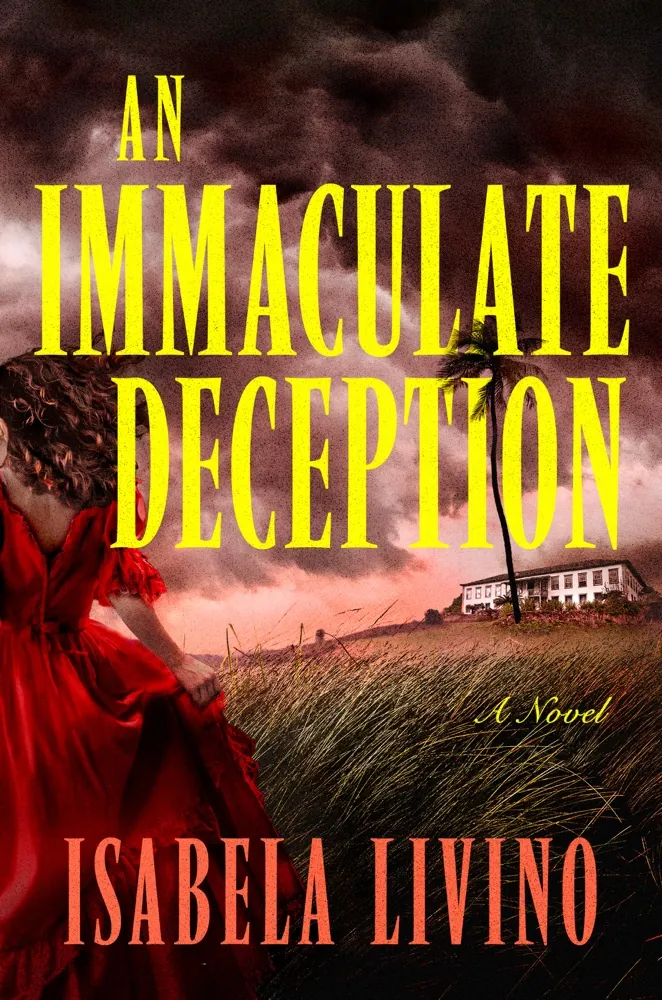

Author: Isabela LivinoPage Count: UnknownPublication Date: Expected publication 2026-09-01 APL Fans of Silvia Moreno-Garcia and Gothic stalwarts like Mexican Gothic should pay attention to Isabela Livino's upcoming An Immaculate Deception, though I have serious reservations about how well this Pernambuco-set period piece will handle its psychological mechanics once the dust settles from that carriage crash. The setup is practically begging for a heavy-handed metaphor about patriarchal control, pitting a religious girl who reads Dante against a fiancé who morphs from a charming poet into a silent, omnipresent stalker overnight—a dynamic I usually adore because it mimics the suffocating feeling of watching a once-promising bond curdle into bitter resentment, yet I worry the author relies far too heavily on stale haunted-house tropes like vanishing jewelry, missing book pages, and creeping perfumes to do the heavy lifting that genuine character chemistry should be handling instead. Honestly, why do writers always trap pregnant protagonists in decaying mansions with creepy doctors named Lobo? It is completely uninspired. Or perhaps it is brilliant. Let us be entirely fair to Livino for a moment. Setting 1870s Gothic horror against the humid, Catholic-saturated backdrop of rural Brazil offers a deliciously claustrophobic texture that separates this release from the standard gloomy English moors we have all read a thousand times. And Madalena's impending motherhood—born from a terrifying ultimatum issued by her own mother—creates an immediate, desperate relational tension that makes her reliance on Leandro agonizing to witness. A grueling exercise in patience. That is what watching these two interact in the synopsis feels like, and I desperately hope the full manuscript gives them actual conversational chemistry rather than just endless staring matches in mirror-less rooms. Suffocating. I need to go bake three dozen cupcakes by tomorrow morning. Related InsightsBridge to Terabithia Book Review and Summary Heat Wave Book Review and Summary Infinite Wisdom: A Novel Book Review and Summary{ "@context": "https://schema.org", "@type": "FAQPage", "mainEntity": [ { "@type": "Question", "name": "What is the main focus of An Immaculate Deception Book Review and Summary?", "acceptedAnswer": { "@type": "Answer", "text": "Everything you need to know about An Immaculate Deception with our detailed review." } }, { "@type": "Question", "name": "Who authored the comprehensive guide on An Immaculate Deception Book Review and Summary?", "acceptedAnswer": { "@type": "Answer", "text": "This detailed article and its insights were carefully researched and authored by Camille Dubois." } }, { "@type": "Question", "name": "Where can I find more related content about Books?", "acceptedAnswer": { "@type": "Answer", "text": "You can explore more articles, detailed reviews, and similar insights by browsing the Related Insights section at the bottom of this article or visiting our dedicated Books category page." } } ] }

Author: Flynn BerryPage Count: UnknownPublication Date: Expected publication 2026 APL Flynn Berry is back with A Good Man on a Dark Night, and the industry is already losing its collective mind over a premise that relies entirely on an agency operative hiding in plain sight by a riverbank. I mean, sure, if you say so. Because when shadow-shrouded spooks routinely approach exhausted private nurses near the Potomac to demand state secrets, we just nod along and accept the geopolitical calculus. The Architecture of Paranoia The plot hinges on a classic institutional squeeze. Eleanor commutes from the quiet countryside into Washington, D.C.—the eternal playground of bureaucrats who have never patched a knee or sat vigil over a fever chart—only to be conscripted into an espionage game. Yet the synopsis remains maddeningly vague about the actual mechanics of the betrayal. What does Anna allegedly hide? A secret? Heavens forbid. We get the standard-issue thriller boilerplate about impossible choices and fractured trust. It feels less like a precise narrative architecture and more like a loose collection of mood boards designed for readers who consume John le Carré via TikTok summaries. Shadows and Playgrounds Speaking of manufactured tension, I spent forty-five minutes this morning trying to convince a small person that socks are not, in fact, instruments of state torture designed to strip away their autonomy. That is real resistance. That is the kind of trench warfare where you bargain with a tiny dictator over wool versus cotton while the coffee goes cold on the counter. Meanwhile, Berry’s characters are sipping tea and forging deep, soul-baring bonds with their assigned targets while the whole apparatus of the federal government watches from the bushes. Give me a break. Real betrayal happens when someone eats the last yogurt you specifically labeled with masking tape, not when a trench-coated cipher blackmails you into spying on a foreign service officer. The Predictable Trajectory Expect the usual cat-and-mouse choreography, complete with lingering glances across sterile office spaces and whispered conversations that should definitely be happening over encrypted messaging apps instead of a park bench. Berry writes lean, propulsive prose—evidenced by the success of Northern Spy—so the pacing will likely swallow up any glaring logic gaps. But I am exhausted by stories where women are forced to weaponize their empathy just to survive institutional machinery. We have enough systemic weight bearing down on us without turning friendship into a high-stakes intelligence asset. I am going to take a nap, assuming the house doesn't burn down first. Related InsightsExtremely Loud & Incredibly Close Book Review and Summary Sometimes I Scare Myself: A Collection of Horror Book Review and Summary Finding Mr Write Book Review and Summary{ "@context": "https://schema.org", "@type": "FAQPage", "mainEntity": [ { "@type": "Question", "name": "What is the main focus of A Good Man on a Dark Night Book Review and Summary?", "acceptedAnswer": { "@type": "Answer", "text": "Everything you need to know about A Good Man on a Dark Night with our detailed review." } }, { "@type": "Question", "name": "Who authored the comprehensive guide on A Good Man on a Dark Night Book Review and Summary?", "acceptedAnswer": { "@type": "Answer", "text": "This detailed article and its insights were carefully researched and authored by Michael Brown." } }, { "@type": "Question", "name": "Where can I find more related content about Books?", "acceptedAnswer": { "@type": "Answer", "text": "You can explore more articles, detailed reviews, and similar insights by browsing the Related Insights section at the bottom of this article or visiting our dedicated Books category page." } } ] }

Author: Valerie BowmanPage Count: UnknownPublication Date: Expected publication 2026-09-29 APL Staring into the bottom of a chipped ceramic mug while the radiator clanks its death rattle against the living room wall is a distinct kind of purgatory. The grading basket sits across the room mocking me—thirty-two essays about why Holden Caulfield needs a nap and a juice box. Instead of red pen misery, let us dissect the corporate factory line of seasonal fiction. Specifically, Snowed Inn by Valerie Bowman, a book that promises six feet of sparkling snowdrifts and a publicist who apparently forgot that cell phones exist in 2026. Youth today look at romantic relationships the exact same way this synopsis views a snowstorm: an apocalyptic inconvenience that somehow forces two mutually annoyed people to make out by a fireplace. Honestly, why do we keep rewriting It Happened One Night for people who think checking an email is a traumatic injury? Maria is an overworked publicist—because heaven forbid a female protagonist have a hobby that isn't corporate exhaustion—trapped with Jesse, a ruggedly handsome brewery owner who probably smells like artisanal hops and flannel shirts bought from an Instagram ad. The publisher leans hard into the Lovelight series comparisons, invoking Ali Hazelwood-adjacent vibes for people who want zero emotional stakes and maximum ambient holiday lighting. Wait. Did I say zero emotional stakes? Let me back up. Actually, the forced proximity trope here might actually possess teeth if the characters weren't so aggressively archetypal. City girl meets country boy under the weight of Christmas garlands and hot chocolate. Groundbreaking. Cliché. The premise relies entirely on the suspension of disbelief regarding modern meteorology, but we aren't reading contemporary fiction for the Doppler radar accuracy. We read it because thirty-two teenagers just turned in papers claiming 'The Great Gatsby' was about a guy who really liked throwing parties, and my brain requires literary cotton candy before I start screaming into the sofa cushions. The synergy of small-town quirkiness and mandated proximity creates a vacuum where actual human conflict goes to die, replaced entirely by stolen glances under the mistletoe. Will Maria follow her heart when the snow melts? Spoiler alert: she definitely doesn't move back to her cubicle. I am going to go drink absinthe and pretend I am in 1920s Paris. #BookTwitter #RomanceBooks #HolidaysAreComing Related InsightsThe True Love Experiment Book Review and Summary A Court of Wings and Ruin Book Review and Summary Call Me By Your Name Book Review and Summary{ "@context": "https://schema.org", "@type": "FAQPage", "mainEntity": [ { "@type": "Question", "name": "What is the main focus of Snowed Inn (Honeycrisp Orchard, #2) Book Review and Summary?", "acceptedAnswer": { "@type": "Answer", "text": "Everything you need to know about Snowed Inn (Honeycrisp Orchard, #2) with our detailed review." } }, { "@type": "Question", "name": "Who authored the comprehensive guide on Snowed Inn (Honeycrisp Orchard, #2) Book Review and Summary?", "acceptedAnswer": { "@type": "Answer", "text": "This detailed article and its insights were carefully researched and authored by Thomas Wright." } }, { "@type": "Question", "name": "Where can I find more related content about Books?", "acceptedAnswer": { "@type": "Answer", "text": "You can explore more articles, detailed reviews, and similar insights by browsing the Related Insights section at the bottom of this article or visiting our dedicated Books category page." } } ] }

Author: Julianna GlassePage Count: UnknownPublication Date: Expected publication 2026-10-13 APL The synopsis for This Is What Happens When Women Read is so deliberately sparse it reads like a confession scribbled in the margins of a library book—deliberately unpolished, as if the author knows the real story is in the gaps. There’s a certain Brené Brown vulnerability here, but with the kind of evangelical precision that suggests Glasse isn’t just writing a memoir; she’s crafting a testimony—the kind that gets passed around in small, smoky rooms where people nod and say, “I’ve been there.” Yet the absence of specifics is maddening. Where’s the Rebecca Solnit razor edge? The Eula Biss clinical detachment? Instead, we get the Oprah Winfrey Book Club version of a crisis—cleaned up, sanitized, and sold as a self-help manual for the spiritually exhausted. The most interesting line isn’t the one about Oxford or the divorce—it’s the one about “the books she started to read opened doors she could not shut.” That’s the kind of metaphor that makes you wonder if Glasse is channeling Virginia Woolf’s ghost, or if she’s just really into Goodreads discussion boards. The phrasing is too cinematic, like a Hallmark movie where the heroine finally picks up The Bell Jar and suddenly sees the world in color. But here’s the thing: if this is a memoir about intellectual liberation, why does it feel like a Christianity Today article with a side of existential dread? Where’s the bell curve of the breakdown? The messy middle where the protagonist isn’t just “transformed” but unraveled? The synopsis reads like a TED Talk outline, not a novel or even a particularly gripping essay. And yet—there’s a dangerous potential here. Glasse’s background as a Christian pop star is the kind of backstory that could make this into the Megan Fox of memoirs—equal parts celebrity scandal and intellectual awakening. Imagine if she’d leaned into the Ann Patchett style of self-deprecating brilliance, where the reader gets the juicy details of the evangelical machine’s inner workings, the way faith is sold like a timeshare. But no. Instead, we get the safe version: the divorce, the depression, the a-ha! moment at Oxford. It’s the Netflix Original of spiritual autobiography—polished, marketable, and just slightly too neat. The real question is whether Glasse can resist the temptation to turn this into a self-help book disguised as a memoir. Because if she does, she’ll end up like Jen Hatmaker—loved for her story, but forgotten once the next woke influencer comes along with a sharper critique. The synopsis hints at something more subversive, something that could riff on Susan Sontag’s idea of “the imagination as resistance.” But right now, it reads like a book club pick rather than a cultural reset. And then there’s the Oxford bit—because let’s be real, no one goes to Oxford for the tea. They go for the intellectual arms race, the elite gaslighting of the uninitiated. If Glasse actually lived there, she probably got roasted by undergrads who saw her as the evangelical tourist. That’s the kind of gritty detail that could make this book unforgettable. Instead, we’re stuck with the safe version: the happy ending where the protagonist becomes autonomous and independent. Where’s the dark twist? The irony? The moment where she realizes the books didn’t save her—the people did, or the system did, or she just outgrew the need for salvation entirely? But perhaps that’s the point. Maybe this is exactly what we need—a gentle unraveling, a soft rebellion. A book that doesn’t shatter the system but slips through the cracks. If so, then fine. But don’t expect blood and thunder. Don’t expect the raw edge of Cheryl Strayed or the scathing wit of Rebecca Traister. This is the lifestyle memoir of the quiet revolution—polished, elegant, and just slightly too clean. I’m logging off now to enjoy a cigar on my private terrace, wondering if this book will be the next Big Little Lies of spiritual memoirs—or just another Netflix Original that gets canceled after one season. #BookTok #MemoirSeason #OxfordVibes #ChristianPopCrisis #WhyIsEverythingSoPolished Related InsightsThe Summer We Crossed Europe in the Rain Book Review and Summary Bridge to Terabithia Book Review and Summary Ninth House Book Review and Summary{ "@context": "https://schema.org", "@type": "FAQPage", "mainEntity": [ { "@type": "Question", "name": "What is the main focus of This Is What Happens When Women Read Book Review and Summary?", "acceptedAnswer": { "@type": "Answer", "text": "Everything you need to know about This Is What Happens When Women Read with our detailed review." } }, { "@type": "Question", "name": "Who authored the comprehensive guide on This Is What Happens When Women Read Book Review and Summary?", "acceptedAnswer": { "@type": "Answer", "text": "This detailed article and its insights were carefully researched and authored by Tiago Silva." } }, { "@type": "Question", "name": "Where can I find more related content about Books?", "acceptedAnswer": { "@type": "Answer", "text": "You can explore more articles, detailed reviews, and similar insights by browsing the Related Insights section at the bottom of this article or visiting our dedicated Books category page." } } ] }


Author: K. ChiucarelloPage Count: UnknownPublication Date: Expected publication 2026-11-17 APL In an era where motherhood is constantly reimagined, Nanny Nanny dares to venture into the dark crevices of our cultural psyche. I'm reminded of The Dispossessed by Ursula K. Le Guin, where the lines between personal and communal narratives blur, creating a sense of disorientation that's both disconcerting and liberating. This debut novel promises to tackle the fraught territories of domestic violence, class, and the labor of care – a brave endeavor, to say the least. But, let's get real, who wants to read about yet another woman's quest for motherhood? I'm talking about the obligatory narrative where the protagonist struggles to balance career and family, often leading to a contrived resolution that reinforces the very patriarchal norms we're supposedly critiquing. Yet, there's something about Nanny Nanny that piques my interest – perhaps it's the way the blurb teases the 'incendiary secret' beneath its deceptively tranquil surface. We're led to believe that the protagonist, a 35-year-old nanny, has finally succumbed to 'baby fever' after years of caring for the children of the elite. What's striking about this premise is the way it sidesteps the conventional 'working mom' trope, opting instead for a narrative that seems to be grappling with the aftermath of domestic violence. It's a bold move, one that subverts expectations and raises essential questions about the societal expectations placed on women. I'm currently stuck on the phrase 'what's the next most violent thing a woman can do to herself?' – a sentiment that's equal parts provocative and unsettling. It's a rhetorical question that lingers, refusing to be reduced to a neatly wrapped package of moral lessons or platitudes. It's this kind of unflinching gaze into the abyss that makes Nanny Nanny feel like a game-changer. K. Chiucarello's writing style is a siren's call, beckoning us into the uncharted territories of female experiences, queering the very notion of motherhood and challenging the conventions that govern our expectations. I can almost smell the intoxicating smoke of her prose, like the scent of a cigarette on a rainy night. I'm not sure what to make of the fact that I'm spending my Saturday afternoon writing this review, trying to hit my word count, and wondering if anyone will even care about my thoughts on this obscure book. The irony isn't lost on me – I'm critiquing a novel about the complexities of labor and care while simultaneously laboring over my own words. As I wrap up this review, I'm reminded of the futility of trying to distill the essence of a book into a neat package of critique. The more I write, the more I realize that Nanny Nanny is a puzzle box with too many pieces, each one revealing a different facets of the human experience. I'll leave you with a quote from that French existentialist philosopher I always get wrong: 'Le style, c'est l'homme même,' (The style is the man himself.) I guess what I'm saying is that I still have to translate this Camus dude's poem. #amreading #motherhood #domesticviolence #literaryfiction Related InsightsPicasso Heist Book Review and Summary The Night Circus Book Review and Summary The Cursed Diamond Book Review and Summary{ "@context": "https://schema.org", "@type": "FAQPage", "mainEntity": [ { "@type": "Question", "name": "What is the main focus of Nanny Nanny Book Review and Summary?", "acceptedAnswer": { "@type": "Answer", "text": "Everything you need to know about Nanny Nanny with our detailed review." } }, { "@type": "Question", "name": "Who authored the comprehensive guide on Nanny Nanny Book Review and Summary?", "acceptedAnswer": { "@type": "Answer", "text": "This detailed article and its insights were carefully researched and authored by Giulia Ricci." } }, { "@type": "Question", "name": "Where can I find more related content about Books?", "acceptedAnswer": { "@type": "Answer", "text": "You can explore more articles, detailed reviews, and similar insights by browsing the Related Insights section at the bottom of this article or visiting our dedicated Books category page." } } ] }
-
 Irina Ivanova
 - 14 Aug, 2026 04:40
The Way We Become (The Way I Used to Be, #3) Book Review and Summary
Author: Amber SmithPage Count: UnknownPublication Date: Expected publication 2026 APL Look at this synopsis. Just stare at it for a second. We are staring down the barrel of another installment in The Way I Used to Be universe—a series that apparently refuses to die despite having wrung every possible ounce of melodramatic trauma from its protagonist like a damp dishrag—and honestly? The publisher’s marketing copy is recycling the exact same blurbs from a decade ago. Seriously. They are still leaning on a quote from The Boston Globe regarding a debut novel published when some of these prospective readers were still losing their baby teeth. Make it make sense, or at least pay my invoice on time so I can afford decent coffee instead of this instant cardboard sludge. The Corpse-Revival Economy We are looking at an exercise in prolonged literary purgatory. The premise relies entirely on the commodification of adolescent suffering, stretching a linear narrative into an indefinite cinematic universe of woe because the YA market loves nothing more than a protracted cry. The synopsis tells us absolutely nothing new—it literally pastes the foundational blurb of the very first book right at the top like a lazy safety blanket. Are we getting character growth, or just another three hundred pages of performative melancholy designed to farm tears on TikTok? I am leaning heavily toward the latter. Amber Smith is about to give the BookTok girlies a collective aneurysm, and the algorithm is going to eat it up like feral raccoons at an overturned dumpster. The Aesthetic of Infinite Pain The thematic trajectory is painfully obvious—no pun intended, or perhaps completely intended—because the infrastructure of trauma fiction rarely builds new rooms; it just repaints the same depressing hallway. We get the standard-issue dichotomy of before versus after, the shattered identity, the obligatory first-love wreckage. Yet, the prose in the synopsis sounds like a discarded draft from a creative writing seminar populated entirely by ghosts. Words like capsizes and buries are doing all the heavy lifting while the actual stakes remain frustratingly opaque. Give me some stylistic friction. Give me a sentence that doesn't read like a copy-pasted trigger warning with a bow on it. If I have to read one more paragraph about a girl hiding a secret in her heart like a tragic little porcelain doll, I am going to throw this laptop out the window and take up woodworking. Or crime. Predicting how this holds up is like guessing the expiration date on a carton of heavy cream left in a broken fridge—you know it is going to curdle, you just want to know how foul the smell gets before someone finally cleans the damn thing out. Compare it to the endless churn of The Perks of Being a Wallflower clones or the more recent Colleen Hoover-industrial complex; it is trauma porn wrapped in pastel typography, engineered to trigger maximum parasocial grief. Eden deserves better. I deserve better. My landlord definitely deserves better than the check that is currently bouncing while I sit here editing this sophomore-slump fanfiction masquerading as high art. I have to go finish painting a terribly depressing portrait of a toaster engulfed in existential dread. Related InsightsRed Rising Book Review and Summary A Court of Thorns and Roses Book Review and Summary John Adams Book Review and Summary{ "@context": "https://schema.org", "@type": "FAQPage", "mainEntity": [ { "@type": "Question", "name": "What is the main focus of The Way We Become (The Way I Used to Be, #3) Book Review and Summary?", "acceptedAnswer": { "@type": "Answer", "text": "Everything you need to know about The Way We Become (The Way I Used to Be, #3) with our detailed review." } }, { "@type": "Question", "name": "Who authored the comprehensive guide on The Way We Become (The Way I Used to Be, #3) Book Review and Summary?", "acceptedAnswer": { "@type": "Answer", "text": "This detailed article and its insights were carefully researched and authored by Irina Ivanova." } }, { "@type": "Question", "name": "Where can I find more related content about Books?", "acceptedAnswer": { "@type": "Answer", "text": "You can explore more articles, detailed reviews, and similar insights by browsing the Related Insights section at the bottom of this article or visiting our dedicated Books category page." } } ] }
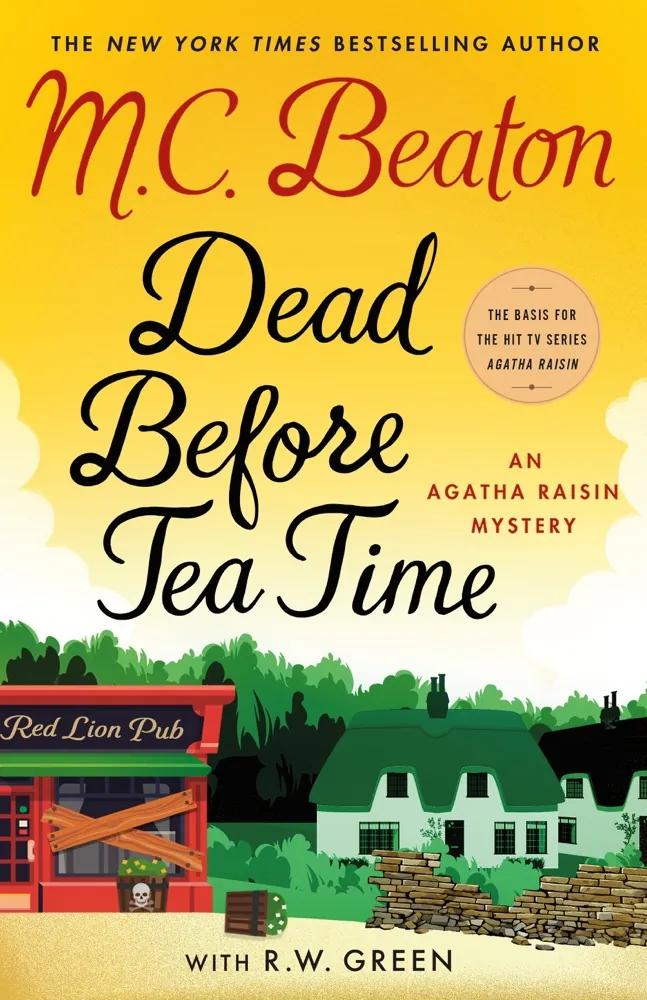
-
 Carmen Martinez
 - 14 Aug, 2026 03:39
Dead Before Tea Time: An Agatha Raisin Mystery (Agatha Raisin Mysteries, 37) Book Review and Summary
Author: M.C. BeatonPage Count: UnknownPublication Date: Expected publication 2026-10-13 APL Sweat is slowly dripping down my collar onto an expensive linen shirt while this relentless August heatwave turns the concrete outside into a frying pan, yet I am expected to care about the Cotswolds. The thirty-seventh installment of Dead Before Tea Time has arrived via press release, offering precisely what the geriatric cozy-mystery industrial complex demands: a geriatric harridan, a local watering hole facing gentrification, and a corpse conveniently dumped behind some shrubbery just in time to interrupt a historically inaccurate sword fight. Gentrification and Ale-Soaked Homicides The thematic architecture here is delightfully derivative. We have the sacred Red Lion pub falling victim to ruthless corporate predation because some soulless brewery decided rural alcoholism isn't profitable enough unless it is packaged into minimalist flats for London commuters. It is pure, unadulterated NIMBYism dressed up as a murder investigation. M.C. Beaton’s posthumous assembly line—or whoever is currently rattling the skeleton keys of this intellectual property—relies entirely on the comforting illusion that rural England is populated by quirky archetypes rather than xenophobic dullards hoarding real estate. And then, naturally, we get the romantic circus. Sir Charles Fraith versus James. Two aging, emotionally stunted aristocrats treating Agatha Raisin like the last discount bottle of gin at a provincial country club. They are duking it out during a seventeenth-century reenactment—because nothing screams high-stakes libido quite like middle-aged men in polyester doublets swinging blunt iron. The juxtaposition of feudal cosplay with contemporary zoning disputes is peak lazy plotting. Agatha ignores the swordplay because she smells a homicide, proving once again that her superpower is pathological nosiness mixed with absolute interpersonal toxicity. The Aesthetics of Mediocrity Let us discuss the literary hygiene of the synopsis itself. It reads like it was generated by an algorithm fed exclusively on reruns of Midsomer Murders and old copies of Country Life. Someone gets poisoned or bludgeoned near a brewery, Agatha takes a poorly aimed blow to her own skull, and we are supposed to gasp in absolute horror wondering if the titular protagonist will survive to eat another finger sandwich. Spoiler alert: she will. She possesses the unkillable cockroach energy of a soap opera villain who refuses to sign off. It gives off major Danielle Steel meets a Sunday afternoon television slot that your grandmother falls asleep to after three sherries. No one is asking for James Joyce when picking up a paperback featuring a cartoonish amateur sleuth on the cover, but holy hell, the narrative scaffolding is rotting. The synopsis explicitly tells us the victim had brewery connections as if it were a colossal detective breakthrough rather than the most glaringly obvious narrative neon sign since Agatha Christie invented the genre. The dialogue will inevitably feature words like blimey and posh groans, and everyone will drink entirely too much tea while avoiding therapy. Yet, here we are, staring down the barrel of another autumn reading season choked with the exact same cozy garbage. It is the literary equivalent of eating wet cardboard while pretending it's artisan sourdough. I have to go translate a particularly stubborn piece of French existential poetry about despair before the AC unit gives up entirely. #AgathaRaisin #CozyMystery #LiteraryTrash #Cotswolds Related InsightsEverything's Not Lost Book Review and Summary City of God Book Review and Summary Compensation Book Review and Summary{ "@context": "https://schema.org", "@type": "FAQPage", "mainEntity": [ { "@type": "Question", "name": "What is the main focus of Dead Before Tea Time: An Agatha Raisin Mystery (Agatha Raisin Mysteries, 37) Book Review and Summary?", "acceptedAnswer": { "@type": "Answer", "text": "Everything you need to know about Dead Before Tea Time: An Agatha Raisin Mystery (Agatha Raisin Mysteries, 37) with our detailed review." } }, { "@type": "Question", "name": "Who authored the comprehensive guide on Dead Before Tea Time: An Agatha Raisin Mystery (Agatha Raisin Mysteries, 37) Book Review and Summary?", "acceptedAnswer": { "@type": "Answer", "text": "This detailed article and its insights were carefully researched and authored by Carmen Martinez." } }, { "@type": "Question", "name": "Where can I find more related content about Books?", "acceptedAnswer": { "@type": "Answer", "text": "You can explore more articles, detailed reviews, and similar insights by browsing the Related Insights section at the bottom of this article or visiting our dedicated Books category page." } } ] }


Author: Lauren WiesebronPage Count: UnknownPublication Date: Expected publication 2026-09-15 APL Eight hours staring at glowing spreadsheets of third-quarter projections will make a person crave a bit of mythological drowning, so finding Lauren Wiesebron’s upcoming The Palace Beneath the Sea on the desk tonight feels rather fitting—or perhaps deeply ironic, considering I spent all day trying to keep various corporate ventures afloat before commuting home through the kind of horizontal rain that makes one wonder why human beings ever left the pelagic mud in the first place—and honestly, looking at the promotional copy for this September 2026 release, we are in for the predictable literary waters of coastal folklore, where plucky lighthouse keepers swap dry land for brooding aquatic men with fish tails and abs carved from sea glass, which sounds suspiciously like every second indie fantasy novel currently choking the bestseller lists since Madeline Miller made ancient myth commercially viable for people who highlight quotes about grief on TikTok. Seasilk. Wait. Let me rephrase that entirely. The synopsis mentions "rare seasilk," which sounds less like ancient Breton myth and more like a high-end textile import from an overpriced boutique in Milan, completely stripping the grit away from the actual legend of the sunken city of Ys where the sea swallowed a capital city because a princess got too careless with her father's castle keys—though Wiesebron clearly wants us to focus on Nolwenn, our lighthouse-keeping protagonist who goes from guarding coastal cliffs to getting aggressively dragged into a coral palace by a creature named Morvan, who apparently checks all the requisite boxes for dark-water romance by being both terrifying and strangely alluring, because of course he is. Drowning in Tropes The thematic undercurrent here relies heavily on the age-old dichotomy of duty versus desire, pitting a woman's loyalty to her homeland against the intoxicating pull of an underwater society that sounds like an expensive hotel lobby designed by James Cameron. Yet the real thematic conflict is whether readers can tolerate another iteration of the forced-proximity aquatic abduction trope without groaning out loud. Actually, strike that. The mythology of Ys is genuinely terrifying when you look at the raw folklore—cities disappearing beneath the tide in a single night of divine retribution—so reducing it to a hormonal tug-of-war between a lighthouse keeper and a local fish-man feels like a terrible waste of architectural catastrophe. Still, Wiesebron’s previous work in House of Frost and Feathers proved she can spin atmospheric prose out of thin air, so perhaps the lyrical execution will save the text from feeling like a recycled episode of a streaming fantasy series. Fingers crossed the world-building expands beyond glowing coral and brooding stares, because if I have to read one more sentence about a character torn between her heart and her homeland, I am going to throw this manuscript directly into the recycling bin and take up knitting. Lord help me, I have to go downstairs and patch a hole in the drywall caused by an indoor football incident involving a rogue plastic ball and an overly enthusiastic eight-year-old. Related InsightsEl pacto del agua / The Covenant of Water Book Review and Summary Dreamland Book Review and Summary Dark Restraint Book Review and Summary{ "@context": "https://schema.org", "@type": "FAQPage", "mainEntity": [ { "@type": "Question", "name": "What is the main focus of The Palace Beneath the Sea Book Review and Summary?", "acceptedAnswer": { "@type": "Answer", "text": "Everything you need to know about The Palace Beneath the Sea with our detailed review." } }, { "@type": "Question", "name": "Who authored the comprehensive guide on The Palace Beneath the Sea Book Review and Summary?", "acceptedAnswer": { "@type": "Answer", "text": "This detailed article and its insights were carefully researched and authored by Antoine Leroy." } }, { "@type": "Question", "name": "Where can I find more related content about Books?", "acceptedAnswer": { "@type": "Answer", "text": "You can explore more articles, detailed reviews, and similar insights by browsing the Related Insights section at the bottom of this article or visiting our dedicated Books category page." } } ] }