Showing Posts From
Alpine adventure
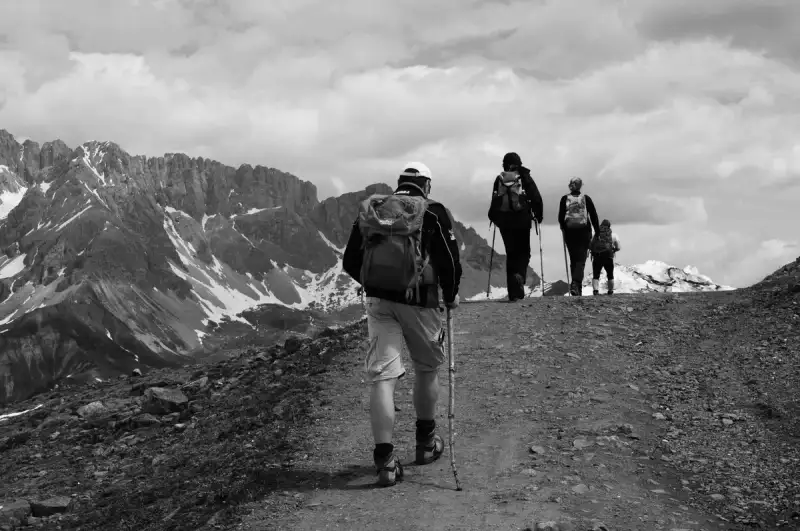
The Dolomites are not just a mountain range; they are a symphony of nature’s grandeur, where limestone spires pierce the sky, alpine meadows blush with wildflowers, and the air hums with the whispers of ancient glaciers. This UNESCO World Heritage Site, nestled in northeastern Italy, is a paradise for hikers, photographers, and soul-searchers alike. With over 1,200 kilometers of marked trails, the Dolomites offer an unparalleled blend of challenge and serenity, where every step reveals a new vista that feels plucked from a dream. Imagine waking up to the crisp mountain air, the scent of pine and wild herbs filling your lungs as you lace up your boots for a day on the trails. The Dolomites are a testament to the raw beauty of the Alps, but with a unique geological identity—composed of dolomite rock, which gives the mountains their signature pale, almost luminous appearance at sunrise and sunset. This geological wonder, combined with the rich cultural tapestry of Ladin villages and Italian alpine traditions, makes the Dolomites a destination unlike any other. Whether you're a seasoned trekker or a casual walker, the Dolomites promise an experience that will leave you breathless—not just from the altitude, but from the sheer majesty of the landscape. For those seeking more than just a hike, the Dolomites are a gateway to a slower, more intentional way of traveling. Here, time seems to stand still in the shadow of the peaks, and every village, every rifugio (mountain hut), and every winding trail tells a story. From the iconic Tre Cime di Lavaredo to the lesser-known Alpe di Siusi, the Dolomites are a mosaic of natural wonders waiting to be explored. So, lace up your boots, pack your camera, and prepare to be enchanted by one of Europe’s most spectacular alpine playgrounds.Why the Dolomites Are a UNESCO World Heritage Site The Dolomites earned their UNESCO World Heritage status in 2009, not just for their stunning beauty, but for their geological significance and ecological importance. This mountain range is a living laboratory of Earth’s history, where the remnants of ancient coral reefs and marine fossils tell the story of a time when the Dolomites were submerged beneath a tropical sea. The unique composition of dolomite rock, named after the French geologist Déodat Gratet de Dolomieu, gives the mountains their distinctive pale color and dramatic verticality. UNESCO recognized the Dolomites for their "outstanding universal value," citing their exceptional natural beauty, geological diversity, and the harmonious coexistence of human culture with the alpine environment. The range spans nine systems, including the Sella Group, the Marmolada, and the Pale di San Martino, each with its own character and charm. The Dolomites are also a biodiversity hotspot, home to rare flora like the Dolomites edelweiss and fauna such as the Alpine ibex and golden eagle. Beyond their natural splendor, the Dolomites are steeped in cultural heritage. The Ladin people, an indigenous group with roots dating back to the Roman era, have preserved their language, traditions, and way of life in the valleys of the Dolomites. Their influence is evident in the architecture of the villages, the cuisine, and the festivals that celebrate the alpine calendar. UNESCO’s designation highlights the importance of preserving this cultural landscape, where nature and human tradition intertwine seamlessly. For hikers, the UNESCO status means that every trail is part of a larger narrative—one that connects you to the earth’s ancient past and the enduring spirit of the people who call these mountains home. Whether you’re traversing the Via Ferrata routes or strolling through the flower-filled meadows of Alpe di Siusi, you’re walking in the footsteps of history.Best Hiking Trails in the Dolomites: From Beginner to Expert The Dolomites offer trails for every level of hiker, from gentle valley walks to grueling multi-day treks. Here’s a breakdown of the best routes, categorized by difficulty and experience. Beginner-Friendly Trails For those new to hiking or looking for a leisurely day on the trails, the Alpe di Siusi is a must-visit. This vast alpine meadow is Europe’s largest high-altitude pasture, stretching over 56 square kilometers. The Panorama Trail (No. 1) is a gentle 5.5-kilometer loop that offers sweeping views of the Sciliar and Sassolungo peaks. With minimal elevation gain and well-marked paths, it’s perfect for families and casual hikers. The trailhead is accessible via the Alpe di Siusi cable car from Compatsch, making it easy to reach. Another excellent beginner option is the Lago di Carezza trail, a short 2.5-kilometer loop around the stunning turquoise lake. The trail is flat and shaded, with interpretive signs explaining the lake’s geological formation and folklore. The lake itself is a photographer’s dream, its colors shifting from emerald to sapphire depending on the light. Intermediate Trails For those ready to tackle more elevation, the Tre Cime di Lavaredo Circuit is an iconic 10-kilometer loop that circles the famous Three Peaks. This trail offers a moderate challenge with an elevation gain of about 700 meters, but the rewards are unparalleled. The jagged limestone spires of the Tre Cime rise dramatically against the sky, and the route passes through alpine meadows dotted with wildflowers and grazing cows. The trail can be started from Rifugio Auronzo, which is accessible by car (though parking fees apply). Another intermediate favorite is the Seceda Ridgeline Trail, which connects the Seceda cable car station to Rifugio Firenze. This 8-kilometer out-and-back trail offers some of the most dramatic views in the Dolomites, with sheer cliffs plunging into the Val Gardena below. The trail is well-marked but exposed in sections, so hikers should be comfortable with heights. The Seceda cable car provides a convenient way to access the trailhead, saving you a steep climb. Advanced Trails For experienced hikers seeking a challenge, the Via Ferrata delle Tridentine is a thrilling option. This via ferrata (iron path) route requires a harness, helmet, and via ferrata set, as it involves sections of exposed climbing and fixed cables. The route starts from Rifugio Lagazuoi and ascends to the summit of Monte Lagazuoi, offering panoramic views of the surrounding peaks. The Via Ferrata is not for the faint-hearted, but the sense of accomplishment at the top is unmatched. For a multi-day adventure, the Alta Via 1 is the Dolomites’ most famous long-distance trail. Stretching 120 kilometers from Lago di Braies to Belluno, this high-altitude route takes hikers through some of the most remote and beautiful parts of the Dolomites. The trail is divided into 14 stages, each ranging from 4 to 16 kilometers, with rifugios providing accommodation along the way. The Alta Via 1 is best tackled in summer or early autumn, when the weather is stable and the rifugios are open. Hidden Gems For those looking to escape the crowds, the Croda da Lago Circuit in the Ampezzo Valley is a hidden gem. This 12-kilometer loop offers stunning views of the Croda da Lago and the Cinque Torri peaks, with far fewer hikers than the more popular routes. The trail starts from Passo Giau and winds through alpine meadows and rocky outcrops, culminating in a breathtaking viewpoint over the Boite Valley.Essential Gear and Packing List for Dolomites Hiking Hiking in the Dolomites is a rewarding but demanding experience, and having the right gear can make the difference between a pleasant adventure and a grueling ordeal. The key to packing for the Dolomites is to prepare for rapidly changing weather conditions, steep elevation gains, and long days on the trails. Here’s a detailed packing list to ensure you’re ready for anything the mountains throw at you. Footwear Your hiking boots are your most important investment. The Dolomites’ trails range from well-maintained paths to rocky, uneven terrain, so you’ll need a pair of boots with good ankle support and a sturdy sole. Brands like Meindl, Hanwag, and Salomon offer excellent options for alpine hiking. Make sure your boots are broken in before your trip to avoid blisters. For via ferrata routes, you’ll need a pair of approach shoes or lightweight hiking shoes with a stiff sole for climbing sections. Clothing The Dolomites’ weather can shift from sunny and warm to cold and rainy in a matter of hours, so layering is essential. Start with a moisture-wicking base layer, such as merino wool or synthetic fabric, to keep sweat away from your skin. Add an insulating mid-layer, like a fleece or down jacket, for warmth, and top it off with a waterproof and windproof shell jacket. Don’t forget a warm hat and gloves, even in summer, as temperatures can drop quickly at higher elevations. Quick-dry hiking pants are ideal, and consider packing a pair of leggings for colder days. Backpack and Hydration A 20-30 liter backpack is ideal for day hikes, with enough space for your water, snacks, and layers. Hydration is critical, so bring at least 2 liters of water or a hydration bladder. A collapsible water bottle is also useful for refilling at mountain streams (though always filter or treat water before drinking). Consider packing a lightweight water filter or purification tablets for longer hikes. Navigation and Safety While the Dolomites’ trails are well-marked with red-and-white stripes (the "CAI" markings), it’s still essential to carry a map and compass—or at least a GPS device or smartphone with offline maps. The Komoot and AllTrails apps are excellent for downloading trail maps, and the Dolomites Hiking Map by Tabacco is a must-have for serious hikers. A headlamp is also crucial, even for day hikes, in case you get caught out after dark. Don’t forget a first-aid kit, including blister treatment, pain relievers, and any personal medications. Miscellaneous Essentials A trekking pole or two can be a game-changer, especially on steep descents or via ferrata routes. They help reduce strain on your knees and provide stability on uneven terrain. Sunglasses with UV protection are a must, as the sun’s glare off the limestone can be intense. A buff or neck gaiter is useful for protecting your face from wind and sun, and a lightweight sit pad can provide comfort during breaks. Finally, pack a trash bag to carry out all your waste—leave no trace is a mantra in the Dolomites.👉 Continue Reading: The Dolomites, Italy: Hiking Through Alpine UNESCO Heritage (Part 2)#DolomitesAdventure #UNESCOHiking #AlpineEscape #ItalyTravel #MountainMagic Related InsightsThe White Silence Beckons: A Century of Chasing the Antarctic Dream Baños Árabes de Jaén: El Legado del Agua L'Eveil des Cimes : Suspendu dans le Souffle du Tigre{ "@context": "https://schema.org", "@type": "FAQPage", "mainEntity": [ { "@type": "Question", "name": "What is the main focus of The Dolomites, Italy: Hiking Through Alpine UNESCO Heritage?", "acceptedAnswer": { "@type": "Answer", "text": "Discover the breathtaking UNESCO-listed Dolomites in Italy, where alpine meadows, jagged peaks, and ancient trails await your next adventure." } }, { "@type": "Question", "name": "Who authored the comprehensive guide on The Dolomites, Italy: Hiking Through Alpine UNESCO Heritage?", "acceptedAnswer": { "@type": "Answer", "text": "This detailed article and its insights were carefully researched and authored by Aisha Sharma." } }, { "@type": "Question", "name": "Where can I find more related content about Travel?", "acceptedAnswer": { "@type": "Answer", "text": "You can explore more articles, detailed reviews, and similar insights by browsing the Related Insights section at the bottom of this article or visiting our dedicated Travel category page." } } ] }
-
 Aisha Sharma
 - 20 Jul, 2026 18:29
The Dolomites, Italy: Hiking Through Alpine UNESCO Heritage (Part 2)
This is Part 2 of the series. Read Part 1 here.Rifugio Etiquette If you’re staying in a rifugio (mountain hut), pack a lightweight sleeping bag liner, as most rifugios provide blankets but not sheets. Bring earplugs, as dormitory-style accommodations can be noisy. A small towel and toiletries are also useful, though many rifugios have basic amenities. Tipping is not expected, but rounding up your bill or leaving a small tip is appreciated for exceptional service.Gear Item Recommended Brand/Model PurposeHiking Boots Meindl Bhutan, Hanwag Tatra Ankle support, durabilityBase Layer Smartwool Merino 250, Icebreaker Moisture-wicking, temperature controlInsulating Layer Patagonia Nano Puff, Arc’teryx Warmth without bulkShell Jacket Gore-Tex Paclite, The North Face Waterproof, windproof protectionBackpack Osprey Talon 22, Deuter Speed Lite Comfortable, lightweight carryTrekking Poles Black Diamond Trail, Leki Makalu Stability, knee supportHeadlamp Petzl Actik Core, Black Diamond Hands-free lightingWater Filter Sawyer Squeeze, Katadyn BeFree Safe drinking waterCultural and Culinary Highlights: What to Eat and Experience in the Dolomites The Dolomites are not just a feast for the eyes; they’re a feast for the senses, especially when it comes to food and culture. The alpine cuisine here is hearty, flavorful, and deeply rooted in tradition, with dishes that reflect the region’s history and environment. From hearty stews to delicate pastries, the food of the Dolomites is a celebration of local ingredients and time-honored recipes. Must-Try Dishes One of the most iconic dishes of the Dolomites is canederli, or bread dumplings. Made from stale bread, milk, eggs, and cheese (often speck or Parmesan), these dumplings are typically served in a rich broth or with a creamy sauce. Another staple is speck, a smoky, cured ham that’s a specialty of the Alto Adige region. It’s often served thinly sliced as an antipasto or melted into dishes like speckknödel (speck dumplings). For meat lovers, casunziei is a must-try. These are beetroot-filled pasta dumplings, typically served with a butter and poppy seed sauce or a meat ragù. Another hearty dish is schlutzkrapfen, half-moon-shaped pasta filled with spinach, ricotta, and herbs, often served with a light tomato sauce. Vegetarians will delight in spinaci ripieni, spinach and cheese-stuffed pasta, or pizzoccheri, a buckwheat pasta dish from the Valtellina region, served with potatoes, greens, and Casera cheese. For dessert, try strudel di mele, a flaky apple strudel, or kaiserschmarrn, a caramelized pancake served with powdered sugar and fruit compote. Rifugio Dining: What to Expect Dining in a rifugio is an experience in itself. Most rifugios offer a set menu (often called a menù di montagna) that includes a starter, main course, and dessert. Prices typically range from €15 to €30 per person, depending on the rifugio’s location and amenities. Aperitivo is a beloved tradition in the Dolomites, where hikers gather before dinner to enjoy a drink (often a local wine or spritz) and small bites like olives, nuts, or cured meats. Popular rifugios like Rifugio Lagazuoi, Rifugio Locatelli, and Rifugio Nuvolau are known for their stunning views and delicious food. Be sure to reserve ahead during peak season (June to September), as rifugios can fill up quickly. Many rifugios also offer half-board options, which include dinner and breakfast, making them a convenient choice for multi-day hikers. Local Beverages The Dolomites are home to some excellent local wines and spirits. Try a glass of Lagrein, a bold red wine from the Alto Adige region, or Pinot Grigio, a crisp white wine that pairs perfectly with seafood dishes. For beer lovers, Forst and Peroni are popular Italian lagers, while Alpina offers craft beers brewed in the Dolomites. For a unique experience, sample genepì, a herbal liqueur made from alpine plants, or amaro, a bittersweet digestif. If you’re hiking in winter, try vin brulé, or mulled wine, which is sold at Christmas markets and rifugios alike. Cultural Experiences Beyond food, the Dolomites offer a wealth of cultural experiences. Visit the Ladin Museum in San Martino in Badia to learn about the Ladin people and their traditions. Attend a folk festival, such as the Sasslong Cup ski race or the Alta Badia Wine Festival, to immerse yourself in local culture. For a unique perspective, take a guided hike with a local expert who can share insights into the region’s geology, flora, and history. Many rifugios also offer cheese-making demonstrations, where you can learn how to make Casera or Puzzone di Moena, two iconic alpine cheeses.Practical Tips: Transportation, Accommodation, and Budgeting Planning a trip to the Dolomites requires careful consideration of transportation, accommodation, and budget. While the region is remote, it’s well-connected by public transport and offers a range of lodging options to suit every traveler’s needs and budget. Getting There The Dolomites are best accessed from major Italian cities like Venice, Milan, or Verona. The closest airports are Venice Marco Polo Airport (VCE) and Verona Villafranca Airport (VRN), both of which offer car rentals and train connections to the Dolomites. From Venice, you can take a train to Calalzo di Cadore or Cortina d’Ampezzo, two key gateway towns. The Dolomiti Bus network connects many of the region’s towns and trailheads, making it easy to reach popular hiking areas without a car. For example, the bus from Cortina to Rifugio Lagazuoi is a scenic and convenient way to access the trails. If you prefer to drive, renting a car gives you the flexibility to explore at your own pace. Be aware that parking in popular areas like Tre Cime or Alpe di Siusi can be expensive (€10-€20 per day), so arrive early or consider using public transport. Accommodation Options The Dolomites offer a range of accommodation options, from luxury hotels to rustic rifugios. Here’s a breakdown of the best choices:Rifugios: These mountain huts are the heart of alpine culture, offering dormitory-style or private rooms, hearty meals, and a chance to meet fellow hikers. Prices range from €30 to €80 per night, depending on the rifugio’s amenities. Some popular rifugios include Rifugio Lagazuoi, Rifugio Locatelli, and Rifugio Nuvolau. Hotels and Guesthouses: For those seeking more comfort, towns like Cortina d’Ampezzo, Ortisei, and San Martino in Badia offer a range of hotels, from boutique properties to family-run guesthouses. Prices vary widely, from €80 to €200 per night. Airbnb and Apartments: Renting an apartment is a great option for groups or families, offering more space and the chance to cook your own meals. Prices range from €60 to €150 per night, depending on the location and size. Camping: For budget travelers, camping is an option in some areas, though facilities are limited. Campgrounds like Camping Catinaccio in Vigo di Fassa offer basic amenities and easy access to trails.Budgeting for the Dolomites The Dolomites can be as affordable or as luxurious as you make it. Here’s a rough breakdown of costs for a 7-day trip:Expense Category Budget Range (Per Day) NotesAccommodation €30-€200 Rifugios are cheapest; hotels are pricierFood €20-€50 Rifugio meals €15-€30; groceries €10-€20Transportation €10-€30 Public transport €5-€15/day; car rental €40-€80/dayActivities €0-€50 Cable cars €15-€30; guided hikes €20-€50Miscellaneous €10-€20 Souvenirs, tips, unexpected costsFor a mid-range traveler, budget around €80-€120 per day, including accommodation, food, and activities. If you’re staying in rifugios and cooking some meals, you can reduce costs to €50-€80 per day. For a more luxurious experience, budget €150-€250 per day for high-end hotels, fine dining, and private tours. Digital Nomad Considerations If you’re a digital nomad, the Dolomites offer a stunning backdrop for remote work. While the region isn’t as well-equipped for digital nomads as cities like Lisbon or Chiang Mai, there are some options. Coworking spaces like Impact Hub Bozen in Bolzano offer reliable internet and a professional environment. Many rifugios and hotels also provide Wi-Fi, though speeds can be slow in remote areas. For a digital nomad visa, Italy offers a Digital Nomad Visa with an income requirement of $2,870 per month. The estimated cost of living in Italy is around $1,629 per month, making it a feasible option for remote workers. However, the Dolomites may not be the most practical base for a digital nomad due to limited coworking spaces and slower internet speeds. Best Time to Visit The Dolomites are a year-round destination, but the best time for hiking is from June to September, when the trails are free of snow and the rifugios are open. July and August are peak season, with higher prices and more crowds, while June and September offer pleasant weather and fewer tourists. For winter sports enthusiasts, the Dolomites are a paradise for skiing, snowboarding, and snowshoeing. The ski season runs from December to April, with popular resorts like Val Gardena, Cortina d’Ampezzo, and Alta Badia offering world-class slopes.The Dolomites are more than just a mountain range; they are a living testament to the power of nature and the resilience of human culture. Whether you’re traversing the iconic Tre Cime di Lavaredo, savoring a hearty meal in a rifugio, or simply soaking in the views from a high alpine meadow, the Dolomites have a way of leaving an indelible mark on your soul. This UNESCO-listed paradise offers something for everyone—adventure, tranquility, and a deep connection to the natural world. As you lace up your boots and set out on the trails, remember that the Dolomites are not just a destination; they are an experience to be savored, one step at a time. So, pack your bags, plan your route, and prepare to be enchanted by the magic of the Dolomites. The mountains are calling, and it’s time to answer.#DolomitesAdventure #UNESCOHiking #AlpineEscape #ItalyTravel #MountainMagic Related InsightsScavi di Pompei: La Città Congelata nel Tempo Mercati di Traiano: Il Primo Centro Commerciale del Mondo Hidden Gems of Eastern Anatolia{ "@context": "https://schema.org", "@type": "FAQPage", "mainEntity": [ { "@type": "Question", "name": "What is the main focus of The Dolomites, Italy: Hiking Through Alpine UNESCO Heritage (Part 2)?", "acceptedAnswer": { "@type": "Answer", "text": "Discover the breathtaking UNESCO-listed Dolomites in Italy, where alpine meadows, jagged peaks, and ancient trails await your next adventure." } }, { "@type": "Question", "name": "Who authored the comprehensive guide on The Dolomites, Italy: Hiking Through Alpine UNESCO Heritage (Part 2)?", "acceptedAnswer": { "@type": "Answer", "text": "This detailed article and its insights were carefully researched and authored by Aisha Sharma." } }, { "@type": "Question", "name": "Where can I find more related content about Travel?", "acceptedAnswer": { "@type": "Answer", "text": "You can explore more articles, detailed reviews, and similar insights by browsing the Related Insights section at the bottom of this article or visiting our dedicated Travel category page." } } ] }