The Dolomites, Italy: Hiking Through Alpine UNESCO Heritage (Part 2)
-
 Aisha Sharma
 - 20 Jul, 2026 18:29
This is Part 2 of the series. Read Part 1 here.
Rifugio Etiquette
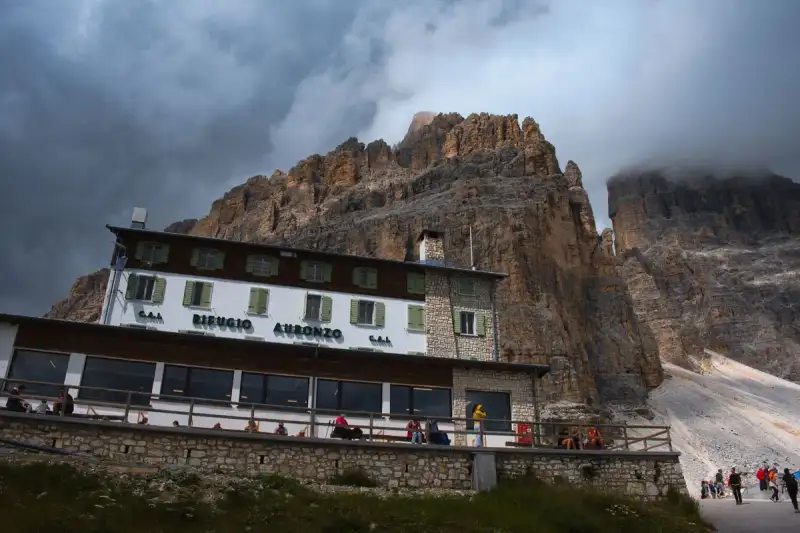
If you’re staying in a rifugio (mountain hut), pack a lightweight sleeping bag liner, as most rifugios provide blankets but not sheets. Bring earplugs, as dormitory-style accommodations can be noisy. A small towel and toiletries are also useful, though many rifugios have basic amenities. Tipping is not expected, but rounding up your bill or leaving a small tip is appreciated for exceptional service.
| Gear Item | Recommended Brand/Model | Purpose |
|---|---|---|
| Hiking Boots | Meindl Bhutan, Hanwag Tatra | Ankle support, durability |
| Base Layer | Smartwool Merino 250, Icebreaker | Moisture-wicking, temperature control |
| Insulating Layer | Patagonia Nano Puff, Arc’teryx | Warmth without bulk |
| Shell Jacket | Gore-Tex Paclite, The North Face | Waterproof, windproof protection |
| Backpack | Osprey Talon 22, Deuter Speed Lite | Comfortable, lightweight carry |
| Trekking Poles | Black Diamond Trail, Leki Makalu | Stability, knee support |
| Headlamp | Petzl Actik Core, Black Diamond | Hands-free lighting |
| Water Filter | Sawyer Squeeze, Katadyn BeFree | Safe drinking water |
Cultural and Culinary Highlights: What to Eat and Experience in the Dolomites
The Dolomites are not just a feast for the eyes; they’re a feast for the senses, especially when it comes to food and culture. The alpine cuisine here is hearty, flavorful, and deeply rooted in tradition, with dishes that reflect the region’s history and environment. From hearty stews to delicate pastries, the food of the Dolomites is a celebration of local ingredients and time-honored recipes.
Must-Try Dishes
One of the most iconic dishes of the Dolomites is canederli, or bread dumplings. Made from stale bread, milk, eggs, and cheese (often speck or Parmesan), these dumplings are typically served in a rich broth or with a creamy sauce. Another staple is speck, a smoky, cured ham that’s a specialty of the Alto Adige region. It’s often served thinly sliced as an antipasto or melted into dishes like speckknödel (speck dumplings).
For meat lovers, casunziei is a must-try. These are beetroot-filled pasta dumplings, typically served with a butter and poppy seed sauce or a meat ragù. Another hearty dish is schlutzkrapfen, half-moon-shaped pasta filled with spinach, ricotta, and herbs, often served with a light tomato sauce.
Vegetarians will delight in spinaci ripieni, spinach and cheese-stuffed pasta, or pizzoccheri, a buckwheat pasta dish from the Valtellina region, served with potatoes, greens, and Casera cheese. For dessert, try strudel di mele, a flaky apple strudel, or kaiserschmarrn, a caramelized pancake served with powdered sugar and fruit compote.
Rifugio Dining: What to Expect
Dining in a rifugio is an experience in itself. Most rifugios offer a set menu (often called a menù di montagna) that includes a starter, main course, and dessert. Prices typically range from €15 to €30 per person, depending on the rifugio’s location and amenities. Aperitivo is a beloved tradition in the Dolomites, where hikers gather before dinner to enjoy a drink (often a local wine or spritz) and small bites like olives, nuts, or cured meats.
Popular rifugios like Rifugio Lagazuoi, Rifugio Locatelli, and Rifugio Nuvolau are known for their stunning views and delicious food. Be sure to reserve ahead during peak season (June to September), as rifugios can fill up quickly. Many rifugios also offer half-board options, which include dinner and breakfast, making them a convenient choice for multi-day hikers.
Local Beverages
The Dolomites are home to some excellent local wines and spirits. Try a glass of Lagrein, a bold red wine from the Alto Adige region, or Pinot Grigio, a crisp white wine that pairs perfectly with seafood dishes. For beer lovers, Forst and Peroni are popular Italian lagers, while Alpina offers craft beers brewed in the Dolomites.
For a unique experience, sample genepì, a herbal liqueur made from alpine plants, or amaro, a bittersweet digestif. If you’re hiking in winter, try vin brulé, or mulled wine, which is sold at Christmas markets and rifugios alike.
Cultural Experiences
Beyond food, the Dolomites offer a wealth of cultural experiences. Visit the Ladin Museum in San Martino in Badia to learn about the Ladin people and their traditions. Attend a folk festival, such as the Sasslong Cup ski race or the Alta Badia Wine Festival, to immerse yourself in local culture.
For a unique perspective, take a guided hike with a local expert who can share insights into the region’s geology, flora, and history. Many rifugios also offer cheese-making demonstrations, where you can learn how to make Casera or Puzzone di Moena, two iconic alpine cheeses.
Practical Tips: Transportation, Accommodation, and Budgeting
Planning a trip to the Dolomites requires careful consideration of transportation, accommodation, and budget. While the region is remote, it’s well-connected by public transport and offers a range of lodging options to suit every traveler’s needs and budget.
Getting There
The Dolomites are best accessed from major Italian cities like Venice, Milan, or Verona. The closest airports are Venice Marco Polo Airport (VCE) and Verona Villafranca Airport (VRN), both of which offer car rentals and train connections to the Dolomites.
From Venice, you can take a train to Calalzo di Cadore or Cortina d’Ampezzo, two key gateway towns. The Dolomiti Bus network connects many of the region’s towns and trailheads, making it easy to reach popular hiking areas without a car. For example, the bus from Cortina to Rifugio Lagazuoi is a scenic and convenient way to access the trails.
If you prefer to drive, renting a car gives you the flexibility to explore at your own pace. Be aware that parking in popular areas like Tre Cime or Alpe di Siusi can be expensive (€10-€20 per day), so arrive early or consider using public transport.
Accommodation Options
The Dolomites offer a range of accommodation options, from luxury hotels to rustic rifugios. Here’s a breakdown of the best choices:
- Rifugios: These mountain huts are the heart of alpine culture, offering dormitory-style or private rooms, hearty meals, and a chance to meet fellow hikers. Prices range from €30 to €80 per night, depending on the rifugio’s amenities. Some popular rifugios include Rifugio Lagazuoi, Rifugio Locatelli, and Rifugio Nuvolau.
- Hotels and Guesthouses: For those seeking more comfort, towns like Cortina d’Ampezzo, Ortisei, and San Martino in Badia offer a range of hotels, from boutique properties to family-run guesthouses. Prices vary widely, from €80 to €200 per night.
- Airbnb and Apartments: Renting an apartment is a great option for groups or families, offering more space and the chance to cook your own meals. Prices range from €60 to €150 per night, depending on the location and size.
- Camping: For budget travelers, camping is an option in some areas, though facilities are limited. Campgrounds like Camping Catinaccio in Vigo di Fassa offer basic amenities and easy access to trails.
Budgeting for the Dolomites
The Dolomites can be as affordable or as luxurious as you make it. Here’s a rough breakdown of costs for a 7-day trip:
| Expense Category | Budget Range (Per Day) | Notes |
|---|---|---|
| Accommodation | €30-€200 | Rifugios are cheapest; hotels are pricier |
| Food | €20-€50 | Rifugio meals €15-€30; groceries €10-€20 |
| Transportation | €10-€30 | Public transport €5-€15/day; car rental €40-€80/day |
| Activities | €0-€50 | Cable cars €15-€30; guided hikes €20-€50 |
| Miscellaneous | €10-€20 | Souvenirs, tips, unexpected costs |
For a mid-range traveler, budget around €80-€120 per day, including accommodation, food, and activities. If you’re staying in rifugios and cooking some meals, you can reduce costs to €50-€80 per day. For a more luxurious experience, budget €150-€250 per day for high-end hotels, fine dining, and private tours.
Digital Nomad Considerations
If you’re a digital nomad, the Dolomites offer a stunning backdrop for remote work. While the region isn’t as well-equipped for digital nomads as cities like Lisbon or Chiang Mai, there are some options. Coworking spaces like Impact Hub Bozen in Bolzano offer reliable internet and a professional environment. Many rifugios and hotels also provide Wi-Fi, though speeds can be slow in remote areas.
For a digital nomad visa, Italy offers a Digital Nomad Visa with an income requirement of $2,870 per month. The estimated cost of living in Italy is around $1,629 per month, making it a feasible option for remote workers. However, the Dolomites may not be the most practical base for a digital nomad due to limited coworking spaces and slower internet speeds.
Best Time to Visit
The Dolomites are a year-round destination, but the best time for hiking is from June to September, when the trails are free of snow and the rifugios are open. July and August are peak season, with higher prices and more crowds, while June and September offer pleasant weather and fewer tourists.
For winter sports enthusiasts, the Dolomites are a paradise for skiing, snowboarding, and snowshoeing. The ski season runs from December to April, with popular resorts like Val Gardena, Cortina d’Ampezzo, and Alta Badia offering world-class slopes.
The Dolomites are more than just a mountain range; they are a living testament to the power of nature and the resilience of human culture. Whether you’re traversing the iconic Tre Cime di Lavaredo, savoring a hearty meal in a rifugio, or simply soaking in the views from a high alpine meadow, the Dolomites have a way of leaving an indelible mark on your soul.
This UNESCO-listed paradise offers something for everyone—adventure, tranquility, and a deep connection to the natural world. As you lace up your boots and set out on the trails, remember that the Dolomites are not just a destination; they are an experience to be savored, one step at a time.
So, pack your bags, plan your route, and prepare to be enchanted by the magic of the Dolomites. The mountains are calling, and it’s time to answer.
#DolomitesAdventure #UNESCOHiking #AlpineEscape #ItalyTravel #MountainMagic