Showing Posts From
Altai mountains
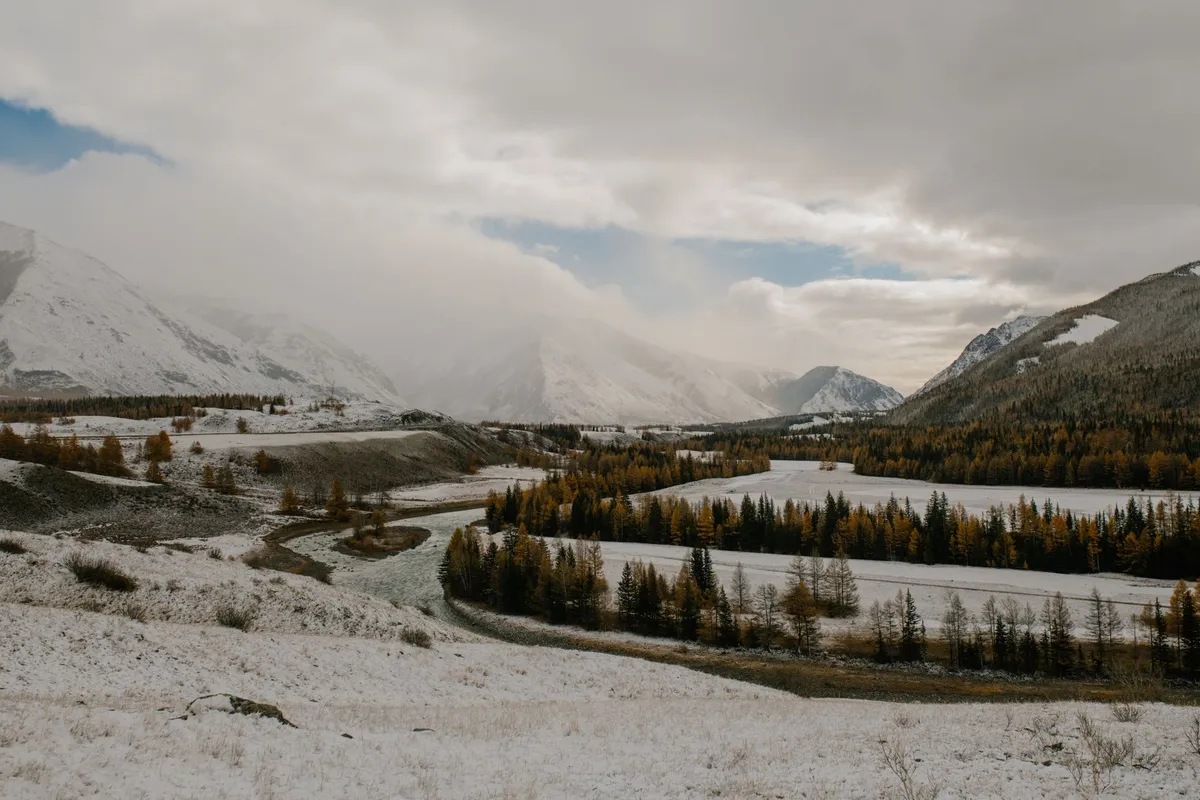

Crossing the Eternal Sky: The Altai Gateway The Altai range rises like a jagged spine between Mongolia, Russia, China, and Kazakhstan, guarding some of the planet’s most pristine pastoral corridors. For centuries, Kazakh eagle hunters and Mongolian herders have moved their flocks along these high valleys, following seasonal water sources that appear only after the summer melt. The gateway to this world is the dusty town of Ölgii, capital of Bayan‑Ölgii Province, where the paved road ends and the real journey begins. From Ölgii, a 4×4 track climbs toward the Tsambagarav massif, crossing the Khovd River at a narrow ford that can swell to a torrent in July. Travelers should time their departure for early June, when the passes are clear of snow but the grass is already tall enough to sustain livestock. Permits are mandatory. The Mongolian Ministry of Environment issues a “Special Protected Area” permit for the Altai Tavan Bogd National Park, while the local soum (district) office requires a “Herders’ Passage” letter signed by the host family. Both documents can be arranged in Ölgii within a day if you present a copy of your passport, a travel itinerary, and a letter of invitation from a registered ger camp. Fuel is scarce beyond the town; carry at least 120 liters of diesel in jerry cans, and verify that your vehicle’s ground clearance exceeds 220 mm to negotiate the rocky riverbeds. Satellite phones are advisable because mobile coverage disappears after the first 30 kilometers. The first night is usually spent at a family‑run ger camp near the Khar‑Us Lake. Here, the host will demonstrate the traditional “khadag” greeting — a blue silk scarf offered with both hands — and serve a bowl of salty milk tea (suutei tsai) alongside boiled mutton. This ritual is more than hospitality; it signals that you are accepted onto the migratory route and may travel with the herd for the next leg. Understanding these customs early prevents cultural missteps that can jeopardize later access to grazing lands. Reading the Wind: Traditional Navigation Techniques Long before GPS, Altai nomads read the landscape like a map written in wind, stone, and animal behavior. The prevailing westerly wind shapes the orientation of yurts, the direction of herd movement, and even the placement of fire pits. A seasoned herder can tell the time of day by the length of the shadow cast by a lone larch on the ridge, and can predict a storm by the sudden silence of marmots. For the modern traveler, learning a handful of these cues adds a safety layer that no satellite can replace. First, identify the “wind corridors” — narrow valleys where the breeze funnels consistently. Herders position their camps at the
-
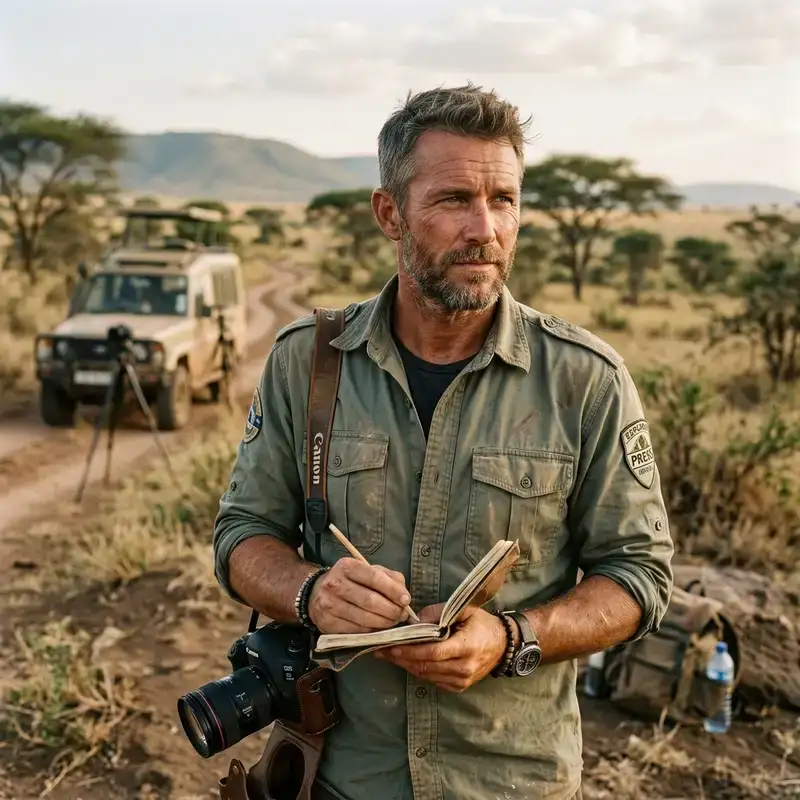 John Explorer
 - 02 Jun, 2026 02:45
Where the Sky Weeps Gold: Tracing the Pazyryk's Frozen Echoes in the Untamed Altai
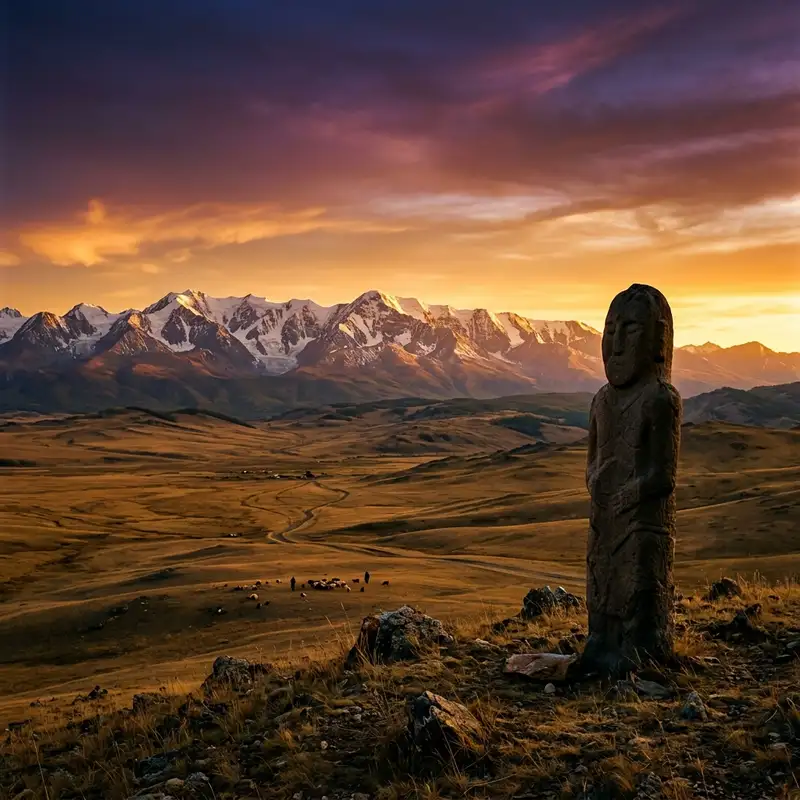
The air, thin and sharp like a freshly honed blade, bit at my lungs with each arduous step. Above, the sky stretched an impossible, piercing blue, reflecting the #ancient, stoic indifference of peaks that had watched millennia unfold. Below, the tundra, a riot of stubborn greens and russet browns, unfurled like a colossal, faded tapestry. But it wasn't just the altitude that stole my breath; it was the overwhelming silence, a silence so profound it seemed to hum with the unspoken stories of forgotten empires. This wasn't merely a landscape; it was a vast, open-air tomb, whispering secrets of a people lost to time, their golden echoes frozen in the very earth beneath my boots. I had come to the Altai, not for its famed natural beauty, but to chase the ghost of the Pazyryk, a civilization entombed in ice and myth. This was my personal expedition into the deepest, least trodden corners of Central Asia, a quest to touch the fabric of a world that existed over two millennia ago, perfectly preserved by a geological anomaly. My #journey began in the rugged heart of the Altai Mountains, a sprawling range often called the 'Golden Mountains' that straddles the borders of #Russia, Kazakhstan, Mongolia, and China. This region is a crucible where powerful ancient cultures converged and clashed, leaving behind a sparse but profound legacy. While many travelers seek the Altai for its dramatic landscapes – its pristine lakes, dense taiga forests, and majestic snow-capped peaks – my compass was set on something far more elusive: the spectral remnants of the Pazyryk #culture. These Iron Age nomads, fierce horsemen and sophisticated artisans, flourished here between the 6th and 3rd centuries BC, only to vanish into the mists of #history, leaving behind a series of astonishingly preserved burial mounds, known as kurgans, frozen solid by permafrost. The Altai: A Wilderness of Whispers and Wonders The Altai, for all its stark beauty, is a place of profound solitude. Infrastructure is rudimentary, and human settlements are few and far between. This remoteness, however, is its greatest asset for anyone seeking true historical immersion. The landscape itself feels ancient, its geological folds bearing witness to tectonic forces that shaped continents, just as its winds have carried the shouts of countless tribes. The air hums with an almost spiritual energy, a palpable sense of the past clinging to the jagged rocks and the sparse vegetation. Local shamans and elders often speak of the land's memory, of spirits that dwell within the mountains and rivers, and after spending weeks traversing its untouched expanse, I began to understand what they meant. My base was a small, dusty village – less a village, more a cluster of yurts and rudimentary wooden cabins – clinging precariously to a valley floor. From here, with a seasoned local guide named Battar, a man whose face was a map of sun-weathered wrinkles and whose eyes held the quiet wisdom of generations, I ventured daily into the surrounding wilderness. Battar spoke little English, but his connection to the land transcended language. He knew every goat trail, every spring, and possessed an uncanny ability to read the subtle signs of ancient human presence. Unearthing the Ice Mummies: A Frozen Testament The Pazyryk culture first captured the world's attention in the mid-20th century, when Soviet archaeologists, led by Sergey Rudenko, began excavating a series of immense kurgans in the Ukok Plateau, a high-altitude grasslands region within the Russian Altai. What they discovered defied belief: tombs that had been naturally flash-frozen, preserving organic materials with unprecedented fidelity. The key was a unique geological phenomenon: after the burial, stones were piled atop the wooden burial chambers, creating a natural insulation layer. Water seeped in, froze, and the entire structure became an ice block, turning millennia into mere moments. These were no ordinary graves. The Pazyryk people buried their nobility with extraordinary pomp. Elaborate wooden chambers housed not just the deceased, but also their intricately tattooed bodies, their magnificent horses (often six or more per tomb, bedecked in gilded bridles and saddle blankets), chariots, felt tapestries, silk garments, tools, weapons, and even cannabis kits. The most famous find, of course, was the 'Siberian Ice Maiden' or 'Princess of Ukok', whose remarkably preserved body, adorned with fantastical tattoos of mythical creatures, offered a vivid, almost unsettling glimpse into the past. But my quest was not to re-examine the well-documented finds, but to seek out the less-celebrated sites, the smaller echoes that still resonate throughout the sprawling Altai. A Glimpse into the Golden Age: Pazyryk Life and Art What these kurgans reveal is a sophisticated, highly artistic culture that thrived in a harsh environment. The Pazyryk were masters of horsemanship, their lives inextricably linked to their steeds. Their art, known as 'Scythian-Siberian animal style,' is characterized by dynamic depictions of real and mythical animals – griffins, deer, big cats – often interwoven in complex, swirling patterns. Gold was a favored material, hammered into exquisite ornaments that adorned both humans and horses. The felt work, too, was astonishing: vast, intricate tapestries depicting scenes of daily life, hunting, and cosmology, some of which are among the oldest surviving textiles in the world. One of the most striking aspects is the tattooing. The Ice Maiden's arms and shoulders were covered in elaborate designs, a testament to a powerful, probably ritualistic, practice. These weren't mere decorations; they were probably spiritual symbols, clan markers, or records of status and achievement, binding the individual to their cosmology and community. Imagining the Pazyryk warrior or noble, their skin adorned with such intricate artistry, cloaked in finely embroidered garments, and mounted on a splendid horse, transports one directly into their vibrant, albeit vanished, world. My Own Expedition: Tracing the Footsteps of the Forgotten My journey took me beyond the well-trodden paths to areas requiring days of trekking, often through landscapes devoid of any sign of modern humanity. We navigated vast, undulating steppes, forded icy rivers on horseback, and climbed steep, scree-covered slopes where the air grew thin and the silence became almost deafening. It was an exercise in physical endurance and mental fortitude, but every sweat-soaked ascent, every bone-jarring descent, brought me closer to the elusive whispers of the Pazyryk. One unforgettable day, after hours of relentless climbing to a remote plateau, Battar pointed to a subtle rise in the ground. To the untrained eye, it was just another hillock. But I knew better. It was a kurgan, smaller than the monumental tombs of Ukok, but undeniably a burial mound. The surface was littered with lichen-covered stones, some of which had clearly been placed there by human hands millennia ago. There were no grand excavations here, no signs of modern archaeological intervention, just the raw, silent presence of an ancient grave. The air around it felt different, charged with a subtle energy that prickled the skin. I spent hours there, sketching, photographing, and simply sitting, trying to absorb the silent stories held within the earth.This particular kurgan, Battar explained through gestures and a handful of shared Russian words, was known locally as a 'hill of spirits.' He told me how his ancestors respected these places, never disturbing them, believing them to be gateways to the otherworld. This reverence, I realised, was why so many smaller Pazyryk sites remained largely intact, shielded not by fences or guards, but by generations of cultural respect. The Silent Guardians: Petroglyphs and Balbals Beyond the kurgans, the Altai holds other powerful testaments to its ancient inhabitants: petroglyphs and balbals. Petroglyphs, ancient rock carvings, are scattered across the region, etched into rock faces by a succession of cultures, including the Pazyryk. Finding them is like a treasure hunt, often requiring keen eyes and a bit of luck. We spent a day exploring a series of low cliffs near a meandering river, where Battar knew of a particularly rich concentration. Here, images of wild animals – deer with enormous antlers, charging ibex, graceful horses – danced across the rock surfaces. There were also human figures, often shown with exaggerated features, some seeming to engage in rituals or hunts. These weren't merely artistic expressions; they were messages from the past, possibly depicting shamanistic visions, hunting successes, or important cosmological beliefs. Touching the cold, weathered rock, tracing the lines carved thousands of years ago, felt like reaching across the chasm of time. It was a direct, unfiltered connection to the minds and hands of people who walked this very land when history was still being forged. Even more poignant were the balbals – ancient Turkic stone figures, often crude but deeply expressive, standing sentinel over the steppes. While many balbals date to later periods, some early examples overlap with the Pazyryk era, reflecting a continuing tradition of memorializing ancestors or heroes. These monolithic figures, often depicting armed warriors with solemn faces, gaze eastward across the vast plains, eternal guardians of the silent earth. Seeing them alone, silhouetted against a fiery Altai sunset, instills a profound sense of continuity and the cyclical #nature of human endeavor and memory. The Shaman's Echo: Connecting Past and Present While the Pazyryk culture is long gone, elements of their world resonate in the Altai's contemporary spiritual practices. Shamanism, a belief system deeply rooted in the land and its spirits, still thrives among indigenous Altai people. Their reverence for horses, their connection to animal spirits, their ceremonial drumming and trance states, all echo themes found in the archaeological record of the Pazyryk. It's a living link to an ancient worldview, suggesting that while specific rituals and languages fade, the core spiritual relationship between people and their environment can endure for millennia. I was fortunate enough to witness a small shamanistic ceremony in a remote camp. The rhythmic drumbeats, the chanting, the scent of burning juniper, and the shaman's deep connection to the 'spirit world' were utterly captivating. It wasn't a performance; it was a profound act of spiritual communion, a way of maintaining balance with the unseen forces of the Altai. In that moment, the Pazyryk, their golden animal art, their tattooed shamans, and their celestial beliefs felt less like distant history and more like an ever-present influence on the land and its people. Challenges and Rewards of the Deep Wild Traveling to these remote Pazyryk sites is not for the faint of heart. It demands resilience, a willingness to forgo modern comforts, and a deep respect for both the environment and its inhabitants. The weather can be mercurial, shifting from brilliant sunshine to icy squalls within hours. Roads, where they exist, are often little more than tracks. Language barriers are significant, and reliable communication is sporadic. Yet, these challenges are precisely what make the journey so profoundly rewarding. Each day was an adventure, a step further into the untamed. The simple act of boiling water over a campfire, the shared meals of mutton and bread with Battar and his family, the quiet evenings spent under a canopy of stars so dense and brilliant they seemed to spill from the heavens – these experiences strip away the superficiality of modern life, leaving only the essential. It's a humbling reminder of humanity's place in the vastness of nature and history. A Legacy Preserved, A Story Retold My expedition into the Altai was more than just a trip; it was an archaeological pilgrimage, an investigative journey into the heart of a forgotten world. The Pazyryk culture, with its ice-preserved treasures and enigmatic artistry, offers an unparalleled window into the Iron Age Eurasian steppe. It reminds us that history is not just about grand empires, but also about sophisticated nomadic societies who left an indelible mark on the landscape and, through the miracles of preservation, on our understanding of human ingenuity and spirituality. As I finally descended from the high plateaus, leaving the silent kurgans and whispering petroglyphs behind, the Altai felt different. It was no longer just a #beautiful mountain range; it was a living museum, a vast repository of human stories. The echoes of the Pazyryk, once faint and scholarly, now felt vivid and real, their golden legacy shining through the permafrost, reminding us that even the most remote corners of our planet hold breathtaking secrets, waiting for those willing to venture off the map and listen closely to the whispers of time. #AltaiMountains #PazyrykCulture #AncientSiberia #HiddenHistory #ArchaeologicalTravel #AltaiMountains #PazyrykCulture #AncientSiberia #HiddenHistory #ArchaeologicalTravel