Showing Posts From
Ancient roman cuisine
-
 Michael Chef
 - 06 Jul, 2026 02:24
The Enigmatic Umami of Antiquity: Unearthing the Lost Flavors of Roman Garum
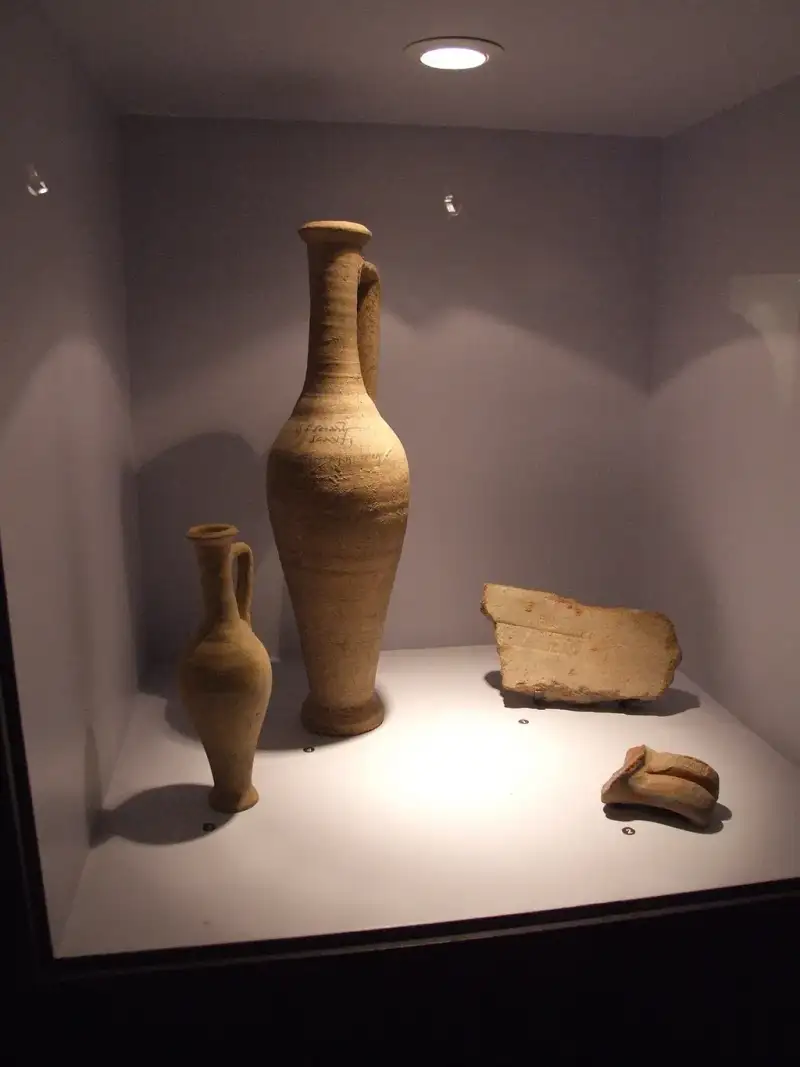
Imagine a condiment so potent, so universally adored across an empire stretching from the scorching sands of North Africa to the misty shores of Britannia, yet so utterly alien to contemporary taste that its very name conjures whispers of forgotten culinary dark arts. This is not the familiar umami of soy sauce or aged Parmesan; this is garum, the fermented fish sauce that defined the Roman palate, an economic powerhouse, and a culinary mystery that continues to intrigue historians and gastronomes alike. Forget what you think you know about Roman dining from simplified textbooks. The grandeur of their feasts was underpinned by a flavor profile deeply complex, often challenging, and invariably infused with garum. It was more than just an ingredient; it was a fundamental pillar of Roman gastronomy, influencing nearly every dish from humble porridge to lavish banquets. Its pervasive presence, now largely lost to the tides of history, offers a unique window into the sensory world of one of the greatest civilizations. A Whiff of Antiquity: The Making of Garum At its heart, garum was a product of decomposition and transformation – a deliberate, controlled fermentation of fish intestines, blood, and small fish mixed with salt. But the simplicity of this description belies a sophisticated process, perfected over centuries, that yielded a spectrum of flavors and qualities. The production sites, often sprawling complexes located along the sun-drenched coastlines of the Mediterranean (especially in Hispania Baetica, Lusitania, and North Africa), were a testament to the scale of the garum industry. Enormous vats, some capable of holding thousands of liters, were filled with layers of fish and salt. Common ingredients included mackerel, tuna, anchovies, sprats, and even the smallest, cheapest fish available. The mixture was left to ferment under the intense Mediterranean sun for weeks, sometimes months. The process was driven by endogenous enzymes within the fish guts, breaking down proteins into amino acids, primarily glutamates – the very essence of umami. The high salt content prevented putrefaction, guiding the decomposition towards fermentation. The resulting liquid, clear and amber-hued, was periodically strained, yielding the prized garum. The remaining solids, known as allec, were a coarser, paste-like byproduct, still flavorful and often used by the poorer classes or as animal feed. Archaeological findings, such as the impressive garum factories discovered in places like Baelo Claudia in Spain or in modern-day Morocco, provide tangible evidence of this ancient industry. These sites, with their interconnected vats and drainage systems, paint a vivid picture of an economy deeply invested in this pungent liquid.The Hierarchy of Pungency: Varieties and Value Just as modern olive oils or wines boast diverse grades and origins, garum was not a monolithic entity. Its quality and price varied wildly, reflecting the type of fish used, the specific preparation methods, and its geographic origin.Garum sociorum: The most highly prized variety, often made from the blood and entrails of tuna or mackerel, was a luxury item, fetching exorbitant prices. Its name, translating to "garum of the allies," suggests its origin from allied communities or perhaps a brand associated with quality. Liquamen: This term was often used interchangeably with garum, but some scholars suggest liquamen might have referred to a broader category of fish sauces, perhaps a slightly less refined or more common type. It was the workhorse of Roman kitchens. Muria: A simpler brine, often made from salting fish without the extensive fermentation. Haimation: A rarer, exceptionally rich garum made specifically from the blood of tuna.The economic importance of garum cannot be overstated. It was a significant trade commodity, transported across the empire in distinctive amphorae, each often bearing stamps indicating the producer or origin. Fortunes were made and lost in the garum trade, and its ubiquity made it a staple in every Roman household, from the humblest dwelling to the emperor's palace. Its value was such that it was sometimes used as a form of payment or as a luxury gift. Beyond the Palate: Garum's Cultural Significance Garum's role extended far beyond mere culinary enhancement. It was deeply interwoven with Roman culture, society, and even medicine. A Universal Seasoning Garum was the salt, the pepper, and the primary flavor enhancer of the Roman world, all rolled into one. It was drizzled over bread, mixed into salads, stirred into stews, and used to braise meats and vegetables. The Roman cookbook Apicius (De re coquinaria), one of the few surviving culinary texts from antiquity, features garum in almost every single recipe. Without it, Roman food would have been utterly different, almost unrecognizable. Consider a Roman dinner party. Instead of a salt cellar and pepper grinder, a small cruet of garum would have been passed around. Its ability to amplify other flavors and add a savory depth was unparalleled. It wasn't just about adding fishiness; it was about adding a fundamental layer of taste, much like MSG in some modern cuisines. Medicinal Properties The Romans, like many ancient civilizations, often blurred the lines between food and medicine. Garum was no exception. It was believed to possess various health benefits, used as a remedy for ailments ranging from indigestion to dysentery. Its rich protein content and trace minerals were likely beneficial, especially in a diet that might otherwise lack certain nutrients. Pliny the Elder, in his Natural History, even mentions its use in cosmetics and as an aphrodisiac, showcasing its versatile applications in Roman life. Social Status While common liquamen was accessible to most, the high-end garum sociorum was a mark of wealth and sophistication. To serve it at a banquet was a clear signal of one's status and generosity. This differentiation underscores how even a humble fish sauce could reflect the intricate social hierarchies of Roman society.The Decline and Rediscovery With the fall of the Western Roman Empire and the subsequent societal upheaval, the elaborate infrastructure required for large-scale garum production gradually collapsed. The knowledge and demand for this specific condiment waned. The art of its making, once a thriving industry, became a lost culinary secret. Europe moved towards other flavor enhancers, primarily salt, herbs, and spices, as well as the emerging dairy and meat products of the medieval era. For centuries, garum remained a footnote in ancient texts, a pungent curiosity for classicists. It wasn't until the 20th century, with renewed interest in ancient Roman history and the burgeoning field of food archaeology, that garum began its slow, academic rediscovery. Modern attempts to recreate garum have been undertaken by culinary historians and experimental archaeologists. These efforts, often painstaking and requiring specific conditions, have revealed the complexities of the ancient process. The results vary, but they consistently confirm its potent umami character, providing invaluable insights into what Roman food truly tasted like. Some modern chefs are even experimenting with incorporating recreated garum into contemporary dishes, bridging millennia of culinary history. Garum's Enduring Legacy: The Umami Connection While garum itself faded from the European culinary landscape, its spirit lives on in various forms around the world. The concept of fermented fish sauce is far from unique to Rome. Southeast Asian cuisines, for example, have a rich tradition of fish sauces (such as Vietnamese nuoc mam or Thai nam pla) that bear striking similarities to garum in their production methods and fundamental flavor profile. These sauces, too, are umami bombs, essential to their respective culinary traditions. This global commonality highlights a fundamental human predilection for umami, the fifth basic taste. The Romans, with their garum, were masters of harnessing this savory depth long before the scientific understanding of glutamates existed. Garum stands as a testament to humanity's ancient and ongoing quest to create delicious, complex flavors through the transformative power of fermentation. Studying garum isn't just about understanding an old recipe; it's about peeling back the layers of history to taste the past. It’s about recognizing the ingenuity of ancient peoples, their sophisticated understanding of flavor, and their ability to create a culinary staple that nourished an empire. The next time you encounter a modern fermented delight, spare a thought for garum, the enigmatic umami of antiquity, whose forgotten flavors once defined the world's most powerful empire. It's a reminder that sometimes, the most profound culinary wisdom lies buried, waiting to be unearthed.#AncientRomanCuisine #Garum #CulinaryHistory #FermentedFoods #UmamiDiscovery #AncientRomanCuisine #Garum #FermentedFoods #CulinaryHistory #Umami Related InsightsThe Bitter Revolution: How Chicory, Radicchio, and Dandelion Are Redefining Modern Menus Eine deutsche Seele in der Küche: Essen ist nicht nur zum Sattwerden da! Japanese Ramen: The Ultimate Guide to Regional Styles, Secret Broths, and How to Make Them at Home{ "@context": "https://schema.org", "@type": "FAQPage", "mainEntity": [ { "@type": "Question", "name": "What is the main focus of The Enigmatic Umami of Antiquity: Unearthing the Lost Flavors of Roman Garum?", "acceptedAnswer": { "@type": "Answer", "text": "Journey through time to discover Garum, the lost fermented fish sauce that fueled the Roman Empire's culinary obsession and defined its palate." } }, { "@type": "Question", "name": "Who authored the comprehensive guide on The Enigmatic Umami of Antiquity: Unearthing the Lost Flavors of Roman Garum?", "acceptedAnswer": { "@type": "Answer", "text": "This detailed article and its insights were carefully researched and authored by Michael Chef." } }, { "@type": "Question", "name": "Where can I find more related content about Food?", "acceptedAnswer": { "@type": "Answer", "text": "You can explore more articles, detailed reviews, and similar insights by browsing the Related Insights section at the bottom of this article or visiting our dedicated Food category page." } } ] }