Showing Posts From
Awadhi cuisine
-
 Rahul Sharma
 - 21 Aug, 2026 19:08
Awadhi Cuisine: A Royal Legacy on Your Plate – The Untold Story of Lucknow’s Flavors
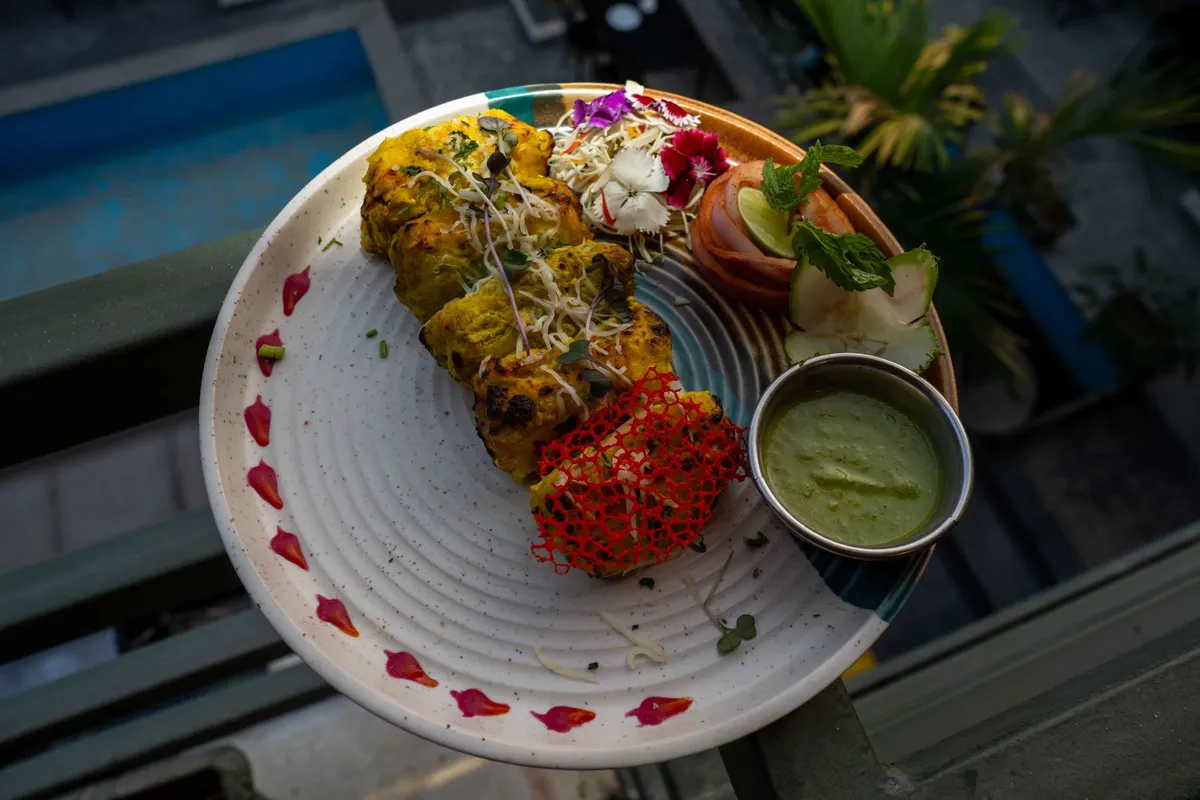
The Land Where Spices Dance: Awadh’s Culinary CanvasFew culinary traditions in the world can boast the grandeur and refinement of Awadhi cuisine—a gastronomic legacy forged in the heart of Awadh, now modern-day Lucknow. Born in the kitchens of the Nawabs of Awadh during the 18th and 19th centuries, this cuisine is not merely food; it is a living museum of Mughal, Persian, and indigenous influences, refined over centuries into a symphony of flavors. The Nawabs, known for their extravagant lifestyles and patronage of the arts, elevated cooking to an art form. Their royal chefs, or bawarchis, developed techniques like dum pukht (slow-cooking in sealed pots), baghar (tempering), and dhuan (smoke infusion), which remain the cornerstones of Awadhi cooking today. Awadhi cuisine is deeply rooted in the terai region of Uttar Pradesh, where fertile soil and a favorable climate nurtured a rich agricultural bounty. Staples like wheat, rice, lentils, and dairy products formed the base, while spices such as cardamom, saffron, and rose water added layers of complexity. The cuisine is divided into two main styles: Nawabi (royal) and Mughlai (imperial), though the lines often blur. What sets Awadh apart is its emphasis on zaika (taste)—a balance of sweet, sour, spicy, and aromatic notes that dance on the palate. From the delicate galouti kebabs to the rich biryani, every dish tells a story of conquest, culture, and creativity. The culinary heritage of Awadh is also a testament to its social fabric. The dastarkhwan (feast) culture, where meals are served on large spreads with multiple courses, reflects the Nawabs’ love for hospitality. Even today, in the narrow lanes of Chowk and Hazratganj, you can hear the sizzle of tandoori meat and the aroma of kewra water being sprinkled over dishes—echoes of a bygone era. This cuisine is not just about eating; it’s about experiencing history, one bite at a time.The Royal Kitchen: How the Nawabs Shaped Awadhi CuisineThe Nawabs of Awadh were not just rulers; they were connoisseurs who turned their kitchens into laboratories of flavor. The most iconic contribution of the Nawabs was the refinement of dum pukht, a technique where meat and rice are slow-cooked in a sealed pot (handi) over a low flame. The term dum means "breath" or "steam," and pukht means "cooking," reflecting the method’s ability to trap flavors and aromas. This technique was perfected in the royal kitchens of Lucknow, where chefs experimented with spices, herbs, and cooking times to create dishes like dum biryani and dum mutton. Another hallmark of Awadhi cuisine is the use of baghar, a tempering process where whole spices like cumin, cloves, and bay leaves are fried in ghee or oil before being added to a dish. This technique, borrowed from Persian cuisine, adds a burst of aroma and depth to curries and gravies. The Nawabs also popularized the use of kewra (screwpine essence), rose water, and mace (javitri), which became signature ingredients in Awadhi sweets and savories. For instance, shahi tukda (a royal dessert) is incomplete without a drizzle of kewra syrup, while galouti kebabs owe their melt-in-the-mouth texture to the careful blending of spices and minced meat. The Nawabs’ influence extended beyond the kitchen. They introduced iftari (evening meals during Ramadan) as a cultural tradition, where elaborate spreads of kebabs, shorbas (soups), and shahi paneer were served. The dastarkhwan culture also emphasized communal dining, with meals served on large brass or silver platters (thals), encouraging sharing and conversation. This tradition lives on in modern-day Lucknow, where biryani and kebab houses like Tunday Kababi and Raj Darbar serve as custodians of this royal legacy. The decline of the Nawabi era in the 19th century did not diminish the cuisine’s appeal. Instead, it evolved, adapting to the tastes of the common people while retaining its regal essence. Today, Awadhi cuisine is a blend of royal indulgence and street-smart innovation, a testament to the resilience of culinary traditions.The Awadhi Pantry: Spices, Techniques, and Secret IngredientsAt the heart of Awadhi cuisine lies a pantry that is as diverse as it is aromatic. Unlike other Indian cuisines that rely heavily on chili heat, Awadhi cooking is defined by its zaika—a harmonious balance of flavors. The foundation of this cuisine is built on a few key ingredients and techniques that have been passed down through generations. Spices and Aromatics:Saffron (Kesar): The most prized spice in Awadhi cuisine, saffron is used to add a golden hue and a subtle floral aroma to dishes like shahi korma and kesar phirni. Cardamom (Elaichi): Both green and black cardamom are used, with the latter adding a smoky depth to biryani and kebabs. Rose Water (Gulab Jal): A staple in sweets like shahi tukda and gulab jamun, rose water lends a delicate fragrance. Kewra Water: Extracted from the male flower of the screwpine plant, kewra water is used in both savory and sweet dishes for its unique aroma. Mace (Javitri): Often confused with nutmeg, mace is the outer covering of the nutmeg seed and is used in kebabs and kormas for its warm, slightly peppery flavor.Dairy and Fat:Ghee: Clarified butter is the preferred cooking medium in Awadhi cuisine, used for tempering, frying, and basting. Its rich, nutty flavor is essential in dishes like malai kofta and shahi paneer. Curd (Dahi): Used in marinades for kebabs and as a base for raita and shorbas. Cream (Malai): Adds richness to curries and desserts, such as malai ki sabzi and shahi tukda.Techniques:Dum Pukht: The slow-cooking method where food is sealed in a pot and cooked over a low flame, allowing flavors to meld. This technique is used in dum biryani, dum mutton, and dum aloo. Baghar: Tempering spices in hot ghee or oil to release their aromas before adding them to a dish. This is crucial in shahi korma and navratan korma. Dhuan: Smoke infusion, where dishes are exposed to smoke from burning charcoal or wood. This technique is used in dhuan murgh (smoked chicken) and dhuan dal. Galouti: A method of mincing meat finely and blending it with spices to create melt-in-the-mouth kebabs.Secret Ingredients:Kewra: Beyond its use in sweets, kewra is sprinkled over biryani and pulao to enhance their aroma. Poppy Seeds (Khus Khus): Used in shahi korma and navratan korma for a creamy texture and nutty flavor. Dried Fruits: Almonds, pistachios, and cashews are used in both savory and sweet dishes, adding crunch and richness.The Awadhi pantry is a testament to the cuisine’s ability to transform simple ingredients into culinary masterpieces. Whether it’s the subtle sweetness of kesar or the smoky depth of dhuan, every element plays a role in creating the signature zaika of Awadh.The Awadhi Feast: A Culinary Journey Through CoursesA traditional Awadhi meal is a multi-course affair, designed to engage all the senses. Unlike Western meals that follow a linear progression, an Awadhi dastarkhwan is a symphony of flavors, textures, and aromas, served simultaneously or in a carefully curated sequence. Here’s a breakdown of a typical Awadhi feast: 1. Sherbet or Sharbat: The meal often begins with a refreshing drink to cleanse the palate. Popular choices include sharbat-e-khus (poppy seed drink), sharbat-e-gulab (rose water drink), or nimbu pani (lemonade) with a hint of kewra water. 2. Chaat and Farsan: Light snacks like dahi bhalla, papdi chaat, or samosa are served to stimulate the appetite. These are often accompanied by mint chutney and tamarind chutney. 3. Kebabs and Galoutis: The main course begins with kebabs, which are the crown jewels of Awadhi cuisine. Galouti kebabs (minced meat kebabs), shami kebabs (spiced lentil and meat patties), and boti kebabs (tender meat skewers) are served with roomali roti (paper-thin bread) or sheermal (saffron-infused bread). 4. Shorbas (Soups): Rich and flavorful soups like shahi murgh shorba (chicken soup with cream and spices) or tomato shorba are served to prepare the palate for the main course. 5. Main Course: The centerpiece of the meal is often a biryani or pulao, served with raita (yogurt with cucumber and mint) and salad. Dum biryani (layered rice and meat slow-cooked in a sealed pot) is a must-try, with its fragrant rice and tender meat. Alternatively, korma (a rich, creamy curry) or pasanda (tender meat cooked in a yogurt-based gravy) may be served. 6. Roti and Breads: A variety of breads accompany the main course, including sheermal (saffron bread), baqar khani (flaky bread), kulcha (stuffed bread), and tandoori roti (clay oven-baked bread). 7. Dal and Vegetable Curries: Lentil dishes like dal murg (chicken lentil curry) or dal tadka (tempered lentils) are served alongside vegetable curries like shahi aloo (potatoes in a creamy gravy) or malai kofta (deep-fried paneer and potato balls in a rich gravy). 8. Raita and Chutneys: Cooling accompaniments like boondi raita (yogurt with fried gram flour balls) or kheera raita (yogurt with cucumber) balance the richness of the main course. Chutneys like mint chutney and tamarind chutney add a tangy kick. 9. Desserts: The meal concludes with a selection of sweets, such as shahi tukda (fried bread soaked in sugar syrup), gulab jamun (deep-fried milk dumplings in syrup), kheer (rice pudding), or phirni (saffron-infused rice pudding). 10. Paan and Digestifs: The feast ends with paan (betel leaf with spices) or meetha paan (sweet paan), followed by digestive drinks like sharbat-e-anar (pomegranate drink) or kesar doodh (saffron milk). This elaborate spread is a reflection of the Nawabs’ love for hospitality and indulgence. Even today, in the bustling streets of Lucknow, you can experience this culinary extravagance at places like Tunday Kababi (famous for its galouti kebabs) or Raj Darbar (known for its dum biryani).Awadhi Cuisine Through the Lens of Nutrition and Modern AdaptationsWhile Awadhi cuisine is celebrated for its rich flavors, it is also a cuisine that has evolved with the times. Modern nutritionists and chefs are reimagining traditional dishes to make them healthier without compromising on taste. Here’s a look at the nutritional profile of Awadhi cuisine and how it’s being adapted for contemporary palates. Nutritional Profile: Awadhi dishes are often high in protein, thanks to the liberal use of meat (chicken, mutton, and goat), dairy (paneer, cream, and ghee), and lentils. However, they are also high in calories and fat, particularly from ghee and fried items like kebabs and koftas. For example:Galouti Kebab (per 100g): ~250 kcal, 15g protein, 18g fat Dum Biryani (per serving): ~450 kcal, 20g protein, 22g fat Shahi Korma (per serving): ~500 kcal, 18g protein, 35g fatHealthier Adaptations:Lean Meats: Chefs are substituting fatty cuts of meat with leaner options like chicken breast or turkey in kebabs and kormas. Ghee Alternatives: While ghee is a staple, modern versions use less of it or replace it with healthier oils like olive oil or mustard oil. Whole Grains: Brown rice or quinoa is being used in biryani and pulao to increase fiber content. Vegetarian Options: Dishes like shahi paneer and malai kofta are being made with tofu or soy-based alternatives to cater to vegetarians. Reduced Sugar: Traditional sweets like gulab jamun are being made with natural sweeteners like jaggery or stevia.Spices and Health Benefits: Awadhi cuisine’s reliance on spices is not just for flavor—many of these spices have medicinal properties:Turmeric: Anti-inflammatory and antioxidant. Cumin: Aids digestion and boosts metabolism. Cardamom: Helps with bloating and indigestion. Saffron: Rich in antioxidants and mood-enhancing properties. Fennel: Acts as a digestive aid and freshens breath.Cost of Dining in Lucknow: For travelers looking to indulge in Awadhi cuisine, here’s a rough cost breakdown (based on Numbeo data for Lucknow, 2026):Dish Price (INR) Price (USD) Serving SizeGalouti Kebab (6 pieces) 300 3.60 150gDum Biryani (per plate) 250 3.00 300gShahi Korma (per bowl) 200 2.40 200gSheermal (per piece) 50 0.60 100gGulab Jamun (per piece) 30 0.36 50gTandoori Roti (per piece) 20 0.24 50gNote: Prices are approximate and may vary based on the restaurant and location. Where to Eat in Lucknow:Tunday Kababi: Famous for its galouti kebabs and boti kebabs. Raj Darbar: Known for its dum biryani and shahi korma. Dastarkhwan: A modern restaurant offering a fusion of Awadhi and contemporary cuisine. Prakash Ki Kachori: Famous for its kachori (fried bread) and jalebi. Nawab Wajid Ali Shah Puraani Darbaar: A heritage restaurant serving authentic Awadhi thalis.Awadhi cuisine is a living testament to the region’s history and culture. While it continues to evolve, its core essence—rich flavors, aromatic spices, and royal indulgence—remains unchanged. Whether you’re a food enthusiast or a curious traveler, a journey through Awadh’s culinary landscape is an experience that lingers long after the meal is over.Beyond the Plate: The Cultural Legacy of Awadhi CuisineAwadhi cuisine is more than just food; it is a cultural artifact that tells the story of a region’s history, social structure, and artistic expression. The cuisine’s evolution mirrors the political and social changes in Awadh, from the Mughal era to the British colonial period and beyond. Today, it stands as a symbol of Lucknow’s resilience and creativity, a cuisine that has adapted to modern tastes while preserving its royal roots. One of the most fascinating aspects of Awadhi cuisine is its role in social rituals. For instance, dastarkhwan is not just a meal but a communal experience. In traditional Awadhi households, meals are served on large brass or silver platters, encouraging family members to gather around and share. This practice is still observed during festivals like Eid, Diwali, and weddings, where elaborate spreads of biryani, kebabs, and sweets are prepared. The cuisine also reflects the region’s religious and cultural diversity. While the Nawabs were Muslim, Awadhi cuisine incorporates elements from Hindu, Jain, and even Buddhist traditions. For example, dal (lentils) and roti (bread) are staples in Hindu households, while kebabs and biryani are popular in Muslim communities. This fusion of culinary traditions is a testament to Awadh’s inclusive culture. Awadhi cuisine has also made its mark globally. Dishes like biryani and kebabs have become synonymous with Indian cuisine worldwide, thanks to the diaspora and the popularity of Indian restaurants. In cities like London, Dubai, and New York, Awadhi restaurants serve as ambassadors of Lucknow’s culinary heritage, introducing global audiences to the rich flavors of the region. Yet, despite its global appeal, Awadhi cuisine remains deeply rooted in its local identity. The street food of Lucknow—like kathi rolls, chicken tikka, and paan—is a testament to the cuisine’s adaptability and innovation. These dishes, born out of necessity and creativity, have become iconic symbols of the city’s food culture. As we look to the future, Awadhi cuisine faces both challenges and opportunities. The rise of fast food and globalized diets threatens to dilute traditional culinary practices. However, the growing interest in heritage cuisines and sustainable food practices offers a glimmer of hope. Chefs and food enthusiasts are reviving forgotten recipes, documenting oral histories, and promoting Awadhi cuisine as a cultural heritage. For travelers and food lovers, Awadh is a destination that promises not just a meal, but an experience—a journey through time, taste, and tradition. Whether you’re savoring a galouti kebab at a roadside stall or indulging in a dum biryani at a heritage restaurant, you’re not just eating; you’re participating in a legacy that has been passed down for centuries.#AwadhiCuisine #LucknowFood #RoyalIndianFood #NorthIndianCuisine #CulinaryHistory Related InsightsThe Ultimate Digital Nomad’s Playbook: Where to Live, Eat, and Thrive in 2026 Antigua and Barbuda Unveiled: A Digital Nomad’s Paradise of Turquoise Waters, Spice-Infused Cuisine, and Colonial Charm The Lost City of Petra: Where Ancient Wonders Meet Modern Adventure{ "@context": "https://schema.org", "@type": "FAQPage", "mainEntity": [ { "@type": "Question", "name": "What is the main focus of Awadhi Cuisine: A Royal Legacy on Your Plate – The Untold Story of Lucknow’s Flavors?", "acceptedAnswer": { "@type": "Answer", "text": "Dive into the opulent world of Awadh’s culinary traditions, where centuries-old recipes meet royal hospitality. Explore the dishes, history, and secrets behind Lucknow’s legendary cuisine." } }, { "@type": "Question", "name": "Who authored the comprehensive guide on Awadhi Cuisine: A Royal Legacy on Your Plate – The Untold Story of Lucknow’s Flavors?", "acceptedAnswer": { "@type": "Answer", "text": "This detailed article and its insights were carefully researched and authored by Rahul Sharma." } }, { "@type": "Question", "name": "Where can I find more related content about Travel/Food?", "acceptedAnswer": { "@type": "Answer", "text": "You can explore more articles, detailed reviews, and similar insights by browsing the Related Insights section at the bottom of this article or visiting our dedicated Travel/Food category page." } } ] }