Showing Posts From
Bhutan
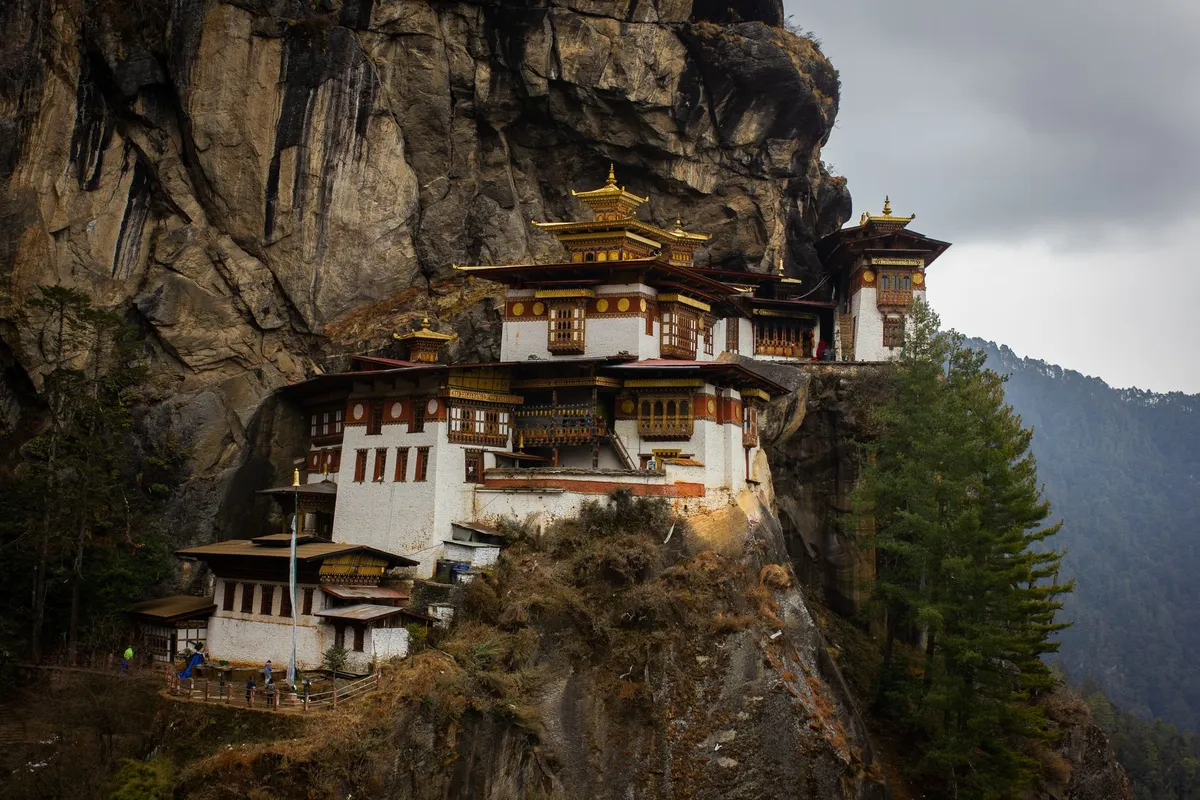
-
 Cemre Seyyah
 - 11 Oct, 2026 21:14
The Hundred Dollar Silence: Buying Time in Bhutan's Measured Kingdom
The air in Paro Valley does not just carry oxygen; it carries a tariff. It is a rare thing in the modern world—to arrive in a nation where the price of admission is calculated not in visa stamps, but in the deliberate throttling of footfall. Bhutan does not want tourists; it wants guests who understand that silence is a resource, and that a cliff-side monastery clinging to vertical rock at 3,120 meters is not a backdrop for a selfie, but a living nerve center of Vajrayana Buddhism. When the Kingdom cracked its door open in 1974, a mere 287 souls crossed the threshold. It was a cautious experiment by a monarchy determined to raise revenue without surrendering the "unique culture and traditions" that had survived centuries of isolation. By 1999, that number had climbed to 7,158, and annual revenue topped US$2 million. Yet the government watched the rising tide with a wary eye. They saw what happened to Everest’s base camp, to Venice’s canals, to Angkor Wat at sunrise. They chose a different algebra: High Value, Low Volume. In 2008, the philosophy sharpened. The slogan shifted to "High Value, Low Impact"—a subtle but significant semantic pivot acknowledging that volume is a crude metric, while impact is a moral one. The Gatekeepers of the Dragon Kingdom The mechanism of this selectivity is the Sustainable Development Fee (SDF), a fiscal gatekeeper that has shape-shifted dramatically in recent years. For decades, the "Minimum Daily Package" bundled the fee, accommodation, guide, and transport into a single opaque price tag—roughly US$200–$250 per day. It was a turnkey solution that guaranteed the "low volume" part of the equation but drew sharp criticism: does a "high value tourist" simply mean a wealthy one? The data suggests the barrier is indeed financial. In June 2022, the policy was revised again. The bundle was unbundled. The SDF spiked to US$200 per person, per night for almost all nationalities (Indian nationals paying a nominal 1,200 INR permit fee). The logic was pure: decouple the state’s revenue from the tour operator’s margin. Travelers could suddenly choose their own hotels, their own meals, their own pace. But the sticker shock was immediate. The Himalayas, it seemed, had become the exclusive playground of the ultra-wealthy.Then came the correction. In August 2023, the SDF was halved to US$100 per night. It was an admission that the "High Value" label cannot survive if the "Low Volume" becomes Zero Volume. The current structure remains a filter: Indians, Maldivians, and Bangladeshis navigate a different tier, but for the global traveler, the hundred-dollar nightly toll is the cost of preserving a nation’s "virtually unspoiled landscape and culture." It forces a question every visitor must answer in the quiet of their wallet: Is this moment worth the price of a luxury hotel room back home? Where the Tiger Sleeps: The Geometry of Faith If you pay the fee, you earn the right to stand before Taktshang Palphug—the Tiger’s Nest. The Wikipedia entry describes it clinically: "a cliff-side monastery overlooking the Paro Valley... sacred to Buddhists... housed inside is a cave where the Buddhist Deity who brought Buddhism to Bhutan meditated for 90 days... standing for well over a thousand years." Clinical words for a vertical miracle. You do not simply "visit" Taktshang. You ascend. The trail switchbacks through pine forests scented with juniper smoke, past prayer flags snapping like cardiac monitors measuring the mountain's heartbeat. The monastery appears, vanishes, reappears—a white geometric anomaly pinned to the sheer grey face of the cliff, 900 meters above the valley floor. Legend says Guru Rinpoche (Padmasambhava) flew here from Tibet on the back of a tigress (Yeshe Tsogyal), landing in that very cave to subdue local demons and plant the seed of the Dharma in the Land of the Thunder Dragon. He meditated for three months, three weeks, three days, and three hours. Ninety days of stillness. Today, tourists pant beside that same rock, the silence broken only by the turn of prayer wheels and the rustle of monk’s crimson robes. The temple complex has burned and been rebuilt—most recently after a devastating fire in 1998—but the cave remains. The energy does not burn.Wings Over the Last Shangri-La Getting to that trailhead requires threading a needle through the peaks. For thirty years, Druk Air (founded 1981) held a monopoly on the sky, its pilots famously certified to execute the hair-raising, instrument-free visual approach into Paro International Airport—widely considered one of the world's most dangerous landings. The liberalization of 2011 brought Bhutan Airlines, a second carrier, but the approach remains the same: a heart-stopping dive between Himalayan giants, wingtips brushing the clouds. The November 2024 tourism bulletin—the Department of Tourism’s new monthly pulse check—reveals the arteries of this flow. 15,990 tourists entered that single month. The split is telling: 7,034 international (paying the SDF) vs 8,956 Indian nationals (on permits). The entry points map the geography of access: 7,986 arrived via the dramatic Paro air bridge; 8,018 crossed the land border at Phuentsholing, the gritty, bustling gateway from West Bengal; a trickle—41 and 16—used the eastern posts of Samdrupjongkhar and Gelephu.This data paints a picture of two Bhutans. One viewed from 20,000 feet, pristine and exclusive. The other experienced at ground level, messy and vibrant, where the border town of Phuentsholing hums with cross-border trade and the rhythm of daily life uncurated for the foreign gaze. The Privatization of Pilgrimage The infrastructure holding this delicate balance together was once entirely state-run. The Bhutan Tourism Corporation (BTC) held the reins until October 1991, when privatization unleashed the private sector. By 2018, over 75 licensed tour operators competed for the traveler’s itinerary. Previously, every visitor—group or solo—was locked into a pre-paid, guided package tour arranged through an approved operator. The 2022/2023 reforms shattered that monopoly on logistics. You can now book your own boutique hotel in Thimphu or a homestay in Haa Valley. You still need a visa (pre-arranged for almost all nationalities) and a guide for most regions, but the "package" straightjacket has been cut. This shift aligns with the "Sustainable Tourism Development Strategy" (2005) which explicitly aimed to "increase tourist numbers by using the country's culture and environment to promote Bhutan as an exotic niche destination attractive to wealthy tourists." The language is unapologetic. Niche. Wealthy. Exotic. It is a strategy written in the ink of exclusivity. Eight Whispers to UNESCO Bhutan’s confidence in its own exceptionalism found a formal voice in 2012, when the Kingdom submitted its first UNESCO World Heritage Tentative List. Eight sites. A declaration that the "unique culture and traditions" mentioned in the 1974 tourism decree are not marketing copy, but Outstanding Universal Value waiting for recognition. While the list itself remains tentative, the sites span the spiritual and the strategic: ancient dzongs (fortress-monasteries), sacred valleys, and the remnants of the Trans Bhutan Trail—an ancient network of paths connecting the country long before the highway. Walking sections of that trail today, you understand the "Low Impact" mandate viscerally. The path is narrow. The villages are fragile. A cruise-ship volume of humanity would shatter the social fabric faster than an earthquake. The Medal and the Bulletin: A New Chapter On December 28, 2024, the industry received its highest honor. At Changyul Park, His Majesty The King conferred the Druk Thuksey Medal (the "Heart Son of the Dragon") upon the tourism industry itself. It was a historic milestone, celebrating the sector’s resilience and its role as a steward of the nation’s brand. Simultaneously, the Department of Tourism launched the "Friends of Tourism" initiative. It is a clever structural innovation: a platform to bind "people and organisations together as partners" to support national goals, develop the industry, and curate "meaningful experiences." It moves the conversation from transaction (fee collected, visa stamped) to relationship. The monthly bulletin—reporting those precise November numbers (15,990 arrivals, entry point breakdowns)—is the transparency tool. Data as discipline.The Critique That Lingers in the Pine Scent Yet, the criticism embedded in the Wikipedia entry—and in the hushed conversations of travelers sitting in Thimphu cafes—remains potent. "A 'high quality tourist' needs to be a wealthy tourist, because the hurdle of visiting Bhutan is mainly posed by the high pricing and not by actual interest or mindfulness." It is a blade that cuts both ways. The fee does filter for commitment. It funds free healthcare, free education, and the conservation of the 70% forest cover mandated by the Constitution. It pays for the rangers protecting the snow leopards and the black-necked cranes. But it also builds a wall. A young backpacker with six months of time and zero dollars—precisely the demographic often most "mindful" and culturally permeable—is mathematically excluded. The "High Value" tourist becomes a demographic proxy for "High Net Worth." Bhutan knows this. The fluctuation from $200 to $100 SDF proves they are watching the occupancy rates. The "Friends of Tourism" initiative suggests they want to diversify who comes, not just how many. But the structural tension remains: Can you preserve a culture by pricing its witnesses out of the room? The Calculus of the Thunder Dragon There is no perfect answer. There is only the Bhutanese way: The Middle Path, applied to macroeconomics. In 2019, before the world paused, the Kingdom saw its highest number ever: 315,000 tourists. The Asia-Pacific market surged—India, Thailand, Vietnam, Philippines, Australia, Japan, China, Singapore, Bangladesh, Malaysia, South Korea. Western markets (US, UK, Germany, France) grew steadily. The "Low Volume" ceiling felt higher then. Post-pandemic, the numbers are rebuilding, but the philosophy has hardened. You leave Bhutan the way you entered: through that needle-eye approach at Paro, banking hard over the dzong, the Tiger’s Nest shrinking to a white speck on a grey cliff. You have paid your hundred dollars a night. You have breathed air that costs a premium. You have seen a monastery that has stood for a millennium because a kingdom decided, fifty years ago, that some things are not for sale—even while selling the tickets to see them. The silence you bought? It’s still there, waiting in the pines. But the price goes up next season. It always does.#Bhutan #SustainableTravel #TigersNest #HighValueLowImpact #Himalayas Related InsightsA Story of Yesterday Book Review and Summary Kelewele: The Spicy Fried Plantain Snack Club Dead Book Review and Summary
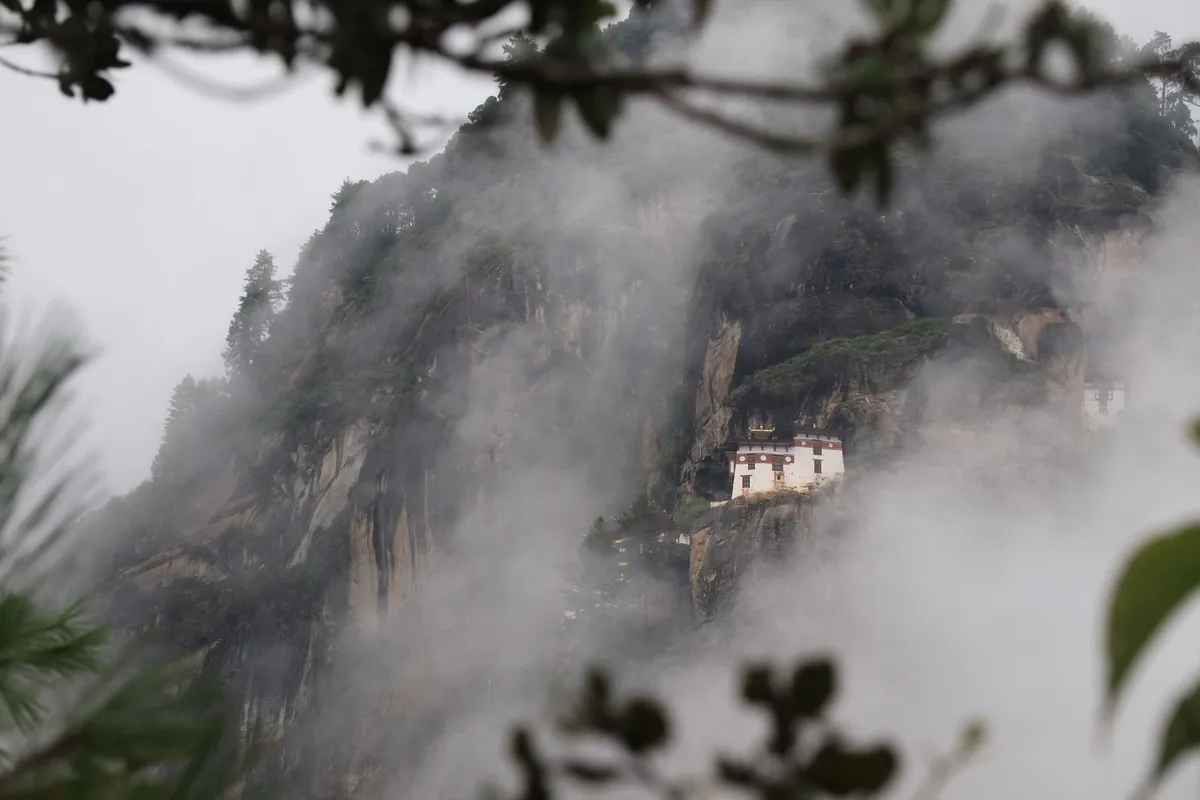

Ascending the Sacred Heights of Paro Taktsang Perched precariously at an altitude of 3,120 meters above sea level, the Tiger’s Nest Monastery, or Paro Taktsang, is not merely a destination; it is an endurance test for the spirit and a masterclass in architectural audacity. As a traveler who has spent years navigating the world’s most remote corners, I find that few places command the same reverence as this gravity-defying sanctuary in Bhutan. Legend dictates that Guru Rinpoche flew to this site on the back of a tigress in the 8th century, meditating here for three years, three months, three weeks, and three days to subdue local demons. Today, the monastery stands as the ultimate symbol of the Kingdom of Bhutan, a testament to the nation’s unwavering commitment to Vajrayana Buddhism. To visit Tiger’s Nest is to participate in a centuries-old tradition of pilgrimage. The air is thinner here, crisp and pine-scented, and the prayer flags that flutter across the gorge carry mantras to the heavens with every breeze. Reaching the monastery requires a demanding hike through rhododendron forests, where the path narrows and the world below seems to fall away. As you climb, you are not just traversing physical geography; you are moving through a landscape of myth. The sound of distant gongs and the chanting of monks create an acoustic tapestry that feels entirely removed from the clamor of modern life. It is a place that demands humility, patience, and a deep respect for the sanctity of the high-altitude environment. Before you even set foot on the trail, you must understand that Bhutan is a destination that favors the prepared. Unlike the chaotic spontaneity of other global hotspots, Bhutan requires a deliberate approach to logistics, primarily due to its unique policy of high-value, low-volume tourism. This isn't a place for the casual wanderer; it is a pilgrimage that begins long before you arrive in the Paro Valley.Navigating the Sustainable Development Fee and Entry Protocols The logistics of entering Bhutan are perhaps the most important hurdle for any aspiring traveler. The nation operates under the "Sustainable Development Fee" (SDF) policy, a strategy designed to preserve the country's pristine environment and deep-rooted cultural heritage. For international visitors, this fee is currently pegged at US$100 per person, per night. This is a mandatory contribution to the government’s efforts to maintain carbon-neutral status and fund critical infrastructure, including free healthcare and education for the Bhutanese people. This fee is distinct from your daily expenses, such as accommodation, food, and transport. It is essential to understand that this is not a traditional tourism tax but a foundational investment in Bhutan's future. Beyond the financial commitment, every visitor must secure a visa, which is processed online. Because of the requirement for a mandatory licensed Bhutanese guide, most travelers handle their visa and SDF through a certified tour operator. These guides are more than just escorts; they are cultural translators, navigators of the complex Bhutanese etiquette, and your primary point of contact for navigating the trail to the Tiger’s Nest. You cannot legally trek to the monastery without being accompanied by a government-licensed professional. This policy ensures that the sanctity of the site remains protected and that visitors are educated on the complex Buddhist iconography they encounter within the monastery walls. When you begin your journey toward the monastery, your guide will manage the entry permits, which are verified at the trailhead security checkpoint. The hours of operation are generally 8:00 AM to 5:00 PM, though it is highly recommended to start your ascent as early as possible—preferably by 7:30 AM—to avoid the midday sun and the influx of tour groups that typically arrive later in the morning. Being prepared with your visa documentation and having your SDF payment confirmed is mandatory before boarding your flight into Paro. Failure to produce these documents will result in entry denial at the border or airport. Decoding the Costs and Essential Preparations for Your Journey When planning your visit, it is vital to balance the costs of the SDF with the high quality of experience you receive in return. Numbeo provides an excellent framework for understanding global cost-of-living metrics, and while Bhutan’s economy differs from Western standards, the "value" of a visit here is measured in access and exclusivity. You are paying for a controlled, sustainable environment where over-tourism is actively managed. To help you structure your budget, I have compiled the following breakdown, which accounts for the current regulatory environment as of 2026. Note that these are estimations; costs can fluctuate based on the luxury level of your chosen accommodation and the season of your travel.Component Cost Estimation (USD) NotesSustainable Development Fee $100/night Mandatory daily paymentVisa Processing Fee $40 One-time entry feeLicensed Guide (Daily) $50 - $100 Varies by tour operatorAccommodation (Mid-range) $150 - $250/night Includes local taxesLocal Meals/Drinks $30 - $60/day Depending on dining choiceTotal Base Per Day (Estimated) $330 - $510 Excluding international flightsBeyond these fixed costs, consider the importance of personal preparation. The trail to the monastery is not a walk in the park; it is a sustained, steep incline that gains over 600 meters in elevation. Altitude sickness is a genuine concern for those coming from sea level. I highly recommend spending at least two to three days in Thimphu or Paro to acclimatize before attempting the hike. Thimphu, the capital, is an ideal place to spend your initial days. It offers a unique window into the life of remote workers and cultural enthusiasts alike. You will find that even in the capital, the pace of life remains slow, respectful, and deeply connected to traditional values. If you are planning to combine your trip with some remote work, ensure your hotel has high-speed connectivity, which is becoming increasingly reliable in major urban hubs like Thimphu, though it can still be sporadic in more rural, mountainous regions. When you move to pack for your journey, prioritize high-quality hiking boots with excellent ankle support. The path to the Tiger's Nest, while well-trodden, is composed of loose gravel, dirt, and stone steps that can become slippery during the monsoon season.The Art of the Ascent and Seasonal Wisdom Choosing the right time to visit is just as critical as the physical hike itself. Bhutan experiences distinct seasons, and each dictates the character of your trek to the monastery. The spring months of March, April, and May offer the spectacle of blooming rhododendrons, painting the lower reaches of the mountain in vibrant shades of pink and red. This is widely considered the peak season, offering clear, blue-sky views that make for spectacular photography. However, it is also when the trail is busiest. For those seeking solitude, the autumn months of late September through November are peerless. The skies are crisp, the air is sharp and invigorating, and the visibility across the valley is at its absolute maximum. Winter can be brutally cold at the 3,000-meter mark, but the snow-dusted monastery is a sight of unparalleled ethereal beauty, provided you are properly equipped with thermal gear. Regardless of the season, the ascent itself is a ritual. The trail is divided into two primary sections: the lower path and the viewpoint cafeteria. Many travelers stop at the viewpoint, which provides a magnificent, unobstructed view of the monastery clinging to the sheer cliff face. This is the classic vantage point for the "postcard" photograph. However, the pilgrimage continues. You must descend into the gorge, crossing a bridge adorned with prayer flags and misty waterfalls before ascending the final set of stairs to the monastery’s entrance. Within the monastery complex, there are several temples, each housing intricate thangka paintings, flickering butter lamps, and statues of various deities. You must strictly observe the on-site rules: no photography is allowed inside the temple chambers. This is a sacred space, not a museum, and you are expected to dress modestly—shoulders and knees must be covered. You will also be required to leave your bag, phone, and camera at the security desk before entering the inner sanctums. This forced disconnection is part of the experience; it strips away the desire to "capture" the moment and forces you to actually live it, witnessing the silent prayers of the monks and the pervasive scent of juniper incense filling the cool, dim chambers.Finding Balance in the Kingdom of Happiness Living and working in or around the vicinity of the Tiger's Nest requires a shift in mindset. As someone who has balanced demanding professional projects with long-term travel, I can attest that Bhutan demands that you abandon the "productivity at all costs" mentality. In Thimphu, you can find a growing number of digital nomads integrating into the community, but the core ethos remains one of contentment and "Gross National Happiness." If you are staying in the region for an extended period, treat the monastery not as a one-time excursion but as a recurring anchor. The local communities in Paro are deeply welcoming, and taking the time to learn about their agricultural practices—such as red rice cultivation or the intricate art of weaving—will enrich your experience far more than any singular hike. Food is another vital aspect of the Bhutanese experience. The cuisine is hearty and often features the staple, ema datshi, a spicy blend of chilies and local cheese. While it might be a shock to the palate at first, it is the perfect fuel for mountain trekking. Remember that the quality of life in Bhutan is not defined by Western markers like the volume of fast-food chains or the availability of high-speed gigabit fiber, but by the community and the landscape. When you are sitting in a local cafe in Paro, looking up toward the distant, hidden silhouette of the Tiger’s Nest, you will realize that the "cost" of the trip—both in dollars and in physical exertion—is negligible compared to the clarity you gain. You are effectively walking in the footsteps of legends, and that is a privilege that few places on earth still afford. As you conclude your journey, take the time to reflect not on the photos you took, but on the silence you felt. That silence is the true essence of Bhutan, a country that guards its soul as fiercely as the mountain guards the monastery. Whether you are a seeker of spiritual truth, a lover of extreme landscapes, or a weary traveler looking to disconnect from the digital churn, the Tiger’s Nest offers an experience that is both intensely local and profoundly universal. The Final Echoes of the Mountains As you descend back to the valley floor, your legs may ache, and your lungs may feel the strain, but your mind will be remarkably quiet. The journey to the Tiger's Nest is a cycle of exertion and stillness that mirrors the very rhythm of Himalayan life. It is a reminder that the most significant destinations in our lives are rarely the ones that are easily reached. By adhering to the local customs, respecting the sustainable tourism frameworks, and engaging deeply with the culture of the Bhutanese people, you do more than just visit a landmark; you become part of the ongoing story of this sacred cliffside retreat. Carry the peace of the clouds with you as you return to the world below, knowing that you have experienced one of the few places on earth that remains truly, beautifully, and authentically itself. #BhutanTravel #TigerNest #HimalayanAdventures #SustainableTourism #SpiritualJourney Related InsightsThe Pantanal, Brazil: Unlocking the World’s Largest Wetland and Its Untamed Wildlife Beyond the Clouds: Unveiling the Eternal Spirit of Georgia’s Caucasus Croatia Unveiled: Stepping Back into the Medieval World{ "@context": "https://schema.org", "@type": "FAQPage", "mainEntity": [ { "@type": "Question", "name": "What is the main focus of Floating Above the Clouds: A Definitive Pilgrimage to Bhutan’s Tiger’s Nest?", "acceptedAnswer": { "@type": "Answer", "text": "Journey to Paro Taktsang with expert Wei Chen. Discover the logistics, spiritual significance, and cultural protocols for visiting Bhutan's most iconic cliffside monastery." } }, { "@type": "Question", "name": "Who authored the comprehensive guide on Floating Above the Clouds: A Definitive Pilgrimage to Bhutan’s Tiger’s Nest?", "acceptedAnswer": { "@type": "Answer", "text": "This detailed article and its insights were carefully researched and authored by Wei Chen." } }, { "@type": "Question", "name": "Where can I find more related content about Travel?", "acceptedAnswer": { "@type": "Answer", "text": "You can explore more articles, detailed reviews, and similar insights by browsing the Related Insights section at the bottom of this article or visiting our dedicated Travel category page." } } ] }
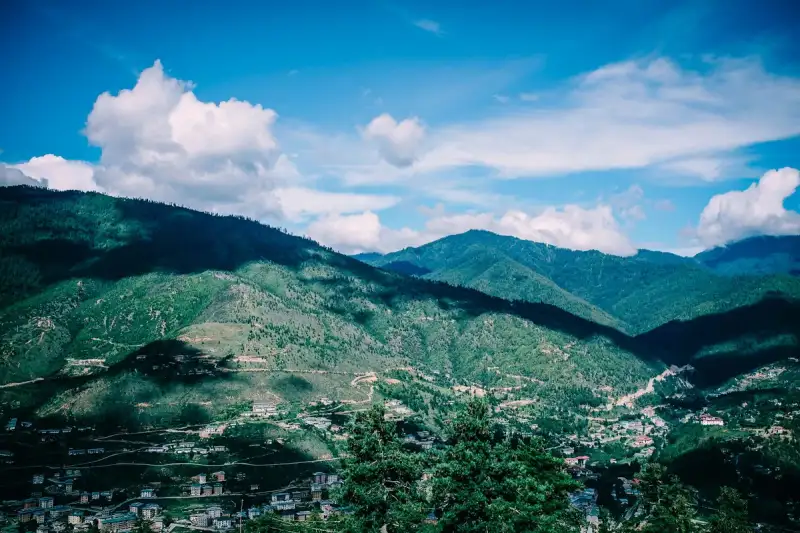
"Bhutan: The Last Shangri-La and Its Gross National Happiness Philosophy" Introduction to the mystical kingdom of Bhutan, nestled in the Himalayas, is a journey into a world where time stands still. This tiny country, with a population of just over 771,608 people (as per the 2020 census), has managed to preserve its unique culture, traditions, and environment, making it an enchanting destination for travelers. Bhutan is often referred to as the "Last Shangri-La" due to its unspoiled natural beauty, pristine forests, and majestic mountains. But what sets Bhutan apart from other travel destinations is its guiding principle of Gross National Happiness (GNH), a philosophy that prioritizes the well-being of its citizens and the environment over economic growth. History and Culture of Bhutan The history of Bhutan dates back to the 8th century when Guru Rinpoche, a Buddhist master, introduced Buddhism to the region. Over the centuries, Bhutan has developed a distinct culture, shaped by its Buddhist heritage and geographical isolation. The country is home to numerous ancient temples, monasteries, and festivals that showcase its rich cultural heritage. One of the most notable festivals is the Paro Tshechu, a five-day celebration that features masked dances, music, and traditional food. The Bhutanese culture is deeply rooted in Buddhism, and the country's unique philosophy of GNH is reflected in its everyday life. The government's emphasis on GNH has led to the development of a sustainable and equitable society, where economic growth is balanced with social and environmental well-being. Gross National Happiness Philosophy The concept of Gross National Happiness (GNH) was first introduced by the Fourth King of Bhutan, Jigme Singye Wangchuck, in 1972. GNH is based on the idea that the ultimate goal of development should be the happiness and well-being of the citizens, rather than just economic growth. The philosophy is guided by four pillars: sustainable and equitable socio-economic development, preservation and promotion of culture, conservation of the environment, and good governance. The GNH philosophy has been implemented through a series of policies and initiatives, including the establishment of the Gross National Happiness Commission, which is responsible for promoting and implementing the GNH philosophy. The commission has developed a set of indicators to measure GNH, including psychological well-being, physical health, education, and living standards. Traveling to Bhutan Traveling to Bhutan can be a challenging but rewarding experience. The country has a limited number of entry points, and visitors must obtain a visa in advance. The visa application process typically takes around 10-15 working days, and the cost of a visa is around $250 per person, plus a daily tariff of $250 per person. The daily tariff includes accommodation, food, transportation, and guide services. Visitors can choose from a range of accommodation options, including luxury hotels, budget hotels, and homestays. The best time to visit Bhutan is during the spring (March to May) and autumn (September to November) seasons, when the weather is mild and pleasant. Places to Visit in Bhutan Bhutan is home to numerous tourist attractions, including the Paro Taktsang (Tiger's Nest) monastery, the Punakha Dzong, and the Thimphu Valley. The Paro Taktsang monastery is one of the most iconic landmarks in Bhutan, perched on a cliff overlooking the valley below. The Punakha Dzong is a stunning example of Bhutanese architecture, with its intricate carvings and beautiful gardens. The Thimphu Valley is the capital city of Bhutan, with a range of attractions, including the National Library, the Institute of Zorig Chusum, and the Weekend Market. Visitors can also explore the surrounding countryside, with its picturesque villages, rice fields, and temples. Sustainable Tourism in Bhutan Bhutan has a unique approach to tourism, with a focus on sustainable and responsible travel. The government has implemented a range of initiatives to minimize the impact of tourism on the environment and local communities. Visitors are required to pay a daily tariff, which includes a royalty fee that is used to fund sustainable development projects. The tariff also includes a component for the promotion of culture and heritage, which is used to support local festivals, cultural events, and traditional crafts. Visitors can also participate in community-based tourism initiatives, such as homestays and village tours, which provide an opportunity to experience the local culture and way of life.Category Price (USD)Visa Application 40Daily Tariff 250Accommodation (per night) 100-500Transportation (per day) 50-100Food (per meal) 10-30Conclusion Bhutan is a unique and enchanting destination that offers a range of experiences for travelers. From its stunning natural beauty to its rich cultural heritage, Bhutan is a country that will leave you with lasting memories. The philosophy of Gross National Happiness is a guiding principle that shapes every aspect of life in Bhutan, from education and healthcare to environment and governance. As a responsible traveler, you can contribute to the sustainable development of Bhutan by respecting its culture, environment, and local communities. By visiting Bhutan, you will not only experience a unique and unforgettable journey but also contribute to the country's sustainable development and the well-being of its people. #BhutanTourism #GrossNationalHappiness #SustainableTravel #TravelBhutan #HimalayanAdventures #BuddhistCulture #EcoTourism #ResponsibleTravel Related InsightsThe Silent Chronicles of the Steppe: Unearthing the Enigma of Mongolia's Deer Stone Sentinels at Uushgiin Ovor Hattusa: The Hittite Capital Kamchatka Volcanoes{ "@context": "https://schema.org", "@type": "FAQPage", "mainEntity": [ { "@type": "Question", "name": "What is the main focus of Bhutan: Unveiling the Hidden Gem of Gross National Happiness?", "acceptedAnswer": { "@type": "Answer", "text": "Discover the enchanting kingdom of Bhutan, where Gross National Happiness is the guiding principle, and experience a unique travel destination like no other." } }, { "@type": "Question", "name": "Who authored the comprehensive guide on Bhutan: Unveiling the Hidden Gem of Gross National Happiness?", "acceptedAnswer": { "@type": "Answer", "text": "This detailed article and its insights were carefully researched and authored by Aisha Sharma." } }, { "@type": "Question", "name": "Where can I find more related content about Travel?", "acceptedAnswer": { "@type": "Answer", "text": "You can explore more articles, detailed reviews, and similar insights by browsing the Related Insights section at the bottom of this article or visiting our dedicated Travel category page." } } ] }