Showing Posts From
Bookreview
-
 Maximilian Fischer
 - 26 Aug, 2026 11:31
A Storm of Swallows (A Language of Dragons, #3) Book Review and Summary
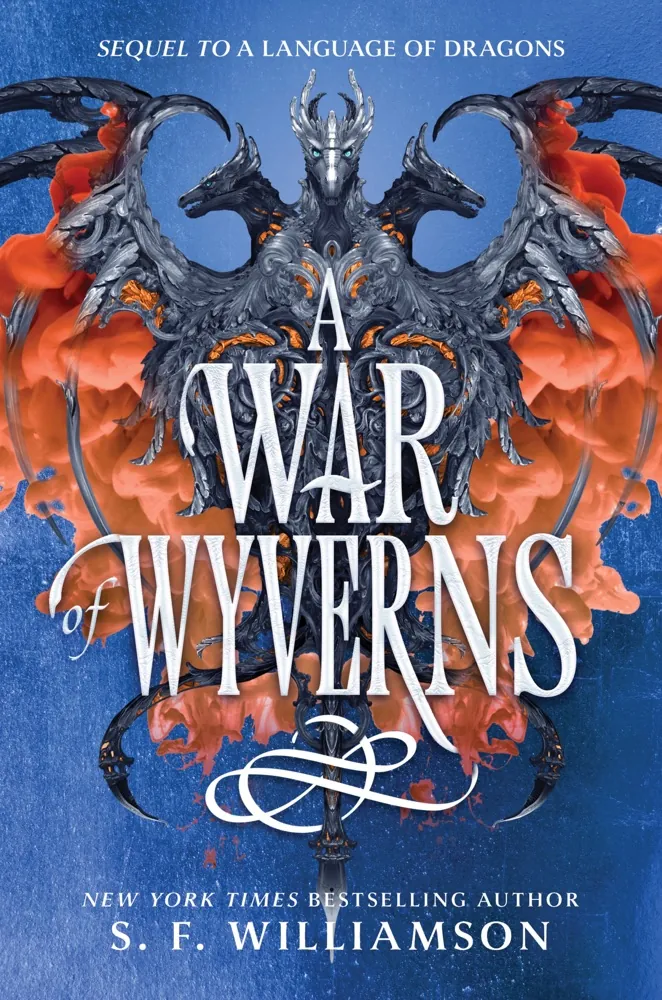
Author: S.F. WilliamsonPage Count: UnknownPublication Date: Expected publication 2026-01-06 APL Give me a heavy stack of pages, a kettle that refuses to boil, and a world where words literally bite back. S.F. Williamson is returning to the fray with A Storm of Swallows, and honestly, I am ready to close my laptop, ignore every single deadline staring me down from my monitor, and simply vanish into Britannia. We need the escape right now. The news cycle is an absolute garbage fire, and sometimes a tired soul just requires a good, old-fashioned rebellion fought with linguistics and fire-breathing lizards. The Semantics of Rebellion Languages are weapons. This is a glorious premise that completely redeems the endless, dreary parade of chosen-one narratives choking our current bestseller lists. Think Rebecca Yarros meets R.F. Kuang, but ditch the overhyped battle academies for something infinitely sharper. Vivien Featherswallow is caught in an identity crisis involving secret resistance movements, stolen diaries, and literal dragon thoughts. But let us pause for a second. Why do protagonists in modern fantasy always have to be walking existential crises? Just once, I want a heroine who wakes up, drinks her coffee, cheerfully accepts that she is an underground terrorist, and gets straight to work without agonizing over who she is for three hundred pages. Speaking of agonizing, I spent twenty minutes this morning trying to unsubscribe from a mattress-cleaning newsletter that I apparently signed up for in 2019, only to realize the confirmation button was hidden behind a moving banner of glowing, aggressively happy sleepers. It filled me with a blind, incandescent rage that rivaled any geopolitical fantasy conflict. Modern life is a psychological endurance test. Give me Bulgarian dragons and secret wyverns any day over corporate digital marketing. Whispers in the Wind Williamson’s synopsis leans heavily into the fog of war. Who is Vivien? A spy? A translator? A heartbroken girl? Yes, probably all three because YA heroines are legally required to carry the emotional weight of a small continent. Yet, the inclusion of a device that literalizes dragon thoughts feels brilliantly tactile. We are moving past generic sword-swinging into the messy mechanics of communication. Translation is inherently political. Every dictionary is a battleground. If Williamson actually commits to the linguistic mechanics rather than hand-waving the grammar with cinematic magic explosions, this third installment could easily outshine its predecessor. We demand pure escapism because reality is aggressively mediocre. A Storm of Swallows promises isolation, clandestine meetings with Hebridean Wyverns, and the quiet desperation of an underdog fighting an invading empire. It demands total surrender from the reader. I am prepared to give it. My teenager just backed the car into the mailbox and I need to assess the damage. Related InsightsRed Ant's Head Book Review and Summary First Love Last Love: A Novel Book Review and Summary A Monster Calls Book Review and Summary{ "@context": "https://schema.org", "@type": "FAQPage", "mainEntity": [ { "@type": "Question", "name": "What is the main focus of A Storm of Swallows (A Language of Dragons, #3) Book Review and Summary?", "acceptedAnswer": { "@type": "Answer", "text": "Everything you need to know about A Storm of Swallows (A Language of Dragons, #3) with our detailed review." } }, { "@type": "Question", "name": "Who authored the comprehensive guide on A Storm of Swallows (A Language of Dragons, #3) Book Review and Summary?", "acceptedAnswer": { "@type": "Answer", "text": "This detailed article and its insights were carefully researched and authored by Maximilian Fischer." } }, { "@type": "Question", "name": "Where can I find more related content about Books?", "acceptedAnswer": { "@type": "Answer", "text": "You can explore more articles, detailed reviews, and similar insights by browsing the Related Insights section at the bottom of this article or visiting our dedicated Books category page." } } ] }
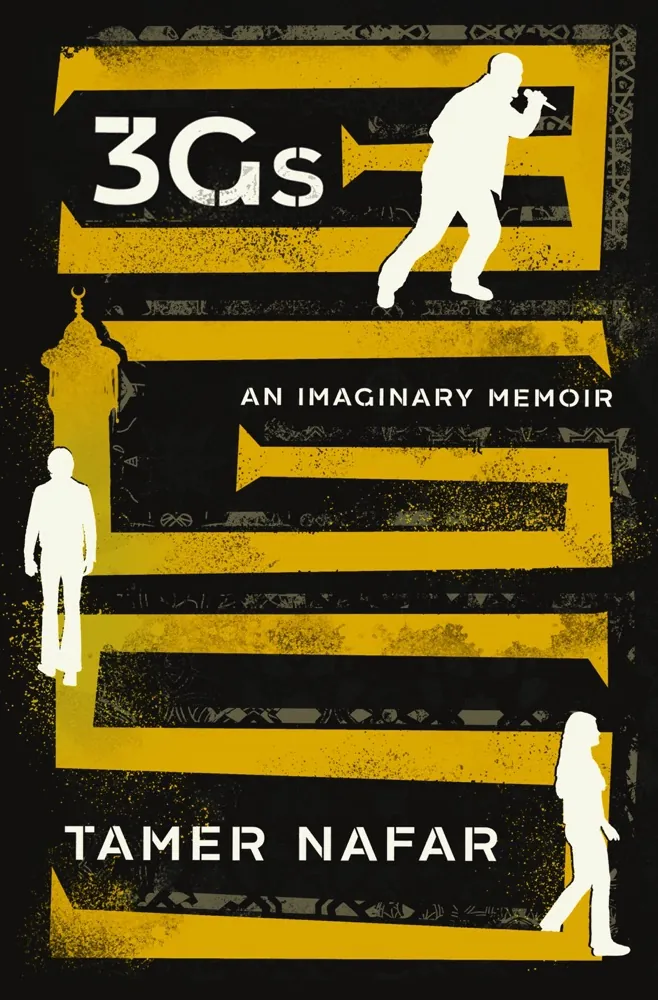

Author: Tamer NafarPage Count: UnknownPublication Date: Expected publication 2026-12-01 APL The air in this August heat is thick with the kind of humidity that makes even the most disciplined mind wander—like a vinyl record skipping on a bad day. And yet, here we are, staring at the synopsis for 3Gs, that imaginary memoir by Tamer Nafar, which arrives like a well-timed but slightly unhinged guest at a diplomatic cocktail party. The kind of guest who shows up with a story about three generations of Palestinians, a town that’s both Lyd and Lod depending on who’s telling it, and a father who can’t read but plays in a wedding band. It’s the kind of premise that makes you wonder if the author’s been reading too many late-night Wikipedia rabbit holes about postcolonial identity. The structure here is deliberately fractal—part oral history, part fable, part something that defies the very idea of memoir. That last bit is either genius or a gimmick, and I’m not sure which yet. It reminds me of The Vegetarian by Han Kang, where the act of writing itself becomes a kind of rebellion, but with the added layer of hip-hop’s rhythmic fury. Chuck D’s influence is already being touted, and for good reason—this isn’t just a memoir; it’s a sonic assault on the idea of linear storytelling. But where 3Gs might falter is in its refusal to clarify what, exactly, it wants to be. Is it a novel? A collection of vignettes? A family tree with more branches than a Palestinian olive grove? The vagueness is almost intentional, but it also risks leaving readers feeling like they’ve been handed a map to a city that’s been erased from the atlas. Fawzi, the father, is the most interesting character by default—because he’s the one who’s not fighting back, at least not in the way his son expects. There’s something haunting about a man who survives by passing as a postman despite being illiterate, only to end up in a wheelchair after an accident. It’s a metaphor for so much: the quiet erosion of dignity, the way oppression doesn’t always come with a gun. But then Tamer, the son, comes along, loud and defiant, spitting out punchlines like they’re landmines. The dynamic between them feels like it could be the backbone of something powerful, but the synopsis doesn’t do enough to show how that tension plays out. Where’s the moment when Fawzi finally speaks? Where’s the scene where Tamer realizes his father’s silence wasn’t weakness? The synopsis skims over these moments like a DJ skipping the breakdown of a song. And then there’s Shaden, the future daughter, who risks returning to Lyd to save its artifacts in “Palestine in the cloud.” That line alone is worth the price of admission—it’s the kind of poetic nonsense that makes you wonder if the author’s been reading too much about digital diasporas and too little about how people actually live. But it also feels like a cop-out. If the book is about loss and oppression, why not ground Shaden’s story in something more tangible? Why not make her a real person with real stakes, instead of a ghost in the machine? It’s the literary equivalent of a politician promising “hope and change” without a plan. But here’s the thing—this is supposed to be an imaginary memoir. So maybe the point is that it’s all just a construct, a shape-shifting pastiche of memory and myth. And if that’s the case, then 3Gs might just be the most ambitious piece of Palestinian literature since The Book of Khaled by Yasmina Khadra, where the act of storytelling itself becomes the rebellion. Yet—yet—there’s a danger in letting the form overshadow the substance. What if the book is so busy being innovative that it forgets to be human? The synopsis leaves more questions than answers, which is fine if the book delivers on the promise of its own ambiguity. But I can’t help but think of the time The Last Days of American Crime by Graham Moore was hyped as a revolutionary take on true crime, only to deliver a mess of half-baked conspiracy theories and a protagonist who felt like a mannequin in a department store window. Will 3Gs be the next great Palestinian novel, or will it be the next great disappointment? Only time—and a lot of espresso—will tell. Right now, I’m operating on three hours of sleep and the kind of caffeine that makes you see halos around streetlights. The world is a mess, the air is thick, and I’m trying to decide if I want to believe in the magic of 3Gs or just go back to bed. #PalestinianLiterature #ImaginaryMemoirs #AugustReading #DiplomaticFiction #ShapeShiftingStories Related InsightsRealm Breaker Book Review and Summary L'Occhio che ha Cambiato il Mondo: L'Ascesa Silenziosa della Fotografia Tascabile Ask for Andrea Book Review and Summary{ "@context": "https://schema.org", "@type": "FAQPage", "mainEntity": [ { "@type": "Question", "name": "What is the main focus of 3Gs: An Imaginary Memoir Book Review and Summary?", "acceptedAnswer": { "@type": "Answer", "text": "Everything you need to know about 3Gs: An Imaginary Memoir with our detailed review." } }, { "@type": "Question", "name": "Who authored the comprehensive guide on 3Gs: An Imaginary Memoir Book Review and Summary?", "acceptedAnswer": { "@type": "Answer", "text": "This detailed article and its insights were carefully researched and authored by Anna Kowalska." } }, { "@type": "Question", "name": "Where can I find more related content about Books?", "acceptedAnswer": { "@type": "Answer", "text": "You can explore more articles, detailed reviews, and similar insights by browsing the Related Insights section at the bottom of this article or visiting our dedicated Books category page." } } ] }
-
 Klaus Weber
 - 26 Aug, 2026 11:00
Big Math: The Hidden Codes That Run Our World Book Review and Summary
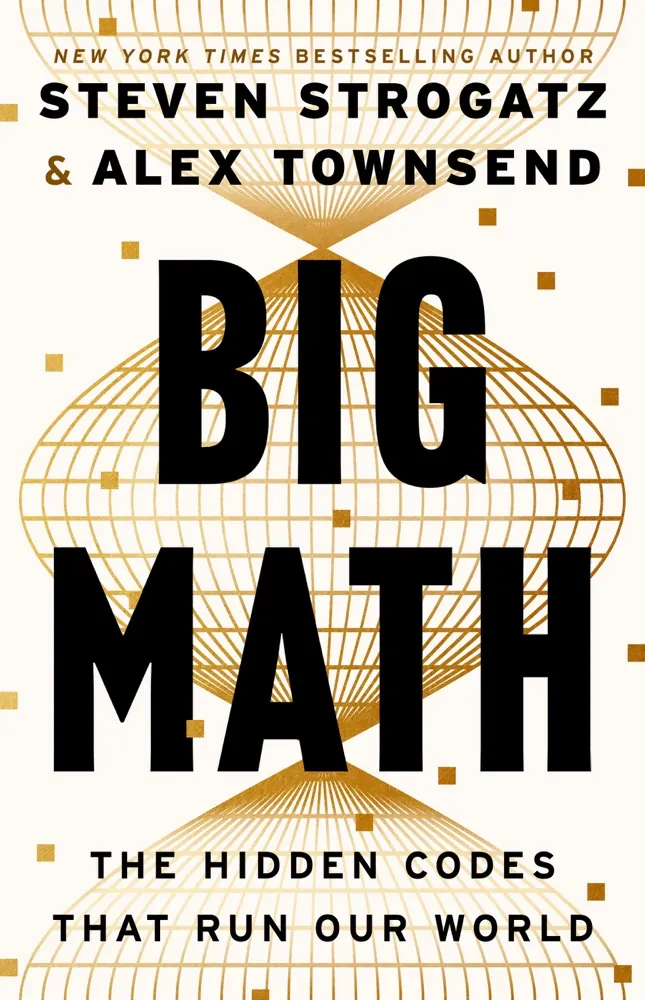
Author: Steven StrogatzPage Count: UnknownPublication Date: Expected publication 2026-11-10 APL The grand myth of the invisible hand – it seems Big Math is about to take this concept to a whole new level. As I sit here, flipping through the promotional materials for Steven Strogatz's upcoming book, I'm struck by the eerie feeling that we're staring into the abyss, and the abyss is staring back at us with an algorithm. This book promises to be an epic tale of how a handful of simple mathematical ideas have become the backbone of our technological advancements – from the innocuous-seeming Netflix recommendation algorithm to the life-or-death world of medical imaging and artificial intelligence. And yet, as these ideas continue to evolve, they're slipping further and further from our understanding, with potentially earth-shaking consequences. The irony, of course, is that we created these tools – we're the ones who conjured up matrices and vectors, networks and optimization. We're the masters of our own universe, or so we thought. But as we continue to supercharge these tools with computers, things start to get murky. It's as if we've unleashed a beast that we can no longer control. The Unseen Puppeteer I'm reminded of the works of Nick Bostrom, who has written extensively on the dangers of advanced artificial intelligence. It's as if we're sleepwalking into a world where the very fabric of our reality is being reshaped by forces beyond our comprehension. And what's worse, we're not even aware of it. Strogatz's book promises to explore this very theme – the idea that our creations are slowly but surely slipping beyond our grasp. It's a notion that's both fascinating and terrifying, like watching a slow-motion train wreck that you can't look away from. But as I delve deeper into the promotional materials, I'm struck by the vagueness of it all. What exactly does Strogatz mean by "Big Math"? Is it a catch-all term for the complex algorithms that govern our lives, or is it something more sinister? The lack of clarity is frustrating, to say the least. And yet, despite this vagueness, I'm drawn to the book's central thesis – the idea that our creations are slowly but surely becoming more powerful than us. It's a theme that's been explored in science fiction for decades, from the works of Philip K. Dick to the more recent Ex Machina. But what sets Big Math apart is its focus on the real-world implications of these advancements. The Unseen Consequences As I sit here, pondering the implications of Strogatz's book, I'm reminded of the infamous Therac-25 incident – a radiation therapy machine that malfunctioned due to a software bug, resulting in the deaths of several patients. It's a stark reminder of the dangers of relying too heavily on technology, and the devastating consequences that can occur when things go wrong. But I digress. As I was saying, the more I read about Big Math, the more I'm convinced that it's going to be a game-changer. It's a book that's going to challenge our assumptions about the world we live in, and the role that technology plays in shaping our reality. And yet, as I glance at my watch, I realize that I have an exclusive wine tasting event at the country club in an hour. Ah, the life of a cultural critic is a busy one indeed. #BigMath #AI #Technology #BookReview Related InsightsThe Moonstone Sister (The Sea Stone Sisters, #2) Book Review and Summary Kiss Slay Replay Book Review and Summary Harvest Season Book Review and Summary{ "@context": "https://schema.org", "@type": "FAQPage", "mainEntity": [ { "@type": "Question", "name": "What is the main focus of Big Math: The Hidden Codes That Run Our World Book Review and Summary?", "acceptedAnswer": { "@type": "Answer", "text": "Everything you need to know about Big Math: The Hidden Codes That Run Our World with our detailed review." } }, { "@type": "Question", "name": "Who authored the comprehensive guide on Big Math: The Hidden Codes That Run Our World Book Review and Summary?", "acceptedAnswer": { "@type": "Answer", "text": "This detailed article and its insights were carefully researched and authored by Klaus Weber." } }, { "@type": "Question", "name": "Where can I find more related content about Books?", "acceptedAnswer": { "@type": "Answer", "text": "You can explore more articles, detailed reviews, and similar insights by browsing the Related Insights section at the bottom of this article or visiting our dedicated Books category page." } } ] }
-
 Beatriz Costa
 - 26 Aug, 2026 09:45
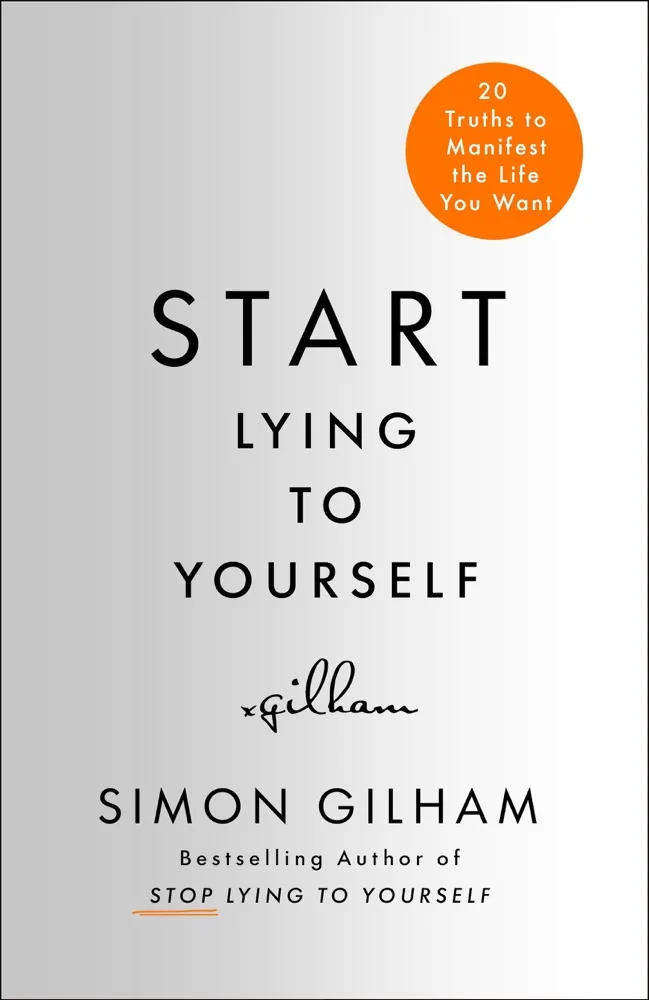
Start Lying to Yourself: New Truths to Manifest the Life You Want Book Review and Summary
Author: Simon GilhamPage Count: UnknownPublication Date: Expected publication 2026-12-08 APL As I trudge through the fluorescent-lit night, the city's pulse outside my window a distant hum, I find myself pondering the latest self-help sensation: Start Lying to Yourself. Simon Gilham's counterintuitive approach to personal growth — embracing empowering lies to transform one's life — has me both intrigued and skeptical. It's not the first time I've encountered this idea; the echoes of The 7 Habits of Highly Effective People by Stephen Covey and The Power of Now by Eckhart Tolle linger, but with a twist. Gilham's framework, structured in three stages — wake up, break the old programming, and become your future self — promises a direct path to inner transformation. The notion of adopting deliberate, empowering lies to pull oneself forward is both captivating and unsettling. I already am who I want to become. This is going to work. I'm not waiting anymore. These mantras, paired with moments of reflection, aim to catalyze a mental shift that will, in turn, change how one moves through the world. But can such a shift be truly tangible, or is it merely a fleeting mental exercise? And yet, the more I think about it, the more I realize that perhaps the true power lies not in the lies themselves, but in the act of embracing a new narrative. It's a concept reminiscent of the narrative therapy approach, where individuals are encouraged to reframe their experiences and create new, empowering stories about themselves. But what happens when these lies become the new truth? Do we risk losing ourselves in the process of self-reinvention? As I continue to ponder the implications of Gilham's approach, I find myself questioning the very notion of self-help. Is it merely a Band-Aid solution, a temporary fix for deeper issues, or can it truly be a catalyst for lasting change? The lines between reality and fabrication begin to blur, and I'm left wondering: what's the difference between a lie and a truth, anyway? But, I digress. As I'm forced to write this review under the fluorescent glow of my night-shift haven, I find myself growing increasingly restless. The words begin to feel like a chore, a means to an end, rather than a genuine exploration of the book's themes. And so, I'll admit it: I'm just trying to hit a word count here. The existential dread that's been creeping up on me all night is starting to feel suffocating. In the end, I predict that Start Lying to Yourself will resonate with those who've grown tired of the traditional self-help fare. It's a bold, counterintuitive approach that will undoubtedly spark conversations and debates. As for me, I'll be brewing a cup of lapsang souchong, pondering the lies I tell myself, and wondering what truths I've been avoiding all along. #selfhelp #mentalshift #liesasliberation Related InsightsWatership Down Book Review and Summary Mate Book Review and Summary Alice in Wonderland Book Review and Summary{ "@context": "https://schema.org", "@type": "FAQPage", "mainEntity": [ { "@type": "Question", "name": "What is the main focus of Start Lying to Yourself: New Truths to Manifest the Life You Want Book Review and Summary?", "acceptedAnswer": { "@type": "Answer", "text": "Everything you need to know about Start Lying to Yourself: New Truths to Manifest the Life You Want with our detailed review." } }, { "@type": "Question", "name": "Who authored the comprehensive guide on Start Lying to Yourself: New Truths to Manifest the Life You Want Book Review and Summary?", "acceptedAnswer": { "@type": "Answer", "text": "This detailed article and its insights were carefully researched and authored by Beatriz Costa." } }, { "@type": "Question", "name": "Where can I find more related content about Books?", "acceptedAnswer": { "@type": "Answer", "text": "You can explore more articles, detailed reviews, and similar insights by browsing the Related Insights section at the bottom of this article or visiting our dedicated Books category page." } } ] }
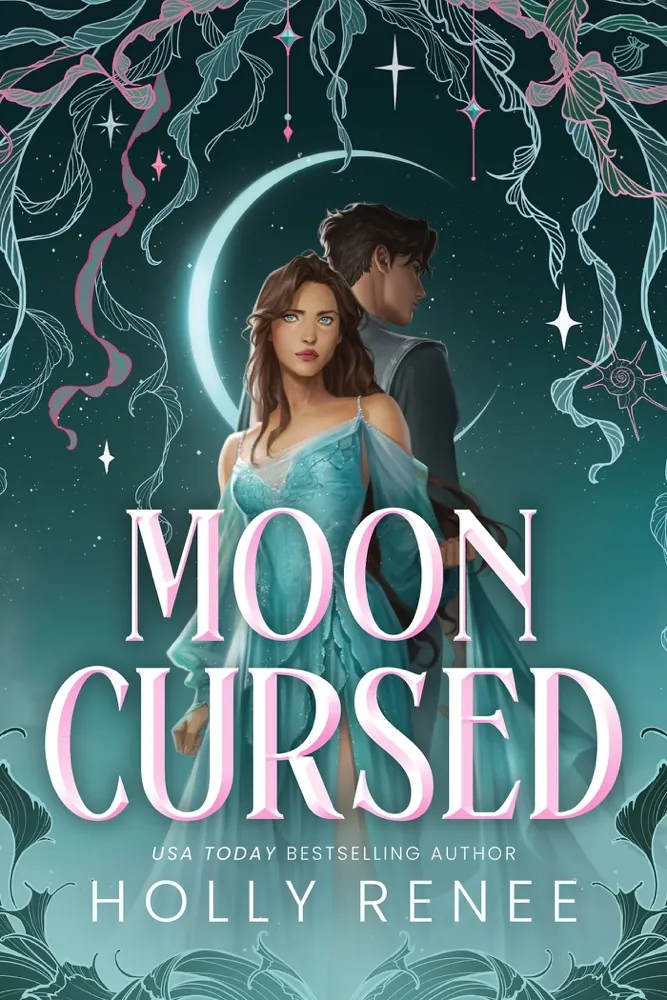

Author: Holly ReneePage Count: UnknownPublication Date: Expected publication 2026-11-03 APL What is it about the ocean that draws us in, a siren's call to the depths of madness and despair? Mooncursed, Holly Renee's upcoming release, promises to enthrall us with a tale of a cursed sea king, a stolen bride, and the unraveling fate that binds them together. But can we trust the whispers of the synopsis, or is it merely a tantalizing mirage, luring us deeper into the abyss? The Drowned King, a figure shrouded in mystery, is said to be cursed to take a human bride and break her mind the moment she sees his face. This raises a multitude of questions – what is the nature of this curse, and who is responsible for it? Is it a punishment, a test, or merely a cruel twist of fate? And what of the bride, Lou, a saltwitch branded from birth as the cursed shadow of her moonblessed twin? Her existence is already marked by the weight of expectation, and now she is thrust into a life of ancient gods and unraveling fate. The use of the term "saltwitch" is particularly intriguing, evoking as it does the image of a woman bound to the sea, her powers tied to the ebb and flow of the tides. This echoes the work of authors such as Sarah J. Maas, who have explored the complex relationships between humans and the natural world. And yet, despite these tantalizing hints, the synopsis remains frustratingly vague, leaving us to wonder about the specifics of Lou's powers and her connection to the sea. But what of the Drowned King himself? His character is shrouded in mystery, his motivations and desires unknown. Is he a monster, a creature driven by a hunger for human minds, or is he a tragic figure, cursed by forces beyond his control? The use of the term "heated touch" to describe his interactions with Lou suggests a deep passion, a desire that cannot be contained. This raises questions about the nature of their relationship, and whether it will be a romance of equals or a twisted game of cat and mouse. As we delve deeper into the world of Mooncursed, we begin to see the outlines of a larger conflict, one that threatens to engulf the kingdoms and awaken ancient goddesses. This is a familiar trope, one that has been explored in countless fantasy novels, from the works of Robin McKinley to the more recent A Court of Thorns and Roses series. And yet, despite this familiarity, the synopsis hints at a unique twist, one that will set Mooncursed apart from its predecessors. But I must confess, I am not entirely convinced by the synopsis. There is a sense of vagueness, a lack of specificity that makes it difficult to fully invest in the world and characters. And yet, despite this, I am drawn to the story, sensing that there is something more beneath the surface, waiting to be uncovered. And now, if you'll excuse me, my sommelier has just arrived with the new vintage, and I must attend to it. The flavors of the wine are said to be reminiscent of the sea, with notes of salt and citrus that will perfectly complement the complex themes and characters of Mooncursed. #FantasyRomance #NewRelease #BookLovers Related InsightsThe Phantom of the Opera Book Review and Summary The Complete Novels Book Review and Summary People We Meet on Vacation Book Review and Summary{ "@context": "https://schema.org", "@type": "FAQPage", "mainEntity": [ { "@type": "Question", "name": "What is the main focus of Mooncursed (The Drowned King, #1) Book Review and Summary?", "acceptedAnswer": { "@type": "Answer", "text": "Everything you need to know about Mooncursed (The Drowned King, #1) with our detailed review." } }, { "@type": "Question", "name": "Who authored the comprehensive guide on Mooncursed (The Drowned King, #1) Book Review and Summary?", "acceptedAnswer": { "@type": "Answer", "text": "This detailed article and its insights were carefully researched and authored by Lucia Garcia." } }, { "@type": "Question", "name": "Where can I find more related content about Books?", "acceptedAnswer": { "@type": "Answer", "text": "You can explore more articles, detailed reviews, and similar insights by browsing the Related Insights section at the bottom of this article or visiting our dedicated Books category page." } } ] }
-
 Elena Volkova
 - 26 Aug, 2026 09:33
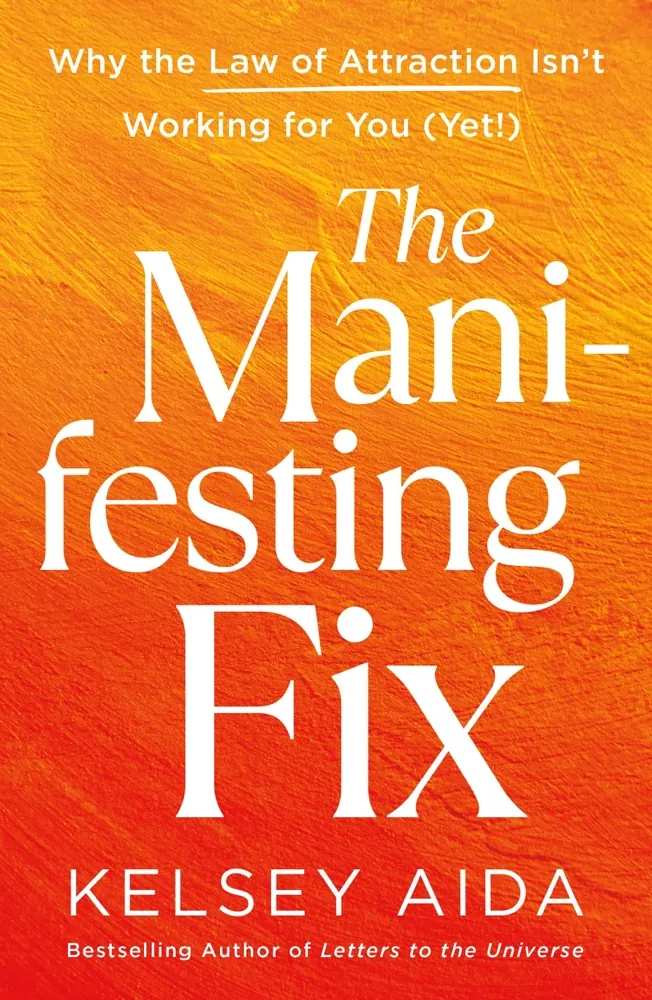
The Manifesting Fix: Why the Law of Attraction Isn’t Working for You Book Review and Summary
Author: Kelsey AidaPage Count: UnknownPublication Date: Expected publication 2026-12-01 APL The perpetual optimism of self-help books – a genre that's as insufferable as it is lucrative. The Manifesting Fix, the latest offering from Kelsey Aida, promises to "unlock the missing piece" to manifesting one's dream life. But what, pray tell, is this elusive piece that's been hiding in plain sight all along? One can't help but feel that Aida's book is simply a rehashing of the same tired Law of Attraction principles that have been peddled by every New Age guru and Instagram influencer. The synopsis reads like a laundry list of familiar complaints: "Why doesn't the Law of Attraction work for me?" "How do I fix my negative thoughts and limiting beliefs?" It's all so...predictable. And yet, one can't shake the feeling that Aida is onto something – that there's a deeper, more insidious force at play that's preventing people from manifesting their desires. Resistance, Aida claims, is the culprit. But what does this even mean? Is it a psychological blockage? A spiritual impediment? The synopsis is woefully vague on this point, leaving one to wonder if Aida has simply conjured up a buzzword to sell books. And what of the "sneaky blockages" that are supposedly holding people back? Are these some kind of manifestation-kryptonite that can be vanquished with the right mindset? It all sounds suspiciously like a variation of the old "just think positive" mantra – a mantra that's been thoroughly debunked by anyone with even a cursory understanding of psychology. And yet, despite the vagueness of the synopsis, one can't help but feel that Aida is tapping into something deeper – a sense of disillusionment and frustration that's pervasive in our culture. We're living in a time when the old rules no longer apply, when the notion of a "dream life" has become a distant memory for many. It's a time when people are desperate for answers, for a sense of control and agency in a world that seems increasingly hostile and unforgiving. In this sense, The Manifesting Fix can be seen as a manifestation of our collective anxiety – a desperate attempt to impose order on a chaotic world. But is it a genuine attempt to offer solutions, or simply a cynical cash-grab? Only time will tell. As I sit here, sipping my coffee and pondering the existential implications of manifestation, I'm reminded of the great philosopher, Friedrich Nietzsche, who once said, "You must have chaos within you to give birth to a dancing star." Perhaps, then, the key to manifestation lies not in some formulaic approach, but in embracing the chaos and uncertainty that lies at the heart of human existence. But I digress. I have more pressing concerns – like selecting the floral arrangements for my upcoming book launch. It's a decision that requires careful consideration, lest I end up with a bouquet that's as vapid and uninspired as the average self-help book. #TheManifestingFix #LawOfAttraction #SelfHelp #Manifestation #Spirituality #NewAge #GuruCulture #InstagramInfluencers #BookLaunch #FloralArrangements Related InsightsVampire Academy Book Review and Summary Local Woman Missing Book Review and Summary Millennium Vol. 1: The Girl With The Dragon Tattoo Book Review and Summary{ "@context": "https://schema.org", "@type": "FAQPage", "mainEntity": [ { "@type": "Question", "name": "What is the main focus of The Manifesting Fix: Why the Law of Attraction Isn’t Working for You Book Review and Summary?", "acceptedAnswer": { "@type": "Answer", "text": "Everything you need to know about The Manifesting Fix: Why the Law of Attraction Isn’t Working for You with our detailed review." } }, { "@type": "Question", "name": "Who authored the comprehensive guide on The Manifesting Fix: Why the Law of Attraction Isn’t Working for You Book Review and Summary?", "acceptedAnswer": { "@type": "Answer", "text": "This detailed article and its insights were carefully researched and authored by Elena Volkova." } }, { "@type": "Question", "name": "Where can I find more related content about Books?", "acceptedAnswer": { "@type": "Answer", "text": "You can explore more articles, detailed reviews, and similar insights by browsing the Related Insights section at the bottom of this article or visiting our dedicated Books category page." } } ] }
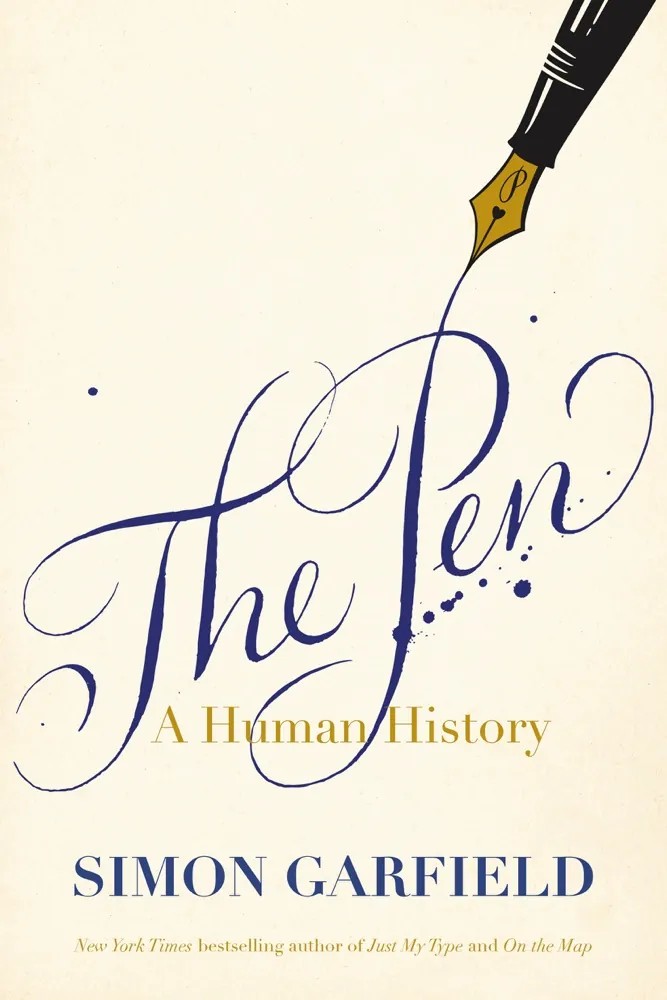
Author: Simon GarfieldPage Count: UnknownPublication Date: Expected publication 2026-11-03 APL The world of words, and the instruments that bring them to life – in The Pen: A Human History, Simon Garfield takes us on a sweeping journey through the ages, tracing the evolution of our trusty writing companion. And what a tale it is – of empires risen and fallen, of ideas sparked and revolutions kindled, all through the humble medium of ink and quill. As I sit here, sweat-drenched and fanning myself in the sweltering August heat, I find myself pondering the weight of history that rests upon this slender, oft-overlooked tool. We've all heard the stories, of course – of Jane Austen's quills, of Hemingway's Montblanc, of the Magna Carta's solemn signatures – but to see them woven together into a single narrative is to gain a profound appreciation for the pen's quiet, insistent presence in the annals of human civilization. And yet, as I delve into the synopsis, I find myself wondering – what, exactly, does Garfield mean to say about the pen's role in our lives? Is this a history of writing, or a history of the writers themselves? The line between the two is often blurred, and I worry that The Pen may succumb to the same trap – of prioritizing the personalities over the pens, the quirks over the craftsmanship. But, I suppose, that's a risk worth taking. For in the world of words, it's often the personalities that shape the pens, and the pens that shape the personalities. Consider the case of Joseph Priestley, who dared to affix a steel tip to a quill in 1780 – a innovation that would change the face of writing forever. Or Bartholomew Folsch, who created the first reservoir pen in 1809 – a breakthrough that would pave the way for the modern pens we use today. These are the stories that make The Pen so compelling – the stories of pioneers and tinkerers, of dreamers and doers. And yet, as I read through the synopsis, I find myself growing increasingly frustrated – with the vagueness, the lack of specificity, the sense that Garfield is holding back. What, exactly, does he mean to say about the pen's role in the digital age? How does he propose to connect the dots between the calamus reed pens of ancient Egypt and the Apple Pencils of today? The answers, I fear, may be lost in the ether – and that's a shame, because I sense that The Pen has the potential to be something truly remarkable. But, I suppose, that's a risk worth taking. For in the world of words, it's often the risks that pay off – the risks of experimentation, of innovation, of pushing the boundaries of what's possible. Consider the case of Milton Reynolds, who introduced the world to the first ballpoint pen – a innovation that would change the face of writing forever. Or consider the case of Stephen King, who swears by his trusty Waterman Hemisphere – a pen that's become an integral part of his writing routine. Literally. Hard pass. Wait – no, I take that back. I'm intrigued, despite myself. There's something about The Pen that draws me in – a sense of possibility, of promise, of untold stories waiting to be unearthed. And who knows? Maybe Garfield will surprise me – maybe he'll deliver a book that's less about the personalities, and more about the pens themselves. Maybe he'll show me the beauty in the mechanics, the poetry in the precision. Finally. And then, just as I'm getting lost in the world of words, my youngest bursts into the room, holding aloft our family cat – who's been painted a brilliant shade of blue. "Mom, Mom, look!" she exclaims, beaming with pride. I stare, aghast, as the cat gives me a disdainful flick of its tail – and suddenly, all thoughts of The Pen are forgotten. #ThePen #SimonGarfield #WritingCommunity #BookLovers #FelineArt Related InsightsEl don Book Review and Summary The Measure Book Review and Summary Baldur's Gate 3: Astarion Book Review and Summary{ "@context": "https://schema.org", "@type": "FAQPage", "mainEntity": [ { "@type": "Question", "name": "What is the main focus of The Pen: A Human History Book Review and Summary?", "acceptedAnswer": { "@type": "Answer", "text": "Everything you need to know about The Pen: A Human History with our detailed review." } }, { "@type": "Question", "name": "Who authored the comprehensive guide on The Pen: A Human History Book Review and Summary?", "acceptedAnswer": { "@type": "Answer", "text": "This detailed article and its insights were carefully researched and authored by Hannah Schmidt." } }, { "@type": "Question", "name": "Where can I find more related content about Books?", "acceptedAnswer": { "@type": "Answer", "text": "You can explore more articles, detailed reviews, and similar insights by browsing the Related Insights section at the bottom of this article or visiting our dedicated Books category page." } } ] }
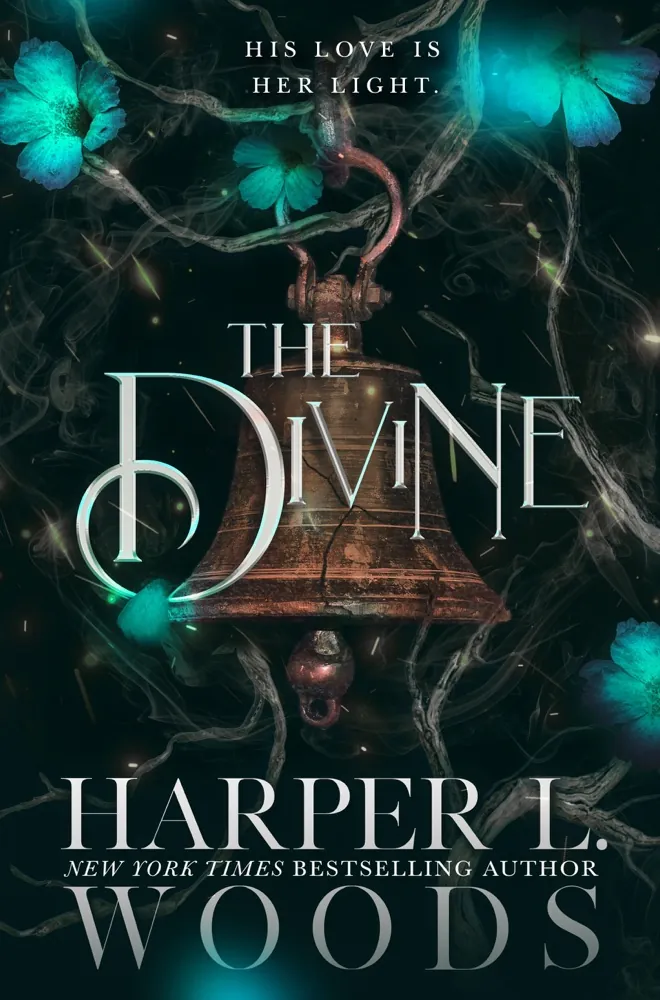
Author: Harper L. WoodsPage Count: UnknownPublication Date: Expected publication 2026-12-29 APL The synopsis for The Divine is so deliberately opaque it might as well be a love letter to the kind of storytelling that thrives on implication rather than exposition—like a haiku written in blood. Margot’s bargain with death is the kind of tragic, Faustian deal that feels ripped straight from a gothic romance where the only currency is suffering and the only reward is a hollow victory. But here’s the problem: the synopsis doesn’t tell us why she made the deal. Was it desperation? Love? A misplaced sense of martyrdom? The phrasing—"She succumbed to death to save his life"—suggests a passive, almost resigned act, like a character in a Greek tragedy accepting her fate without question. And yet, the line "A soul for a soul. A price to pay for her love" implies something far more intimate, something that could lean into the kind of emotional brutality found in The Raven Boys or the slow-burn tragedy of The Shadow of the Wind. The tension between these two interpretations is delicious—it’s the kind of ambiguity that makes a reader lean in, fingers curled around the spine, wondering if the love here is noble or self-destructive. But then—after all, death is only the beginning—the synopsis pivots into something far more unsettling. It’s not just about Margot’s bargain; it’s about the voice of death itself becoming the only thing that can undo it. This reads like the setup for a horror-lite twist, the kind where the supernatural isn’t just a backdrop but an active, malevolent participant. Think Mexican Gothic meets The Last House on Needless Street, where the dead aren’t just ghosts but something far more insidious, something that might have been waiting for Margot to make her deal. The synopsis doesn’t name the stakes—is this about redemption? About power? About the cost of love when the only currency is mortality?—but the implication is that Margot’s soul isn’t just hers to give. It’s a hostage. And now, the thing that took it is the only one who can get it back. And yet—here’s where the synopsis fails spectacularly. It doesn’t show us the weight of Margot’s bargain. It doesn’t tell us whether she regrets it. It doesn’t even tell us if she’s still alive, or if she’s already become something else entirely. The phrasing is so abstract it could apply to any number of tropes: the doomed lover, the cursed protagonist, the woman who trades her humanity for something she can’t name. It’s the kind of vagueness that makes you wonder if Harper L. Woods is playing with expectations, or if she’s just too busy with the next big idea to flesh out the details. Either way, it’s a risk. Because when a synopsis reads like a series of post-it notes slapped onto a whiteboard—"Margot," "Death," "Love," "Redemption?"—it’s hard not to feel like you’re being handed a puzzle with half the pieces missing. But then—Literally. The real question is whether The Divine will deliver on the kind of emotional gut-punch that makes a reader forget they’re just turning pages. The Coven of Bones series has a history of blending supernatural intrigue with deeply personal stakes, and if this book leans into the kind of psychological horror that makes The Silent Patient feel like a warm-up act, it could be something special. But if it’s just another installment in the "soul-deal gone wrong" genre—think The Graveyard Book meets The Lovely Bones—then it risks feeling like a retread, a rehash of stories we’ve already seen told better by others. The synopsis doesn’t give us enough to say whether this will be a fresh take or just another entry in the "tragic love, supernatural consequences" canon. And then—Hard pass. Wait, no. That’s not right. The synopsis is too tantalizing to dismiss outright. It’s the kind of setup that makes you want to believe in the worst possible version of Margot’s story, the kind where love isn’t a salvation but a sentence. The fact that the voice of death is the only thing that can save her—save them—suggests a dynamic that could be as complex as it is brutal. Is this about two people trapped in a cycle of sacrifice? Is it about the cost of immortality, or the price of being loved by something that isn’t human? The synopsis doesn’t say, but the questions it leaves unanswered are the ones that keep you reading. But then—the toddler is screaming. I have to convince her that bath time isn’t a punishment, and the only way to do that is to distract her with the promise of a story. Maybe The Divine will be that story—sharp, dark, and impossible to look away from. Or maybe it’ll just be another book where the synopsis sells the idea better than the execution. Either way, I’m holding out hope that Harper L. Woods will surprise me, that she’ll take this vague, haunting setup and turn it into something that feels as inevitable as it does inevitable. Because right now, the synopsis is just a tease, a whisper in the dark. And whispers, as we all know, are the most dangerous kind of promise. #BookTok #SupernaturalRomance #SoulDeals #HarperLWoods #GothicFiction Related InsightsBefore I Fall Book Review and Summary Memory's Legion Book Review and Summary L'Encre Interdite : Quand le Rideau de Fer S'abattait sur les Pages{ "@context": "https://schema.org", "@type": "FAQPage", "mainEntity": [ { "@type": "Question", "name": "What is the main focus of The Divine (Coven of Bones, 4) Book Review and Summary?", "acceptedAnswer": { "@type": "Answer", "text": "Everything you need to know about The Divine (Coven of Bones, 4) with our detailed review." } }, { "@type": "Question", "name": "Who authored the comprehensive guide on The Divine (Coven of Bones, 4) Book Review and Summary?", "acceptedAnswer": { "@type": "Answer", "text": "This detailed article and its insights were carefully researched and authored by Victoria Smith." } }, { "@type": "Question", "name": "Where can I find more related content about Books?", "acceptedAnswer": { "@type": "Answer", "text": "You can explore more articles, detailed reviews, and similar insights by browsing the Related Insights section at the bottom of this article or visiting our dedicated Books category page." } } ] }
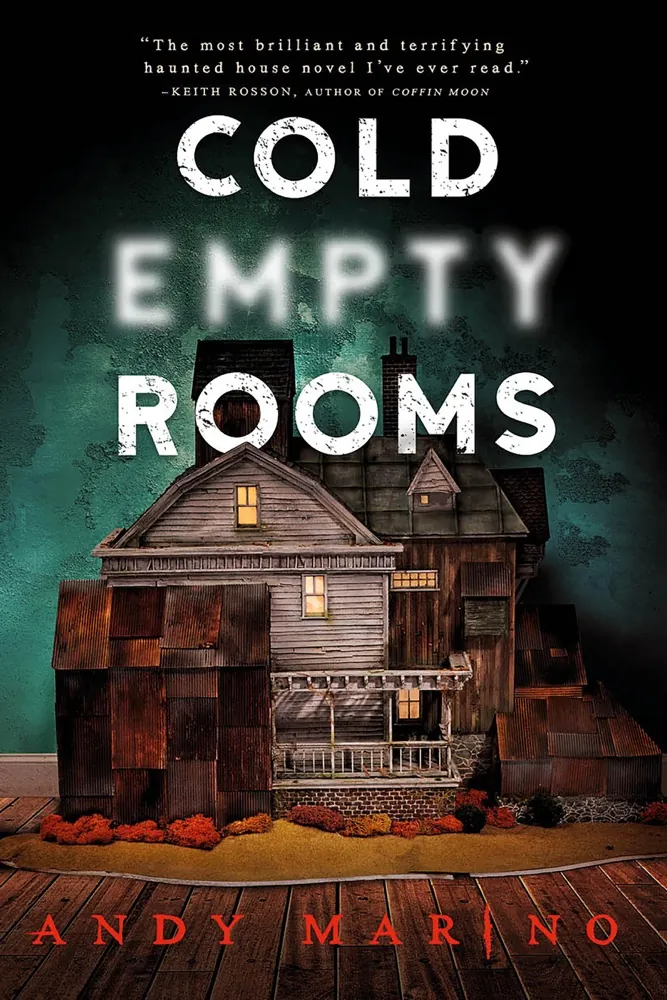

Author: Andy MarinoPage Count: UnknownPublication Date: Expected publication 2026-11-10 APL The house in Cold Empty Rooms isn’t just a setting—it’s a living paradox, a Lovecraftian Rorschach test for the desperate. Marino’s synopsis doesn’t so much describe as hypnotize, weaving a spell where the prose itself becomes the haunting. The language is the kind that makes you pause mid-sentence, fingers twitching toward the screen like you’re being summoned. And yet—and yet—the problem isn’t the ambition. It’s the vagueness. A synopsis this sparse could belong to a dozen different books, from a House of Leaves-style structural nightmare to a The Babadook fable about grief as a parasitic roommate. The Great Other could be a cosmic trickster, a vengeful spirit, or—worse—a metaphor so heavy-handed it collapses under its own weight. But Marino’s name alone suggests we’re dealing with something far more deliberate than a generic haunted house trope. The real genius—or folly—here is the ideology of the house. Soren’s magnetic ideology? That’s not just a plot device; that’s a cult. And not the fun, The VVitch-style paganism either, but something far more insidious, the kind of dogma that turns love into a cult and sorrow into a currency. It’s the kind of thing that would make Clive Barker nod approvingly while simultaneously facepalming. The synopsis doesn’t name the entity, but the tone is unmistakable—Annihilation meets The Empty Man, with a dash of Hereditary’s familial dread. The house isn’t just haunted; it’s a black mirror, reflecting back the worst in its inhabitants while whispering promises of absolution. And Mara’s past? Oh, it’s not just trauma—it’s unresolved. The kind of thing that lingers like a half-remembered dream, the kind that makes you wonder if the house is healing her or feeding on her. But here’s where the synopsis fails: it doesn’t show the horror. It tells it in broad, cinematic strokes. The Great Other’s directives are reduced to soundbites—"Invite more," "Relieve them of their sorrow"—like a Twilight Zone episode where the twist is that the twist is too obvious. Marino’s reputation suggests he could’ve done better. His work, as praised by Whitten and Rosson, thrives on subtext, on the kind of dread that seeps in through the cracks of the prose. This synopsis reads like a pitch deck for a horror movie, not the raw nerve of a literary horror novel. Where’s the psychological weight? Where’s the linguistic texture? The way Thomas Tryon made The Other feel like a psychological minefield, or how Joe Hill turns grief into a physical force in NOS4A2? The real crime isn’t that the book might be derivative—it’s that it could be so much more. The house is already a character, a monster in its own right, but the synopsis treats it like a backdrop. And the outcasts? They’re not characters—they’re placeholders, a chorus of the damned waiting to be fleshed out. This isn’t The Fisherman’s slow-burn descent into madness; it’s The Shining’s elevator pitch, stripped of its meat. Marino’s name alone should’ve warned us: this isn’t just another haunted house story. It’s supposed to be a psychological horror, a philosophical nightmare. But the synopsis reads like it was written by a ghostwriter who only skimmed the first act of The Exorcist and thought, "Yeah, that’ll do." And now I must fire the ghostwriter who turned my vision of a haunted house as a metaphor for collective trauma into a checklist of horror tropes. The house should’ve been a character, not a setting. The Great Other should’ve been a force, not a plot device. But no—now it’s just another empty room in a genre that’s already overcrowded with them. #HorrorThatForgotItsOwnRules #MarinoOrBust #WhereIsTheSubtext Related InsightsAnna and the French Kiss Book Review and Summary Wrecked Book Review and Summary Birthday Girl Book Review and Summary{ "@context": "https://schema.org", "@type": "FAQPage", "mainEntity": [ { "@type": "Question", "name": "What is the main focus of Cold Empty Rooms Book Review and Summary?", "acceptedAnswer": { "@type": "Answer", "text": "Everything you need to know about Cold Empty Rooms with our detailed review." } }, { "@type": "Question", "name": "Who authored the comprehensive guide on Cold Empty Rooms Book Review and Summary?", "acceptedAnswer": { "@type": "Answer", "text": "This detailed article and its insights were carefully researched and authored by Emma Thompson." } }, { "@type": "Question", "name": "Where can I find more related content about Books?", "acceptedAnswer": { "@type": "Answer", "text": "You can explore more articles, detailed reviews, and similar insights by browsing the Related Insights section at the bottom of this article or visiting our dedicated Books category page." } } ] }
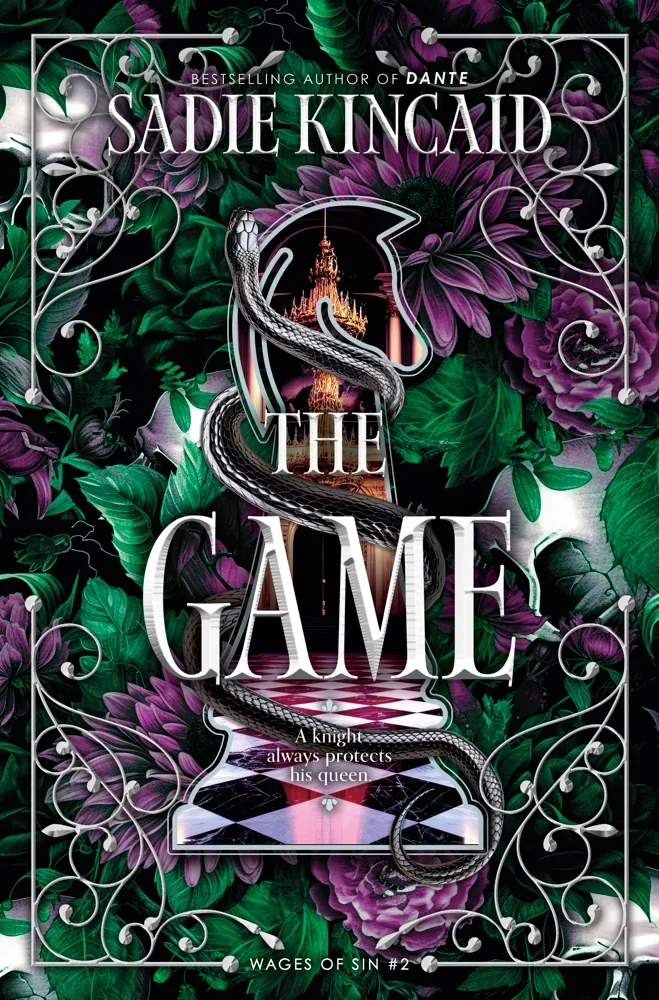

Author: Sadie KincaidPage Count: UnknownPublication Date: Expected publication 2026-11-03 APL The tantalizing dance of deception and desire - it's a potent cocktail, indeed. Sadie Kincaid's The Game promises to be a sultry, suspenseful ride, but one can't help but wonder: will it be more than just a rehashed Beauty and the Beast retelling with a dark mafia twist? Imogen Demotta's world is turned upside down when she discovers Lincoln Knight's darkest secret - a revelation that shatters the carefully constructed illusion of her 'tortured hero'. The lines between savior and villain are blurred, and Imogen is left questioning everything. It's a classic trope, to be sure, but one that can be executed with devastating effect. The key to success lies in Kincaid's ability to balance the slow-burn romance with the thrill of the unknown, all while maintaining a sense of tension that's as much about the characters' inner turmoil as it is about the external danger lurking in the shadows. But what of Imogen herself? Is she merely a damsel in distress, or will she prove to be a determined heroine, capable of uncovering the truth and taking control of her own destiny? The synopsis suggests a certain level of agency, but one can't help but feel that her character arc will be heavily influenced by the men in her life. The 'morally grey alpha hero' is a staple of the genre, after all, and it's often the female lead who must navigate the treacherous waters of their affections. And then, of course, there's the elephant in the room: the Brotherhood. A shadowy organization with a penchant for manipulation and control - it's a familiar trope, to be sure, but one that can be used to great effect in exploring themes of power, corruption, and the blurred lines between good and evil. Speaking of which, have you ever noticed how often the 'dark mafia romance' genre relies on the 'tortured hero' trope? It's a tired cliché, if you ask me - a lazy way to excuse questionable behavior and create a sense of 'depth' where none truly exists. I mean, take God of Malice, for example. The 'hero' of that particular tale is little more than a cardboard cutout, a shallow excuse for a character with all the depth and complexity of a kiddie pool. But I digress. The Game promises to be a scorching hot, suspenseful ride, full of twists and turns that will keep readers on the edge of their seats. Will it live up to its promise? Only time will tell. One thing's for sure, however: Sadie Kincaid's latest offering will be a must-read for fans of the genre. And now, if you'll excuse me, I really must put up the holiday decorations. My spouse is growing impatient, and I fear for my sanity if I don't get the lights up soon. #DarkMafiaRomance #BeautyAndTheBeastRetelling #SlowBurnSuspense Related InsightsCheshire Crossing Book Review and Summary Spirited Engagement Book Review and Summary Finally Mine Book Review and Summary{ "@context": "https://schema.org", "@type": "FAQPage", "mainEntity": [ { "@type": "Question", "name": "What is the main focus of The Game (Wages of Sin, #2) Book Review and Summary?", "acceptedAnswer": { "@type": "Answer", "text": "Everything you need to know about The Game (Wages of Sin, #2) with our detailed review." } }, { "@type": "Question", "name": "Who authored the comprehensive guide on The Game (Wages of Sin, #2) Book Review and Summary?", "acceptedAnswer": { "@type": "Answer", "text": "This detailed article and its insights were carefully researched and authored by William Clark." } }, { "@type": "Question", "name": "Where can I find more related content about Books?", "acceptedAnswer": { "@type": "Answer", "text": "You can explore more articles, detailed reviews, and similar insights by browsing the Related Insights section at the bottom of this article or visiting our dedicated Books category page." } } ] }
-
 Giulia Ricci
 - 26 Aug, 2026 08:23
Rome's Age of Revolution: Augustus, Empire, and the Making of Christianity Book Review and Summary
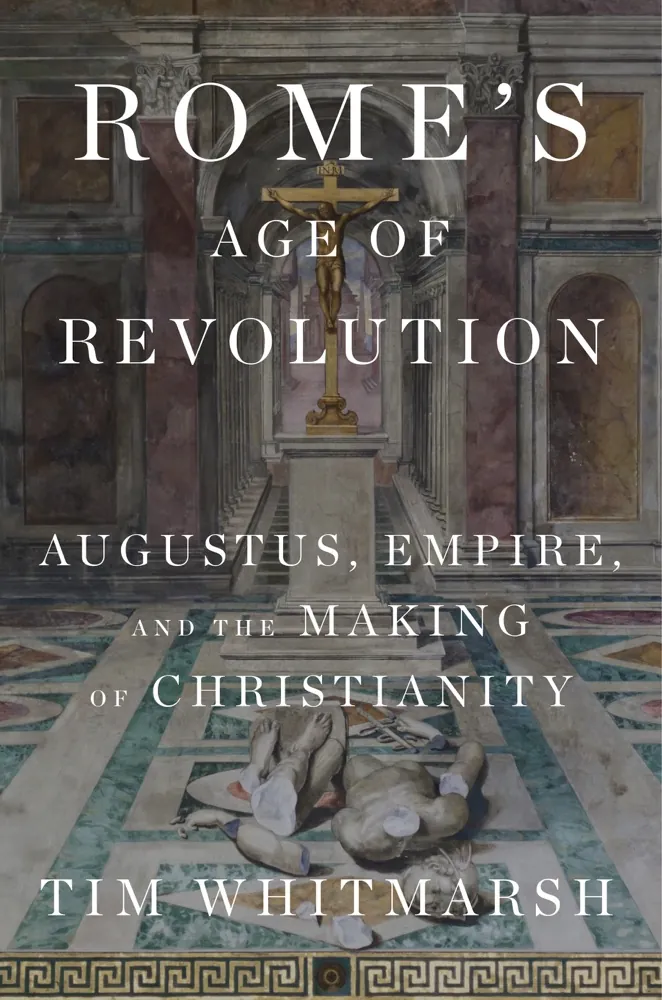
Author: Tim WhitmarshPage Count: UnknownPublication Date: Expected publication 2026-11-10 APL The synopsis for Rome’s Age of Revolution reads like a historian’s fever dream—equal parts scholarly ambition and the kind of academic marketing that makes you want to both buy it and immediately burn it in a bonfire of pretentiousness. Whitmarsh’s framing is chef’s kiss for the kind of book that gets assigned in grad seminars because it sounds like it’ll make you feel smarter, even if it’s just rearranging the same dusty bones of imperial history. The idea that Christianity “took shape” in the Roman Empire is so basic it’s almost a cliché—yet here we are, with a book promising to revolutionize our understanding of it, as if we’ve been living in a pre-Augustan dark age. The synopsis leans hard into the “swirl” metaphor—physical movement, ideas, languages—like some kind of intellectual smoothie. It’s the kind of prose that makes you wonder if Whitmarsh has ever actually felt the weight of a Roman road underfoot, or if he’s just another armchair theorist spinning Platonic wheels. The “quasi-divine Augustus” bit is particularly rich, because let’s be real: every emperor was a god in his own propaganda, and Whitmarsh’s framing here risks reducing the whole thing to a historical soap opera where the real drama is whether Paul’s epistolary style was more Stoic or more basic. The mention of Nero’s “villainy” being exaggerated is a nice little jab at the romanticization of persecution narratives, but it also feels like a cop-out—because of course it’s exaggerated, but that doesn’t mean it wasn’t felt. The book’s promise to “revisit pivotal clashes with the kingdom of Judah” is where things get interesting, if only because it implies Whitmarsh is going to do something with the messy, violent, human reality of Roman-Jewish relations rather than just treating it as backdrop. But then the synopsis slips back into safe, abstract territory: “the flowing and counterflowing of physical movement, ideas, and languages.” It’s all very cool, very academic—until you realize this is just a fancy way of saying “cultural diffusion,” which is a term that’s been dead for decades. The real question is whether Whitmarsh will actually do something with this swirling mess, or if he’ll just let it dissolve into another well-meaning but ultimately forgettable synthesis. And then there’s the present-day angle—because of course there has to be one. The synopsis drops hints about “intriguing connections to the present day” like it’s a Netflix special, as if the fact that Christianity still shapes our calendars isn’t already obvious. It’s the kind of hand-wavy, “this is why you should care” bullshit that makes you want to scream, Duh, Tim, we’ve been living in this mess for 2,000 years. But maybe that’s the point—maybe the book is just going to be a very long, very expensive way of saying, “Look how weird it all was, and also, here’s a chart.” The most frustrating part? The synopsis doesn’t actually tell you what the book will do. It’s all implication, all “you’ll see,” all the kind of vague promise that makes you want to demand a table of contents. Where’s the meat? Where’s the controversy? The only thing more irritating than Whitmarsh’s theoretical swirl is the fact that he’s not even swirling hard enough. Compare this to something like The Invention of Race by Winthrop Jordan, where every sentence feels like a scalpel—here, it’s all smoothie blender. But then again, maybe that’s the point. Maybe Rome’s Age of Revolution is just going to be a very polished, very safe book about how ideas move, and that’s fine—if it’s not going to be another God’s Secretaries by Karen Armstrong, which is to say, if it’s not going to be too accessible, or too dry. The real test will be whether Whitmarsh can make the Roman Empire feel like more than just a footnote in the story of Christianity, or if he’ll just treat it as the stage on which the real drama—Jesus, Paul, Constantine—unfolds. I need to go reorganize my reference books before I forget where I put the ones about Roman roads. #BookTok #AncientHistory #ScholarlyMess #WhyIsThisSoHardToFindInPaperback #HistoricalSwirl Related InsightsInk Against the Iron Curtain: The Forbidden Library of the Soviet Union Winter's Bone Book Review and Summary Queen Charlotte Book Review and Summary{ "@context": "https://schema.org", "@type": "FAQPage", "mainEntity": [ { "@type": "Question", "name": "What is the main focus of Rome's Age of Revolution: Augustus, Empire, and the Making of Christianity Book Review and Summary?", "acceptedAnswer": { "@type": "Answer", "text": "Everything you need to know about Rome's Age of Revolution: Augustus, Empire, and the Making of Christianity with our detailed review." } }, { "@type": "Question", "name": "Who authored the comprehensive guide on Rome's Age of Revolution: Augustus, Empire, and the Making of Christianity Book Review and Summary?", "acceptedAnswer": { "@type": "Answer", "text": "This detailed article and its insights were carefully researched and authored by Giulia Ricci." } }, { "@type": "Question", "name": "Where can I find more related content about Books?", "acceptedAnswer": { "@type": "Answer", "text": "You can explore more articles, detailed reviews, and similar insights by browsing the Related Insights section at the bottom of this article or visiting our dedicated Books category page." } } ] }
-
 Diego Lopez
 - 26 Aug, 2026 06:48
Loving a Demon is a Total Nightmare (Total Chaos, #3) Book Review and Summary
Author: Aura HayesPage Count: UnknownPublication Date: Expected publication 2026 APL Total Chaos, indeed – Aura Hayes' new novel, Loving a Demon is a Total Nightmare, is bound to unleash a whirlwind of emotions, and I'm not sure I'm ready for it. The official synopsis has left me both intrigued and perplexed. I mean, what exactly does "a woman's contempt" even mean in this context? Is it a clever marketing ploy, or an actual plot point? I'll have to wait and see. Hell Hath No Fury... It's clear that Loving a Demon will be a character-driven novel, with a complex web of relationships and emotions. The presence of multiple love interests, past and present, is bound to create tension – and possibly, a few explosions. I'm reminded of the works of Sylvia Day, with her Crossfire series, where the lines between love and obsession are constantly blurred. Will Aura Hayes be able to pull off a similar feat, or will the novel descend into melodrama? Only time will tell. And then, there's the issue of the "demon" in the title. Is it a metaphor, or an actual supernatural entity? The synopsis doesn't give us much to go on, but I'm hoping it's not just a gimmick. I mean, who doesn't love a good demon story? Just think of The Exorcist, or The Devil's Advocate. If done correctly, this could be a game-changer. The Thin Line Between Love and Hate One thing's for sure – Loving a Demon will explore the darker aspects of human nature. The themes of jealousy, infidelity, and revenge are all too familiar, and I'm curious to see how Hayes will weave them together. Will it be a commentary on the destructive power of love, or a cautionary tale about the dangers of obsession? Perhaps it's both. But, what really catches my attention is the mention of "sins from the past" and "nightmares of the present". This sounds like a classic case of the "past coming back to haunt you" trope – a staple of horror and thriller novels. I'm thinking of authors like Gillian Flynn, who expertly crafted a similar narrative in Gone Girl. If Hayes can pull off a similar level of tension and suspense, I'm in. As I sit here on this sweltering bus, sweating bullets and wondering if I'll ever make it to my destination, I'm left with more questions than answers. Will Loving a Demon be a hit, or a miss? Only time will tell. One thing's for sure, though – I'll be keeping an eye out for this one. Ugh, I need a cigarette. Too bad my local bodega's run out of my favorite brand. Again. #LovingADemonIsATotalNightmare #AuraHayes #TotalChaos #BookLovers #NewRelease Related InsightsThe 5th Wave Book Review and Summary The Spirits Book Review and Summary The Architecture of Alienation: Unmasking the Eternal Angst of Holden Caulfield{ "@context": "https://schema.org", "@type": "FAQPage", "mainEntity": [ { "@type": "Question", "name": "What is the main focus of Loving a Demon is a Total Nightmare (Total Chaos, #3) Book Review and Summary?", "acceptedAnswer": { "@type": "Answer", "text": "Everything you need to know about Loving a Demon is a Total Nightmare (Total Chaos, #3) with our detailed review." } }, { "@type": "Question", "name": "Who authored the comprehensive guide on Loving a Demon is a Total Nightmare (Total Chaos, #3) Book Review and Summary?", "acceptedAnswer": { "@type": "Answer", "text": "This detailed article and its insights were carefully researched and authored by Diego Lopez." } }, { "@type": "Question", "name": "Where can I find more related content about Books?", "acceptedAnswer": { "@type": "Answer", "text": "You can explore more articles, detailed reviews, and similar insights by browsing the Related Insights section at the bottom of this article or visiting our dedicated Books category page." } } ] }
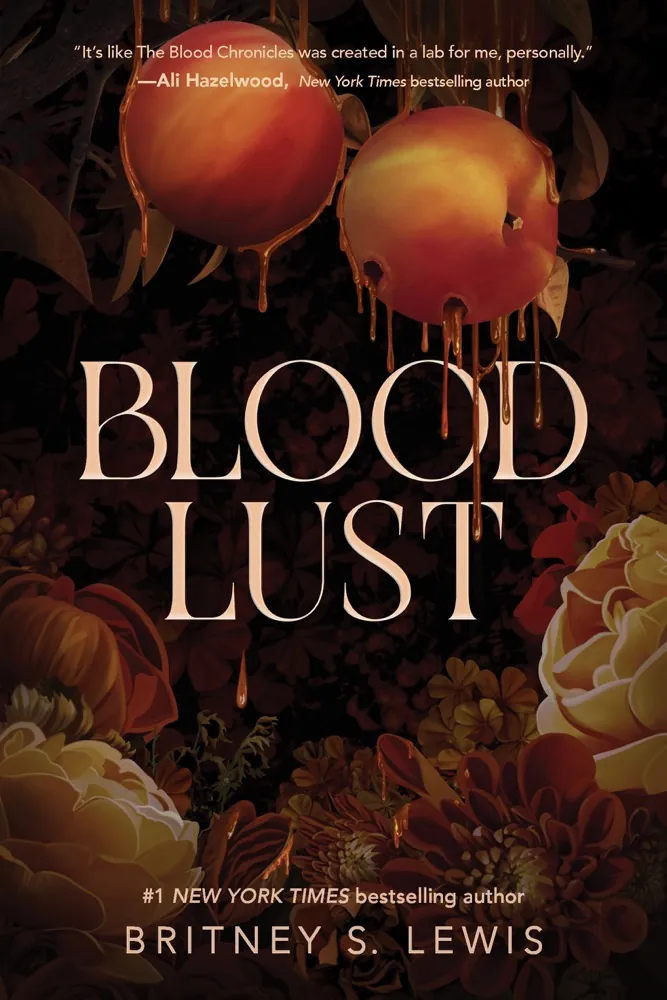
Author: Britney S. LewisPage Count: UnknownPublication Date: Expected publication 2026 APL The relentless pull of darkness, and the desperate struggle to cling to the last vestiges of humanity. In Blood Lust, the sequel to Britney S. Lewis's Blood Moon, Mira is thrust into a world of vampire royalty, where the very fabric of her existence is torn asunder. As the synopsis tantalizingly hints, Mira's transformation is not just a physical one, but a deeply psychological and philosophical reckoning. —And what is it about the vampire mythology that continues to captivate us, that draws us in with its dark, gothic allure? Is it the promise of immortality, the intoxicating thrill of power, or the forbidden love that dare not speak its name? For Mira, the stakes are personal, as she navigates the treacherous landscape of the vampire court, where trust is a luxury she can ill afford. But what of Julian, the enigmatic figure whose betrayal has left Mira reeling? Can she truly trust him, or is he merely a pawn in a larger game of power and manipulation? The synopsis hints at a complex web of motivations, where loyalty and deception are inextricably entwined. It's a dance that's all too familiar in the world of vampire fiction, where the lines between love and lust, loyalty and betrayal, are constantly blurred. And yet, despite the familiar tropes, there's something undeniably compelling about Mira's journey, a sense of urgency and desperation that propels her forward into the unknown. It's a feeling that's eerily reminiscent of the works of Anne Rice, where the supernatural is merely a backdrop for a deeper exploration of the human condition. —But what of the world-building, the meticulous crafting of a vampire society that's both fascinating and terrifying? The synopsis hints at a richly detailed world, where the legends of old are woven into a complex tapestry of power and politics. It's a world that's both alluring and repellent, a place where Mira must confront the darkest aspects of her own nature. As I ponder the themes and motifs that will undoubtedly emerge in Blood Lust, I'm struck by the sense of unease that pervades the synopsis. It's a feeling that's all too familiar in our own world, where the boundaries between good and evil are constantly blurred, and the monsters that lurk in the shadows are often the ones we least expect. And so, as I eagerly await the release of Blood Lust, I'm left with more questions than answers. Will Mira succumb to the darkness that threatens to consume her, or will she find a way to reclaim her humanity? Only time will tell, but one thing is certain: this is a journey that will leave us breathless, and begging for more. —Now, if you'll excuse me, I have to attend a protest against the demolition of a historic theater. It's a battle that's all too familiar, where the forces of progress and preservation are locked in a struggle that will determine the very soul of our city. #vampirefiction #paranormalromance #bookstagram Related InsightsRecord Lows Book Review and Summary A Midsummer Night’s Dream Book Review and Summary Last Exit to Brooklyn Book Review and Summary{ "@context": "https://schema.org", "@type": "FAQPage", "mainEntity": [ { "@type": "Question", "name": "What is the main focus of Blood Lust (Blood Chronicles, #2) Book Review and Summary?", "acceptedAnswer": { "@type": "Answer", "text": "Everything you need to know about Blood Lust (Blood Chronicles, #2) with our detailed review." } }, { "@type": "Question", "name": "Who authored the comprehensive guide on Blood Lust (Blood Chronicles, #2) Book Review and Summary?", "acceptedAnswer": { "@type": "Answer", "text": "This detailed article and its insights were carefully researched and authored by Olya Shevchenko." } }, { "@type": "Question", "name": "Where can I find more related content about Books?", "acceptedAnswer": { "@type": "Answer", "text": "You can explore more articles, detailed reviews, and similar insights by browsing the Related Insights section at the bottom of this article or visiting our dedicated Books category page." } } ] }
-
 Piotr Nowak
 - 26 Aug, 2026 04:22
Temper: Practicing Freedom in an Unfree World Book Review and Summary
Author: Autumn BrownPage Count: UnknownPublication Date: Expected publication 2026-11-10 APL The subway car’s fluorescent lights buzz like a dying insect, the kind you step on without thinking—just another body in the rush, another face half-lit by the glow of a phone screen. You’re not supposed to read books like this on the subway. Not the ones that make your chest tighten, not the ones that whisper about freedom like it’s a muscle you can flex in the middle of a packed car. But here we are, Temper pressed against your ribs like a secret, its cover—some abstract swirl of black and gold—mocking you with the promise of something sharper than the edges of your seat. The synopsis doesn’t give you much to hold onto. It’s all metaphors and martial arts, fugitives and fugue states, like the author is trying to sell you a spiritual dojo where the sparring partners are systemic racism and your own damn nervous system. But the blurbs? Oh, the blurbs are chef’s kiss—Glennon Doyle calling it an "Emergency Exit" like it’s a last-resort Airbnb for the soul, Resmaa Menakem calling it "mystical and invitational" like it’s a cult text you’ll quote at your own funeral. That’s the kind of hype that makes you lean in, even when the book itself is still a ghost of a thing. The core idea—freedom as a practice, not a destination—isn’t new. Audre Lorde wrote about it in A Burst of Light, bell hooks in All About Love, but there’s something about the way Brown frames it here that feels like a direct middle finger to the self-help industry’s usual bullshit. No "12 Steps to Inner Peace" nonsense. Instead, it’s all about conditioning—like training for a marathon you didn’t sign up for, where the finish line keeps moving. The fugitive state isn’t just a historical reference; it’s a lifestyle. You’re supposed to be in a constant state of alertness, like your body’s always bracing for the next wrong turn, the next wrong look, the next system that decides you don’t belong. And yet—here’s the twist—it’s not about survival. It’s about thriving in the wreckage. But the vagueness is maddening. What does "falling apart together" even look like? Is this a communal practice, or a solo discipline? The synopsis hints at ancestral wisdom, but does that mean we’re supposed to channel Harriet Tubman’s spirit like a TikTok filter, or is it something deeper—something that requires you to sit with the weight of your own lineage, not just the glamour of it? And the martial arts angle? Is this a literal guide to using movement as resistance, or is it more metaphorical—like the way you have to move through the world even when it’s trying to stop you? The problem isn’t that the ideas are untested. It’s that they’re untested. There’s no framework here, no structure. It’s all promise and no process. You can feel the potential—this could be the The Body Keeps the Score for Black feminist resilience, the Me and White Supremacy for people who’ve already read Me and White Supremacy but still need a next step. But right now, it’s just a series of provocations, a dare to show up for yourself in a world that’s designed to make you disappear. And that’s the thing—you do have to show up. The book seems to be saying that freedom isn’t a political act, it’s a personal one. But where’s the roadmap? Where’s the "and then you do this"? The synopsis leaves you with more questions than answers, which is either genius or a cop-out, depending on how much you trust the author to deliver. You’re not supposed to like it yet. You’re not supposed to get it. You’re supposed to feel the tension, the pull of something that could be revolutionary if it’s done right. But right now, it’s just a spark in the dark, and you’re holding it like a match—one wrong breath and it’s gone. You’re going to read a battered copy of On the Road until the sun comes up instead. At least Kerouac didn’t promise you a spiritual breakthrough. He just promised you the road, and that’s enough. #bookstagram #literarycriticism #blackfeministthought #nonfictionaddiction #whatweretheythinking Related InsightsThe Fallen Woman Book Review and Summary The Last Unicorn Book Review and Summary Platform Decay Book Review and Summary{ "@context": "https://schema.org", "@type": "FAQPage", "mainEntity": [ { "@type": "Question", "name": "What is the main focus of Temper: Practicing Freedom in an Unfree World Book Review and Summary?", "acceptedAnswer": { "@type": "Answer", "text": "Everything you need to know about Temper: Practicing Freedom in an Unfree World with our detailed review." } }, { "@type": "Question", "name": "Who authored the comprehensive guide on Temper: Practicing Freedom in an Unfree World Book Review and Summary?", "acceptedAnswer": { "@type": "Answer", "text": "This detailed article and its insights were carefully researched and authored by Piotr Nowak." } }, { "@type": "Question", "name": "Where can I find more related content about Books?", "acceptedAnswer": { "@type": "Answer", "text": "You can explore more articles, detailed reviews, and similar insights by browsing the Related Insights section at the bottom of this article or visiting our dedicated Books category page." } } ] }
-
 Olivia Harris
 - 26 Aug, 2026 02:58
Blasting Through Blocks: An Artist's Way Guide to Unleashing Your Inner Creativity Book Review and Summary
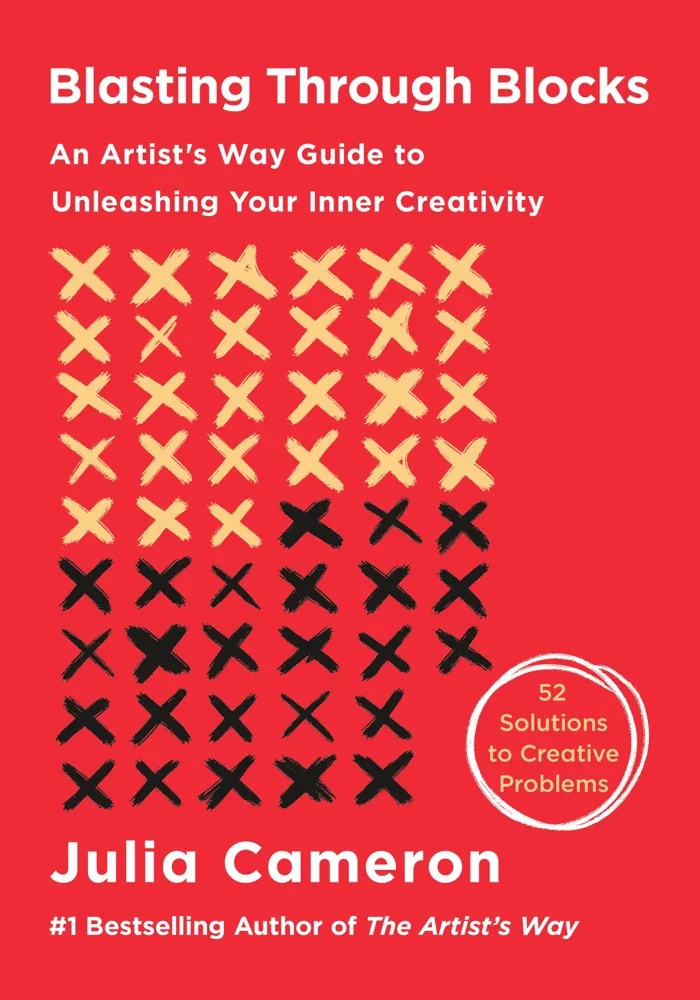
Author: Julia CameronPage Count: UnknownPublication Date: Expected publication 2026-11-03 APL Blasting Through Blocks promises to be a salve for the creatively stuck, a guide to reclaiming one's artistic voice. But will it deliver? Can Julia Cameron, the author of the iconic The Artist's Way, truly help us "blast through" the blocks that have held us back for so long? I'm skeptical, but also intrigued. At first glance, the book's premise seems almost...familiar. 52 essays, each tackling a specific creative block, accompanied by a practical exercise to help overcome it. It's a tried-and-true format, reminiscent of Cameron's earlier work. But will it feel like a rehashing of old ideas, or will Cameron bring something new to the table? The synopsis is frustratingly vague, leaving me wondering if this is merely a rebranding of The Artist's Way, or if Cameron has truly innovated. And yet, I find myself drawn to the promise of "small, powerful tools" to help us overcome our creative blocks. There's something appealing about the idea that we don't need grand, sweeping changes to unlock our artistic potential, but rather simple, incremental shifts. It's a message that resonates deeply, especially in a world where so many of us feel overwhelmed and stuck. But what of the exercises themselves? Will they be too simplistic, too obvious? Or will they offer a genuine path forward for those of us struggling to find our creative footing? I'm reminded of the work of Natalie Goldberg, whose Writing Down the Bones offered a similarly practical, no-nonsense approach to creative unblocking. Can Cameron's exercises match the depth and nuance of Goldberg's work? As I ponder these questions, I'm struck by the realization that perhaps the true value of Blasting Through Blocks lies not in its specific exercises or techniques, but in its very existence. In a world that increasingly values productivity and efficiency over creativity and self-expression, a book that encourages us to slow down, to explore, and to create is a powerful antidote. And yet...I'm not convinced. There's something about the book's premise that feels almost...trite. A "good news" book, indeed. It's a phrase that echoes the saccharine optimism of a Hallmark card, rather than the nuanced, often brutal reality of the creative process. I'm reminded of the infamous "tortured artist" trope, where creatives are portrayed as struggling, angst-ridden souls, rather than complex, multifaceted human beings. Will Blasting Through Blocks offer a more nuanced, realistic portrayal of the creative process, or will it succumb to the same tired cliches? I suppose only time will tell. For now, I'll reserve judgment, and instead ponder the architectural plans for my new beach house, where I hope to find the perfect blend of creative inspiration and relaxation. #creativityunleashed #artistway #beachhouseblues Related InsightsHouse Across the Lake Book Review and Summary The Museum of Lost Things: True Tales of Fabled Treasures, Legendary Cities, and Mythical Creatures That Vanished From History Book Review and Summary House Rules Book Review and Summary{ "@context": "https://schema.org", "@type": "FAQPage", "mainEntity": [ { "@type": "Question", "name": "What is the main focus of Blasting Through Blocks: An Artist's Way Guide to Unleashing Your Inner Creativity Book Review and Summary?", "acceptedAnswer": { "@type": "Answer", "text": "Everything you need to know about Blasting Through Blocks: An Artist's Way Guide to Unleashing Your Inner Creativity with our detailed review." } }, { "@type": "Question", "name": "Who authored the comprehensive guide on Blasting Through Blocks: An Artist's Way Guide to Unleashing Your Inner Creativity Book Review and Summary?", "acceptedAnswer": { "@type": "Answer", "text": "This detailed article and its insights were carefully researched and authored by Olivia Harris." } }, { "@type": "Question", "name": "Where can I find more related content about Books?", "acceptedAnswer": { "@type": "Answer", "text": "You can explore more articles, detailed reviews, and similar insights by browsing the Related Insights section at the bottom of this article or visiting our dedicated Books category page." } } ] }
-
 Chloé Laurent
 - 26 Aug, 2026 02:58
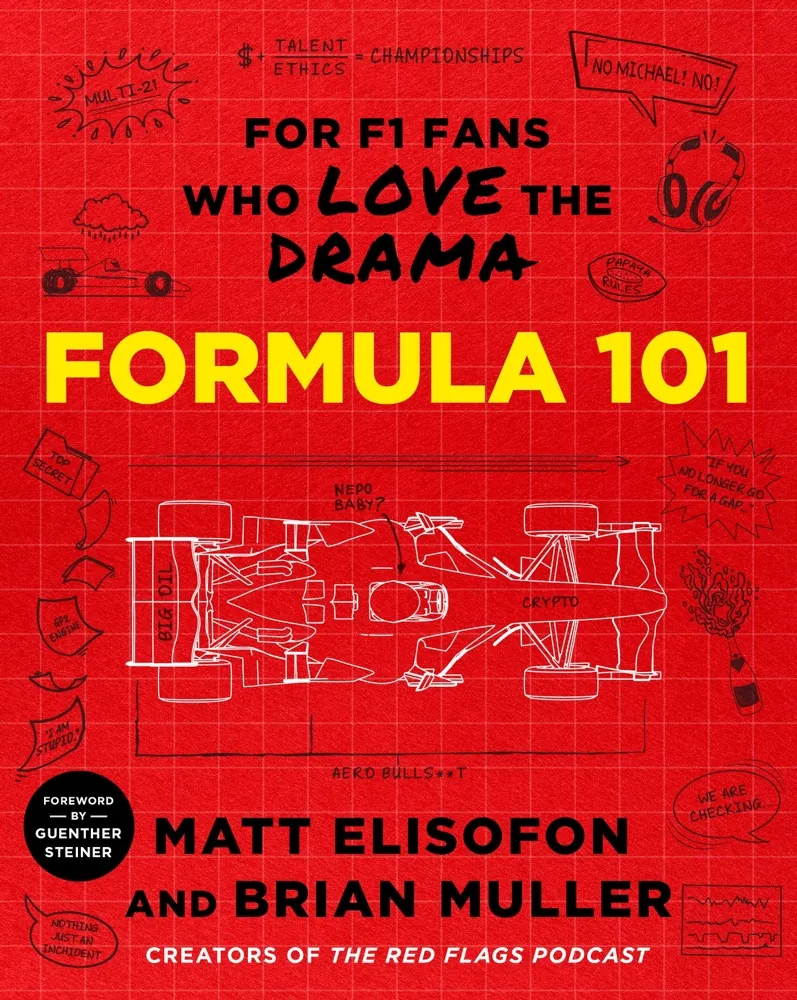
Formula 101: For F1 Fans Who Love the Drama Book Review and Summary
Author: Matt ElisofonPage Count: UnknownPublication Date: Expected publication 2026-11-10 APL What a farce, a textbook masquerading as a bible for Formula 1 aficionados, all while flaunting its Netflix Drive to Survive street cred like a participation trophy. Matt Elisofon's Formula 101 promises to dissect the intricacies of tire strategy, team dynamics, and the cutthroat world of F1 economics, but from the synopsis alone, I sense a lack of genuine depth. F1 for the Instagram Generation It's no secret that the F1 fandom has evolved – or devolved, depending on who you ask – into a realm of pop culture reverence, where drivers are idolized for their looks as much as their skills on the track. Elisofon's attempt to merge high-brow analysis with low-brow humor and "rigorously peer-reviewed driver hotness ratings" reeks of desperation, a Hail Mary pass to appeal to the widest possible audience. Newsflash: the F1 faithful aren't buying it. And don't even get me started on the "nepo-to-talent ratio analyses." It's a shallow, clickbait-y attempt to inject some semblance of intellectual curiosity into what amounts to a glorified fanzine. I'm literally begging for a new plot. Where's the substance? The nuance? The genuine insight into the world of F1? Formula 101 reads like a Wikipedia entry written by a committee of enthusiastic but ultimately clueless fans. But I suppose that's the point – to create a "textbook" that's more concerned with being relatable than rigorous. Elisofon's F1 primer is less about educating readers than it is about reinforcing their existing biases and prejudices. It's a CliffsNotes for the Instagram generation, where the only thing that matters is being seen, not being informed. A Hodgepodge of Half-Baked Ideas The synopsis promises an "ode to Guenther Steiner" and a "gossipy takedown" of Renault, but without context, it's impossible to discern whether these sections will be thoughtful critiques or shallow potshots. The "Moneyland" game, meant to explain the "dark side of racing economics," sounds like a half-baked idea cribbed from a rejected episode of The Sopranos. And what's with the five classic driver archetypes? Is this a serious analysis or a Buzzfeed quiz waiting to happen? I'm reminded of the time a well-meaning but tone-deaf friend tried to explain the intricacies of Mad Men to me using only The Devil Wears Prada as a reference point. It was a mess, a jumbled mess of half-digested pop culture references and shallow observations. Formula 101 risks suffering the same fate – a book that's more concerned with name-dropping than genuine insight. As I sit here, sweating in the August heat, I'm left wondering if Formula 101 will be more than just a footnote in the annals of F1 literature. Will it be a serious contender, or a flash-in-the-pan novelty that's forgotten by the time the next season rolls around? I'm not holding my breath. And speaking of which, my personal assistant just called to inform me that she misplaced my passport – again. I'm supposed to be on a flight to Paris in a few hours. Joy. #F1 #Formula101 #DisasterWaitingToHappen Related InsightsThe Pillars of the Earth Book Review and Summary Ellie Ellie Book Review and Summary Hear the Dead Book Review and Summary{ "@context": "https://schema.org", "@type": "FAQPage", "mainEntity": [ { "@type": "Question", "name": "What is the main focus of Formula 101: For F1 Fans Who Love the Drama Book Review and Summary?", "acceptedAnswer": { "@type": "Answer", "text": "Everything you need to know about Formula 101: For F1 Fans Who Love the Drama with our detailed review." } }, { "@type": "Question", "name": "Who authored the comprehensive guide on Formula 101: For F1 Fans Who Love the Drama Book Review and Summary?", "acceptedAnswer": { "@type": "Answer", "text": "This detailed article and its insights were carefully researched and authored by Chloé Laurent." } }, { "@type": "Question", "name": "Where can I find more related content about Books?", "acceptedAnswer": { "@type": "Answer", "text": "You can explore more articles, detailed reviews, and similar insights by browsing the Related Insights section at the bottom of this article or visiting our dedicated Books category page." } } ] }
-
 Thomas Wright
 - 26 Aug, 2026 01:35
The Retired Assassin's Guide to Amateur Theatrics (Retired Assassin's Guide #3) Book Review and Summary
Author: Naomi KuttnerPage Count: UnknownPublication Date: Expected publication 2026 APL The Retired Assassin's Guide to Amateur Theatrics, Naomi Kuttner's latest offering, promises to be a thrilling ride. And I'm not just saying that because I've had to referee a dozen arguments over whose turn it is to empty the dishwasher this week alone. As I delve into the world of retired assassins and amateur theatrics, I find myself wondering: what lies at the heart of this peculiar tale? Let's assume for a second this actually works. I mean, who wouldn't want to read about a retired assassin trying their hand at amateur theatrics? It's like a trainwreck you can't look away from – a beautiful, messy collision of two worlds that shouldn't coexist. But, as I ponder the synopsis, I'm struck by its vagueness. We're given a tantalizing glimpse into the world of the retired assassin, but what about the theatrics? What kind of amateur theatrics are we talking about here? Is it a community theater production of The Importance of Being Earnest, or something far more sinister? I'm reminded of Jasper Fforde's Thursday Next series, where the boundaries between reality and fiction are constantly blurred. Could Kuttner be attempting something similar? The idea of a retired assassin navigating the world of amateur theatrics raises questions about identity, performance, and the blurred lines between reality and fiction. It's a tantalizing prospect, and one that I'm eager to explore further. But, I digress. As I sit here, nursing my broken heart and wondering what could have been, I find myself drawn to the themes of identity and performance that seem to be at the heart of this novel. It's a clever move, really – using the world of amateur theatrics as a lens through which to examine the complexities of identity. And what better way to explore those complexities than through the eyes of a retired assassin, someone who has spent their entire career playing different roles and assuming different identities? As I think about it, I'm struck by the similarities between this novel and the works of Gillian Flynn. Like Flynn, Kuttner seems to be using the tropes of the thriller genre to explore deeper themes and questions about identity and performance. It's a bold move, and one that I'm eager to see play out. But, I must admit, I'm a bit skeptical. Can Kuttner really pull off this unique blend of thriller and comedy? Or will it fall flat, like so many other attempts at genre-bending? Only time will tell, I suppose. And now, if you'll excuse me, I have to go mediate an argument over whose turn it is to empty the dishwasher. Again. #amateurtheatrics #retiredassassin #identitycrisis Related InsightsThe Five People You Meet in Heaven Book Review and Summary A Beautiful Couple Book Review and Summary A Canticle for Leibowitz Book Review and Summary{ "@context": "https://schema.org", "@type": "FAQPage", "mainEntity": [ { "@type": "Question", "name": "What is the main focus of The Retired Assassin's Guide to Amateur Theatrics (Retired Assassin's Guide #3) Book Review and Summary?", "acceptedAnswer": { "@type": "Answer", "text": "Everything you need to know about The Retired Assassin's Guide to Amateur Theatrics (Retired Assassin's Guide #3) with our detailed review." } }, { "@type": "Question", "name": "Who authored the comprehensive guide on The Retired Assassin's Guide to Amateur Theatrics (Retired Assassin's Guide #3) Book Review and Summary?", "acceptedAnswer": { "@type": "Answer", "text": "This detailed article and its insights were carefully researched and authored by Thomas Wright." } }, { "@type": "Question", "name": "Where can I find more related content about Books?", "acceptedAnswer": { "@type": "Answer", "text": "You can explore more articles, detailed reviews, and similar insights by browsing the Related Insights section at the bottom of this article or visiting our dedicated Books category page." } } ] }
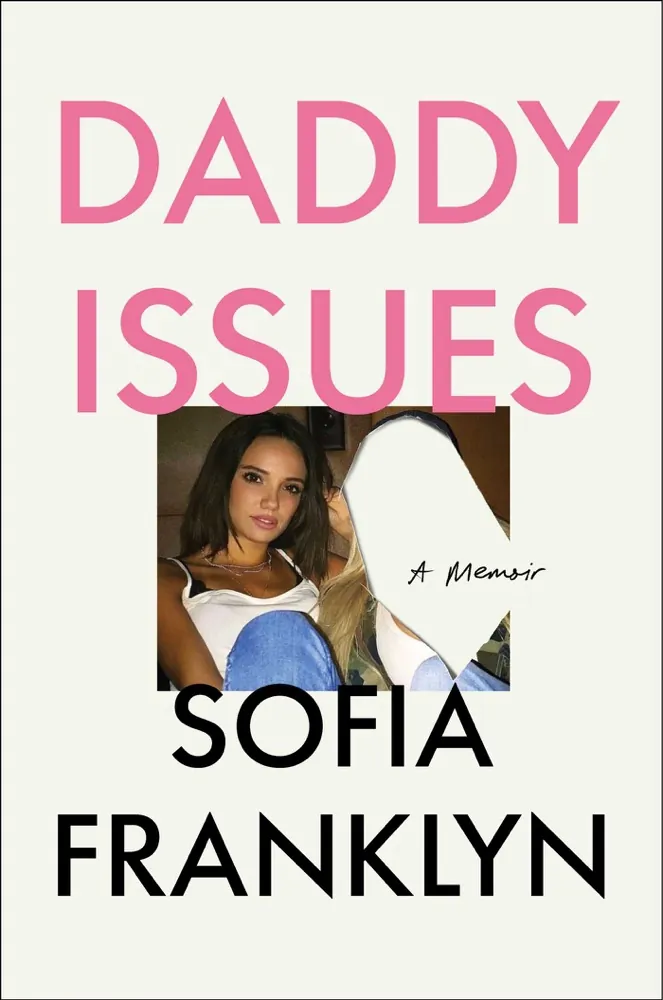

Author: Sofia FranklynPage Count: UnknownPublication Date: Expected publication 2026-11-10 APL The art of memoirs – where the lines blur between truth and performance, and the audience is left questioning what's real and what's just a cleverly crafted narrative. Daddy Issues promises to be a riveting tale of power, friendship, and reclamation, but at its core, it's a story of survival – of Sofia Franklyn's unrelenting pursuit of self-preservation in the face of public scrutiny. And what a scrutiny it is – the internet's messiest breakup, with millions of eyes glued to the trainwreck that was the dissolution of Sofia's relationship with Alex Cooper. But what's fascinating is not the breakup itself, but the way Sofia chooses to frame it – as a private collapse, a reckoning that forced her to interrogate her ambition and the cost of being understood as a headline. It's a bold move, to own the narrative like that, to take control of the story and spin it into a tale of reclamation. But can we trust this narrative? Is Sofia's account a genuine attempt at self-reflection, or is it just a cleverly crafted PR move? The synopsis is vague on this point, leaving us to wonder – and isn't that the most tantalizing aspect of memoirs? The uncertainty, the ambiguity, the blurred lines between truth and fiction. It's a bit like that infamous New York Times exposé on the My Little Pony fandom – you know, the one where they somehow managed to make a bunch of grown adults obsessing over cartoon ponies sound like a sociological phenomenon? Yeah, that one. Anyway, I digress. The point is, memoirs are all about perspective, and Sofia's perspective is sure to be a compelling one. I'm reminded of The Argonauts, Maggie Nelson's critically acclaimed memoir that blurred the lines between love, desire, and identity. Daddy Issues seems to be treading similar ground, albeit with a more pop culture-infused twist. And that's what makes it so intriguing – the way Sofia's story intersects with the world of podcasting, social media, and internet fame. But what about the writing itself? Will Sofia's prose be as sharp as her wit, or will it fall flat? The synopsis doesn't give us much to go on, but I'm willing to take a chance on this one. After all, as a seasoned industry insider, I've seen my fair share of memoirs that promised the world and delivered nothing but bland, generic prose. Daddy Issues has the potential to be something more – a raw, darkly funny portrait of girlhood, friendship, and agency. I'm predicting big things for this one – a bestseller, at the very least, and possibly even a spot on the New York Times list. But we'll have to wait and see. For now, I've got to finish packing for my trip to Tokyo tomorrow – business calls, and all that jazz. #memoirlove #daddyissues #sofiafranklyn Related InsightsGeek Love Book Review and Summary Never Say Never Book Review and Summary I, Claudius Book Review and Summary{ "@context": "https://schema.org", "@type": "FAQPage", "mainEntity": [ { "@type": "Question", "name": "What is the main focus of Daddy Issues: A Memoir Book Review and Summary?", "acceptedAnswer": { "@type": "Answer", "text": "Everything you need to know about Daddy Issues: A Memoir with our detailed review." } }, { "@type": "Question", "name": "Who authored the comprehensive guide on Daddy Issues: A Memoir Book Review and Summary?", "acceptedAnswer": { "@type": "Answer", "text": "This detailed article and its insights were carefully researched and authored by Antoine Leroy." } }, { "@type": "Question", "name": "Where can I find more related content about Books?", "acceptedAnswer": { "@type": "Answer", "text": "You can explore more articles, detailed reviews, and similar insights by browsing the Related Insights section at the bottom of this article or visiting our dedicated Books category page." } } ] }
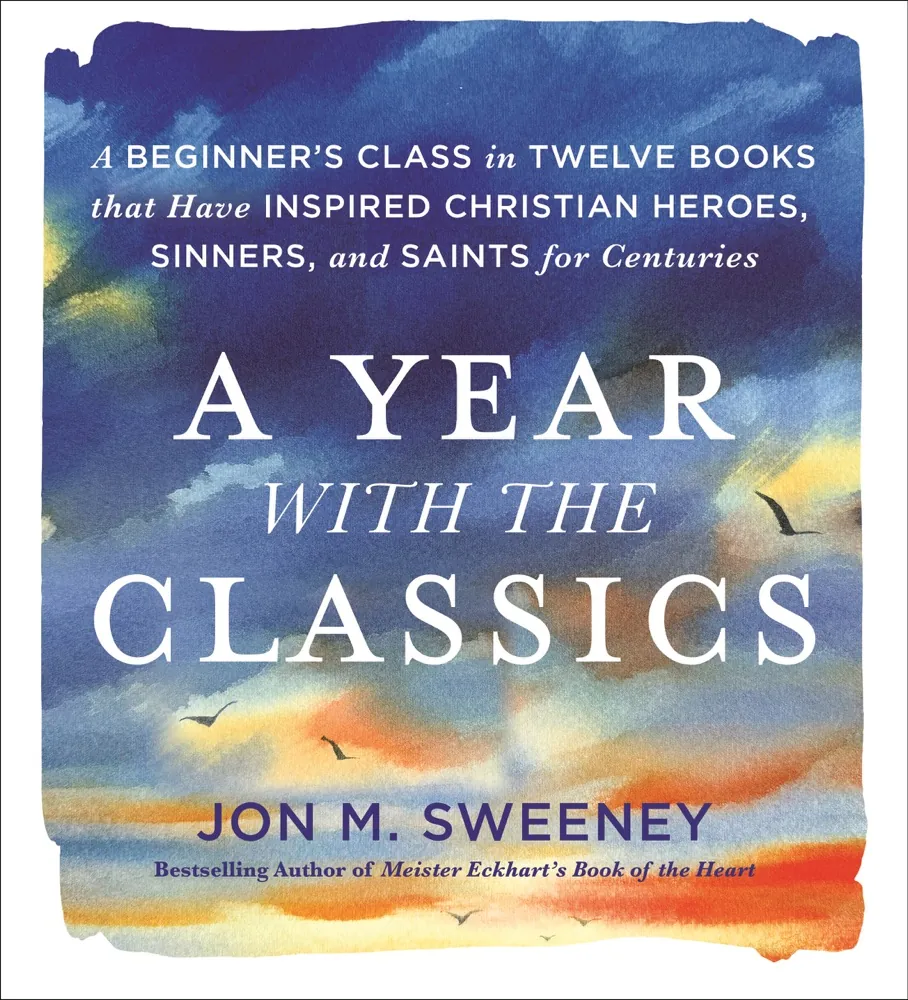
-
 Marta Wisniewska
 - 25 Aug, 2026 22:53
A Year with the Classics: A Beginner’s Class in Twelve Books that Have Inspired Christian Heroes, Sinners, and Saints for Centuries Book Review and Summary
Author: Jon M. SweeneyPage Count: UnknownPublication Date: Expected publication 2026-12-01 APL The mystique of Christian spirituality, as if the answers to life's existential questions lie hidden within the pages of dusty tomes penned by saints and sinners. Jon M. Sweeney's A Year with the Classics promises to be a revelatory journey through twelve foundational works of Christian literature, guiding readers toward a deeper understanding of faith and spirituality. But can this "beginner's class" truly unlock the secrets of the past, or will it merely regurgitate tired dogma? One cannot help but wonder if Sweeney's approach will be akin to a Cliff's Notes version of the classics, stripping the original works of their nuance and complexity in favor of a more palatable, modern interpretation. The promise of "simple daily and weekly practices" drawn from each text raises an eyebrow – will these exercises be shallow imitations of the original works, or genuine attempts to integrate the wisdom of the past into our frenetic, tech-obsessed lives? The inclusion of female spiritual writers like Teresa of Avila and Julian of Norwich is a welcome respite from the patriarchal dominance of Christian literature. Yet, one cannot help but wonder if their contributions will be relegated to the periphery, or if Sweeney will truly delve into the ways in which their experiences and perspectives shaped the spiritual landscape of their time. And then, of course, there's the elephant in the room: the problematic legacy of Christian spirituality. Can Sweeney's book truly reconcile the historical injustices and contradictions of the faith with its purported message of love and humility? Or will it gloss over these issues in favor of a more sanitized, feel-good narrative? But perhaps that's the point – perhaps A Year with the Classics is not meant to be a comprehensive, historically accurate exploration of Christian spirituality, but rather a personal, subjective journey through the works that have shaped Sweeney's own faith. If that's the case, then the book's value lies not in its academic rigor, but in its ability to inspire and guide readers toward a deeper understanding of themselves and their place in the world. In that sense, A Year with the Classics might be compared to the works of authors like Thomas Merton or Annie Dillard, who have managed to distill the essence of spirituality into accessible, beautifully written prose. But will Sweeney's book be able to transcend the boundaries of Christian spirituality, speaking to a broader audience in the way that, say, a book like The Power of Now by Eckhart Tolle has? Only time will tell. I'm running late for a debate at the Red Door Jazz Club, where we'll be discussing the intersection of spirituality and social justice – a topic that, I suspect, will be at the heart of A Year with the Classics. Until next time, when the smoke has cleared and the coffee has been consumed, I remain... #Spirituality #Christianity #BookReview #LiteraryCriticism Related InsightsChosen Son (Fallen City Duology, #2) Book Review and Summary The Kaiju Preservation Society Book Review and Summary Frostbite Book Review and Summary{ "@context": "https://schema.org", "@type": "FAQPage", "mainEntity": [ { "@type": "Question", "name": "What is the main focus of A Year with the Classics: A Beginner’s Class in Twelve Books that Have Inspired Christian Heroes, Sinners, and Saints for Centuries Book Review and Summary?", "acceptedAnswer": { "@type": "Answer", "text": "Everything you need to know about A Year with the Classics: A Beginner’s Class in Twelve Books that Have Inspired Christian Heroes, Sinners, and Saints for Centuries with our detailed review." } }, { "@type": "Question", "name": "Who authored the comprehensive guide on A Year with the Classics: A Beginner’s Class in Twelve Books that Have Inspired Christian Heroes, Sinners, and Saints for Centuries Book Review and Summary?", "acceptedAnswer": { "@type": "Answer", "text": "This detailed article and its insights were carefully researched and authored by Marta Wisniewska." } }, { "@type": "Question", "name": "Where can I find more related content about Books?", "acceptedAnswer": { "@type": "Answer", "text": "You can explore more articles, detailed reviews, and similar insights by browsing the Related Insights section at the bottom of this article or visiting our dedicated Books category page." } } ] }
- Diego Lopez
- 25 Aug, 2026 22:32
The Dragon and the Dove (The City of Fantome, #3) Book Review and Summary
Author: Catherine DoylePage Count: UnknownPublication Date: Expected publication 2026-11-24 APL The expected publication of The Dragon and the Dove, the final installment in Catherine Doyle's The City of Fantome trilogy, is looming, and I'm left wondering if this romantasy series will deliver a satisfying conclusion to Sera and Ransom's tumultuous love story. As a fan of Kristen Ciccarelli's lush world-building and the atmospheric Caraval series, I'm hoping Doyle will bring the heat — but the synopsis has me questioning the narrative's direction. Sera's Saint-maker gift, a powerful force that could be her greatest strength or most crippling weakness, threatens to consume her. Ransom, bound to nightmarish shadows, teeters on the edge of despair. What are they willing to lose? The stakes are high, but the vagueness of the synopsis has me scratching my head. Are we looking at a classic case of 'Chosen Ones' syndrome, where the fate of the world rests on the shoulders of two angsty teens? Or will Doyle subvert our expectations and deliver something more nuanced? The enemies-to-lovers trope, while tired, can be effective when executed well. The push-and-pull of Sera and Ransom's relationship has been the driving force behind the series thus far, but I worry that the 'volatile powers' pulling them apart might feel like a contrived plot device. Still, I'm willing to give Doyle the benefit of the doubt — after all, the best romantasy series know how to balance action, romance, and fantasy elements. One thing's for certain: the themes of power, sacrifice, and the blurred lines between good and evil will be front and center in The Dragon and the Dove. The People's Saint, a self-proclaimed messiah with a dark agenda, is a compelling villain archetype. I'm curious to see how Doyle will explore the complexities of his character and the moral gray areas that Sera and Ransom will inevitably find themselves in. As I wait for the release of The Dragon and the Dove, I find myself drawing parallels to other series that have tackled similar themes. The All Souls Trilogy by Deborah Harkness, for example, masterfully wove together historical fiction, fantasy, and romance elements. Will Doyle's series follow suit, or will it carve out its own unique niche in the world of romantasy? The Cost of Power The true test of The Dragon and the Dove will be its ability to balance the fantastical elements with the emotional depth of its characters. If Doyle can pull it off, this series might just become a modern classic in the world of romantasy. But if the narrative relies too heavily on convenient plot devices or clichéd character archetypes, it risks feeling like just another forgettable series in a crowded market. I'm willing to take the risk, though. There's something about the promise of The Dragon and the Dove that has me hooked. Maybe it's the prospect of a satisfying conclusion to Sera and Ransom's story, or maybe it's the hope that Doyle will surprise me with a bold, unconventional narrative. Whatever the reason, I'll be counting down the days until November 24th. But for now, I have more pressing concerns — like rescuing the family cat from the top of the oak tree. Again. #FantasyFiction #Romantasy #BookLovers #CatherineDoyle #TheCityOfFantome Related InsightsThe Sixth Faction (The Sixth Faction, #1) Book Review and Summary Deep End Book Review and Summary How to Be a Movie Star Book Review and Summary{ "@context": "https://schema.org", "@type": "FAQPage", "mainEntity": [ { "@type": "Question", "name": "What is the main focus of The Dragon and the Dove (The City of Fantome, #3) Book Review and Summary?", "acceptedAnswer": { "@type": "Answer", "text": "Everything you need to know about The Dragon and the Dove (The City of Fantome, #3) with our detailed review." } }, { "@type": "Question", "name": "Who authored the comprehensive guide on The Dragon and the Dove (The City of Fantome, #3) Book Review and Summary?", "acceptedAnswer": { "@type": "Answer", "text": "This detailed article and its insights were carefully researched and authored by Diego Lopez." } }, { "@type": "Question", "name": "Where can I find more related content about Books?", "acceptedAnswer": { "@type": "Answer", "text": "You can explore more articles, detailed reviews, and similar insights by browsing the Related Insights section at the bottom of this article or visiting our dedicated Books category page." } } ] }
-
 Olya Shevchenko
 - 25 Aug, 2026 21:15
The Rust Forest: A Thriller (The Asker Series) Book Review and Summary
Author: Anders de la MottePage Count: UnknownPublication Date: Expected publication 2026-12-01 APL God, this plastic fan is just rattling its death rattle against the windowsill like a cicada in a microwave, and here I am, cranking out five hundred words on Anders de la Motte’s upcoming The Rust Forest because the rent isn't going to pay itself in this godforsaken box of a room. Look, I’m just trying to hit the word count to appease the machine, okay? Let’s dissect the synopsis before my shirt completely fuses to my spine. Archaeology of the Damned Ancient whispers. Forgotten secrets. God, does every Scandinavian noir author share a single, recycled mood board soaked in pine needles and cheap aquavit? Yet, de la Motte’s The Rust Forest—the third installment following Leonore Asker—leans hard into historical juxtaposition, slamming a modern cold case into a two-thousand-year-old peat bog burial. And frankly, the trope of the vengeance-fueled rival dangling a career-shattering file is as tired as my box-spring mattress, yet it works because it trades clean psychological resolution for absolute narrative chaos. A disoriented girl clutching a severed finger out in the sticks? Peak genre weirdness. It gives off major True Detective season one energy, mixed with the grim provincial dread of Karin Smirnoff’s recent Stieg Larsson continuations. The Aesthetics of Decay The thematic architecture here relies on deep-seated temporal layering. The forest isn't merely a backdrop; it functions as a literal archive of human violence, preserving iron-age sacrificial brutality alongside contemporary corporate or interpersonal malice. Asker and her returning cohort, Martin Hill, are forced to unpack epistemological horrors that refuse to stay buried beneath the moss. Yet, the synopsis leaves us hanging on the actual mechanics of the plot, relying heavily on vague marketing jargon about "personal vendettas" instead of showing us the epistemic rot at the core. Typical publishing industry psyop behavior, honestly. They want us to buy into the vibe without giving up the structural goods. Still, if de la Motte maintains the propulsive pacing of his previous entries, this thing is gonna slap hard, no cap, providing a genuinely bleak ontological autopsy of modern trauma set against the indifferent flora of the Scandinavian backwoods. I need to close this laptop right now and sprint down three flights of stairs to salvage a remarkably decent mid-century teak chair some idiot left by the curb before the storm hits. Related InsightsHard-Boiled Wonderland and the End of the World Book Review and Summary Charlie and the Chocolate Factory Book Review and Summary Her Life in Ruins Book Review and Summary{ "@context": "https://schema.org", "@type": "FAQPage", "mainEntity": [ { "@type": "Question", "name": "What is the main focus of The Rust Forest: A Thriller (The Asker Series) Book Review and Summary?", "acceptedAnswer": { "@type": "Answer", "text": "Everything you need to know about The Rust Forest: A Thriller (The Asker Series) with our detailed review." } }, { "@type": "Question", "name": "Who authored the comprehensive guide on The Rust Forest: A Thriller (The Asker Series) Book Review and Summary?", "acceptedAnswer": { "@type": "Answer", "text": "This detailed article and its insights were carefully researched and authored by Olya Shevchenko." } }, { "@type": "Question", "name": "Where can I find more related content about Books?", "acceptedAnswer": { "@type": "Answer", "text": "You can explore more articles, detailed reviews, and similar insights by browsing the Related Insights section at the bottom of this article or visiting our dedicated Books category page." } } ] }