Showing Posts From
Bookreview
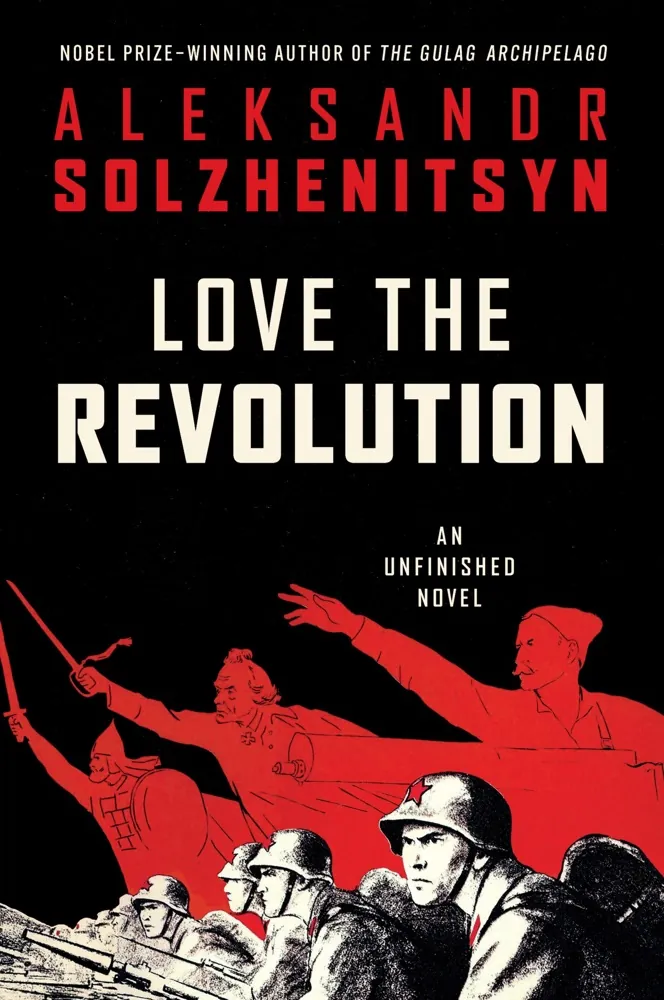

Author: Aleksandr SolzhenitsynPage Count: UnknownPublication Date: Expected publication 2026-11-17 APL Look, another press release crossing my desk, and my instant reaction is a heavy, bone-deep sigh. Why am I wasting brain cells parsing marketing copy for Love the Revolution when I still have three structural engineering problem sets glaring at me from the kitchen table and my electricity bill is three weeks overdue? Oh right, because rent doesn't pay itself. So here we are. Let us pretend to care about early twentieth-century Russian prose for the next five hundred words. The Chronology of Ideological Ruin The synopsis tells us we are getting Aleksandr Solzhenitsyn’s Love the Revolution, composed in 1948 inside a literal gulag sharashka. Fine. Impressive provenance, if we are keeping score by sheer harrowing human endurance. But let us be entirely real for a second—wait, actually, scratch that. I take it back completely. The provenance doesn't matter at all if the prose style reads like a translated textbook on dialectical materialism, which early draft material notoriously often does. We are introduced to Gleb Nerzhin. A bright-eyed kid arriving in Moscow on a fateful Sunday morning in June 1941, entirely high on Marxist theory. Naturally, Operation Barbarossa drops on his head the exact same day. Classic historical irony. It is the literary equivalent of stepping outside with a freshly pressed suit only to get immediately flattened by a falling piano. The Disintegration Trope Solzhenitsyn apparently intended this to be a massive sweeping military panorama. Instead, we get an unfinished fragment. A snapshot. We are promised a psychological autopsy of a true believer whose dogmatic worldview shatters against the jagged rocks of actual combat and state betrayal. Groundbreaking. Truly, nobody has ever written about the disillusionment of Soviet youth before. Where would we be without Arthur Koestler’s Darkness at Noon or Vasily Grossman’s massive wartime doorstoppers paving this exact intellectual highway decades ago? We are staring at a relic. A first pancake of a manuscript born from literal penal servitude. We will read it, obviously, because the literati treat Solzhenitsyn like a secular saint, but let us not pretend this unfinished draft will rival the structural genius of The First Circle. And honestly, why am I even wasting breath critiquing a book that literally isn't out until late 2026? Who plans a literary hype cycle this far in advance? I am staring at a blank document trying to stretch these observations out just to meet the absurd word count requirement my editor demanded, while my coffee goes stone cold and my quantum mechanics textbook mocks me from the shelf. The tragedy of the Eastern Front meets the tragedy of my student budget. At least the Russian winter had the decency to end. I need to go walk through the park and brood silently about the human condition. Related InsightsThe Broken Earth Trilogy: The Fifth Season, The Obelisk Gate, The Stone Sky Book Review and Summary Harvest Season Book Review and Summary It's Not What You Think Book Review and Summary{ "@context": "https://schema.org", "@type": "FAQPage", "mainEntity": [ { "@type": "Question", "name": "What is the main focus of Love the Revolution: An Unfinished Novel Book Review and Summary?", "acceptedAnswer": { "@type": "Answer", "text": "Everything you need to know about Love the Revolution: An Unfinished Novel with our detailed review." } }, { "@type": "Question", "name": "Who authored the comprehensive guide on Love the Revolution: An Unfinished Novel Book Review and Summary?", "acceptedAnswer": { "@type": "Answer", "text": "This detailed article and its insights were carefully researched and authored by Marco Conti." } }, { "@type": "Question", "name": "Where can I find more related content about Books?", "acceptedAnswer": { "@type": "Answer", "text": "You can explore more articles, detailed reviews, and similar insights by browsing the Related Insights section at the bottom of this article or visiting our dedicated Books category page." } } ] }
-
 Natalia Sokolova
 - 25 Aug, 2026 18:37
Spirit Lands (The Spice Road Trilogy #3) Book Review and Summary
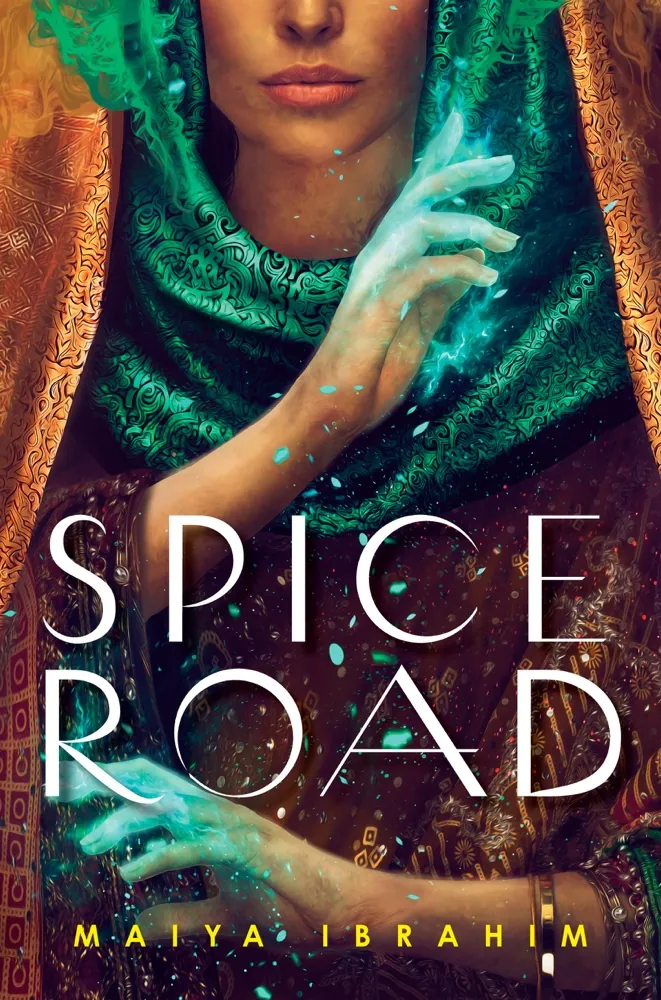
Author: Maiya IbrahimPage Count: UnknownPublication Date: Expected publication 2026 APL —Another fantasy epic about a 'chosen one' with magical abilities and a penchant for saving the world, how original. The official synopsis for Spirit Lands, the third installment in Maiya Ibrahim's The Spice Road Trilogy, has me questioning the state of YA fantasy today. We're presented with Imani, a 16-year-old with the affinity for iron and a reputation for being the next great Shield, tasked with finding her supposedly dead brother who's been accused of stealing the nation's coveted spice. And, of course, she's not going alone – she's accompanied by other Shields, including Taha, a powerful beastseer who can control the minds of falcons. It's the same old formula we've seen time and time again in YA fantasy: a young, gifted protagonist on a quest to save the world from destruction, accompanied by a cast of supporting characters with their own unique abilities. It's a tired trope, and I'm not convinced that Ibrahim's take will bring anything new to the table. But, I suppose that's the problem with fantasy series these days – they're all starting to blend together. Imani's character, in particular, sounds like a carbon copy of the usual YA heroine: fiercely independent, yet emotionally vulnerable; skilled in combat, yet struggling with her own demons. It's a familiar character arc, and one that I'm not sure Ibrahim will be able to subvert or add anything interesting to. One thing that does pique my interest, however, is the world-building. The hidden desert city of Qalia, with its secret spice magic and Arabian folklore-inspired setting, sounds like a rich and immersive environment. I'd love to see Ibrahim explore the intricacies of this world, delving deeper into the mythology and politics that govern it. Perhaps, if done well, this could be the book's saving grace. Yet, I'm still skeptical. The synopsis is vague, and I'm not convinced that Ibrahim will be able to deliver on the promises she's making. The themes of family, loyalty, and power are all well-worn in YA fantasy, and I'm not sure that Spirit Lands will bring anything new or interesting to the table. As I sit here, exhausted and overwhelmed by the sheer number of YA fantasy series vying for my attention, I'm left wondering if Spirit Lands will be worth my time. Will it be a sweeping epic, full of complex characters and moral nuance? Or will it be just another tired retread of the same old fantasy tropes? I suppose only time will tell. —Oh, for crying out loud, I need to go rescue my vintage bicycle from the sudden downpour outside. Can't a person even get a moment's peace around here? #YAFantasy #TheSpiceRoadTrilogy #MaiyaIbrahim #SpiritLands #FantasyEpic Related InsightsSweep of the Heart Book Review and Summary All your perfects Book Review and Summary Clockwork Prince Book Review and Summary{ "@context": "https://schema.org", "@type": "FAQPage", "mainEntity": [ { "@type": "Question", "name": "What is the main focus of Spirit Lands (The Spice Road Trilogy #3) Book Review and Summary?", "acceptedAnswer": { "@type": "Answer", "text": "Everything you need to know about Spirit Lands (The Spice Road Trilogy #3) with our detailed review." } }, { "@type": "Question", "name": "Who authored the comprehensive guide on Spirit Lands (The Spice Road Trilogy #3) Book Review and Summary?", "acceptedAnswer": { "@type": "Answer", "text": "This detailed article and its insights were carefully researched and authored by Natalia Sokolova." } }, { "@type": "Question", "name": "Where can I find more related content about Books?", "acceptedAnswer": { "@type": "Answer", "text": "You can explore more articles, detailed reviews, and similar insights by browsing the Related Insights section at the bottom of this article or visiting our dedicated Books category page." } } ] }
-
 Carmen Martinez
 - 25 Aug, 2026 17:54
The Hope Effect: The Science of Healing, Achieving, and Breaking Through Book Review and Summary
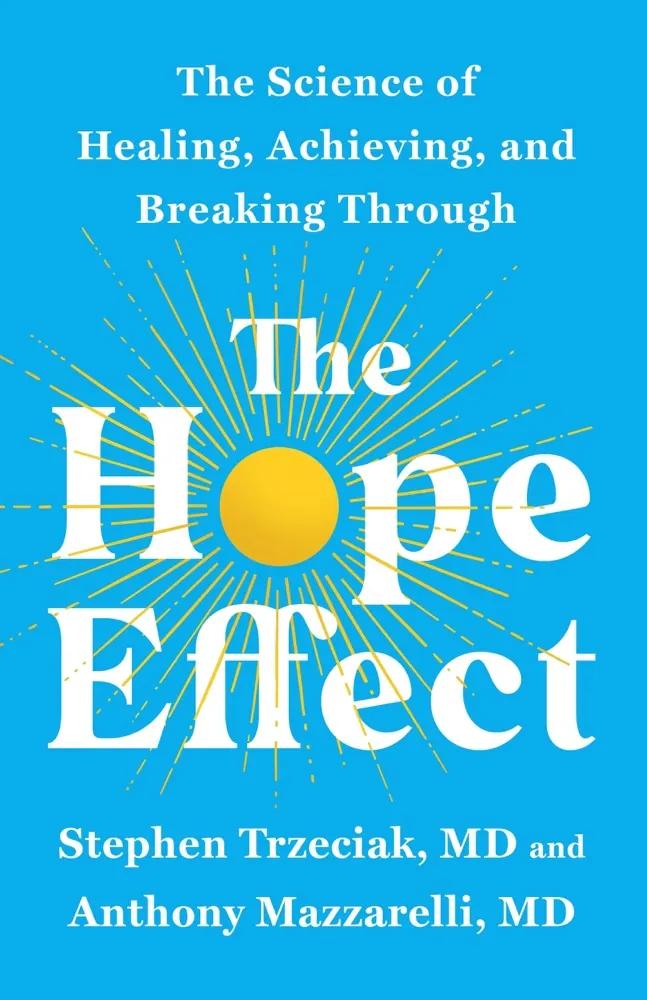
Author: Stephen TrzeciakPage Count: UnknownPublication Date: Expected publication 2026 APL Oh, The Hope Effect—because nothing says "radical premise" like a book that treats hope like a gym membership you can finally afford after years of just wishing you were stronger. The synopsis is so aggressively vague it reads like a TED Talk outline someone scribbled on a napkin during a particularly lucid moment of existential dread. "Hope is measurable!"—congratulations, you’ve just rebranded the placebo effect as a self-help cult. But let’s dissect this before it gets too far into the wellness-industrial complex. The real kicker? This isn’t just another The Power of Now knockoff—it’s a The Four Agreements for people who’ve already maxed out on the "just think positive" hustle. The author’s got the audacity to claim hope is a skill, not some ethereal byproduct of a particularly well-lit Instagram feed. Yet the synopsis doesn’t even tell us how this works—just that it does. Where’s the data? The case studies? The part where they prove this isn’t just another self-help book written by someone who once took a workshop at a retreat in Bali? The synopsis reads like a press release for a new vitamin gimmick: "Hope is real! (And now you can buy it in pill form.)" But here’s the thing—this isn’t The Secret 2.0. It’s more like Atomic Habits if James Clear had a nervous breakdown and decided to write about the psychology of not giving up when your life is a dumpster fire. The synopsis mentions "physical health and longevity," which is either a very bold claim or a very lazy way to imply that if you just hope harder, you’ll outlive your bad decisions. And don’t even get me started on the "performance and achievement" bit—because let’s be real, hope is just the emotional equivalent of a white-knuckle grip on the steering wheel while you’re driving straight into a brick wall. The real question is: does this book actually break through the noise, or is it just another entry in the "science-backed self-help" genre that’s so overused it’s starting to feel like a corporate wellness mandate? Compare it to The Body Keeps the Score—where trauma and healing are dissected with clinical precision—or The Upward Spiral—where depression is treated like a systems failure, not a personal failing. The Hope Effect feels more like a motivational poster with a PhD. It’s the difference between saying, "You can do this," and saying, "Here’s the neuroscience of why you should do this, but also, just believe in yourself." And yet—there’s a certain charm to the vagueness. It’s like the synopsis is a tease, a promise that the book will deliver something sharper, something that doesn’t just pat you on the back but actually shows you how to build a better engine. The problem is, the synopsis doesn’t give us enough to judge whether it’s a masterclass or a timeshare pitch. It’s all "hope is measurable" and "you can train it"—but where’s the proof? Where’s the meat? I can already hear the backlash: "But it’s evidence-based!"—yeah, and so was The Emotion Code, which is now just a meme about how your childhood trauma is your fault. The real test will be whether this book does more than just repackage old ideas with a new label. Because if it’s just another "hope is a muscle" metaphor, then it’s not breaking through—it’s just another cog in the self-improvement machine. Now, if you’ll excuse me, I have to select the floral arrangements for my upcoming book launch—because apparently, even the flowers need to have a hope effect. #SelfHelpSeason #BookTok #HopeIsABusiness #FloralTherapy #WhyAmIStillReadingThis Related InsightsReacher 30 Book Review and Summary Her Kind Book Review and Summary Au Pair Affair Book Review and Summary{ "@context": "https://schema.org", "@type": "FAQPage", "mainEntity": [ { "@type": "Question", "name": "What is the main focus of The Hope Effect: The Science of Healing, Achieving, and Breaking Through Book Review and Summary?", "acceptedAnswer": { "@type": "Answer", "text": "Everything you need to know about The Hope Effect: The Science of Healing, Achieving, and Breaking Through with our detailed review." } }, { "@type": "Question", "name": "Who authored the comprehensive guide on The Hope Effect: The Science of Healing, Achieving, and Breaking Through Book Review and Summary?", "acceptedAnswer": { "@type": "Answer", "text": "This detailed article and its insights were carefully researched and authored by Carmen Martinez." } }, { "@type": "Question", "name": "Where can I find more related content about Books?", "acceptedAnswer": { "@type": "Answer", "text": "You can explore more articles, detailed reviews, and similar insights by browsing the Related Insights section at the bottom of this article or visiting our dedicated Books category page." } } ] }
-
 Maximilian Fischer
 - 25 Aug, 2026 16:56
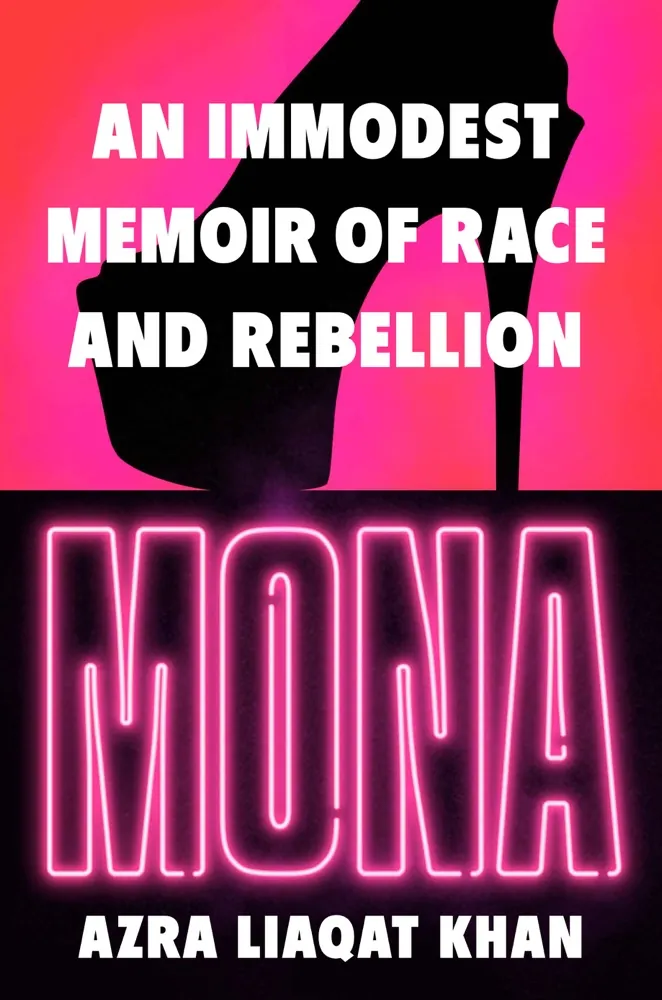
Mona: An Immodest Memoir of Race and Rebellion Book Review and Summary
Author: Azra Liaqat KhanPage Count: UnknownPublication Date: Expected publication 2026-11-17 APL The intoxicating promise of Mona: a memoir that dares to bare its soul, and its skin, in equal measure. Azra Liaqat Khan's forthcoming book has all the makings of a literary firestorm – a rebellious protagonist, a strict upbringing, and the unapologetic pursuit of freedom. And yet, as I scribble these thoughts on a crumpled napkin in the cafeteria, I find myself wondering: will Mona truly deliver on its tantalizing premise? What we do know is that Azra's childhood in Charlotte, North Carolina, is a far cry from the carefree existence she craves. Her family's adherence to the Salafi sect brings with it a laundry list of restrictions – no music, no Bollywood films, no mingling with the opposite sex. It's a suffocating existence, one that Azra rebels against with all the ferocity of a caged bird. But it's the post-9/11 Islamophobia that truly sets her on a collision course with her parents, and with the very notion of identity itself. And then, of course, there's the stripping. Ah, the stripping – that most taboo of professions, and yet, for Azra, a liberating force that allows her to reclaim her body, her agency, and her sense of self. It's a bold move, to say the least, and one that raises more questions than it answers. Will Mona be a nuanced exploration of sex work, or will it devolve into titillating sensationalism? Only time will tell. But what I do know is that Azra's story has the potential to be a game-changer. It's a narrative that defies easy categorization, one that blends the humor and pathos of a Junot Díaz novel with the unflinching candor of a Maggie Nelson memoir. And yet, as I sit here, surrounded by the detritus of a cafeteria lunch, I find myself drawn to the messy, imperfect beauty of Azra's story. Speaking of which, have you ever noticed how kids' cartoons always seem to feature protagonists who are, ostensibly, "normal" – you know, the kind of bland, cookie-cutter heroes who never seem to have any real problems? It's like, what's the point of that? Where's the drama, the tension, the sheer, unadulterated angst? I mean, take Adventure Time, for example. Finn and Jake are always getting into these absurd, fantastical misadventures, but at the end of the day, they're still just... Finn and Jake. They never really struggle with anything meaningful. It's like, what's the point of having a hero if they're not going to, you know, actually hero? But I digress. Mona is not that kind of story. Azra's struggles are real, her pain is palpable, and her triumphs are all the more sweet for it. And yet, as I scribble these final thoughts, I'm left with more questions than answers. Will Mona be a triumph, or a trainwreck? Only time will tell. And now, if you'll excuse me, I have to go help with a calculus assignment that I have no idea how to do. Wish me luck. #MuslimAmericanLiterature #SexWork #Memoir #Rebellion Related InsightsThe Munich Affair Book Review and Summary The Atlas Paradox Book Review and Summary Queen of Shadows Book Review and Summary{ "@context": "https://schema.org", "@type": "FAQPage", "mainEntity": [ { "@type": "Question", "name": "What is the main focus of Mona: An Immodest Memoir of Race and Rebellion Book Review and Summary?", "acceptedAnswer": { "@type": "Answer", "text": "Everything you need to know about Mona: An Immodest Memoir of Race and Rebellion with our detailed review." } }, { "@type": "Question", "name": "Who authored the comprehensive guide on Mona: An Immodest Memoir of Race and Rebellion Book Review and Summary?", "acceptedAnswer": { "@type": "Answer", "text": "This detailed article and its insights were carefully researched and authored by Maximilian Fischer." } }, { "@type": "Question", "name": "Where can I find more related content about Books?", "acceptedAnswer": { "@type": "Answer", "text": "You can explore more articles, detailed reviews, and similar insights by browsing the Related Insights section at the bottom of this article or visiting our dedicated Books category page." } } ] }
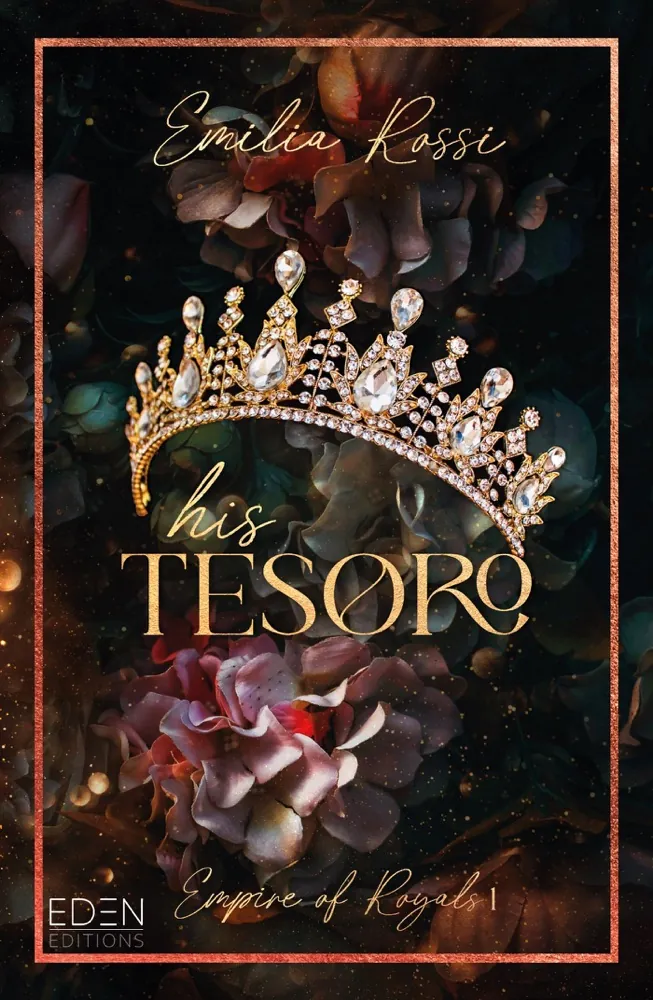
Author: Emilia RossiPage Count: UnknownPublication Date: Expected publication 2026-03-11 APL In the dark, foreboding world of Her Angel, we're presented with Sofiya, a fragile, Ehlers-Danlos afflicted princess of the Bratva, and Matteo, the ruthless, unyielding leader of the Five Families. What draws me in, like a moth to a flame, is the promise of a twisted, all-consuming love story, forged in the depths of a world where loyalty is a luxury and survival is the only currency that matters. I can almost smell the smoke, feel the weight of their desperation, as they're forced into a union that will either be their salvation or their downfall. But, I must confess, the synopsis is maddeningly vague. We're given mere whispers of the characters' motivations, their desires, their fears. It's like trying to grasp a handful of sand - the harder I squeeze, the more it slips through my fingers. And yet, this very vagueness is what draws me in, like a siren's call. I'm reminded of the works of Pepper Winters, of her Tears of Tess, where the lines between love and hate, captor and captive, are expertly blurred. Will Her Angel follow in her footsteps, or will it forge its own path, like a razor-sharp knife cutting through the darkness? As I sit here, my mind racing with possibilities, I'm suddenly transported to my childhood, watching cartoons like He-Man and the Masters of the Universe. Do you remember that infamous episode where He-Man is forced to confront his own darkness, to face the evil that lurks within? It's a powerful metaphor, one that I believe Her Angel will explore, albeit in a much more sinister, adult context. The idea of Sofiya and Matteo being forced to confront their own demons, to find solace in each other's darkness, is a tantalizing one, like a forbidden fruit that's just out of reach. And yet, as I read the synopsis, I'm struck by the feeling that we're being sold a romance, a fairy tale, when in reality, Her Angel might be something far more sinister. Will it be a commentary on the toxicity of arranged marriages, of the ways in which women are used as pawns in a game of power and control? Or will it be a sweeping epic, a tale of love and redemption, of two broken souls finding each other in the darkness? But I digress. The real question is, will Her Angel live up to its promise? Will it be a masterpiece, a work of art that will leave me breathless and wanting more? Or will it be a disappointment, a shallow, formulaic romance that fails to deliver on its promises? I, for one, am eager to find out. Literally. As I sit here, surrounded by the chaos of my household, I'm reminded that even in the darkest of worlds, there is always beauty to be found. My youngest, bless their little heart, has just painted the family cat blue. Related InsightsRequiem for a Dream Book Review and Summary Fetal Position Book Review and Summary Colleen Hoover Ebook Boxed Set Maybe Someday Series Book Review and Summary{ "@context": "https://schema.org", "@type": "FAQPage", "mainEntity": [ { "@type": "Question", "name": "What is the main focus of Her Angel (Empire of Royals #4) Book Review and Summary?", "acceptedAnswer": { "@type": "Answer", "text": "Everything you need to know about Her Angel (Empire of Royals #4) with our detailed review." } }, { "@type": "Question", "name": "Who authored the comprehensive guide on Her Angel (Empire of Royals #4) Book Review and Summary?", "acceptedAnswer": { "@type": "Answer", "text": "This detailed article and its insights were carefully researched and authored by Victoria Smith." } }, { "@type": "Question", "name": "Where can I find more related content about Books?", "acceptedAnswer": { "@type": "Answer", "text": "You can explore more articles, detailed reviews, and similar insights by browsing the Related Insights section at the bottom of this article or visiting our dedicated Books category page." } } ] }
-
 Thomas Wright
 - 25 Aug, 2026 12:04
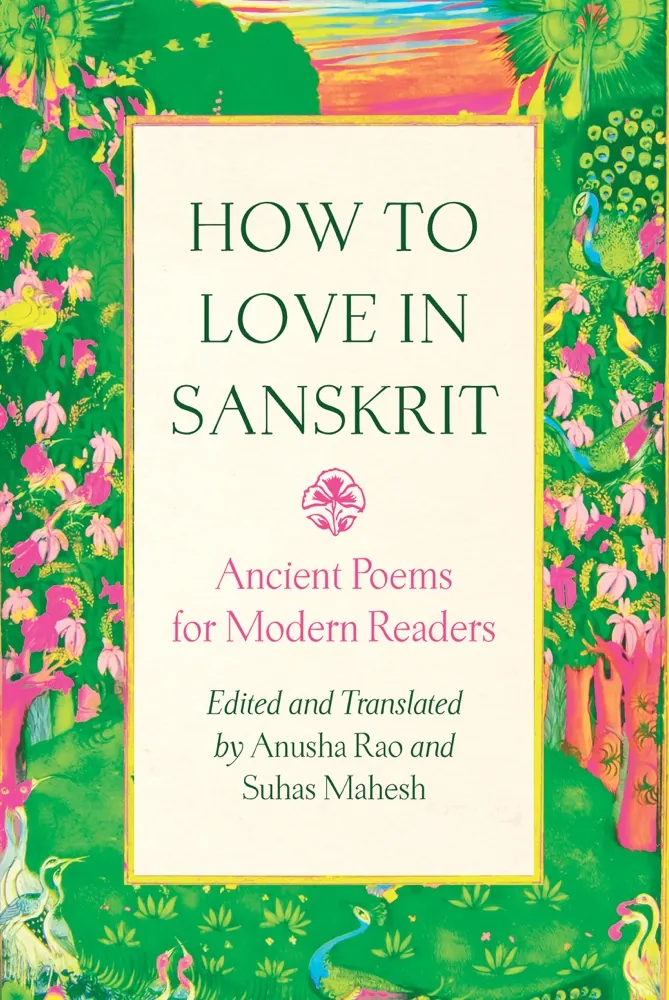
How to Love in Sanskrit: Ancient Poems for Modern Readers Book Review and Summary
Author: Anusha RaoPage Count: UnknownPublication Date: Expected publication 2026-11-03 APL August afternoons smell of chalk dust, overheated laminators, and the desperate, low-level panic of twelve-year-olds who have spent their entire summer watching TikTok choreography instead of reading a single page. Yet here we are, examining How to Love in Sanskrit by Anusha Rao and Suhas Mahesh, a volume promising 3,000 years of romantic verse translated with enough snark to wake up the dead. Because apparently, we need an ancient guide to tell us that a lover's tiff functions as a whetstone. Give me a break. I watch fourteen-year-olds dramatically slam heavy metal lockers over text message misunderstandings every single day, so I hardly need a courtly poet from antiquity to explain the mechanics of teenage angst. At least Kalidasa had the decency to write on palm leaves instead of Snapchat. The premise relies heavily on the radical notion that ancient writers cared about romance just as much as modern teenagers obsess over their crush's Instagram stories. And yet, the promotional material offers barely a glimpse of the actual text, leaving us to guess whether the translations are genuinely witty or just dressed up in modern irony to appeal to people who buy books purely for the aesthetic value of their coffee tables. It feels awfully convenient to slap "a perfect gift for any loved one" on the back cover. Nobody buys poetry for their significant other unless they forgot an anniversary and panicked in the middle of a bookstore. Honestly, why do publishers insist on marketing historical poetry like it is a self-help manual for struggling couples? It reminds me of that dreadful YA dystopia everyone forced me to read on the bus last month where the protagonists rebel against a totalitarian regime by growing rooftop tomatoes—as if agricultural rebellion makes up for paper-thin world-building and dialogue that sounds like it was generated by a malfunctioning automated lawnmower. Bring back real literature where people simply stare out rain-streaked windows and make bad life choices without turning every single emotional tremor into a masterclass in resilience. Pass. I need to go rescue my favorite vintage fountain pen from my grandson's inexplicably sticky hands before he uses it to write his name in peanut butter on the living room rug. #poetry #Sanskrit #bookstgram #ancientlit Related InsightsThunderbird Ranch Book Review and Summary Immortal Book Review and Summary Buried Embers Book Review and Summary{ "@context": "https://schema.org", "@type": "FAQPage", "mainEntity": [ { "@type": "Question", "name": "What is the main focus of How to Love in Sanskrit: Ancient Poems for Modern Readers Book Review and Summary?", "acceptedAnswer": { "@type": "Answer", "text": "Everything you need to know about How to Love in Sanskrit: Ancient Poems for Modern Readers with our detailed review." } }, { "@type": "Question", "name": "Who authored the comprehensive guide on How to Love in Sanskrit: Ancient Poems for Modern Readers Book Review and Summary?", "acceptedAnswer": { "@type": "Answer", "text": "This detailed article and its insights were carefully researched and authored by Thomas Wright." } }, { "@type": "Question", "name": "Where can I find more related content about Books?", "acceptedAnswer": { "@type": "Answer", "text": "You can explore more articles, detailed reviews, and similar insights by browsing the Related Insights section at the bottom of this article or visiting our dedicated Books category page." } } ] }
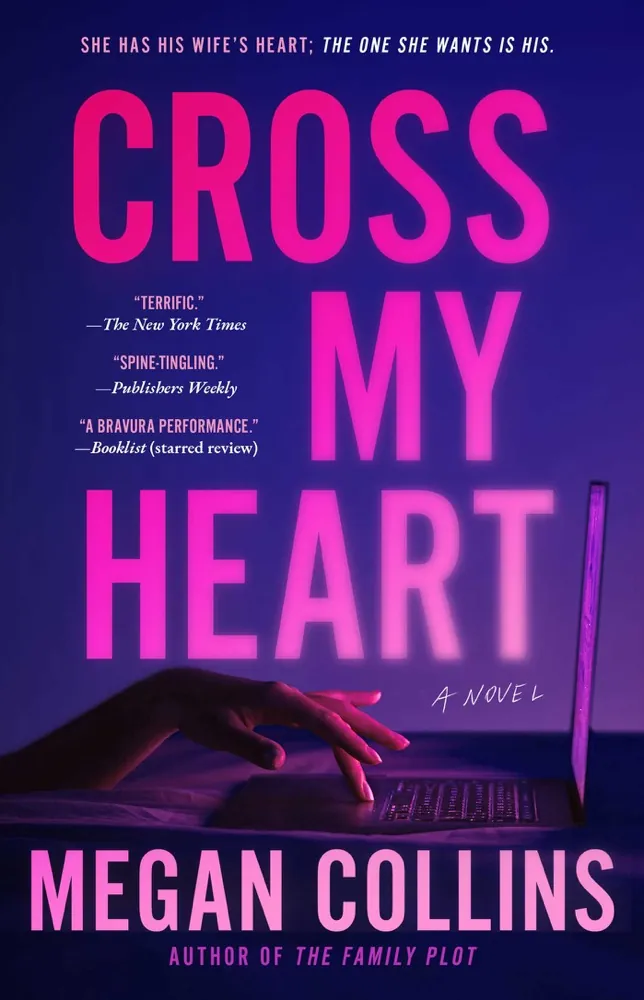

Author: Clare SagerPage Count: UnknownPublication Date: Expected publication 2026 APL Megan Collins' latest novel, The Heart of the Matter is not our focus today. Instead, we have Queen of Thorns, the upcoming release by Clare Sager, and I'm left wondering if I'm about to dive into a twisted game of cat and mouse or a poignant exploration of the human heart. The story revolves around Rosie Lachlan, a young woman who has received a life-saving heart transplant and is now convinced that she's meant to be with the donor's husband, Morgan Thorne. As she begins to correspond with Morgan via an anonymous service, the lines between reality and fantasy blur, and Rosie finds herself entangled in a web of obsession and deceit. But what drives this fixation? Is it the desire for a happy ending, or something more sinister? As I ponder the intricacies of Rosie's psyche, I'm reminded of the works of Gillian Flynn and Paula Hawkins, who have mastered the art of crafting complex, flawed female protagonists. Rosie's character seems to embody the same sense of vulnerability and determination, making her a compelling and relatable figure. The synopsis hints at a darker underbelly to Morgan's character, with rumors surrounding his late wife's death. This raises questions about the nature of truth and the reliability of narrators. Will Rosie's obsession cloud her judgment, or will she uncover the secrets that Morgan may be hiding? The tension between these two characters is palpable, even in the brief synopsis, and I'm eager to see how their relationship unfolds. But what about the themes that underlie this twisted tale? Is it a commentary on the human condition, with all its flaws and contradictions? Or is it a exploration of the consequences of playing with fire, of delving into the darker aspects of human nature? The synopsis is tantalizingly vague, leaving me to fill in the gaps with my own imagination. And that's the problem – the synopsis is too vague. I'm left with more questions than answers, and the lack of clarity is both frustrating and intriguing. It's like trying to grasp a handful of sand – the more I squeeze, the more it slips through my fingers. Ugh, I'm already hitting the 300-word mark, and I still have so much to say. Can I just fast-forward to the part where I get to listen to some Coltrane and forget about this review? Alas, I must press on. As I analyze the character dynamics and plot threads, I'm struck by the sense of unease that permeates the synopsis. It's like a slow-burning fire, waiting to erupt into a blaze of chaos and destruction. Will Rosie's heart sustain another break, or will she become the next victim of Morgan's alleged deceit? The suspense is killing me, and I'm not even sure if I care about the answers. And yet, despite the vagueness of the synopsis, I'm drawn to the darkness that lurks beneath the surface. It's like a siren's call, beckoning me to explore the twisted world that Clare Sager has created. I'm reminded of the works of Ruth Ware and B.A. Paris, who have mastered the art of crafting psychological thrillers that keep readers on the edge of their seats. As I wrap up this review, I'm left with a sense of anticipation and trepidation. Will Queen of Thorns live up to its promise, or will it fizzle out like a damp firework? Only time will tell. You know what? I'm done. I'm going to put on some Coltrane and forget about this review. #PsychologicalThriller #BookLovers #SummerVibes Related InsightsRealm Breaker Book Review and Summary Peaks and Promises (The Haven Brothers #6) Book Review and Summary Someone to Cherish Book Review and Summary{ "@context": "https://schema.org", "@type": "FAQPage", "mainEntity": [ { "@type": "Question", "name": "What is the main focus of Queen of Thorns (Upon a Broken Throne #2) Book Review and Summary?", "acceptedAnswer": { "@type": "Answer", "text": "Everything you need to know about Queen of Thorns (Upon a Broken Throne #2) with our detailed review." } }, { "@type": "Question", "name": "Who authored the comprehensive guide on Queen of Thorns (Upon a Broken Throne #2) Book Review and Summary?", "acceptedAnswer": { "@type": "Answer", "text": "This detailed article and its insights were carefully researched and authored by Beatriz Costa." } }, { "@type": "Question", "name": "Where can I find more related content about Books?", "acceptedAnswer": { "@type": "Answer", "text": "You can explore more articles, detailed reviews, and similar insights by browsing the Related Insights section at the bottom of this article or visiting our dedicated Books category page." } } ] }
-
 Piotr Nowak
 - 25 Aug, 2026 08:12
A Song of Sugar Sparrows (Wayward Children, #12) Book Review and Summary
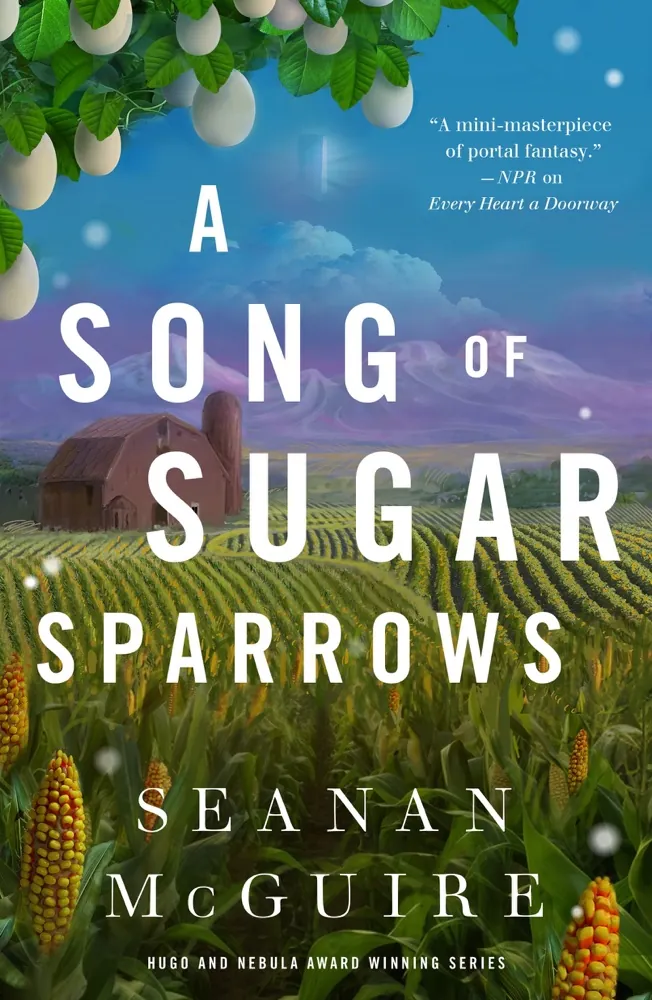
Author: Seanan McGuirePage Count: UnknownPublication Date: Expected publication 2026 APL A glimpse into the past of Sumi, the Promised Savior of Confection, and I'm already hooked - A Song of Sugar Sparrows is poised to become a masterclass in redefining the notion of a "chosen one" in the world of fantasy. The Wayward Children series, penned by the ingenious Seanan McGuire, has consistently pushed the boundaries of storytelling, and this latest installment promises to be no exception. The protagonist, Onishi Sumiko, is a character shrouded in mystery, her life predetermined by the expectations of those around her - until she stumbles upon a door that defies logic and catapults her into a realm of sugary wonder. This is where McGuire's genius truly shines: in crafting worlds that are at once fantastical and unsettling, she invites readers to question the very fabric of reality. But what truly sets A Song of Sugar Sparrows apart is its exploration of the immigrant experience - Sumiko's struggles to find her place in a world that seems determined to render her invisible are deeply relatable, and McGuire's nuanced portrayal of her inner turmoil is a testament to the author's skill in crafting complex, multidimensional characters. And yet, as I delve into the synopsis, I'm struck by the vagueness that pervades it - what, exactly, does this "candy-coated heart of darkness" entail? Is it a metaphor for the corrupting influence of power, or a literal manifestation of Sumiko's deepest fears? The ambiguity is tantalizing, to say the least, and I find myself drawn to the enigmatic world of Confection like a moth to a flame. But let's not forget the true magic of the Wayward Children series: its ability to subvert expectations and defy genre conventions. McGuire's writing is akin to a fever dream - unpredictable, visceral, and utterly captivating. She's the literary equivalent of a punk rock star, shattering the rules of traditional storytelling with every new installment. Yet, I find myself wondering - will A Song of Sugar Sparrows live up to the hype? Can McGuire continue to push the boundaries of the series, or will this latest installment feel like a rehashing of familiar themes? Only time will tell, but one thing is certain: I'll be devouring this book like a starving wolverine the moment it hits the shelves. As I scribble these thoughts in my makeshift notebook, the subway car lurches to a stop, and I'm jostled by the crowd - the perfect metaphor for the turbulent world of Confection, where nothing is as it seems, and the rules are constantly shifting. It's a world that's both terrifying and exhilarating, and I, for one, can't wait to immerse myself in its sugary depths. Now, if you'll excuse me, I have to develop some photographs in my makeshift darkroom - the city's neon lights are calling, and I have a feeling that A Song of Sugar Sparrows will be the perfect accompaniment to a long, sleepless night. #WaywardChildren #SeananMcGuire #FantasyFiction Related InsightsThe Pirate Queen Book Review and Summary The Handmaid's Tale and The Testaments Box Set Book Review and Summary The Boy From the Woods Book Review and Summary{ "@context": "https://schema.org", "@type": "FAQPage", "mainEntity": [ { "@type": "Question", "name": "What is the main focus of A Song of Sugar Sparrows (Wayward Children, #12) Book Review and Summary?", "acceptedAnswer": { "@type": "Answer", "text": "Everything you need to know about A Song of Sugar Sparrows (Wayward Children, #12) with our detailed review." } }, { "@type": "Question", "name": "Who authored the comprehensive guide on A Song of Sugar Sparrows (Wayward Children, #12) Book Review and Summary?", "acceptedAnswer": { "@type": "Answer", "text": "This detailed article and its insights were carefully researched and authored by Piotr Nowak." } }, { "@type": "Question", "name": "Where can I find more related content about Books?", "acceptedAnswer": { "@type": "Answer", "text": "You can explore more articles, detailed reviews, and similar insights by browsing the Related Insights section at the bottom of this article or visiting our dedicated Books category page." } } ] }
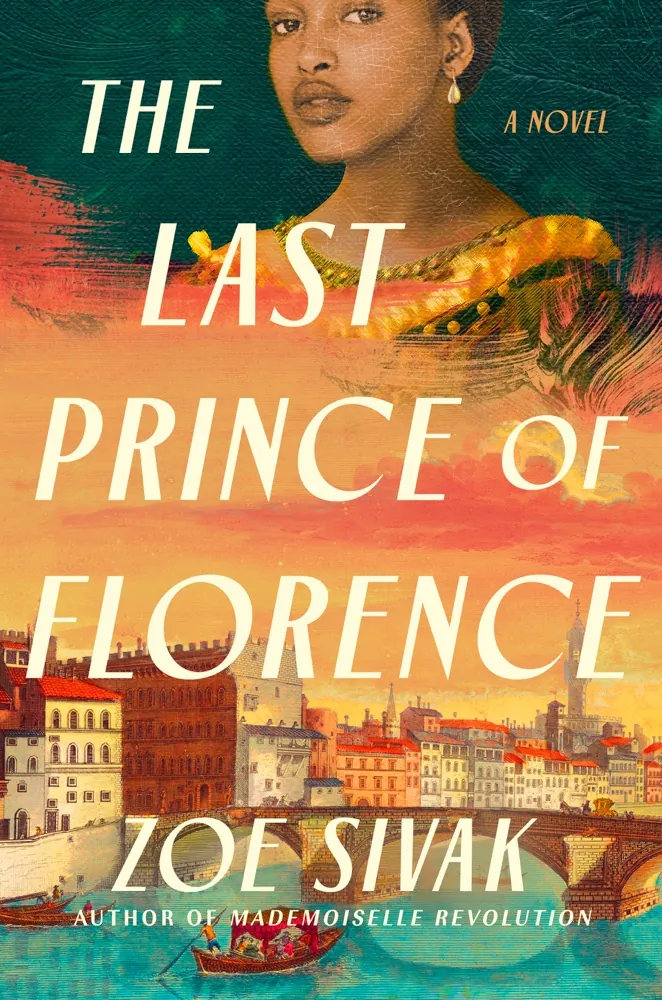
Author: Zoe SivakPage Count: UnknownPublication Date: Expected publication 2026-11-17 APL The problem with these Renaissance-era tales is that they often get bogged down in ornate descriptions and excessive name-dropping. I mean, we all know the Medicis were powerful, but must every character be a direct descendant of someone famous? The Last Prince of Florence seems to be taking a more interesting approach, focusing on the story of Alessandro de' Medici, a Black woman's secret plot to put her son on the throne. Alessandro's birth is an interesting twist, especially given the context of the growing African slave trade in Europe. The fact that his mother, Simonetta, is determined to do whatever it takes to put him on the throne speaks to the desperation and ambition that often drive these stories. And yet, as the gulf between mother and son widens, one can't help but wonder if Simonetta's actions are truly justified. But what really catches my eye is the character of Simonetta herself. Raised by an African nurse who teaches her to fight and survive, she's a woman with a sharp tongue and a quick wit. I'm reminded of the strong female characters in The Song of Achilles or The Red Tent, women who defy convention and forge their own paths. Simonetta's dark skin and sharp tongue make enemies, and yet she's determined to succeed in a world that seems stacked against her. And then, of course, there's the question of Alessandro's legacy. As a biracial boy, he threatens everything his enemies believe about power, bloodlines, and Simonetta's own legacy. It's a fascinating exploration of identity and power, one that I think will resonate with readers. I'm reminded of the themes in The Brief Wondrous Life of Oscar Wao, the way that identity and culture can shape our understanding of the world. But I have to say, I'm a bit skeptical about the whole "secret plot" thing. I mean, how many times have we seen this trope played out in Renaissance-era fiction? It's a bit predictable, and I worry that the story will get bogged down in clichés. And yet, at the same time, I'm drawn to the idea of a strong female character who's willing to do whatever it takes to succeed. A bold claim for a Tuesday. I think The Last Prince of Florence has the potential to be a game-changer, a book that challenges our assumptions about power and identity in Renaissance-era Europe. But only time will tell if it lives up to its promise. Speaking of promises, have you ever noticed how kids' cartoons always seem to promise more than they deliver? I mean, I was watching an episode of Adventure Time with my niece the other day, and I realized that the whole show is just a series of unfulfilled promises. "We'll go on a quest to find the magical sword!" No, you'll just wander around in the woods for 20 minutes and then forget about the sword. It's like they're trying to train kids to be disappointed. Anyway, back to The Last Prince of Florence... I think what really sets this book apart is its willingness to take risks. By focusing on a Black woman's story in Renaissance-era Europe, Zoe Sivak is challenging our assumptions about the time period and the people who lived in it. It's a bold move, and one that I think will pay off in the end. And now, if you'll excuse me, I have to go find my favorite fountain pen. The toddler has hidden it again. #RenaissanceFiction #HistoricalFiction #DiversityInLiterature Related InsightsThe Idaho Four Book Review and Summary Blood on the Tide Book Review and Summary L'Alba delle Macchine Cognitive: Un Viaggio Profondo nei Modelli Linguistici di Grande Scala{ "@context": "https://schema.org", "@type": "FAQPage", "mainEntity": [ { "@type": "Question", "name": "What is the main focus of The Last Prince of Florence Book Review and Summary?", "acceptedAnswer": { "@type": "Answer", "text": "Everything you need to know about The Last Prince of Florence with our detailed review." } }, { "@type": "Question", "name": "Who authored the comprehensive guide on The Last Prince of Florence Book Review and Summary?", "acceptedAnswer": { "@type": "Answer", "text": "This detailed article and its insights were carefully researched and authored by Hannah Schmidt." } }, { "@type": "Question", "name": "Where can I find more related content about Books?", "acceptedAnswer": { "@type": "Answer", "text": "You can explore more articles, detailed reviews, and similar insights by browsing the Related Insights section at the bottom of this article or visiting our dedicated Books category page." } } ] }
- Irina Ivanova
- 25 Aug, 2026 04:48
The Best Journey in the World: An Antarctic Story Book Review and Summary
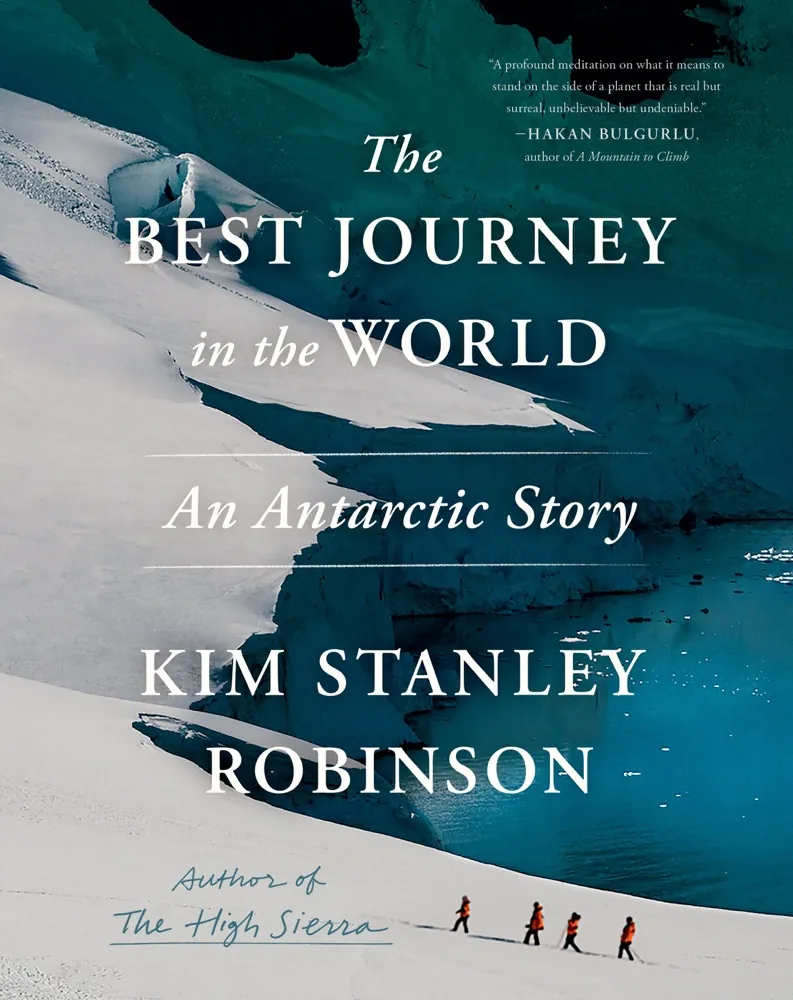
Author: Kim Stanley RobinsonPage Count: UnknownPublication Date: Expected publication 2026-12-01 APL The synopsis here is a masterclass in how not to sell a book—because it’s so vague it reads like a museum plaque about a lost expedition. "Interweaving memoir and ice adventure"? That’s the kind of vague, self-congratulatory phrasing that makes you wonder if Robinson’s editor let him near the final draft. But then again, the man’s spent decades writing Mars trilogies where the prose is so dense you need a shovel to dig through it. So maybe this is intentional—like a snowdrift hiding something buried beneath. Cherry-Garrard’s The Worst Journey in the World is the book that got Robinson hooked, and the way the synopsis frames this as a "side trip" is telling. It’s not just about following in their footsteps; it’s about the failure of those footsteps, the way the Antarctic landscape turns any human endeavor into a cautionary tale. Robinson’s own trip in ’95 sounds like a middle finger to the whole "first to the pole" obsession—he’s not chasing glory, just wandering, taking notes, and occasionally getting lost in his own thoughts. That’s the kind of thing that makes his books feel like they were written by someone who’s been to the moon and back, but also just really likes a good hike. Yet the synopsis drops a line that’s either genius or a cop-out: "searching for what can, and cannot, be found again." That’s the kind of philosophical meandering you’d expect from Robinson, but it’s also the kind of thing that could make this book feel like a New Yorker essay stretched into novel form. The problem? The synopsis doesn’t tell you whether this is a travelogue, a meditation on climate change, or a love letter to the idea of exploration itself. It’s all over the place, like Robinson’s own writing when he’s not writing about Mars. And then there’s the photography—because of course there’s photography. Robinson’s books are always illustrated, but this one sounds like it’s trying to be National Geographic meets The Snows of Kilimanjaro. The idea of "earthly holy places" is either profound or pretentious, depending on whether you believe in the sacredness of ice or just the sacredness of writing about ice. It’s the kind of thing that makes you wonder if Robinson’s really there, or if he’s just quoting himself from a 1995 journal entry. But here’s the pivot: maybe the vagueness is the point. Maybe Robinson’s not trying to sell you a book, but to sell you an experience—the kind of experience that only someone who’s been to Antarctica could possibly understand. And if that’s the case, then the synopsis is working exactly as intended. It’s not about the plot; it’s about the vibe. The way the words sit in your mouth like snow on your tongue. Yet—yet—the mention of "people who also feel a kinship to a place worthy of preserving" feels like a direct nod to the current climate anxiety trend. Robinson’s always been the guy who writes about the end of the world, but this time, it sounds like he’s trying to make it feel personal. And that’s where the synopsis starts to feel less like a book and more like a manifesto. Which, fine, but it’s not exactly The Best Journey in the World—it’s just a really good synopsis for a really good book that hasn’t been written yet. I need to water my houseplants before they turn into cacti. #AntarcticLiterature #RobinsonStyle #ClimateAnxietyFiction #BookSynopsisFail #JustWaterThePlants Related InsightsPaul Bunyan: The Invention of an American Legend Book Review and Summary East of Eden Book Review and Summary Monsters of Ohio Book Review and Summary{ "@context": "https://schema.org", "@type": "FAQPage", "mainEntity": [ { "@type": "Question", "name": "What is the main focus of The Best Journey in the World: An Antarctic Story Book Review and Summary?", "acceptedAnswer": { "@type": "Answer", "text": "Everything you need to know about The Best Journey in the World: An Antarctic Story with our detailed review." } }, { "@type": "Question", "name": "Who authored the comprehensive guide on The Best Journey in the World: An Antarctic Story Book Review and Summary?", "acceptedAnswer": { "@type": "Answer", "text": "This detailed article and its insights were carefully researched and authored by Irina Ivanova." } }, { "@type": "Question", "name": "Where can I find more related content about Books?", "acceptedAnswer": { "@type": "Answer", "text": "You can explore more articles, detailed reviews, and similar insights by browsing the Related Insights section at the bottom of this article or visiting our dedicated Books category page." } } ] }
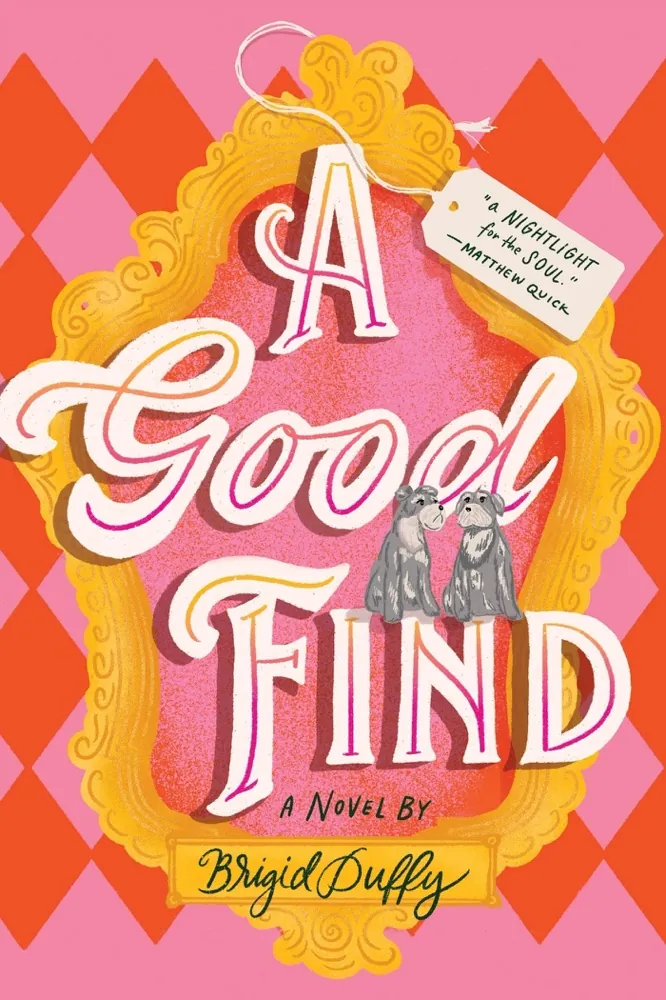
Author: Brigid DuffyPage Count: UnknownPublication Date: Expected publication 2026 APL The thrum of the party still echoes in my ears, a cacophony of laughter and broken glass, as I scribble these thoughts on a stained notepad, the words bleeding into one another like watercolors on wet paper. A Good Find: A Novel promises to be a rich exploration of love, grief, and the art of self-discovery, set against the backdrop of a world that is as much a character as its protagonist, Beverly Atwood. At seventy-three, Beverly is a force to be reckoned with, a whirlwind of wit and wry humor, reeling from the loss of her larger-than-life husband, Frank. It's a narrative that immediately recalls the works of authors like Elizabeth Strout, who excel at crafting complex, deeply human characters. Beverly's decision to connect with the charming George on SilverFox.com is a bold move, one that speaks to the resilience of the human spirit and our innate desire for connection. But what truly sets A Good Find apart is its willingness to probe the fault lines in Beverly's memory, to confront the reality of her late husband's behavior and its rippling effects on her family. It's a narrative thread that promises to be as tender as it is unflinching, a nuanced exploration of the ways in which our memories shape us, even as they betray us. The true identity of George, Beverly's suitor, remains a mystery, but it's a mystery that feels deliberate, a reflection of the ways in which we often see only what we want to see in others. As Beverly navigates this complex web of relationships and memories, she must also confront the world around her, a world that is full of curious strangers and unexpected allies. It's a narrative that feels both deeply personal and universally relatable, a testament to the ways in which our lives are shaped by the people and experiences that surround us. And yet, despite the richness of the synopsis, there's a sense of vagueness that pervades the narrative, a sense that the true depths of the story remain hidden beneath the surface. But, of course, that's the point. A good novel should always leave us wanting more, should always hint at the depths that lie beneath the surface. A Good Find promises to be just such a novel, a rich and nuanced exploration of the human experience. Now, if only I could focus... Ugh, this draft from the window is making it impossible to type. I'm just going to have to wing it and hope for the best. I'm not even sure why I'm writing this review, to be honest. I mean, what's the point of it all? #amwriting #bookreview #literaryfiction Related InsightsA Court of Wings and Ruin Book Review and Summary Message in a Bottle Book Review and Summary The Elegance of the Hedgehog Book Review and Summary{ "@context": "https://schema.org", "@type": "FAQPage", "mainEntity": [ { "@type": "Question", "name": "What is the main focus of A Good Find: A Novel Book Review and Summary?", "acceptedAnswer": { "@type": "Answer", "text": "Everything you need to know about A Good Find: A Novel with our detailed review." } }, { "@type": "Question", "name": "Who authored the comprehensive guide on A Good Find: A Novel Book Review and Summary?", "acceptedAnswer": { "@type": "Answer", "text": "This detailed article and its insights were carefully researched and authored by Giulia Ricci." } }, { "@type": "Question", "name": "Where can I find more related content about Books?", "acceptedAnswer": { "@type": "Answer", "text": "You can explore more articles, detailed reviews, and similar insights by browsing the Related Insights section at the bottom of this article or visiting our dedicated Books category page." } } ] }
-
 Camille Dubois
 - 25 Aug, 2026 00:08
Boiling Point: How America Brought War to Ukraine Book Review and Summary
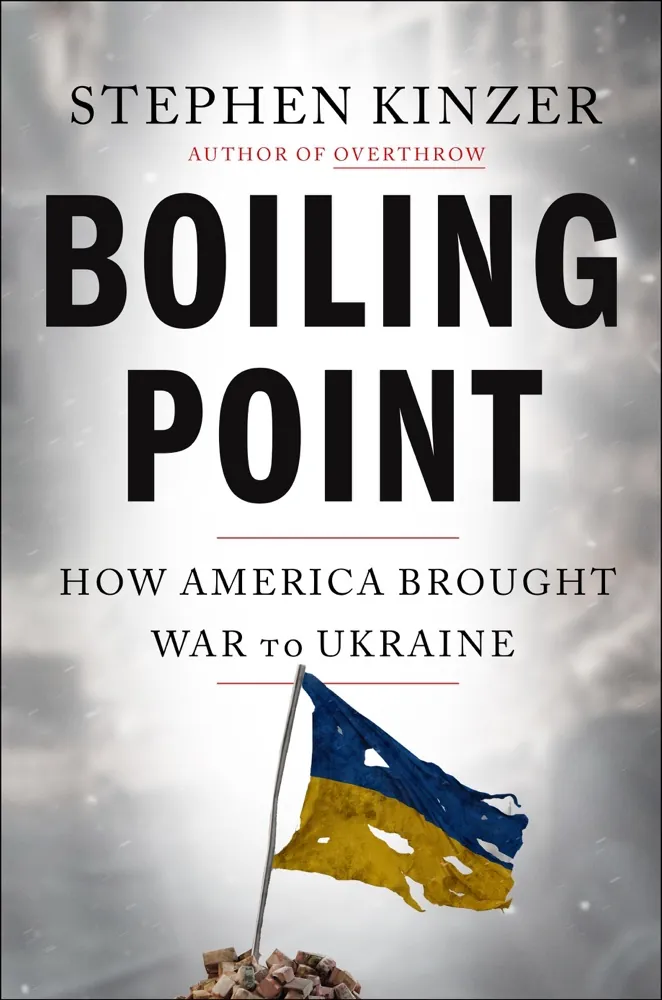
Author: Stephen KinzerPage Count: UnknownPublication Date: Expected publication 2026-11-03 APL The synopsis of Boiling Point reads like a Cold War-era spy novel, the kind that would’ve made Graham Greene jealous—except Greene at least had the decency to make his villains more than just footnotes in a geopolitical chess game. Kinzer’s book promises to unearth a secret history, one where Ukrainians are not just pawns but characters—flawed, desperate, and occasionally heroic, but always tangled in the same web of American ambition that’s been pulling them apart for generations. The problem? The synopsis doesn’t tell us who these characters are, only that they’re a mix of rebels, exiles, and traitors. That’s the kind of vague, cinematic framing that makes you wonder if Kinzer is writing a novel or a National Geographic special. And yet—there’s something thrilling about it. The idea of a 75-year covert campaign is the kind of narrative that begs for a Wild Bill Donovan energy, the kind of mythos that turns intelligence work into something almost romantic. But romance is the last thing this book should be. Kinzer’s track record—All the Shah’s Men, Overthrow—proves he’s better at dissecting American hubris than at crafting sympathetic villains. So if Boiling Point leans into the "wild stories and improbable characters" bit, I’ll be waiting for the moment when a CIA asset turns out to be just another American in over his head, just like the last one. The synopsis hints at a structure that could’ve been The Good Fight meets The Post—except where The Post at least had the decency to make its journalism feel like a moral victory, Kinzer’s book seems destined to be a cautionary tale about how easily good intentions go to war. The CIA’s obsession with Ukrainians as "their most effective weapon against Moscow" reads like a love letter to American exceptionalism, but also like a warning. The question is: will Kinzer make it feel like a tragedy, or just another chapter in the "America did it first" narrative? Then again, maybe that’s the point. The synopsis doesn’t just promise a story—it promises a revelation. The idea that both sides kept this secret until now is the kind of twist that would’ve made The Parallax View feel like a textbook. But if Kinzer pulls it off, it’ll be because he’s not just exposing a conspiracy; he’s making you care about the people caught in the middle. And that’s where the real risk lies. Because if the characters are as compelling as the synopsis suggests, then the book won’t just be about war—it’ll be about the cost of believing in a cause so fiercely that you forget the people it’s supposed to protect. But here’s the thing: the synopsis doesn’t tell us how Kinzer will make us care. It doesn’t tell us if the Ukrainians in this story are heroes or victims, or if the Americans are the villains or just another set of players in a game they didn’t fully understand. And that’s the problem with a book that promises to tell a secret history—it’s easy to forget that history is only as compelling as the people who lived it. If Kinzer can make the CIA operatives and the Ukrainian rebels feel like real people, with real flaws and real regrets, then this could be his masterpiece. If he can’t, it’ll just be another book about how America brought war to Ukraine—because, let’s be honest, the synopsis already does that. I’m holding out hope that Kinzer will surprise us. That he’ll find the human stories buried in the archives, the ones that make the geopolitics feel less like a board game and more like a tragedy. But I’m also bracing for the moment when the book feels like a lecture, when the CIA agents become just another set of footnotes in the "America’s Fault" narrative. And if that happens? Well, at least we’ll have a good story to tell. Now, if you’ll excuse me, I have to go piece together a shattered vase before anyone notices. #GeopoliticalEspionage #ColdWarLegacy #KinzerUncensored Related InsightsOdette Rising Book Review and Summary They Know If You've Been Bad or Good (Naughty or Nice, 3) Book Review and Summary Kill For Her (Bree Taggert #11) Book Review and Summary{ "@context": "https://schema.org", "@type": "FAQPage", "mainEntity": [ { "@type": "Question", "name": "What is the main focus of Boiling Point: How America Brought War to Ukraine Book Review and Summary?", "acceptedAnswer": { "@type": "Answer", "text": "Everything you need to know about Boiling Point: How America Brought War to Ukraine with our detailed review." } }, { "@type": "Question", "name": "Who authored the comprehensive guide on Boiling Point: How America Brought War to Ukraine Book Review and Summary?", "acceptedAnswer": { "@type": "Answer", "text": "This detailed article and its insights were carefully researched and authored by Camille Dubois." } }, { "@type": "Question", "name": "Where can I find more related content about Books?", "acceptedAnswer": { "@type": "Answer", "text": "You can explore more articles, detailed reviews, and similar insights by browsing the Related Insights section at the bottom of this article or visiting our dedicated Books category page." } } ] }
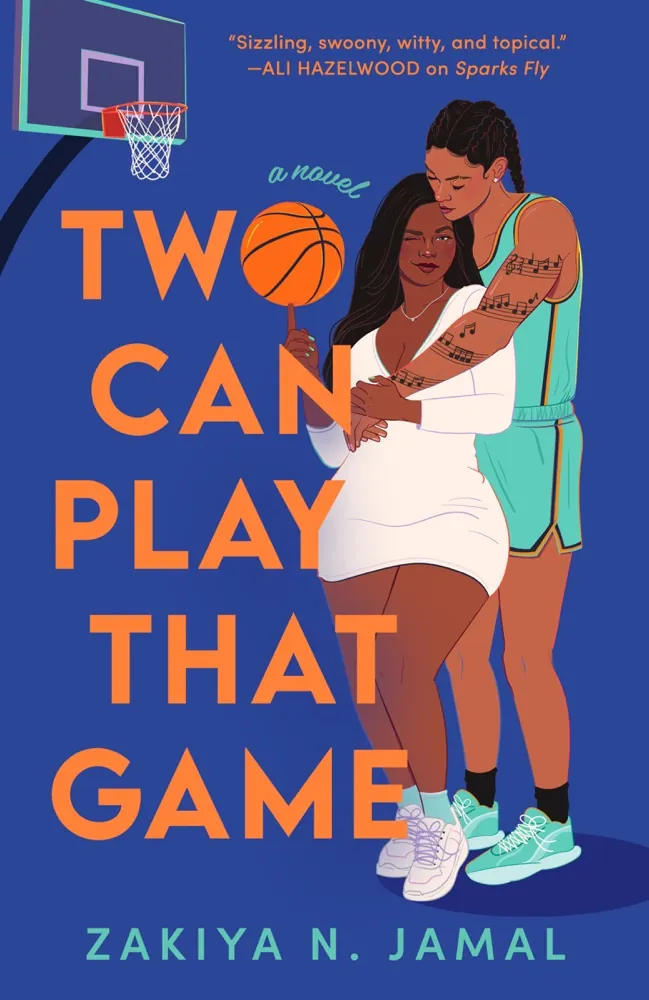

Author: Zakiya N. JamalPage Count: UnknownPublication Date: Expected publication 2026-11-17 APL The compost tumbler has been throwing a metallic screech for three days straight, sounding suspiciously like a dying lawnmower, while the late blight has officially claimed half the heirloom tomatoes I spent six months tending from seed. Yet here I am, glaring at the latest publishing industry artifact to cross my desk: Two Can Play That Game. Zakiya N. Jamal wants us to consume a narrative about a rising influencer and a WNBA star manufacturing affection for corporate sponsors. The Commodification of Intimacy in the Acrylic Greenhouse We are looking at a transactional landscape. Everything has a yield. Even romance must now produce quantifiable metrics for brands that care about carbon footprints only when it boosts quarterly earnings. AD Daniels needs brand deals before retirement, and Chelsea needs platform growth. How quaint. We are bartering authenticity under fluorescent arena lights while my winter kale freezes solid in the damp earth outside. Give me Casey McQuiston or Alexandria Bellefleur any day of the week over this manufactured PR machinery. At least their corporate-adjacent romances don't read quite so much like a pitch deck for a multinational conglomerate selling biodegradable yoga mats. My brain is officially fried. Marketing the Roots The synopsis leans heavily on the fake-dating trope, that tired old fertilizer of contemporary fiction. We get it. Proximity breeds longing. But when did our emotional landscapes become sterile factory farms where feelings are grown strictly for market share? The characters are planting seeds in concrete and expecting an organic harvest. Sponsors are hovering like pesticide dusters, ready to ruin whatever genuine root system might dare to push through the pavement. Corporate America loves a sanitized sapphic narrative. It plays well on the quarterly ESG report. AD is a Black, nonbinary lesbian facing sponsorship hesitation because of a messy dating history—because heaven forbid an athlete have a pulse outside of game day—while Chelsea commodifies her own sex-positive platform. They deserve each other, honestly. Two professionals of the attention economy trading heartbeats for impressions. I refuse to believe this dynamic yields genuine emotional growth. You cannot till the soil with a press release. Jamal is playing a very specific game here, catering to a readership addicted to high-stakes influencer culture, but I would trade every courtside seat in Manhattan for one good wheelbarrow load of rotted manure that actually feeds something real. I have to go string up the outdoor LED icicle lights before my spouse loses patience and unplugs my entire life. Related InsightsHollow Bones Book Review and Summary The Graveyard Book Book Review and Summary Ink Against the Iron Curtain: The Forbidden Library of the Soviet Union{ "@context": "https://schema.org", "@type": "FAQPage", "mainEntity": [ { "@type": "Question", "name": "What is the main focus of Two Can Play That Game Book Review and Summary?", "acceptedAnswer": { "@type": "Answer", "text": "Everything you need to know about Two Can Play That Game with our detailed review." } }, { "@type": "Question", "name": "Who authored the comprehensive guide on Two Can Play That Game Book Review and Summary?", "acceptedAnswer": { "@type": "Answer", "text": "This detailed article and its insights were carefully researched and authored by William Clark." } }, { "@type": "Question", "name": "Where can I find more related content about Books?", "acceptedAnswer": { "@type": "Answer", "text": "You can explore more articles, detailed reviews, and similar insights by browsing the Related Insights section at the bottom of this article or visiting our dedicated Books category page." } } ] }
- Camille Dubois
- 24 Aug, 2026 23:23
Merciful is the Dark (Cruel is the Light, #2) Book Review and Summary
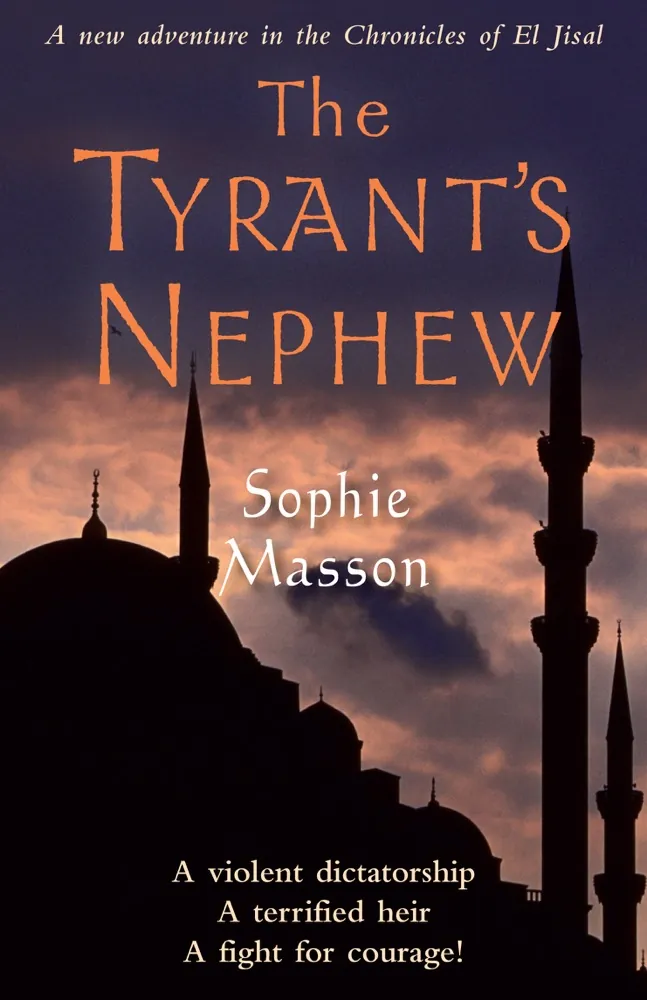
Author: Sophie ClarkPage Count: UnknownPublication Date: Expected publication 2026 APL I'm surrounded by the chaos of a family camping trip – kids shrieking with delight, my spouse attempting to cook something edible on a portable stove – and yet, I find myself drawn into the dark, mystical world of Merciful is the Dark. The second installment in Sophie Clark's Cruel is the Light series promises to be a thrilling adventure, full of magic, rebellion, and self-discovery. Omar, the reluctant heir to a ruthless dictator's throne, is a fascinating protagonist – a character torn between his duty to his family and his desire to do what is right. His chance encounter with Latifa, a beggar girl with a mysterious past, sets off a chain of events that will change the course of his life forever. The fact that Latifa is placed under a Spell of Darkness by Omar's uncle only adds to the sense of urgency and danger that pervades the story. I'm reminded of the works of Leigh Bardugo, whose Grishaverse series is known for its complex characters and morally ambiguous themes. Clark's world-building, as hinted at in the synopsis, seems to be similarly detailed and immersive. But what truly sets my imagination ablaze is the prospect of Omar and Ketta, Latifa's shape-shifting cat, embarking on a perilous journey to find the antidote to the Spell of Darkness. The eerie marshlands and the mountain stronghold of a rebel werewolf clan are just a few of the obstacles they'll face, and I can almost feel the tension building as they navigate these treacherous landscapes. It's a classic hero's journey, but one that's been cleverly subverted by Clark's use of non-traditional characters and settings. I'm excited to see how she'll balance the action and suspense with the deeper themes of courage, loyalty, and redemption. And yet, I have to admit that the synopsis leaves me with more questions than answers. What is the true nature of the Spell of Darkness, and how does it relate to the larger mythology of the world? How will Omar's relationships with Latifa and Ketta evolve over the course of the story, and what challenges will they face as they navigate the complexities of their own emotions? These are just a few of the questions that I hope will be addressed in the book itself. Literally. But I digress. One of the things that strikes me most about Merciful is the Dark is its use of magical realism to explore the human condition. Clark's world is one of wonder and danger, where the boundaries between reality and fantasy are constantly blurred. It's a world that's both familiar and strange, and one that I'm eager to explore in more depth. Or am I? As I sit here, surrounded by the chaos of my family's camping trip, I find myself wondering if I'm just projecting my own desires onto the story. Am I really interested in Merciful is the Dark, or am I just looking for a way to escape the mundane realities of my own life? It's a question that I'll have to answer for myself, I suppose. But for now, I'm content to simply imagine the possibilities. Oh, and by the way, I just realized that my favorite indie cafe has replaced their scarred wooden tables with sterile marble. #bookstagram #fantasybooks #yafantasy Related InsightsThe Anatomy of the Written Word: Unraveling the Sacred and Secular History of Literary Criticism A Domestication: A Novel Book Review and Summary And Every Morning the Way Home Gets Longer and Longer Book Review and Summary{ "@context": "https://schema.org", "@type": "FAQPage", "mainEntity": [ { "@type": "Question", "name": "What is the main focus of Merciful is the Dark (Cruel is the Light, #2) Book Review and Summary?", "acceptedAnswer": { "@type": "Answer", "text": "Everything you need to know about Merciful is the Dark (Cruel is the Light, #2) with our detailed review." } }, { "@type": "Question", "name": "Who authored the comprehensive guide on Merciful is the Dark (Cruel is the Light, #2) Book Review and Summary?", "acceptedAnswer": { "@type": "Answer", "text": "This detailed article and its insights were carefully researched and authored by Camille Dubois." } }, { "@type": "Question", "name": "Where can I find more related content about Books?", "acceptedAnswer": { "@type": "Answer", "text": "You can explore more articles, detailed reviews, and similar insights by browsing the Related Insights section at the bottom of this article or visiting our dedicated Books category page." } } ] }
-
 Marta Wisniewska
 - 24 Aug, 2026 23:14
Own Your Resilience: An Army Leader and War Widow Shares Tools to Live with Courage and Joy Book Review and Summary
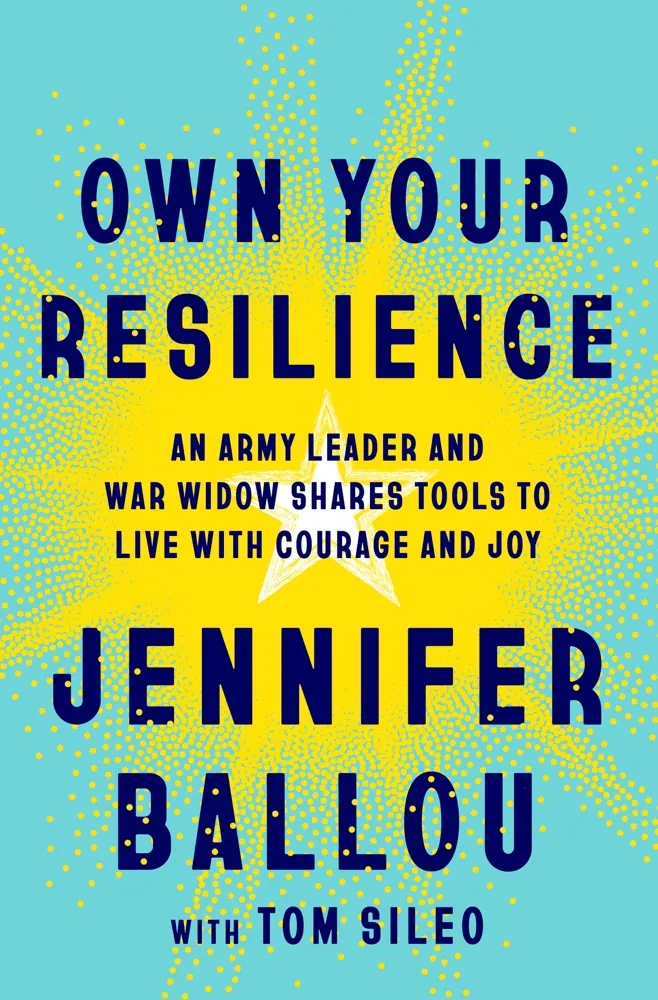
Author: Jennifer BallouPage Count: UnknownPublication Date: Expected publication 2026-11-10 APL The synopsis of Own Your Resilience arrives like a military briefing—structured, urgent, but with the kind of quiet menace that makes you wonder if the real story is buried in what’s left unsaid. Jennifer Ballou’s arc here isn’t just a personal tragedy reframed as a self-help manual; it’s a war memoir in disguise, one where the battlefield shifts from the front lines to the domestic front, where the enemy isn’t just grief but the institutional inertia that tries to swallow stories like hers whole. The synopsis leans into the tactical memoir trend—think The Body Keeps the Score meets The Upward Spiral—but where Viktor Frankl’s existential grit meets Brené Brown’s messy, unpolished vulnerability. The problem? It’s not clear yet if this will be a how-to manual or a confessional, and that ambiguity is both its greatest strength and its most dangerous flaw. The synopsis sells resilience as a skill set—something you can own, like a weapon or a promotion. But resilience, as anyone who’s ever survived a war or a divorce knows, isn’t a tool you master; it’s a wound that refuses to close cleanly. The Army’s Master Resilience Training program is mentioned like a badge of honor, but the real question is whether Ballou’s personal resilience will feel like a top-down directive or a raging, unfiltered scream. The synopsis hints at the latter—"caring for her children while also opening herself to the wisdom of those around her"—but the danger is that this could devolve into the same wellness-industrial-complex fluff that turns trauma into a TikTok trend. Where’s the raw, unfiltered rage? Where’s the moment when she fails at resilience, when she collapses under the weight of it all? Because that’s where the real art lies—not in the systems she built, but in the systems that broke her. And then there’s the stepdaughter, the infant son, the daughter from a previous marriage—all of them named but never seen. The synopsis treats them like footnotes in a military report, which is fine if this is a policy manual, but if Ballou wants to write about leading a joyful life after loss, she’d better make those children more than background noise. The best memoirs about grief—Caitlin Doughty’s Smile or Siri Hustvedt’s The Shaking Woman—don’t just survive the aftermath; they haunt it. They make you feel the weight of the unsaid. Right now, this synopsis feels like a press release for a TED Talk, not a novel or even a deep dive into the kind of resilience that doesn’t just endure but transforms. I am physically pacing my room right now, because the real tension here isn’t in the what happened but in the how it’s told. Will this be a blueprint for resilience, or a warning about how easily it can be weaponized? The synopsis drops Fort Bragg and the Pentagon like they’re just locations, but those places are battlegrounds for the kind of institutional gaslighting that turns survivors into statistics. The Army’s resilience programs are often criticized for being top-down, one-size-fits-all—and if Ballou’s book leans too hard into the systems she helped create, it risks repeating the same mistakes. But if she rejects them entirely, where does that leave her? Because resilience isn’t just about adapting; it’s about refusing to be broken. The synopsis also plays into the current trend of military wives as superheroes—see Sarah M. Rose’s The Widow’s War or Karen J. Green’s The Things We Carry—but where those books often glorify the sacrifice, Ballou’s could either undermine it or reclaim it. The question is: Will she let her story be consumed by the narrative of strength, or will she shatter it? Because that’s the only way to own resilience—not by pretending it’s a choice, but by showing how it’s a fracture that changes you forever. And then there’s the title—Own Your Resilience. It’s aggressive, possessive, almost violent in its insistence. It’s not find your resilience or build your resilience; it’s take it by force. That’s the kind of fierce, unapologetic tone we need from this book. Not the polished, marketable version of trauma, but the messy, unfiltered one. Because if this is going to be more than just another self-help book for the grieving elite, it needs to hurt a little. It needs to bleed onto the page. I sigh, because I have to go protest the demolition of a historic theater—someone’s got to stand against the erasure of spaces that remember things like this. But first, I need to know: Will Own Your Resilience be a manual or a monument? Or will it just be another soulless addition to the resilience industry? #ResilienceIsNotASkill #MilitaryMemoirs #TraumaAsArt #OwnYourChaos #TheaterDemolitionProtests Related InsightsLethal Kiss Book Review and Summary The Time Machine Book Review and Summary Ward D Book Review and Summary{ "@context": "https://schema.org", "@type": "FAQPage", "mainEntity": [ { "@type": "Question", "name": "What is the main focus of Own Your Resilience: An Army Leader and War Widow Shares Tools to Live with Courage and Joy Book Review and Summary?", "acceptedAnswer": { "@type": "Answer", "text": "Everything you need to know about Own Your Resilience: An Army Leader and War Widow Shares Tools to Live with Courage and Joy with our detailed review." } }, { "@type": "Question", "name": "Who authored the comprehensive guide on Own Your Resilience: An Army Leader and War Widow Shares Tools to Live with Courage and Joy Book Review and Summary?", "acceptedAnswer": { "@type": "Answer", "text": "This detailed article and its insights were carefully researched and authored by Marta Wisniewska." } }, { "@type": "Question", "name": "Where can I find more related content about Books?", "acceptedAnswer": { "@type": "Answer", "text": "You can explore more articles, detailed reviews, and similar insights by browsing the Related Insights section at the bottom of this article or visiting our dedicated Books category page." } } ] }
- Piotr Nowak
- 24 Aug, 2026 22:32
The Realist: Hans Morgenthau and the Purpose of American Power Book Review and Summary
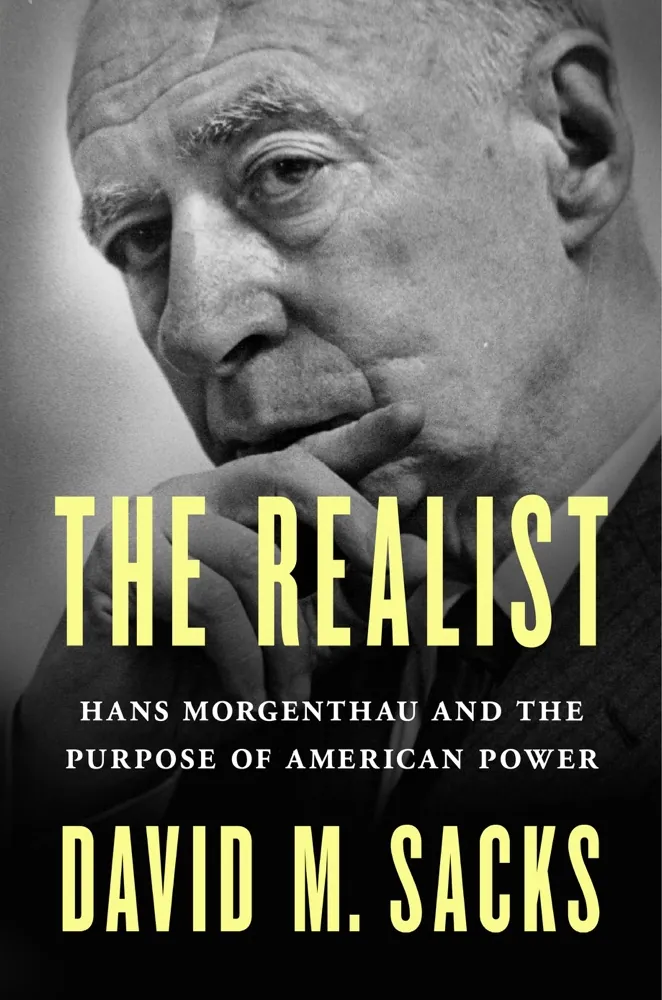
Author: David M. SacksPage Count: UnknownPublication Date: Expected publication 2026-11-10 APL A biography of Hans Morgenthau, the father of realist international relations theory—just what I needed to liven up my crowded subway commute. As I squeeze into a seat, wedged between a suited businessman and a harried mom, I find myself drawn to the story of this German émigré who defied the odds to become one of America's most influential thinkers. The Realist: Hans Morgenthau and the Purpose of American Power promises to be a meticulously researched and masterfully written account of Morgenthau's life and ideas. But as I scan the synopsis, I'm struck by how little I actually know about the man behind the theory. We're told that Morgenthau's experiences in post-World War I Germany, where he was ostracized and spat on by his classmates, shaped his worldview and led him to conclude that "power only yielded to countervailing power." But what about the nuances of his personality, the contradictions and complexities that make a person more than just a set of ideas? And then, of course, there's the elephant in the room: the Cold War. Morgenthau's book, Politics Among Nations, became the defining textbook on international relations in the country, shaping generations of scholars and policymakers. But how did Morgenthau's ideas influence the course of American foreign policy? Did he ever grapple with the moral implications of his realist worldview, or was he too focused on the grand game of geopolitics? As I flip through the pages of my mind, I'm reminded of other thinkers who have grappled with the complexities of power and morality. Henry Kissinger, Morgenthau's protégé, comes to mind, as does the great diplomat and historian George Kennan. But Morgenthau's story feels different, somehow. Perhaps it's the fact that he was an outsider, a German Jew who fled Nazi Germany and had to remake himself in America. Or maybe it's the fact that his ideas continue to shape the course of international relations to this day. As I near my subway stop, I find myself wondering: what secrets will The Realist reveal about Morgenthau's inner life? Will we see the man behind the theory, or just a series of abstract ideas and historical events? I'm willing to bet that David M. Sacks' book will be a page-turner, full of insights into the making of American foreign policy. But I'm also hoping for something more: a nuanced, multidimensional portrait of a man who helped shape the world we live in today. Time will tell, I suppose. For now, I'll just have to ride the waves of anticipation and speculation. And speaking of riding, I think it's time for me to grab my bike and hit the streets. There's nothing like a rainy day ride to clear the mind and get the creative juices flowing. #TheRealist #HansMorgenthau #InternationalRelations #Biography #ColdWar Related InsightsUntitled Baldacci 34 Book Review and Summary Blue Hour Book Review and Summary Falling Like Snow (Bramble Falls #2) Book Review and Summary{ "@context": "https://schema.org", "@type": "FAQPage", "mainEntity": [ { "@type": "Question", "name": "What is the main focus of The Realist: Hans Morgenthau and the Purpose of American Power Book Review and Summary?", "acceptedAnswer": { "@type": "Answer", "text": "Everything you need to know about The Realist: Hans Morgenthau and the Purpose of American Power with our detailed review." } }, { "@type": "Question", "name": "Who authored the comprehensive guide on The Realist: Hans Morgenthau and the Purpose of American Power Book Review and Summary?", "acceptedAnswer": { "@type": "Answer", "text": "This detailed article and its insights were carefully researched and authored by Piotr Nowak." } }, { "@type": "Question", "name": "Where can I find more related content about Books?", "acceptedAnswer": { "@type": "Answer", "text": "You can explore more articles, detailed reviews, and similar insights by browsing the Related Insights section at the bottom of this article or visiting our dedicated Books category page." } } ] }

Author: Brittanee NicolePage Count: UnknownPublication Date: Expected publication 2026-08-11 APL Sweat is currently pasting my shirt to my back while the humidity outside this farmhouse hits roughly ninety-eight percent, making it nearly impossible to focus on anything except the relentless buzzing of cicadas in the scorched cornfields and the absolute absurdity of marketers trying to cram autumn aesthetics down our throats while the sun is literally baking the topsoil into concrete. Yet here sits Down Bad, an upcoming volume that apparently refuses to acknowledge the climate reality of August, opting instead for a cozy sweater-weather fantasy featuring apple orchards and falling leaves because reality is entirely too inconvenient for contemporary romance authors who would rather manufacture a frictionless pastoral escape than acknowledge what it actually feels like to exist in a dried-up rural landscape where the well is practically empty and the local economy died somewhere around 2004. Let us dissect the premise of this supposed literary triumph, which relies on the tired, endlessly recycled tropes of a public scandal driving a woman back to her bookstore—because every single romance heroine nowadays apparently owns an impossibly charming independent shop stocked exclusively with atmospheric props rather than real financial ruin—and the mandatory return of a brooding high school best friend complete with the obligatory inked forearms and green eyes that every algorithm demands for maximum digital engagement. Oh, wait. Let me backtrack on that cynicism for just a second. Maybe the bookstore setting offers a genuinely compelling anchor for a story about local commerce and community survival in a dying town—though let us be completely honest, nobody buying this book cares about zoning laws or municipal water management. They want fake dating. They want the forced proximity of the apple orchard. They want the transactional agreement where the struggling author teaches the bookish recluse about life while she teaches him about narrative structure, a meta-textual gimmick that feels exhausting and utterly derivative of every Emily Henry or Ali Hazelwood clone currently flooding the bestseller lists. Predictable. The thematic core here is supposedly about tearing down the barrier between fiction and reality, except the entire enterprise is so aggressively synthetic that it smells less like a crackling autumn bonfire and more like a corporate boardroom brainstorming session designed to maximize pre-orders before the end of the third fiscal quarter. Penny Darling and her mysterious Monty are just chess pieces moving across a glossy board of manufactured longing, engineered specifically to satisfy readers who consume content through screens while ignoring the literal dust storms blowing past their windows. I need to fire whoever in the PR department thought mailing this galley during a punishing heatwave while the irrigation lines are bursting was a clever thematic marketing strategy. #booktok #romancebooks #agony Related InsightsThe Dark Calling Book Review and Summary Anne of Green Gables Book Review and Summary Black Cake Book Review and Summary{ "@context": "https://schema.org", "@type": "FAQPage", "mainEntity": [ { "@type": "Question", "name": "What is the main focus of Down Bad (The New Romantics, #2) Book Review and Summary?", "acceptedAnswer": { "@type": "Answer", "text": "Everything you need to know about Down Bad (The New Romantics, #2) with our detailed review." } }, { "@type": "Question", "name": "Who authored the comprehensive guide on Down Bad (The New Romantics, #2) Book Review and Summary?", "acceptedAnswer": { "@type": "Answer", "text": "This detailed article and its insights were carefully researched and authored by William Clark." } }, { "@type": "Question", "name": "Where can I find more related content about Books?", "acceptedAnswer": { "@type": "Answer", "text": "You can explore more articles, detailed reviews, and similar insights by browsing the Related Insights section at the bottom of this article or visiting our dedicated Books category page." } } ] }
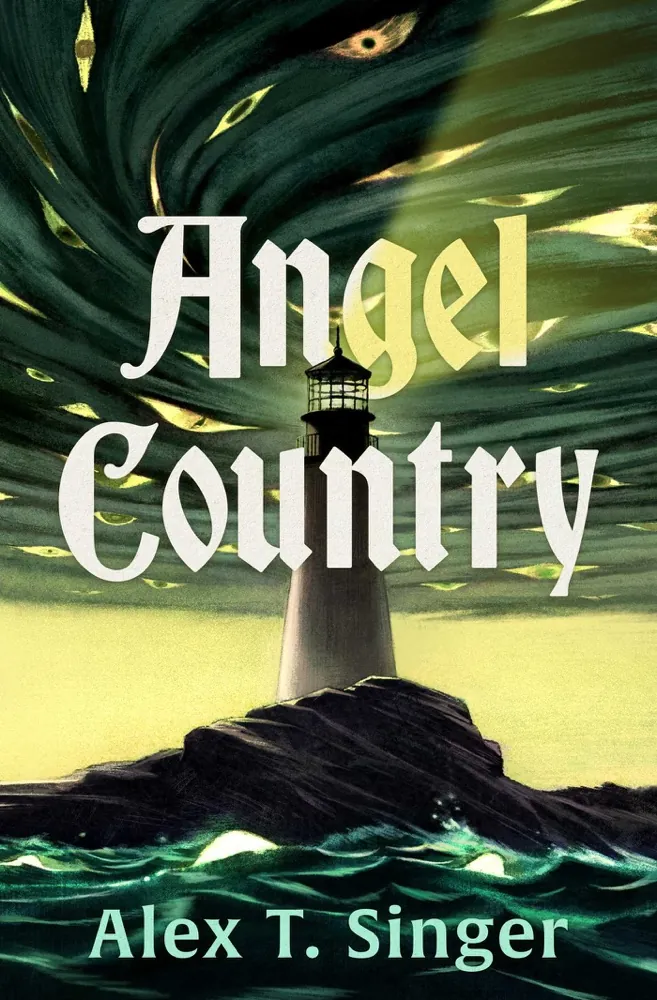
Author: Alex T. SingerPage Count: UnknownPublication Date: Expected publication 2026-10-20 APL What's the real horror here - the angels, or humanity's insatiable greed? Angel Country promises a darkly wondrous cosmic horror tale that will leave readers questioning the true nature of monstrosity. In this alternate early 1900s, scientist Ada Franklin finds herself resurrected in her own grave, her lab abandoned, and her research partner gone - along with her life's work. The prototype designed to enable human-angel communication has the potential to reshape the world, and whoever controls it may gain the power not only to communicate with angels, but to command them. It's a tantalizing prospect, and one that raises more questions than answers. But what's truly terrifying - the angels themselves, or the way humanity responds to them? The synopsis hints at a world warped by celestial horror, where angelic contact remakes both flesh and mind. It's a classic trope, one that's been explored in everything from The Starving Saints to Ring Shout. Yet, there's something about the way Angel Country approaches this idea that feels fresh, that feels...off. Perhaps it's the way the story seems to blur the lines between good and evil. Ada's pursuit of her former research partner is driven by a desire to reclaim her work, but as she gets closer to her goal, she begins to suspect that humanity's greed may be the true horror. It's a morally complex tale, one that asks difficult questions about the nature of power and the human condition. But can Angel Country deliver on its promises? The synopsis is tantalizing, but it's also frustratingly vague. What does this world look like, exactly? How do the angels interact with humanity, and what are the consequences of their contact? The answers to these questions will make or break the story. And then, of course, there's the matter of Ada herself. What drives her? What motivates her to pursue her former partner, even in the face of unimaginable horror? Is she a hero, or a villain? The synopsis doesn't give us much to go on, but I suspect that Ada's character will be a major part of the story's appeal. As I sit here, pondering the possibilities, I find myself drawn to the work of authors like Jeff VanderMeer and China Miéville. Their ability to blend the surreal and the terrifying is unmatched, and I suspect that Angel Country will be similarly unsettling. But will it be more than just a fever dream mash-up of alternate history, dark fantasy, and eldritch horror? Only time will tell. I'm going to go sit on a park bench and aggressively people-watch. #CosmicHorror #DarkFantasy #AlternateHistory Related InsightsFive Brothers Book Review and Summary Us Against You Book Review and Summary The Architecture of Alienation: Unmasking the Eternal Angst of Holden Caulfield{ "@context": "https://schema.org", "@type": "FAQPage", "mainEntity": [ { "@type": "Question", "name": "What is the main focus of Angel Country Book Review and Summary?", "acceptedAnswer": { "@type": "Answer", "text": "Everything you need to know about Angel Country with our detailed review." } }, { "@type": "Question", "name": "Who authored the comprehensive guide on Angel Country Book Review and Summary?", "acceptedAnswer": { "@type": "Answer", "text": "This detailed article and its insights were carefully researched and authored by Natalia Sokolova." } }, { "@type": "Question", "name": "Where can I find more related content about Books?", "acceptedAnswer": { "@type": "Answer", "text": "You can explore more articles, detailed reviews, and similar insights by browsing the Related Insights section at the bottom of this article or visiting our dedicated Books category page." } } ] }
-
 Hannah Schmidt
 - 24 Aug, 2026 14:52
The Misfit Caravan (The Tarot Sequence, #4) Book Review and Summary
Author: K.D. EdwardsPage Count: UnknownPublication Date: Expected publication 2026-12-08 APL Pass me another deviled egg, would you? The condensation on this lemonade pitcher is absolutely ruining the wicker basket, but honestly, looking at the way the light catches the water out past the reeds makes it entirely forgivable. Asphalt, Trauma, and Excess Baggage K.D. Edwards is giving us an American road trip in The Misfit Caravan, and I am already preemptively exhausted by the logistics. Packing two luxury RVs for a bunch of ancient, traumatized magical beings sounds less like a healing journey and more like a municipal nightmare that needs an immediate zoning permit and a community board intervention. We are looking at a narrative engine built entirely on forced proximity and high-horsepower anxiety. It reminds me of why municipal budget meetings always devolve into shouting matches over parking ordinances—everyone brings their historical grievances to the asphalt, and nobody wants to empty the grey water tank. The Illusion of Found Kinship The synopsis leans heavily on the architecture of chosen family. Because nothing screams domestic bliss quite like fleeing a trail of murdered fae while towing a multi-ton recreational vehicle across state lines. Let us be entirely serious for a moment. This genre has become hopelessly obsessed with the "found family heals all wounds" trope to an almost comical degree. It is like watching a poorly managed community garden where everyone insists on planting invasive perennials right next to the prize-winning tomatoes because they think shared suffering constitutes a root system. The Infrastructure of Betrayal Rune Saint John is apparently heading straight for Sanctuary City to uncover lies stitched into the lives of the people he loves most. Groundbreaking. Nothing like discovering that your domestic safety net is actually a poorly woven hammock held together by administrative negligence and buried secrets. I predict the middle three hundred pages of this book will consist entirely of brooding in cramped dining nooks while someone refuses to pass the salt because of a centuries-old blood feud. It is practically a suburban HOA meeting with better casting and higher body counts. My daughter's science project is currently on fire. Related InsightsFate Breaker Book Review and Summary Take My Hand (Willow Branch Mountain #5) Book Review and Summary Sunderworld, Vol. 2: The Unfortunate Responsibilities of Leopold Berry Book Review and Summary{ "@context": "https://schema.org", "@type": "FAQPage", "mainEntity": [ { "@type": "Question", "name": "What is the main focus of The Misfit Caravan (The Tarot Sequence, #4) Book Review and Summary?", "acceptedAnswer": { "@type": "Answer", "text": "Everything you need to know about The Misfit Caravan (The Tarot Sequence, #4) with our detailed review." } }, { "@type": "Question", "name": "Who authored the comprehensive guide on The Misfit Caravan (The Tarot Sequence, #4) Book Review and Summary?", "acceptedAnswer": { "@type": "Answer", "text": "This detailed article and its insights were carefully researched and authored by Hannah Schmidt." } }, { "@type": "Question", "name": "Where can I find more related content about Books?", "acceptedAnswer": { "@type": "Answer", "text": "You can explore more articles, detailed reviews, and similar insights by browsing the Related Insights section at the bottom of this article or visiting our dedicated Books category page." } } ] }
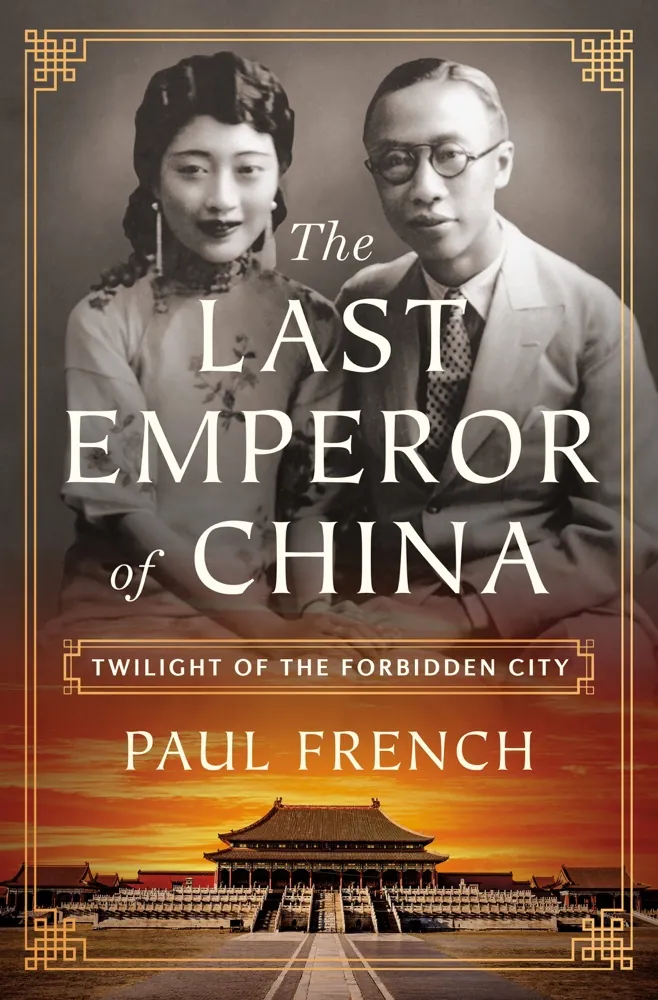
-
 Olya Shevchenko
 - 24 Aug, 2026 14:15
The Last Emperor of China: Twilight of the Forbidden City Book Review and Summary
Author: Paul FrenchPage Count: UnknownPublication Date: Expected publication 2026-11-17 APL August sweat drips onto the secondhand paper on my desk, sticking the pages together while the radiator downstairs clanks its useless summer song. Paul French is giving us The Last Emperor of China: Twilight of the Forbidden City later this year, and my apartment feels just as claustrophobic as Puyi's gilded cage in the 1920s. Except he had eunuchs and I have a landlady who bangs on the wall whenever my typewriter keys click past midnight. Gilded Cages and Crumbling Plaster A monarch without a crown, a ruler without a people—we have heard this refrain before. But French apparently found some dusty letters and an English teacher's diary to prove the marriage between Puyi and Wanrong wasn't entirely a cold political sham. Or maybe he didn't. The synopsis dances around the actual historiography, leaning heavily on the romance angle to sell copies to people who watch too many period dramas. Actually, scratch that—intimacy behind palace walls is precisely what everyone wants to read about while sweating through the dog days of August. We crave scandal in closed rooms. The architecture of power fascinates me more than the pillow talk anyway. The Forbidden City survived fires, looting, and artillery shells, remaining a redoubt while the rest of the world burned down. It is a brick-and-mortar metaphor for stubborn obsolescence. We all live in our own crumbling citadels, do we not? My crumbling citadel has peeling yellow wallpaper and a view of a brick alleyway that smells perpetually of fried garlic. Yet French treats the citadel like a living character rather than a mere backdrop, which gives me hope this won't read like a dry academic thesis padded out for the Christmas bestseller lists. Think Peter Hessler meets Dan Baum, but with more silk robes and existential dread. The Myth of the Imperial Bedroom And yet, relying on private diaries to rewrite established historical consensus feels like a publisher's desperate hook. Every biography promises previously unpublished letters these days. It is the mandatory marketing sticker on the cover. Did the tutor and the English teacher really possess unbiased panoramic views of imperial marital bliss, or did they simply project their own Victorian sensibilities onto teenagers trapped by history? I suspect the latter. Historians love finding a secret love story where none existed just to make the tragedy sting a bit more sharply for the modern commuter. The prose in the promotional copy promises a sweeping descent into madness and paranoia—servants scheming, eunuchs whispering, the constant threat of an assassin's knife in the dark. That is the stuff that keeps you turning pages by the flickering amber glow of a single desk lamp while the humidity hangs in the room like a wet blanket. Whether French can sustain that atmospheric tension without collapsing into melodrama remains the real question. Publishers love a good doomed dynasty, almost as much as they love a manufactured controversy about a loveless marriage. I need to finish binding these signatures for a friend's chapbook before the glue dries in this relentless heat. #bookhistory #historicalnonfiction #forbiddenCity #publishing Related InsightsThe Light Years: A Novel Book Review and Summary Blacktail Book Review and Summary Drop Dead Handsome Book Review and Summary{ "@context": "https://schema.org", "@type": "FAQPage", "mainEntity": [ { "@type": "Question", "name": "What is the main focus of The Last Emperor of China: Twilight of the Forbidden City Book Review and Summary?", "acceptedAnswer": { "@type": "Answer", "text": "Everything you need to know about The Last Emperor of China: Twilight of the Forbidden City with our detailed review." } }, { "@type": "Question", "name": "Who authored the comprehensive guide on The Last Emperor of China: Twilight of the Forbidden City Book Review and Summary?", "acceptedAnswer": { "@type": "Answer", "text": "This detailed article and its insights were carefully researched and authored by Olya Shevchenko." } }, { "@type": "Question", "name": "Where can I find more related content about Books?", "acceptedAnswer": { "@type": "Answer", "text": "You can explore more articles, detailed reviews, and similar insights by browsing the Related Insights section at the bottom of this article or visiting our dedicated Books category page." } } ] }
-
 Elena Volkova
 - 24 Aug, 2026 13:42
An Expert Witness: The Story of Forensic Science in the Courtroom Book Review and Summary
Author: Sue BlackPage Count: UnknownPublication Date: Expected publication 2026 APL A vague, reader-friendly book about forensic science is about to hit the shelves, and I'm still trying to figure out why I should care. An Expert Witness: The Story of Forensic Science in the Courtroom, the latest from Sue Black, promises to review the state of the science on a broad range of psychological issues commonly encountered in the forensic context. But what does that even mean? Are we talking about the latest in DNA analysis or the psychology of expert testimony? I'm not exactly holding my breath. The synopsis is a laundry list of buzzwords – recovered memories, projective techniques, lie detection, child witnesses – with no clear thread to tie them together. It's like Black took a look at the latest season of True Detective and thought, "You know what would be a great book? A dry, academic rundown of all the science-y stuff they glossed over." And don't even get me started on the promise to "steer clear of those that may be misleading or legally inadmissible." Who's the target audience here? Lawyers looking to brush up on their expert testimony skills? Students of forensic science? Or just the average true-crime junkie? I'm reminded of The Devil in the White City, Erik Larson's masterful take on the intersection of science and justice. Now that was a book that knew how to balance the technical with the thrilling. Black's book, on the other hand, sounds like a slog. And yet... I can almost see the appeal. In an era where Making a Murderer and Serial have become cultural touchstones, it's clear that the public is hungry for a deeper understanding of the forensic science behind the headlines. But will An Expert Witness deliver? I have my doubts. The book's focus on "real-world legal situations" and "guidelines for presenting scientific evidence accurately and effectively in courtroom testimony and written reports" sounds like a recipe for tedium. And what's with the lack of a clear narrative thread? Are we supposed to care about the individual cases, or is this just a dry academic exercise? I'm not holding my breath. In fact, I'm willing to bet that An Expert Witness will be a dry, plodding affair, more suited to the shelves of a law library than the nightstands of true-crime enthusiasts. But hey, I've been wrong before. Maybe Sue Black will surprise me with a page-turner that will make me rethink the entire genre. The Verdict: Guilty of Boredom I need to review the exhausting itinerary for my European book tour, but I'll be keeping an eye on An Expert Witness when it drops. Maybe I'll be surprised. But until then, I'm sticking with the likes of Gillian Flynn and Laura Lippman for my true-crime fix. #truecrime #forensicscience #skepticalreader Related InsightsThis Wretched Alchemy (Ruinous Fate Saga, #1) Book Review and Summary Colleen Hoover Ebook Boxed Set Hopeless Series Book Review and Summary One of Us Is Back Book Review and Summary{ "@context": "https://schema.org", "@type": "FAQPage", "mainEntity": [ { "@type": "Question", "name": "What is the main focus of An Expert Witness: The Story of Forensic Science in the Courtroom Book Review and Summary?", "acceptedAnswer": { "@type": "Answer", "text": "Everything you need to know about An Expert Witness: The Story of Forensic Science in the Courtroom with our detailed review." } }, { "@type": "Question", "name": "Who authored the comprehensive guide on An Expert Witness: The Story of Forensic Science in the Courtroom Book Review and Summary?", "acceptedAnswer": { "@type": "Answer", "text": "This detailed article and its insights were carefully researched and authored by Elena Volkova." } }, { "@type": "Question", "name": "Where can I find more related content about Books?", "acceptedAnswer": { "@type": "Answer", "text": "You can explore more articles, detailed reviews, and similar insights by browsing the Related Insights section at the bottom of this article or visiting our dedicated Books category page." } } ] }