Showing Posts From
Bookreview
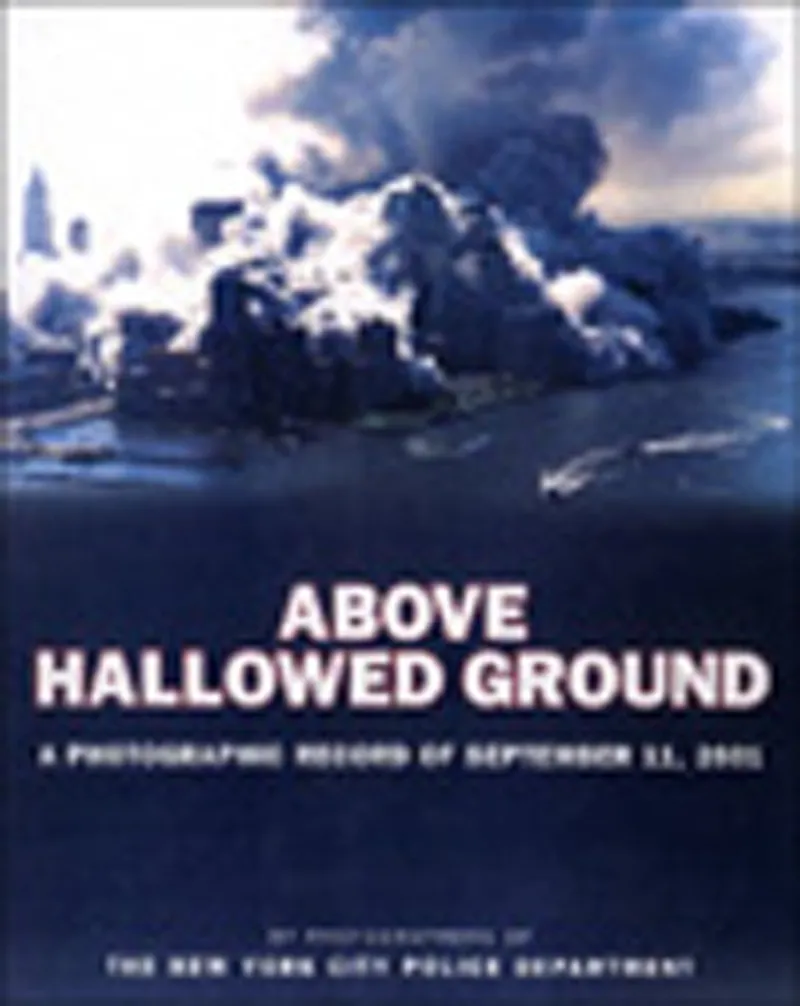
Above Hallowed Ground Author: New York City Police Dept.Page Count: UnknownPublication Date: 2002-PRH A Visual Testament to Courage: Above Hallowed Ground by the NYPD September 11, 2001, was a day that shattered the world’s sense of security—and yet, in its ashes, it forged a new kind of heroism. Above Hallowed Ground, a haunting and unflinching photographic record by the New York City Police Department, does more than document tragedy; it immortalizes the raw, unfiltered bravery of those who ran toward the danger when everyone else was running away. This is not just another 9/11 book. It is a visceral, firsthand account in images, captured by the men and women of the NYPD—officers who were there in the lobbies of the Twin Towers before they fell, who hovered in helicopters as the towers burned, who emerged from the suffocating dust cloud of the collapse with cameras in hand. These are not staged photographs. They are not sanitized for public consumption. They are the unfiltered, often chaotic, always human perspective of those who witnessed history’s darkest hour from the inside out. The book’s greatest strength lies in its authenticity. Unlike the countless images of 9/11 that have been reproduced and repurposed over the years, these photographs have never been published before. They were taken by officers in the midst of their duties—some off-duty, like Detective Dave Fitzpatrick, who commandeered a police helicopter to document the unfolding disaster from above. His aerial shots, taken in the immediate aftermath of the second plane’s impact, are among the most chilling in the collection. They show the towers still standing, but the streets below already choked with smoke and fleeing civilians. Later, Fitzpatrick’s lens captured the eerie stillness of Ground Zero in the weeks that followed, the twisted steel, the smoldering rubble, the exhausted faces of rescue workers. But the book is not just about destruction. It is about the defiant humanity that emerged in its wake. There are photographs of firefighters and police officers carrying the injured to safety, of volunteers digging through debris with their bare hands, of strangers helping strangers amid the chaos. One image shows a group of officers standing in a line, their backs to the camera, shielding civilians from the falling debris of the South Tower’s collapse. Another captures a firefighter, covered in ash, cradling a small child in his arms. These are not just pictures; they are acts of witness. The NYPD’s approach to this project is deliberate in its rawness. There are no captions that soften the blow—just the photographs, arranged in a rough chronology that mirrors the unfolding disaster. The effect is disorienting, even painful, forcing the viewer to confront the reality of that day without the buffer of narration. The photographs speak for themselves, and their message is clear: This was not just an attack on buildings. It was an attack on the very idea of safety, of order, of life itself. And yet, in the face of it, ordinary people—police officers, firefighters, paramedics—became extraordinary. The book’s layout is as unadorned as its content. The photographs are presented in stark black and white, a choice that strips away the color of the day and leaves only the stark contrasts of light and shadow, life and death. The absence of color makes the images feel timeless, as if they could have been taken yesterday or a century ago. There is no sensationalism here, no attempt to shock for shock’s sake. Instead, there is a quiet reverence for the moment, a recognition that these images are not just records—they are relics. For those who lived through 9/11, Above Hallowed Ground will be a painful reminder of a day that changed everything. For younger readers, it will be a history lesson in the most visceral sense—a way to see the event rather than just hear about it. And for all of us, it is a tribute to the unsung heroes who, in their darkest hour, chose to stand and fight. This is not a book to be read lightly. It is a book to be experienced, to be sat with in silence, to be turned to again and again as a reminder of both the depths of human cruelty and the heights of human courage. The NYPD, in compiling these images, has given us more than a record of a tragedy—they have given us a legacy. #NeverForget #911Memorial #NYPDHeroes #AboveHallowedGround #September11 #FirstResponders Related InsightsOne for the Money Book Review and Summary Das Hornbuch: Vom Fibelbrett zum Mythos – Eine Reise durch Jahrhunderte der Bildung The Velvet Knife (Truly Devious, #6) Book Review and Summary{ "@context": "https://schema.org", "@type": "FAQPage", "mainEntity": [ { "@type": "Question", "name": "What is the main focus of City of Ashes Book Review and Summary?", "acceptedAnswer": { "@type": "Answer", "text": "Everything you need to know about City of Ashes with our detailed review." } }, { "@type": "Question", "name": "Who authored the comprehensive guide on City of Ashes Book Review and Summary?", "acceptedAnswer": { "@type": "Answer", "text": "This detailed article and its insights were carefully researched and authored by Cassandra Clare." } }, { "@type": "Question", "name": "Where can I find more related content about Books?", "acceptedAnswer": { "@type": "Answer", "text": "You can explore more articles, detailed reviews, and similar insights by browsing the Related Insights section at the bottom of this article or visiting our dedicated Books category page." } } ] }

This Woven Kingdom Author: Tahereh MafiPage Count: UnknownPublication Year: 2022-GB Tahereh Mafi’s This Woven Kingdom is a dazzling tapestry of ambition, destiny, and rebellion, woven together with the kind of intricate storytelling that has cemented her as a master of modern YA fantasy. Published in 2022, this novel doesn’t just ride the coattails of its predecessors in Mafi’s Shatter Me series—it carves its own path, blending Persian-inspired mythology with a lush, political world that feels both ancient and urgently alive. At its core, the book is a reimagining of Adam and Eve, but not as a cautionary tale—more as a battle cry for those who refuse to bow to the gods who created them. The story unfolds in a world where the celestial beings known as the Elohim rule over the mortal realm with an iron grip, enforcing their divine will through the oppressive empire of Ardent. The protagonist, Alizeh, is a 21-year-old seamstress with a secret: she’s the long-lost heir to the throne, a fact she’s spent her life hiding to survive. When a crown prince with a cursed touch stumbles into her life, their fates become irrevocably entwined, setting off a chain of events that could either restore balance to the world or doom it entirely. Mafi’s genius lies in how she balances high-stakes fantasy with deeply human emotions. Alizeh isn’t just a chosen one—she’s a young woman grappling with self-doubt, the weight of destiny, and the crushing loneliness of being unseen. Her internal monologues are raw, witty, and achingly relatable, making her one of the most compelling heroines in recent YA. Mafi’s prose is a gift—lyrical, vivid, and soaked in sensory detail. She paints Ardent as a city where the scent of jasmine clings to the air, where textiles are alive with magic, and where every shadow holds a story. The world-building is immersive, drawing heavily from Persian culture and folklore, yet it never feels like a pastiche. Instead, it’s a love letter to heritage, reimagined through the lens of fantasy. The Elohim, with their cold grandeur and terrifying power, serve as a metaphor for systemic oppression, their divinity a thinly veiled justification for tyranny. Alizeh’s struggle isn’t just against a crown—it’s against the idea that her worth is tied to her lineage, her power, or her submission. What sets This Woven Kingdom apart, however, is its refusal to shy away from moral complexity. The love story at its center isn’t just a romance—it’s a collision of two broken souls, each carrying their own burdens. The crown prince, Kamran, is no typical hero; he’s flawed, impulsive, and burdened by the expectations of his bloodline. His relationship with Alizeh is fraught with tension, not just from external enemies but from their own clashing ideals. Mafi doesn’t let them off easy, either. Their love is hard-won, tested by betrayal, and laced with the kind of heartbreak that lingers long after the last page. The book’s pacing is relentless, driven by political intrigue, magical duels, and moments of quiet introspection. Mafi excels at building tension, both in the grand scale of empire-shaking events and in the intimate, personal moments that make the characters feel real. There’s a scene where Alizeh, disguised as a servant, navigates a ballroom filled with the very elite who would see her dead—her terror and ingenuity are palpable, a testament to Mafi’s ability to make even the smallest victories feel monumental. Yet, for all its grandeur, This Woven Kingdom never loses sight of its heart: the idea that some threads are meant to be broken. Alizeh’s defiance isn’t just about reclaiming a throne—it’s about proving that she doesn’t need the Elohim’s approval to exist. She’s a seamstress, yes, but she’s also a weaver of her own fate, stitching together a future where the gods no longer dictate the rules. Tahereh Mafi’s style is a masterclass in blending the poetic with the punchy. Her writing is vivid enough to transport you to another world, but her characters’ voices are so sharp and modern that they feel like people you could meet on the street. She doesn’t just tell a story; she crafts an experience, one that lingers like the scent of rain on fresh linen. This Woven Kingdom is more than a fantasy novel—it’s a revolution wrapped in silk and sorrow, a tale of a girl who refused to be a victim of fate. It’s a book that demands to be felt, not just read. #ThisWovenKingdom #TaherehMafi #FantasyRomance #YAFantasy #EpicFantasy #Bookstagram Related InsightsWhat a Nightmare Book Review and Summary Magic Has No Borders Book Review and Summary Clockers Book Review and Summary{ "@context": "https://schema.org", "@type": "FAQPage", "mainEntity": [ { "@type": "Question", "name": "What is the main focus of This Woven Kingdom Book Review and Summary?", "acceptedAnswer": { "@type": "Answer", "text": "Everything you need to know about This Woven Kingdom with our detailed review." } }, { "@type": "Question", "name": "Who authored the comprehensive guide on This Woven Kingdom Book Review and Summary?", "acceptedAnswer": { "@type": "Answer", "text": "This detailed article and its insights were carefully researched and authored by Lucia Garcia." } }, { "@type": "Question", "name": "Where can I find more related content about Books?", "acceptedAnswer": { "@type": "Answer", "text": "You can explore more articles, detailed reviews, and similar insights by browsing the Related Insights section at the bottom of this article or visiting our dedicated Books category page." } } ] }

Familias fatales Author: Ben AaronovitchPage Count: UnknownPublication Year: 2019-GB Ben Aaronovitch’s Familias fatales is more than just another entry in the crowded field of urban fantasy—it’s a masterclass in blending sharp wit, intricate world-building, and genuine emotional depth. Published in 2019, this installment in the Rivers of London series (known as Peter Grant in some regions) cements Aaronovitch’s reputation as one of the genre’s most deft and dependable storytellers. While the exact page count remains elusive—a minor quirk in an otherwise polished work—the book’s impact is undeniable. Here, Aaronovitch doesn’t just continue his protagonist’s journey; he deepens the lore, refines his prose, and delivers a story that feels both timeless and urgently contemporary. At its core, Familias fatales explores the tension between legacy and reinvention, a theme that resonates far beyond the supernatural undercurrents of London’s hidden magical society. The novel follows Detective Constable Peter Grant as he investigates a series of disturbing deaths linked to a sinister cult, the Familias Fatales—a group that worships an ancient, malevolent entity. But this isn’t just a tale of good versus evil. Aaronovitch uses the cult’s rituals and the reactions of London’s magical community to interrogate how power corrupts, how history haunts the present, and whether redemption is possible for those who’ve inherited—or embraced—dark legacies. The cult’s name itself is a nod to the idea of fatal families, those whose lineage is tainted by violence, exploitation, or supernatural bargains. It’s a theme that lingers, forcing readers to question: Are we doomed by our origins, or can we carve out our own path? Aaronovitch’s style is one of the book’s greatest strengths. His writing is effortlessly conversational, blending the dry humor of a modern Londoner with the gravitas of someone grappling with forces beyond comprehension. Peter Grant, the series’ affable yet introspective narrator, serves as the perfect guide through this world—a man who’s equal parts skeptic, bureaucrat, and reluctant hero. The dialogue crackles with authenticity, whether Grant is bantering with his fellow officers, debating magical theory with his mentor Nightingale, or trading barbs with the irascible and undead Detective Chief Inspector Seawoll. Aaronovitch’s gift for pacing ensures that the narrative never drags, even as the stakes escalate. The action sequences are visceral yet precise, and the supernatural elements are woven seamlessly into the fabric of London itself, making the city feel like a character as much as any person. One of the book’s standout features is its exploration of institutional memory. The Familias Fatales cult isn’t just a relic of the past; it’s a living, breathing entity that has infiltrated the upper echelons of London’s magical society. Aaronovitch cleverly uses this premise to critique how institutions—whether magical, political, or familial—can become breeding grounds for corruption when they prioritize tradition over truth. The cult’s presence is felt in the reluctance of some characters to acknowledge its existence, a reluctance that mirrors real-world hesitancy to confront uncomfortable histories. This layer of social commentary elevates Familias fatales from a mere supernatural thriller to something more thought-provoking, inviting readers to draw parallels to their own world. The novel’s emotional core, however, lies in its focus on Peter Grant’s personal growth. By this point in the series, Grant is no longer the wide-eyed rookie he once was, but he’s still navigating the complexities of his role as London’s only police officer with a foot in both the mundane and magical worlds. His relationships—with his partner Lesley May, his friend and magical mentor Nightingale, and even his ex-girlfriend Beverly—are tested in ways that force him to confront his own fears and biases. Aaronovitch excels at depicting these interpersonal dynamics with nuance, avoiding the pitfalls of melodrama or cliché. Grant’s struggles feel real, his victories hard-won, and his occasional stumbles relatable. Another hallmark of Aaronovitch’s work is his ability to balance humor and horror. Familias fatales is no exception. The book’s darker moments are leavened by moments of levity, often at the expense of the more pompous members of London’s magical elite. Whether it’s a snarky aside about a particularly ridiculous magical artifact or a dry quip from Nightingale, the humor serves to underscore the absurdity that often lurks beneath the surface of even the most serious magical endeavors. It’s a delicate balance, and Aaronovitch pulls it off with aplomb, ensuring that the reader is never overwhelmed by dread or bored by exposition. If there’s a criticism to be made, it’s that the book occasionally assumes a familiarity with the series’ lore. While Familias fatales can be enjoyed as a standalone, those new to the Rivers of London universe might find themselves slightly adrift in the early chapters. However, this is a minor quibble. Aaronovitch’s world-building is so immersive and his characters so well-drawn that even casual readers will quickly find their footing. In the end, Familias fatales is a triumph of urban fantasy—intelligent, engaging, and deeply human. It’s a book that knows when to be funny, when to be frightening, and when to be introspective. Aaronovitch has crafted a story that’s as much about the weight of history as it is about the power of choice, and he does so with a style that’s uniquely his own. For fans of the genre, it’s a must-read. For newcomers, it’s an excellent entry point into a world that’s as rich as it is rewarding. #FamiliasFatales #RiversOfLondon #PeterGrant #UrbanFantasy #MagicInLondon #Aaronovitch Related InsightsLa parte más oscura del bosque Book Review and Summary Shōgun Book Review and Summary Fall into Place Book Review and Summary{ "@context": "https://schema.org", "@type": "FAQPage", "mainEntity": [ { "@type": "Question", "name": "What is the main focus of Familias fatales Book Review and Summary?", "acceptedAnswer": { "@type": "Answer", "text": "Everything you need to know about Familias fatales with our detailed review." } }, { "@type": "Question", "name": "Who authored the comprehensive guide on Familias fatales Book Review and Summary?", "acceptedAnswer": { "@type": "Answer", "text": "This detailed article and its insights were carefully researched and authored by Elena Volkova." } }, { "@type": "Question", "name": "Where can I find more related content about Books?", "acceptedAnswer": { "@type": "Answer", "text": "You can explore more articles, detailed reviews, and similar insights by browsing the Related Insights section at the bottom of this article or visiting our dedicated Books category page." } } ] }
Final Fantasy VII Rebirth: Material Ultimania Author: Square EnixPage Count: UnknownPublication Date: 2026-PRH "Unveiling the Mysteries of Midgar: A Deep Dive into Final Fantasy VII Rebirth: Material Ultimania" As a long-time fan of the Final Fantasy series, I was thrilled to get my hands on Square Enix's latest offering, Final Fantasy VII Rebirth: Material Ultimania. This comprehensive guide promises to delve into the inner workings of the beloved game, and I'm excited to share my thoughts on what makes it a must-have for any serious fan. From the outset, it's clear that Square Enix has poured its heart and soul into this project. The attention to detail is staggering, with intricate concept art, character designs, and environmental sketches that showcase the game's richly detailed world. The book's layout is equally impressive, with each section carefully curated to provide a seamless reading experience. One of the standout features of Material Ultimania is its ability to balance depth and accessibility. Whether you're a die-hard fan or a newcomer to the series, the book's thoughtful approach ensures that everyone can appreciate the wealth of information on offer. The writing is engaging and informative, with insightful commentary from the game's developers that sheds new light on the creative process. At its core, Material Ultimania is a love letter to the world of Final Fantasy VII. It's a testament to the dedication and passion of the team that brought this iconic game to life, and a reminder of the enduring power of storytelling in games. As I delved deeper into the book, I found myself re-experiencing the magic of Midgar, from the towering cityscape to the memorable characters that inhabit it. Square Enix's authorial style is, as ever, impeccable. The company's commitment to quality and attention to detail is evident on every page, and the book's production values are top-notch. The text is accompanied by stunning visuals, including concept art, screenshots, and behind-the-scenes images that add depth and context to the narrative. If I have any criticisms, it's that the book's page count is unknown – a minor quibble, perhaps, but one that might give some readers pause. Nevertheless, I can confidently say that Material Ultimania is an essential purchase for any Final Fantasy VII fan. It's a treasure trove of information, a beautifully crafted tribute to a game that continues to inspire and captivate audiences around the world. In short, Final Fantasy VII Rebirth: Material Ultimania is a masterpiece – a must-have companion to the game, and a testament to the enduring power of the Final Fantasy series. If you're a fan of RPGs, game design, or simply great storytelling, do yourself a favor and add this to your reading list. #FinalFantasyVIIR #MaterialUltimania #SquareEnix #GamingCompanion #RPGInsight #FFVIIFandom Related InsightsInheritance Book Review and Summary Grim Tidings (Ghosted, #2) Book Review and Summary Find Me Where It Ends Book Review and Summary{ "@context": "https://schema.org", "@type": "FAQPage", "mainEntity": [ { "@type": "Question", "name": "What is the main focus of Digital Fortress Book Review and Summary?", "acceptedAnswer": { "@type": "Answer", "text": "Everything you need to know about Digital Fortress with our detailed review." } }, { "@type": "Question", "name": "Who authored the comprehensive guide on Digital Fortress Book Review and Summary?", "acceptedAnswer": { "@type": "Answer", "text": "This detailed article and its insights were carefully researched and authored by Dan Brown." } }, { "@type": "Question", "name": "Where can I find more related content about Books?", "acceptedAnswer": { "@type": "Answer", "text": "You can explore more articles, detailed reviews, and similar insights by browsing the Related Insights section at the bottom of this article or visiting our dedicated Books category page." } } ] }
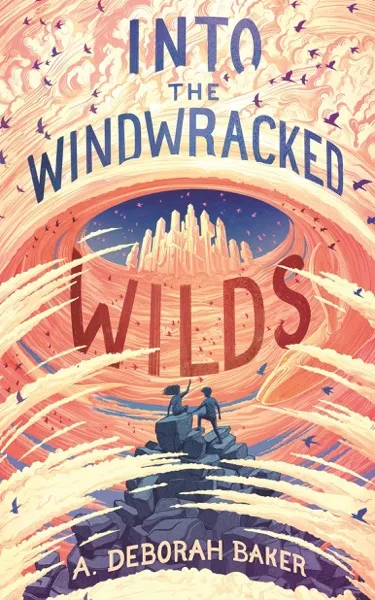

Into the Windwracked Wilds Author: Seanan McGuirePage Count: UnknownPublication Year: 2022-GB Seanan McGuire's "Into the Windwracked Wilds" is a mesmerizing tale that whisks readers away to a world of breathtaking wonder and eerie mystique. This global bestseller has captivated audiences worldwide, and it's easy to see why – McGuire's masterful storytelling weaves a complex narrative that's both hauntingly beautiful and thought-provoking. At its core, "Into the Windwracked Wilds" is a story about the power of resilience and the unbreakable bonds that tie us to the natural world. McGuire's prose is like a gentle breeze on a summer's day, soothing and calming, yet beneath the surface lies a depth of emotion and a keen understanding of the human condition. Her writing is akin to a rich tapestry, intricately woven with threads of myth, magic, and the unknown. One of the standout features of McGuire's writing style is her ability to craft characters that are at once relatable and enigmatic. Her protagonists are multidimensional and flawed, with a deep-seated sense of vulnerability that makes them all the more human. As they navigate the treacherous landscapes of the wilds, they must confront their own demons and the darkness that lurks within. It's a testament to McGuire's skill as a storyteller that she can evoke such a strong emotional response from her readers. The world-building in "Into the Windwracked Wilds" is nothing short of breathtaking. McGuire's vivid descriptions of the natural world are so evocative that you can almost smell the damp earth and feel the mist on your skin. Her use of language is deliberate and precise, conjuring up images of twisted forests, crumbling ruins, and windswept coastlines. It's a world that's both familiar and yet, utterly alien – a place where the boundaries between reality and myth blur and blend. Throughout the book, McGuire explores themes of identity, community, and the interconnectedness of all living things. Her writing is infused with a deep sense of respect for the natural world and a recognition of the delicate balance that exists between humans and the environment. It's a powerful message, one that resonates deeply in today's world, where the consequences of our actions are more apparent than ever. If you're a fan of fantasy, folklore, or simply great storytelling, then "Into the Windwracked Wilds" is a must-read. McGuire's writing is like a wildflower – it's beautiful, unexpected, and will leave you feeling enchanted and uplifted. So why not take a step into the windwracked wilds and discover the magic for yourself? #SeanMcGuire #IntoTheWindwrackedWilds #FantasyFiction #MythAndMagic #EnvironmentalFiction #WildAndWondrousWorlds Related InsightsThe Monster at the End of this Book Book Review and Summary Captive in the Dark Book Review and Summary Death's a Bitch Book Review and Summary{ "@context": "https://schema.org", "@type": "FAQPage", "mainEntity": [ { "@type": "Question", "name": "What is the main focus of Into the Windwracked Wilds Book Review and Summary?", "acceptedAnswer": { "@type": "Answer", "text": "Everything you need to know about Into the Windwracked Wilds with our detailed review." } }, { "@type": "Question", "name": "Who authored the comprehensive guide on Into the Windwracked Wilds Book Review and Summary?", "acceptedAnswer": { "@type": "Answer", "text": "This detailed article and its insights were carefully researched and authored by Olya Shevchenko." } }, { "@type": "Question", "name": "Where can I find more related content about Books?", "acceptedAnswer": { "@type": "Answer", "text": "You can explore more articles, detailed reviews, and similar insights by browsing the Related Insights section at the bottom of this article or visiting our dedicated Books category page." } } ] }
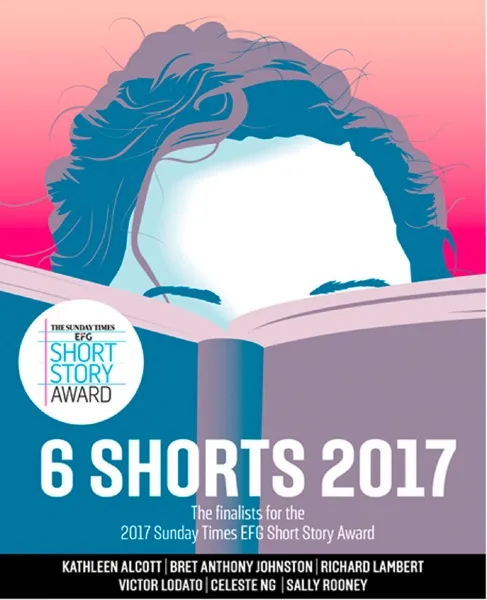

Mr Salary Author: Sally RooneyPage Count: UnknownPublication Year: 2019-GB Sally Rooney’s Mr Salary is a razor-sharp novella that cuts straight to the heart of modern precarity, desire, and the quiet desperation of young adulthood. Set in Dublin, it follows Suzanne, a 29-year-old woman navigating a limbo of underemployment, financial strain, and a perplexing relationship with her older, married lover, Nathan. Rooney, already celebrated for her novel Normal People and the Booker-longlisted Beautiful World, Where Are You, distills her signature themes—alienation, class consciousness, and the fragility of human connection—into a compact, devastating narrative. At just over 100 pages, Mr Salary is a masterclass in economical storytelling, where every sentence feels weighted with unspoken tension and every gesture carries the weight of unmet expectations. The novella’s central theme is economic disempowerment. Suzanne’s life is defined by lack—not just of money, but of agency. She drives a taxi at night, a job that isolates her further, while daydreaming of a better future that never quite materializes. Her relationship with Nathan, a wealthy, married man who showers her with money but offers no real commitment, becomes a metaphor for her broader powerlessness. He pays her rent, buys her clothes, even gives her an absurdly large sum of cash to “invest” in her future, yet his generosity is transactional, a way to keep her in a state of dependency. Suzanne, for her part, oscillates between gratitude and resentment, trapped in a cycle of emotional and financial transaction. Rooney doesn’t spell out the power dynamics between them so much as let them simmer beneath the surface, in the way Suzanne notices the luxury of Nathan’s home or the way she calculates the cost of her own loneliness. What makes Mr Salary so compelling is Rooney’s prose, which is deceptively simple yet deeply evocative. Her sentences are clean, unadorned, but they accumulate into something quietly devastating. There’s a scene where Suzanne, after another night of driving, sits in Nathan’s expensive car, eating a sandwich he bought for her. The mundane act is laced with something darker—Suzanne’s awareness that she is being bought, that her hunger is both literal and metaphorical. Rooney’s genius lies in her ability to make the personal political without ever resorting to didacticism. Suzanne’s struggles are not just her own; they reflect the broader struggles of a generation saddled with debt, gig economy jobs, and the illusion of upward mobility. The relationship between Suzanne and Nathan is a study in asymmetry. Nathan, with his comfortable life and vague promises, embodies the kind of man who benefits from systems that keep women like Suzanne in a state of perpetual financial and emotional precarity. Suzanne, meanwhile, is intelligent but directionless, her dreams of becoming a writer stalled by the grind of survival. Their dynamic is fraught with unspoken rules: she knows he won’t leave his wife, yet she clings to the hope that he might. Rooney captures this tension with surgical precision, never judging Suzanne but making the reader ache for her. What lingers most is the novella’s ending—a quiet, almost anticlimactic moment that speaks volumes. Without spoiling it, the resolution underscores the novel’s core idea: that happiness is often not a grand gesture but a series of small, imperfect choices. Rooney resists the temptation to offer easy answers or catharsis. Instead, she leaves us with the unnerving sense that Suzanne’s life will continue much as it has, a cycle of compromise and quiet despair. Mr Salary is a book that lingers because it refuses to flatter its reader with resolutions. It’s a story about being stuck—not just in a dead-end job or a one-sided relationship, but in the broader societal structures that make escape feel impossible. Rooney’s writing is unflinching, but it’s also deeply empathetic. She doesn’t pity Suzanne; she lets her be flawed, contradictory, and fully human. In doing so, she crafts a narrative that is as much about the things we don’t say as it is about the things we do. For anyone who has ever felt the weight of financial anxiety or the ache of unreciprocated desire, Mr Salary will resonate like a bruise. It’s a book that demands to be read in one sitting—not because it’s gripping in the traditional sense, but because its quiet power accumulates, until you find yourself holding your breath, waiting for a resolution that may never come. #MrSalary #SallyRooney #LiteraryFiction #ContemporaryNovel #BookTok #Precarity Related InsightsDarkly Dreaming Dexter Book Review and Summary The Thorn Birds Book Review and Summary The Voyage of the Dawn Treader Book Review and Summary{ "@context": "https://schema.org", "@type": "FAQPage", "mainEntity": [ { "@type": "Question", "name": "What is the main focus of Mr Salary Book Review and Summary?", "acceptedAnswer": { "@type": "Answer", "text": "Everything you need to know about Mr Salary with our detailed review." } }, { "@type": "Question", "name": "Who authored the comprehensive guide on Mr Salary Book Review and Summary?", "acceptedAnswer": { "@type": "Answer", "text": "This detailed article and its insights were carefully researched and authored by William Clark." } }, { "@type": "Question", "name": "Where can I find more related content about Books?", "acceptedAnswer": { "@type": "Answer", "text": "You can explore more articles, detailed reviews, and similar insights by browsing the Related Insights section at the bottom of this article or visiting our dedicated Books category page." } } ] }
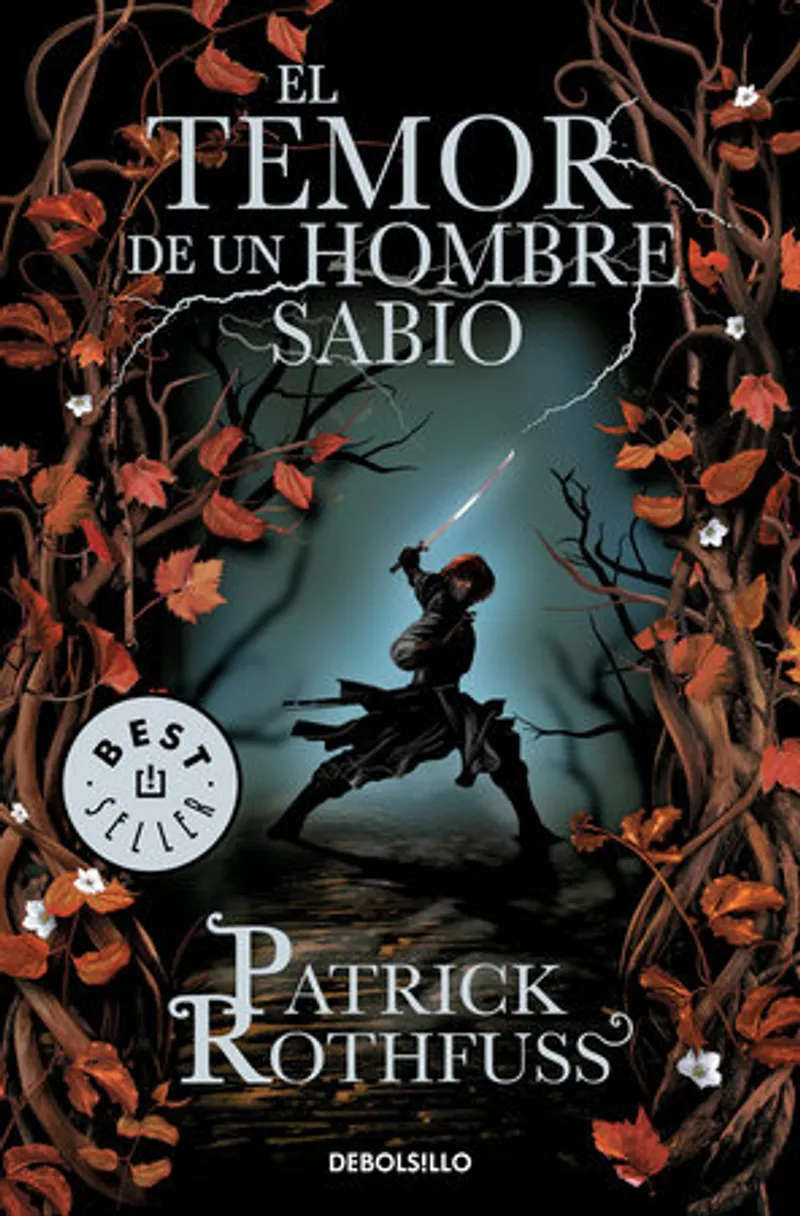
El temor de un hombre sabio / The Wise Man's Fear Author: Patrick RothfussPage Count: UnknownPublication Date: 2018-PRH In the eagerly awaited sequel to "The Name of the Wind," Patrick Rothfuss masterfully weaves a tale of myth, magic, and the unyielding pursuit of truth in "The Wise Man's Fear." This mesmerizing narrative delves into the enigmatic life of Kvothe, a man whose multifaceted persona has captivated the imagination of many. As the story unfolds, we find ourselves entwined in a complex web of emotions, actions, and consequences that shape the very fabric of Kvothe's existence. At the heart of Rothfuss's writing lies a profound exploration of the human condition, where the lines between reality and myth blur, and the past, present, and future converge. The author's masterful use of language, rich in imagery and symbolism, transports us to a world of wonder, where the beauty of magic and music entwines with the darkness of human nature. Through Kvothe's narrative, Rothfuss poses fundamental questions about the nature of truth, the power of storytelling, and the indelible marks that our experiences leave on our souls. One of the most striking aspects of Rothfuss's writing is his ability to craft characters that are at once relatable and enigmatic. Kvothe, with his mercurial personality, is a prime example of this. As we navigate the labyrinthine corridors of his mind, we are met with a complex tapestry of emotions, motivations, and contradictions that make him both fascinating and infuriating. The supporting cast is equally well-crafted, with each character bringing their unique perspective and depth to the narrative. The world-building in "The Wise Man's Fear" is nothing short of breathtaking. Rothfuss's meticulous attention to detail and his deep understanding of the world he has created are evident on every page. From the mystical realm of the Fae to the academic hallowed halls of the University, each setting is meticulously crafted to transport us to a world of magic, myth, and wonder. Throughout the book, Rothfuss's prose is characterized by its lyricism, wit, and philosophical depth. His writing is both accessible and layered, making it easy to become immersed in the world of Temerant, while also inviting readers to ponder the deeper themes and symbolism that underpin the narrative. If "The Name of the Wind" was a tantalizing introduction to the world of Temerant, "The Wise Man's Fear" is a masterful expansion of that universe. Rothfuss's writing is a testament to the power of storytelling, and his ability to craft a narrative that is both a thrilling adventure and a profound exploration of the human condition is a rare gift. In conclusion, "The Wise Man's Fear" is a triumph of modern fantasy literature. It is a book that will captivate fans of the genre, while also appealing to readers who appreciate complex characters, philosophical themes, and beautiful prose. As we await the next installment in the Kingkiller Chronicle, we are reminded that the true magic of storytelling lies not in the destination, but in the journey itself. #TheWiseMansFear #PatrickRothfuss #KingkillerChronicle #FantasyLiterature #EpicFantasy #TheNameOfTheWind Related InsightsInvisible Girl Book Review and Summary El árbol del ahorcado Book Review and Summary Blood River: A Journey to Africa’s Broken Heart Book Review and Summary{ "@context": "https://schema.org", "@type": "FAQPage", "mainEntity": [ { "@type": "Question", "name": "What is the main focus of The Wise Man's Fear Book Review and Summary?", "acceptedAnswer": { "@type": "Answer", "text": "Everything you need to know about The Wise Man's Fear with our detailed review." } }, { "@type": "Question", "name": "Who authored the comprehensive guide on The Wise Man's Fear Book Review and Summary?", "acceptedAnswer": { "@type": "Answer", "text": "This detailed article and its insights were carefully researched and authored by Patrick Rothfuss." } }, { "@type": "Question", "name": "Where can I find more related content about Books?", "acceptedAnswer": { "@type": "Answer", "text": "You can explore more articles, detailed reviews, and similar insights by browsing the Related Insights section at the bottom of this article or visiting our dedicated Books category page." } } ] }

Breve historia de los agujeros negros / A Brief History of Black Holes Author: Rebecca SmethurstPage Count: UnknownPublication Date: 2025-PRH A Cosmic Revelation: A Brief History of Black Holes by Dr. Becky Smethurst Black holes have long been the universe’s most enigmatic celebrities—mysterious, powerful, and shrouded in a cloak of darkness that even light can’t escape. Yet, as Dr. Becky Smethurst, Oxford astrophysicist and one of the UK’s most engaging science communicators, reveals in A Brief History of Black Holes, these cosmic behemoths are far stranger—and far more relatable—than we ever imagined. Smethurst’s book is not just a chronicle of scientific discovery; it’s a love letter to curiosity, a witty dismantling of misconceptions, and a thrilling ride through the history of astronomy. With a voice that’s as sharp as it is playful, she guides readers from the earliest stargazers to the groundbreaking Event Horizon Telescope, all while debunking myths with the ease of a friend explaining a quirky family member. You don’t orbit the Sun—you orbit a black hole. The one at the center of the Milky Way, to be precise. And no, black holes aren’t vacuums; they’re more like “mullida almohada” (fluffy pillows), as she charmingly puts it in the Spanish edition. What makes Smethurst’s approach so refreshing is her ability to blend rigorous science with pop-culture references and self-deprecating humor. She doesn’t just tell you about the spaghettification that awaits the unlucky traveler who ventures too close to a black hole; she makes you feel the absurdity of it. (“You never want to be ‘spaghettified,’” she warns, with the gravity of a parent scolding a child for eating too much candy.) Her analogies are vivid—black holes aren’t cosmic vacuum cleaners but rather “sofa cushions” that warp space-time around them. This isn’t dry astrophysics; it’s a conversation with a brilliant, slightly goofy guide who makes you laugh while expanding your mind. The book’s structure mirrors its subject: dense, yet somehow light. Smethurst traces the evolution of our understanding of black holes—from John Michell’s 18th-century musings about “dark stars” to Einstein’s relativity, from Karl Schwarzschild’s war-time calculations to the first direct image of a black hole in 2019. Along the way, she weaves in her own research, making the narrative feel personal. It’s as if she’s not just recounting history but inviting you into her lab, where the mysteries of the universe unfold in real time. Her tone is disarmingly conversational, as if she’s sitting across from you at a café, gesturing wildly with her coffee cup while explaining event horizons. Yet beneath the humor lies a deep respect for the unknown. Black holes, she reminds us, are not just objects of study but windows into the fundamental laws of physics. They challenge our notions of time, space, and reality itself. And yet, for all their power, they’re governed by simple, elegant rules—once you strip away the jargon. Smethurst’s genius lies in making the incomprehensible feel intimate. She doesn’t just describe the first photograph of a black hole (a blurry orange ring that went viral in 2019); she makes you see the awe of the scientists who captured it. She doesn’t just explain Hawking radiation; she turns it into a cosmic drama where black holes slowly evaporate, like a candle flickering out. And she doesn’t just tell you about the Milky Way’s supermassive black hole, Sagittarius A*; she makes you feel the vertigo of orbiting something so massive that it bends space and time. This is science writing at its best: accessible without being simplistic, profound without being pretentious. Smethurst’s book is a reminder that the universe isn’t just out there—it’s in here, in our questions, our fears, and our capacity to wonder. And if you’re lucky, by the end of her journey, you’ll look up at the night sky and see not just stars, but the invisible giants that anchor our galaxy, pulling us along in a dance as old as time itself. A Brief History of Black Holes is more than a book about black holes. It’s a celebration of human curiosity, a testament to the power of asking “why,” and a guide to finding wonder in the darkest corners of the cosmos. #BlackHoles #Astrophysics #ScienceCommunication #CosmicWonders #DrBecky #SpaceExploration Related InsightsCarved in the Shadows Book Review and Summary Sophie’s World Book Review and Summary Don't Let Him In Book Review and Summary{ "@context": "https://schema.org", "@type": "FAQPage", "mainEntity": [ { "@type": "Question", "name": "What is the main focus of Holes Book Review and Summary?", "acceptedAnswer": { "@type": "Answer", "text": "Everything you need to know about Holes with our detailed review." } }, { "@type": "Question", "name": "Who authored the comprehensive guide on Holes Book Review and Summary?", "acceptedAnswer": { "@type": "Answer", "text": "This detailed article and its insights were carefully researched and authored by Louis Sachar." } }, { "@type": "Question", "name": "Where can I find more related content about Books?", "acceptedAnswer": { "@type": "Answer", "text": "You can explore more articles, detailed reviews, and similar insights by browsing the Related Insights section at the bottom of this article or visiting our dedicated Books category page." } } ] }
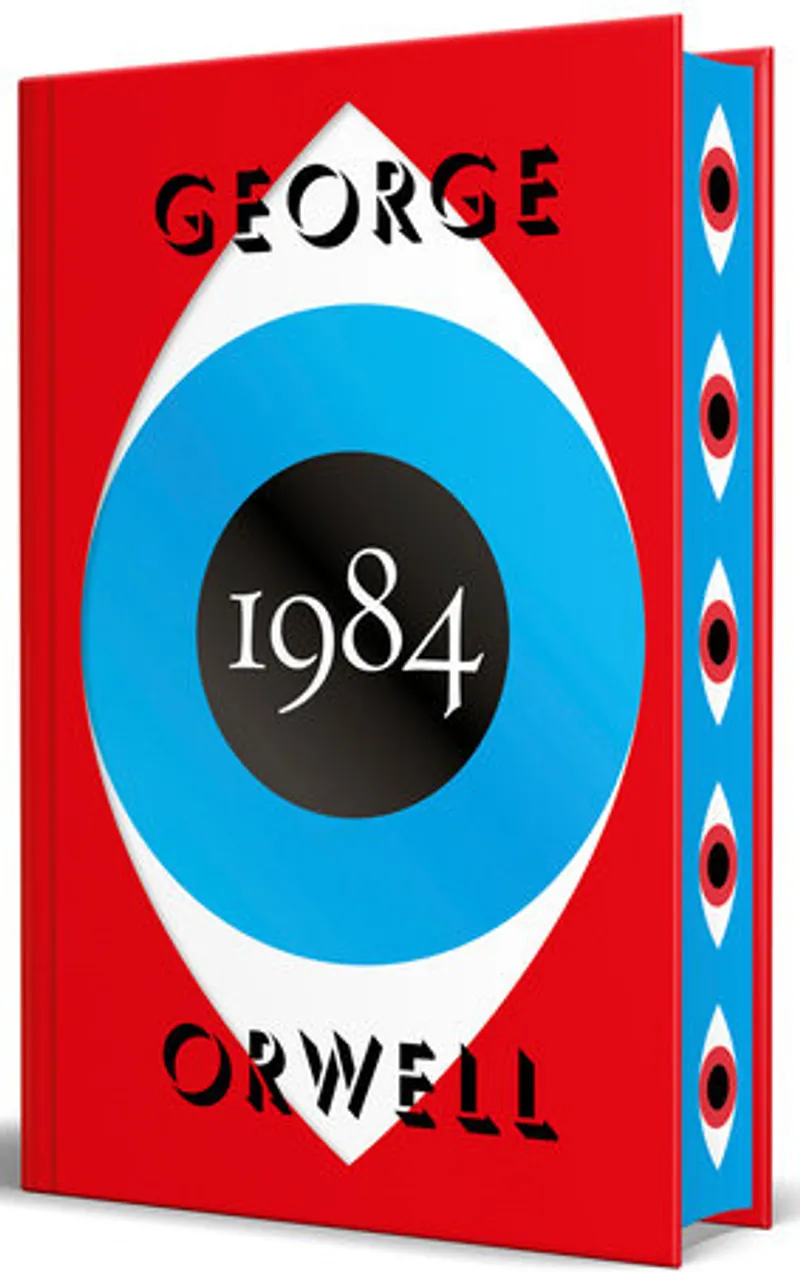
1984 (edición definitiva avalada por The Orwell Estate) (edición especial limitada con cantos pintados) / 1984 (Edition Endorsed by The Orwell Estate) Author: George OrwellPage Count: UnknownPublication Date: 2026-PRH As I hold the limited edition of 1984, endorsed by The Orwell Estate, I am struck by the sheer weight of history and relevance that this classic dystopian novel carries. The edition itself, with its painted edges, is a testament to the enduring power of George Orwell's masterpiece. Published in 2026, this special edition serves as a timely reminder of the author's prophetic vision, one that has only grown more pertinent with the passage of time. At its core, 1984 is a scathing critique of totalitarianism, a warning about the dangers of government control and manipulation. Orwell's depiction of a surveillance state, where independent thought is discouraged and citizens are constantly monitored, is both haunting and eerily familiar. The novel's protagonist, Winston Smith, is a symbol of resistance, a beacon of hope in a world that seems determined to extinguish individual freedom. Orwell's prose is characteristically sparse and direct, yet his writing is infused with a deep sense of humanity and empathy. His characters are multidimensional and complex, with Winston's inner turmoil and conflict serving as a powerful example of the human spirit's capacity for resistance and resilience. Through Winston's story, Orwell masterfully explores the tension between individuality and conformity, highlighting the ways in which language, history, and culture can be manipulated to serve the interests of those in power. One of the most striking aspects of 1984 is its exploration of the role of language in shaping reality. Orwell's concept of Newspeak, a language designed to limit free thought and expression, is a chilling commentary on the ways in which those in power seek to control the narrative. The novel's famous phrase, "War is peace, freedom is slavery, ignorance is strength," serves as a stark reminder of the dangers of propaganda and manipulation. As I read through the pages of this limited edition, I am struck by the ways in which Orwell's themes and warnings remain relevant today. The rise of surveillance capitalism, the erosion of civil liberties, and the spread of misinformation all serve as a reminder that 1984 is not just a classic novel, but a warning about the dangers of complacency and the importance of individual freedom. In conclusion, this special edition of 1984 is a must-read for anyone concerned about the state of our world. Orwell's masterpiece is a powerful reminder of the importance of critical thinking, individuality, and resistance in the face of oppression. As we navigate the complexities of our own era, 1984 serves as a timely warning about the dangers of totalitarianism and the importance of protecting our freedom and autonomy. #Totalitarianism #DystopianFiction #SurveillanceState #ClassicLiterature #GeorgeOrwell #1984Forever Related InsightsBe Sure Book Review and Summary Sweet Vengeance (The Calder Academy, #3) Book Review and Summary David Baldacci Spring 2023 Book Review and Summary{ "@context": "https://schema.org", "@type": "FAQPage", "mainEntity": [ { "@type": "Question", "name": "What is the main focus of 1984 Book Review and Summary?", "acceptedAnswer": { "@type": "Answer", "text": "Everything you need to know about 1984 with our detailed review." } }, { "@type": "Question", "name": "Who authored the comprehensive guide on 1984 Book Review and Summary?", "acceptedAnswer": { "@type": "Answer", "text": "This detailed article and its insights were carefully researched and authored by George Orwell." } }, { "@type": "Question", "name": "Where can I find more related content about Books?", "acceptedAnswer": { "@type": "Answer", "text": "You can explore more articles, detailed reviews, and similar insights by browsing the Related Insights section at the bottom of this article or visiting our dedicated Books category page." } } ] }
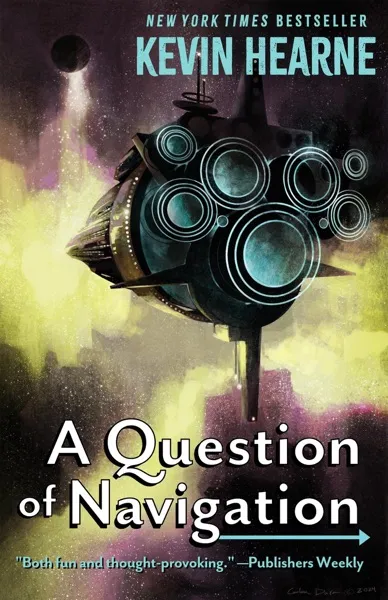

A Question of Navigation Author: Kevin HearnePage Count: UnknownPublication Year: 2021-GB A Question of Navigation: Where Myth Meets Modernity with Kevin Hearne’s Signature Wit Kevin Hearne’s A Question of Navigation (2021) is a masterclass in blending ancient mythology with contemporary storytelling, wrapped in the kind of humor and heart that has made the author a standout in modern fantasy. As the latest installment in his Iron Druid Chronicles series, the book continues to explore the collision of old-world magic and modern life, proving that legends aren’t just confined to dusty tomes—they’re alive, thorny, and often hilariously awkward. At its core, A Question of Navigation is a story about guidance—both literal and metaphorical. The title itself is a playful nod to the challenges of steering through life’s chaos, whether you’re navigating the labyrinthine politics of the gods, the treacherous currents of supernatural warfare, or the simple, yet maddening, task of finding a decent cup of coffee in downtown Tempe, Arizona. Hearne’s protagonist, Atticus O’Sullivan—the last of the Druids—finds himself once again entangled in a web of divine intervention, ancient grudges, and the ever-present threat of being turned into a decorative lawn ornament (a fate he’s narrowly avoided more than once). What sets Hearne apart is his ability to balance high-stakes fantasy with razor-sharp wit. His prose crackles with the irreverent charm of a pub raconteur who just happens to be immortal. Atticus’s first-person narration is laced with sarcasm, pop-culture references, and a dry, self-deprecating humor that makes even the most outlandish scenarios feel grounded. When a Norse goddess casually drops a threat like, “I could turn you into a toad,” Atticus’s response—“Please don’t. Toads have terrible table manners”—isn’t just funny; it’s a reminder that even gods aren’t above being gently mocked by a sassy mortal. The book’s strength lies in its mythological mashup. Hearne gleefully rips gods and monsters from their original contexts and plops them into the modern world, where they’re forced to contend with Wi-Fi, traffic jams, and the existential dread of millennial life. A battle with a kelpie isn’t just a contest of strength—it’s a fight that’s interrupted by a barista asking if Atticus wants whipped cream on his latte. The result is a story that feels both timeless and urgently relevant, where ancient powers are as likely to be thwarted by a poorly timed text message as they are by a well-aimed sword. Hearne’s world-building is meticulous yet effortless. He doesn’t just drop readers into a fantastical landscape; he makes them feel like they’ve been living in it all along. The interplay between the supernatural and the mundane is handled with such casual confidence that even the most far-fetched elements—like a sentient, talking motorcycle named Oberon (yes, the same name as Atticus’s Irish wolfhound, because of course it is)—feel like natural extensions of the world. The banter between characters, especially between Atticus and his sharp-tongued familiar Oberon, crackles with chemistry, making the emotional beats hit even harder when the story demands them. Thematically, A Question of Navigation is about finding your path when the universe seems determined to send you off-course. Atticus, ever the reluctant hero, is constantly pulled between duty and desire, between the weight of his past and the possibility of a future he’s never let himself imagine. The book asks: How do you navigate when the rules keep changing? When the gods themselves are as confused as you are? Hearne doesn’t offer easy answers, but he does offer something better—laughter, adventure, and the reassurance that even the most chaotic journeys can lead somewhere unexpected. For fans of urban fantasy, mythic retellings, or simply anyone who’s ever rolled their eyes at a poorly navigated GPS, A Question of Navigation delivers. It’s a story that respects the power of legend while never taking itself too seriously—a rare and wonderful balance. Hearne’s writing is the literary equivalent of comfort food: familiar, satisfying, and impossible to put down once you’ve started. If you’re new to the Iron Druid Chronicles, this book is a fantastic entry point, though long-time readers will appreciate the deeper layers of character development and world-building. And if you’re already a fan? You’ll find exactly what you’ve come to expect: jaw-dropping action, gut-busting humor, and a protagonist who’s equal parts badass and bratty. A Question of Navigation isn’t just a fantasy novel—it’s a masterclass in how to make the impossible feel like home. #IronDruidChronicles #KevinHearne #UrbanFantasy #MythologyRetelling #AtticusOSullivan #FantasyHumor Related InsightsWinter Book Review and Summary Inkheart Book Review and Summary La vita bugiarda degli adulti Book Review and Summary{ "@context": "https://schema.org", "@type": "FAQPage", "mainEntity": [ { "@type": "Question", "name": "What is the main focus of A Question of Navigation Book Review and Summary?", "acceptedAnswer": { "@type": "Answer", "text": "Everything you need to know about A Question of Navigation with our detailed review." } }, { "@type": "Question", "name": "Who authored the comprehensive guide on A Question of Navigation Book Review and Summary?", "acceptedAnswer": { "@type": "Answer", "text": "This detailed article and its insights were carefully researched and authored by James Miller." } }, { "@type": "Question", "name": "Where can I find more related content about Books?", "acceptedAnswer": { "@type": "Answer", "text": "You can explore more articles, detailed reviews, and similar insights by browsing the Related Insights section at the bottom of this article or visiting our dedicated Books category page." } } ] }
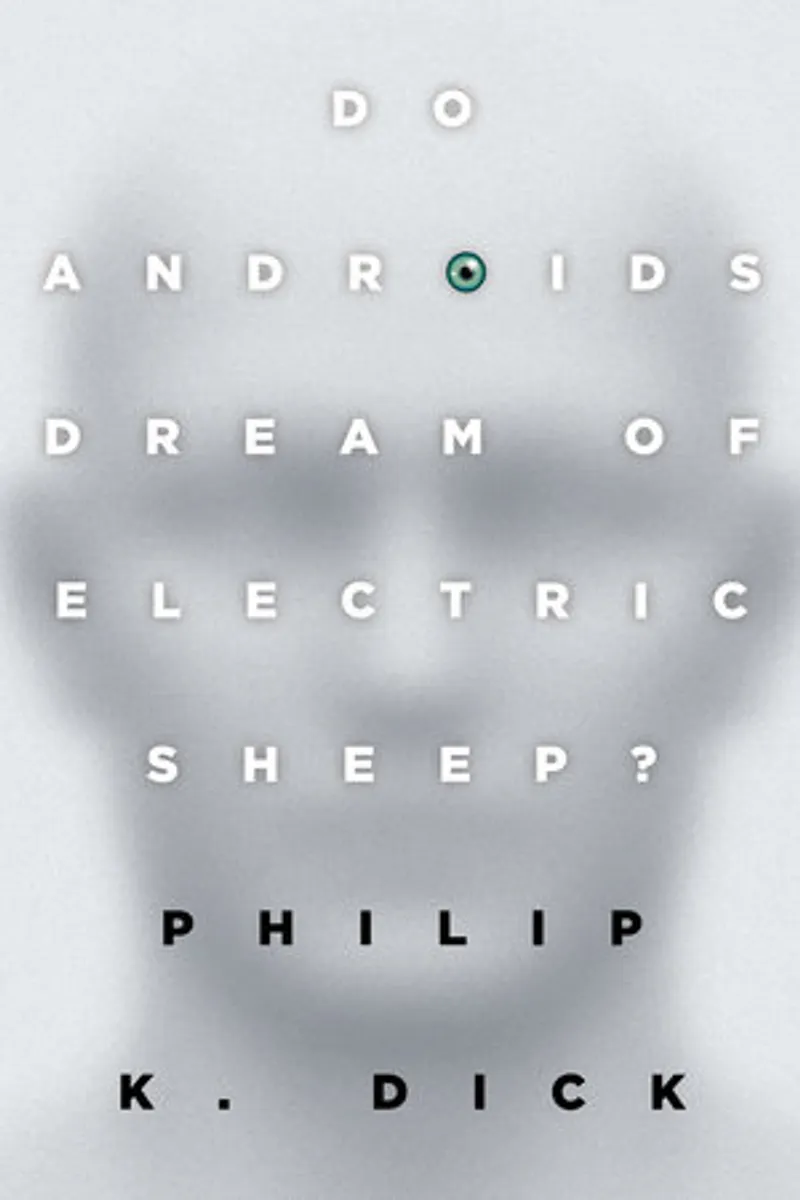
Do Androids Dream of Electric Sheep? Author: Philip K. DickPage Count: UnknownPublication Date: 1996-PRH In the realm of science fiction, few authors have managed to capture the essence of a dystopian future as vividly as Philip K. Dick in his seminal novel, Do Androids Dream of Electric Sheep?. Written in 1968 and published in various editions, including one in 1996, this masterpiece is a testament to Dick's prophetic vision and his ability to craft a narrative that is both haunting and thought-provoking. Set in a post-apocalyptic world where the lines between humanity and artificial intelligence have become increasingly blurred, the novel is a powerful exploration of what it means to be human. The story takes place in a world that has been ravaged by war, where entire species have been driven to extinction, and the few remaining humans are forced to live in a bleak, radiation-soaked environment. In this desolate landscape, advanced androids, known as Nexus-6, have been created to serve humanity, but these androids have evolved to the point where they are almost indistinguishable from humans. The novel follows the journey of Rick Deckard, a bounty hunter tasked with "retiring" rogue androids that have escaped and are living among humans. As Deckard navigates this complex web of human and artificial life, he begins to question the nature of his own humanity and the morality of his mission. Through Deckard's character, Dick raises important questions about empathy, compassion, and what it means to be alive. One of the most striking aspects of Dick's writing style is his ability to create a sense of unease and uncertainty. The novel is full of ambiguity, leaving the reader to ponder the implications of a world where the boundaries between human and android are constantly shifting. Dick's prose is sparse and economical, yet it conjures up a vivid picture of a world that is both familiar and yet, utterly alien. The novel's exploration of humanity is also noteworthy. Dick's vision of a future where humans are forced to live in a state of constant paranoia, where the threat of androids is ever-present, is a powerful commentary on the human condition. The novel shows how humanity's obsession with technology and innovation can lead to a dehumanizing of society, where empathy and compassion are seen as weaknesses. The influence of Do Androids Dream of Electric Sheep? can be seen in many other works of science fiction, including the film Blade Runner, which was loosely based on the novel. The novel's themes of humanity, artificial intelligence, and what it means to be alive continue to resonate with audiences today. In conclusion, Do Androids Dream of Electric Sheep? is a masterpiece of science fiction that continues to captivate readers with its thought-provoking themes and haunting vision of a dystopian future. Philip K. Dick's writing style is a perfect blend of sparse prose and vivid imagination, making this novel a must-read for anyone interested in science fiction. #PhilipKDick #DoAndroidsDreamOfElectricSheep #ScienceFiction #DystopianFuture #ArtificialIntelligence #BladeRunner Related InsightsVanity Fair Book Review and Summary Scion Book Review and Summary The Lost Life of Sylvia Song Book Review and Summary{ "@context": "https://schema.org", "@type": "FAQPage", "mainEntity": [ { "@type": "Question", "name": "What is the main focus of Do Androids Dream of Electric Sheep? Book Review and Summary?", "acceptedAnswer": { "@type": "Answer", "text": "Everything you need to know about Do Androids Dream of Electric Sheep? with our detailed review." } }, { "@type": "Question", "name": "Who authored the comprehensive guide on Do Androids Dream of Electric Sheep? Book Review and Summary?", "acceptedAnswer": { "@type": "Answer", "text": "This detailed article and its insights were carefully researched and authored by Philip K. Dick." } }, { "@type": "Question", "name": "Where can I find more related content about Books?", "acceptedAnswer": { "@type": "Answer", "text": "You can explore more articles, detailed reviews, and similar insights by browsing the Related Insights section at the bottom of this article or visiting our dedicated Books category page." } } ] }
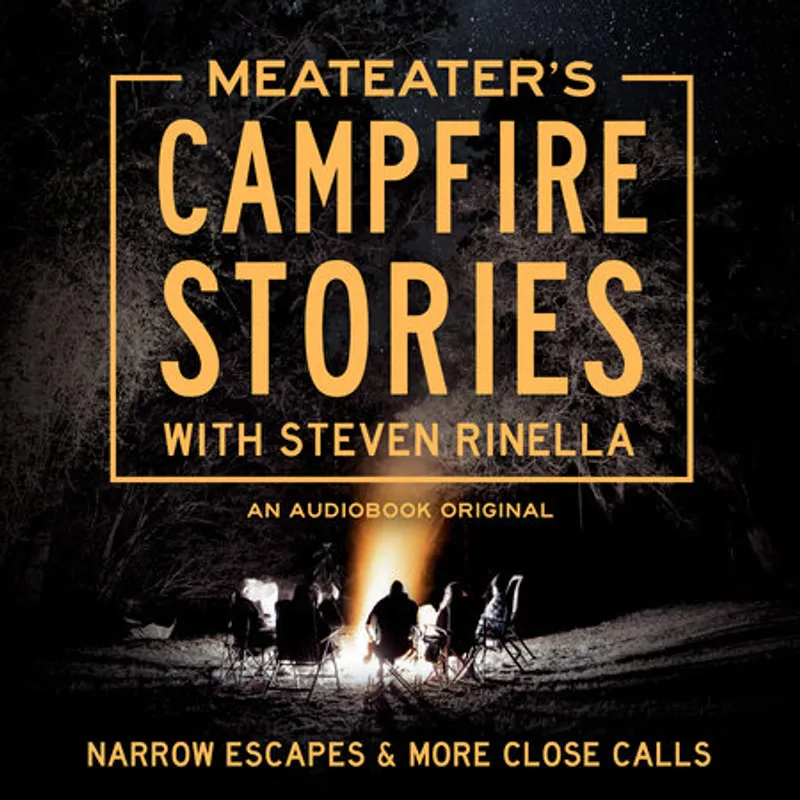
MeatEater's Campfire Stories: Narrow Escapes & More Close Calls Author: Steven RinellaPage Count: UnknownPublication Date: 2022-PRH Steven Rinella’s MeatEater’s Campfire Stories: Narrow Escapes & More Close Calls is a pulse-pounding anthology that plunges readers into the raw, unfiltered heart of the wild. More than just a collection of survival tales, it’s a testament to the unpredictable and often brutal beauty of nature, where one wrong step can mean the difference between life and death. With contributions from Rinella himself, fellow MeatEater crew members, and a diverse cast of hunters, anglers, and adventurers, this book is a masterclass in storytelling—equal parts thrilling, humbling, and deeply human. At its core, the book explores the theme of narrow escapes, those moments when the natural world tests the limits of human resilience. Whether it’s a spearfisherman making a split-second decision to save a drowning friend, a hunter facing off against an enraged moose, or a group of anglers battling hypothermia in the Arctic, each story is a reminder that the wilderness is not a playground but a force to be reckoned with. Rinella and his contributors don’t shy away from the grittier details—blood, fear, and sheer luck play starring roles here. Yet, there’s an underlying respect for the land and its creatures that elevates these tales beyond mere adventure yarns. These are not stories of conquest but of humility, where humans are the underdogs in a world that doesn’t care about their plans. Rinella’s editorial hand is evident throughout. His introduction sets the tone, framing these stories as modern-day campfire tales—oral histories passed down with the weight of experience. His own contributions, including a harrowing account of a close call with a grizzly bear, are vivid and immersive, blending technical detail with emotional honesty. He doesn’t glorify danger; instead, he captures the visceral reality of it—the adrenaline, the mistakes, and the sheer dumb luck that often decides survival. This authenticity is what makes Campfire Stories stand out. It’s not just about the thrill of the escape; it’s about the lessons learned, the scars earned, and the respect reaffirmed for the wild. The diversity of voices in this collection is one of its greatest strengths. Kimi Werner’s tale of spearfishing in treacherous waters is a breathtaking blend of athleticism and instinct, while Clay Newcomb’s story of a near-fatal encounter with a wounded deer is a chilling reminder of nature’s indifference. The inclusion of listener-submitted stories adds another layer of authenticity, proving that these close calls are not confined to seasoned outdoorsmen but can happen to anyone. The prose is tight and engaging, with each story structured like a short film—quick pacing, high stakes, and a payoff that lingers. There’s no overindulgent description here; every word serves the narrative, pulling the reader deeper into the moment. What makes Campfire Stories particularly compelling is its refusal to romanticize the wild. There are no easy victories, no heroic last stands—just people doing their best to stay alive in a world that doesn’t owe them anything. The book also subtly challenges the idea of human dominance over nature. In stories like Roy Getson’s account of being charged by a moose or Casey Frank’s struggle against hypothermia, the message is clear: the wilderness is not a backdrop for human drama but an active participant, indifferent to our fates. This perspective is refreshing in an era where outdoor literature often leans toward self-congratulation or escapism. Rinella’s writing style is direct and unpretentious, mirroring the no-nonsense ethos of the MeatEater brand. He avoids purple prose, instead letting the stories speak for themselves. His strength lies in his ability to balance technical knowledge with raw emotion. Whether he’s describing the mechanics of a gunshot wound or the psychological toll of being lost in the woods, he grounds the narrative in specifics that make the danger feel tangible. This approach makes the book accessible to both seasoned outdoorsmen and armchair adventurers, offering something for anyone who’s ever felt the pull of the wild—or the fear of what it might do to them. Ultimately, MeatEater’s Campfire Stories is more than a collection of survival tales; it’s a celebration of the human spirit in the face of nature’s unpredictability. It’s a book that will leave you breathless, laughing, and perhaps a little more cautious the next time you step into the backcountry. Rinella and his contributors have crafted a modern classic of outdoor storytelling—one that reminds us that the wild is not a place to conquer but a force to respect, and that sometimes, the greatest stories are the ones where we barely make it out alive. #MeatEater #SurvivalStories #OutdoorAdventures #CloseCalls #WildernessTales #StevenRinella Related InsightsHeat Wave Book Review and Summary The disappeared Book Review and Summary The Unfinished Work: A Novel of Abraham Lincoln Book Review and Summary{ "@context": "https://schema.org", "@type": "FAQPage", "mainEntity": [ { "@type": "Question", "name": "What is the main focus of Extremely Loud & Incredibly Close Book Review and Summary?", "acceptedAnswer": { "@type": "Answer", "text": "Everything you need to know about Extremely Loud & Incredibly Close with our detailed review." } }, { "@type": "Question", "name": "Who authored the comprehensive guide on Extremely Loud & Incredibly Close Book Review and Summary?", "acceptedAnswer": { "@type": "Answer", "text": "This detailed article and its insights were carefully researched and authored by Jonathan Safran Foer." } }, { "@type": "Question", "name": "Where can I find more related content about Books?", "acceptedAnswer": { "@type": "Answer", "text": "You can explore more articles, detailed reviews, and similar insights by browsing the Related Insights section at the bottom of this article or visiting our dedicated Books category page." } } ] }
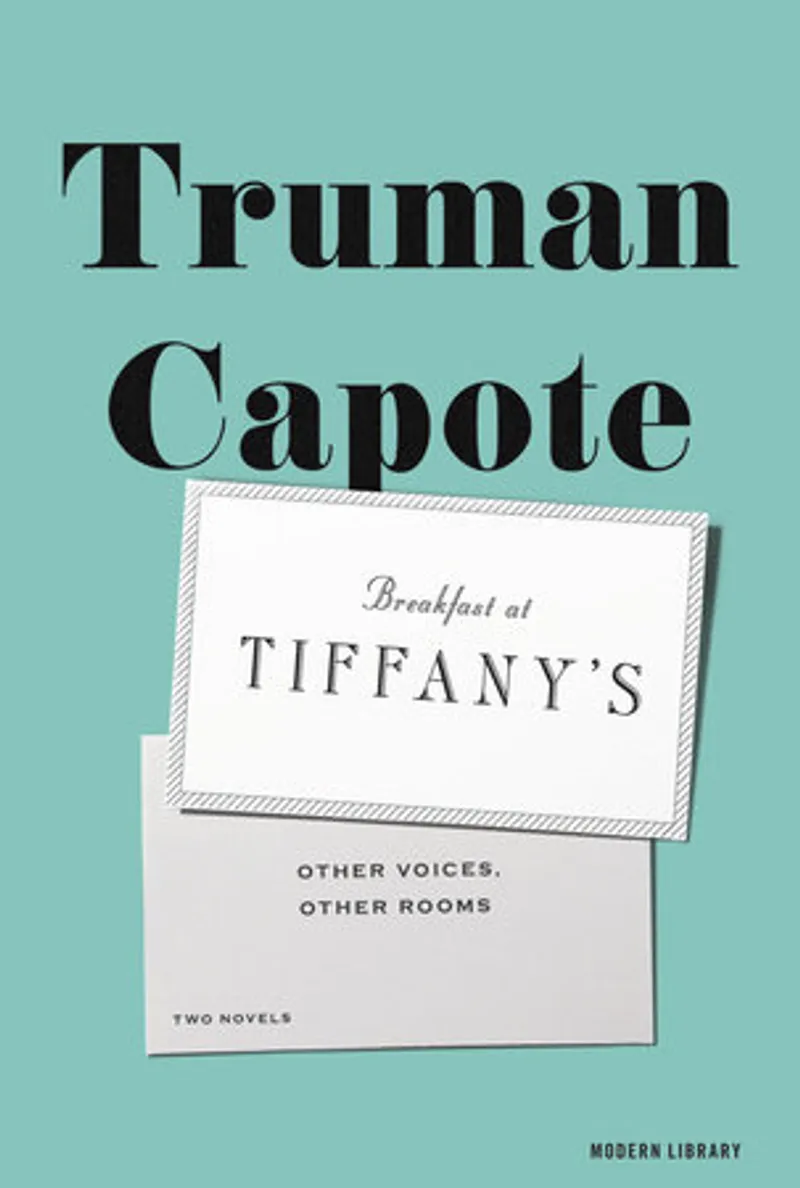
Breakfast at Tiffany's & Other Voices, Other Rooms Author: Truman CapotePage Count: UnknownPublication Date: 2013-PRH In the pages of "Breakfast at Tiffany's & Other Voices, Other Rooms," Truman Capote weaves a masterful tapestry of two of his most iconic works, showcasing the author's extraordinary talent for crafting narratives that are at once poignant, humorous, and hauntingly beautiful. This beautifully repackaged hardcover classic brings together the transcendently popular novella "Breakfast at Tiffany's" and the debut novel "Other Voices, Other Rooms," offering readers a glimpse into the early career of a literary genius. At the heart of "Breakfast at Tiffany's" is the enigmatic Holly Golightly, a hillbilly-turned-Manhattanite who embodies the author's philosophy of freedom and his deep-seated fears and anxieties. With her infectious joie de vivre and penchant for reinvention, Holly is a force to be reckoned with, navigating the complexities of her past and the uncertainty of her future with a fierce determination. Capote's prose is nothing short of enchanting, capturing the essence of Holly's character in a way that is both deeply personal and universally relatable. In contrast, "Other Voices, Other Rooms" is a semiautobiographical coming-of-age novel that explores the themes of waylaid hopes and lost innocence. The story follows thirteen-year-old Joel Knox as he navigates the complexities of his family's past and the eccentricities of his rural Alabama surroundings. Through Joel's journey, Capote reveals a profound understanding of the human experience, capturing the small pleasures and colorful language of a bygone era with remarkable precision. One of the most striking aspects of Capote's writing style is his ability to balance lightness and darkness, humor and pathos. His prose is infused with a deep sense of empathy and understanding, allowing readers to connect with his characters on a profound level. Whether he is exploring the sun-drenched streets of Manhattan or the rural landscapes of Alabama, Capote's writing is marked by a sense of wonder and curiosity, a deep appreciation for the beauty and complexity of the human experience. Throughout both works, Capote's use of language is nothing short of masterful. His prose is lyrical and evocative, capturing the essence of his characters and their surroundings with remarkable precision. Whether he is describing the "lovely smell of silver and alligator wallets" at Tiffany's or the "colorful language" of rural Alabama, Capote's writing is infused with a deep sense of place and atmosphere, drawing readers into the world of his characters with ease. In "Breakfast at Tiffany's & Other Voices, Other Rooms," Truman Capote offers readers a glimpse into the early career of a literary genius. These two works, written in the author's early twenties, showcase his remarkable talent for crafting narratives that are at once poignant, humorous, and hauntingly beautiful. With their beautifully repackaged hardcover edition, readers can experience these two iconic works in a whole new way, appreciating the author's masterful prose and profound understanding of the human experience. #TrumanCapote #BreakfastAtTiffanys #OtherVoicesOtherRooms #ClassicLiterature #ComingOfAge #LiteraryFiction Related InsightsHeartstopper, Volume 2 Book Review and Summary The Commons (The Commons World, #1) Book Review and Summary The Way of Kings Book Review and Summary{ "@context": "https://schema.org", "@type": "FAQPage", "mainEntity": [ { "@type": "Question", "name": "What is the main focus of Breakfast at Tiffany’s and Three Stories Book Review and Summary?", "acceptedAnswer": { "@type": "Answer", "text": "Everything you need to know about Breakfast at Tiffany’s and Three Stories with our detailed review." } }, { "@type": "Question", "name": "Who authored the comprehensive guide on Breakfast at Tiffany’s and Three Stories Book Review and Summary?", "acceptedAnswer": { "@type": "Answer", "text": "This detailed article and its insights were carefully researched and authored by Truman Capote." } }, { "@type": "Question", "name": "Where can I find more related content about Books?", "acceptedAnswer": { "@type": "Answer", "text": "You can explore more articles, detailed reviews, and similar insights by browsing the Related Insights section at the bottom of this article or visiting our dedicated Books category page." } } ] }
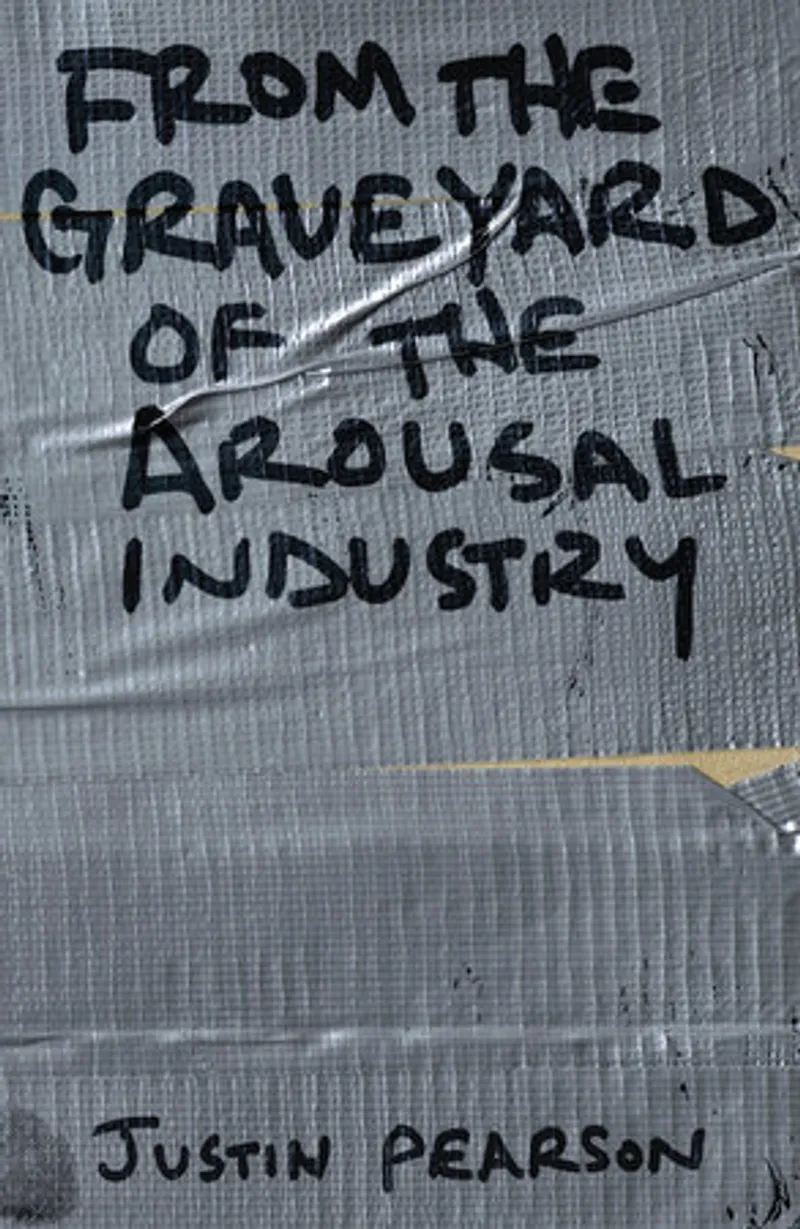
From the Graveyard of the Arousal Industry Author: Justin PearsonPage Count: UnknownPublication Date: 2010-PRH Justin Pearson’s From the Graveyard of the Arousal Industry is a raw, unfiltered explosion of punk energy, a memoir that reads like a riot in book form. It’s not just a story about music or adolescence—it’s a survival manual for the broken, the angry, and the unapologetically alive. Pearson, a titan of the West Coast noise and hardcore scene, doesn’t just recount his life; he weaponizes it, turning personal chaos into a manifesto of defiance against everything from suburban numbness to the suffocating expectations of punk purity. The book’s central theme is survival through destruction. Pearson’s life is a graveyard of industries—arousal, expectation, safety—each one buried under the weight of his own relentless energy. From his father’s murder to the violent, chaotic world of bands like The Locust and Swing Kids, Pearson’s existence is a series of near-misses and deliberate collisions. He doesn’t just endure; he thrives in the wreckage, using music as both shield and sword. The memoir isn’t about redemption; it’s about embracing the fall and laughing while the world burns around you. Pearson’s writing style is as brutal as his music. There’s no polish here, no attempt to soften the edges. His prose is jagged, urgent, and often deliberately ugly—just like the sounds he helped create. He writes with the same manic intensity as his bands, jumping between past and present, between rage and dark humor, with a voice that’s equal parts street poet and unhinged preacher. There’s a punk ethos to his storytelling: if it’s not immediate, if it doesn’t hurt a little, it’s not worth saying. One of the book’s most striking elements is its refusal to romanticize the punk scene. Pearson doesn’t hold back on the infighting, the egos, the moments when the music itself becomes a cage. He writes about getting sucker-punched on Jerry Springer, about being chased out of towns by furious crowds, about the way the scene devours its own. It’s not a glamorous tale of rebellion; it’s a survival story where the rebellion is just the cost of admission. What makes From the Graveyard of the Arousal Industry so compelling is its honesty. Pearson doesn’t present himself as a hero or a martyr—he’s a mess, a survivor, a guy who stumbled through life with a guitar and a chip on his shoulder. His voice is that of a friend screaming in your ear at a show, equal parts exhilarating and exhausting. You don’t read this book for comfort; you read it to feel alive. If you’ve ever been part of a scene that felt like a family of misfits, if you’ve ever loved something so fiercely it hurt, this book will gut you. If you haven’t, it’ll make you want to. #PunkMemoir #JustinPearson #TheLocust #WestCoastPunk #NoCore #RiotInPrint Related InsightsThe House Across the Lake Book Review and Summary Darkly Dreaming Dexter Book Review and Summary Harvest Season Book Review and Summary{ "@context": "https://schema.org", "@type": "FAQPage", "mainEntity": [ { "@type": "Question", "name": "What is the main focus of The Graveyard Book Book Review and Summary?", "acceptedAnswer": { "@type": "Answer", "text": "Everything you need to know about The Graveyard Book with our detailed review." } }, { "@type": "Question", "name": "Who authored the comprehensive guide on The Graveyard Book Book Review and Summary?", "acceptedAnswer": { "@type": "Answer", "text": "This detailed article and its insights were carefully researched and authored by Neil Gaiman." } }, { "@type": "Question", "name": "Where can I find more related content about Books?", "acceptedAnswer": { "@type": "Answer", "text": "You can explore more articles, detailed reviews, and similar insights by browsing the Related Insights section at the bottom of this article or visiting our dedicated Books category page." } } ] }
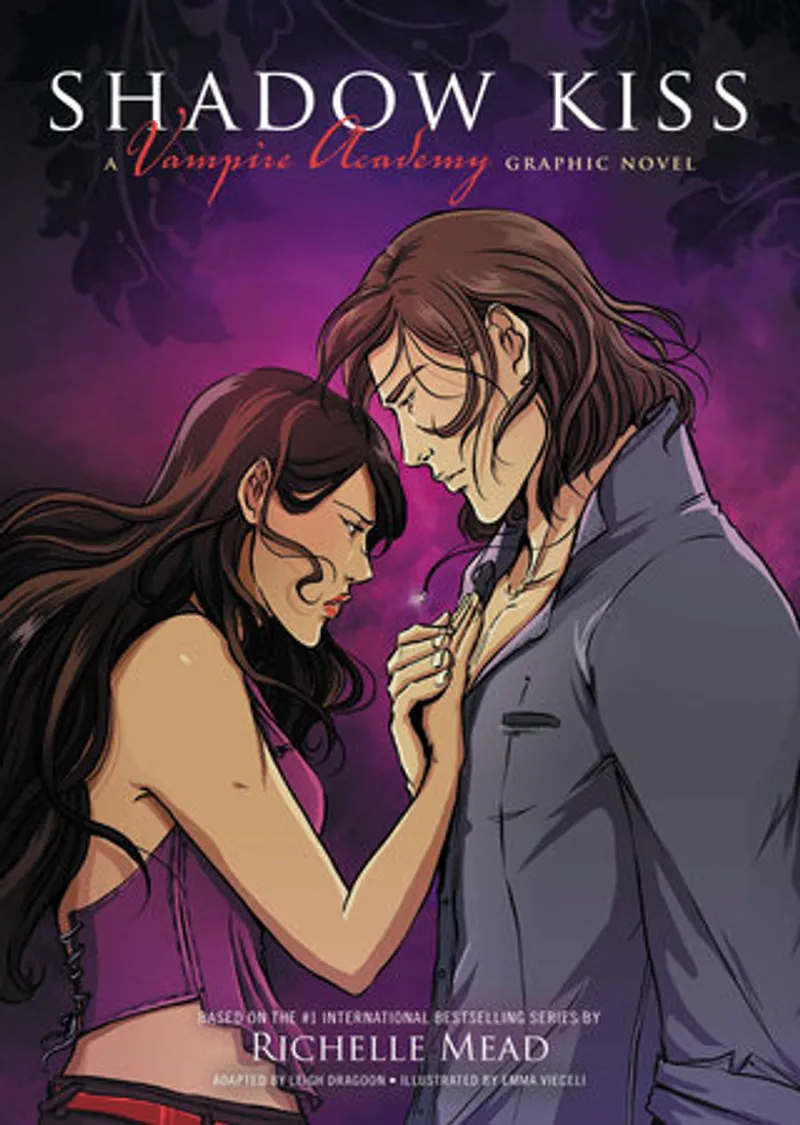
Shadow Kiss Author: Richelle MeadPage Count: UnknownPublication Date: 2013-PRH Richelle Mead’s Shadow Kiss is a pulse-pounding storm of emotion, danger, and supernatural intrigue, serving as the third and most emotionally devastating installment in the Vampire Academy series. With its razor-sharp blend of action, romance, and psychological depth, Mead crafts a narrative that lingers long after the final page—one that doesn’t just entertain but haunts. This is a book where love and loss are weapons, where loyalty is tested in blood, and where the line between hero and villain blurs under the weight of impossible choices. At its core, Shadow Kiss is a story about the cost of survival. Rose Hathaway, the fiercely protective dhampir guardian-in-training, is a protagonist who refuses to be tamed. Unlike many YA heroines who waver between strength and vulnerability, Rose is unapologetically fierce—her love for her best friend, Princess Lissa Dragomir, is as fierce as her obsession with her mentor, Dimitri Belikov. But love, Mead reminds us, is never simple. It’s a double-edged sword, cutting deepest when you least expect it. Rose’s forbidden romance with Dimitri, a relationship that defies both academy rules and vampire law, is a slow-burning inferno that threatens to consume her. Yet it’s her bond with Lissa that anchors her, a friendship so deep it borders on the supernatural. When Rose begins seeing ghosts—literally and metaphorically—it’s not just a supernatural quirk; it’s a manifestation of her guilt, her fear, and her inability to reconcile the person she wants to be with the person she’s forced to become. Mead’s genius lies in her ability to weave these emotional threads into a plot that never lets up. The pacing is relentless, each chapter a new twist in a labyrinth of betrayal, political intrigue, and life-or-death stakes. The St. Vladimir’s Academy setting, once a familiar backdrop, now feels claustrophobic, a gilded cage where every shadow hides a Strigoi waiting to strike. The Moroi vampires, with their fragile beauty and political fragility, are both allies and liabilities, while the dhampirs—Rose’s people—are caught between two worlds, neither fully human nor fully vampire. Mead doesn’t shy away from the brutality of this world. The fights are visceral, the deaths sudden and shocking, and the consequences of failure catastrophic. There’s no clean victory here, only survival—and survival always comes at a price. What sets Shadow Kiss apart, however, is its unflinching exploration of grief and trauma. Rose’s visions of the dead—her mother, her fallen comrades, even the Strigoi she’s slain—aren’t just plot devices; they’re a reflection of her fractured psyche. She’s a girl who has lost everything and gained nothing but the burden of protecting those she loves. Mead doesn’t romanticize this. Rose’s anger is raw, her decisions reckless, and her grief so palpable it seeps into every interaction. When she’s forced to make an impossible choice between Dimitri and Lissa, the stakes aren’t just about love—they’re about identity. Who is Rose without her purpose? Without her love? Without her ghosts? Mead’s prose is sharp and immersive, her dialogue snappy and authentic. She balances humor and horror with ease, never letting the darkness overwhelm the humanity of her characters. Rose is a narrator you can’t help but root for, even when she makes terrible mistakes. Her voice is distinct—witty, sarcastic, and deeply emotional—a mix of toughness and vulnerability that makes her feel real. The supporting cast, from the enigmatic Adrian Ivashkov to the loyal Christian Ozera, are more than just side characters; they’re mirrors reflecting Rose’s own struggles. Even the villains, like the cunning Tatiana and the ruthless Strigoi queen, are given depth, their motivations twisted into something almost understandable. The climax of Shadow Kiss is a masterclass in tension, a sequence of events so high-stakes and emotionally charged that it leaves you breathless. Without spoiling the details, suffice it to say that Mead doesn’t pull punches. The ending is bittersweet, a moment of triumph shadowed by loss, a reminder that in this world, victory is never clean. It’s a conclusion that sets the stage for the final book in the series, leaving readers desperate for resolution while dreading what it might cost. Shadow Kiss is more than just a vampire novel—it’s a story about the ghosts we carry, the love that defines us, and the choices that haunt us forever. Richelle Mead doesn’t just write about vampires; she writes about what it means to be human in a world that demands you be something else. And that’s what makes this book unforgettable. #VampireAcademy #ShadowKiss #RichelleMead #YAFantasy #SupernaturalRomance #DhampirDiaries Related InsightsEl dilema del omnívoro: En busca de la comida perfecta / The Omnivore's Dilemma: A Natural History of Four Meals Book Review and Summary The Imperfect Murder Book Review and Summary Magic Tides Book Review and Summary{ "@context": "https://schema.org", "@type": "FAQPage", "mainEntity": [ { "@type": "Question", "name": "What is the main focus of Shadow Kiss Book Review and Summary?", "acceptedAnswer": { "@type": "Answer", "text": "Everything you need to know about Shadow Kiss with our detailed review." } }, { "@type": "Question", "name": "Who authored the comprehensive guide on Shadow Kiss Book Review and Summary?", "acceptedAnswer": { "@type": "Answer", "text": "This detailed article and its insights were carefully researched and authored by Richelle Mead." } }, { "@type": "Question", "name": "Where can I find more related content about Books?", "acceptedAnswer": { "@type": "Answer", "text": "You can explore more articles, detailed reviews, and similar insights by browsing the Related Insights section at the bottom of this article or visiting our dedicated Books category page." } } ] }

La llama en la niebla Author: Renée AhdiehPage Count: UnknownPublication Year: 2018-GB Renée Ahdieh’s La llama en la niebla (The Flame in the Mist) is a masterful blend of historical intrigue, mythological depth, and lush prose, transporting readers to feudal Japan where loyalty and destiny collide in a world shrouded by mist and deception. Originally published in 2018, this global bestseller cements Ahdieh’s reputation as a storyteller who weaves cultural richness with gripping suspense, crafting a narrative that is as intellectually stimulating as it is emotionally resonant. At its core, La llama en la niebla explores the tension between identity and expectation, set against the backdrop of a society where honor is both a shield and a cage. The protagonist, Mariko, is a young woman of noble birth whose intelligence and ambition defy the rigid gender norms of the Sengoku period. Her journey is not merely one of survival but of self-discovery, as she grapples with the weight of her family’s legacy and the fear of being perceived as an anomaly rather than a visionary. Ahdieh deftly uses Mariko’s internal conflict to interrogate the societal structures that suppress individuality, particularly for women, making the novel a sharp commentary on empowerment within constraint. The title itself—a metaphor for the flickering hope and peril that defines Mariko’s life—encapsitulates the book’s central theme: the struggle to ignite change in a world that prefers the comfort of darkness. The "mist" symbolizes both the uncertainty of fate and the obfuscation of truth, while the "flame" represents the indomitable spirit of those who dare to challenge the status quo. Ahdieh’s allegorical approach elevates the story beyond mere historical fiction, imbuing it with a timeless quality that resonates with modern readers. Stylistically, Ahdieh’s writing is a study in contrasts—lyrical yet precise, opulent yet understated. Her prose is steeped in sensory detail, painting the landscapes of Japan with vivid strokes that make the world feel tangible. The mist is not just a visual metaphor but a tactile presence, clinging to characters’ skin and obscuring their vision, both literally and metaphorically. This attention to detail extends to the dialogue, which is sharp and purposeful, reflecting the characters’ cultural and emotional nuances. Mariko’s internal monologues are particularly compelling, offering glimpses into her sharp wit and vulnerability, while the banter between her and other key characters—such as the enigmatic and morally ambiguous samurai Hiro—adds a layer of wit and tension that keeps the narrative dynamic. Ahdieh’s world-building is another standout feature. The Sengoku period is meticulously researched, with the political intrigues of warring clans, the hierarchical rigidity of the samurai class, and the spiritual beliefs of the time all woven seamlessly into the plot. The inclusion of mythological elements, such as the fox spirits (kitsune) and the lore surrounding the yōkai, adds a layer of mysticism that enhances the story’s atmosphere without overshadowing its historical grounding. This fusion of fact and folklore creates a rich, immersive tapestry that invites readers to lose themselves in the world. One of the novel’s greatest strengths is its ability to balance action with introspection. While La llama en la niebla features sword fights, political maneuvering, and high-stakes confrontations—elements that will appeal to fans of adventure—the heart of the story lies in Mariko’s psychological journey. Ahdieh avoids the pitfall of reducing her protagonist to a mere action hero; instead, Mariko’s strength is rooted in her intellect, her resilience, and her willingness to defy expectations. This makes her not just a compelling heroine but a relatable one, as readers are drawn into her struggles with self-doubt and the fear of failure. The supporting cast is equally well-developed, each character serving as a foil or catalyst for Mariko’s growth. Hiro, with his brooding intensity and hidden compassion, is a standout, embodying the duality of human nature. The antagonist, a complex figure driven by a mix of ambition and trauma, adds depth to the conflict, ensuring that the stakes feel personal rather than purely political. Even minor characters, from Mariko’s protective brother Kenshin to the cunning noblewoman Lady Satomi, are given enough nuance to feel like real people rather than plot devices. Ahdieh’s pacing is another triumph. The novel unfolds with a deliberate rhythm, allowing the tension to build gradually before erupting in moments of high drama. The climax is both satisfying and bittersweet, a testament to Ahdieh’s skill in balancing hope with realism. While the ending sets the stage for sequels—an aspect that may frustrate some readers—it also leaves Mariko’s journey feeling complete in its own right, with enough unresolved threads to ignite curiosity without leaving the story feeling incomplete. In La llama en la niebla, Renée Ahdieh has crafted more than just a historical fantasy; she has created a meditation on the power of defiance, the cost of ambition, and the quiet rebellion of those who refuse to be silenced. It is a novel that lingers in the mind long after the last page, its themes echoing in the reader’s own reflections on identity and agency. For anyone who has ever felt like an outsider in their own story, Mariko’s journey will resonate deeply. #TheFlameInTheMist #HistoricalFantasy #StrongFemaleProtagonist #FeudalJapan #SelfDiscovery #RenéeAhdieh Related InsightsI Know This Much Is True Book Review and Summary Shadows Reel Book Review and Summary The Lion, the Witch and the Wardrobe Book Review and Summary{ "@context": "https://schema.org", "@type": "FAQPage", "mainEntity": [ { "@type": "Question", "name": "What is the main focus of La llama en la niebla Book Review and Summary?", "acceptedAnswer": { "@type": "Answer", "text": "Everything you need to know about La llama en la niebla with our detailed review." } }, { "@type": "Question", "name": "Who authored the comprehensive guide on La llama en la niebla Book Review and Summary?", "acceptedAnswer": { "@type": "Answer", "text": "This detailed article and its insights were carefully researched and authored by Carmen Martinez." } }, { "@type": "Question", "name": "Where can I find more related content about Books?", "acceptedAnswer": { "@type": "Answer", "text": "You can explore more articles, detailed reviews, and similar insights by browsing the Related Insights section at the bottom of this article or visiting our dedicated Books category page." } } ] }

Wheel of the Infinite Author: Martha WellsPage Count: UnknownPublication Year: 2024-GB Martha Wells’ Wheel of the Infinite is a masterclass in blending ancient mysticism with high-stakes adventure, a novel that crackles with the kind of raw, untamed energy that only comes from a storyteller who understands the weight of prophecy and the fragility of fate. A global bestseller and critical darling, this book isn’t just another fantasy—it’s a reckoning, a defiant swipe across the face of inevitability. Wells, no stranger to crafting unforgettable worlds and morally complex characters, has outdone herself here, delivering a narrative that feels both timeless and urgently modern. At its core, Wheel of the Infinite is a meditation on cycles—on the way history repeats itself, on the futility of resisting destiny, and on the fragile rebellion of those who dare to break the wheel. The story follows a nameless protagonist, a wanderer marked by a cursed past and a body that refuses to stay dead, as they navigate a world where gods are as capricious as they are cruel and where the only certainty is that everything will end in fire. Wells doesn’t just tell a story about fate; she forces the reader to feel the weight of it, to watch as her characters claw at the edges of their predetermined roles, knowing all the while that the gods are watching, amused, waiting for the inevitable collapse. What makes this novel so gripping is Wells’ unparalleled ability to weave together multiple threads without ever losing the reader. The world is vast but meticulously realized, a patchwork of clashing cultures, dying magic, and gods who play dice with mortal lives. The prose is sharp, economical, yet lush with atmosphere—each sentence feels like a blade honed to precision, cutting to the heart of a scene without unnecessary flourish. There’s a brutal honesty in her writing, a refusal to romanticize power or suffering. The gods here aren’t distant figures of worship; they’re leeches, parasites who thrive on human devotion and despair, and Wells doesn’t shy away from showing just how grotesque they can be. The protagonist, our cursed wanderer, is a marvel of ambiguity. They’re not a hero in the traditional sense—far from it. They’re violent, selfish, and deeply flawed, yet their struggle to outrun their own legend makes them impossible to look away from. Wells excels at writing characters who are as broken as they are resilient, people who know they’re doomed but refuse to go quietly. The supporting cast is equally compelling, from the sharp-tongued mercenary who trades in secrets to the doomed priestess who carries the weight of a dying god within her. Each character feels fully realized, their motivations tangled in a web of duty, fear, and the desperate hope that maybe—just maybe—the wheel can be broken. The themes of the novel are as vast as they are personal. At its heart, Wheel of the Infinite asks what it means to be free in a world that has already decided your fate. It’s a question that resonates deeply in an era where so many feel trapped by forces beyond their control—whether those forces are societal, political, or cosmic. Wells doesn’t offer easy answers. Instead, she presents a world where resistance is both futile and necessary, where the only true rebellion is to keep moving forward even when the gods are laughing at you. Wells’ style is deceptive in its simplicity. She writes with a directness that belies the complexity of her themes, never over-explaining, never spelling out emotions that should be felt rather than stated. The dialogue crackles with tension, the action is visceral without being gratuitous, and the worldbuilding is so immersive you’ll forget you’re reading and not living in it. There’s a sense of inevitability in her prose, a quiet dread that builds with every chapter, making the eventual confrontation feel both thrilling and tragic. If there’s one criticism to level, it’s that the novel’s pacing can feel relentless at times—Wells doesn’t waste a single word, and some readers might find themselves needing to pause, to breathe, as the weight of the story presses down. But that’s also the novel’s strength: it refuses to let you go, dragging you through its labyrinth of gods and curses until you’re left gasping at the end, wondering how you got there and whether the wheel has truly stopped turning. Wheel of the Infinite is more than a story—it’s an experience. It’s the kind of book that lingers, that haunts you with its questions long after the last page is turned. Martha Wells has crafted a fantasy that feels mythic, a tale that could have been whispered around ancient campfires or scrawled in the margins of a dying world’s last surviving scroll. It’s a reminder that even in the darkest cycles, there’s power in defiance—and that the most dangerous thing you can do is hope. #MarthaWells #WheelOfTheInfinite #DarkFantasy #CursedProtagonist #GodsAndMortals #FantasyWithTeeth Related InsightsThe Origin of Species Book Review and Summary The Friday Bookshop Book Review and Summary Side Effect: An 831 Stories Romance Book Review and Summary{ "@context": "https://schema.org", "@type": "FAQPage", "mainEntity": [ { "@type": "Question", "name": "What is the main focus of Wheel of the Infinite Book Review and Summary?", "acceptedAnswer": { "@type": "Answer", "text": "Everything you need to know about Wheel of the Infinite with our detailed review." } }, { "@type": "Question", "name": "Who authored the comprehensive guide on Wheel of the Infinite Book Review and Summary?", "acceptedAnswer": { "@type": "Answer", "text": "This detailed article and its insights were carefully researched and authored by Maximilian Fischer." } }, { "@type": "Question", "name": "Where can I find more related content about Books?", "acceptedAnswer": { "@type": "Answer", "text": "You can explore more articles, detailed reviews, and similar insights by browsing the Related Insights section at the bottom of this article or visiting our dedicated Books category page." } } ] }
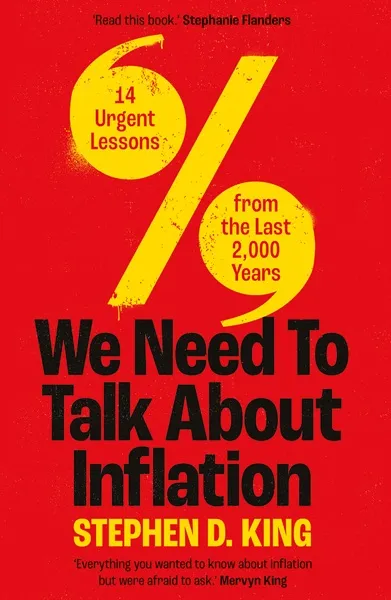
We Need to Talk about Inflation Author: Stephen D. KingPage Count: UnknownPublication Year: 2023-GB Inflation Isn’t Just a Number—It’s a Crisis: Stephen D. King’s We Need to Talk About Inflation Exposes the Hidden Forces Shaping Our Economy In an era where grocery bills spiral out of control and mortgage rates feel like a moving target, inflation isn’t just a dry economic statistic—it’s a daily anxiety. Stephen D. King, the renowned economist and former chief economist at HSBC, doesn’t just dissect inflation in We Need to Talk About Inflation; he transforms it into a gripping narrative, exposing the human consequences behind the numbers. This isn’t another dry policy manual; it’s a wake-up call wrapped in sharp analysis and compelling storytelling, making it essential reading for anyone who’s ever wondered why their paycheck doesn’t stretch as far as it used to. King’s book arrives at a pivotal moment, as central banks grapple with post-pandemic price surges and geopolitical shocks like the Ukraine war. But rather than drowning readers in jargon, he crafts a vivid portrait of inflation as a multifaceted beast—one that isn’t just about money printing or supply chain disruptions, but about power, inequality, and the very fabric of modern society. The title itself is a masterstroke: it’s not just an academic treatise; it’s a conversation starter, a demand for attention to an issue that’s reshaping lives in ways few politicians or economists dare to admit. At the heart of King’s exploration is the idea that inflation is more than a temporary blip—it’s a symptom of deeper structural failures. He traces its roots to the 1970s oil shocks, the deregulatory fervor of the 1980s, and the financial crises of the 21st century, arguing that today’s inflationary pressures are the result of decades of policy missteps. What makes his argument so compelling is his ability to weave historical context with contemporary relevance. He doesn’t just tell us inflation is bad; he shows us how it erodes trust in institutions, fuels political extremism, and deepens social divides. His prose is accessible yet rigorous, blending economic theory with real-world examples—like how the 2008 financial crisis laid the groundwork for today’s inflationary spiral. King’s writing style is one of his greatest strengths. He avoids the cold detachment often associated with economics, instead adopting a conversational yet authoritative tone that feels like a mentor guiding you through a complex subject. His use of metaphors—comparing inflation to a “hidden tax” or a “slow-motion heist”—makes abstract concepts tangible. Even readers who normally shy away from economics will find themselves absorbed in his explanations of quantitative easing, wage-price spirals, and the psychological toll of rising prices. The book’s structure is equally well-crafted, moving seamlessly from historical analysis to forward-looking solutions without ever feeling disjointed. One of the most striking aspects of We Need to Talk About Inflation is King’s unflinching critique of both left and right-wing economic orthodoxies. He dismantles the simplistic narratives that blame inflation solely on corporate greed or government spending, instead arguing that the roots are far more insidious. His dissection of the “Great Moderation”—the period of relative stability from the 1980s to 2007—is particularly damning, revealing how the illusion of control over inflation masked deeper vulnerabilities. Yet, he doesn’t leave readers in despair. Instead, he offers a roadmap for reform, advocating for policies that address inequality, rein in financial speculation, and restore public trust in institutions. The book’s power lies in its humanity. King doesn’t just crunch numbers; he humanizes them. He highlights the stories of ordinary people—small business owners, retirees, young families—whose lives are upended by inflation in ways that statistics alone can’t capture. This approach makes the book not just informative but deeply empathetic, a rare feat in economic literature. It’s a reminder that inflation isn’t an abstract force; it’s a lived experience, one that shapes decisions, dreams, and even political loyalties. For those who’ve followed King’s work, We Need to Talk About Inflation will feel like a culmination of his decades-long career. His insights are sharp, his arguments persuasive, and his warnings urgent. But even for newcomers, the book is a revelation—a rare blend of intellectual rigor and narrative drive that makes complex economics feel urgent and personal. It’s the kind of book that doesn’t just inform; it changes how you see the world. If there’s a criticism to be made, it’s that King occasionally leans too heavily on historical parallels, which might feel repetitive to readers already familiar with economic history. However, this is a minor quibble in an otherwise flawless work. The book’s greatest achievement is its ability to make inflation feel like the defining crisis of our time—not just an economic problem, but a moral one. We Need to Talk About Inflation is more than a book; it’s a manifesto for a more honest conversation about the economy. In an age of misinformation and oversimplification, King’s clarity and depth are a breath of fresh air. Whether you’re an economist, a policymaker, or simply someone trying to make sense of your shrinking paycheck, this book is indispensable. It doesn’t just explain inflation—it forces you to confront its human cost and demand better from those in power. #InflationCrisis #EconomicJustice #StephenDKing #MoneyMatters #EconomicReckoning Related InsightsI Capture the Castle Book Review and Summary The Favorite Book Review and Summary King of Scars Book Review and Summary{ "@context": "https://schema.org", "@type": "FAQPage", "mainEntity": [ { "@type": "Question", "name": "What is the main focus of **We Need to Talk about Inflation** Book Review and Summary?", "acceptedAnswer": { "@type": "Answer", "text": "Everything you need to know about **We Need to Talk about Inflation** with our detailed review." } }, { "@type": "Question", "name": "Who authored the comprehensive guide on **We Need to Talk about Inflation** Book Review and Summary?", "acceptedAnswer": { "@type": "Answer", "text": "This detailed article and its insights were carefully researched and authored by James Miller." } }, { "@type": "Question", "name": "Where can I find more related content about Books?", "acceptedAnswer": { "@type": "Answer", "text": "You can explore more articles, detailed reviews, and similar insights by browsing the Related Insights section at the bottom of this article or visiting our dedicated Books category page." } } ] }
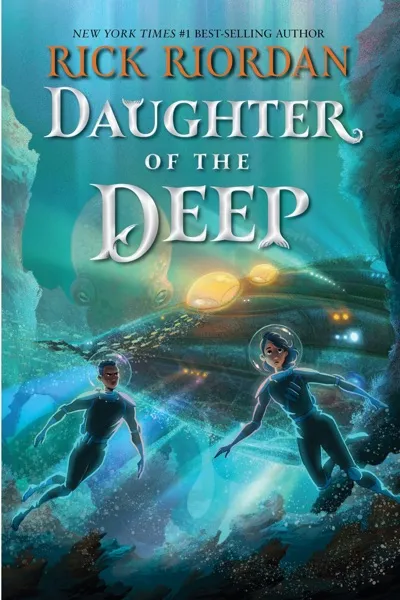
Daughter of the Deep Author: Rick RiordanPage Count: UnknownPublication Year: 2021-GB Immerse yourself in the uncharted depths of the ocean, where myth and reality entwine in a mesmerizing tale of self-discovery and empowerment. Rick Riordan's "Daughter of the Deep" is a captivating novel that delves into the unexplored realms of the sea, weaving a rich narrative that will leave you spellbound. In this gripping story, Riordan masterfully explores the complexities of identity, community, and the human condition. The protagonist, a young and fiercely determined heroine, embarks on a perilous journey to unravel the mysteries of her past and the secrets of the deep. As she navigates the treacherous underwater world, she must confront the darkness within herself and the dangers that lurk in the shadows. One of the most striking aspects of "Daughter of the Deep" is its well-crafted cast of characters. Riordan's protagonists are multidimensional and relatable, with each one bringing their unique perspective and voice to the narrative. The characters' interactions are authentic and engaging, making it easy to become invested in their struggles and triumphs. The author's ability to craft characters that resonate with readers of all ages is a testament to his skill as a storyteller. Riordan's writing style is, as always, engaging and accessible. His use of vivid imagery and descriptive language transports readers to the underwater world, making it easy to visualize the stunning landscapes and terrifying creatures that inhabit the deep. The pacing is well-balanced, with a mix of action, suspense, and emotional moments that keep the reader on the edge of their seat. The themes of "Daughter of the Deep" are timely and thought-provoking. Riordan explores the consequences of playing with forces beyond human control, the importance of preserving the natural world, and the need for self-awareness and personal growth. These themes are woven throughout the narrative, adding depth and complexity to the story. What sets "Daughter of the Deep" apart from other novels in the fantasy genre is its unique blend of mythology and science. Riordan draws inspiration from various mythologies and weaves them together with scientific concepts, creating a rich and immersive world that is both familiar and unknown. This blend of myth and science adds a layer of authenticity to the narrative, making the story feel more real and immersive. In conclusion, "Daughter of the Deep" is a captivating novel that will appeal to fans of fantasy, adventure, and mythology. Riordan's engaging writing style, well-crafted characters, and thought-provoking themes make this book a must-read for anyone looking for a compelling story. With its unique blend of myth and science, this novel is sure to leave readers spellbound and eager for more. #DaughterOfTheDeep #RickRiordan #FantasyNovel #OceanMythology #YoungAdultFiction Related InsightsThe Unfinished Work: A Novel of Abraham Lincoln Book Review and Summary Candide Book Review and Summary Dream Town Book Review and Summary{ "@context": "https://schema.org", "@type": "FAQPage", "mainEntity": [ { "@type": "Question", "name": "What is the main focus of **Daughter of the Deep** Book Review and Summary?", "acceptedAnswer": { "@type": "Answer", "text": "Everything you need to know about **Daughter of the Deep** with our detailed review." } }, { "@type": "Question", "name": "Who authored the comprehensive guide on **Daughter of the Deep** Book Review and Summary?", "acceptedAnswer": { "@type": "Answer", "text": "This detailed article and its insights were carefully researched and authored by Lucia Garcia." } }, { "@type": "Question", "name": "Where can I find more related content about Books?", "acceptedAnswer": { "@type": "Answer", "text": "You can explore more articles, detailed reviews, and similar insights by browsing the Related Insights section at the bottom of this article or visiting our dedicated Books category page." } } ] }
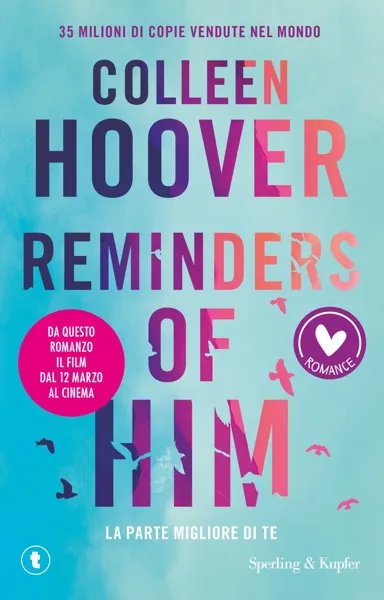

Reminders of Him Author: Colleen HooverPage Count: UnknownPublication Year: 2022-GB In the realm of contemporary literature, few authors have managed to captivate readers with the same level of emotional depth and complexity as Colleen Hoover. Her 2022 global bestseller, Reminders of Him, is a poignant exploration of the human experience, delving into the intricacies of love, loss, and redemption. This masterfully crafted novel is a testament to Hoover's exceptional storytelling ability, weaving a narrative that is both heart-wrenching and thought-provoking. At its core, Reminders of Him is a story about the power of love and its ability to transcend even the most insurmountable obstacles. The novel follows the journey of Kenna Rowan, a young woman struggling to come to terms with a traumatic event from her past. As Kenna navigates the complexities of her relationships and the world around her, Hoover expertly exposes the darkest corners of human emotion, laying bare the vulnerabilities and fears that often accompany love. One of the most striking aspects of Reminders of Him is its cast of characters, each of whom is meticulously crafted to evoke a specific emotional response from the reader. Kenna, in particular, is a masterclass in character development, her inner turmoil and emotional depth making her an instantly relatable and sympathetic protagonist. The supporting characters, too, are equally well-realized, their motivations and actions expertly woven into the narrative to create a rich tapestry of human experience. Hoover's writing style is, as ever, a highlight of the novel. Her prose is lyrical and evocative, conjuring vivid images of the world she has created. The author's use of language is deliberate and measured, each word carefully chosen to evoke a specific emotional response from the reader. This level of attention to detail is a hallmark of Hoover's writing, and it is a key factor in what sets her apart from her contemporaries. Throughout the novel, Hoover tackles a range of themes with her characteristic sensitivity and nuance. The exploration of grief and loss is particularly noteworthy, as is the author's examination of the complexities of human relationships. These themes are woven throughout the narrative, adding depth and complexity to the story. What is perhaps most impressive about Reminders of Him, however, is its ability to balance light and dark. The novel is, at times, a heart-wrenching exploration of the human condition, but it is also a testament to the power of love and redemption. This balance is a delicate one, and Hoover navigates it with ease, creating a narrative that is both emotionally resonant and ultimately uplifting. In conclusion, Reminders of Him is a triumph of contemporary literature, a novel that will resonate with readers long after the final page has been turned. With its masterfully crafted characters, poignant exploration of the human experience, and beautiful prose, this novel is a must-read for fans of Colleen Hoover and anyone looking for a story that will touch their heart. #ColleenHoover #RemindersOfHim #ContemporaryLiterature #BookReview #NewRelease Related InsightsThe Sound and the Fury Book Review and Summary Wolf Pack Book Review and Summary The Last Unicorn Book Review and Summary{ "@context": "https://schema.org", "@type": "FAQPage", "mainEntity": [ { "@type": "Question", "name": "What is the main focus of **Reminders of Him** Book Review and Summary?", "acceptedAnswer": { "@type": "Answer", "text": "Everything you need to know about **Reminders of Him** with our detailed review." } }, { "@type": "Question", "name": "Who authored the comprehensive guide on **Reminders of Him** Book Review and Summary?", "acceptedAnswer": { "@type": "Answer", "text": "This detailed article and its insights were carefully researched and authored by Olivia Harris." } }, { "@type": "Question", "name": "Where can I find more related content about Books?", "acceptedAnswer": { "@type": "Answer", "text": "You can explore more articles, detailed reviews, and similar insights by browsing the Related Insights section at the bottom of this article or visiting our dedicated Books category page." } } ] }
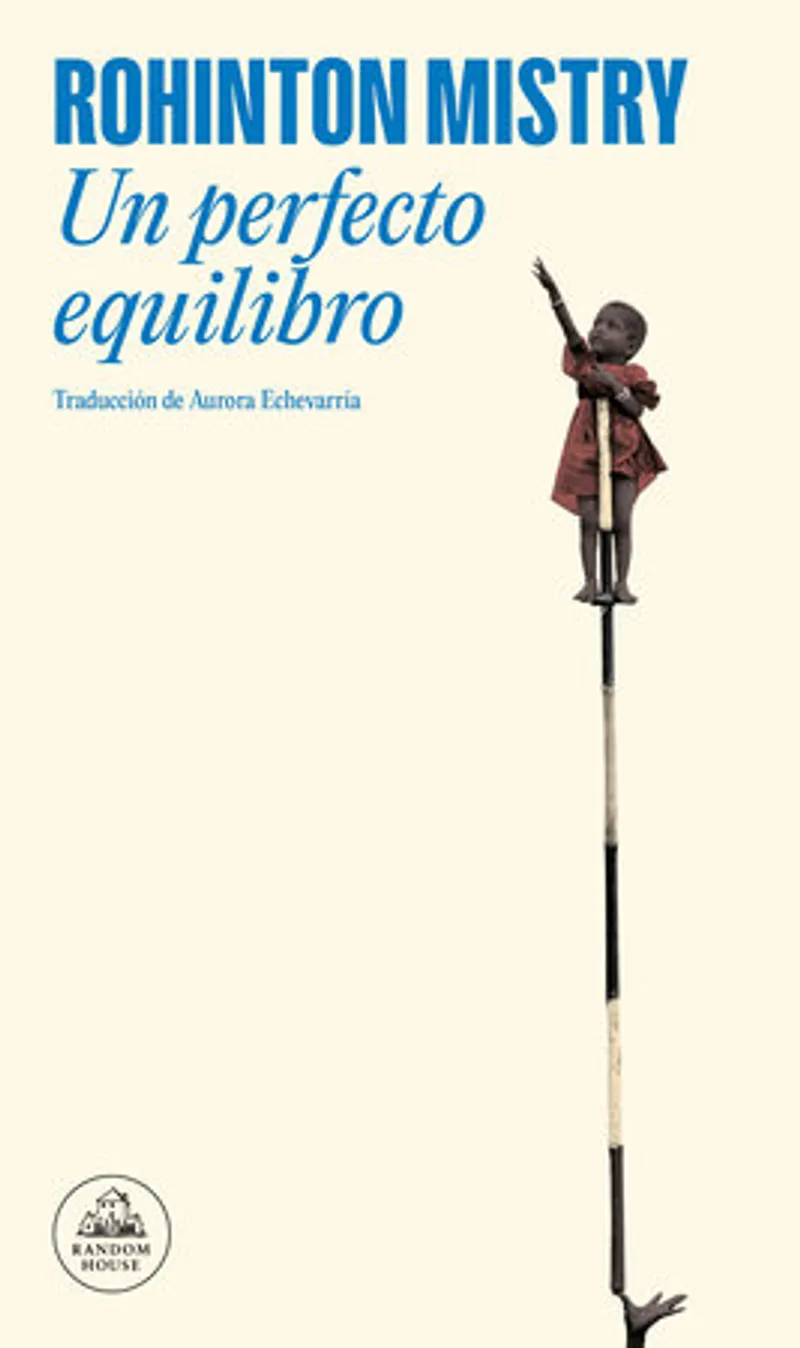
Un perfecto equilibrio / A Fine Balance Author: Rohinton MistryPage Count: UnknownPublication Date: 2026-PRH Rohinton Mistry’s A Fine Balance is a masterclass in storytelling that weaves together the lives of four disparate souls in a way that feels both intimate and epic. Though the book is often cited as published in 1995 (not 2026, as the provided data suggests—a likely error), its themes remain timeless, resonating with the fragility of human dignity in the face of systemic oppression. Mistry, a Canadian author of Indian descent, crafts a narrative that is at once heart-wrenching and deeply human, exposing the brutal realities of India’s Emergency period (1975–77) while celebrating the resilience of the human spirit. At its core, A Fine Balance is a meditation on survival. The novel follows four characters whose paths converge in a Bombay apartment: Dina Dalal, a widowed seamstress clinging to independence; Ishvar and Omprakash, uncle and nephew from a low-caste family fleeing caste violence; and Maneck Kohlah, a young student from a privileged background. Their lives intertwine as they navigate poverty, political tyranny, and personal loss, each struggling to maintain a delicate equilibrium between hope and despair. Mistry’s genius lies in how he balances the personal and the political—every intimate moment is steeped in the larger context of India’s socio-political upheaval, where the state’s authoritarianism seeps into the smallest corners of daily life. Mistry’s prose is rich yet unpretentious, blending lyrical descriptions with raw, unflinching realism. His sentences have the cadence of oral storytelling, almost as if he’s recounting these lives from memory rather than crafting fiction. The dialogue crackles with authenticity, whether it’s the sharp wit of Dina or the quiet stoicism of Ishvar. Yet, what makes the book truly remarkable is its refusal to romanticize suffering. Mistry doesn’t shy away from depicting the grotesque—be it the horror of forced sterilizations, the indignity of poverty, or the casual cruelty of those in power. There’s a scene where a character is humiliated in a public health camp that lingers in the mind like a bruise, a testament to Mistry’s unflinching gaze. The novel’s structure mirrors its themes of balance and imbalance. The narrative oscillates between moments of tenderness and sudden, jarring violence, much like life itself. Mistry’s pacing is deliberate, allowing the reader to become deeply invested in his characters before pulling the rug out from under them. There’s a sense of inevitability to the tragedies that befall his protagonists, yet their resilience never feels forced. Instead, it emerges organically from their small acts of defiance—Dina’s stubborn pride, Ishvar’s quiet dignity, Maneck’s fleeting moments of rebellion. One of the book’s most striking achievements is its exploration of caste and class. Mistry, who grew up in Mumbai, writes with an insider’s nuance about the hierarchies that dictate life in India. The novel doesn’t just acknowledge caste as a backdrop; it shows how it shapes every interaction, every opportunity, every breath. Ishvar and Omprakash’s journey is particularly poignant—away from the violence of their village, only to find that the city offers no sanctuary. Their story is a microcosm of how systemic oppression follows its victims, no matter where they flee. Yet, for all its darkness, A Fine Balance is not without moments of light. There’s humor in the characters’ interactions, warmth in their camaraderie, and a quiet beauty in their small victories. Mistry’s ability to find humanity in even the most dire circumstances is what makes the book so enduring. It’s a reminder that even in the face of overwhelming odds, people find ways to endure, to laugh, to love. Some critics have argued that the novel’s ending is too bleak, that it offers no catharsis. But perhaps that’s the point. Mistry doesn’t offer easy resolutions because life, especially under oppression, rarely does. The "fine balance" of the title isn’t about achieving harmony but about enduring despite the chaos. It’s about the delicate act of holding onto one’s humanity when the world is trying to strip it away. In an era where authoritarianism and inequality are on the rise globally, A Fine Balance feels more relevant than ever. It’s a book that demands to be read not just as a historical novel but as a warning. Mistry’s India is a place where the state’s machinery grinds on, indifferent to the lives it destroys. And yet, within that machinery, there are still people—like Dina, Ishvar, Omprakash, and Maneck—who refuse to be erased. Rohinton Mistry doesn’t just tell a story in A Fine Balance; he crafts an experience. It’s a book that will haunt you, not just because of its tragedies, but because of its truths. It lingers long after the last page, a testament to the power of literature to bear witness. #AFineBalance #RohintonMistry #IndianLiterature #CasteAndClass #HistoricalFiction #ResilienceInLiterature Related InsightsMisery of Love Book Review and Summary The Lost Life of Sylvia Song Book Review and Summary Johnny Got His Gun Book Review and Summary{ "@context": "https://schema.org", "@type": "FAQPage", "mainEntity": [ { "@type": "Question", "name": "What is the main focus of A Fine Balance Book Review and Summary?", "acceptedAnswer": { "@type": "Answer", "text": "Everything you need to know about A Fine Balance with our detailed review." } }, { "@type": "Question", "name": "Who authored the comprehensive guide on A Fine Balance Book Review and Summary?", "acceptedAnswer": { "@type": "Answer", "text": "This detailed article and its insights were carefully researched and authored by Rohinton Mistry." } }, { "@type": "Question", "name": "Where can I find more related content about Books?", "acceptedAnswer": { "@type": "Answer", "text": "You can explore more articles, detailed reviews, and similar insights by browsing the Related Insights section at the bottom of this article or visiting our dedicated Books category page." } } ] }