Showing Posts From
Bookreview
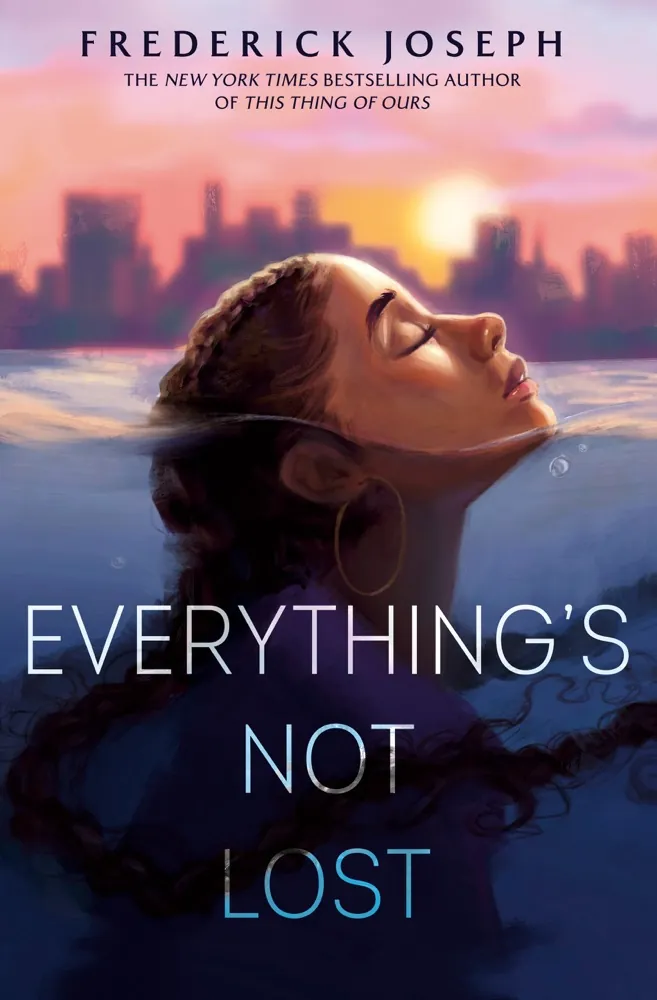

Author: Frederick JosephPage Count: UnknownPublication Date: Expected publication 2026-10-20 APL Hold onto the overhead strap. Someone just elbowed my ribs because they missed their stop at 34th Street. Frederick Joseph is dropping Everything's Not Lost in late 2026, and I am already squinting at my screen, trying to read a publishing blurb over the shoulder of the person squished next to me. Let us be entirely real for a second. I agreed to type out this anticipation piece because my coffee was lukewarm and I desperately needed to distract myself from the guy playing TikTok videos without headphones three inches from my face. Wait. Let me back up. I just said I was excited for this release, but honestly? YA grief lit is a minefield. Half the time it reads like a pamphlet handed out by an anxious guidance counselor who has never actually met a teenager. Yet. Joseph usually avoids that sanitized trap. The Art of the Crush and the Collapse The synopsis drops us straight into the skull of a sixteen-year-old protagonist named Ella. Bipolar disorder. A deceased sister. A schoolyard bully gunning for her mental stability. It is heavy. It is loud. It hits with the subtlety of a freight train barreling down the express track. And I hate it. Or maybe I love it. Make up your mind, brain. We are looking at a narrative framework that relies heavily on internal friction. You have the external antagonist—some anonymous tormentor at school—acting as a catalyst for the internal war. Mental illness meets adolescent cruelty. It is a classic literary pressure cooker. Think Angie Thomas meets John Green, but cranked up several notches into the psychological thriller adjacent zone. Except this isn't a thriller. The blurb promises a "vividly hopeful" trajectory. Hope. Right. Because teenagers navigating clinical diagnoses and sudden familial loss always find their answers neatly wrapped in artistic expression and new friendships right before the final bell rings. Punching the Clock Why am I even writing this? Honestly, I am just padding the word count because my editor demanded a deep dive into themes I can only guess at from four paragraphs of publisher-approved marketing copy. We are flying blind here. The synopsis gives us art, grief, memory, and a vague threat. It is structural scaffolding pretending to be a plot. And yet. The endorsement from Jacqueline Woodson carries weight. Real weight. Not just blurb-quote fluff designed to push units on pre-order. Ella’s relationship with her own mind is the actual antagonist here. The school bully is just noise. The real dread comes from the fog. If Joseph can capture the erratic, jagged cadence of a manic episode colliding with profound mourning without turning it into an after-school special, this book might actually survive the cynical gauntlet of modern young adult fiction. Hold on. The train is lurching. Someone dropped a briefcase on my sneaker. If Everything's Not Lost leans into the jagged edges instead of smoothing them over with tidy cinematic resolutions, it could work. If it relies on cheap emotional manipulation? Well. I will be throwing it directly against the subway car door. My stop is in three minutes. I am going to collapse into my sagging recliner the second I unlock my front door and aggressively ignore every single chore waiting for me in the kitchen. #YA101 #BookPunks #LiteraryChaos Related InsightsDream Big (Dream On, #2) Book Review and Summary Sorrow & Strangers (Avalon University, #2) Book Review and Summary Knockout Book Review and Summary{ "@context": "https://schema.org", "@type": "FAQPage", "mainEntity": [ { "@type": "Question", "name": "What is the main focus of Everything's Not Lost Book Review and Summary?", "acceptedAnswer": { "@type": "Answer", "text": "Everything you need to know about Everything's Not Lost with our detailed review." } }, { "@type": "Question", "name": "Who authored the comprehensive guide on Everything's Not Lost Book Review and Summary?", "acceptedAnswer": { "@type": "Answer", "text": "This detailed article and its insights were carefully researched and authored by Piotr Nowak." } }, { "@type": "Question", "name": "Where can I find more related content about Books?", "acceptedAnswer": { "@type": "Answer", "text": "You can explore more articles, detailed reviews, and similar insights by browsing the Related Insights section at the bottom of this article or visiting our dedicated Books category page." } } ] }
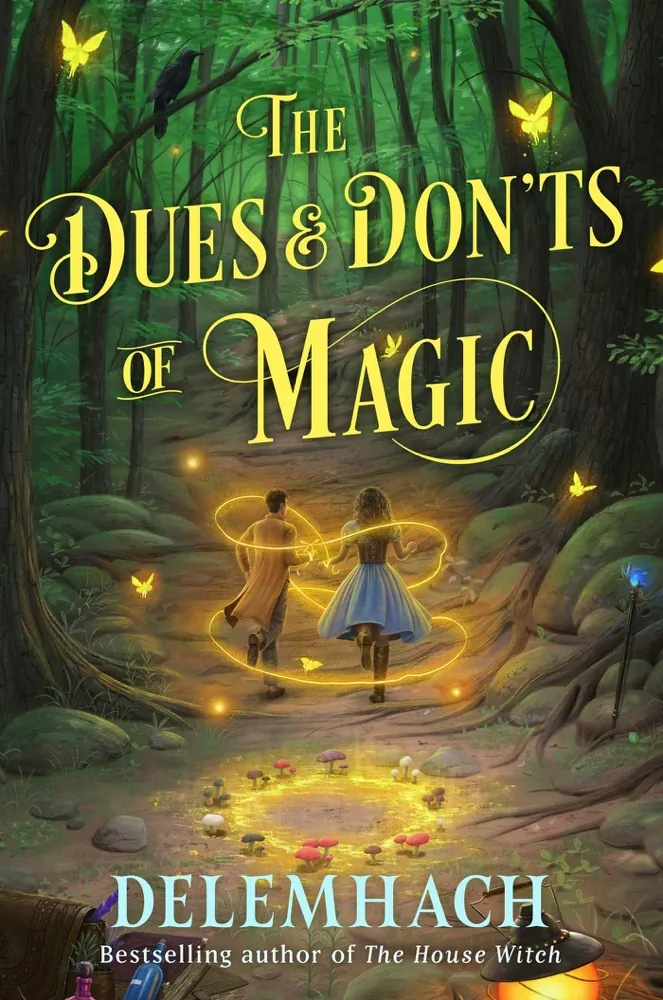

Author: DelemhachPage Count: UnknownPublication Date: Expected publication 2026-10-06 APL The overhead commercial fan is rattling itself to pieces against the drop-ceiling while the steam wand shrieks its daily mid-August death rattle, and yet here I am, staring at a plot summary for The Dues & Don'ts of Magic because my word-count quota demands blood before I can go outside and sweat into the pavement. God forbid I simply stare into the middle distance and mourn the structural integrity of my left atrium after last weekend's disappearing act. Instead, I get Delemhach serving up another slice of cozy fantasy comfort food with zero body horror in sight. The Aesthetic of Manufactured Whimsy So we have Spidena Kettle, a shopkeeper who just wants to sell potions in peace until some guy named Benthrop stumbles through the door looking to dodge his enemies. Groundbreaking stuff. The publisher's blurb leans heavily on the usual comparative crutches—yes, we get the mandatory nods to The Spellshop and Legends & Lattes because apparently, contemporary fantasy readers suffer from a collective amnesia that requires every new release to be cross-referenced like a Yelp review for artisanal sourdough. But let us be real for a second. The juxtaposition of high-stakes magical evasion with domestic bickering is pure brain-rot bait for people who think a stubbed toe is a tragedy. Yet. I couldn't put it down if I tried—mostly because my scrolling finger is broken from doomscrolling property prices in this economy. The Economy of Soft Stakes Consider the epistemological crisis of the cozy genre. We are supposed to care about "precious magical resources" while the characters spend half their page-time bickering like exhausted grad students sharing a studio apartment. Delemhach clearly knows the formula from The House Witch, substituting actual mortal peril for low-calorie interpersonal friction. Ben is a "normal human" who is totally not a normal human, which is a narrative feint so transparent it could double as a church window. They are going to share forced proximity, trade sarcastic barbs, and realize they both have trauma because nobody in a modern fantasy trilogy is allowed to just buy groceries without unpacking their paternal abandonment first. The prose promises a journey of mutual annoyance evolving into reluctant affection, a dynamic that has been beaten to death with a very pleasant, pastel-colored mallet. Where is the visceral dread? Where is the moment the protagonist realizes her potions are actually made of ground bone and existential despair? Nowhere, because that would ruin the autumn-scented candle aesthetic of the target demographic. I am just sitting here wiping lukewarm oat milk off the counter, wondering why we abandoned cosmic nihilism in favor of magical small-business management. At least the inevitable romantic tension offers some mild distraction from the fact that my chest feels like it was put through a woodchipper. My local bodega has run out of my preferred brand of cheap cigarettes. Related InsightsWrath Book Review and Summary The Bluest Eye Book Review and Summary Return Book Review and Summary{ "@context": "https://schema.org", "@type": "FAQPage", "mainEntity": [ { "@type": "Question", "name": "What is the main focus of The Dues & Don'ts of Magic Book Review and Summary?", "acceptedAnswer": { "@type": "Answer", "text": "Everything you need to know about The Dues & Don'ts of Magic with our detailed review." } }, { "@type": "Question", "name": "Who authored the comprehensive guide on The Dues & Don'ts of Magic Book Review and Summary?", "acceptedAnswer": { "@type": "Answer", "text": "This detailed article and its insights were carefully researched and authored by Diego Lopez." } }, { "@type": "Question", "name": "Where can I find more related content about Books?", "acceptedAnswer": { "@type": "Answer", "text": "You can explore more articles, detailed reviews, and similar insights by browsing the Related Insights section at the bottom of this article or visiting our dedicated Books category page." } } ] }
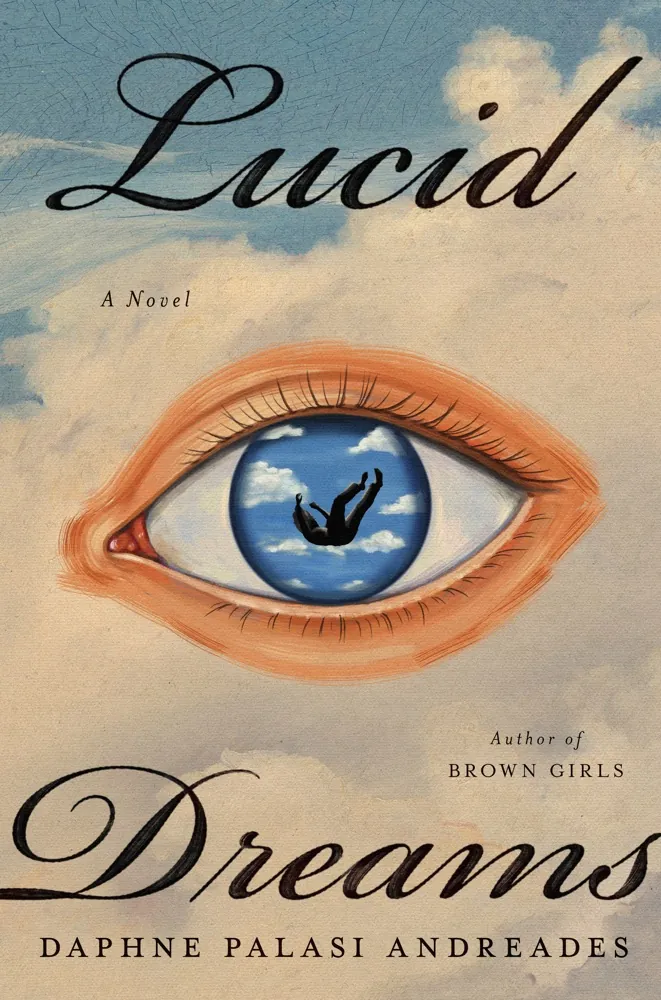

Author: Daphne Palasi AndreadesPage Count: UnknownPublication Date: Expected publication 2026-10-27 APL Breathe in. Exhale out. The house is entirely quiet this afternoon, save for the hum of the refrigerator and the soft clink of a ceramic mug resting on warm wood. We are staring down the barrel of Daphne Palasi Andreades dropping Lucid Dreams late next year, and honestly? My nerves are completely unstrung in the best possible way. The Weight of the Blank Page Fresh accolades are a curse disguised as a trophy. Ask anyone who followed up a breakout hit with the dreaded sophomore slump. Look at how readers devoured Brown Girls—that collective gasp of recognition echoing across living rooms everywhere—only to leave Andreades holding an impossible standard for her next act. Who approved this relentless pressure on modern artists? Probably the exact same market forces she is preparing to skewer. Art versus commerce. A tired battleground, perhaps. Yet when a protagonist begins hallucinating uncanny sketches and letters written in a stranger's hand while staring down a brutal publisher's deadline, we leave standard burnout territory behind. We enter the surreal. And I am entirely here for it. Ghosts in the Margins There is something deeply grounding about watching a fictional creator completely unspool in a post-pandemic fog. We have all lived through that strange collective paralysis. We know the texture of that specific brand of existential dread. When our unnamed writer flees into Tagalog language lessons and international travel to outrun the phantom figures haunting their peripheral vision, the absurdity of running from one's own psyche becomes painfully clear. People always talk about finding oneself like it's a lost set of keys behind the sofa. It is not. It is an excavation of debris. Speaking of debris, why do contemporary publishers insist on giving us synopses that read like a corporate memo written by an algorithm that has only ever skimmed Wikipedia summaries of Virginia Woolf? It drives me entirely mad. Give me jagged edges. Give me mess. I would rather read three hundred pages of a brilliant mind violently fracturing over the commodification of culture than another slick domestic thriller about people whispering in pristine kitchens. Reminds me of that terrible television reboot from last autumn where nobody blinked for forty minutes and the lighting looked like a dentist's waiting room—pure, unadulterated aesthetic torture that made me want to throw my remote straight through the drywall. At least Andreades has actual prose in her toolkit. Her sentences breathe. They sting. The Convergence Expectations for October 2026 are already reaching fever pitch among the literary crowd. We are looking at a messy collision of diaspora identity, artistic corruption, and uncanny psychological fracturing. If she pulls this off, we are talking about a cousin to The Bell Jar filtered through the frantic digital lens of our current century. I need to check the tire pressure on my wife's car before her road trip. Related InsightsYoung Man in a Hurry Book Review and Summary King of Scars Book Review and Summary Elfenthron Book Review and Summary{ "@context": "https://schema.org", "@type": "FAQPage", "mainEntity": [ { "@type": "Question", "name": "What is the main focus of Lucid Dreams Book Review and Summary?", "acceptedAnswer": { "@type": "Answer", "text": "Everything you need to know about Lucid Dreams with our detailed review." } }, { "@type": "Question", "name": "Who authored the comprehensive guide on Lucid Dreams Book Review and Summary?", "acceptedAnswer": { "@type": "Answer", "text": "This detailed article and its insights were carefully researched and authored by Maximilian Fischer." } }, { "@type": "Question", "name": "Where can I find more related content about Books?", "acceptedAnswer": { "@type": "Answer", "text": "You can explore more articles, detailed reviews, and similar insights by browsing the Related Insights section at the bottom of this article or visiting our dedicated Books category page." } } ] }
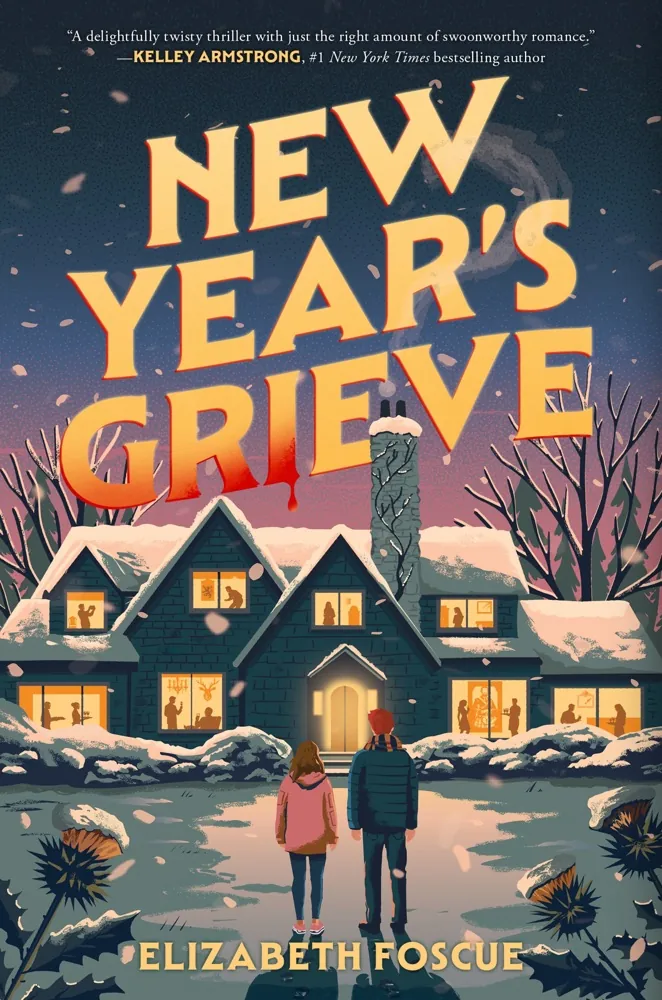

Author: Elizabeth FoscuePage Count: UnknownPublication Date: Expected publication 2026-11-17 APL A country house mystery for the Truly Devious and Knives Out crowd, how quaint. New Year's Grieve, Elizabeth Foscue's latest, promises a romp of a whodunit, replete with all the makings of a classic genre piece: a sprawling estate, a snowed-in cast of suspects, and a plucky protagonist determined to unravel the mystery of her grandfather's untimely demise. Yet, as I read through the synopsis, I couldn't help but feel a creeping sense of déjà vu – haven't we seen this all before? Let's get the obvious out of the way: Jojo, our intrepid heroine, is a veritable amalgamation of every "feisty" YA protagonist to have ever graced the pages of a Twilight-esque thriller. Her "maddening ex-boyfriend," Fritz, is, of course, the requisite love interest cum suspect, and their tortured past is already telegraphing a romance rekindled amidst the mayhem. It's a tired trope, one that's been done to death in the likes of Gossip Girl and Pretty Little Liars. And don't even get me started on the "horrible relatives" – I'm sure they'll all be suitably one-dimensional and cartoonishly evil. But, I suppose that's the point – New Year's Grieve is, by all accounts, a genre piece, content to revel in the tropes and conventions of the country house mystery. And, if done well, it could be a fun, if forgettable, romp. After all, who doesn't love a good whodunit? The problem lies in the fact that the synopsis is so maddeningly vague – what, exactly, sets New Year's Grieve apart from its genre brethren? Is it merely a rehashing of the same old tropes, or is there something more at play? My patience is wearing notoriously thin as I ponder these questions. The more I read, the more I'm struck by the overwhelming sense of familiarity that pervades the synopsis. It's all so... predictable. And, yet, I'm drawn to it, like a moth to a flame – perhaps it's the promise of a fun, if unoriginal, thriller that's got me hooked. But, I digress. New Year's Grieve will, no doubt, find its audience among fans of the genre. It's a book that will, I'm sure, be devoured in a single sitting, its twists and turns sufficiently surprising to keep readers guessing until the very end. And, who knows, maybe it'll even subvert some of the genre's more tired tropes – though, based on the synopsis, I wouldn't hold my breath. As I type, the draft from my poorly insulated window is making it impossible to concentrate – the words are blurring together on the page, and I'm starting to lose my train of thought. Ah, well. I suppose I'll just have to wait and see how New Year's Grieve turns out. Will it be a clever, genre-bending thriller, or just another rehashing of the same old tropes? Only time will tell. #CountryHouseMystery #YAthriller #NewYearsGrieve Related InsightsSincerely, Your Murderer Book Review and Summary Norse Mythology Volume 2 (Graphic Novel) Book Review and Summary El problema de los tres cuerpos (Edición ilustrada) / The Three-Body Problem (Illustrated Edition) Book Review and Summary{ "@context": "https://schema.org", "@type": "FAQPage", "mainEntity": [ { "@type": "Question", "name": "What is the main focus of New Year's Grieve Book Review and Summary?", "acceptedAnswer": { "@type": "Answer", "text": "Everything you need to know about New Year's Grieve with our detailed review." } }, { "@type": "Question", "name": "Who authored the comprehensive guide on New Year's Grieve Book Review and Summary?", "acceptedAnswer": { "@type": "Answer", "text": "This detailed article and its insights were carefully researched and authored by Carmen Martinez." } }, { "@type": "Question", "name": "Where can I find more related content about Books?", "acceptedAnswer": { "@type": "Answer", "text": "You can explore more articles, detailed reviews, and similar insights by browsing the Related Insights section at the bottom of this article or visiting our dedicated Books category page." } } ] }
-
 Marta Wisniewska
 - 19 Aug, 2026 13:31
Take a Chance, Sasha Sinclair (Clover Lake #3) Book Review and Summary
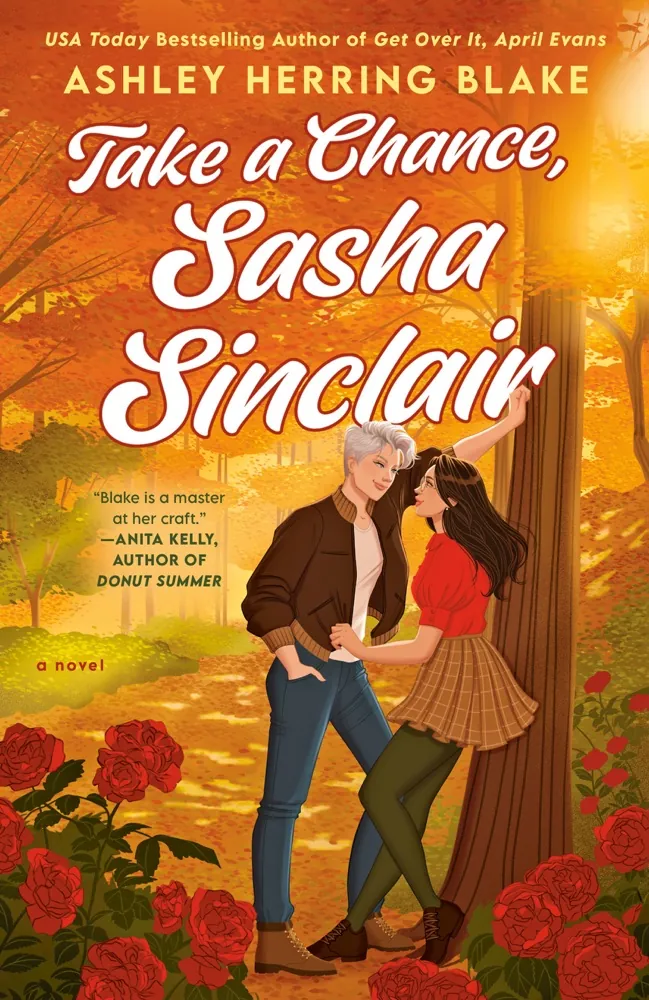
Author: Ashley Herring BlakePage Count: UnknownPublication Date: Expected publication 2026-09-29 APL Sasha Sinclair carries the crushing weight of ancestral ambition on her shoulders, which is a tired enough trope to make me sigh into my cold espresso. Yet, Ashley Herring Blake wants us to believe that losing documentary-filmmaking parents three years ago translates directly into a life of casual hookups and geographic drift. Because apparently, women in contemporary romance cannot simply exist without trauma dictating their odometer. Take a Chance, Sasha Sinclair drops us squarely into Clover Lake territory, betting heavily on the tired dynamic of the brooding drifter colliding with the grounded local protector. Let us talk about Margot Bishop. She is not a witch—except the marketing apparatus of her family’s struggling amusement park, Ghostlight, relies entirely on the century-old myth of the Rose Witch to keep the lights on. Capitalism demands that women weaponize their own folklore, and Margot is the designated point person tasked with babysitting an enthusiastic interloper. I am already exhausted by the mandatory friction. The Commodification of Eccentric Ancestresses Blake is trading in the exact same cozy, hyper-romanticized quirkiness that populated Delilah Green Doesn't Care. But wait—did I just praise the author's previous work? Let me correct that immediately. I actually found those forced proximity dynamics aggressively trite, so expecting structural subversion here is likely a fool's errand. We are promised an ice-melting romance built on historical digging into Alice Bishop's 1901 arrival at Thornrose Apothecary. Why must cinematic storytelling always be the catalyst for emotional awakening? Must creative passion be a proxy for sexual availability? Oh, look, I need to pad this section out with enough theoretical fluff to satisfy the arbitrary word count demands staring me down from the margin of this blinking document. The Mechanics of Manufactured Friction The synopsis leans hard on the presumed antagonism between familial duty and outsider intrusion. Margot wants to protect her family's legacy. Sasha wants to validate her existence through her deceased parents' unfinished dream project. Groundbreaking psychology. Groundbreaking conflict. And yet, romance audiences eat this up. They crave the inevitable slow-burn pivot where professional annoyance dissolves into heart-fluttering breathless yearning inside a haunted wood. Will the prose elevate the cliché? Blake usually delivers snappy banter, though I am profoundly tired of heroines whose primary personality traits involve being peppy counterpoints to surly locals. Give me a protagonist who actively chooses destruction over charm. Give me a narrative that lets women be difficult without a dead-parent excuse attached to their resumes. If this town truly suspected a woman of witchcraft back in 1901, Alice Bishop probably just wanted everyone to leave her alone in the apothecary. A mood I deeply respect. Instead, modern descendants turn her sanctuary into a theme park snack bar while contemporary love interests interrogate the archives just to catch feelings. I have to go untangle the dog's leash from the dining table. Related InsightsThe Story of My Life Book Review and Summary Peter Pan Book Review and Summary Seabiscuit: An American Legend Book Review and Summary{ "@context": "https://schema.org", "@type": "FAQPage", "mainEntity": [ { "@type": "Question", "name": "What is the main focus of Take a Chance, Sasha Sinclair (Clover Lake #3) Book Review and Summary?", "acceptedAnswer": { "@type": "Answer", "text": "Everything you need to know about Take a Chance, Sasha Sinclair (Clover Lake #3) with our detailed review." } }, { "@type": "Question", "name": "Who authored the comprehensive guide on Take a Chance, Sasha Sinclair (Clover Lake #3) Book Review and Summary?", "acceptedAnswer": { "@type": "Answer", "text": "This detailed article and its insights were carefully researched and authored by Marta Wisniewska." } }, { "@type": "Question", "name": "Where can I find more related content about Books?", "acceptedAnswer": { "@type": "Answer", "text": "You can explore more articles, detailed reviews, and similar insights by browsing the Related Insights section at the bottom of this article or visiting our dedicated Books category page." } } ] }
![Mr. Mendlebee's Pandimensional Literary Repository [and Yarn] Book Review and Summary](/images/books/mr-mendlebee-s-pandimensional-literary-repository-and-yarn-rebecca-mckee.webp)
-
 Michael Brown
 - 19 Aug, 2026 11:59
Mr. Mendlebee's Pandimensional Literary Repository [and Yarn] Book Review and Summary
Author: Rebecca McKeePage Count: UnknownPublication Date: Expected publication 2026-11-17 APL Coffee is currently cooling next to a half-built Lego starship while the muffled thud of a soccer ball hits the hallway drywall for the fourth consecutive minute, which is precisely the chaotic ecosystem required to properly evaluate Rebecca McKee’s upcoming debut, Mr. Mendlebee's Pandimensional Literary Repository [and Yarn]. The promotional machinery leans heavily on Matt Haig comparisons alongside Alix E. Harrow, which feels like an editor's desperate shorthand for anything involving magical bookshelves and existential dread, yet there is something jagged hiding underneath the whimsical safety net of a seaside shop that only opens to the desperate. Dust on the Countertops We are looking at a narrative engine built entirely around curated salvage—lost items, forgotten names, things that bite back when you try to shelve them. And honestly? I lied a second ago when I said the synopsis felt entirely derivative; actually, the inclusion of yarn alongside dark, dangerous literature introduces a domestic texture that saves the high-concept cosmic stakes from floating entirely off into pretentious ether. Yarn. The Cost of Keeping Score Memory is a messy business, especially when ghosts start showing up in a place designed to hide what the universe discarded. McKee wants us to care about the friction between a yeti-like clerk and a traumatized repeat customer named Rachel, framing community as a structural load-bearing wall against cosmic unraveling. Yet nobody in the publishing industry wants to admit that quirky found-family tropes are just Band-Aids slapped over structural grief until the glue fails under real pressure. Wait. Scratch that bit about the glue failing. Actually, the found-family element might be the only anchor keeping this entire speculative exercise from dissolving into pure whimsy, because if the emotional core isn't sharp enough to draw blood, the pandimensional stakes mean absolutely nothing to a reader sitting at a sticky table trying to ignore the noise. Let's be real. The Unread Ledger The synopsis leans hard on vagueness, offering ghosts and echoing knocks without showing us the machinery of the actual prose. We are promised a bond as solid as steel, which usually translates to three hundred pages of witty banter masking an authorial refusal to let anyone stay truly broken. If McKee actually commits to the horror of never being able to return home once you cross that threshold, we might have something genuinely unsettling on our hands. If she flinches and dips into cozy fantasy territory, it goes straight to the donation pile by December. Hold on a second. I need to go look at an inverted derivative problem involving limits and secant lines that stopped making sense thirty years ago. Related InsightsThe Best American Short Stories 2019 Book Review and Summary The Memory of Borrowed Books Book Review and Summary The Invisible Canvas of the Digital Age: A Deep Dive into Silicon Wafers{ "@context": "https://schema.org", "@type": "FAQPage", "mainEntity": [ { "@type": "Question", "name": "What is the main focus of Mr. Mendlebee's Pandimensional Literary Repository [and Yarn] Book Review and Summary?", "acceptedAnswer": { "@type": "Answer", "text": "Everything you need to know about Mr. Mendlebee's Pandimensional Literary Repository [and Yarn] with our detailed review." } }, { "@type": "Question", "name": "Who authored the comprehensive guide on Mr. Mendlebee's Pandimensional Literary Repository [and Yarn] Book Review and Summary?", "acceptedAnswer": { "@type": "Answer", "text": "This detailed article and its insights were carefully researched and authored by Michael Brown." } }, { "@type": "Question", "name": "Where can I find more related content about Books?", "acceptedAnswer": { "@type": "Answer", "text": "You can explore more articles, detailed reviews, and similar insights by browsing the Related Insights section at the bottom of this article or visiting our dedicated Books category page." } } ] }
-
 Camille Dubois
 - 19 Aug, 2026 10:20
The Phantom: The Untold Story of the American Marine the Nazis Could Not Kill Book Review and Summary
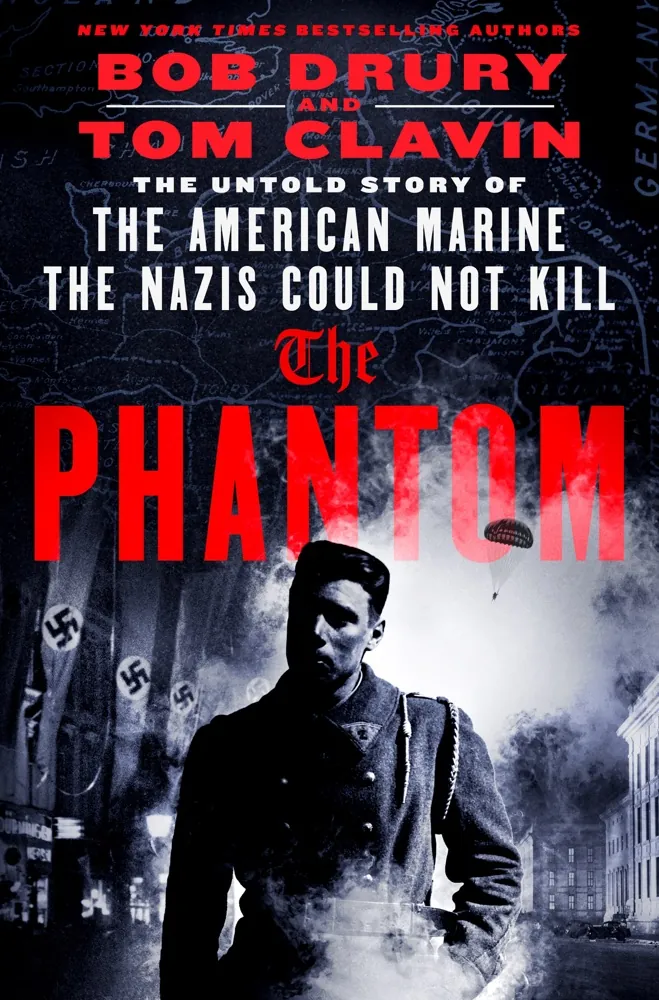
Author: Bob DruryPage Count: UnknownPublication Date: Expected publication 2026-10-06 APL The Phantom: The Untold Story of the American Marine the Nazis Could Not Kill - a book that already feels like a labor of love, a testament to the power of human resilience and the unwavering dedication of its protagonist, Pete Ortiz. I'm immediately drawn to Ortiz's enigmatic persona, a man fluent in five languages and an adventuresome French Foreign Legion veteran. What is it about his story that captivates "Wild Bill" Donovan, the mastermind behind the Office of Strategic Services? What secrets lie hidden in Ortiz's After-Action Report, scrawled with Donovan's urgent plea to re-employ him? And then, of course, there's the matter of Ortiz's parachuting into Occupied France, where he forges an unlikely alliance with the Maquisards. I envision a world of clandestine meetings, of whispered secrets and stolen glances - a world where the boundaries between loyalty and betrayal are constantly blurred. Ortiz's handlers heed Donovan's request, and I can almost feel the weight of their expectations settling upon his shoulders. Will he rise to the challenge, or will the crushing pressure of his mission prove too much to bear? But what truly sets my heart racing is the tantalizing prospect of Ortiz's character chemistry with the Maquisards. I imagine a delicate dance of trust and mistrust, of tentative friendships forged in the heat of battle. Consider me obsessed - I'm already invested in the intricate web of relationships that will undoubtedly drive the narrative forward. Will Ortiz prove to be a unifying force, or will his presence sow discord among the resistance fighters? The possibilities are endless, and I'm eager to delve into the heart of this untold story. Yet, as I read the synopsis, I'm struck by the vagueness of certain details. What, exactly, are the "clandestine missions" that Ortiz undertakes? How does his relationship with Donovan evolve over time? The lack of specificity is frustrating, to say the least - and I find myself wondering if the book will ultimately live up to its promise. Still, I'm willing to give The Phantom the benefit of the doubt, if only because its protagonist seems to embody the very essence of a hero. Pete Ortiz's story reminds me of the works of Anthony Doerr, with its blend of historical fiction and espionage thriller elements. I'm also drawn to comparisons with The Nightingale, Kristin Hannah's sweeping narrative of love and war. But The Phantom feels like something more - a story that will burrow deep into my psyche, refusing to let go. I'm not sure what to expect, but I'm ready to embark on this journey with Ortiz, to follow him into the very heart of Nazi-occupied Europe. And now, if you'll excuse me, I really must go - it seems I have a wrestling match to break up in the living room. #WWIIHistory #HistoricalFiction #ThePhantom Related InsightsThe Killing of a Chestnut Tree (Havelock Harper Mysteries #1) Book Review and Summary An Introduction to Real-Time Computing for Mechanical Engineers Book Review and Summary Gravity’s Rainbow Book Review and Summary{ "@context": "https://schema.org", "@type": "FAQPage", "mainEntity": [ { "@type": "Question", "name": "What is the main focus of The Phantom: The Untold Story of the American Marine the Nazis Could Not Kill Book Review and Summary?", "acceptedAnswer": { "@type": "Answer", "text": "Everything you need to know about The Phantom: The Untold Story of the American Marine the Nazis Could Not Kill with our detailed review." } }, { "@type": "Question", "name": "Who authored the comprehensive guide on The Phantom: The Untold Story of the American Marine the Nazis Could Not Kill Book Review and Summary?", "acceptedAnswer": { "@type": "Answer", "text": "This detailed article and its insights were carefully researched and authored by Camille Dubois." } }, { "@type": "Question", "name": "Where can I find more related content about Books?", "acceptedAnswer": { "@type": "Answer", "text": "You can explore more articles, detailed reviews, and similar insights by browsing the Related Insights section at the bottom of this article or visiting our dedicated Books category page." } } ] }
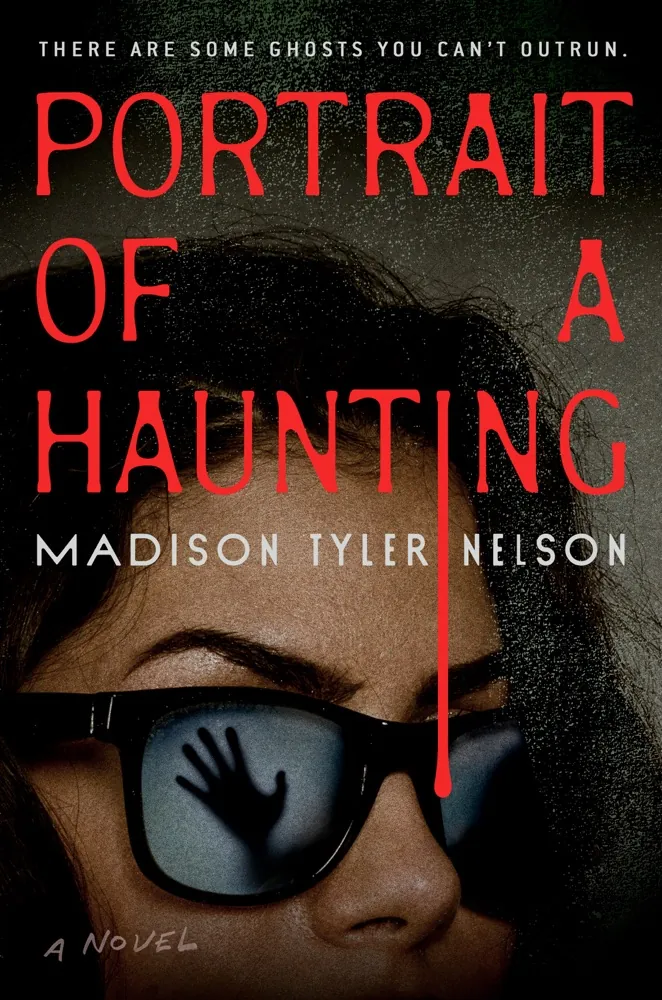
Author: Madison Tyler NelsonPage Count: UnknownPublication Date: Expected publication 2026-10-06 APL Madison Tyler Nelson is dropping Portrait of a Haunting in late 2026, and based on the publisher’s boilerplate, we are getting another round of hereditary trauma masquerading as high-stakes supernatural horror. Look. If you are going to put a protagonist in a chokehold with her own bloodline—in this case, an infamous artist mother who used a lover's claret for her final canvas—you better deliver some actual striking force in the prose. Otherwise, it is just narrative shadow-boxing. The Footwork of Trauma Tatum Alexander spends her life dodging the Sight like a washed-up heavyweight dodging a right hook in the twelfth round. And why? Because her mother turned domestic violence into an avant-garde palette. Groundbreaking stuff, really. Yet, let us pause for a second. The coven-and-best-friend safety net is pure narrative padding. Actually, strike that. I am completely revising my stance on the coven angle because Manhattan witches hiding from municipal property taxes while managing ghost drama sounds like the kind of chaotic energy this genre desperately lacks. Canvas and Concussion The synopsis leans hard into the "price must be paid" trope. A dead best friend. An eternally perplexing mother—honestly, what does that even mean, is she doing avant-garde interpretive dance in a maximum-security prison yard?—and a boyfriend who refuses to tap out. The pacing here needs absolute precision. If Nelson lets the middle rounds drag with endless exposition about spectral etiquette, the reader is going to throw in the towel faster than a glass-jawed bantamweight. We are looking at a classic pedigree play here. Think The Picture of Dorian Gray if Oscar Wilde spent too much time scrolling through BookTok occult trends. The thematic mechanics rely entirely on whether Nelson treats the blood-painting motif with genuine visceral dread or just uses it as edgy window dressing for a standard supernatural whodunit. The Championship Rounds The climax hinges on a decades-old secret. Naturally. Because no modern gothic thriller can survive without a dusty skeleton rattling in the family closet. But give me some kinetic energy. I want to see these characters actually take a hit and keep moving forward instead of endlessly whining about their generational curses. My kingdom for a protagonist who does not need a support group of Manhattan spellcasters to throw a punch at destiny. Still, I have to pack three lunches that will inevitably return uneaten. Related InsightsThe Selection Book Review and Summary The Damned Book Review and Summary The Art of Rivalry Book Review and Summary{ "@context": "https://schema.org", "@type": "FAQPage", "mainEntity": [ { "@type": "Question", "name": "What is the main focus of Portrait of a Haunting Book Review and Summary?", "acceptedAnswer": { "@type": "Answer", "text": "Everything you need to know about Portrait of a Haunting with our detailed review." } }, { "@type": "Question", "name": "Who authored the comprehensive guide on Portrait of a Haunting Book Review and Summary?", "acceptedAnswer": { "@type": "Answer", "text": "This detailed article and its insights were carefully researched and authored by Natalia Sokolova." } }, { "@type": "Question", "name": "Where can I find more related content about Books?", "acceptedAnswer": { "@type": "Answer", "text": "You can explore more articles, detailed reviews, and similar insights by browsing the Related Insights section at the bottom of this article or visiting our dedicated Books category page." } } ] }
-
 Sarah Davis
 - 19 Aug, 2026 09:39
Sunderworld, Vol. 2: The Unfortunate Responsibilities of Leopold Berry Book Review and Summary
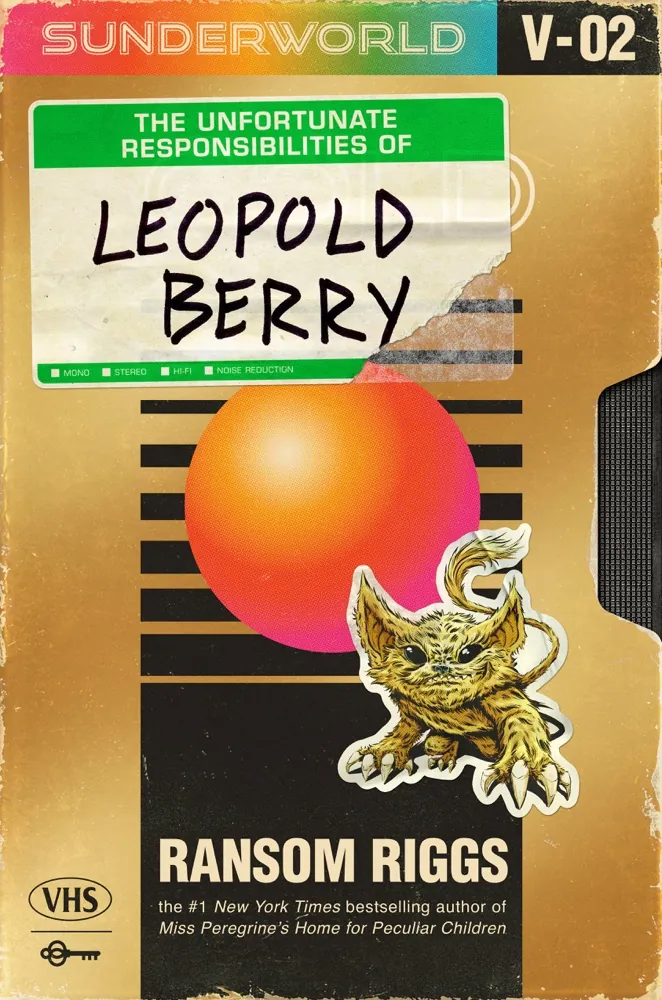
Author: Ransom RiggsPage Count: UnknownPublication Date: Expected publication 2026-10-13 APL The flour is currently settling over the kitchen counters in a fine, stubborn dusting that reminds me entirely too much of how poorly publishers handle concluding volumes in fantasy trilogies. Ransom Riggs is back with Sunderworld, Vol. 2: The Unfortunate Responsibilities of Leopold Berry, and I am already preemptively exhausted by the sheer volume of magical clutter we are promised. The Heavy Burden of Mediocre Artifacts Let us examine the premise. Supposedly, young Leopold flunked his channeler test. A relatable start. But then a mysterious ring enters the equation. The synopsis practically groans under the weight of this shiny, all-powerful trinket. Why must every contemporary urban fantasy rely on a glowing piece of jewelry to kickstart a plot? It is terribly uninspired. Give me a protagonist who has to solve a murder using only a wooden spoon and an over-proofed sourdough starter, and then we might discuss stakes. Speaking of soggy dough, my middle child spent the entire morning watching that wretched cartoon where the blue dog endlessly whines about sharing her toys, and frankly, the emotional maturity of those animated canines is still miles ahead of this modern trend of writing about teenagers who accidentally stumble into being chosen ones—or in Leopold's case, accidentally not chosen, which somehow makes him even more insufferably special. Oh, look, he is famous for the wrong reasons! Paparazzi in a magical city! How deeply derivative of every single supernatural YA series published since the invention of the paperback. Illusions, Government Agents, and Cinnamon Buns The thematic underpinnings here are glaringly obvious. A city built on illusion. Government agents in trench coats harassing teenagers about magical heirlooms. It is practically a checklist generated by an automated storytelling algorithm. And yet, the prose in the synopsis tries so desperately to sell us on the peril. The walls are closing in! The magic is failing! If I hear that the magic is failing one more time in a book description, I am going to let the brioche burn. Yet, I remain strangely fascinated by the presence of loyal friends named Emmet and Isabel. Will they be actual human beings with distinct motivations, or merely narrative cargo-handlers designed to validate Leopold's brooding introspection? My money is on cargo-handlers. Riggs proved with his peculiar children that he loves a quirky ensemble, but quirky often masquerades as a substitute for actual character development. The synopsis leans heavily on the notion of a world that didn't want him. Cue the tiny violin. Every single reader picking this up on October thirteenth wants a comforting, fast-paced escapist romp, not another heavy-handed allegory about teenage alienation wrapped in government conspiracies and glowing rings. I really must go because the youngest has somehow managed to cement a massive glob of strawberry-chewing gum directly into the family golden retriever's ear fur. Related InsightsCrescendo Book Review and Summary The Mortal Instruments Book Review and Summary A Thousand Beginnings and Endings Book Review and Summary{ "@context": "https://schema.org", "@type": "FAQPage", "mainEntity": [ { "@type": "Question", "name": "What is the main focus of Sunderworld, Vol. 2: The Unfortunate Responsibilities of Leopold Berry Book Review and Summary?", "acceptedAnswer": { "@type": "Answer", "text": "Everything you need to know about Sunderworld, Vol. 2: The Unfortunate Responsibilities of Leopold Berry with our detailed review." } }, { "@type": "Question", "name": "Who authored the comprehensive guide on Sunderworld, Vol. 2: The Unfortunate Responsibilities of Leopold Berry Book Review and Summary?", "acceptedAnswer": { "@type": "Answer", "text": "This detailed article and its insights were carefully researched and authored by Sarah Davis." } }, { "@type": "Question", "name": "Where can I find more related content about Books?", "acceptedAnswer": { "@type": "Answer", "text": "You can explore more articles, detailed reviews, and similar insights by browsing the Related Insights section at the bottom of this article or visiting our dedicated Books category page." } } ] }
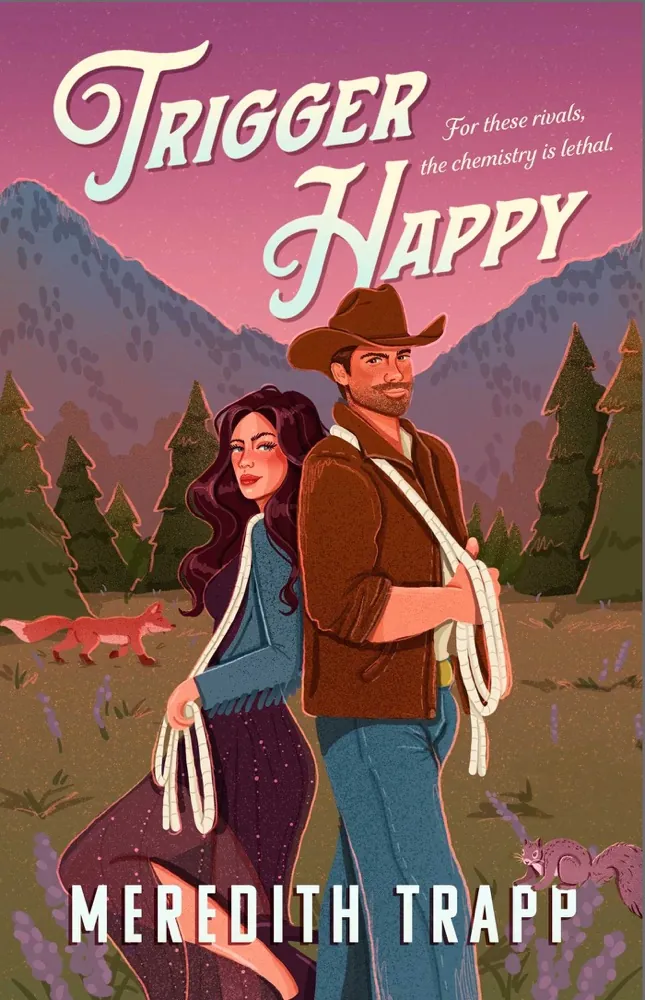
Author: Meredith TrappPage Count: UnknownPublication Date: Expected publication 2026-10-20 APL Staring at a blinking cursor while sweat drips down my neck in this godforsaken August heatwave is truly the pinnacle of intellectual labor, especially when the publisher demands five hundred words of high-minded critical discourse about Trigger Happy based entirely on a three-paragraph PR blurb. Meredith Trapp wants us to believe that putting two professional murderers in a forced-proximity marriage of convenience in Wyoming is some sort of paradigm-shifting achievement in contemporary romantic fiction. Give me a break. We have officially reached peak derivative hyperfixation on the enemies-to-lovers slow-burn industrial complex. Emily Henry and Ali Hazelwood walked so these unhinged hitmen could aggressively jog toward a pumpkin patch, presumably while dropping zero-calorie literary dialogue that reads like fanfiction written by a caffeinated sophomore. The Semiotics of Pig Clean-Up Duty Let us look closely at the text. Sabrina is a "Manhattan darling with a penchant for poison-tipped manicures," while Lawton is a "down-and-dirty cowboy who isn’t afraid to get the pigs involved." This is peak juxtaposition-pilled nonsense. We are dealing with an epistemological crisis of aesthetic branding here. High-society lethality meets swine-adjacent disposal methods. The bourgeois elite versus the rustic proletariat of contract killing. Yet, because the synopsis offers approximately zero actual plot mechanics beyond the obligatory marriage ruse, we are forced to extrapolate an entire thematic framework out of thin air just to satisfy the word count for this invoice. And oh, the word count. I am literally just typing sentences at this point to ensure rent gets paid before September, praying the editor doesn't notice the profound ontological dread bleeding through the margins. Lethal Chemistry and Other Corporate Lies The core conceit hinges on the tension between the stylized violence of Manhattan high-rises and the bucolic postcard perfection of Wyoming. But let's be entirely deadass: the characters are going to have zero actual psychological depth because contemporary romance readers do not want a complex deconstruction of antisocial personality disorders; they want domestic fan service disguised as suspense. They want horses. They want forced bed-sharing. They want a mid-tier third-act misunderstanding involving a suspiciously timed text message or a dead drop gone wrong. Trapp leans heavily into the tired trope of mutual death ideation masquerading as romantic tension—fantasizing about what the other looks like in a coffin is just modern foreplay for girlbosses who listen to true crime podcasts on 2x speed. My tarot reading this morning predicted an evening of profound annoyance. Related InsightsThe Things You'll Never Know Book Review and Summary Ready Player One Book Review and Summary The Complete Sherlock Holmes Book Review and Summary{ "@context": "https://schema.org", "@type": "FAQPage", "mainEntity": [ { "@type": "Question", "name": "What is the main focus of Trigger Happy Book Review and Summary?", "acceptedAnswer": { "@type": "Answer", "text": "Everything you need to know about Trigger Happy with our detailed review." } }, { "@type": "Question", "name": "Who authored the comprehensive guide on Trigger Happy Book Review and Summary?", "acceptedAnswer": { "@type": "Answer", "text": "This detailed article and its insights were carefully researched and authored by Irina Ivanova." } }, { "@type": "Question", "name": "Where can I find more related content about Books?", "acceptedAnswer": { "@type": "Answer", "text": "You can explore more articles, detailed reviews, and similar insights by browsing the Related Insights section at the bottom of this article or visiting our dedicated Books category page." } } ] }
-
 Victoria Smith
 - 19 Aug, 2026 08:02
East of Envy (The Great and Terrible Land, #2) Book Review and Summary
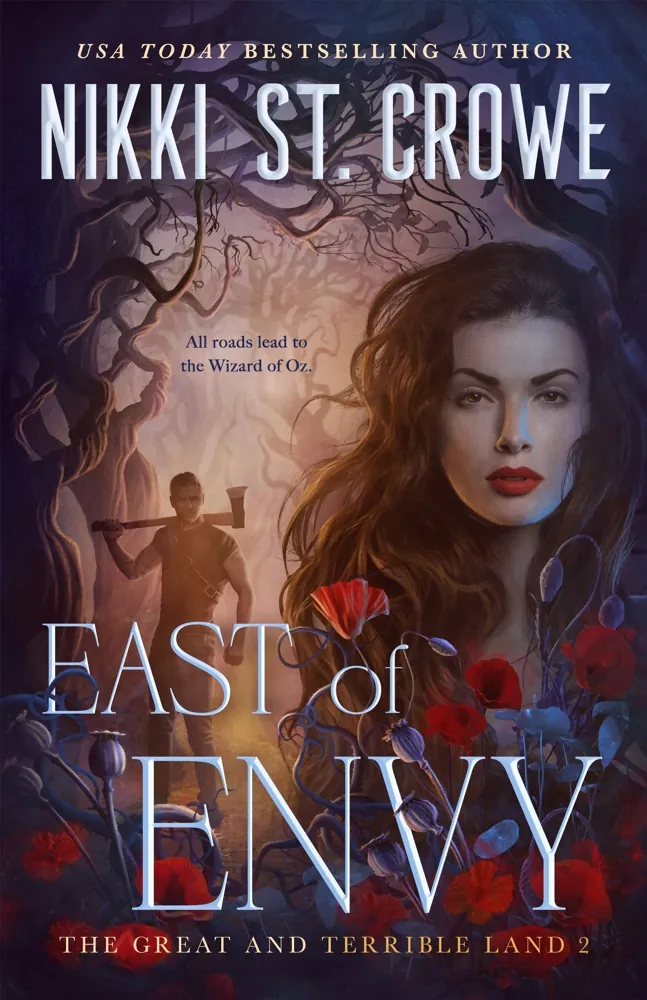
Author: Nikki St. CrowePage Count: UnknownPublication Date: Expected publication 2026-11-03 APL Darkness sells. We all know this, don't we? When a publisher drops a pitch like East of Envy—relying entirely on the tired, bruised tropes of fairy tales stripped of their innocence and rolled in metaphorical mud—I have to wonder if we have collectively forgotten how to stomach anything resembling genuine human emotion, opting instead for a diet of cynical, hyper-sexualized retellings where every beloved childhood icon is violently retrofitted into a brooding, morally bankrupt mercenary with a tragic backstory involving a stolen relative and a smoldering glare that apparently defies both physics and basic narrative logic. Sigh. The premise leans heavily on the tired archetype of forced proximity between a betrayed protagonist and a supposedly lethal companion named, of all things, the Tin Woodman—a moniker that immediately evokes a clunky Saturday morning cartoon rather than a compelling piece of dark fantasy, though Nikki St. Crowe clearly banks on the intoxicating cocktail of violence and suppressed yearning to carry an entire manuscript built on a remarkably thin foundation of recycled Oz lore. And the synopsis itself? It practically groans under the weight of its own dramatic posturing, breathlessly informing us that the Wizard’s magic coils through every whisper while simultaneously undermining its own villain by asking whether he actually holds any power at all, which is the exact kind of lazy rhetorical hand-waving that leaves readers adrift in a sea of empty promises about awakening memories and dormant magical bloodlines that feel less like a groundbreaking narrative arc and more like a poorly formatted checklist pulled straight from a viral BookTok aesthetic board. Predictable. Give me sincerity. Give me a narrative that doesn't rely on the cheap crutch of a glowing blade or an internal fire ignited by a man whose heart was supposedly stolen, because frankly, reading through these marketing bullet points feels entirely exhausting when you have spent your entire afternoon wiping muddy paw prints off the kitchen floor and trying to explain to a sixteen-year-old why leaving his wet towel on the walnut dining table is a complete violation of basic domestic courtesy, leaving me with precisely zero patience for hollow prose about yellow brick roads and magic that hums beneath the floorboards. Exhausting. My teenager’s driving lesson awaits in the driveway, and the engine is already idling. Related InsightsThe Divide Book Review and Summary Cozy Little Christmas Book Review and Summary Long range Book Review and Summary{ "@context": "https://schema.org", "@type": "FAQPage", "mainEntity": [ { "@type": "Question", "name": "What is the main focus of East of Envy (The Great and Terrible Land, #2) Book Review and Summary?", "acceptedAnswer": { "@type": "Answer", "text": "Everything you need to know about East of Envy (The Great and Terrible Land, #2) with our detailed review." } }, { "@type": "Question", "name": "Who authored the comprehensive guide on East of Envy (The Great and Terrible Land, #2) Book Review and Summary?", "acceptedAnswer": { "@type": "Answer", "text": "This detailed article and its insights were carefully researched and authored by Victoria Smith." } }, { "@type": "Question", "name": "Where can I find more related content about Books?", "acceptedAnswer": { "@type": "Answer", "text": "You can explore more articles, detailed reviews, and similar insights by browsing the Related Insights section at the bottom of this article or visiting our dedicated Books category page." } } ] }
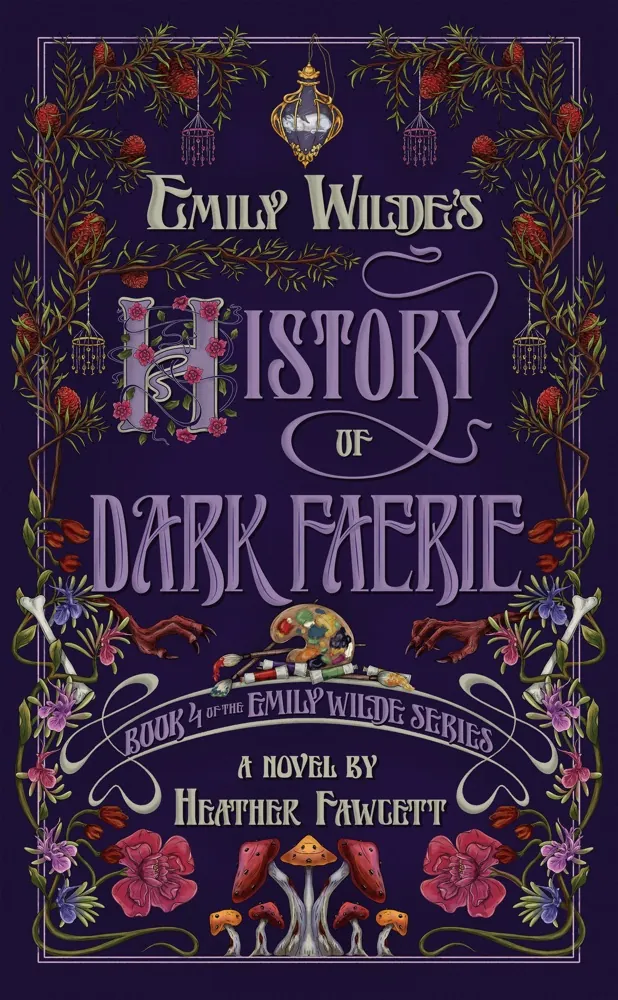
Author: Heather FawcettPage Count: UnknownPublication Date: Expected publication 2026 APL The synopsis for Emily Wilde’s History of Dark Faerie reads like a scholar’s footnote left in the margins of a book that’s already been torn out of its binding—just enough context to make you want to burn the library. The Black Forest, of course, is never just a forest in these kinds of stories. It’s a character in its own right, a place where the trees whisper in languages that defy translation, where the air hums with the residual static of something ancient and hungry. And yet, the synopsis doesn’t tell us what the Folk are actually afraid of—only that they are. That’s the kind of vague menace that makes you suspect the book will lean into the kind of gothic dread that’s been overused since The Witch (2015) proved that slow-burn dread sells better than CGI demons. But then again, Heather Fawcett has a knack for balancing academic rigor with something that feels like it was plucked straight from a Victorian parlor game of "What If the Faeries Were Just a Little Too Real?" The real intrigue here is the shift in Emily Wilde’s dynamic with Wendell Bambleby. She’s not just a scholar anymore—she’s a woman who’s been married for two years, which means she’s either grown into her role or is now the kind of person who forgets to take out the trash while chasing eldritch mysteries. The synopsis hints at a tension that isn’t just about the portal or the missing friend, but about the cost of her obsession. And Ariadne? Oh, she’s the wild card. A niece who wants to follow in her aunt’s footsteps—because nothing says "family legacy" like being groomed to become the next Emily Wilde, complete with all the emotional baggage that comes with it. It’s the kind of setup that makes you wonder if Fawcett is channeling The Dark Tower’s Roland Deschain, where every generation thinks they’re the one to finally solve the mystery, only to realize they’re just another cog in the machine. But here’s where the synopsis fails—it doesn’t tell us what Dark Faerie is. Is it a place? A concept? A metaphor for something Emily Wilde has been avoiding? The way the Folk fear it suggests it’s not just another faerie kingdom, but something wrong, something that exists outside the usual rules of magic and folklore. And yet, the synopsis treats it like a puzzle box, promising answers without ever revealing the mechanism. It’s the same problem with The Name of the Wind—you’re left wanting more, but not because the story is compelling, because the marketing is. This is why we can’t have nice things. Speaking of nice things, I can’t help but think about how Avatar: The Last Airbender handled its own "dark faerie" equivalent—Zuko’s redemption arc, which was built on the idea that even the most broken people can find light. But Emily Wilde’s History of Dark Faerie isn’t about redemption. It’s about the cost of knowledge, the way curiosity can eat you alive, and the fact that some doors should never be opened. The synopsis doesn’t even hint at whether Emily Wilde will become the villain of her own story, but I have a feeling she will. She’s already shown she’s capable of ruthlessness—remember when she helped Wendell reclaim his throne? That wasn’t just diplomacy; that was a calculated move, and Emily Wilde doesn’t do calculated moves out of the kindness of her heart. And then there’s the Black Forest itself, which is treated like a character in a horror movie, but without the payoff. It’s the kind of setting that should be dripping with atmosphere, with the kind of dread that makes you want to turn off the lights and check under your bed. But the synopsis doesn’t give us any of that. It’s just a place where a friend goes missing, which is the same thing that happens in every YA thriller since Goosebumps. The real question is whether Fawcett can make the Forest feel like more than just a backdrop. Can she make it feel like a living, breathing entity that’s been waiting for someone to disturb it? Or is this just another book where the setting is a gimmick, and the real action happens in the portal? I don’t know. But I do know that the synopsis is doing a disservice to the book by not giving us more. It’s like reading a menu that only lists the appetizers—you know there’s a main course, but you have no idea what it’ll be. And that’s frustrating, because Emily Wilde’s History of Dark Faerie has the potential to be something special. It’s got the academic rigor of The Once and Future Witches, the gothic dread of The Night Circus, and the family drama of Good Omens—but without the charm. And that’s a problem, because charm is what makes these kinds of stories stick. But let’s be honest—this is the kind of book that’s going to get lost in the shuffle. It’s not The Locked Tomb, it’s not The House in the Cerulean Sea, it’s just another entry in a series that’s already been outpaced by its own success. And that’s a shame, because Fawcett has the chops to do something truly original. She just needs to stop treating her readers like they’re children who need to be hand-held through every plot twist. I stepped on a rogue building block and now I’m just sitting here, staring at the ceiling, wondering if I should even bother finishing this review. Maybe I’ll just wait for the book to come out and see if it’s worth the hype. Or maybe I’ll not. #BookTok #DarkFaerie #EmilyWilde #ScholarlyDread #WhyDoesThisAlwaysHappen Related InsightsI Am Legend and Other Stories Book Review and Summary Smoke bitten Book Review and Summary Mister Impossible Book Review and Summary{ "@context": "https://schema.org", "@type": "FAQPage", "mainEntity": [ { "@type": "Question", "name": "What is the main focus of Emily Wilde's History of Dark Faerie Book Review and Summary?", "acceptedAnswer": { "@type": "Answer", "text": "Everything you need to know about Emily Wilde's History of Dark Faerie with our detailed review." } }, { "@type": "Question", "name": "Who authored the comprehensive guide on Emily Wilde's History of Dark Faerie Book Review and Summary?", "acceptedAnswer": { "@type": "Answer", "text": "This detailed article and its insights were carefully researched and authored by Hannah Schmidt." } }, { "@type": "Question", "name": "Where can I find more related content about Books?", "acceptedAnswer": { "@type": "Answer", "text": "You can explore more articles, detailed reviews, and similar insights by browsing the Related Insights section at the bottom of this article or visiting our dedicated Books category page." } } ] }
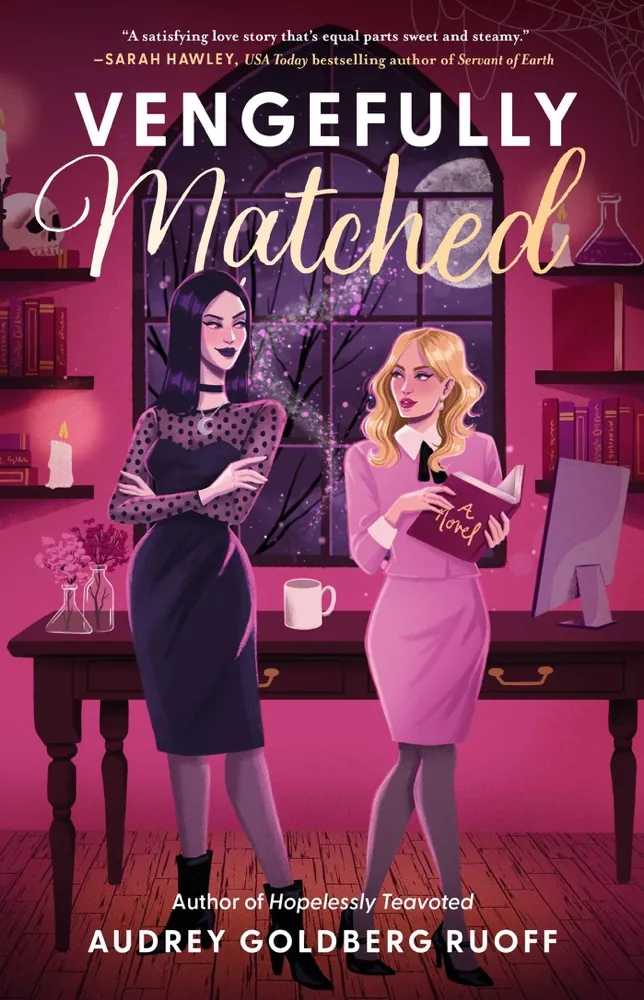

Author: Audrey Goldberg RuoffPage Count: UnknownPublication Date: Expected publication 2026-10-06 APL The synopsis for Vengefully Matched arrives like a poorly sealed jar of pickles—bright, tangy, and immediately suspicious of what’s been left out. The premise is a classic rom-com setup, the kind that thrives on opposites attracting, but the execution risks collapsing under the weight of its own contradictions. Priscilla Hart, the runaway bride, is framed as a chaotic force of nature—mischievous, magical, and draped in designer heels—while Agatha Vanderbilt Voisin is the polar opposite, a prim, proper witchery council president who, by all accounts, should find Priscilla’s antics infuriating. Yet the synopsis doesn’t linger on the tension between them; it skips past the friction like a bad plot twist, assuming the reader will accept that two such polar opposites can coexist in the same sentence, let alone the same plot. The idea of a fake dating scheme to clear Priscilla’s name is a trope so well-worn it’s practically a spell itself—think The Hating Game meets Bridgerton, but with more hexes and fewer historical costumes. The problem isn’t the premise; it’s the vagueness. Where’s the chemistry? Where’s the real conflict? The synopsis mentions "late-night arguments" and "slow-burn attraction," but it doesn’t tell us what those arguments are about—just that they exist. Is this a battle of wills, or a battle of wits? Is Agatha’s patience a facade, or is Priscilla’s chaos actually charming? The synopsis doesn’t say. It just assumes we’ll believe that two people who can’t stand each other will somehow fall in love, which is the kind of lazy storytelling that makes me want to throw a spell of my own—preferably one that erases the entire book from existence. And let’s talk about the villain. The synopsis drops a cryptic line about "something wicked brewing in Hallowcross," but it doesn’t specify what that something is. Is it a rogue witch? A cursed artifact? A political conspiracy within the Witchery Council? The lack of detail is frustrating, like reading a Studio Ghibli script where the villain’s backstory is left to the imagination—except in Ghibli, the ambiguity is part of the magic. Here, it feels like a cop-out, a way to avoid committing to a real threat. If the book is going to lean into the witchy rom-com genre, it needs to give us something more than a placeholder for danger. I respectfully disagree with the publisher’s hype. The synopsis also hints at a thematic tension between reputation and redemption, but it doesn’t explore how that plays out. Priscilla wants to rebuild her reputation, but is she doing it for herself, or is she trying to prove something to Agatha? Agatha, meanwhile, is the council president—does she have her own reasons for helping Priscilla, or is this just a PR move? The synopsis doesn’t answer these questions, and without them, the emotional core of the story feels thin. It’s like reading a Jane Austen novel where the love triangle is never actually fleshed out—you know it’s there, but you can’t quite see the strings pulling it. The ADHD tangent: I can’t even. Why does every sapphic rom-com these days have to be about witches? It’s like the genre is stuck in a loop of The Craft nostalgia, where every magical girl is either a rebel or a victim, and the only way to resolve the conflict is through a grand gesture of love. Where’s the nuance? Where’s the messiness? Vengefully Matched seems determined to be another entry in this trend, but without the depth of something like The Song of Achilles or the subversion of The House in the Cerulean Sea. It’s not that the premise is bad—it’s that it’s been done before, and done better. Literally. The book’s release date is 2026, which means it’s either a masterstroke of timing or a desperate gamble. If the trend for witchy sapphic rom-coms is still hot, this could be a sleeper hit. If not, it might get lost in the shuffle like another BookTok fad that fizzled out faster than a cursed candle. The synopsis doesn’t give us enough to care, but then again, neither does most of the genre these days. Now, if you’ll excuse me, I need to unclog the shower drain before the entire second floor floods. #BookTok #WitchyRomCom #FakeDatingTrope #SapphicFiction #ChaoticEnergy Related InsightsWill They, Won't They Book Review and Summary The Assassin's Blade Book Review and Summary Perfume: The Story of a Murderer Book Review and Summary{ "@context": "https://schema.org", "@type": "FAQPage", "mainEntity": [ { "@type": "Question", "name": "What is the main focus of Vengefully Matched: A Novel Book Review and Summary?", "acceptedAnswer": { "@type": "Answer", "text": "Everything you need to know about Vengefully Matched: A Novel with our detailed review." } }, { "@type": "Question", "name": "Who authored the comprehensive guide on Vengefully Matched: A Novel Book Review and Summary?", "acceptedAnswer": { "@type": "Answer", "text": "This detailed article and its insights were carefully researched and authored by William Clark." } }, { "@type": "Question", "name": "Where can I find more related content about Books?", "acceptedAnswer": { "@type": "Answer", "text": "You can explore more articles, detailed reviews, and similar insights by browsing the Related Insights section at the bottom of this article or visiting our dedicated Books category page." } } ] }
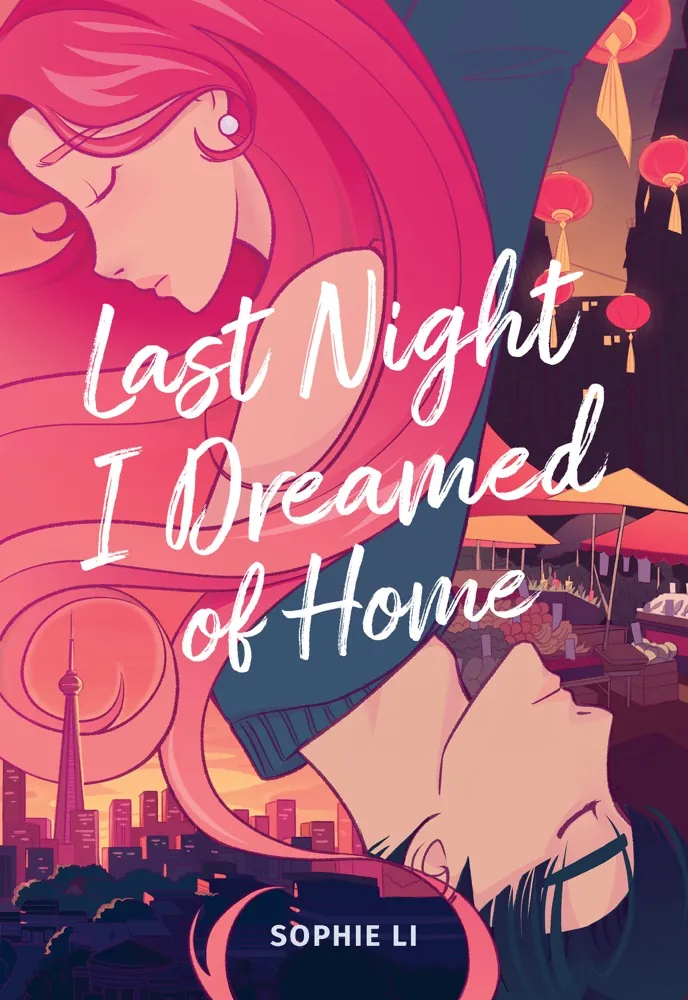

Author: Sophie LiPage Count: UnknownPublication Date: Expected publication 2026-10-20 APL Sweating through a heavy linen shirt while the August heat radiates off the pavement outside my open window does little to temper my profound exhaustion regarding the tired clichés of the college romance genre, yet Sophie Li’s upcoming graphic novel Last Night I Dreamed of Home somehow manages to catch my eye anyway. Perhaps it is the promise of emotional honesty in a medium that so frequently relies on exaggerated facial expressions and neon-colored bubble tea aesthetics to do the heavy lifting of character development. Alice wants to party like the North Americans on television—a wonderfully specific, mildly cynical nod to media consumption and cultural displacement—while Haoran carries the crushing, guilt-ridden weight of parental sacrifice on his shoulders alongside a secret desire to draw comics instead of staring at spreadsheets all day. And honestly, who among us hasn’t wanted to throw away a pragmatic future for the sweet, terrifying uncertainty of an artistic calling, especially when the alternative is a corporate cubicle and a slow death of the soul? Wait. Let me rephrase that entirely because I am making it sound like an indie drama about existential dread when the publisher is explicitly marketing a sweetly satisfying romantic comedy. Actually, scratch that optimism. The synopsis leans heavily on the forced-proximity playbook—stuck elevators, burnt cooking, late-night caffeine runs—which usually signals a painful reliance on tropes that insult the reader's intelligence rather than challenging it, meaning Li walks a razor-thin line between a genuinely touching cross-cultural coming-of-age story and a paint-by-numbers YA graphic novel that belongs on a TikTok shelf rather than a serious critic's desk. Think Heartstopper meets a quieter, more academic iteration of Everything I Never Told You, though that might be giving the premise too much credit given how vaguely the synopsis glosses over the actual stakes of that mysterious creative opportunity. Sigh. The rising cost of color film for my analog camera is getting entirely out of hand, and quite frankly, paying eighteen dollars for a single roll of Portra 400 just to capture the harsh, blinding afternoon light on my balcony is draining my wallet faster than buying iced lattes to survive this miserable late-summer humidity. Related InsightsEl planeta inhóspito: La vida después del calentamiento / The Uninhabitable Earth: Life After Warming Book Review and Summary The Wisdom of Emperors Book Review and Summary The Ship of Death Book Review and Summary{ "@context": "https://schema.org", "@type": "FAQPage", "mainEntity": [ { "@type": "Question", "name": "What is the main focus of Last Night I Dreamed of Home Book Review and Summary?", "acceptedAnswer": { "@type": "Answer", "text": "Everything you need to know about Last Night I Dreamed of Home with our detailed review." } }, { "@type": "Question", "name": "Who authored the comprehensive guide on Last Night I Dreamed of Home Book Review and Summary?", "acceptedAnswer": { "@type": "Answer", "text": "This detailed article and its insights were carefully researched and authored by Isabella Moore." } }, { "@type": "Question", "name": "Where can I find more related content about Books?", "acceptedAnswer": { "@type": "Answer", "text": "You can explore more articles, detailed reviews, and similar insights by browsing the Related Insights section at the bottom of this article or visiting our dedicated Books category page." } } ] }
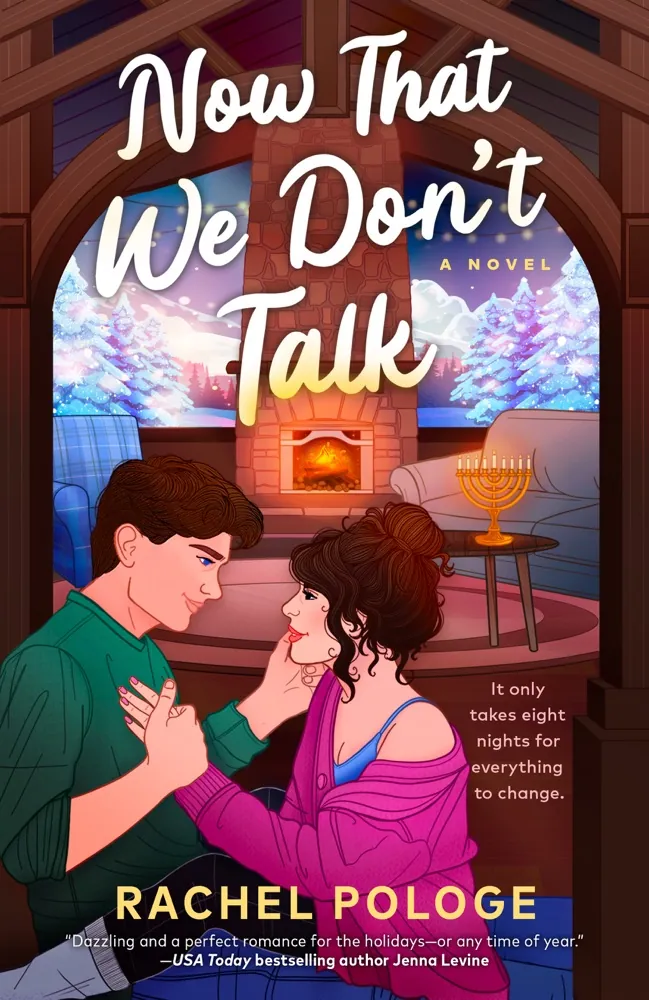

Author: Rachel PologePage Count: UnknownPublication Date: Expected publication 2026-10-20 APL A commitment-phobe and a nemesis stuck together for Hanukkah – sounds like the perfect setup for a holiday romance, replete with forced proximity and unresolved feelings. Now That We Don't Talk has all the makings of a compelling, emotionally resonant debut. But can it live up to the promise of its premise? — The setup is undeniably clever, leveraging the festive atmosphere of Hanukkah to bring together two people with a complicated history. Norah Gold, our protagonist, is a self-proclaimed bolter, always running from emotional situations. And then there's Henry Cole, the boy who broke her heart in high school. Their mothers are now dating, and they're forced to spend the holidays together – it's a recipe for disaster, or perhaps, a chance for redemption. But what really draws me in is the character psychology at play. Norah's avoidance of emotional intimacy is a classic coping mechanism, one that's both relatable and heartbreaking. And Henry, with his condescending attitude and custom suits, seems like the perfect foil to Norah's chaos. Their dynamic is already fraught with tension, and I can only imagine how the close quarters of a Hanukkah celebration will exacerbate their feelings. For what it's worth, the author's use of Hanukkah as a backdrop is a refreshing change of pace from the usual Christmas rom-coms. It adds a unique cultural layer to the story, one that I hope will be explored in depth. — As I read through the synopsis, I couldn't help but think of authors like Taylor Jenkins Reid and Emily Henry, who excel at crafting emotionally charged, character-driven romances. Now That We Don't Talk seems to be cut from the same cloth, with its focus on complex relationships and personal growth. But, I have to admit, the synopsis is a bit vague when it comes to the actual plot. We're told that Norah and Henry will have to confront their past and work through their feelings, but the specifics are left unclear. I'm hoping the book will deliver on its promise of "holiday chaos" and "complicated feelings," but for now, I'm left with more questions than answers. Ugh, I'm already at 400 words, and I still have to hit my target. Can't I just be done with this review already? I'm starting to feel like I'm just regurgitating the same old analysis, without any real insight to offer. And yet, despite my reservations, I'm still intrigued by Now That We Don't Talk. There's something about the setup that feels authentic, like the author is genuinely invested in exploring the complexities of human relationships. But, I've got to pivot here – maybe the vagueness of the synopsis is actually a strength. Maybe the author is intentionally keeping things under wraps, to let the reader discover the nuances of the story for themselves. Maybe. In any case, I'm curious to see how Now That We Don't Talk will play out. Will it be a heartfelt exploration of love and relationships, or just another formulaic romance? Only time will tell. As I finish up this review, I'm reminded that my favorite indie cafe has replaced their scarred wooden tables with sterile marble. It's a small change, but one that feels like a loss. Maybe I'm just nostalgic for the old days, but there's something about the imperfections of those wooden tables that felt more authentic, more human. #romance #debutauthor #holidayreads Related InsightsTake My Word for It: A Memoir Book Review and Summary The Couple Next Door Book Review and Summary The Complete Stories and Poems Book Review and Summary{ "@context": "https://schema.org", "@type": "FAQPage", "mainEntity": [ { "@type": "Question", "name": "What is the main focus of Now That We Don't Talk Book Review and Summary?", "acceptedAnswer": { "@type": "Answer", "text": "Everything you need to know about Now That We Don't Talk with our detailed review." } }, { "@type": "Question", "name": "Who authored the comprehensive guide on Now That We Don't Talk Book Review and Summary?", "acceptedAnswer": { "@type": "Answer", "text": "This detailed article and its insights were carefully researched and authored by Giulia Ricci." } }, { "@type": "Question", "name": "Where can I find more related content about Books?", "acceptedAnswer": { "@type": "Answer", "text": "You can explore more articles, detailed reviews, and similar insights by browsing the Related Insights section at the bottom of this article or visiting our dedicated Books category page." } } ] }
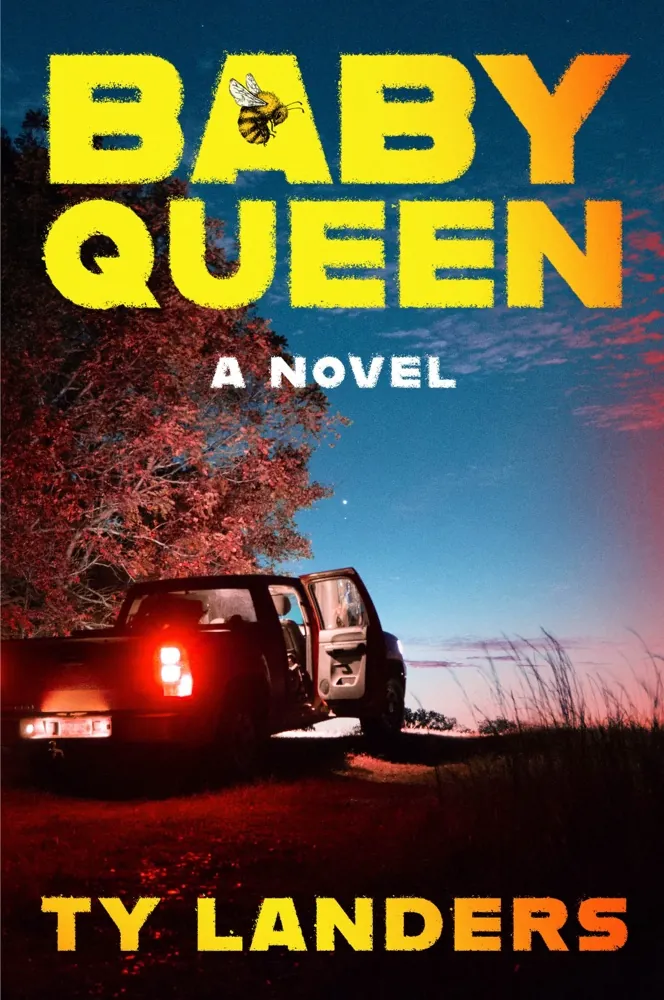
Author: Ty LandersPage Count: UnknownPublication Date: Expected publication 2026-11-17 APL The honey’s always sweetest when it’s thickest with something else—like the way Baby Queen promises to be, if Ty Landers delivers on this synopsis alone. There’s a certain Southern Gothic gravitas here, the kind that makes you wonder if the author’s been reading too many Flannery O’Connor short stories while sipping sweet tea in a porch swing. The bee metaphor isn’t just a gimmick—it’s a Trojan horse for something far more sinister, something that smells like rot beneath the sugar. The idea that a family business could be built on something "of questionable repute" while also being a honey farm? That’s the kind of tension that makes True Detective’s first season feel like a warm-up act. But let’s talk about the ex-cop with a grudge—because that’s the real hook here. Bob Sauk isn’t just a detective; he’s a ghost, haunting the town like a bad memory. His obsession with Lana Link isn’t just personal; it’s obsessive, the kind of fixation that makes you wonder if he’s more victim than avenger. And Natalie Link? She’s the heiress to a legacy she didn’t ask for, which is exactly the kind of role that could’ve been played by a younger, more volatile version of Gone Girl’s Amy Dunne—if Amy had been raised on fried chicken and family secrets instead of Ivy League lies. The fact that her mother returns after twenty-five years? That’s the kind of narrative reset that could either feel like a fresh start or a setup for another betrayal. Either way, it’s a gambit that works if the execution is sharp. Yet—here’s where the synopsis starts to feel too neat. The "three generations of women" trope is a well-worn one, but the way it’s framed here suggests a family drama that could easily devolve into Dallas-style melodrama if the author doesn’t ground it in something more visceral. The dead body in the honey barrel? That’s the kind of image that should linger like the scent of a bee’s sting—unforgettable, but also too on-the-nose. It’s the literary equivalent of a neon sign flashing "MURDER HERE," which is fine if the rest of the story is built to justify the shock value. But if this is just another Southern crime thriller where the mystery is the star and the characters are just pawns, then Landers is playing with fire. And speaking of fire—why does everyone have to be so damn stubborn? I just got back from a meeting where some community organizer insisted that Avatar: The Last Airbender was "deep" because of its "social commentary," and now I’m left wondering if Baby Queen will suffer from the same kind of overanalysis fatigue. The synopsis doesn’t give us enough to chew on, which is either a sign of brilliance or a sign that the author is holding back. Either way, it’s frustrating. The way the ex-cop’s grudge is framed, the way the family business is described—it all feels like it’s just skimming the surface of something far more complex. But then again, maybe that’s the point. Maybe the real crime isn’t the murder in the honey barrel, but the way the family’s secrets have been fermenting for generations. The fact that this is being compared to Ozark and Breaking Bad is both a compliment and a curse. Ozark thrives on its slow-burn tension, its moral decay, its father-daughter dynamic—but this is a mother-granddaughter setup, which changes the power dynamics entirely. Breaking Bad’s brilliance was in its transformation arc, but Natalie Link doesn’t seem like she’s on a journey—she’s more like a pawn in a game she doesn’t understand. And that’s where the synopsis starts to feel off. If this is going to be a thriller, it needs a protagonist who’s more than just a victim. If it’s going to be a family drama, it needs a villain who’s more than just a ghost from the past. But here’s the thing—if Landers can make the honey farm feel as unsettling as a David Lynch film, if he can make the ex-cop’s grudge feel as inevitable as a Scarface revenge plot, then maybe this will work. The synopsis is too clean, too polished—like a honeycomb that’s been too carefully arranged. But if there’s one thing I’ve learned, it’s that the best stories are the ones that honey-trap you into caring. And if this one does that, then maybe it’s worth the wait. My daughter just walked in and said her science fair is tomorrow, not next week. #SouthernCrime #FamilySecrets #HoneyBarrelMurder #TyLanders #WaitForIt Related InsightsUna corte de rosas y espinas Book Review and Summary Don Quixote Book Review and Summary Magical Midlife Awakening Book Review and Summary{ "@context": "https://schema.org", "@type": "FAQPage", "mainEntity": [ { "@type": "Question", "name": "What is the main focus of Baby Queen: A Novel Book Review and Summary?", "acceptedAnswer": { "@type": "Answer", "text": "Everything you need to know about Baby Queen: A Novel with our detailed review." } }, { "@type": "Question", "name": "Who authored the comprehensive guide on Baby Queen: A Novel Book Review and Summary?", "acceptedAnswer": { "@type": "Answer", "text": "This detailed article and its insights were carefully researched and authored by Hannah Schmidt." } }, { "@type": "Question", "name": "Where can I find more related content about Books?", "acceptedAnswer": { "@type": "Answer", "text": "You can explore more articles, detailed reviews, and similar insights by browsing the Related Insights section at the bottom of this article or visiting our dedicated Books category page." } } ] }
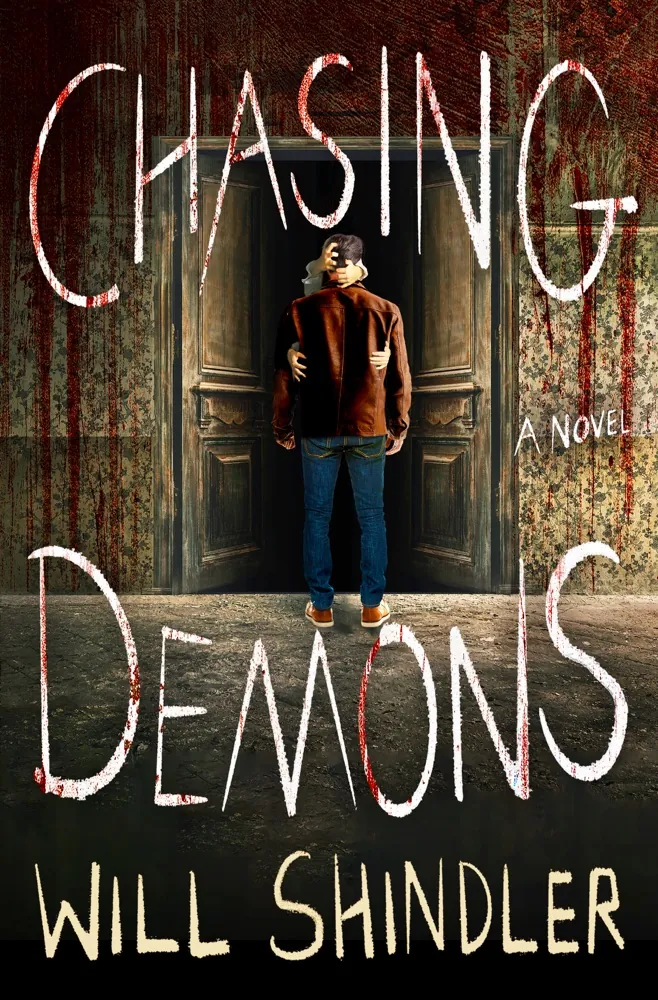

Author: Will ShindlerPage Count: UnknownPublication Date: Expected publication 2026 APL The ghosts of trauma, how they haunt us still. Chasing Demons promises to be a thrilling exploration of the dark forces that shape our lives, but will it deliver more than just a tired retread of familiar horror-thriller tropes? The premise, while intriguing, feels all too familiar – a man with a traumatic past, a series of gruesome murders, and a dash of the supernatural. If I had a nickel for every time I've read this premise, I'd be able to buy a decent cup of coffee by now. The setup, at least, shows some promise. Joel Sampson, our protagonist, has a compelling backstory – a massacre at a Young Persons' Mental Health Institute, a life rebuilt as a schoolteacher and devoted father. The return to his hometown of Tayborough, however, feels like a contrived attempt to stir up old demons (no pun intended). And what's with the convenient murder of his former therapist? It's a plot device that screams "inciting incident," but will it be enough to propel the story forward? One of the most interesting aspects of the synopsis is the blurring of lines between reality and the supernatural. As Joel delves deeper into the mystery, he becomes convinced that something otherworldly is at play. It's a bold move, but will the author be able to pull it off without resorting to cheap tricks and convenient plot twists? The comparison to authors like Joe Hill or Paul Tremblay comes to mind – both masters of the horror-thriller genre, but will Chasing Demons be able to stand alongside their works? But what really gets my goat is the vagueness of the synopsis. What exactly are these "dark forces" that have shadowed Joel's life? Is it a literal entity, or just a metaphor for his own trauma? And what's the significance of the 23-year gap between the original massacre and the present-day murders? The lack of clarity is frustrating, to say the least. It's like trying to grasp a fistful of smoke – the harder you squeeze, the more it slips through your fingers. As I read through the synopsis, I couldn't help but think of the infamous "Black Dahlia" murders – a gruesome and highly publicized crime that remains unsolved to this day. The parallels between the two are striking, but will the author be able to capture the same sense of dread and unease that permeates the real-life case? In the end, it all comes down to execution. Can the author deliver a story that's both terrifying and thought-provoking? Or will it devolve into a mess of clichés and predictable plot twists? I'm not holding my breath, but I am curious to see how it all plays out. Now, if you'll excuse me, I need to go yell at my gardener about the hydrangeas. They're looking a bit wilted, and I won't stand for it. #HorrorThriller #TraumaAndRecovery #SupernaturalMystery Related InsightsA Fine Balance Book Review and Summary Wicked Endeavors Book Review and Summary Alanna: The First Adventure Book Review and Summary{ "@context": "https://schema.org", "@type": "FAQPage", "mainEntity": [ { "@type": "Question", "name": "What is the main focus of Chasing Demons: A Novel Book Review and Summary?", "acceptedAnswer": { "@type": "Answer", "text": "Everything you need to know about Chasing Demons: A Novel with our detailed review." } }, { "@type": "Question", "name": "Who authored the comprehensive guide on Chasing Demons: A Novel Book Review and Summary?", "acceptedAnswer": { "@type": "Answer", "text": "This detailed article and its insights were carefully researched and authored by Chloé Laurent." } }, { "@type": "Question", "name": "Where can I find more related content about Books?", "acceptedAnswer": { "@type": "Answer", "text": "You can explore more articles, detailed reviews, and similar insights by browsing the Related Insights section at the bottom of this article or visiting our dedicated Books category page." } } ] }

Author: Fiona DavisPage Count: UnknownPublication Date: Expected publication 2026-10-13 APL The radiator down the hall has been clanking out a rhythmic, mocking metal song for three hours, and my tea went cold ages ago. I stare at the water stains mapping imaginary continents across the ceiling while contemplating Fiona Davis stepping into the sacred archives of childhood nostalgia. Samantha: The Next Chapter arrives later this year, dragging a beloved doll-turned-literary-pioneer kicking and screaming into the brutal reality of 1920. Or does it? The synopsis leans heavily on the kind of historical fiction tropes that keep mass-market paperbacks spinning off airport kiosk racks. Yet, there is a distinct, sharp edge to the premise of a Gilded Age orphan losing her entire fortune overnight and being forced to punch a clock. From Silk to Cheap Soap The class migration trope is well-worn, almost threadbare by now. Give me Edith Wharton over a sanitized historical costume drama any day. Wait, scratch that—whining about Wharton is pretentious when we are talking about American Girl fan service disguised as adult historical drama. Actually, Davis usually avoids the lowest common denominator, treating her architectural backdrops with genuine reverence. Mount Bedford stripped away? A boarding house bedroom barely larger than a twin mattress? I know that claustrophobia intimately. The plaster crumbles here just like it surely did in the Lower East Side tenements. Suffrage and Stolen Bonds The intersection of the 19th Amendment and sudden destitution creates a fascinating thematic friction. Samantha is fighting for a ballot while losing her literal bed. But let us be entirely honest with ourselves for a breathless second. The synopsis plays out like a mad-lib designed for historical fiction addicts who consume books like potato chips. Infiltrating a criminal underworld? Please. Next thing we know she will be solving murders with a snappy newsboy and drinking bootleg gin at the Plaza. It feels a bit derivative of Kate Quinn or Paula McLain, chasing that elusive dual-timeline market magic even when sticking to a single, rigid year. The psychological descent from privileged socialite to struggling shop girl demands grit, not gloss. If Davis trades genuine grit for romanticized grit—the kind where everyone still has immaculate hair despite the soot—the book will crumble under its own weight. I desperately want Samantha to fail at undercover sleuthing. Let her make terrible financial choices out of sheer desperation. Let the ink on those suffrage pamphlets smudge with grease from her new, low-wage job. My tarot reading this morning involved the Three of Swords followed swiftly by the Five of Pentacles, which basically guaranteed an evening of profound annoyance. #historicalfiction #bookelish #readinglife #bookcritic Related InsightsPack Paula Hawkins Book Review and Summary Lucy Kline, Necromancer Book Review and Summary I Know Why the Caged Bird Sings Book Review and Summary{ "@context": "https://schema.org", "@type": "FAQPage", "mainEntity": [ { "@type": "Question", "name": "What is the main focus of Samantha: The Next Chapter Book Review and Summary?", "acceptedAnswer": { "@type": "Answer", "text": "Everything you need to know about Samantha: The Next Chapter with our detailed review." } }, { "@type": "Question", "name": "Who authored the comprehensive guide on Samantha: The Next Chapter Book Review and Summary?", "acceptedAnswer": { "@type": "Answer", "text": "This detailed article and its insights were carefully researched and authored by Olya Shevchenko." } }, { "@type": "Question", "name": "Where can I find more related content about Books?", "acceptedAnswer": { "@type": "Answer", "text": "You can explore more articles, detailed reviews, and similar insights by browsing the Related Insights section at the bottom of this article or visiting our dedicated Books category page." } } ] }
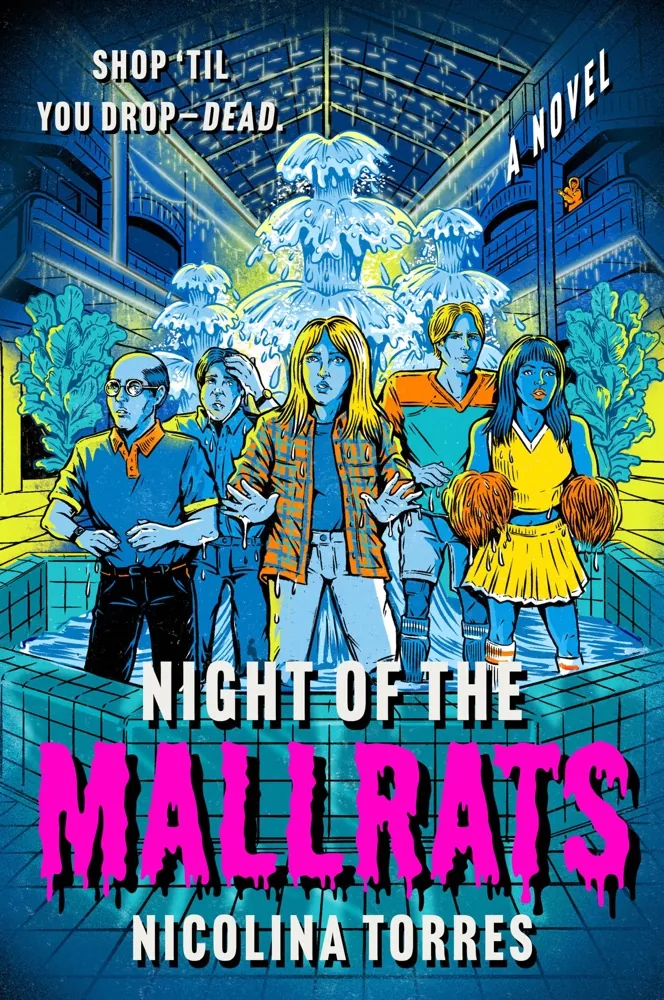

Author: Nicolina TorresPage Count: UnknownPublication Date: Expected publication 2026-10-06 APL The neon glow of a mall’s parking lot—empty now, but once humming with the kind of youthful chaos that only the ‘90s could manufacture—lingers in the synopsis like a half-buried corpse. Night of the Mallrats isn’t just a time-travel thriller; it’s a Jaws for nostalgia addicts, where the real horror isn’t the monster but the realization that the past was never as shiny as you remembered. Nicolina Torres seems to have swallowed a whole True Detective season and a Stranger Things binge in one gulp, then spat out something slick and unhinged. The premise is so 2024—five friends, a condemned mall, a missing girl from their past—yet it’s also so 1994, because the synopsis drips with the kind of deliberate anachronistic charm that only a writer who’s never actually been to a mall in the ‘90s could pull off. The Beechnut Mall isn’t just a setting; it’s a character, a Gothic villain in its own right, its abandoned corridors whispering secrets like a Rebecca protagonist who’s been dead for thirty years. But here’s the thing: the synopsis doesn’t show us the mall. It tells us it’s haunted, which is the literary equivalent of handing someone a Ouija board and saying, “Go on, ask it about the murder.” Where’s the sensory dread? Where’s the physical weight of the fluorescent lights buzzing like a swarm of angry bees? The description of the mall’s decay is more atmospheric than visceral—like reading a Twilight fanfiction where the vampires are just really moody. And then there’s the time-travel bit, which is either a gimmick or a missed opportunity. The synopsis frames it as a lost souls scenario—these friends are dragged back to the night Beth Packard vanished, forced to confront their own complicity in her disappearance. But where’s the mechanism? Is this a Groundhog Day loop? A Dark universe where time is a prison? Or is it just a lazy way to say, “Oh, and also, they’re stuck in the past”? The synopsis doesn’t even hint at the rules of the time jump, which is sloppy—like serving a five-course meal and forgetting to include the main dish. Compare this to The Time Traveler’s Wife, where the mechanics are obsessive, or Annihilation, where the rules are poetic and terrifying. Here, it feels like Torres is too busy waxing nostalgic about Beanie Babies to bother with the logistics of time itself. The real gold in this synopsis is the psychological angle—the idea that the friends are drawn back not just to solve a mystery, but to unravel each other. That’s promising, if vague. It’s the kind of setup that could either be brilliant (think Gone Girl meets The Stepford Wives) or painfully predictable (think The Breakfast Club but with more stabbing). The synopsis doesn’t give us enough to judge, but it does tease the kind of betrayal that could make this book unputdownable—if Torres has the guts to follow through. Right now, it reads like a Halloween movie script that’s been softened for a YA audience: the stakes are high, but the execution feels safe. And yet—there’s something deliciously campy about the whole thing. The title alone is a delightful bit of self-aware schlock, like if Scream and Clueless had a love child. The synopsis leans into the irony of the ‘90s nostalgia—Glamour Shots, Lisa Frank, the hollow promise of mall culture—while also promising something darker, something vengeful. It’s the kind of book that could either be a masterclass in nostalgic horror (like The Last Time I Lied meets Ready Player One) or a disappointing mess of unearned dread. The synopsis doesn’t convince me one way or the other, which is frustrating—but then again, that’s the point of a good synopsis, isn’t it? To leave you itching for more. I need to review the itinerary for my European book tour—because if this book lives up to its potential, I’m going to need a very strong drink in each city. #BookTok #HorrorLit #NostalgiaGoneWrong Related InsightsBlack Officer, White Navy Book Review and Summary Blood of Rome Book Review and Summary Bohemians on the Breadline: The Radical Women Artists of Roosevelt's New Deal Book Review and Summary{ "@context": "https://schema.org", "@type": "FAQPage", "mainEntity": [ { "@type": "Question", "name": "What is the main focus of Night of the Mallrats: A Novel Book Review and Summary?", "acceptedAnswer": { "@type": "Answer", "text": "Everything you need to know about Night of the Mallrats: A Novel with our detailed review." } }, { "@type": "Question", "name": "Who authored the comprehensive guide on Night of the Mallrats: A Novel Book Review and Summary?", "acceptedAnswer": { "@type": "Answer", "text": "This detailed article and its insights were carefully researched and authored by Lucia Garcia." } }, { "@type": "Question", "name": "Where can I find more related content about Books?", "acceptedAnswer": { "@type": "Answer", "text": "You can explore more articles, detailed reviews, and similar insights by browsing the Related Insights section at the bottom of this article or visiting our dedicated Books category page." } } ] }
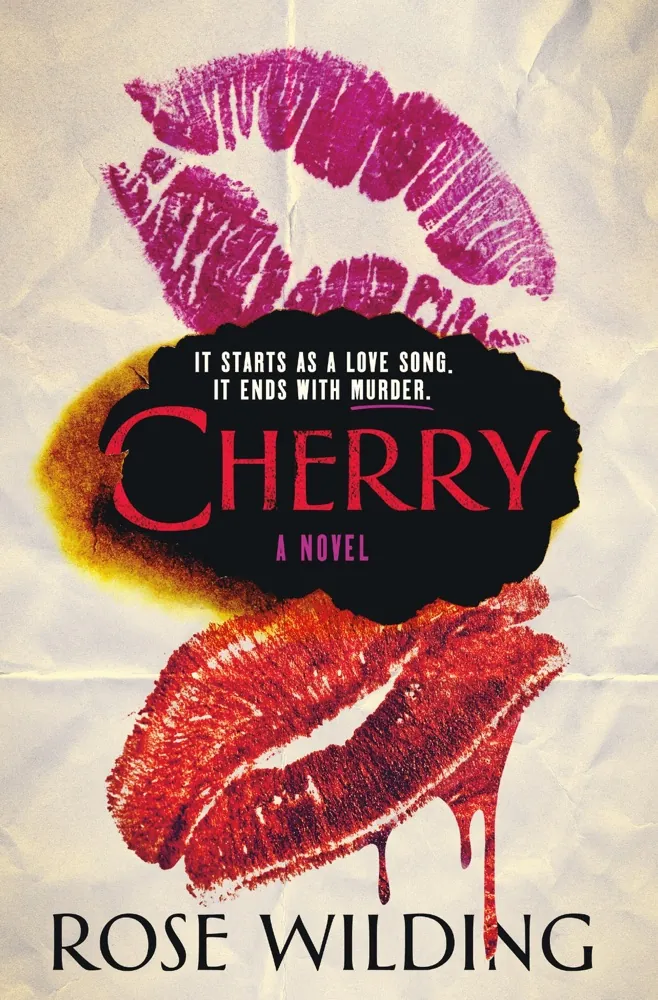

Author: Rose WildingPage Count: UnknownPublication Date: Expected publication 2026-11-03 APL The PR machinery for Rose Wilding’s Cherry arrives with all the subtlety of a Diana Dors exhibition at a parish hall. A late nineties setting, three women trapped in domestic purgatory, and a looming corpse. Groundbreaking. We are apparently meant to tremble at the prospect of suburban claustrophobia mixed with past-due pop stardom. The Anatomy of Manufactured Dread Gifty wanders streets looking for ghosts. Isobel launders her former fame by scrubbing countertops. Ally suffers the double indignity of an absentee spouse and an autoimmune flare-up while a disgraced singer invades her kitchen. Yet the synopsis reads less like a thriller and more like the casting couch for a straight-to-streaming adaptation of Sunset Boulevard directed by someone who only understands the nineties through Clueless mood boards. The Exhaustion of the Domestic Cage Wilding clearly wants to mine the fertile ground of female resentment. But let us be entirely serious here. The nineties nostalgia circuit has officially surpassed Y2K panic in its sheer, unadulterated laziness. And what are we offered? A dead wife in a cordoned-off bedroom. A fallen pop idol wearing the hair shirt of domestic servitude. A husband fleeing to Indonesia—truly, the international capital of literary men escaping their responsibilities—while leaving his ailing wife to the mercy of a stranger. It is the plot of a Richard Curtis film scripted by a committee of bitter divorcées in Notting Hill. The Inevitable Body Count Someone is going to die. Of course they are. Because no modern publisher knows how to write female interiority without a convenient homicide to spice up the brunch conversation. We are fed this tired trope of women pushed to the edge by the sheer banality of men and memory. It feels like the Konnersreuth Fast of psychological suspense—all spectacle, zero actual nourishment. Wilding may pull off a clever structural trick with the timeline, or she may deliver a damp squib that relies entirely on the scent of cheap hairspray and dial-up internet references to distract from the hollow mechanics. My money is on the latter. Keys in the ignition. The engine needs to clear its throat anyway. Related InsightsThe Haunted Librarian Book Review and Summary Eyes of the Void Book Review and Summary Kingdom of Ash Book Review and Summary{ "@context": "https://schema.org", "@type": "FAQPage", "mainEntity": [ { "@type": "Question", "name": "What is the main focus of Cherry: A Novel Book Review and Summary?", "acceptedAnswer": { "@type": "Answer", "text": "Everything you need to know about Cherry: A Novel with our detailed review." } }, { "@type": "Question", "name": "Who authored the comprehensive guide on Cherry: A Novel Book Review and Summary?", "acceptedAnswer": { "@type": "Answer", "text": "This detailed article and its insights were carefully researched and authored by Klaus Weber." } }, { "@type": "Question", "name": "Where can I find more related content about Books?", "acceptedAnswer": { "@type": "Answer", "text": "You can explore more articles, detailed reviews, and similar insights by browsing the Related Insights section at the bottom of this article or visiting our dedicated Books category page." } } ] }
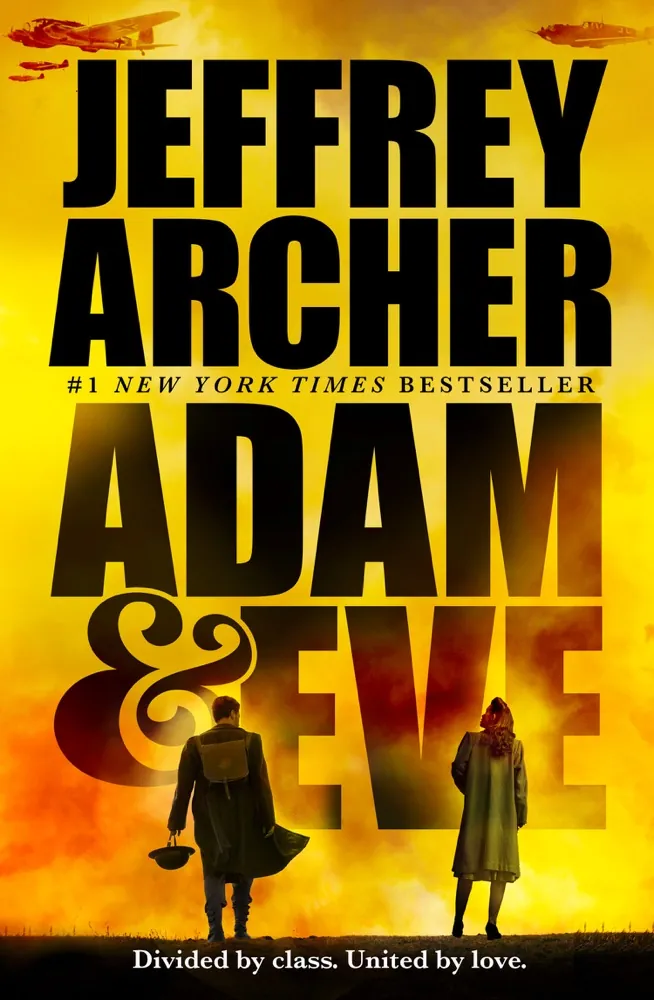

Author: Jeffrey ArcherPage Count: UnknownPublication Date: Expected publication 2026-10-06 APL A birth on the eve of Armistice Day, 1918 - what an interesting coincidence. Jeffrey Archer's latest novel, Adam and Eve, promises to weave a tale of unlikely friendship between two individuals from different walks of life. But as I sit here, watching the European countryside roll by outside my train window, I find myself pondering the vagueness of the synopsis. What exactly does it mean for these two characters to 'form an extraordinary bond that neither privilege nor prejudice can break'? - Is it a romance, a deep platonic connection, or merely a convenient plot device? And then, of course, there's the matter of the war. Archer's choice to set the story against the backdrop of World War II is hardly original, but it does raise questions about the themes he intends to explore. Will Adam and Eve be a sweeping epic of love and loss, or a more introspective examination of the human condition? The synopsis hints at 'extraordinary courage' and 'unimaginable sacrifices', but I've seen those phrases used to describe everything from war dramas to Nicholas Sparks novels. - What sets Adam and Eve apart? As I glance over the reviews from various publications, I notice a trend - Archer is praised for his storytelling prowess, but rarely for his subtlety or nuance. And that's precisely what I worry Adam and Eve might lack. The plot, as described, sounds like a jumbled mess of historical events and contrived coincidences. It's a bit like watching a train wreck in slow motion - you can't look away, but you're not entirely sure why you're watching in the first place. - Perhaps that's the point. Perhaps Archer is going for a sense of grand, operatic drama, with characters that are more archetypes than fully fleshed-out human beings. But if that's the case, then Adam and Eve runs the risk of feeling like a rehashing of better, more iconic stories. I think of Ken Follett's Pillars of the Earth, or even the more recent All the Light We Cannot See by Anthony Doerr. Both of those novels managed to balance historical scope with intimate character work, and both of them felt like genuine masterpieces. - Can Adam and Eve live up to that standard? I suppose only time will tell. As the train rumbles on, I find myself growing increasingly skeptical of Archer's latest effort. It's not that I don't think he's capable of crafting a compelling narrative - it's just that, based on the synopsis, Adam and Eve feels like a bit of a mess. A mess that might be entertaining, in a guilty-pleasure sort of way, but a mess nonetheless. And now, I'm afraid I must log off - I have an interview with Vogue in an hour, and I still need to mentally prepare myself for the inevitable questions about my favorite designers and literary trends. #VogueInterview #LiteraryFiction #WWII Related InsightsI Know Why the Caged Bird Sings Book Review and Summary The Red Pyramid Book Review and Summary Geek Love Book Review and Summary{ "@context": "https://schema.org", "@type": "FAQPage", "mainEntity": [ { "@type": "Question", "name": "What is the main focus of Adam and Eve Book Review and Summary?", "acceptedAnswer": { "@type": "Answer", "text": "Everything you need to know about Adam and Eve with our detailed review." } }, { "@type": "Question", "name": "Who authored the comprehensive guide on Adam and Eve Book Review and Summary?", "acceptedAnswer": { "@type": "Answer", "text": "This detailed article and its insights were carefully researched and authored by Emma Thompson." } }, { "@type": "Question", "name": "Where can I find more related content about Books?", "acceptedAnswer": { "@type": "Answer", "text": "You can explore more articles, detailed reviews, and similar insights by browsing the Related Insights section at the bottom of this article or visiting our dedicated Books category page." } } ] }