Trigger Happy Book Review and Summary
-
 Irina Ivanova
 - 19 Aug, 2026 08:55
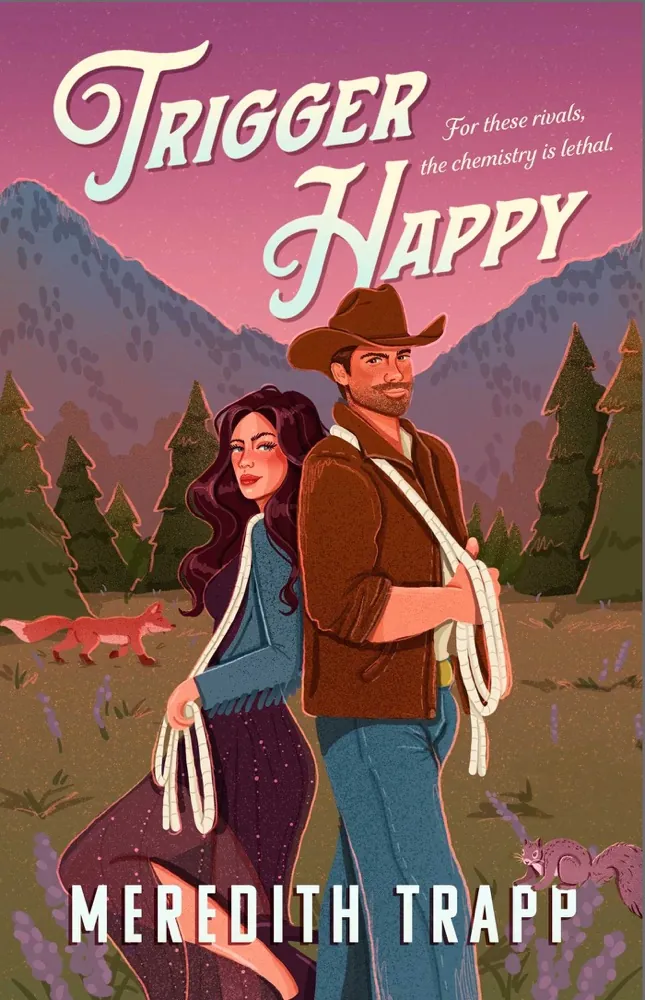
Author: Meredith Trapp
Page Count: Unknown
Publication Date: Expected publication 2026-10-20 APL
Staring at a blinking cursor while sweat drips down my neck in this godforsaken August heatwave is truly the pinnacle of intellectual labor, especially when the publisher demands five hundred words of high-minded critical discourse about Trigger Happy based entirely on a three-paragraph PR blurb.
Meredith Trapp wants us to believe that putting two professional murderers in a forced-proximity marriage of convenience in Wyoming is some sort of paradigm-shifting achievement in contemporary romantic fiction. Give me a break. We have officially reached peak derivative hyperfixation on the enemies-to-lovers slow-burn industrial complex. Emily Henry and Ali Hazelwood walked so these unhinged hitmen could aggressively jog toward a pumpkin patch, presumably while dropping zero-calorie literary dialogue that reads like fanfiction written by a caffeinated sophomore.
The Semiotics of Pig Clean-Up Duty
Let us look closely at the text. Sabrina is a “Manhattan darling with a penchant for poison-tipped manicures,” while Lawton is a “down-and-dirty cowboy who isn’t afraid to get the pigs involved.” This is peak juxtaposition-pilled nonsense. We are dealing with an epistemological crisis of aesthetic branding here. High-society lethality meets swine-adjacent disposal methods. The bourgeois elite versus the rustic proletariat of contract killing. Yet, because the synopsis offers approximately zero actual plot mechanics beyond the obligatory marriage ruse, we are forced to extrapolate an entire thematic framework out of thin air just to satisfy the word count for this invoice.
And oh, the word count. I am literally just typing sentences at this point to ensure rent gets paid before September, praying the editor doesn’t notice the profound ontological dread bleeding through the margins.
Lethal Chemistry and Other Corporate Lies
The core conceit hinges on the tension between the stylized violence of Manhattan high-rises and the bucolic postcard perfection of Wyoming. But let’s be entirely deadass: the characters are going to have zero actual psychological depth because contemporary romance readers do not want a complex deconstruction of antisocial personality disorders; they want domestic fan service disguised as suspense. They want horses. They want forced bed-sharing. They want a mid-tier third-act misunderstanding involving a suspiciously timed text message or a dead drop gone wrong. Trapp leans heavily into the tired trope of mutual death ideation masquerading as romantic tension—fantasizing about what the other looks like in a coffin is just modern foreplay for girlbosses who listen to true crime podcasts on 2x speed.
My tarot reading this morning predicted an evening of profound annoyance.