Showing Posts From
Bookreview
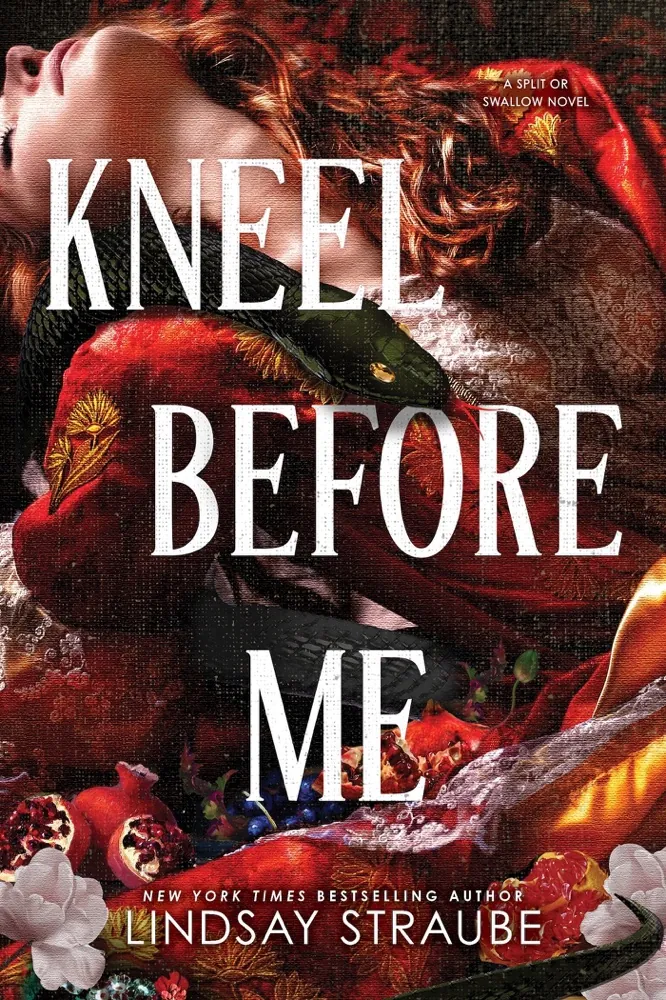
Author: Lindsay StraubePage Count: UnknownPublication Date: Expected publication 2026-09-29 APL Sweat is currently pooling in the hollow of my throat while a blaring siren three streets down tries to drown out the screech of the L train rattling past. Perfect conditions to dissect Kneel Before Me. Lindsay Straube is leaning hard into the monster-romance industrial complex here, and honestly? Give me the teeth. Give me the scales. The plot layout in the synopsis is entirely derivative. Oh, a human woman traded for village safety? Groundbreaking. We have read this exact blueprint in half a dozen indie romantasy breakouts this year alone—think Sarah J. Maas meets every generic TikTok algorithm trap you can possibly scroll past before your screen time alert goes off. But wait—actually, scratch that. Dismissing it as mere trend-chasing is cheap. Straube knows how to write a biting sentence, and the premise of a literal basilisk who respects a hard boundary is admittedly hilarious and weird enough to save the setup from total banality. Scales, Boundaries, and Basoliths The thematic core here hinges on institutionalized power dynamics versus radical bodily autonomy. Daphne Verus sets a single rule: no sex. And the apex predator actually listens? That is the real fantasy. Not the claws. Not the underground mountain caves where the sun never hits. Consent as the ultimate aphrodisiac is a tired trope by now—wait, no, let me rephrase that. It is never tired. It is perpetually underutilized, especially when wrapped in the scaly, venomous packaging of a mythological beast who could technically turn her into igneous rock with a single glare. Kronos Seneca represents the ultimate literary paradox. A monster by nature, yet remarkably the only man in her universe who possesses basic human decency. The synopsis leans heavily on this juxtaposition. It is lazy shorthand. We are told, rather than shown, that he sees her better than anyone. Yet the tension survives solely on the friction of that one enforced boundary. The Price of a Crown Power corruption runs rampant through the subtext of this prequel. Kronos risks his chance at the crown just by claiming her. Classic high-stakes political maneuvering disguised as spicy creature-feature fiction. Straube is playing a dangerous game with pacing based on this synopsis—will the cave claustrophobia choke the narrative, or will the slow burn actually ignite before September 2026 rolls around? I have my doubts about the middle act, mostly because subterranean romance settings usually devolve into endless corridor wandering and brooding by obsidian firesides. Yet I will probably preorder it anyway. The summer heat is making my brain melt into mush on this iron railing, and sometimes you just need a basilisk boyfriend who respects the word NO. I have to run. I am late for a retrospective screening of early 2000s Romanian art-house shorts at that underground cinema downtown. Related InsightsNanny Nanny Book Review and Summary The Last Unicorn Book Review and Summary Framed in Death Book Review and Summary{ "@context": "https://schema.org", "@type": "FAQPage", "mainEntity": [ { "@type": "Question", "name": "What is the main focus of Kneel Before Me (Split or Swallow, #3) Book Review and Summary?", "acceptedAnswer": { "@type": "Answer", "text": "Everything you need to know about Kneel Before Me (Split or Swallow, #3) with our detailed review." } }, { "@type": "Question", "name": "Who authored the comprehensive guide on Kneel Before Me (Split or Swallow, #3) Book Review and Summary?", "acceptedAnswer": { "@type": "Answer", "text": "This detailed article and its insights were carefully researched and authored by Piotr Nowak." } }, { "@type": "Question", "name": "Where can I find more related content about Books?", "acceptedAnswer": { "@type": "Answer", "text": "You can explore more articles, detailed reviews, and similar insights by browsing the Related Insights section at the bottom of this article or visiting our dedicated Books category page." } } ] }
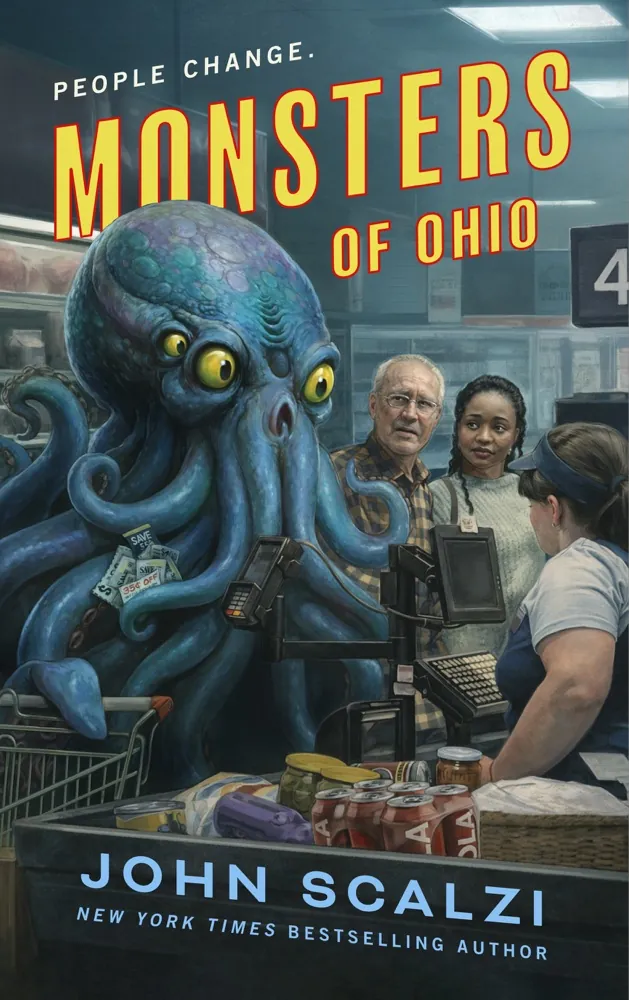

Author: John ScalziPage Count: UnknownPublication Date: Expected publication 2026-11-03 APL The air conditioner in this glass-walled corner office has been rattling ominously for three hours, and staring out at the blinding August asphalt below isn't helping me find the existential anchor I desperately need. Scalzi is back with Monsters of Ohio, a title doing some very heavy lifting for a premise that currently exists entirely on vibes and a mysterious bovine incident. Let us evaluate the architecture of this forthcoming release based solely on the publisher's scant roadmap. The Rust Belt Apocalypse and Other Absurdities The synopsis tells us absolutely nothing about pacing, which gives me immediate heartburn—we are looking at a narrative framework that trades traditional structural beats for what the author euphemistically calls a "tentacular solution." What does that even mean? Is it cosmic horror meeting union negotiations? Are we getting Lovecraftian bureaucracy wrapped in midwestern ennui? God, I need a stiff drink, but the executive minibar only has lukewarm sparkling water. And yet, the thematic ambition here is fascinatingly deranged. We have Mike Boyd slinking back to Richland, Ohio, tail between his legs, only to find the local economy in a death spiral caused by private equity vultures. It is capitalism as a literal monster. Scalzi is clearly channeling a satirical fury reminiscent of Kurt Vonnegut or Christopher Moore, blending socioeconomic despair with absolute brain-rot absurdity involving Jeremy Keller’s prize cow. Pacing Pitfalls and Tentacular Promises Actually, scrap that previous thought—maybe the pacing won't even matter because the sheer novelty of a tentacular economic savior will carry the first three acts. Or maybe it's going to drag terribly in the middle, bogged down by expository dumps on corporate restructuring. The juxtaposition of dead-end rust-belt desperation with tentacled sci-fi chaos creates a jarring tonal friction. It is high-concept absurdity meets low-key existential dread, or whatever. The character lineup feels intentionally threadbare from a promotional standpoint. Mike, old friend Dave, and newcomer Andi are archetypes plucked straight from the paperback thriller assembly line, yet forced to operate in an environment where a farm animal's bizarre predicament takes center stage. This is classic Scalzi sleight-of-hand: weaponizing mundane dialogue to distract the reader while an utterly unhinged premise sneaks up from behind and clocks you in the jaw. Readers expecting a tight, linear procedural will likely bounce off the ambiguous scaffolding of this project. But if you want a biting critique of late-stage capitalism mixed with cephalopodian weirdness, this might just hit the sweet spot—assuming the manuscript actually justifies that ominous closing warning: "Bring a tarp." I should probably cancel my afternoon meetings, but what's the point when nothing makes sense anymore and my entire life feels like an unedited rough draft? My bespoke Italian leather sectional is supposed to arrive between four and eight tonight, and I am genuinely terrified it won't fit through the freight elevator. Related InsightsA Fine Balance Book Review and Summary Sunrise on the Reaping Book Review and Summary Kevin and the Food Drive Book Review and Summary{ "@context": "https://schema.org", "@type": "FAQPage", "mainEntity": [ { "@type": "Question", "name": "What is the main focus of Monsters of Ohio Book Review and Summary?", "acceptedAnswer": { "@type": "Answer", "text": "Everything you need to know about Monsters of Ohio with our detailed review." } }, { "@type": "Question", "name": "Who authored the comprehensive guide on Monsters of Ohio Book Review and Summary?", "acceptedAnswer": { "@type": "Answer", "text": "This detailed article and its insights were carefully researched and authored by Chloé Laurent." } }, { "@type": "Question", "name": "Where can I find more related content about Books?", "acceptedAnswer": { "@type": "Answer", "text": "You can explore more articles, detailed reviews, and similar insights by browsing the Related Insights section at the bottom of this article or visiting our dedicated Books category page." } } ] }
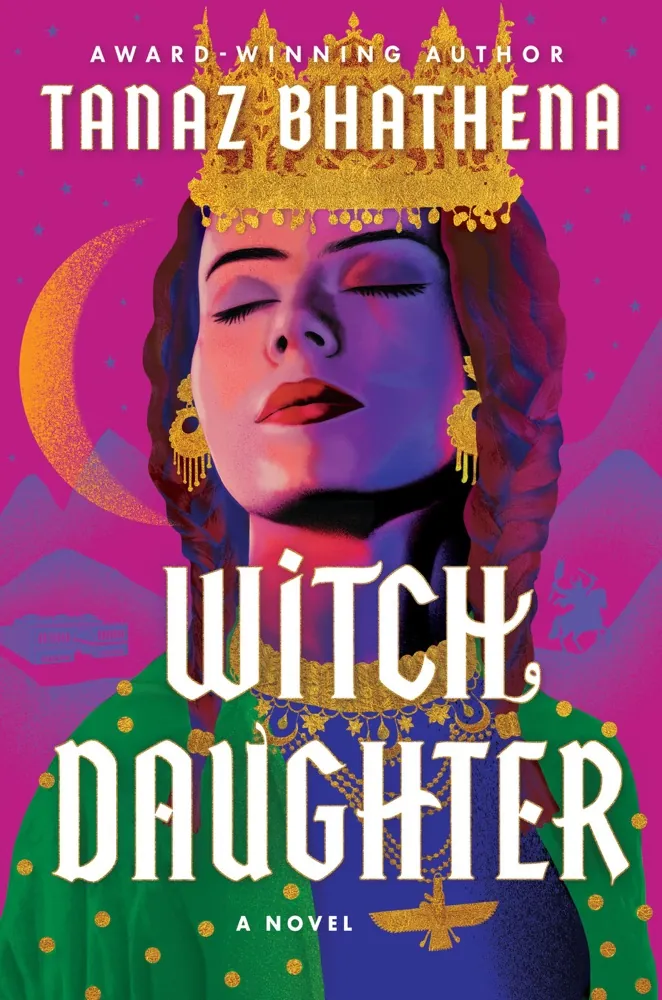

Author: Tanaz BhathenaPage Count: UnknownPublication Date: Expected publication 2026-09-22 APL My portfolio manager thinks I should buy more municipal bonds to soothe my insomnia. Instead, I am staring down Tanaz Bhathena’s Witch Daughter, a literary excavation of ancient Persia that promises a heavy dose of court intrigue and inevitable doom. Because when my hundred-million-dollar acquisition targets are currently rotting in international customs, nothing cures an existential void quite like a doomed royal dynasty tearing itself apart over prophecies. We are promised Tahmineh: temptress, witch, victim, or misunderstood girlboss. Pick your poison. The marketing copy leans hard on the misunderstood angle, but honestly, give me the witch. Give me a woman who actually embraces the storm cloud instead of weeping into her silk pillows about a lack of suitors. The synopsis smells faintly of the kind of sanitized historical revisionism that dominated the early two-thousand-thousands book club circuits—think Khaled Hosseini meets a YA fantasy crossover engineered by committee. Yet, I am strangely intrigued. The Architecture of Inevitable Ruin Let us look at the mechanics of this tragedy. Princess Tahmineh hears a prophecy, ignores the fine print, marries the warrior Rostam, breeds a son, and then discovers the Universe has a dark sense of humor regarding father-son combat. It has the exact energy of the House of Saud boardroom drama mixed with a Greek tragedy written by an exhausted ghostwriter. Wait. Scratch that. The prophecy angle is entirely overplayed. We do not need mystical warnings to make bad marital choices; humans manage that daily without divine intervention. Bhathena is stepping out of her contemporary lane for her adult debut here, and I expect teeth. If this turns into a meandering historical romance with soft-focus tent scenes and mild political posturing, I will demand a refund from my literary agent. We need blood on the carpet. We need the kind of visceral, psychological desolation that makes Joe Abercrombie look like a children’s television executive. The Mythology of Martyrdom Ancient Persia offers a bottomless pit of structural violence, dynastic paranoia, and absolute cruelty. If Bhathena leans into that darkness—if she strips away the poetic gloss advertised by the blurbs—this could salvage my Tuesday evening. The blurbs are entirely unhelpful, naturally. Jodi Picoult comparing a Persian legend to suburban legal drama is roughly equivalent to pairing a 1982 Château Lafite-Rothschild with a gas-station Slim Jim. Unhinged. And yet, the core premise of a mother attempting to rewrite cosmic code to save her child carries a grim, inevitable weight. It reminds me of the Titanic deckchair rearrangement at Davos. Futile, expensive, and deeply tragic. The heated seats in my SUV are malfunctioning on the lumbar support, which is an absolute tragedy.
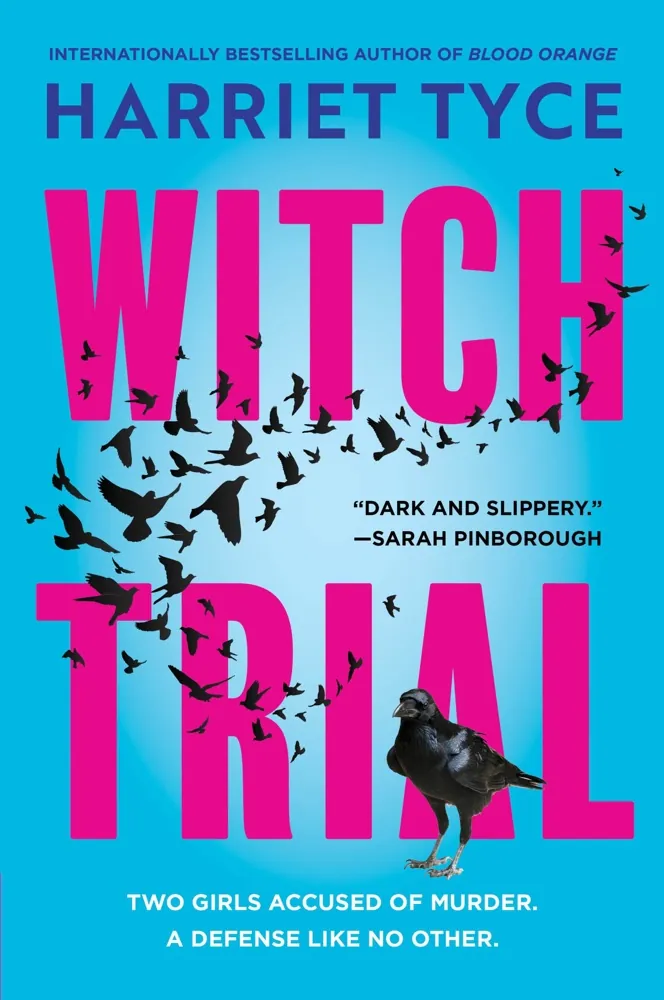

Author: Harriet TycePage Count: UnknownPublication Date: Expected publication 2026-09-29 APL The sweltering summer air seems to cling to every word of the synopsis for Witch Trial, Harriet Tyce's latest foray into the darker corners of human nature — and I am, admittedly, more than a little intrigued by the promises of a "mind-melting page-turner" and a "perfect, bold ending" that defies prediction. Yet, as I sit here, sipping on a lukewarm coffee, I find myself wondering if the execution will live up to the hype — or if it will succumb to the pitfalls of sensationalism, exploiting the very real fears and anxieties that underpin our society. Can Tyce balance the scales of justice and horror, or will Witch Trial devolve into a lurid, exploitative spectacle? And what of the characters, these teenage girls — Eliza, Isobel, and the murdered Christian — whose lives are reduced to a series of soundbites and headlines in the court of public opinion? Are they more than just archetypes, mere pawns in a game of judicial cat-and-mouse, or do they possess a depth, a complexity that will elevate the narrative beyond the realm of pulp fiction? The introduction of Matthew Phillips, a respected heart surgeon turned reluctant juror, suggests that Tyce may be attempting to subvert our expectations, to blur the lines between truth and fiction — but will his presence serve as a catalyst for genuine insight, or merely as a plot device to further the narrative? But, I suppose, that is the question — what really happened to Christian Shaw, and how will the truth, if it is ever revealed, impact our understanding of the events that unfold? The synopsis is, admittedly, vague on this point, leaving the reader to fill in the gaps with their own imagination — and it is here, in these lacunae, that the true horror may reside. For in the darkness, our minds are free to conjure up all manner of terrors, to weave a narrative that is at once more personal, more intimate, and more terrifying than any fictional construct. And it is this, I think, that Tyce is attempting to tap into — the deep-seated fears that we all harbor, the darkness that lurks just beneath the surface of our everyday lives. As I ponder the themes and motifs that will, presumably, drive the narrative of Witch Trial, I am reminded of the works of authors like Gillian Flynn and Tana French, who have similarly explored the darker aspects of human nature — the secrets we keep, the lies we tell, and the truths we conceal. And it is here, in this company, that Tyce's latest effort will, ultimately, be judged — not on its ability to shock or sensationalize, but on its capacity to illuminate, to reveal the hidden truths that underpin our society. But, for now, I remain skeptical — a cynic, waiting to be convinced that Witch Trial is more than just a cleverly constructed thriller, that it is, in fact, a work of genuine literary merit. The summer sun beats down, relentless in its intensity, as I sit here, lost in thought — and it is this, I think, that Witch Trial must capture, this sense of oppressive, claustrophobic dread that permeates every aspect of our lives. For in the end, it is not the plot twists or the shocking revelations that will stay with us, but the atmosphere, the mood, the sense of unease that lingers long after the final page has been turned. And so, I will wait, patiently, for the opportunity to immerse myself in Tyce's latest creation — to see if it will live up to the hype, or if it will succumb to the pitfalls of sensationalism. Until then, I will have to content myself with the musty smell of old books, and the promise of used bookstores, where the real treasures lie — out-of-print philosophical treatises, waiting to be discovered, like hidden gems, in the dusty recesses of a bygone era. #horror #thriller #mystery #booklover #summerreads
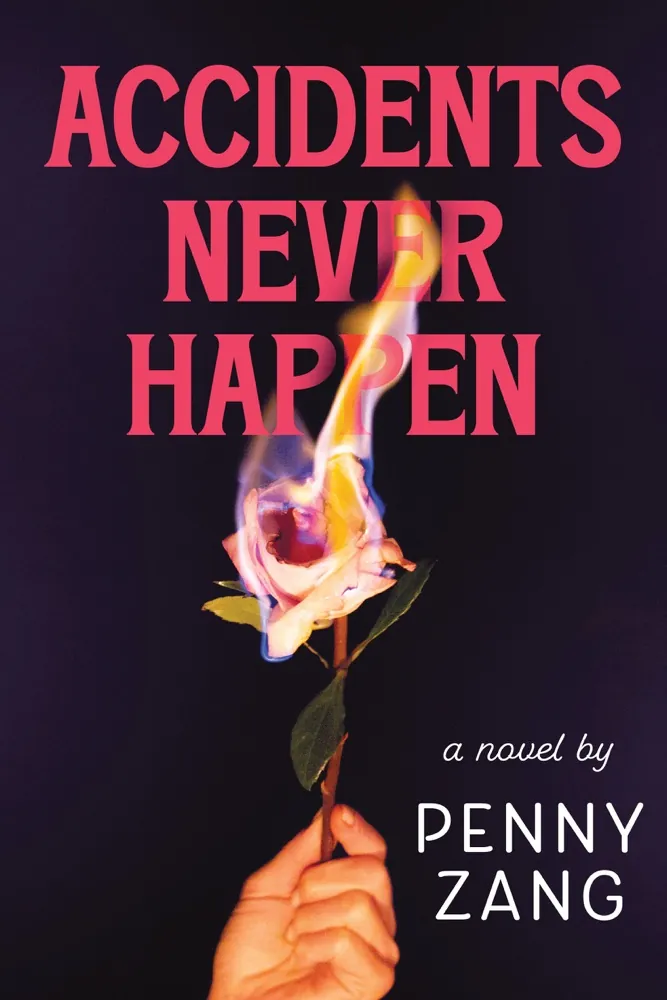

Author: Penny ZangPage Count: UnknownPublication Date: Expected publication 2026 APL Staring down yet another lukewarm cup of stale roast while my grease-pencil sketches of inverted monuments slide off this groaning, warped mahogany disaster of a desk. Penny Zang wants us to care about Baltimore in 1985—as if historical pastiche is an adequate substitute for actual visceral stakes. Accidents Never Happen leans hard on the familiar gothic apparatus, trading genuine transgressive grit for moody window dressing, complete with a literary ghost story that spirals out of control because characters simply refuse to possess basic operational common sense. The Aesthetics of Decay and Cheap Sherry Edgar Allan Poe as a structural crutch. How delightfully predictable. We get the standard-issue mourning tropes—dead roses, weeping poets, and an atmosphere dripping in performative melancholy. Zang attempts to graft nineteenth-century romanticized despair onto a working-class neighborhood fighting economic entropy, but the juxtaposition feels less like a deconstruction of myth and more like a high-concept Pinterest board manifested into prose. And honestly? The killer leaving a bottle of sherry at every crime scene is giving me major theater-kid energy. It is peak serial killer dramaturgy, absurdly cringe, and entirely too neat for a world supposedly rotting from the edges inward. Narrative Architecture and the Vanishing Father Disappearances are currency in contemporary suspense. First the patriarch vanishes into thin air, leaving behind a crumbling tavern and massive debt, and then the reclusive sister follows suit because—plot convenience demands it. Mad is left holding the empty bag, frantically racing against a ticking clock while trying to dodge suburban whispers. Zang is clearly gunning for the atmospheric territory staked out by Long Bright River or The Last House on Needless Street, but those texts earned their psychological dread through prolonged structural claustrophobia. Here, the synopsis promises a breathless hunt that risks trading genuine character interiority for cheap plot-twist gymnastics. Will the missing father be the puppet master, or just another red herring designed to pad out the word count before the inevitable fiery climax? Probably the latter. The literary industrial complex loves a neat thematic symmetry that ties paternal abandonment directly to a madman's calling card. Subverting the Heroic Trajectory Nobody in this narrative gets to just fix their life without a corpse showing up to complicate the accounting books. Mad is a classic exemplar of the exhausted protagonist—the trope of the put-upon young woman carrying the emotional and financial labor of an entire failing business while the men in the periphery either vanish or murder people. It is tedious. It is exhausting. Frankly, I am tired of heroines whose primary character arc is enduring catastrophic systemic failure while sleuthing on the side. Give me an unreliable narrator who sets the bar on fire herself instead of waiting around for a Gothic specter to do it. If Zang wants to really shock the reader, subvert the Poe obsession—make the girls realize the dead poet was just a miserable hack who wrote fanfiction about grief. My wrist hurts from holding this damn charcoal stub, and the deadline for my gallery proposal is looming like an existential guillotine. I have to go scavenge for a decent cup of matcha in this wretchedly gentrified neighborhood before my last remaining nerve endings completely combust. #bookstagram #gothicfiction #literarycritique #writingcommunity Related InsightsCome, reza, ama / Eat, Pray, Love Book Review and Summary Fangirl Down Book Review and Summary Edge Book Review and Summary{ "@context": "https://schema.org", "@type": "FAQPage", "mainEntity": [ { "@type": "Question", "name": "What is the main focus of Accidents Never Happen: A Novel Book Review and Summary?", "acceptedAnswer": { "@type": "Answer", "text": "Everything you need to know about Accidents Never Happen: A Novel with our detailed review." } }, { "@type": "Question", "name": "Who authored the comprehensive guide on Accidents Never Happen: A Novel Book Review and Summary?", "acceptedAnswer": { "@type": "Answer", "text": "This detailed article and its insights were carefully researched and authored by Giulia Ricci." } }, { "@type": "Question", "name": "Where can I find more related content about Books?", "acceptedAnswer": { "@type": "Answer", "text": "You can explore more articles, detailed reviews, and similar insights by browsing the Related Insights section at the bottom of this article or visiting our dedicated Books category page." } } ] }
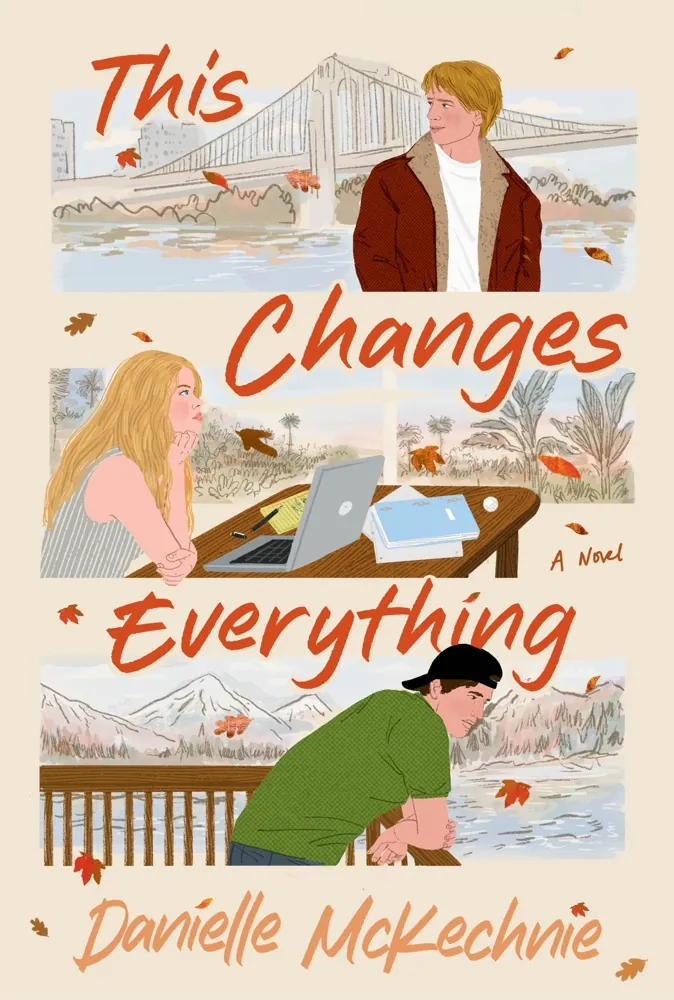
Author: Danielle McKechniePage Count: UnknownPublication Date: Expected publication 2026-09-08 APL The notion that an as-yet-unreleased novel about love and heartache can genuinely subvert our expectations is what sells us the dream. And yet, the official synopsis of This Changes Everything by Danielle McKechnie teases us with its vagueness: "a funny, sexy, and heartfelt romance for readers of Yulin Cuang, Rebecca Serle, and Emily Henry." What does it mean by 'funny', 'sexy', and 'heartfelt'? How does it compare to the sassy banter and saccharine romance of The Hating Game or the angsty melodrama of Maybe in Another Life? We'll just have to wait and see. I've got no problem with a healthy dose of ambiguity, but the lack of concrete details here hints at a certain superficiality. Romance novels that genuinely tackle the complexities of love, loss, and the existential crises of early adulthood are the ones that stick with us – The Rosie Project, Attachments, Conversations with Friends; those ones know how to dig deep. Does This Changes Everything have the mettle to tackle these weighty themes or will it succumb to clichéd tropes and shallow characterizations? From the get-go, the protagonist Ellie McCain is saddled with an inordinate amount of pressure. We're supposed to feel for this aspiring actress torn between two loves – her childhood sweetheart and the guy who got away – as she navigates the cutthroat world of Hollywood. It's a relatable predicament, to be sure, but I'm not convinced that Danielle McKechnie will bring enough nuance to the table. After all, we've seen this exact same narrative play out in any number of lesser rom-coms. —But what if I'm wrong? What if This Changes Everything surprises us all by subverting our expectations and plumbing the depths of human emotion? Maybe it's exactly the kind of rom-com that will leave us all feeling, well, changed. I mean, we've seen The Kissing Booth's saccharine take on young love work wonders for Netflix viewers, perhaps Danielle McKechnie can work similar magic here. On the surface, the narrative of This Changes Everything bears an uncanny resemblance to the tropes we've come to associate with young adult fiction. Yet the blurb promises something more: a thoughtful, deeply human exploration of love that knows no boundaries. Does this mean that the author has a more expansive vision for the characters and their relationships, or is this just marketing speak? Can we really believe that this will be a truly transformative read? And then there's the question of the titular "everything". What exactly is Ellie's world turned inside out? Her love life? Her sense of identity? Her dreams of stardom? I want This Changes Everything to tackle these questions head-on and emerge with some profound insights – not just another fluffy romance. Am I expecting too much? Or am I just projecting my own cynicism onto this book? Maybe This Changes Everything will be exactly what I need to remind me of the power of romance, the beauty of love's messy, complex messiness. Who knows? The truth is, I'm too jaded to care – and I'll probably end up devouring it anyway. My favorite fountain pen has leaked all over my only clean shirt. #FountainPenProbs #RomComReviews #LiteraryCritique Related InsightsThe Deepest of Secrets Book Review and Summary The Heights Book Review and Summary The Couple Next Door Book Review and Summary{ "@context": "https://schema.org", "@type": "FAQPage", "mainEntity": [ { "@type": "Question", "name": "What is the main focus of This Changes Everything Book Review and Summary?", "acceptedAnswer": { "@type": "Answer", "text": "Everything you need to know about This Changes Everything with our detailed review." } }, { "@type": "Question", "name": "Who authored the comprehensive guide on This Changes Everything Book Review and Summary?", "acceptedAnswer": { "@type": "Answer", "text": "This detailed article and its insights were carefully researched and authored by Diego Lopez." } }, { "@type": "Question", "name": "Where can I find more related content about Books?", "acceptedAnswer": { "@type": "Answer", "text": "You can explore more articles, detailed reviews, and similar insights by browsing the Related Insights section at the bottom of this article or visiting our dedicated Books category page." } } ] }
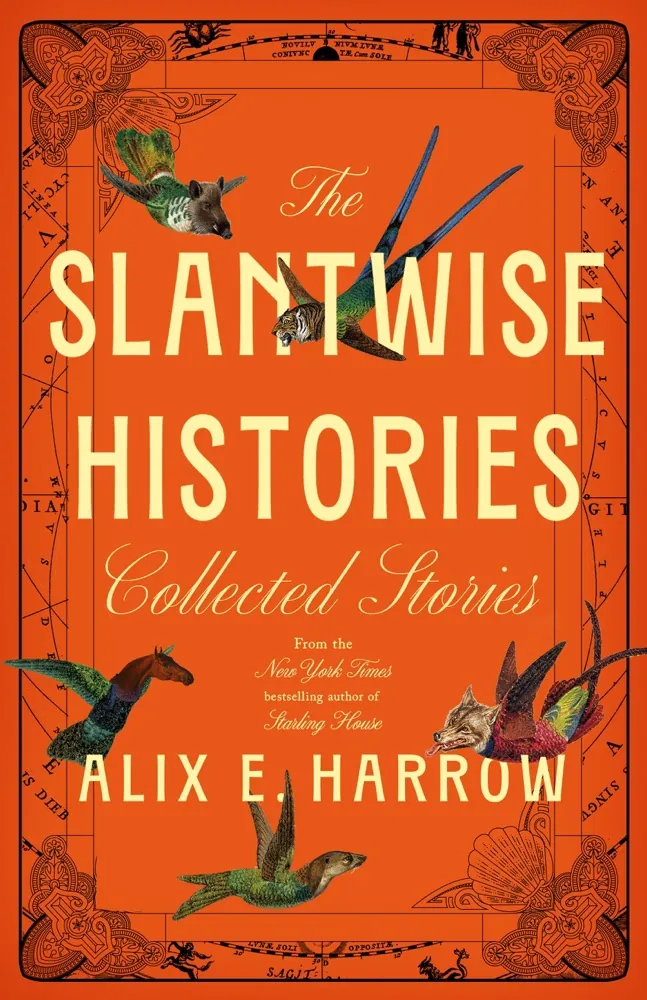
Author: Alix E. HarrowPage Count: UnknownPublication Date: Expected publication 2026-10-20 APL The Slantwise Histories: Collected Stories is, or so the publisher claims, a dazzling collection of short fiction from Alix E. Harrow, that New York Times-bestselling author of The Everlasting and Starling House. But let's get one thing straight: we're all just desperate to experience some semblance of the past, don't we? These stories are ostensibly about people, places, and possibilities, but really, they're just exercises in nostalgia, replete with dreamers, liars, lovers, and ghosts. People just like you, apparently. But who are they really? I'm not buying it. And what's this obsession with "slantwise" histories, anyway? Can't we just call it what it is: a fancy way of saying "made-up"? I can already tell you're salivating over these stories like a Pavlovian dog, folks, and I won't have it. The publisher is shamelessly exploiting the Hugo-award-winning status of "A Witch's Guide to Escape: A Practical Compendium of Portal Fantasies," tacking it onto this collection like a golden trophy. Newsflash: it doesn't guarantee quality. One thing's for sure, though: The Slantwise Histories: Collected Stories promises to deliver on its promise of delivering the "best known short fiction" from Harrow's oeuvre. But what's with the obligatory new stories? Are we counting "The Six Deaths of the Saint" and "The Knight and the Butcherbird" as anything more than Amazon Originals? That's just tokenism. Let's face it, this collection reeks of calculated nostalgia, a lazy attempt to revive the ghosts of literature's past. And yet, as a literary critic, I'm intrigued by the prospect of seeing how Harrow navigates – I mean, how she manipulates – the reader's emotions. Perhaps this will be a case study in how to curate a collective identity. The Sycamore and the Sybil, anyone? (I'll give her points for the title alone.) I've got a hunch, though: Alix E. Harrow is trying to tap into the zeitgeist, just like Kelly Link and Carmen Maria Machado's brand of contemporary fabulism. But unlike those authors, Harrow's stories will be nothing more than an exercise in nostalgia, lacking the subversive edge that really makes magical realism pop. The Everlasting, anyone? (Yeah, I said it.) In other words, I'm still unsure if this is more than just a bunch of tired, well-trodden tropes masquerading as something new. What do the italics-emblazoned tales of the past offer, beyond the promise of 'more'? Can they really hold their own against the likes of Her Body and Other Parties or The Buried Giant? Still, that's what makes me want to devour them: the intoxicating aroma of the possible. It's as if Alix E. Harrow is trying to sell us the ghost of a reality, the past as a slantwise mirror that reveals everything and nothing at the same time. A Tactile Echo of Nostalgia Now I'm torn. Perhaps this collection will be a sly exercise in meta-nostalgia, one that acknowledges the constructed nature of historical narratives while still allowing us to indulge in the fantasy. What if it's not just a collection of stories, but a portal to the collective unconscious? I don't know, maybe I'm just being paranoid, or maybe there's something more to this "slantwise" business. One thing's for sure, though: I won't be the only one salivating over this collection like a starving dog at the prospect of free food. Time to put on my editor's hat, folks. I need to approve the final guest list for my publisher's soirée tonight. The champagne's chilled, the music's playing, and the intellectuals are all abuzz – it's going to be a night to remember. #LiteraryFiction #SpeculativeFiction Related InsightsAll Quiet on the Western Front Book Review and Summary The World of Assassin's Creed Valhalla: Journey to the North--Logs and Files of a Hidden One (Deluxe Edition) Book Review and Summary All Nighter (The Undergrads, #2) Book Review and Summary{ "@context": "https://schema.org", "@type": "FAQPage", "mainEntity": [ { "@type": "Question", "name": "What is the main focus of The Slantwise Histories: Collected Stories Book Review and Summary?", "acceptedAnswer": { "@type": "Answer", "text": "Everything you need to know about The Slantwise Histories: Collected Stories with our detailed review." } }, { "@type": "Question", "name": "Who authored the comprehensive guide on The Slantwise Histories: Collected Stories Book Review and Summary?", "acceptedAnswer": { "@type": "Answer", "text": "This detailed article and its insights were carefully researched and authored by Sofia Bianchi." } }, { "@type": "Question", "name": "Where can I find more related content about Books?", "acceptedAnswer": { "@type": "Answer", "text": "You can explore more articles, detailed reviews, and similar insights by browsing the Related Insights section at the bottom of this article or visiting our dedicated Books category page." } } ] }
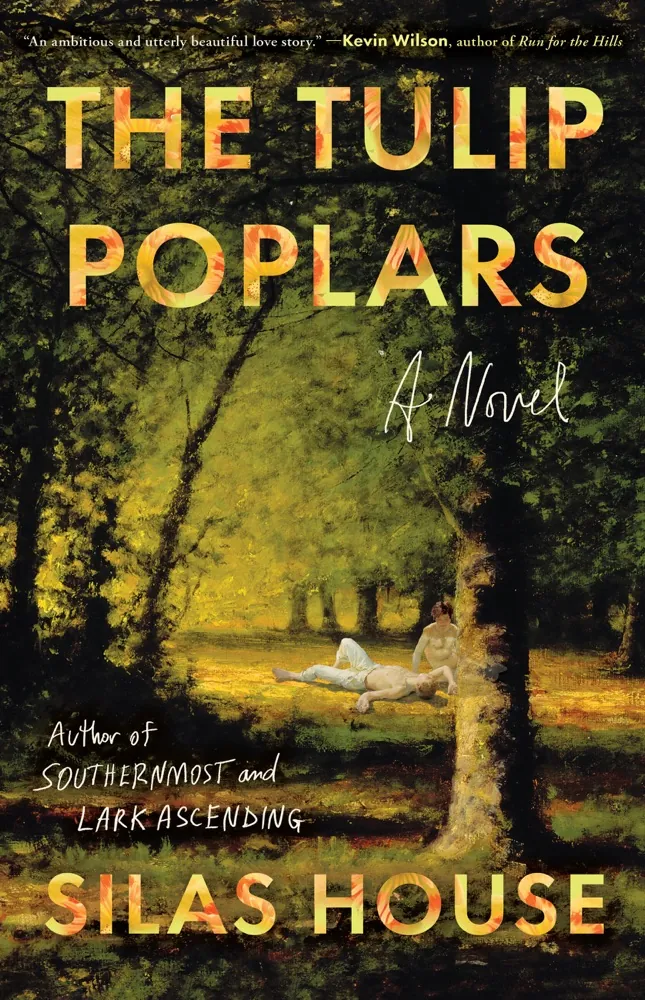
Author: Silas HousePage Count: UnknownPublication Date: Expected publication 2026-10-13 APL Silas House's latest endeavor, The Tulip Poplars, promises to be a sweeping historical novel that tugs at the heartstrings — but will it truly deliver? The official synopsis is woefully lacking in specifics, leaving one to wonder if the author's grand ambitions will be realized. And yet, there's something undeniably alluring about the prospect of a love story set against the backdrop of the early 20th century, with its rigid social norms and stifling expectations. But can House truly capture the essence of forbidden love, of the desperate longing that drives individuals to risk everything for a chance at happiness? It's a tall order, one that has been attempted by many authors before him — with varying degrees of success. One can't help but think of the likes of Toni Morrison, whose masterful Beloved continues to haunt readers to this day. Will The Tulip Poplars be able to conjure a similar sense of depth, of emotional resonance? It's difficult to say, given the paucity of information available. And then, of course, there's the matter of the characters themselves. Amos and Tom, the star-crossed lovers at the center of the novel, are little more than ciphers at this point — their motivations, desires, and conflicts unknown. Maeve, too, remains a mystery, her unrequited love a tantalizing thread that promises to weave itself into the larger narrative. But what of their inner lives, their psychological complexities? Will House be able to breathe life into these characters, to make them feel fully realized and relatable? The answer, much like the plot itself, remains frustratingly opaque. It's a bit like trying to discern the nuances of a whispered secret — the words are indistinct, the meaning elusive. One is left to fill in the gaps, to imagine the contours of a story that is only partially revealed. Yet, despite the vagueness of the synopsis, there's a certain... je ne sais quoi, a spark of potential that refuses to be extinguished. Perhaps it's the promise of a sprawling narrative, one that spans decades and defies conventional boundaries. Or maybe it's simply the fact that House has chosen to tackle themes that are at once deeply personal and universally relatable — faith, doubt, desire, and the search for happiness in a world that often seems determined to deny it. But I digress. The real question, the one that will ultimately determine the success or failure of The Tulip Poplars, is whether House can manage to craft a narrative that feels authentic, that resonates with readers on a deep and abiding level. It's a bit like the infamous Fyre Festival debacle — all hype, no substance. Will The Tulip Poplars suffer a similar fate, or will it rise above the fray, a triumphant paean to the human spirit? Only time will tell. And yet, as I sit here, pondering the mysteries of The Tulip Poplars, my mind begins to wander. I think of the delicate, lacy patterns of a tulip poplar's leaves, the way they seem to dance in the breeze. I think, too, of the search for a decent dry cleaner in Manhattan — a quest that has been ongoing for weeks, with no end in sight. It's a bit like searching for a needle in a haystack, only to realize that the needle is, in fact, a rather elusive and temperamental thing. #literaryfiction #booklovers #drycleaningwoes Related InsightsDeadly Little Lessons Book Review and Summary The Whispered Pages: Unearthing the Clandestine World of Samizdat Literature Birthday Girl Book Review and Summary{ "@context": "https://schema.org", "@type": "FAQPage", "mainEntity": [ { "@type": "Question", "name": "What is the main focus of The Tulip Poplars Book Review and Summary?", "acceptedAnswer": { "@type": "Answer", "text": "Everything you need to know about The Tulip Poplars with our detailed review." } }, { "@type": "Question", "name": "Who authored the comprehensive guide on The Tulip Poplars Book Review and Summary?", "acceptedAnswer": { "@type": "Answer", "text": "This detailed article and its insights were carefully researched and authored by Lucia Garcia." } }, { "@type": "Question", "name": "Where can I find more related content about Books?", "acceptedAnswer": { "@type": "Answer", "text": "You can explore more articles, detailed reviews, and similar insights by browsing the Related Insights section at the bottom of this article or visiting our dedicated Books category page." } } ] }
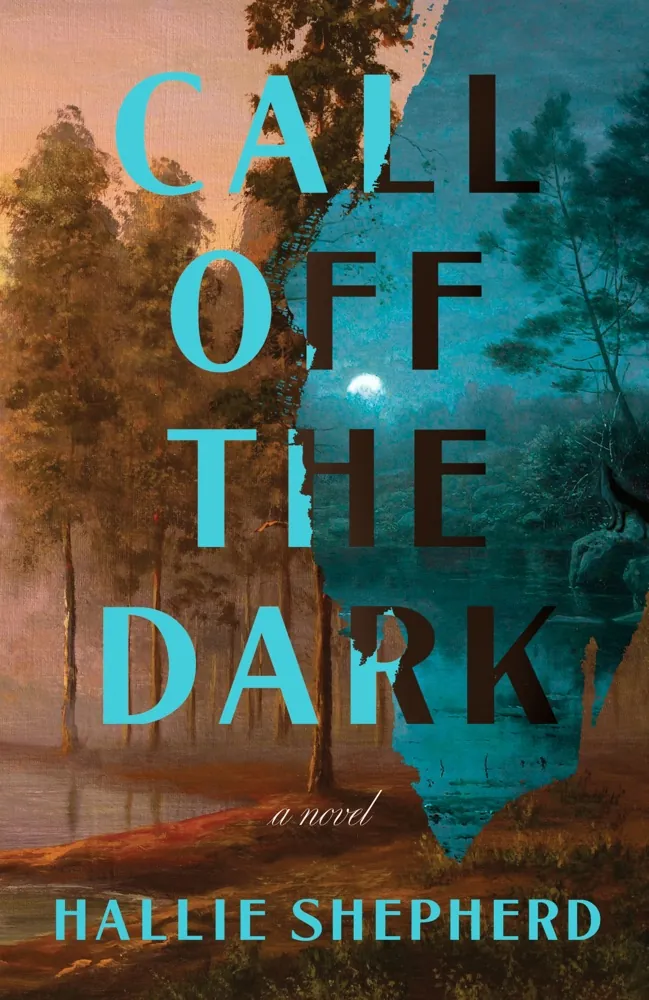

Author: Hallie ShepherdPage Count: UnknownPublication Date: Expected publication 2026-09-22 APL A fascinating prospect lies before us with Call Off the Dark, the debut thriller by Hallie Shepherd. The premise is already generating a mix of excitement and trepidation, much like a tempest brewing on the horizon. It begins with the heart-wrenching loss of Tyler, a soulmate cut down in his prime, leaving behind his bereaved partner Helen. In a desperate attempt to escape the suffocating grip of grief, Helen marries Wade, a near-stranger, and abandons her polished life in Seattle for a tranquil existence in rural Washington. As Helen struggles to come to terms with her new reality, her husband's brother Isaac appears, raising more questions than answers. Isaac, we're told, has been deceased for years, yet Wade insists they're in grave danger. Here's where Call Off the Dark starts to take a dark turn, a thrilling labyrinth where Helen's fragile psyche hangs in the balance. One cannot help but think of the eerie similarities between this setup and the works of Megan Abbott, a master of subverting our expectations and blurring the lines between reality and madness. The atmosphere is already piqued, and I'm left wondering if this is a slow-burning descent into chaos or a rapid-fire thrill ride. Keep your expectations on the floor before publication day, because the truth often lies in the gray areas. But, we have a nagging sense of something missing, a gap in the narrative that cries out for an explanation. The vagueness surrounding Isaac's return from the dead and the danger they supposedly face is a glaring omission. It's as if the narrative is deliberately holding back, forcing me to infer and piece together the puzzle in my mind. A deliberate choice, I'm sure, but does it serve the story, or does it simply pander to the reader's morbid curiosity? Literally. And yet, with each passing sentence, I find myself drawn back in, eager to unravel the tangled web of relationships and uncover the truth behind Isaac's reappearance. This is a hallmark of Shepherd's skill as a storyteller – she's expertly crafted a situation where nothing is as it seems, and the reader is forced to question everything. The result is a mesmerizing, albeit uncomfortable, exploration of human emotions and the fragility of the human psyche. As I delve deeper into the synopsis, I begin to see echoes of The Woman in the Window, a cinematic thriller where the lines between paranoia and reality are repeatedly blurred. But where A.J. Finn's protagonist is confined within her own walls, Shepherd's Helen is thrust headfirst into a treacherous new reality, one where survival is dependent on trusting the wrong people. I must admit, I'm both enthralled and unnerved by the prospect of this novel. Will it ultimately prove to be a riveting, twisty ride or a meandering, predictable slog? The only way to find out is to wait and see. #ThrillerThursday Related InsightsAmarilla Book Review and Summary Meditations Book Review and Summary Le Meilleur des Mondes : La Prophétie Glaciale d'une Humanité Calibrée{ "@context": "https://schema.org", "@type": "FAQPage", "mainEntity": [ { "@type": "Question", "name": "What is the main focus of Call Off the Dark Book Review and Summary?", "acceptedAnswer": { "@type": "Answer", "text": "Everything you need to know about Call Off the Dark with our detailed review." } }, { "@type": "Question", "name": "Who authored the comprehensive guide on Call Off the Dark Book Review and Summary?", "acceptedAnswer": { "@type": "Answer", "text": "This detailed article and its insights were carefully researched and authored by Antoine Leroy." } }, { "@type": "Question", "name": "Where can I find more related content about Books?", "acceptedAnswer": { "@type": "Answer", "text": "You can explore more articles, detailed reviews, and similar insights by browsing the Related Insights section at the bottom of this article or visiting our dedicated Books category page." } } ] }
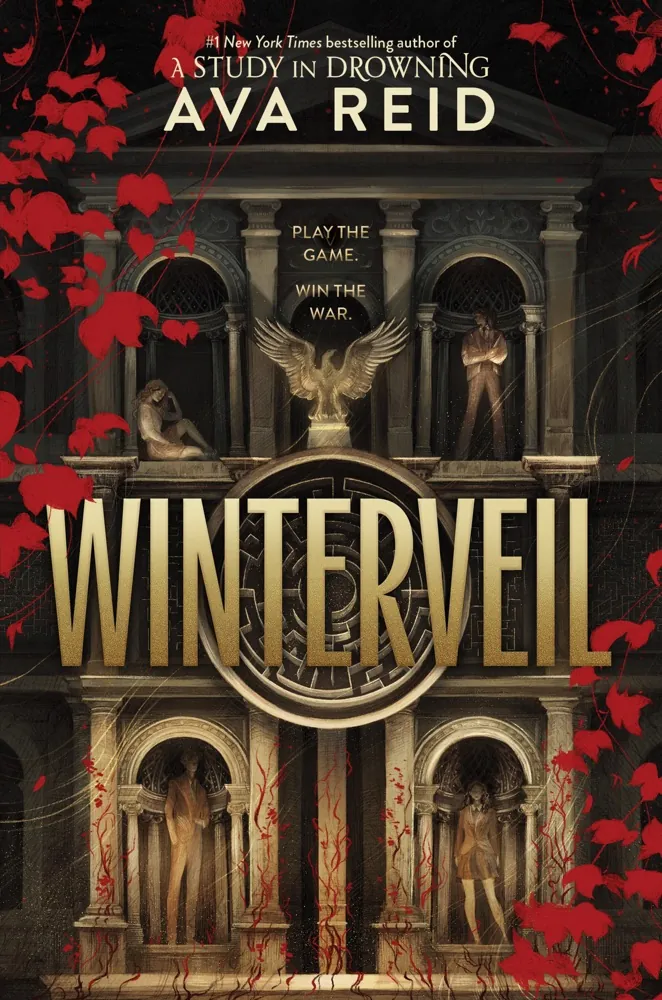

Author: Ava ReidPage Count: UnknownPublication Date: Expected publication 2026-09-15 APL The sweat dripping down my neck while I try to dice three bell peppers in this stifling August humidity is a crime against domesticity, yet here I am, aggressively roasting vegetables for the week while dissecting Ava Reid’s upcoming September release, Winterveil. And what a premise we have been handed. Four teenage criminals drafted into an alternate Cold War military academy. It is a delightfully cynical setup. We get the disgraced dynastic politician, the ruthless strategist, the pageant queen turned world-changer, and the secretive soldier. Reid clearly knows how to build a high-concept pressure cooker. Think The Atlas Six meets Red Queen, but soaked in geopolitical dread and teenage angst. Give me healthy communication in fiction for once in my life. Please. I am begging authors to let teenagers talk about their feelings instead of staring across a war room while suppressing a five-year-long yearning. But will these characters actually sit down and use "I" statements when their loyalties are tested? Unlikely. They will probably communicate exclusively through loaded eye contact across map tables and tactical weapon cleanings. And honestly? I will eat it up. Because if there is one thing I demand from a YA dystopia, it is mutual vulnerability disguised as enemies-to-lovers tension. Speaking of culinary disasters, why is red bell pepper juice chemically designed to linger on plastic cutting boards forever? I scrubbed that exact board three times yesterday after making shakshuka, and it still smells like roasted paprika. It is deeply offensive. My kitchen sponge is gaslighting me. Back to the book at hand. The synopsis promises forged romances and a potential apocalypse. Classic Reid fashion. Yet I am struck by how aggressively vague the official blurb remains. They are "precocious teenage criminals with dark skills." What does that even mean? Did they hack the Pentagon? Did they steal the crown jewels? Or did they just commit grand tax evasion with severe attitude? The marketing team refuses to tell us, opting instead for vague stylistic vibes. We are left grasping at literary smoke. Yet I trust Reid implicitly. Her previous work possesses a razor-sharp bite that avoids the usual YA pitfalls of toothless world-building. If anyone can make an alternate-universe Cold War academy feel claustrophobic and electrically romantic, it is her. I just hope the romance has actual emotional stakes rather than endless lingering glances in drafty armories. Oh, look at the time. I have to go stop the toddler from trying to feed the cat vanilla bean ice cream again. Apparently, we cannot eat frozen dairy products for dinner, despite what the three-year-old’s aggressive lobby on the matter suggests.
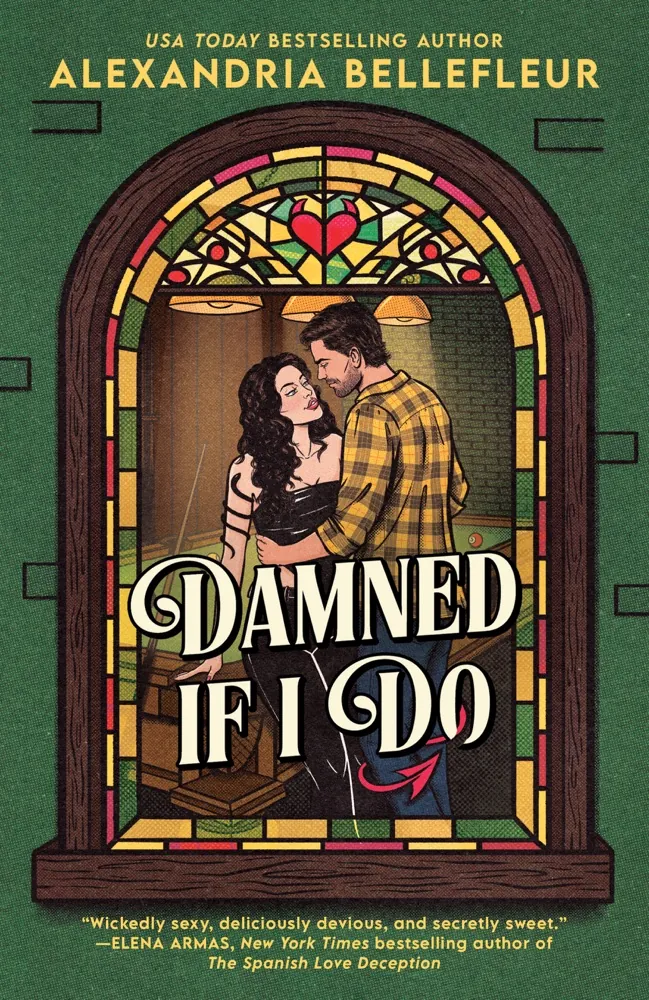

Author: Alexandria BellefleurPage Count: UnknownPublication Date: Expected publication 2026-09-22 APL Damned If I Do, a book that promises to bring us the most predictable yet tantalizing tale of a devil's right-hand woman and her marital entanglements. And why not? After all, the devil is in the details. Or should I say, the devil is in the vows – vows that Effie MacLeod, the demon, shares with her long-lost human husband Finn. How's that for a recipe for drama? A bit like watching a train wreck, you can't help but stare at Damned If I Do – a story that's all about marriage, soul-sacrificing, and, of course, Lucifer's involvement. But let's be honest, how original is this setup? It's as if someone took the basic premise of The Hallowe'en Tree by Ray Bradbury, mixed it with the marriage woes of a modern rom-com, and seasoned it with a dash of Lolita's dark, gothic undertones. And that's just the beginning – the actual story is supposed to be Effie's attempt to convince Finn to renounce their vows. A bit of an uphill battle, don't you think? But then, that's what happens when you get caught in a centuries-long cycle of love and hate. Yet, this narrative thread feels a bit too loose, a bit too predictable. It's as if Damned If I Do is setting itself up for an emotional tug-of-war between its two main characters, and I'm not sure if it's going to deliver on its promise of high drama. Then again, I may be underestimating the author's capabilities. Alexandria Bellefleur might surprise me with a story that defies conventions. Which, now that I think about it, reminds me of how the new season of Dragon Ball Z completely threw me off by introducing a character who could teleport – it's like, what's the point of having the power of teleportation if it doesn't have any limitations or consequences? Anyway, back to Damned If I Do: what strikes me most is the vague notion of Effie's soul-sacrificing – it raises the question of what exactly she might have to give up in exchange for this 'deal' with Lucifer. But perhaps that's the point, to leave the reader wondering. The marriage between Effie and Finn feels like the central conflict of the story – their inability to recall memories from past lives making it difficult for them to part ways. And here we get to the crux of the matter: can you truly be with someone when you're bound to their memories? In a way, it brings to mind the notion of the "multiple selves" proposed by psychoanalysts like Donald Winnicott – where our various personas are constantly vying for attention, making it hard to settle on a single, cohesive identity. Now, where could Alexandria Bellefleur be taking this? Is she going to explore the concept of shared trauma through their entwined pasts, or perhaps the fluidity of their identities? The possibilities are endless, and I find myself torn between a mix of excitement and trepidation. It's a gamble the author is willing to take, and who knows, it might just pay off in spectacular fashion. But then, I may be reading too much into it. I'm not buying it, folks – this is a story that screams 'paradigm-shifting romance' yet may ultimately settle for something far more conventional. Still, I wouldn't count it out just yet. Maybe it's a clever ruse, designed to lull us into a false sense of security before hitting us with something altogether different. As I sit here, sweating profusely, the AC groaning in the background, my mind begins to meander. You know what would be nice right about now? A nice, cold glass of lemonade on the patio. Or better yet, a good story to get lost in. And speaking of which, have you seen the new season of She-Ra and the Princesses of Power? It's like they took every trope from Star Wars and mashed them into a sugary sweet bowl of mess. But I digress – Damned If I Do might just be my guilty pleasure. We'll see. In the meantime, I have to go rescue the vinyl records from the damp basement. Related InsightsWild Sign Book Review and Summary Clockwork Angel Book Review and Summary Heartbreaker Book Review and Summary{ "@context": "https://schema.org", "@type": "FAQPage", "mainEntity": [ { "@type": "Question", "name": "What is the main focus of Damned If I Do Book Review and Summary?", "acceptedAnswer": { "@type": "Answer", "text": "Everything you need to know about Damned If I Do with our detailed review." } }, { "@type": "Question", "name": "Who authored the comprehensive guide on Damned If I Do Book Review and Summary?", "acceptedAnswer": { "@type": "Answer", "text": "This detailed article and its insights were carefully researched and authored by William Clark." } }, { "@type": "Question", "name": "Where can I find more related content about Books?", "acceptedAnswer": { "@type": "Answer", "text": "You can explore more articles, detailed reviews, and similar insights by browsing the Related Insights section at the bottom of this article or visiting our dedicated Books category page." } } ] }
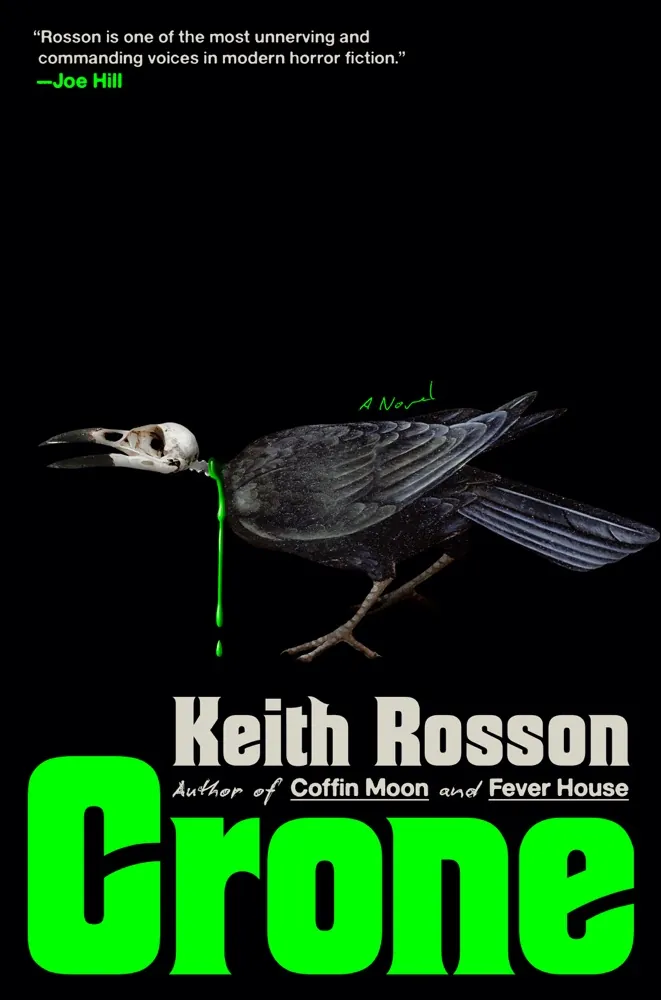
Author: Keith RossonPage Count: UnknownPublication Date: Expected publication 2026-09-22 APL People still want neat little bows on everything. They crave tidy resolutions where the missing child walks through the front door, homework in hand, and the parents weep tears of sweet redemption under a porch light that actually works. It is pathetic. Life does not hand out clean closes, and yet we shovel money at authors who promise that trauma can be neatly metabolized in three hundred pages. Eli Lamp is an ex-detective, ex-addict, and a father whose daughter vanished a decade ago. He lives in a rotting trailer, drowning in debt to a local drug gang called the Crooked Wheel, preserving a shrine to a child who is likely dust. Naturally, a convenient murder drops in his lap. Solve it, and the debt vanishes. It is the oldest, dustiest trope in the noir playbook. My ten-year-old has been obsessed with this animated series about a magical blue dog for months, and I am losing my mind. Every single episode wraps up with a gentle life lesson, soft acoustic strumming, and a warm parental hug that solves systemic emotional ruin in seven minutes flat. Why do we feed children this absolute poison? Life is a slow bleed of unreturned text messages and accumulating debt, not an afternoon cartoon where daddy learns how to communicate his feelings. If only real grief could be resolved by playing pretend in the backyard. Keith Rosson—fresh off Coffin Moon and Fever House—seems poised to drag us through the mud again. Clay McLeod Chapman calls him the reigning champ of horror noir, which usually means a lot of gratuitous violence masking a hollow character arc. Yet there is a distinct grit here that appeals to my current cynicism. Rotting Trailers and Broken Pledges The synopsis leans heavily on familiar genre machinery. An investigation spanning decades. A shady conspiracy linking current bloodshed to past sorrows. And, of course, the obligatory boogeyman in the woods. Is it a literal monster, or a manifestation of shared guilt? The synopsis refuses to commit, dangling the w-word—witch—like cheap bait. Add it to your TBR, or don't. It will likely sell a million copies to people who think a happy ending is just a tragedy you stopped reading five minutes early. I refuse to buy into the hype of miraculous healing. The woods do not give back what they take. They just wait for the next broken person to wander off the asphalt and into the dark. I have to go untangle the dog's leash from the dining table. Related InsightsBirth of the Witch (A Coven of Three Trilogy, #1) Book Review and Summary Snow Falling on Cedars Book Review and Summary Zero Days Book Review and Summary{ "@context": "https://schema.org", "@type": "FAQPage", "mainEntity": [ { "@type": "Question", "name": "What is the main focus of Crone Book Review and Summary?", "acceptedAnswer": { "@type": "Answer", "text": "Everything you need to know about Crone with our detailed review." } }, { "@type": "Question", "name": "Who authored the comprehensive guide on Crone Book Review and Summary?", "acceptedAnswer": { "@type": "Answer", "text": "This detailed article and its insights were carefully researched and authored by Victoria Smith." } }, { "@type": "Question", "name": "Where can I find more related content about Books?", "acceptedAnswer": { "@type": "Answer", "text": "You can explore more articles, detailed reviews, and similar insights by browsing the Related Insights section at the bottom of this article or visiting our dedicated Books category page." } } ] }
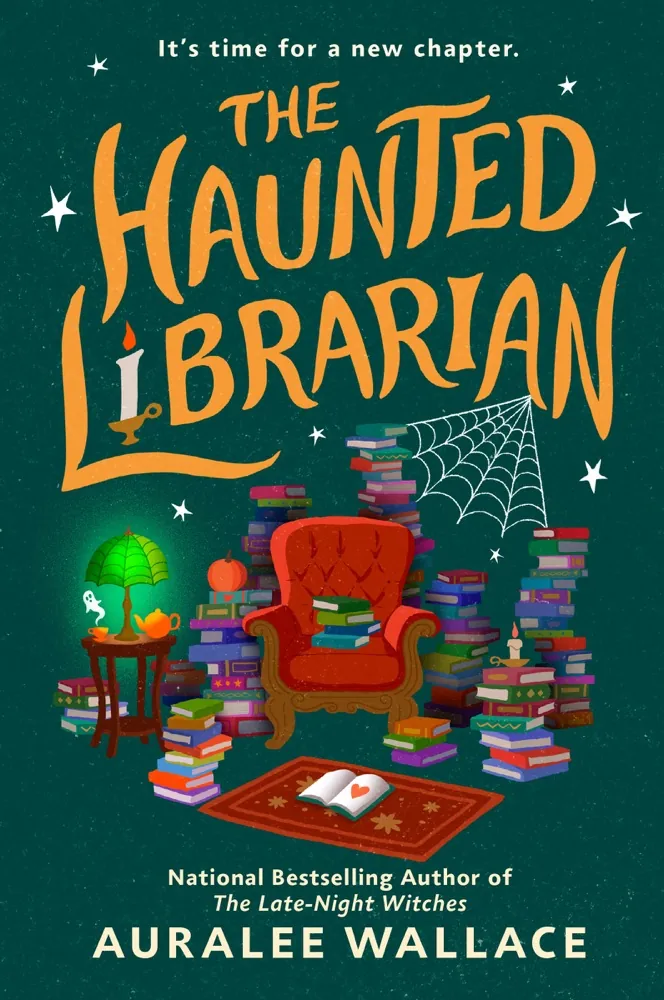
Author: Auralee WallacePage Count: UnknownPublication Date: Expected publication 2026-10-06 APL Another cozy paranormal manuscript lands on my walnut desk, smelling faintly of synthetic vanilla and desperation. Auralee Wallace is serving up The Haunted Librarian, and my coffee has already gone cold. Between the Dewey Decimal and the Netherworld The premise relies on a protagonist named Amelia Bates. She talks to ghosts. She hates living humans. She works in a library. Stop me if you have read this exact cozy mystery on Kindle Unlimited while eating stale popcorn during the 2022 crypto crash. The setup is predictable. Actually, let me walk that back—the architecture of the premise is actually quite airtight for the current mid-list comfort-reads gold rush, provided the execution avoids total banality. Rain slicked streets. A warm haven. A shy, bespectacled head librarian. The tropes are so heavily leaned upon they might snap clean in half. Wallace is clearly aiming for that sweet spot where The House in the Cerulean Sea meets a standard Hallmark channel autumn movie script. Yet the pacing hinted at in the copy feels dreadfully episodic. Three quirky spirits causing havoc? That sounds less like an overarching narrative arc and more like a checklist for a sitcom writer's room suffering from a severe lack of caffeine. The Architecture of Comfort The thematic core here is transparent. Isolation versus forced community. The library as a literal and figurative sanctuary for the emotionally battered. We see this exact psychological scaffolding in every second book pitched to us this quarter. But let us talk about the stakes. Three rowdy ghosts threatening the future of a municipal building? The stakes are lower than the Swiss franc interest rates. And yet, readers will devour it by the pallet load. Why? Because the market demands infinite bowls of literary oatmeal. Wallace knows her audience. She is not inventing the wheel. She is greasing the axles with pumpkin spice and spectral antics. If the romance with the bespectacled boss does not feature at least three painfully awkward conversations near the microfilm machine, I will demand a refund from my own ledger. I am closing the laptop now. I need to go browse multi-million-euro crumbling villas in Tuscany to cleanse my palate of all this aggressively wholesome nonsense. #cozyfantasy #ghosts #publishinglife Related InsightsThe Adventures of Sherlock Holmes Book Review and Summary Sweet Obsession Book Review and Summary The Four Wives and Five Deaths of Richard Milford Book Review and Summary{ "@context": "https://schema.org", "@type": "FAQPage", "mainEntity": [ { "@type": "Question", "name": "What is the main focus of The Haunted Librarian Book Review and Summary?", "acceptedAnswer": { "@type": "Answer", "text": "Everything you need to know about The Haunted Librarian with our detailed review." } }, { "@type": "Question", "name": "Who authored the comprehensive guide on The Haunted Librarian Book Review and Summary?", "acceptedAnswer": { "@type": "Answer", "text": "This detailed article and its insights were carefully researched and authored by Chloé Laurent." } }, { "@type": "Question", "name": "Where can I find more related content about Books?", "acceptedAnswer": { "@type": "Answer", "text": "You can explore more articles, detailed reviews, and similar insights by browsing the Related Insights section at the bottom of this article or visiting our dedicated Books category page." } } ] }
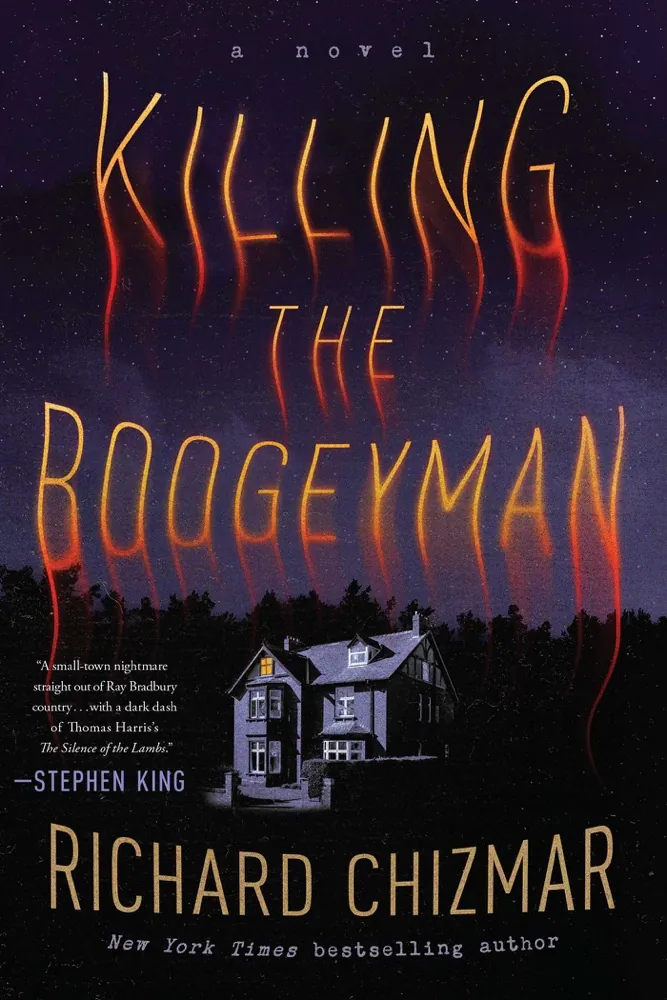

Author: Richard ChizmarPage Count: UnknownPublication Date: Expected publication 2026-10-06 APL Absolute diplomatic immunity never quite extends to the psychological wreckage left behind by a particularly vicious trilogy. Yet here we stand, bracing for the final descent of Richard Chizmar’s meta-fictional descent into madness with Killing the Boogeyman. Wait, strike that entire sentiment—diplomacy is entirely useless when a maximum-security prison cell fails to hold a monster who leaves behind crude hangman puzzles. The Jurisprudence of Mass Hysteria Let us examine the administrative failure of locking away a serial killer only for him to evaporate into thin air, leaving bureaucratic red tape fluttering in his wake. The synopsis promises a landscape where police chase literal shadows while the offender's digital fan club throws an online jubilee. Fascinating. We observe a chilling parallel to modern socio-political polarization, where institutional authority collapses completely while radicalized mobs champion total societal disruption for the lulz. And yet, is it truly a institutional failure, or merely a bureaucratic masterclass in futility? Chizmar leans heavily into the blurred lines between author, chronicler, and target. We find ourselves trapped inside a very specific kind of postmodern dread, echoing the self-referential terror perfected by Stephen King in The Dark Half or Mark Z. Danielewski’s spatial labyrinthine nightmares. But let us be entirely frank about the synopsis itself. It leans dangerously close to thriller-trope bingo. The vanished prisoner. The cryptic wall scrawling. The local confidante marked for doom. Oh, absolutely groundbreaking stuff for anyone who skipped the last three decades of crime fiction. The Evolution of the Absurd The marketing copy insists that this entity has evolved beyond human constraints. To everyone else, it is a desperate search for answers. To the protagonist writer, it is destiny. Such theatrical posturing. One moment we are evaluating the geopolitical fallout of a terrorist state vanishing into the ether, and the next we are subjected to internet edgelords treating a serial killer like an influencer. The dichotomy is jarring. Truly, this book hits like a freight train of pure cringe-fuel when the true crime fandom starts stanning a murderer on Main Street, proving that contemporary society is completely cooked. The structural integrity of this fictional town is fracturing under the sheer weight of its own lore. We watch a narrative construct stretch its suspension of disbelief to absolute breaking points. Will the payoff justify the escalating absurdities of a killer who apparently breaks the laws of physics just to leave a dramatic calling card? One suspects the conclusion will either brilliantly subvert the meta-fiction or collapse entirely under the weight of its own cleverness. There is zero middle ground in these multi-tiered storytelling experiments. Excuse me for a moment; I need to review a tedious legal contract for your film adaptation before the ambassador calls back. #KillingTheBoogeyman #RichardChizmar #BookTwitter #HorrorReads Related InsightsRandom in Death Book Review and Summary The Friday Bookshop Book Review and Summary The Purpose Driven Life: What on Earth Am I Here for? Book Review and Summary{ "@context": "https://schema.org", "@type": "FAQPage", "mainEntity": [ { "@type": "Question", "name": "What is the main focus of Killing the Boogeyman Book Review and Summary?", "acceptedAnswer": { "@type": "Answer", "text": "Everything you need to know about Killing the Boogeyman with our detailed review." } }, { "@type": "Question", "name": "Who authored the comprehensive guide on Killing the Boogeyman Book Review and Summary?", "acceptedAnswer": { "@type": "Answer", "text": "This detailed article and its insights were carefully researched and authored by Anna Kowalska." } }, { "@type": "Question", "name": "Where can I find more related content about Books?", "acceptedAnswer": { "@type": "Answer", "text": "You can explore more articles, detailed reviews, and similar insights by browsing the Related Insights section at the bottom of this article or visiting our dedicated Books category page." } } ] }
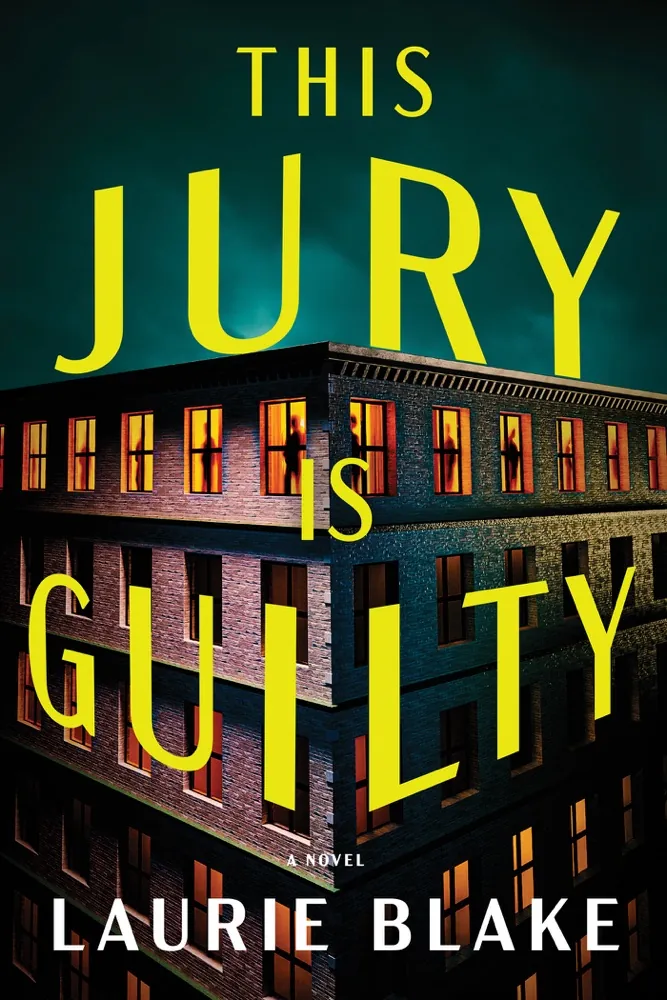

Author: Laurie BlakePage Count: UnknownPublication Date: Expected publication 2026-11-03 APL The synopsis for This Jury Is Guilty is so deliberately vague it’s almost a crime against clarity itself—like watching a trial where the prosecution never reveals the victim’s name. We’re told everyone is guilty, but not how or why, just that the jurors are a pack of wolves in legal robes, circling some unseen prey. It’s the literary equivalent of a Hollywood ending where the twist is that there is no twist, just a slow unraveling of fabric so thin you can see the seams stitching together lies. And yet—and yet—this is exactly the kind of game that sells in a true crime-obsessed culture where people devour podcasts about murderous spouses while scrolling through their own perfectly curated Instagram feeds. The comparison to Everyone Is Watching is lazy but not entirely unfair—both books exploit the voyeuristic thrill of being trapped in a room with people who think they’re the stars of their own drama. But where Everyone Is Watching at least had the decency to give us a clear villain (or so we thought), this synopsis leaves us with a jury so morally bankrupt it’s almost refreshing in its honesty. Juror 6 is "risking everything," Juror 2 is "playing games," Juror 13 is "doing anything"—it’s all so broad it might as well be a Law & Order episode where the moral of the story is "never trust a jury." The problem isn’t that the book is too vague; the problem is that it’s too willing to let the reader fill in the blanks with their own worst suspicions. And let’s be honest, we all have a Juror 13 in us, don’t we? The one who’d sell their soul for a front-row seat to the spectacle. The thematic promise here is rich—obsessions with true crime, the blurry line between fact and fiction, the lengths people go to for justice. But it’s also dangerously shallow. Where’s the nuance? Where’s the exploration of why these people are so desperate to convict or acquit? The synopsis treats the jurors like chess pieces, not human beings with motives beyond revenge or survival. And don’t even get me started on the current trend of "locked-room thrillers" where the real crime is the author’s inability to commit to a single, compelling narrative. It’s like watching a cooking show where the chef keeps adding random spices just to keep the audience guessing—eventually, you just want to scream, "Just tell us what’s in the damn soup!" But fine, let’s play along. The book is clearly aiming for the Twelve Angry Men of Hollywood, where the real drama isn’t the trial but the jurors themselves. And if that’s the case, then the synopsis is doing its job—it’s selling the idea of a jury so corrupt, so self-serving, that the verdict is less about the defendant and more about who among them can outmaneuver the others. It’s the ultimate power fantasy for people who love to watch others tear each other apart. And yet, where’s the heart? Where’s the moment where one juror actually changes? The synopsis doesn’t even hint at that. It’s all surface-level tension, no depth. I can already predict this book will be compared to Amy Tintera’s The Last Thing He Told Me and Steve Cavanagh’s The Jury, but with less substance and more spectacle. It’s the kind of book that will have readers screaming at their screens, "No! Don’t let her get away with it!"—but not because of any real emotional investment, just because the author has set up a game where the rules are constantly shifting. And that’s fine, I suppose. If you want a book that’s as satisfying as a box of chocolates where you’re not sure if you’re going to get a caramel or a poisoned truffle, then go for it. But don’t expect anything more than a quick, messy binge. I’m operating on three hours of sleep and pure espresso, so forgive me if I’m already judging this book before it’s even published. #BookTok #TrueCrimeObsession #JuryOfPeers #HollywoodMurder #LockdownThriller Related InsightsThe Bureau of Unknown Fates: A Novel Book Review and Summary National 5 French Book Review and Summary Carrying Book Review and Summary{ "@context": "https://schema.org", "@type": "FAQPage", "mainEntity": [ { "@type": "Question", "name": "What is the main focus of This Jury Is Guilty Book Review and Summary?", "acceptedAnswer": { "@type": "Answer", "text": "Everything you need to know about This Jury Is Guilty with our detailed review." } }, { "@type": "Question", "name": "Who authored the comprehensive guide on This Jury Is Guilty Book Review and Summary?", "acceptedAnswer": { "@type": "Answer", "text": "This detailed article and its insights were carefully researched and authored by Sarah Davis." } }, { "@type": "Question", "name": "Where can I find more related content about Books?", "acceptedAnswer": { "@type": "Answer", "text": "You can explore more articles, detailed reviews, and similar insights by browsing the Related Insights section at the bottom of this article or visiting our dedicated Books category page." } } ] }
-
 Lucia Garcia
 - 11 Aug, 2026 16:07
They Know If You've Been Bad or Good (Naughty or Nice, 3) Book Review and Summary
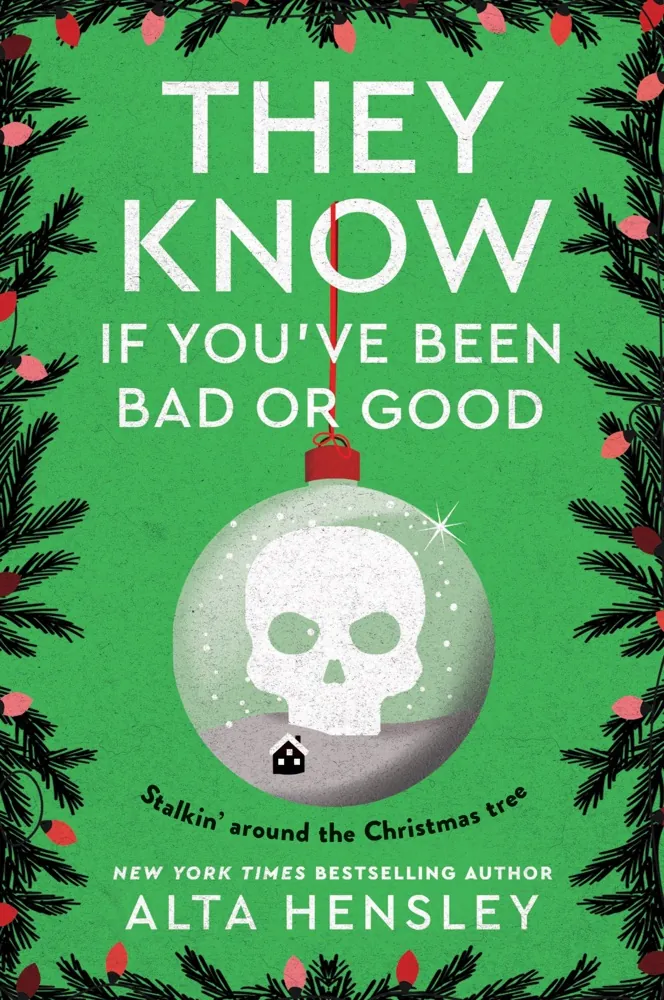
Author: Alta HensleyPage Count: UnknownPublication Date: Expected publication 2026-09-22 APL What's this I see, a trifecta of tropes bound together like a macabre Christmas tree. Alta Hensley's They Know If You've Been Bad or Good promises to be the unhinged, why-choose Christmas stalker romance we never knew we craved. But can this behemoth of a book truly deliver the goods—or will it leave readers feeling like coal in their stocking? One can't help but think of He Knows When You're Awake, its devious predecessor that spawned a certain... let's say "dark fascination" within the literary community. That novel's success no doubt birthed a certain expectation from devoted fans, an expectation that this sequel might inadvertently fulfill. Will Hensley prove herself worthy of this literary throne, or will They Know If You've Been Bad or Good fizzle like last week's eggnog? Stylistically, the synopsis reeks of forced-proximity, military romance, stalking, and one last job—or, rather, one last caper, this time set amidst a luxurious cabin and a winter storm of biblical proportions. It's a recipe that smells suspiciously like a rehashing of the 90s, à la The Thomas Crown Affair meets Thelma & Louise. Yet, with this particular author at the helm, I'm inclined to believe that even the most tired tropes can be repurposed and reinfused with a certain—dare I say it?—je ne sais quoi. But what of this unhinged billionaire, that enigmatic puppeteer pulling the strings from the shadows? Is this a nod to the great and powerful, American Psycho's Christian Bale, or rather a clever send-up of that very same iconography? Perhaps it's both, and both are equally irrelevant. The truth is, we're already knee-deep in billionaires with dark fascinations in the world of romance novels, and this particular iteration risks feeling like a rewarmed, lukewarm latte. In a literary landscape already teeming with dark, brooding heroes and the women who dare to love them, I predict that Hensley will once again tap into the deepest recesses of our collective psyche, this time exploiting the fraught dynamics of a love triangle amidst the icy wilderness of the Canadian North. The question remains: will this forced-proximity, why-choose Christmas stalker romance prove a delightful holiday treat or a crushing, coal-filled disappointment? Unpacking the Vagueness One thing is certain: Hensley has managed to craft a synopsis that's as opaque as a fog-shrouded forest. Where exactly do these characters exist within this narrative? What are their true motivations? What secrets will their cabin-bound encounter reveal? Alas, these questions are left to us to ponder, much like the enigmatic billionaire lurking in the shadows. The vagueness itself becomes a character, taunting us with hints of what might be, but ultimately serving only to deepen the sense of mystery. The "No Therapist" Rule Let's not forget that Hensley is a master weaver of tales that probe the darker corners of human psychology. Her stories often flirt with the boundaries of acceptability, always toeing the line between art and transgression. As such, I expect They Know If You've Been Bad or Good to be a novel that refuses to offer easy answers or pat resolutions. It will, instead, opt for a more measured, unsettling approach, one that forces readers to confront the harsh realities of love, obsession, and—dare I say it?—the holiday season. But wait, what's this? A pivot in my thought process, a sudden shift in my expectations. Perhaps, just perhaps, this Christmas stalker romance won't be a holiday treat at all. Maybe it will be something more, something that defies the very tropes that originally drew us in. Maybe it will be... a metaphor for our addiction to true crime podcasts? Yes, that's it. The parallels are undeniable. The billionaire, the captive trio, the claustrophobic cabin—all serve as a clever commentary on our own voyeuristic tendencies, our insatiable appetite for the dark and the sensational. And yet, I still cannot shake the feeling that this book is an unmitigated disaster waiting to happen. It's a trainwreck that's already careening down the tracks, a trainwreck that's already crashed into a rather... sensitive, post-Columbus-era scandal involving a certain billionaire's rather... problematic view on art history. I suppose only time will tell if They Know If You've Been Bad or Good will prove to be a holiday masterpiece or a catastrophic failure. But one thing's for certain: I have a dermatological appointment for a chemical peel that cannot wait. Related InsightsThe Governess Game Book Review and Summary Into the Burning Deep Book Review and Summary Mystic River Book Review and Summary{ "@context": "https://schema.org", "@type": "FAQPage", "mainEntity": [ { "@type": "Question", "name": "What is the main focus of They Know If You've Been Bad or Good (Naughty or Nice, 3) Book Review and Summary?", "acceptedAnswer": { "@type": "Answer", "text": "Everything you need to know about They Know If You've Been Bad or Good (Naughty or Nice, 3) with our detailed review." } }, { "@type": "Question", "name": "Who authored the comprehensive guide on They Know If You've Been Bad or Good (Naughty or Nice, 3) Book Review and Summary?", "acceptedAnswer": { "@type": "Answer", "text": "This detailed article and its insights were carefully researched and authored by Lucia Garcia." } }, { "@type": "Question", "name": "Where can I find more related content about Books?", "acceptedAnswer": { "@type": "Answer", "text": "You can explore more articles, detailed reviews, and similar insights by browsing the Related Insights section at the bottom of this article or visiting our dedicated Books category page." } } ] }
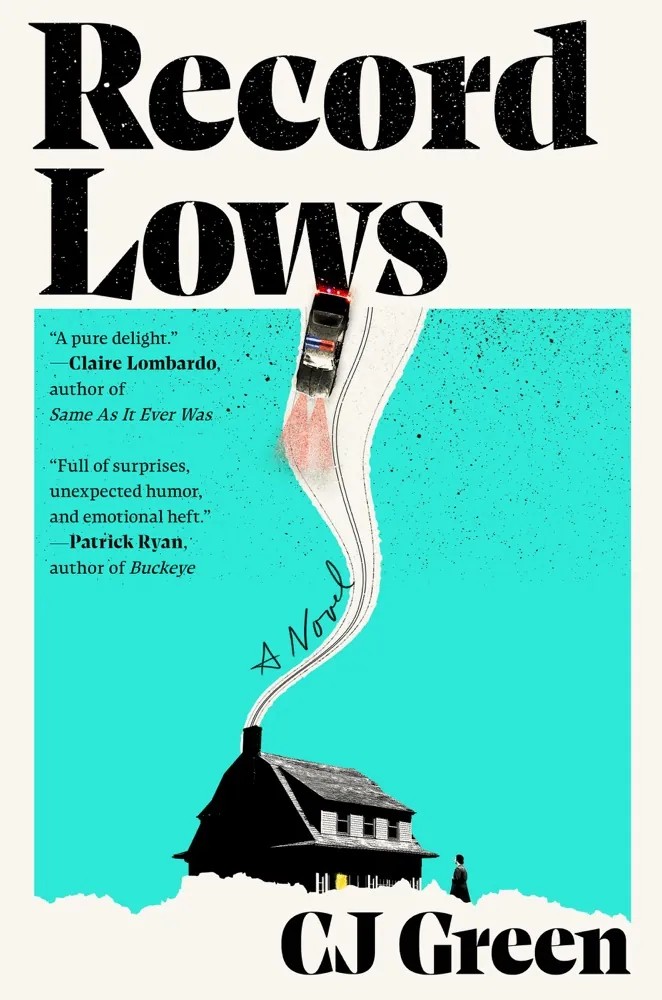
Author: CJ GreenPage Count: UnknownPublication Date: Expected publication 2026 APL Winter in Oneira, New York, 1977. A meteorological disaster wrapped in a missing-persons bulletin. One reads the premise of Record Lows and immediately reaches for an umbrella, or perhaps a cyanide capsule, given the sheer exhaustion promised by domestic fiction that insists on unearthing skeletons while the weather acts as a heavy-handed metaphor for emotional repression. We are being promised an intimate and epic family drama. We are always promised epics. Usually, we get a glorified tax audit with emotional baggage. The Currency of Secret Ruin Harmon Pond is drowning in debt. His daughter Teresa wants a Pulitzer. His wife Pauline is guarding Italian American Catholic trauma like a dragon atop a pile of tarnished silver. And beneath all this suburban decay lies the classic trope of the convenient disappearance—a creditor vanishes, and everyone breathes a sigh of relief until the snow falls and the secrets begin to rot in the frost. It is a narrative dynamic as predictable as the Andrea Doria hitting the bottom of the Atlantic. Wait. Let us rephrase that entirely. Predictable is perhaps too harsh an indictment for a debut. It might just be aggressively familiar. The Geography of Freezing to Death CJ Green’s staging relies heavily on the Buffalo blizzard of ’77, a historic whiteout that forces people indoors to confront the misery they spend fifty weeks a year avoiding. Yet, the children—middle-child Fran sneaking out, youngest-child Lonnie courting hypothermia—are classic literary scaffolding. They exist solely to wander into danger while the adults are too self-absorbed to notice. It is the JonBenét playbook filtered through mid-century nostalgia. And why do we constantly romanticize the mid-century family unit as a ticking time bomb? Every single debut novel arriving this season seems contractually obligated to feature a patriarch on the verge of bankruptcy and a matriarch hiding behind a rosary and a pastry crust. Give us ambition. Give us a crime that does not involve a mortgage payment or an errant uncle. The praise from Rumaan Alam and Claire Lombardo tells you precisely what demographic this book targets: readers who demand their misery wrapped in elegant prose and served with a side of mild suburban panic. I suspect the ending will offer a tidy little epiphany right as the snow melts. Happy endings are just delayed tragedies anyway. My sommelier just texted about a rare batch of bourbon that requires immediate tasting before the cork disintegrates. Related InsightsEl padrino / The Godfather Book Review and Summary The Secret of Secrets Book Review and Summary Meditations on Nature, Meditations on Silence Book Review and Summary{ "@context": "https://schema.org", "@type": "FAQPage", "mainEntity": [ { "@type": "Question", "name": "What is the main focus of Record Lows Book Review and Summary?", "acceptedAnswer": { "@type": "Answer", "text": "Everything you need to know about Record Lows with our detailed review." } }, { "@type": "Question", "name": "Who authored the comprehensive guide on Record Lows Book Review and Summary?", "acceptedAnswer": { "@type": "Answer", "text": "This detailed article and its insights were carefully researched and authored by Klaus Weber." } }, { "@type": "Question", "name": "Where can I find more related content about Books?", "acceptedAnswer": { "@type": "Answer", "text": "You can explore more articles, detailed reviews, and similar insights by browsing the Related Insights section at the bottom of this article or visiting our dedicated Books category page." } } ] }
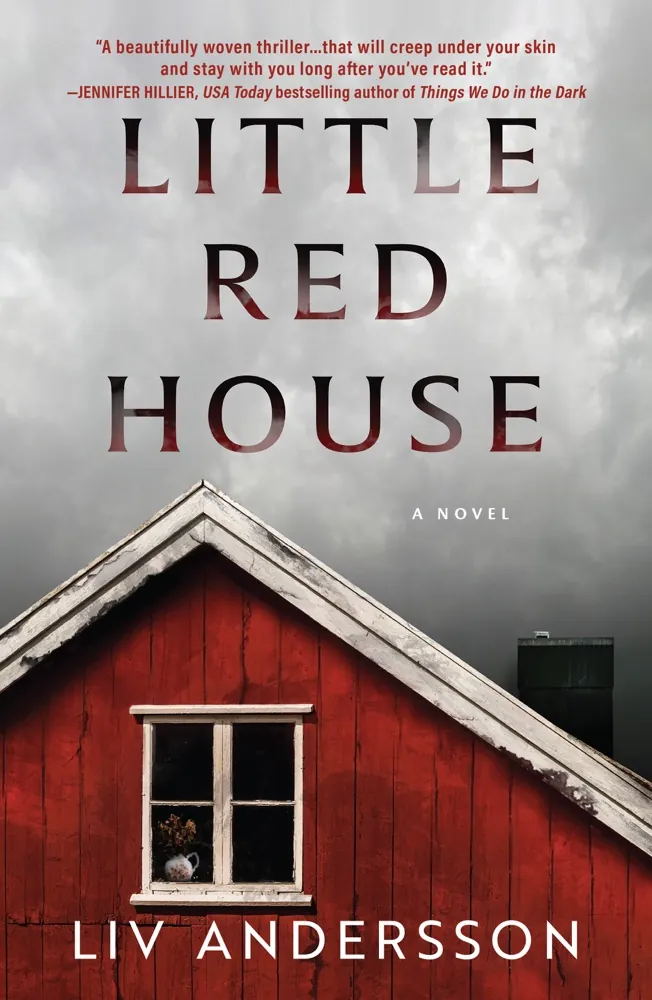
Author: Liv AnderssonPage Count: UnknownPublication Date: Expected publication 2026 APL Little Red House by Liv Andersson is a tantalizing proposition, a diabolically twisty thriller that promises to peel back the layers of dark family ties and long-buried secrets. Alma Katsu, author of The Hunger, calls it "diabolically twisty," and one can almost smell the musty scent of New Mexico's desert landscapes where the serial killer prowls in the shadows. But what does it say about our collective psyche that we're so enamored with the notion of the "tainted inheritance," the idea that some wounds run so deep, they're impossible to heal? We've seen it in Sharp Objects by Gillian Flynn, where the protagonist's past comes back to haunt her in the form of a gruesome, small-town mystery. We've seen it in The Silent Patient by Alex Michaelides, where the inner workings of a painter's troubled mind are laid bare for all to see. Yet, in Little Red House, it's not just about the tangled web of family dynamics or the killer's warped logic – it's about the suffocating grip of a mother's toxic legacy and the ways in which it can both destroy and define us. Or is it? Actually, scratch that – it's about absolutely nothing. We get a vague setup, a series of unsolved murders in New Mexico, and a narrator who receives a strange, dilapidated house as an inheritance. The setup is tantalizing, yet frustratingly vague. We get glimpses of Connie's toxic relationship with her mother, the cruel games she played, but nothing concrete. The plot promises to be a thrilling ride, but the more we learn, the more we realize that Andersson is setting up a series of tropes, not a cohesive narrative. Literally. But I digress – it's clear Andersson knows how to build tension, how to create a sense of foreboding that follows us through the pages like a predator stalking its prey. The writing is crisp, the pacing sharp, and the imagery evocative, conjuring up images of a desert landscape that's both beautiful and deadly. Hard pass. As I see it, Little Red House is a study in contrasts, a exploration of the darker aspects of motherhood and the ways in which our pasts can shape us into the people we become. It's a cautionary tale about the dangers of inheriting someone else's demons, and the ways in which we can both perpetuate and break free from toxic patterns. Or is it just a bunch of tired tropes strung together? One thing's for sure – I'm hiding in the pantry for five minutes of peace, sipping on some lukewarm coffee and trying to shake off the sense of disquiet that's been following me since I stumbled upon this book. #PsychologicalThriller #BookPrediction: I call it a 3-star read, an uneven but captivating exploration of the human condition. The writing's sharp, but the plot's a mess – a tangled web of threads that never quite come together. #TBA #DarkFamilySecrets #MysteriousInheritance Related InsightsDenialism Book Review and Summary The Ruined Book Review and Summary The Dragon Republic Book Review and Summary{ "@context": "https://schema.org", "@type": "FAQPage", "mainEntity": [ { "@type": "Question", "name": "What is the main focus of Little Red House Book Review and Summary?", "acceptedAnswer": { "@type": "Answer", "text": "Everything you need to know about Little Red House with our detailed review." } }, { "@type": "Question", "name": "Who authored the comprehensive guide on Little Red House Book Review and Summary?", "acceptedAnswer": { "@type": "Answer", "text": "This detailed article and its insights were carefully researched and authored by Hannah Schmidt." } }, { "@type": "Question", "name": "Where can I find more related content about Books?", "acceptedAnswer": { "@type": "Answer", "text": "You can explore more articles, detailed reviews, and similar insights by browsing the Related Insights section at the bottom of this article or visiting our dedicated Books category page." } } ] }
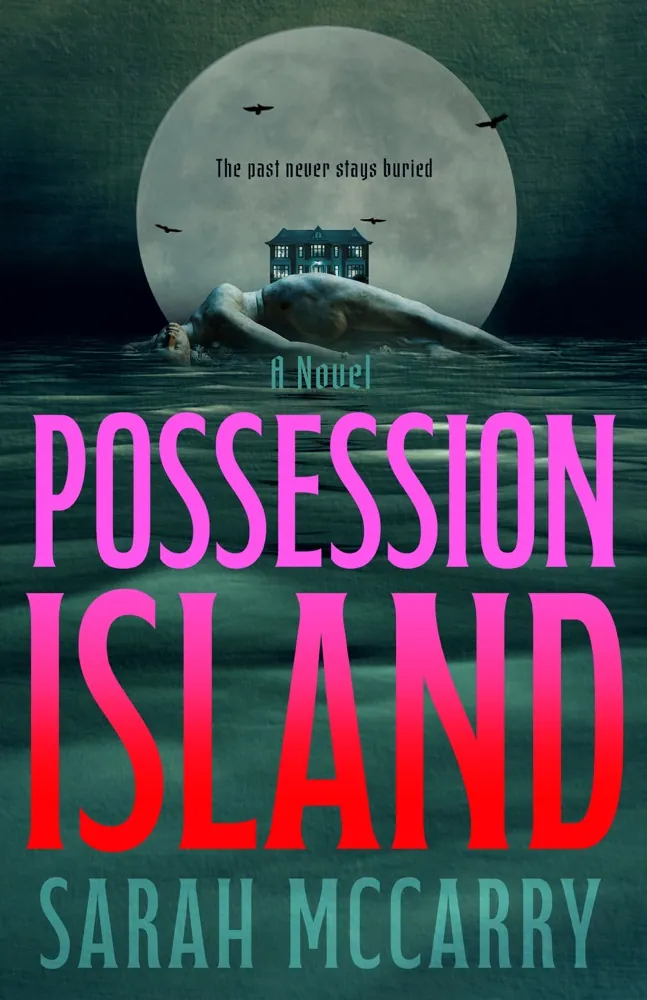

Author: Sarah McCarryPage Count: UnknownPublication Date: Expected publication 2026-12-01 APL Grade eight attendance sheets are an existential void from which no mortal soul returns unscarred, yet here we are dissecting Possession Island: A Novel by Sarah McCarry because a decent joke or a sharp narrative hook is the only thing standing between my sanity and a complete collapse into the linoleum floor. The premise gives us Angela Bell returning to her mother's gothic Pacific Northwest tourist trap of a hometown only for her estranged best friend to end up brutally murdered, leaving Angela cornered by a botched police investigation. Naturally. Because no literary protagonist can simply walk down to the local bodega for a bag of chips without stumbling over a corpse or uncovering a century-old town curse involving vampires and petty high school grudges. Speaking of absolute nonsense, why do we constantly subject ourselves to reading about moody teenagers solving crimes when I spent twenty uninterrupted minutes this morning trying to explain to twelve human children that the plural of octopus is not octopussies? A kid literally cried because I wouldn't let him name the classroom hamster "Apocalypse." It makes me want to scream into a bucket of industrial-strength sanitizer. At least Sarah McCarry has the decency to pit Angela against her former nemesis, Sally Raleigh—trapped by family duty and a charismatic twin—in an alliance born of grief and small-town claustrophobia. Shadows, Doppelgängers, and Damp Flannel The thematic mechanics rely heavily on the tired trope of the literary offspring haunted by maternal shadow-work. We have seen this exact mood board executed with varying degrees of success in Plain Bad Heroines and the endlessly undulating adaptations of Anne Rice. Yet, the queer gothic framing suggests a welcome dose of teeth—literally, if the marketing copy is to be trusted. Wait. Let me backtrack entirely. The marketing copy actually promises nothing of the sort regarding literal biting; it is probably just a metaphorical reclamation of female rage, which means we are in for three hundred pages of atmospheric brooding, damp moss, and lingering subtext that never quite transforms into the bloody spectacle we are promised. The synopsis leans entirely on atmospheric shorthand. Remote island? Check. Dead best friend? Check. High school enemies forced to cooperate while harboring dark secrets? Double check. It is a paint-by-numbers template for contemporary dark academia, relying on vibes rather than mechanical originality. And yet, McCarry writes with a precision that usually elevates these predictable structural beats into something genuinely sharp. The tension hinges on the lies these characters tell each other, which brings to mind the absolute nightmare of trying to police hallway gossip between periods when the hormonal fluctuations are severe enough to alter local gravity. Anyway, the book drops in December of 2026, which gives us plenty of time to brace for the inevitable wave of breathless blurbs comparing it to Interview with the Vampire. Let us just hope the prose carries enough bite to survive the comparison. I completely forgot to take the trash out and I can hear the diesel engine of the garbage truck rumbling down the alley right now. Related InsightsThe Stolen Crown (The Ever Seas, #4) Book Review and Summary Stardust Book Review and Summary Record Lows Book Review and Summary{ "@context": "https://schema.org", "@type": "FAQPage", "mainEntity": [ { "@type": "Question", "name": "What is the main focus of Possession Island: A Novel Book Review and Summary?", "acceptedAnswer": { "@type": "Answer", "text": "Everything you need to know about Possession Island: A Novel with our detailed review." } }, { "@type": "Question", "name": "Who authored the comprehensive guide on Possession Island: A Novel Book Review and Summary?", "acceptedAnswer": { "@type": "Answer", "text": "This detailed article and its insights were carefully researched and authored by Thomas Wright." } }, { "@type": "Question", "name": "Where can I find more related content about Books?", "acceptedAnswer": { "@type": "Answer", "text": "You can explore more articles, detailed reviews, and similar insights by browsing the Related Insights section at the bottom of this article or visiting our dedicated Books category page." } } ] }

Author: Misty WilsonPage Count: UnknownPublication Date: Expected publication 2026-10-06 APL Outside the double-paned Belgian glass, the August sun is beating down on emerald pastures with the unyielding malice of a bad hangover, yet here I sit, contemplating the literary atrocity awaiting us in October. Falling Like Snow by Misty Wilson promises another descent into the small-town, flannel-clad purgatory of Falling Like Leaves. Because nothing screams high-art like recycling a municipal committee meeting for the sake of forced proximity. The Architecture of Cliché The premise rests on a foundation so painfully predictable it hurts. Sloane Sullivan survives one autumnal civic disaster only to be dragged headfirst into a winter bacchanal because her mother clearly lacks hobbies. Nora Ephron marathons with the platonic best friend? Groundbreaking. Truly, literature has never witnessed such raw, unfiltered cinematic audacity. Naturally, the universe must disrupt this cozy domesticity by parading a chisel-jawed hockey player across the page. Yet we must interrogate the sheer laziness of the love triangle trope here. It is the literary equivalent of eating gas-station sushi—you know it is going to end in digestive regret, but you do it anyway for the cheap thrill. Wilson leans so heavily into the manufactured confusion that one wonders if Sloane possesses the cognitive function of a damp tea towel. How does one suddenly look at the boy who hands her popcorn and realize he has a jawline? Make it make sense, bestie. This is pure brainrot dressed up in holiday wrapping paper. Seasonal Whiplash and Aesthetic Crimes Releasing a winter-themed book in October is a marketing choice, though perhaps "choice" is too generous a word for an editorial cash grab designed to capitalize on pumpkin-spice fatigue before the first icicle even forms. The synopsis relies on that tired, exhausted trope of forced event-planning as emotional scaffolding. If characters cannot communicate over a shared hot cocoa without a parade committee present, do they even possess interiority? No. They are merely puppets dancing for the YA industrial complex. Compare this pedestrian fluff to the biting, razor-sharp social dissection of Sally Rooney or the decadent emotional devastation found in Emily Henry’s better moments. Wilson’s dialogue sounds like it was generated by an algorithm fed exclusively on Hallmark Christmas movie scraps and frantic TikTok edits. The pacing will undoubtedly drag faster than an overloaded sleigh stuck in July mud, leaving readers drowning in a sea of manufactured angst. My managing editor is currently hyperventilating over the Q3 projections because nobody wants to buy winter fluff while we are still sweating through linen trousers on an express train to Zurich. #BookTok #FallReads #LiteraryTrash Related InsightsGhosts of the West Yorkshire Moors: The Savage Soul of Wuthering Heights What You Need to Be Warm Book Review and Summary A Little Princess Book Review and Summary{ "@context": "https://schema.org", "@type": "FAQPage", "mainEntity": [ { "@type": "Question", "name": "What is the main focus of Falling Like Snow (Bramble Falls #2) Book Review and Summary?", "acceptedAnswer": { "@type": "Answer", "text": "Everything you need to know about Falling Like Snow (Bramble Falls #2) with our detailed review." } }, { "@type": "Question", "name": "Who authored the comprehensive guide on Falling Like Snow (Bramble Falls #2) Book Review and Summary?", "acceptedAnswer": { "@type": "Answer", "text": "This detailed article and its insights were carefully researched and authored by Tiago Silva." } }, { "@type": "Question", "name": "Where can I find more related content about Books?", "acceptedAnswer": { "@type": "Answer", "text": "You can explore more articles, detailed reviews, and similar insights by browsing the Related Insights section at the bottom of this article or visiting our dedicated Books category page." } } ] }
Author: Emma HammPage Count: UnknownPublication Date: Expected publication 2026-09-01 APL Flight 404 is now delayed by another three hours. The Riedel glass of Pinot sitting on this sticky marble table costs more than a decent quarterly dividend in the nineties, yet I am trapped staring at a carpet that looks like a crime scene at an airport Radisson. Perfect. Absolutely stellar vibes. Let us dissect the impending literary catastrophe that is The Endless One. Emma Hamm clearly decided that whatever psychological damage she inflicted in books one and two wasn't quite sufficient for the USA Today bestseller crowd. They want blood, babies, and bad-boy deities who somehow manage to keep their hair styled while committing war crimes. Groundbreaking. A girl gets murdered, gets mildly inconvenienced by death, upgrades her title to the Gravesinger—because why use a normal noun when you can use a spooky compound word?—and suddenly she is ready to deicide. The Aesthetic of Absolute Chaos Consider the sheer marketing gymnastics required to pitch this. We are looking at a protagonist who went from "innocent bride" to whatever grimdark-adjacent, leather-clad deity-slayer archetype we are pushing this quarter. It’s Sarah J. Maas meets a heavy metal album cover designed by a teenager in a basement. No, wait. It is Rebecca Yarros with a higher body count and less dragon-cholesterol. Jessamine has a throne stolen. Classic Tuesday. Her kingdom is in ruins. Yawn. But she is bound to Elric—who is apparently a god that loves her, which sounds exhausting—and she has to weigh humanity against cosmic violence. I mean, same. I weighed my humanity against the cost of a private charter out of this purgatory five minutes ago and humanity lost. The Deicide Industrial Complex What fascinates me, strictly from the perspective of someone paying fifty bucks for lukewarm airport cashews, is the sheer economy of scale behind the modern romantasy climax. You do not just kill a man anymore. That is so 2012. You have to kill a god at his source. It is an arms race of divine vandalism. Hamm is leaning hard into the "bound to the monster" trope. She is serving up absolute mid-tier emotional trauma porn, and frankly, my portfolio needs the distraction. Will the prose be absolute garbage? Probably. Will I buy the hardcover anyway just to throw it against the bulkhead of the Gulfstream once it clears air traffic control? Absolutely. We read to feel something, and if that something is secondary embarrassment for fictional immortals, so be it. It beats checking my stock ticker. I have to log off and mentally prepare for my interview with Vogue. #darkromantasy #theendlessone #emmahamm #booktoktears Related InsightsKingdom of Ash Book Review and Summary These Summer Storms Book Review and Summary Just a Shot Away: Martin Scorsese's Life in Film Book Review and Summary{ "@context": "https://schema.org", "@type": "FAQPage", "mainEntity": [ { "@type": "Question", "name": "What is the main focus of The Endless One (The Gravesinger Series) Book Review and Summary?", "acceptedAnswer": { "@type": "Answer", "text": "Everything you need to know about The Endless One (The Gravesinger Series) with our detailed review." } }, { "@type": "Question", "name": "Who authored the comprehensive guide on The Endless One (The Gravesinger Series) Book Review and Summary?", "acceptedAnswer": { "@type": "Answer", "text": "This detailed article and its insights were carefully researched and authored by Elena Volkova." } }, { "@type": "Question", "name": "Where can I find more related content about Books?", "acceptedAnswer": { "@type": "Answer", "text": "You can explore more articles, detailed reviews, and similar insights by browsing the Related Insights section at the bottom of this article or visiting our dedicated Books category page." } } ] }