Showing Posts From
Bookreview
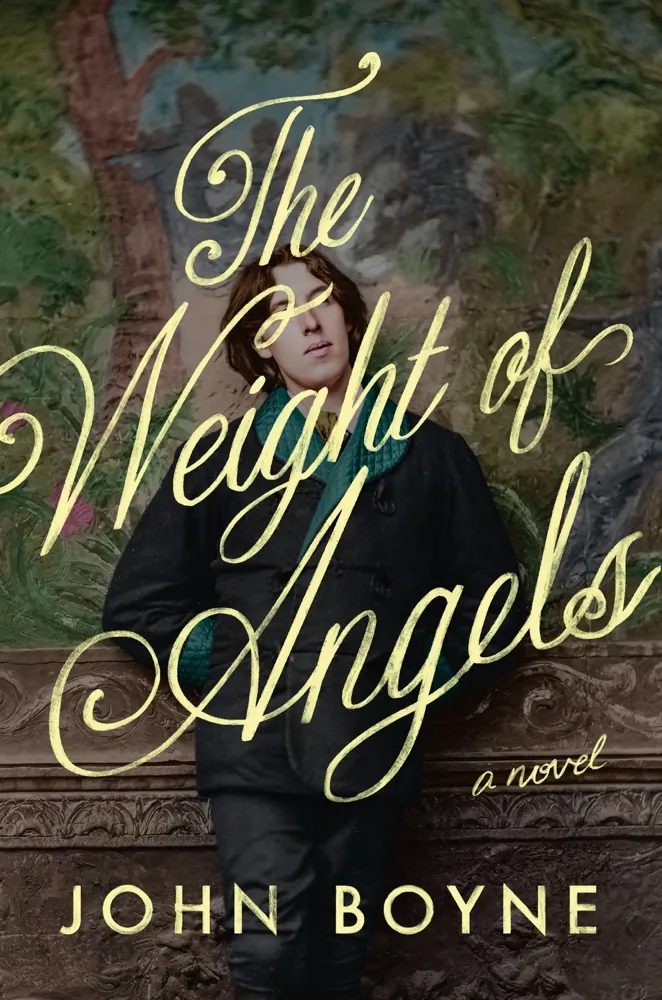
Author: John BoynePage Count: UnknownPublication Date: Expected publication 2026-09-29 APL The synopsis of The Weight of Angels is so aggressively vague it might as well be a Wildean epigram—elegant on the surface, but hollow beneath. What we’re promised is a speculative reimagining of Oscar Wilde’s life had he ignored the Marquess of Queensberry’s infamous libel, a narrative that unfurls like a Victorian-era Black Swan where the protagonist’s downfall is averted by sheer inertia. But inertia is the enemy of drama, and Boyne’s premise here is less a bold reworking of history and more a lazy thought experiment dressed in the trappings of literary ambition. The core question—what if Wilde had lived to witness the 20th century?—isn’t just tired; it’s the kind of premise that belongs in a Doctor Who episode where the Doctor casually rewinds time to prevent a tragedy. The problem isn’t the idea itself—it’s that Boyne seems to think Wilde’s genius would’ve been preserved in a vacuum, untouched by the very forces that made him Wilde in the first place. The man was a firebrand, a provocateur, a man who thrived on scandal. To imagine him surviving the 1920s without any of that—without the Salomé scandal, without the De Profundis letters, without the very weight of his own contradictions—is to suggest he was ever anything but a man of his time. And yet, here we are, being asked to believe he could’ve been a mild-mannered observer of history, a ghost at the feast of the century. The synopsis doesn’t even attempt to grapple with the psychological absurdity of this premise. Wilde’s life was a series of self-inflicted wounds, each one a deliberate act of defiance against the bourgeoisie that had already condemned him. To erase the libel trial is to erase the catalyst for his greatest work—De Profundis, the letter that became his most raw and unfiltered confession. But Boyne seems to think Wilde’s brilliance was a static thing, something that could’ve been bottled and preserved like a fine wine. It wasn’t. It was a flame, and flames require oxygen—preferably the kind that comes from public humiliation, exile, and the kind of existential crisis that turns a man into a legend. And then there’s the matter of the 20th century itself. Wilde’s survival would’ve required him to navigate the Great War, the Spanish Flu, the rise of fascism—all while somehow retaining his wit, his charm, his weight. It’s the literary equivalent of asking if a man who could’ve outwitted the entire establishment in 1895 could’ve done the same in 1935, when the establishment had learned how to burn books and imprison poets. The synopsis doesn’t even hint at the kind of moral compromises Wilde might’ve had to make to survive, the way The Remains of the Day forces its protagonist to confront the quiet complicity of his own silence. Instead, we’re given the impression that Wilde would’ve been a passive spectator, a man who simply witnessed history rather than shaped it. The most damning thing about this premise is that it’s not even original. It’s the same tired "what if" that powers every alternate-history novel that’s ever been written, the kind of thought experiment that feels more like an academic exercise than a novel. Where’s the The Man in the High Castle audacity? Where’s the Piranesi surrealism? Where’s even the The Shadow of the Wind sense of a world turned sideways by a single decision? Instead, we’re treated to the kind of speculative fiction that feels like it was cobbled together in a boardroom meeting, where the question wasn’t "What would Wilde’s life have been?" but rather "How can we make this sound like a bestseller?" And yet—despite all this—there’s a perverse appeal to the idea. Because Wilde was a man who thrived on the edge of destruction, and to imagine him surviving it is to imagine a man who never had to prove himself. It’s the literary equivalent of asking if a hurricane could’ve been a gentle breeze. The answer is no, and Boyne’s premise knows it, which is why the synopsis is so deliberately vague. It’s not a novel waiting to be written; it’s a placeholder for a novel that should’ve been something far more ambitious, something that didn’t settle for the easy path of "what if he’d just ignored it?" But then again, maybe that’s the point. Maybe The Weight of Angels is just another entry in the canon of books that mistake nostalgia for depth, that confuse the idea of a man surviving his own downfall with the idea of a man living a full life. And if that’s the case, then it’s a book that will be forgotten as quickly as it’s remembered, a blip in the literary landscape, a ghost at the feast of Wilde’s legacy. I must sign divorce papers today. The paperwork is tedious, but the separation is necessary. #WildeWasRight #AlternateHistoryFail #SpeculativeFictionFails Related InsightsSteelstriker Book Review and Summary Fahrenheit 451 Book Review and Summary In a Holidaze Book Review and Summary{ "@context": "https://schema.org", "@type": "FAQPage", "mainEntity": [ { "@type": "Question", "name": "What is the main focus of The Weight of Angels Book Review and Summary?", "acceptedAnswer": { "@type": "Answer", "text": "Everything you need to know about The Weight of Angels with our detailed review." } }, { "@type": "Question", "name": "Who authored the comprehensive guide on The Weight of Angels Book Review and Summary?", "acceptedAnswer": { "@type": "Answer", "text": "This detailed article and its insights were carefully researched and authored by Sofia Bianchi." } }, { "@type": "Question", "name": "Where can I find more related content about Books?", "acceptedAnswer": { "@type": "Answer", "text": "You can explore more articles, detailed reviews, and similar insights by browsing the Related Insights section at the bottom of this article or visiting our dedicated Books category page." } } ] }
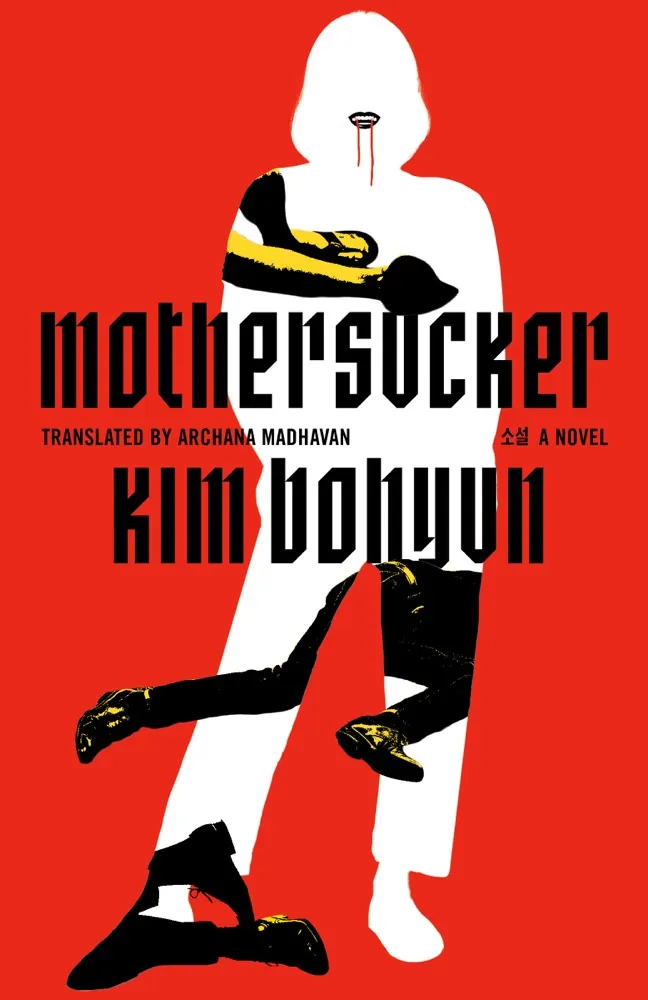

Author: Kim BohyunPage Count: UnknownPublication Date: Expected publication 2026-09-01 APL Rain has been tapping a slow, rhythmic pattern against the kitchen window for hours now, matching the quiet steady thrum of tea cooling in a chipped mug on the counter. There is a certain kind of peace found in gray afternoons, a stillness that invites darker thoughts to drift lazily across the mind without causing any real alarm. Kim Bohyun’s upcoming Mothersucker seems tailor-made for this exact atmospheric slump. Anatomy of an Unsolved Vengeance The premise is ruthlessly simple, even if the synopsis plays it remarkably close to the chest regarding actual mechanics. A vigilante entity—or perhaps a supernatural contagion of pure maternal fury—is systematically hunting down men who have harmed women. They are burned, drained of blood, and left without a single footprint to explain how the deed was done. Detective Noh Jin-seon steps into a procedural nightmare where the evidence defies physics and the perpetrators are whispered about in collective, feverish dreams. Yet I find myself skeptical of how this will actually play out on the page. Wait, let me rephrase that entirely. The supernatural framing feels remarkably tired in an era where every genre release tries to merge trauma with monsters, yet the specific cultural weight of gender-based violence in Korea might just elevate this above standard supernatural pulp. The psychological landscape promised here is vast, drawing obvious stylistic bloodlines to Monika Kim’s Molka and The Eyes Are the Best Part. Bohyun appears less interested in a standard cat-and-mouse detective yarn and far more focused on the rot of institutional protection for abusers. The Cost of Cold Blood Geum-hong anchors the emotional core as a mother whose grief over her murdered daughter has calcified into something weaponized. But how does a book sustain momentum when the killer’s identity or modus operandi is broadcast so clearly in the marketing copy? The synopsis practically begs the reader to root for the monsters, trading traditional mystery mechanics for an exploration of systemic rot and cathartic gore. Atmospheric. And entirely reliant on whether the prose can match the audacity of its own logline. If the pacing holds up, this might just scratch that very specific itch for dark, uncompromising speculative fiction that refuses to offer easy moral absolution. If it stumbles, it risks drowning in its own heavy-handed metaphors about patriarchal bloodlust. The grass out back grew far too thick this past week, and now the heavy afternoon mist has left the turf damp and clinging, which means I have to go out there with a scraper and unclog the lawnmower deck before the rust really sets in. #Mothersucker #KimBohyun #KoreanLiterature #SpeculativeFiction Related InsightsThe Rush: California Gold, the Civil War, and the Making of the Modern World Book Review and Summary A Year with the Classics: A Beginner’s Class in Twelve Books that Have Inspired Christian Heroes, Sinners, and Saints for Centuries Book Review and Summary A reaper at the gates Book Review and Summary{ "@context": "https://schema.org", "@type": "FAQPage", "mainEntity": [ { "@type": "Question", "name": "What is the main focus of Mothersucker Book Review and Summary?", "acceptedAnswer": { "@type": "Answer", "text": "Everything you need to know about Mothersucker with our detailed review." } }, { "@type": "Question", "name": "Who authored the comprehensive guide on Mothersucker Book Review and Summary?", "acceptedAnswer": { "@type": "Answer", "text": "This detailed article and its insights were carefully researched and authored by Maximilian Fischer." } }, { "@type": "Question", "name": "Where can I find more related content about Books?", "acceptedAnswer": { "@type": "Answer", "text": "You can explore more articles, detailed reviews, and similar insights by browsing the Related Insights section at the bottom of this article or visiting our dedicated Books category page." } } ] }
-
 Camille Dubois
 - 11 Aug, 2026 04:08
The Museum of Lost Things: True Tales of Fabled Treasures, Legendary Cities, and Mythical Creatures That Vanished From History Book Review and Summary
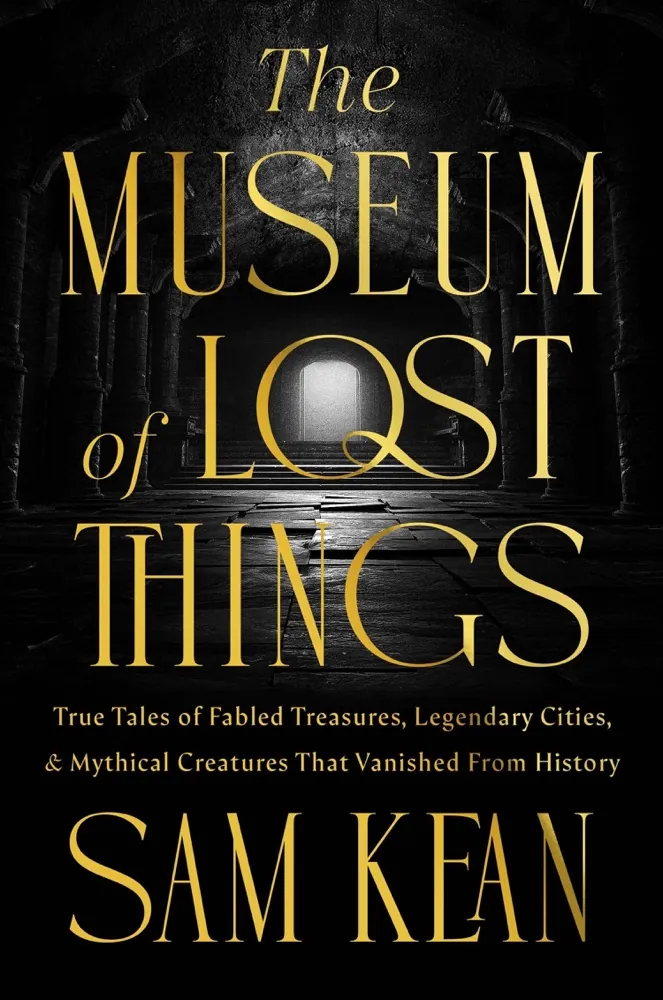
Author: Sam KeanPage Count: UnknownPublication Date: Expected publication 2026-09-15 APL Sam Kean is about to break my heart again, and honestly, I am entirely here for it. The Museum of Lost Things promises a sprawling, melancholic inventory of everything humanity has carelessly misplaced over a million years. Because nothing brings a family closer together quite like collectively staring at a blank wall and mourning the library of Alexandria before Sunday dinner. Dust and Disappearances The synopsis lays out a buffet of vanished grandeur—Troy, Genghis Khan’s hidden resting place, languages that humans simply forgot how to read. Yet the real hook here is the emotional resonance. Kean is not just listing old junk. He is diagnosing our chronic human habit of letting go of the things that matter most. And I refuse to read any early reviews claiming this is just a dry history text. Wait. Let me rephrase that. Actually, if it turns out to be a dry academic ledger of extinct dodos, I am throwing the hardcover directly into the recycling bin. Because we demand narrative drive. We need to feel the frantic panic of saving the Mona Lisa from destruction, or the eerie silence of an unspoken tongue. The Chemistry of Loss What makes Kean work so brilliantly on the page is his uncanny ability to make historical trivia feel like sitting across the kitchen table from a brilliant relative who drank four espressos too many. Think Mary Roach meeting Bill Bryson at a gloomy archaeological dig. But let us be fiercely honest for a moment. A sweeping thematic analysis of loss across a million years runs the distinct risk of feeling like an existential homework assignment. Can a book about vanishing cities maintain the crackling, conversational kinetic energy we expect from narrative nonfiction? History is messy. Our attics are messy. My teenager's bedroom is an active archaeological hazard zone of lost socks and forgotten ambitions. So Kean better deliver on the promised globe-trotting scope. If I do not close this book feeling personally offended by the entropy of the universe, he has failed. Give us the grief of the mammoth. Give us the intoxicating mystery of undeciphered scripts. Just do not make it boring. Hold on a second, do not move. Stay completely still. I need to get an ice cube out of the freezer right now because someone managed to get a piece of strawberry bubblegum hopelessly tangled in the back of the dog's fur again. Related InsightsChosen Son (Fallen City Duology, #2) Book Review and Summary The World We Make Book Review and Summary Beyond the Spine: Unearthing Stories in the Obscure World of Armorial Bookplates{ "@context": "https://schema.org", "@type": "FAQPage", "mainEntity": [ { "@type": "Question", "name": "What is the main focus of The Museum of Lost Things: True Tales of Fabled Treasures, Legendary Cities, and Mythical Creatures That Vanished From History Book Review and Summary?", "acceptedAnswer": { "@type": "Answer", "text": "Everything you need to know about The Museum of Lost Things: True Tales of Fabled Treasures, Legendary Cities, and Mythical Creatures That Vanished From History with our detailed review." } }, { "@type": "Question", "name": "Who authored the comprehensive guide on The Museum of Lost Things: True Tales of Fabled Treasures, Legendary Cities, and Mythical Creatures That Vanished From History Book Review and Summary?", "acceptedAnswer": { "@type": "Answer", "text": "This detailed article and its insights were carefully researched and authored by Camille Dubois." } }, { "@type": "Question", "name": "Where can I find more related content about Books?", "acceptedAnswer": { "@type": "Answer", "text": "You can explore more articles, detailed reviews, and similar insights by browsing the Related Insights section at the bottom of this article or visiting our dedicated Books category page." } } ] }
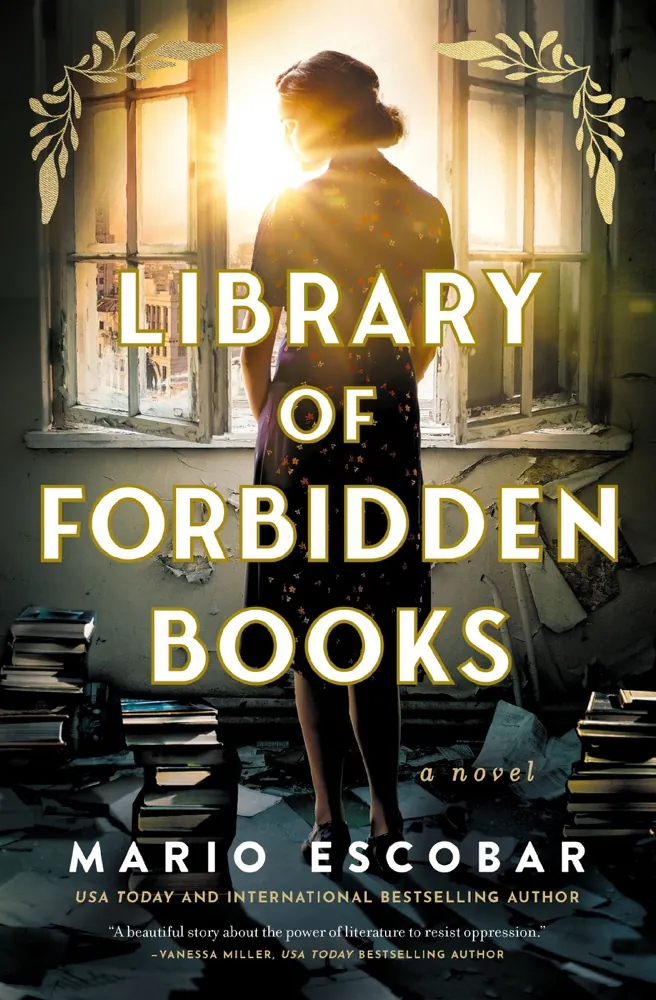

Author: Mario EscobarPage Count: UnknownPublication Date: Expected publication 2026-09-01 APL Ah, so Library of Forbidden Books—this isn’t just another historical fiction about a librarian saving books, is it? It’s a performance, a slow-burning pyre of a novel where the real villain isn’t just the Nazis but the idea that words can be erased without leaving scars. Helene Nathan isn’t just a character; she’s a tactical librarian, a woman who understands that books aren’t just paper and ink—they’re the last line of defense against a regime that wants to rewrite history before it’s even written. And yet—where’s the tension? The synopsis reads like a museum exhibit, all solemnity and no sweat. Where’s the moment when Helene realizes she’s not just hiding books but people in those shelves? Where’s the moment when she has to choose between saving a single volume or a life? The synopsis gives us the gesture—the defiance, the danger—but not the grit. It’s like reading about a storm without the wind. But then again, maybe that’s the point. Maybe the book is about the quiet resistance, the kind that doesn’t make headlines but still burns. The kind of courage that doesn’t shout but whispers—just loud enough for the right ears. And yet—where’s the personal cost? Helene is half-Jewish, and Rudolf Kummer is her nemesis, but the synopsis doesn’t tell us if she’s in love with him once, or if she’s hiding someone in her home, or if she’s been watching him for years, waiting for the right moment to strike. The psychological depth here is just a shadow, not a full portrait. It’s like being given a sketch of a face and told it’s a masterpiece. And the books—oh, the books! The synopsis mentions them like they’re sacred objects, but where’s the magic? Where’s the moment when Helene realizes that some books aren’t just forbidden because of their content but because of who wrote them? Where’s the moment when she has to decide whether to save a volume of poetry by a Jewish author or a medical text that could save lives? The synopsis treats the books as artifacts, not weapons. And that’s a problem, because in real life, books aren’t just things to be preserved—they’re tools. They’re the difference between a society that remembers and one that forgets. But then—what if the book is about the idea of preservation? What if it’s not about the thrill of the chase but the weight of the choice? What if Helene’s greatest act of defiance isn’t saving books but deciding which ones to save? That’s a different kind of story, one that doesn’t need explosions or betrayals but silence. And yet—where’s the human element? Where’s the moment when Helene has to look her reflection in the mirror and ask herself if she’s still a librarian or just a survivor? Literally. I mean, come on—this synopsis reads like a manifesto. It’s all about the power of literature, the courage of resistance, the sacredness of words. But where’s the mess? Where’s the moment when Helene makes a mistake, or when she’s terrified, or when she has to choose between her principles and her survival? The synopsis gives us the big picture, but not the close-up. And that’s a shame, because the best stories aren’t about the idea of resistance—they’re about the people who do it. But then again, maybe that’s the point. Maybe the book is about the idea of resistance, not the act. Maybe it’s about the hope that words can survive, even if the people who wrote them don’t. And if that’s the case, then the synopsis is perfect—because it’s not about the details but the essence. It’s about the idea of a world where books are burned, and one woman stands in the way. And if that’s the case, then I’m intrigued. But I’m also skeptical, because the best stories aren’t about the idea—they’re about the people. I need to go find where the dog hid my only good pair of dress shoes. #BookBurning #HistoricalFiction #LibrarianLife #NaziGermany #ResistanceStories Related InsightsA Really Short History of Nearly Everything Book Review and Summary Demian: Die Geschichte von Emil Sinclairs Jugend Book Review and Summary A Tree Grows in Brooklyn Book Review and Summary{ "@context": "https://schema.org", "@type": "FAQPage", "mainEntity": [ { "@type": "Question", "name": "What is the main focus of Library of Forbidden Books Book Review and Summary?", "acceptedAnswer": { "@type": "Answer", "text": "Everything you need to know about Library of Forbidden Books with our detailed review." } }, { "@type": "Question", "name": "Who authored the comprehensive guide on Library of Forbidden Books Book Review and Summary?", "acceptedAnswer": { "@type": "Answer", "text": "This detailed article and its insights were carefully researched and authored by Antoine Leroy." } }, { "@type": "Question", "name": "Where can I find more related content about Books?", "acceptedAnswer": { "@type": "Answer", "text": "You can explore more articles, detailed reviews, and similar insights by browsing the Related Insights section at the bottom of this article or visiting our dedicated Books category page." } } ] }
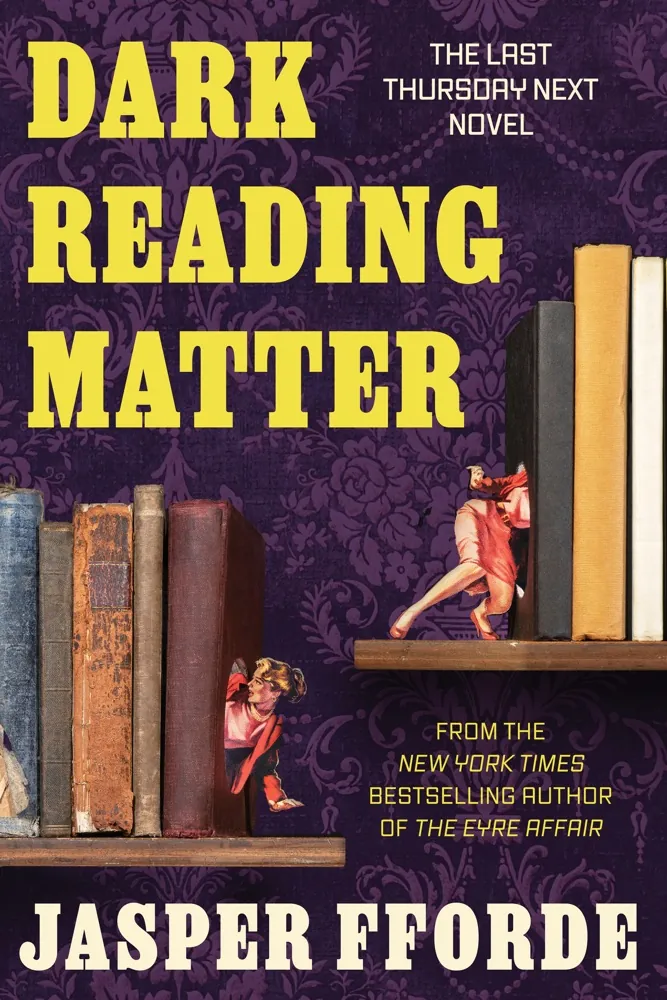
Author: Jasper FfordePage Count: UnknownPublication Date: Expected publication 2026-10-06 APL Jasper Fforde expects us to simply accept that Dark Reading Matter will neatly tie up a narrative arc spanning a quarter-century. As if human attention spans in the current year can handle closure without a complete structural collapse. My kitchen smells faintly of burnt fish fingers because the timer failed again—or perhaps because I stared at a blank wall for twenty minutes calculating the exact chronological trauma of watching a small child unlearn fear through three hundred viewings of Bluey, an animated masterpiece that understands emotional regulation better than any contemporary literary fiction writer currently clogging the bestseller lists. Anyway, Thursday Next is back. Or she is trying to be. The Metatextual Minefield of Finality The premise leans heavily on meta-fiction—because nothing screams desperation quite like a fictional character realizing they are in their final installment and immediately panicking about the word count. Fforde’s official synopsis promises Martians breaking containment, a literal Gateway to Hell at a second-rate Shakespeare theme park, and the terrifying weaponization of Enid Blyton by ultra-right-wing nationalists. And yet. Every single one of these ridiculous hazards feels engineered in a sterile laboratory to distract us from the sheer terror of things ending. We cling to absurdities because the alternative—actually sitting with the quiet, devastating realization that a beloved companion of a book series is going dark forever—requires an emotional bandwidth I currently allocate entirely toward keeping a fragile household from splintering into jagged pieces. Erasure and the Politics of the Unwritten Look closely at that synopsis. A partially redacted donkey. Big Tech draining imaginative energy from the BookWorld. A murderous stamp collector. It is pure, unfiltered narrative chaos masquerading as plot. But beneath the whimsy lies an acute anxiety about erasure. What happens when the stories we use to anchor ourselves—the fictional worlds we built out of desperation to survive the mundane brutality of actual existence—get audited, redacted, or optimized by algorithms? Fforde touches a raw nerve here, even if he hides it behind a clown suit of puns and literary gags. We are all just desperately trying to protect our internal landscapes from hostile corporate takeovers. Some days, defending an imaginary realm populated by literary special ops agents feels marginally more productive than negotiating why a nine-year-old refuses to wear socks in November. Yet I remain deeply suspicious of this whole enterprise. Fforde has painted himself into a conceptual corner where the only way out is a massive deus ex machina wrapped in self-referential irony. Terry Pratchett used to pull this off with a bittersweet grace that cut straight to the bone. Whether Fforde can stick the landing without resorting to cheap narrative gymnastics remains entirely unproven. The synopsis is vague where it counts, hiding behind a barrage of wacky set-pieces because the author is just as terrified of the final page as we are. Someone just adjusted the thermostat. I heard the distinct click in the hallway, and I am going to find out who touched the dial before the ambient temperature drops another fraction of a degree. #DarkReadingMatter #JasperFforde #BookWorld #LiteraryInsanity Related InsightsIf Not You Book Review and Summary Lanetli Kral [HC] Book Review and Summary Final Girls Book Review and Summary{ "@context": "https://schema.org", "@type": "FAQPage", "mainEntity": [ { "@type": "Question", "name": "What is the main focus of Dark Reading Matter (Thursday Next, #8) Book Review and Summary?", "acceptedAnswer": { "@type": "Answer", "text": "Everything you need to know about Dark Reading Matter (Thursday Next, #8) with our detailed review." } }, { "@type": "Question", "name": "Who authored the comprehensive guide on Dark Reading Matter (Thursday Next, #8) Book Review and Summary?", "acceptedAnswer": { "@type": "Answer", "text": "This detailed article and its insights were carefully researched and authored by Michael Brown." } }, { "@type": "Question", "name": "Where can I find more related content about Books?", "acceptedAnswer": { "@type": "Answer", "text": "You can explore more articles, detailed reviews, and similar insights by browsing the Related Insights section at the bottom of this article or visiting our dedicated Books category page." } } ] }
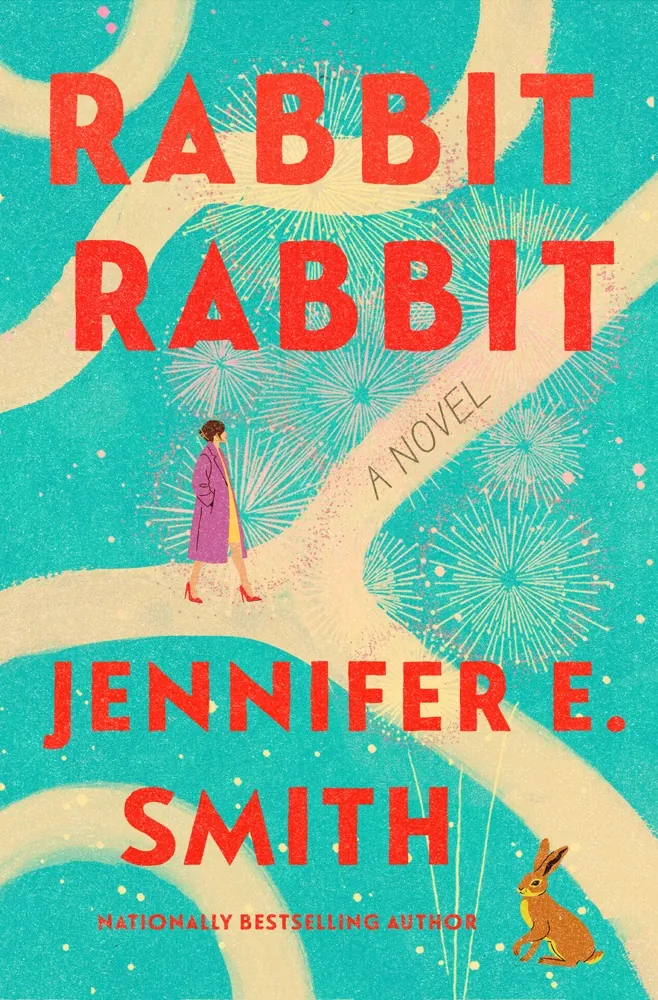
Author: Jennifer E. SmithPage Count: UnknownPublication Date: Expected publication 2026-12-15 APL Thirty-nine is a hell of an age to decide you’re going to force destiny to blink. Jennifer E. Smith’s Rabbit Rabbit gives us Billie, a film editor facing down the ticking biological clock with the kind of mid-life urgency that usually results in either a new puppy or a very expensive mistake. The premise? A New Year’s Eve meet-cute in Florence that is, frankly, teetering on the edge of a Hallmark script. She wants a baby; he’s a Scottish conservationist who thinks children are noise pollution. The Calculus of Compromise The conflict here is as old as the rom-com genre itself. Can you mold a person into the supporting actor your life script requires, or will you just end up resenting the rewrite? Smith is positioning this as a study of "paths not taken," but let’s be honest—it’s a study in how we justify our own stubbornness. Billie is choosing between two distinct versions of the future. One involves a fertility clinic, the other involves a man who represents the "wrong time" trope. This binary choice feels manufactured, a classic case of plot-driven agony meant to keep the reader guessing until the final page. It’s giving me major vibes of Rebecca Serle’s In Five Years, but with significantly less emotional carnage and more European travel aesthetics. Will Smith lean into the grit of the fertility journey, or will she gloss over the reality of it to keep the vibe breezy? My bet? It’s going to be a sugary, predictable romp through beautiful cities that serves as a backdrop for a very tidy epiphany. The Problem with Perfect Men Arthur sounds insufferable. A 44-year-old bachelor who travels the world and hasn't settled down? Please. We have seen this archetype in every airport-kiosk bestseller since the late nineties. He is the human equivalent of a glass of lukewarm white wine—pleasant, unremarkable, and ultimately disappointing. Yet, the friction between his child-free existence and Billie’s yearning for motherhood is where the actual narrative tension lives. If Smith chooses to resolve this through some miraculous change of heart from Arthur, I’m going to throw the ARC across the room. If it stays grounded in the uncomfortable reality that love rarely fixes structural incompatibility, she might actually have a book worth the paper it’s printed on. But I’m skeptical. The synopsis is painfully vague about how they reconcile these two irreconcilable goals. Maybe they don’t? Perhaps the "life-changing year" is actually about Billie realizing that her dream of motherhood doesn't require a partner, or that her dream of partnership doesn't require a nursery. Or maybe it’s just filler until December 2026. Either way, it’s a narrative experiment in the sunk-cost fallacy. I have to go make a Spotify playlist based on this terrible book. Related InsightsWolf Pack Book Review and Summary A Court of Frost and Starlight Book Review and Summary A Little Too Close - Madigan Mountain #2 Book Review and Summary{ "@context": "https://schema.org", "@type": "FAQPage", "mainEntity": [ { "@type": "Question", "name": "What is the main focus of Rabbit Rabbit Book Review and Summary?", "acceptedAnswer": { "@type": "Answer", "text": "Everything you need to know about Rabbit Rabbit with our detailed review." } }, { "@type": "Question", "name": "Who authored the comprehensive guide on Rabbit Rabbit Book Review and Summary?", "acceptedAnswer": { "@type": "Answer", "text": "This detailed article and its insights were carefully researched and authored by Irina Ivanova." } }, { "@type": "Question", "name": "Where can I find more related content about Books?", "acceptedAnswer": { "@type": "Answer", "text": "You can explore more articles, detailed reviews, and similar insights by browsing the Related Insights section at the bottom of this article or visiting our dedicated Books category page." } } ] }
-
 Irina Ivanova
 - 10 Aug, 2026 22:06
The Wolf Queen's Curse (Witch of the Wolves, #2) Book Review and Summary
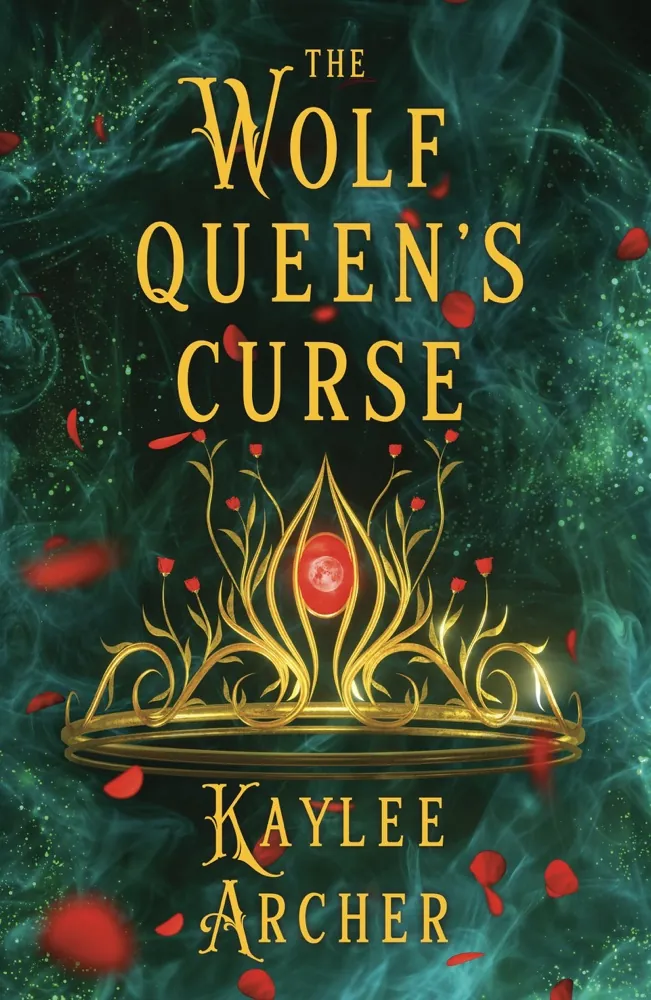
Author: Kaylee ArcherPage Count: UnknownPublication Date: Expected publication 2026-09-01 APL God, this wretched fan is making a clicking sound that matches the exact rhythm of my dwindling sanity. And for what? So I can sit in a sweatbox evaluating the marketing copy for Kaylee Archer's upcoming The Wolf Queen's Curse? My landlord refuses to fix the AC, my coffee is lukewarm tap water, and yet I am expected to wax poetic about another YA paranormal romance synopsis written by someone who treats adverbs like optional garnish. Let us examine the wreckage. The Great Alliance Charade The promotional text for The Wolf Queen's Curse wants us to believe in high-stakes political maneuvering—the kind of grim, dirt-under-the-fingernails faction-building we usually see in Patricia Briggs or Ilona Andrews. Yet, what does the blurb actually give us? A half-baked roadmap of tropes. Cordelia Levine—who is supposedly "half-werewolf, all witch," a descriptor that sounds less like a compelling protagonist and more like a rejected character class from an indie tabletop RPG—must rally the packs. And how original. Alphas with their own agendas. Groundbreaking. Yet, I suppose we must look past the glaring lack of specific plot details—because let’s be honest, the synopsis is allergic to actual information—and look at the structural bones. Archer is leaning heavily into the forced-proximity marriage-of-convenience-turned-actual-devotion trope with Cordelia and her new Alpha husband, Bishop. It is lazy world-building armor. When you do not know how to generate organic tension, you simply slap a wedding band on the characters and tell the reader they are madly in love while the world burns around them. Grief, Orphans, and Other Marketing Staples What is the thematic core here? Orphanhood and domestic displacement. Both of Cordelia's parents are dead, her pack's home is trashed, and she is wearing the heavy crown of survival. But the execution smells like algorithmic focus-group testing. We have the rebellious witch-wolf hybrid, the brooding husband, the shadowy cabal—a word that writers use exclusively when they cannot be bothered to invent a proper antagonist. My bold prediction? This book will sell three hundred thousand copies on TikTok alone, completely bypassing the fact that the phrasing "turn upside down" has been beaten to death by a thousand fantasy manuscripts before this one. It feels recycled. It feels like fanfiction written by someone who skimmed A Court of Thorns and Roses while heavily concussed. Still, the pacing might just save it. If Archer can lean into the visceral, messy grief of a decimated pack rather than drowning us in endless descriptions of how strong Cordelia and Bishop's love has grown—seriously, gross, spare me the domestic bliss while people are dying—there might be a pulse beneath the shiny cover art. Or maybe I am just hallucinating from the heat. I need to go stick some more polaroids on my wall before my monitor melts. #BookTwitter #TheWolfQueensCurse #Romantasy #PublishingLife Related InsightsAngel Country Book Review and Summary Wrecked Book Review and Summary Freakonomics: A Rogue Economist Explores the Hidden Side of Everything Book Review and Summary{ "@context": "https://schema.org", "@type": "FAQPage", "mainEntity": [ { "@type": "Question", "name": "What is the main focus of The Wolf Queen's Curse (Witch of the Wolves, #2) Book Review and Summary?", "acceptedAnswer": { "@type": "Answer", "text": "Everything you need to know about The Wolf Queen's Curse (Witch of the Wolves, #2) with our detailed review." } }, { "@type": "Question", "name": "Who authored the comprehensive guide on The Wolf Queen's Curse (Witch of the Wolves, #2) Book Review and Summary?", "acceptedAnswer": { "@type": "Answer", "text": "This detailed article and its insights were carefully researched and authored by Irina Ivanova." } }, { "@type": "Question", "name": "Where can I find more related content about Books?", "acceptedAnswer": { "@type": "Answer", "text": "You can explore more articles, detailed reviews, and similar insights by browsing the Related Insights section at the bottom of this article or visiting our dedicated Books category page." } } ] }
-
 Olivia Harris
 - 10 Aug, 2026 20:51
In the Shadow of Eight: Surviving the Reality of My Childhood Book Review and Summary
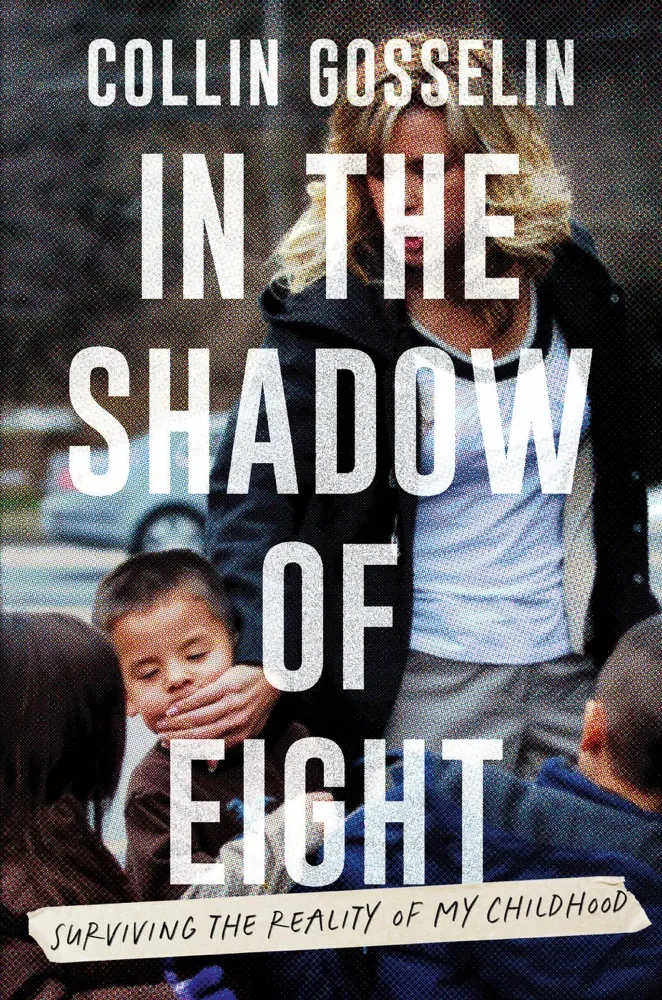
Author: Collin GosselinPage Count: UnknownPublication Date: Expected publication 2026-10-13 APL The synopsis of In the Shadow of Eight arrives like a poorly edited first draft—all raw material, no polish, the kind of manuscript you’d expect from a debut novelist who’s spent too long in the dark. Collin Gosselin’s memoir isn’t just a confession; it’s a performance of trauma, the kind that thrives on the gap between what’s seen and what’s unseen. And yet—and yet—the prose here is less a literary artifact and more a press release for a reality TV ghost story. Paris Hilton’s blurb, dripping with the kind of performative empathy that’s become her signature, suggests this isn’t just a memoir; it’s a branding exercise. The question isn’t whether the story is true—it’s whether it’s marketable. The synopsis leans hard into the documentary aesthetic, that tired trope where the author positions themselves as a reluctant witness to their own suffering. But where The Glass Castle by Jeannette Walls or I Know Why the Caged Bird Sings by Maya Angelou turned personal tragedy into universal poetry, this feels like a limited-edition memoir—the kind that gets optioned for a Netflix limited series before the ink is dry. The details—the Christmas gifts reclaimed as soon as the cameras left, the basement cell, the antipsychotics—are the breadcrumbs of a tabloid narrative, not the scaffolding of a literary one. And yet, there’s a potential here, buried under the noise. The real intrigue isn’t the institutional abuse (though that’s undeniably compelling) but the psychological architecture of a man who spent his childhood in the shadow of eight siblings, all of them framed as the stars of a spectacle he was never meant to be part of. The synopsis doesn’t just describe trauma—it performs it. The language is clinical, almost bureaucratic, as if the author is reciting a police report rather than writing a memoir. But that’s the genius—or the folly—of modern memoir writing. Think of it like American Psycho meets The Real Housewives: the more you distance yourself from the emotional core, the more the reader is forced to fill in the gaps. And that’s where the real artistry lies, if this book ever transcends its synopsis. The challenge will be whether Collin can turn this into something more than a reality TV autopsy—or if he’ll just be another cautionary tale about the cost of fame, told in the same breathless, sensation-seeking style that made Jon & Kate Plus 8 infamous. The thematic weight here is undeniable. This isn’t just a story about abuse; it’s a story about erasure. The synopsis makes clear that Collin was literally hidden—both physically and narratively—from the world. That’s a theme that could resonate with the kind of readers who devoured The Sun Does Shine by Anthony Ray Hinton or Educated by Tara Westover, books that turn personal suffering into a critique of systemic failure. But the risk is that this becomes just another celebrity trauma narrative, the kind that sells well but doesn’t linger. The real test will be whether Collin can elevate this beyond the confessional and into the epic—whether he can make the reader feel the weight of being invisible, not just in a basement, but in the world at large. And then there’s the fame factor. The synopsis doesn’t just mention Jon & Kate Plus 8—it dwells on it, as if the audience needs a reminder that this is a story about a man who was once a product. That’s a double-edged sword. On one hand, it’s a built-in audience. On the other, it risks reducing the book to a tabloid curiosity. The question is whether Collin can turn his own celebrity into a literary advantage—or if he’ll just be another cautionary tale about the cost of being famous. I’m betting on the latter. But if he pulls it off? This could be the next I Am Malala—not because of the politics, but because of the raw, unfiltered nature of the storytelling. And if he doesn’t? Well, then it’ll just be another book that gets optioned for a Syfy Original Movie and forgotten by next Christmas. I’m going to drink this cold coffee I made three hours ago. #MemoirSeason #TraumaLiterature #RealityTVAftermath Related InsightsBlue Hour Book Review and Summary Dreams of Ruin (Soul of Shadow #3) Book Review and Summary Houdini Heart Book Review and Summary{ "@context": "https://schema.org", "@type": "FAQPage", "mainEntity": [ { "@type": "Question", "name": "What is the main focus of In the Shadow of Eight: Surviving the Reality of My Childhood Book Review and Summary?", "acceptedAnswer": { "@type": "Answer", "text": "Everything you need to know about In the Shadow of Eight: Surviving the Reality of My Childhood with our detailed review." } }, { "@type": "Question", "name": "Who authored the comprehensive guide on In the Shadow of Eight: Surviving the Reality of My Childhood Book Review and Summary?", "acceptedAnswer": { "@type": "Answer", "text": "This detailed article and its insights were carefully researched and authored by Olivia Harris." } }, { "@type": "Question", "name": "Where can I find more related content about Books?", "acceptedAnswer": { "@type": "Answer", "text": "You can explore more articles, detailed reviews, and similar insights by browsing the Related Insights section at the bottom of this article or visiting our dedicated Books category page." } } ] }
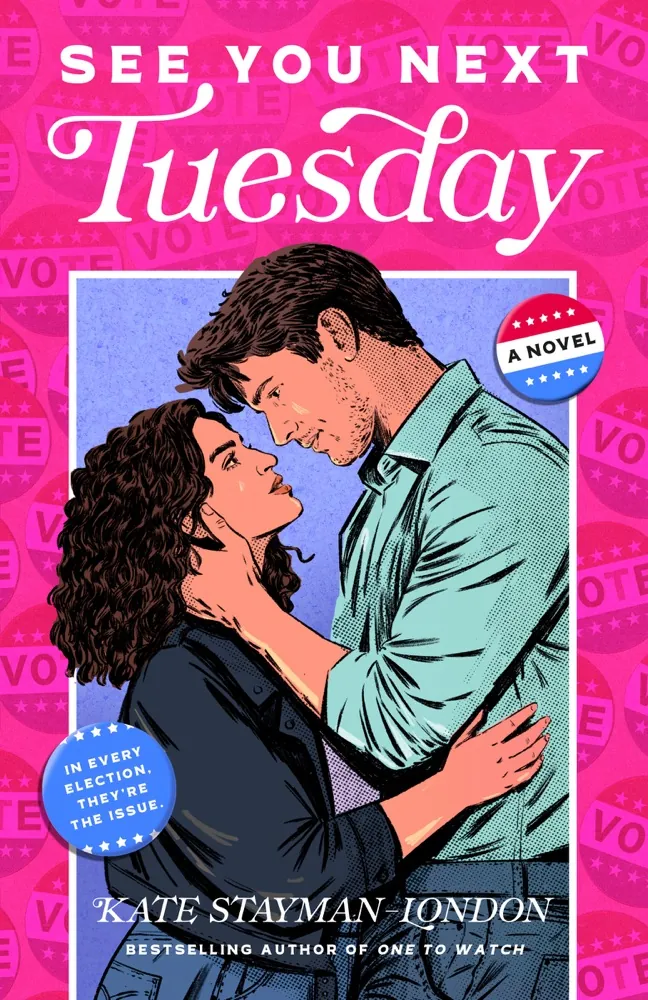
Author: Kate Stayman-LondonPage Count: UnknownPublication Date: Expected publication 2026-09-08 APL Darling, forgive me if I sound slightly jaded, but my trust fund didn’t pay for three degrees in comparative literature just so I could pretend contemporary political romance possesses the existential gravity of a Camus essay. Yet, here we are. Kate Stayman-London is attempting to weaponize The West Wing nostalgia for our current, deeply exhausting historical moment with See You Next Tuesday. But is this actually a critique of institutional machinery, or merely bourgeois escapism wrapped in bipartisan bunting? The Dialectic of the Copy-Room Consider the archetypes. Anya Katz—Type A, morality thicker than my grandmother's Swiss bank accounts—versus Gabe Hunt, the golden boy whose ethical compass clearly points toward whatever room has the best lighting. Classic Hegelian friction. Thesis meets antithesis. But does the synopsis give us any real ideological conflict? No. They agree on their politics. How dreadfully sterile. Where is the actual danger? Where is the intellectual blood sport? Instead, we get a decade of greasy takeout and late-night phone banks. A decade! One wonders if they ever pause to consider the ontological absurdity of American democracy, or if they are simply too busy engaging in what I can only describe as high-stakes professional foreplay. And yet, the structural ambition here is rather fascinating. Spanning ten years of elections—from glamorous celebrity fundraisers to devastating electoral losses—the book attempts to map the erosion of the human soul against the timeline of a campaign. Politics changes you. But does it destroy you? Or does it merely offer a shiny, highly photogenic excuse to avoid looking inward? I suspect Gabe and Anya use the adrenaline of public service as a prophylactic against genuine intimacy. How deliciously modern. The Cult of the Sizzling Banter We must talk about the dialogue. The blurbs promise "breakneck banter." One shudders. Nothing ages faster than attempts at rapid-fire, Aaron Sorkin-esque repartee written in the 2020s. Emily Henry and Ali Hazelwood have already thoroughly monetized this exact brand of academic and professional bickering, pushing the trope into the literary stratosphere. Stayman-London must do something truly feral with these pages to justify another enemies-to-lovers arc across ten calendar years. If they simply bicker about poll numbers while falling into each other's arms every time a primary goes south, I shall be writing a very strongly worded letter to my portfolio manager. Ultimately, this text stands as a litmus test for our collective exhaustion. Do we read political romance to process our dread, or to numb it? I am placing my bets on numbness. But packaged with enough gloss to distract us from the impending collapse of late-stage capitalism. Ouch. I just bit my own cheek. #BookTwitter #RomanceBooks #PoliticalJunkie Related InsightsThe Anatomy of the Written Word: Unraveling the Sacred and Secular History of Literary Criticism The Governess Game Book Review and Summary Stolen Heir Book Review and Summary{ "@context": "https://schema.org", "@type": "FAQPage", "mainEntity": [ { "@type": "Question", "name": "What is the main focus of See You Next Tuesday Book Review and Summary?", "acceptedAnswer": { "@type": "Answer", "text": "Everything you need to know about See You Next Tuesday with our detailed review." } }, { "@type": "Question", "name": "Who authored the comprehensive guide on See You Next Tuesday Book Review and Summary?", "acceptedAnswer": { "@type": "Answer", "text": "This detailed article and its insights were carefully researched and authored by Sofia Bianchi." } }, { "@type": "Question", "name": "Where can I find more related content about Books?", "acceptedAnswer": { "@type": "Answer", "text": "You can explore more articles, detailed reviews, and similar insights by browsing the Related Insights section at the bottom of this article or visiting our dedicated Books category page." } } ] }
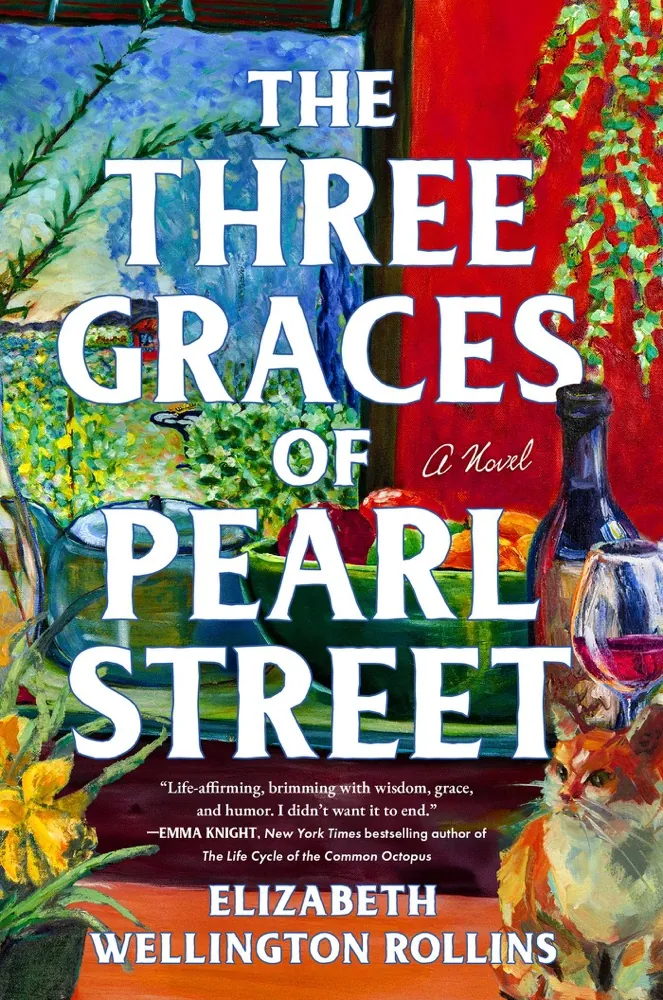

Author: Elizabeth Wellington RollinsPage Count: UnknownPublication Date: Expected publication 2026-09-01 APL With the upcoming release of Elizabeth Wellington Rollins's The Three Graces of Pearl Street, one cannot help but ponder the revival of a most intriguing narrative tradition: the intergenerational family drama. Like our dear friend Ann Weinstock's In the Middle of Somewhere, The Three Graces promises to weave an intricate exploration of family dynamics—yet, unlike Weinstock's work,.Rollins' focus appears to be on the feminine, as embodied by three generations of women sharing the same first name. —And what a stroke of genius this is! By employing the Roman myth of the Three Graces, Rollins sets the stage for a rich thematic examination of femininity, tradition, and identity. One cannot help but think of the inimitable Anne Tyler's ability to imbue her characters with an effortless, if occasionally frustrating, humanity. Will Rollins's Three Graces meet a similar fate? Graziella, a ninety-six-year-old former nun, is the matriarch of this family drama, running the parish's food kitchen with a fierce dedication that borders on the obsessive. Her daughter, Grace, a respected psychology professor, appears accomplished and composed, yet finds herself unmoored as her personal life falters. Ella, Graziella's granddaughter and Grace's daughter, is a vegan, anti-capitalistic free spirit who longs for a place to belong. But—Hold your horses,—the question remains whether Rollins will opt for a more straightforward portrayal of her protagonists or instead craft a more complex, if occasionally maddening, exploration of the human experience. The Three Graces' exploration of the delicate balance between tradition and modernity is nothing new in literature, yet The Three Graces appears poised to offer a fresh perspective on this tired trope. Rollins's focus on the ways in which women reconcile their individuality with their familial responsibilities is both timely and timeless. And what of the titular Graces themselves— will they be depicted as one-dimensional symbols of femininity, or will they exhibit the depth and nuance that we've come to expect from contemporary fiction? Ultimately, one cannot help but wonder if Rollins will be able to avoid the pitfalls of the more sentimental family dramas that populate the contemporary literary scene. Will her exploration of the Three Graces' lives be as nuanced and insightful as it is moving? Only time will tell, but one thing is certain: this reviewer is eager to see how Rollins's vision plays out on the page. I do, however, have some reservations about the synopsis's rather...vague portrayal of the novel's themes. While I understand the desire to pique the reader's interest, a bit more specificity would be greatly appreciated—specifically regarding Rollins's treatment of the Three Graces' relationships with one another. Still, I suppose only a literary Luddite would quibble with the finer details at this point. In any case, I shall be eagerly awaiting the release of The Three Graces of Pearl Street, hoping that it will deliver on its promise of a "truly captivating" reading experience. Now, if you'll excuse me, I really must take out the recycling. #FeministLiterature #Inter generationalDrama #NYCLiving Related InsightsThe Reinvented Heart Book Review and Summary Familias fatales Book Review and Summary Kneel Before Me (Split or Swallow, #3) Book Review and Summary{ "@context": "https://schema.org", "@type": "FAQPage", "mainEntity": [ { "@type": "Question", "name": "What is the main focus of The Three Graces of Pearl Street Book Review and Summary?", "acceptedAnswer": { "@type": "Answer", "text": "Everything you need to know about The Three Graces of Pearl Street with our detailed review." } }, { "@type": "Question", "name": "Who authored the comprehensive guide on The Three Graces of Pearl Street Book Review and Summary?", "acceptedAnswer": { "@type": "Answer", "text": "This detailed article and its insights were carefully researched and authored by James Miller." } }, { "@type": "Question", "name": "Where can I find more related content about Books?", "acceptedAnswer": { "@type": "Answer", "text": "You can explore more articles, detailed reviews, and similar insights by browsing the Related Insights section at the bottom of this article or visiting our dedicated Books category page." } } ] }
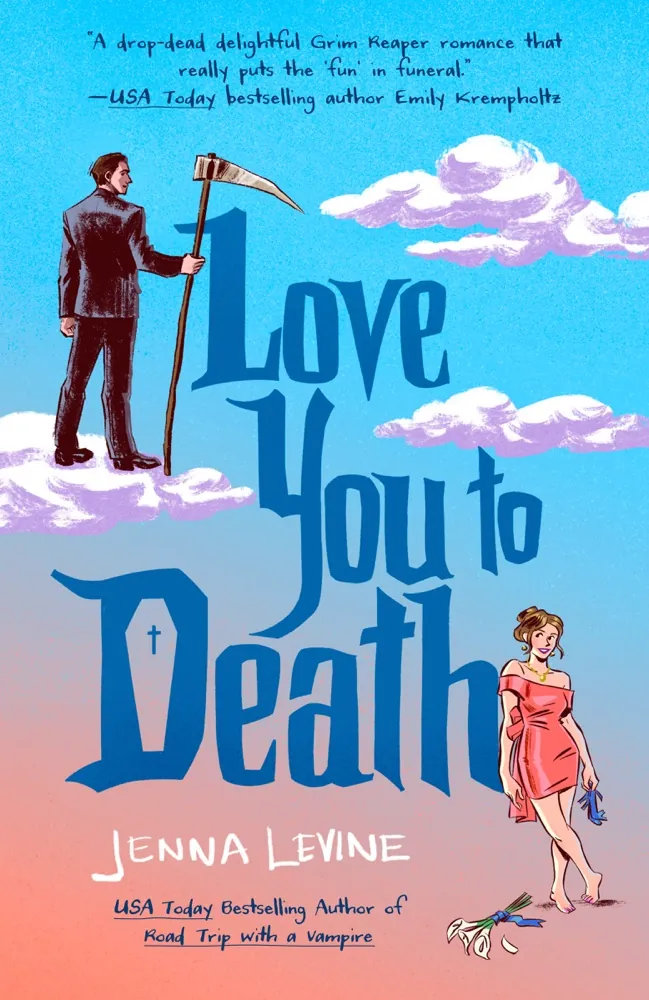

Author: Jenna LevinePage Count: UnknownPublication Date: Expected publication 2026-10-13 APL Love You to Death, the latest offering from Jenna Levine, promises to be a fascinating exploration of mortality, love, and the human condition. Or, at the very least, that's what I'm hoping for. As a broke university student, I've got better things to do than waste my time on subpar literature, and I expect my sci-fi and fantasy to be grounded in some semblance of scientific accuracy. That being said, I'm intrigued by the premise of this paranormal romance. A jaded grim reaper, Daniel, and a woman who's been given a second chance at life, Lucy, form an unlikely bond as they explore the complexities of human existence. It's a familiar trope, to be sure, but one that can be executed beautifully in the right hands. The setup is straightforward enough: Lucy dies, meets Daniel, and convinces him to help her cheat death for six more weeks. It's a Faustian bargain, of sorts, with Daniel observing Lucy's life and reporting back to the Agency in exchange for her temporary reprieve. But as they spend more time together, they begin to realize that their feelings for each other may be the real deal. Cue the swooning. What I find particularly interesting about this premise is the way it subverts traditional notions of mortality. Death, in this world, is not an absolute end, but rather a transition to something else. The Agency, whatever that may be, seems to be a bureaucratic entity that governs the afterlife, and Daniel's job as a grim reaper is to collect souls and ferry them to the next stage. It's a bleak existence, and one that Daniel has clearly grown tired of. His partnership with Lucy offers him a chance to experience humanity in a way he never has before, and to reevaluate his own existence. But what about Lucy? What drives her desire to cling to life, and what does she hope to achieve in her six-week reprieve? The synopsis doesn't give us much to go on, but I suspect that her character arc will be just as crucial to the story as Daniel's. Is she running from something, or someone? Does she have unfinished business to attend to, or is she simply desperate to experience the world in all its beauty and ugliness? As I read through the synopsis, I couldn't help but think of authors like Neil Gaiman and Holly Black, who have a knack for weaving together the mundane and the supernatural. There's a hint of darkness to this story, a sense that the stakes are high and the consequences of failure are dire. I'm also reminded of the TV show "Pushing Daisies," which explored similar themes of mortality and the afterlife with a similar blend of whimsy and pathos. Ultimately, I'm cautiously optimistic about Love You to Death. The premise is intriguing, the characters have potential, and the themes are ripe for exploration. But I need to see how Levine develops the story, how she balances the tone and the pacing, and how she resolves the central conflict. Will it be a satisfying, emotionally resonant read, or will it fall flat? I'll have to wait and see. In the meantime, I'm off to listen to some obscure synth-wave albums. Maybe something by Perturbator or Carpenter Brut will get me in the right mood for this one. #paranormalromance #grimreapers #secondchances Related InsightsI Am Legend and Other Stories Book Review and Summary Starship Troopers Book Review and Summary Possession Book Review and Summary{ "@context": "https://schema.org", "@type": "FAQPage", "mainEntity": [ { "@type": "Question", "name": "What is the main focus of Love You to Death Book Review and Summary?", "acceptedAnswer": { "@type": "Answer", "text": "Everything you need to know about Love You to Death with our detailed review." } }, { "@type": "Question", "name": "Who authored the comprehensive guide on Love You to Death Book Review and Summary?", "acceptedAnswer": { "@type": "Answer", "text": "This detailed article and its insights were carefully researched and authored by Marco Conti." } }, { "@type": "Question", "name": "Where can I find more related content about Books?", "acceptedAnswer": { "@type": "Answer", "text": "You can explore more articles, detailed reviews, and similar insights by browsing the Related Insights section at the bottom of this article or visiting our dedicated Books category page." } } ] }
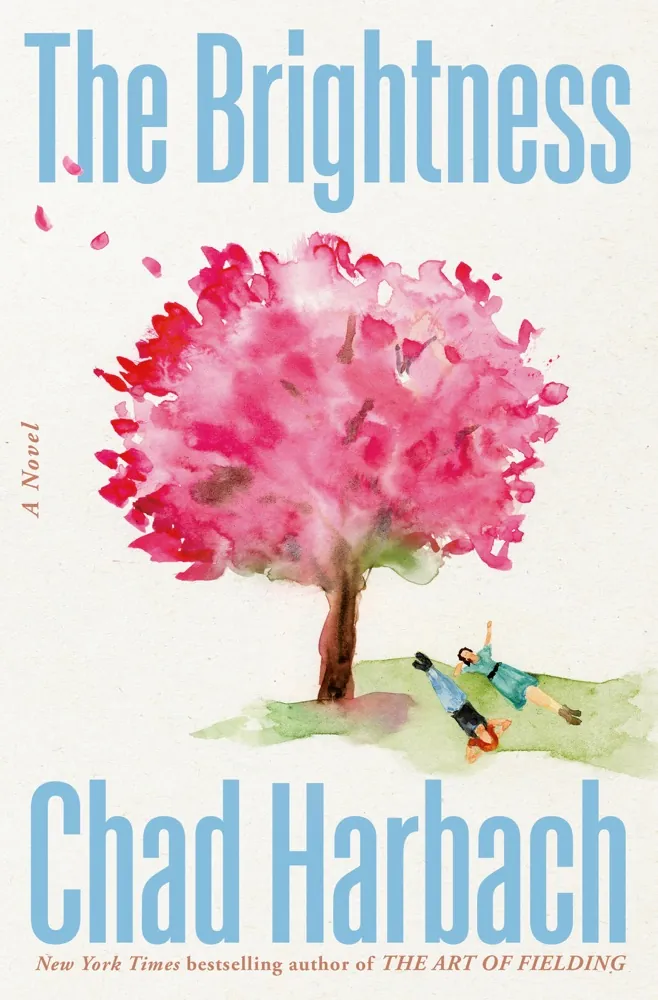
Author: Chad HarbachPage Count: UnknownPublication Date: Expected publication 2026-10-27 APL And so, another literary sensation is about to unfold before our eyes. Chad Harbach's The Brightness promises to capture the electric, chaotic essence of one's twenties, a decade of life that's as mesmerizing as a summer storm brewing on the horizon. As I sit here, surrounded by the musty scent of aged books and the warm glow of morning sunlight filtering through the blinds, I feel the anticipation building up inside me like a gentle hum of a harp string. The lives of Pella and Irma, two young women on the cusp of irrevocable change, are about to collide with the unforgiving world beyond the sleepy confines of Westish College. Harbach's prose, much like the works of Donna Tartt or Jennifer Egan, has a way of transporting us to a world that's both familiar and yet, utterly foreign. We're drawn into the whirlwind of parties, weddings, and messy hookups, all while the specter of grief and loss looms large, like the faint outline of a thunderstorm on a sweltering summer day. But what truly sets The Brightness apart is its unflinching examination of the human condition. Harbach's characters are multidimensional, flawed, and relatable, much like the protagonists of Sheila Heti's How Should a Person Be?. They're caught in the throes of passion and ambition, their identities in a state of flux as they grapple with the incalculable wages of love and loss. And it's here, in this precarious balancing act, that Harbach's prose truly shines, illuminating the dark recesses of the human heart with a precision that's both unnerving and exhilarating. As I delve into the world of The Brightness, I'm reminded of the works of Ottessa Moshfegh, whose protagonists often find themselves careening through life with a mix of detachment and desperation. Harbach's Pella and Irma are no different, their lives a testament to the capricious nature of fate and the often-blurred lines between choice and circumstance. And yet, despite the synopsis's tantalizing hints, I'm left with more questions than answers. What lies at the heart of Pella's past, and how will it collide with her present? How will Irma's involvement with the prank on campus affect her future? The vagueness is almost palpable, a deliberate choice that leaves me both intrigued and frustrated. Still, I have no doubt that The Brightness will be a literary tour de force, one that will leave readers breathless and yearning for more. Harbach's prose is a masterclass in evocative storytelling, a testament to the transformative power of language. As I close this preview, I'm filled with a sense of anticipation, a feeling that's both thrilling and terrifying. But for now, I'll put The Brightness aside, letting its themes and characters simmer in the back of my mind like a slow-cooked stew. The summer sun is calling, and I have a poolside lounge chair with my name on it. I'll lay back, close my eyes, and let the warmth wash over me, forgetting all about The Brightness and its mesmerizing world. #SummerReads #LiteraryFiction #TheBrightness Related InsightsRed Rising Book Review and Summary Birth of the Witch (A Coven of Three Trilogy, #1) Book Review and Summary Accidents Never Happen Book Review and Summary{ "@context": "https://schema.org", "@type": "FAQPage", "mainEntity": [ { "@type": "Question", "name": "What is the main focus of The Brightness Book Review and Summary?", "acceptedAnswer": { "@type": "Answer", "text": "Everything you need to know about The Brightness with our detailed review." } }, { "@type": "Question", "name": "Who authored the comprehensive guide on The Brightness Book Review and Summary?", "acceptedAnswer": { "@type": "Answer", "text": "This detailed article and its insights were carefully researched and authored by Emma Thompson." } }, { "@type": "Question", "name": "Where can I find more related content about Books?", "acceptedAnswer": { "@type": "Answer", "text": "You can explore more articles, detailed reviews, and similar insights by browsing the Related Insights section at the bottom of this article or visiting our dedicated Books category page." } } ] }
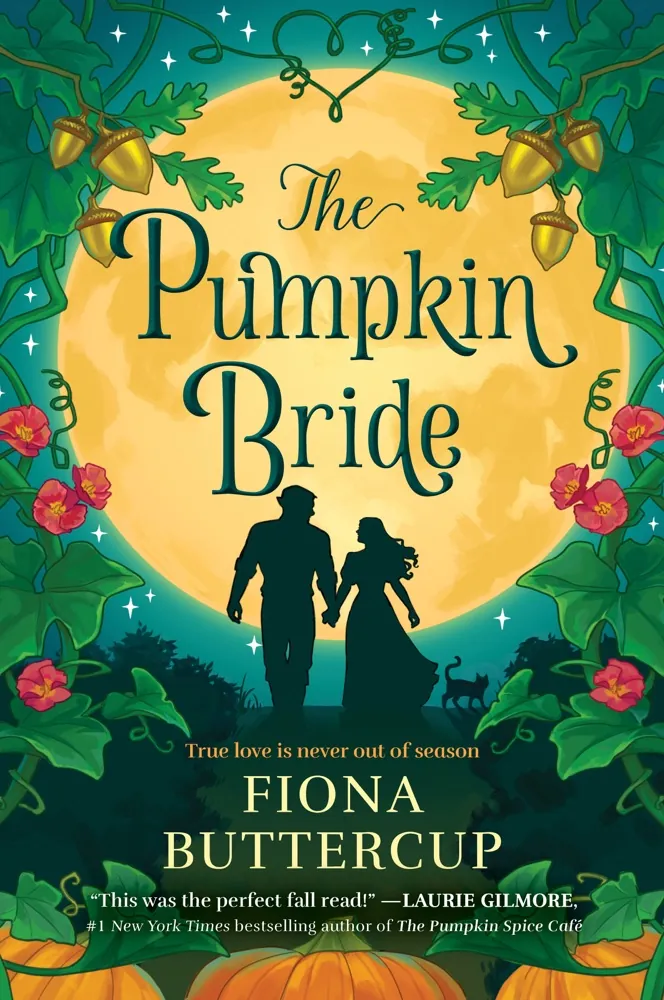
Author: Fiona ButtercupPage Count: UnknownPublication Date: Expected publication 2026-09-01 APL As I sit amidst the opulent furnishings of my Manhattan penthouse, surrounded by masterpieces from the likes of Monet and Picasso, I find myself pondering the forthcoming release of The Pumpkin Bride — a novel that promises to whisk readers away to a world of autumnal enchantment. But, I must confess, the synopsis leaves me with more questions than answers: what secrets lie beneath the surface of this seemingly idyllic tale? And, yet, it is this very vagueness that piques my interest, for I have always believed that the most captivating stories are those that subtly hint at the complexities that lie beneath. And so, I turn my attention to the protagonist, Sir Bram Duncan — a cursed knight, transformed into the hulking orc, Jask Bone-Cracker, by the whims of a jealous prince and the trickery of an autumn sprite. His is a tale of lost love and hidden identity, of a man torn asunder by the contradictions of his own nature. But, what of Princess Marigold, the runaway bride who stumbles upon Jask's charmed pumpkin farm? Does she embody the quintessential "sunshine" to Jask's "grumpy" persona, or is there more to her character than initially meets the eye? The tropes are familiar — Beauty and the Beast, Hidden Identity, Second Chance — and, yet, I am reminded of the works of authors like Naomi Novik and Patricia McKillip, who have mastered the art of weaving complex, atmospheric tales that defy easy categorization. But, I digress. The true test of The Pumpkin Bride will lie in its ability to balance the darker elements of its narrative — the curses, the lies, the wronged princes — with the lighter, more whimsical aspects of its world-building. Can Fiona Buttercup strike a chord similar to that of The Princess Bride, with its perfect blend of swashbuckling adventure, witty banter, and heartfelt romance? Or will The Pumpkin Bride succumb to the pitfalls of overly relying on familiar tropes, rather than forging its own unique path? These are the questions that will linger in my mind as I await the book's release — and, I must confess, I am eager to see how Buttercup will choose to answer them. As I consider the themes that underlie The Pumpkin Bride, I am struck by the notion that this is, at its core, a story about the power of love to transcend even the most seemingly insurmountable obstacles. And, yet, it is also a tale of identity, of the tensions that arise when our true selves are forced to confront the expectations of others. But, what of the setting, the autumnal landscape that provides the backdrop for this narrative? Does it serve merely as a picturesque backdrop, or does it play a more active role in shaping the characters and their journeys? These are the questions that will occupy my mind in the coming weeks, as I count down the days until The Pumpkin Bride finally hits the shelves. And, now, as I glance at my watch, I am reminded that I have a Zoom call with my board of directors in five minutes — a meeting that will, no doubt, be filled with discussions of the latest market trends and the ongoing quest for the next great literary sensation. But, for now, my thoughts remain with The Pumpkin Bride, and the promise it holds of a captivating, perhaps even enchanting, reading experience. #booklovers #newrelease #romanticfantasy Related InsightsMother's Love Book Review and Summary Princess Academy Book Review and Summary The Blade Itself Book Review and Summary{ "@context": "https://schema.org", "@type": "FAQPage", "mainEntity": [ { "@type": "Question", "name": "What is the main focus of The Pumpkin Bride Book Review and Summary?", "acceptedAnswer": { "@type": "Answer", "text": "Everything you need to know about The Pumpkin Bride with our detailed review." } }, { "@type": "Question", "name": "Who authored the comprehensive guide on The Pumpkin Bride Book Review and Summary?", "acceptedAnswer": { "@type": "Answer", "text": "This detailed article and its insights were carefully researched and authored by Emma Thompson." } }, { "@type": "Question", "name": "Where can I find more related content about Books?", "acceptedAnswer": { "@type": "Answer", "text": "You can explore more articles, detailed reviews, and similar insights by browsing the Related Insights section at the bottom of this article or visiting our dedicated Books category page." } } ] }
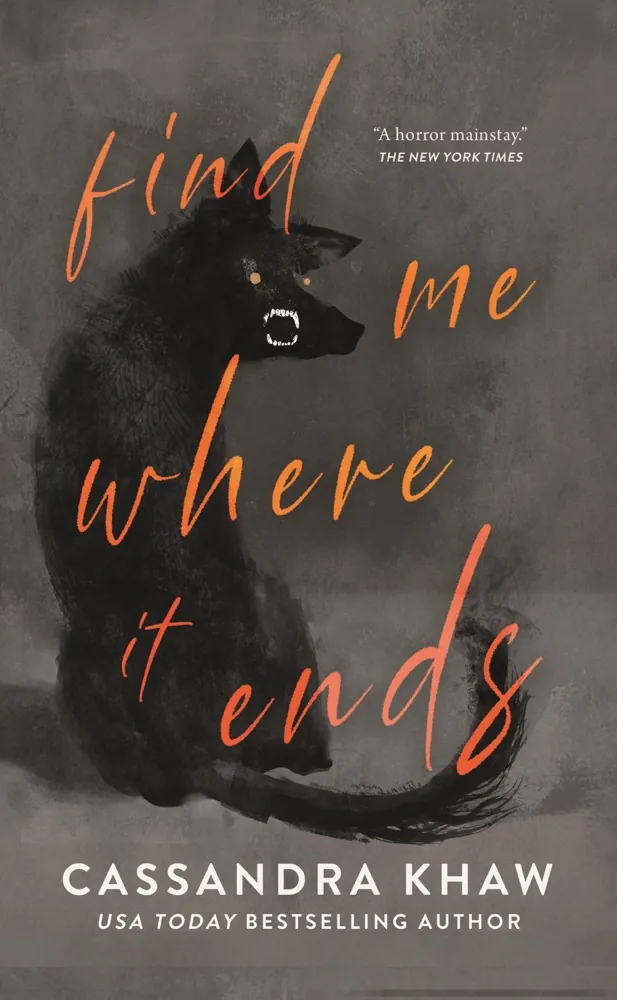

Author: Cassandra KhawPage Count: UnknownPublication Date: Expected publication 2026-10-06 APL August in Manhattan is a sticky, miserable affair, yet here I am, sweating through my bespoke linen blazer while trying to figure out why Cassandra Khaw’s latest offering, Find Me Where It Ends, insists on dragging its feet before page one even opens. As an executive who has rejected a thousand bloated manuscripts this quarter alone, I care about one thing above all else: momentum. Does this premise move, or does it idle? Let us dissect the anatomy of this blurb. Khaw gives us a woman, a doorstep, and a mythic hound. Standard gothic boilerplate. Yet—and this is where my interest is begrudgingly piqued—the pacing outlined in this synopsis is dangerously slow. We have a protagonist, Antigone, inviting Death's spectral puppy inside for tea and introspection. The Slow Burn Trap How long can a narrative sustain itself on mere self-reflection before the reader tosses the volume across a cramped Brooklyn apartment? Khaw’s bibliography—think The Salt Grows Heavy—relies on visceral, atmospheric shock. But interiority is a notoriously tricky beast. If Antigone spends the first hundred pages simply pondering her burnout and the pieces of herself she sacrificed for ungrateful relations, the structural integrity of the novella will collapse under its own melancholic weight. Pacing is not merely about velocity. It is about tension. And frankly, this synopsis lacks teeth. The Economics of Exhaustion Look at the thematic framing here. Burnout. The hollowing out of the self. It is the literary zeitgeist of our exhausted late-capitalist moment, echoing the bleak, atmospheric exhaustion found in Ottessa Moshfegh’s work or the folkloric dread of Mariana Enríquez. Yet, art requires propulsion. A good death coming at a price is a compelling hook—truly, what is the toll?—but the blurb stops dead right when the stakes should skyrocket. The Verdict Will it sell? Absolutely. Khaw’s cult following guarantees a robust pre-order window. But as an editor whose desk is currently buried under three competing drafts of grief-drenched horror, I worry about the middle act. Will the narrative drag like a humid August afternoon? Or will Khaw deliver the jagged, razor-sharp prose we expect? I suspect we are in for a lingering, atmospheric slog. Brilliant prose, perhaps. But narrative stagnation is a luxury few readers tolerate in our current hyper-accelerated attention economy. Somebody get my assistant. The caviar I ordered from room service is far too salty, and I refuse to tolerate culinary incompetence on top of sluggish editorial pacing. Related InsightsLucy Kline, Necromancer Book Review and Summary The Sun and the Star Book Review and Summary Switzy Book Review and Summary{ "@context": "https://schema.org", "@type": "FAQPage", "mainEntity": [ { "@type": "Question", "name": "What is the main focus of Find Me Where It Ends Book Review and Summary?", "acceptedAnswer": { "@type": "Answer", "text": "Everything you need to know about Find Me Where It Ends with our detailed review." } }, { "@type": "Question", "name": "Who authored the comprehensive guide on Find Me Where It Ends Book Review and Summary?", "acceptedAnswer": { "@type": "Answer", "text": "This detailed article and its insights were carefully researched and authored by Chloé Laurent." } }, { "@type": "Question", "name": "Where can I find more related content about Books?", "acceptedAnswer": { "@type": "Answer", "text": "You can explore more articles, detailed reviews, and similar insights by browsing the Related Insights section at the bottom of this article or visiting our dedicated Books category page." } } ] }
- Natalia Sokolova
- 10 Aug, 2026 16:50
Snow This is Love: Meant to Be Holiday Tales Book Review and Summary
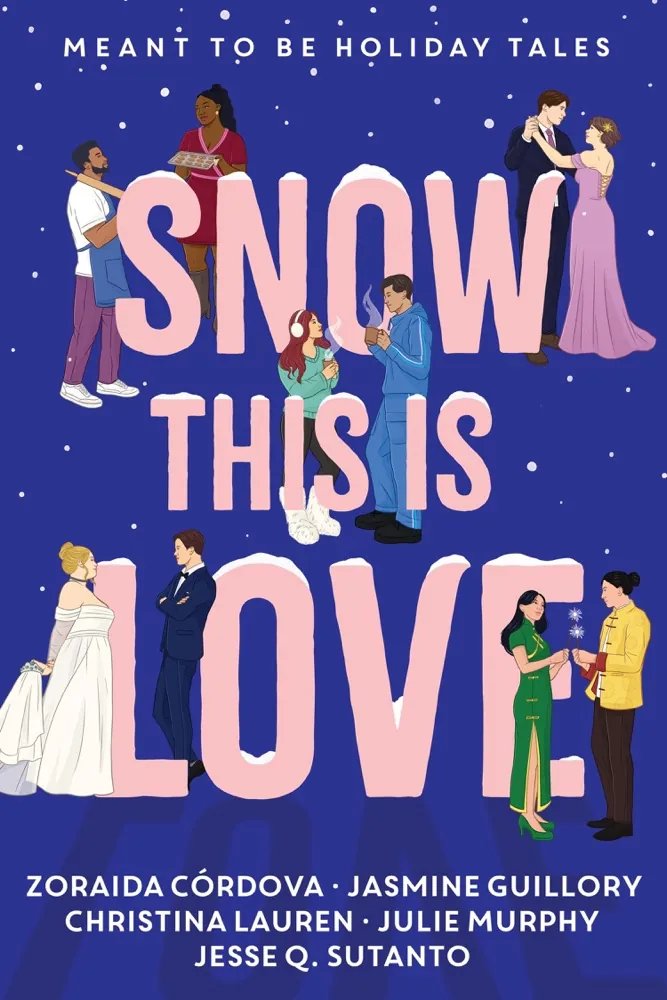
Author: Zoraida CórdovaPage Count: UnknownPublication Date: Expected publication 2026-10-13 APL Sweat is currently dripping off my nose into the prep-sink, and the dinner rush hasn't even hit its peak, but my mind is currently stuck on the upcoming release of Snow This Is Love. It’s a strange juxtaposition—this collection of holiday-themed Disney reimagining’s sitting next to my station, amidst the chaos of searing scallops and barking line cooks. The Heavyweight Division of Rom-Coms These authors aren't lightweight fighters. They are the heavy hitters. You have Zoraida Córdova, Jasmine Guillory, and Christina Lauren—the pound-for-pound champions of modern romance. When I look at a lineup like this, I’m not looking for the technical perfection of a defensive fighter. I’m looking for the knockout blow. I want the emotion that hits like a perfectly timed counter-hook in the twelfth round. And yet, looking at this synopsis, I have to ask: where is the friction? The setup for "Siren in the Snow" suggests a lost luggage incident as the catalyst for conflict. Listen, I’ve seen middleweights lose a title because their corner forgot their mouthguard. That is real stakes. But can a lost suitcase really sustain the emotional weight required for a satisfying romance? I’m skeptical. Then you have the "dream baking competition" in Beauty and the Baking Battle. It sounds lovely. It sounds sweet. But does it have the intensity of a high-stakes championship bout? I hope Guillory pushes the stakes higher than a collapsed soufflé, or else the reader is going to feel as cheated as a crowd watching a fixed fight. Footwork and Storytelling The thematic core here is the reimagining of classic Disney lore. It’s a trope—and a tired one, if I’m being honest—that relies heavily on the audience's preexisting affection for the source material. It’s the literary equivalent of a fighter leaning on the ropes to catch their breath. It works, but it’s not graceful. Still, Julie Murphy in "Deck the Heels" is tackling the stepmother narrative—a classic heel turn—and that gives me hope. If there’s one thing we know about professional combat, it’s that a good villain makes for the most memorable night of your life. I predict that Jesse Q. Sutanto’s entry, "Dreaming of a Perfect Lunar New Year," will be the dark horse of this anthology. The mention of a "possible curse" is the kind of aggressive storytelling I appreciate. It adds a layer of uncertainty that the other stories, based on the synopsis, seem to lack. It’s the difference between a technical sparring match and a brawl in a dive bar. Give me the brawl. Give me the stakes that feel like they could actually break something. The vagueness of the synopsis is a bit frustrating—a lot of "dreaming" and "magic" and not enough grit. But hey, I’m just a cook in a kitchen with aching feet. I’ll probably buy it anyway. My laptop battery is at 1% and I can't find the charger. Related InsightsThe House of Gardenias Book Review and Summary Ulysses Book Review and Summary Stations Book Review and Summary{ "@context": "https://schema.org", "@type": "FAQPage", "mainEntity": [ { "@type": "Question", "name": "What is the main focus of Snow This is Love: Meant to Be Holiday Tales Book Review and Summary?", "acceptedAnswer": { "@type": "Answer", "text": "Everything you need to know about Snow This is Love: Meant to Be Holiday Tales with our detailed review." } }, { "@type": "Question", "name": "Who authored the comprehensive guide on Snow This is Love: Meant to Be Holiday Tales Book Review and Summary?", "acceptedAnswer": { "@type": "Answer", "text": "This detailed article and its insights were carefully researched and authored by Natalia Sokolova." } }, { "@type": "Question", "name": "Where can I find more related content about Books?", "acceptedAnswer": { "@type": "Answer", "text": "You can explore more articles, detailed reviews, and similar insights by browsing the Related Insights section at the bottom of this article or visiting our dedicated Books category page." } } ] }
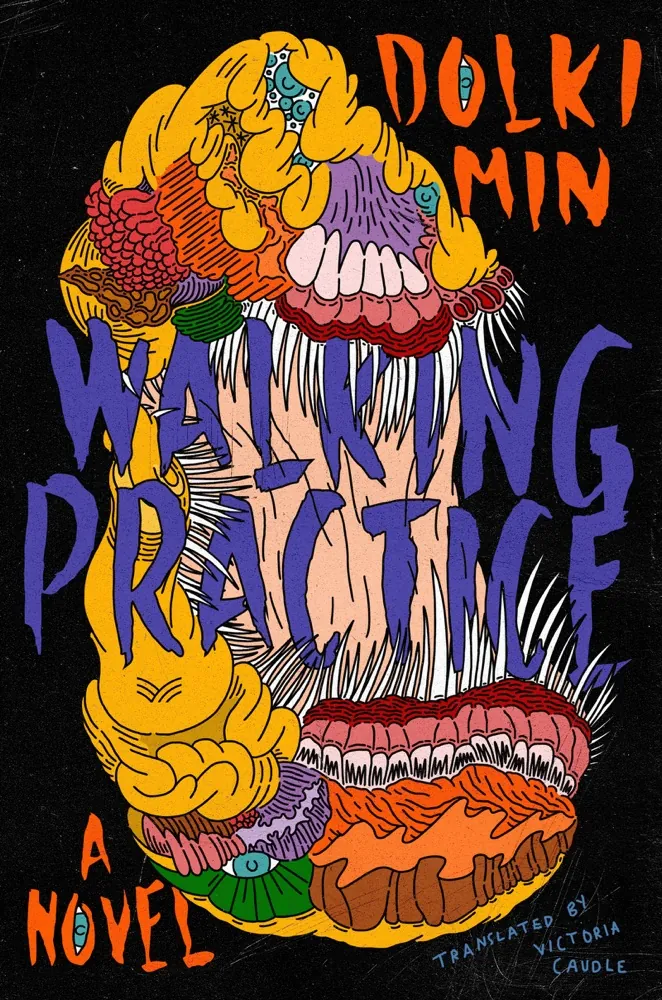
Author: A.N. CaudlePage Count: UnknownPublication Date: Expected publication 2026 APL What is it about humanity that we find so mesmerizing, even in the face of utter alienation? In Bound by Fate, South Korean author Dolki Min's debut novel, we're invited to explore the complexities of human existence through the disorienting lens of an extraterrestrial. This enigmatic novel promises to subvert our expectations, and based on the tantalizing synopsis, I'm convinced it will be a game-changer. Or is it just another variation on the "stranded alien" trope? —A la The Left Hand of Darkness, this iteration is notable for pairing the sci-fi staple with a shapeshifting alien, who adopts various identities to lure in unsuspecting prey. And what a deliciously dark concept it is. The tension is palpable as our cephalopod-like protagonist stalks their quarry through the city, armed with an unsettling array of hunting tools, including a dating app—because, of course. Yet, the true horror lies not in the alien's monstrous nature, but in the mirror it holds up to our own species' predilections for consumption. But what of the human condition? How does Min, in conjunction with translator Victoria Caudle, aim to illuminate our existential plight through this unsettling narrative? —I'm reminded of the visceral power of Kazuo Ishiguro's Never Let Me Go, where the blurred lines between life and death serve as a cautionary tale about the commodification of human experience. Similarly, Breaking Bad's Walter White, though morally reprehensible, forces us to confront the dark underbelly of American society. Will Dolki Min's novel join this pantheon of thought-provoking works, or falter in its attempt to dissect our peculiarities? Only time (and, hopefully, a competent editor) will tell. What if we're being sold a bill of goods, and Bound by Fate is merely a glossy facade, devoid of substance? —Perhaps the comparisons to Squid Game and Under the Skin are nothing more than a cynical marketing ploy. I, for one, am willing to take the bait. There's something to be said for a novel that can juggle multiple tonalities—shocking, horrifying, hilarious, intimate—and still manage to leave a lasting impression. As the venerable critic, James Wood, once astutely observed, "A good novel is a novel that you can no longer imagine living without." What will the aftermath be like, after we've devoured this peculiar feast? Will we emerge scarred, changed, or simply sated? —The answer, much like the novel itself, remains a tantalizing mystery. For now, I'm hooked. Give me a glimpse of humanity, warts and all, and I'll be there with bells on. Bring on the line drawings, too—the more unsettling the visuals, the better. The glare on my monitor is starting to give me a headache, but I'm too captivated to look away. As the words blur on the screen, I'm left to ponder the abyss that separates us from our alien "other." What do we really know about the Other, anyway? #AlienatedSouls, #ExistentialHorror, #KoreanLit, #DebutNovel Related InsightsRun Away Book Review and Summary When Page Turns Meet Pulse: The Untold Journey of Young Adult Literature The Inmate Book Review and Summary{ "@context": "https://schema.org", "@type": "FAQPage", "mainEntity": [ { "@type": "Question", "name": "What is the main focus of Bound by Fate Book Review and Summary?", "acceptedAnswer": { "@type": "Answer", "text": "Everything you need to know about Bound by Fate with our detailed review." } }, { "@type": "Question", "name": "Who authored the comprehensive guide on Bound by Fate Book Review and Summary?", "acceptedAnswer": { "@type": "Answer", "text": "This detailed article and its insights were carefully researched and authored by Maximilian Fischer." } }, { "@type": "Question", "name": "Where can I find more related content about Books?", "acceptedAnswer": { "@type": "Answer", "text": "You can explore more articles, detailed reviews, and similar insights by browsing the Related Insights section at the bottom of this article or visiting our dedicated Books category page." } } ] }
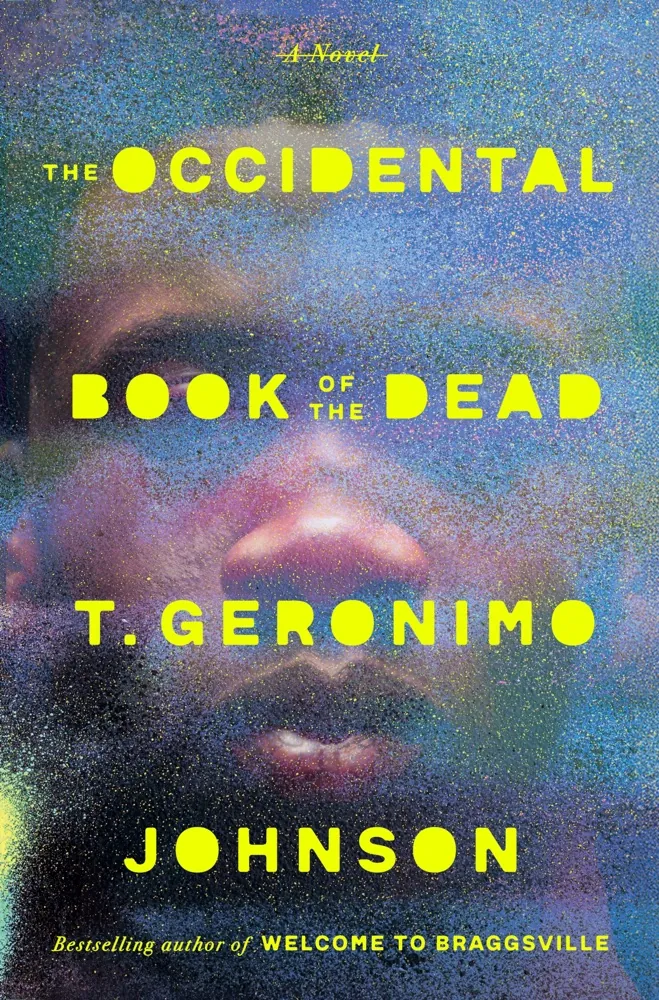

Author: T. Geronimo JohnsonPage Count: UnknownPublication Date: Expected publication 2026-10-06 APL As I swelter in this August heat, I find myself drawn to the provocative The Occidental Book of the Dead, T. Geronimo Johnson's latest literary crime masterpiece. But what exactly does that mean? We're given a protagonist, George Washington Jonson, a Black cop in an Atlanta precinct, and a narrative that splits into two contrasting versions of the American experience. And, of course, the obligatory promise of a "bold, inventive structure" and "virtuosic dissonance." Yet, I'm left wondering: what lies beneath the surface of this police procedural? Johnson's previous work, Welcome to Braggsville, was a National Book Award longlist contender, so I expect a certain level of sophistication in his exploration of corruption and conspiracy. The setup, at least, seems promising: a decade on the job, Jonson has fashioned a new life in an affluent suburb with his white wife and stepson, but he's still policing his old neighborhood. The tension between his past and present is palpable, and I'm eager to see how Johnson exploits this dichotomy. But let's not get ahead of ourselves. The synopsis is frustratingly vague, and I'm forced to fill in the gaps with my own speculation. What does it mean for Jonson's "façade of white alliance" to begin crumbling? Is this a commentary on the performative nature of identity, or simply a plot device to propel the narrative forward? And what of the "escalating lies" that follow the violent confrontation with a white teenager? Are we in for a nuanced exploration of systemic racism, or a more straightforward tale of corruption and cover-ups? One thing is certain: Johnson's prose is likely to be a highlight of the book. His "trademark virtuosic dissonance" has drawn comparisons to the likes of Attica Locke and Ron Charles, and I'm excited to see how he employs language to subvert our expectations. The promise of a "pyrotechnic exploration" is enticing, if a bit overwrought. As I sit here, sweating in the summer heat, I need a drink, and it’s only Tuesday. The Occidental Book of the Dead has the potential to be a scathing critique of American society, but it's hard to say for certain without more information. I'm reminded of the works of Paul Beatty, who has similarly used satire to eviscerate the hypocrisies of modern America. If Johnson can tap into that same vein of irreverent humor and social commentary, we might be in for a real treat. For now, I'll reserve judgment, but my expectations are high. Johnson has a proven track record, and the premise is undeniably compelling. As I await the book's release, I'll be watching with bated breath to see if he can deliver on his promises. And now, I'm going to go crochet a sweater out of spite. #LiteraryFiction #CrimeMasterpiece #SummerReading Related InsightsHope nation Book Review and Summary Translation State Book Review and Summary Drop Dead Handsome Book Review and Summary{ "@context": "https://schema.org", "@type": "FAQPage", "mainEntity": [ { "@type": "Question", "name": "What is the main focus of The Occidental Book of the Dead Book Review and Summary?", "acceptedAnswer": { "@type": "Answer", "text": "Everything you need to know about The Occidental Book of the Dead with our detailed review." } }, { "@type": "Question", "name": "Who authored the comprehensive guide on The Occidental Book of the Dead Book Review and Summary?", "acceptedAnswer": { "@type": "Answer", "text": "This detailed article and its insights were carefully researched and authored by Carmen Martinez." } }, { "@type": "Question", "name": "Where can I find more related content about Books?", "acceptedAnswer": { "@type": "Answer", "text": "You can explore more articles, detailed reviews, and similar insights by browsing the Related Insights section at the bottom of this article or visiting our dedicated Books category page." } } ] }
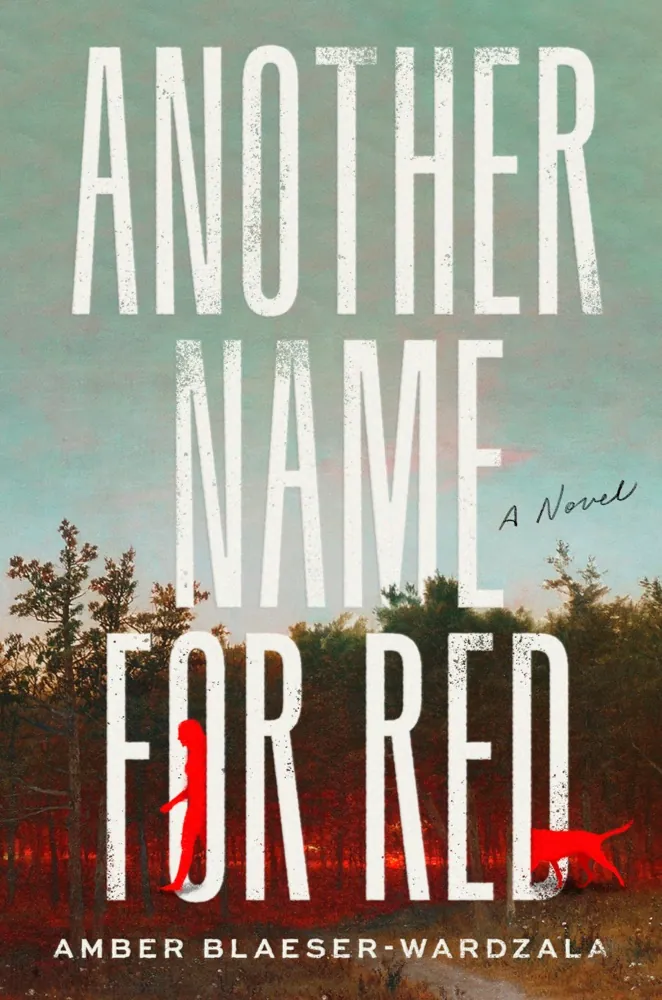

Author: Amber Blaeser-WardzalaPage Count: UnknownPublication Date: Expected publication 2026-10-13 APL The morbid allure of Another Name for Red, a novel that promises to unravel the dark threads of a community's collective trauma. Amber Blaeser-Wardzala's debut, born from the same twisted womb as Never Whistle at Night, whispers secrets of a young Anishinaabe woman's disappearance and the sister left behind to pick up the shards of her shattered family. What draws me to this narrative is the eerie presence of the absent – the ghosts of those who have vanished, and the lingering specters of those who remain. Middle Sister, the protagonist, is a vessel for the collective grief of her community, her family, and her own fractured identity. Her ex-best friend and ex-boyfriend are relics of a past she can't escape, while her family – an activist mother, a detached father, and attention-starved younger siblings – serves as a constant reminder of the elder sister she can never live up to. And then, there's John Smith, the enigmatic white man with red cowboy boots, whose presence is as repulsive as it is captivating. The echoes of thousands of unacknowledged missing and murdered Indigenous women, including Older Sister, reverberate throughout the narrative, a haunting reminder of the systemic injustices that have torn the family apart. But what truly piques my interest is the way Blaeser-Wardzala seems to be toying with the notion of identity – how it's forged, fractured, and reassembled in the face of trauma. Middle Sister's investigation into her sister's disappearance becomes an act of self-discovery, a desperate attempt to reclaim her own sense of self amidst the ruins of her family. The search for the elusive "Eric" – a white man from a neighboring town who Older Sister claimed to love – forces Middle Sister to confront the complexities of her own identity, caught between the expectations of her community and the allure of the unknown. Yet, as I read through the synopsis, I'm struck by the vagueness that shrouds the narrative. What lies at the heart of Middle Sister's investigation? What secrets will she uncover, and at what cost? The lack of specificity is both frustrating and intriguing, leaving me to wonder if Blaeser-Wardzala's prose will be as evocative as it is elusive. If Another Name for Red lives up to its promise, it could join the ranks of novels like The Round House by Louise Erdrich and The Marrow Thieves by Cherie Dimaline – works that unflinchingly confront the dark underbelly of colonialism and its ongoing impact on Indigenous communities. But only time will tell if Blaeser-Wardzala's debut will leave an indelible mark on the literary landscape. For now, I'll have to content myself with the promise of a haunting narrative, one that will undoubtedly leave me sleeping with the lights on. And speaking of which, I have a charity gala to attend tonight – a fundraiser for a local Indigenous arts organization – and I need to get ready. The tuxedo won't wear itself, after all. #Grimdark #IndigenousLiterature #NewRelease Related Insights'Twas the Night: A Novel – A Christmas Horror Mystery Where a Reporter Investigates Disappearances in a Village That Worships Santa Book Review and Summary My Last Duchess Book Review and Summary Mercy Book Review and Summary{ "@context": "https://schema.org", "@type": "FAQPage", "mainEntity": [ { "@type": "Question", "name": "What is the main focus of Another Name for Red Book Review and Summary?", "acceptedAnswer": { "@type": "Answer", "text": "Everything you need to know about Another Name for Red with our detailed review." } }, { "@type": "Question", "name": "Who authored the comprehensive guide on Another Name for Red Book Review and Summary?", "acceptedAnswer": { "@type": "Answer", "text": "This detailed article and its insights were carefully researched and authored by Elena Volkova." } }, { "@type": "Question", "name": "Where can I find more related content about Books?", "acceptedAnswer": { "@type": "Answer", "text": "You can explore more articles, detailed reviews, and similar insights by browsing the Related Insights section at the bottom of this article or visiting our dedicated Books category page." } } ] }
-
 Michael Brown
 - 10 Aug, 2026 14:07
The Exorcism of Faeries (Morbid Realities, #1) Book Review and Summary
Author: J.L. VampaPage Count: UnknownPublication Date: Expected publication 2026-02-26 APL As a father who has spent countless hours holding the hand of a child learning how to reclaim their fractured sense of safety after trauma, I look at dark academia through a very specific lens. And The Exorcism of Faeries by J.L. Vampa—slated for early 2026—hits a nerve. Why? Because true recovery requires staring directly into the rot, not pretending it isn't there. The Pathology of Obsession The synopsis introduces us to Atta Morrow, a Trinity College botany grad student chasing a horrific plague that literally roots beneath human skin. Yet what fascinates me isn't the body horror—it's the psychology of relentless pursuit. When trauma shatters a young person's world, their coping mechanism often manifests as hyper-fixation. Atta's covert research is an obsession. But is it a quest for truth, or is it an avoidance strategy? And then we have Professor Sonder Murdoch. Morbid anatomy. Infamous. Brilliant. A dangerous temptation. It's the classic institutional power dynamic, wrapped in formaldehyde and folklore. But beneath the seductive gothic window dressing, what story are we actually being told about mentorship? When a young person seeks validation from a volatile, older authority figure, they are often unconsciously trying to rewrite an old script of emotional abandonment. Vampa—alongside comparative peers like Leigh Bardugo in Ninth House or Harper Woods—is leaning heavily into this trope. Will the narrative reward this dependency, or will it deconstruct it? As a parent, I watch kids struggle every day to untangle their self-worth from the approval of impenetrable mentors. Secrets Older Than Science Folklore always demands a blood sacrifice. The synopsis vaguely hints that Atta and Murdoch must confront ancient secrets before the city consumes them. Admittedly, the blurb suffers from standard genre vagueness—we get plenty of moody atmosphere, but very little concrete mechanics about how this plague actually functions or why a botanist and an anatomy professor are uniquely qualified to stop it. Yet, the thematic core remains potent. Recovery demands integration of the shadow. You cannot excise the parts of yourself—or your history—that you deem monstrous. You have to look at them. Vampa's pairing of botany (life, cultivation, growth) with morbid anatomy (decay, death, dissection) is a brilliant symbolic dichotomy. Growth requires death. Healing requires rupture. My bold prediction? This book will either brilliantly subvert the toxic professor-student romance dynamic into a mutual excavation of shared trauma, or it will lean too hard into lazy dark academia aesthetics. I am betting on the former. Vampa has the setup for a sharp exploration of how youth desperately attempts to dissect and control the chaotic plagues handed down by older generations. Excuse me for a second. I just burned my tongue on hot tea. Related InsightsThe Heights Book Review and Summary Never Greater Slaughter Book Review and Summary Emerald Blaze Book Review and Summary{ "@context": "https://schema.org", "@type": "FAQPage", "mainEntity": [ { "@type": "Question", "name": "What is the main focus of The Exorcism of Faeries (Morbid Realities, #1) Book Review and Summary?", "acceptedAnswer": { "@type": "Answer", "text": "Everything you need to know about The Exorcism of Faeries (Morbid Realities, #1) with our detailed review." } }, { "@type": "Question", "name": "Who authored the comprehensive guide on The Exorcism of Faeries (Morbid Realities, #1) Book Review and Summary?", "acceptedAnswer": { "@type": "Answer", "text": "This detailed article and its insights were carefully researched and authored by Michael Brown." } }, { "@type": "Question", "name": "Where can I find more related content about Books?", "acceptedAnswer": { "@type": "Answer", "text": "You can explore more articles, detailed reviews, and similar insights by browsing the Related Insights section at the bottom of this article or visiting our dedicated Books category page." } } ] }
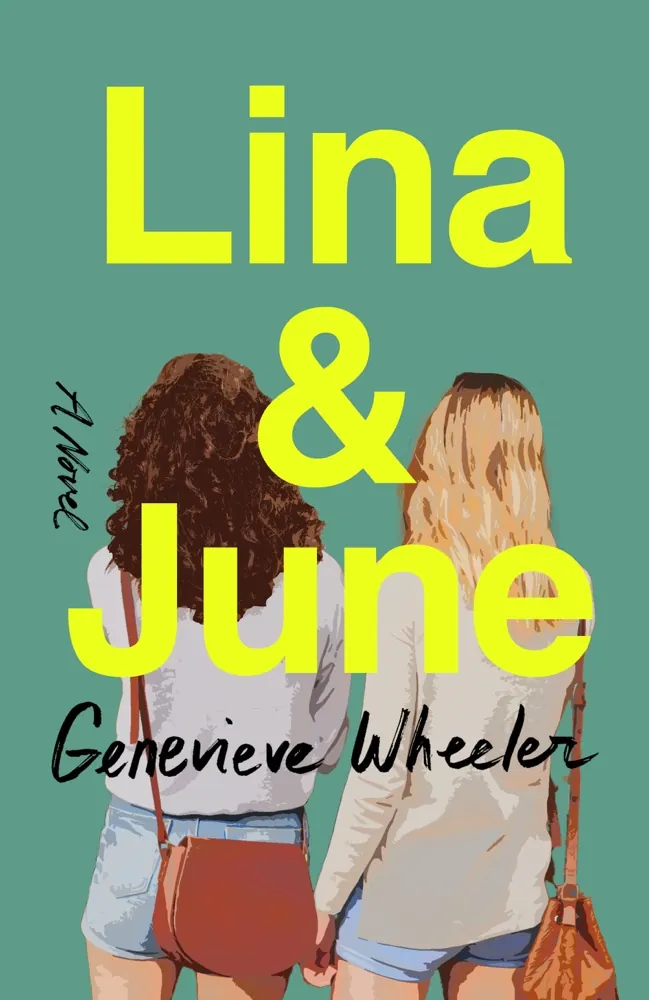
Author: Genevieve WheelerPage Count: UnknownPublication Date: Expected publication 2026-12-08 APL As I sit here on this sweltering August afternoon, sipping sweet tea on the porch, I find myself pondering the complexities of female friendships — and the heart-wrenching consequences of their unraveling. Genevieve Wheeler's upcoming novel, Lina & June, promises to be a poignant exploration of this very theme, one that resonates deeply with me as a mother who's witnessed her own daughter navigate the treacherous waters of adolescence. But, I must admit, the official synopsis leaves me with more questions than answers — what, exactly, is the nature of June's health issues? And how does Lina's decision to jet off to Paris affect their relationship? The vagueness is almost frustrating, like trying to grasp a handful of sand — the harder I squeeze, the more it slips through my fingers. And yet, despite the lack of concrete details, I'm drawn to the emotional resonance of this story. The contrast between Lina's carefree spirit and June's meticulous planning is a fascinating dynamic, one that reminds me of the push-and-pull relationships found in the works of authors like Celeste Ng or Emily St. John Mandel. But, as the synopsis suggests, this bond is put to the test when June's health takes a turn for the worse — and Lina's decision to leave her behind raises questions about the very fabric of their friendship. Is it a case of abandonment, or simply a necessary act of self-preservation? The ambiguity is almost palpable, like the heavy air that clings to my skin on a summer day. Fractured Bonds As I consider the themes of Lina & June, I'm struck by the ways in which female friendships can be both a source of strength and a catalyst for pain. The severing of a close bond can be a devastating experience, one that leaves both parties reeling — and wondering if the relationship is even worth repairing. It's a question that echoes through the works of authors like Elena Ferrante, who's explored the complexities of female relationships with unflinching honesty. But, I must wonder, will Lina & June offer a similarly nuanced exploration of this theme, or will it succumb to sentimental clichés? The synopsis suggests a deeply felt story, but I remain skeptical — after all, it's easy to reduce complex emotions to trite platitudes. But, as I ponder the psychology of Lina and June, I'm reminded of the ways in which our relationships are shaped by our individual experiences and personalities. Lina's spontaneity and June's planning are not just opposing traits — they're also coping mechanisms, ways of navigating the uncertainties of life. And when June's health issues arise, these mechanisms are put to the test — forcing both women to confront the fragility of their bond. It's a moment of reckoning, one that raises questions about the nature of loyalty, commitment, and the human capacity for forgiveness. Can Lina and June find a way to repair their fractured bond, or will the wounds of their past prove too deep to heal? The uncertainty is almost unbearable, like the wait for a summer storm to break. As the sun begins to set on this August evening, casting a golden glow over the landscape, I'm left with a sense of anticipation — and trepidation. Will Lina & June live up to its promise, or will it falter under the weight of its own emotional ambitions? I predict that this novel will be a haunting, deeply felt exploration of female friendship — one that will resonate with readers who've experienced the pain of a fractured bond. But, for now, I'm left to ponder the possibilities — and the vagueness of the synopsis. And, as I rise from my porch chair, I'm distracted by a strange noise coming from the kitchen — the dishwasher, it seems, is making a weird grinding sound. #booklovers #femalefriendship #newreleases Related InsightsSweet Pea Book Review and Summary Shadows Reel Book Review and Summary Reaper at the Gates Book Review and Summary{ "@context": "https://schema.org", "@type": "FAQPage", "mainEntity": [ { "@type": "Question", "name": "What is the main focus of Lina & June Book Review and Summary?", "acceptedAnswer": { "@type": "Answer", "text": "Everything you need to know about Lina & June with our detailed review." } }, { "@type": "Question", "name": "Who authored the comprehensive guide on Lina & June Book Review and Summary?", "acceptedAnswer": { "@type": "Answer", "text": "This detailed article and its insights were carefully researched and authored by Victoria Smith." } }, { "@type": "Question", "name": "Where can I find more related content about Books?", "acceptedAnswer": { "@type": "Answer", "text": "You can explore more articles, detailed reviews, and similar insights by browsing the Related Insights section at the bottom of this article or visiting our dedicated Books category page." } } ] }
Author: Katie CotugnoPage Count: UnknownPublication Date: Expected publication 2026 APL Look, I watch people beat each other unconscious for a living. I understand the sweet science of trading leather, absorbing punishment, and figuring out who actually has a chin when the championship rounds start. So when I look at a synopsis for a psychological thriller, I am looking for one thing: a fighter who can take a punch and keep walking forward. Does Daisy by Katie Cotugno look like it has a granite jaw? Or is it just another glass-jawed hype job? Let us break down the tape. The Tale of the Tape and the Body Blows Cotugno wants us to believe that this modern Long Island socialite—our girl Daisy Buchanan—is dodging psychological body shots two summers after Gatsby caught a bullet. But what is the actual striking game here? The synopsis throws a wild, telegraphed right hook: Jordan Baker turns up dead in the pool. Classic. Yet, as any seasoned cornerman will tell you, you cannot win a fight on a single flash knockdown. The blurb leans heavily on vague paranoia. Is someone watching her? Or is it just the gin? Look, I am no stranger to a heavy night out after a brutal sparring session, but leaning on the "am I hallucinating or is this a conspiracy" trope is the literary equivalent of throwing naked haymakers. It is sloppy footwork. And yet, I respect the stamina. The setup positions Daisy as a counter-puncher caught in a clinch she did not ask for. People keep dropping dead around her. That is not just bad luck; that is a terrible defense. If your inner circle has a mortality rate higher than a bare-knuckle fighting circuit, you need to change your camp immediately. The Championship Rounds The thematic angle here—if we can pierce the guard of all those glossy East Egg descriptors—is survival after the bell rings. Cotugno is attempting to drag Fitzgerald's romanticized golden girl out of her plush corner and throw her into a gritty street fight. But will the prose have any actual power behind it, or are we just shadowboxing with ghosts? If you want a gritty, high-stakes psychological beatdown done right, look at how Gillian Flynn or Paula Hawkins operate. They do not just hint at trouble; they put their characters in a chokehold from page one. Cotugno needs to deliver real, bone-crunching suspense here, or this whole enterprise is going to get knocked out in the first round by readers who demand actual narrative gravity instead of just name-dropping iconic literature like a casual fan wearing a vintage boxing tee they bought at a thrift store. My official prediction? The pacing will be propulsive, exactly as promised—fighters love a fast starter—but the real test is whether Daisy has the stamina to go the distance once the police start landing clean counters. Rent in this city just went up another two hundred bucks for a studio that smells faintly of old gym socks, and yet somehow people expect me to give up my lifestyle to work a desk job answering emails about Q3 metrics. Not happening. I would rather take a left hook from heavyweight contender than stare at a spreadsheet all morning. #BookTwitter #LiteraryBoxing #ReadingList Related InsightsThe Butcher of the Forest Book Review and Summary Evermore Book Review and Summary Le Livre Oracle : Plongée dans l'Art Oublié de la Bibliomancie et ses Secrets Murmurés{ "@context": "https://schema.org", "@type": "FAQPage", "mainEntity": [ { "@type": "Question", "name": "What is the main focus of Daisy Book Review and Summary?", "acceptedAnswer": { "@type": "Answer", "text": "Everything you need to know about Daisy with our detailed review." } }, { "@type": "Question", "name": "Who authored the comprehensive guide on Daisy Book Review and Summary?", "acceptedAnswer": { "@type": "Answer", "text": "This detailed article and its insights were carefully researched and authored by Natalia Sokolova." } }, { "@type": "Question", "name": "Where can I find more related content about Books?", "acceptedAnswer": { "@type": "Answer", "text": "You can explore more articles, detailed reviews, and similar insights by browsing the Related Insights section at the bottom of this article or visiting our dedicated Books category page." } } ] }