Showing Posts From
Bookreview
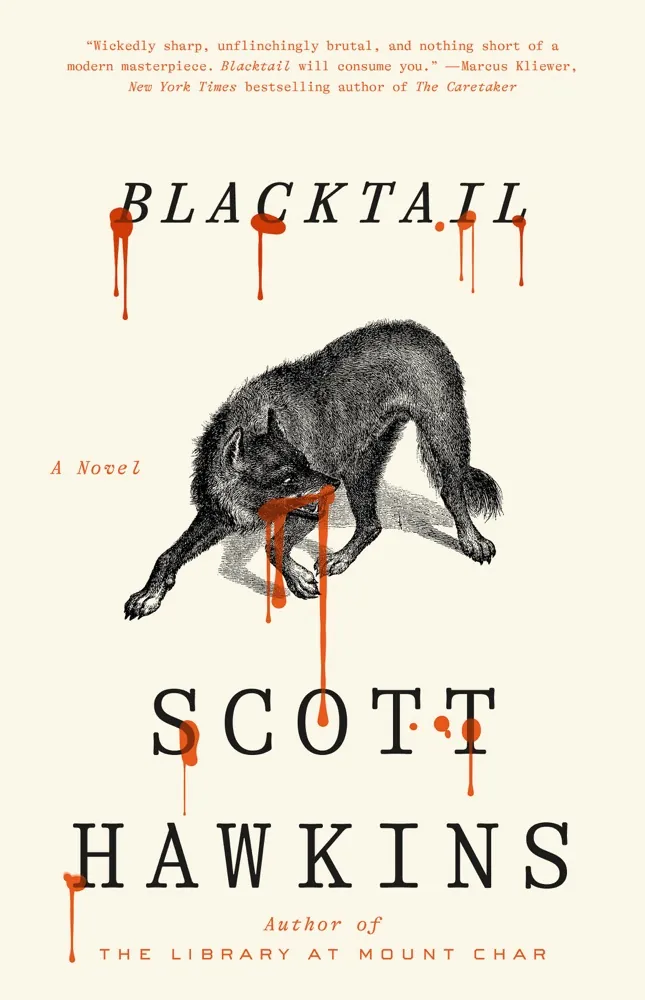

Author: Scott HawkinsPage Count: UnknownPublication Date: Expected publication 2026-09-01 APL Vagueness abounds in the official synopsis of Blacktail, the forthcoming dark fantasy novel by Scott Hawkins. At first pass, it seems like a straightforward revenge tale with a wolf's quest for justice against the humans who destroyed his world. But scratch beneath the surface, and we find ourselves entangled in a richly woven narrative that promises to upend our expectations. Ancient feline witches, territorial invasions, house dogs, and Forest Gods all converge in a narrative that, so far, defies clear categorization. Yet, it's precisely this mystique that draws me in, a devotee of the dark and the unsettling as I am. I crave the unknown, the unseen, and the unexplored. And in Blacktail, I sense a kindred spirit—albeit one that might prove more sinister than I initially anticipated. But let's not forget the author himself, Scott Hawkins. His cult hit The Library at Mount Char still lingers in the collective consciousness of genre enthusiasts, a testament (if you will) to Hawkins's capacity to craft tales that defy conventional genre boundaries. If I had to draw comparisons, I'd lean towards the works of authors like Joe Abercrombie or Glen Duncan, both masters of subverting our expectations while navigating the darker corners of fantasy. So, what exactly does Blacktail promise to deliver? A world beset by humans, a wolf driven by vengeance, and a cast of characters that defy easy categorization. Yet, it's the vagueness surrounding the Forest God's role and the wolf's journey that has me both intrigued and concerned. How far will Hawkins push the narrative into the realms of the surreal and the unknown? The stakes are already high, with Hawkins promising a "tale of lupine vengeance [...] whose stakes escalate to degrees I never saw coming." The question, of course, is what these stakes might look like, and whether they'll remain aligned with the wolf's initial quest for justice or veer into more complex, morally ambiguous territory. Only time will tell. What is certain, however, is that Blacktail promises to be an unforgettable reading experience—a slow-burning fire that will consume us in its entirety. Wolves at the Door: A Thematic Exploration At its core, Blacktail seems to revolve around the age-old struggle between nature and humanity. The world is beset by men, and the natural order is under threat. In many ways, this echoes the themes of The Night Circus or The First Fifteen Lives of Harry August, two novels that, among other things, explored the complex relationships between human and non-human entities. In the context of Blacktail, the wolf's journey assumes a more pronounced sense of urgency, driven by the loss of his mate and the encroachment of human settlements into his territory. It raises essential questions about the place of animals in our world and our responsibility towards the natural world. But can Scott Hawkins pull it off? Will he manage to balance the wolf's quest for vengeance with a nuanced exploration of these themes? Or will he succumb to the temptation to sensationalize, risking a narrative that's more noise than substance? Vagueness and the Human Condition One of the most intriguing aspects of Blacktail's synopsis is its vagueness. Hawkins refuses to give us clear answers about the world he's created, instead opting for an air of mystery that's both alluring and unsettling. It's a bold move, one that might just backfire or, conversely, yield extraordinary results. We find ourselves in a world where the lines between reality and myth blur precipitously. Will Hawkins's refusal to provide clear guidance lead us down a rabbit hole of discovery, or will it result in a narrative that's as opaque as it is captivating? Only time will tell. I have to go clean out the gutters before autumn sets in. Related InsightsYoung Man in a Hurry Book Review and Summary Murder on the Upper East Side Book Review and Summary A Thousand Splendid Suns Book Review and Summary{ "@context": "https://schema.org", "@type": "FAQPage", "mainEntity": [ { "@type": "Question", "name": "What is the main focus of Blacktail Book Review and Summary?", "acceptedAnswer": { "@type": "Answer", "text": "Everything you need to know about Blacktail with our detailed review." } }, { "@type": "Question", "name": "Who authored the comprehensive guide on Blacktail Book Review and Summary?", "acceptedAnswer": { "@type": "Answer", "text": "This detailed article and its insights were carefully researched and authored by Piotr Nowak." } }, { "@type": "Question", "name": "Where can I find more related content about Books?", "acceptedAnswer": { "@type": "Answer", "text": "You can explore more articles, detailed reviews, and similar insights by browsing the Related Insights section at the bottom of this article or visiting our dedicated Books category page." } } ] }
-
 Olivia Harris
 - 08 Aug, 2026 12:35
The Twelve Loves of Christmas: An Advent Romance Collection Book Review and Summary
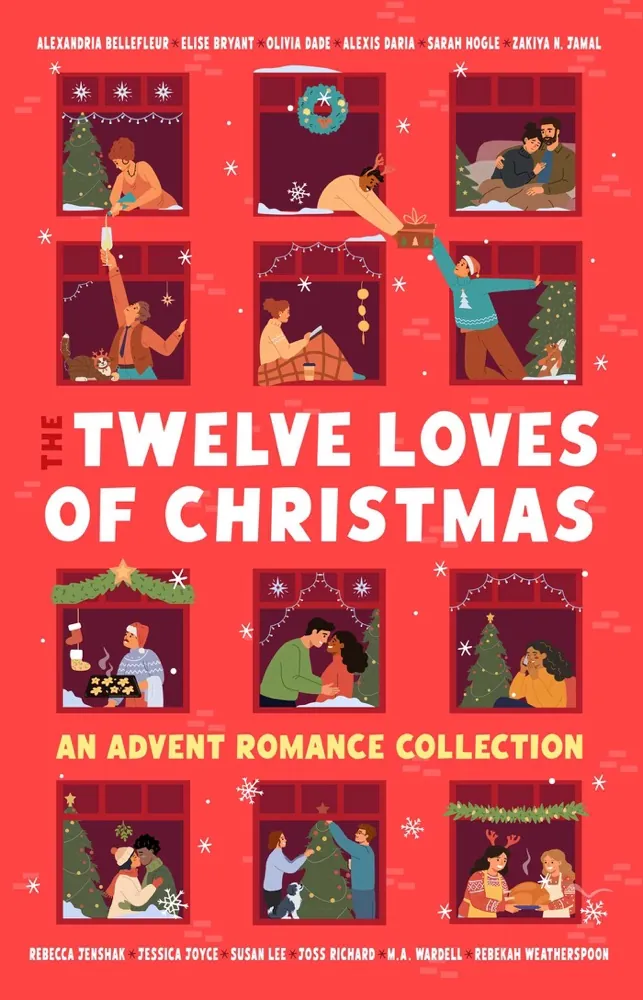
Author: Alexandria BellefleurPage Count: UnknownPublication Date: Expected publication 2026-09-29 APL This The Twelve Loves of Christmas promises to be a trifling exercise in holiday romance, a predictable yet endearing series of short stories that will no doubt tickle the fancy of those who insist on sentimentalizing December. And yet, I find myself drawn to the collection's forced proximity romance, a trope I've always considered a cheap trick for authors to get their characters in close quarters—what is it about confined spaces that sparks intimacy? But here, it's not just a device; it's a holiday tradition. I envision a cast of characters who've learned to appreciate the warmth of their own company, much like those of Helen Hoang's The Kiss Quotient, where sex and intimacy are merely a means of connection. The inclusion of a second-chance romance between exes stranded at the airport hints at the possibility of The Twelve Loves of Christmas being more than just a surface-level holiday collection—perhaps it will touch on the complex, often messy nature of relationships, much like Tessa Bailey's Fix Her Up. But we must be cautious not to assume too much from a synopsis that barely scratches the surface. But then again, is that the point of this book? Is it merely to offer a palate cleanser for those who crave lighthearted holiday reads? The fact that each story is sealed, to be opened one at a time, speaks to our desire for structure, for a clear beginning, middle, and end. It's a format not dissimilar to those Dear John letters, where each installment is carefully crafted to elicit a specific reaction. As I ponder the significance of this format, I'm reminded of the works of Emily Henry, who weaves together intricate, character-driven narratives that often subvert our expectations. But will The Twelve Loves of Christmas push the boundaries of the romance genre, or will it play it safe, relying on our nostalgia for holiday tales? And so, as we await the release of what promises to be a pleasant, if predictable, read, I find myself asking: what is the value of these fleeting, often saccharine stories? Is it merely a distraction from the drudgery of daily life, a temporary reprieve from the monotony of our routines? I predict that The Twelve Loves of Christmas will be a moderate success, appealing to those who crave a quick holiday fix. It will not, however, challenge the reader to question the nature of love or relationships. Here we go again. The caviar I ordered was far too salty. #RomanceNovels #HolidayReads #LiteraryCriticism Related InsightsWatching you Book Review and Summary Breakfast at Tiffany’s and Three Stories Book Review and Summary Instant Classic Book Review and Summary{ "@context": "https://schema.org", "@type": "FAQPage", "mainEntity": [ { "@type": "Question", "name": "What is the main focus of The Twelve Loves of Christmas: An Advent Romance Collection Book Review and Summary?", "acceptedAnswer": { "@type": "Answer", "text": "Everything you need to know about The Twelve Loves of Christmas: An Advent Romance Collection with our detailed review." } }, { "@type": "Question", "name": "Who authored the comprehensive guide on The Twelve Loves of Christmas: An Advent Romance Collection Book Review and Summary?", "acceptedAnswer": { "@type": "Answer", "text": "This detailed article and its insights were carefully researched and authored by Olivia Harris." } }, { "@type": "Question", "name": "Where can I find more related content about Books?", "acceptedAnswer": { "@type": "Answer", "text": "You can explore more articles, detailed reviews, and similar insights by browsing the Related Insights section at the bottom of this article or visiting our dedicated Books category page." } } ] }
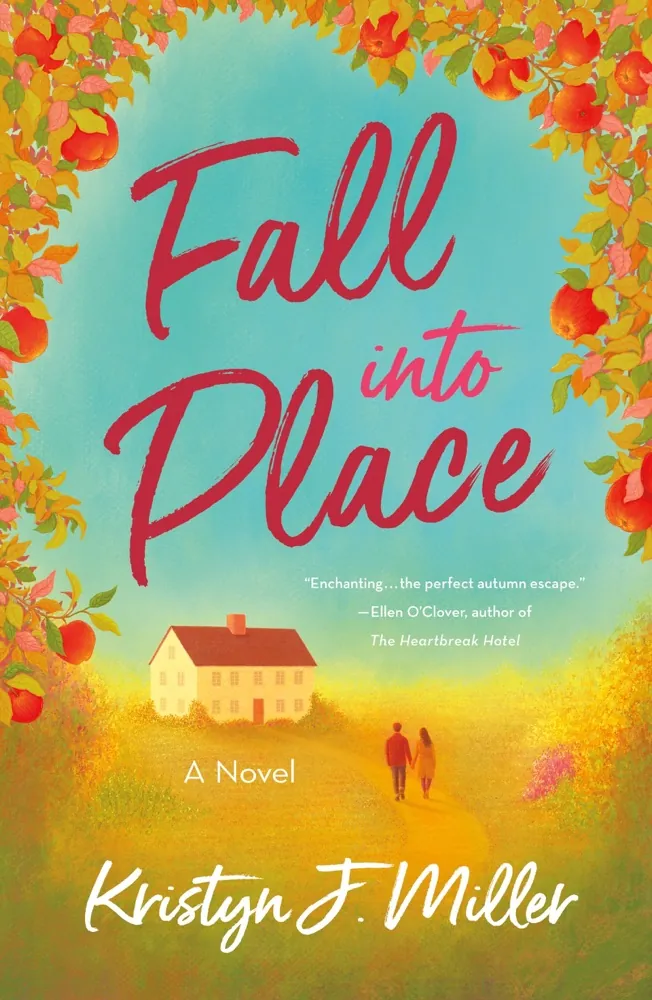

Author: Kristyn J. MillerPage Count: UnknownPublication Date: Expected publication 2026-09-08 APL There is something deeply grounding about a rural Vermont backdrop, especially when it involves old family land and a forced proximity trope that practically begs for emotional fallout. Kristyn J. Miller is bringing us Fall into Place in September 2026, and frankly, my family-oriented soul is already buckling under the weight of this synopsis. Roots, Branches, and Heavy Decisions Lenore’s predicament hits home in a very visceral way. Coming back to French Hill Farm isn't just a physical displacement; it is an excavation of every expectation her family quietly planted in her. As if that wasn't enough, she has to deal with the impending sale of the orchard—the very place that tethered her childhood to her art. Miller establishes a classic tension here: the pull of familial heritage versus the terrifying expanse of individual ambition. Yet, one wonders if the synopsis plays its cards a bit too close to the chest regarding how Lenore's art actually suffered. Give us the messy details, Miller! The Boy Next Door (Who Was Always Off-Limits) Then we have Callan. Oh, Callan. The quintessential small-town caretaker whose roots are practically fossilized in Whitbury soil. I adore a character whose loyalty is both his armor and his prison. And let us be honest about the chemistry. As someone who treats fictional couples like dear friends I desperately want to lock in a room until they communicate, the "best friend's little sister" dynamic combined with a botched past encounter is pure, unadulterated catnip. Callan thinks he can't outrun his hometown. Lenore thinks she outgrew it. I predict right now that this book will devastate us in the best possible way—giving major Emily Henry meets Abby Jimenez vibes, complete with emotional eavesdropping and porch steps at twilight. Miller has a knack for making these dynamics feel like an old Sunday dinner with people you actually like. The Paintbrush and the Groundskeeping Tools The thematic architecture here leans heavily on contrast. Paintbrushes versus pruning shears. Manhattan skyscrapers versus Vermont autumn leaves. Miller uses the historic apple orchard as a canvas for unresolved tension. But will the narrative lean too hard into Hallmark-esque beats? The synopsis relies heavily on familiar genre scaffolding. I demand emotional bruising, not just cute banter by the cider press. My septum piercing is acting up because the autumn chill in this imaginary Vermont air is getting to my sinuses—or maybe it is just the sheer anxiety of waiting until late 2026 for this release. #FallIntoPlace #KristynJMiller #BookTok #CozyRomance Related InsightsI'll Be Waiting Book Review and Summary Charlotte’s Web Book Review and Summary Life Out of Order (The Time Traveler's Wife, #2) Book Review and Summary{ "@context": "https://schema.org", "@type": "FAQPage", "mainEntity": [ { "@type": "Question", "name": "What is the main focus of Fall into Place Book Review and Summary?", "acceptedAnswer": { "@type": "Answer", "text": "Everything you need to know about Fall into Place with our detailed review." } }, { "@type": "Question", "name": "Who authored the comprehensive guide on Fall into Place Book Review and Summary?", "acceptedAnswer": { "@type": "Answer", "text": "This detailed article and its insights were carefully researched and authored by Camille Dubois." } }, { "@type": "Question", "name": "Where can I find more related content about Books?", "acceptedAnswer": { "@type": "Answer", "text": "You can explore more articles, detailed reviews, and similar insights by browsing the Related Insights section at the bottom of this article or visiting our dedicated Books category page." } } ] }
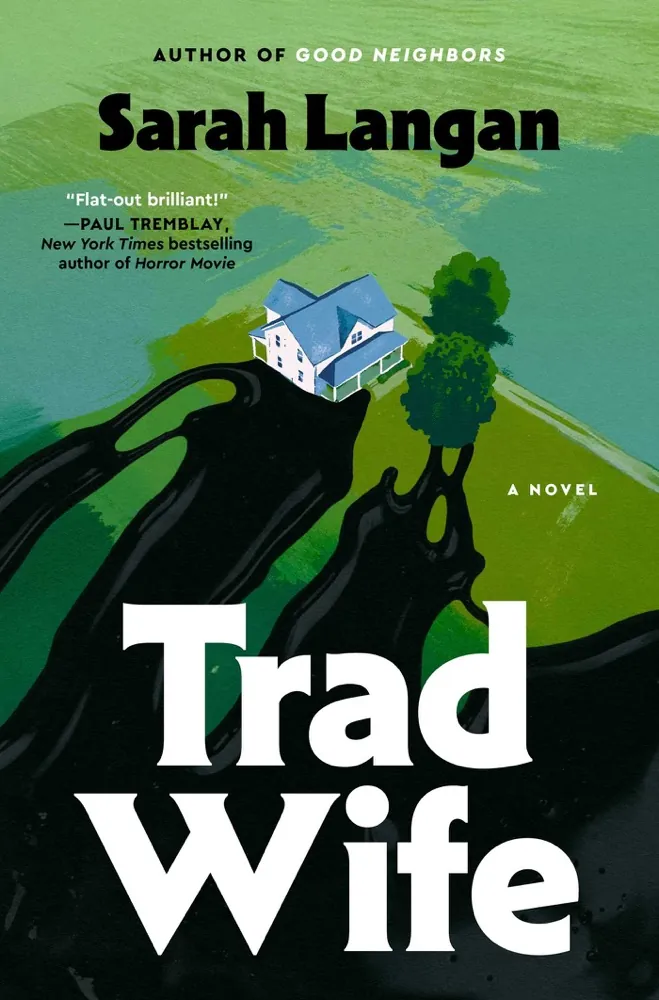

Author: Sarah LanganPage Count: UnknownPublication Date: Expected publication 2026-09-29 APL The air in August is thick with the scent of damp earth and overripe peaches—perfect for the kind of suffocating dread that clings to a story like Trad Wife, where the very soil seems to whisper secrets. Sarah Langan’s upcoming novel, billed as a razor-sharp dissection of performative domesticity, arrives with the weight of a gilded cage. The synopsis teases a journalist, Jenny Kaplan, descending into the pastoral nightmare of Black Swan Farm, where Mia Wright’s "trad wife" persona is less a lifestyle and more a carefully curated abyss. But here’s the rub: the prose doesn’t just describe the horror—it performs it, mirroring the very illusion it critiques. The synopsis leans heavily on the gothic tradition of the "perfect house that hides something worse"—think Shirley Jackson’s The Haunting of Hill House, but with the added layer of modern femininity as both armor and cage. Mia Wright’s farm isn’t just a setting; it’s a character in itself, a sprawling, sun-bleached monolith where the children’s laughter curdles into nursery rhymes and the camera never lies—except it does, doesn’t it? The tension between the seen and the unseen is the novel’s true villain, a theme Langan shares with the likes of Carmen Maria Machado, whose In the Dream House exposed the fractures beneath queer domesticity. But where Machado’s work is introspective, Trad Wife promises to be a scalpel, dissecting the performative nature of womanhood with the same clinical precision as a Victorian-era dissection manual. Yet—yet—the synopsis is frustratingly vague. We’re told Jenny loses time, her hair, her grip on reality, but we’re not given the texture of that unraveling. Is it psychological? Supernatural? A slow-burn descent into madness, or something far more sinister? The lack of specificity feels deliberate, a nod to the unreliable narrator trope that’s been mined ad nauseam, but also a missed opportunity. Compare this to Mexican Gothic, where Shirley Jackson’s influence is palpable in the way the decay isn’t just physical—it’s cultural, a rot that festers beneath the surface of polite society. Trad Wife risks becoming just another cautionary tale about the dangers of social media, unless it leans harder into the gothic’s love of ambiguity. And then there’s the class angle—oh, the class angle. The "trad wife" aesthetic isn’t just a lifestyle; it’s a performance of privilege, a way for women to signal their compliance with patriarchal structures while still wielding a certain power. The synopsis hints at this, but it doesn’t explore whether Jenny’s own career desperation makes her complicit in the very illusion she’s meant to expose. Is she the outsider, or just another predator in a landscape of curated lies? The tension between Jenny and Mia feels like it could be the novel’s emotional core, but the synopsis doesn’t give us enough to chew on. My prediction? Trad Wife will be a masterclass in atmospheric dread, but only if Langan resists the urge to explain everything. The best gothic horror—The Turn of the Screw, We Have Always Lived in the Castle—lets the reader fill in the blanks. If this stays true to its synopsis, it’ll be a chilling, if slightly undercooked, critique of modern femininity. But if Langan dares to be bold, it could be something far more unsettling—a novel that doesn’t just ask what’s real, but who gets to decide? Now, if you’ll excuse me, I have to go defend my favorite director on Film Twitter. #GothicHorror #TradWife #SarahLangan Related InsightsThe Lightning Thief Book Review and Summary Dragonfly in Amber Book Review and Summary American Anti-Slavery Almanac, For ... Book Review and Summary{ "@context": "https://schema.org", "@type": "FAQPage", "mainEntity": [ { "@type": "Question", "name": "What is the main focus of Trad Wife Book Review and Summary?", "acceptedAnswer": { "@type": "Answer", "text": "Everything you need to know about Trad Wife with our detailed review." } }, { "@type": "Question", "name": "Who authored the comprehensive guide on Trad Wife Book Review and Summary?", "acceptedAnswer": { "@type": "Answer", "text": "This detailed article and its insights were carefully researched and authored by James Miller." } }, { "@type": "Question", "name": "Where can I find more related content about Books?", "acceptedAnswer": { "@type": "Answer", "text": "You can explore more articles, detailed reviews, and similar insights by browsing the Related Insights section at the bottom of this article or visiting our dedicated Books category page." } } ] }
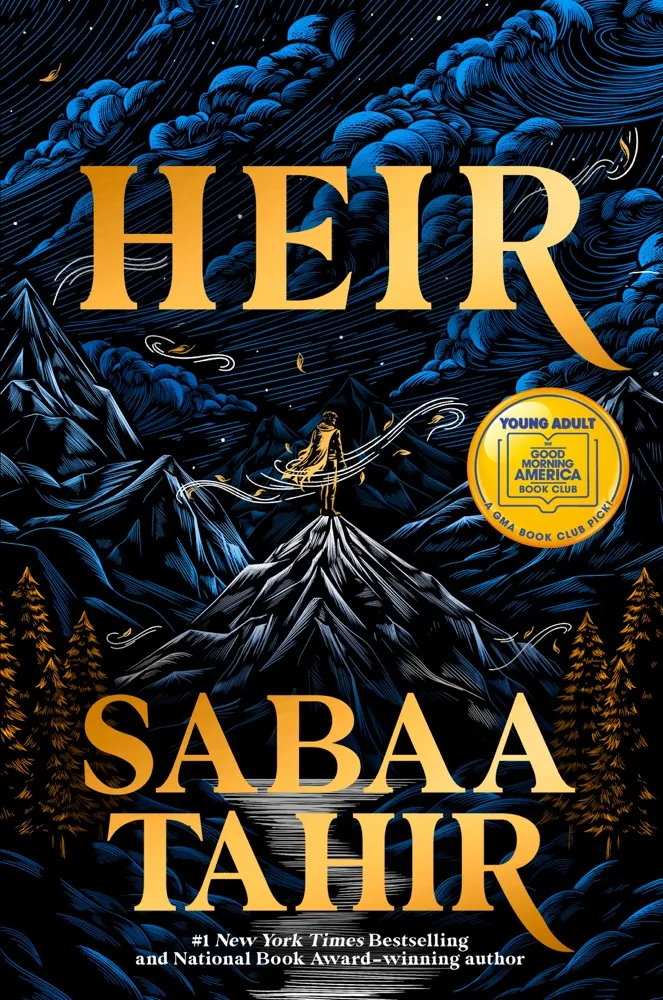
Author: Sabaa TahirPage Count: UnknownPublication Date: Expected publication 2026 APL Darling, my first-edition collection of An Ember in the Ashes occupies a rather climate-controlled nook in my Mayfair townhouse, bound in rare morocco leather, of course. Yet here we are, casting an elitist eye toward Sabaa Tahir’s upcoming sequel, Empire. Or is it merely Empire? The marketing materials are delightfully opaque about the actual subtitle, a trend I find distressingly pedestrian—reminiscent of Leigh Bardugo’s earlier publicity stunts before she learned proper cadence. Let us examine the text through a sociological lens. What do we actually know from this publisher-fed brief? Absolutely nothing substantial. But oh, the class dynamics! We have slum-dwelling orphans and destitute trackers crossing paths with crown princes. How very Dickensian, albeit dressed in synthetic fantasy tropes. The Architecture of Despair Aiz in the Kegari slums. Sirsha banished for an unforgivable crime. Quil trapped by a tragic lineage. It is a classic trichotomy of social strata—the bottom, the margin, and the apex. Tahir relies heavily on these rigid socioeconomic brackets to manufacture friction. But does she transcend the genre's predictable trappings, or merely rehash the tired structural violence we already consume with our morning Darjeeling? One must wonder if the publisher’s summary is deliberately vague to conceal a lack of structural innovation. Yet—and this is where my curiosity flickers—the psychological weight assigned to systemic greed feels genuinely potent. Power corrupts. Yawn. We have heard this since Euripides. But packaged with what the blurbs promise is a "ruthless" romantic edge? Perhaps there is hope for the prose yet. Or perhaps it is merely fodder for the masses who buy paperbacks at airports. Sorry, lost my train of thought. My assistant just handed me the uncorrected proof in custom slipcase, smelling faintly of imported ink and ambition. One expects the prose to crackle with the same kinetic energy that made Tahir a darling of the New York Times bestseller lists, though I privately suspect the romantic entanglements will eclipse the sociological critique. After all, the bourgeoisie love a good rebellion until it threatens their dividends. Watch closely how she handles the prince's redemption arc. It is a tightrope walk between genuine political awakening and exhausting white-savior-adjacent monarchism—even in secondary worlds. If Quil does not accidentally ruin the entire state apparatus by chapter four, I shall be profoundly disappointed. My sommelier just arrived with the new vintage. Related InsightsThe Plague Book Review and Summary Mortal Minds (The Broken Realms #2) Book Review and Summary King of Wrath / King of Pride / King of Greed / King of Sloth Book Review and Summary{ "@context": "https://schema.org", "@type": "FAQPage", "mainEntity": [ { "@type": "Question", "name": "What is the main focus of Empire (Heir Duology, #2) Book Review and Summary?", "acceptedAnswer": { "@type": "Answer", "text": "Everything you need to know about Empire (Heir Duology, #2) with our detailed review." } }, { "@type": "Question", "name": "Who authored the comprehensive guide on Empire (Heir Duology, #2) Book Review and Summary?", "acceptedAnswer": { "@type": "Answer", "text": "This detailed article and its insights were carefully researched and authored by Olivia Harris." } }, { "@type": "Question", "name": "Where can I find more related content about Books?", "acceptedAnswer": { "@type": "Answer", "text": "You can explore more articles, detailed reviews, and similar insights by browsing the Related Insights section at the bottom of this article or visiting our dedicated Books category page." } } ] }
-
 Olya Shevchenko
 - 08 Aug, 2026 11:37
When Shadows Burn (When Shadows Burn Duology, 1) Book Review and Summary
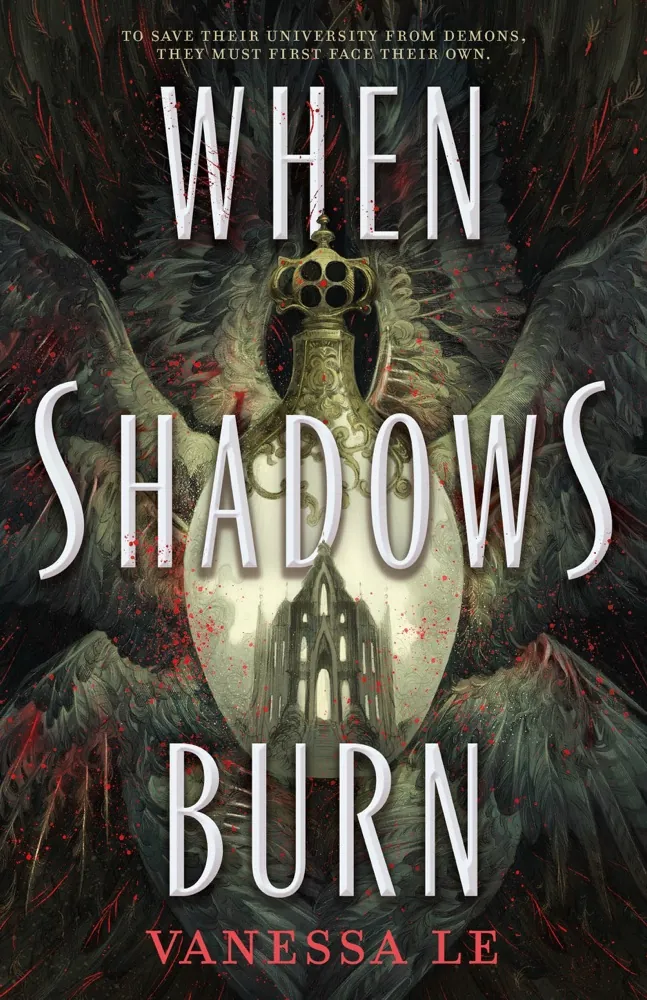
Author: Vanessa LePage Count: UnknownPublication Date: Expected publication 2026-12-01 APL My radiator is hissing again, spitting metallic breaths into this cramped, radiator-warmed box I call a study. Yet I find myself staring at a promotional blurb for Vanessa Le’s upcoming When Shadows Burn, wondering if the ink stains on my desk will ever wash out. We writers and readers love our academia dark, don't we? Give us stone cloisters, institutional rot, and moral compromises disguised as prestige. The Ledger of Blood and Tuition The premise relies on a dual-operator mechanic for demon hunting. Kiet Sren brings the blood; Song Sarna brings the blade. And Inkspill Agency sounds less like a gritty detective firm and more like an edgy startup founded by exhausted grad students who skipped too many meals. Le positions her narrative at the intersection of bureaucratic corruption and supernatural extermination. But what truly lingers in the mind—long after turning away from the glowing screen—is the implicit commentary on institutional complicity. Phenbridge University isn't just a backdrop. It is an active participant in its own decay. Dark academia thrives on the rot beneath polished mahogany. We have seen this institutional cynicism before. Think of R.F. Kuang’s Babel or the razor-sharp academia angst in Leigh Bardugo’s work. Yet Le injects a clinical precision into the supernatural, trading mystical vagueness for a magic system that behaves like lab work. Procedures. Measurements. Consequences. The Currency of Sufferance And then there is the slow-burn romance, wrapped tightly in family betrayal and secret identities. Because nothing says intimacy quite like bleeding on your coworker while investigating a systemic conspiracy. The synopsis leans heavily on the agonizing geometry of proximity. Two people trapped in a dangerous orbit. Secrets held like knives behind the back. Will the execution match the sleek promise of the blurb? Publishers love to lean on buzzwords. They promise us intricate world-building and propulsive detective tales. But synopsis-craft is a seductive artifice. It sells an aesthetic. It sells the heavy velvet drape of a mood. My cynicism—honed by too many late nights and too little coffee—whispers that the book might lean too safely into familiar YA beats. Or perhaps it will shatter those boundaries entirely. I suspect Le possesses the teeth to bite the hand that feeds the genre. The December 2026 release date feels impossibly far away. Time stretches when you are waiting for books that promise to dissect the institutions we blindly trust. For now, I stare at the blinking cursor while the steam pipe rattles against the wall. I have to go bleach my eyebrows. #DarkAcademia #BookTwitter #WhenShadowsBurn #VanessaLe Related InsightsEyes of the Void Book Review and Summary Never Say Die Book Review and Summary When the Moon Hits Your Eye Book Review and Summary{ "@context": "https://schema.org", "@type": "FAQPage", "mainEntity": [ { "@type": "Question", "name": "What is the main focus of When Shadows Burn (When Shadows Burn Duology, 1) Book Review and Summary?", "acceptedAnswer": { "@type": "Answer", "text": "Everything you need to know about When Shadows Burn (When Shadows Burn Duology, 1) with our detailed review." } }, { "@type": "Question", "name": "Who authored the comprehensive guide on When Shadows Burn (When Shadows Burn Duology, 1) Book Review and Summary?", "acceptedAnswer": { "@type": "Answer", "text": "This detailed article and its insights were carefully researched and authored by Olya Shevchenko." } }, { "@type": "Question", "name": "Where can I find more related content about Books?", "acceptedAnswer": { "@type": "Answer", "text": "You can explore more articles, detailed reviews, and similar insights by browsing the Related Insights section at the bottom of this article or visiting our dedicated Books category page." } } ] }
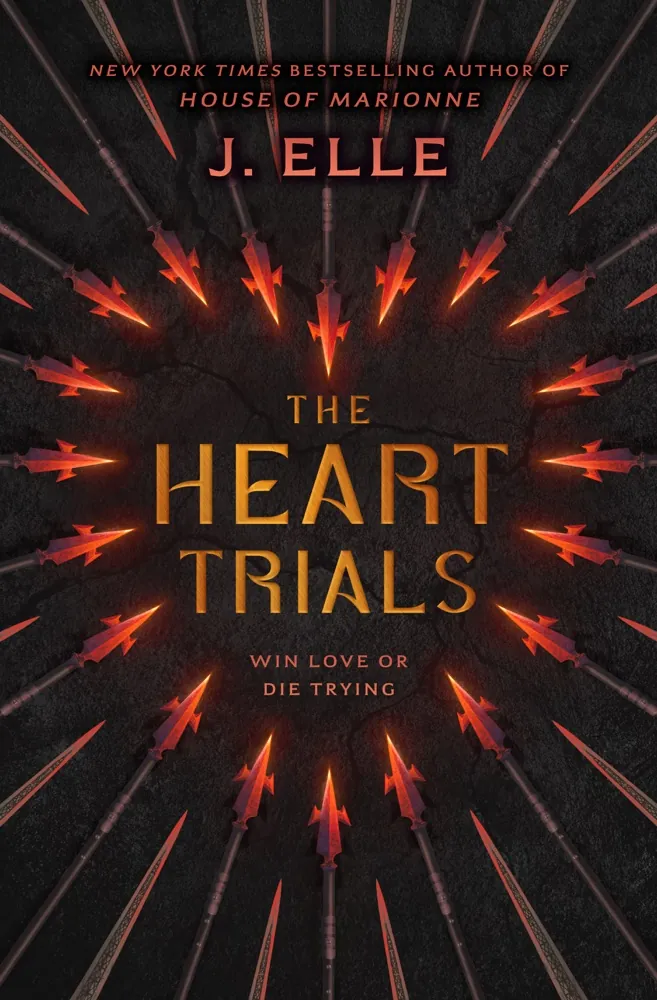

Author: J. EllePage Count: UnknownPublication Date: Expected publication 2026-09-01 APL Flour is currently coating my kitchen counter, three children are aggressively demanding chocolate chips, and yet here I am, glaring at a dystopian synopsis about state-mandated lovelessness. Honestly? I need this kind of high-stakes escapism like I need a double espresso. J. Elle is stepping into our reading lives with The Heart Trials. And yes, the premise sounds like someone threw The Hunger Games, a brutal class war, and a trashy reality dating show into a blender. But does that make it delicious? Absolutely. Sugar, Spice, and Lethal Dating Shows Consider the sheer audacity of a society where the elite get to feel things, while the working class must swallow government-issued "Heartfillers." What a delightfully grotesque world-building choice! Just another drop in the bucket of corporate-engineered misery. But as someone who spends hours measuring out vanilla extract for tiny, ungrateful humans, I appreciate a good rigid system. Axira Merreri—what a wonderfully punchy protagonist name—smuggles these illegal emotional highs by night. Naturally, her smuggling run goes horribly wrong. Doesn't it always? The Ultimate Cook-Off with Death So, our heroine ends up bargaining for her life by infiltrating a murderous dating tournament meant for highborn citizenship. Because nothing says romance quite like a bloodbath for a marriage license. J. Elle is leaning hard into the current romantasy trend of deadly competitions—think Carissa Broadbent’s Powerless or Danielle L. Jensen's ruthless court politics—and frankly, I am seated. Yet, the synopsis remains delightfully vague on the actual mechanics of this tournament. Are we talking obstacle courses? Poisoned cocktails? Secret rose ceremonies with actual broadswords? The publisher’s marketing copy refuses to tell us. Typical. Emotional Engineering and Flour Dust What fascinates me intellectually is the core thematic tension here. The regime monetizes and rations affection. Axira enters the arena purely for survival, only to have her carefully armored defenses cracked by an unexpected connection. Will it be cliché? Probably. Do I care? Not even a little bit while my nine-year-old licks raw batter off the spoon. The juxtaposition of a brutal physical death match with the weaponization of genuine emotion gives the author plenty of room to explore bodily autonomy under a totalitarian regime. My bold prediction? This duology starter is going to dominate BookTok by late autumn. It has all the right ingredients. High stakes. Forbidden yearning. A heroine who probably makes terrible, impulsive decisions for the greater good. I just hope the ending doesn't leave us hanging on a cliff too brutal to digest. Now, if you will excuse me, I need a massive glass of red wine after surviving toddler tantrums and baking three dozen cookies. Related InsightsHeir Book Review and Summary The Emperor's Enemy (Unsurvivable Love Duet, #1) Book Review and Summary Meditations on Nature, Meditations on Silence Book Review and Summary{ "@context": "https://schema.org", "@type": "FAQPage", "mainEntity": [ { "@type": "Question", "name": "What is the main focus of The Heart Trials Book Review and Summary?", "acceptedAnswer": { "@type": "Answer", "text": "Everything you need to know about The Heart Trials with our detailed review." } }, { "@type": "Question", "name": "Who authored the comprehensive guide on The Heart Trials Book Review and Summary?", "acceptedAnswer": { "@type": "Answer", "text": "This detailed article and its insights were carefully researched and authored by Sarah Davis." } }, { "@type": "Question", "name": "Where can I find more related content about Books?", "acceptedAnswer": { "@type": "Answer", "text": "You can explore more articles, detailed reviews, and similar insights by browsing the Related Insights section at the bottom of this article or visiting our dedicated Books category page." } } ] }
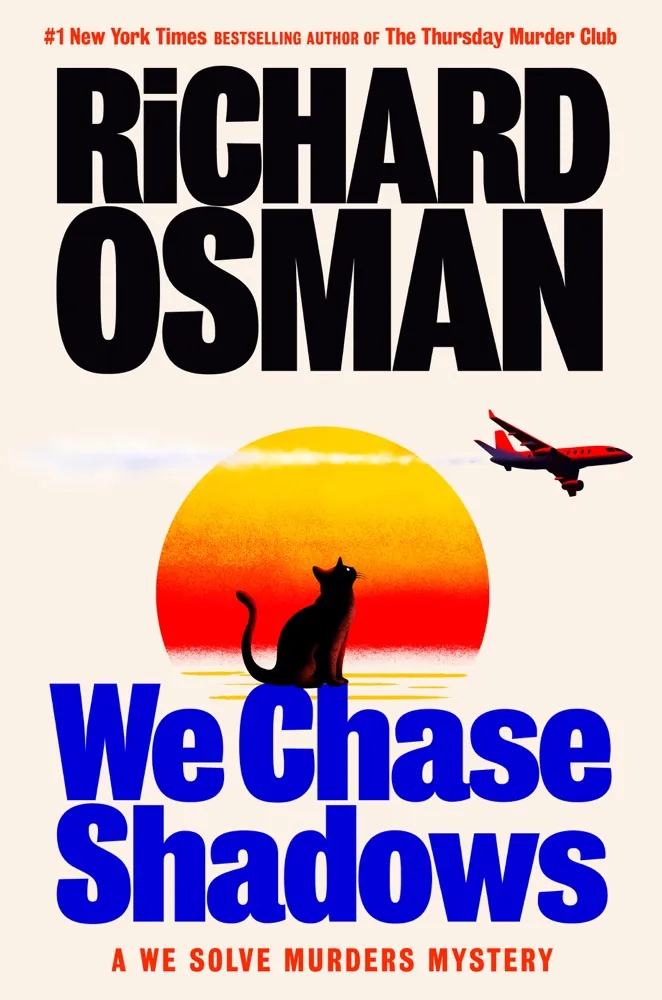

Author: Richard OsmanPage Count: UnknownPublication Date: Expected publication 2026-09-15 APL Grating garlic over the quinoa while my butter chicken marinates elsewhere in the kitchen is an exercise in patience—much like waiting for Richard Osman’s next installment, We Chase Shadows. Compositional Brushstrokes and Italian Sunrises A body on the steps of a private villa in the Italian hills. How utterly Caravaggio. Yet, Osman refuses to lean entirely into high-art gloom, keeping his prose breezy enough to pair with a crisp Sancerre. The synopsis gives us a neat little tableau: the corpse, the threatening note, and a trio of investigators who look at law enforcement protocol the way I look at mass-produced polyester upholstery—with absolute disdain. The Curation of Suspects Sweden’s most-wanted criminal. A canny ex-wife. A fierce business rival. Is this a murder mystery or a guest list for a disastrous charity gala in Palm Springs? The sheer accumulation of archetypes feels slightly derivative—almost as if Osman looked at Elmore Leonard’s discarded notebooks and said, "Yes, let's toss all of that into a blender with a British village pub." But I appreciate the global canvas. Art is meant to travel, after all. Still, one wonders if the suspects are merely decorative objects placed on the mantelpiece for aesthetic variety. Will they actually possess interior lives, or are they just colorful baubles destined to be shattered by the final chapter? The Shadow Play of Genre Osman trades heavily in the cozy-adjacent market—think a sunnier, less nicotine-stained version of Mick Herron’s Slough House crew, crossed with the domestic comedy of Anthony Horowitz. But what fascinates me as a collector of rare aesthetics is the geography of the chase. Moving from the Mediterranean light of Barcelona and Italy straight to the arid heat of Palm Springs and back to a damp English pub? That is a jarring tonal shift. Can a writer successfully transition from sun-drenched coastal dread to cozy pint-pulling without giving the reader literary whiplash? I have my doubts. The synopsis promises danger traveling close to home, yet it plays its cards so close to the chest that I suspect the mystery itself might be entirely weightless. Just a clever parlor trick wrapped in international jet-setting. We shall see if the craftsmanship holds up under scrutiny, or if it merely functions as literary fast food for people who buy their prints at IKEA. My private chef is waiting for my dinner instructions. Related InsightsBig Little Lies Book Review and Summary Best American Science Fiction and Fantasy 2020 Book Review and Summary A Really Short History of Nearly Everything Book Review and Summary{ "@context": "https://schema.org", "@type": "FAQPage", "mainEntity": [ { "@type": "Question", "name": "What is the main focus of We Chase Shadows (We Solve Murders, #2) Book Review and Summary?", "acceptedAnswer": { "@type": "Answer", "text": "Everything you need to know about We Chase Shadows (We Solve Murders, #2) with our detailed review." } }, { "@type": "Question", "name": "Who authored the comprehensive guide on We Chase Shadows (We Solve Murders, #2) Book Review and Summary?", "acceptedAnswer": { "@type": "Answer", "text": "This detailed article and its insights were carefully researched and authored by Emma Thompson." } }, { "@type": "Question", "name": "Where can I find more related content about Books?", "acceptedAnswer": { "@type": "Answer", "text": "You can explore more articles, detailed reviews, and similar insights by browsing the Related Insights section at the bottom of this article or visiting our dedicated Books category page." } } ] }

Author: Jim ButcherPage Count: UnknownPublication Date: Expected publication 2026 APL My knees are jammed against the sticky plastic seat of the Greyhound while the engine rattles like a dying washing machine, and yet, somehow, my primary concern is whether Butcher actually wrote this garbage or if an overworked marketing intern at Penguin Random House fed a bunch of millennial buzzwords into an LLM. Let us be entirely serious here. The official copy for Viral Hex—floating somewhere out there in the ether as the supposed nineteenth entry of The Dresden Files—reads like a desperate executive trying to explain TikTok to a board of directors who still use dial-up. The Algorithmic Panopticon And what a magnificent trainwreck of high-concept desperation it is. Look at the mechanics. A broke kid accidentally casting spells with discount ramen? It is practically dripping with the kind of forced contemporary relevance that makes true editors want to throw their red pens out the emergency exit. Yet, beneath the cringe-inducing invocation of "memes" and "followers," there is a genuinely ruthless mechanism at play. Attention economy as literal thaumaturgy. Notice how the synopsis leans hard into the transactional nature of modern existence. In older, dirtier mythologies, you sold your soul to a horned proprietor for gold or influence. Now? You trade it incrementally, one heart icon and algorithmic boost at a time, until your corporeal form rots from digital exposure. That is not just urban fantasy. That is late-stage capitalism stripped of its pleasantries. When Intellectual Property Loses the Plot Let us address the elephant in the bus aisle. This is supposedly a Dresden book, yet Harry Dresden is completely absent from the text provided, replaced instead by a broke college student named Reed and a snarky digital demon named Zyx. Is this an off-shoot? An editorial misattribution? A cosmic prank? Who knows. But the thematic DNA is transparent. It borrows heavily from the ironic detachment of Ben Aaronovitch’s Rivers of London and mashes it into the cynical, screen-addicted nightmare-scape of Charlie Brooker’s Black Mirror. The subtext here is violently blunt. Engagement metrics dictate magical potency. If your reach is broad enough, you rewrite reality. But art—even trashy, viral art—requires a victim. The soul rot eating away at Reed's body is a neat little metaphor for the hollowed-out affect of every chronically online influencer currently dancing in front of a ring light for rent money. A Bold Bet on the Slush Pile My prediction? This thing is going to sell half a million copies to exhausted twenty-somethings who feel entirely seen by a book about demonic discount ramen, while purists froth at the mouth over the tonal shift. It is garish, it is loud, and it smells faintly of desperation. Still, it beats looking out the frosted window at another stretch of desolate highway. My landlord in Chicago is threatening to evict me by Friday if I do not wire three months of back rent, and here I am, dissecting promotional copy on a moving vehicle for pennies, wondering why I ever majored in English instead of computer science. Related InsightsToo Cold for Comfort Book Review and Summary Don't Let Him In Book Review and Summary Battle Ground Book Review and Summary{ "@context": "https://schema.org", "@type": "FAQPage", "mainEntity": [ { "@type": "Question", "name": "What is the main focus of Mirror Mirror (The Dresden Files, #19) Book Review and Summary?", "acceptedAnswer": { "@type": "Answer", "text": "Everything you need to know about Mirror Mirror (The Dresden Files, #19) with our detailed review." } }, { "@type": "Question", "name": "Who authored the comprehensive guide on Mirror Mirror (The Dresden Files, #19) Book Review and Summary?", "acceptedAnswer": { "@type": "Answer", "text": "This detailed article and its insights were carefully researched and authored by Irina Ivanova." } }, { "@type": "Question", "name": "Where can I find more related content about Books?", "acceptedAnswer": { "@type": "Answer", "text": "You can explore more articles, detailed reviews, and similar insights by browsing the Related Insights section at the bottom of this article or visiting our dedicated Books category page." } } ] }
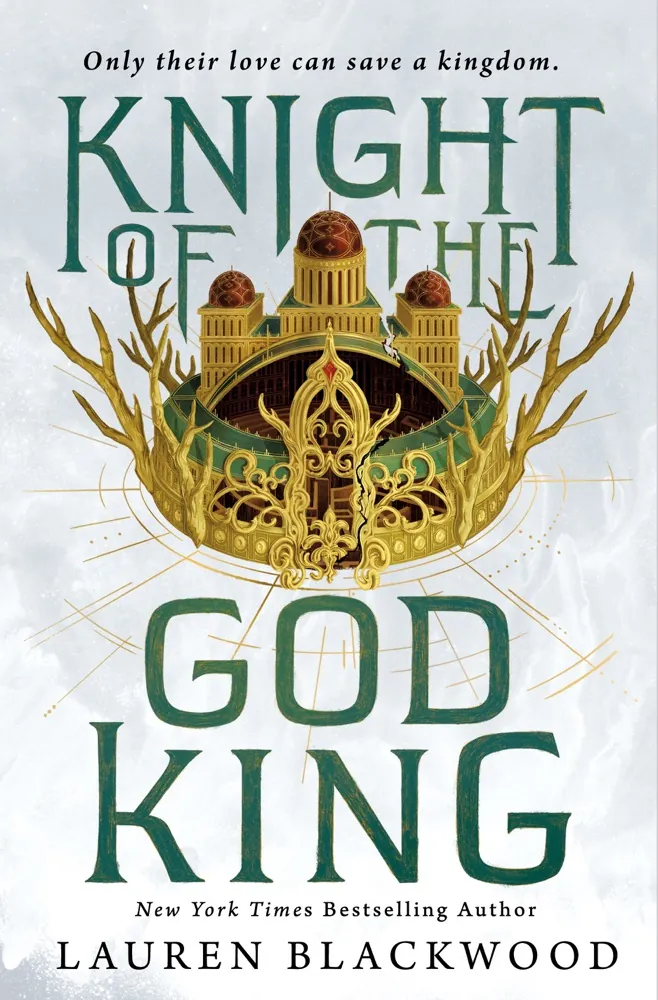

Author: Lauren BlackwoodPage Count: UnknownPublication Date: Expected publication 2026-10-20 APL In Knight of the God King, Lauren Blackwood weaves an intricate web of court intrigue and dark fantasy, subverting traditional notions of heroism and power. As a community organizer dissecting the social structures of sci-fi, this book particularly piques my interest. I must admit that the premise – a knight struggling to balance her duty and secrets amidst court politics – bears an eerie resemblance to some of my favorite works by N.K. Jemisin, such as The Fifth Season. But, alas, we can't judge a book by its cover. Or can we? This synopsis raises more questions than answers. For instance, what are the stakes of the 'deadly schemes of a savior king'? Is he a mere pretender to the throne, or is there more at play? I'd love to know more about the 'magic held by the royal knight' – is this a traditional, arcane magic, or something more...unconventional? These are the threads I'd love to see woven together, but for now, we're left with an intriguing mystery shrouded in an air of vagueness. Now, let's talk about the relationship between Calliope and Beric, the knight and her handsome squire. Their dynamic seems like a textbook case of 'enemies-to-lovers', yet Blackwood might just be adding a clever twist to this familiar trope. I'm particularly intrigued by the power dynamics at play – will Cali remain subservient to her 'talentless cousin,' or will she assert her own autonomy in the midst of this treacherous court? The squire's character, Beric, is an attractive, enigmatic figure – but what are his true intentions, and does he have a role to play beyond simply being the object of Cali's desire? Furthermore, the notion of a 'demonic entity' lurking in the shadows raises questions about the book's themes of faith and power. Does the God King's 'magic' rely on a certain degree of religiosity or spirituality? Or is this merely a clever ruse to maintain his hold on power? These questions, while tantalizing, remain unanswered in the synopsis – for now. In any case, the premise of Knight of the God King reads like the beginning of an intriguing tale of self-discovery, power struggles, and the blurring of moral lines. It bears an eerie resemblance to the works of R.F. Kuang, whose Babel series also explores the complex relationships between power, language, and identity. Blackwood's prose promises to be evocative and immersive, and I wouldn't be surprised if this debut novel makes waves in the fantasy community. All this considered, I predict Knight of the God King will not only explore the complexities of power and identity but also challenge readers to reevaluate their understanding of heroism and morality. Now, if you'll excuse me, I need to go scrape dried playdough off the floor. #FantasyBooks2024 #NewRelease #BookLovers #MustReads #DarkFantasy #FantasyCommunity Related InsightsThief of Night Book Review and Summary Fallow Book Review and Summary Ballistic Kiss Book Review and Summary{ "@context": "https://schema.org", "@type": "FAQPage", "mainEntity": [ { "@type": "Question", "name": "What is the main focus of Knight of the God King Book Review and Summary?", "acceptedAnswer": { "@type": "Answer", "text": "Everything you need to know about Knight of the God King with our detailed review." } }, { "@type": "Question", "name": "Who authored the comprehensive guide on Knight of the God King Book Review and Summary?", "acceptedAnswer": { "@type": "Answer", "text": "This detailed article and its insights were carefully researched and authored by Hannah Schmidt." } }, { "@type": "Question", "name": "Where can I find more related content about Books?", "acceptedAnswer": { "@type": "Answer", "text": "You can explore more articles, detailed reviews, and similar insights by browsing the Related Insights section at the bottom of this article or visiting our dedicated Books category page." } } ] }
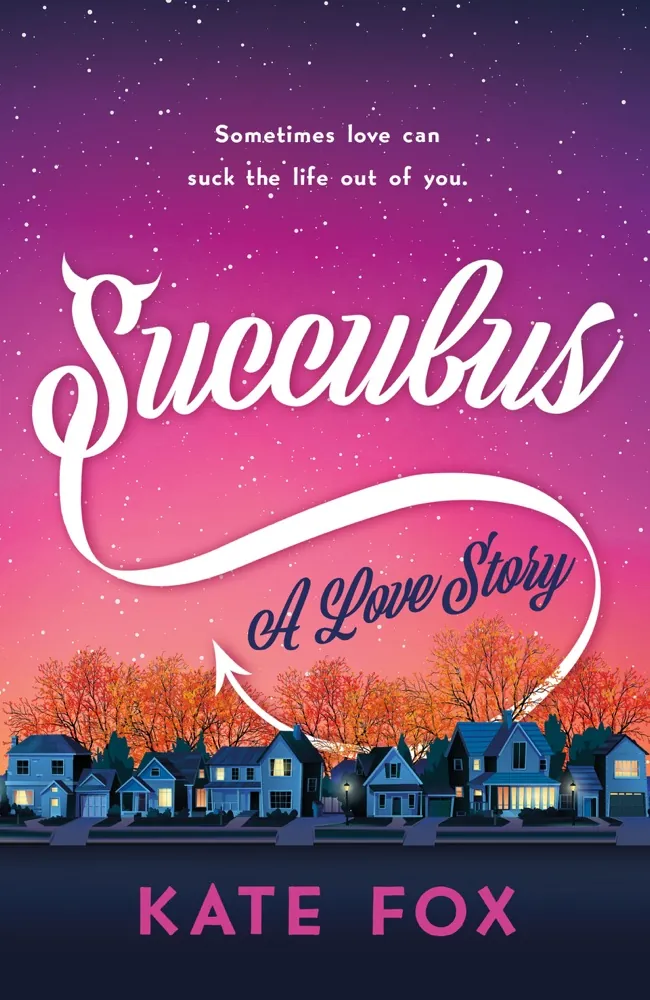

Author: Kate FoxPage Count: UnknownPublication Date: Expected publication 2026-10-20 APL Oh, Succubus: A Love Story—because nothing says "romance" like a woman who turns men into corpses with a peck on the cheek. Kate Fox—oh, the irony—has already set the bar low with that title, hasn’t she? It’s like if Twilight and The Hunger Games had a messy, tragic baby, and then that baby got a therapy dog. Tempest Dunlap, our sweet suburban succubus doula, is the kind of protagonist who makes you root for her and want to slap her simultaneously. She’s the anti-heroine we love to hate—or love to love, depending on how much you’ve been drinking. The synopsis leans hard into the "forbidden love" trope, but with a twist: the forbidden isn’t just societal—it’s biological. Tempest’s curse isn’t some gothic melodrama; it’s a cold, clinical fact. Every man she kisses dies. No grand supernatural backstory, no tragic history—just fate. And yet, she’s a "good person," which is the most infuriatingly humanizing detail here. She’s not a villain, she’s a victim, but also a murderer, which is the kind of moral gray area that makes horror fans salivate. It’s like if The Girl with All the Gifts had a love interest who wasn’t trying to eat her brain. Joel Tav, the doctor, is the kind of man who makes you want to scream at the page: Why him? He’s gorgeous, gentle, and—here’s the kicker—he doesn’t die. That’s the real hook, isn’t it? The synopsis doesn’t say whether Joel knows about Tempest’s... condition, but the tension there is palpable. Does he suspect? Does she lie? Or does she just hope he’ll never find out? The vigilante angle adds another layer—because nothing says "romance" like a man with a crossbow hunting down supernatural abominations. It’s the kind of setup that makes you wonder if this is going to be a True Blood retelling or a Crimson Peak with more blood. Thematically, this is a book about control—or the lack thereof. Tempest’s life is a carefully curated illusion of normalcy, but one wrong move and it all unravels. She’s homeschooling her niece, wearing sweatpants, and living in suburban New Jersey, which is the ultimate irony. She’s the kind of woman who would never be cast in a romance novel, and yet she’s the protagonist of one. The synopsis plays into the "quiet life" trope, but with a dark twist: her quiet life is built on lies and death. It’s the kind of psychological tension that makes you wonder if she’s the real monster here—or if the monster is the world that forces her into this role. And then there’s the vigilante. Because of course there’s a vigilante. This isn’t just a love story; it’s a thriller with a side of gothic horror. The synopsis doesn’t give much away, but the presence of a hunter implies that Tempest’s powers aren’t just a personal tragedy—they’re a threat to something larger. Is she being hunted because of her curse, or because of what she could become? The ambiguity is delicious. It’s the kind of setup that makes you want to grab a copy and see how Fox handles it. I can already predict this will be the kind of book that gets compared to The Raven Boys for its gothic undertones, but with more True Blood energy. Fox has a knack for blending romance and horror, and if she pulls this off, it’ll be the kind of book that leaves you with a sick, twisted smile on your face. But let’s be real—this is also the kind of book that could easily devolve into melodrama if Fox isn’t careful. The synopsis is thin, which means there’s a lot of room for missteps. Will Tempest’s internal conflict be compelling, or will it feel like a cheap twist? Will Joel be a love interest or a walking cliché? Only time will tell. For now, though, I’ll leave you with this: if you’re looking for a love story, don’t read this. If you’re looking for a horror novel with a dash of romance, maybe—but bring your skepticism. And if you’re just here for the dark humor, well, then you’re in for a treat. Now, if you’ll excuse me, I’m going to go sail my yacht on the lake. Alone. Because that’s what happens when you read about a woman who kills men with her kisses. #DarkRomance #HorrorLit #SuccubusProblems Related InsightsUndone (The Undone, #4) Book Review and Summary Miss Peregrine's Home for Peculiar Children Book Review and Summary Enlightenment Now Book Review and Summary{ "@context": "https://schema.org", "@type": "FAQPage", "mainEntity": [ { "@type": "Question", "name": "What is the main focus of Succubus: A Love Story Book Review and Summary?", "acceptedAnswer": { "@type": "Answer", "text": "Everything you need to know about Succubus: A Love Story with our detailed review." } }, { "@type": "Question", "name": "Who authored the comprehensive guide on Succubus: A Love Story Book Review and Summary?", "acceptedAnswer": { "@type": "Answer", "text": "This detailed article and its insights were carefully researched and authored by Diego Lopez." } }, { "@type": "Question", "name": "Where can I find more related content about Books?", "acceptedAnswer": { "@type": "Answer", "text": "You can explore more articles, detailed reviews, and similar insights by browsing the Related Insights section at the bottom of this article or visiting our dedicated Books category page." } } ] }
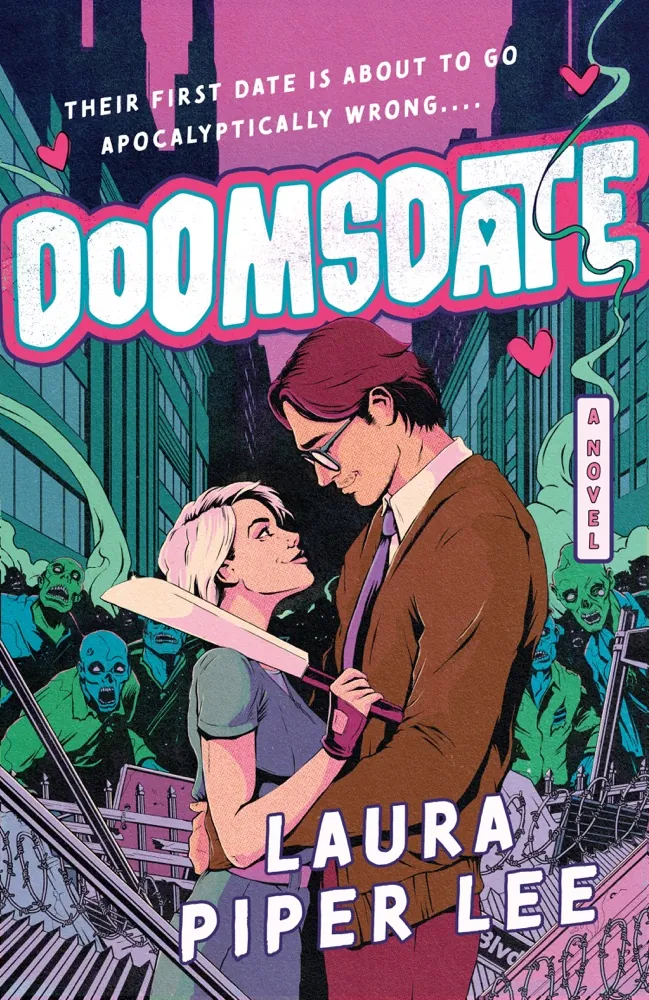

Author: Laura Piper LeePage Count: UnknownPublication Date: Expected publication 2026-09-15 APL Oh, Doomsdate—because nothing says feminist empowerment like a woman’s first priority being a bucket list orgasm while the world burns. Maisie Bennett, our doomsday prepper with a taser and a utility belt full of weapons, is framed as this badass survivalist—until we realize her entire emotional arc hinges on whether she can act normal on a date. And by "normal," we mean not brandishing a stun gun like a 1980s action heroine. The synopsis leans hard into the "feral rom-com" tagline, which is code for: Here’s a woman who’s prepared for the apocalypse but not for the fact that her love interest might actually like her. Everett Greer, the "soft, liberal arts professor," is the classic male character who exists solely to be taught by the woman—of course—but the twist is that his lesson plan includes sex education. Because nothing says "equality" like a man’s emotional labor being reduced to a curriculum. The synopsis plays up the "deal" trope—she’ll teach him survival, he’ll teach her how to live—which is a neat way of saying she’s the one who’s actually functional, and he’s the one who needs rescuing from his own grief. But where’s the subversion? Where’s the moment where Maisie doesn’t need to be the one holding the taser? The synopsis treats her competence as a quirk, not a strength—because if she weren’t so anxious about being "normal," she’d already be the one in charge. And let’s talk about the zombies—because nothing says "romantic tension" like a shared road trip with a cat as the emotional support animal. The GI virus is the perfect stand-in for modern dating anxiety: it traps people in their own bodies, turns them into monsters, and then reanimates them. Maisie and Everett’s dynamic is framed as a partnership, but the power imbalance is deliberate. She’s the one with the practical skills, he’s the one with the emotional baggage—and the only way he’s getting over it is through her. It’s the same old story: the woman’s survival instincts are her superpower, but the man’s growth is what matters. The synopsis also leans into the nerdy professor trope, which is always a fun way to signal that the male lead is intellectual but emotionally stunted. Everett’s tragedy is that he’s lost all lust for life—but not for sex, apparently, because the plot demands he wants Maisie. The fact that he’s forced into dating her (thanks to his best friend’s catfishing) makes his eventual attraction feel earned—but only because the synopsis promises it will be spicy. The emotional stakes are reduced to: Will they have sex before the zombies eat them? Because that’s the real question, isn’t it? The cat is the only character here who seems actually in control—Chicken, the feline sidekick, is the only one who doesn’t need to be fixed or taught or rescued. The synopsis treats animals as companions, not characters, which is a shame—because in a world where humans are failing, maybe the real lesson is that we don’t need to be saved by each other. But no, the focus is on Maisie’s growth—which, according to this synopsis, is learning to let go of her weapons and trust a man. I’m already predicting this will be the kind of book where Maisie finally sheds her "anxious prepper" persona by enduring Everett’s emotional baggage, because nothing says feminist empowerment like a woman adapting to a man’s needs. And the zombies? They’re just a backdrop—because the real horror is that Maisie’s only goal is to get laid before the world ends. Because that’s what matters, right? Not survival, not agency—just orgasm. I’m going to go cut my bangs now. Related InsightsThe Phantom Tollbooth Book Review and Summary Dead Take the a Train Book Review and Summary Hollywood, Ending Book Review and Summary{ "@context": "https://schema.org", "@type": "FAQPage", "mainEntity": [ { "@type": "Question", "name": "What is the main focus of Doomsdate Book Review and Summary?", "acceptedAnswer": { "@type": "Answer", "text": "Everything you need to know about Doomsdate with our detailed review." } }, { "@type": "Question", "name": "Who authored the comprehensive guide on Doomsdate Book Review and Summary?", "acceptedAnswer": { "@type": "Answer", "text": "This detailed article and its insights were carefully researched and authored by Marta Wisniewska." } }, { "@type": "Question", "name": "Where can I find more related content about Books?", "acceptedAnswer": { "@type": "Answer", "text": "You can explore more articles, detailed reviews, and similar insights by browsing the Related Insights section at the bottom of this article or visiting our dedicated Books category page." } } ] }
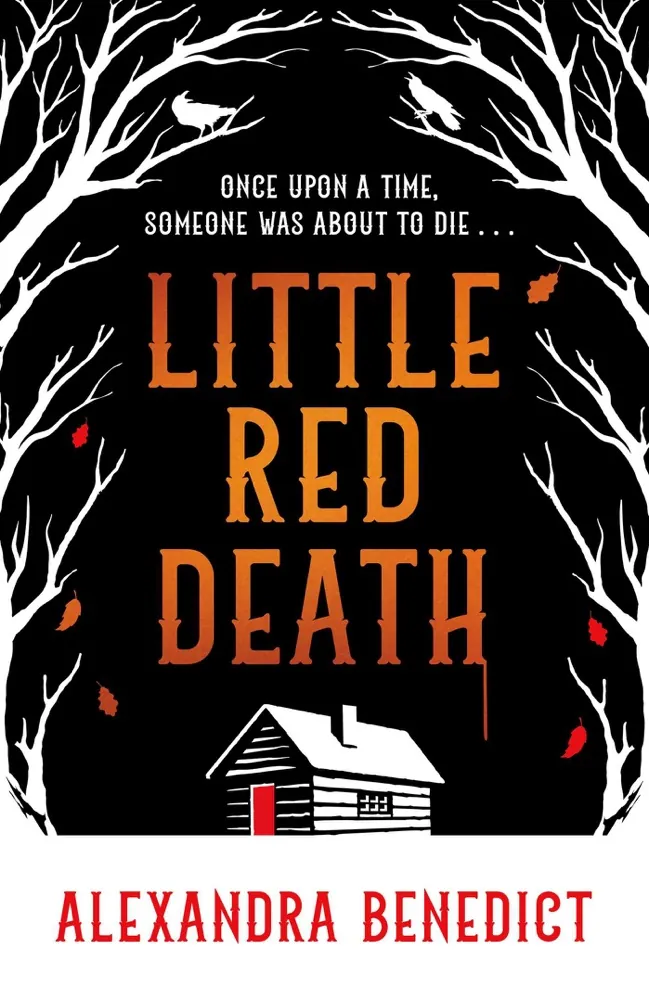

Author: A.K. BenedictPage Count: UnknownPublication Date: Expected publication 2026 APL Another procedural detective tracking a serial killer whose signature motif is cribbed from a Wikipedia page of public domain folklore. How utterly, ground-breakingly pedestrian. A.K. Benedict wants us to gasp because DI Lyla Rondell discovers her own life is just a poorly disguised Brothers Grimm fever dream. Yawn. And yet, the literati are practically frothing at the mouth over Little Red Death, praising its "meta" cleverness as if Charlie Kaufman hasn't been doing this exact bit since the Clinton administration. The Grimm Ripper and Other Lazy Monikers Let us dissect the sheer audacity of the press dubbing this fictional menace "the Grimm Ripper." Truly, journalists in this universe possess the creative bandwidth of a soggy cardboard box. But the real crime here isn't the murders—it's the relentless recycling of the "protagonist's past is a lie" trope. We get it. Reality is subjective. Nothing is sacred. Yet we are expected to applaud when a burnt-out copper realizes her childhood trauma was just foreshadowing. Folklore as a Crutch for Actual Plot Writers love dipping into folklore when they run out of genuine ideas. Why build an immersive world when you can just steal Hansel and Gretel's breadcrumbs and slap a police procedural coat of paint on it? Benedict is supposedly channeling Angela Carter mixed with Stephen King—according to blurts that read like they were composed at gunpoint by panicked publicists. Yet, beneath the slick marketing copy, the synopsis relies heavily on absolute vagueness. The bodies stack up. The world flips. Lyla takes "creative license." What does that even mean? Is she going to rewrite the ending with a Sharpie and a dream? The Aesthetic of Cynical Branding We are staring down the barrel of a 2026 publishing slate choked with high-concept gimmickry designed purely to secure a Netflix adaptation deal before the ink even dries. If you enjoy your noir marinated in fairy dust and served with a side of existential dread, knock yourself out. Personally, I would rather chew glass than read another thriller where a cynical detective has to "turn the final page" on her own psyche. Give me a gritty kitchen-sink drama about municipal tax fraud instead. At least the math doesn't pretend to be magic. I am going to go crochet a sweater out of spite. #LittleRedDeath #BookTwitterIsExhausting #CrimeFiction Related InsightsThe Dragon Republic Book Review and Summary King of Wrath / King of Pride / King of Greed / King of Sloth Book Review and Summary Crowned by Roses (Beasts of the Briar, #7) Book Review and Summary{ "@context": "https://schema.org", "@type": "FAQPage", "mainEntity": [ { "@type": "Question", "name": "What is the main focus of Little Red Death Book Review and Summary?", "acceptedAnswer": { "@type": "Answer", "text": "Everything you need to know about Little Red Death with our detailed review." } }, { "@type": "Question", "name": "Who authored the comprehensive guide on Little Red Death Book Review and Summary?", "acceptedAnswer": { "@type": "Answer", "text": "This detailed article and its insights were carefully researched and authored by Carmen Martinez." } }, { "@type": "Question", "name": "Where can I find more related content about Books?", "acceptedAnswer": { "@type": "Answer", "text": "You can explore more articles, detailed reviews, and similar insights by browsing the Related Insights section at the bottom of this article or visiting our dedicated Books category page." } } ] }
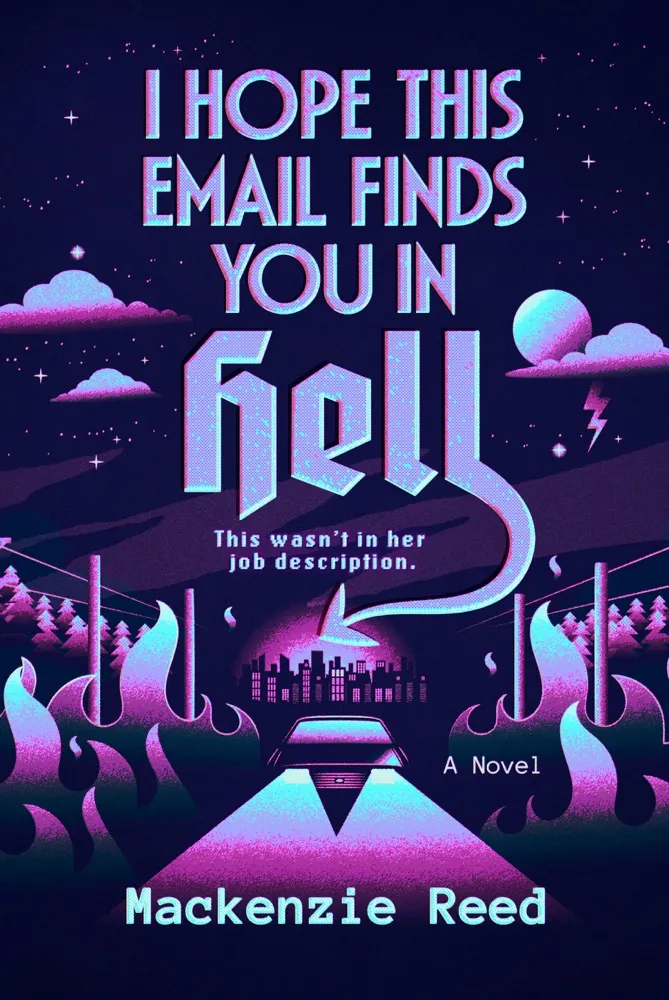
Author: Mackenzie ReedPage Count: UnknownPublication Date: Expected publication 2026-09-01 APL The synopsis for I Hope This Email Finds You in Hell reads like a corporate horror movie where the real monster isn’t the demon—it’s the soul-crushing tedium of a life insurance office. Brie Benson, our protagonist, is the kind of woman who’s spent so long pretending to care about spreadsheets that she’d rather watch a demonic exorcism than admit she’s emotionally dead. And yet—and yet—she stumbles into this mess anyway, like a boxer who finally throws a punch after years of taking hits. The premise is a masterclass in anti-romance horror, the kind where the love interest isn’t a knight in shining armor but a demon hunter with a very specific skill set—exorcisms, bureaucracy, and a side of brooding. Luke isn’t some rugged hero; he’s the guy who probably files his taxes in Latin and treats hell like a bad customer service call. The dynamic between Brie and Luke feels like the early stages of a Fight Club romance, where the only thing more explosive than their growing feelings is the idea that hell itself might be their undoing. But here’s the kicker: the real tension isn’t just the supernatural stakes—it’s the corporate hell they’re walking into. Times Square as a portal? That’s not just a setting; it’s a metaphor for how Brie’s entire life has been a grind, a loop of meaningless tasks until she finally snaps. The synopsis leans hard into the workplace horror trope, but with a twist—what if the monsters aren’t just lurking in the break room but are the break room? The idea of a demonic underworld with bureaucratic nightmares is either genius or a sign that Mackenzie Reed has been stuck in a meeting with the devil himself. It’s the kind of premise that makes you wonder if this is going to be a True Detective meets Office Space nightmare, where the real horror isn’t the exorcism but the fact that Brie’s entire life was just a slow descent into hell in a cubicle. Thematically, this book is a survival story disguised as a supernatural thriller. Brie’s compartmentalization isn’t just a coping mechanism—it’s her armor, and the moment she sees Luke’s exorcism, that armor shatters. The question isn’t whether she can handle the supernatural; it’s whether she can handle the fact that she’s been alive this whole time and didn’t even realize it. And Luke? He’s the kind of character who makes you root for him even when he’s being a jerk—because deep down, he’s just as lost as Brie, just with a much better excuse. The vagueness here is deliberate, and that’s where the real potential lies. The synopsis doesn’t spell out the rules of hell’s bureaucracy, but that’s the beauty of it—it’s unsettling because we’re left to imagine what kind of hell would make a demon hunter sigh and say, “Yeah, I’ve dealt with worse in HR.” It’s the kind of ambiguity that makes you think of Annihilation meets The Office, where the horror isn’t just external but systemic—and Brie’s entire life was just one long, soul-crushing meeting. I’d bet my fight gear this book is going to be a slow-burn disaster, the kind where the real horror isn’t the demon but the fact that Brie’s entire world was built on lies—about her job, about her life, about the fact that she ever thought she’d be happy in a cubicle. And Luke? He’s the kind of character who’ll either save her or break her, depending on whether he’s the hero or just another layer of hell. But here’s the thing—this isn’t just a horror story. It’s a breakup story, a career story, a self-discovery story, all wrapped up in a package that smells like stale coffee and bad decisions. And if Mackenzie Reed pulls this off, it’ll be the kind of book that makes you question everything you thought you knew about hell—and why you ever thought a life insurance job was a good idea in the first place. Now if you’ll excuse me, I just spilled coffee all over my desk. Again. Related InsightsJust in Time Book Review and Summary Whispers on Carbon Paper: The Subversive Art of Samizdat Literature in the Shadow of the Iron Curtain The Singularity Is Nearer Book Review and Summary{ "@context": "https://schema.org", "@type": "FAQPage", "mainEntity": [ { "@type": "Question", "name": "What is the main focus of I Hope This Email Finds You in Hell Book Review and Summary?", "acceptedAnswer": { "@type": "Answer", "text": "Everything you need to know about I Hope This Email Finds You in Hell with our detailed review." } }, { "@type": "Question", "name": "Who authored the comprehensive guide on I Hope This Email Finds You in Hell Book Review and Summary?", "acceptedAnswer": { "@type": "Answer", "text": "This detailed article and its insights were carefully researched and authored by Natalia Sokolova." } }, { "@type": "Question", "name": "Where can I find more related content about Books?", "acceptedAnswer": { "@type": "Answer", "text": "You can explore more articles, detailed reviews, and similar insights by browsing the Related Insights section at the bottom of this article or visiting our dedicated Books category page." } } ] }
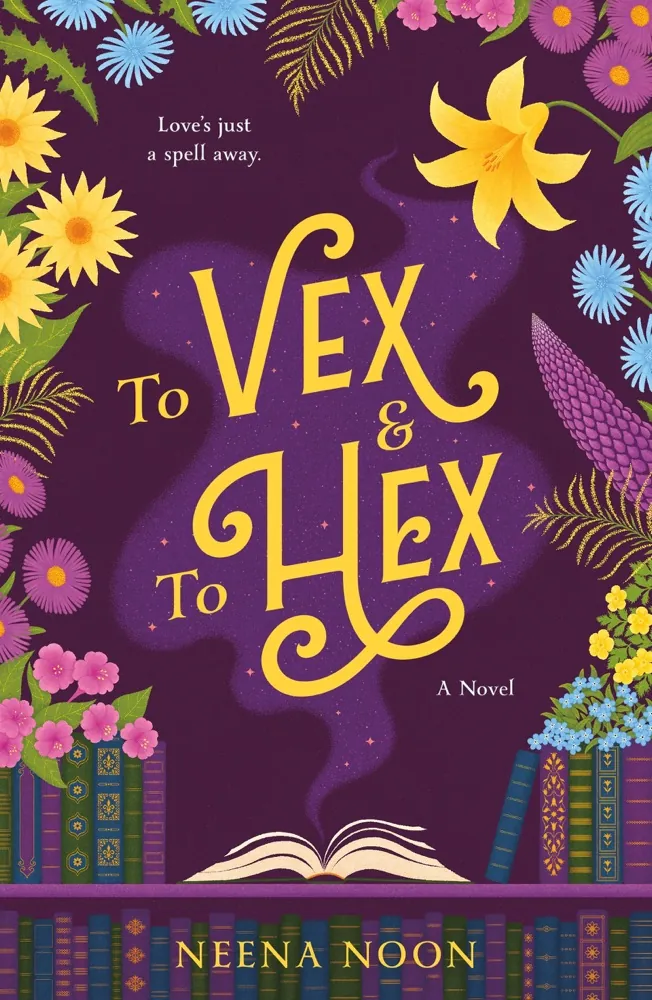

Author: Neena NoonPage Count: UnknownPublication Date: Expected publication 2026-11-03 APL The Coleman stove is hissing a frantic, blue-rimmed tune while ten feet away, a tetherball pole rattles like a loose tooth in the autumn wind. And I am sitting here on a blue nylon folding chair with three missing leg caps, staring at a printout of Neena Noon’s upcoming 2026 release, To Vex & To Hex. My youngest just tried to roast a hot dog wrapper over the embers. Kids are loud. God, they are loud. So excuse me if my mind immediately glommed onto the synopsis's promise of sanctuary, quiet stacks of paper, and an old man named Charles who needs protecting. We all look for safe houses. Sometimes they are brick-and-mortar secondhand bookstores. Sometimes they are just a moment of silence between the juice-box distribution and the tent zipper jams. The Architecture of the Shield Lucy Ansari is a bookseller witch. But look past the magical prose for a second. What is she actually doing? She is erecting a barricade. An estranged grandson—Grayson—arrives from Ireland because the patriarch is hurt. And what does Lucy do? She goes into hyper-vigilant, defensive lockdown. She wants to hex him. Why? Because when the people who anchor our safe spaces get broken or old, we lash out at the new variables. We build moats. And Grayson doesn't break down the door with an axe. He uses annoyance. He vexes her. It is a classic push-pull dynamic that feels less like a manufactured rom-com trope and more like the defensive posturing humans adopt when they are terrified of being displaced. Or worse—disappointed. Noon is trading on comfort here, leaning heavily into the vibe of Laurie Gilmore’s The Pumpkin Spice Café or Sawyer Bennett. Yet I suspect the emotional core relies entirely on whether Noon can make that sudden shift from "protective warden" to "vulnerable human" feel earned rather than rushed. Healing Through Friction Can we talk about the utility of a good argument? Adults hiding behind snark and "heated banter" are usually just scared kids wearing oversized coats. Yet the synopsis hints at suppression. Desperate to suppress. That phrase is doing heavy lifting. If a childhood teaches us anything, it is that suppression is just a pressure cooker waiting for a campfire spark. We read books like this not for the magic—though book magic sounds delightful when your own reality involves scraping melted marshmallows off a fleece jacket—but for the friction. Two stubborn people orbiting an injured elder, bumping their bruised elbows together until the armor cracks. Will it be deep? Probably not. It is marketed as cozy and high-spice, which means the emotional stakes will likely resolve right before a tidy, predictable sunset. And honestly? I can respect the architecture of a safe landing. The Blueprint of Softness Let us be real for a second. The synopsis is painfully sparse on actual plot mechanics. It relies entirely on the enemies-to-lovers beats we could write in our sleep. But sometimes, mid-camping trip, you don't want Dostoevsky. You want a warm mug and a predictable trajectory where the prickly exterior yields to a tender touch. My ten-year-old just asked if he can eat a marshmallow off the dirt. I need to go handle that before the raccoon population moves in. And then, frankly, I need to go home and water my dying cactus. #BookTwitter #RomCom #CozyRomance #NeenaNoon Related InsightsWaking Sleeping Beauty Book Review and Summary Red Moon Book Review and Summary Sanctuary Book Review and Summary{ "@context": "https://schema.org", "@type": "FAQPage", "mainEntity": [ { "@type": "Question", "name": "What is the main focus of To Vex & To Hex Book Review and Summary?", "acceptedAnswer": { "@type": "Answer", "text": "Everything you need to know about To Vex & To Hex with our detailed review." } }, { "@type": "Question", "name": "Who authored the comprehensive guide on To Vex & To Hex Book Review and Summary?", "acceptedAnswer": { "@type": "Answer", "text": "This detailed article and its insights were carefully researched and authored by Michael Brown." } }, { "@type": "Question", "name": "Where can I find more related content about Books?", "acceptedAnswer": { "@type": "Answer", "text": "You can explore more articles, detailed reviews, and similar insights by browsing the Related Insights section at the bottom of this article or visiting our dedicated Books category page." } } ] }
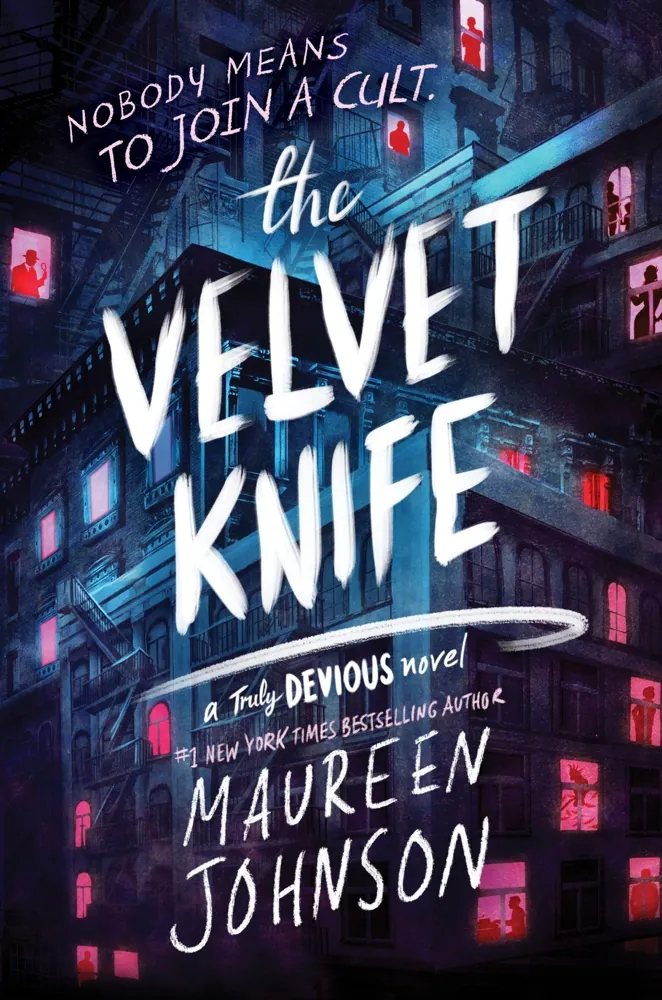

Author: Maureen JohnsonPage Count: UnknownPublication Date: Expected publication 2026-09-29 APL Look, I am currently surviving on instant ramen and cold brew that costs more than my textbook budget, which naturally means I have zero patience for sloppy logic. Yet here we are, staring at Maureen Johnson’s upcoming The Velvet Knife, and my cynical student soul is twitching. Where are the hard sciences? Why must YA lit always substitute actual forensics for angsty teenage drama? Give me chromatology, ballistics, or toxicology reports. Instead, we get emotional triangulation. The Thermodynamic Laws of Broken Hearts The synopsis proudly announces that our protagonist, Stevie Bell, can decipher cold-blooded homicide but utterly fails at basic interpersonal mechanics. And honestly? That is thermodynamically unsound. Human social interaction operates on predictable behavioral algorithms—unlike a corpse in a Manhattan apartment complex, which is just a static, decomposing lump of protein and carbon. Yet Johnson leans hard into this trope. And why shouldn’t she? It keeps the pages turning while we wait for the actual puzzle box to open. But let’s be entirely real for a second. If you can outsmart a serial killer in Vermont, you can surely detect a toxic text message without losing your mind. Cults, Conspiracies, and Cognitive Biases Notice how the synopsis casually drops the concept of cult indoctrination? "Does anyone realize that they’re joining a cult—before it’s too late?" Now, this is where my academic pedantry kicks in. Sociological manipulation requires profound psychological conditioning. It is not just a vibe. It takes weeks of sleep deprivation, isolation, and love-bombing. If Johnson actually treats the cult mechanics with the rigorous sociological realism that Karen McManus or Holly Jackson usually avoid, this might actually be worth skipping my economics lecture for. But let’s be honest. It will probably just be rich kids in high-end streetwear making poor life choices under neon lights. The Structural Problem of Vague Synopses To be brutally frank, this preview tells us virtually nothing. A dead body appears in Manhattan. Wow. Groundbreaking. We have zero specifics on the victim, the forensic anomalies, or the actual stakes. It is all vibes, Manhattan architecture, and adolescent brooding. Yet, I will still read it. Why? Because I am weak, perpetually broke, and secretly desperate for a distraction from my midterms. I have to run. I am late to coach my daughter's soccer practice. #YAmystery #BookTwitter #MaureenJohnson Related InsightsThe Light Years: A Novel Book Review and Summary Wicked and the wallflower Book Review and Summary Upgrade Book Review and Summary{ "@context": "https://schema.org", "@type": "FAQPage", "mainEntity": [ { "@type": "Question", "name": "What is the main focus of The Velvet Knife (Truly Devious, #6) Book Review and Summary?", "acceptedAnswer": { "@type": "Answer", "text": "Everything you need to know about The Velvet Knife (Truly Devious, #6) with our detailed review." } }, { "@type": "Question", "name": "Who authored the comprehensive guide on The Velvet Knife (Truly Devious, #6) Book Review and Summary?", "acceptedAnswer": { "@type": "Answer", "text": "This detailed article and its insights were carefully researched and authored by Marco Conti." } }, { "@type": "Question", "name": "Where can I find more related content about Books?", "acceptedAnswer": { "@type": "Answer", "text": "You can explore more articles, detailed reviews, and similar insights by browsing the Related Insights section at the bottom of this article or visiting our dedicated Books category page." } } ] }
-
 Sofia Bianchi
 - 08 Aug, 2026 03:17
The Fall of the Crowned King (Gods and Monsters #5) Book Review and Summary
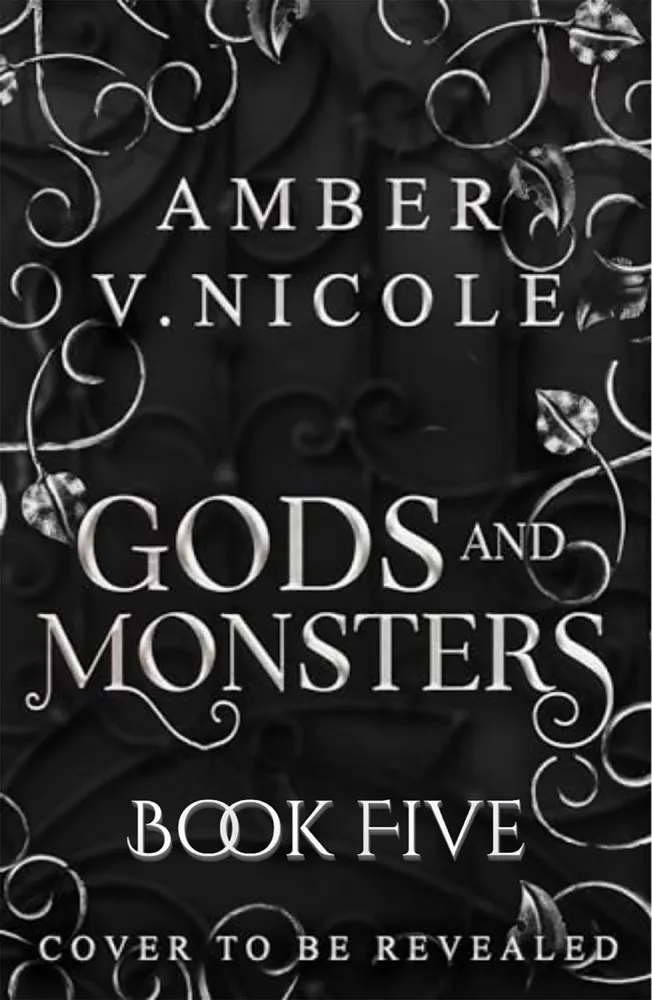
Author: Amber V. NicolePage Count: UnknownPublication Date: Expected publication 2026-11-24 APL Darling, do look at the slate for late November. While the August heat hangs mercilessly over the city—my townhouse air conditioning is throwing an absolute tantrum, by the way—Amber V. Nicole is preparing to drop The Fall of the Crowned King upon us. And honestly? I am vibrating with architectural and metaphysical euphoria. Gods and monsters. Such an exhaustively pedestrian dichotomy on paper, yet Nicole insists on ripping it open. But let us look closer at the existential stakes. The Ontology of Desolation We are staring down the barrel of a universe-shredding finale. Nismera breathes the thin, brittle air of pyrrhic victory. Yet—how deliciously predictable—a darker menace creeps in. What does victory even mean when the ontological architecture of existence collapses? The synopsis leans heavily into cosmic nihilism. It asks the elite question: when the gods fall, who picks up the shrapnel of our fragile constructs? And the prose promises an interrogation of identity through displacement. Dianna, Kaden, and Isaiah find themselves unmoored in a reality entirely foreign. They must parley with ghosts of their own history. Delicious. Absolute psychological violence wrapped in romantasy packaging. Aesthetic Parallels and Intellectual Vanity For those of us raised on Cassandra Clare and Kerri Maniscalco—truly, the holy trinity of brooding romantic dread—this fifth installment in the Gods and Monsters sequence smells faintly of ozone and expensive leather. Nicole is operating on pure adrenaline here. Yet, one must critique the delicious laziness of the synopsis itself. It’s wonderfully vague! An "old relic." A "race against time itself." Vague platitudes designed to keep the trust-fund masses salivating while we sip our iced negronis in this brutal summer humidity. But do I care about narrative transparency? Never. I care about the aesthetic of absolute ruin. My bold prediction? Samkiel and Dianna will not survive their own hubris. They will burn together, beautifully, like a private collection of rare manuscripts set ablaze in Mayfair. The Epistemic Crisis of the Mani-Pedi Anyway. The existential dread of the upcoming literary season is nothing compared to my current domestic crisis. My manicurist is entirely booked out for weeks—absolute weeks!—meaning I shall have to endure the apocalypse of November with unpolished cuticles. #AmberVNicole #TheFallOfTheCrownedKing #Romantasy #BookTok Related InsightsA Family Across Town: My Father's Double Life, A Memoir Book Review and Summary Crying on the Kitchen Floor: A Memoir Book Review and Summary Dragonfly in Amber Book Review and Summary{ "@context": "https://schema.org", "@type": "FAQPage", "mainEntity": [ { "@type": "Question", "name": "What is the main focus of The Fall of the Crowned King (Gods and Monsters #5) Book Review and Summary?", "acceptedAnswer": { "@type": "Answer", "text": "Everything you need to know about The Fall of the Crowned King (Gods and Monsters #5) with our detailed review." } }, { "@type": "Question", "name": "Who authored the comprehensive guide on The Fall of the Crowned King (Gods and Monsters #5) Book Review and Summary?", "acceptedAnswer": { "@type": "Answer", "text": "This detailed article and its insights were carefully researched and authored by Sofia Bianchi." } }, { "@type": "Question", "name": "Where can I find more related content about Books?", "acceptedAnswer": { "@type": "Answer", "text": "You can explore more articles, detailed reviews, and similar insights by browsing the Related Insights section at the bottom of this article or visiting our dedicated Books category page." } } ] }
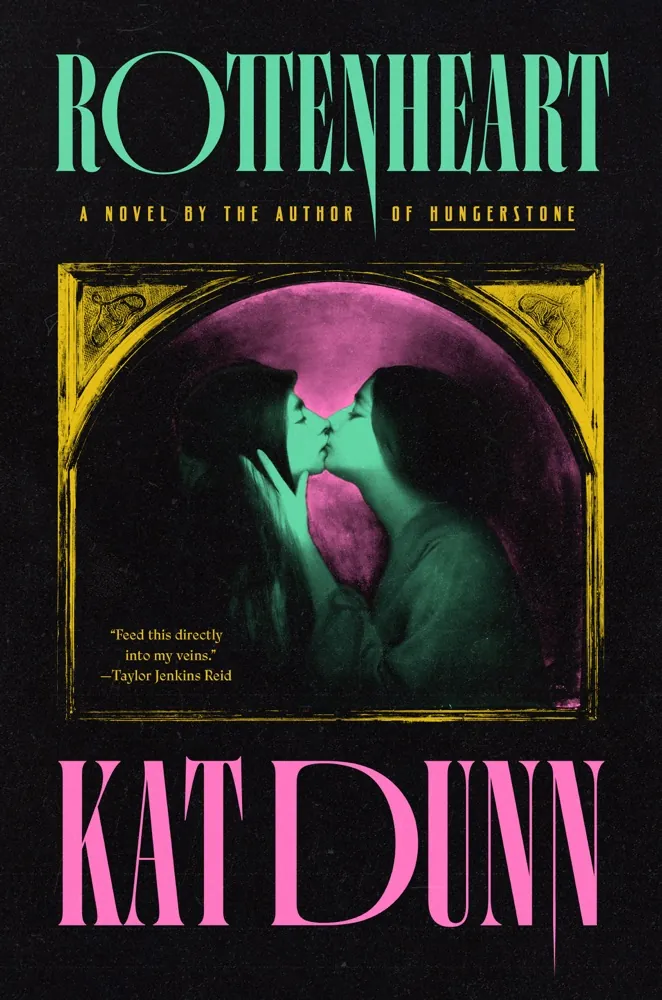

Author: Kat DunnPage Count: UnknownPublication Date: Expected publication 2026-10-13 APL Ah, another adaptation of the Danish prince. Must we? Yet, when the ink smells of old library dust and unrequited longing, my aristocratic sensibilities simply surrender. Kat Dunn’s upcoming Rottenheart arrives draped in velvet shadows, promising a sapphic haunting that steals straight from Shakespeare’s bones. Taylor Jenkins Reid demands to inject it directly into her veins. But what about us, darlings? What about those of us who prefer our poetry dripping with decay and our tropes strictly traditional? The Architecture of Melancholy Herne House sounds magnificent. Suffolk is awfully drafty, of course—my estate there has drafty corridors that positively echo with ancestral judgment—yet it provides the ideal backdrop for madness. The synopsis sketches a familiar architectural tragedy: two grand homes, a suffocating mother named Lydia, and a childhood friendship between Odette and Cecilia that surely blossomed into something forbidden before the rot set in. And oh, the rot. Dunn leans heavily into the Gothic machinery we adore. A sudden death. A cold aunt taking the reins—literally marrying into the tragedy, one assumes, given the Hamlet framework. But let us pause. Is the synopsis terribly vague about the actual mechanics of the haunting? It is. We are told Lydia never truly left, hovering ready to exact revenge. Naturally. But how does this manifest? Does the wallpaper bleed? Do the floorboards groan in pentameter? One prays for lyrical perfection, not mere cheap thrills. Sapphic Shadows and Spectral Spite We have seen this before. The gothic romance saturated in queer yearning is practically the house wine of our current literary salon. It whispers of Shirley Jackson, occasionally brushes shoulders with Carmen Maria Machado, and nods politely to gothic classics over an evening glass of port. Yet, if Dunn manages to capture the claustrophobic dread of aristocratic confinement—the absolute terror of a mother’s parasitic devotion—Rottenheart might just salvage an exhausted trope. A prediction, from one who knows the weight of old silver and older grudges: the prose will either be insufferably purple or exquisitely sharp. There is no middle ground when ghosts and grieving maidens are involved. I suspect the dynamic between Odette and Cecilia will provide the requisite emotional devastation, while the spectral mother acts as a clumsy catalyst for domestic ruin. One can only hope the poetry holds. Must fly now. I simply must go organize my walk-in closet—the cashmere has not been properly aired, and the impending autumn damp waits for no one. #Rottenheart #GothicHorror #SapphicReads #DarkAcademia Related InsightsThe Unseen Tapestry: Weaving Wonder into the Fabric of Reality with Magical Realism Mr. Fixer Upper Book Review and Summary Empire of Storms Book Review and Summary{ "@context": "https://schema.org", "@type": "FAQPage", "mainEntity": [ { "@type": "Question", "name": "What is the main focus of Rottenheart Book Review and Summary?", "acceptedAnswer": { "@type": "Answer", "text": "Everything you need to know about Rottenheart with our detailed review." } }, { "@type": "Question", "name": "Who authored the comprehensive guide on Rottenheart Book Review and Summary?", "acceptedAnswer": { "@type": "Answer", "text": "This detailed article and its insights were carefully researched and authored by Lucia Garcia." } }, { "@type": "Question", "name": "Where can I find more related content about Books?", "acceptedAnswer": { "@type": "Answer", "text": "You can explore more articles, detailed reviews, and similar insights by browsing the Related Insights section at the bottom of this article or visiting our dedicated Books category page." } } ] }
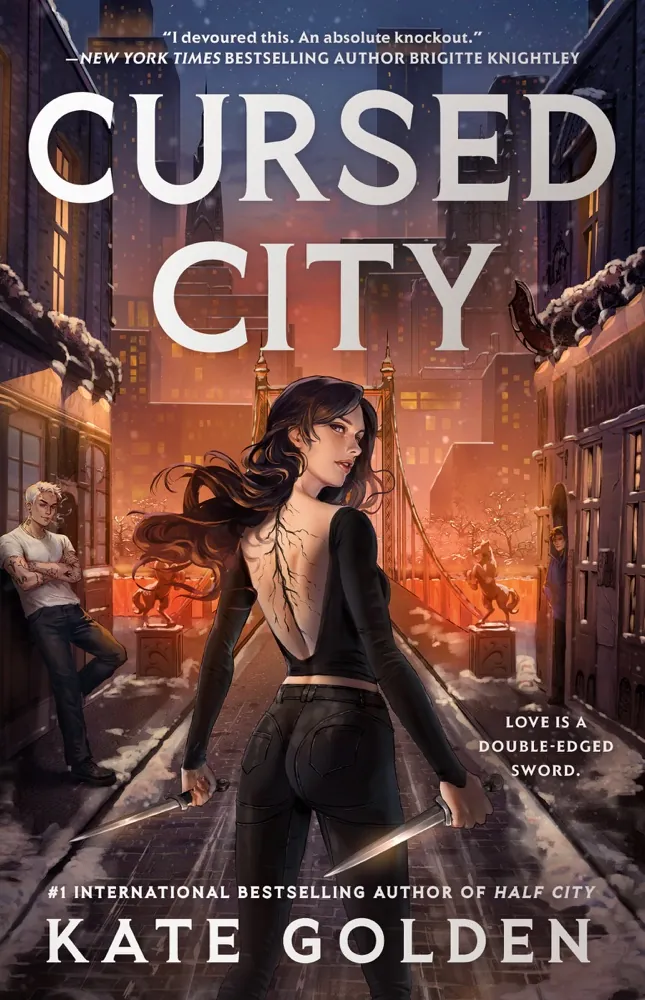
Author: Kate GoldenPage Count: UnknownPublication Date: Expected publication 2026-09-29 APL They pay me seventy-five dollars an hour to slash adjectives and bleed out clichés, yet I am sitting here reading the jacket copy for Kate Golden's Cursed City and wondering if the marketing department simply threw a dart at a board of urban fantasy buzzwords. "Stenciled edges." Right. Because artisanal paper goods magically fix structural pacing issues. But let us look past the decorative trade paperback gimmick and examine the text itself—or rather, the recycled tropes masquerading as a sophomore novel. The Anatomy of a Second-Semester Slump We are expected to care about Viv Abbot returning to Harker Academy for Deviant Defense. Harker—what an utterly uninspired name for a supernatural boarding school. It sounds like a mid-tier spin-off of The Cruel Prince crossed with a rejected script from the Shadowhunters writers' room. Yet here we are. Viv must rescue her reformed Brood demon boyfriend, Reid, by teaming up with his violent brother, Deacon. Groundbreaking. Truly. And by groundbreaking, I mean we have officially entered the era of the mandatory morally gray sibling swap. The synopsis leans hard into the "embrace her darkness" routine. Why do heroines in contemporary romantasy always have to inherit a latent dark side just because they love a monster? It is lazy shorthand for actual character development. Instead of building a complex psychological profile, the author gives us a bounty on Viv's head and a ticking clock. The Aesthetics of Searing Grift Let us discuss the prose promises hidden in this blurb. The text tells us that "temptation cuts deeper than any blade." Does it? Because that sentence cut me right across my patience barrier. And what about this "White Stag" guiding them through Astera's seedy underbelly? Sounds like a literal fauna-themed Uber driver for edgy teens. The synopsis is positively dripping with vague threats—enemies closing in from all sides, a city that thrives on lies, a betrayal that strikes at the heart. It is a masterclass in saying absolutely nothing while hitting every single beat of the modern supernatural romance checklist. Do not get me wrong. This book will sell three hundred thousand copies before lunch on release day. Readers eat up this brand of academy-setting melodrama with a spoon, especially when the publisher dangles sprayed edges like keys in front of a toddler. But as an editor staring down the barrel of another manuscript reliant on secret bounties and familial angst, I am exhausted. Golden is leaning heavily on the momentum of book one, treating the actual plot mechanics of Cursed City as an afterthought behind the aesthetic packaging. If the interior prose matches the derivative safety of this synopsis, we are in for a long semester. I predict a mid-book training montage, at least three breathless hallway confrontations with Deacon, and a third-act revelation that the White Stag cannot be trusted. Colour me shocked. Yet, as I stare at my rent bill and calculate how many split infinitives I must fix today just to afford groceries, I realize something profound about the industry. We are all trapped in the machine. Producing content for a readership that demands the exact same plot recycled with new foil stamping. I am officially entering my villain era. Related InsightsThe Compleat Works of Wllm Shkspr Book Review and Summary Credence Book Review and Summary Civil War and the Summer Of 2020 Book Review and Summary{ "@context": "https://schema.org", "@type": "FAQPage", "mainEntity": [ { "@type": "Question", "name": "What is the main focus of Cursed City (Harker Academy, #2) Book Review and Summary?", "acceptedAnswer": { "@type": "Answer", "text": "Everything you need to know about Cursed City (Harker Academy, #2) with our detailed review." } }, { "@type": "Question", "name": "Who authored the comprehensive guide on Cursed City (Harker Academy, #2) Book Review and Summary?", "acceptedAnswer": { "@type": "Answer", "text": "This detailed article and its insights were carefully researched and authored by Irina Ivanova." } }, { "@type": "Question", "name": "Where can I find more related content about Books?", "acceptedAnswer": { "@type": "Answer", "text": "You can explore more articles, detailed reviews, and similar insights by browsing the Related Insights section at the bottom of this article or visiting our dedicated Books category page." } } ] }
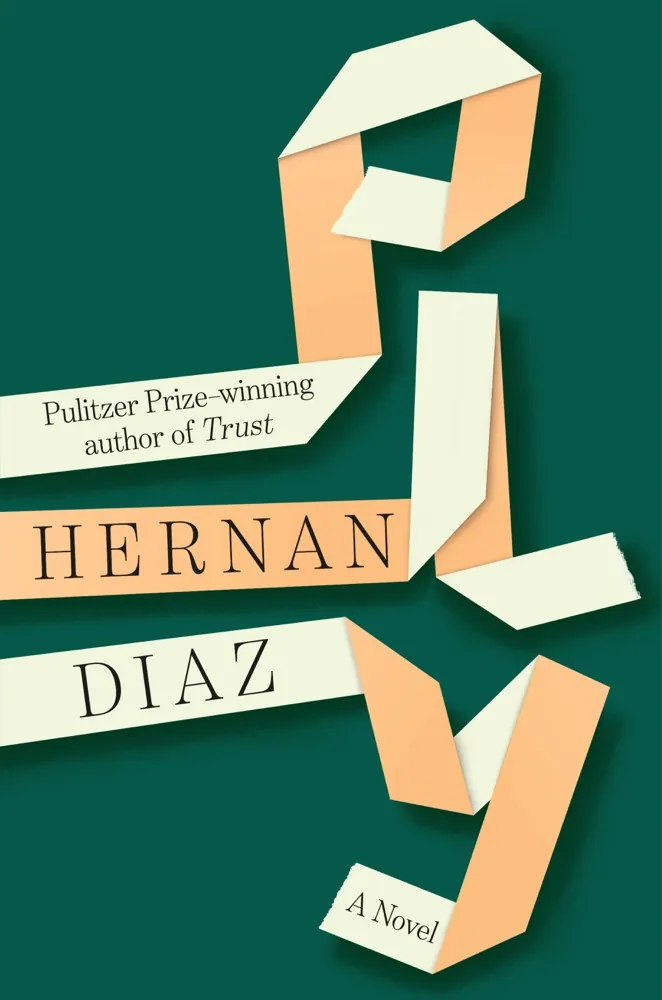

Author: Hernan DiazPage Count: UnknownPublication Date: Expected publication 2026-09-29 APL I am currently up to my elbows in cheap potting soil, wiping sweat from my forehead with the back of a mud-stained wrist, wondering why I thought heirloom Early Girls were a fun weekend hobby when I could just buy sad, mealy tomatoes at the grocery store like a normal person. But then the digital mailbag drops Hernan Diaz’s upcoming project on my phone, and suddenly dirt under my fingernails feels like the least of my existential problems. Let us look at Ply. Diaz won a Pulitzer for Trust, which was essentially a masterclass in architectural Russian nesting dolls about capital and perception. So naturally, his next move is to skip a few centuries entirely and throw us headfirst into a post-state future where humanity is trying to hold hands with nature again. Because nothing screams cozy weekend reading quite like the total dismantling of civilization and electricity piracy. The Grimy Romance of Electricity Theft The synopsis tells us our protagonist is a "pincher"—someone who steals grid juice for underground concerts. And look, I love a good dystopian arts scene as much as the next cynical editor who drinks too much cold brew on a Tuesday. Yet I am deeply suspicious of any fictional future where people still have the bandwidth to curate a rich music scene while the state has literally dissolved. When my local power grid flickers during a summer thunderstorm, my artistic output is strictly limited to staring blankly at the refrigerator and cursing the utility company. Touching the Fabric of Reality, Literally And then, of course, the plot escalates. Because you cannot simply have a Dickensian street urchin surviving on vibes and illicit kilowatts without stumbling upon a colossal scientific invention that alters reality. A scientific thriller wrapped in a family drama. Oh, joy. Another contraption that threatens to tear the space-time continuum apart, or whatever vague technological existential dread Diaz has cooked up for us this time. David Mitchell blurbed it—because of course he did—comparing it to a cracked mirror world. Naturally. Writers love a good cracked mirror. It gives them an excuse to be obscure without actually explaining how the plumbing works in this new, green utopian wasteland. Hope, Despair, and Tomato Stakes Will it balance hope and despair? Absolutely. Diaz has this infuriatingly brilliant way of making you feel both intellectually stimulated and emotionally hollowed out, much like realizing your tomato plants have blossom end rot just as the first fruit starts to blush. But will the technology element feel like an actual critique of our current late-stage capitalist nightmare, or just expensive set dressing for another literary tearjerker about found family and the distance between us? I am betting on the latter. Cormac McCarthy meets a Silicon Valley TED Talk, filtered through the linguistic precision of a man who clearly spends his mornings sharpening sentences on a whetstone. We are going to get devastating prose about human connection. We are going to get sweeping philosophical musings on control. And I am going to buy it the day it drops, read it in one breathless sitting, and then wander around my garden in the dark wondering why I subject myself to this emotional devastation. Right now, I am going to go rethink all my life choices at 3 AM. Related InsightsThe Sunlit Man Book Review and Summary Female Life on Planet Earth Book Review and Summary Miss Peregrine's Home for Peculiar Children Book Review and Summary{ "@context": "https://schema.org", "@type": "FAQPage", "mainEntity": [ { "@type": "Question", "name": "What is the main focus of Ply Book Review and Summary?", "acceptedAnswer": { "@type": "Answer", "text": "Everything you need to know about Ply with our detailed review." } }, { "@type": "Question", "name": "Who authored the comprehensive guide on Ply Book Review and Summary?", "acceptedAnswer": { "@type": "Answer", "text": "This detailed article and its insights were carefully researched and authored by Maximilian Fischer." } }, { "@type": "Question", "name": "Where can I find more related content about Books?", "acceptedAnswer": { "@type": "Answer", "text": "You can explore more articles, detailed reviews, and similar insights by browsing the Related Insights section at the bottom of this article or visiting our dedicated Books category page." } } ] }
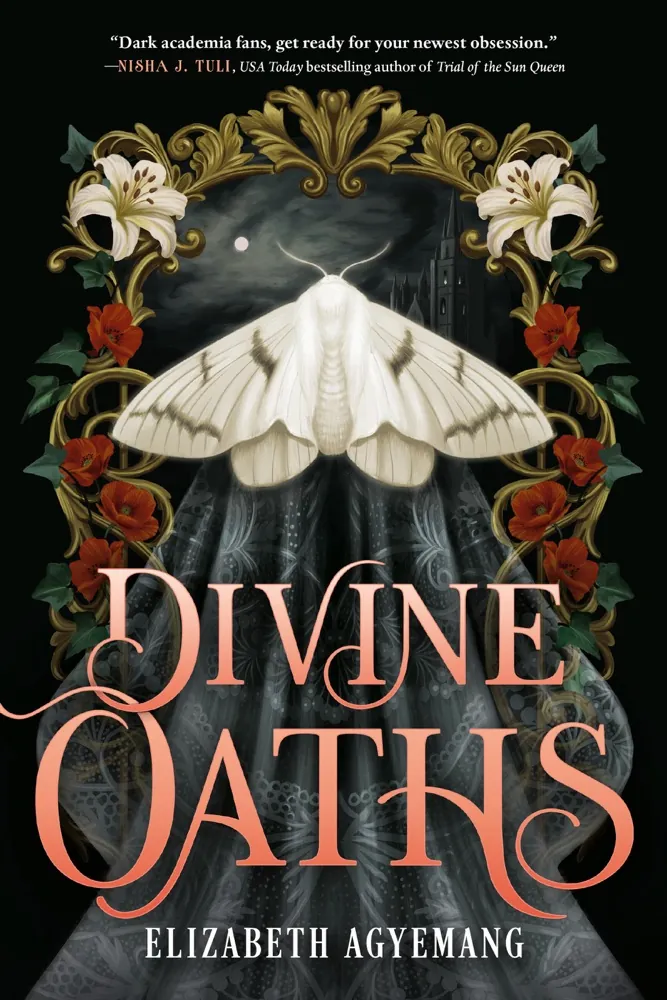

Author: Elizabeth AgyemangPage Count: UnknownPublication Date: Expected publication 2026-09-01 APL Teaching eighth-graders means watching kids teeter on that brutal cliff edge between childhood and the terrifying unknown of growing up. Naturally, when a synopsis crosses my desk that promises a brooding academic setting where a teenager suddenly inherits supernatural burdens, I pay attention. Elizabeth Agyemang’s upcoming Divine Oaths lands on my radar not just because of the publisher's glossy comparisons, but because it taps directly into the psychological wreckage my students face daily—the crushing weight of expectations. The Heavy Burden of Teenage Agency Look at the setup. Sianna Adu loses her family and instantly gains the supernatural ability to peer into lifelines, pasts, and futures. And what does she do? She takes dead-end jobs. How wonderfully, frustratingly realistic. Teenagers rarely get to choose their tragedies, yet they are expected to march forward as if their internal worlds haven't just been detonated. Dark academia as a genre—think Leigh Bardugo’s Ninth House or Tracy Deonn’s Legendborn—succeeds precisely because it treats adolescent anxiety with deadly seriousness. Westfield University isn't just a spooky campus hidden in a Virginia swamp. It is a metaphorical pressure cooker for youth culture. Yet, the synopsis relies heavily on familiar genre scaffolding. Secret societies? Check. Centuries-old curses? Double check. But does it reinvent the wheel? The jury is out. Romance as a Trap Door And then, naturally, we have Kasem Saint James. The "undeniably handsome heir" who ropes our protagonist into his mess. Sianna worries her newfound powers are tethered directly to him, forcing a proximity that screams enemies-to-lovers or reluctant allies. Here is my bold prediction as a reader who watches kids navigate hallway politics every single day: the romantic tension will either elevate this book into a masterclass of YA angst or drag it down into trope-heavy quicksand. The synopsis gives very little away about Sianna's internal voice outside of her trauma and her crush. I want bite. I want cynicism. If Sianna simply melts every time Kasem enters a room, I will throw the book across my classroom. Ultimately, Agyemang is playing in a crowded sandbox. The blending of supernatural destiny with institutional corruption mirrors the exact powerlessness twelve- and thirteen-year-olds feel within rigid school systems. They are forced to play games whose rules were written centuries before they were born. Now, if you will excuse me, I am going to go make a terrible pun about swamp-dwelling curses to annoy my wife. #DivineOaths #DarkAcademia #YABooks Related InsightsSnowed Inn (Honeycrisp Orchard, #2) Book Review and Summary East of Envy (The Great and Terrible Land, #2) Book Review and Summary Last Sacrifice Book Review and Summary{ "@context": "https://schema.org", "@type": "FAQPage", "mainEntity": [ { "@type": "Question", "name": "What is the main focus of Divine Oaths Book Review and Summary?", "acceptedAnswer": { "@type": "Answer", "text": "Everything you need to know about Divine Oaths with our detailed review." } }, { "@type": "Question", "name": "Who authored the comprehensive guide on Divine Oaths Book Review and Summary?", "acceptedAnswer": { "@type": "Answer", "text": "This detailed article and its insights were carefully researched and authored by Thomas Wright." } }, { "@type": "Question", "name": "Where can I find more related content about Books?", "acceptedAnswer": { "@type": "Answer", "text": "You can explore more articles, detailed reviews, and similar insights by browsing the Related Insights section at the bottom of this article or visiting our dedicated Books category page." } } ] }