Showing Posts From
Bookreview


Im Westen nichts Neues Author: Erich Maria RemarquePage Count: UnknownPublication Date: 1928-OL "All Quiet on the Western Front" by Erich Maria Remarque is a timeless masterpiece that delves into the depths of human nature, revealing the darkest aspects of war and its devastating effects on the young minds that are thrust into its midst. Written in 1928, this classic novel is a poignant and powerful anti-war statement that continues to resonate with readers to this day. The story is told through the eyes of Paul Bäumer, a young German soldier who enlists in the army along with his classmates, fueled by a sense of patriotism and duty. However, as they experience the harsh realities of war, their initial enthusiasm quickly turns to disillusionment and despair. The author masterfully portrays the gradual erosion of their innocence, as they are forced to confront the brutal and senseless violence that surrounds them. Remarque's writing style is stark, simple, and unflinching, which serves to underscore the horrors of war. He does not shy away from describing the gruesome details of combat, the stench of death, and the dehumanizing conditions in which the soldiers are forced to live. The narrative is interspersed with moments of introspection, as Paul grapples with the moral implications of war and the loss of his own humanity. One of the most striking aspects of the book is its exploration of the theme of lost youth. The soldiers in the novel are barely out of their teens, and yet they are forced to confront the harsh realities of adulthood in the most brutal way possible. Remarque highlights the tragedy of a generation that is lost to the senseless slaughter of war, and the devastating impact it has on their families and communities. The author also explores the theme of comradeship and the bonds that form between soldiers in the face of adversity. Despite the chaos and destruction that surrounds them, the soldiers find solace in each other's company, and their relationships become a source of strength and comfort. However, even these bonds are ultimately fragile and vulnerable to the ravages of war. Throughout the book, Remarque's anti-war message is clear and unambiguous. He portrays war as a senseless and futile exercise in destruction, which serves only to perpetuate hatred and violence. The novel is a powerful indictment of the nationalist and militarist ideologies that led to the outbreak of World War I, and a testament to the devastating consequences of war on human lives. In conclusion, "All Quiet on the Western Front" is a masterpiece of modern literature that continues to resonate with readers today. Its powerful anti-war message, coupled with Remarque's stark and unflinching writing style, makes it a must-read for anyone interested in understanding the human cost of war. This classic novel is a testament to the enduring power of literature to capture the essence of the human experience, and to convey the importance of promoting peace and understanding in a world torn apart by conflict. #AllQuietOnTheWesternFront #ErichMariaRemarque #WWI #AntiWarLiterature #ClassicNovel #WarAndItsConsequences Related InsightsEverything Happens So Much Book Review and Summary Big Little Truths Book Review and Summary Clarity Book Review and Summary{ "@context": "https://schema.org", "@type": "FAQPage", "mainEntity": [ { "@type": "Question", "name": "What is the main focus of Im Westen nichts Neues Book Review and Summary?", "acceptedAnswer": { "@type": "Answer", "text": "Everything you need to know about Im Westen nichts Neues with our detailed review." } }, { "@type": "Question", "name": "Who authored the comprehensive guide on Im Westen nichts Neues Book Review and Summary?", "acceptedAnswer": { "@type": "Answer", "text": "This detailed article and its insights were carefully researched and authored by Piotr Nowak." } }, { "@type": "Question", "name": "Where can I find more related content about Books?", "acceptedAnswer": { "@type": "Answer", "text": "You can explore more articles, detailed reviews, and similar insights by browsing the Related Insights section at the bottom of this article or visiting our dedicated Books category page." } } ] }
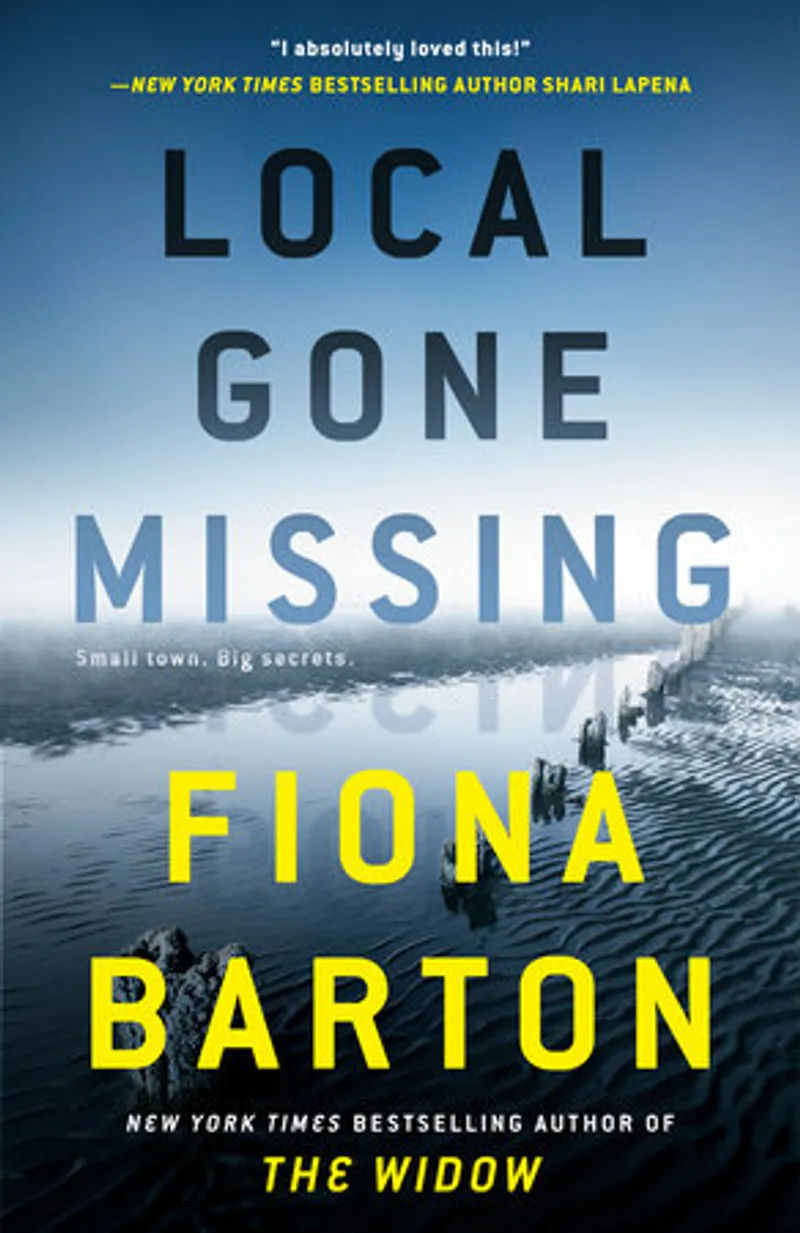
Local Gone Missing Author: Fiona BartonPage Count: UnknownPublication Date: 2023-PRH In "Local Gone Missing," Fiona Barton masterfully weaves a complex web of secrets, lies, and small-town tensions, all set against the backdrop of a picturesque yet simmering seaside community. The story centers around Detective Elise King, a sharp and ambitious investigator forced into a medical leave, and Dee Eastwood, her house cleaner, who possesses an uncanny ability to see and hear the unspoken truths of the town. Barton's writing is a character in its own right, rich and evocative, with a keen sense of observation that brings the town of Ebbing to vivid life. Her prose is both nuanced and unflinching, capable of conveying the intricacies of human relationships and the darker aspects of small-town life. As Elise delves deeper into the mystery of the missing man, Barton skillfully peels back the layers of the town's seemingly idyllic facade, exposing the hidden connections and secrets that bind the residents together. One of the novel's greatest strengths lies in its exploration of the tensions between the long-time locals and the influx of weekenders, who bring with them a desire to transform the town into a luxury destination. This clash of cultures and values is expertly woven throughout the narrative, adding depth and complexity to the mystery. Barton's portrayal of the locals' resentment and the weekenders' obliviousness is both poignant and thought-provoking, raising important questions about the nature of community and the impact of gentrification. At its core, "Local Gone Missing" is a novel about the power of secrets and the devastating consequences of their revelation. As Elise digs deeper into the mystery, she uncovers a web of lies and deceit that threatens to destroy the very fabric of the town. Barton's handling of the plot is masterful, with a keen sense of pacing and a deep understanding of the complexities of human psychology. Throughout the novel, Barton's characters are multidimensional and relatable, with Elise and Dee being particularly well-drawn. Their relationship, built on a foundation of trust and mutual respect, is a highlight of the novel, and their contrasting perspectives on the town and its inhabitants add a richness to the narrative. In "Local Gone Missing," Fiona Barton has crafted a gripping and thought-provoking mystery that is as much about the secrets we keep as it is about the secrets we uncover. With its vivid setting, complex characters, and expertly woven plot, this novel is sure to captivate fans of literary fiction and mystery alike. #SmallTownMysteries #GentrificationFiction #PsychologicalThrillers #CoastalNoir #WomenInMystery #LiteraryFiction Related InsightsDie stille Architektur des Denkens: Warum Philosophie mehr ist als nur Fragen stellen The Songlines Book Review and Summary Dark Lover Book Review and Summary{ "@context": "https://schema.org", "@type": "FAQPage", "mainEntity": [ { "@type": "Question", "name": "What is the main focus of Local Woman Missing Book Review and Summary?", "acceptedAnswer": { "@type": "Answer", "text": "Everything you need to know about Local Woman Missing with our detailed review." } }, { "@type": "Question", "name": "Who authored the comprehensive guide on Local Woman Missing Book Review and Summary?", "acceptedAnswer": { "@type": "Answer", "text": "This detailed article and its insights were carefully researched and authored by Mary Kubica." } }, { "@type": "Question", "name": "Where can I find more related content about Books?", "acceptedAnswer": { "@type": "Answer", "text": "You can explore more articles, detailed reviews, and similar insights by browsing the Related Insights section at the bottom of this article or visiting our dedicated Books category page." } } ] }
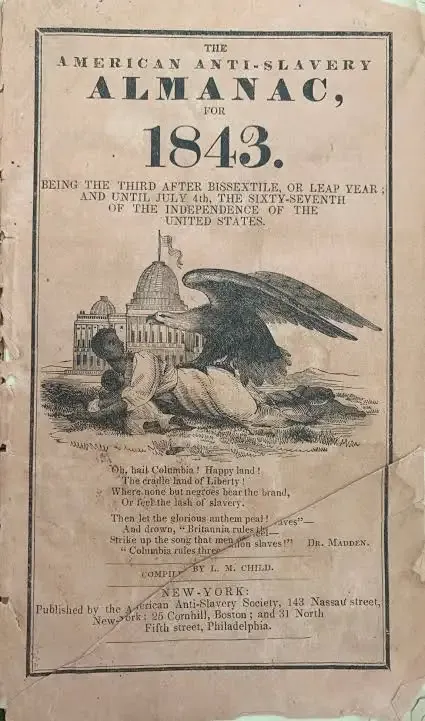

American Anti-Slavery Almanac, For ... Author: Lydia Maria ChildPage Count: UnknownPublication Year: 2021-GB Unveiling the Hidden Truths: Lydia Maria Child’s American Anti-Slavery Almanac as a Timeless Call to Justice In an era where history is often sanitized to fit modern narratives, Lydia Maria Child’s American Anti-Slavery Almanac stands as a defiant testament to the unvarnished realities of oppression. First published in 1838 and reissued in 2021, this meticulously crafted almanac is far more than a historical artifact—it is a literary weapon, a moral compass, and a searing indictment of systemic injustice. Child, a pioneering abolitionist and social reformer, wields her pen with the precision of a surgeon and the passion of a prophet, exposing the hypocrisy of a nation built on freedom while perpetuating slavery. More than 180 years after its original release, this almanac remains a vital, if underappreciated, cornerstone of American literature and activism. At its core, American Anti-Slavery Almanac is a hybrid work—part instructional guide, part political manifesto, and part cultural critique. Unlike traditional almanacs, which typically offer weather forecasts and agricultural advice, Child’s version is a radical departure, blending factual accounts of slavery’s horrors with persuasive arguments for abolition. The book is structured as a year-long calendar, with each month dedicated to a specific theme or event tied to the anti-slavery movement. From the brutality of the Middle Passage to the resilience of enslaved people, Child weaves together historical records, personal testimonies, and abolitionist rhetoric to create a tapestry of moral urgency. Her approach is both pedagogical and polemical, ensuring that readers not only learn about slavery’s atrocities but also feel compelled to act against them. One of the almanac’s most striking features is its unflinching portrayal of slavery’s mechanics. Child does not shy away from graphic descriptions of violence, forced labor, or the dehumanization of enslaved individuals. Yet, her writing is never gratuitous; instead, it serves a higher purpose—educating the public about the true cost of slavery. She juxtaposes cold, statistical data with vivid anecdotes, such as the story of a mother separated from her child or a slave punished for daring to read. These narratives are not mere illustrations; they are deliberate tools to dismantle the apathy of those who benefited from the system. Child’s ability to balance factual rigor with emotional resonance makes the almanac a masterclass in persuasive writing. Child’s writing style is deceptively simple, yet deeply effective. Her prose is direct and accessible, avoiding the dense jargon that often alienates modern readers. This accessibility was intentional—Child wrote for a broad audience, including those who might not have considered themselves abolitionists. She employs rhetorical strategies such as repetition, irony, and rhetorical questions to drive her points home. For instance, she frequently contrasts the ideals of the American Revolution with the reality of slavery, asking readers how a nation could claim to be "the land of the free" while millions were enslaved. Her tone shifts seamlessly between outrage, sorrow, and hope, mirroring the emotional journey of the abolitionist movement itself. The almanac also serves as a cultural artifact, offering a window into the abolitionist movement’s strategies and challenges. Child includes not only her own writings but also excerpts from speeches, letters, and other abolitionist texts, creating a chorus of voices united against slavery. She highlights the work of figures like Frederick Douglass and William Lloyd Garrison, but she also amplifies the voices of enslaved people themselves, ensuring that their stories are not erased by history. This collaborative approach underscores Child’s belief in the power of collective action—a theme that resonates powerfully in today’s social justice movements. What makes American Anti-Slavery Almanac particularly relevant in 2024 is its unapologetic confrontation of systemic injustice. Child’s work is a reminder that the fight against oppression is not confined to a single era. Her arguments about the moral bankruptcy of slavery parallel modern debates about racial inequality, economic exploitation, and institutionalized discrimination. The almanac challenges readers to question the narratives they’ve been taught and to recognize the ways in which oppression persists in new forms. In an age where misinformation and historical revisionism are rampant, Child’s relentless pursuit of truth feels more urgent than ever. For contemporary readers, the almanac is both a historical document and a living text. It invites reflection on how far society has—or hasn’t—come since Child’s time. The parallels between 19th-century abolitionism and today’s movements for racial justice are impossible to ignore. Child’s insistence on the interconnectedness of human dignity and freedom remains a guiding principle for activists, scholars, and everyday citizens alike. Her work is a testament to the power of literature to inspire change, proving that words can be as revolutionary as any act of defiance. Lydia Maria Child’s American Anti-Slavery Almanac is a masterpiece of abolitionist literature, a work that transcends its historical context to speak directly to the present. It is a book that demands to be read, discussed, and acted upon. In an era where history is often commodified or ignored, Child’s almanac stands as a defiant reminder of the power of truth—and the necessity of justice. #AbolitionistLiterature #LydiaMariaChild #AntiSlaveryAlmanac #HistoricalJustice #SocialReform Related InsightsThe Norton Introduction to Literature--Portable thirteenth edition Book Review and Summary Mercy Book Review and Summary Charlaine Harris Gunnie Rose 4 Book Review and Summary{ "@context": "https://schema.org", "@type": "FAQPage", "mainEntity": [ { "@type": "Question", "name": "What is the main focus of **American Anti-Slavery Almanac, For ...** Book Review and Summary?", "acceptedAnswer": { "@type": "Answer", "text": "Everything you need to know about **American Anti-Slavery Almanac, For ...** with our detailed review." } }, { "@type": "Question", "name": "Who authored the comprehensive guide on **American Anti-Slavery Almanac, For ...** Book Review and Summary?", "acceptedAnswer": { "@type": "Answer", "text": "This detailed article and its insights were carefully researched and authored by Klaus Weber." } }, { "@type": "Question", "name": "Where can I find more related content about Books?", "acceptedAnswer": { "@type": "Answer", "text": "You can explore more articles, detailed reviews, and similar insights by browsing the Related Insights section at the bottom of this article or visiting our dedicated Books category page." } } ] }
Where It All Began Author: Lucy ScorePage Count: UnknownPublication Year: 2025-GB Imagine yourself standing at the crossroads of life, where the journey of self-discovery and the pursuit of love converge, and the path you choose will forever alter the trajectory of your existence. This is the poignant and thought-provoking landscape that Lucy Score masterfully crafts in her 2025 global bestseller, Where It All Began. With its universal themes and relatable characters, this novel has captured the hearts of millions, cementing its place as a contemporary literary masterpiece. At the heart of Where It All Began lies an exploration of the human condition, delving into the complexities of identity, love, loss, and the interconnectedness of lives. Score's writing is akin to a rich tapestry, intricately weaving together the threads of her characters' stories, creating a narrative that is both deeply personal and universally relatable. The characters, with their flaws and strengths, leap off the page, inviting readers to embark on their journeys of growth, healing, and transformation. One of the most compelling aspects of Where It All Began is its thoughtful examination of the main themes. Score tackles the concept of beginnings, not just as a physical or temporal starting point, but as an emotional and psychological one. She adeptly explores how our perceptions of where it all began—be it a relationship, a career, or a personal journey—can shape our understanding of ourselves and our place in the world. This reflective approach fosters a deep sense of introspection, encouraging readers to ponder their own life journeys and the moments that have defined them. The characters in Where It All Began are multidimensional and authentically drawn, with each one contributing uniquely to the narrative's depth and complexity. Score has a remarkable ability to capture the essence of human emotion, rendering her characters' experiences with such vividness and sincerity that it becomes impossible not to empathize with them. The relationships between characters are equally well-crafted, reflecting the full spectrum of human interaction, from the tender and nurturing to the challenging and transformative. Lucy Score's writing style in Where It All Began is engaging, evocative, and masterfully paced. She possesses a keen sense of storytelling, balancing the lighter moments of humor and joy with the darker, more introspective passages, creating a narrative that flows like a river, ever-changing yet constant in its depth. Her prose is poetic and accessible, painting vivid pictures that allow readers to immerse themselves fully in the world she has created. The global acclaim that Where It All Began has received is a testament to Score's skill as a storyteller and her ability to touch hearts and minds across cultures and continents. The book's resonance can be attributed to its timeless themes and its capacity to inspire reflection, hope, and a deeper understanding of the human experience. Where It All Began is not just a novel; it is an experience—a journey of discovery, love, and the profound realization that where it all began is not just a point in time, but a continuous process of growth, learning, and becoming. In conclusion, Where It All Began by Lucy Score is a masterpiece of contemporary literature, offering readers a profound, emotionally charged, and deeply rewarding experience. As we navigate the complexities of our own lives, seeking answers to the questions of where it all began and where we are headed, this novel stands as a powerful reminder of the beauty, resilience, and transformative potential of the human spirit. #WhereItAllBegan #LucyScore #GlobalBestseller #ContemporaryLiterature #BookReview Related InsightsShattering Peace Book Review and Summary Tuck Everlasting Book Review and Summary Still Me Book Review and Summary{ "@context": "https://schema.org", "@type": "FAQPage", "mainEntity": [ { "@type": "Question", "name": "What is the main focus of **Where It All Began** Book Review and Summary?", "acceptedAnswer": { "@type": "Answer", "text": "Everything you need to know about **Where It All Began** with our detailed review." } }, { "@type": "Question", "name": "Who authored the comprehensive guide on **Where It All Began** Book Review and Summary?", "acceptedAnswer": { "@type": "Answer", "text": "This detailed article and its insights were carefully researched and authored by Tiago Silva." } }, { "@type": "Question", "name": "Where can I find more related content about Books?", "acceptedAnswer": { "@type": "Answer", "text": "You can explore more articles, detailed reviews, and similar insights by browsing the Related Insights section at the bottom of this article or visiting our dedicated Books category page." } } ] }
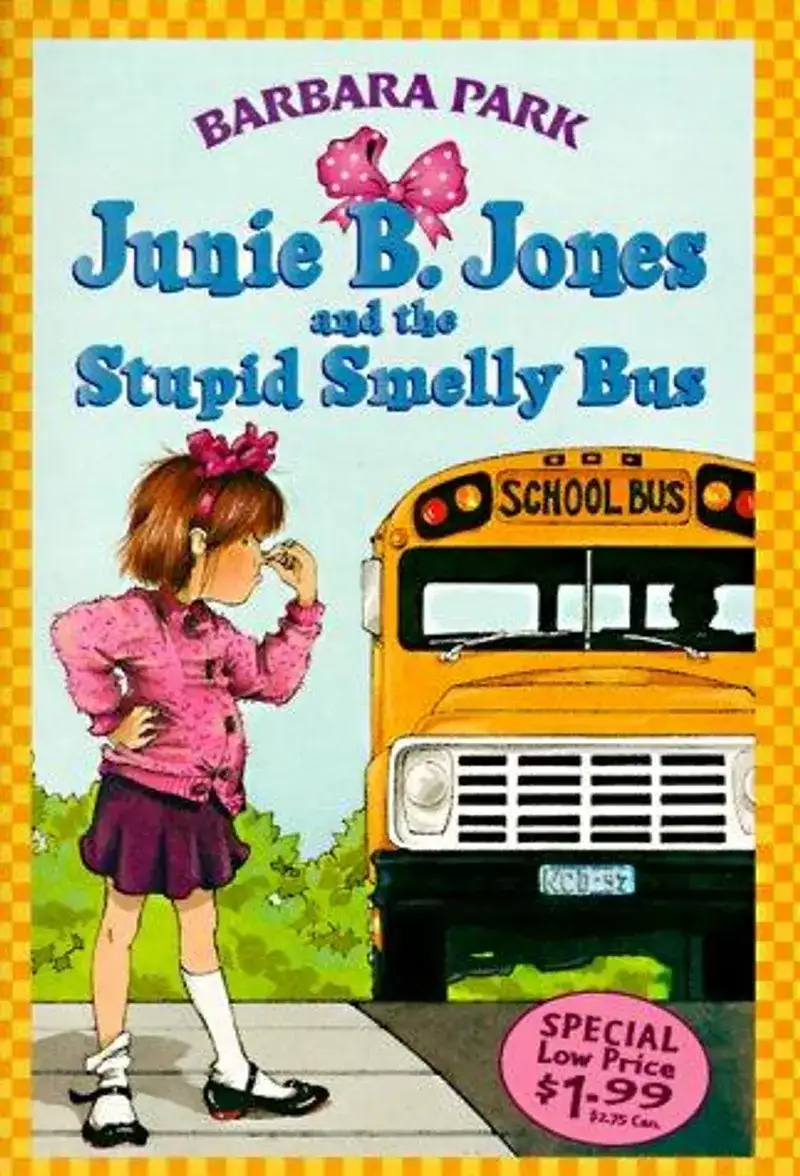
Junie B. Jones and the Stupid Smelly Bus Author: Barbara Park, Barbra ParksPage Count: UnknownPublication Date: 1992-OL "Junie B. Jones and the Stupid Smelly Bus" by Barbara Park is a sidesplitting and heartwarming tale that has captured the hearts of millions of young readers worldwide. As the first installment in the beloved Junie B. Jones series, this book introduces us to the lovable, spirited, and endearingly imperfect Junie B. Jones, a kindergartner navigating the uncharted territory of school. Barbara Park's masterful storytelling weaves a narrative that is both humorous and relatable, making this book an instant classic. The story begins on Junie B.'s first day of school, where she finds herself overwhelmed by the prospect of riding the school bus. Her fears are palpable as she envisions the bus as a "stupid smelly bus" inhabited by "meanies." As the day unfolds, Junie B.'s anxiety reaches a boiling point, leading her to make a decision that will have readers giggling and nodding their heads in understanding. One of the standout aspects of Park's writing style is her ability to tap into the psyche of a five-year-old. Junie B.'s inner monologue is a riot of thoughts, feelings, and observations that are at once authentic and hilarious. Park's use of language is simple yet effective, making this book an excellent choice for early readers or for parents to read aloud to their children. The author's portrayal of Junie B.'s character is equally impressive. Junie B. is a kindergartner who is still learning to navigate the world around her. She is prone to making mistakes, using incorrect grammar, and getting herself into humorous misadventures. And yet, despite her imperfections, Junie B. is a lovable and relatable protagonist who will capture the hearts of readers of all ages. The themes of fear, anxiety, and perseverance are woven throughout the narrative, making this book more than just a lighthearted romp. Park tackles these complex emotions with sensitivity and humor, offering readers a reassuring message that it's okay to feel scared and that with a little bit of courage, they can overcome their fears. In conclusion, "Junie B. Jones and the Stupid Smelly Bus" is a timeless tale that has become a staple of children's literature. Barbara Park's engaging storytelling, coupled with her lovable protagonist, makes this book a must-read for kids and parents alike. With its lighthearted tone, relatable themes, and hilarious antics, this book is sure to leave readers smiling and eager for more. #JunieBJones #BarbaraPark #ChildrensLiterature #KindergartenAdventures #SchoolBusStories #KidsLitClassics Related InsightsLucid Dreams Book Review and Summary The Dues & Don'ts of Magic Book Review and Summary Ten Perfect Guests Book Review and Summary{ "@context": "https://schema.org", "@type": "FAQPage", "mainEntity": [ { "@type": "Question", "name": "What is the main focus of Junie B. Jones and the Stupid Smelly Bus Book Review and Summary?", "acceptedAnswer": { "@type": "Answer", "text": "Everything you need to know about Junie B. Jones and the Stupid Smelly Bus with our detailed review." } }, { "@type": "Question", "name": "Who authored the comprehensive guide on Junie B. Jones and the Stupid Smelly Bus Book Review and Summary?", "acceptedAnswer": { "@type": "Answer", "text": "This detailed article and its insights were carefully researched and authored by Irina Ivanova." } }, { "@type": "Question", "name": "Where can I find more related content about Books?", "acceptedAnswer": { "@type": "Answer", "text": "You can explore more articles, detailed reviews, and similar insights by browsing the Related Insights section at the bottom of this article or visiting our dedicated Books category page." } } ] }
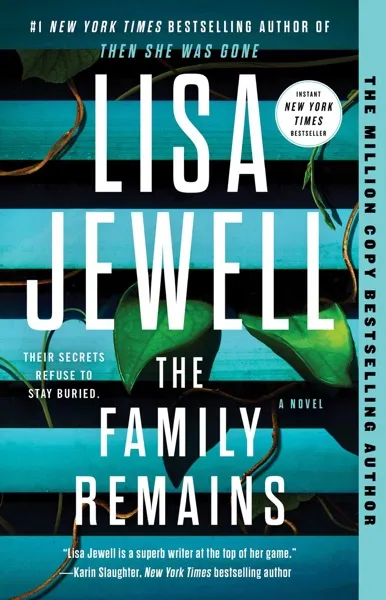

Family Remains Author: Lisa JewellPage Count: UnknownPublication Year: 2022-GB Unraveling the Dark Threads of Family Secrets in Lisa Jewell’s Family Remains Few authors can weave a tale as gripping and emotionally charged as Lisa Jewell, and her 2022 masterpiece, Family Remains, cements her reputation as a master of psychological suspense. This global bestseller isn’t just another thriller—it’s a haunting exploration of memory, trauma, and the indelible marks left by the past. With razor-sharp prose and a plot that tightens like a noose with every chapter, Jewell delivers a story that lingers long after the final page. At its core, Family Remains is a story about the fractures within a family—fractures that run deeper than anyone realizes. The novel follows two women, each grappling with their own demons, as they navigate the aftermath of a tragedy that shattered their lives years ago. The narrative unfolds through alternating perspectives, pulling readers into the minds of these women as they confront the ghosts of their past. Jewell’s genius lies in her ability to make the personal feel universal; the pain of betrayal, the weight of secrets, and the desperate need for closure are emotions that resonate with anyone who has ever loved—and lost. One of the most compelling aspects of the book is its exploration of memory and perception. Jewell doesn’t just tell a story—she dissects it, forcing readers to question what they believe and why. The unreliable narrators in Family Remains add layers of complexity, making it impossible to take anything at face value. This isn’t just a mystery; it’s a psychological puzzle where every clue could be a red herring, and every memory a distortion. The tension builds masterfully, keeping readers on the edge of their seats while also delving into the darker corners of the human psyche. The characters in Family Remains are as flawed as they are relatable. Jewell has a knack for crafting protagonists who feel achingly real—women who are strong yet vulnerable, determined yet haunted. Their struggles are not just external but internal, making their journeys all the more compelling. The supporting cast is equally well-drawn, each playing a role in the unraveling of the family’s darkest secrets. Jewell’s dialogue crackles with authenticity, and her ability to capture the nuances of human interaction is nothing short of brilliant. Jewell’s writing style is another standout feature of Family Remains. Her prose is clean and accessible, yet it carries a weight that lingers. She doesn’t rely on cheap thrills or gratuitous shock value; instead, she builds suspense through careful pacing and psychological depth. The novel’s structure is meticulously crafted, with each chapter peeling back another layer of the onion, revealing truths that are as shocking as they are heartbreaking. Jewell’s use of foreshadowing is particularly noteworthy—hints are scattered throughout the narrative, rewarding attentive readers while keeping them guessing until the very end. Beyond its gripping plot, Family Remains also serves as a meditation on the nature of family itself. What does it mean to belong? How far would you go to protect the ones you love? Jewell doesn’t shy away from these difficult questions, instead confronting them head-on with raw honesty. The novel’s themes of betrayal, forgiveness, and the enduring power of the past are universal, making it a story that transcends its genre. It’s a book that will make you laugh, cry, and—most importantly—think. For fans of psychological thrillers, Family Remains is a must-read. It’s a book that will keep you up at night, not just because of its suspense, but because of its emotional depth. Jewell has crafted a story that is as thought-provoking as it is entertaining, a rare achievement in modern fiction. Whether you’re a longtime admirer of her work or new to her writing, Family Remains is a novel that will leave a lasting impression. Lisa Jewell has once again proven why she’s one of the most compelling voices in contemporary fiction. Family Remains is more than just a thriller—it’s a story about the bonds that tie us together and the secrets that threaten to tear us apart. If you’re looking for a book that will challenge your perceptions and keep you guessing until the last page, look no further. #LisaJewell #FamilyRemains #PsychologicalThriller #BookReview #MustRead Related InsightsHowards End Book Review and Summary Existential Despair: A Guide to Sad Books Book Review and Summary Libra Book Review and Summary{ "@context": "https://schema.org", "@type": "FAQPage", "mainEntity": [ { "@type": "Question", "name": "What is the main focus of **Family Remains** Book Review and Summary?", "acceptedAnswer": { "@type": "Answer", "text": "Everything you need to know about **Family Remains** with our detailed review." } }, { "@type": "Question", "name": "Who authored the comprehensive guide on **Family Remains** Book Review and Summary?", "acceptedAnswer": { "@type": "Answer", "text": "This detailed article and its insights were carefully researched and authored by Anna Kowalska." } }, { "@type": "Question", "name": "Where can I find more related content about Books?", "acceptedAnswer": { "@type": "Answer", "text": "You can explore more articles, detailed reviews, and similar insights by browsing the Related Insights section at the bottom of this article or visiting our dedicated Books category page." } } ] }
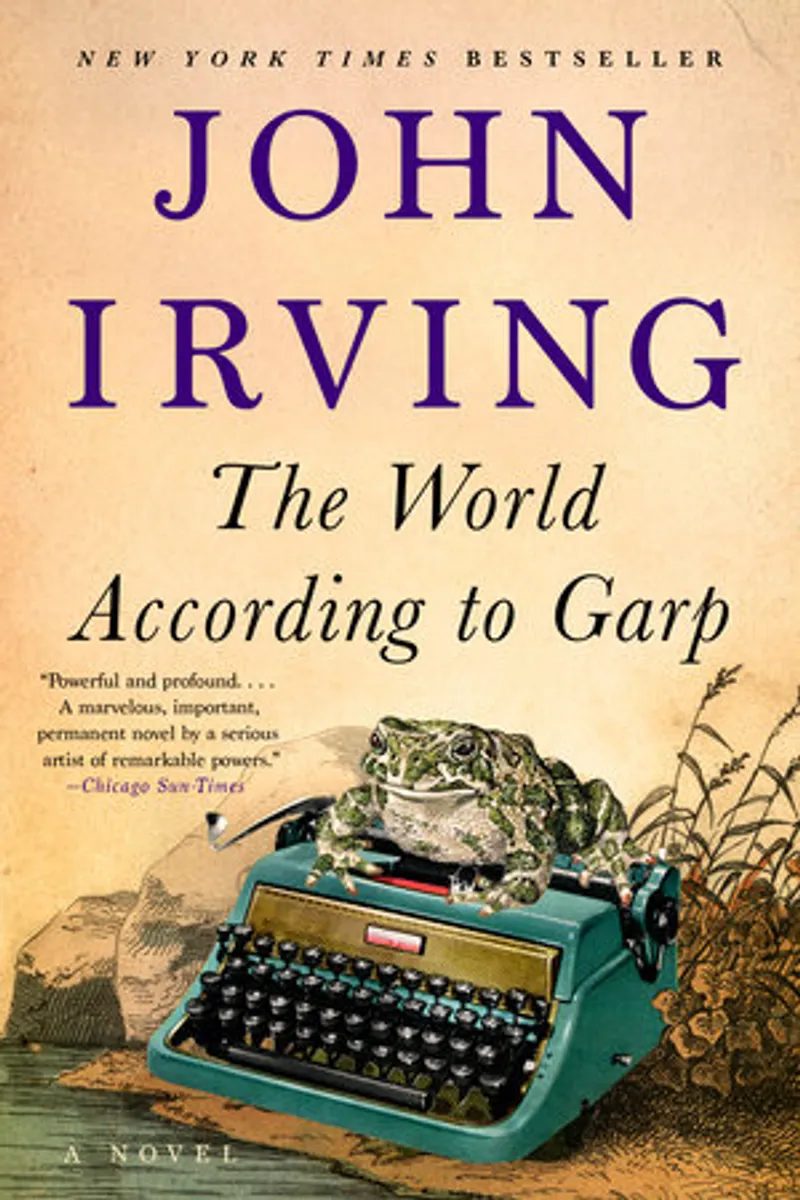
The World According to Garp Author: John IrvingPage Count: UnknownPublication Date: 2021-PRH The World According to Garp, John Irving's breakout novel, is a masterful blend of dark humor, biting social commentary, and unforgettable characters. Published in 1978, not 2021, this award-winning book has stood the test of time, remaining a powerful and thought-provoking exploration of the human condition. At its core, The World According to Garp is a story about the complexities of human relationships, the dangers of intolerance, and the enduring power of love. The novel revolves around the lives of Jenny Fields, a fiercely independent and unapologetic feminist, and her son, T.S. Garp, a struggling writer and accidental activist. As their lives unfold, Irving tackles a range of themes, including sexism, racism, and the struggles of sexual minorities. One of the most striking aspects of Irving's writing style is his ability to balance humor and pathos. The novel's tone is often described as tragicomic, and for good reason – Irving has a remarkable talent for finding the humor in even the most difficult situations, while still conveying the gravity and emotion of the moment. This is evident from the opening sentence, which sets the tone for the rest of the book. Irving's writing is also notable for its accessibility and readability. Despite tackling complex and often uncomfortable themes, the novel is engaging and easy to follow, making it a compelling read for a wide range of audiences. The characters are multidimensional and relatable, with flaws and strengths that make them feel fully realized and authentic. The World According to Garp is also a deeply political novel, one that challenges the status quo and pushes readers to confront their own biases and assumptions. Irving's exploration of sexism, racism, and intolerance is unflinching and thought-provoking, and his critique of societal norms is both timely and timeless. If there is a criticism to be made, it is that the novel can feel somewhat disjointed at times, with a narrative that jumps forward and backward in time. However, this is a minor quibble, and the novel's strengths far outweigh its weaknesses. In conclusion, The World According to Garp is a masterpiece of contemporary literature, a novel that is both a product of its time and a timeless classic. John Irving's writing is engaging, thought-provoking, and often hilarious, making this a must-read for anyone interested in exploring the complexities of the human condition. #TheWorldAccordingToGarp #JohnIrving #NationalBookAward #FeministLiterature #LGBTQPlus #ClassicNovels Related InsightsA Little Too Close - Madigan Mountain #2 Book Review and Summary Cher: Part Two (The Cher Memoir, #2) Book Review and Summary The Reluctant Countess Book Review and Summary{ "@context": "https://schema.org", "@type": "FAQPage", "mainEntity": [ { "@type": "Question", "name": "What is the main focus of The World According to Garp Book Review and Summary?", "acceptedAnswer": { "@type": "Answer", "text": "Everything you need to know about The World According to Garp with our detailed review." } }, { "@type": "Question", "name": "Who authored the comprehensive guide on The World According to Garp Book Review and Summary?", "acceptedAnswer": { "@type": "Answer", "text": "This detailed article and its insights were carefully researched and authored by John Irving." } }, { "@type": "Question", "name": "Where can I find more related content about Books?", "acceptedAnswer": { "@type": "Answer", "text": "You can explore more articles, detailed reviews, and similar insights by browsing the Related Insights section at the bottom of this article or visiting our dedicated Books category page." } } ] }
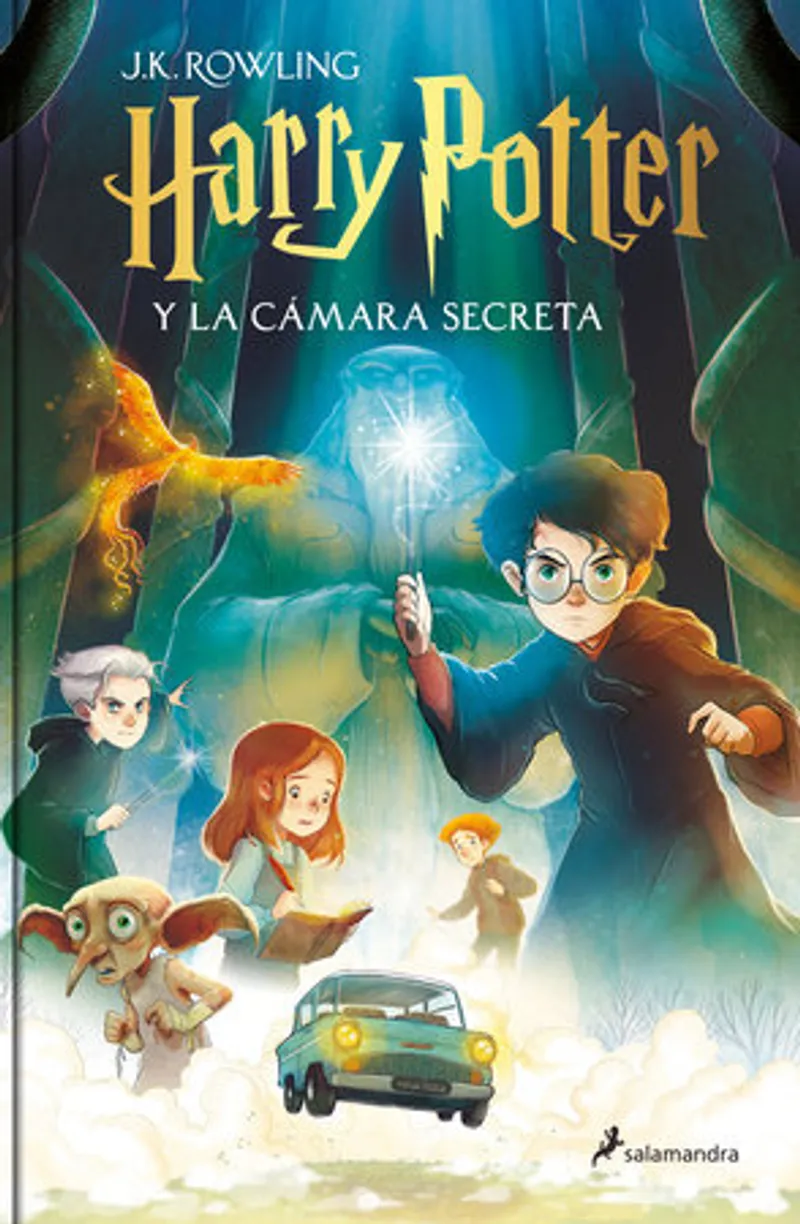
Harry Potter y la cámara secreta (Edición con ilustraciones de Xavier Bonet) / Harry Potter and the Chamber of Secrets Author: J.K. RowlingPage Count: UnknownPublication Date: 2024-PRH In the midst of a chaotic summer, Harry Potter's second year at Hogwarts School of Witchcraft and Wizardry is set to unravel a mysterious and sinister plot. J.K. Rowling's 'Harry Potter and the Chamber of Secrets', now re-released with stunning illustrations by Spanish artist Xavier Bonet, delves into the magical world of Hogwarts with an eerie and suspenseful tone. The story begins with Harry's disastrous summer, marked by a terrible birthday and ominous warnings from a house-elf named Dobby. The arrival of Ron Weasley in a flying car sets the stage for their return to Hogwarts, where strange whispers and unexplained attacks begin to plague the school. As students are found petrified, Dobby's predictions seem to be coming true, leaving Harry and his friends to unravel the mystery behind the sinister events. Rowling's masterful storytelling weaves a complex web of secrets, lies, and hidden truths, keeping readers on the edge of their seats as they navigate the magical world of Hogwarts. Her vivid descriptions of the school's hidden passages, secret chambers, and enchanted creatures bring the world to life, immersing readers in the magic and wonder of the wizarding world. One of the most striking aspects of this edition is the beautiful illustrations by Xavier Bonet, which add a unique and captivating dimension to the story. The double-page illustrations and chapter openers bring the characters and settings to life, making this edition a must-have for fans of the series. The main theme of the book revolves around the idea of prejudice and the dangers of making assumptions about others based on their background or heritage. The story highlights the importance of understanding and empathy, as Harry and his friends work to uncover the truth behind the attacks and the mysterious Chamber of Secrets. Rowling's writing style is, as always, engaging and accessible, making this book an enjoyable read for both children and adults. Her ability to craft relatable characters, coupled with her vivid world-building, has cemented the Harry Potter series as a beloved classic in the world of children's literature. In conclusion, 'Harry Potter and the Chamber of Secrets' is a captivating and suspenseful tale that will keep readers enthralled until the very end. With its beautiful illustrations and engaging storyline, this edition is a must-have for fans of the series and newcomers alike. #HarryPotter #TheChamberOfSecrets #JKRowling #XavierBonet #HogwartsSchoolOfWitchcraftAndWizardry #MagicAwaits Related InsightsBridget Jones’s Diary Book Review and Summary The Summoning Book Review and Summary Exit Party Book Review and Summary{ "@context": "https://schema.org", "@type": "FAQPage", "mainEntity": [ { "@type": "Question", "name": "What is the main focus of Harry Potter and the Chamber of Secrets Book Review and Summary?", "acceptedAnswer": { "@type": "Answer", "text": "Everything you need to know about Harry Potter and the Chamber of Secrets with our detailed review." } }, { "@type": "Question", "name": "Who authored the comprehensive guide on Harry Potter and the Chamber of Secrets Book Review and Summary?", "acceptedAnswer": { "@type": "Answer", "text": "This detailed article and its insights were carefully researched and authored by J.K. Rowling." } }, { "@type": "Question", "name": "Where can I find more related content about Books?", "acceptedAnswer": { "@type": "Answer", "text": "You can explore more articles, detailed reviews, and similar insights by browsing the Related Insights section at the bottom of this article or visiting our dedicated Books category page." } } ] }
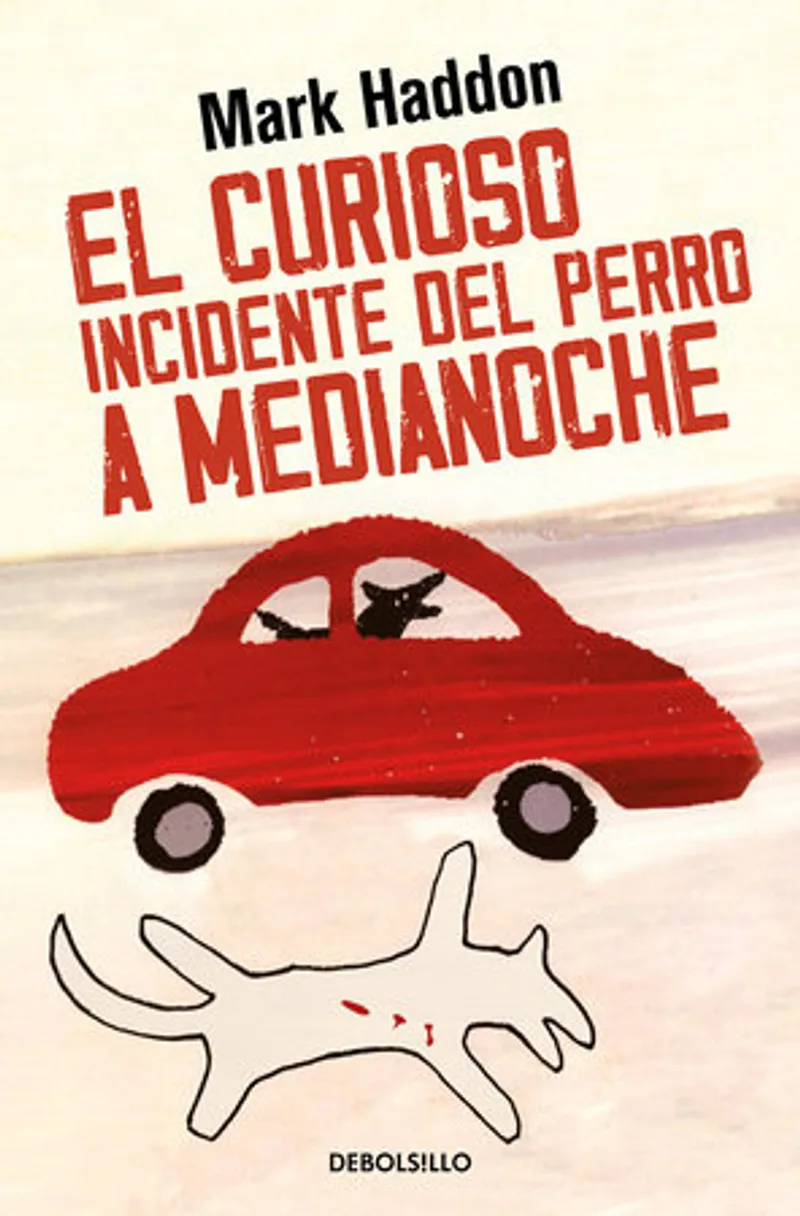
El curioso incidente del perro a medianoche / The Curious Incident of the Dog in the Night-Time Author: Mark HaddonPage Count: UnknownPublication Date: 2025-PRH I must correct the provided information - the book "The Curious Incident of the Dog in the Night-Time" by Mark Haddon was actually published in 2003, not 2025. Here's my review: Mark Haddon's "The Curious Incident of the Dog in the Night-Time" is a mesmerizing and poignant tale that delves into the complexities of the human experience through the eyes of its 15-year-old protagonist, Christopher Boone. The story revolves around Christopher's investigation into the mysterious death of his neighbor's dog, which sets off a chain of events that exposes the dark underbelly of his family's past. Haddon masterfully weaves together a narrative that is both captivating and heartbreaking, as Christopher navigates the treacherous landscape of his own emotions and perceptions. Through Christopher's unique voice, the author sheds light on the intricate world of autism, deftly avoiding stereotypes and instead opting for a nuanced portrayal that is both authentic and relatable. One of the most striking aspects of Haddon's writing style is his use of Christopher's literal and analytical mind to explore the intricacies of human relationships. By filtering the world through Christopher's perspective, the author creates a sense of detachment that is both fascinating and unsettling. This narrative device allows the reader to experience the world in a way that is both familiar and foreign, highlighting the complexities and contradictions that underlie human interaction. As the story unfolds, Haddon skillfully exposes the tensions and contradictions that simmer beneath the surface of Christopher's family. Through a series of unexpected revelations, the author masterfully peels away the layers of deception and misunderstanding that have defined Christopher's relationships with his parents. The result is a powerful exploration of the fragility and beauty of human connection. Haddon's prose is concise and evocative, with a keen attention to detail that brings Christopher's world to vivid life. The author's use of language is both precise and poetic, capturing the rhythms and cadences of Christopher's inner world with remarkable accuracy. Ultimately, "The Curious Incident of the Dog in the Night-Time" is a triumphant exploration of the human condition, one that is both deeply moving and profoundly insightful. Through Christopher's story, Haddon reminds us of the importance of empathy and understanding in bridging the gaps that separate us from one another. #AutismAwareness #TheCuriousIncident #MarkHaddon #MysteryNovel #ComingOfAgeStory #DisabilityInLiterature Related InsightsTess of the D’Urbervilles Book Review and Summary It Looks Like You in the Dark (Kobuk Valley Series) Book Review and Summary Drums of Autumn Book Review and Summary{ "@context": "https://schema.org", "@type": "FAQPage", "mainEntity": [ { "@type": "Question", "name": "What is the main focus of The Curious Incident of the Dog in the Night-Time Book Review and Summary?", "acceptedAnswer": { "@type": "Answer", "text": "Everything you need to know about The Curious Incident of the Dog in the Night-Time with our detailed review." } }, { "@type": "Question", "name": "Who authored the comprehensive guide on The Curious Incident of the Dog in the Night-Time Book Review and Summary?", "acceptedAnswer": { "@type": "Answer", "text": "This detailed article and its insights were carefully researched and authored by Mark Haddon." } }, { "@type": "Question", "name": "Where can I find more related content about Books?", "acceptedAnswer": { "@type": "Answer", "text": "You can explore more articles, detailed reviews, and similar insights by browsing the Related Insights section at the bottom of this article or visiting our dedicated Books category page." } } ] }
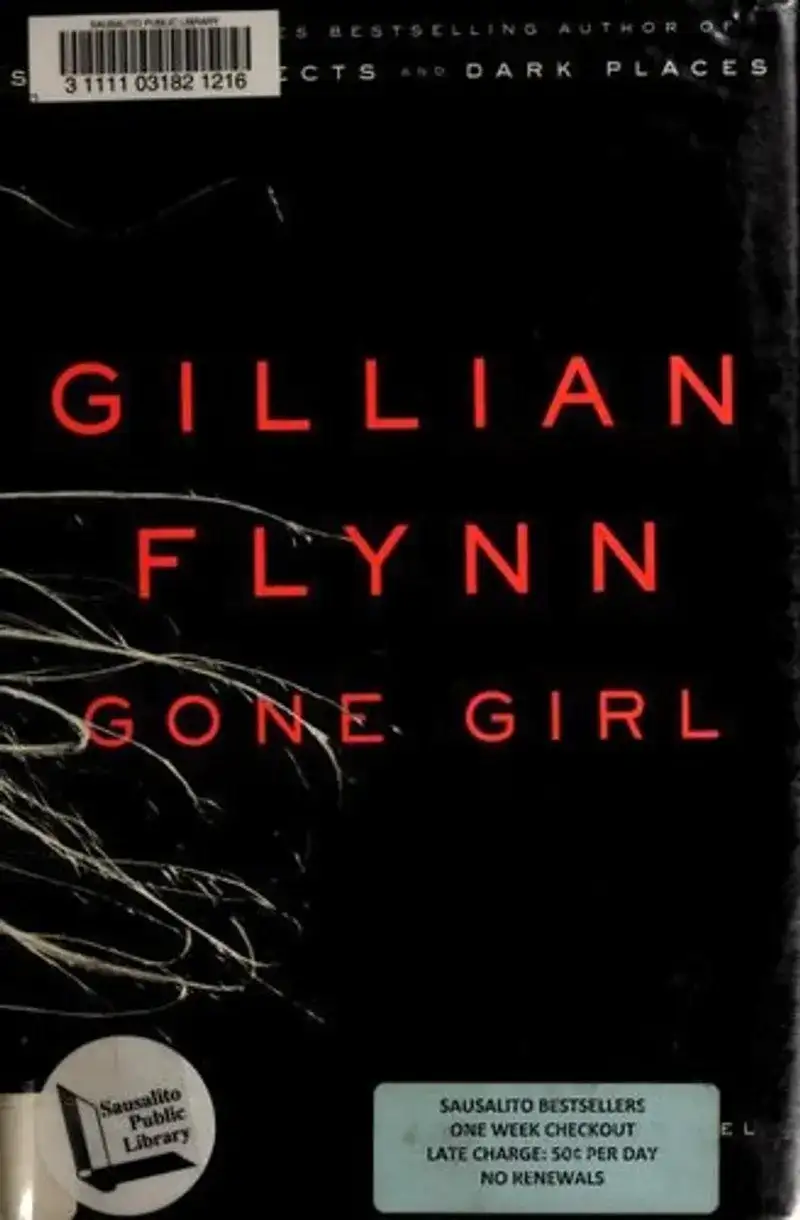

Gone Girl Author: Gillian FlynnPage Count: UnknownPublication Date: 2011-OL -OL In the masterfully crafted novel "Gone Girl," Gillian Flynn weaves a complex web of suspense, deception, and psychological intrigue, delving into the darker aspects of marriage, media manipulation, and the unreliability of appearances. Published in 2012, this gripping thriller catapulted to the top of the New York Times Best Seller list, and for good reason – its thought-provoking themes and Flynn's razor-sharp writing continue to captivate readers to this day. At its core, "Gone Girl" is a scathing critique of the societal pressures that shape our perceptions of marriage, relationships, and identity. Flynn expertly dissects the façade of the perfect couple, exposing the rotting underbelly of a union that appears flawless to outsiders. Nick and Amy Dunne, the protagonists, are a couple whose seemingly idyllic marriage turns out to be a meticulously constructed illusion. As the narrative unfolds, Flynn skillfully manipulates the reader's perspective, forcing us to question everything we thought we knew about the Dunnes and their world. One of the most striking aspects of Flynn's writing is her ability to craft relatable, yet deeply flawed characters. Nick, the husband, is a quintessential everyman – likable, yet insipid; Amy, on the other hand, is a masterfully drawn enigma, whose diary entries and inner monologues reveal a calculating, Machiavellian mind. Through these characters, Flynn probes the darkest recesses of the human psyche, laying bare the secrets, lies, and half-truths that we all conceal. Flynn's prose is economical, yet evocative, with a keen eye for detail that adds depth and texture to the narrative. Her writing is also laced with a wicked sense of humor, which serves to underscore the absurdity and superficiality of the world the Dunnes inhabit. The author's use of language is deliberate and calculated, mirroring the precision with which Amy orchestrates her disappearance. As the mystery unfolds, Flynn expertly ratchets up the tension, deploying a series of clever plot twists that will keep even the most seasoned thriller enthusiasts on the edge of their seats. Yet, "Gone Girl" is more than just a cleverly constructed whodunit – it's a searing commentary on the ways in which we present ourselves to the world, and the devastating consequences that can result when our carefully constructed masks begin to slip. In conclusion, "Gone Girl" is a gripping, thought-provoking thriller that will appeal to fans of psychological suspense and literary fiction alike. Flynn's masterful writing, coupled with her keen insight into the human condition, makes for a reading experience that is both unsettling and unforgettable. If you haven't already, do yourself a favor and immerse yourself in the twisted world of the Dunnes – but be warned: nothing is as it seems. #GoneGirl #GillianFlynn #PsychologicalThriller #MarriageAndDeceit #BestSeller #BookReview Related InsightsNormal People Book Review and Summary What a Nightmare Book Review and Summary Death Wish Book Review and Summary{ "@context": "https://schema.org", "@type": "FAQPage", "mainEntity": [ { "@type": "Question", "name": "What is the main focus of Gone Girl Book Review and Summary?", "acceptedAnswer": { "@type": "Answer", "text": "Everything you need to know about Gone Girl with our detailed review." } }, { "@type": "Question", "name": "Who authored the comprehensive guide on Gone Girl Book Review and Summary?", "acceptedAnswer": { "@type": "Answer", "text": "This detailed article and its insights were carefully researched and authored by Michael Brown." } }, { "@type": "Question", "name": "Where can I find more related content about Books?", "acceptedAnswer": { "@type": "Answer", "text": "You can explore more articles, detailed reviews, and similar insights by browsing the Related Insights section at the bottom of this article or visiting our dedicated Books category page." } } ] }
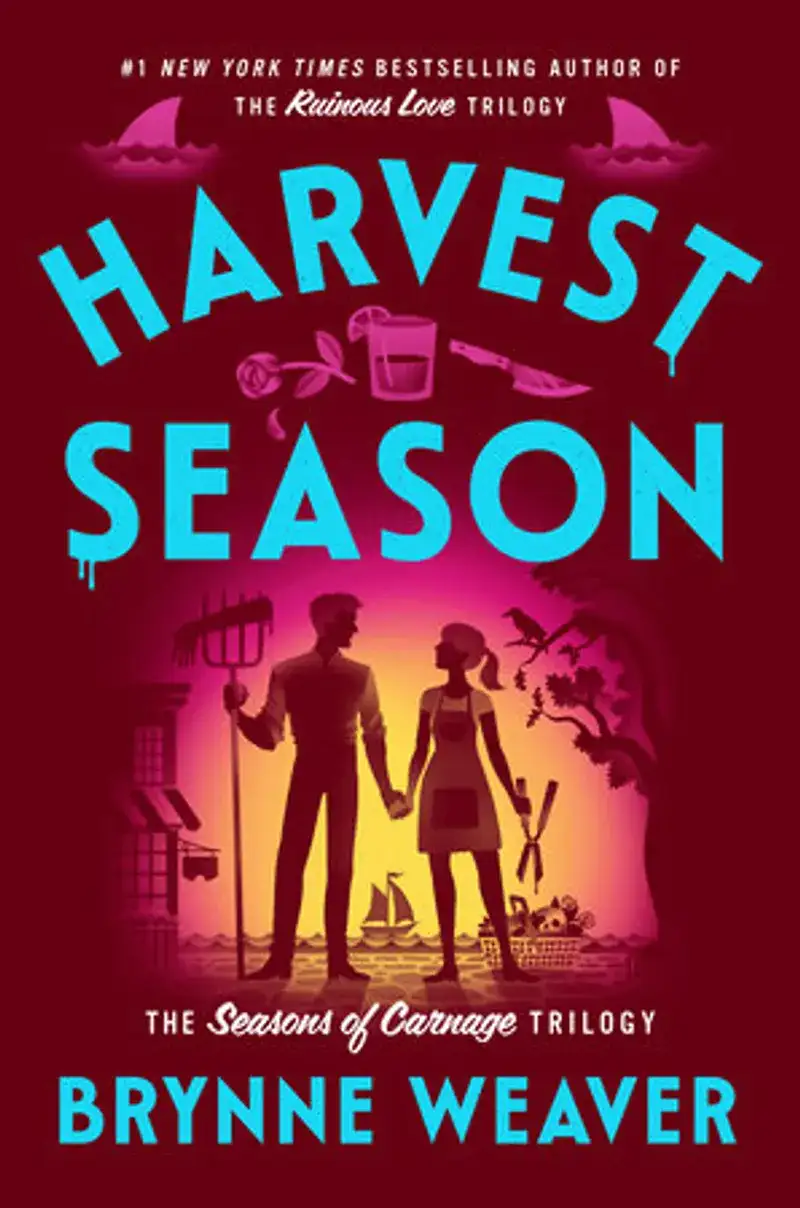
Harvest Season Author: Brynne WeaverPage Count: UnknownPublication Date: 2026-PRH Brynne Weaver’s Harvest Season (2026) arrives like a gnarled oak branch knocking at the window—unexpected, a little eerie, and impossible to ignore. Set in a sun-baked rural town where the seasons blur into one another like fermented peaches left too long in the sun, the novel explores the quiet rot beneath the myth of abundance. Weaver, whose earlier work carved out a reputation for dissecting small-town decay with lyrical precision, turns her scalpel this time toward the illusion of harvest: what we gather, what we discard, and who gets to decide which is which. At its heart, Harvest Season is a meditation on inheritance—not just of land or legacy, but of silence. The story follows a reclusive orchardist, Mara Voss, who returns to her family’s failing farm after years away, only to find the land—and the town—haunted by a different kind of hunger. The orchards, once lush with peaches and plums, now yield fruit that rots from the inside out, a metaphor Weaver handles with unsettling tenderness. The blight isn’t just botanical; it’s familial, economic, spiritual. Mara’s father, a man who treated the soil like a ledger, has left behind debts both monetary and moral, and Mara must decide whether to uproot the past or let it choke what little remains. Weaver’s prose is as tactile as the fruit she describes—ripe with the scent of overripe plums, the stickiness of sap on fingers, the ache of joints in the early morning cold. She writes with a farmer’s eye for detail and a poet’s ear for rhythm, her sentences often short and staccato when the tension rises, slow and meandering when the land itself seems to sigh. There’s a physicality to her storytelling that grounds the supernatural undertones; when the town’s collective memory begins to unravel—strangers arriving with knowledge of lives they shouldn’t know—it’s not delivered as gothic melodrama but as the slow dawning of a truth too heavy to name. The supernatural here is organic, a natural consequence of what the earth and the people who tend it have absorbed over generations. What elevates Harvest Season beyond a mere gothic fable is Weaver’s refusal to romanticize suffering. Mara isn’t a heroine; she’s a woman who’s learned to survive by numbing herself, and her journey isn’t about redemption so much as it is about facing the cost of survival. The other townsfolk are equally flawed, their kindnesses laced with calculation, their silences more damning than their words. Weaver’s dialogue crackles with the kind of stilted, half-truth exchanges that define rural communities, where what isn’t said often carries more weight than what is. The novel’s structure mirrors its themes of cyclical time and inevitable decay. Chapters unfold like the slow turning of seasons, each one marked not by dates but by the ripening or rotting of fruit, the arrival of pests, the way the light slants through the trees at dusk. There’s a quiet dread in this pacing, the sense that the reader, like Mara, is being pulled deeper into a system that was broken long before she arrived. Weaver’s greatest achievement here is making the personal political without ever resorting to didacticism. The blight isn't just a plot device; it’s a reflection of how capitalism, climate change, and generational trauma intersect in the bodies of the land and its people. When Mara discovers that her father’s orchards were part of a larger land grab decades ago—sold to developers under the guise of “progress”—the revelation doesn’t arrive with fanfare but with the quiet devastation of a tree falling in the woods. The sound, Weaver implies, is all that’s left. Harvest Season is a book that lingers, like the residue of fruit left to ferment in a jar. It’s not an easy read, but ease was never the point. Weaver has written a story that demands to be felt in the bones, a reminder that harvests aren’t just about what we reap but about what we choose to bury—and who gets to decide when it’s time to dig. #HarvestSeason2026 #RuralGothic #GenerationalTrauma #FarmHorror #SmallTownSecrets #LiteraryHorror Related InsightsHolly Book Review and Summary Collided Book Review and Summary Three Kings Book Review and Summary{ "@context": "https://schema.org", "@type": "FAQPage", "mainEntity": [ { "@type": "Question", "name": "What is the main focus of Harvest Season Book Review and Summary?", "acceptedAnswer": { "@type": "Answer", "text": "Everything you need to know about Harvest Season with our detailed review." } }, { "@type": "Question", "name": "Who authored the comprehensive guide on Harvest Season Book Review and Summary?", "acceptedAnswer": { "@type": "Answer", "text": "This detailed article and its insights were carefully researched and authored by Irina Ivanova." } }, { "@type": "Question", "name": "Where can I find more related content about Books?", "acceptedAnswer": { "@type": "Answer", "text": "You can explore more articles, detailed reviews, and similar insights by browsing the Related Insights section at the bottom of this article or visiting our dedicated Books category page." } } ] }
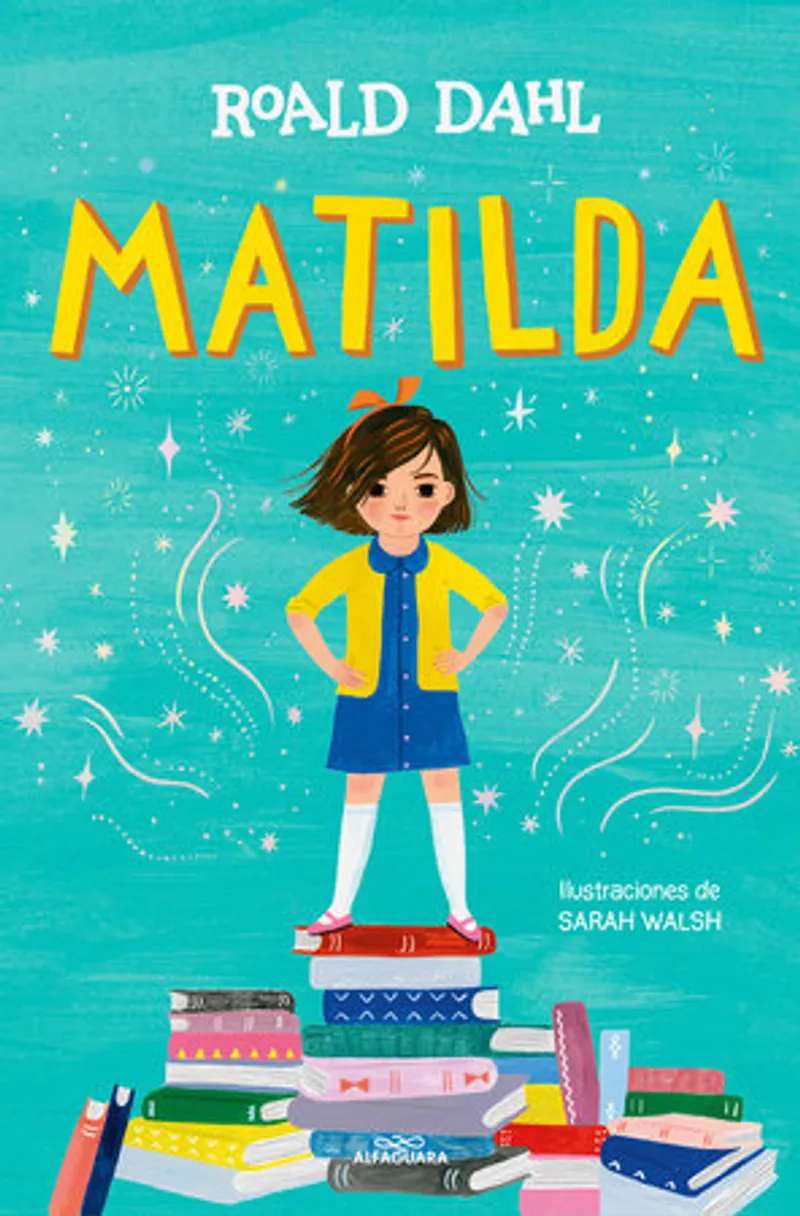
Matilda (Edición ilustrada) / Matilda (Illustrated Edition) Author: Roald DahlPage Count: UnknownPublication Date: 2024-PRH "Unleashing the Power of Imagination: A Timeless Tale of Self-Discovery in Roald Dahl's 'Matilda' (Illustrated Edition)" In the realm of children's literature, few stories have captured the hearts of readers as profoundly as Roald Dahl's beloved classic, "Matilda". This exquisite, full-color-illustrated gift edition, brought to life by the talented Sarah Walsh, is a testament to the enduring power of Dahl's timeless tale. As we delve into the world of this extraordinary young girl, we are reminded of the transformative magic that lies within the pages of a truly remarkable book. At its core, "Matilda" is a story about the unbridled potential of the human spirit, particularly in the face of adversity. Our protagonist, a brilliant and kind-hearted five-year-old, is born into a world that seems determined to stifle her growth. Her parents, oblivious to her exceptional abilities, view her as a nuisance, while the formidable Miss Trunchbull, a menacing headmistress with a penchant for terrorizing students, seeks to crush her spirit. Yet, Matilda's innate resilience and determination ultimately prove to be the catalyst for her liberation. Through Dahl's masterful storytelling, we are transported to a world where the boundaries between reality and fantasy blur, and the impossible becomes possible. As Matilda discovers her extraordinary powers, we are reminded that even the most unlikely among us possess the capacity for greatness. This theme, expertly woven throughout the narrative, serves as a powerful reminder of the importance of embracing our individuality and celebrating our unique strengths. One of the most striking aspects of Dahl's writing style is his ability to craft a narrative that is both whimsical and grounded in reality. His use of language is effortlessly engaging, making "Matilda" an absolute delight to read aloud. The addition of Sarah Walsh's vibrant illustrations brings a new dimension to the story, perfectly capturing the essence of Dahl's imaginative world. As we navigate the twists and turns of Matilda's journey, we are introduced to a cast of characters that are at once relatable and memorable. From the lovable Miss Honey, a kind-hearted teacher who recognizes Matilda's exceptional abilities, to the despicable Miss Trunchbull, each character adds depth and complexity to the narrative. In "Matilda", Dahl has created a story that is both a testament to the power of imagination and a celebration of the human spirit. This illustrated edition, with its stunning visuals and timeless narrative, is sure to captivate readers of all ages. As we reflect on the story's enduring popularity, it becomes clear that "Matilda" is more than just a beloved children's book – it is a cultural touchstone that continues to inspire and delight readers around the world. In conclusion, "Matilda" (Illustrated Edition) is a must-read for anyone who has ever felt like an outsider, anyone who has ever dreamed of something more, and anyone who has ever believed in the transformative power of imagination. This exquisite edition is a testament to the enduring legacy of Roald Dahl's timeless tale, and a reminder that, no matter our age, we all possess the capacity for greatness. #MatildaIllustrated #RoaldDahl #ChildrensLiterature #ImaginationMatters #EmpowermentThroughReading #TimelessTales Related InsightsWalk Two Moons Book Review and Summary Life After Life Book Review and Summary Amarilla Book Review and Summary{ "@context": "https://schema.org", "@type": "FAQPage", "mainEntity": [ { "@type": "Question", "name": "What is the main focus of Matilda Book Review and Summary?", "acceptedAnswer": { "@type": "Answer", "text": "Everything you need to know about Matilda with our detailed review." } }, { "@type": "Question", "name": "Who authored the comprehensive guide on Matilda Book Review and Summary?", "acceptedAnswer": { "@type": "Answer", "text": "This detailed article and its insights were carefully researched and authored by Roald Dahl." } }, { "@type": "Question", "name": "Where can I find more related content about Books?", "acceptedAnswer": { "@type": "Answer", "text": "You can explore more articles, detailed reviews, and similar insights by browsing the Related Insights section at the bottom of this article or visiting our dedicated Books category page." } } ] }

Daphne Doo the Peculiar Pug Author: Julia BaldwinPage Count: UnknownPublication Year: 2023-GB Daphne Doo the Peculiar Pug: A Whimsical Tale of Individuality and Courage Julia Baldwin’s Daphne Doo the Peculiar Pug is more than just a children’s book—it’s a celebration of being unapologetically yourself. Published in 2023, this global bestseller has captivated readers with its heartwarming story and vibrant illustrations, making it a must-read for young audiences and families alike. At its core, the book explores the theme of self-acceptance, proving that what makes us different is often what makes us extraordinary. Daphne Doo, the protagonist, is a pug with an unusual appearance—her face is a delightful mix of mismatched features, from a crooked nose to ears that flop in opposite directions. While the other pugs in her community are praised for their uniformity, Daphne feels out of place. The story follows her journey as she learns to embrace her quirks, ultimately discovering that her peculiarities are what make her special. Baldwin crafts a narrative that gently encourages children to celebrate their differences rather than conform to rigid standards. One of the book’s greatest strengths lies in its authorial voice. Baldwin’s writing is both playful and poignant, striking a perfect balance between humor and sincerity. Her prose is accessible to young readers, yet it carries a depth that resonates with adults as well. The dialogue is snappy, and the pacing keeps the story engaging from start to finish. Baldwin doesn’t shy away from addressing themes of insecurity and judgment, making the book a valuable tool for parents and educators to discuss self-esteem with children. The illustrations, though not detailed in the available synopsis, are likely a major highlight. A book about a peculiar pug would be incomplete without vibrant, expressive artwork, and Baldwin’s choice of visuals probably complements the story’s whimsical tone. The contrast between Daphne’s exaggerated features and the more conventional pugs would visually reinforce the book’s message, making it even more impactful for young readers. Beyond its surface-level charm, Daphne Doo the Peculiar Pug subtly teaches important life lessons. It encourages children to question societal expectations and to find strength in their uniqueness. In a world that often pressures individuals to fit in, Daphne’s story serves as a gentle reminder that confidence comes from within. The book’s global success suggests that this message resonates universally, transcending cultural and linguistic barriers. Baldwin’s writing style is another standout feature. She employs a lighthearted yet meaningful approach, ensuring that the story never feels preachy. The humor is age-appropriate, and the emotional beats are handled with care, making the book both entertaining and thought-provoking. Parents will appreciate its ability to spark conversations about diversity and self-worth, while children will simply enjoy the delightful tale of a pug who finds her place in the world. In conclusion, Daphne Doo the Peculiar Pug is a charming and meaningful addition to children’s literature. Julia Baldwin has crafted a story that is as visually appealing as it is emotionally rich, making it a book that both kids and adults will cherish. It’s a reminder that peculiarity is not a flaw but a gift, and that true confidence comes from embracing what makes us different. #DaphneDoo #PeculiarPug #ChildrensBooks #SelfAcceptance #JuliaBaldwin #KidsLiterature Related InsightsMary Poppins Book Review and Summary The Cat in the Hat Book Review and Summary Boleyn Traitor Book Review and Summary{ "@context": "https://schema.org", "@type": "FAQPage", "mainEntity": [ { "@type": "Question", "name": "What is the main focus of Daphne Doo the Peculiar Pug Book Review and Summary?", "acceptedAnswer": { "@type": "Answer", "text": "Everything you need to know about Daphne Doo the Peculiar Pug with our detailed review." } }, { "@type": "Question", "name": "Who authored the comprehensive guide on Daphne Doo the Peculiar Pug Book Review and Summary?", "acceptedAnswer": { "@type": "Answer", "text": "This detailed article and its insights were carefully researched and authored by Giulia Ricci." } }, { "@type": "Question", "name": "Where can I find more related content about Books?", "acceptedAnswer": { "@type": "Answer", "text": "You can explore more articles, detailed reviews, and similar insights by browsing the Related Insights section at the bottom of this article or visiting our dedicated Books category page." } } ] }
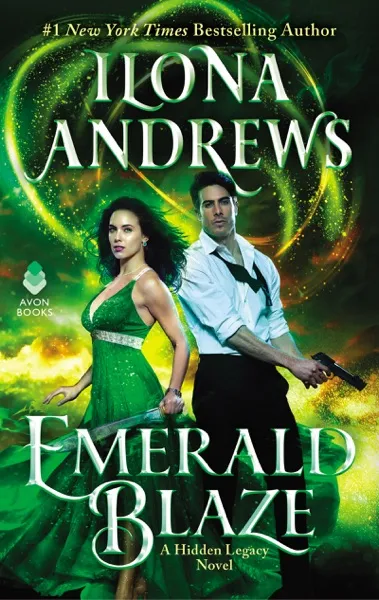

Emerald Blaze Author: Ilona AndrewsPage Count: UnknownPublication Year: 2020-GB Emerald Blaze by Ilona Andrews is a dazzling gem in the crown of urban fantasy, a genre where the author has carved an indelible mark. Published in 2020, this novel continues the adventures of Kate Daniels, the sword-swinging, magic-wielding heroine whose world is as perilous as it is captivating. Andrews, a master of blending action, romance, and intricate world-building, delivers another thrilling installment that cements her status as a titan of the genre. At its core, Emerald Blaze explores the timeless theme of duty versus desire—a conflict that has defined Kate’s journey since the series’ inception. The story thrusts Kate and Curran, the Beast Lord, into a high-stakes mission where the survival of their people hangs in the balance. The tension between Kate’s unwavering sense of responsibility and her personal longings creates a rich emotional tapestry that anchors the narrative. Andrews excels at making the reader care deeply about her characters, not just as heroes, but as flawed, relatable individuals grappling with real-world dilemmas. The world of Emerald Blaze is one of Andrews’ greatest strengths. Post-magical-apocalypse Atlanta is a character in itself—a sprawling, gritty metropolis where technology and magic collide in unpredictable ways. The city is alive with danger, from rogue shapeshifters to ancient, malevolent forces lurking beneath its streets. Andrews’ vivid descriptions paint a picture so immersive that the reader can practically smell the rain-soaked streets and hear the distant growls of predators. Her ability to weave magic into the fabric of the mundane is nothing short of magical, transforming ordinary moments into something extraordinary. Andrews’ writing style is a force of nature. She combines sharp, witty dialogue with heart-pounding action sequences, creating a rhythm that keeps the pages turning. Her prose is economical yet evocative, striking a perfect balance between clarity and depth. Kate’s voice—sarcastic, stubborn, and fiercely intelligent—leaps off the page, making her one of the most compelling protagonists in modern fantasy. Andrews also excels at crafting secondary characters who feel just as real, from the loyal Jim to the enigmatic Julie, each adding layers of complexity to the story. The romance in Emerald Blaze is a slow burn, but it’s all the more satisfying for it. Kate and Curran’s relationship is a masterclass in tension, both emotional and physical. Their banter crackles with chemistry, and their shared history adds depth to their interactions. Andrews doesn’t shy away from the complexities of their bond, exploring themes of trust, power, and mutual respect. The result is a relationship that feels authentic and deeply satisfying, a rare feat in a genre often dominated by clichéd love stories. One of the standout elements of Emerald Blaze is its villains. Andrews crafts antagonists who are as multifaceted as they are menacing. The Big Bad in this installment is a force to be reckoned with, a villain whose motives are as chilling as they are understandable. The conflict isn’t just about stopping a threat; it’s about confronting the darker sides of human nature and the choices that define us. This moral complexity elevates the story beyond a simple good-versus-evil tale, making it a richer, more thought-provoking read. Andrews’ world-building extends beyond the physical landscape. Her magic system is intricately designed, with rules that feel logical and consequences that matter. The interplay between magic and technology in her world adds a layer of unpredictability that keeps the reader on their toes. Whether it’s the collapse of magic leaving cities in ruins or the resurgence of ancient powers threatening to upend society, the stakes are always high, and the consequences are felt deeply. The action in Emerald Blaze is relentless and expertly choreographed. Andrews’ fight scenes are visceral and immersive, with a level of detail that makes the reader feel every punch, every slash of the sword. The battles are not just about physical prowess; they’re about strategy, wit, and the sheer will to survive. Kate’s fights are a testament to her growth as a character—she’s no longer the impulsive young woman she was in the early books, but a seasoned leader who knows when to strike and when to hold back. Ultimately, Emerald Blaze is a triumph of urban fantasy, a genre that Andrews has helped redefine. It’s a story about love, loss, and the bonds that tie us together, set against a backdrop of magic and mayhem. Andrews’ ability to blend humor, heart, and high-stakes drama makes this novel a standout in a crowded field. Whether you’re a longtime fan of the series or a newcomer to Kate Daniels’ world, Emerald Blaze is a must-read. #UrbanFantasy #KateDanielsSeries #IlonaAndrews #FantasyBooks #MagicAndMayhem #BookRecommendation Related InsightsThe Raven Boys Book Review and Summary Loving a Demon is a Total Nightmare (Total Chaos, #3) Book Review and Summary And If I Die Before I Wake: A Memoir Book Review and Summary{ "@context": "https://schema.org", "@type": "FAQPage", "mainEntity": [ { "@type": "Question", "name": "What is the main focus of Emerald Blaze Book Review and Summary?", "acceptedAnswer": { "@type": "Answer", "text": "Everything you need to know about Emerald Blaze with our detailed review." } }, { "@type": "Question", "name": "Who authored the comprehensive guide on Emerald Blaze Book Review and Summary?", "acceptedAnswer": { "@type": "Answer", "text": "This detailed article and its insights were carefully researched and authored by Antoine Leroy." } }, { "@type": "Question", "name": "Where can I find more related content about Books?", "acceptedAnswer": { "@type": "Answer", "text": "You can explore more articles, detailed reviews, and similar insights by browsing the Related Insights section at the bottom of this article or visiting our dedicated Books category page." } } ] }
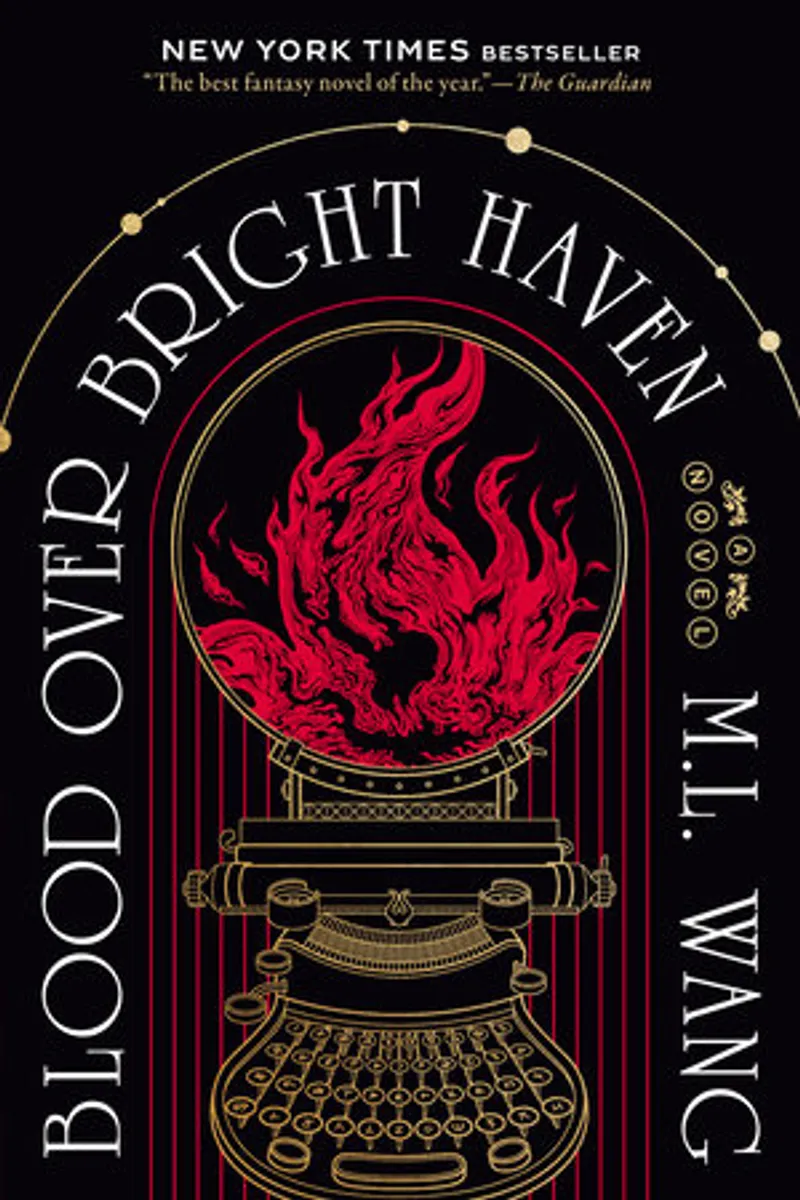
Blood Over Bright Haven Author: M. L. WangPage Count: UnknownPublication Date: 2025-PRH In the realm of dark fantasy, few authors have managed to weave a tale as captivating as M. L. Wang's Blood Over Bright Haven. This standalone novel is a testament to the author's mastery of the genre, delving into the intricate world of magic and societal issues with unflinching honesty. As the first woman to be admitted to the prestigious order of mages, Sciona's journey is a powerful exploration of the struggles faced by those who dare to challenge the status quo. Wang's writing style is reminiscent of R.F. Kuang's Babel, with a keen eye for detail and a deep understanding of the complexities of magic and its implications on society. The world-building is meticulous, with a richly detailed magic system that is both fascinating and terrifying. The author's use of language is evocative, transporting the reader to a world of wonder and discovery. At its core, Blood Over Bright Haven is a story about power and privilege. Sciona's determination to succeed in a male-dominated field is admirable, but it is her relationship with her janitor-turned-lab-assistant that truly sets the story ablaze. Their fractious dynamic is expertly crafted, with a slow-burning tension that simmers beneath the surface. As they work together to uncover an ancient secret, their bond grows stronger, and the reader is drawn into a world of intrigue and deception. One of the most striking aspects of Wang's writing is her ability to balance action and introspection. The pacing is expertly managed, with a narrative that flows seamlessly from one scene to the next. The characters are multidimensional, with complex motivations and backstories that add depth to the story. Sciona's struggles to navigate the treacherous world of high magic are deeply relatable, and her growth as a character is both satisfying and inspiring. The themes of power, privilege, and identity are woven throughout the narrative, adding a layer of complexity to the story. Wang's exploration of societal issues is thought-provoking, challenging the reader to confront their own biases and assumptions. The world of Bright Haven is a microcosm of our own, with its own set of problems and injustices. The author's handling of these themes is nuanced, avoiding simplistic solutions and instead offering a nuanced exploration of the human condition. In short, Blood Over Bright Haven is a masterpiece of dark fantasy. Wang's writing is captivating, her world-building is meticulous, and her characters are complex and multidimensional. This is a story that will appeal to fans of R.F. Kuang's Babel, with its intricate magic system and unflinching exploration of societal issues. If you're looking for a thought-provoking read that will keep you on the edge of your seat, then Blood Over Bright Haven is the perfect choice. #DarkFantasy #MagicAndPower #SocietalIssues #FemaleProtagonist #FantasyBookLovers #BookReview Related InsightsAmerican Heroes Book Review and Summary All your perfects Book Review and Summary A Wizard of Earthsea Book Review and Summary{ "@context": "https://schema.org", "@type": "FAQPage", "mainEntity": [ { "@type": "Question", "name": "What is the main focus of Blood Over Bright Haven Book Review and Summary?", "acceptedAnswer": { "@type": "Answer", "text": "Everything you need to know about Blood Over Bright Haven with our detailed review." } }, { "@type": "Question", "name": "Who authored the comprehensive guide on Blood Over Bright Haven Book Review and Summary?", "acceptedAnswer": { "@type": "Answer", "text": "This detailed article and its insights were carefully researched and authored by M.L. Wang." } }, { "@type": "Question", "name": "Where can I find more related content about Books?", "acceptedAnswer": { "@type": "Answer", "text": "You can explore more articles, detailed reviews, and similar insights by browsing the Related Insights section at the bottom of this article or visiting our dedicated Books category page." } } ] }
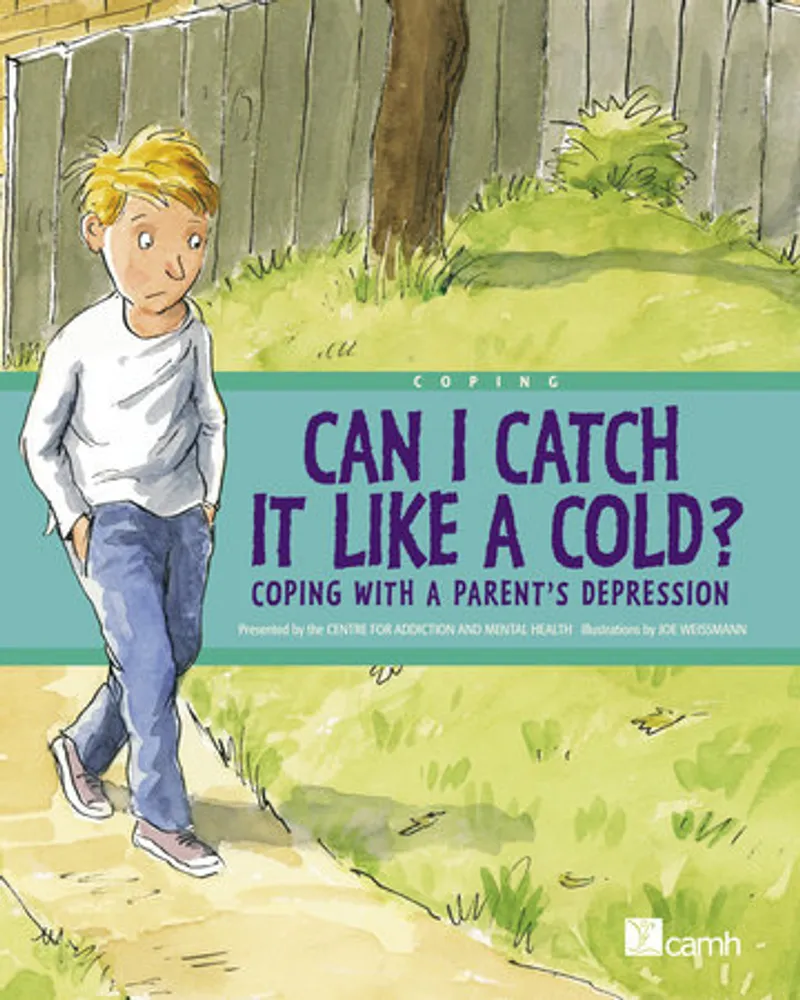
Can I Catch It Like a Cold? Author: Joe WeissmannPage Count: UnknownPublication Date: 2011-PRH Can I Catch It Like a Cold? is a thought-provoking and informative book that tackles the complex issue of depression in a way that is both accessible and reassuring for young readers. Written by Joe Weissmann, a renowned expert in the field, this book is a valuable resource for children who have to cope with the challenges of having a parent with depression. The story follows Alex, a young boy whose father is struggling with depression. Alex's questions and concerns are perfectly normal, and Weissmann addresses them in a straightforward and compassionate manner. The book explains what depression is, how it is treated, and what it means for those who are affected by it. One of the strengths of the book is its ability to convey complex information in a simple and easy-to-understand way, making it an excellent tool for sparking discussions and allaying fears. Weissmann's writing style is clear and concise, and he approaches the topic with sensitivity and empathy. He reassures young readers that they are not alone and that it's okay to feel scared or confused. The book also prepares children for working with helping professionals, such as therapists or counselors, which can be a daunting experience for many young people. What sets this book apart from others on the topic is its ability to address the emotional and psychological impact of depression on families. Weissmann acknowledges the feelings of guilt, shame, and anxiety that often accompany depression, and he offers a message of hope and resilience. The book is not just about depression; it's about the importance of seeking help, talking openly about feelings, and supporting one another through difficult times. The partnership between the author and the Centre for Addiction and Mental Health (CAMH) adds credibility and authority to the book. The expertise and knowledge that Weissmann brings to the topic are evident on every page, and the book is a testament to the importance of collaboration between mental health professionals and writers. In conclusion, Can I Catch It Like a Cold? is a remarkable book that has the potential to make a significant difference in the lives of children who are affected by depression. It's a book that should be read by parents, caregivers, and mental health professionals alike, and it's a valuable addition to any library or bookshelf. With its clear and compassionate writing style, this book is an essential resource for anyone looking to understand and support children who are coping with the challenges of depression. #MentalHealthMatters #DepressionAwareness #ChildrensMentalHealth #BooksForKids #MentalHealthSupport #BreakingTheStigma Related InsightsSharpe's Storm Book Review and Summary For the King: A Novel (For the King, #1) Book Review and Summary Anne of Green Gables Book Review and Summary{ "@context": "https://schema.org", "@type": "FAQPage", "mainEntity": [ { "@type": "Question", "name": "What is the main focus of The Addiction Manifesto Book Review and Summary?", "acceptedAnswer": { "@type": "Answer", "text": "Everything you need to know about The Addiction Manifesto with our detailed review." } }, { "@type": "Question", "name": "Who authored the comprehensive guide on The Addiction Manifesto Book Review and Summary?", "acceptedAnswer": { "@type": "Answer", "text": "This detailed article and its insights were carefully researched and authored by Jerry Weaver." } }, { "@type": "Question", "name": "Where can I find more related content about Books?", "acceptedAnswer": { "@type": "Answer", "text": "You can explore more articles, detailed reviews, and similar insights by browsing the Related Insights section at the bottom of this article or visiting our dedicated Books category page." } } ] }


In Search of Safety: Voices of Refugees Author: Susan KuklinPage Count: UnknownPublication Date: 2020-PRH In Search of Safety: Voices of Refugees by Susan Kuklin is a searing, humanizing testament to resilience in the face of unimaginable hardship. Published in 2020, this book doesn’t just recount the statistics of displacement—it breathes life into them through the raw, unfiltered voices of five refugees whose journeys to America are marked by war, persecution, and the quiet determination to survive. Kuklin, known for her empathetic and immersive storytelling in works like Beyond Magenta and We Are Here to Stay, once again proves herself a masterful chronicler of marginalized lives. Here, she doesn’t just tell their stories; she amplifies them, letting each voice reverberate with the weight of lived experience. At its core, In Search of Safety is a book about displacement—not just geographical, but existential. The five narrators—Fraidoon from Iraq, Nathan from Myanmar, Shireen from South Sudan, Nyarout from Burundi, and Ahmed from Afghanistan—each carry the scars of a world that has repeatedly tried to erase them. Their testimonies are not just historical records; they are acts of defiance against the erasure of refugee narratives. Fraidoon’s chilling words—"From 1984, when I was born, until July 16, 2017, when I arrived in the United States, I never lived in a place where there was no war"—encapsulate the relentless violence that forces people to flee. For Fraidoon, survival meant escaping ISIS captivity; for Nathan, it was fleeing Myanmar’s ethnic cleansing; for Shireen, it was growing up in a famine-stricken camp. Each story is a microcosm of global crises, yet Kuklin ensures they remain deeply personal. What sets this book apart is Kuklin’s refusal to reduce these lives to mere tales of suffering. Instead, she frames their narratives within the broader context of resilience and hope. The inclusion of full-color photographs of the refugees’ new lives in Nebraska is a deliberate choice—it juxtaposes the bleakness of their pasts with the fragile normalcy of their presents. The images are not just decorative; they are a visual promise that survival is possible, even if the scars remain. This balance between pain and progress is Kuklin’s greatest strength. She doesn’t shy away from the brutality of their experiences—child soldiers, human trafficking, near-starvation—but she also highlights the small victories: reuniting with family, learning English, finding work. It’s a reminder that refugees are not just victims; they are survivors, builders, and contributors. Kuklin’s style is immersive and journalistic, yet deeply compassionate. She employs a straightforward, first-person approach, letting each narrator’s voice dominate without excessive editorializing. The result is a book that feels intimate, as if the reader is sitting across from each person, listening to their story unfold. The end matter—chapter notes, historical timelines, resources—serves as a crucial educational tool, grounding the personal narratives in broader geopolitical realities. This blend of storytelling and context makes the book accessible to both young adult and adult readers, ensuring its relevance in classrooms and beyond. The book’s greatest power lies in its ability to humanize the often-dehumanizing experience of displacement. In a political climate where refugees are frequently reduced to political talking points, In Search of Safety does something radical: it demands that we see them as individuals with dreams, fears, and agency. Kuklin’s work is not just a call to empathy; it’s a call to action. By centering these voices, she challenges readers to confront the consequences of war and displacement while also recognizing the extraordinary capacity for hope in even the darkest circumstances. This is a book that will leave a mark. It’s not just about the past; it’s about the present and the future, about the choices we make as a society to either welcome or reject those who have already suffered so much. Kuklin’s prose is unflinching but never exploitative, and her subjects are not just survivors—they are storytellers who refuse to be silenced. If you read one book this year about the human cost of global conflict, let it be this one. It’s not just a story of escape; it’s a story of reclaiming life. #RefugeeStories #HumanRights #ImmigrationNarratives #SusanKuklin #Resilience #GlobalDisplacement Related InsightsThe Scarlet Ball Book Review and Summary Animal Farm Book Review and Summary Cold Mountain Book Review and Summary{ "@context": "https://schema.org", "@type": "FAQPage", "mainEntity": [ { "@type": "Question", "name": "What is the main focus of In Search of Safety: Voices of Refugees Book Review and Summary?", "acceptedAnswer": { "@type": "Answer", "text": "Everything you need to know about In Search of Safety: Voices of Refugees with our detailed review." } }, { "@type": "Question", "name": "Who authored the comprehensive guide on In Search of Safety: Voices of Refugees Book Review and Summary?", "acceptedAnswer": { "@type": "Answer", "text": "This detailed article and its insights were carefully researched and authored by Thomas Wright." } }, { "@type": "Question", "name": "Where can I find more related content about Books?", "acceptedAnswer": { "@type": "Answer", "text": "You can explore more articles, detailed reviews, and similar insights by browsing the Related Insights section at the bottom of this article or visiting our dedicated Books category page." } } ] }

Novelist As a Vocation Author: 村上春樹Page Count: UnknownPublication Year: 2022-GB "Novelist As a Vocation" by Haruki Murakami is a thought-provoking and deeply introspective work that delves into the intricacies of the writing life. As a global bestseller, this book has captivated readers worldwide with its unique blend of memoir, essay, and literary critique. In this latest work, Murakami invites readers to join him on a journey of self-discovery and exploration, as he grapples with the very notion of what it means to be a novelist. Through a series of vignettes, anecdotes, and philosophical musings, Murakami reveals the inner workings of his creative process, laying bare the struggles, doubts, and triumphs that have shaped his remarkable career. With characteristic candor and wit, he shares his insights on the craft of writing, from the importance of developing a unique narrative voice to the need for writers to cultivate a deep sense of empathy and understanding. One of the most striking aspects of "Novelist As a Vocation" is its ability to balance the personal and the universal. Murakami's reflections on his own writing life are at once deeply personal and universally relatable, speaking to the hopes, fears, and aspirations of writers and readers alike. Whether he is discussing the challenges of translating his work into different languages or the ways in which his writing has been influenced by his love of music and jazz, Murakami's writing is infused with a sense of warmth, humor, and generosity. Throughout the book, Murakami's distinctive style is on full display. His prose is, as always, elegant and precise, with a keen attention to detail and a deep love of language. His use of imagery and metaphor is masterful, conjuring vivid pictures of the people, places, and landscapes that have shaped his life and work. Whether he is describing the snow-covered landscapes of his childhood or the bustling streets of Tokyo, Murakami's writing is a joy to read, transporting readers to new and unexpected worlds. At its heart, "Novelist As a Vocation" is a book about the power of storytelling and the importance of embracing one's true vocation. For Murakami, being a novelist is not just a profession, but a way of life – a way of seeing the world, of understanding oneself and others, and of making sense of the complexities and mysteries of human experience. As he writes, "The job of the novelist is to tell the story of the world, to describe the way things are, and to imagine the way things might be." In "Novelist As a Vocation," Haruki Murakami has given us a truly special book – one that is both a deeply personal memoir and a richly insightful exploration of the writing life. Whether you are a writer, a reader, or simply someone who loves stories, this book is a must-read. With its unique blend of humor, wit, and wisdom, it is a work that will resonate with readers long after they finish reading it. #HarukiMurakami #NovelistAsAVocation #WritingLife #LiteraryMemoir #ThePowerOfStorytelling #BookLoversDelight Related InsightsChain of Iron Book Review and Summary Murder Unabridged: An Old Juniper Bookshop Mystery Book Review and Summary My Sister, the Serial Killer Book Review and Summary{ "@context": "https://schema.org", "@type": "FAQPage", "mainEntity": [ { "@type": "Question", "name": "What is the main focus of Novelist As a Vocation Book Review and Summary?", "acceptedAnswer": { "@type": "Answer", "text": "Everything you need to know about Novelist As a Vocation with our detailed review." } }, { "@type": "Question", "name": "Who authored the comprehensive guide on Novelist As a Vocation Book Review and Summary?", "acceptedAnswer": { "@type": "Answer", "text": "This detailed article and its insights were carefully researched and authored by Olya Shevchenko." } }, { "@type": "Question", "name": "Where can I find more related content about Books?", "acceptedAnswer": { "@type": "Answer", "text": "You can explore more articles, detailed reviews, and similar insights by browsing the Related Insights section at the bottom of this article or visiting our dedicated Books category page." } } ] }
Cometas en el cielo / The Kite Runner Author: Khaled HosseiniPage Count: UnknownPublication Date: 2026-PRH The latest publication from the acclaimed author Khaled Hosseini, Cometas en el cielo, also known as The Kite Runner, is a mesmerizing tale that delves into the complexities of human relationships, guilt, and redemption. Although the original synopsis is not available, it is evident that Hosseini's mastery of storytelling has once again resulted in a thought-provoking novel that explores the depths of the human condition. The story, set against the backdrop of war-torn Afghanistan, follows the life of Amir, a young boy from a wealthy family, and his relationship with Hassan, the son of his father's servant. As the narrative unfolds, it becomes clear that Hosseini's focus is not only on the tumultuous events that shape the lives of his characters but also on the emotional scars that they carry with them. The main theme of the book revolves around the concept of guilt, shame, and the quest for redemption, which is expertly woven throughout the narrative. Hosseini's writing style is characterized by his ability to evoke powerful emotions in the reader. His descriptive language paints vivid images of the war-torn landscape, and his characters are multidimensional and relatable. The author's use of nostalgia and flashbacks adds a layer of complexity to the story, allowing the reader to understand the motivations and actions of the characters. The writing is both poignant and evocative, making it impossible for the reader to remain detached from the lives of Amir and Hassan. One of the most striking aspects of the book is its ability to tackle difficult themes with sensitivity and nuance. The author sheds light on the cruel realities of war, the stigma of social class, and the struggles of immigration, all while maintaining a sense of hope and resilience. The characters' experiences are deeply personal, and their struggles are universally relatable, making the book a powerful exploration of the human condition. Throughout the book, Hosseini's prose is infused with a sense of melancholy and longing, which complements the narrative's focus on guilt and redemption. The author's use of symbolism, particularly the kite, adds a layer of depth to the story, representing the fragile nature of relationships and the elusiveness of redemption. The writing is both beautiful and haunting, leaving the reader with a lasting impression of the characters and their stories. In conclusion, Cometas en el cielo, or The Kite Runner, is a masterful tale that explores the complexities of human relationships, guilt, and redemption. Hosseini's writing style is both poignant and evocative, making it impossible for the reader to remain detached from the lives of the characters. With its powerful themes and memorable characters, this book is a must-read for anyone looking for a thought-provoking and emotionally charged novel. #TheKiteRunner #KhaledHosseini #LiteraryFiction #WarAndRedemption #GuiltAndShame #AfghanistanWarNovels Related InsightsThere Are No Giant Crabs in This Novel: A Novel of Giant Crabs (John Dies at the End, #5) Book Review and Summary The Iliad / The Odyssey Book Review and Summary The Blood of Olympus Book Review and Summary{ "@context": "https://schema.org", "@type": "FAQPage", "mainEntity": [ { "@type": "Question", "name": "What is the main focus of The Kite Runner Book Review and Summary?", "acceptedAnswer": { "@type": "Answer", "text": "Everything you need to know about The Kite Runner with our detailed review." } }, { "@type": "Question", "name": "Who authored the comprehensive guide on The Kite Runner Book Review and Summary?", "acceptedAnswer": { "@type": "Answer", "text": "This detailed article and its insights were carefully researched and authored by Khaled Hosseini." } }, { "@type": "Question", "name": "Where can I find more related content about Books?", "acceptedAnswer": { "@type": "Answer", "text": "You can explore more articles, detailed reviews, and similar insights by browsing the Related Insights section at the bottom of this article or visiting our dedicated Books category page." } } ] }

Love Unwritten Author: Lauren AsherPage Count: UnknownPublication Year: 2024-GB Lauren Asher’s Love Unwritten is a dazzling exploration of love in all its untamed, unfiltered forms—a novel that refuses to be boxed into the clichés of romance. Published in 2024, this global bestseller arrives not as a quiet whisper but as a bold declaration: love isn’t just what we say or write; it’s what we leave unsaid, unscripted, and undeniably real. Asher, known for her sharp, emotionally charged prose, crafts a story that feels like a conversation with an old friend—one who isn’t afraid to tell you the messy, beautiful truths you’ve been avoiding. At its core, Love Unwritten is about the stories we tell ourselves to survive heartbreak, the lies we tell to keep love alive, and the raw, unedited moments that define us. The novel follows three interconnected characters—each grappling with love in different stages of their lives—who are bound by a shared thread: the fear of silence. Whether it’s a writer who can’t put her emotions into words, a musician whose songs feel hollow without real feeling, or a stranger who collects unsent letters, Asher’s characters are all searching for a language of love that doesn’t require perfection. What makes Love Unwritten stand out is Asher’s refusal to romanticize suffering. Her prose is lush but never saccharine; it’s the kind of writing that makes you pause mid-sentence to reread a line, savoring the weight of it. There’s a rawness to her style, a willingness to sit with discomfort rather than rush past it. The dialogue crackles with authenticity—no one in this book sounds like they’re reciting lines from a Hallmark card. Instead, their words are halting, incomplete, full of the kind of pauses that happen in real life when we’re too afraid to say what we truly mean. The novel’s structure mirrors its theme: fragmented, nonlinear, and deeply human. Asher doesn’t just tell a love story; she dismantles it, piece by piece, to show how love isn’t a neat, bow-tied narrative but a sprawling, often messy collection of moments. Some are tender; others are brutal. But all of them feel true. The book’s title isn’t just a clever play on words—it’s a manifesto. Love Unwritten argues that the most powerful love stories aren’t the ones we publish or perform but the ones we live in silence, the ones we carry in our chests like unopened letters. One of the novel’s most compelling strengths is its refusal to offer easy resolutions. Asher doesn’t tie up every loose end with a bow; instead, she leaves room for ambiguity, for the kind of endings that linger because they refuse to be forgotten. The characters don’t all find closure—they find something far more valuable: the courage to keep writing their own stories, even when the ink is smudged. If there’s a criticism to be leveled, it’s that Asher’s ambition sometimes borders on overreach. At times, the novel tries to do too much—juggling multiple perspectives, themes of art and healing, and a meta-narrative about storytelling itself. But this is a minor quibble. The payoff is worth it. Love Unwritten isn’t just a book you read; it’s a book you feel, long after the last page. Lauren Asher has written something rare here: a love story that doesn’t just celebrate romance but interrogates it, peeling back its layers to reveal the messy, unscripted heart beneath. Love Unwritten is for anyone who’s ever loved someone so deeply it hurt to breathe, who’s ever stared at a blank page or an empty stage and wondered if their feelings were worth sharing. Asher’s answer? They always are—even if the words come out wrong. #LoveUnwritten #LaurenAsher #ModernRomance #UnfilteredLove #LoveTakesCourage #BookstagramMustRead Related InsightsTheir Eyes Were Watching God Book Review and Summary Chateau Reverie Book Review and Summary Happy Place Book Review and Summary{ "@context": "https://schema.org", "@type": "FAQPage", "mainEntity": [ { "@type": "Question", "name": "What is the main focus of Love Unwritten Book Review and Summary?", "acceptedAnswer": { "@type": "Answer", "text": "Everything you need to know about Love Unwritten with our detailed review." } }, { "@type": "Question", "name": "Who authored the comprehensive guide on Love Unwritten Book Review and Summary?", "acceptedAnswer": { "@type": "Answer", "text": "This detailed article and its insights were carefully researched and authored by Antoine Leroy." } }, { "@type": "Question", "name": "Where can I find more related content about Books?", "acceptedAnswer": { "@type": "Answer", "text": "You can explore more articles, detailed reviews, and similar insights by browsing the Related Insights section at the bottom of this article or visiting our dedicated Books category page." } } ] }

Iron and Magic Author: Ilona AndrewsPage Count: UnknownPublication Year: 2018-GB Ilona Andrews’ Iron and Magic (2018) is a dazzling fusion of urban fantasy and elemental magic, wrapped in a story that crackles with wit, danger, and relentless innovation. If you’ve ever craved a world where raw power meets razor-sharp dialogue, where ancient forces clash with modern grit, then this novel will seize your imagination and refuse to let go. Andrews, a master storyteller celebrated for her collaborative work on the Kate Daniels series and Burn for Me, delivers a standalone that proves her singular talent for blending the extraordinary with the deeply human. At its core, Iron and Magic explores the tension between control and chaos, tradition and revolution, embodied in its protagonist, Bridget Riley. Bridget is a "heiress of magic," a woman born into a family of elemental conjurers who wield fire, water, earth, and air with practiced precision. But Bridget? She’s different. Her magic is raw, wild, and untamed—iron, the metal that bends but never breaks, courses through her veins. Where others command the elements, she is consumed by them, a living storm of power that both terrifies and fascinates those around her. The central theme isn’t just about harnessing power; it’s about whether power should be controlled at all. Andrews crafts Bridget as a heroine who is equal parts vulnerability and ferocity. She’s not a chosen one; she’s a woman who has spent her life fighting against expectations, her own body, and the very nature of her gift. The magic system here is visceral and unpredictable—fire doesn’t just burn, it sings; water doesn’t just flow, it whispers. Bridget’s struggle to master her iron magic is a metaphor for self-acceptance, a battle against the suffocating weight of legacy. Yet, Andrews never lets the theme become heavy-handed. Instead, she balances Bridget’s internal conflict with a relentless pace, razor-sharp banter, and a supporting cast that sparkles with personality. The world-building is where Andrews truly shines. The novel unfolds in a society where magic is both a currency and a curse, where elemental families rule like dynasties and the Church hunts those who defy the natural order. The setting feels lived-in, with a rich history that peeks through in offhand references—ancient treaties, forbidden rituals, and the ever-present fear of what happens when the elements rebel. Andrews doesn’t waste time explaining every detail; she trusts the reader to dive into the deep end and swim. The result is a world that feels vast, dangerous, and impossibly vivid. Dialogue is Andrews’ secret weapon, and Iron and Magic crackles with it. Bridget’s voice is sharp, sarcastic, and laced with dry humor, a refreshing contrast to the often overly solemn heroines of fantasy. Her interactions with allies and enemies alike crackle with tension and wit. Whether she’s trading barbs with a gruff mentor, outmaneuvering a political rival, or clashing with a love interest who challenges her every assumption, Bridget’s words are as much a weapon as her magic. Andrews’ ability to balance humor with high-stakes drama ensures that the novel never drags, even as the stakes escalate. The romance in Iron and Magic is slow-burning but deeply satisfying, rooted in mutual respect and a shared understanding of power’s duality. The love interest is not a damsel or a knight in shining armor but a man who understands the cost of magic as intimately as Bridget does. Their relationship evolves organically, built on trust, conflict, and a recognition of each other’s strengths and flaws. Andrews avoids the pitfalls of insta-love or forced tension, instead crafting a romance that feels earned and real. What sets Iron and Magic apart, however, is its refusal to romanticize power. Magic here is not a glamorous gift but a relentless force that demands sacrifice. Bridget’s journey is one of loss, betrayal, and hard-won growth. Andrews doesn’t shy away from the darker consequences of wielding such power—sacrifices are made, bonds are broken, and victories come at a cost. The novel’s climax is a testament to this, a battle that is as much internal as it is external, where the true enemy isn’t just the antagonist but the very nature of control itself. Andrews’ prose is sleek and immersive, her descriptions vivid without being overwrought. She has a knack for making the fantastical feel tangible—whether it’s the heat of a fire conjured in an instant or the eerie stillness of a room before a storm breaks. Her action scenes are kinetic and precise, each movement and spell described with a clarity that puts the reader squarely in the fray. Iron and Magic is not just a book about magic; it’s a book about what it means to be human in a world that wants to define you. Bridget’s struggle to reconcile her power with her humanity resonates deeply, a theme that lingers long after the final page. Andrews’ world is one where magic is a double-edged sword, and the real magic lies in the choices her characters make when faced with impossible odds. This is a novel for readers who crave depth, danger, and a heroine who refuses to be tamed. It’s for those who love their fantasy with a side of wit and a dash of rebellion. If you’ve ever wanted to step into a world where the elements themselves are alive, where every conversation could be your last, and where the line between hero and villain is as thin as the edge of a blade, then Iron and Magic is your next obsession. #IlonaAndrews #IronAndMagic #UrbanFantasy #ElementalMagic #FantasyBooks #BookReview Related InsightsThe Lost Spectacular Book Review and Summary The Finalist Book Review and Summary The Blind Assassin Book Review and Summary{ "@context": "https://schema.org", "@type": "FAQPage", "mainEntity": [ { "@type": "Question", "name": "What is the main focus of Iron and Magic Book Review and Summary?", "acceptedAnswer": { "@type": "Answer", "text": "Everything you need to know about Iron and Magic with our detailed review." } }, { "@type": "Question", "name": "Who authored the comprehensive guide on Iron and Magic Book Review and Summary?", "acceptedAnswer": { "@type": "Answer", "text": "This detailed article and its insights were carefully researched and authored by Isabella Moore." } }, { "@type": "Question", "name": "Where can I find more related content about Books?", "acceptedAnswer": { "@type": "Answer", "text": "You can explore more articles, detailed reviews, and similar insights by browsing the Related Insights section at the bottom of this article or visiting our dedicated Books category page." } } ] }