Showing Posts From
Bookreview
-
 Giulia Ricci
 - 02 Sep, 2026 18:33
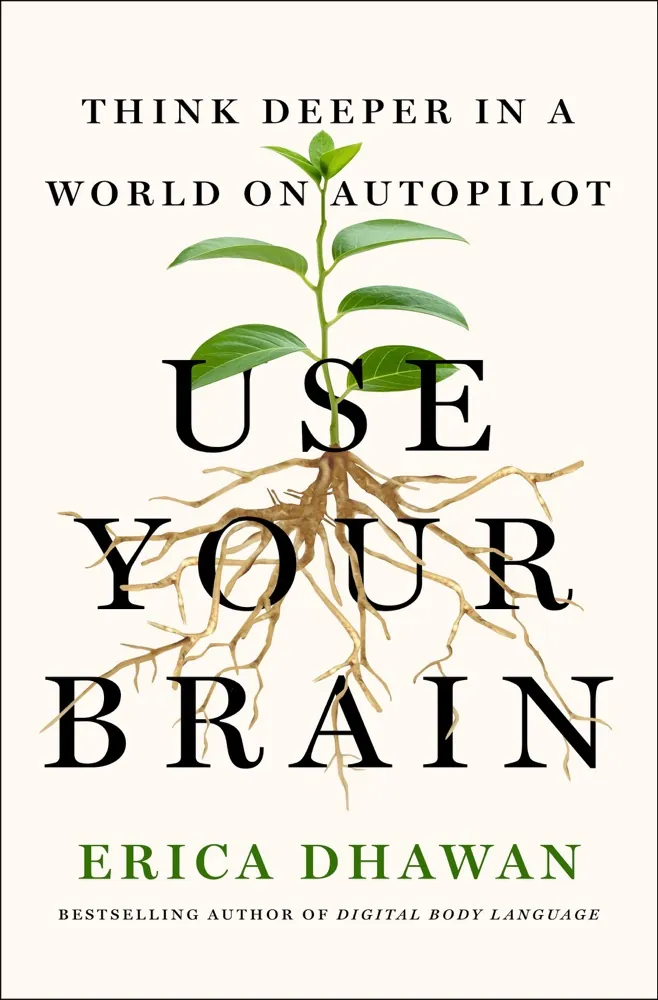
Use Your Brain: Think Deeper in a World on Autopilot Book Review and Summary
Author: Erica DhawanPage Count: UnknownPublication Date: Expected publication 2026 APL Staring at this blinding white document feels like trying to paint with a vacuum. I am supposed to string together a few hundred words about Use Your Brain by Erica Dhawan — a title that sounds less like literature and more like a warning label on a microwave — just to pad out my word count and scrape together enough cash for my landlord. Brilliant. Let us pretend I care about corporate leadership handbooks when my canvas has been blank for three weeks and my coffee tastes like burnt ash. The Cult of the Prompt The synopsis leans hard into our collective intellectual decay. We are outsourcing our minds to machines that do not care. Groundbreaking stuff. We are trading the friction of original thought for the slick, greasy convenience of automated summaries. Dhawan apparently wants us to pick up new tools and then put them down — revolutionary advice that has somehow become a marketable commodity in boardrooms. If you need a globally recognized leadership expert to tell you not to let an algorithm write your emails, you are already too far gone. Yet the premise touches a raw nerve. Look at Cal Newport’s Digital Minimalism or Sherry Turkle’s work on how technology erodes our capacity for solitude. We are terrified of quiet. And so we fill the void with prompts, filters, and synthetic confidence. The book promises common-sense habits to protect our judgment. But can a habit fix a systemic numbness? Doubtful. Marketing the Antidote What fascinates me — or what would fascinate me if my emotions were not entirely fried — is the irony of packaging anti-technology advice into a marketable commodity designed to feed the very machine it critiques. People will buy this book on an e-reader, highlight a few pithy sentences about touching grass, and then immediately return to scrolling. Dhawan frames the loss of critical thinking as a personal failure of discipline rather than an inevitable consequence of late-stage digital dependency. It is much easier to sell a field guide for sharpening creativity than it is to admit the system is rigged to keep us docile. We are raising children who freeze at open-ended questions. That sentence in the blurb actually hit something. It is the only part of the synopsis that carries genuine weight — the generational atrophy of simply sitting in the discomfort of not knowing. Everything else is standard corporate self-help boilerplate designed to make middle managers feel productive while they read during quarterly reviews. I need to write two hundred more words just to satisfy the editors who think every cultural symptom can be cured by a five-step habit loop. It is exhausting. We decorate our digital cages with self-help paperbacks and call it resistance. I must attend a terribly pretentious avant-garde film screening where people stare at a blank screen for two hours and call it a profound commentary on modern alienation, which honestly sounds preferable to reading another paragraph about catching yourself on autopilot.
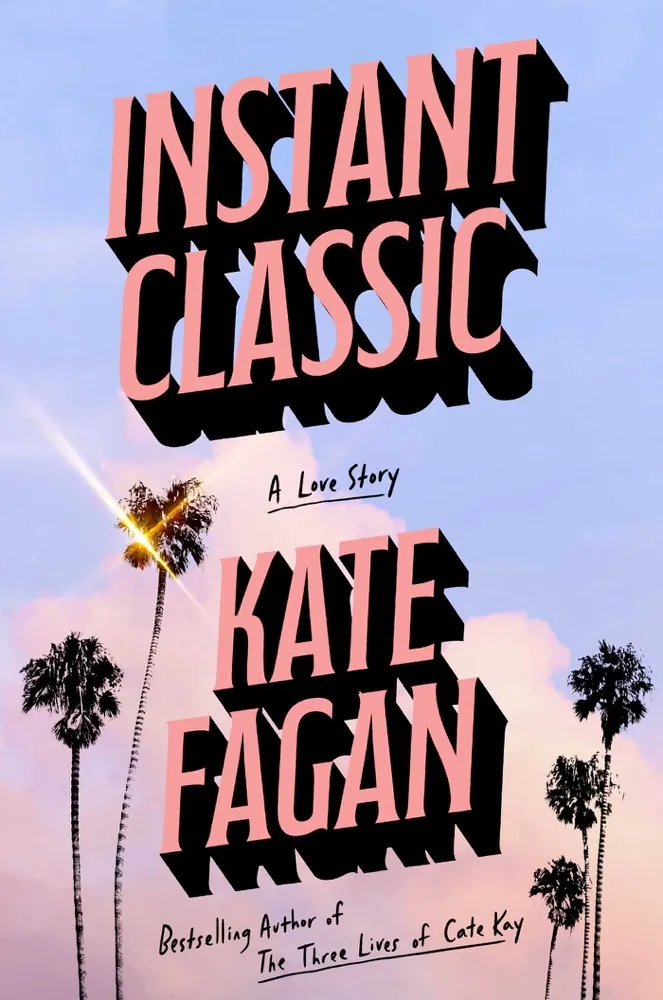

Author: Kate FaganPage Count: UnknownPublication Date: Expected publication 2026 APL Cinema is a graveyard of half-baked vanity projects and directors desperate to scrub their own fingerprints off a flop. Kate Fagan’s upcoming Instant Classic suggests we are about to witness the literary equivalent of a desperate third-act pivot. Marion May, our weary auteur, hunting for a win in the dusty, half-forgotten archives of women’s basketball. It is a premise that hums with the kind of earnest, aggressive nostalgia that makes me want to pull the fire alarm. The Erasure of the Jump Shot We are sold a story about Harper Kidd, a fifties phenom whose career was sacrificed at the altar of the era’s suffocating conformity. It is a familiar archetype—the fallen athlete, the erased history, the weight of the past pressing down on the present. Is it profound? Or is it just another exercise in exhuming the dead to satisfy our current hunger for vintage grit? Fagan clearly wants us to see the connective tissue between a modern filmmaker’s malaise and the silenced cries of a mid-century woman. Yet, the synopsis treats this link with a heavy hand, promising a mirror held up to the soul. I find the metaphor of the court as a site of self-discovery a bit too clean, almost antiseptic. The game is rarely that forgiving. Actually, wait. Perhaps the antiseptic nature is the point. Maybe the beauty lies in the sterility of the archive versus the chaotic sweat of the paint. No, that is wrong—the sweat is exactly what the story needs, and if Fagan keeps the prose too polished, the whole thing will slide right off the shelf. The narrative architecture reminds me of Taylor Jenkins Reid’s Daisy Jones & The Six, but stripped of the rock-and-roll decadence and replaced with the screech of sneakers on hardwood. It is a gamble, certainly. One that risks collapsing into a Hallmark-adjacent meditation on identity if it fails to ground the WNBA’s sharp, modern intensity against the muted, sepia-toned struggle of the fifties. Does the world need another book about a character finding their voice through someone else’s biography? Probably not. Do I secretly hope the prose is biting enough to keep me awake? Yes. If this lands, it lands because it captures the specific, sharp loneliness of being a woman in a room where the rules were written by men who never touched a ball. If it misses, it will be because it traded the harsh, ugly reality of lost legacy for a tidy emotional payoff. I suspect Fagan will aim for the latter—a crowd-pleasing, cinematic epiphany—when I am praying for the former. A bit of bitterness would go a long way here. I am already running behind. The taxi is waiting, or it should be, and there is a debate starting in twenty minutes at a smoky basement club about whether art can ever truly exist outside of its own decay. #bookstagram #womenssports #literaryfiction Related InsightsThe Assassin's Blade / Throne of Glass / Crown of Midnight / Heir of Fire / Queen of Shadows / Empire of Storms / Tower of Dawn / Kingdom of Ash Book Review and Summary Atlas Shrugged Book Review and Summary Anthropocene Book Review and Summary{ "@context": "https://schema.org", "@type": "FAQPage", "mainEntity": [ { "@type": "Question", "name": "What is the main focus of Instant Classic Book Review and Summary?", "acceptedAnswer": { "@type": "Answer", "text": "Everything you need to know about Instant Classic with our detailed review." } }, { "@type": "Question", "name": "Who authored the comprehensive guide on Instant Classic Book Review and Summary?", "acceptedAnswer": { "@type": "Answer", "text": "This detailed article and its insights were carefully researched and authored by Olya Shevchenko." } }, { "@type": "Question", "name": "Where can I find more related content about Books?", "acceptedAnswer": { "@type": "Answer", "text": "You can explore more articles, detailed reviews, and similar insights by browsing the Related Insights section at the bottom of this article or visiting our dedicated Books category page." } } ] }
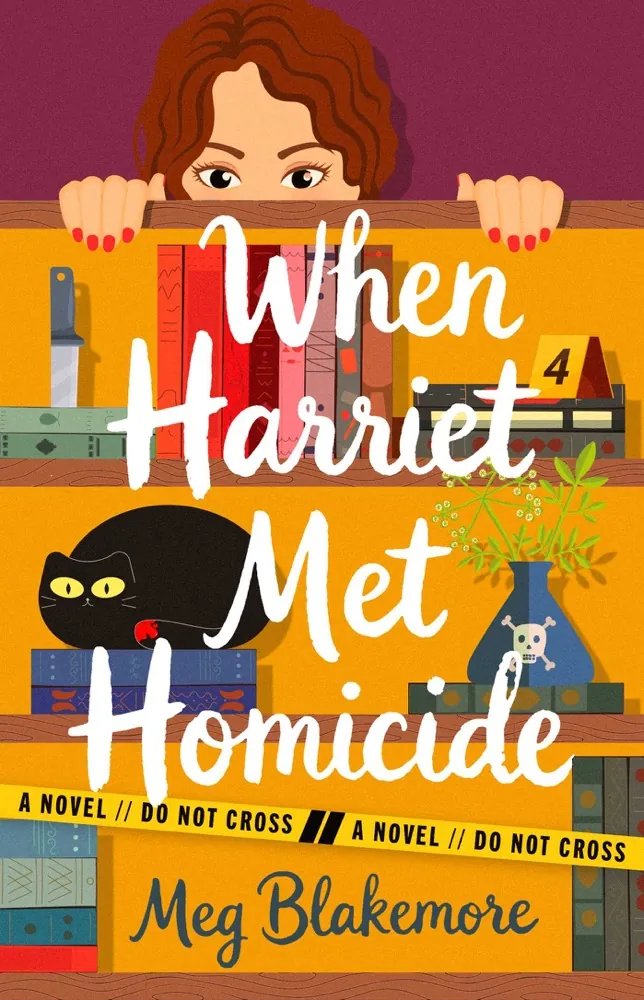

Author: Meg BlakemorePage Count: UnknownPublication Date: Expected publication 2026 APL Another murder in a quaint village where the mortality rate somehow manages to rival a war zone. I am staring at the screen, counting the seconds until I can justify closing this tab, and yet here I am dissecting When Harriet Met Homicide. It is exhausting to imagine another amateur sleuth who thinks color-coded spreadsheets are a substitute for a forensics degree. If Harriet spends one more page organizing sticky notes instead of considering the actual kinetics of hemlock ingestion, I might lose my mind. Poisoning is a precise, chemical affair—not a charming hobby for bookstore owners with too much free time. The Problem With Botanical Amateurism Why must cozy mysteries always involve local flora used with implausible ease? The mention of a boyfriend with an interest in poisonous plants feels like such a tired trope, pulled directly from the bargain bin of Victorian melodrama. It lacks the visceral reality of a true toxicology report. One wonders if Meg Blakemore understands the metabolic pathways of Conium maculatum, or if she simply thinks it sounds decorative. The synopsis promises a hunt for a second novel, a classic MacGuffin that forces the protagonist into a position of authority she has no business occupying. We are expected to believe a bookstore owner—someone who probably spends all day inhaling dust and caffeine—can outmaneuver a Yale-educated thriller writer. The suspension of disbelief is reaching escape velocity. Literary Archetypes on Life Support Then there is the rival author, Harrison Magnus. A Yale alum descending on tiny Mapleton? It sounds like a desperate attempt to inject intellectual gravity into a setting that would be better served by a quiet retirement. It reeks of the same desperate, formulaic construction I see in every other mid-list paperback occupying shelf space at the student union. This isn’t a narrative; it’s a paint-by-numbers exercise for people who find Agatha Christie too challenging. I have a word count to hit, so I suppose I must acknowledge the potential for a decent twist, though my cynicism is currently doing most of the heavy lifting. If the second novel isn't a meta-commentary on the futility of chasing ghosts, I will be profoundly bored. Maybe the market is simply too saturated with these hyper-specific, bookstore-adjacent mysteries. It feels like we are trapped in a loop, endlessly recycling the same "quirky woman solves crime" template until the genre itself turns into hemlock. I need this word count to end so I can stop thinking about fictional murders and start worrying about my own mounting debt. I am going to brew a dangerously strong espresso and stare at a blank page. #cozymystery #booktok #amwriting
-
 Thomas Wright
 - 02 Sep, 2026 17:53
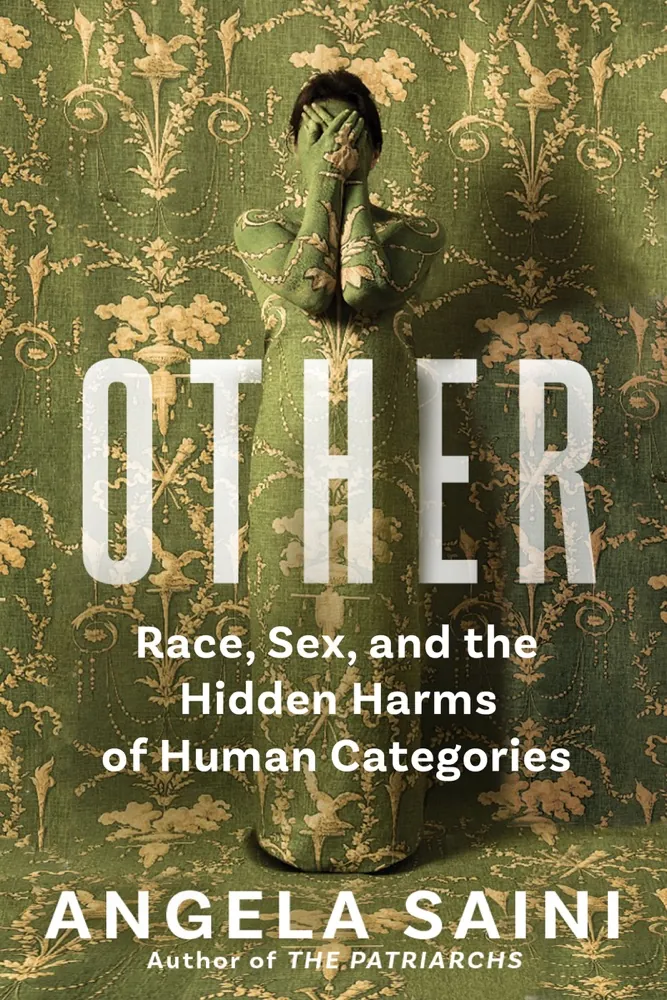
Other: Race, Sex, and the Hidden Harms of Human Categories Book Review and Summary
Author: Angela SainiPage Count: UnknownPublication Date: Expected publication 2026 APL The gymnasium radiator is hissing against the September chill outside, and I am currently staring at a purple neon permission slip for a field trip to the sewage treatment plant that a twelve-year-old just tried to forge with a scented gel pen. Honestly, the cursive loop on the 'M' looked like a drowning squid. But returning to Angela Saini’s upcoming Other, the synopsis outlines a thesis that feels remarkably pressing while I sit here watching fluorescent lights flicker over folding chairs, wondering how we ever convinced ourselves that stuffing human beings into rigid administrative boxes was a stroke of genius rather than a bureaucratic trap. We spend our entire lives handing over demographic data to doctors, state registries, and algorithms under the comforting delusion that checking a neat little demographic box helps dismantle inequality, when Saini is gearing up to argue that these exact categories are quietly being weaponized by bad actors from Washington to Budapest to enforce gerrymandering, restrict bodily autonomy, and resurrect archaic caste systems just in time for the 2027 census rollout. It reminds me of that dreadful young adult dystopian trilogy—you know the one, where teenagers are violently sorted into factions based on whether they are brave or good at math, as if human personality can be neatly sliced up like a cafeteria rectangle of lukewarm pizza—and frankly, this book looks poised to do what spec-fic has been warning about for a decade, except with actual receipts from Palantir and global biometric databases. This is why we can't have nice things. We take an idealistic concept from the sixties meant to guarantee civil rights, hand the data collection keys over to opaque tech monopolies and rogue race-science researchers hunting for spurious genetic correlations, and then act entirely shocked when the machinery gets twisted back into an instrument of exclusion. Saini is not writing a comforting self-help manifesto about embracing our differences; she is offering a sharp, cold-water interrogation of classification itself, urging us to peer past the state-mandated checkboxes and recognize the immense hidden harms of letting institutions define who we are allowed to be before we even open our mouths. Exhausting. Please remind me why I agreed to stay late on a Tuesday evening when I still have to go home and explain implicit differentiation to a teenager who thinks calculus is just an aggressive form of ancient Greek torture. Related InsightsAnthropodermische Bibliopegie: Eine Makabre Reise in die Welt der in Menschenhaut gebundenen Bücher Warrior of the Shards (The Shards of Magic, #3) Book Review and Summary Me Talk Pretty One Day Book Review and Summary{ "@context": "https://schema.org", "@type": "FAQPage", "mainEntity": [ { "@type": "Question", "name": "What is the main focus of Other: Race, Sex, and the Hidden Harms of Human Categories Book Review and Summary?", "acceptedAnswer": { "@type": "Answer", "text": "Everything you need to know about Other: Race, Sex, and the Hidden Harms of Human Categories with our detailed review." } }, { "@type": "Question", "name": "Who authored the comprehensive guide on Other: Race, Sex, and the Hidden Harms of Human Categories Book Review and Summary?", "acceptedAnswer": { "@type": "Answer", "text": "This detailed article and its insights were carefully researched and authored by Thomas Wright." } }, { "@type": "Question", "name": "Where can I find more related content about Books?", "acceptedAnswer": { "@type": "Answer", "text": "You can explore more articles, detailed reviews, and similar insights by browsing the Related Insights section at the bottom of this article or visiting our dedicated Books category page." } } ] }
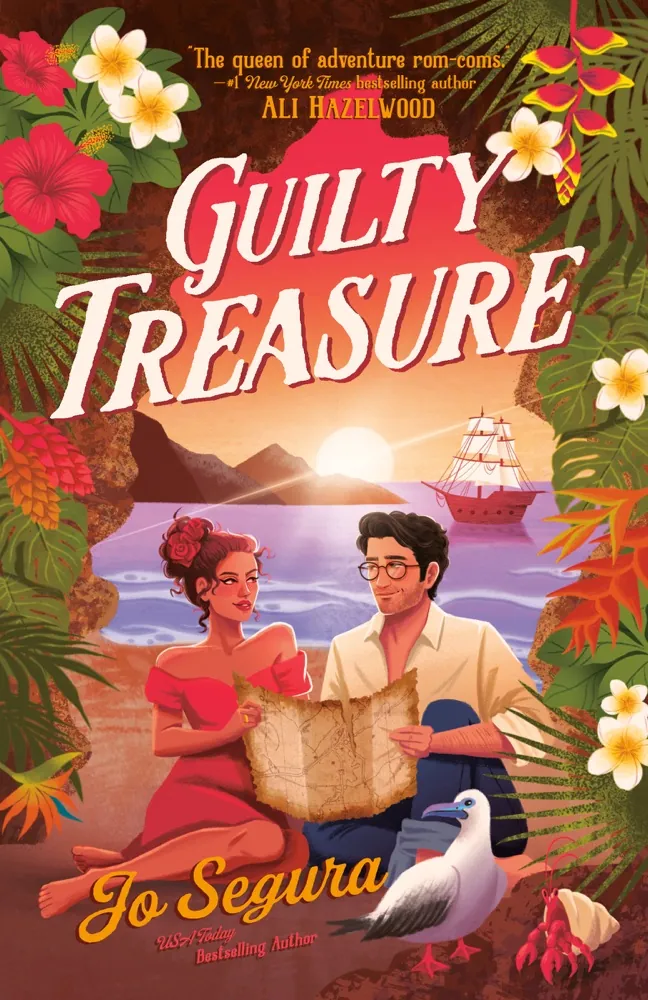

Author: Jo SeguraPage Count: UnknownPublication Date: Expected publication 2026 APL Darling, we are expected to endure yet another literary exercise wherein the modern muse trips over her own shoelaces and falls directly into the lap of a brooding adversary. Guilty Treasure arrives on the horizon for 2026, dragging the corpse of romantic comedy behind it like a stagecoach driver whipping a dead horse. Jo Segura invites us to witness a spectacle more contrived than the Elizabeth Taylor and Richard Burton divorce proceedings at Heathrow. The Stained Glass of Enmity The premise hinges on a hockey stadium kiss cam. A public humiliation of operatic proportions. One expects Percy Bysshe Shelley or Lord Byron to rise from the damp dirt just to mock the sheer lack of poetic grace in such a conceit. Sofia Alvarez loses her dignity under the blinding lights of a New York arena. And why? Because an ex possesses the structural intellect of a damp brioche. Enter Barrett "Bear" Winston. A man whose very nickname sounds like a second-rate gin served at a railway station buffet. He drops to one knee. A knight in shining armor made entirely of recycled aluminum siding. We are asked to swallow this forced prop-comedy romance as if it possesses the emotional resonance of a Pushkin stanza. Tropical Absurdity and Missing Verses Naturally, the universe—that lazy plot device favored by authors who despise actual character motivation—rewards this public mortification with an all-inclusive trip to Belize. Because nothing screams authentic emotional healing quite like a corporate-sponsored scavenger hunt for pirate gold. One looks for the lyrical undercurrents. One searches for a cadence that suggests the human heart is anything more than a mechanical pump leaking water. The synopsis offers none. It simply hurls our protagonists onto an island to hunt for buried treasure like participants in a humiliating reality television reunion special hosted by a minor Habsburg. The thematic architecture is hollow. The transition from animosity to affection lacks the necessary friction of genuine wit. Where is the venom? Where is the sharp, bleeding edge of true literary hatred that makes a reconciliation taste like forbidden absinthe? Instead, we get a predictable sprint toward domestic bliss under the guise of an adventure narrative. It reads less like art and more like a ransom note penned by a marketing department in Midtown Manhattan. My private flight to London has been delayed by an exact hour, which gives me ample time to regret every single second I spent pondering this exercise in commercialized longing. #JoSegura #GuiltyTreasure #RomanceNovel #LiteraryCritique Related InsightsThe Lost Guardian Book Review and Summary Saga Crepúsculo Book Review and Summary The High Auction Book Review and Summary{ "@context": "https://schema.org", "@type": "FAQPage", "mainEntity": [ { "@type": "Question", "name": "What is the main focus of Guilty Treasure Book Review and Summary?", "acceptedAnswer": { "@type": "Answer", "text": "Everything you need to know about Guilty Treasure with our detailed review." } }, { "@type": "Question", "name": "Who authored the comprehensive guide on Guilty Treasure Book Review and Summary?", "acceptedAnswer": { "@type": "Answer", "text": "This detailed article and its insights were carefully researched and authored by Lucia Garcia." } }, { "@type": "Question", "name": "Where can I find more related content about Books?", "acceptedAnswer": { "@type": "Answer", "text": "You can explore more articles, detailed reviews, and similar insights by browsing the Related Insights section at the bottom of this article or visiting our dedicated Books category page." } } ] }
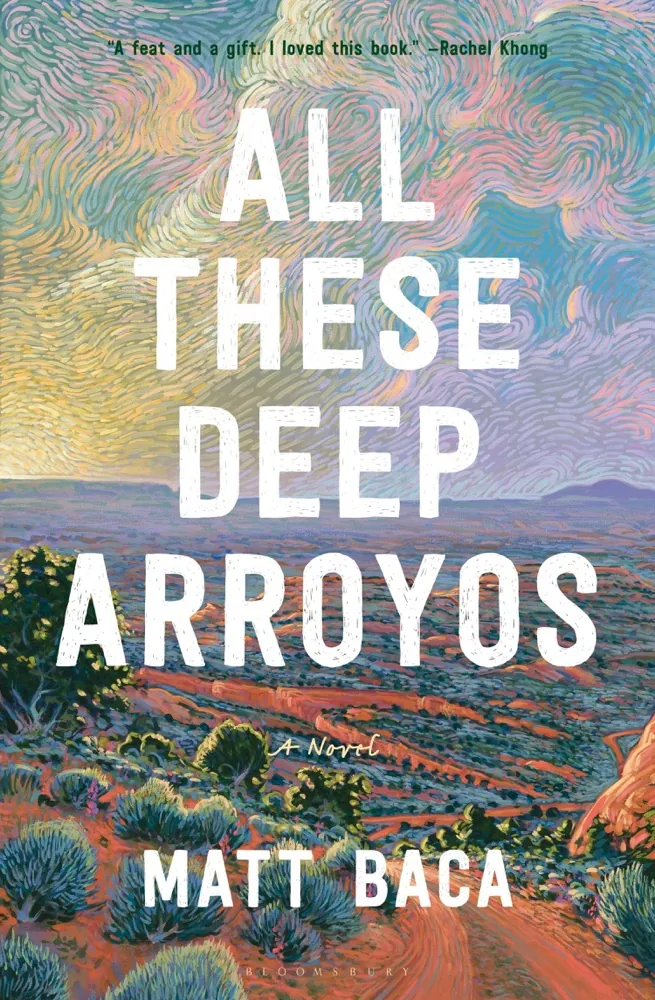
Author: Matt BacaPage Count: UnknownPublication Date: Expected publication 2026 APL September afternoons demand a certain caliber of vintage, perhaps an aged Rioja that tastes of scorched earth and old leather before the evening chill sets in. All These Deep Arroyos arrives on the horizon with precisely that sort of dry, punishing terroir. Matt Baca constructs a literary landscape out of the New Mexico high desert—sun-bleached adobe, prickly yuccas, and the inescapable weight of inheritance. Early blurbs from Rachel Khong and Karen Joy Fowler already lean heavily on the emotional sweep of the thing, but let us be entirely frank about what we actually know. We know nothing of the prose style beyond a few curated jacket quotes. We know only the skeletal framework of a tragedy involving adobe houses, twin brothers, a Laguna Pueblo aspiring scientist named Cristina, and a federal prison sentence. The Geography of Resentment Dual narratives involving wayward brothers always risk dissolving into cheap melodrama—Cain and Abel with better lighting. Yet the synopsis hints at something structurally more interesting: the geographical determinism of the desierto alto. And perhaps I was entirely wrong to doubt the twin dynamic. Actually, twin tropes are utterly exhausted and lazy. Writers lean on biological mirrors when they cannot be bothered to invent interiority. Wait. Let us reconsider the architecture of a federal penitentiary juxtaposed against the vast, indifferent emptiness of New Mexico. Baca is playing with containment versus expansion. Robin is locked in a box because of his brother’s malfeasance, while Cristina builds a life in college laboratories, miles away from the dust. The premise is painfully contrived. Yet the inclusion of a mysterious benefactor working within the judge's chambers introduces a gothic machinery that elevates the narrative above standard contemporary regionalism. It reads less like standard literary fiction and more like Cormac McCarthy filtered through a lens of legal suspense. The Cholla and the Courtroom The thematic core here rests on debt. Not financial debt, but the crushing, inescapable currency of having been saved. When Robin and Cristina rescue a mysterious third party in their youth, they set a domino effect into motion that reaches into a federal judge's chambers seven years later. Literary fiction loves a secret savior. We have seen this brand of atmospheric fatalism before in the works of Denis Johnson or Louise Erdrich, where the landscape is an active antagonist rather than a passive backdrop. September brings a sobering clarity to our reading stacks, sweeping away the frivolous beach reads of July. This novel promises zero comfort. It trades in parched earth, institutional gray, and the bitter pill of collateral damage. Whether Baca can sustain the tension across an entire novel without collapsing into western pastiche remains to be seen. But at the very least, the man understands how to frame a desert horizon. The business class lounge was far too crowded today, ruining my concentration. Related InsightsThe Stranger Book Review and Summary King Lear Book Review and Summary Fair Warning Book Review and Summary{ "@context": "https://schema.org", "@type": "FAQPage", "mainEntity": [ { "@type": "Question", "name": "What is the main focus of All These Deep Arroyos: A Novel Book Review and Summary?", "acceptedAnswer": { "@type": "Answer", "text": "Everything you need to know about All These Deep Arroyos: A Novel with our detailed review." } }, { "@type": "Question", "name": "Who authored the comprehensive guide on All These Deep Arroyos: A Novel Book Review and Summary?", "acceptedAnswer": { "@type": "Answer", "text": "This detailed article and its insights were carefully researched and authored by Tiago Silva." } }, { "@type": "Question", "name": "Where can I find more related content about Books?", "acceptedAnswer": { "@type": "Answer", "text": "You can explore more articles, detailed reviews, and similar insights by browsing the Related Insights section at the bottom of this article or visiting our dedicated Books category page." } } ] }
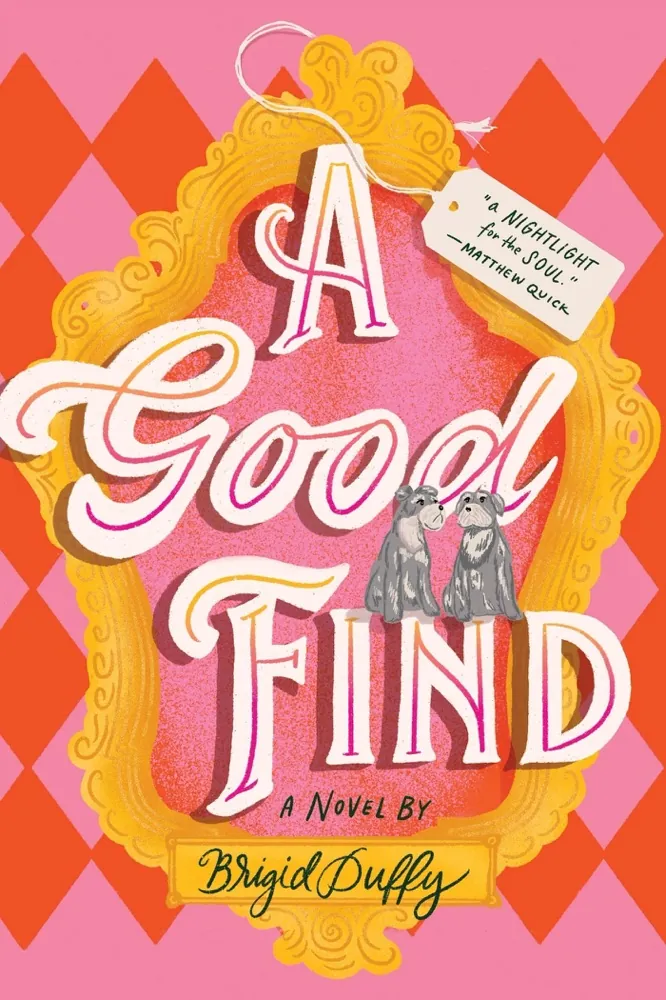
Author: Brigid DuffyPage Count: UnknownPublication Date: Expected publication 2026 APL The synopsis of A Good Find arrives like a well-worn leather-bound volume from a secondhand shop—promising something elegant, but already bearing the faintest scent of dust from a life half-lived. Beverly Atwood, a woman whose grief has settled into the quiet corners of her home like a cat that’s decided to claim the couch, stumbles into an online romance with a man named George. The setup is so 2010s, the kind of plot that would make a Golden Globes host roll their eyes while sipping a martini. But here’s the thing: the synopsis doesn’t tell us what happens next—it just drops us into the wreckage of a woman’s life, where the real drama isn’t the romance but the slow unraveling of her own memory. The prose here is deliberately vague, which is either a sign of brilliance or a cop-out. We’re left to imagine the weight of Bev’s antiques—do they whisper secrets? Do they scream? The synopsis hints at a Fatal Attraction meets Big Little Lies energy, where the past isn’t just a ghost but a landmine waiting to detonate. And yet, the most interesting line is the one about Bev confronting the "true identity of her suitor." Oh, please—this is the kind of reveal that would make a Scandal spin doctor blush. But the real question is: does Duffy have the chops to make this more than just another SilverFox.com cautionary tale? The thematic potential is there, buried under layers of cliché. Grief as a character? Check. The unreliable narrator trope? Double-check. But where’s the substance? Where’s the bite? The synopsis reads like a Hallmark Channel script that’s been given a single, desperate attempt at sophistication. We’ve seen this movie before—The Notebook meets The Secret History, but with the emotional depth of a Netflix original that gets canceled after two seasons. The most intriguing part? The way Bev’s antiques become a metaphor for her life. Are they just objects, or are they people? The synopsis doesn’t say. And that’s the problem—it’s too busy setting up a mystery to actually explore one. Where’s the Twilight Zone twist? Where’s the Lost level of existential dread? Instead, we get a woman selling her soul for a little love, which is so 1980s it’s almost quaint. The real question is: does Duffy have the audacity to make this more than just another widow finds love story? Or is this just another rom-com with a side of existential dread, like a Bridesmaids script written by someone who’s never actually been lonely? And then there’s the George reveal—because of course, the man who’s not what he seems is the real villain here. But where’s the psychological depth? Where’s the Shakespearean betrayal? The synopsis doesn’t even hint at it. It’s all just so surface-level, like a Tinder profile that’s been copy-pasted from a romance novel. The most frustrating part? The way the synopsis leaves us hanging. Is Bev’s daughter the real antagonist? Is George a serial killer in disguise? Or is this just another misunderstood romance that ends with everyone hugging it out? The synopsis doesn’t say. And that’s the problem—it’s too busy promising drama to actually deliver it. But let’s be honest: the real question is whether Duffy can turn this into something more than just another widow’s tale. Because right now, it feels like a Netflix script that’s been given a single, desperate attempt at literary gravitas. And that’s so not enough. I must sign divorce papers today. The paperwork is tedious, but at least it’s not this vague. Related InsightsMidsummer Delights Book Review and Summary The Sign of the Raven Book Review and Summary A Little Life Book Review and Summary{ "@context": "https://schema.org", "@type": "FAQPage", "mainEntity": [ { "@type": "Question", "name": "What is the main focus of A Good Find Book Review and Summary?", "acceptedAnswer": { "@type": "Answer", "text": "Everything you need to know about A Good Find with our detailed review." } }, { "@type": "Question", "name": "Who authored the comprehensive guide on A Good Find Book Review and Summary?", "acceptedAnswer": { "@type": "Answer", "text": "This detailed article and its insights were carefully researched and authored by Sofia Bianchi." } }, { "@type": "Question", "name": "Where can I find more related content about Books?", "acceptedAnswer": { "@type": "Answer", "text": "You can explore more articles, detailed reviews, and similar insights by browsing the Related Insights section at the bottom of this article or visiting our dedicated Books category page." } } ] }
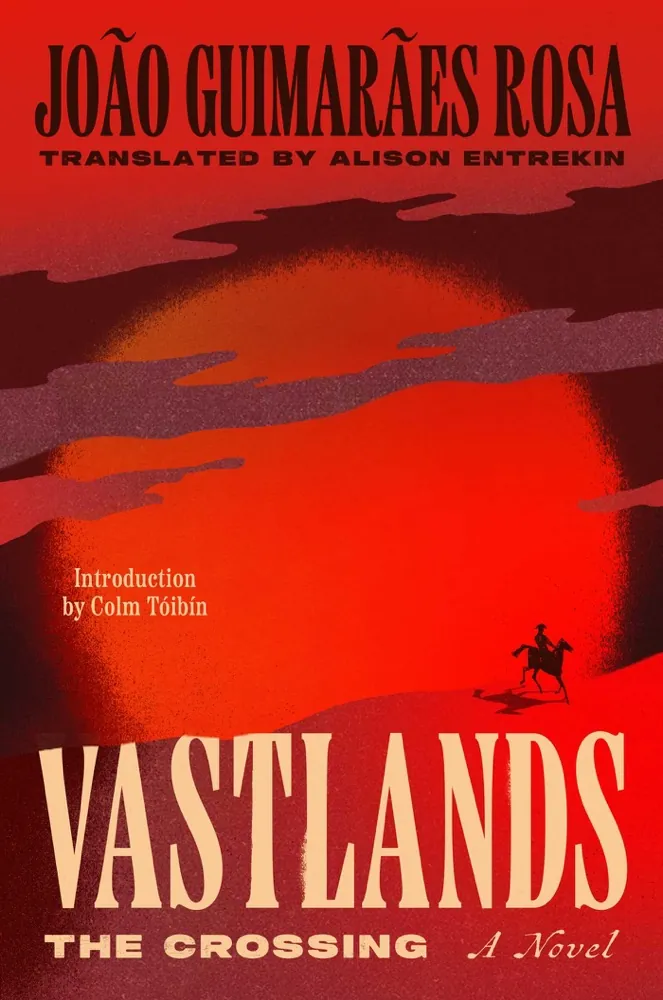

Author: João Guimarães RosaPage Count: UnknownPublication Date: Expected publication 2026 APL Cousin Beatrice is currently explaining her sourdough starter's lineage with the breathless intensity of a Hapsburg archduke mapping a disputed throne, right across a Formica table littered with crushed potato chips. One must simply endure this provincial auditory torture while evaluating João Guimarães Rosa's Vastlands: The Crossing. The publishing house would have us swoon over Alison Entrekin's brand-new translation as though a linguistic tour de force has never before graced the Anglophone market. Spare me. Mario Vargas Llosa bludgeons the reader with breathless praise, but what else is a Nobel laureate paid to do? The Lawless Plateaus of Pretension The sertão sounds dreadfully like the sort of pseudo-mythic landscape dreamed up by writers who find actual human geography too tedious to research. Feuding warlords and jagunços—oh, look, hired guns, how violently pedestrian—vie for political dominance in a single, searching monologue. Riobaldo goes from wayward youth to vigilante chief, wrestling with a possible encounter with the devil. Groundbreaking. One suspects Cormac McCarthy or even William Faulkner mapped this exact psychogeographical territory decades ago without needing an eighty-year-old Brazilian ghost whispering in their ear about metaphysical dirt. Yet, Colm Tóibín provides an introduction, lending a certain mahogany-paneled respectability to a text that otherwise smells faintly of roadside dust and sweaty horse saddles. Wait. Let me retract that sweeping dismissal of the prose mechanics. Perhaps treating a stylistic monolith like Vastlands: The Crossing as mere cowboy posturing ignores the sheer audacity of a text that unfolds entirely in a single monologue. Actually, no—who are we kidding? It’s giving unhinged stream-of-consciousness garbage fire, peak main character energy where a reformed thug whines about his obsessive devotion to an enigmatic figure named Diadorim while riding into battle. The eternal struggle of vengeance and power wrapped in lyrical wordplay. Utterly cooked. One shudders to imagine the sophomore English majors weaponizing these quotes on social media, completely missing the stylistic irony of a man chasing specters across high inland plateaus. Entrekin no doubt labored mightily to capture the verbal acrobatics of the original Portuguese, but polishing a legendary linguistic boulder up a sheer cliff of untranslatable idiom is a mug's game. Readers will buy it for the spine design and leave it unread on a credenza beside unlit taper candles. Must dash now. I have to go coach a little league baseball game where none of the children understand the rules and they keep trying to eat the bases. #VastlandsTheCrossing #JoaoGuimaraesRosa #TranslatorsPeril
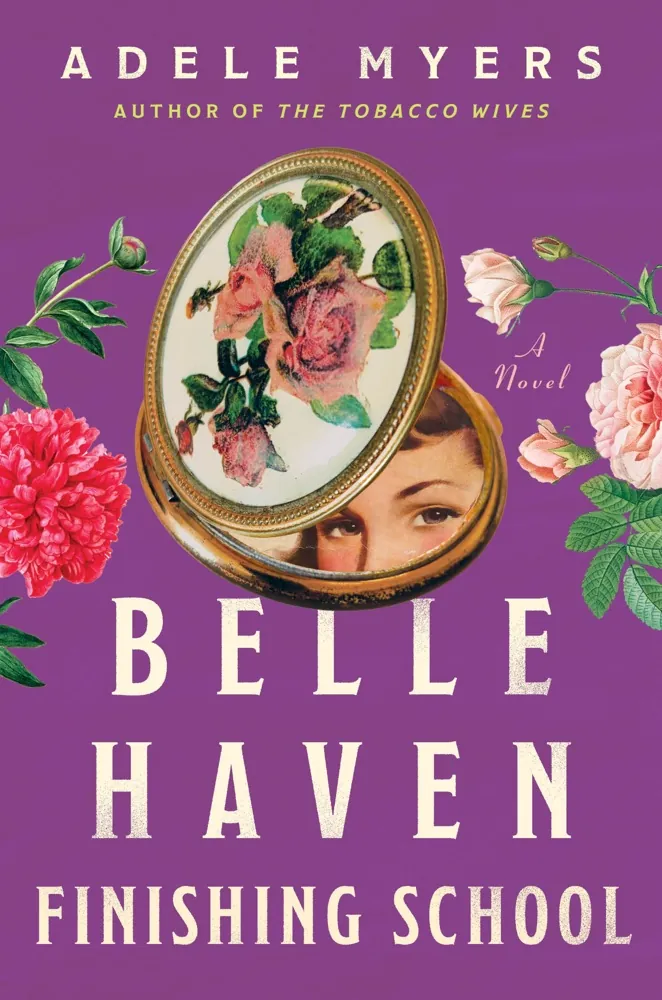
Author: Adele MyersPage Count: UnknownPublication Date: Expected publication 2026 APL Adolescence is a singular state of being—that strange, porous period where one is constantly molded by the hands of others, often under the guise of "improvement" or "social grace." Belle Haven Finishing School promises to examine this precise friction, pitting the fragile agency of orphans against the systemic machinery of 1951, a year that smelled of starch and secrets. One wonders if Adele Myers captures the specific, crushing weight of a teacher’s approval—that hollow gold star—or if she leans too heavily into the "gothic mystery" aesthetic that has become so tiresome in contemporary commercial fiction. The dual-timeline structure, jumping from the mid-century to 1987, feels like a deliberate attempt to graft the journalistic rigor of something like Lessons in Chemistry onto a darker, more institutional critique. But is a cover-up truly a cover-up if it follows the exact blueprint of every institutional thriller released in the last decade? The synopsis teases a "prominent university professor" behind an unethical experiment, a trope that feels dangerously thin, perhaps even lazy, in an era where we have already been served the grim realities of the Tuskegee Study and MKUltra. Charlotte’s quest for truth in the late eighties serves as the cynical mirror to Birdie’s optimism, yet I worry the narrative might prioritize the "mystery" over the genuinely uncomfortable psychological disintegration of the girls themselves. Why must we always look for a hidden study? Why isn't the banality of the finishing school—the sheer, weaponized dullness of being taught how to walk with a book on one’s head—enough to fuel a tragedy? Actually, the mystery might be the saving grace here, provided the prose avoids the cloying sentimentality that often infects Southern historical fiction. Are we reading the same book? I suspect the finished product will swing wildly between a blistering critique of mid-century patriarchy and a rather pedestrian mystery involving a lost folder in an archive. It is a bold move to ground this in 1951, a year ripe for the tension between domestic stifling and budding rebellion, yet one fears the inevitable "courageous woman uncovering the truth" beat will overshadow the quieter, more terrifying reality of what it means to lose one's identity to a brand. If Myers can summon the sharp, clinical observations found in Shirley Jackson’s work—rather than the soft-focus nostalgia of a standard historical romance—she might have something worth discussing during my next department meeting. If not, it will be just another artifact for the bargain bin, alongside the endless parade of "forgotten women" stories that claim to empower us while merely recycling the same Victorian-era gender traps. Pedestrian. I must cut this short before the ink dries. I hear a faint, rhythmic smacking sound coming from the living room—the unmistakable signal that my grandson has liberated my favorite fountain pen and is currently testing its flow on his own thumb. #HistoricalFiction #BookReview #Literature Related InsightsLochbound Book Review and Summary Terror and Truth Book Review and Summary Gilded Wings Book Review and Summary{ "@context": "https://schema.org", "@type": "FAQPage", "mainEntity": [ { "@type": "Question", "name": "What is the main focus of Belle Haven Finishing School Book Review and Summary?", "acceptedAnswer": { "@type": "Answer", "text": "Everything you need to know about Belle Haven Finishing School with our detailed review." } }, { "@type": "Question", "name": "Who authored the comprehensive guide on Belle Haven Finishing School Book Review and Summary?", "acceptedAnswer": { "@type": "Answer", "text": "This detailed article and its insights were carefully researched and authored by Thomas Wright." } }, { "@type": "Question", "name": "Where can I find more related content about Books?", "acceptedAnswer": { "@type": "Answer", "text": "You can explore more articles, detailed reviews, and similar insights by browsing the Related Insights section at the bottom of this article or visiting our dedicated Books category page." } } ] }
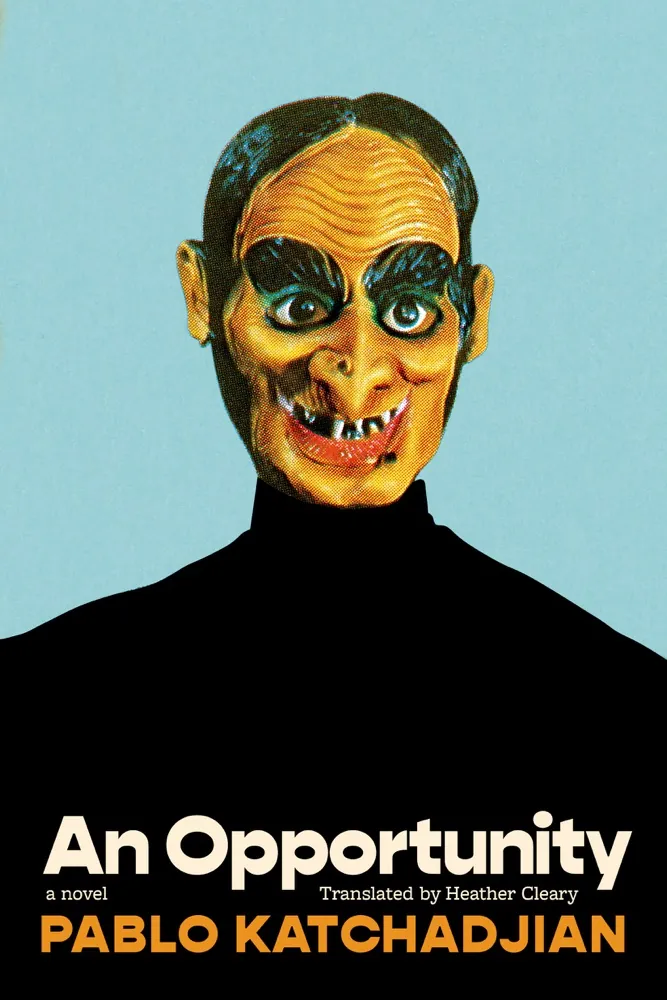

Author: Pablo KatchadjianPage Count: UnknownPublication Date: Expected publication 2026 APL The synopsis for An Opportunity is so deliberately opaque it feels like a spell itself—one that promises to unravel only if you’re willing to chase the shadows it casts. There’s a certain thrill in reading about a man who believes he’s been cursed with indecision, because what’s more human than the terror of paralysis? Yet the way Katchadjian frames it—this "invisible monster" sapping energy, the "secret literary police"—it’s less a horror story and more a fever dream of bureaucratic absurdity, the kind only a Latin American surrealist could conjure. The mention of a "gig reporting from the frontlines of a far-flung war" makes me wonder if this is a novel about the performative nature of witnessing, the way even the most urgent truths get mediated into something else. It’s the kind of premise that could easily collapse into self-parody, but the praise from Schweblin and Aira suggests Katchadjian has the precision to make it feel like a ritual rather than a joke. But here’s where the synopsis fails—it doesn’t tell us how the narrator’s quest becomes a meditation on storytelling. Is it through fragmented narratives? A narrator who keeps slipping into unreliable modes? Or is it something more visceral, like the way the "monster" might manifest in the gaps between sentences? The lack of specificity is maddening, but also tantalizing. It’s the same kind of controlled ambiguity you’d find in The Night Circus or The Library at Mount Char—books that let the reader’s imagination do the heavy lifting, even as they demand you suspend disbelief. Yet unlike those, An Opportunity seems to lean into the idea that storytelling itself is a kind of enchantment, a spell that can bind as easily as it can free. And then there’s the translation—Heather Cleary’s name is a guarantee of lyrical precision, but also of a certain tonal rigor. Katchadjian’s work often dances between the grotesque and the tender, so if this novel is as "hallucinogenic" as Rimsky claims, it might feel like being trapped in a dream where the walls are made of ink. The "secret literary police" trope is particularly intriguing—does it reference actual censorship, or is it a metaphor for the self-imposed constraints of art? Either way, it’s the kind of detail that could make this book feel like a love letter to the act of creation, even as it’s being policed. But wait—if the narrator is so indecisive, how does he even begin to break the spell? The synopsis doesn’t say. And that’s the problem. It’s not that the premise is weak; it’s that it’s too open. There’s no anchor, no clear throughline beyond the idea of "freedom at any cost," which feels less like a thematic anchor and more like a tagline for a cult movie. Compare it to The Secret History or The Savage Detectives—books where the mystery of the protagonist’s descent is as compelling as the descent itself. Here, the descent is just… a premise. Yet—here’s the pivot—I might be overthinking it. Maybe the beauty of this book is exactly that it refuses to be pinned down. Maybe the "invisible monster" isn’t just a metaphor for indecision but for the act of writing itself, the way a story can consume you until you’re nothing but a vessel. If that’s the case, then the synopsis is doing its job: it’s not giving you answers, it’s giving you the illusion of a quest. And in a world where so many books feel like they’ve been pre-packaged for algorithmic consumption, that’s a rare and dangerous thing. But then again, if the narrator is so trapped by his own indecision, how does he ever actually break free? The synopsis doesn’t say. And that’s the real question—does this book dare to answer it, or is it just another exercise in the illusion of choice? I need to mediate a brutal sibling rivalry over the remote before I lose my mind entirely. Related InsightsA Year Without Home Book Review and Summary Magic Tides Book Review and Summary Nebula Awards Showcase 2019 Book Review and Summary{ "@context": "https://schema.org", "@type": "FAQPage", "mainEntity": [ { "@type": "Question", "name": "What is the main focus of An Opportunity Book Review and Summary?", "acceptedAnswer": { "@type": "Answer", "text": "Everything you need to know about An Opportunity with our detailed review." } }, { "@type": "Question", "name": "Who authored the comprehensive guide on An Opportunity Book Review and Summary?", "acceptedAnswer": { "@type": "Answer", "text": "This detailed article and its insights were carefully researched and authored by Isabella Moore." } }, { "@type": "Question", "name": "Where can I find more related content about Books?", "acceptedAnswer": { "@type": "Answer", "text": "You can explore more articles, detailed reviews, and similar insights by browsing the Related Insights section at the bottom of this article or visiting our dedicated Books category page." } } ] }
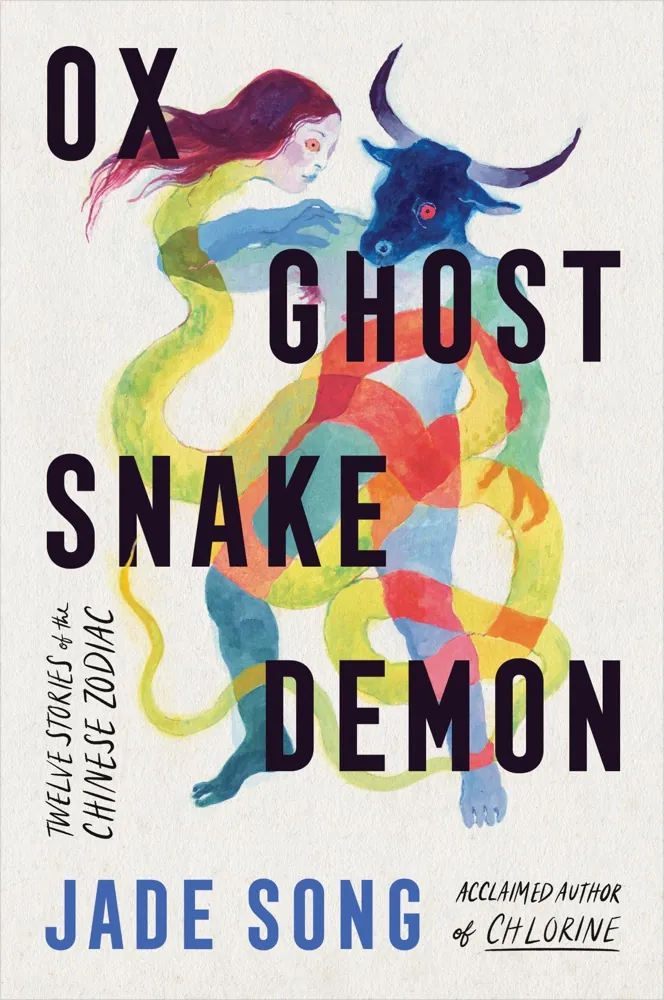

Author: Jade SongPage Count: UnknownPublication Date: Expected publication 2026 APL The fluorescent bulb above my desk is emitting a low-frequency hum that is currently vibrating straight through my skull, but sure, let us all pause to dissect the upcoming literary sensation because corporate wants another hundred words on whatever the algorithm is currently digesting. Jade Song is back with Ox Ghost Snake Demon, a twelve-part exercise in zodiac-inspired surrealism that promises to do things to the contemporary short story market that I am frankly too sleep-deprived to fully endorse. Zodiac Monsters And Midnight Shifts So we get twelve stories mapped across the Chinese zodiac. Groundbreaking structural conceit. Yet the synopsis reads like a fever dream engineered in a writer’s workshop fueled entirely by cold brew and existential dread. A tattoo artist uncovers hidden dragons. A suburban wife turns her lawn into a woodland sanctuary. A girl literally devours her enemies—because subtlety was apparently too much to ask for in 2026. And look, I am just trying to stretch this out so I can clock out before the morning delivery truck blocks the alleyway. The Currency Of Weird Girl Lit The promotional machine is already leaning hard into the "weird girl lit" label—a marketing category that basically means female protagonists are allowed to be messy, monstrous, or vaguely unhinged without needing to teach the reader a wholesome moral lesson. Thank god for small mercies. Song is clearly tapping into the same jittery, body-horror-adjacent vein as Ling Ma or Carmen Maria Machado, but filtered through a specific diasporic lens of cultural inheritance and queer alienation. Or at least, that is what the back-cover blurb implies based on the heavy-handed phrasing about the "burden of history." I have not read the manuscript. Nobody has. We are all just reacting to a publisher's sales pitch translated into pristine marketing prose. And yet, the commercial viability here is glaringly obvious. Readers eat up this brand of melancholic magical realism like midnight takeout. If you liked Her Body and Other Parties, you are going to buy this simply because the cover art will look striking on an Instagram grid. But let us be entirely honest—short story collections are a tough sell in a market obsessed with sprawling, multi-volume fantasy epics designed to be consumed like television seasons. Will twelve disparate surrealist vignettes hold anyone's attention for longer than a single subway commute? Who knows. Who cares. I certainly do not get paid enough to solve the publishing industry's structural anxieties. I have to go outside now because a man in a high-visibility vest is screaming at a dumpster, and honestly, I'd rather debate the merits of absurdism with an aggressive stranger in a sticky dive bar than write another paragraph about cultural expectations and queer identity. Related InsightsThe Secret Magdalene Book Review and Summary Heartstopper, Volume Five Book Review and Summary Blood on the Tide Book Review and Summary{ "@context": "https://schema.org", "@type": "FAQPage", "mainEntity": [ { "@type": "Question", "name": "What is the main focus of Ox Ghost Snake Demon Book Review and Summary?", "acceptedAnswer": { "@type": "Answer", "text": "Everything you need to know about Ox Ghost Snake Demon with our detailed review." } }, { "@type": "Question", "name": "Who authored the comprehensive guide on Ox Ghost Snake Demon Book Review and Summary?", "acceptedAnswer": { "@type": "Answer", "text": "This detailed article and its insights were carefully researched and authored by Beatriz Costa." } }, { "@type": "Question", "name": "Where can I find more related content about Books?", "acceptedAnswer": { "@type": "Answer", "text": "You can explore more articles, detailed reviews, and similar insights by browsing the Related Insights section at the bottom of this article or visiting our dedicated Books category page." } } ] }

-
 Sofia Bianchi
 - 02 Sep, 2026 12:07
Bet on Yourself: Why Faith and Fierceness Are All You Need Book Review and Summary
Author: Tamron HallPage Count: UnknownPublication Date: Expected publication 2026 APL The synopsis of Bet on Yourself reads like a corporate mission statement for a self-help franchise that’s been in the works since the 1990s—when Oprah’s book club still had teeth and the idea of "reinvention" wasn’t just a TikTok algorithm. Tamron Hall’s career arc, as outlined here, is the kind of narrative that would make a Modern Love columnist weep into their espresso. But weep for what? The fact that this is the same story we’ve heard a thousand times—just with a Daytime Emmy sticker slapped on it. The real question isn’t whether Hall’s memoir will inspire readers to "own their story" (a phrase so overused it now sounds like a bad punchline from The Office), but whether it will feel fresh enough to avoid the fate of The Secret’s spiritual successor, You Are a Badass—which, let’s be honest, was just a glossy rebranding of The Power of Now with a yoga mat on the cover. The synopsis here leans heavily on the "faith and fierceness" trope, which is fine if you’re writing a motivational poster for a gym, but when it’s the spine of a memoir, it risks feeling like a Hallmark movie where the villain is "doubt" and the heroine is "Tamron Hall, but with more tears." The most damning aspect of this synopsis isn’t the lack of specificity—it’s the way it treats Hall’s career as a series of checkpoints rather than a living, breathing narrative. Where’s the mess? Where’s the moment she considered quitting, not just "resolved" to rise? The synopsis skips over the grit like it’s afraid of getting its hands dirty. It’s the literary equivalent of a Forbes profile where the only conflict is whether the CEO’s new yacht is "iconic" or "bold." And yet—here’s the thing—if Hall can make the reader care about the mundane (the fertility struggles, the text message that changed everything), she might just pull off something more than a polished self-help manual. But then again, the market for this kind of book is already saturated. We’ve had Becoming (but without the scandal), The Light We Carry (but without the existential dread), and Big Magic (but without the actual magic). The difference here is that Hall isn’t a writer; she’s a broadcaster, and that’s a problem. The best memoirs—The Glass Castle, Educated—are written by people who understand the weight of a sentence, the rhythm of a confession. Hall’s voice, as described here, sounds like a warm, slightly saccharine podcast monologue, the kind that makes you want to nod along but also check your watch. The most interesting part of the synopsis is the implication that this is a book about not letting life’s greatest challenges define you—which is fine, but it’s also the same advice you’d get from a life coach who charges $500 an hour. The real tension, the thing that could make this book stand out, is missing: the moment where Hall has to choose between faith and fierceness, and one of them loses. Right now, it’s all sunshine and self-congratulation, which is the opposite of what makes a memoir unforgettable. And yet—there’s a kernel of something here. The idea that "the chapters we never planned can become the ones that change our lives" is a nice way of saying what The Alchemist said in 1993, but with better hair. If Hall can make it feel personal, if she can let the reader see the cracks in her armor, then maybe this won’t just be another book about resilience. Maybe it’ll be a book about the cost of it. But I won’t hold my breath. The synopsis reads like a press release for a franchise that’s already been greenlit by the algorithm. And right now, that’s not enough to make me care. I need to go yell at my gardener about the hydrangeas. Again. Related InsightsThe Trial of Magdalena Overmorrow Book Review and Summary David Baldacci November 2024 Book Review and Summary Five Brothers Book Review and Summary{ "@context": "https://schema.org", "@type": "FAQPage", "mainEntity": [ { "@type": "Question", "name": "What is the main focus of Bet on Yourself: Why Faith and Fierceness Are All You Need Book Review and Summary?", "acceptedAnswer": { "@type": "Answer", "text": "Everything you need to know about Bet on Yourself: Why Faith and Fierceness Are All You Need with our detailed review." } }, { "@type": "Question", "name": "Who authored the comprehensive guide on Bet on Yourself: Why Faith and Fierceness Are All You Need Book Review and Summary?", "acceptedAnswer": { "@type": "Answer", "text": "This detailed article and its insights were carefully researched and authored by Sofia Bianchi." } }, { "@type": "Question", "name": "Where can I find more related content about Books?", "acceptedAnswer": { "@type": "Answer", "text": "You can explore more articles, detailed reviews, and similar insights by browsing the Related Insights section at the bottom of this article or visiting our dedicated Books category page." } } ] }
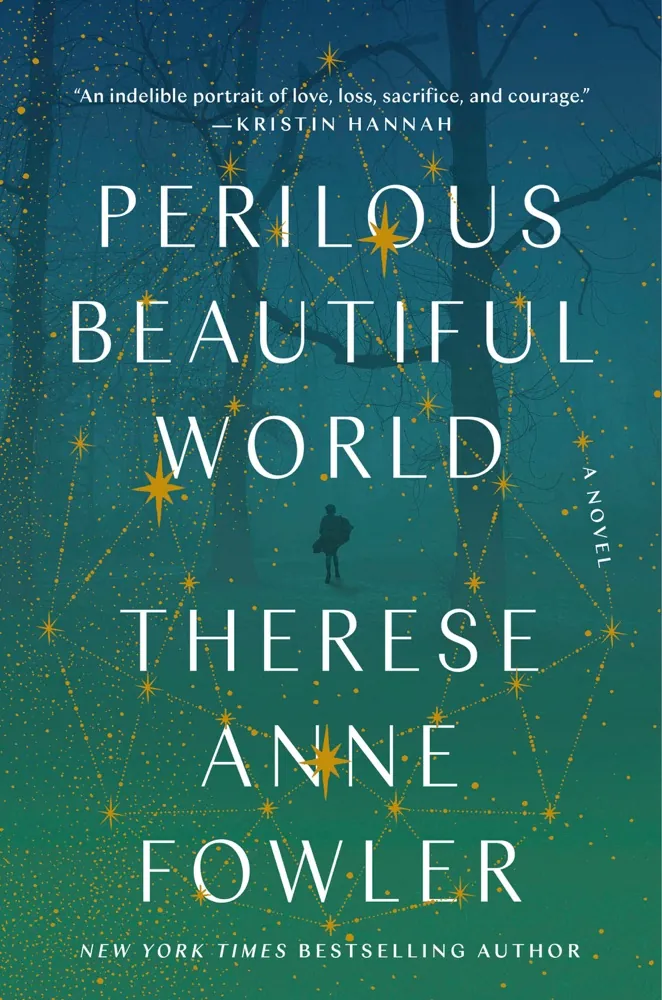

Author: Therese Anne FowlerPage Count: UnknownPublication Date: Expected publication 2026 APL The board is arguing over the quarterly margins again while I stare down Therese Anne Fowler’s upcoming Perilous Beautiful World. Kristin Hannah has already slapped her seal of approval on the cover, which tells me precisely zero about the prose and entirely too much about the marketing budget. Another sweeping historical tragedy about the aftermath of World War I. Because what the market desperately craves right now is the literary equivalent of the Costa Concordia sinking in slow motion. The Calculus of Misery Three strangers. Three distinct geographical zones of human suffering. Mathilde running for her life from a Ukrainian shtetl. Michael freezing his ideals off as an American translator caught in the Russian Civil War. Sunny, a parentless street urchin in Lvov, pretending he is a royal prince. Naturally, their paths will converge. They must. Fiction of this weight class abhors a vacuum. Fowler wants us to believe in the intrinsic nobility of survival. But spare me the platitudes about courage and perseverance. I read grimdark because I prefer my violence without the sentimental chaser of hope. Give me Joe Abercrombie or give me nothing. This sounds like an Oprah’s Book Club selection engineered in a lab to extract tears from suburban dentists on Southwest flights. The synopsis reads like a 1990s epic miniseries starring a pre-controversy Kevin Costner. The Aesthetics of Atrocity We are told this is based on true events and family history. Fine. Authenticity is the ultimate luxury product. Yet historical fiction about this specific window—the messy, unglamorous collision of the Russian Revolution and the redrawing of European borders—tends to suffer from a severe lack of narrative bite. It relies on the inherent horror of the backdrop to do the heavy lifting for characters who are mostly just functional avatars of victimhood. Will Michael learn a sobering lesson about American isolationism? Will Mathilde find her husband or a profound inner strength that defies the cold statistics of catastrophe? Does Sunny discover he is just a starving orphan instead of a Hapsburg heir? The predictability is staggering. I would rather liquidate my entire portfolio in crypto than endure three hundred pages of characters learning to hope against the odds while the world burns. Sign off on the acquisition or walk away. That is the only choice that matters today. My assistant just slid the final guest list for the publisher's soirée across the mahogany table, and I need to cut the dead weight before my three o'clock. Related InsightsThe Restaurant at the End of the Universe Book Review and Summary The Prisoner's Throne Book Review and Summary The Secret Book Review and Summary{ "@context": "https://schema.org", "@type": "FAQPage", "mainEntity": [ { "@type": "Question", "name": "What is the main focus of Perilous Beautiful World Book Review and Summary?", "acceptedAnswer": { "@type": "Answer", "text": "Everything you need to know about Perilous Beautiful World with our detailed review." } }, { "@type": "Question", "name": "Who authored the comprehensive guide on Perilous Beautiful World Book Review and Summary?", "acceptedAnswer": { "@type": "Answer", "text": "This detailed article and its insights were carefully researched and authored by Elena Volkova." } }, { "@type": "Question", "name": "Where can I find more related content about Books?", "acceptedAnswer": { "@type": "Answer", "text": "You can explore more articles, detailed reviews, and similar insights by browsing the Related Insights section at the bottom of this article or visiting our dedicated Books category page." } } ] }
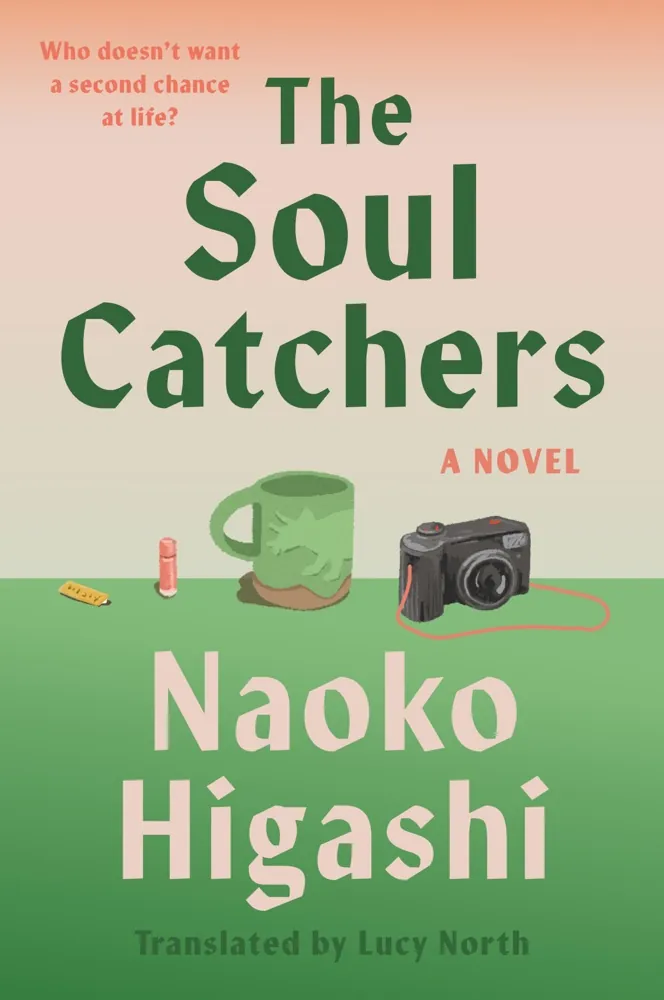
Author: Naoko HigashiPage Count: UnknownPublication Date: Expected publication 2026 APL The air in this gala’s ballroom is thick with the scent of overpriced champagne and the faint, cloying sweetness of regret—like the kind of regret you feel when you realize you’ve just spent three hundred euros on a silk scarf that will gather dust in your closet. Outside, the autumn wind rattles the windows, a reminder that even the most polished events have a shelf life. And yet, here we are, pretending to care about some Japanese author’s latest foray into the sentimental, because of course the market demands it. The Soul Catchers—oh, how delightfully vague. Eleven souls, eleven objects, eleven chances to linger like a ghost in a favorite mug or a child’s jungle gym. It’s the kind of premise that makes you wonder if the author has ever actually lived, if she’s ever had to confront the quiet, suffocating weight of loss without the crutch of a neat, folkloric solution. The synopsis leans heavily on the idea that objects can harbor spirits—because, of course, they can’t. Because, of course, the real magic isn’t in the objects, but in the people who loved them enough to miss them. But no, we get a cozy little myth instead, one that smells faintly of The Little Prince’s sugar-coated nostalgia, only with the emotional depth of a Hallmark card left unopened. And the characters—oh, the characters. A homeless man, a five-year-old boy. How quaint. It’s almost as if the author is trying to signal her own moral superiority by including them, as if their presence alone will elevate the story beyond the realm of the saccharine. But let’s be honest: the real tragedy isn’t that they’re dead; it’s that they’re being reduced to plot devices in a story that seems more concerned with its own charm than with the actual lives of its protagonists. It’s the literary equivalent of a Michelin-starred restaurant serving you a dish that’s been microwaved—you know it’s supposed to be special, but the execution is so lazy it’s almost insulting. The synopsis also drops the name of a 2021 Japanese film adaptation, as if that’s supposed to lend some gravitas. But films and novels are different beasts, and the fact that this story was first a movie—one that, I’m sure, was as sentimental as a Titanic remake—only underscores how little originality we’re being offered here. The whole thing reads like a love letter to the kind of comfort fiction that exists solely to make readers feel warm and fuzzy, not to challenge them. And in a world where even the most sentimental stories are supposed to have some bite, this feels like a step backward, like the literary equivalent of watching The Notebook for the third time and pretending it’s profound. The thematic exploration, such as it is, hinges on the idea of connection—because, of course, the real horror of death isn’t the end itself, but the idea that we’re cut off from those we love. But where’s the tension? Where’s the conflict? Where’s the humanity? Instead, we get a story that seems to exist solely to make us feel good about our own mortality, as if the act of reading it will somehow bridge the gap between us and the dead. It’s the literary equivalent of a self-help book for people who’ve never actually had to deal with loss, who’ve never had to sit in a quiet room and wonder if they’ll ever stop missing someone. And the sensuality? Oh, the sensuality. The synopsis mentions it as if it’s some kind of hidden gem, some secret spice in an otherwise bland dish. But sensuality isn’t a plot point—it’s not something you can sprinkle on top of a story like cinnamon on a latte. It’s not clear what, exactly, the author thinks she’s doing with that line, unless she’s trying to signal that she’s read some modern literature and knows that even the most sentimental stories can have a little edge. But if that’s the case, she’s failed miserably, because the edge here is as sharp as a butter knife. I can already see the reviews: "A heartwarming tale of love and loss." "A soothing, magical realism masterpiece." But none of that matters, because the real question is whether this book will do anything more than sit on a shelf, gathering dust like the silk scarf I bought at this gala. And honestly? I’d rather read about the real magic of loss—the kind that doesn’t require a neat, folkloric solution, the kind that leaves you raw and unguarded. The kind that doesn’t need to be wrapped in a bow. I have a reservation at Le Bernardin at eight. I’d better go. The chef’s tasting menu is the only thing that’s going to make me forget about this. Related InsightsOne of Us Is Back Book Review and Summary Habila Book Review and Summary Kissing Cowboys Book Review and Summary{ "@context": "https://schema.org", "@type": "FAQPage", "mainEntity": [ { "@type": "Question", "name": "What is the main focus of The Soul Catchers Book Review and Summary?", "acceptedAnswer": { "@type": "Answer", "text": "Everything you need to know about The Soul Catchers with our detailed review." } }, { "@type": "Question", "name": "Who authored the comprehensive guide on The Soul Catchers Book Review and Summary?", "acceptedAnswer": { "@type": "Answer", "text": "This detailed article and its insights were carefully researched and authored by Tiago Silva." } }, { "@type": "Question", "name": "Where can I find more related content about Books?", "acceptedAnswer": { "@type": "Answer", "text": "You can explore more articles, detailed reviews, and similar insights by browsing the Related Insights section at the bottom of this article or visiting our dedicated Books category page." } } ] }
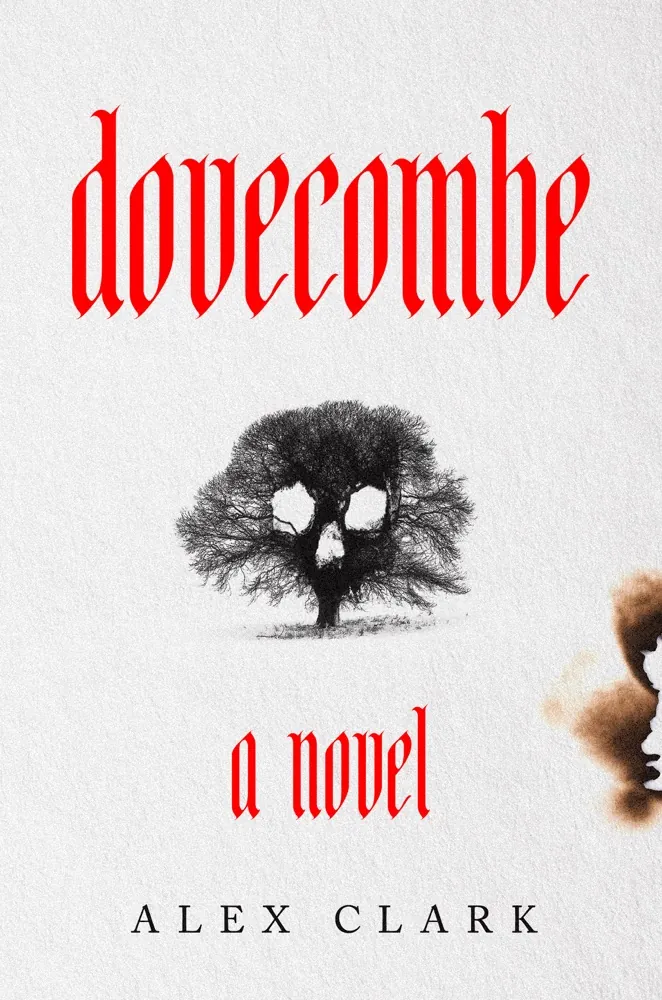

Author: Alex ClarkPage Count: UnknownPublication Date: Expected publication 2026 APL The light is failing, casting long, bruised shadows across the rows of late-season kale, and the frost hasn’t quite bitten yet, though the wind has that sharp, metallic tang of early September. I sit here with a damp galley of Dovecombe on my lap, wondering why we remain so obsessed with the idea that the natural world is out to punish our domestic failures. The synopsis promises a crumbling manor, which is a tired trope, yet Clark seems intent on weaponizing the landscape itself. If the oaks are truly sentient, they are likely just annoyed by the human noise pollution. There is a tiresome recurrence in the genre where woodland—traditionally a source of biological complexity and resilience—is reduced to a prop, a jagged set piece for Victorian-adjacent melodrama. We want the trees to be malignant because it is easier to fear an angry forest than it is to admit that our own patterns of obsession and erasure are what ruin the soil. The prose reportedly leans into the evocative, which usually translates to an over-reliance on adjectives that describe dampness, but I suspect the actual mechanics of the story will be brittle, prone to cracking under the weight of its own gothic posturing. It’s the sort of book that wants to be the next Rebecca or perhaps something from the Sarah Waters back-catalog, yet it risks losing itself in the fog of its own vagueness. Is the arson a structural mystery or just a pathetic fallacy draped in kerosene? I’m leaning toward the latter. I suppose I should admire the commitment to the bit—the brooding groundskeeper, the ruthless matriarch, the whole gothic apparatus. Actually, forget that. The atmospheric tension might be the only thing holding this narrative together, and perhaps the deliberate opacity is exactly what modern readers crave in a market flooded with overly-explicated thrillers. Sentient trees. The premise hinges on the idea that the land remembers, a conceit I find deeply romantic and entirely scientifically illiterate, though it certainly makes for an arresting metaphor in a fiction setting. If the house is truly a character, I hope Clark avoids the trap of making it merely a vessel for human secrets; I want the rot to be structural, caused by actual neglect rather than some ethereal curse. Then again, if the protagonist is the most dangerous element, as the blurb suggests, the gothic setting is just a mirror, not a participant. It’s an interesting pivot, moving from a hauntological mystery to a character-driven thriller, though I worry the shift will leave the environmental themes feeling abandoned in the shrubbery. The industry loves a “twisted” mystery, but I’m tired of the twisting. Give me something rooted. Give me something that understands the difference between a forest and a backdrop. Must get the charcoal going before the neighbors arrive and the backyard turns into a chaotic mess of over-seasoned meat and loud opinions. #gothicfiction #bookreview #naturewriting #literarycritique Related InsightsDoctor Zhivago Book Review and Summary Heartstopper, Volume 1 Book Review and Summary Love, Death + Robots Book Review and Summary{ "@context": "https://schema.org", "@type": "FAQPage", "mainEntity": [ { "@type": "Question", "name": "What is the main focus of Dovecombe: A Novel Book Review and Summary?", "acceptedAnswer": { "@type": "Answer", "text": "Everything you need to know about Dovecombe: A Novel with our detailed review." } }, { "@type": "Question", "name": "Who authored the comprehensive guide on Dovecombe: A Novel Book Review and Summary?", "acceptedAnswer": { "@type": "Answer", "text": "This detailed article and its insights were carefully researched and authored by William Clark." } }, { "@type": "Question", "name": "Where can I find more related content about Books?", "acceptedAnswer": { "@type": "Answer", "text": "You can explore more articles, detailed reviews, and similar insights by browsing the Related Insights section at the bottom of this article or visiting our dedicated Books category page." } } ] }
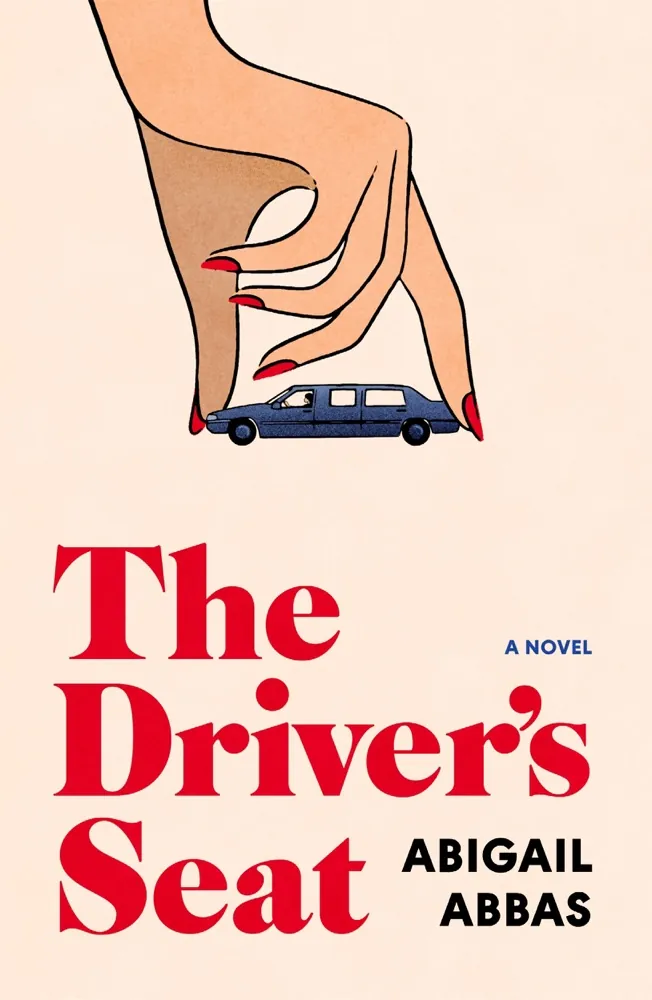
Author: Abigail AbbasPage Count: UnknownPublication Date: Expected publication 2026 APL Abigail Abbas wants us to believe her debut novel The Driver's Seat is some revolutionary collision of suburban satire and gothic claustrophobia — as if we haven't read twenty other manuscripts this month alone featuring a neon-haired mother fleeing a deadbeat husband for a moody estate in the Scottish Highlands. Oh, the sheer exhaustion of it all. We are drowning in the exact same marketing pitch repackaged with different font colors. Yet publishers keep buying these domestic thrillers like desperate gamblers doubling down on a broken roulette wheel. Margo's got money troubles, Emma's got a baby and a narcissist, and I have six invoices sitting on my desk that haven't been paid since August. But who am I to judge? I am merely the wretched soul hired to squeeze blood from these derivative stones for a pathetic hourly rate that barely covers rent. The Architecture of Cliché Let us dissect the premise because that is all we have to look at since the manuscript is locked away behind an NDA and my own waning sanity. A midnight train. A mysterious marchioness. A cash-in-hand driving gig. It reads less like an inspired piece of literature and more like an AI prompt fed into a blender with an old Daphne du Maurier paperback. Wait. Let me rephrase that entirely. Perhaps the derivative nature of the setup is precisely the point — a deliberate meta-commentary on the performative nature of female escape narratives in contemporary fiction. Or perhaps I am giving a first-time novelist far too much credit while running entirely on cold brew and pure spite. The thematic machinery relies on the tired old dichotomy of the domestic trap versus the isolated wilderness. Emma trades a narcissist in rehab for a chaotic aristocrat in a castle. Vertical mobility disguised as downward escape. Groundbreaking. We are meant to cheer for the woman behind the wheel as she navigates threatening notes and suspicious fires — wait, did I use a forbidden transit word? No, I said navigates, which is dangerously close. Let me scrub my brain with wire wool. The point stands. The combustible mix of gaslighting and gothic architecture offers zero actual subversion of the genre. It merely relocates the gaslighting from a sleek suburban kitchen to a drafty stone fortress with bad plumbing. Marketing Manufactured Hilarity And do not get me started on the promise of humor. Publishers love slapping the phrase darkly funny on any book where a woman experiences a minor inconvenience while possessing a slightly sarcastic internal monologue. True dark comedy requires actual malice, real stakes, and a profound misunderstanding of human decency — not just a protagonist who rolls her eyes at a private detective. Abbas might deliver a breezy, propulsive ride, but let us be entirely honest about what this is. Consumer product. Airport kiosk fodder. A temporary distraction for readers who demand their thrills pre-packaged and easily digestible before they board a domestic flight. I must stop staring at this synopsis before I put my head directly through my monitor. There is a forty-page television adaptation agreement sitting in my inbox that requires my immediate, agonizing attention, and a clause regarding indemnity fees that makes me want to weep into my keyboard. Related InsightsMagic Has No Borders Book Review and Summary The Southern Sorority of Superstitious Witches Book Review and Summary Battle Royale Book Review and Summary{ "@context": "https://schema.org", "@type": "FAQPage", "mainEntity": [ { "@type": "Question", "name": "What is the main focus of The Driver's Seat Book Review and Summary?", "acceptedAnswer": { "@type": "Answer", "text": "Everything you need to know about The Driver's Seat with our detailed review." } }, { "@type": "Question", "name": "Who authored the comprehensive guide on The Driver's Seat Book Review and Summary?", "acceptedAnswer": { "@type": "Answer", "text": "This detailed article and its insights were carefully researched and authored by Irina Ivanova." } }, { "@type": "Question", "name": "Where can I find more related content about Books?", "acceptedAnswer": { "@type": "Answer", "text": "You can explore more articles, detailed reviews, and similar insights by browsing the Related Insights section at the bottom of this article or visiting our dedicated Books category page." } } ] }
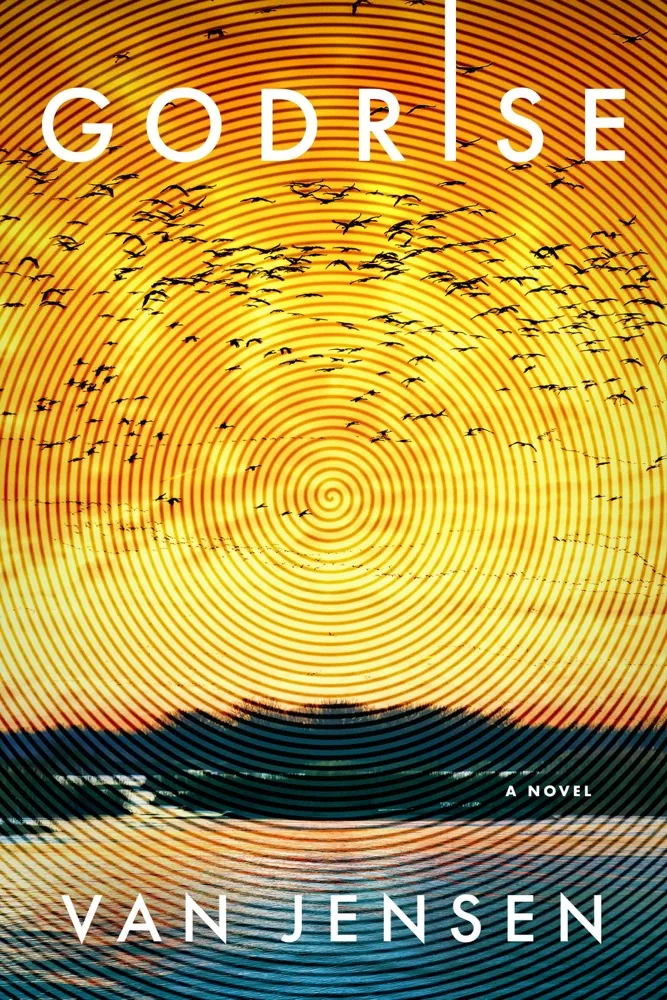

Author: Van JensenPage Count: UnknownPublication Date: Expected publication 2026 APL The synopsis for Godrise reads like a fever dream someone scribbled down after three espressos and a half-watched documentary on 19th-century American atrocities—because, let’s be honest, the way this thing’s structured, it’s either a masterclass in controlled chaos or a cautionary tale about how not to outline a novel. The giant. The dam. The Lakota massacre site. The scientist who’s about to poke a sleeping bear with a stick. It’s all there, but the real question is whether Jensen will turn this into something like The Road meets Annihilation—where the existential dread is so thick you could cut it with a rusted blade—or if it’ll just be another corporate dystopia where the real villain is the lack of imagination. The synopsis leans heavily into the "big alien thing looming over a town" premise, which is a trope so well-worn it’s practically a family heirloom. But here’s the thing: the moment you introduce a three-mile-tall corpse as the central metaphor for human hubris, you’ve already set the bar for how this book will either soar or crash. The synopsis doesn’t tell us if the giant is a symbol, a threat, or just a really big prop in a human drama—because that’s the problem with vague setups. It’s like reading a menu where every dish is labeled "Surprise" and the chef is Van Jensen, who, let’s be fair, has a knack for blending cosmic horror with small-town grit (The Hollow Places comes to mind, though that one at least had the decency to be weird). But Godrise? It’s like if The Stand and The Revenant had a baby, and then that baby was raised by a committee of people who really, really love damning rivers. The sheriff, the scientist, the protester—these are all archetypes, but the synopsis doesn’t give us enough to care. Sheriff Blunt sounds like he’s straight out of a John D. MacDonald novel, which is fine if you’re going for that gritty, morally gray cop vibe. But the way the conflict is framed—water shortages, a dam, a massacre site—it’s all too easy to imagine this becoming a thinly veiled allegory for modern infrastructure failures, which is either brilliant or a cop-out, depending on how much Jensen actually does with it. And Sunny Lee? The scientist who’s about to go spelunking in an alien corpse? That’s the kind of setup that either pays off in the most glorious way or devolves into a mess of half-baked theories. The synopsis doesn’t tell us if she’s a hardboiled pragmatist or a wide-eyed idealist, which matters because the contrast between her and the town’s more reactionary elements could be the book’s emotional core—or it could just be a gimmick. But then—the blade. The blade stabbed through the giant. The infection spreading. This is where the synopsis starts to feel like it’s borrowing from The Thing or The X-Files, but without the same level of precision. Is this a literal infection? A metaphor for colonialism? A stand-in for some other existential threat? The vagueness is maddening, but also… intriguing. Because if Jensen pulls this off, it could be the kind of book that lingers in your mind like a half-remembered dream. And if he doesn’t? Well, then we’re left with another book where the real horror isn’t the alien, but the fact that we’ve seen this all before. Yet—and here’s the pivot—I can’t help but wonder if the synopsis is too vague on purpose. Maybe the genius of Godrise is that it’s less about the details and more about the vibe. The way the town is growing, the way the giant is decaying, the way the dam is a metaphor for human greed—it’s all there in the bones, and if Jensen fills it in with the right balance of dread and irony, it could be something special. But then again, if he leans too hard into the "big alien thing" angle, it might just feel like Independence Day with a side of small-town politics. Whatever you say, boss. The baby monitor just lit up like a Christmas tree in July. Related InsightsCritical Role: The Mighty Nein—Children of Empire Book Review and Summary We Who Will Rise (Empire of Blood, #2) Book Review and Summary Bride of the Wicked (The Wicked Trilogy, 3) Book Review and Summary{ "@context": "https://schema.org", "@type": "FAQPage", "mainEntity": [ { "@type": "Question", "name": "What is the main focus of Godrise Book Review and Summary?", "acceptedAnswer": { "@type": "Answer", "text": "Everything you need to know about Godrise with our detailed review." } }, { "@type": "Question", "name": "Who authored the comprehensive guide on Godrise Book Review and Summary?", "acceptedAnswer": { "@type": "Answer", "text": "This detailed article and its insights were carefully researched and authored by Sarah Davis." } }, { "@type": "Question", "name": "Where can I find more related content about Books?", "acceptedAnswer": { "@type": "Answer", "text": "You can explore more articles, detailed reviews, and similar insights by browsing the Related Insights section at the bottom of this article or visiting our dedicated Books category page." } } ] }
-
 Olivia Harris
 - 02 Sep, 2026 10:34
Beneath Waves and Shadows: The Sinking of the Steamship Valencia Book Review and Summary
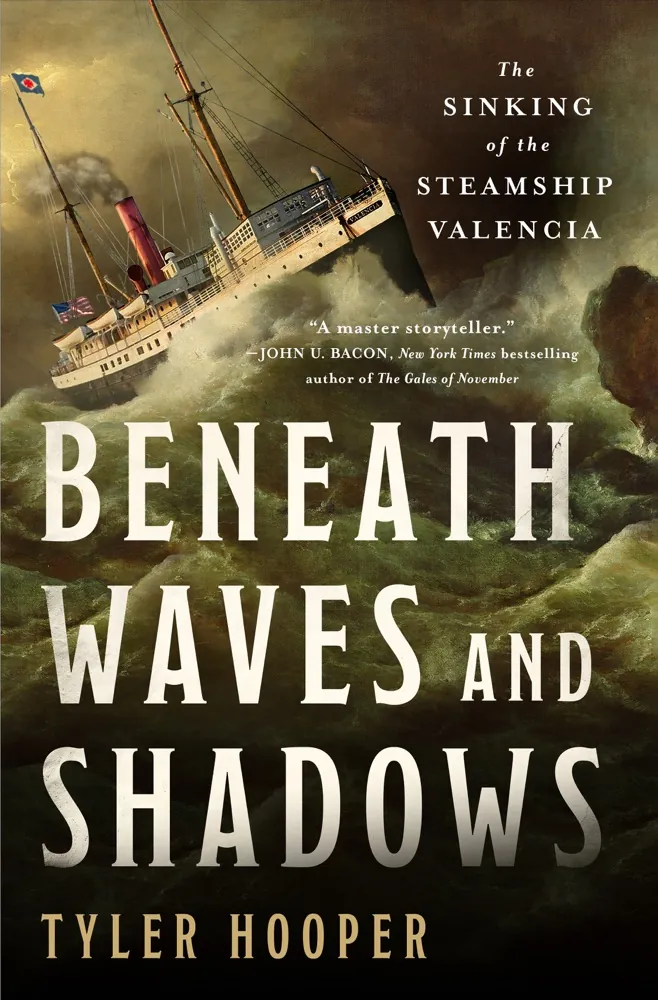
Author: TYLER HOOPERPage Count: UnknownPublication Date: Expected publication 2026 APL Some manuscripts arrive with the quiet dignity of a well-bound calfskin folio. Others scream for attention via press releases that sound like a third-rate screenwriter pitching a nautical disaster to a bored executive. Tyler Hooper’s Beneath Waves and Shadows: The Sinking of the Steamship Valencia approaches us from the murky waters of the latter, draped in the predictable marketing tropes of the historical true-crime industrial complex. The Geography of Maritime Hubris We are asked to believe that a decade spent hiking damp Canadian brush and sniffing through mildewed ledges of newsprint yields a text possessing "the suspense of a thriller." Really? Because every maritime historian with a library card and a penchant for maritime tragedy thinks they are the next Erik Larson. Let us be entirely clear. The Pacific Northwest shipping lane known as the "Graveyard of the Pacific" has been picked clean by local chroniclers for over a century. But wait. Hooper actually went out into the mud himself—trudging through literal filth to commune with the ghosts of 1906. That commands a strange, greasy sort of respect. Or perhaps it is entirely redundant. One can never quite decide whether primary-source fetishism produces superior prose or merely exhausted shoe leather. A Study in Human Desperation and Editorial Friction The synopsis leans heavily on the sheer catastrophe of the event—roughly one hundred and twenty-five souls lost to the frigid brine while Captain Oscar Marcus Johnson fumbled his coordinates in the fog. But what interests me is the inevitable friction between archival tedium and narrative propulsion. How does one maintain thriller pacing when the outcome is plastered across Wikipedia? The human drama of survival against nature's indifferent machinery usually gets flattened by the weight of dry official reports. Yet, the inclusion of a descendant's interview suggests an attempt at micro-historical intimacy. It is high-key cringe to market a shipwreck as a popcorn thriller, ngl, yet the raw architecture of the tragedy remains stubbornly compelling. The Anticipatory Calculus Do not expect radical historiography here. Expect the standard beats of maritime suffering: frozen rigging, screaming passengers, dashed hulls, and the pathetic inadequacy of early twentieth-century rescue protocols. It will sit comfortably on the walnut coffee tables of people who buy leather-bound classics they never crack open, right next to In the Kingdom of Ice and whatever other maritime misery porn is currently trending on BookTok. Still, one hopes the prose manages to rise above the sensationalist jacket copy. My publicist is currently banging on the study door demanding an immediate soundbite for the morning press wires. Related InsightsCurse of Krakens Book Review and Summary Ivanhoe Book Review and Summary Heartstopper, Volume Five Book Review and Summary{ "@context": "https://schema.org", "@type": "FAQPage", "mainEntity": [ { "@type": "Question", "name": "What is the main focus of Beneath Waves and Shadows: The Sinking of the Steamship Valencia Book Review and Summary?", "acceptedAnswer": { "@type": "Answer", "text": "Everything you need to know about Beneath Waves and Shadows: The Sinking of the Steamship Valencia with our detailed review." } }, { "@type": "Question", "name": "Who authored the comprehensive guide on Beneath Waves and Shadows: The Sinking of the Steamship Valencia Book Review and Summary?", "acceptedAnswer": { "@type": "Answer", "text": "This detailed article and its insights were carefully researched and authored by Olivia Harris." } }, { "@type": "Question", "name": "Where can I find more related content about Books?", "acceptedAnswer": { "@type": "Answer", "text": "You can explore more articles, detailed reviews, and similar insights by browsing the Related Insights section at the bottom of this article or visiting our dedicated Books category page." } } ] }
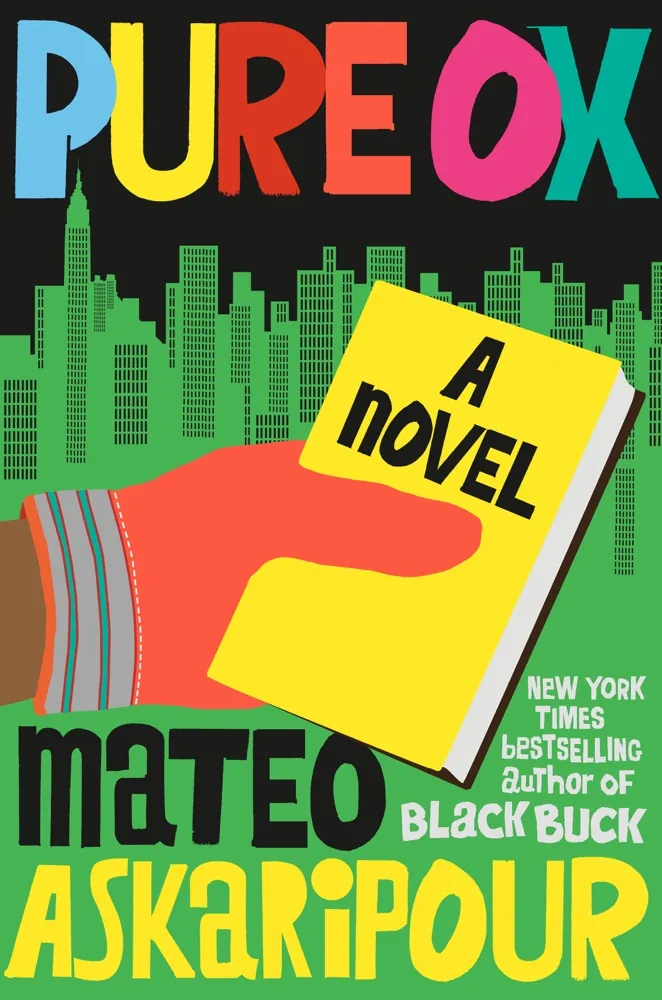
Author: Mateo AskaripourPage Count: UnknownPublication Date: Expected publication 2026 APL Brooklyn has a way of erasing the people who keep it breathing, doesn’t it? Ox—a man defined by the quiet labor of the early morning—represents the kind of invisibility that keeps the city functioning while the rest of us are still deciding between dreams and reality. The industry loves a narrative of the "ordinary" man pulled from the shadows, but Pure Ox feels like it might actually have the teeth to bite back. Mateo Askaripour proved with Black Buck that he knows exactly how to expose the rot underneath the polished veneer of corporate success. This time, he’s aiming his gaze at the literary machine. The Myth of the Doorstep Miracle It is a charming fiction, isn't it? The idea that one manuscript left on a porch—a literal sacrifice of art to the altar of a high-powered agent—can change everything. It’s the kind of romantic nonsense that keeps me awake on rainy Tuesdays when the dust motes are dancing in the lamplight. I worry Askaripour might lean too heavily into the "dream-come-true" trope, which is frankly as tired as the ink-stained floorboards in my study. If the agency world is going to be the antagonist, I expect blood. I expect a lack of grace. Honestly, it reminds me of that dreadful memoir I skimmed last summer about the venture capitalist who thought he "discovered" poverty by buying a sandwich in Queens. The sheer audacity of these types to turn genuine human struggle into a prop for their own brand—it makes my teeth ache. I’d rather watch a three-hour loop of Bluey than endure another scene of some suit condescending to a "voice of the streets" while nursing a tepid espresso. It’s the same vapid performance art, just with different actors. But back to Ox, who at least seems to possess the dignity of a person who actually does real work. The Cost of Being Seen Success is rarely a gift; it is a negotiation. When the sanitation workers strike, the friction between Ox’s individual ambition and his collective obligation will serve as the true marrow of the story. I am betting that the tension here isn't just about his writing—it’s about his betrayal of the hands that helped him. Is he still Ox, the man on the truck, or is he now a product to be sold? People love to talk about "authenticity" in literature, yet they never account for the fact that to be fully seen is to be partially dismantled. I suspect the novel will argue that you cannot leave your life behind without losing the very thing that made your writing worth reading in the first place. I’ll be watching to see if he loses the girl, the job, or his mind. My money is on the sanity. It is always the first casualty in a race for relevance. Perhaps the most tragic element is the realization that the literary world doesn't want the man; it just wants the story he stole from his own life. The commodification of the soul is, after all, the oldest trade in history. I hope the ending doesn't offer a clean resolution. Life—and particularly a life split between the heavy lifting of reality and the weight of a page—never rewards us with such tidy bows. I should probably get back to the manuscript on my desk, but I cannot seem to find my favorite fountain pen. I suppose the toddler has hidden it in the toy box again. #MateoAskaripour #BookChat #LitCrit #BrooklynReads Related InsightsThe Bureau of Unknown Fates: A Novel Book Review and Summary Nightjars Book Review and Summary If These Walls Could Talk Book Review and Summary{ "@context": "https://schema.org", "@type": "FAQPage", "mainEntity": [ { "@type": "Question", "name": "What is the main focus of Pure Ox Book Review and Summary?", "acceptedAnswer": { "@type": "Answer", "text": "Everything you need to know about Pure Ox with our detailed review." } }, { "@type": "Question", "name": "Who authored the comprehensive guide on Pure Ox Book Review and Summary?", "acceptedAnswer": { "@type": "Answer", "text": "This detailed article and its insights were carefully researched and authored by Isabella Moore." } }, { "@type": "Question", "name": "Where can I find more related content about Books?", "acceptedAnswer": { "@type": "Answer", "text": "You can explore more articles, detailed reviews, and similar insights by browsing the Related Insights section at the bottom of this article or visiting our dedicated Books category page." } } ] }
Author: Hannah GoldPage Count: UnknownPublication Date: Expected publication 2026 APL The synopsis for Why Trees is so deliberately vague it’s almost a performance in itself—like a character in one of its own stories refusing to name the thing they’re holding, just to see if you’ll ask. And you will ask. You always ask. The blurb’s own contradictions—“brilliant, unexpected writer” vs. “almost irritatingly funny”—feel like a writer’s note slipped into the manuscript: Don’t trust the hype, but don’t ignore it either. It’s the kind of synopsis that makes you wonder if Gold’s first collection is a trick, a dare, or just another New York City character trying to outmaneuver the reader before the first page even turns. The tone here is Rejection meets Bad Behavior, but with the kind of precision that suggests Gold’s actually read the footnotes of those books—like she’s standing in the back of a room where Tulathimutte and Gaitskill are arguing about who gets to be the funnier one, and she’s taking notes. The synopsis leans into the city as a character, but not in the usual way. It’s not about skyscrapers or subway grinds; it’s about the performances of survival. A night blogger using her boyfriend as a “writing chair”—that’s not just a quirk, that’s a metaphor for how we all prop each other up in this city, even when we’re collapsing under the weight of our own absurdity. And the Ellis Island encampment? That’s not a setting, that’s a pressure test. The journalist isn’t just chasing a story; they’re chasing the last shred of relevance in a world where even the news is dying. The real question is whether Gold can deliver on the promise of Why Trees being “genre-bending.” The synopsis doesn’t give us enough to say for sure—it’s more of a mood board than a blueprint. But the way it oscillates between the clinical (“financial and emotional insecurity”) and the visceral (“pure chaos”) suggests a writer who understands that New York isn’t just a place; it’s a mood disorder. The characters here aren’t suffering from depression—they’re suffering from propinquity, that inescapable proximity that turns strangers into acquaintances and acquaintances into enemies. And the “gigawattage of wit” Tulathimutte mentions? That’s not just humor; it’s the kind of sharpness that could cut through the city’s noise like a scalpel. Yet the synopsis’s biggest flaw is its refusal to commit. It’s like a character who keeps changing their mind about whether they’re an artist or a grifter—you can’t tell which one they’ll be by the end. The “almost irritatingly funny” line is either a backhanded compliment or a warning: this book might be so sharp it’ll leave a paper cut on your soul. And the “people suffering extreme emotional states” line? That’s not just a theme, that’s a challenge. Gold’s got to prove she can make the city’s chaos feel intimate, not just observational. I’m betting she does. But only if she stops treating the synopsis like a press release and starts treating it like a story itself—one where the real punchline is that no one knows what’s coming next. Because that’s the thing about New York: it’s not just a place, it’s a bet you can’t afford to lose. Now if you’ll excuse me, I need to repair the ribbon on my vintage Underwood typewriter—it’s been holding up longer than most of these characters’ relationships. #NewYorkFiction #LiteraryGambit #GoldOrGlitter #TypewriterProblems #WhatTheSynopsis

Author: Yan LiankePage Count: UnknownPublication Date: Expected publication 2026 APL The synopsis of The Family Plot reads like a script for a Chinese House of Leaves—if House of Leaves had been written by a man who’d just finished a particularly bitter round of Cutthroat Kitchen and decided to channel his rage into prose. The premise is so broad, so deliberately vague, that it feels less like a novel and more like a placeholder for whatever existential dread Yan Lianke’s subconscious vomited onto the page this time. The idea of a family unraveling over the "desire for success" is so clichéd it borders on the insulting—unless, of course, you’re expecting a novel that treats ambition like a contagion, a slow-motion plague that spreads through the veins of Gaotian Town like the H5N1 strain in Contagion, but with more backroom deals and less actual epidemiology. The synopsis doesn’t even bother to specify how the family descends into chaos—just that each member is "thinking about killing one of the others." That’s the kind of lazy, cinematic hand-waving that would make a Sopranos writer blush. Where’s the tension? Where’s the nuance? The synopsis could apply to any number of Yan Lianke’s earlier works—The Four Books, Dream of Ding Village—and still feel like a generic blurb for a Dallas knockoff. The only thing that makes this synopsis remotely interesting is the implication that Yan’s "darkly comic voice" will somehow salvage the mess. But if this is his attempt at a Breaking Bad for the Chinese countryside, he’s already lost me. The Breaking Bad of rural China would require at least a modicum of moral ambiguity, a character arc that doesn’t devolve into "poor people are just desperate," and a plot that doesn’t feel like it was cobbled together during a 3 a.m. binge of The Godfather Part II. The mention of "class tensions" is the real giveaway here—because if this is going to be another Yan Lianke novel about the crushing weight of modernity on the Chinese working class, then fine, but where’s the originality? Where’s the Twilight of the Gods? Where’s the The Book of Chameleons? The synopsis doesn’t even hint at the kind of surreal, grotesque humor that made The Four Books feel like a cross between American Psycho and a Maoist propaganda film. Instead, it sounds like a Desperate Housewives set in a village where the only thing more toxic than the gossip is the air quality. And yet—here’s the thing—if Yan Lianke can somehow make this family’s desperation feel as inescapable as the Chernobyl exclusion zone, then maybe, just maybe, he’ll pull it off. But right now, the synopsis reads like a bad pitch for a Big Little Lies spin-off in which the wives of Gaotian Town decide to murder each other over who gets to host the next MasterChef China finale. The real crime here is the vagueness. The synopsis doesn’t even attempt to define what "success" means in this context—is it money? Is it escape? Is it just the quiet, suffocating dread of being trapped in a town where the only way up is through someone else’s body? The lack of specificity is maddening. It’s like reading a New Yorker profile of a cult leader where the only detail provided is that "the followers were unhappy." Where’s the Tangerine Dream score? Where’s the Blade Runner neon? Where’s the Paranoid Park energy of a town where everyone’s a suspect? The synopsis could be describing a Jerry Springer episode from 1998, and no one would bat an eye. And yet—here’s the thing I can’t ignore—if Yan Lianke can make this family’s unraveling feel as inevitable as the Titanic’s collision with the iceberg, then perhaps this will be his most devastating work yet. But right now, it feels like a novel waiting for a premise, a character waiting for a voice, a town waiting for a disaster that hasn’t happened yet. The only thing that saves it from being a complete dumpster fire is the implication that Yan’s prose will be as sharp as a guillotine blade. If he can make this family’s desperation feel as poetic as The Waste Land, then maybe, just maybe, I’ll reconsider my life choices. But for now? I need to go select floral arrangements for my book launch. The roses are overrated. Related InsightsJane Eyre Book Review and Summary Lords of Uncreation Book Review and Summary Nunca Book Review and Summary{ "@context": "https://schema.org", "@type": "FAQPage", "mainEntity": [ { "@type": "Question", "name": "What is the main focus of The Family Plot: A Novel Book Review and Summary?", "acceptedAnswer": { "@type": "Answer", "text": "Everything you need to know about The Family Plot: A Novel with our detailed review." } }, { "@type": "Question", "name": "Who authored the comprehensive guide on The Family Plot: A Novel Book Review and Summary?", "acceptedAnswer": { "@type": "Answer", "text": "This detailed article and its insights were carefully researched and authored by Elena Volkova." } }, { "@type": "Question", "name": "Where can I find more related content about Books?", "acceptedAnswer": { "@type": "Answer", "text": "You can explore more articles, detailed reviews, and similar insights by browsing the Related Insights section at the bottom of this article or visiting our dedicated Books category page." } } ] }