Showing Posts From
Bookreview
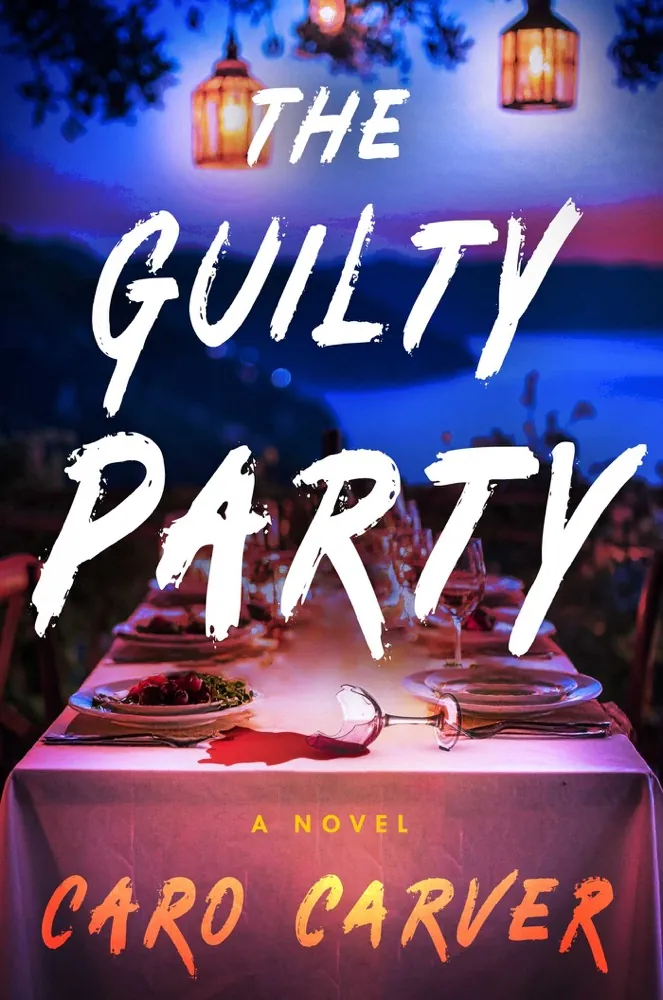

Author: Caro CarverPage Count: UnknownPublication Date: Expected publication 2026 APL The synopsis for The Guilty Party reads like a fever dream written by someone who’s been staring too long at the neon signs of The Girl with the Dragon Tattoo meets Big Little Lies—but with the kind of lazy, sun-drenched fatalism that makes you wonder if the author’s ever actually been to Capri beyond the postcard version. And yet, there’s something deliciously unhinged about it, like a murder mystery where the killer is just as bored as the guests. Because let’s face it, if you’re inviting a group of people who’ve spent the last quarter-century being publicly dissected, why wouldn’t one of them snap? The real crime here isn’t the murder—it’s the setup. A cult film reunion? Check. A villa that’s now a luxury hotel? Check. Twenty-five years of unpaid emotional debts? Obviously. But where’s the tension? Where’s the meat? The synopsis leans so hard into the "glamour-drenched weekend" that it risks becoming a parody of its own genre—like if Knives Out had a sequel where everyone just chatted about their therapy sessions instead of stabbing each other. And don’t even get me started on the "some things never die" line—because in this case, it’s not secrets or grudges, it’s the vagueness. Where’s the specificity? Where’s the bite? It’s like reading a True Detective synopsis that only mentions the "darkness" and not the actual bodies. But here’s the thing—this is exactly the kind of book that will sell like wildfire. Because in 2026, we’re all exhausted by the idea of precision. We want the messy, the vague, the glamorous murder where the real villain is the passage of time. And let’s be honest, this reads like a love letter to the kind of stories that get adapted into Sharp Objects-style TV shows—where the real horror isn’t the crime, but the fact that everyone’s still here, still breathing, still performing. It’s the kind of thing that would make Gillian Flynn nod approvingly before immediately getting distracted by her next project. Yet—and here’s where the bias kicks in—I can’t help but think this is just another iteration of the "artists in paradise" trope, dressed up in a little Italian sunshine. It’s the same old story: a group of people who were once close, now forced to confront the fact that they’re just a bunch of strangers pretending to be family. And while I’ll admit, the idea of a murder at a luxury hotel is deliciously ironic—like if The Shining had been filmed in a five-star resort instead of an old ski lodge—it still feels like it’s missing something. Maybe a little more dirt. Maybe a little less glamour. And speaking of dirt—why am I even thinking about this? Because right now, I’m sitting in my kitchen, staring at the same three eggs I’ve been staring at for the last twenty minutes, wondering why I bother. The world is full of books that promise drama and deliver dust, and this one feels like it’s going to be one of them. But then again, maybe that’s the point. Maybe the real crime isn’t the murder—it’s the fact that we’re all just waiting for someone to finally do something. I’m going to go stare blankly into the open refrigerator for inspiration. Maybe the milk will have answers. Or at least a little more edge. #BookTok #MurderMystery #CapriVibes #EcoCriticRants #WhyBother Related InsightsBark Humbug: An Andy Carpenter Mystery (An Andy Carpenter Novel, 34) Book Review and Summary The Lost Life of Sylvia Song Book Review and Summary The Cider House Rules Book Review and Summary{ "@context": "https://schema.org", "@type": "FAQPage", "mainEntity": [ { "@type": "Question", "name": "What is the main focus of The Guilty Party Book Review and Summary?", "acceptedAnswer": { "@type": "Answer", "text": "Everything you need to know about The Guilty Party with our detailed review." } }, { "@type": "Question", "name": "Who authored the comprehensive guide on The Guilty Party Book Review and Summary?", "acceptedAnswer": { "@type": "Answer", "text": "This detailed article and its insights were carefully researched and authored by William Clark." } }, { "@type": "Question", "name": "Where can I find more related content about Books?", "acceptedAnswer": { "@type": "Answer", "text": "You can explore more articles, detailed reviews, and similar insights by browsing the Related Insights section at the bottom of this article or visiting our dedicated Books category page." } } ] }
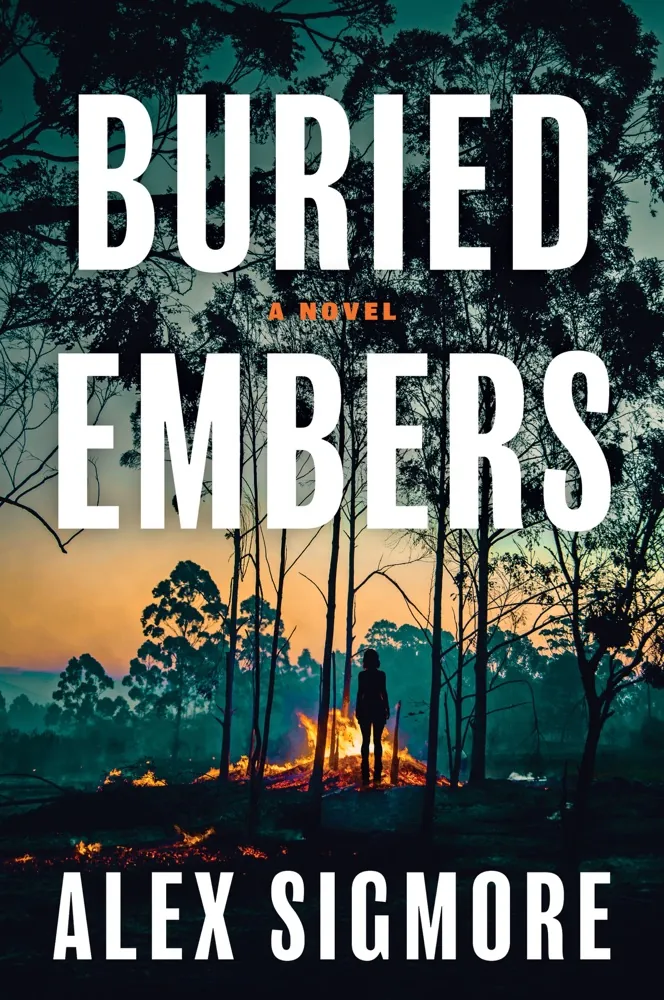
Author: Alex SigmorePage Count: UnknownPublication Date: Expected publication 2026 APL The bus’s AC wheezes like a dying animal, and the scent of stale coffee and regret clings to the air—just like the kind of prose that makes you wonder if the author ever actually lived in the Pacific Northwest. Because here’s the thing: Buried Embers isn’t just another thriller about a fire investigator. It’s a slow-burn (pun absolutely intended) meditation on grief, suspicion, and the way small towns hide their rot behind smiles and pine-scented air. The synopsis leans hard into the "brilliant but troubled" trope, which is fine—we’ve seen it before in books like The Dry by Jane Harper, where the protagonist’s trauma is the engine, not just the grease. But where Harper’s protagonist is a cop drowning in bureaucracy, Calla Rowe is a wildfire investigator, which immediately shifts the metaphor from legal corruption to ecological destruction. And that’s where the synopsis stumbles—because it doesn’t show us the fire. It tells us there’s a fire. It tells us there’s a web of treachery. It tells us Calla is hiding in a remote Oregon town, which sounds like a cliché until you realize how little we know about why she’s there. The synopsis is frustratingly vague about the mechanics of her trauma. Was her partner’s death a botched investigation? A personal vendetta? The logging company’s involvement? Right now, it reads like a checklist of thriller tropes—arson, disappearances, environmental activism—without the tension of a real mystery. It’s the difference between a True Detective episode and a Dateline rerun. And yet, the promise of a "shocking twist" lingers, which is either a sign of confidence or a desperate attempt to sell a book that hasn’t quite found its footing yet. Because here’s the thing about wildfire thrillers: they’re either The Girl on the Train meets Firestarter or they’re nothing. The synopsis doesn’t lean into the science—how does Calla’s expertise in accelerants and burn patterns make her the key to unraveling this? Is she a MacGyver of fire science, or is she just another detective with a fancy degree? The ambiguity is maddening, like trying to read a map in the dark. But then—and this is where I pivot—maybe that’s the point. Maybe the vagueness is intentional, a reflection of Calla’s own fractured state. She’s hiding in Pinecrest, but is she really hiding, or is she just waiting for the next blaze to pull her back in? The synopsis doesn’t answer that, but it doesn’t have to. It’s a setup, not a resolution. And that’s where the real potential lies. If Sigmore—who, by the way, already has a solid reputation with his FBI series—can make us care about Calla’s hesitation, her fear of getting burned again, then this could be something. Because the best thrillers aren’t about the mystery; they’re about the protagonist’s relationship to it. Think Gone Girl’s Amy Dunne, but with a chainsaw instead of a pen. The synopsis doesn’t give us that yet, but it’s a start. And then there’s the environmental angle, which is either a bold stroke or a gimmick. The logging company’s secret old-growth timber operation? That’s not just a plot device—it’s a real-world tension, one that’s been simmering in the Pacific Northwest for decades. If Sigmore can weave that into the thriller without feeling preachy, he’ll have something. But if it’s just another layer of "corrupt industry" tropes, it’ll feel like a cheap nod to current events. The synopsis doesn’t tell us how deep the company’s involvement goes—is it arson, sabotage, or something worse? That’s the kind of ambiguity that makes a thriller work, but right now, it’s just another question hanging in the smoke. I have to stop writing this now because the bus is pulling into a station and I have to go rescue a stack of vinyl records from a damp basement before they turn into moldy relics of my own neglect. But if Buried Embers delivers on the promise of a protagonist who’s as complicated as the fires she investigates, it could be the kind of book that lingers like the scent of pine after a burn. Or it could be another forgettable ride through the woods. Only time—and the next blaze—will tell. #BookTok #PacificNorthwestFiction #ThrillerAlert #WildfireWriters #SigmoreSizzle Related InsightsNorwegian Wood Book Review and Summary The Secret of Secrets Book Review and Summary Lord of the Flies Book Review and Summary{ "@context": "https://schema.org", "@type": "FAQPage", "mainEntity": [ { "@type": "Question", "name": "What is the main focus of Buried Embers Book Review and Summary?", "acceptedAnswer": { "@type": "Answer", "text": "Everything you need to know about Buried Embers with our detailed review." } }, { "@type": "Question", "name": "Who authored the comprehensive guide on Buried Embers Book Review and Summary?", "acceptedAnswer": { "@type": "Answer", "text": "This detailed article and its insights were carefully researched and authored by Diego Lopez." } }, { "@type": "Question", "name": "Where can I find more related content about Books?", "acceptedAnswer": { "@type": "Answer", "text": "You can explore more articles, detailed reviews, and similar insights by browsing the Related Insights section at the bottom of this article or visiting our dedicated Books category page." } } ] }
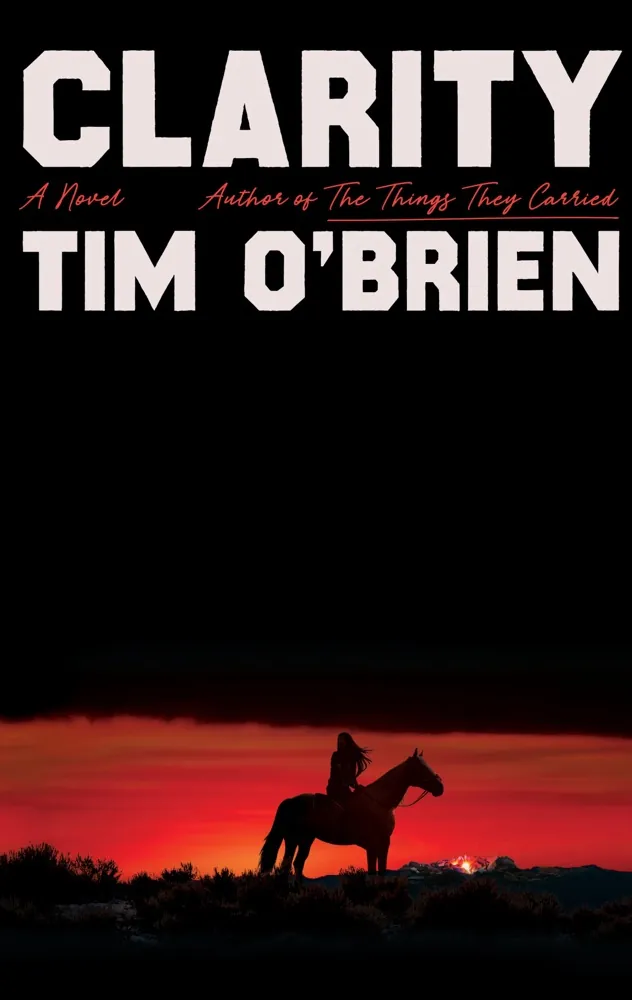
Author: Tim O'BrienPage Count: UnknownPublication Date: Expected publication 2026 APL Promises of "clarity" are the first thing a liar offers you. They dangle it like a bright, plastic charm in front of a child who just wants to know why the light went out, why the chair is empty, why the silence is so heavy it leaves bruises. Tim O’Brien has spent a career excavating the debris of war and the fiction we build to survive it, but this new premise—a lie about a dead baby acting as the engine for a decades-long pursuit—feels less like a search for truth and more like a cruel, drawn-out punishment. A Theology of Deceit Why must we insist on redemption? Tom Barrie, our wayward shepherd in St. Paul, isn’t looking for God; he’s looking for a way to rewrite a singular, wretched moment of cowardice. The synopsis suggests a collision between the orderly, static world of the pulpit and the chaotic, kinetic sprawl of a girl who has nothing to lose. It’s a classic setup for a heavy-handed meditation on the lies we tell to keep our own ghosts fed. I suspect O’Brien is baiting us into wanting a catharsis that he has no intention of providing. If The Things They Carried taught us anything, it’s that the truth is a shifty, unreliable witness. The Geography of Regret And speaking of shifting, why are we still pretending that cross-country odysseys equate to emotional growth? It’s the literary equivalent of a temper tantrum. It reminds me of that insipid preschool show where the characters run through a magical forest to find a lost toy, only to realize the "real treasure" was the friends they ignored along the way. I spent three hours last Tuesday watching a cartoon hedgehog talk to a sentient rock while my own floor felt like it was tilting toward oblivion, and frankly, the narrative arc of that animation had more structural integrity than this trope of the "delinquent fleeing a traumatic past." Ruby Stjern sounds like a construct—the Manic Pixie Dream Fugitive—designed solely to force a man who has lost his faith to finally feel something. It’s exhausting. It’s predictable. I suspect the prose will be gorgeous, because it’s O’Brien, but the emotional manipulation feels as transparent as a window pane in a gale. The Myth of the Answer O’Brien hints that "people who know all the answers are fucking fools," which is a convenient way for an author to sidestep the messy business of resolving his own plot. He’s setting the stage for a bleak, open-ended wander through the wreckage of 2003. Will he finally drop the pretension that trauma is a puzzle to be solved rather than a slow rot? Probably not. We will likely be treated to a series of vignettes that lean heavily into the "philosophical" at the expense of anything resembling a human heartbeat. Ouch. I just stepped on a rogue building block. I need a moment to recover. #litcrit #timobrien #bookreview Related InsightsReturn to Breakneck Island (The Treasure Hunters Club #2) Book Review and Summary Live Laugh Love: The Secret History of White Christian Women and the World They Made Book Review and Summary Carrying Book Review and Summary{ "@context": "https://schema.org", "@type": "FAQPage", "mainEntity": [ { "@type": "Question", "name": "What is the main focus of Clarity Book Review and Summary?", "acceptedAnswer": { "@type": "Answer", "text": "Everything you need to know about Clarity with our detailed review." } }, { "@type": "Question", "name": "Who authored the comprehensive guide on Clarity Book Review and Summary?", "acceptedAnswer": { "@type": "Answer", "text": "This detailed article and its insights were carefully researched and authored by Victoria Smith." } }, { "@type": "Question", "name": "Where can I find more related content about Books?", "acceptedAnswer": { "@type": "Answer", "text": "You can explore more articles, detailed reviews, and similar insights by browsing the Related Insights section at the bottom of this article or visiting our dedicated Books category page." } } ] }
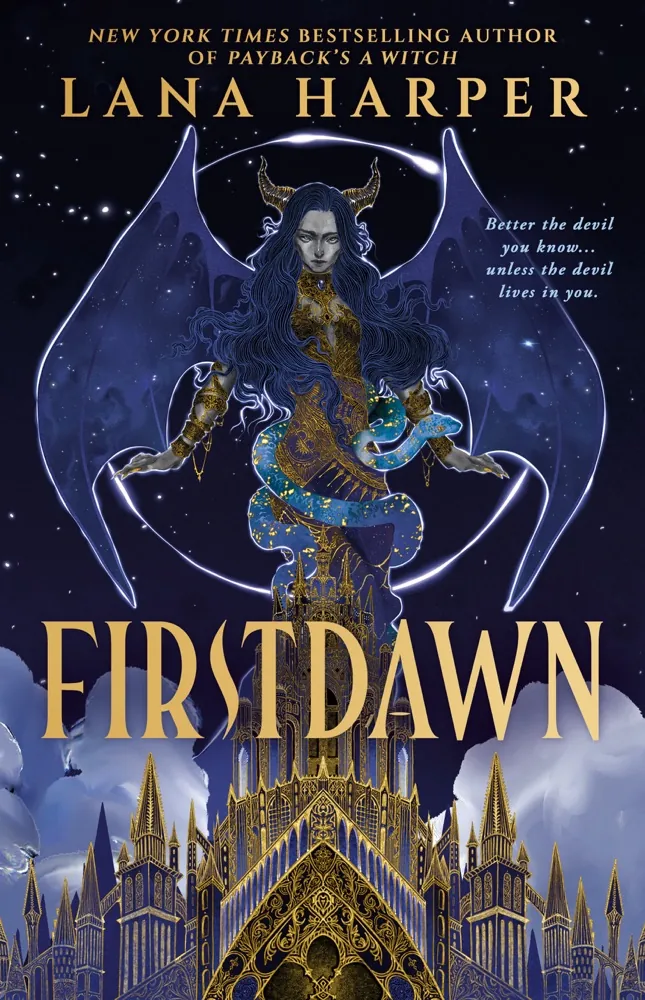

Author: Lana HarperPage Count: UnknownPublication Date: Expected publication 2026 APL The subway’s fluorescent glow bleeds through the gaps in the newspaper, casting a sickly yellow over the synopsis of Firstdawn—Lana Harper’s next move in the demonic love triangle chess game. And Christ, if this isn’t the kind of thing that makes you want to hurl your coffee into the tracks. Danica Marsden, Chicago’s most jaded PI, gets yanked into a hellscape where the only thing more intoxicating than the half-demons chasing her is the fact that she’s literally not human anymore. Shahara and Rhavin, those two serpentine heartthrobs, are basically the literary equivalent of a vampire romance where one of the leads is a feral witch and the other’s got a god complex—except here, the stakes are cosmic and the foreplay is definitely going to involve blood. The synopsis doesn’t tell you this is a book about identity theft on a supernatural scale—it shows you by way of Danica’s fractured reflection, her therapy bills, and the way her dreams bleed into her waking life like a bad acid trip. Harper’s got a knack for making the mundane feel like a pressure point before the world ends. Danica’s barfights and one-night stands aren’t just backstory; they’re the last gasps of a woman who’s spent her life pretending she’s in control. And then—poof—she’s not. The moment her reflection flickers, you know this isn’t going to be a cozy paranormal romance. This is The Girl with All the Gifts meets American Gods, but with the erotic tension of The Devil’s Daughter and the existential dread of a woman realizing she’s been lied to her whole life. The half-demons, Shahara and Rhavin, are the kind of characters that make you want to scream at the page: Why do they have to be so damn charming? Shahara’s lethal beauty is the kind of thing that would make a lesser writer lean into cliché, but Harper’s got the guts to make her feel like a predator who’s also a victim of her own lineage. Rhavin, meanwhile, is the golden boy with a secret—because of course he is. Their dynamic isn’t just a love triangle; it’s a power struggle disguised as romance, the kind that makes you think of The Lies of Locke Lamora’s political maneuvering but with more skin and less wit. And the fact that they’ve been vying for Danica’s love for centuries? That’s not just worldbuilding—it’s a middle finger to the whole "fated mates" trope. These guys have been playing the long game, and Danica’s just the latest pawn. The real question is whether Harper can pull off the balance between the gritty, grounded PI protagonist and the mythic, high-stakes demonic court. Because right now, the synopsis reads like a love letter to The First Fifteen Lives of Harry August, where the protagonist’s past is a labyrinth and the present is a ticking clock. But where Firstdawn might stumble is in the execution of Danica’s arc—will she be a reluctant heroine, or will she double down on her cynicism and burn it all down? The synopsis hints at both possibilities, but it’s the kind of ambiguity that could either elevate the book or leave readers feeling like they’re chasing ghosts. And let’s not forget the aesthetic—stenciled edges, interior cover art that’s presumably divine. This isn’t just a book; it’s a statement. The kind of thing you’d want to display on a shelf next to The Night Circus and The Shadow of the Wind, but with the edge of something darker, something that doesn’t just entertain but haunts. Harper’s got a reputation for blending eroticism with horror, and if Firstdawn delivers on the promise of Danica’s descent into the infernal, it’ll be the kind of book that lingers like the taste of something forbidden. But here’s the thing—you can’t read this on a crowded subway. Not without risking a panic attack or a spontaneous fight with the guy in the trench coat who’s been staring at you too long. The world Harper’s building is one where the line between human and demon is thinner than a razor’s edge, and Danica’s the kind of protagonist who’ll make you root for her even when she’s being a mess. And if she’s half as compelling as the synopsis suggests, you’ll be waiting for the next installment like it’s the only thing keeping you from losing your mind. Now, if you’ll excuse me, I’ve got to scavenge for parts to fix my French press before it becomes another relic of my failed attempts at adulting. #DemonicRomance #BookTokButMakeItDark #LanaHarperIsUnkillable Related InsightsMilkteeth Book Review and Summary The Woven Bag Book Review and Summary The Shadow of the Wind Book Review and Summary{ "@context": "https://schema.org", "@type": "FAQPage", "mainEntity": [ { "@type": "Question", "name": "What is the main focus of Firstdawn Book Review and Summary?", "acceptedAnswer": { "@type": "Answer", "text": "Everything you need to know about Firstdawn with our detailed review." } }, { "@type": "Question", "name": "Who authored the comprehensive guide on Firstdawn Book Review and Summary?", "acceptedAnswer": { "@type": "Answer", "text": "This detailed article and its insights were carefully researched and authored by Piotr Nowak." } }, { "@type": "Question", "name": "Where can I find more related content about Books?", "acceptedAnswer": { "@type": "Answer", "text": "You can explore more articles, detailed reviews, and similar insights by browsing the Related Insights section at the bottom of this article or visiting our dedicated Books category page." } } ] }
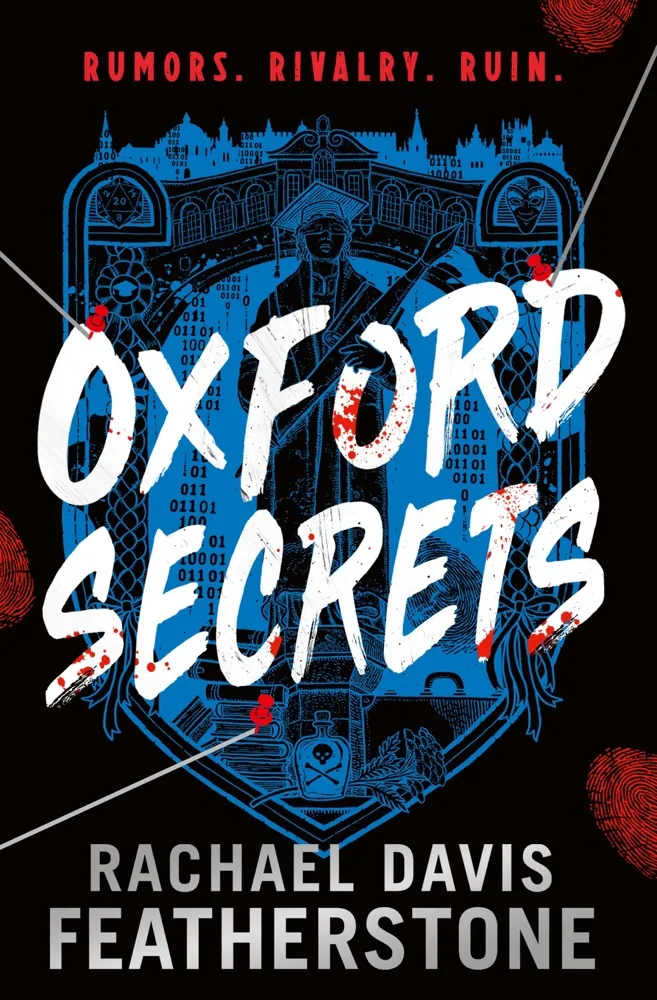

Author: Rachael Davis-FeatherstonePage Count: UnknownPublication Date: Expected publication 2026 APL September air smells like damp earth and scorched sugar. The flour is currently clinging to my eyelashes, and I honestly do not care if the counter looks like a war zone because Oxford Secrets is waltzing into 2026 like it owns the place. The Illusion of the Ivory Tower Rachael Davis-Featherstone is back at it, dragging us straight back to the damp stones of academia where people apparently do nothing except murder each other and write essays. And honestly? Good for them. Give me Agatha Christie any day of the week over these modern teenagers whining about their follower counts. But here we are. Eva is dodging feelings for Xander—because nothing says romance like sharing a mutual trauma over a dead friend—while the digital panopticon closes in. My seven-year-old just tried to feed a raw potato to the stand mixer, and quite frankly, the kitchen appliance showed better survival instincts than anyone stepping foot on that Oxford campus. People always talk about privilege like it is some abstract painting hanging in a gallery nobody visits. But Davis-Featherstone understands the dirty, grease-stained reality of it. When anonymous student gossip forums get hacked, the panic isn't about ethics; it's about exposure. A classic trope, yes. Yet I will devour it like stolen cookie dough eaten straight from the bowl at two in the morning while staring blankly at the wall. The Digital Guillotine The synopsis relies heavily on vague threats of "deadly secrets" and spilled blood, which is code for "we haven't finished writing the middle chapters yet, but trust us, the vibes are immaculate." Give me a break. Just tell us who pushes whom down the bell tower. But no, we get the whole song and dance about student well-being and digital toxicity. Yet there is something undeniably delicious about watching arrogant eighteen-year-olds panic because their burner accounts got leaked. It reminds me of the PTA WhatsApp group drama from last term, except with more tweed and fewer passive-aggressive emojis of wine glasses. Davis-Featherstone is chasing the high of The Secret History by Donna Tartt, though with a decidedly millennial social media panic attack tacked on for good measure. Will the plot hold together under the weight of its own pretentious terminology? Absolutely not. Do I care? Absolutely not. Now I have to go negotiate the Geneva Convention with a four-year-old who is currently treating the bathtub like a maximum-security prison yard. Related InsightsThe Wasp Factory Book Review and Summary Lonesome Dove Book Review and Summary Big Little Truths Book Review and Summary{ "@context": "https://schema.org", "@type": "FAQPage", "mainEntity": [ { "@type": "Question", "name": "What is the main focus of Oxford Secrets (Oxford Blood, 2) Book Review and Summary?", "acceptedAnswer": { "@type": "Answer", "text": "Everything you need to know about Oxford Secrets (Oxford Blood, 2) with our detailed review." } }, { "@type": "Question", "name": "Who authored the comprehensive guide on Oxford Secrets (Oxford Blood, 2) Book Review and Summary?", "acceptedAnswer": { "@type": "Answer", "text": "This detailed article and its insights were carefully researched and authored by Sarah Davis." } }, { "@type": "Question", "name": "Where can I find more related content about Books?", "acceptedAnswer": { "@type": "Answer", "text": "You can explore more articles, detailed reviews, and similar insights by browsing the Related Insights section at the bottom of this article or visiting our dedicated Books category page." } } ] }
-
 Emma Thompson
 - 02 Sep, 2026 07:29
How to Make a Friend: A Modern Guide to Friendship Book Review and Summary
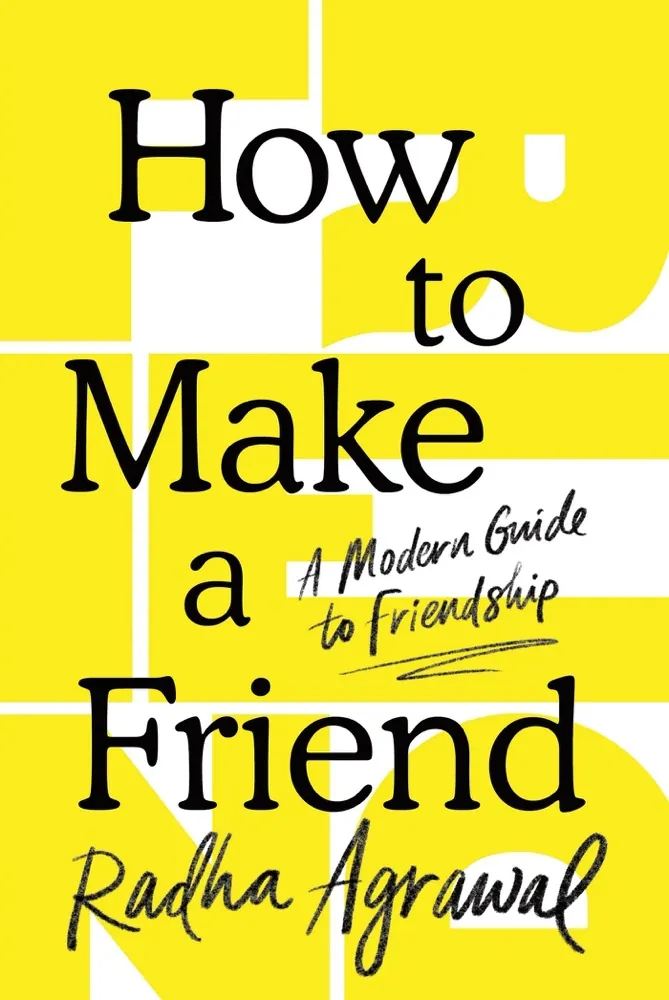
Author: Radha AgrawalPage Count: UnknownPublication Date: Expected publication 2026 APL The Gothic revival brickwork of this quad is positively rotting with academic pretension today, which makes it the ideal spot to dissect Radha Agrawal’s upcoming How to Make a Friend. Another manual telling the digital generation how to touch grass. Yawn. We are drowning in prescriptive treatises marketed as manifestos, written by people who treat human connection like a startup pitch deck. The Commodification of the Unplanned And what a premise we have here. Friendship as an inefficient practice. Groundbreaking sociology, really. Comparable to whatever pop-psychology dreck Malcolm Gladwell or Brené Brown churn out when they need a new vacation home. The synopsis leans hard into the tired aesthetic of anti-capitalist romanticism—because nothing screams authentic bonding quite like buying a hardcover book to teach you how to ride the subway for a short hug. Yet the intellectual dishonesty baked into these blurbs is truly breathtaking. Agrawal wants us to reject toxic individualism while simultaneously utilizing capitalist toolkits—simple scripts, enrollment metrics, and vibe preservation protocols—to engineer organic warmth. Make it make sense. We are meant to swallow the myth that awkwardness is some sort of sacred gateway to intimacy, when half the time, awkwardness is just bad posture and social illiteracy. Architectural Delusions of Grandeur Consider the terminology. Community architect. Good grief. Do we need blueprints to sit on a stoop and bitch about the administration? This is peak millennial optimization masquerading as a soulful retreat from screens. Instead of letting relationships wither or bloom organically—the absolute horror of social Darwinism—we must now audit our connections for productivity versus meaning. Predicting how this text will perform is child's play. It will undoubtedly dominate the bestseller lists for weeks, scooped up by lonely corporate drones in Tribeca who desperately need a script to talk to their barista. It is absolute brain-rot dressed up in cashmere wellness rhetoric. My assistant needs me immediately. I have to select the floral arrangements for your upcoming book launch. #radhaagrawal #bookcritic #readingslump Related InsightsWar and Peace Book Review and Summary Striker Book Review and Summary The Historian Book Review and Summary{ "@context": "https://schema.org", "@type": "FAQPage", "mainEntity": [ { "@type": "Question", "name": "What is the main focus of How to Make a Friend: A Modern Guide to Friendship Book Review and Summary?", "acceptedAnswer": { "@type": "Answer", "text": "Everything you need to know about How to Make a Friend: A Modern Guide to Friendship with our detailed review." } }, { "@type": "Question", "name": "Who authored the comprehensive guide on How to Make a Friend: A Modern Guide to Friendship Book Review and Summary?", "acceptedAnswer": { "@type": "Answer", "text": "This detailed article and its insights were carefully researched and authored by Emma Thompson." } }, { "@type": "Question", "name": "Where can I find more related content about Books?", "acceptedAnswer": { "@type": "Answer", "text": "You can explore more articles, detailed reviews, and similar insights by browsing the Related Insights section at the bottom of this article or visiting our dedicated Books category page." } } ] }
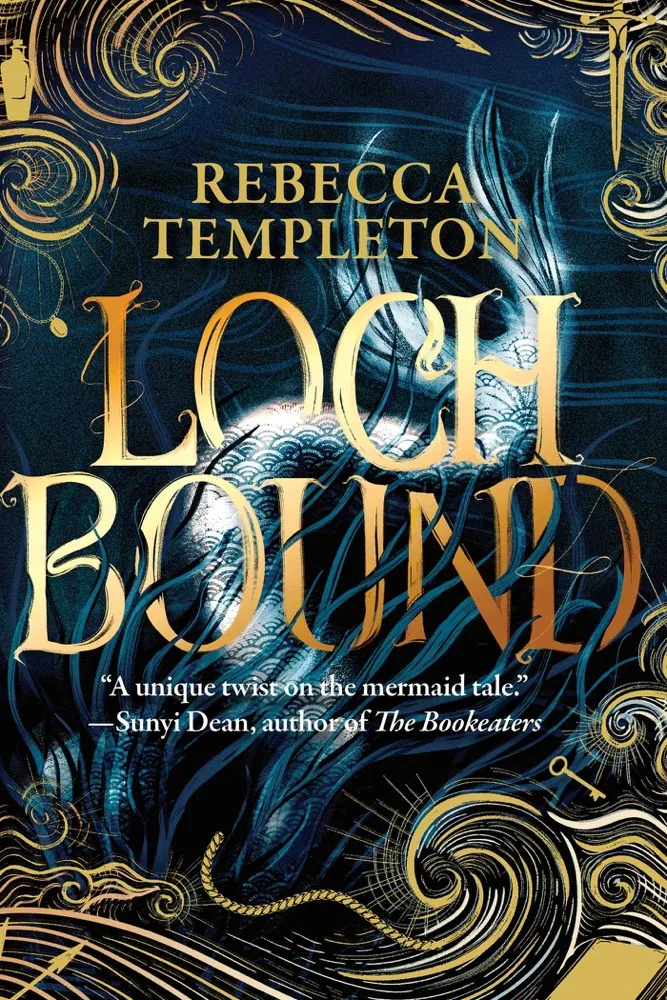
Author: Rebecca TempletonPage Count: UnknownPublication Date: Expected publication 2026 APL The synopsis for Lochbound is a masterclass in how to sell a gothic fairy tale without actually telling you anything—except that it’s going to be dark, which is either a promise or a warning, depending on how much you trust publishers these days. The fact that it’s billed as a "glitteringly dark reimagining" of The Little Mermaid is either a stroke of genius or a desperate attempt to ride the coattails of Disney’s endless regurgitation of the same three fairy tales. But let’s be honest—if this were just another Mermaid retelling, it would be forgettable. The real hook here is the setting: eighteenth-century Scotland, which immediately elevates it from "another cursed woman" to "another cursed woman in a landscape that will either haunt you or make you want to move to the Highlands." The choice is yours. The premise hinges on a duality that feels both fresh and familiar—by day, a monster; by night, a woman. It’s the kind of binary that’s been mined ad nauseam in fantasy, but the execution here could either be Spellbound meets Outlander—if the author has the chops to balance the historical grit with the supernatural dread—or it could be The Water Horse with more angst. The problem with synopses like this is that they promise a game of impossible attraction between Iris and Henry, but they don’t say whether that attraction is the kind that makes you want to read on or the kind that makes you want to throw the book into the loch. The mention of a "figure from Iris’s past" reappearing is the kind of vague threat that could either be the inciting incident of a brilliant twist or the lazy setup for a deus ex machina. Either way, it’s the kind of thing that makes me wonder if the author has actually written this yet or if they’re just playing with tropes like a child with a box of LEGOs. But let’s talk about the real issue here—the vagueness. The synopsis doesn’t tell us what the curse is, how it works, or why Iris has accepted it for fifty years. Is she resigned? Is she complicit? Is she just tired? The lack of specificity is frustrating because it leaves the reader with more questions than answers, which is either a sign of a brilliant, ambiguous narrative or a sign that the author hasn’t figured out the story yet. Compare this to something like The Cruel Prince, where the synopsis drops you into the world with enough detail to make you care immediately. Here, we’re left with a monster, a hunter, and a loch—three things that could go anywhere. The fact that the hunter is described as "rugged, ruthless" is either a red flag for a brooding love interest or a green light for a villain who might actually be the real monster here. The ambiguity is delicious, but it’s also exhausting. And then there’s the tone—gothic, historical, fantasy. It’s the kind of mashup that either works beautifully or falls flat like a poorly baked scone. Think about it: Outlander is a masterclass in blending history and romance, but it’s also a time machine that could’ve been called The Highlander and still sold the same number of copies. Spellbound is a fresh take on fae and magic, but it’s also a book that could’ve been called The Fae’s Bargain and still been just as compelling. The difference? The authors of those books had the discipline to make their worlds feel lived-in. This synopsis doesn’t give us that. It gives us a feeling—dark, misty, dangerous—but no substance. But here’s the thing: I’m intrigued. Not because the synopsis is detailed, but because it’s mysterious. The fact that it doesn’t tell us everything is either a sign of a brilliant, layered story or a sign that the author is too busy playing with words to actually write the book. Either way, I’m curious. I just hope it’s not another The Secret History knockoff where the gothic setting is just a backdrop for a bunch of privileged characters arguing about philosophy. Because if that’s the case, I’m going to be very disappointed. And speaking of The Secret History, have you ever noticed how every gothic fantasy these days is either set in a boarding school or a cursed estate? It’s like the genre has a limited palette. Lochbound could break that mold by setting its story in the Scottish Highlands, where the real monsters are the weather, the history, and the fact that you can’t just walk away from a curse like that. But then again, maybe the author will just stick to the usual suspects—fae, curses, betrayal—and call it a day. I hope not. But let’s be real—this book isn’t out yet, and I’m already tired of waiting for it. The synopsis is promising, but it’s also frustratingly vague. It’s like being given a menu with no prices—you know there’s something good on there, but you have no idea what it’ll cost. And right now, the cost of reading a book that might not deliver is too high. I must put up the holiday decorations before my spouse loses patience. #BookTok #GothicFantasy #ScottishMoors #CursedWomen #WaitForIt Related InsightsHaunting Adeline Book Review and Summary King of Wrath / King of Pride / King of Greed Book Review and Summary Too Uncool for School Book Review and Summary{ "@context": "https://schema.org", "@type": "FAQPage", "mainEntity": [ { "@type": "Question", "name": "What is the main focus of Lochbound Book Review and Summary?", "acceptedAnswer": { "@type": "Answer", "text": "Everything you need to know about Lochbound with our detailed review." } }, { "@type": "Question", "name": "Who authored the comprehensive guide on Lochbound Book Review and Summary?", "acceptedAnswer": { "@type": "Answer", "text": "This detailed article and its insights were carefully researched and authored by Antoine Leroy." } }, { "@type": "Question", "name": "Where can I find more related content about Books?", "acceptedAnswer": { "@type": "Answer", "text": "You can explore more articles, detailed reviews, and similar insights by browsing the Related Insights section at the bottom of this article or visiting our dedicated Books category page." } } ] }
-
 Lucia Garcia
 - 02 Sep, 2026 04:42
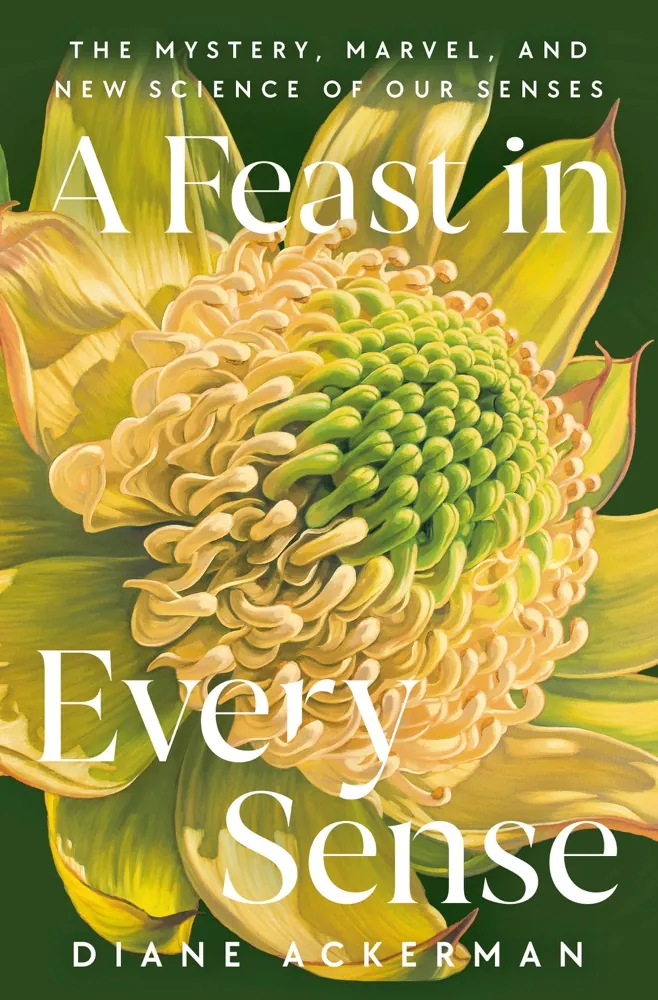
A Feast in Every Sense: The Mystery, Marvel, and New Science of Our Senses Book Review and Summary
Author: Diane AckermanPage Count: UnknownPublication Date: Expected publication 2026 APL We are expected to swoon over the tactile musings of Diane Ackerman yet again. Decades after A Natural History of the Senses graced the mahogany coffee tables of the adequately cultured, we are gifted A Feast in Every Sense. Or rather, we are promised it for twenty-six. A grueling exercise in patience. The Anatomy of a Sensation The synopsis reads like an ambitious syllabus for a seminar at the Sorbonne that nobody actually finishes. We are told of avocados yielding creamy ecstasies. We are threatened with acoustics that dictate the temperature of bathwater. But spare me the platitudes about skin sensors lowering pain during a lover's touch. This sounds dangerously close to the prose one finds embroidered on throw pillows in Chelsea flats. Yet, I suppose the market demands its morsels. The Weight of a Hard Chair Consider the grand inquiries posed by the advance material. Why does sitting in a hard chair make one a ruthless negotiator? Why does Tylenol steal our capacity for pity? One fears the intellectual rigor of this enterprise rivals the nutritional value of a can of New Coke. It flirts with popular science in the most distressing way—reductive, shiny, and engineered solely to be quoted in Sunday supplements by accountants who fancy themselves bohemians. And Ackerman expects us to revere these "secret scouts" of perception. As if our nervous systems were undiscovered Amazonian tribes waiting for a naturalist with a fountain pen to catalog their misbehaving mitochondria. One suspects the prose will be dripping with adjectives. Too many adjectives. A relentless cascade of tactile descriptors designed to compensate for an absence of actual argument. Give me the austere despair of a Thomas Bernhard sentence any day over this relentless, exhausting optimism about the miracle of being alive. Some of us prefer the numbness. The Grand Soirée We shall see if the finished volume transcends its own promotional apparatus. But my expectations remain subterranean. The guest list for the publisher's summer salon on the terrace requires immediate pruning. I simply cannot tolerate the architectural editor bringing her third husband again. Related InsightsTrump: The Art of the Deal Book Review and Summary Jane Eyre Book Review and Summary Imagine Me Book Review and Summary{ "@context": "https://schema.org", "@type": "FAQPage", "mainEntity": [ { "@type": "Question", "name": "What is the main focus of A Feast in Every Sense: The Mystery, Marvel, and New Science of Our Senses Book Review and Summary?", "acceptedAnswer": { "@type": "Answer", "text": "Everything you need to know about A Feast in Every Sense: The Mystery, Marvel, and New Science of Our Senses with our detailed review." } }, { "@type": "Question", "name": "Who authored the comprehensive guide on A Feast in Every Sense: The Mystery, Marvel, and New Science of Our Senses Book Review and Summary?", "acceptedAnswer": { "@type": "Answer", "text": "This detailed article and its insights were carefully researched and authored by Lucia Garcia." } }, { "@type": "Question", "name": "Where can I find more related content about Books?", "acceptedAnswer": { "@type": "Answer", "text": "You can explore more articles, detailed reviews, and similar insights by browsing the Related Insights section at the bottom of this article or visiting our dedicated Books category page." } } ] }


Author: Nanami KamonPage Count: UnknownPublication Date: Expected publication 2026 APL Staring at the flickering fluorescent tube above this sticky library carrel while a fluorescent-vested city worker aggressively leaf-blows the pathetic September drizzle outside, my mind drifts to Nanami Kamon’s upcoming The Mountain. God, the autumn air smells like damp wool and municipal defeat. But let us discuss the literary meat here. The Haunting of the Professional Woman Minami is a horror writer suffering from the most profoundly gendered curse known to modern capitalism: she has a blank document and a deadline. And what does she do? She answers a middle-of-the-night distress call from an old female friend, Asako—because patriarchy taught us that women must perform unpaid emotional labor even when dodging specters from a cursed sawmill. Classic. Kampon’s premise relies heavily on the tired trope of the haunted female collective—think Shirley Jackson meets Ring-era hyper-fixations, except translated for an English-speaking audience finally ready to look past Murakami's manic pixie dream ghosts. Yet, I am side-eyeing the marketing copy. The synopsis gives us zero actual narrative teeth, relying entirely on the generic promise that "the mountain is calling them back." Wow. Groundbreaking. Tell me more about the rocks, corporate publishing. Folk Horror and the Male Gaze on Nature Japan’s rich lineage of yama-uba folklore—mountain hags, wild women living at the fringes of civilized patriarchal safety—deserves a radical feminist deconstruction. Will Kamon deliver this? Or will we just get generic wet-haired phantoms crawling out of corporate water coolers? The juxtaposition of a professional horror writer hunting for inspiration by exploiting her female peer's trauma is delicious. It exposes the grift of the trauma economy. We monetize our collective suffering, wrap it in a pretty paperback cover, and sell it to suburban ghouls looking for a thrill before bedtime. Minami thinks she is too smart to get dragged in. She sits in her ivory tower of supernatural expertise until the phantoms come for her, too. Slay, queen, get terrorized by indigenous mountain curses. The epistolary trigger—an email out of the blue—is aggressively mundane. It grounds the supernatural dread in the absolute worst part of contemporary existence: digital correspondence that requires a emotional response. Expect The Mountain to either completely redefine J-horror translation standards or completely lean into the exhausted tropes of cursed real estate. I am betting five crisp dollars it does the latter, wrapped in some gorgeous minimalist cover art that looks great on an Instagram grid. Anyway, I need to close this laptop immediately and aggressively march down to the municipal park before dusk so I can forage for edible chanterelles before the city sprays them with pesticides. Related InsightsFirst Love Last Love: A Novel Book Review and Summary Mooncursed (The Drowned King, #1) Book Review and Summary The Hero of Ages Book Review and Summary{ "@context": "https://schema.org", "@type": "FAQPage", "mainEntity": [ { "@type": "Question", "name": "What is the main focus of The Mountain Book Review and Summary?", "acceptedAnswer": { "@type": "Answer", "text": "Everything you need to know about The Mountain with our detailed review." } }, { "@type": "Question", "name": "Who authored the comprehensive guide on The Mountain Book Review and Summary?", "acceptedAnswer": { "@type": "Answer", "text": "This detailed article and its insights were carefully researched and authored by Marta Wisniewska." } }, { "@type": "Question", "name": "Where can I find more related content about Books?", "acceptedAnswer": { "@type": "Answer", "text": "You can explore more articles, detailed reviews, and similar insights by browsing the Related Insights section at the bottom of this article or visiting our dedicated Books category page." } } ] }


Author: Adam MansbachPage Count: UnknownPublication Date: Expected publication 2026-10-13 APL September afternoons always smell like damp mulch and unread mail piling up by the front door, which is precisely the mood I am in while staring down Adam Mansbach’s upcoming The Wrong Body: A Golem of Brooklyn Novel—a book I am already convinced will either save my sanity or utterly ruin my remaining patience for contemporary political satire. Look, we all survived the first outing with Len Bronstein and his giant clay creation, but dragging a mythological monster into the harrowing, hyper-real mire of modern geopolitical occupations, state recruitment schemes, and Washington military courts feels like an enormous gamble that might completely collapse under the weight of its own absurd premise—seriously, who looks at a weapon of mass destruction crafted from river mud and thinks, yes, let us toss him into a road trip alongside federal agents, a secretive crisis management firm, and the restless spirit of a long-dead Talmudic sage because apparently Michael Chabon and Philip Roth never suffered enough trying to balance Jewish mysticism with biting contemporary commentary. Unhinged. Muddy Metaphors on the Interstate And why must every single novel tackling Zionism and American foreign policy rely on the exact same tired road-trip trope from New York to D.C. as if the Potomac holds some magical absolution for centuries of ancestral trauma? Mansbach clearly wants to push buttons—Peter Beinart is already comparing the dark humor to the current American and Jewish condition, which usually means we are in for a hundred pages of exhausting righteousness disguised as biting wit—and yet I find myself fiercely protective of Len and his little band of travelers, almost like I am packing juice boxes for a bunch of bickering teenagers in the minivan rather than watching a fictional crisis management firm hunt down a folk-legend. Exhausting. There is a distinct lack of narrative breathing room promised by this synopsis, rushing headfirst from white nationalist rallies to emergency military tribunals without ever stopping to ask whether a golem is actually capable of moral introspection or if he is just a giant metaphor for our collective geopolitical failures. I demand actual character chemistry, not just talking points thrown against a wall of clay. Wait. The text messages are blowing up. I completely forgot I volunteered to host the chaotic neighborhood toddler playdate in twenty minutes, the living room floor is currently a disaster zone of plastic dinosaurs, and I have zero snacks prepared for six sugar-fueled children.
-
 Michael Brown
 - 02 Sep, 2026 03:13
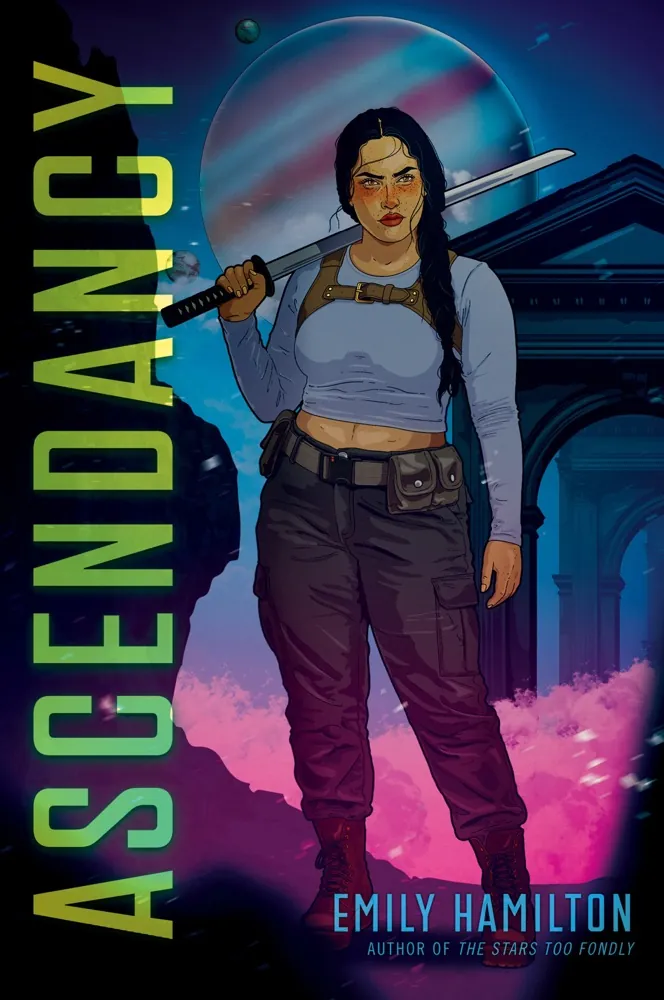
Ascendancy: A Novel (The Ascendancy Trilogy, 1) Book Review and Summary
Author: Emily HamiltonPage Count: UnknownPublication Date: Expected publication 2026 APL Emily Hamilton's Ascendancy arrives with the heavy, glittering burden of comparison to Tamsyn Muir and Arkady Martine, which usually means the literary marketing machine is trying to sell us a prefabricated revolution. But let us look at the raw structural mechanics of this synopsis. We have Neev—a pilot chipped, monitored, and effectively abandoned by a maternal figure at an academy on Jupiter's moons—and Ida, a sword-wielding product of a transhumanist death cult. A classic case of overpromising. Because how many times must we watch the dutiful institutional cog fall for the feral, leather-clad dissident, only for fate to tear them apart by page fifty just so they can stare at each other across opposing barricades a decade later? And speaking of institutional abandonment, my youngest spent forty-five minutes this morning crying because his oatmeal was brown instead of white, completely melting down over a reality he refused to accept, which honestly feels less exhausting than reading another sprawling space opera where the salvation of the entire species apparently hinges on whether two traumatized ex-lovers can communicate their feelings instead of shooting at each other with plasma rifles. Why must every cosmic conflict be a thinly veiled metaphor for bad childhood attachment styles? Just fix the leaky infrastructure of your fictional Jovian moons and stop weaponizing daddy issues against the proletariat. The Anatomy of Engineered Longing The thematic architecture here relies entirely on the worn-out dichotomy between authoritarian surveillance and violent anarchism. The synopsis breathlessly trades in buzzwords: the Neionet, chips in heads, iron grips, and the hollow promise of technology. Yet it refuses to examine the actual mess of institutional dependency. When a child learns never to question the invisible architecture keeping them alive, the trauma isn't just political—it is cellular. Yet Hamilton seems more interested in the "blazing romance" and the "power of the erotic" than the agonizing, tedious reality of unlearning a lifetime of neurological conditioning. Love does not overthrow fascist councils. Concrete does. The Inevitable Betrayal of Happy Endings Expect a tragic, blood-soaked cliffhanger masquerading as emotional depth. Anyone promising that a queer cyberpunk space opera will unite humanity with a single, sweeping romance is selling a fairy tale to adults who should know better. People who grow up in death cults do not just walk away because a handsome rebel pilot smiles at them; they spend decades flinching at sudden movements in quiet rooms. But the market demands glossy, high-stakes melodrama where a blade to the heart heals all systemic injuries. I refuse to buy into the marketing hype. I really must go outside now and untangle the garden hose that has tied itself into a Gordian knot across the back patio, because unlike the characters in this trilogy, at least that catastrophe has a physical logic I can unravel before sunset. #Ascendancy #Cyberpunk #SpaceOpera #SciFiReads Related InsightsTao Te Ching Book Review and Summary Tender Is the Night Book Review and Summary The Cider House Rules Book Review and Summary{ "@context": "https://schema.org", "@type": "FAQPage", "mainEntity": [ { "@type": "Question", "name": "What is the main focus of Ascendancy: A Novel (The Ascendancy Trilogy, 1) Book Review and Summary?", "acceptedAnswer": { "@type": "Answer", "text": "Everything you need to know about Ascendancy: A Novel (The Ascendancy Trilogy, 1) with our detailed review." } }, { "@type": "Question", "name": "Who authored the comprehensive guide on Ascendancy: A Novel (The Ascendancy Trilogy, 1) Book Review and Summary?", "acceptedAnswer": { "@type": "Answer", "text": "This detailed article and its insights were carefully researched and authored by Michael Brown." } }, { "@type": "Question", "name": "Where can I find more related content about Books?", "acceptedAnswer": { "@type": "Answer", "text": "You can explore more articles, detailed reviews, and similar insights by browsing the Related Insights section at the bottom of this article or visiting our dedicated Books category page." } } ] }
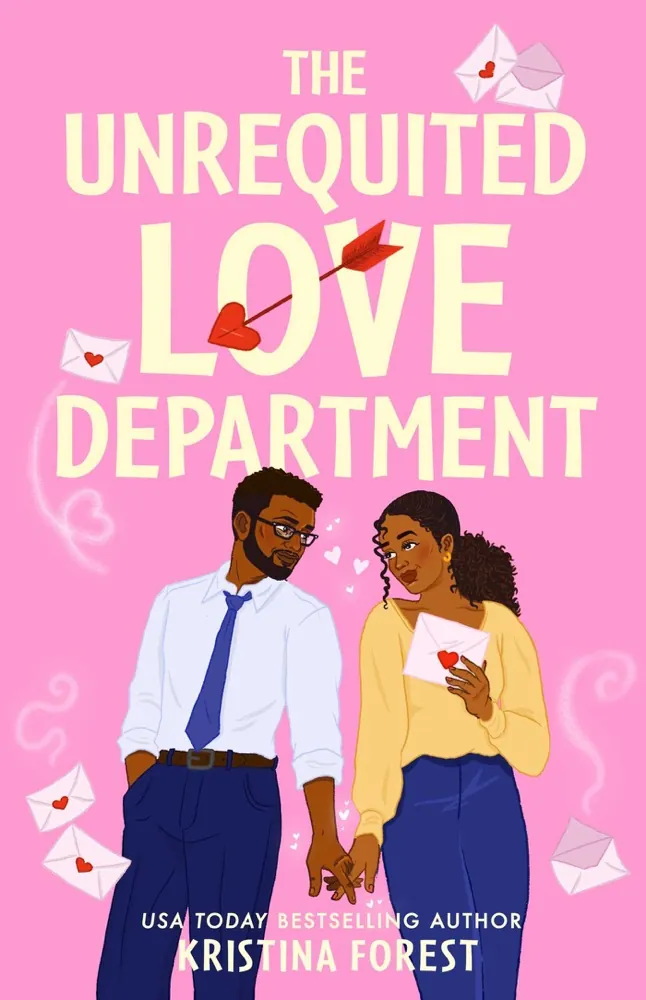

Author: Kristina ForestPage Count: UnknownPublication Date: Expected publication 2026 APL Kristina Forest is about to weaponize the Elizabeth Holmes aesthetic against us with The Unrequited Love Department. A magical workplace where people archive heartbreak like old tax forms. How deliciously, excruciatingly twee. Yet the pacing potential here—if managed with the surgical precision of the Titan submersible implosion—could actually save contemporary romance from its current death march of identical pastel covers and forced proximity tropes. The Architecture of a Paper-Thin Catastrophe Joy leaks confidential love letters. Groundbreaking. A catastrophe of administrative proportions that apparently requires a physical road trip. Because in 2026, apparently encrypted databases do not exist, and we must physically chase paper like it is the 1994 Reality Bites promotional tour. Charles shows up from the Solutions Department. Naturally. The man is a walking monolith of snark, built entirely out of emotional unavailability and bespoke wool waistcoats. He is the literary equivalent of a cold plunge in Shoreditch. And they are forced into close quarters. Screaming, crying, throwing up. The Binary Trap of Emotional Architecture The thematic architecture relies on the oldest, most exhausted dialectic in the catalog: the eternal war between the optimist who collects unreturned affection like sea glass and the cynic who views romance as a hostile corporate takeover. Forest is playing a dangerous game here. If she leans too hard into the whimsical twist of Cupid & Associates, the entire enterprise threatens to curdle into twee nonsense. We do not need another pastel-hued fable about learning to love again. We need grit. We need the bureaucratic weight of a celestial mailroom crashing down on two people who clearly need a joint intervention rather than a road trip. Yet my pulse is genuinely racing. The premise demands a breathless, breakneck rhythm. If Forest drags out the road trip through three excruciating chapters of diner small talk, I will personally throw my advance copy into the Thames. But if she treats the leaked letters as a ticking bomb—a literal exposure of collective human vulnerability in an era of algorithmic numbness—the narrative stakes suddenly skyrocket. The Verdict on the Ink Can a book about unrequited love survive its own premise without devolving into Hallmark Channel sludge? Doubtful. But the sheer audacity of giving a bureaucratic department the job of cataloging human rejection deserves a toast. Or a heavily medicated afternoon. We are looking at either a catastrophic misfire or the sharpest romantic comedy of the quarter. My publicist is screaming for an immediate statement for the press. Related InsightsSussurri Proibiti e Voci Che Non Muoiono: L'Eterno Viaggio dei Libri Banditi Brief cases Book Review and Summary Daughters of the Wind: A Mythic Fantasy Book Review and Summary{ "@context": "https://schema.org", "@type": "FAQPage", "mainEntity": [ { "@type": "Question", "name": "What is the main focus of The Unrequited Love Department Book Review and Summary?", "acceptedAnswer": { "@type": "Answer", "text": "Everything you need to know about The Unrequited Love Department with our detailed review." } }, { "@type": "Question", "name": "Who authored the comprehensive guide on The Unrequited Love Department Book Review and Summary?", "acceptedAnswer": { "@type": "Answer", "text": "This detailed article and its insights were carefully researched and authored by Chloé Laurent." } }, { "@type": "Question", "name": "Where can I find more related content about Books?", "acceptedAnswer": { "@type": "Answer", "text": "You can explore more articles, detailed reviews, and similar insights by browsing the Related Insights section at the bottom of this article or visiting our dedicated Books category page." } } ] }

Author: Camila Sosa VilladaPage Count: UnknownPublication Date: Expected publication 2026-09-04 APL My heart is still hammering against my ribs—that wonderful, terrifying hum of pure caffeine and eight straight hours of staring at corporate spreadsheets while keeping three hundred rogue inventory line items from descending into absolute administrative chaos. God, I love the absolute rush of closing a quarter out. Yet here I am, staring down the barrel of Camila Sosa Villada’s upcoming novel, A Domestication, through the haze of a publisher's breathless French synopsis. And honestly? I am ready to fight anyone who dismisses it. The Illusion of the Stage and the Trap of Blood We get it. The world loves an archetype. An actress—specifically the most famous trans actress on the planet—is someone the public invents, consumes, and discards. But what happens when the illusion demands a domestic reality? The synopsis tells us she decides to build a family against all common sense. Good. Fiction needs more terrible, beautiful, irrational decisions. Wait. Let me rephrase that entirely. Actually, scratch the praise about irrationality—the synopsis is frustratingly cagey. It relies on that tired French literary trope of throwing a bunch of high-concept ingredients into a bowl and calling it art. Jean Cocteau? A perilous return to the natal village? Violent, tearing love? It sounds like a checklist generated by an algorithm designed to win European literary prizes. Yet I am fiercely, irrationally loyal to Sosa Villada’s prose. After The Bad Girls, which punched me directly in the gut with its feral, unapologetic brilliance, she can write a grocery list and I will call it a masterwork. Dismantling the Myth of the Hearth The core of this book—or at least what the marketing copy promises us between breathless bouts of praise—is a direct assault on the sanctity of the traditional family. And thank heavens for that. We are drowning in domestic misery memoirs written by people who think putting a microwave on the counter is a rebellion. Sosa Villada is different. She slices open the anatomy of an atypical couple with the precision of a surgeon who lost her license years ago and doesn't care. Except the synopsis also tries to claim this is "deeply universal." No. Stop right there. The moment a brilliant, transgressive writer gets labeled as "universal," the publishing industry is trying to sand down her edges for the suburban book clubs. I refuse to accept it. This book better not be universal. It better be violently specific, jagged, and entirely unpalatable to anyone who hasn't survived the margins. If it smells even faintly of Elizabeth Strout comfort food, I am throwing it across the room. It needs to read like a knife fight in the dark, closer to My Work by Olga Ravn or the raw fury of Virginie Despentes, rather than some cozy meditation on parenthood. I don't need another tender story about finding oneself. I want the wreckage. I have to close this document right now because I promised my daughter I would bake three dozen cupcakes for the school bake sale by tomorrow morning and the oven is currently cold. #ADomestication #CamilaSosaVillada #ContemporaryFiction #TransLiterature Related InsightsNever Greater Slaughter Book Review and Summary Rubinrot Book Review and Summary The Woman with One Hundred Faces: The Lives and Legacy of Anaïs Nin Book Review and Summary{ "@context": "https://schema.org", "@type": "FAQPage", "mainEntity": [ { "@type": "Question", "name": "What is the main focus of A Domestication: A Novel Book Review and Summary?", "acceptedAnswer": { "@type": "Answer", "text": "Everything you need to know about A Domestication: A Novel with our detailed review." } }, { "@type": "Question", "name": "Who authored the comprehensive guide on A Domestication: A Novel Book Review and Summary?", "acceptedAnswer": { "@type": "Answer", "text": "This detailed article and its insights were carefully researched and authored by Victoria Smith." } }, { "@type": "Question", "name": "Where can I find more related content about Books?", "acceptedAnswer": { "@type": "Answer", "text": "You can explore more articles, detailed reviews, and similar insights by browsing the Related Insights section at the bottom of this article or visiting our dedicated Books category page." } } ] }
-
 Antoine Leroy
 - 02 Sep, 2026 01:09
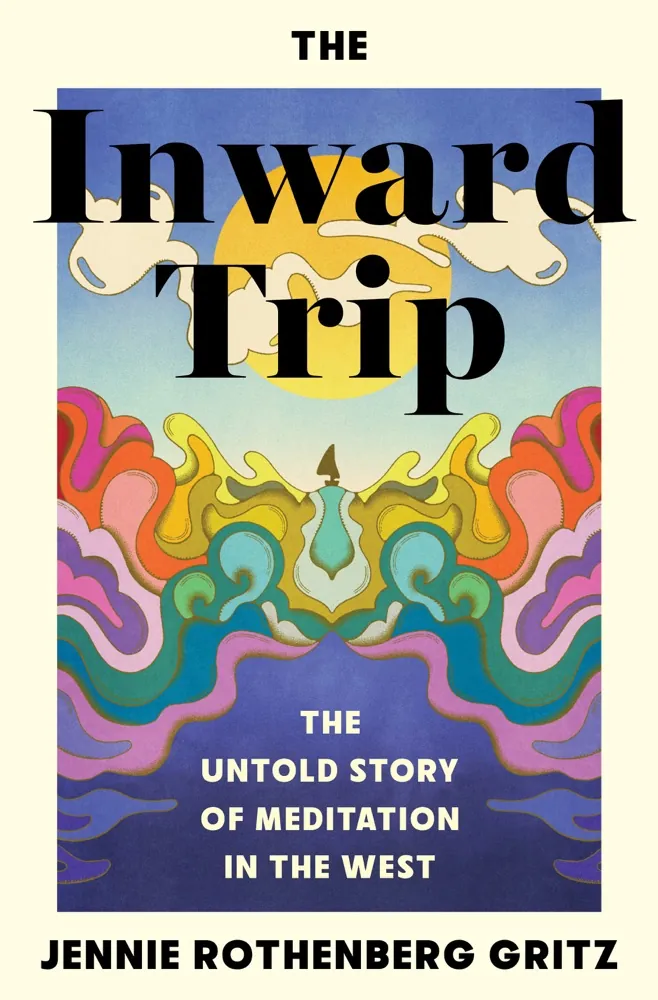
The Inward Trip: The Untold Story of Meditation in the West Book Review and Summary
Author: Jennie Rothenberg GritzPage Count: UnknownPublication Date: Expected publication 2026 APL Oh, the way this book’s synopsis reads like a corporate wellness brochure—slick, sanitized, the kind of thing you’d find in a Whole Foods magazine tucked between articles on "gut health" and "the benefits of cold showers." The Inward Trip promises to trace meditation’s journey from "the first yogis and Zen masters" to today’s "mindfulness era," but the real story here isn’t just about how Eastern practices landed in America—it’s about how America turned them into a lifestyle accessory. The problem with this kind of historical retelling is that it risks reducing centuries of spiritual discipline to a series of Instagram-worthy milestones: Swami Vivekananda at the 1893 World’s Parliament of Religions, then Thich Nhat Hanh in the ‘60s, then the Silicon Valley mindfulness boom of the 2010s. Where’s the mess? Where’s the resistance? Where’s the moment when someone said, "No, this isn’t just relaxation—it’s a rebellion"? And yet—here’s the thing—this book might still be useful. Not as a rigorous history, but as a cultural autopsy. Gritz, a journalist who’s clearly spent time in labs studying the science of meditation, seems to understand that the real magic isn’t in the technique itself but in the way it’s been repackaged. She mentions "mind-wandering" as a creative force, which is delightfully counterintuitive—because in an era where focus is everything, the idea that daydreaming might be an asset is almost revolutionary. But the synopsis doesn’t tell us how she’ll handle the tension between the spiritual roots of these practices and their modern, often commodified forms. Will she celebrate the democratization of meditation, or will she expose the ways it’s been stripped of its radical edge? The way the synopsis leans into the "science-backed tools for self-improvement" framing makes me worry she’ll default to the latter—because that’s the safer bet, and safer bets don’t sell books the way cautionary tales do. Speaking of safer bets, I can’t help but think of The Spirituality of Yoga by Georg Feuerstein, which actually did the deep cultural work this one seems to be promising. Feuerstein didn’t just trace yoga’s history—he dissected how it became a Western obsession, complete with all the pitfalls of appropriation and commercialization. But Feuerstein was writing in the ‘90s, when the yoga industry was still in its infancy. Gritz, if she’s half as sharp, might have something to say about how meditation has evolved since then—how it’s become not just a wellness trend but a corporate perk, a parenting hack, a way to "hack your happiness." The question is, will she treat it like a phenomenon worth celebrating, or will she treat it like a cautionary tale? And then there’s the practical guide at the end. Oh, the practical guide. Because nothing says "groundbreaking" like a how-to section that feels like it was cribbed from a Headspace app. Hardly groundbreaking. But let’s be honest—this book isn’t going to be The Om Factory by Mark Epstein, which actually grappled with the psychological and existential dimensions of meditation in a way that felt less like a self-help manual and more like a philosophical inquiry. Gritz’s approach seems more journalistic, which is fine—better than most of the fluff out there—but it also means we might not get the kind of deep, uncomfortable conversations about what meditation really does to people. Does it heal? Does it harm? Does it just make us better consumers? The synopsis doesn’t say. I also can’t stop thinking about how this book might handle the fact that meditation, in its modern form, is often marketed as a solution to the very problems it’s supposed to help us transcend. Anxiety? Meditate. Depression? Breathe. Burnout? Just close your eyes and think happy thoughts. It’s a system that turns spiritual practice into a Band-Aid for capitalism’s wounds. And yet—here’s the thing—I’d read a book that acknowledged that tension. I’d read a book that didn’t just trace the history of meditation but asked why we need it so badly in the first place. But the synopsis doesn’t say any of that. It just says "essential read for anyone embarking on their own journey inward." Which is fine, I guess, if you’re looking for a feel-good narrative about how America got its zen. But if you’re looking for something that actually challenges the way we think about meditation, you might be disappointed. Or maybe not. Maybe Gritz will surprise us. Maybe she’ll show us that the inward trip isn’t just about relaxation—it’s about resistance. It’s about asking why we’re so desperate to quiet our minds in the first place. I need to unclog the shower drain before the entire second floor floods. #mindfulness #spiritualbutterfly #culturalappropriation #wellnessindustry #zenorjustzen Related InsightsThe Pillars of the Earth Book Review and Summary Heartsong Book Review and Summary Beneath, It Sleeps Book Review and Summary{ "@context": "https://schema.org", "@type": "FAQPage", "mainEntity": [ { "@type": "Question", "name": "What is the main focus of The Inward Trip: The Untold Story of Meditation in the West Book Review and Summary?", "acceptedAnswer": { "@type": "Answer", "text": "Everything you need to know about The Inward Trip: The Untold Story of Meditation in the West with our detailed review." } }, { "@type": "Question", "name": "Who authored the comprehensive guide on The Inward Trip: The Untold Story of Meditation in the West Book Review and Summary?", "acceptedAnswer": { "@type": "Answer", "text": "This detailed article and its insights were carefully researched and authored by Antoine Leroy." } }, { "@type": "Question", "name": "Where can I find more related content about Books?", "acceptedAnswer": { "@type": "Answer", "text": "You can explore more articles, detailed reviews, and similar insights by browsing the Related Insights section at the bottom of this article or visiting our dedicated Books category page." } } ] }
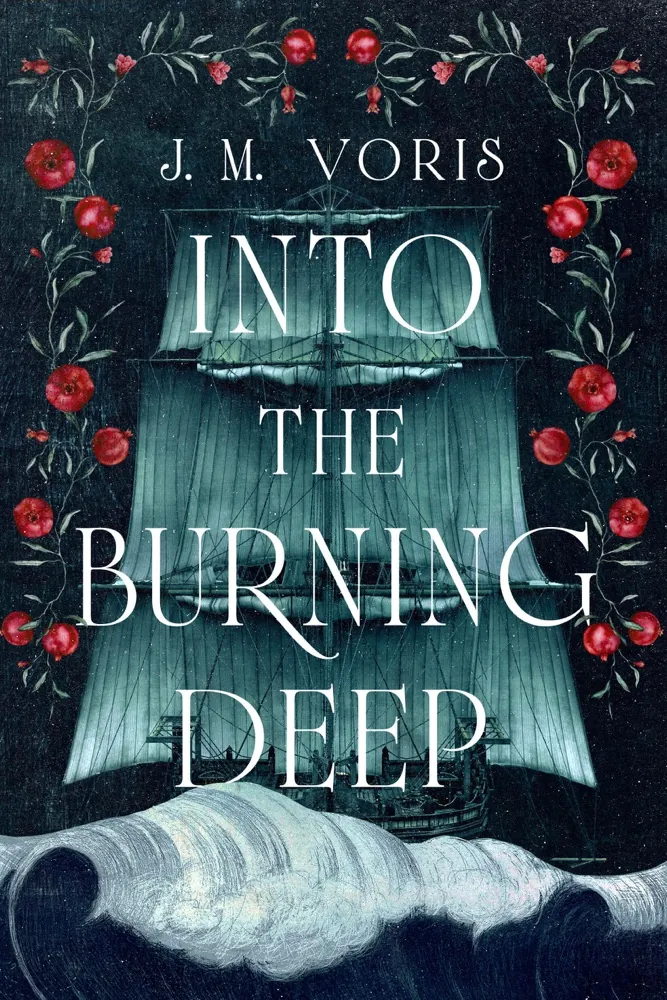
Author: J.M. VorisPage Count: UnknownPublication Date: Expected publication 2026 APL September always smells like roasted coffee beans and damp wool coats, especially when you are sitting by the window watching the neighborhood teenagers argue about college applications while you desperately try to unpack a synopsis that sounds like a massive pitch meeting at a streaming service where executives just threw Greek mythology into a blender with a history textbook and hoped the glass wouldn't crack. J.M. Voris gives us Into the Burning Deep, a sapphic reimagining of Orpheus and Eurydice set on a quarantined steamship called The Lyre, and honestly, I am already exhausted by the sheer mathematical probability of these tropes colliding in a way that either completely reinvents speculative fiction or crashes terribly against the rocks of YA commercialism. Adrian Nix is an oil-splattered mechanic dodging dark magic from a ruined homeland—because no protagonist is allowed to just have a normal job anymore without carrying the literal geopolitical trauma of an entire continent on their grease-stained shoulders—and then along comes Ophelia Jones, a rebellious socialite betrothed to a wealthy governor who exists purely to be the sun, the moon, and the tragic catalyst for a maritime rescue mission. And why do characters in these books always have terrifying dreams of sinister voices whispering in the bilges? Can we not just have two people fall in love over burnt toast and bad ship rations without a ghostly vessel luring someone across the waves with a siren song of vague, unspecified stakes? I said earlier that this premise feels tired, but wait, actually, the claustrophobia of a floating quarantine zone offers an genuinely brilliant container for romantic tension, trapping two entirely different social strata together until the pressure cooker literally explodes into the supernatural. Vulnerable. The synopsis leans heavily on mood—oil-splattered hands, haunted corners, burning deeps—without actually telling us how the magic functions, which usually means the world-building is going to rely entirely on vibes and emotional resonance rather than hard mechanical rules, a frustrating trend I also noticed in recent releases by Tamsyn Muir and Shelley Parker-Chan where aesthetic completely overpowers internal logic. Now if you will excuse me, I need to put on a heavier cardigan and walk three blocks down the hill before the local artisanal cafe closes because I desperately need a decent cup of matcha in this utterly gentrified neighborhood. Related InsightsWhat the Forest Devours: A Novel Book Review and Summary Miss Wolcott's Ghost (Chief Inspector Armand Gamache, #21) Book Review and Summary Dive Bar at the End of the Road Book Review and Summary{ "@context": "https://schema.org", "@type": "FAQPage", "mainEntity": [ { "@type": "Question", "name": "What is the main focus of Into the Burning Deep Book Review and Summary?", "acceptedAnswer": { "@type": "Answer", "text": "Everything you need to know about Into the Burning Deep with our detailed review." } }, { "@type": "Question", "name": "Who authored the comprehensive guide on Into the Burning Deep Book Review and Summary?", "acceptedAnswer": { "@type": "Answer", "text": "This detailed article and its insights were carefully researched and authored by Camille Dubois." } }, { "@type": "Question", "name": "Where can I find more related content about Books?", "acceptedAnswer": { "@type": "Answer", "text": "You can explore more articles, detailed reviews, and similar insights by browsing the Related Insights section at the bottom of this article or visiting our dedicated Books category page." } } ] }
-
 Diego Lopez
 - 01 Sep, 2026 23:47
Potions & Prejudice (The Moonflower Witches, #1) Book Review and Summary
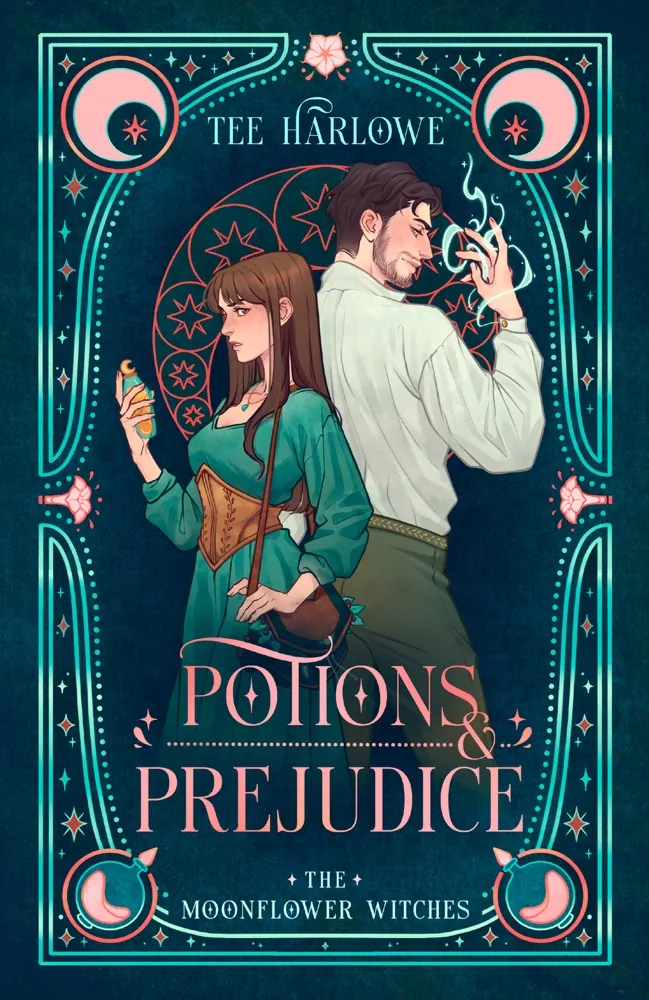
Author: Tee HarlowePage Count: UnknownPublication Date: Expected publication 2026 APL The air conditioning on this metal tube died somewhere outside of Bakersfield while my knee is currently wedged against a damp vinyl seatback that smells aggressively of cheap lemon cleaner and someone else's bad decisions. God forbid I get a quiet hour to dissociate without typing out 500 words on a book that doesn't even exist yet because it drops in 2026. Tee Harlowe wants us to care about Potions & Prejudice, and honestly? Fine. I'll bite. Because if I have to listen to the neon humming above my head flicker like a dying strobe light for six more hours, I might as well deconstruct how we are still endlessly recycling Jane Austen like a caffeinated hamster on a wheel. The Architecture of Sarcasm and Sentient Drywall Let's talk about the setup. A cursed witch, a sentient cottage—which sounds like a terrible zoning violation—pocket-size dragons, and a glowering tavern owner. Jane Austen would probably reach for a bottle of laudanum if she saw what modern fantasy romance did to her social satire. But Austen isn't here, and we are left drowning in a sea of cozy-fantasy branding that treats emotional repression like a cute accessory. Elspeth Moonflower can't use her magic until she marries because patriarchy is apparently baked into the genetic code of fictional covens. And what is her reward for this systemic indignity? A man who glares at her until he kisses her. Groundbreaking. Yet I am weirdly protective of these fictional women already—probably because they are stuck in a narrative loop just like I am trapped on this cursed Greyhound hurtling toward a family reunion where my aunt will ask me why I haven't bought a house yet. Elspeth runs an apothecary shop and deals with a mother complaining about "magicless spinsters," which is terrifyingly close to my current reality minus the apothecary. The thematic core here isn't really about potions. It is about forced proximity as a psychological weapon. Draven Darkstone is wealthy, arrogant, and broody—the literary equivalent of a black-coffee drinker who hates small talk. But we all know the mechanics of the genre. The glare always softens into the searing glance. The enemies-to-lovers pipeline is as reliable as the diesel engine beneath my seat rattling my teeth loose. The Marketing Machine We Deserve Can we look at the trend here? We are living through an endless loop of IP pastiches where every public domain classic gets dragged through a magical realist car wash. First it was zombies, then it was Bridgerton clones, and now we get pocket-size dragons bolted onto Pride and Prejudice because the publishing industry is terrified of an original idea. If you liked Legends & Lattes or any of those pastel-covered fantasy romances currently taking up shelf space next to the energy drinks at Target, you are the target demographic. Harlowe is leaning hard into the comfort-read industrial complex. And frankly? I respect the hustle. Someone has to keep the romance paperback market afloat while the rest of us slowly lose our minds to the gig economy. Still, I resent having to analyze a synopsis for a book that won't even exist in physical form until two years from now just to pad out some arbitrary word count while my lower back screams in agony. Will the sentient cottage have a distinct personality or just be a quirky background prop? The synopsis refuses to elaborate. Pocket-size dragons are mentioned once like an afterthought—a cute aesthetic garnish to distract us from the fact that the plot hinges on the exact same marriage-market anxiety that plagued Regency England. I am going to go stare blankly into the open refrigerator for inspiration. Related InsightsNormal People Book Review and Summary Loving a Demon is a Total Nightmare (Total Chaos, #3) Book Review and Summary The Red Tent Book Review and Summary{ "@context": "https://schema.org", "@type": "FAQPage", "mainEntity": [ { "@type": "Question", "name": "What is the main focus of Potions & Prejudice (The Moonflower Witches, #1) Book Review and Summary?", "acceptedAnswer": { "@type": "Answer", "text": "Everything you need to know about Potions & Prejudice (The Moonflower Witches, #1) with our detailed review." } }, { "@type": "Question", "name": "Who authored the comprehensive guide on Potions & Prejudice (The Moonflower Witches, #1) Book Review and Summary?", "acceptedAnswer": { "@type": "Answer", "text": "This detailed article and its insights were carefully researched and authored by Diego Lopez." } }, { "@type": "Question", "name": "Where can I find more related content about Books?", "acceptedAnswer": { "@type": "Answer", "text": "You can explore more articles, detailed reviews, and similar insights by browsing the Related Insights section at the bottom of this article or visiting our dedicated Books category page." } } ] }
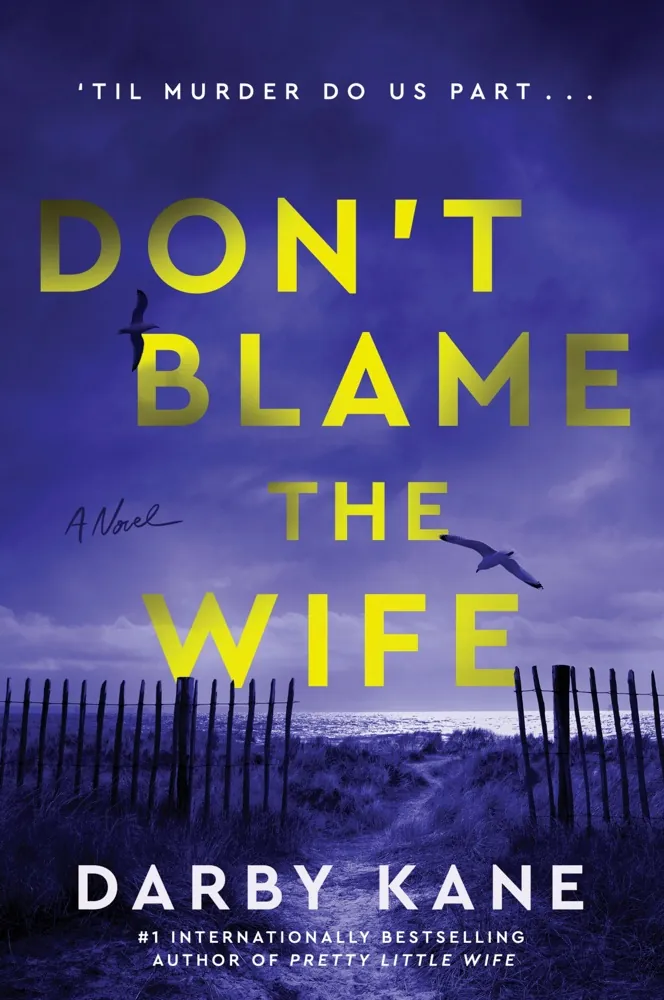

Author: Darby KanePage Count: UnknownPublication Date: Expected publication 2026 APL The Mediterranean glare is simply ruthless on Morocco-bound calfskin, yet I persist through the literary drivel publishers insist on floating past my transom. Darby Kane’s upcoming Don't Blame the Wife crosses my desk wrapped in the usual breathless marketing hyperventilating—comparing it to Succession and The Guest List because apparently, corporate boardrooms and blood-spattered seaside shindigs are entirely interchangeable tropes to the common reading public. Lmao, make it stop. The Architecture of Vapid Affluence We are subjected once again to the tired, utterly derivative milieu of wealthy people behaving monstrously. Groundbreaking. Walter Benedict is dead in a Rhode Island pool, his wife Amery—whose name drips with the sort of aggressively expensive vowels that require trust funds to pronounce—skated away from jail time like a rich girl bossing her way through an etiquette crisis. Ten years later, she gathers the greedy spawn for a celebratory anniversary of a corpse. But wait. An explosive documentary looms. The plot hinges on a reality-tv-adjacent bribe: solve the murder of dear old Walter, win a twenty-eight-million-dollar oceanfront estate. Winner take all, baby. No cap. Wealth Pornography as a Blood Sport What fascinates me here—if one can pry open a sliver of intellectual curiosity beneath the yacht’s canopy—is the unabashed weaponization of domestic architecture as a gladiatorial arena. Kane is clearly leaning hard into the contemporary obsession with hyper-wealthy dysfunction, treating family trauma like an immersive escape room designed by sociopaths. Amery doesn't just want the truth; she wants a demolition derby of ethics. She yearns for her children and their parasites to descend into feral backstabbing just to secure the deed to Waverly. It is base, cynical, and utterly lacking in the Shakespearean heft of actual dynastic collapse. Yet, the sociology of the leisure class demands this sort of public flaying. We love watching the monied class eat their own until the cholesterol gets them. Or in this case, a pool filter. The Problem of Manufactured Vagueness The synopsis reads like a pitch meeting at a streaming service desperate for a weekend binge-watch before the algorithm resets its parameters. We get zero texture on the children, zero interiority beyond the broad strokes of greed, and a premise that stretches credulity thinner than my vintage Hermès caftan. If Amery has been planning this calculated psychological massacre for a decade, why now? Because a true-crime internet mob got bored? Please. The stakes feel simultaneously inflated and profoundly hollow—a twenty-eight-million-dollar carrot dangled by a woman who views her offspring as malfunctioning Labradoodles. One expects cardboard cutouts rather than breathing characters. Still, one must admit the sheer audacity of the subtitle-esque threat baked into the promotional copy: "This will teach people to blame the wife." Iconic behavior, honestly. If the prose matches the campy, venomous bite of that closing line, the plebes might actually buy it at airport terminals worldwide. And now, to completely ruin an otherwise sublime afternoon on the water, the charter caterer just radioed in to announce they've caught food poisoning in Mykonos and cancelled the lobster boil. Fml. Related InsightsRed Rising Book Review and Summary Vanity Fair Book Review and Summary The Cruel Prince Book Review and Summary{ "@context": "https://schema.org", "@type": "FAQPage", "mainEntity": [ { "@type": "Question", "name": "What is the main focus of Don't Blame the Wife Book Review and Summary?", "acceptedAnswer": { "@type": "Answer", "text": "Everything you need to know about Don't Blame the Wife with our detailed review." } }, { "@type": "Question", "name": "Who authored the comprehensive guide on Don't Blame the Wife Book Review and Summary?", "acceptedAnswer": { "@type": "Answer", "text": "This detailed article and its insights were carefully researched and authored by Olivia Harris." } }, { "@type": "Question", "name": "Where can I find more related content about Books?", "acceptedAnswer": { "@type": "Answer", "text": "You can explore more articles, detailed reviews, and similar insights by browsing the Related Insights section at the bottom of this article or visiting our dedicated Books category page." } } ] }
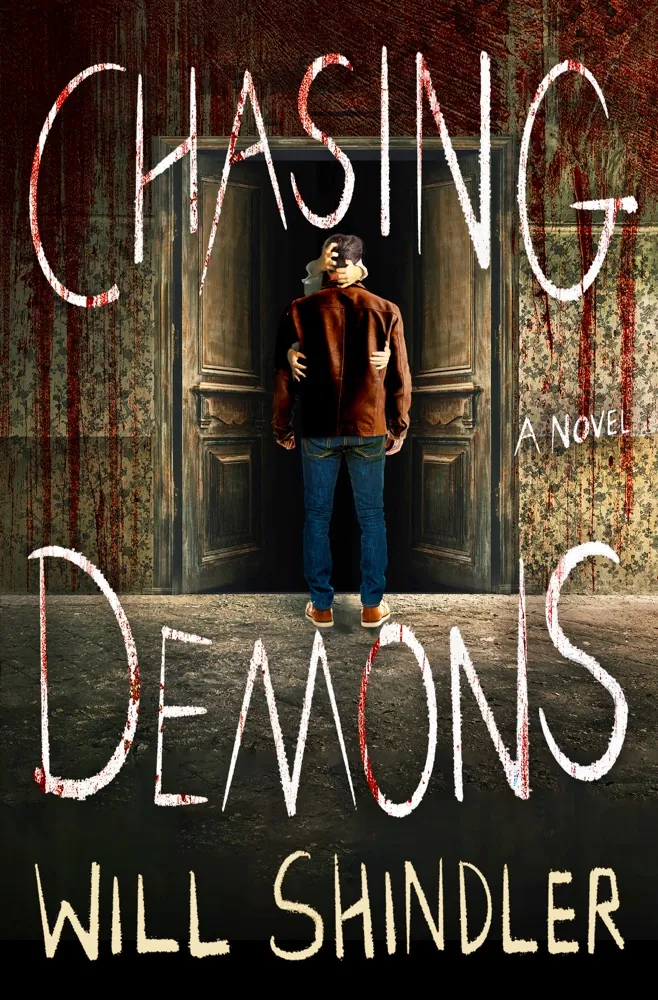
Author: Will ShindlerPage Count: UnknownPublication Date: Expected publication 2026 APL Ten cents a word if I am lucky, and yet here I sit staring at a publisher blurb for Will Shindler’s Chasing Demons, trying to inflate three paragraphs of generic thriller boilerplate into an anticipatory preview that won't make my landlord laugh me out of the hallway. Let us be entirely frank about the raw material provided. It is an uninspired exercise in psychological horror tropes. A former mental health institute massacre. A fractured memory. Suspicion falling squarely on the protagonist because apparently, nobody in modern suspense fiction is allowed to trust their own hippocampus anymore. The Nostalgia Trap of Broken Brains We have seen this exact narrative scaffolding a thousand times. Give us a weary schoolteacher dragged back to his claustrophobic hometown of Tayborough—is it ever sunny in these towns? No, it is permanently overcast—and mix in a dash of the supernatural. Shindler, transitioning here into darker genre fiction after his Detective Chief Inspector Alex King procedurals, clearly wants to play in the murky sandbox of Stephen King or a late-career Dennis Lehane. Or perhaps I should say he does not want to do that at all, considering how thoroughly standard-issue this setup reads on paper. Actually, scratch that last thought entirely. The inclusion of a manipulated dark force rather than a purely psychological break might actually save the manuscript from terminal predictability. Or it will sink it into utter camp. The Bureaucracy of Suffering The thematic core here relies lazily on the weaponization of trauma. Twenty-three years of quiet suburban fatherhood undone because a dead therapist was posed just right. It is the literary equivalent of a jump scare in an empty hallway. Yet the interplay between institutional confinement and supernatural manipulation offers a sharp angle on how past grief festers into literal monsters. Joel Sampson is less a character and more a collection of symptoms designed to keep the page-turns moving past midnight. Watch the reviews praise it as a haunting exploration of the human psyche. They always do. But I am betting it turns out to be a rushed ghost story with too many flashbacks and a thoroughly unearned twist in the final chapter. Hold on. My phone just buzzed. The agency account manager is having a complete meltdown because my typo-ridden tweet about a rival publishing house's lead title just hit three hundred retweets and the legal department wants my head on a spike. #publishinglife #thrillers #sendhelp Related InsightsThe Court of Venus Book Review and Summary Lust: Pleasure, Performance, Power Book Review and Summary Five Brothers Book Review and Summary{ "@context": "https://schema.org", "@type": "FAQPage", "mainEntity": [ { "@type": "Question", "name": "What is the main focus of Chasing Demons Book Review and Summary?", "acceptedAnswer": { "@type": "Answer", "text": "Everything you need to know about Chasing Demons with our detailed review." } }, { "@type": "Question", "name": "Who authored the comprehensive guide on Chasing Demons Book Review and Summary?", "acceptedAnswer": { "@type": "Answer", "text": "This detailed article and its insights were carefully researched and authored by Irina Ivanova." } }, { "@type": "Question", "name": "Where can I find more related content about Books?", "acceptedAnswer": { "@type": "Answer", "text": "You can explore more articles, detailed reviews, and similar insights by browsing the Related Insights section at the bottom of this article or visiting our dedicated Books category page." } } ] }

-
 Marco Conti
 - 01 Sep, 2026 22:26
Like the Moon We Rise (The Poisoner's Moon, #1) Book Review and Summary
Author: Annabelle CormackPage Count: UnknownPublication Date: Expected publication 2026 APL The synopsis for Like the Moon We Rise is a glittering mess of political intrigue and witchy revenge fantasies—like if The Poisoner’s Daughter by Kristin Harmel met up with The Cruel Prince by Holly Black in a back-alley deal gone wrong. The premise is so ripe for a slow-burn courtroom drama where the real poison is the kind that seeps into the bones of the reader’s patience—because the setup is too neat, too conveniently tied to prophecy, and too eager to throw Auriel into a role that feels less like a subversive act and more like a poorly written fanfic trope. But let’s cut to the chase: the book’s biggest sin is its vagueness—not in the way of a mystery, but in the way of a plot that’s been sketched in Sharpie on a napkin. We have a poison maiden, a prince with a grudge, a friend who’s definitely hiding something, and a witchcraft that’s either a gift or a curse depending on who’s paying the rent. The problem? None of this feels like it’s been thought through. The Empress isn’t just a villain—she’s a blank slate, a placeholder for whatever political allegory Cormack wants to slap on later. And Ambrose? He’s not a prince, he’s a checklist: young, vengeful, obviously hiding something. The synopsis treats him like a character in a YA romance where the guy’s backstory is just “he’s hot and he’s got issues.” The real gold here is in the tone—a mix of The Lies of Locke Lamora’s sharp wit and The Cruel Prince’s courtly tension, but with the emotional temperature cranked up to “slow-burn until someone snaps.” Auriel’s position as a poisoner isn’t just a job; it’s a metaphor—one that could’ve been so much sharper if the synopsis didn’t reduce her to “forced to kill for a living.” That’s the kind of line that makes you wonder if the author’s ever read The Poisoner’s Handbook by Deborah Blum, where the real horror isn’t the killing, but the science of it, the precision, the way poison becomes a language all its own. Instead, we get “sweetest poisons,” which is so 2010s fantasy—like if a TikTok trend about “dark academia” got pregnant with a court intrigue novel. Faolan’s role is the most interesting part of the synopsis, not because of what he does, but because of what he implies. He’s the wild card, the one who’s been in on the plan from the beginning—except the synopsis doesn’t tell us why. Is he a traitor? A lover? A business partner? The ambiguity is deliberate, but it’s also dangerous—because if Cormack can’t commit to his role, the reader’s going to be left flailing like Auriel in a room full of knives. And don’t even get me started on the “dark presence within her.” That’s so vague it could mean anything—is it a literal demon? A metaphor for trauma? A plot device? The synopsis treats it like a punchline, but in a book this layered, it should feel like a threat. The biggest red flag? The way the synopsis assumes the reader will buy into the prophecy nonsense. Prophecies are dead in modern fantasy—unless they’re subverted, unless they’re lies, unless they’re tools. But here, they’re just there, like a deus ex machina with a crown. It’s the kind of thing that makes you wonder if Cormack’s read enough actual political history—because prophecies don’t save people, they destroy them. Look at The Lies of Locke Lamora: the real magic isn’t in the prophecy, it’s in the people who believe in it. Here, the prophecy feels like a cheat code, and that’s a problem. But—and this is a big but—if Cormack can pull off the balance between Auriel’s internal struggle and the courtly machinations, this could be something. The synopsis is too eager to hand Auriel a mission, but if she’s allowed to question it, if the court feels like a prison rather than a stage, then maybe the book will live up to the hype. Right now, it’s just waiting to see if the author can turn “sweetest poisons” into something more than a gimmick. My prediction? This is going to be the kind of book that divides readers—either they’ll love the courtly tension and the witchy undertones, or they’ll be left scratching their heads at the lazy execution of the prophecy. It’s so close to being a gem, but the synopsis makes it feel like it’s still in the rough-cut stage. And in fantasy, rough cuts are fine—as long as they’re not the final product. Now if you’ll excuse me, my tailor’s waiting to fit me for the gala, and I’ve got a date with a very expensive suit that’s definitely not on sale. #BookTok #FantasyFails #ProphecyProblems Related InsightsA Brief History of Time Book Review and Summary The Coworker Book Review and Summary A Winter Grave Book Review and Summary{ "@context": "https://schema.org", "@type": "FAQPage", "mainEntity": [ { "@type": "Question", "name": "What is the main focus of Like the Moon We Rise (The Poisoner's Moon, #1) Book Review and Summary?", "acceptedAnswer": { "@type": "Answer", "text": "Everything you need to know about Like the Moon We Rise (The Poisoner's Moon, #1) with our detailed review." } }, { "@type": "Question", "name": "Who authored the comprehensive guide on Like the Moon We Rise (The Poisoner's Moon, #1) Book Review and Summary?", "acceptedAnswer": { "@type": "Answer", "text": "This detailed article and its insights were carefully researched and authored by Marco Conti." } }, { "@type": "Question", "name": "Where can I find more related content about Books?", "acceptedAnswer": { "@type": "Answer", "text": "You can explore more articles, detailed reviews, and similar insights by browsing the Related Insights section at the bottom of this article or visiting our dedicated Books category page." } } ] }
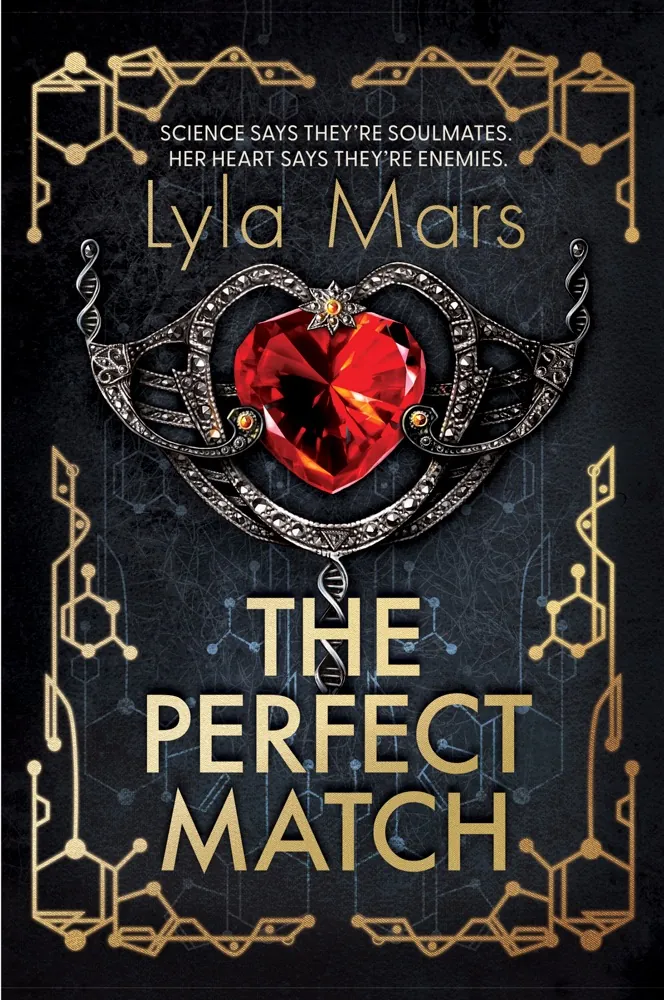

Author: Lyla MarsPage Count: UnknownPublication Date: Expected publication 2026 APL One shudders to recall the purity of matrimonial alliances governed by proper lineage, pedigree, and the quiet dignity of arranged property consolidation, only to watch contemporary scribes reduce sacred bloodlines to a vulgar spreadsheet exercise. Lyla Mars presents The Perfect Match, a forthcoming speculative venture hailing from the digital pages of Wattpad—where else could such melodramatic contrivances hatch?—that posits a near-future American dystopia managed by an algorithmic arbiter named Algorithma. The Arithmetic of Affection Consider the sheer audacity of reducing genealogical supremacy to a literal percentage. Eliotte Wager fancies herself bound by the archaic chains of childhood sentimentality to a boy named Ashton, yet the sovereign computer spits out a chilling 98.8% compatibility rating with his older, purportedly loathsome brother, Izaak. One immediately suspects a staggering lack of imagination in the setup. Yet, the premise possesses a deliciously scandalous undertone that recalls the breathless scandal sheets of the Regency era—if the Regency had possessed cold-blooded technocrats computing genetic harmony. And yet, I claimed the premise lacks imagination, which is entirely false; the conceit of state-mandated genetic matching is a delightfully wicked framework for examining how the lower orders handle forced proximity. Or perhaps I misjudge the scope entirely, because reducing state tyranny to domestic squabbling feels dreadfully pedestrian when one could explore the liquidation of ancestral estates. Forced Proximity and Pedigree Failures The mandatory marriage trope is terribly mid, honestly. We are expected to swoon over the predictable friction between an icy rebel and a disillusioned maiden who thought she bagged the spare instead of the heir. This is merely Red, White & Royal Blue wrapped in dystopian burlap, lacking the refined aristocratic bite of Edith Wharton or the psychological claustrophobia of proper speculative fiction. The synopsis leans heavily on the crutches of modern commercial pulp: enemies-to-lovers, forced proximity, and a dash of political rebellion that will likely amount to little more than mild finger-wagging at the ruling class before the protagonists lock lips in a damp cellar. Yet, the social implications of an algorithmic caste system remain deliciously fertile ground. If the state calculates your worth down to a decimal point, what happens to the untouchable prestige of old money? Mars gestures toward this tension with whispers of revolution and scandalous unions, though one fears the prose will prioritize breathless panting over biting satirical commentary regarding state-sanctioned breeding programs. One waits with baited breath to see if the manuscript possesses actual teeth or if it simply devolves into another algorithmic exercise in satisfying the masses. But forgive me, I must dash off a scathing editorial on the utter commercialization of modern art and the deplorable decline of patronage before the evening carriage arrives. #ThePerfectMatch #BookTok #DystopianRomance Related InsightsBook of Night Book Review and Summary Where the Red Fern Grows Book Review and Summary Shadow and Son (Shattered Crown, #3) Book Review and Summary{ "@context": "https://schema.org", "@type": "FAQPage", "mainEntity": [ { "@type": "Question", "name": "What is the main focus of The Perfect Match Book Review and Summary?", "acceptedAnswer": { "@type": "Answer", "text": "Everything you need to know about The Perfect Match with our detailed review." } }, { "@type": "Question", "name": "Who authored the comprehensive guide on The Perfect Match Book Review and Summary?", "acceptedAnswer": { "@type": "Answer", "text": "This detailed article and its insights were carefully researched and authored by James Miller." } }, { "@type": "Question", "name": "Where can I find more related content about Books?", "acceptedAnswer": { "@type": "Answer", "text": "You can explore more articles, detailed reviews, and similar insights by browsing the Related Insights section at the bottom of this article or visiting our dedicated Books category page." } } ] }

Author: Kaylie SmithPage Count: UnknownPublication Date: Expected publication 2026 APL Grief is not a neat little package you set on the mantelpiece; it is a rotting floorboard you step through when you are least expecting it, plunging your whole leg into the dark while the rest of the room goes on drinking tea. And yet, the publishing industry insists on dressing this agony up in leather corsets and hellfire, as if losing a brother can be solved by winning a bloody tournament against a secret society of demons. Kaylie Smith is bringing us Daemonica, the next installment in a series that evidently requires teenagers to survive mortal combat just to reclaim their own ancestral property, and I find myself staring at the synopsis with a cold, heavy ache in my chest that has nothing to do with fantasy and everything to do with the quiet shattering of a household. Gwendolyn loses her brother, which should be the emotional anchor of the entire narrative—an anchor heavy enough to drag the reader down into genuine, suffocating sorrow—yet we are immediately hurdled into a ridiculous bureaucratic hostage situation where the dead boy gambled away the family estate to hell's most exclusive fraternity. Death is final. It leaves a dinner chair permanently empty. It does not leave behind a real estate dispute. And then, of course, enters Sevin Silver—because what is a grief-stricken sister to do without her gorgeous, annoying first love showing up to complicate the blood-soaked games with his own secret agenda involving a dying mother? Wait. Actually, let me walk that back for a second. Perhaps the ridiculousness of the premise is precisely the point, a garish neon distraction from the unbearable weight of mourning, because when your heart is broken into jagged pieces, sometimes you just want to read about attractive people trading witty banter while dodging literal hellfire. Or perhaps I am simply projecting my own exhaustion onto a plot that refuses to sit still with its own wounds. Smith is leaning hard into the modern romantic fantasy playbook—think Tracy Wolff or Jennifer L. Armentrout dialed up to a frantic, neon-lit pitch—where high-stakes competition serves as a flimsy excuse for forced proximity and unresolved sexual tension. Yet underneath the marketing gloss about ruthless rules and merciless games, a more interesting anxiety pulses through the premise: the terror of losing everything your family built, of watching your lineage vanish because the people you loved made catastrophic, irreversible mistakes. Gwen is not just fighting for a house; she is fighting for the last physical remnants of a brother who left her stranded in the wreckage of his absence. She wants the walls that remember him, the floors that still echo with his footsteps, even if those walls now belong to the damned. And Sevin, with his desperate quest for a magical cure, mirrors that exact same frantic refusal to accept loss, turning the arena into a pathetic, beautiful collision of two people who do not know how to say goodbye. We read these books because we want to see people fight death and win, even when we know damn well that in the real world, no amount of dark magic or bargain-bin deals will ever bring back what was stolen from us in the quiet hours of the night. The baby monitor just illuminated with terrifying activity. Related InsightsLast Lady B Book Review and Summary Wicked and the wallflower Book Review and Summary New Harry Bosch and Renée Ballard Novel Book Review and Summary{ "@context": "https://schema.org", "@type": "FAQPage", "mainEntity": [ { "@type": "Question", "name": "What is the main focus of Daemonica (Wicked Games, #3) Book Review and Summary?", "acceptedAnswer": { "@type": "Answer", "text": "Everything you need to know about Daemonica (Wicked Games, #3) with our detailed review." } }, { "@type": "Question", "name": "Who authored the comprehensive guide on Daemonica (Wicked Games, #3) Book Review and Summary?", "acceptedAnswer": { "@type": "Answer", "text": "This detailed article and its insights were carefully researched and authored by Victoria Smith." } }, { "@type": "Question", "name": "Where can I find more related content about Books?", "acceptedAnswer": { "@type": "Answer", "text": "You can explore more articles, detailed reviews, and similar insights by browsing the Related Insights section at the bottom of this article or visiting our dedicated Books category page." } } ] }