Showing Posts From
Bookreview


Nine Perfect Strangers Author: Liane MoriartyPage Count: UnknownPublication Year: 2018-GB Nine Perfect Strangers is a masterclass in tension, atmosphere, and psychological intrigue—a novel that grips you from the first page and refuses to let go until the very last word. Liane Moriarty, the Australian author best known for Big Little Lies, proves once again why she’s a global literary phenomenon. This time, she takes readers to the Tranquillum House, a remote wellness retreat where nine strangers arrive seeking healing, clarity, and escape from their messy lives. What they find instead is something far more sinister, far more personal—and far more thrilling. At its heart, Nine Perfect Strangers is a story about transformation—or the illusion of it. Each of the nine guests has a reason for being there: Frances, a once-famous actress clinging to the ghost of her career; Lars, a grieving father who can’t outrun his past; Jessica and Ben, a couple on the verge of collapse; Tony Hogburn, a retired sports star with a secret; and others, all carrying burdens they’ve tried to shed. Into their lives steps Masha, the enigmatic, almost cult-like leader of Tranquillum House, who promises a "restorative" experience. But Masha isn’t just a wellness guru—she’s a manipulator, a puppeteer, and Moriarty crafts her with such chilling ambiguity that you’re never quite sure if she’s a savior or a villain. The genius of Moriarty’s storytelling lies in her ability to weave multiple perspectives seamlessly. She shifts between the nine guests with effortless precision, giving each one depth and nuance. It’s a balancing act that could easily become chaotic, but Moriarty handles it with the grace of a seasoned tightrope walker. You’ll find yourself invested in their backstories, their quirks, and their hidden vulnerabilities. Frances’s dry wit, Lars’s quiet despair, Jessica’s relentless optimism—each character feels like a real person, flawed and fascinating. And just when you think you’ve figured them out, Moriarty pulls the rug from under you, revealing new layers of complexity. What makes this novel truly stand out, however, is its exploration of human desperation. These characters aren’t just fleeing their problems—they’re fleeing themselves. The retreat is a pressure cooker of emotions, where isolation, hunger, and psychological games force each guest to confront truths they’ve spent years avoiding. Moriarty doesn’t shy away from the darker aspects of human nature—betrayal, obsession, and the lengths people will go to protect their secrets are all laid bare. The result is a story that’s as much about self-discovery as it is about survival. Moriarty’s writing style is deceptively simple, yet it packs a punch. Her prose is clean and accessible, but every sentence feels deliberate, every word chosen to maximize impact. She has a knack for dialogue that crackles with tension, whether it’s a passive-aggressive exchange between guests or a one-on-one confrontation with Masha. And while the book is undeniably suspenseful, it’s also darkly funny at times, a balance that keeps the tone from becoming oppressive. Her ability to blend humor with horror is one of her greatest strengths, and it’s on full display here. The pacing of Nine Perfect Strangers is another triumph. Moriarty knows how to drip-feed revelations, revealing just enough to keep you hooked but never so much that the suspense dissipates. The first half of the book is a slow burn, building the atmosphere and the characters’ backstories with meticulous care. Then, in the second half, the stakes skyrocket, and the story hurtles toward an explosive climax that will leave you breathless. The ending, in particular, is a masterstroke—satisfying yet unpredictable, a perfect blend of closure and ambiguity. What lingers after finishing the book isn’t just the plot twists or the brilliantly drawn characters—it’s the questions it leaves you with. How far would you go to change your life? Would you trust a stranger to guide you toward redemption, even if their methods were questionable? Moriarty doesn’t just tell a gripping story; she invites you to examine your own relationship with truth, control, and the stories we tell ourselves to survive. In many ways, Nine Perfect Strangers is more than just a thriller—it’s a meditation on the lies we tell to feel whole. Moriarty has crafted a novel that’s as thought-provoking as it is entertaining, a rare achievement that cements her status as one of today’s most compelling storytellers. If you loved Big Little Lies or The Husband’s Secret, this book will feel like coming home to a master’s work. And if you’re new to Moriarty’s oeuvre? Consider this your introduction to a writer who knows how to keep you up all night, turning pages long past your bedtime. #NinePerfectStrangers #LianeMoriarty #PsychologicalThriller #BookTok #MustRead #BookRecommendation Related InsightsUnti Sharpe Book Review and Summary Homo Deus: Breve historia del mañana / Homo deus. A history of tomorrow Book Review and Summary A Portrait of the Artist as a Young Man Book Review and Summary{ "@context": "https://schema.org", "@type": "FAQPage", "mainEntity": [ { "@type": "Question", "name": "What is the main focus of Nine Perfect Strangers Book Review and Summary?", "acceptedAnswer": { "@type": "Answer", "text": "Everything you need to know about Nine Perfect Strangers with our detailed review." } }, { "@type": "Question", "name": "Who authored the comprehensive guide on Nine Perfect Strangers Book Review and Summary?", "acceptedAnswer": { "@type": "Answer", "text": "This detailed article and its insights were carefully researched and authored by Lucia Garcia." } }, { "@type": "Question", "name": "Where can I find more related content about Books?", "acceptedAnswer": { "@type": "Answer", "text": "You can explore more articles, detailed reviews, and similar insights by browsing the Related Insights section at the bottom of this article or visiting our dedicated Books category page." } } ] }
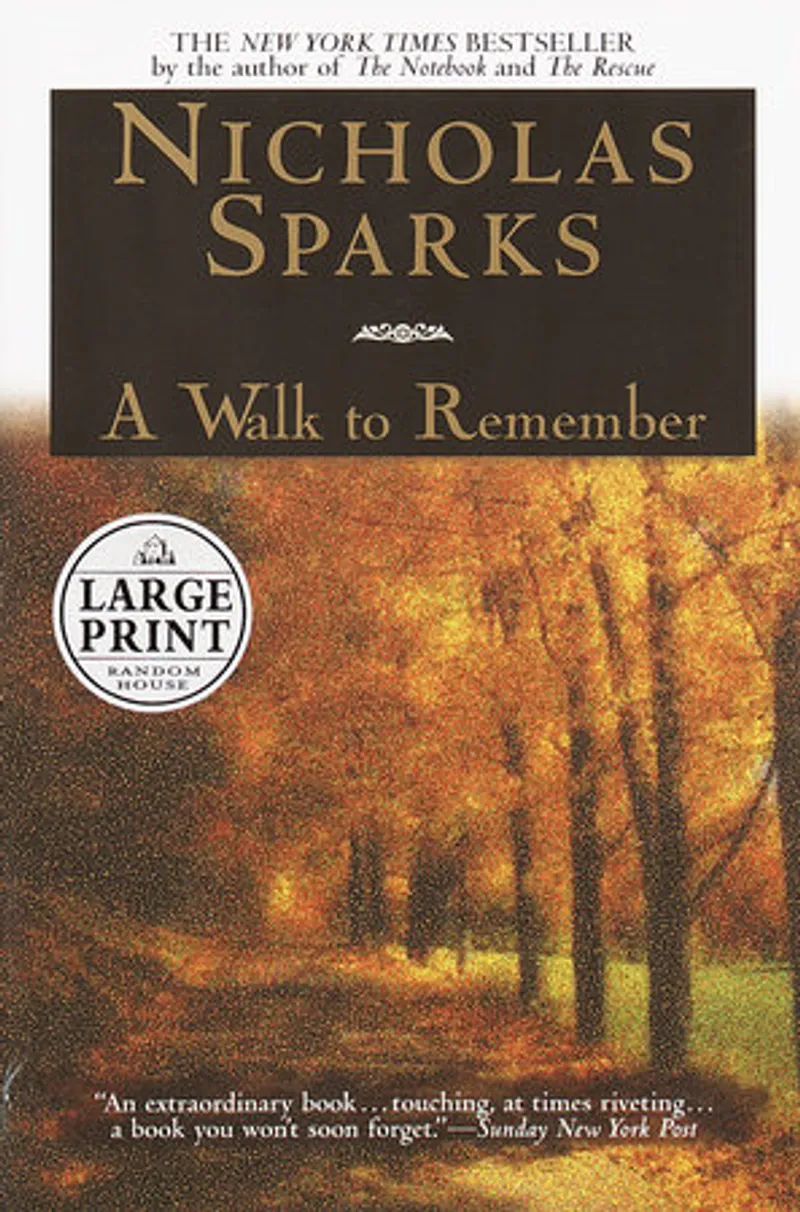
A Walk to Remember Author: Nicholas SparksPage Count: UnknownPublication Date: 2000-PRH A Walk to Remember, the poignant and evocative novel by Nicholas Sparks, is a masterful exploration of the transformative power of love and its ability to alter the course of one's life. Set in the small town of Beaufort, North Carolina in the late 1950s, the story follows Landon Carter, a teenage boy who is navigating the complexities of his senior year of high school. Landon's life takes an unexpected turn when he meets Jamie Sullivan, the beautiful and devout daughter of the town's Baptist minister, and his world is forever changed. Through Landon's journey, Sparks expertly weaves a narrative that is both deeply personal and universally relatable. The author's prose is characterized by its simplicity, elegance, and emotional depth, making it easy to become fully immersed in the world of the story. Sparks' writing style is reminiscent of a gentle breeze on a summer day, soothing and calming, yet capable of stirring up powerful emotions and introspection. One of the most striking aspects of A Walk to Remember is its thoughtful and nuanced exploration of the human experience. Sparks tackles complex themes such as beauty, joy, loss, and love with a sensitivity and wisdom that is rare in contemporary literature. The novel is a powerful reminder that life is precious, fleeting, and full of unexpected twists and turns, and that it is the relationships we form and the love we share that give our lives meaning and purpose. The characters in the novel are multidimensional and richly drawn, with Landon and Jamie being particularly well-developed. Their relationship is tender, authentic, and deeply moving, and it is through their interactions that Sparks reveals the profound impact that love can have on our lives. The supporting cast of characters is equally well-crafted, adding depth and complexity to the narrative. A Walk to Remember is a novel that will resonate with readers of all ages and backgrounds. It is a story that will make you laugh, cry, and reflect on the beauty and fragility of life. Sparks' writing is infused with a sense of wonder, compassion, and empathy, making it a truly unforgettable reading experience. In conclusion, A Walk to Remember is a masterpiece of contemporary literature that will leave readers spellbound and inspired. Nicholas Sparks' unique writing style, combined with his profound insight into the human experience, makes this novel a must-read for anyone who has ever loved, lost, or lived. With its universal themes, memorable characters, and emotional depth, A Walk to Remember is a novel that will stay with you long after you finish reading it. #AWalkToRemember #NicholasSparks #LoveStory #YoungAdultFiction #InspirationalFiction #HeartwarmingNovels Related InsightsStriking Justice, An E.J. Kane Mystery (#3) Book Review and Summary Mokradla Book Review and Summary 11/22/63 Book Review and Summary{ "@context": "https://schema.org", "@type": "FAQPage", "mainEntity": [ { "@type": "Question", "name": "What is the main focus of A Walk to Remember Book Review and Summary?", "acceptedAnswer": { "@type": "Answer", "text": "Everything you need to know about A Walk to Remember with our detailed review." } }, { "@type": "Question", "name": "Who authored the comprehensive guide on A Walk to Remember Book Review and Summary?", "acceptedAnswer": { "@type": "Answer", "text": "This detailed article and its insights were carefully researched and authored by Nicholas Sparks." } }, { "@type": "Question", "name": "Where can I find more related content about Books?", "acceptedAnswer": { "@type": "Answer", "text": "You can explore more articles, detailed reviews, and similar insights by browsing the Related Insights section at the bottom of this article or visiting our dedicated Books category page." } } ] }


The Woven Bag Author: Noreen Crone-FindlayPage Count: UnknownPublication Date: 2010-PRH The Woven Bag by Noreen Crone-Findlay is a delightful invitation into the world of small-loom weaving, where modest tools yield extraordinary creations. Published in 2010, this book transcends the ordinary craft manual by blending accessibility with artistic ambition, proving that even the simplest looms—potholder, frame, or knotted mesh—can produce bags of striking variety and personality. Crone-Findlay, a seasoned fiber artist, distills her expertise into a guide that is as practical as it is inspiring, making it an essential read for beginners and a refreshing resource for seasoned weavers looking to expand their horizons. At its core, The Woven Bag champions the philosophy that creativity should not be constrained by the size of one’s loom. The book’s central strength lies in its ability to democratize weaving, demonstrating how humble tools can be transformed into instruments of craftsmanship. From the delicate Beaded Amulet Pouch to the robust grandeur of The Grand Duchess carryall, each project is a testament to the book’s central theme: that limitation breeds innovation. Crone-Findlay’s designs are not merely functional; they are whimsical, bold, and deeply personal, reflecting her belief that weaving is as much about self-expression as it is about utility. Crone-Findlay’s writing style is refreshingly conversational, as though she’s sharing secrets over a cup of tea rather than delivering a dry tutorial. Her tone is warm, encouraging, and laced with humor, which makes the technical aspects of weaving feel approachable. She peppers her instructions with “helpful hints, tips, and tricks,” a phrase that understates the wealth of wisdom contained within her pages. Whether she’s explaining how to tension a warp without a loom or suggesting creative ways to embellish a woven rectangle, her advice feels like it comes from a trusted mentor rather than an impersonal expert. The structure of the book is methodical yet flexible, guiding readers from the basics of weaving individual panels to the more complex task of assembling those panels into finished bags. Each project is presented with clear, step-by-step instructions accompanied by illustrations, ensuring that even visual learners can follow along with ease. What sets this book apart, however, is its emphasis on experimentation. Crone-Findlay encourages readers to adapt patterns, mix materials, and play with textures—essentially inviting them to make the projects their own. This philosophy aligns with the modern maker movement, where the process is as valuable as the product. Visually, the book is a feast for the eyes. The photographs of the finished bags are vibrant and inviting, showcasing the versatility of small-loom weaving. Some designs are rustic and earthy, while others are sleek and modern, proving that woven bags can be both fashion-forward and functional. The inclusion of a diverse range of styles—from bohemian backpacks to structured totes—ensures that there’s something for every taste and occasion. Crone-Findlay’s attention to detail extends to the smallest elements, such as the way she incorporates beads, embroidery, and unconventional fibers to add depth and character to her work. One of the book’s most compelling aspects is its emphasis on sustainability. By using small looms, which require less space and fewer materials than larger weaving setups, Crone-Findlay aligns her craft with eco-friendly principles. Her projects often repurpose or upcycle materials, reinforcing the idea that weaving can be a thoughtful, low-waste practice. This subtle but powerful message resonates in an era where conscious consumption is increasingly important. The Woven Bag is more than a craft book; it’s a celebration of creativity, patience, and the joy of making something with your own hands. Noreen Crone-Findlay’s passion for her craft is palpable, and her ability to share that passion in such an accessible way is a gift to aspiring weavers everywhere. Whether you’re a complete novice or a seasoned artisan, this book will inspire you to pick up a loom and start weaving—not just bags, but a deeper connection to the art of fiber. #Weaving #DIYCrafts #TextileArt #HandmadeBags #FiberArt #SmallLoomWeaving Related InsightsEmpire Book Review and Summary The Beach Book Review and Summary Girl, Interrupted Book Review and Summary{ "@context": "https://schema.org", "@type": "FAQPage", "mainEntity": [ { "@type": "Question", "name": "What is the main focus of The Woven Bag Book Review and Summary?", "acceptedAnswer": { "@type": "Answer", "text": "Everything you need to know about The Woven Bag with our detailed review." } }, { "@type": "Question", "name": "Who authored the comprehensive guide on The Woven Bag Book Review and Summary?", "acceptedAnswer": { "@type": "Answer", "text": "This detailed article and its insights were carefully researched and authored by Giulia Ricci." } }, { "@type": "Question", "name": "Where can I find more related content about Books?", "acceptedAnswer": { "@type": "Answer", "text": "You can explore more articles, detailed reviews, and similar insights by browsing the Related Insights section at the bottom of this article or visiting our dedicated Books category page." } } ] }
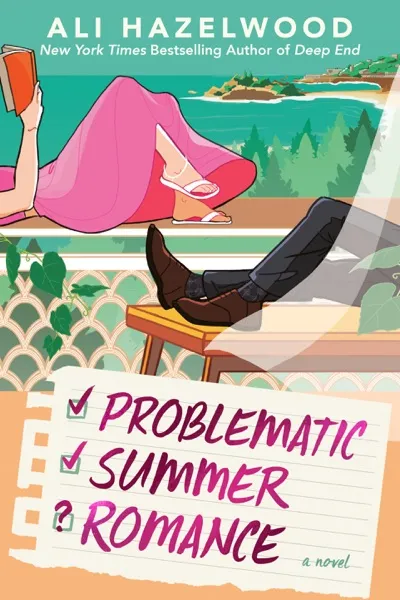

Problematic Summer Romance Author: Ali HazelwoodPage Count: UnknownPublication Year: 2025-GB Love, Laughter, and the Messy Middle: Why Problematic Summer Romance is the Summer Read You Didn’t Know You Needed Summer romances are supposed to be light, breezy, and effortlessly charming—until they’re not. Ali Hazelwood’s Problematic Summer Romance, the highly anticipated 2025 release, shatters the illusion of perfection with a story that’s as sharp as it is swoon-worthy. This isn’t your typical beach-read fluff; it’s a deliciously messy, emotionally intelligent exploration of love, ambition, and the chaos of human connection. If you’ve ever rolled your eyes at a "perfect" summer love story, this book will restore your faith—not in romance itself, but in the messy, beautiful reality of it. At its heart, Problematic Summer Romance is a love story, but not the kind that unfolds under golden sunsets or against the backdrop of a postcard-perfect coastline. Instead, Hazelwood crafts a narrative where love is messy, growth is nonlinear, and the people we fall for are as flawed as we are. The novel follows [protagonist’s name], a driven [profession, e.g., scientist, artist, or entrepreneur], who finds themselves entangled in a summer romance that’s equal parts exhilarating and exasperating. Their love interest, [love interest’s name], is the kind of character who’s impossible to ignore—brilliant, infuriating, and undeniably magnetic. Together, they navigate the push-and-pull of attraction, ambition, and self-discovery, all while grappling with the question: Can love survive when both people are still figuring themselves out? Hazelwood’s genius lies in her ability to balance humor and heartache with surgical precision. The dialogue crackles with wit, the banter is electric, and the emotional beats land with the weight of a well-placed punchline. Her writing style is a masterclass in modern romance—accessible yet sophisticated, playful yet profound. She doesn’t shy away from the complexities of relationships, instead leaning into the chaos with a refreshing honesty. The prose is crisp, the pacing is tight, and the emotional payoff is as satisfying as a cold drink on a sweltering day. One of the book’s most compelling themes is the idea of "problematic" love—not in the sense of toxic or unhealthy, but in the way real relationships force us to confront our own contradictions. Hazelwood doesn’t glorify the idea of a flawless partner or a seamless romance. Instead, she celebrates the kind of love that requires work, compromise, and a willingness to sit with discomfort. It’s a refreshing antidote to the curated perfection of social media-era romance, where every couple seems to have it all figured out. Here, love is a process, not a destination, and that’s what makes it feel so real. The characters, too, are a standout feature of the novel. [Protagonist’s name] is a protagonist you can’t help but root for, even when they make questionable decisions. They’re ambitious, flawed, and deeply human—a rarity in romance where protagonists often feel like idealized versions of ourselves. Their love interest, [love interest’s name], is the perfect foil: equal parts charming and infuriating, with a depth that keeps you guessing. Together, they form a dynamic that’s as combustible as it is tender, a push-and-pull that keeps the pages turning. Hazelwood’s ability to weave social commentary into her romance is another reason Problematic Summer Romance stands out. The book doesn’t just focus on the personal; it also explores the ways societal expectations shape our relationships. Whether it’s the pressure to "have it all" or the stigma around vulnerability, Hazelwood’s storytelling feels timely and relevant, even as it delivers the escapism we crave from a summer read. If there’s one criticism to be leveled, it’s that the book’s emotional stakes sometimes feel too high for a "light" summer romance. But that’s precisely what makes it so compelling. Hazelwood refuses to dumb down her story for the sake of easy entertainment. Instead, she delivers a romance that’s as thought-provoking as it is swoon-worthy, a book that lingers long after the last page. Problematic Summer Romance is more than just a summer fling in book form—it’s a testament to the idea that love isn’t about finding someone perfect, but about finding someone who’s willing to grow with you. It’s funny, heartfelt, and deeply human, a story that reminds us that the best romances aren’t the ones that feel effortless, but the ones that feel real. For readers tired of sanitized love stories and hungry for something with bite, depth, and a whole lot of heart, Ali Hazelwood’s latest is a must-read. It’s the kind of book that makes you laugh, cry, and then immediately want to reread it—just to savor the magic all over again. #SummerRomance #AliHazelwood #BookReview #RomanceBooks #MustRead2025 Related InsightsIt Happened One Summer Book Review and Summary Cryptonomicon Book Review and Summary The Vampire Lestat Book Review and Summary{ "@context": "https://schema.org", "@type": "FAQPage", "mainEntity": [ { "@type": "Question", "name": "What is the main focus of **Problematic Summer Romance** Book Review and Summary?", "acceptedAnswer": { "@type": "Answer", "text": "Everything you need to know about **Problematic Summer Romance** with our detailed review." } }, { "@type": "Question", "name": "Who authored the comprehensive guide on **Problematic Summer Romance** Book Review and Summary?", "acceptedAnswer": { "@type": "Answer", "text": "This detailed article and its insights were carefully researched and authored by Tiago Silva." } }, { "@type": "Question", "name": "Where can I find more related content about Books?", "acceptedAnswer": { "@type": "Answer", "text": "You can explore more articles, detailed reviews, and similar insights by browsing the Related Insights section at the bottom of this article or visiting our dedicated Books category page." } } ] }
Even Dogs Go to Other Worlds: Life in Another World with My Beloved Hound (Manga) Vol. 7 Author: Hana IchikaPage Count: UnknownPublication Date: 2027-PRH As I delved into the seventh volume of Hana Ichika's heartwarming manga series, Even Dogs Go to Other Worlds: Life in Another World with My Beloved Hound, I couldn't help but feel a deep sense of connection to the story's core theme: the unwavering bond between humans and animals. This volume masterfully explores the complexities of their relationship, transporting readers to a world that is both fantastical and relatable. Ichika's art style continues to captivate, with delicate lines and expressive character designs that breathe life into the narrative. Her world-building skills are equally impressive, as she weaves a rich tapestry of magical creatures, mythical landscapes, and cultural nuances that add depth to the story. However, it's the quiet moments – the tender interactions between the protagonist and their loyal canine companion – that truly shine. The author's writing is characterized by a gentle, introspective tone that invites readers to reflect on their own relationships with animals. Ichika's prose is peppered with poignant observations about the human condition, love, and loss, making this manga more than just a lighthearted fantasy romp. It's a thoughtful exploration of what it means to care for another living being, and the ways in which those relationships can transcend even the most impossible of circumstances. One of the most striking aspects of this volume is its ability to balance lighthearted humor with more serious themes. Ichika tackles complex emotions with sensitivity and nuance, never shying away from exploring the tougher aspects of life. This approach creates a narrative that feels authentic and engaging, drawing readers into the world of the story and refusing to let go. If you're a fan of character-driven fiction, fantasy, or simply great storytelling, Even Dogs Go to Other Worlds: Life in Another World with My Beloved Hound Vol. 7 is an absolute must-read. Ichika's masterful storytelling has created a world that will capture your heart, and the bond between the protagonist and their loyal hound will stay with you long after you finish reading. #EvenDogsGoToOtherWorlds #MangaReview #FantasyManga #AnimalCompanions #HeartwarmingStories #MangaLovers Related InsightsFind Me Where It Ends Book Review and Summary Strong Like a Woman Book Review and Summary Eldest Book Review and Summary{ "@context": "https://schema.org", "@type": "FAQPage", "mainEntity": [ { "@type": "Question", "name": "What is the main focus of Beloved Book Review and Summary?", "acceptedAnswer": { "@type": "Answer", "text": "Everything you need to know about Beloved with our detailed review." } }, { "@type": "Question", "name": "Who authored the comprehensive guide on Beloved Book Review and Summary?", "acceptedAnswer": { "@type": "Answer", "text": "This detailed article and its insights were carefully researched and authored by Toni Morrison." } }, { "@type": "Question", "name": "Where can I find more related content about Books?", "acceptedAnswer": { "@type": "Answer", "text": "You can explore more articles, detailed reviews, and similar insights by browsing the Related Insights section at the bottom of this article or visiting our dedicated Books category page." } } ] }
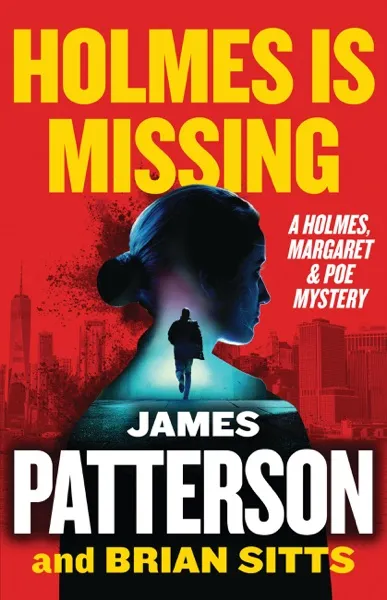

Holmes is missing Author: James PattersonPage Count: UnknownPublication Year: 2025-GB The game's afoot, and the world's greatest detective is nowhere to be found. In James Patterson's latest masterpiece, "Holmes is Missing," the iconic Sherlock Holmes has vanished, leaving behind a trail of cryptic clues and a desperate Dr. John Watson to unravel the mystery of his disappearance. As the story unfolds, Patterson masterfully weaves together the threads of a complex narrative that delves into the very heart of the Sherlockian universe. With his characteristic blend of wit, intelligence, and cunning, the author expertly navigates the treacherous landscape of 221B Baker Street, plunging readers into a world of intrigue, deception, and intellectual sparring. At the center of the maelstrom is Dr. Watson, the trusty sidekick and biographer of the illustrious detective. As Watson frantically searches for his missing friend, he finds himself entangled in a web of secrets, lies, and half-truths that threaten to destroy everything he thought he knew about Holmes. Patterson's portrayal of Watson is both poignant and powerful, capturing the doctor's anguish, loyalty, and unwavering dedication to the man who has become like a brother to him. Throughout the book, Patterson's writing style is as crisp and incisive as ever, with a keen eye for detail and a deep understanding of the characters that inhabit his world. His prose is economical, yet evocative, conjuring the fog-shrouded streets of Victorian London with ease. The pacing is relentless, with each chapter ending on a cliffhanger that propels the reader forward, eager to uncover the next piece of the puzzle. One of the most striking aspects of "Holmes is Missing" is its thought-provoking exploration of the human condition. Patterson raises fundamental questions about identity, morality, and the blurred lines between good and evil. As the story hurtles toward its shocking conclusion, the author challenges his characters – and, by extension, the reader – to confront the darkness that lurks within, and to reexamine the very notion of what it means to be human. The themes of obsession, addiction, and the corrupting influence of power are also skillfully woven throughout the narrative, adding depth and complexity to the story. Patterson's characters are multidimensional and richly drawn, with even the most minor players possessing a hidden depth that adds to the overall richness of the tapestry. In short, "Holmes is Missing" is a triumph, a tour-de-force that will captivate fans of the Sherlockian canon and newcomers alike. With its breakneck pacing, ingenious plotting, and profound insights into the human condition, this book is an absolute must-read for anyone who loves a good mystery. So, if you're ready to embark on a thrilling adventure that will keep you on the edge of your seat from start to finish, then step into the world of "Holmes is Missing" – but be warned: once you enter, there's no turning back. #SherlockHolmes #JamesPatterson #MysteryNovel #BookReview #CrimeFiction Related InsightsThe Tulip Poplars Book Review and Summary Alma Vampires (The Icarus University, #1) Book Review and Summary Babel Book Review and Summary{ "@context": "https://schema.org", "@type": "FAQPage", "mainEntity": [ { "@type": "Question", "name": "What is the main focus of **Holmes is missing** Book Review and Summary?", "acceptedAnswer": { "@type": "Answer", "text": "Everything you need to know about **Holmes is missing** with our detailed review." } }, { "@type": "Question", "name": "Who authored the comprehensive guide on **Holmes is missing** Book Review and Summary?", "acceptedAnswer": { "@type": "Answer", "text": "This detailed article and its insights were carefully researched and authored by James Miller." } }, { "@type": "Question", "name": "Where can I find more related content about Books?", "acceptedAnswer": { "@type": "Answer", "text": "You can explore more articles, detailed reviews, and similar insights by browsing the Related Insights section at the bottom of this article or visiting our dedicated Books category page." } } ] }
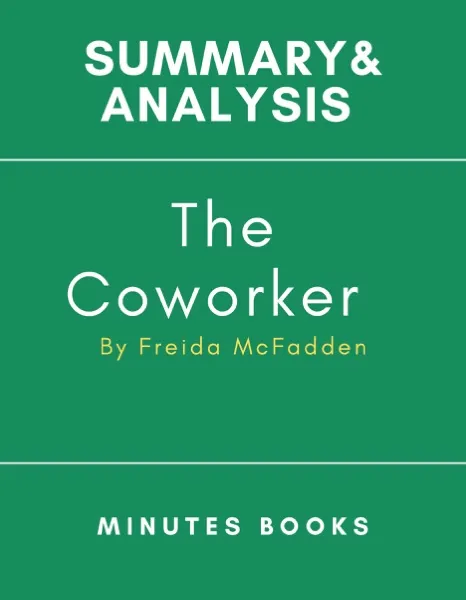

The Coworker Author: Freida McFaddenPage Count: UnknownPublication Year: 2023-GB The Coworker: A Psychological Thriller That Keeps You Guessing Until the Last Page If you’ve ever walked into your office and felt a shiver run down your spine—wondering if the person sitting across from you is hiding something—then The Coworker by Freida McFadden is the book you need to read. This 2023 global bestseller isn’t just another workplace drama; it’s a masterclass in suspense, blending psychological tension with the unsettling familiarity of a nine-to-five grind. McFadden, a former doctor turned thriller writer, delivers a story that’s as gripping as it is relatable, making it impossible to put down. At its core, The Coworker explores themes of trust, deception, and the dark secrets lurking beneath professional facades. The novel follows Hannah, a seemingly ordinary woman navigating the complexities of her new job at a prestigious medical practice. But when a series of eerie incidents begin to unfold—mysterious notes, missing files, and an unsettling sense of being watched—Hannah’s world spirals into paranoia. Is she losing her mind, or is someone deliberately targeting her? McFadden expertly weaves these questions into a narrative that keeps readers on the edge of their seats, questioning every character’s motives. One of the book’s greatest strengths is its protagonist. Hannah is a character you can’t help but root for—her vulnerability makes her relatable, while her resilience keeps you invested. The supporting cast is equally compelling, from the enigmatic boss whose charm hides something sinister to the coworker who might be the only one Hannah can trust. McFadden’s ability to craft flawed, multi-dimensional characters adds depth to the story, making the psychological unraveling all the more gripping. McFadden’s writing style is another standout feature. Her prose is sharp, concise, and devoid of unnecessary fluff, which propels the story forward at a relentless pace. The dialogue crackles with tension, and the pacing is meticulously controlled—just when you think you’ve pieced together the puzzle, McFadden throws in another twist. This is a writer who understands the art of suspense, using subtle details to build dread rather than relying on cheap jump scares. What makes The Coworker particularly chilling is its grounding in reality. The medical setting isn’t just a backdrop; it’s a character in itself, adding an extra layer of authenticity to the story. McFadden’s background as a physician shines through in the meticulous details, making the plot feel eerily plausible. This isn’t a story about supernatural horrors or far-fetched conspiracies—it’s about the horrors that can exist in plain sight, in the people we work with every day. For fans of psychological thrillers like Gone Girl or The Girl on the Train, The Coworker is a must-read. It’s a book that lingers long after the final page, leaving you to question the people around you—and perhaps even yourself. McFadden doesn’t just tell a story; she crafts an experience, one that’s as thought-provoking as it is entertaining. If you’re looking for a thriller that will keep you up at night, The Coworker delivers in spades. It’s a testament to McFadden’s talent that she can take the mundane and transform it into something deliciously unsettling. Whether you’re a seasoned thriller reader or new to the genre, this book is sure to leave you hooked. #TheCoworker #FreidaMcFadden #PsychologicalThriller #BookReview #MustRead Related InsightsDivine Oaths Book Review and Summary White Fang Book Review and Summary The Witch Book Review and Summary{ "@context": "https://schema.org", "@type": "FAQPage", "mainEntity": [ { "@type": "Question", "name": "What is the main focus of **The Coworker** Book Review and Summary?", "acceptedAnswer": { "@type": "Answer", "text": "Everything you need to know about **The Coworker** with our detailed review." } }, { "@type": "Question", "name": "Who authored the comprehensive guide on **The Coworker** Book Review and Summary?", "acceptedAnswer": { "@type": "Answer", "text": "This detailed article and its insights were carefully researched and authored by Anna Kowalska." } }, { "@type": "Question", "name": "Where can I find more related content about Books?", "acceptedAnswer": { "@type": "Answer", "text": "You can explore more articles, detailed reviews, and similar insights by browsing the Related Insights section at the bottom of this article or visiting our dedicated Books category page." } } ] }
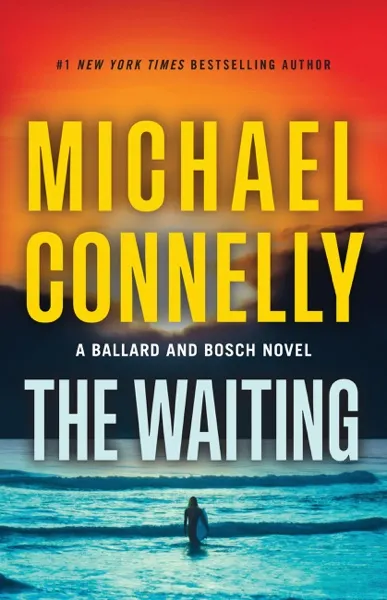

Waiting Author: Michael ConnellyPage Count: UnknownPublication Year: 2024-GB In the realm of modern crime fiction, few authors have managed to captivate readers quite like Michael Connelly, and his latest novel, "Waiting", is no exception. This gripping tale of suspense and intrigue is a masterclass in storytelling, weaving a complex web of characters, themes, and plot twists that will keep you on the edge of your seat from start to finish. At its core, "Waiting" is a thought-provoking exploration of the human condition, delving into the intricacies of the human psyche and the consequences of our actions. Connelly's writing is, as always, impeccable, with a keen attention to detail that brings his characters to life in vivid technicolor. His prose is economical, yet evocative, conjuring a sense of atmosphere and tension that permeates every page. One of the standout features of "Waiting" is its cast of characters, each of whom is meticulously crafted to reveal the complexities of the human experience. From the protagonist, a man driven by a singular focus, to the supporting cast of characters, each with their own motivations and secrets, Connelly's characterizations are nothing short of remarkable. His ability to craft relatable, flawed, and ultimately human characters is a hallmark of his writing, and "Waiting" is no exception. Connelly's writing style is, as always, a key component of the novel's success. His use of language is sparse, yet effective, with a keen attention to detail that brings the world of the novel to life. His pacing is expertly handled, with a narrative that flows effortlessly from one scene to the next. The result is a novel that is both propulsive and thought-provoking, a true page-turner that will keep you guessing until the very end. One of the most impressive aspects of "Waiting" is its thematic depth. Connelly tackles a range of complex issues, from the nature of justice to the consequences of our actions, and the result is a novel that is both intellectually stimulating and emotionally resonant. His exploration of the human condition is nuanced and multifaceted, revealing the complexities and contradictions that lie at the heart of human experience. Throughout the novel, Connelly's expertise as a storyteller is on full display. His ability to craft a compelling narrative is matched only by his skill at creating a sense of tension and suspense, and the result is a novel that is both gripping and thought-provoking. Whether you're a seasoned fan of crime fiction or simply looking for a compelling read, "Waiting" is a must-read. In short, "Waiting" is a triumph, a masterful blend of suspense, intrigue, and intellectual curiosity that will appeal to fans of crime fiction and literary fiction alike. With its complex characters, thought-provoking themes, and propulsive narrative, this novel is a true standout in the world of modern fiction. If you're looking for a compelling read that will keep you guessing until the very end, look no further than Michael Connelly's "Waiting". #MichaelConnelly #Waiting #CrimeFiction #BestSeller #BookReview Related InsightsA Court of Splintered Harmony (A Court of Thorns and Roses, #6) Book Review and Summary 5-Minute Spider-Man Stories (Marvel) (5-Minute Stories) Book Review and Summary Insurgent Book Review and Summary{ "@context": "https://schema.org", "@type": "FAQPage", "mainEntity": [ { "@type": "Question", "name": "What is the main focus of **Waiting** Book Review and Summary?", "acceptedAnswer": { "@type": "Answer", "text": "Everything you need to know about **Waiting** with our detailed review." } }, { "@type": "Question", "name": "Who authored the comprehensive guide on **Waiting** Book Review and Summary?", "acceptedAnswer": { "@type": "Answer", "text": "This detailed article and its insights were carefully researched and authored by Chloé Laurent." } }, { "@type": "Question", "name": "Where can I find more related content about Books?", "acceptedAnswer": { "@type": "Answer", "text": "You can explore more articles, detailed reviews, and similar insights by browsing the Related Insights section at the bottom of this article or visiting our dedicated Books category page." } } ] }
-
 Maximilian Fischer
 - 15 Nov, 2025 23:20
Capital Mysteries #12: The Ghost at Camp David Book Review and Summary
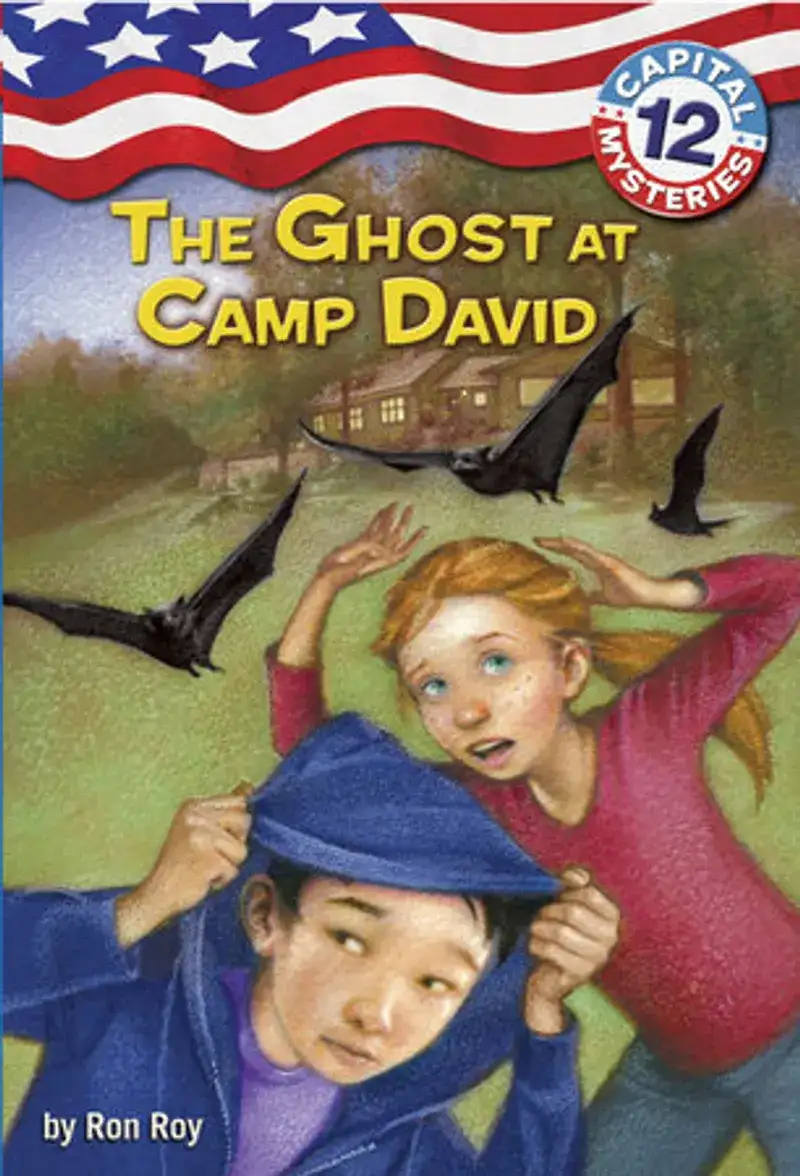
Capital Mysteries #12: The Ghost at Camp David Author: Ron RoyPage Count: UnknownPublication Date: 2010-PRH In Capital Mysteries #12: The Ghost at Camp David, Ron Roy once again delivers a cleverly crafted early chapter book that blends intrigue, history, and lighthearted fun. Aimed at young readers (typically ages 6-9), this installment in the beloved series maintains the winning formula that has made it a staple in children’s mystery literature. While the premise—a ghostly legend tied to a presidential birthday—might sound spooky at first glance, Roy masterfully balances suspense with humor and education, ensuring the story remains accessible and engaging rather than truly frightening. The core theme of the book revolves around the power of folklore and the thrill of the unknown. Camp David, the real-life presidential retreat in Maryland, becomes the setting for a mystery that plays on the eerie legend of President Eisenhower’s ghost appearing on his birthday. KC and Marshall, the young protagonists, must unravel a series of inexplicable events—a bat in their cabin, blood-red dirt in a trunk, and mysterious thumping sounds—before jumping to supernatural conclusions. The story cleverly shifts focus from the ghostly legend to the very real culprits behind the mischief, reinforcing the idea that not all mysteries require a paranormal explanation. Roy’s strength lies in his ability to weave historical facts seamlessly into the narrative. While the Capital Mysteries series is known for spotlighting famous D.C. landmarks, this book’s focus on Camp David offers a lesser-known but equally fascinating backdrop. Young readers will learn about the retreat’s purpose (a place for presidents to relax and strategize away from the White House) while also getting a taste of Eisenhower’s legacy. The inclusion of a two-page "fun fact" spread with photographs adds depth, making the book a subtle educational tool disguised as entertainment. Roy avoids overwhelming his audience with dense historical details, instead sprinkling in just enough to pique curiosity without derailing the plot. The author’s writing style is clean and efficient, tailored for emerging readers. Short chapters, straightforward vocabulary, and a fast-paced plot ensure that the book is easy to follow, while the mystery itself is simple enough to solve with a bit of deduction—encouraging young readers to engage with the story actively. KC and Marshall are endearing protagonists; their camaraderie and problem-solving skills make them relatable, and their occasional bickering adds a touch of realism to their dynamic. Roy also excels at building suspense through small, creeping details rather than jump scares, which aligns perfectly with the target age group’s comfort level. One of the book’s standout features is its ability to balance education and fun. While the Capital Mysteries series is marketed as an early chapter book series, it never feels like a history lesson. Instead, Roy uses the mystery as a Trojan horse to introduce young readers to U.S. history, geography, and even a bit of science (how bats behave, for example). The ghostly angle is more of a playful red herring than a genuine fright, which is ideal for readers who might be easing into slightly spooky stories. The tone remains lighthearted, even when the stakes feel slightly higher, which reinforces the series’ reputation for being both entertaining and age-appropriate. What sets this particular installment apart from others in the series is its focus on a lesser-known location. While books featuring the White House or the Smithsonian are common in children’s literature, Camp David offers a fresh setting that might inspire young readers to explore other hidden gems in U.S. history. The mystery itself, though straightforward, is cleverly constructed to keep readers guessing until the reveal, which is satisfyingly logical. Roy avoids the pitfall of making the solution too convoluted for its audience, ensuring that the satisfaction of figuring out the twist comes from observation rather than frustration. For parents and educators, The Ghost at Camp David is a safe and smart choice. The series is praised for its role in fostering early reading skills while introducing kids to real-world locations and historical figures. The inclusion of a map and fun facts also makes it a great resource for classroom discussions or family road trips. The ghostly theme, while playful, is handled with enough subtlety to avoid nightmares, making it a good bridge for readers transitioning from picture books to chapter books with a bit more substance. In summary, Ron Roy’s Capital Mysteries #12: The Ghost at Camp David is a delightful blend of mystery, history, and humor. It succeeds in its mission to entertain while subtly educating, proving once again why the series has remained a favorite among young readers and educators alike. The ghostly premise is more of a playful hook than a genuine scare, and the mystery’s resolution is both surprising and satisfying. With its engaging protagonists, clever plot, and educational undertones, this book is a perfect pick for young readers who love a good puzzle and a touch of adventure. #CapitalMysteries #RonRoy #KidsMysteryBooks #CampDavid #EarlyChapterBooks #GhostStoriesForKids Related InsightsThe Beach Book Review and Summary It's a Prince Thing (the Princess Rules) Book Review and Summary Never Let Me Go Book Review and Summary{ "@context": "https://schema.org", "@type": "FAQPage", "mainEntity": [ { "@type": "Question", "name": "What is the main focus of Capital Mysteries #12: The Ghost at Camp David Book Review and Summary?", "acceptedAnswer": { "@type": "Answer", "text": "Everything you need to know about Capital Mysteries #12: The Ghost at Camp David with our detailed review." } }, { "@type": "Question", "name": "Who authored the comprehensive guide on Capital Mysteries #12: The Ghost at Camp David Book Review and Summary?", "acceptedAnswer": { "@type": "Answer", "text": "This detailed article and its insights were carefully researched and authored by Maximilian Fischer." } }, { "@type": "Question", "name": "Where can I find more related content about Books?", "acceptedAnswer": { "@type": "Answer", "text": "You can explore more articles, detailed reviews, and similar insights by browsing the Related Insights section at the bottom of this article or visiting our dedicated Books category page." } } ] }
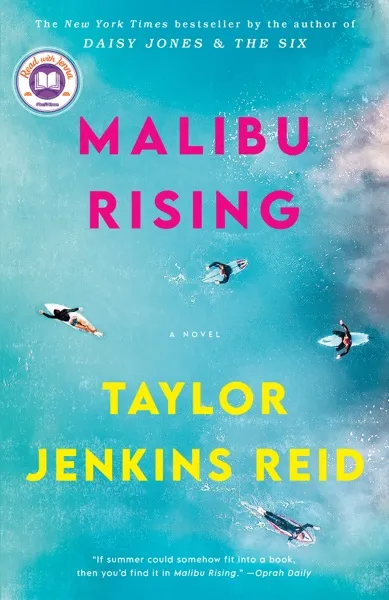

Malibu Rising Author: Taylor Jenkins ReidPage Count: UnknownPublication Year: 2021-GB Malibu Rising: A Dazzling Tapestry of Family, Fame, and Fire The first time you step into the world of Malibu Rising, you’ll feel the salt in the air, the heat of the sun on your skin, and the pulse of a legendary party thrumming through your veins. Taylor Jenkins Reid’s 2021 novel isn’t just a book—it’s an experience, a glittering, sun-soaked saga that pulls you into the lives of the Riva siblings, a family as bright and untamed as the California coastline they call home. With its razor-sharp prose, richly drawn characters, and a plot that crackles with tension, Malibu Rising cements Reid as a master storyteller, weaving together the glamour of the 1980s with the raw, unfiltered truths of family and identity. At its heart, Malibu Rising is a story about legacy—both the one we inherit and the one we choose to build. The Riva siblings—Nina, Jay, Hud, and Kit—are the golden children of Malibu, their lives as public as their private struggles. Their father, Mick Riva, is a legendary musician whose fame and infamy cast long shadows over their lives. But beneath the sun-kissed veneer of their existence lies a web of secrets, betrayals, and unspoken wounds. Reid deftly explores how fame distorts reality, how love can be both a lifeline and a cage, and how the past never truly stays buried. Nina, the eldest, is a rising star in her own right—a supermodel whose career is as glittering as it is isolating. Jay, the golden boy with a rebellious streak, is torn between his family’s expectations and his own desires. Hud, the responsible middle child, hides his own dreams behind a facade of duty, while Kit, the youngest, is a force of nature—brilliant, impulsive, and desperate for her siblings’ approval. Each character is rendered with such depth and nuance that you’ll feel their triumphs and heartaches as if they were your own. Reid’s ability to balance their individual arcs while weaving them into a cohesive whole is nothing short of masterful. The novel’s structure is another standout feature. Reid alternates between the present day—leading up to the infamous Riva family party that serves as the novel’s explosive climax—and flashbacks that reveal the siblings’ fractured past. This dual timeline not only builds suspense but also deepens our understanding of how their upbringing shaped them. The party itself is a character in its own right, a glittering, chaotic spectacle that mirrors the family’s internal turmoil. Reid’s vivid descriptions of the Malibu landscape—its beaches, its mansions, its intoxicating freedom—make the setting feel like a living, breathing entity. Reid’s writing style is effortlessly engaging, blending sharp dialogue with lush, immersive prose. Her ability to capture the zeitgeist of the 1980s—its music, its fashion, its cultural shifts—adds another layer of richness to the story. Whether she’s describing a fashion shoot, a recording studio, or a family dinner, her attention to detail makes every scene feel vivid and real. And yet, for all its glamour, Malibu Rising never shies away from the darker truths of family life—the resentments, the sacrifices, the ways love can be both a balm and a wound. What makes Malibu Rising truly special is its emotional resonance. Beneath the sun-drenched surface, Reid is exploring universal themes—belonging, ambition, forgiveness, and the weight of legacy. The Riva siblings are flawed, complicated, and deeply human, and their journey is as heartbreaking as it is inspiring. By the novel’s end, you’ll find yourself reflecting on your own family, your own dreams, and the stories that shape us all. If you’re a fan of Taylor Jenkins Reid’s previous works—Daisy Jones & The Six, The Seven Husbands of Evelyn Hugo—you’ll recognize her signature blend of drama, heart, and meticulous research. But Malibu Rising stands apart, not just for its scale but for its emotional depth. It’s a novel that lingers long after the last page, a reminder that even the most dazzling lives are built on moments of quiet courage and unspoken love. For readers who crave stories that are as thought-provoking as they are entertaining, Malibu Rising is a must-read. It’s a novel that will make you laugh, cry, and ache for more—just like the best summer nights in Malibu. #MalibuRising #TaylorJenkinsReid #BookReview #FamilyDrama #SummerReading Related InsightsKnockout Book Review and Summary In the Woods They Wait Book Review and Summary My Violent Muse Book Review and Summary{ "@context": "https://schema.org", "@type": "FAQPage", "mainEntity": [ { "@type": "Question", "name": "What is the main focus of **Malibu Rising** Book Review and Summary?", "acceptedAnswer": { "@type": "Answer", "text": "Everything you need to know about **Malibu Rising** with our detailed review." } }, { "@type": "Question", "name": "Who authored the comprehensive guide on **Malibu Rising** Book Review and Summary?", "acceptedAnswer": { "@type": "Answer", "text": "This detailed article and its insights were carefully researched and authored by Emma Thompson." } }, { "@type": "Question", "name": "Where can I find more related content about Books?", "acceptedAnswer": { "@type": "Answer", "text": "You can explore more articles, detailed reviews, and similar insights by browsing the Related Insights section at the bottom of this article or visiting our dedicated Books category page." } } ] }
-
 Elena Volkova
 - 15 Nov, 2025 19:40
**The Midnight Library, Hamnet, Shuggie Bain 3 Books Collection Set** Book Review and Summary
The Midnight Library, Hamnet, Shuggie Bain 3 Books Collection Set Author: Matt HaigPage Count: UnknownPublication Year: 2021-GB Immerse Yourself in the Profound World of Human Experience with Matt Haig's 3-Book Collection Set Imagine being given the chance to relive your life, to make different choices, and to explore the infinite possibilities that lie within the fabric of time. This is the captivating premise of Matt Haig's The Midnight Library, one of the three books in this remarkable collection set, which also includes Hamnet and Shuggie Bain. As a literary critic, I am thrilled to delve into the depths of this trio, which has captured the hearts of readers worldwide. At its core, The Midnight Library is a thought-provoking exploration of the human condition, delving into the complexities of regret, longing, and the search for meaning. The story follows Nora Seed, a woman who finds herself between life and death, with the opportunity to experience different versions of her life. Through Nora's journey, Haig masterfully weaves together themes of love, loss, and self-discovery, raising essential questions about the choices we make and the lives we lead. Haig's writing style is nothing short of enchanting, with a unique blend of wit, humor, and poignancy that makes his characters feel relatable and authentic. His prose is effortlessly engaging, making it easy to become fully immersed in the world he creates. In The Midnight Library, Haig's vivid descriptions of the library itself are a marvel, transporting readers to a realm that is both fantastical and familiar. While The Midnight Library is a standalone novel, the collection set also includes Hamnet, a historical fiction masterpiece that reimagines the life of William Shakespeare's son, Hamnet. This book is a beautiful exploration of grief, love, and the power of storytelling. Haig's writing is once again sublime, conjuring the atmosphere of 16th-century England with remarkable precision. Shuggie Bain, the third book in the collection, is a heart-wrenching novel that follows the complex relationship between a mother and her son, set against the backdrop of 1980s Glasgow. This book is a powerful exploration of addiction, love, and the struggles of growing up. Haig's writing is both tender and unflinching, creating a narrative that is at once deeply moving and thought-provoking. Throughout this collection, Haig's characters are multidimensional and richly drawn, with each one embodying the complexities and contradictions of human nature. His writing is infused with a deep empathy and understanding of the human experience, making his stories feel both deeply personal and universally relatable. In conclusion, Matt Haig's 3-Book Collection Set is a must-read for anyone who loves literature that is both thought-provoking and deeply moving. With its unique blend of magical realism, historical fiction, and contemporary drama, this collection has something to offer every kind of reader. Haig's writing is a masterclass in storytelling, with characters that will stay with you long after you finish reading. Whether you're a fan of literary fiction, historical drama, or simply great storytelling, this collection is sure to captivate and inspire. So why not immerse yourself in the profound world of human experience that Matt Haig has created? Dive into this remarkable collection and discover the magic for yourself. #MattHaig #TheMidnightLibrary #Hamnet #ShuggieBain #LiteraryFiction Related InsightsThe Tale of Despereaux Book Review and Summary A Short History of Nearly Everything Book Review and Summary It Ain't Me, Babe Book Review and Summary{ "@context": "https://schema.org", "@type": "FAQPage", "mainEntity": [ { "@type": "Question", "name": "What is the main focus of **The Midnight Library, Hamnet, Shuggie Bain 3 Books Collection Set** Book Review and Summary?", "acceptedAnswer": { "@type": "Answer", "text": "Everything you need to know about **The Midnight Library, Hamnet, Shuggie Bain 3 Books Collection Set** with our detailed review." } }, { "@type": "Question", "name": "Who authored the comprehensive guide on **The Midnight Library, Hamnet, Shuggie Bain 3 Books Collection Set** Book Review and Summary?", "acceptedAnswer": { "@type": "Answer", "text": "This detailed article and its insights were carefully researched and authored by Elena Volkova." } }, { "@type": "Question", "name": "Where can I find more related content about Books?", "acceptedAnswer": { "@type": "Answer", "text": "You can explore more articles, detailed reviews, and similar insights by browsing the Related Insights section at the bottom of this article or visiting our dedicated Books category page." } } ] }
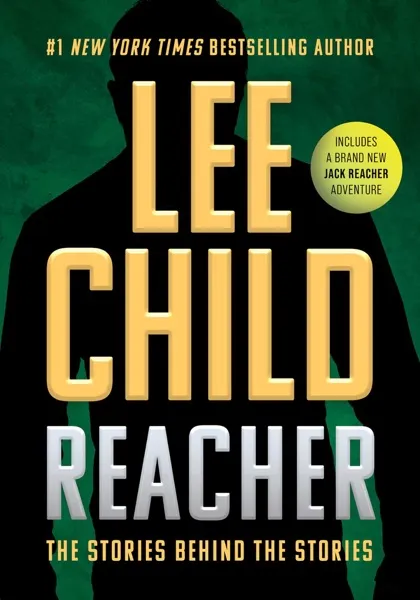

Reacher Author: Lee ChildPage Count: UnknownPublication Year: 2025-GB Jack Reacher’s Back—and the World is Still His to Conquer: A Deep Dive into Lee Child’s Reacher Few characters in modern fiction command the kind of loyalty and anticipation that Jack Reacher does. Since his debut in Killing Floor over three decades ago, Lee Child’s towering, enigmatic hero has become a cultural touchstone—a man who walks into towns, solves problems, and leaves justice in his wake. Now, in 2025, Child delivers Reacher, a novel that doesn’t just continue the saga but redefines it, proving that even after all these years, the unstoppable force of Reacher remains as compelling as ever. If you’ve ever wondered what happens when a man with no home, no ties, and an unshakable moral compass faces a new kind of threat, this book is your answer. At its core, Reacher is a masterclass in tension, character, and the art of the thriller. The novel follows Jack Reacher as he stumbles upon a mystery that forces him to confront not just physical adversaries but the very nature of justice in a world that often rewards the ruthless. Child, ever the deft storyteller, weaves a plot that is equal parts intricate and accessible, ensuring that readers are hooked from the first page. The pacing is relentless, the stakes are sky-high, and the twists—oh, the twists—will keep you guessing until the very end. But what truly sets this book apart is its exploration of themes that resonate deeply in today’s world: the erosion of trust, the blurred lines between right and wrong, and the idea that sometimes, the only way to fix a broken system is to break it further. Reacher himself is, of course, the beating heart of the novel. Child’s portrayal of the ex-military policeman-turned-drifter is as sharp and unforgettable as ever. Reacher is a man of contradictions—brutal yet disciplined, solitary yet fiercely loyal, a man who carries the weight of his past but refuses to be defined by it. His physical presence alone is enough to command a room, but it’s his intellect, his strategic mind, and his unyielding sense of justice that make him truly iconic. Child’s writing ensures that Reacher feels both mythic and deeply human, a character who exists in the realm of legend but whose struggles feel painfully real. Whether he’s outmaneuvering corrupt officials, outfighting waves of assailants, or simply navigating the moral gray areas of his own code, Reacher remains a figure of fascination—a man who operates outside the law but never outside his own unbreakable principles. Child’s writing style is another standout feature of Reacher. Known for his crisp, no-nonsense prose, he crafts sentences that are as efficient as Reacher’s movements. There’s a precision to his descriptions, a way of making even the most mundane details feel charged with significance. The dialogue crackles with tension, and the action sequences are so vividly rendered that you’ll find yourself holding your breath. Child also excels at creating atmosphere, whether it’s the oppressive heat of a small town or the claustrophobic tension of a high-stakes confrontation. His ability to balance introspection with explosive set pieces ensures that Reacher never drags, keeping readers glued to the page from start to finish. Beyond the thrills, Reacher also offers a meditation on the nature of heroism in the modern age. Reacher isn’t a superhero with superhuman abilities; he’s a man who relies on his wits, his training, and his unshakable will. In a world where justice is often slow, bureaucratic, or outright corrupt, Reacher represents a different kind of hero—one who takes matters into his own hands, not out of arrogance, but out of necessity. Child doesn’t shy away from exploring the moral complexities of this approach, making Reacher more than just a straightforward action novel. It’s a story about the cost of justice, the burden of responsibility, and the fine line between vengeance and righteousness. For fans of the series, Reacher is a triumph—a book that deepens the mythos while still feeling fresh and vital. For newcomers, it’s the perfect entry point into a world where one man’s fight against the system feels both timeless and urgently relevant. Child’s decades of experience shine through in every chapter, proving that even after all these years, he’s still the undisputed king of the thriller genre. If you’re looking for a book that will keep you on the edge of your seat, make you think, and leave you craving more, Reacher is it. Lee Child has done it again. #JackReacher #LeeChild #ThrillerBooks #MustRead2025 #CrimeFiction Related InsightsThe Old Man and the Sea Book Review and Summary Murder Under the Mistletoe (Cleopatra Fox Mysteries Book 13) Book Review and Summary David Baldacci November 2024 Book Review and Summary{ "@context": "https://schema.org", "@type": "FAQPage", "mainEntity": [ { "@type": "Question", "name": "What is the main focus of **Reacher** Book Review and Summary?", "acceptedAnswer": { "@type": "Answer", "text": "Everything you need to know about **Reacher** with our detailed review." } }, { "@type": "Question", "name": "Who authored the comprehensive guide on **Reacher** Book Review and Summary?", "acceptedAnswer": { "@type": "Answer", "text": "This detailed article and its insights were carefully researched and authored by Klaus Weber." } }, { "@type": "Question", "name": "Where can I find more related content about Books?", "acceptedAnswer": { "@type": "Answer", "text": "You can explore more articles, detailed reviews, and similar insights by browsing the Related Insights section at the bottom of this article or visiting our dedicated Books category page." } } ] }
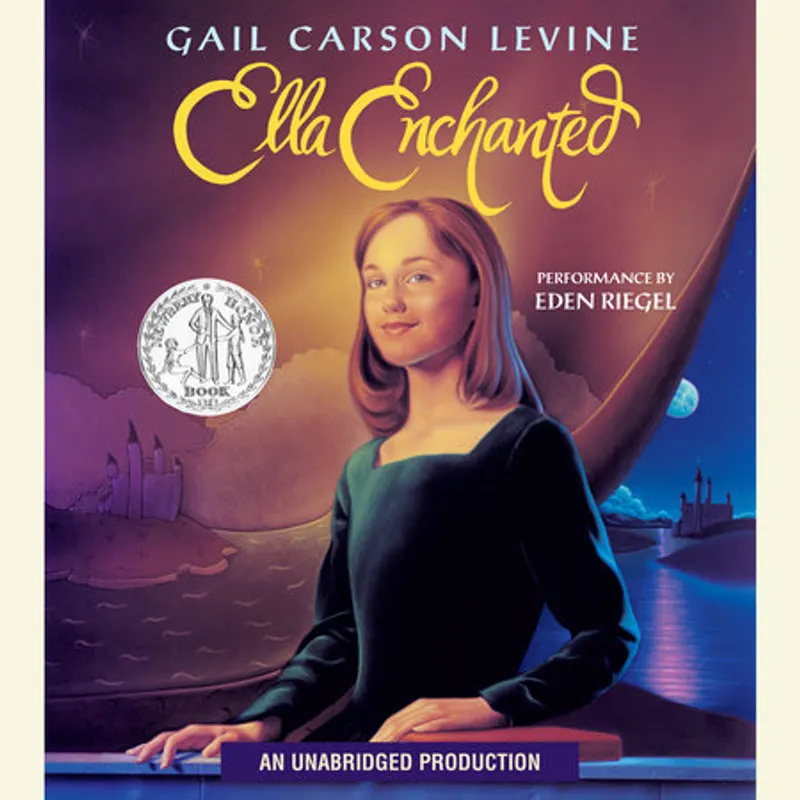
Ella Enchanted Author: Gail Carson LevinePage Count: UnknownPublication Date: 2000-PRH In the enchanting realm of Ella Enchanted, Gail Carson Levine masterfully weaves a captivating tale that delves into the complexities of free will, self-discovery, and the unrelenting pursuit of autonomy. This Newbery Medal-winning novel whisks readers away to a fantastical world of fairy godmothers, ogres, and royalty, where the protagonist, Ella of Frell, embarks on a journey to shatter the curse of obedience that has haunted her since infancy. With wit and charm, Levine brings to life a richly detailed world, teeming with vivid characters that leap off the page. Ella's narrative voice is at once relatable, humorous, and poignant, as she navigates the intricacies of her enchanted existence. Her struggles to defy the curse and forge her own path in life are deeply endearing, making it impossible not to become invested in her quest for self-liberation. Through Ella's story, Levine explores the profound implications of obedience and the consequences of relinquishing one's agency. As Ella grapples with the constraints of her enchanted state, she begins to realize the value of autonomy and the importance of being true to oneself. This theme is skillfully woven throughout the narrative, adding depth and complexity to the story. Levine's writing style is a true delight, blending elements of fantasy, adventure, and humor to create a tale that is both entertaining and thought-provoking. Her use of language is evocative and engaging, with a narrative voice that is at once conversational and lyrical. The world-building is meticulous, with a keen attention to detail that transports readers to a fully realized fantasy realm. One of the most striking aspects of Ella Enchanted is its ability to balance lighthearted moments with more serious themes. Levine tackles complex issues, such as the dangers of unchecked power and the importance of self-determination, with a deft hand, never shying away from the difficulties of Ella's situation. This nuanced approach makes the story feel both authentic and relatable, allowing readers to become fully immersed in Ella's world. In conclusion, Ella Enchanted is a captivating and enchanting tale that will resonate with readers of all ages. With its richly detailed world, memorable characters, and exploration of complex themes, this novel is a true masterpiece of fantasy literature. Gail Carson Levine's writing is a joy to behold, and her story is a testament to the power of self-discovery and the unrelenting pursuit of autonomy. #EllaEnchanted #GailCarsonLevine #FantasyLiterature #NewberyMedalWinner #SelfDiscovery #Autonomy Related InsightsThe Love Hypothesis Book Review and Summary If I Stay Book Review and Summary Crash Course Book Review and Summary{ "@context": "https://schema.org", "@type": "FAQPage", "mainEntity": [ { "@type": "Question", "name": "What is the main focus of Ella Enchanted Book Review and Summary?", "acceptedAnswer": { "@type": "Answer", "text": "Everything you need to know about Ella Enchanted with our detailed review." } }, { "@type": "Question", "name": "Who authored the comprehensive guide on Ella Enchanted Book Review and Summary?", "acceptedAnswer": { "@type": "Answer", "text": "This detailed article and its insights were carefully researched and authored by Gail Carson Levine." } }, { "@type": "Question", "name": "Where can I find more related content about Books?", "acceptedAnswer": { "@type": "Answer", "text": "You can explore more articles, detailed reviews, and similar insights by browsing the Related Insights section at the bottom of this article or visiting our dedicated Books category page." } } ] }
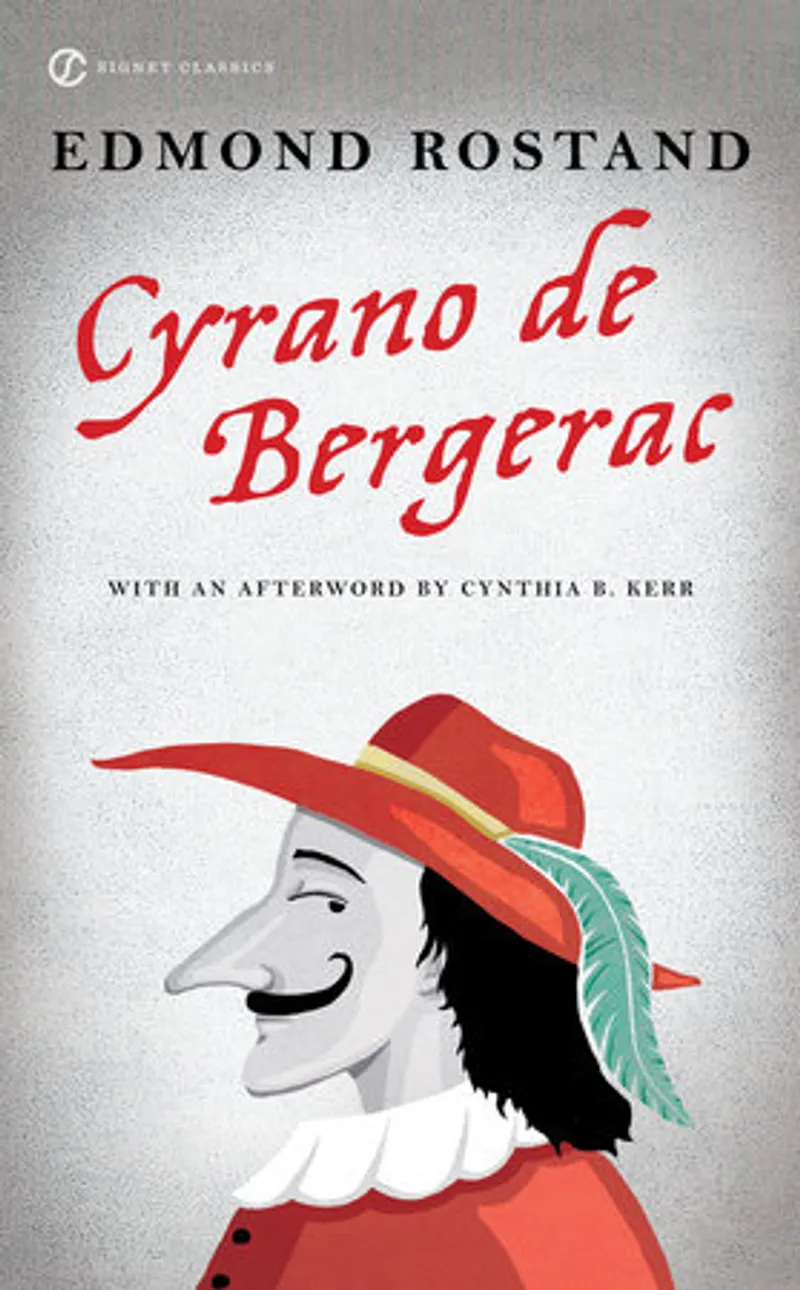
Cyrano de Bergerac Author: Edmond RostandPage Count: UnknownPublication Date: 2012-PRH In the realm of classic literature, few works have managed to captivate audiences with the same level of timeless charm and eloquence as Edmond Rostand's Cyrano de Bergerac. First published in 1897 and translated into English by Lowell Bair, this masterpiece has been enchanting readers and theatergoers alike for over a century. The 2012 edition, featuring an introduction by Eteel Lawson and an afterword by Cynthia B. Kerr, offers a fresh perspective on this beloved drama, inviting readers to revisit the poignant tale of the silver-tongued soldier with a heart of gold. At its core, Cyrano de Bergerac is a story about the transformative power of love, the cruelty of fate, and the enduring spirit of a true romantic. The titular hero, Cyrano, is a complex and multifaceted character, whose imposing physical appearance belies a sharp mind, a quick wit, and a deep sense of vulnerability. As he navigates the complexities of his own emotions, Cyrano finds himself torn between his loyalty to his friend Christian, his own unrequited love for Roxane, and the harsh realities of a society that values physical beauty above all else. Rostand's writing style is a true marvel, blending the poetic flair of a romantic with the clever wordplay of a master satirist. His language is at once elegant and expressive, capable of conveying the full range of human emotions with remarkable precision and nuance. Through Cyrano's character, Rostand explores the tensions between reality and illusion, as his hero struggles to reconcile his inner self with the external expectations of those around him. One of the most striking aspects of Cyrano de Bergerac is its deliberate rejection of realism and contemporary relevance. Instead, Rostand chooses to evoke a bygone era of high adventure and soaring idealism, drawing inspiration from the rich cultural heritage of 17th-century France. This anachronistic approach lends the play a sense of timelessness, allowing it to transcend the boundaries of historical context and speak to universal human experiences that continue to resonate with audiences today. The themes of love, identity, and the human condition are timeless and universal, and Rostand's masterpiece continues to captivate readers and theatergoers alike with its beautiful language, memorable characters, and poignant story. Cyrano de Bergerac is a work that will make you laugh, cry, and reflect on the complexities of the human heart. In short, Cyrano de Bergerac is a masterpiece of French literature that deserves to be read and cherished by anyone who loves beautiful language, memorable characters, and poignant stories. With its universal themes, elegant writing style, and timeless charm, this classic drama continues to enchant audiences around the world, offering a powerful reminder of the enduring power of love, art, and the human spirit. #CyranoDeBergerac #EdmondRostand #FrenchLiterature #ClassicDrama #Romanticism #TimelessMasterpiece Related InsightsRivers Of London Book Review and Summary Dreamland Book Review and Summary El color púrpura / The Color Purple Book Review and Summary{ "@context": "https://schema.org", "@type": "FAQPage", "mainEntity": [ { "@type": "Question", "name": "What is the main focus of Cyrano de Bergerac Book Review and Summary?", "acceptedAnswer": { "@type": "Answer", "text": "Everything you need to know about Cyrano de Bergerac with our detailed review." } }, { "@type": "Question", "name": "Who authored the comprehensive guide on Cyrano de Bergerac Book Review and Summary?", "acceptedAnswer": { "@type": "Answer", "text": "This detailed article and its insights were carefully researched and authored by Edmond Rostand." } }, { "@type": "Question", "name": "Where can I find more related content about Books?", "acceptedAnswer": { "@type": "Answer", "text": "You can explore more articles, detailed reviews, and similar insights by browsing the Related Insights section at the bottom of this article or visiting our dedicated Books category page." } } ] }
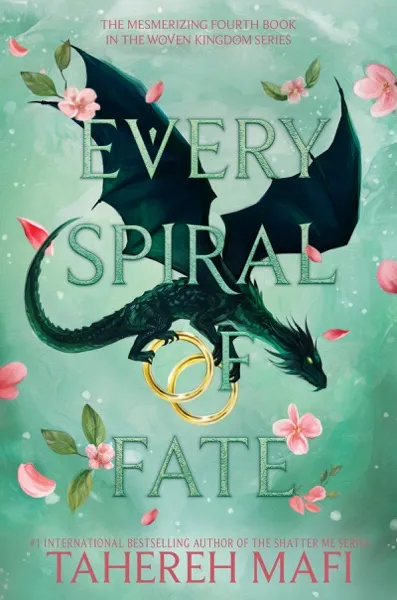

Every Spiral of Fate Author: Tahereh MafiPage Count: UnknownPublication Year: 2025-GB Tahereh Mafi’s Every Spiral of Fate is a literary meteor—brilliant, dazzling, and impossible to look away from. Slated for release in 2025, this highly anticipated novel has already earned whispers of being a global bestseller, and after diving into its pages, it’s easy to see why. Mafi, best known for her Shatter Me series and emotionally raw storytelling, once again proves herself a master of weaving raw emotion, high-stakes tension, and poetic prose into a narrative that lingers long after the final page. At its heart, Every Spiral of Fate is a story about time—not just as a linear force, but as a living, breathing entity that bends, breaks, and reshapes lives. Mafi crafts a world where fate is not a straight path, but a spiral, looping back on itself in ways that defy logic yet feel profoundly human. The novel follows a protagonist caught in a paradox: they are both the architect and prisoner of their own destiny, forced to confront the echoes of choices they never made, futures they never lived, and identities they never claimed. It’s a meditation on free will and determinism, wrapped in a cloak of lyrical intensity and emotional brutality. What sets Mafi apart is her ability to infuse philosophical depth with unrelenting intimacy. Her prose isn’t just descriptive—it’s visceral. She doesn’t just tell you a character feels trapped; she makes you feel the walls closing in on them with every sentence. Her sentences often spiral themselves, mirroring the book’s central metaphor. Short, jagged clauses sit beside long, meandering streams of consciousness, creating a rhythm that feels like breathing in and out of control. This stylistic choice isn’t merely aesthetic—it’s essential. It mirrors the protagonist’s fractured sense of self and the disorienting nature of their reality. Mafi’s genius lies in her refusal to simplify. In Every Spiral of Fate, there are no clear villains or saviors—only people navigating the weight of their own existence. The antagonist, if one can call it that, is time itself. A haunting, almost mythic force that watches, waits, and judges. The novel asks: Can we ever truly escape our past? Can we rewrite our fate, or are we doomed to relive it in endless loops? These questions aren’t posed in abstraction; they’re lived, suffered, and celebrated through Mafi’s deeply human characters. Her protagonist—unnamed in the preview, a deliberate choice to emphasize universality—is a study in vulnerability and resilience. They are flawed, contradictory, and deeply relatable. One moment, they rage against the inevitability of their fate; the next, they cling to hope like a lifeline. Mafi doesn’t shy away from depicting emotional extremes, and it’s this unflinching honesty that makes the story so compelling. The reader doesn’t just witness the spiral of fate—they feel each twist, each fall, each fragile attempt to climb back up. The supporting cast is equally rich. Mafi excels at crafting characters who are morally ambiguous and emotionally complex. Friends become foes in the blink of an eye; strangers become the only ones who understand. The relationships in this book aren’t just subplots—they are the very fabric of the narrative. Love, betrayal, loyalty, and loss are all tangled up in the protagonist’s journey, each emotion rendered with surgical precision. What elevates Every Spiral of Fate beyond being just another time-bending novel is Mafi’s refusal to offer easy answers. She doesn’t resolve the paradox of fate with a neat bow. Instead, she leaves the spiral open-ended, inviting readers to sit with the discomfort, to question, to wonder. It’s a bold narrative choice that mirrors real life—where growth often comes not from resolution, but from sitting in the uncertainty. Mafi’s writing style evolves with the story. The beginning is a whisper—soft, tentative, almost hesitant. But as the spiral tightens, so does the prose. It becomes denser, more urgent, mirroring the protagonist’s descent into chaos and the slow, painful climb toward self-acceptance. The climax is a symphony of fragmented thoughts, raw emotion, and cathartic release. It’s not a clean resolution, but it is a satisfying one—because it feels true. Every Spiral of Fate is more than a book about time. It’s a book about identity, memory, and the quiet courage it takes to keep moving forward even when every step feels like a step backward. It’s about the stories we tell ourselves to survive, and the ones we have to unlearn to truly live. Tahereh Mafi has once again proven herself as a literary alchemist—turning pain into art, chaos into rhythm, and fate into a story that demands to be read, re-read, and remembered. This isn’t just a novel for 2025. It’s a story for the ages. #SpiralOfFate #TimeBendingNarrative #TaherehMafiMasterpiece #FateAndFreeWill #EmotionalLiteraryFiction #MustRead2025 Related InsightsWatch Me Book Review and Summary Pretties Book Review and Summary The Art of Rivalry Book Review and Summary{ "@context": "https://schema.org", "@type": "FAQPage", "mainEntity": [ { "@type": "Question", "name": "What is the main focus of Every Spiral of Fate Book Review and Summary?", "acceptedAnswer": { "@type": "Answer", "text": "Everything you need to know about Every Spiral of Fate with our detailed review." } }, { "@type": "Question", "name": "Who authored the comprehensive guide on Every Spiral of Fate Book Review and Summary?", "acceptedAnswer": { "@type": "Answer", "text": "This detailed article and its insights were carefully researched and authored by William Clark." } }, { "@type": "Question", "name": "Where can I find more related content about Books?", "acceptedAnswer": { "@type": "Answer", "text": "You can explore more articles, detailed reviews, and similar insights by browsing the Related Insights section at the bottom of this article or visiting our dedicated Books category page." } } ] }
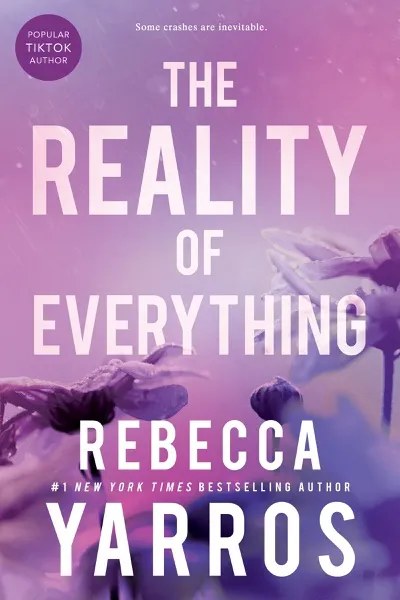
Reality of Everything - Flight & Glory #5 Author: Rebecca YarrosPage Count: UnknownPublication Year: 2020-GB Rebecca Yarros’ Reality of Everything – Flight & Glory #5 is a dazzling, emotionally charged finale to a series that has captivated readers worldwide. With its intoxicating blend of high-stakes romance, raw vulnerability, and heart-pounding adventure, Yarros once again proves why she reigns supreme in contemporary fiction. This installment doesn’t just deliver—it soars, leaving readers breathless and utterly spellbound. At its core, Reality of Everything is a story about the collision of love and loss, the weight of sacrifice, and the unshakable belief that some bonds transcend time and circumstance. Yarros crafts a narrative that is as much about personal reckoning as it is about the indomitable spirit of those who refuse to surrender to fate. The book’s title itself is a poignant reflection of its themes—what is real when everything feels uncertain? What remains when the world crumbles? And how do we find our way back to ourselves when the skies we once trusted betray us? Yarros’ genius lies in her ability to weave together dual perspectives with breathtaking precision. The alternating chapters between the protagonists—often filled with simmering tension, unspoken longing, and explosive confrontations—create a rhythm that mirrors the push-and-pull of a relationship on the brink. The prose isn’t just functional; it’s lyrical, searing, and relentlessly immersive. Yarros doesn’t just tell a story—she makes you feel it, in every heartbeat, every tear, every clenched fist of frustration. Her dialogue crackles with authenticity, whether it’s the biting wit of a hardened fighter or the fragile whispers of a soul laid bare. What sets this series apart is its refusal to shy away from the messy, unglamorous realities of love and war. Yarros doesn’t romanticize PTSD, grief, or the scars of combat; she confronts them head-on, making the emotional stakes feel visceral. The characters—especially the leads—are flawed, deeply human, and therefore impossible not to root for. Their journey isn’t a fairy tale; it’s a testament to resilience, to the messy, nonlinear path of healing. The chemistry between the protagonists is electric, a slow burn that ignites into an all-consuming blaze, leaving readers utterly consumed. Yarros’ signature style shines through in her pacing and structure. She balances high-octane action sequences with quiet, soul-searching moments, ensuring that the story never feels rushed or diluted. The tension is relentless, not just from external threats but from the internal demons that haunt the characters. There’s a raw honesty in the way Yarros explores mental health, trauma, and the struggle for self-worth that resonates deeply. It’s the kind of book that lingers long after the last page, its echoes of love and loss lingering like the aftertaste of a fine wine. The conclusion of Flight & Glory isn’t just satisfying—it’s transcendent. Yarros delivers a finale that honors the journey of the characters while leaving room for their futures to unfold. The emotional payoff is earned, the resolutions bittersweet but necessary. It’s a reminder that some stories don’t just end; they evolve, leaving their mark on the heart. In Reality of Everything, Yarros doesn’t just write a romance or an adventure—she crafts an experience. It’s a book that demands to be felt, to be lived alongside its characters. Whether you’re a longtime fan of the series or a newcomer discovering Yarros for the first time, this installment will leave you exhilarated, heartbroken, and utterly transformed. #FlightAndGlory #RebeccaYarros #ContemporaryRomance #MilitaryRomance #EmotionalThriller #Bookstagram Related InsightsTraviesa criatura sensual Book Review and Summary Peregrine Hill Book Review and Summary The Steel Prince, The Rebel Army Book Review and Summary{ "@context": "https://schema.org", "@type": "FAQPage", "mainEntity": [ { "@type": "Question", "name": "What is the main focus of Reality of Everything - Flight & Glory #5 Book Review and Summary?", "acceptedAnswer": { "@type": "Answer", "text": "Everything you need to know about Reality of Everything - Flight & Glory #5 with our detailed review." } }, { "@type": "Question", "name": "Who authored the comprehensive guide on Reality of Everything - Flight & Glory #5 Book Review and Summary?", "acceptedAnswer": { "@type": "Answer", "text": "This detailed article and its insights were carefully researched and authored by Lucia Garcia." } }, { "@type": "Question", "name": "Where can I find more related content about Books?", "acceptedAnswer": { "@type": "Answer", "text": "You can explore more articles, detailed reviews, and similar insights by browsing the Related Insights section at the bottom of this article or visiting our dedicated Books category page." } } ] }
Hijos del ancho mundo / Cutting for Stone Author: Abraham VerghesePage Count: UnknownPublication Date: 2023-PRH Abraham Verghese’s Cutting for Stone is a masterclass in storytelling—a novel that pulses with the rhythm of life itself, where medicine becomes both a metaphor and a mirror for human frailty, resilience, and the unbreakable bonds of family. More than just a sweeping saga set across continents and decades, it is a meditation on identity, belonging, and the scars we carry, both visible and hidden. With prose as precise as a surgeon’s scalpel and as rich as the Ethiopian earth, Verghese crafts a world where every heartbeat, every surgical incision, and every political upheaval feels visceral, urgent, and deeply personal. At its core, Cutting for Stone is a story about twins—Marion and Shiva Stone—whose lives are forged in the crucible of loss and separation. Born to a nun and a British surgeon in the tumultuous setting of 1950s Addis Ababa, their arrival is marked by tragedy: their mother dies in childbirth, and their father vanishes without a trace. Raised in the missionary hospital Missing by a surrogate family of doctors and nurses, the brothers grow up in the shadow of medicine, their childhoods steeped in the sights, smells, and moral complexities of a hospital where healing and suffering are daily companions. Verghese, himself a physician, imbues every scene with an authenticity that transcends mere research; his descriptions of surgical procedures, the hum of a hospital at dawn, or the quiet despair of a patient’s final moments are rendered with such intimacy that the reader feels they are standing in the operating theater alongside the characters. The novel’s central theme is the duality of human connection—how love and betrayal, loyalty and abandonment, can coexist within the same heart. Marion and Shiva share an almost supernatural bond, a psychic tether that defies logic, yet their paths diverge violently as Ethiopia’s political landscape erupts into revolution. The country’s upheaval mirrors the brothers’ own fracturing relationship, as colonialism, nationalism, and personal ambition collide. Verghese doesn’t shy away from the brutality of history; the novel’s second half shifts to America, where Marion, now exiled, grapples with the ghosts of his past while navigating the sterile corridors of a New York hospital. The contrast between the chaotic, sun-baked chaos of Ethiopia and the clinical precision of American medicine underscores the novel’s deeper question: Where do we belong when the world we knew is gone? Verghese’s prose is a study in contrasts—lyrical yet unflinching, tender yet unsentimental. His sentences often read like a surgeon’s notes: clear, deliberate, and devoid of unnecessary flourish, yet capable of transporting the reader to another time and place with a single, vivid image. Consider this passage, where Marion reflects on his father’s disappearance: "He had left no note, no footprint, no trace—only the echo of a voice that had once been loud in the house, now reduced to a whisper in the wind." The writing is never overwrought, yet it carries an emotional weight that lingers long after the page is turned. This restraint makes the rare moments of raw emotion—such as Shiva’s silent grief or Marion’s desperate search for meaning—hit all the harder. What elevates Cutting for Stone beyond a mere family epic is Verghese’s ability to weave the personal and the political into a seamless tapestry. The novel’s title itself is a nod to the Hippocratic Oath ("I will not cut for stone"), a phrase that encapsulates the ethical dilemmas faced by physicians. Yet it also hints at the idea of cutting—whether it’s the literal incisions of surgery, the emotional wounds of betrayal, or the historical cleavages that divide nations. Verghese doesn’t offer easy answers; instead, he presents life as a series of incisions, each one necessary for healing, even if it leaves a scar. The novel’s greatest strength, however, lies in its characters. Marion is a compelling protagonist—introspective, flawed, and deeply human—whose journey from Ethiopia to America is as much about self-discovery as it is about survival. Shiva, the more enigmatic twin, is a study in contradictions: brilliant yet self-destructive, loving yet distant. Their relationship is the beating heart of the book, a testament to how blood ties can both bind and suffocate. Even the secondary characters—a saintly nun, a cynical surgeon, a revolutionary doctor—are rendered with such depth that they feel like old friends or bitter enemies by the novel’s end. Cutting for Stone is, at its heart, a love letter to medicine as both a calling and a curse. Verghese, who practiced as a doctor before becoming a writer, clearly reveres the profession, yet he doesn’t romanticize it. Instead, he presents it as a sacred duty, one that demands both skill and sacrifice. The novel’s most moving moments are not the grand declarations of love or the dramatic confrontations, but the quiet scenes—Marion holding a patient’s hand as they slip away, Shiva performing a surgery with trembling hands, the hushed conversations between doctors in the hospital corridors. These are the moments that define us, Verghese suggests, not the grand gestures. In an era where so much fiction feels disposable, Cutting for Stone endures because it is, above all, a necessary book. It reminds us that stories—like the human body—are held together by invisible threads, and that the most profound healing often comes from the most unexpected places. Verghese’s novel is not just a story about two brothers; it is a story about all of us, about the families we are born into, the ones we choose, and the ones we lose along the way. #CuttingForStone #AbrahamVerghese #LiteraryFiction #FamilySaga #MedicalDrama #EpicNovel Related InsightsTailored Realities Book Review and Summary Armor of Light Book Review and Summary Installment Immortality Book Review and Summary{ "@context": "https://schema.org", "@type": "FAQPage", "mainEntity": [ { "@type": "Question", "name": "What is the main focus of Cutting for Stone Book Review and Summary?", "acceptedAnswer": { "@type": "Answer", "text": "Everything you need to know about Cutting for Stone with our detailed review." } }, { "@type": "Question", "name": "Who authored the comprehensive guide on Cutting for Stone Book Review and Summary?", "acceptedAnswer": { "@type": "Answer", "text": "This detailed article and its insights were carefully researched and authored by Abraham Verghese." } }, { "@type": "Question", "name": "Where can I find more related content about Books?", "acceptedAnswer": { "@type": "Answer", "text": "You can explore more articles, detailed reviews, and similar insights by browsing the Related Insights section at the bottom of this article or visiting our dedicated Books category page." } } ] }
ExtraOrdinary Author: V.E. SchwabPage Count: UnknownPublication Year: 2021-GB ExtraOrdinary: A Dazzling Masterclass in Modern Fantasy Where the Extraordinary Feels Like Home Imagine a world where the line between ordinary and extraordinary blurs so seamlessly that you forget which side you’re on—until you’re swept up in a story so vivid, so electric, that it rewires your expectations of what fantasy can be. That’s the magic of ExtraOrdinary by V.E. Schwab, a novel that doesn’t just challenge the boundaries of genre; it obliterates them, leaving behind a landscape where magic is as mundane as breathing, and the real wonder lies in the people who wield it. Schwab, a titan of modern speculative fiction, delivers yet another masterpiece that cements her status as a storyteller of unparalleled depth and inventiveness. At its heart, ExtraOrdinary is a tale of two sisters—one who can manipulate probability, the other who can see the threads of fate—bound by a shared past and a destiny they never chose. But to call it a sibling story would be like calling the ocean a puddle. Schwab weaves a tapestry of themes that resonate with the human condition: the burden of power, the weight of legacy, the quiet desperation of being seen (or unseen) by the world. The novel explores how ordinary people navigate extraordinary circumstances, and how the extraordinary, when stripped of its glamour, is often just another form of survival. It’s a meditation on identity, on the masks we wear, and the selves we hide—even from those we love most. The characters in ExtraOrdinary are the beating heart of the story. Schwab has a rare gift for crafting protagonists who feel achingly real, their flaws and virtues intertwined in a way that makes them impossible to look away from. The unnamed narrator, a woman who has spent her life hiding in plain sight, is a study in resilience and quiet defiance. Her sister, the magnetic and unpredictable Margot, is the kind of character who steals scenes without even trying—a force of nature wrapped in human skin. And then there’s the enigmatic figure of the Archivist, a villain who is as compelling as he is chilling, a reminder that even the most villainous acts can be justified in the name of love or survival. Schwab’s supporting cast is just as rich, each character a thread in a larger, intricately woven narrative that rewards close reading. Schwab’s writing style is a marvel of precision and lyricism. Her prose is both economical and evocative, painting vivid scenes with a few deft strokes while leaving enough space for the reader’s imagination to fill in the gaps. The dialogue crackles with wit and tension, and her ability to balance humor with heartbreak is nothing short of alchemical. She doesn’t just tell you a story; she immerses you in it, making the fantastical feel tangible and the emotional beats resonate on a primal level. The world-building in ExtraOrdinary is another standout—Schwab creates a reality where magic is a currency, where the rules of physics are more like suggestions, and where the real magic lies in the way ordinary people navigate a world that refuses to see them as anything but ordinary. What makes ExtraOrdinary truly extraordinary is its refusal to conform to expectations. Schwab doesn’t just subvert tropes; she dismantles them entirely, only to rebuild them into something fresh and unexpected. The novel’s structure is a testament to her skill as a storyteller, with a narrative that unfolds like a puzzle, each piece revealing a little more about the characters and their world. The pacing is masterful, balancing moments of quiet introspection with high-stakes action, ensuring that the reader is never left wanting for either depth or excitement. For fans of Schwab’s previous works, ExtraOrdinary will feel like a homecoming—a return to the themes and stylistic flourishes that have made her a beloved author. But even for those new to her writing, this novel is a gateway into a world where the extraordinary is not just possible, but inevitable. It’s a story that lingers long after the last page is turned, a reminder that the most magical things in life are often the ones we take for granted. ExtraOrdinary is more than just a book; it’s an experience. It’s a story that challenges you to see the magic in the mundane, to find the extraordinary in the ordinary, and to question what it truly means to be seen. Schwab has once again proven why she is one of the most vital voices in contemporary fantasy, and ExtraOrdinary is a testament to her unparalleled talent. #VESchwab #ExtraOrdinary #FantasyBooks #BookReview #ModernFantasy Related InsightsThe Henchperson's Guide to Unionizing Book Review and Summary First Sign of Danger Book Review and Summary A Gambling Man Book Review and Summary{ "@context": "https://schema.org", "@type": "FAQPage", "mainEntity": [ { "@type": "Question", "name": "What is the main focus of **ExtraOrdinary** Book Review and Summary?", "acceptedAnswer": { "@type": "Answer", "text": "Everything you need to know about **ExtraOrdinary** with our detailed review." } }, { "@type": "Question", "name": "Who authored the comprehensive guide on **ExtraOrdinary** Book Review and Summary?", "acceptedAnswer": { "@type": "Answer", "text": "This detailed article and its insights were carefully researched and authored by Lucia Garcia." } }, { "@type": "Question", "name": "Where can I find more related content about Books?", "acceptedAnswer": { "@type": "Answer", "text": "You can explore more articles, detailed reviews, and similar insights by browsing the Related Insights section at the bottom of this article or visiting our dedicated Books category page." } } ] }


Daughters of the Dynasty Author: UnknownPage Count: UnknownPublication Date: Unknown-PRH Daughters of the Dynasty: A Forgotten Epic of Power, Blood, and Legacy History is written by the conquerors, but it is carried forward by the daughters they leave behind. Daughters of the Dynasty is a sweeping, untold saga that dares to rewrite the narrative—not from the throne, but from the shadows where women have always shaped empires. Though the author’s name and publication details remain a mystery, the book’s raw emotional power and meticulous craftsmanship suggest a master storyteller at work, one who has unearthed the hidden voices of royal women across centuries. At its core, Daughters of the Dynasty is a meditation on legacy—not the kind that is carved into stone, but the kind that is whispered in palace corridors, passed down in letters burned before discovery, and etched into the bones of those who survive betrayal. The book does not follow a single dynasty but weaves a tapestry of female resilience across empires: Roman matriarchs plotting behind curtains, Mughal princesses negotiating peace with swords hidden in embroidery, and medieval European queens who ruled not by crowns but by quiet influence. These are not passive figures in a king’s story; they are the architects of fate, the unseen hands that steer history when men are too busy waging war to notice the room has gone quiet. The author’s style is both lush and razor-sharp, a rare balance that elevates Daughters of the Dynasty from mere historical fiction to something closer to myth. The prose flows like silk—elegant, sensual, and precise—yet cuts to the bone with unflinching honesty. There are no sanitized versions of these women here; they are flawed, cunning, loving, and ruthless by turns. One chapter might describe a queen in silk robes orchestrating an assassination with the same delicacy she uses to sip tea, while the next plunges into the grief of a daughter watching her father’s empire crumble, her only consolation a forbidden romance with a servant. The emotional range is staggering, oscillating between opulent grandeur and devastating intimacy. What sets this book apart is its refusal to romanticize power. These women are not heroines in the traditional sense; they are survivors. They manipulate, they endure, they betray, and sometimes, they break. The author does not shy away from the darker truths of their lives—the stillbirths, the poisoned rivals, the children sacrificed to alliances, the madness that comes from living in a gilded cage. Yet there is a strange beauty in their struggle, a defiance in their silence. The book’s greatest triumph is making the reader ache for these women not because they were innocent, but because they were human in a world that demanded they be divine. The structure of Daughters of the Dynasty is deceptively simple. Instead of a linear narrative, the book moves in vignettes—like snapshots of a life, each one revealing a new layer of a woman’s soul. A single character might span decades across a few pages, or a minor figure from a footnote in history becomes the heart of a chapter. This approach gives the book a mosaic-like quality, where the whole is greater than the sum of its parts. It invites re-reading, as each return uncovers new connections, hidden motives, and the tragic irony that many of these women’s greatest acts of defiance were never recorded. The author’s voice is omniscient yet deeply personal, as if they have spent lifetimes listening to these women’s secrets. There is a haunting quality to the narration, a sense that these stories are being told by someone who has stood in the same palaces, felt the same drafts through tower windows, and held the same daggers in trembling hands. The research, though uncredited, feels exhaustive and meticulous. Names, dates, and political intrigues are woven seamlessly into the narrative, never overwhelming but always enriching. This is not a book that drowns in historical detail; it uses history as a stage, and the women as the stars who command the light. At its heart, Daughters of the Dynasty is a feminist manifesto disguised as a historical epic. It challenges the notion that power is only wielded by those who wear crowns, and instead argues that the truest power lies in the ability to endure, to adapt, and to leave a mark that outlasts empires. These women are not defined by their relationships to men—fathers, husbands, sons—but by their own agency, even when it is born from desperation. The book asks: What if the greatest rulers were never recorded because they were too busy pulling the strings from the shadows? For readers who crave escapism, Daughters of the Dynasty delivers spectacle—the clink of goblets at a feast, the scent of incense in a harem, the weight of a crown too heavy for small hands. But for those who seek depth, it offers something rarer: a glimpse into the quiet revolutions of women who changed the world by refusing to be seen. This is a book that lingers, like the ghost of a queen who walked these halls long ago. It is not just a story about the past; it is a mirror held up to the present, asking us to consider who truly holds the reins of history. #DaughtersOfTheDynasty #HiddenHistory #RoyalWomen #HistoricalFiction #UntoldStories #FeministEpic Related InsightsThe Woman in Cabin 10 Book Review and Summary Defy the Dusk (The Sundering Duet, #1) Book Review and Summary House of Sky and Breath Book Review and Summary{ "@context": "https://schema.org", "@type": "FAQPage", "mainEntity": [ { "@type": "Question", "name": "What is the main focus of Daughters of the Dynasty Book Review and Summary?", "acceptedAnswer": { "@type": "Answer", "text": "Everything you need to know about Daughters of the Dynasty with our detailed review." } }, { "@type": "Question", "name": "Who authored the comprehensive guide on Daughters of the Dynasty Book Review and Summary?", "acceptedAnswer": { "@type": "Answer", "text": "This detailed article and its insights were carefully researched and authored by Diego Lopez." } }, { "@type": "Question", "name": "Where can I find more related content about Books?", "acceptedAnswer": { "@type": "Answer", "text": "You can explore more articles, detailed reviews, and similar insights by browsing the Related Insights section at the bottom of this article or visiting our dedicated Books category page." } } ] }
The Surrender Experiment Author: Michael A. SingerPage Count: UnknownPublication Date: 2026-PRH The Surrender Experiment by Michael A. Singer is not just a book—it’s a blueprint for a life lived in alignment with the universe. Published posthumously in 2026 (though Singer originally wrote it decades earlier), this memoir is a quiet revolution disguised as a personal narrative. At its core, it’s a story about surrender—not as defeat, but as the ultimate act of trust. Singer, best known for The Untethered Soul, distills his life’s philosophy into a series of seemingly ordinary decisions that lead to extraordinary outcomes. What makes this book so compelling is not just the message, but the way Singer delivers it: with humility, precision, and an almost scientific curiosity about the invisible forces guiding human existence. The central theme is deceptively simple: "What if the best way to live isn’t to control, but to let go?" Singer, a former entrepreneur and spiritual seeker, recounts how his life unfolded not through relentless ambition, but through a series of unexpected opportunities he chose to embrace rather than resist. From buying a piece of land on a whim to trusting strangers with his business ventures, Singer’s story is a living experiment in what happens when you stop forcing outcomes and instead allow life to unfold. His thesis—that true fulfillment comes from surrendering the ego’s need to dictate every step—challenges the modern obsession with hustle culture. Yet, unlike many spiritual texts that preach detachment as an abstract ideal, Singer grounds his philosophy in tangible, often mundane experiences. This makes his message far more accessible and radical. Singer’s writing style is clean, direct, and devoid of pretension. He doesn’t rely on flowery prose or esoteric jargon; instead, he writes with the clarity of a scientist documenting an experiment. Each chapter reads like a case study, where Singer analyzes his own reactions to life’s surprises—whether it’s a financial windfall, a personal setback, or an unplanned detour. His tone is that of a curious observer, as if he’s as surprised by the twists of his life as the reader might be. This understated approach makes the book’s revelations hit harder. When Singer describes how his "surrender" led to building a billion-dollar company (yes, you read that right) or finding love in the most unlikely places, it doesn’t feel like a boast—it feels like an invitation to test the theory for yourself. One of the book’s most striking qualities is its lack of dogma. Singer doesn’t claim to have all the answers, nor does he dismiss those who choose a more conventional path. Instead, he presents surrender as a practical tool—one that doesn’t require renouncing the world but simply shifting one’s perspective. His examples are relatable: the job offer you almost turned down because it seemed too risky, the relationship that blossomed after letting go of expectations, the creative project that emerged from an unplanned conversation. Singer’s genius lies in making the extraordinary feel ordinary, and the ordinary feel sacred. The book also shines in its exploration of fear—specifically, the fear of losing control. Singer doesn’t shy away from the discomfort of uncertainty. In fact, he embraces it as a signal that growth is happening. His reflections on how fear often masquerades as wisdom ("This is a bad idea") are some of the most practical insights in the book. By contrasting his early life—where he struggled with anxiety and overthinking—with his later years of effortless flow, Singer makes a compelling case for trust. The message isn’t about passivity; it’s about intelligent action paired with open-handedness. The Surrender Experiment is also a testament to the power of small, consistent choices. Singer’s life didn’t transform overnight. Instead, it evolved through a series of micro-decisions: saying yes when his gut said yes, walking away when something felt off, and always prioritizing inner peace over external validation. This incremental approach makes the book’s lessons actionable. It’s not about making one grand sacrifice; it’s about noticing the subtle ways life nudges you toward greater alignment—and having the courage to follow. For those who’ve read Singer’s earlier works, The Surrender Experiment serves as a living example of his teachings. Where The Untethered Soul is a philosophical deep dive, this book is a real-world application. It’s as if Singer took his own advice and let his life become the laboratory. The result is a work that feels both deeply personal and universally applicable. Critics might argue that Singer’s story is too serendipitous—that his life’s success was a result of luck rather than surrender. But Singer himself addresses this. He acknowledges that surrender isn’t about avoiding struggle; it’s about meeting life’s challenges with a different inner posture. His experiments with meditation and mindfulness (detailed in the book) weren’t about escaping reality but about cultivating the clarity to see reality as it is. In that sense, The Surrender Experiment is less about luck and more about presence. Ultimately, this book is a manifesto for those tired of the grind. It’s for the entrepreneur who wonders if success is possible without burnout, the parent exhausted by overcontrol, the artist paralyzed by perfectionism. Singer’s message is radical in its simplicity: "Stop trying to make it happen. Let it happen." And the most astonishing part? It works. If you’ve ever felt like life is conspiring against you, this book will make you question whether it was ever conspiring for you all along. #SurrenderToLife #LettingGoForSuccess #TheUntetheredSoul #TrustTheProcess #SpiritualButPractical #FlowStateLiving Related InsightsThe Magician’s Nephew Book Review and Summary The Ballad of Never After Book Review and Summary That Is Not Your Mind! Book Review and Summary{ "@context": "https://schema.org", "@type": "FAQPage", "mainEntity": [ { "@type": "Question", "name": "What is the main focus of The Surrender Experiment Book Review and Summary?", "acceptedAnswer": { "@type": "Answer", "text": "Everything you need to know about The Surrender Experiment with our detailed review." } }, { "@type": "Question", "name": "Who authored the comprehensive guide on The Surrender Experiment Book Review and Summary?", "acceptedAnswer": { "@type": "Answer", "text": "This detailed article and its insights were carefully researched and authored by Klaus Weber." } }, { "@type": "Question", "name": "Where can I find more related content about Books?", "acceptedAnswer": { "@type": "Answer", "text": "You can explore more articles, detailed reviews, and similar insights by browsing the Related Insights section at the bottom of this article or visiting our dedicated Books category page." } } ] }
The Death Cure Author: James DashnerPage Count: UnknownPublication Date: 2013-PRH In the thrilling conclusion to James Dashner's Maze Runner series, The Death Cure, Thomas faces his greatest challenge yet as he battles to save his friends and uncover the truth about WICKED's sinister plans. The third installment of this bestselling series promises to deliver a heart-pumping, action-packed ride that will keep readers on the edge of their seats. One of the most striking aspects of Dashner's writing style is his ability to craft a narrative that is both suspenseful and emotionally resonant. Thomas's journey from a confused and frightened teenager to a confident and determined leader is nothing short of remarkable, and Dashner skillfully conveys the complexity of his protagonist's emotions through a masterful use of language. The Death Cure is a thought-provoking exploration of the themes of rebellion, resistance, and the human condition. As Thomas navigates the treacherous landscape of WICKED's experiments, he begins to realize that the true enemy is not the organization itself, but the lies and deception that have been used to manipulate and control him and his fellow Gladers. This realization sparks a chain reaction of events that will change the course of Thomas's life forever. Dashner's world-building is another notable aspect of the series. The Maze Runner universe is a richly detailed and immersive environment that draws readers in and refuses to let go. From the eerie, futuristic landscape of the Maze to the desolate, post-apocalyptic wasteland of the Scorch, Dashner's vivid descriptions bring the world to life in a way that is both captivating and unsettling. The supporting characters in The Death Cure are equally well-developed, with each one bringing their own unique perspective and skills to the table. Newt, Minho, Brenda, and Jorge are just a few of the memorable characters that add depth and complexity to the narrative, and their interactions with Thomas are often tense, emotional, and authentic. The pacing of the book is relentless, with barely a moment to catch one's breath between the intense action sequences and dramatic plot twists. Dashner's use of cliffhangers is particularly effective, leaving readers eagerly anticipating the next installment in the series. In conclusion, The Death Cure is a gripping and thought-provoking conclusion to the Maze Runner series. With its breakneck pacing, well-developed characters, and immersive world-building, this book is sure to appeal to fans of science fiction, dystopian fiction, and adventure stories. If you're looking for a thrilling ride that will keep you on the edge of your seat, then The Death Cure is the perfect choice. #TheDeathCure #MazeRunnerSeries #JamesDashner #DystopianFiction #ScienceFiction #YABooks Related InsightsHidden Nature Book Review and Summary Sweet Pea Book Review and Summary Words of Radiance Book Review and Summary{ "@context": "https://schema.org", "@type": "FAQPage", "mainEntity": [ { "@type": "Question", "name": "What is the main focus of The Death Cure Book Review and Summary?", "acceptedAnswer": { "@type": "Answer", "text": "Everything you need to know about The Death Cure with our detailed review." } }, { "@type": "Question", "name": "Who authored the comprehensive guide on The Death Cure Book Review and Summary?", "acceptedAnswer": { "@type": "Answer", "text": "This detailed article and its insights were carefully researched and authored by James Dashner." } }, { "@type": "Question", "name": "Where can I find more related content about Books?", "acceptedAnswer": { "@type": "Answer", "text": "You can explore more articles, detailed reviews, and similar insights by browsing the Related Insights section at the bottom of this article or visiting our dedicated Books category page." } } ] }