Showing Posts From
Bookreview
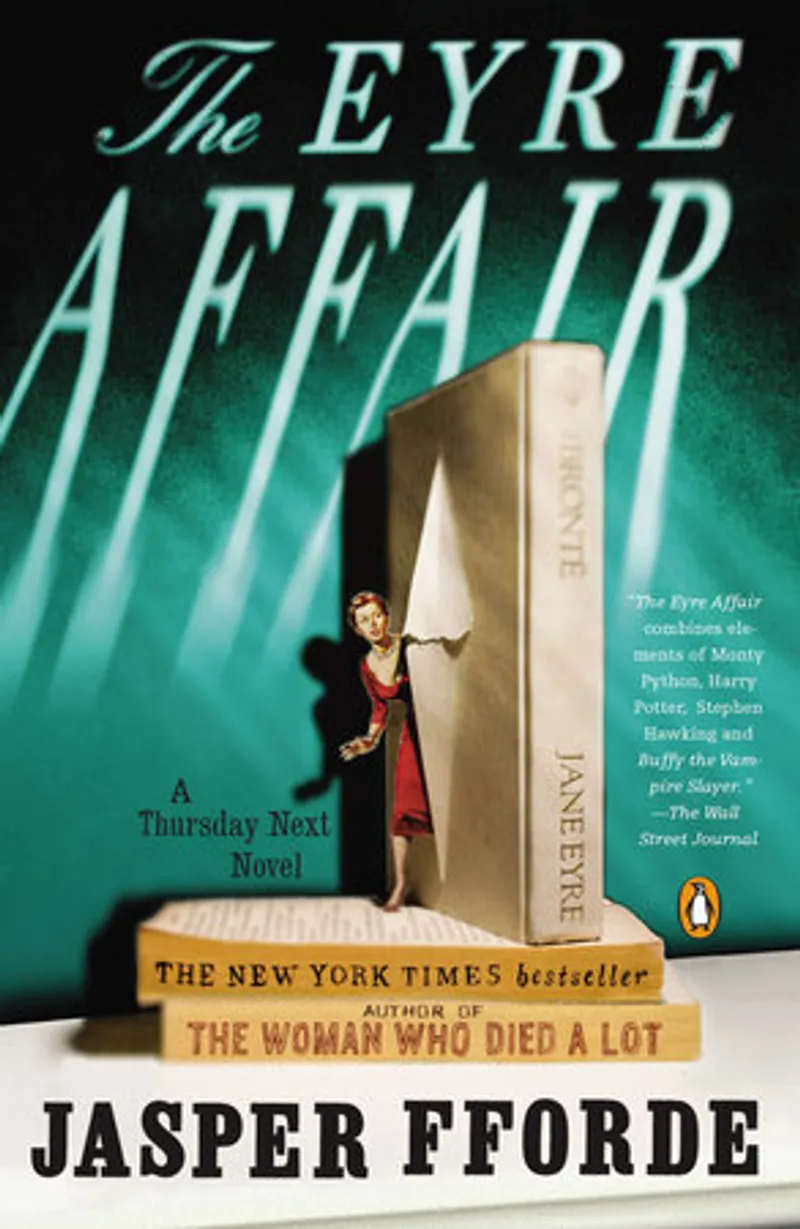
The Eyre Affair Author: Jasper FfordePage Count: UnknownPublication Date: 2003-PRH Jasper Fforde’s The Eyre Affair is a literary heist wrapped in a time-bending detective story, a book so inventively bizarre that it feels like a love letter to literature itself—if literature could be kidnapped, cloned, and weaponized. Published in 2003, this first entry in the Thursday Next series doesn’t just bend genres; it folds them into origami swans and sets them loose in a world where Shakespeare is a celebrity and Jane Eyre can be abducted mid-monologue. If you’ve ever wished you could step into a novel—or better yet, rewrite one—this is the book that makes you believe it’s possible. At its core, The Eyre Affair is a celebration of storytelling, but not in the saccharine way you might expect. Instead, Fforde treats literature as a battleground, a high-stakes arena where authors, critics, and criminals wage war over meaning, authenticity, and the very soul of words. The villain, Acheron Hades, isn’t just a thief—he’s a literary nihilist, stealing characters not for ransom but to erase them from existence, as if their stories never were. This premise alone is a masterstroke: it turns the act of reading into an act of vigilance. Every page crackles with the thrill of a mystery where the stakes aren’t just life and death, but the preservation of art itself. Thursday Next, our protagonist, is a detective in the Literary Division of the ChronoGuard, a time-traveling police force. She’s equal parts hard-boiled investigator and bookish dreamer, a woman who quotes Chaucer like others quote Shakespeare and carries a gun that fires quills. Fforde’s genius lies in making Thursday’s world feel both absurd and meticulously real. England in 1985 is a dystopia where literature is a religion, and heresy isn’t just blasphemy—it’s a crime punishable by exile into a Wadsworth poem. The absurdity is undercut by Fforde’s deadpan delivery; he describes cloning dodos as casually as we might discuss breeding labradors, and the reader is left nodding along, as if time travel and literary forgery are just Tuesday. Fforde’s style is a whirlwind of wit, wordplay, and sheer inventiveness. His prose is dense with puns, literary references, and footnotes that are as likely to quote Finnegans Wake as they are to crack a joke about the Ministry of Forgery. The dialogue crackles with the energy of a stand-up comedian who’s just discovered the Oxford English Dictionary. Thursday’s dry humor—“I’m not a hero. I’m a professional”—is balanced by the novel’s darker themes: the fragility of art, the violence of erasure, and the way stories can be twisted into weapons. It’s a tone that’s hard to pin down: part satire, part homage, part madcap adventure. Fforde doesn’t just write a book about literature; he turns the act of reading into an adventure, making the reader complicit in the thrill of discovery. The plot, while intricate, is secondary to the world-building. Thursday’s mission to rescue Jane Eyre from Hades’ clutches is the MacGuffin that propels us through a landscape where every book is a potential trap and every character a suspect. The real joy comes from the detours: a chase through a Dickensian slum, a confrontation in a surrealist painting, and a climactic showdown in the pages of Jane Eyre itself, where Thursday must navigate the novel’s own logic to outwit her enemy. It’s a meta-narrative that rewards close readers, but even those who skim will be swept up in the sheer exuberance of it all. What makes The Eyre Affair so enduring is its refusal to take itself too seriously. Fforde’s love for literature is evident, but it’s never cloying. Instead, he treats books as living, breathing entities—vulnerable, powerful, and occasionally in need of a hero. Thursday Next is that hero, but she’s also a stand-in for the reader, a woman who loves books so fiercely that she’s willing to dive into them, guns blazing. In an era where literature is often dismissed as irrelevant, Fforde’s novel is a defiant shout into the void: stories matter. They can be stolen, rewritten, or even killed—but they can also be saved. If you’ve ever lost yourself in a book and wished you could stay there forever, The Eyre Affair is your invitation. It’s a book that demands to be read aloud, to be shared, to be argued over. It’s a love letter to literature that’s also a heist novel, a detective story that’s also a time-travel adventure. And most importantly, it’s a reminder that the best stories aren’t just escapes—they’re battles. #ThursdayNext #LiteraryFantasy #JasperFforde #BookNerdsUnite #MetaFiction #TimeTravelAdventures Related InsightsKeeper of the Grail (The Lives of Guinevere, #2) Book Review and Summary The Bloodfire Oath (The Arcanum Order, #1) Book Review and Summary Twenty Thousand Leagues Under the Sea Book Review and Summary{ "@context": "https://schema.org", "@type": "FAQPage", "mainEntity": [ { "@type": "Question", "name": "What is the main focus of The Eyre Affair Book Review and Summary?", "acceptedAnswer": { "@type": "Answer", "text": "Everything you need to know about The Eyre Affair with our detailed review." } }, { "@type": "Question", "name": "Who authored the comprehensive guide on The Eyre Affair Book Review and Summary?", "acceptedAnswer": { "@type": "Answer", "text": "This detailed article and its insights were carefully researched and authored by Jasper Fforde." } }, { "@type": "Question", "name": "Where can I find more related content about Books?", "acceptedAnswer": { "@type": "Answer", "text": "You can explore more articles, detailed reviews, and similar insights by browsing the Related Insights section at the bottom of this article or visiting our dedicated Books category page." } } ] }
Works of Edgar Allan Poe; Volume 5 Author: Edgar Allan PoePage Count: UnknownPublication Year: 2023-GB Edgar Allan Poe’s Works; Volume 5: A Haunting Masterpiece That Transcends Time Few names in literature evoke the same chilling allure as Edgar Allan Poe. His works, steeped in gothic horror, psychological torment, and razor-sharp wit, have cemented his legacy as the architect of modern suspense. The newly released Works of Edgar Allan Poe; Volume 5 (2023) arrives not just as a collection, but as a testament to Poe’s enduring genius—a final, meticulously curated anthology that reaffirms his status as a literary titan. Whether you’re a longtime admirer or a newcomer to his eerie universe, this volume promises to ensnare your imagination with its unparalleled blend of darkness and brilliance. Poe’s writing is a labyrinth of contradictions: tender yet macabre, precise yet hallucinatory, accessible yet profoundly enigmatic. Volume 5 continues this tradition, weaving together some of his most celebrated tales and poems while introducing lesser-known gems that showcase his versatility. The collection spans his later works, a period marked by both personal tragedy and artistic refinement. Here, the themes that define Poe’s oeuvre—madness, mortality, the uncanny, and the fragility of human perception—reach their zenith. The stories pulse with an almost feverish intensity, each sentence a calculated strike that lingers long after the last page. At the heart of Poe’s brilliance is his unparalleled command of language. His prose is a symphony of rhythm and precision, where every word serves a purpose. Whether crafting the hypnotic cadence of "The Raven" or the labyrinthine dread of "The Cask of Amontillado," Poe’s writing is a masterclass in economy and effect. He doesn’t just tell stories; he immerses the reader in them, using sensory detail and psychological insight to blur the line between reality and nightmare. His characters, often tormented souls teetering on the edge of sanity, are drawn with such vividness that they feel like living, breathing phantoms. From the vengeful Montresor in "The Cask" to the doomed narrator of "The Tell-Tale Heart," Poe’s protagonists are mirrors to our own deepest fears—obsessive, flawed, and utterly human. One of the most compelling aspects of Volume 5 is its exploration of Poe’s evolution as a writer. By this stage in his career, he had honed his craft to a razor’s edge, blending horror with philosophical inquiry. Stories like "Hop-Frog" and "The Imp of the Perverse" delve into the darker corners of human nature, exposing the fragility of morality and the perverse thrill of self-destruction. Meanwhile, his poetry—including the haunting "Ulalume" and "The Conqueror Worm"—reveals a lyrical depth that elevates his work beyond mere genre fiction. Poe’s ability to merge poetic beauty with visceral terror is nothing short of alchemical, transforming the macabre into something transcendent. The 2023 edition of Works; Volume 5 is particularly noteworthy for its scholarly rigor. The annotations and contextual essays provide invaluable insights into Poe’s creative process, illuminating the historical and personal influences behind his stories. For readers seeking a deeper understanding, this edition serves as both a gateway and a treasure trove. The inclusion of rare manuscripts and previously unpublished fragments adds an extra layer of intrigue, offering a glimpse into the mind of a writer who was as enigmatic as his creations. But what truly sets this volume apart is its ability to resonate in the modern age. Poe’s themes—alienation, the unreliability of memory, the terror of the unknown—are as relevant today as they were in the 19th century. In an era dominated by digital distractions and existential dread, his work serves as a stark reminder of the power of the written word to unsettle, provoke, and illuminate. The stories in Volume 5 don’t just entertain; they haunt, lingering in the subconscious like half-remembered dreams. For those new to Poe, this collection is the perfect introduction to his genius. For longtime fans, it’s a chance to revisit old favorites with fresh eyes and discover hidden depths in his lesser-known works. The 2023 edition, with its meticulous editing and rich supplementary material, ensures that Poe’s legacy continues to thrive in the digital age. Whether you read it by candlelight or under the glow of a screen, Works of Edgar Allan Poe; Volume 5 is a journey into the heart of darkness—and a reminder that some terrors are eternal. #EdgarAllanPoe #ClassicLiterature #GothicHorror #LiteraryGenius #DarkRomanticism Related InsightsStolen Heir Book Review and Summary The Silent Patient Book Review and Summary Our Not-So-Lonely Planet Travel Guide, Volume 7 Book Review and Summary{ "@context": "https://schema.org", "@type": "FAQPage", "mainEntity": [ { "@type": "Question", "name": "What is the main focus of **Works of Edgar Allan Poe; Volume 5** Book Review and Summary?", "acceptedAnswer": { "@type": "Answer", "text": "Everything you need to know about **Works of Edgar Allan Poe; Volume 5** with our detailed review." } }, { "@type": "Question", "name": "Who authored the comprehensive guide on **Works of Edgar Allan Poe; Volume 5** Book Review and Summary?", "acceptedAnswer": { "@type": "Answer", "text": "This detailed article and its insights were carefully researched and authored by Sofia Bianchi." } }, { "@type": "Question", "name": "Where can I find more related content about Books?", "acceptedAnswer": { "@type": "Answer", "text": "You can explore more articles, detailed reviews, and similar insights by browsing the Related Insights section at the bottom of this article or visiting our dedicated Books category page." } } ] }
-
 Isabella Moore
- 12 Nov, 2025 08:08
All You Need Is a Pencil: The Stuck in a Car, Plane, or Train Activity Book Book Review and Summary
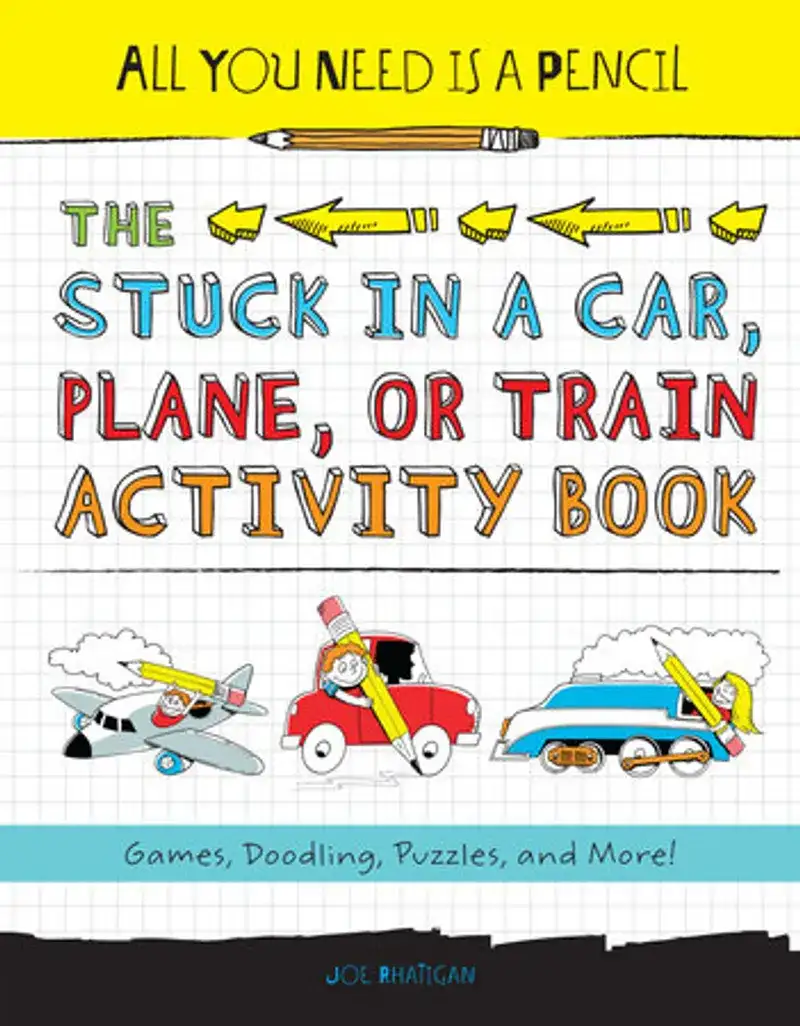
All You Need Is a Pencil: The Stuck in a Car, Plane, or Train Activity Book Author: Joe RhatiganPage Count: UnknownPublication Date: 2014-PRH "All You Need Is a Pencil: The Stuck in a Car, Plane, or Train Activity Book" by Joe Rhatigan is a breath of fresh air for families embarking on long journeys, transforming what would otherwise be a tedious experience into a fun-filled adventure. This cleverly crafted activity book is specifically designed to keep kids (and let's be honest, adults too) entertained during travel, sans electricity or fancy gadgets – just a trusty pencil will do. Rhatigan's ingenuity shines through in the diverse array of engaging activities, quizzes, puzzles, and games that cater to different interests and age groups. From filling in travel quotes and playing gomoku (a two-person game reminiscent of tic-tac-toe) to planning the ultimate vacation and drawing creepy critters, there's something for everyone. The inclusion of tongue-twisting twisters and anagrams adds an extra layer of challenge and excitement, ensuring that boredom is a distant memory. What sets this book apart is its thoughtful approach to keeping kids occupied during travel. Rhatigan's style is playful, yet subtle, making it an excellent companion for families on-the-go. The activities are cleverly designed to encourage creativity, problem-solving, and social interaction – essential skills for kids to develop, even during downtime. Moreover, the book's focus on imagination and self-expression allows children to tap into their inner world, fostering a sense of calm and contentment, even in the midst of chaos. One of the standout features of "All You Need Is a Pencil" is its ability to bring families together. The activities are designed to be shared, promoting collaboration, laughter, and healthy competition. Imagine the delight on your child's face when they challenge you to a game of gomoku or engage in a hilarious round of tongue-twisters. This book has the potential to create lasting memories, turning what could be a mundane experience into a cherished family bonding moment. In conclusion, "All You Need Is a Pencil" is an absolute gem for families, educators, and caregivers seeking to make travel more enjoyable and engaging. Joe Rhatigan's clever creation is a testament to the power of imagination and creativity, proving that with just a pencil, the possibilities are endless. Whether you're embarking on a road trip, a plane ride, or a train journey, this book is an essential companion that will keep kids entertained, educated, and happy. #TravelWithMagic #KidsActivityBooks #RoadTripFun #PencilPower #FamilyBonding #TravelGamesForKids Related InsightsPoison Study Book Review and Summary Murder at Haven's Rock Book Review and Summary Exotic Amphibians and Reptiles of the United States Book Review and Summary{ "@context": "https://schema.org", "@type": "FAQPage", "mainEntity": [ { "@type": "Question", "name": "What is the main focus of All You Need Is a Pencil: The Stuck in a Car, Plane, or Train Activity Book Book Review and Summary?", "acceptedAnswer": { "@type": "Answer", "text": "Everything you need to know about All You Need Is a Pencil: The Stuck in a Car, Plane, or Train Activity Book with our detailed review." } }, { "@type": "Question", "name": "Who authored the comprehensive guide on All You Need Is a Pencil: The Stuck in a Car, Plane, or Train Activity Book Book Review and Summary?", "acceptedAnswer": { "@type": "Answer", "text": "This detailed article and its insights were carefully researched and authored by Isabella Moore." } }, { "@type": "Question", "name": "Where can I find more related content about Books?", "acceptedAnswer": { "@type": "Answer", "text": "You can explore more articles, detailed reviews, and similar insights by browsing the Related Insights section at the bottom of this article or visiting our dedicated Books category page." } } ] }
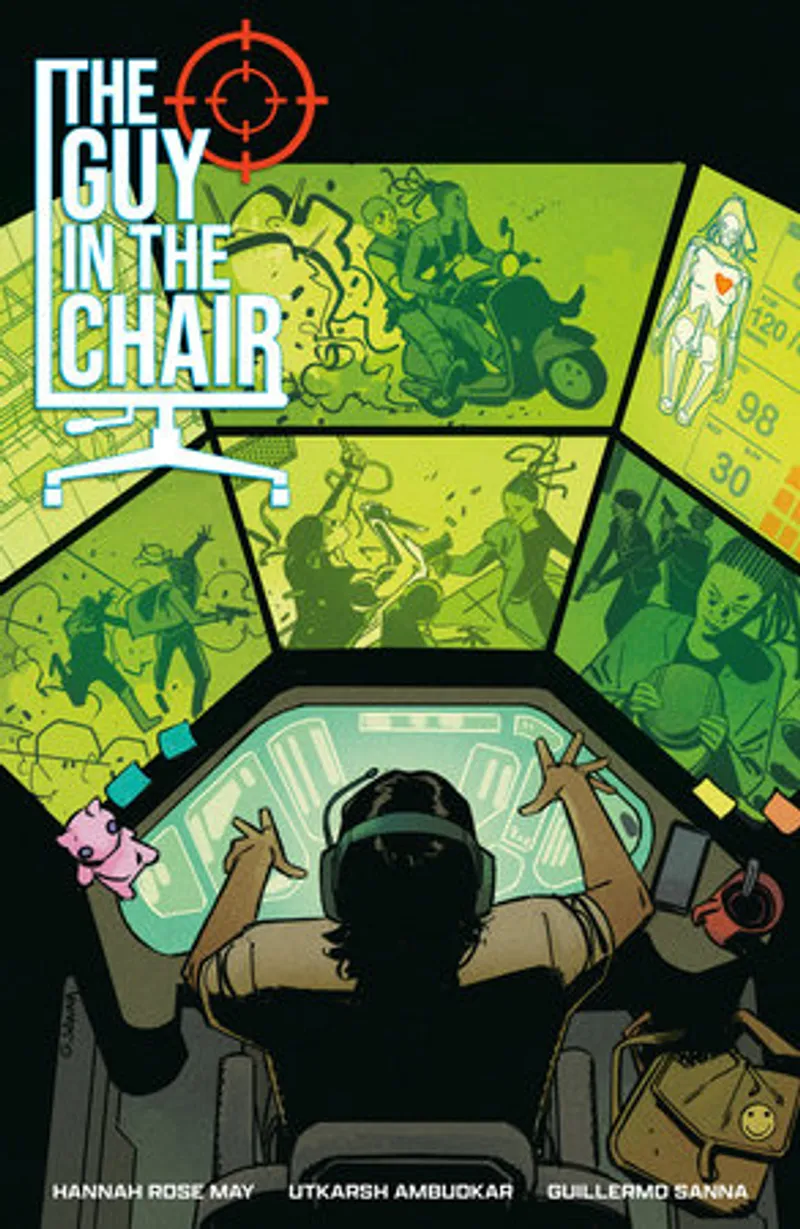
The Guy in the Chair Author: Utkarsh AmbudkarPage Count: UnknownPublication Date: 2026-PRH The Guy in the Chair, Utkarsh Ambudkar's latest offering, is a thought-provoking and deeply introspective exploration of the human condition. In this unflinching and poignant novel, Ambudkar delves into the complexities of identity, belonging, and the search for meaning in a chaotic world. From the outset, it is clear that Ambudkar's writing style is both lyrical and unflinching. His prose is akin to a masterfully woven tapestry, with each thread carefully intertwined to create a rich and nuanced narrative. The author's use of language is deliberate and evocative, conjuring vivid images that linger long after the final page has been turned. At its core, The Guy in the Chair is a story about the struggle to find one's place in the world. The protagonist, a complex and deeply flawed individual, is on a quest to reconcile his past and present selves. Through his journey, Ambudkar masterfully exposes the fragility of the human psyche, laying bare the fears, doubts, and insecurities that we all try to keep hidden. One of the most striking aspects of this novel is its ability to balance humor and pathos. Ambudkar's writing is infused with a wry wit and clever observations, which serve to underscore the absurdity and complexity of modern life. Yet, he also tackles darker themes with unflinching honesty, never shying away from the harsh realities of human existence. Throughout the book, Ambudkar's characters are multidimensional and relatable, with each one bringing their own unique perspective to the narrative. The supporting cast is equally well-crafted, adding depth and texture to the story. The author's ability to create such well-rounded characters is a testament to his skill as a writer. One of the most compelling themes in The Guy in the Chair is the idea of identity and how it is shaped by our experiences, relationships, and surroundings. Ambudkar raises important questions about the nature of self and how it is influenced by the world around us. This is a theme that will resonate deeply with readers, who will no doubt find themselves reflecting on their own sense of identity and purpose. In conclusion, The Guy in the Chair is a masterful novel that will leave readers moved, challenged, and ultimately changed. Utkarsh Ambudkar's writing is a true tour-de-force, and his ability to craft a narrative that is both deeply personal and universally relatable is a rare gift. This is a book that will stay with you long after you finish reading it, and one that will undoubtedly leave a lasting impression. #TheGuyInTheChair #UtkarshAmbudkar #IdentityCrisis #HumanCondition #LiteraryFiction #BookLovers Related InsightsUnapologetic Love Story Book Review and Summary Beautiful Disaster Book Review and Summary Casa de flama y sombra / House of Flame and Shadow Book Review and Summary{ "@context": "https://schema.org", "@type": "FAQPage", "mainEntity": [ { "@type": "Question", "name": "What is the main focus of The Silver Chair Book Review and Summary?", "acceptedAnswer": { "@type": "Answer", "text": "Everything you need to know about The Silver Chair with our detailed review." } }, { "@type": "Question", "name": "Who authored the comprehensive guide on The Silver Chair Book Review and Summary?", "acceptedAnswer": { "@type": "Answer", "text": "This detailed article and its insights were carefully researched and authored by C.S. Lewis." } }, { "@type": "Question", "name": "Where can I find more related content about Books?", "acceptedAnswer": { "@type": "Answer", "text": "You can explore more articles, detailed reviews, and similar insights by browsing the Related Insights section at the bottom of this article or visiting our dedicated Books category page." } } ] }
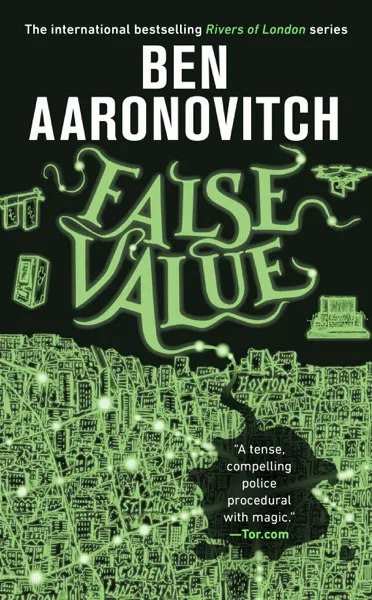

False Value Author: Ben AaronovitchPage Count: UnknownPublication Year: 2019-GB Ben Aaronovitch’s False Value is the eighth installment in the Peter Grant series, and it delivers exactly what faithful readers—and newcomers willing to take the plunge—have come to expect: a masterclass in urban fantasy that blends wit, mystery, and the supernatural with the grit and rhythm of modern London. Published in 2019, this novel not only upholds the series’ sterling reputation but also pushes its thematic boundaries further, interrogating the nature of value, identity, and what it means to be human in an age where magic and technology increasingly collide. At its core, False Value grapples with the concept of worth—both material and existential. The story unfolds against the backdrop of a burgeoning tech startup in Soho, where Peter Grant, the only Black detective in London’s now-legendary Folly (a secretive agency dealing with the magical underworld), is drawn into a case involving corporate espionage, sentient AI, and a reanimated corpse. But beneath the surface-level whodunit lies a deeper meditation on value: Who or what do we deem worthy of our time, trust, and protection? How do systems—be they economic, magical, or social—assign value to beings and ideas? Aaronovitch, ever the astute observer of societal currents, uses the novel to critique the hollow metrics of modern valuation—stock prices, algorithms, even human life reduced to data—while contrasting them with the Folly’s more organic approach to worth: a person’s integrity, their relationships, and their impact on the world around them. What makes False Value particularly compelling is how Aaronovitch integrates these themes seamlessly into the fabric of his narrative. The novel’s structure is a clever heist-meets-mystery, with Peter and his team unraveling a plot that involves a rogue AI named Vinettus, a former Folly member turned tech mogul, and a ghostly relic from London’s magical past. The pacing is tight, the dialogue sharp, and the humor—always a hallmark of the series—shines through in Peter’s dry, self-deprecating narration. Yet beneath the banter and action, there’s a poignant undercurrent: the fear of obsolescence, both for individuals and for magic itself. In a world where even the supernatural is commodified (see: the Folly’s ongoing struggle for funding), Peter must confront whether he, too, has become a relic—or if there’s still room for the old ways in a new, digital age. Aaronovitch’s prose is another standout feature. It’s conversational, almost like listening to a friend tell a story over a pint, yet polished enough to avoid feeling sloppy. His world-building is meticulous, with London’s geography and history woven into the plot in a way that feels organic rather than contrived. The magic system, a blend of traditional folklore and modern scientific metaphor, is one of the most satisfying aspects of the series, and False Value doubles down on its uniqueness by exploring how magic might interact with—or be co-opted by—technology. The result is a universe that feels both timeless and urgently contemporary. Character development, too, is handled with care. Peter Grant remains one of fantasy’s most relatable protagonists: a working-class officer with a dry sense of humor, a deep love for his family, and a quiet but fierce loyalty to his colleagues. His relationships—with his partner, Lesley May; his mentor, Nightingale; and his ragtag team at Folly—are the emotional anchor of the series, and False Value deepens these bonds while also introducing fresh dynamics. The villain, a tech bro with a god complex, is a delightfully grotesque foil, embodying the worst excesses of Silicon Valley culture while also serving as a dark mirror to Peter’s own struggles with self-worth. The novel’s climax is a tour de force of escalating stakes, blending magical combat, high-tech sabotage, and a race against time to prevent a catastrophic breach between the human and magical worlds. Aaronovitch’s ability to juggle multiple plot threads without losing coherence is nothing short of impressive, and the resolution—both for the immediate mystery and for Peter’s personal arc—feels earned and satisfying. In many ways, False Value is a microcosm of the entire Peter Grant series: it’s funny, fast-paced, and full of clever twists, but it’s also deeply human. It asks what we owe each other, what we’re willing to fight for, and how we define value in a world that constantly tries to reduce us to numbers on a spreadsheet. Aaronovitch doesn’t offer easy answers, but he does something better: he makes you feel the questions, and that’s the mark of great storytelling. For fans of the series, False Value is a must-read—a reminder of why this world feels so vivid and why Peter Grant’s voice is one you want to keep hearing. For newcomers, it’s an excellent entry point, though be warned: you’ll want to start from the beginning. The Folly’s world is one that rewards patience, curiosity, and a willingness to believe in the impossible. #FalseValue #PeterGrantSeries #UrbanFantasy #BenAaronovitch #MagicAndTech #LondonFolly Related InsightsThe Adventures of Huckleberry Finn Book Review and Summary An Expert Witness: The Story of Forensic Science in the Courtroom Book Review and Summary Crash Book Review and Summary{ "@context": "https://schema.org", "@type": "FAQPage", "mainEntity": [ { "@type": "Question", "name": "What is the main focus of False Value Book Review and Summary?", "acceptedAnswer": { "@type": "Answer", "text": "Everything you need to know about False Value with our detailed review." } }, { "@type": "Question", "name": "Who authored the comprehensive guide on False Value Book Review and Summary?", "acceptedAnswer": { "@type": "Answer", "text": "This detailed article and its insights were carefully researched and authored by Sarah Davis." } }, { "@type": "Question", "name": "Where can I find more related content about Books?", "acceptedAnswer": { "@type": "Answer", "text": "You can explore more articles, detailed reviews, and similar insights by browsing the Related Insights section at the bottom of this article or visiting our dedicated Books category page." } } ] }
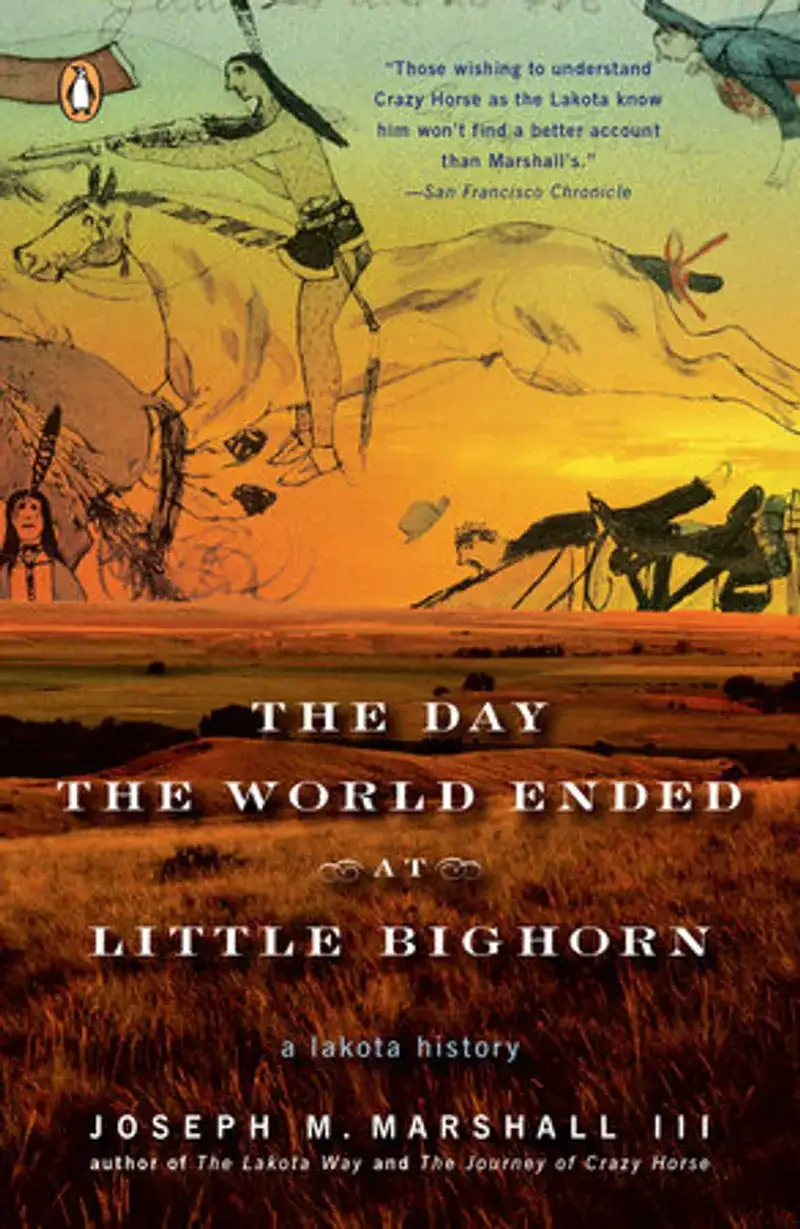
The Day the World Ended at Little Bighorn Author: Joseph M. Marshall IIIPage Count: UnknownPublication Date: 2008-PRH Joseph M. Marshall III’s The Day the World Ended at Little Bighorn is not just another retelling of the infamous Battle of the Little Bighorn—it is a deliberate act of historical reclamation, a challenge to the myths that have calcified around one of America’s most mythologized conflicts. Marshall, a Lakota historian and storyteller, strips away the romanticized veneer of Custer’s Last Stand to reveal the battle as the Lakota people experienced it: not as a tragic defeat for the U.S. Army, but as a hard-won victory against encroaching oppression, a moment of defiance in the face of genocide. In doing so, he does more than correct the record; he restores dignity to the voices long silenced by Western historiography. The book’s central theme is the reclaiming of narrative authority. Marshall argues that the Lakota oral tradition—transmitted through elders, warriors, and survivors—holds truths that written American histories have distorted or ignored. Where Custer is often depicted as a gallant if doomed hero, Marshall presents him as a reckless opportunist whose actions were fueled by arrogance and a disregard for Native sovereignty. Where the battle is framed as a senseless massacre, Marshall frames it as a justified defense of land, culture, and survival. This is not revisionism for the sake of contrarianism; it is a necessary counter-narrative, one that refuses to let the victors write the only story. Marshall’s style is as much a part of the book’s power as its content. He writes with the cadence of a storyteller, his prose flowing like the rhythm of a traditional Lakota tale. There is a lyrical quality to his descriptions of the land, the people, and the events, which makes the book read less like a dry historical account and more like an epic being passed down through generations. His use of direct Lakota terms—Tasunka Witko for Crazy Horse, Húŋkešni for Sitting Bull—is not mere decoration; it is a quiet assertion of cultural continuity, a way of grounding the reader in the worldview of the Lakota themselves. Yet Marshall does not romanticize the past. He acknowledges the complexities of the battle—the internal divisions among the Lakota and their allies, the brutal realities of warfare, the personal tragedies that followed in its wake. His account is neither triumphalist nor naive; it is a measured, respectful reconstruction of an event that reshaped Native American history. When he describes the moments leading up to the battle, he does so with a sense of inevitability, as if the clash was not just a military confrontation but a collision of two irreconcilable worldviews. One of the book’s most striking passages comes when Marshall describes the Lakota perspective on Custer’s final moments. While American accounts often depict him as fighting heroically to the end, Lakota witnesses recalled a different scene: a man who panicked, who tried to escape, who was killed as he fled. Marshall does not gloat over Custer’s death; he simply presents it as one version of events among many, refusing to deify either side. This refusal to engage in moral score-settling is what makes the book so compelling—it is not about assigning blame, but about understanding the deeper currents that led to the battle. Marshall’s approach is not without its challenges. The Lakota oral tradition is not a monolith, and memories of the battle vary even among those who witnessed it. Some critics might argue that The Day the World Ended at Little Bighorn leans too heavily on oral history, which can be subjective and fragmented. But Marshall is upfront about these limitations. He does not claim absolute historical certainty; instead, he offers a perspective that has been systematically excluded from mainstream narratives. In doing so, he invites readers to question the stories they have been told and to consider whose voices have been privileged—and whose have been erased. Ultimately, this book is a call to rethink how we remember history. Marshall does not ask us to reject all previous accounts of the Battle of the Little Bighorn; he asks us to hold them up to the light and see them for what they are—partial, often biased, and shaped by the power of the tellers. By centering the Lakota experience, he does more than correct a historical record; he models what it means to engage with the past with humility, respect, and a commitment to truth. For anyone interested in Native American history, military history, or the politics of memory, The Day the World Ended at Little Bighorn is an essential read. It is a book that challenges, enlightens, and, above all, demands that we listen. #LittleBighorn #NativeAmericanHistory #CustersLastStand #LakotaCulture #HistoricalReckoning #OralHistory Related InsightsThe Blast from the Past Book Review and Summary A Psalm for Lost Girls Book Review and Summary Clara Poole and the Long Way Round Book Review and Summary{ "@context": "https://schema.org", "@type": "FAQPage", "mainEntity": [ { "@type": "Question", "name": "What is the main focus of The Day the World Ended at Little Bighorn Book Review and Summary?", "acceptedAnswer": { "@type": "Answer", "text": "Everything you need to know about The Day the World Ended at Little Bighorn with our detailed review." } }, { "@type": "Question", "name": "Who authored the comprehensive guide on The Day the World Ended at Little Bighorn Book Review and Summary?", "acceptedAnswer": { "@type": "Answer", "text": "This detailed article and its insights were carefully researched and authored by Piotr Nowak." } }, { "@type": "Question", "name": "Where can I find more related content about Books?", "acceptedAnswer": { "@type": "Answer", "text": "You can explore more articles, detailed reviews, and similar insights by browsing the Related Insights section at the bottom of this article or visiting our dedicated Books category page." } } ] }
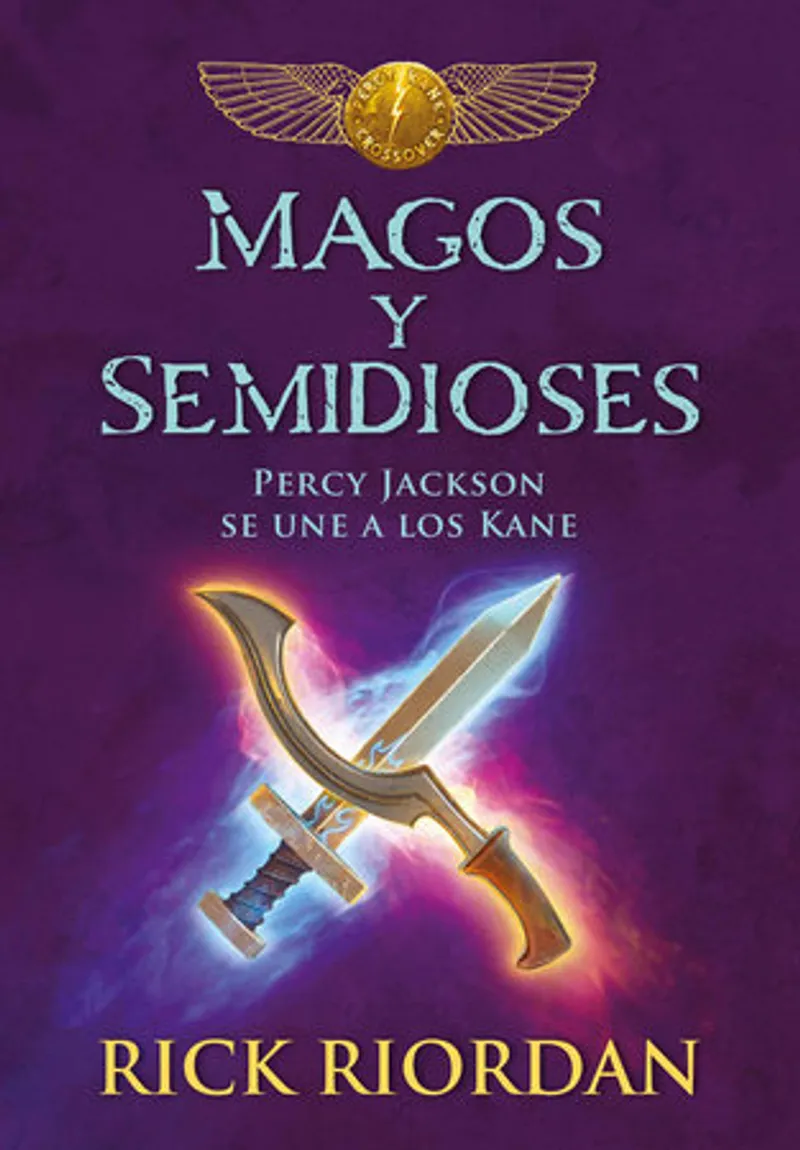
Magos y semidioses Percy Jackson se une a los Kane/ Demigods & Magicians: Percy and Annabeth Meet the Kanes Author: Rick RiordanPage Count: UnknownPublication Date: 2018-PRH Demigods & Magicians: Percy and Annabeth Meet the Kanes is a captivating novel that brings together two of Rick Riordan's most beloved mythological worlds - Percy Jackson and the Kane Chronicles. This unique crossover event masterfully weaves together the intricate mythologies of ancient Greece and Egypt, creating an electrifying adventure that will leave readers on the edge of their seats. At its core, Demigods & Magicians explores the theme of unity in the face of adversity. When Percy Jackson and Annabeth Chase, demigod heroes from the world of Greek mythology, meet Carter and Sadie Kane, sibling magicians from the world of Egyptian mythology, they are forced to put aside their differences and work together to combat a powerful and ancient evil. This unlikely alliance is fraught with challenges, as the two groups must navigate their vastly different cultures and approaches to magic. Rick Riordan's masterful storytelling is on full display in this novel, as he seamlessly blends the distinct mythological worlds of Percy Jackson and the Kane Chronicles. The author's signature blend of humor, action, and heart is expertly woven throughout the narrative, making for a truly unforgettable reading experience. One of the standout aspects of Demigods & Magicians is its ability to balance lighthearted moments with more serious themes. Riordan's characters are expertly crafted, with each one bringing their own unique personality and quirks to the table. The banter between Percy and Carter, in particular, is a highlight of the novel, as the two heroes engage in a series of witty and humorous exchanges. As the story progresses, however, the stakes grow increasingly higher. The villain of the novel, a powerful and malevolent force that seeks to exploit the combined power of Greek and Egyptian magic, proves to be a formidable foe. Riordan expertly ratchets up the tension, creating a sense of urgency and desperation that propels the reader forward. Ultimately, Demigods & Magicians is a triumphant celebration of the power of unity and cooperation. By bringing together two of his most beloved mythological worlds, Rick Riordan has created a truly unforgettable reading experience that is sure to delight fans of both series. With its expert blend of action, humor, and heart, this novel is an absolute must-read for anyone looking for a thrilling and unforgettable adventure. #DemigodsAndMagicians #PercyJacksonMeetsTheKanes #RickRiordan #MythologyMashup #YoungAdultFantasy #CrossoverAdventure Related InsightsFranny and Zooey Book Review and Summary City of Glass Book Review and Summary Everything is Illuminated Book Review and Summary{ "@context": "https://schema.org", "@type": "FAQPage", "mainEntity": [ { "@type": "Question", "name": "What is the main focus of Kane & Abel Book Review and Summary?", "acceptedAnswer": { "@type": "Answer", "text": "Everything you need to know about Kane & Abel with our detailed review." } }, { "@type": "Question", "name": "Who authored the comprehensive guide on Kane & Abel Book Review and Summary?", "acceptedAnswer": { "@type": "Answer", "text": "This detailed article and its insights were carefully researched and authored by Jeffrey Archer." } }, { "@type": "Question", "name": "Where can I find more related content about Books?", "acceptedAnswer": { "@type": "Answer", "text": "You can explore more articles, detailed reviews, and similar insights by browsing the Related Insights section at the bottom of this article or visiting our dedicated Books category page." } } ] }
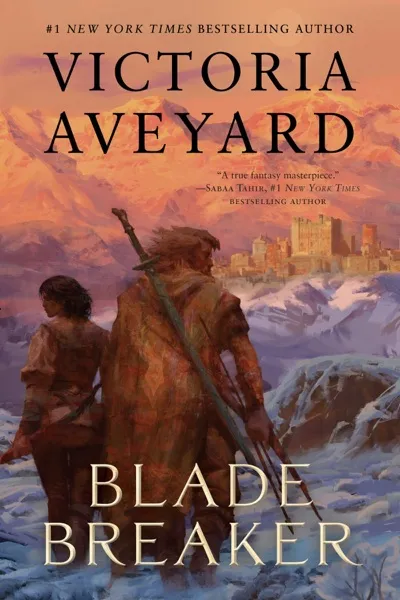
Blade Breaker Author: Victoria AveyardPage Count: UnknownPublication Year: 2022-GB Victoria Aveyard’s Blade Breaker is a dazzling descent into a world where power is currency, loyalty is a myth, and the line between hero and villain blurs with every swing of a blade. As the long-awaited sequel to King of Scars, this novel cements Aveyard’s reputation as a master of high-stakes fantasy, where political intrigue and raw emotion collide in a storm of silver-blooded magic and crimson betrayal. With her signature blend of lyrical prose, razor-sharp pacing, and characters who leap off the page with magnetic intensity, Aveyard doesn’t just tell a story—she forges an experience that lingers like the aftertaste of a drawn sword. At its core, Blade Breaker is a meditation on legacy and rebellion. The novel thrusts its protagonist, Nikolai Lantsov—once the reluctant king, now a ghost of his former self—into a brutal reckoning with the weight of his crown and the ghosts of his past. Haunted by visions of his dead brother Vasily, Nikolai is a man unraveling at the seams, his silver magic (a gift tied to the old gods) both a blessing and a curse. Aveyard explores the duality of power here with exquisite nuance: how leadership can be a prison, how strength often demands sacrifice, and how the line between savior and tyrant is thinner than a blade’s edge. The novel’s title itself is a clue—breaking blades isn’t just about destruction; it’s about reshaping destiny, even if it means shattering the world first. Aveyard’s style is a force of nature, a tempest of sensory detail and emotional rawness that pulls the reader into the story with the inevitability of a storm. Her prose is lush yet precise, painting the opulent decay of courtly life in Os Alta with the same vivid strokes as the gritty brutality of war-torn Fold. She doesn’t flinch from violence—battle scenes are visceral, visceral enough to make the reader’s pulse quicken—but she also lingers on the quiet moments, the stolen glances between lovers, the whispered confessions that crack open hearts. It’s this balance that makes her writing so addictive: she gives you splendor and squalor in equal measure, leaving you breathless and yearning for more. The supporting cast is just as compelling, each character a blade honed to a razor’s edge. Zoya Lazkov, the fire-wielding storm goddess with a heart of ice, is a standout—her loyalty to Nikolai is as fierce as her disdain for weakness, and her internal conflict is a powder keg of tension. Then there’s Nina Zenik, the spy with a silver tongue and a past steeped in deception, whose journey from enemy to ally is a masterclass in character evolution. Even the villains are given depth; Aveyard refuses to paint them as one-dimensional, instead peeling back layers to reveal the humanity (or monstrosity) beneath. This refusal to simplify is what makes Blade Breaker feel so real, so urgent. One of the novel’s most striking themes is the cost of survival. Every character in Blade Breaker is fighting to endure, whether it’s Nikolai grappling with his role as a king who may not deserve the crown, or the Fold citizens clawing for scraps of hope in a world that has abandoned them. Aveyard doesn’t shy away from the moral gray areas that define this struggle—there are no easy victories here, only scars and the bitter taste of compromise. It’s a theme that resonates in today’s world, where resilience is often romanticized but rarely examined in all its messy, painful complexity. Aveyard’s world-building is another triumph. The Grisha magic system, with its elemental divisions and silver-blooded elite, is intricate and immersive, but it’s the political landscape that truly shines. The tension between the old guard (those clinging to tradition) and the new (those hungry for change) is a powder keg, and Aveyard stokes the flames with surgical precision. The world of Blade Breaker feels alive, its cities teeming with life and its shadows crawling with secrets. You don’t just visit this world—you live in it, breath it, and ache for its survival. If King of Scars introduced us to a kingdom on the brink, Blade Breaker takes us to the edge of the abyss and dares us to look down. It’s a story about the fractures in power, the lies we tell ourselves to survive, and the terrifying beauty of breaking free from the chains that bind us. Aveyard’s writing is a blade itself—sharp, gleaming, and impossible to resist. By the final page, you’ll be left breathless, your heart pounding with the same relentless rhythm as a sword fight, and your mind racing with the question: What comes next? This is fantasy at its finest—not just for the magic or the mayhem, but for the way it cuts straight to the bone and leaves you raw. Blade Breaker isn’t just a book; it’s an experience. And like all great stories, it lingers long after the last page is turned. #BladeBreaker #VictoriaAveyard #FantasyBooks #SilverBloodedKings #GrishaMagic #HighFantasyMustRead Related InsightsIl Dialogo Silenzioso: L'Arte della Marginalia e il Mondo Segreto delle Annotazioni Nei Libri Antichi The Idaho Four Book Review and Summary Brave New World Book Review and Summary{ "@context": "https://schema.org", "@type": "FAQPage", "mainEntity": [ { "@type": "Question", "name": "What is the main focus of Blade Breaker Book Review and Summary?", "acceptedAnswer": { "@type": "Answer", "text": "Everything you need to know about Blade Breaker with our detailed review." } }, { "@type": "Question", "name": "Who authored the comprehensive guide on Blade Breaker Book Review and Summary?", "acceptedAnswer": { "@type": "Answer", "text": "This detailed article and its insights were carefully researched and authored by Natalia Sokolova." } }, { "@type": "Question", "name": "Where can I find more related content about Books?", "acceptedAnswer": { "@type": "Answer", "text": "You can explore more articles, detailed reviews, and similar insights by browsing the Related Insights section at the bottom of this article or visiting our dedicated Books category page." } } ] }
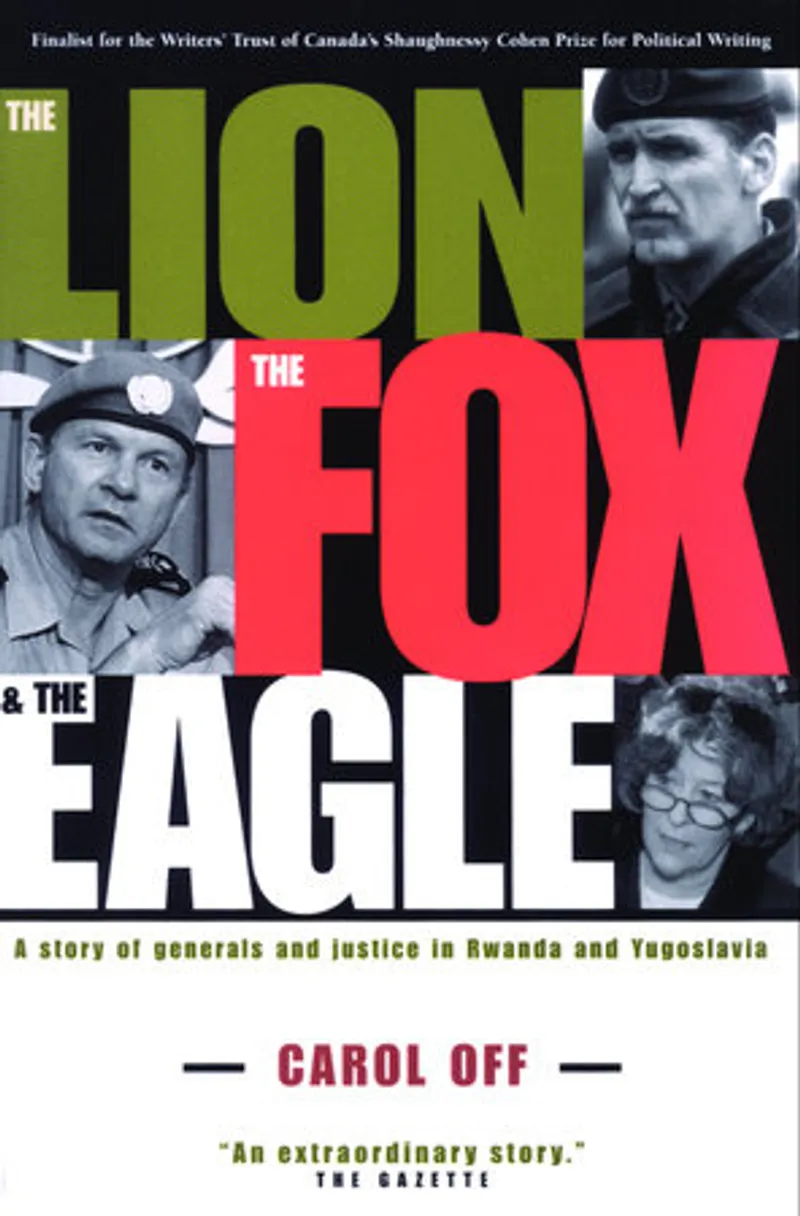
The Lion, the Fox and the Eagle Author: Carol OffPage Count: UnknownPublication Date: 2010-PRH Carol Off’s The Lion, the Fox and the Eagle is a searing indictment of international inaction and moral failure, woven through the lives of three Canadians whose roles in the 1990s tragedies of Bosnia and Rwanda could not have been more divergent—or more consequential. At its core, this book is about the chasm between what should have been done and what was done, between the ideals of peacekeeping and the brutal reality of geopolitical indifference. Off, a seasoned journalist with a sharp eye for human drama, crafts a narrative that is as much a personal reckoning as it is a historical exposé, exposing the hypocrisy of a world that claims to uphold justice while turning a blind eye to genocide. The title itself is a masterstroke of symbolism. Romeo Dallaire, the lion, is the moral force—his instincts for intervention in Rwanda were as fierce as his frustration with the UN’s paralysis. Lewis MacKenzie, the fox, is the pragmatist, a man whose military cunning in Sarajevo was matched only by his later justifications for inaction. And Louise Arbour, the eagle, is the relentless pursuer of justice, her legal battles against war criminals serving as the closest thing to redemption in a story otherwise devoid of it. Off uses these archetypes not just to label her subjects but to critique the systems they inhabited—systems that reward caution over courage, procedure over principle, and self-preservation over humanity. What makes this book so compelling is Off’s refusal to let her readers look away. She doesn’t just recount the events of the Bosnian war and the Rwandan genocide; she immerses us in them, drawing on interviews, declassified documents, and the personal testimonies of survivors to paint a picture that is both vivid and devastating. Her prose is crisp and unflinching, avoiding the dry detachment of academic history in favor of a narrative that crackles with tension. When she describes Dallaire’s desperate pleas to the UN for reinforcements—pleas that went unanswered—her frustration is palpable. When she recounts MacKenzie’s controversial tactics in Sarajevo, she doesn’t just present his side; she forces us to question whether his "realism" was anything more than a euphemism for complicity. Off’s greatest strength is her ability to humanize her subjects without excusing their flaws. Dallaire, for all his heroism, is portrayed as a man broken by the weight of his failures, his later struggles with PTSD serving as a stark reminder of the personal cost of systemic betrayal. MacKenzie, meanwhile, emerges as a figure of tragic contradiction—a man who saved lives through clever diplomacy but later became a symbol of the very inaction that allowed mass atrocities to continue. And Arbour, though the least controversial of the three, is depicted as a lone warrior in a legal system that was often as toothless as the peacekeeping missions it sought to redeem. The book’s most damning revelation is how little has changed since the 1990s. Off draws parallels between the failures of the UN in Rwanda and Bosnia and its later paralysis in Syria, Ukraine, and other conflicts, suggesting that the lessons of the past have been willfully ignored. This is not just a book about the past; it’s a warning about the present. Off’s indictment is not just of individuals but of institutions—of a world order that prioritizes sovereignty over suffering, bureaucracy over urgency, and politics over people. Her style is journalistic in the best sense: rigorous, investigative, and unafraid to challenge conventional wisdom. She doesn’t just present facts; she interrogates them, asking why certain voices were heard while others were silenced, why some lives were deemed expendable while others were protected. The result is a book that is as much about the failures of leadership as it is about the resilience of those who survived—and those who fought, against impossible odds, to hold the perpetrators accountable. The Lion, the Fox and the Eagle is a necessary book, not just for its historical insights but for its moral urgency. It forces us to confront uncomfortable truths: that peacekeeping is often a euphemism for abandonment, that justice is a luxury reserved for the powerful, and that the line between heroism and complicity is thinner than we’d like to admit. Off’s work is a testament to the power of storytelling to expose injustice, but it’s also a reminder of how easily history repeats itself when the world looks away. #GenocideInRwanda #PeacekeepingFailures #RomeoDallaire #BosnianWar #InternationalJustice #NeverAgain Related InsightsTales from the Folly Book Review and Summary Brideshead Revisited Book Review and Summary Battle Ground Book Review and Summary{ "@context": "https://schema.org", "@type": "FAQPage", "mainEntity": [ { "@type": "Question", "name": "What is the main focus of The Lion, the Witch and the Wardrobe Book Review and Summary?", "acceptedAnswer": { "@type": "Answer", "text": "Everything you need to know about The Lion, the Witch and the Wardrobe with our detailed review." } }, { "@type": "Question", "name": "Who authored the comprehensive guide on The Lion, the Witch and the Wardrobe Book Review and Summary?", "acceptedAnswer": { "@type": "Answer", "text": "This detailed article and its insights were carefully researched and authored by C.S. Lewis." } }, { "@type": "Question", "name": "Where can I find more related content about Books?", "acceptedAnswer": { "@type": "Answer", "text": "You can explore more articles, detailed reviews, and similar insights by browsing the Related Insights section at the bottom of this article or visiting our dedicated Books category page." } } ] }

- Isabella Moore
- 09 Nov, 2025 20:39
Comer para adelgazar / Eat to Beat Your Diet: Burn Fat, Heal Your Metabolism, and Live Longer Book Review and Summary
Comer para adelgazar / Eat to Beat Your Diet: Burn Fat, Heal Your Metabolism, and Live Longer Author: Dr. William W. LiPage Count: UnknownPublication Date: 2026-PRH Dr. William W. Li’s Comer para adelgazar: Burn Fat, Heal Your Metabolism, and Live Longer (2026) isn’t just another diet book—it’s a metabolic manifesto that flips the script on how we think about weight loss. In a world drowning in quick-fix fad diets and contradictory nutrition advice, Li, a physician-scientist and president of the Angiogenesis Foundation, delivers a groundbreaking argument: what you eat doesn’t just fuel your body—it rewires it. The book’s core premise is as radical as it is compelling: by strategically eating to optimize your metabolism, you don’t just shed pounds—you heal the biological pathways that sabotaged your health in the first place. Li’s approach is rooted in cutting-edge science, particularly his work on angiogenesis—the process by which your body grows new blood vessels to nourish tissues. Here, he extends that framework to metabolism, arguing that obesity isn’t just a calorie problem but a vascular one. Fat isn’t inert; it’s an active endocrine organ that disrupts hormones, inflames tissues, and hijacks energy production. The solution? A diet that starves harmful fat cells while nourishing the body’s natural fat-burning machinery through foods that enhance mitochondrial function, reduce inflammation, and promote metabolic flexibility. Think of it as "nutritional gardening"—you’re cultivating an internal ecosystem where leanness is the natural byproduct of metabolic harmony. What sets Li apart from other diet gurus is his refusal to peddle simplistic rules. He doesn’t demand you count macros, eliminate entire food groups, or swallow dubious supplements. Instead, he arms readers with a "metabolic toolkit" of foods—from artichokes to turmeric—that act like biochemical switches, turning on fat-burning genes and turning off inflammation. His writing is refreshingly free of dogma: he acknowledges that genetics, gut microbes, and even emotional stress play roles in weight, but he insists the body’s capacity to heal itself is the ultimate wildcard. The tone is authoritative yet accessible, blending hard science with practical advice (e.g., how to time meals for maximum metabolic impact or which spices double as fat-fighting drugs). Li’s style is part detective story, part manifesto. He peels back layers of metabolic dysfunction with the precision of a clinician, but his chapters read like episodes of a medical thriller. Consider his breakdown of "metabolic sabotage": how processed foods create a vicious cycle where gut bacteria ferment fiber into toxic byproducts, which then inflame the liver and pancreas, spiking insulin and locking fat cells in storage mode. It’s a domino effect he dismantles with surgical clarity. Yet he balances the doom with hope—highlighting foods like blueberries, which not only reduce visceral fat but may reverse age-related metabolic decline. His optimism is infectious, rooted in the idea that the body is always trying to heal, if only we give it the right inputs. The book’s strength lies in its synthesis of disparate fields—nutrition, endocrinology, and cellular biology—into a cohesive strategy. Li doesn’t just tell you what to eat; he explains why, turning grocery lists into roadmaps for cellular repair. His "Eat to Beat" framework categorizes foods by their metabolic benefits: some boost mitochondrial efficiency (like green tea), others suppress fat storage (like capsaicin in chili peppers), and a few even regenerate insulin-producing beta cells (like bitter melon). It’s a nuanced system that avoids the pitfalls of one-size-fits-all diets, appealing to readers tired of yo-yo dieting. Critics might argue that Li’s metabolic optimism oversimplifies obesity’s societal roots—after all, poverty, food deserts, and corporate lobbying shape diets as much as biology. But Comer para adelgazar isn’t a political manifesto; it’s a biological one. Li’s focus is the individual’s agency within those constraints, offering tools that empower even those with limited access to fresh foods. His emphasis on "metabolic resilience"—the body’s ability to bounce back from dietary insults—is a powerful antidote to the guilt and shame that plague dieters. Where the book stumbles is in its occasional overreach. Li’s enthusiasm for certain foods (e.g., claiming pomegranates "melt fat") occasionally veers into supplement-like hyperbole. And while his science is meticulous, some studies he cites are preliminary or animal-based, leaving room for skepticism. Yet these are minor quibbles in a work that’s otherwise a masterclass in translating complex science into actionable wisdom. Ultimately, Comer para adelgazar is a book for the metabolically frustrated—those who’ve tried keto, paleo, or intermittent fasting with mixed results. It’s for anyone who’s wondered why their friend can eat pasta and stay lean while they gain weight from a single slice. Li’s message is radical in its simplicity: your metabolism isn’t broken; it’s just been misfed. Fix the feeding, and the rest follows. By the final chapter, you won’t just want to sprint to the kitchen—you’ll understand why. #MetabolicHealth #FatLossScience #FoodAsMedicine #DrWilliamLi #EatToBeatYourDiet #MetabolicFlexibility Related InsightsYumi and the Nightmare Painter Book Review and Summary Jim Henson Presents Book Review and Summary L'Architecture du Réel : Quand les Mots Dessinent le Monde{ "@context": "https://schema.org", "@type": "FAQPage", "mainEntity": [ { "@type": "Question", "name": "What is the main focus of Comer para adelgazar / Eat to Beat Your Diet: Burn Fat, Heal Your Metabolism, and Live Longer Book Review and Summary?", "acceptedAnswer": { "@type": "Answer", "text": "Everything you need to know about Comer para adelgazar / Eat to Beat Your Diet: Burn Fat, Heal Your Metabolism, and Live Longer with our detailed review." } }, { "@type": "Question", "name": "Who authored the comprehensive guide on Comer para adelgazar / Eat to Beat Your Diet: Burn Fat, Heal Your Metabolism, and Live Longer Book Review and Summary?", "acceptedAnswer": { "@type": "Answer", "text": "This detailed article and its insights were carefully researched and authored by Isabella Moore." } }, { "@type": "Question", "name": "Where can I find more related content about Books?", "acceptedAnswer": { "@type": "Answer", "text": "You can explore more articles, detailed reviews, and similar insights by browsing the Related Insights section at the bottom of this article or visiting our dedicated Books category page." } } ] }
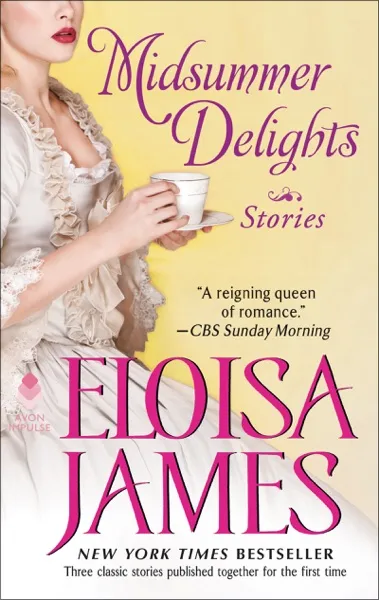

Midsummer Delights Author: Eloisa JamesPage Count: UnknownPublication Year: 2018-GB Eloisa James’s Midsummer Delights is a radiant tapestry of love, laughter, and longing, woven with the same delicate precision and emotional depth that have made her a darling of historical romance readers worldwide. Published in 2018, this novel stands as a testament to James’s mastery of the genre—balancing witty dialogue, rich historical detail, and the kind of swoon-worthy romantic tension that leaves readers breathless. While the exact page count remains elusive, the book’s impact is anything but fleeting; it’s a story that lingers like the scent of summer roses, sweet and intoxicating. At its heart, Midsummer Delights is a celebration of second chances and the unexpected joys of midsummer—a time when the veil between reality and fantasy feels deliciously thin. The novel unfolds against the backdrop of a lavish English estate, where the air is thick with the promise of romance and the ghosts of past regrets. James’s central theme revolves around the idea that love, like summer itself, is fleeting yet transformative. It’s a theme she explores with both tenderness and wit, reminding us that sometimes, the greatest delights come when we least expect them. What sets James apart is her ability to craft characters who feel achingly real, their flaws and virtues as vivid as the English countryside in full bloom. The heroine, often a woman who has spent years burying her dreams beneath duty or societal expectations, is given a voice that is both fierce and vulnerable. She’s not just a damsel in distress but a woman who learns to dance—to take risks, to stumble, and to rise again, all while the world around her seems to glow with possibility. The hero, meanwhile, is a man of contradictions: gruff yet tender, reserved yet capable of untold passion. Their chemistry is electric, crackling with every glance, every half-smile, every moment they pretend not to notice each other. James’s prose is a study in elegance and accessibility. She writes with a lightness of touch that belies the depth of her themes, her sentences flowing like honey—smooth, sweet, and impossible to resist. Yet beneath the surface charm lies a world of complexity. She doesn’t shy away from the darker corners of human emotion: jealousy, fear, the weight of unspoken words. But she frames these shadows in a way that feels hopeful, as if even in our darkest moments, there’s a chance for light. Her dialogue, sharp and sparkling, crackles with humor and heart, making even the most mundane exchanges feel charged with meaning. One of the novel’s greatest strengths is its setting. James has a gift for immersing readers in her world, whether it’s the opulent ballrooms of Regency England or the sun-dappled gardens where her characters find solace. The midsummer motif isn’t just a backdrop; it’s a character in its own right, a symbol of fleeting beauty and the inevitability of change. The season’s magic seeps into the story, making every kiss feel like a stolen moment, every argument feel like a prelude to something greater. But what truly elevates Midsummer Delights is its emotional resonance. James has a knack for exploring the quiet, unheralded moments that define a relationship—the way a touch can say more than words, the way a shared silence can speak volumes. She understands that love isn’t always grand gestures or sweeping declarations; sometimes, it’s the small, tender acts that change everything. In this way, the novel feels not just like a romance, but like a mirror held up to the reader’s own heart. For readers new to Eloisa James, Midsummer Delights is a perfect introduction to her work. For longtime fans, it’s a reminder of why they fell in love with her stories in the first place. Whether you’re a sucker for a brooding hero, a heroine who’s equal parts strength and vulnerability, or just a good old-fashioned love story with a dash of humor, this book delivers. In the end, Midsummer Delights is more than just a romance—it’s a celebration of life’s fleeting beauty, a reminder that even in our most ordinary moments, there’s magic to be found. Eloisa James has crafted a story that will make you believe in second chances, in the power of love to heal, and in the idea that sometimes, the greatest delights come when you least expect them. #MidsummerDelights #HistoricalRomance #EloisaJames #RegencyRomance #SecondChances #RomanceNovel Related InsightsThe Oldest Dance Book Review and Summary A Wizard of Earthsea Book Review and Summary Hunt on Dark Waters Book Review and Summary{ "@context": "https://schema.org", "@type": "FAQPage", "mainEntity": [ { "@type": "Question", "name": "What is the main focus of Midsummer Delights Book Review and Summary?", "acceptedAnswer": { "@type": "Answer", "text": "Everything you need to know about Midsummer Delights with our detailed review." } }, { "@type": "Question", "name": "Who authored the comprehensive guide on Midsummer Delights Book Review and Summary?", "acceptedAnswer": { "@type": "Answer", "text": "This detailed article and its insights were carefully researched and authored by Klaus Weber." } }, { "@type": "Question", "name": "Where can I find more related content about Books?", "acceptedAnswer": { "@type": "Answer", "text": "You can explore more articles, detailed reviews, and similar insights by browsing the Related Insights section at the bottom of this article or visiting our dedicated Books category page." } } ] }
-
 William Clark
- 09 Nov, 2025 16:32
Revelando el Apocalipsis / Revealing Revelation. How God's Plans for the Future Can Change Your Life Now Book Review and Summary
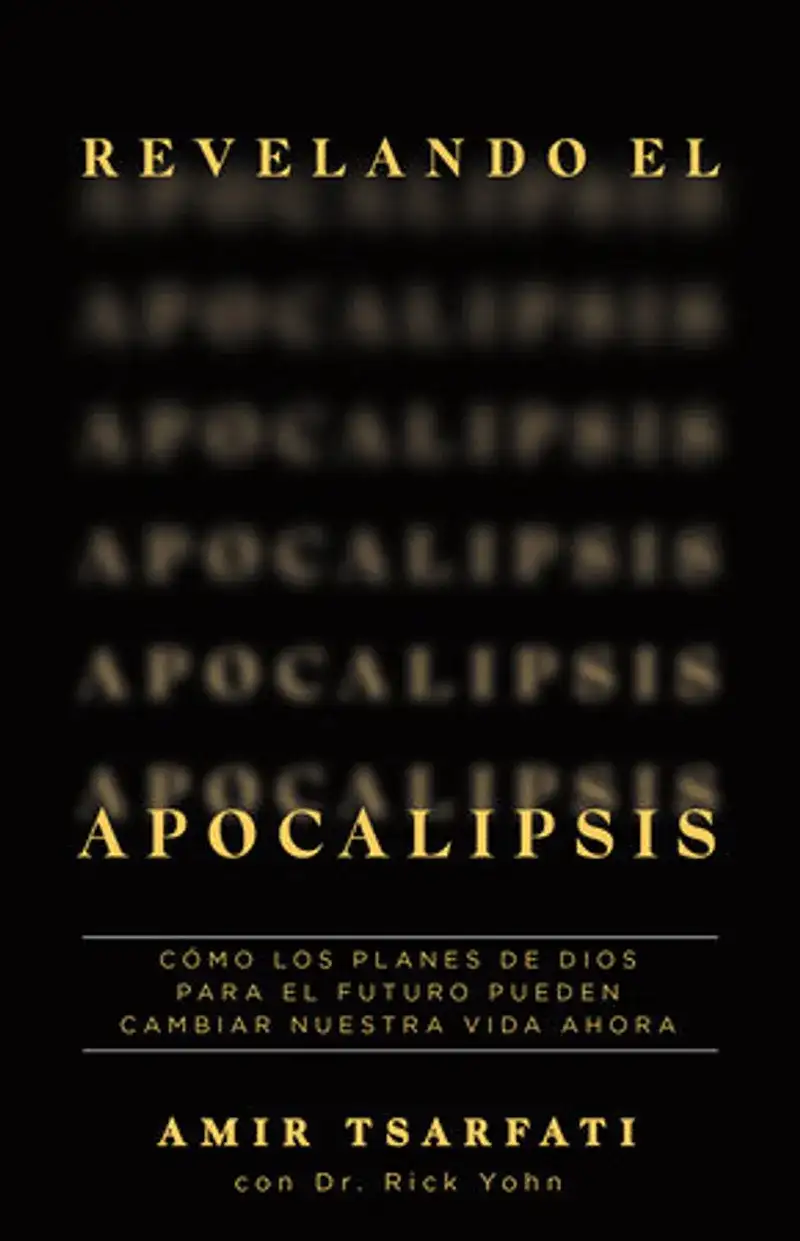
Revelando el Apocalipsis / Revealing Revelation. How God's Plans for the Future Can Change Your Life Now Author: Amir TsarfatiPage Count: UnknownPublication Date: 2023-PRH In "Revealing Revelation," bestselling author Amir Tsarfati delves into the mysteries of the Bible's final book, offering a compelling and insightful exploration of the end times and beyond. With his characteristic clarity and accessibility, Tsarfati guides readers through the prophetic truths of Revelation, providing wisdom, reassurance, and discernment for Christians, while issuing a poignant plea to unbelievers to receive God's grace before it's too late. One of the standout features of Tsarfati's approach is his commitment to letting Scripture speak for itself. Rather than imposing his own interpretations or biases, he allows the text to shine through, providing a rich tapestry of biblical insights that are both informative and thought-provoking. This approach makes "Revealing Revelation" an invaluable resource for anyone seeking to deepen their understanding of the Bible's most enigmatic book. Throughout the book, Tsarfati examines the timeline of events that will unfold before, during, and after the tribulation, offering a nuanced and detailed analysis of the experiences that await both believers and nonbelievers. He also explores the specific plan that the Lord has prepared for the people of Israel in the end times, shedding light on a topic that is often shrouded in mystery. One of the most striking aspects of "Revealing Revelation" is its emphasis on the practical applications of biblical prophecy. Tsarfati is not content to simply expound on the theoretical aspects of Revelation; instead, he seeks to equip readers with the knowledge and wisdom they need to navigate the challenges of the end times. This is particularly evident in his examination of the encouragements, challenges, and warnings that Jesus Himself gave to prepare us for His return. As Tsarfati so eloquently puts it, "There's no time like right now to start preparing for your everlasting future." This sense of urgency permeates every page of "Revealing Revelation," making it a must-read for anyone who is serious about understanding the Bible's teachings on the end times. Whether you're a seasoned scholar or a curious newcomer to the world of biblical prophecy, Tsarfati's book is sure to inspire, educate, and challenge you in equal measure. In short, "Revealing Revelation" is a masterpiece of biblical exposition, a book that will leave you with a deeper understanding of the end times and a renewed sense of purpose in the face of an uncertain future. So, are you prepared for what is to come? Let Amir Tsarfati be your guide on this journey into the heart of Revelation. #RevealingRevelation #AmirTsarfati #BiblicalProphecy #EndTimes #ChristianNonFiction #BookReview Related InsightsThe Power of Myth Book Review and Summary Heir of Fire Book Review and Summary Network Effect Book Review and Summary{ "@context": "https://schema.org", "@type": "FAQPage", "mainEntity": [ { "@type": "Question", "name": "What is the main focus of Revelando el Apocalipsis / Revealing Revelation. How God's Plans for the Future Can Change Your Life Now Book Review and Summary?", "acceptedAnswer": { "@type": "Answer", "text": "Everything you need to know about Revelando el Apocalipsis / Revealing Revelation. How God's Plans for the Future Can Change Your Life Now with our detailed review." } }, { "@type": "Question", "name": "Who authored the comprehensive guide on Revelando el Apocalipsis / Revealing Revelation. How God's Plans for the Future Can Change Your Life Now Book Review and Summary?", "acceptedAnswer": { "@type": "Answer", "text": "This detailed article and its insights were carefully researched and authored by William Clark." } }, { "@type": "Question", "name": "Where can I find more related content about Books?", "acceptedAnswer": { "@type": "Answer", "text": "You can explore more articles, detailed reviews, and similar insights by browsing the Related Insights section at the bottom of this article or visiting our dedicated Books category page." } } ] }
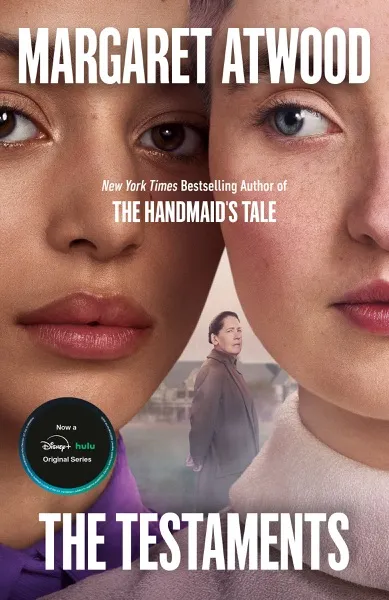
The Testaments Author: Margaret AtwoodPage Count: UnknownPublication Year: 2019-GB In the realm of dystopian fiction, few authors have managed to captivate readers quite like Margaret Atwood. Her 1985 classic, The Handmaid's Tale, left an indelible mark on the literary world, and its impact still resonates today. The Testaments, Atwood's 2019 sequel, is a masterful continuation of the story, offering a fresh perspective on the oppressive regime of Gilead. Set 15 years after the events of the original novel, The Testaments is a tale of resistance, rebellion, and the unyielding power of the human spirit. The narrative is presented through the eyes of three distinct characters: Aunt Lydia, a high-ranking official in Gilead's oppressive regime; Agnes, a young girl born into the oppressive society; and Daisy, a Canadian teenager who becomes embroiled in the resistance movement. Through these diverse perspectives, Atwood crafts a rich tapestry of experiences, weaving together a complex exploration of oppression, resistance, and survival. One of the most striking aspects of The Testaments is its exploration of the inner workings of Gilead's patriarchal society. Atwood's portrayal of the oppressive regime is both nuanced and unflinching, exposing the intricacies of its power structures and the ways in which it maintains control over its citizens. The character of Aunt Lydia, in particular, is a fascinating study in complexity, her backstory and motivations expertly woven throughout the narrative to create a sense of depth and understanding. Atwood's writing style is, as ever, masterful. Her prose is economical, yet evocative, conjuring vivid images of the world she has created. Her use of language is deliberate and precise, conveying the complexity of her characters' emotions and experiences with ease. The narrative is expertly paced, shifting seamlessly between the three perspectives to create a sense of tension and urgency. Throughout the novel, Atwood explores themes of resistance, rebellion, and the power of storytelling. The Testaments is, at its core, a novel about the ways in which individuals can challenge and subvert oppressive regimes, often through the simplest of acts. The characters' experiences serve as a testament to the enduring power of the human spirit, even in the face of overwhelming oppression. If there is one criticism to be made, it is that The Testaments feels, at times, somewhat predictable. The narrative follows a familiar arc, with the characters' experiences unfolding in a way that feels, if not entirely expected, then certainly unsurprising. However, this is a minor quibble in what is otherwise a masterful novel. In conclusion, The Testaments is a triumphant return to the world of Gilead, offering a fresh and compelling perspective on the oppressive regime that has captivated readers for decades. Atwood's writing is, as ever, masterful, and her exploration of themes is both nuanced and thought-provoking. This is a novel that will resonate with fans of The Handmaid's Tale, while also standing as a testament to the enduring power of storytelling. #TheTestaments #MargaretAtwood #TheHandmaidsTale #DystopianFiction #FeministLiterature #ResistanceAndRebellion Related InsightsCharlaine Harris Cemetery Girl Book Three Book Review and Summary Kissing Cowboys Book Review and Summary A Little Life Book Review and Summary{ "@context": "https://schema.org", "@type": "FAQPage", "mainEntity": [ { "@type": "Question", "name": "What is the main focus of The Testaments Book Review and Summary?", "acceptedAnswer": { "@type": "Answer", "text": "Everything you need to know about The Testaments with our detailed review." } }, { "@type": "Question", "name": "Who authored the comprehensive guide on The Testaments Book Review and Summary?", "acceptedAnswer": { "@type": "Answer", "text": "This detailed article and its insights were carefully researched and authored by Carmen Martinez." } }, { "@type": "Question", "name": "Where can I find more related content about Books?", "acceptedAnswer": { "@type": "Answer", "text": "You can explore more articles, detailed reviews, and similar insights by browsing the Related Insights section at the bottom of this article or visiting our dedicated Books category page." } } ] }
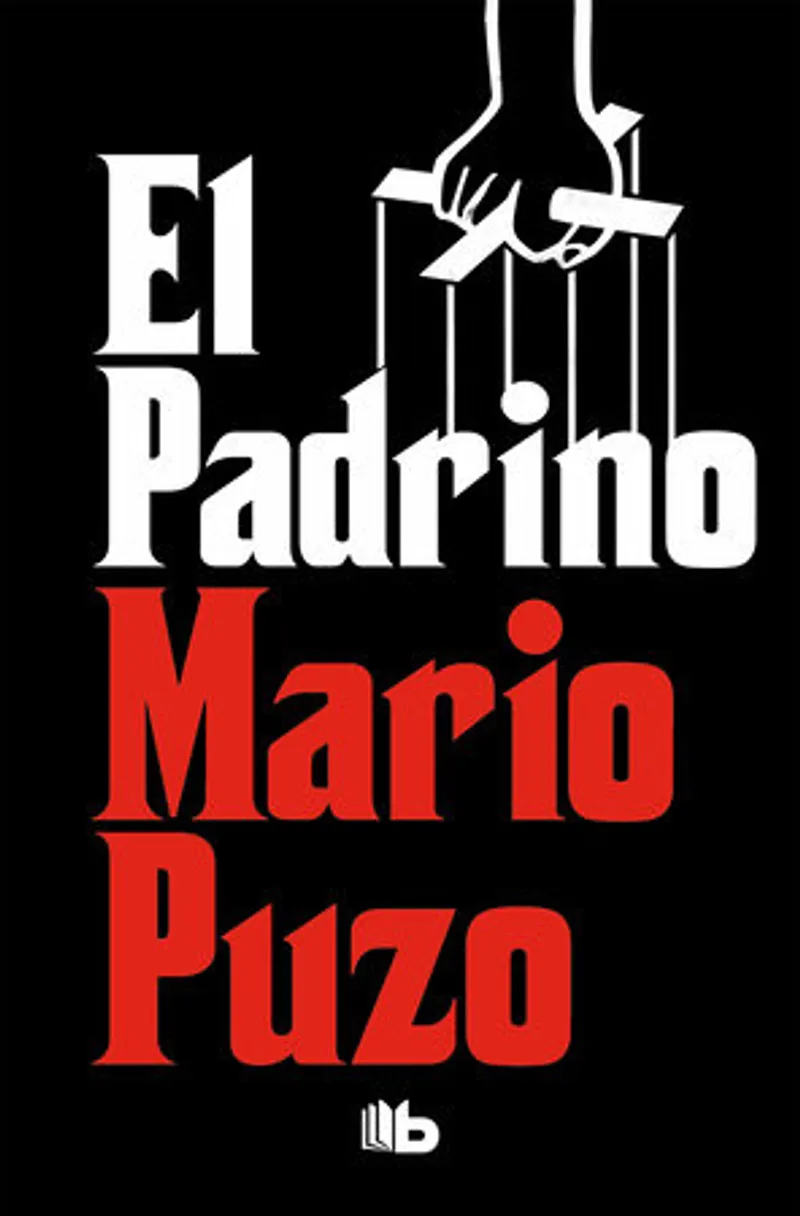
El padrino / The Godfather Author: Mario PuzoPage Count: UnknownPublication Date: 2023-PRH In the realm of 20th-century literature, few novels have managed to captivate readers with the same level of intensity as Mario Puzo's timeless masterpiece, "The Godfather". First published in 1969, this gripping tale of the Corleone family's rise to power has left an indelible mark on the literary world, redefining the way we perceive the Mafia and its intricate culture. Puzo's writing style is a testament to his exceptional storytelling prowess, as he masterfully weaves a complex narrative that delves deep into the world of organized crime. With an uncanny ability to balance brutality with a sense of honor and loyalty, he brings to life the enigmatic figure of Don Vito Corleone, a man whose ruthless tactics are tempered by a deep sense of justice and a commitment to his family. At its core, "The Godfather" is a story about the American dream, but one that is tainted by the dark underbelly of crime and corruption. Puzo's portrayal of the Corleone family's struggles to maintain power and protect their interests is a scathing critique of the societal values that perpetuate this cycle of violence. Through the eyes of Don Vito's children, particularly Michael, we witness the devastating consequences of a life lived in the shadows, where loyalty is tested and the lines between right and wrong are constantly blurred. One of the most striking aspects of Puzo's writing is his ability to create a sense of intimacy and immediacy, drawing the reader into the world of the Corleone family with unflinching candor. His prose is lean and mean, devoid of unnecessary embellishments, yet rich in detail and texture. The characters are multidimensional and complex, with each one bringing their own unique perspective to the narrative. The novel's enduring appeal lies in its ability to transcend the genre of crime fiction, speaking to universal themes that resonate deeply with readers. It is a story about family, loyalty, and the human condition, one that continues to captivate audiences with its raw power and emotional depth. In conclusion, "The Godfather" is a masterpiece of modern literature, a novel that has stood the test of time with its unflinching portrayal of the Mafia underworld. Puzo's writing is a testament to his exceptional talent, and this novel remains an essential read for anyone interested in crime fiction, family sagas, or simply great storytelling. #TheGodfather #MarioPuzo #CrimeFiction #ClassicLiterature #MafiaUnderworld #AmericanDream Related InsightsPeculiar Stars Book Review and Summary Dream Big (Dream On, #2) Book Review and Summary Believe Me Book Review and Summary{ "@context": "https://schema.org", "@type": "FAQPage", "mainEntity": [ { "@type": "Question", "name": "What is the main focus of The Godfather Book Review and Summary?", "acceptedAnswer": { "@type": "Answer", "text": "Everything you need to know about The Godfather with our detailed review." } }, { "@type": "Question", "name": "Who authored the comprehensive guide on The Godfather Book Review and Summary?", "acceptedAnswer": { "@type": "Answer", "text": "This detailed article and its insights were carefully researched and authored by Mario Puzo." } }, { "@type": "Question", "name": "Where can I find more related content about Books?", "acceptedAnswer": { "@type": "Answer", "text": "You can explore more articles, detailed reviews, and similar insights by browsing the Related Insights section at the bottom of this article or visiting our dedicated Books category page." } } ] }
-
 Marco Conti
- 08 Nov, 2025 11:27
My Grandmother Asked Me to Tell You She's Sorry (Spanish Edition) Book Review and Summary
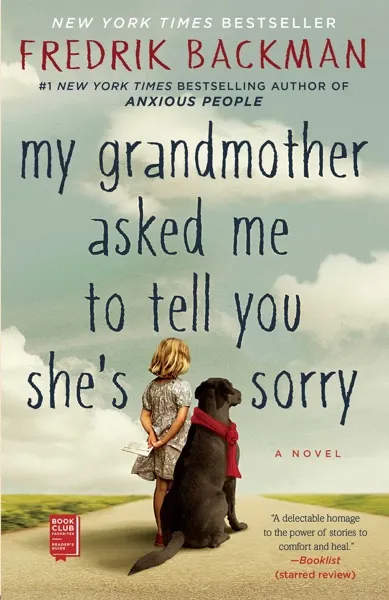
My Grandmother Asked Me to Tell You She's Sorry (Spanish Edition) Author: Fredrik BackmanPage Count: UnknownPublication Year: 2020-GB In "My Grandmother Asked Me to Tell You She's Sorry" by Fredrik Backman, a poignant and powerful narrative unfolds, weaving a complex tapestry of human emotions, relationships, and the unbreakable bonds between generations. This mesmerizing tale has captured the hearts of readers worldwide, and it's easy to see why. At its core, the story revolves around Elsa, a precocious and fiercely independent seven-year-old, and her grandmother, a larger-than-life figure with a penchant for storytelling and a deep understanding of the human condition. As their lives become increasingly intertwined, the boundaries between reality and fantasy begin to blur, and the reader is transported to a world of wonder and magic. Backman's writing style is a true masterclass in subtlety and nuance. With a keen eye for detail and a deep empathy for his characters, he crafts a narrative that is both deeply personal and universally relatable. His prose is deceptively simple, yet layered with a richness and depth that rewards close attention. One of the most striking aspects of the book is its exploration of the human condition. Backman tackles complex themes such as grief, guilt, and redemption with sensitivity and wit, never shying away from the darker aspects of life. And yet, despite the gravity of these themes, the book is ultimately a testament to the transformative power of love and forgiveness. Through Elsa's eyes, we experience the world anew, and her grandmother's stories become a lens through which we view the complexities of human relationships. The characters that populate this world are multidimensional and fully realized, with all the quirks and flaws that make us human. Backman's use of storytelling as a device is nothing short of genius. The grandmother's tales, which range from the fantastical to the mundane, serve as a way of conveying deeper truths about the world and our place in it. They are also a testament to the enduring power of stories to shape our understanding of ourselves and others. If there's one criticism to be made, it's that the book's pacing can be somewhat uneven at times. Some readers may find the narrative meandering, but for this reviewer, the journey was well worth the occasional detour. In conclusion, "My Grandmother Asked Me to Tell You She's Sorry" is a triumph of storytelling, a book that will resonate with readers long after the final page has been turned. Backman's writing is a gift, and this book is a testament to his skill as a storyteller. #MyGrandmotherAskedMeToTellYouShesSorry #FredrikBackman #BookLovers #GriefAndRedemption #ThePowerOfStorytelling #FamilyDrama Related InsightsElfenthron Book Review and Summary Greywaren Book Review and Summary Yumi and the Nightmare Painter Book Review and Summary{ "@context": "https://schema.org", "@type": "FAQPage", "mainEntity": [ { "@type": "Question", "name": "What is the main focus of My Grandmother Asked Me to Tell You She's Sorry (Spanish Edition) Book Review and Summary?", "acceptedAnswer": { "@type": "Answer", "text": "Everything you need to know about My Grandmother Asked Me to Tell You She's Sorry (Spanish Edition) with our detailed review." } }, { "@type": "Question", "name": "Who authored the comprehensive guide on My Grandmother Asked Me to Tell You She's Sorry (Spanish Edition) Book Review and Summary?", "acceptedAnswer": { "@type": "Answer", "text": "This detailed article and its insights were carefully researched and authored by Marco Conti." } }, { "@type": "Question", "name": "Where can I find more related content about Books?", "acceptedAnswer": { "@type": "Answer", "text": "You can explore more articles, detailed reviews, and similar insights by browsing the Related Insights section at the bottom of this article or visiting our dedicated Books category page." } } ] }
-
 Carmen Martinez
- 08 Nov, 2025 05:12
Casa de flama y sombra / House of Flame and Shadow Book Review and Summary
Casa de flama y sombra / House of Flame and Shadow Author: Sarah J. MaasPage Count: UnknownPublication Date: 2024-PRH "Casa de flama y sombra" or "House of Flame and Shadow" is the latest installment in Sarah J. Maas's Crescent City series, and it's a game-changer. This book is a masterclass in world-building, character development, and plot twists that will leave you breathless. Maas has outdone herself with this one, and fans of the series will not be disappointed. The story picks up where "House of Sky and Breath" left off, with Bryce Quinlan finding herself in a strange new world, desperate to get back to her loved ones in Midgard. Meanwhile, Hunt Athalar is trapped in the Asteri's dungeons, desperate to escape and help Bryce. The stakes are higher than ever, and the fate of their world hangs in the balance. One of the things that sets Maas apart from other authors in the fantasy genre is her ability to create complex, multi-dimensional characters. Bryce and Hunt are no exception - they're flawed, relatable, and utterly human, despite being a half-Fae party girl and a fallen angel, respectively. Their relationship is a highlight of the book, and Maas's portrayal of their love for each other is tender, passionate, and authentic. But what really makes "House of Flame and Shadow" stand out is its themes. This book is all about power, identity, and the true meaning of home. Bryce and Hunt are forced to confront their own strengths and weaknesses, and to navigate the treacherous landscape of their world. Along the way, they must confront their own demons - literal and metaphorical - and make difficult choices that will have far-reaching consequences. Maas's writing style is, as always, engaging and immersive. Her world-building is meticulous and detailed, with a richly imagined landscape that's both familiar and yet utterly unique. The pacing is breakneck, with twists and turns that will keep you on the edge of your seat. And the romance? Sizzling. If you're a fan of fantasy, romance, or just great storytelling in general, "House of Flame and Shadow" is a must-read. It's a sexy, action-packed, and emotionally resonant ride that will leave you breathless and eager for more. And if you're new to the series, don't worry - Maas does a great job of catching you up on the backstory, so you can jump right in. Overall, "House of Flame and Shadow" is a triumph. It's a testament to Maas's skill as a storyteller, and a reminder of why she's one of the most beloved authors in the fantasy genre. So what are you waiting for? Dive into the world of Crescent City, and get ready to be swept away. #CrescentCitySeries #HouseOfFlameAndShadow #SarahJMaas #FantasyRomance #BookLovers #NewRelease Related InsightsLectures on the Ethics of T. H. Green, Mr. Herbert Spencer, and J. Martineau Book Review and Summary Works of Edgar Allan Poe; Volume 5 Book Review and Summary The Invisible Canvas of the Digital Age: A Deep Dive into Silicon Wafers{ "@context": "https://schema.org", "@type": "FAQPage", "mainEntity": [ { "@type": "Question", "name": "What is the main focus of Casa de flama y sombra / House of Flame and Shadow Book Review and Summary?", "acceptedAnswer": { "@type": "Answer", "text": "Everything you need to know about Casa de flama y sombra / House of Flame and Shadow with our detailed review." } }, { "@type": "Question", "name": "Who authored the comprehensive guide on Casa de flama y sombra / House of Flame and Shadow Book Review and Summary?", "acceptedAnswer": { "@type": "Answer", "text": "This detailed article and its insights were carefully researched and authored by Carmen Martinez." } }, { "@type": "Question", "name": "Where can I find more related content about Books?", "acceptedAnswer": { "@type": "Answer", "text": "You can explore more articles, detailed reviews, and similar insights by browsing the Related Insights section at the bottom of this article or visiting our dedicated Books category page." } } ] }
In the House Upon the Dirt Between the Lake and the Woods Author: Matt BellPage Count: UnknownPublication Date: 2014-PRH In the House Upon the Dirt Between the Lake and the Woods, Matt Bell's debut novel, is a haunting and mesmerizing tale that defies the conventions of traditional literature. This epic and mythical story follows a newlywed couple who escapes to a distant and isolated lakeshore, seeking a simpler life, free from the chaos of their homeland. However, as they struggle to conceive, the husband's fixation on having children slowly unravels, plunging the couple into a world of sorrow, rage, and the unexplainable. Bell's writing style is nothing short of enchanting, weaving a narrative that is both beautiful and devastating. His use of lyrical prose and vivid imagery transports the reader to a world that is both fantastical and eerie. The author's ability to craft a unique and captivating atmosphere is evident in his description of the wife's singing voice, which has the power to create "song-spun objects" that are as intriguing as they are mysterious. The presence of a giant, sentient bear that rules the woods and a second moon that weighs down the fabric of their starless sky adds to the sense of wonder and magic that pervades the novel. At its core, In the House Upon the Dirt Between the Lake and the Woods is a powerful exploration of the limits of parenthood and marriage. Bell masterfully examines the pressures and expectations that come with building a family and the devastating consequences that can result from the absence of children. The novel raises important questions about the measures of a successful marriage and the societal pressures that can erode the foundations of a relationship. Through the couple's struggles, Bell sheds light on the emotional and psychological toll of infertility, creating a narrative that is both heart-wrenching and thought-provoking. One of the most striking aspects of the novel is its use of myth and fantasy to explore the complexities of human relationships. Bell's world-building is meticulous and immersive, creating a sense of depth and history that underscores the couple's struggles. The labyrinth of memory that is dug into the earth beneath their house is a potent symbol of the way that memories and experiences can shape and define us. The author's use of magical realism adds a layer of complexity to the narrative, blurring the lines between reality and fantasy and creating a dreamlike atmosphere that is both captivating and unsettling. Throughout the novel, Bell's prose is marked by a sense of urgency and intensity, propelling the reader forward on a journey that is both haunting and unforgettable. The author's writing is akin to a spell, weaving a narrative that is both beautiful and devastating. In the House Upon the Dirt Between the Lake and the Woods is a novel that will linger in the reader's mind long after the final page has been turned, leaving behind a sense of awe and wonder at the author's mastery of language and storytelling. In conclusion, In the House Upon the Dirt Between the Lake and the Woods is a masterpiece of contemporary literature, a novel that is as much about the power of love and relationships as it is about the limits of human endurance. Matt Bell's writing is a testament to the transformative power of storytelling, and his debut novel is a must-read for anyone looking for a tale that is both haunting and unforgettable. #MythicalFiction #LiteraryDebut #MagicalRealism #FertilityAndParenthood #MarriageAndRelationships #ContemporaryLiterature Related InsightsThe Eye of the World Book Review and Summary Alanna: The First Adventure Book Review and Summary A Winter Grave Book Review and Summary{ "@context": "https://schema.org", "@type": "FAQPage", "mainEntity": [ { "@type": "Question", "name": "What is the main focus of Little House in the Big Woods Book Review and Summary?", "acceptedAnswer": { "@type": "Answer", "text": "Everything you need to know about Little House in the Big Woods with our detailed review." } }, { "@type": "Question", "name": "Who authored the comprehensive guide on Little House in the Big Woods Book Review and Summary?", "acceptedAnswer": { "@type": "Answer", "text": "This detailed article and its insights were carefully researched and authored by Laura Ingalls Wilder." } }, { "@type": "Question", "name": "Where can I find more related content about Books?", "acceptedAnswer": { "@type": "Answer", "text": "You can explore more articles, detailed reviews, and similar insights by browsing the Related Insights section at the bottom of this article or visiting our dedicated Books category page." } } ] }

Happy Place Author: Emily HenryPage Count: UnknownPublication Date: 2023-OL Happy Place, Emily Henry's latest novel, is a poignant and relatable exploration of love, relationships, and the complexities of human emotions. The story revolves around Harriet and Wyn, a couple who have been together since college but broke up six months ago without disclosing the news to their close-knit friend group. As they embark on their annual week-long vacation with friends at a picturesque Maine cottage, they make a pact to pretend to still be together, fearing the heartbreak their friends might experience if they knew the truth. Henry masterfully crafts a narrative that delves into the intricacies of relationships, expertly capturing the emotions, tensions, and unspoken words that often accompany a breakup. Through Harriet and Wyn's story, she raises essential questions about love, vulnerability, and the facades we create to protect ourselves and those around us. As the couple navigates their pretend relationship, they are forced to confront the remnants of their past love and the reasons that led to their breakup. One of Henry's greatest strengths as an author is her ability to create relatable, multidimensional characters. Harriet and Wyn are expertly fleshed out, with distinct voices and personalities that leap off the page. The supporting cast of friends is equally well-developed, adding depth and nuance to the story. Henry's characterization is so effective that it's impossible not to become invested in the characters' lives, feeling their joys and sorrows as if they were your own. The author's writing style is equally impressive, with a keen eye for detail and a talent for crafting evocative, atmospheric settings. The Maine cottage, with its rustic charm and stunning coastal views, becomes a character in its own right, serving as a poignant reminder of the memories and experiences that Harriet and Wyn have shared with their friends over the years. As the story unfolds, Henry skillfully explores the tensions and emotions that simmer beneath the surface of Harriet and Wyn's pretend relationship. The couple's interactions are fraught with unspoken words, unresolved conflicts, and lingering feelings, making it impossible for them to maintain the facade indefinitely. The author's portrayal of their relationship is both authentic and heart-wrenching, capturing the pain and uncertainty that often accompanies the end of a love story. Happy Place is a novel that will resonate deeply with anyone who has experienced the pain of a breakup or the challenges of maintaining a relationship. Emily Henry's masterful storytelling, coupled with her well-developed characters and evocative settings, makes for a compelling read that will linger long after the final page has been turned. #HappyPlace #EmilyHenry #RomanceNovels #RelationshipGoals #BreakupStories #FriendshipAndLove Related InsightsWorld of Throne of Glass Book Review and Summary Princess Rules Book Review and Summary The Haunting of Hill House Book Review and Summary{ "@context": "https://schema.org", "@type": "FAQPage", "mainEntity": [ { "@type": "Question", "name": "What is the main focus of Happy Place Book Review and Summary?", "acceptedAnswer": { "@type": "Answer", "text": "Everything you need to know about Happy Place with our detailed review." } }, { "@type": "Question", "name": "Who authored the comprehensive guide on Happy Place Book Review and Summary?", "acceptedAnswer": { "@type": "Answer", "text": "This detailed article and its insights were carefully researched and authored by Chloé Laurent." } }, { "@type": "Question", "name": "Where can I find more related content about Books?", "acceptedAnswer": { "@type": "Answer", "text": "You can explore more articles, detailed reviews, and similar insights by browsing the Related Insights section at the bottom of this article or visiting our dedicated Books category page." } } ] }

House Rules Author: George R. R. MartinPage Count: UnknownPublication Year: 2024-GB House Rules George R. R. Martin has done it again—delivered a novel that is as much a mirror to our own world as it is a window into a dark, unpredictable realm. House Rules, his latest literary offering, is not merely a book; it is a commandment, a summons to step into the shadowed corridors of power, where loyalty is a currency and betrayal a dagger in the dark. At its core, House Rules explores the age-old theme of power and its corrupting influence. Martin, ever the master of political intrigue, weaves a tale where the rules of the game are written in blood and ink. The story unfolds in a world where noble houses vie for dominance, not through brute force alone, but through cunning, manipulation, and the careful orchestration of alliances. The protagonist, a figure of moral ambiguity, navigates this treacherous landscape with a blend of ruthlessness and reluctant idealism. Martin’s genius lies in his ability to make the reader question where the line between hero and villain truly lies. Is it possible to wield power without losing oneself? The novel suggests that the answer is a resounding no, and it does so with a chilling realism that lingers long after the last page. Martin’s style is unmistakable—rich, immersive, and unflinchingly brutal. His prose is a tapestry of vivid imagery and sharp dialogue, pulling the reader into a world that feels both fantastical and eerily familiar. The pacing is meticulous, with each chapter a deliberate step deeper into the heart of the narrative. The author’s signature use of multiple perspectives allows for a kaleidoscopic view of the story, where every character’s motives and secrets are laid bare in a way that is both exhilarating and unsettling. Martin doesn’t just tell a story; he constructs a world so vivid that it becomes a character in its own right, demanding the reader’s attention and respect. One of the most striking aspects of House Rules is its exploration of the consequences of power. Martin doesn’t glorify the rulers or the ruled; instead, he presents a world where every decision, no matter how small, has a ripple effect that can shake the very foundations of society. The novel forces the reader to confront uncomfortable truths about authority, morality, and the cost of ambition. It is a reminder that in the game of thrones, there are no true winners—only survivors. Martin’s ability to blend high-stakes drama with deep philosophical questions is what sets him apart. House Rules is not just a tale of political maneuvering; it is a meditation on human nature itself. The characters, though larger than life, are deeply human in their flaws and aspirations. Their struggles resonate because they reflect the universal desire for power and the fear of losing oneself in the pursuit of it. In an era where so much of modern fantasy leans toward escapism, Martin’s work remains grounded in the timeless themes of human nature. House Rules is a testament to his enduring talent for storytelling, a reminder that the best fantasy is not about dragons or magic, but about the people who wield the power—and the price they pay for it. If you are looking for a book that will challenge your perceptions, keep you on the edge of your seat, and leave you questioning the very nature of power, then House Rules is a must-read. George R. R. Martin has once again crafted a masterpiece that will stand the test of time. #HouseRules #GeorgeRRMartin #FantasyBooks #PowerAndCorruption #PoliticalIntrigue #A SongOfIceAndFire Related InsightsOn the Calculation of Volume V Book Review and Summary The Well of Ascension Book Review and Summary The Screwtape Letters Book Review and Summary{ "@context": "https://schema.org", "@type": "FAQPage", "mainEntity": [ { "@type": "Question", "name": "What is the main focus of House Rules Book Review and Summary?", "acceptedAnswer": { "@type": "Answer", "text": "Everything you need to know about House Rules with our detailed review." } }, { "@type": "Question", "name": "Who authored the comprehensive guide on House Rules Book Review and Summary?", "acceptedAnswer": { "@type": "Answer", "text": "This detailed article and its insights were carefully researched and authored by Marta Wisniewska." } }, { "@type": "Question", "name": "Where can I find more related content about Books?", "acceptedAnswer": { "@type": "Answer", "text": "You can explore more articles, detailed reviews, and similar insights by browsing the Related Insights section at the bottom of this article or visiting our dedicated Books category page." } } ] }

Curse of Krakens Author: Kevin HearnePage Count: UnknownPublication Year: 2023-GB Curse of Krakens is the latest masterstroke from Kevin Hearne, a writer who has mastered the art of blending ancient myth with modern wit, and this time he’s dragged the deep, dark secrets of the ocean into the light. Published in 2023, the book cements Hearne’s reputation as a storyteller who doesn’t just ride the wave of fantasy—he reshapes it in his own image. With a synopsis that boasts “global bestseller” status, it’s clear Hearne has crafted something that resonates far beyond the shores of conventional adventure. At its core, Curse of Krakens is about legacy—both the burdens we inherit and the ones we choose to bear. The story unfolds through the eyes of Atticus O’Sullivan, Hearne’s sharp-tongued and perpetually sarcastic immortal druid, who has spent centuries navigating the treacherous waters between the mortal world and the realms of gods and monsters. But this time, the ocean itself is the antagonist. Krakens, ancient and vengeful, rise from the depths not just to destroy, but to reclaim what was stolen from them—a theme that echoes through myths across cultures. Hearne takes this primal fear and infuses it with humor, heart, and the kind of philosophical musings that make Atticus more than just a wisecracking protagonist. He’s a survivor, yes, but also a student of history, a guardian of balance, and, in many ways, a reluctant hero who keeps getting dragged back into the fray. Hearne’s style is a cocktail of razor-sharp dialogue, pop-culture references, and deep dives into mythology, all delivered with the effortless charm of a friend telling you a story over a pint. His prose is fluid, his pacing relentless, and his ability to balance high-stakes action with laugh-out-loud banter is nothing short of alchemical. Whether he’s describing a kraken’s tentacles as “a subway system of doom” or Atticus musing on the nature of immortality (“It’s like eating the same meal every day for three thousand years—eventually, you get tired of it, but you’re too stubborn to admit it”), Hearne makes sure the reader is never far from a smirk or a belly laugh. Yet beneath the humor lies a genuine exploration of power, responsibility, and the cost of defying fate. What sets Curse of Krakens apart is its refusal to stay within the confines of a single genre. It’s a fantasy novel, yes, but it’s also a meditation on environmentalism (the ocean as a dying, vengeful force), a heist story (with underwater capers and stolen relics), and a mythic tragedy (where the line between hero and villain blurs with every wave). Hearne’s world-building is expansive yet intimate—you’ll feel the salt spray on your face and the weight of centuries in Atticus’s bones. The krakens themselves are more than mere monsters; they’re symbols of nature’s wrath, of forces that were here long before humans and will endure long after. Hearne doesn’t just pit his characters against them—he forces them to confront the idea that some curses aren’t meant to be broken, only endured. Atticus O’Sullivan remains one of modern fantasy’s most compelling protagonists—not because he’s infallible, but because he’s flawed in the most human ways. His immortality is a prison, his humor a defense mechanism, and his loyalty to his friends (and to the world at large) a double-edged sword. Hearne writes him with such depth that even in the midst of chaos, you believe in his struggles. The supporting cast shines too: from the ever-loyal Oberon (Atticus’s Irish wolfhound, who steals every scene he’s in) to the enigmatic Granuaile, whose own journey from apprentice to master druid is a story worth telling. Even the villains aren’t one-dimensional; they have motives, regrets, and a kind of tragic grandeur that makes them feel real. Curse of Krakens is more than just a book about fighting sea monsters—it’s about the monsters we create and the ones we inherit. Hearne asks what happens when the old gods wake up, when the earth itself turns against humanity, and when the only way forward is to face the darkness we’ve ignored for too long. It’s a story for our times, wrapped in the guise of a rollicking adventure. And like the best tales, it leaves you with a lingering question: Are we the heroes of this story, or just another chapter in someone else’s curse? This is Hearne at his finest—smart, subversive, and endlessly entertaining. If you’ve ever looked at the ocean and felt a shiver down your spine, this book will give you nightmares… and then make you laugh in the morning. #CurseOfKrakens #KevinHearne #AtticusOSullivan #FantasyAdventure #KrakenSeason #DruidChronicles Related InsightsAnatomía del corazón: Compasión budista para transformar tu vida / A Fearless Heart: How the Courage to Be Compassionate Can Transform Our Lives Book Review and Summary Honey-Don't List Book Review and Summary The Soul Mate Book Review and Summary{ "@context": "https://schema.org", "@type": "FAQPage", "mainEntity": [ { "@type": "Question", "name": "What is the main focus of Curse of Krakens Book Review and Summary?", "acceptedAnswer": { "@type": "Answer", "text": "Everything you need to know about Curse of Krakens with our detailed review." } }, { "@type": "Question", "name": "Who authored the comprehensive guide on Curse of Krakens Book Review and Summary?", "acceptedAnswer": { "@type": "Answer", "text": "This detailed article and its insights were carefully researched and authored by Olivia Harris." } }, { "@type": "Question", "name": "Where can I find more related content about Books?", "acceptedAnswer": { "@type": "Answer", "text": "You can explore more articles, detailed reviews, and similar insights by browsing the Related Insights section at the bottom of this article or visiting our dedicated Books category page." } } ] }


La lista de Schindler / Schindler's List Author: Thomas KeneallyPage Count: UnknownPublication Date: 2021-PRH "La lista de Schindler" or "Schindler's List" by Thomas Keneally is a masterpiece of Holocaust literature that recounts the extraordinary true story of Oskar Schindler, a German war profiteer and factory director who defied the odds to save the lives of over 1,300 Jews during World War II. This Booker Prize-winning novel is a testament to the human spirit's capacity for courage, compassion, and resilience in the face of unimaginable evil. Through Keneally's vivid and masterful storytelling, we are transported to the darkest depths of human history, where the atrocities of the Nazi regime are laid bare. Yet, amidst the chaos and destruction, Schindler's story shines like a beacon of hope, illuminating the power of individual action to change the course of history. With his characteristic audacity and ingenuity, Schindler exploited the Nazi system to establish a factory near a concentration camp, where he employed Jewish workers and, through a series of daring maneuvers, managed to save them from certain death. Keneally's writing is both poignant and powerful, as he weaves together the actual testimony of the Schindlerjuden – Schindler's Jews – to create a rich tapestry of human experience. His prose is evocative and nuanced, capturing the complexities of Schindler's character and the moral dilemmas he faced in his quest to save lives. The result is a narrative that is both deeply personal and historically significant, offering a unique perspective on one of the darkest periods in human history. One of the most striking aspects of Keneally's writing is his ability to balance the horror of the Holocaust with the humanity of its victims. He never shies away from the brutal realities of the concentration camps, but neither does he allow the atrocities to overwhelm the narrative. Instead, he focuses on the resilience and dignity of the Jewish workers, who, despite being subjected to unimaginable suffering, continued to hold on to their humanity. The novel is also a powerful exploration of the human condition, raising fundamental questions about morality, compassion, and the nature of evil. Through Schindler's story, Keneally challenges us to confront the darkness within ourselves and to consider the consequences of our actions. He reminds us that even in the most desperate of times, there is always a choice to be made, and that individual actions can have a profound impact on the lives of others. In conclusion, "La lista de Schindler" or "Schindler's List" is a masterpiece of Holocaust literature that deserves to be read and remembered. Thomas Keneally's writing is a testament to the power of storytelling to capture the human experience, and his portrayal of Oskar Schindler's courage and compassion is a powerful reminder of the human spirit's capacity for good. This novel is a must-read for anyone interested in history, literature, or the human condition. #HolocaustLiterature #SchindlersList #ThomasKeneally #BookerPrizeWinner #WorldWarII #HistoricalFiction Related InsightsBlood of Rome Book Review and Summary The Commons (The Commons World, #1) Book Review and Summary One by One Book Review and Summary{ "@context": "https://schema.org", "@type": "FAQPage", "mainEntity": [ { "@type": "Question", "name": "What is the main focus of La lista de Schindler / Schindler's List Book Review and Summary?", "acceptedAnswer": { "@type": "Answer", "text": "Everything you need to know about La lista de Schindler / Schindler's List with our detailed review." } }, { "@type": "Question", "name": "Who authored the comprehensive guide on La lista de Schindler / Schindler's List Book Review and Summary?", "acceptedAnswer": { "@type": "Answer", "text": "This detailed article and its insights were carefully researched and authored by Emma Thompson." } }, { "@type": "Question", "name": "Where can I find more related content about Books?", "acceptedAnswer": { "@type": "Answer", "text": "You can explore more articles, detailed reviews, and similar insights by browsing the Related Insights section at the bottom of this article or visiting our dedicated Books category page." } } ] }