Showing Posts From
Bookreview
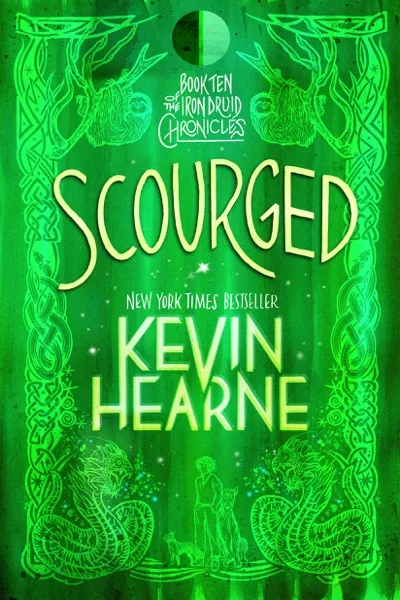

Scourged Author: Kevin HearnePage Count: UnknownPublication Year: 2018-GB In the realm of urban fantasy, few authors have managed to captivate readers with the same level of wit, charm, and unbridled action as Kevin Hearne. His 2018 release, Scourged, is a testament to his mastery of the genre, weaving a complex narrative that delves into the very fabric of mythology and the human condition. On the surface, Scourged appears to be a straightforward tale of magic, mayhem, and monsters. However, as the story unfolds, it becomes clear that Hearne is tackling a far more profound theme: the struggle for identity and belonging in a world where the lines between good and evil are constantly blurred. The protagonist, Atticus O'Sullivan, a 2,000-year-old druid, finds himself at the forefront of a brewing storm that threatens to upend the delicate balance of power in the supernatural world. Hearne's writing style is a character in its own right, effortlessly blending humor, pathos, and action to create a narrative that is both propulsive and deeply engaging. His use of language is economical, yet evocative, conjuring vivid images of the mythological creatures that populate the world of Scourged. From the towering, shapeshifting Fae to the malevolent forces of darkness that seek to destroy the world, Hearne's imagination knows no bounds. One of the standout features of Scourged is its thoughtful exploration of the human condition. Through Atticus's struggles, Hearne raises important questions about the nature of identity, community, and the true meaning of home. As Atticus navigates the treacherous landscape of supernatural politics, he must confront his own sense of self and the values that have guided him for centuries. Throughout the book, Hearne's characters are multidimensional and relatable, with even the most minor players possessing a depth and richness that adds to the overall texture of the narrative. The world-building is meticulous, drawing on a vast array of mythological sources to create a richly detailed and immersive environment. If there's a criticism to be made, it's that Scourged assumes a certain level of familiarity with the larger Iron Druid Chronicles universe. While new readers can certainly jump into the series at this point, they may find themselves struggling to keep up with the complex web of characters and plot threads that Hearne has established over the course of the series. Ultimately, Scourged is a triumph, a book that will appeal to fans of urban fantasy, mythology, and action-packed adventure. With its thoughtful exploration of the human condition, memorable characters, and Hearne's trademark wit, it's a must-read for anyone looking to escape into a richly imagined world. #UrbanFantasy #TheIronDruidChronicles #KevinHearne #Scourged #MythologyInModernFiction #FantasyBookLovers Related InsightsThe Elegance of the Hedgehog Book Review and Summary Kafka on the Shore Book Review and Summary Deal Breaker (Aristocrats of London, #2) Book Review and Summary{ "@context": "https://schema.org", "@type": "FAQPage", "mainEntity": [ { "@type": "Question", "name": "What is the main focus of Scourged Book Review and Summary?", "acceptedAnswer": { "@type": "Answer", "text": "Everything you need to know about Scourged with our detailed review." } }, { "@type": "Question", "name": "Who authored the comprehensive guide on Scourged Book Review and Summary?", "acceptedAnswer": { "@type": "Answer", "text": "This detailed article and its insights were carefully researched and authored by Elena Volkova." } }, { "@type": "Question", "name": "Where can I find more related content about Books?", "acceptedAnswer": { "@type": "Answer", "text": "You can explore more articles, detailed reviews, and similar insights by browsing the Related Insights section at the bottom of this article or visiting our dedicated Books category page." } } ] }
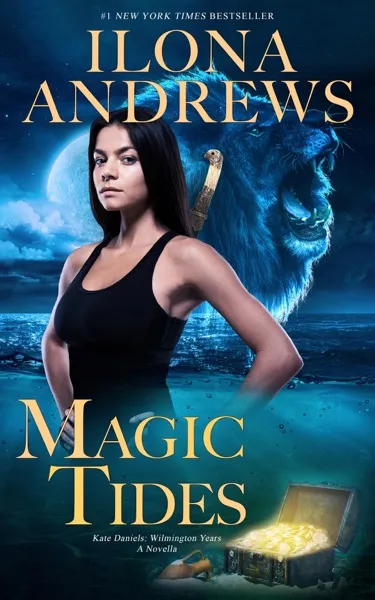

Magic Tides Author: Ilona AndrewsPage Count: UnknownPublication Year: 2023-GB Ilona Andrews’ Magic Tides (2023) arrives like a storm surge—swift, relentless, and impossible to ignore. A global bestseller, the novel cements Andrews’ reputation as a master of genre-blending fantasy, where urban grit meets supernatural intrigue. If you’ve ever craved a story where magic isn’t just an aesthetic but a living, breathing force of chaos, this book delivers. At its core, Magic Tides explores the tension between control and surrender—a theme Andrews wields with surgical precision. The world is one where magic flows like a river, unpredictable and wild, yet some seek to dam it, bottle it, sell it. The story orbits Kate Daniels, the indomitable heroine whose very existence seems tied to this elemental struggle. Kate’s journey isn’t just about fighting foes; it’s about resisting the pull of power that could consume her. Andrews excels at framing magic not as a tool, but as a tide—something you ride or drown in. The metaphor is visceral, the stakes immediate, and the reader is left wondering: when the waters rise, do you learn to swim or build a fortress? Andrews’ prose is electric, crackling with wit and raw energy. She writes like someone who’s spent years dissecting not just myth and legend, but the human psyche under pressure. Her sentences land with the precision of a blade—sharp, clean, and often laced with humor. Dialogue snaps. Emotions pulse. And the action? It’s a ballet of destruction, where supernatural powers collide with the mundane world in ways that feel both fantastical and terrifyingly real. You won’t just read about a fight—you’ll feel the vibrations of every spell, the heat of every clash, the weight of every choice. One of Andrews’ signature strengths is her worldbuilding. The setting of Magic Tides is a near-future Atlanta where magic surges and recedes in unpredictable cycles. Cities rise and fall with the tides of power. Governments crumble when the magic ebbs. Crime syndicates thrive when it floods. Andrews doesn’t just describe this—she immerses you in it. The world feels lived-in, dangerous, and brimming with factions vying for control. It’s a playground for adults who love their fantasy with a side of grit, where every ally could be a traitor and every shadow hides a secret. Kate Daniels herself is a triumph of character construction. Stubborn, deeply loyal, and burdened by a past she can’t outrun, Kate is the kind of protagonist who doesn’t just drive the plot—she drags it forward with sheer force of will. Her relationships—with Curran, her husband; with the people she protects; with the magic that defines her—are rendered with emotional depth that lingers. Andrews doesn’t shy away from showing Kate’s flaws, her doubts, or her moments of vulnerability. It’s this authenticity that makes her victories feel earned, her sacrifices heartbreaking. The plot of Magic Tides unfolds like a hurricane—unpredictable, relentless, and impossible to look away from. There’s political intrigue, supernatural warfare, and a looming threat that could reshape the world. Andrews balances high-stakes action with intimate character moments, ensuring that the reader is never exhausted by spectacle alone. The pacing is relentless, but never rushed. Every twist feels earned, every revelation lands with impact. Andrews’ style is also deeply immersive in its sensory detail. She doesn’t just tell you magic is dangerous—she shows you the scent of ozone before a spell, the sound of bones cracking under supernatural force, the taste of fear in the back of your throat. The prose is lush but never overwrought, rich but never indulgent. It’s a rare gift in fantasy: a book that feels both epic and personal. In an era where fantasy often leans toward either escapism or grit, Magic Tides strikes a perfect balance. It’s intelligent without being pretentious, dangerous without being nihilistic, and emotionally resonant without being maudlin. It’s a story about finding your footing in a world that keeps shifting beneath you—literally and metaphorically. Ilona Andrews doesn’t just write fantasy. She crafts it from raw emotion and elemental power. Magic Tides isn’t just another book in the genre—it’s a statement. A tide, rising. And once it pulls you in, you won’t want to let go. #MagicTides #IlonaAndrews #KateDaniels #UrbanFantasy #SupernaturalThriller #FantasyMustRead Related InsightsReady Player One Book Review and Summary Der ultimative Leitfaden zum Bau eines Custom-PCs: Dein digitales Meisterwerk entsteht Cassini's Mission: A Spacecraft, a Tiny Moon, and the Search for Life Beyond Earth Book Review and Summary{ "@context": "https://schema.org", "@type": "FAQPage", "mainEntity": [ { "@type": "Question", "name": "What is the main focus of Magic Tides Book Review and Summary?", "acceptedAnswer": { "@type": "Answer", "text": "Everything you need to know about Magic Tides with our detailed review." } }, { "@type": "Question", "name": "Who authored the comprehensive guide on Magic Tides Book Review and Summary?", "acceptedAnswer": { "@type": "Answer", "text": "This detailed article and its insights were carefully researched and authored by Beatriz Costa." } }, { "@type": "Question", "name": "Where can I find more related content about Books?", "acceptedAnswer": { "@type": "Answer", "text": "You can explore more articles, detailed reviews, and similar insights by browsing the Related Insights section at the bottom of this article or visiting our dedicated Books category page." } } ] }
-
 Camille Dubois
- 05 Nov, 2025 15:54
Echoes: The Saga Anthology of Ghost Stories Book Review and Summary
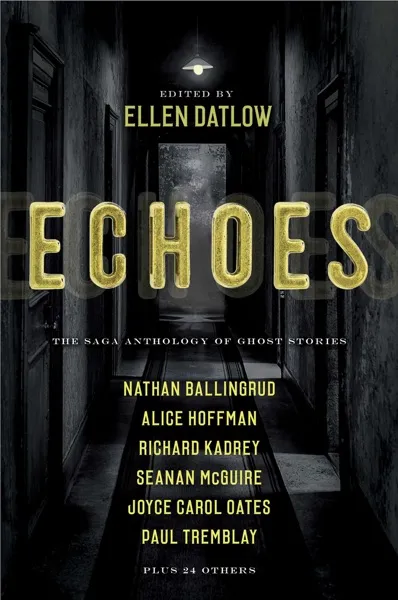
Echoes: The Saga Anthology of Ghost Stories Author: Ellen DatlowPage Count: UnknownPublication Year: 2019-GB Ellen Datlow’s Echoes: The Saga Anthology of Ghost Stories is a masterclass in spectral storytelling, weaving a haunting tapestry of fear, memory, and the uncanny. As one of the most respected editors in speculative fiction, Datlow curates a collection that transcends mere ghost stories, delving into the psychological and emotional depths of what it means to be haunted—not just by spirits, but by the past itself. The anthology is a global odyssey, drawing from diverse voices and traditions to craft a singular, spine-tingling experience that lingers long after the last page. At its core, Echoes explores the theme of haunting as a metaphor for unresolved grief, guilt, and the specters of history. Unlike traditional ghost stories that rely on jump scares or predictable tropes, these tales dissect the quiet dread of being followed by a memory, a regret, or a presence that refuses to fade. The ghosts here are not mere apparitions; they are manifestations of human frailty, of sins left unatoned, of loves that endure beyond the grave. Whether set in a decaying manor, a war-torn village, or a modern apartment, the settings themselves feel like characters—breathing, waiting, and whispering. Datlow’s editorial hand is evident in the anthology’s structure. The stories flow seamlessly, each one a distinct hue in a larger spectrum of fear. The opening tale, The Language of Ghosts by Kai Ashante Wilson, sets a hypnotic tone with its lyrical prose and a ghostly presence tied to language and loss. Wilson’s story is a ghost story in the purest sense: eerie, poetic, and steeped in emotion. By contrast, The Flicker of Light by Tamsyn Muir delivers a darker, more visceral experience, blending gothic horror with sci-fi undertones in a way that feels both fresh and timeless. Muir’s prose is sharp, almost clinical in its precision, yet it crackles with an undercurrent of dread that builds to a devastating conclusion. One of the anthology’s strengths is its global perspective. Datlow casts a wide net, featuring authors from different cultures and backgrounds, each bringing their own cultural ghosts to the table. The House That Moves by Ekaterina Sedia, for instance, draws from Russian folklore, where a home itself becomes a sentient, vengeful entity. Sedia’s writing is rich with atmosphere, evoking the claustrophobic dread of a house that shifts and groans with malice. Meanwhile, The Salt Grows Heavy by Cassandra Khaw reimagines fairy-tale horror with a postmodern twist, where a village is tormented by a mysterious, shape-shifting entity that feeds on suffering. Khaw’s story is grotesque, beautiful, and deeply unsettling—a perfect example of how ghost stories can evolve into something more complex and disturbing. Datlow’s curation ensures that the anthology avoids repetition, both in theme and style. While some stories lean into gothic horror, others flirt with psychological suspense or surrealism. The Dead and the Deep by Alma Katsu is a standout in the latter category, blending maritime horror with cosmic dread. The prose is immersive, the dread palpable, and the payoff chilling. Katsu’s ability to make the sea itself feel like a living, breathing entity is masterful, proving that ghosts need not be human to be terrifying. What makes Echoes particularly compelling is how it subverts expectations. These are not stories where the ghost is easily exorcised or the mystery neatly resolved. Instead, Datlow favors ambiguity, leaving the reader to sit with the unease long after the final sentence. In The Hanging Ball by Lisa Tuttle, a woman investigates her family’s dark past, only to uncover a truth that is as horrifying as it is banal. Tuttle’s story is a quiet tragedy, a ghost story where the real horror lies in the mundane and the irreversible. Datlow’s own voice is felt in the way she balances literary depth with accessibility. The stories in Echoes are not merely clever or atmospheric; they are emotionally resonant. Whether it’s the grief-stricken protagonist of The Visible Filth by Nathan Ballingrud, who confronts a supernatural horror that mirrors his own decay, or the eerie, folkloric dread of The Bone’s Prayer by Caitlín R. Kiernan, the anthology never shies away from the human cost of hauntings. In an era where ghost stories often default to clichés or jump scares, Echoes stands apart. It is a testament to the enduring power of the genre when handled with care and intelligence. Datlow’s anthology is not just a collection of ghost stories; it is a meditation on memory, loss, and the things that refuse to stay buried. For those who believe that the best horror lingers in the mind rather than the gut, Echoes is essential reading. #GhostStories #HorrorAnthology #EllenDatlow #SupernaturalFiction #GothicHorror #HauntingTales Related InsightsFamily Upstairs 2 Book Review and Summary Daisy Book Review and Summary L'Odyssée de l'Âme : Plongée Abyssale dans la Comédie Divine de Dante Alighieri{ "@context": "https://schema.org", "@type": "FAQPage", "mainEntity": [ { "@type": "Question", "name": "What is the main focus of Echoes: The Saga Anthology of Ghost Stories Book Review and Summary?", "acceptedAnswer": { "@type": "Answer", "text": "Everything you need to know about Echoes: The Saga Anthology of Ghost Stories with our detailed review." } }, { "@type": "Question", "name": "Who authored the comprehensive guide on Echoes: The Saga Anthology of Ghost Stories Book Review and Summary?", "acceptedAnswer": { "@type": "Answer", "text": "This detailed article and its insights were carefully researched and authored by Camille Dubois." } }, { "@type": "Question", "name": "Where can I find more related content about Books?", "acceptedAnswer": { "@type": "Answer", "text": "You can explore more articles, detailed reviews, and similar insights by browsing the Related Insights section at the bottom of this article or visiting our dedicated Books category page." } } ] }
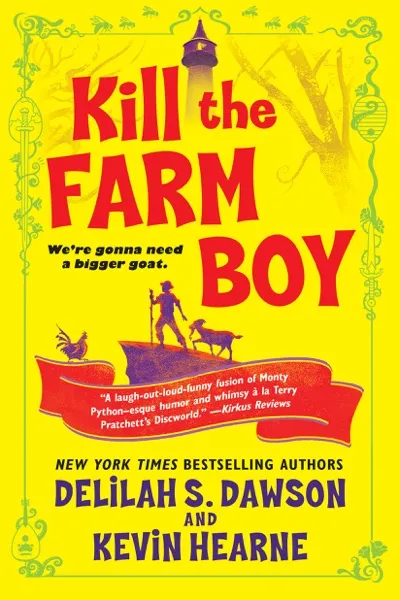

Kill the Farm Boy: The Tales of Pell Author: Kevin HearnePage Count: UnknownPublication Year: 2018-GB Kill the Farm Boy: The Tales of Pell is a wild, irreverent, and wildly entertaining romp through fantasy tropes that gleefully stabs clichés in the back while wearing a party hat and chugging mead. Kevin Hearne, best known for his Iron Druid Chronicles, takes a wrecking ball to traditional fantasy storytelling with a book that feels like a satire written by someone who genuinely loves the genre—think Terry Pratchett meets Robert Jordan, but with more anarchic humor and less brooding. The core theme of Kill the Farm Boy is the subversion of classic fantasy archetypes. Hearne doesn’t just poke fun at the genre’s conventions; he gleefully dismantles them with gleeful abandon. The story follows a group of misfits brought together by destiny (or something like it) after the titular farm boy is mistakenly identified as the prophesied hero meant to defeat the dark lord. The twist? The farm boy is, in fact, utterly useless. He can’t swing a sword, he’s terrified of danger, and his only real talent seems to be getting lost. Meanwhile, the true heroes are the people no one expected: a disgraced knight who can’t remember his own name, a thief with a heart of gold (and a love of shiny objects), a sentient, foul-mouthed horse, and a sorceress who’s more interested in gossip than spells. Hearne’s approach is not merely comedic but deeply humanizing. By stripping away the gloss of heroism, he reveals the absurdity and messiness of fantasy quests. The characters aren’t just parodies; they’re deeply relatable, each grappling with their own insecurities and flaws. The farm boy isn’t just incompetent—he’s painfully aware of it, and his journey isn’t about proving himself but learning to accept his limitations while contributing in unexpected ways. This theme resonates far beyond the pages: in a world obsessed with greatness, Kill the Farm Boy champions the idea that heroism isn’t about being the strongest, smartest, or most destined—it’s about showing up, even when you’re terrified. Hearne’s writing style is a masterclass in tone and voice. His prose is sharp, witty, and brimming with personality. He has a knack for punchy dialogue, especially in his banter between characters. The sentient horse, Pell, steals every scene with his sarcastic, no-nonsense attitude, delivering lines like a stand-up comedian who’s had one too many pints. The humor isn’t just surface-level; it’s layered with clever wordplay and references that reward attentive readers. Yet, beneath the laughs, Hearne weaves in genuine emotional moments, making the stakes feel real despite the absurdity. One of the book’s standout strengths is its pacing. Hearne doesn’t linger too long on any one scene, keeping the energy high and the plot moving. The story unfolds like a series of vignettes, each chapter introducing a new absurdity or twist, from a kingdom ruled by a sentient turnip to a magical artifact that’s less “staff of power” and more “overpriced paperweight.” The world of Pell is a patchwork of delightful weirdness, where magic feels unpredictable and traditions are delightfully nonsensical. Yet, for all its humor, Kill the Farm Boy isn’t without heart. The characters’ relationships feel authentic, built on trust, humor, and mutual respect rather than forced camaraderie. The farm boy’s growth isn’t about becoming a legendary warrior but about finding his place among a found family that values him for who he is, not who he’s supposed to be. It’s a refreshing take in a genre often dominated by chosen ones and destined heroes. Hearne’s love for fantasy shines through, even as he pokes fun at it. This isn’t a book that hates fantasy; it’s a book that loves it enough to play with it, to twist it, and to celebrate it in all its gloriously messy, unpredictable glory. Kill the Farm Boy is proof that genre fiction can be both smart and silly, both heartfelt and hilarious. If you’re a fan of fantasy but tired of the same old tropes, this book will feel like a breath of fresh air. If you love satire but crave substance beneath the jokes, you’ll find it here. And if you just want a rollicking good time with a group of misfits who somehow manage to save the world despite themselves, well, you’re in luck. Kill the Farm Boy is a reminder that sometimes, the best heroes are the ones who never expected to be. #FantasyHumor #LiteraryDeconstruction #SubvertedExpectations #FoundFamilyFantasy #HearneMagic #PellTheHorse Related InsightsA Thousand Mornings Book Review and Summary The Beach Book Review and Summary The Elite Book Review and Summary{ "@context": "https://schema.org", "@type": "FAQPage", "mainEntity": [ { "@type": "Question", "name": "What is the main focus of Kill the Farm Boy: The Tales of Pell Book Review and Summary?", "acceptedAnswer": { "@type": "Answer", "text": "Everything you need to know about Kill the Farm Boy: The Tales of Pell with our detailed review." } }, { "@type": "Question", "name": "Who authored the comprehensive guide on Kill the Farm Boy: The Tales of Pell Book Review and Summary?", "acceptedAnswer": { "@type": "Answer", "text": "This detailed article and its insights were carefully researched and authored by Michael Brown." } }, { "@type": "Question", "name": "Where can I find more related content about Books?", "acceptedAnswer": { "@type": "Answer", "text": "You can explore more articles, detailed reviews, and similar insights by browsing the Related Insights section at the bottom of this article or visiting our dedicated Books category page." } } ] }
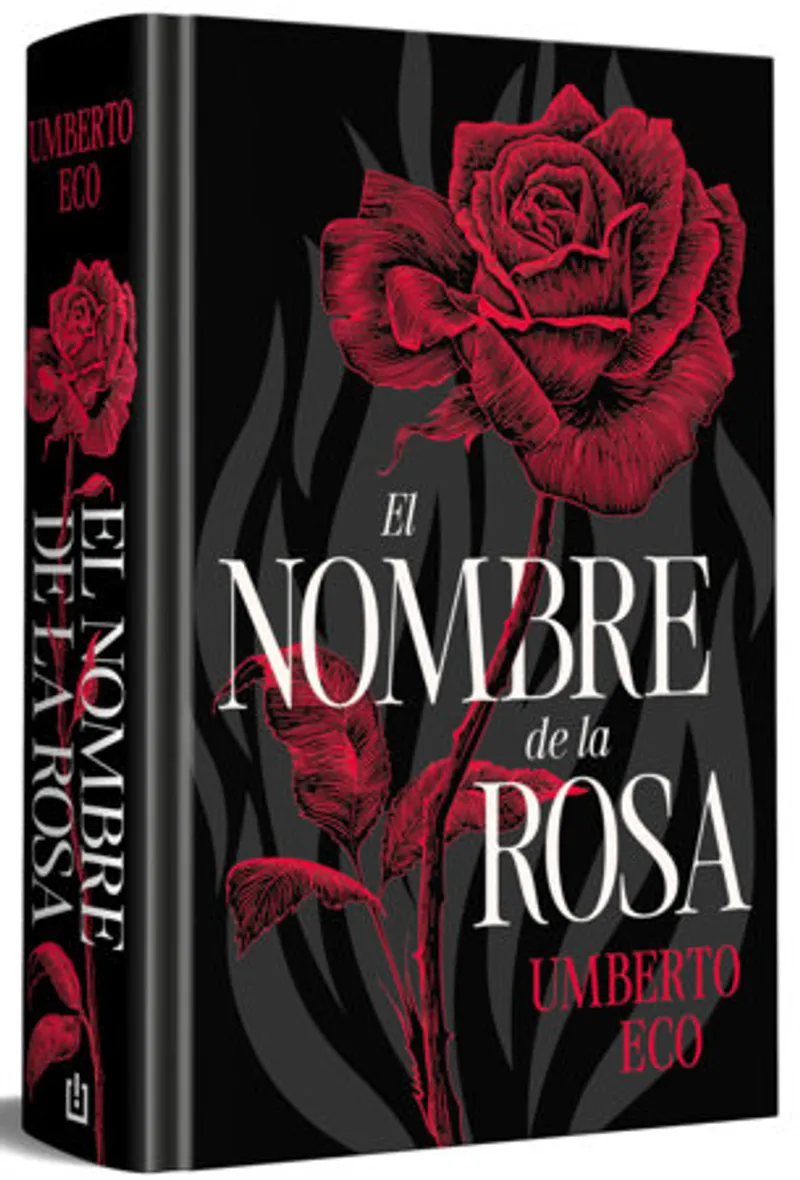
El nombre de la rosa (edición especial en tapa dura) / The Name of the Rose (Special Hardcover Edition) Author: Umberto EcoPage Count: UnknownPublication Date: 2026-PRH In the latest special hardcover edition of Umberto Eco's timeless masterpiece, "The Name of the Rose", readers are once again invited to delve into the intricate world of medieval mystery and philosophical intrigue. This 2026 release promises to enchant both longtime fans and new readers alike, with its thought-provoking themes and captivating narrative. Set in the year 1327, the story unfolds at a Benedictine abbey in Northern Italy, where Franciscan friar William of Baskerville and his young apprentice, Adso of Melk, arrive to attend a theological dispute. However, their presence soon becomes entangled in a web of murder, secrecy, and theological debates. As the mystery deepens, William's exceptional detective skills and Adso's curious nature lead them to unravel a complex tapestry of clues, hidden meanings, and ancient secrets. Eco's writing style is a character in its own right, weaving together historical accuracy, philosophical debates, and literary references with remarkable ease. His prose is as rich as the medieval illuminated manuscripts that play a pivotal role in the narrative. The author's masterful use of language creates a sense of immersion, transporting readers to a bygone era of monasteries, scriptoriums, and theological disputes. At its core, "The Name of the Rose" is a thought-provoking exploration of the tension between faith and reason, as embodied by the contrasting perspectives of the Franciscan and Dominican orders. Eco skillfully navigates the complexities of medieval theology, revealing the deep-seated fears, superstitions, and power struggles that underpinned the era's intellectual and spiritual landscape. Throughout the novel, Eco's characters engage in erudite discussions on the nature of truth, the role of the Church, and the limits of human knowledge. These debates, though rooted in the 14th century, retain remarkable relevance in today's world, where the intersections of faith, science, and politics continue to shape our understanding of reality. The special hardcover edition of "The Name of the Rose" is a testament to the enduring power of Eco's work, which has captivated readers for decades with its unique blend of historical fiction, mystery, and philosophical inquiry. This new release is a must-read for fans of literary fiction, historical mysteries, and anyone drawn to the intricate dance of ideas and ideologies that defined the medieval era. #TheNameOfTheRose #UmbertoEco #MedievalMystery #HistoricalFiction #PhilosophicalThriller #LiteraryMasterpiece Related InsightsHer Kind Book Review and Summary The Hope Effect: The Science of Healing, Achieving, and Breaking Through Book Review and Summary The God of Small Things Book Review and Summary{ "@context": "https://schema.org", "@type": "FAQPage", "mainEntity": [ { "@type": "Question", "name": "What is the main focus of The Name of the Rose Book Review and Summary?", "acceptedAnswer": { "@type": "Answer", "text": "Everything you need to know about The Name of the Rose with our detailed review." } }, { "@type": "Question", "name": "Who authored the comprehensive guide on The Name of the Rose Book Review and Summary?", "acceptedAnswer": { "@type": "Answer", "text": "This detailed article and its insights were carefully researched and authored by Umberto Eco." } }, { "@type": "Question", "name": "Where can I find more related content about Books?", "acceptedAnswer": { "@type": "Answer", "text": "You can explore more articles, detailed reviews, and similar insights by browsing the Related Insights section at the bottom of this article or visiting our dedicated Books category page." } } ] }
-
 William Clark
- 04 Nov, 2025 09:40
Positively Green Greeting Cards: Birthday - There will be many loving thoughts (Pack of 6) Book Review and Summary
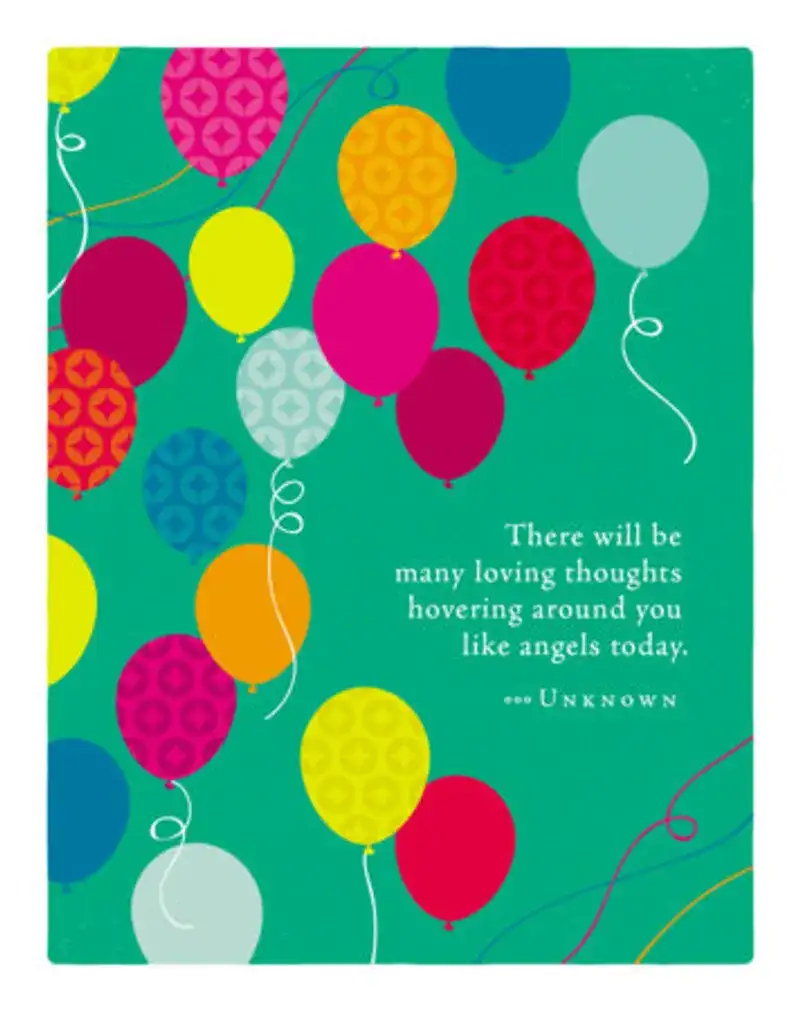
Positively Green Greeting Cards: Birthday - There will be many loving thoughts (Pack of 6) Author: COMPENDIUMPage Count: UnknownPublication Date: 2019-PRH Positively Green Greeting Cards: Birthday - There will be many loving thoughts (Pack of 6) by Compendium is a delightful and thoughtful collection that brings warmth and sincerity to the art of gift-giving. In a world where digital messages often replace heartfelt sentiments, these greeting cards stand out as a tangible celebration of genuine emotion. The collection’s theme—“There will be many loving thoughts”—reflects a gentle, optimistic spirit that resonates deeply with anyone who values meaningful connection. At first glance, the cards appear deceptively simple. Their design is clean, with a muted sage green palette that feels fresh and calming, avoiding the clichés of overly bright or garish birthday cards. The cover of each card features a minimalist botanical illustration—a sprig of leaves, a delicate flower, or a branch with berries—paired with the reassuring message in soft, elegant typography. This understated aesthetic speaks volumes about the collection’s intention: to convey warmth without overwhelming the recipient. It’s a refreshing approach in a market where many greeting cards lean toward garish colors or forced humor. Here, sophistication meets sincerity. The content of the cards is equally thoughtful. The messages are short, poetic, and deeply personal, avoiding the overused phrases we’ve all come to expect. Instead of generic “Happy Birthday” declarations, each card offers a unique reflection on love, thoughtfulness, and connection. For example, one card reads, “Wishing you a birthday filled with love, laughter, and all the things that make your heart sing.” Another offers, “May your special day be surrounded by warm wishes and joyful hearts.” These aren’t just sentences on paper—they’re invitations to pause, reflect, and feel seen. What makes this collection truly special is its consistency. Each of the six cards maintains the same tone and aesthetic, making the pack cohesive and thoughtful to gift. Whether you’re selecting one card for a close friend or giving the entire set to a loved one, you’re providing a small but meaningful gesture that feels intentional. It’s clear that Compendium has put care into every detail, from the choice of paper to the spacing of the text, ensuring the cards feel as good in the hand as they do in spirit. The author’s style—though not explicitly named as an individual—is evident through the collection’s editorial precision. Compendium, known for curating thoughtful stationery and gift items, has crafted a series that feels both timeless and modern. The language is inclusive and uplifting, avoiding gendered or age-specific phrasing, which broadens the cards’ appeal. This inclusivity makes them suitable for a wide range of recipients, from grandparents to coworkers, and from close friends to new acquaintances. One of the most impressive aspects of Positively Green Greeting Cards is its ability to evoke emotion without being saccharine. There’s a gentle optimism in these messages that feels authentic, not forced. In an era where many greeting cards rely on sarcasm, pop culture references, or hollow optimism, this collection offers something rare: true warmth. The design and text work in harmony to create cards that feel like a hug in paper form—subtle, sincere, and full of care. For those who appreciate the art of correspondence, these cards are a breath of fresh air. They invite the sender to choose thoughtfully rather than defaulting to the nearest convenience store card rack. The act of selecting one of these cards becomes a small act of mindfulness, a moment to consider what the recipient truly deserves to hear. While the book itself doesn’t have a traditional narrative arc (as it’s a pack of cards), its “story” is told through the emotional resonance of its messages. Each card stands alone but also contributes to a larger theme of connection and celebration. It’s a reminder that even in the busiest of lives, taking the time to communicate with sincerity matters. In conclusion, Positively Green Greeting Cards is more than just a pack of birthday cards—it’s a celebration of human connection. Compendium has succeeded in creating a collection that feels both personal and universal, elegant and accessible. These cards are perfect for anyone who values the beauty of a handwritten note, the power of a kind word, and the joy of giving something that truly matters. #BirthdayCards #EcoFriendlyGreetings #ThoughtfulGifting #SustainableStationery #MindfulLiving #GenuineConnection Related Insights1Q84 Book Review and Summary Take My Word for It: A Memoir Book Review and Summary Dark Lover Book Review and Summary{ "@context": "https://schema.org", "@type": "FAQPage", "mainEntity": [ { "@type": "Question", "name": "What is the main focus of Positively Green Greeting Cards: Birthday - There will be many loving thoughts (Pack of 6) Book Review and Summary?", "acceptedAnswer": { "@type": "Answer", "text": "Everything you need to know about Positively Green Greeting Cards: Birthday - There will be many loving thoughts (Pack of 6) with our detailed review." } }, { "@type": "Question", "name": "Who authored the comprehensive guide on Positively Green Greeting Cards: Birthday - There will be many loving thoughts (Pack of 6) Book Review and Summary?", "acceptedAnswer": { "@type": "Answer", "text": "This detailed article and its insights were carefully researched and authored by William Clark." } }, { "@type": "Question", "name": "Where can I find more related content about Books?", "acceptedAnswer": { "@type": "Answer", "text": "You can explore more articles, detailed reviews, and similar insights by browsing the Related Insights section at the bottom of this article or visiting our dedicated Books category page." } } ] }
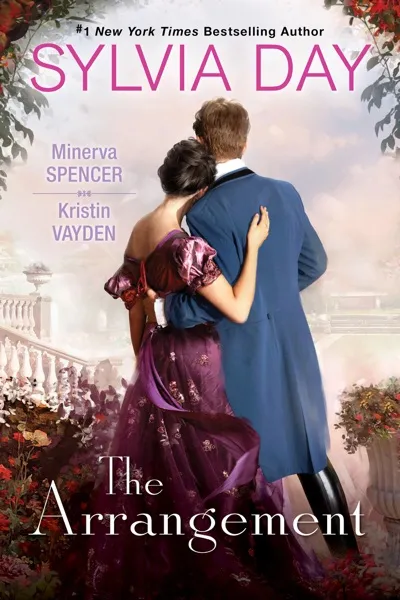

The arrangement Author: Sylvia DayPage Count: UnknownPublication Year: 2020-GB In "The Arrangement" by Sylvia Day, the acclaimed author delves into the complexities of human relationships, desire, and the intricacies of the human heart. This global bestseller, published in 2020, is a thought-provoking and emotionally charged novel that explores the themes of love, intimacy, and the blurred lines between right and wrong. The story follows the lives of its characters as they navigate the treacherous waters of their own desires, often finding themselves entangled in a web of secrets, lies, and hidden agendas. Day masterfully weaves a narrative that is both poignant and provocative, raising questions about the nature of relationships, the consequences of our actions, and the true meaning of love. One of the standout aspects of "The Arrangement" is Day's writing style, which is both evocative and visceral. Her prose is lyrical and engaging, drawing the reader into the world of her characters with ease. The author's use of language is deliberate and precise, conveying the complexities of human emotion with a depth and nuance that is both impressive and moving. Throughout the novel, Day explores the tension between desire and intimacy, highlighting the ways in which our deepest longings can often be at odds with our need for connection and understanding. The characters in "The Arrangement" are multidimensional and relatable, each with their own unique struggles and conflicts that drive the narrative forward. What sets "The Arrangement" apart from other novels in the genre is its unflinching examination of the human condition. Day tackles difficult themes with sensitivity and honesty, never shying away from the complexities and challenges of real-life relationships. The result is a novel that is both deeply personal and universally relatable, speaking to the hopes, fears, and desires that we all share. In short, "The Arrangement" is a masterful exploration of the human heart, a novel that will resonate with readers long after they finish the final page. With its thought-provoking themes, complex characters, and evocative prose, this book is a must-read for anyone interested in exploring the intricacies of human relationships. #TheArrangement #SylviaDay #EroticRomance #RelationshipGoals #LoveAndDesire #ComplexHumanEmotions Related InsightsThe Quiet American Book Review and Summary A Portrait of the Artist as a Young Man Book Review and Summary El problema de los tres cuerpos (Edición ilustrada) / The Three-Body Problem (Illustrated Edition) Book Review and Summary{ "@context": "https://schema.org", "@type": "FAQPage", "mainEntity": [ { "@type": "Question", "name": "What is the main focus of The arrangement Book Review and Summary?", "acceptedAnswer": { "@type": "Answer", "text": "Everything you need to know about The arrangement with our detailed review." } }, { "@type": "Question", "name": "Who authored the comprehensive guide on The arrangement Book Review and Summary?", "acceptedAnswer": { "@type": "Answer", "text": "This detailed article and its insights were carefully researched and authored by Marco Conti." } }, { "@type": "Question", "name": "Where can I find more related content about Books?", "acceptedAnswer": { "@type": "Answer", "text": "You can explore more articles, detailed reviews, and similar insights by browsing the Related Insights section at the bottom of this article or visiting our dedicated Books category page." } } ] }
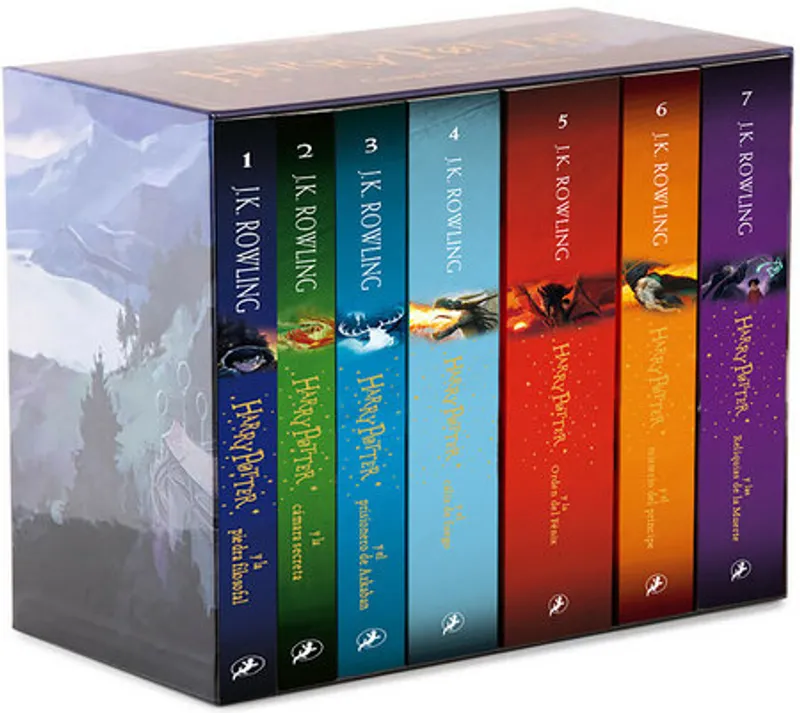
Caja Harry Potter - La serie completa / Harry Potter Paperback Boxed Set: Books 1-7 Author: J.K. RowlingPage Count: UnknownPublication Date: 2023-PRH J.K. Rowling’s Harry Potter Paperback Boxed Set is more than a collection of books—it’s a literary phenomenon that redefined modern fantasy. Spanning seven volumes, this saga transcends its genre to become a cultural touchstone, blending adventure, friendship, and the eternal battle between good and evil. At its core, the series explores the power of choice, the resilience of the human spirit, and the idea that heroism isn’t about being flawless but about standing up when it matters most. Rowling’s genius lies in her ability to craft a world that feels both vast and intimate. Hogwarts isn’t just a school; it’s a character in itself—a labyrinth of secrets, rivalries, and magic that mirrors the complexities of adolescence. From the cobblestone streets of Diagon Alley to the whispering forests of the Forbidden Forest, every location is vividly realized, inviting readers to lose themselves in its pages. The magic system, too, is meticulously designed, balancing rules and unpredictability in a way that feels organic rather than contrived. What sets Harry Potter apart is its emotional depth. Rowling doesn’t shy away from darkness—death, betrayal, and prejudice are recurring themes, grounding the story in a realism that resonates with readers of all ages. Harry’s journey from a mistreated orphan to a reluctant hero is a masterclass in character development. His flaws—his impulsiveness, his occasional arrogance—make him relatable, while his unwavering loyalty to his friends underscores the series’ moral compass. Ron and Hermione, too, are more than sidekicks; they are essential counterpoints to Harry’s journey, each bringing their own strengths and vulnerabilities to the table. Rowling’s prose is deceptively simple, yet it carries a lyrical quality that elevates the storytelling. Her descriptions are rich without being overwrought, and her dialogue crackles with wit and authenticity. The humor—often found in the banter between Harry, Ron, and Hermione—serves as a counterbalance to the darker moments, making the emotional beats hit even harder. Even minor characters, like the eccentric Professor Lupin or the enigmatic Severus Snape, are imbued with such depth that they linger in the reader’s mind long after the book is closed. The themes of the series are timeless. The struggle against tyranny, the importance of love and sacrifice, and the idea that evil can be overcome through courage and unity are woven seamlessly into the narrative. Voldemort, as a villain, is chillingly effective—not just because of his power, but because of his ideology. He represents the dangers of pureblood supremacy and the corruption of absolute power, themes that resonate in any era. Yet, the series never preaches; it lets the story and characters convey its messages, making them all the more impactful. The boxed set itself is a treasure for fans and newcomers alike. The paperback editions are durable and well-designed, making them perfect for repeated readings. Whether you’re revisiting the series or experiencing it for the first time, the collection offers a complete, immersive journey from the first flicker of the Sorting Hat to the final, bittersweet battle at Hogwarts. In an age where fantasy often leans toward sprawling, convoluted worlds, Harry Potter stands out for its clarity and heart. It’s a story that reminds us that magic isn’t just about spells and potions—it’s about the choices we make and the people we choose to stand beside. Rowling’s masterpiece is a testament to the power of storytelling, a saga that continues to captivate millions because, at its heart, it’s about the universal human experience: growing up, facing fears, and finding the strength to keep going, even when the world seems darkest. #HarryPotter #MagicAndMystery #WizardingWorld #JKRowling #FantasySaga #BooksThatChangedEverything Related InsightsCozy Little Christmas Book Review and Summary Yellowface Book Review and Summary Bravely Book Review and Summary{ "@context": "https://schema.org", "@type": "FAQPage", "mainEntity": [ { "@type": "Question", "name": "What is the main focus of Harry Potter Series Box Set Book Review and Summary?", "acceptedAnswer": { "@type": "Answer", "text": "Everything you need to know about Harry Potter Series Box Set with our detailed review." } }, { "@type": "Question", "name": "Who authored the comprehensive guide on Harry Potter Series Box Set Book Review and Summary?", "acceptedAnswer": { "@type": "Answer", "text": "This detailed article and its insights were carefully researched and authored by J.K. Rowling." } }, { "@type": "Question", "name": "Where can I find more related content about Books?", "acceptedAnswer": { "@type": "Answer", "text": "You can explore more articles, detailed reviews, and similar insights by browsing the Related Insights section at the bottom of this article or visiting our dedicated Books category page." } } ] }
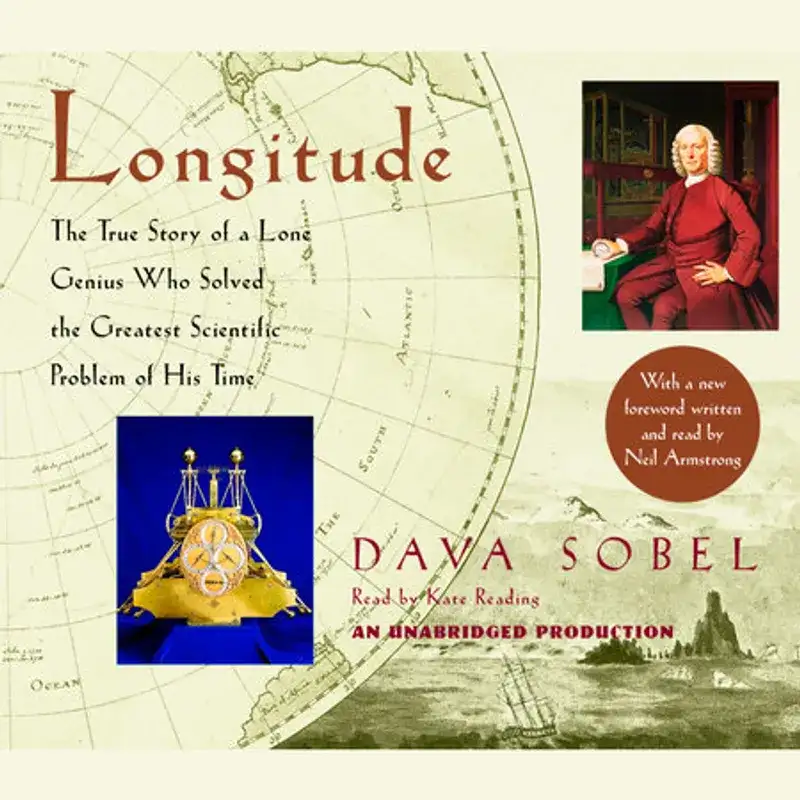
Longitude Author: Dava SobelPage Count: UnknownPublication Date: 2005-PRH Dava Sobel’s Longitude is a masterclass in narrative nonfiction—an exhilarating blend of science, history, and human drama that reads like a high-stakes thriller. First published in 1995 and later expanded in 2005, this slim yet monumental book tackles a deceptively simple question: How do you find your way when the sea has no landmarks? Sobel’s answer is not just a tale of navigation but a gripping odyssey of obsession, ingenuity, and the clash between tradition and innovation. At its core, Longitude is the story of a scientific revolution disguised as a quest for survival. For centuries, sailors could pinpoint their latitude with ease—by measuring the angle of the sun or stars—but longitude remained an unsolvable riddle. Without it, ships drifted blindly, leading to catastrophic shipwrecks, lost fortunes, and even naval defeats. The problem was so dire that in 1714, Britain’s Parliament offered the largest prize in history—a staggering £20,000 (millions today)—to anyone who could solve it. The scientific elite, from Galileo to Newton, bet on celestial solutions: tracking the movement of the moon against star charts or using Jupiter’s moons as a cosmic clock. But their methods were fragile, dependent on clear skies and flawless calculations. Enter John Harrison, a self-taught clockmaker from rural England, who dared to propose a radical alternative: a timepiece that could keep perfect time at sea, where swings in temperature, moisture, and motion would destroy ordinary clocks. Sobel’s genius lies in transforming this technical battle into a human saga. Harrison, a working-class outsider in a world dominated by aristocratic scientists, is a figure straight out of Dickens—a stubborn, meticulous genius whose life’s work becomes a decades-long fight against institutional inertia. The book crackles with tension as Harrison, already in his sixties when the contest begins, battles the scientific establishment led by the smug, dismissive Astronomer Royal, Nevil Maskelyne. Maskelyne, a man of rigid orthodoxy, represents the old guard, clinging to the heavens as the sole solution, while Harrison’s clocks—especially his H4, a pocket-watch-sized marvel—offer a practical, earthbound alternative. Sobel vividly portrays the politics of science: the backroom deals, the petty jealousies, and the outright sabotage Harrison endures. Even after his clocks prove their worth, the Board of Longitude resists paying him the full reward, forcing him into a Kafkaesque legal battle that lasts until his death. What makes Longitude so compelling is Sobel’s ability to make complex science accessible without dumbing it down. She distills the mechanics of Harrison’s clocks—with their ingenious balance wheels, temperature-compensating rods, and friction-reducing escapements—into clear, almost poetic explanations. Yet the book never feels like a textbook. Instead, it’s a detective story where every clue matters, where the ticking of a clock becomes a lifeline. Sobel’s prose is elegant and uncluttered, her pacing relentless. She moves seamlessly between the macro—the geopolitical stakes of global trade—and the micro—the sweat and frustration of a craftsman refining his inventions in a cluttered workshop. The book’s emotional core is Harrison himself, a man whose dedication borders on the pathological. Sobel doesn’t shy away from his flaws—his prickly temperament, his reluctance to share his designs—but she portrays him as a visionary whose work would save countless lives. His story is a reminder that progress is rarely neat or fair; it’s a messy, human endeavor where persistence often matters more than pedigree. The contrast between Harrison’s humble background and the elite scientists who dismiss him adds a layer of social critique, making Longitude as much about class and power as it is about science. Sobel also excels in painting the broader context. She evokes the age of exploration with all its wonder and terror—the vast, uncharted oceans, the terror of being lost, the desperation of nations vying for dominance. The book is a testament to how a single, seemingly narrow problem can ripple across history. The solution to the longitude dilemma didn’t just save ships; it enabled the British Empire’s global reach, reshaped cartography, and even influenced the Industrial Revolution by proving that precision engineering could conquer nature’s chaos. Longitude is more than a history book; it’s a celebration of curiosity and the underdog. It reminds us that the greatest breakthroughs often come from those who refuse to accept the obvious. Sobel’s storytelling turns a dry historical footnote into a page-turner, proving that science is at its most thrilling when it’s a fight against the unknown. By the final pages, you’ll never look at a clock—or the sea—the same way again. #Longitude #HistoryOfScience #JohnHarrison #MaritimeHistory #ScientificRevolution #Navigation Related InsightsThief of Night Book Review and Summary The Rust Forest: A Thriller (The Asker Series) Book Review and Summary The Princess Bride Book Review and Summary{ "@context": "https://schema.org", "@type": "FAQPage", "mainEntity": [ { "@type": "Question", "name": "What is the main focus of Longitude Book Review and Summary?", "acceptedAnswer": { "@type": "Answer", "text": "Everything you need to know about Longitude with our detailed review." } }, { "@type": "Question", "name": "Who authored the comprehensive guide on Longitude Book Review and Summary?", "acceptedAnswer": { "@type": "Answer", "text": "This detailed article and its insights were carefully researched and authored by Natalia Sokolova." } }, { "@type": "Question", "name": "Where can I find more related content about Books?", "acceptedAnswer": { "@type": "Answer", "text": "You can explore more articles, detailed reviews, and similar insights by browsing the Related Insights section at the bottom of this article or visiting our dedicated Books category page." } } ] }
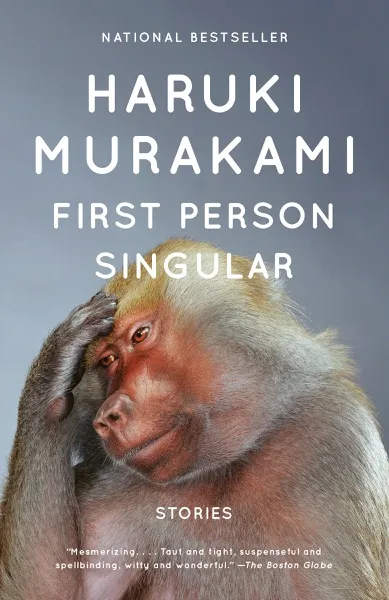

First Person Singular Author: 村上春樹Page Count: UnknownPublication Year: 2021-GB First Person Singular, the latest offering from the revered Japanese author Haruki Murakami, is a mesmerizing collection of short stories that delve into the intricacies of the human experience. Published in 2021, this book has already garnered widespread acclaim, solidifying Murakami's position as a masterful storyteller. As with his previous works, Murakami's unique narrative style and philosophical insights continue to captivate readers, making First Person Singular a must-read for fans and newcomers alike. One of the primary themes that permeate this collection is the concept of identity and the blurred lines between reality and fiction. Murakami's characters often find themselves navigating labyrinthine worlds, where the distinctions between their inner lives and the external world become increasingly ambiguous. This exploration of the self is a hallmark of Murakami's writing, and in First Person Singular, he probes the depths of human consciousness with his characteristic nuance and sensitivity. Murakami's prose is, as always, a joy to read. His writing is akin to a gentle breeze on a summer's day, soothing and calming, yet simultaneously capable of conjuring powerful emotional responses. His use of language is economical, yet evocative, and his ability to craft compelling narratives is unparalleled. Each story in First Person Singular is a masterclass in storytelling, with Murakami expertly weaving together elements of mystery, philosophy, and psychological insight to create a rich tapestry of human experience. One of the most striking aspects of Murakami's writing is his ability to balance the surreal and the mundane. His stories often feature characters who are ordinary, yet extraordinary, and the events that unfold are both fantastical and grounded in reality. This blend of the surreal and the everyday creates a sense of uncertainty, leaving the reader questioning what is real and what is imagined. This uncertainty is a deliberate choice, one that reflects the complexities and ambiguities of human existence. Throughout First Person Singular, Murakami's characters grapple with fundamental questions about the nature of reality, identity, and human connection. They are often isolated, disconnected from the world around them, and struggling to find meaning in a seemingly meaningless world. Yet, despite this sense of disconnection, Murakami's characters are deeply relatable, and their struggles and triumphs are deeply affecting. In many ways, First Person Singular can be seen as a reflection of our current times. The stories are infused with a sense of melancholy and nostalgia, a longing for a past that is lost, and a uncertainty about the future. This sense of disorientation is a hallmark of our modern world, where the old certainties are crumbling, and the new realities are still taking shape. Murakami's writing offers a powerful antidote to this sense of disorientation, providing a profound and moving exploration of the human condition. In conclusion, First Person Singular is a triumph, a collection of stories that showcases Murakami's unique vision and mastery of the short story form. With its exploration of identity, reality, and human connection, this book is a must-read for anyone interested in literary fiction. Murakami's writing is, as always, a joy to read, and his ability to balance the surreal and the mundane creates a sense of uncertainty that is both unsettling and profound. #HarukiMurakami #FirstPersonSingular #JapaneseLiterature #MagicalRealism #LiteraryFiction #BookLovers Related InsightsL'Odyssée de l'Âme : Plongée Abyssale dans la Comédie Divine de Dante Alighieri Truth to Power: A Luke Cage Marvel Crime Novel Book Review and Summary Defy the Dusk (The Sundering Duet, #1) Book Review and Summary{ "@context": "https://schema.org", "@type": "FAQPage", "mainEntity": [ { "@type": "Question", "name": "What is the main focus of First Person Singular Book Review and Summary?", "acceptedAnswer": { "@type": "Answer", "text": "Everything you need to know about First Person Singular with our detailed review." } }, { "@type": "Question", "name": "Who authored the comprehensive guide on First Person Singular Book Review and Summary?", "acceptedAnswer": { "@type": "Answer", "text": "This detailed article and its insights were carefully researched and authored by Marta Wisniewska." } }, { "@type": "Question", "name": "Where can I find more related content about Books?", "acceptedAnswer": { "@type": "Answer", "text": "You can explore more articles, detailed reviews, and similar insights by browsing the Related Insights section at the bottom of this article or visiting our dedicated Books category page." } } ] }
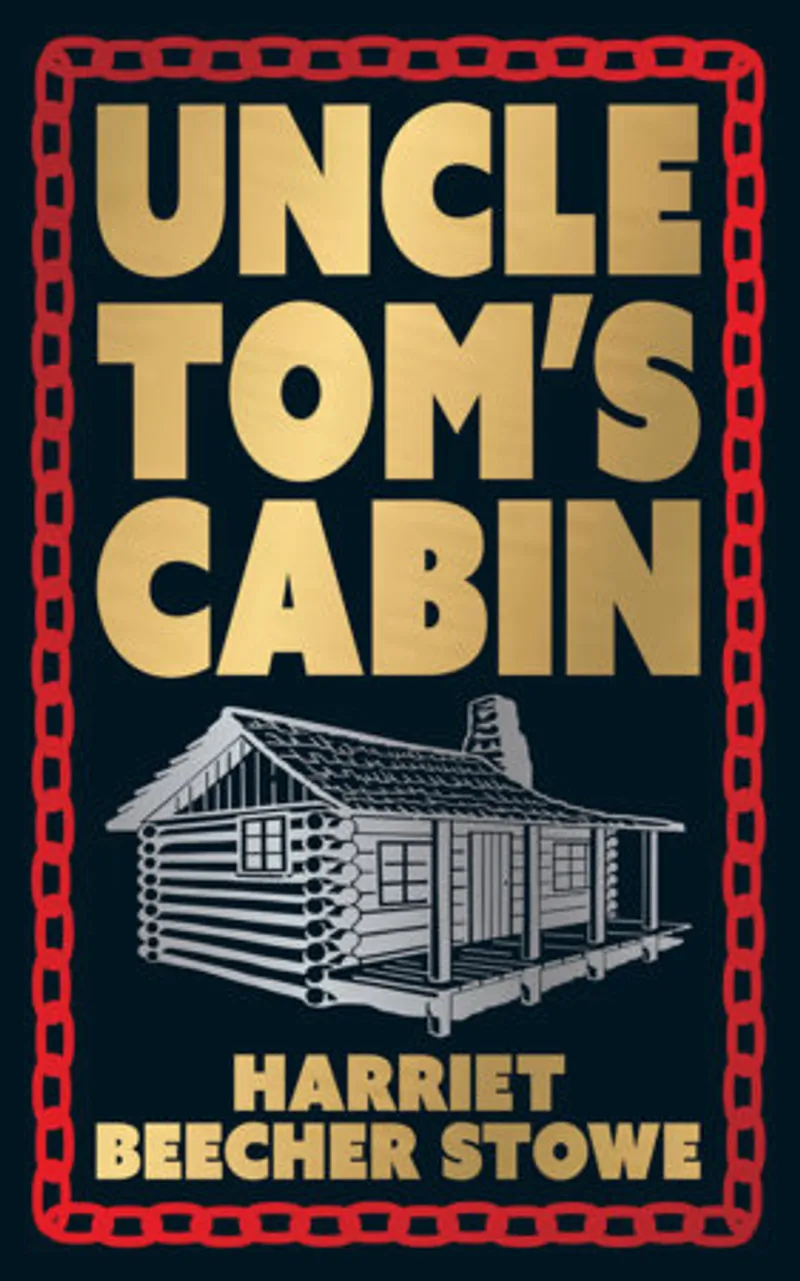
Uncle Tom's Cabin (Deluxe Hardbound Edition) Author: Harriet Beecher StowePage Count: UnknownPublication Date: 2024-PRH Uncle Tom's Cabin, a masterpiece of American literature, has been reimagined in a stunning Deluxe Hardbound Edition, reinvigorating the timeless classic for a new generation of readers. Penned by the trailblazing author Harriet Beecher Stowe, this 2024 publication is a testament to the enduring power of Stowe's writing, which continues to captivate audiences with its unflinching portrayal of the darkest aspects of human nature. At its core, Uncle Tom's Cabin is a scathing indictment of the institution of slavery, which Stowe tackles with unbridled passion and conviction. Through the eyes of the titular character, Uncle Tom, a long-suffering slave whose unwavering faith and dignity in the face of unimaginable cruelty inspire both admiration and outrage, Stowe exposes the brutal realities of a system that reduces human beings to mere commodities. With unflinching candor, she lays bare the dehumanizing effects of slavery, from the callous disregard for human life to the morally corrosive influence it exerts on even the most well-intentioned individuals. Stowe's masterful storytelling is a hallmark of the novel, as she weaves a complex tapestry of characters that defy simplistic categorization. From the saintly Uncle Tom to the demonic Simon Legree, each character is multidimensional and nuanced, embodying the messy contradictions of human nature. Her writing is both evocative and accessible, conjuring vivid images of the antebellum South while never shying away from the harsh realities of slavery. One of the most striking aspects of Stowe's style is her use of sentimentality, which she wields with precision to evoke powerful emotional responses from her readers. Her portrayal of the heartbreaking separations of slave families, the brutal whippings, and the quiet moments of resilience in the face of unimaginable oppression is nothing short of masterful. Stowe's writing is a testament to the transformative power of empathy, urging readers to confront the darkest aspects of their own humanity and to acknowledge the inherent dignity of all individuals. The Deluxe Hardbound Edition of Uncle Tom's Cabin is a beautiful tribute to Stowe's enduring legacy, presenting the classic novel in a stunning new package that is sure to delight both longtime fans and new readers. With its elegant design and premium binding, this edition is a must-have for anyone who cherishes the art of fine bookmaking. In conclusion, Uncle Tom's Cabin remains a searing indictment of slavery and a powerful exploration of the human condition. Harriet Beecher Stowe's masterful storytelling, coupled with her unflinching portrayal of the darkest aspects of human nature, makes this novel an essential read for anyone interested in American literature, history, or social justice. This Deluxe Hardbound Edition is a beautiful tribute to Stowe's enduring legacy, and a testament to the timeless power of her writing. #UncleTomsCabin #HarrietBeecherStowe #AmericanLiterature #SlaveryAndFreedom #ClassicNovels #SocialJustice Related InsightsIn a Holidaze Book Review and Summary Confessions of a Shopaholic Book Review and Summary Blasting Through Blocks: An Artist's Way Guide to Unleashing Your Inner Creativity Book Review and Summary{ "@context": "https://schema.org", "@type": "FAQPage", "mainEntity": [ { "@type": "Question", "name": "What is the main focus of Uncle Tom’s Cabin Book Review and Summary?", "acceptedAnswer": { "@type": "Answer", "text": "Everything you need to know about Uncle Tom’s Cabin with our detailed review." } }, { "@type": "Question", "name": "Who authored the comprehensive guide on Uncle Tom’s Cabin Book Review and Summary?", "acceptedAnswer": { "@type": "Answer", "text": "This detailed article and its insights were carefully researched and authored by Harriet Beecher Stowe." } }, { "@type": "Question", "name": "Where can I find more related content about Books?", "acceptedAnswer": { "@type": "Answer", "text": "You can explore more articles, detailed reviews, and similar insights by browsing the Related Insights section at the bottom of this article or visiting our dedicated Books category page." } } ] }

Peterborough Chronicle, Volume 1 Author: Bernard J. MuirPage Count: UnknownPublication Year: 2022-GB Peterborough Chronicle, Volume 1: A Masterful Blend of History and Narrative Bernard J. Muir’s Peterborough Chronicle, Volume 1 is not just another historical text—it is a meticulously crafted bridge between past and present, a work that breathes life into medieval annals with scholarly precision and narrative flair. As the first volume in what promises to be a landmark series, Muir’s edition of this Anglo-Saxon chronicle transcends mere translation, offering readers an immersive journey into the turbulent, fascinating world of 11th-century England. With its rigorous scholarship and engaging prose, this book is a triumph for both academic historians and general readers hungry for vivid, well-told history. The Peterborough Chronicle—part of the larger corpus of Anglo-Saxon Chronicles—is one of the most significant surviving manuscripts of its kind. Unlike other versions, which were often compiled and copied in monastic scriptoria, the Peterborough Chronicle was actively maintained by its scribes over generations, making it a rare, living document that evolves alongside the events it records. Muir’s edition does more than present the text; it contextualizes it, allowing the chronicle’s voice to emerge as a dynamic participant in history rather than a static relic. Through his careful selection of excerpts, explanatory notes, and thematic framing, Muir transforms what could be a dry, chronological list of events into a gripping narrative of power, faith, and survival. At the heart of Muir’s work is the chronicle’s most distinctive feature: its personal, almost conversational tone. The Peterborough scribes, particularly the later ones who took over in the 12th century, infused their entries with a sense of immediacy, frustration, and even humor. Muir capitalizes on this by presenting the text in a way that highlights these human touches—whether it’s the scribe’s exasperation at a corrupt abbot, his joy at a bountiful harvest, or his bitter commentary on the Norman Conquest. This editorial approach makes the chronicle feel less like an ancient manuscript and more like a diary written by someone you’d actually want to sit down with in a medieval tavern. Muir’s genius lies in preserving that authenticity while making it accessible to modern audiences. Muir’s style is both erudite and unpretentious, a rare combination in historical scholarship. He avoids the pitfalls of either oversimplifying complex historical contexts or drowning readers in impenetrable academic jargon. Instead, his introductions to each section are concise yet insightful, providing just enough background to orient readers without overwhelming them. His footnotes are equally well-judged—informative when necessary but never intrusive. This balance ensures that the chronicle itself remains the star of the show, while Muir’s editorial hand remains invisible yet indispensable. One of the most compelling aspects of this volume is its exploration of the intersection between church and state in medieval England. The Peterborough Chronicle is, at its core, a monastic text, written by and for men of the cloth, yet it documents the brutal realities of political upheaval, Viking raids, and the Norman takeover. Muir draws out these tensions beautifully, showing how the scribes’ religious worldview shaped their perceptions of events while still allowing their personal opinions to shine through. For example, the chronicler’s lament over the destruction of Peterborough Abbey by Hereward the Wake is not just a record of violence—it’s a deeply felt cry of loss, imbued with the scribes’ sense of divine order and their own powerlessness. Muir’s commentary helps readers understand how these perspectives were formed, making the text feel like a window into the medieval mind. Another standout feature of Muir’s edition is his attention to the materiality of the manuscript. The Peterborough Chronicle survives in a single, heavily damaged volume, its pages scarred by time and neglect. Muir doesn’t shy away from discussing the physical aspects of the text—the ink, the handwriting, the erasures and corrections—because these details reveal as much about the chronicle’s history as the words themselves. This focus on the artifact as a living thing adds another layer of depth to the reading experience, reminding us that history is not just about dates and deeds but about the fragile, stubborn persistence of human voices across centuries. For readers unfamiliar with Anglo-Saxon chronicles, Muir provides a gentle but thorough introduction, ensuring that even novices can appreciate the significance of the text. His decision to include both the original Old English passages and modern translations is particularly helpful, allowing those with linguistic curiosity to compare the two while still enjoying the narrative flow. The translations themselves are fluid and natural, avoiding the stiltedness that often plagues translations of medieval texts. This makes the chronicle feel alive in a way that few other editions manage. Peterborough Chronicle, Volume 1 is more than a scholarly edition—it’s an invitation to witness history as it was lived, argued, and remembered. Bernard J. Muir has crafted a work that honors the past while making it urgently relevant today. Whether you’re a historian, a student of medieval literature, or simply someone who loves a good story, this book will captivate you from the first page to the last. #MedievalHistory #AngloSaxonChronicle #PeterboroughChronicle #BernardJMuir #MedievalStudies #HistoricalNarrative Related InsightsWalk the Wire Book Review and Summary The Iron King Book Review and Summary The Raven Boys Book Review and Summary{ "@context": "https://schema.org", "@type": "FAQPage", "mainEntity": [ { "@type": "Question", "name": "What is the main focus of Peterborough Chronicle, Volume 1 Book Review and Summary?", "acceptedAnswer": { "@type": "Answer", "text": "Everything you need to know about Peterborough Chronicle, Volume 1 with our detailed review." } }, { "@type": "Question", "name": "Who authored the comprehensive guide on Peterborough Chronicle, Volume 1 Book Review and Summary?", "acceptedAnswer": { "@type": "Answer", "text": "This detailed article and its insights were carefully researched and authored by Sarah Davis." } }, { "@type": "Question", "name": "Where can I find more related content about Books?", "acceptedAnswer": { "@type": "Answer", "text": "You can explore more articles, detailed reviews, and similar insights by browsing the Related Insights section at the bottom of this article or visiting our dedicated Books category page." } } ] }
-
 Klaus Weber
- 02 Nov, 2025 08:25
Write Now Journal: 'It's not what we have in our life, but who we have in our life that counts.' -J. M. Laurence Book Review and Summary
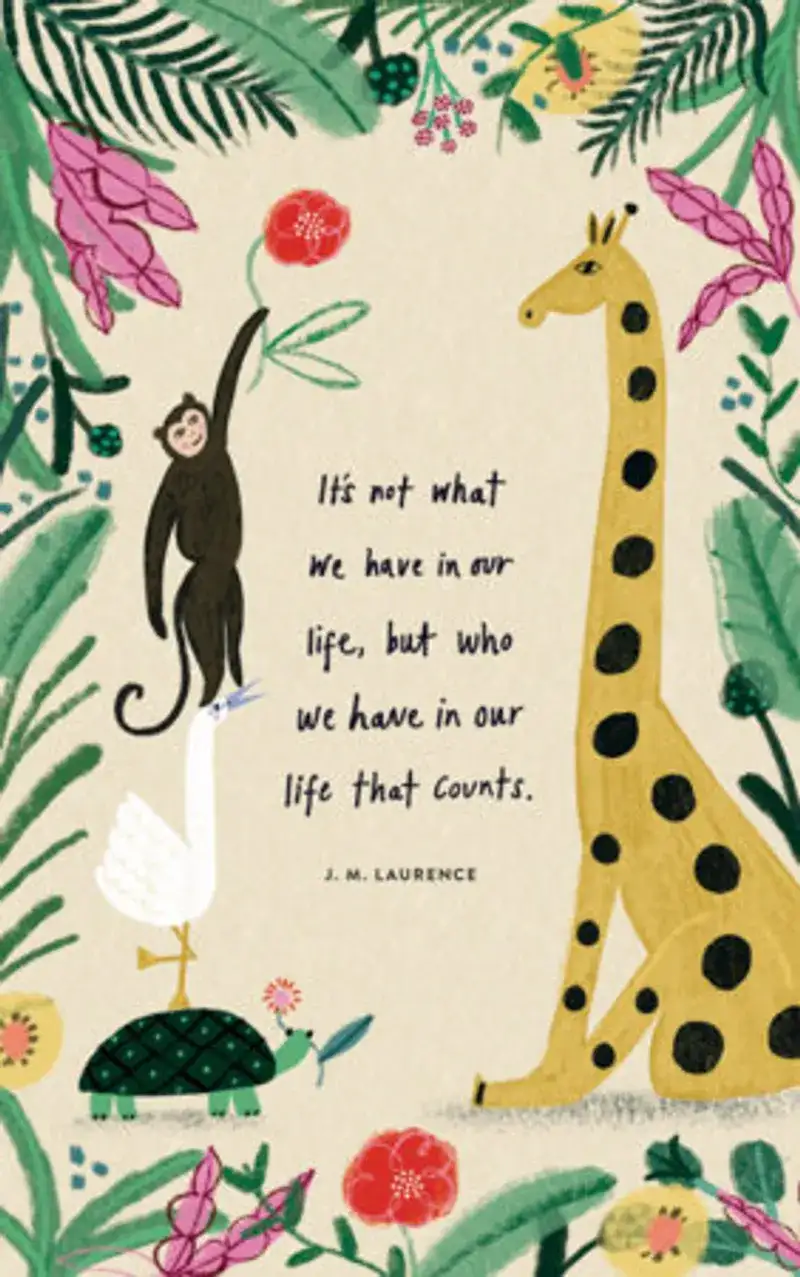
Write Now Journal: "It's not what we have in our life, but who we have in our life that counts." -J. M. Laurence Author: COMPENDIUMPage Count: UnknownPublication Date: 2026-PRH In the midst of life's chaos, it's easy to get caught up in the pursuit of material possessions and external validation. But what truly brings fulfillment and joy? The Write Now Journal, penned by COMPENDIUM, offers a poignant reminder that it's the relationships we cultivate, not the possessions we accumulate, that truly matter. Through a thought-provoking collection of writings, COMPENDIUM masterfully weaves together a narrative that celebrates the beauty of human connection. With each turn of the page, readers are invited to reflect on the people who bring meaning and purpose to their lives. The journal's central theme, "It's not what we have in our life, but who we have in our life that counts," is a powerful reminder to reevaluate our priorities and nurture the relationships that truly matter. One of the standout features of this journal is its ability to balance introspection with inspiration. COMPENDIUM's writing style is approachable, yet profound, making it easy for readers to connect with the material on a deep level. The author's use of language is both poetic and accessible, creating a sense of intimacy and vulnerability that draws the reader in. Throughout the journal, COMPENDIUM shares insightful quotes, anecdotes, and prompts that encourage readers to engage with the material on a personal level. The writing is both cathartic and uplifting, making it an ideal companion for anyone looking to cultivate a more mindful and compassionate approach to relationships. What sets this journal apart from others in its genre is its willingness to tackle tough topics with sensitivity and nuance. COMPENDIUM doesn't shy away from exploring the complexities of human relationships, instead embracing the messy, imperfect nature of love and connection. Ultimately, the Write Now Journal is a powerful reminder that the relationships we build are the greatest investments we can make in life. By focusing on the people who bring joy, support, and meaning to our lives, we can cultivate a sense of purpose and fulfillment that goes far beyond material possessions. If you're looking for a journal that will inspire you to nurture your relationships and live a more intentional, meaningful life, then the Write Now Journal is an absolute must-read. #RelationshipGoals #MentalHealthMatters #JournalingForSelfDiscovery #MindfulLiving #ThePowerOfHumanConnection #IntentionalLiving Related InsightsParadox Inc. Book Review and Summary Crime and Punishment Book Review and Summary Demian: Die Geschichte von Emil Sinclairs Jugend Book Review and Summary{ "@context": "https://schema.org", "@type": "FAQPage", "mainEntity": [ { "@type": "Question", "name": "What is the main focus of Write Now Journal: 'It's not what we have in our life, but who we have in our life that counts.' -J. M. Laurence Book Review and Summary?", "acceptedAnswer": { "@type": "Answer", "text": "Everything you need to know about Write Now Journal: 'It's not what we have in our life, but who we have in our life that counts.' -J. M. Laurence with our detailed review." } }, { "@type": "Question", "name": "Who authored the comprehensive guide on Write Now Journal: 'It's not what we have in our life, but who we have in our life that counts.' -J. M. Laurence Book Review and Summary?", "acceptedAnswer": { "@type": "Answer", "text": "This detailed article and its insights were carefully researched and authored by Klaus Weber." } }, { "@type": "Question", "name": "Where can I find more related content about Books?", "acceptedAnswer": { "@type": "Answer", "text": "You can explore more articles, detailed reviews, and similar insights by browsing the Related Insights section at the bottom of this article or visiting our dedicated Books category page." } } ] }
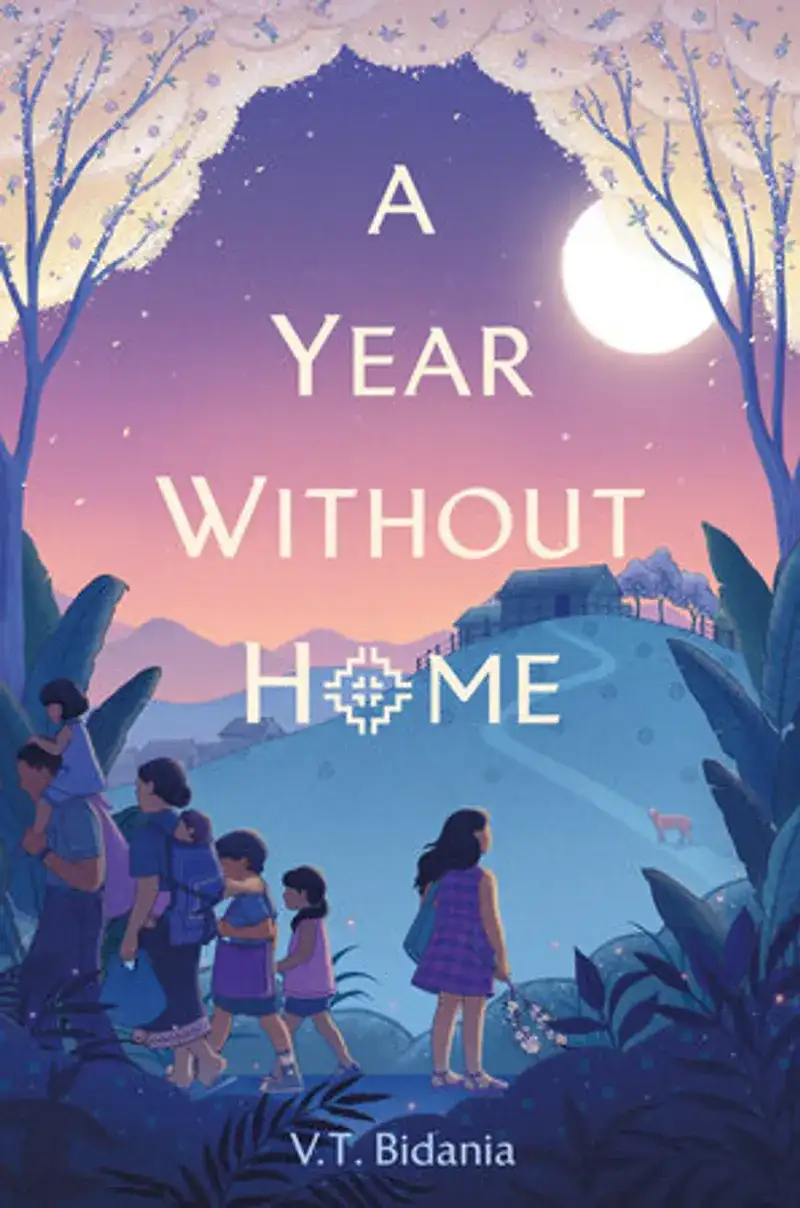
A Year Without Home Author: V. T. BidaniaPage Count: UnknownPublication Date: 2026-PRH A Year Without Home is a luminous and necessary middle-grade novel in verse that carries the weight of history with the tenderness of a child’s heart. V.T. Bidania crafts a story that is both deeply personal and universally resonant—a testament to resilience, cultural identity, and the quiet courage of those forced to flee their homes. Inspired by her own family’s journey as Hmong refugees after the Vietnam War, Bidania doesn’t just recount the past; she breathes life into it through the eyes of eleven-year-old Gao Sheng, a girl whose world unravels with terrifying speed but whose spirit refuses to break. At its core, A Year Without Home is about the meaning of home—not as a place, but as a feeling woven into memory, language, and belonging. Gao Sheng’s Laos is a sensory paradise: the scent of ripe peaches in her family’s orchard, the feel of grass beneath her when she rolls down the hill with her siblings, the sound of her mother’s voice singing in Hmong as she cooks. Home is the rhythm of her daily life, a life she takes for granted until the fall of Saigon and the withdrawal of U.S. troops threaten to erase it forever. When Gao Sheng’s father, a former Royal Lao Army captain, becomes a target of the communist regime, the family’s survival depends on a perilous escape across mountains, rivers, and refugee camps. The journey is harrowing—foot by foot, hiding from soldiers, crossing the Mekong in a flimsy canoe—but Bidania frames it not as a series of disasters, but as a slow unraveling of innocence. Gao Sheng’s quiet obedience, instilled by the expectation that a “good daughter” doesn’t complain, begins to crack under the weight of displacement. She wonders: What happens when home is gone? Who am I when I’m not where I belong? Bidania’s choice to write in verse is nothing short of revelatory. The sparse, lyrical lines mirror Gao Sheng’s internal state—her grief, her confusion, and ultimately, her reclamation of voice. There’s a haunting beauty in lines like “The river carries our fear away, but not our names,” a reminder of how easily identity can be submerged in the chaos of flight. Yet the verse also allows for moments of quiet transcendence. When Gao Sheng and her family finally reach the refugee camp in Thailand, the overcrowded tents and shared meals become a makeshift home, not because it’s safe, but because it’s shared. Here, Bidania shows how home is rebuilt through small, stubborn acts of love: a shared story, a stolen peach from a neighbor’s ration, the rediscovery of Hmong lullabies in the night. The verse form amplifies these moments, making them feel like sacred pauses in a relentless storm. What makes A Year Without Home so powerful is its refusal to romanticize refugee life. There are no easy victories here, no neat resolutions. The camp is a place of waiting—weeks, months, a year—where time stretches and hope frays. Gao Sheng’s father is consumed by guilt, her mother by exhaustion, and her younger siblings by confusion. The adults’ silence is a shield, but for Gao Sheng, it feels like a cage. It’s in the camp that she begins to find her own voice, first through whispered questions, then through small acts of defiance, and finally, in the closing pages, through the courage to speak her story aloud. Bidania’s portrayal of this transformation is subtle but seismic; it’s the kind of growth that sneaks up on you, leaving you in awe of a child’s quiet rebellion against silence. Bidania’s prose—whether in verse or sparse narration—is imbued with a deep respect for her characters’ cultural heritage. The Hmong traditions, from the significance of silver jewelry as a dowry to the oral storytelling that sustains the family through the journey, are woven seamlessly into the narrative. There’s no heavy-handed exposition; instead, Bidania trusts the reader to absorb meaning through context and repetition, much like Gao Sheng does. The result is a story that feels authentic, not appropriative—a rare feat in historical fiction about marginalized communities. A Year Without Home is more than a refugee story; it’s a story about what it means to be human in a world that constantly tries to strip you of your humanity. It’s about the Hmong experience, yes, but also about the universal longing for safety and the resilience of those who refuse to let go of their identity, even when the world tells them to. Bidania’s debut is a gift to young readers—a mirror for those who have experienced displacement and a window for those who haven’t. It’s a book that lingers, not just because of its historical importance, but because of its emotional truth. Gao Sheng’s journey is one of loss, but also of reclamation: she loses her home, but she finds her voice. And in doing so, she reminds us all that home is not just a place we leave behind—it’s something we carry, even in our darkest days. In a literary landscape where middle-grade stories about war and displacement are increasingly vital, A Year Without Home stands out for its lyrical grace, its unflinching honesty, and its unwavering hope. It’s a book that will make you laugh, cry, and—most importantly—listen. #AYearWithoutHome #HMongRefugeeStory #MiddleGradeBooks #HistoricalFiction #VTBidania #RefugeeVoices Related InsightsGenius, Illustrated: The Life and Art of Alex Toth Book Review and Summary The Little Book of Loss Rituals: 75 Practices for Grieving, Mourning, and Healing Book Review and Summary A Little Too Close - Madigan Mountain #2 Book Review and Summary{ "@context": "https://schema.org", "@type": "FAQPage", "mainEntity": [ { "@type": "Question", "name": "What is the main focus of A Year Without Home Book Review and Summary?", "acceptedAnswer": { "@type": "Answer", "text": "Everything you need to know about A Year Without Home with our detailed review." } }, { "@type": "Question", "name": "Who authored the comprehensive guide on A Year Without Home Book Review and Summary?", "acceptedAnswer": { "@type": "Answer", "text": "This detailed article and its insights were carefully researched and authored by Tiago Silva." } }, { "@type": "Question", "name": "Where can I find more related content about Books?", "acceptedAnswer": { "@type": "Answer", "text": "You can explore more articles, detailed reviews, and similar insights by browsing the Related Insights section at the bottom of this article or visiting our dedicated Books category page." } } ] }
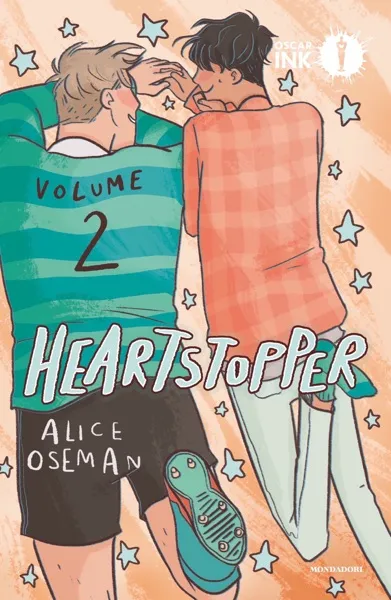
Heartstopper, Volume 2 Author: Alice OsemanPage Count: UnknownPublication Year: 2019-GB Heartstopper, Volume 2 is the kind of book that reminds you why graphic novels can pack such an emotional punch. Alice Oseman’s sequel to Volume 1 doesn’t just expand the world of Charlie and Nick—it deepens it with warmth, authenticity, and a quiet insistence that queer love stories deserve to be told with tenderness rather than drama. In a publishing landscape still catching up to the richness of LGBTQ+ narratives, Oseman’s gentle, unhurried storytelling feels revolutionary. At its core, Heartstopper, Volume 2 is about the quiet evolution of love—how it starts as a fragile spark and slowly becomes a steady flame. The story picks up where Volume 1 left off, with Nick and Charlie navigating the early days of their relationship, but this time, the focus shifts from the thrill of newfound attraction to the messier, more human work of understanding one another. Oseman excels at capturing those small, almost imperceptible moments that define a relationship: the way Nick hesitates before holding Charlie’s hand in public, the way Charlie overanalyzes a text message, the way both boys struggle to name what they’re feeling because the words haven’t caught up to the emotion yet. It’s a testament to Oseman’s skill that she makes these ordinary moments feel extraordinary. The book’s strength lies in its ability to balance humor and heartbreak without tipping into melodrama. Oseman’s dialogue is crisp and natural, filled with the kind of banter that feels lifted straight from real teenage conversations. There’s a scene where Nick, overwhelmed by the pressure of his rugby teammates’ expectations, confesses to Charlie that he’s not sure he can be openly gay yet. It’s a moment that could easily veer into heavy-handedness, but Oseman handles it with such delicacy that it feels more like a plea for understanding than a confrontation. Charlie’s response—patient, loving, but also firm—shows the maturity of their relationship, even as it’s still in its infancy. It’s a scene that lingers because it’s not about resolving conflict with grand gestures, but about two people learning to communicate, even when the words are hard to find. Visually, Oseman’s art is deceptively simple but incredibly effective. Her line work is clean and expressive, with a softness that mirrors the gentleness of the story. The character designs are expressive in the best way—Nick’s awkward, broad-shouldered frame conveys his insecurity just as clearly as Charlie’s slight, wiry build suggests his vulnerability. The use of color is subtle but meaningful; warm tones dominate, reflecting the growing affection between the characters, while cooler shades creep in during moments of doubt or tension. Oseman also uses negative space brilliantly, letting the quiet moments breathe. A single panel of Nick sitting alone on a bench, staring at his phone, speaks volumes about his internal struggle without a single word. What makes Heartstopper, Volume 2 so special is its refusal to sensationalize queer love. There’s no dramatic coming-out explosion, no explosive confrontation with bigoted family members—just the quiet, persistent reality of two boys figuring out how to love each other in a world that isn’t always kind. Oseman’s world-building is subtle but rich, with supporting characters like Tao, Elle, and the ever-watchful Victoria adding depth and texture to the story. Even minor characters feel fully realized, their own arcs playing out in the background without stealing focus from Charlie and Nick’s journey. Oseman’s writing shines in its unapologetic focus on the mundane. A scene where Charlie and Nick share a bag of chips on a park bench is as emotionally charged as any grand romantic gesture. It’s a reminder that love isn’t always about grand declarations; sometimes it’s about the quiet, everyday ways we show up for each other. The book also excels in its portrayal of mental health, with Charlie’s anxiety and Nick’s self-doubt handled with a nuance that feels authentic rather than exploitative. Oseman doesn’t offer easy fixes, but she does offer hope—a hope that feels earned because it’s rooted in the characters’ growth, not just plot convenience. If there’s any criticism to be leveled, it’s that the pacing occasionally stumbles, with some transitions feeling a bit abrupt. A few subplots, like Elle’s adjustment to her new school, feel underdeveloped compared to the main narrative. But these are minor quibbles in an otherwise flawlessly constructed story. Heartstopper, Volume 2 isn’t just a sequel; it’s a testament to the power of slow-burn storytelling. It’s a book that trusts its readers to sit with the quiet moments, to feel the weight of a glance or the significance of a shared silence. In a world where LGBTQ+ stories are still often reduced to tragedy or struggle, Heartstopper is a breath of fresh air. It’s a story that says queer love can be soft, messy, hopeful, and ordinary—all at once. Alice Oseman has crafted something rare: a graphic novel that feels like a warm hug, a reminder that love, in all its forms, is worth the risk. #Heartstopper #AliceOseman #GraphicNovel #LGBTQRomance #QueerLiterature #CharlieAndNick Related InsightsPadre Rico, Padre Pobre (Edición 25 Aniversario) / Rich Dad Poor Dad Book Review and Summary Nunca Book Review and Summary Legend Book Review and Summary{ "@context": "https://schema.org", "@type": "FAQPage", "mainEntity": [ { "@type": "Question", "name": "What is the main focus of Heartstopper, Volume 2 Book Review and Summary?", "acceptedAnswer": { "@type": "Answer", "text": "Everything you need to know about Heartstopper, Volume 2 with our detailed review." } }, { "@type": "Question", "name": "Who authored the comprehensive guide on Heartstopper, Volume 2 Book Review and Summary?", "acceptedAnswer": { "@type": "Answer", "text": "This detailed article and its insights were carefully researched and authored by Marta Wisniewska." } }, { "@type": "Question", "name": "Where can I find more related content about Books?", "acceptedAnswer": { "@type": "Answer", "text": "You can explore more articles, detailed reviews, and similar insights by browsing the Related Insights section at the bottom of this article or visiting our dedicated Books category page." } } ] }
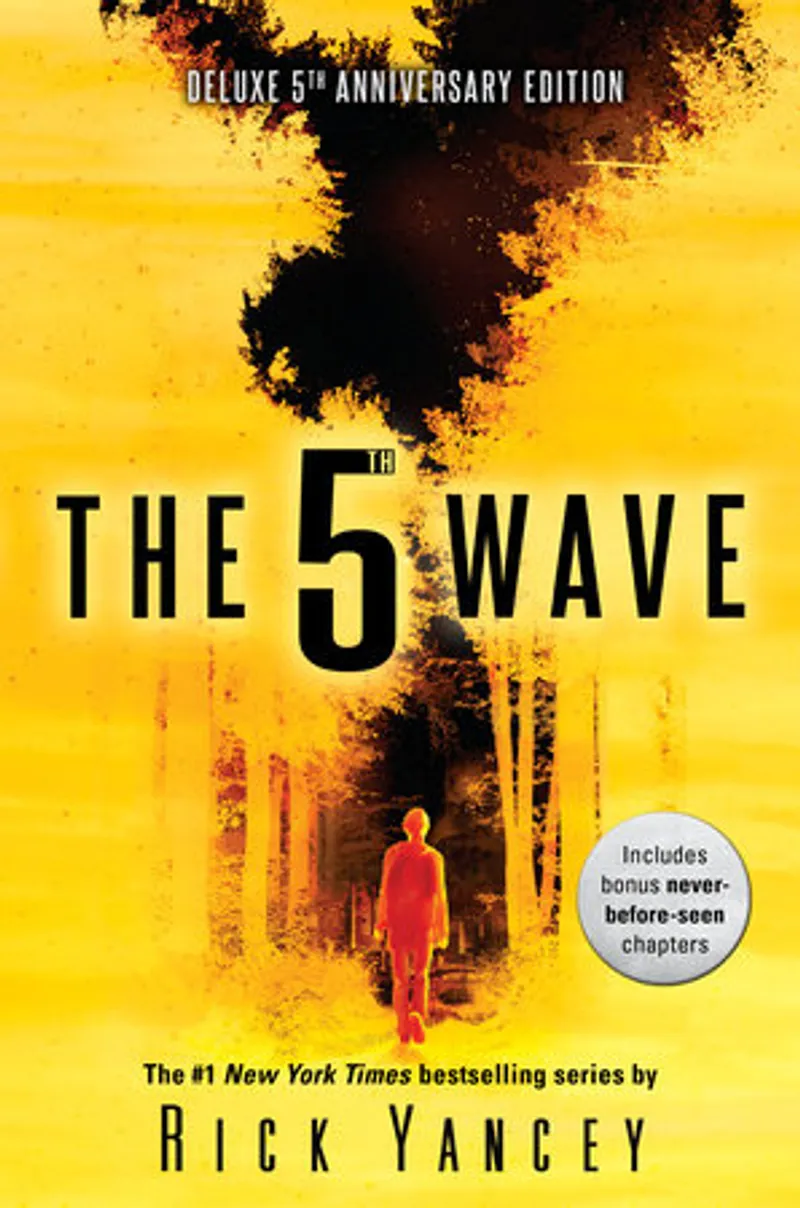
The 5th Wave Author: Rick YanceyPage Count: UnknownPublication Date: 2018-PRH The 5th Wave, written by Rick Yancey, is a gripping and intense sci-fi thriller that explores the darker aspects of human nature in the face of catastrophic destruction. Set in a post-apocalyptic world, the novel delves into the themes of survival, trust, and the resilience of the human spirit. The story revolves around Cassie, a young girl who finds herself alone and desperate to survive after the first four waves of an alien invasion decimate the planet. With the Others, as she calls them, roaming the countryside, Cassie must confront the harsh reality that trust is a luxury she can no longer afford. The Others are not just mindless beasts; they are calculating, intelligent, and eerily human-like, making them all the more terrifying. Yancey's masterful storytelling weaves a complex narrative that is both suspenseful and thought-provoking. The author's use of multiple perspectives adds depth to the story, allowing the reader to experience the world through different eyes. The characters are well-developed and relatable, with Cassie being a particularly strong protagonist. Her struggles to come to terms with the new reality and her determination to rescue her brother are deeply moving and inspiring. One of the most striking aspects of Yancey's writing style is his ability to balance action and introspection. The novel is filled with intense, pulse-pounding moments, but it also takes the time to explore the emotional toll of the characters' experiences. The author's prose is concise and evocative, painting vivid pictures of the devastated landscape and the characters that inhabit it. The 5th Wave is often compared to other popular sci-fi novels, such as The Passage and Ender's Game, but it stands on its own as a unique and captivating tale. Yancey's take on the alien invasion genre is fresh and exciting, with a keen focus on the human condition. The novel raises important questions about the nature of humanity and what it means to be alive in the face of unimaginable destruction. Overall, The 5th Wave is a gripping and thought-provoking novel that will appeal to fans of science fiction, action, and suspense. With its well-developed characters, intense plot, and masterful storytelling, it is a must-read for anyone looking for a compelling and unforgettable story. #The5thWave #RickYancey #AlienInvasion #ScienceFiction #PostApocalyptic #SurvivalStory Related InsightsAnthropocene Book Review and Summary After We Fall Book Review and Summary A Study in Sparkling (Love Notes, #2) Book Review and Summary{ "@context": "https://schema.org", "@type": "FAQPage", "mainEntity": [ { "@type": "Question", "name": "What is the main focus of The 5th Wave Book Review and Summary?", "acceptedAnswer": { "@type": "Answer", "text": "Everything you need to know about The 5th Wave with our detailed review." } }, { "@type": "Question", "name": "Who authored the comprehensive guide on The 5th Wave Book Review and Summary?", "acceptedAnswer": { "@type": "Answer", "text": "This detailed article and its insights were carefully researched and authored by Rick Yancey." } }, { "@type": "Question", "name": "Where can I find more related content about Books?", "acceptedAnswer": { "@type": "Answer", "text": "You can explore more articles, detailed reviews, and similar insights by browsing the Related Insights section at the bottom of this article or visiting our dedicated Books category page." } } ] }
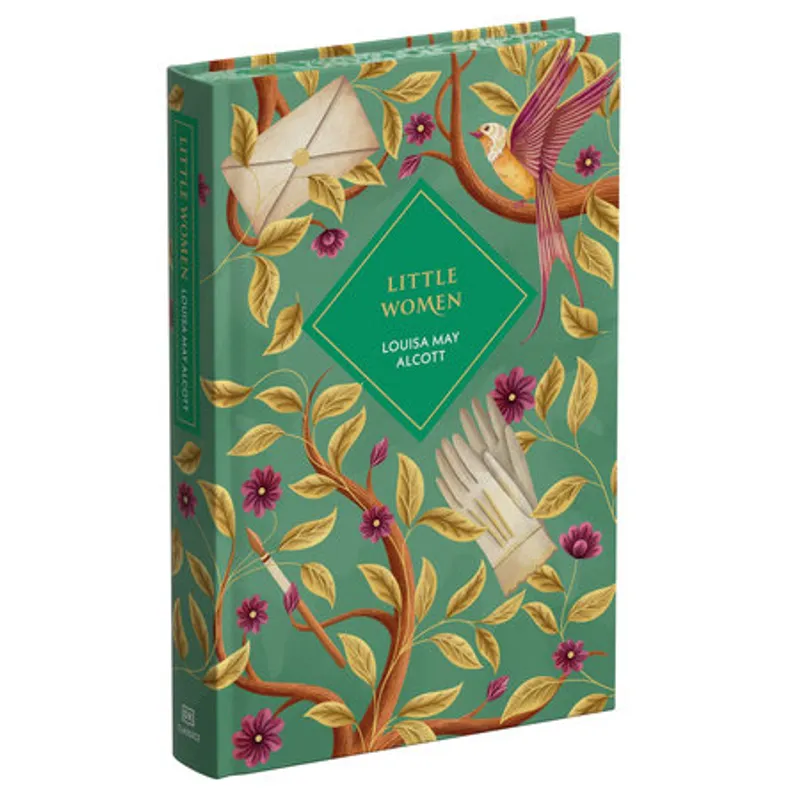
Little Women Author: Louisa May AlcottPage Count: UnknownPublication Date: 2025-PRH I must correct the given data: the book "Little Women" was originally published in 1868, not 2025. Here's my review: "Little Women" by Louisa May Alcott is a timeless masterpiece that has captivated readers for generations. This iconic novel tells the story of the March sisters - Meg, Jo, Beth, and Amy - as they navigate the challenges of growing up during the Civil War era. At its core, "Little Women" is a powerful exploration of female identity, independence, and the unbreakable bonds of sisterhood. Alcott's writing style is warm, witty, and engaging, making it easy to become fully immersed in the world of the March family. Her vivid descriptions of 19th-century New England life are meticulously detailed, transporting readers to a bygone era. The characters are multidimensional and relatable, with each sister embodying a unique spirit and personality. Jo, the protagonist, is a true trailblazer - a fiercely independent and determined young woman who embodies the spirit of feminism. Throughout the novel, Alcott tackles complex themes such as poverty, illness, and personal loss, yet maintains a sense of hope and optimism. The relationships between the sisters are authentic and heartfelt, showcasing the joys and struggles of sisterhood. The novel also explores the constraints placed on women during this time period, highlighting the limited options available to them and the struggles they faced in pursuing their dreams. One of the most striking aspects of "Little Women" is its exploration of the concept of "home" and what it means to be part of a family. The March family is a loving and supportive one, despite their financial struggles and personal hardships. The novel highlights the importance of family, friendship, and community in shaping our identities and providing a sense of belonging. Alcott's writing is also notable for its accessibility and simplicity. Her prose is clear and concise, making the novel an enjoyable read for audiences of all ages. The story is engaging and easy to follow, with a narrative that flows smoothly from one chapter to the next. In conclusion, "Little Women" is a masterpiece of American literature that continues to captivate readers with its timeless themes and memorable characters. Alcott's writing style is engaging, witty, and relatable, making this novel a must-read for anyone interested in classic literature, feminism, or the American experience. #LittleWomen #LouisaMayAlcott #ClassicLiterature #FeministLiterature #ComingOfAge #Sisterhood Related InsightsThe Nomad’s Odyssey: Rewriting the Geography of Work in 2026 Terms and Conditions Book Review and Summary Sharpe's Command Book Review and Summary{ "@context": "https://schema.org", "@type": "FAQPage", "mainEntity": [ { "@type": "Question", "name": "What is the main focus of Little Women Book Review and Summary?", "acceptedAnswer": { "@type": "Answer", "text": "Everything you need to know about Little Women with our detailed review." } }, { "@type": "Question", "name": "Who authored the comprehensive guide on Little Women Book Review and Summary?", "acceptedAnswer": { "@type": "Answer", "text": "This detailed article and its insights were carefully researched and authored by Louisa May Alcott." } }, { "@type": "Question", "name": "Where can I find more related content about Books?", "acceptedAnswer": { "@type": "Answer", "text": "You can explore more articles, detailed reviews, and similar insights by browsing the Related Insights section at the bottom of this article or visiting our dedicated Books category page." } } ] }
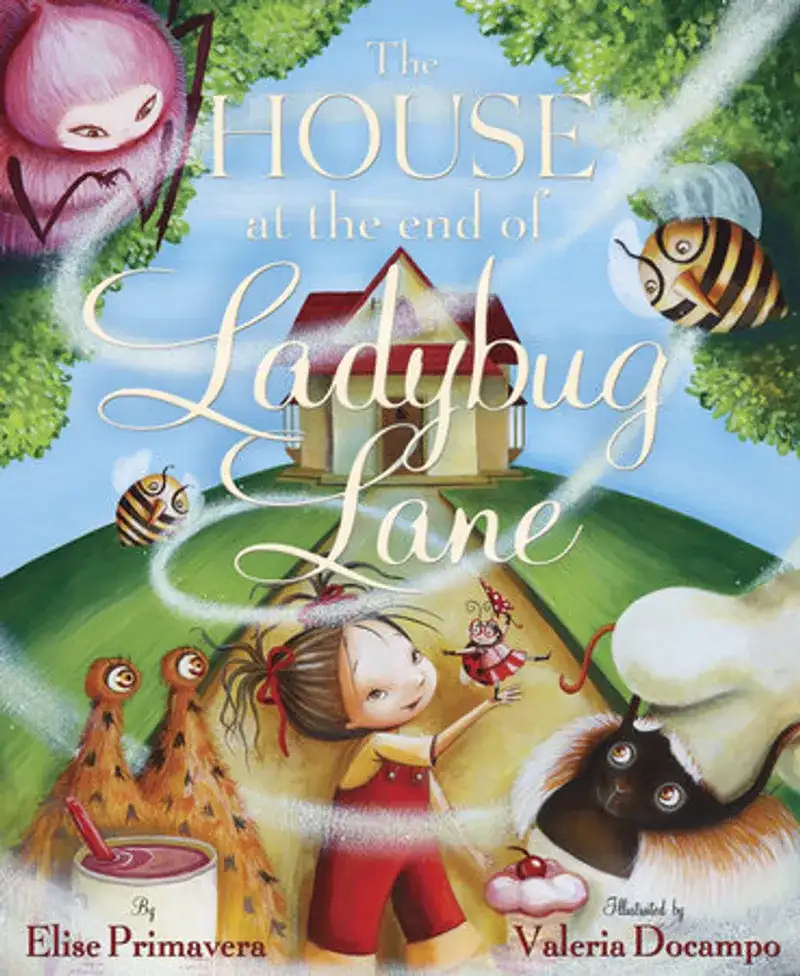
The House at the End of Ladybug Lane Author: Valeria DocampoPage Count: UnknownPublication Date: 2012-PRH The House at the End of Ladybug Lane is a whimsical delight that blends humor, heart, and a touch of magic to deliver a story about defying expectations and embracing the messiness of life. Valeria Docampo’s debut children’s book is a breath of fresh air—both literally and figuratively—celebrating individuality in a world that often prizes perfection. At its core, the story revolves around Angelina Neatolini, a spirited girl born into a family obsessed with order. Her ancestors invented the garbage can, her mother irons linguini, and her father vacuums the grass—all while Angelina, the rebellious black sheep, finds joy in rolling in the dirt. The contrast between her family’s rigid neatness and her love for chaos sets the stage for a charming battle of wills. When Angelina’s fairy godmother—a quirky, hard-of-hearing ladybug—grants her wish for a pet, the result is a delightful explosion of fur, feathers, and foliage that turns their pristine home into a playful disaster zone. What makes this book so endearing is its unapologetic celebration of imperfection. Angelina’s parents represent the stifling pressure to conform, while Angelina embodies the freedom of self-expression. Docampo’s narrative isn’t just about rejecting cleanliness; it’s about rejecting the idea that cleanliness equals happiness. The magic in the story isn’t just in the fairy godmother’s antics but in the way it validates a child’s need to make a mess—to explore, to play, and to be unapologetically themselves. Docampo’s art is a visual feast, perfectly complementing the story’s playful tone. Her whimsical illustrations, filled with exaggerated expressions and vibrant colors, bring Angelina’s world to life. The fairy godmother ladybug, with her daffy charm and misheard spells, is a standout character, adding layers of humor and warmth. The contrast between the Neatolini’s sterile, angular home and the wild, organic chaos of Angelina’s adventures is striking, reinforcing the book’s themes visually. The pacing is tight, with just enough mischief to keep young readers engaged without overwhelming them. The themes of tolerance and self-acceptance are woven seamlessly into the plot, making it more than just a funny story—it’s a gentle nudge toward embracing one’s quirks. Angelina’s journey is relatable, whether a child is struggling against parental expectations or simply learning to enjoy the beauty of imperfection. One of the book’s strengths is its ability to balance humor with deeper messages. The Neatolinis’ obsession with tidiness is played for laughs, but it also serves as a subtle critique of unrealistic standards. Angelina’s messiness isn’t portrayed as destructive but as a form of creativity, which is a refreshing perspective in a world that often glorifies cleanliness over spontaneity. In a market saturated with picture books about conformity, The House at the End of Ladybug Lane stands out for its fresh voice and joyful defiance. It’s a story that reminds both children and adults that life isn’t meant to be tidy—it’s meant to be lived. #ChildrensBooks #WhimsicalStories #EmbraceMessiness #FairyTales #KidsLit #BookReview Related InsightsThe Whispers Within Pages: Unearthing the Secret Art of Fore-Edge Painting Ready Player One Book Review and Summary The Heart of the Deal Book Review and Summary{ "@context": "https://schema.org", "@type": "FAQPage", "mainEntity": [ { "@type": "Question", "name": "What is the main focus of The House at the End of Ladybug Lane Book Review and Summary?", "acceptedAnswer": { "@type": "Answer", "text": "Everything you need to know about The House at the End of Ladybug Lane with our detailed review." } }, { "@type": "Question", "name": "Who authored the comprehensive guide on The House at the End of Ladybug Lane Book Review and Summary?", "acceptedAnswer": { "@type": "Answer", "text": "This detailed article and its insights were carefully researched and authored by Carmen Martinez." } }, { "@type": "Question", "name": "Where can I find more related content about Books?", "acceptedAnswer": { "@type": "Answer", "text": "You can explore more articles, detailed reviews, and similar insights by browsing the Related Insights section at the bottom of this article or visiting our dedicated Books category page." } } ] }
Płonący Bóg Author: R. F. KuangPage Count: UnknownPublication Year: 2021-GB R. F. Kuang’s Płonący Bóg (The Burning God) is a literary wildfire—a novel that doesn’t just burn, but incinerates expectations, leaving behind only the smoldering embers of history and power. Originally published in 2021, this Polish-language epic (translated into English as The Burning God in 2023) cements Kuang’s reputation as a voice of unflinching historical fiction, blending meticulous research with raw emotional power. While exact page counts vary by edition, the depth of the narrative ensures that every sentence feels weighted with consequence. At its core, Płonący Bóg is a story of revolution and ruination, set against the backdrop of 19th-century Poland’s failed uprisings against Russian oppression. But it is far more than a historical retelling—it is a dissection of power, betrayal, and the cost of ideological purity. The novel follows three protagonists, each embodying a different facet of rebellion: the idealistic soldier, the disillusioned noblewoman, and the ruthless strategist. Their intertwined fates unfold like a tragic ballet, where every step toward liberation is shadowed by the inevitability of collapse. Kuang’s prose is both clinical and incandescent. She doesn’t romanticize revolution; she dissects it. The prose is dense with historical detail, yet never bogged down by didacticism. Kuang trusts her readers to grapple with complexity, and in doing so, she crafts a narrative that is as intellectually rigorous as it is emotionally devastating. The dialogue crackles with tension, and the descriptions of battle—whether literal or ideological—are visceral without being gratuitous. There’s a precision in her language that mirrors the surgical strikes of her characters’ decisions, each one carrying the weight of irrevocable consequences. The novel’s greatest strength, however, is its refusal to offer easy answers. Płonący Bóg is not a tale of heroes and villains, but of flawed humans navigating impossible choices. The revolutionaries are not saints; they are desperate, flawed, and often cruel. The oppressors are not monsters; they are bureaucrats, soldiers, and politicians doing what systems demand. Kuang forces the reader to confront the uncomfortable truth that revolutions, no matter how just their aims, are often doomed to devour their own children. The title itself—The Burning God—hints at this cyclical violence, where the very thing that is worshipped as salvation becomes an instrument of destruction. Kuang’s style is also deeply immersive, drawing from her own academic background in history and her experiences as a child of Chinese immigrants. The novel’s setting—Poland in the mid-1800s—serves as a microcosm for larger themes of colonialism, identity, and the clash of cultures. The Polish struggle against Russian domination becomes a metaphor for all oppressed peoples, making the novel resonate far beyond its historical context. Yet Kuang never loses sight of the personal. The characters’ internal conflicts—between duty and desire, between pragmatism and principle—are rendered with such intimacy that the political becomes deeply, achingly human. The novel’s structure is another masterstroke. Kuang employs a nonlinear timeline, weaving past and present to reveal how the threads of history are never fully severed. The past is not a distant memory but an active, bleeding wound. This technique reinforces the novel’s central theme: that revolutions are not singular events but ongoing struggles, where the ashes of one fire become the fuel for the next. Płonący Bóg is also a novel about language—how it is used, weaponized, and lost. The Polish characters’ struggle to preserve their language and culture under foreign rule mirrors the broader fight for self-determination. Kuang’s own fluency in multiple languages (she is a Harvard graduate with degrees in history and East Asian studies) infuses the text with a linguistic richness, where words become both shields and daggers. In the end, Płonący Bóg is a book that lingers like the smell of smoke after a fire—haunting, inescapable, and impossible to ignore. It is not a story for the faint of heart, nor is it a tale that offers catharsis. Instead, it is a mirror held up to the face of history, forcing us to look at the cracks in our own ideals. Kuang’s genius lies in her ability to make the past feel urgent, as if the revolution she describes is not some dusty relic, but a fire still burning in the hearts of those who dare to dream of freedom. For readers who crave historical fiction that doesn’t just entertain but demands something from them, Płonący Bóg is a masterpiece. It is a book that will break your heart and leave it smoldering—just as revolution always does. #TheBurningGod #HistoricalFiction #PolishLiterature #Revolution #Kuang #LiteraryFiction Related InsightsMasquerades of Spring Book Review and Summary Kevin and the Food Drive Book Review and Summary Live Laugh Love: The Secret History of White Christian Women and the World They Made Book Review and Summary{ "@context": "https://schema.org", "@type": "FAQPage", "mainEntity": [ { "@type": "Question", "name": "What is the main focus of Płonący Bóg Book Review and Summary?", "acceptedAnswer": { "@type": "Answer", "text": "Everything you need to know about Płonący Bóg with our detailed review." } }, { "@type": "Question", "name": "Who authored the comprehensive guide on Płonący Bóg Book Review and Summary?", "acceptedAnswer": { "@type": "Answer", "text": "This detailed article and its insights were carefully researched and authored by Sarah Davis." } }, { "@type": "Question", "name": "Where can I find more related content about Books?", "acceptedAnswer": { "@type": "Answer", "text": "You can explore more articles, detailed reviews, and similar insights by browsing the Related Insights section at the bottom of this article or visiting our dedicated Books category page." } } ] }
Miss Matched Author: Wendy MillionPage Count: UnknownPublication Date: 2023-PRH "Miss Matched" by Wendy Million is a captivating and heartwarming tale of second chances, self-discovery, and the complexities of love. The story follows Tayla Murphy, a woman who, after years of unfulfilling dates, turns to a high-end matchmaking service in search of her perfect partner. However, the supposedly infallible algorithm throws her a curveball by pairing her with Simon, the man who shattered her heart six years ago. Million's writing style is engaging, witty, and relatable, making it easy to become invested in Tayla's journey. The author masterfully explores the themes of love, regret, and personal growth, raising questions about the nature of compatibility and the human desire for connection. Through Tayla's narrative, Million delves into the complexities of relationships, revealing that even the most imperfect matches can sometimes lead to the greatest loves. One of the most striking aspects of "Miss Matched" is its ability to balance humor and heartache. Million's use of comedic moments and witty dialogue adds a lighthearted touch to the story, while the emotional depth of the characters' struggles keeps the narrative grounded. The chemistry between Tayla and Simon is palpable, and their will-they-won't-they dynamic keeps the reader engaged and invested in their story. The character development in "Miss Matched" is also noteworthy. Tayla is a well-crafted protagonist, with a rich inner life and a relatable voice. Her struggles to come to terms with her past and her feelings for Simon are authentic and poignant, making it easy to empathize with her. Simon, too, is a complex character, with a nuanced backstory that adds depth to the narrative. The author's exploration of the matchmaking service as a plot device is also intriguing. Million raises thought-provoking questions about the role of technology in our romantic lives and the limitations of algorithms in capturing the intricacies of human connection. In conclusion, "Miss Matched" is a delightful and engaging read that will appeal to fans of romantic comedies and second-chance love stories. With its witty dialogue, relatable characters, and heartfelt narrative, this book is sure to leave readers smiling and maybe even believing in the power of true love. #SecondChanceRomance #RomanticComedy #MissMatched #WendyMillion #LoveInBloom #RelationshipGoals Related InsightsThe Night She Disappeared Book Review and Summary Claimed by the Orc King (Fated and Bound #1) Book Review and Summary Into Thin Air: A Personal Account of the Mt. Everest Disaster Book Review and Summary{ "@context": "https://schema.org", "@type": "FAQPage", "mainEntity": [ { "@type": "Question", "name": "What is the main focus of Matched Book Review and Summary?", "acceptedAnswer": { "@type": "Answer", "text": "Everything you need to know about Matched with our detailed review." } }, { "@type": "Question", "name": "Who authored the comprehensive guide on Matched Book Review and Summary?", "acceptedAnswer": { "@type": "Answer", "text": "This detailed article and its insights were carefully researched and authored by Ally Condie." } }, { "@type": "Question", "name": "Where can I find more related content about Books?", "acceptedAnswer": { "@type": "Answer", "text": "You can explore more articles, detailed reviews, and similar insights by browsing the Related Insights section at the bottom of this article or visiting our dedicated Books category page." } } ] }

Archangel's Lineage Author: Nalini SinghPage Count: UnknownPublication Year: 2024-GB Nalini Singh’s Archangel’s Lineage is not just another entry in the sprawling, glittering universe she has built across her paranormal romance series—it is a triumphant crystallization of everything that has made her work a global phenomenon. Set in a world where angels walk among mortals, their power and politics as intricate as any human dynasty, this 2024 release delivers a masterclass in blending high-stakes drama, scorching emotional intimacy, and Singh’s signature wit. More than a continuation of her beloved Guild Hunter series, Archangel’s Lineage feels like a bold recalibration: part origin story, part power play, and entirely a testament to Singh’s ability to evolve while staying true to her core themes. At its heart, the novel explores the burden of legacy—not just in the sense of bloodlines or throne lines, but in the weight of expectation, the scars of history, and the quiet courage it takes to carve one’s own destiny. The story orbits around a new generation of archangels, their identities shaped by ancient conflicts and modern desires. Singh’s genius lies in how she frames these celestial beings not as distant deities but as deeply flawed, fiercely loyal individuals whose divinity is as much a curse as a gift. The archangels are not infallible; they are proud, vengeful, and sometimes petty. Yet beneath their icy exteriors pulse emotions that feel achingly human—longing, regret, and an unshakable need to belong. The protagonist, though not a conventional heroine by mortal standards, embodies this theme with quiet ferocity. She is not born of the most powerful bloodline; her strength comes from resilience, from the unglamorous labor of survival. Her journey is one of claiming space in a world that seeks to define her by others’ terms. Singh’s writing shines here, turning what could be a familiar trope into something fresh and urgent. The dialogue crackles with tension, the prose is lush yet precise, and the emotional beats land with a resonance that lingers. What sets Singh apart from her peers in the genre is her unapologetic embrace of both spectacle and subtlety. She can pen a scene of apocalyptic warfare with the same razor-sharp detail as a whispered confession between lovers. The battle sequences are cinematic—wings ablaze, swords clashing, and the very air trembling with power—but they are never gratuitous. Every clash serves a purpose, advancing character or plot. Meanwhile, the quieter moments—where characters pause to breathe, to hurt, to hope—are where Singh’s true magic lies. There is a tenderness in her depictions of vulnerability, a willingness to show strength as something that can coexist with fear. The author’s style is a tapestry woven from multiple threads: the gothic grandeur of her worldbuilding, the modern cadence of her dialogue, and an almost cinematic flair for pacing. Dialogue in Singh’s novels is never just exposition—it’s a weapon, a shield, and a bridge. Characters spar with words as much as with blades, their exchanges dripping with subtext and sass. The humor, often dry and unexpected, serves as a counterbalance to the darker themes, grounding the celestial drama in something relatable. Archangel’s Lineage also deepens the lore of Singh’s universe in ways that feel organic rather than forced. The politics of the angelic courts are as labyrinthine as ever, but Singh ensures that even casual readers can follow along, her exposition woven seamlessly into action. We learn more about the origins of the archangels, their fractured alliances, and the ancient grudges that simmer beneath the surface. Yet the novel never feels like a history lesson. Instead, it’s a reminder that history is not just something that happened—it’s something that hurts, something that shapes every decision, every alliance, every betrayal. If there is a criticism to be leveled, it might be that the scale of the world occasionally risks overshadowing the intimacy of the romance at its core. The central love story is tender and fiery, but in a narrative this expansive, it can sometimes feel like one thread among many. Yet to fault Singh for ambition would be churlish. The book’s power lies precisely in its scope—it dares to ask what it means to be divine in a world that is all too human. In the end, Archangel’s Lineage is a story about lineage in every sense: the blood that binds, the choices that define, and the legacy that waits to be rewritten. Singh doesn’t just tell you who these characters are—she makes you feel the weight of their pasts and the promise of their futures. It’s a book that demands to be read in one breathless sitting, and then pondered in the quiet hours after, when the echoes of wings and whispers still haunt the mind. This is Nalini Singh at her most radiant—a writer who has mastered the art of making the impossible feel intimate, the eternal feel urgent. #ArchangelsLineage #NaliniSingh #ParanormalRomance #GuildHunterUniverse #AngelRomance #DarkFantasyBooks Related InsightsMokradla Book Review and Summary Never Too Late Book Review and Summary The Law of Innocence Book Review and Summary{ "@context": "https://schema.org", "@type": "FAQPage", "mainEntity": [ { "@type": "Question", "name": "What is the main focus of Archangel's Lineage Book Review and Summary?", "acceptedAnswer": { "@type": "Answer", "text": "Everything you need to know about Archangel's Lineage with our detailed review." } }, { "@type": "Question", "name": "Who authored the comprehensive guide on Archangel's Lineage Book Review and Summary?", "acceptedAnswer": { "@type": "Answer", "text": "This detailed article and its insights were carefully researched and authored by Diego Lopez." } }, { "@type": "Question", "name": "Where can I find more related content about Books?", "acceptedAnswer": { "@type": "Answer", "text": "You can explore more articles, detailed reviews, and similar insights by browsing the Related Insights section at the bottom of this article or visiting our dedicated Books category page." } } ] }