Showing Posts From
Bookreview
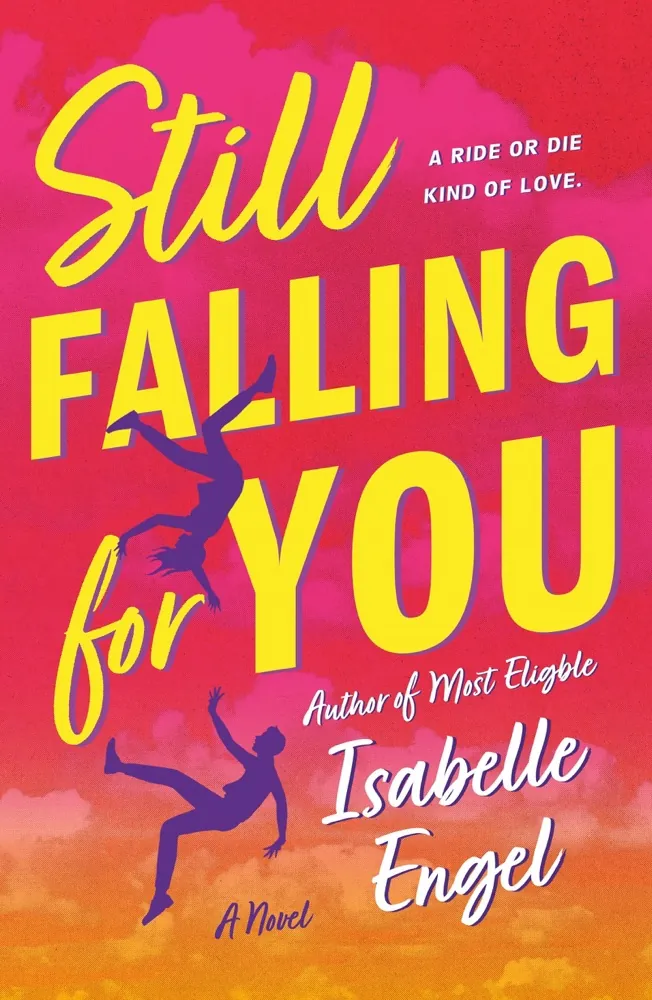

Author: Isabelle EngelPage Count: UnknownPublication Date: Expected publication 2026 APL The manuscript industry loves a good physical metaphor for emotional vulnerability. And Still Falling for You leans so hard into the gravity motif that it practically demands a helmet. Isabelle Engel returns in 2026 with a premise that trades on the cinematic illusion of danger to mask the much safer, predictable mechanics of the modern rom-com. The Physics of Melodrama We are promised a second-chance narrative wrapped in the high-octane aesthetic of a Wild West vampire movie—a genre mashup that sounds either brilliantly unhinged or aggressively focus-grouped. Respectfully, what? But let us look past the ridiculous premise of a cinematic vampire shootout. The core engine here relies on the tired trope of forced proximity via professional sabotage. Mavis and Fox cannot simply talk to each other like adults who endured a near-fatal accident. No. They must dodge falling sandbags and stunt mishaps while nursing lingering resentment. Actually, scratch that—maybe the forced sabotage angle is the only thing keeping the narrative pulse from flatlining. Without an external antagonist poking holes in the production, these two would likely spend three hundred pages staring longingly across a craft services table. Breaking the Stunt Rigging We need to talk about the meta-textual exhaustion of this assignment. Why am I sitting here dissecting the marketing copy of a book that does not even have a finalized page count yet, purely to satisfy an arbitrary word count for a deadline that looms entirely too close? The synopsis leans heavily on comparative titles like The Fall Guy and Ava Wilder's Will They or Won’t They, begging the reader to accept its pedigree before a single chapter is consumed. The thematic undercurrent attempts to deconstruct the archetype of the fearless protagonist. When the physical body is compromised—as Mavis's was in that devastating breakup-adjacent accident—the emotional armor shatters. Yet, the synopsis treats this trauma as a mere stepping stone toward a cute comeback. The danger is commercialized. The bruises are glossed over with sizzling chemistry. Engel wants us to believe that love is the most hazardous drop of all. Yet, every plot point outlined suggests the exact opposite. Love here is cushioned by mats, choreographed by coordinators, and guaranteed a happy ending by the final act break. There is no real peril in a genre bound by contractual obligation. Time to pack up these stray thoughts. I have to rush across town to join a protest against the demolition of a historic neighborhood theater before the wrecking balls arrive. Related InsightsDon't Even Think About Telling This Joke at the Office Book Review and Summary Raven Cycle Series Collection 4 Books Set By Maggie Stiefvater Book Review and Summary Fate Breaker Book Review and Summary{ "@context": "https://schema.org", "@type": "FAQPage", "mainEntity": [ { "@type": "Question", "name": "What is the main focus of Still Falling for You Book Review and Summary?", "acceptedAnswer": { "@type": "Answer", "text": "Everything you need to know about Still Falling for You with our detailed review." } }, { "@type": "Question", "name": "Who authored the comprehensive guide on Still Falling for You Book Review and Summary?", "acceptedAnswer": { "@type": "Answer", "text": "This detailed article and its insights were carefully researched and authored by Giulia Ricci." } }, { "@type": "Question", "name": "Where can I find more related content about Books?", "acceptedAnswer": { "@type": "Answer", "text": "You can explore more articles, detailed reviews, and similar insights by browsing the Related Insights section at the bottom of this article or visiting our dedicated Books category page." } } ] }
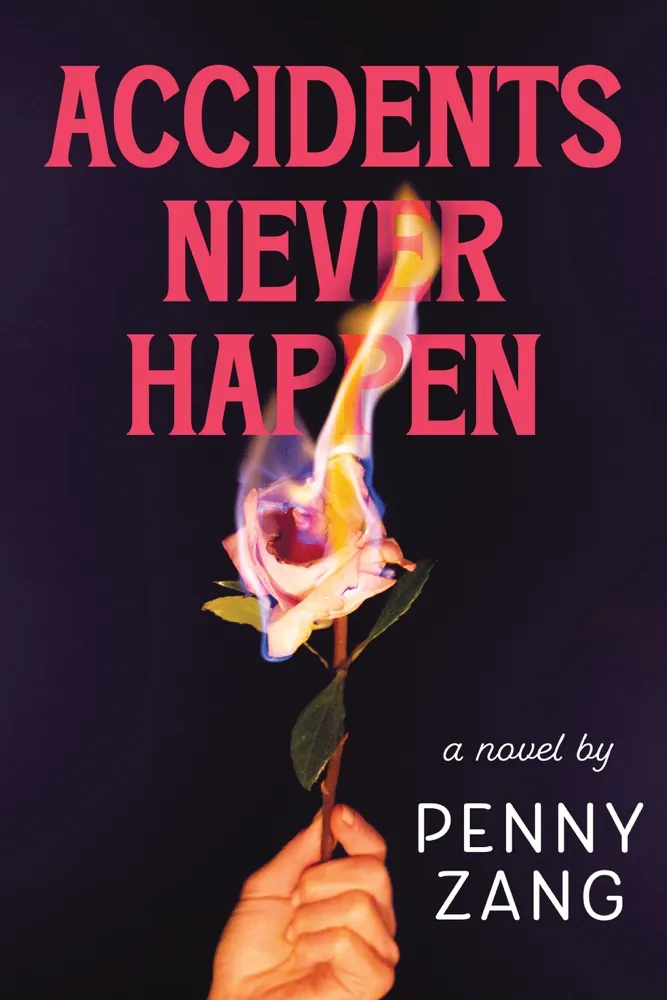

Author: Penny ZangPage Count: UnknownPublication Date: Expected publication 2026 APL Truth be told, September always brings out this ridiculous urge to pretend I am still twenty-two, chain-smoking cloves behind a dive bar while analyzing Edgar Allan Poe like it pays rent, which is precisely why Penny Zang’s upcoming Accidents Never Happen—slated for 2026 and currently leaning hard on the same moody atmospheric crutches as Long Bright River—has me staring down into a lukewarm cup of diner coffee and wondering if we are ever going to get past the tortured-sister trope. Zang clearly wants to bottle that specific 1980s Baltimore grit, mixing Blondie records with missing fathers and fake ghosts in an upstairs window, yet the synopsis practically begs for a tighter focus on the actual sisterly friction rather than tossing in the infamous Poe Toaster just to pad the suspense. Because nothing says heavy-handed gothic pastiche quite like a killer leaving dead roses and sherry at a crime scene, right on cue, as if serial murderers read literary history textbooks before planning their weekend errands. Edgar Allan Poe. Or maybe the killer is just a pretentious grad student. Zang is riding the coattails of Doll Parts, which had its moments of sharp prose, but this new premise stretches credibility right out the gate—who honestly thinks fabricating a ghost story about a dead nineteenth-century poet to save a failing neighborhood bar won't immediately attract the worst kind of weirdos, especially in a city already crawling with urban legends? Mad and Annabel deserve better than to be walking plot devices in a thriller that relies on cheap theatricality instead of actual human dread, though I suppose we will all pretend to be shocked when the missing father turns out to be tied up in the local lore. Or maybe not. I might have entirely misjudged the pacing based on the vague marketing copy, because the synopsis pivots so fast from nostalgic coming-of-age drama to slasher-movie pastiche that I honestly cannot tell if this is supposed to be a gritty regional mystery or an Edgar Allan Poe fanfiction written by committee. Actually, the Poe angle is probably brilliant if executed with enough irony. Or it is a total disaster waiting to happen. September dampness is fogging up the cracked diner window beside me, mirroring the exact kind of suffocating hometown claustrophobia Zang is trying to sell in this book, and I can already picture the rushed third-act confrontation where everything goes up in flames because teenagers in 1985 apparently didn't know how to call the police instead of investigating a serial killer alone. Fans of Bright Young Women will likely eat this up anyway, hungry for another nostalgic true-crime adjacent aesthetic that trades real emotional stakes for spooky set-dressing, but I am reserving judgment until I actually see whether the prose can survive its own gimmick. Nevermore. I have to go finish painting a terribly depressing portrait. Related InsightsHouse of Sand and Fog Book Review and Summary Winterveil Book Review and Summary Forever Night Book Review and Summary{ "@context": "https://schema.org", "@type": "FAQPage", "mainEntity": [ { "@type": "Question", "name": "What is the main focus of Accidents Never Happen Book Review and Summary?", "acceptedAnswer": { "@type": "Answer", "text": "Everything you need to know about Accidents Never Happen with our detailed review." } }, { "@type": "Question", "name": "Who authored the comprehensive guide on Accidents Never Happen Book Review and Summary?", "acceptedAnswer": { "@type": "Answer", "text": "This detailed article and its insights were carefully researched and authored by Camille Dubois." } }, { "@type": "Question", "name": "Where can I find more related content about Books?", "acceptedAnswer": { "@type": "Answer", "text": "You can explore more articles, detailed reviews, and similar insights by browsing the Related Insights section at the bottom of this article or visiting our dedicated Books category page." } } ] }
-
 Maximilian Fischer
 - 01 Sep, 2026 13:06
Dumpling Therapy: My Mother, Chinese Food, and Five Thousand Years of Not-So-Ancient Recipes Book Review and Summary
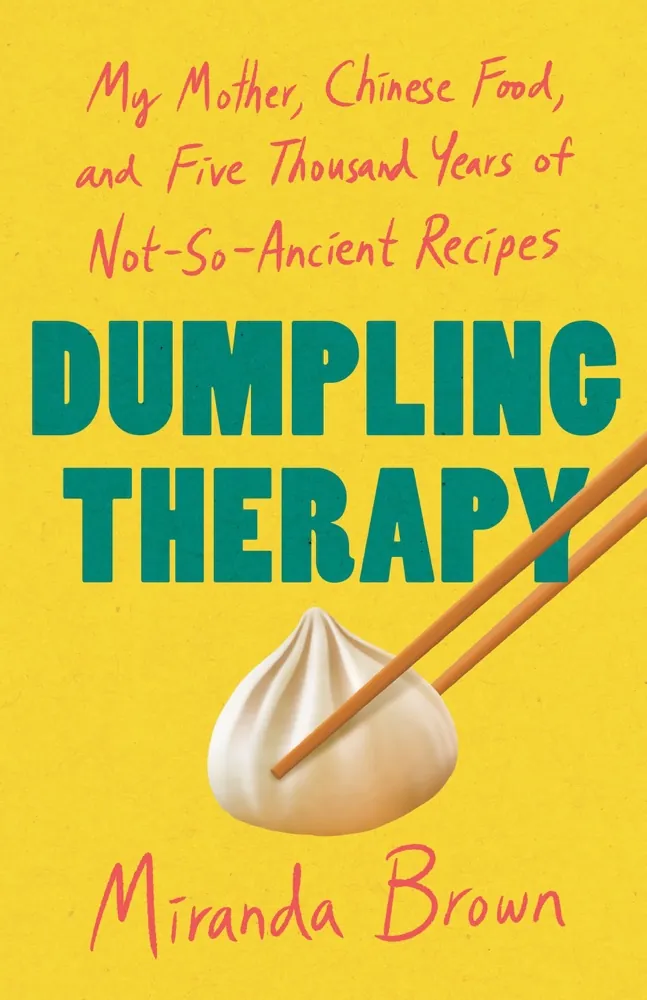
Author: Miranda BrownPage Count: UnknownPublication Date: Expected publication 2026 APL Butter in the coffee. A mother who refuses to march to the rigid drumbeat of culinary tradition. Miranda Brown is preparing to break our hearts with Dumpling Therapy, an upcoming memoir that sounds less like a cookbook and more like a gentle, aching epistolary collision with the ghosts who feed us. The Kitchen Where History Bleeds Memory tastes like scorched sugar and unexpected lard. We spend our youth craving the standardized happiness of the families next door—the identical dumplings, the predictable brown gravy, the quiet shame of a mother who dares to be eccentric in a foreign land. Then the mother dies. And suddenly, every weird, butter-soaked recipe she left behind becomes a sacred scroll. Wait. Did I say the mother dies in the first chapter? The synopsis implies it happens somewhere in the middle, but honestly, memoirs about dead mothers always start with the rattling of pots in an empty kitchen anyway. Speaking of rattling pots, why do people insist on writing historical fiction where every single woman in the 1800s is secretly a master herbalist and an early feminist? It drives me completely mad. I tried to read a historical romance last week about a duke who invented the steam engine while sighing over a milkmaid, and I nearly threw my cold-press juice across the living room. Give me messy, flawed human beings over sanitized historical archetypes any day. Or perhaps I am entirely wrong about the historical scope here. Maybe the book barely touches the ancient past and stays entirely glued to the stovetop of 1980s San Francisco. The Lineage of Chop Suey There is something devastatingly romantic about tracing a dumpling across two millennia only to realize it has an immigrant story of its own. Food has no pure bloodlines. It migrates, it marries strange ingredients, it adapts just to survive the winter. Brown looks at chop suey—that universally scorned artifact of diaspora survival—and finds a lineage. Yet, I worry the culinary metaphor might stretch too thin across five thousand years. Can a single bowl of braised Cantonese tofu really hold the weight of maternal estrangement and ancient geopolitical shifts? Perhaps it can. Love makes fools of historians and poets alike. We hunt for secret letters simply because we cannot bear the thought that the people who raised us were ever just ordinary strangers. They leave us butter in the coffee and expect us to decode the grease stains. The absurd cost of braces these days is giving me a massive headache. #memoir #foodwriting #booktok Related InsightsIf This World Were Mine Book Review and Summary There Are No Giant Crabs in This Novel: A Novel of Giant Crabs (John Dies at the End, #5) Book Review and Summary Inkheart Book Review and Summary{ "@context": "https://schema.org", "@type": "FAQPage", "mainEntity": [ { "@type": "Question", "name": "What is the main focus of Dumpling Therapy: My Mother, Chinese Food, and Five Thousand Years of Not-So-Ancient Recipes Book Review and Summary?", "acceptedAnswer": { "@type": "Answer", "text": "Everything you need to know about Dumpling Therapy: My Mother, Chinese Food, and Five Thousand Years of Not-So-Ancient Recipes with our detailed review." } }, { "@type": "Question", "name": "Who authored the comprehensive guide on Dumpling Therapy: My Mother, Chinese Food, and Five Thousand Years of Not-So-Ancient Recipes Book Review and Summary?", "acceptedAnswer": { "@type": "Answer", "text": "This detailed article and its insights were carefully researched and authored by Maximilian Fischer." } }, { "@type": "Question", "name": "Where can I find more related content about Books?", "acceptedAnswer": { "@type": "Answer", "text": "You can explore more articles, detailed reviews, and similar insights by browsing the Related Insights section at the bottom of this article or visiting our dedicated Books category page." } } ] }

Author: Maria TureaudPage Count: UnknownPublication Date: Expected publication 2026 APL September air smells like rot and wet wool, though nobody wants to admit the summer is truly dead. I sit here surrounded by piles of unread proofs while my own grandchildren treat me like a piece of antique furniture they forgot to dust, demanding ancient tales they never actually listen to anyway. They just want noise. They want blood and shadows without paying any attention to the old blood on the hearthstones. Maria Tureaud is about to drop Beneath, It Sleeps upon us in 2026, and I already know I will despise the modern gloss slapped over real suffering. An eighteenth-century Irish Gothic tale about a runaway accountant hiding in the notorious Hellfire Club. Dublin brothels, wicked gentlemen, and the sudden intrusion of an ancient púca. Because apparently, we are still recycling the same tired folklore tropes until every drop of terror is wrung completely dry. Ledgers and Bloodstains The premise leans heavily on the domesticity of fear—running from a powerful duke only to land in the lap of Dorcas Kelly, the city's most infamous madam. Lotty Boyle is supposed to be our eyes and ears, an accountant turned spy. Yet everyone loves a plucky female protagonist who stumbles into supernatural conspiracies because human greed is apparently too mundane for the current literary market. Why must every historical fiction piece turn into a monster mash by chapter three? It is exhausting. It is the exact same intellectual laziness I saw last year when everyone lost their minds over that dreadful Irish witch novel that shall remain nameless—the one where the protagonist spent three hundred pages staring at damp peat while the author desperately tried to invent a new adjective for "grey." The Old Sins Wake God forbid a story just be about the crushing weight of eighteenth-century debt and male cruelty without needing an elemental power waging war against the Devil. We always have to dig up some primeval entity sleeping beneath the floorboards. Subtlety died somewhere around 2012, buried under a mountain of high-concept pitches designed for streaming adaptations rather than actual readers who appreciate a well-turned sentence. The locals chatter about banshees, Lotty has nightmares of shapeshifters, and the dark magics collide in a predictable display of pyrotechnics. My offshore accountant is demanding a secure phone call. Related InsightsDeath in Berlin Book Review and Summary A Storm of Swords Book Review and Summary Do Androids Dream of Electric Sheep? Book Review and Summary{ "@context": "https://schema.org", "@type": "FAQPage", "mainEntity": [ { "@type": "Question", "name": "What is the main focus of Beneath, It Sleeps Book Review and Summary?", "acceptedAnswer": { "@type": "Answer", "text": "Everything you need to know about Beneath, It Sleeps with our detailed review." } }, { "@type": "Question", "name": "Who authored the comprehensive guide on Beneath, It Sleeps Book Review and Summary?", "acceptedAnswer": { "@type": "Answer", "text": "This detailed article and its insights were carefully researched and authored by Antoine Leroy." } }, { "@type": "Question", "name": "Where can I find more related content about Books?", "acceptedAnswer": { "@type": "Answer", "text": "You can explore more articles, detailed reviews, and similar insights by browsing the Related Insights section at the bottom of this article or visiting our dedicated Books category page." } } ] }
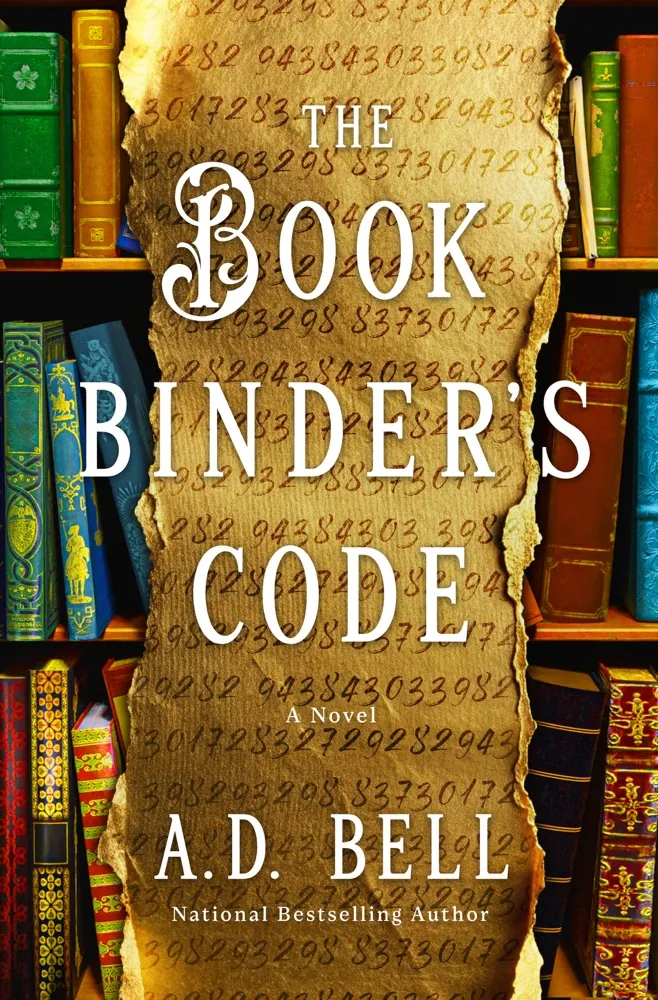

Author: A.D. BellPage Count: UnknownPublication Date: Expected publication 2026 APL The fluorescent lights overhead are humming a violent F-sharp and honestly, the chill creeping in through the loading bay door tonight is doing zero favors for my chronic existential dread. Autumn is here, people are wearing scarves, and I am desperately looking for the literary equivalent of a warm blanket dipped in cheap gin. Enter The Bookbinder's Code. Because nothing says cozy comfort quite like a Victorian-era missing person case and a dash of dusty antiquarian heresy. Binding Wounds and Coded Conspiracies We get it. The plucky artisan thrust into a high-society bloodbath is basically the pumpkin spice latte of historical mysteries. A.D. Bell is leaning hard into the cozy-meets-creepy aesthetic that keeps Dan Brown publishers swimming in cash. Yet—and this is a big, exhausted yet—there is something deeply comforting about the formula. Give me secret societies in Oxford quadrangles over modern nihilism any day. Give me a protagonist named Lily running around in a corset while a shadowy cabal tries to murder her. It is aggressively familiar. It is predictable. My coffee went cold reading this synopsis because I was too busy rolling my eyes at the exact same trope we have all consumed a thousand times since The Da Vinci Code dropped in 2003. The Heresy of the Familiar Yet we eat it up. Every single time. The plot relies on the oldest trick in the bibliographic thriller playbook: the mentor isn't who he says he is. Shocker. I am practically vibrating with apathy regarding the Liber Numerorum, mostly because vague synopses love throwing around Latin titles like they are instant tickets to gravitas. But do I care that it lacks structural originality? Absolutely not. Sometimes you just want to watch an Edwardian bookbinder dodge assassins in a ballroom while pondering the decimal system. It is pure serotonin for the exhausted night-shift brain. Expect breathless pacing that completely glosses over actual historical verisimilitude in favor of vibes. Think Kate Mosse meets Arthur Conan Doyle, filtered through a contemporary algorithm designed to maximize airport bookstore sales. It is low-stakes intellectual fast food wrapped in leather and gold leaf. And honestly? We desperately need that comfort right now as the leaves turn brown and the nights swallow the evening whole. My tarot reading this morning predicted an evening of profound annoyance. Related Insightsالقرآن الكريم Book Review and Summary The Ministry for the Future Book Review and Summary A Breath of Snow and Ashes Book Review and Summary{ "@context": "https://schema.org", "@type": "FAQPage", "mainEntity": [ { "@type": "Question", "name": "What is the main focus of The Bookbinder's Code Book Review and Summary?", "acceptedAnswer": { "@type": "Answer", "text": "Everything you need to know about The Bookbinder's Code with our detailed review." } }, { "@type": "Question", "name": "Who authored the comprehensive guide on The Bookbinder's Code Book Review and Summary?", "acceptedAnswer": { "@type": "Answer", "text": "This detailed article and its insights were carefully researched and authored by Beatriz Costa." } }, { "@type": "Question", "name": "Where can I find more related content about Books?", "acceptedAnswer": { "@type": "Answer", "text": "You can explore more articles, detailed reviews, and similar insights by browsing the Related Insights section at the bottom of this article or visiting our dedicated Books category page." } } ] }
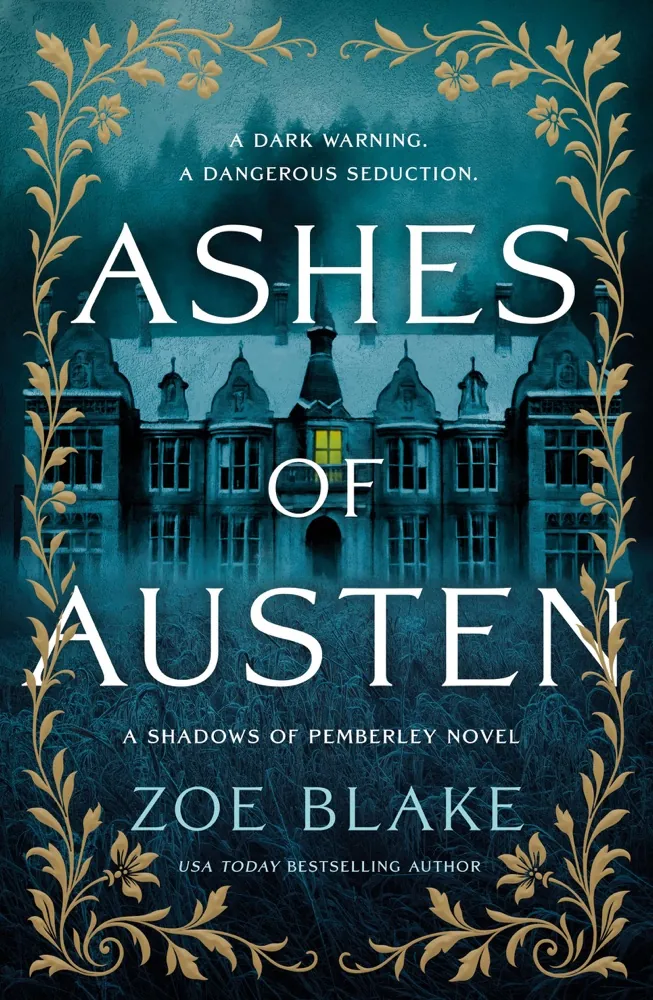

Author: Zoe BlakePage Count: UnknownPublication Date: Expected publication 2026 APL Paper wrappers from cheap bodega coffee flutter past my boots like dead leaves as September brings that familiar, bitter chill down the asphalt corridor. I am supposed to be mapping out the zoning petition for the community garden's winterizing phase tonight, but instead I find myself staring at a promotional blurb for Ashes of Austen, wondering how many times the publishing industry can dig up a dead Victorian satirist and force her corpses into a bustier. Zoe Blake clearly saw the current obsession with gothic hyper-fixation and decided to toss Jane Austen into a blender with a cheap bodice-ripper, promising us a world where high society's greed gets traded for poisoned wedding soup and mysterious dress destructions inside Northanger Abbey. Because nothing screams systemic critique quite like a protagonist named Julianna being terrorized by a brooding aristocrat who may or may not be a walking red flag with a title. Actually, wait. Let me walk that back entirely. Maybe reducing this to a mere cash grab misses the entire point of why these tropes endure in the concrete-choked sprawl of modern life. Perhaps we crave the melodramatic crumbling walls precisely because our own structural foundations are rotting in real-time, making a toxic romance inside a cursed estate feel almost quaint compared to the municipal neglect outside my window. Control. Obsession. Financial ruin wrapped in velvet and predatory protection. It is the exact same dynamic we fight against at every local city council hearing, just draped in gothic lace instead of developer zoning permits. Or maybe it is just garbage. Truth. Look, if you enjoyed Colleen Hoover’s brand of psychological whiplash or wanted Silvia Moreno-Garcia’s Mexican Gothic to lean harder into aggressive romantic suspense without any of the historical nuance, this is your next pre-order. Just don't expect actual social commentary. The radiator in my pre-war apartment is clanking like an angry ghost again. Related InsightsSeasonal Fears Book Review and Summary Cry, the Beloved Country Book Review and Summary I Am the Night: The Ultimate Unauthorized History of Batman: The Animated Series Book Review and Summary{ "@context": "https://schema.org", "@type": "FAQPage", "mainEntity": [ { "@type": "Question", "name": "What is the main focus of Ashes of Austen Book Review and Summary?", "acceptedAnswer": { "@type": "Answer", "text": "Everything you need to know about Ashes of Austen with our detailed review." } }, { "@type": "Question", "name": "Who authored the comprehensive guide on Ashes of Austen Book Review and Summary?", "acceptedAnswer": { "@type": "Answer", "text": "This detailed article and its insights were carefully researched and authored by Hannah Schmidt." } }, { "@type": "Question", "name": "Where can I find more related content about Books?", "acceptedAnswer": { "@type": "Answer", "text": "You can explore more articles, detailed reviews, and similar insights by browsing the Related Insights section at the bottom of this article or visiting our dedicated Books category page." } } ] }
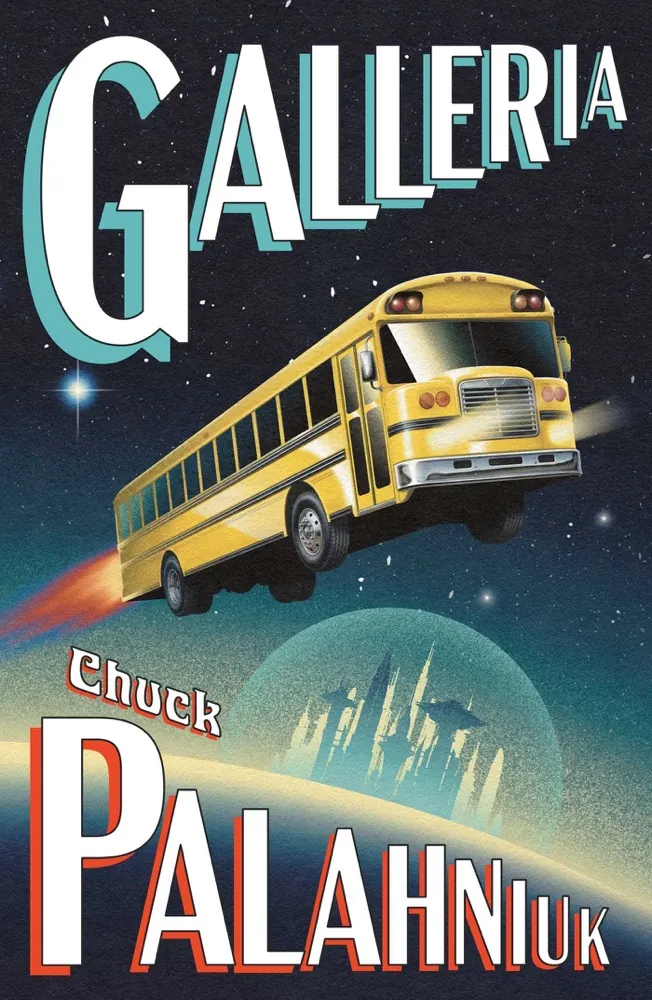

Author: Chuck PalahniukPage Count: UnknownPublication Date: Expected publication 2026 APL The synopsis for Galleria is a masterclass in controlled ambiguity—like a sci-fi pulp magazine cover that promises a wild ride but only lets you see the edge of the cliff. Grunt, a son searching for a father who vanished into the void, stumbles upon Rockets Ho!!, a magazine that might as well be a Rosetta Stone for the cosmos. The Welcome2 Homestead1 series—what a title, like a corporate slogan for a dystopian theme park—hints at something both utopian and predatory, where beauty is a weapon and field trips are hunting expeditions. But here’s the thing: the synopsis doesn’t tell you whether Homestead1 is a real colony, a psychological projection, or a metaphor for something far more mundane, like a cult’s playpen. That’s the genius—or the laziness—of it. Palahniuk has always thrived in the gray area between reality and hallucination, but this is his first foray into sci-fi, and it feels like he’s testing the waters with a splash of Stranger in a Strange Land meets Battle Royale—but with the existential dread of a man who’s read too many Lovecraft stories while chain-smoking in a diner booth at 3 AM. The synopsis leans into the pulp aesthetic, which is fine, but it also leans just hard enough to make you wonder if Palahniuk is either channeling his inner John Carpenter or just really, really tired of writing about people who self-destruct in basements. The Rockets Ho!! magazine is a neat device—it’s the kind of thing that would make a fanboy like me salivate, but it’s also a narrative crutch. If Grunt’s father’s disappearance is tied to this fictional pulp, then the book either becomes a detective story about decoding a mystery or a meta-commentary on how fiction shapes reality. Right now, it’s too vague to tell. And then there’s Homestead1—perfect, beautiful, too perfect. The description of Bradbury9 and Ursula6 doing calisthenics by the Fountain of Authors is either a satire of literary canon-worship or a straight-up Lovecraftian horror setup, depending on whether you believe in the existence of the place. The fact that children are taught to kill Earthlings? That’s the kind of line that could either be a darkly comic jab at colonialism or the setup for a body-horror sequence where the kids start eating their teachers. The synopsis doesn’t commit, and that’s frustrating—but then again, maybe that’s the point. Palahniuk has always been a master of leaving things unsettled, of making the reader’s own paranoia the real villain. Fight Club didn’t explain everything; it made you feel the unraveling. So maybe Galleria isn’t about solving a mystery—maybe it’s about the way mysteries haunt you. But here’s where I pivot—because the synopsis is so sparse, it’s hard to tell if this is a book about fatherhood, alienation, or just a really elaborate metaphor for why people disappear. The Welcome2 Homestead1 series could be a stand-in for anything: social media algorithms, the allure of a better life, the way fiction becomes its own kind of truth. Or it could just be a really elaborate way to say “the universe is a shithole and we’re all just trying to survive.” That’s Palahniuk’s wheelhouse, sure, but it’s also the kind of broad stroke that makes you wonder if the book will feel like it’s stretching for a theme instead of letting the story breathe. The real question is whether Palahniuk can make sci-fi feel as visceral as his other work. He’s done it before, in Choke, where the body horror was so intimate it felt like a personal confession. But sci-fi requires a different kind of suspension of disbelief—one that’s harder to sell when the setting is as vague as a dream you can’t quite remember. The synopsis sells the idea of a lost father and a hidden colony, but it doesn’t sell the feeling of being there. And that’s the difference between a good hook and a great book. I’m going to stare at a blank canvas until inspiration strikes—probably while listening to some industrial noise music and wondering if I’ll ever figure out what the hell is going on in my own life, let alone someone else’s. #Palahniuk #SciFi #Dystopian #BookPreview #LiteraryChaos Related InsightsTerms and Conditions Book Review and Summary All You Need Is a Pencil: The Stuck in a Car, Plane, or Train Activity Book Book Review and Summary Beach Read Book Review and Summary{ "@context": "https://schema.org", "@type": "FAQPage", "mainEntity": [ { "@type": "Question", "name": "What is the main focus of Galleria Book Review and Summary?", "acceptedAnswer": { "@type": "Answer", "text": "Everything you need to know about Galleria with our detailed review." } }, { "@type": "Question", "name": "Who authored the comprehensive guide on Galleria Book Review and Summary?", "acceptedAnswer": { "@type": "Answer", "text": "This detailed article and its insights were carefully researched and authored by Olya Shevchenko." } }, { "@type": "Question", "name": "Where can I find more related content about Books?", "acceptedAnswer": { "@type": "Answer", "text": "You can explore more articles, detailed reviews, and similar insights by browsing the Related Insights section at the bottom of this article or visiting our dedicated Books category page." } } ] }
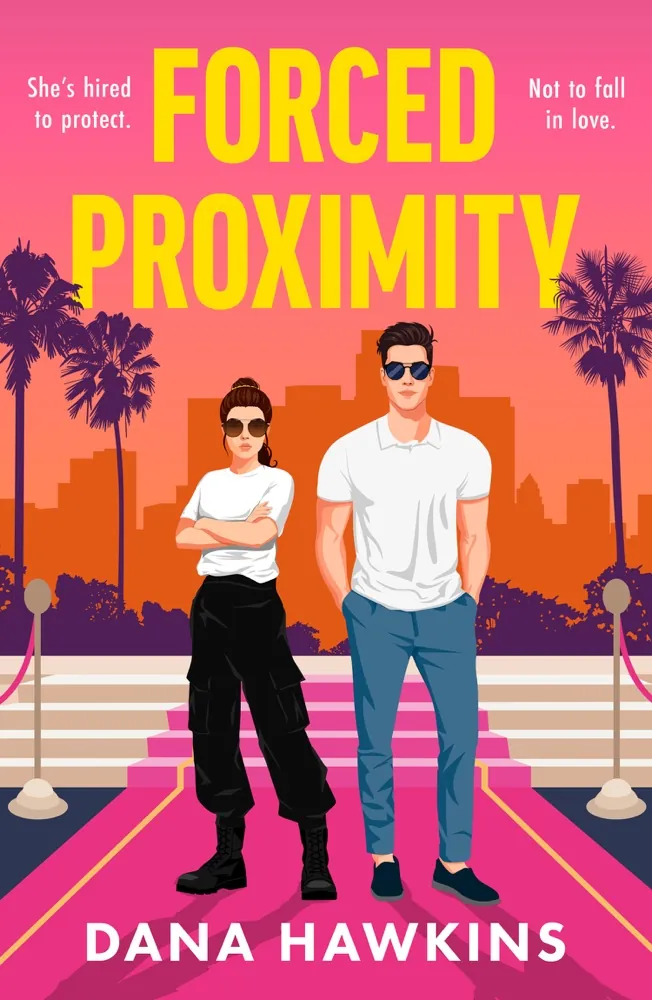

Author: Dana HawkinsPage Count: UnknownPublication Date: Expected publication 2026-08-27 APL The provenance of a piece dictates its entire aesthetic value—or at least that is what I remind myself when staring at a provenance trail as thin as tracing paper. Dana Hawkins’s upcoming Forced Proximity arrives with a scaffolding built entirely from marketable tropes and glittering reader testimonials, leaving the actual texture of the prose frustratingly opaque. We are handed a blueprint instead of a completed canvas. The Architecture of Friction Consider the central conceit. An elite personal security operative juxtaposed against a recalcitrant A-list actor. It is a compositional setup as old as the salon, yet the friction relies on familiar strokes. Lexi Morgan is sketched with the broad charcoal strokes of physical competence and professional disdain. Justin Greenwood is the vanity project she must manage. And yet, the synopsis promises a slow-burn combustion. Or perhaps a mild simmer, given the genre's constraints. Actually, let me retract that sweeping dismissal of the burn rate. Hawkins has proven her mettle in crafting queer contemporary narratives—works like Not in the Plan carry a distinct emotional cadence that suggests the interpersonal dynamics here might possess genuine bite beneath the glossy veneer. The Palette of Peril A stalker enters the frame to accelerate the mandatory physical proximity. This is narrative convenience disguised as high stakes. A tired trope, frankly. One expects more psychological acuity from a creator whose previous character arcs have earned such fervent praise in niche literary circles. But commercial romance requires a looming threat to force the protagonists into each other's personal space, converting professional detachment into domestic intimacy whether they consented to the layout or not. The aesthetic tension here is obvious. High-society glamor meets the utilitarian grit of a bodyguard who thinks she's just babysitting. It is low-hanging fruit for character contrast. The juxtaposition of luxury trailers and menacing anonymous texts provides a jarring chiaroscuro effect, though one worries the execution might lean too heavily into superficial cinematic cues—pure slop for the masses who want their emotional beats telegraphed from three chapters away. The Market Frame Kate Spencer would likely devour this in a single afternoon on her patio, while Emily Henry fans will spot the structural scaffolding from a mile away. The pedigree matches the current contemporary market demand for forced proximity aesthetics. My literary agent just called on the secure line with international translation rights for my obscure monograph on 18th-century forgery, so I must abruptly depart this critique before I dissect the publisher's marketing copy any further. #ForcedProximity #BookTwitter #ContemporaryRomance Related InsightsNothing Human Left Book Review and Summary Striker Book Review and Summary A Wall Is Also a Road Book Review and Summary{ "@context": "https://schema.org", "@type": "FAQPage", "mainEntity": [ { "@type": "Question", "name": "What is the main focus of Forced Proximity Book Review and Summary?", "acceptedAnswer": { "@type": "Answer", "text": "Everything you need to know about Forced Proximity with our detailed review." } }, { "@type": "Question", "name": "Who authored the comprehensive guide on Forced Proximity Book Review and Summary?", "acceptedAnswer": { "@type": "Answer", "text": "This detailed article and its insights were carefully researched and authored by Emma Thompson." } }, { "@type": "Question", "name": "Where can I find more related content about Books?", "acceptedAnswer": { "@type": "Answer", "text": "You can explore more articles, detailed reviews, and similar insights by browsing the Related Insights section at the bottom of this article or visiting our dedicated Books category page." } } ] }
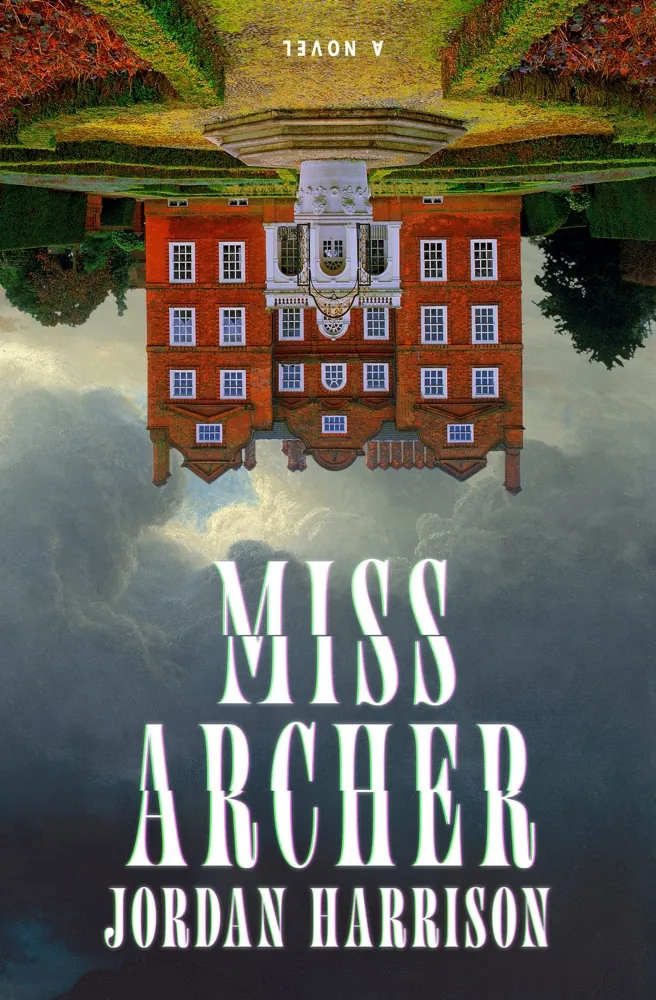
Author: Jordan HarrisonPage Count: UnknownPublication Date: Expected publication 2026 APL Staring at a blinking cursor in late September is a combat sport where the opponent is always winning. But instead of studying footwork or analyzing a brutal liver shot, I am sitting here trying to hit an arbitrary word count about a book that isn't even on shelves yet. Jordan Harrison’s Miss Archer arrives sometime in 2026, which means I am currently doing acrobatics over a premise I can barely touch. Let us get through this so I can return to staring blankly at the wall. The Architecture of the Gimmick The setup relies heavily on a classic speculative bait-and-switch. Dre Archer gets plucked from the Squares—where human history supposedly ended—to nanny a five-year-old prodigy named Albie. The catch? Albie is convinced the year is 1884, two centuries out of sync with reality, and his grand Victorian manor operates as a strict historical reenactment society. Corsets, comportment lessons, and absolute denial of the 22nd century. Writers love throwing characters into artificial cages—Kazuo Ishiguro did it with devastating grace in Never Let Me Go, and Daphne du Maurier practically patented the oppressive architectural anxiety in Rebecca. Yet the synopsis leans hard into Russian doll-like revelations. I can already smell the third-act twist. Someone is watching through a two-way mirror. Someone is harvesting data. What Makes Us Tick The promotional blurbs—courtesy of heavyweights like Rumaan Alam and Charles Yu—insist this debut is principally concerned with the great, unanswerable question of what makes us human. That is publisher-speak for philosophical window dressing. Every speculative novel written in the shadow of climate collapse and digital saturation now tackles our pathetic yearning for the analog world. We stare at glowing rectangles all day, so naturally, novelists write about corsets and candlelight as the ultimate resistance. Harrison is a playwright by trade. Dialogue will likely snap and crackle, carrying the entire weight of the narrative while the world-building does the heavy lifting in the background. But I worry about the mechanics. When a protagonist asks "What is my job, really?", the reader is implicitly promised an intellectual payoff that rarely survives the landing. If the prose stays as fluid as Yu claims, the journey through this bizarre Victorian time-bubble might justify the inevitable techno-paranoia tropes. Or it will collapse under the weight of its own cleverness. Either way, I am trapped writing about a 2026 publication date while September winds rattle the windowpane. I have to go finish painting a terribly depressing portrait. #MissArcher #JordanHarrison #LiteraryFiction #SpeculativeFiction Related InsightsIn a Holidaze Book Review and Summary Edge Book Review and Summary Charlaine Harris Gunnie Rose 4 Book Review and Summary{ "@context": "https://schema.org", "@type": "FAQPage", "mainEntity": [ { "@type": "Question", "name": "What is the main focus of Miss Archer Book Review and Summary?", "acceptedAnswer": { "@type": "Answer", "text": "Everything you need to know about Miss Archer with our detailed review." } }, { "@type": "Question", "name": "Who authored the comprehensive guide on Miss Archer Book Review and Summary?", "acceptedAnswer": { "@type": "Answer", "text": "This detailed article and its insights were carefully researched and authored by Natalia Sokolova." } }, { "@type": "Question", "name": "Where can I find more related content about Books?", "acceptedAnswer": { "@type": "Answer", "text": "You can explore more articles, detailed reviews, and similar insights by browsing the Related Insights section at the bottom of this article or visiting our dedicated Books category page." } } ] }
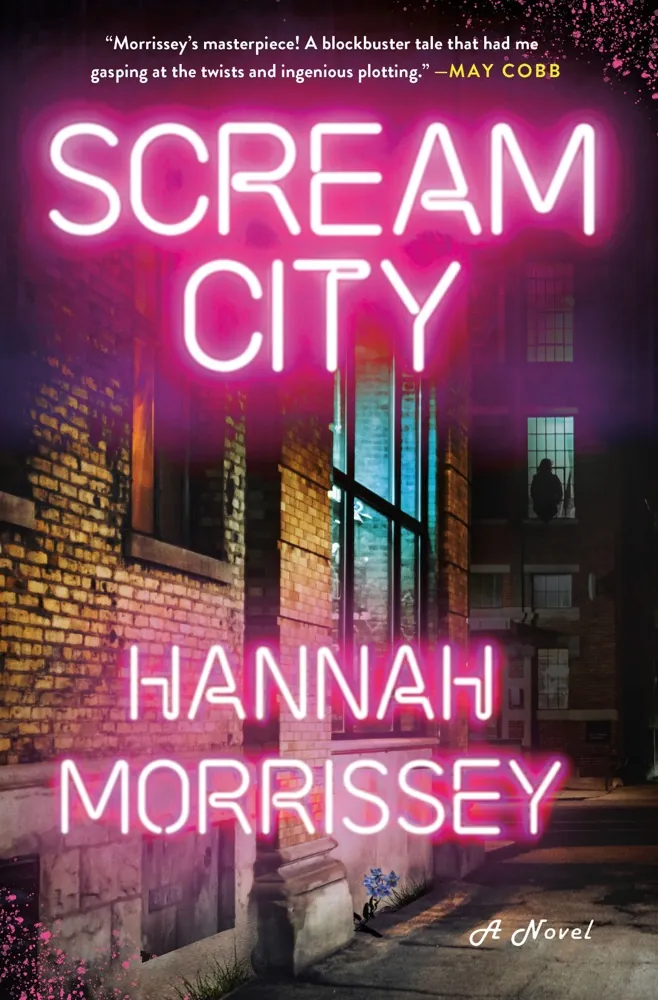

Author: Hannah MorrisseyPage Count: UnknownPublication Date: Expected publication 2026 APL The synopsis for Scream City is a masterclass in how not to waste a good premise—because what it could be is a brutal, genre-defying descent into the kind of psychological horror that makes you question whether the real monster was ever the one in the alley. Instead, it’s a synopsis that leans so hard into the "copycat killer" trope that it risks becoming a pastiche of Se7en meets Zodiac, but with the emotional depth of a True Detective episode that got cut short by a budget meeting. The problem isn’t that the idea is weak—it’s that the execution feels like it’s being held together by duct tape and a prayer to whatever god watches over Milwaukee’s Walker’s Point. Alice Foster, CCK’s granddaughter, is the kind of character who should be fascinating—trapped in the shadow of her grandfather’s legacy, running a bookstore that’s somehow both a sanctuary and a time bomb. But the synopsis reduces her to a plot device, a "suspect" who exists primarily to make Rex Hale’s life miserable. And Rex? Oh, Rex is the everyman cop who’s already been broken by the system, which is fine, but the way the synopsis frames him—divorced, suspended, evicted—it’s like the author is trying to cram every cliché of the "burned-out detective" into one paragraph. Where’s the nuance? Where’s the humanity? This feels like a script for a TV show where the writers hit "save" after the third take and called it a day. But here’s where the synopsis almost works—because the idea of a copycat killer in a city still scarred by its own history is rich with potential. Milwaukee’s Cream City Killer was real, and the way the synopsis drops that name like a punchline—"Scream City"—it’s a nod to the way trauma lingers, how cities become named by their violence. That’s the kind of thematic weight that could make this book more than just another thriller. But instead, it’s treated like a gimmick, a way to sell the idea that "this time, it’s personal" because the killer is mimicking a past crime. It’s the literary equivalent of a TikTok trend—short-lived, surface-level, and entirely forgettable unless someone slaps a viral hashtag on it. And speaking of trends—why does every thriller these days have to be a "copycat" story? It’s like the publishing industry decided that if Se7en worked, then Se7en 2.0 must be even better, even if it’s just a rehash of the same tired mechanics. The synopsis doesn’t even bother to hide that this is a formula: a disgraced cop, a suspect with a dark family history, a killer who’s just another ghost in the machine. It’s the kind of thing that makes you wonder if the author even read the books they’re trying to emulate, or if they just Googled "psychological thriller tropes" and picked the ones that sounded the most dramatic. But let’s talk about the real crime here—the way the synopsis treats Walker’s Point like a character itself, a neighborhood doomed by gentrification and the weight of its past. That’s the part that could be compelling, if only the author didn’t reduce it to a backdrop. Gentrification isn’t just a setting; it’s a force that erases people, and the synopsis hints at that tension—Rex’s eviction, Alice’s bookstore surviving where others haven’t—but it never digs into why that matters. Is this about displacement? About the way history gets rewritten? Or is it just another excuse to throw in a few urban decay aesthetics before the final act? The most infuriating part? The synopsis doesn’t even try to sell the emotional core. It’s all about the murders, the suspects, the "path of destruction"—but where’s the heart? Where’s the moment that makes you care about Alice or Rex beyond their roles in the investigation? This feels like a book that was written by committee, where the only thing that matters is the next body drop, not the next tear. And don’t even get me started on the fact that this is supposed to be a new novel in 2026, when the market is already saturated with reboots and rehashes. The synopsis reads like it was cobbled together from a list of "things that sell": serial killer, copycat, haunted bookstore, disgraced cop, gentrification subplot. It’s the literary equivalent of a fast-food meal—familiar, predictable, and entirely forgettable unless you’re starving. But fine, let’s pretend this is actually something. Let’s pretend that Alice and Rex will somehow find a way to trust each other, that they’ll dig up the past and uncover the truth before the killer silences them both. Let’s pretend that Scream City will be the kind of book that lingers, that makes you think about the weight of history and the way violence echoes through generations. Because right now, it’s just another synopsis that’s too busy selling the idea of a thriller to actually be one. Now I have to explain to a teenager why the Wi-Fi is down again, and honestly, that’s more interesting than whatever this book is going to be. #BookTok #ThrillerSeason #WhyIsEverythingSoPredictable Related InsightsOnce in a Timeline Book Review and Summary Peace Like a River Book Review and Summary Our Violent Ends Book Review and Summary{ "@context": "https://schema.org", "@type": "FAQPage", "mainEntity": [ { "@type": "Question", "name": "What is the main focus of Scream City Book Review and Summary?", "acceptedAnswer": { "@type": "Answer", "text": "Everything you need to know about Scream City with our detailed review." } }, { "@type": "Question", "name": "Who authored the comprehensive guide on Scream City Book Review and Summary?", "acceptedAnswer": { "@type": "Answer", "text": "This detailed article and its insights were carefully researched and authored by Thomas Wright." } }, { "@type": "Question", "name": "Where can I find more related content about Books?", "acceptedAnswer": { "@type": "Answer", "text": "You can explore more articles, detailed reviews, and similar insights by browsing the Related Insights section at the bottom of this article or visiting our dedicated Books category page." } } ] }
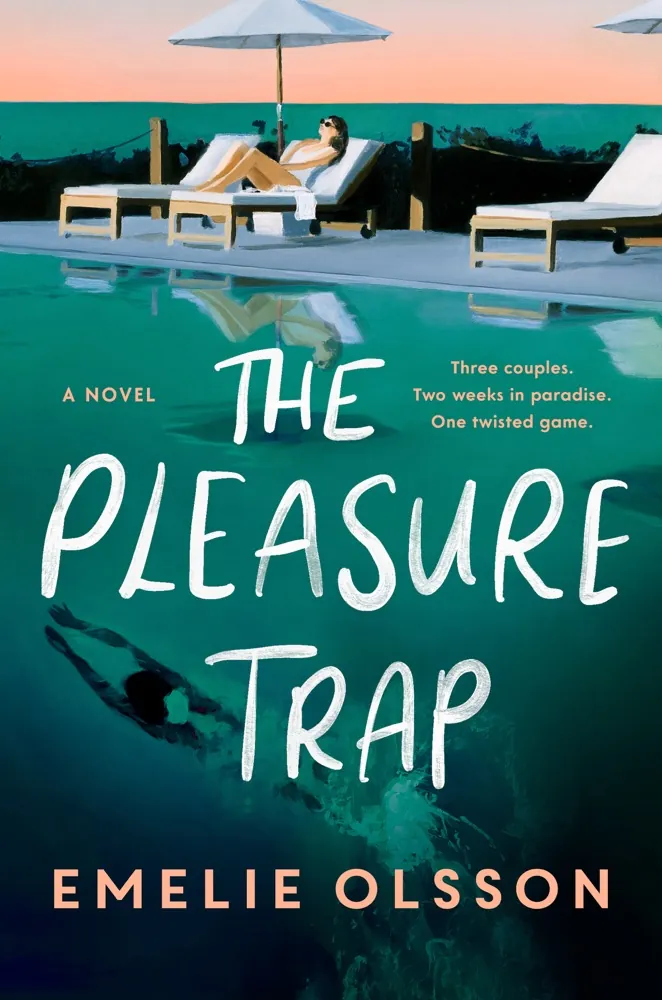

Author: Emelie OlssonPage Count: UnknownPublication Date: Expected publication 2026 APL Hold onto your metal pole because the screeching brakes of this packed morning commute are barely rattling my teeth compared to how hard Emelie Olsson’s upcoming The Pleasure Trap is about to scramble contemporary psychological thrillers. Look, I am only typing this frantically on my phone between lurches because my cynical editor demanded word-count blood before noon, treating my brain like an ATM for hot takes. But let us dissect the promotional anatomy of this 2026 release. Three couples. A sun-drenched Mexican resort. And a malicious psychological predation masquerading as a casual vacation friendship. The Architecture of Betrayal Consider the manipulative scaffolding here. Alice and Tom are drowning in barren, sixteen-year domesticity. Melissa and Callum are digital narcissists chasing algorithmic clout through matrimonial aesthetics. Rebecca and Ryan are the veteran sociopaths orchestrating the whole miserable ecosystem. Olsson is clearly leaning into a savage critique of modern partnership taxonomy—exposing how easily wedded bliss morphs into absolute transactional warfare. It gives off major early Gillian Flynn energy crossed with a sun-bleached season of White Lotus, yet the marketing boldly leans into explicit romance territory. Kate Storey promises "the hottest [spice] you’ll ever see on the page." What an absolute linguistic flashbang. Combining searing sociological deconstructions of marriage with high-octane erotica is a tightrope walk that usually ends in narrative splat, but if Olsson pulls it off, it will be an absolute cultural banger. Seduction as Weaponized Epistemology Power dynamics are the invisible architecture of every compelling domestic noir. Yet here, seduction is weaponized into an epistemological cage match. Rebecca and Ryan view their targets not as human beings with interior lives, but as low-key NPCs in their twisted relationship-maintenance game. It is peak psychological gaslighting, rendered in neon resort lighting. Do I know how this ends? Absolutely not, because the synopsis stops right at the precipice of narrative chaos, leaving us hanging like a wet towel on a hurricane-swept balcony. But I predict the third-act twist will involve a catastrophic boundary-shattering collapse where the hunters accidentally become the hunted, realizing too late that they played themselves. We are living in an era oversaturated with domestic thrillers featuring unreliable narrators drinking tepid Chardonnay in suburban kitchens. Olsson taking this exact exhausted trope and dragging it out into the glaring Mexican sun feels electric. It is messy, it is provocative, and frankly, I am entirely here for the ensuing dumpster fire. Now if you will excuse me, this train is pulling into my stop and I need to go drink absinthe and pretend I am in 1920s Paris. #ThePleasureTrap #BookTwitter #ThrillsAndSpills #EmelieOlsson Related InsightsDesert Star Book Review and Summary The Worst Is Yet to Come Book Review and Summary Find Me Where It Ends Book Review and Summary{ "@context": "https://schema.org", "@type": "FAQPage", "mainEntity": [ { "@type": "Question", "name": "What is the main focus of The Pleasure Trap Book Review and Summary?", "acceptedAnswer": { "@type": "Answer", "text": "Everything you need to know about The Pleasure Trap with our detailed review." } }, { "@type": "Question", "name": "Who authored the comprehensive guide on The Pleasure Trap Book Review and Summary?", "acceptedAnswer": { "@type": "Answer", "text": "This detailed article and its insights were carefully researched and authored by Piotr Nowak." } }, { "@type": "Question", "name": "Where can I find more related content about Books?", "acceptedAnswer": { "@type": "Answer", "text": "You can explore more articles, detailed reviews, and similar insights by browsing the Related Insights section at the bottom of this article or visiting our dedicated Books category page." } } ] }
-
 Isabella Moore
 - 01 Sep, 2026 03:40
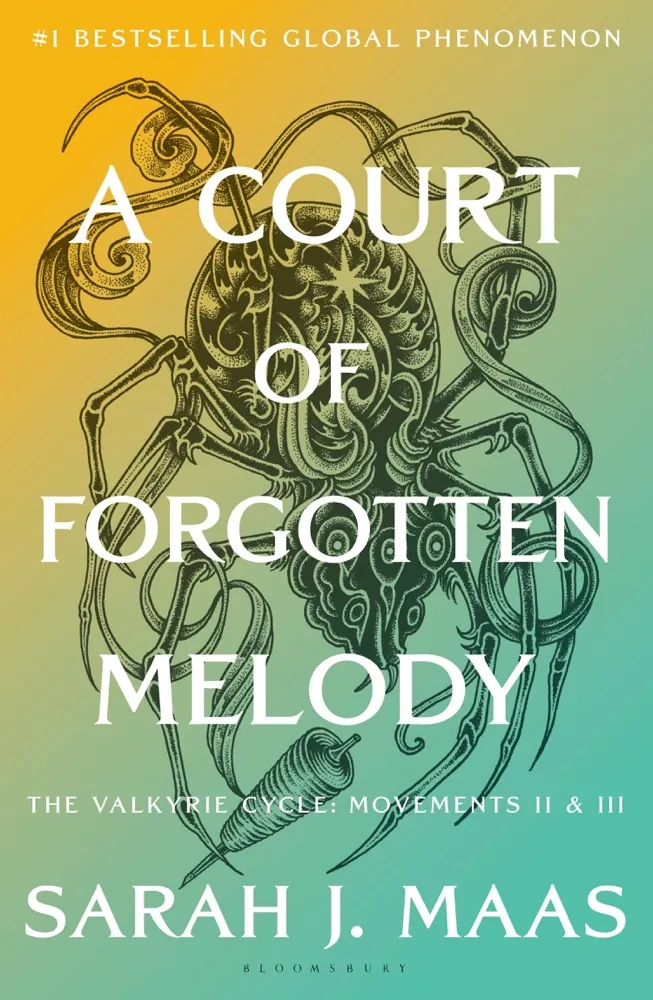
A Court of Forgotten Melody (A Court of Thorns and Roses, #7) Book Review and Summary
Author: Sarah J. MaasPage Count: UnknownPublication Date: Expected publication 2026 APL The coffee is stone cold, someone has smeared peanut butter across the stainless-steel toaster handle, and I am staring down Sarah J. Maas’s A Court of Forgotten Melody while the hum of the refrigerator threatens to deafen me. Here's the catch. The official synopsis reads like a word salad generated by a caffeinated marketing intern who just discovered the thesaurus function under the headings of political instability and generic peril. Prythian might never be the same again? Traditional alliances are crumbling? Please. It is the exact same breathless marketing speak plastered over every romantasy paper-weight currently clogging the bestseller lists next to Rebecca Yarros and Jennifer L. Armentrout. We get it. The stakes are high. The shadows are looming. The immortal fae are throwing temper tantrums while ancient evil lurks just off-screen, refusing to actually do anything until chapter fifty. When the Dust Settles on the Dishwasher The cultural obsession with ancient warlords who suddenly turn into soft-hearted domestic partners who do the dishes needs to be studied by sociologists, because I am watching my eight-year-old try to construct a functioning catapult out of dried fettuccine and a damp sponge right now and showing infinitely more innovation than these multi-perspective territorial disputes about dying stars and forgotten melodies. Exhausting. The Symphony of Shattered Alliances Give me characters who communicate like functional adults instead of brooding behind suspiciously well-moisturized cheekbones while the world literally burns around them. The synopsis promises that bonds will be tested and power will shift, yet we all know this just means another three hundred pages of decorative agonizing before a deus ex machina saves the day and everyone goes back to drinking enchanted wine in their ridiculously oversized mountain mansions. Unimaginative. Stop screaming about the television volume. I have to go stop a full-scale geopolitical crisis over the living room remote right now. #fantasy #books #romantasy #reading Related InsightsRabbit Rabbit Book Review and Summary Dark Restraint Book Review and Summary Lolita Book Review and Summary{ "@context": "https://schema.org", "@type": "FAQPage", "mainEntity": [ { "@type": "Question", "name": "What is the main focus of A Court of Forgotten Melody (A Court of Thorns and Roses, #7) Book Review and Summary?", "acceptedAnswer": { "@type": "Answer", "text": "Everything you need to know about A Court of Forgotten Melody (A Court of Thorns and Roses, #7) with our detailed review." } }, { "@type": "Question", "name": "Who authored the comprehensive guide on A Court of Forgotten Melody (A Court of Thorns and Roses, #7) Book Review and Summary?", "acceptedAnswer": { "@type": "Answer", "text": "This detailed article and its insights were carefully researched and authored by Isabella Moore." } }, { "@type": "Question", "name": "Where can I find more related content about Books?", "acceptedAnswer": { "@type": "Answer", "text": "You can explore more articles, detailed reviews, and similar insights by browsing the Related Insights section at the bottom of this article or visiting our dedicated Books category page." } } ] }
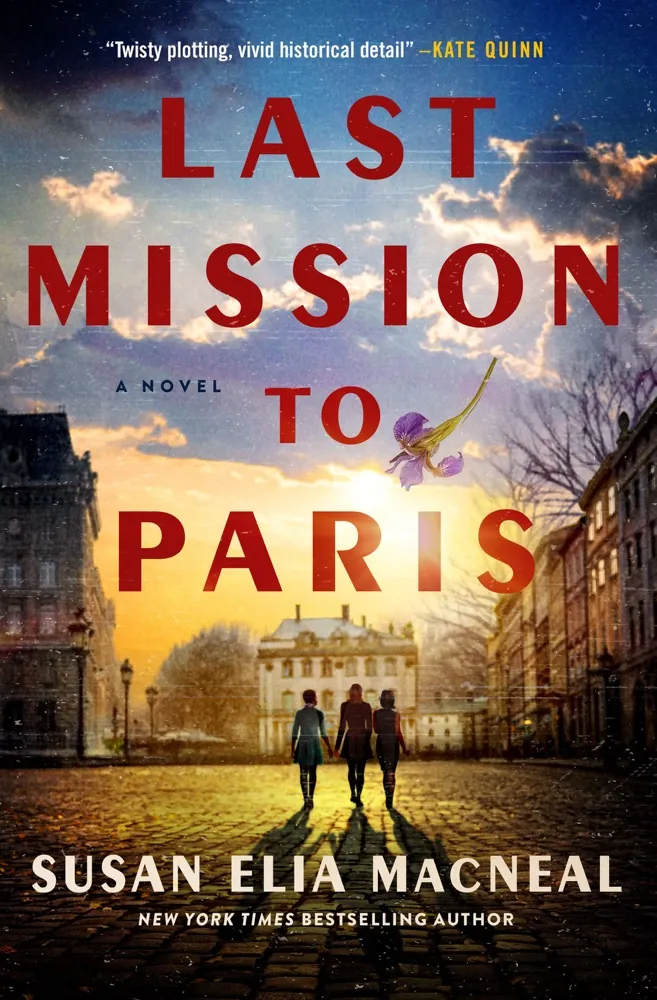

Author: Susan Elia MacNealPage Count: UnknownPublication Date: Expected publication 2026 APL Sweat is currently dripping off my nose and pooling right on the keyboard while a distant siren wails a flatulent three-note harmony against the brick facade across the alley. God, the concrete radiates heat like a pizza oven left on broil until midnight. Yet here I am, staring at a screen, evaluating Susan Elia MacNeal’s forthcoming Last Mission to Paris—a title that sounds less like a WWII espionage thriller and more like a tax-deductible vacation for a mid-list historical fiction author who got tired of writing about bookshops. The Nostalgia Industrial Complex Look at this lineup. Flip the Southern Belle. Zaina the dreamy Indian princess. Bella the stage star. Gabrielle the London shopgirl. It reads less like an espionage unit and more like a painfully diverse casting call for a prestige streaming limited series designed to win Emmys through sheer demographic arithmetic. We are supposed to buy that these four disparate archetypes parachuted into Nazi-occupied France and became inseparable before a tragic betrayal. Because nothing says covert operational efficacy like a stage actress yelling lines in a Parisian bistro. Or maybe I am being too harsh on the character dynamics—wait, no, let me walk that back entirely. The premise actually hits that sweet spot of high-concept middlebrow escapism that feels like Kate Quinn and Ken Follett had a baby in a gift shop at the Imperial War Museum. Swinging Sixties Meet Historical Trauma Twenty years later, we leap to the vibrantly commercialized London of the Swinging Sixties where a statue goes up, a historian drops dead, and Chloe the daughter steps in. The thematic machinery here relies entirely on structural irony. The public gets bronze monuments on the Thames, but the actual truth rots in a damp archive. MacNeal leans hard into the legacy of generational trauma, though she wraps it in the kind of genre tropes that scream airport bookstore display. The prose promises a trajectory from London to Paris to Berlin. But let us be honest with ourselves. This book is going to coast entirely on middle-aged female empowerment vibes disguised as a gritty spy hunt. It is historical gaslighting with a feminist gloss. The betrayal wasn't just a failure; it was deliberately sabotaged. Groundbreaking stuff. Truly a paradigm shift in how we conceptualize the Third Reich. Lexical whiplash aside, this narrative trajectory is basically the literary equivalent of a nostalgia-bait reboot nobody asked for, yet suburban book clubs are going to stan this absolute nonsense until the paperbacks disintegrate. Drop the mic. I have to go scream at a developer who is trying to turn the 1920s vaudeville house down the block into an artisanal matcha dispensary. Related InsightsGone Girl Book Review and Summary Primal Mirror Book Review and Summary Sharpe's Assassin Book Review and Summary{ "@context": "https://schema.org", "@type": "FAQPage", "mainEntity": [ { "@type": "Question", "name": "What is the main focus of Last Mission to Paris Book Review and Summary?", "acceptedAnswer": { "@type": "Answer", "text": "Everything you need to know about Last Mission to Paris with our detailed review." } }, { "@type": "Question", "name": "Who authored the comprehensive guide on Last Mission to Paris Book Review and Summary?", "acceptedAnswer": { "@type": "Answer", "text": "This detailed article and its insights were carefully researched and authored by Carmen Martinez." } }, { "@type": "Question", "name": "Where can I find more related content about Books?", "acceptedAnswer": { "@type": "Answer", "text": "You can explore more articles, detailed reviews, and similar insights by browsing the Related Insights section at the bottom of this article or visiting our dedicated Books category page." } } ] }
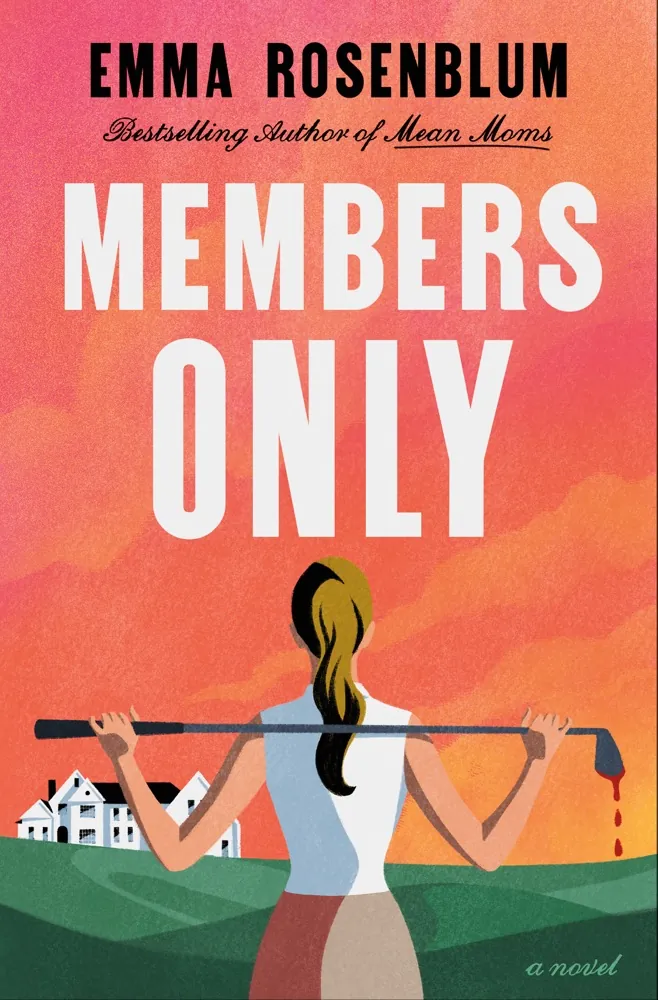
Author: Emma RosenblumPage Count: UnknownPublication Date: Expected publication 2026 APL Every bump along this asphalt artery sends a fresh vibration straight up my spine, yet my spirit remains annoyingly buoyant. Perhaps it is the sheer absurdity of typing literary notes on a cracked phone screen while an engine wheezes two feet behind my head. Or perhaps it is simply the delicious schadenfreude promised by Members Only. Emma Rosenblum knows how to skewer the privileged class without breaking a sweat. Her upcoming satire drops us straight into the manicured hellscape of Greenwich country clubs, where ice-blonde hair is uniform and bank accounts are hemorrhaging behind closed doors. The Cult of the Country Club and Other Extinct Species Pickleball courts and Olympic pools. The synopsis reads like a greatest hits album of modern upper-class ennui. And honestly, I cannot wait to tear into it. Rosenblum follows in the sharp, merciless footsteps of Candace Bushnell or Maria Semple, dissecting the grotesque lengths people will endure just to keep up appearances. We have Ted Flynn, a club president drowning in debt while pretending everything is pristine. We have Jessie Summit, a bride sprinting toward an altar she secretly despises just to satisfy maternal expectations. And of course, a dead body arrives right on cue to ruin the hors d'oeuvres. Wait. Let me rephrase that entirely. Perhaps calling this a merciless skewering gives the premise too much credit. Honestly, satirical thrillers about wealthy people dying at weddings have officially become the pumpkin spice lattes of contemporary fiction—overdone, aggressively predictable, and desperately clinging to relevance. Why am I even breaking down a synopsis for a book that relies on the exact same tired "rich people have dark secrets" trope we have ingested a thousand times? I need to stretch this commentary to hit a very specific, highly annoying word count just to satisfy an invoice, so let us pretend I am fascinated by the psychological nuance of a Ken doll named Patrick Flynn. Privilege Bleeding on the Tennis Court The real meat of this narrative—if the synopsis bothers to offer any—lies in Mike Lightbody, the Brooklyn chef transplanted to Connecticut. Class friction always tastes better when it is soaked in sweat and expensive gin. Yet the synopsis plays it remarkably safe. A body hits the ground. Everyone is a suspect. Groundbreaking. Agatha Christie did it with a silver candlestick, and suburbanites have been doing it with golf clubs ever since. Still, Rosenblum's prose is propulsive enough to forgive a recycled plot engine. She writes with a breezy cruelty that makes bad behavior look terribly fun. Let us be completely real. I am trapped in a metal box rolling through the dark, surviving on stale crackers, and I still have to figure out the damn floral arrangements for my own upcoming book launch by tomorrow morning. #bookstagram #satire #readinglife #greenwich Related InsightsThe Collector Book Review and Summary After Midnight Book Review and Summary Empire (Heir Duology, #2) Book Review and Summary{ "@context": "https://schema.org", "@type": "FAQPage", "mainEntity": [ { "@type": "Question", "name": "What is the main focus of Members Only Book Review and Summary?", "acceptedAnswer": { "@type": "Answer", "text": "Everything you need to know about Members Only with our detailed review." } }, { "@type": "Question", "name": "Who authored the comprehensive guide on Members Only Book Review and Summary?", "acceptedAnswer": { "@type": "Answer", "text": "This detailed article and its insights were carefully researched and authored by Marta Wisniewska." } }, { "@type": "Question", "name": "Where can I find more related content about Books?", "acceptedAnswer": { "@type": "Answer", "text": "You can explore more articles, detailed reviews, and similar insights by browsing the Related Insights section at the bottom of this article or visiting our dedicated Books category page." } } ] }
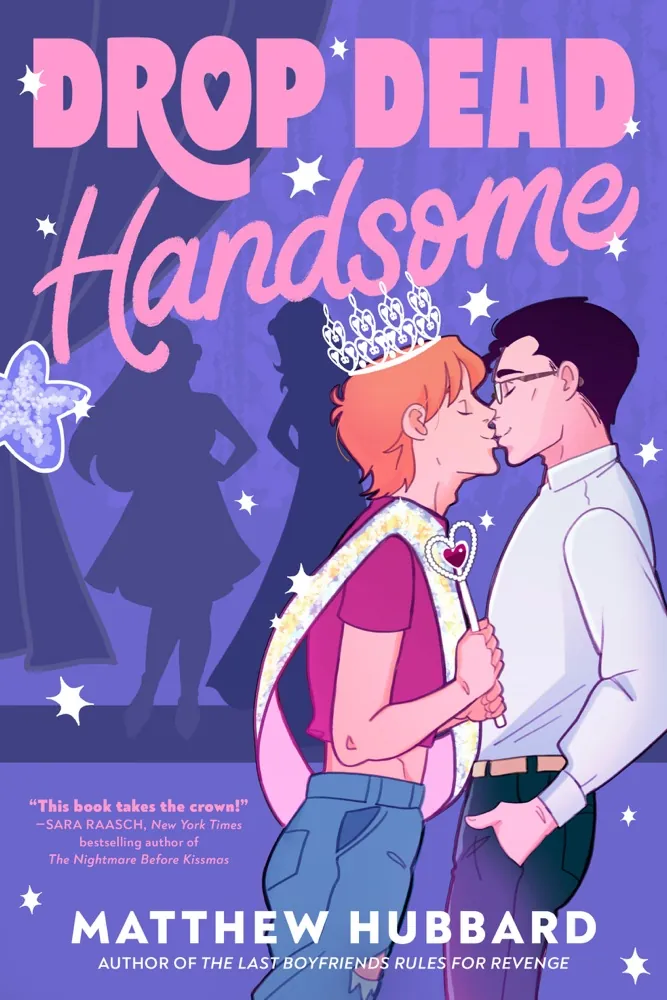

Author: Matthew HubbardPage Count: UnknownPublication Date: Expected publication 2026-12-22 APL Champagne flutes do not shatter themselves, yet Matthew Hubbard’s Drop Dead Handsome arrives with the kinetic force of a dropped Baccarat vase. We are looking at a December 2026 release date, which feels remarkably far away for a manuscript already generating the kind of breathless chatter usually reserved for a disgraced British peer's tell-all memoir. The Architecture of Sashes and Spite Southern Tennessee pageantry meets the high-octane panic of a college admissions office. Parker Ryland finds his meticulously curated dossier branded as—and this is genuinely offensive—"boring." One thinks immediately of the Fyre Festival catering tent. A tragedy of mediocrity. Naturally, the only logical antidote to an uninspired academic profile is subverting the patriarchy in an evening gown and a sash. And then there is Dean. The student body president. Nerdy, undeniably charming, armed with a clipboard and a dossier of pageant lore. Subversion Versus Sequins Let us pause for a moment. Actually, scratch that. Let us not pause at all, because the premise of a boy weaponizing the local pageant circuit against antiquated gender ideals is either going to be brilliantly satirical or as toothless as a boarding school faculty meeting. The synopsis leans heavily on the aesthetic of painted toenails and flying sparks. Yet, one suspects the actual prose might lean into the same earnest, overly processed sentimentality that plagued the later seasons of Glee. Hubbard wants us to believe in the gravity of a high school crown. But high school pageants possess the existential weight of a Gwyneth Paltrow wellness summit. Sparks fly. Paint splatters. Someone is sabotaging our protagonist. This reads less like a high-stakes thriller and more like the plot of a forgotten Disney Channel Original Movie that was hastily re-written after a focus group in Paramus threw a tantrum. Casey McQuiston comparison in the blurb? Please. Let us reserve that particular crown for writers who actually understand the mechanics of wit rather than trading exclusively in manufactured whimsy. Sigh. Or perhaps I am being too harsh on a book that has not even materialized on velvet-lined shelves yet. Maybe Hubbard will deliver a blistering social critique wrapped in taffeta and tulle. Let us pivot entirely: the setup is actually genius. The collision of small-town bigotry and teenage ambition offers a pristine canvas for sharp, biting prose—assuming the author avoids the temptation to wrap every emotional beat in cotton candy. The synopsis leaves us guessing about the mechanics of the sabotage, which is frankly lazy marketing. Who is ruining the evening gowns? The track team? The faculty advisor? We get no names, no motives, just vague threats and glitter. We wait. We watch. We pour another vintage. Except I cannot linger on this prose any longer because I desperately need to review the architectural plans for my new villa in Tuscany. Related InsightsThe Four Winds Book Review and Summary Little House on the Prairie Book Review and Summary L'Inchiostro Proibito: Il Silenzio Forzato delle Pagine nell'Impero Sovietico{ "@context": "https://schema.org", "@type": "FAQPage", "mainEntity": [ { "@type": "Question", "name": "What is the main focus of Drop Dead Handsome Book Review and Summary?", "acceptedAnswer": { "@type": "Answer", "text": "Everything you need to know about Drop Dead Handsome with our detailed review." } }, { "@type": "Question", "name": "Who authored the comprehensive guide on Drop Dead Handsome Book Review and Summary?", "acceptedAnswer": { "@type": "Answer", "text": "This detailed article and its insights were carefully researched and authored by Tiago Silva." } }, { "@type": "Question", "name": "Where can I find more related content about Books?", "acceptedAnswer": { "@type": "Answer", "text": "You can explore more articles, detailed reviews, and similar insights by browsing the Related Insights section at the bottom of this article or visiting our dedicated Books category page." } } ] }

Author: Brooke MontgomeryPage Count: UnknownPublication Date: Expected publication 2026 APL Oh, Christ, here we go again—another Christmas novel synopsis that’s basically a Wikipedia page for holiday literature with a side of existential dread. The e-artnow blurb reads like a drunken librarian’s dream list: The Gift of the Magi next to The Little Match Girl, A Christmas Carol (Dickens, not Coleridge) sandwiched between Mother Holle—which, by the way, is a fairy tale, not a rom-com. And yet, here we are, pretending this is some kind of Willow Branch Mountain exclusive when it’s just a repackaged anthology of classics with a dusting of snowflake sentimentality. But fine. Let’s play along. The synopsis doesn’t actually say what Take My Hand is—just that it’s part of a series, which, given the Willow Branch Mountain brand, probably means another small-town Christmas romance where the heroine is either a baker, a librarian, or a woman who “just happens” to run the local inn. The thematic baiting here is deliberate—Christmas as a metaphor for love, sacrifice, and the kind of clichéd redemption that makes you want to unplug your Wi-Fi and live in a cabin with no cell service. The fact that they’re listing The Nutcracker and the Mouse King alongside The Little Match Girl suggests they’re banking on the same audience that thinks Frozen is deep literature. The real question is: Why? Why would Brooke Montgomery—who, let’s be honest, has a knack for weaving cozy, emotionally resonant stories—suddenly lean into this literary Christmas buffet approach? Is this a marketing stunt? A desperate bid for algorithmic traction? Or is she genuinely trying to prove she can write a holiday epic that doesn’t feel like it was ghostwritten by a committee of Hallmark executives? The synopsis doesn’t tell us. It just drops us into a void of potential—the same void that makes me want to scream when a book’s blurb reads like a grocery list of influences. But here’s the thing: Willow Branch Mountain has a reputation for subtle emotional beats, for the kind of character-driven storytelling that doesn’t rely on The Twelve Days of Christmas as its emotional core. So if this book is actually going to deliver, it’ll have to do something unexpected—maybe a twist on the magical realism angle, or a protagonist who’s not just waiting for Christmas to fix their life. Because right now, the synopsis reads like a Christmas movie script from the 1980s, not a novel. And that’s not a knock on Christmas movies—it’s a knock on the fact that this feels like it was written by someone who’s never actually lived through a holiday season without a single cliché. The most interesting part? The absence of A Christmas Carol (Dickens) in the list—only Coleridge’s version is included, which is already a niche choice. This suggests the book might be playing with ghost stories or haunted holiday tropes, but again, the synopsis doesn’t say. It’s all implied, which is frustrating because I’d rather have a clear direction than a mood board with no narrative. And let’s not forget the meta here: the fact that this synopsis is literally a list of other books means the book itself is probably going to be about books, or at least feel like a bookish homage. Which, if done right, could be brilliant—think Little Women meets The Christmas Carol with a dash of The Night Circus’s atmospheric tension. But if it’s just another small-town Christmas romance where the heroine finds love under the mistletoe, then we’re all just waiting for the inevitable snow globe moment where the camera zooms out and the narrator sighs, “And that’s how Christmas saved them.” The rising cost of film for my analog camera is making me reconsider my life choices. Maybe I should just start taking pictures of my cat instead. #ChristmasNovelVibes #WhyAmIDoingThisToMyself Related InsightsCruel Seduction Book Review and Summary The Twelve Kingdoms Book 6 - A Thousand Miles of Wind, the Sky at Dawn: Part 2 (Novel) Book Review and Summary The Killer Angels Book Review and Summary{ "@context": "https://schema.org", "@type": "FAQPage", "mainEntity": [ { "@type": "Question", "name": "What is the main focus of Take My Hand (Willow Branch Mountain #5) Book Review and Summary?", "acceptedAnswer": { "@type": "Answer", "text": "Everything you need to know about Take My Hand (Willow Branch Mountain #5) with our detailed review." } }, { "@type": "Question", "name": "Who authored the comprehensive guide on Take My Hand (Willow Branch Mountain #5) Book Review and Summary?", "acceptedAnswer": { "@type": "Answer", "text": "This detailed article and its insights were carefully researched and authored by Giulia Ricci." } }, { "@type": "Question", "name": "Where can I find more related content about Books?", "acceptedAnswer": { "@type": "Answer", "text": "You can explore more articles, detailed reviews, and similar insights by browsing the Related Insights section at the bottom of this article or visiting our dedicated Books category page." } } ] }
-
 Marta Wisniewska
 - 29 Aug, 2026 23:01
Murder Under the Mistletoe (Cleopatra Fox Mysteries Book 13) Book Review and Summary
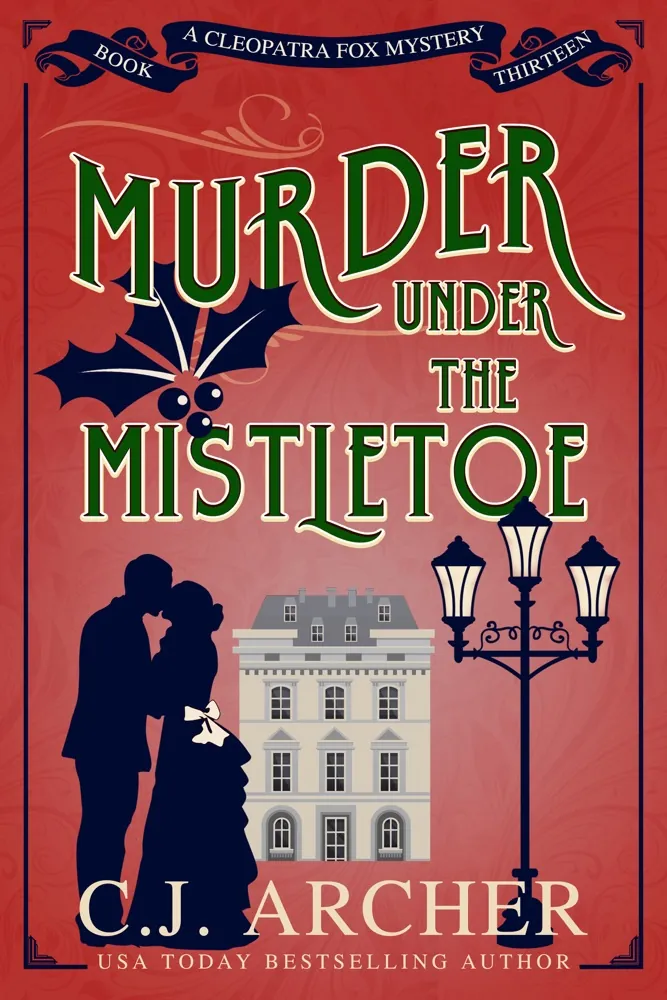
Author: C.J. ArcherPage Count: UnknownPublication Date: Expected publication 2026-12-01 APL Sticky vinyl seats and the dull, rhythmic throbbing of a disintegrating suspension system do wonders for one's critical detachment. God, I need a cigarette. Or a martini the size of a hubcap. Instead, I am forced to contemplate C.J. Archer’s upcoming Murder Under the Mistletoe, an enterprise seemingly designed to extract maximum profit from cozy-mystery junkies who mistake predictability for comfort. The Commodification of Yuletide Carnage Cleo and Harry return in what is objectively the thirteenth iteration of this literary treadmill. Thirteen! The synopsis leans hard into the domestic thriller playbook—a poisoned kiss beneath the festive boughs, because nothing screams heteronormative romantic dread quite like low-stakes homicide wrapped in holiday tinsel. We are handed the usual suspects: neighbors, lovers, servants, and the obligatory familiar face whose sudden villainy is supposed to make us gasp. I'm not buying it. The narrative architecture here smells entirely derivative, echoing the safest tropes of mid-tier Agatha Christie knockoffs and the endless parade of holiday-themed paperbacks littering supermarket checkout aisles next to the tabloids. And look, I have to hit a specific word count for this commissioned piece just to pay my transit fare out of this godforsaken province, so let us pretend the structural hegemony of historical cozy mysteries actually merits semiotic deconstruction. Agency Interrupted The real ideological grievance here lies in the protagonist’s domestic containment. Cleo dares to achieve upward mobility by moving into a luxury hotel—gasp!—only to be immediately policed by a visiting friend whining that our heroine has somehow "changed." God forbid a woman acquires a taste for velvet upholstery and self-preservation without her former associates acting like she committed treason against sisterhood. Yet Archer immediately neutralizes any genuine feminist subversion by shackling Cleo back to heteronormative unpaid emotional labor: solving murders alongside Harry while fretting over someone else's "unsuitable liaison" and hotel staff drama. It is structural gaslighting disguised as holiday cheer. The Aesthetic of Exhaustion The prose sketched out in this blurb relies on absolute narrative laziness. We get "secrets, lies, and motives"—the unholy trinity of lazy genre fiction. No stylistic risks. No formal ambition. Just a conveyor belt of exposition designed to keep middle-management readers comfortably numb during their transatlantic flights. The epistemological framework of the modern cozy is broken, preferring toothless stasis over actual character evolution. I am going to put on a Coltrane vinyl and forget about this book. Related InsightsDark Matter Book Review and Summary Regretting You Book Review and Summary Welcome to the Fairy Smut Hospital (Fairy Smut Hospital, #1) Book Review and Summary{ "@context": "https://schema.org", "@type": "FAQPage", "mainEntity": [ { "@type": "Question", "name": "What is the main focus of Murder Under the Mistletoe (Cleopatra Fox Mysteries Book 13) Book Review and Summary?", "acceptedAnswer": { "@type": "Answer", "text": "Everything you need to know about Murder Under the Mistletoe (Cleopatra Fox Mysteries Book 13) with our detailed review." } }, { "@type": "Question", "name": "Who authored the comprehensive guide on Murder Under the Mistletoe (Cleopatra Fox Mysteries Book 13) Book Review and Summary?", "acceptedAnswer": { "@type": "Answer", "text": "This detailed article and its insights were carefully researched and authored by Marta Wisniewska." } }, { "@type": "Question", "name": "Where can I find more related content about Books?", "acceptedAnswer": { "@type": "Answer", "text": "You can explore more articles, detailed reviews, and similar insights by browsing the Related Insights section at the bottom of this article or visiting our dedicated Books category page." } } ] }
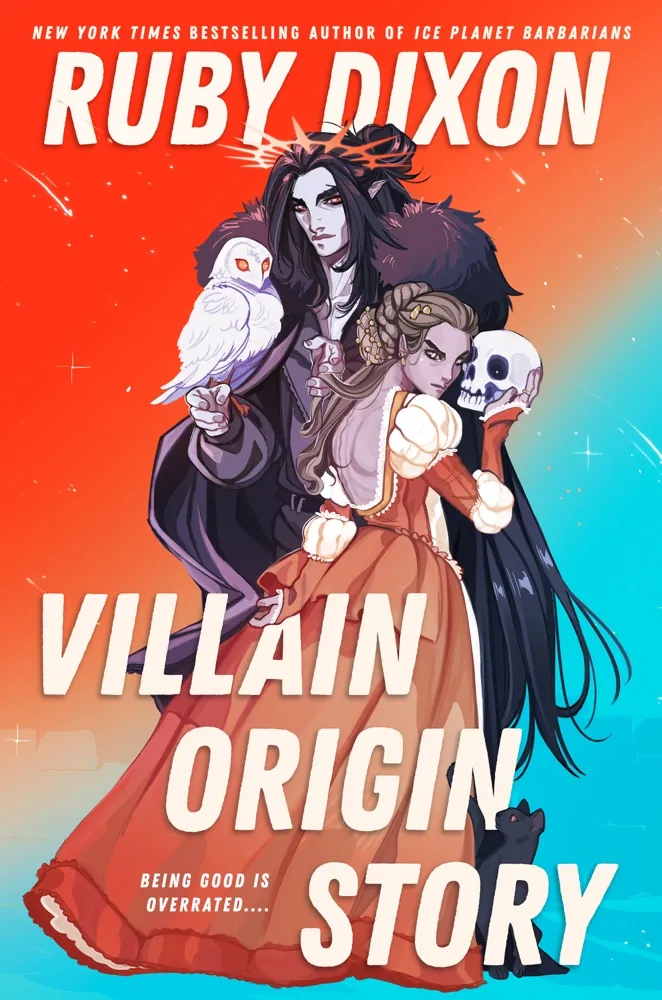
Author: Ruby DixonPage Count: UnknownPublication Date: Expected publication 2026 APL The air smells like ozone and old books—someone’s left a window cracked in the study, and the heat of August presses against the glass like a lover who won’t take no for an answer. Villain Origin Story arrives with the kind of synopsis that reads like a fever dream scribbled in the margins of a Game of Thrones fanfic draft, the kind where the author clearly thinks "dark fantasy" is just "more blood, less forethought." Joslen, the "poor village girl," is the kind of protagonist who exists solely to be a vessel for the author’s unchecked fantasies about power dynamics—because nothing says "literary depth" like a girl with a "crooked back" (a detail that, let’s be honest, is just a way to imply she’s "cursed" without actually committing to the worldbuilding). The synopsis leans hard into the "villain mentor trope," but not in the way of something like The Lies of Locke Lamora—where the mentor’s cruelty is a tool, a game, a performance—no, this is the kind of dynamic that feels like it was lifted straight from a Vampire: The Masquerade roleplaying session where someone decided to write it as a novel. Vilos Saumien, the "Grim Lord," is the kind of character who would’ve been hilariously over-the-top in a League of Legends lore dump, but here, he’s just a placeholder for whatever the author thinks "evil" looks like: unhinged, seductive, and—most importantly—entertaining. The fact that his "rules" include "let him seduce her" isn’t just a plot device; it’s a tell. This isn’t a story about power or transformation. This is a story about the author’s personal kink for "dark romance" fantasy, where the real villain isn’t Vilos—it’s the synopsis itself, which treats Joslen’s agency like a checklist: check, poor; check, cursed; check, wants revenge; check, gets seduced by a demon lord. And yet—here’s the thing—there’s a glimmer of something interesting buried under the mess. The synopsis hints at a world where Joslen’s frustration isn’t just a trope but a force, something that could be sharpened into something like the rage of The Poppy War’s Rin, or the quiet fury of The Priory of the Orange Tree’s Sabran. But instead of leaning into that, the author defaults to the easiest fantasy: the "poor girl gets lucky" arc, where the real magic isn’t in Joslen’s growth but in Vilos’s entertainment value. It’s the kind of story that would make Bridgerton’s Lady Whistledown roll her eyes—because this isn’t seduction, it’s exploitation, and the synopsis doesn’t even have the decency to pretend it’s anything else. The real crime here isn’t the lack of originality—it’s the lack of ambition. Where’s the political intrigue? Where’s the moral ambiguity? Where’s the stakes beyond "will she be a good villain or not"? This feels like a Shadow and Bone fanfiction where the author decided to add "more demon sex" instead of actually thinking about what makes a villain compelling. And don’t even get me started on the "poisonous court" trope—because nothing says "original" like a world where the only thing standing between Joslen and her destiny is a bunch of nobles who exist solely to be bitchy. But fine. Let’s pretend this is a game. Because if Villain Origin Story is going to be the next big thing, it’ll have to outlast the kind of fantasy that gets buried under the weight of its own clichés. And right now? It doesn’t even have the charm of a Wicked Lovely novel—because at least those had the decency to make their villains funny. I need to go scrub oatmeal off the antique desk. Again.
-
 Sarah Davis
 - 29 Aug, 2026 20:41
5-Minute Spider-Man Stories (Marvel) (5-Minute Stories) Book Review and Summary
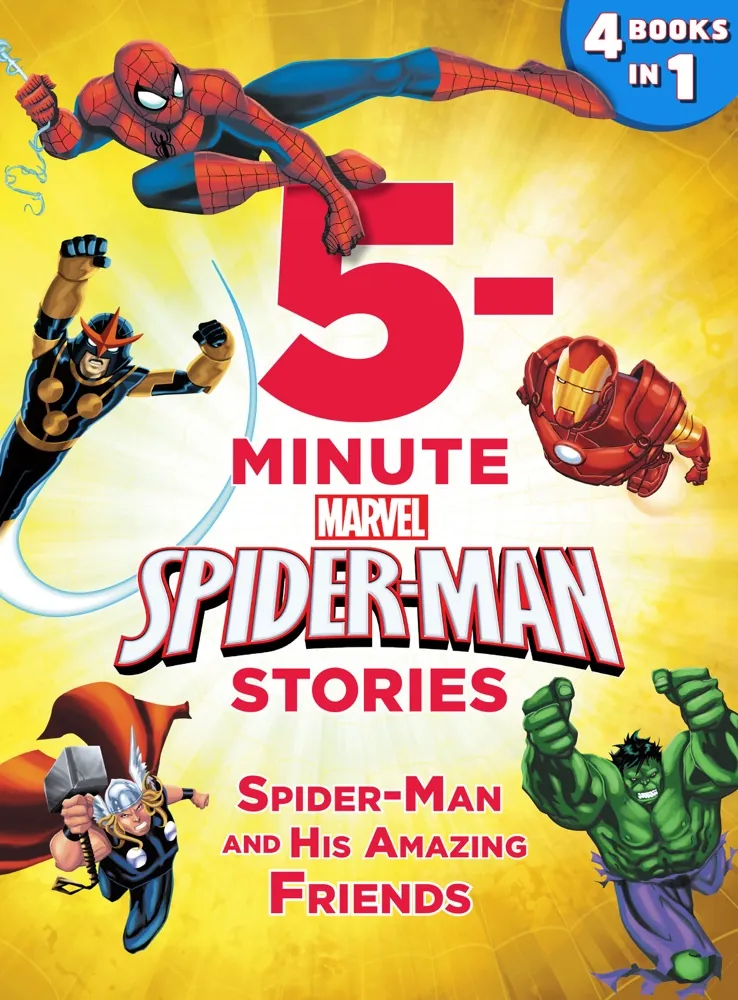
Author: Marvel ComicsPage Count: UnknownPublication Date: Expected publication 2026 APL Sugar dust is currently coating my eyelashes because the third batch of shortbread just detonated in the oven, and honestly, the existential dread of turning forty while my husband ignores my texts about the mortgage is nothing compared to the literary vacuum of upcoming children's media. Marvel Comics thinks they can toss out 5-Minute Spider-Man Stories in 2026 and call it a narrative arc. Four books in one! What a revolutionary mathematical feat for corporate synergy. The Five-Minute Illusion of Narrative Depth Can we talk about the absolute arrogance of claiming a complete thematic exploration of heroism occurs in three hundred seconds? You cannot build psychological tension with Doctor Strange when you are rushing to pull parchment paper out before the butter smokes. My kitchen smells like burnt vanilla and despair. And speaking of despair—why is nobody talking about how Louise Penny ruined the entire cozy mystery genre by making every single Canadian village look like a hotbed of artisanal cheese murders? At least Armand Gamache drinks real coffee instead of surviving on lukewarm decaf and pure spite while waiting for a plumber who promised to show up three business days ago. But no, let's look at this synopsis. Spider-Man meets Nova. Groundbreaking. Truly, the literature of our time. Synergy, Spandex, and Sourdough Failures The synopsis heavily relies on the word "important" allies. Important to whom? The quarterly profit margins? The Ultimate Verdict on Accelerated Heroism Books like 5-Minute Spider-Man Stories rely on a fundamental misunderstanding of the human attention span—which, admittedly, matches mine right now. Yet, I refuse to accept that a web-slinger sharing panel space with the Avengers for the hundredth time offers anything fresh. It is the literary equivalent of instant ramen. It fills a void, but it leaves you hollow, bloated, and staring blankly into the middle distance while your six-year-old asks why the dough is on the ceiling. I have to go scrounge for quarters to do laundry down the street. Related InsightsKill Switch Book Review and Summary A Case of Fear and Favour (The Trials of Gabriel Ward, #3) Book Review and Summary Before I Go to Sleep Book Review and Summary{ "@context": "https://schema.org", "@type": "FAQPage", "mainEntity": [ { "@type": "Question", "name": "What is the main focus of 5-Minute Spider-Man Stories (Marvel) (5-Minute Stories) Book Review and Summary?", "acceptedAnswer": { "@type": "Answer", "text": "Everything you need to know about 5-Minute Spider-Man Stories (Marvel) (5-Minute Stories) with our detailed review." } }, { "@type": "Question", "name": "Who authored the comprehensive guide on 5-Minute Spider-Man Stories (Marvel) (5-Minute Stories) Book Review and Summary?", "acceptedAnswer": { "@type": "Answer", "text": "This detailed article and its insights were carefully researched and authored by Sarah Davis." } }, { "@type": "Question", "name": "Where can I find more related content about Books?", "acceptedAnswer": { "@type": "Answer", "text": "You can explore more articles, detailed reviews, and similar insights by browsing the Related Insights section at the bottom of this article or visiting our dedicated Books category page." } } ] }

Author: Julie MurphyPage Count: UnknownPublication Date: Expected publication 2026-12-01 APL The mid-afternoon glare bounces off the brushed-brass rails of the upper deck, threatening to sear the retinas of anyone foolish enough to read without proper polarized lenses. Yet here I am, squinting at yet another press release concerning Julie Murphy’s upcoming contribution to The Undergrads trilogy. All Nighter arrives late next year, promising the literary equivalent of a warm glass of mediocre merlot. We are confronted once more with the tired architecture of the transactional romance. A wallflower—who apparently fails at basic taxonomy given her self-awareness regarding the irony—meets a brooding British tattoo artist. How original. One half expects them to collide over dropped artisanal coffee beans while carrying a stack of leather-bound first editions. The Architecture of Manufactured Friction Daisy wants to bloom. Truly, the prose in these promotional blurbs reads like it was generated by an algorithm trained exclusively on noughties teen comedies. She needs to lose her virginity because society dictates arbitrary milestones, and Heath—a man balancing ink and academia—is somehow the designated facilitator of this awakening. Or so the copy insists. Wait. Let me rephrase that entirely. Actually, the premise is even lazier than I first diagnosed. It is not merely a transactional arrangement; it is a meticulously scheduled negotiation of flesh wrapped in the comforting, predictable blanket of New Adult tropes. Hannah Grace and Elle Kennedy built entire financial empires on this exact brand of heightened campus angst, so why fault Murphy for swimming in the same lucrative, tepid waters? The five-date rule is the literary equivalent of a safety net for cowards. Five dinners. Five polite conversations. Then the inevitable horizontal gymnastics. The Commodification of Intimacy The thematic undercurrent here—if one squints hard enough through the Mediterranean haze to find one—is the commodification of vulnerability. Daisy views her virginity as a logistical hurdle to clear before graduation, a minor administrative error on her resume of youth. Heath views his time through the lens of paternal obligation and midnight ink. When they clash over judgment, the synopsis wants us to see sparks. I merely see the rust of a rusted-out machine. They are entirely wrong for each other. That is the point. The marketing department insists upon it. My publisher just signaled from the lower galley that the press liaison needs my jacket quote by sunset or the global syndication falls apart. #AllNighter #JulieMurphy #RomanceBooks #BookTok Related InsightsPrincess Academy Book Review and Summary Nebula Awards Showcase 56 Book Review and Summary Iron Flame Book Review and Summary{ "@context": "https://schema.org", "@type": "FAQPage", "mainEntity": [ { "@type": "Question", "name": "What is the main focus of All Nighter (The Undergrads, #2) Book Review and Summary?", "acceptedAnswer": { "@type": "Answer", "text": "Everything you need to know about All Nighter (The Undergrads, #2) with our detailed review." } }, { "@type": "Question", "name": "Who authored the comprehensive guide on All Nighter (The Undergrads, #2) Book Review and Summary?", "acceptedAnswer": { "@type": "Answer", "text": "This detailed article and its insights were carefully researched and authored by Olivia Harris." } }, { "@type": "Question", "name": "Where can I find more related content about Books?", "acceptedAnswer": { "@type": "Answer", "text": "You can explore more articles, detailed reviews, and similar insights by browsing the Related Insights section at the bottom of this article or visiting our dedicated Books category page." } } ] }

Author: Kameron HurleyPage Count: UnknownPublication Date: Expected publication 2026 APL Forty-one hours. That is the exact amount of time assigned to a decaying worldship before it obliterates two innocent planets, perfectly mirroring the structural panic of a poorly managed corporate merger during a hostile takeover. Or perhaps the final minutes aboard the Costa Concordia. Kameron Hurley returns us to the grimy, bruised mechanics of The Stars Are Legion in These Savage Stars, demanding that we look at galactic geopolitics through the barrel of a smoking gun. And what a painfully predictable barrel it is. The Architecture of Domestic Catastrophe We are handed a tired pitch. Kill Bill meets Andor, they say, as if mashing two entirely disparate cultural properties together somehow constitutes an original artistic identity. Yet the premise relies entirely on an exhausting brand of matrimonial hostility. Reyka, a retired spy who should honestly just stay retired, must board the doomed vessel Satvi to rescue a kidnapped noble offspring. Her adversary? The estranged wife she supposedly already killed once. Because nothing screams middle-aged resentment quite like having to murder your spouse a second time because she joined a militant extremist cell. Suburban marital therapy disguised as a grimdark space opera. How endlessly chic. The Tyranny of the Suicide Squad The synopsis leans heavily on the tired trope of the all-female suicide mission, treating women's bodies as disposable shock troops for the amusement of readers who prefer their empowerment covered in grease and synthetic blood. Give us actual structural critique, not just cynical aesthetics wrapped in Hugo-winning credentials. Hurley clearly knows how to build a decaying hulk of a spaceship—the worldbuilding in her previous outings proved she has an eye for industrial rot. But reducing a planetary extinction event to a bitter ex-spouse dispute diminishes the cosmic stakes into a petty domestic squabble. One imagines the diplomatic negotiations over chamomile tea would have been far more efficient. But efficiency sells no paperbacks, does it? We are asked to root for desperate women racing against a ticking clock while ignoring the sheer absurdity of the geography. Forty-one hours. A ticking clock device so aggressively cliché it belongs in a Jerry Bruckheimer workshop from 1998. Everything rests on whether Reyka can outrun her own marital baggage before gravity does the heavy lifting for her. The business class lounge was far too crowded today, ruining my concentration.