Showing Posts From
Cambodiancuisine
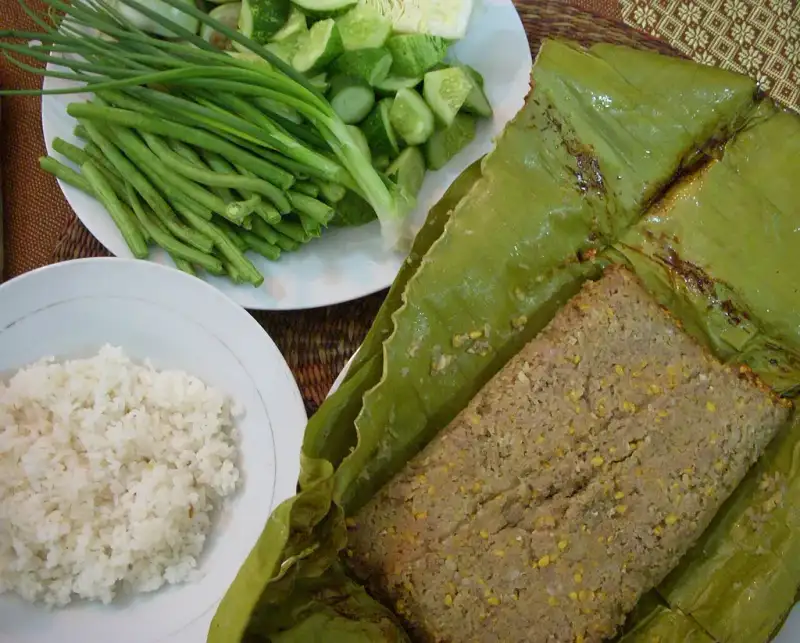
There are culinary experiences that merely delight the palate, and then there are those that challenge the very boundaries of gastronomic perception, forcing a reconsideration of what food can be. Prahok, the legendary fermented fish paste of Cambodia, undeniably belongs to the latter category. For the uninitiated, its potent, almost aggressive aroma can be an immediate deterrent, a primal alarm signaling something foreign, perhaps even alarming. Yet, for millions of Khmers, Prahok is not just food; it is the very soul of their cooking, an indispensable, revered cornerstone of their culinary identity, embodying history, struggle, and an unwavering connection to the land and water. To truly understand Prahok is to embark on a sensory and cultural journey far removed from the sanitized aisles of modern supermarkets. It is to wade into the muddy banks of the Tonle Sap, to witness the chaotic ballet of fishermen at harvest, and to appreciate the ingenious alchemy of preservation born out of necessity centuries ago. This is not a mere condiment; it is a repository of tradition, a testament to resourcefulness, and a polarizing delicacy that defines Cambodian tables more profoundly than any other single ingredient. The Ancestral Whispers: A History Woven in Salt and Fish The origins of fermentation are as old as humanity's struggle against spoilage. In Southeast Asia, where tropical climates accelerate decay, methods of preserving highly perishable protein sources like fish became paramount. Prahok, in its most fundamental form, is the ingenious solution devised by the Khmer people to harness the annual bounty of the Tonle Sap and Mekong River systems, ensuring sustenance through lean seasons. Centuries before refrigeration, communities relied on salting, drying, and fermenting. The Tonle Sap, a unique hydrological marvel that reverses its flow annually, floods vast plains, providing an unparalleled breeding ground for freshwater fish. When the waters recede, the fish are caught in staggering numbers. Faced with an abundance that could not be consumed fresh, the ancestors of modern Cambodians turned to a time-honored technique: controlled decomposition. Early forms of Prahok likely emerged from simple practices of salting fish and burying them in earthenware jars, allowing natural enzymes and microbes to work their magic. Over generations, this process was refined, becoming the complex, multi-stage fermentation we recognize today. It was not merely about preventing rot but about transforming the fish into something entirely new – a concentrated source of umami, packed with flavor and nutrients, capable of enduring for months, even years. Prahok thus became the bedrock of the Khmer diet, a stable, accessible source of protein and flavor, particularly crucial during times of war, famine, and displacement, which have tragically marked much of Cambodian history. Its very existence is a testament to the resilience and ingenuity of a people who have learned to thrive in harmony with their environment, making the most of its cyclical gifts. The Art and Alchemy: Crafting the Essence of Khmer Cuisine The making of Prahok is a communal and often festive affair, deeply ingrained in the annual rhythm of rural Cambodian life. It typically begins after the peak fishing season, usually between December and February, when the waters are receding, and fish are plentiful and robust. The process, while seemingly straightforward, requires skilled hands and an understanding of the subtle nuances of fermentation. First, immense quantities of small freshwater fish, often varieties like trey riel, are meticulously cleaned. This involves removing scales, guts, and sometimes heads, though regional variations exist. The cleaned fish are then crushed or pounded into a paste – traditionally by hand or foot, in large wooden mortars, a laborious task often shared by many. This crushing is crucial; it breaks down the fish muscle and exposes more surface area for salt penetration and microbial activity. Next comes the salting. A generous amount of salt is mixed thoroughly with the fish paste. The precise ratio varies by family and region, a closely guarded secret passed down through generations. The salt not only draws out moisture, inhibiting spoilage bacteria, but also kickstarts the fermentation by favoring salt-tolerant microbes. The salted paste is then packed tightly into large earthenware jars, clay pots, or sometimes even concrete vats, ensuring no air pockets remain.The jars are sealed, often with a layer of banana leaves or a heavy lid, and left to ferment in a cool, dark place for several months, sometimes up to a year or more. During this period, enzymes within the fish, along with beneficial bacteria, break down the fish proteins and fats, creating a complex array of amino acids and fatty acids that contribute to Prahok's distinctive flavor and aroma. The characteristic pungency develops as sulfur compounds are formed, a hallmark of fermented fish products across Asia. Some traditions involve sun-drying the fish slightly before salting, or adding other ingredients like roasted rice powder or spices, leading to different grades and flavors of Prahok, each with its own specific culinary application. The careful monitoring of temperature and humidity is vital, as is the patience of the makers, understanding that time is the ultimate ingredient. More Than a Condiment: Prahok's Place at the Cambodian Table To dismiss Prahok as a mere "fish paste" is to profoundly misunderstand its culinary role. It is not just an ingredient; it is the fundamental flavor base for countless Cambodian dishes, performing a similar function to fish sauce in Thai or Vietnamese cuisine, but with a far more robust, earthy, and complex profile. Prahok provides the deep umami, the salty anchor, and the signature funk that defines Khmer cooking. One of the most common ways Prahok is consumed is as a dip or relish. Prahok ktis is a beloved dish where minced pork is cooked with Prahok, coconut milk, eggplant, and chilies, resulting in a creamy, savory, and spicy dip often served with fresh vegetables like cucumbers, raw cabbage, and long beans. Another popular preparation is Prahok chien, where the paste is stir-fried with pork or beef, garlic, and chilies until caramelized, intensifying its flavors. This fiery dish is typically eaten with plain white rice and a mountain of fresh herbs. Prahok also serves as a crucial flavoring agent in soups and curries. A classic example is Samlor Korko, a hearty mixed vegetable soup often featuring slices of fresh fish or pork, flavored heavily with Prahok, creating a rich, deeply savory broth. It's often added to marinades for grilled meats or fish, imparting a depth that is unmistakable. Even in dishes where its presence is subtle, Prahok provides that essential "Khmerness," a foundational layer of flavor that would be conspicuously absent without it. Its versatility is such that it can be roasted, fried, steamed, or eaten raw (if meticulously prepared and traditionally aged), showcasing its adaptability across the entire culinary spectrum. with fresh garden vegetables and steamed rice, rustic setting) Cultural Crossroads: Identity, Poverty, and Global Palates Prahok's omnipresence in Cambodian cuisine is inextricably linked to the nation's history and socioeconomic realities. For centuries, Prahok was a vital source of protein for the rural poor, offering an affordable, shelf-stable alternative to fresh meat or fish. Its production also created livelihoods, from the fishermen to the families involved in its painstaking preparation. During the brutal Khmer Rouge regime, when resources were scarce and people were forced into agricultural labor, Prahok, often scavenged or made in secret, became a critical survival food, a grim testament to its enduring importance. This history further imbues Prahok with a profound cultural resonance, making it a symbol of resilience and survival. However, Prahok also stands at a fascinating cultural crossroads. While revered domestically, its pungent aroma and intense flavor profile can be challenging for non-Khmer palates, even among other Southeast Asian cultures accustomed to fermented fish products. This has led to Prahok being a defining, yet sometimes divisive, marker of Cambodian identity, both celebrated internally and occasionally misunderstood externally. In the modern era, the artisanal production of Prahok faces new challenges. Traditional methods are labor-intensive, and the younger generation, drawn to urban opportunities, may not always embrace the arduous process. Environmental concerns, such as overfishing, pollution, and climate change impacting the Tonle Sap's delicate ecosystem, threaten the very fish stocks necessary for Prahok production. The rise of industrial-scale production also raises questions about quality, authenticity, and the preservation of traditional knowledge. Yet, there is also a burgeoning appreciation. As global culinary explorers delve deeper into niche and authentic flavors, Prahok is slowly finding its way onto more adventurous menus outside Cambodia. Chefs are beginning to experiment with its umami depth, using it sparingly to add complexity, much like how anchovy paste or aged cheese is used in Western cuisine. This growing recognition offers a glimmer of hope for the continuation of this ancient craft, perhaps even inspiring new generations to reconnect with this vital piece of their heritage. The Future of Funk: Preserving a Culinary Legacy The future of Prahok, like many traditional foods, hangs in a delicate balance between modernization and preservation. Efforts are needed to support the artisanal producers, ensuring fair trade practices and promoting sustainable fishing methods. Educating younger generations about the cultural significance and intricate craft of Prahok making is crucial to prevent its knowledge from fading. Furthermore, innovative approaches to marketing and presenting Prahok to a wider audience, without compromising its authenticity, could help secure its place in the global culinary landscape. For the adventurous eater, approaching Prahok requires an open mind and a willingness to transcend preconceived notions of taste. Start by trying it in dishes where its flavor is integrated rather than raw or dominant. Embrace the intensity, appreciate the history, and understand that beneath the challenging aroma lies a depth of flavor and a story of survival that few ingredients can match. Prahok is more than just fermented fish; it is the enduring heartbeat of Cambodian cuisine, a symbol of a people's enduring connection to their past, their land, and their unwavering spirit. To taste Prahok is to taste Cambodia itself, in all its complexity, resilience, and profound beauty.#CambodianCuisine #Prahok #FermentedFoods #KhmerFood #CulinaryHeritage Related InsightsThe Fifth Dimension of Flavor: How a Bowl of Seaweed Broth Rewrote the History of Taste Ndambe: The Comforting Black-Eyed Pea Stew Turning Kitchen Scraps into Gourmet Gold: The Zero‑Waste Revolution{ "@context": "https://schema.org", "@type": "FAQPage", "mainEntity": [ { "@type": "Question", "name": "What is the main focus of Prahok: The Fermented Soul of Cambodia's Culinary Identity?", "acceptedAnswer": { "@type": "Answer", "text": "Unravel the complex history, cultural significance, and intricate craft of Prahok, Cambodia's polarizing yet indispensable fermented fish paste. Beyond its pungent aroma, discover a symbol of resilience, heritage, and the true essence of Khmer cuisine." } }, { "@type": "Question", "name": "Who authored the comprehensive guide on Prahok: The Fermented Soul of Cambodia's Culinary Identity?", "acceptedAnswer": { "@type": "Answer", "text": "This detailed article and its insights were carefully researched and authored by Demir Şef." } }, { "@type": "Question", "name": "Where can I find more related content about Food?", "acceptedAnswer": { "@type": "Answer", "text": "You can explore more articles, detailed reviews, and similar insights by browsing the Related Insights section at the bottom of this article or visiting our dedicated Food category page." } } ] }