Showing Posts From
Cantonese cuisine
-
 Lin Yao
 - 21 Aug, 2026 07:26
Dim Sum Decoded: The Ultimate Cantonese Culinary Journey Through Hong Kong’s Hidden Gems
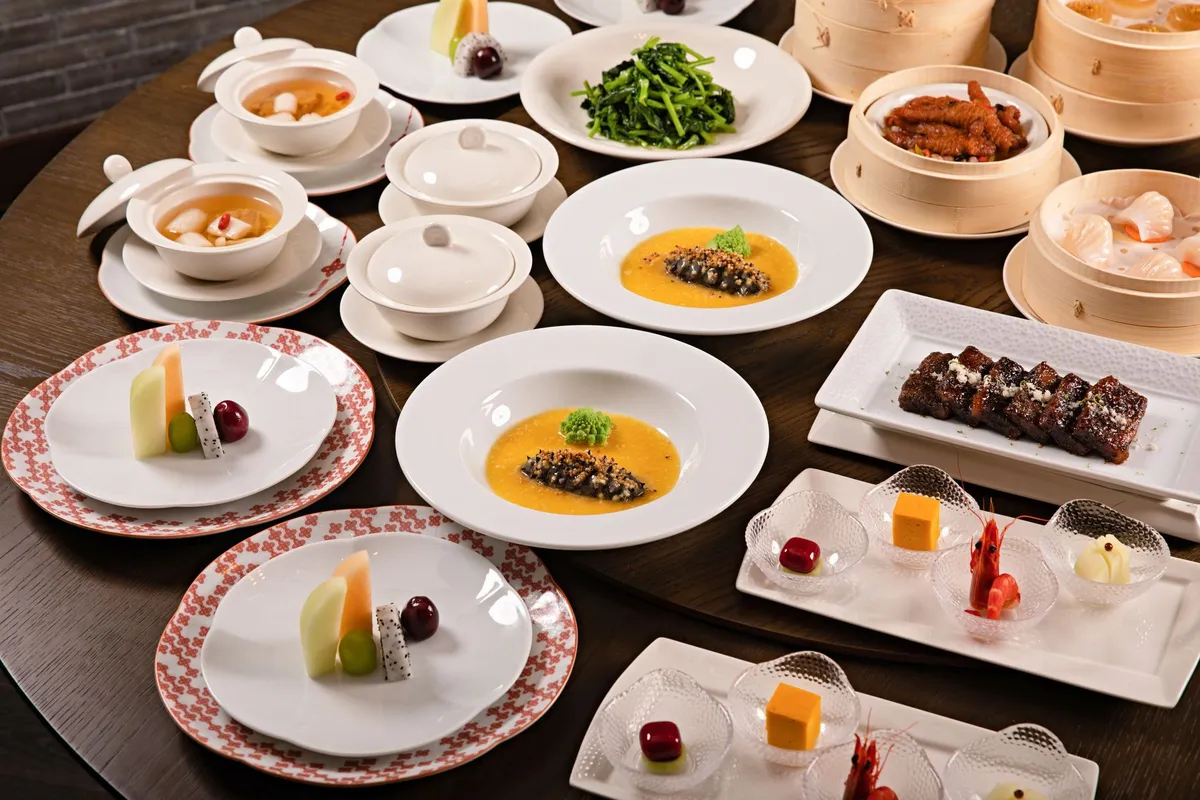
Where Tradition Meets Innovation: The Timeless Art of Dim Sum Dim sum, the heart of Cantonese culinary culture, is more than just a meal—it’s a ritual. Originating in the teahouses of Guangzhou during the Song Dynasty (960–1279 AD), dim sum evolved from simple snacks to a sophisticated dining experience. The term "dim sum" translates to "touch the heart," reflecting its role as a communal meal that brings people together. In Hong Kong, dim sum has been elevated to an art form, blending ancient traditions with modern creativity. The magic of dim sum lies in its variety. From delicate shrimp dumplings (har gow) to crispy fried spring rolls (cha siu baau), each dish tells a story. The most iconic dim sum dishes include:Siu Mai: Open-topped pork dumplings with a hint of shrimp. Char Siu Bao: Steamed buns filled with barbecued pork. Turnip Cake: A savory, slightly sweet steamed cake made from shredded radish. Egg Tarts: Crispy pastry shells filled with creamy egg custard.Hong Kong’s dim sum culture is deeply rooted in its history as a trading hub. The British influence introduced tea culture, which merged with local traditions to create the modern dim sum experience. Today, the city boasts over 1,000 dim sum restaurants, ranging from century-old teahouses to trendy fusion spots.The Ritual of the Teahouse: A Step-by-Step Guide to Authentic Dim Sum Stepping into a Hong Kong teahouse is like entering a time capsule. The clatter of bamboo steamers, the aroma of soy sauce and ginger, and the lively chatter of locals create an atmosphere that’s both nostalgic and vibrant. To fully appreciate dim sum, one must understand its rituals.Choosing Your Tea: Tea is the soul of dim sum. The most popular choices are:Pu-erh: Earthy and aged, perfect for rich dishes. Jasmine: Floral and aromatic, ideal for lighter bites. Oolong: Balanced and slightly toasty, a crowd favorite.Ordering Like a Local: Dim sum is served in small portions, so order a variety of dishes to share. Start with lighter items like shrimp dumplings, then move to heartier fare like sticky rice with Chinese sausage.The Art of the Steam Basket: Most dim sum dishes are steamed, which preserves their natural flavors and textures. The bamboo steamers not only infuse the food with a subtle aroma but also keep dishes warm and moist.The Role of the Server: In traditional teahouses, servers use a coded system of hand signals or stamps on your table to track orders. This ensures no dish is missed and adds to the charm of the experience.Pro Tip: Arrive early to avoid crowds, and don’t be afraid to ask for recommendations. Many teahouses have handwritten menus with seasonal specialties.From Guangzhou to Hong Kong: The Evolution of Cantonese Cuisine Cantonese cuisine, also known as Yue cuisine, is one of China’s eight major culinary traditions. Its roots trace back to the Guangdong province, where the mild climate and abundant seafood shaped its flavors. Unlike spicy Sichuan or bold Shandong cuisine, Cantonese food emphasizes freshness, subtlety, and balance. The migration of Cantonese people to Hong Kong in the 19th and 20th centuries brought this cuisine to new heights. Hong Kong’s dim sum culture flourished as chefs experimented with ingredients and techniques, creating dishes that were both familiar and innovative. For example, the pineapple bun (bo lo bao) is a Hong Kong invention, blending Western baking with Chinese flavors. Key Characteristics of Cantonese Cuisine:Fresh Ingredients: Seafood, poultry, and vegetables are sourced daily. Light Seasoning: Sauces like soy, oyster, and hoisin are used sparingly to highlight natural flavors. Texture Contrast: Dishes often combine crispy, tender, and chewy textures. Balanced Flavors: Sweet, sour, bitter, and umami are harmoniously blended.The Dim Sum Dilemma: Where to Eat in Hong Kong Hong Kong is a dim sum lover’s paradise, but not all teahouses are created equal. Here’s a breakdown of the best spots to indulge:Teahouse Specialty Dishes Price Range (per person) AtmosphereLuk Yu Tea House Har gow, turnip cake, egg tarts $50–$100 HKD Old-school, elegantTim Ho Wan Min gu gai (steamed chicken feet) $30–$80 HKD Michelin-starred, casualYum Lai Heen Shrimp dumplings, BBQ pork buns $100–$150 HKD Luxury, high-endSun Hing Glutinous rice dumplings $20–$50 HKD Local favorite, bustlingLin Heung Tea House Steamed spare ribs, congee $40–$90 HKD Traditional, livelyCost Comparison: Using Numbeo’s Cost of Living Comparison tool, we see that dining out in Hong Kong is more affordable than in cities like New York or London. For example, a dim sum meal at a mid-range teahouse costs around $50–$100 HKD ($6.50–$13 USD), while a similar meal in New York would set you back $30–$50 USD.Beyond the Basket: Modern Twists on Classic Dim Sum While traditional dim sum remains a staple, modern chefs are pushing boundaries with innovative twists. Fusion dim sum combines Cantonese techniques with global flavors, creating dishes like:Sushi-inspired Har Gow: Shrimp dumplings wrapped in nori. Truffle Char Siu Bao: Luxurious buns infused with truffle oil. Vegan Dumplings: Made with mushrooms and tofu for plant-based diners.Where to Find Fusion Dim Sum:Mott 32: A high-end restaurant offering dim sum with a gourmet twist. Little Bao: A trendy spot blending Taiwanese and Cantonese flavors. Chiu Chow Curry House: Known for its spicy, aromatic curry-filled dumplings.The Health Factor: Nutritional Insights into Dim Sum Dim sum is often seen as indulgent, but it can be part of a balanced diet. Here’s a breakdown of the nutritional profiles of popular dishes:Dish Calories (per serving) Protein (g) Carbs (g) Fat (g)Har Gow 120 6 15 4Char Siu Bao 250 8 30 10Turnip Cake 180 3 25 7Egg Tart 200 4 22 11Tips for Healthier Dim Sum Choices:Opt for steamed dishes over fried ones. Choose dishes with lean proteins like shrimp or chicken. Share portions to control calorie intake.The Global Dim Sum Movement: Where to Find Authentic Flavors Worldwide Dim sum’s popularity has spread far beyond Hong Kong. Cities like London, New York, and San Francisco boast vibrant dim sum scenes. Here’s where to find authentic Cantonese cuisine outside of Asia:London: Baozi Inn and Hakkasan offer modern takes on classic dim sum. New York: Nom Wah Tea Parlor and Jing Fong are must-visits for traditional flavors. San Francisco: City View Restaurant and Good Mong Kok Bakery serve up Cantonese classics. Melbourne: Supernormal and China Soul blend Australian ingredients with Cantonese techniques.Why Dim Sum Travels Well:Portability: Many dim sum dishes are easy to eat on the go. Versatility: It adapts to local tastes while retaining its essence. Cultural Appeal: The communal nature of dim sum resonates globally.Final Feast: Your Dim Sum Bucket List No dim sum journey is complete without ticking off these must-try dishes and experiences:Breakfast at a Local Teahouse: Start your day with a classic dim sum spread. Afternoon Tea at a Luxury Hotel: Indulge in high-end dim sum with a view. Night Market Dim Sum: Try street-style versions in Hong Kong’s night markets. Cooking Class: Learn to make dim sum from scratch with a local chef. Dim Sum Crawl: Sample dishes at multiple teahouses in one day.Remember: The best dim sum is made with love and tradition. Whether you’re a first-time visitor or a seasoned connoisseur, every bite tells a story of Cantonese heritage.#DimSumLovers #CantoneseCuisine #HongKongFoodie #TravelAndEat #CulinaryAdventure Related InsightsFrom Street Food to Fine Dining: The Ultimate Food Lover’s Guide to Bangkok’s Culinary Wonderland From Ancient Ruins to Modern Feasts: A Deep Dive into Italy’s Timeless Travel and Culinary Secrets Savoring the Soul of West Africa: A Journey Through Senegalese Street Food & Culinary Traditions{ "@context": "https://schema.org", "@type": "FAQPage", "mainEntity": [ { "@type": "Question", "name": "What is the main focus of Dim Sum Decoded: The Ultimate Cantonese Culinary Journey Through Hong Kong’s Hidden Gems?", "acceptedAnswer": { "@type": "Answer", "text": "Unlock the secrets of Cantonese cuisine with this definitive guide to dim sum, from historic teahouses to modern eateries, complete with insider tips and cost comparisons." } }, { "@type": "Question", "name": "Who authored the comprehensive guide on Dim Sum Decoded: The Ultimate Cantonese Culinary Journey Through Hong Kong’s Hidden Gems?", "acceptedAnswer": { "@type": "Answer", "text": "This detailed article and its insights were carefully researched and authored by Lin Yao." } }, { "@type": "Question", "name": "Where can I find more related content about Travel/Food?", "acceptedAnswer": { "@type": "Answer", "text": "You can explore more articles, detailed reviews, and similar insights by browsing the Related Insights section at the bottom of this article or visiting our dedicated Travel/Food category page." } } ] }