Showing Posts From
Cappadocia travel
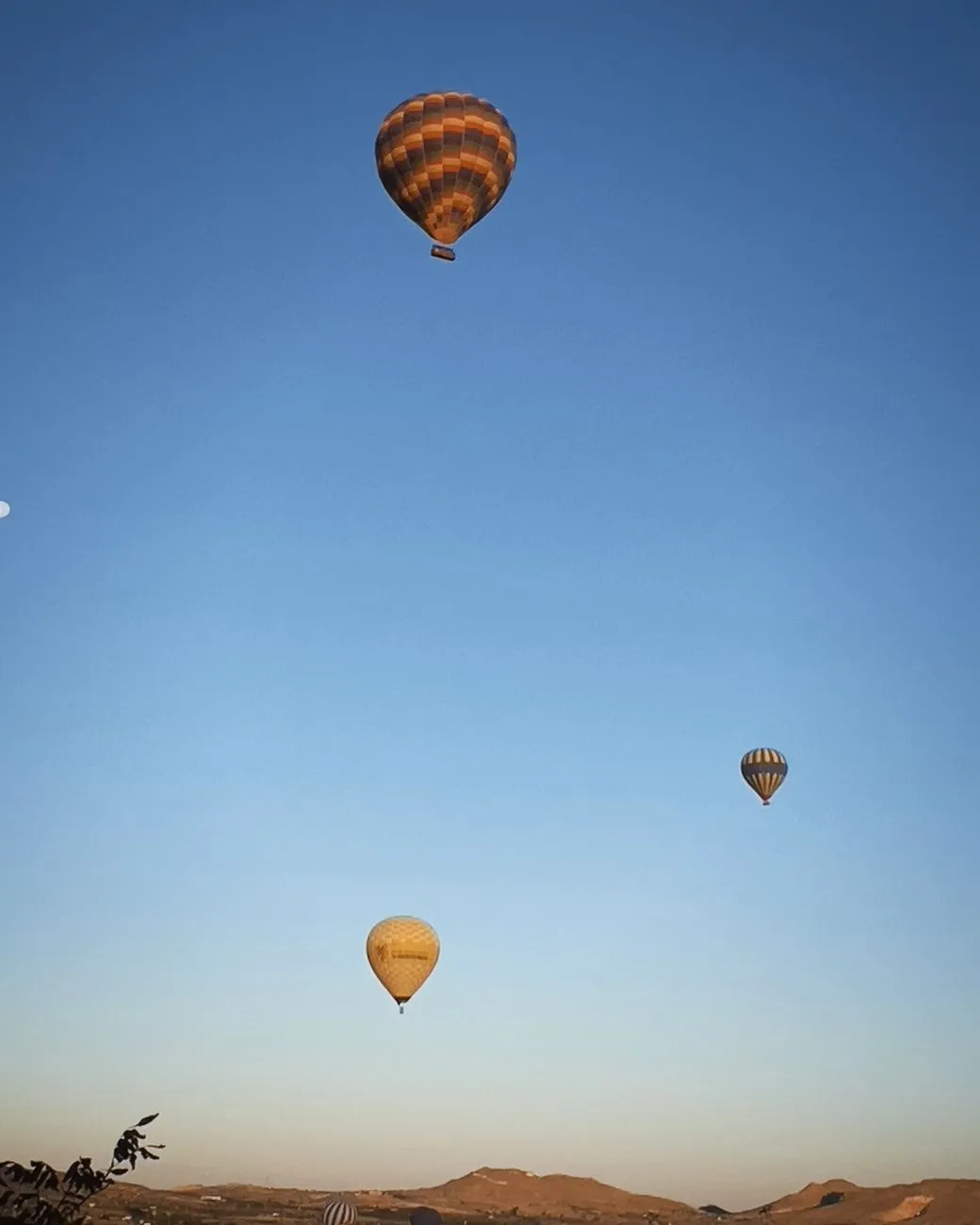

Where the Earth Wears a Crown of Stone: Cappadocia’s Timeless Magic The first light of dawn spills over the horizon like liquid gold, igniting the surreal spires of Cappadocia in a blaze of amber and rose. Below, hundreds of hot air balloons drift silently across the sky, their vibrant colors mirroring the earth’s own palette of ochre, rust, and ivory. This is not a dream—it is Cappadocia, a geological wonderland sculpted by volcanic eruptions and carved by wind and water over millions of years. Here, history whispers from every cave, luxury nestles into ancient stone, and adventure takes flight against a canvas of endless sky. Welcome to a land where time stands still, where the past is not just remembered—it is lived. Cappadocia is more than a destination; it is an experience that awakens the soul. Whether you're drifting above its fairy chimneys at sunrise or curling up in a cave hotel carved into the soft tuff centuries ago, this region offers a journey unlike any other. Let’s explore the mystical landscapes of Cappadocia, where every moment is a story waiting to be told.The Dawn Sky: A Symphony of Balloons and Fairy Chimneys The moment the first rays of sunlight touch the soft, honey-colored cliffs of Cappadocia, the sky transforms into a living canvas. Hundreds of hot air balloons, each glowing like a lantern against the pale morning sky, begin to lift off from the valleys below. This is not just a spectacle—it is a tradition, a ritual that has defined Cappadocia’s identity for decades. The region is widely regarded as one of the best places in the world for hot air ballooning, attracting over 100,000 enthusiasts annually who come to witness and partake in this breathtaking experience. Cappadocia’s unique geography makes it the perfect stage for ballooning. The region’s distinctive fairy chimneys—tall, conical rock formations created by the erosion of volcanic ash and tuff—create a surreal landscape that seems plucked from another world. These formations, some reaching up to 40 meters in height, are scattered across valleys like ancient sentinels. The most famous of these valleys include Göreme Open-Air Museum, Love Valley, and Rose Valley, each offering a different perspective on the region’s geological artistry. The ballooning season in Cappadocia runs from early spring to late autumn, with the optimal months being April through October. During these months, the weather is mild, with average temperatures ranging from 15°C to 25°C (59°F to 77°F). Wind speeds are generally low, averaging between 5 to 15 km/h, which is ideal for ballooning. The early morning flights are particularly favored due to the calm winds and the stunning visual contrast of the balloons against the soft pastel hues of the rising sun. Each balloon flight lasts approximately one hour, though the entire experience—from pre-flight preparations to landing—can take up to three hours. The balloons typically reach altitudes of 1,000 to 1,500 meters (3,280 to 4,920 feet), providing passengers with panoramic views of the valleys, vineyards, and ancient cave dwellings below. The most reputable balloon companies in Cappadocia, such as Kapadokya Balloons, Royal Balloon, and Voyager Balloons, adhere to strict safety standards and employ experienced pilots who are certified by the Turkish Directorate General of Civil Aviation. For those seeking a more exclusive experience, private balloon flights can be arranged, often including champagne toasts upon landing. The cost of a standard balloon ride ranges from €150 to €250 per person, depending on the season and the company. While the price may seem steep, the experience is truly once-in-a-lifetime, with many travelers citing it as the highlight of their trip to Turkey.Stone Dreams: The Allure of Cave Hotels in the Heart of History After a morning spent soaring above Cappadocia’s surreal landscapes, there is no better way to unwind than by retreating to a cave hotel. These ancient dwellings, carved into the soft volcanic rock by early Christians and Hittites, offer a unique blend of history, comfort, and luxury. Staying in a cave hotel is not just about sleeping in a room—it’s about immersing yourself in a living museum, where every stone tells a story. Cappadocia’s cave hotels are concentrated primarily in the towns of Göreme, Uçhisar, and Ürgüp. These towns are built into the rock formations themselves, creating a seamless blend of natural and man-made beauty. The hotels range from budget-friendly guesthouses to five-star luxury retreats, with prices varying accordingly. A night in a standard cave room typically costs between €50 and €150, while luxury suites can exceed €300 per night. One of the most iconic cave hotels in Cappadocia is the Museum Hotel, located in Ürgüp. This five-star property is a masterpiece of design, blending traditional cave architecture with modern luxury. Each room is uniquely decorated, featuring hand-carved furnishings, antique textiles, and private terraces that offer sweeping views of the surrounding valleys. The hotel also boasts a stunning infinity pool carved into the rock, where guests can relax while gazing out over the lunar-like landscape. For a more intimate experience, the Kelebek Special Cave Hotel in Göreme offers a cozy, family-run atmosphere. The hotel’s rooms are carved directly into the rock, with some featuring private cave terraces where guests can enjoy breakfast while watching the balloons drift overhead at dawn. The hotel’s restaurant serves traditional Turkish dishes, including homemade bread baked in a stone oven and slow-cooked lamb stews that melt in the mouth. Another standout is the Argos in Cappadocia, a boutique hotel in Göreme that has been carved into a former underground city. The hotel’s rooms are designed to mimic the caves used by early Christians as hiding places during times of persecution. The attention to detail is extraordinary, with hand-painted murals, antique rugs, and modern amenities seamlessly integrated into the ancient stone walls. Staying in a cave hotel is not just about the accommodation—it’s about the experience. Many hotels offer guided tours of the region’s underground cities, such as Derinkuyu and Kaymaklı, where visitors can explore labyrinthine tunnels that once sheltered entire communities. Others provide cooking classes where guests can learn to prepare traditional dishes like mantı (Turkish dumplings) or gözleme (stuffed flatbreads) using ingredients sourced from local markets. For those interested in wellness, some cave hotels feature spa services that utilize the region’s natural thermal waters. The Sultan Cave Suites in Göreme, for example, offers a hammam-style spa where guests can indulge in a traditional Turkish bath followed by a massage using locally sourced oils and herbs.A Walk Through Time: Exploring Cappadocia’s Ancient Valleys and Underground Cities Cappadocia is not just a place to see—it’s a place to experience. The region’s valleys and underground cities offer a glimpse into the lives of the people who once called this land home. From the rock-cut churches of the Göreme Open-Air Museum to the sprawling tunnels of Derinkuyu, Cappadocia is a living testament to human ingenuity and resilience. One of the most visited sites in Cappadocia is the Göreme Open-Air Museum, a UNESCO World Heritage Site that houses some of the finest examples of rock-cut churches and monasteries in the world. The museum’s most famous structure is the Dark Church, a 10th-century chapel adorned with vivid frescoes depicting biblical scenes. The church’s name comes from the fact that its interior is dimly lit, preserving the vibrant colors of the paintings for centuries. Another must-visit is the Love Valley, named for its phallic-shaped rock formations. The valley is a popular hiking destination, with trails that wind through the fairy chimneys and offer stunning views of the surrounding landscape. The hike takes approximately two to three hours, depending on the route, and is best undertaken in the early morning or late afternoon to avoid the midday heat. For those seeking a more immersive experience, the Rose Valley offers a scenic hike that takes visitors through vineyards, orchards, and ancient cave dwellings. The valley is particularly beautiful in the spring, when the wildflowers bloom in vibrant hues of pink and red. Along the way, hikers can stop at local farms to sample fresh produce, including apricots, cherries, and grapes. No visit to Cappadocia would be complete without exploring one of its underground cities. The most famous of these is Derinkuyu, a multi-level city that extends up to 85 meters (280 feet) below the surface. The city was carved out by the Hittites around 1,500 BCE and later expanded by early Christians seeking refuge from invaders. Visitors can explore the city’s tunnels, stables, wine cellars, and even a church, all of which are connected by narrow passageways. Another fascinating underground city is Kaymaklı, which is smaller but equally impressive. The city is divided into four levels, with the deepest reaching 20 meters (65 feet) below the surface. Visitors can explore the city’s communal spaces, including kitchens, storage rooms, and living quarters, all of which are carved directly into the rock. For a unique perspective on Cappadocia’s history, consider visiting the Zelve Open-Air Museum, a former monastic settlement that was inhabited until the mid-20th century. The site features cave dwellings, churches, and even a dovecote, all of which offer a glimpse into the daily lives of the region’s early inhabitants.Feasting Like a Sultan: The Flavors of Cappadocia’s Culinary Heritage Cappadocia’s cuisine is a reflection of its rich history and diverse cultural influences. The region’s volcanic soil produces some of Turkey’s finest wines and fruits, while its cave kitchens have preserved traditional cooking techniques for centuries. From hearty stews to delicate pastries, Cappadocia’s food is a celebration of flavor and tradition. One of the most iconic dishes in Cappadocia is mantı, a type of dumpling filled with spiced ground meat and served with garlic yogurt and melted butter. The dish is believed to have originated in Central Asia and was brought to Turkey by the Seljuk Turks. In Cappadocia, mantı is often prepared in a unique way, with the dumplings boiled in a copper pot and served in a rich tomato-based sauce. Another must-try dish is gözleme, a stuffed flatbread that can be filled with a variety of ingredients, including spinach, cheese, potatoes, or minced meat. The dough is rolled out thinly, filled with the chosen ingredients, and then cooked on a griddle until crispy and golden. Gözleme is a popular street food in Cappadocia, often sold at local markets and served with a side of yogurt or ayran (a refreshing yogurt drink). For meat lovers, testi kebab is a must. This dish consists of slow-cooked lamb or beef, marinated in a blend of spices and then baked in a sealed clay pot. The pot is placed in a pit filled with hot coals, where the meat cooks for several hours until it is tender and fall-off-the-bone delicious. The dish is traditionally served with bulgur pilaf and a side of fresh vegetables. Cappadocia is also renowned for its wines, which are produced from grapes grown in the region’s volcanic soil. The most famous wine region in Cappadocia is Ürgüp, where wineries like Kocabağ and Turasan offer tastings and tours. The region’s signature wines include Öküzgözü and Boğazkere, bold reds with deep flavors of dark fruit and spice. For dessert, kaymaklı tavuk göğsü is a unique delicacy that combines shredded chicken breast with milk pudding, sugar, and rose water. The dish is a testament to the region’s creative use of ingredients and is often served at weddings and special occasions. To experience Cappadocia’s culinary heritage firsthand, consider dining at Seten Restaurant in Göreme, which offers a modern take on traditional Turkish cuisine. The restaurant’s menu features dishes like slow-cooked lamb with eggplant and a deconstructed mantı, all served in a cave setting with stunning views of the surrounding valleys. Another excellent option is Sofa Restaurant, located in the heart of Ürgüp. The restaurant specializes in testi kebab and offers a cozy, traditional atmosphere with stone walls and low lighting. The menu also features a variety of meze (appetizers), including stuffed vine leaves, spicy lentil balls, and creamy hummus.The Practical Traveler’s Guide: Tips, Tricks, and Timing for Cappadocia Planning a trip to Cappadocia requires careful consideration of timing, budget, and logistics. To help you make the most of your visit, here’s a practical guide to navigating this enchanting region. Best Time to Visit The ideal time to visit Cappadocia is during the spring (April to June) and autumn (September to November) when temperatures are mild, and the crowds are smaller. Summer (July and August) can be extremely hot, with temperatures exceeding 30°C (86°F), while winter (December to February) brings cold temperatures and occasional snow, which can make ballooning impossible. Getting There Cappadocia’s main gateway is Kayseri Erkilet Airport (ASR), which is approximately 45 minutes by car from Göreme. Alternatively, you can fly into Nevşehir Kapadokya Airport (NAV), which is even closer to the region’s towns. From either airport, you can take a shuttle, private transfer, or rent a car to reach your destination. Transportation in Cappadocia The best way to explore Cappadocia is by car or on foot. Renting a car gives you the freedom to visit remote valleys and villages at your own pace. Alternatively, you can hire a private driver or join a guided tour, which often includes transportation to major attractions. For those who prefer not to drive, dolmuş (shared minibuses) are a budget-friendly option for traveling between towns like Göreme, Ürgüp, and Uçhisar. However, they follow fixed routes and schedules, which may not always align with your plans. Budget Considerations Cappadocia can be as budget-friendly or as luxurious as you choose. A mid-range traveler can expect to spend around €50 to €100 per day on accommodation, meals, and activities. Budget travelers can find dorm beds in hostels for as little as €10 per night, while luxury cave hotels can exceed €300 per night. Here’s a breakdown of average costs in Cappadocia:Expense Category Budget Range (€) Mid-Range (€) Luxury (€)Cave Hotel (per night) 30 - 80 100 - 200 250+Meal (per person) 5 - 15 20 - 40 50+Hot Air Balloon Ride 100 - 150 150 - 200 250+ (private)Guided Tour 20 - 50 50 - 100 150+Local Transport 5 - 15 (daily) 20 - 50 50+ (private driver)Cultural Etiquette Cappadocia is a deeply traditional region, and visitors are encouraged to respect local customs. Dress modestly when visiting religious sites, such as the Göreme Open-Air Museum, and avoid public displays of affection. Tipping is appreciated but not mandatory, with 10% being a common practice in restaurants. Safety Tips Cappadocia is generally safe for travelers, but it’s always wise to take precautions. Avoid walking alone at night in isolated areas, and keep an eye on your belongings, especially in crowded markets. If you’re planning to hike in the valleys, wear sturdy shoes and bring plenty of water, as the terrain can be uneven and the sun intense. Digital Nomad and Long-Term Stays Cappadocia is becoming an increasingly popular destination for digital nomads, thanks to its affordable cost of living and stunning workspaces. Many cave hotels now offer high-speed internet and coworking spaces, making it easy to work remotely while enjoying the region’s natural beauty. Turkey offers a Digital Nomad Visa, which allows remote workers to stay in the country for up to one year, provided they meet certain income requirements.Where the Past Meets the Horizon: A Final Reflection on Cappadocia’s Timeless Allure As the sun dips below the horizon, painting the fairy chimneys in hues of violet and crimson, Cappadocia reveals its most enchanting secret: it is a place where the past and present coexist in perfect harmony. The balloons that once filled the sky now rest silently on the ground, their vibrant colors fading into the twilight. The cave hotels, with their warm lights glowing from within, beckon travelers to return after a day of exploration. The valleys, once home to ancient civilizations, now cradle modern dreams of adventure and discovery. Cappadocia is more than a destination—it is an emotion. It is the thrill of soaring above a landscape that feels plucked from a myth, the warmth of a stone-walled room that has sheltered travelers for centuries, and the taste of a meal that tells a story of resilience and creativity. It is a place where every sunrise is a new beginning and every sunset a reminder of the beauty that exists when humanity and nature come together. Whether you come for the balloons, the cave hotels, or the rich tapestry of history and culture, Cappadocia will leave an indelible mark on your soul. It is a land that invites you to slow down, to look closely, and to listen deeply—to the whispers of the wind through the fairy chimneys, to the laughter of locals in a village square, and to the quiet hum of history echoing through the ancient stones. So, when you find yourself standing on a terrace in Göreme, watching the first balloons of the day lift off into the golden sky, take a moment to breathe it all in. Cappadocia is not just a place you visit—it is a place you carry with you forever.#CappadociaMagic #BallooningAdventures #CaveHotelDreams #TurkeyTravel #TimelessLandscapes Related InsightsMount Ararat Mysteries Das Ewige Gewitter vom Maracaibo: Eine Reise ins Haus des Donners Ein Tag in München{ "@context": "https://schema.org", "@type": "FAQPage", "mainEntity": [ { "@type": "Question", "name": "What is the main focus of Cappadocia Unveiled: Soaring Above Fairy Chimneys and Sleeping in Stone Dreams?", "acceptedAnswer": { "@type": "Answer", "text": "Discover Cappadocia’s surreal landscapes from the sky and stay in ancient cave hotels. A journey through history, adventure, and luxury where every sunrise paints the fairy chimneys in gold." } }, { "@type": "Question", "name": "Who authored the comprehensive guide on Cappadocia Unveiled: Soaring Above Fairy Chimneys and Sleeping in Stone Dreams?", "acceptedAnswer": { "@type": "Answer", "text": "This detailed article and its insights were carefully researched and authored by Wei Chen." } }, { "@type": "Question", "name": "Where can I find more related content about Travel?", "acceptedAnswer": { "@type": "Answer", "text": "You can explore more articles, detailed reviews, and similar insights by browsing the Related Insights section at the bottom of this article or visiting our dedicated Travel category page." } } ] }