Showing Posts From
Central asia
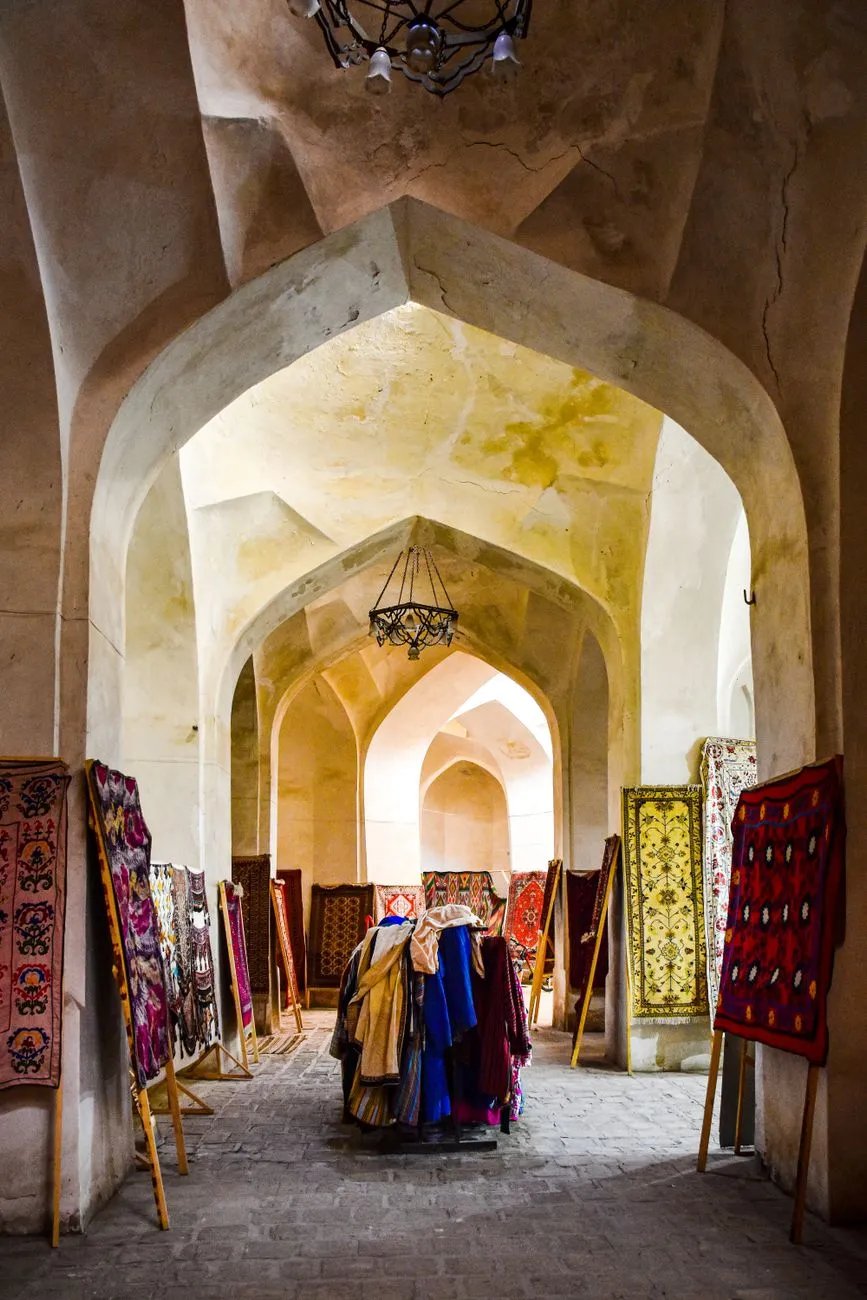
-
 Aisha Sharma
 - 24 Sep, 2026 21:44
The Silk Road Rediscovered: Navigating the Ancient Caravanserais of Central Asia
The Silk Road was never a single highway; it was a living network of oases, mountain passes, and bustling markets stitched together by the humble caravanserai. These fortified inns offered shelter, fresh water, and a place to trade news as readily as silk, spices, or ideas. Today, the stone arches of those waystations still stand across Uzbekistan, Kyrgyzstan, Kazakhstan, Turkmenistan, and Tajikistan, inviting modern travelers to step into a narrative that spans millennia. Whether you are a history‑obsessed backpacker, a digital nomad chasing reliable Wi‑Fi in a courtyard of turquoise tiles, or a photographer hunting the perfect light on a domed roof, the surviving caravanserais deliver an authentic pulse of the past that no museum replica can replicate. Whispers of the Dunes: Khiva’s Living MuseumKhiva, a UNESCO World Heritage site, feels less like a city and more like a time capsule from the Silk Road era. The inner fortress, Ichan Kala, houses a cluster of restored caravanserais that once accommodated camel caravans laden with Chinese porcelain and Persian carpets. The most iconic, the Kalta Minor Minaret complex, includes a vaulted courtyard where merchants tethered their beasts beneath a canopy of blue‑glazed bricks. Walking the narrow lanes, you can still see the original “suv” (water) channels that fed both humans and animals, a hydraulic ingenuity that predates modern plumbing by centuries. For the digital nomad, Khiva offers a rare blend of atmosphere and connectivity. According to Numbeo’s crowdsourced data, a modest one‑bedroom apartment in the historic centre rents for roughly $250‑$300 per month, while a high‑speed internet package averages $15‑$20. Cafés tucked into former caravanserai cells serve strong Uzbek coffee and reliable Wi‑Fi, making deep‑work sessions feel like a scholarly retreat. Safety scores on Numbeo place Khiva well above the regional average, with a crime index below 20, so evening strolls through the moonlit arches are both inspiring and secure. Beyond the main tourist circuit, the Kunya‑Ark Citadel houses a lesser‑known caravanserai that now functions as a craft workshop. Artisans demonstrate silk‑weaving techniques unchanged since the 14th century, and visitors can purchase hand‑loomed fabrics directly from the loom. The site’s preservation plan, funded jointly by the Uzbek government and UNESCO, emphasizes adaptive reuse—keeping the stones alive with contemporary purpose rather than fossilizing them behind glass. Practical tip: Arrive early (before 9 am) to avoid tour groups and capture the courtyard’s geometric shadows at their sharpest. A local guide can unlock the “hidden hammam” beneath the main hall, a subterranean bathhouse once reserved for high‑ranking merchants. Bring a reusable water bottle; the ancient “suv” channels still run, and the water is potable after a quick filter. Stone Sentinels of the Steppe: Tash Rabat and the Kyrgyz HighlandsPerched at 3,200 meters on the ancient “Great Silk Road” branch that linked Kashgar to Lake Issyk‑Kul, Tash Rabat is a stone‑built caravanserai that feels more like a fortress than an inn. Its massive basalt walls, each over a meter thick, enclose a central courtyard flanked by 31 vaulted chambers—each designed to house a merchant, his goods, and a pair of camels. The structure’s orientation follows the cardinal points, a deliberate design that maximized solar gain in winter and shade in summer. Reaching Tash Rabat requires a 4‑hour drive from Naryn on a partially paved mountain road that climbs through the “Kyzyl‑Art” pass. The journey itself is a pilgrimage: yurts dot the valleys, herders wave from horseback, and the air carries the scent of juniper and fermented mare’s milk (kumis). Numbeo lists Naryn’s cost of living at roughly $350‑$400 per month for a modest lifestyle, with internet packages around $25—slightly higher than Khiva due to the remote terrain. The caravanserai’s interior remains remarkably intact. Archaeologists have uncovered “tandoor” ovens, grain silos, and a sophisticated “qanat” drainage system that channeled meltwater away from the sleeping quarters. Recent restoration, financed by the World Monuments Fund, replaced collapsed roof sections with locally quarried stone, preserving the original “corbelled” vaulting technique. Visitors can now spend a night in a restored chamber, sleeping on felt mats while the wind whistles through the stone lintels—a rare chance to experience the Silk Road as a traveler, not a spectator. For those planning a multi‑day trek, the nearby “Kara‑Kul” lake offers a high‑altitude campsite with basic facilities. Local tour operators provide “horse‑back” packages that follow the historic caravan trail to “Kashgar” (now in China), though border permits are required. Digital nomads should note that mobile coverage is spotty; a satellite hotspot is advisable if uninterrupted connectivity is essential. Blueprint of Hospitality: Bukhara’s Timeless InnsBukhara, the “City of a Thousand Minarets,” boasts a concentration of caravanserais unmatched anywhere on the route. The “Caravanserai of Sayfuddin” (also known as “Tim‑Abdullah”) sits directly opposite the “Kalyan Minaret”, its massive wooden gates still swinging on iron hinges forged in the 16th century. Inside, a double‑height arcade runs the length of the courtyard, each bay once rented to a different guild—spice merchants, textile traders, metalworkers—creating a micro‑economy that mirrored the macro‑trade of the Silk Road. Modern Bukhara has leveraged this heritage for tourism without sacrificing authenticity. The “Bukhara Silk Road Festival” each May transforms the caravanserai courtyards into open‑air galleries, where calligraphers, miniature painters, and “dutar” musicians perform. Numbeo data shows a comfortable one‑bedroom in the old town averages $300‑$350, while coworking spaces like “Silk Hub” charge $80‑$100 per month for a dedicated desk and high‑speed fiber. A hidden gem lies beneath the “Mir-i-Arab Madrasa”: a subterranean “sardoba” (water reservoir) that once supplied the entire caravanserai complex. Guided tours reveal the “karez” engineering—vertical shafts linked by gently sloping tunnels—that transported groundwater from the “Zarafshan” mountains over 30 kilometers. The system’s resilience is a testament to the hydraulic mastery that sustained desert commerce for centuries. Food lovers should not miss the “Plov” prepared in a “kazan” (cast‑iron cauldron) within the caravanserai’s communal kitchen. The recipe, passed down through generations of “oshpaz” (master chefs), includes “devzira” rice, “quince”, and a secret blend of “cumin, coriander, and barberries”. Sharing a plate with local artisans offers a direct line to the oral histories that no guidebook can capture. Crossroads of Empires: Samarkand’s Merchant HallsSamarkand’s “Registan” square is framed by three madrasas, but tucked behind the “Sher‑Dor” façade lies the “Caravanserai of the Silk Merchants”, a sprawling complex that once housed up to 500 camels. Its layout follows a “four‑iwan” plan—four vaulted halls opening onto a central courtyard—allowing separate zones for “wholesale”, “retail”, “storage”, and “rest”. The “iwan” arches are adorned with “muqarnas” (stalactite vaulting) that diffuse sunlight into a soft, golden glow, a design later echoed in Mughal architecture across the subcontinent. Today, the complex hosts the “International Craft Center”, where master ceramists fire “blue‑white” tiles using the same “cobalt” pigments that colored the “Bibi‑Khanym Mosque” dome. Numbeo lists Samarkand’s average rent for a centrally located apartment at $350‑$420, with internet at $18‑$22. The city’s “Silk Road Co‑Working” space, housed in a restored caravanserai wing, offers $90 monthly memberships and a community of freelance developers, translators, and travel writers. A practical itinerary for a two‑day deep dive: Day 1 – morning tour of the “Ulugbek Observatory”, then lunch at the caravanserai’s “chaikhana” (tea house) sampling “shashlik” grilled over apricot Related InsightsExploring the Aegean Coast Svalbard: Arctic Adventures Beyond the Northern Lights – A Remote Paradise for Explorers and Digital Nomads (Part 2) Rusting Rails of the Sahara: The Forgotten Iron Spine of a Colonial Dream{ "@context": "https://schema.org", "@type": "FAQPage", "mainEntity": [ { "@type": "Question", "name": "What is the main focus of The Silk Road Rediscovered: Navigating the Ancient Caravanserais of Central Asia?", "acceptedAnswer": { "@type": "Answer", "text": "Journey through the restored caravanserais that once powered the world’s greatest trade route, with practical tips, cost insights, and hidden gems." } }, { "@type": "Question", "name": "Who authored the comprehensive guide on The Silk Road Rediscovered: Navigating the Ancient Caravanserais of Central Asia?", "acceptedAnswer": { "@type": "Answer", "text": "This detailed article and its insights were carefully researched and authored by Aisha Sharma." } }, { "@type": "Question", "name": "Where can I find more related content about Travel?", "acceptedAnswer": { "@type": "Answer", "text": "You can explore more articles, detailed reviews, and similar insights by browsing the Related Insights section at the bottom of this article or visiting our dedicated Travel category page." } } ] }
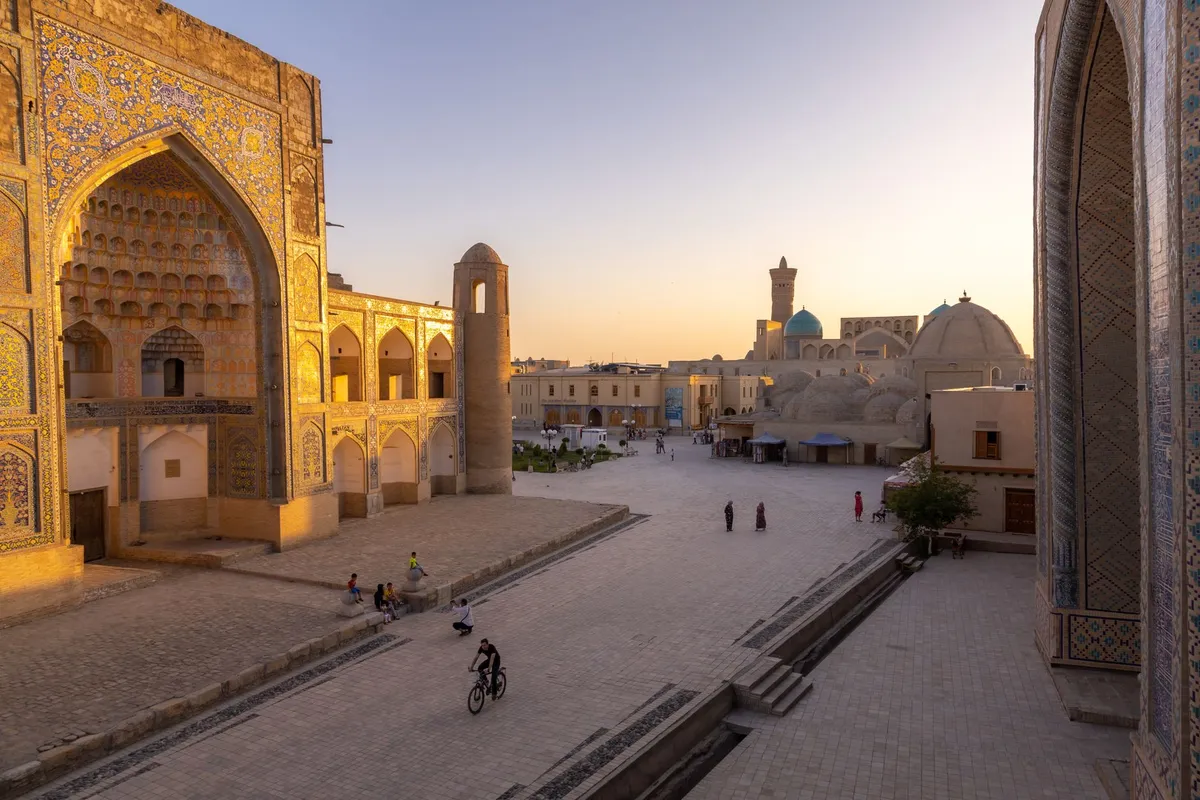

Where Time Stands Still: The Timeless Allure of Uzbekistan’s Silk Road The first light of dawn spills over the turquoise domes of Registan Square in Samarkand, casting golden reflections on the mosaic tiles that have witnessed centuries of caravans, scholars, and emperors. This is not a scene from a history book—it is the living heartbeat of Uzbekistan, a country where the past breathes through every brick of its ancient cities and the future hums in the air-conditioned cafes of Tashkent. Here, on the legendary Silk Road, time does not merely pass; it lingers, inviting travelers to step into a world where the echoes of Genghis Khan’s horsemen mix with the clatter of modern high-speed trains. Uzbekistan is more than a destination; it is an awakening. Once the crossroads of empires, it now stands as Central Asia’s most accessible and rapidly modernizing jewel, offering an unparalleled blend of heritage, affordability, and innovation. With a cost of living 65% lower than the United States—including rent—and a brand-new digital nomad visa launched in 2026, this is the moment to explore a land where the Silk Road’s legacy is being rewritten in real time.From Caravans to Code: How Uzbekistan is Rewriting Its Future For centuries, the Silk Road was the world’s greatest trade network, a labyrinth of routes connecting China to the Mediterranean, carrying silk, spices, and ideas. Today, Uzbekistan is reclaiming its role—not as a mere stop on the old route, but as a global hub for the new economy. The government’s ambitious reforms, launched in 2020, have transformed the country into a magnet for expats, digital nomads, and investors. Visa policies have been liberalized, with a 1-year digital nomad visa now available for remote workers earning as little as $1,500 per month. This is not just tourism; it’s a lifestyle revolution. The numbers tell the story. A single person can live comfortably in Tashkent for just $508.70 per month, while a family of four manages on $1,869.90—excluding rent. Compare that to the U.S., where the same expenses would cost nearly three times as much. But affordability is only part of the equation. Uzbekistan’s infrastructure is undergoing a renaissance. The Tashkent Metro, with its Soviet-era grandeur and modern efficiency, now connects to a high-speed rail network linking major cities. The new Tashkent International Airport, expanded in 2025, serves as a gateway to Central Asia, with direct flights to Istanbul, Dubai, and beyond. Yet, the true magic lies in the balance. While Tashkent’s skyline boasts glass towers and co-working spaces, the ancient cities of Bukhara, Khiva, and Samarkand remain frozen in time. Here, 15th-century madrasahs stand beside boutique hotels, and horse-drawn carriages share the streets with electric scooters. It’s a juxtaposition that defines modern Uzbekistan: a nation that honors its past while sprinting toward the future.The Three Crown Jewels: Samarkand, Bukhara, and Khiva No journey along the Silk Road is complete without wandering the labyrinthine streets of Uzbekistan’s three most iconic cities. Each is a UNESCO World Heritage Site, a living museum where history is not just preserved but celebrated. Samarkand: The Jewel of Timur’s Empire Samarkand is where the Silk Road’s grandeur is most vividly on display. Founded in the 6th century BCE, it became the capital of the Timurid Empire in the 14th century, under the rule of the legendary conqueror Amir Timur. His legacy is etched into every corner: the Registan Square, a trio of madrasahs (Ulugh Beg, Sher-Dor, and Tilya-Kori) whose turquoise domes and intricate tilework defy description; the Gur-e-Amir Mausoleum, the final resting place of Timur himself; and the Shah-i-Zinda necropolis, a street of mausoleums glowing in cobalt and azure. But Samarkand is not a relic. The city’s new Museum of Timurid History, opened in 2024, uses augmented reality to bring the past to life, while the Afrasiab Museum showcases 2,700-year-old frescoes uncovered from the ancient Sogdian settlement. For food lovers, the Siyob Bazaar offers a sensory overload of fresh fruits, spices, and the legendary non (Uzbek bread), baked in clay ovens. And when the sun sets, the city transforms into a hub of modern Uzbek cuisine, where traditional plov (rice pilaf) meets farm-to-table dining at restaurants like Plov Center. Bukhara: The Scholar’s Paradise If Samarkand is the empire’s crown, Bukhara is its soul. This 2,500-year-old city was a center of Islamic learning, home to over 200 madrasahs at its peak. The Ark of Bukhara, a fortress-palace dating back to the 5th century, was the residence of Bukhara’s emirs for nearly a millennium. Nearby, the Kalon Minaret, built in 1127, has survived earthquakes and invasions, standing as a testament to Bukhara’s resilience. The city’s charm lies in its intimacy. Unlike the grand squares of Samarkand, Bukhara’s streets are narrow and winding, lined with artisan workshops where potters, weavers, and jewelers practice age-old crafts. The Lyab-i Hauz plaza, with its 16th-century madrasahs and the ancient Hauz-i-Khan pond, is the perfect place to sip green tea and watch the world go by. For a taste of Bukhara’s culinary heritage, try samsa (meat pies) from a street vendor or dine at Chashmai Mirob, a restaurant serving dishes like manti (steamed dumplings) and shurpa (lamb soup). Khiva: The Open-Air Museum Khiva is a city straight out of a fairy tale. Enclosed within its 10-meter-high walls, the Itchan Kala (Inner City) is a UNESCO site where every building seems to whisper stories of the Silk Road. The Kuhna Ark fortress, once the residence of Khiva’s khans, offers panoramic views of the city, while the Islam Khodja Minaret, the tallest in Central Asia, provides a vantage point over the desert horizon. Khiva’s magic is in its authenticity. Unlike Samarkand and Bukhara, which have seen modern development, Khiva retains a timeless quality. The wooden caravanserais, the intricate tilework of the Juma Mosque, and the eerie silence of the Muhammad Amin Khan Madrasah at dusk create an atmosphere of suspended time. For a truly immersive experience, stay in a chaikhana (tea house) within the old city, where the walls are lined with centuries-old manuscripts and the scent of somsa fills the air.Beyond the Cities: The Hidden Gems of Uzbekistan’s Countryside While Samarkand, Bukhara, and Khiva are the stars, Uzbekistan’s true soul often lies in its lesser-known corners. Venture beyond the tourist trail, and you’ll discover a land of emerald valleys, snow-capped peaks, and nomadic traditions that have survived for millennia. The Nurata Mountains and Aydarkul Lake Nestled in the Kyzylkum Desert, the Nurata Mountains are a haven for hikers and history buffs. The ruins of the ancient fortress of Nur, built by Alexander the Great, overlook the vast Aydarkul Lake, a shimmering expanse of turquoise water where flamingos and pelicans nest. The nearby village of Nurata is a gateway to the yurt camps of the Kyrgyz nomads, where travelers can experience traditional beshbarmak (horse meat noodles) and kumis (fermented mare’s milk) under the stars. The Chimgan Mountains and Beldersay Ski Resort Just an hour from Tashkent, the Chimgan Mountains offer a surprising escape into alpine landscapes. In winter, Beldersay Ski Resort attracts skiers and snowboarders, while in summer, the meadows burst with wildflowers. The nearby Charvak Reservoir is a popular spot for kayaking and picnics, with the backdrop of the Ugam Range providing a dramatic setting. The Aral Sea: A Cautionary Tale and a Symbol of Hope The Aral Sea, once the world’s fourth-largest lake, is a stark reminder of environmental mismanagement. But Uzbekistan is fighting back. The Nukus Museum of Art, home to the avant-garde Savitsky Collection, and the nearby Aralkum Desert offer a poignant look at the region’s ecological challenges—and its resilience. Projects like the restoration of the Amu Darya Delta are slowly bringing life back to the area, making it a powerful destination for eco-tourists.A Taste of the Silk Road: Uzbekistan’s Culinary Odyssey To travel the Silk Road is to taste it. Uzbek cuisine is a fusion of Persian, Turkic, and Chinese influences, a reflection of the region’s history as a crossroads of cultures. At its heart is plov, the national dish, a fragrant rice pilaf cooked with lamb, carrots, and onions in a kazan (cauldron). But Uzbek food is so much more than plov. The Bread of Life: Non No meal in Uzbekistan begins without non, the round, crusty bread baked in clay ovens. The process of making non is an art form, with each baker having their own secret recipe. In Bukhara, the non from the Lyab-i Hauz bakery is legendary, while in Tashkent, the Chorsu Bazaar offers a dizzying array of varieties, from sesame-studded non to sweet non flavored with cardamom. Manti and Samsa: The Dumpling Delights Manti are steamed dumplings filled with minced lamb, onions, and pumpkin, served with a dollop of sour cream and garlic sauce. Samsa, on the other hand, are baked in a tandoor (clay oven), with a flaky crust and juicy filling. In Khiva, the samsa from the local market is a must-try, while in Samarkand, the manti at Plov Center are a revelation. Shorpa and Lagman: Hearty Stews and Noodles Shurpa is a lamb soup slow-cooked with vegetables and herbs, while lagman is a hand-pulled noodle dish with a rich beef broth and chunks of meat. Both are perfect for Uzbekistan’s chilly winters, and both are best enjoyed in a chaikhana (tea house) with a pot of green tea. Sweet Treats: Halva and Chak-chak No Uzbek meal is complete without dessert. Halva comes in two varieties: halva-yassi (a dense, nutty bar) and halva-kand (a crumbly, sweet confection). Chak-chak, a pyramid of fried dough balls drenched in honey, is a favorite at celebrations. In Tashkent, the Halva Museum offers a deep dive into the history of this beloved treat.Uzbek Dish Description Average Cost (USD)Plov Rice pilaf with lamb, carrots, onions $3.50 - $5.00Manti Steamed dumplings with lamb $2.00 - $3.50Samsa Baked meat pies $1.50 - $2.50Shurpa Lamb soup with vegetables $4.00 - $6.00Lagman Hand-pulled noodles with beef $5.00 - $7.00Non Traditional Uzbek bread $0.50 - $1.00Halva Nutty or crumbly sweet $2.00 - $4.00Living the Dream: The Digital Nomad’s Guide to Uzbekistan Uzbekistan is not just a place to visit—it’s a place to live. With the launch of its digital nomad visa in 2026, the country has positioned itself as a top destination for remote workers seeking adventure without sacrificing comfort. Here’s what you need to know to make the move. Visa Requirements and Costs The digital nomad visa is valid for 1 year and can be extended for another year. To qualify, you’ll need to show proof of remote income (minimum $1,500 per month) and health insurance. The visa fee is $200, and the application process is straightforward, with e-visa options available for many nationalities. Where to Live: Tashkent vs. The Ancient Cities Tashkent is the obvious choice for those who want a modern lifestyle. The city offers co-working spaces like Smart Point and Idea Space, high-speed internet, and a vibrant expat community. Rent for a 1-bedroom apartment in the city center averages $300-$500 per month, while a 3-bedroom apartment costs $600-$900. For those seeking a slower pace, the ancient cities offer a different kind of luxury. In Samarkand, a modern apartment with views of Registan Square can be rented for $400-$600 per month, while in Bukhara, you can find charming guesthouses for $25-$50 per night. The cost of living in these cities is even lower, with meals at local restaurants costing as little as $3-$5. Internet and Connectivity Uzbekistan’s internet infrastructure has improved dramatically in recent years. Tashkent and the major cities have 4G coverage, while fiber-optic internet is available in most urban areas. For remote workers, UzMobile and Beeline offer affordable data plans, and co-working spaces provide high-speed Wi-Fi. Healthcare and Safety Uzbekistan’s healthcare system is a mix of public and private facilities. Expats typically opt for private health insurance, which costs around $50-$100 per month. The country is generally safe, with low crime rates and a welcoming attitude toward foreigners. However, it’s always wise to take standard precautions, such as avoiding poorly lit areas at night. Cultural Etiquette and Language Uzbekistan is a Muslim-majority country, and while it is secular and tolerant, it’s important to respect local customs. Dress modestly in religious sites, and avoid public displays of affection. The official language is Uzbek, but Russian is widely spoken, and English is becoming more common, especially in tourist areas. Learning a few phrases in Uzbek, such as Salom (Hello) and Rahmat (Thank you), will go a long way in making connections.The Silk Road’s New Chapter: Why Now is the Time to Visit Uzbekistan is at a crossroads—not just geographically, but culturally and economically. The country’s efforts to modernize while preserving its heritage have created a unique opportunity for travelers and expats alike. The digital nomad visa, the ultra-low cost of living, and the country’s rich history make it a destination like no other. But beyond the practicalities, there’s something intangible about Uzbekistan that draws people in. It’s the feeling of walking through the Registan at dawn, the taste of plov cooked over an open fire, the warmth of a stranger’s smile in a chaikhana. It’s the realization that the Silk Road is not just a relic of the past—it’s a living, breathing entity, and Uzbekistan is its guardian. So, whether you’re a history buff, a foodie, a digital nomad, or simply someone in search of adventure, Uzbekistan awaits. The Silk Road is calling.#SilkRoadRevival #UzbekistanTravel #DigitalNomadParadise Related InsightsMud‑Brick Horizons: Documenting the Architectural Soul of Djenné and Timbuktu Azure Horizons and Fragile Ecosystems: The Maldives Reality Check L'Odyssée du Continent Austral : Entre Terres Rouges, Récifs d'Azur et Horizon Infini{ "@context": "https://schema.org", "@type": "FAQPage", "mainEntity": [ { "@type": "Question", "name": "What is the main focus of The Silk Road Revival: Uzbekistan’s Ancient Cities and Modern Wonders?", "acceptedAnswer": { "@type": "Answer", "text": "Discover Uzbekistan’s breathtaking Silk Road cities, ultra-low cost of living, and a brand-new digital nomad visa that’s transforming Central Asia into a traveler’s paradise." } }, { "@type": "Question", "name": "Who authored the comprehensive guide on The Silk Road Revival: Uzbekistan’s Ancient Cities and Modern Wonders?", "acceptedAnswer": { "@type": "Answer", "text": "This detailed article and its insights were carefully researched and authored by Mark Dinn." } }, { "@type": "Question", "name": "Where can I find more related content about Travel?", "acceptedAnswer": { "@type": "Answer", "text": "You can explore more articles, detailed reviews, and similar insights by browsing the Related Insights section at the bottom of this article or visiting our dedicated Travel category page." } } ] }
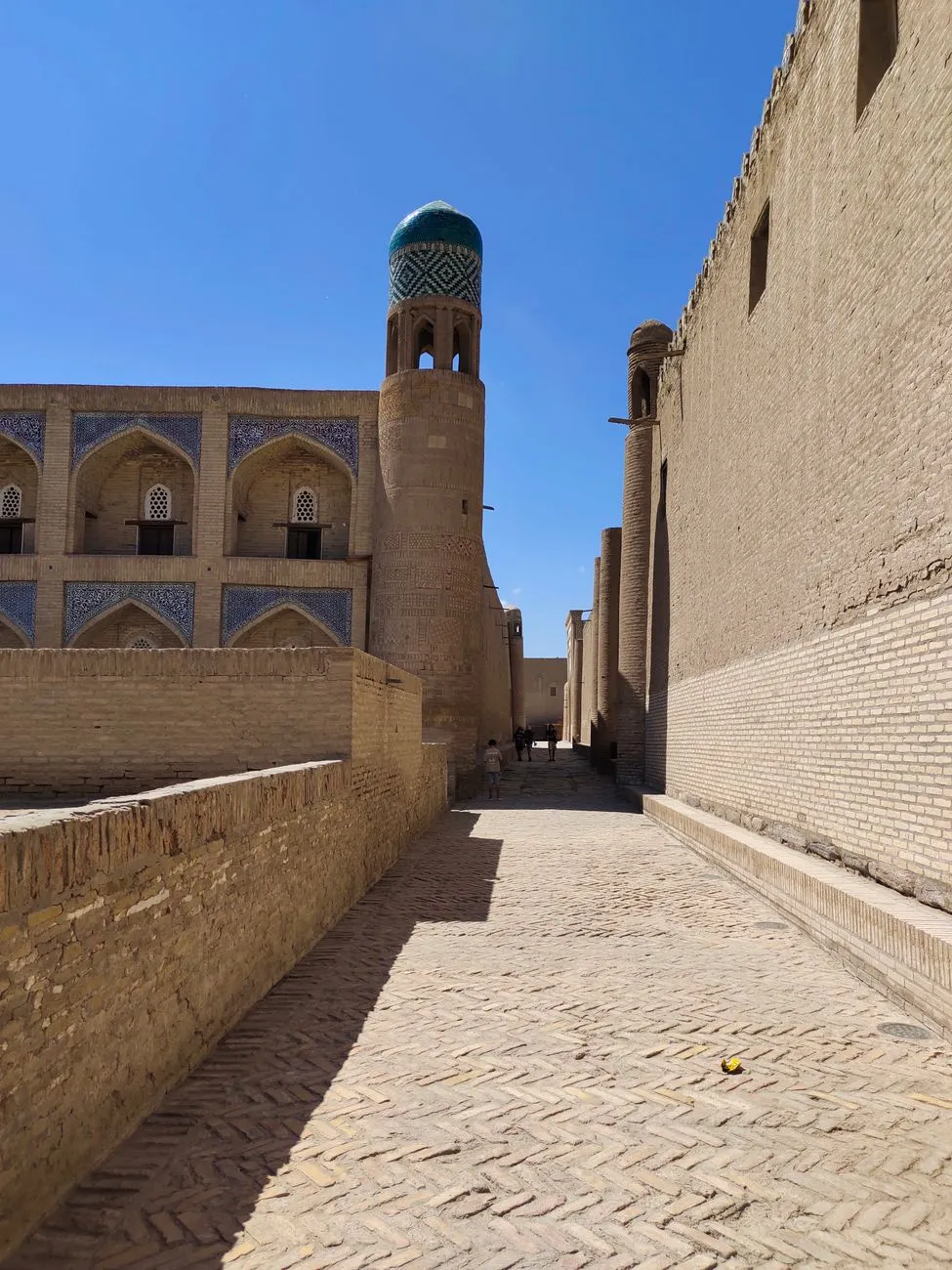
This is Part 2 of the series. Read Part 1 here.The Desert Caravanserai: A Rest Stop for Travelers Khiva’s caravanserais, like the Kutlug Murad Inak Madrasa, were once bustling rest stops for Silk Road travelers and their camels. Today, they house artisan workshops and guesthouses, where visitors can experience traditional Uzbek hospitality. The Khan’s Bathhouse, a 19th-century hammam, offers a chance to relax in a setting that has remained unchanged for centuries. Khiva’s Modern Face: A Hub for Art and Culture While Khiva’s ancient sites are its main attraction, the city is also embracing modernity. The Khiva Silk Carpet Museum showcases the artistry of Uzbek weavers, while the Khiva Art Gallery features contemporary works inspired by the city’s history. For digital nomads, guesthouses like Orient Star Khiva offer reliable Wi-Fi and a quiet workspace, making it easy to explore the city’s wonders while staying connected. Khiva is a place where time seems to have stopped. It’s a city where the desert wind whispers stories of caravans and kings, where every brick holds a secret, and where the spirit of the Silk Road lives on in the most unexpected ways.4. Tashkent: Uzbekistan’s Cosmopolitan Capital While Samarkand, Bukhara, and Khiva dazzle with their ancient charm, Tashkent is Uzbekistan’s modern face—a bustling metropolis where Soviet-era grandeur meets Central Asian tradition. With a population of over 3 million, Tashkent is the country’s cultural, economic, and political heart. It’s a city of wide boulevards, green parks, and futuristic architecture, where the past and future coexist in harmony. Chorsu Bazaar: The Soul of Tashkent Chorsu Bazaar is one of the largest and oldest markets in Central Asia, a labyrinth of stalls selling everything from fresh produce to handmade ceramics. The bazaar’s iconic blue dome, supported by 12 massive columns, is a landmark of Tashkent. Here, you can sample non (Uzbek flatbread), samsa (meat pies), and choy (tea) while bargaining with friendly vendors. The market is a sensory overload—colors, smells, and sounds collide in a symphony of Uzbek life. Khast Imam Complex: A Treasure Trove of Islamic Art The Khast Imam Complex is a spiritual and cultural hub, home to the Uthman Quran, one of the oldest and most revered copies of the Quran in the world. The complex includes the Barak-Khan Madrasa, the Tilla Sheikh Mosque, and the Muyi Muborak Library, which houses rare manuscripts and artifacts. The intricate tilework and calligraphy of the complex are a testament to Uzbekistan’s deep Islamic heritage. Amir Timur Square: A Monument to a Conqueror Amir Timur Square is the heart of Tashkent, a vast plaza dominated by a towering statue of the legendary conqueror. The square is surrounded by government buildings, museums, and the Navruz Palace, a modern structure that hosts cultural events. The Amir Timur Museum offers a deep dive into the life and legacy of Timur, while the Fine Arts Museum of Uzbekistan showcases the country’s rich artistic traditions. Tashkent’s Modern Wonders Tashkent is also a city of innovation. The Tashkent Metro, with its marble stations and Soviet-era mosaics, is a marvel of engineering and design. The Tashkent Tower, one of the tallest structures in Central Asia, offers panoramic views of the city. For digital nomads, co-working spaces like Smart Point provide high-speed internet and a community of like-minded professionals. Cafés like Café Loft serve up artisanal coffee and Uzbek fusion dishes, while the Tashkent City business district is a hub of modern commerce. Green Spaces and Urban Oases Despite its urban sprawl, Tashkent is a green city, with parks like Bog’i Erkinlik and Alisher Navoi Park offering a respite from the hustle and bustle. The Tashkent Botanical Garden is a haven for nature lovers, with over 3,000 species of plants from around the world. The city’s wide boulevards, lined with trees and fountains, make it easy to explore on foot or by bike. Tashkent is a city of contrasts—where Soviet-era buildings stand alongside modern skyscrapers, where ancient traditions meet cutting-edge innovation. It’s a place where the past and future collide, and where the spirit of Uzbekistan’s resilience and creativity shines through.5. Practical Travel Guide: Budget, Visa, and Digital Nomad Life in Uzbekistan Uzbekistan is not just a destination for history lovers—it’s also a paradise for budget travelers and digital nomads. With its ultra-affordable cost of living, fast-growing visa program, and modern infrastructure, the country is quickly becoming a hotspot for remote workers and explorers alike. Here’s everything you need to know to plan your trip, from visas to budgets, healthcare, and beyond. Visa Requirements: Easy Entry for Most Travelers Uzbekistan has made significant strides in simplifying its visa process. As of 2026, citizens of over 80 countries, including the US, UK, EU, Canada, Australia, and Japan, can enter Uzbekistan visa-free for up to 30 days. For longer stays, a tourist visa (valid for up to 30 days) can be obtained online via the e-Visa portal, with processing taking just 3 business days. For digital nomads, a 1-year multiple-entry visa is available for those who can prove remote work or business ties in Uzbekistan. Cost of Living: Affordable Luxury Uzbekistan is one of the most affordable destinations in the world, with a cost of living significantly lower than in Western Europe or North America. According to Numbeo, a single person can live comfortably in Tashkent or Samarkand on $800–$1,200 per month, while a couple can manage on $1,200–$1,800. Here’s a breakdown of typical expenses:Expense Category Cost (USD)Rent (1-bed apartment) $200–$400/monthUtilities (electricity, water, gas) $50–$100/monthGroceries $100–$200/monthDining out (mid-range restaurant) $5–$15/mealPublic transport (monthly pass) $10–$20SIM card (1 month, unlimited data) $5–$10Coworking space (monthly membership) $50–$150Accommodation: From Guesthouses to Boutique Hotels Uzbekistan offers a range of accommodation options to suit every budget:Guesthouses (1–2 stars): $15–$30/night – A great way to experience Uzbek hospitality, often run by local families. Boutique hotels (3–4 stars): $50–$100/night – Stylish, centrally located, and often housed in historic buildings. Modern apartments (Airbnb): $30–$80/night – Ideal for digital nomads seeking privacy and comfort. Luxury hotels (5 stars): $150–$300/night – For those seeking high-end amenities, like the Hyatt Regency Tashkent or Lotte City Hotel Samarkand.Healthcare: Reliable and Affordable Uzbekistan’s healthcare system has improved significantly in recent years, with modern hospitals and clinics in major cities. For digital nomads, international health insurance is highly recommended. The cost of a doctor’s visit ranges from $10–$30, while a night in a private hospital is around $50–$100. Pharmacies are widely available, and medications are generally affordable. Transportation: Getting Around Easily Uzbekistan’s transportation network is efficient and affordable:Domestic flights: Tashkent to Samarkand or Bukhara costs $50–$100 one-way. High-speed train (Afrosiyob): Tashkent to Samarkand in 2 hours for $25–$40. Marshrutkas (shared minivans): $2–$5 for short trips between cities. Taxis (Yandex.Taxi): $5–$15 for city rides. Bicycle rentals: $5–$10/day – A great way to explore cities like Bukhara and Khiva.Digital Nomad Life: Work, Wi-Fi, and Community Uzbekistan is rapidly becoming a digital nomad hotspot, thanks to its digital nomad visa, affordable cost of living, and growing community of remote workers. Here’s what to expect:Internet: Uzbekistan has 4G coverage across the country, with speeds averaging 20–50 Mbps. Major cities like Tashkent, Samarkand, and Bukhara have fiber-optic internet in most cafes and co-working spaces. Co-working spaces: Impact Hub Samarkand – $10/day or $100/month. Smart Point Tashkent – $8/day or $80/month. Coworking.uz Bukhara – $5/day or $50/month.Community: Facebook groups like Digital Nomads Uzbekistan and Expat Tashkent are great for networking and tips.Safety and Cultural TipsSafety: Uzbekistan is generally safe, with low crime rates. Petty theft can occur in tourist areas, so keep an eye on your belongings. Dress code: Uzbekistan is a Muslim-majority country, but it’s relatively liberal. Dress modestly in religious sites (cover shoulders and knees), but Western clothing is fine in cities. Language: Uzbek and Russian are the main languages, but English is spoken in tourist areas and by younger generations. Currency: The Uzbek som (UZS) is the local currency. $1 USD ≈ 12,500 UZS (as of 2026). Credit cards are accepted in major hotels and restaurants, but cash is king in markets and small shops.Uzbekistan is a destination that rewards curiosity, patience, and an open mind. Whether you’re exploring ancient cities, working remotely in a cozy café, or bargaining in a bustling bazaar, the country offers an experience that is as enriching as it is affordable.The Silk Road is not just a relic of the past—it’s a living, breathing thread that connects Uzbekistan’s ancient cities to a vibrant present. From the turquoise domes of Samarkand to the labyrinthine alleys of Bukhara, the desert jewel of Khiva, and the cosmopolitan energy of Tashkent, this country is a testament to the enduring power of history, culture, and human connection. Uzbekistan is more than a destination; it’s an invitation to step into a world where the past and future coexist, where every brick tells a story, and where the spirit of the Silk Road lives on in the most unexpected ways. Whether you’re a history buff, a digital nomad, a foodie, or simply someone seeking beauty in the unexpected, Uzbekistan offers a journey that will leave you inspired, enriched, and longing to return. So pack your bags, grab your passport, and set out on the adventure of a lifetime. The Silk Road is waiting.#SilkRoadRevival #UzbekistanTravel #CentralAsiaAdventure #CulturalJourney #DigitalNomadLife Related InsightsIceland's Golden Circle: Unveiling the Land of Fire and Ice Arctic Circle Digital Nomadism: Building Connectivity in Greenland's Remote Towns Fairy Tale Châteaux: A Journey Through the Loire Valley{ "@context": "https://schema.org", "@type": "FAQPage", "mainEntity": [ { "@type": "Question", "name": "What is the main focus of The Silk Road Revival: Uzbekistan’s Ancient Cities and Modern Wonders (Part 2)?", "acceptedAnswer": { "@type": "Answer", "text": "Step into the heart of Central Asia and rediscover the Silk Road through Uzbekistan’s breathtaking cities, where 3,000 years of history meet vibrant modernity and ultra-affordable living." } }, { "@type": "Question", "name": "Who authored the comprehensive guide on The Silk Road Revival: Uzbekistan’s Ancient Cities and Modern Wonders (Part 2)?", "acceptedAnswer": { "@type": "Answer", "text": "This detailed article and its insights were carefully researched and authored by Wei Chen." } }, { "@type": "Question", "name": "Where can I find more related content about Travel?", "acceptedAnswer": { "@type": "Answer", "text": "You can explore more articles, detailed reviews, and similar insights by browsing the Related Insights section at the bottom of this article or visiting our dedicated Travel category page." } } ] }