Showing Posts From
Chickenpotpie
-
 Michael Chef
 - 28 Jun, 2026 06:13
The Legacy of Nourishment: A Nutrient-Dense Chicken and Vegetable Pot Pie
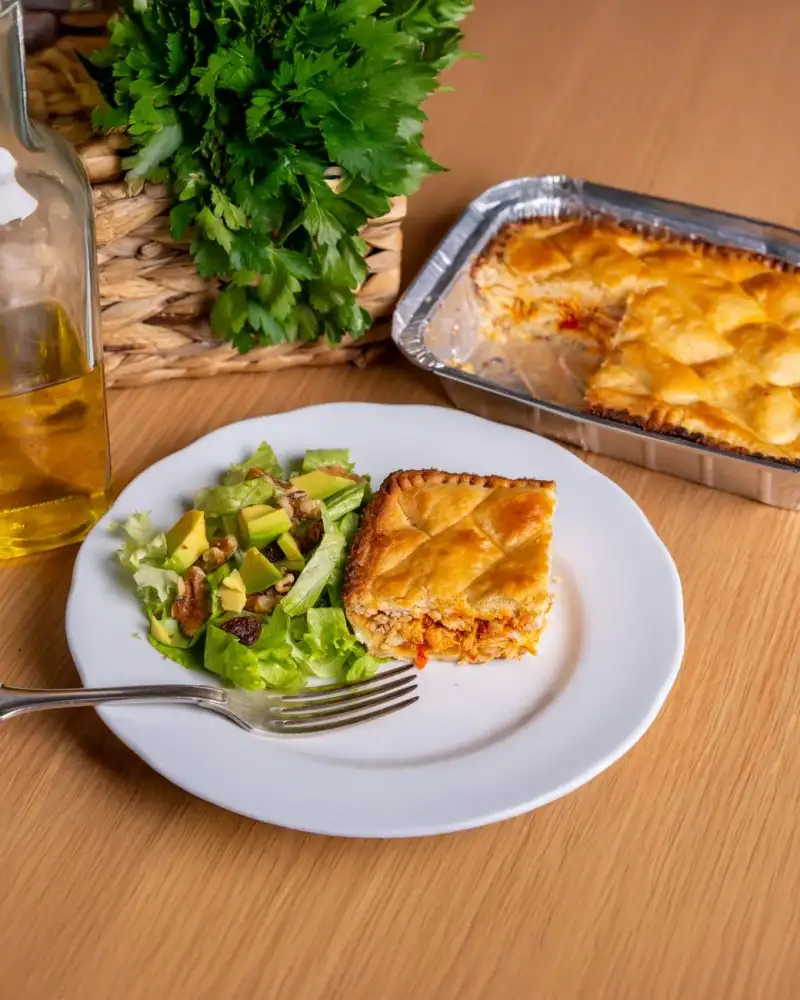
"The Legacy of Nourishment: A Nutrient-Dense Chicken and Vegetable Pot Pie" Welcome back to my kitchen. I am Michael Chef, and today we aren't just baking a pie; we are engaging in a culinary act of reclamation. When we think of "comfort food," we often visualize the heavy, overly processed dishes of the mid-20th century. But true comfort comes from knowing that what you are putting on your plate serves your biology, respects the history of the land, and provides a template for long-term health. The chicken and vegetable pot pie is a staple of Western cuisine, yet it is often maligned for being calorie-dense but nutrient-poor. Today, we are flipping that script. By utilizing a whole wheat crust and a fiber-rich, vegetable-forward filling, we transform this classic into a vehicle for health. The Science of Sustained Habits To understand why we choose specific ingredients, we must look at the long-term impact of our dietary patterns. According to the Saskatchewan Pediatric Bone Mineral Accrual Study, dietary patterns established in childhood and adolescence carry significant weight into adulthood. Researchers noted a moderate tracking coefficient for "Vegetarian-style" diets, suggesting that the habits we cultivate—those focused on whole, plant-based inputs—are not just trends; they are foundational pillars for the health of our future selves. When you prepare this pie, you are opting for a "Vegetarian-style" influence, even when incorporating poultry. You are layering vegetables like carrots, leeks, and peas, which offer fiber and micronutrients that are often absent in the standard "Western-like" diet. The research is clear: as we age, shifting away from high-fat, high-protein extremes toward a balanced, nutrient-dense pattern is the single most effective way to ensure metabolic and structural health throughout our lifespan.Foodways and Resilience Beyond the biology of vitamins and minerals, there is a profound history in how we cook. As highlighted in recent studies on African and Native American foodways, our relationship with food is a story of survival and resilience. For centuries, communities in North America and West Africa have maintained food systems that honor the land, relying on foraging, hunting, and seasonal cultivation. In our modern, industrialized food system, which was severely tested during the COVID-19 pandemic, we are reminded that "efficiency" is not always synonymous with "nutrition." The USDA’s 2007 revision of the Low-Cost and Liberal Food Plans attempted to align home-cooked meals with better dietary guidelines, yet it highlighted the struggle of modern families: the lack of time. This recipe is my solution. It is efficient enough for a busy weeknight, yet restorative enough to honor the traditions of those who built the very concept of "cooking from scratch." By using whole wheat pastry flour and slow-simmered bone broth, we are not just assembling ingredients; we are participating in a foodway that prioritizes density over empty calories. This is how we survive and thrive, just as our ancestors did, by making deliberate choices that honor both the body and the history of our ingredients.Gastronomy Meets Medicine: The Recipe This pot pie is a triumph of texture and taste. The whole wheat crust provides a nutty, complex flavor profile, while the Greek yogurt base offers a protein-rich, tangy creaminess that outperforms traditional heavy cream in both nutritional profile and depth of flavor. [Detailed Recipe Instructions found in the frontmatter above] A Note on the Ingredients The backbone of this recipe is the broth. I highly recommend using a house-made bone broth if time permits. Research from the USDA’s food guidance systems suggests that the most nutrient-dense meals are those where we have control over the sodium and fat content. By making your own broth, you avoid the additives found in store-bought options and create a base rich in collagen and amino acids. Furthermore, the integration of whole wheat flour for the crust isn't just for flavor; it’s about glycemic control. Whole grains contain the bran and germ, providing the fiber necessary to slow the absorption of glucose. As the Saskatchewan study indicated, small, consistent shifts toward healthier dietary patterns (like choosing whole wheat over refined white flour) are what create lasting health outcomes.Building the Foundation Start by prepping your vegetables with care. We aren't just chopping; we are releasing the aromatic oils in the leeks and the natural sugars in the carrots. When you sauté these in high-quality olive oil, you are providing the healthy fats necessary for the absorption of fat-soluble vitamins (A, D, E, and K) found in the vegetables. As you assemble, remember that you are building a meal meant to bridge the gap between historical wisdom and modern medical necessity. This is not about restriction; it is about abundance—an abundance of fiber, phytonutrients, and lean protein. The Joy of the Process The final stage—baking—is where the magic happens. The aroma of roasted vegetables and herbs filling your kitchen is the ultimate sign of a home that prioritizes health. When you pull that golden-crusted pie from the oven, you are seeing the culmination of a process that respects your body’s long-term needs. You are a steward of your own health, a guardian of your own foodways. Every time you choose to cook a meal like this instead of opting for a highly processed alternative, you are signaling to your body that it is worthy of nourishment. The path to health is not a sprint; it is a series of daily, intentional choices. By incorporating these habits now, you are building a legacy of vitality that, according to the tracking patterns established by scientific research, will serve you for decades to come. Eat well, stay curious, and keep cooking from the heart.#HealthyLiving #NutrientDense #Gastronomy #WholeFoods #CulinaryMedicine Related InsightsWaakye: The Vibrant Street Food Breakfast Exploring the Delightful World of Cheese Pairings Cuban Mojito: The Refreshing History of a Caribbean Classic (Part 2){ "@context": "https://schema.org", "@type": "FAQPage", "mainEntity": [ { "@type": "Question", "name": "What is the main focus of The Legacy of Nourishment: A Nutrient-Dense Chicken and Vegetable Pot Pie?", "acceptedAnswer": { "@type": "Answer", "text": "Discover a masterful take on the classic pot pie, blending ancient foodways with modern nutritional science for a wholesome, restorative meal." } }, { "@type": "Question", "name": "Who authored the comprehensive guide on The Legacy of Nourishment: A Nutrient-Dense Chicken and Vegetable Pot Pie?", "acceptedAnswer": { "@type": "Answer", "text": "This detailed article and its insights were carefully researched and authored by Michael Chef." } }, { "@type": "Question", "name": "Where can I find more related content about Food?", "acceptedAnswer": { "@type": "Answer", "text": "You can explore more articles, detailed reviews, and similar insights by browsing the Related Insights section at the bottom of this article or visiting our dedicated Food category page." } } ] }