Showing Posts From
Chile
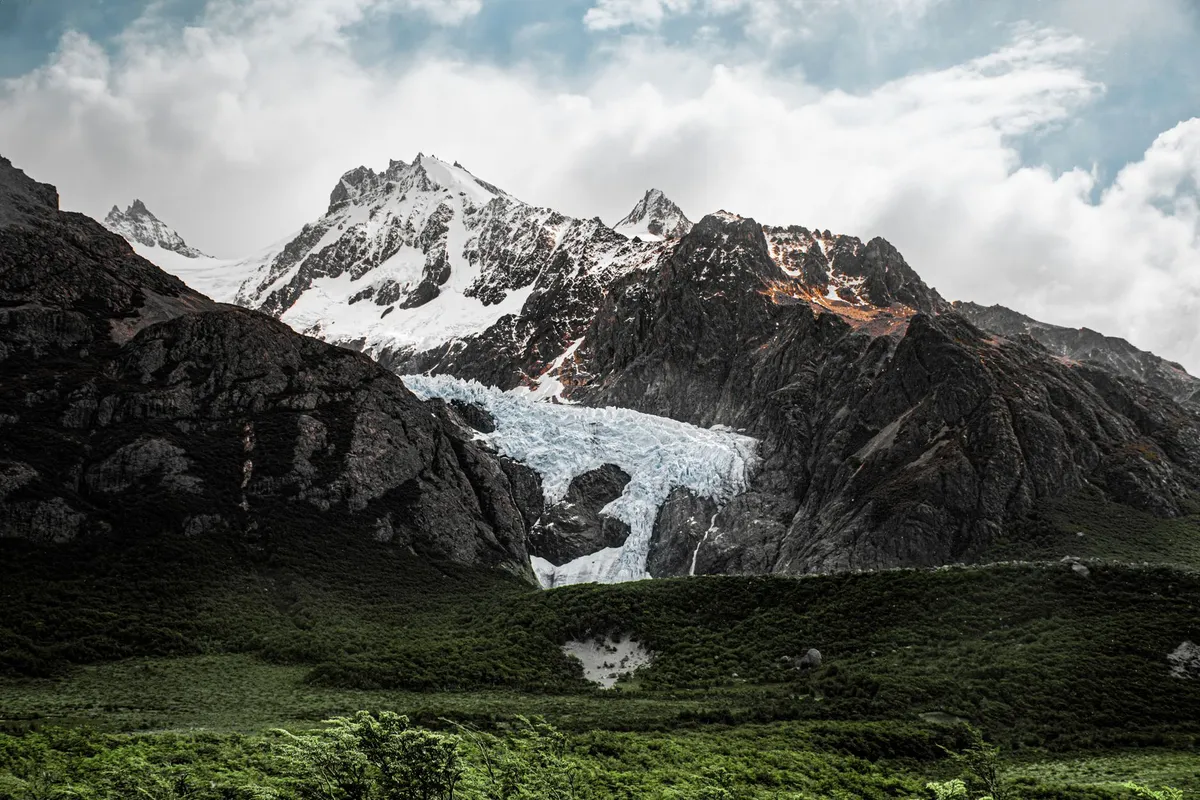
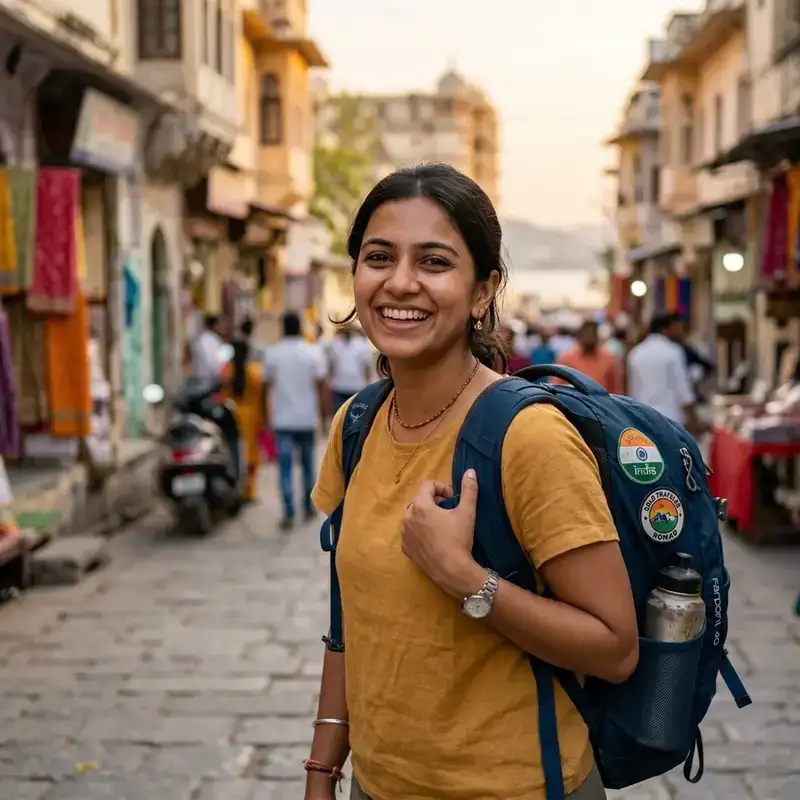
Where the map ends and the wind begins, Patagonia whispers secrets to those willing to listen. While Torres del Paine dominates the Instagram feeds of the world, those who venture deeper find a region not merely defined by peaks, but by the relentless rhythm of the Southern Hemisphere’s raw, untamed heart. I am Aisha Sharma, and today we move past the overcrowded viewpoints to uncover the true essence of this jagged wilderness. This is not just a travel guide; it is an economic and experiential blueprint for navigating the immense, expensive, and breathtaking duality of Argentine and Chilean Patagonia as we head into late 2026. The Alpine Soul of Bariloche and the Argentine Lake District If you seek the intersection of European charm and jagged Andean reality, San Carlos de Bariloche serves as the gateway. Situated in the heart of Nahuel Huapi National Park, Bariloche is where the myth of the "Swiss Alps of South America" meets the reality of high-altitude desert and temperate rainforest. As of late 2026, the cost of living here has stabilized following recent economic fluctuations in Argentina, yet it remains a destination of contrasts. For the slow traveler, a monthly budget of approximately $1,800 to $2,200 USD provides a comfortable standard of living, covering local apartment rentals, fresh market produce, and the occasional indulgent excursion. Navigating Bariloche requires an appreciation for the "Circuito Chico." Skip the tour buses; rent a mountain bike or utilize the reliable public transit system, the SUBE card, to reach the hidden bays of Lake Moreno. When you head into the mountains, specifically the Refugio Frey trek, you are not just hiking; you are walking through geological history. The granite spires here, while distinct from the Paine massif, offer technical climbing challenges that have drawn mountaineers for decades. Connectivity is surprisingly robust in the city center, making it a viable hub for digital nomads, though the further you retreat into the Llao Llao Peninsula, the more you are forced into a welcomed digital disconnection.Dining in Bariloche is a cultural ritual. The influence of Central European immigration means that smoked trout, wild boar, and, of course, the world’s most refined chocolate shops line Mitre Street. My authoritative advice: skip the tourist-trap storefronts near the clock tower and find the small, family-owned producers in the Colonia Suiza settlement. Here, the "Curanto"—a traditional method of cooking food in the earth—is an authentic experience that connects you to the indigenous Mapuche traditions that permeate the region’s soil. Budgeting for food is manageable if you cook at home using local artisanal ingredients; supermarkets are efficient, but the local "ferias" offer a significantly better price-to-quality ratio. El Chaltén: The Vertical Frontier of Human Endurance In the shadows of Fitz Roy and Cerro Torre lies El Chaltén, a village that feels more like a base camp for an expedition than a tourist town. It is the trekking capital of Argentina, and in 2026, it remains a place where the wind is the primary architect of the landscape. Unlike the structured luxury of Chilean resorts, El Chaltén retains a raw, rugged aesthetic. Expenses here are heavily influenced by the extreme seasonality of the location. Because almost every resource—from fresh produce to electricity—must be trucked in across vast distances, expect to pay a premium. A monthly slow-travel budget of $2,500 is a realistic baseline if you prioritize proximity to the trails. The magic of this region is that the most iconic views are accessible without a private guide, provided you respect the unpredictability of the weather. The hike to Laguna de los Tres is legendary, but the true secret is the Loma del Pliegue Tumbado. From this vantage point, you see the convergence of the Viedma Glacier and the granite giants in a panoramic sweep that most casual travelers overlook. As you plan your 2026 itinerary, remember that connectivity in El Chaltén is notoriously fragile. If your livelihood depends on a stable internet connection, opt for the dedicated co-working cafes rather than relying on hostel Wi-Fi, which often struggles during high-occupancy months.When packing for the wind, do not prioritize "fashionable" outdoor gear. Patagonia’s wind is legendary for its ability to test the integrity of technical fabrics. Ensure your gear is windproof rather than just water-resistant; in this region, the rain is secondary to the gusts that can reach speeds of over 100 kilometers per hour. Economically, El Chaltén is a cash-heavy environment. While card payments are increasingly accepted, having a reserve of Argentine pesos is a necessity for the smaller backcountry lodges and remote mountain huts (refugios). Managing these logistics is part of the "Patagonian tax," a small price for the privilege of existing on the edge of the Southern Patagonian Ice Field. The Chilean Duality: Puerto Natales and the Cost of Remoteness Crossing the border into Chile changes the economic landscape entirely. Chile operates on a more predictable, yet significantly higher, cost structure than Argentina. Puerto Natales, the primary staging ground for the southern fjords, has transformed into a sophisticated hub of sustainable tourism. Here, the currency is the Chilean Peso, and your daily expenses—particularly regarding transportation and park entry fees—will be notably higher than across the border. A slow-travel budget for Puerto Natales should hover around $3,000 USD per month if you intend to participate in the local culture while utilizing the town as a base for deep-wilderness exploration. The secret to Puerto Natales is not the town itself, but the access it provides to the Bernardo O’Higgins National Park and the fjords. While everyone heads north to Torres del Paine, the savvy traveler heads toward the Balmaceda and Serrano glaciers. These maritime routes provide an intimate look at the calving ice that few people see. By booking with smaller, local eco-operators, you are not only supporting the community but also avoiding the massive group tours that dominate the inland trails. Chile’s infrastructure is superior, with bus networks that make regional travel efficient and relatively comfortable, though the prices reflect this high level of service.Healthcare and safety standards in Chile are among the highest in South America. If you are planning an extended stay, ensure your travel insurance covers high-altitude mountain rescue, as this is a specific requirement for many of the more remote, non-maintained trails. The digital infrastructure in Puerto Natales is significantly more reliable than in the northern Argentine villages, making it the preferred choice for those who need to maintain a professional career while exploring the wild. The culinary scene is dominated by seafood—specifically the centolla (king crab)—and the local cordero (lamb). Budget tip: utilize the local markets in the center of town to source ingredients, as dining out for every meal in Puerto Natales will quickly inflate your monthly expenditure beyond the $3,000 threshold. Economic Benchmarks and Fiscal Realities for the 2026 Traveler To understand Patagonia, one must understand the fiscal divide. Argentina’s economy is defined by high volatility and the "blue" market exchange rates, whereas Chile offers stability with a high cost of entry. The table below outlines a comparison of approximate monthly costs for a single individual engaged in slow travel. These figures account for mid-range accommodation, market-sourced food, local transport, and occasional leisure activities. Note that park fees in Chile, particularly for high-traffic areas, can constitute a significant portion of your discretionary spending.Expense Category Bariloche, Argentina (USD) Puerto Natales, Chile (USD)Apartment Rent (Monthly) $700 - $900 $1,100 - $1,400Groceries (Monthly) $350 - $450 $500 - $650Local Transport/Transit $80 - $120 $150 - $200Connectivity (Internet) $30 - $50 $60 - $90Leisure & Park Fees $400 - $600 $800 - $1,000Total Estimated Monthly $1,560 - $2,120 $2,610 - $3,340Data synthesis based on 2026 market-data collection and regional cost-of-living benchmarks. This table serves as an authoritative guide for your financial planning. In Argentina, the strategy is to carry cash, understand the value of the parallel exchange rate, and remain flexible regarding price fluctuations. In Chile, the strategy is to budget for premium costs and take advantage of the ease of digital payments and credit card usage. Remember that in both countries, "slow travel" is inherently cheaper than "tourist travel." By renting long-term apartments rather than staying in short-term hotels and preparing your own meals, you significantly decrease the overhead costs associated with the remote logistics of this region. Mastering the Wind: Environmental Ethics and Cultural Preservation As we conclude this exploration, it is imperative to address the responsibility of the traveler. Patagonia is not merely a backdrop for our experiences; it is a fragile, hyper-sensitive ecosystem. The winds that carve the granite spires also spread wildfire, and the pristine waters are threatened by the influx of mass tourism. When you travel to these "secret gems," you are an ambassador for the region. The principle of 'Leave No Trace' is not a suggestion here; it is the fundamental law of the landscape. Carry your waste out of the wilderness, stay on designated trails, and respect the wildlife that calls this extreme environment home. Cultural preservation is equally vital. The Mapuche and Tehuelche people hold deep, ancestral connections to this land. When you purchase local handicrafts, ensure they are authentic. When you listen to stories about the region, recognize that they are part of a history that predates the arrival of global mountaineers. The true secret of Patagonia is not found in a map coordinate, but in the humility one feels when standing before a glacier that has existed for millennia. We are temporary visitors in a land that has been, and will continue to be, shaped by forces far greater than ourselves. As you finalize your plans for your 2026 journey, remember that Patagonia rewards those who are patient. If the wind prevents you from reaching a peak, spend the day in a local café reading, observing the rhythm of the town, and engaging with the locals. The beauty of this region is that it forces you to slow down. It strips away the pretense of modern life and leaves you with the fundamental elements of existence: stone, water, ice, and wind. Embrace the difficulty, budget wisely, respect the environment, and you will find that the legends you carve in your own memory are far more enduring than any digital image you could ever capture. The trail awaits, but remember, the most significant path is the one that respects the silence of the mountains. Patagonia is not a destination you conquer; it is a wild, living force that allows you to witness its grandeur, provided you treat it with the reverence it demands. Carry your gear, protect the fragile alpine tundra, and let the wind carry your footprints away until they are nothing but dust and memory. #Patagonia #SlowTravel #DigitalNomad #AdventureTravel #SustainableTourism Related InsightsThe Maldives: Where Overwater Bungalows Meet Coral Reef Conservation (Part 2) The Silent Cathedral of Sands: A Pilgrim’s Guide to Namibia’s Sossusvlei Palawan’s Hidden Lagoons: The Philippines’ Most Breathtaking Coastal Escapes You Can’t Miss{ "@context": "https://schema.org", "@type": "FAQPage", "mainEntity": [ { "@type": "Question", "name": "What is the main focus of Beyond the Granite Spires: Unveiling Patagonia’s Untamed Secrets?", "acceptedAnswer": { "@type": "Answer", "text": "Escape the crowds and discover the hidden soul of Patagonia, from the wind-whipped trails of El Chaltén to the alpine retreats of Bariloche." } }, { "@type": "Question", "name": "Who authored the comprehensive guide on Beyond the Granite Spires: Unveiling Patagonia’s Untamed Secrets?", "acceptedAnswer": { "@type": "Answer", "text": "This detailed article and its insights were carefully researched and authored by Aisha Sharma." } }, { "@type": "Question", "name": "Where can I find more related content about Travel?", "acceptedAnswer": { "@type": "Answer", "text": "You can explore more articles, detailed reviews, and similar insights by browsing the Related Insights section at the bottom of this article or visiting our dedicated Travel category page." } } ] }


Introduction to the Silent Sentinels As a heritage traveler and documentary filmmaker from Denver, Colorado, I have had the immense privilege of visiting some of the most breathtaking landscapes on our planet. Yet, nothing quite prepares you for the profound sense of isolation and mystery that envelops Rapa Nui, commonly known as Easter Island. Located in the southeastern Pacific Ocean, thousands of miles from the nearest continent, it is a place where ancient stone giants watch over a windswept, volcanic landscape. #WorldHeritage sites like this are not just beautiful places to visit; they are vital cultural sanctuaries that require our utmost respect and protection. When I first set foot on this remote island, the sheer scale and presence of the moai—the monolithic human figures carved by the Rapa Nui people centuries ago—overwhelmed my senses. There are nearly 1,000 of these statues scattered across the island, many clustered on massive stone platforms called ahu. Documenting these iconic figures was a primary goal for my trip, but as always, my lens quickly turned toward the underlying stories: the delicate balance of the island's ecosystem, the looming threat of #ClimateChange, and the ongoing efforts by the indigenous community for #HeritagePreservation. The Art of Documentary Making at the Edge of the World Filming in a location as remote and exposed as Rapa Nui presents a unique set of challenges and opportunities. The constant Pacific winds, the harsh volcanic light, and the immense cultural sensitivity required to work here demand a flexible and deeply respectful approach. My documentary making process always begins with observation. Before setting up a single camera, I spent days walking the ancient trails, listening to the crash of the ocean, and observing how the light interacted with the basalt and tuff stone of the moai. #DocumentaryFilmmaking is as much about cultural immersion as it is about capturing visuals. I rely heavily on natural light to capture the authentic essence of a place. On Rapa Nui, this meant waiting for the golden hours of dawn and dusk when the harsh shadows soften, revealing the intricate carvings on the statues' backs and the solemn expressions on their faces. To capture the true scale of the ahu and the sweeping coastline, I utilized wide-angle lenses. The island has strict regulations regarding filming, requiring indigenous guides and absolute adherence to paths to protect the fragile archaeological context. The soundscape of Rapa Nui is just as important as the visuals. The relentless wind, the pounding surf against the cliffs, the calls of the native seabirds—all these elements build a rich audio tapestry. Using a specialized array of highly directional microphones with heavy wind protection, I spent hours isolating these sounds. #FieldRecording here is a battle against the elements, but the result is a truly immersive experience for the audience. Climate Change and Coastal Heritage One of the most pressing issues I explore in my documentaries is the impact of #ClimateChange on #UNESCOWorldHeritage sites. Rapa Nui is a stark, visual indicator of the threat rising sea levels pose to coastal heritage. Many of the most significant ahu, such as Ahu Tongariki and Ahu Akivi, are located perilously close to the ocean. The island's volcanic rock is porous and highly susceptible to erosion. During my interviews with local archaeologists and conservationists, the concern was palpable. Increased storm intensity and rising sea levels are accelerating the erosion of the cliffs upon which many statues sit. It's a race against time to document and, where possible, stabilize these ancient structures before they are lost to the sea. The threat to Rapa Nui is not just a loss of stone; it is a potential erasure of human history. It's a vivid demonstration that global #ClimateAction must be prioritized to protect vulnerable island communities. The changing climate also threatens the island's already fragile freshwater resources and agricultural viability. My documentary aims to highlight these profound changes. Through dramatic footage of crashing waves near the ahu and interviews with indigenous leaders fighting to protect their ancestral lands, I want to show my audience that #ClimateChange is not a distant threat; it is happening right here, threatening the very foundations of the moai. Heritage Preservation: Balancing Tourism and Conservation Rapa Nui is highly dependent on tourism, attracting thousands of visitors who journey to see the enigmatic statues. While tourism brings vital economic benefits, it also places immense pressure on the island's limited infrastructure and fragile archaeological sites. #HeritagePreservation in the modern era is often a delicate balancing act between allowing people to experience these wonders and protecting them from being loved to death. Navigating the delicate balance between access and conservation is evident across the island. The local Ma'u Henua community, who recently regained administrative control of the national park, has implemented strict rules. Visitors must be accompanied by local guides, and touching or walking on the ahu is strictly forbidden. Yet, issues like waste management and water scarcity on a remote island remain significant challenges. In my film, I feature the dedicated individuals who patrol the sites and educate visitors. Their #Conservation efforts are heroic, ensuring that the legacy of their ancestors remains intact. Education is a cornerstone of effective preservation. By fostering a deeper understanding of the profound cultural significance of the moai, we can encourage visitors to treat the island as an open-air temple rather than an amusement park. My hope is that through visual storytelling, I can inspire a sense of stewardship among my viewers. Indigenous Cultures and Local Connections While Rapa Nui is famous for its statues, the living culture of the indigenous Rapa Nui people is equally compelling. In my #Documentary travels, I always seek to connect with the local communities, as their histories are intricately woven into the landscape. The story of Rapa Nui is often told as an ecological cautionary tale of collapse, but spending time with the community reveals a different narrative: one of incredible resilience and survival. The Rapa Nui possess a deep, generational connection to the land and sea. Their language, traditional music, and the annual Tapati festival are vibrant expressions of a culture that survived near-decimation from disease and slave raids in the 19th century. During my time there, I had the privilege of interviewing elders and young activists. They shared their ongoing struggles for self-determination and their efforts to reclaim their narrative from Western historians. These oral histories are invaluable. They provide context that archaeological data alone cannot. The locals spoke of the moai not as mere statues, but as the living embodiment of their ancestors' mana (spiritual power). By incorporating these voices into my documentary, I aim to provide a holistic view of Rapa Nui. It is not just an archaeological site; it is a living, breathing community whose #CulturalHeritage is the beating heart of the island. The Technical Challenges of Filmmaking on a Remote Island From a technical standpoint, filming on Rapa Nui is a logistical puzzle. The remote location means you must bring everything you need; there are no camera rental houses here. The fine, abrasive volcanic dust gets into every crevice of your gear, and the intense UV radiation can quickly overheat electronics. My equipment kit is heavily optimized for durability. I use custom dust covers for the cameras and meticulously clean lenses every night. The relentless wind is the greatest challenge, both for capturing clean audio and keeping heavy tripods stable on uneven volcanic ground. I relied heavily on heavy-duty sandbags and blimps for my microphones. Additionally, the unpredictable weather patterns mean you must be ready to shoot at a moment's notice. Yet, these challenges force you to be adaptable and often lead to raw, authentic footage that perfectly captures the untamed spirit of the island. Reflecting on the Journey As I boarded the plane to leave Rapa Nui, I felt a profound sense of reverence. As a #DocumentaryMaker, I am tasked with translating the majesty, the fragility, and the complex realities of this place to an audience thousands of miles away. Rapa Nui is a testament to human ingenuity and resilience in the face of extreme isolation. My journey here has reinforced my belief in the power of visual storytelling. Through my lens, I hope to capture not just the silent sentinels of stone, but the vibrant living culture that surrounds them. I want to highlight the dedication of the Ma'u Henua, the wisdom of the elders, and the urgent need for global #ClimateAction to protect this remote outpost of humanity. Rapa Nui is a treasure that belongs to the world, and we must heed its silent warnings. Extended Thoughts on Global Heritage Preservation (A Deep Dive) The following section is part of my ongoing journal series exploring the broader implications of heritage preservation in the 21st century. The concept of #WorldHeritage is relatively modern, formalized by the 1972 UNESCO Convention. The underlying premise is noble: that certain places on Earth are of outstanding universal value to humanity and should be protected for future generations. However, the practical application of this ideal is fraught with complexities. As I travel from site to site, I observe recurring themes and challenges that transcend geographical boundaries. The Paradox of Popularity One of the most significant challenges is the 'paradox of popularity.' When a site receives UNESCO designation, it often experiences a surge in tourism. While this brings economic prosperity to local communities, it also places immense strain on the site itself. In places like Plitvice Lakes, Venice, or Machu Picchu, overtourism threatens the very qualities that made these sites worthy of protection in the first place. The sheer volume of visitors can cause physical degradation, alter local economies, and turn vibrant communities into mere backdrops for tourists. #SustainableTourism is not just a buzzword; it is an urgent necessity. We must rethink how we interact with these spaces, moving away from extractive tourism toward a model of stewardship and respect. Climate Change: The Great Multiplier If overtourism is an acute symptom, #ClimateChange is the chronic underlying disease threatening global heritage. The impacts are diverse and profound. Rising sea levels threaten coastal sites; increasing temperatures exacerbate the decay of ancient structures; shifting weather patterns disrupt fragile ecosystems. As a documentary filmmaker, I see it as my duty to visualize these impacts. Data and statistics can be easily ignored, but the sight of a crumbling monument or a dying coral reef evokes an emotional response. We need to bridge the gap between scientific understanding and public awareness. #ClimateAction is heritage preservation. The two are inextricably linked. If we fail to address the climate crisis, we stand to lose irreplaceable pieces of our shared human history and the natural wonders that define our planet. Amplifying Indigenous Voices Another critical aspect of my work is centering indigenous and local voices in the narrative of heritage preservation. Historically, conservation efforts have often been top-down, driven by Western ideologies that separate 'nature' from 'culture.' This approach frequently marginalizes the very people who have lived in and stewarded these landscapes for millennia. In my documentaries, I strive to challenge this paradigm. True #HeritagePreservation must be inclusive. It must recognize and respect the traditional ecological knowledge of indigenous communities. Their practices, honed over centuries, offer vital lessons in sustainability and resilience. By amplifying their voices, we enrich our understanding of these sites and foster more effective, equitable conservation strategies. The Role of Technology in Preservation While technology has undoubtedly contributed to some of the challenges we face, it also offers powerful tools for preservation. 3D scanning, photogrammetry, and virtual reality allow us to document and reconstruct heritage sites with unprecedented accuracy. This digital archiving is invaluable, providing a record that can survive physical degradation. Furthermore, these technologies offer alternative ways for people to experience these sites, potentially alleviating the pressure of physical tourism. However, we must be cautious. A digital replica can never fully replace the visceral experience of standing in awe before a natural wonder or an ancient ruin. Technology must serve as a tool for preservation, not a substitute for the real thing. The Ethical Filmmaker's Dilemma Finally, I grapple continuously with the ethical implications of my own work. As a #DocumentaryFilmmaker, my very presence alters the dynamic of a place. I am extracting images and stories, shaping them into a narrative for public consumption. Do my films inadvertently contribute to the problem of overtourism? Am I truly capturing the essence of a place, or merely presenting a curated, idealized version? These are difficult questions with no easy answers. I mitigate these concerns through rigorous research, extensive consultation with local stakeholders, and a commitment to authenticity over sensationalism. My goal is not merely to showcase beauty, but to provoke thought, inspire empathy, and catalyze action. A Call to Action The preservation of our world's natural and cultural heritage is not a task for governments and large organizations alone. It requires a collective shift in consciousness. Each of us has a role to play. Whether it's choosing to travel responsibly, supporting conservation organizations, advocating for #ClimateAction, or simply educating ourselves about the diverse cultures and landscapes that make our planet so extraordinary. As I look back on my time at Rapa Nui, the memory of the stone faces staring out to sea remains vivid. It is a memory I carry with me, a constant reminder of the fragile, wondrous world we inhabit. Through my lens, I hope to share a piece of that wonder with you, and in doing so, invite you to join me in the vital work of protecting our shared heritage. Sarah Mitchell is a documentary filmmaker and heritage traveler based in Denver, Colorado. Her work focuses on the intersection of culture, nature, and climate change. Follow her journeys as she explores the world's most extraordinary places, one frame at a time. Technical Gear List for Rapa Nui Shoot:Primary Camera: Canon C300 Mark III for its robust build and internal ND filters, crucial for shifting island light. Lenses: A set of rugged cine primes, specifically utilizing wide focal lengths (14mm, 24mm) to capture the landscape's vastness. Audio: Sound Devices recorder paired with shotgun mics encased in maximum wind protection (Rycote Cyclone). Support: Heavy, sturdy aluminum tripods that won't blow over in the Pacific gales. Protection: Abundant lens cleaning kits, compressed air for dust, and specialized polarized filters to cut through oceanic glare.Travel Logistics and Recommendations: Visiting Rapa Nui is a commitment. Flights are limited and long. Respect the local regulations: you absolutely must hire a local guide to visit the national park sites. This not only protects the archaeology but supports the local economy. Do not touch the moai; the oils from your hands degrade the stone. Try to visit during the Tapati festival in February to witness the incredible living culture, but book well in advance. Remember, you are a guest on someone else's ancestral land. #RapaNui #EasterIsland #Chile #TravelPhotography #ConservationMatters #ProtectOurPlanet #Moai #NatureDocumentary #Storytelling #EcoTourism #SustainableTravel #unesco #documentary #chile #rapanui #archaeology #conservation Related InsightsJapan’s Secret Onsen: 10 Underrated Retreats Where Tradition Meets Serenity The Silk Road's Nomadic Hospitality: Yurt Stays in Kyrgyzstan Roadtrip durch den Schwarzwald{ "@context": "https://schema.org", "@type": "FAQPage", "mainEntity": [ { "@type": "Question", "name": "What is the main focus of The Silent Sentinels: Documenting Rapa Nui?", "acceptedAnswer": { "@type": "Answer", "text": "Exploring the enigmatic moai of Rapa Nui, examining climate change impacts on coastal heritage, indigenous resilience, and the art of documentary filmmaking." } }, { "@type": "Question", "name": "Who authored the comprehensive guide on The Silent Sentinels: Documenting Rapa Nui?", "acceptedAnswer": { "@type": "Answer", "text": "This detailed article and its insights were carefully researched and authored by Sarah Mitchell." } }, { "@type": "Question", "name": "Where can I find more related content about Travel?", "acceptedAnswer": { "@type": "Answer", "text": "You can explore more articles, detailed reviews, and similar insights by browsing the Related Insights section at the bottom of this article or visiting our dedicated Travel category page." } } ] }