Showing Posts From
Classic
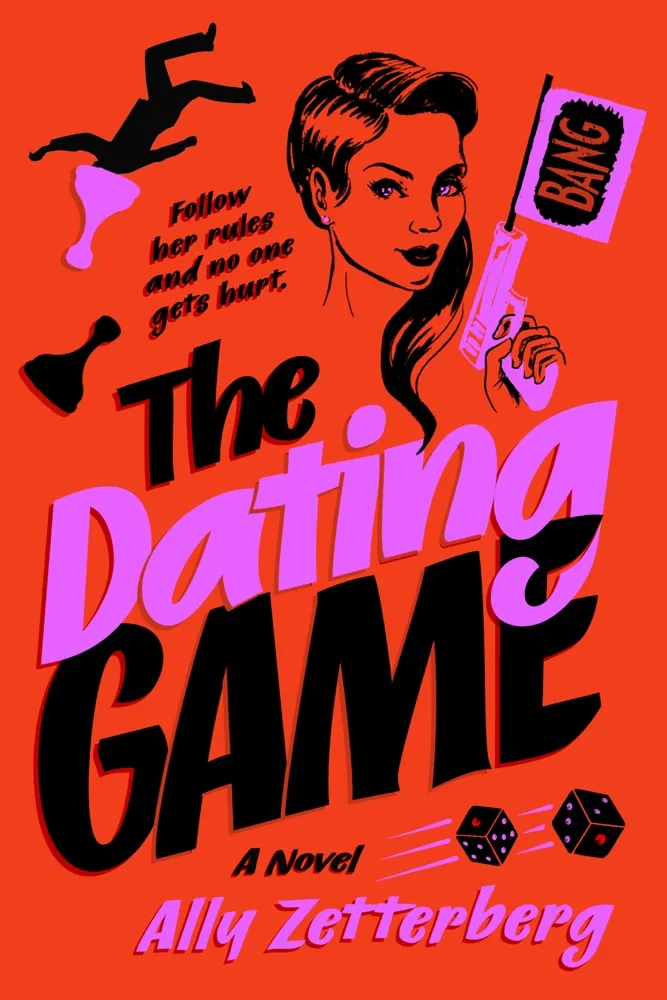
Author: Ally ZetterbergPage Count: UnknownPublication Date: Expected publication 2026-09-08 APL The sun bleeds through the blinds like a lazy editor’s red pen—just enough to make the air feel thick with the kind of heat that clings to the spine of a book you’ve already judged before you’ve even cracked it open. The Dating Game arrives with the kind of synopsis that smells like a board game store after a particularly chaotic game night: half strategy, half chaos, all wrapped in the kind of moral ambiguity that makes you wonder if the author’s ever actually played Clue without laughing. Tilda Smith, our protagonist, is a board game designer—someone who treats life like a turn-based strategy game where the stakes are your own sanity. And yet, the synopsis doesn’t tell us whether she’s a genius architect of her own fate or just another woman who’s decided to weaponize her own rules because the dating app algorithm keeps sending her men who look like they’d rather be in a Married at First Sight episode than in a real conversation. The problem with this setup is that it’s too neat. Tilda’s life is structured like a game board—friendship game, dating game, end game—because, let’s be honest, that’s the kind of narrative shorthand that sells these days. It’s the same logic as Gone Girl’s unreliable narrator or The Girl on the Train’s protagonist who’s definitely not the villain. But where those books leaned into psychological depth, The Dating Game seems to be banking on the idea that a woman who designs games is automatically a woman who’ll design her own revenge. And that’s where the synopsis stumbles—because revenge isn’t a game mechanic, it’s a messy, unpredictable thing. The closest we get to nuance is Tilda’s moment of "getting just a bit carried away," which is either a brilliant understatement or a lazy way to imply she’s about to become a noir protagonist. Either way, it’s not enough. The real question is whether this will be a Gone Girl-style twist or a The Girl with the Dragon Tattoo procedural. The synopsis hints at a cat-and-mouse game—someone watching Tilda, playing their own game—but it doesn’t say whether this is a love triangle, a conspiracy, or just Tilda’s own ego getting the better of her. And that’s the thing about modern thrillers: they either deliver a sharp twist or they deliver a predictable one. Right now, this feels like it’s trying to be both, which is a recipe for disappointment. Consider The Silent Patient or Sharp Objects—books where the psychological unraveling is the real game, not the external plot. Here, the synopsis suggests Tilda’s downfall will come from her own rules, but it doesn’t tell us if that’s a tragedy or a triumph. And that’s the kind of ambiguity that either makes a book or breaks it. The thematic potential is there—modern dating as a minefield, the female rage that’s been simmering in literature since The Bell Jar but finally getting its own genre (thanks, You—but let’s not pretend this isn’t just another iteration of the "woman scorned" trope). The issue is that the synopsis doesn’t do enough to distinguish itself from the glut of female-led thrillers that have flooded the market since Gone Girl proved you could sell a book on the back of a single, well-timed twist. If this is going to be a Girl on the Train with a board game twist, it better have more than just a protagonist who treats life like a game. It needs to ask: What does it mean to play by your own rules when the rules are rigged against you? And right now, the synopsis doesn’t even hint at that complexity—it just promises chaos. I am looking respectfully at the clock, because the longer I sit here, the more I realize this book might just be another entry in the "woman loses it and becomes a villain" canon, which is fine if you’re going for The Girl with the Dragon Tattoo’s dark humor or Gone Girl’s razor-sharp satire. But if it’s just going to be a woman who snaps and then gets outsmarted by someone else, well—where’s the edge? Where’s the twist? The synopsis leaves me wondering if this is going to be a Sharp Objects where the horror is psychological or a The Girl on the Train where the horror is just that the protagonist is an idiot. And honestly? That’s not enough to make me wait for September. The weather’s turning—humid, that lazy August heat that makes you want to sit in a dark room and read something that doesn’t require you to think too hard. But if The Dating Game delivers on the promise of a protagonist who’s both the architect of her own downfall and the victim of someone else’s game, then maybe it’ll be worth the wait. Or maybe it’ll just be another book where a woman’s rage is the only thing that makes the story interesting, and that’s a tired trope if there ever was one. Now, if I don’t salvage that mid-century chair from the sidewalk before the rain hits, I’m going to regret it. And honestly, that’s more of a game I can play. Related InsightsThe Family Upstairs Book Review and Summary Gay Relationships for Men and Women Book Review and Summary A Time to Kill Book Review and Summary{ "@context": "https://schema.org", "@type": "FAQPage", "mainEntity": [ { "@type": "Question", "name": "What is the main focus of The Dating Game Book Review and Summary?", "acceptedAnswer": { "@type": "Answer", "text": "Everything you need to know about The Dating Game with our detailed review." } }, { "@type": "Question", "name": "Who authored the comprehensive guide on The Dating Game Book Review and Summary?", "acceptedAnswer": { "@type": "Answer", "text": "This detailed article and its insights were carefully researched and authored by Irina Ivanova." } }, { "@type": "Question", "name": "Where can I find more related content about Books?", "acceptedAnswer": { "@type": "Answer", "text": "You can explore more articles, detailed reviews, and similar insights by browsing the Related Insights section at the bottom of this article or visiting our dedicated Books category page." } } ] }
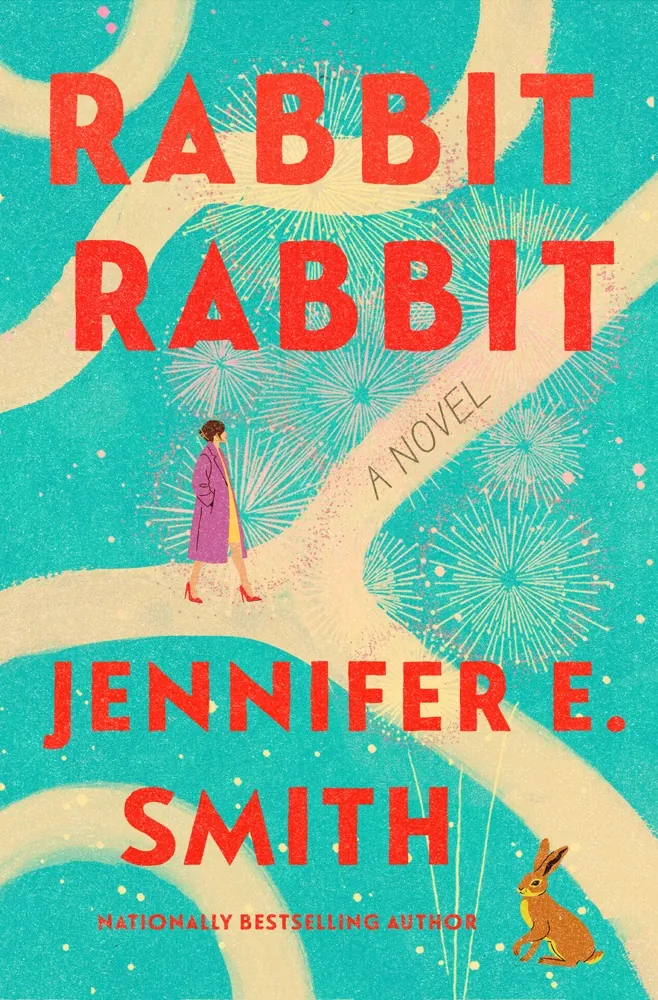
Author: Jennifer E. SmithPage Count: UnknownPublication Date: Expected publication 2026-12-15 APL Thirty-nine is a hell of an age to decide you’re going to force destiny to blink. Jennifer E. Smith’s Rabbit Rabbit gives us Billie, a film editor facing down the ticking biological clock with the kind of mid-life urgency that usually results in either a new puppy or a very expensive mistake. The premise? A New Year’s Eve meet-cute in Florence that is, frankly, teetering on the edge of a Hallmark script. She wants a baby; he’s a Scottish conservationist who thinks children are noise pollution. The Calculus of Compromise The conflict here is as old as the rom-com genre itself. Can you mold a person into the supporting actor your life script requires, or will you just end up resenting the rewrite? Smith is positioning this as a study of "paths not taken," but let’s be honest—it’s a study in how we justify our own stubbornness. Billie is choosing between two distinct versions of the future. One involves a fertility clinic, the other involves a man who represents the "wrong time" trope. This binary choice feels manufactured, a classic case of plot-driven agony meant to keep the reader guessing until the final page. It’s giving me major vibes of Rebecca Serle’s In Five Years, but with significantly less emotional carnage and more European travel aesthetics. Will Smith lean into the grit of the fertility journey, or will she gloss over the reality of it to keep the vibe breezy? My bet? It’s going to be a sugary, predictable romp through beautiful cities that serves as a backdrop for a very tidy epiphany. The Problem with Perfect Men Arthur sounds insufferable. A 44-year-old bachelor who travels the world and hasn't settled down? Please. We have seen this archetype in every airport-kiosk bestseller since the late nineties. He is the human equivalent of a glass of lukewarm white wine—pleasant, unremarkable, and ultimately disappointing. Yet, the friction between his child-free existence and Billie’s yearning for motherhood is where the actual narrative tension lives. If Smith chooses to resolve this through some miraculous change of heart from Arthur, I’m going to throw the ARC across the room. If it stays grounded in the uncomfortable reality that love rarely fixes structural incompatibility, she might actually have a book worth the paper it’s printed on. But I’m skeptical. The synopsis is painfully vague about how they reconcile these two irreconcilable goals. Maybe they don’t? Perhaps the "life-changing year" is actually about Billie realizing that her dream of motherhood doesn't require a partner, or that her dream of partnership doesn't require a nursery. Or maybe it’s just filler until December 2026. Either way, it’s a narrative experiment in the sunk-cost fallacy. I have to go make a Spotify playlist based on this terrible book. Related InsightsWolf Pack Book Review and Summary A Court of Frost and Starlight Book Review and Summary A Little Too Close - Madigan Mountain #2 Book Review and Summary{ "@context": "https://schema.org", "@type": "FAQPage", "mainEntity": [ { "@type": "Question", "name": "What is the main focus of Rabbit Rabbit Book Review and Summary?", "acceptedAnswer": { "@type": "Answer", "text": "Everything you need to know about Rabbit Rabbit with our detailed review." } }, { "@type": "Question", "name": "Who authored the comprehensive guide on Rabbit Rabbit Book Review and Summary?", "acceptedAnswer": { "@type": "Answer", "text": "This detailed article and its insights were carefully researched and authored by Irina Ivanova." } }, { "@type": "Question", "name": "Where can I find more related content about Books?", "acceptedAnswer": { "@type": "Answer", "text": "You can explore more articles, detailed reviews, and similar insights by browsing the Related Insights section at the bottom of this article or visiting our dedicated Books category page." } } ] }
-
 Irina Ivanova
 - 10 Aug, 2026 22:06
The Wolf Queen's Curse (Witch of the Wolves, #2) Book Review and Summary
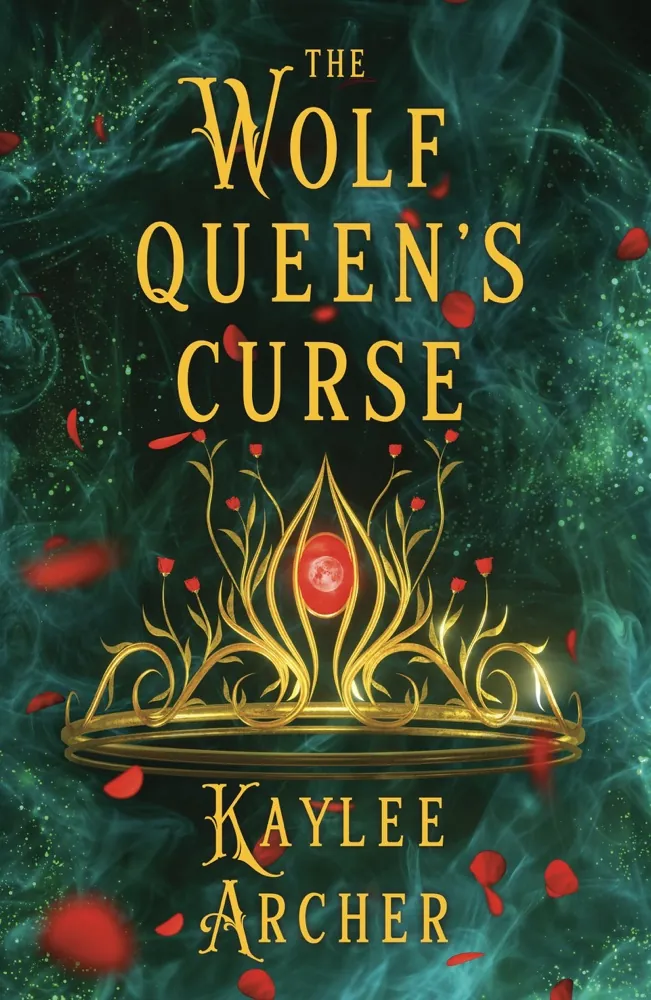
Author: Kaylee ArcherPage Count: UnknownPublication Date: Expected publication 2026-09-01 APL God, this wretched fan is making a clicking sound that matches the exact rhythm of my dwindling sanity. And for what? So I can sit in a sweatbox evaluating the marketing copy for Kaylee Archer's upcoming The Wolf Queen's Curse? My landlord refuses to fix the AC, my coffee is lukewarm tap water, and yet I am expected to wax poetic about another YA paranormal romance synopsis written by someone who treats adverbs like optional garnish. Let us examine the wreckage. The Great Alliance Charade The promotional text for The Wolf Queen's Curse wants us to believe in high-stakes political maneuvering—the kind of grim, dirt-under-the-fingernails faction-building we usually see in Patricia Briggs or Ilona Andrews. Yet, what does the blurb actually give us? A half-baked roadmap of tropes. Cordelia Levine—who is supposedly "half-werewolf, all witch," a descriptor that sounds less like a compelling protagonist and more like a rejected character class from an indie tabletop RPG—must rally the packs. And how original. Alphas with their own agendas. Groundbreaking. Yet, I suppose we must look past the glaring lack of specific plot details—because let’s be honest, the synopsis is allergic to actual information—and look at the structural bones. Archer is leaning heavily into the forced-proximity marriage-of-convenience-turned-actual-devotion trope with Cordelia and her new Alpha husband, Bishop. It is lazy world-building armor. When you do not know how to generate organic tension, you simply slap a wedding band on the characters and tell the reader they are madly in love while the world burns around them. Grief, Orphans, and Other Marketing Staples What is the thematic core here? Orphanhood and domestic displacement. Both of Cordelia's parents are dead, her pack's home is trashed, and she is wearing the heavy crown of survival. But the execution smells like algorithmic focus-group testing. We have the rebellious witch-wolf hybrid, the brooding husband, the shadowy cabal—a word that writers use exclusively when they cannot be bothered to invent a proper antagonist. My bold prediction? This book will sell three hundred thousand copies on TikTok alone, completely bypassing the fact that the phrasing "turn upside down" has been beaten to death by a thousand fantasy manuscripts before this one. It feels recycled. It feels like fanfiction written by someone who skimmed A Court of Thorns and Roses while heavily concussed. Still, the pacing might just save it. If Archer can lean into the visceral, messy grief of a decimated pack rather than drowning us in endless descriptions of how strong Cordelia and Bishop's love has grown—seriously, gross, spare me the domestic bliss while people are dying—there might be a pulse beneath the shiny cover art. Or maybe I am just hallucinating from the heat. I need to go stick some more polaroids on my wall before my monitor melts. #BookTwitter #TheWolfQueensCurse #Romantasy #PublishingLife

Author: Jim ButcherPage Count: UnknownPublication Date: Expected publication 2026 APL My knees are jammed against the sticky plastic seat of the Greyhound while the engine rattles like a dying washing machine, and yet, somehow, my primary concern is whether Butcher actually wrote this garbage or if an overworked marketing intern at Penguin Random House fed a bunch of millennial buzzwords into an LLM. Let us be entirely serious here. The official copy for Viral Hex—floating somewhere out there in the ether as the supposed nineteenth entry of The Dresden Files—reads like a desperate executive trying to explain TikTok to a board of directors who still use dial-up. The Algorithmic Panopticon And what a magnificent trainwreck of high-concept desperation it is. Look at the mechanics. A broke kid accidentally casting spells with discount ramen? It is practically dripping with the kind of forced contemporary relevance that makes true editors want to throw their red pens out the emergency exit. Yet, beneath the cringe-inducing invocation of "memes" and "followers," there is a genuinely ruthless mechanism at play. Attention economy as literal thaumaturgy. Notice how the synopsis leans hard into the transactional nature of modern existence. In older, dirtier mythologies, you sold your soul to a horned proprietor for gold or influence. Now? You trade it incrementally, one heart icon and algorithmic boost at a time, until your corporeal form rots from digital exposure. That is not just urban fantasy. That is late-stage capitalism stripped of its pleasantries. When Intellectual Property Loses the Plot Let us address the elephant in the bus aisle. This is supposedly a Dresden book, yet Harry Dresden is completely absent from the text provided, replaced instead by a broke college student named Reed and a snarky digital demon named Zyx. Is this an off-shoot? An editorial misattribution? A cosmic prank? Who knows. But the thematic DNA is transparent. It borrows heavily from the ironic detachment of Ben Aaronovitch’s Rivers of London and mashes it into the cynical, screen-addicted nightmare-scape of Charlie Brooker’s Black Mirror. The subtext here is violently blunt. Engagement metrics dictate magical potency. If your reach is broad enough, you rewrite reality. But art—even trashy, viral art—requires a victim. The soul rot eating away at Reed's body is a neat little metaphor for the hollowed-out affect of every chronically online influencer currently dancing in front of a ring light for rent money. A Bold Bet on the Slush Pile My prediction? This thing is going to sell half a million copies to exhausted twenty-somethings who feel entirely seen by a book about demonic discount ramen, while purists froth at the mouth over the tonal shift. It is garish, it is loud, and it smells faintly of desperation. Still, it beats looking out the frosted window at another stretch of desolate highway. My landlord in Chicago is threatening to evict me by Friday if I do not wire three months of back rent, and here I am, dissecting promotional copy on a moving vehicle for pennies, wondering why I ever majored in English instead of computer science. Related InsightsToo Cold for Comfort Book Review and Summary Don't Let Him In Book Review and Summary Battle Ground Book Review and Summary{ "@context": "https://schema.org", "@type": "FAQPage", "mainEntity": [ { "@type": "Question", "name": "What is the main focus of Mirror Mirror (The Dresden Files, #19) Book Review and Summary?", "acceptedAnswer": { "@type": "Answer", "text": "Everything you need to know about Mirror Mirror (The Dresden Files, #19) with our detailed review." } }, { "@type": "Question", "name": "Who authored the comprehensive guide on Mirror Mirror (The Dresden Files, #19) Book Review and Summary?", "acceptedAnswer": { "@type": "Answer", "text": "This detailed article and its insights were carefully researched and authored by Irina Ivanova." } }, { "@type": "Question", "name": "Where can I find more related content about Books?", "acceptedAnswer": { "@type": "Answer", "text": "You can explore more articles, detailed reviews, and similar insights by browsing the Related Insights section at the bottom of this article or visiting our dedicated Books category page." } } ] }
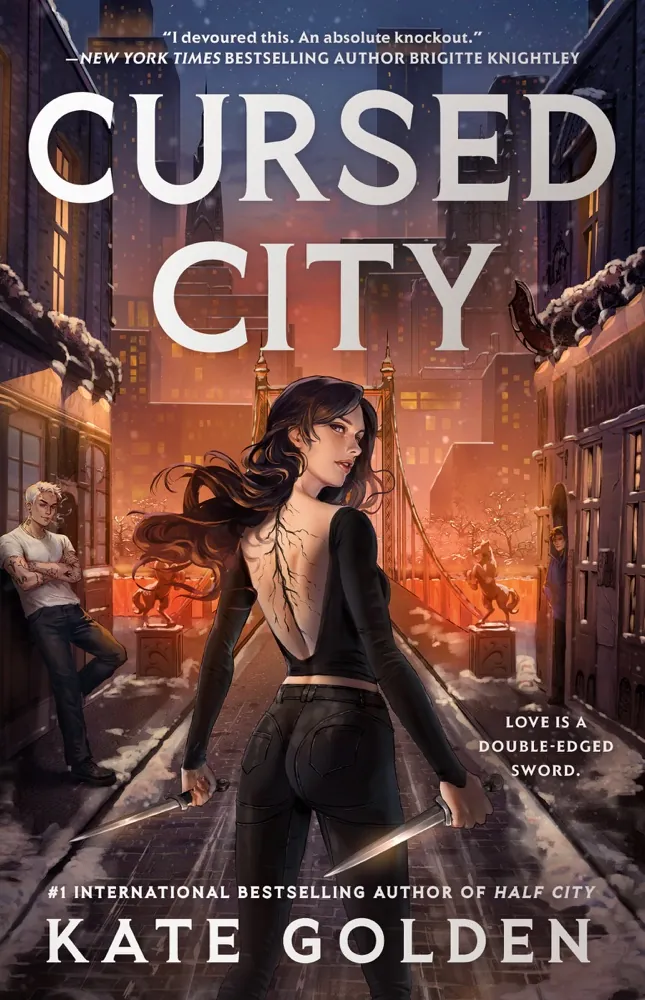
Author: Kate GoldenPage Count: UnknownPublication Date: Expected publication 2026-09-29 APL They pay me seventy-five dollars an hour to slash adjectives and bleed out clichés, yet I am sitting here reading the jacket copy for Kate Golden's Cursed City and wondering if the marketing department simply threw a dart at a board of urban fantasy buzzwords. "Stenciled edges." Right. Because artisanal paper goods magically fix structural pacing issues. But let us look past the decorative trade paperback gimmick and examine the text itself—or rather, the recycled tropes masquerading as a sophomore novel. The Anatomy of a Second-Semester Slump We are expected to care about Viv Abbot returning to Harker Academy for Deviant Defense. Harker—what an utterly uninspired name for a supernatural boarding school. It sounds like a mid-tier spin-off of The Cruel Prince crossed with a rejected script from the Shadowhunters writers' room. Yet here we are. Viv must rescue her reformed Brood demon boyfriend, Reid, by teaming up with his violent brother, Deacon. Groundbreaking. Truly. And by groundbreaking, I mean we have officially entered the era of the mandatory morally gray sibling swap. The synopsis leans hard into the "embrace her darkness" routine. Why do heroines in contemporary romantasy always have to inherit a latent dark side just because they love a monster? It is lazy shorthand for actual character development. Instead of building a complex psychological profile, the author gives us a bounty on Viv's head and a ticking clock. The Aesthetics of Searing Grift Let us discuss the prose promises hidden in this blurb. The text tells us that "temptation cuts deeper than any blade." Does it? Because that sentence cut me right across my patience barrier. And what about this "White Stag" guiding them through Astera's seedy underbelly? Sounds like a literal fauna-themed Uber driver for edgy teens. The synopsis is positively dripping with vague threats—enemies closing in from all sides, a city that thrives on lies, a betrayal that strikes at the heart. It is a masterclass in saying absolutely nothing while hitting every single beat of the modern supernatural romance checklist. Do not get me wrong. This book will sell three hundred thousand copies before lunch on release day. Readers eat up this brand of academy-setting melodrama with a spoon, especially when the publisher dangles sprayed edges like keys in front of a toddler. But as an editor staring down the barrel of another manuscript reliant on secret bounties and familial angst, I am exhausted. Golden is leaning heavily on the momentum of book one, treating the actual plot mechanics of Cursed City as an afterthought behind the aesthetic packaging. If the interior prose matches the derivative safety of this synopsis, we are in for a long semester. I predict a mid-book training montage, at least three breathless hallway confrontations with Deacon, and a third-act revelation that the White Stag cannot be trusted. Colour me shocked. Yet, as I stare at my rent bill and calculate how many split infinitives I must fix today just to afford groceries, I realize something profound about the industry. We are all trapped in the machine. Producing content for a readership that demands the exact same plot recycled with new foil stamping. I am officially entering my villain era. Related InsightsThe Compleat Works of Wllm Shkspr Book Review and Summary Credence Book Review and Summary Civil War and the Summer Of 2020 Book Review and Summary{ "@context": "https://schema.org", "@type": "FAQPage", "mainEntity": [ { "@type": "Question", "name": "What is the main focus of Cursed City (Harker Academy, #2) Book Review and Summary?", "acceptedAnswer": { "@type": "Answer", "text": "Everything you need to know about Cursed City (Harker Academy, #2) with our detailed review." } }, { "@type": "Question", "name": "Who authored the comprehensive guide on Cursed City (Harker Academy, #2) Book Review and Summary?", "acceptedAnswer": { "@type": "Answer", "text": "This detailed article and its insights were carefully researched and authored by Irina Ivanova." } }, { "@type": "Question", "name": "Where can I find more related content about Books?", "acceptedAnswer": { "@type": "Answer", "text": "You can explore more articles, detailed reviews, and similar insights by browsing the Related Insights section at the bottom of this article or visiting our dedicated Books category page." } } ] }
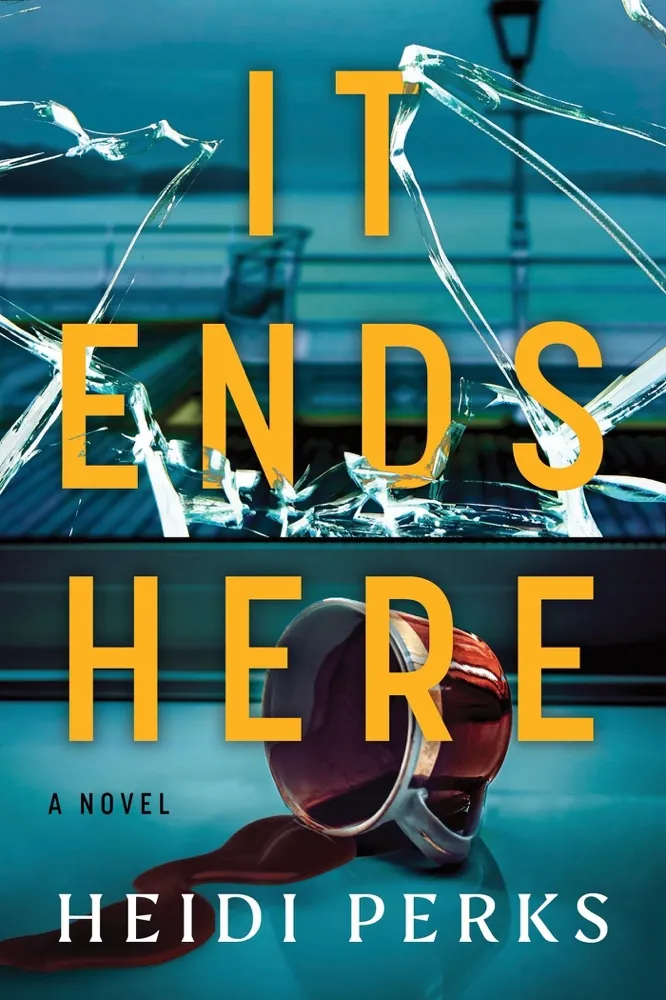
Author: Heidi PerksPage Count: UnknownPublication Date: Expected publication 2026-10-06 APL As I ride this sweltering overnight bus, sweat-drenched and slightly delirious, I find myself pondering the forthcoming thriller It Ends Here by Heidi Perks. What's striking about this synopsis is its air of calculated ambiguity – we're given just enough to pique our interest, but the specifics are shrouded in mystery. Yet, it's precisely this vagueness that raises the stakes and sets the tone for a tense, psychologically charged narrative. In the midst of a languid summer morning, a single gunshot shatters the tranquility of a small seaside town, leaving five strangers trapped inside a café and their loved ones desperate for answers. The police are left scrambling to identify the perpetrator and their motives, but as the minutes tick by, the situation only grows more enigmatic. No demands, no warning, no escape plan – just an eerie sense of purposelessness. But, as we all know, the most unsettling crimes often stem from the most mundane, everyday settings. Perks' use of a confined, pressure-cooker environment – reminiscent of classic thrillers like And Then There Were None – allows her to expertly ratchet up the tension and probe the characters' psyches. As the families outside the café grapple with the unthinkable possibility that one of their own might be the shooter, the narrative begins to unravel the complex web of relationships and buried secrets within the group. It's a masterful stroke, really – by keeping the characters' backstories and motivations opaque, Perks invites us to fill in the gaps with our own worst fears and suspicions. But what truly sets It Ends Here apart is its exploration of the devastating consequences of revelation. As the truth begins to surface, each character is forced to confront the darkest aspects of themselves and their loved ones. It's a theme that echoes the works of authors like Ruth Ware and Clare Mackintosh – a sense of creeping unease that permeates even the most seemingly idyllic relationships. And, of course, the big question on everyone's mind: Could it really be them? As the bus rumbles on, the summer heat haze clinging to the windows like a damp shroud, I find myself wondering – what secrets will It Ends Here ultimately uncover? Will Perks' prose be as taut and suspenseful as the synopsis promises? Only time will tell, but one thing's certain: this thriller has all the makings of a gripping, unputdownable read. Will it be the next big thing in the world of psychological suspense? Hardly, but I'm willing to take the gamble. In the end, it's the unknowing that will keep us up at night, our minds racing with the possibilities. And as I gaze out the window, the sun slowly rising over the horizon, I'm left with a haunting question: What secrets are we willing to uncover, and at what cost? #ThrillerThursday #PsychologicalSuspense #NewRelease #BookLovers #SummerReads Related InsightsBody in the Backyard Book Review and Summary Instructions for Dancing Book Review and Summary Her Kind Book Review and Summary{ "@context": "https://schema.org", "@type": "FAQPage", "mainEntity": [ { "@type": "Question", "name": "What is the main focus of It Ends Here Book Review and Summary?", "acceptedAnswer": { "@type": "Answer", "text": "Everything you need to know about It Ends Here with our detailed review." } }, { "@type": "Question", "name": "Who authored the comprehensive guide on It Ends Here Book Review and Summary?", "acceptedAnswer": { "@type": "Answer", "text": "This detailed article and its insights were carefully researched and authored by Irina Ivanova." } }, { "@type": "Question", "name": "Where can I find more related content about Books?", "acceptedAnswer": { "@type": "Answer", "text": "You can explore more articles, detailed reviews, and similar insights by browsing the Related Insights section at the bottom of this article or visiting our dedicated Books category page." } } ] }
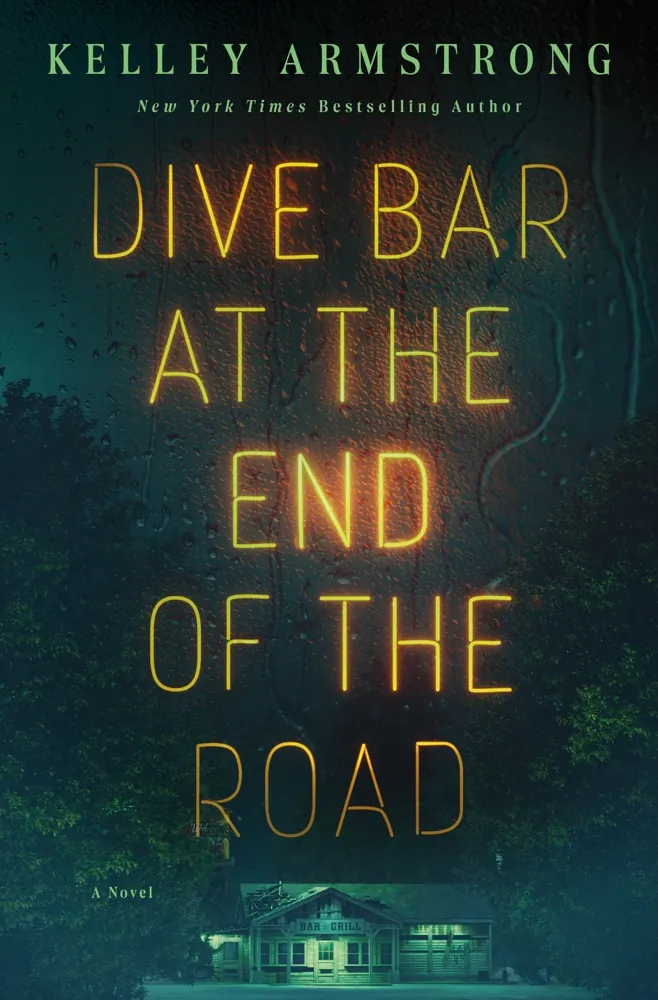
Dive Bar at the End of the Road Author: Kelley ArmstrongPage Count: UnknownPublication Date: Expected publication 2026-10-06 APL Dive Bar at the End of the Road: Kelley Armstrong’s Next Haunting Masterpiece—Coming October 2026 Kelley Armstrong is a name synonymous with gripping, genre-defying storytelling—whether she’s weaving supernatural thrillers, dark fantasy, or psychological horror. With Dive Bar at the End of the Road, due October 6, 2026, Armstrong delivers another high-stakes, pulse-pounding experience that promises to keep readers on the edge of their seats. If you’ve devoured her Women of the Otherworld series, Dead Girl trilogy, or the chilling Blackbird novels, this new release is a must-anticipate. At its core, Dive Bar at the End of the Road is a supernatural horror tale that blends the eerie isolation of Final Destination with the creeping dread of The Cabin at the End of the World. The premise is simple yet devastating: a stormy night, a series of inexplicable car accidents, and five strangers stranded in a remote dive bar—where the real danger lies not in the wreckage outside, but in the unnatural forces lurking just beyond their reach. The setup is classic Armstrong: a group of strangers forced into proximity, their survival dependent on trust, quick thinking, and the unraveling of a mystery that defies logic. The forested road, slick with rain and lightning, sets the tone immediately—an ominous, almost mythic backdrop where something isn’t right. The accidents aren’t random; they’re deliberate, as if the road itself is guiding victims toward a fate worse than death. And when the survivors take shelter in the dive bar, they realize too late that staying inside might be the only way to stay alive. What makes this story particularly compelling is its exploration of time and perception. The characters notice that time is moving differently—hours stretching into minutes, or vice versa—while the storm rages on outside. The bar becomes a pressure cooker of tension, where paranoia and desperation fester. The question isn’t just what is out there, but why it’s targeting them. Is it a vengeful spirit? A supernatural entity testing their resolve? Or something far more sinister, rooted in forces beyond human understanding? Armstrong has a knack for crafting horror that lingers long after the last page. Her work often blends the mundane with the monstrous, making the supernatural feel eerily plausible. In Dive Bar at the End of the Road, she takes that talent to a new level, weaving a tale where the real horror isn’t just the creatures in the woods, but the realization that some doors should never be opened. For fans of locked-room mysteries, survival horror, and stories where the setting itself is a character, this is a release to mark on your calendar. If you loved the claustrophobic dread of The Cabin at the End of the World or the supernatural intrigue of Dead Girl, you’ll find plenty to love here. And if you’ve never read Armstrong before, now is the perfect time to start—her ability to balance action, suspense, and deep emotional stakes makes her a modern master of the genre. Dive Bar at the End of the Road isn’t just another horror novel; it’s a promise of a night you won’t soon forget.#DiveBarAtTheEndOfTheRoad #KelleyArmstrong #SupernaturalHorror #BookPreview #HorrorBooks #ComingSoon2026 Related InsightsKing Lear Book Review and Summary Klara and the Sun Book Review and Summary The Museum of Modern Love Book Review and Summary{ "@context": "https://schema.org", "@type": "FAQPage", "mainEntity": [ { "@type": "Question", "name": "What is the main focus of Dive Bar at the End of the Road Book Review and Summary?", "acceptedAnswer": { "@type": "Answer", "text": "Everything you need to know about Dive Bar at the End of the Road with our detailed review." } }, { "@type": "Question", "name": "Who authored the comprehensive guide on Dive Bar at the End of the Road Book Review and Summary?", "acceptedAnswer": { "@type": "Answer", "text": "This detailed article and its insights were carefully researched and authored by Irina Ivanova." } }, { "@type": "Question", "name": "Where can I find more related content about Books?", "acceptedAnswer": { "@type": "Answer", "text": "You can explore more articles, detailed reviews, and similar insights by browsing the Related Insights section at the bottom of this article or visiting our dedicated Books category page." } } ] }
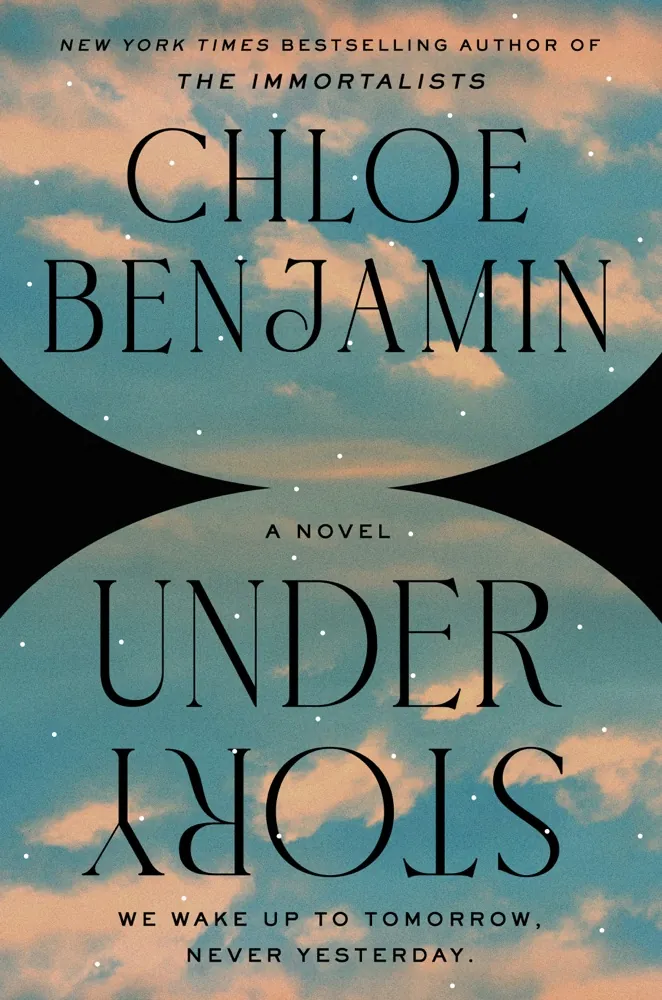
Under Story Author: Chloe BenjaminPage Count: UnknownPublication Date: Expected publication 2026-09-01 APL Under Story by Chloe Benjamin: A Cosmic Love Story and a Race Against Time Chloe Benjamin’s Under Story—her highly anticipated follow-up to the New York Times bestseller The Immortalists—promises to be a dazzling, emotionally charged exploration of time, love, and the boundaries of human possibility. Set against the stark, breathtaking backdrop of Antarctica, this new novel blends scientific intrigue with a deeply personal odyssey, inviting readers to ponder the fragility of life, the weight of regret, and the lengths we’d go to reclaim what we’ve lost. At the heart of Under Story is Laurel Salter, a biologist who has fled her past to the isolated confines of McMurdo Station, where she works as a dishwasher to escape the life she once knew. But even in this remote wilderness, the past refuses to stay buried. When a mysterious, luminous phenomenon—dubbed the Arc—appears across the ice, drawing physicists and scientists to the station, Laurel’s former husband, Eli, is not far behind. The Arc’s eerie glow, almost alive with possibility, becomes the catalyst for a daring theory: what if time itself could be rewound? What if they could undo the mistakes that tore them apart? Benjamin, whose work has been celebrated for its lyrical prose and profound emotional resonance, weaves together a story that is both intimate and epic. Under Story is a love letter to the natural world, a meditation on human ambition, and a heart-wrenching examination of what it means to fight for a second chance. The novel’s themes—science and soul, redemption and sacrifice—echo the philosophical depth of The Immortalists, but with a fresh, high-stakes premise that feels both timeless and urgently relevant. For fans of The Immortalists, who were captivated by its exploration of fate, memory, and the stories we tell ourselves, Under Story offers a new kind of adventure. Where the earlier novel focused on the weight of destiny, this one dives into the possibility of defying it. Imagine The Time Traveler’s Wife meets Annihilation, with the emotional punch of Where’d You Go, Bernadette—a story where science fiction and literary fiction collide in a way that feels both thrilling and deeply human. The setting of Antarctica is no mere backdrop; it’s a character in its own right, a place of extreme beauty and harsh reality that mirrors the emotional landscape of Laurel and Eli’s relationship. The novel’s pacing suggests a breathless, page-turning narrative, with the tension between scientific discovery and personal reckoning driving the plot forward. Will Laurel and Eli risk everything to test her theory? And if they succeed, what will they find on the other side of time? Under Story arrives at a moment when questions about the future—of our planet, of technology, of human connection—feel more urgent than ever. Benjamin’s writing has always had the power to make the abstract feel visceral, and this novel promises to do the same with the idea of time itself. It’s a story about the stories we tell to make sense of our lives, and the lengths we’ll go to rewrite them. With Under Story, Chloe Benjamin cements her place as one of the most compelling voices in contemporary fiction—a writer who can make us laugh, cry, and gasp in equal measure. If you’ve been waiting for her next masterpiece, this is the book to mark on your calendar. Set for release in September 2026, Under Story is already shaping up to be a conversation starter, a thought-provoking read, and a deeply moving exploration of what it means to live—and love—fully.#ChloeBenjamin #UnderStory #BookPreview #ScienceFiction #LiteraryFiction #TimeTravel
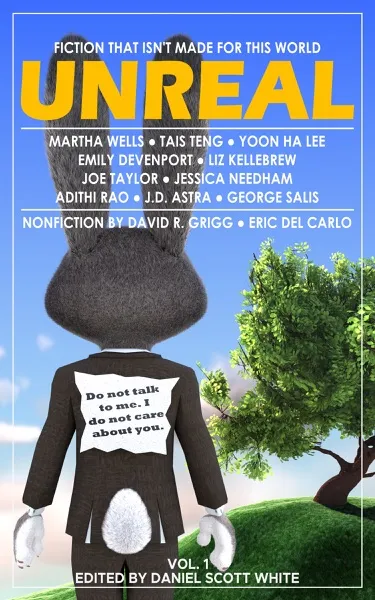
Unreal Magazine: Vol. 1 Author: Daniel Scott WhitePage Count: UnknownPublication Year: 2019-GB Unreal Magazine: Vol. 1 – A Visionary Masterpiece That Redefines Modern Storytelling Daniel Scott White’s Unreal Magazine: Vol. 1 is not just another anthology—it’s a bold, electrifying manifesto of the surreal, the uncanny, and the hypnotically real. Published in 2019, this volume cements White’s reputation as a literary provocateur, weaving together a tapestry of stories, essays, and visual art that blurs the line between dream and reality. With a voice that is both lyrical and unnervingly direct, White doesn’t just tell stories; he immerses readers in a world where the impossible feels inevitable. At its core, Unreal Magazine: Vol. 1 explores the fragility of perception. The book’s central theme revolves around the idea that reality is not a fixed construct but a fluid, often illusory experience shaped by memory, desire, and fear. The stories within—whether they delve into psychological horror, speculative fiction, or existential musings—all share a haunting, dreamlike quality. Characters grapple with versions of themselves that may or may not exist, questioning the very nature of their existence. White masterfully employs surrealism not as a gimmick but as a lens to examine the human condition, forcing readers to confront the unsettling truth that our perceptions of reality are as unreliable as they are deeply personal. White’s prose is a revelation—rich, rhythmic, and steeped in a poetic intensity that elevates even the most mundane moments into something transcendent. His writing is not just descriptive but alchemical, transforming ordinary language into something almost tactile. There’s a hypnotic quality to his sentences, a cadence that pulls you deeper into each narrative, making it impossible to look away. Whether he’s describing a decaying cityscape or the quiet dread of a character’s unraveling mind, his words feel like incantations, casting a spell that lingers long after the page is turned. One of the standout features of Unreal Magazine is its refusal to be pigeonholed. The book defies genre conventions, seamlessly blending elements of horror, science fiction, magical realism, and literary fiction. White’s versatility is on full display, as he shifts between perspectives with ease, each voice distinct yet undeniably his own. The stories are not merely narratives; they are experiences—visceral, disorienting, and often deeply unsettling. Take, for instance, the opening piece, where a man wakes to find his reflection aging rapidly while he remains unchanged. It’s a simple premise, yet White infuses it with such psychological depth that it becomes a meditation on mortality and the fear of being forgotten. The visual art interspersed throughout the book further enhances its surreal atmosphere. The illustrations—ranging from stark black-and-white sketches to vibrant, disorienting paintings—serve as visual counterparts to the written word, adding another layer of unease and wonder. Together, the text and imagery create a synesthetic experience, where the boundaries between sight and thought dissolve. White’s influence is undeniable. Unreal Magazine: Vol. 1 has been hailed as a global bestseller, a testament to its universal appeal. It’s easy to see why. In an era where storytelling often defaults to the familiar, White dares to go further, to embrace the strange and the unsettling without apology. His work is a clarion call for those who crave art that doesn’t just entertain but transforms—that doesn’t just reflect reality but reimagines it. For readers who have ever felt that the world is not quite as solid as it seems, Unreal Magazine: Vol. 1 is a revelation. It’s a book that lingers in the mind like a half-remembered dream, leaving you questioning what is real long after you’ve turned the last page. Daniel Scott White doesn’t just write about the surreal; he invites you to live inside it. #SurrealFiction #PsychologicalHorror #LiteraryMagic #DreamlikeNarratives #UnrealWorlds #DanielScottWhite
- Irina Ivanova
- 24 May, 2026 03:04
Proyecto Hail Mary (edición ilustrada) / Project Hail Mary (Illustrated Edition) Book Review and Summary
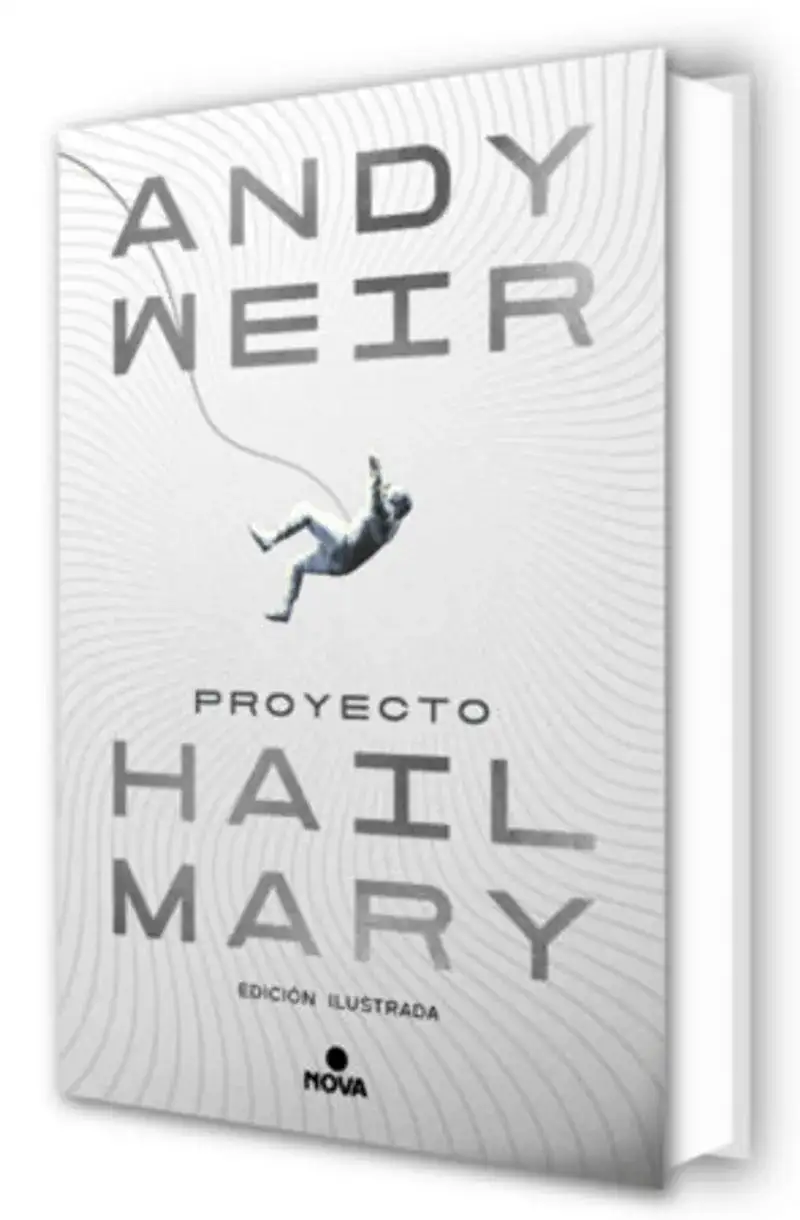
Proyecto Hail Mary (edición ilustrada) / Project Hail Mary (Illustrated Edition) Author: Andy WeirPage Count: UnknownPublication Date: 2026-PRH Proyecto Hail Mary (edición ilustrada) / Project Hail Mary (Illustrated Edition) by Andy Weir is a cosmic survival saga that redefines the boundaries of hard science fiction, blending breathtaking intellect with raw emotional resonance. Set against the vast, indifferent canvas of space, Weir crafts a narrative that is as intellectually rigorous as it is deeply human, proving once again why he is the modern heir to the throne of Clarke, Heinlein, and Asimov. This illustrated edition elevates the experience further, transforming technical diagrams into visual poetry and grounding the story’s grandeur in tangible artistry. At its core, Project Hail Mary is a story about ingenuity in the face of annihilation—a theme Weir has made his own. The protagonist, Ryland Grace, wakes from a coma to discover he is the sole survivor of a mission gone catastrophically wrong, tasked with saving Earth from an existential threat posed by an alien species that has hijacked the sun’s fusion process. Grace, a high school science teacher by trade but a brilliant problem-solver by necessity, must rely on his dormant intellect to piece together a solution across light-years of isolation. The novel’s genius lies in its unflinching embrace of real science; Weir doesn’t just sprinkle jargon for flavor—he makes the physics, chemistry, and engineering the heartbeat of the story. The illustrated edition enhances this immersion, turning equations and schematics into visual aids that readers can trace with their fingers, making the science feel tactile, almost sacred. Weir’s style is a masterclass in balancing exposition and narrative drive. Unlike some hard SF writers who prioritize data over drama, Weir weaves technical details seamlessly into Grace’s introspective journey. The prose is crisp, devoid of purple flourishes, yet it crackles with wit and warmth. Grace’s voice—equal parts sarcastic, weary, and endearing—anchors the story, making the reader root for him as fervently as they would for Mark Watney in The Martian. The dialogue, especially in the latter half as Grace forms an unlikely alliance with the alien, Rocky, is sharp and often hilarious, proving that even in the void of space, humor is a survival tool. The alien encounter is where Project Hail Mary truly shines. Weir avoids the clichés of first contact, instead crafting a relationship built on mutual incomprehension and gradual trust. Rocky, with his seven-limbed physiology and telepathic communication gaps, is one of the most original alien creations in recent sci-fi. Their dynamic is a masterstroke of tension and discovery, as Grace and Rocky grapple with the limits of their respective intelligences. The illustrated edition amplifies this by including detailed anatomical sketches of Rocky, making the alien feel less like a plot device and more like a fully realized being. Yet, beneath the science and spectacle, Project Hail Mary is a meditation on loneliness and the power of connection. Grace’s isolation is palpable, his memories fragmented, his hope flickering. The illustrations—ranging from star maps to Grace’s weary face in the dim glow of his ship’s monitors—serve as silent companions, reminding readers that even in the darkest reaches of space, there is beauty and meaning to be found. The book’s emotional climax, when Grace’s past and present collide in a moment of bittersweet revelation, is a testament to Weir’s ability to make the abstract deeply personal. The illustrated edition is a must for fans of the genre. The artwork, presumably curated to complement Weir’s technical precision, ranges from retro-futuristic schematics to haunting cosmic vistas. It transforms the reading experience from passive consumption to active exploration, inviting readers to linger over the details as if they were blueprints for their own survival. If The Martian was a survival story on Mars, Project Hail Mary is survival writ large across the cosmos. It’s a testament to the indomitable human spirit, a love letter to the scientific method, and a reminder that even in the face of the unknown, we are never truly alone—especially when we find someone (or something) to share the journey with. Weir has once again delivered a novel that is both a puzzle to be solved and a story to be felt, reaffirming his place as one of the most vital voices in contemporary science fiction. #ProjectHailMary #AndyWeir #HardScienceFiction #ScienceFictionBooks #CosmicSurvival #SciFiIllustrated Related InsightsA Good Man on a Dark Night Book Review and Summary Tuck Everlasting Book Review and Summary Queen Demon Book Review and Summary{ "@context": "https://schema.org", "@type": "FAQPage", "mainEntity": [ { "@type": "Question", "name": "What is the main focus of Proyecto Hail Mary (edición ilustrada) / Project Hail Mary (Illustrated Edition) Book Review and Summary?", "acceptedAnswer": { "@type": "Answer", "text": "Everything you need to know about Proyecto Hail Mary (edición ilustrada) / Project Hail Mary (Illustrated Edition) with our detailed review." } }, { "@type": "Question", "name": "Who authored the comprehensive guide on Proyecto Hail Mary (edición ilustrada) / Project Hail Mary (Illustrated Edition) Book Review and Summary?", "acceptedAnswer": { "@type": "Answer", "text": "This detailed article and its insights were carefully researched and authored by Irina Ivanova." } }, { "@type": "Question", "name": "Where can I find more related content about Books?", "acceptedAnswer": { "@type": "Answer", "text": "You can explore more articles, detailed reviews, and similar insights by browsing the Related Insights section at the bottom of this article or visiting our dedicated Books category page." } } ] }
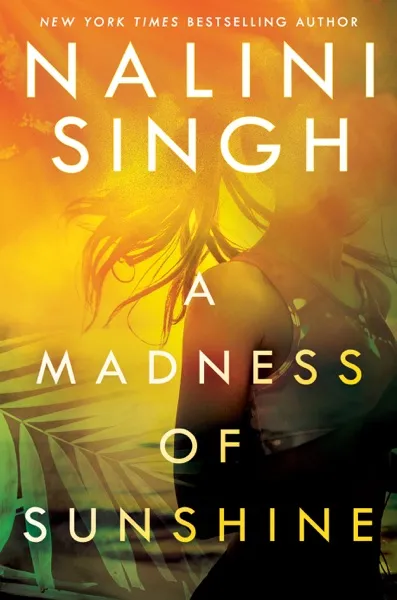
A Madness of Sunshine Author: Nalini SinghPage Count: UnknownPublication Year: 2019-GB Nalini Singh’s A Madness of Sunshine is a masterclass in atmospheric tension, blending the raw beauty of New Zealand’s rugged landscapes with the dark, simmering secrets buried beneath its idyllic surface. A global bestseller, this standalone thriller exemplifies Singh’s signature ability to craft a story where the setting itself becomes a character—one that breathes, bends, and ultimately breaks under the weight of human obsession. It’s a tale of isolation, survival, and the terrifying fragility of sanity, all wrapped in the seductive allure of a mystery that refuses to let go. At its core, A Madness of Sunshine is a story about silence. The isolated West Coast of New Zealand, where the novel is set, is a place where the wind howls through the trees like a ghostly chorus and the mist clings to the earth like a shroud. This is the stage for a crime that rocks the tight-knit community of Golden Cove—a place where everyone knows everyone’s business, yet no one truly sees. When a young girl, Miri, is found dead in the bush, the town’s facade of warmth and hospitality cracks open, revealing the rot beneath. The police, including the brooding and deeply empathetic Senior Sergeant Will Jackman, arrive to investigate, but the real mystery isn’t just who killed Miri. It’s why no one spoke up sooner. Why the secrets were allowed to fester in the shadows. Why the town’s collective gaze was so conveniently averted. Singh excels at exploring the psychology of complicity and denial. The novel’s brilliance lies in its refusal to offer easy answers or clear villains. Instead, it immerses the reader in a moral gray zone where guilt is shared, where the line between victim and perpetrator blurs, and where the true horror isn’t just the act of violence but the silence that enabled it. The prose is lush but never sentimental, painting a world that feels both breathtaking and suffocating. The West Coast’s beauty is almost oppressive in its grandeur, mirroring the characters’ own struggles to reconcile the idyllic with the unspeakable. Will Jackman, the novel’s protagonist, is a standout—a man haunted by his past yet deeply attuned to the people around him. His investigation is less about solving a puzzle and more about peeling back layers of a community that has learned to lie to itself. Singh’s writing shines in these moments, where the dialogue crackles with subtext and the characters’ words become weapons or shields. Will’s relationship with the town’s schoolteacher, Anna, adds another layer of complexity, their bond forged in mutual understanding of pain and resilience. Their chemistry is slow-burning and achingly real, a counterpoint to the novel’s darker themes. What makes A Madness of Sunshine so gripping is its refusal to rush. Singh takes her time, letting the tension build like a storm on the horizon. The pacing is deliberate, almost meditative at times, which only amplifies the dread when the inevitable violence erupts. The prose is rich with sensory detail—the tang of salt in the air, the crunch of gravel underfoot, the way the light filters through the trees—but it never feels indulgent. Every description serves the story, grounding the reader in a world that feels lived-in and real. The novel’s title is a clue to its deeper themes. A "madness of sunshine" suggests a paradox: the bright, golden light of the West Coast is deceptive, masking the darkness that lurks beneath. It’s a metaphor for the town itself, for the characters’ repressed memories, and for the way beauty can coexist with brutality. Singh doesn’t shy away from the ugliness of human nature, but neither does she wallow in it. Instead, she presents it with a haunting clarity, as if to say: this is the world as it is. Now, what are you going to do about it? For readers who love psychological depth, atmospheric dread, and characters who feel like real people rather than plot devices, A Madness of Sunshine is a must-read. It’s a book that lingers long after the last page, its questions echoing like the wind through the West Coast’s endless forests. Singh doesn’t just tell a story; she crafts an experience—one that is as unsettling as it is unforgettable. #NaliniSingh #AMadnessOfSunshine #PsychologicalThriller #DarkRomance #CrimeFiction #NewZealandSetting Related InsightsMother Daughter Sister Stranger Book Review and Summary The Raven Tower Book Review and Summary A Court of Wings and Ruin Book Review and Summary{ "@context": "https://schema.org", "@type": "FAQPage", "mainEntity": [ { "@type": "Question", "name": "What is the main focus of A Madness of Sunshine Book Review and Summary?", "acceptedAnswer": { "@type": "Answer", "text": "Everything you need to know about A Madness of Sunshine with our detailed review." } }, { "@type": "Question", "name": "Who authored the comprehensive guide on A Madness of Sunshine Book Review and Summary?", "acceptedAnswer": { "@type": "Answer", "text": "This detailed article and its insights were carefully researched and authored by Irina Ivanova." } }, { "@type": "Question", "name": "Where can I find more related content about Books?", "acceptedAnswer": { "@type": "Answer", "text": "You can explore more articles, detailed reviews, and similar insights by browsing the Related Insights section at the bottom of this article or visiting our dedicated Books category page." } } ] }
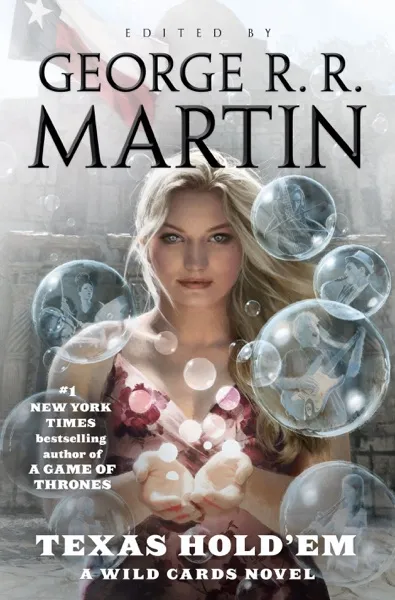
Texas hold'em Author: George R. R. MartinPage Count: UnknownPublication Year: 2018-GB George R.R. Martin’s Texas Hold’em isn’t a novel in the traditional sense, but rather a cunning anthology of poker wisdom disguised as a literary game. Published in 2018, this slim yet formidable volume distills the essence of poker—bluffing, strategy, and psychological warfare—into a narrative that feels like a high-stakes drama unfolding at a velvet-draped table in some smoky, neon-lit casino. Martin, best known for A Song of Ice and Fire, brings his signature flair for tension and intrigue to the poker table, transforming what could have been a dry guidebook into a gripping exploration of human nature under pressure. At its core, Texas Hold’em is about the art of deception. Martin, a lifelong poker enthusiast, dissects the game with the precision of a master strategist, but he does so with the storytelling prowess of a seasoned novelist. Each chapter reads like a short story, where players are protagonists in their own high-stakes narratives, their fates hinging on a single card or a well-timed lie. The book isn’t just about poker; it’s about life, about the masks we wear, and the moments when we choose to reveal—or conceal—our true selves. Martin’s prose is sharp, economical, and laced with irony, much like the best poker players, who never reveal more than they must. One of the most striking aspects of Texas Hold’em is how Martin frames poker as a metaphor for power and control. The game becomes a microcosm of human interaction, where every bet is a negotiation, every raise a challenge, and every fold a retreat. The author’s background in epic fantasy gives him a unique perspective on risk and consequence, themes that resonate deeply in poker. When he describes a player’s "tell"—a nervous twitch, a forced smile—it’s not just a poker tactic; it’s a window into the soul. Martin understands that poker is less about the cards and more about the people holding them. His style is deceptively simple, yet layered with nuance. He avoids the dry, technical jargon of many poker books, opting instead for vivid anecdotes and psychological insights. For instance, he recounts legendary hands not just for their strategic brilliance, but for the drama they inspired—the way a single decision could alter lives. This approach makes Texas Hold’em accessible to novices while still offering depth for seasoned players. It’s a book that rewards re-reading, much like a well-played hand that reveals new layers of meaning each time. Martin’s genius lies in his ability to blend entertainment with education. He doesn’t just teach the rules; he immerses the reader in the psychology of the game. Whether he’s describing the thrill of a bluff or the agony of a bad beat, his writing crackles with energy. There’s a reason he’s celebrated as a master storyteller—he knows how to make every moment feel alive, every decision feel consequential. That said, Texas Hold’em isn’t for everyone. If you’re looking for a step-by-step guide to mastering the game, this isn’t it. Martin isn’t interested in spoon-feeding; he’s interested in provoking thought, in making you question your own instincts. The book is more philosophical than instructional, more poetic than practical. It’s a love letter to poker, a game that, in Martin’s hands, becomes something far greater—a mirror to the human condition. In a world where poker is often dismissed as mere gambling, Martin elevates it to an art form. Texas Hold’em is a testament to the idea that the best games, like the best stories, are about more than just winning or losing. They’re about the journey—the tension, the deception, the fleeting moments of brilliance and folly. Martin reminds us that poker, like life, is about making choices under uncertainty, and that the true skill lies not in the cards you’re dealt, but in how you play them. #TexasHoldem #PokerMastery #GeorgeRRMartin #GameOfStrategy #BluffOrFold #HighStakes Related InsightsThese Infinite Threads Book Review and Summary Romancing the Gravestone Book Review and Summary Regenesis Book Review and Summary{ "@context": "https://schema.org", "@type": "FAQPage", "mainEntity": [ { "@type": "Question", "name": "What is the main focus of Texas hold'em Book Review and Summary?", "acceptedAnswer": { "@type": "Answer", "text": "Everything you need to know about Texas hold'em with our detailed review." } }, { "@type": "Question", "name": "Who authored the comprehensive guide on Texas hold'em Book Review and Summary?", "acceptedAnswer": { "@type": "Answer", "text": "This detailed article and its insights were carefully researched and authored by Irina Ivanova." } }, { "@type": "Question", "name": "Where can I find more related content about Books?", "acceptedAnswer": { "@type": "Answer", "text": "You can explore more articles, detailed reviews, and similar insights by browsing the Related Insights section at the bottom of this article or visiting our dedicated Books category page." } } ] }
- Irina Ivanova
- 01 May, 2026 02:59
End of the World and Hard-Boiled Wonderland Book Review and Summary
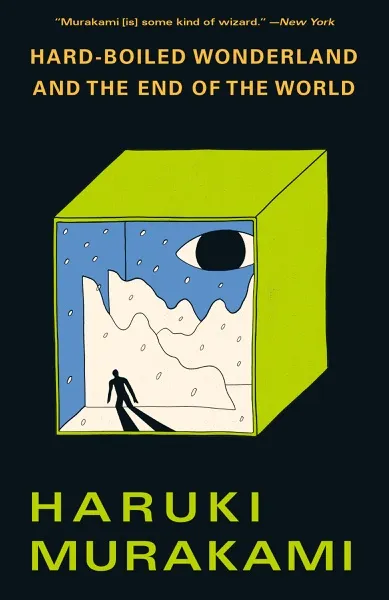
End of the World and Hard-Boiled Wonderland Author: 村上春樹Page Count: UnknownPublication Year: 2024-GB Haruki Murakami's latest masterpiece, End of the World and Hard-Boiled Wonderland, is a mesmerizing and thought-provoking novel that delves into the very fabric of human existence. As a highly acclaimed global bestseller, this book is a testament to Murakami's unique ability to craft stories that are both universally relatable and deeply personal. At its core, End of the World and Hard-Boiled Wonderland is a exploration of the human condition, a journey that takes readers to the very edges of reality and back again. Through a complex web of narratives, Murakami masterfully weaves together themes of identity, morality, and the search for meaning in a seemingly meaningless world. With his signature blend of magical realism, surrealism, and psychological insight, Murakami creates a world that is both fantastical and disturbingly familiar. One of the most striking aspects of Murakami's writing style is his ability to balance the rational and the irrational, the realistic and the surreal. His characters are often adrift in a world that is both recognizable and strange, searching for answers to questions they may not even know how to ask. This sense of disorientation and disconnection is a hallmark of Murakami's work, and it is on full display in End of the World and Hard-Boiled Wonderland. Throughout the book, Murakami's prose is characterized by its lyricism, simplicity, and directness. His writing is like a slow-burning fire, building in intensity and complexity as the narrative unfolds. He has a remarkable ability to evoke the inner lives of his characters, to capture the rhythms and cadences of their thoughts and emotions. This is a book that will appeal to readers who appreciate complex, layered storytelling, and who are willing to immerse themselves in a world that is both dreamlike and unsettling. As with much of Murakami's work, End of the World and Hard-Boiled Wonderland is also a deeply philosophical book, one that grapples with fundamental questions about the nature of reality, the human condition, and the search for meaning in a chaotic world. It is a book that will challenge readers to think critically about their assumptions, to question their own perceptions of reality, and to consider the possibility that the world may be more mysterious and complex than they ever imagined. In short, End of the World and Hard-Boiled Wonderland is a masterpiece of contemporary literature, a book that will appeal to fans of Murakami's work and newcomers alike. With its unique blend of style, substance, and philosophical depth, this book is a must-read for anyone interested in exploring the human condition, and the many mysteries that lie at the heart of our existence. #HarukiMurakami #EndOfTheWorldAndHardBoiledWonderland #MagicalRealism #JapaneseLiterature #PhilosophicalFiction #Surrealism Related InsightsMiddle of the Night Book Review and Summary The Age of Innocence Book Review and Summary DC Finest: Legion of Super-Heroes: Zap Goes the Legion Book Review and Summary{ "@context": "https://schema.org", "@type": "FAQPage", "mainEntity": [ { "@type": "Question", "name": "What is the main focus of End of the World and Hard-Boiled Wonderland Book Review and Summary?", "acceptedAnswer": { "@type": "Answer", "text": "Everything you need to know about End of the World and Hard-Boiled Wonderland with our detailed review." } }, { "@type": "Question", "name": "Who authored the comprehensive guide on End of the World and Hard-Boiled Wonderland Book Review and Summary?", "acceptedAnswer": { "@type": "Answer", "text": "This detailed article and its insights were carefully researched and authored by Irina Ivanova." } }, { "@type": "Question", "name": "Where can I find more related content about Books?", "acceptedAnswer": { "@type": "Answer", "text": "You can explore more articles, detailed reviews, and similar insights by browsing the Related Insights section at the bottom of this article or visiting our dedicated Books category page." } } ] }

- Irina Ivanova
- 28 Apr, 2026 19:38
Estuche Jane Austen (Contiene: Orgullo y prejuicio / Sentido y sensibilidad) / Jane Austen Box Set (includes: Pride and Prejudice / Sense and Sensibility) Book Review and Summary
Estuche Jane Austen (Contiene: Orgullo y prejuicio / Sentido y sensibilidad) / Jane Austen Box Set (includes: Pride and Prejudice / Sense and Sensibility) Author: Jane AustenPage Count: UnknownPublication Date: 2026-PRH Jane Austen’s Estuche Jane Austen is a literary treasure trove, a boxed set that brings together two of her most celebrated novels: Orgullo y prejuicio (Pride and Prejudice) and Sentido y sensibilidad (Sense and Sensibility). Though the publication year listed—2026—might raise an eyebrow (Austen’s works were penned in the early 19th century), the enduring brilliance of her prose ensures that this collection remains timeless. Whether you’re a first-time reader or a longtime admirer, Austen’s sharp wit, keen social observation, and masterful storytelling make this box set an essential addition to any bookshelf. At the heart of Austen’s work lies a deceptively simple yet profoundly insightful exploration of human nature. Both novels dissect the complexities of love, marriage, and societal expectations in Regency England, but they do so with a wit that is as biting as it is affectionate. Pride and Prejudice follows the spirited Elizabeth Bennet as she navigates the rigid class structures of her time, clashing with the proud Mr. Darcy in a battle of wits and wills. Meanwhile, Sense and Sensibility contrasts the rational Elinor Dashwood with her impulsive sister Marianne, illustrating how emotional extremes—whether in love or in life—can lead to both folly and wisdom. What makes Austen’s writing so enduring is her ability to blend humor with social critique. She doesn’t merely tell a love story; she dissects the hypocrisies of her era with surgical precision. Her characters are not one-dimensional—they are flawed, relatable, and often hilariously flawed. Mr. Collins, with his obsequiousness and absurdity, is a comic masterpiece, while Lady Catherine de Bourgh’s imperiousness is both ridiculous and terrifying. Austen’s dialogue crackles with energy, revealing personalities in every exchange. A single line—like Elizabeth’s retort to Mr. Darcy’s first proposal—can encapsulate an entire world of pride, prejudice, and unspoken desire. Her prose is elegant yet accessible, a testament to her skill in making the intricacies of Regency society feel intimate and immediate. There’s a reason her novels have endured for centuries: they are not just historical relics but living, breathing stories about human nature. The themes she explores—class, gender, the pressure to marry well—are still relevant today, which is why adaptations of her work continue to thrive in film, television, and modern retellings. The box set format is a delightful bonus for collectors and newcomers alike. Holding both novels in one elegant package allows readers to appreciate Austen’s range—from the fiery romance of Pride and Prejudice to the more measured, introspective Sense and Sensibility. Whether you read them in sequence or dip in and out, the experience is one of pure literary pleasure. For those who haven’t yet encountered Austen’s genius, this collection is the perfect introduction. For those who already cherish her work, it’s a chance to revisit old favorites with fresh eyes. Either way, Estuche Jane Austen is more than a set of books—it’s an invitation into a world where wit, wisdom, and romance intertwine flawlessly. #JaneAusten #PrideAndPrejudice #SenseAndSensibility #ClassicLiterature #RegencyRomance #BookLovers Related InsightsWrecked Book Review and Summary Happy Place Book Review and Summary Greywaren Book Review and Summary{ "@context": "https://schema.org", "@type": "FAQPage", "mainEntity": [ { "@type": "Question", "name": "What is the main focus of Estuche Jane Austen (Contiene: Orgullo y prejuicio / Sentido y sensibilidad) / Jane Austen Box Set (includes: Pride and Prejudice / Sense and Sensibility) Book Review and Summary?", "acceptedAnswer": { "@type": "Answer", "text": "Everything you need to know about Estuche Jane Austen (Contiene: Orgullo y prejuicio / Sentido y sensibilidad) / Jane Austen Box Set (includes: Pride and Prejudice / Sense and Sensibility) with our detailed review." } }, { "@type": "Question", "name": "Who authored the comprehensive guide on Estuche Jane Austen (Contiene: Orgullo y prejuicio / Sentido y sensibilidad) / Jane Austen Box Set (includes: Pride and Prejudice / Sense and Sensibility) Book Review and Summary?", "acceptedAnswer": { "@type": "Answer", "text": "This detailed article and its insights were carefully researched and authored by Irina Ivanova." } }, { "@type": "Question", "name": "Where can I find more related content about Books?", "acceptedAnswer": { "@type": "Answer", "text": "You can explore more articles, detailed reviews, and similar insights by browsing the Related Insights section at the bottom of this article or visiting our dedicated Books category page." } } ] }
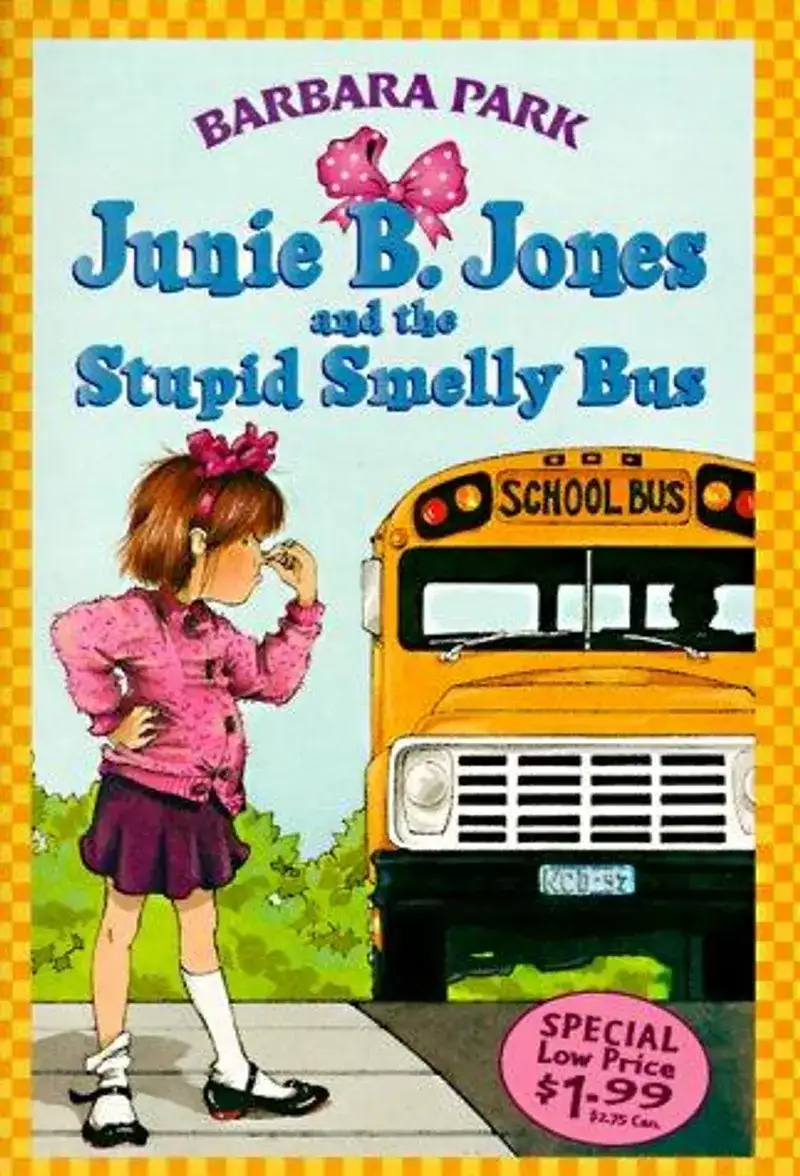
Junie B. Jones and the Stupid Smelly Bus Author: Barbara Park, Barbra ParksPage Count: UnknownPublication Date: 1992-OL "Junie B. Jones and the Stupid Smelly Bus" by Barbara Park is a sidesplitting and heartwarming tale that has captured the hearts of millions of young readers worldwide. As the first installment in the beloved Junie B. Jones series, this book introduces us to the lovable, spirited, and endearingly imperfect Junie B. Jones, a kindergartner navigating the uncharted territory of school. Barbara Park's masterful storytelling weaves a narrative that is both humorous and relatable, making this book an instant classic. The story begins on Junie B.'s first day of school, where she finds herself overwhelmed by the prospect of riding the school bus. Her fears are palpable as she envisions the bus as a "stupid smelly bus" inhabited by "meanies." As the day unfolds, Junie B.'s anxiety reaches a boiling point, leading her to make a decision that will have readers giggling and nodding their heads in understanding. One of the standout aspects of Park's writing style is her ability to tap into the psyche of a five-year-old. Junie B.'s inner monologue is a riot of thoughts, feelings, and observations that are at once authentic and hilarious. Park's use of language is simple yet effective, making this book an excellent choice for early readers or for parents to read aloud to their children. The author's portrayal of Junie B.'s character is equally impressive. Junie B. is a kindergartner who is still learning to navigate the world around her. She is prone to making mistakes, using incorrect grammar, and getting herself into humorous misadventures. And yet, despite her imperfections, Junie B. is a lovable and relatable protagonist who will capture the hearts of readers of all ages. The themes of fear, anxiety, and perseverance are woven throughout the narrative, making this book more than just a lighthearted romp. Park tackles these complex emotions with sensitivity and humor, offering readers a reassuring message that it's okay to feel scared and that with a little bit of courage, they can overcome their fears. In conclusion, "Junie B. Jones and the Stupid Smelly Bus" is a timeless tale that has become a staple of children's literature. Barbara Park's engaging storytelling, coupled with her lovable protagonist, makes this book a must-read for kids and parents alike. With its lighthearted tone, relatable themes, and hilarious antics, this book is sure to leave readers smiling and eager for more. #JunieBJones #BarbaraPark #ChildrensLiterature #KindergartenAdventures #SchoolBusStories #KidsLitClassics Related InsightsLucid Dreams Book Review and Summary The Dues & Don'ts of Magic Book Review and Summary Ten Perfect Guests Book Review and Summary{ "@context": "https://schema.org", "@type": "FAQPage", "mainEntity": [ { "@type": "Question", "name": "What is the main focus of Junie B. Jones and the Stupid Smelly Bus Book Review and Summary?", "acceptedAnswer": { "@type": "Answer", "text": "Everything you need to know about Junie B. Jones and the Stupid Smelly Bus with our detailed review." } }, { "@type": "Question", "name": "Who authored the comprehensive guide on Junie B. Jones and the Stupid Smelly Bus Book Review and Summary?", "acceptedAnswer": { "@type": "Answer", "text": "This detailed article and its insights were carefully researched and authored by Irina Ivanova." } }, { "@type": "Question", "name": "Where can I find more related content about Books?", "acceptedAnswer": { "@type": "Answer", "text": "You can explore more articles, detailed reviews, and similar insights by browsing the Related Insights section at the bottom of this article or visiting our dedicated Books category page." } } ] }
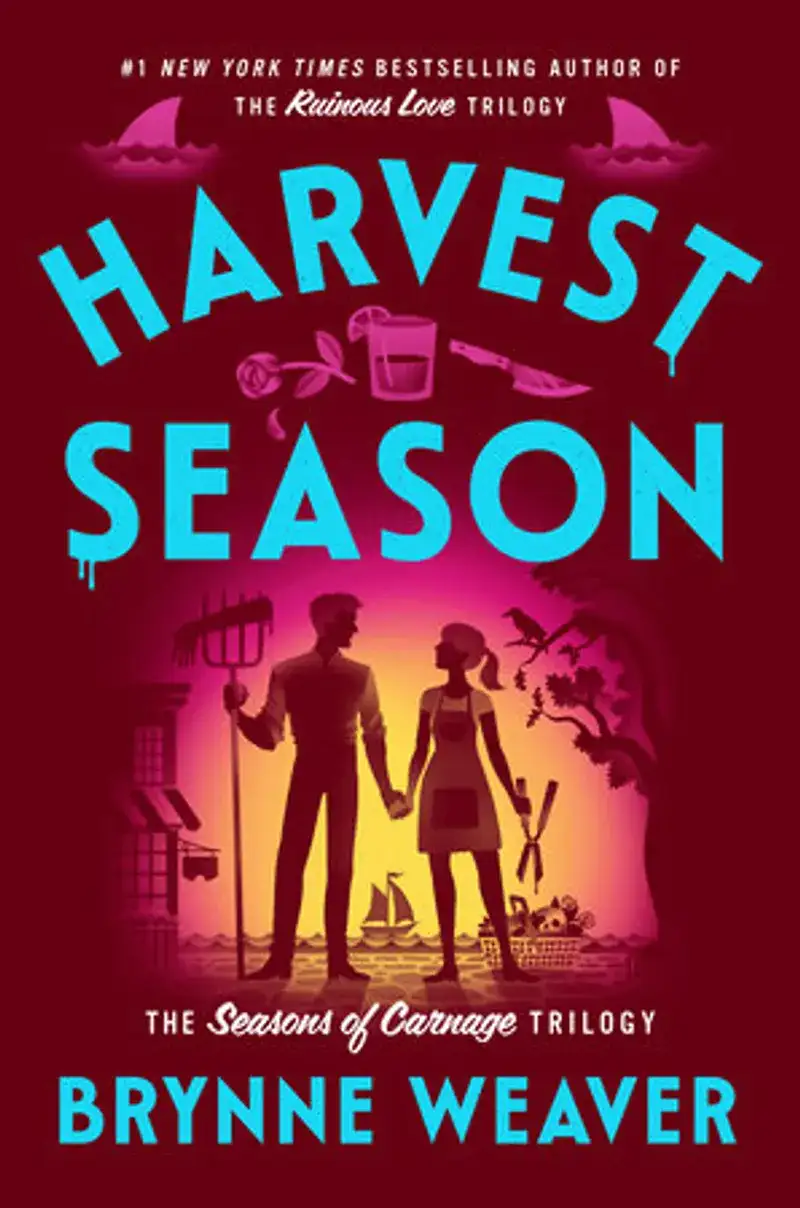
Harvest Season Author: Brynne WeaverPage Count: UnknownPublication Date: 2026-PRH Brynne Weaver’s Harvest Season (2026) arrives like a gnarled oak branch knocking at the window—unexpected, a little eerie, and impossible to ignore. Set in a sun-baked rural town where the seasons blur into one another like fermented peaches left too long in the sun, the novel explores the quiet rot beneath the myth of abundance. Weaver, whose earlier work carved out a reputation for dissecting small-town decay with lyrical precision, turns her scalpel this time toward the illusion of harvest: what we gather, what we discard, and who gets to decide which is which. At its heart, Harvest Season is a meditation on inheritance—not just of land or legacy, but of silence. The story follows a reclusive orchardist, Mara Voss, who returns to her family’s failing farm after years away, only to find the land—and the town—haunted by a different kind of hunger. The orchards, once lush with peaches and plums, now yield fruit that rots from the inside out, a metaphor Weaver handles with unsettling tenderness. The blight isn’t just botanical; it’s familial, economic, spiritual. Mara’s father, a man who treated the soil like a ledger, has left behind debts both monetary and moral, and Mara must decide whether to uproot the past or let it choke what little remains. Weaver’s prose is as tactile as the fruit she describes—ripe with the scent of overripe plums, the stickiness of sap on fingers, the ache of joints in the early morning cold. She writes with a farmer’s eye for detail and a poet’s ear for rhythm, her sentences often short and staccato when the tension rises, slow and meandering when the land itself seems to sigh. There’s a physicality to her storytelling that grounds the supernatural undertones; when the town’s collective memory begins to unravel—strangers arriving with knowledge of lives they shouldn’t know—it’s not delivered as gothic melodrama but as the slow dawning of a truth too heavy to name. The supernatural here is organic, a natural consequence of what the earth and the people who tend it have absorbed over generations. What elevates Harvest Season beyond a mere gothic fable is Weaver’s refusal to romanticize suffering. Mara isn’t a heroine; she’s a woman who’s learned to survive by numbing herself, and her journey isn’t about redemption so much as it is about facing the cost of survival. The other townsfolk are equally flawed, their kindnesses laced with calculation, their silences more damning than their words. Weaver’s dialogue crackles with the kind of stilted, half-truth exchanges that define rural communities, where what isn’t said often carries more weight than what is. The novel’s structure mirrors its themes of cyclical time and inevitable decay. Chapters unfold like the slow turning of seasons, each one marked not by dates but by the ripening or rotting of fruit, the arrival of pests, the way the light slants through the trees at dusk. There’s a quiet dread in this pacing, the sense that the reader, like Mara, is being pulled deeper into a system that was broken long before she arrived. Weaver’s greatest achievement here is making the personal political without ever resorting to didacticism. The blight isn't just a plot device; it’s a reflection of how capitalism, climate change, and generational trauma intersect in the bodies of the land and its people. When Mara discovers that her father’s orchards were part of a larger land grab decades ago—sold to developers under the guise of “progress”—the revelation doesn’t arrive with fanfare but with the quiet devastation of a tree falling in the woods. The sound, Weaver implies, is all that’s left. Harvest Season is a book that lingers, like the residue of fruit left to ferment in a jar. It’s not an easy read, but ease was never the point. Weaver has written a story that demands to be felt in the bones, a reminder that harvests aren’t just about what we reap but about what we choose to bury—and who gets to decide when it’s time to dig. #HarvestSeason2026 #RuralGothic #GenerationalTrauma #FarmHorror #SmallTownSecrets #LiteraryHorror Related InsightsHolly Book Review and Summary Collided Book Review and Summary Three Kings Book Review and Summary{ "@context": "https://schema.org", "@type": "FAQPage", "mainEntity": [ { "@type": "Question", "name": "What is the main focus of Harvest Season Book Review and Summary?", "acceptedAnswer": { "@type": "Answer", "text": "Everything you need to know about Harvest Season with our detailed review." } }, { "@type": "Question", "name": "Who authored the comprehensive guide on Harvest Season Book Review and Summary?", "acceptedAnswer": { "@type": "Answer", "text": "This detailed article and its insights were carefully researched and authored by Irina Ivanova." } }, { "@type": "Question", "name": "Where can I find more related content about Books?", "acceptedAnswer": { "@type": "Answer", "text": "You can explore more articles, detailed reviews, and similar insights by browsing the Related Insights section at the bottom of this article or visiting our dedicated Books category page." } } ] }
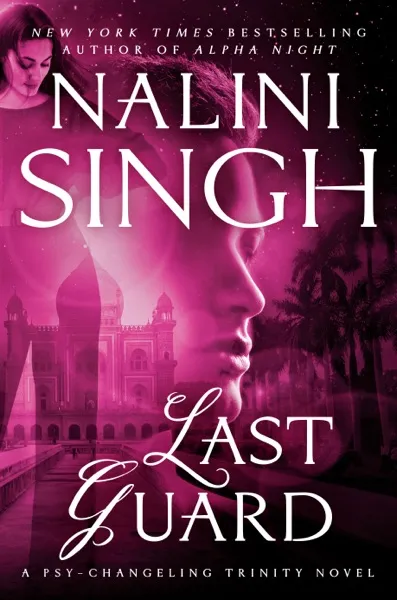
Last Guard Author: Nalini SinghPage Count: UnknownPublication Year: 2021-GB Last Guard: A Fierce, Sensual Battle of Wills and Hearts Nalini Singh’s Last Guard, published in 2021, is a dazzling entry in her Psy-Changeling universe—a series that has captivated millions with its blend of high-stakes emotion, sizzling romance, and supernatural intrigue. As the title suggests, this installment is a tale of protection, sacrifice, and the unbreakable bonds that define us, wrapped in Singh’s signature lush prose and electric chemistry between characters. At its core, Last Guard explores the theme of guardianship—not just in the physical sense, but as a metaphor for emotional and psychological safeguarding. The story follows a heroine (or hero) who must defend not only their life but their very identity against forces that seek to exploit, control, or erase them. Singh excels at weaving this theme into the fabric of the narrative, making it both a personal and universal struggle. Whether facing external threats or grappling with inner demons, the characters in Last Guard are defined by their resilience and their refusal to yield, even when the odds are stacked against them. Singh’s writing style is a masterclass in tension and seduction. Her prose is richly descriptive, painting vivid landscapes—both external and internal—that immerse the reader completely. She doesn’t just describe emotions; she makes the reader feel them, layering every interaction with subtext and raw honesty. The dialogue crackles with wit, passion, and vulnerability, as Singh balances humor and heartbreak with effortless grace. Her ability to craft characters who are deeply flawed yet profoundly compelling is unparalleled, and Last Guard is no exception. The novel’s strength lies in its dual focus: the external conflict and the internal battles of the protagonists. Singh crafts a world that feels both expansive and intimate, where the stakes are life-and-death, yet the emotional weight is just as heavy. The romance in Last Guard is not merely a subplot but an integral part of the story, evolving organically from shared vulnerabilities and mutual respect. There’s a delicious tension in the way Singh builds anticipation, making every kiss, every touch, feel earned rather than gratuitous. One of the most striking aspects of Singh’s work is her world-building. The Psy-Changeling series thrives on its intricate lore, where psychic powers, animalistic instincts, and human frailties collide. In Last Guard, she deepens this universe, introducing new dynamics and conflicts that feel fresh yet familiar. The dynamics between different species—humans, Psy, and changelings—are fraught with political and personal tension, adding layers to the narrative that reward close reading. The characters in Last Guard are, as always, the heart of the story. They are fiercely independent, often guarding secrets of their own, yet their strength lies in their ability to trust and be vulnerable with one another. Singh’s talent for writing characters who are both powerful and deeply human makes her books so addictive. Readers will find themselves rooting for the protagonists not just because they’re compelling, but because their struggles feel real and relatable. At its essence, Last Guard is a story about the last line of defense—the moment when you must stand your ground, no matter the cost. It’s about the people who refuse to let you fall, and the quiet courage it takes to let someone in when you’ve spent a lifetime building walls. Singh captures this beautifully, making Last Guard more than just a paranormal romance; it’s a meditation on love, loyalty, and the lengths we go to protect what matters most. For fans of Singh’s work, Last Guard delivers all the elements they’ve come to expect: scorching romance, high-stakes action, and characters who leap off the page. For newcomers, it’s an irresistible introduction to a world where the line between predator and protector is blurred, and where the last guard is often the one who saves us from ourselves. Nalini Singh once again proves why she’s a titan in the genre—Last Guard is a book that will leave you breathless, hungry for more, and perhaps a little bit obsessed. #LastGuard #NaliniSingh #PsyChangeling #ParanormalRomance #RomanceBooks #SupernaturalThriller Related InsightsMy Useless Cuddle Skill Awakened, and Now Im Building the Ultimate Harem! Book Review and Summary The Sentinel (Special Edition) Book Review and Summary Lake of Souls Book Review and Summary{ "@context": "https://schema.org", "@type": "FAQPage", "mainEntity": [ { "@type": "Question", "name": "What is the main focus of Last Guard Book Review and Summary?", "acceptedAnswer": { "@type": "Answer", "text": "Everything you need to know about Last Guard with our detailed review." } }, { "@type": "Question", "name": "Who authored the comprehensive guide on Last Guard Book Review and Summary?", "acceptedAnswer": { "@type": "Answer", "text": "This detailed article and its insights were carefully researched and authored by Irina Ivanova." } }, { "@type": "Question", "name": "Where can I find more related content about Books?", "acceptedAnswer": { "@type": "Answer", "text": "You can explore more articles, detailed reviews, and similar insights by browsing the Related Insights section at the bottom of this article or visiting our dedicated Books category page." } } ] }
Installment Immortality Author: Seanan McGuirePage Count: UnknownPublication Year: 2025-GB Seanan McGuire’s Installment Immortality isn’t just a book—it’s a literary binge, a story that refuses to let go once it worms its way into your brain. Slated for 2025, this global bestseller arrives with the kind of hype that usually precedes a cultural earthquake rather than a mere novel. And given McGuire’s track record—her wit, her genre-bending fearlessness, and the way she turns even the most niche premises into compulsive page-turners—this isn’t hype without merit. Installment Immortality promises to be a meditation on what it means to live forever, not through grand heroics or divine intervention, but through the mundane miracle of being serialized, of existing in pieces across time, space, and reader consciousness. At its core, the novel explores the paradox of immortality in a digital age: we are already immortal, in a way. Our photos, our social media feeds, our half-finished thoughts left in the cloud—these are the fragments of ourselves that persist long after we’ve moved on. McGuire takes this idea and runs with it, crafting a narrative where a person’s existence is measured in installments—whether through biweekly podcasts, monthly serialized novels, or even the slow drip of a person’s life choices trickling down through generations. The protagonist, let’s call them the Ever-Speaker (because naming them would be giving away too much), is not a god or a vampire, but someone who realizes, with creeping dread and exhilarating curiosity, that they’ve been living in public for centuries, their identity fractured into the roles they’ve played in other people’s stories. What makes Installment Immortality so compelling is McGuire’s razor-sharp prose and her ability to balance existential dread with dark humor. She doesn’t wallow in melancholy; instead, she treats immortality like a cosmic prank, a joke that keeps getting funnier the more you think about it. The prose crackles with wit, the kind that makes you laugh out loud in one paragraph and then pause, struck by how profoundly the author has just articulated something you’ve felt but never named. McGuire has a gift for blending highbrow philosophy with the cadence of a stand-up comedian, a combination that makes even the most abstract musings feel immediate and personal. The novel’s structure mirrors its theme. Just as the Ever-Speaker’s life is scattered across time, so too is the narrative—shifting perspectives, timelines that spiral outward like a fractal, and chapters that feel less like standalone sections and more like installments in a grand, unfolding joke. It’s a risky approach, but McGuire pulls it off with the precision of a surgeon and the flair of a magician. You’re never quite sure where you are or when you are, but you never want to stop reading to figure it out. One of the novel’s most striking achievements is its exploration of agency versus performance. The Ever-Speaker isn’t just immortal; they’re a performer, a character in other people’s stories, a meme before memes were a thing. The line between who they are and who they’re perceived to be blurs until it’s almost nonexistent. It’s a chilling commentary on our own era, where everyone’s life is a highlight reel, where our identities are curated and repackaged for consumption. McGuire doesn’t offer easy answers—there’s no grand revelation that immortality is a blessing or a curse. Instead, she invites the reader to sit with the discomfort, to laugh at the absurdity, and to wonder: What would it be like to be remembered not as a whole person, but as a series of installments? The supporting cast is equally unforgettable. From the archivist who hoards fragments of the Ever-Speaker’s life like a digital dragon on a pile of treasure, to the fan who’s obsessed with them to the point of obsession, each character feels like a living commentary on the nature of legacy and fandom. McGuire’s ability to create fully realized, quirky individuals in just a few pages is a testament to her skill as a storyteller. You don’t just read about these people—you feel like you’ve known them for years, even if some of them only appear in a single, glittering paragraph. At its heart, Installment Immortality is a love letter to storytelling itself, and a cautionary tale about what happens when the story outlives the storyteller. It’s a book that will make you question every tweet you’ve ever posted, every photo you’ve ever uploaded, every half-baked thought you’ve ever shared. Because in the end, aren’t we all just installments in someone else’s narrative? Seanan McGuire has done it again—crafted a novel that’s as thought-provoking as it is entertaining, a story that lingers like a song you can’t get out of your head. Installment Immortality isn’t just a book you read; it’s a book you experience, a book that changes the way you look at your own life and the digital footprints you leave behind. #InstallmentImmortality #SeananMcGuire #SciFiFantasy #ExistentialFiction #DigitalImmortality #FutureFiction Related InsightsLong Shadows Book Review and Summary They Know If You've Been Bad or Good (Naughty or Nice, 3) Book Review and Summary L'Odyssée de l'Âme : Plongée Abyssale dans la Comédie Divine de Dante Alighieri{ "@context": "https://schema.org", "@type": "FAQPage", "mainEntity": [ { "@type": "Question", "name": "What is the main focus of Installment Immortality Book Review and Summary?", "acceptedAnswer": { "@type": "Answer", "text": "Everything you need to know about Installment Immortality with our detailed review." } }, { "@type": "Question", "name": "Who authored the comprehensive guide on Installment Immortality Book Review and Summary?", "acceptedAnswer": { "@type": "Answer", "text": "This detailed article and its insights were carefully researched and authored by Irina Ivanova." } }, { "@type": "Question", "name": "Where can I find more related content about Books?", "acceptedAnswer": { "@type": "Answer", "text": "You can explore more articles, detailed reviews, and similar insights by browsing the Related Insights section at the bottom of this article or visiting our dedicated Books category page." } } ] }
National 5 French Author: Eleanor McLellanPage Count: UnknownPublication Year: 2020-GB A Masterclass in Language Learning: Eleanor McLellan’s National 5 French – A Must-Have for Aspiring Linguists Eleanor McLellan’s National 5 French isn’t just another textbook—it’s a meticulously crafted gateway to fluency, a bridge between the classroom and real-world communication. Published in 2020, this guide has quickly cemented its place as an indispensable resource for students preparing for the National 5 qualification in Scotland, but its appeal transcends exam boards. Whether you’re a beginner or polishing your skills, McLellan’s approach blends clarity, engagement, and cultural depth in a way that feels both rigorous and refreshingly accessible. At its core, the book revolves around the power of practical communication. French isn’t just about memorizing verb conjugations or tenses; it’s about using the language to connect, persuade, and explore. McLellan understands this implicitly. The book doesn’t drown readers in abstract grammar rules—instead, it weaves language skills into real-life scenarios. From ordering food in a Parisian café to debating environmental issues in French, each chapter immerses the learner in contexts that feel immediate and relevant. This thematic focus isn’t just pedagogically smart; it’s motivating. Students aren’t just learning for a test—they’re learning to live in the language. McLellan’s style is refreshingly student-centered. She avoids the dry, textbook monotony that plagues so many language guides. Instead, her writing is conversational yet precise, peppered with humor, relatable examples, and even nods to pop culture (expect references to French cinema, music, and social media trends). This isn’t language learning by rote—it’s language learning with personality. The exercises are interactive, often requiring creative responses (e.g., writing a diary entry from a historical figure’s perspective or crafting a persuasive speech). This active engagement ensures that readers aren’t passive recipients of information but active participants in their own linguistic journey. Another standout feature is the cultural integration. McLellan doesn’t treat French as a monolithic entity; she highlights regional variations (Québécois vs. Metropolitan French), historical influences, and contemporary social issues. A chapter on France’s role in the EU, for instance, isn’t just a dry recitation of facts—it’s an invitation to discuss globalization, identity, and politics in French. This cultural literacy isn’t an afterthought; it’s woven into the fabric of the book, reflecting McLellan’s belief that language and culture are inseparable. The structure of National 5 French is another testament to McLellan’s expertise. Each unit follows a logical progression—starting with foundational vocabulary and grammar, then escalating to more complex tasks like summarizing texts, analyzing data, or delivering presentations. The pacing is generous, allowing ample time to absorb new concepts without feeling overwhelmed. Additionally, the inclusion of model answers and examiner tips demystifies the assessment process, giving students a clear roadmap to success. This is particularly valuable for those tackling the National 5 exam, where precision and adaptability are key. What truly sets this book apart, however, is its empathy for the learner. McLellan anticipates common pitfalls—whether it’s the confusion between the imperfect and perfect tenses or the dreaded gendered nouns—and addresses them with patience. She doesn’t shy away from the challenges of French (yes, there are many), but her tone is always encouraging, almost like a patient tutor guiding you through the rough patches. Even the layout is designed with the reader in mind: clear headings, color-coded sections, and plenty of white space make the book feel less like a chore and more like a conversation. That said, no resource is without its limitations. Purists might argue that the book leans heavily on exam-focused content, potentially at the expense of deeper linguistic exploration. Those seeking literary analysis or advanced stylistic techniques may need supplementary materials. However, within the scope of National 5 French, McLellan’s work is near-flawless. It strikes the perfect balance between rigor and enjoyment, a rare feat in language education. In an era where language learning tools range from apps to immersion programs, National 5 French stands out as a timeless classic in the making. It’s not just a book—it’s a mentor, a challenge, and a passport to a new way of thinking. Whether you’re a student aiming for top marks, a self-learner craving structure, or a teacher searching for a dynamic classroom resource, McLellan’s guide delivers. It proves that language isn’t just a subject to study—it’s a skill to wield, a lens to see the world differently. For anyone serious about mastering French, this book isn’t just recommended—it’s essential. #National5French #LearnFrench #LanguageLearning #FrenchTextbook #StudyFrench #McLellanMethod Related InsightsThe Bookbinder's Code Book Review and Summary This Season of Life: Stories and Gentle Practices for the Busy, Slow, and In-Between Book Review and Summary The Sentinel (Special Edition) Book Review and Summary{ "@context": "https://schema.org", "@type": "FAQPage", "mainEntity": [ { "@type": "Question", "name": "What is the main focus of National 5 French Book Review and Summary?", "acceptedAnswer": { "@type": "Answer", "text": "Everything you need to know about National 5 French with our detailed review." } }, { "@type": "Question", "name": "Who authored the comprehensive guide on National 5 French Book Review and Summary?", "acceptedAnswer": { "@type": "Answer", "text": "This detailed article and its insights were carefully researched and authored by Irina Ivanova." } }, { "@type": "Question", "name": "Where can I find more related content about Books?", "acceptedAnswer": { "@type": "Answer", "text": "You can explore more articles, detailed reviews, and similar insights by browsing the Related Insights section at the bottom of this article or visiting our dedicated Books category page." } } ] }
The Plot and the Pendulum Author: Jenn McKinlayPage Count: UnknownPublication Date: 2024-PRH Jenn McKinlay’s The Plot and the Pendulum is a masterclass in blending cozy mystery charm with the eerie allure of a small-town Halloween—where the past isn’t just haunting the present, it’s buried in the walls. As the latest entry in her Library Lover’s Mystery series, McKinlay once again proves why she’s a New York Times bestselling favorite, weaving a tale that’s as much about uncovering secrets as it is about the comforting rituals of library life. With a skeleton unearthed in a secret passage, a decades-old cold case, and a cast of quirky, crafty sleuths, this book is a love letter to mystery lovers who crave both warmth and chills. At its heart, The Plot and the Pendulum is about justice deferred. The skeleton discovered in the Dorchester estate—clutching an Edgar Allan Poe collection, no less—isn’t just a macabre discovery; it’s a ghost from 1989, when a runaway bride vanished without a trace. McKinlay doesn’t just drop us into a mystery; she invites us to sit by the fire with Lindsey Norris and her crafternoon crew, sipping cocoa as they piece together clues with the same dedication they’d bring to planning a Halloween craft night. The book’s title itself is a clever nod to Poe’s The Pit and the Pendulum, a story of inescapable dread, but here, the dread is tempered by the bookish setting. The library, with its towering shelves and quiet corners, becomes a sanctuary where secrets are both hidden and revealed—a perfect metaphor for McKinlay’s storytelling. What makes McKinlay’s work so addictive is her ability to balance lightheartedness with genuine suspense. The Library Lover’s Mystery series thrives on the cozy, and The Plot and the Pendulum delivers that in spades. Lindsey Norris, the pragmatic yet curious library director, is the ideal guide through this tale. She’s not a hardened detective but a woman who stumbles into mysteries through her work, bringing a refreshing lack of pretension to the genre. The crafternoon crew—her tight-knit group of library regulars who meet to knit, quilt, and gossip—adds a layer of domestic comfort that makes the darker elements of the story feel even more jarring. When one of them jokes about needing a “mystery-themed craft night” after finding a skeleton, it’s both absurd and oddly endearing, a reminder that even in the face of horror, life—and crafting—goes on. McKinlay’s prose is effortlessly engaging, with a rhythm that feels like a well-worn library cardigan: familiar, comforting, but never stale. She excels at creating atmosphere, whether it’s the gothic grandeur of the Dorchester estate or the cozy clutter of the library stacks. The mystery itself is meticulously plotted, with red herrings and misdirections that would make Agatha Christie nod in approval. The 1989 cold case is a clever hook—Lindsey’s quick deduction about the victim’s era based on their clothing shows McKinlay’s attention to detail, and the way the past intersects with the present feels organic, not forced. The skeleton’s Poe connection is a particularly nice touch, underscoring the theme of literature as both escape and evidence. But what truly elevates The Plot and the Pendulum is its heart. This isn’t just a whodunit; it’s a story about how communities—how libraries—preserve memory. The Dorchester family’s book collection, donated to the library, isn’t just a plot device; it’s a symbol of legacy and loss. The cold case isn’t just a puzzle to solve; it’s a wound that’s festered for years, and Lindsey’s determination to bring the truth to light feels personal. McKinlay writes with empathy, especially when dealing with the victim’s family and the lingering trauma of the unsolved disappearance. It’s this emotional depth that keeps the book from feeling like mere entertainment, even as it delivers the thrills we crave. Fans of the series will appreciate how seamlessly The Plot and the Pendulum fits into Lindsey’s world. There’s a satisfying continuity in her character growth, her relationships with the crafternoon crew, and even the occasional romantic subplot (because what’s a cozy mystery without a little flirtation?). McKinlay also weaves in subtle nods to library culture—interlibrary loan requests become plot points, and the library’s role as a community hub is never far from the surface. It’s a reminder that for Lindsey, solving a murder isn’t just about closure; it’s about protecting the place she loves. At its core, The Plot and the Pendulum is a celebration of libraries as sanctuaries of truth and imagination. McKinlay’s genius lies in making even the most mundane aspects of library life feel magical, from the hush of the stacks to the drama of a misplaced book. In a world where libraries are often under threat, this book is a defiant love letter to their power—not just as repositories of knowledge, but as places where stories, both old and new, come to light. If you’re looking for a mystery that’s smart without being stuffy, cozy without being saccharine, and atmospheric without being overwrought, The Plot and the Pendulum is a must-read. It’s the kind of book that makes you want to curl up with a blanket, a cup of tea, and maybe a copy of Edgar Allan Poe—just in case. #LibraryLoverMystery #CozyMystery #MysteryBooks #HalloweenReads #BookishThriller #JennMcKinlay Related InsightsZwischen Panels und Literatur: Die stille Revolution des Graphic Novels A Good Find Book Review and Summary Hallowed Bones (Sons of Salem #1) Book Review and Summary{ "@context": "https://schema.org", "@type": "FAQPage", "mainEntity": [ { "@type": "Question", "name": "What is the main focus of The Plot and the Pendulum Book Review and Summary?", "acceptedAnswer": { "@type": "Answer", "text": "Everything you need to know about The Plot and the Pendulum with our detailed review." } }, { "@type": "Question", "name": "Who authored the comprehensive guide on The Plot and the Pendulum Book Review and Summary?", "acceptedAnswer": { "@type": "Answer", "text": "This detailed article and its insights were carefully researched and authored by Irina Ivanova." } }, { "@type": "Question", "name": "Where can I find more related content about Books?", "acceptedAnswer": { "@type": "Answer", "text": "You can explore more articles, detailed reviews, and similar insights by browsing the Related Insights section at the bottom of this article or visiting our dedicated Books category page." } } ] }

Ready Player One (Movie Tie-In) Author: Ernest ClinePage Count: UnknownPublication Year: 2018-GB Ernest Cline’s Ready Player One is more than a book—it’s a neon-soaked love letter to 1980s pop culture, wrapped in a high-stakes treasure hunt that feels like a video game you’ve been dying to play. Published in 2018, this novel isn’t just a bestseller; it’s a cultural time capsule, a geek’s manifesto, and a thrilling adventure that somehow manages to feel both nostalgic and urgently modern. At its core, Ready Player One is about escape—but not the kind you’d expect. In a dystopian 2045 where the real world is a wasteland of economic collapse and environmental decay, most people spend their lives logged into the OASIS, a sprawling virtual reality universe. Wade Watts, the book’s protagonist, is just another nobody trying to survive—until he stumbles upon the first clue in a decades-old contest created by the OASIS’s late founder, James Halliday. The winner inherits his fortune and control of the OASIS. But this isn’t just any contest. It’s a gauntlet of puzzles, references, and Easter eggs that demand mastery of 1980s movies, music, games, and trivia. Think Pac-Man meets WarGames, with a dash of The Goonies and a heavy sprinkle of Dungeons & Dragons. Cline’s genius lies in how he makes this hyper-specific nostalgia feel universal. Even if you didn’t grow up in the '80s, if you’ve ever lost yourself in a story—whether through a book, a movie, or a screen—you’ll recognize Wade’s obsession. The OASIS isn’t just a setting; it’s a sanctuary, a playground, and a battleground all at once. It’s where Wade can be anyone, do anything, and outrun the crushing bleakness of his real life. For readers, the OASIS becomes a mirror: it reflects our own desires to escape, to belong, to matter. Cline’s writing style is as unapologetically nerdy as his protagonist. His prose is energetic, conversational, and packed with references that can feel overwhelming at times—but that’s part of the fun. He doesn’t just drop names; he dives deep into lore, treating Blade Runner like a sacred text and Dungeons & Dragons like a religion. Some might call it indulgent, but it’s also infectious. You can’t help but feel the thrill of the hunt as Wade deciphers clues, outsmarts rivals, and battles corporate villains who want to privatize the OASIS. The book’s pacing is relentless, shifting from quiet introspection to high-octane action with the ease of a well-timed warp zone in Super Mario Bros. Yet beneath the pop-culture fireworks, Ready Player One asks serious questions. What does it mean to live when reality is unbearable? Can virtual worlds heal loneliness, or do they deepen it? Wade’s journey isn’t just about winning a prize; it’s about confronting the emptiness of his real life and learning that true belonging isn’t about hiding behind an avatar. The book’s emotional core lies in Wade’s relationships—with his friends in the OASIS, with his crush, and ultimately with himself. Some critics argue that Cline’s reliance on nostalgia borders on fan-service overload, and they’re not wrong. There are moments where the references pile up so thickly that the plot feels like an excuse to catalog '80s trivia. But this is also what makes the book so compelling. For a generation raised on the internet, Ready Player One captures the magic of fandom—the way stories, games, and communities can shape identity. It’s a celebration of the people who love too much, who geek out too hard, and who refuse to let the real world dim their passion. The 2018 movie adaptation, directed by Steven Spielberg, captures much of this energy, though it inevitably streamlines the book’s sprawling plot. But the novel stands on its own as a love letter to the outsiders, the dreamers, and the people who find solace in worlds built by others. In an era where escapism is often dismissed as avoidance, Ready Player One dares to ask: What if escapism isn’t weakness, but survival? Ernest Cline doesn’t just write a story about a kid in a video game. He writes about all of us—the ones who’ve ever hidden in a fantasy, whether through books, movies, or digital realms—to cope, to dream, or simply to live. And in doing so, he reminds us that the greatest adventures aren’t just out there in the OASIS. They’re in the way we connect, the way we remember, and the way we refuse to let reality win. #ReadyPlayerOne #ErnestCline #80sNostalgia #OASIS #SciFiAdventure #GeekCulture Related InsightsAn Emotion of Great Delight Book Review and Summary Widow Book Review and Summary Dark Hours Book Review and Summary{ "@context": "https://schema.org", "@type": "FAQPage", "mainEntity": [ { "@type": "Question", "name": "What is the main focus of Ready Player One (Movie Tie-In) Book Review and Summary?", "acceptedAnswer": { "@type": "Answer", "text": "Everything you need to know about Ready Player One (Movie Tie-In) with our detailed review." } }, { "@type": "Question", "name": "Who authored the comprehensive guide on Ready Player One (Movie Tie-In) Book Review and Summary?", "acceptedAnswer": { "@type": "Answer", "text": "This detailed article and its insights were carefully researched and authored by Irina Ivanova." } }, { "@type": "Question", "name": "Where can I find more related content about Books?", "acceptedAnswer": { "@type": "Answer", "text": "You can explore more articles, detailed reviews, and similar insights by browsing the Related Insights section at the bottom of this article or visiting our dedicated Books category page." } } ] }