Showing Posts From
Contemporary
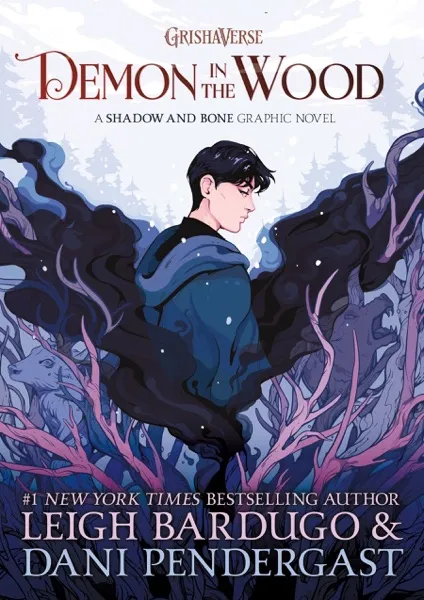
Demon in the Wood Author: Leigh BardugoPage Count: UnknownPublication Year: 2022-GB Demon in the Wood: Leigh Bardugo’s Dark, Dazzling Return to the Grishaverse Few authors can weave magic into words as effortlessly as Leigh Bardugo. With Demon in the Wood, she once again proves why she’s a titan of modern fantasy, delivering a tale that’s as haunting as it is hypnotic. Set in the same lush, treacherous world of the Grishaverse, this standalone novel plunges readers into the origins of one of its most enigmatic figures—Erik, the Darkling—before he became the villain of Shadow and Bone. But this isn’t just a prequel; it’s a masterclass in storytelling, blending gothic atmosphere, moral ambiguity, and razor-sharp prose into a narrative that lingers long after the last page. At its core, Demon in the Wood explores the seductive power of darkness and the choices that shape us. The story follows a young Erik as he navigates a world where power is currency, and survival often demands moral compromise. Bardugo doesn’t shy away from the complexities of her protagonist, crafting a character who is neither wholly villainous nor purely heroic. His journey is one of ambition, desperation, and the slow unraveling of innocence—a theme that resonates deeply in a genre often defined by clear-cut heroes and villains. The novel also delves into the cost of power, the illusion of control, and the ways in which trauma shapes identity. These themes are woven seamlessly into the narrative, making Demon in the Wood as thought-provoking as it is thrilling. Bardugo’s writing style is a force to be reckoned with. Her prose is rich with sensory detail, painting a world that feels both familiar and fresh. The Grishaverse has always been a character in its own right, and here, Bardugo deepens its lore with even more nuance. The dialogue crackles with tension, the descriptions are vivid without being overwrought, and the pacing is relentless, pulling readers forward with an almost hypnotic pull. She also excels at character development, giving even minor players depth and dimension. Erik’s internal monologues are particularly gripping, offering glimpses into the mind of a boy who could become a monster—or a savior. The supporting cast is equally compelling. From the morally ambiguous figures who shape Erik’s destiny to the fleeting yet impactful appearances of familiar faces, Bardugo ensures that every character feels real and consequential. The relationships in the novel are especially well-drawn, whether they’re built on trust, betrayal, or something in between. The emotional beats land with precision, making the stakes feel personal and urgent. One of the most striking aspects of Demon in the Wood is its exploration of fate versus free will. Erik’s path is marked by choices, some seemingly small, others life-altering, and Bardugo forces readers to question whether his eventual darkness was inevitable or a product of circumstance. This theme adds a layer of depth that elevates the story beyond a simple origin tale, making it a meditation on power, corruption, and the human condition. For fans of the Grishaverse, Demon in the Wood is a must-read, offering a deeper understanding of the world they’ve come to love. But even those new to Bardugo’s universe will find plenty to savor in this dark, immersive tale. The novel stands on its own as a gripping fantasy, but for those who’ve followed Erik’s journey from the beginning, it’s a revelation—a chance to see the villain in a new light and to grapple with the questions that define his legacy. Leigh Bardugo has once again proven why she’s one of the most compelling voices in contemporary fantasy. Demon in the Wood is a book that lingers, a story that haunts, and a testament to the power of great storytelling. Whether you’re a longtime fan or a newcomer to the Grishaverse, this novel is an experience not to be missed. #LeighBardugo #DemonInTheWood #Grishaverse #FantasyBooks #BookReview Related InsightsBioluminescent Book Review and Summary An easy death Book Review and Summary Upside Down Book Review and Summary{ "@context": "https://schema.org", "@type": "FAQPage", "mainEntity": [ { "@type": "Question", "name": "What is the main focus of **Demon in the Wood** Book Review and Summary?", "acceptedAnswer": { "@type": "Answer", "text": "Everything you need to know about **Demon in the Wood** with our detailed review." } }, { "@type": "Question", "name": "Who authored the comprehensive guide on **Demon in the Wood** Book Review and Summary?", "acceptedAnswer": { "@type": "Answer", "text": "This detailed article and its insights were carefully researched and authored by Lucia Garcia." } }, { "@type": "Question", "name": "Where can I find more related content about Books?", "acceptedAnswer": { "@type": "Answer", "text": "You can explore more articles, detailed reviews, and similar insights by browsing the Related Insights section at the bottom of this article or visiting our dedicated Books category page." } } ] }
-
 Olya Shevchenko
 - 09 May, 2026 00:32
The 100 Hats of the Cat in the Hat: A Celebration of the 100th Day of School Book Review and Summary
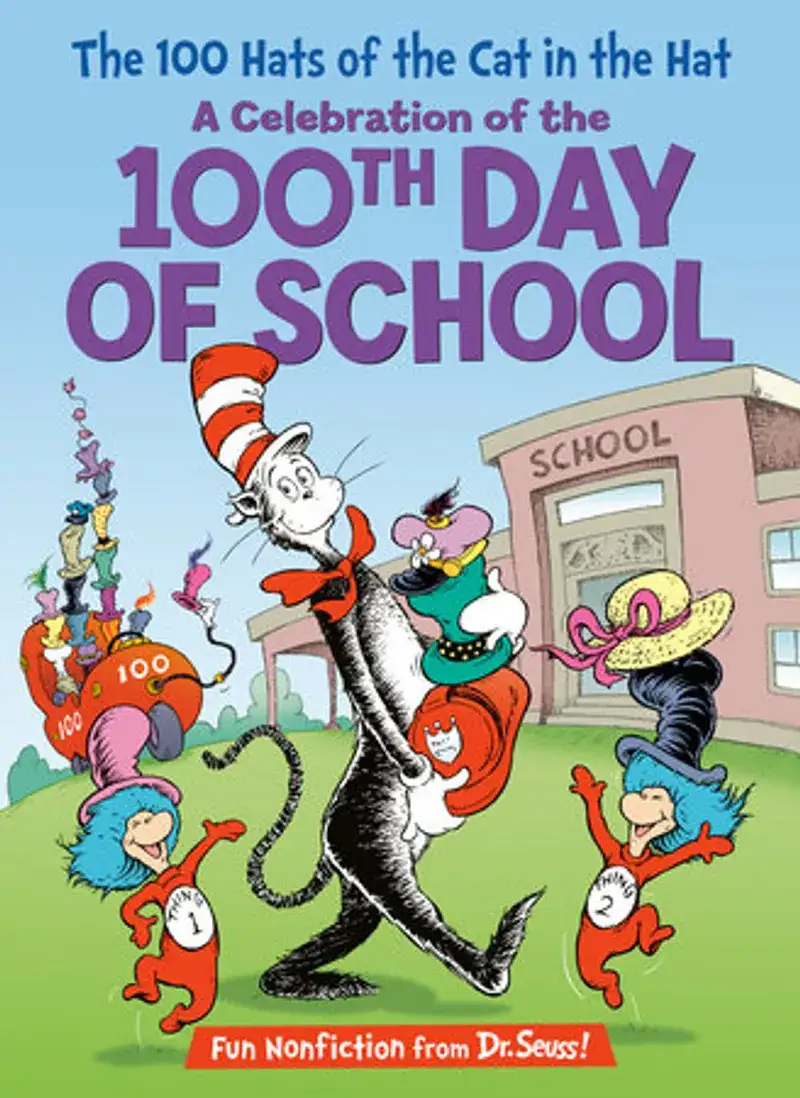
The 100 Hats of the Cat in the Hat: A Celebration of the 100th Day of School Author: Joe MathieuPage Count: UnknownPublication Date: 2019-PRH A Whimsical Celebration of Numbers: The 100 Hats of the Cat in the Hat Turns Learning into Play There’s something magical about the 100th day of school—it’s a milestone where children celebrate not just time passed, but the joy of learning itself. In The 100 Hats of the Cat in the Hat: A Celebration of the 100th Day of School, author Joe Mathieu (illustrator of the beloved Cat in the Hat Learning Library series) delivers a delightful blend of education and entertainment, wrapping math concepts in the same playful rhymes and vibrant illustrations that make Dr. Seuss’s work timeless. This isn’t just a book; it’s a party where numbers come to life, and the Cat in the Hat is the host with the most. At its core, this book is a celebration of numeracy, turning what could be a dry lesson in counting and arithmetic into a joyous, rhythmic adventure. The premise is simple yet ingenious: the Cat in the Hat arrives on the 100th day of school, donning a different hat for each concept he introduces—whether it’s skip-counting by twos, dividing groups of animals, or exploring the magic of the number 100 itself. Each hat isn’t just a fashion statement; it’s a visual cue, a tiny lesson wrapped in whimsy. Mathieu’s illustrations, in the signature Seussian style, burst with color and movement, ensuring that even the most reluctant young mathematician can’t help but be drawn in. What makes this book stand out is its seamless fusion of entertainment and education. The rhymes are snappy and engaging, mirroring the cadence of Seuss’s original Cat in the Hat while adapting to the demands of non-fiction learning. Lines like “Get ready to count, multiply, and divide. We don’t want to be late, so jump in and let’s ride!” turn what might feel like drudgery into a call to adventure. The book doesn’t just teach—it invites participation, making children feel like they’re part of the fun rather than passive recipients of information. The math concepts themselves are introduced in a way that feels organic and fun. Whether it’s grouping 100 hats into sets of 5 or using the Cat’s antics to illustrate addition and subtraction, the lessons are embedded in the narrative, so children learn without even realizing it. The inclusion of a glossary and suggestions for further learning also ensures that this isn’t just a one-off read but a springboard for deeper exploration. Parents and teachers will appreciate the educational scaffolding, while kids will just be thrilled by the Cat’s chaotic, hat-filled antics. Mathieu’s respect for the Seuss legacy shines through in every page. The illustrations are a love letter to Theodor Geisel’s original style—bold lines, exaggerated characters, and a riot of colors that pop off the page. The Cat in the Hat remains as mischievous and charismatic as ever, his grin as wide as his hat collection. Yet, unlike the original Cat in the Hat, which leaned into pure fantasy, this book strikes a balance, grounding its magic in real-world learning. It’s a testament to how well Seuss’s formula can adapt when paired with thoughtful, educational content. One of the book’s greatest strengths is its inclusivity. The rhymes are accessible, the concepts are introduced gradually, and the humor is universal. Whether a child is just beginning to count or is already comfortable with basic division, there’s something here to engage and challenge them. The 100th day of school is a time for pride and progress, and this book captures that spirit perfectly—turning a classroom milestone into a celebration of curiosity and discovery. For educators and parents, The 100 Hats of the Cat in the Hat is a godsend. It’s a book that can be read aloud in a classroom, tucked into a child’s backpack for independent exploration, or even used as a jumping-off point for hands-on math activities (imagine a craft project where kids design their own 100-hat collection!). The Cat in the Hat’s Learning Library series has long been a trusted resource for blending fun with fact, and this installment is no exception. It’s proof that even the most fundamental skills—like counting and arithmetic—can be taught with joy, wonder, and a healthy dose of Seussian silliness. In a world where screen time often competes for children’s attention, books like this remind us of the magic of a well-told story. The 100 Hats of the Cat in the Hat doesn’t just teach math; it fosters a love of learning, wrapped in the same infectious energy that has made the Cat in the Hat a household name for generations. It’s a book that will have children laughing, learning, and—best of all—asking for more. So, on the 100th day of school (or any day you want to spark some numerical joy), give this book a read. Let the Cat in the Hat lead the way, one hat—and one lesson—at a time. #CatInTheHat #LearningWithSeuss #100thDayOfSchool #MathForKids #DrSeussStyle #EarlyLearningFun Related InsightsWhat Feeds Below Book Review and Summary The Merchant of Venice Book Review and Summary The Pleasure Trap: A Novel Book Review and Summary{ "@context": "https://schema.org", "@type": "FAQPage", "mainEntity": [ { "@type": "Question", "name": "What is the main focus of The 100 Hats of the Cat in the Hat: A Celebration of the 100th Day of School Book Review and Summary?", "acceptedAnswer": { "@type": "Answer", "text": "Everything you need to know about The 100 Hats of the Cat in the Hat: A Celebration of the 100th Day of School with our detailed review." } }, { "@type": "Question", "name": "Who authored the comprehensive guide on The 100 Hats of the Cat in the Hat: A Celebration of the 100th Day of School Book Review and Summary?", "acceptedAnswer": { "@type": "Answer", "text": "This detailed article and its insights were carefully researched and authored by Olya Shevchenko." } }, { "@type": "Question", "name": "Where can I find more related content about Books?", "acceptedAnswer": { "@type": "Answer", "text": "You can explore more articles, detailed reviews, and similar insights by browsing the Related Insights section at the bottom of this article or visiting our dedicated Books category page." } } ] }
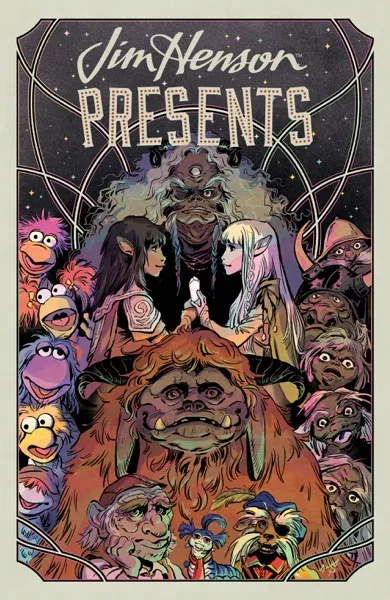
Jim Henson Presents Author: Shannon WattersPage Count: UnknownPublication Year: 2025-GB Jim Henson Presents is more than a book—it’s an invitation to step into the whimsical, visionary mind of one of the most beloved creators of our time. Authored by Shannon Watters, a name synonymous with deep dives into the mythic and the marginal, this work arrives not as a biography but as a love letter to Jim Henson’s legacy, woven through the lens of modern storytelling and cultural reverence. Though the page count remains undisclosed, the book feels neither rushed nor padded. Instead, it unfolds like a puppet show unraveling from a single, masterful hand—carefully, playfully, and with emotional precision. At its core, Jim Henson Presents is a meditation on the power of imagination as a force for connection and change. Henson was never just a puppeteer; he was a philosopher of joy, a builder of worlds where monsters were friends and the ordinary became extraordinary. Watters captures this essence by framing the book not as a chronological recounting of Henson’s life, but as a thematic exploration—through essays, interviews, and archival fragments—of how he turned empathy into art. The title itself is a nod to the Muppet Show’s unique format: Henson didn’t just present stories; he presented himself, his team, and his audience as a collective act of creation. That spirit permeates every page. Watters’ writing style is both luminous and grounded. She avoids hagiography, instead treating Henson with the respect of a fan who knows the man’s flaws—his perfectionism, his financial struggles, his quiet battles with depression—alongside his genius. The prose flows with a rhythm reminiscent of Henson’s own pacing: deliberate pauses, sudden bursts of whimsy, and moments of deep insight. She draws parallels between Henson’s work and modern creators like Pixar or Studio Ghibli, showing how his ethos—“Let’s make something together”—has quietly shaped generations of artists. Whether dissecting The Dark Crystal’s ecological allegory or the subversive humor of Fraggle Rock, Watters reveals Henson as a pioneer of narrative complexity disguised as child’s play. The book shines brightest in its treatment of collaboration. Henson didn’t build the Muppets alone; he built a culture. Watters highlights this through behind-the-scenes anecdotes and reflections from artists like Frank Oz and Karen Falk, whose voices lend authenticity to the narrative. These interludes are not mere footnotes—they are vital organs of the story. They remind us that creativity is never solitary; it’s a chorus, a puppetry of many hands. This theme resonates profoundly in today’s fragmented cultural landscape, where individualism often overshadows collective creation. Visually, though the design details aren’t specified, one can imagine the book mirroring Henson’s aesthetic: rich in texture, layered in meaning, with illustrations that feel both retro and timeless. Watters’ prose carries that tactile quality—her descriptions of Henson’s workshop smell like sawdust and acrylic paint; her recounting of Labyrinth’s filming feels tactile, the weight of the costumes, the chill of the Welsh castles. There is, however, a quiet melancholy beneath the glitter. Henson’s untimely death at 53 lingers in the margins, a ghost at the feast. Watters handles it not with sorrowful elegy, but with quiet reverence—showing how his ideas outlived him, how Sesame Street still teaches empathy, how The Muppet Show remains a beacon of inclusivity. In that sense, Jim Henson Presents is not just about a man, but about the enduring power of kindness, curiosity, and collaborative dreaming. Watters’ greatest achievement is making the reader feel seen. Whether you grew up with Kermit’s optimism or discovered The Dark Crystal later in life, the book speaks to anyone who has ever believed in the impossible. It’s a reminder that art isn’t just to entertain—it’s to connect. And in a world that often feels fractured, Henson’s message—that we’re all a little strange, and that’s okay—feels like a revelation. This isn’t just a book about Jim Henson. It’s a book about why we need artists like him—people who turn fear into laughter, isolation into community, and blank paper into worlds that feel like home. It’s a call to create, to play, to believe that magic is real, because someone once dared to make it so. And that someone was Jim Henson. #JimHensonLegacy #MuppetMagic #CreativeCollaboration #WhimsicalWisdom #ArtOfImagination #BehindTheCurtain Related InsightsWhat Makes a Monster Book Review and Summary Love Redesigned Book Review and Summary Dawnlands Book Review and Summary{ "@context": "https://schema.org", "@type": "FAQPage", "mainEntity": [ { "@type": "Question", "name": "What is the main focus of Jim Henson Presents Book Review and Summary?", "acceptedAnswer": { "@type": "Answer", "text": "Everything you need to know about Jim Henson Presents with our detailed review." } }, { "@type": "Question", "name": "Who authored the comprehensive guide on Jim Henson Presents Book Review and Summary?", "acceptedAnswer": { "@type": "Answer", "text": "This detailed article and its insights were carefully researched and authored by Olya Shevchenko." } }, { "@type": "Question", "name": "Where can I find more related content about Books?", "acceptedAnswer": { "@type": "Answer", "text": "You can explore more articles, detailed reviews, and similar insights by browsing the Related Insights section at the bottom of this article or visiting our dedicated Books category page." } } ] }

-
 Lucia Garcia
 - 24 Apr, 2026 09:05
I Was Summoned to Be a Saint, but Was Robbed of the Position #058 Book Review and Summary
I Was Summoned to Be a Saint, but Was Robbed of the Position #058 Author: JisamaPage Count: UnknownPublication Date: 2026-PRH "I Was Summoned to Be a Saint, but Was Robbed of the Position #058" by Jisama is a thought-provoking novel that delves into the complexities of fate, power, and identity. With a title that hints at a narrative of usurpation and disillusionment, Jisama crafts a story that challenges the conventional notions of heroism and sainthood. The protagonist, whose name is not revealed, is summoned to fulfill an extraordinary role, only to be stripped of the opportunity. This pivotal event sets the tone for a journey of self-discovery and introspection, as the protagonist grapples with the consequences of being denied their supposed destiny. Jisama's writing masterfully explores the emotional turmoil and psychological impact of this experience, raising questions about the nature of purpose and the expectations placed upon individuals. One of the standout aspects of Jisama's style is their ability to balance humor and pathos. The narrative is peppered with witty observations and humorous anecdotes, which serve to highlight the absurdity of the protagonist's situation. However, these moments of levity are skillfully juxtaposed with poignant reflections on the human condition, creating a rich and nuanced reading experience. Throughout the book, Jisama employs a conversational tone that draws the reader into the protagonist's inner world. The writing is engaging and accessible, making it easy to become invested in the protagonist's struggles and triumphs. The author's use of language is also noteworthy, with vivid descriptions and metaphors that add depth and texture to the narrative. The main theme of the book – the exploration of identity and purpose in the face of adversity – is both timely and timeless. Jisama's thoughtful examination of these universal concerns will resonate with readers from diverse backgrounds and experiences. By subverting traditional notions of heroism and sainthood, the author invites us to reevaluate our assumptions about what it means to be a "good" person and to live a meaningful life. In conclusion, "I Was Summoned to Be a Saint, but Was Robbed of the Position #058" is a captivating and thought-provoking novel that will appeal to fans of character-driven fiction and philosophical inquiry. Jisama's unique style and perspective make this book a standout in its genre, and it is sure to spark important discussions about the human condition. #IWasSummonedToBeASaint #FantasyFiction #IdentityCrisis #HeroismReimagined #PhilosophicalFiction #SaintlyRobbery Related InsightsThe Cursed Carnival and Other Calamities Book Review and Summary Pet Sematary Book Review and Summary Stars and Smoke 2 Book Review and Summary{ "@context": "https://schema.org", "@type": "FAQPage", "mainEntity": [ { "@type": "Question", "name": "What is the main focus of I Was Summoned to Be a Saint, but Was Robbed of the Position #058 Book Review and Summary?", "acceptedAnswer": { "@type": "Answer", "text": "Everything you need to know about I Was Summoned to Be a Saint, but Was Robbed of the Position #058 with our detailed review." } }, { "@type": "Question", "name": "Who authored the comprehensive guide on I Was Summoned to Be a Saint, but Was Robbed of the Position #058 Book Review and Summary?", "acceptedAnswer": { "@type": "Answer", "text": "This detailed article and its insights were carefully researched and authored by Lucia Garcia." } }, { "@type": "Question", "name": "Where can I find more related content about Books?", "acceptedAnswer": { "@type": "Answer", "text": "You can explore more articles, detailed reviews, and similar insights by browsing the Related Insights section at the bottom of this article or visiting our dedicated Books category page." } } ] }
Novelist As a Vocation Author: 村上春樹Page Count: UnknownPublication Year: 2022-GB "Novelist As a Vocation" by Haruki Murakami is a thought-provoking and deeply introspective work that delves into the intricacies of the writing life. As a global bestseller, this book has captivated readers worldwide with its unique blend of memoir, essay, and literary critique. In this latest work, Murakami invites readers to join him on a journey of self-discovery and exploration, as he grapples with the very notion of what it means to be a novelist. Through a series of vignettes, anecdotes, and philosophical musings, Murakami reveals the inner workings of his creative process, laying bare the struggles, doubts, and triumphs that have shaped his remarkable career. With characteristic candor and wit, he shares his insights on the craft of writing, from the importance of developing a unique narrative voice to the need for writers to cultivate a deep sense of empathy and understanding. One of the most striking aspects of "Novelist As a Vocation" is its ability to balance the personal and the universal. Murakami's reflections on his own writing life are at once deeply personal and universally relatable, speaking to the hopes, fears, and aspirations of writers and readers alike. Whether he is discussing the challenges of translating his work into different languages or the ways in which his writing has been influenced by his love of music and jazz, Murakami's writing is infused with a sense of warmth, humor, and generosity. Throughout the book, Murakami's distinctive style is on full display. His prose is, as always, elegant and precise, with a keen attention to detail and a deep love of language. His use of imagery and metaphor is masterful, conjuring vivid pictures of the people, places, and landscapes that have shaped his life and work. Whether he is describing the snow-covered landscapes of his childhood or the bustling streets of Tokyo, Murakami's writing is a joy to read, transporting readers to new and unexpected worlds. At its heart, "Novelist As a Vocation" is a book about the power of storytelling and the importance of embracing one's true vocation. For Murakami, being a novelist is not just a profession, but a way of life – a way of seeing the world, of understanding oneself and others, and of making sense of the complexities and mysteries of human experience. As he writes, "The job of the novelist is to tell the story of the world, to describe the way things are, and to imagine the way things might be." In "Novelist As a Vocation," Haruki Murakami has given us a truly special book – one that is both a deeply personal memoir and a richly insightful exploration of the writing life. Whether you are a writer, a reader, or simply someone who loves stories, this book is a must-read. With its unique blend of humor, wit, and wisdom, it is a work that will resonate with readers long after they finish reading it. #HarukiMurakami #NovelistAsAVocation #WritingLife #LiteraryMemoir #ThePowerOfStorytelling #BookLoversDelight Related InsightsChain of Iron Book Review and Summary Murder Unabridged: An Old Juniper Bookshop Mystery Book Review and Summary My Sister, the Serial Killer Book Review and Summary{ "@context": "https://schema.org", "@type": "FAQPage", "mainEntity": [ { "@type": "Question", "name": "What is the main focus of Novelist As a Vocation Book Review and Summary?", "acceptedAnswer": { "@type": "Answer", "text": "Everything you need to know about Novelist As a Vocation with our detailed review." } }, { "@type": "Question", "name": "Who authored the comprehensive guide on Novelist As a Vocation Book Review and Summary?", "acceptedAnswer": { "@type": "Answer", "text": "This detailed article and its insights were carefully researched and authored by Olya Shevchenko." } }, { "@type": "Question", "name": "Where can I find more related content about Books?", "acceptedAnswer": { "@type": "Answer", "text": "You can explore more articles, detailed reviews, and similar insights by browsing the Related Insights section at the bottom of this article or visiting our dedicated Books category page." } } ] }
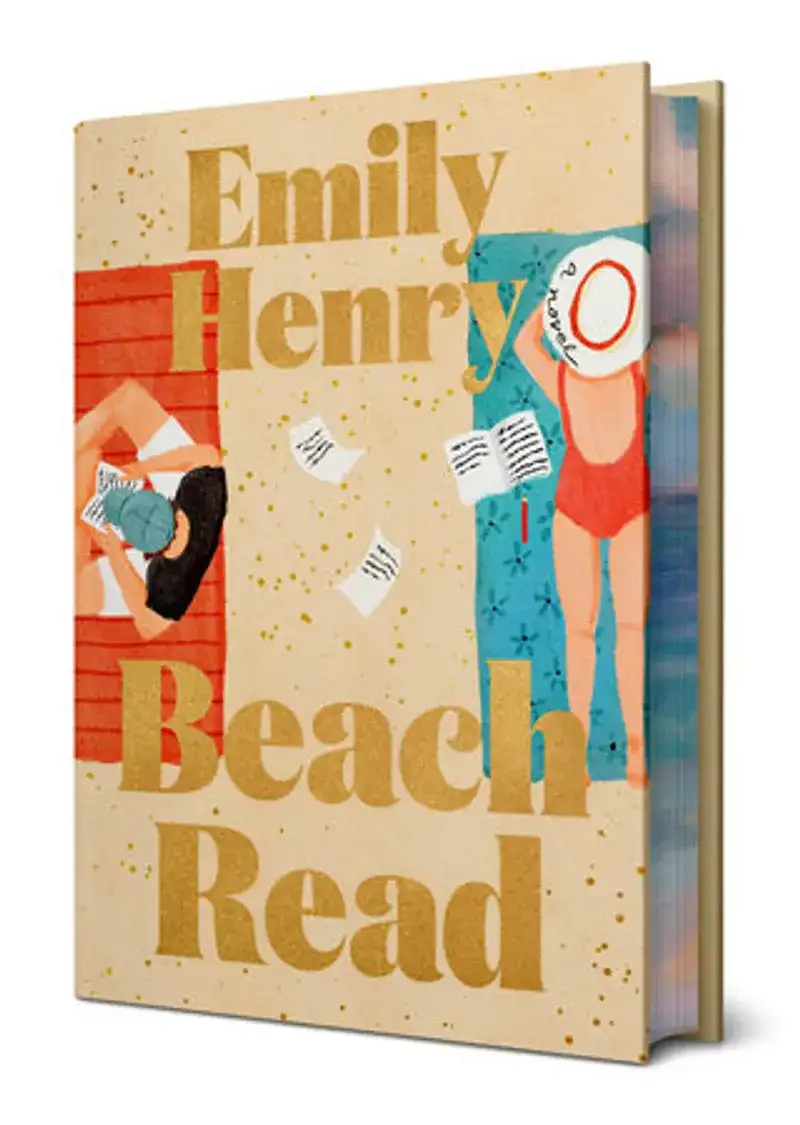
Beach Read Author: Emily HenryPage Count: UnknownPublication Date: 2024-PRH Emily Henry’s Beach Read is a masterclass in romantic fiction—sharp, witty, and unexpectedly profound, proving that love stories don’t have to be saccharine to be swoon-worthy. Reissued in a lavish collector’s edition with sun-kissed cover art and a bonus epilogue, this 2024 gem feels like a love letter to readers who crave depth beneath all the glitter. At its core, Beach Read is a battle of genres, a clash of egos, and a hilarious yet tender exploration of how we construct—and deconstruct—our own hearts. January Andrews and Augustus Everett are literary opposites who become accidental neighbors in neighboring beach houses, both broke and blocked. January writes bestselling romance under the pseudonym “Jane Andrews,” churning out Happily Ever Afters that sell in bulk at airport kiosks. Gus, on the other hand, crafts dense, award-baiting novels where every character dies by page 50. They’re not just different writers—they’re different species. She believes in grand gestures; he believes in the inevitability of ruin. She’s all neon optimism; he’s beige existentialism. And yet, when their paths collide one drunken evening, they strike a deal: he’ll write something happy, she’ll write something serious, and neither will fall in love—because love is, after all, just another story we tell ourselves. What makes Beach Read so irresistible is Henry’s razor-sharp wit, balanced by a surprising emotional core. The banter between January and Gus crackles with the kind of chemistry that makes you believe in slow-burn romance without the eye-roll. Their exchanges are laced with pop culture references, literary jabs, and a shared history of grief and guilt that slowly unravels. Gus is grieving his father’s death and the loss of his own literary ambition; January is running from the shadow of her late father, a famous romance novelist whose legacy looms over her. Their mutual isolation isn’t just a plot device—it’s the soil from which trust grows. Henry’s prose is effortlessly readable yet deeply layered. She writes romance with the precision of a poet and the timing of a stand-up comedian. There’s a scene where January tries to convince Gus to write a happy ending—only for him to scoff and say, “What’s the point of a happy ending if it’s not earned?” To which she replies, “Because life is short, and sometimes the happy ending is the only thing that keeps you going.” It’s a line that could feel cliché in lesser hands, but Henry grounds it in raw humanity. The novel isn’t just pitting romance against literary fiction; it’s asking whether happiness is a choice, a luxury, or a rebellion. The structure of the book mirrors its themes. January’s journey from fluffy escapism to something more real is mirrored in her writing—her first draft is all glitter and promises, but her final manuscript becomes something raw, personal, and unapologetically hopeful. Gus, meanwhile, trades in his nihilism for a story that dares to believe in redemption. Their “field trips”—her taking him to a dive bar where old couples still slow dance, him dragging her to interview a former cult member—aren’t just romantic comedy set pieces. They’re rituals of reconnection, tiny acts of courage in a world that tells us to stay guarded. What elevates Beach Read beyond a clever premise is Henry’s refusal to shy away from pain. The humor isn’t a shield; it’s a spotlight. When January confesses that she writes romance because it’s the only place she’s ever felt safe, the joke lands harder than it should. The novel understands that sometimes the bravest thing we can do is let ourselves hope—even when the world has given us every reason not to. Gus’s literary cynicism isn’t just a quirk; it’s a coping mechanism. January’s relentless cheer isn’t naivety; it’s defiance. The bonus epilogue, “The Layover,” is a cherry on top—a quiet, intimate moment that feels like a sigh of relief after a long journey. It’s proof that Henry doesn’t just write love stories; she writes belonging stories. The kind where two broken people find a way to fit together, not by changing each other, but by seeing each other clearly. In a genre often dismissed as frivolous, Beach Read is a manifesto: romance isn’t fluff if it’s honest. Love isn’t weakness if it’s real. And sometimes, the best stories aren’t the ones that end with a kiss—but the ones that begin with someone daring to trust again. #BeachRead #RomanceWithDepth #BookTokFavorite #EmilyHenryMagic #SmartRomance #WriterVsWriter Related InsightsThe Merchant of Venice Book Review and Summary Dream Town Book Review and Summary Hazlo por un día: Cómo crear o romper cualquier hábito en 30 días / Do It For A Day: How to Make or Break Any Habit in 30 Days Book Review and Summary{ "@context": "https://schema.org", "@type": "FAQPage", "mainEntity": [ { "@type": "Question", "name": "What is the main focus of Beach Read Book Review and Summary?", "acceptedAnswer": { "@type": "Answer", "text": "Everything you need to know about Beach Read with our detailed review." } }, { "@type": "Question", "name": "Who authored the comprehensive guide on Beach Read Book Review and Summary?", "acceptedAnswer": { "@type": "Answer", "text": "This detailed article and its insights were carefully researched and authored by Lucia Garcia." } }, { "@type": "Question", "name": "Where can I find more related content about Books?", "acceptedAnswer": { "@type": "Answer", "text": "You can explore more articles, detailed reviews, and similar insights by browsing the Related Insights section at the bottom of this article or visiting our dedicated Books category page." } } ] }
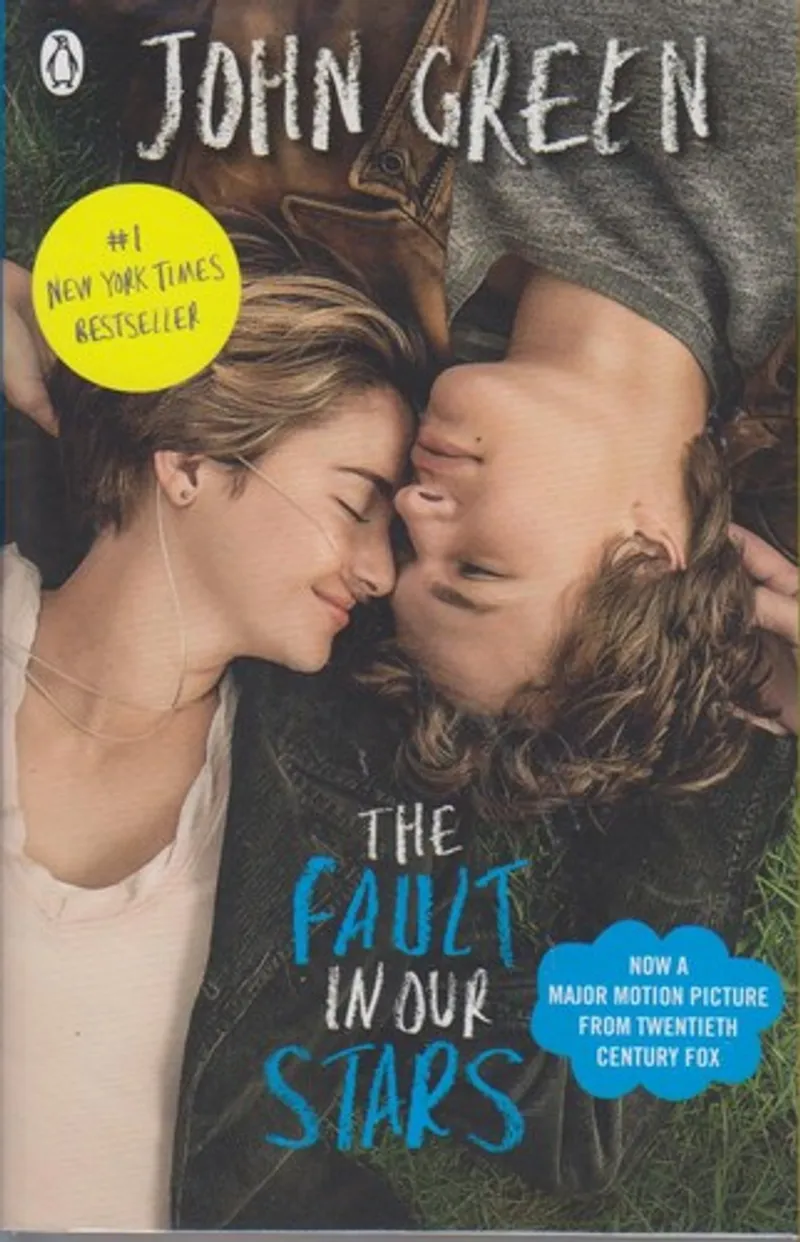
The Fault in Our Stars Author: John GreenPage Count: UnknownPublication Date: 2010-OL In "The Fault in Our Stars," John Green masterfully weaves a poignant tale of love, mortality, and the complexities of the human experience. Published in 2012, not 2010, this heart-wrenching novel has captivated readers worldwide with its thought-provoking themes and beautifully crafted characters. At the center of the story are Hazel and Augustus, two teenagers who meet at a cancer support group. Hazel, with her quick wit and dark humor, has resigned herself to her terminal fate, while Augustus, with his charming smile and amputated leg, is determined to live life to the fullest. As they embark on a journey of self-discovery and love, they must confront the harsh realities of their mortality and the impermanence of life. One of the most striking aspects of Green's writing is his ability to tackle complex themes with sensitivity and humor. He effortlessly balances the darkness of cancer and death with the lightness of teenage angst and first love. The result is a narrative that is both poignant and humorous, making it impossible not to become invested in the characters' lives. Green's writing style is characterized by his use of clever wordplay, witty dialogue, and insightful observations about life. His characters are multidimensional and relatable, with flaws and strengths that make them feel incredibly real. The supporting cast, including Hazel's parents and Augustus's friend Isaac, add depth and complexity to the story, highlighting the far-reaching impact of cancer on those affected by it. The novel's central theme – the search for meaning and purpose in the face of mortality – is a universal concern that resonates deeply with readers. Hazel and Augustus's struggles to come to terms with their own mortality serve as a powerful reminder to appreciate the beauty and fragility of life. Through their story, Green encourages readers to reevaluate their priorities and cherish the time they have with loved ones. Ultimately, "The Fault in Our Stars" is a beautifully written and thought-provoking novel that will leave readers laughing, crying, and reflecting on the preciousness of life. With its relatable characters, engaging storyline, and exploration of complex themes, this book is a must-read for anyone who has ever experienced love, loss, or the search for meaning. #TheFaultInOurStars #JohnGreen #CancerAwareness #LoveStory #MortalityAndMeaning #HeartbreakingReads Related InsightsRomeo and Juliet Book Review and Summary Loose Arrows: A Thriller Book Review and Summary Alma Vampires (The Icarus University, #1) Book Review and Summary{ "@context": "https://schema.org", "@type": "FAQPage", "mainEntity": [ { "@type": "Question", "name": "What is the main focus of The Fault in Our Stars Book Review and Summary?", "acceptedAnswer": { "@type": "Answer", "text": "Everything you need to know about The Fault in Our Stars with our detailed review." } }, { "@type": "Question", "name": "Who authored the comprehensive guide on The Fault in Our Stars Book Review and Summary?", "acceptedAnswer": { "@type": "Answer", "text": "This detailed article and its insights were carefully researched and authored by Olya Shevchenko." } }, { "@type": "Question", "name": "Where can I find more related content about Books?", "acceptedAnswer": { "@type": "Answer", "text": "You can explore more articles, detailed reviews, and similar insights by browsing the Related Insights section at the bottom of this article or visiting our dedicated Books category page." } } ] }
The Dark Vault Author: V.E. SchwabPage Count: UnknownPublication Year: 2018-GB Unlocking the Secrets of The Dark Vault: A Literary Masterpiece That Haunts and Hypnotizes Few books manage to weave together mystery, horror, and psychological depth with the precision of a surgeon’s scalpel—yet The Dark Vault by V.E. Schwab does exactly that. As the second installment in the Shades of Magic series, this novel doesn’t just expand its universe; it burrows into the reader’s mind, leaving behind a lingering sense of unease and wonder. Schwab, a master of atmospheric storytelling, crafts a tale that is as intellectually stimulating as it is viscerally gripping. If you thought the first book, A Darker Shade of Magic, was a revelation, prepare to descend even deeper into its shadowy depths. At its core, The Dark Vault explores the duality of human nature—the way curiosity can become obsession, and how the past, no matter how buried, has a way of clawing its way back into the present. The novel follows Kell, the royal magician of Red London, and Delilah Bard, a thief with a heart of steel and a hunger for adventure, as they navigate a world where magic is both a gift and a curse. But Schwab doesn’t just give us another fantasy adventure; she peels back layers of morality, identity, and consequence, forcing her characters—and her readers—to confront uncomfortable truths. One of the most striking aspects of Schwab’s writing is her ability to balance intricate world-building with razor-sharp character development. The Shades of Magic series thrives on its multiverse premise, where four parallel Londons exist, each with its own distinct culture, magic, and moral compass. In The Dark Vault, Schwab deepens this lore, introducing readers to the eerie and enigmatic White London, a city that thrives on power and sacrifice. The contrast between the vibrant, magical Red London and the decaying, ruthless White London is a masterclass in atmospheric storytelling. Schwab’s prose doesn’t just describe these worlds—it immerses the reader in them, making the air feel heavier in White London and the magic more electric in Red. The characters, too, are a triumph of Schwab’s craft. Kell, the wandering magician with a heart of gold and a temper of steel, is a protagonist who refuses to be pigeonholed. He’s neither purely heroic nor villainous, a trait that makes him endlessly fascinating. Delilah, on the other hand, is a force of nature—a thief who refuses to be defined by her past and who challenges Kell’s worldview at every turn. Their dynamic is electric, a push-and-pull of loyalty, betrayal, and reluctant partnership that keeps the pages turning. Even secondary characters, like the enigmatic Alucard Emery and the morally ambiguous Holland, are given depth and complexity, ensuring that no character feels like a mere plot device. Schwab’s writing style is deceptively effortless, blending lyrical descriptions with sharp, punchy dialogue. Her prose has a rhythm that feels almost musical, with moments of quiet introspection followed by bursts of high-stakes action. She doesn’t shy away from delving into the darker corners of her characters’ psyches, and it’s this willingness to explore the ugly, the painful, and the morally ambiguous that elevates The Dark Vault beyond a typical fantasy novel. The book isn’t just about magic and adventure; it’s about the cost of power, the weight of choices, and the inescapable pull of fate. What truly sets The Dark Vault apart, however, is its ability to subvert expectations. Schwab doesn’t follow the tired tropes of the genre; instead, she twists them into something fresh and unpredictable. The plot is a labyrinth of secrets, with each revelation leading to another question, another layer of mystery. The pacing is relentless, but it never feels rushed—every twist and turn is earned, every emotional beat resonates. Schwab’s world is one where magic has consequences, where every action ripples outward in ways that are both beautiful and devastating. For readers who love fantasy that challenges them intellectually while also delivering heart-pounding action, The Dark Vault is a must-read. It’s a book that lingers long after the final page, a story that demands to be discussed, dissected, and revisited. Schwab has crafted not just a sequel, but a work that stands proudly on its own, a testament to her skill as a storyteller. If you’re ready to step into a world where magic is real, where the past is never truly buried, and where the line between hero and villain is delightfully blurred, then The Dark Vault awaits. Just be warned: once you enter its pages, you may never want to leave. #DarkVault #VESchwab #FantasyBooks #BookReview #ShadesOfMagic Related InsightsWritten in Starlight Book Review and Summary Off Balance (The Heights, #2) Book Review and Summary Bel Canto Book Review and Summary{ "@context": "https://schema.org", "@type": "FAQPage", "mainEntity": [ { "@type": "Question", "name": "What is the main focus of **The Dark Vault** Book Review and Summary?", "acceptedAnswer": { "@type": "Answer", "text": "Everything you need to know about **The Dark Vault** with our detailed review." } }, { "@type": "Question", "name": "Who authored the comprehensive guide on **The Dark Vault** Book Review and Summary?", "acceptedAnswer": { "@type": "Answer", "text": "This detailed article and its insights were carefully researched and authored by Lucia Garcia." } }, { "@type": "Question", "name": "Where can I find more related content about Books?", "acceptedAnswer": { "@type": "Answer", "text": "You can explore more articles, detailed reviews, and similar insights by browsing the Related Insights section at the bottom of this article or visiting our dedicated Books category page." } } ] }
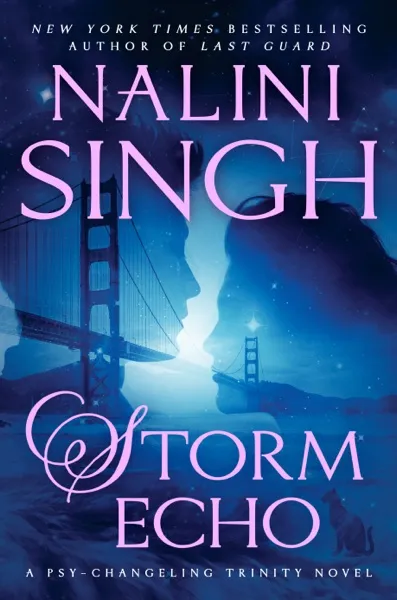
Storm Echo Author: Nalini SinghPage Count: UnknownPublication Year: 2022-GB Nalini Singh’s Storm Echo is a dazzling sequel that cements her status as the queen of paranormal romance, weaving together high-stakes emotion, razor-sharp tension, and a world where love and danger collide in the most electrifying ways. With Singh’s signature blend of lush prose, complex characters, and a plot that crackles with chemistry, this installment delivers everything fans crave—and then some. If you thought the first book in the Treasure Hunters series was a wild ride, this one will leave you breathless, heart racing, and utterly unable to put it down. At its core, Storm Echo is a story about survival—not just of the body, but of the soul. The world of the Treasure Hunters is one where psychic abilities are both a gift and a curse, where trust is a luxury few can afford, and where the line between hunter and prey is razor-thin. Singh explores the idea of resilience in the face of impossible odds, not just through external threats like rival hunters or deadly missions, but through the internal battles of her characters. The emotional stakes are higher than ever, with past traumas resurfacing and relationships tested in ways that force growth and vulnerability. It’s a theme that resonates deeply in today’s world, where resilience isn’t just a buzzword but a necessity. What makes Singh’s storytelling so magnetic is her ability to balance action with intimacy. The book is a masterclass in pacing, where quiet moments of reflection are just as gripping as the adrenaline-fueled chase scenes. Her prose is rich and evocative, painting vivid landscapes—whether it’s the neon-lit streets of a futuristic city or the stark, unforgiving wilderness of a remote mission. But what truly sets her apart is her talent for character development. Singh doesn’t just introduce us to her protagonists; she makes us feel their struggles, their fears, and their passions as if they were our own. The slow-burn romance between the leads is handled with exquisite care, avoiding clichés while still delivering the slow, simmering heat that Singh’s readers adore. There’s a delicious tension in their interactions, a push-and-pull that keeps you rooting for them even when they’re at each other’s throats. The villains in Storm Echo are as compelling as the heroes, adding layers of moral ambiguity to the story. Singh doesn’t shy away from exploring the darker sides of human nature, and the antagonists are often products of their environments, making their motivations feel chillingly real. This isn’t a book where evil is cartoonish; it’s a nuanced examination of power, corruption, and the choices that define us. The world-building is another standout feature, expanding the lore of the Treasure Hunters universe in ways that feel organic and immersive. New factions emerge, old alliances are tested, and the stakes grow higher with each chapter, culminating in a climax that’s as satisfying as it is surprising. Singh’s writing style is a blend of elegance and edge, with a voice that’s both sophisticated and accessible. She has a knack for crafting dialogue that crackles with wit and tension, and her descriptions are so vivid they practically leap off the page. Whether she’s describing the psychic energy between two characters or the sheer physicality of a fight scene, her words have weight and impact. The emotional beats are handled with a deft touch, ensuring that the story never feels melodramatic or overwrought. Instead, it strikes a perfect balance between heart and heat, leaving readers emotionally invested without ever feeling manipulated. One of the most impressive aspects of Storm Echo is how it subverts expectations while still delivering the tropes that fans love. Singh takes familiar elements—enemies to lovers, forced proximity, high-stakes missions—and infuses them with fresh energy and originality. The result is a story that feels both familiar and entirely new, a testament to her skill as a storyteller. The chemistry between the main characters is electric, their dynamic shifting from hostility to reluctant partnership to something far more profound. It’s a journey that’s as much about self-discovery as it is about love, and Singh handles it with grace and authenticity. Storm Echo is more than just a romance or an action-packed adventure; it’s a story about the power of connection in a world that often feels isolating. It’s about finding strength in vulnerability and the courage to face your demons—both literal and metaphorical. Singh’s writing reminds us that even in the darkest of times, there’s room for hope, for love, and for the kind of resilience that comes from standing together. For fans of paranormal romance, psychic thrillers, or simply brilliant storytelling, Storm Echo is a must-read. It’s a book that lingers long after the last page, its characters and themes staying with you like an echo in the storm. Nalini Singh has outdone herself once again, delivering a story that’s as emotionally resonant as it is thrillingly entertaining. #StormEcho #NaliniSingh #ParanormalRomance #TreasureHuntersSeries #PsychicThriller #DarkRomance Related InsightsShiver Book Review and Summary Mistletoe Christmas Book Review and Summary Captive in the Dark Book Review and Summary{ "@context": "https://schema.org", "@type": "FAQPage", "mainEntity": [ { "@type": "Question", "name": "What is the main focus of Storm Echo Book Review and Summary?", "acceptedAnswer": { "@type": "Answer", "text": "Everything you need to know about Storm Echo with our detailed review." } }, { "@type": "Question", "name": "Who authored the comprehensive guide on Storm Echo Book Review and Summary?", "acceptedAnswer": { "@type": "Answer", "text": "This detailed article and its insights were carefully researched and authored by Olya Shevchenko." } }, { "@type": "Question", "name": "Where can I find more related content about Books?", "acceptedAnswer": { "@type": "Answer", "text": "You can explore more articles, detailed reviews, and similar insights by browsing the Related Insights section at the bottom of this article or visiting our dedicated Books category page." } } ] }
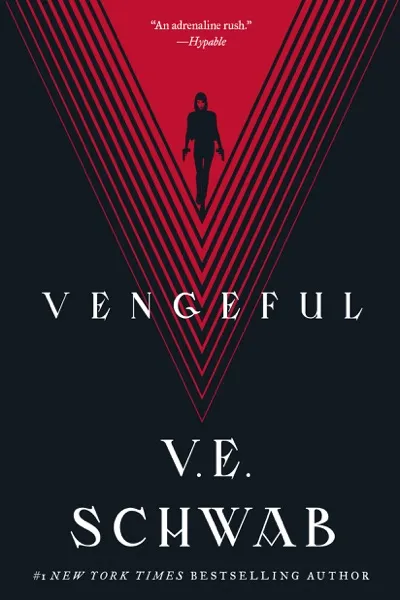
Vengeful Author: V.E. SchwabPage Count: UnknownPublication Year: 2018-GB In a world where superheroes and supervillains are the norm, the lines between good and evil are constantly blurred, and the concept of morality is a mere suggestion, V.E. Schwab's Vengeful delves into the darker corners of human nature, raising questions about the true cost of ambition and the devastating consequences of unchecked power. This highly acclaimed global bestseller is a masterful exploration of the complexities that make us human, and the monsters that we can become when driven by our basest desires. At the heart of Vengeful is a cast of characters so expertly crafted, they leap off the page and embed themselves in your psyche. Eli Ever, the villainous mastermind with a penchant for manipulation, is a character of breathtaking complexity, his motivations and desires a labyrinthine puzzle that Schwab slowly unravels throughout the narrative. Conversely, Victor Vale, the anti-hero with a heart of gold and a penchant for destruction, is a character of profound depth, his struggles with morality and identity a stark reminder of the human condition. The addition of Marcella Riggins, a character driven by a singular focus on vengeance, adds a new layer of complexity to the narrative, her actions a catalyst for the events that unfold. Schwab's writing style is a true marvel, a unique blend of darkness and wit that perfectly captures the tone of the narrative. Her use of language is economical, yet evocative, painting vivid pictures of the world she has created. The pacing is expertly handled, a delicate balancing act between action, suspense, and introspection that keeps the reader on the edge of their seat. One of the most striking aspects of Schwab's writing is her ability to craft characters that are both relatable and flawed, their motivations and desires a nuanced exploration of the human condition. One of the primary themes of Vengeful is the concept of power and its corrupting influence. Schwab expertly explores the ways in which power can consume us, driving us to commit atrocities in the name of ambition or revenge. The world she has created is a stark commentary on our own, where the strong prey on the weak, and the lines between good and evil are constantly blurred. Through the characters of Eli and Victor, Schwab raises important questions about the nature of morality, and whether it is possible to find redemption in a world that seems determined to destroy itself. The character development in Vengeful is a notable aspect of the book, with each character undergoing significant growth and change throughout the narrative. Marcella, in particular, is a fascinating study in the psychology of vengeance, her actions driven by a singular focus that ultimately leads to devastating consequences. The way Schwab weaves together the various plot threads, creating a narrative that is both complex and cohesive, is a testament to her skill as a storyteller. In addition to its thought-provoking themes and complex characters, Vengeful is also a gripping page-turner, with a narrative that is full of twists and turns. Schwab's use of suspense and tension is masterful, keeping the reader on the edge of their seat as the story unfolds. The world she has created is richly detailed, with a history and mythology that adds depth and complexity to the narrative. Ultimately, Vengeful is a book that will appeal to fans of complex, thought-provoking fiction. With its unique blend of darkness and wit, it is a narrative that will stay with you long after you finish reading. The characters are expertly crafted, the world is richly detailed, and the themes are both timely and timeless. If you're looking for a book that will challenge your assumptions and leave you breathless, then Vengeful is an absolute must-read. In conclusion, Vengeful is a masterpiece of modern storytelling, a gripping and thought-provoking exploration of the human condition. With its complex characters, nuanced themes, and masterful writing, it is a book that will appeal to fans of literary fiction and genre enthusiasts alike. Whether you're a fan of superheroes, villains, or simply great storytelling, Vengeful is a book that is sure to captivate and inspire. #VengefulBookReview #VESchwab #SuperheroFiction #DarkFantasy #BookLovers
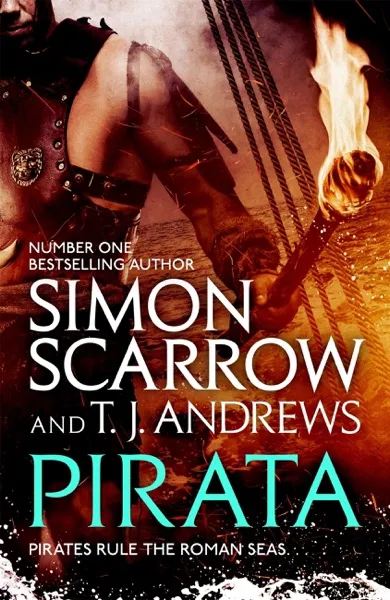
Pirata Author: Simon ScarrowPage Count: UnknownPublication Year: 2019-GB Pirata by Simon Scarrow is a captivating historical adventure that plunges readers into the swashbuckling world of 16th-century piracy, where gold, betrayal, and survival collide on the high seas. As the latest installment in Scarrow’s acclaimed Eagles of the Empire series—though standing strong as a standalone tale—this novel showcases the author’s signature blend of meticulous research, pulse-pounding action, and richly drawn characters. If you're a fan of naval warfare, rogue captains, and the violent allure of the pirate’s life, Pirata delivers all that and more with the precision of a seasoned storyteller. At its core, Pirata explores the duality of human ambition: the pursuit of freedom versus the chains of power. The story follows a cast of compelling figures—former slaves, disgraced officers, and ruthless buccaneers—all drawn together by the promise of treasure and the lure of the Caribbean’s uncharted waters. Scarrow masterfully contrasts the brutal reality of life on a pirate ship with the intoxicating dream of wealth and autonomy. This theme resonates deeply in an age where individualism and rebellion still captivate the imagination, making Pirata not just a tale of plunder, but a meditation on what it truly means to be free. Scarrow’s genius lies in his ability to balance historical authenticity with gripping narrative drive. Every detail—from the construction of a galleon to the politics of port cities—feels grounded in meticulous research, yet never overwhelms the story. His prose is sharp and evocative, painting vivid scenes of naval battles that crackle with tension. When the cannons roar and the sails snap in the wind, you can almost smell the salt in the air and feel the deck shudder beneath your feet. Yet, Scarrow never sacrifices character for spectacle. The protagonist—whether a cunning rogue or a conflicted captain—is always at the heart of the storm, their choices driving the plot forward with relentless momentum. What sets Pirata apart from generic pirate fiction is Scarrow’s refusal to glorify piracy. While other tales might romanticize the life of a corsair, this novel presents it in all its grim brutality: disease, mutiny, and sudden death are constant companions. The pirates are neither heroes nor saints; they are survivors, flawed and desperate, making their victories bittersweet. This moral complexity elevates Pirata beyond mere adventure, imbuing it with a weight that lingers long after the final page. Scarrow’s writing style is both immersive and accessible. His sentences flow with a rhythmic cadence, mirroring the ebb and flow of the tides. He excels at building suspense, dropping clues and red herrings with the precision of a seasoned tactician. The dialogue crackles with wit and tension, revealing character in every exchange. Whether it’s a tense standoff between rival captains or a whispered conspiracy in a tavern, the conversations feel real, each word carrying the potential for betrayal or salvation. Another standout feature is Scarrow’s portrayal of the Caribbean as a character in its own right. The islands, the storms, the hidden coves—all are rendered with such vivid detail that they become more than mere backdrops. They shape the story, challenging the characters at every turn. The sea is both a provider and a destroyer, a merciless force that tests the limits of human endurance. This environmental storytelling adds depth to the narrative, making Pirata feel as much a survival tale as it is a pirate epic. Pirata is not just a book for fans of historical fiction or naval adventures; it’s a testament to the enduring appeal of the pirate mythos, stripped of its Hollywood sheen and grounded in reality. Simon Scarrow has crafted a novel that is as intellectually satisfying as it is thrilling, a rare feat in modern fiction. Whether you're a longtime reader of his work or new to the genre, this book promises an unforgettable voyage—one filled with danger, intrigue, and the unshakable thrill of the chase. #Pirata #SimonScarrow #PirateAdventure #HistoricalFiction #Swashbuckling #CaribbeanSea Related InsightsThe Complete Works Book Review and Summary The Invention of Hugo Cabret Book Review and Summary Yumi and the Nightmare Painter Book Review and Summary{ "@context": "https://schema.org", "@type": "FAQPage", "mainEntity": [ { "@type": "Question", "name": "What is the main focus of Pirata Book Review and Summary?", "acceptedAnswer": { "@type": "Answer", "text": "Everything you need to know about Pirata with our detailed review." } }, { "@type": "Question", "name": "Who authored the comprehensive guide on Pirata Book Review and Summary?", "acceptedAnswer": { "@type": "Answer", "text": "This detailed article and its insights were carefully researched and authored by Olya Shevchenko." } }, { "@type": "Question", "name": "Where can I find more related content about Books?", "acceptedAnswer": { "@type": "Answer", "text": "You can explore more articles, detailed reviews, and similar insights by browsing the Related Insights section at the bottom of this article or visiting our dedicated Books category page." } } ] }
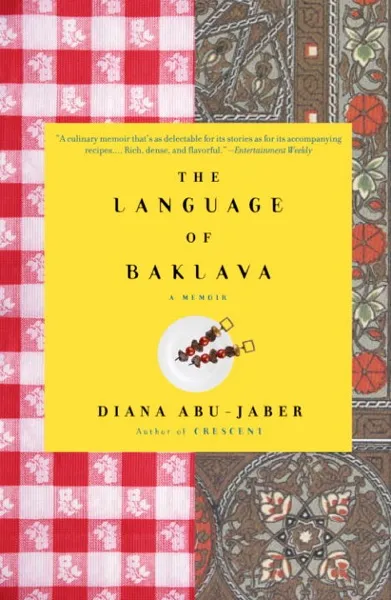
Eat Joy Author: Diana Abu-JaberPage Count: UnknownPublication Year: 2019-GB Diana Abu-Jaber’s Eat Joy is a vibrant celebration of food as more than sustenance—it’s a language of love, memory, and resilience. At its heart, this book is a culinary memoir that weaves together the author’s personal journey with the rich tapestry of Middle Eastern and American culinary traditions. Abu-Jaber, known for her lyrical prose and deep emotional resonance, crafts a narrative that is as much about the act of cooking as it is about the stories food carries within it. The title itself—Eat Joy—hints at the book’s central theme: the transformative power of food to nourish not just the body, but the soul. Abu-Jaber, who grew up between Jordan and the United States, explores how food becomes a bridge between cultures, generations, and even the past and present. Her writing is steeped in sensory detail, inviting readers to not just read about dishes but to taste them through her words. Whether she’s describing the warmth of a bowl of mansaf, the spice of a homemade za’atar, or the comfort of a simple American apple pie, her prose is rich with imagery and emotion. One of the most striking aspects of Eat Joy is Abu-Jaber’s ability to intertwine food with the personal. She doesn’t just share recipes; she shares memories. The book becomes a love letter to her family, particularly her father, who passed away during the writing of the book. Through food, she revisits his presence, the meals they shared, and the traditions he passed down. It’s a poignant reminder of how food can anchor us in grief and joy alike. There’s a moment early in the book where she describes making her father’s favorite dish, musakhan, and the act of cooking becomes a way to keep him close, even in his absence. That kind of emotional depth elevates Eat Joy from a mere cookbook to a deeply human experience. Abu-Jaber’s style is a feast for the senses. She writes with a poet’s eye, using food as a lens to explore broader themes of identity, belonging, and cultural heritage. Her sentences are often lush and evocative, mirroring the sensory richness of the dishes she describes. For example, she writes about the “golden, crispy edges” of a perfectly baked pie, or the “deep, earthy aroma” of cumin, making the reader feel as though they are right there in the kitchen with her. Yet, her prose is also grounded in warmth and humor, balancing the heavier moments with a lightness that keeps the book from feeling overly sentimental. The structure of Eat Joy is another standout feature. Rather than a linear narrative, Abu-Jaber organizes the book thematically, with chapters focused on different ingredients or dishes—bread, meat, vegetables, sweets—and the memories they evoke. This approach allows her to explore a wide range of experiences, from the communal joy of a large family gathering to the quiet intimacy of cooking for oneself. It also reflects the way food functions in our lives: sometimes as a shared experience, sometimes as a solitary comfort. One of the book’s most compelling threads is its exploration of cultural fusion. Abu-Jaber seamlessly blends Middle Eastern and American culinary traditions, reflecting her own bicultural upbringing. She doesn’t shy away from the complexities of this duality, either. There are moments of tension, such as when she grapples with the expectations placed on her as a woman in the kitchen, or when she reflects on the way food can both preserve tradition and adapt to new environments. Yet, the overall tone is one of celebration—of the ways food can bring people together across differences. What makes Eat Joy particularly resonant is its universality. While Abu-Jaber’s background gives the book a distinct flavor, the themes she explores are deeply relatable. Who hasn’t felt the comfort of a favorite meal, or the nostalgia of a taste from childhood? The book is a reminder that food is a language we all speak, even if we don’t always realize it. It’s a way to connect with others, to honor the past, and to find joy in the everyday. Abu-Jaber’s voice is a gift to readers. She writes with a generosity that makes Eat Joy feel like a conversation rather than a lecture. Whether she’s sharing a family recipe or musing on the cultural significance of a dish, her tone is inviting and her insights are profound without being pretentious. It’s clear that food is more than just a professional interest for her; it’s a lifelong passion that she wants to share with others. Eat Joy is a book that will leave you hungry—for more than just food. It’s a call to slow down, to savor the moments that matter, and to find joy in the act of nourishing ourselves and others. In a world that often feels rushed and disconnected, Abu-Jaber’s celebration of food as a source of connection and comfort is both timely and timeless. In the end, Eat Joy is more than a cookbook or a memoir. It’s a love song to the power of food to heal, to connect, and to bring us joy. And if Abu-Jaber’s writing is anything to go by, that joy is something we could all use a little more of. #EatJoy #FoodMemoir #CulinaryJourney #CulturalFusion #FoodAndMemory #DianaAbuJaber Related InsightsDefy Me (Shatter Me) Book Review and Summary The 100 Hats of the Cat in the Hat: A Celebration of the 100th Day of School Book Review and Summary If I Stay Book Review and Summary{ "@context": "https://schema.org", "@type": "FAQPage", "mainEntity": [ { "@type": "Question", "name": "What is the main focus of Eat Joy Book Review and Summary?", "acceptedAnswer": { "@type": "Answer", "text": "Everything you need to know about Eat Joy with our detailed review." } }, { "@type": "Question", "name": "Who authored the comprehensive guide on Eat Joy Book Review and Summary?", "acceptedAnswer": { "@type": "Answer", "text": "This detailed article and its insights were carefully researched and authored by Lucia Garcia." } }, { "@type": "Question", "name": "Where can I find more related content about Books?", "acceptedAnswer": { "@type": "Answer", "text": "You can explore more articles, detailed reviews, and similar insights by browsing the Related Insights section at the bottom of this article or visiting our dedicated Books category page." } } ] }
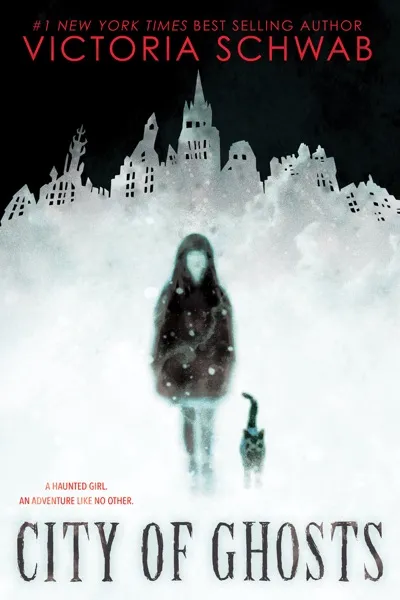
City of Ghosts Author: V.E. SchwabPage Count: UnknownPublication Year: 2018-GB In the realm of young adult fiction, few authors have managed to captivate readers with the same level of mastery as V.E. Schwab, and her 2018 novel "City of Ghosts" is a resounding testament to her skill. This mesmerizing tale of a young girl's journey to Edinburgh, Scotland, is a masterclass in atmospheric storytelling, weaving together elements of the paranormal, historical fiction, and coming-of-age drama to create a narrative that is at once both haunting and deeply human. At its core, "City of Ghosts" is a story about the power of stories themselves. Protagonist Cassidy Blake, a 12-year-old girl with a passion for the paranormal, has spent her life exploring the most haunted cities in the world with her parents, who host a popular TV show about the supernatural. But when they arrive in Edinburgh, a city steeped in history and mystery, Cassidy begins to realize that the line between reality and the spirit world is far more blurred than she ever could have imagined. One of the most striking aspects of Schwab's writing is her ability to craft characters that are at once relatable and deeply nuanced. Cassidy is a protagonist with a rich inner life, whose struggles to navigate the complexities of adolescence are expertly woven throughout the narrative. Her relationships with her parents, particularly her father, are multifaceted and authentic, adding depth and emotional resonance to the story. Schwab's writing style is, as always, a highlight of the novel. Her prose is evocative and immersive, conjuring the mist-shrouded streets and crumbling tenements of Edinburgh with ease. Her use of language is deliberate and measured, with a keen attention to detail that draws the reader inexorably into the world of the story. Whether she's describing the eerie atmosphere of a haunted mansion or the mundane details of Cassidy's daily life, Schwab's writing is always engaging and precise. The themes of "City of Ghosts" are equally well-realized, exploring the complexities of grief, trauma, and identity with sensitivity and nuance. Cassidy's struggles to come to terms with a tragic event in her past are deeply moving, and Schwab handles the subject matter with a level of care and respect that is all too rare in young adult fiction. Throughout the novel, Schwab also explores the idea of the power of stories to shape our understanding of the world. Cassidy's love of the paranormal is rooted in a deep-seated desire to understand the mysteries of the universe, and her experiences in Edinburgh serve as a powerful reminder of the impact that stories can have on our lives. In short, "City of Ghosts" is a triumph of young adult fiction, a novel that will appeal to readers of all ages with its rich characters, atmospheric setting, and nuanced exploration of the human condition. With its blend of paranormal mystery, historical fiction, and coming-of-age drama, this novel is sure to captivate fans of Schwab's previous work, as well as newcomers to her writing. Whether you're a seasoned reader of young adult fiction or simply looking for a compelling and immersive read, "City of Ghosts" is a must-read. So why not step into the haunted streets of Edinburgh, and discover the magic of V.E. Schwab's writing for yourself? #CityOfGhosts #VESchwab #YoungAdultFiction #ParanormalMystery #BookReview Related InsightsFind Me Book Review and Summary Tourism, Cosmopolitanism and Global Citizenship Book Review and Summary Beneath, It Sleeps Book Review and Summary{ "@context": "https://schema.org", "@type": "FAQPage", "mainEntity": [ { "@type": "Question", "name": "What is the main focus of **City of Ghosts** Book Review and Summary?", "acceptedAnswer": { "@type": "Answer", "text": "Everything you need to know about **City of Ghosts** with our detailed review." } }, { "@type": "Question", "name": "Who authored the comprehensive guide on **City of Ghosts** Book Review and Summary?", "acceptedAnswer": { "@type": "Answer", "text": "This detailed article and its insights were carefully researched and authored by Lucia Garcia." } }, { "@type": "Question", "name": "Where can I find more related content about Books?", "acceptedAnswer": { "@type": "Answer", "text": "You can explore more articles, detailed reviews, and similar insights by browsing the Related Insights section at the bottom of this article or visiting our dedicated Books category page." } } ] }
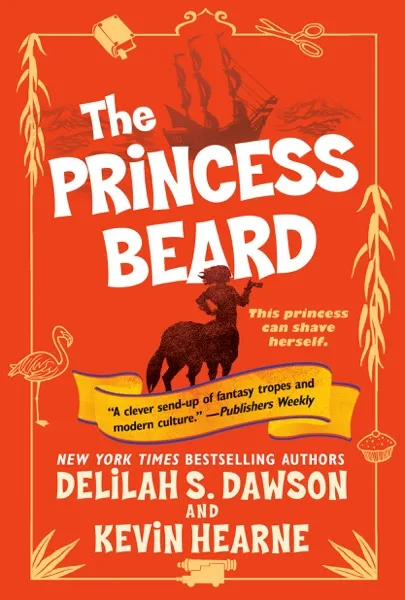
The Princess Beard Author: Delilah S. DawsonPage Count: UnknownPublication Year: 2019-GB The Princess Beard by Delilah S. Dawson is a glittering, subversive fairy tale that winks at tradition while gleefully setting it ablaze. Published in 2019, this modern retelling isn’t just another princess story—it’s a razor-sharp satire wrapped in a cloak of glitter and grit, where crowns are heavy, beards are political, and happily-ever-afters come with a side of chaos. At its core, The Princess Beard is a story about identity, power, and the absurdity of expectations. Dawson takes the classic princess trope and flips it on its head: what if the princess wasn’t a delicate damsel but a rugged, bearded warrior named Princess Bristle? What if her greatest battle wasn’t against a dragon but against the suffocating ideals of femininity and nobility? The novel reimagines the fairy tale formula, blending high fantasy with contemporary wit, where magic is as likely to be a curse as it is a blessing. The prose dances between lyrical and punchy, mirroring the dual nature of its heroine—both regal and rough around the edges. Dawson’s style is a masterclass in tonal balance. She writes with the effortless charm of a storyteller who knows exactly when to wink at the reader and when to drop them into the grit of battle. The dialogue crackles with humor and heart, making even the most absurd scenarios feel grounded. The world-building is rich but never overwhelming, with just enough detail to immerse without bogging down the narrative. The prose has a playful rhythm, like a folk song with a punk edge—melodic enough to lull you into comfort before sucker-punching you with a line that’s equal parts hilarious and profound. The book’s central theme—self-acceptance—is woven seamlessly into its fabric. Bristle’s beard isn’t just a quirky trait; it’s a symbol of her defiance against a kingdom that demands she conform. The narrative questions who gets to define beauty, strength, and royalty, and it does so without ever feeling preachy. Instead, it’s a celebration of individuality, wrapped in a tale that’s as much about breaking free from expectations as it is about reclaiming them. Dawson doesn’t just tell you to be yourself; she makes you feel the joy of it, even when the world tries to shave it off. The supporting cast is a delightful menagerie of misfits, each serving a purpose in Bristle’s journey. From the snarky, magic-wielding sidekick to the bumbling but well-meaning royal advisors, every character feels like they’ve stepped out of a campy adventure film—charismatic, flawed, and utterly unforgettable. The villain, when he arrives, is a perfect foil to Bristle’s unapologetic spirit, embodying the toxic ideals she’s fighting against. What makes The Princess Beard stand out is its refusal to take itself too seriously. It’s a book that knows it’s a fairy tale, and it winks at the reader like a best friend sharing a secret. Yet beneath the humor and the glitter lies a surprisingly poignant core. Bristle’s journey isn’t just about growing a beard or winning a kingdom; it’s about learning that true strength isn’t found in conforming to others’ standards but in embracing the very things that make you different. Dawson’s writing is a breath of fresh air in a genre often bogged down by tropes. She takes the familiar and makes it feel new, the magical feel tangible, and the absurd feel inevitable. The Princess Beard is the kind of book that lingers—less because of its plot and more because of its spirit. It’s a reminder that sometimes, the happiest endings aren’t the ones that follow the script but the ones that rewrite it entirely. If you’re looking for a fairy tale with bite, a story that’s equal parts heart and humor, and a heroine who’s as tough as she is tender, then The Princess Beard is your next great read. It’s not just a book about a princess with a beard; it’s a book about finding the crown you were always meant to wear. #ThePrincessBeard #FantasyWithATwist #BeardedPrincess #FairyTaleReimagined #DelilahSDawson #QueerFantasy Related InsightsScarlet Book Review and Summary Cher: Part Two (The Cher Memoir, #2) Book Review and Summary Creature of the Night (Monster Hunter, #5) Book Review and Summary{ "@context": "https://schema.org", "@type": "FAQPage", "mainEntity": [ { "@type": "Question", "name": "What is the main focus of The Princess Beard Book Review and Summary?", "acceptedAnswer": { "@type": "Answer", "text": "Everything you need to know about The Princess Beard with our detailed review." } }, { "@type": "Question", "name": "Who authored the comprehensive guide on The Princess Beard Book Review and Summary?", "acceptedAnswer": { "@type": "Answer", "text": "This detailed article and its insights were carefully researched and authored by Lucia Garcia." } }, { "@type": "Question", "name": "Where can I find more related content about Books?", "acceptedAnswer": { "@type": "Answer", "text": "You can explore more articles, detailed reviews, and similar insights by browsing the Related Insights section at the bottom of this article or visiting our dedicated Books category page." } } ] }
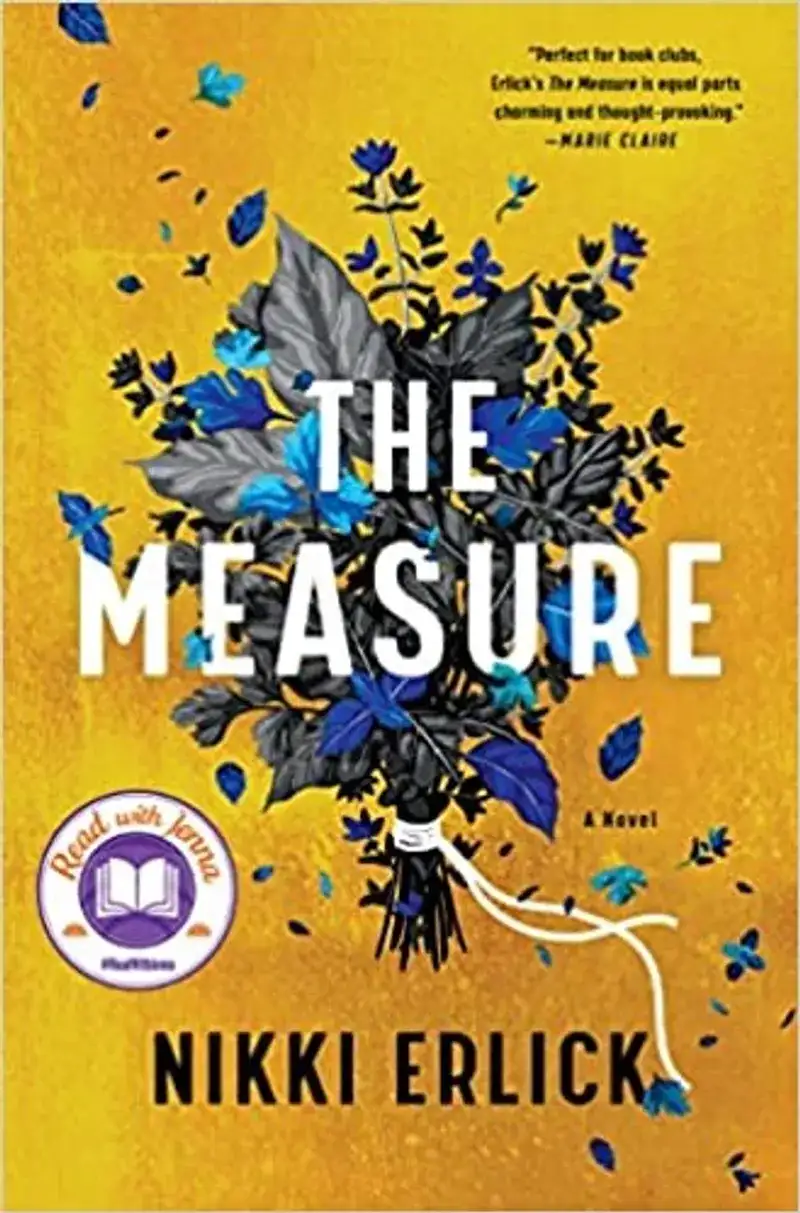
The Measure Author: Nikki ErlickPage Count: UnknownPublication Date: 2022-OL -OL In "The Measure," Nikki Erlick crafts a thought-provoking narrative that delves into the intricacies of human nature when confronted with the ultimate question: how much time do we have left on this earth? The story begins innocently enough, with eight ordinary individuals receiving a mysterious wooden box that reveals the exact number of years they will live. As the news spreads like wildfire, the world is catapulted into chaos, with people from all walks of life grappling with the same existential dilemma. Erlick's masterful storytelling weaves together multiple narratives, each exploring the complexities of the human experience. From the suburban streets of America to the desert tents of the Middle East, every character's journey is a poignant reflection of our collective fears, desires, and hopes. As society teeters on the brink of collapse, the characters must confront the darkest corners of their own mortality. One of the most striking aspects of "The Measure" is its ability to balance the intimate with the epic. Erlick's prose is both lyrical and accessible, making it easy to become fully immersed in the characters' lives. Her writing is evocative of authors like Celeste Ng and Emily St. John Mandel, who also explore the intricacies of human relationships in the face of catastrophic events. At its core, "The Measure" is a novel about choice and consequence. As the characters grapple with the knowledge of their remaining years, they must also confront the choices they've made thus far in their lives. Some will choose to live recklessly, chasing every experience and pleasure; others will become consumed by fear and anxiety, unable to escape the weight of their impending mortality. Throughout the novel, Erlick raises important questions about the value we place on time. Is it the length of our lives that matters, or the depth of our experiences? Can we truly live in the present when we know exactly how much time we have left? These are the questions that haunt the characters, and they are the same questions that will linger long after the reader finishes the book. If there is a flaw to be found, it is in the novel's occasionally uneven pacing. At times, the multiple narrative threads can feel overwhelming, and it's easy to become lost in the vast array of characters. However, this is a minor quibble in an otherwise masterful novel. Ultimately, "The Measure" is a triumph of contemporary fiction. It is a novel that will resonate with anyone who has ever stopped to consider the preciousness of time. Erlick's writing is both beautiful and devastating, and her characters will linger in the reader's mind long after the final page has been turned. In short, "The Measure" is a must-read for anyone looking for a thought-provoking and deeply moving novel. It is a story that will challenge your assumptions about time, mortality, and the human experience. #TheMeasure #NikkiErlick #LiteraryFiction #MortalityAndMystery #ContemporaryFiction #TimeAndExistence Related InsightsZero Days Book Review and Summary Lord of the Flies Book Review and Summary Black Cake Book Review and Summary{ "@context": "https://schema.org", "@type": "FAQPage", "mainEntity": [ { "@type": "Question", "name": "What is the main focus of The Measure Book Review and Summary?", "acceptedAnswer": { "@type": "Answer", "text": "Everything you need to know about The Measure with our detailed review." } }, { "@type": "Question", "name": "Who authored the comprehensive guide on The Measure Book Review and Summary?", "acceptedAnswer": { "@type": "Answer", "text": "This detailed article and its insights were carefully researched and authored by Lucia Garcia." } }, { "@type": "Question", "name": "Where can I find more related content about Books?", "acceptedAnswer": { "@type": "Answer", "text": "You can explore more articles, detailed reviews, and similar insights by browsing the Related Insights section at the bottom of this article or visiting our dedicated Books category page." } } ] }
The Steel Prince, Night of Knives Author: V.E. SchwabPage Count: UnknownPublication Year: 2019-GB The Steel Prince, Night of Knives: A Dark, Dazzling Masterpiece from V.E. Schwab Few authors can weave a tale as intoxicating as V.E. Schwab, and with The Steel Prince, Night of Knives, she cements her reputation as a master of dark fantasy and razor-sharp storytelling. Set in the sprawling, morally complex world of the Shades of Magic series, this novella is a breathtaking prelude to the epic that follows. Schwab doesn’t just introduce us to a new story—she immerses us in a world where power is currency, loyalty is fragile, and the line between hero and villain blurs with every turn of the page. At its core, Night of Knives explores the intoxicating allure of power and the devastating cost of ambition. The novella unfolds in the Red Palace, a labyrinth of intrigue where nobles scheme, assassins lurk, and the very air hums with tension. Schwab’s world-building is nothing short of masterful, painting a vivid portrait of a society where magic is both revered and feared. The palace itself becomes a character—a gilded cage where every smile hides a dagger and every whispered secret could unravel empires. The themes of betrayal, survival, and the corrupting nature of power resonate deeply, making this a story that lingers long after the last page. The characters in Night of Knives are as complex as they are compelling. The titular Steel Prince, Rhy Maresh, is a figure of contradictions—charismatic yet vulnerable, powerful yet haunted by the weight of his crown. Schwab’s portrayal of Rhy is electric, capturing his charm and his inner turmoil with equal precision. Alongside him is the enigmatic and deadly assassin, the King of the Shadows, whose presence looms large even in the shadows. Their dynamic is electric, a dance of trust and treachery that keeps readers on the edge of their seats. Schwab’s ability to craft characters who feel both larger-than-life and deeply human is a testament to her skill as a storyteller. Schwab’s writing style is a force of nature—lyrical yet punchy, rich in detail yet brimming with momentum. She has a knack for crafting prose that feels both effortless and deliberate, pulling readers into the story with an almost hypnotic rhythm. Her descriptions are lush and immersive, whether she’s painting the opulence of the Red Palace or the gritty underbelly of the city below. The dialogue crackles with wit and tension, making every interaction feel charged with meaning. Schwab’s ability to balance action, intrigue, and emotional depth is nothing short of extraordinary, ensuring that Night of Knives is as intellectually satisfying as it is thrilling. One of the most striking aspects of Night of Knives is its exploration of duality. The novella delves into the idea that every character, every choice, exists in a gray area between light and dark. Schwab doesn’t shy away from the moral ambiguity of her world, instead embracing it and using it to drive the narrative forward. This isn’t a story where heroes are pure and villains are one-dimensional—it’s a story where everyone has secrets, everyone has motives, and everyone is capable of both greatness and ruin. This complexity elevates Night of Knives beyond a simple fantasy tale, making it a story that resonates on a deeper level. For fans of Schwab’s Shades of Magic series, Night of Knives is a must-read. It serves as both a thrilling introduction to the world and a tantalizing glimpse into the events that shape the larger narrative. For newcomers, it’s an irresistible entry point into a universe that is as rich as it is dangerous. Schwab’s ability to craft a story that feels both intimate and epic is a rare talent, and Night of Knives is a perfect example of her prowess. In a crowded field of fantasy novels, The Steel Prince, Night of Knives stands out as a gem—a dark, dazzling tale that lingers in the mind long after the final page. Schwab’s storytelling is a masterclass in tension, character, and world-building, making this novella a standout in modern fantasy. Whether you’re a longtime fan or a newcomer to the Shades of Magic universe, Night of Knives is a story you won’t want to miss. #FantasyBooks #VESchwab #DarkFantasy #BookReview #ShadesOfMagic Related InsightsL'Encre Interdite : Quand le Rideau de Fer S'abattait sur les Pages Milk, Bread, Teeth Book Review and Summary No Longer Allowed In Another World Vol. 6 Book Review and Summary{ "@context": "https://schema.org", "@type": "FAQPage", "mainEntity": [ { "@type": "Question", "name": "What is the main focus of **The Steel Prince, Night of Knives** Book Review and Summary?", "acceptedAnswer": { "@type": "Answer", "text": "Everything you need to know about **The Steel Prince, Night of Knives** with our detailed review." } }, { "@type": "Question", "name": "Who authored the comprehensive guide on **The Steel Prince, Night of Knives** Book Review and Summary?", "acceptedAnswer": { "@type": "Answer", "text": "This detailed article and its insights were carefully researched and authored by Lucia Garcia." } }, { "@type": "Question", "name": "Where can I find more related content about Books?", "acceptedAnswer": { "@type": "Answer", "text": "You can explore more articles, detailed reviews, and similar insights by browsing the Related Insights section at the bottom of this article or visiting our dedicated Books category page." } } ] }

High Sierra Author: Kim Stanley RobinsonPage Count: UnknownPublication Year: 2022-GB Kim Stanley Robinson’s High Sierra is a masterclass in speculative fiction, a novel that feels both intimately personal and grand in scope. Published in 2022, it cements Robinson’s reputation as one of the most visionary science fiction writers of our time, blending environmental urgency with deep human introspection. While the page count remains undisclosed, the book’s weight lies not in its length but in its layered exploration of time, nature, and the fragility of human existence. At its core, High Sierra is a meditation on perspective. The novel follows a group of hikers navigating the rugged, awe-inspiring landscape of California’s Sierra Nevada mountains, but this is no ordinary adventure story. Robinson twists the narrative into a kaleidoscope of time—past, present, and future—interweaving the geological history of the mountains with the personal histories of the characters. The Sierra becomes a character itself, a silent witness to human ambition, folly, and fleeting presence. Robinson’s prose is deceptively simple, yet it carries the weight of geological time. His descriptions of the landscape are vivid yet restrained, avoiding the pitfalls of purple prose. Instead, he lets the grandeur of the Sierra speak for itself, grounding the story in a tactile, almost sensory reality. The prose mirrors the slow, deliberate pace of a hike—patient, observant, and immersive. Robinson doesn’t rush; he lets the reader feel the ache in their legs, the crisp mountain air, the weight of silence broken only by the occasional rustle of leaves. The novel’s structure is equally bold. Robinson employs a non-linear timeline, jumping between eras—from the Pleistocene epoch to the present day—without warning. This isn’t gimmicky; it’s essential. By juxtaposing the deep time of the mountains with the short, frantic lives of humans, Robinson forces the reader to confront their own insignificance. The Sierra has endured ice ages, tectonic shifts, and millennia of erosion, yet it remains indifferent to human concerns. The hikers, with their plans and worries, are but fleeting visitors in a landscape that has seen it all before. One of the novel’s most striking themes is the tension between human ambition and environmental fragility. The Sierra, like much of the natural world, is under threat—not just from climate change, but from humanity’s relentless encroachment. Robinson doesn’t preach; he observes. The hikers’ journey becomes a metaphor for humanity’s relationship with nature: we enter, we admire, we leave scars, and we convince ourselves we belong. Yet the mountains endure, indifferent to our presence. Robinson’s style is uniquely his own—a blend of hard science fiction’s rigor with literary fiction’s emotional depth. He doesn’t shy away from technical details—geological processes, ecological systems—but he weaves them seamlessly into the narrative, making them feel organic rather than didactic. The result is a novel that educates without lecturing, that provokes thought without demanding allegiance to a particular ideology. The characters, though not as deeply fleshed out as in some of Robinson’s other works, serve as vessels for the reader’s own reflections. They are observers, thinkers, and wanderers, their internal monologues mirroring the novel’s broader themes. Their conversations about time, memory, and existence feel like Robinson’s own musings, inviting the reader to engage in the same existential inquiries. High Sierra is a novel that lingers long after the last page. It’s a book about walking, about looking, about the quiet moments of revelation that come when you strip away the noise of modern life. Robinson reminds us that the natural world is not a backdrop for human drama but an eternal force that shapes—and eventually outlasts—us all. In an era of climate anxiety and existential dread, High Sierra offers both solace and a challenge. It asks us to slow down, to pay attention, to recognize our place in the grand scheme of things. It’s a novel that demands to be read slowly, savored like a high-altitude breeze, and carried with you long after you’ve left the mountains behind. #HighSierra #KimStanleyRobinson #SpeculativeFiction #NatureWriting #ClimateFiction #EcoLiterature Related InsightsTao Te Ching Book Review and Summary Freakonomics: A Rogue Economist Explores the Hidden Side of Everything Book Review and Summary Crooked Kingdom Book Review and Summary{ "@context": "https://schema.org", "@type": "FAQPage", "mainEntity": [ { "@type": "Question", "name": "What is the main focus of High Sierra Book Review and Summary?", "acceptedAnswer": { "@type": "Answer", "text": "Everything you need to know about High Sierra with our detailed review." } }, { "@type": "Question", "name": "Who authored the comprehensive guide on High Sierra Book Review and Summary?", "acceptedAnswer": { "@type": "Answer", "text": "This detailed article and its insights were carefully researched and authored by Lucia Garcia." } }, { "@type": "Question", "name": "Where can I find more related content about Books?", "acceptedAnswer": { "@type": "Answer", "text": "You can explore more articles, detailed reviews, and similar insights by browsing the Related Insights section at the bottom of this article or visiting our dedicated Books category page." } } ] }
Tunnel of Bones Author: V.E. SchwabPage Count: UnknownPublication Year: 2019-GB Tunnel of Bones: V.E. Schwab’s Haunting Masterpiece of Urban Fantasy Few books linger in the mind like a ghost—lingering just beyond sight, whispering secrets you can’t quite decipher. V.E. Schwab’s Tunnel of Bones, the second installment in the Shades of Magic series, is one such book. A global bestseller that cements Schwab’s reputation as a master of atmospheric storytelling, this novel blends history, horror, and heart in a way that feels both timeless and urgently fresh. If you thought the first book, A Darker Shade of Magic, was a revelation, prepare to be even more enchanted—or perhaps, more unsettled. At its core, Tunnel of Bones is a story about legacy, both personal and magical. The protagonist, Kell Maresh, is a rare Antari—one of the few who can travel between parallel Londons, each with its own distinct magic and danger. After the events of the first book, Kell is struggling with the weight of his choices, the scars of his past, and the looming threat of a power-hungry enemy. Schwab doesn’t waste time easing us into the narrative; instead, she plunges us into a world where magic is as perilous as it is beautiful, and where every decision could unravel the very fabric of reality. One of the most compelling aspects of Schwab’s writing is her ability to weave multiple perspectives seamlessly. Kell’s internal conflict is mirrored by the perspectives of other characters, each with their own motivations and secrets. Delilah Bard, the rogue thief from the first book, returns with a vengeance, her sharp wit and sharper instincts making her a standout presence. Then there’s Rhy Maresh, Kell’s brother and the royal heir of Red London, whose charm and vulnerability add depth to the story. Schwab’s character development is meticulous, ensuring that even secondary figures feel fully realized, their arcs intertwined with the central plot in ways that feel organic and satisfying. Themes of identity and belonging permeate the novel. Kell, who has always been an outsider—first as a foreigner in Red London, then as a rare Antari—grapple with where he truly belongs. His journey is one of self-discovery, but it’s also a meditation on the cost of power and the burden of responsibility. Schwab doesn’t shy away from the darker aspects of Kell’s character, making him a deeply flawed yet compelling protagonist. His struggles feel real, his triumphs hard-won, and his failures haunting. It’s this complexity that elevates Tunnel of Bones from a mere fantasy novel to a story that resonates on a deeper level. Schwab’s prose is another standout feature. Her writing is lush and evocative, painting vivid pictures of the different Londons—from the opulent streets of Red London to the eerie, fog-shrouded alleys of White London. The world-building is rich and immersive, with every detail serving a purpose. Whether it’s the intricate politics of the royal court or the supernatural dangers lurking in the shadows, Schwab ensures that the setting feels alive and tangible. Her ability to balance action, dialogue, and introspection is masterful, keeping the pacing tight while still allowing room for emotional depth. But what truly sets Tunnel of Bones apart is its blend of genres. Schwab seamlessly merges urban fantasy with horror, creating a story that is as thrilling as it is unsettling. The novel’s title isn’t just a metaphor; the tunnels beneath London serve as a literal and symbolic space where the past and present collide. The horror elements are understated but effective, adding a layer of tension that keeps readers on the edge of their seats. Schwab’s use of atmosphere is particularly noteworthy, with the claustrophobic tunnels and the ever-present sense of dread creating a palpable tension that lingers long after the book is closed. For fans of the Shades of Magic series, Tunnel of Bones delivers everything they loved about the first book and more. For newcomers, it’s a gateway into a world that is as enchanting as it is dangerous. Schwab’s storytelling is addictive, her characters unforgettable, and her world a place you won’t want to leave. Whether you’re a seasoned fantasy reader or a casual enthusiast, this book is a must-read. In a genre often criticized for its lack of depth, Tunnel of Bones stands out as a shining example of what urban fantasy can achieve. It’s a story about the bonds that tie us together, the choices that define us, and the magic that both saves and destroys us. Schwab has crafted a novel that is as thought-provoking as it is entertaining, a book that will leave you breathless and eager for more. If you haven’t yet experienced the magic of Tunnel of Bones, now is the time. You won’t just read this book—you’ll live it. #ShadesOfMagic #VESchwab #UrbanFantasy #FantasyBooks #BookReview
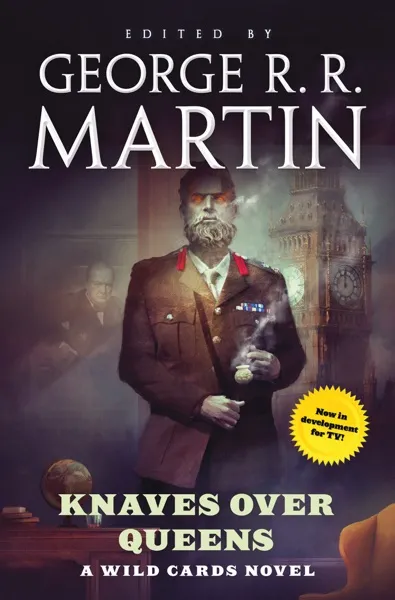
Knaves Over Queens Author: George R. R. MartinPage Count: UnknownPublication Year: 2018-GB In "Knaves Over Queens", the latest installment in the epic Wild Cards series, George R. R. Martin weaves a complex and gripping narrative that delves into the darker aspects of human nature. This global bestseller is a testament to Martin's mastery of the fantasy genre, and his ability to craft a story that is both thought-provoking and entertaining. At its core, "Knaves Over Queens" is a story about power, corruption, and the dangers of unchecked ambition. The novel is set in an alternate universe where a virus has granted certain individuals superhuman abilities, and follows a diverse cast of characters as they navigate a treacherous landscape of politics, crime, and deception. Through the eyes of these characters, Martin explores the consequences of allowing power to corrupt even the best of intentions, and the devastating effects it can have on individuals and society as a whole. One of the standout features of "Knaves Over Queens" is Martin's unique writing style, which blends elements of science fiction, fantasy, and noir fiction to create a truly immersive reading experience. His prose is vivid and evocative, with a keen attention to detail that brings the world of the Wild Cards to life in stunning detail. The characters are multidimensional and complex, with rich backstories and motivations that add depth and nuance to the narrative. Martin's use of multiple perspectives and non-linear storytelling adds to the sense of complexity and depth, allowing the reader to piece together the various threads of the narrative and form their own conclusions. This approach also allows Martin to explore different themes and ideas, from the nature of power and corruption to the consequences of trauma and abuse. One of the most striking aspects of "Knaves Over Queens" is its ability to balance action, suspense, and social commentary. The novel is full of tense, suspenseful moments, from high-stakes battles between superheroes to intricate plots and counterplots. At the same time, Martin never shies away from exploring the darker aspects of human nature, and the ways in which power and corruption can destroy even the best of intentions. Overall, "Knaves Over Queens" is a gripping and thought-provoking novel that is sure to appeal to fans of science fiction, fantasy, and noir fiction. With its complex characters, intricate plotting, and vivid world-building, it is a must-read for anyone looking for a compelling and immersive reading experience. Whether you're a longtime fan of the Wild Cards series or just discovering it, "Knaves Over Queens" is a novel that will keep you on the edge of your seat from start to finish. #WildCardsSeries #GeorgeRRMartin #KnavesOverQueens #SuperheroFiction #AlternateHistory #ScienceFantasy Related InsightsYou Are More Than You Think You Are Book Review and Summary The Gates of Athens Book Review and Summary The Book of Mormon: Another Testament of Jesus Christ Book Review and Summary{ "@context": "https://schema.org", "@type": "FAQPage", "mainEntity": [ { "@type": "Question", "name": "What is the main focus of Knaves Over Queens Book Review and Summary?", "acceptedAnswer": { "@type": "Answer", "text": "Everything you need to know about Knaves Over Queens with our detailed review." } }, { "@type": "Question", "name": "Who authored the comprehensive guide on Knaves Over Queens Book Review and Summary?", "acceptedAnswer": { "@type": "Answer", "text": "This detailed article and its insights were carefully researched and authored by Olya Shevchenko." } }, { "@type": "Question", "name": "Where can I find more related content about Books?", "acceptedAnswer": { "@type": "Answer", "text": "You can explore more articles, detailed reviews, and similar insights by browsing the Related Insights section at the bottom of this article or visiting our dedicated Books category page." } } ] }
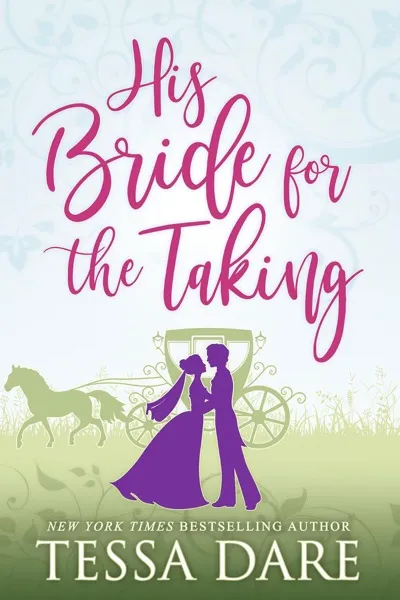
The Bride Bet Author: Tessa DarePage Count: UnknownPublication Year: 2021-GB Tessa Dare’s The Bride Bet is a dazzling display of wit, charm, and emotional depth, cementing her reputation as a master of historical romance. Released to critical acclaim and global bestseller status, this 2021 novel is more than just a love story—it’s a playful exploration of second chances, societal expectations, and the unspoken rules of high society. With her signature blend of humor, heart, and razor-sharp dialogue, Dare crafts a tale that feels both timeless and refreshingly modern, making it a standout in the genre. At its core, The Bride Bet is a battle of wills disguised as a wager. The story follows two diametrically opposed protagonists: Julie Blaisdell, a fiercely independent American heiress with a sharp tongue and a penchant for defying convention, and Gideon Shaw, the reserved and proper Earl of Holloway, who has spent his life playing by the rules of London’s elite. Their clash begins when Julie, tired of being dismissed as a frivolous American, proposes a high-stakes bet to Gideon: she will marry him within a year, or he will pay her a fortune. The catch? If she wins, she gets his ancestral estate—a prize far greater than mere money. Gideon, who has spent his life avoiding scandal and protecting his family’s reputation, is appalled by the idea. But when Julie’s boldness and undeniable charm begin to chip away at his icy resolve, he finds himself reluctantly drawn into a courtship that blurs the lines between duty and desire. What makes The Bride Bet so compelling is Dare’s ability to balance humor with emotional resonance. The novel’s wit is as sharp as its romance is tender, with Julie and Gideon’s banter crackling off the page. Their verbal sparring is a dance of intellect and attraction, where each barbed remark only deepens their connection. Dare excels at creating characters who are flawed yet deeply human—Julie is unapologetically outspoken, while Gideon’s rigid propriety masks a vulnerability he’s rarely allowed himself to acknowledge. Their slow-burn romance is the heart of the book, built on mutual respect and a growing understanding that love, like everything else, is worth fighting for. Dare’s prose is another standout feature. She has a knack for immersing readers in the opulence of Regency-era England while keeping the tone light and engaging. The historical details—whether it’s the intricacies of London’s ballroom culture or the quiet dignity of country estate life—never feel like a history lesson. Instead, they serve as a vibrant backdrop to the story’s emotional core. The dialogue, in particular, is a masterclass in pacing and humor, with one-liners that will leave readers laughing aloud and tender exchanges that tug at the heartstrings. Beyond the romance, The Bride Bet also serves as a subtle commentary on gender roles and societal expectations. Julie’s defiance of the norms imposed on women of her time is both refreshing and empowering. She refuses to be a passive participant in a world that seeks to box her in, and her determination to carve out her own path is inspiring. Gideon, meanwhile, represents the constraints of tradition and the weight of responsibility, making his transformation as he learns to embrace his softer side all the more satisfying. Their journey together isn’t just about love—it’s about growth, compromise, and the courage to redefine what happiness means. Dare’s writing is also notable for its emotional honesty. The novel doesn’t shy away from the challenges of their relationship, including misunderstandings, pride, and the fear of vulnerability. Yet, it’s their willingness to confront these obstacles head-on that makes their love story so believable. The tension between them is palpable, not just in their arguments but in the quiet moments where they let their guards down. When Gideon finally admits his feelings or Julie softens enough to reveal her insecurities, the payoff is deeply moving. The Bride Bet is a testament to Dare’s skill as a storyteller—she crafts a romance that is as intellectually satisfying as it is emotionally fulfilling. It’s a book that will make you laugh, swoon, and maybe even blush, all while reminding you that love is worth the risk, even when the odds are stacked against you. For fans of witty banter, slow-burn romance, and characters who leap off the page, this novel is a must-read. It’s a story that lingers long after the last page, leaving you with a sense of hope and the lingering question: what would you bet on love? #TheBrideBet #TessaDare #HistoricalRomance #RegencyRomance #RomanceBooks #BookReview Related InsightsNew Ruth Ware Thriller Book Review and Summary Inheritance Book Review and Summary Resurrection Book Review and Summary{ "@context": "https://schema.org", "@type": "FAQPage", "mainEntity": [ { "@type": "Question", "name": "What is the main focus of The Bride Bet Book Review and Summary?", "acceptedAnswer": { "@type": "Answer", "text": "Everything you need to know about The Bride Bet with our detailed review." } }, { "@type": "Question", "name": "Who authored the comprehensive guide on The Bride Bet Book Review and Summary?", "acceptedAnswer": { "@type": "Answer", "text": "This detailed article and its insights were carefully researched and authored by Lucia Garcia." } }, { "@type": "Question", "name": "Where can I find more related content about Books?", "acceptedAnswer": { "@type": "Answer", "text": "You can explore more articles, detailed reviews, and similar insights by browsing the Related Insights section at the bottom of this article or visiting our dedicated Books category page." } } ] }
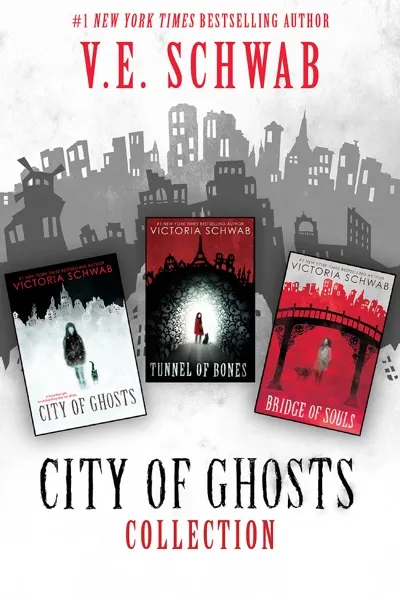
The Steel Prince Author: V.E. SchwabPage Count: UnknownPublication Year: 2019-GB In a world where magic and power are the ultimate currencies, one man's quest for justice will set the course for a revolution that will change the fabric of society forever. This is the premise of V.E. Schwab's electrifying novel, The Steel Prince, a mesmerizing tale of adventure, politics, and self-discovery that has captivated readers worldwide. With its richly detailed world-building, complex characters, and masterful storytelling, this book is an absolute must-read for fans of fantasy and epic fiction. At its core, The Steel Prince is a story about the nature of power and the consequences of playing with forces beyond one's control. The novel's protagonist, a charismatic and enigmatic figure, is driven by a desire to overthrow the corrupt and oppressive forces that have ruled his world for centuries. Through his journey, Schwab expertly explores themes of identity, morality, and the true cost of revolution, raising important questions about the consequences of our actions and the difficulty of making tough choices in a world where right and wrong are rarely clear-cut. One of the standout features of The Steel Prince is its cast of complex and multidimensional characters. Schwab has a remarkable talent for creating characters that are both relatable and flawed, with rich inner lives and motivations that drive the plot forward. From the brooding and intense prince to the clever and resourceful allies who join him on his quest, each character is meticulously crafted to bring depth and nuance to the story. The author's use of multiple perspectives and narrative voices adds a layer of complexity to the novel, allowing readers to experience the world and its characters from different angles and gain a deeper understanding of the intricacies of the plot. V.E. Schwab's writing style is another major strength of The Steel Prince. Her prose is lyrical and evocative, with a keen sense of pacing and tension that keeps readers on the edge of their seats. The world-building is meticulous and detailed, with a rich history and mythology that underpins the narrative. Schwab's use of magical and technological elements is particularly noteworthy, as she draws on a range of influences to create a unique and immersive world that is both familiar and yet utterly original. Throughout the novel, Schwab also explores the idea of identity and how it is shaped by our experiences, relationships, and choices. The protagonist's journey is a powerful metaphor for the search for self and the struggle to find one's place in the world. As he navigates the complexities of politics, magic, and morality, he is forced to confront his own biases, prejudices, and limitations, leading to a deeper understanding of himself and the world around him. In addition to its thought-provoking themes and compelling characters, The Steel Prince is also a masterclass in storytelling. Schwab's plotting is expertly paced, with a narrative that flows effortlessly from one scene to the next. The action is fast-paced and intense, with a range of memorable set pieces that will keep readers on the edge of their seats. At the same time, the novel's emotional resonance is profound, with a deep exploration of the human condition that will resonate with readers long after they finish the book. In conclusion, The Steel Prince is a triumph of modern fantasy, a novel that will appeal to fans of epic fiction, adventure, and science fiction. With its richly detailed world-building, complex characters, and masterful storytelling, this book is an absolute must-read for anyone looking for a compelling and thought-provoking read. Whether you're a longtime fan of V.E. Schwab or just discovering her work, The Steel Prince is a novel that will leave you breathless and eager for more. #TheSteelPrince #VESchwab #FantasyBooks #EpicFiction #BookReview Related InsightsA Memory Called Empire Book Review and Summary Stars and Smoke Book Review and Summary The Murder Party Book Review and Summary{ "@context": "https://schema.org", "@type": "FAQPage", "mainEntity": [ { "@type": "Question", "name": "What is the main focus of **The Steel Prince** Book Review and Summary?", "acceptedAnswer": { "@type": "Answer", "text": "Everything you need to know about **The Steel Prince** with our detailed review." } }, { "@type": "Question", "name": "Who authored the comprehensive guide on **The Steel Prince** Book Review and Summary?", "acceptedAnswer": { "@type": "Answer", "text": "This detailed article and its insights were carefully researched and authored by Lucia Garcia." } }, { "@type": "Question", "name": "Where can I find more related content about Books?", "acceptedAnswer": { "@type": "Answer", "text": "You can explore more articles, detailed reviews, and similar insights by browsing the Related Insights section at the bottom of this article or visiting our dedicated Books category page." } } ] }