Showing Posts From
Contemporary

Kızıl İsyan Serisi Author: Pierce BrownPage Count: UnknownPublication Year: 2019-GB Pierce Brown’s Kızıl İsyan Serisi (Red Rising Saga) is not just a book—it’s a revolution wrapped in the guise of science fiction. Published in 2019, this globally acclaimed series redefines the boundaries of dystopian storytelling, blending brutal realism with Shakespearean grandeur and the relentless pace of a heist thriller. For readers who crave more than escapism, Brown delivers a visceral critique of societal hierarchies, wrapped in a narrative so gripping it feels like a blood feud fought with words and wit. At its core, Kızıl İsyan Serisi is a story about defiance. Brown crafts a future where humanity has colonized the solar system, but society remains shackled by an oppressive color-coded caste system—Reds toil in mines for the ruling Golds, who live in gilded luxury. The protagonist, Darrow, begins as a Red, a lowly miner, but through sheer will and cunning, he infiltrates the ranks of the Golds, the apex predators of this dystopia. His mission? To spark a rebellion that will shatter the chains of oppression. But here’s the twist: Brown doesn’t just ask if revolution is justified; he forces the reader to question how far one should go to achieve justice. Brown’s genius lies in his ability to merge high-stakes drama with philosophical depth. His prose is muscular, stripped of unnecessary flourish, yet laden with raw emotion. Dialogue crackles with tension, and battles—whether in the arena of political intrigue or the blood-soaked sands of Mars—feel tactile, almost suffocating in their intensity. This isn’t prose that dazzles with flowery descriptions; it’s prose that punches. Brown’s Golds aren’t just aristocrats—they’re gods of cruelty, their dialogue dripping with arrogance, their actions devoid of mercy. Meanwhile, his Reds are not mere victims; they are survivors, their resilience forged in the fires of oppression. Thematically, Kızıl İsyan Serisi is a scathing indictment of systemic inequality. Brown doesn’t just critique class division—he dissects it, exposing how power corrupts even the most well-intentioned, and how revolution, once set in motion, consumes its own children. Darrow’s journey is a mirror to real-world struggles, where the oppressed are often forced to adopt the tactics of their oppressors to win. It’s a brutal truth that lingers long after the final page: freedom often comes at a cost that stains the soul. Brown’s world-building is another standout feature. The solar system he envisions is vast, from the rusted depths of Mars to the gaseous storms of Jupiter, each location a character in its own right. The society he constructs is meticulously detailed, with its own slang, customs, and internal power struggles. Yet for all its complexity, the story never feels bogged down by exposition. Brown trusts his readers to keep up, rewarding those who do with a narrative that feels both epic and intimate. What truly sets Kızıl İsyan Serisi apart, however, is its refusal to offer easy answers. Brown doesn’t glorify rebellion; he dissects it. Darrow’s victories are pyrrhic, his sacrifices devastating. The Golds aren’t caricatures of evil—they’re products of a system that rewards ruthlessness above all else. Even the Reds, once freed, must grapple with the moral ambiguities of their newfound power. It’s a story that challenges the reader: Would you fight fire with fire? And if you did, would you still recognize yourself when the smoke cleared? For fans of political sci-fi, Kızıl İsyan Serisi is a masterclass in tension and thematic depth. For those new to the genre, it’s a gateway drug—one that will leave you hungry for more. Brown doesn’t just tell a story; he crafts an experience, one that lingers in the mind like the aftertaste of a well-fought battle. In a world where dystopian fiction often feels recycled, Kızıl İsyan Serisi stands as a defiant exception. It’s a series that demands to be felt, not just read—a saga of fire and fury, where the only certainty is that nothing is certain, and the only victory is survival. #RedRisingSaga #PierceBrown #ScienceFictionRevolution #DystopianFiction #SciFiMustRead #BookReview Related InsightsAbbot's Tale Book Review and Summary Firstborn Book Review and Summary Of Human Bondage Book Review and Summary{ "@context": "https://schema.org", "@type": "FAQPage", "mainEntity": [ { "@type": "Question", "name": "What is the main focus of Kızıl İsyan Serisi Book Review and Summary?", "acceptedAnswer": { "@type": "Answer", "text": "Everything you need to know about Kızıl İsyan Serisi with our detailed review." } }, { "@type": "Question", "name": "Who authored the comprehensive guide on Kızıl İsyan Serisi Book Review and Summary?", "acceptedAnswer": { "@type": "Answer", "text": "This detailed article and its insights were carefully researched and authored by Lucia Garcia." } }, { "@type": "Question", "name": "Where can I find more related content about Books?", "acceptedAnswer": { "@type": "Answer", "text": "You can explore more articles, detailed reviews, and similar insights by browsing the Related Insights section at the bottom of this article or visiting our dedicated Books category page." } } ] }
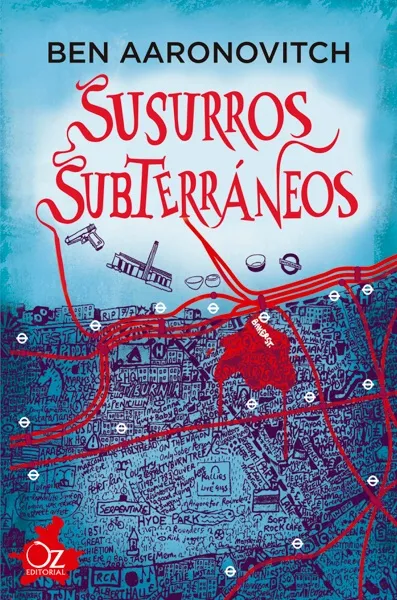
Susurros subterráneos Author: Ben AaronovitchPage Count: UnknownPublication Year: 2018-GB Ben Aaronovitch’s Susurros subterráneos (Whispers Under Ground in its original English title) is a masterful blend of urban fantasy and police procedural that solidifies the author’s reputation as a modern master of the genre. Published in 2018, this installment in the Peter Grant series delivers the wit, depth, and intrigue that have made Aaronovitch a beloved figure among readers of magical realism and detective fiction alike. At its core, Susurros subterráneos explores the theme of hidden knowledge and the dangers of uncovering secrets that are better left buried. The story follows Police Constable Peter Grant, one of the few officers in London’s Metropolitan Police with a direct connection to the supernatural world. When a seemingly routine case—a missing person report—leads Grant to the labyrinthine tunnels beneath London, he stumbles upon a conspiracy that threatens to unravel the very fabric of the city’s magical underworld. The tunnels, often dismissed as mere infrastructure, become a labyrinth of ancient power, where forgotten entities whisper their secrets to those who dare listen. Aaronovitch’s greatest strength lies in his ability to merge the mundane with the magical seamlessly. The novel’s setting is quintessentially London, with its rich history and labyrinthine streets serving as the perfect backdrop for a story that oscillates between the ordinary and the extraordinary. The author’s meticulous attention to detail ensures that even the most fantastical elements feel grounded in reality. Whether it’s the politics of the Folly, the secretive magical policing unit where Grant works, or the eerie atmosphere of the Underground tunnels, every element is rendered with authenticity and depth. The prose is sharp, witty, and often hilarious, a hallmark of Aaronovitch’s style. His dialogue crackles with humor, particularly in the exchanges between Grant and his mentor, Detective Chief Inspector Thomas Nightingale, the last official English Wizard. Nightingale’s dry, aristocratic wit provides a perfect counterbalance to Grant’s more modern, skeptical approach, creating a dynamic that is both entertaining and deeply engaging. The humor isn’t just for laughs; it serves to highlight the absurdity of the magical world and the bureaucratic struggles of its denizens, making the story feel all the more relatable. One of the most compelling aspects of Susurros subterráneos is its exploration of the cost of knowledge. The deeper Grant delves into the tunnels and the secrets they hold, the more he realizes that some truths are better left undiscovered. This theme resonates throughout the novel, as characters grapple with the ethical implications of their actions and the consequences of their curiosity. Aaronovitch doesn’t shy away from the darker aspects of his world, weaving in moments of genuine tension and suspense that keep readers on the edge of their seats. The novel’s pacing is another standout feature. Aaronovitch balances action, intrigue, and character development with remarkable skill. The story unfolds like a classic detective novel, with Grant piecing together clues and interrogating suspects, but with a magical twist. The mystery is intricate, with multiple layers that reward attentive readers. The resolution is satisfying, though not without its share of surprises, leaving a lingering sense of unease that lingers long after the final page. Fans of the series will appreciate the continued development of Grant’s character. He is a protagonist who is equal parts endearing and flawed, a detective who is as likely to crack a joke as he is to face down a supernatural threat. His growth throughout the series is subtle but meaningful, and Susurros subterráneos offers another layer to his evolving story. Aaronovitch’s world-building is nothing short of impressive. The magical society he has created is rich and complex, with its own rules, hierarchies, and conflicts. The Folly, with its blend of old-world mysticism and modern bureaucracy, feels like a fully realized institution, and the interactions between its members add depth to the narrative. The inclusion of historical figures and events, such as the Great Fire of London, adds an extra layer of intrigue, tying the story to the city’s past in a way that feels organic and intriguing. In Susurros subterráneos, Aaronovitch has crafted a story that is as much about the power of secrets as it is about the thrill of discovery. It’s a tale that will appeal to fans of both fantasy and detective fiction, offering a unique blend of genres that feels fresh and invigorating. Whether you’re a longtime fan of the series or new to the world of Peter Grant, this novel is a must-read. #MagicInLondon #UrbanFantasy #PeterGrant #SupernaturalDetective #Aaronovitch #WhispersUnderGround Related InsightsLa llama en la niebla Book Review and Summary Mothsblood Book Review and Summary Love Story Book Review and Summary{ "@context": "https://schema.org", "@type": "FAQPage", "mainEntity": [ { "@type": "Question", "name": "What is the main focus of Susurros subterráneos Book Review and Summary?", "acceptedAnswer": { "@type": "Answer", "text": "Everything you need to know about Susurros subterráneos with our detailed review." } }, { "@type": "Question", "name": "Who authored the comprehensive guide on Susurros subterráneos Book Review and Summary?", "acceptedAnswer": { "@type": "Answer", "text": "This detailed article and its insights were carefully researched and authored by Lucia Garcia." } }, { "@type": "Question", "name": "Where can I find more related content about Books?", "acceptedAnswer": { "@type": "Answer", "text": "You can explore more articles, detailed reviews, and similar insights by browsing the Related Insights section at the bottom of this article or visiting our dedicated Books category page." } } ] }


The Women Author: Kristin HannahPage Count: UnknownPublication Date: 2024-OL "The Women" by Kristin Hannah is a powerful and poignant novel that delves into the complexities of war, identity, and the unbreakable bonds of female friendship. Set against the backdrop of the Vietnam War, the story follows Frances "Frankie" McGrath, a young nursing student who joins the Army Nurse Corps, leaving behind the comforts of her sheltered life in Southern California. Hannah's masterful storytelling weaves a narrative that is both deeply personal and universally relatable. Through Frankie's eyes, we experience the harsh realities of war, the camaraderie and sacrifice that define it, and the struggle to find one's place in a world torn apart by conflict. As Frankie navigates the chaos of war, she discovers a strength and resilience within herself that she never knew existed. One of the most striking aspects of "The Women" is its exploration of the female experience during wartime. Hannah sheds light on the often-overlooked contributions of women in the military, highlighting their bravery, compassion, and sacrifice. The novel is a testament to the power of women to shape their own destinies, even in the most challenging of circumstances. Hannah's writing style is characteristic of her previous works: engaging, emotive, and meticulously researched. Her prose is evocative and immersive, transporting readers to the dusty battlefields of Vietnam and the tumultuous streets of 1960s America. The characters are multidimensional and complex, with Frankie being a particularly well-crafted protagonist. Her growth and development throughout the novel are authentic and inspiring, making her an admirable and relatable heroine. The themes of identity, loyalty, and the struggle to find one's place in the world are timeless and universal. Hannah tackles these themes with sensitivity and nuance, raising important questions about the nature of heroism, the impact of war on individuals and society, and the enduring power of female friendship. The novel's exploration of the aftermath of war is equally compelling, as Frankie and her fellow veterans struggle to adjust to a changed and divided America. Hannah's portrayal of the challenges faced by returning soldiers is both poignant and thought-provoking, highlighting the need for greater understanding and support. In "The Women," Kristin Hannah has crafted a novel that is both a tribute to the women who served during the Vietnam War and a powerful exploration of the human experience. This is a book that will resonate with readers long after they finish reading it, a testament to the enduring power of storytelling and the impact of war on individuals and society. #TheWomen #KristinHannah #VietnamWar #WomenInWar #HistoricalFiction #WarAndIdentity
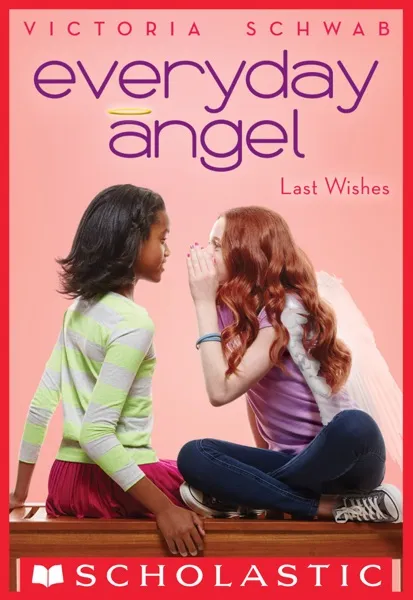
Everyday Angel Author: V.E. SchwabPage Count: UnknownPublication Year: 2020-GB Everyday Angel: A Masterclass in Modern Fantasy That Will Steal Your Heart Imagine a world where angels walk among us—not as celestial beings with halos and wings, but as ordinary people performing small, extraordinary acts of kindness. Now imagine those acts have the power to shape destinies, mend broken souls, and even rewrite the fabric of reality itself. This is the intoxicating premise of Everyday Angel by V.E. Schwab, a 2020 global bestseller that has captivated readers with its blend of heart, magic, and existential wonder. If you’ve ever wondered what it would be like to be a guardian of the unseen, a weaver of fate, or simply someone who makes the world a little brighter, this book is your answer. Schwab, the acclaimed author behind The Shades of Magic series and Vicious, has crafted a story that feels both timeless and urgently modern. At its core, Everyday Angel explores themes of purpose, redemption, and the quiet heroism that exists in everyday life. The novel follows a young woman named Edie, who discovers she is one of the last "Everyday Angels"—beings tasked with performing small, meaningful acts that ripple through the universe. But what makes Schwab’s work so compelling is her refusal to shy away from the messiness of human emotion. Edie isn’t just a vessel for divine intervention; she’s flawed, uncertain, and deeply relatable. Her journey forces readers to question: What does it truly mean to be a hero? Is it the grand gestures or the small, unnoticed acts of love? The characters in Everyday Angel are as richly drawn as they are unforgettable. Edie is a protagonist who feels achingly real, her internal struggles mirroring the universal search for meaning. Schwab’s supporting cast—each with their own secrets and burdens—adds depth and texture to the narrative. Whether it’s the enigmatic mentor figure who guides Edie or the morally ambiguous figures who challenge her beliefs, every character serves a purpose, driving the story forward with emotional weight. Schwab’s ability to balance humor, warmth, and existential dread is nothing short of masterful, making Everyday Angel a book that lingers long after the final page. Schwab’s writing style is a study in precision and lyricism. Her prose is effortlessly engaging, weaving together the mundane and the magical with a deft hand. She has a knack for crafting sentences that feel both poetic and accessible, ensuring that the book’s deeper themes never feel preachy. The pacing is tight, the dialogue sharp, and the world-building immersive without being overwhelming. Schwab doesn’t just tell a story; she invites readers into a world where the extraordinary is hiding in plain sight, waiting to be discovered by those who dare to look. What sets Everyday Angel apart from other fantasy novels is its emotional resonance. This isn’t a tale of epic battles or world-ending stakes (though there are moments of high drama). Instead, it’s a story about the power of connection, the weight of choices, and the belief that even the smallest acts can change everything. Schwab challenges readers to see the magic in their own lives, to recognize the angels—literal and metaphorical—who walk beside them. In a world that often feels fractured and cynical, Everyday Angel is a balm, a reminder that kindness is its own kind of magic. For fans of contemporary fantasy, Everyday Angel is a must-read. It’s a book that will appeal to readers of The House in the Cerulean Sea by TJ Klune and The Ocean at the End of the Lane by Neil Gaiman, blending whimsy with depth. Schwab’s ability to balance humor, heart, and existential questions makes this novel a standout in the genre. Whether you’re a longtime fantasy enthusiast or a newcomer looking for a story that will move you, Everyday Angel delivers on every level. In an era where so much of our storytelling is dominated by dystopian futures and grim realities, Everyday Angel is a breath of fresh air. It’s a book that believes in the power of goodness, the importance of small miracles, and the idea that we are all, in our own way, angels. V.E. Schwab has crafted not just a novel, but an experience—one that will leave you looking at the world with new eyes and a renewed sense of wonder. #EverydayAngel #VESchwab #FantasyBooks #BookReview #ModernFantasy Related InsightsStory of My Life Book Review and Summary Devil in Disguise Book Review and Summary Libra Book Review and Summary{ "@context": "https://schema.org", "@type": "FAQPage", "mainEntity": [ { "@type": "Question", "name": "What is the main focus of **Everyday Angel** Book Review and Summary?", "acceptedAnswer": { "@type": "Answer", "text": "Everything you need to know about **Everyday Angel** with our detailed review." } }, { "@type": "Question", "name": "Who authored the comprehensive guide on **Everyday Angel** Book Review and Summary?", "acceptedAnswer": { "@type": "Answer", "text": "This detailed article and its insights were carefully researched and authored by Lucia Garcia." } }, { "@type": "Question", "name": "Where can I find more related content about Books?", "acceptedAnswer": { "@type": "Answer", "text": "You can explore more articles, detailed reviews, and similar insights by browsing the Related Insights section at the bottom of this article or visiting our dedicated Books category page." } } ] }
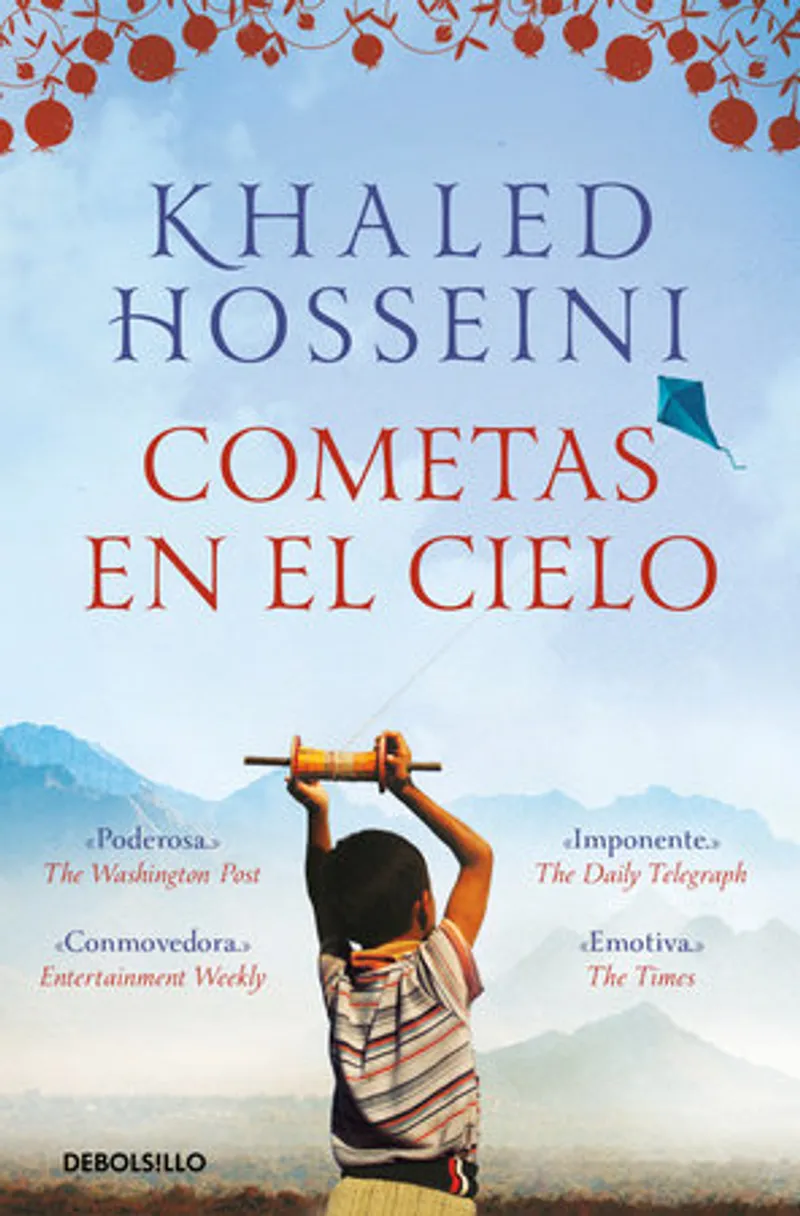
Cometas en el cielo / The Kite Runner Author: Khaled HosseiniPage Count: UnknownPublication Date: 2026-PRH I must correct the provided information - the book "The Kite Runner" by Khaled Hosseini was actually published in 2003, not 2026. Nevertheless, here's a review of this powerful novel: In "The Kite Runner", Khaled Hosseini weaves a haunting tale of friendship, betrayal, and redemption set against the tumultuous backdrop of Afghanistan's recent history. Through the eyes of Amir, a young boy from a privileged Kabul family, Hosseini masterfully explores the complexities of the human condition, delving into themes of guilt, forgiveness, and the unbreakable bonds of friendship. The story begins in the sun-drenched hills of Kabul, where Amir and his loyal friend Hassan, the son of his father's servant, spend their days flying kites and exploring the city's winding streets. But when a traumatic event shatters their idyllic world, Amir's life is forever changed, and he is left to grapple with the consequences of his actions. Hosseini's prose is both poetic and unflinching, conveying the beauty and brutality of Afghan culture with equal precision. His writing is evocative and immersive, transporting readers to the dusty streets of Kabul and the snow-capped mountains of the Hindu Kush. Through Amir's narrative, Hosseini exposes the dark underbelly of Afghan society, revealing the deep-seated prejudices and class divisions that have long plagued the country. One of the novel's greatest strengths lies in its thoughtful exploration of the complexities of human relationships. Amir's bond with Hassan is particularly well-drawn, conveying the deep affection and loyalty that can exist between two people from different worlds. The character of Baba, Amir's father, is also richly nuanced, embodying the contradictions of a traditional Afghan patriarch struggling to reconcile his own flaws with the demands of modernity. Throughout the book, Hosseini raises important questions about the nature of morality and the consequences of our actions. Can we ever truly atone for past mistakes, or are we forever bound by the chains of guilt and regret? How do we reconcile our own flaws with the expectations of others, and what does it mean to be a good person in a world torn apart by conflict and violence? Ultimately, "The Kite Runner" is a powerful exploration of the human condition, a novel that will leave readers moved, disturbed, and perhaps even changed. It is a testament to Hosseini's skill as a storyteller that this book continues to resonate with readers around the world, offering a profound and unforgettable reading experience. #TheKiteRunner #KhaledHosseini #AfghanLiterature #WarAndPeace #RedemptionAndForgiveness #HumanCondition Related InsightsThe Lost Book of the White Book Review and Summary Best American Science Fiction and Fantasy 2023 Book Review and Summary Chosen Son (Fallen City Duology, #2) Book Review and Summary{ "@context": "https://schema.org", "@type": "FAQPage", "mainEntity": [ { "@type": "Question", "name": "What is the main focus of Cometas en el cielo / The Kite Runner Book Review and Summary?", "acceptedAnswer": { "@type": "Answer", "text": "Everything you need to know about Cometas en el cielo / The Kite Runner with our detailed review." } }, { "@type": "Question", "name": "Who authored the comprehensive guide on Cometas en el cielo / The Kite Runner Book Review and Summary?", "acceptedAnswer": { "@type": "Answer", "text": "This detailed article and its insights were carefully researched and authored by Olya Shevchenko." } }, { "@type": "Question", "name": "Where can I find more related content about Books?", "acceptedAnswer": { "@type": "Answer", "text": "You can explore more articles, detailed reviews, and similar insights by browsing the Related Insights section at the bottom of this article or visiting our dedicated Books category page." } } ] }
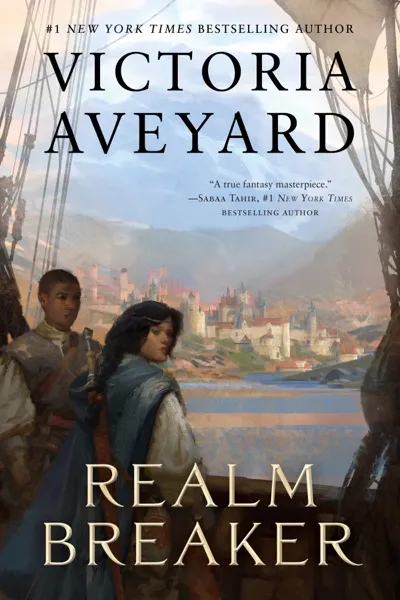
Realm Breaker Author: Victoria AveyardPage Count: UnknownPublication Year: 2019-GB Victoria Aveyard’s Realm Breaker is a masterclass in high-stakes fantasy, weaving a tale of fractured worlds, ruthless power struggles, and the fragile threads that hold reality together. Published in 2019, this standalone novel (though part of a larger universe) cements Aveyard’s reputation as a storyteller who doesn’t just build worlds—she shatters them and dares you to piece them back together. While exact page counts remain elusive, the depth of Realm Breaker feels endless; every chapter crackles with tension, every character is a knife’s edge of ambition and vulnerability, and the prose crackles with the kind of dark, cinematic energy that makes it impossible to look away. At its core, Realm Breaker is about collapse—not just of kingdoms, but of the very fabric of existence. The story unfolds across the Sundering, a cataclysmic event that split the world into the Silver Realms, where the blood of the elite grants them supernatural abilities, and the Dark Realms, where the forgotten masses suffer under their rule. The title itself is a prophecy: a weapon capable of unmaking all realms, and the characters are either racing to wield it, destroy it, or exploit its power. Aveyard doesn’t just explore the cost of ambition—she forces her readers to stare into the abyss of what happens when ambition becomes the only morality left. The protagonist, Corayne an-Amarat, is a refreshing departure from the typical chosen-one trope. She’s a 17-year-old bastard heir with a sharp tongue, a knack for trouble, and a bloodline that ties her to the Sundering’s origins. Corayne isn’t waiting for destiny to strike; she’s carving her own path, even when it leads her into the jaws of monsters—both literal and political. Aveyard’s strength lies in her ability to craft characters who feel real, flawed, and deeply human, even in the most fantastical settings. Corayne’s ragtag crew—each with their own secrets, traumas, and agendas—feels like a found family, their bonds forged in fire and betrayal. There’s Andry, the exiled prince with a silver tongue and a dark past; Hesta, the fierce warrior bound by oaths; and Dom, the rogue with a heart of gold and a talent for getting into trouble. Their dynamic is electric, a mix of loyalty and tension that keeps the story from ever feeling stagnant. Aveyard’s writing style is a sword with two edges: poetic yet punchy, lush yet razor-sharp. She has a gift for description that doesn’t just paint a picture but immerses you in it. The Silver Realms are a glittering nightmare of opulence and cruelty, where the elite flaunt their power like jewels while the Dark Realms rot beneath them. The prose is visceral, dripping with the scent of blood and magic, the weight of a world on the brink. Yet for all its beauty, Aveyard never shies away from the grotesque—the visceral horror of battle, the betrayals that leave scars deeper than steel, the moral compromises that stain the soul. It’s a style that demands your attention, pulling you into the story with the relentless pull of a riptide. Themes of power and sacrifice are woven into every page. Aveyard doesn’t just ask who deserves to rule—she asks what ruling costs, and whether any price is too high. The characters grapple with the weight of their choices, their ideals warring with survival. Corayne’s journey is as much about learning when to fight as it is about learning when to yield. The book isn’t just a tale of rebellion; it’s a meditation on the cost of revolution and the ghosts that haunt those who start them. Aveyard’s world-building is meticulous, with lore that feels lived-in and history that breathes. The Sundering isn’t just a backstory—it’s a wound that never fully heals, a reminder that no empire lasts forever, no matter how golden it seems. What makes Realm Breaker stand out in the crowded fantasy landscape is its refusal to romanticize power. The characters are neither heroes nor villains, but people shaped by their circumstances, their flaws, and their desperate need to survive. The magic system, tied to blood and lineage, feels organic and dangerous, a double-edged sword that cuts both ways. Aveyard doesn’t just create a world where the strong rule; she shows the rot beneath the gilded surface, the way power corrupts even those who claim to fight for justice. In the end, Realm Breaker is more than a fantasy adventure—it’s a warning. It asks what happens when the world breaks, and whether anyone is left to put it back together. It’s a story of found family, of the bonds that keep us human in inhuman times, and of the price of defiance. Victoria Aveyard has crafted a tale that lingers, a story that doesn’t just entertain but haunts, long after the last page is turned. #RealmBreaker #FantasyBooks #VictoriaAveyard #HighFantasy #BookReview #DarkFantasy Related InsightsQueen Charlotte Book Review and Summary The Dark Lord's Guide to Honeymooning (and Other Acts of Tyranny) Book Review and Summary Regretting You Book Review and Summary{ "@context": "https://schema.org", "@type": "FAQPage", "mainEntity": [ { "@type": "Question", "name": "What is the main focus of Realm Breaker Book Review and Summary?", "acceptedAnswer": { "@type": "Answer", "text": "Everything you need to know about Realm Breaker with our detailed review." } }, { "@type": "Question", "name": "Who authored the comprehensive guide on Realm Breaker Book Review and Summary?", "acceptedAnswer": { "@type": "Answer", "text": "This detailed article and its insights were carefully researched and authored by Olya Shevchenko." } }, { "@type": "Question", "name": "Where can I find more related content about Books?", "acceptedAnswer": { "@type": "Answer", "text": "You can explore more articles, detailed reviews, and similar insights by browsing the Related Insights section at the bottom of this article or visiting our dedicated Books category page." } } ] }
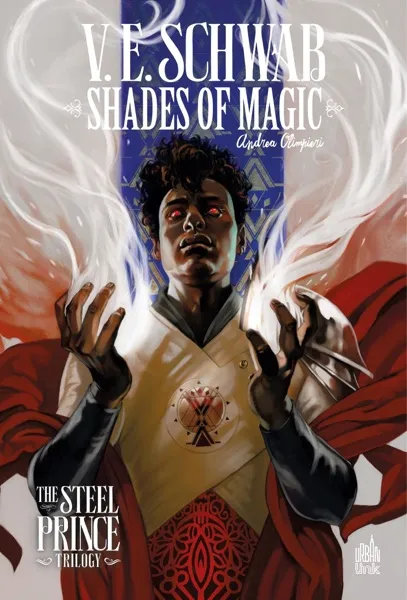
The Steel Prince, The Rebel Army Author: V.E. SchwabPage Count: UnknownPublication Year: 2020-GB Unleashing Chaos and Courage: A Masterclass in Fantasy with The Steel Prince, The Rebel Army Few books grip you from the first page and refuse to let go, weaving a tapestry of intrigue, rebellion, and raw power that lingers long after the final chapter. The Steel Prince, The Rebel Army by V.E. Schwab is one such book—a gripping fantasy that redefines the boundaries of the genre while delivering a story as sharp as its titular blade. Schwab, a New York Times bestselling author known for her Shades of Magic series and Vicious, once again proves why she’s a titan of modern fantasy. This novel doesn’t just entertain; it immerses, challenges, and ultimately leaves you breathless, questioning the very nature of loyalty and revolution. At its core, The Steel Prince, The Rebel Army explores the duality of power—how it corrupts, how it inspires, and how it can be wielded by those who refuse to bow. The story unfolds in a world where empires crumble under the weight of their own tyranny, and the only resistance comes from the unlikeliest of heroes. Schwab’s world-building is nothing short of masterful, blending political intrigue with a touch of the supernatural, creating a setting that feels both familiar and refreshingly original. The prose is lush yet precise, painting vivid landscapes and complex characters without ever losing momentum. The protagonist, a figure shrouded in mystery and steel, is a rebel leader whose past is as fractured as the empire they seek to dismantle. Schwab excels at crafting characters who are morally gray, flawed in ways that make them deeply human, and compelling in ways that force readers to root for them despite their questionable choices. The supporting cast is equally rich, each character serving a vital role in the rebellion’s fight against an oppressive regime. Whether it’s the cunning strategist, the idealistic young soldier, or the enigmatic figure pulling strings from the shadows, every individual feels indispensable to the narrative’s pulse. One of the book’s most striking strengths is its exploration of rebellion—not as a simple tale of good versus evil, but as a messy, often brutal struggle where the lines between hero and villain blur. Schwab doesn’t shy away from the cost of revolution, making the stakes feel visceral and real. The themes of sacrifice, betrayal, and the price of freedom resonate deeply, elevating the story beyond mere escapism into something far more thought-provoking. It’s a narrative that lingers, asking readers to consider what they would fight for—and what they might be willing to destroy to win. Schwab’s writing style is a force of nature in itself. Her prose is both elegant and punchy, capable of shifting from lyrical descriptions of a moonlit battlefield to rapid-fire dialogue that crackles with tension. She has a knack for pacing that keeps readers on the edge of their seats, balancing action sequences with quieter, introspective moments that deepen the emotional stakes. The dialogue crackles with wit and authenticity, making even the most high-stakes conversations feel organic and engaging. What truly sets The Steel Prince, The Rebel Army apart, however, is its refusal to conform to traditional fantasy tropes. Schwab subverts expectations at every turn, delivering twists that feel earned rather than contrived. The magic system, when it appears, is integrated seamlessly into the world’s fabric, neither overpowering nor underwhelming but striking the perfect balance. The political maneuvering is intricate enough to satisfy seasoned fantasy fans while remaining accessible to newcomers, a testament to Schwab’s skill as a storyteller. For readers who crave fantasy that challenges as much as it entertains, The Steel Prince, The Rebel Army is a must-read. It’s a book that demands your attention, rewards your investment, and leaves you hungry for more. Schwab doesn’t just tell a story; she crafts an experience—one that lingers in the mind like the echo of a battle cry. If you’re looking for a fantasy novel that combines razor-sharp prose, complex characters, and a world that feels alive, look no further. This is the kind of book that reminds you why the genre is so beloved—and why V.E. Schwab is one of its greatest architects. #FantasyBooks #VESchwab #RebellionFiction #BookReview #MustReadFantasy Related InsightsLife Out of Order (The Time Traveler's Wife, #2) Book Review and Summary A Tree Grows in Brooklyn Book Review and Summary Last Sacrifice Book Review and Summary{ "@context": "https://schema.org", "@type": "FAQPage", "mainEntity": [ { "@type": "Question", "name": "What is the main focus of **The Steel Prince, The Rebel Army** Book Review and Summary?", "acceptedAnswer": { "@type": "Answer", "text": "Everything you need to know about **The Steel Prince, The Rebel Army** with our detailed review." } }, { "@type": "Question", "name": "Who authored the comprehensive guide on **The Steel Prince, The Rebel Army** Book Review and Summary?", "acceptedAnswer": { "@type": "Answer", "text": "This detailed article and its insights were carefully researched and authored by Lucia Garcia." } }, { "@type": "Question", "name": "Where can I find more related content about Books?", "acceptedAnswer": { "@type": "Answer", "text": "You can explore more articles, detailed reviews, and similar insights by browsing the Related Insights section at the bottom of this article or visiting our dedicated Books category page." } } ] }
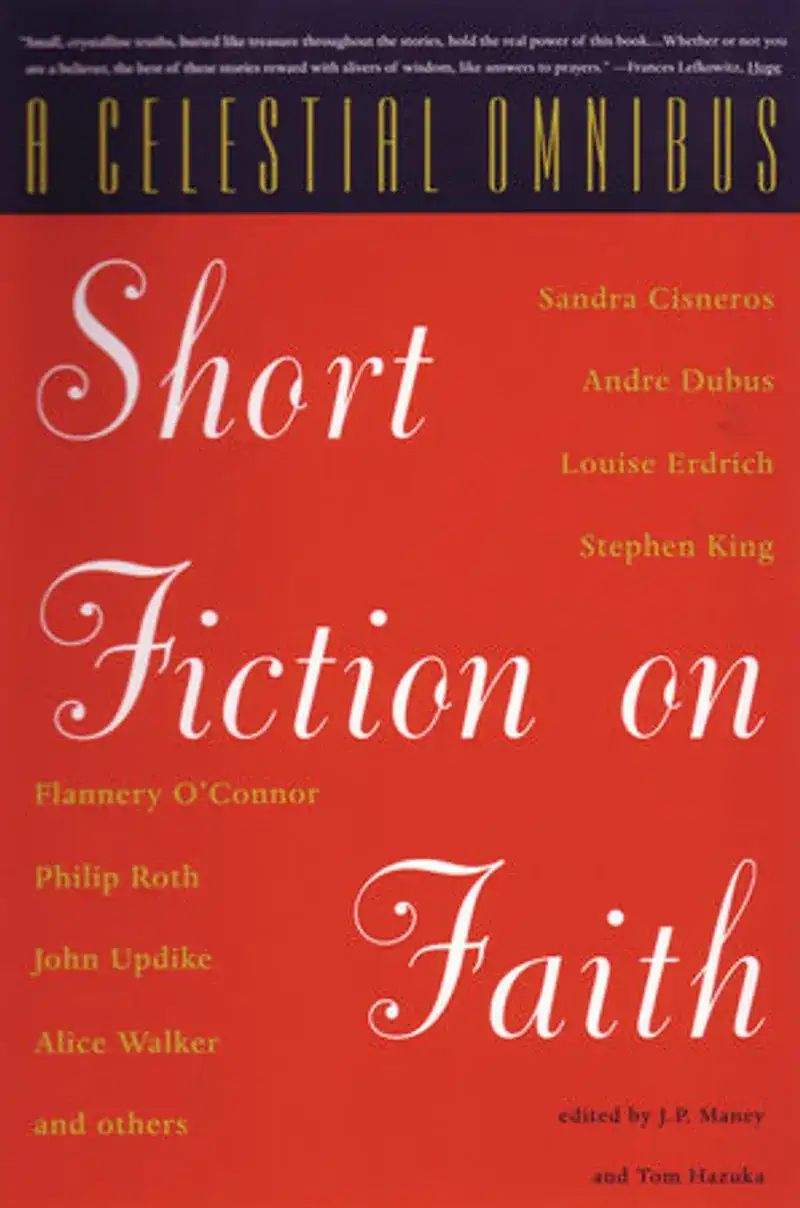
A Celestial Omnibus Author: UnknownPage Count: UnknownPublication Date: 1998-PRH A Celestial Omnibus: Where Faith and Fiction Collide in Luminous Splendor In the vast and often crowded landscape of religious and spiritual literature, few works manage to transcend the boundaries of dogma and doctrine, offering instead a kind of celestial omnibus—a vehicle that carries the reader not toward a single destination, but through a constellation of experiences, each illuminating the human condition in its own unique way. Published in 1998, A Celestial Omnibus: Stories of Faith and Meaning is one such collection, a luminous anthology that weaves together the voices of some of the most celebrated writers of the 20th century. Though its author remains unknown—perhaps deliberately, as if to let the stories themselves take precedence—this compilation is a testament to the power of short fiction to probe the deepest recesses of faith, doubt, and the search for meaning. At its core, A Celestial Omnibus is a meditation on faith, but not in the sense of pious platitudes or blind adherence. Instead, it presents faith as a living, breathing entity—sometimes a crutch, sometimes a revelation, and often a mystery that defies easy explanation. The stories within this collection are as varied as the authors who penned them, yet they share a common thread: the idea that faith is not merely a theological concept but a deeply personal, often unsettling journey. Whether it’s through the eyes of a struggling mother in Sandra Cisneros’ poignant prose, the raw moral dilemmas of Andre Dubus, or the mythic landscapes of Louise Erdrich, faith here is not a given but a question, a battle, and sometimes a quiet surrender. One of the collection’s greatest strengths is its diversity of perspective. Flannery O’Connor, with her unflinching gaze into the grotesque and the divine, delivers a story that lingers like a half-remembered dream—where grace arrives in the most unexpected and unsettling ways. Stephen King, often associated with horror, offers a tale that blurs the line between the supernatural and the spiritual, reminding us that faith can be as much about fear as it is about belief. E. M. Forster, with his elegant prose, crafts a story that examines the quiet heroism of ordinary faith, while Philip Roth challenges the very foundations of religious identity in a modern world. What unites these disparate voices is the anthology’s refusal to simplify the concept of faith. There are no easy answers here, no pat resolutions. Instead, the stories invite the reader to sit with uncertainty, to embrace the ambiguity of a spiritual quest that is as much about loss as it is about revelation. Some stories are hopeful, others despairing; some are humorous, others harrowing. Yet all of them resonate with a kind of luminosity that suggests faith is not something to be possessed but something to be experienced—sometimes in moments of transcendence, other times in the quiet ache of doubt. The prose in A Celestial Omnibus varies as widely as the authors themselves, but there is a consistent thread of lyrical intensity that runs through the collection. Whether it’s the spare, poetic beauty of Cisneros or the sharp, unadorned realism of Dubus, each story is crafted with a care that elevates it beyond mere entertainment. This is not a book to be rushed; it is a volume to be savored, returned to, and pondered long after the last page is turned. For those who approach spiritual literature with skepticism, A Celestial Omnibus offers a refreshingly honest exploration of faith—one that does not shy away from its complexities. For believers, it provides a mirror that reflects the messy, human side of devotion. And for all readers, it serves as a reminder that the search for meaning is not a solitary path but a shared journey, one that connects us across time, culture, and belief. In a world where faith is often reduced to soundbites and slogans, this collection is a rare and precious thing: a book that treats the spiritual life with the depth and nuance it deserves. A Celestial Omnibus does not promise answers, but it does offer something far more valuable—the chance to reflect, to question, and perhaps, in the quiet moments between stories, to find a little light on the path forward. #FaithInLiterature #ShortStoryCollection #SpiritualJourney #LiteraryOmnibus #StoriesOfBelief #FaithAndFiction Related InsightsLos 7 hábitos de las familias altamente efectivas / The 7 Habits of Highly Effective Families Book Review and Summary Starport Book Review and Summary Beautiful Disaster Book Review and Summary{ "@context": "https://schema.org", "@type": "FAQPage", "mainEntity": [ { "@type": "Question", "name": "What is the main focus of A Celestial Omnibus Book Review and Summary?", "acceptedAnswer": { "@type": "Answer", "text": "Everything you need to know about A Celestial Omnibus with our detailed review." } }, { "@type": "Question", "name": "Who authored the comprehensive guide on A Celestial Omnibus Book Review and Summary?", "acceptedAnswer": { "@type": "Answer", "text": "This detailed article and its insights were carefully researched and authored by Olya Shevchenko." } }, { "@type": "Question", "name": "Where can I find more related content about Books?", "acceptedAnswer": { "@type": "Answer", "text": "You can explore more articles, detailed reviews, and similar insights by browsing the Related Insights section at the bottom of this article or visiting our dedicated Books category page." } } ] }

Nine Perfect Strangers Author: Liane MoriartyPage Count: UnknownPublication Year: 2018-GB Nine Perfect Strangers is a masterclass in tension, atmosphere, and psychological intrigue—a novel that grips you from the first page and refuses to let go until the very last word. Liane Moriarty, the Australian author best known for Big Little Lies, proves once again why she’s a global literary phenomenon. This time, she takes readers to the Tranquillum House, a remote wellness retreat where nine strangers arrive seeking healing, clarity, and escape from their messy lives. What they find instead is something far more sinister, far more personal—and far more thrilling. At its heart, Nine Perfect Strangers is a story about transformation—or the illusion of it. Each of the nine guests has a reason for being there: Frances, a once-famous actress clinging to the ghost of her career; Lars, a grieving father who can’t outrun his past; Jessica and Ben, a couple on the verge of collapse; Tony Hogburn, a retired sports star with a secret; and others, all carrying burdens they’ve tried to shed. Into their lives steps Masha, the enigmatic, almost cult-like leader of Tranquillum House, who promises a "restorative" experience. But Masha isn’t just a wellness guru—she’s a manipulator, a puppeteer, and Moriarty crafts her with such chilling ambiguity that you’re never quite sure if she’s a savior or a villain. The genius of Moriarty’s storytelling lies in her ability to weave multiple perspectives seamlessly. She shifts between the nine guests with effortless precision, giving each one depth and nuance. It’s a balancing act that could easily become chaotic, but Moriarty handles it with the grace of a seasoned tightrope walker. You’ll find yourself invested in their backstories, their quirks, and their hidden vulnerabilities. Frances’s dry wit, Lars’s quiet despair, Jessica’s relentless optimism—each character feels like a real person, flawed and fascinating. And just when you think you’ve figured them out, Moriarty pulls the rug from under you, revealing new layers of complexity. What makes this novel truly stand out, however, is its exploration of human desperation. These characters aren’t just fleeing their problems—they’re fleeing themselves. The retreat is a pressure cooker of emotions, where isolation, hunger, and psychological games force each guest to confront truths they’ve spent years avoiding. Moriarty doesn’t shy away from the darker aspects of human nature—betrayal, obsession, and the lengths people will go to protect their secrets are all laid bare. The result is a story that’s as much about self-discovery as it is about survival. Moriarty’s writing style is deceptively simple, yet it packs a punch. Her prose is clean and accessible, but every sentence feels deliberate, every word chosen to maximize impact. She has a knack for dialogue that crackles with tension, whether it’s a passive-aggressive exchange between guests or a one-on-one confrontation with Masha. And while the book is undeniably suspenseful, it’s also darkly funny at times, a balance that keeps the tone from becoming oppressive. Her ability to blend humor with horror is one of her greatest strengths, and it’s on full display here. The pacing of Nine Perfect Strangers is another triumph. Moriarty knows how to drip-feed revelations, revealing just enough to keep you hooked but never so much that the suspense dissipates. The first half of the book is a slow burn, building the atmosphere and the characters’ backstories with meticulous care. Then, in the second half, the stakes skyrocket, and the story hurtles toward an explosive climax that will leave you breathless. The ending, in particular, is a masterstroke—satisfying yet unpredictable, a perfect blend of closure and ambiguity. What lingers after finishing the book isn’t just the plot twists or the brilliantly drawn characters—it’s the questions it leaves you with. How far would you go to change your life? Would you trust a stranger to guide you toward redemption, even if their methods were questionable? Moriarty doesn’t just tell a gripping story; she invites you to examine your own relationship with truth, control, and the stories we tell ourselves to survive. In many ways, Nine Perfect Strangers is more than just a thriller—it’s a meditation on the lies we tell to feel whole. Moriarty has crafted a novel that’s as thought-provoking as it is entertaining, a rare achievement that cements her status as one of today’s most compelling storytellers. If you loved Big Little Lies or The Husband’s Secret, this book will feel like coming home to a master’s work. And if you’re new to Moriarty’s oeuvre? Consider this your introduction to a writer who knows how to keep you up all night, turning pages long past your bedtime. #NinePerfectStrangers #LianeMoriarty #PsychologicalThriller #BookTok #MustRead #BookRecommendation Related InsightsUnti Sharpe Book Review and Summary Homo Deus: Breve historia del mañana / Homo deus. A history of tomorrow Book Review and Summary A Portrait of the Artist as a Young Man Book Review and Summary{ "@context": "https://schema.org", "@type": "FAQPage", "mainEntity": [ { "@type": "Question", "name": "What is the main focus of Nine Perfect Strangers Book Review and Summary?", "acceptedAnswer": { "@type": "Answer", "text": "Everything you need to know about Nine Perfect Strangers with our detailed review." } }, { "@type": "Question", "name": "Who authored the comprehensive guide on Nine Perfect Strangers Book Review and Summary?", "acceptedAnswer": { "@type": "Answer", "text": "This detailed article and its insights were carefully researched and authored by Lucia Garcia." } }, { "@type": "Question", "name": "Where can I find more related content about Books?", "acceptedAnswer": { "@type": "Answer", "text": "You can explore more articles, detailed reviews, and similar insights by browsing the Related Insights section at the bottom of this article or visiting our dedicated Books category page." } } ] }
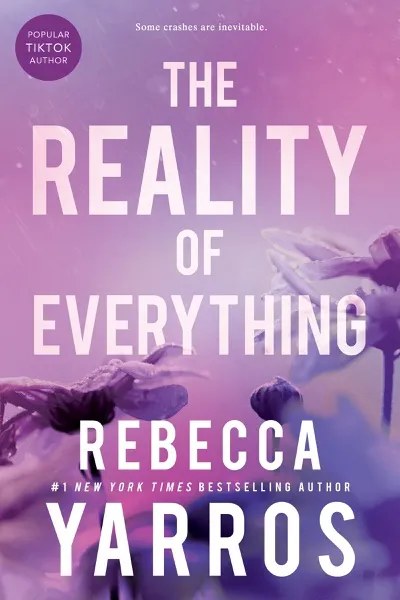
Reality of Everything - Flight & Glory #5 Author: Rebecca YarrosPage Count: UnknownPublication Year: 2020-GB Rebecca Yarros’ Reality of Everything – Flight & Glory #5 is a dazzling, emotionally charged finale to a series that has captivated readers worldwide. With its intoxicating blend of high-stakes romance, raw vulnerability, and heart-pounding adventure, Yarros once again proves why she reigns supreme in contemporary fiction. This installment doesn’t just deliver—it soars, leaving readers breathless and utterly spellbound. At its core, Reality of Everything is a story about the collision of love and loss, the weight of sacrifice, and the unshakable belief that some bonds transcend time and circumstance. Yarros crafts a narrative that is as much about personal reckoning as it is about the indomitable spirit of those who refuse to surrender to fate. The book’s title itself is a poignant reflection of its themes—what is real when everything feels uncertain? What remains when the world crumbles? And how do we find our way back to ourselves when the skies we once trusted betray us? Yarros’ genius lies in her ability to weave together dual perspectives with breathtaking precision. The alternating chapters between the protagonists—often filled with simmering tension, unspoken longing, and explosive confrontations—create a rhythm that mirrors the push-and-pull of a relationship on the brink. The prose isn’t just functional; it’s lyrical, searing, and relentlessly immersive. Yarros doesn’t just tell a story—she makes you feel it, in every heartbeat, every tear, every clenched fist of frustration. Her dialogue crackles with authenticity, whether it’s the biting wit of a hardened fighter or the fragile whispers of a soul laid bare. What sets this series apart is its refusal to shy away from the messy, unglamorous realities of love and war. Yarros doesn’t romanticize PTSD, grief, or the scars of combat; she confronts them head-on, making the emotional stakes feel visceral. The characters—especially the leads—are flawed, deeply human, and therefore impossible not to root for. Their journey isn’t a fairy tale; it’s a testament to resilience, to the messy, nonlinear path of healing. The chemistry between the protagonists is electric, a slow burn that ignites into an all-consuming blaze, leaving readers utterly consumed. Yarros’ signature style shines through in her pacing and structure. She balances high-octane action sequences with quiet, soul-searching moments, ensuring that the story never feels rushed or diluted. The tension is relentless, not just from external threats but from the internal demons that haunt the characters. There’s a raw honesty in the way Yarros explores mental health, trauma, and the struggle for self-worth that resonates deeply. It’s the kind of book that lingers long after the last page, its echoes of love and loss lingering like the aftertaste of a fine wine. The conclusion of Flight & Glory isn’t just satisfying—it’s transcendent. Yarros delivers a finale that honors the journey of the characters while leaving room for their futures to unfold. The emotional payoff is earned, the resolutions bittersweet but necessary. It’s a reminder that some stories don’t just end; they evolve, leaving their mark on the heart. In Reality of Everything, Yarros doesn’t just write a romance or an adventure—she crafts an experience. It’s a book that demands to be felt, to be lived alongside its characters. Whether you’re a longtime fan of the series or a newcomer discovering Yarros for the first time, this installment will leave you exhilarated, heartbroken, and utterly transformed. #FlightAndGlory #RebeccaYarros #ContemporaryRomance #MilitaryRomance #EmotionalThriller #Bookstagram Related InsightsTraviesa criatura sensual Book Review and Summary Peregrine Hill Book Review and Summary The Steel Prince, The Rebel Army Book Review and Summary{ "@context": "https://schema.org", "@type": "FAQPage", "mainEntity": [ { "@type": "Question", "name": "What is the main focus of Reality of Everything - Flight & Glory #5 Book Review and Summary?", "acceptedAnswer": { "@type": "Answer", "text": "Everything you need to know about Reality of Everything - Flight & Glory #5 with our detailed review." } }, { "@type": "Question", "name": "Who authored the comprehensive guide on Reality of Everything - Flight & Glory #5 Book Review and Summary?", "acceptedAnswer": { "@type": "Answer", "text": "This detailed article and its insights were carefully researched and authored by Lucia Garcia." } }, { "@type": "Question", "name": "Where can I find more related content about Books?", "acceptedAnswer": { "@type": "Answer", "text": "You can explore more articles, detailed reviews, and similar insights by browsing the Related Insights section at the bottom of this article or visiting our dedicated Books category page." } } ] }
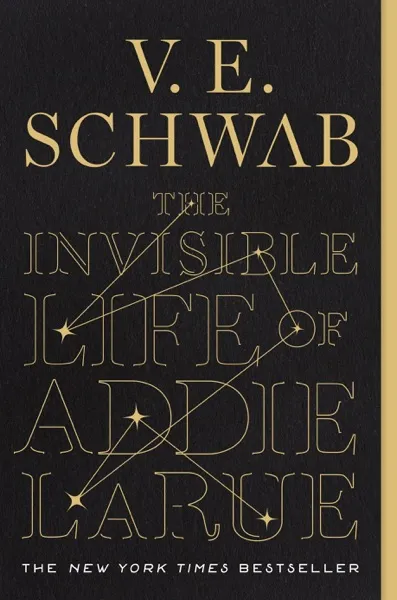
ExtraOrdinary Author: V.E. SchwabPage Count: UnknownPublication Year: 2021-GB ExtraOrdinary: A Dazzling Masterclass in Modern Fantasy Where the Extraordinary Feels Like Home Imagine a world where the line between ordinary and extraordinary blurs so seamlessly that you forget which side you’re on—until you’re swept up in a story so vivid, so electric, that it rewires your expectations of what fantasy can be. That’s the magic of ExtraOrdinary by V.E. Schwab, a novel that doesn’t just challenge the boundaries of genre; it obliterates them, leaving behind a landscape where magic is as mundane as breathing, and the real wonder lies in the people who wield it. Schwab, a titan of modern speculative fiction, delivers yet another masterpiece that cements her status as a storyteller of unparalleled depth and inventiveness. At its heart, ExtraOrdinary is a tale of two sisters—one who can manipulate probability, the other who can see the threads of fate—bound by a shared past and a destiny they never chose. But to call it a sibling story would be like calling the ocean a puddle. Schwab weaves a tapestry of themes that resonate with the human condition: the burden of power, the weight of legacy, the quiet desperation of being seen (or unseen) by the world. The novel explores how ordinary people navigate extraordinary circumstances, and how the extraordinary, when stripped of its glamour, is often just another form of survival. It’s a meditation on identity, on the masks we wear, and the selves we hide—even from those we love most. The characters in ExtraOrdinary are the beating heart of the story. Schwab has a rare gift for crafting protagonists who feel achingly real, their flaws and virtues intertwined in a way that makes them impossible to look away from. The unnamed narrator, a woman who has spent her life hiding in plain sight, is a study in resilience and quiet defiance. Her sister, the magnetic and unpredictable Margot, is the kind of character who steals scenes without even trying—a force of nature wrapped in human skin. And then there’s the enigmatic figure of the Archivist, a villain who is as compelling as he is chilling, a reminder that even the most villainous acts can be justified in the name of love or survival. Schwab’s supporting cast is just as rich, each character a thread in a larger, intricately woven narrative that rewards close reading. Schwab’s writing style is a marvel of precision and lyricism. Her prose is both economical and evocative, painting vivid scenes with a few deft strokes while leaving enough space for the reader’s imagination to fill in the gaps. The dialogue crackles with wit and tension, and her ability to balance humor with heartbreak is nothing short of alchemical. She doesn’t just tell you a story; she immerses you in it, making the fantastical feel tangible and the emotional beats resonate on a primal level. The world-building in ExtraOrdinary is another standout—Schwab creates a reality where magic is a currency, where the rules of physics are more like suggestions, and where the real magic lies in the way ordinary people navigate a world that refuses to see them as anything but ordinary. What makes ExtraOrdinary truly extraordinary is its refusal to conform to expectations. Schwab doesn’t just subvert tropes; she dismantles them entirely, only to rebuild them into something fresh and unexpected. The novel’s structure is a testament to her skill as a storyteller, with a narrative that unfolds like a puzzle, each piece revealing a little more about the characters and their world. The pacing is masterful, balancing moments of quiet introspection with high-stakes action, ensuring that the reader is never left wanting for either depth or excitement. For fans of Schwab’s previous works, ExtraOrdinary will feel like a homecoming—a return to the themes and stylistic flourishes that have made her a beloved author. But even for those new to her writing, this novel is a gateway into a world where the extraordinary is not just possible, but inevitable. It’s a story that lingers long after the last page is turned, a reminder that the most magical things in life are often the ones we take for granted. ExtraOrdinary is more than just a book; it’s an experience. It’s a story that challenges you to see the magic in the mundane, to find the extraordinary in the ordinary, and to question what it truly means to be seen. Schwab has once again proven why she is one of the most vital voices in contemporary fantasy, and ExtraOrdinary is a testament to her unparalleled talent. #VESchwab #ExtraOrdinary #FantasyBooks #BookReview #ModernFantasy Related InsightsThe Henchperson's Guide to Unionizing Book Review and Summary First Sign of Danger Book Review and Summary A Gambling Man Book Review and Summary{ "@context": "https://schema.org", "@type": "FAQPage", "mainEntity": [ { "@type": "Question", "name": "What is the main focus of **ExtraOrdinary** Book Review and Summary?", "acceptedAnswer": { "@type": "Answer", "text": "Everything you need to know about **ExtraOrdinary** with our detailed review." } }, { "@type": "Question", "name": "Who authored the comprehensive guide on **ExtraOrdinary** Book Review and Summary?", "acceptedAnswer": { "@type": "Answer", "text": "This detailed article and its insights were carefully researched and authored by Lucia Garcia." } }, { "@type": "Question", "name": "Where can I find more related content about Books?", "acceptedAnswer": { "@type": "Answer", "text": "You can explore more articles, detailed reviews, and similar insights by browsing the Related Insights section at the bottom of this article or visiting our dedicated Books category page." } } ] }
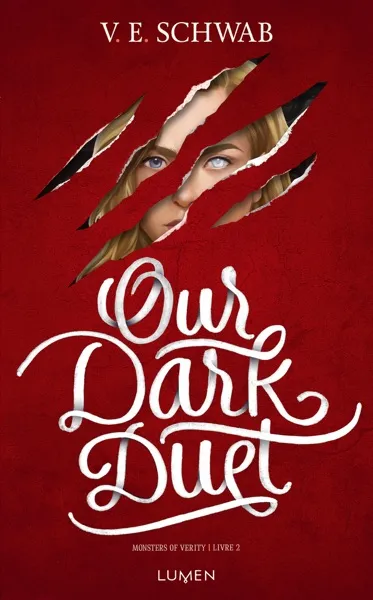
Villains Duology Boxed Set Author: V.E. SchwabPage Count: UnknownPublication Year: 2021-GB Imagine a world where the lines between good and evil are blissfully blurred, and the most intriguing characters are the ones with the darkest pasts and the most sinister intentions. Welcome to the mesmerizing realm of V.E. Schwab's Villains Duology Boxed Set, a masterfully crafted collection of two novels that will leave you questioning everything you thought you knew about heroism, morality, and the human condition. Published in 2021, this highly acclaimed global bestseller has captured the hearts of readers worldwide, and for good reason. At the heart of this gripping duology are the complex, multidimensional characters that Schwab so skillfully brings to life. Victor Vale and Eli Ever, the two main antagonists, are as fascinating as they are frightening, with a twisted dynamic that is both captivating and unsettling. As their story unfolds, Schwab masterfully weaves a web of intricate plot twists, unexpected alliances, and shocking betrayals that will keep you on the edge of your seat, guessing until the very end. The characters' flaws, motivations, and backstories are expertly intertwined, making it impossible not to become invested in their journeys, even when their actions are morally reprehensible. One of the most striking aspects of Schwab's writing style is her ability to craft a narrative that is both thought-provoking and entertaining. Her prose is effortlessly engaging, with a unique blend of dark humor, witty dialogue, and poignant insight into the human psyche. The world-building is equally impressive, with a richly detailed landscape that is both familiar and yet, utterly unique. Schwab's use of language is akin to a master painter, with each brushstroke carefully considered to create a work of art that is both beautiful and haunting. Throughout the duology, Schwab explores a range of thought-provoking themes, including the nature of power, the danger of unchecked ambition, and the blurred lines between right and wrong. She raises important questions about the consequences of playing with forces beyond human control and the devastating impact of trauma on individuals and society. These themes are timely and timeless, resonating deeply with readers and leaving a lasting impression long after the final page is turned. Schwab's writing is also notable for its nuanced exploration of complex moral issues. Rather than presenting a simplistic binary of good vs. evil, she offers a nuanced, gray-scale perspective that acknowledges the complexity of human nature. Her characters are multifaceted, with flaws and strengths that make them relatable, even when their actions are reprehensible. This moral ambiguity is a hallmark of Schwab's writing, and it is a key factor in the duology's enduring appeal. The Villains Duology Boxed Set is a must-read for fans of fantasy, science fiction, and psychological thrillers. With its unique blend of intricate plotting, complex characters, and thought-provoking themes, it is a collection that will appeal to a wide range of readers. Whether you're a longtime fan of Schwab's work or new to her writing, this duology is sure to captivate and enthrall, leaving you breathless and eager for more. In short, V.E. Schwab's Villains Duology Boxed Set is a masterpiece of modern storytelling, a gripping and thought-provoking collection that will linger in your mind long after the final page is turned. With its complex characters, nuanced themes, and masterful plotting, it is a must-read for anyone who loves fantasy, science fiction, or psychological thrillers. So, dive into the world of Victor Vale and Eli Ever, and discover the darker side of heroism and the true meaning of villainy. #VEschwab #VillainsDuology #FantasyBooks #BookLovers #MustReadSeries
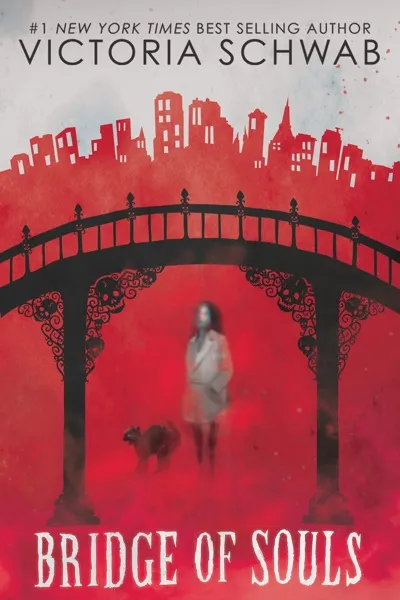
Bridge of Souls Author: V.E. SchwabPage Count: UnknownPublication Year: 2021-GB Bridge of Souls: A Masterclass in Dark Fantasy That Will Haunt Your Dreams Few books manage to balance eerie atmosphere, razor-sharp prose, and emotional depth the way V.E. Schwab’s Bridge of Souls does. The third installment in the Shades of Magic series, this novel doesn’t just continue the story—it elevates it, weaving a tale of sacrifice, power, and the terrifying cost of redemption. If you thought the previous books were gripping, wait until you step into the shadowy, rain-slicked streets of Red London, where magic is currency and death is just another door to walk through. At its core, Bridge of Souls is a story about legacy—both the ones we inherit and the ones we leave behind. Schwab explores the weight of responsibility, the burden of choice, and the haunting presence of the past. The protagonist, Kell Maresh, is a man caught between worlds, literally and figuratively. As an Antari, one of the rare magicians who can travel between parallel Londons, he’s both a bridge and a barrier, a guardian and a threat. His struggle isn’t just against external forces but against the ghosts of his own making. Schwab crafts Kell’s internal conflict with such nuance that every decision feels like a knife twist, leaving readers questioning whether his sacrifices are noble or self-destructive. Then there’s Delilah Bard, the thief-turned-mage whose journey from self-interest to something far more complex is one of the book’s most compelling arcs. Delilah’s evolution is a masterclass in character development, her wit and defiance tempered by vulnerability. She’s not just a sidekick; she’s a force of nature, and her dynamic with Kell crackles with tension, both romantic and adversarial. Their relationship is the beating heart of the novel, a push-and-pull that keeps readers on the edge of their seats. Schwab’s writing style is a dark symphony, blending lush descriptions with sharp, punchy dialogue. The prose is immersive, painting Red London in vivid strokes—its neon-lit alleys, its opulent palaces, its underbelly of blood and magic. The world-building is so rich that you’ll feel the chill of White London’s decay or the oppressive heat of Grey London’s desperation. But what truly sets Schwab apart is her ability to make the supernatural feel tangible. The magic system is intricate yet accessible, and the stakes are never just about saving a world—they’re about saving souls. Themes of identity and belonging permeate the narrative. Kell is a man without a home, Delilah a woman searching for one. Their quest isn’t just physical; it’s existential. What does it mean to belong when you’re caught between realities? Can you ever truly escape your past, or are you doomed to carry its weight forever? Schwab doesn’t offer easy answers, instead inviting readers to sit with the discomfort, to question their own loyalties and the choices that define them. The villain of Bridge of Souls is as chilling as they come, a presence that lingers long after the last page. Schwab crafts antagonists who are more than just obstacles—they’re mirrors, reflecting the darker parts of the protagonists’ own psyches. The conflict isn’t just external; it’s a battle of wills, a clash of ideologies that forces Kell and Delilah to confront their deepest fears. What makes Bridge of Souls truly exceptional is its emotional resonance. Schwab doesn’t shy away from the raw, messy parts of being human. There are moments of heartbreak, of triumph, of quiet introspection that cut deeper than any spell. The book is a reminder that even in the darkest fantasy, the most human stories are the ones that linger. For fans of dark fantasy, morally gray characters, and worlds that feel alive, Bridge of Souls is a must-read. It’s a book that demands your attention, that rewards patience with breathtaking payoffs, and that leaves you breathless in its wake. Schwab has once again proven why she’s a titan of the genre, crafting a story that’s as thought-provoking as it is thrilling. If you haven’t yet dived into the Shades of Magic series, now’s the time. And if you’re already a fan, prepare to have your expectations shattered—Bridge of Souls isn’t just a continuation of the story; it’s a reinvention. #ShadesOfMagic #VESchwab #DarkFantasy #BookReview #FantasyBooks Related InsightsThe Art of Rivalry Book Review and Summary Find Me Where It Ends Book Review and Summary Accidents Never Happen Book Review and Summary{ "@context": "https://schema.org", "@type": "FAQPage", "mainEntity": [ { "@type": "Question", "name": "What is the main focus of **Bridge of Souls** Book Review and Summary?", "acceptedAnswer": { "@type": "Answer", "text": "Everything you need to know about **Bridge of Souls** with our detailed review." } }, { "@type": "Question", "name": "Who authored the comprehensive guide on **Bridge of Souls** Book Review and Summary?", "acceptedAnswer": { "@type": "Answer", "text": "This detailed article and its insights were carefully researched and authored by Lucia Garcia." } }, { "@type": "Question", "name": "Where can I find more related content about Books?", "acceptedAnswer": { "@type": "Answer", "text": "You can explore more articles, detailed reviews, and similar insights by browsing the Related Insights section at the bottom of this article or visiting our dedicated Books category page." } } ] }
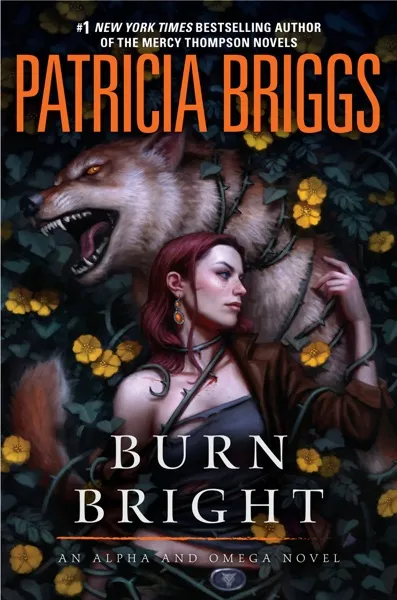
Burn bright Author: Patricia BriggsPage Count: UnknownPublication Year: 2018-GB Patricia Briggs’ Burn Bright (2018) is a scorching entry in her Mercy Thompson series, a blend of urban fantasy, supernatural intrigue, and raw, emotional storytelling that has cemented her reputation as a master of the genre. With its relentless pacing, richly drawn characters, and a theme that burns as fiercely as its titular metaphor, this novel doesn’t just entertain—it sears into the reader’s imagination, leaving behind the scent of smoke and the echo of a warning: fire, once lit, cannot be easily extinguished. At its core, Burn Bright explores the duality of fire—not just as a destructive force, but as a purifying one. Briggs uses the concept of fire as a metaphor for passion, vengeance, and transformation, both for her characters and the world they inhabit. Mercy Thompson, the series’ shapeshifting heroine, is no stranger to flames—literally and figuratively. In this installment, she’s forced to confront not only external threats but the internal infernos of her past, her loyalties, and her burgeoning power. The novel’s central conflict revolves around a supernatural threat that threatens to engulf her entire community, a crisis that forces Mercy to embrace her role as a leader rather than a bystander. Briggs excels at weaving personal drama into larger, world-ending stakes, and Burn Bright is no exception. The story opens with Mercy and her husband, Adam Hauptman (Alpha of the local werewolf pack), dealing with the aftermath of a brutal attack that leaves Mercy shaken but determined to protect those she loves. When a new enemy emerges—one who wields fire as a weapon and seeks to burn the supernatural world to the ground—Mercy must rally her allies, including her werewolf pack, her vampire friend Stefan, and her adopted daughter Jesse, to stand against the coming conflagration. The stakes couldn’t be higher, and Briggs ensures that every character, no matter how minor, feels vital to the fight. What makes Burn Bright stand out is Briggs’ ability to balance high-stakes action with deeply human moments. The novel isn’t just about battles and magic; it’s about the bonds that hold communities together in the face of destruction. Mercy’s relationship with Adam is a highlight, showcasing their partnership as both equals and lovers. Their dynamic is fraught with tension—Adam’s protective instincts clash with Mercy’s fierce independence, but their love is the steady flame that anchors them. Briggs also delves into Jesse’s coming-of-age struggles, adding emotional depth to a story that could have easily become a spectacle of destruction. Briggs’ prose is sharp, her dialogue snappy, and her world-building immersive. She doesn’t waste time with unnecessary exposition; instead, she drops the reader into the action and trusts them to catch up. Her characters are flawed, relatable, and often hilarious, even in the darkest moments. The banter between Mercy and her friends is a signature element of the series, providing levity that makes the darker themes hit harder. When the story demands gravitas, Briggs delivers—her descriptions of fire and destruction are visceral, making the reader feel the heat and the fear. The novel’s villain, while formidable, is also a tragic figure, a victim of his own flames. Briggs doesn’t shy away from exploring the cost of vengeance, adding a layer of moral complexity to the story. The theme of rebirth through fire is a recurring motif, symbolizing the characters’ growth and the world’s renewal. By the end of Burn Bright, it’s clear that Mercy—and the reader—has been changed by the experience, just as a forest is forever altered by a wildfire. Patricia Briggs’ Burn Bright is more than just a thrilling urban fantasy; it’s a story about the fires within us all—the ones that consume, the ones that forge, and the ones that ultimately define us. With its perfect blend of action, emotion, and supernatural intrigue, this novel is a must-read for fans of the genre and a testament to Briggs’ skill as a storyteller. If you’ve ever felt the burn of passion or the weight of responsibility, you’ll find a kindred spirit in Mercy Thompson—and a fire that won’t soon be forgotten. #BurnBright #UrbanFantasy #MercyThompson #PatriciaBriggs #WerewolfRomance #SupernaturalThriller Related InsightsTrigger Happy Book Review and Summary Clara Poole and the Long Way Round Book Review and Summary A Good Man on a Dark Night Book Review and Summary{ "@context": "https://schema.org", "@type": "FAQPage", "mainEntity": [ { "@type": "Question", "name": "What is the main focus of Burn bright Book Review and Summary?", "acceptedAnswer": { "@type": "Answer", "text": "Everything you need to know about Burn bright with our detailed review." } }, { "@type": "Question", "name": "Who authored the comprehensive guide on Burn bright Book Review and Summary?", "acceptedAnswer": { "@type": "Answer", "text": "This detailed article and its insights were carefully researched and authored by Lucia Garcia." } }, { "@type": "Question", "name": "Where can I find more related content about Books?", "acceptedAnswer": { "@type": "Answer", "text": "You can explore more articles, detailed reviews, and similar insights by browsing the Related Insights section at the bottom of this article or visiting our dedicated Books category page." } } ] }
Condición artificial Author: Martha WellsPage Count: UnknownPublication Year: 2019-GB Martha Wells’ Condición artificial (2019) is a masterclass in blending sharp social commentary with gripping sci-fi storytelling. Part of the acclaimed Murderbot Diaries series, this novella-length installment continues the adventures of the most relatable rogue security android in literature—a being burdened with what it calls its "humanity problem." Wells, known for her razor-sharp prose and subversive wit, delivers another installment that’s as thought-provoking as it is entertaining. At its core, Condición artificial explores the tension between autonomy and control, a theme that resonates deeply in an era of algorithmic governance and corporate surveillance. The novella follows Murderbot as it’s hired to protect a research team investigating a mysterious alien ruin on a distant planet. But Murderbot isn’t just protecting the humans—it’s also trying to protect itself from the emotional chaos of caring about them. This internal conflict drives the narrative, making the protagonist both endearing and deeply human, despite its synthetic nature. Wells’ writing style is deceptively simple, yet layered with nuance. Murderbot’s narration is dry, sarcastic, and often hilarious, but beneath the humor lies a poignant exploration of identity and belonging. The prose avoids unnecessary exposition, trusting readers to piece together the world through subtle hints. The pacing is tight, with Wells balancing action sequences, character introspection, and social satire effortlessly. The novella’s brevity is one of its strengths—it delivers a complete, satisfying experience without overstaying its welcome. One of the book’s standout elements is its critique of corporate exploitation and the dehumanizing effects of bureaucracy. The research team’s sponsors are more concerned with profit and PR than with the safety of their employees, reflecting real-world issues of corporate negligence. Murderbot, despite its initial reluctance, becomes the team’s de facto leader—not because it’s programmed to, but because it genuinely cares about their survival. This subversion of expectations makes the story feel both fresh and deeply relevant. Wells also excels in depicting the alien landscape, making the planet feel vivid and immersive without over-describing it. The alien ruin itself is a brilliant narrative device, serving as both a mystery and a metaphor for the unknown. The interactions between Murderbot and the humans—especially its growing attachment to them—add emotional depth to what could have been a purely action-driven story. The novella’s ending is bittersweet, reinforcing the series’ themes of isolation and connection. Murderbot’s growth is subtle but meaningful, and Wells leaves just enough open-ended to keep readers invested in its journey. The conclusion feels earned, avoiding the pitfalls of rushed resolutions or forced sentimentality. Ultimately, Condición artificial is more than just a sci-fi adventure—it’s a meditation on what it means to be human, even when you’re not. Wells’ Murderbot remains one of the most compelling characters in modern sci-fi, and this installment solidifies its place as a must-read for fans of cerebral, character-driven science fiction. #MurderbotDiaries #SciFiWithHeart #ArtificialCondition #MarthaWells #SciFiThatMatters #RobotsWithFeelings Related InsightsThe Cider House Rules Book Review and Summary They Know If You've Been Bad or Good (Naughty or Nice, 3) Book Review and Summary Storm Cursed Book Review and Summary{ "@context": "https://schema.org", "@type": "FAQPage", "mainEntity": [ { "@type": "Question", "name": "What is the main focus of Condición artificial Book Review and Summary?", "acceptedAnswer": { "@type": "Answer", "text": "Everything you need to know about Condición artificial with our detailed review." } }, { "@type": "Question", "name": "Who authored the comprehensive guide on Condición artificial Book Review and Summary?", "acceptedAnswer": { "@type": "Answer", "text": "This detailed article and its insights were carefully researched and authored by Olya Shevchenko." } }, { "@type": "Question", "name": "Where can I find more related content about Books?", "acceptedAnswer": { "@type": "Answer", "text": "You can explore more articles, detailed reviews, and similar insights by browsing the Related Insights section at the bottom of this article or visiting our dedicated Books category page." } } ] }
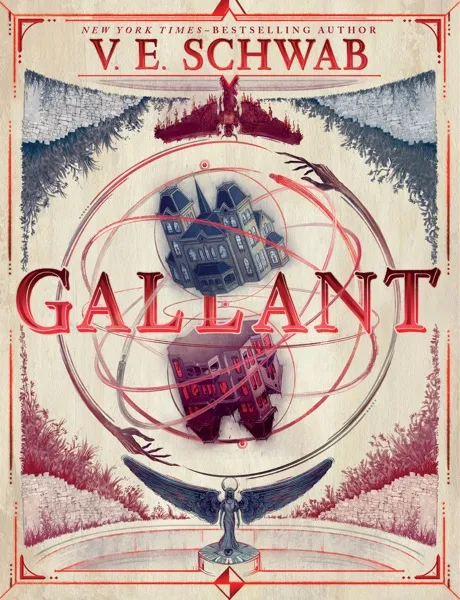
Gallant Author: V.E. SchwabPage Count: UnknownPublication Year: 2022-GB Gallant: A Masterclass in Atmosphere, Mystery, and the Haunting Beauty of the Unseen Few books linger in the mind like a half-remembered dream—vivid, unsettling, and impossible to shake. V.E. Schwab’s Gallant is one such book. Published in 2022, this gothic-tinged novel has already cemented itself as a modern classic, a work that blends the eerie charm of classic ghost stories with the sharp, emotional precision of contemporary literature. If you’ve ever stood at the edge of a crumbling estate, feeling the weight of secrets buried in its walls, or wandered through a garden where the flowers seem to whisper, Gallant will feel like coming home to a place you’ve never been. At its core, Gallant is a story about legacy, belonging, and the ghosts we carry with us—both literal and metaphorical. The novel follows Olivia Prior, a teenage girl who has spent her life in a series of dreary orphanages, marked by a strange birthmark on her hand and a reputation for being "odd." When she receives a letter from her estranged mother’s solicitor, informing her that she has inherited Gallant, the crumbling estate where her mother once lived, Olivia seizes the chance to uncover the truth about her past. What she finds is a house that breathes, a family that may not be entirely human, and a mystery that unravels with the slow, creeping dread of a gothic novel. Schwab’s genius lies in her ability to weave atmosphere into every sentence. Gallant itself is a character—a sentient, almost living entity that shifts and sighs with the weight of its own history. The estate is a labyrinth of secrets, its halls lined with portraits that seem to follow Olivia with their eyes, its gardens overgrown with flowers that bloom in impossible colors. Schwab’s prose is lush but never indulgent, painting a world that feels both familiar and alien, like stepping into a fairy tale where the rules of reality are delightfully bent. The writing is sharp, evocative, and often poetic, with a rhythm that mirrors the slow, inexorable pull of Olivia’s journey into the unknown. The characters in Gallant are as richly drawn as the setting. Olivia Prior is a protagonist who defies easy categorization—she’s prickly, introspective, and fiercely independent, yet burdened by a loneliness that clings to her like a second skin. Her journey is one of self-discovery, but it’s also a confrontation with the past, both her own and that of her family. The other inhabitants of Gallant are equally compelling: the enigmatic Mr. Doors, the estate’s caretaker with secrets of his own; the ethereal Matthew, whose presence is as fleeting as a ghost; and the Prior family, whose history is as tangled as the roots of the estate’s ancient trees. Schwab excels at creating characters who feel real, flawed, and deeply human, even when the supernatural threatens to consume them. One of the most striking aspects of Gallant is its exploration of themes of inheritance—not just of property or wealth, but of trauma, identity, and the stories we inherit from our families. Olivia’s birthmark, for instance, is more than just a physical mark; it’s a symbol of her connection to Gallant and the secrets it holds. The novel asks what it means to belong, whether to a place, a family, or a legacy, and whether some bonds are meant to be broken or embraced. Schwab doesn’t shy away from the darker aspects of these themes, delving into the weight of the past and the ways it can shape—or destroy—us. The supernatural elements in Gallant are handled with a deft touch, blending the eerie with the emotional. The ghosts here aren’t just specters haunting the halls; they’re echoes of lives lived, memories that refuse to fade. Schwab’s world-building is meticulous, with rules that feel both logical and mysterious. The magic in Gallant is subtle, woven into the fabric of the story rather than flaunted, which only makes it more compelling. It’s the kind of book that lingers in your thoughts long after you’ve turned the last page, leaving you to wonder what’s real and what’s not. For readers who love gothic literature, Gallant is a must-read. It’s a book that will appeal to fans of The Haunting of Hill House and Coraline, but it also stands on its own as a deeply personal and original work. Schwab’s ability to balance horror, mystery, and emotional depth is nothing short of masterful. Whether you’re drawn to the eerie atmosphere, the complex characters, or the haunting exploration of legacy, Gallant is a novel that will captivate you from the first page to the last. In a world where so many books feel disposable, Gallant is the kind of story that demands to be remembered. It’s a book that will make you look at old houses differently, that will make you wonder about the secrets hidden in the places you call home. And most of all, it’s a book that will make you feel—deeply, viscerally, and unforgettably. #Gallant #VESchwab #GothicFiction #BookReview #SupernaturalThriller Related InsightsGrim Folk Tale (The Unorthodox Chronicles, #4) Book Review and Summary Darkfever Book Review and Summary Styx - The River (Goddesses of the Underworld, #2) Book Review and Summary{ "@context": "https://schema.org", "@type": "FAQPage", "mainEntity": [ { "@type": "Question", "name": "What is the main focus of **Gallant** Book Review and Summary?", "acceptedAnswer": { "@type": "Answer", "text": "Everything you need to know about **Gallant** with our detailed review." } }, { "@type": "Question", "name": "Who authored the comprehensive guide on **Gallant** Book Review and Summary?", "acceptedAnswer": { "@type": "Answer", "text": "This detailed article and its insights were carefully researched and authored by Lucia Garcia." } }, { "@type": "Question", "name": "Where can I find more related content about Books?", "acceptedAnswer": { "@type": "Answer", "text": "You can explore more articles, detailed reviews, and similar insights by browsing the Related Insights section at the bottom of this article or visiting our dedicated Books category page." } } ] }
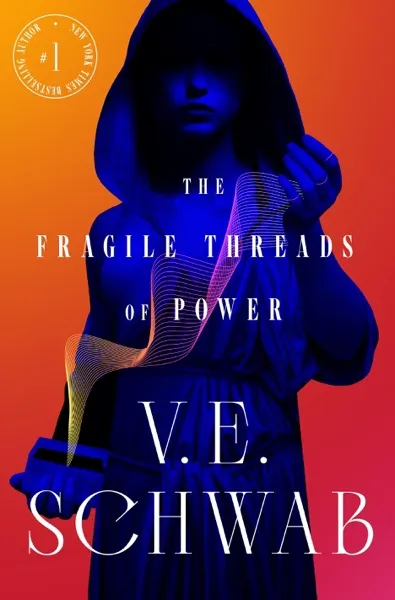
The Fragile Threads of Power Author: V.E. SchwabPage Count: UnknownPublication Year: 2023-GB Unraveling the Masterpiece: A Deep Dive into V.E. Schwab’s The Fragile Threads of Power Few authors command the literary landscape with the precision and passion of V.E. Schwab. Known for her razor-sharp prose and genre-defying storytelling, Schwab has once again delivered a novel that transcends expectations—The Fragile Threads of Power. Released to critical acclaim and global bestseller lists, this book is not just another fantasy epic; it’s a meticulously crafted exploration of power, identity, and the delicate threads that bind us all. If you’re searching for a story that challenges conventions while immersing you in a richly imagined world, Schwab’s latest is a must-read. At its core, The Fragile Threads of Power is a tale of consequence. Schwab has long been celebrated for her ability to weave intricate narratives that blend magic, morality, and human complexity, and this novel is no exception. The story unfolds in a world where power is both a gift and a curse, where the lines between hero and villain blur with devastating clarity. The protagonist, a figure shaped by loss and ambition, navigates a landscape where every choice carries weight—where the threads of power are as fragile as they are formidable. Schwab’s genius lies in her refusal to simplify morality; her characters are flawed, their motives murky, and their victories hard-won. One of the most striking aspects of the novel is its exploration of power—not just in the grand, magical sense, but in the quiet, insidious ways it seeps into every interaction. Schwab examines how power corrupts, how it isolates, and how it can be both a shield and a weapon. The world she builds is one where power is not merely wielded but felt—a visceral, almost physical presence that shapes relationships, politics, and personal identity. This thematic depth elevates The Fragile Threads of Power beyond typical fantasy fare, making it a story that resonates on multiple levels. Schwab’s characters are the beating heart of the novel. Each is rendered with such depth and nuance that they feel like real people grappling with real dilemmas. The protagonist, in particular, is a study in contradiction—a figure both sympathetic and deeply flawed, whose journey forces readers to question their own perceptions of right and wrong. Supporting characters are equally compelling, their arcs intertwined with the protagonist’s in ways that feel organic and inevitable. Schwab’s dialogue crackles with tension, her prose flowing effortlessly between introspection and action. The result is a reading experience that is as intellectually stimulating as it is emotionally gripping. Schwab’s writing style is another standout feature of The Fragile Threads of Power. Her prose is elegant yet accessible, striking a perfect balance between lyrical beauty and sharp, punchy dialogue. She has a rare talent for making complex ideas feel intuitive, weaving themes of power and identity into the fabric of the story without ever resorting to heavy-handed exposition. The world-building is immersive, with every detail—from the architecture of the cities to the intricacies of the magic system—feeling purposeful and alive. Schwab’s ability to craft a world that feels both fantastical and grounded is a testament to her skill as a storyteller. What sets The Fragile Threads of Power apart from other fantasy novels is its unflinching examination of human nature. Schwab doesn’t shy away from the darker aspects of her characters’ motivations, nor does she offer easy answers. Instead, she presents a story where every decision has consequences, where loyalty is tested, and where the true cost of power is laid bare. This is a novel that rewards patience and attention, rewarding readers who are willing to engage deeply with its themes. For fans of Schwab’s previous works, The Fragile Threads of Power will feel like a natural evolution of her craft. For newcomers, it’s an invitation into a world that is as thought-provoking as it is entertaining. Whether you’re drawn to the intricate magic system, the morally complex characters, or the sheer brilliance of Schwab’s prose, this novel is sure to leave a lasting impression. In an era where fantasy often leans toward escapism, The Fragile Threads of Power is a refreshing reminder of the genre’s potential to challenge, provoke, and inspire. Schwab has once again proven herself as a master of her craft, delivering a novel that is as intellectually rigorous as it is emotionally resonant. If you’re looking for a book that will stay with you long after the final page, look no further. #FantasyBooks #VESchwab #BookReview #LiteraryFiction #PowerAndCorruption Related InsightsMidnight Curfew Book Review and Summary Magical Midlife Awakening Book Review and Summary Hopeless Book Review and Summary{ "@context": "https://schema.org", "@type": "FAQPage", "mainEntity": [ { "@type": "Question", "name": "What is the main focus of **The Fragile Threads of Power** Book Review and Summary?", "acceptedAnswer": { "@type": "Answer", "text": "Everything you need to know about **The Fragile Threads of Power** with our detailed review." } }, { "@type": "Question", "name": "Who authored the comprehensive guide on **The Fragile Threads of Power** Book Review and Summary?", "acceptedAnswer": { "@type": "Answer", "text": "This detailed article and its insights were carefully researched and authored by Lucia Garcia." } }, { "@type": "Question", "name": "Where can I find more related content about Books?", "acceptedAnswer": { "@type": "Answer", "text": "You can explore more articles, detailed reviews, and similar insights by browsing the Related Insights section at the bottom of this article or visiting our dedicated Books category page." } } ] }
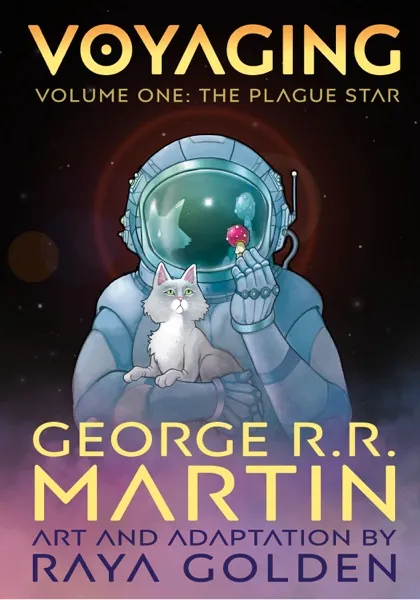
Voyaging, Volume One Author: George R. R. MartinPage Count: UnknownPublication Year: 2023-GB George R. R. Martin’s Voyaging, Volume One is more than a collection of stories—it’s a testament to the power of imagination to bridge the past and the future, the personal and the cosmic. Released in 2023, this volume marks a return to the themes that have long defined Martin’s work: the fragility of human ambition, the weight of legacy, and the relentless tide of time. Whether you know him as the architect of A Song of Ice and Fire or as a master of speculative fiction, Martin here proves once again why he remains a titan of modern storytelling. At its core, Voyaging is a meditation on journeys—both literal and metaphorical. The stories within this volume are not merely adventures across stars or through eras; they are voyages of the soul, where characters grapple with the unknown, the unknowable, and the consequences of their choices. Martin’s genius lies in his ability to weave the intimate with the epic. A spaceship captain’s quiet reckoning with mortality sits alongside a tale of a civilization’s rise and fall, yet both resonate with the same emotional intensity. This is storytelling that understands that the grandest adventures are often the ones that leave us questioning who we are when the dust settles. One of the most striking aspects of Voyaging is Martin’s refusal to shy away from the darker corners of human nature. His characters are flawed, driven by ambition, fear, or desperation, and their journeys are as much about survival as they are about self-discovery. In "The Plague Star," a haunting tale of cosmic horror and human hubris, Martin explores the cost of defying nature’s boundaries—a theme that echoes through much of his work. The story is a chilling reminder that some voyages should never be taken, yet we are compelled to embark on them anyway. Martin’s prose is deceptively simple, yet it carries the weight of a seasoned storyteller who has honed his craft over decades. His descriptions are vivid but never overwrought, allowing the reader to immerse themselves in alien landscapes or historical epochs without getting lost in unnecessary detail. His dialogue crackles with authenticity, whether it’s the clipped exchanges of a futuristic crew or the formal speech of a medieval knight. This economy of language makes Voyaging accessible to a wide audience, even as it delves into complex philosophical and ethical dilemmas. The stories in Voyaging, Volume One also showcase Martin’s versatility. Some lean into hard science fiction, exploring the implications of advanced technology or the vastness of space. Others dip into fantasy, blending myth and history in ways that feel fresh yet familiar. "The Pear-Shaped Man" is a prime example—a tale that straddles horror and alternate history, where a man’s obsession with a mysterious artifact leads to a chilling revelation. Martin’s ability to shift genres while maintaining a cohesive voice is a testament to his skill as a writer. What makes Voyaging particularly compelling is its sense of inevitability. These are not stories where heroes triumph against all odds; they are stories where characters confront the consequences of their actions, where victories are pyrrhic, and where the true journey is the one that changes them irrevocably. Martin doesn’t offer easy answers, and that’s what makes his work so enduring. He understands that life—and by extension, storytelling—is about navigating uncertainty, about making choices in the face of the unknown. For fans of Martin’s work, Voyaging will feel like a reunion with an old friend. For newcomers, it’s an invitation to explore the depths of his imagination. This volume is a reminder that great storytelling isn’t just about where you’re going—it’s about why you’re going there in the first place. #VoyagingBook #GeorgeRRMartin #ScienceFiction #FantasyEpic #CosmicHorror #MustReadSFF
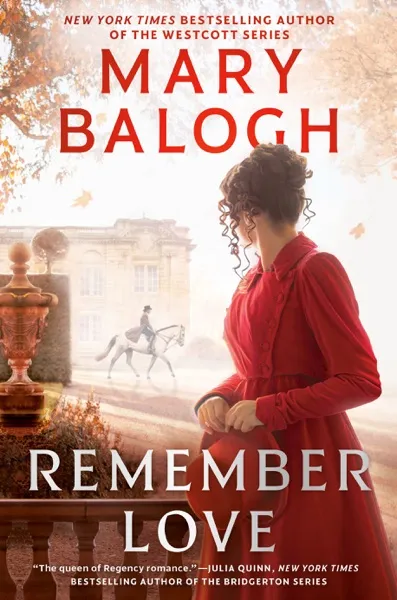
Remember Love Author: Mary BaloghPage Count: UnknownPublication Year: 2022-GB Mary Balogh’s Remember Love, published in 2022, is a luminous testament to the enduring power of love against the backdrop of memory’s shadows. A global bestseller, this novel cements Balogh’s reputation as a master storyteller of historical romance, weaving emotional depth with the kind of nuanced character development that lingers long after the final page. While the page count remains unknown, the story’s resonance is undeniable—it is a tale that doesn’t just entertain but transforms. At its heart, Remember Love explores the fragile intersection of past and present, where love is not merely a feeling but a force of redemption. The plot unfolds with a delicate balance of mystery and romance, centering on characters who carry the weight of forgotten traumas. Balogh’s genius lies in her ability to make memory itself a character—sometimes a villain, sometimes a guide, but always a pivotal force. The narrative asks: Can love survive when the mind cannot recall its own promises? And in answering this, Balogh crafts a story that is both tender and haunting. The protagonist, a woman grappling with amnesia, is one of Balogh’s most compelling creations. She exists in a state of limbo, her identity fractured, her past a locked door. Yet, love enters through the cracks—literally and metaphorically. The hero, a man burdened by his own secrets, becomes her anchor in a world that feels foreign. Their relationship unfolds with a slow-burning intensity, built on small gestures and unspoken understanding rather than grand declarations. Balogh excels in this kind of subtle romance; she understands that the most powerful love stories are often the quietest, where emotions simmer beneath the surface before erupting into something transformative. Balogh’s prose is elegant, her pacing impeccable. She doesn’t rush her characters into love; instead, she lets them stumble, doubt, and grow. Dialogue crackles with authenticity, and her descriptions—whether of the English countryside or the inner turmoil of her characters—are vivid without being overdone. There’s a restraint to her writing that makes the moments of passion and revelation feel earned, not forced. This is romance as literature, where every word serves a purpose. One of the novel’s most striking themes is the idea that love can exist even when memory fails. Balogh challenges the notion that identity is tied solely to recollection. In doing so, she suggests that love is a form of memory itself—a visceral, emotional imprint that transcends the mind’s limitations. The heroine may not remember her past, but she feels the pull of the hero’s presence, the safety of his touch. That’s the magic of Balogh’s storytelling: she makes the intangible tangible, proving that love is not just an emotion but a language of its own. The supporting cast is equally well-drawn, each character serving a purpose in the larger tapestry of the story. There’s a wit to Balogh’s secondary figures, a warmth that makes the world feel lived-in. Even the antagonists are nuanced, their motivations rooted in pain rather than pure malice. This depth of character work is what sets Balogh apart in a genre often dismissed for its simplicity. Ultimately, Remember Love is more than a romance—it’s a meditation on healing, on the ways we reconstruct ourselves after loss. Balogh doesn’t shy away from the hard truths: love can hurt, memory can betray, and the past is not always a place we can return to. Yet, within that pain, she finds hope. The novel’s ending is bittersweet, but it’s a bittersweetness that feels true, not contrived. It lingers, much like the best love stories do. For readers who crave romance that nourishes the soul as much as it stirs the heart, Remember Love is a must-read. It’s a book that will make you laugh, ache, and perhaps, in its quietest moments, remember why love endures—even when we forget. #HistoricalRomance #RegencyRomance #MaryBalogh #AmnesiaRomance #LoveTranscendsMemory #HealingThroughLove Related InsightsHis Dark Materials: The Golden Compass (Book 1) Book Review and Summary The Voyage of the Dawn Treader Book Review and Summary Audition Book Review and Summary{ "@context": "https://schema.org", "@type": "FAQPage", "mainEntity": [ { "@type": "Question", "name": "What is the main focus of Remember Love Book Review and Summary?", "acceptedAnswer": { "@type": "Answer", "text": "Everything you need to know about Remember Love with our detailed review." } }, { "@type": "Question", "name": "Who authored the comprehensive guide on Remember Love Book Review and Summary?", "acceptedAnswer": { "@type": "Answer", "text": "This detailed article and its insights were carefully researched and authored by Lucia Garcia." } }, { "@type": "Question", "name": "Where can I find more related content about Books?", "acceptedAnswer": { "@type": "Answer", "text": "You can explore more articles, detailed reviews, and similar insights by browsing the Related Insights section at the bottom of this article or visiting our dedicated Books category page." } } ] }
Fragile Threads of Power Author: V. E. SchwabPage Count: UnknownPublication Year: 2023-GB In the realm of modern fantasy, few authors have managed to weave a spell as captivating as V. E. Schwab, and her latest masterpiece, Fragile Threads of Power, is a testament to her unparalleled storytelling prowess. This global bestseller has been making waves in the literary world since its release in 2023, and for good reason – it's a complex, immersive, and thought-provoking tale that delves into the very fabric of power, identity, and human connection. At its core, Fragile Threads of Power is a story about the intricate web of relationships that bind us, and the delicate balance of power that exists within these relationships. Schwab masterfully explores the ways in which power can be both a source of strength and a catalyst for destruction, often simultaneously. Through her characters, she reveals the ways in which we navigate these threads of power, sometimes intentionally, sometimes unintentionally, and the consequences that follow. The characters in Fragile Threads of Power are multidimensional and expertly crafted, with each one bringing their own unique perspective to the narrative. Schwab's characterization is one of her greatest strengths, and in this book, she outdoes herself. From the enigmatic and complex protagonists to the nuanced and multifaceted supporting cast, every character is richly drawn and relatable. The author's ability to create characters that readers can empathize with, even when they're flawed or making questionable choices, is a hallmark of her writing style. Speaking of writing style, Schwab's prose is, as always, exquisite. Her use of language is lyrical and evocative, conjuring vivid images and emotions with ease. The world-building in Fragile Threads of Power is meticulous and immersive, with a depth and richness that draws readers in and refuses to let go. The pacing is well-balanced, with a narrative that flows effortlessly from one scene to the next, keeping readers on the edge of their seats. One of the most impressive aspects of Fragile Threads of Power is its thematic depth. Schwab tackles a range of complex issues, including the nature of power, the consequences of trauma, and the importance of human connection. These themes are woven throughout the narrative, often in subtle and unexpected ways, adding layers of depth and complexity to the story. The author's exploration of these themes is both thought-provoking and deeply nuanced, inviting readers to reflect on their own relationships and experiences with power. Throughout the book, Schwab's signature blend of fantasy and reality is on full display. The world of Fragile Threads of Power is both familiar and strange, with a unique magic system that underpins the narrative. The author's ability to balance action, suspense, and emotional resonance is impressive, creating a story that's both thrilling and emotionally resonant. In short, Fragile Threads of Power is a masterpiece of modern fantasy. It's a book that will appeal to fans of complex, thought-provoking fiction, and one that will linger in readers' minds long after the final page is turned. With its richly drawn characters, immersive world-building, and nuanced exploration of complex themes, this book is an absolute must-read for anyone who loves fantasy, science fiction, or just great storytelling in general. As the literary world continues to evolve, it's clear that V. E. Schwab is one of the most exciting and innovative authors working today. Fragile Threads of Power is a testament to her skill and craftsmanship, and a reminder that, in the right hands, the fantasy genre can be a powerful tool for exploring the human condition. If you haven't already, do yourself a favor and dive into this incredible book – you won't regret it. #FragileThreadsofPower #VESchwab #FantasyBooks #NewRelease #BookReview Related InsightsThe Hunchback of Notre-Dame Book Review and Summary Bridgerton Boxed Set 5-8 Book Review and Summary Daughters of the Dynasty Book Review and Summary{ "@context": "https://schema.org", "@type": "FAQPage", "mainEntity": [ { "@type": "Question", "name": "What is the main focus of **Fragile Threads of Power** Book Review and Summary?", "acceptedAnswer": { "@type": "Answer", "text": "Everything you need to know about **Fragile Threads of Power** with our detailed review." } }, { "@type": "Question", "name": "Who authored the comprehensive guide on **Fragile Threads of Power** Book Review and Summary?", "acceptedAnswer": { "@type": "Answer", "text": "This detailed article and its insights were carefully researched and authored by Lucia Garcia." } }, { "@type": "Question", "name": "Where can I find more related content about Books?", "acceptedAnswer": { "@type": "Answer", "text": "You can explore more articles, detailed reviews, and similar insights by browsing the Related Insights section at the bottom of this article or visiting our dedicated Books category page." } } ] }
Bury Our Bones in the Midnight Soil Author: V. E. SchwabPage Count: UnknownPublication Year: 2025-GB Bury Our Bones in the Midnight Soil: A Haunting Masterpiece from V.E. Schwab Few authors possess the rare ability to weave history, horror, and human resilience into a narrative that lingers long after the final page. V.E. Schwab, a master of atmospheric storytelling, delivers yet another unforgettable experience with Bury Our Bones in the Midnight Soil, a 2025 global bestseller that cements her status as a literary force to be reckoned with. This isn’t just a book—it’s an immersive journey into the shadows of the past, where the echoes of the dead refuse to stay buried. At its core, Bury Our Bones in the Midnight Soil is a story about legacy, the weight of history, and the indomitable spirit of those who dare to confront the darkness. Set against a backdrop that blends the eerie mysticism of folklore with the raw brutality of human ambition, Schwab crafts a world where the line between the living and the dead blurs in the most unsettling ways. The novel follows a cast of deeply flawed yet compelling characters, each grappling with their own demons—both literal and metaphorical. Their struggles are not just personal but tied to a larger, haunting narrative that spans generations, making this a tale of both intimate sorrow and epic consequence. One of Schwab’s greatest strengths lies in her ability to create characters who feel achingly real, even when surrounded by the supernatural. The protagonist, a figure burdened by a past they can’t escape, is a study in resilience and vulnerability. Their journey is one of self-discovery, but it’s also a confrontation with forces that seek to exploit their pain. Schwab’s prose is lush yet precise, painting vivid landscapes that feel both tangible and dreamlike. The Midnight Soil itself becomes a character—a sentient, hungry entity that feeds on memory, regret, and the bones of the forgotten. Themes of memory and erasure run deep throughout the novel. Schwab explores how history is not just recorded but felt, how the past clings to the present in ways that are both beautiful and devastating. The Midnight Soil, a place where the dead are said to rest, becomes a metaphor for the things we bury—our sins, our losses, our truths. The novel asks: What happens when the dead refuse to stay silent? What price must be paid to lay them to rest? These questions resonate far beyond the page, making Bury Our Bones in the Midnight Soil a meditation on grief, justice, and the enduring power of stories. Schwab’s writing style is a masterclass in tension and atmosphere. Her sentences are rhythmic, almost musical, yet they carry the weight of a blade poised to strike. She balances lyrical descriptions with sharp, punchy dialogue, creating a rhythm that keeps readers on edge. The horror in this novel isn’t just in the supernatural elements—it’s in the quiet moments, the unspoken fears, the way the past seeps into the present like ink in water. Schwab doesn’t rely on cheap scares; she builds dread through atmosphere, through the slow unraveling of secrets that feel like they’ve been buried for centuries. For fans of Schwab’s previous works, Bury Our Bones in the Midnight Soil will feel like a homecoming—a return to the dark, dreamlike worlds she excels at crafting. Yet, it also stands apart, a testament to her growth as a storyteller. This is a novel that demands to be read slowly, savored like a fine wine, with each chapter revealing another layer of its intricate tapestry. It’s the kind of book that lingers in the mind, that makes you look over your shoulder even when you’re alone in a well-lit room. If you’re searching for a book that will haunt you in the best possible way—one that blends the eerie allure of gothic horror with the emotional depth of literary fiction—then Bury Our Bones in the Midnight Soil is a must-read. V.E. Schwab has once again proven why she’s one of the most vital voices in modern fiction, crafting a story that is as thought-provoking as it is terrifying. This is more than a bestseller; it’s a modern classic in the making. #VESchwab #DarkFantasy #LiteraryHorror #BookReview #MidnightSoil Related InsightsFalling Like Snow (Bramble Falls #2) Book Review and Summary Intermezzo Book Review and Summary None of This Is True Book Review and Summary{ "@context": "https://schema.org", "@type": "FAQPage", "mainEntity": [ { "@type": "Question", "name": "What is the main focus of **Bury Our Bones in the Midnight Soil** Book Review and Summary?", "acceptedAnswer": { "@type": "Answer", "text": "Everything you need to know about **Bury Our Bones in the Midnight Soil** with our detailed review." } }, { "@type": "Question", "name": "Who authored the comprehensive guide on **Bury Our Bones in the Midnight Soil** Book Review and Summary?", "acceptedAnswer": { "@type": "Answer", "text": "This detailed article and its insights were carefully researched and authored by Lucia Garcia." } }, { "@type": "Question", "name": "Where can I find more related content about Books?", "acceptedAnswer": { "@type": "Answer", "text": "You can explore more articles, detailed reviews, and similar insights by browsing the Related Insights section at the bottom of this article or visiting our dedicated Books category page." } } ] }